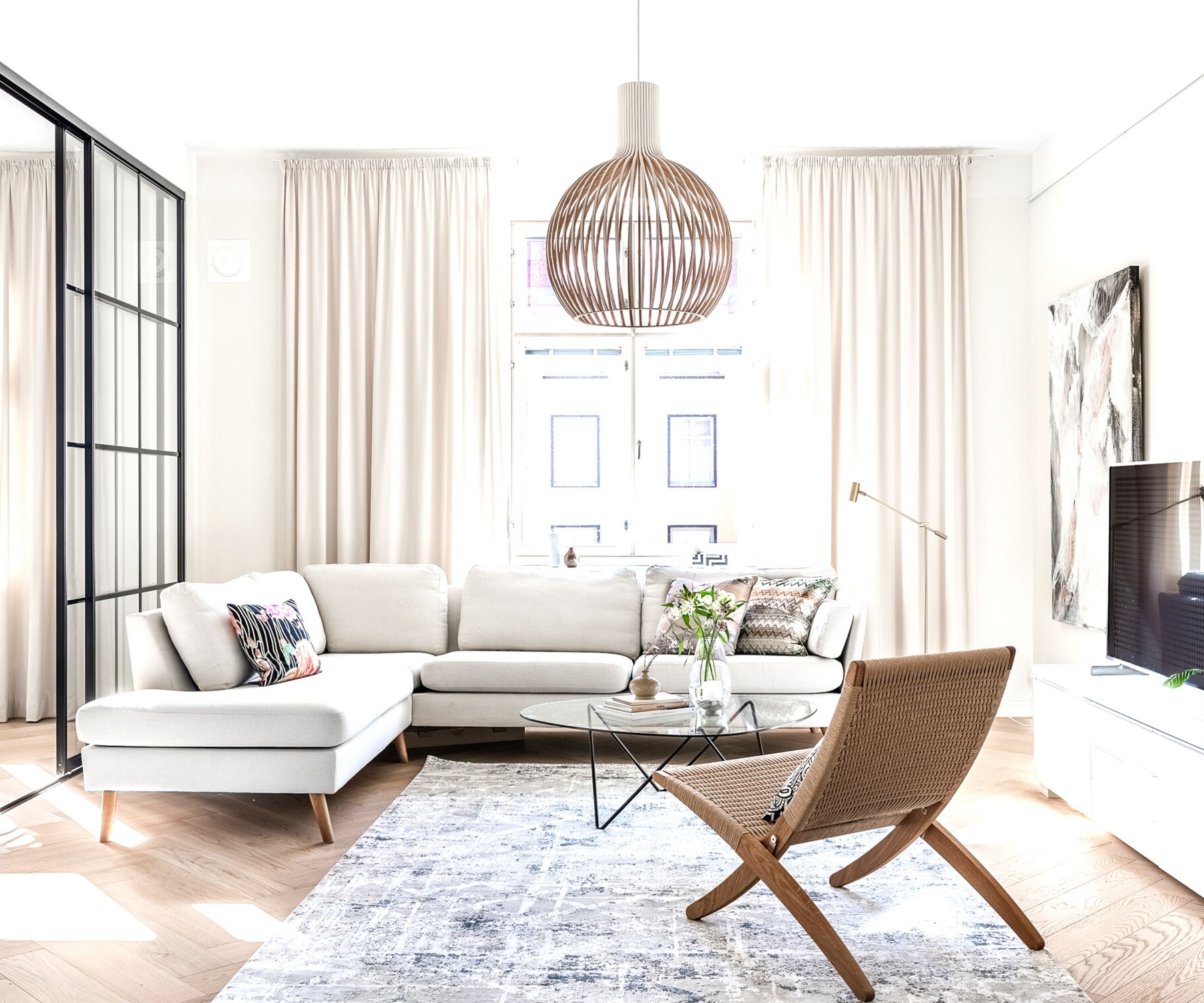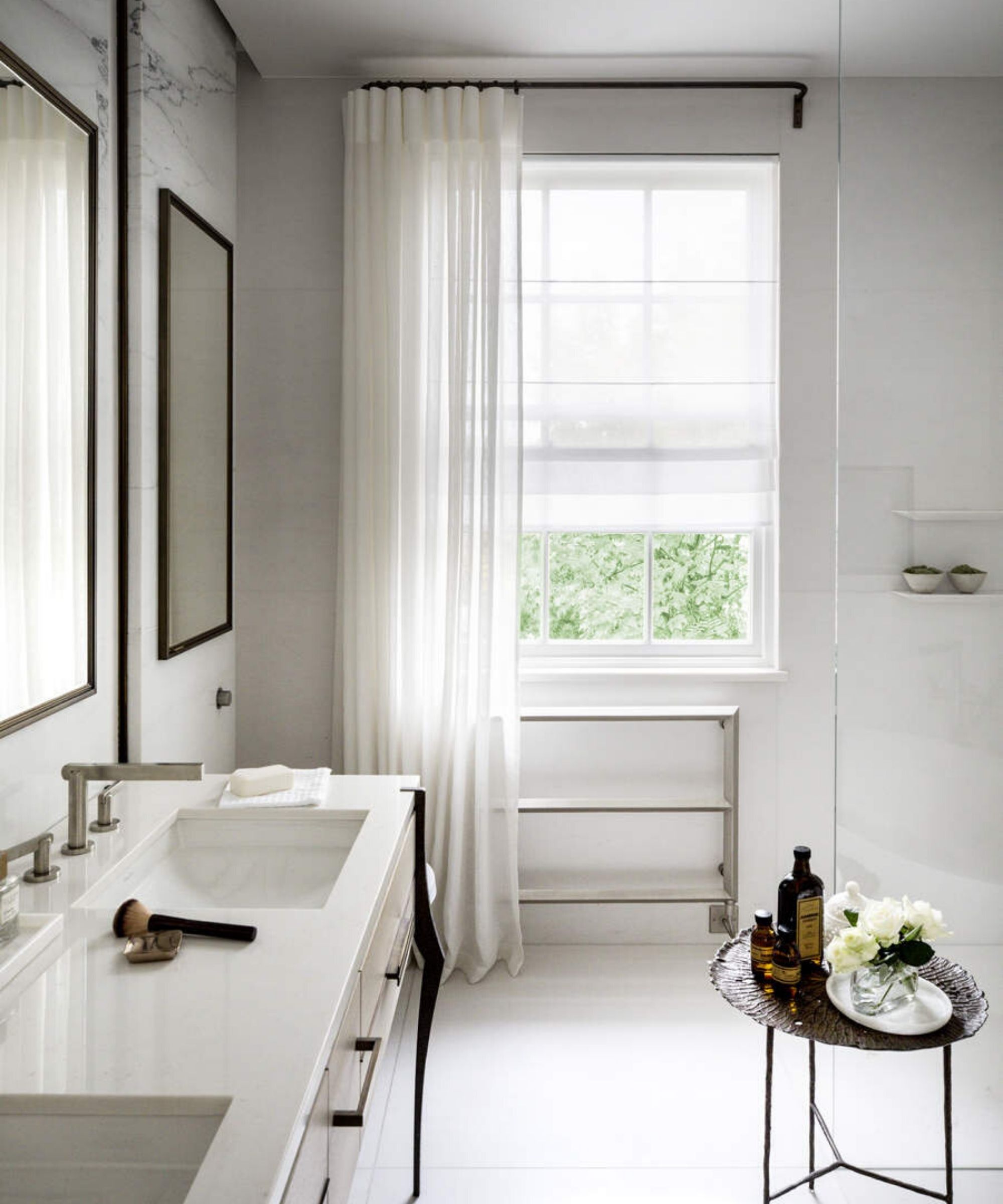
Home staging: Yes, it’s worth it
This article explores the significant benefits of home staging in the real estate market, featuring insights from three Northern Virginia-based staging experts: Susan Campbell, owner of Lemon Tree Staging & Interiors; Monica P. Murphy, president of Preferred Staging LLC; and Leigh Newport, owner and principal designer of Staged By Design. These professionals unanimously affirm that home staging is a crucial investment for homeowners looking to sell their properties quickly and at a premium price.
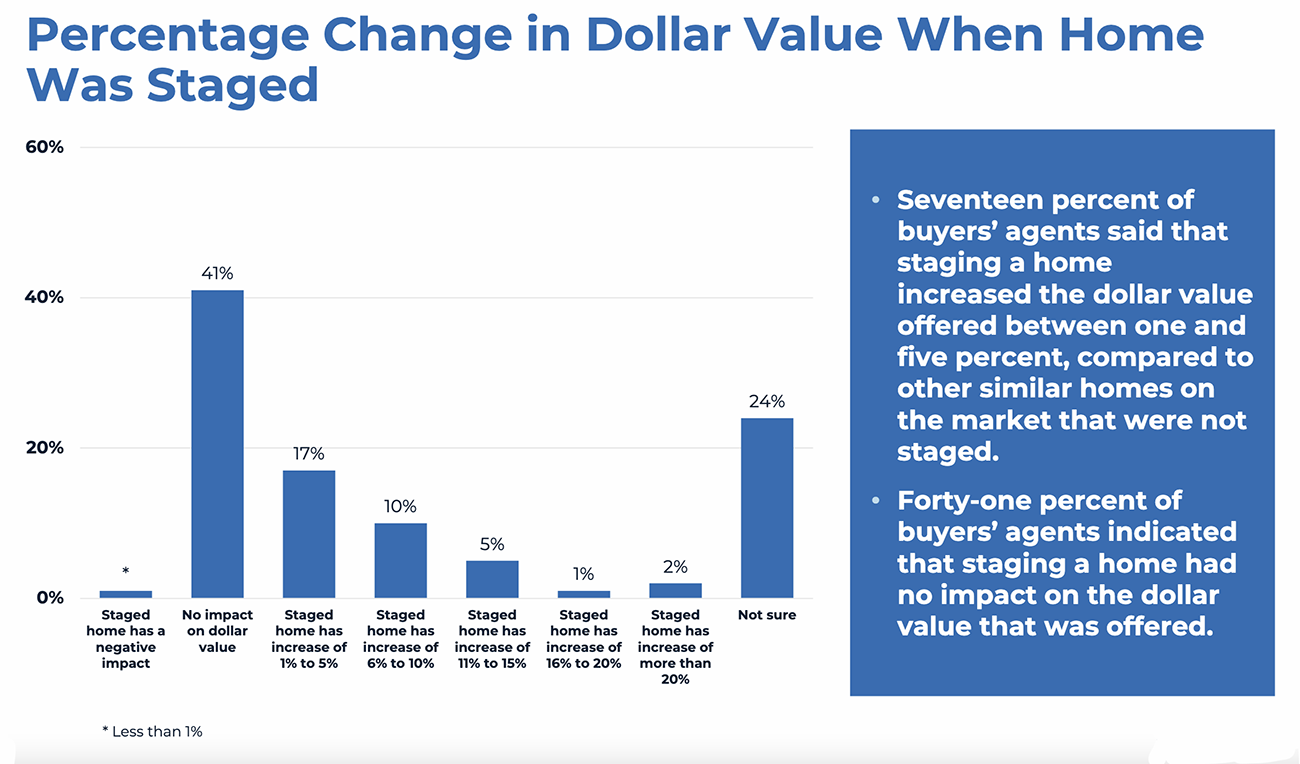
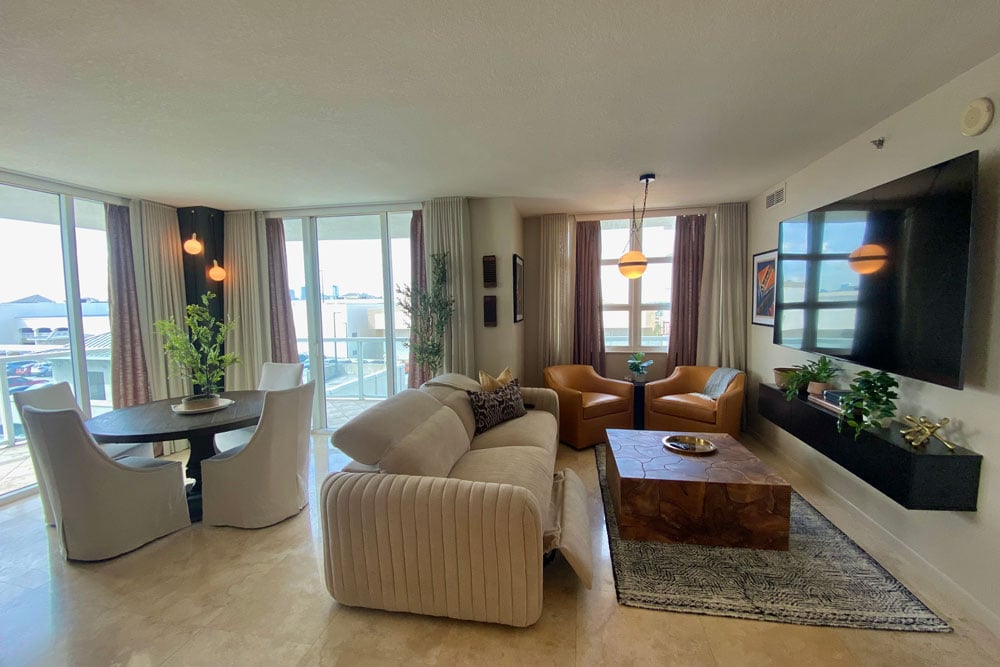
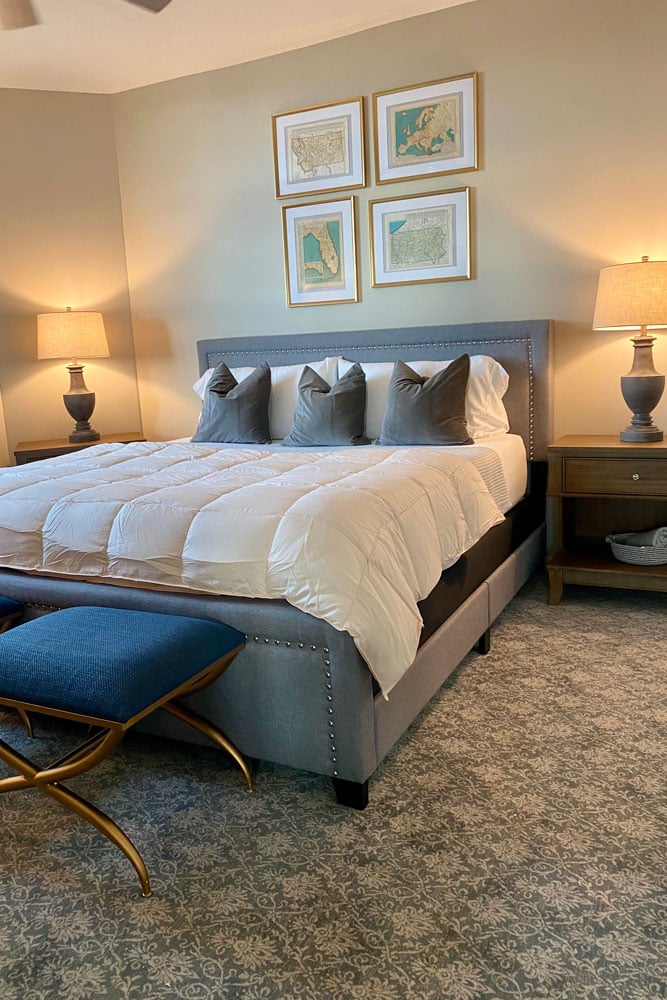
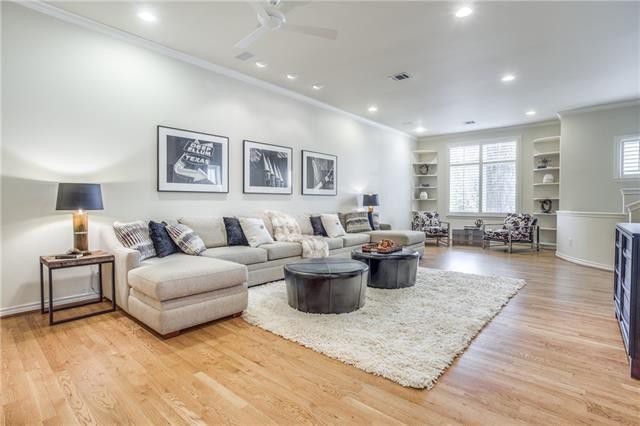
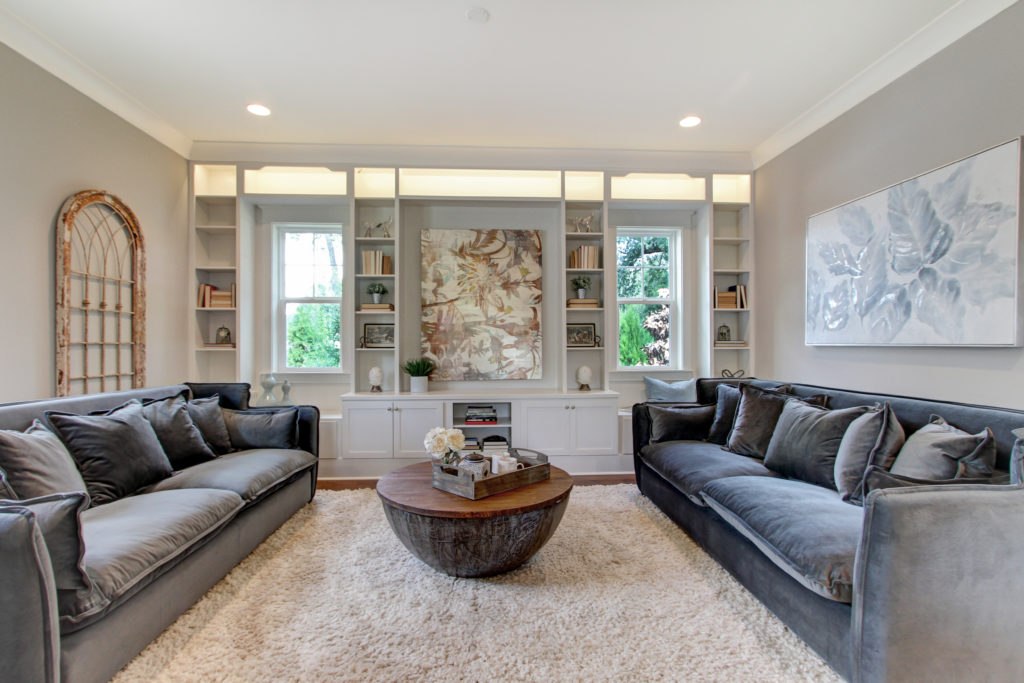
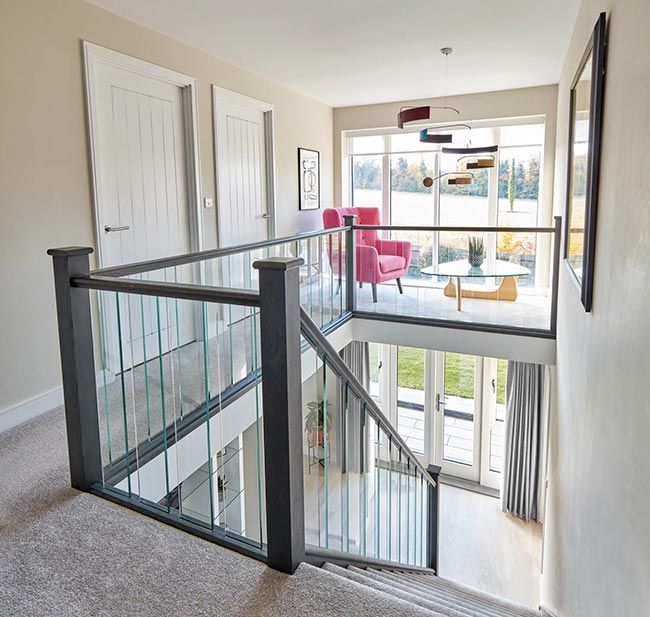
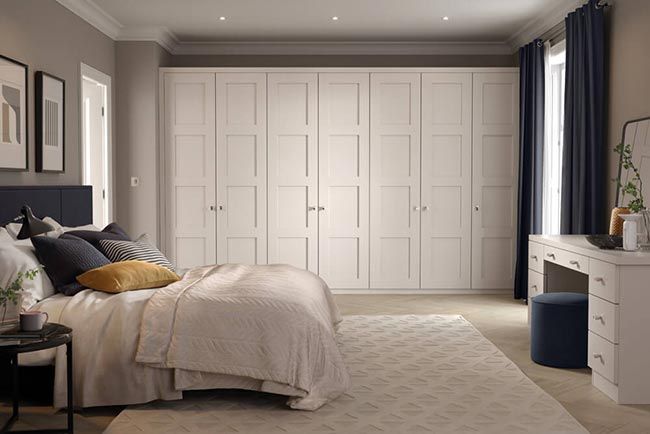
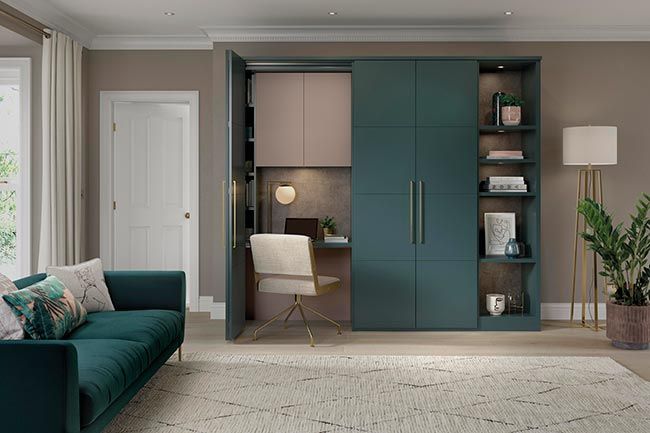
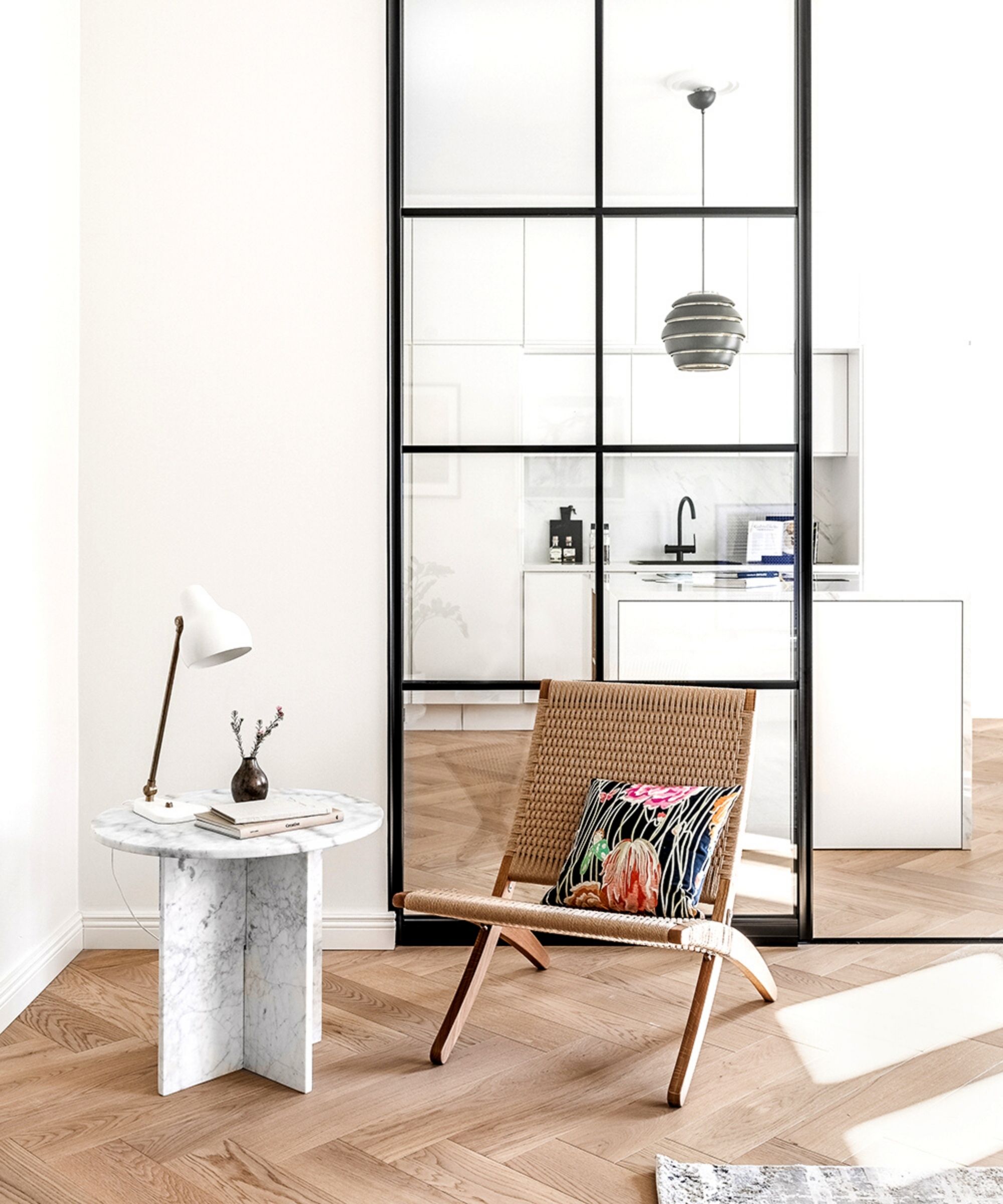
Susan Campbell highlights that contemporary home selling necessitates effort, stating that while any home will eventually sell if priced low enough, staging allows homeowners to achieve both a quick sale and top dollar. Monica P. Murphy provides a compelling case study of a luxury home in McLean that lingered on the market for four months due to a dated interior. Instead of dropping the price by $50,000, the owners invested in professional staging. This transformation, including on-trend furniture, rugs, art, and lighting, and updated listing photos, led to over 40 buyers touring the house at the first open house post-staging. An offer was accepted seven days later, $10,000 above the asking price. Murphy emphasizes that professionally staged homes statistically sell faster than vacant or non-professionally staged homes, often at or above the asking price, negating the need for price reductions. Leigh Newport adds that staging not only reduces days on the market but also increases the perceived value of a home, with buyers willing to pay 1 to 5 percent more for a staged property.
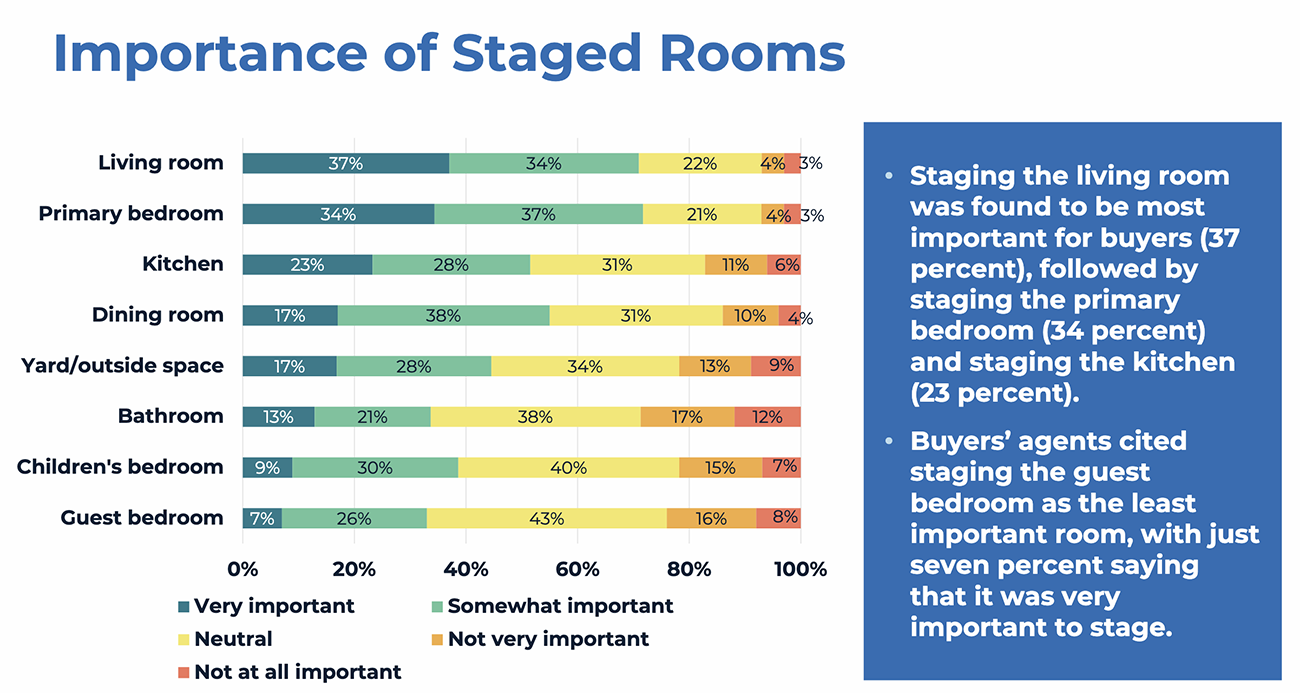
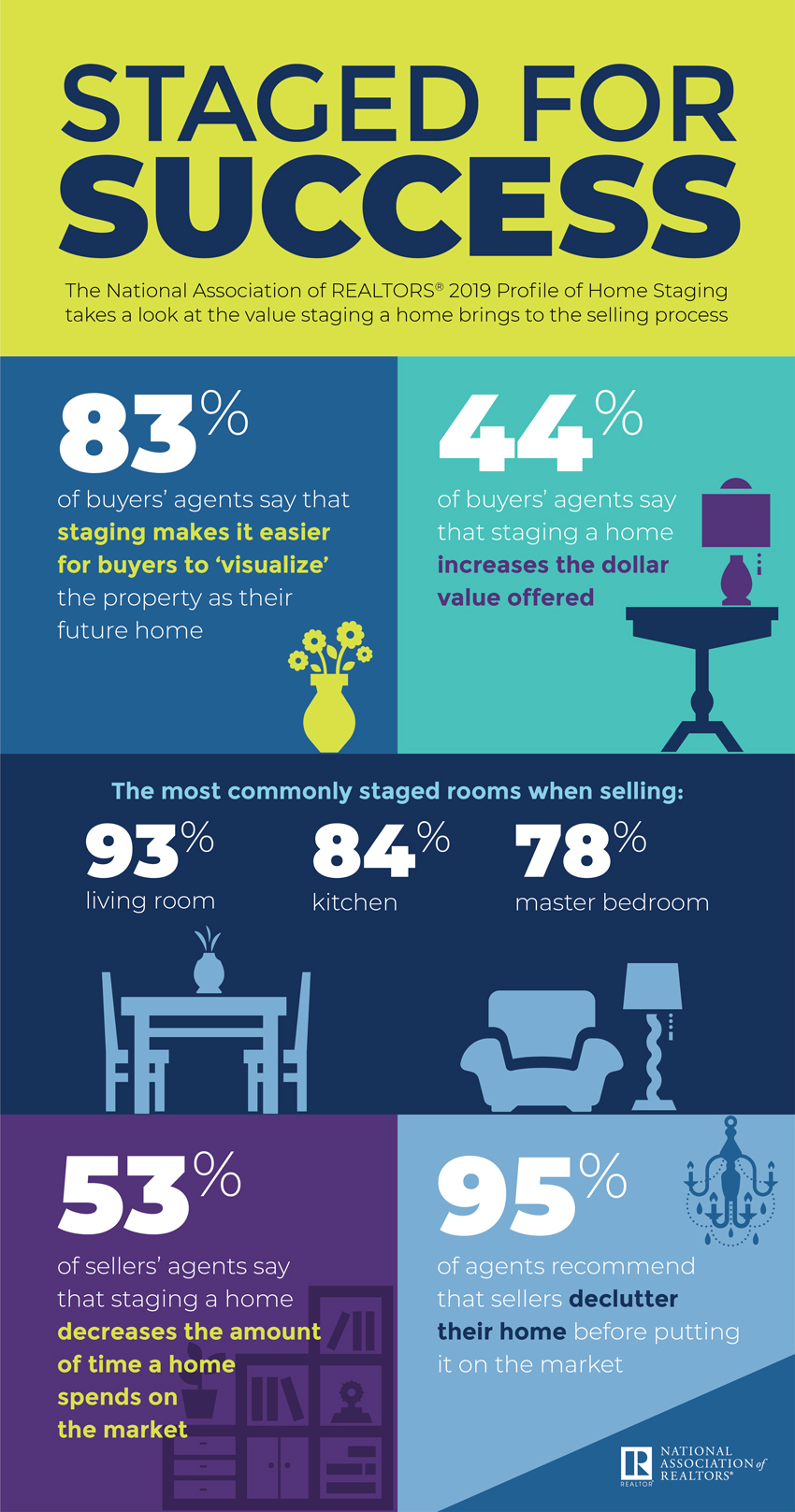
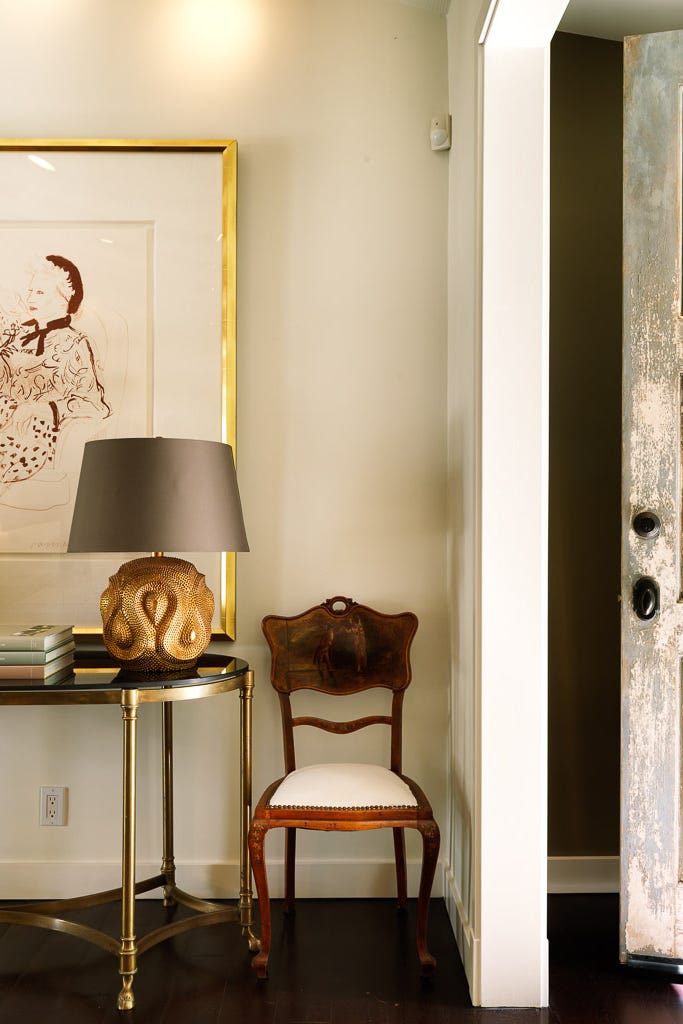
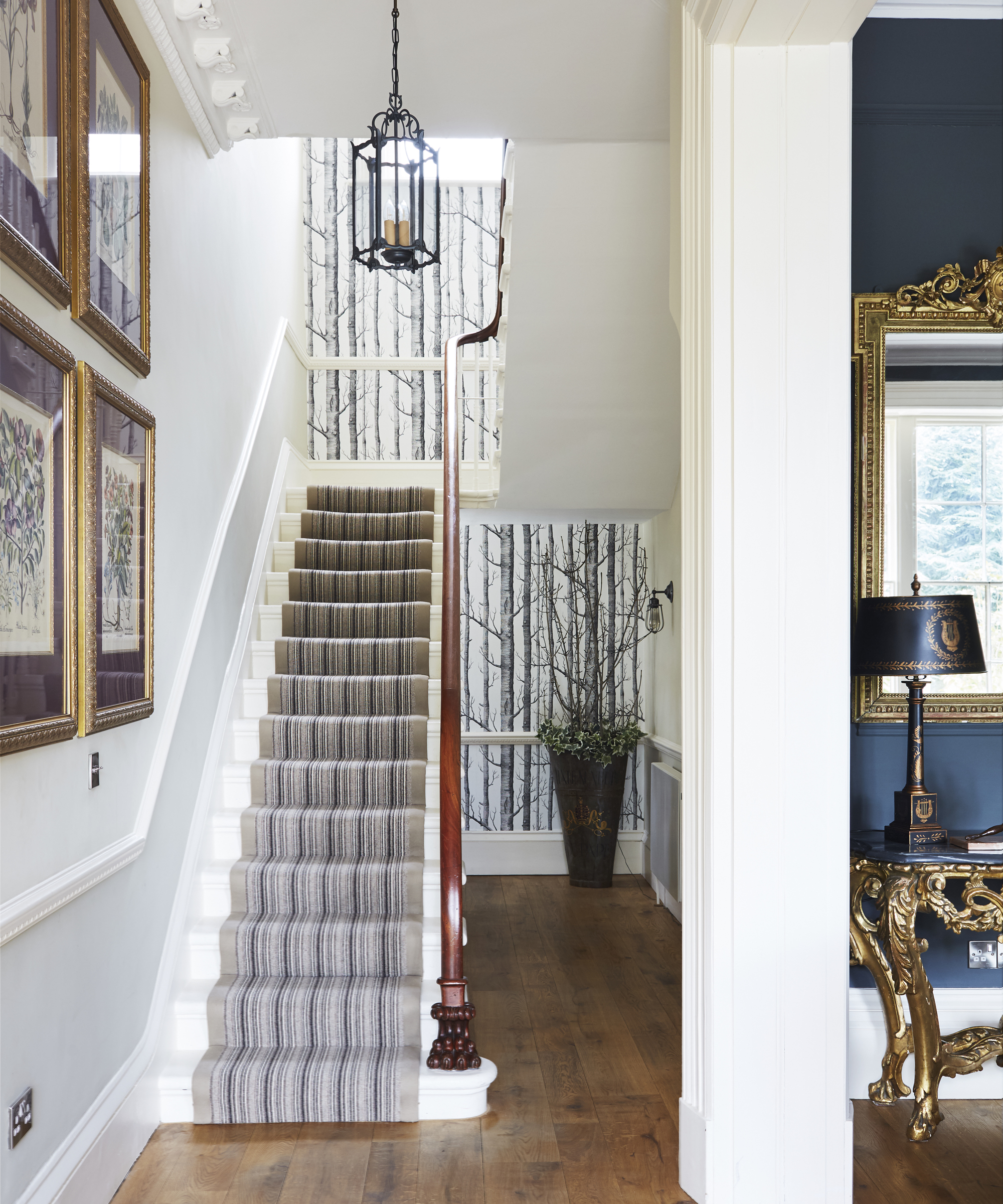
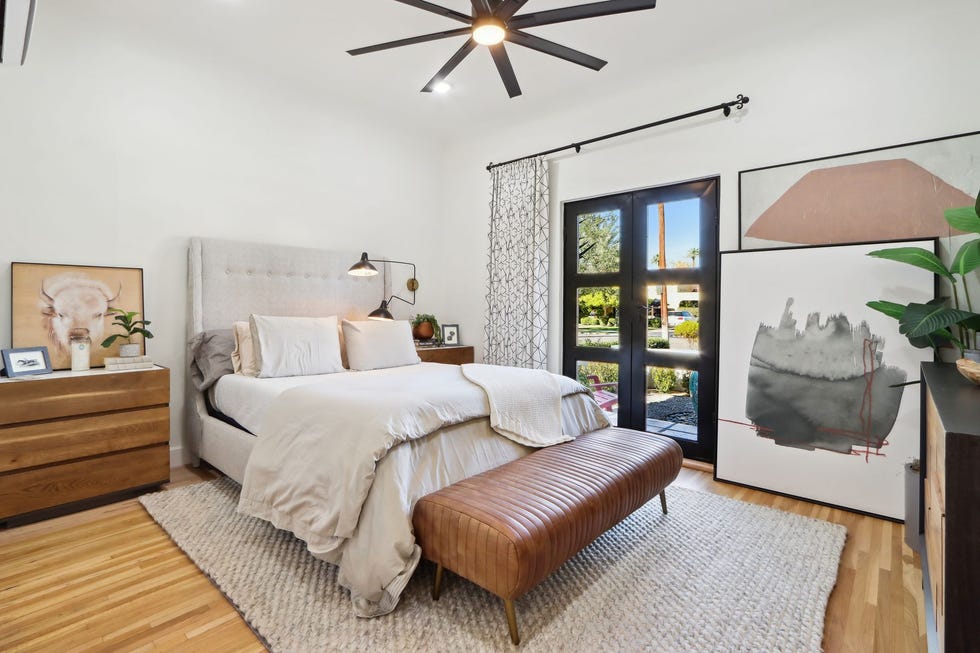
The experts explain that home staging works by tapping into the aspirational aspect of home buying. Campbell notes that staging helps buyers envision themselves living in a beautiful home, showcasing its potential, highlighting assets, and minimizing less desirable features. Murphy describes it as a marketing strategy designed to appeal to the broadest pool of buyers, allowing them to connect with the house and imagine their lives within it. Newport concurs, citing a 2017 National Association of Realtors (NAR) study that found 77 percent of real estate agents believe staging helps buyers visualize the property as their future home.
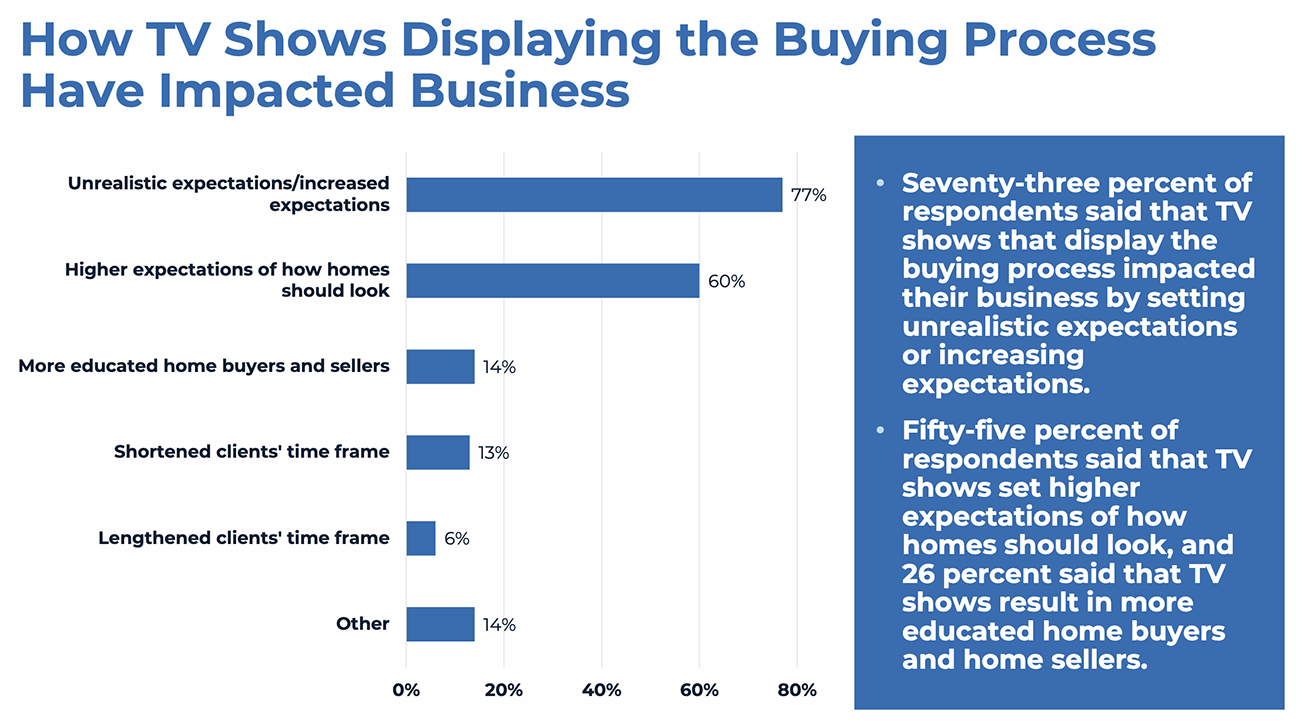
The article addresses the common question of why homeowners should invest in a house they are selling. Campbell likens it to detailing a car before selling it, emphasizing that a home is a much larger investment, and a reasonable preparation investment yields significant returns. Murphy stresses that buyers today, particularly millennials, seek move-in-ready homes and are less inclined towards DIY projects or extensive renovations. They are influenced by online trends, HGTV, Pinterest, and shelter magazines, expecting homes that align with modern aesthetics and offer convenience. Newport adds that a stager provides objective feedback and suggestions for changes, updates, or cosmetic fixes that offer high returns on investment, helping homeowners navigate the emotional process of selling their primary residence.
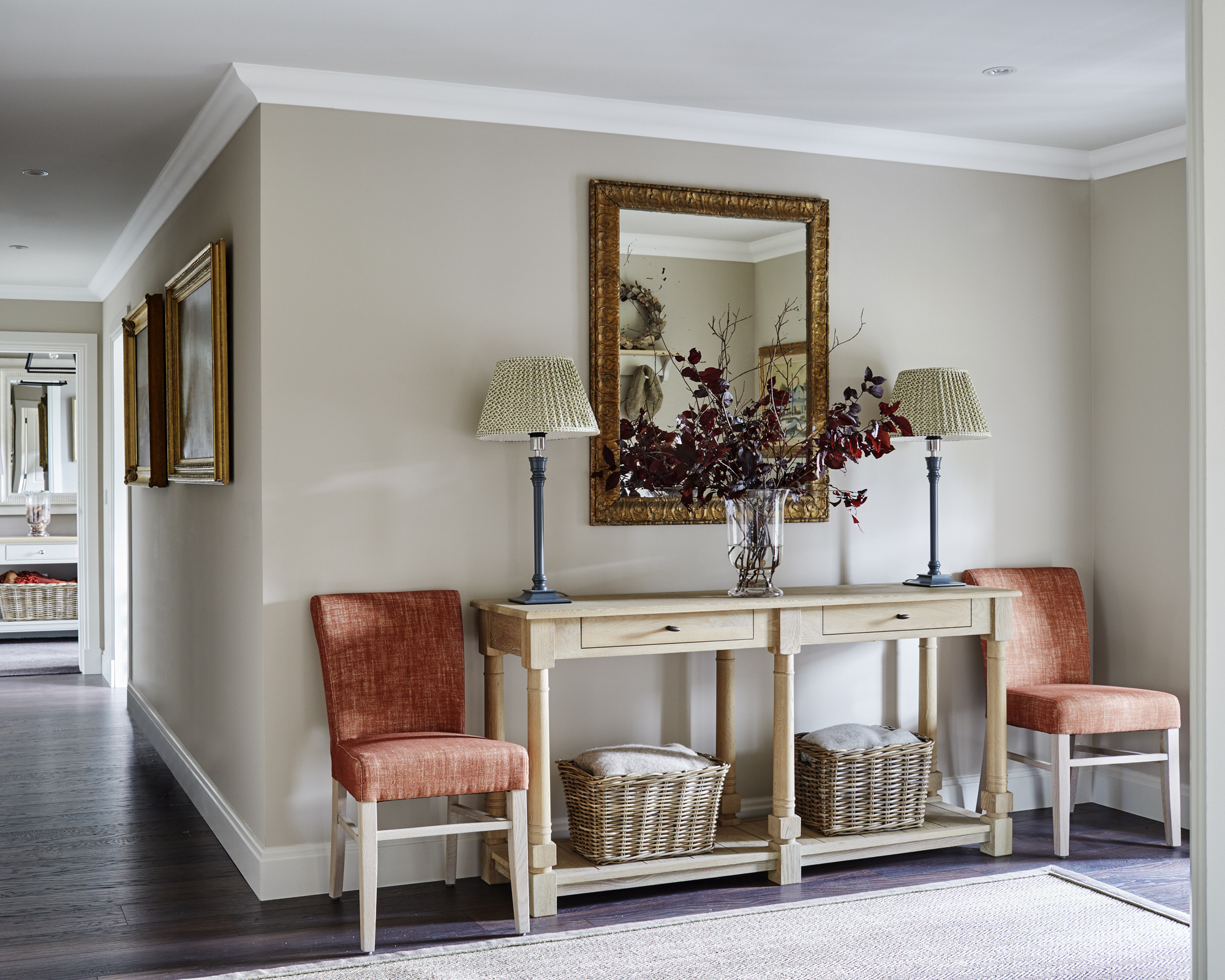
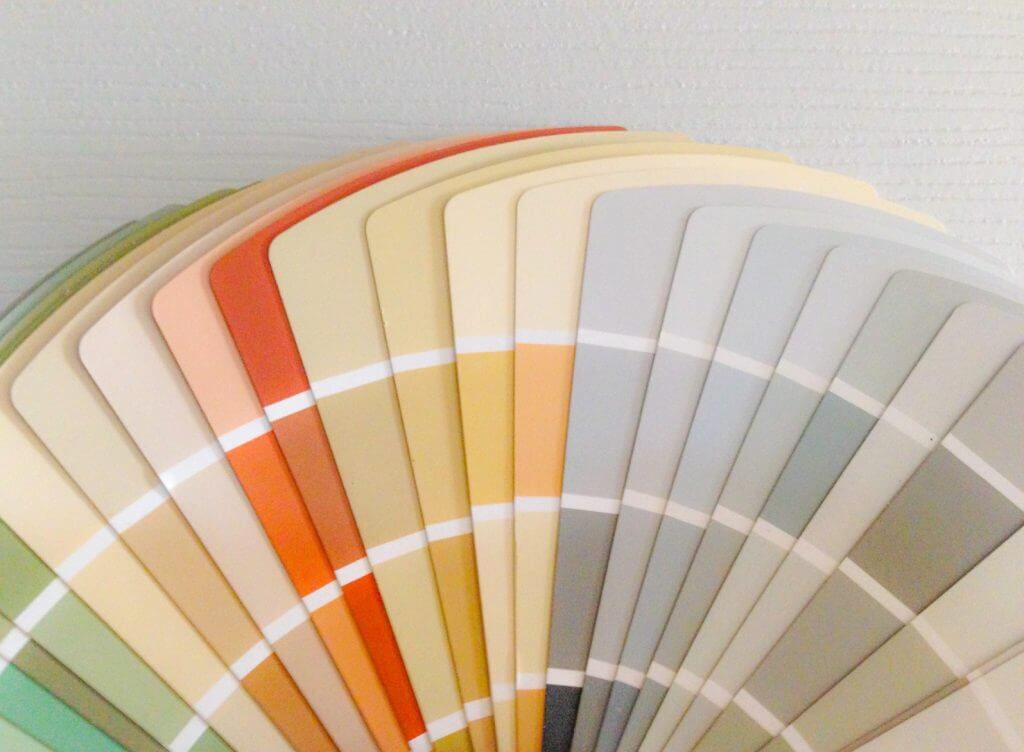
Regarding trends, the stagers emphasize adapting to current design and paint color trends while maintaining a neutral backdrop for broad appeal. Campbell mentions that while gray has been popular, its dominance is diminishing, and paint colors should be chosen based on natural light, wood tones, and adjacent colors. Murphy and Newport discuss attending industry events like the High Point Market to stay current on design trends and keep their inventory fresh, incorporating elements like fringe on pillows and rugs for a boho-chic touch, but always with the goal of appealing to a wide range of potential buyers.
Finally, the experts offer advice on selecting a home stager. Campbell recommends interviewing two to three companies for vacant properties, reviewing their portfolios to ensure their style aligns with the property and neighborhood, and confirming their flexibility to adapt to specific property needs. Murphy notes that different staging companies offer varying services, expertise, and pricing, reflecting their experience and inventory quality. Newport suggests asking specific questions about their days on market statistics, annual staging volume, sourcing of furniture, inventory refresh rates, full-time status, and insurance coverage. The article concludes by differentiating home staging from interior design, clarifying that staging is a marketing tool focused on broad buyer appeal and depersonalization, while interior design caters to individual homeowner tastes and lifestyles.
#HomeStaging #RealEstate #HomeSelling #InteriorDesign #MarketTrends #PropertyValue #SellerTips #NorthernVirginia #RealEstateInvestment #HomeStaging #RealEstate #HomeSelling #InteriorDesign #MarketTrends #PropertyValue #SellerTips #NorthernVirginia #RealEstateInvestment
0 comment in total
 No comments yet
You may also like

9 Home Staging Tips You'll Want to Try (Even if You're Not Selling Anytime Soon)


Are Home Saunas Worth the Investment?


How home staging can help you sell your house faster & for more


Profile of Home Staging

These Easy Home Updates Could Add $6,000+ to Your Selling Price

Virtual Staging Could Help You Sell Your Home—Here's What to Consider


The home office buys you won’t regret
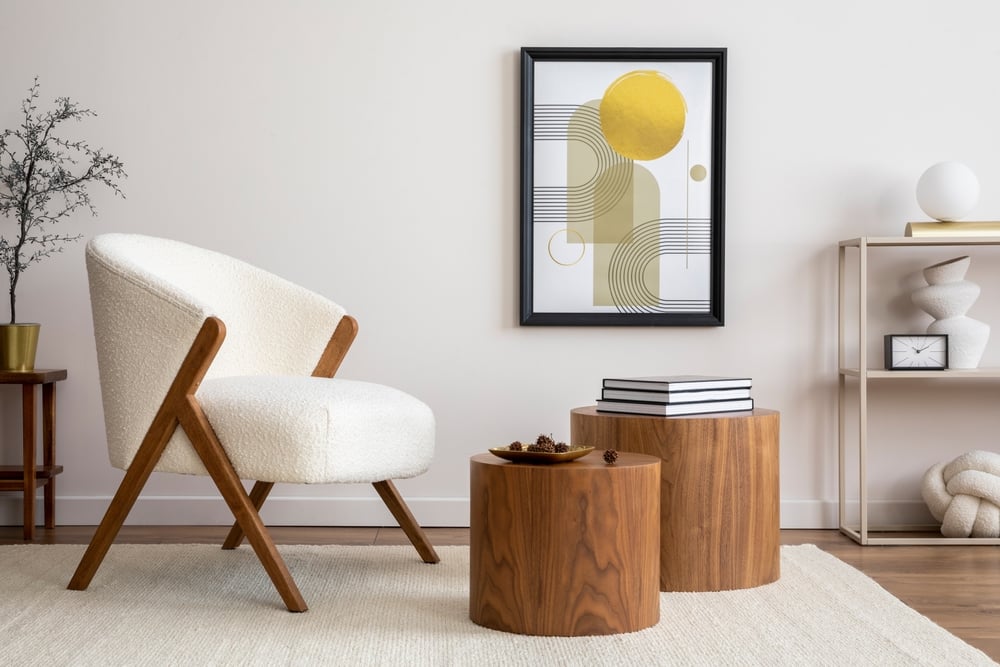
Everything You Need to Know About Staging Your Home on a Budget

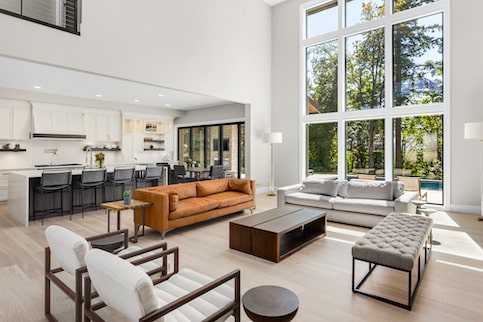
Virtual Staging: The Top 10 Apps That Can Help You And Your Home


Mission complete: Is building your own patio worth it? | Home With Tess

5 home updates to increase your property's value by 20%

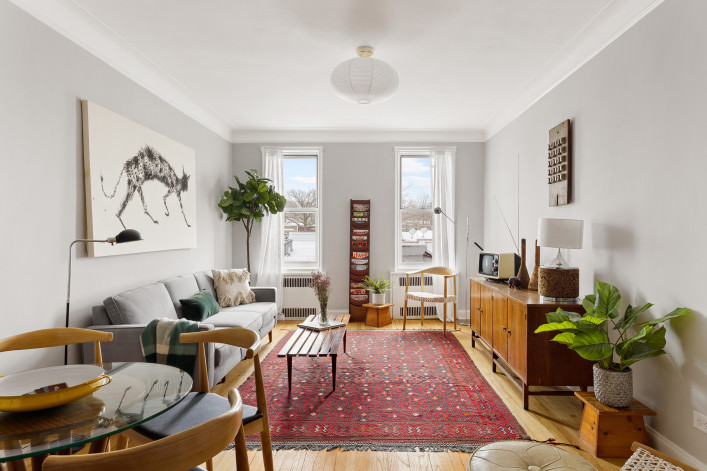
How much does it cost to stage your NYC apartment or brownstone?

Staging a hallway – top tips from real estate professionals


This popular online framing service is so worth the money

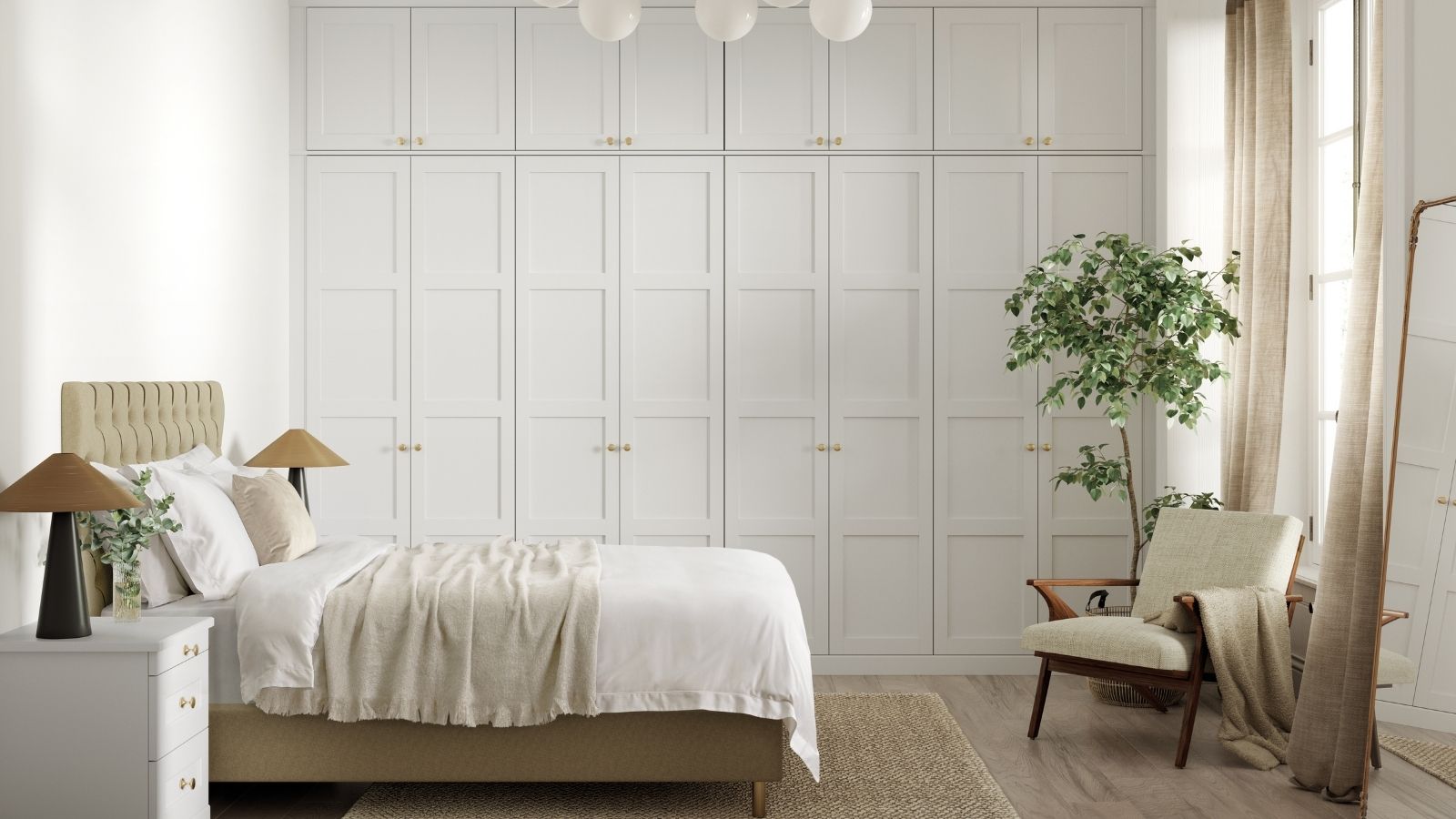
Minimalist home staging – 4 ways experts say paring back will sell your home fast
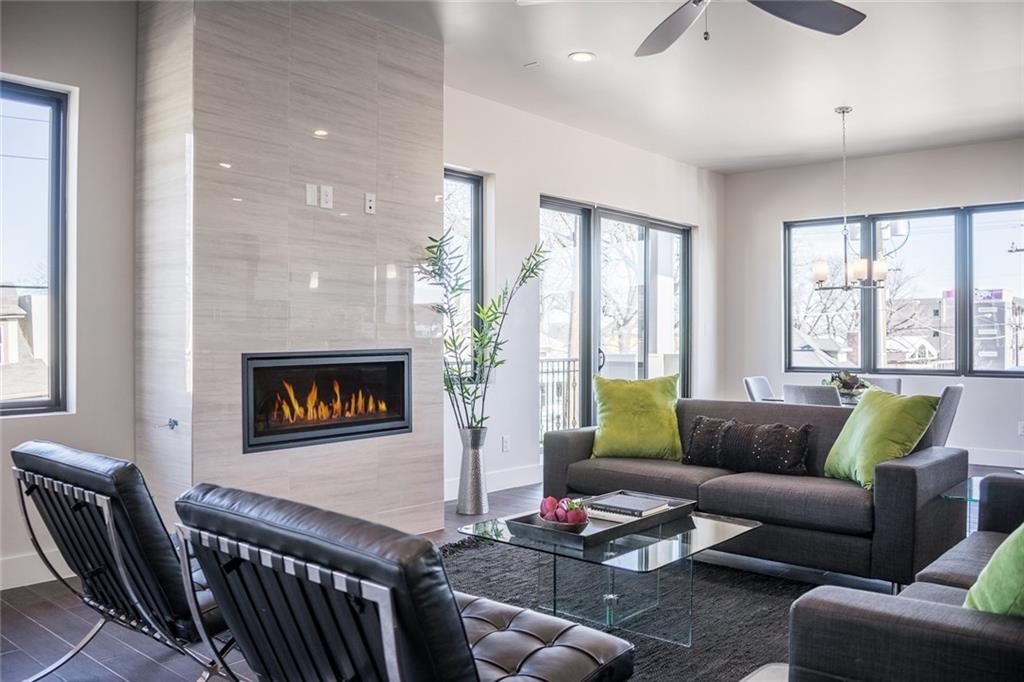
More Realtors Are Using Staging Than Ever Before, According to NAR


5 Most Profitable Home Improvements to Make Before Selling Your Home


Realtors Say "Screen Appeal" Is One the BIGGEST Reasons Homes Fly Off the Market

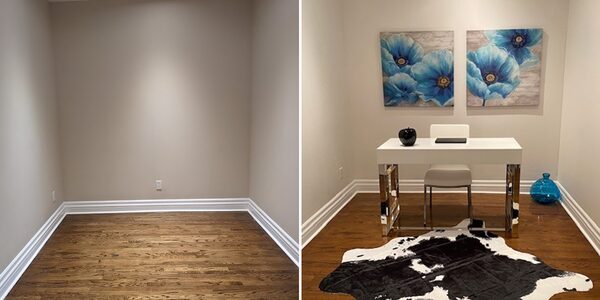
Should you stage your home when selling?