1/9
Beyond the Drawing Board: How Augmented Reality is Reshaping Architectural Design Review
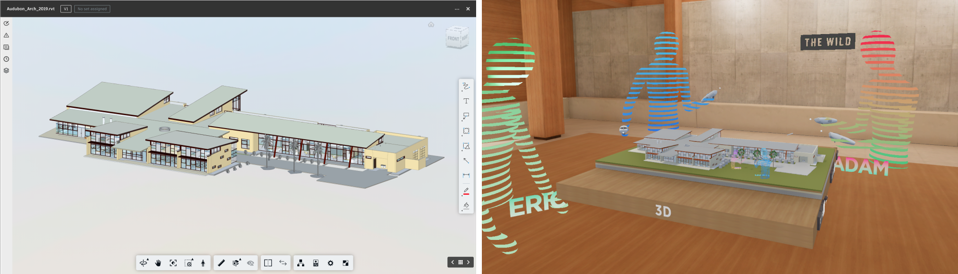
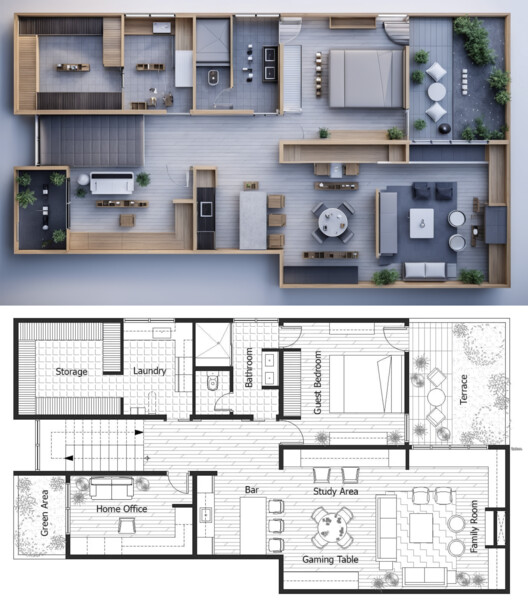
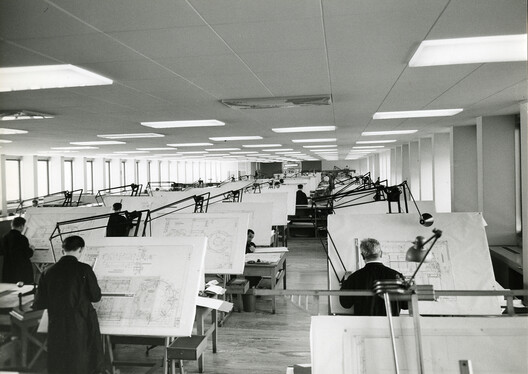
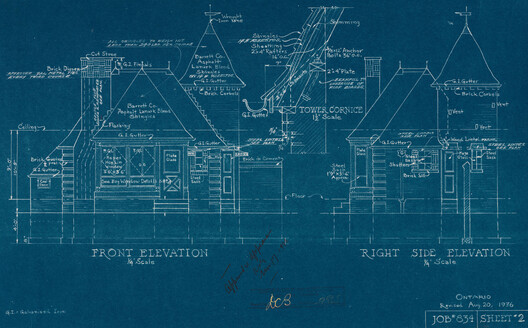
Architectural design has historically relied on 2D representations such as elevations, sections, and floor plans, supplemented by digital 3D renderings. While these tools are crucial for conveying geometry and design intent, they inherently flatten space and limit the viewer's ability to experience a project as it would exist in reality. To overcome this limitation, architects have started to leverage immersive technologies, specifically Extended Reality (XR), to bridge the gap between abstract drawings and lived spatial experience. XR encompasses three primary categories: Augmented Reality (AR), Virtual Reality (VR), and Mixed Reality (MR), each offering distinct levels of digital immersion.
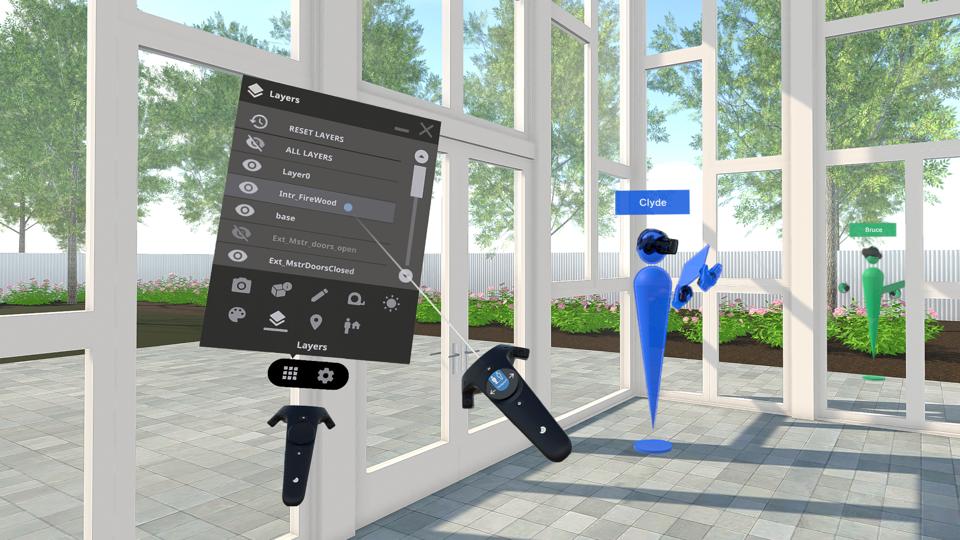
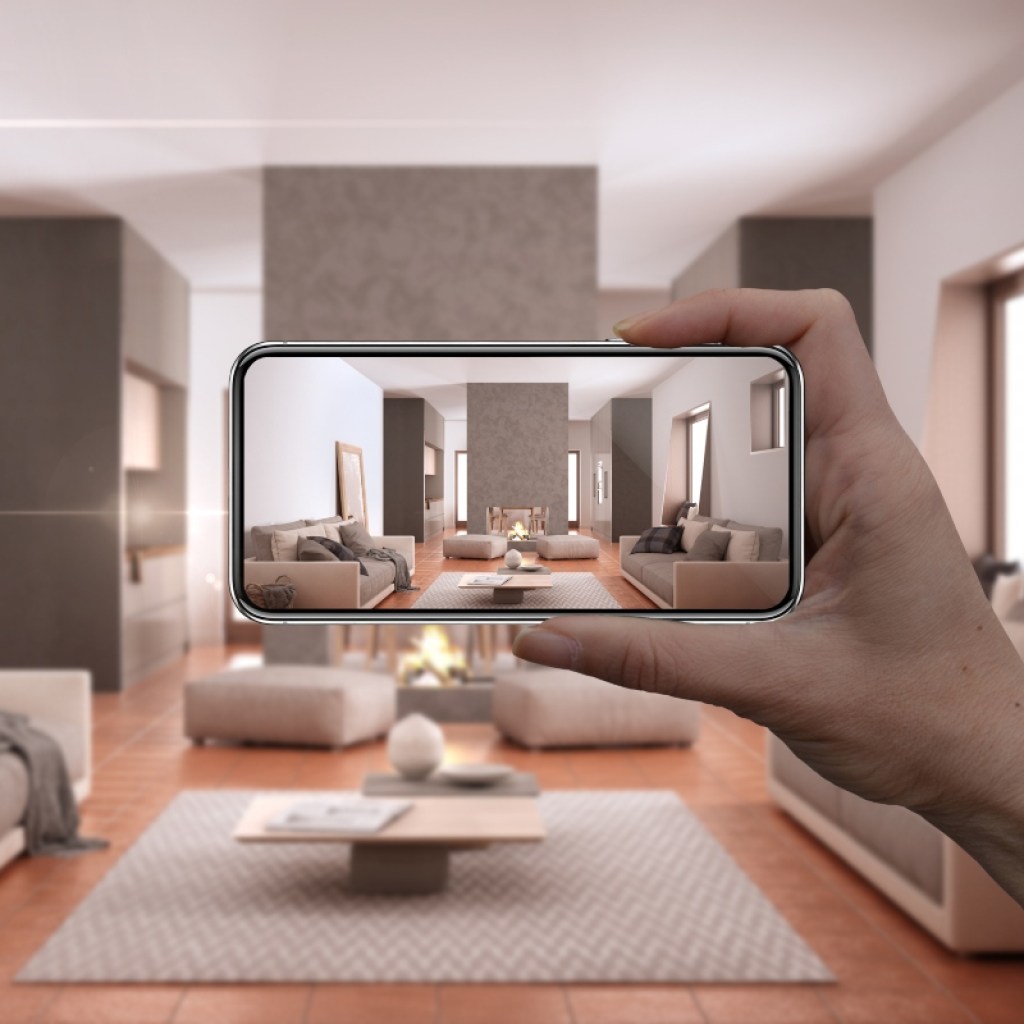
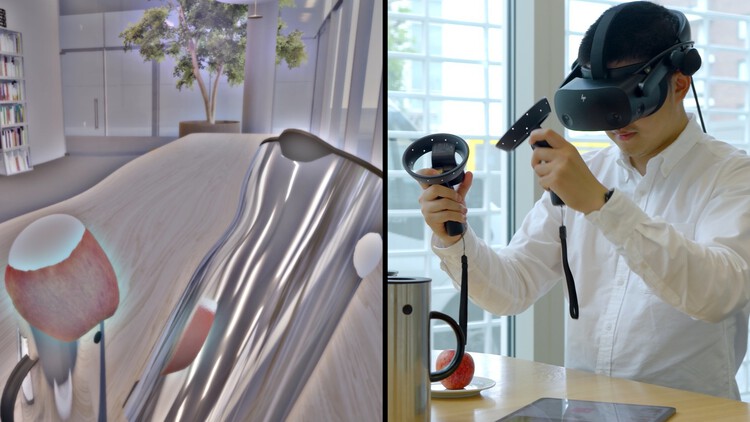
AR enhances the real world by overlaying digital content, exemplified by systems that use passthrough cameras like the Apple Vision Pro. In contrast, VR fully immerses users in entirely virtual environments, blocking out the physical world. MR, positioned between AR and VR, is a more refined classification of AR, typically involving head-mounted displays (HMDs) with see-through lenses that superimpose 3D models onto the user's view, such as the Microsoft HoloLens. Innovations like the Trimble XR10 integrate these HMDs with hard hats, making MR technology viable for use on construction sites. For clarity, this discussion categorizes Class 1 display systems (monitor-based with camera passthrough) as AR and Class 2 and 3 systems (HMDs with see-through lenses) as MR.
The perception of space in architectural design extends beyond mere geometry; it involves intuition, individual knowledge, and prior experiences. Kevin Lynch's concept of "legibility" refers to how easily a space can be understood and mentally organized, while Ittelson (1978) highlighted how users explore, categorize, and systematize spatial elements. Research indicates that immersive environments can accurately simulate these processes, allowing architects and clients to interact with designs not just as abstract plans but as tangible spaces to navigate and interpret. This facilitates a more profound understanding of how a proposed design will feel and function in real-world conditions.
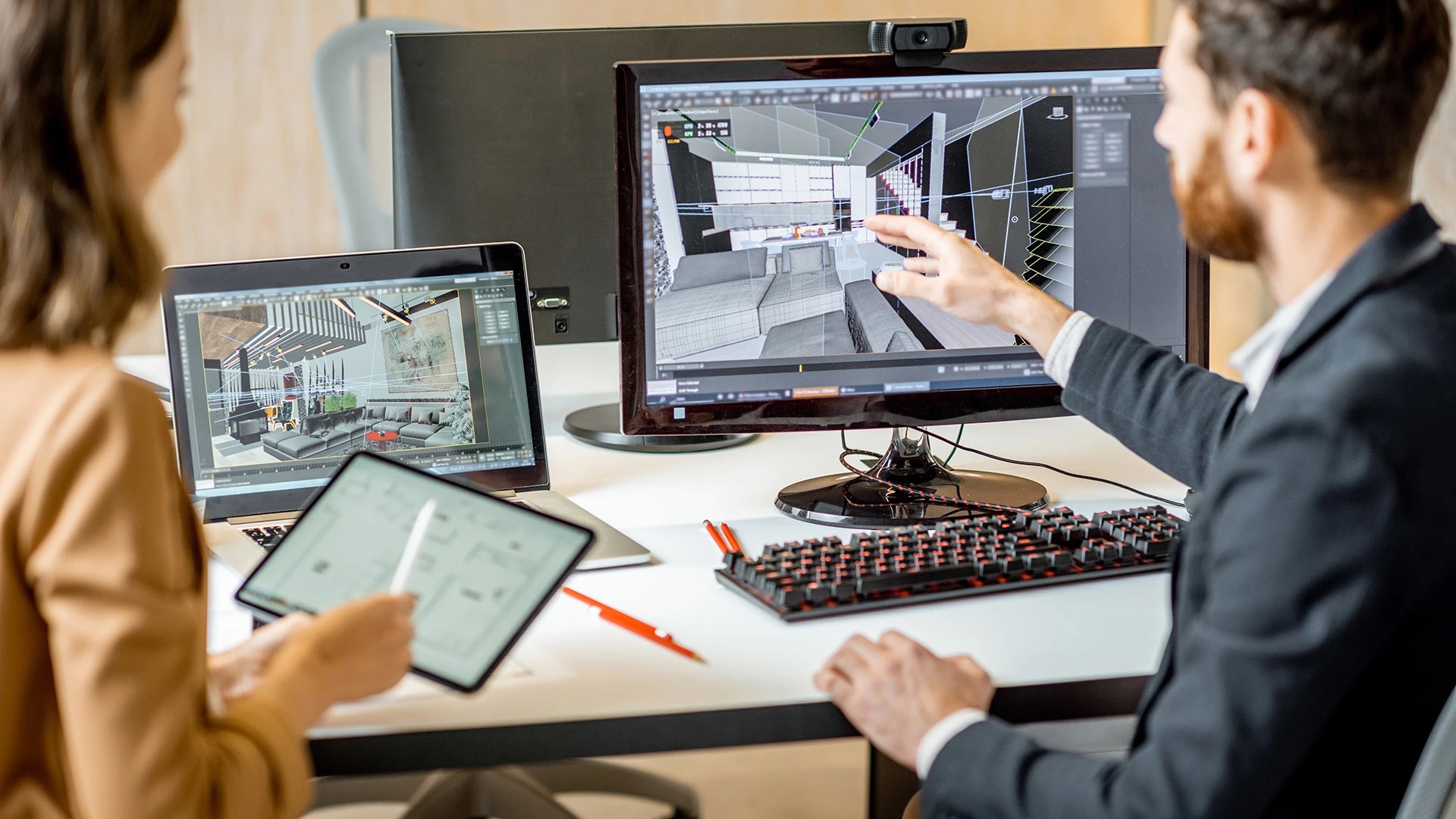
A 2021 study by the National Taiwan University investigated the effectiveness of 2D drawings versus MR in understanding architectural design. Participants were divided into two groups: one analyzed an interior design proposal using traditional printed drawings and colored renderings, while the other used an explorable 3D model via an MR headset (HoloLens). The findings revealed that MR technology enabled users to grasp approximately 85% of the overall design proposal, compared to about 75% for 2D methods. While MR excelled in conveying how elements interact, material properties, and visual perception of size, 2D plans remained superior for specific measurements (length and width), understanding demolition plans, and identifying countable elements like light fixtures or sockets. This suggests that MR does not entirely replace 2D methods but rather complements them.
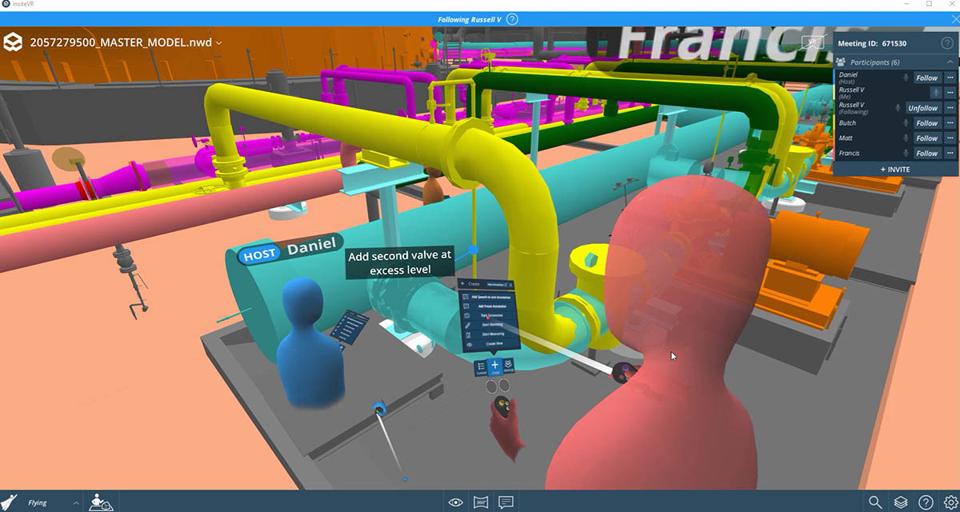
Integrating MR into architectural design review workflows has the potential to foster inclusive and interdisciplinary collaboration. It helps bridge the communication gap between technical design teams and non-technical stakeholders, such as clients, who may struggle to visualize designs from conventional drawings. By allowing clients to experience design proposals directly on-site through transparent MR lenses, they can intuitively identify issues like circulation conflicts, scale misinterpretations, or material inconsistencies. This enables client feedback to be based on direct perceptual experience rather than abstract interpretation, leading to more informed and user-centric design decisions. For architectural teams, this combination of MR and traditional tools can lead to more holistic and validated design outcomes by enriching technical evaluations with experiential understanding.
#ArchitecturalVisualization #ArchitecturalDesign #AugmentedReality #MixedReality #HoloLens #DesignReview #SpatialPerception #ImmersiveTechnology #ConstructionTechnology #ArchitecturalVisualization #ArchitecturalDesign #AugmentedReality #MixedReality #HoloLens #DesignReview #SpatialPerception #ImmersiveTechnology #ConstructionTechnology
Hay 0 comentarios en total
 Aún no hay comentarios
También te puede gustar
Walk Through Buildings Before They Are Built

Beyond Aesthetics: How Tech is Redefining Interior Design
8 AI-powered architectural rendering programs you should try


3D-printed relief art: Michelle Larsen sees a trend reversal in interior design

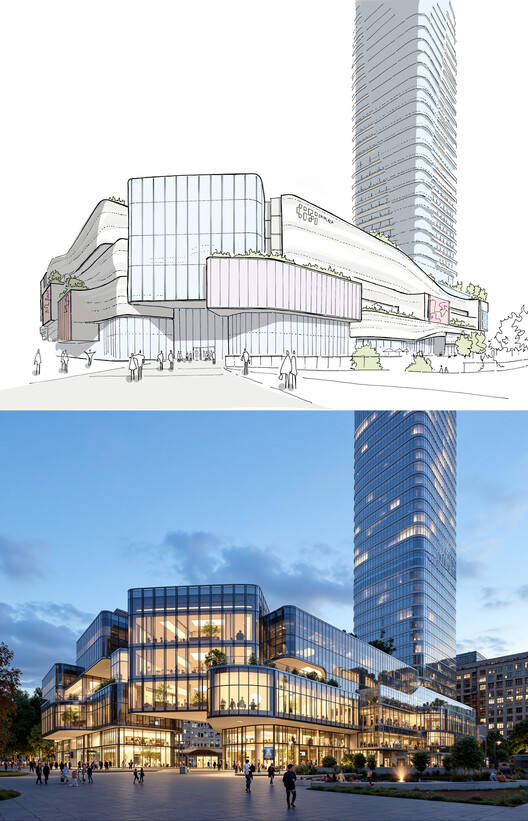
How AI-Powered Rendering Crushes Bottlenecks in Architecture and Interior Design

The Transformative Power of AI in Architecture Design
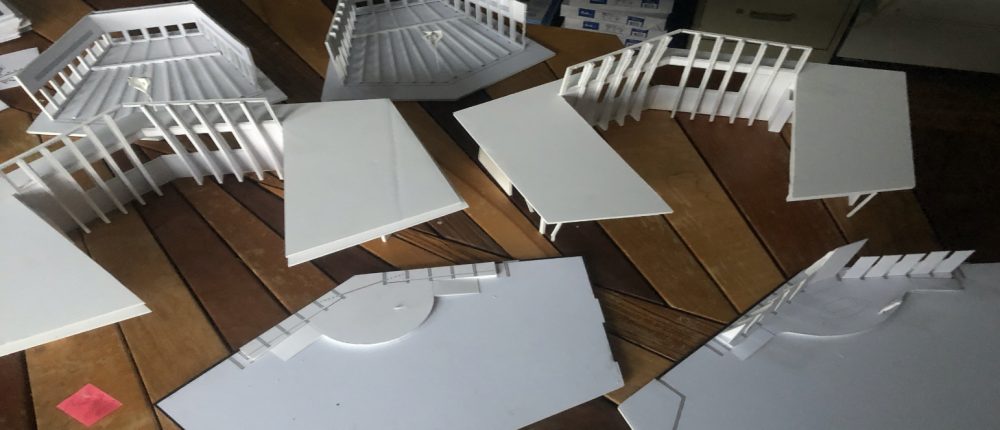
Confessions of a (Mostly) Analog Architect
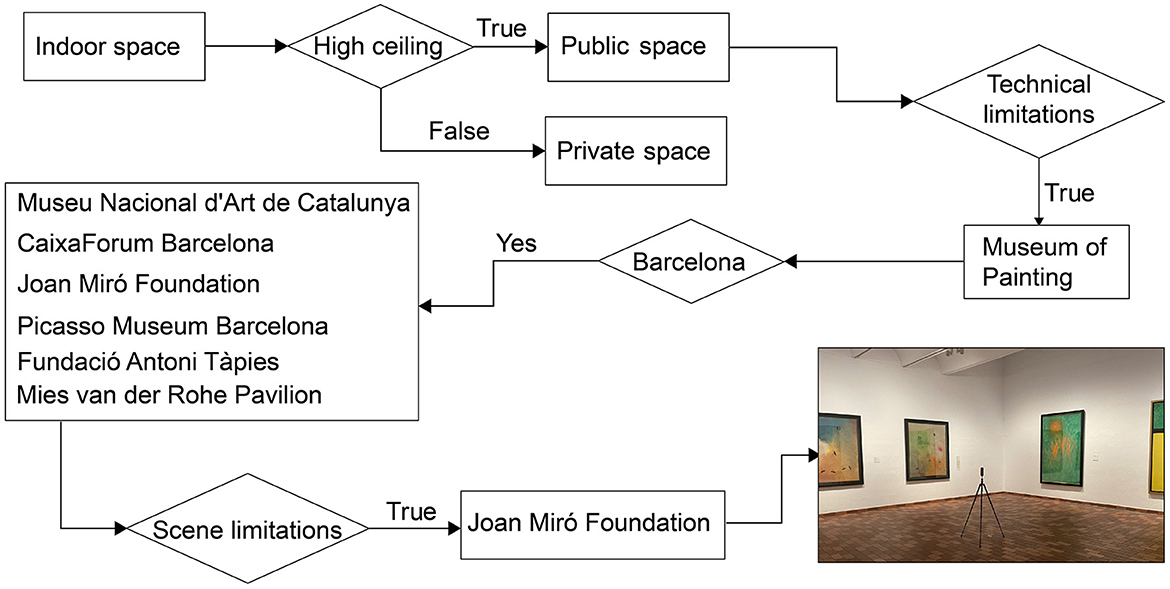
Uncovering the connection between ceiling height and emotional reactions in art galleries with editable 360-degree VR panoramic scenes

Meet Philip Oloo | Architectural Designer, Virtual Reality for Architecture and Licensed General Contractor
5 best AI interior design apps in 2024

10 Revolutionary AI Tools Reshaping Architectural Design

Top 16 AI Tools for Interior Design
7 Examples of How to Show Off Interiors in Your 3D Models, As Selected by Sketchfab

Check out these AR apps to place furniture like a pro


10 DIY Home Renovation Apps (Free)
10 Ways Visualization Transforms Projects for Architects and Designers
The Plan and the Prompt: How AI Is Rewiring Design and Practice
10 AI tools to generate interior and architectural images

Will Artificial Intelligence Replace Designers?

Designing Beyond Buildings: An Architect’s Strategic Shift