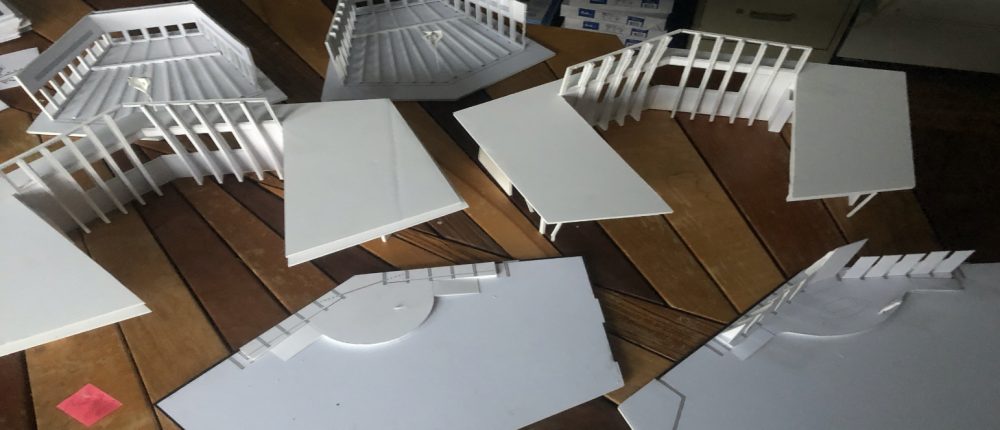
Confessions of a (Mostly) Analog Architect
The author, Duo Dickinson, identifies as an 'irretrievably analog' architect, grounding his practice in 20th-century methodologies despite operating in the 21st-century digital landscape. He acknowledges the necessity of digital tools for communication and administrative tasks, with five computer-savvy employees managing the technical aspects of his firm. While he can feign computer literacy and competently use a laptop for typing and basic internet searches, he relies on his team for advanced digital design software like AutoCAD, preferring to redline printed plans. This division of labor allows him to focus on the tangible aspects of design.
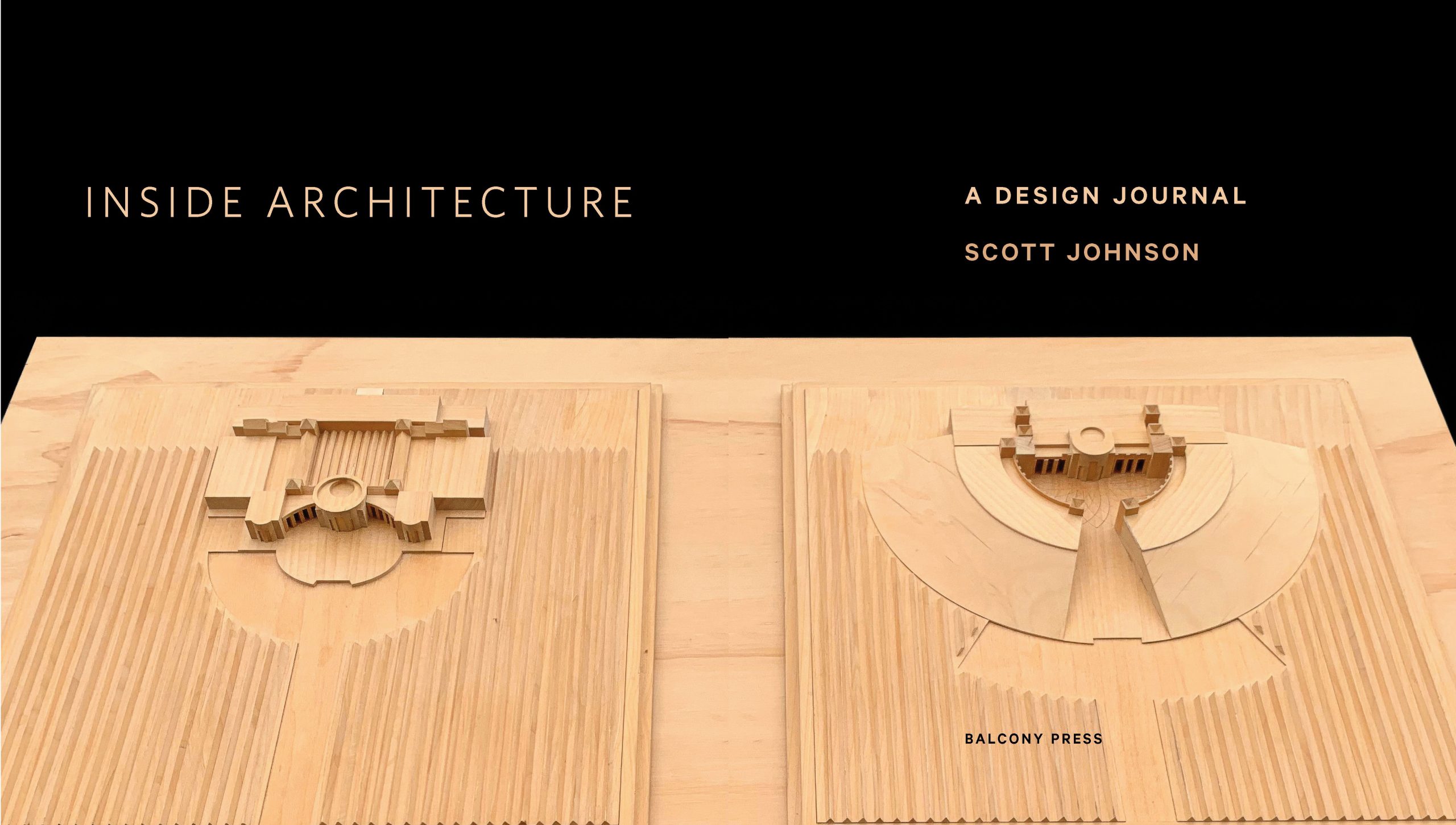
The article emphasizes that building is fundamentally an analog process, stressing that 'printed' buildings using technologies like CNC for some parts are more about demonstrating innovation than providing a universal solution. Dickinson asserts that no builder considers 3D printing the ultimate answer, as every construction site is unique and requires a physical, 'here-and-now' approach. He maintains that despite advancements in digital design, actual construction exists in an analog reality. He initiates every design concept with hand drawings for clients and, crucially, creates numerous physical models annually. These models are not merely for 'selling' a design but are integral to the iterative design process, often used collaboratively with clients and town officials. This hands-on method, though considered 'edgily unusual' in today's digital climate, is highly valued by his clients, builders, and code enforcement officials.
The author further illustrates the coexistence of analog and digital in daily life through personal anecdotes. He recounts an experience at a medical facility where a digitally made appointment was not recognized by the system, necessitating a human intervention that quickly resolved the issue and provided electronically delivered results. This mirrors his architectural practice where digital efficiency follows analog interaction. He also reflects on his experience as an author, having written eight books. His first five books, published with McGraw-Hill, followed a traditional, labor-intensive analog process involving typed manuscripts, physical art, and multiple hard-copy deliveries. His more recent three books, however, were created electronically, highlighting the shift in the publishing industry.
Dickinson notes that contemporary publishing has pushed fringe writers like himself towards digital self-publishing platforms, such as Substack. This shift requires authors to manage editing, printing, promotion, and distribution independently, assuming all financial risk with the primary reward being ego satisfaction rather than financial partnership. He contrasts this with the collaborative and risk-sharing nature of building, where no structure is 'self-created.' He concludes by reiterating his position as an 'analog dinosaur' navigating a digitally evolving world, drawing a parallel to the Chicxulub meteor event. He firmly states that despite the pervasive digital influence, essential aspects of life, like blood draws and actual buildings, remain rooted in the analog world, regardless of attempts to lead a purely digital existence.
#AnalogArchitect #ArchitecturalPractice #DigitalVsAnalog #PhysicalModels #DesignProcess #ArchitecturalDesign #PublishingIndustry #ConstructionTechnology #AnalogArchitect #ArchitecturalPractice #DigitalVsAnalog #PhysicalModels #DesignProcess #ArchitecturalDesign #PublishingIndustry #ConstructionTechnology
0 comment in total
 No comments yet
You may also like
An Architect’s Life in a Diehard Profession

Interactive floor plan: Artist studio, Australia
An ultimate guide to the power of African brutalism

The Second Studio Podcast: Executive Architect and Design Architect Roles Explained


Meet the Architect: Q&A with Thomas E. Austin

Echo Chamber
The Architect as Writer: Expanding the Discipline Beyond Buildings
The Interior Designer Interview: Jake Arnold
Architecture and design features and interviews | CLADglobal.com - Embracing nature

Architect's Notebook: A Progression of the Imagination
The Complicated Love Story of Modernist Design Duo Aino and Alvar Aalto

A Look at an Architect’s A-Frame Home Office Makeover
Whatever Happened to “The Architects’ Architect”?
An Architect Designs His Own Minimalist Home With a Dramatic Lightwell


'A Commitment to Craft Is Intrinsic to This Place': A Conversation with Portland-Based Linden, Brown Architecture
Andrés Reisinger’s NFT residential project digitises real estate

Meet Philip Oloo | Architectural Designer, Virtual Reality for Architecture and Licensed General Contractor
Tom Kundig talks about designing his steel product collection
A night to talk about design

How to make your architectural design dream a reality