1/15
Tom Kundig talks about designing his steel product collection
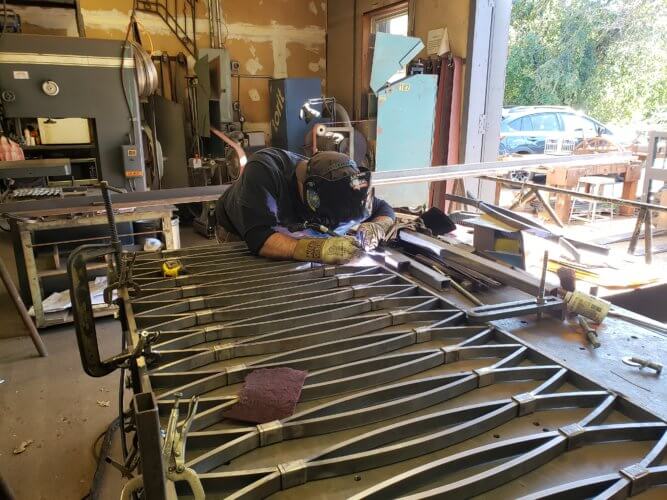
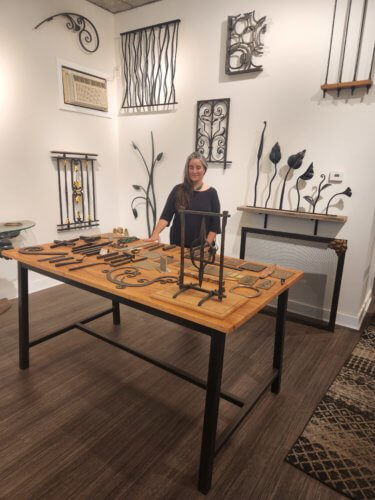
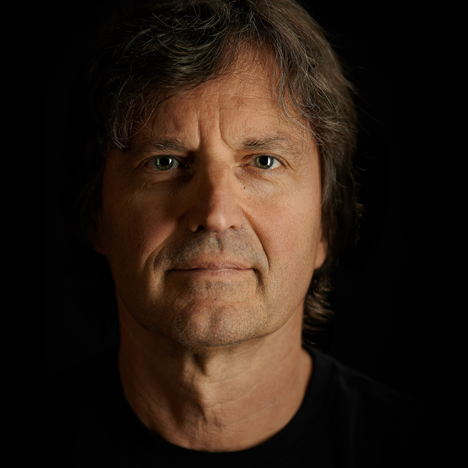
Seattle architect Tom Kundig has developed a collection of over 100 hardware items, including drawer pulls, door handles, fire pokers, and shovels. This product line, known as the Tom Kundig Collection, was launched in 2012 in collaboration with Seattle foundry 12th Avenue Iron, with new items being added annually. Kundig, co-founder of Olson Kundig Architects, emphasizes that the collection is born out of architectural necessity, rather than a primary focus on industrial design. The firm's approach is to create a 'parts store' where different components can be assembled, much like a 'Frankenstein' creation, allowing for versatility and repurposing.
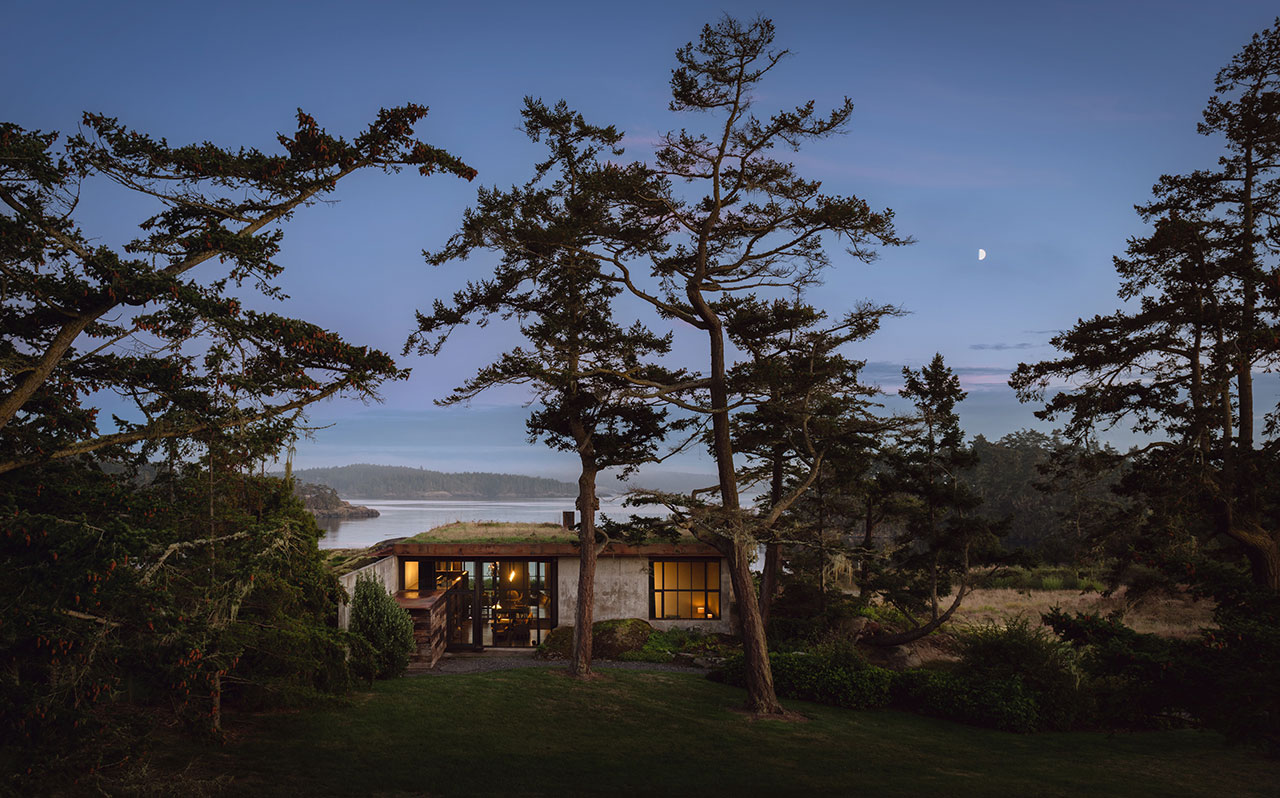
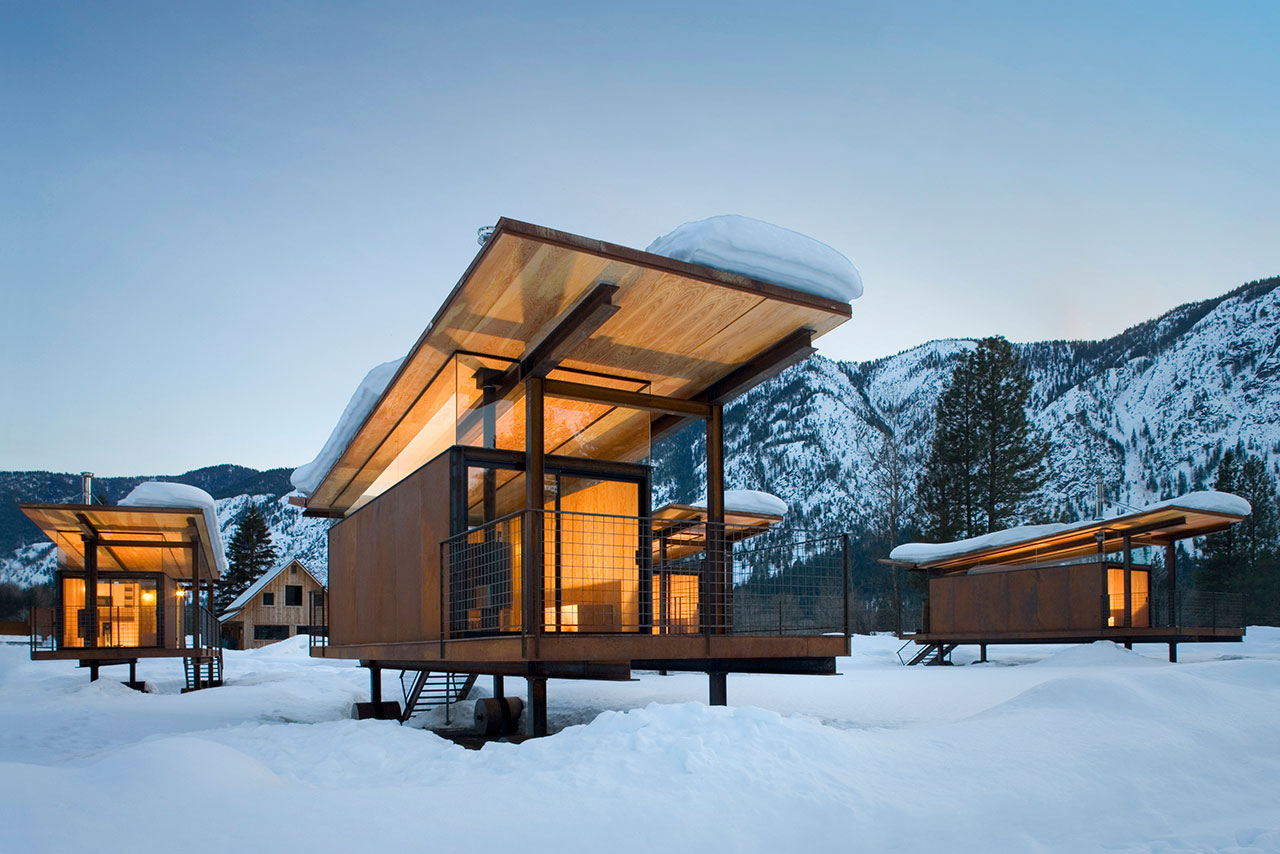
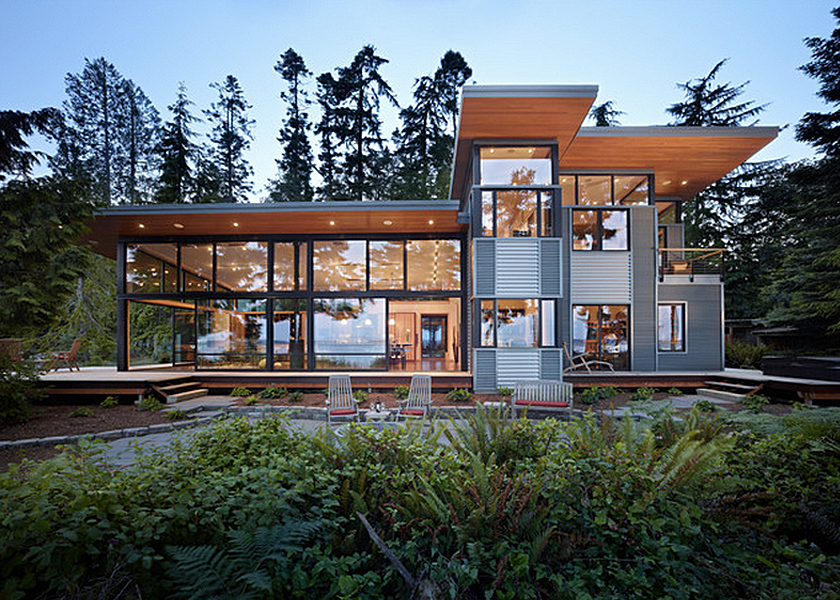
Olson Kundig Architects is renowned for its robust and raw architectural designs, often situated in challenging or remote environments. Notable projects include the concrete and glass Pierre house, which is integrated with giant boulders, and the oxidized-steel Delta Shelter, elevated on stilts above a floodplain. The firm also designed a weekend cabin described as "virtually indestructible" and a collectors' lounge featuring massive timber beams. These architectural projects frequently incorporate custom hardware systems, such as hand-cranked windows, mobile rural cabins, and a gallery with a facade operated by gears and pulleys, illustrating the practical origins of Kundig's hardware line.
In an interview, Kundig explained that the product additions are direct responses to needs arising from ongoing architectural projects. He clarified that they do not approach product design in the same way a dedicated product designer would, but rather as architects who actively use these items. The core philosophy behind the collection is to create "modifiable, morphable products" that can be adapted for various functions, such as a door handle that could later be repurposed as a light fixture. This focus on flexibility and repurposing is a key characteristic of the line.
Developing these products is not necessarily easier than designing buildings, according to Kundig; it simply involves a different scale of scrutiny. While the objects are smaller, the micro-level detailing requires intense focus. Research and development for these pieces can take considerable time to ensure their functionality and durability. Despite not tracking the profit of the hardware line separately from the architectural firm, Kundig considers it a significant success because the products are actively used within their projects and are being sold internationally, with requests coming from other architects worldwide.
Kundig's current architectural work spans the globe, including projects in Sydney, Rio de Janeiro, Geneva, Seoul, and the Austrian Alps, alongside significant work in New York, California, and Vancouver. These diverse projects include mid-rise mixed-use developments, hotels, wineries, residences, retail stores, and museums. When working in dense urban environments like New York City, Kundig adapts by engaging with the local context and cultural typography, applying the same design process as in rural settings. He highlights that while New York, London, Milan, and Los Angeles are design meccas, the design world is globally interconnected, with digital communication playing a crucial role in spreading ideas.
Kundig, who describes himself as a "luddite" regarding digital interfaces beyond basic devices, acknowledges the importance of digital tools in contemporary design and his office's active engagement with them. He views architecture as an evolutionary rather than a revolutionary process, rooted in the present while anticipating the future. For him, the pinnacle of his career is the continuous journey itself, and the accessory line represents another unpredictable path in this ongoing exploration. He seeks out all-around designers for his firm who are skilled in technical design and capable of working across all scales, from large structures to small accessories, emphasizing the importance of versatility and the embrace of new possibilities.
#TomKundig #OlsonKundigArchitects #ArchitecturalHardware #ProductDesign #SteelAccessories #CustomDesign #ArchitectInterview #ArchitecturalPractice #DesignPhilosophy #TomKundig #OlsonKundigArchitects #ArchitecturalHardware #ProductDesign #SteelAccessories #CustomDesign #ArchitectInterview #ArchitecturalPractice #DesignPhilosophy
0 comment in total
 No comments yet
You may also like
F5: Tom Kundig Talks a Seal Sculpture, His Cowboy Hat, a Pencil + More
Art or design? Johannes Budde blurs the lines with LITE

“The Future Is Here”: A Design Conversation With Kanye West

Meet Cheyne Sexsmith
Builders' Metalwork

Architecture and design features and interviews | CLADglobal.com - Kengo Kuma
The Aesthetics of Metal
Fabric awnings vs. metal

12 Metal-Clad Contemporary Homes
5 Questions with Jason Alloway, Owner of New Castle Steel

Philipp Aduatz Creates 3D-Printed Concrete Furniture and Vases
Samuel Yellin and the "Poetry and Rhythm of Iron"
steel architecture and design Archives
Stockholm Creative Edition: Glass, Wood + Metal
Muji shelving units combine to create a living space in Fumihiko Sano's installation
From cutting boards to coasters, maker brings signature swirl to handmade work
Spirit Ironworks: Making Miracles With Metal

Design Guru Henry Holland Talks Style, Inspiration & More
Bard reimagines the hardware shop as a home for modern craft

werteloberfell experiments with 3D printing to obtain flexible lighting structures