1/22
Architecture and design features and interviews | CLADglobal.com - Kengo Kuma
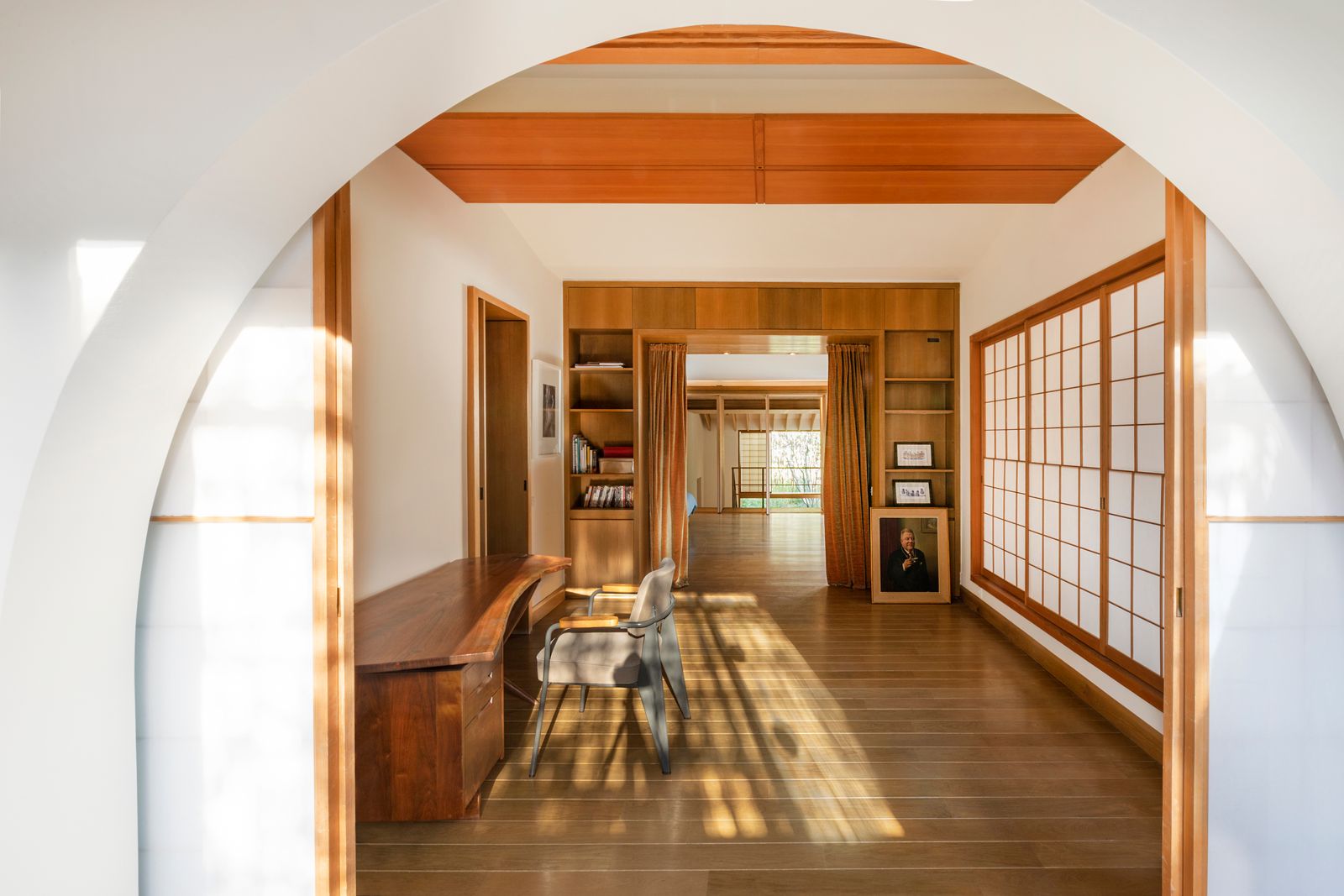
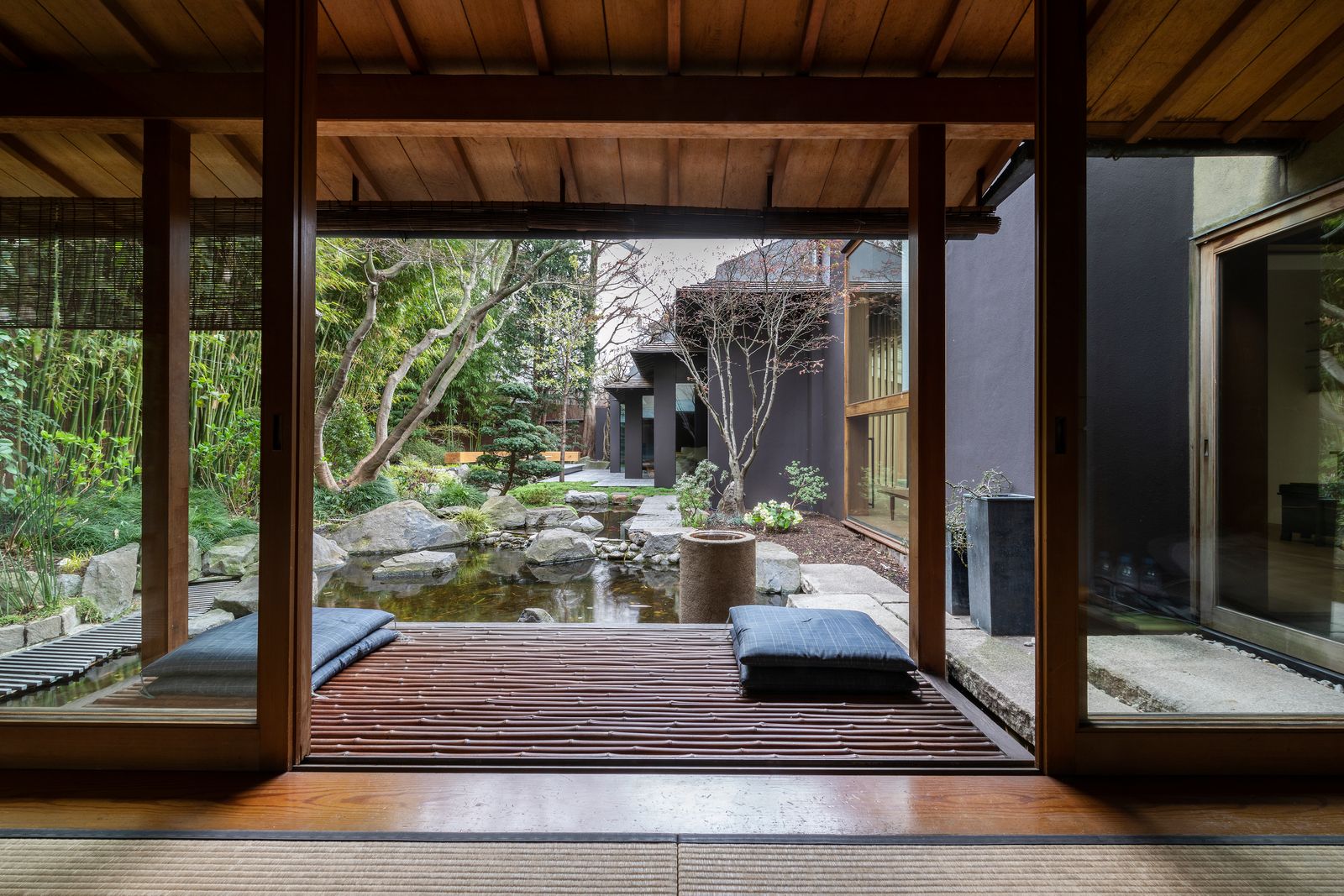
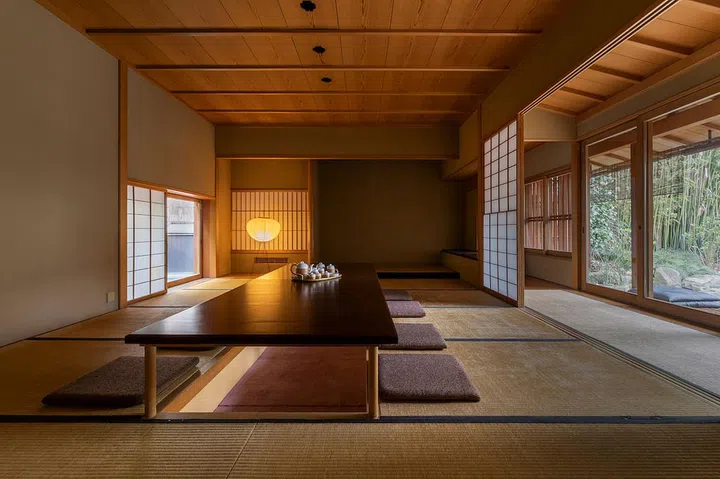
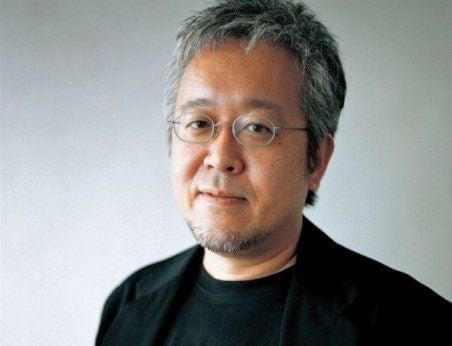
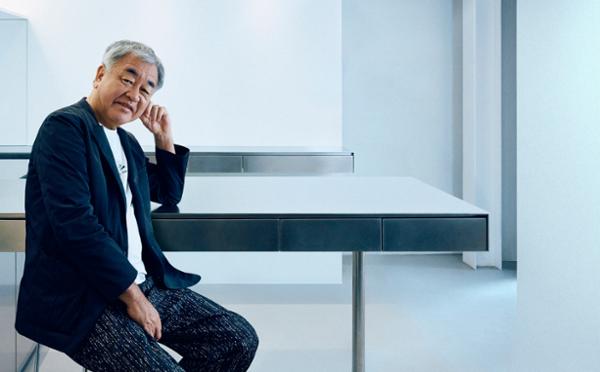
Kengo Kuma, born in 1954 in Yokohama, Japan, initially favored modern concrete homes over his traditional wooden childhood dwelling, which featured rice paper screens and tatami mats. His perspective on traditional architecture shifted after being deeply impressed by Kenzo Tange's Yoyogi National Gymnasium, designed for the 1964 Tokyo Olympics, which ignited his passion for architecture. Over time, Kuma developed a profound appreciation for his childhood home's craftsmanship, natural materials, and the unique sensory experience it offered, influencing his architectural philosophy.
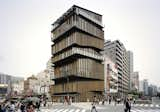
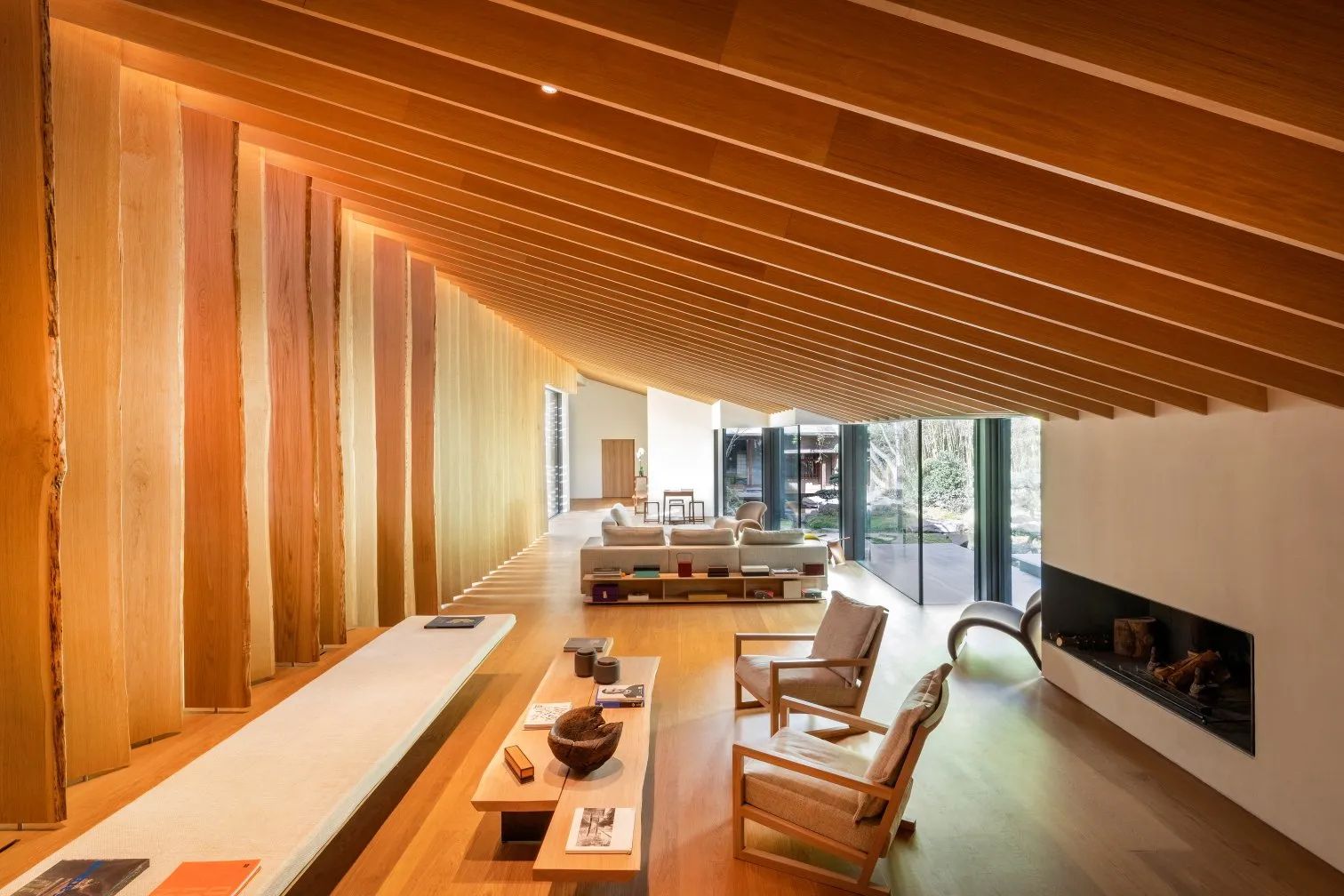
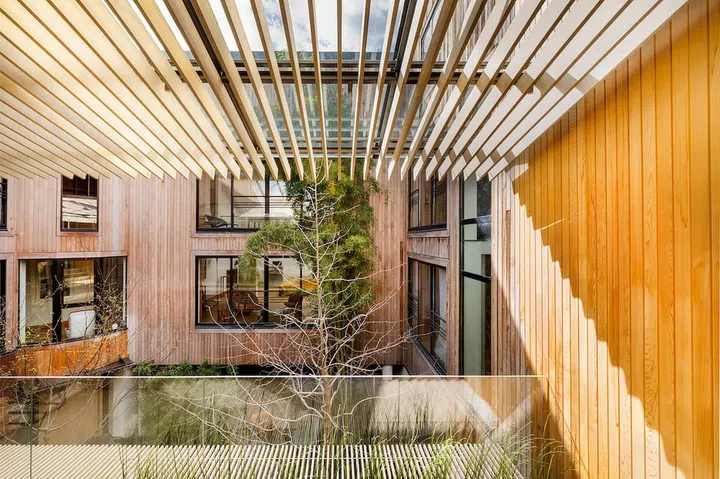
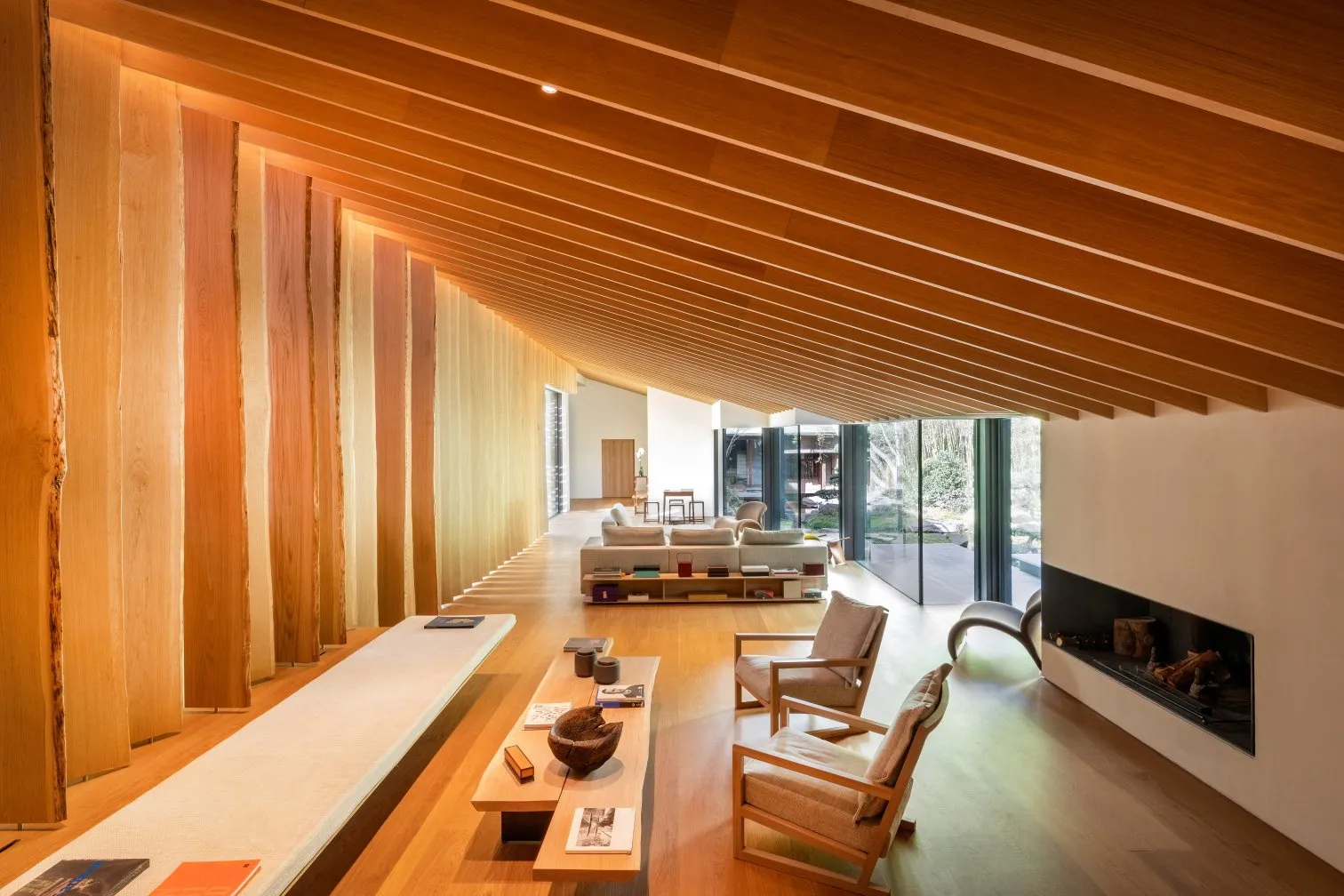
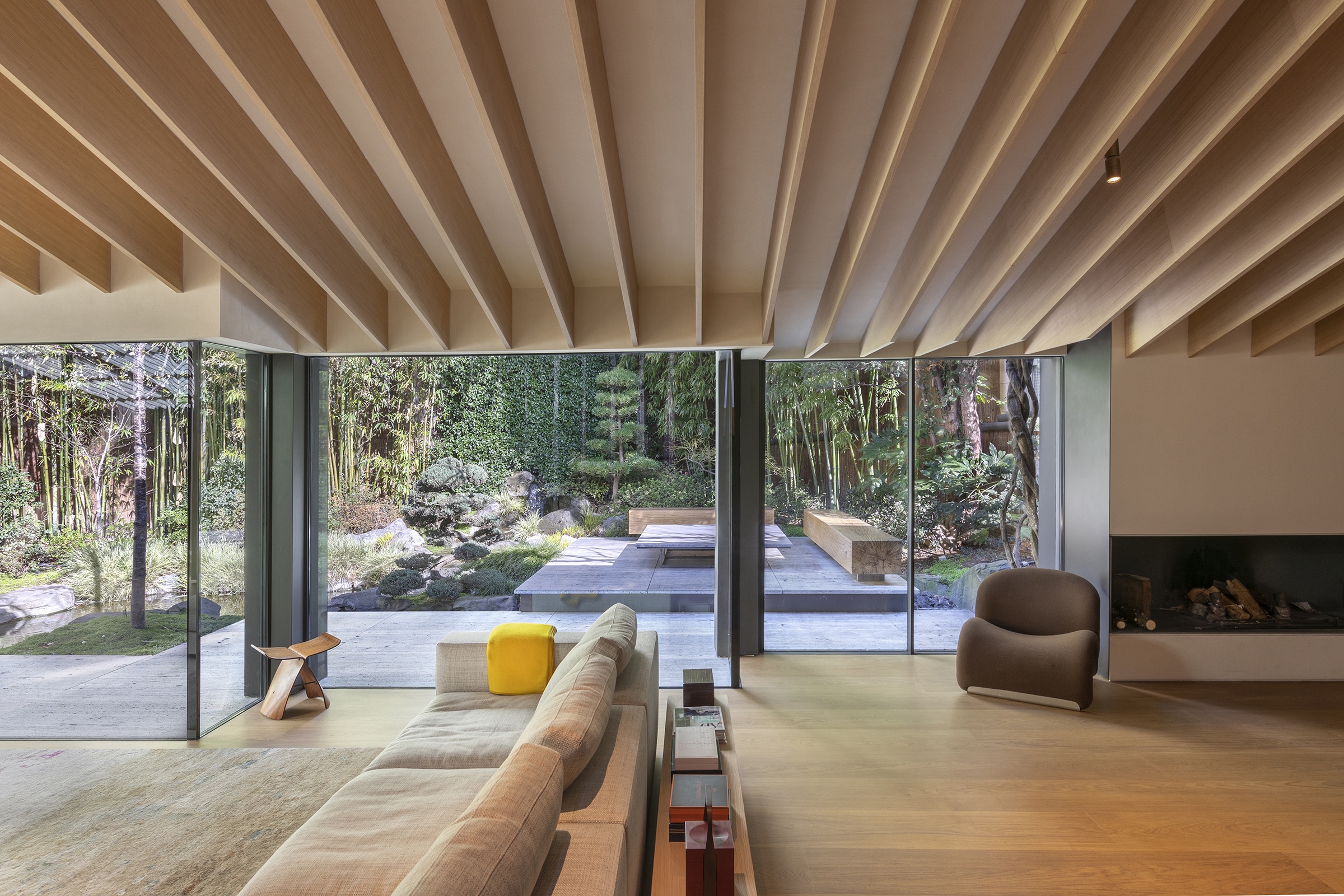
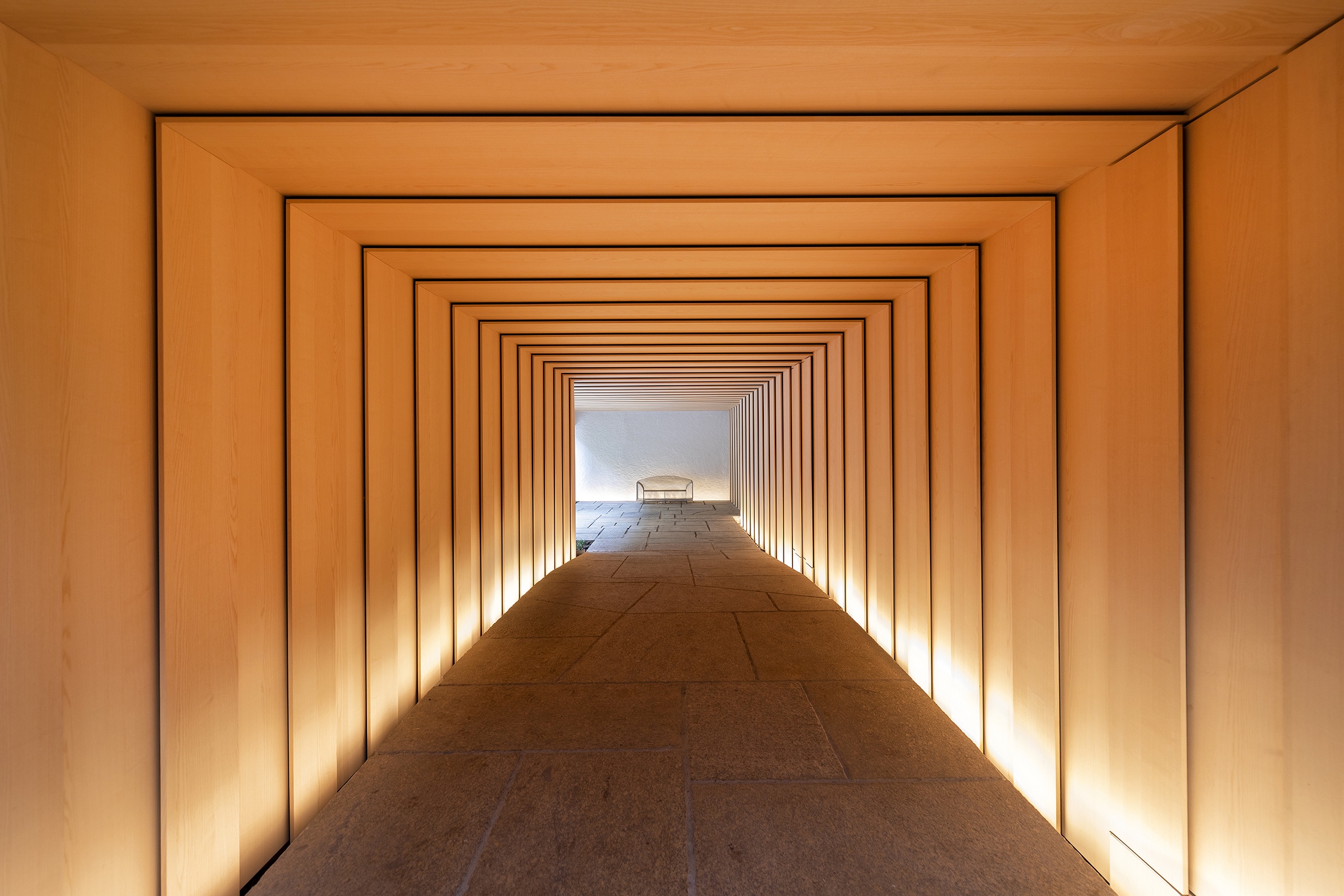
Kuma's current architectural approach emphasizes harmony with the environment, history, and local traditions, focusing on the use of natural and handmade materials. This philosophy is evident in his diverse projects globally, including the wooden Japan National Stadium in Tokyo and the stone-clad V&A Dundee in Scotland. He begins each project with an immersive site visit to understand its 'spirit,' feeling the breeze and smelling the soil, often spending an entire day there to grasp its essence before selecting the most suitable materials. He believes that finding the 'protagonist material' for a place is crucial for architecture.
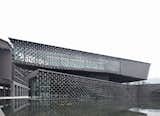
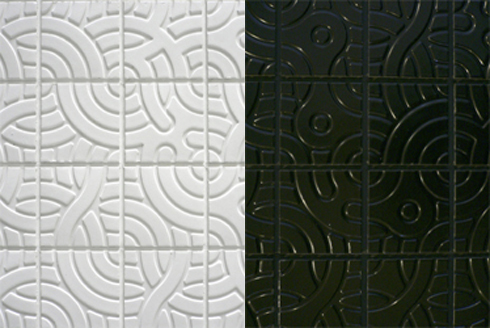
His recent works demonstrate this material-focused approach. The UCCA Clay Museum in Yixing, China, incorporates handmade ceramic tiles to celebrate the region's pottery heritage, while the CMP Inspiration museum in Taichung, Taiwan, features a green-planted roof seamlessly integrated with partially buried exhibition galleries. For the Banyan Tree Higashiyama Kyoto, Kuma drew inspiration from traditional Japanese Noh theatre, creating an outdoor stage using yellow cedar and Kyoto cypress, highlighting the ethereal beauty of local traditions.
In the South of France, Kengo Kuma & Associates designed the World Heritage and Pyrénées National Park House in Gavarnie, emphasizing harmony with the stunning natural landscape through traditional materials. The building's fluid form and glazed walls offer mountain views, while its thatched roof celebrates local haymaking traditions. Kuma actively advocates for the sustainable properties of thatch, using it in innovative ways such as exterior walls in the Yusuhara Marche and an upside-down thatched roof at Greenable Hiruzen, despite the challenges of reintroducing traditional materials into contemporary construction.
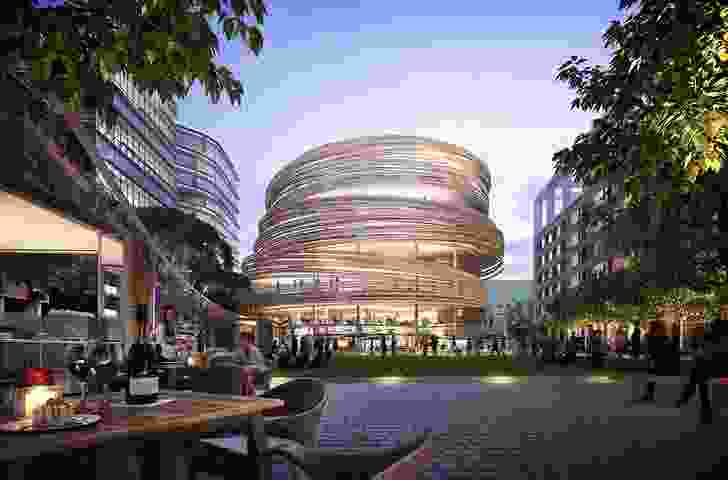
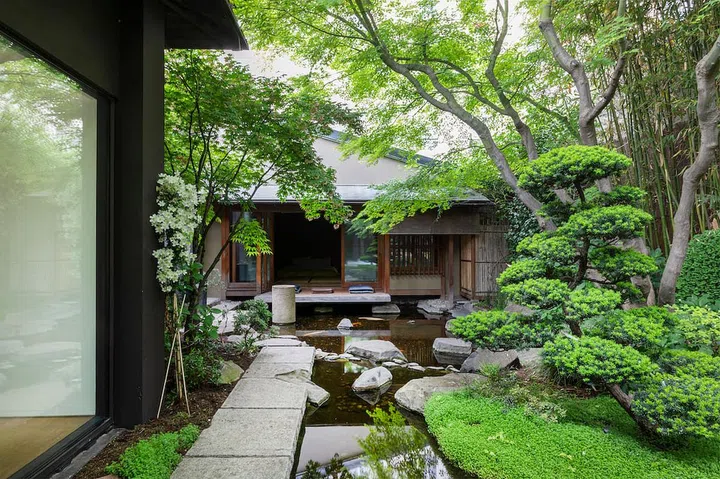
Kuma has designed over 70 museums worldwide, including the V&A Dundee and the Hans Christian Andersen Museum. He redefines museums not just as spaces for art, but as places for conversation with art, space, and gardens, prioritizing intimacy and a sense of belonging within urban environments. His favorite museum project is the Nezu Museum in Tokyo, which he redesigned to integrate with its gardens, preserving the spirit and lifestyle of its founder, Nezu Kaichiro. He sees the museum as a tender, intimate space with a soft atmosphere, particularly appreciating the small café where Nezu's living room once stood.
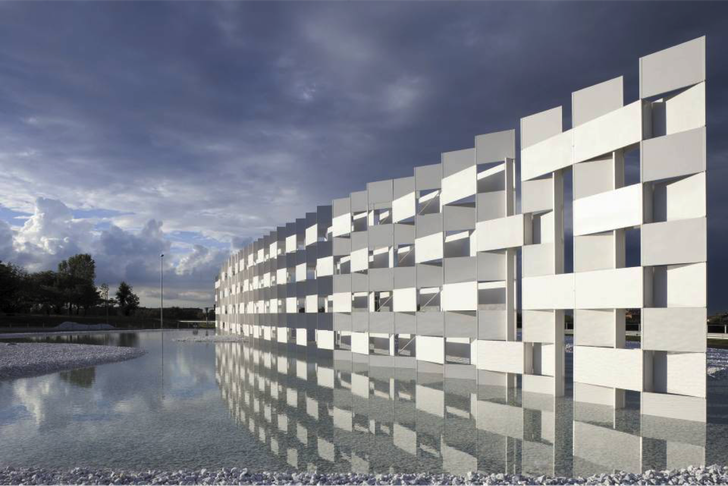
Addressing challenges in contemporary architecture, Kuma notes the rising costs of projects due to global events. He believes the solution lies in a long-term vision, emphasizing that architecture should create 'treasures' for future generations. He advocates for a return to nature, natural materials, and craftsmanship, which he sees as the foundation of community and economy. Kuma aspires to be remembered as the architect who transformed concrete-centric architecture back to using natural materials, drawing inspiration from the simplicity and sensory richness of his childhood home. He also admires Geoffrey Bawa's work, finds inspiration in Japan's onsens and ryokans for design ideas, and considers the Bamboo House in China one of his favorite projects due to its contrast with the Great Wall.
#KengoKuma #Architecture #NaturalMaterials #SustainableDesign #JapaneseModernism #MuseumDesign #CulturalHeritage #ThatchArchitecture #EnvironmentalHarmony #KengoKuma #Architecture #NaturalMaterials #SustainableDesign #JapaneseModernism #MuseumDesign #CulturalHeritage #ThatchArchitecture #EnvironmentalHarmony
0 comment in total
 No comments yet
You may also like

Architect Spotlight: 12 Works by Japanese Architect Kengo Kuma

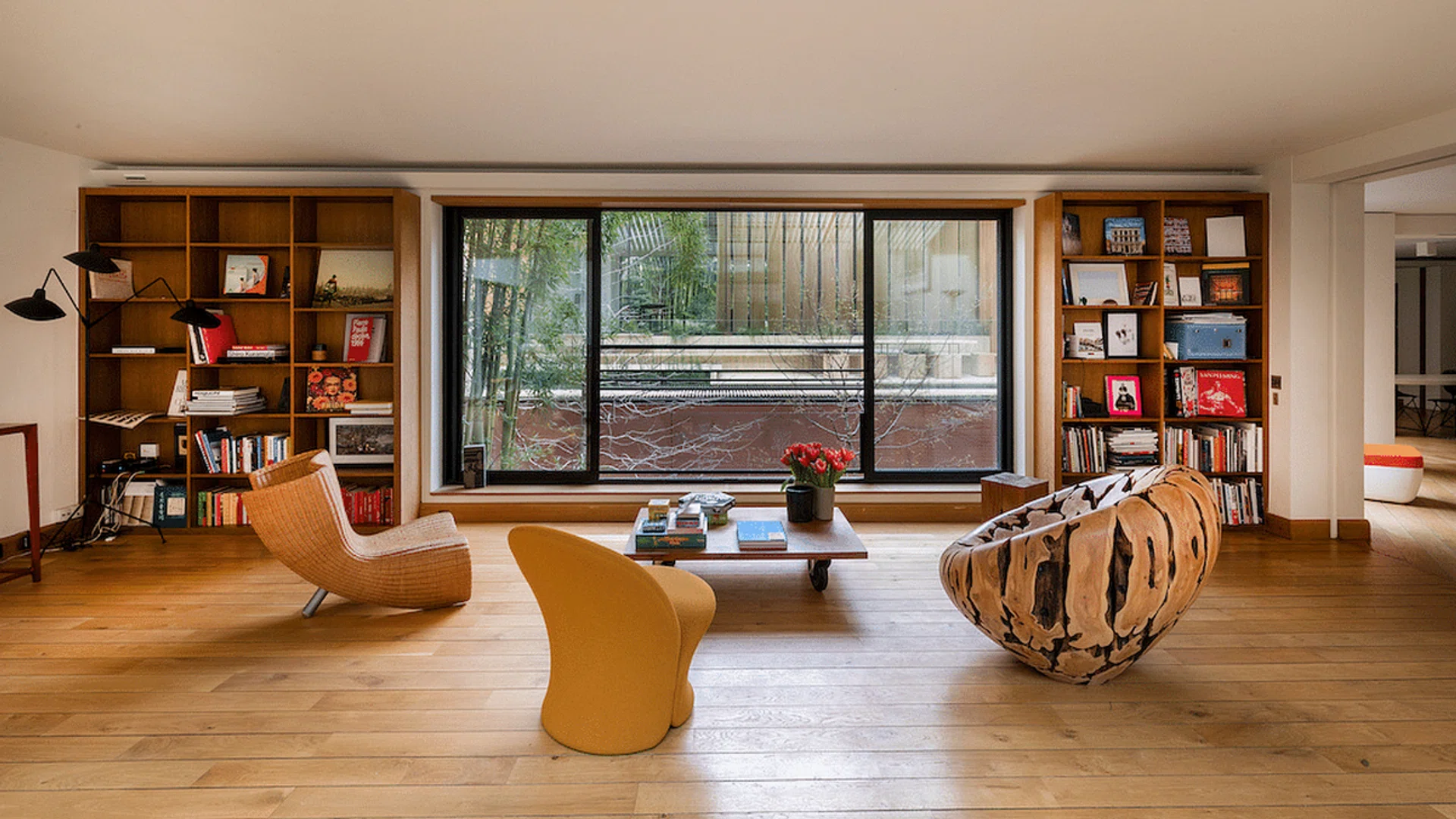
Late fashion designer, Kenzo Takada's personal Japanese home in the heart of Paris
Interior Design’s 34th Hall of Fame Celebrates the Super Originals of Design

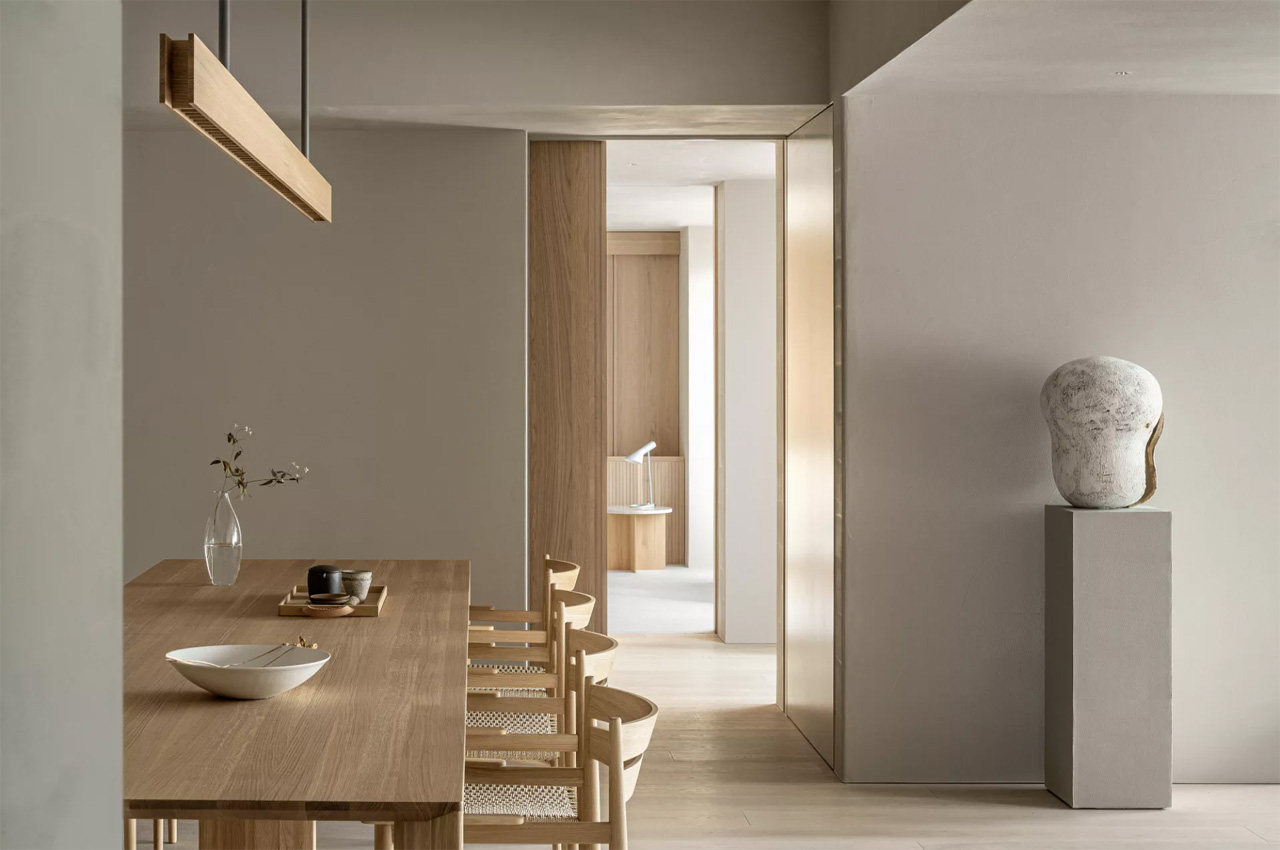
This interior design experiment in Tokyo successfully merges traditional Japanese design with contemporary inf

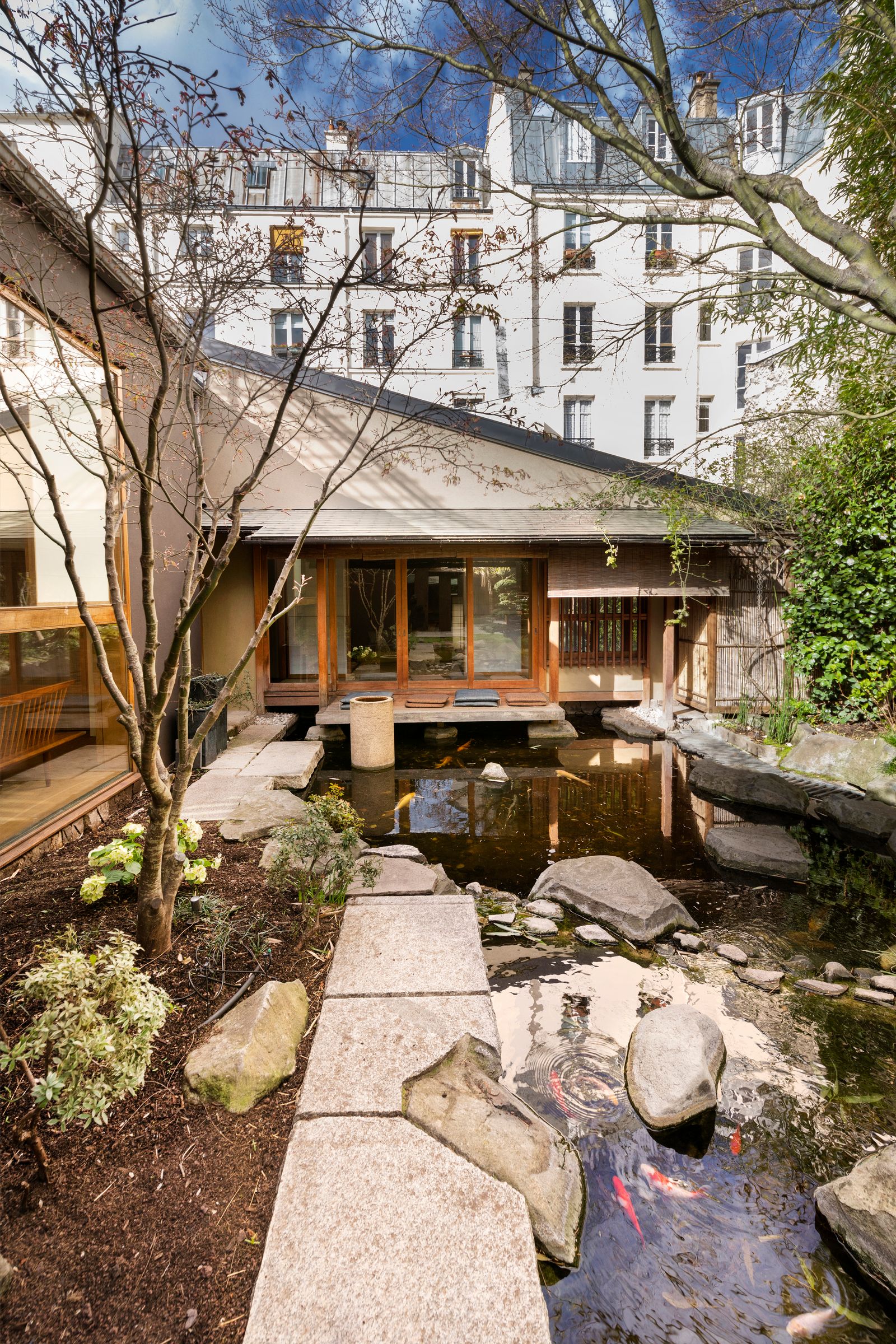
The zen Paris home of Kenzo’s founder is up for sale – see inside
Exposed Brick and Interior Design: An Ancient Material Meets the Realm of Retail
A Guide to Uniting Popular Imagery and Architectural Design

The Post-Materialist | A Pattern’s Math Magic
Kengo Kuma on ‘the mother of architectural design’
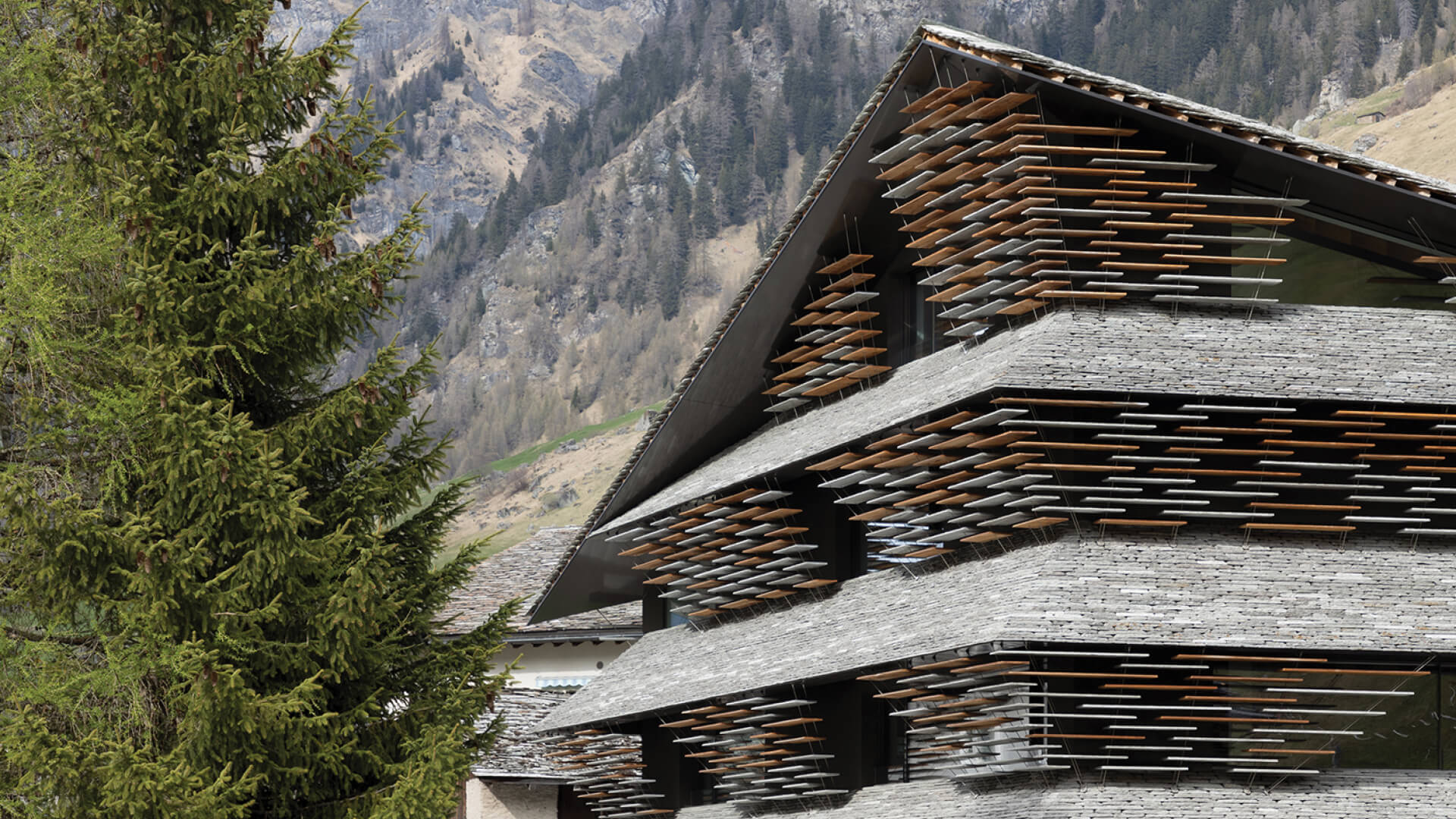
In the worship of stone: Haus Balma by Kengo Kuma & Associates in Switzerland
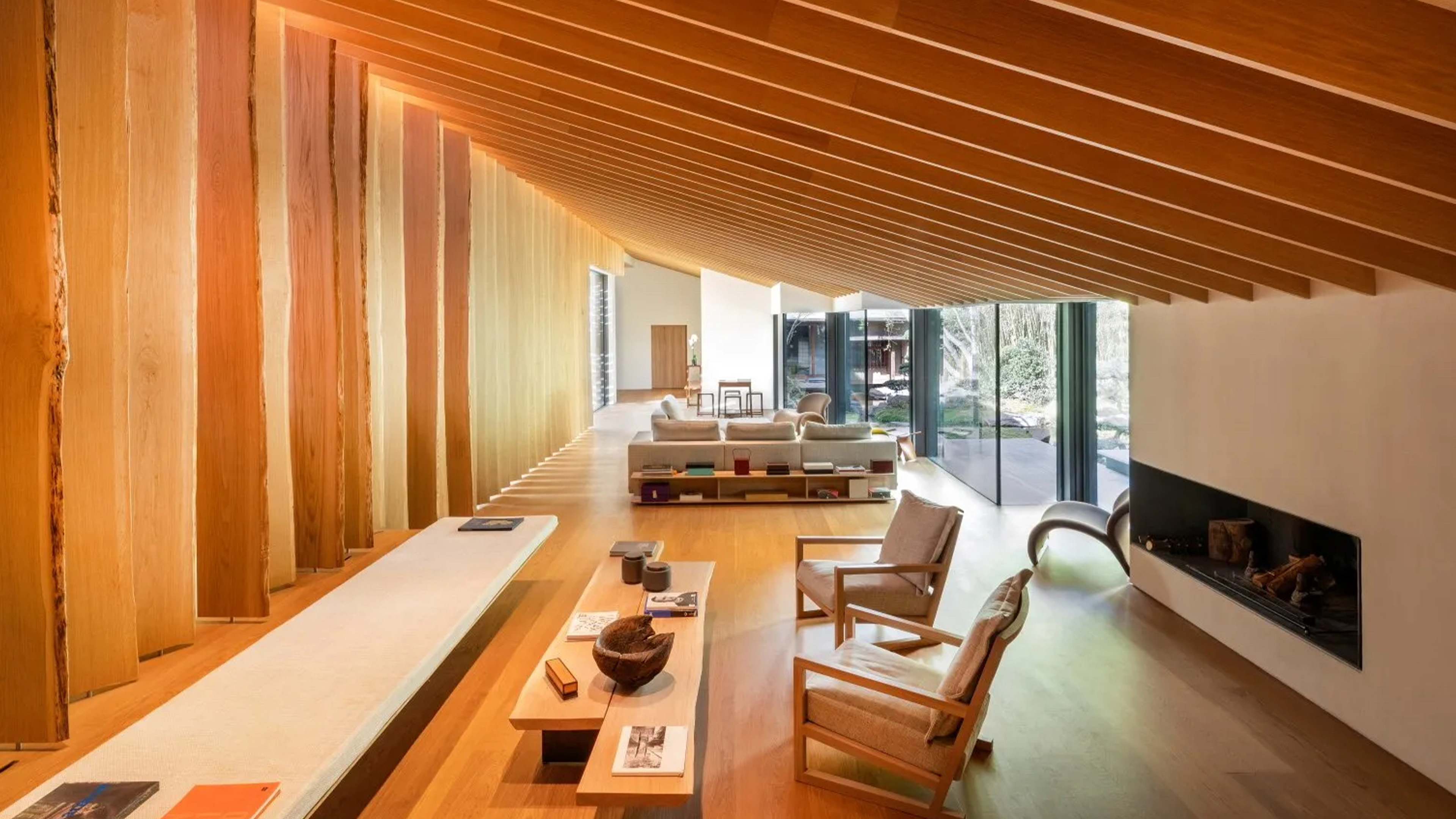
Designer Kenzo Takada's Japanese home in the heart of Paris

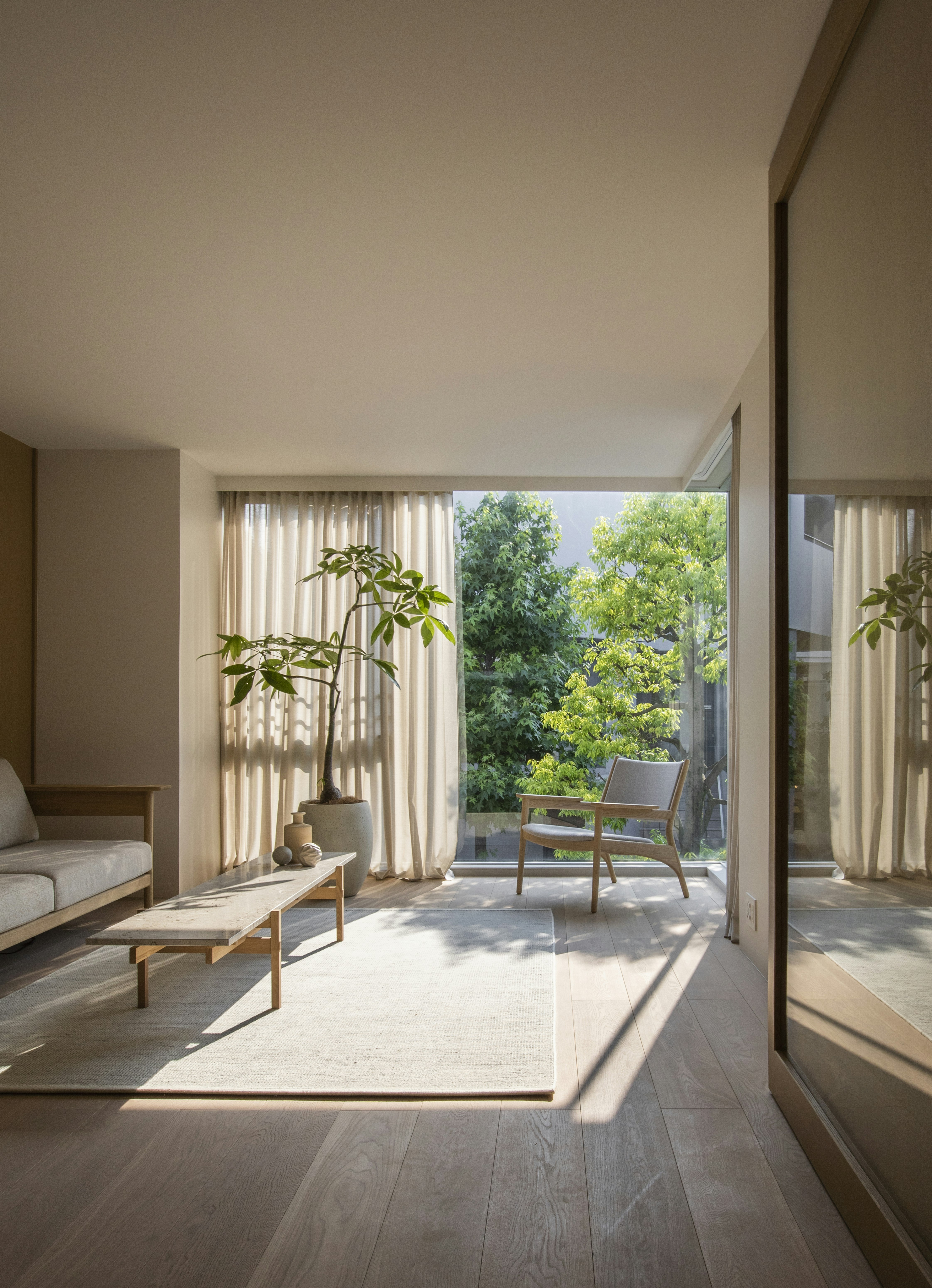
These Serene, Minimalist Apartments in Tokyo Are Filled With Light and Nature

Top Interior Design Trends in Kenya for 2025.

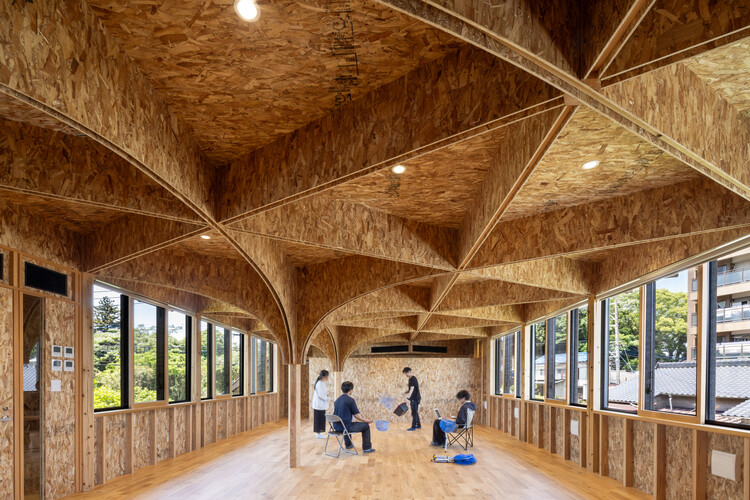
Office in the Breeze / Furumori Koichi architectural design studio+Daiju Kuwahara

Meet the rising stars of African design championing heritage and craft

Architecture and design features and interviews | CLADglobal.com - Mariam Issoufou
Architecture and design features and interviews | CLADglobal.com - Embracing nature
Emptiness—not minimalism—is the path to creativity, explains MUJI’s design philosopher
built for cats, tan yamanouchi's japanese home unfolds around a playful spiral staircase
How Two Children Are Keeping Their Father’s Design Legacy Alive (Published 2020)