1/4
Emptiness—not minimalism—is the path to creativity, explains MUJI’s design philosopher
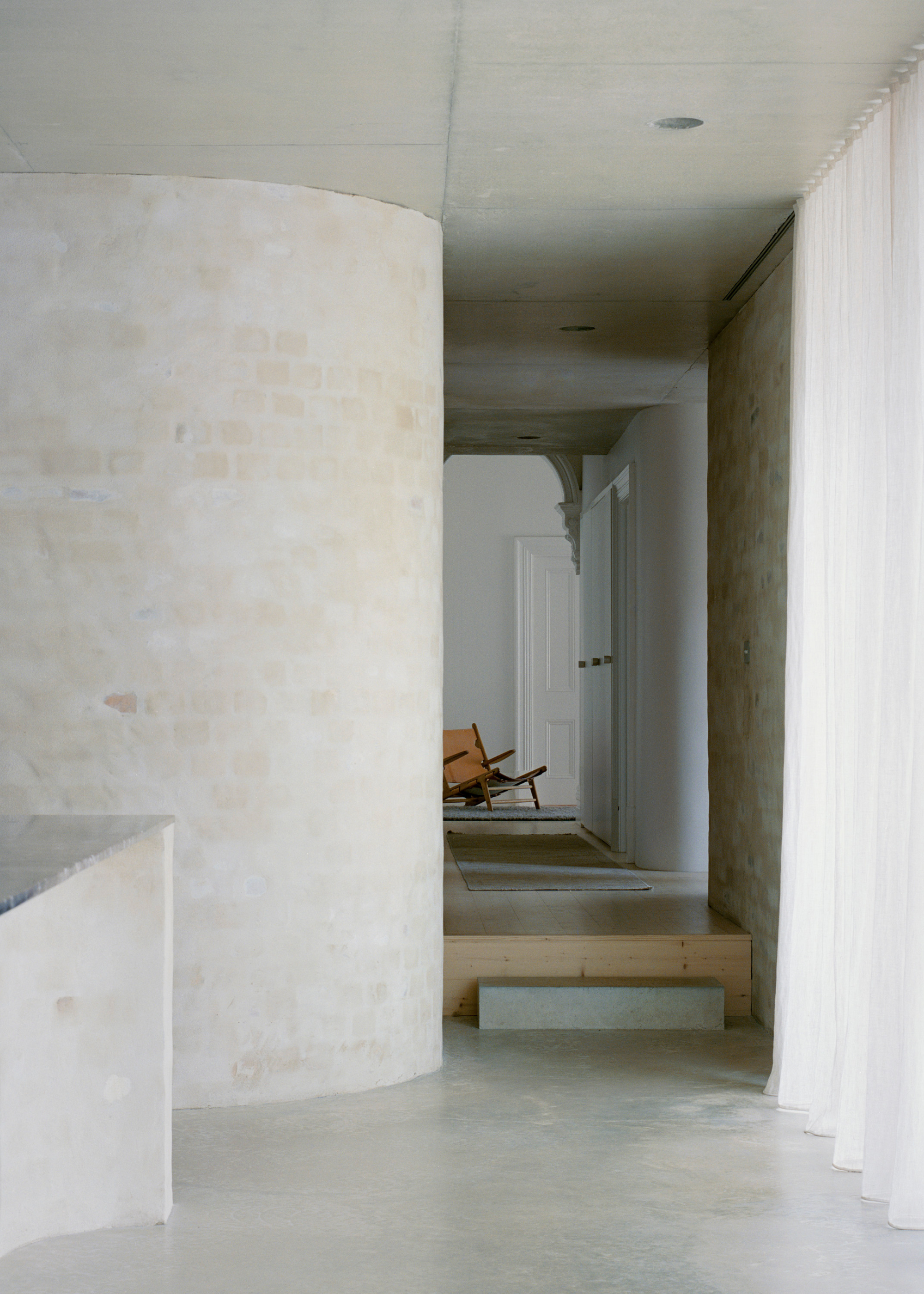
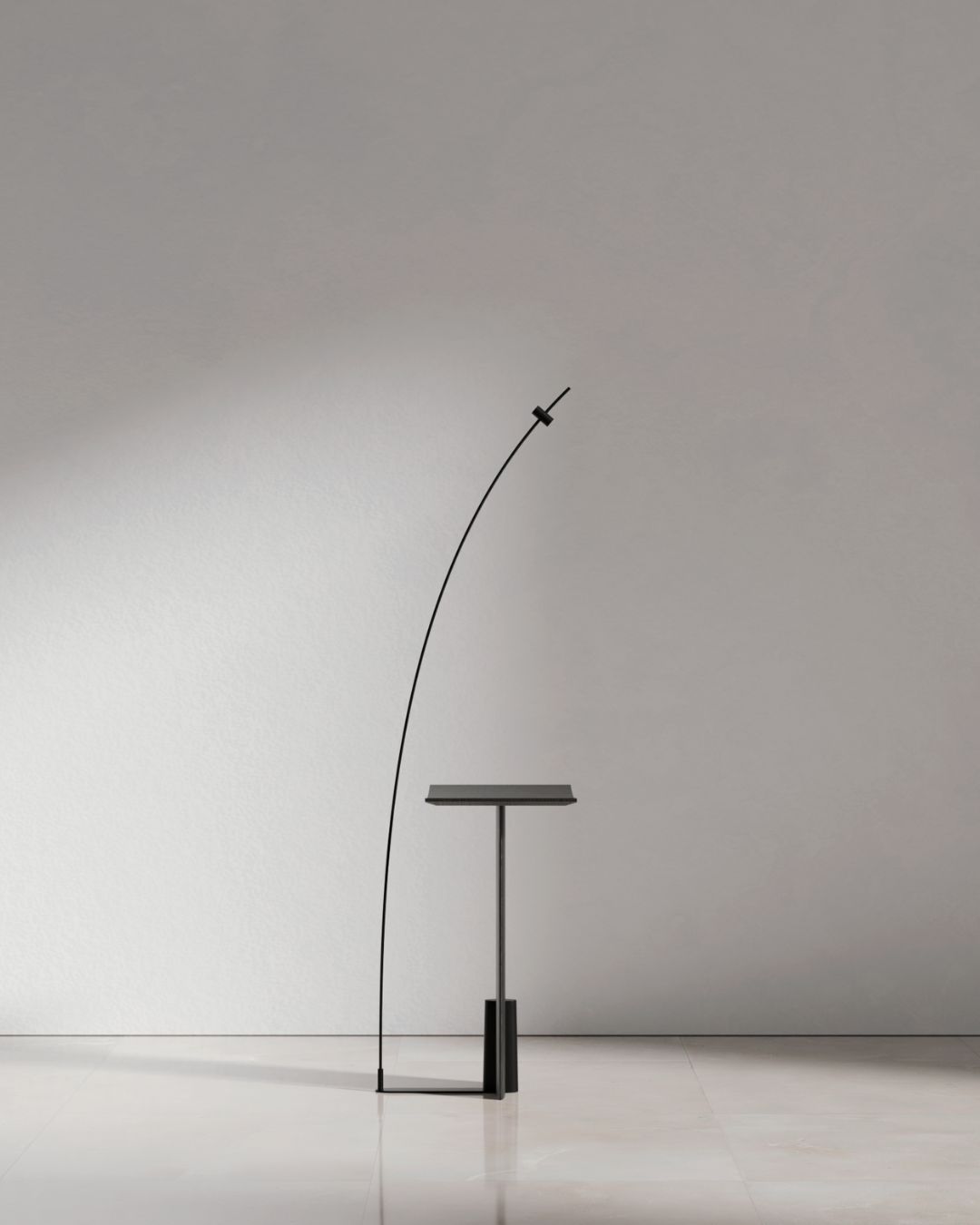
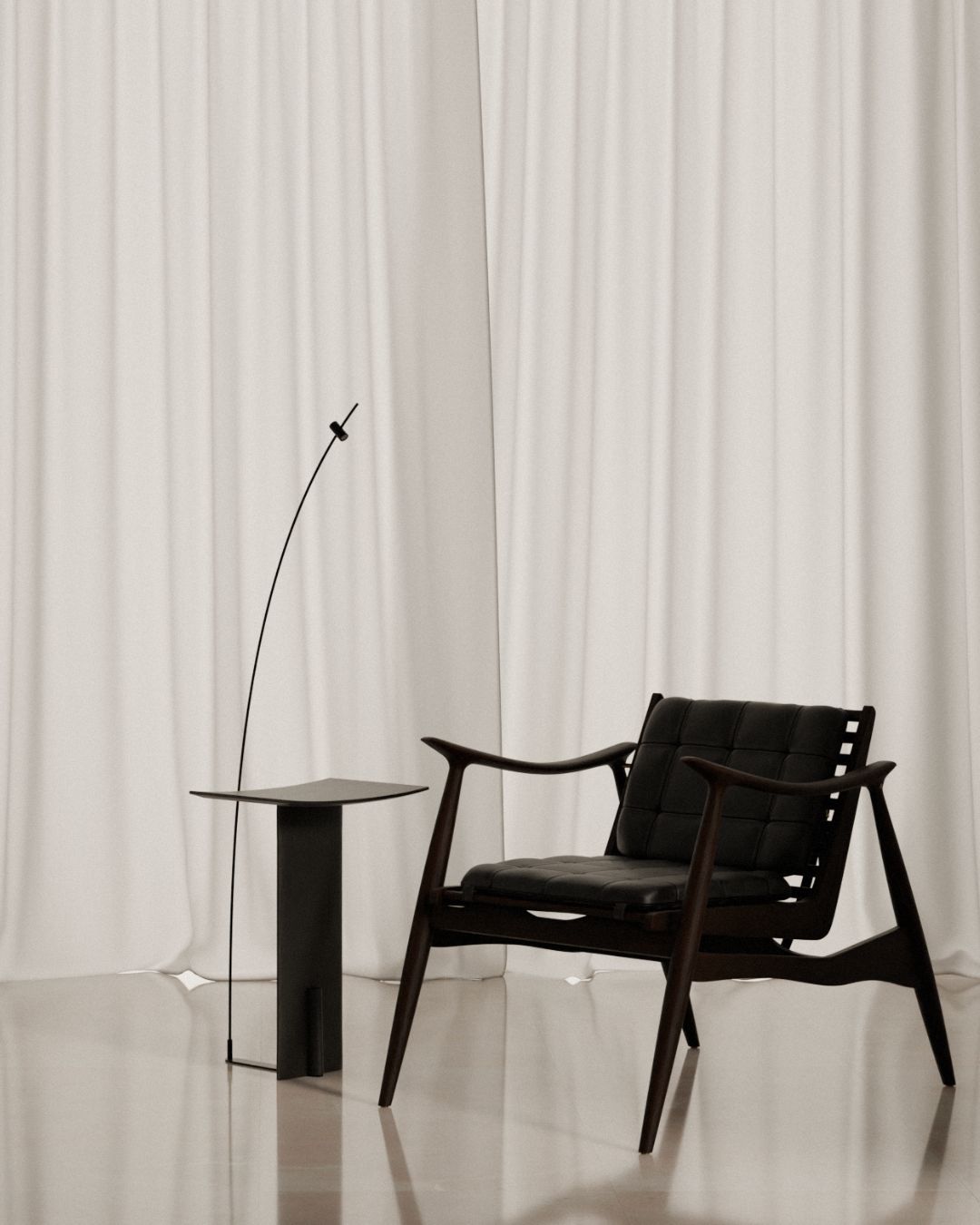
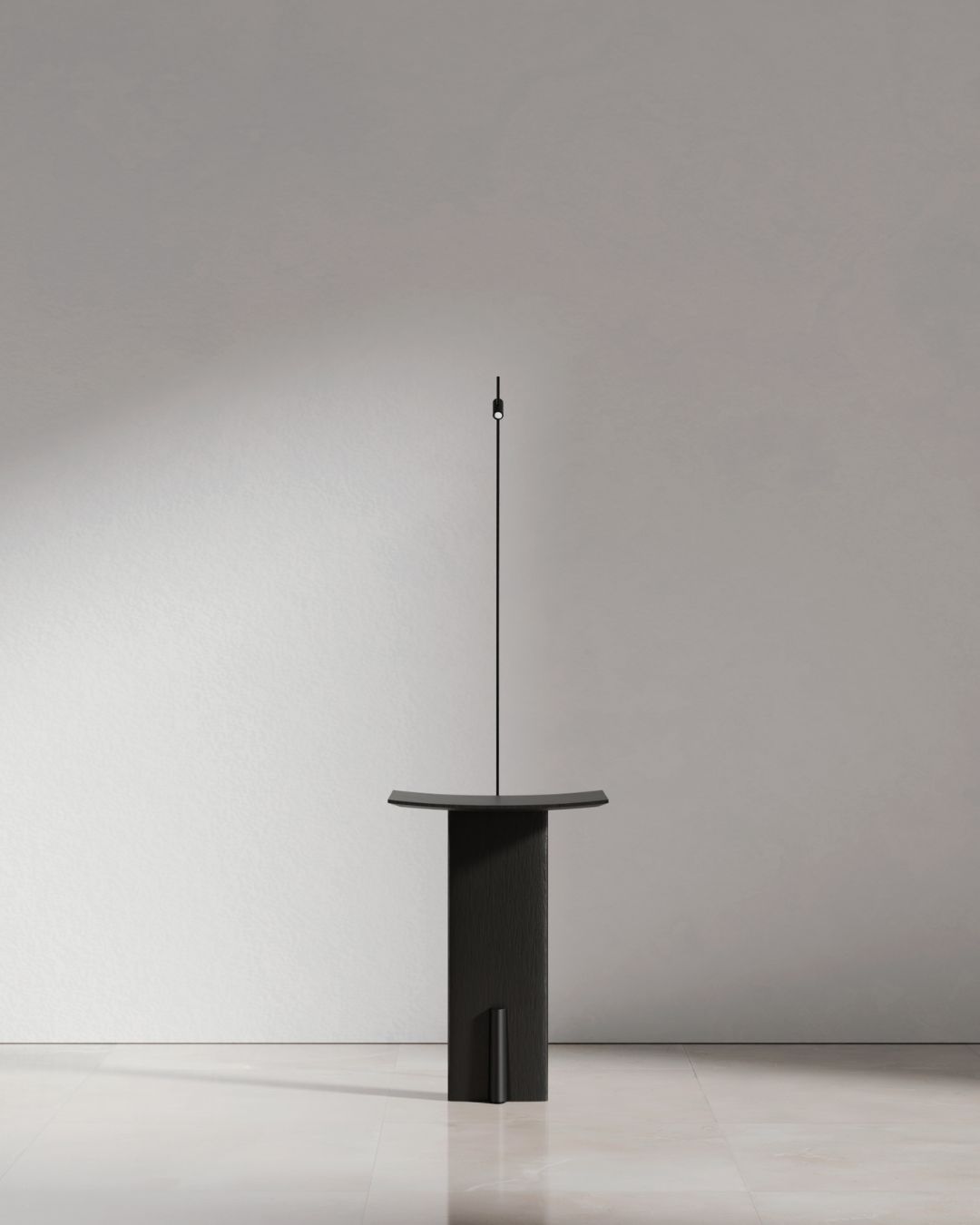
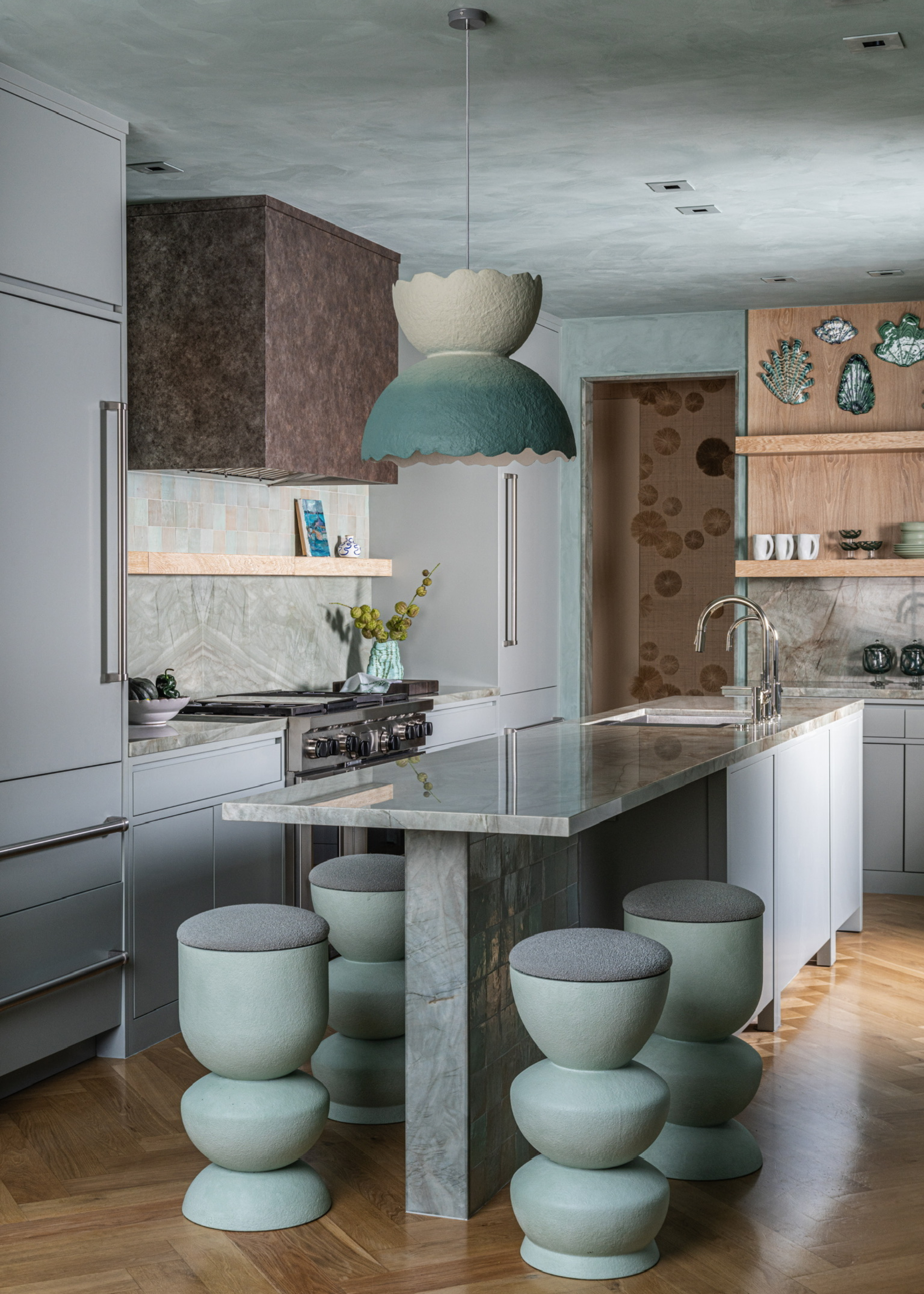
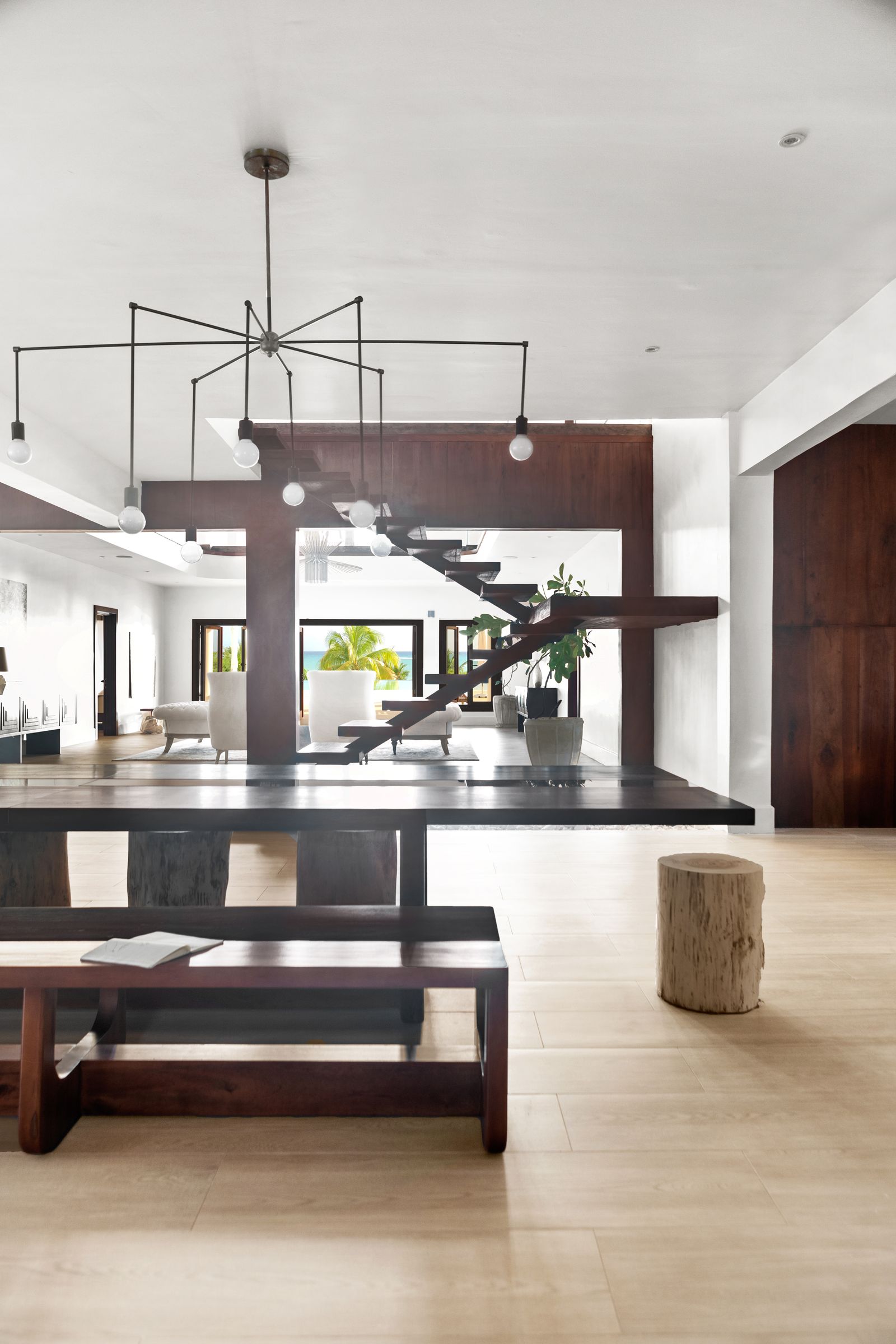
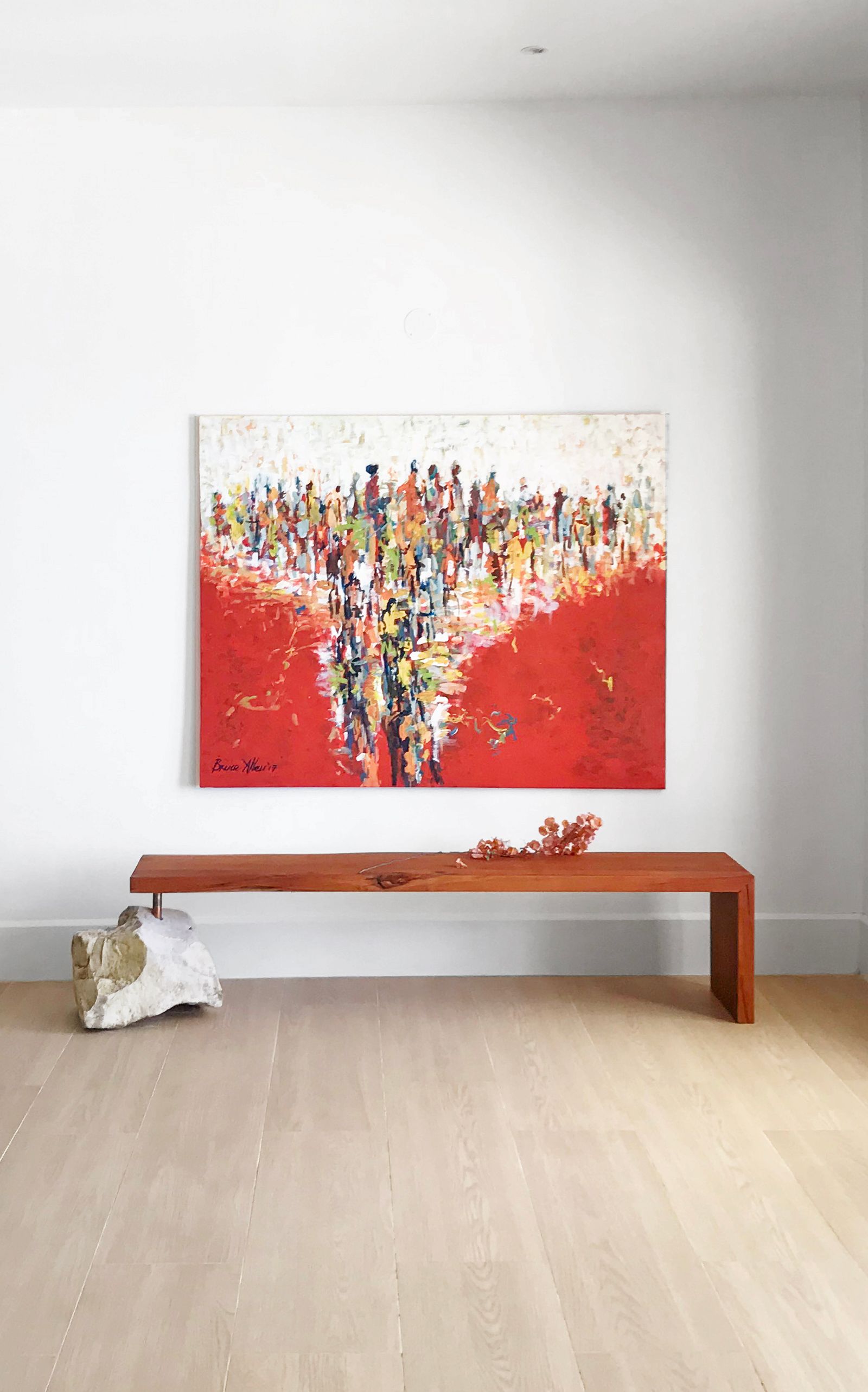
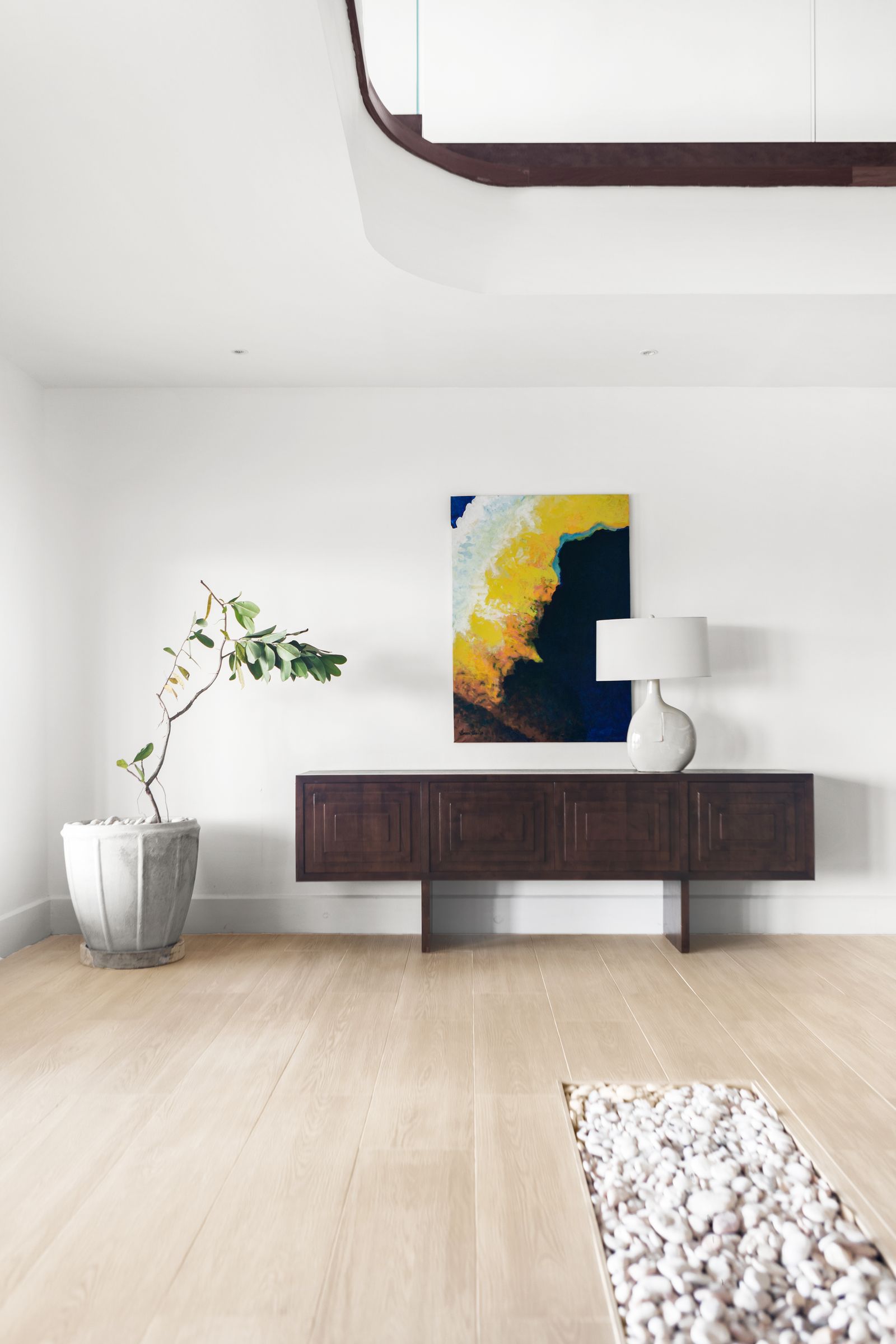
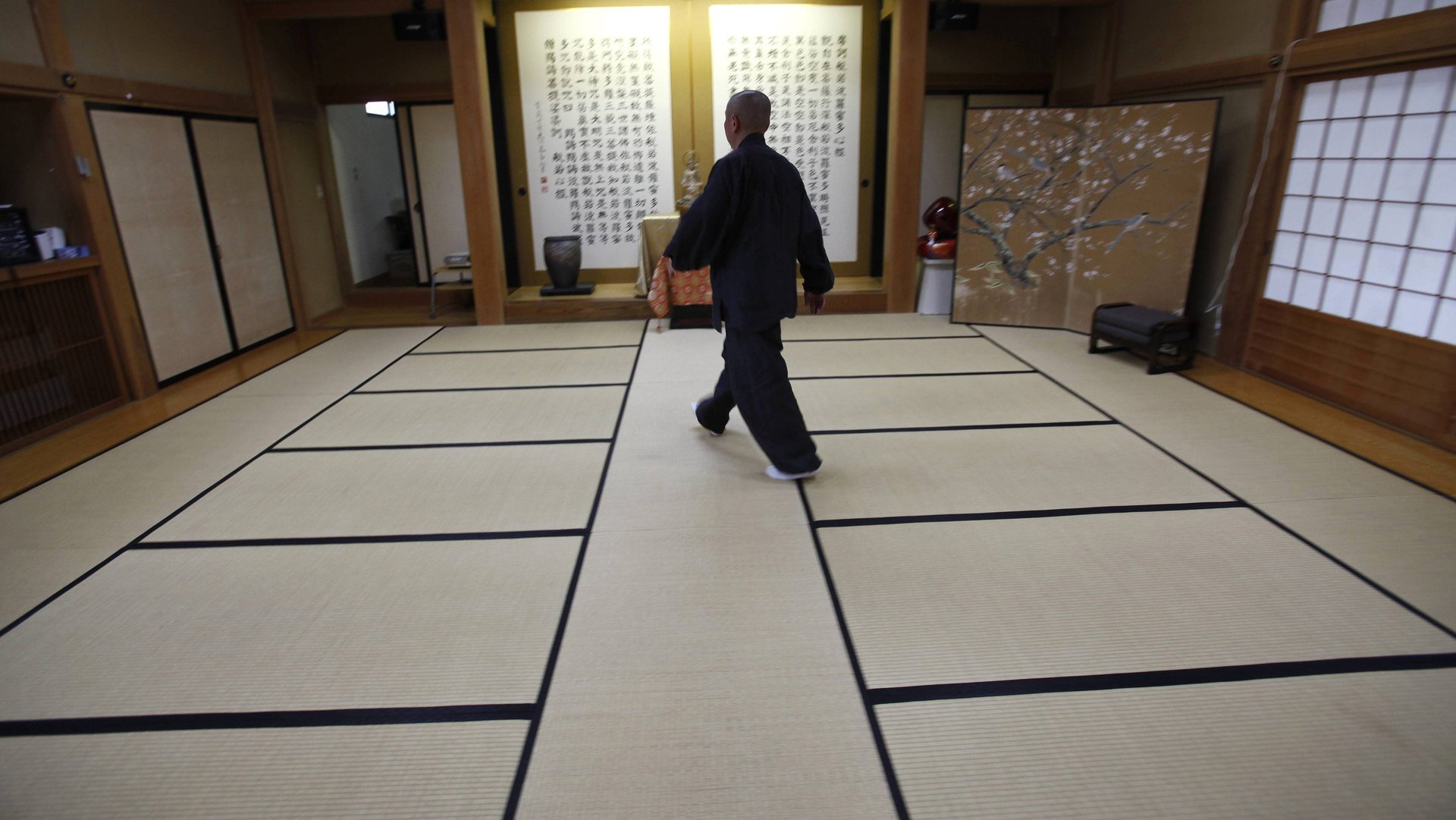
In a world saturated with constant information and demands on attention, Kenya Hara, MUJI's art director, champions a philosophy of "emptiness" as a path to creativity. This concept, distinct from simplicity or minimalism, is explored through MUJI's design principles and product offerings. Hara argues that true emptiness, or 'ku' in Japanese, is not an absence but a rich state of readiness to receive inspiration and possibilities. This contrasts with the Western understanding of emptiness as a void or lack, positioning 'ku' as a fertile ground for new ideas and uses.
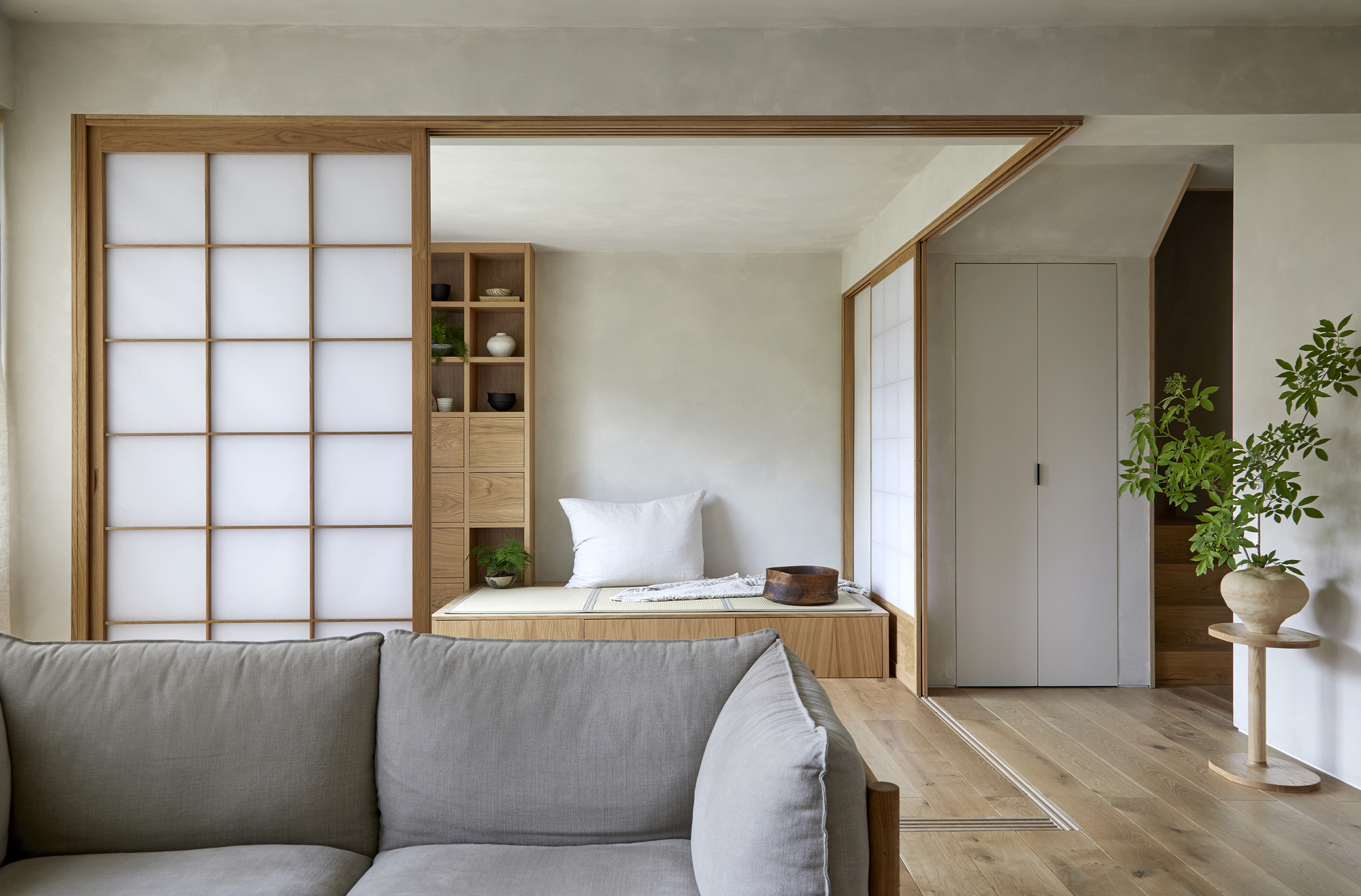
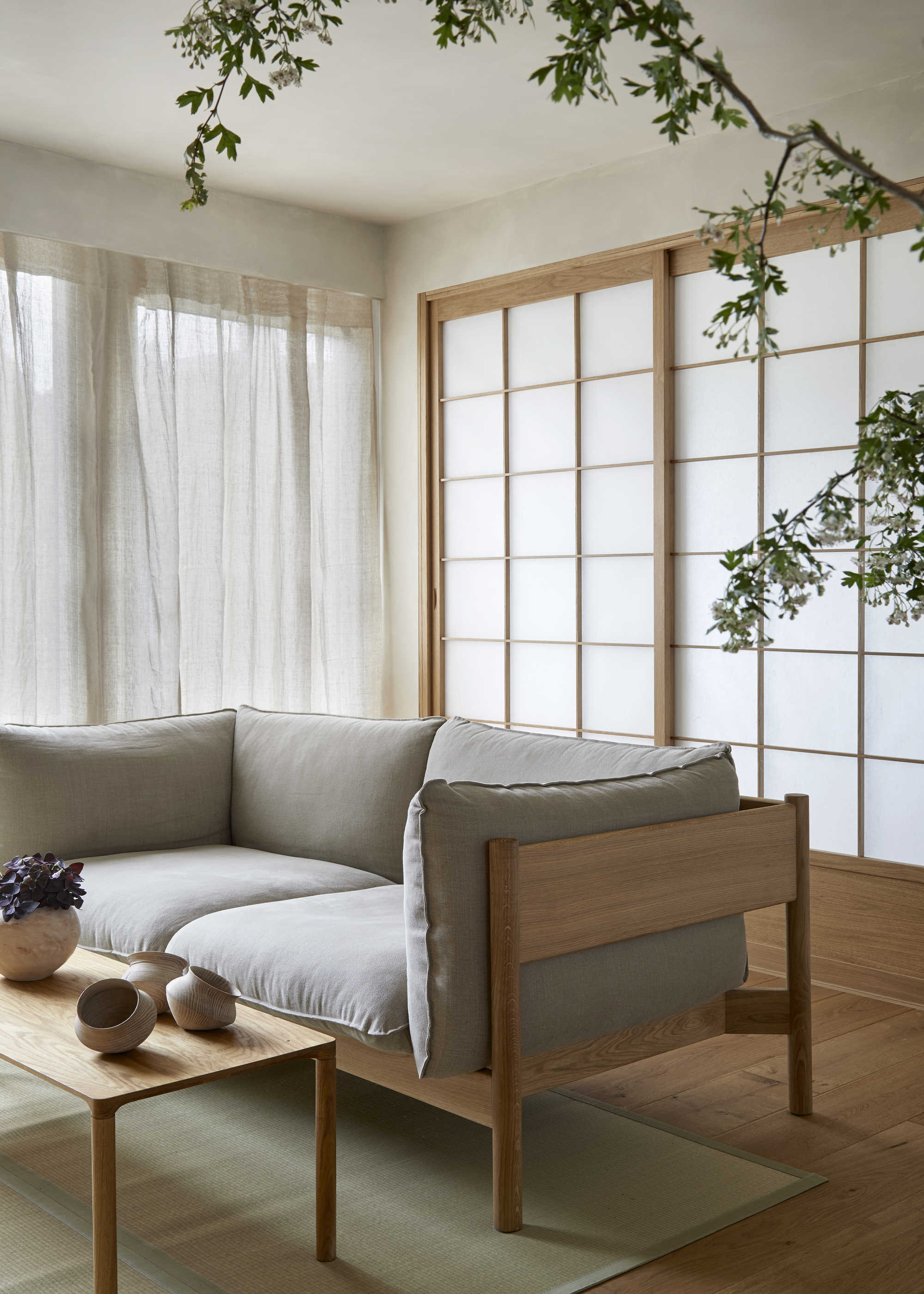
Hara elaborated on this philosophy during a visit to New York City, coinciding with MUJI's 10th anniversary in the US. He explained that 'ku' is a more fundamental state of being than simply decluttering or shedding elements, as advocated by figures like Marie Kondo. Instead, it represents an open receptacle, a willingness to pose a question and embrace a diverse range of answers. This approach is central to MUJI's brand identity, which prioritizes multi-purpose, generic goods over products with narrowly defined functions. For example, MUJI labels a piece of furniture an "oak table" rather than a "coffee table," inviting users to determine its ultimate purpose and fostering creative freedom in its application.
The philosophy of emptiness also serves as a critique against over-engineered objects. Hara illustrated this by comparing a German Henckels ergonomic chef's knife with a Japanese Yanagiba knife. The German knife, designed with specific user grip in mind, anticipates and directs the user's hand. In contrast, the Japanese knife, with its flat handle, offers a less programmed tool, allowing master chefs to adapt it to their individual skills and preferences. This design choice reflects a belief that a simple, unadorned tool is not raw or poorly crafted, but rather an invitation for the user to impart their skill and interpretation.
Beyond physical objects, Hara emphasizes a mental dimension to this emptiness. It involves cultivating the humility to engage with and absorb foreign ideas. He posits that "questioning is emptiness," highlighting that the act of formulating a question is itself a creative endeavor. The essence of a good question, according to Hara, lies in its capacity to elicit various replies and gather diverse thoughts. He believes that the richness derived from this kind of thinking is a crucial resource for shaping the future, emphasizing that creativity extends beyond the tangible creation of objects to encompass the conceptualization of inquiry and the embrace of diverse perspectives.
#MUJI #KenyaHara #DesignPhilosophy #Emptiness #Ku #Creativity #JapaneseAesthetics #ProductDesign #Lifestyle #MUJI #KenyaHara #DesignPhilosophy #Emptiness #Ku #Creativity #JapaneseAesthetics #ProductDesign #Lifestyle
0 comment in total
 No comments yet
You may also like
"Neutral Maximalism" Is Trending—Here's How to Make It Work, According to Designers

Feng Shui and Manifestation Through Interior Design

Returning to the essential is the real innovation in design

The death of detail and the takeover of modern architecture
‘Not Every Space Needs to Be Filled’ – Interior Designers on the Art of Negative Space and 7 Ways to Use It Well

"Cluttercore" Is Trending—Here's How to Make It Feel Intentional, According to Designers
Wabi-Sabi Explained: The 2025 Trend You Need to Know

Minimalist Interior Design: Everything You Need to Know About This Intentional and Pared-Down Style

Muji Living Room Ideas — 5 Ways to Harness the Calming Qualities of This Japanese Design Style
Beyond Minimalism: Discovering the Soul of Japanese And Zen Aesthetics in Product Design

I Asked Interior Designers: 'How Do You Ensure a Room Isn't Boring?' These Are Their 5 Top Tips

Meet Benjo Hamo | Interior Designer and Founder of Benjo Interior Design
A Design Expert Reconsiders Maximalism

Meet Krysti Lyn | Whole Home Designer
Lualdi's design process opens up "creative possibilities with materials and textures"
Meet Mingfei Liu | Spatial Designer & Travel lover
Maximalism by design: how to do ‘more’ better

Meet Leo Cesareo | Interior Designer
Is Maximalism Still In Style? This Is How Designers Are Doing Bold Spaces Now
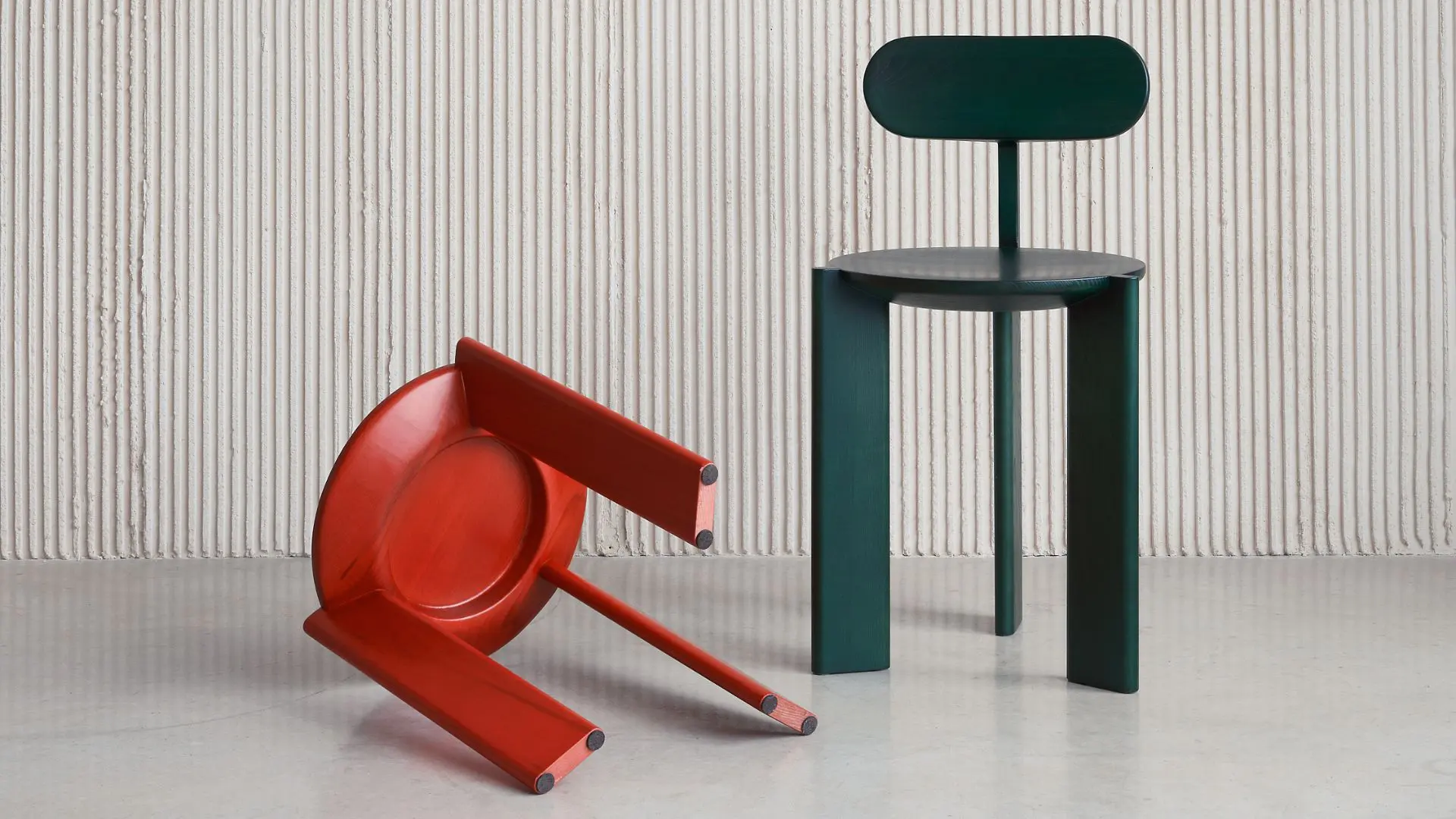
Polish brand Artu hits the nail once again with a new collaboration with Moritz Putzier