Wabi-Sabi Explained: The 2025 Trend You Need to Know
Wabi-Sabi, a Japanese philosophy, transcends mere aesthetics to embody a way of thinking that appreciates beauty in imperfection, transience, and natural simplicity. It emphasizes the charm in well-worn objects, the stories embedded in their flaws, and the quiet moments over ostentation. This concept, combining 'wabi' (humble simplicity, living close to nature) and 'sabi' (the serene beauty of age and imperfection), encourages a slower pace of life, prompting individuals to notice subtle details often overlooked in the modern rush.
The relevance of Wabi-Sabi in 2025 stems from a societal exhaustion with the pursuit of perfection, fueled by the pressures of social media, anxiety, and pervasive burnout. Amidst escalating global stress, there's a growing inclination towards authenticity, a connection with nature, and a desire to decelerate. Wabi-Sabi offers a tranquil alternative to polished designs and flawless digital imagery, advocating for a mindful existence that cherishes fleeting moments and the inherent beauty of decay and natural processes.
In the digital age, where polished images and curated narratives dominate online platforms, Wabi-Sabi serves as a counter-narrative. It champions raw textures, unedited visuals, and the gradual evolution of things, gaining traction on image-centric platforms like Instagram, TikTok, and Pinterest. This aesthetic, characterized by soft lighting and aged items, stands in contrast to the prevalent sleek and highly refined content, resonating with a desire for more grounded and genuine experiences.
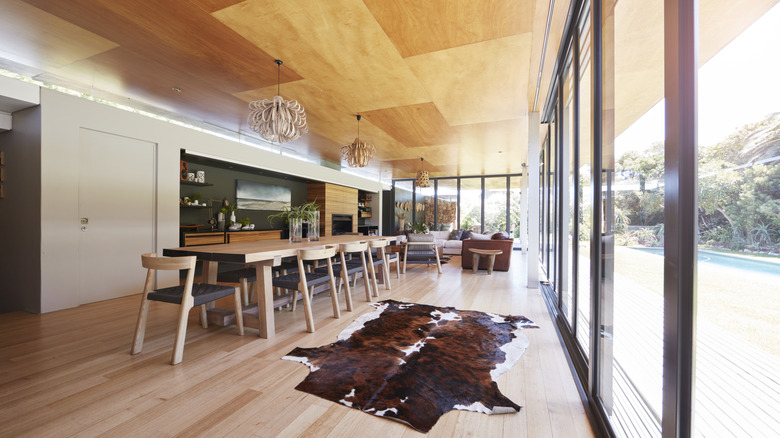
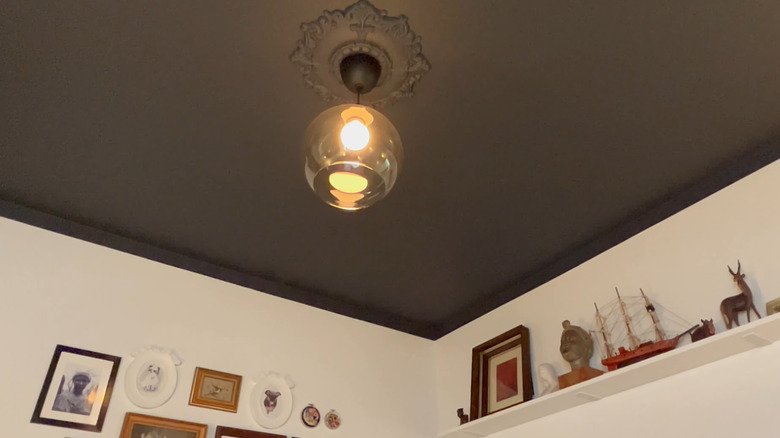
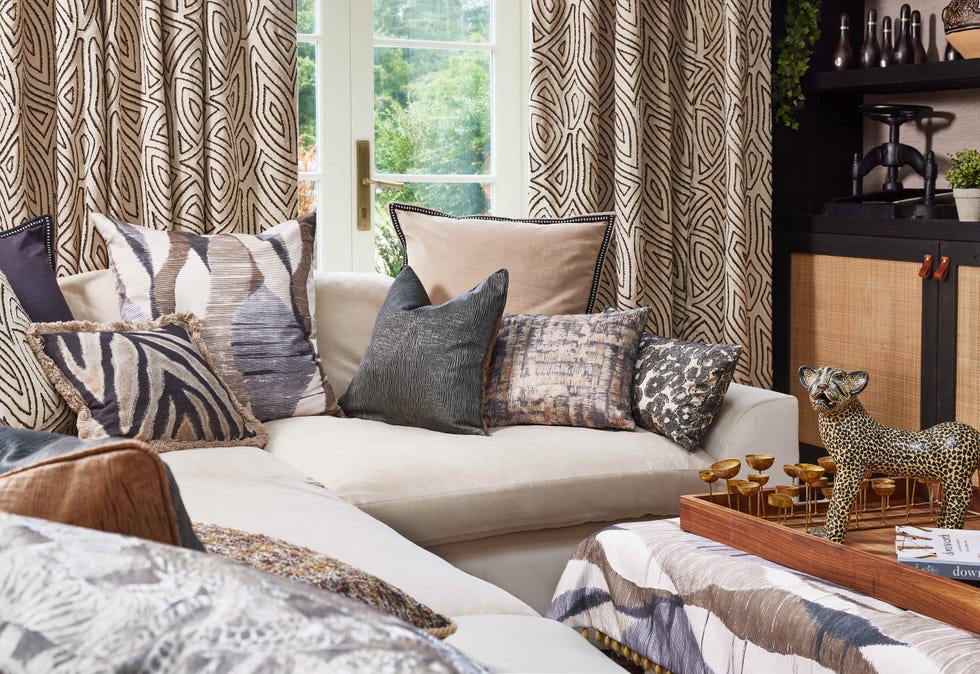
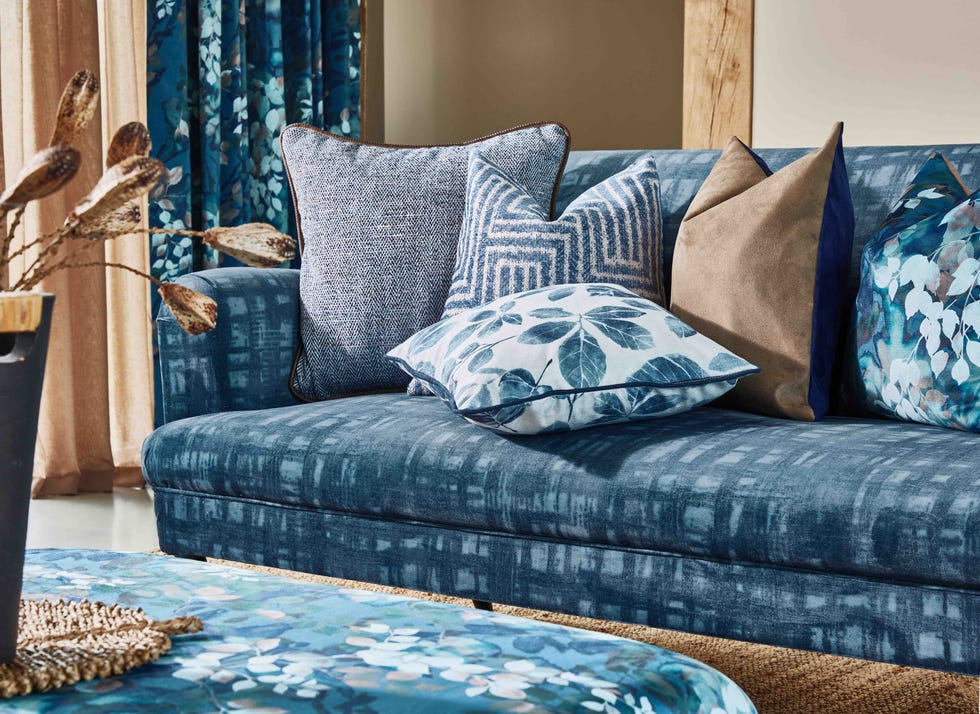
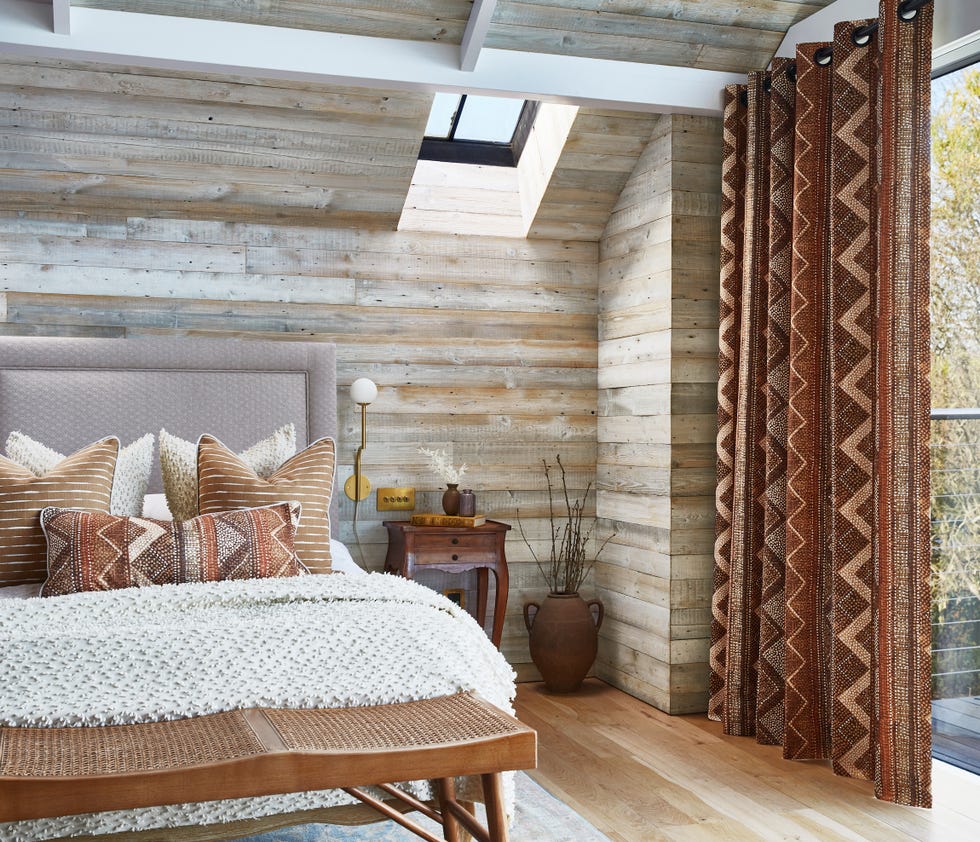
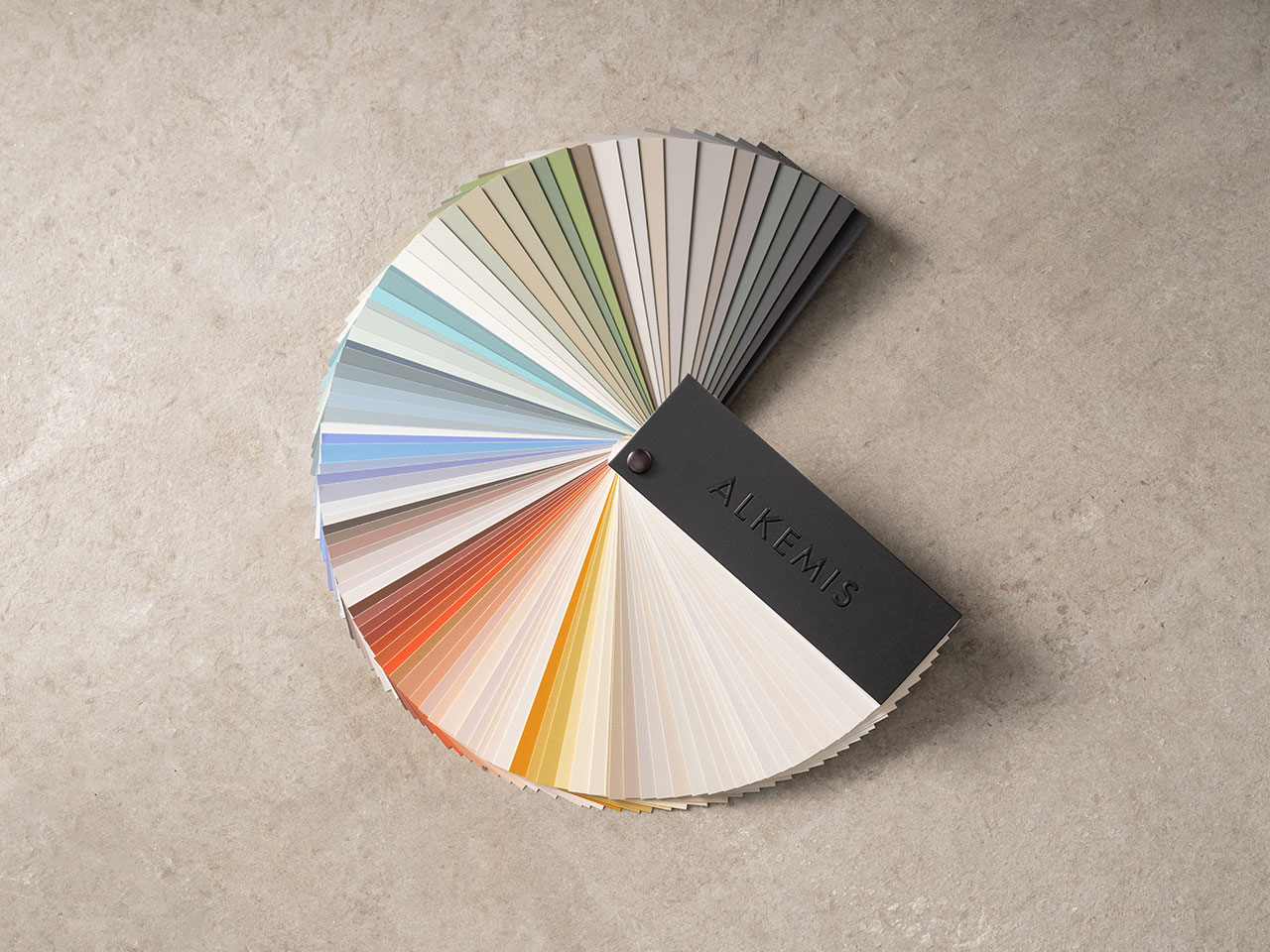
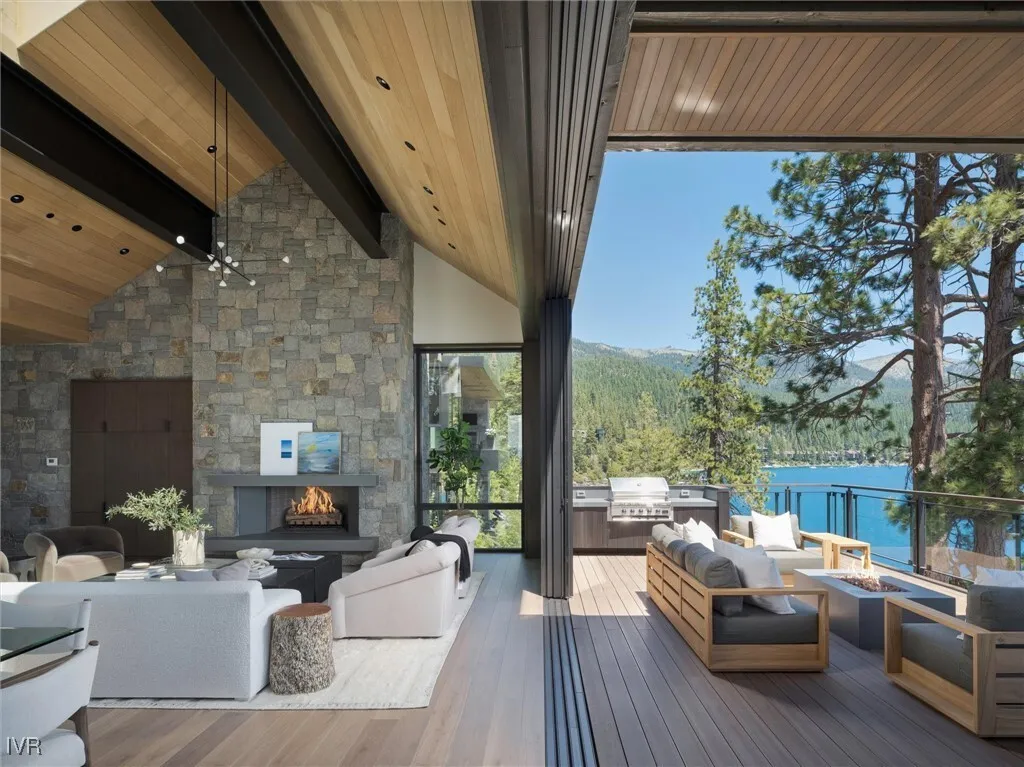
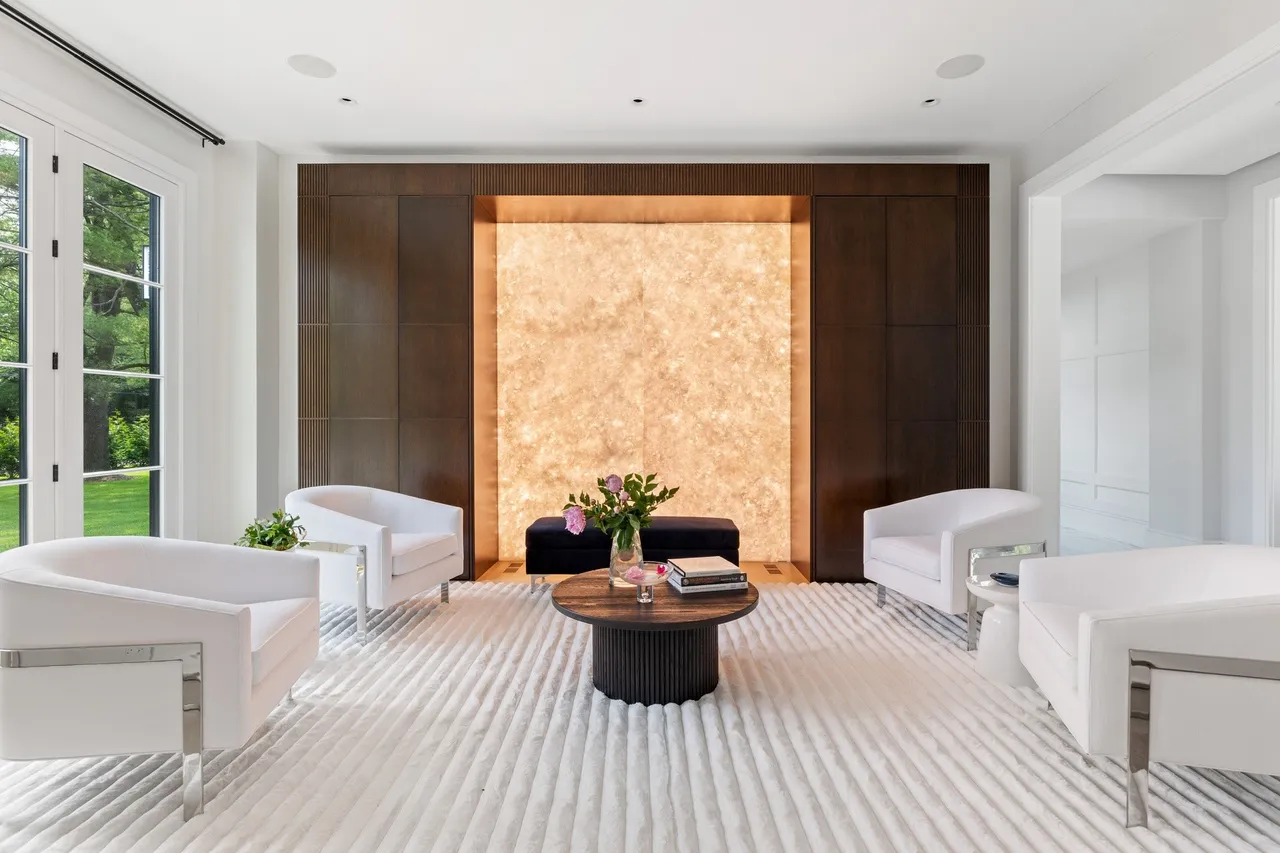
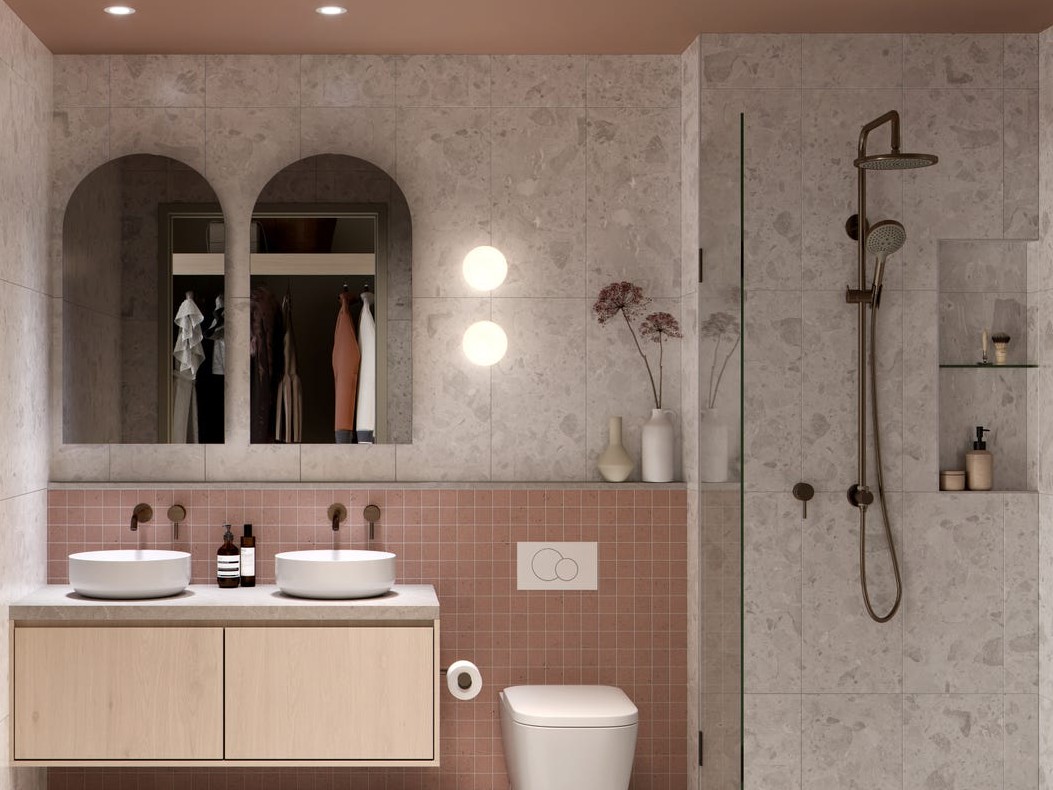
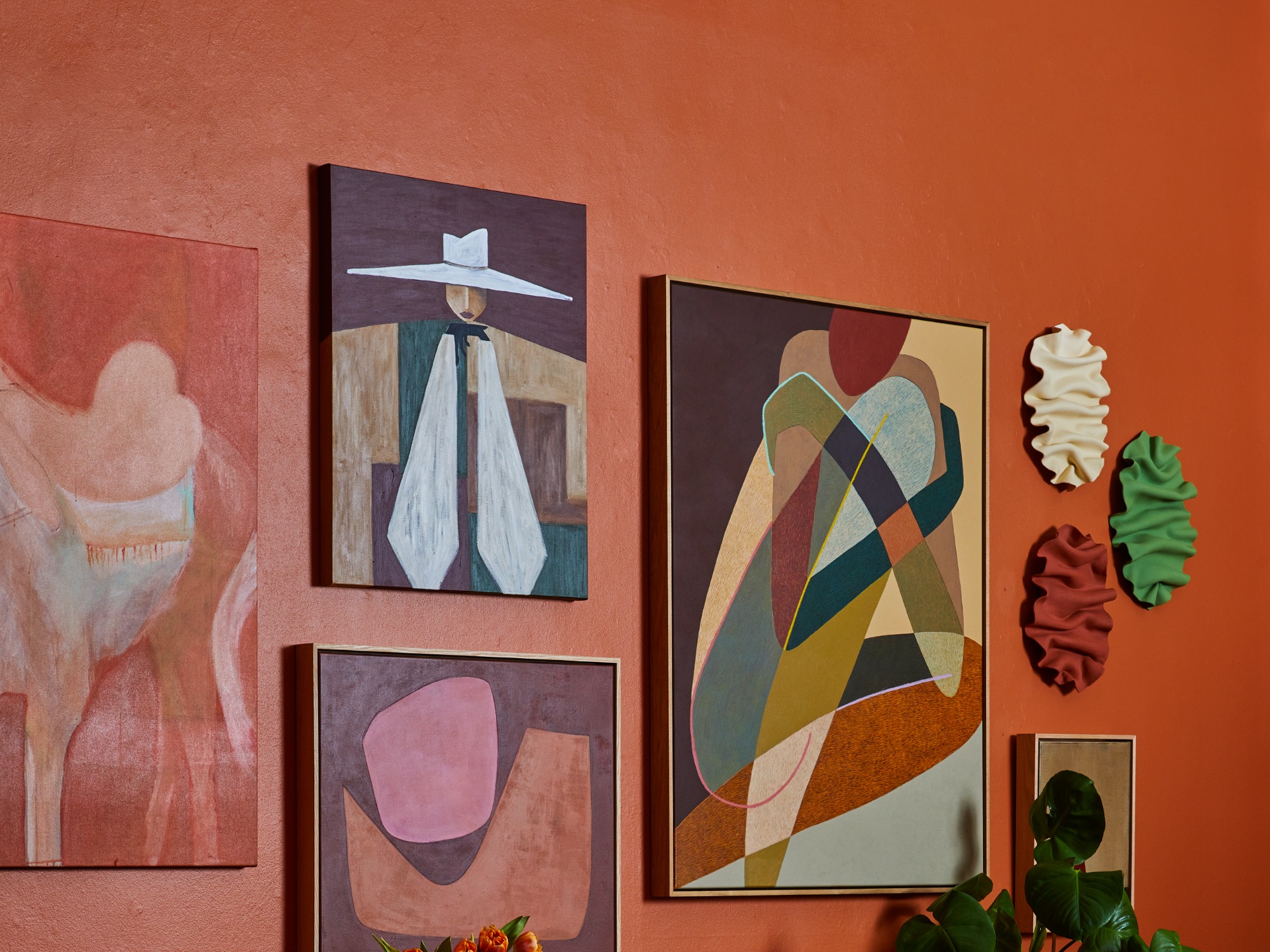
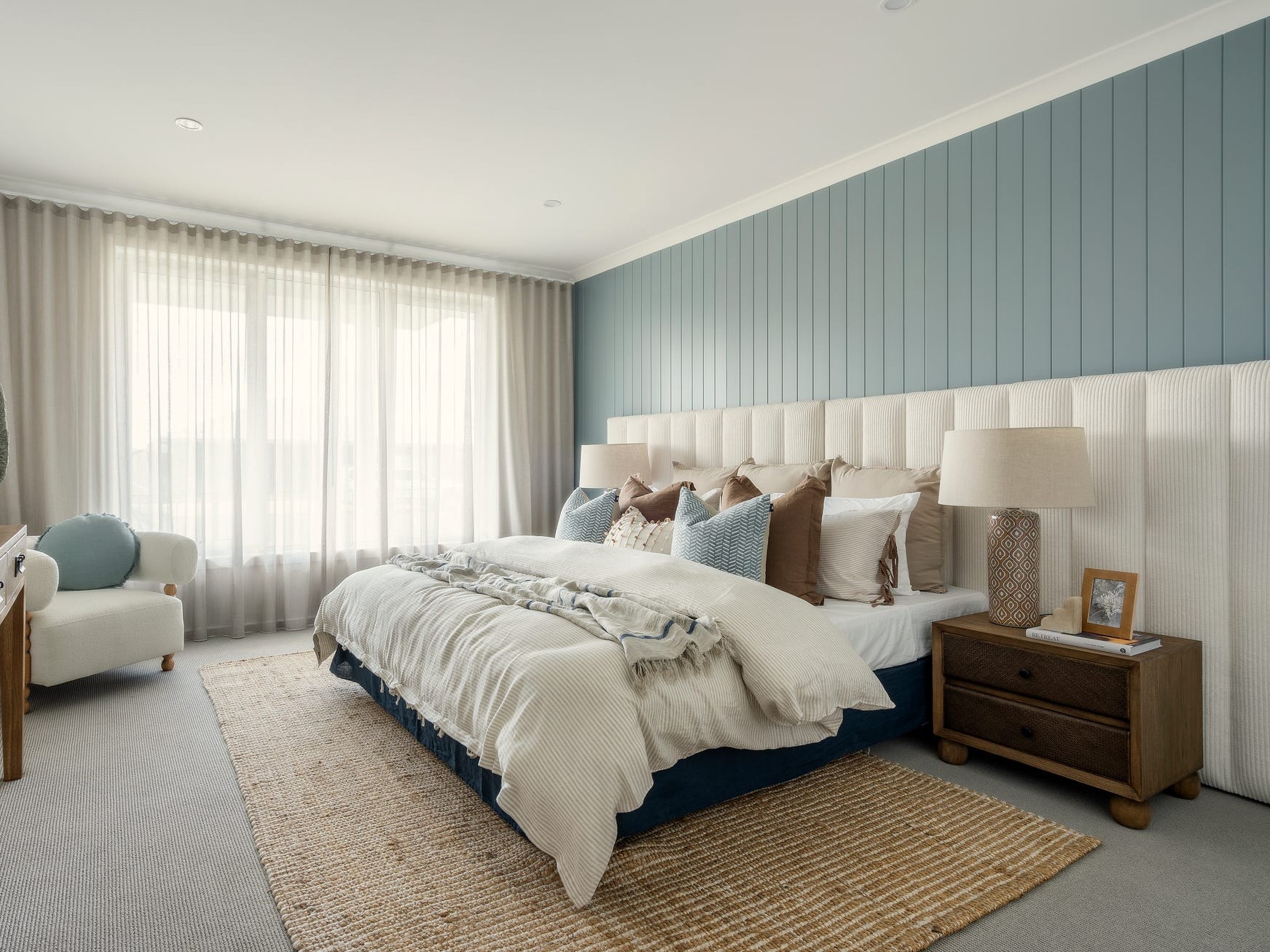
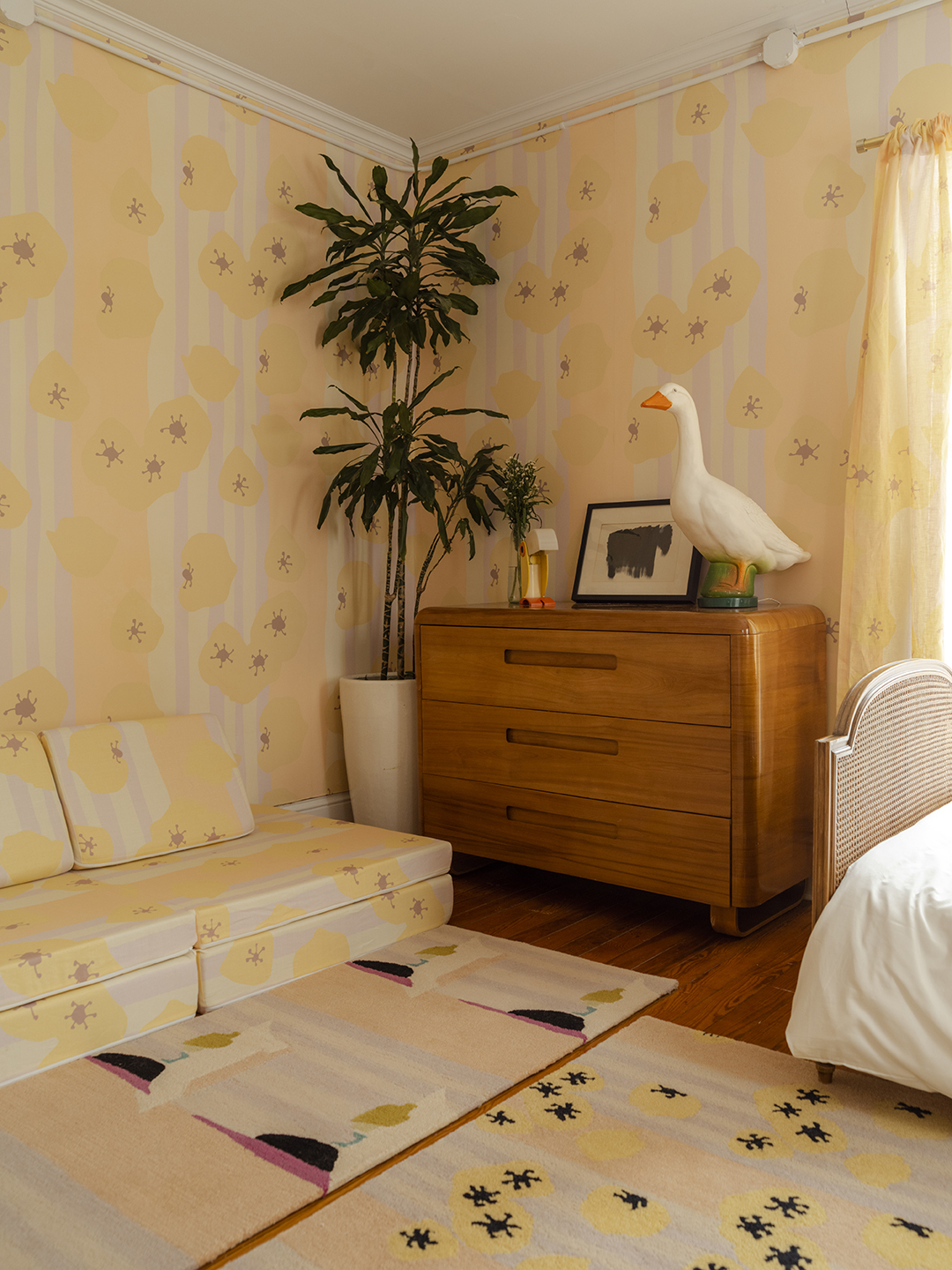
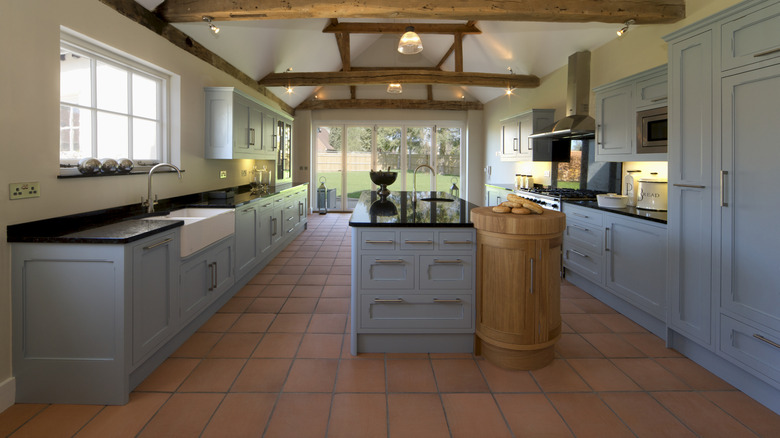
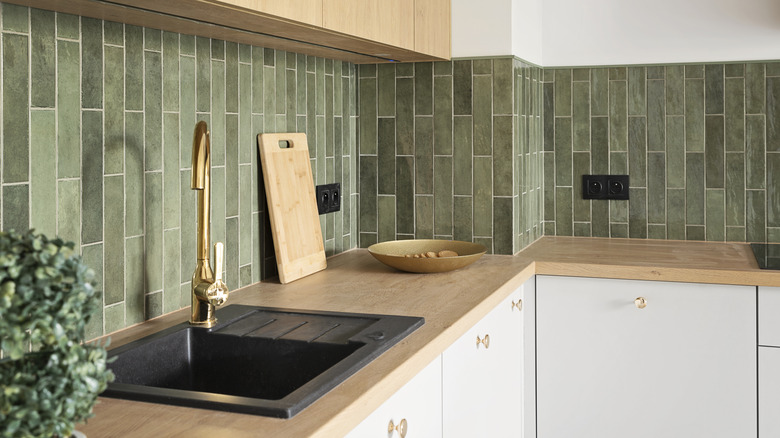
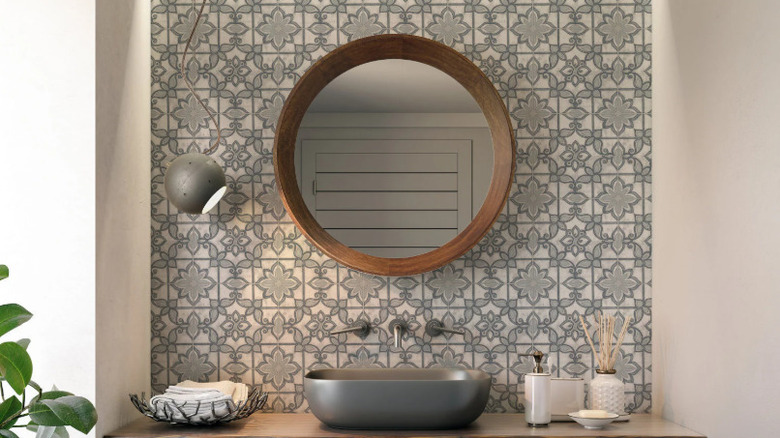
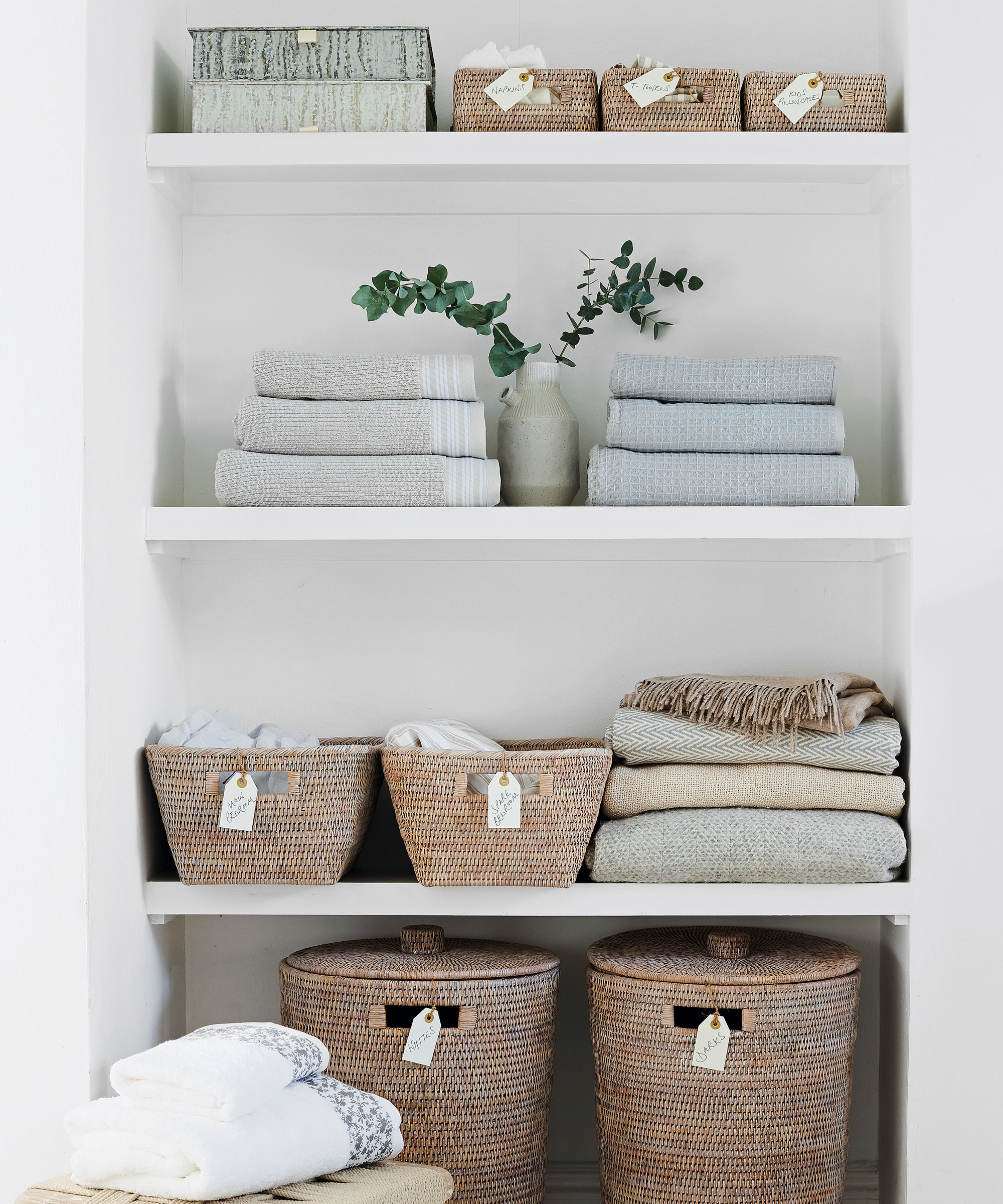
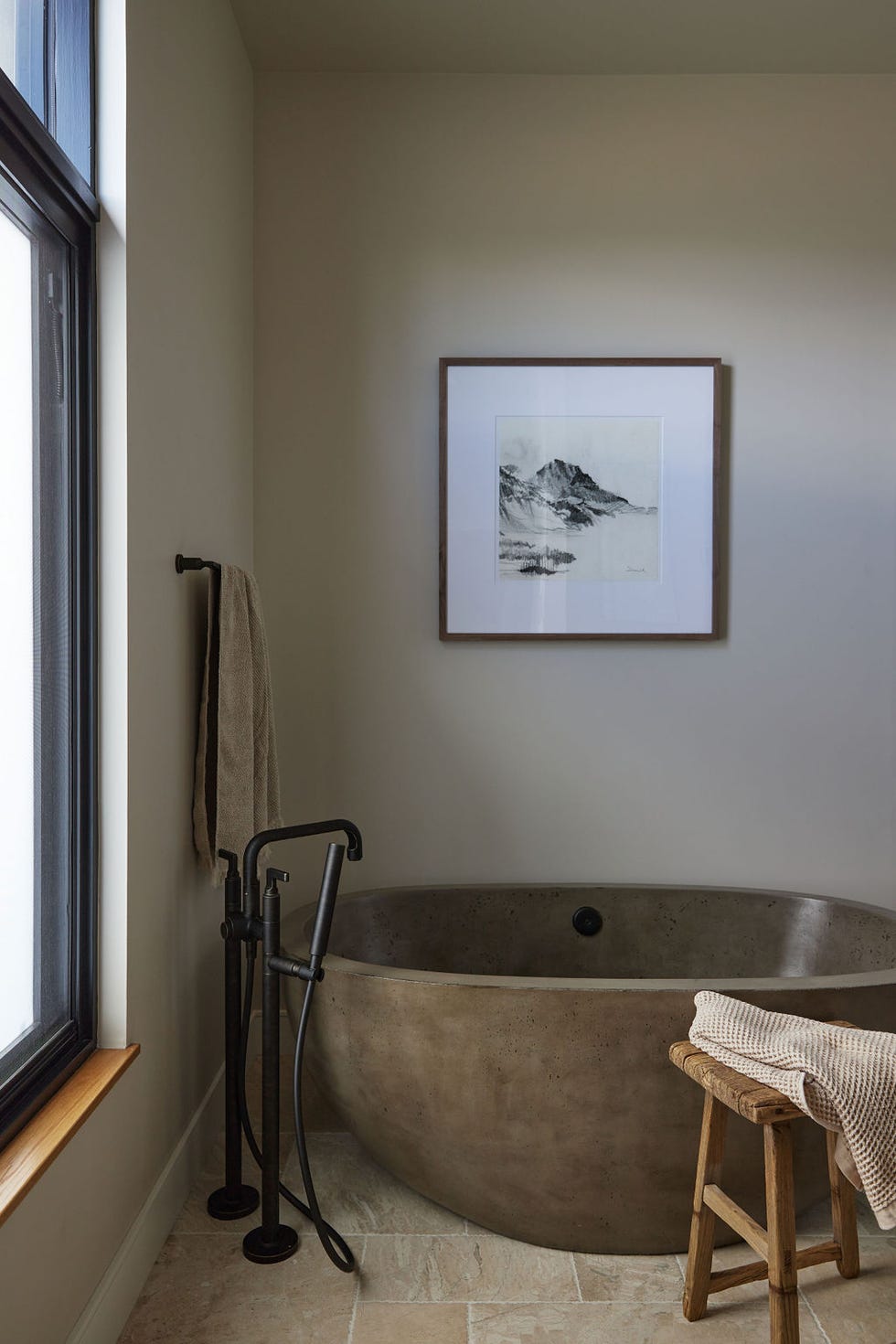
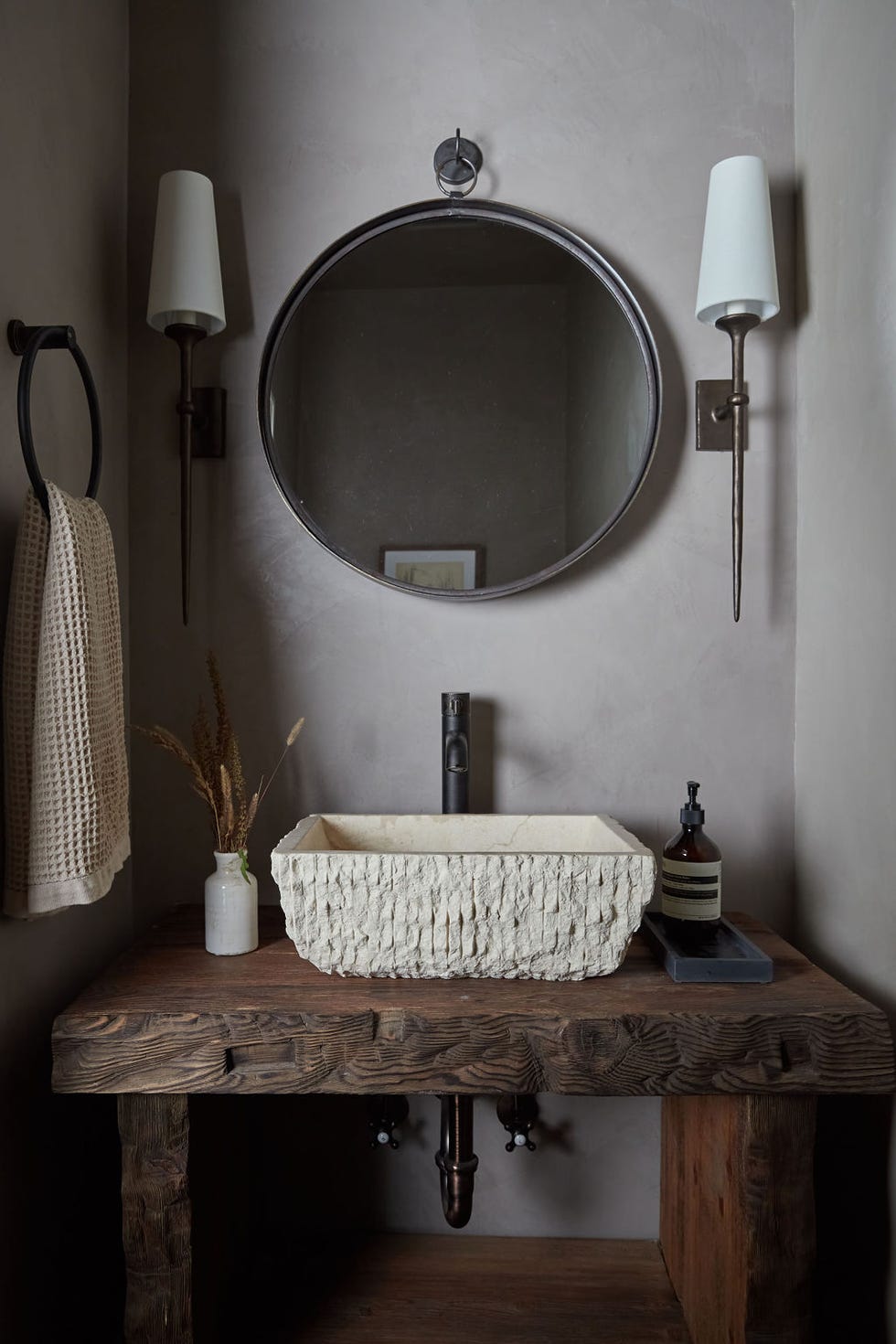
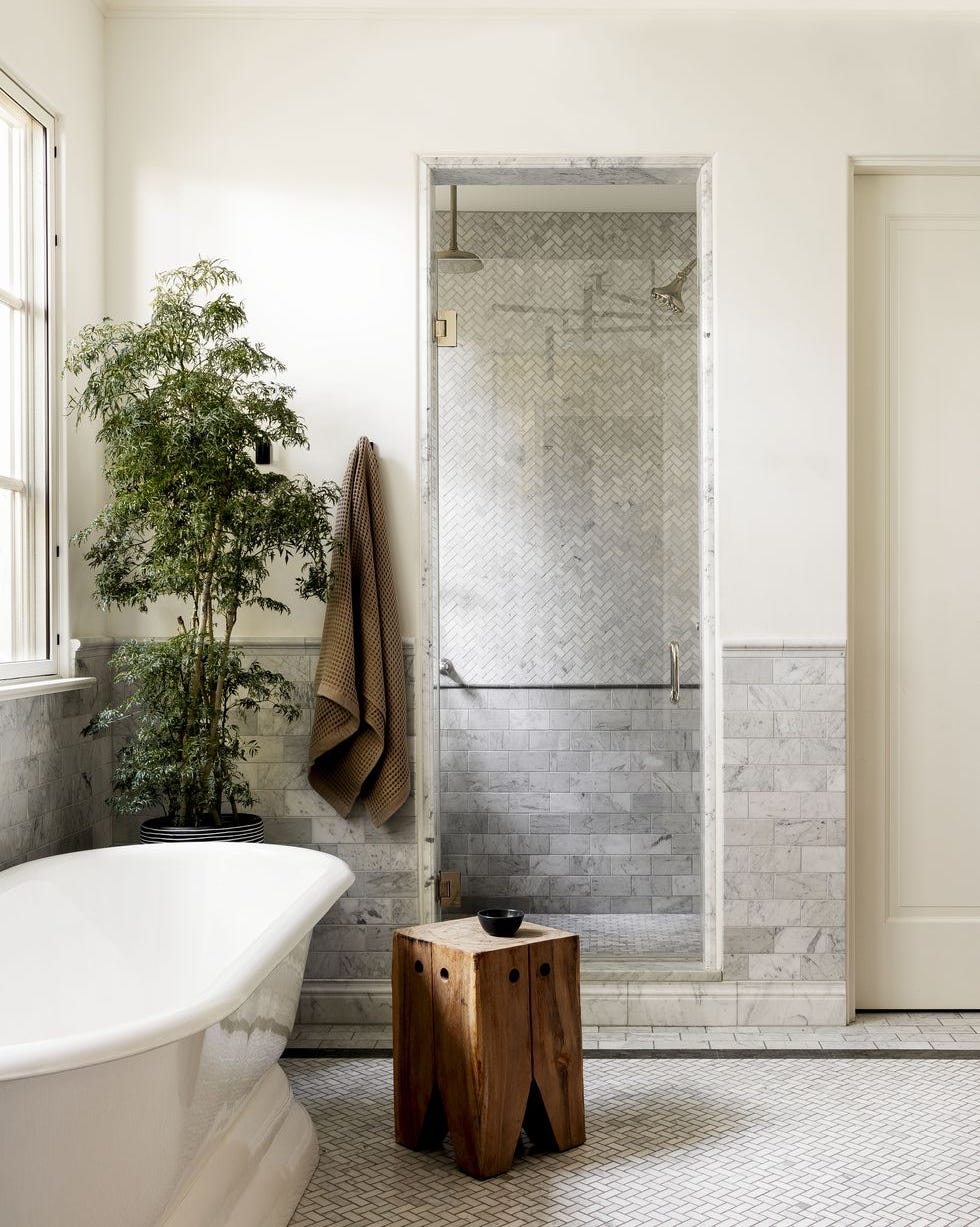
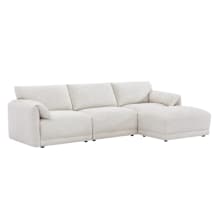
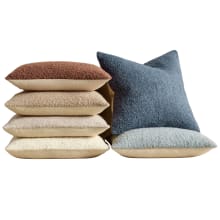
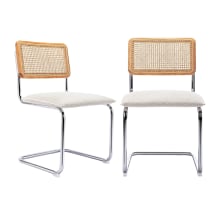
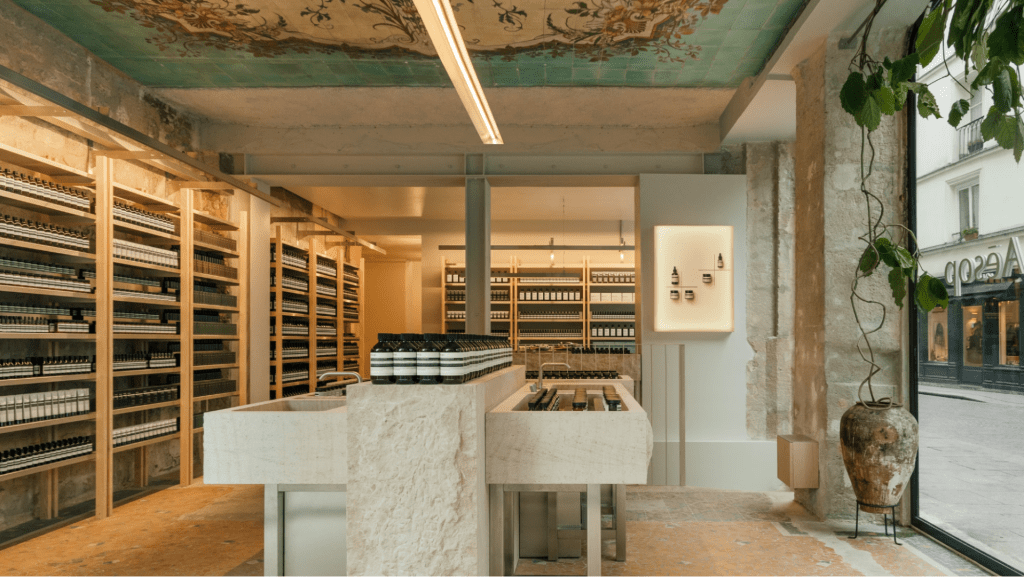
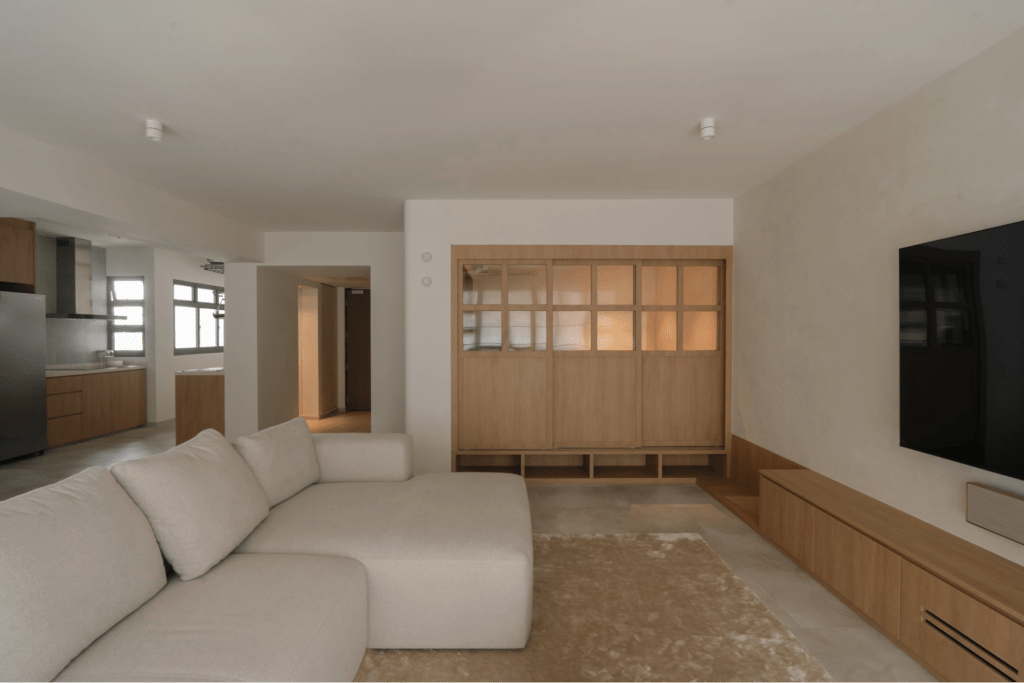
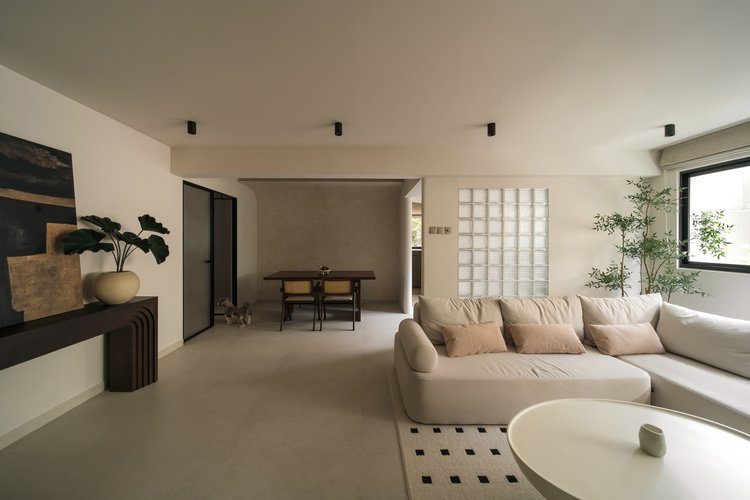
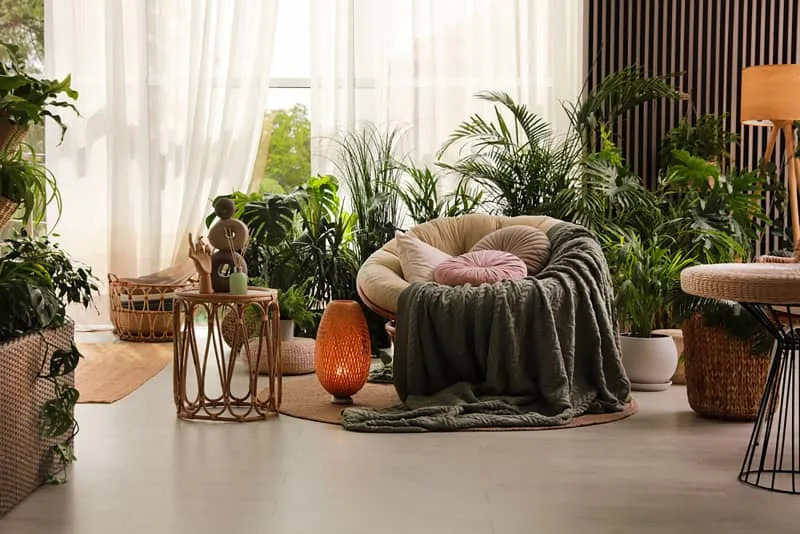
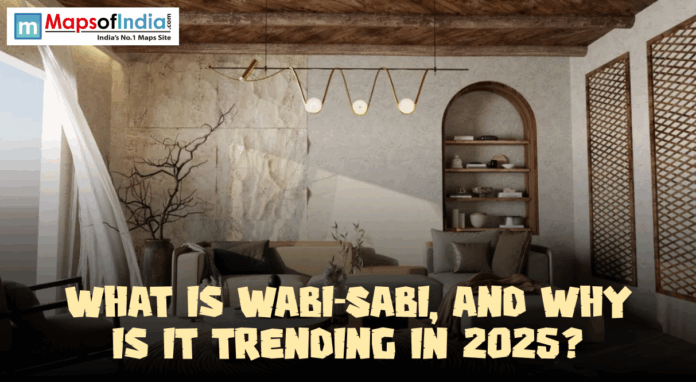
The influence of Wabi-Sabi is particularly prominent in interior design trends for 2025. It advocates for the use of natural, raw materials such as clay, stone, linen, bamboo, and wood, which acquire character over time. Surfaces are intentionally textured and imperfect, with handcrafted ceramics preferred over mass-produced items. Furniture often displays natural wear, and color palettes are drawn from nature, featuring ochre, pale green, dark grey, and warm beige. The emphasis is on unique, non-matching pieces that tell a story, creating spaces that feel authentic, lived-in, and comforting rather than sterile or artificial.
Wabi-Sabi distinguishes itself from minimalism, although both value simplicity. Minimalism typically seeks order, sharp lines, and consistency to eliminate clutter, aiming for a pristine, balanced aesthetic. Wabi-Sabi, however, embraces imperfections, breakage, faded colors, and irregular forms, finding beauty in what is genuine and aged rather than flawless. While minimalism can appear cold or sterile, Wabi-Sabi creates a warm, honest, and cozy atmosphere, appealing to those who find minimalism too rigid.
Beyond design, Wabi-Sabi functions as a lifestyle philosophy, fostering acceptance of life's changes and fostering deeper connections. It encourages mindful activities like cooking, observing small details, and appreciating simple joys, often leading to the repair and re-purposing of items rather than discarding them. This mindset reduces stress, mitigates competitive urges, and counters the constant pressure to conform to fleeting trends.
Social media platforms have been instrumental in disseminating Wabi-Sabi, with users sharing glimpses of serene mornings, imperfect home settings, and vintage objects, which offer a refreshing contrast to the often-unrealistic perfection seen online. This resonates especially with younger demographics, who value authenticity and practicality in an environment saturated with idealized imagery.
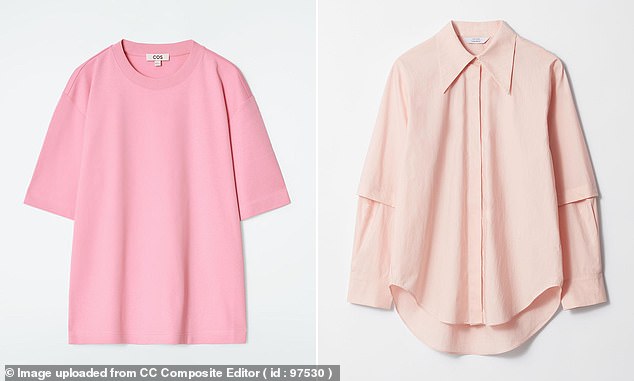
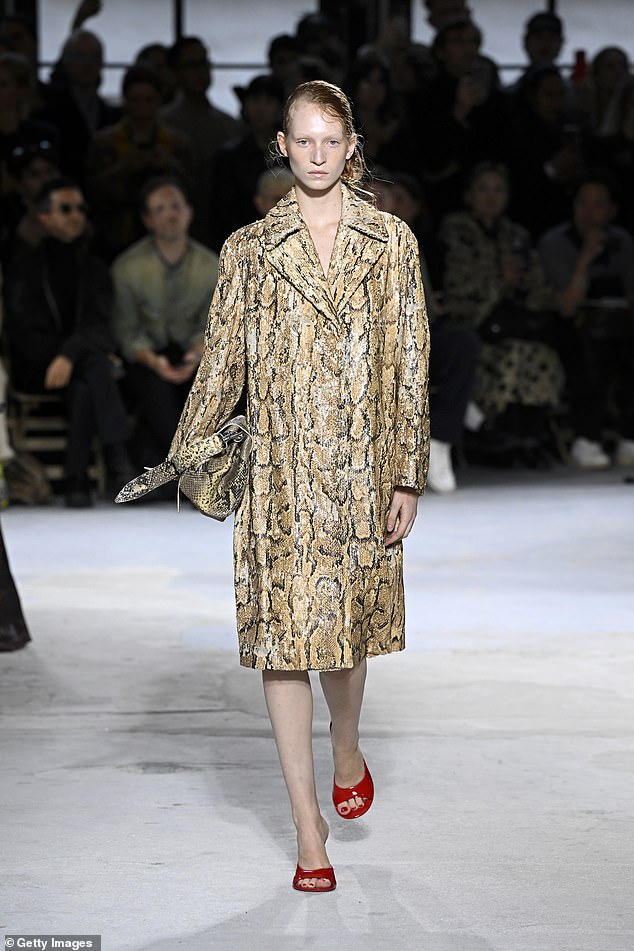
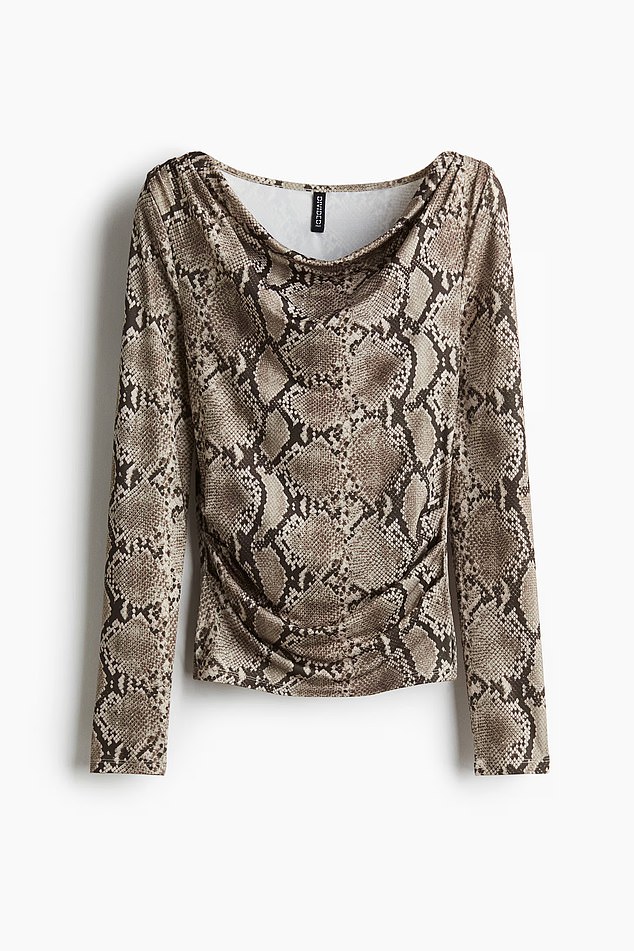
The trend extends to fashion and product design, where raw materials like linen, cotton, and hemp are favored for their ability to age gracefully. Muted, earthy tones dominate, and details like exposed seams, hand-stitching, and uneven textures become desirable features. Products crafted from copper, leather, or raw wood are valued for their enduring quality and ability to become more personal with use, elevating the status of vintage and secondhand items.
Wabi-Sabi offers a respite from the constant societal pressure for achievement and comparison, transforming perceived flaws into sources of meaning. It lessens the compulsion to acquire the newest items, encouraging self-compassion and a more profound connection with one's possessions and personal journey. Incorporating Wabi-Sabi into daily life involves small adjustments: choosing handcrafted items, embracing natural wood, opting for gentle color palettes, integrating natural elements, and practicing mindfulness in routine tasks. This approach cultivates an appreciation for quiet moments and the inherent beauty in the ordinary.
#WabiSabi #InteriorDesign #LifestylePhilosophy #Mindfulness #JapaneseAesthetics #DesignTrends2025 #SustainableLiving #Authenticity #SocialMediaInfluence #WabiSabi #InteriorDesign #LifestylePhilosophy #Mindfulness #JapaneseAesthetics #DesignTrends2025 #SustainableLiving #Authenticity #SocialMediaInfluence
0 comment in total
 No comments yet
You may also like
5 DIY trends experts predict will be big in 2025

2020 Industry Trends | Part 3
Shea McGee’s Trend Forecast Includes This Maximalist Move for 2025

2025's Biggest Window Treatment Trend Is A Better Investment For Your Future
Top Ceiling Trends You Can Expect To See More Of In 2025
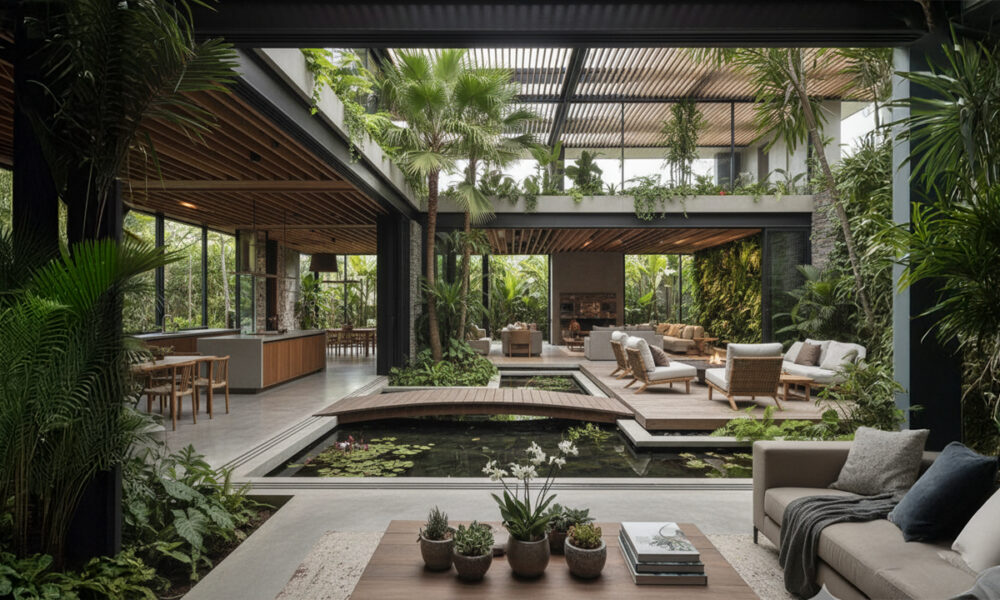
Hottest Home Trends in 2025
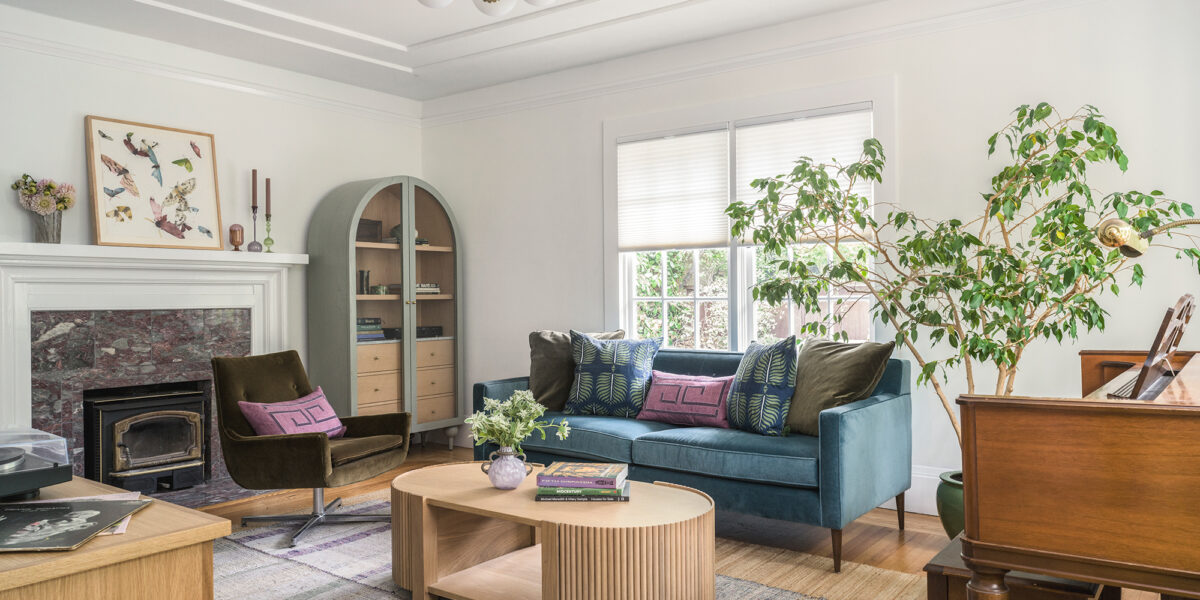
These Will Be the Biggest Design Trends of 2025
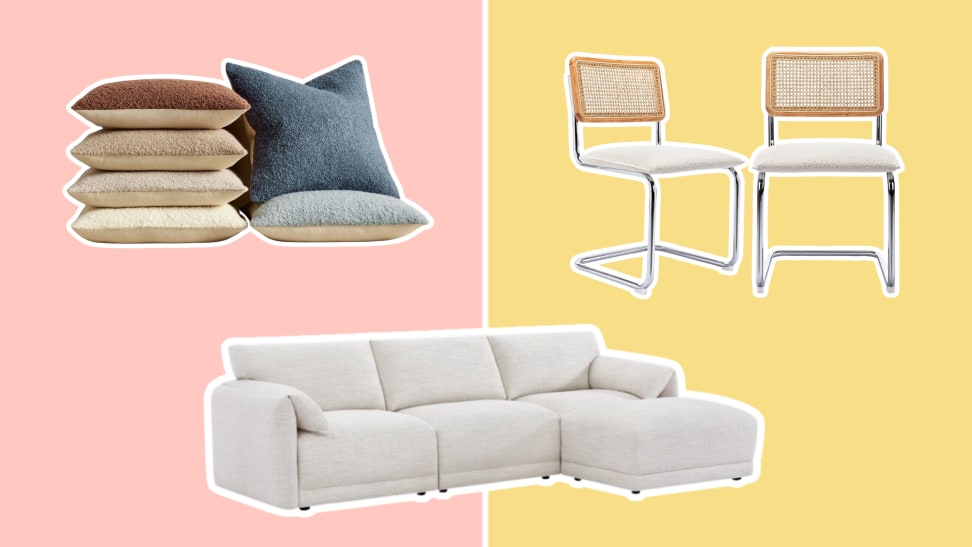
Boucle is one of 2024's biggest design trends

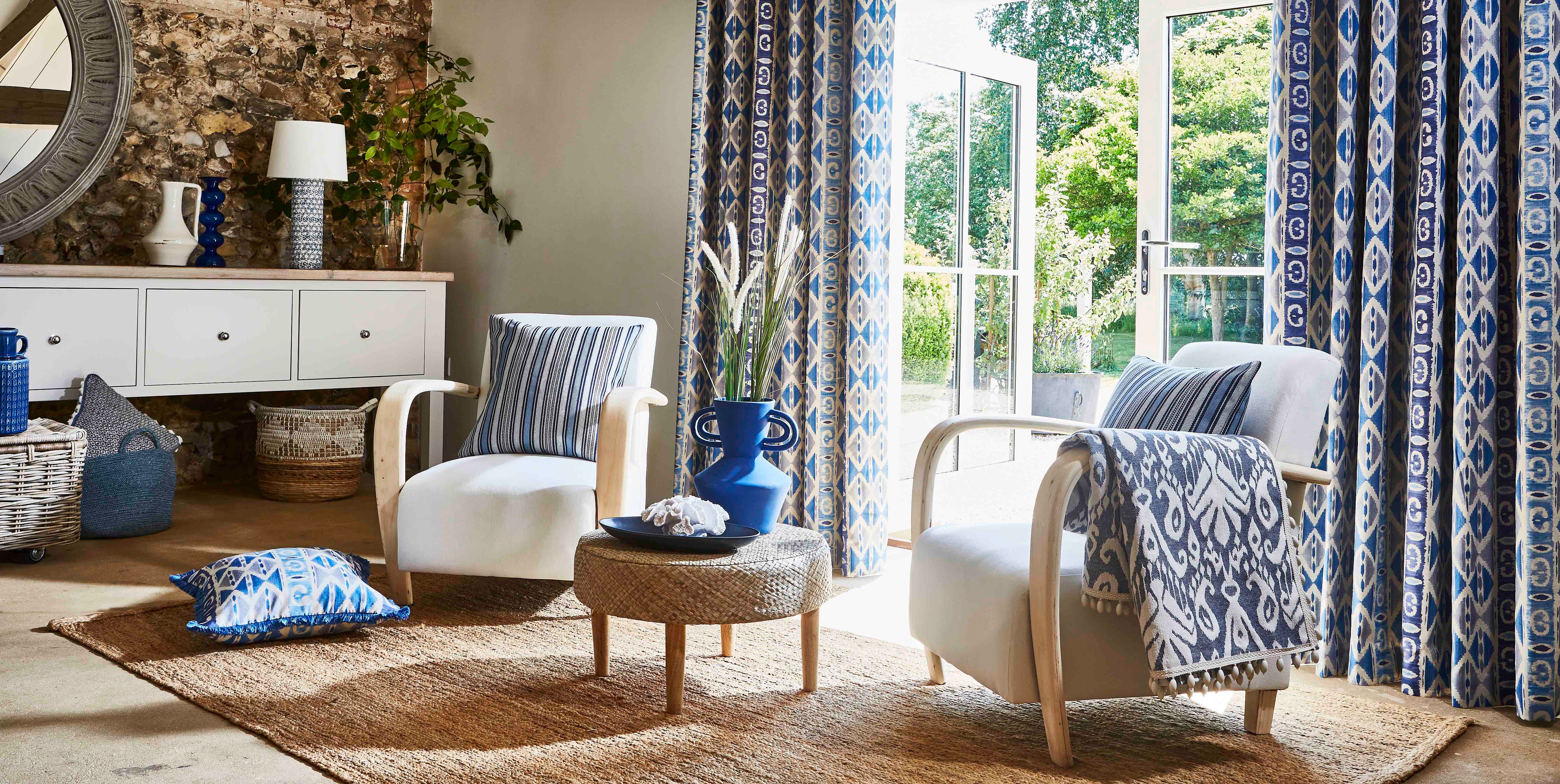
These are set to be the biggest fabric trends of 2025
Looking Up: Top Ceiling Trends for 2025
Tile Trends That Will Be Dominating In 2025
11 Biggest Interior Trends Of 2025, Design Solutions & Reno Tips As Revealed By An Interior Designer

Using design principles feng shui and wabi-sabi in 2025
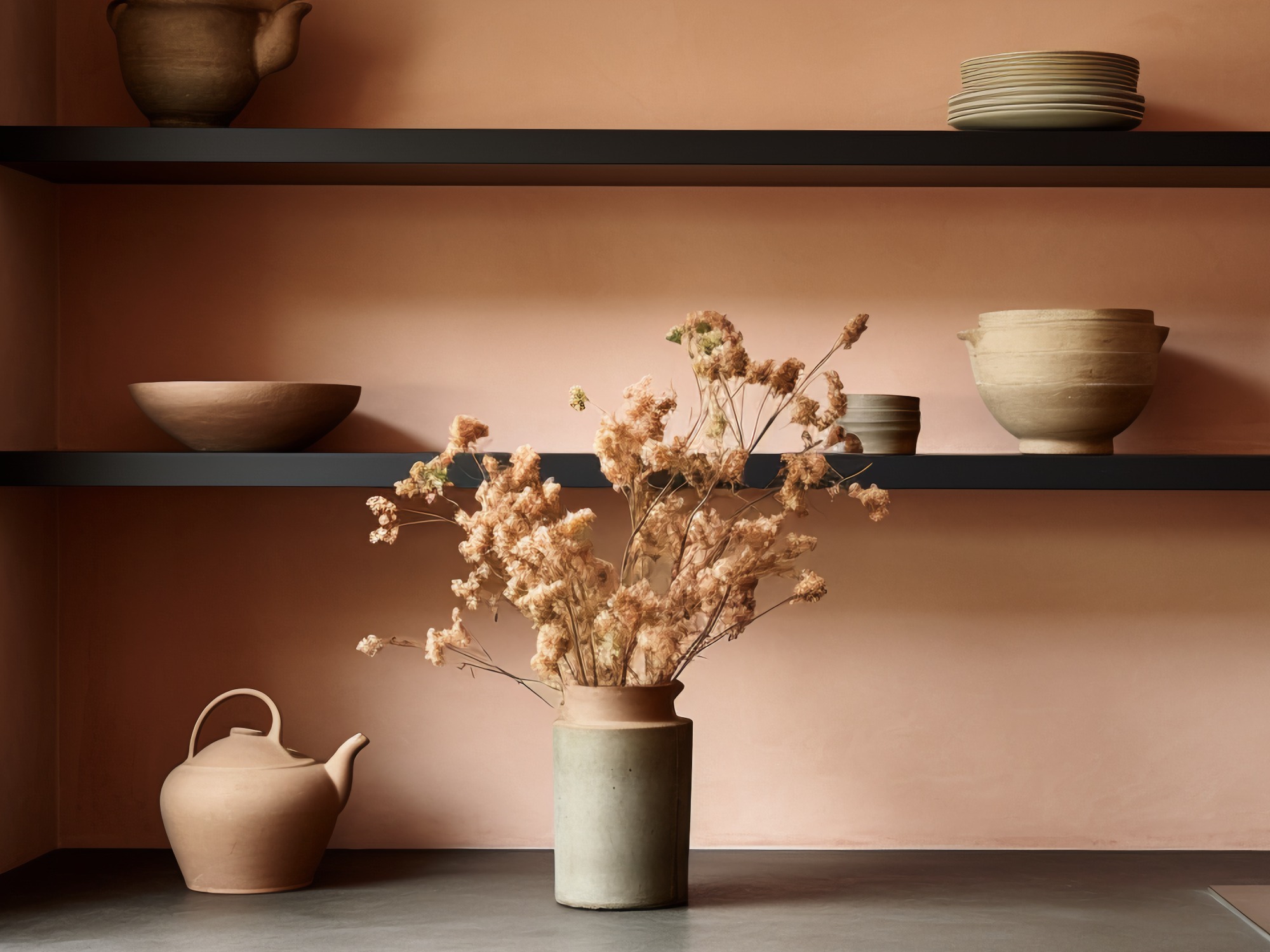
The Biggest Colour Trends Taking Off in 2025
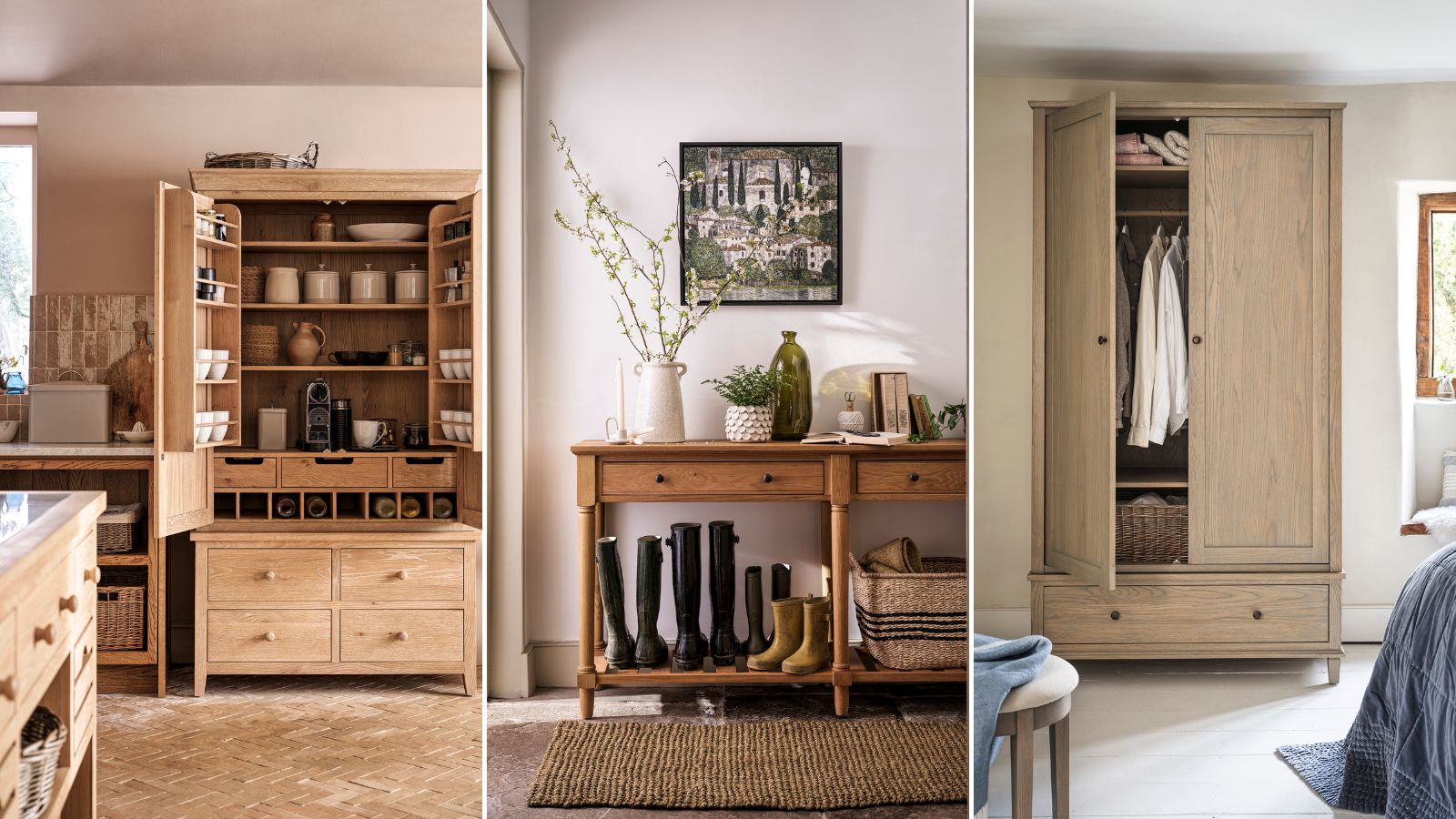
Organizing trends 2025: plus the ones we're leaving behind
This Surprising Chair Trend Is Taking 2024 by Storm
KBIS 2025 Turns a Corner on Wellness With Integrated Technology
Beige-fluencers are over: These are the colours and prints fashion editors are wearing in 2025 instead
Why Designers Predict We'll Be Seeing Wabi Sabi Interiors Everywhere

The Bold Curtain Trend That'll Be Taking Over In 2025