1/4
2020 Industry Trends | Part 3
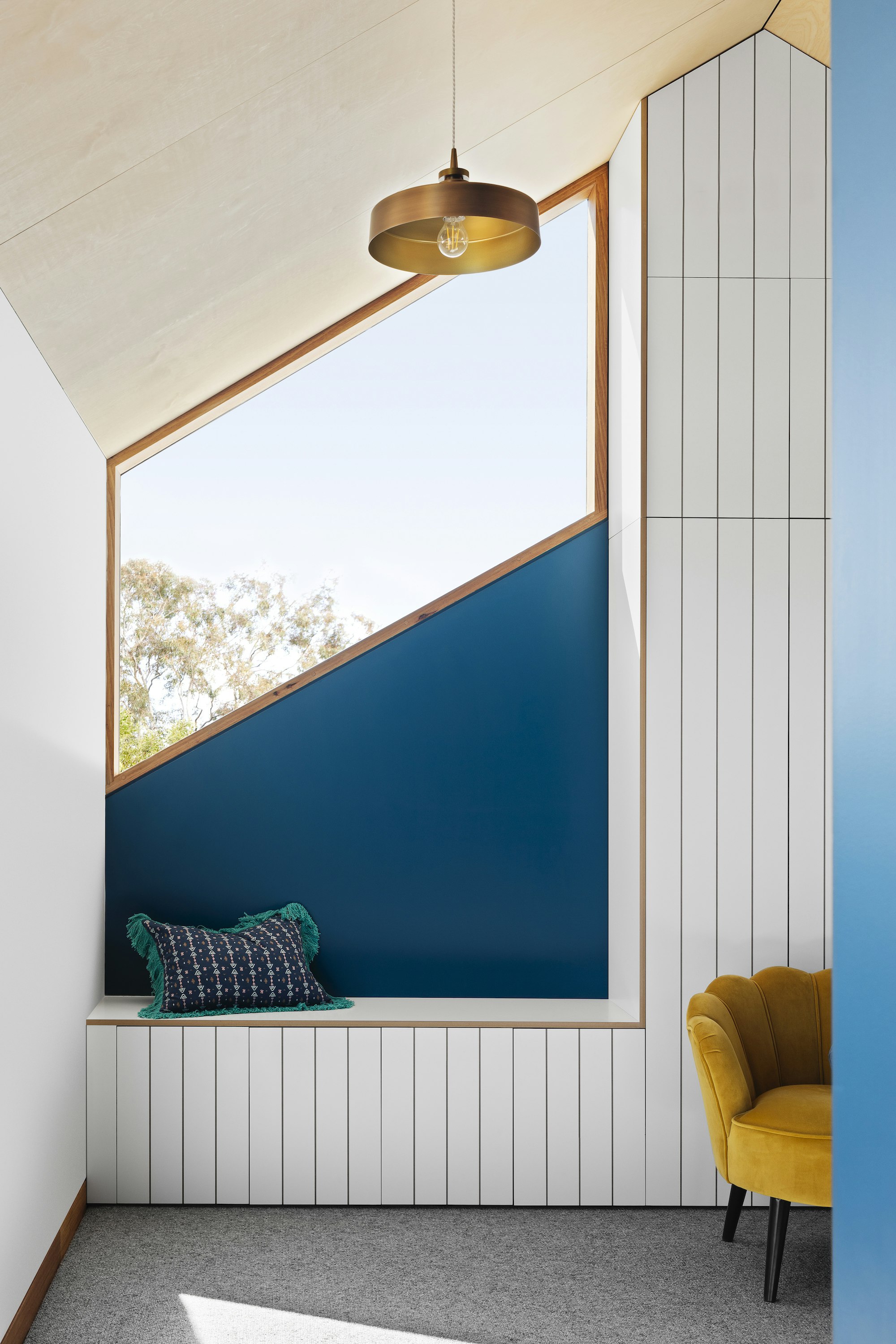
This article, part of a series on 2020 industry trends, focuses on window and door design, drawing insights from exhibitors at GlassBuild America and its online extension, GlassBuild Connect. Windows and doors are increasingly viewed as crucial elements of a building's design concept, contributing to both performance and aesthetics. The industry is witnessing an evolution in designs, with vinyl window profiles becoming smaller to allow for more glass and daylight, and a general trend towards simpler shapes that are easier to fabricate.
Speed to market has significantly progressed, with approval processes for new products becoming compressed business decisions. Despite economic uncertainties, the fenestration market is experiencing a pickup in business activity. Key trends shaping the industry include changes in size, color, and performance of windows and doors.
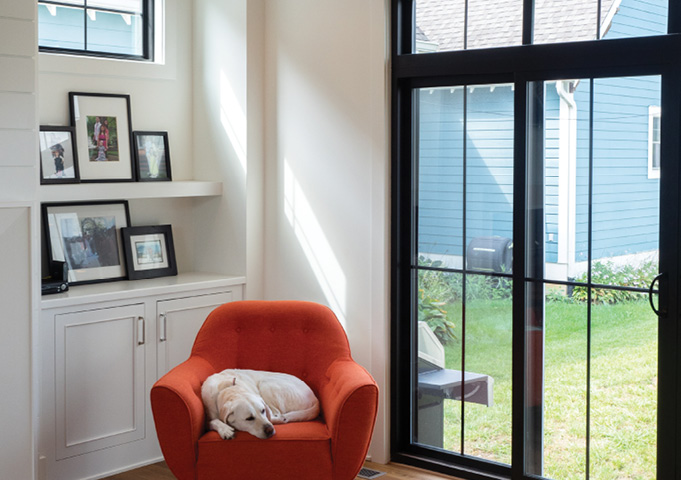
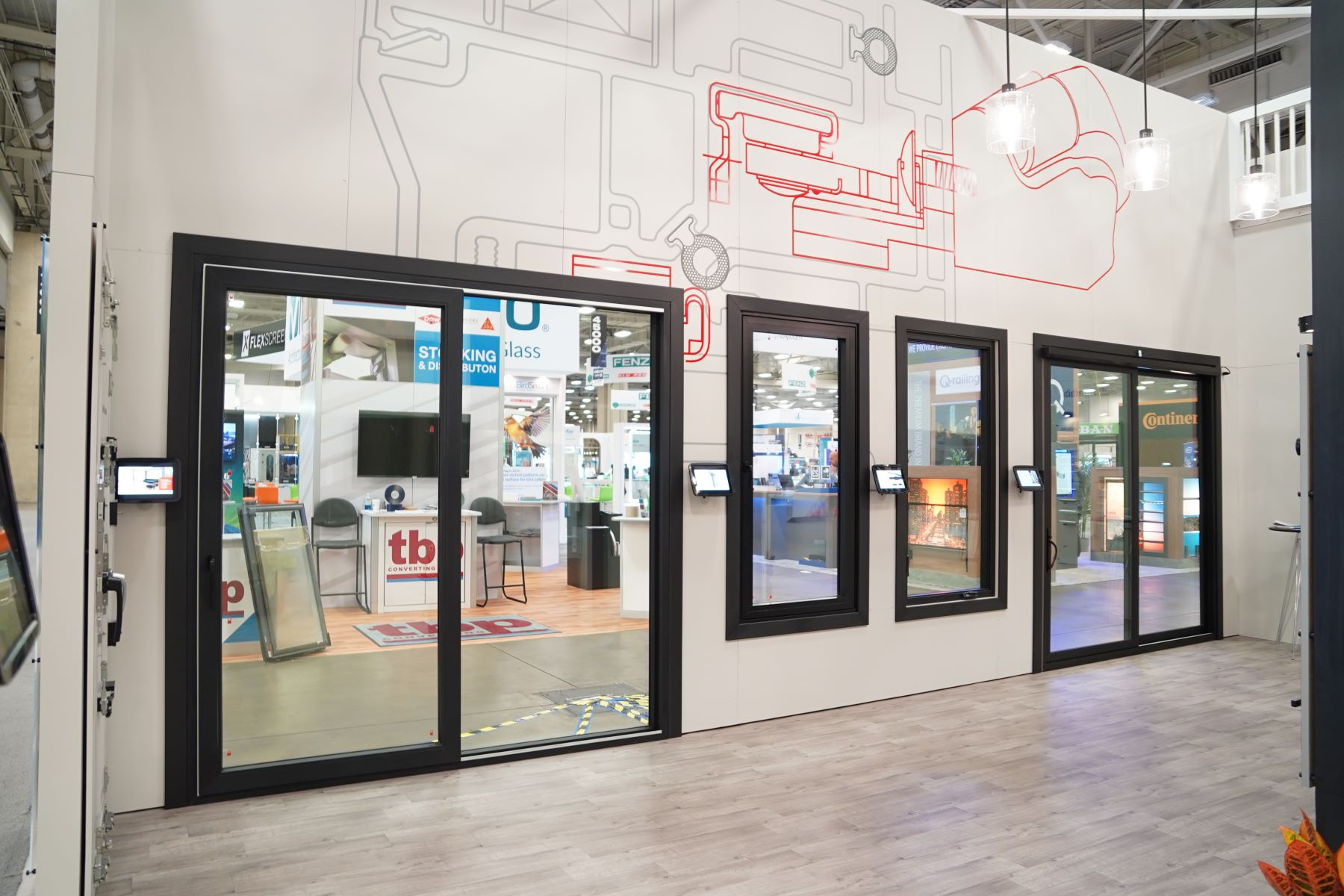
Regarding size, there's a clear move towards larger glass sizes, particularly for patio doors, with a preference for movable glass panels, folding patio doors, and larger sliding patio doors, including 8-foot and 10-foot options, and even full walls of glass. This inclination for expansive glass extends to windows, with increased sales of double and triple insulated glass units to maximize natural light within homes.
Color trends have shifted dramatically, especially in vinyl windows. What was once considered taboo, darker colors, such as black and bronze, are now ubiquitous. This interest in dark-colored or black vinyl windows is observed in both single-family and multi-family constructions, utilizing colored capping for both interior and exterior framing to achieve a unique aesthetic. Dark colors are also popular for entry doors, serving as both complementary exterior colors and interior focal points. From a design perspective, there's a growing consumer preference for very matte surfaces in solid colors. Color options primarily include laminates, cap-stocks, and paint, with lamination being a preferred method for late-stage customization due to its growing trend and aesthetic benefits, though it also pushes suppliers towards higher performance standards.
Thermal performance remains a primary driver for innovation across both commercial and residential sectors. Building codes are becoming more stringent, irrespective of legislative changes, and homeowners are increasingly aware of the comfort benefits provided by thermally efficient windows. The industry anticipates a continuous demand for higher performance across all applications.
Looking ahead, there is an expectation for the broader category of composites, such as wood and fiber-reinforced composites, to play a greater role, especially as PVC manufacturers seek to differentiate their products. The ideal product will possess properties like impact resistance, weldability, weathering, and improved strength, while minimizing expansion, contraction, and shrinkage. There's a call for manufacturers to embrace new technologies and rethink product portfolios to stand out in a competitive market. Expectations are rising for lineals to be straighter and tolerances tighter, elevating standards across the manufacturing process. Industry consolidation highlights the need for innovation and differentiation, proactive forecasting, and addressing supply chain vulnerabilities to maintain product flow.
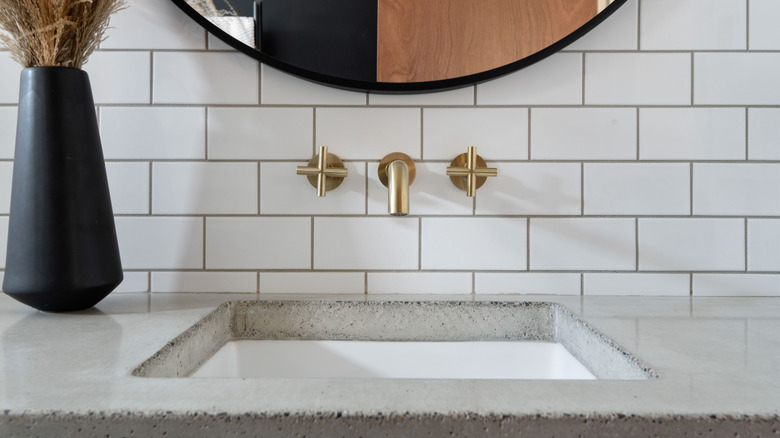
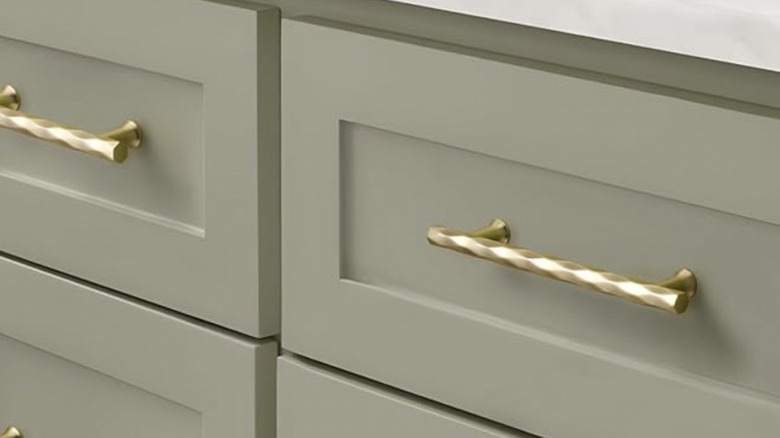
Hardware trends focus on automation, contemporary aesthetics, and robust design. Window and door automation is integrating with the Internet of Things to create smart home environments, with motorized blinds and shades expected to become commonplace. Aesthetic preferences are moving from traditional, ornate designs to sleek, minimalistic styles, featuring darker matte or black finishes. Satin nickel and patina remain popular hardware colors, with a subtle resurgence of antique brass or gold tones. As windows and doors become larger, hardware must be more robust to operate these units effectively, leading to the development of new products. There is also a demand for concealed or minimized hardware that blends with the design, alongside an emphasis on ease of operation for end-users, ensuring minimal operating force for large openings.
#IndustryTrends #WindowDoorDesign #Fenestration #SmartHome #BuildingMaterials #ArchitecturalDesign #ThermalPerformance #HardwareInnovation #IndustryTrends #WindowDoorDesign #Fenestration #SmartHome #BuildingMaterials #ArchitecturalDesign #ThermalPerformance #HardwareInnovation
0 comment in total
 No comments yet
You may also like
Ticking Trends: What’s New, Now, Next

Home Stager Reveals 4 Hot Trends for 2024

2010-2020: The top interior trends from the past decade

Hardwood Report 2025: The hardwood industry continues to improve its offering – March 2025


3 key gardening industry trends to embrace for 2024

Organizing trends 2025: plus the ones we're leaving behind
GCC Ceramic Tiles Market Grows with Rising Construction Demand
Bathroom Hardware Trends Set To Dominate In 2025

2021’s Palette of Possibilities
These Will Be the Biggest Design Trends of 2025

Here Are the 10 Interior Design Trends That Will Rule 2020

Top Stone Trends in 2025: Color Revival

Q + A with Roto Frank North America | Innovative Solutions Shaping the Future
3 Kitchen Stone Trends We’ll See in 2025

3 Kitchen Trends That Will Be Huge for 2023, According to Designer Caren Rideau
The biggest utility room trends of 2024
Manufacturers see a bright future driven by the repair and remodel categories

2023 Tile Trends Feature Wellness, Sustainability And Resilience

We Predict These Kitchen Trends Will Be Everywhere in 2023


Home Textile Industry News: Growth and Challenges in 2025