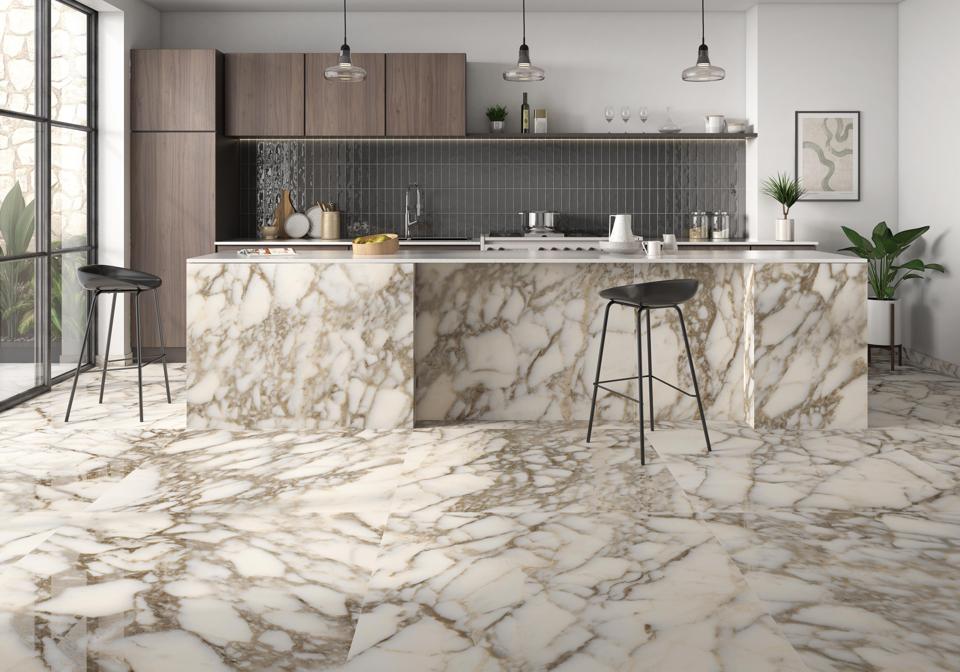
1/7
2023 Tile Trends Feature Wellness, Sustainability And Resilience
Tile remains a popular choice for home design due to its versatility and ability to enhance sustainability, wellness, and resilience. Experts Jennifer Richinelli, editorial director for 'TILE' and 'Contemporary Stone & Tile Design' magazines, and interior designer Alena Capra, highlight how manufacturers are increasingly promoting sustainable and carbon-neutral tile products. Arpi Nalbandian, a 'Tileometry' industry blogger, notes the growing demand for materials that foster serenity, especially in a post-COVID-19 world, emphasizing outdoor living, biophilia, and aging-in-place features.
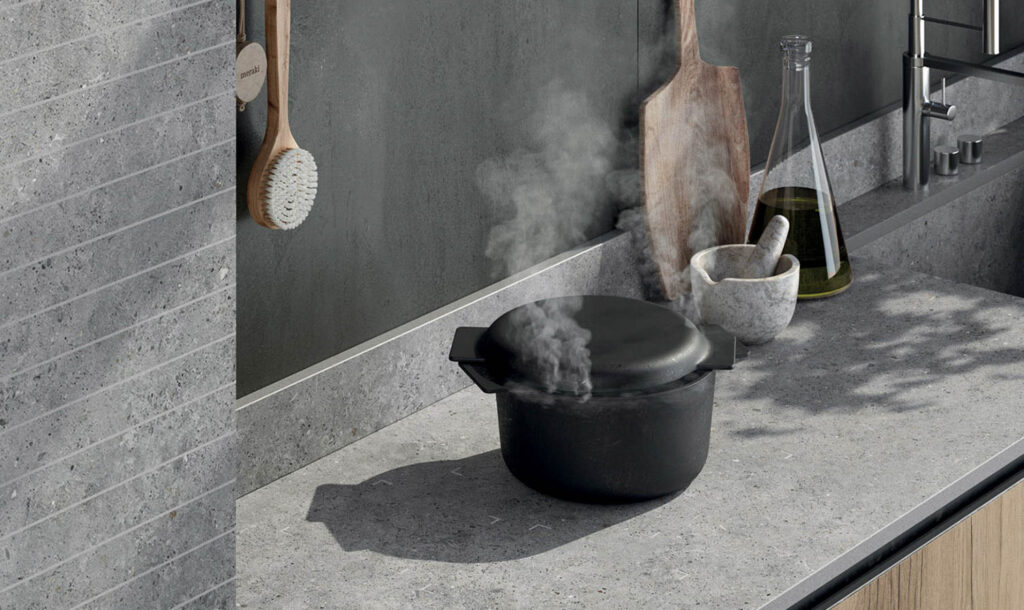
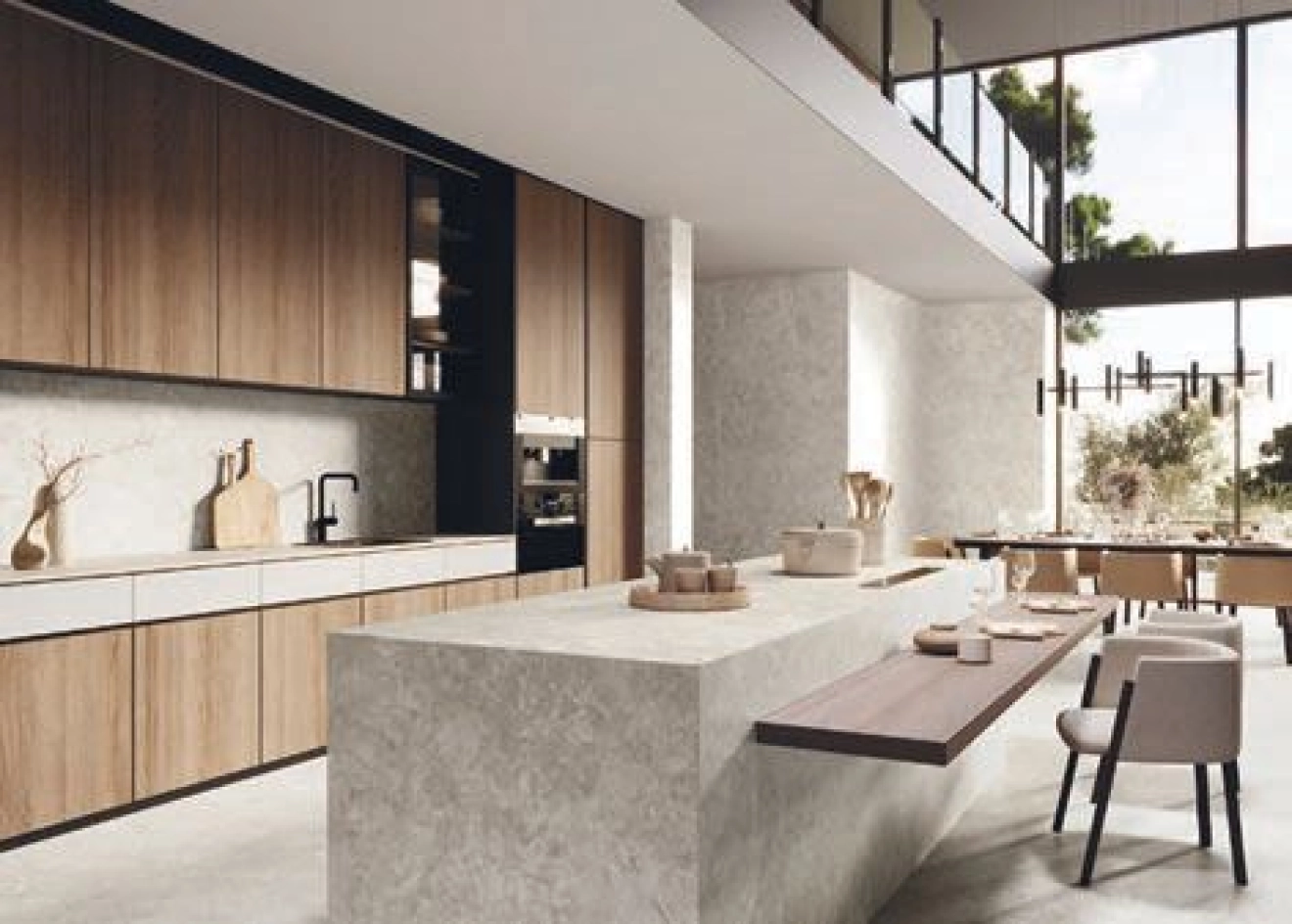
Tile offers significant wellness benefits, being antimicrobial and non-allergenic, making it a healthier alternative to carpeting. It does not harbor odors, allergens, molds, or bacteria, and is free from harmful chemicals like VOCs, formaldehyde, phthalates, and organotins, contributing to better indoor air quality. Large format porcelain slabs are also integrating induction hobs, offering a healthier and more sustainable cooking alternative, a trend observed in Europe that is gradually gaining traction in North America.
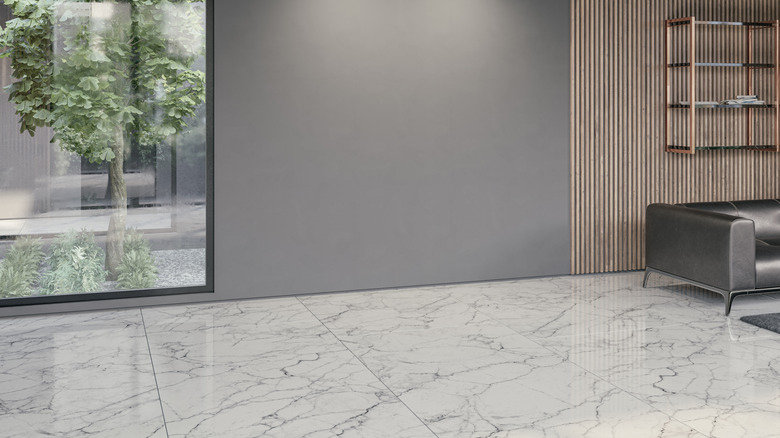
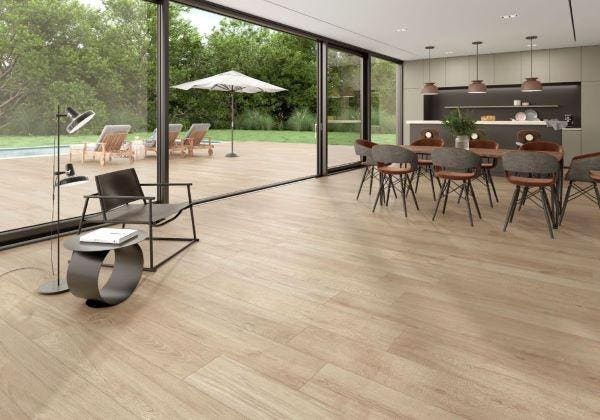
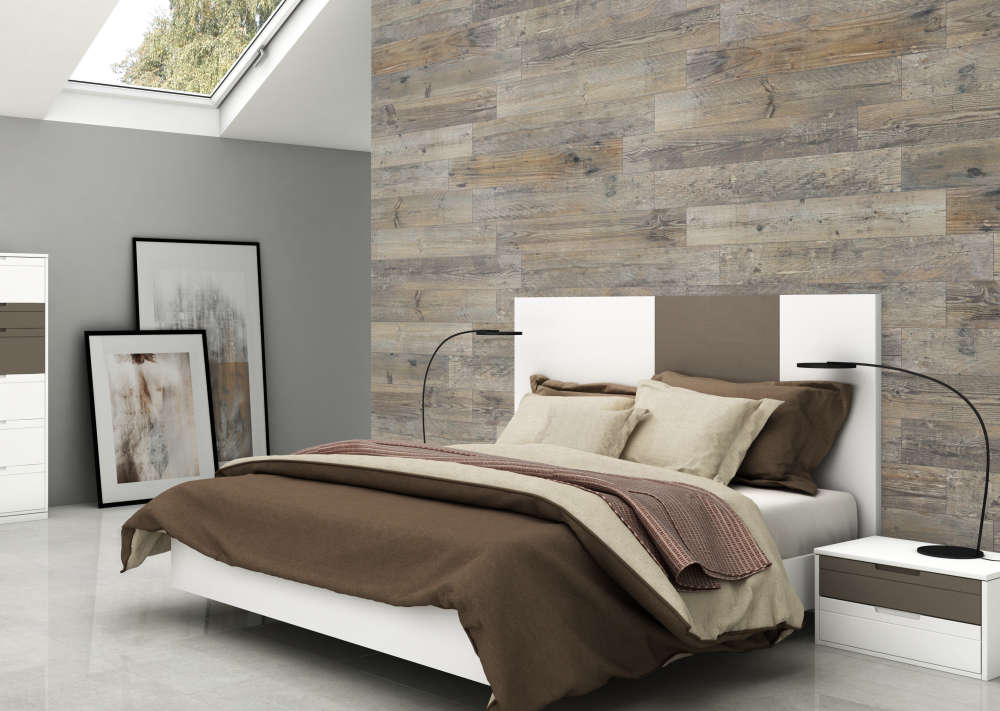
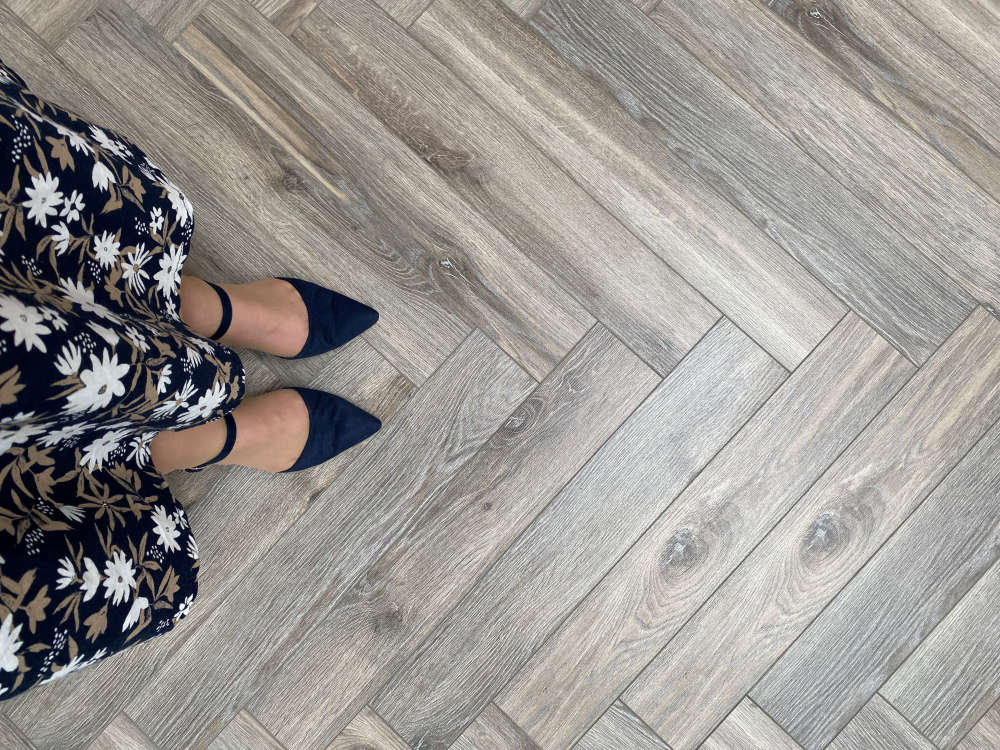
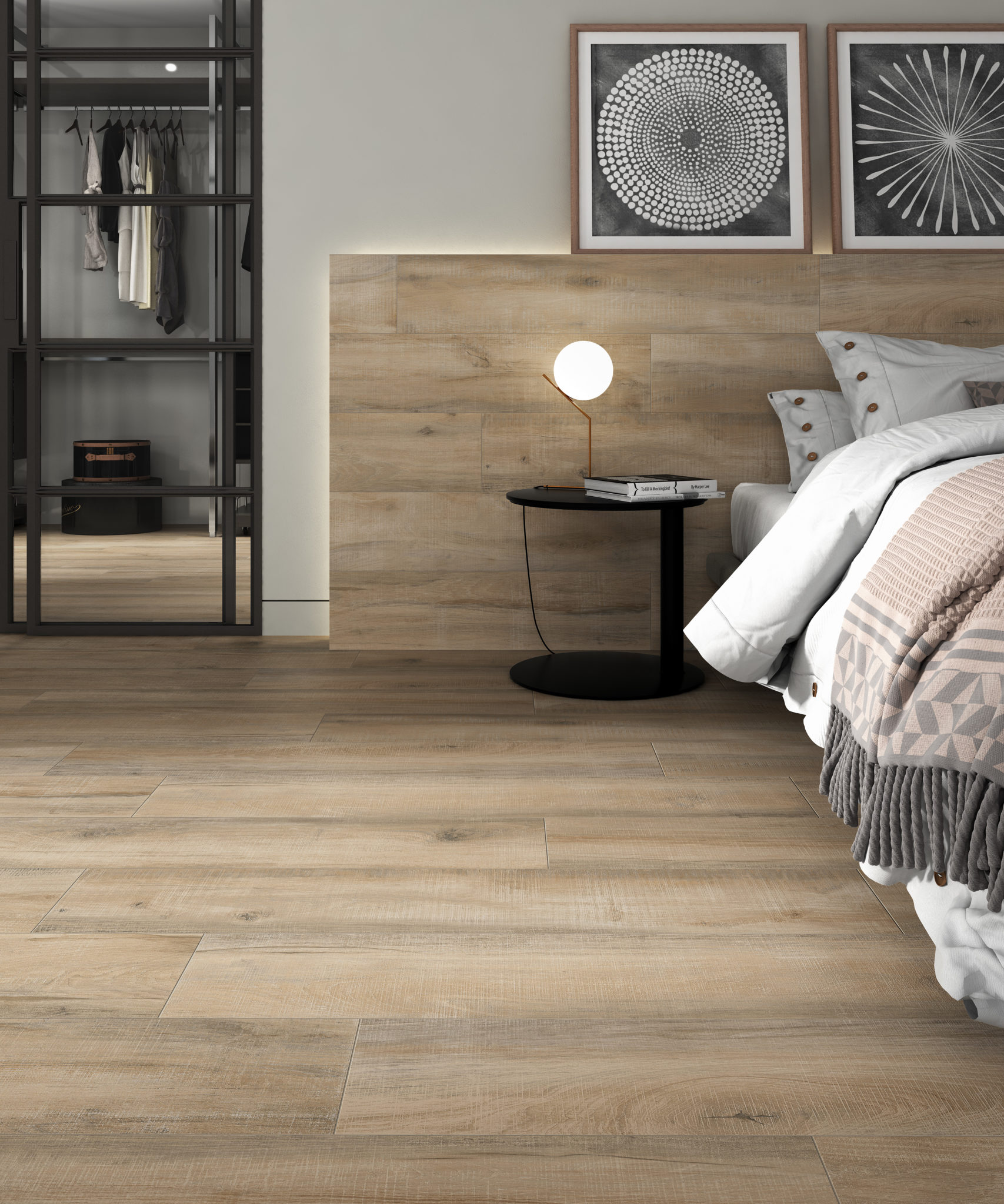
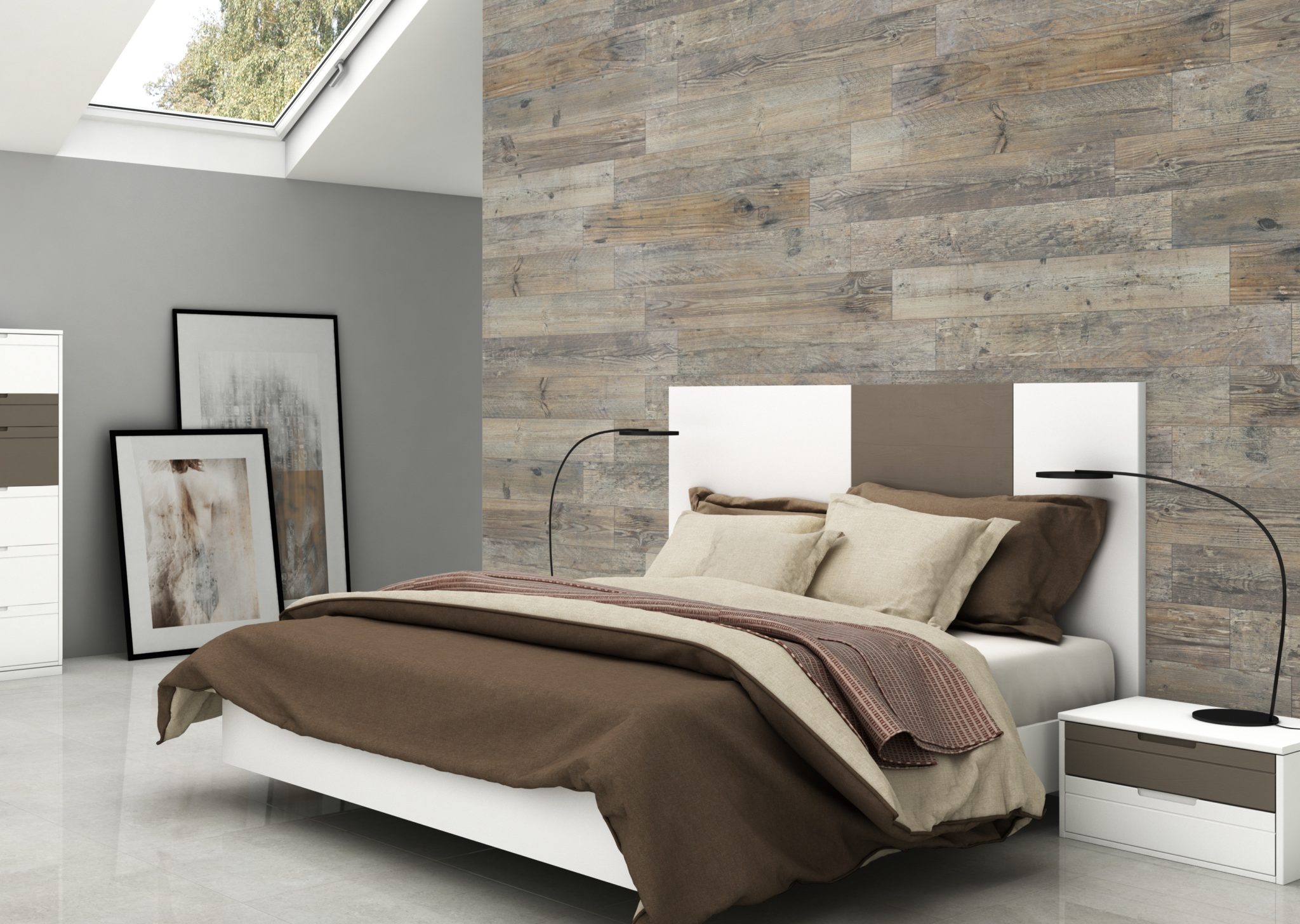
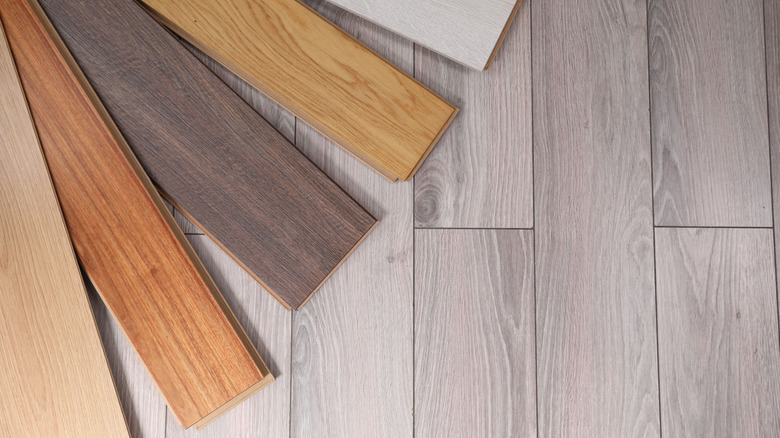
Technological advancements are driving innovation in tile manufacturing. Inkjet printers now create more authentic wood, stone, and concrete-look tiles, broadening design possibilities. Significant improvements have been made in slip-resistant finishes, with new technologies allowing surfaces to appear smooth but become slip-resistant when wet, a major safety enhancement. Large format production technologies continue to evolve, with manufacturers educating fabricators and installers on the use of these slabs for countertops and walls.
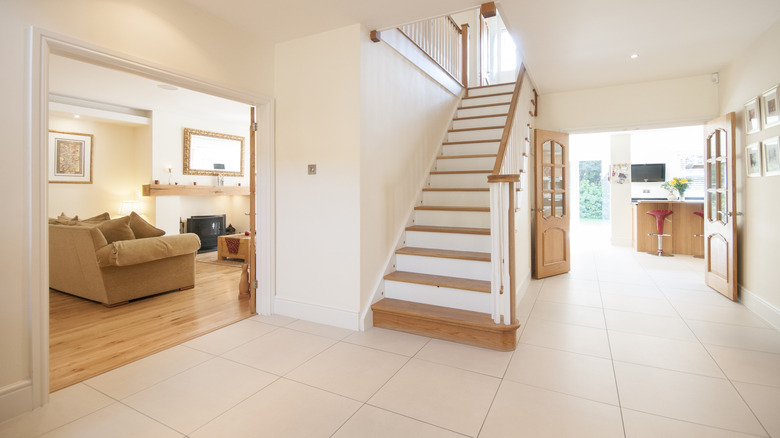
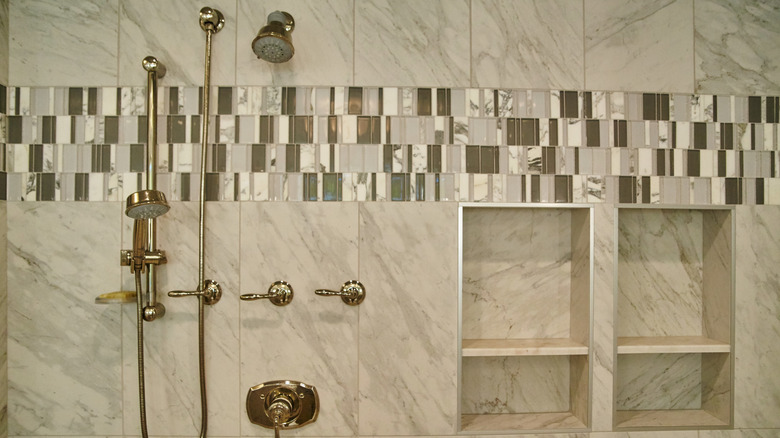
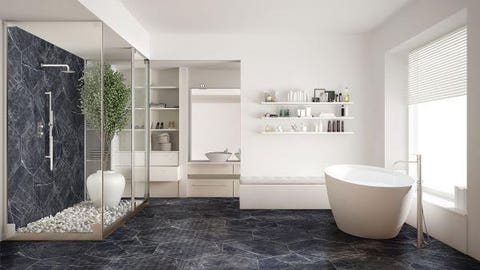
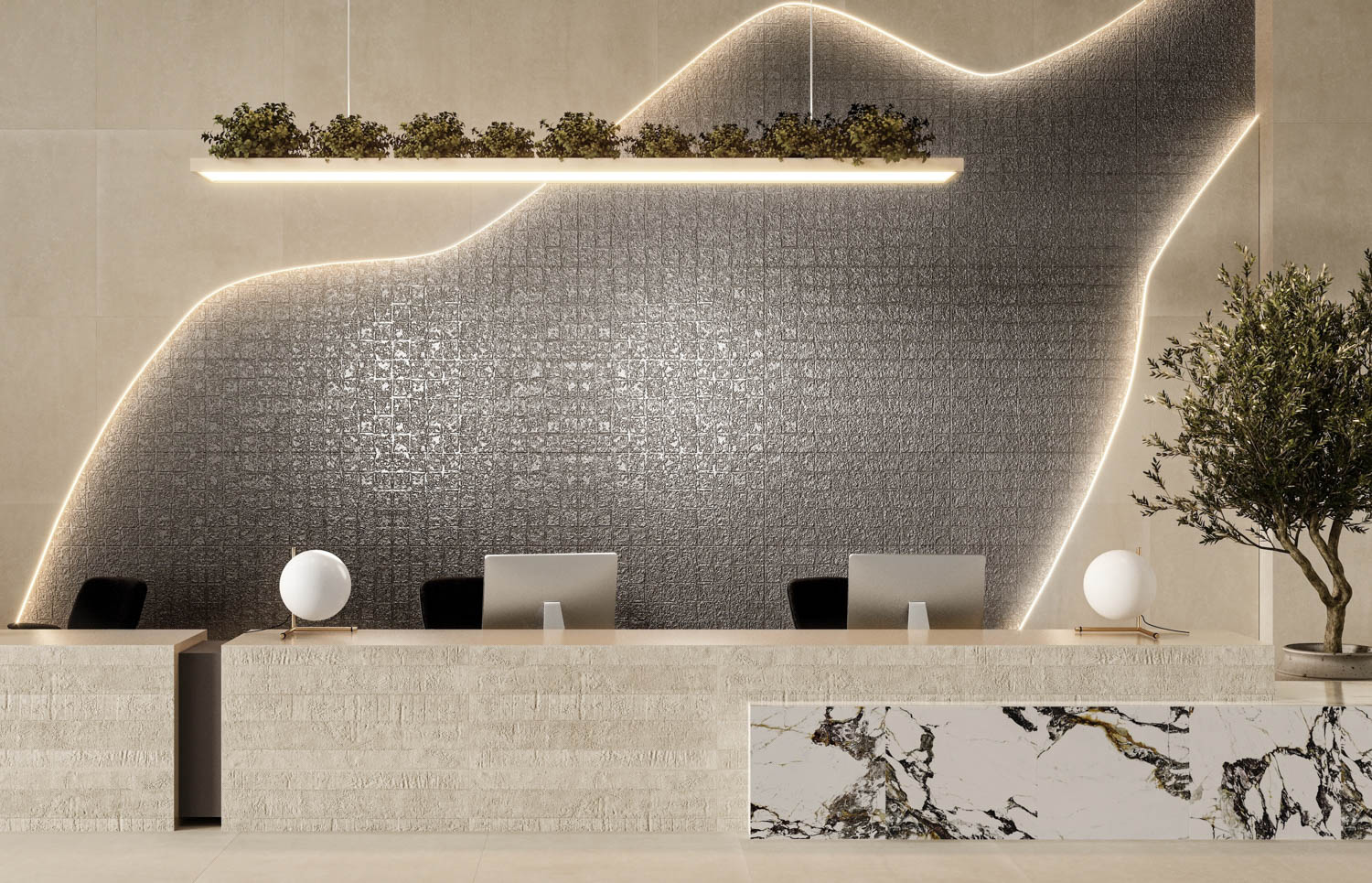
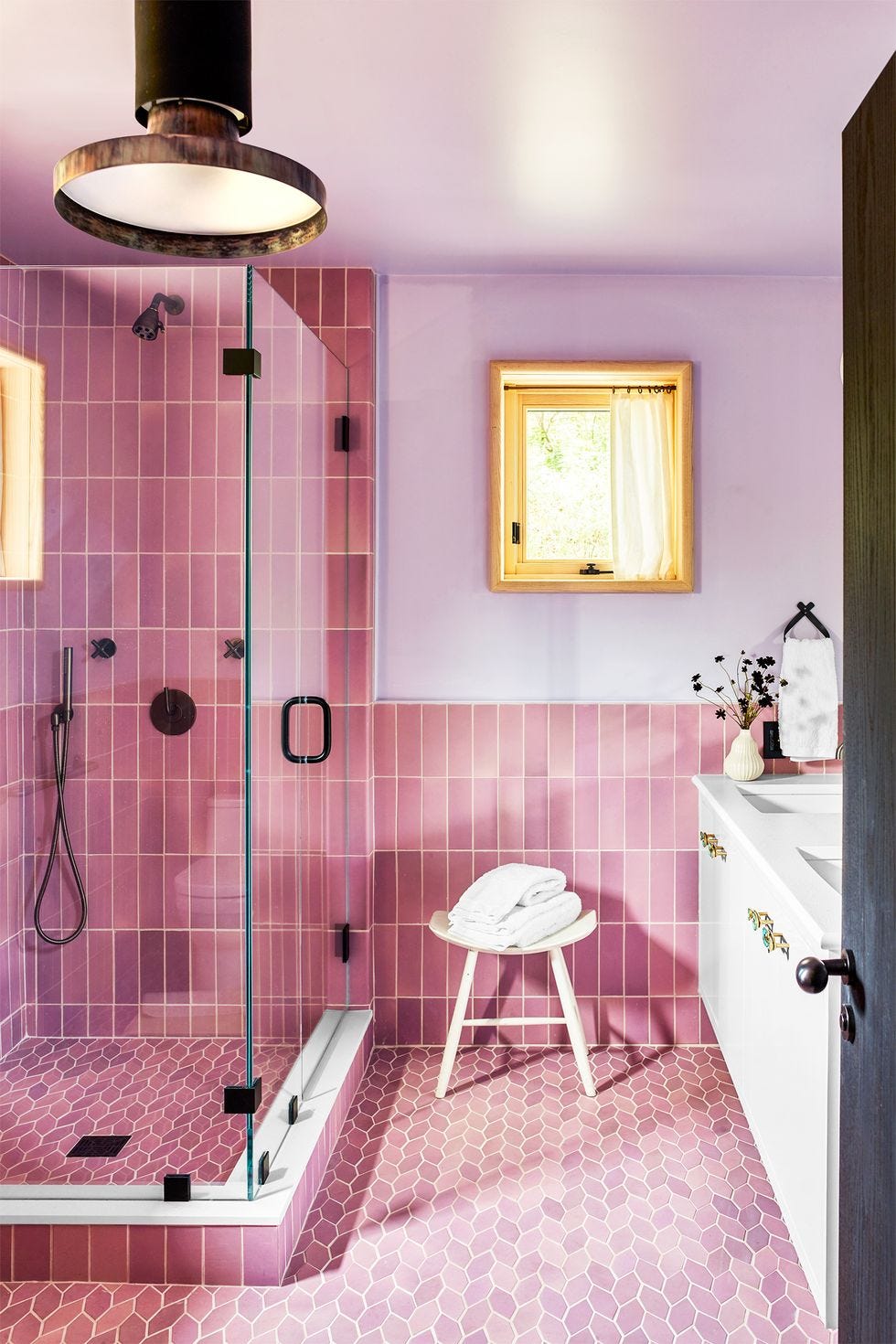
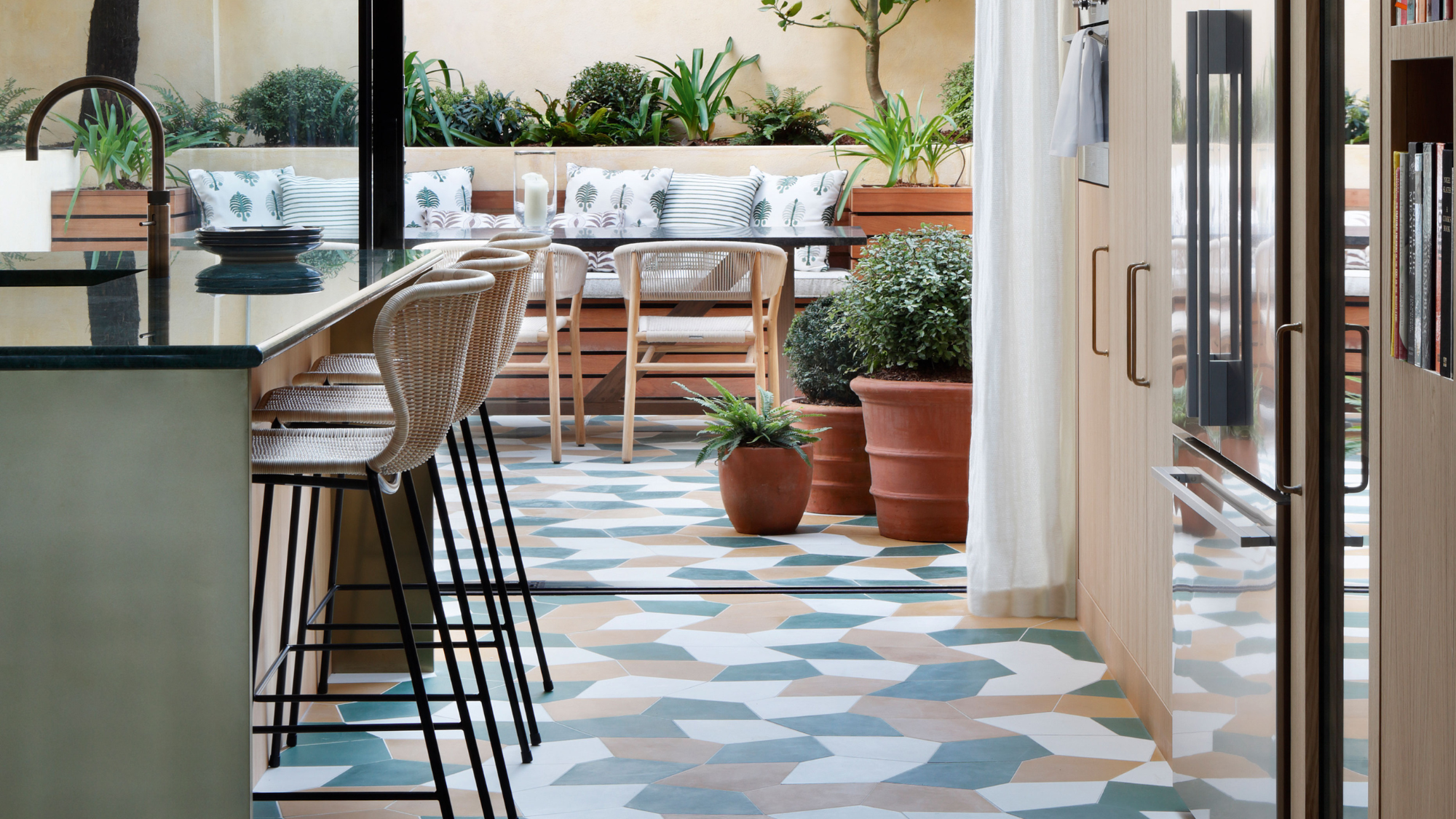
Usage trends show porcelain panels and slabs being used for accent walls, shower walls, and furniture cladding. Smaller format tiles are also appearing in non-traditional spaces like bedrooms, moving away from carpets. Outdoor kitchens and fireplaces are growing in popularity, leveraging tile's durability against elements. Seamless transitions between indoor and outdoor spaces are achieved by pairing indoor and outdoor-rated tiles with matching colors and patterns, enhancing both aesthetics and accessibility with barrier-free designs.
Tile offers notable resilience benefits, particularly for building exteriors. Tile facades are low maintenance, durable, and flame-resistant, a crucial attribute in areas prone to wildfires, as tile does not burn, feed flame spread, or produce smoke. Its moisture resistance makes it an excellent choice for homes susceptible to flooding, acting as a safeguard against water damage, especially in multi-unit dwellings like condos.
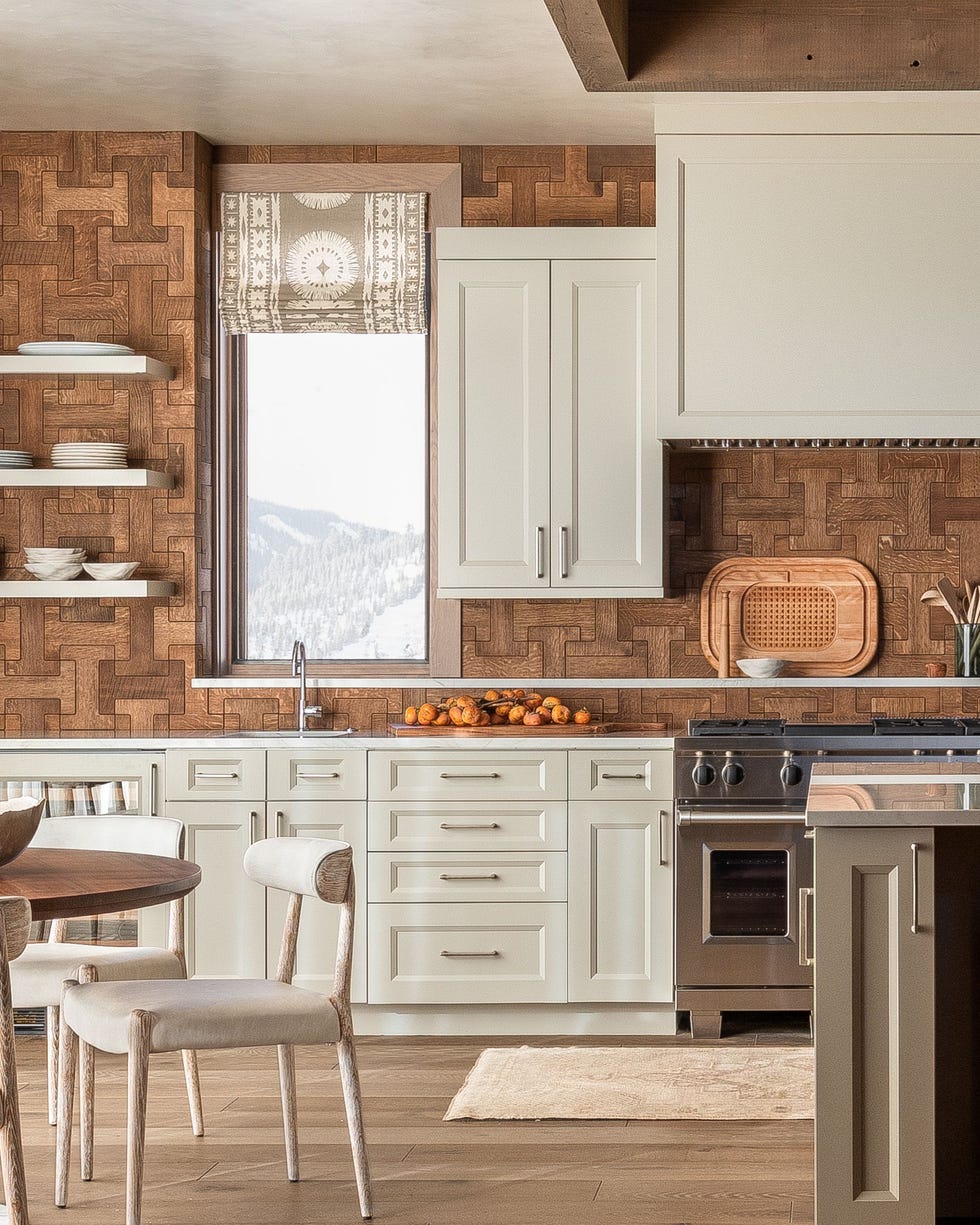
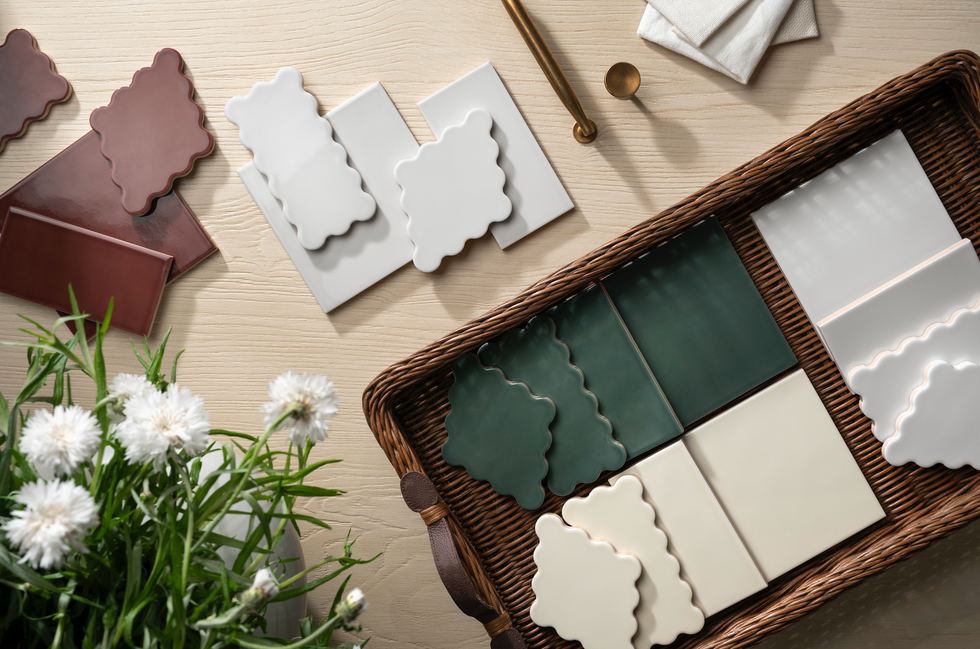
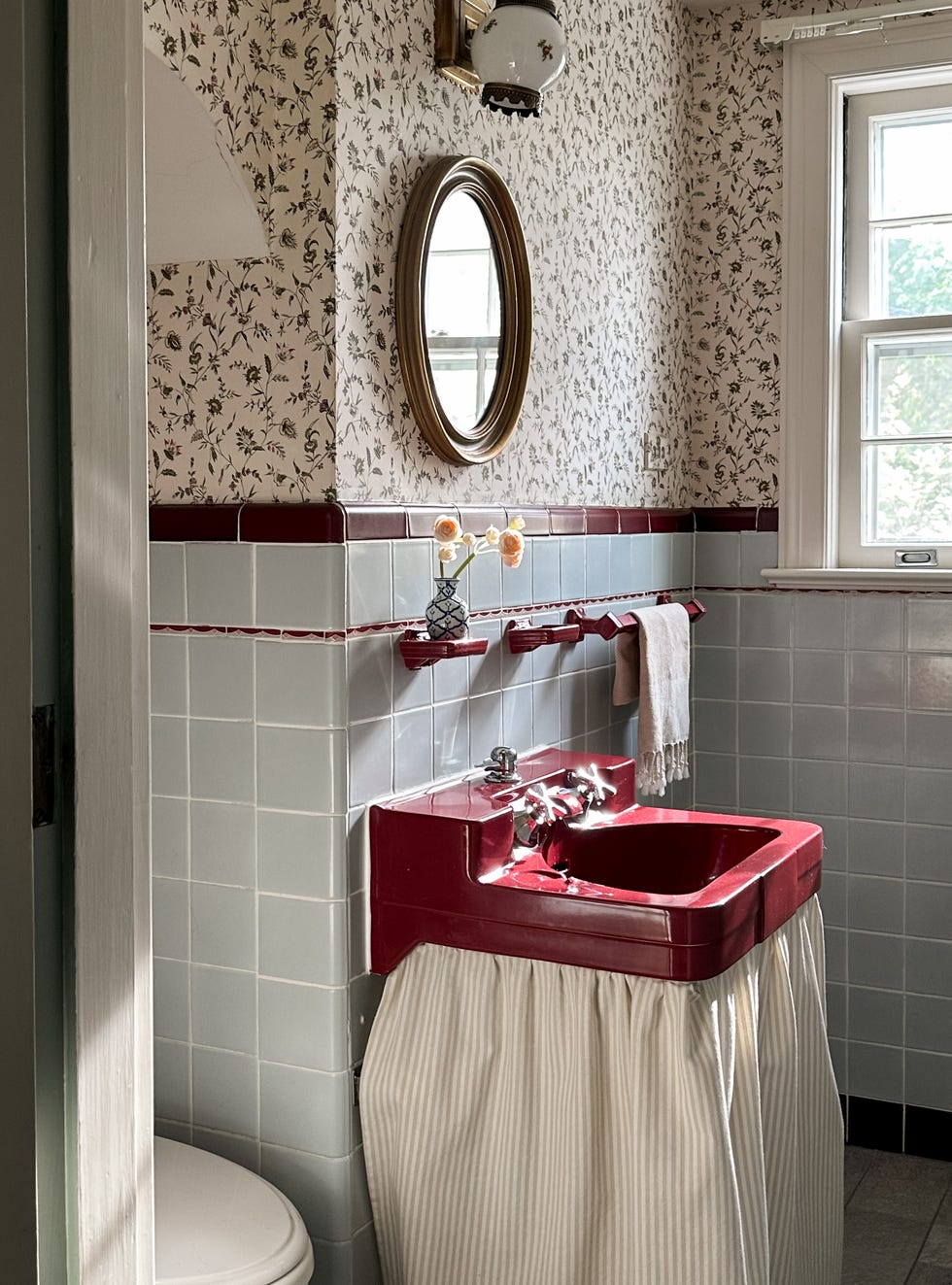
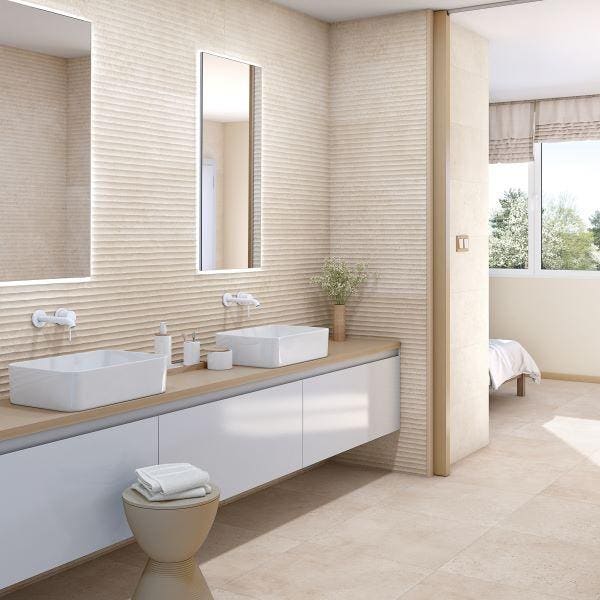
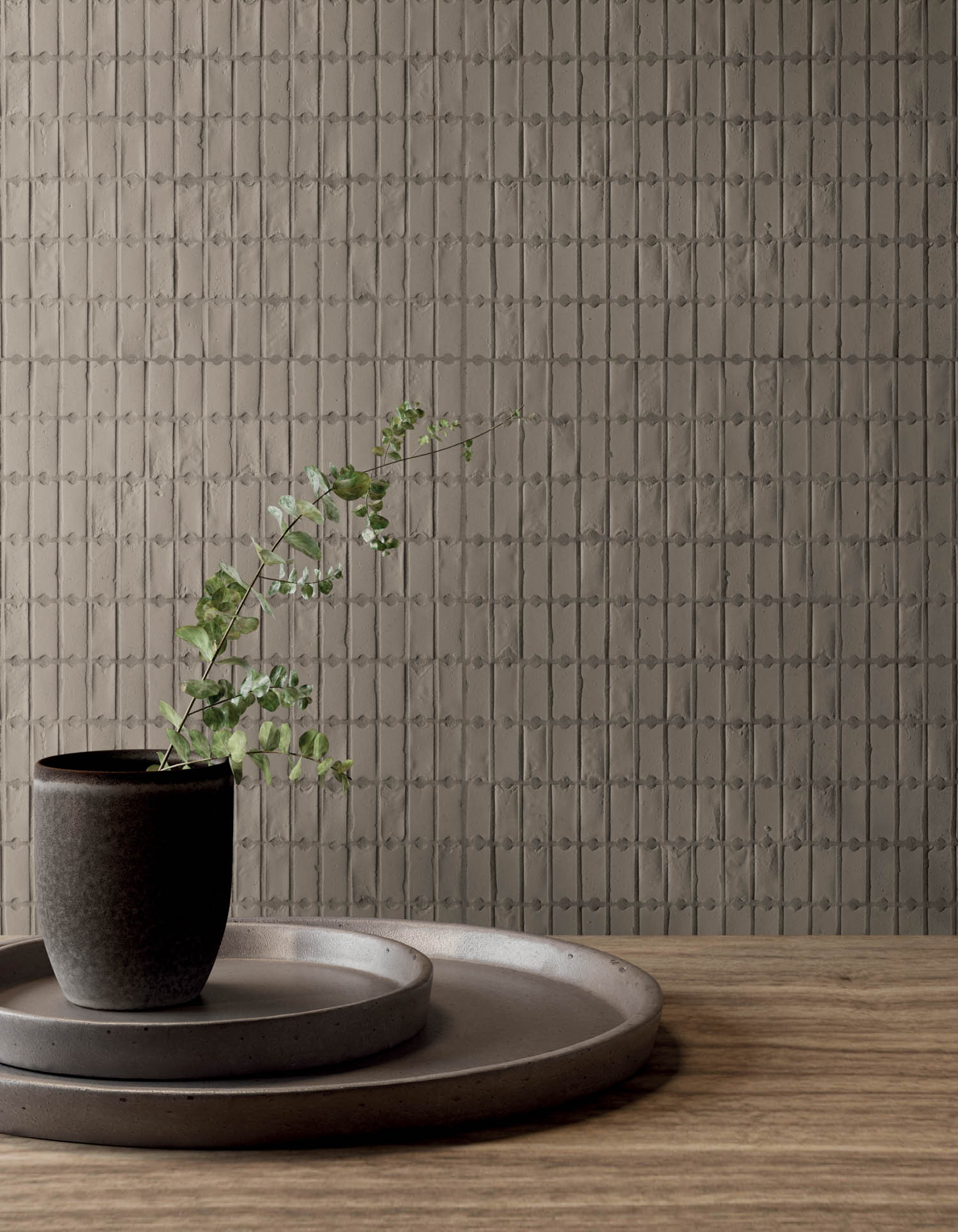
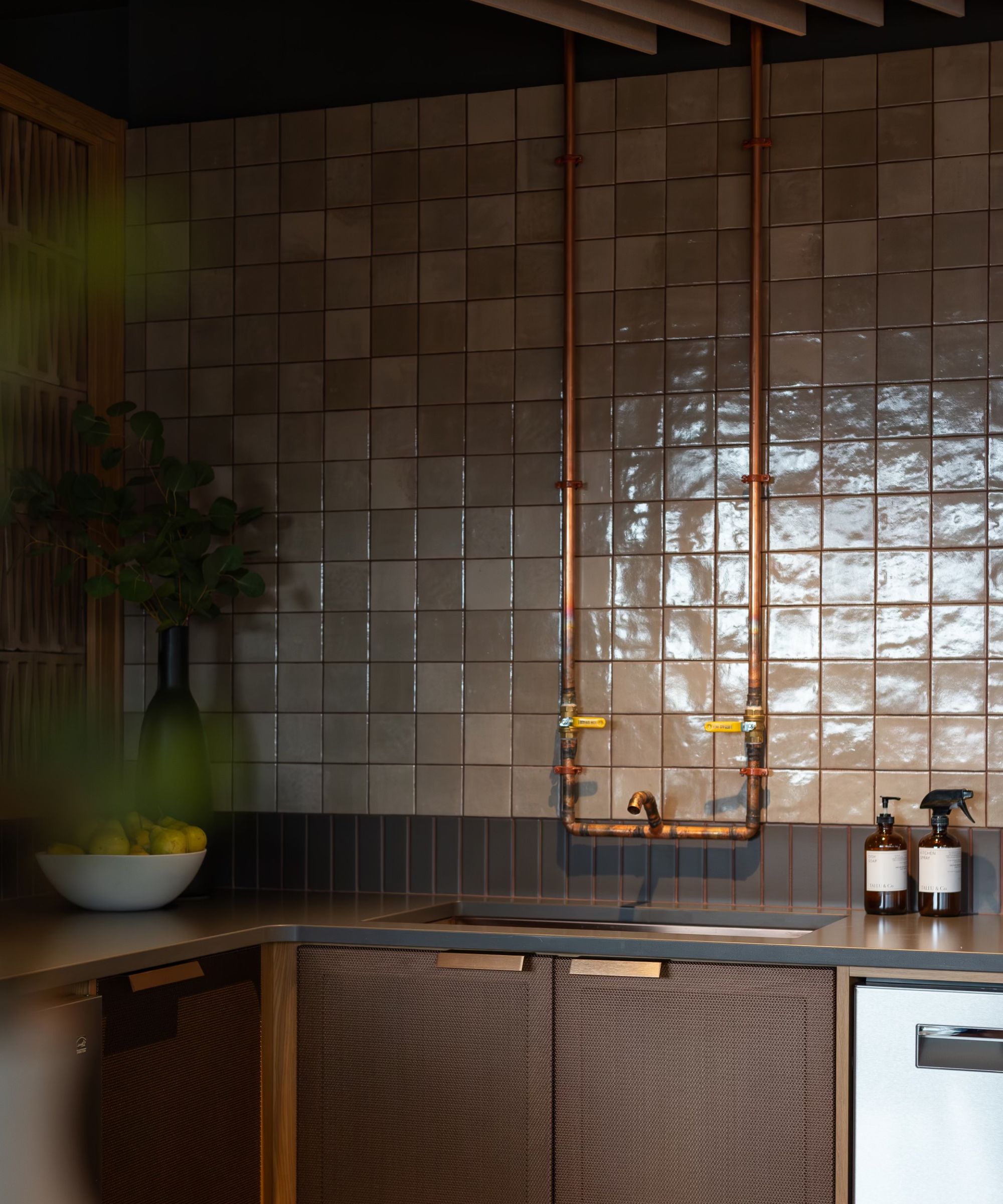
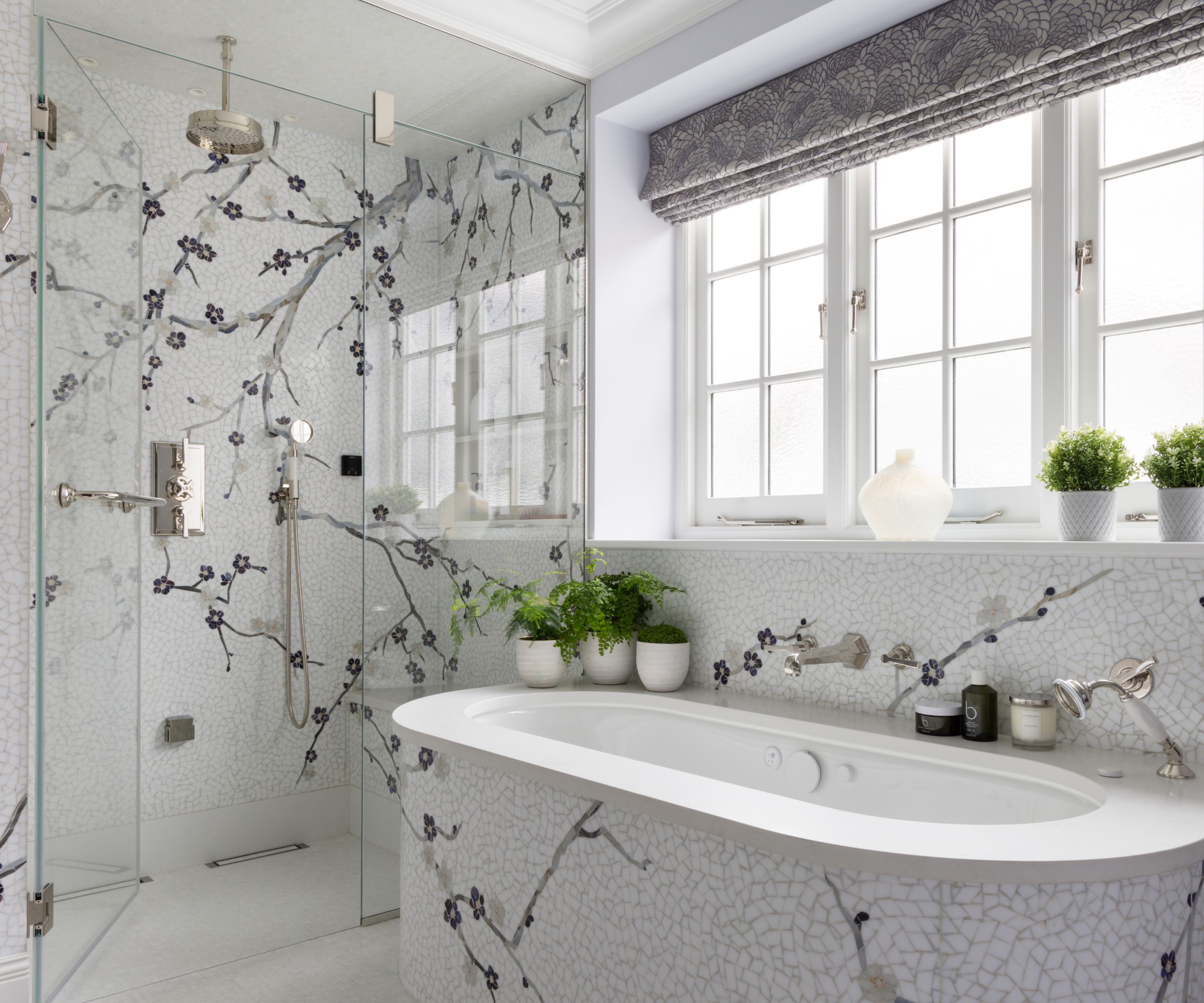
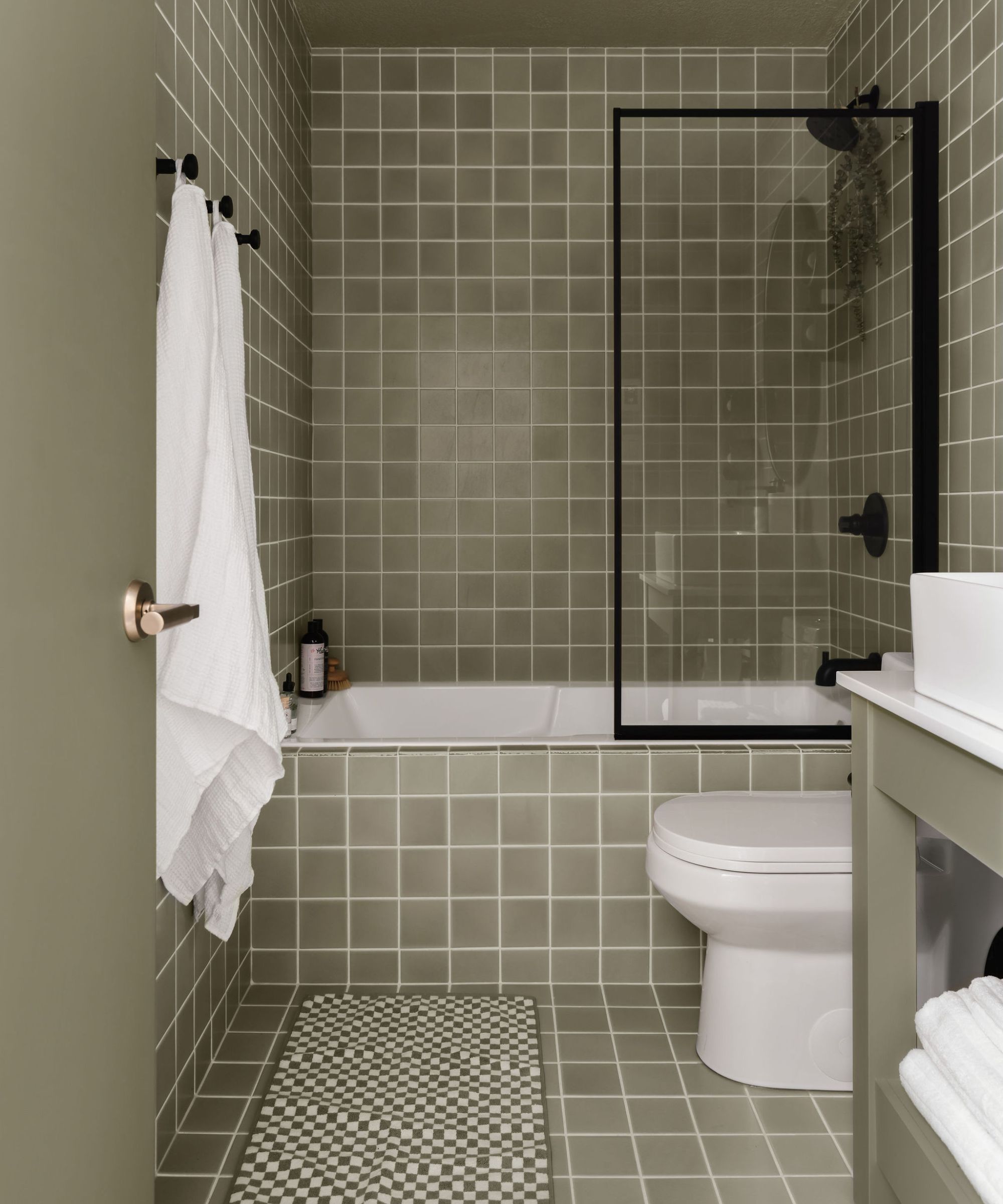
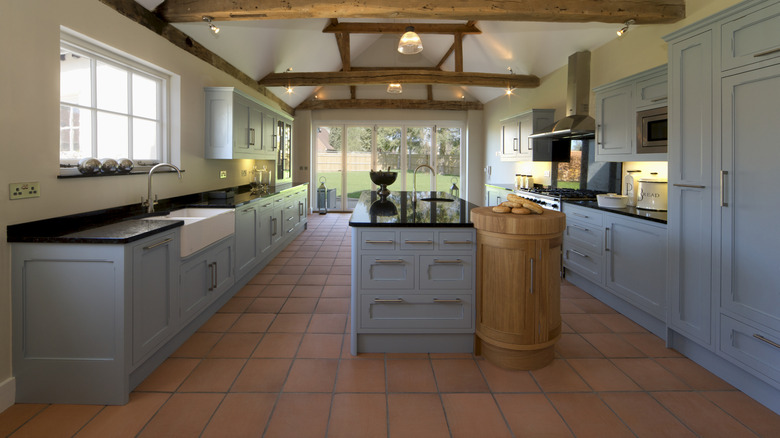
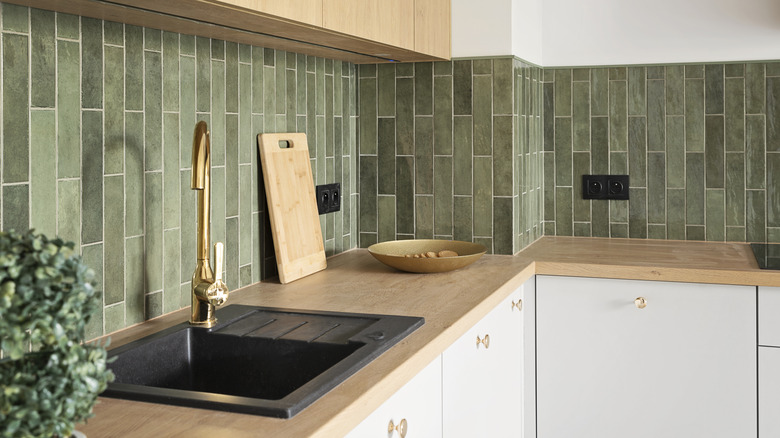
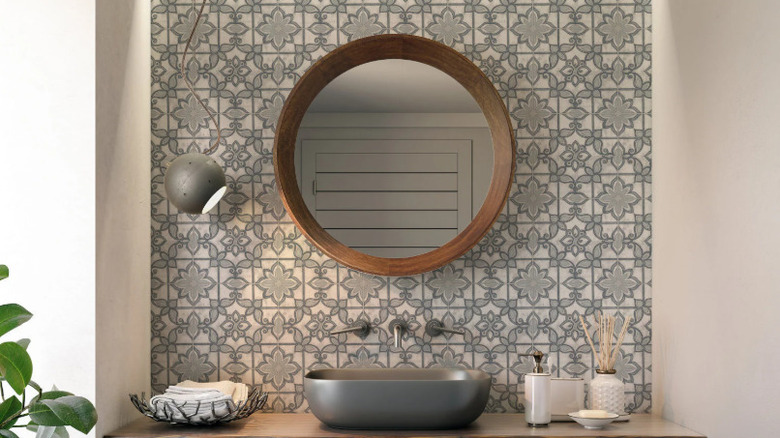
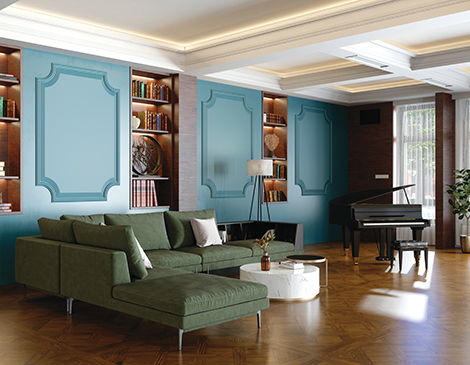
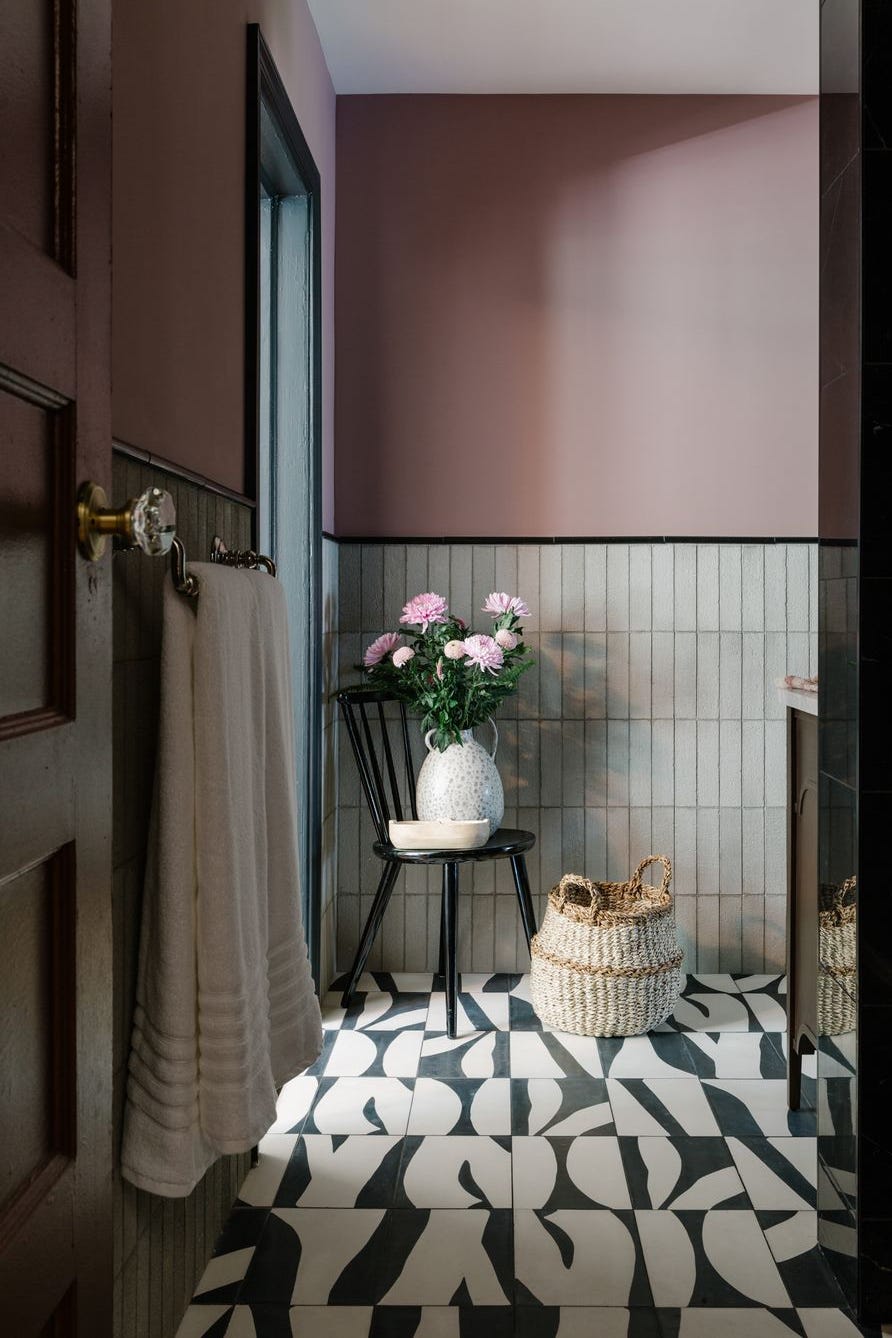
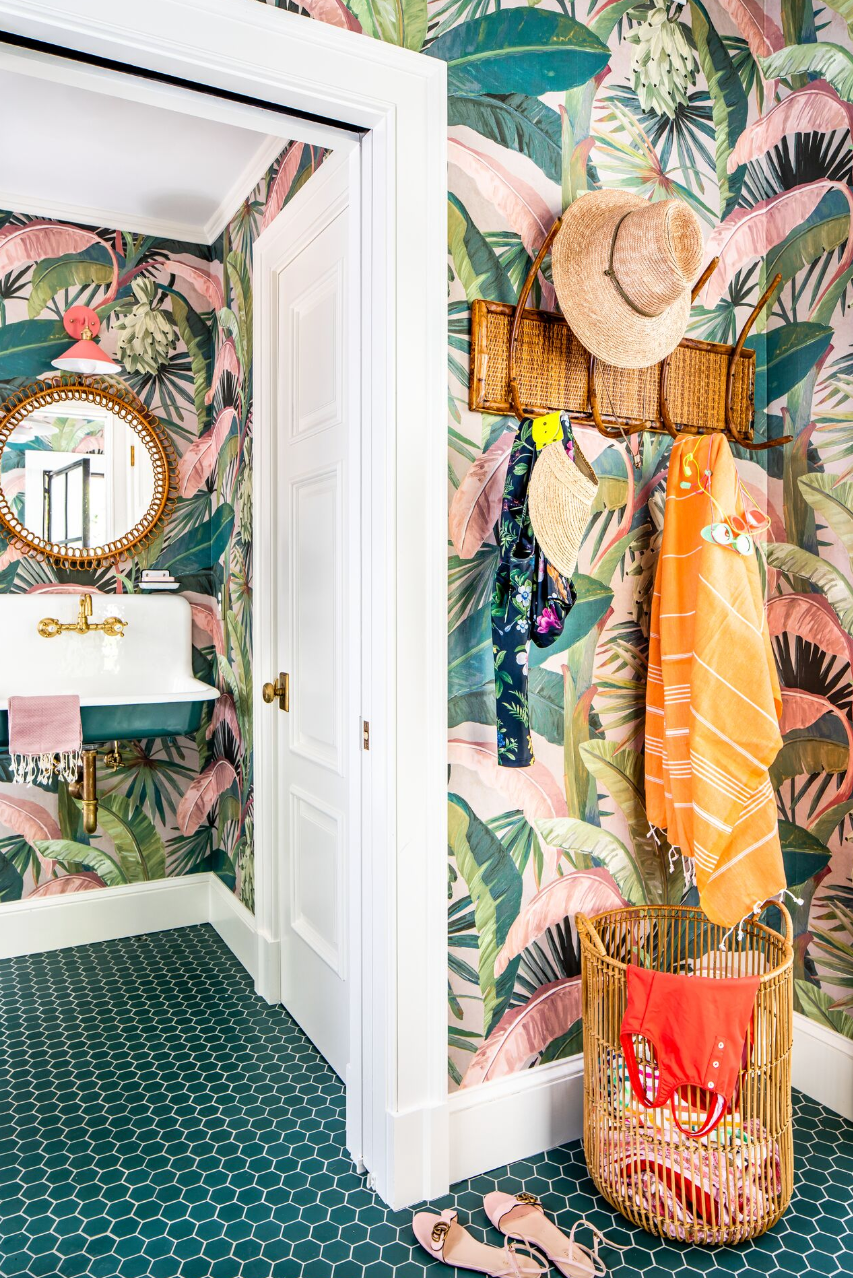
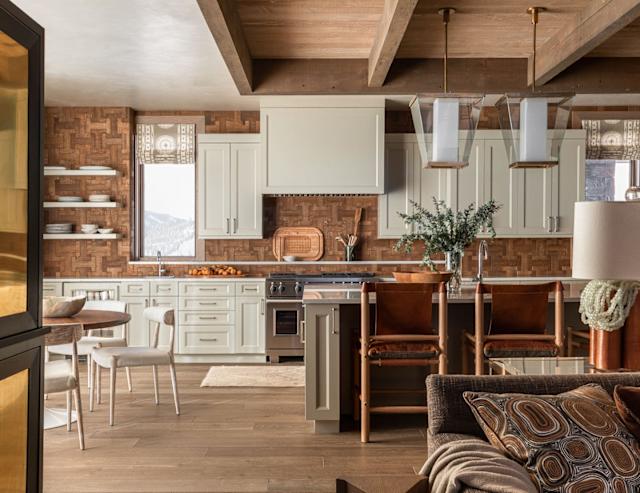
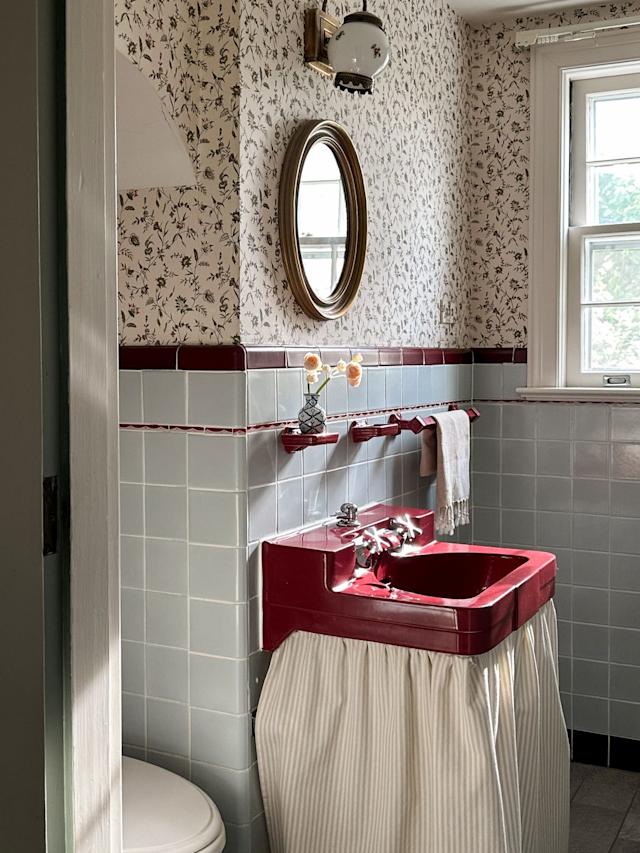
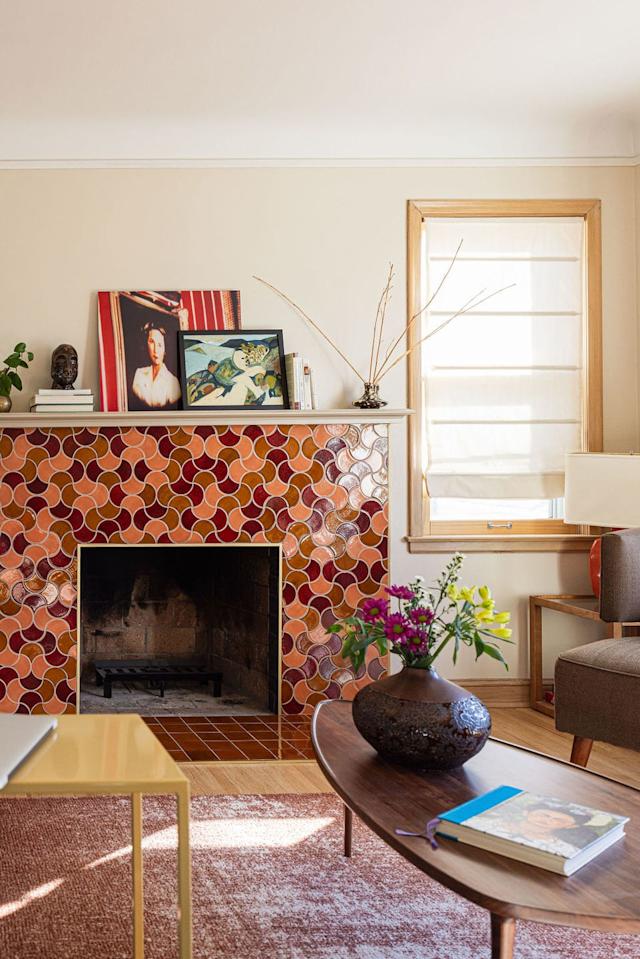
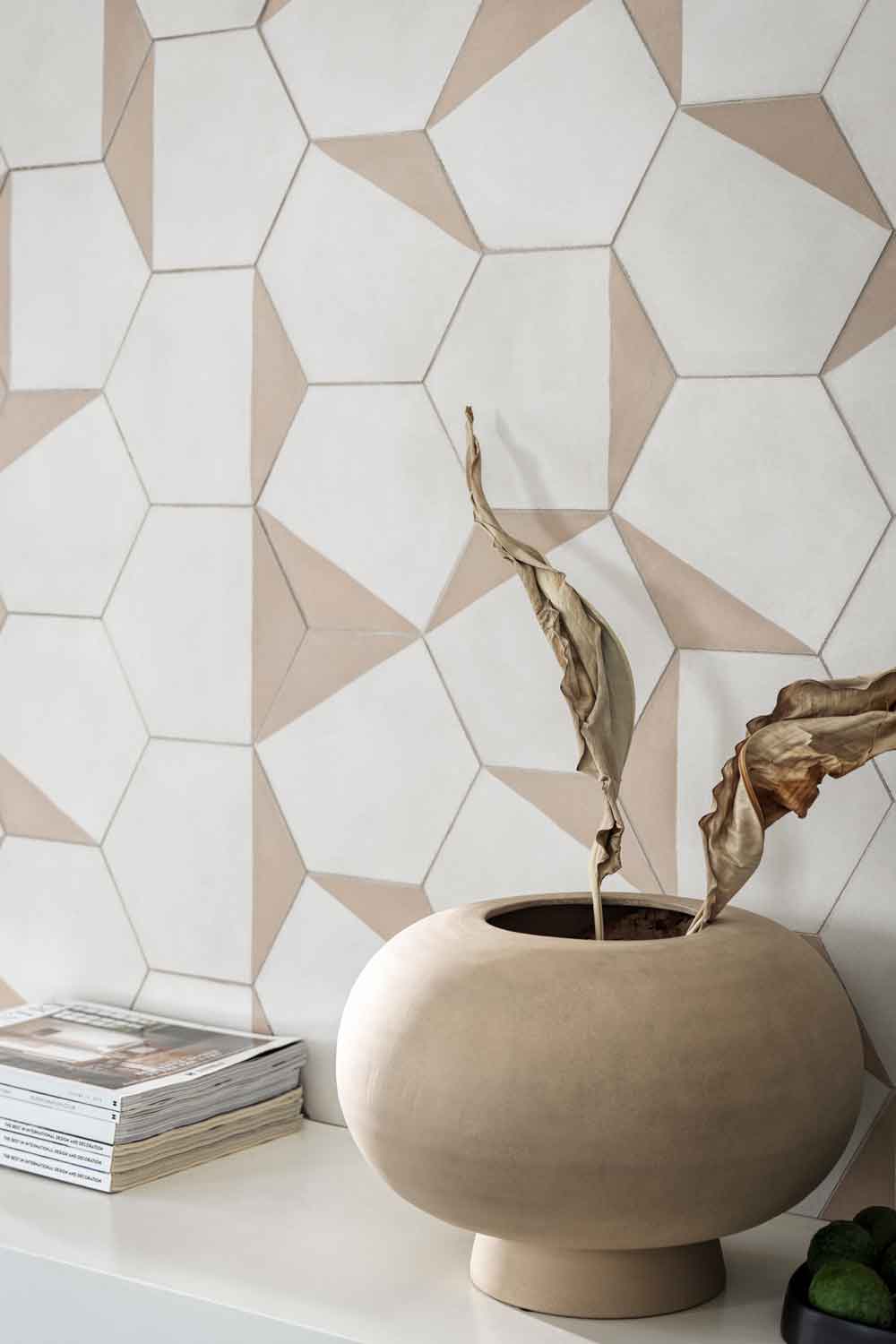
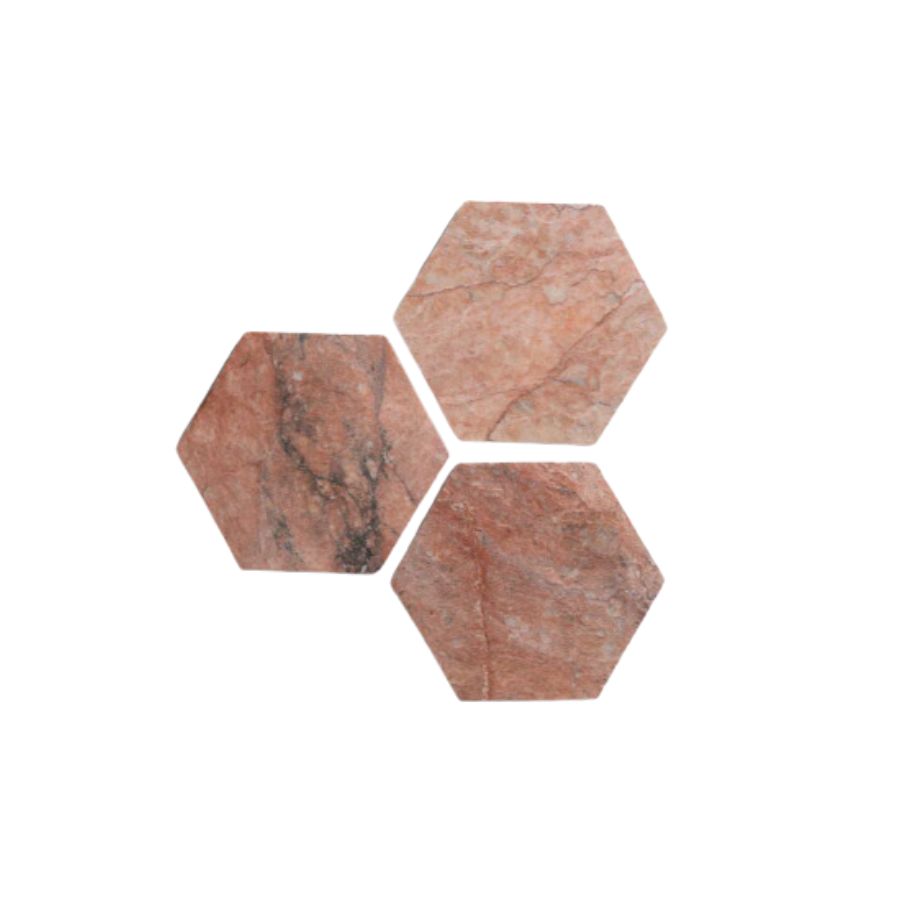
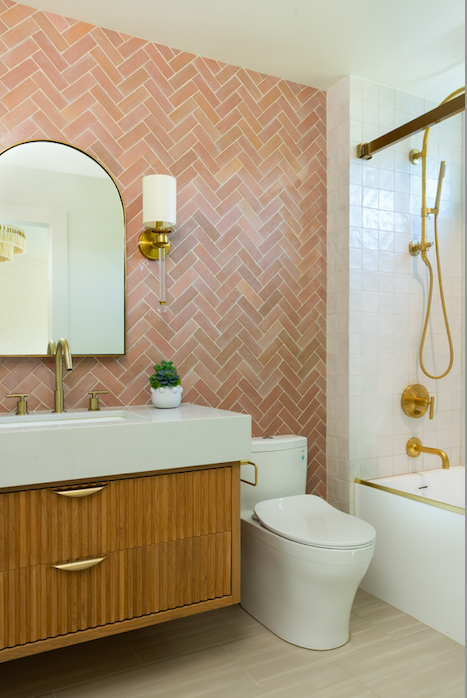
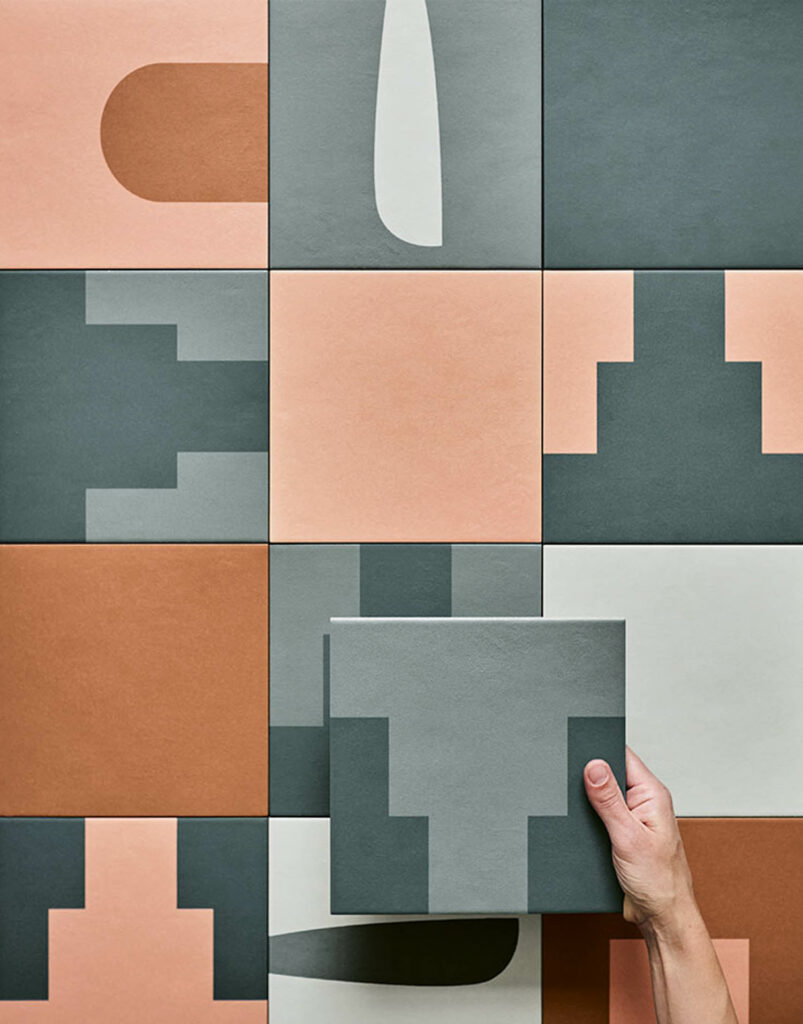
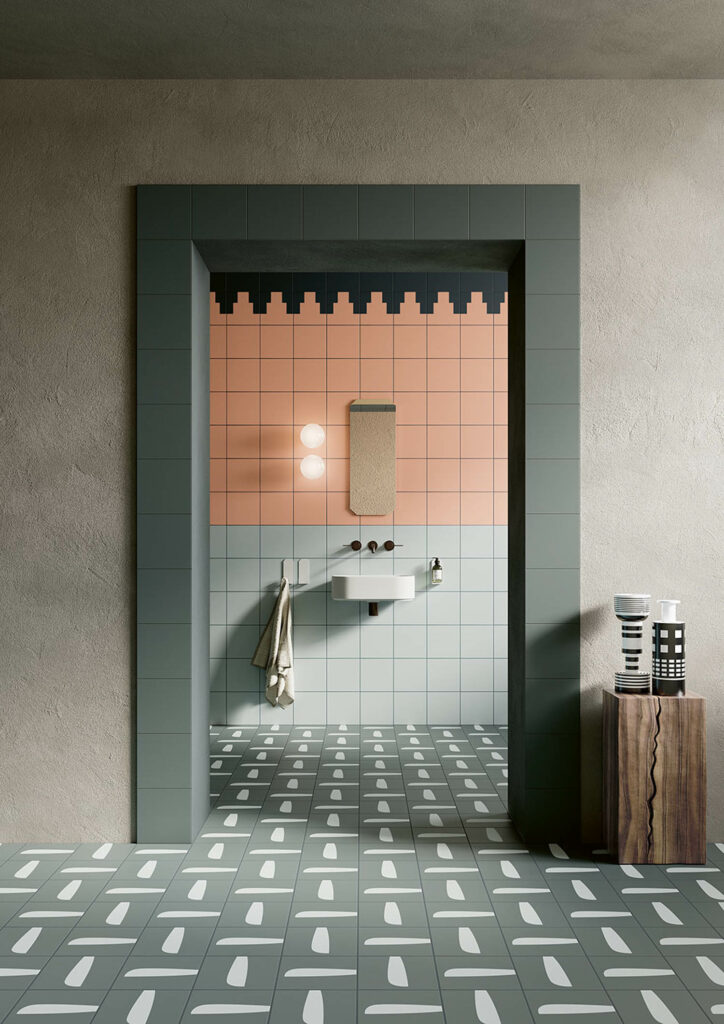
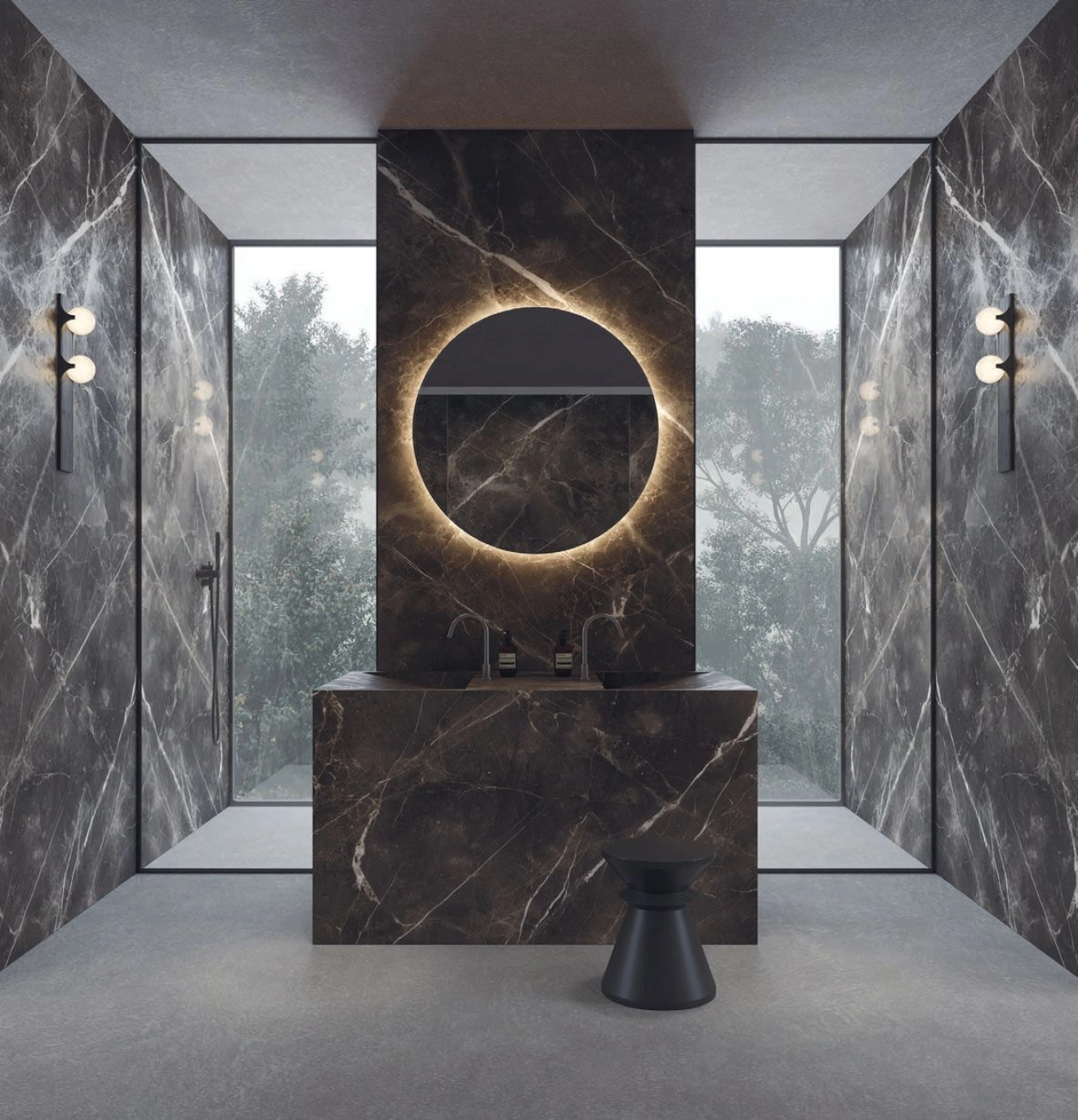
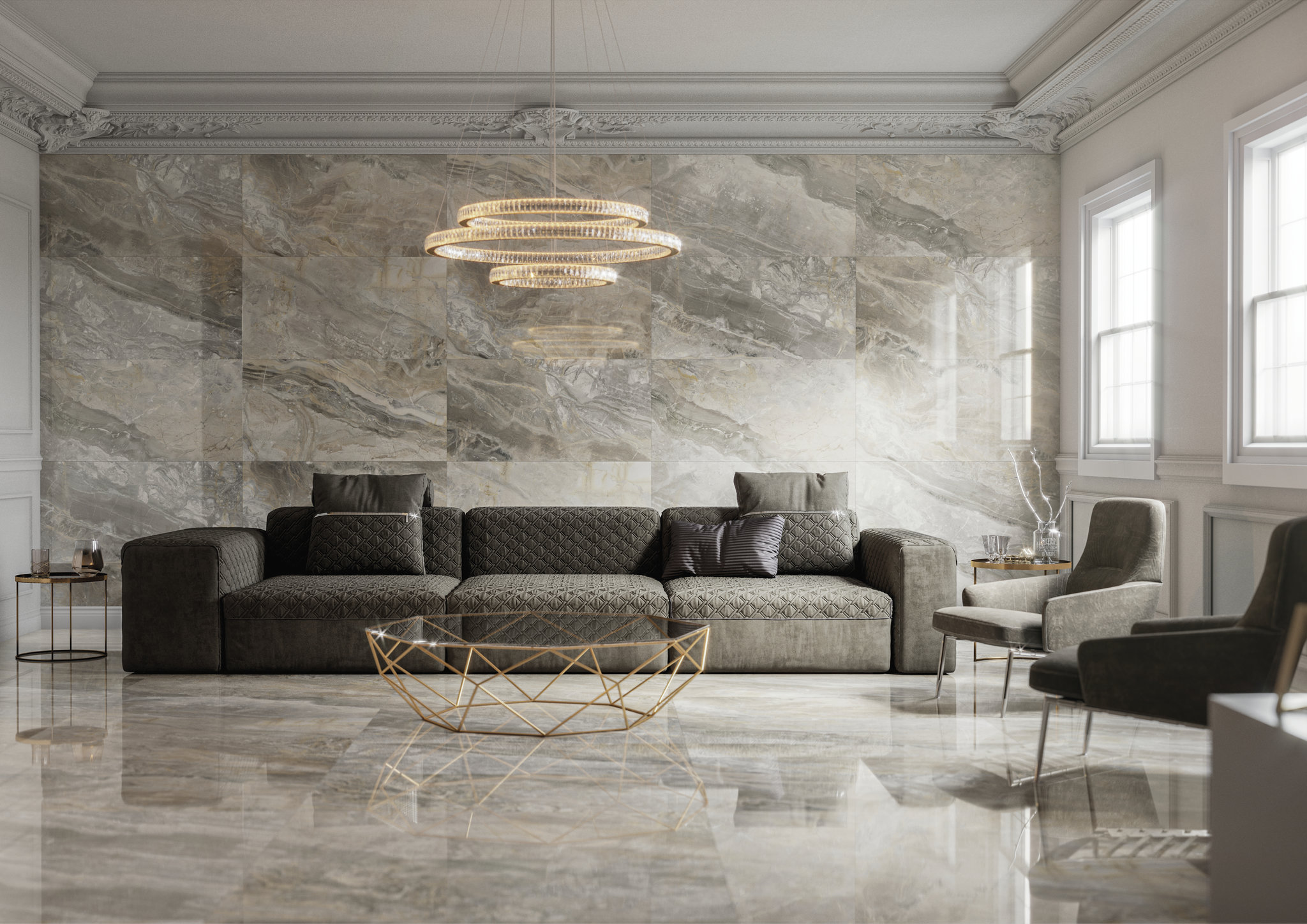
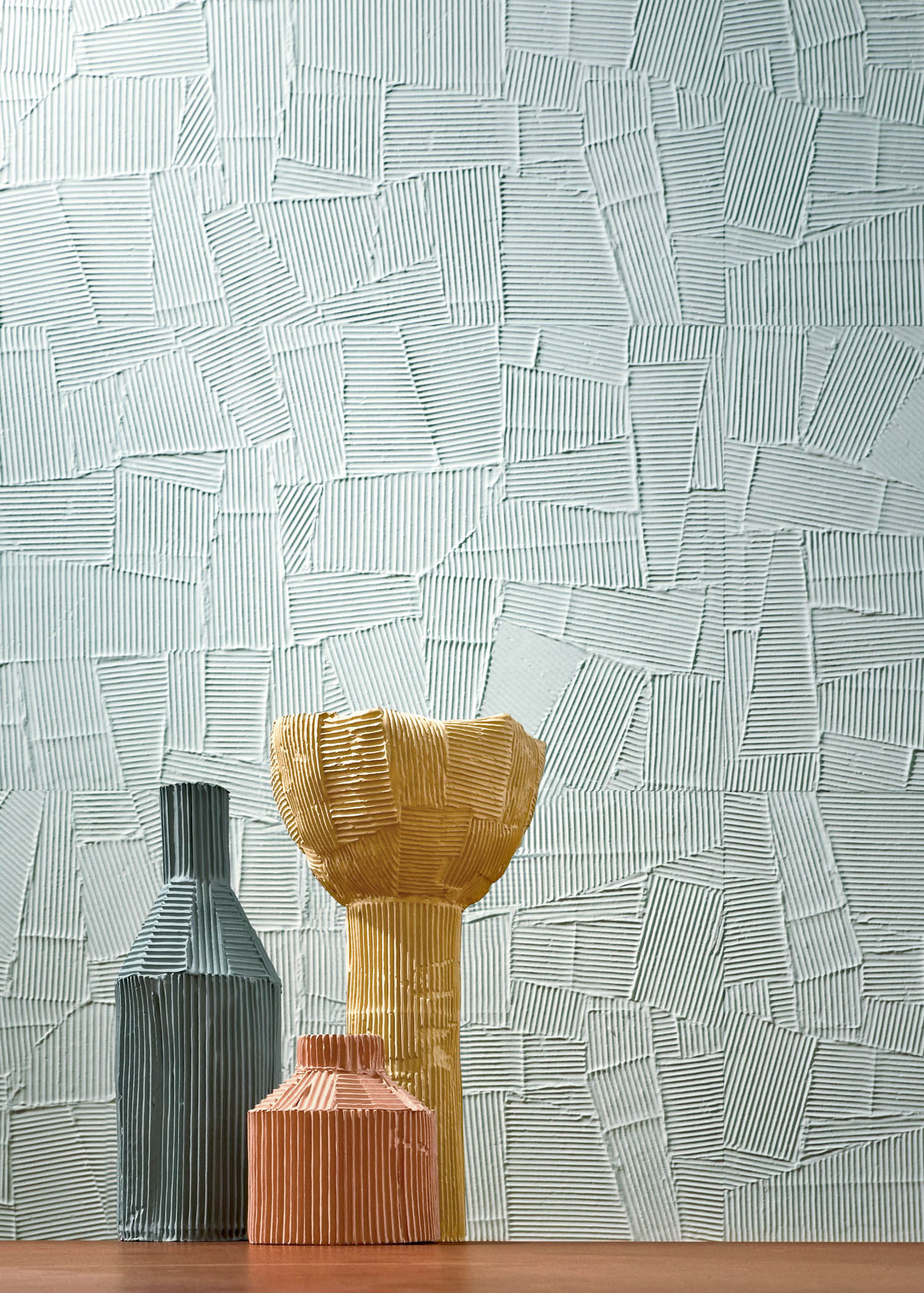
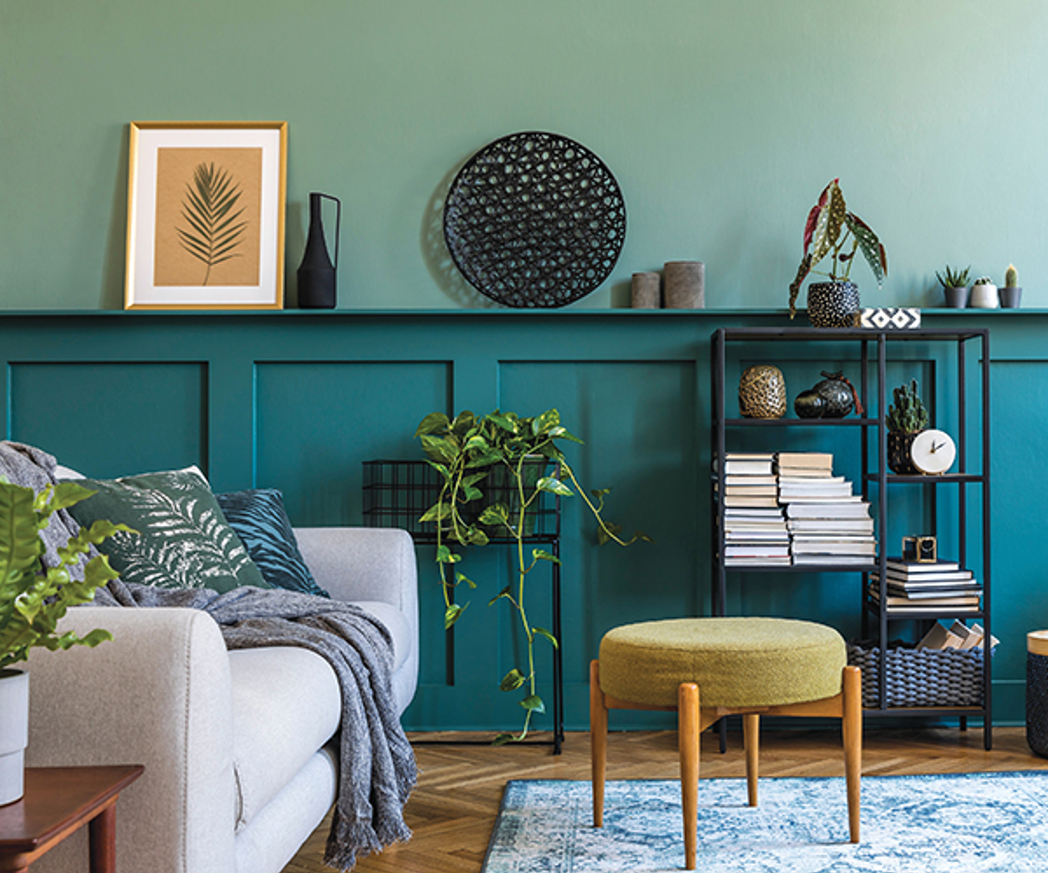
Style trends indicate a resurgence of warm tones such as gold, brown, and terracotta, subtly incorporated into new collections and veining in marble-look tiles. Multi-surface finishes are gaining popularity, with layered textures creating unique three-dimensional aesthetics. Neutral palettes are expanding beyond traditional beige and taupe to include more varied options. Mosaic tiles, stone murals, and large-format porcelain panels with elaborate designs mimicking natural gems are also trending. Biophilic designs, incorporating natural elements like plants, animals, and landscapes, remain strong, with floral patterns and shades of deep blues and emerald greens used for accent walls or entire rooms, providing a durable and aesthetically pleasing alternative to wallpaper.
#TileTrends #HomeDesign #WellnessDesign #SustainableDesign #Resilience #PorcelainTile #CeramicTile #InteriorDesign #OutdoorLiving #TileTrends #HomeDesign #WellnessDesign #SustainableDesign #Resilience #PorcelainTile #CeramicTile #InteriorDesign #OutdoorLiving
0 comment in total
 No comments yet
You may also like
Outdated Tile Trends That Are Going Away In 2025
9 tile trends for 2025 that add character, interest, and style to your home

6 inspiring sensory surface trends to expect in 2023
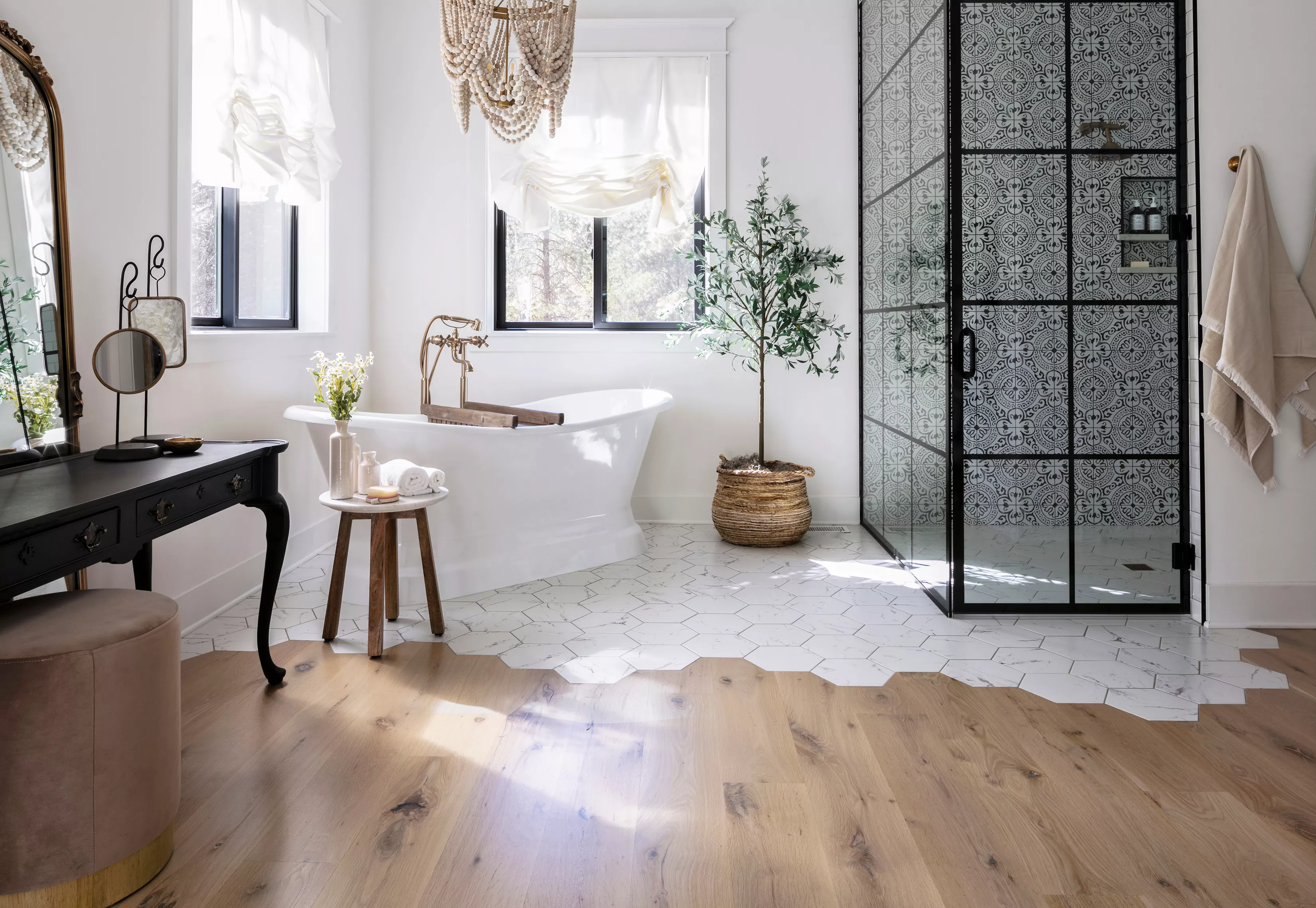
7 Flooring Trends Experts Say We'll See in Homes in 2025

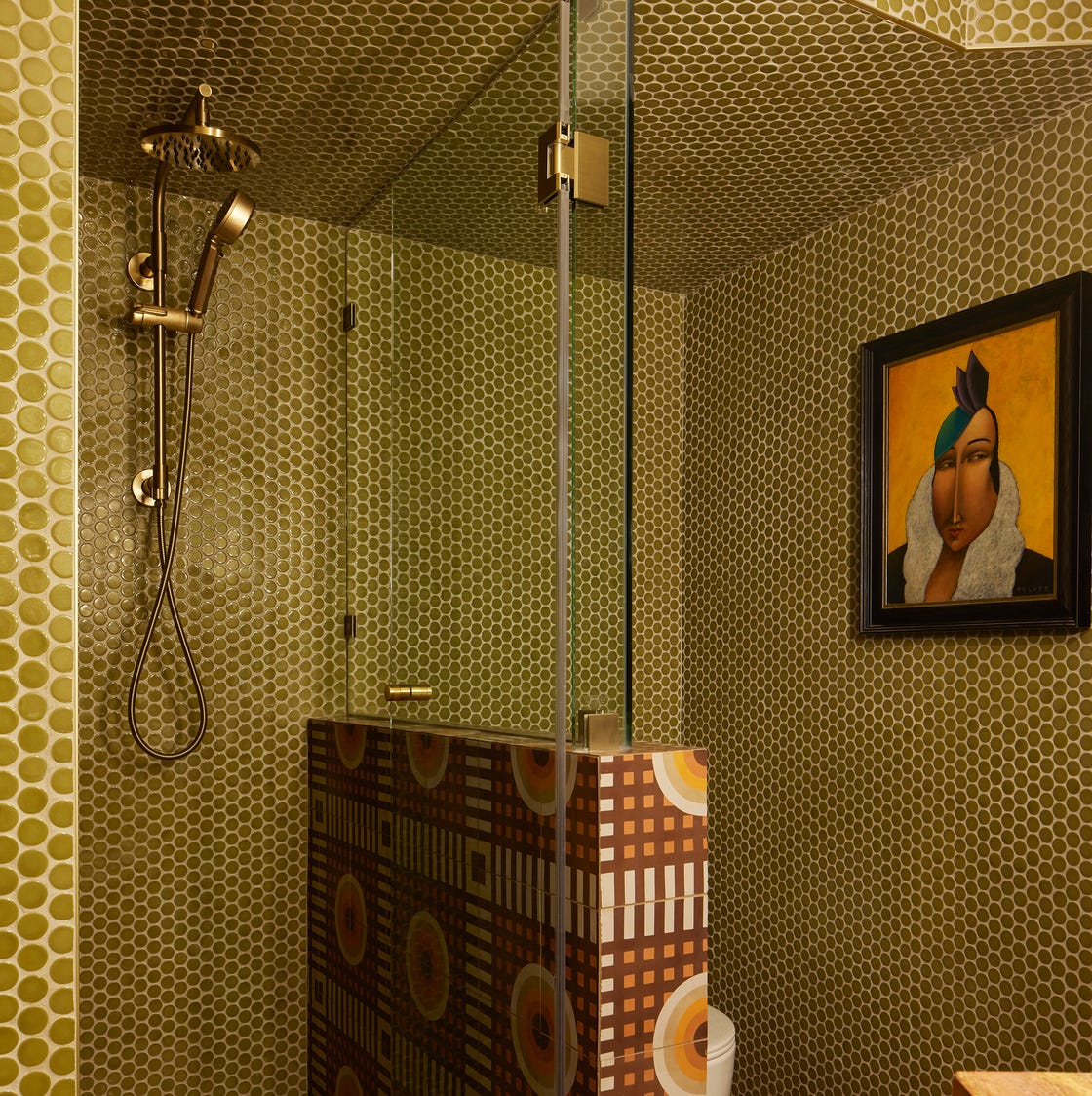
The Next Big 2026 Texture Trend Is Tile—See How Designers Are Styling It in Every Room
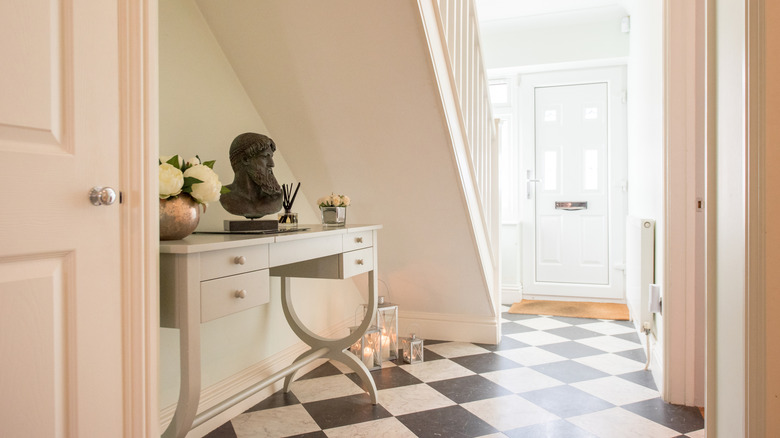
Tile Trends That Will Be Dominating In 2025
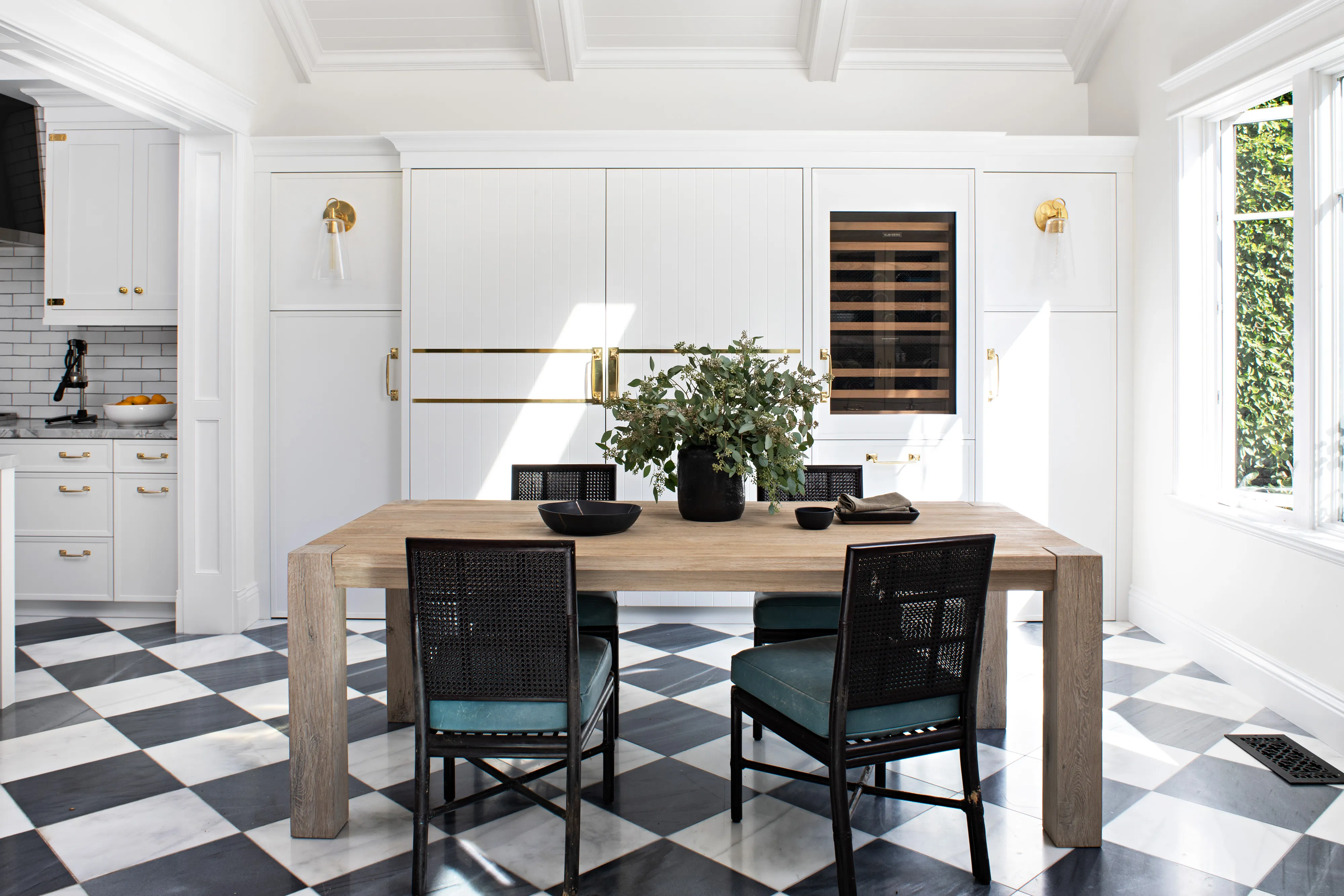
5 Tile Trends for 2026 That Turn Ordinary Floors into Standout Spaces
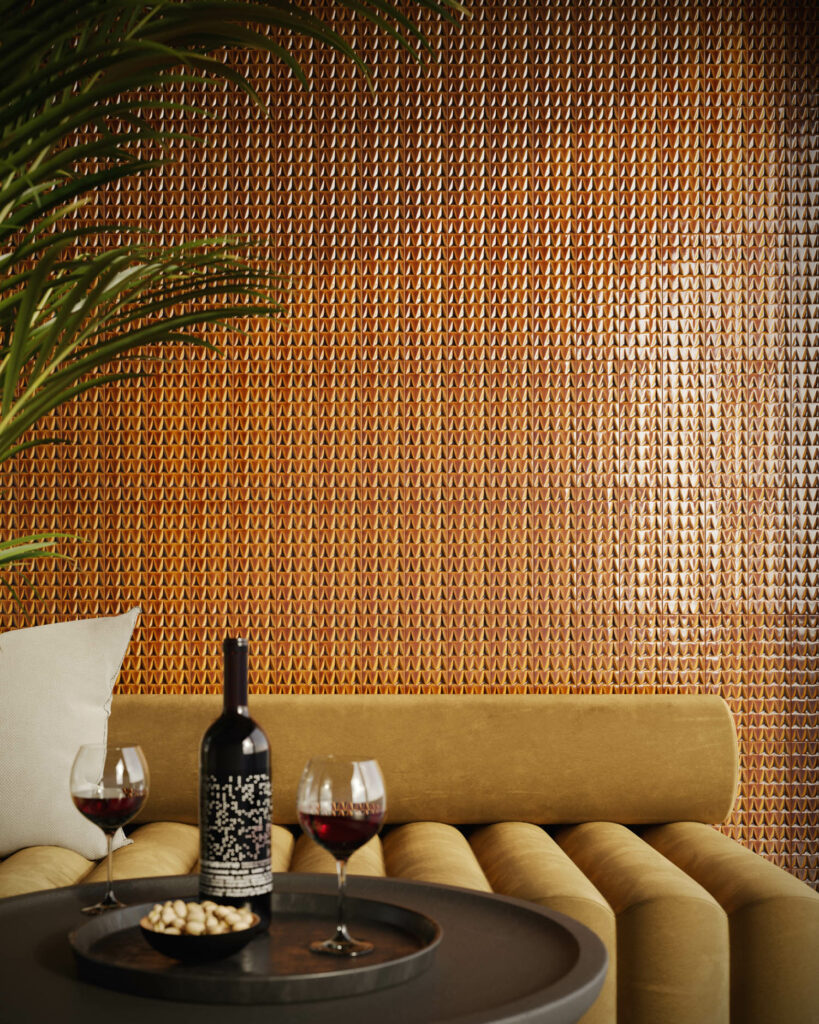
6 Tile Trends Spotted at Coverings 2024

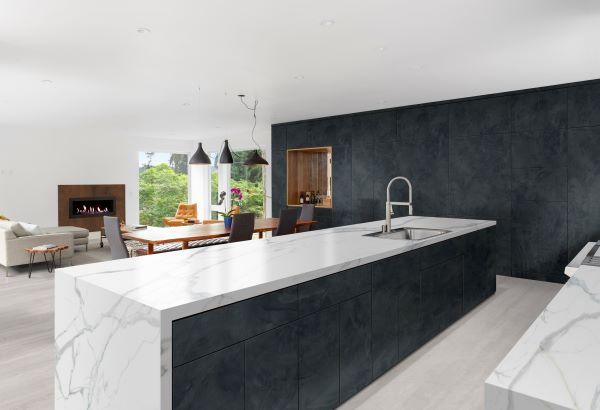
7 Top Tile Trends And Styles For 2021
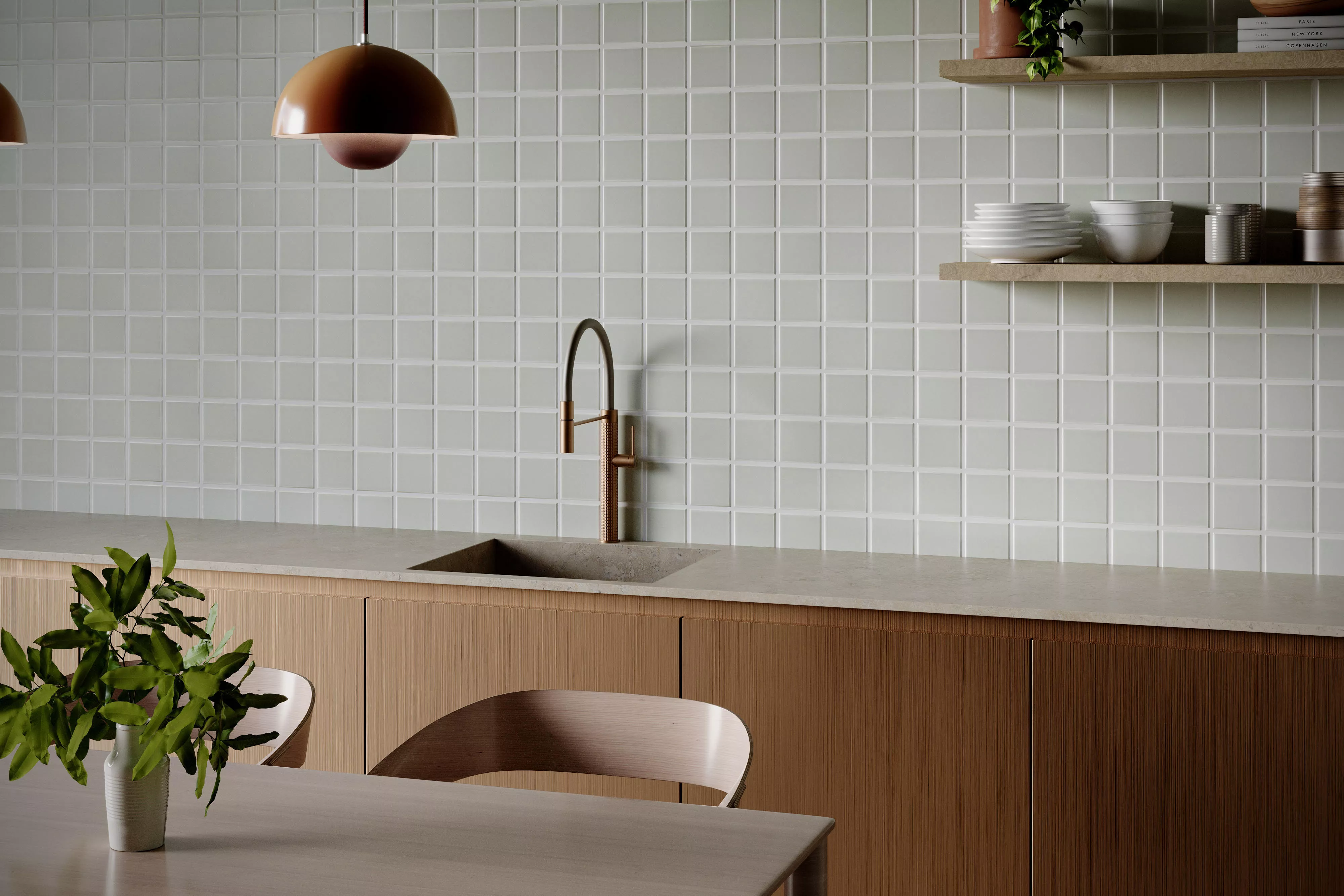
These Are the 9 Tile Trends You Need to Know for 2025
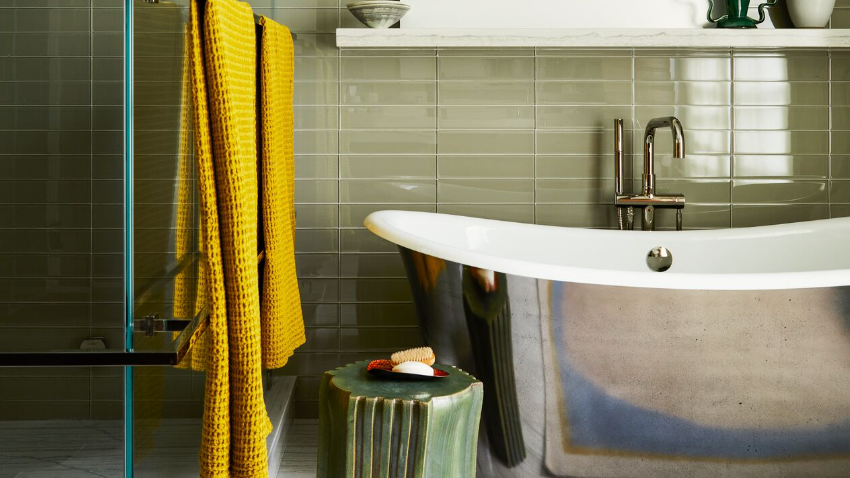
These Bathroom Tile Trends Will Be Big in 2023

Discover The Top 10 Tile Trends Discusses at Coverings 2025
Natural Instincts: Tile Trends

Tile and Wood Flooring Trends 2022 - World of Tiles
The Next Big 2026 Texture Trend Is Tile—See How Designers Are Styling It in Every Room

World Of Tiles Reveal This Year's Tile & Wood Flooring Trends

Top Tile Trends Spotted At Coverings 2025
6 Interior Trends Entering Cleveland Homes in 2025

Tile Trends 2025 — Every Design-Forward Look to Have on Your Radar

These Sustainable Flooring Trends Will Be Everywhere In 2025