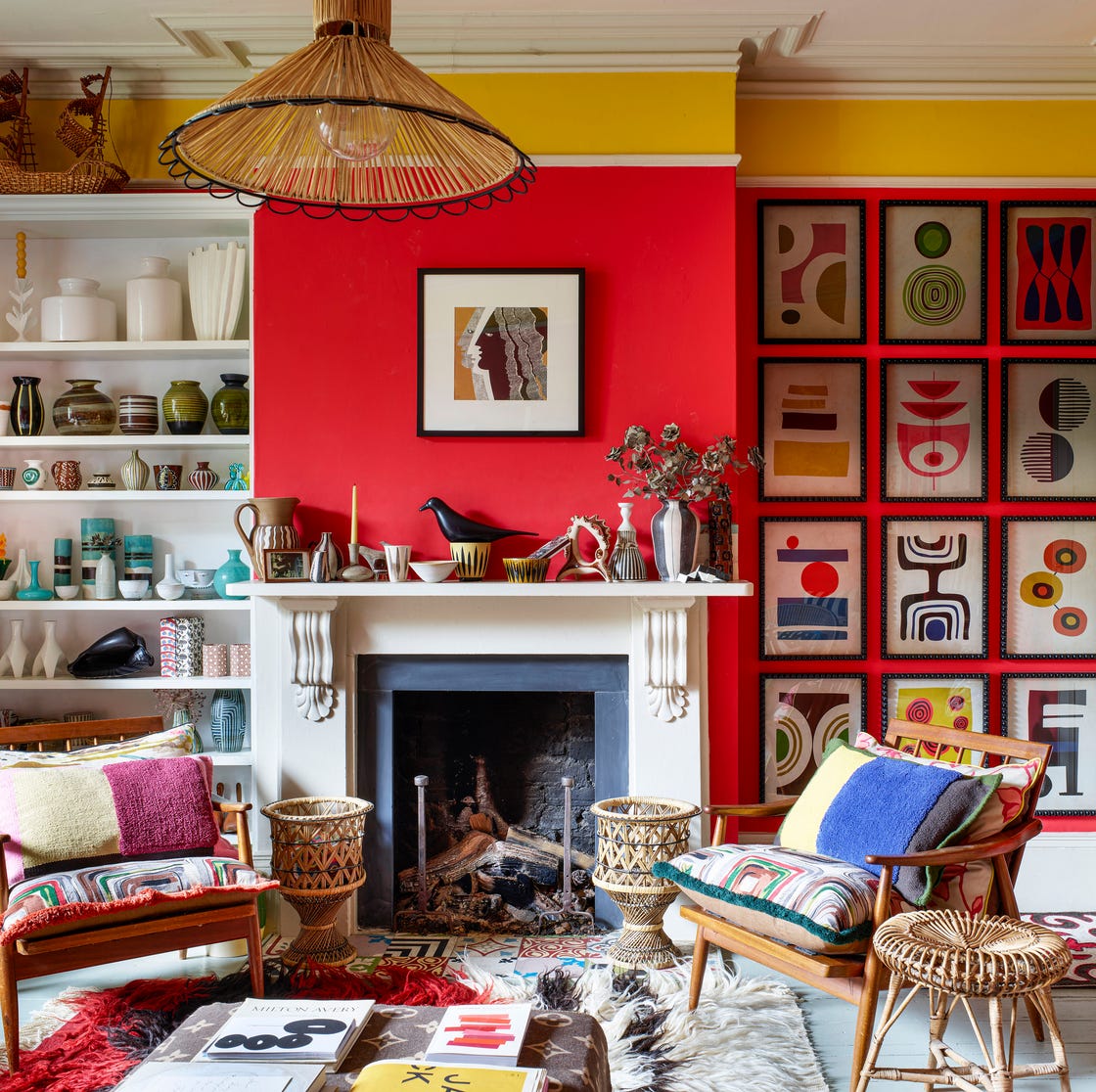
1/6
"Cluttercore" Is Trending—Here's How to Make It Feel Intentional, According to Designers
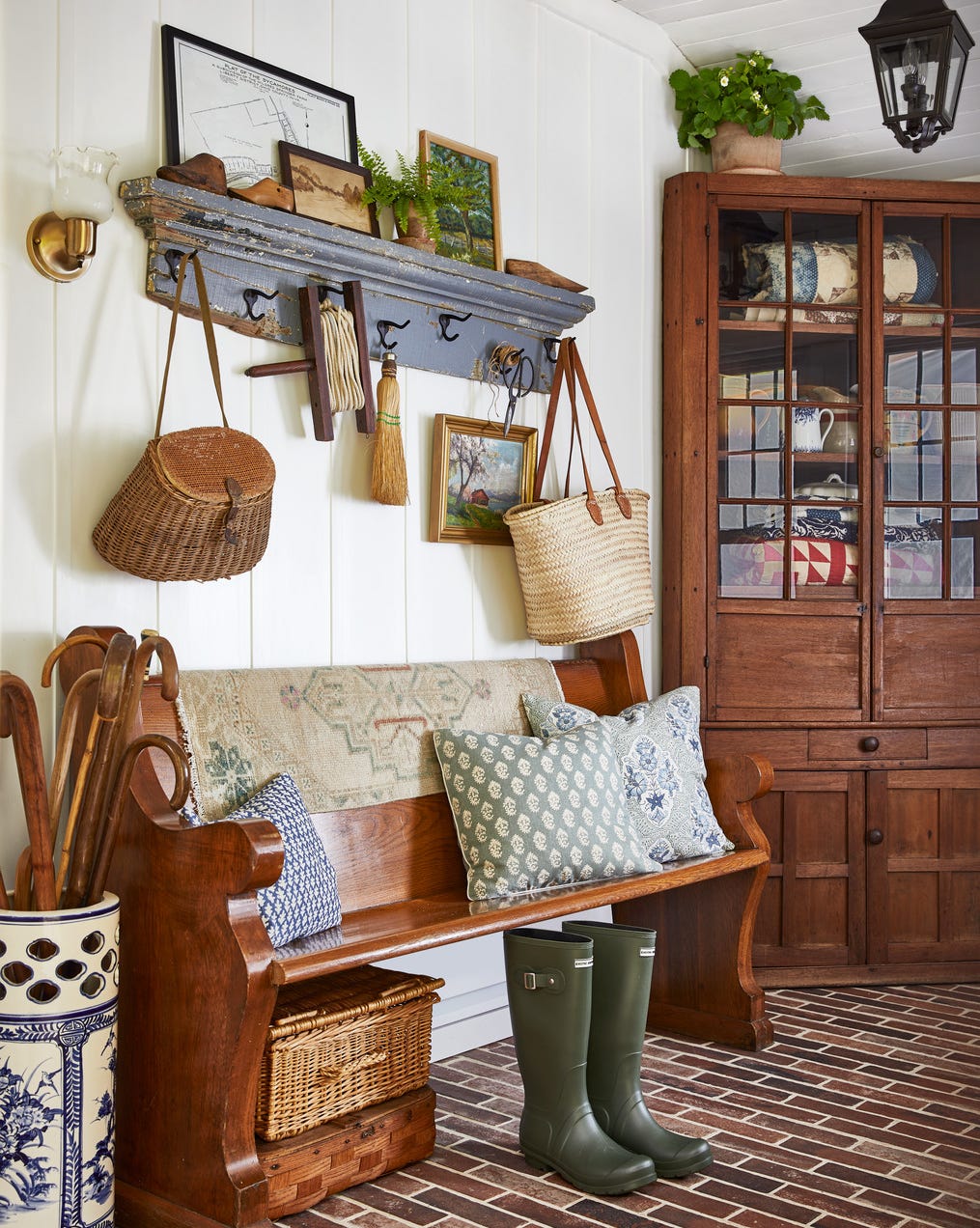
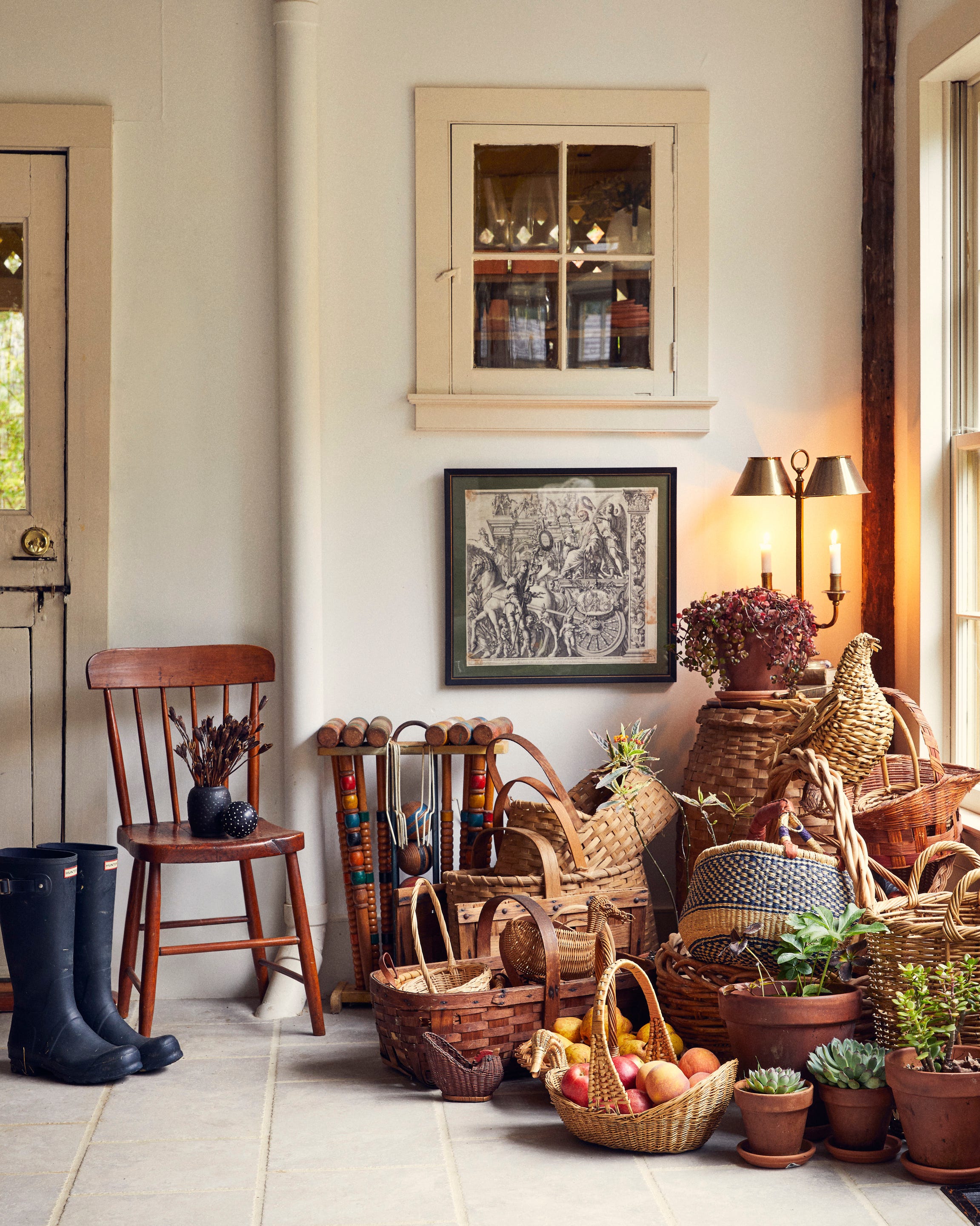
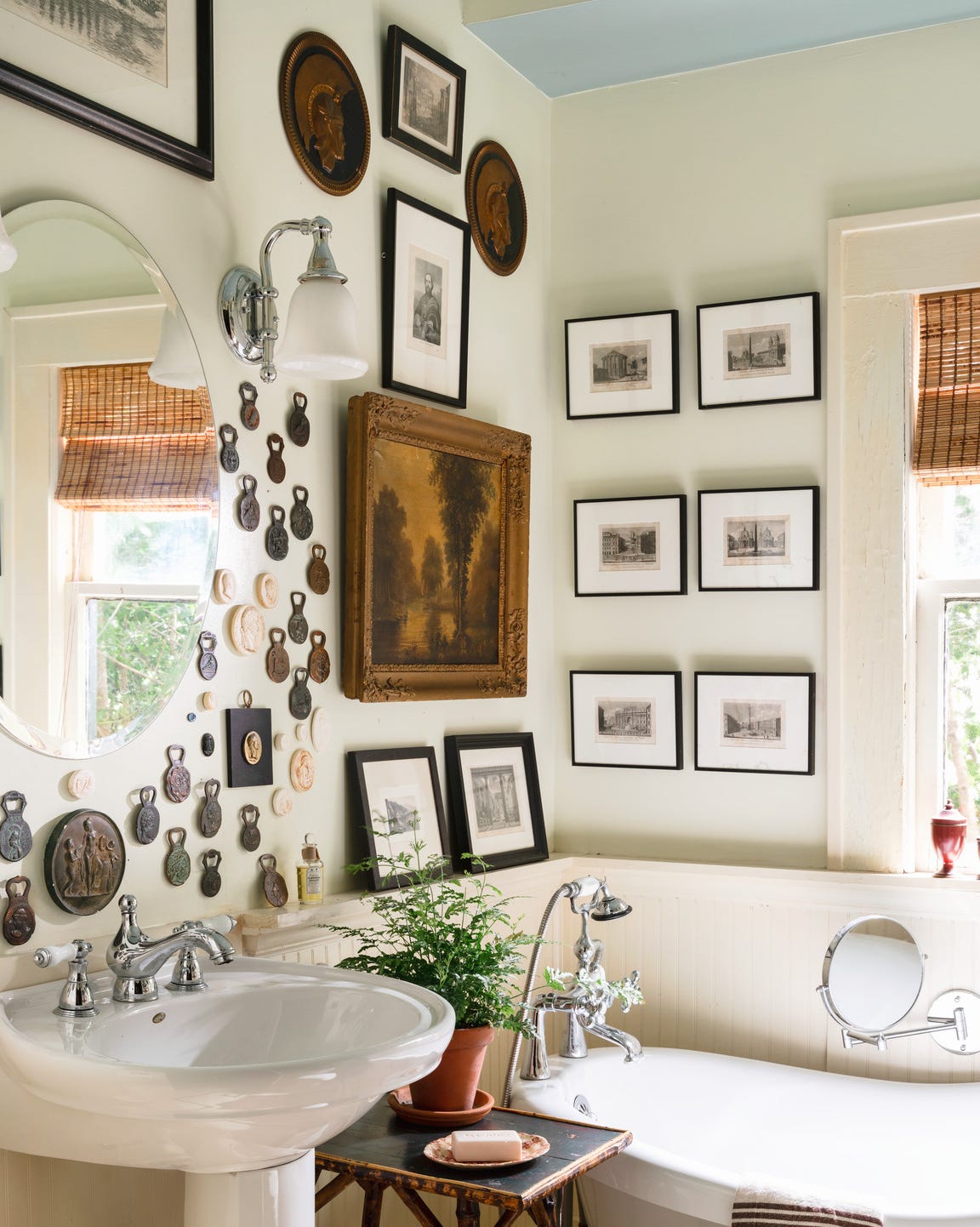
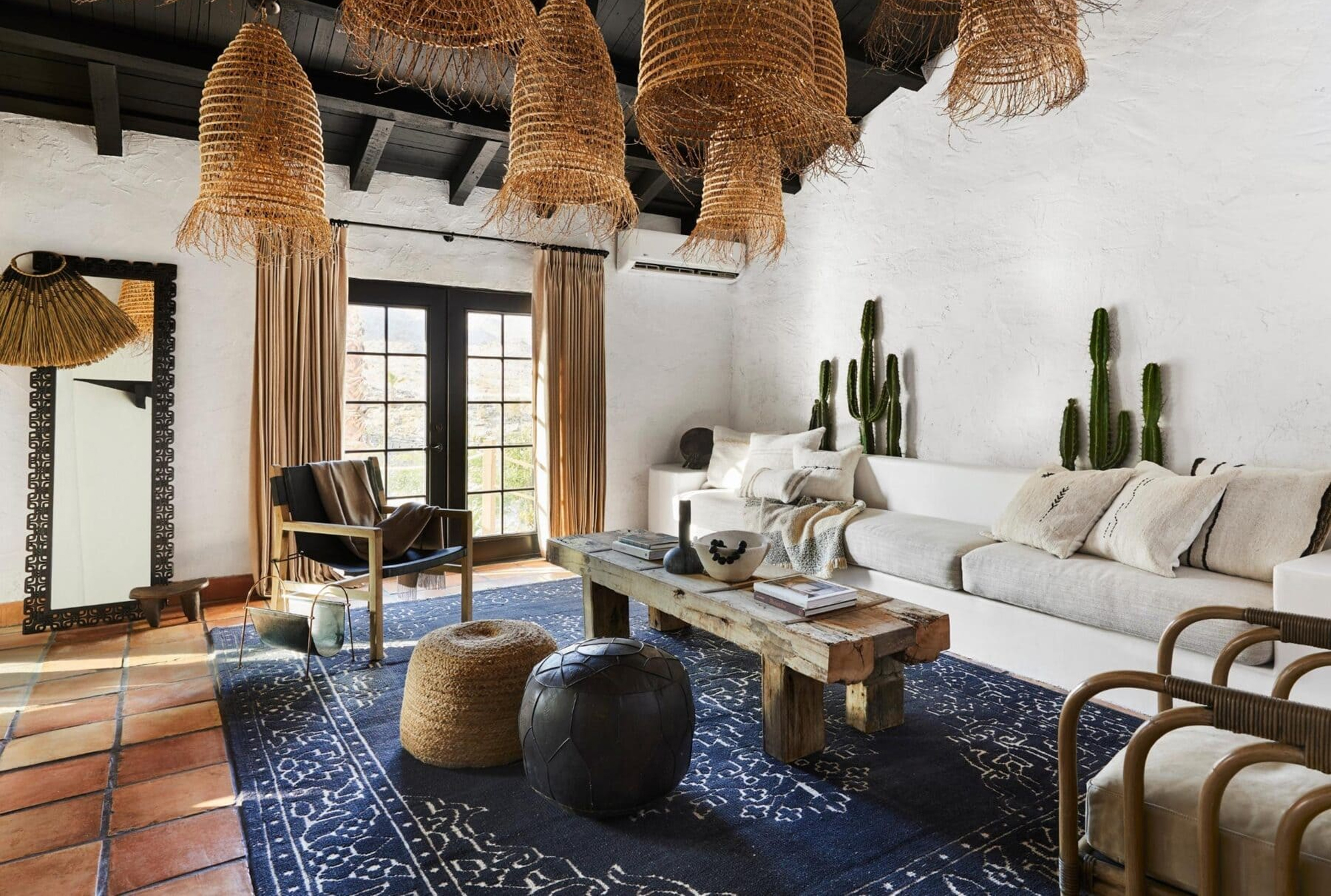
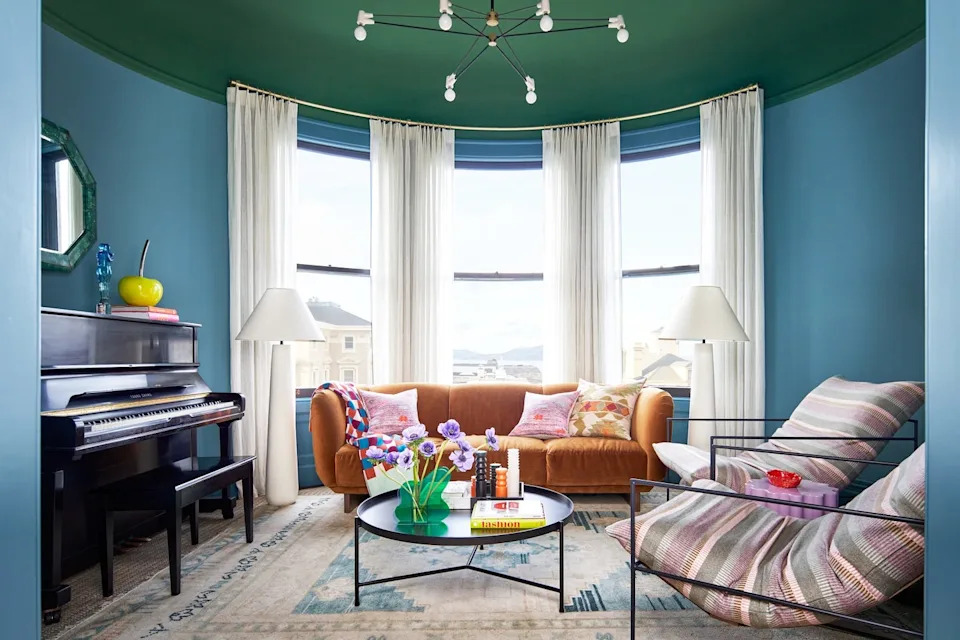
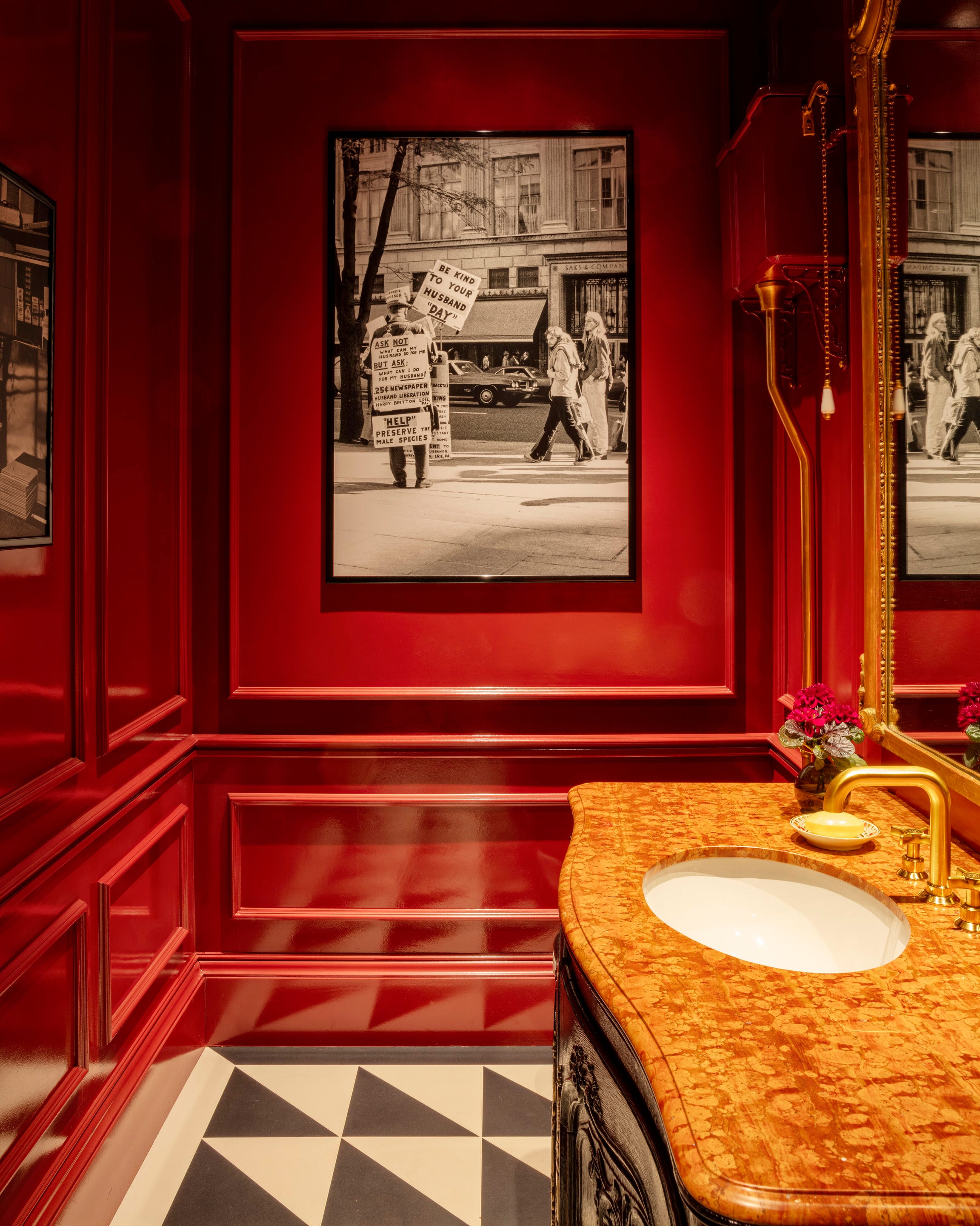
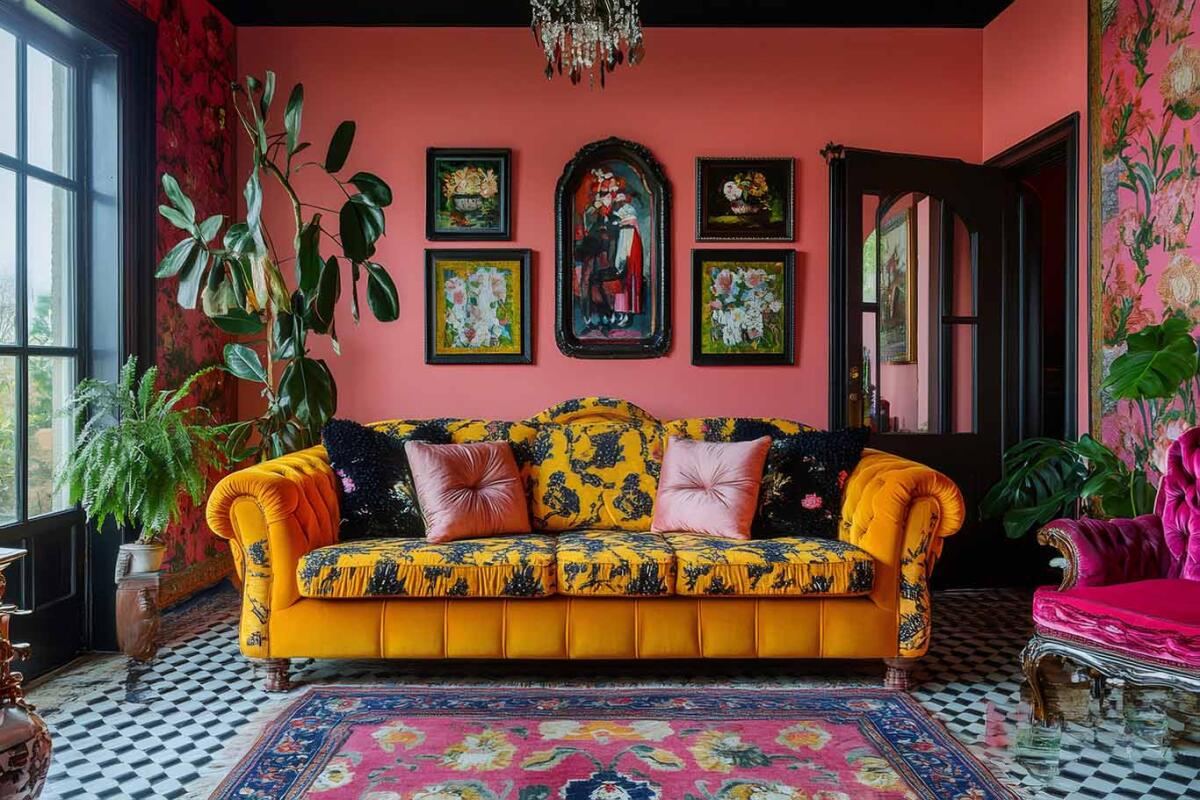
The article explores "cluttercore," a design trend that embraces intentional clutter as a form of personal expression, distinguishing it from unintentional mess. Designers and homeowners are increasingly adopting this new take on maximalism, as evidenced by a Pinterest report indicating significant year-over-year increases in searches for “eclectic maximalism” and “vintage maximalism.”
Interior designers Darren Henault and Thea Bloch-Neal emphasize that a layered, complex, and densely textured room can be peaceful and inviting when filled with meaningful items. However, they caution that achieving this aesthetic requires confidence and a keen eye to avoid veering into hoarder territory, with Henault stating, “If it looks like clutter, it’s all wrong.”
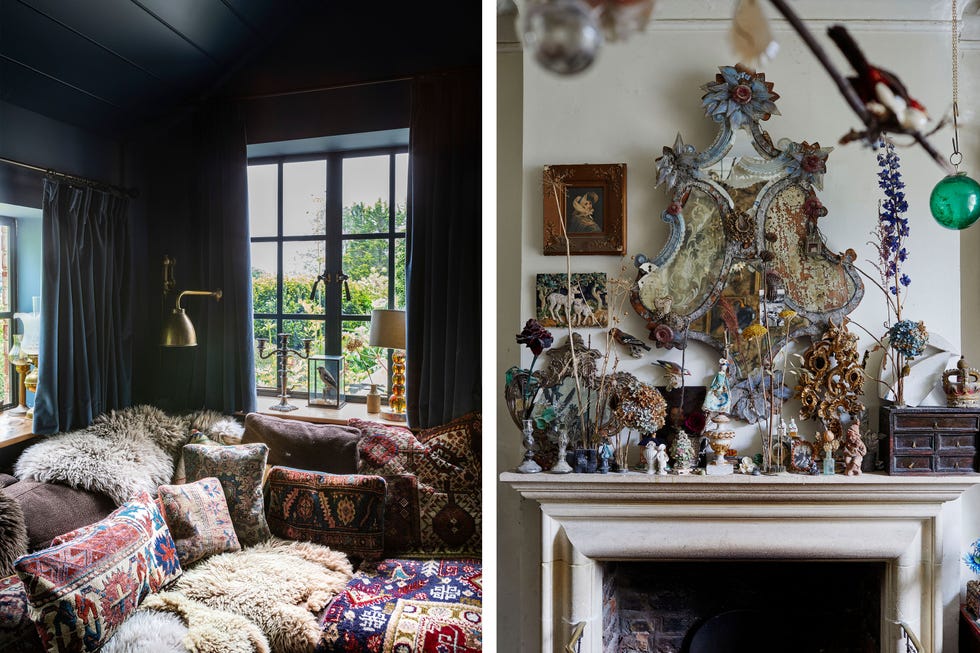
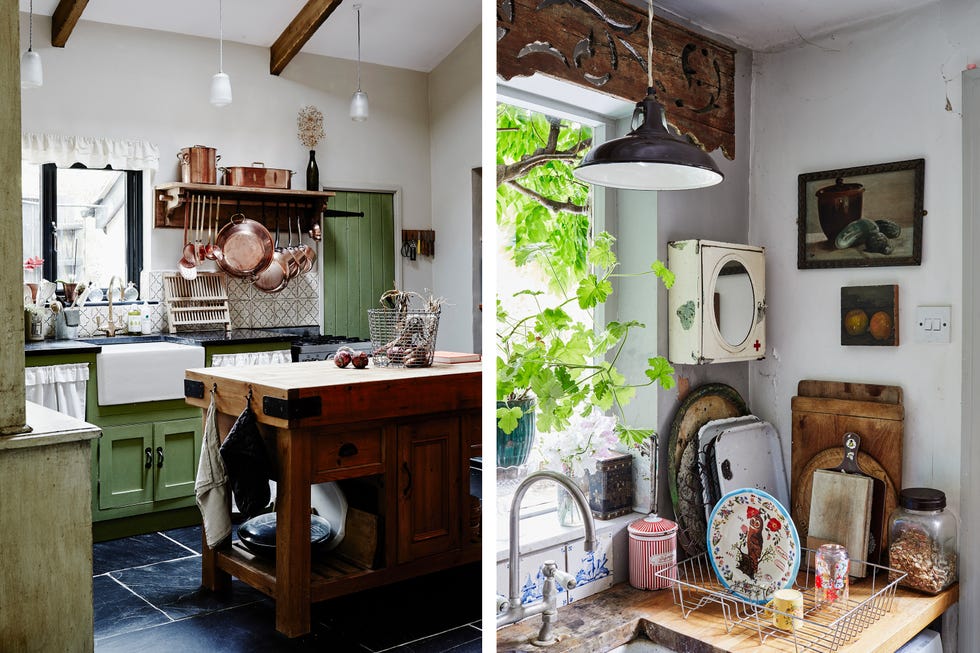
To help implement cluttercore intentionally, designers offer several pieces of advice. Francesca Grace suggests starting with small, discrete areas like a fireplace mantle. She recommends using a leaning mirror as a centerpiece, layering vintage picture frames, and adding items like candlesticks, vases, and tchotchkes. Christine Carney further advises that after adding what seems sufficient, one more layer often enhances the look, emphasizing the curation of beloved items displayed simply and effortlessly.
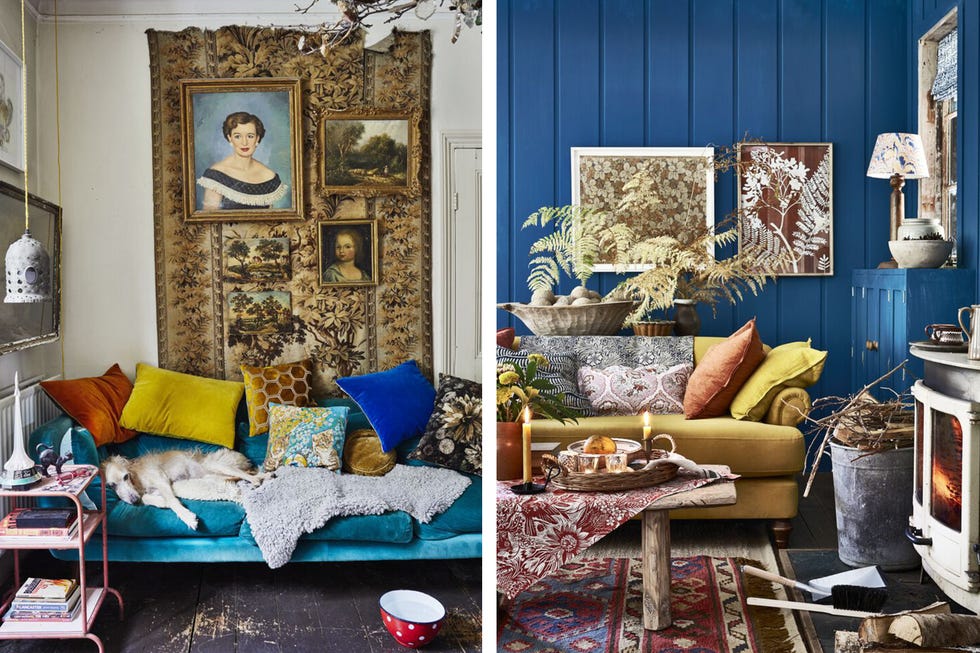
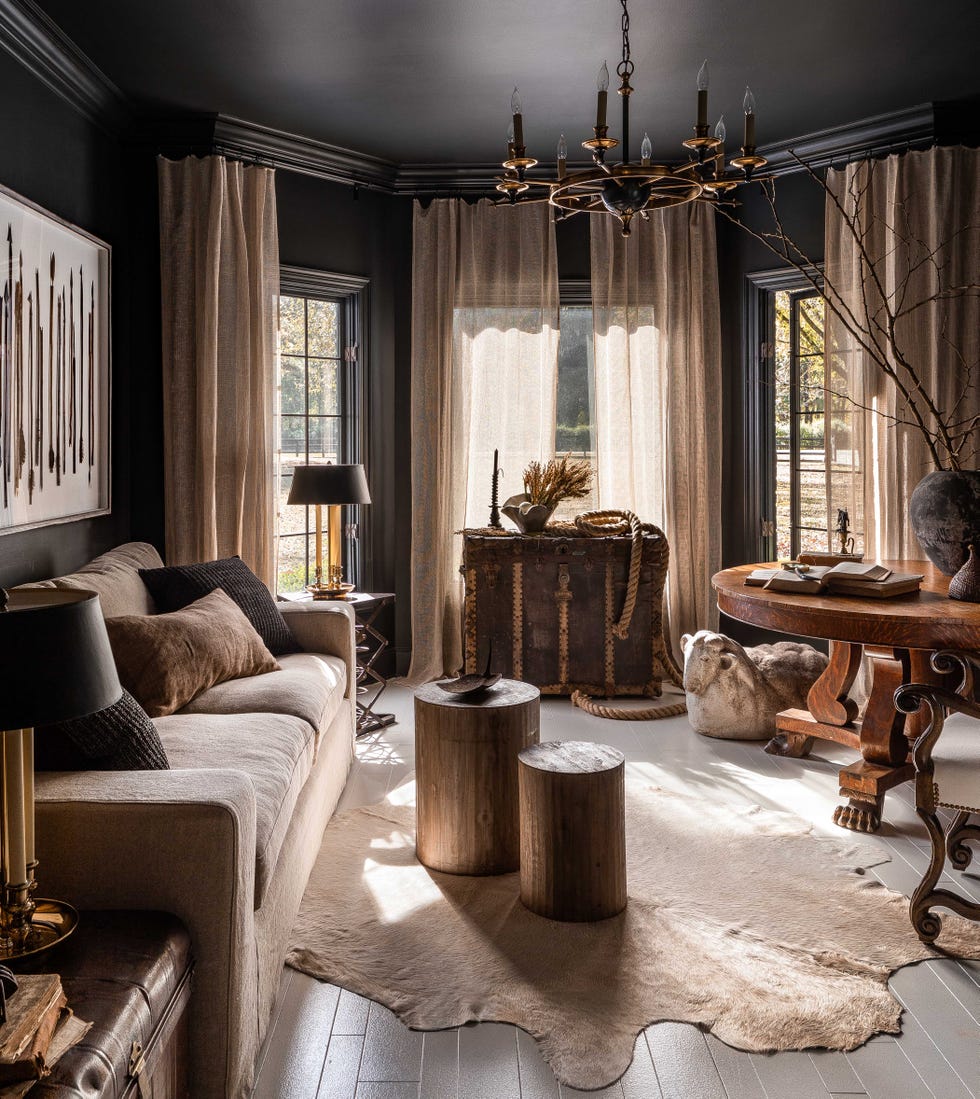
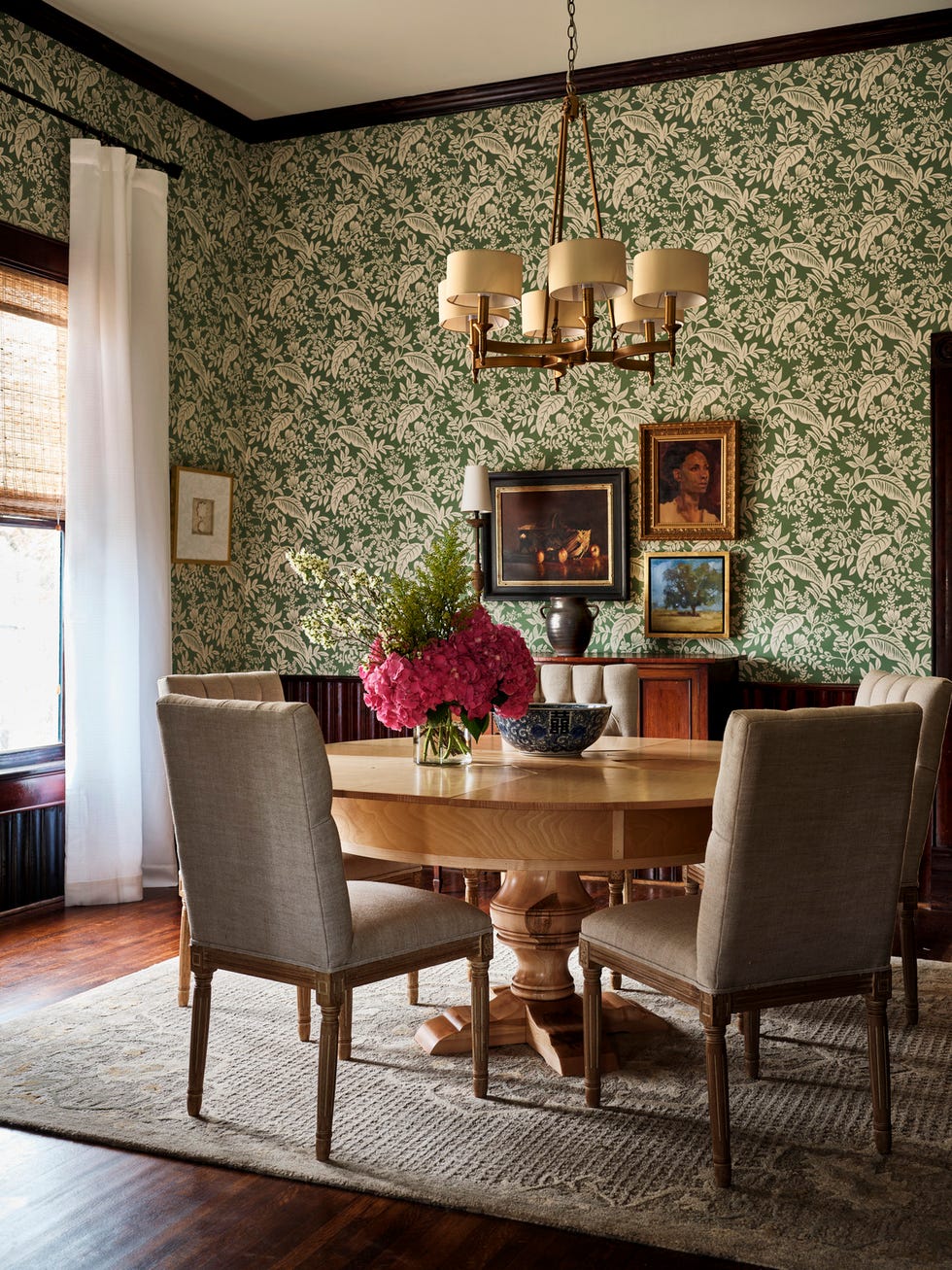
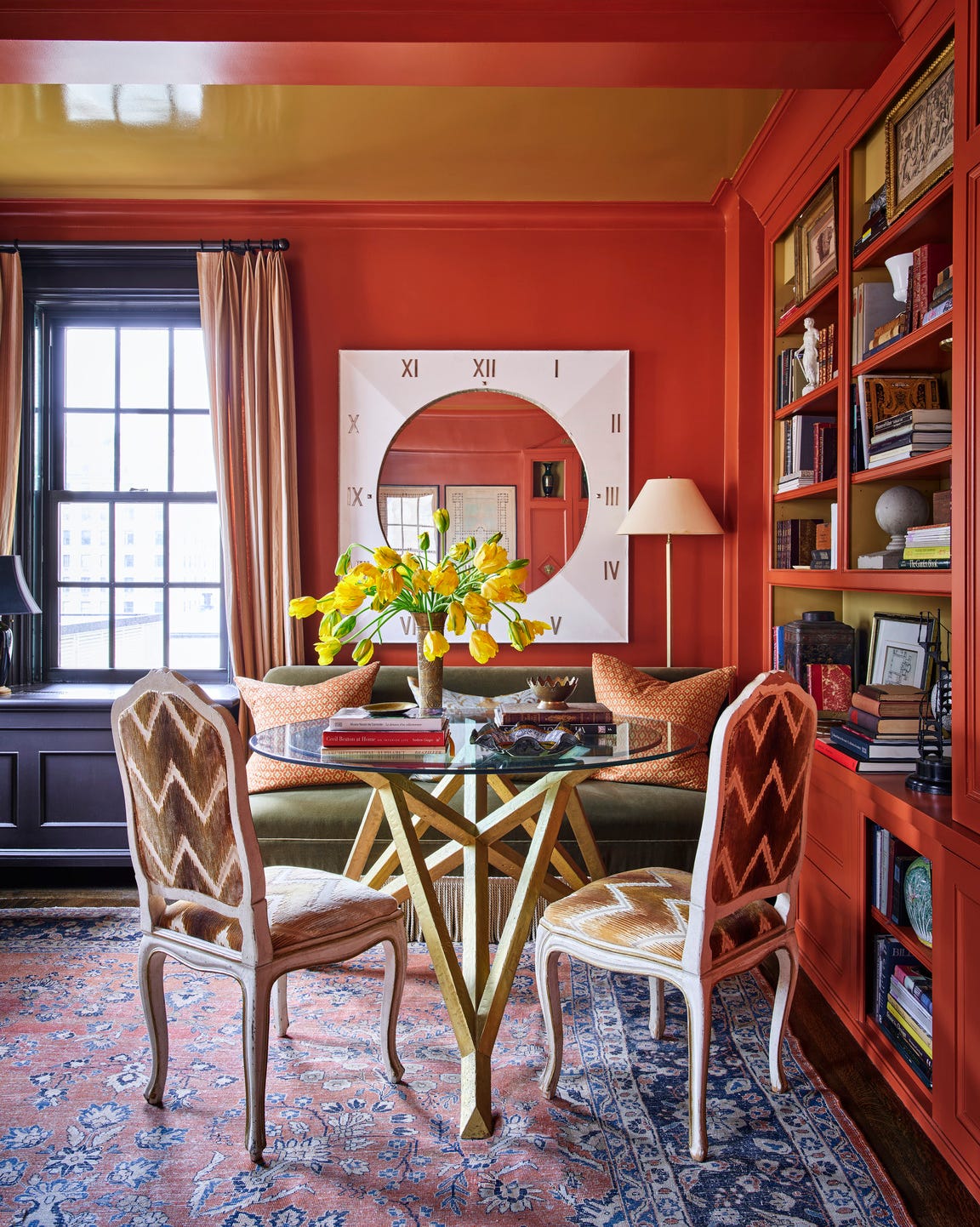
Catherine Olasky highlights the importance of layering as a continuum, noting that a room without layers can feel rigid, while too many layers can create a claustrophobic environment. The ideal balance involves incorporating varied lighting, fabrics with diverse prints, stacks of books, and a thoughtfully curated collection of objects. The space should remain functional, allowing for daily activities like reading or puzzles.
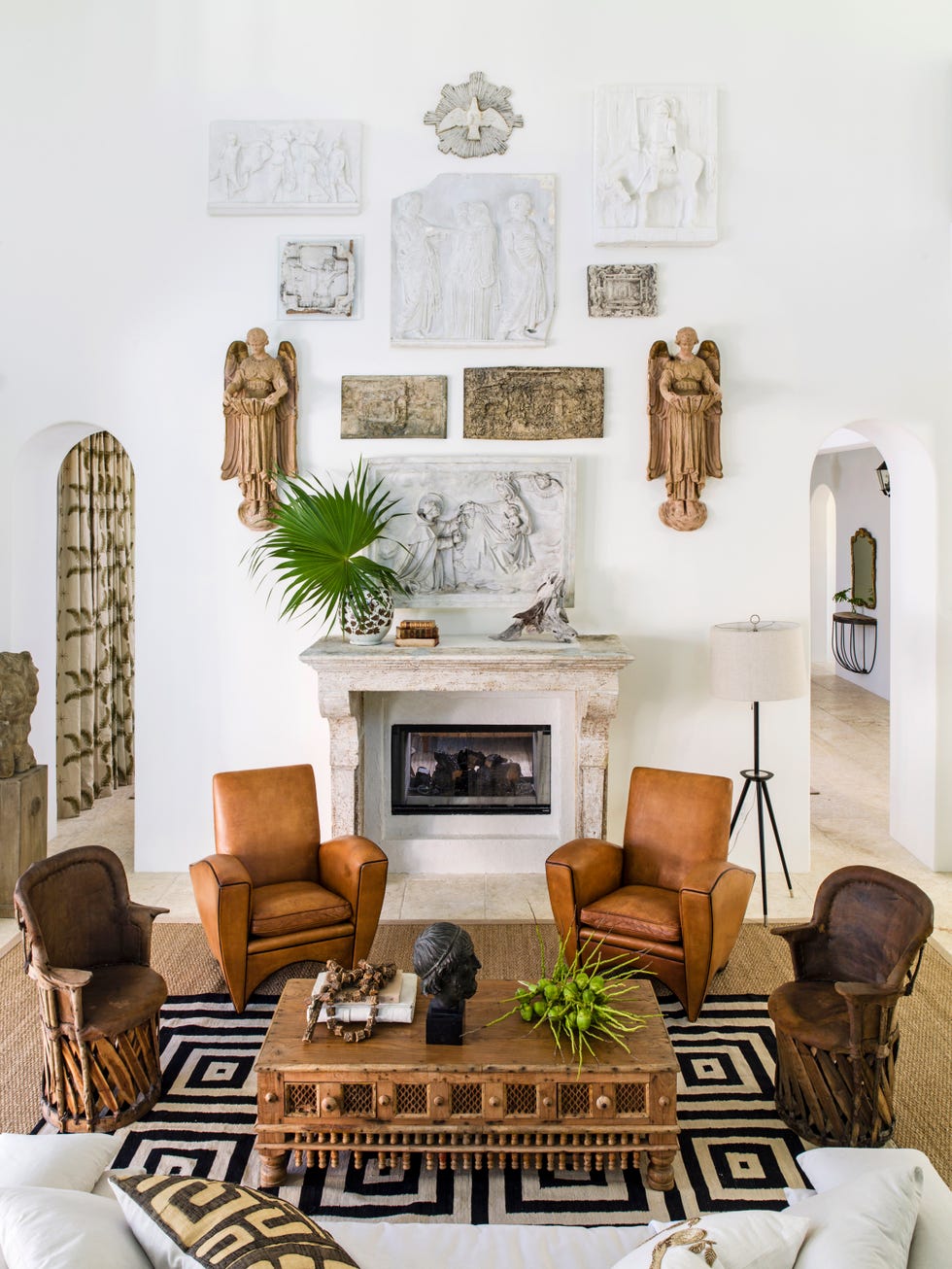
Emily June Spanos advocates for balancing form, size, and texture to achieve successful curation. She suggests varying the scale of patterns and textures to prevent visual overwhelm, explaining that a mix of slick and chunky elements creates visual interest. Spanos notes that visual contrast, especially blending antiques with newer pieces, makes a space dynamic and inviting.
To curate collections effectively, Tate Casper recommends grouping similar objects, such as Murano boxes or single-colored pottery, to create cohesive vignettes. He advises experimenting with different arrangements to achieve depth and authenticity. Avery Cox adds that while collecting is encouraged, not every piece needs to be displayed, ensuring the collection reflects personal expression rather than a retail display.
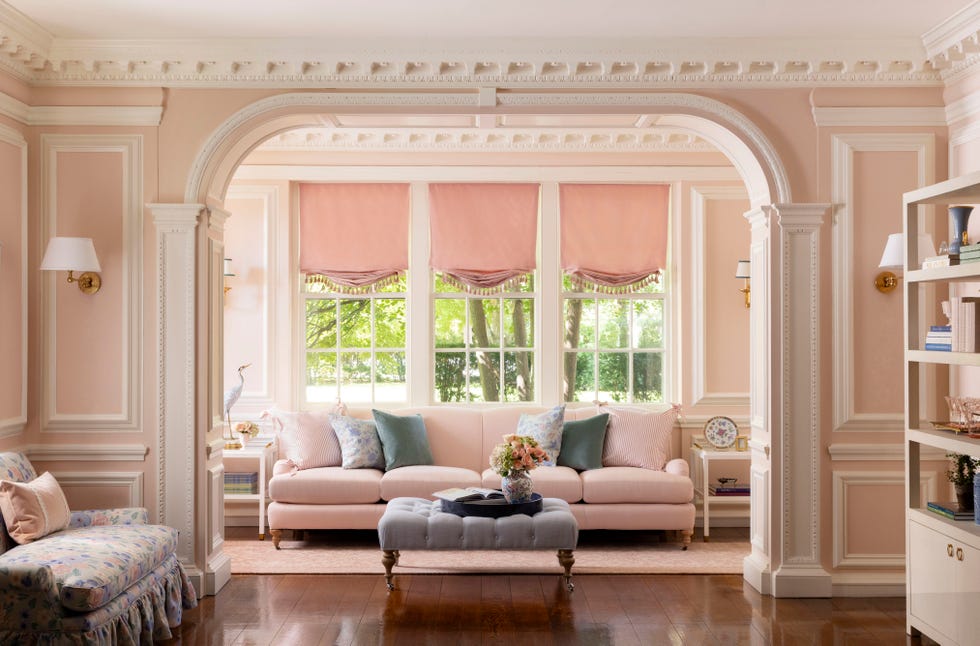
Bloch-Neal advises against crowding every surface, emphasizing the importance of balance. She suggests offsetting packed lower shelves with more open upper ones or balancing shelves filled with books and small objects with a bold vase or art piece. Jessica Davis points out that even small personal touches, such as vintage family photos in mirror frames, can contribute to an intentional look.
Personalization is key, encouraging individuals to surround themselves with objects that evoke memories of travels, hobbies, or significant life events. Courtnay Tartt Elias suggests displaying matchbooks from favorite restaurants in a bowl or creating a gallery wall with postcards, artwork, and framed ticket stubs from memorable events. These personal touches contribute to a home that feels authentic and lived-in.
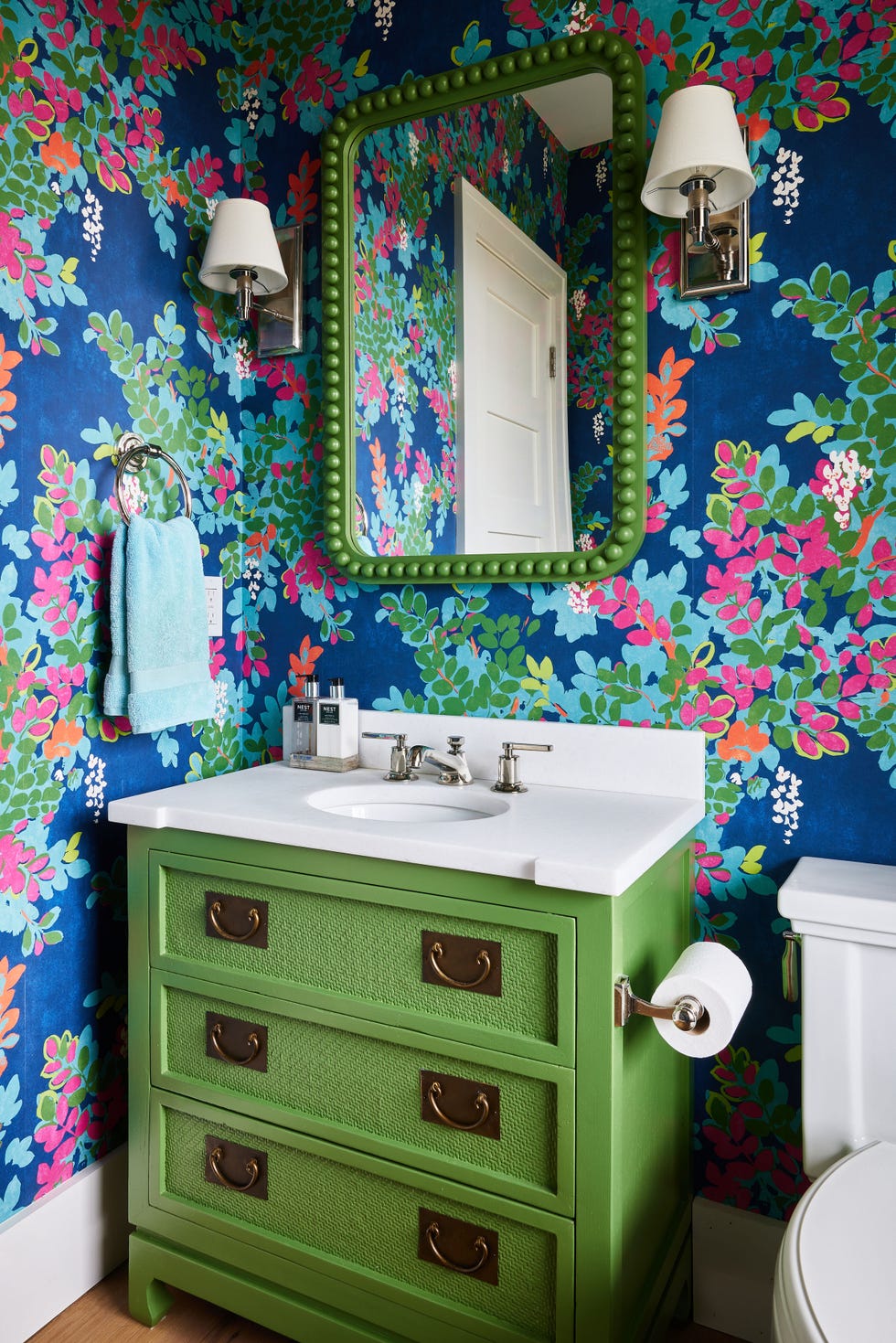
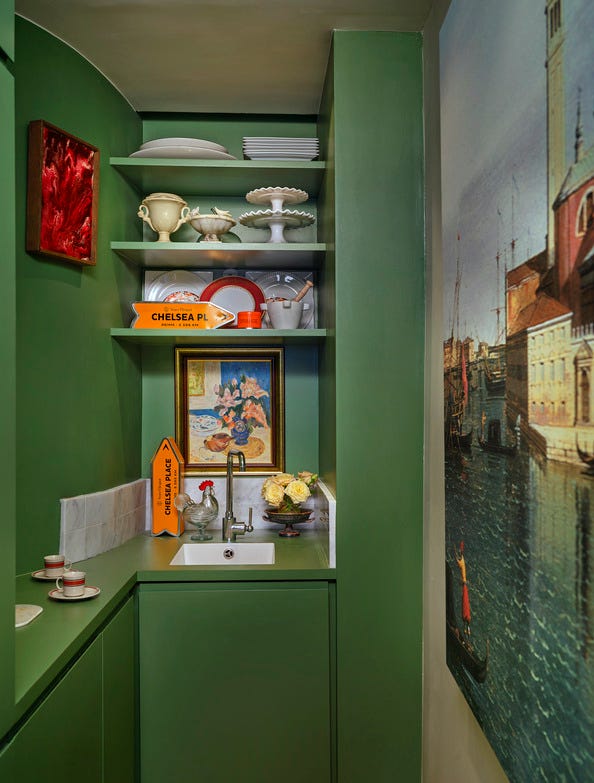
Alexis Warren suggests embracing bold colors and quirky vignettes to create conversation starters. She describes a nook that incorporates sculptural fly art, an eclectic table setup with a cerulean bust, a mushroom lamp, and retro-style wallpaper, demonstrating how personal objects and vibrant colors can enhance the cluttercore aesthetic.
Finally, Bethany Adams highlights books as a crucial element for a lived-in look. She suggests arranging books in artful stacks and piles around the room, under furniture, or on mantles to add sophistication and warmth. Complementing books with favorite trinkets and small artworks can further create an antique-dealer ambiance, enriching the intentional cluttercore design. This approach transforms a house into a home by filling it with cherished items and personal narratives, creating a space that is both visually engaging and deeply comforting.
#Cluttercore #HomeDesign #InteriorDecorating #Maximalism #PersonalStyle #Layering #DesignTrends #HomeDecor #CuratedCollections #Cluttercore #HomeDesign #InteriorDecorating #Maximalism #PersonalStyle #Layering #DesignTrends #HomeDecor #CuratedCollections
0 comment in total
 No comments yet
You may also like
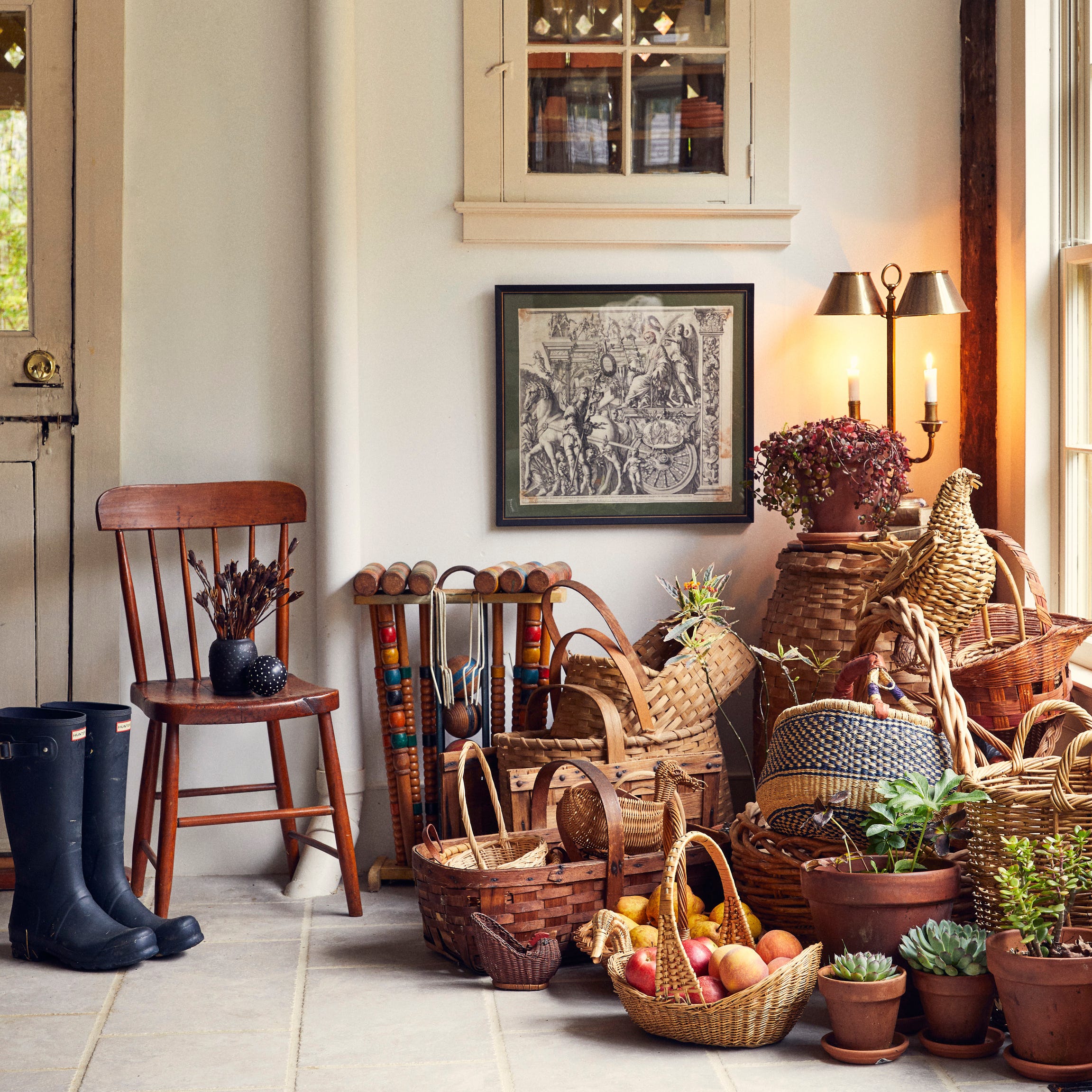
6 Interiors That Prove Cluttercore Can Be Ultra Stylish, When Done Right
For a "Cool-Looking" Home, Designers Say Use This Finish
This SURPRISING Color Is About to Be Everywhere, According to Designers

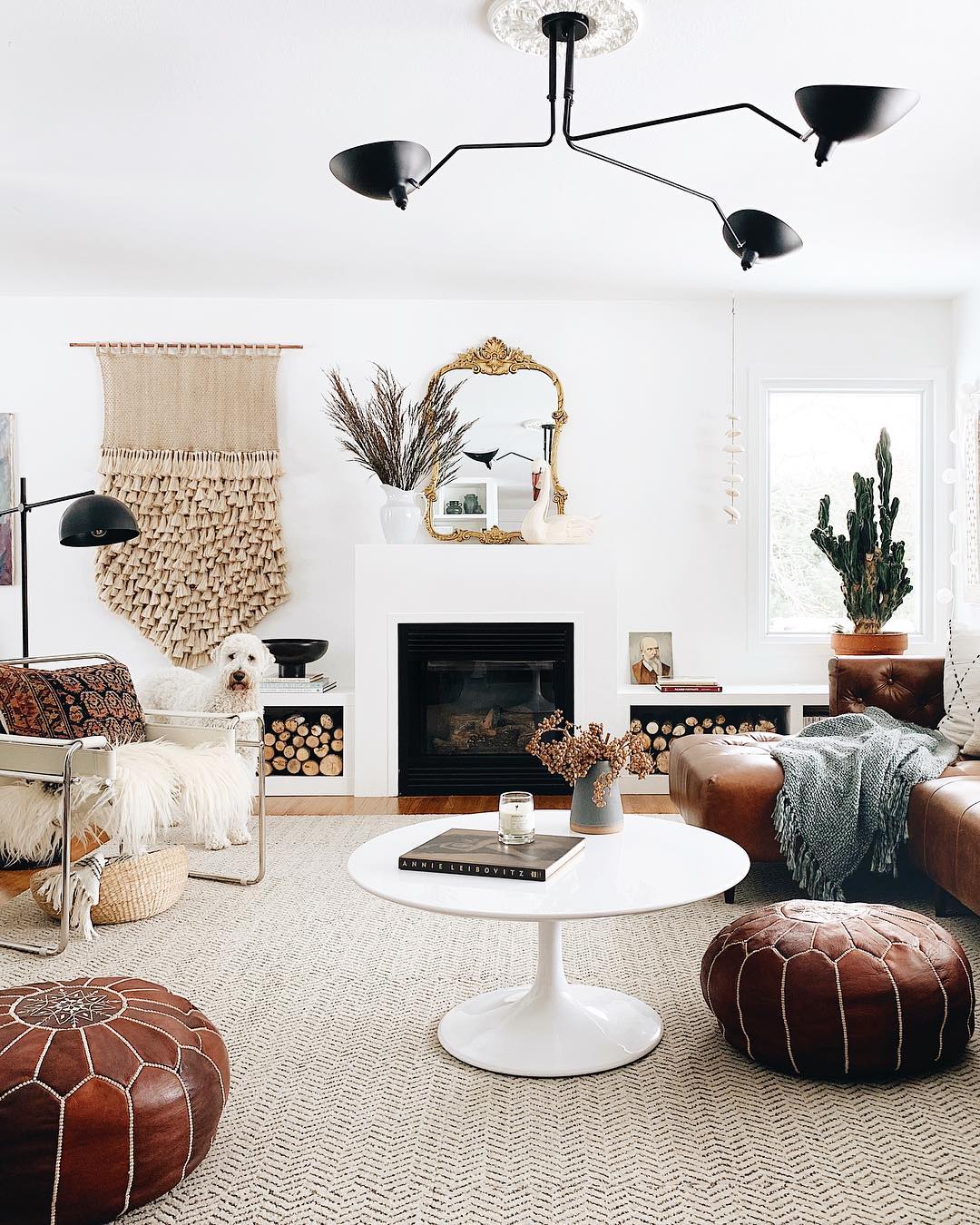
Interior Designers and Stylists Can’t Get Enough of This New Target Line

Rich colors and sumptuous textures are on designers' minds
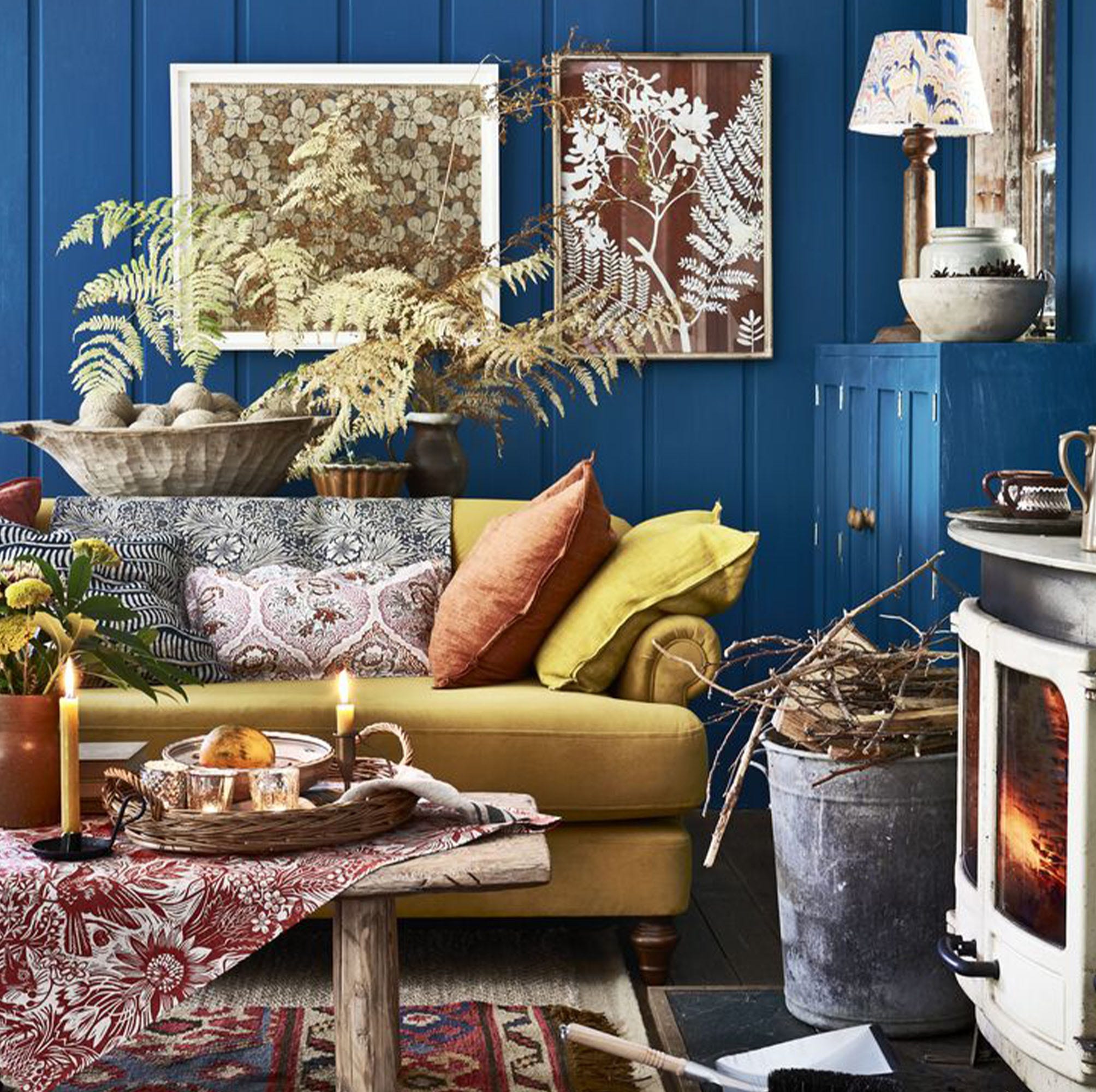
A case for clutter: Design tips for creating a busy and eclectic home
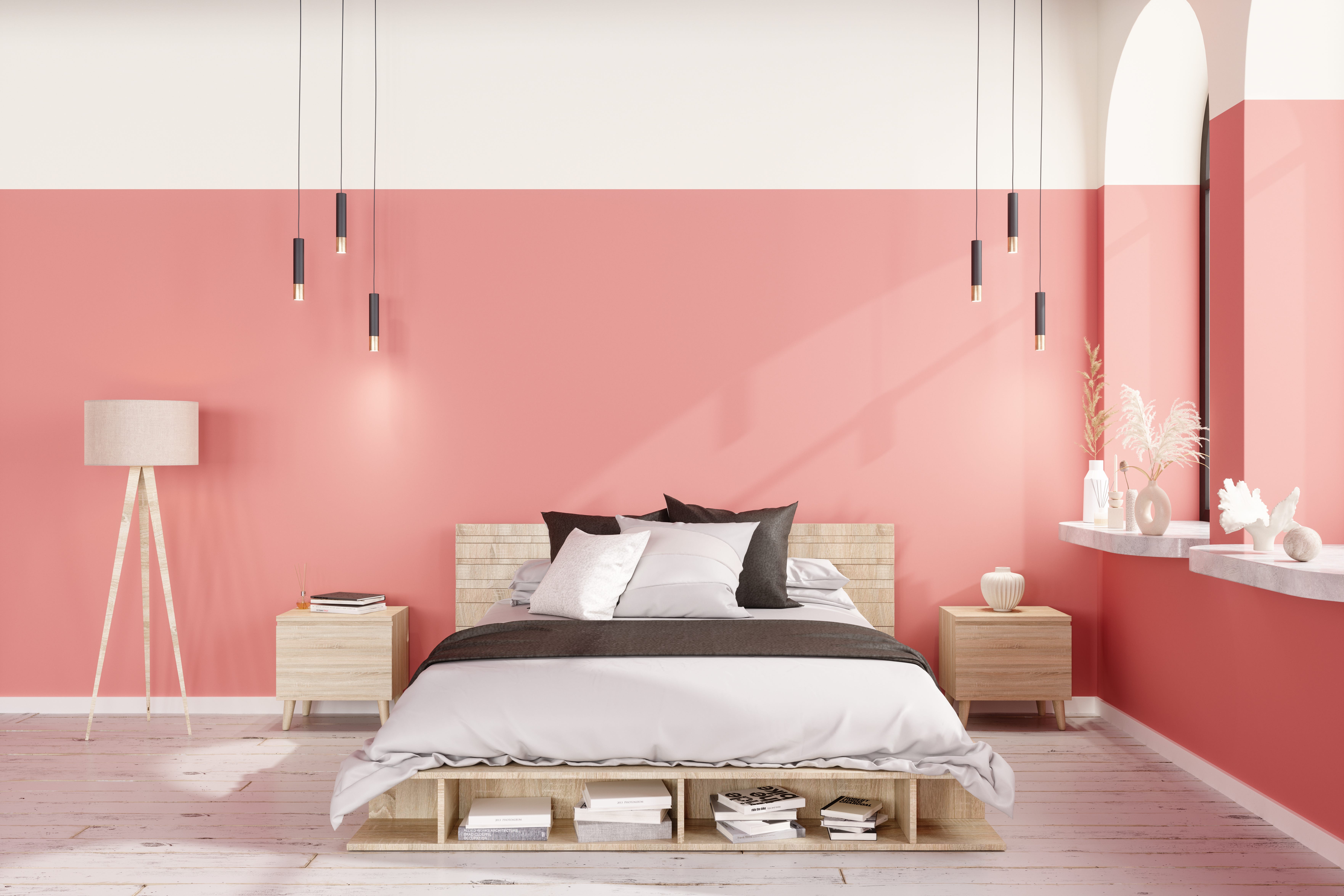
Design Pros All Agree: The Color-Blocking Trend Is One to Try

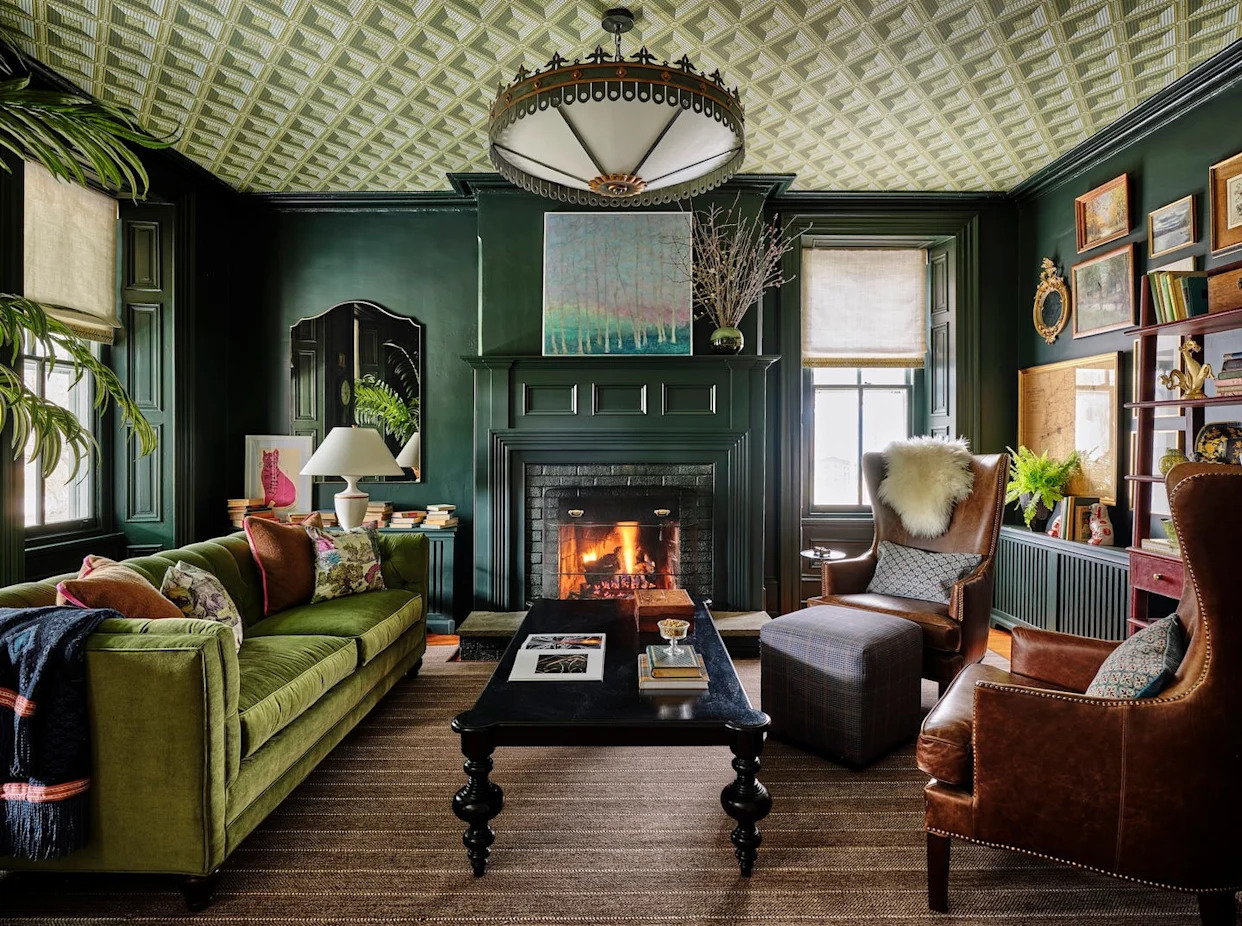
Bye-Bye, Accent Walls! Designers Say THIS Is Now the Hottest Decorating Feature

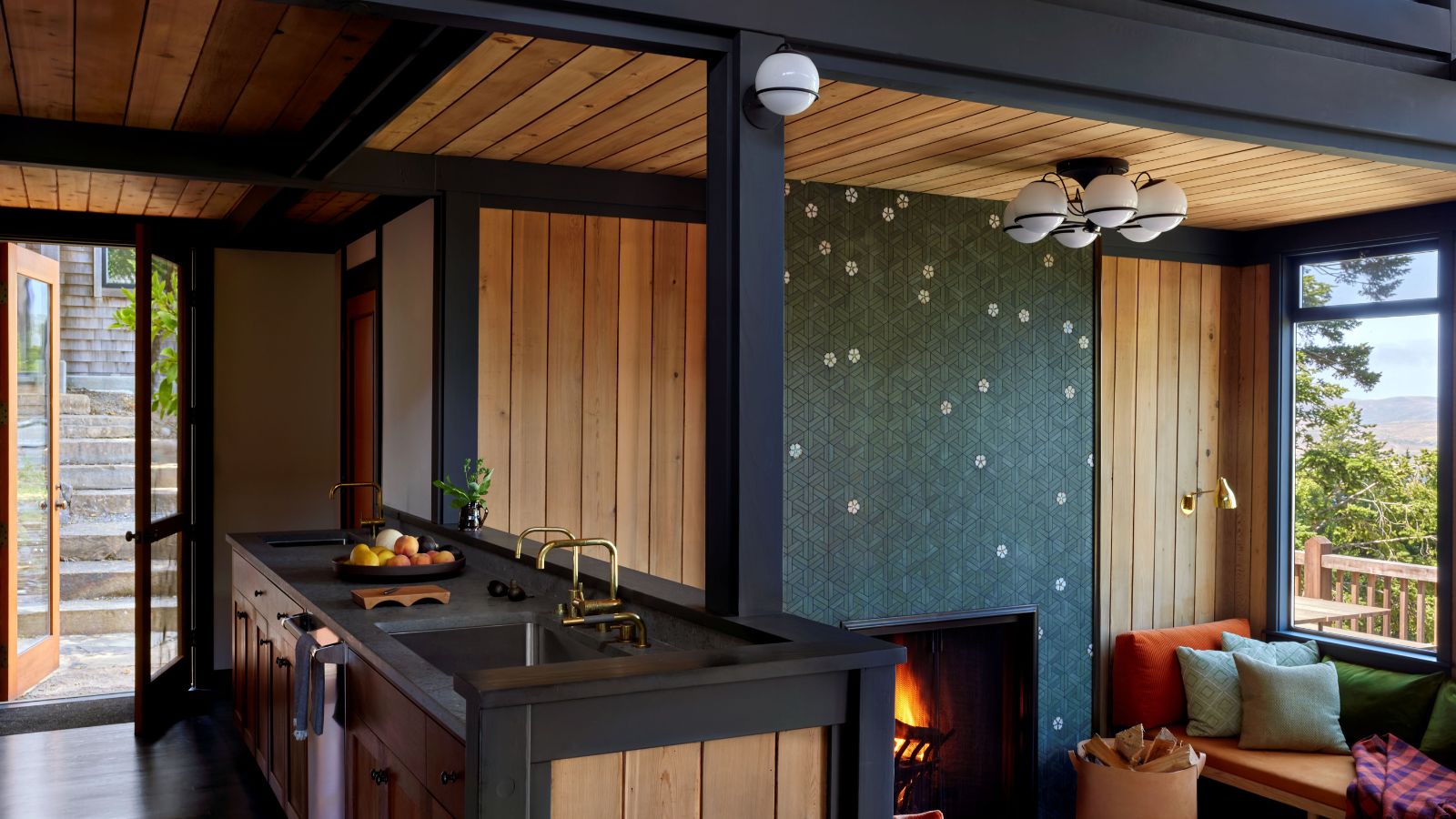
Designers definitely approve of this statement trend that elevates a cozy room
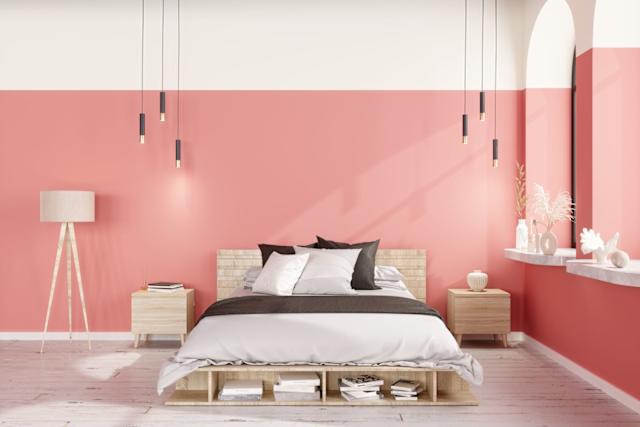
Design Pros All Agree: The Color-Blocking Trend Is One to Try

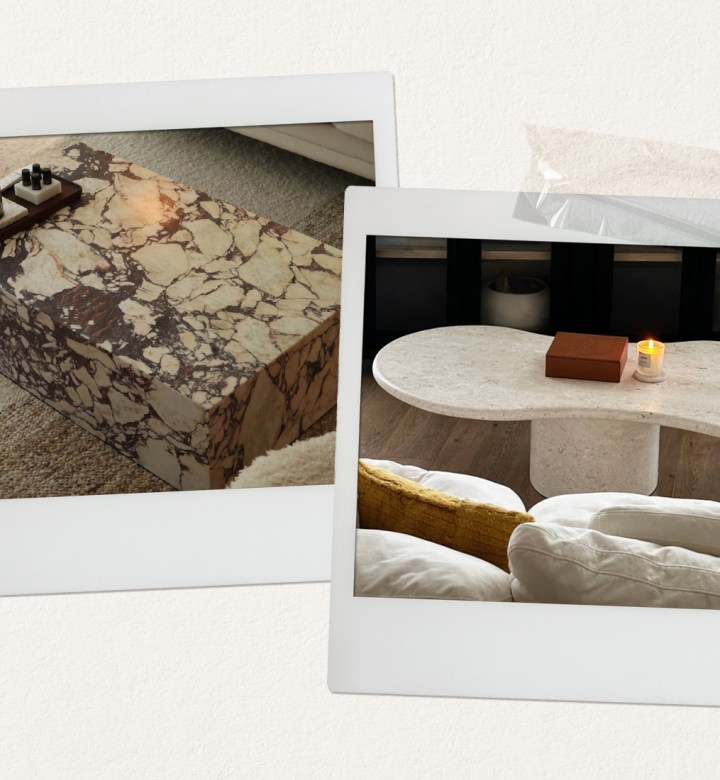
Move Over Quiet Luxury—Sculptural Stone Is Taking Over Design This Year
Adhesive Sconces Are Everywhere Right Now—And Designers Love These
This Style Creates a “Livable Aesthetic” That’s Instantly Cozy, Designers Say
"Neutral Maximalism" Is Trending—Here's How to Make It Work, According to Designers
The New Tile Trend Causing a Scene This Season
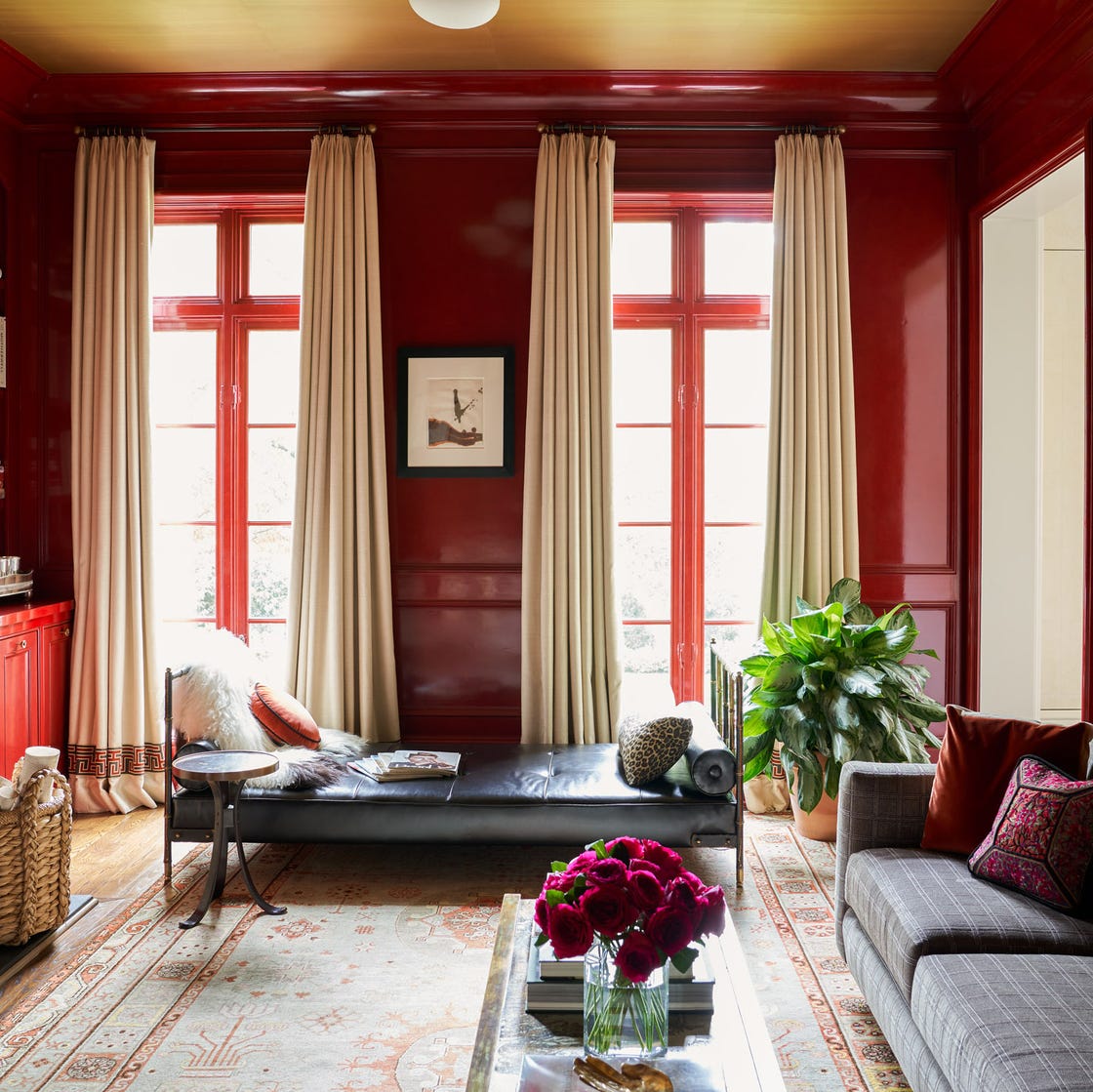
Why This Hue Is Suddenly Dominating Every Designer's Wishlist—Plus, How to Style It

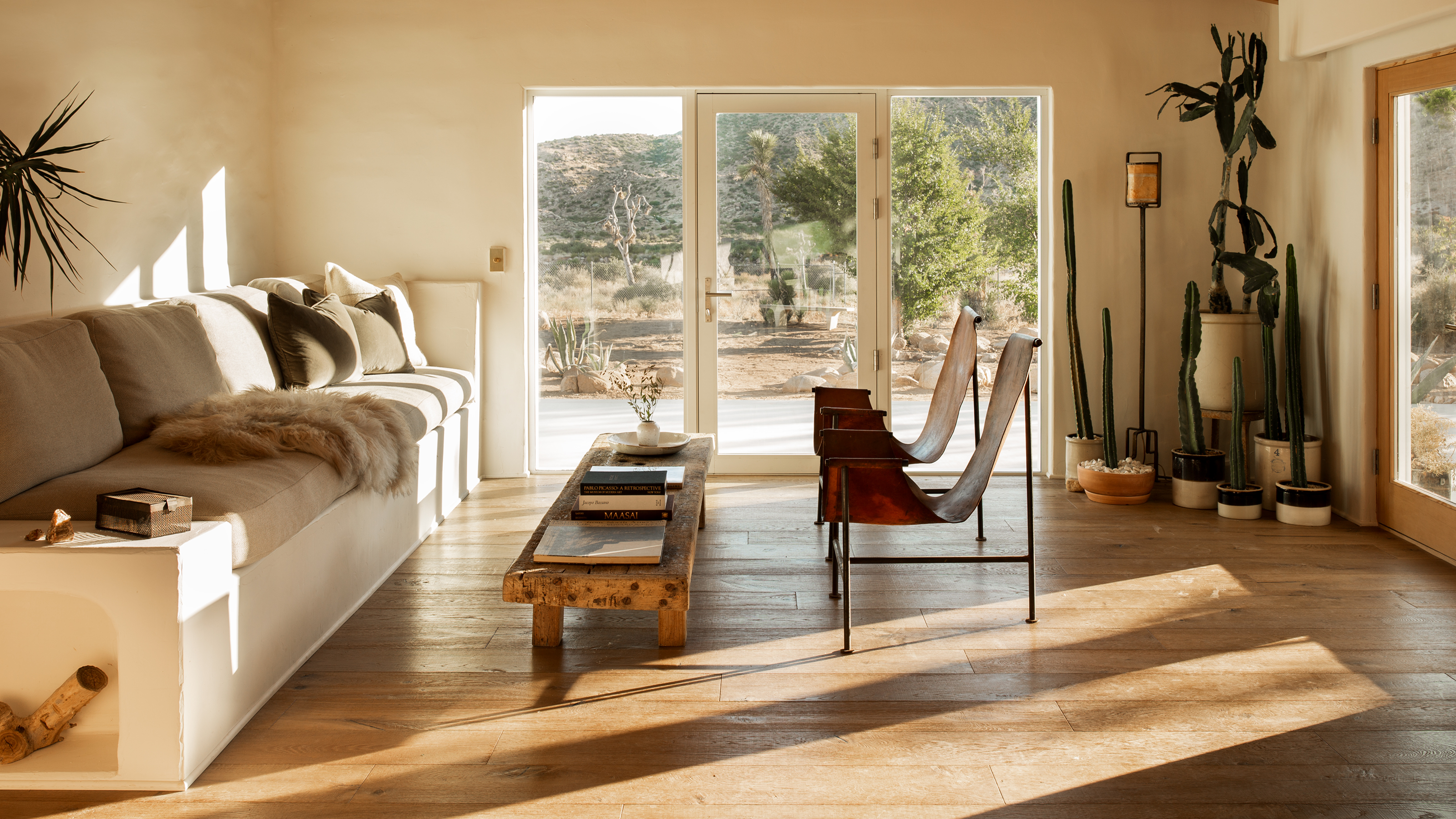
Designers say this 'plastered-in' decor trend will bring a serene feel to every room in the house

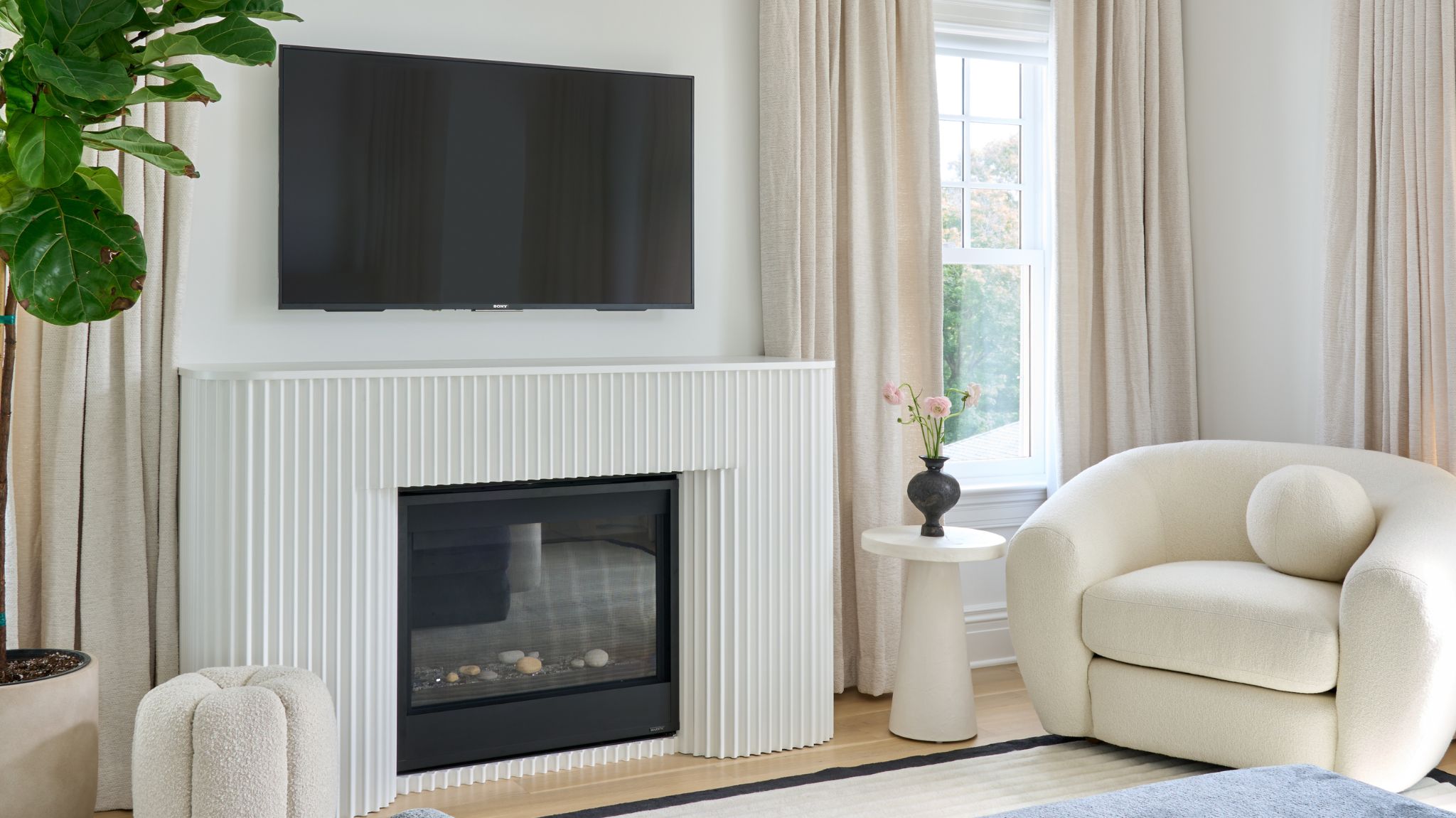
'It makes a room soft and serene.' A designer explains a new decor trend that is better than any you've seen before
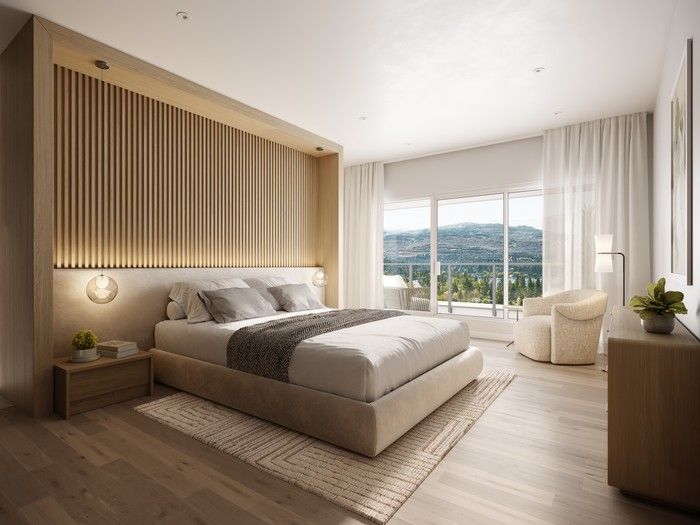
Why every room needs a statement piece — and how to choose yours

Bring on the Bold: Maximalist Decor and Layering with Confidence