1/5
The Post-Materialist | A Pattern’s Math Magic
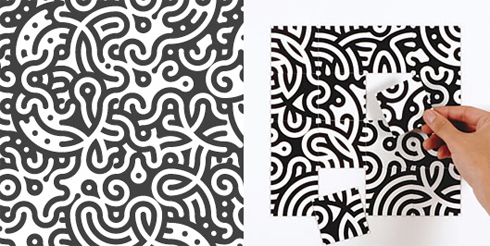
The article introduces the work of Japanese designer Asao Tokolo, who effectively merges art and mathematics, bridging historical and contemporary influences, and Eastern and Western aesthetics. Tokolo's designs are characterized by patterns that interlock harmoniously without repeating, a concept initially demonstrated through magnetized tiles. These tiles, when rotated, consistently match at every edge, creating endless new configurations from a single set of elements.
Tokolo's inspiration draws from the traditional Japanese arabesque patterns, known as karakusa, which originated in various Western and Middle Eastern regions approximately 1200 years ago. These patterns, typically representing flora, were historically used on clothing, bedding, and ceramics in Japan. While scholarly work often focuses on the fractal geometries and repetitive nature of these patterns, Tokolo's innovation lies in creating unique tile shapes that, despite their individuality, always connect seamlessly. This approach reflects a conceptual blend of Western individualism and Eastern collectivism.
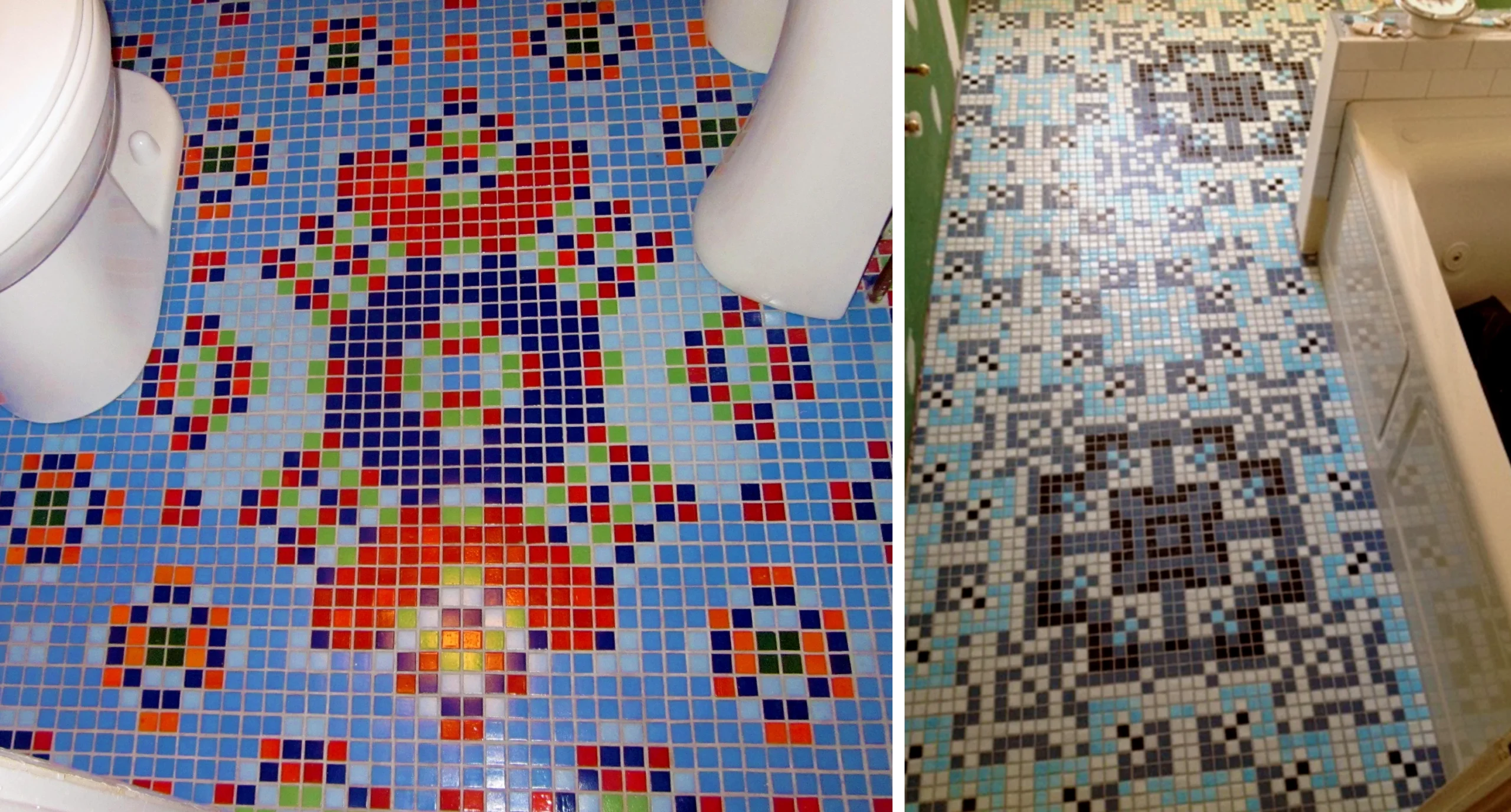
Following the development of the mathematical principles behind his unique patterns, Tokolo explored various applications. He collaborated with interior designers and architects, leading to the use of his designs in ceramic tiles and wall decorations. The patterns extended beyond decorative elements for homes, appearing in public spaces such as Tokyo trattorias, where they were frosted into glass partitions. Furthermore, Tokolo's designs were integrated into fashion and automotive industries, notably adorning Ooito jackets and Volkswagen Beetle seat fabrics, demonstrating their versatility and adaptability across diverse mediums.
The article emphasizes the compelling nature of Tokolo's work, particularly highlighting the original magnetic tile piece as the most remarkable example of his design philosophy. The consistent fit yet non-repeating characteristic of these patterns is described as a form of mathematical magic. This aspect of his work underscores the designer's ability to create complex, engaging patterns that offer endless possibilities for arrangement while maintaining an inherent harmony. Tokolo's designs, therefore, are not merely aesthetic but also incorporate a deep mathematical and philosophical underpinning, challenging conventional notions of pattern and repetition.
#AsaoTokolo #PatternDesign #JapaneseDesign #MathematicalArt #InteriorDesign #CeramicTiles #KarakusaPatterns #DesignInnovation #ModularDesign #AsaoTokolo #PatternDesign #JapaneseDesign #MathematicalArt #InteriorDesign #CeramicTiles #KarakusaPatterns #DesignInnovation #ModularDesign
0 comment in total
 No comments yet
You may also like

A Brief History of Tricky Mathematical Tiling

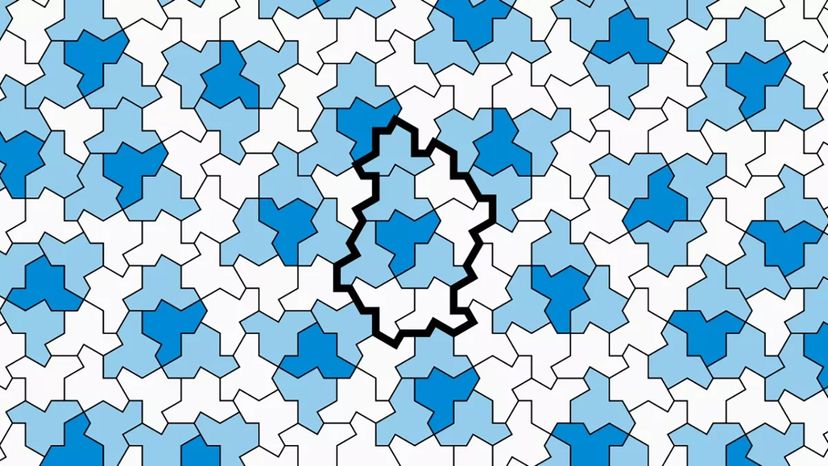
The 'Einstein' Tile: Mathematicians Find a Shape That Never Repeats
The ancient enigma that still resonates today

What Can Tiling Patterns Teach Us?
A Design Expert Reconsiders Maximalism
The Intersection of Art and Mathematics Blogs Home