1/5
A night to talk about design
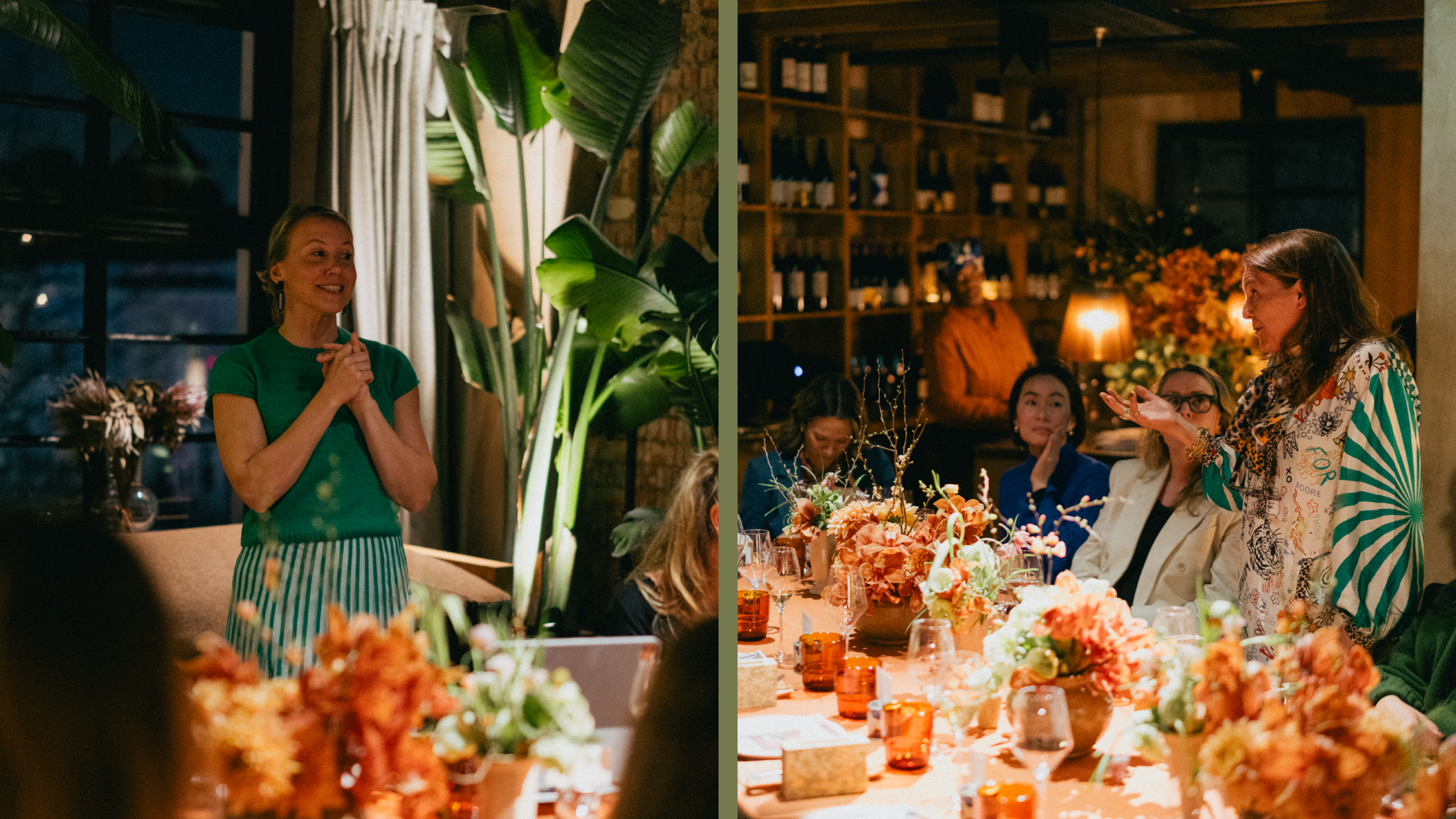
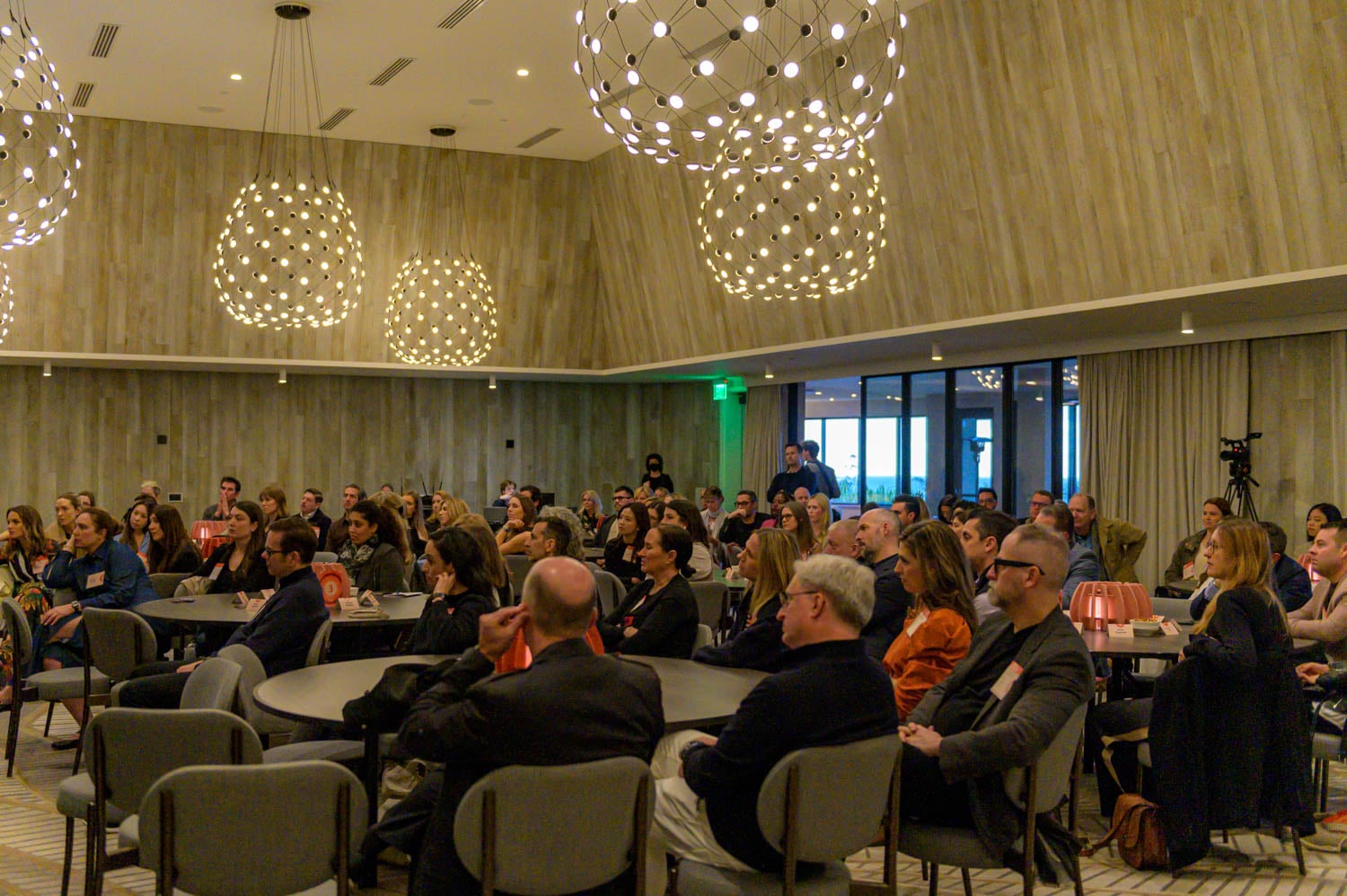
The TEDNYC Design Lab hosted a night of talks at TED HQ in New York City, featuring six speakers who delved into the intricacies of design. The event, curated by Chee Pearlman with content producer Cloe Shasha, explored the hard work and creative process behind exceptional design across various disciplines. Topics ranged from urban architecture and the impact of cityscapes to the power of images, accessible design, and the use of data in a humanistic approach.
Pulitzer-winning music and architecture critic Justin Davidson initiated the discussions by addressing the monotony of modern cities. He highlighted the prevalence of steel and glass buildings, which, despite their aesthetic appeal and practicality, have led to a simplification of urban architecture. Davidson argued that the rejection of traditional materials like wood, sandstone, and marble diminishes the sensory experience of a city. He emphasized that buildings define public spaces, citing examples like Plaza Mayor in Salamanca and Place des Vosges in Paris, which draw people in, contrasting them with glass towers that tend to alienate. Davidson advocated for an urban architecture that embraces the full spectrum of human experience, rather than defaulting to glass, which can create a cold and disquieting environment.
Françoise Mouly, art editor for The New Yorker, then discussed the power of an image to capture historical moments. She traced the magazine's iconic "Eustace Tilley" cover, originally a playful jab at Jazz Age aristocrats, and how it has evolved to reflect contemporary events. Mouly underscored the importance of a free press and the role of artists in contributing to cultural dialogue through their work, demonstrating how simple ink and watercolor can encapsulate significant social and political narratives.
Educator and fashion blogger Sinéad Burke brought attention to the often-overlooked aspects of accessible design. As someone with achondroplasia, Burke shared her firsthand experiences with designs that hinder independence, such as the height of bathroom stall locks or limited shoe sizes. She challenged the conventional understanding of accessible spaces, arguing that many are inadequately designed and can even inflict vulnerability. Burke's talk urged a reevaluation of design principles to be more inclusive and considerate of diverse user needs.
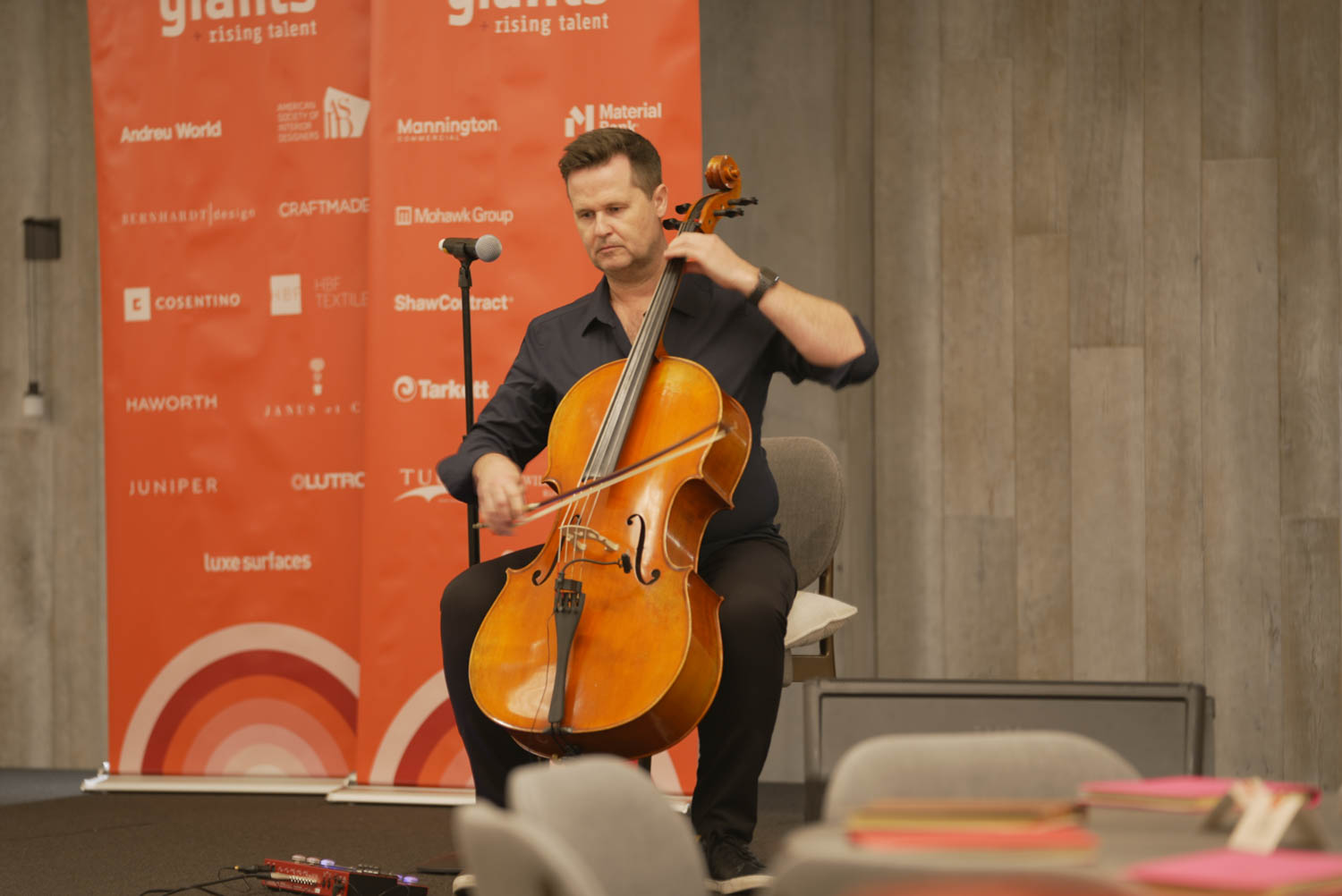
The event also featured a musical performance by Sofi Tukker, who captivated the audience with their hits “Hey Lion” and “Awoo.” The duo showcased their unique “Book Tree,” an instrument crafted from actual books that produces percussive beats, highlighting the intersection of design and musical innovation.
Giorgia Lupi, co-founder of the data firm Accurat, explored the challenges of data representation. Reflecting on past political events where data failed to predict outcomes accurately, Lupi stressed that limited or skewed information can distort reality. She introduced the concept of "data humanism," advocating for the inclusion of empathy, imperfection, and human qualities in how data is collected, processed, and displayed. Lupi argued that data alone cannot represent reality and that human stories are essential to transform abstract numbers into something relatable and meaningful.
Architect Siamak Hariri discussed the design of sacred spaces, focusing on his work on the Bahá’í Temple of South America in Santiago, Chile. Hariri elaborated on his endeavor to create a structure that evokes a sense of the ineffable through its interaction with light throughout the day. He described the meticulous process of sourcing materials, such as stone from Portuguese quarries, to achieve a profound architectural experience, culminating in the temple's splendid opening.
Finally, designer Michael Bierut shared a story about the unintended consequences of design. He recounted his work on rebranding libraries in New York City public schools for the Robin Hood Foundation, where his initial task of creating a logo evolved into a broader initiative. By collaborating with architects, photographers, and artists, Bierut helped transform library spaces with murals and art installations. He discovered that his involvement went beyond a mere logo, contributing significantly to bringing energy, art, and a renewed sense of learning to school libraries, inspiring both librarians and students.
#TEDNYCDesignLab #ArchitectureCritique #UrbanPlanning #AccessibleDesign #DataHumanism #SacredArchitecture #DesignThinking #NewYorkerCovers #SofiTukker #TEDNYCDesignLab #ArchitectureCritique #UrbanPlanning #AccessibleDesign #DataHumanism #SacredArchitecture #DesignThinking #NewYorkerCovers #SofiTukker
0 comment in total
 No comments yet
You may also like
Home & Design | Conversation Piece
2 Interiors Designers Talk Style, Inspiration & The Concept Of ‘Future Heritage’
A Cool Interior Designer Talks Style, Inspiration & More

How Sara Story found the perfect length for a client meeting

A Cool Furniture Designer Talks Style, Inspiration & More
Seven conversation pits that bring people and rooms together
5 questions with Dana Romeis of Castle Design

Design Guru Henry Holland Talks Style, Inspiration & More
Color and Creativity Combined at Livingetc's Latest Design, Directed Dinner


Watch Every Talk From the AD PRO Global Design Summit

Meet Chencong Zhang | Interior Designer & Spatial Experience Designer
Add These Installations To Your Milan Design Week Itinerary

Designers Talk ’tops

How to Design a 'Conversation Room' — The Space Everyone in Design Is Talking About
Core77 2011 Year in Review: Fine Furniture, Brilliant Lighting and Design from Around the World

Designers Talk Client Relationships At Arizona re:Source

Cuff Studio's Common Ground furniture and lighting collection unites "femininity with some testosterone"
Giants and Rising Talent Kicks Off With a Talk by Tom Kundig

Why Bad Design is Good

Design Bloggers Talk at Darien Library About Their Hit Video Series