1/2
7 Examples of How to Show Off Interiors in Your 3D Models, As Selected by Sketchfab
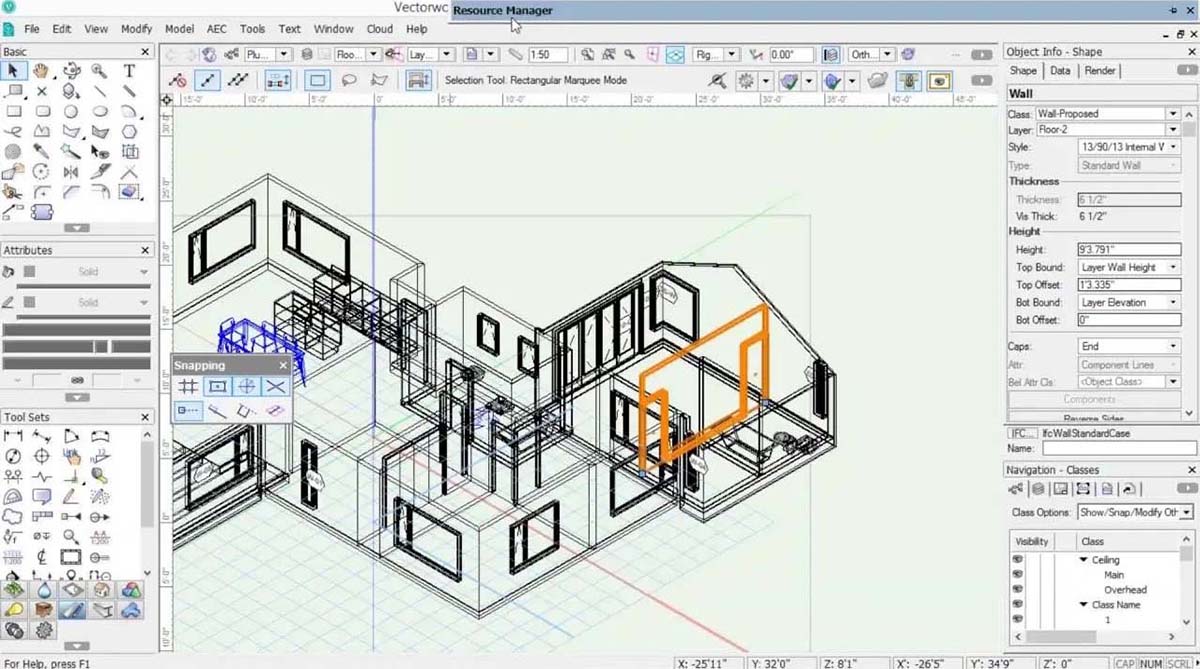
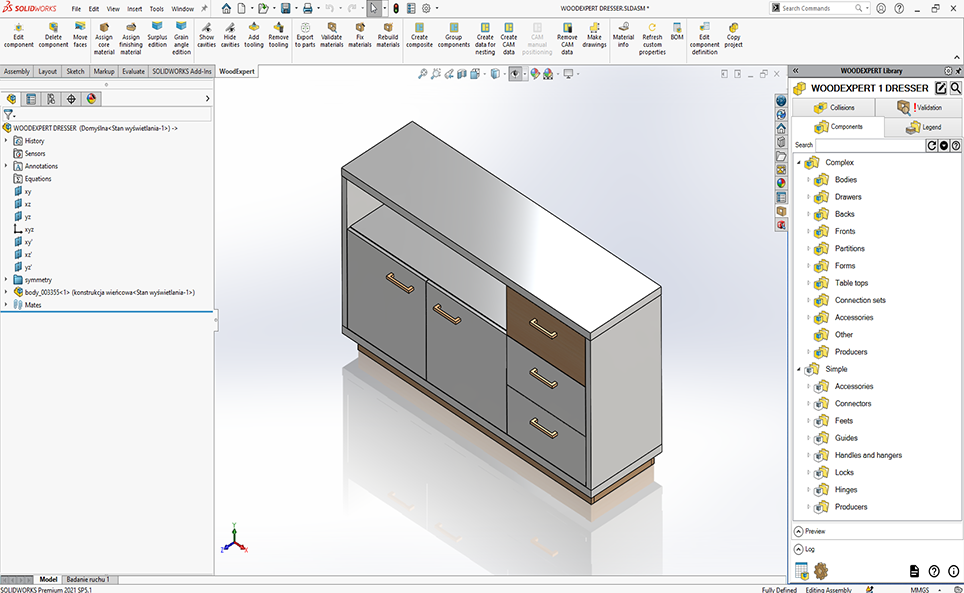
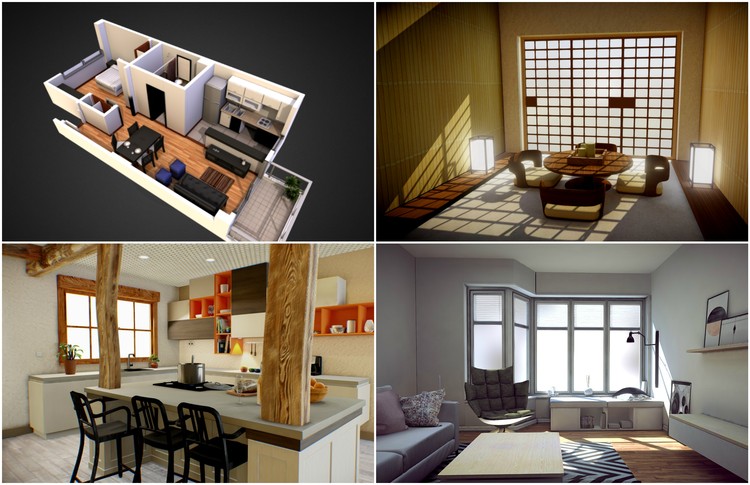
The challenge of effectively representing interior spaces within 3D models mirrors the complexities encountered with physical models. Traditionally, 3D modeling software prioritizes orbiting around the design rather than offering an immersive, internal perspective. While first-person viewing modes have improved this, the movement within these digital environments often lacks the natural simplicity of real-world navigation, making the presentation of interiors a frustrating endeavor. This article, part of the 'Selected by Sketchfab' series, addresses this persistent issue by showcasing inventive techniques for displaying interior spaces more effectively through 3D models. Sketchfab's curated examples demonstrate various approaches to overcome the limitations of conventional 3D visualization.
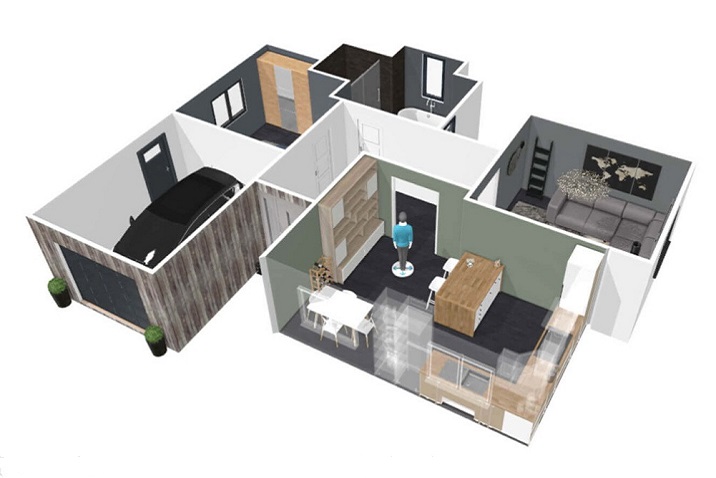
One featured example, 'Office' by Alex Romanuke, illustrates how a 3D model can be created and displayed without walls, using only the ceiling and floor to define the space. This method allows viewers to easily understand the spatial relationships and layout without obstruction. Another technique, presented in 'House N' by Shuhei Endo, uses a cutaway model where the exterior walls are removed to reveal the interior. This provides a clear overview of the internal design while still hinting at the overall architectural form. Similarly, the 'Salk Institute, Louis Kahn' model by Juan Luis Reolid leverages a cutaway approach to expose intricate interior details.
The article also highlights innovative ways to animate models for better interior visualization. For instance, in 'Apartment 1605' by Artur Szostak, a door is animated to open, inviting the viewer into the space and offering a dynamic entry point. 'Room with Furniture' by Anna Stępniewska demonstrates the use of annotations within the 3D model, allowing specific elements of the interior to be highlighted and explained, enhancing the viewer's understanding of the design choices. Another model, 'Loft Conversion' by Thomas Winkley, utilizes an exploded view where elements of the building are separated, providing a comprehensive understanding of how different components contribute to the interior layout and overall structure.
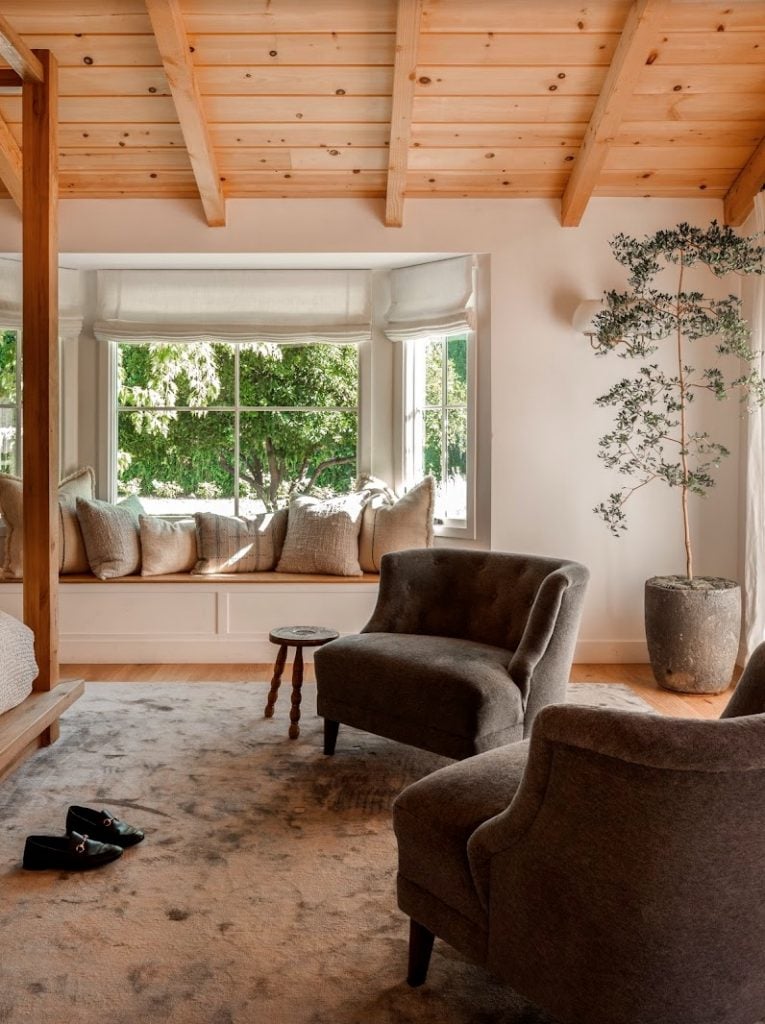
Furthermore, 'Interior Design: Room' by Darya Zaretskaya showcases how a fully rendered interior can still be effectively presented by focusing on strategic camera angles and lighting to guide the viewer's eye through the space. These diverse examples from Sketchfab's platform collectively illustrate that creative solutions exist for effectively communicating the nuanced experience of interior spaces in 3D models. By employing techniques such as wall removal, cutaways, animated access points, interactive annotations, and exploded views, designers can overcome traditional visualization hurdles and present their interior designs with greater clarity and immersion.
#3DModeling #InteriorDesign #VirtualReality #ArchitecturalVisualization #Sketchfab #DigitalDesign #ArchitecturalModels #VisualizationTechniques #3DModeling #InteriorDesign #VirtualReality #ArchitecturalVisualization #Sketchfab #DigitalDesign #ArchitecturalModels #VisualizationTechniques
0 comment in total
 No comments yet
You may also like

Nine creatives designing dreamy renderings
From atriums to mezzanines: 7 stylish ways to design your interior floor plan
9 of the Most Stunning Examples of Interior Design in Movies

Designer Showhouses

Interior Design Masters and 7 more shows to watch for homes inspiration


Room Design App: 7 Best Apps to Design Your Own Room

10 Best Free Kitchen Design Software in 2024

SEE IT: 3 creative interior design looks to help with your kitchen remodel
10 Unique Interior Design Features To Steal From Our Home Tours
The Differences Between an Interior Designer and an Interior Decorator

Interior Designers Share Their Highlight Reels
Artist Paints Home Interior In An Unusual Way To Create A 2D Illusion, And Here Are 33 Pictures Of Her Work
Explore Interior Design’s Hall Of Fame Icons On Screen

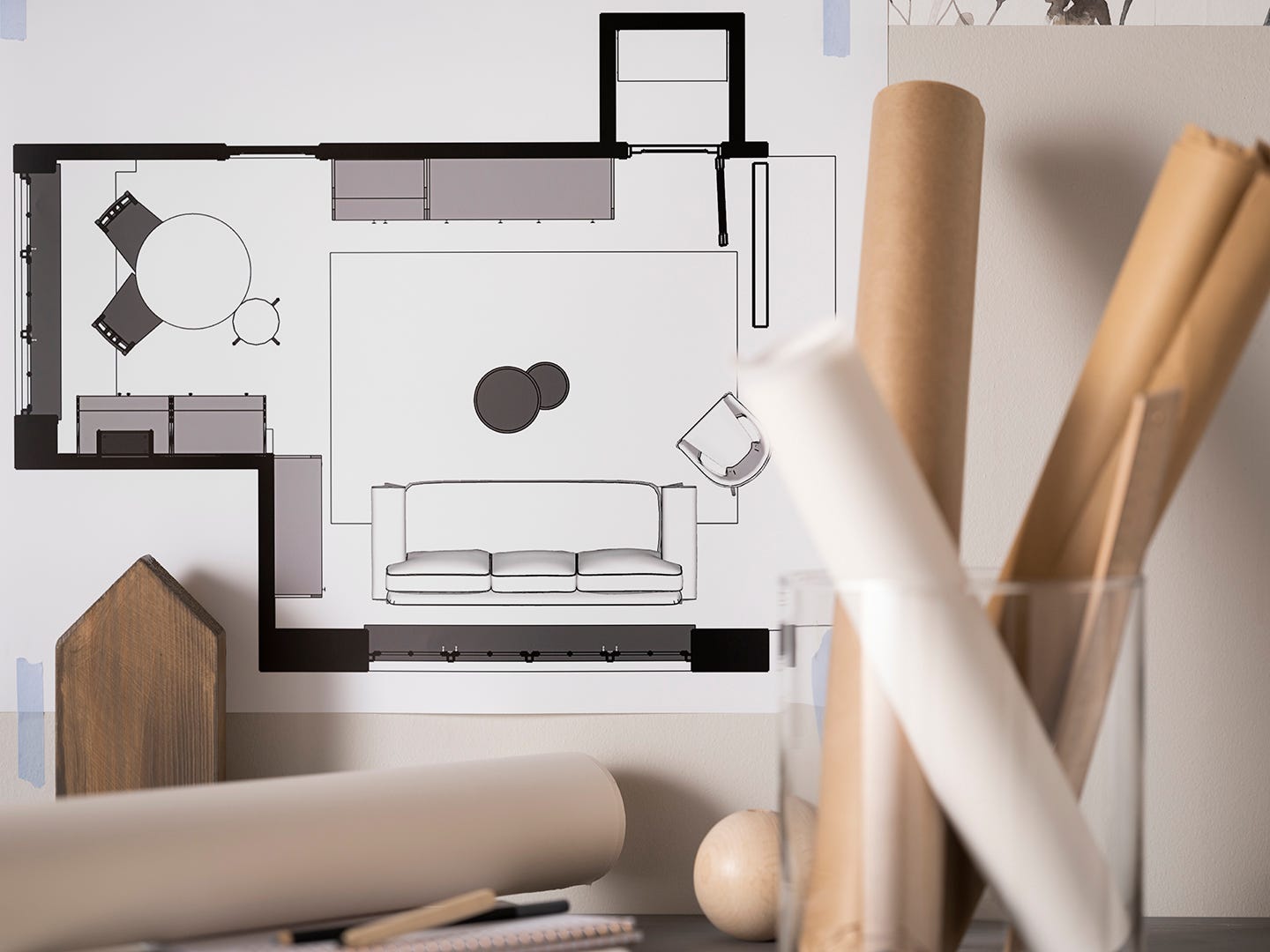
These Online Interior Design Services Turn Your Dream Home Into Reality

how to style a 3D gallery wall
This 'Lazy' Way of Displaying Art, Conveniently, Also Happens to Be the Best Looking

Best interior design software of 2025: Top home design tools fully tested

10 useful furniture design software for your personalized design solutions

10 free AI interior design generators
Creative interior design looks to help you redesign your home office