1/10
how to style a 3D gallery wall
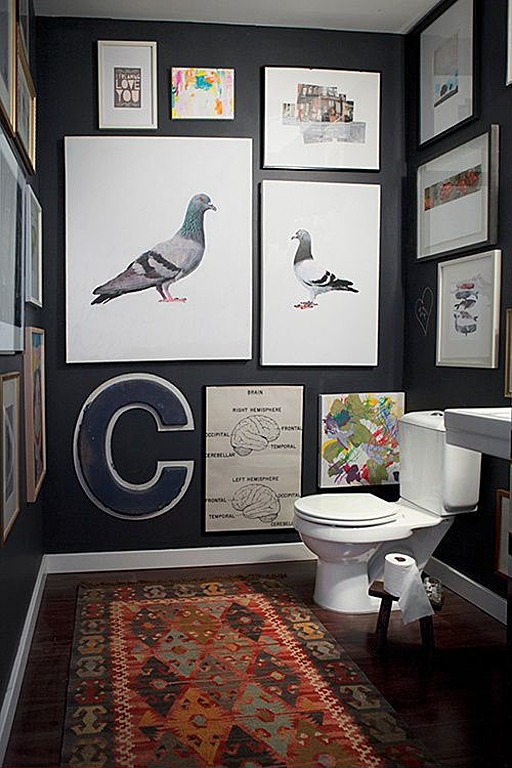
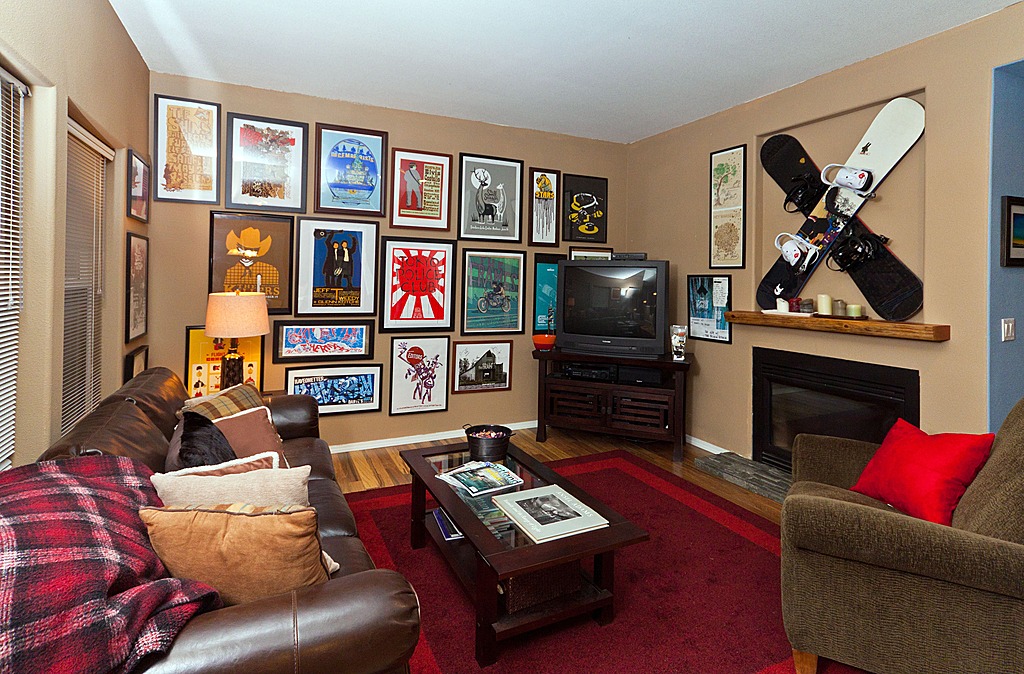
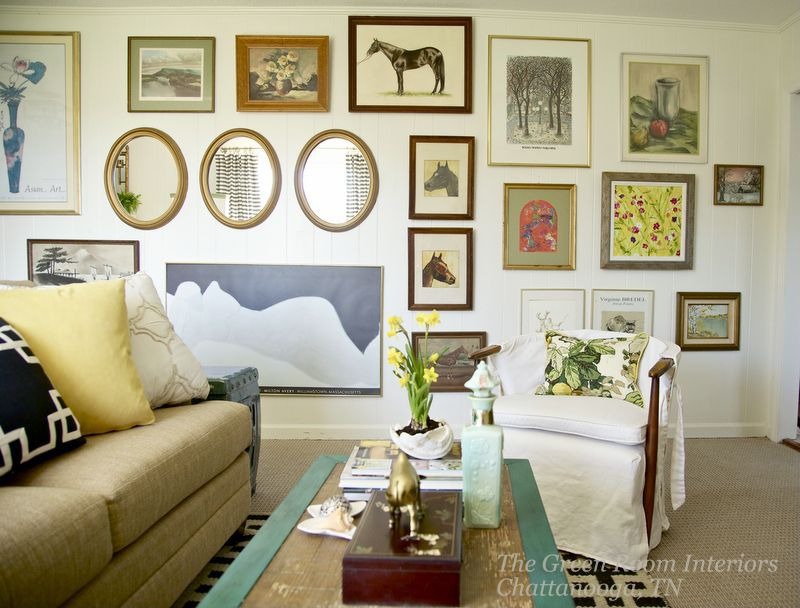
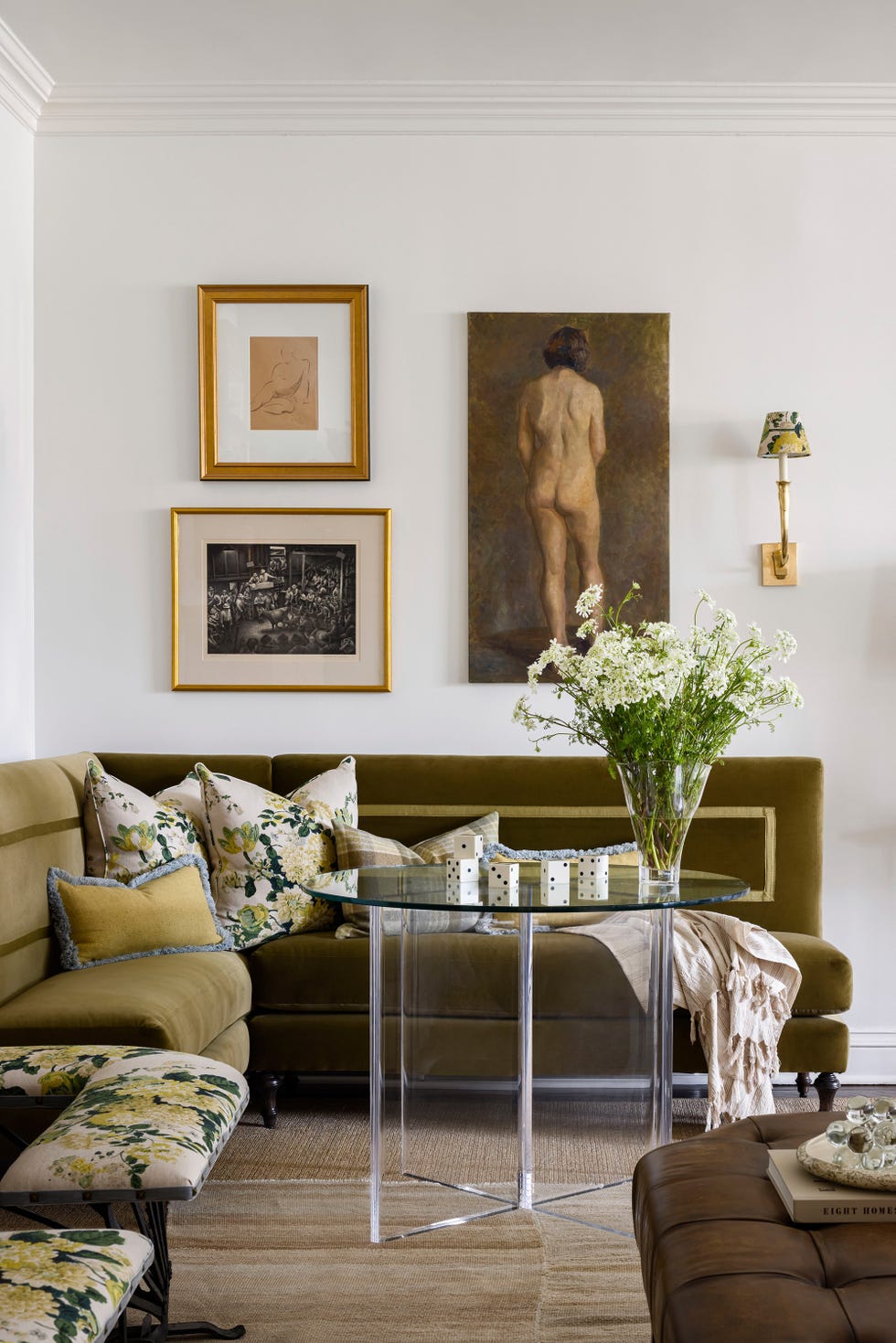
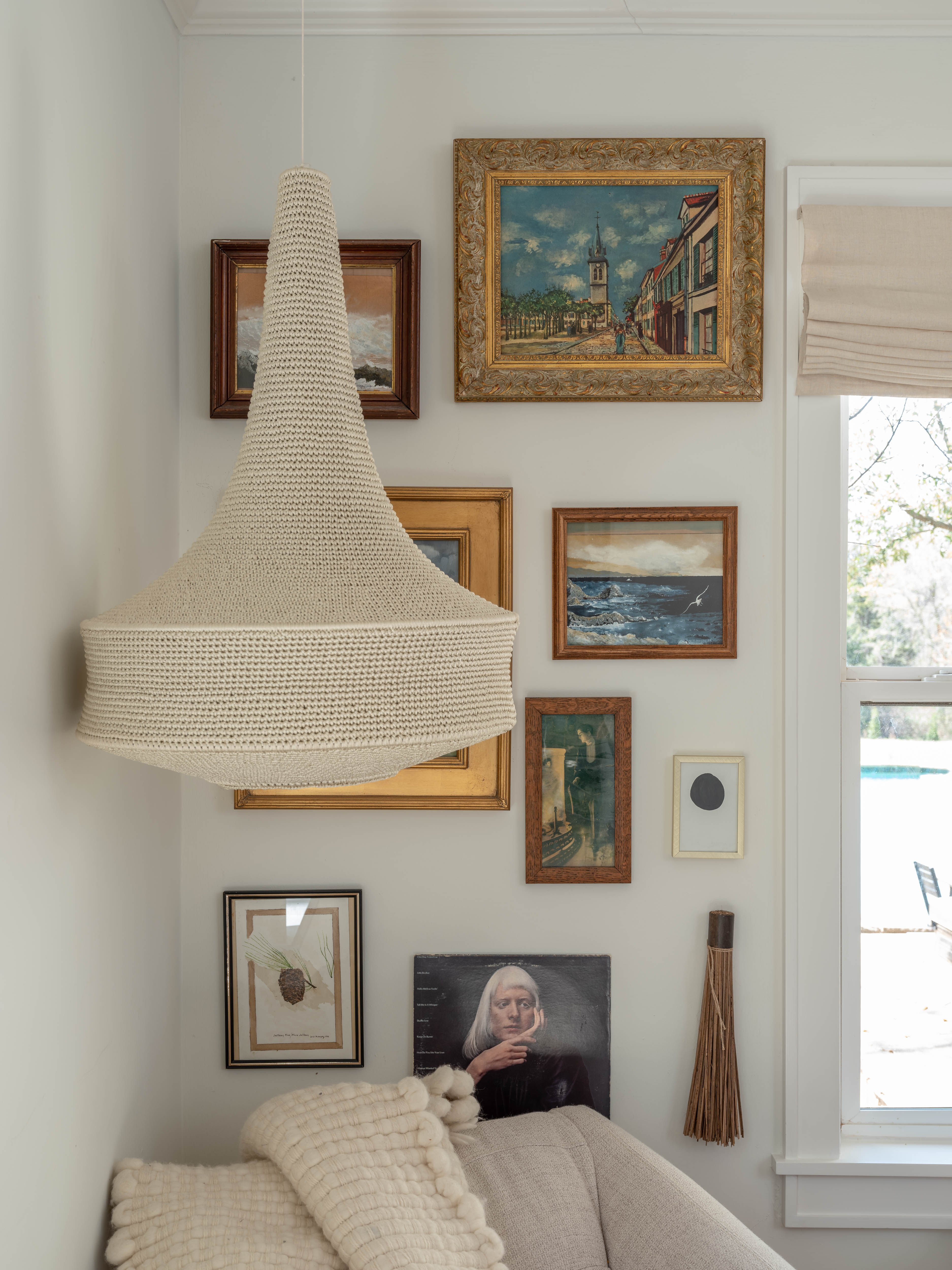
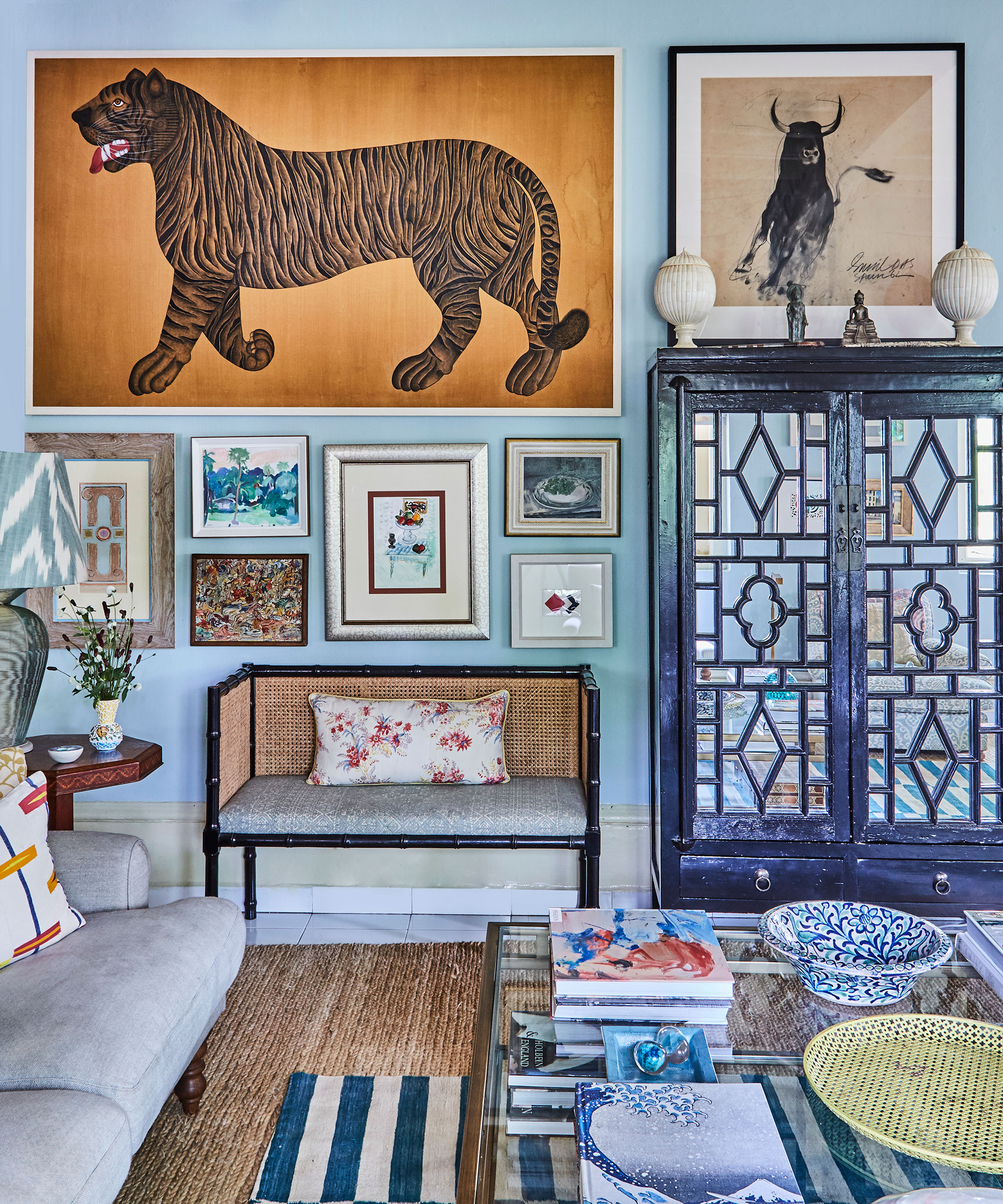
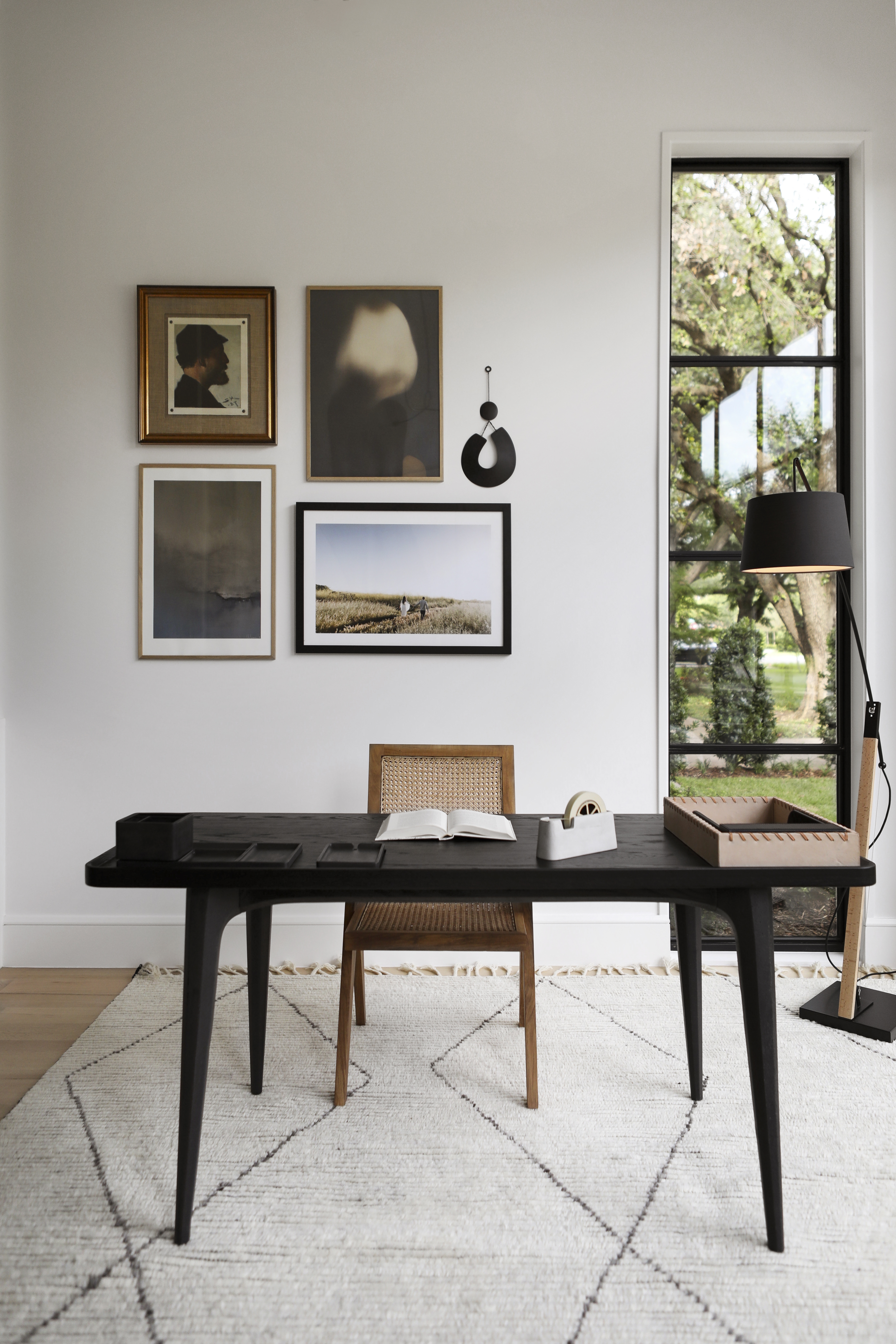
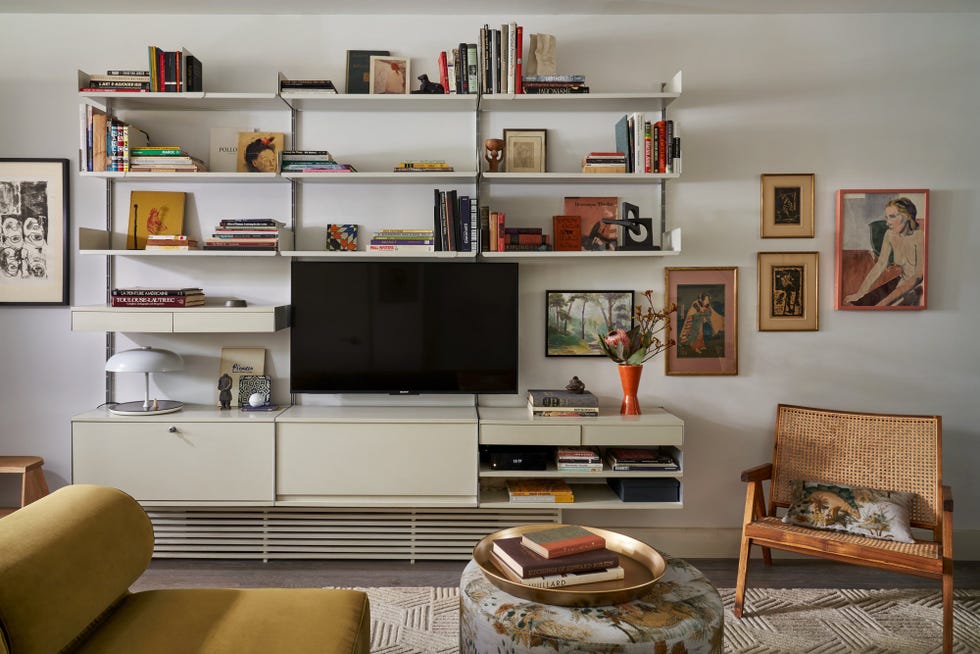
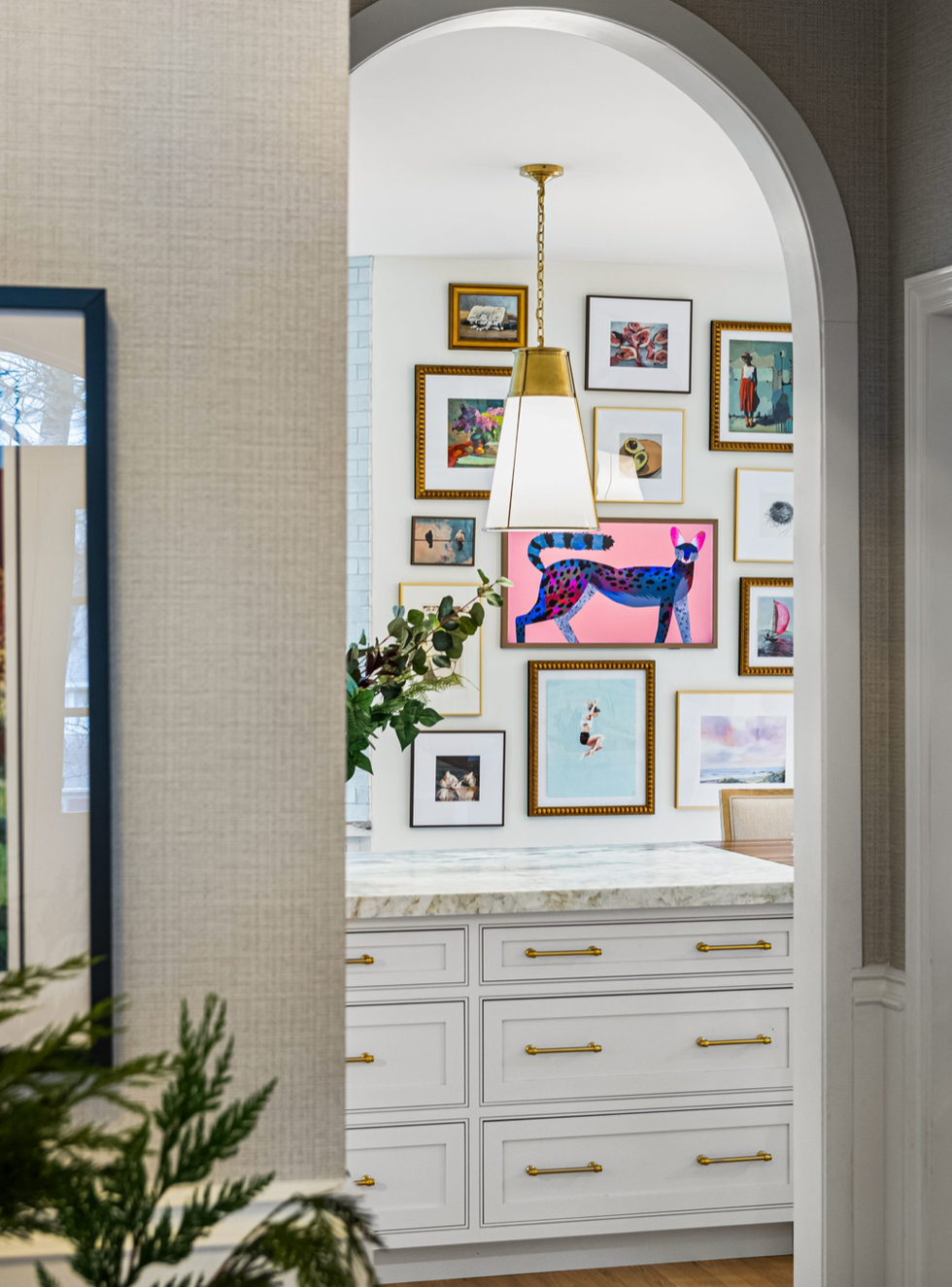
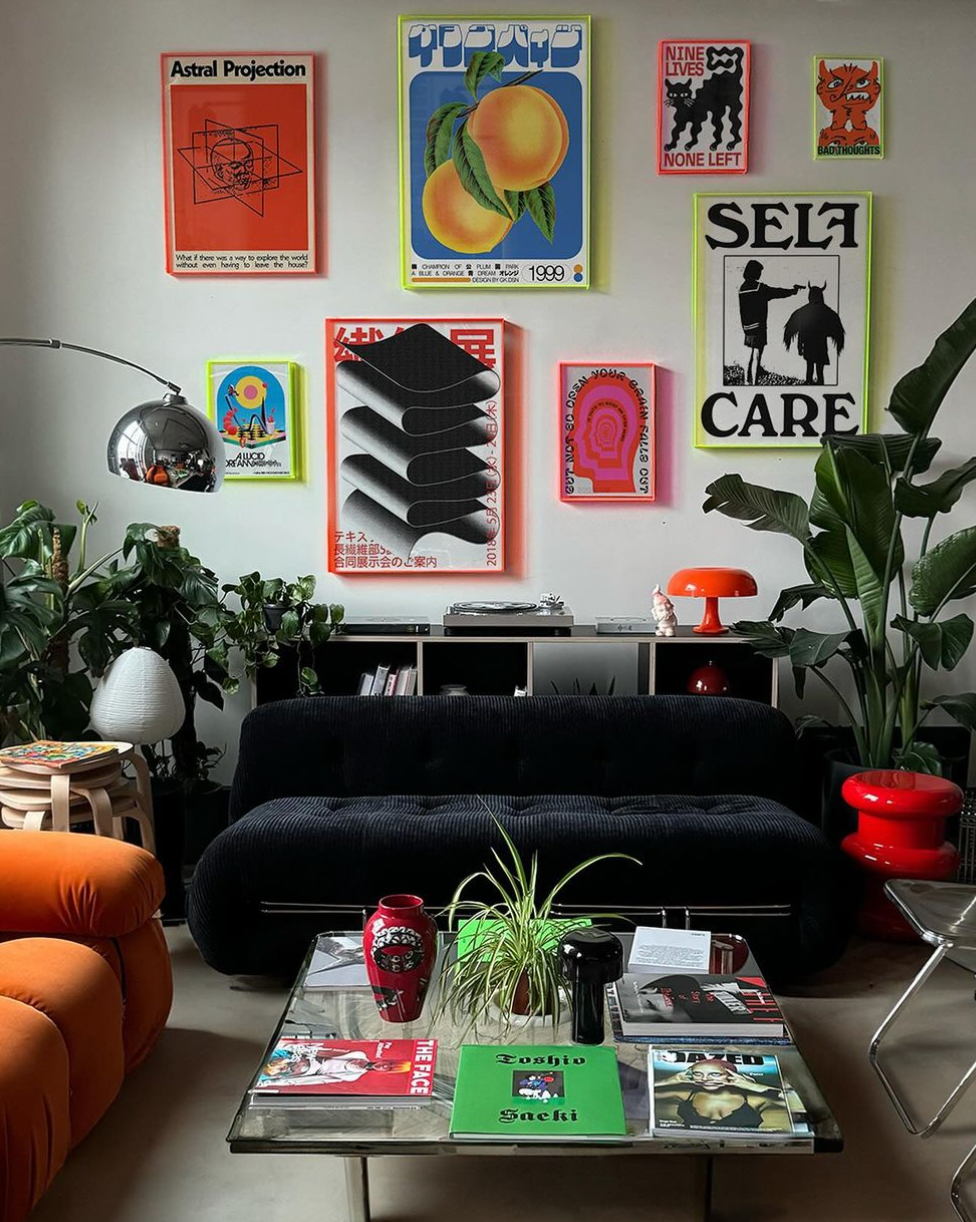
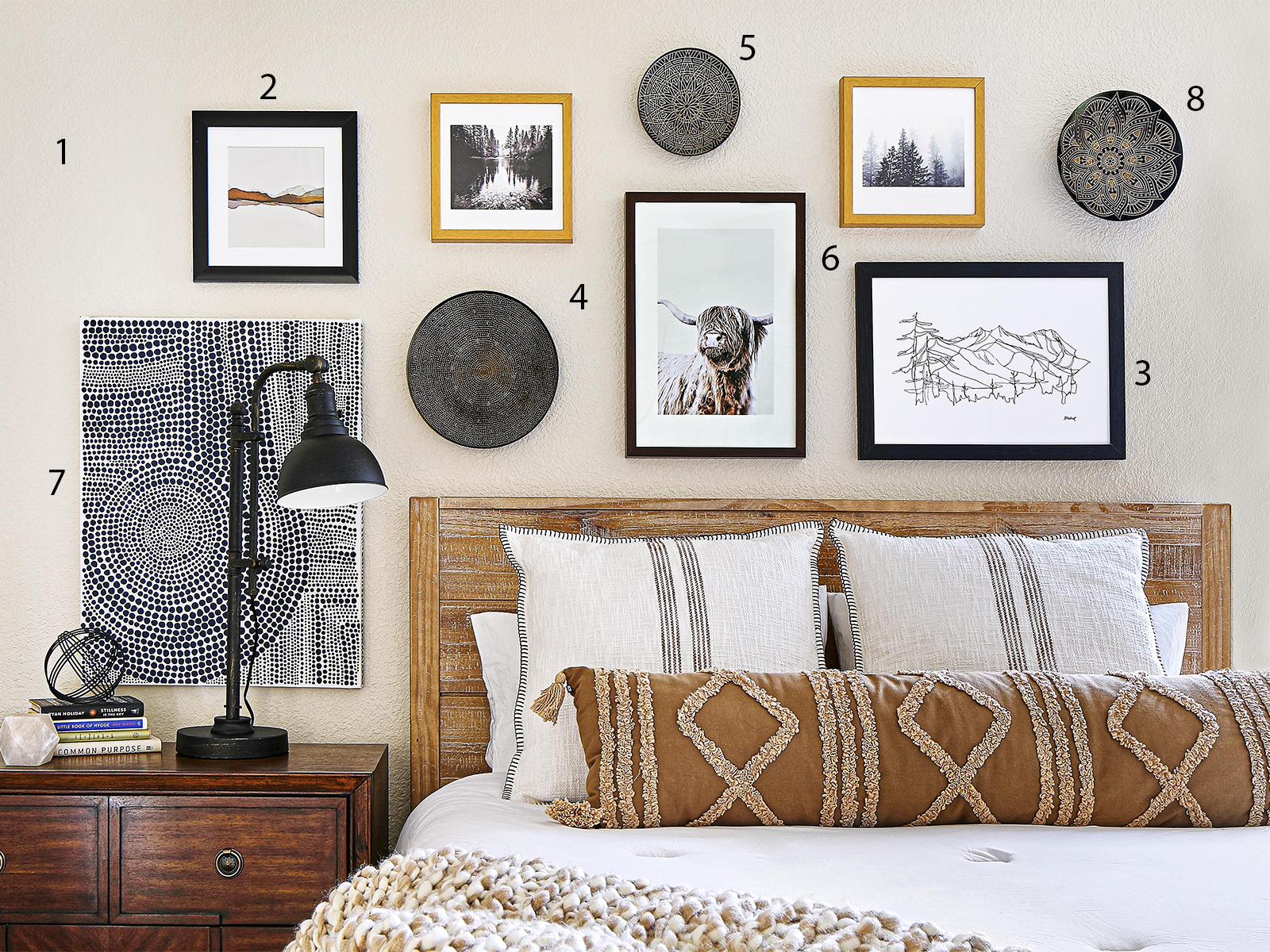
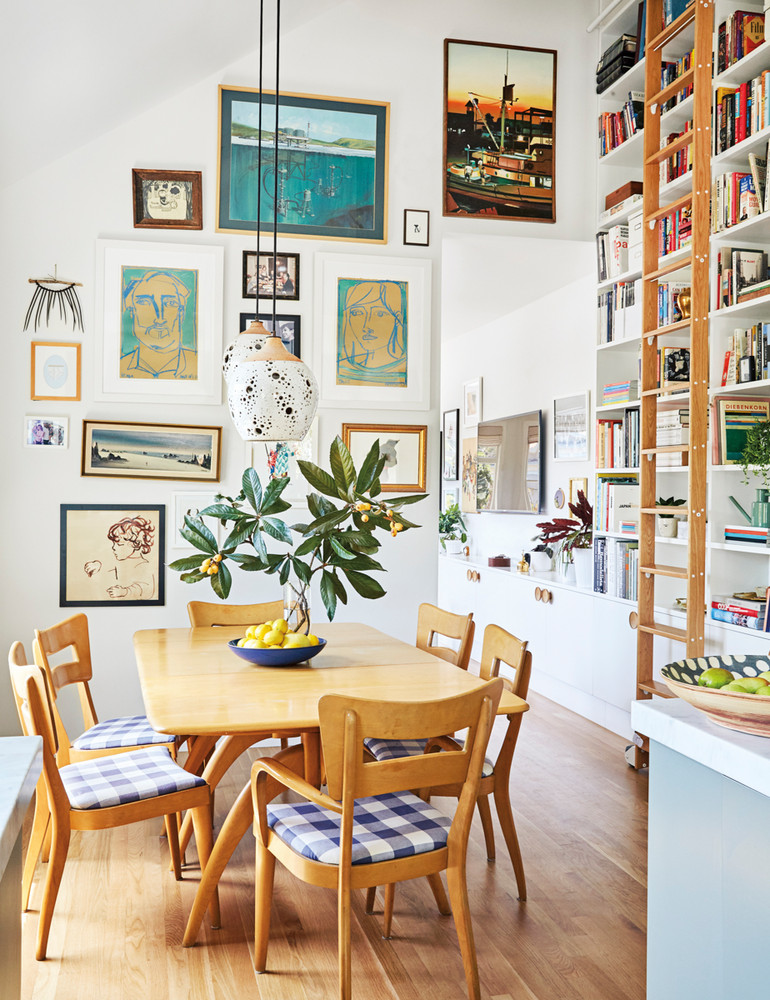
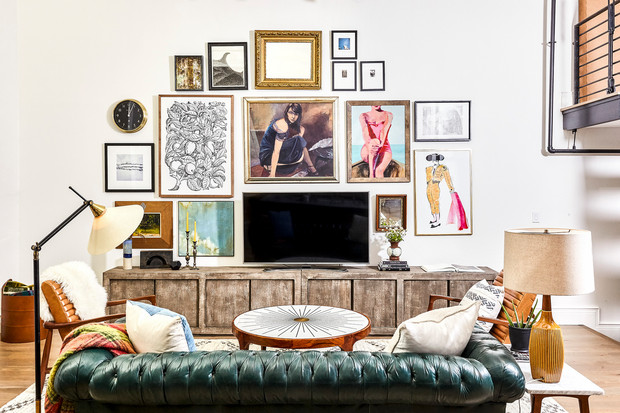
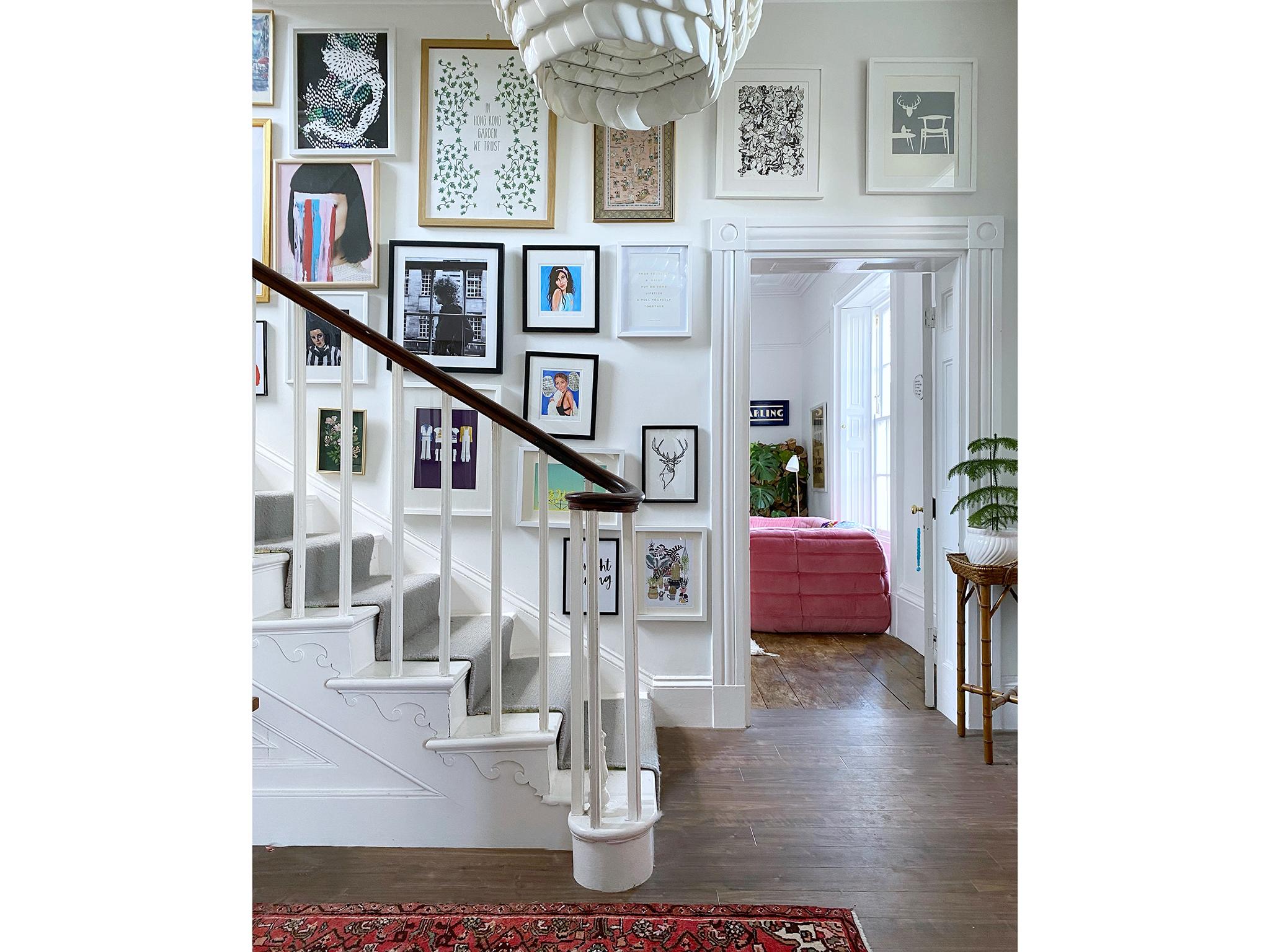
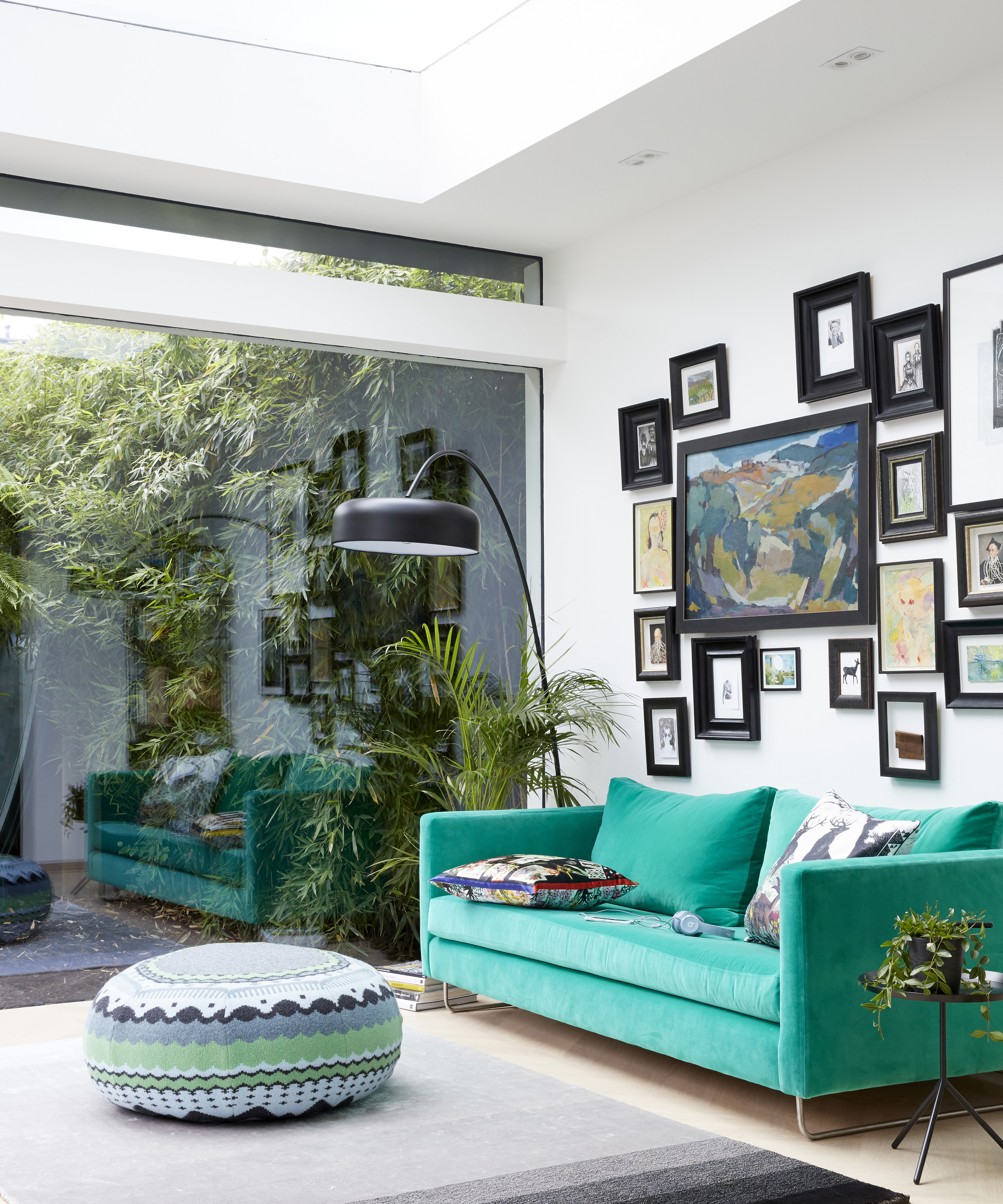
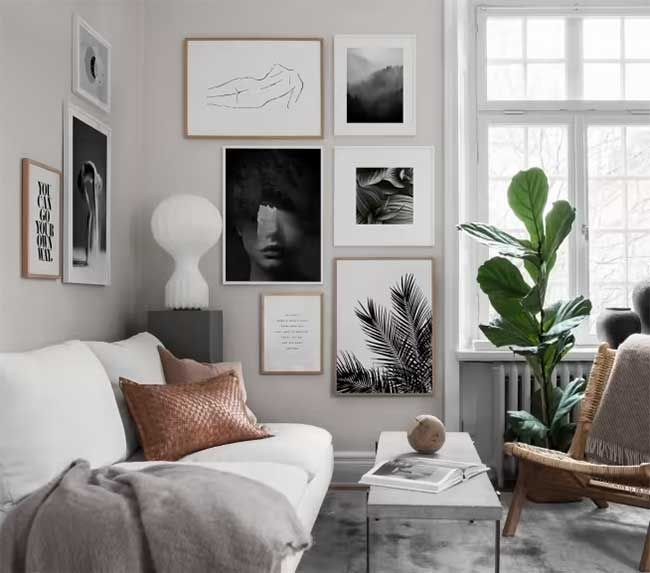
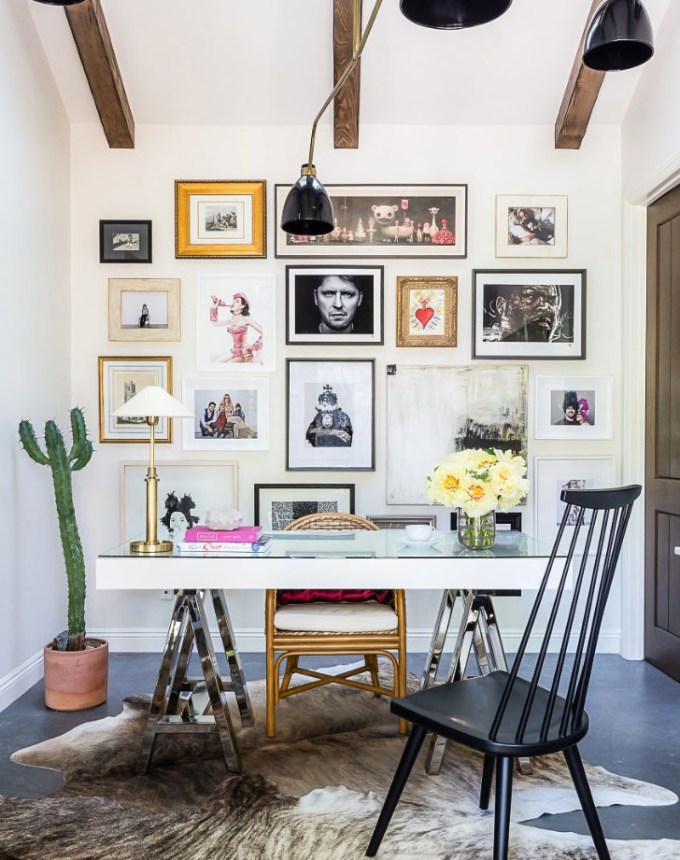
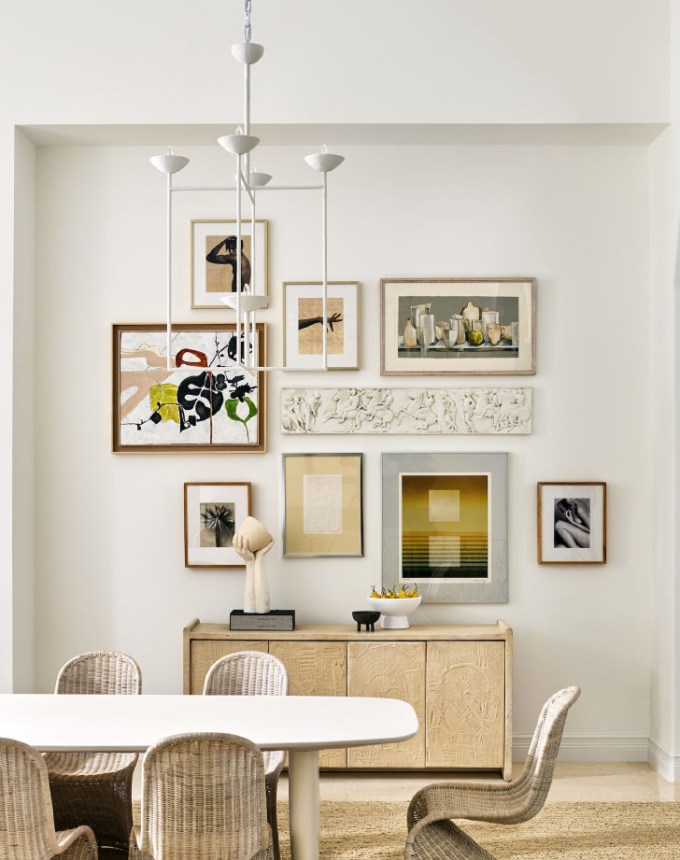
This article explores the growing trend of incorporating three-dimensional objects into traditional gallery walls, moving beyond flat, two-dimensional art. While the idea of a 3D gallery wall might seem daunting, the article reassures readers that the process is similar to creating a standard gallery wall, with a few key considerations.
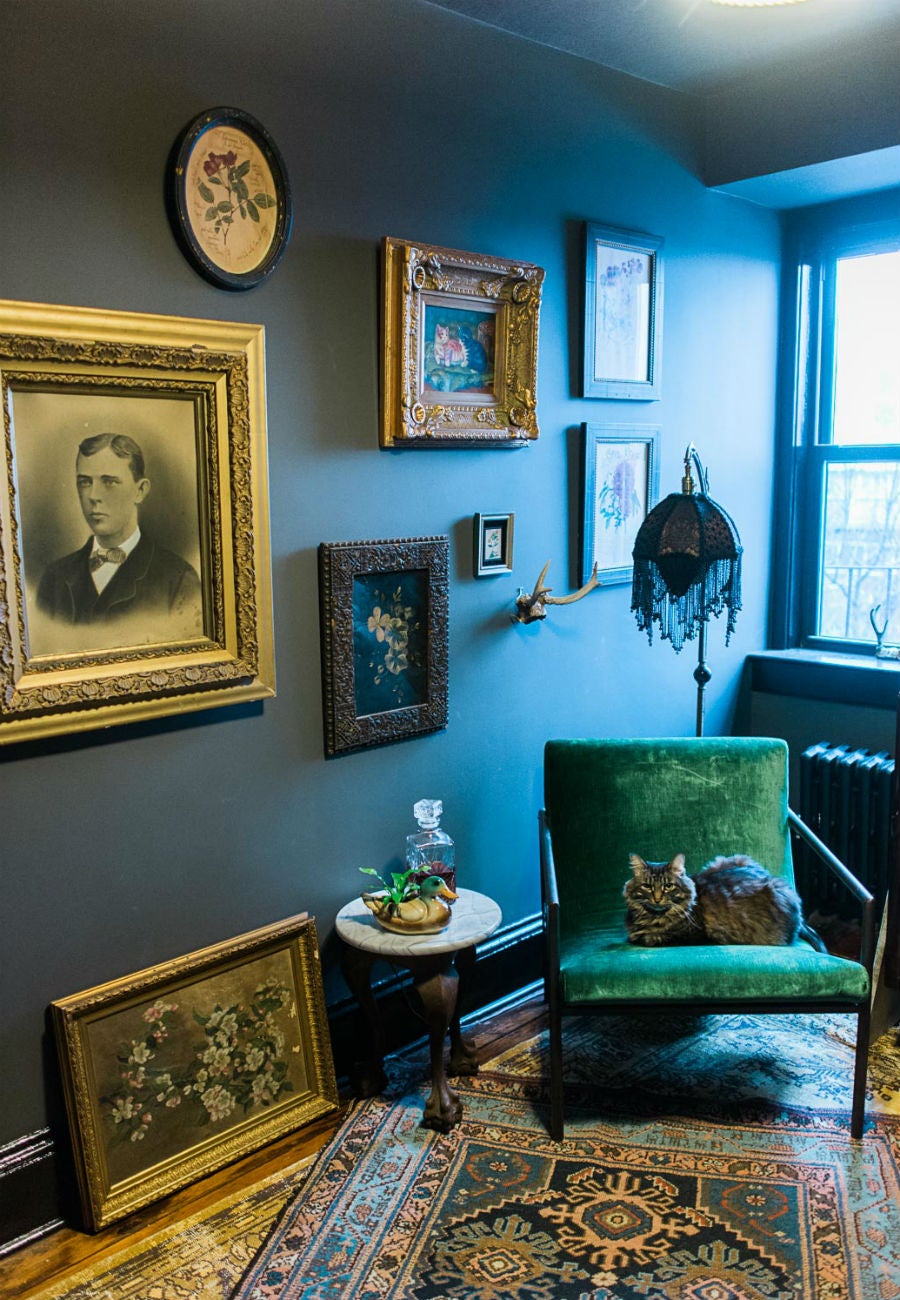
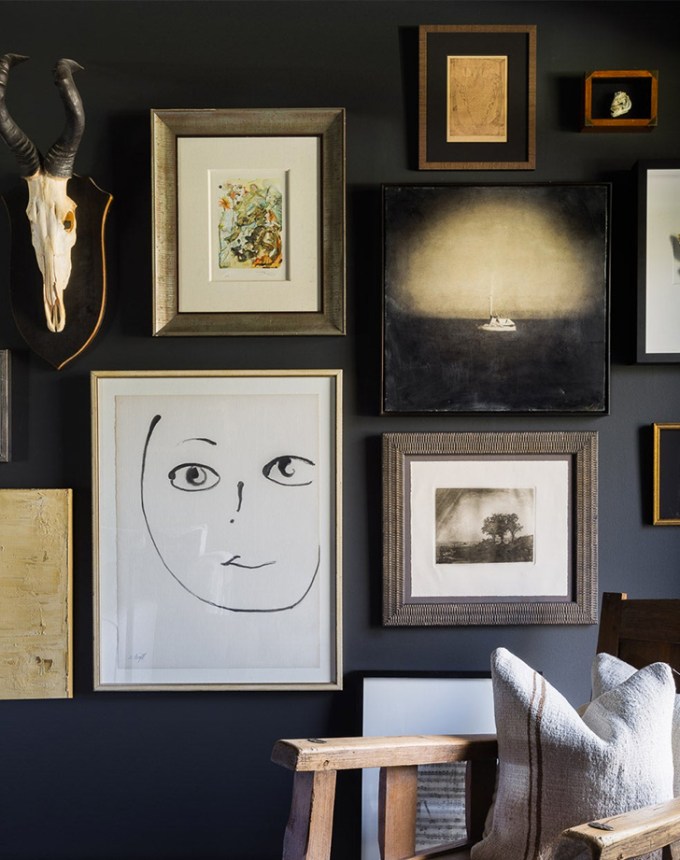
The piece gathers insights from various designers and individuals who have successfully implemented 3D elements. Mandy Kellog Rye, founder of Waiting on Martha, describes how a juju hat initiated her 3D gallery, which she then balanced with masculine objects like antlers and a skateboard to complement predominately feminine art. Her advice emphasizes sprinkling 3D objects as a secondary story rather than forcing their inclusion.
Kate Schelter, an artist and creative director, highlights the organic evolution of her gallery wall, composed of cherished artwork and instruments, including a custom-made banjo that serves as both a decorative piece and a functional item for her husband to play. She encourages experimentation and advises against overthinking the process, noting that hanging objects is an inexpensive way to transform a room.
Kiera Kushlan, design principal at Residents Understood, advocates for even a single 3D item to add visual weight and depth, making a gallery wall feel more personal. She shares the story behind a sculpted metal flower from Passion Works, a meaningful wedding gift from her hometown, which stands out as the sole 3D piece. Kushlan's tips focus on strategic placement, suggesting off-center positioning for a more organic feel and maintaining proportionality with surrounding frames.
Teresa Wilson, owner of Camelback Flowershop, views 3D pieces as crucial for setting the design tone and creating interest within a gallery wall. She recommends starting with the largest 3D pieces at the center and building outwards, balancing light and dark tones, and varying frame sizes and orientations while maintaining consistent spacing. Nathaniel Eggleston, an artist and educator, sees his 3D gallery wall as a collection of memories from his travels, with each object telling a story. He advocates for a non-traditional, asymmetrical approach, allowing pieces to accumulate and trickle across the wall, breaking away from conventional symmetry.
Spencer Roth, a musician, explains his motivation for a 3D gallery wall as a desire to add depth and uniqueness, even incorporating a cabinet drawer filled with meaningful items. He emphasizes resourcefulness and a thoughtful layout, with antlers descending from a banister and other pieces gradually spreading out. His advice includes the principle of "less is more" and a caution to be mindful of head clearance.
Finally, the article provides actionable advice from Domino's experts: start small with items like sconces if new to 3D gallery walls, pay attention to spacing to achieve a desired aesthetic, recognize that 3D objects don't have to be valuable treasures (mirrors or existing wall hangings suffice), and reimagine the concept of a gallery wall to include even a few photos and a sconce to embrace the 3D trend. The article concludes by suggesting resources for different gallery wall layouts.
#GalleryWall #3DDesign #HomeDecor #InteriorDesign #WallArt #DesignTips #PersonalizedSpaces #CreativeDecor #HomeStyling #GalleryWall #3DDesign #HomeDecor #InteriorDesign #WallArt #DesignTips #PersonalizedSpaces #CreativeDecor #HomeStyling
0 comment in total
 No comments yet
You may also like
How to create a gallery wall in your home
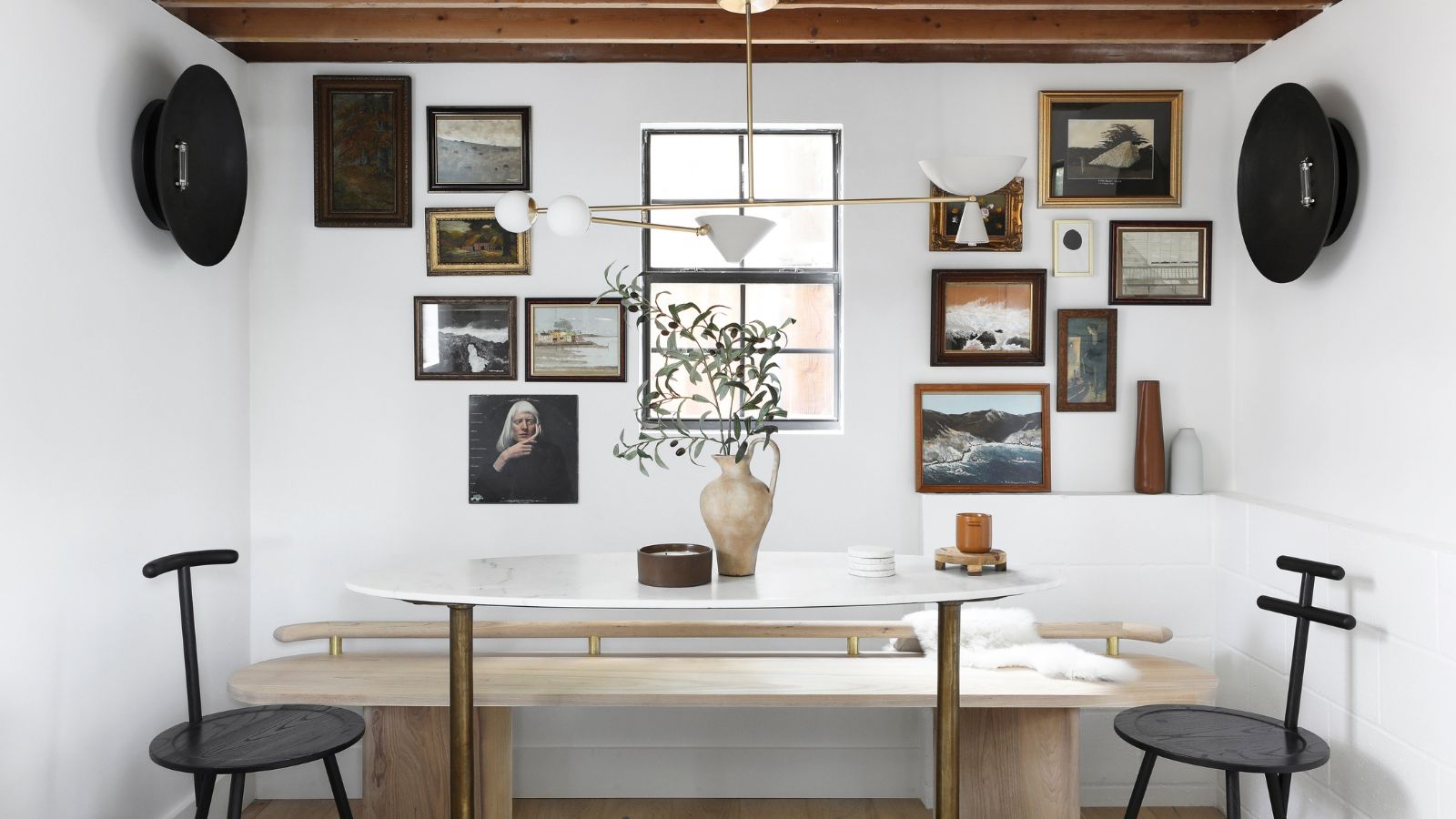
5 common gallery wall mistakes designers warn to always avoid – to create the chicest of displays

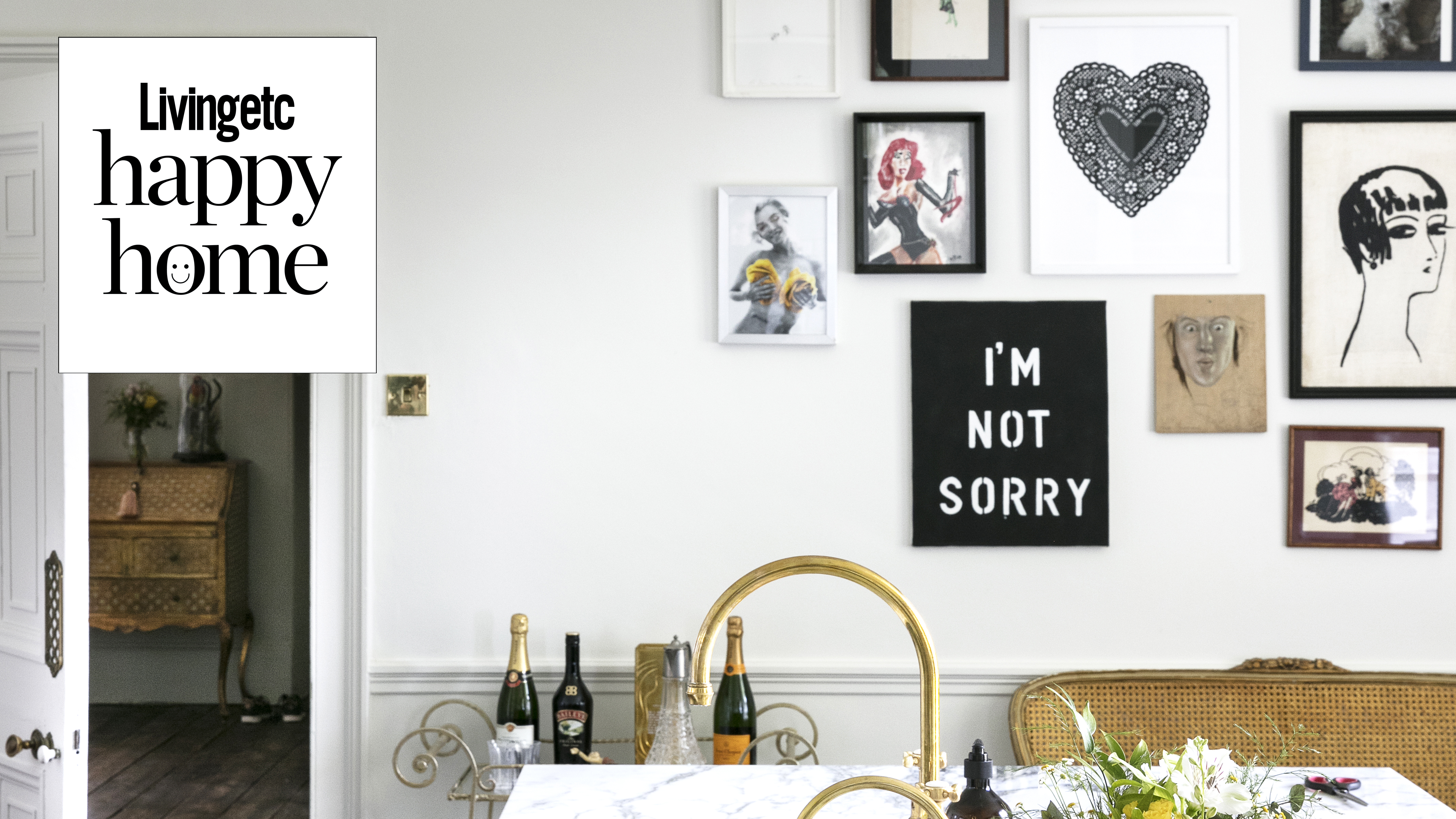
Expert tips for creating a happy gallery wall without sacrificing style

Style at Home: Creating the perfect gallery wall

to create a gallery art wall - Ideas & Advice

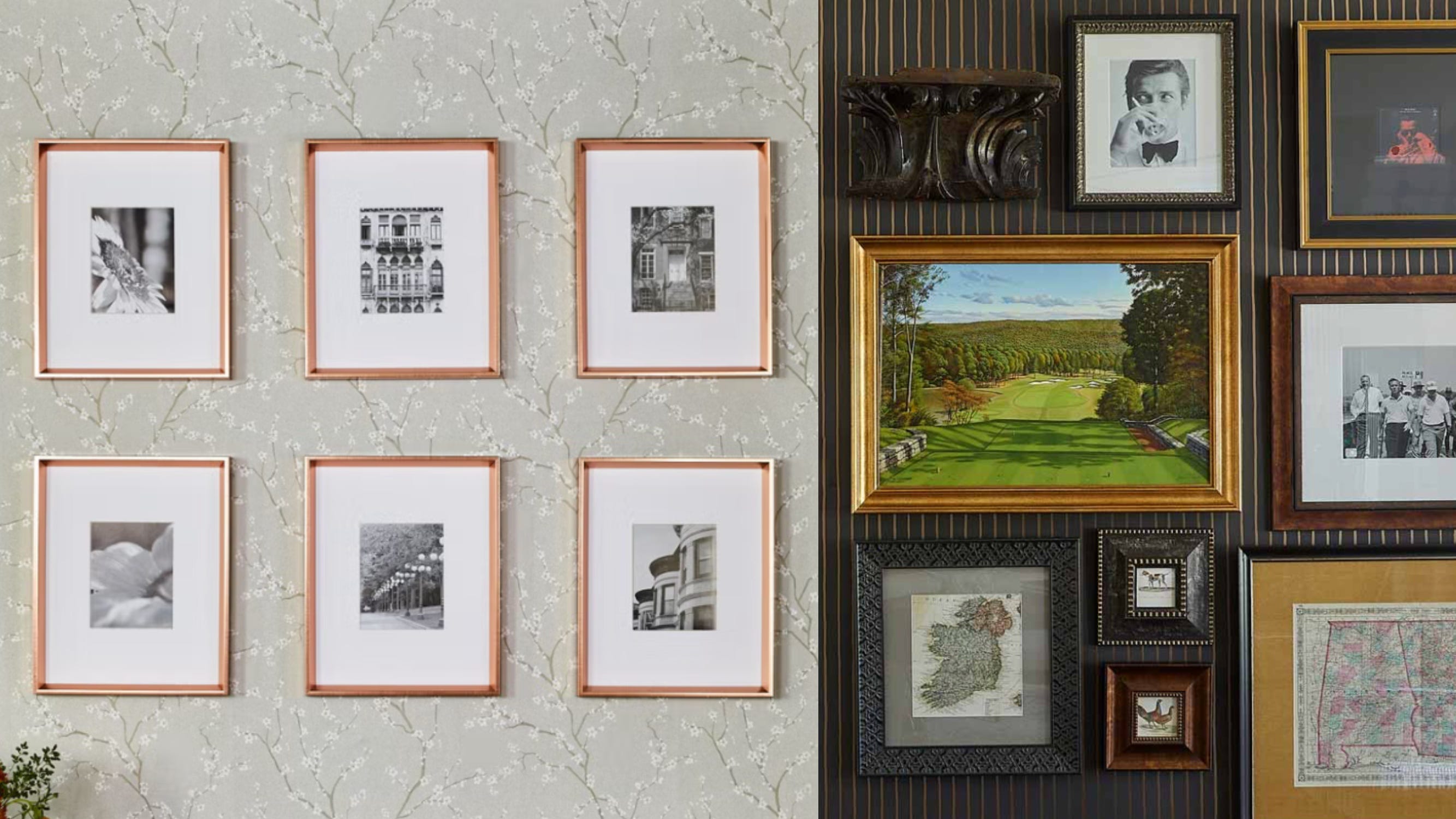
Matching or Mismatched Gallery Wall? Big-Time Designers Have a VERY SPECIFIC Preference

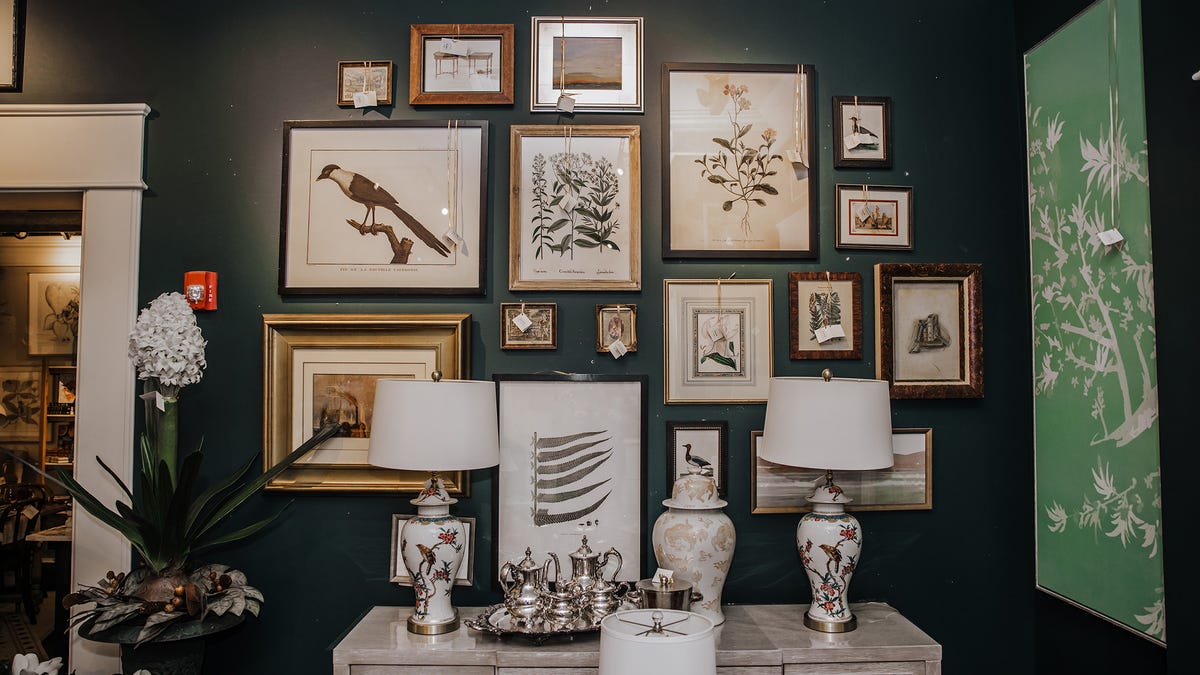
Style at Home: Creating the perfect gallery wall

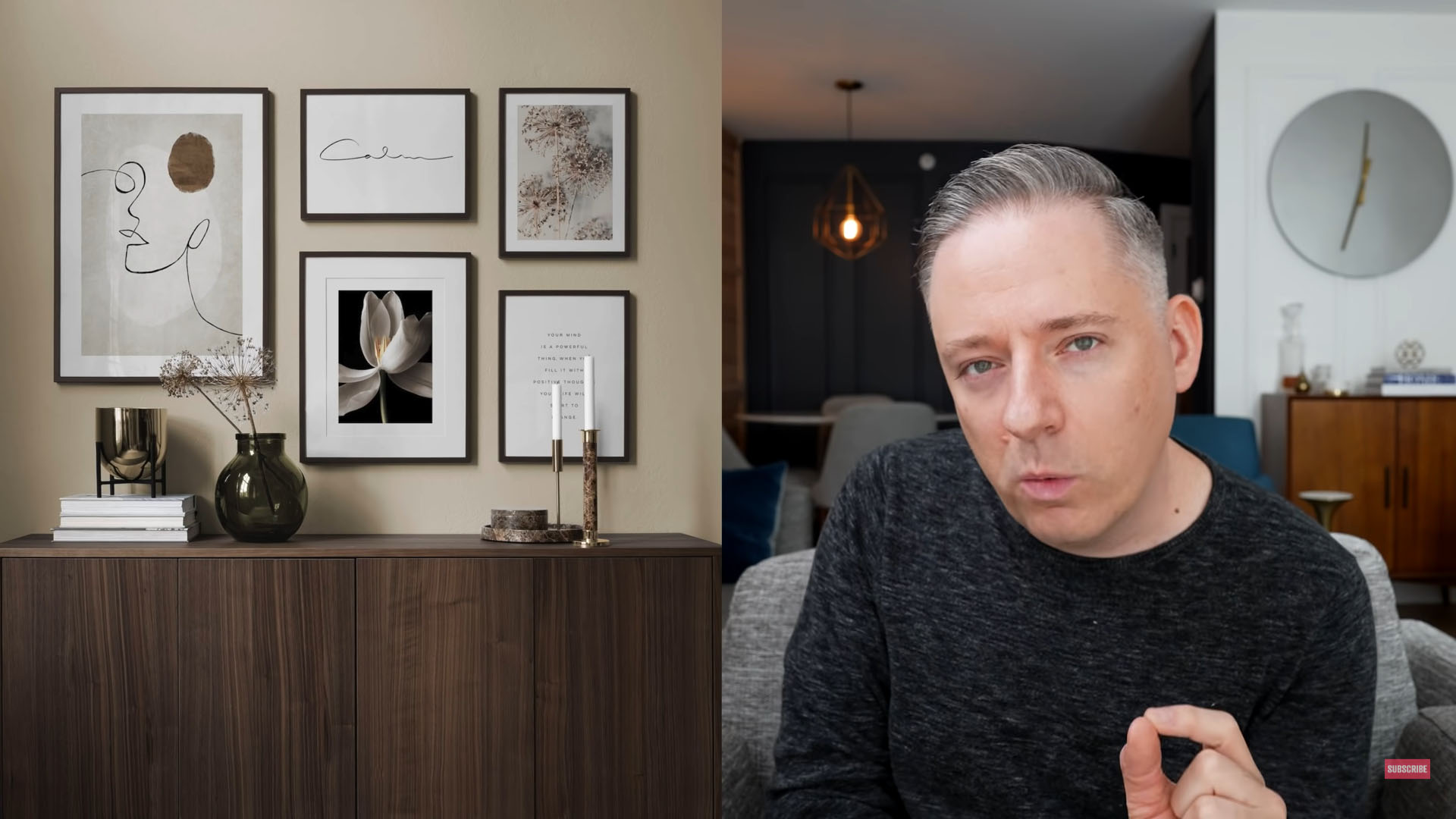
I'm an interior designer - how to create a gallery wall without it looking tacky - people always make the same mistakes

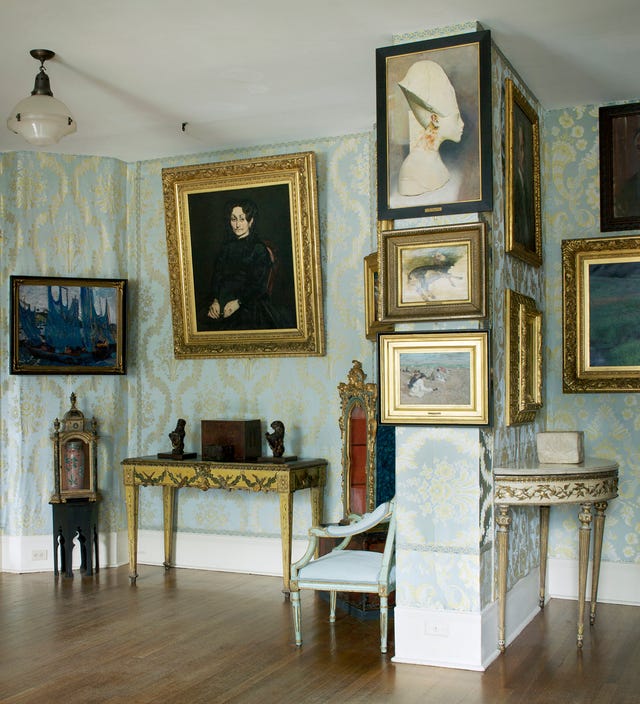
How to Make a Gallery Wall Like an ELLE Decor Editor
How to Create a Gorgeous Gallery Wall in Your Home


I'm an interior designer - how to create a gallery wall without it looking tacky - people always make the same mistakes

7 DIY tips for how to hang a gallery wall from experts
Ask The Expert: How To Create A Gallery Wall

The Best Gallery Wall Ideas Right Now

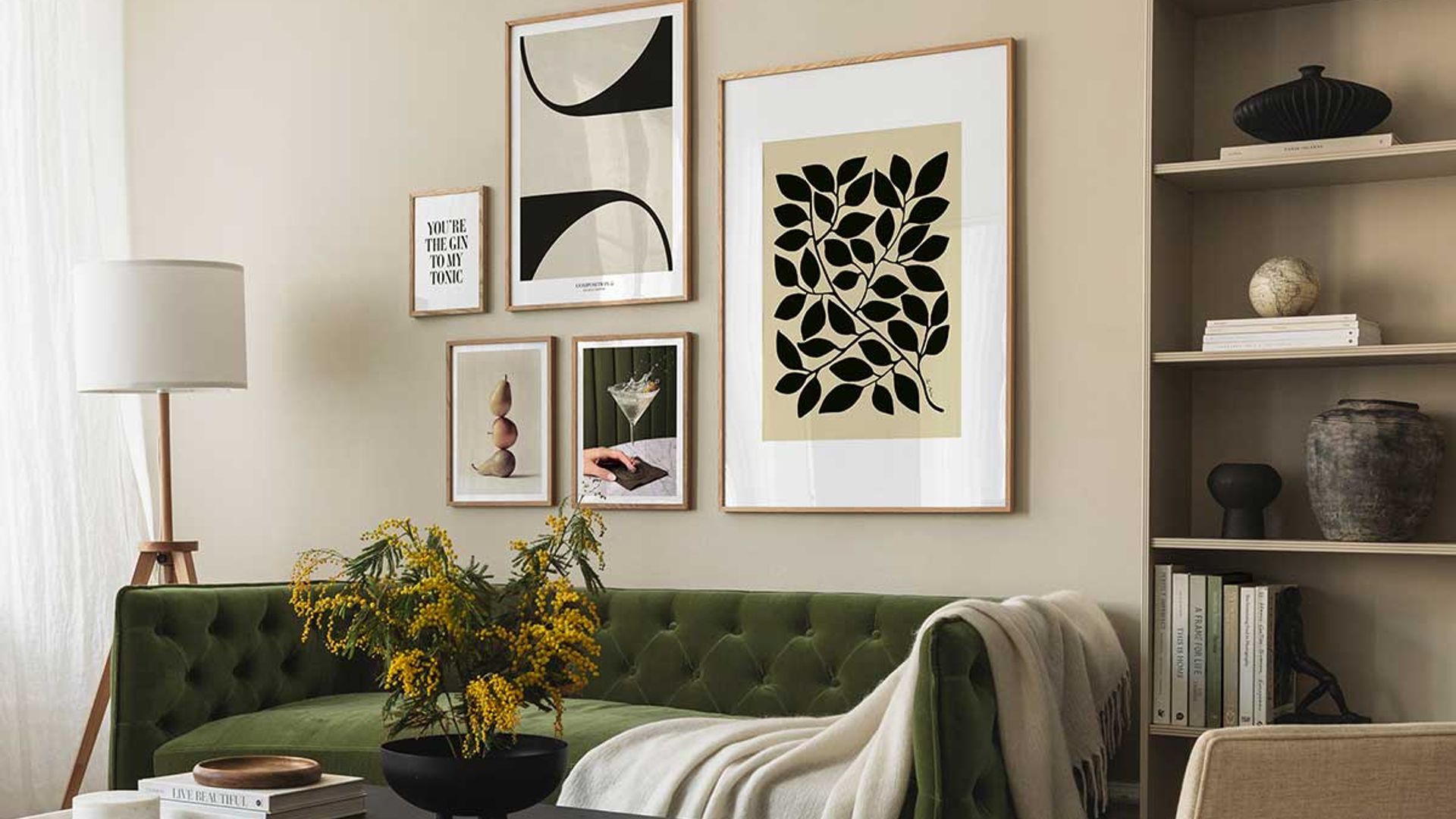
Where to buy the best wall art to create a spectacular gallery wall

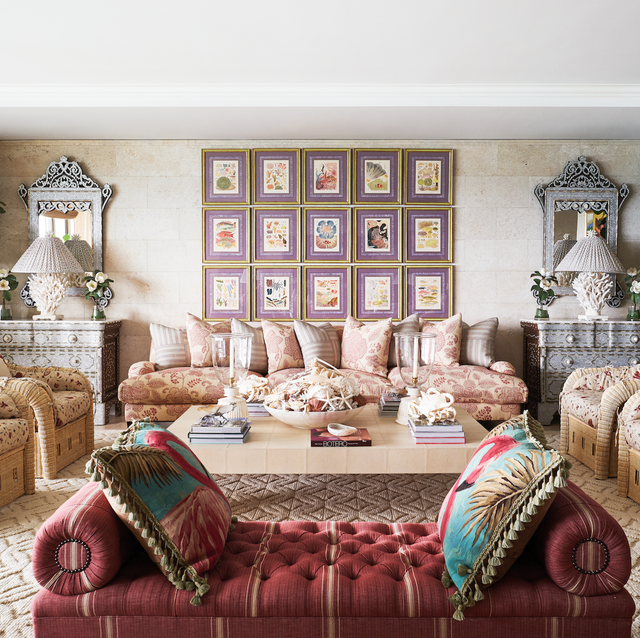
Are Gallery Walls Still in Style? Here’s What Designers Say

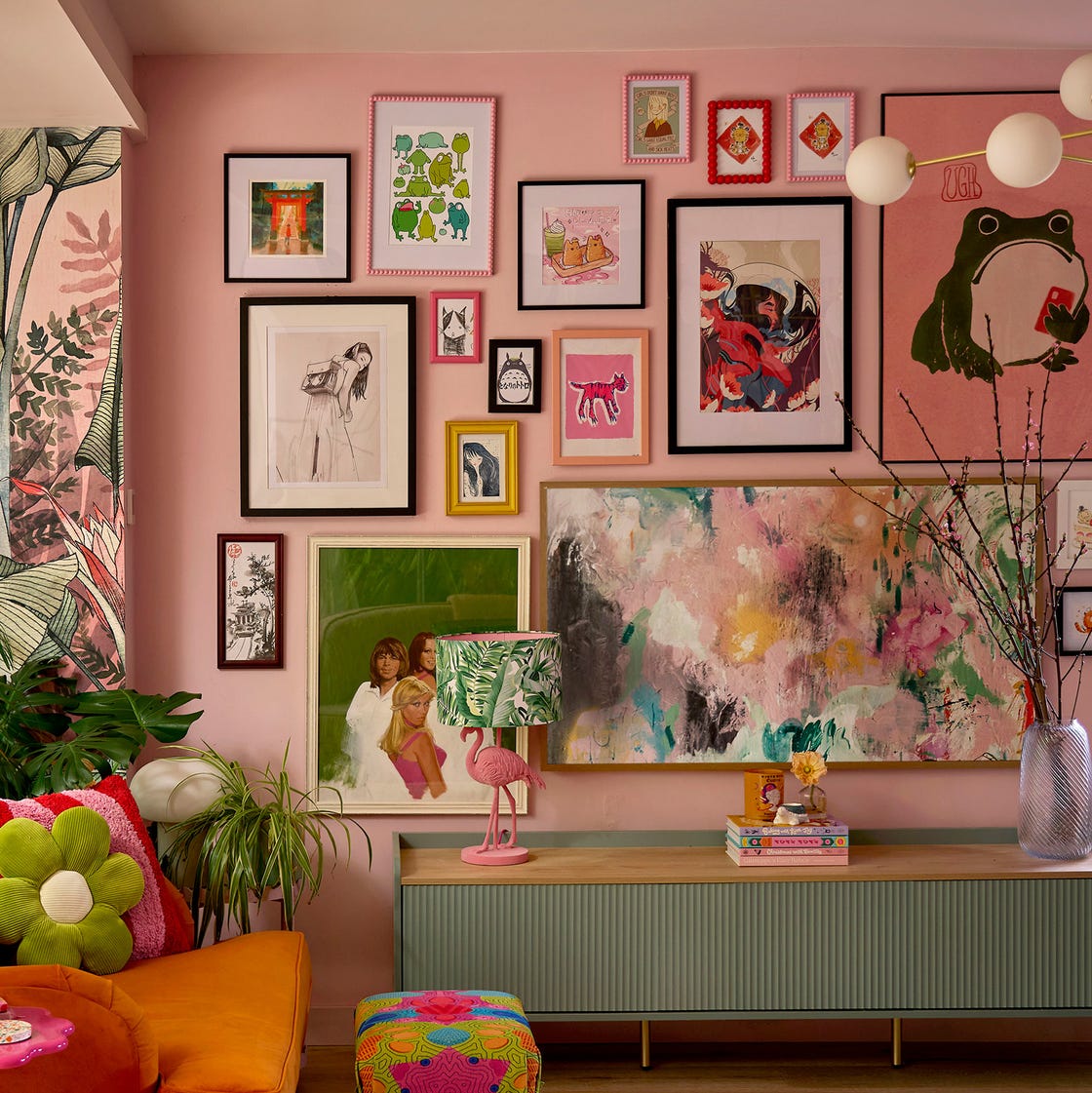
You're Styling Your Gallery Wall All Wrong—Here's How to Get It Right, According to Experts

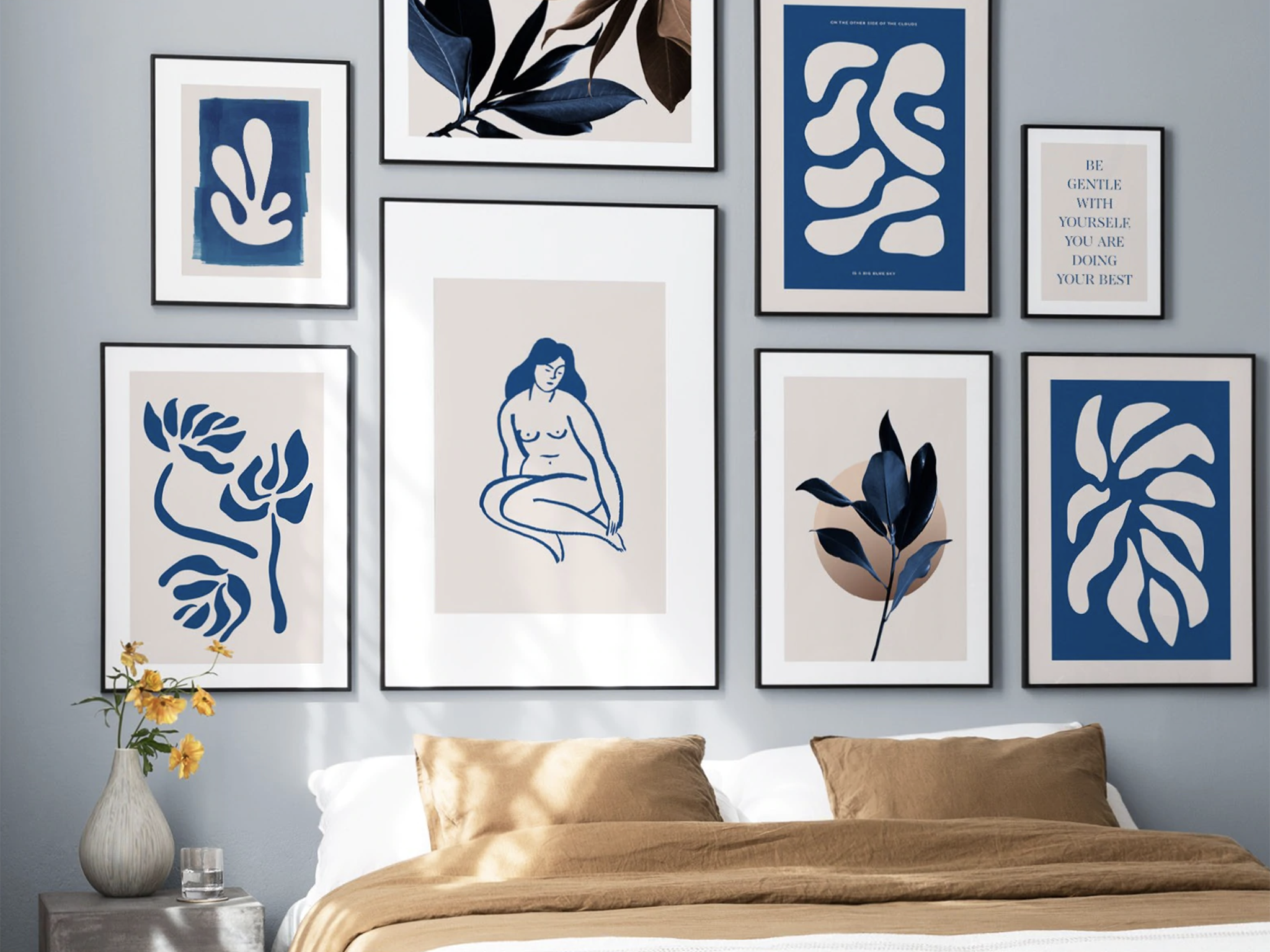
How to create an Instagram-worthy gallery wall: Interiors experts on framing and displaying your art
5 Gallery Wall Layouts to Try in 2021 (And One That'll Date You Immediately), According to Designers
How to build a gallery wall for your home