1/7
How to Make a Gallery Wall Like an ELLE Decor Editor
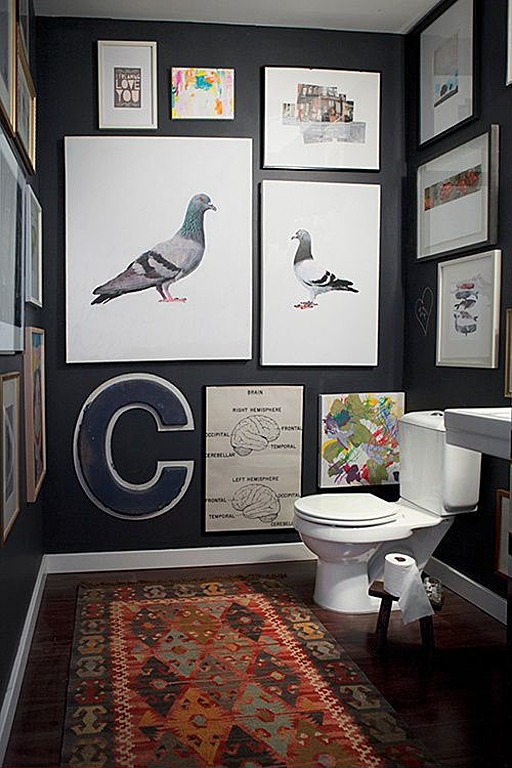
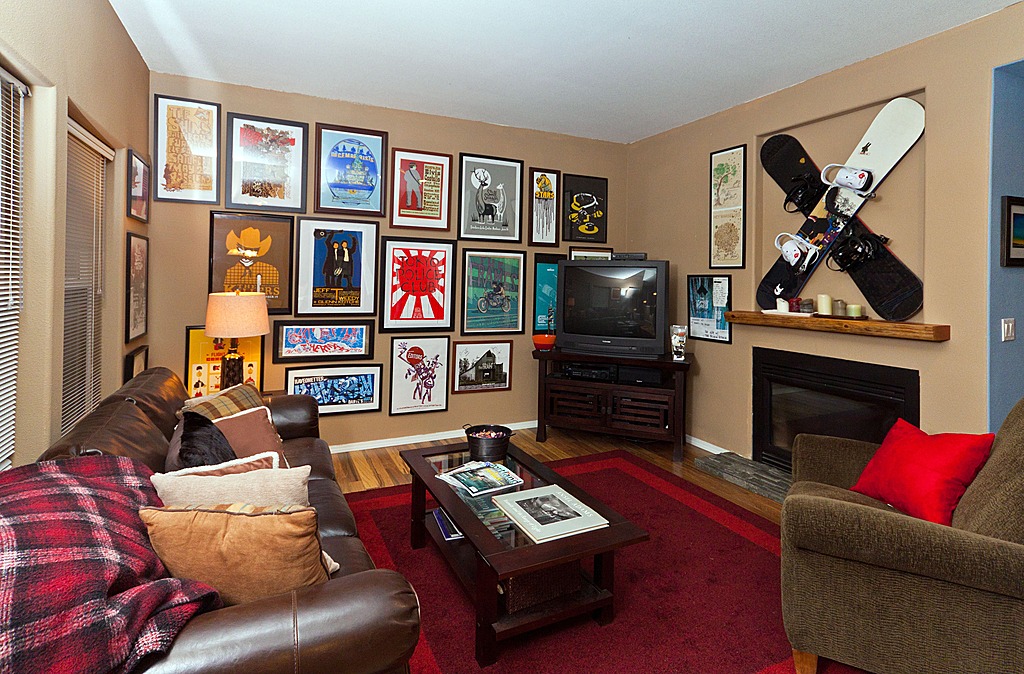
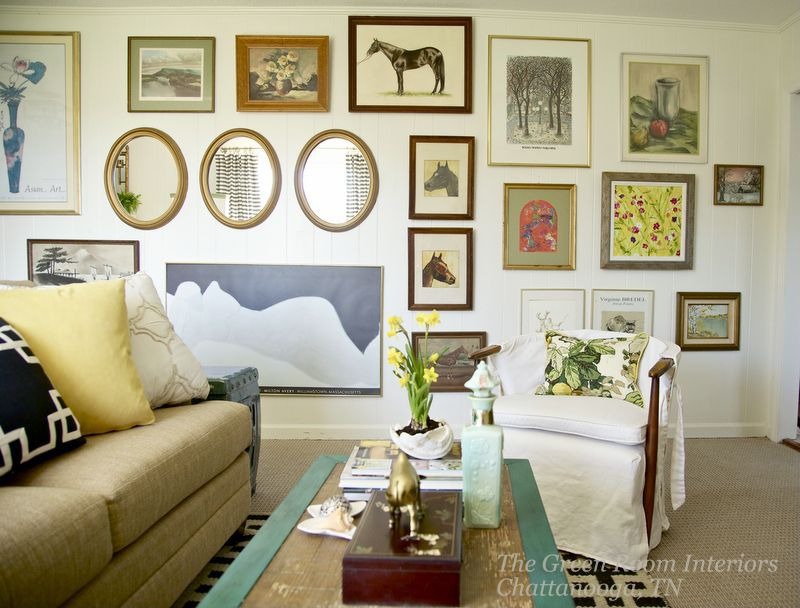
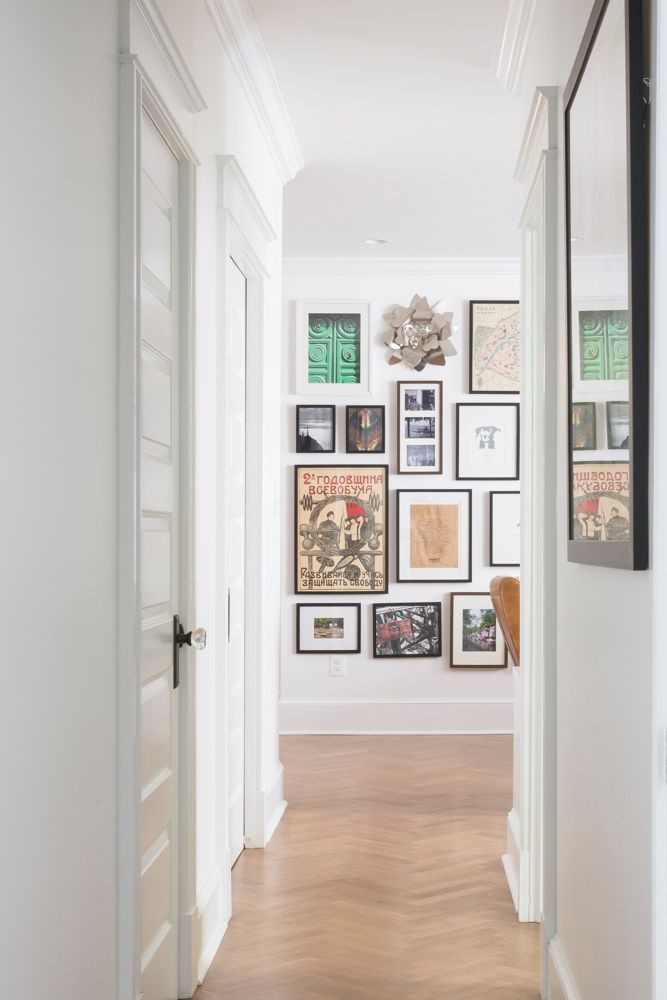
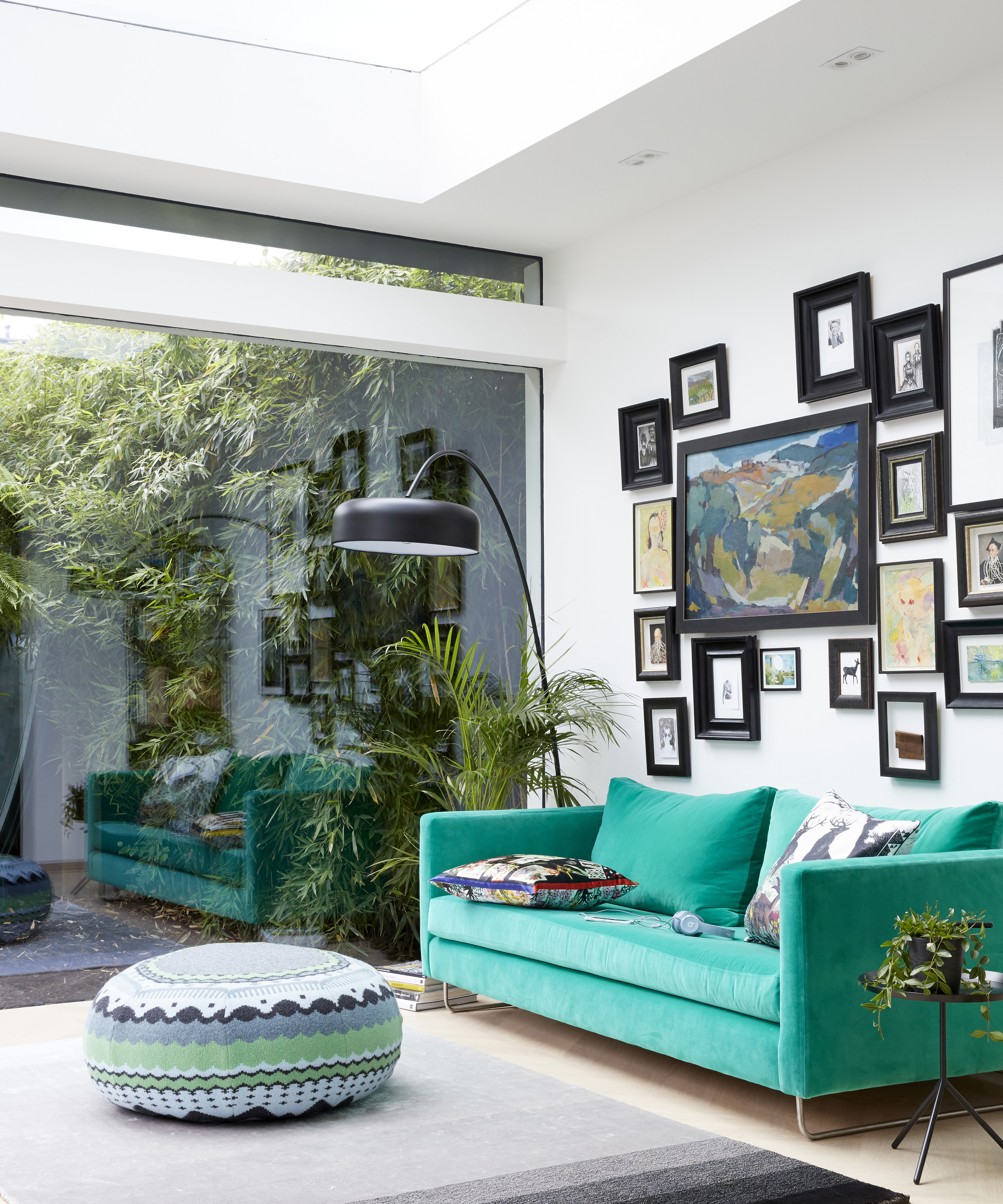
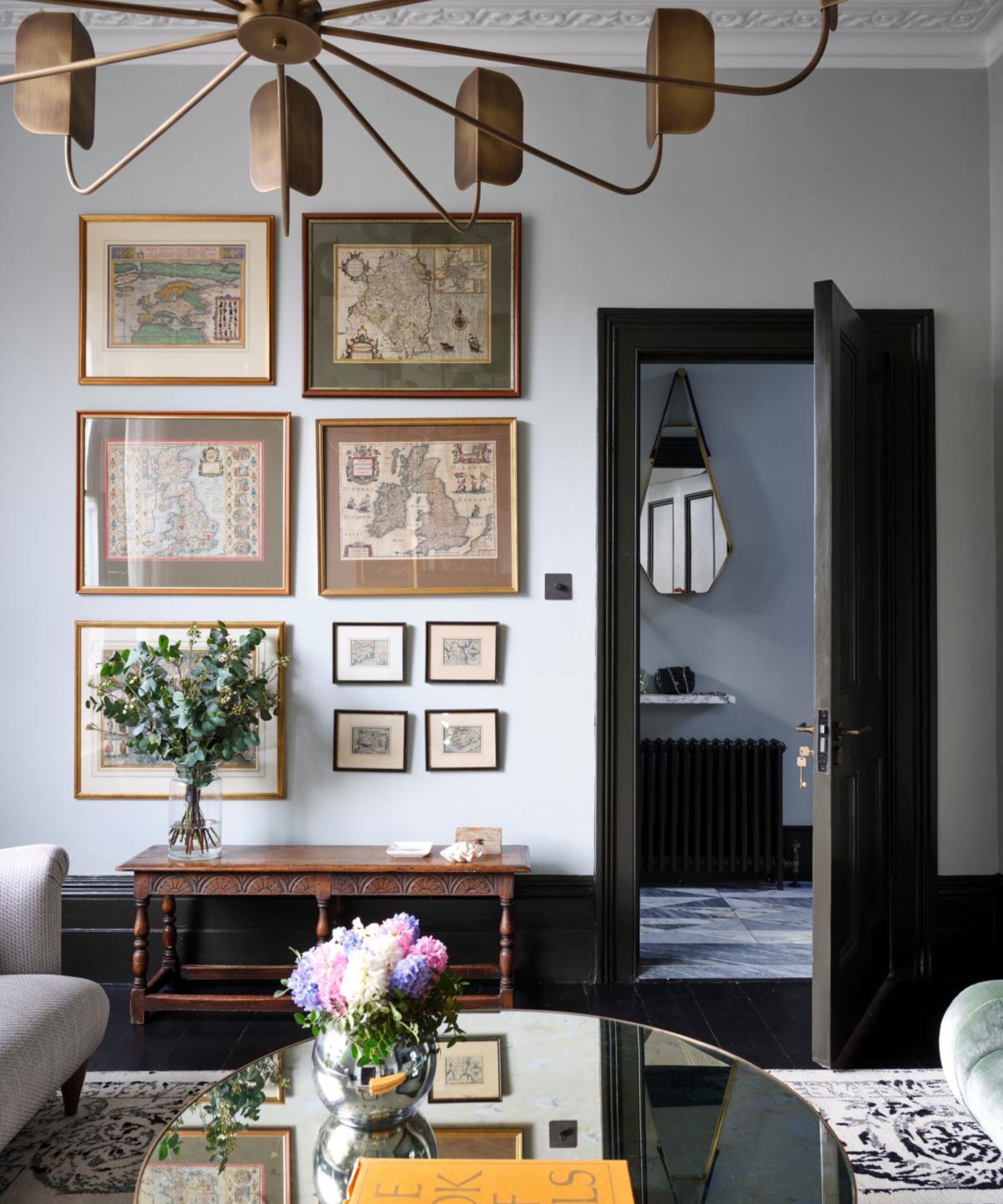
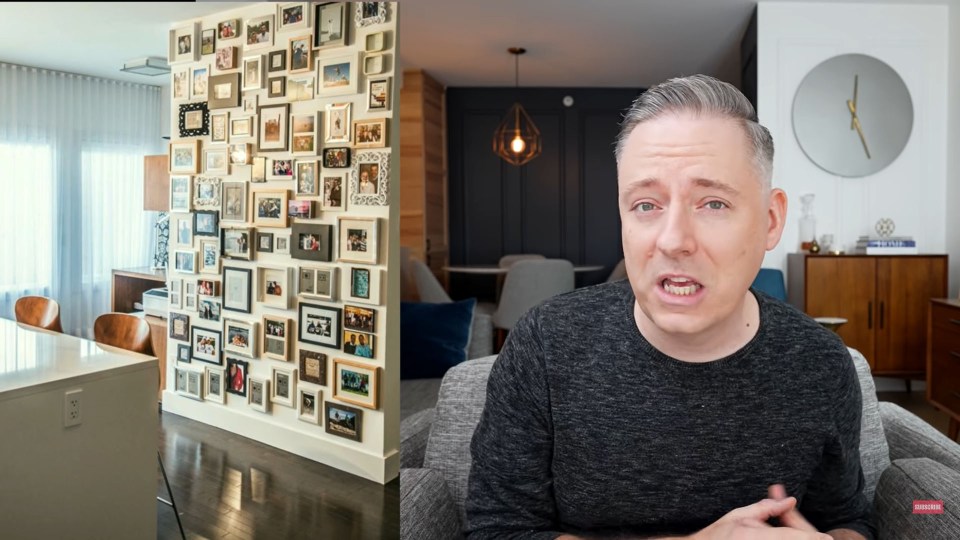
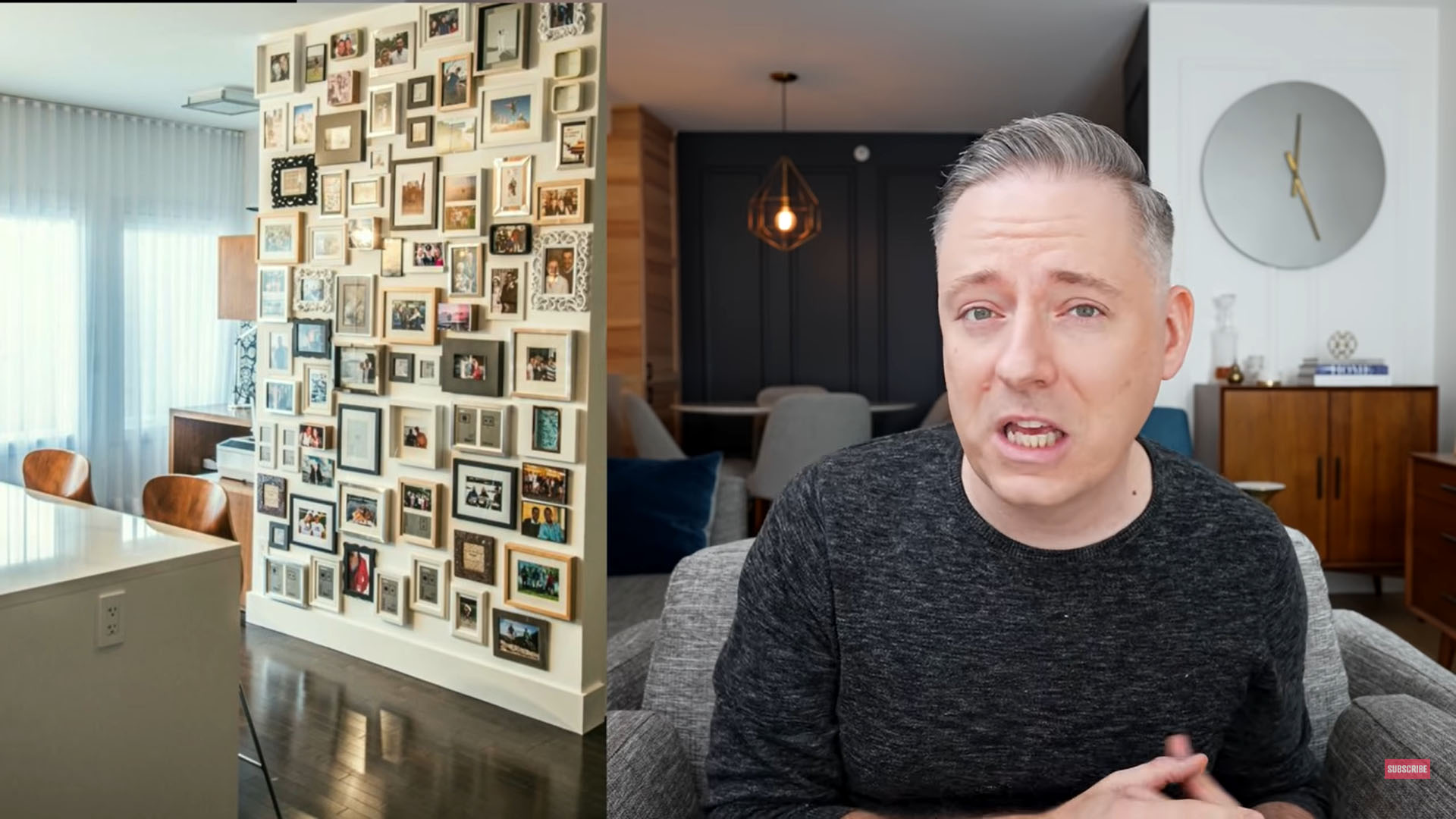
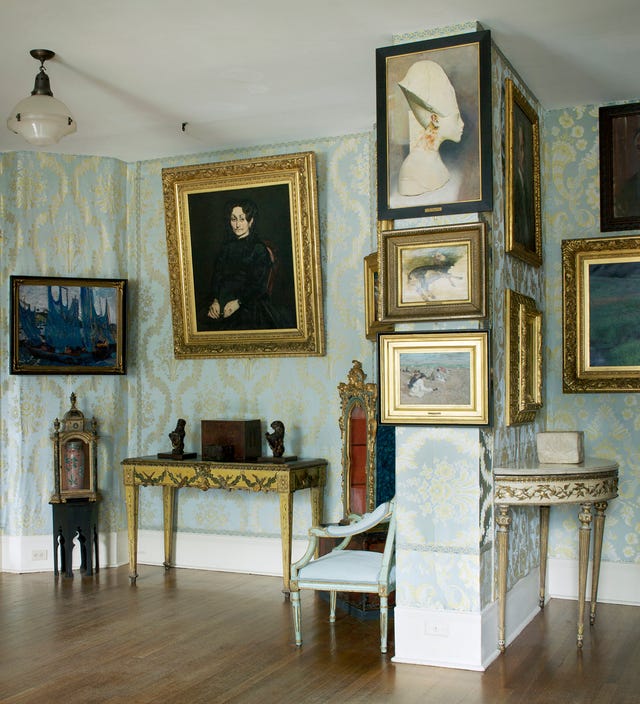
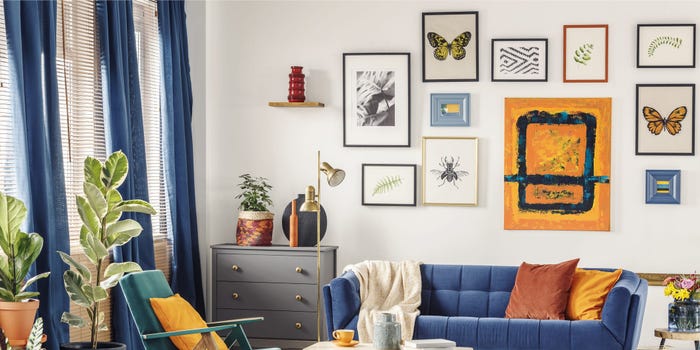
This article details how to create a gallery wall, emphasizing that such a display is a deeply personal expression and an art form in itself. The author, an ELLE Decor Articles Editor, shares his personal experience and insights gained while social distancing, transforming his apartment on the Upper West Side of Manhattan. His primary inspiration for gallery walls comes from the Blue Room at the Isabella Stewart Gardner Museum in Boston, an unconventional space where paintings, objects, and fabrics are arranged without strict hierarchy or perfect symmetry, reflecting a "wonderfully kooky" and helter-skelter aesthetic.
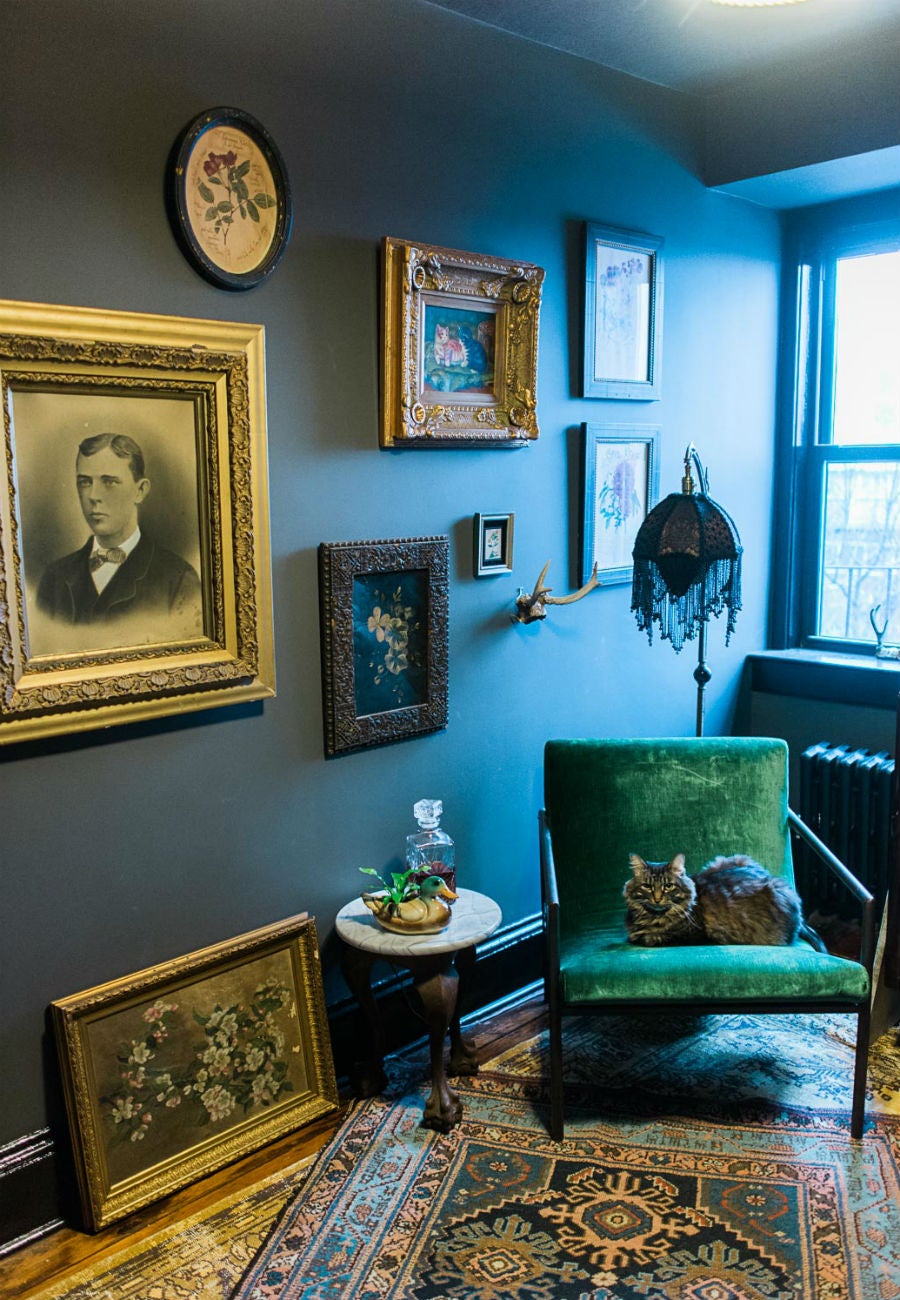
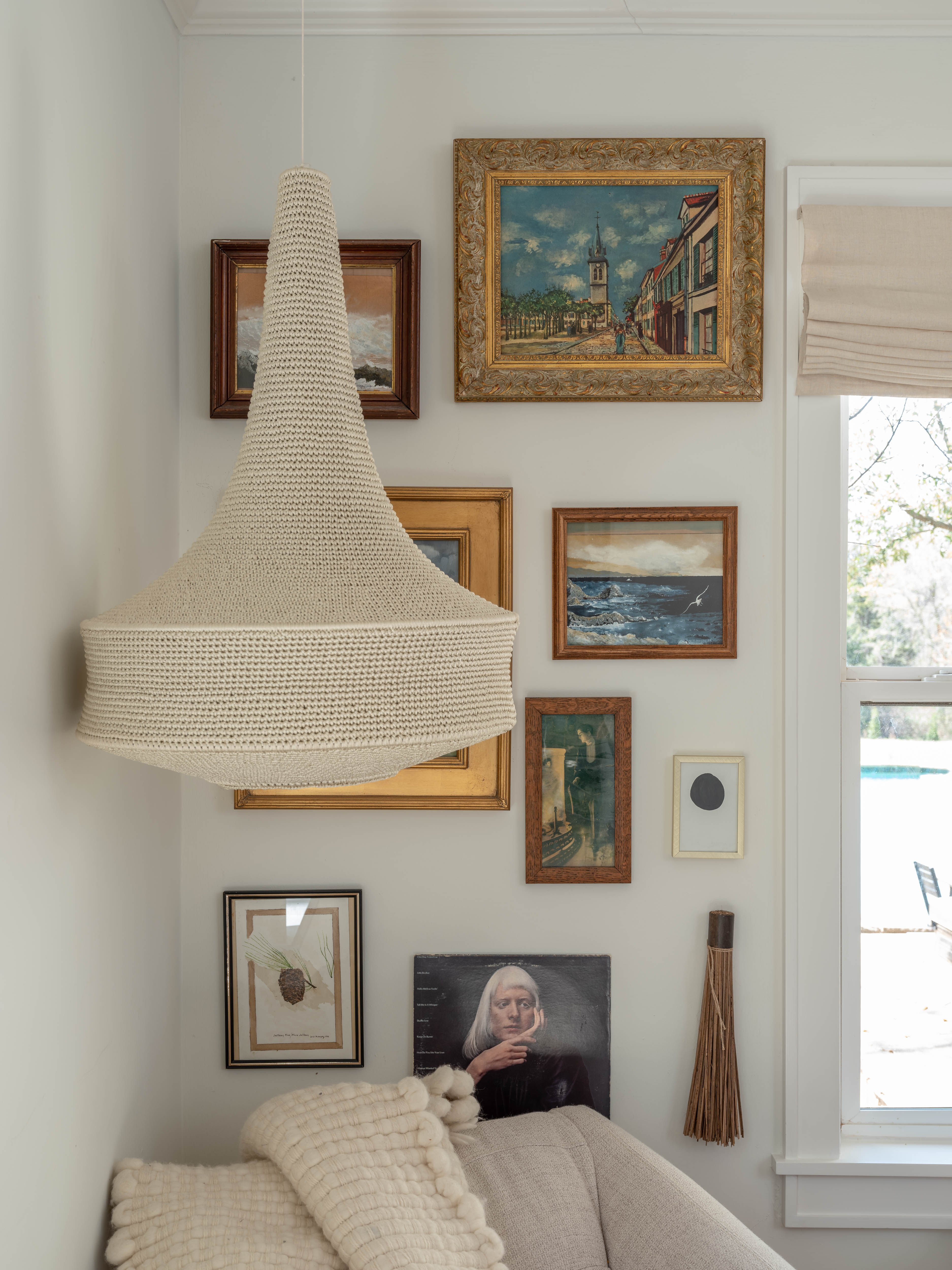
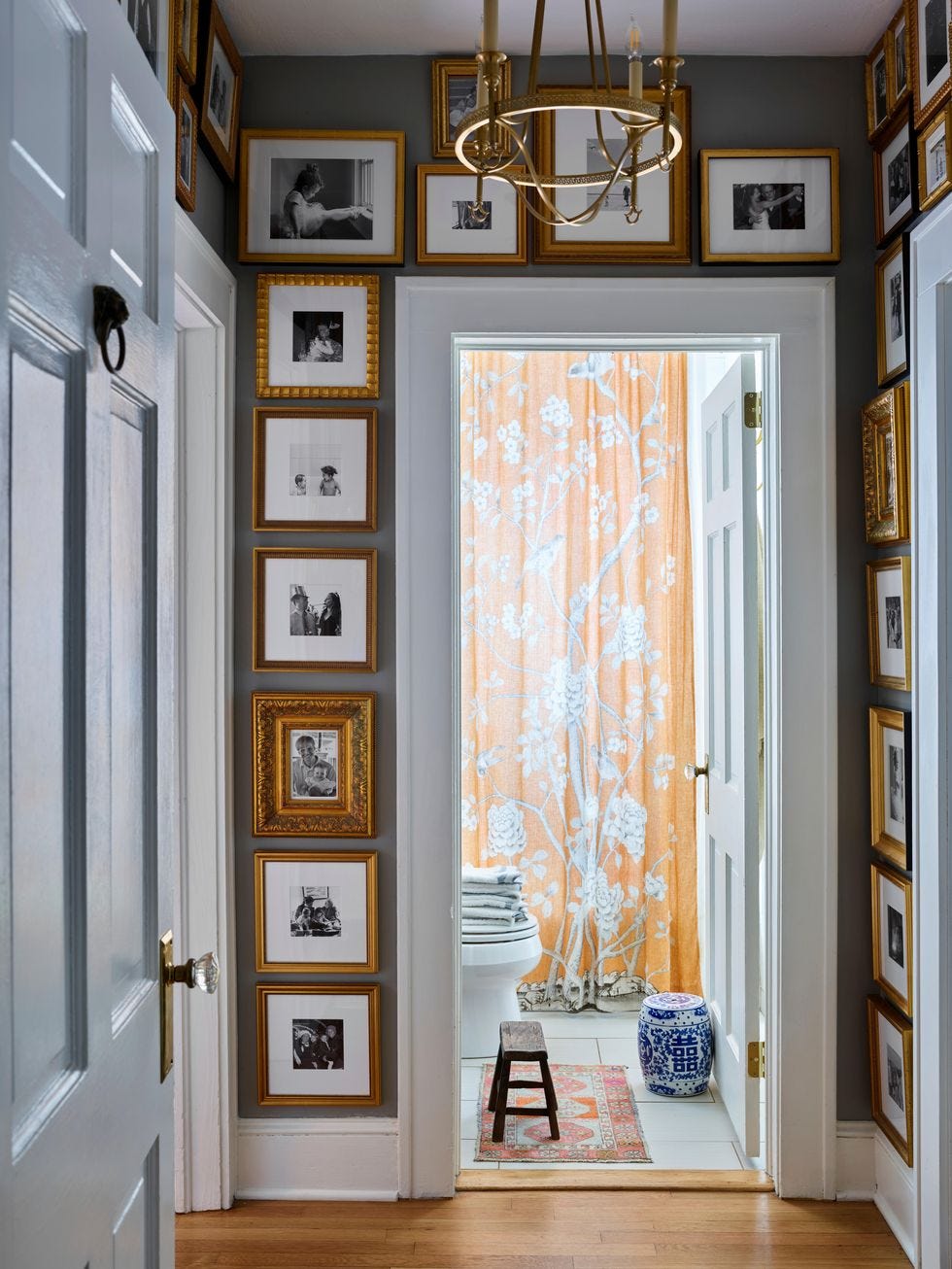
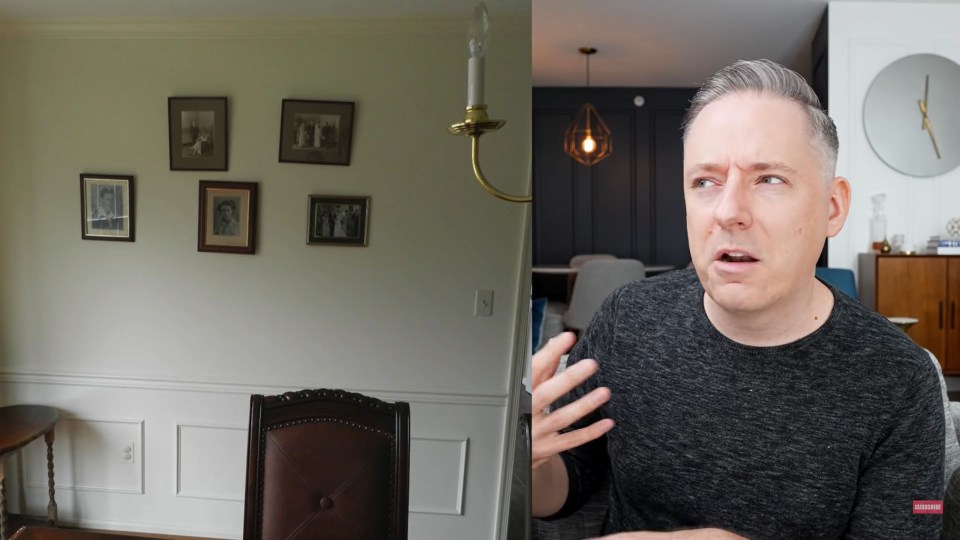
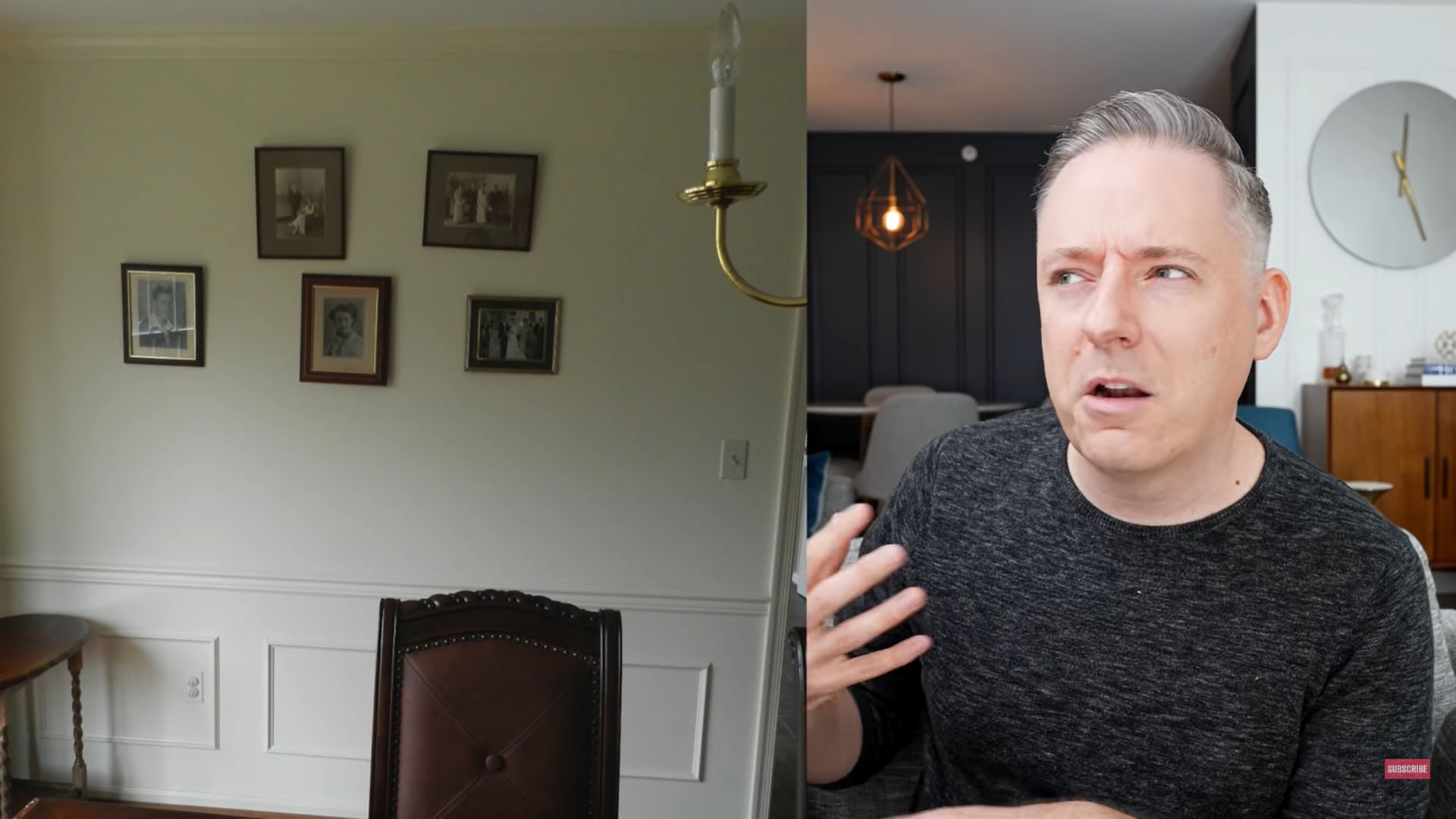
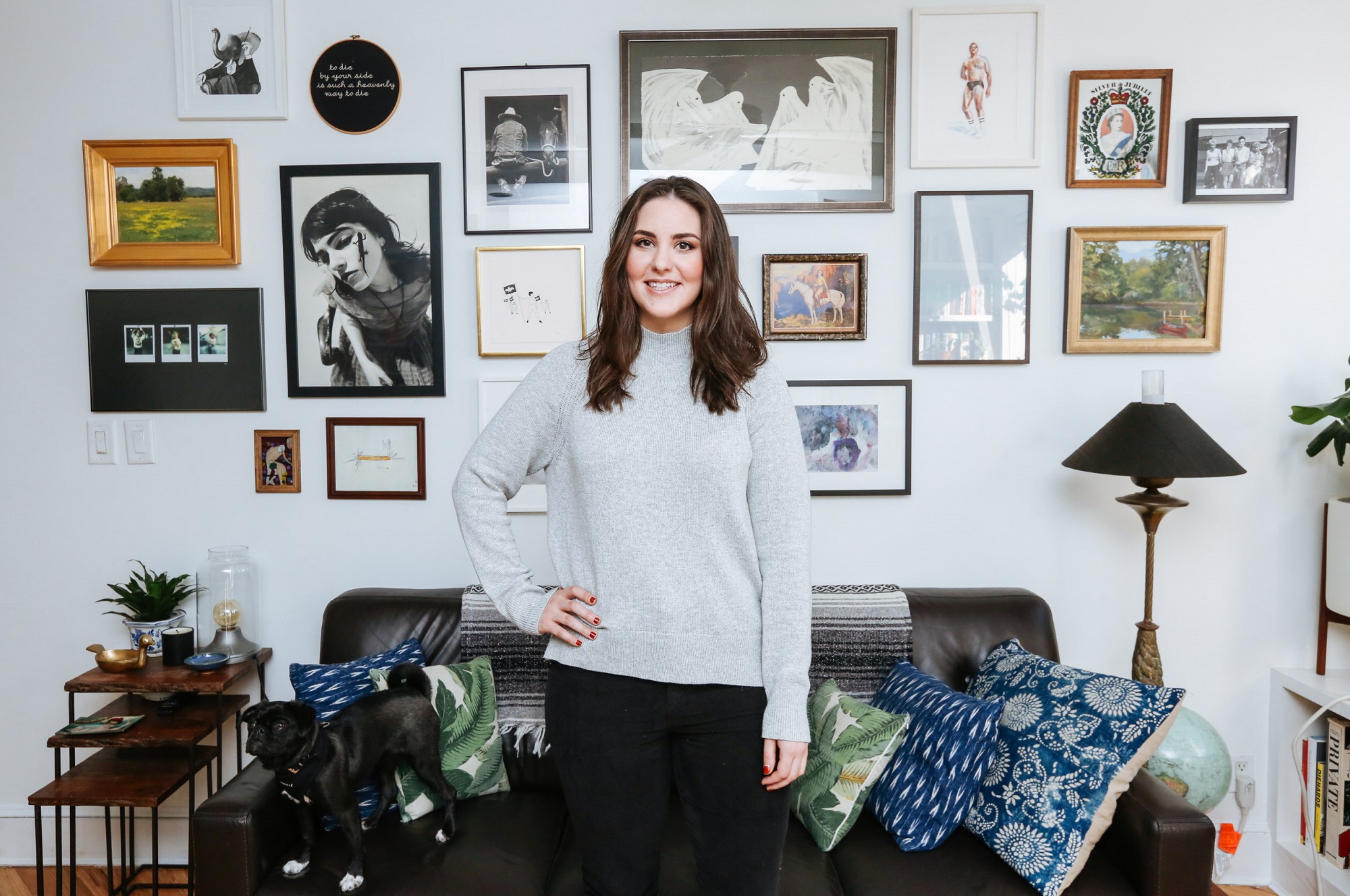
The article outlines five key principles for creating an effective gallery wall. First, it encourages individuals to utilize existing family photographs and memorabilia. These items, particularly vintage black-and-white portraits, are described as inherently chic and serve as personal "Velázquezes," offering a sense of history and individuality. The author suggests asking relatives for old photos to incorporate into the display, highlighting the sentimental value and unique character they bring.
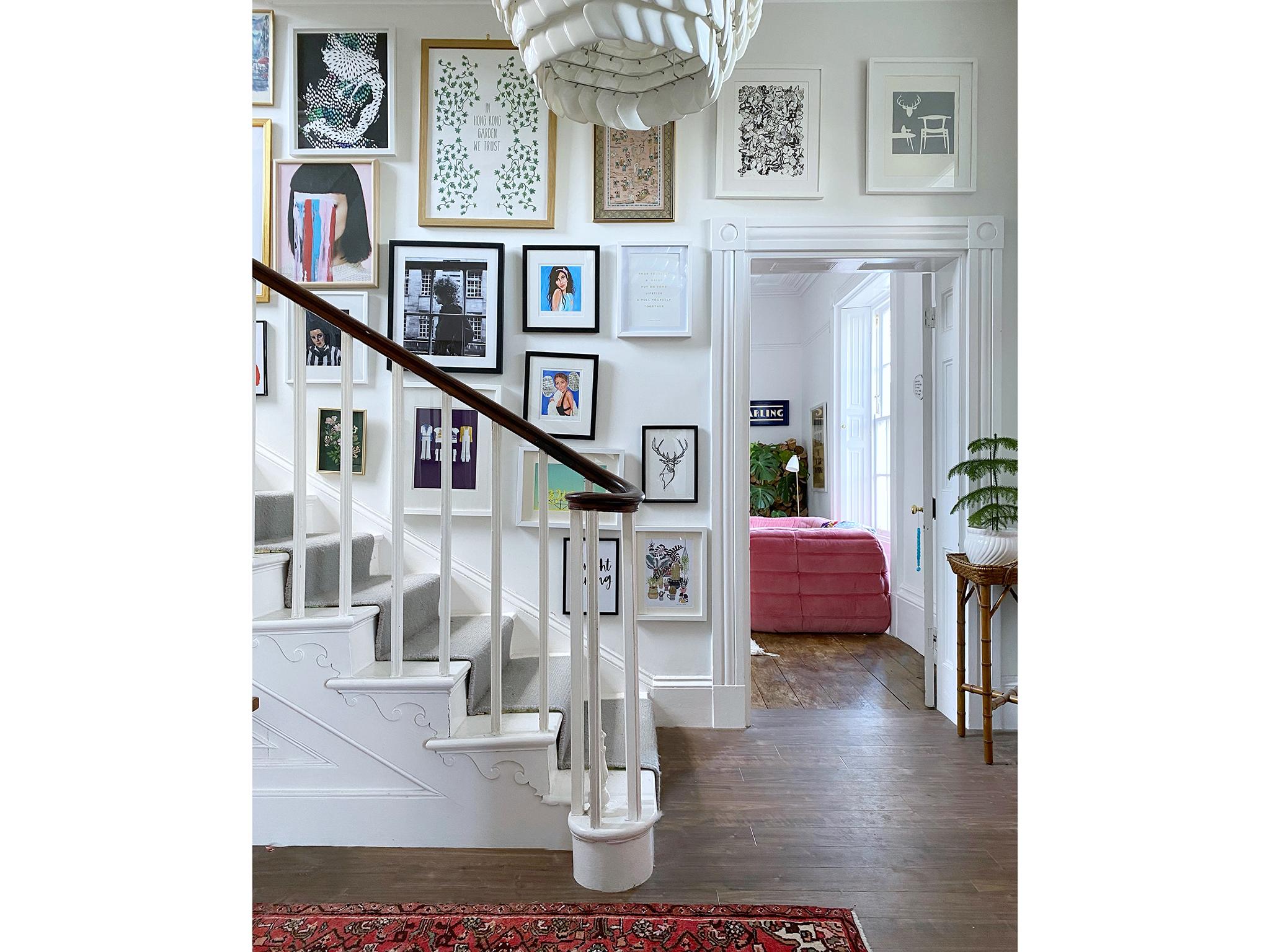
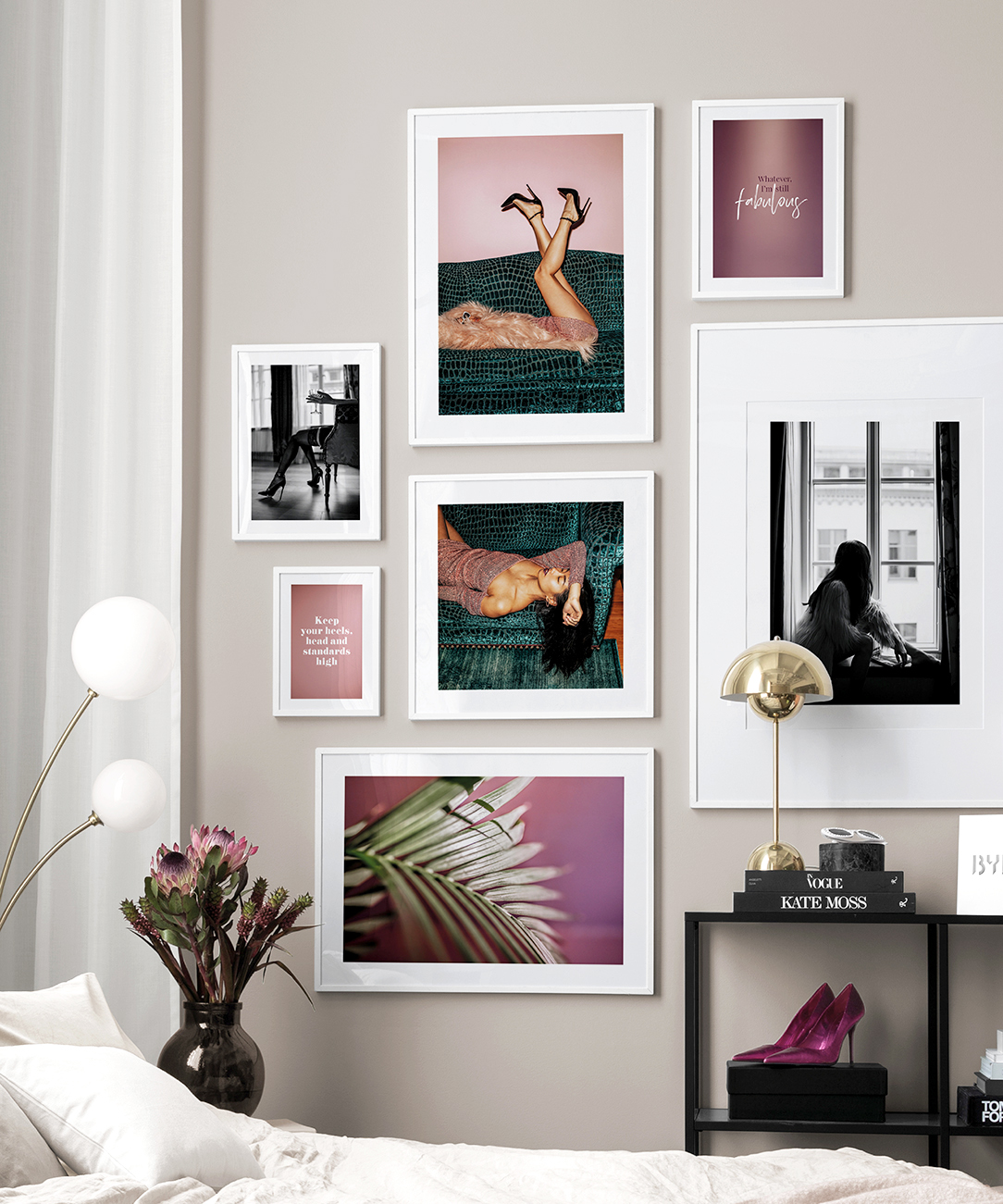
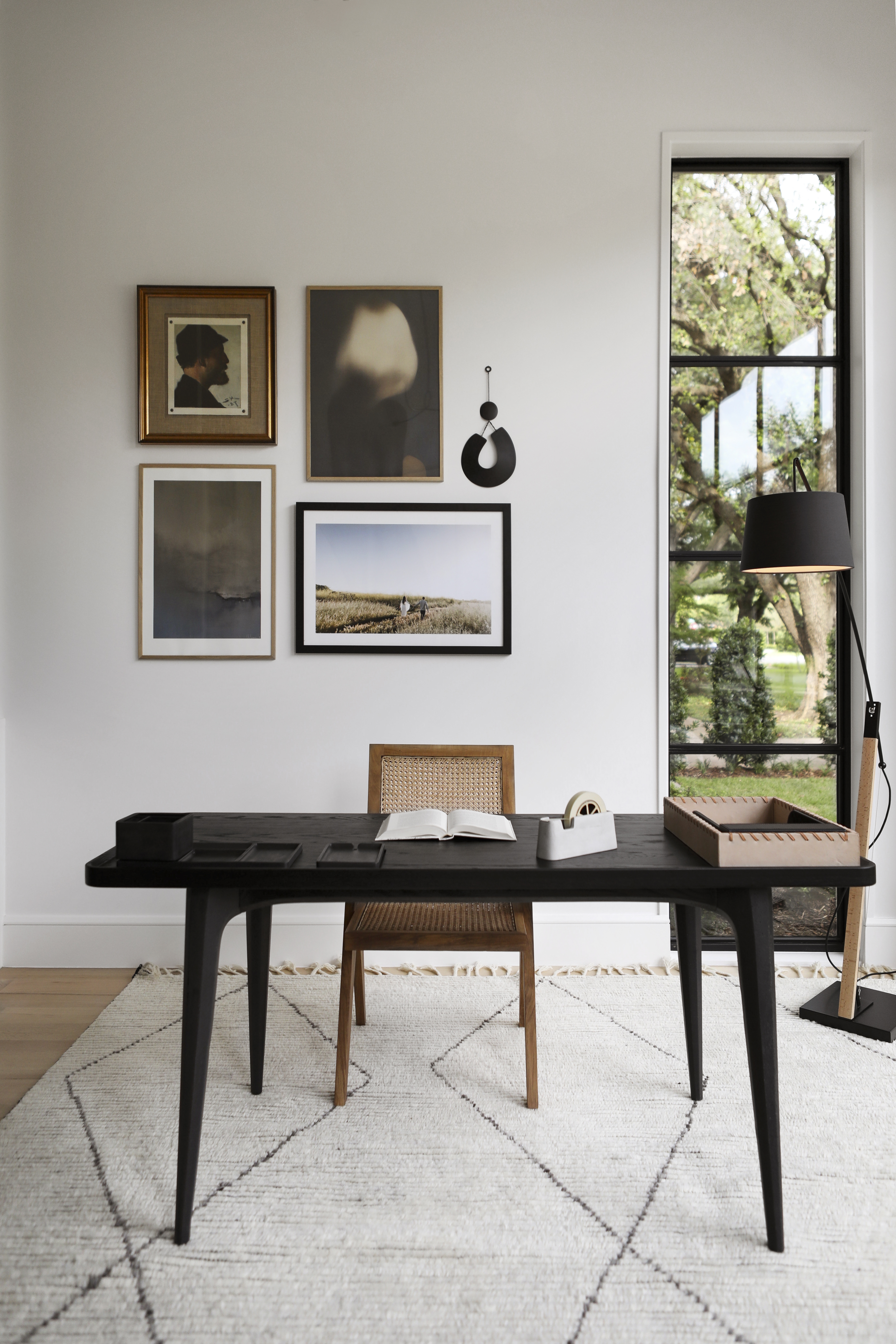
Second, the article stresses the importance of planning the layout on the floor before hanging anything. This pre-arrangement phase allows for experimentation, treating the gallery wall like a puzzle where one's subconscious guides the composition. It advises considering the different media of the pieces, suggesting variety by placing a photo next to something other than another photo. Furthermore, it recommends taking into account the scale of the wall and any potential obstructions like furniture or lamps. The author suggests taking multiple photos of different layouts to compare and refine the arrangement, emphasizing that this stage should be an enjoyable part of the creative process.
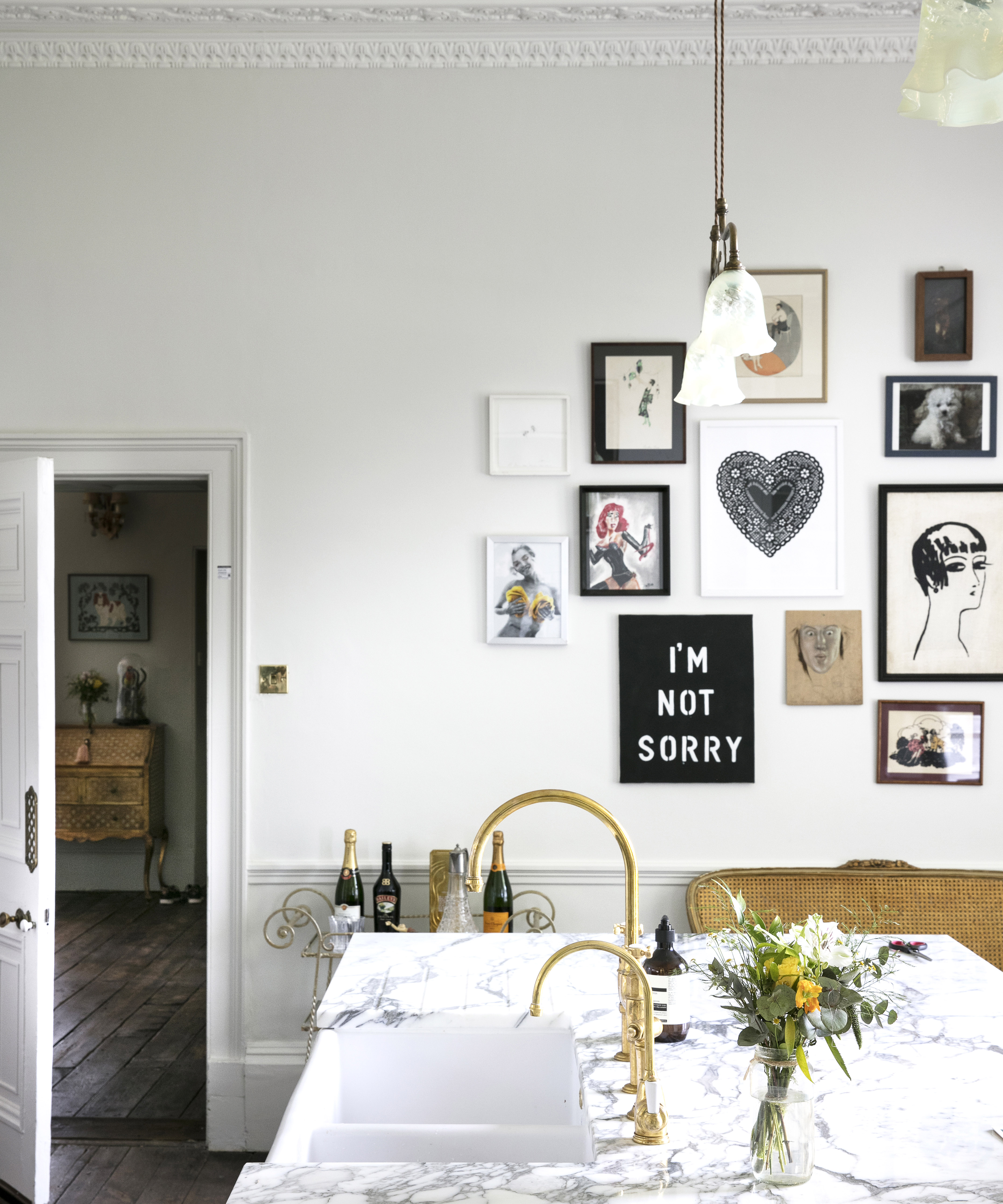
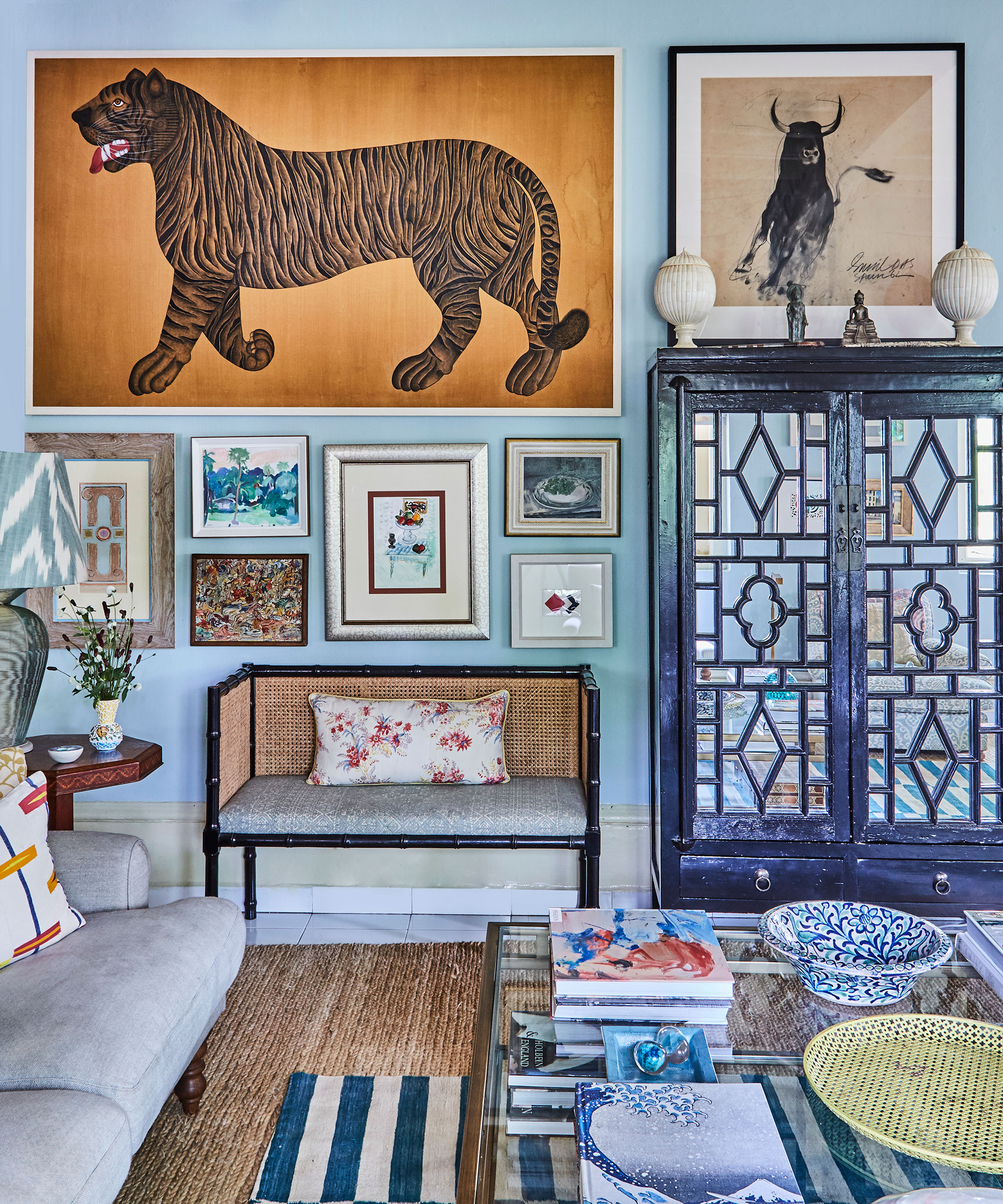
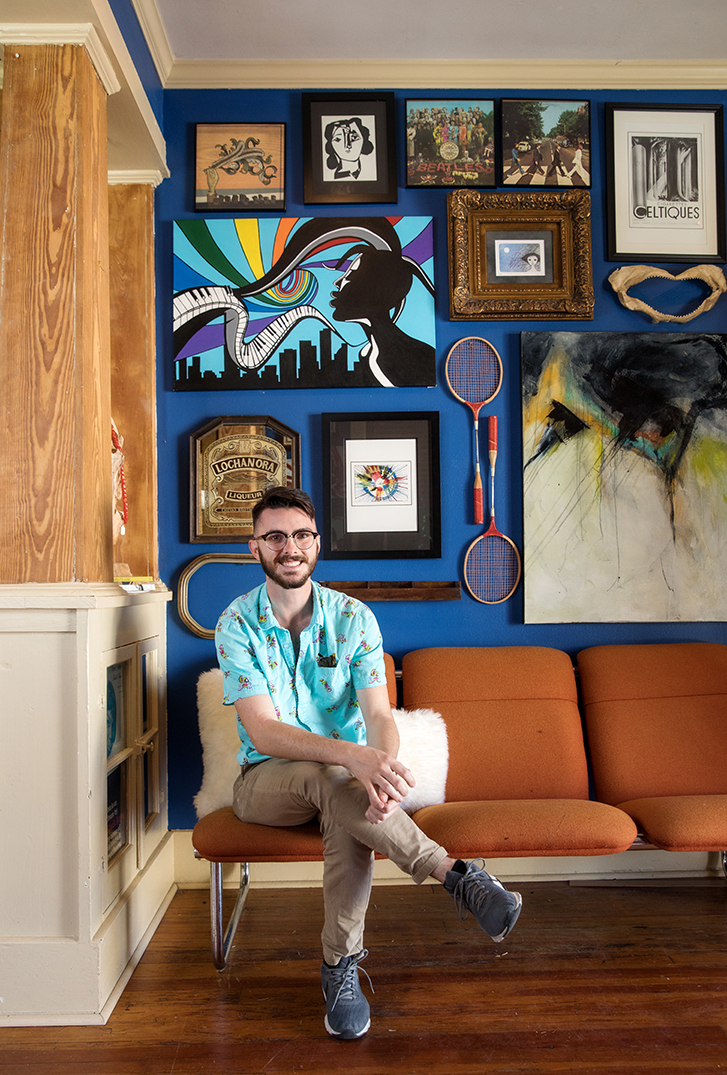
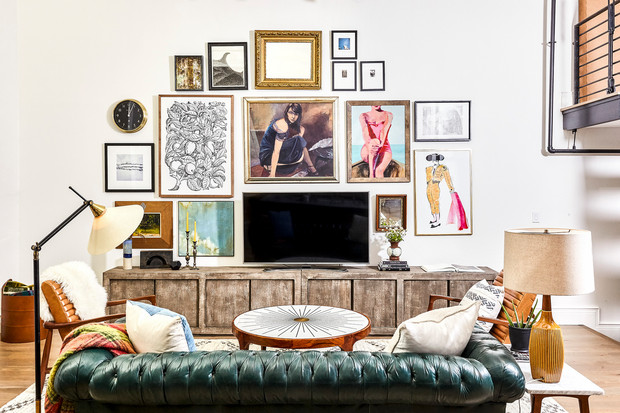
Third, the article advocates for embracing asymmetry and imperfection, asserting that "symmetry is for the birds! Perfection is in the askew." The author contrasts this approach with the precise curation of a museum, encouraging a more spontaneous and organic placement of items. The analogy of a chess move is used: once a piece is placed, it should largely remain there, unless it is drastically misaligned. This philosophy encourages a natural, unforced aesthetic, akin to Jackson Pollock's painting style, where each element contributes to the overall rhythm without needing to be perfectly symmetrical or aligned.
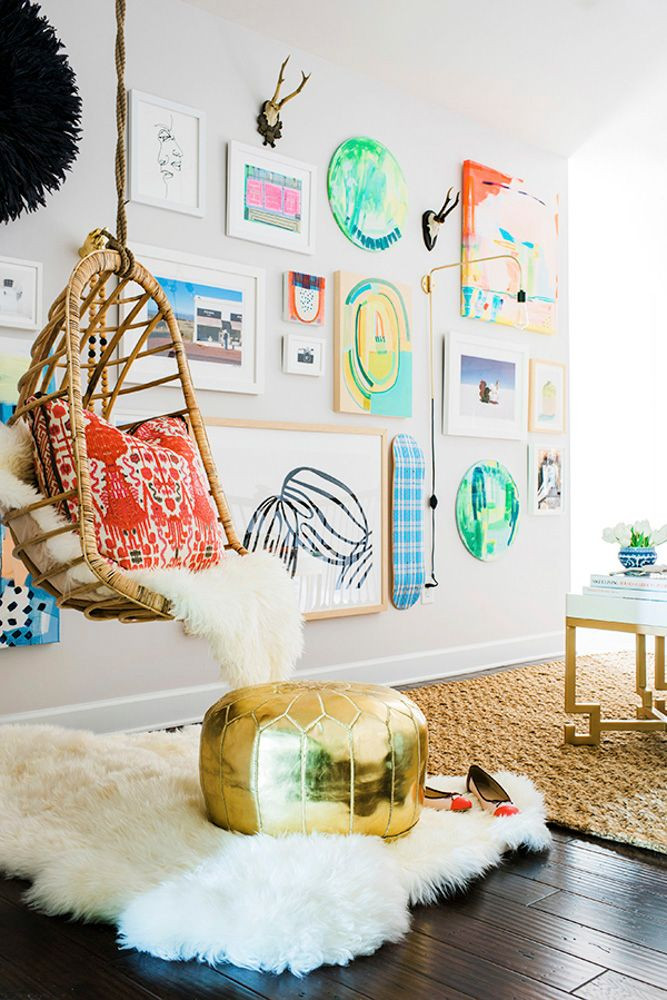
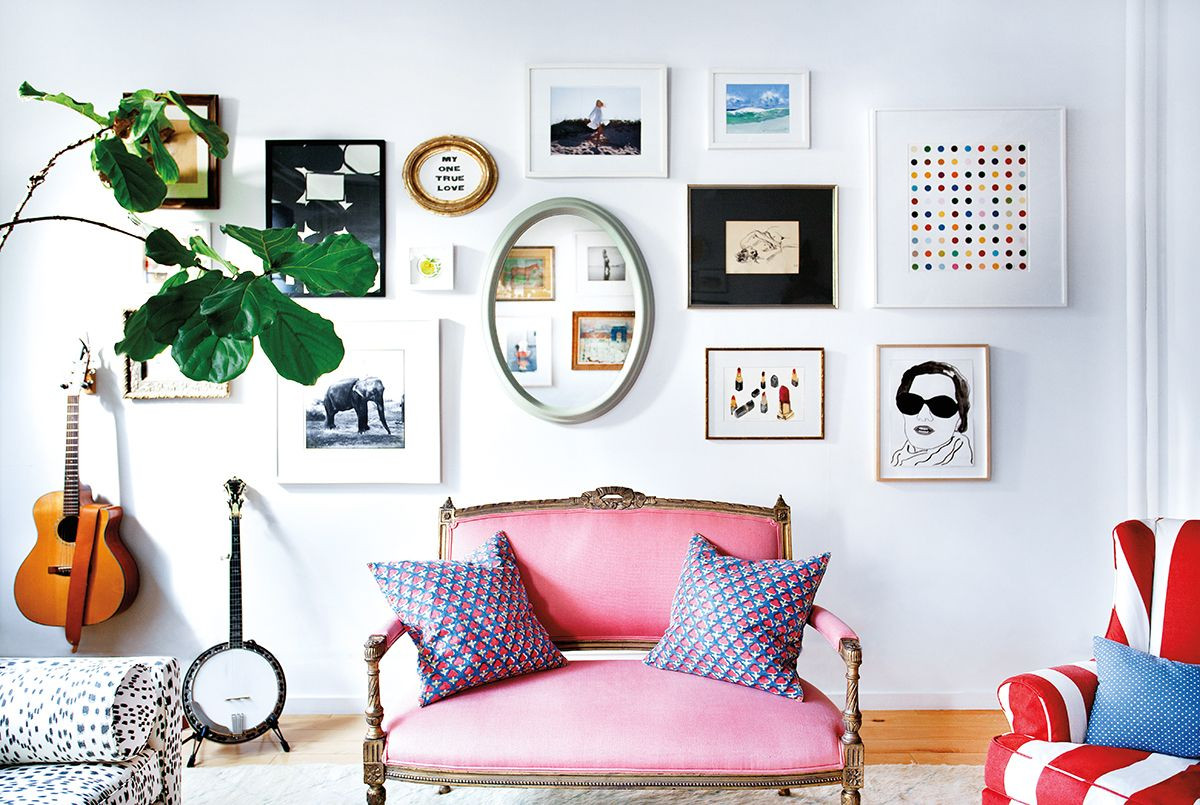
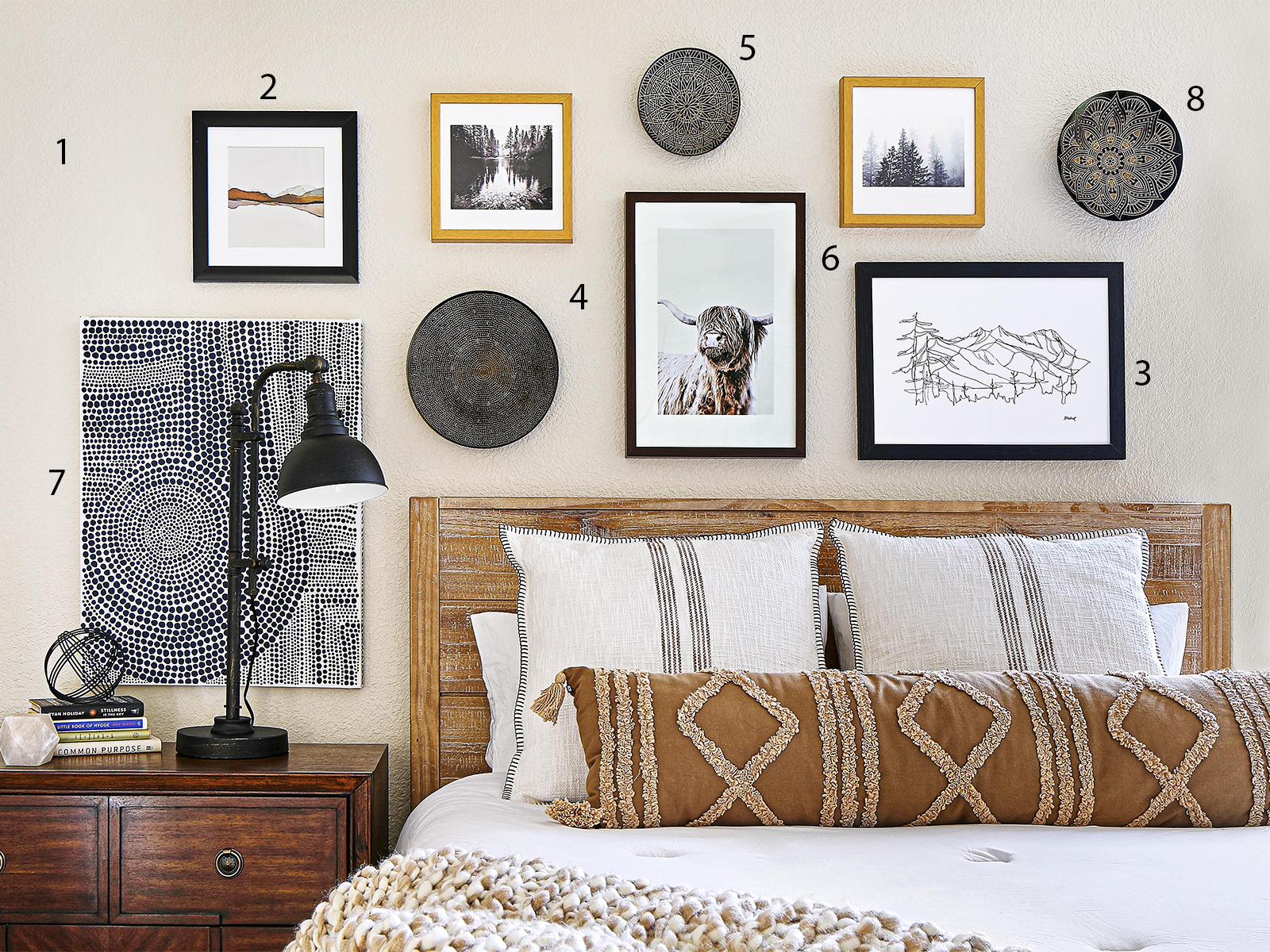
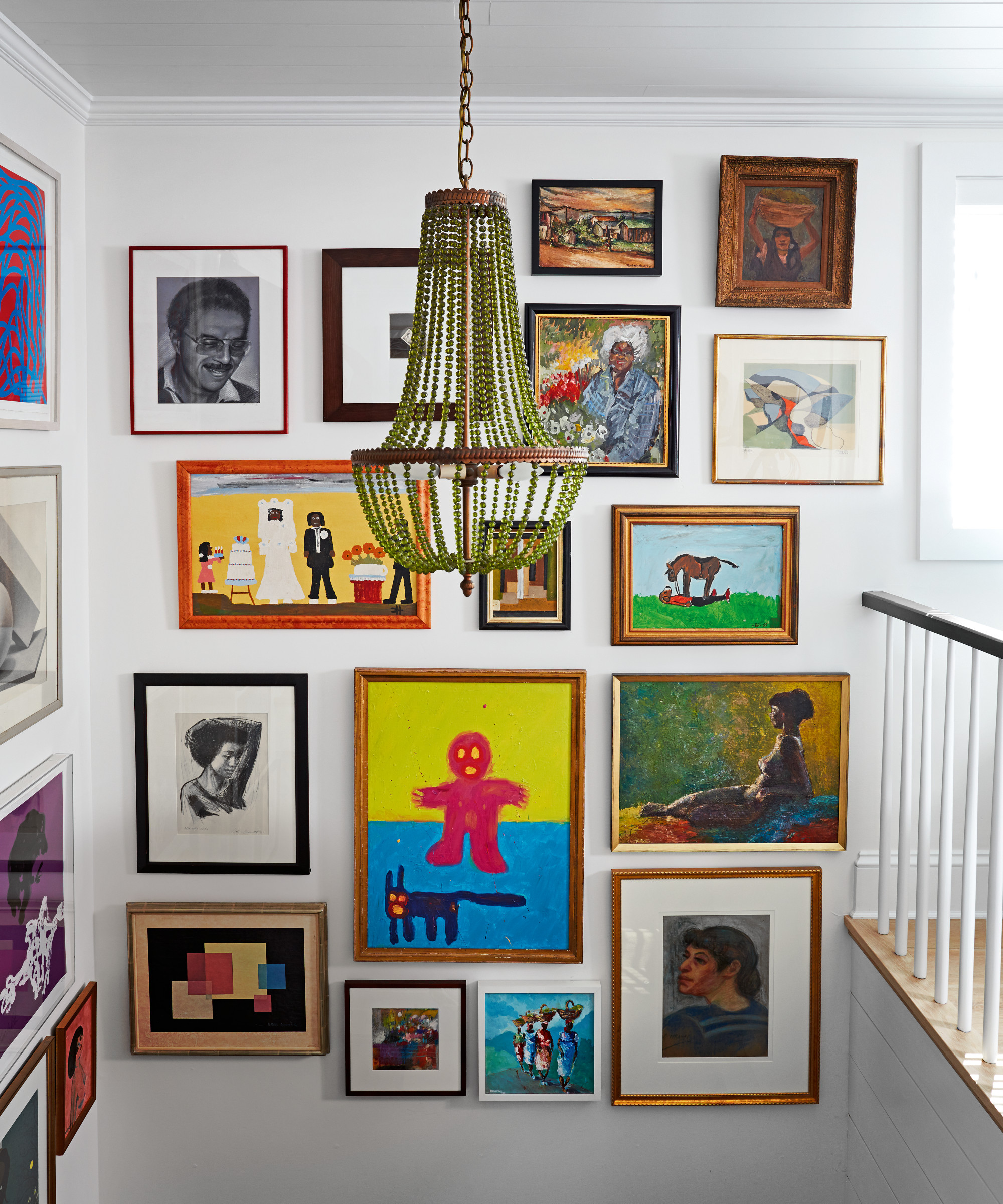
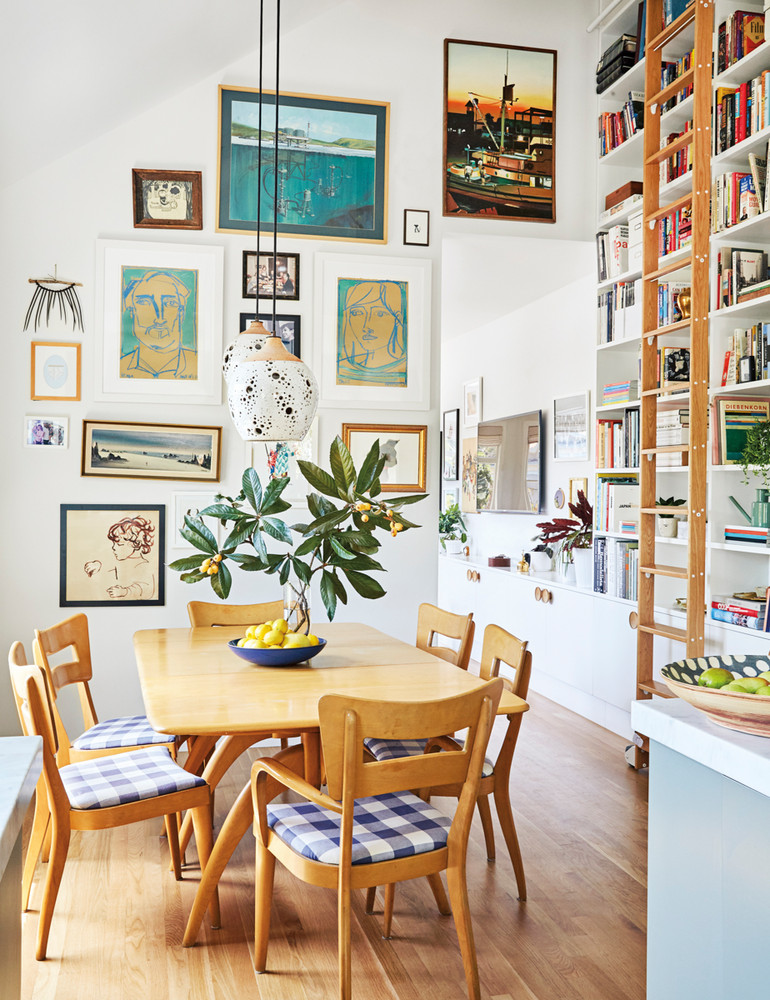
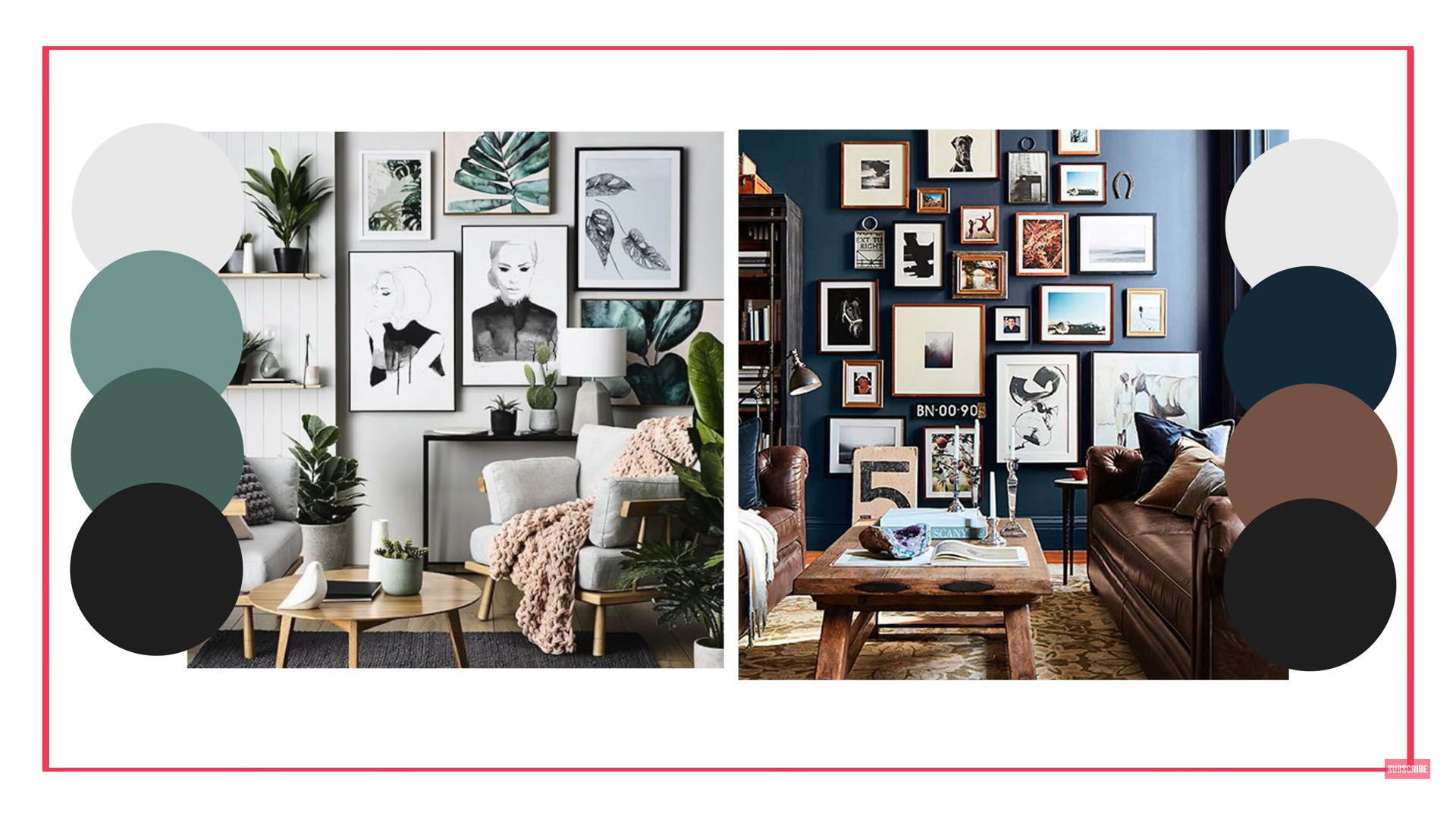
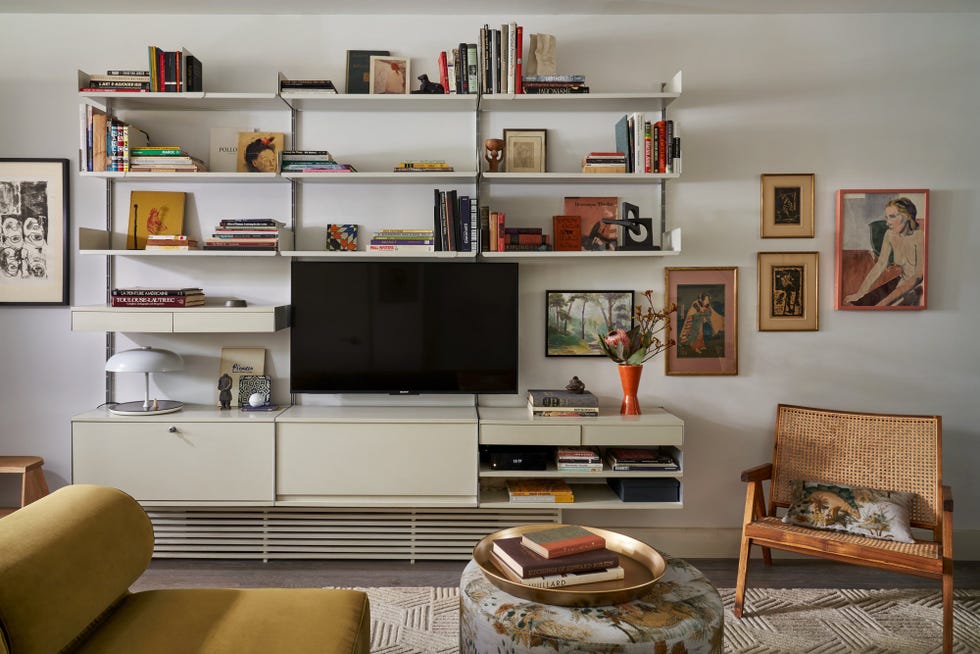
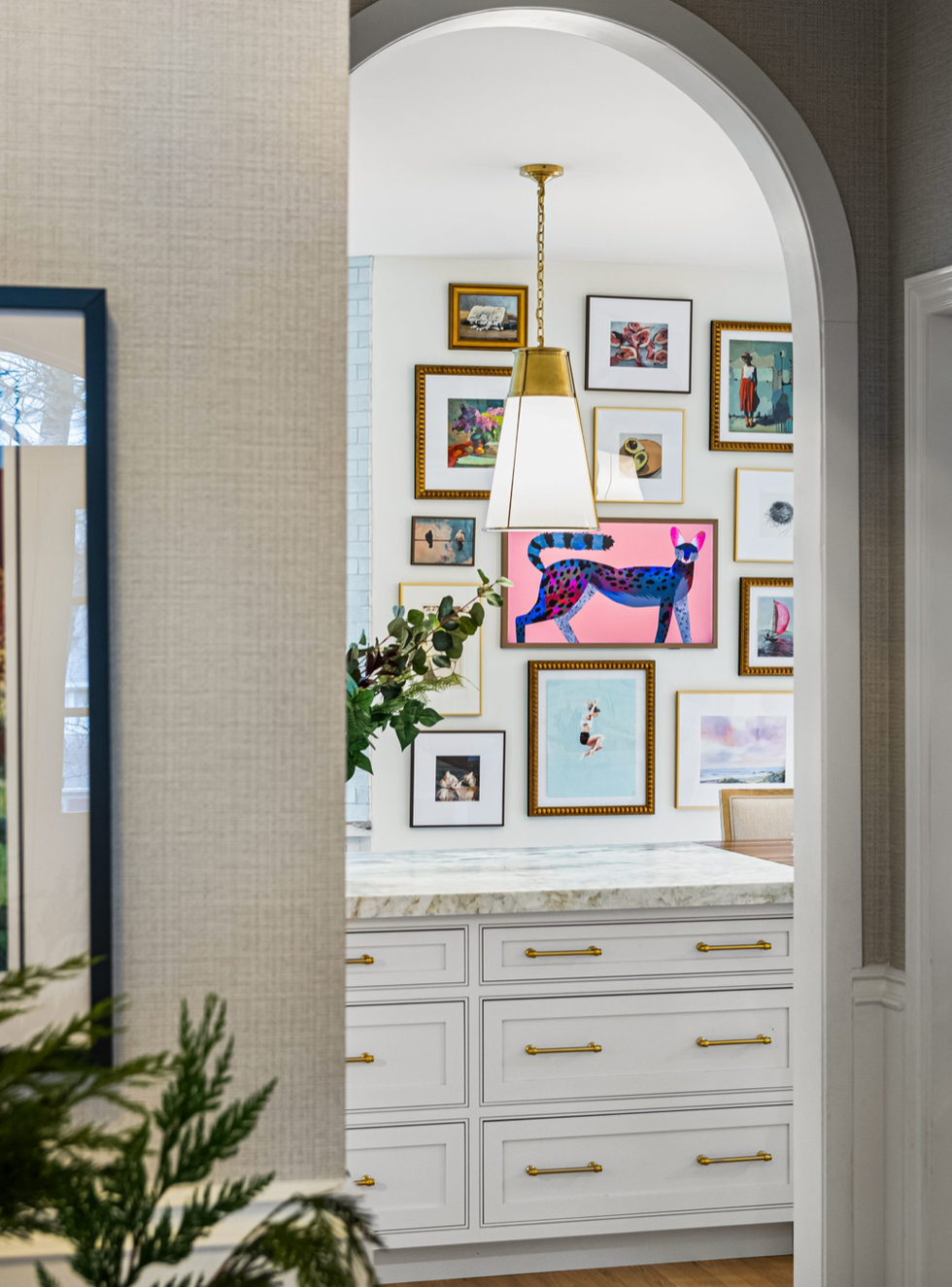
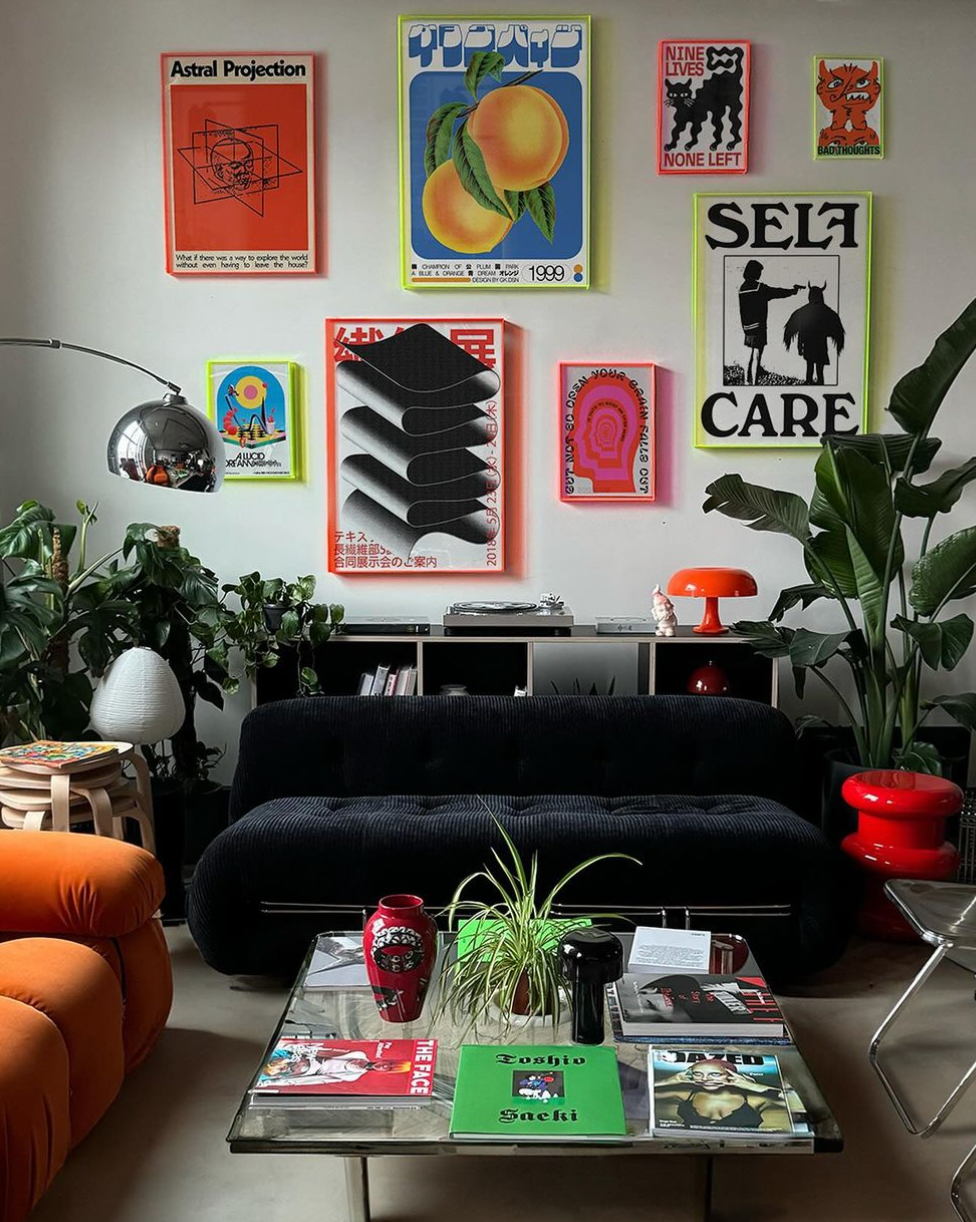
Fourth, the article suggests that frames are beneficial but not mandatory, promoting a mixed-media approach. While some gallery walls might feature uniformly framed pieces, the author prefers a diverse collection of frames—gold, black, white, and ornate—alongside unframed artworks. This eclectic mix adds visual interest and a sense of effortless curation. The author provides examples from his own wall, featuring an African mask, a golden portrait, and a frameless oil painting, demonstrating how varied elements can coexist harmoniously to create a cohesive and intriguing display.
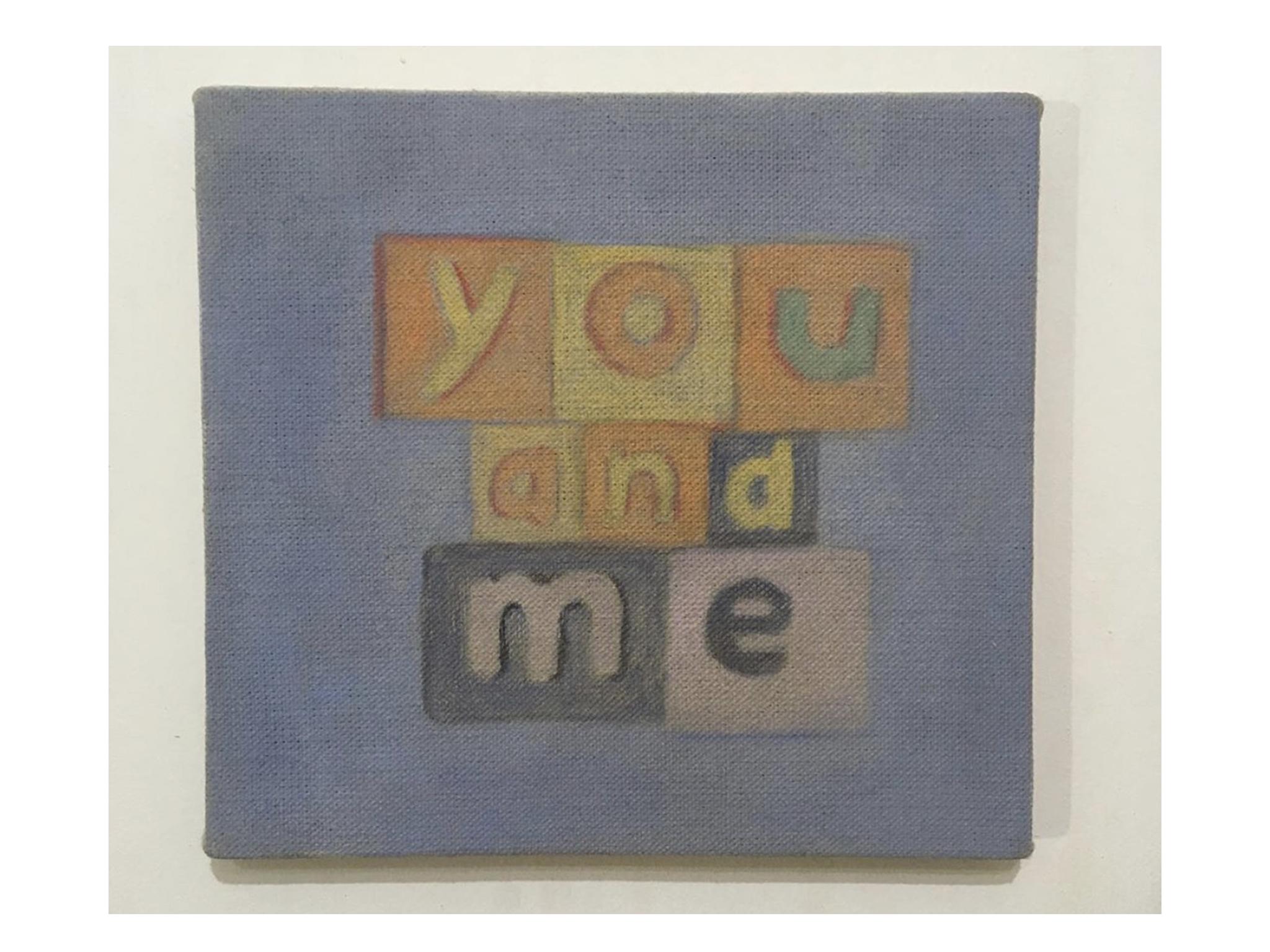
Finally, the article advises against including "showstoppers" or overly dominant pieces that might detract from the collective impact of the gallery wall. While acknowledging that not everyone possesses museum-quality art, the principle applies to any item that is too large or possesses an overwhelming character, such as a movie poster or even a child’s vibrant finger painting. The goal is for the gallery wall to function as a unified whole, where individual elements contribute to a larger narrative rather than overshadowing other components. The author emphasizes that the strength of a gallery wall lies in the cumulative effect of its parts, allowing each piece to complement the others without vying for singular attention.
#GalleryWall #HomeDecor #InteriorDesign #ArtArrangement #PersonalExpression #IsabellaStewartGardnerMuseum #DIYHomeDecor #AsymmetricalDesign #CreativeLiving #GalleryWall #HomeDecor #InteriorDesign #ArtArrangement #PersonalExpression #IsabellaStewartGardnerMuseum #DIYHomeDecor #AsymmetricalDesign #CreativeLiving
0 comment in total
 No comments yet
You may also like
How to create a gallery wall in your home
Expert tips for creating a happy gallery wall without sacrificing style

The key to building a great gallery wall is, well, thinking a little off-the-wall

Style at Home: Creating the perfect gallery wall

How to create an Instagram-worthy gallery wall: Interiors experts on framing and displaying your art
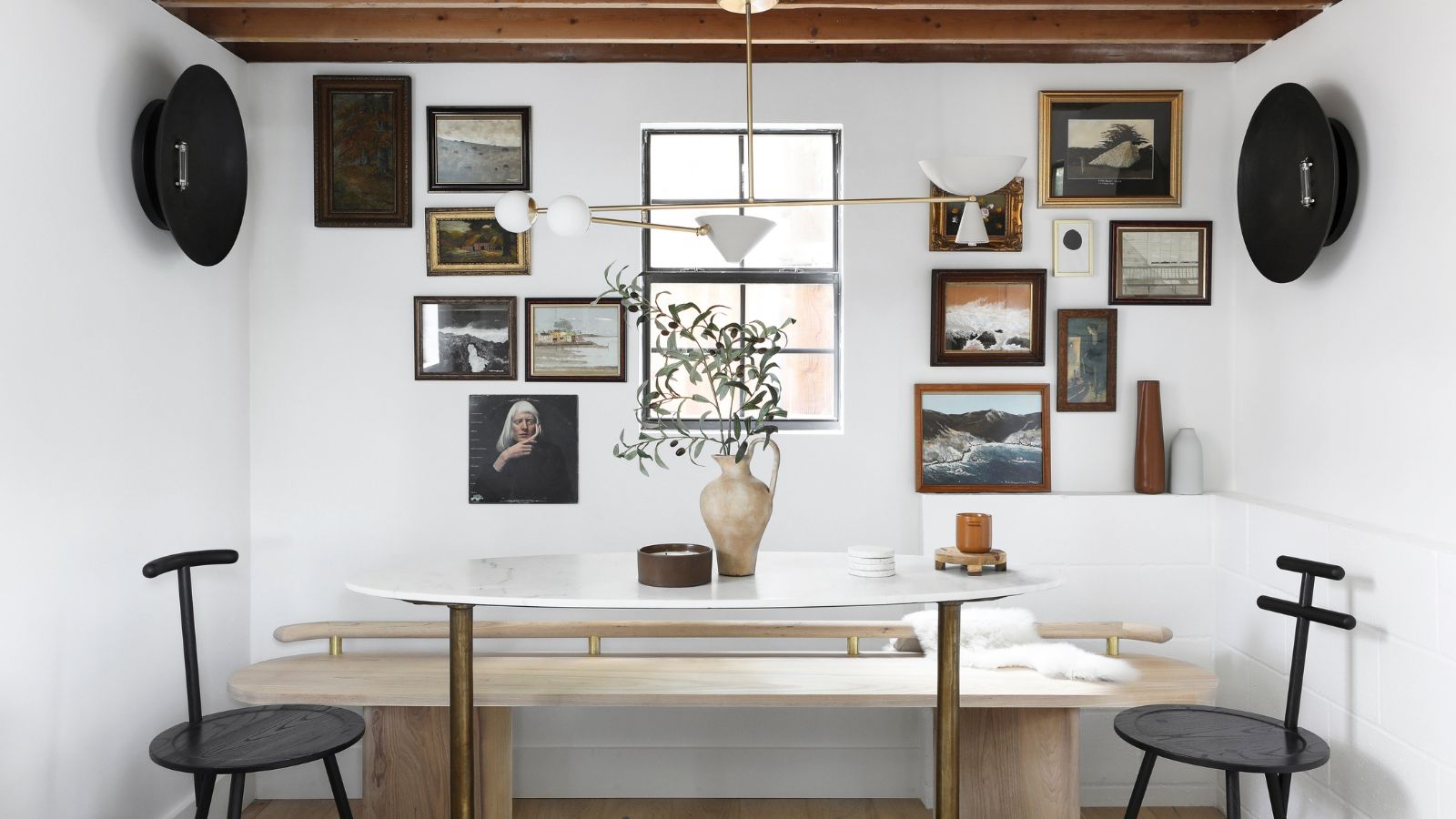
5 common gallery wall mistakes designers warn to always avoid – to create the chicest of displays

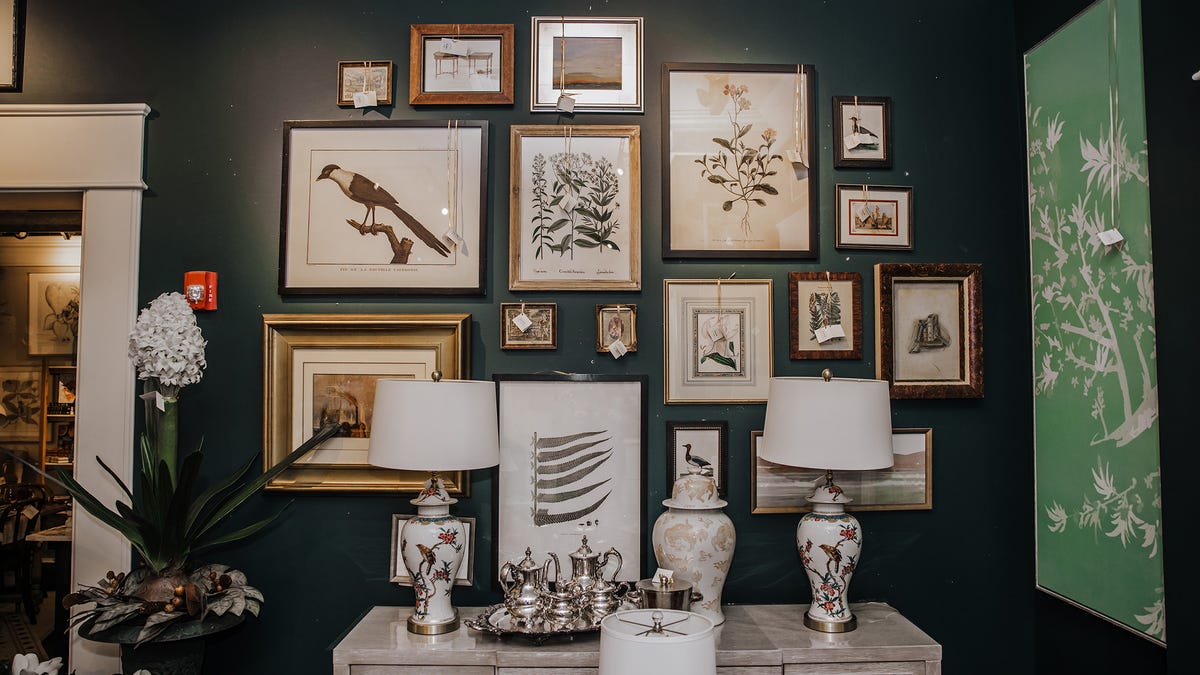
Style at Home: Creating the perfect gallery wall

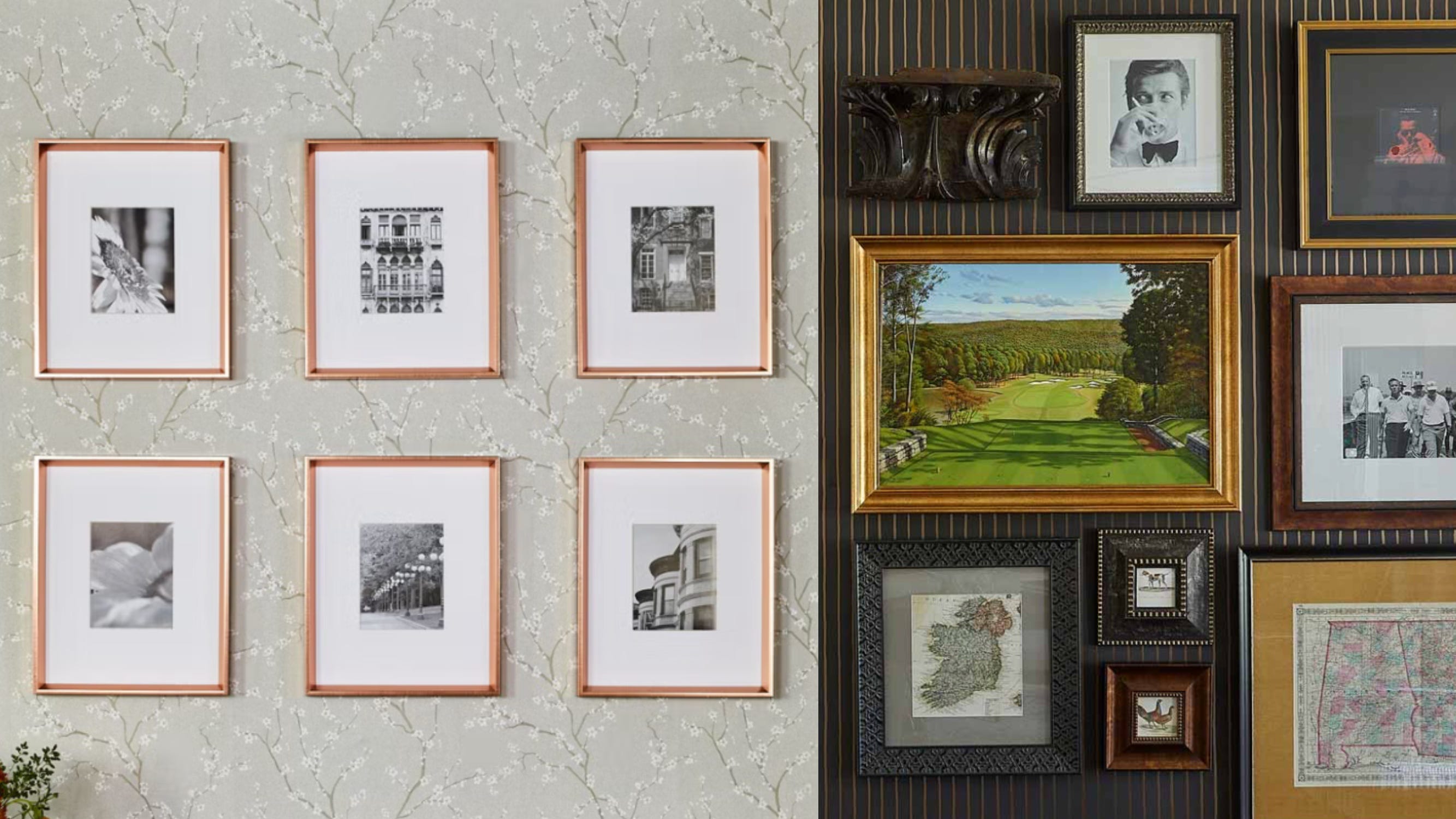
Matching or Mismatched Gallery Wall? Big-Time Designers Have a VERY SPECIFIC Preference

to create a gallery art wall - Ideas & Advice

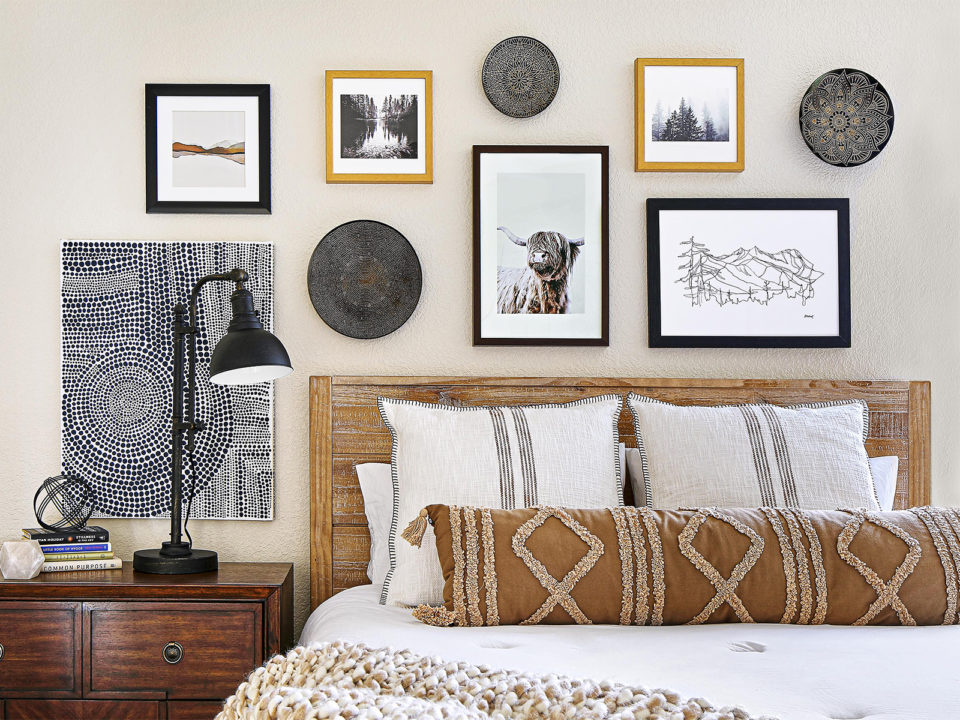
How to Create a Gorgeous Gallery Wall in Your Home

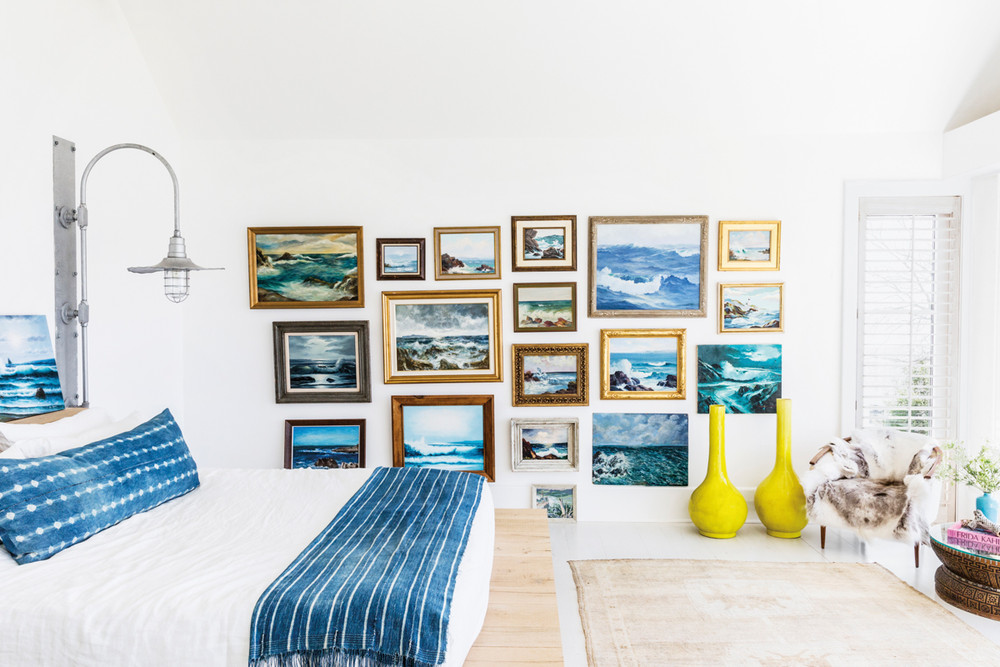
The Best Gallery Wall Ideas Right Now


9 Things (Other Than Photos) That Look Great In A Gallery Wall
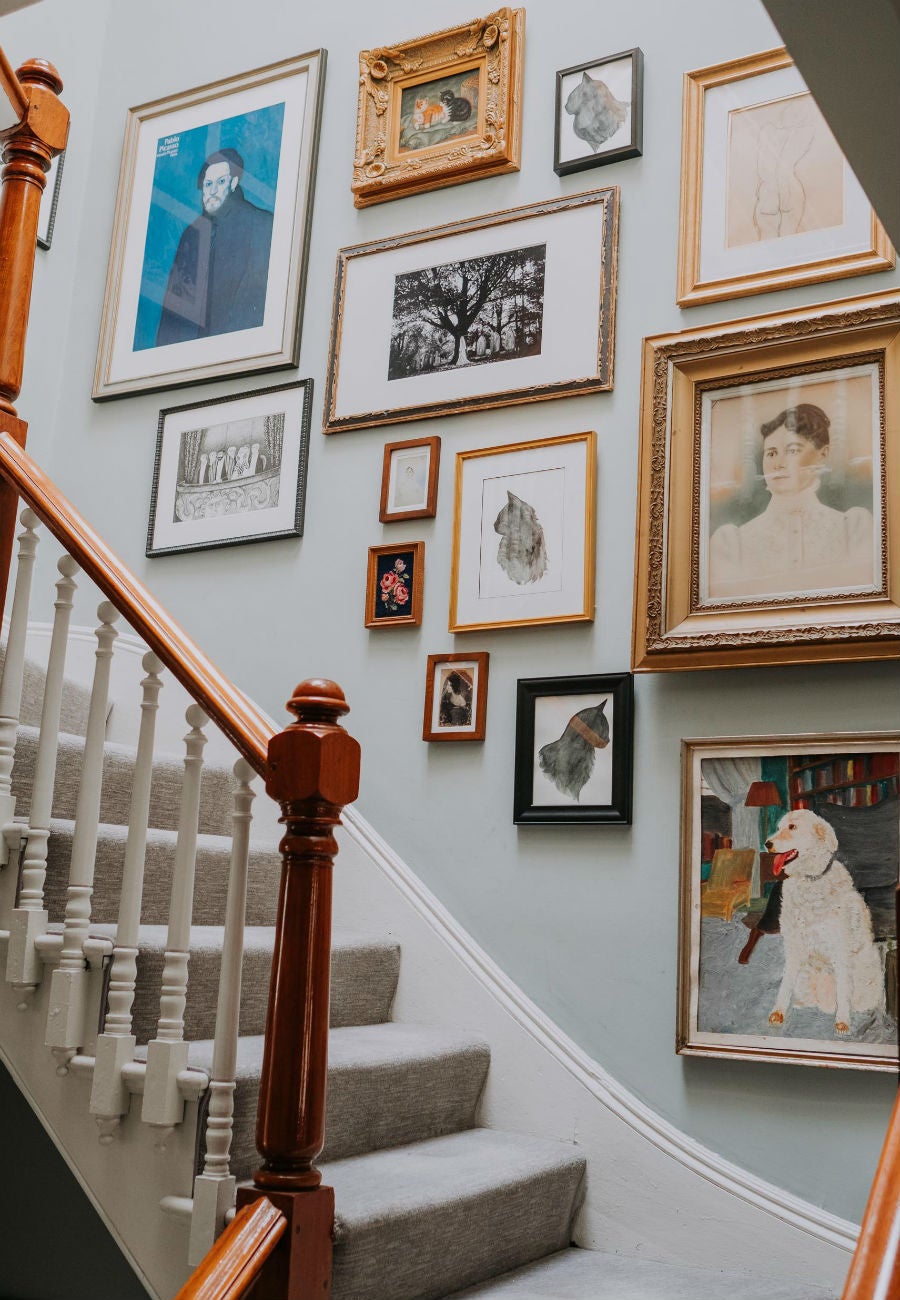
Ask The Expert: How To Create A Gallery Wall

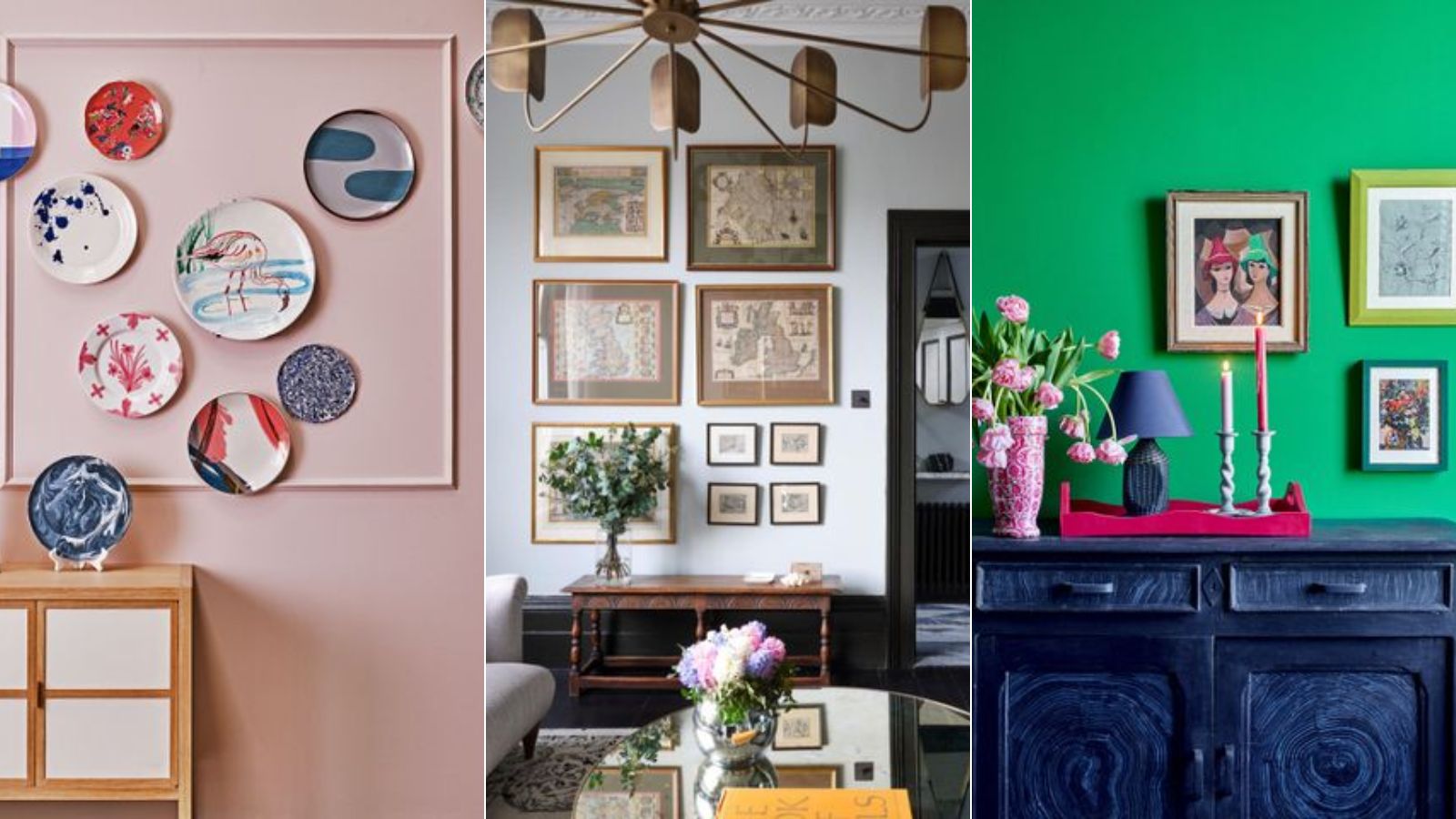
7 DIY tips for how to hang a gallery wall from experts

I'm an interior designer - how to create a gallery wall without it looking tacky - people always make the same mistakes

Even newbies can master this popular home-decor trend
how to style a 3D gallery wall
You're Styling Your Gallery Wall All Wrong—Here's How to Get It Right, According to Experts

I'm an interior designer - how to create a gallery wall without it looking tacky - people always make the same mistakes

How to put together a gallery wall according to design professionals