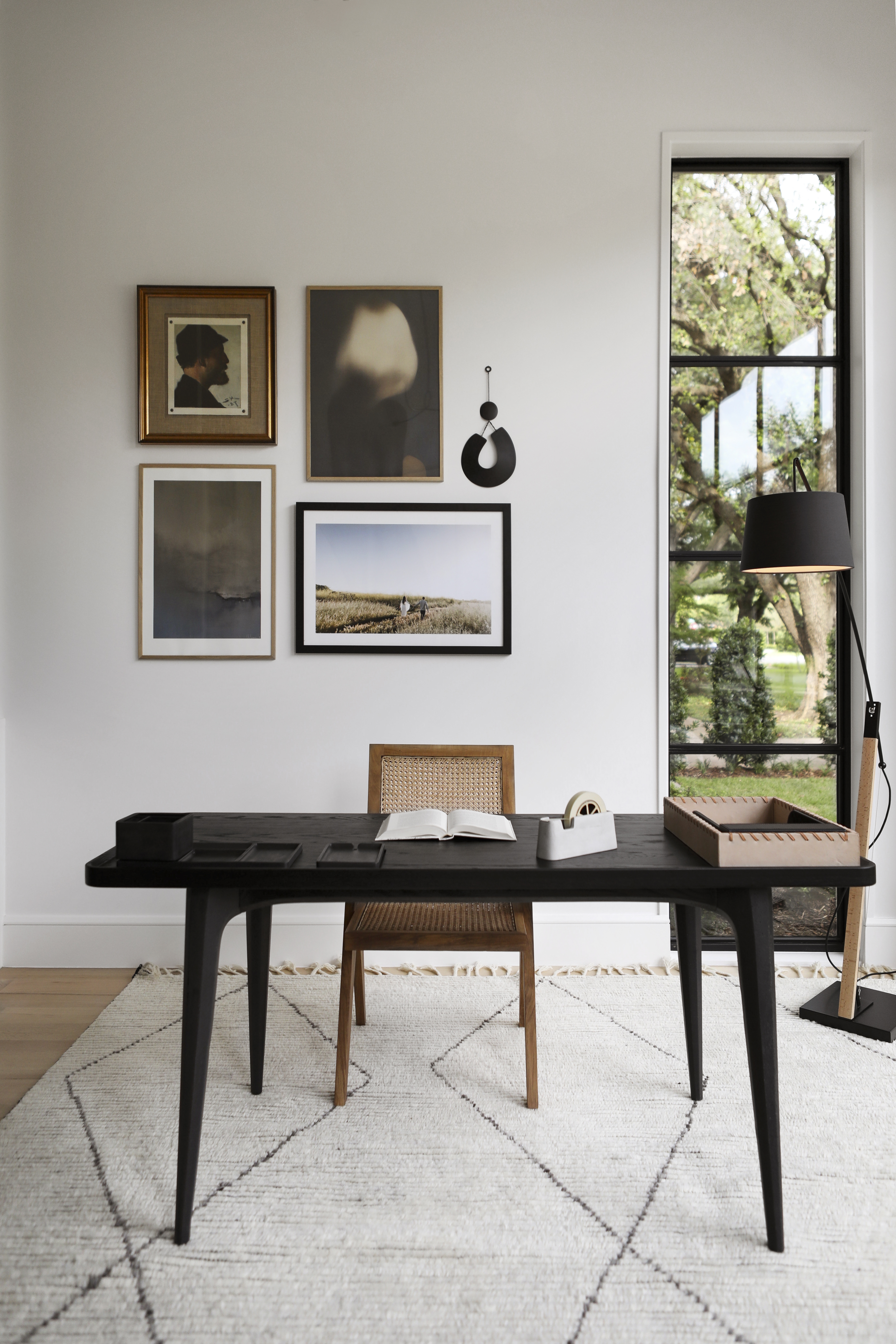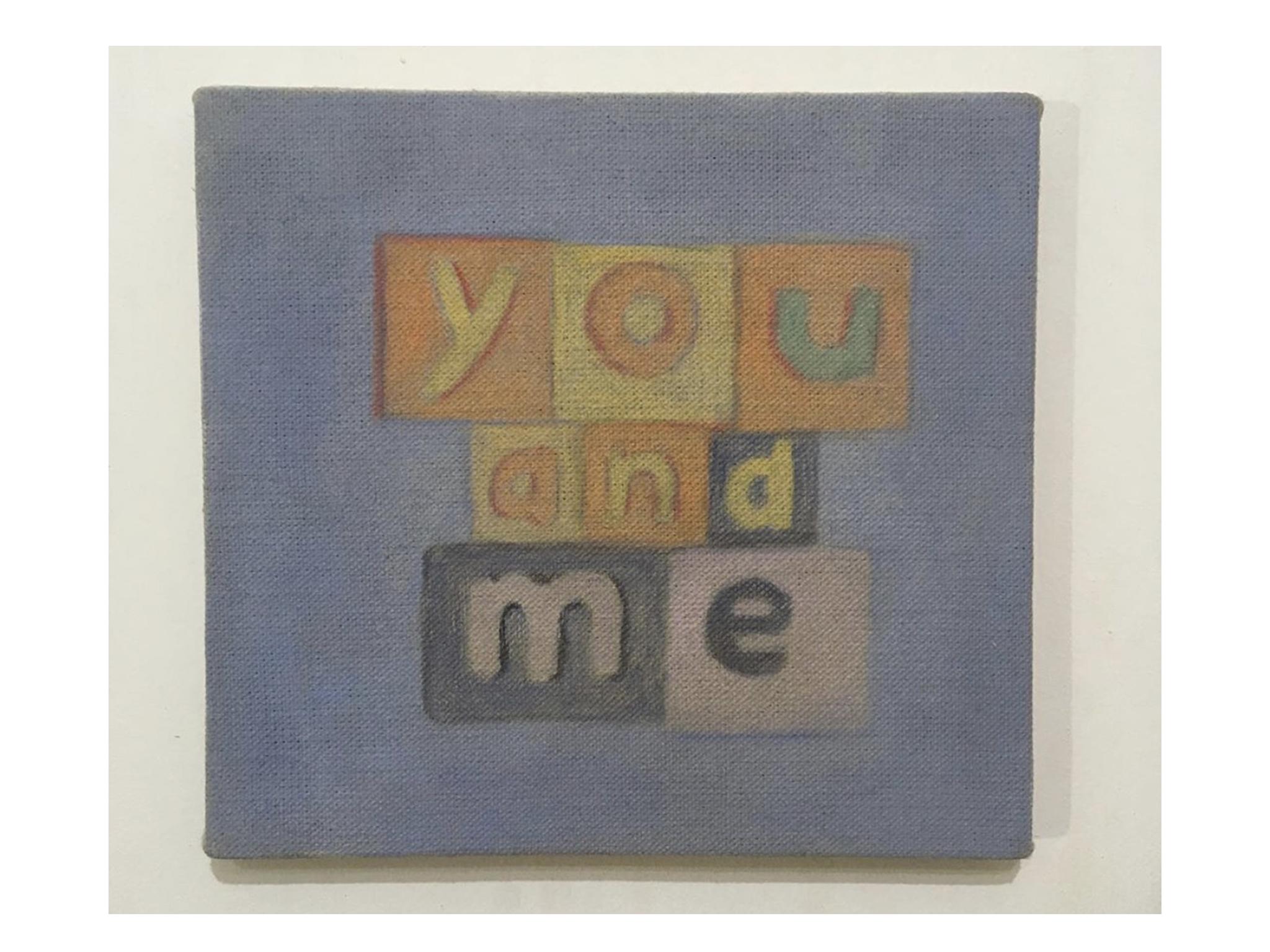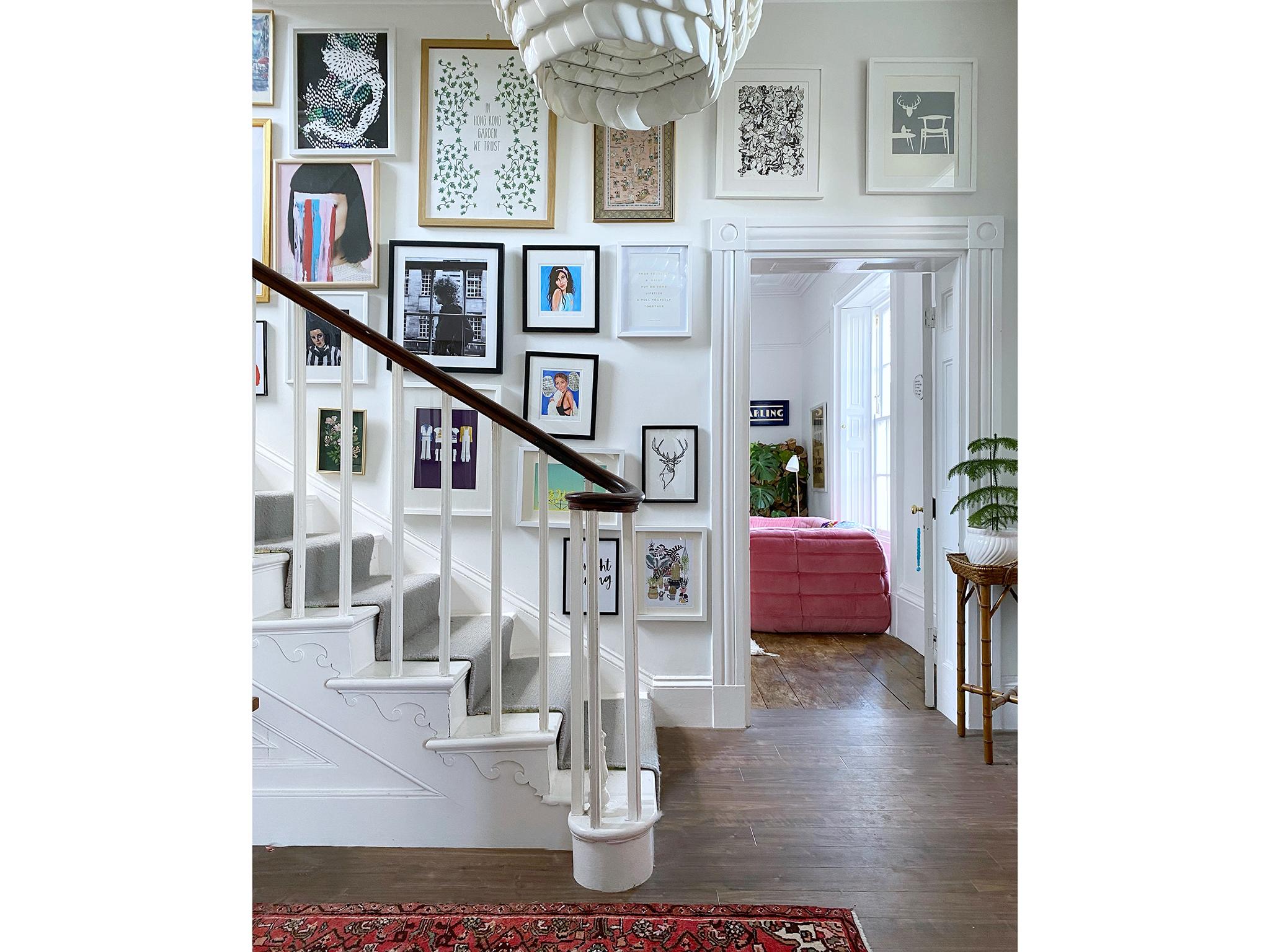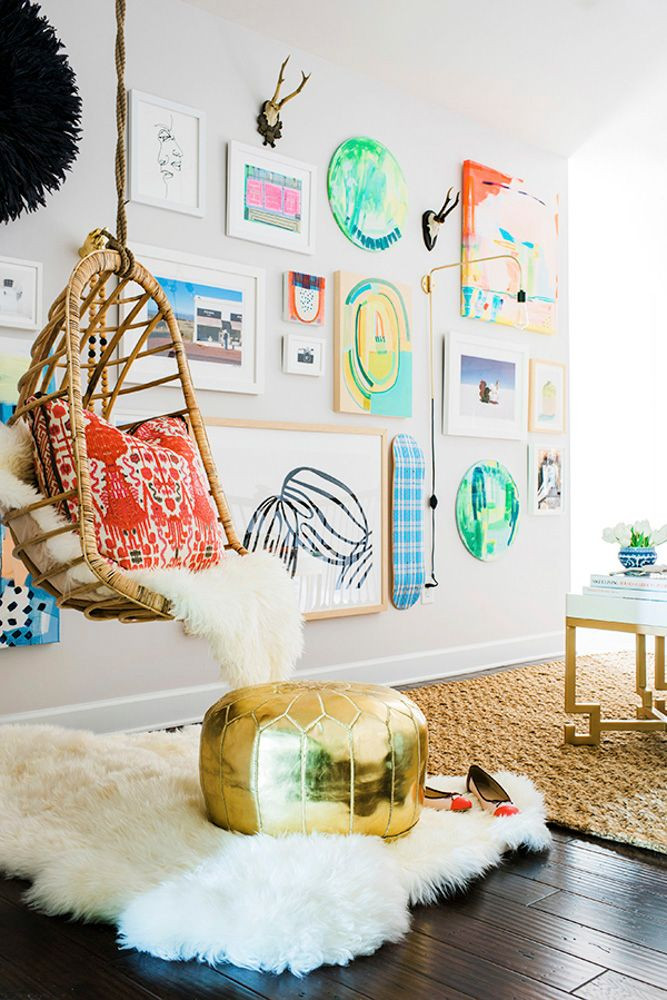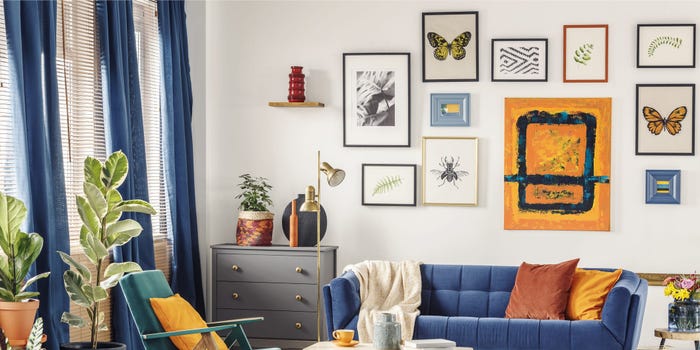
How to put together a gallery wall according to design professionals
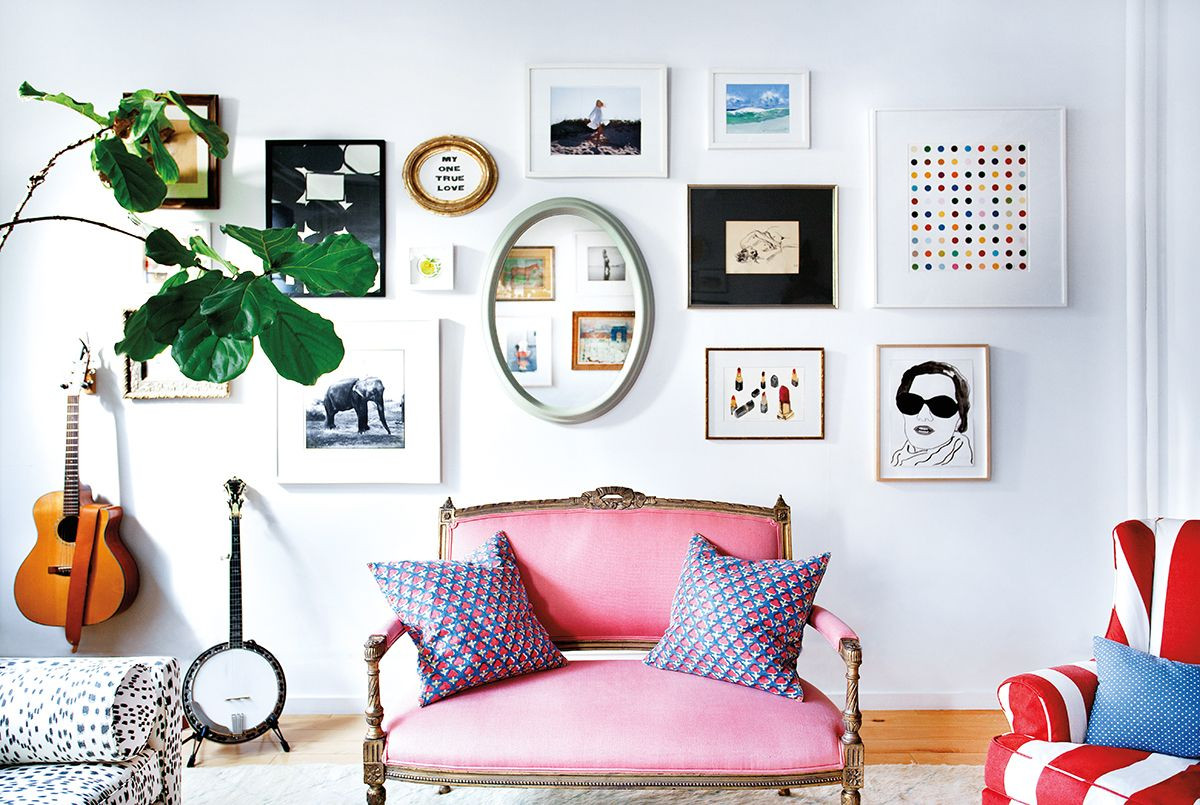
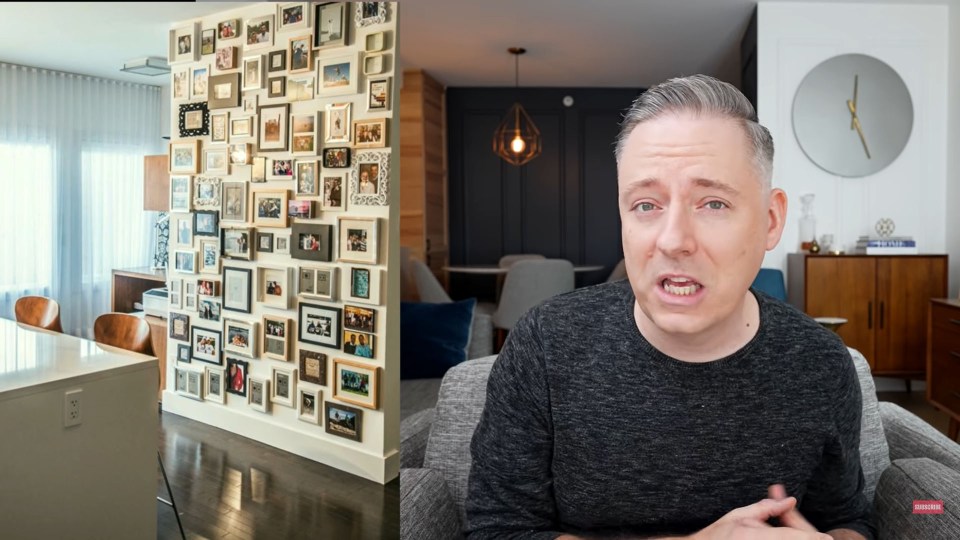
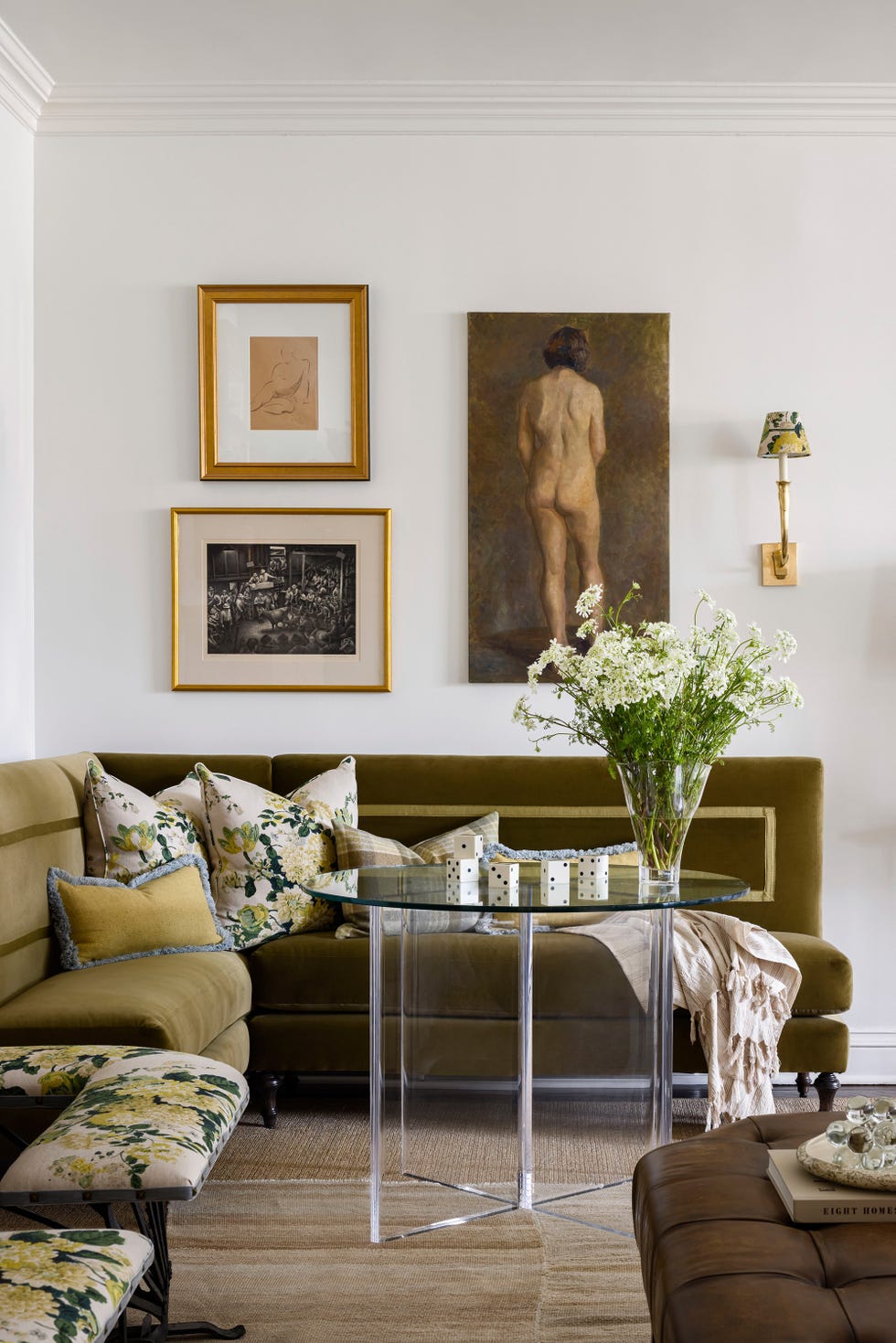
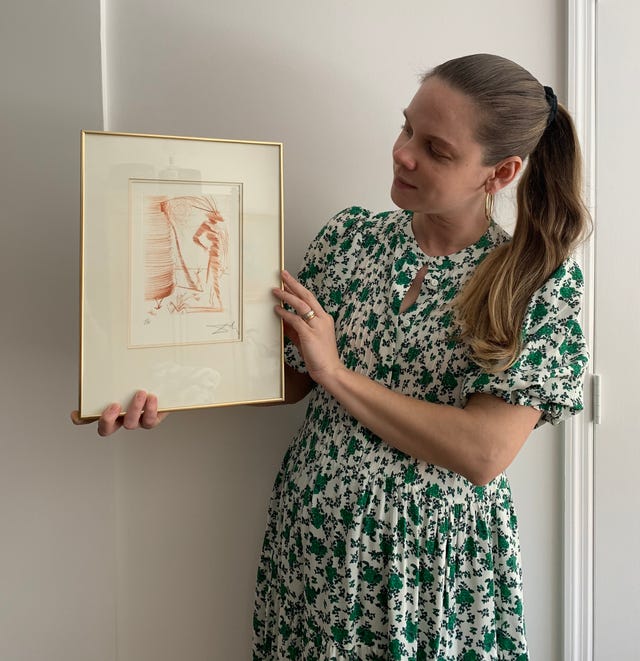
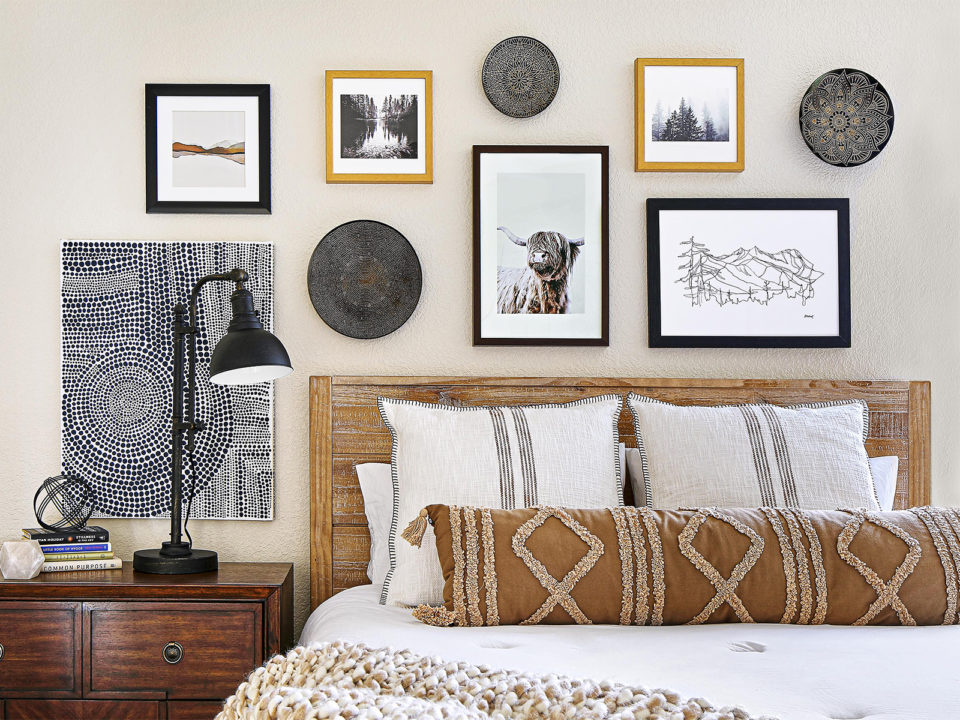
Creating a gallery wall is a striking yet cost-effective method to enhance a blank wall, offering a platform to display cherished memories or art pieces, and becoming a focal point in any room. Despite potential hesitation, curating a gallery wall at home doesn't necessitate a large budget or adherence to rigid art world conventions. Candita Clayton, a renowned gallerist, emphasizes that the primary criterion for selecting pieces should be their ability to evoke emotion, assuring that any selection based on this principle can be successfully integrated.
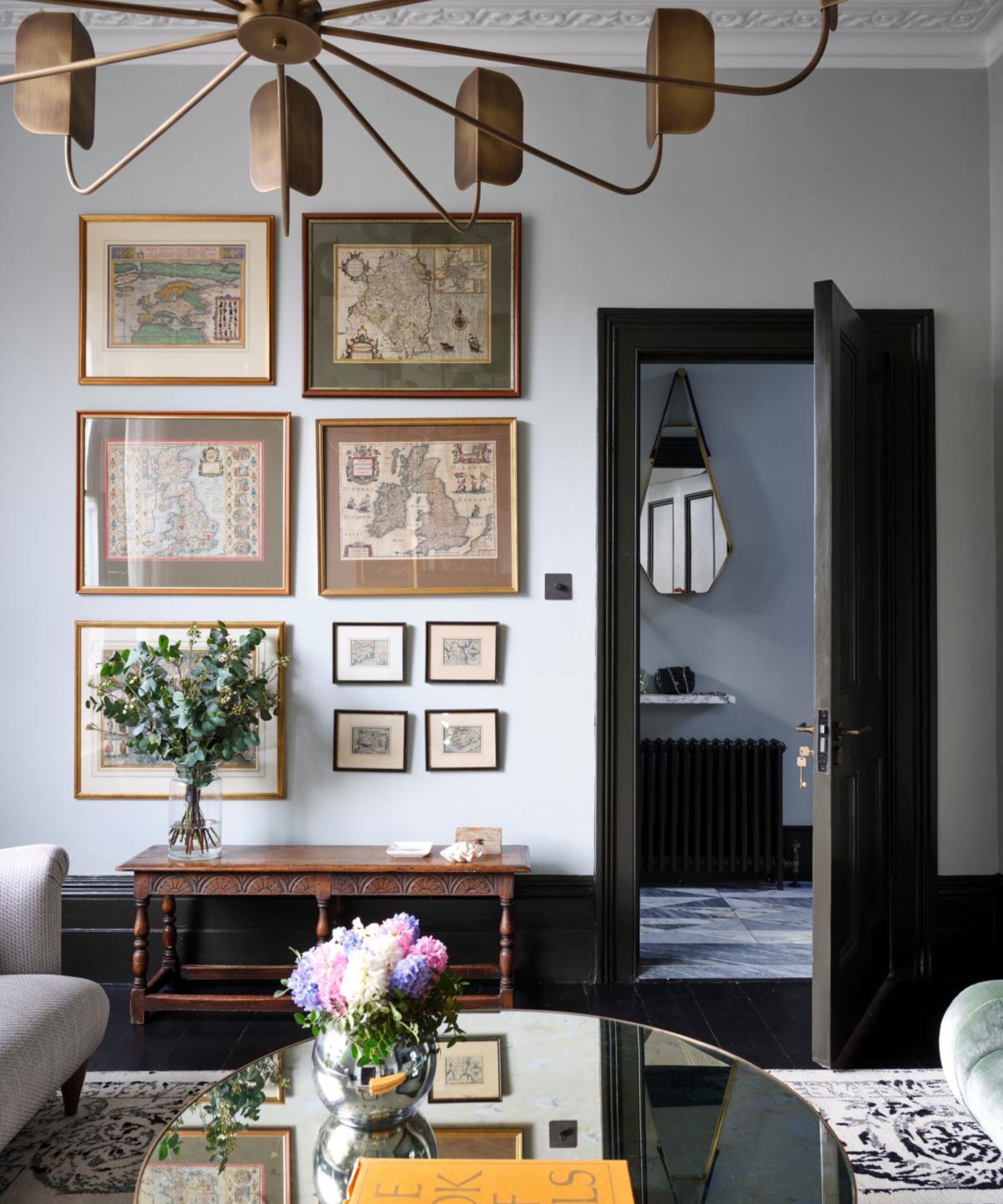
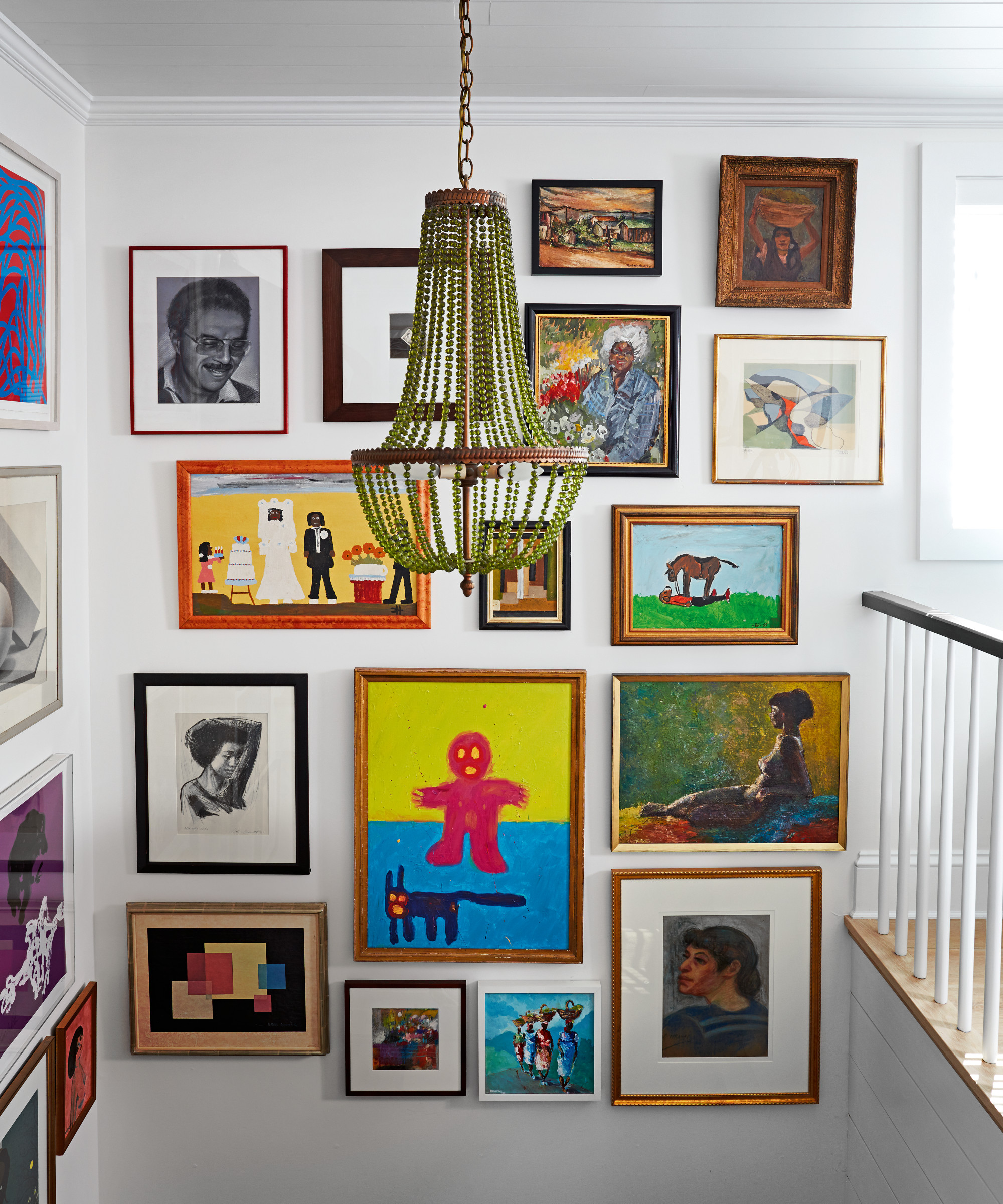
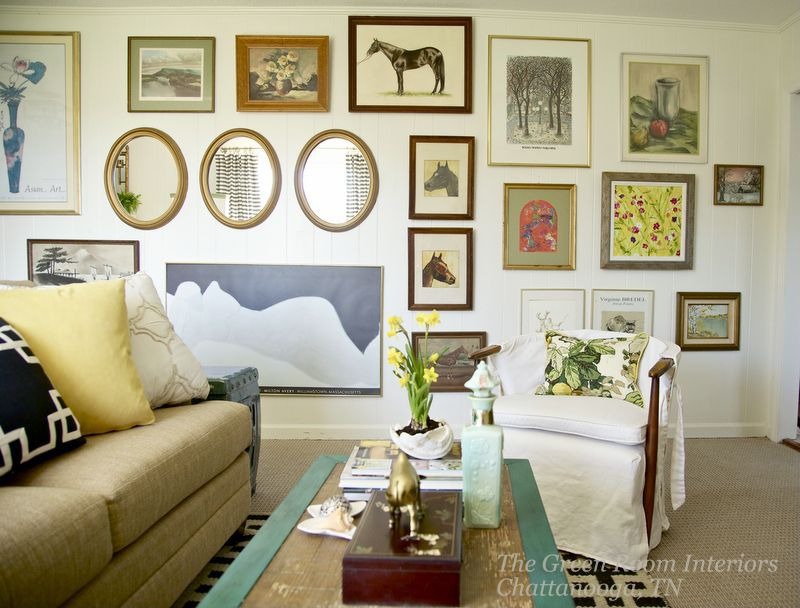
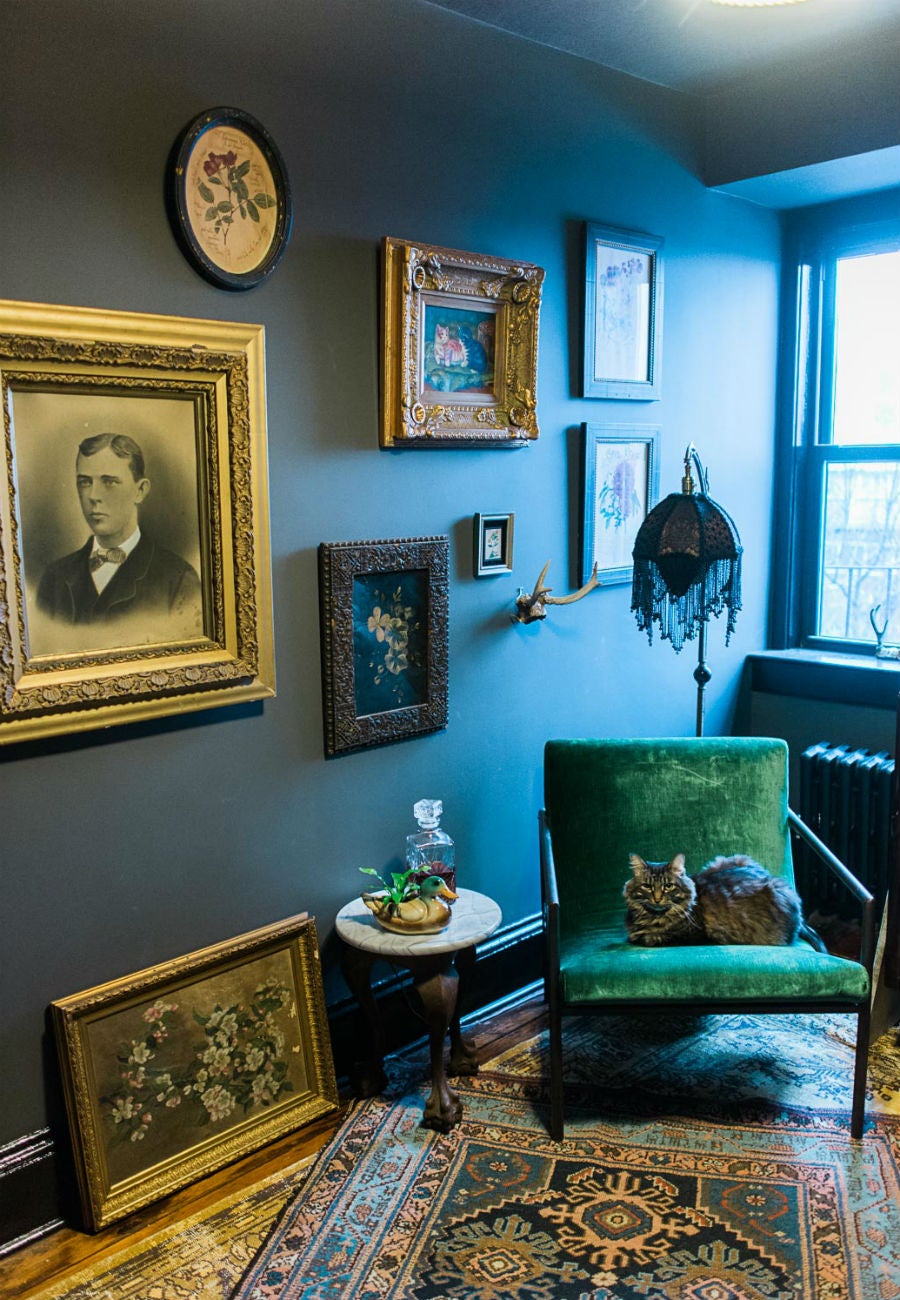
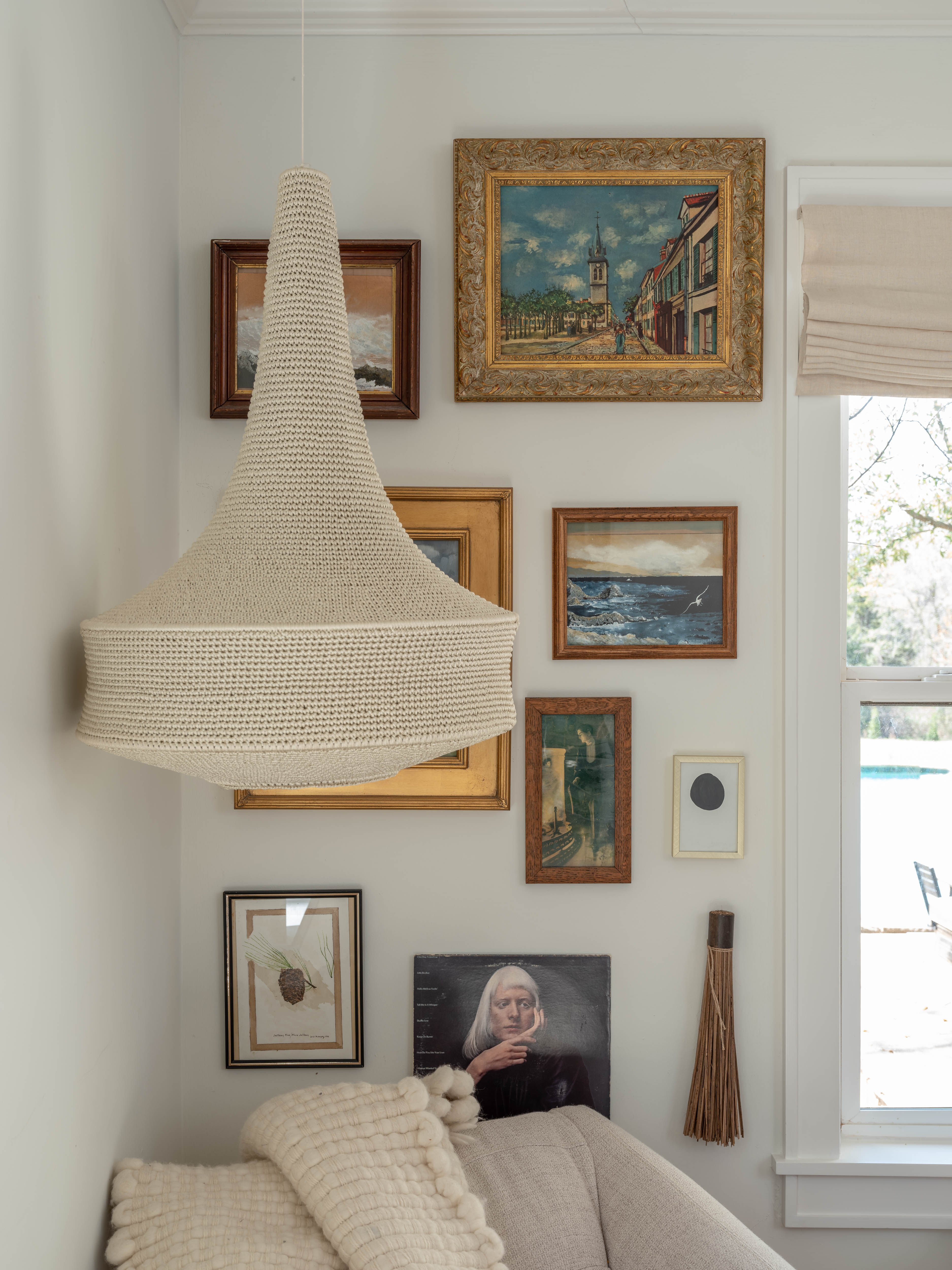
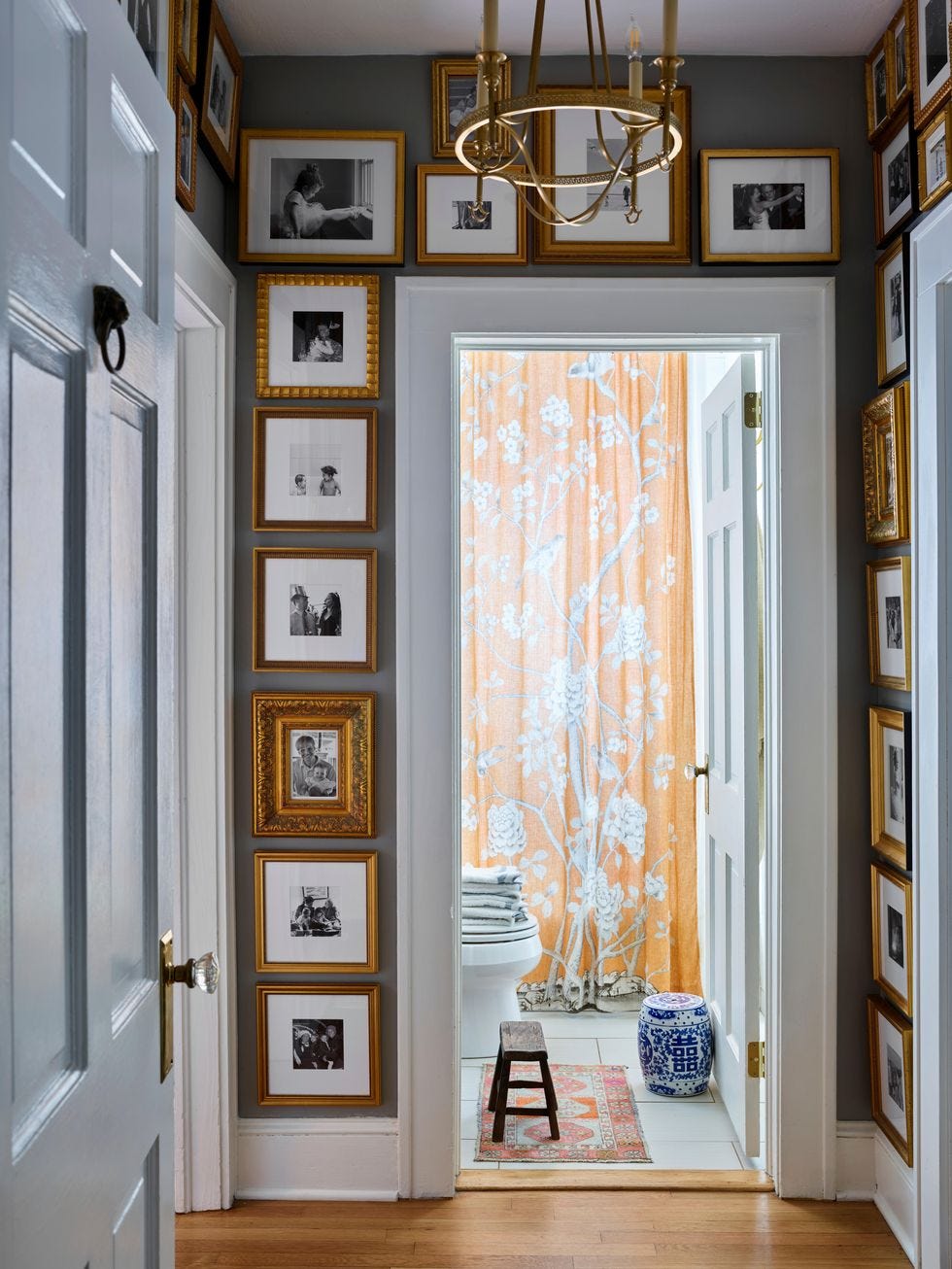
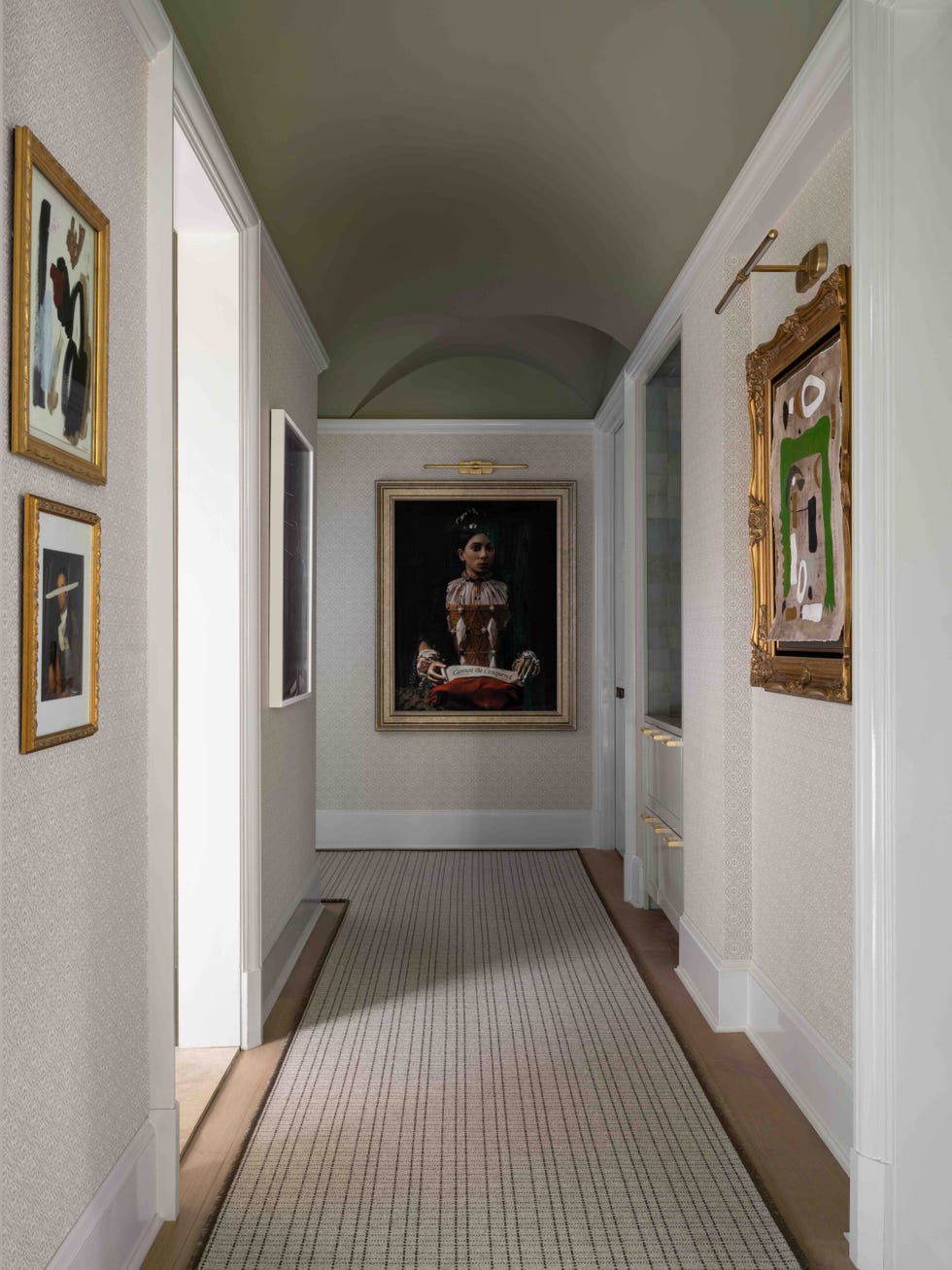
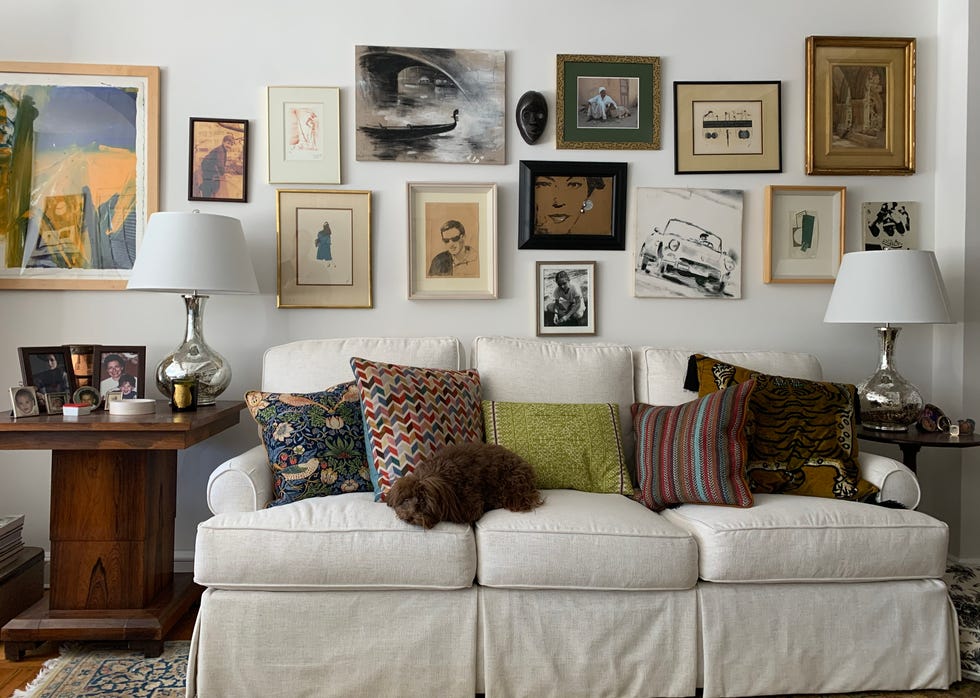
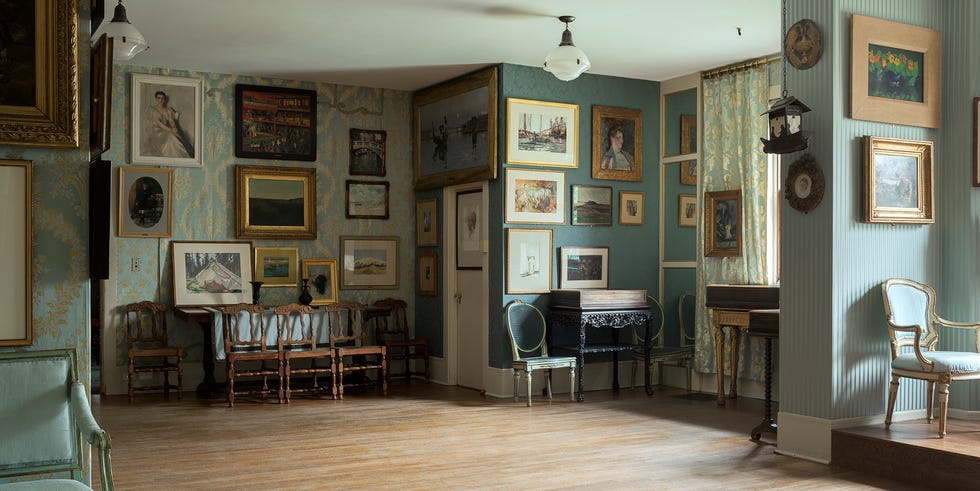
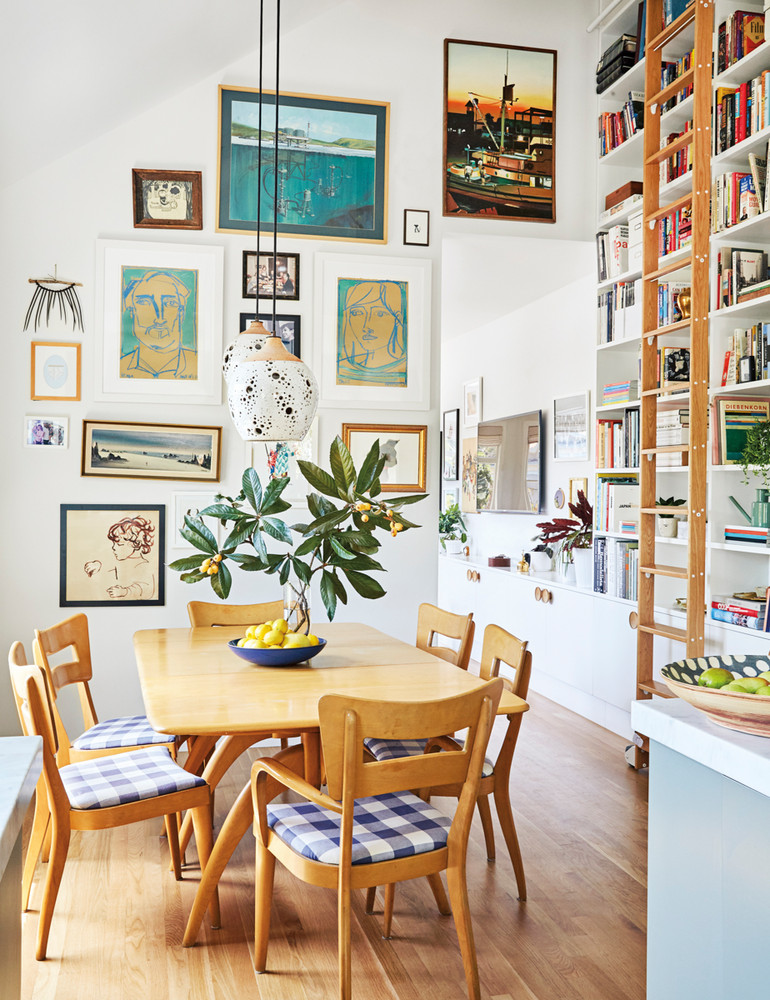
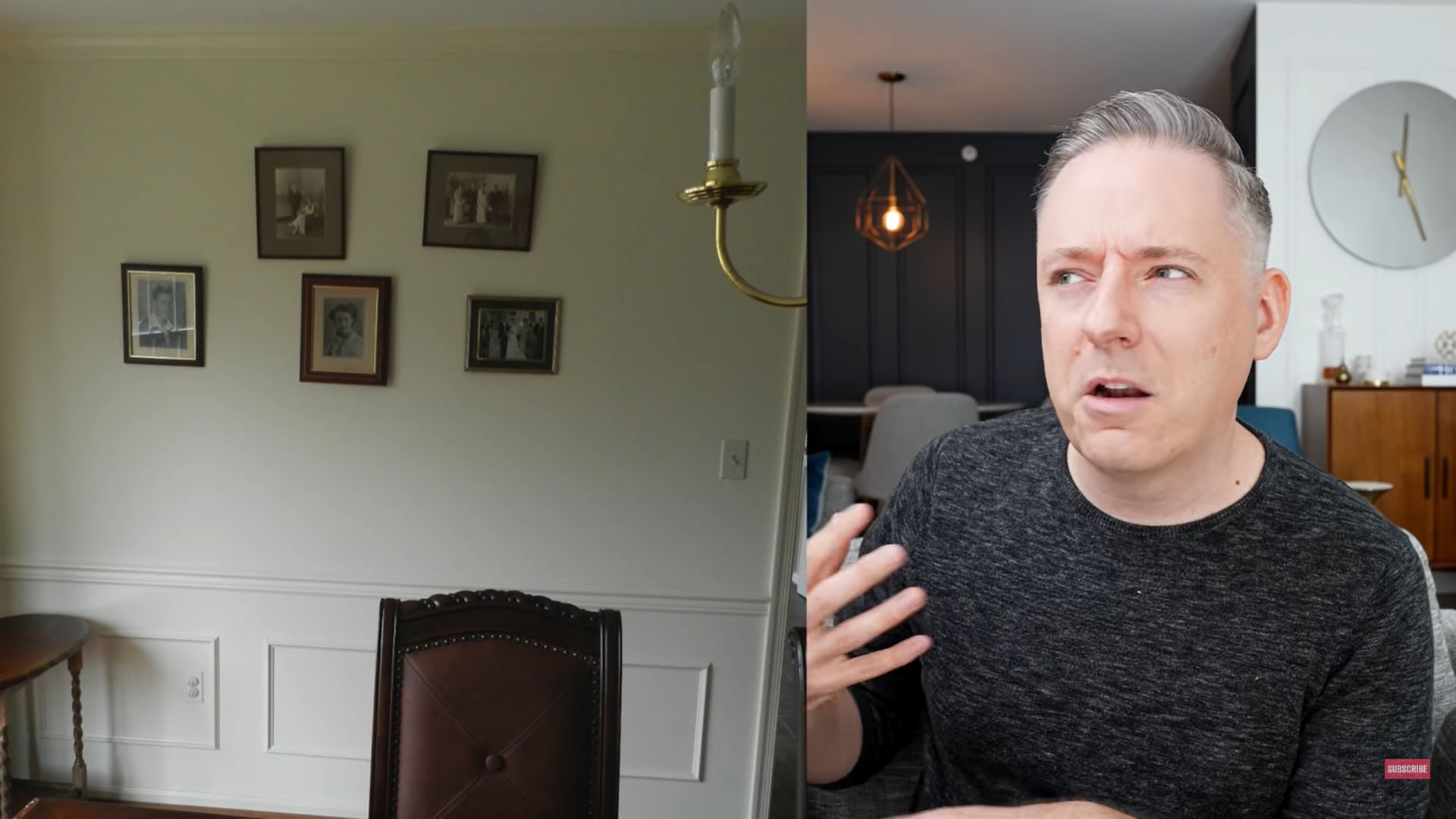
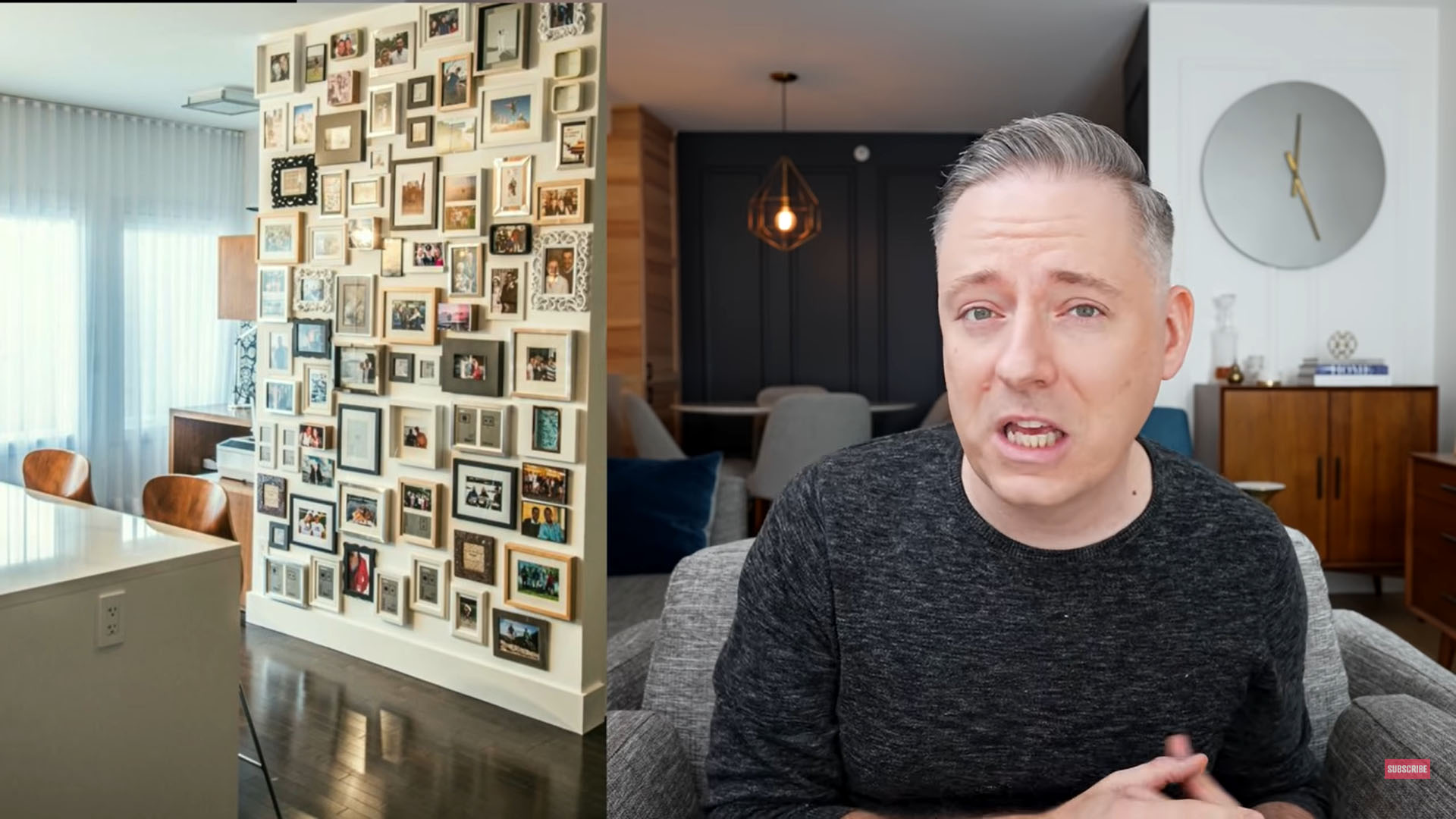
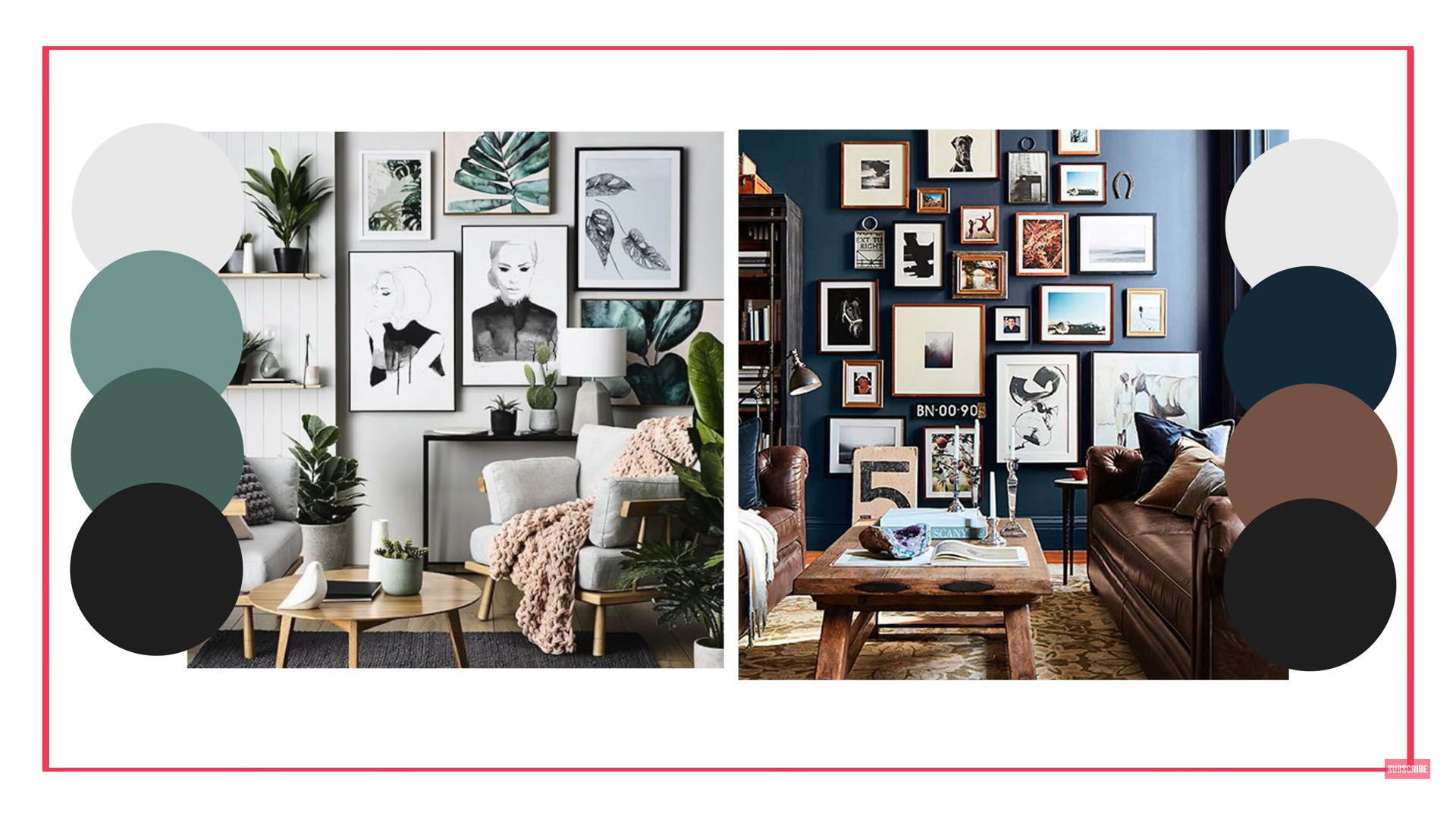
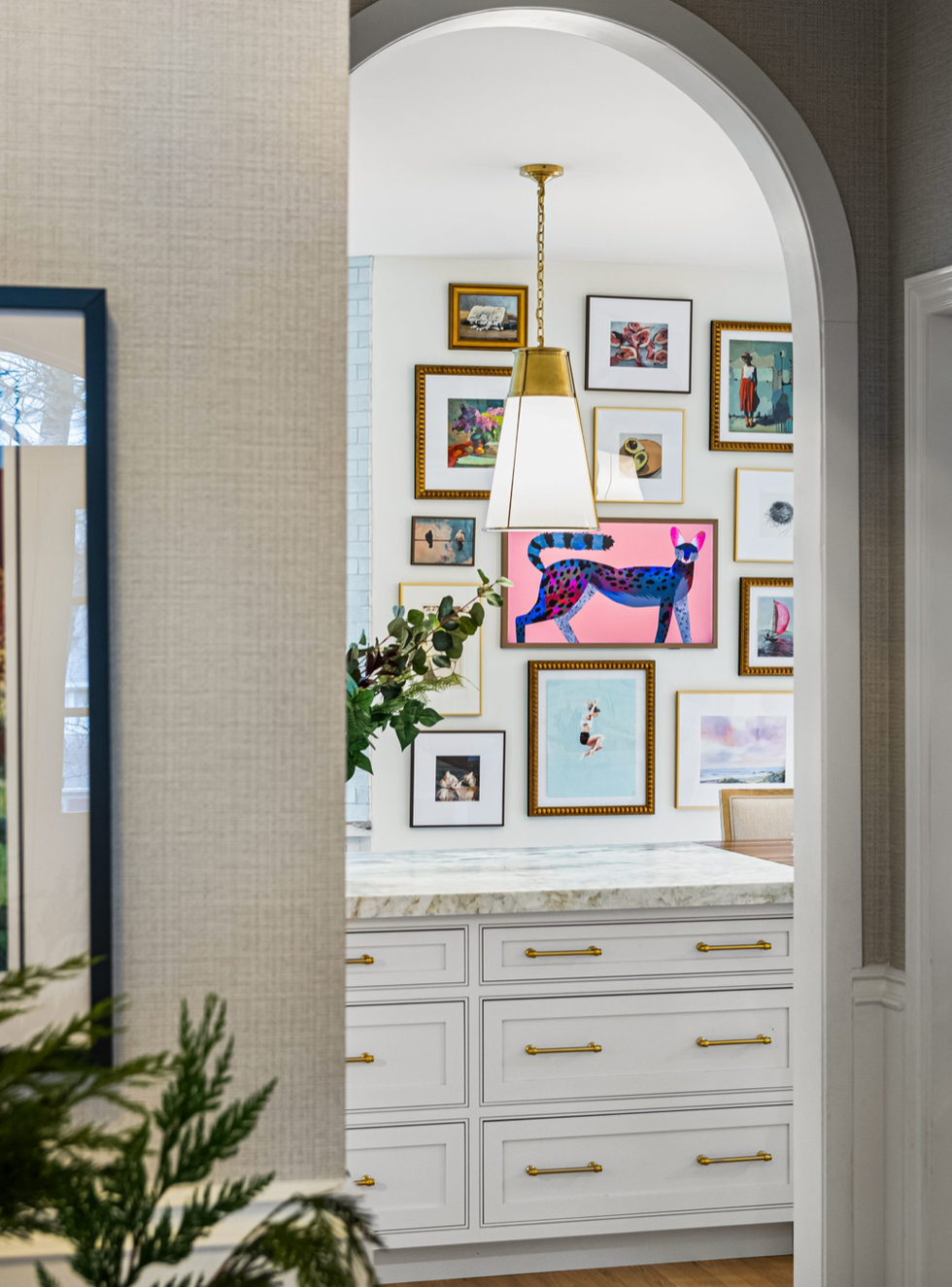
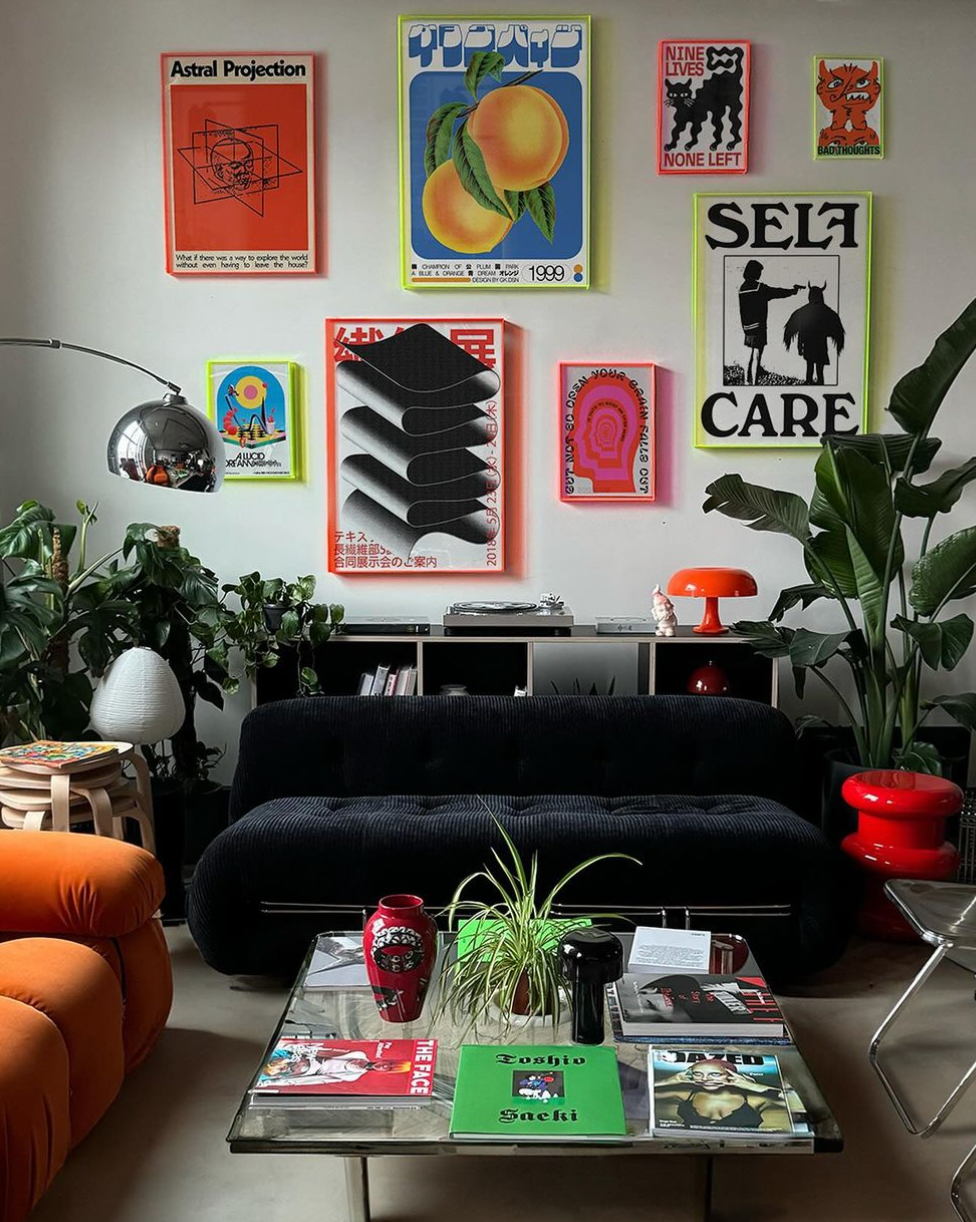
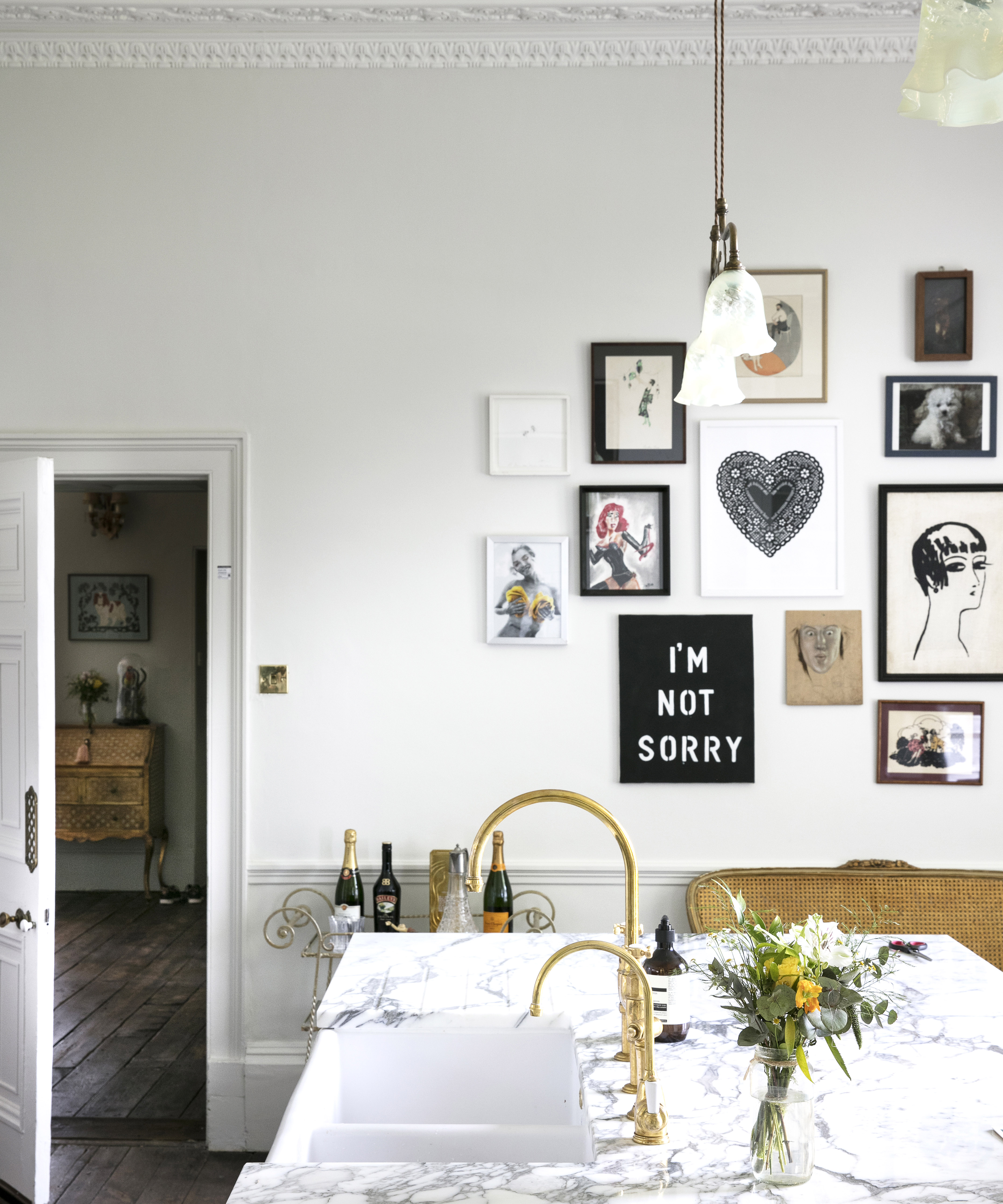
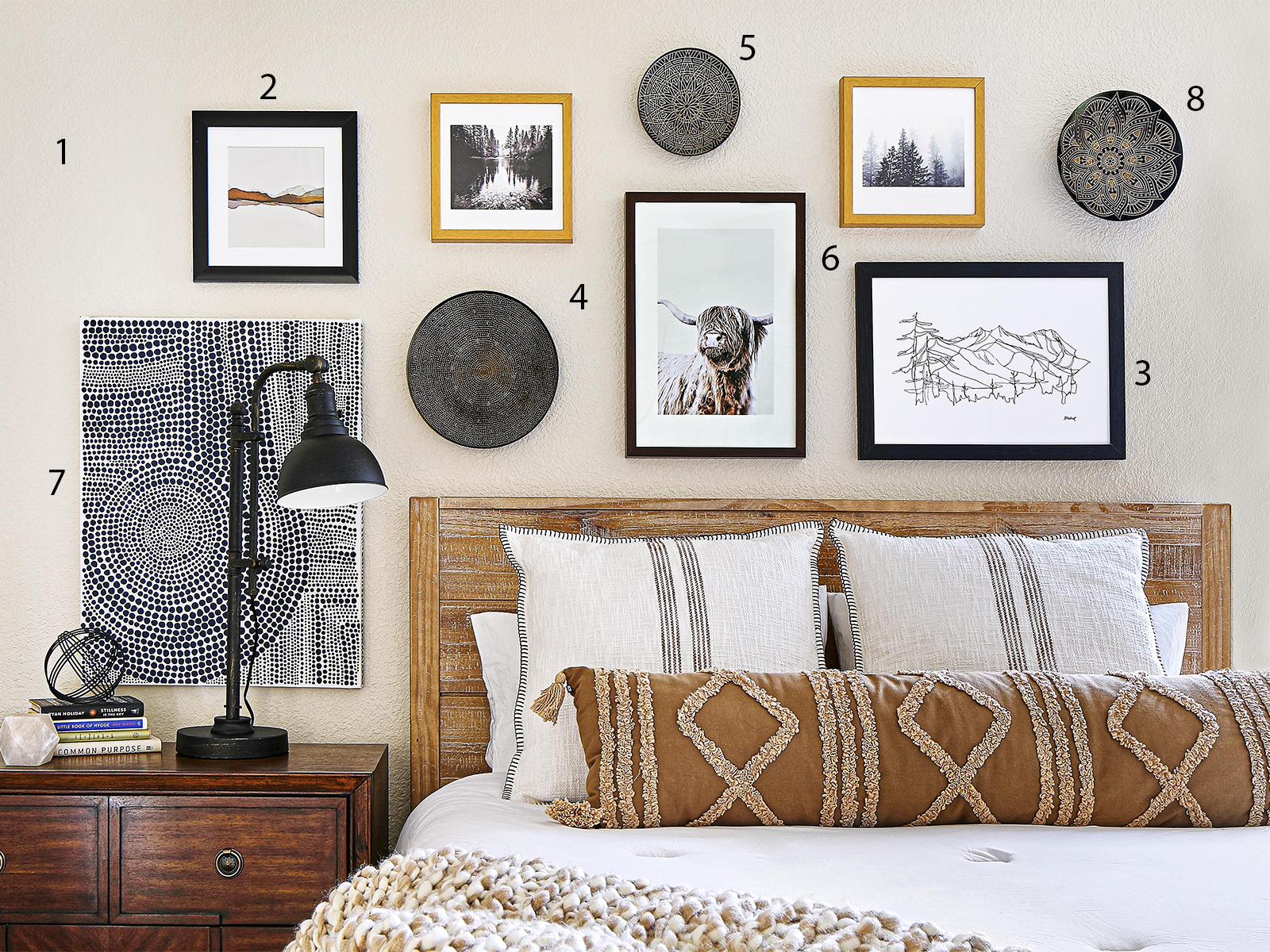
Expert advice begins with identifying the subject matter. Interior designer Jessica Davis recommends deciding whether the gallery will feature family photos, children's art, travel memorabilia, or an eclectic mix. Following this, the choice of frames is crucial. Lisa Howie, a curator consultant, points out that frames significantly contribute to the art's narrative. Simple, minimal frames can highlight the art itself, while more ornate ones can add layers of historical or thematic context. For those seeking an eclectic look, mixing and matching frames, or sourcing them from thrift stores, can be both cost-effective and aesthetically enriching.
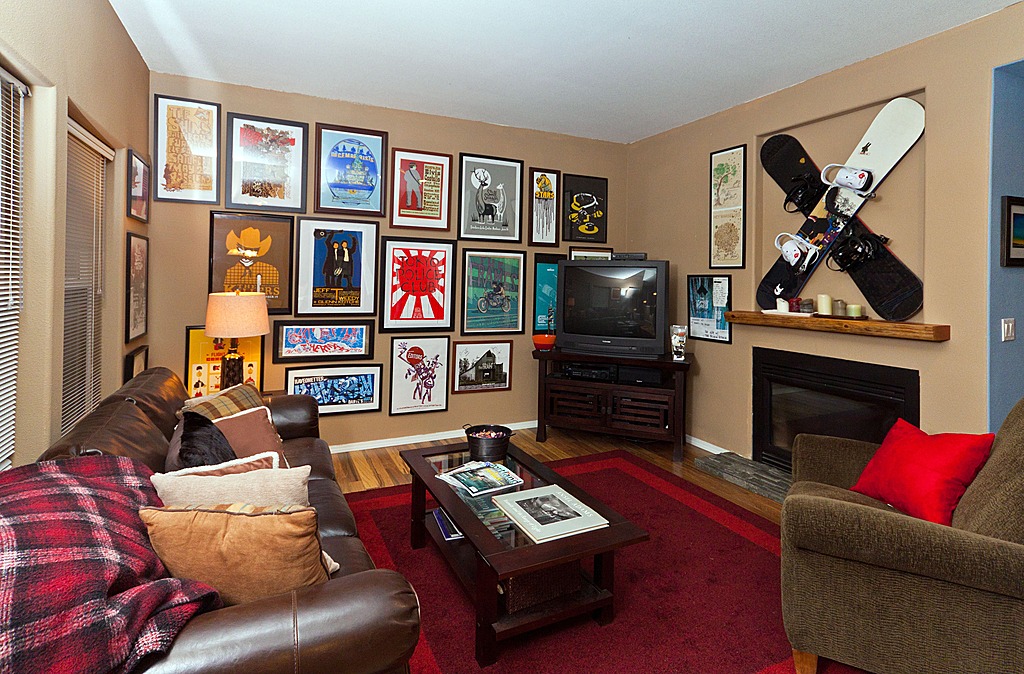
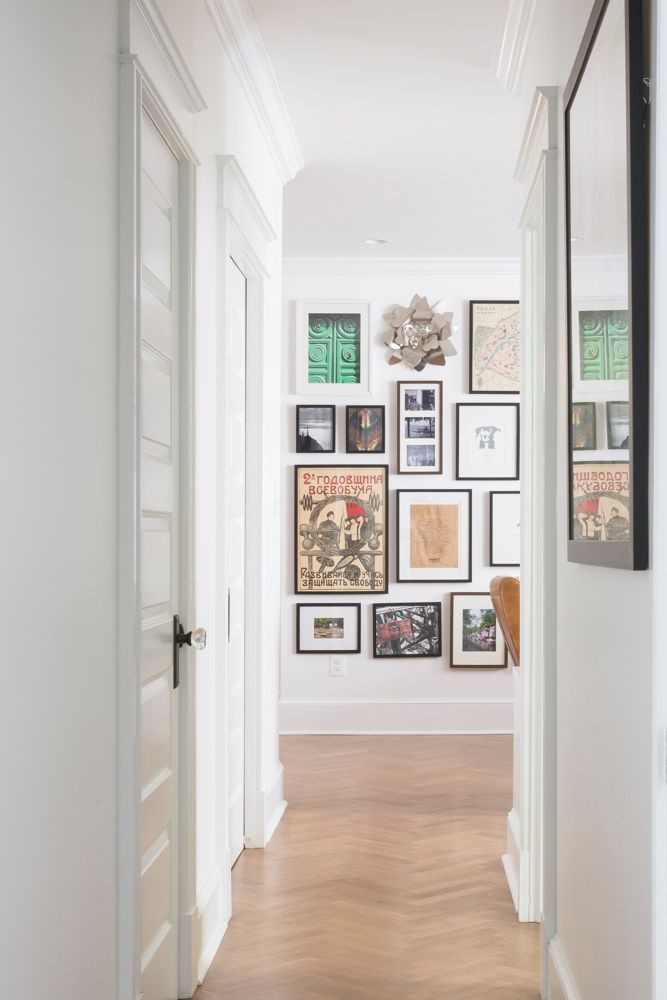
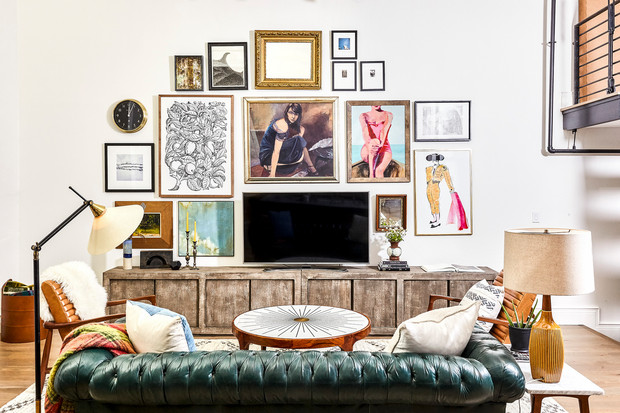
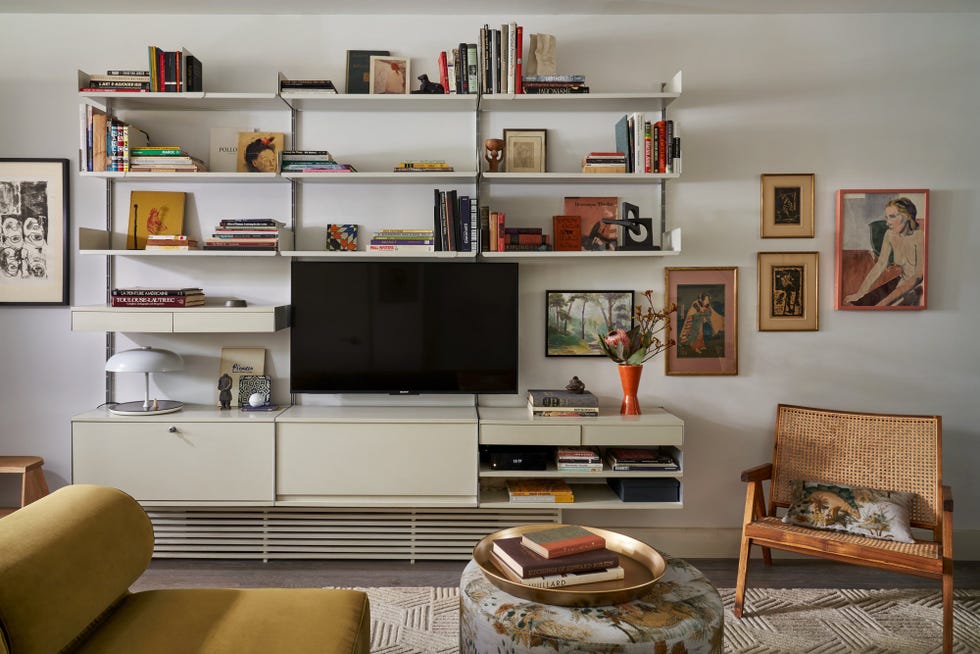
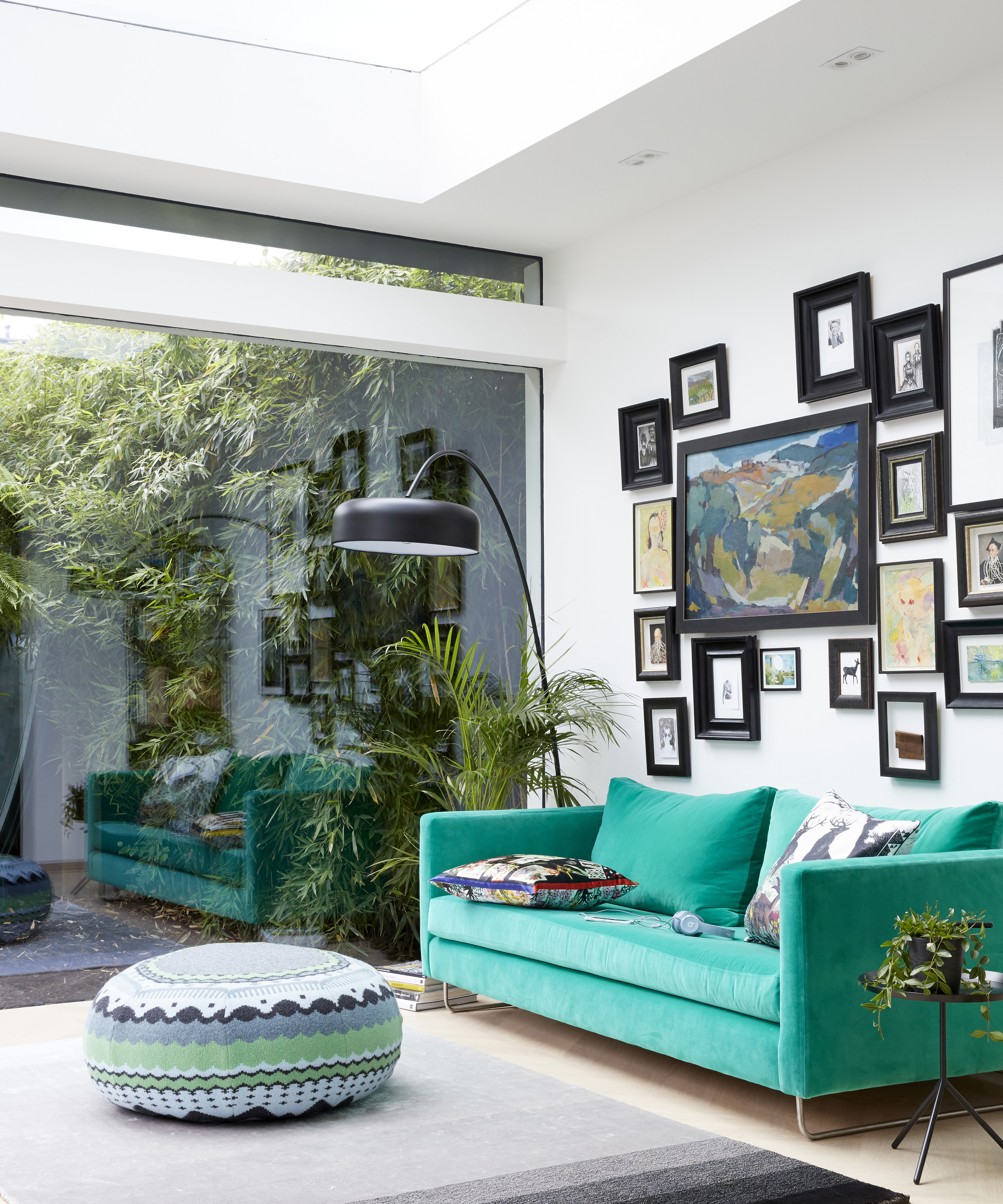
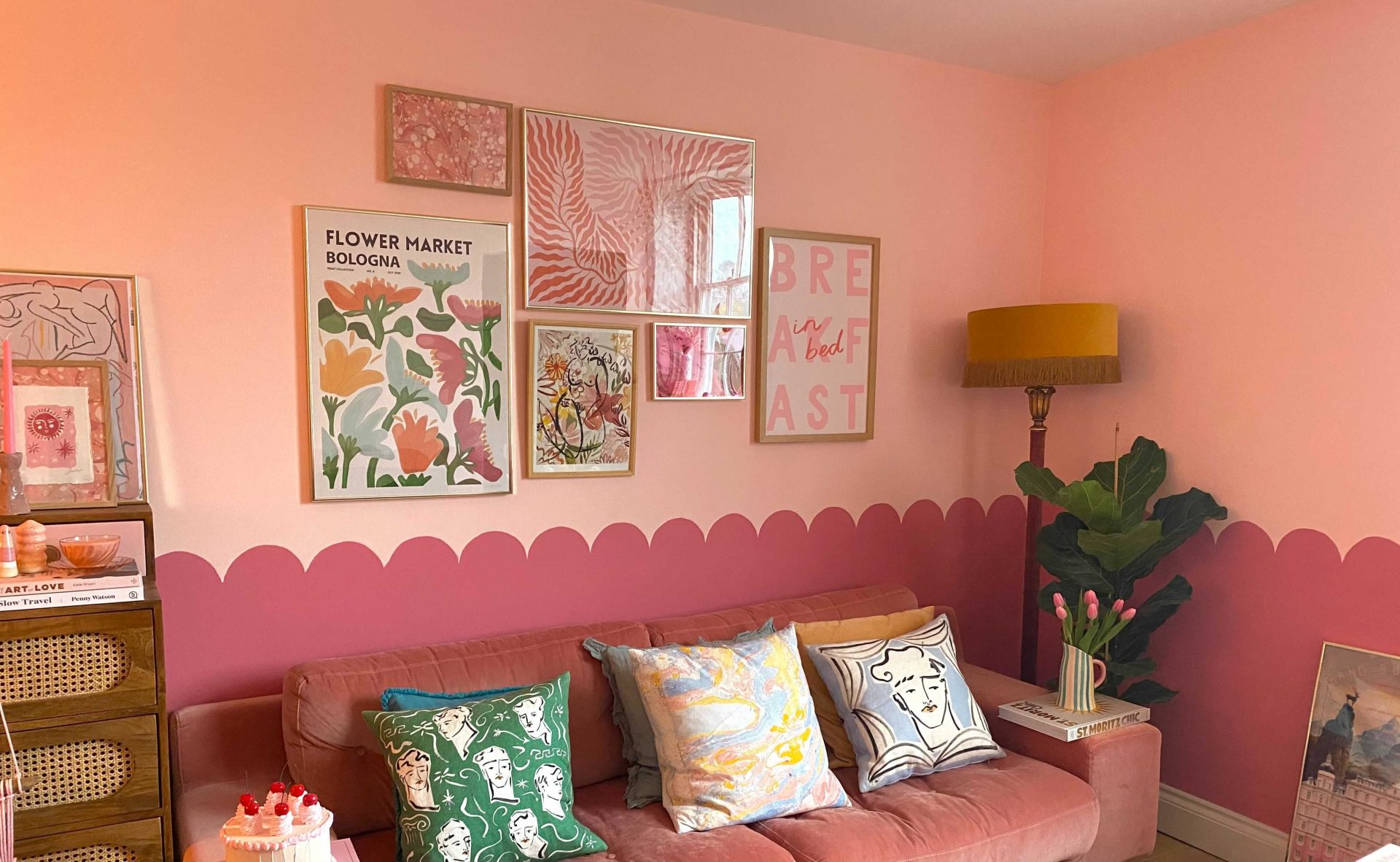
Planning is essential, starting with a template. Nikki N. Klugh, principal designer at Nikki Klugh Design Group, advises using a template to visualize the final arrangement and determine the number and sizes of frames needed. This planning is vital whether aiming for an organic, intentionally random layout or a linear grid. Proper sizing is also critical; Klugh suggests the entire collection should cover two-thirds to four-fifths of the wall to ensure a balanced and appropriate fit, avoiding a too-large or too-small appearance.
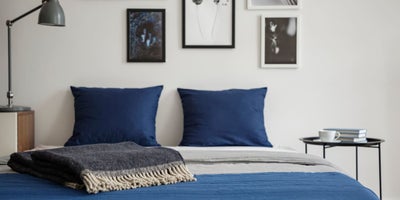
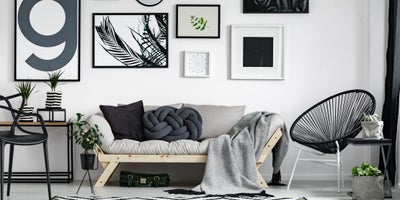
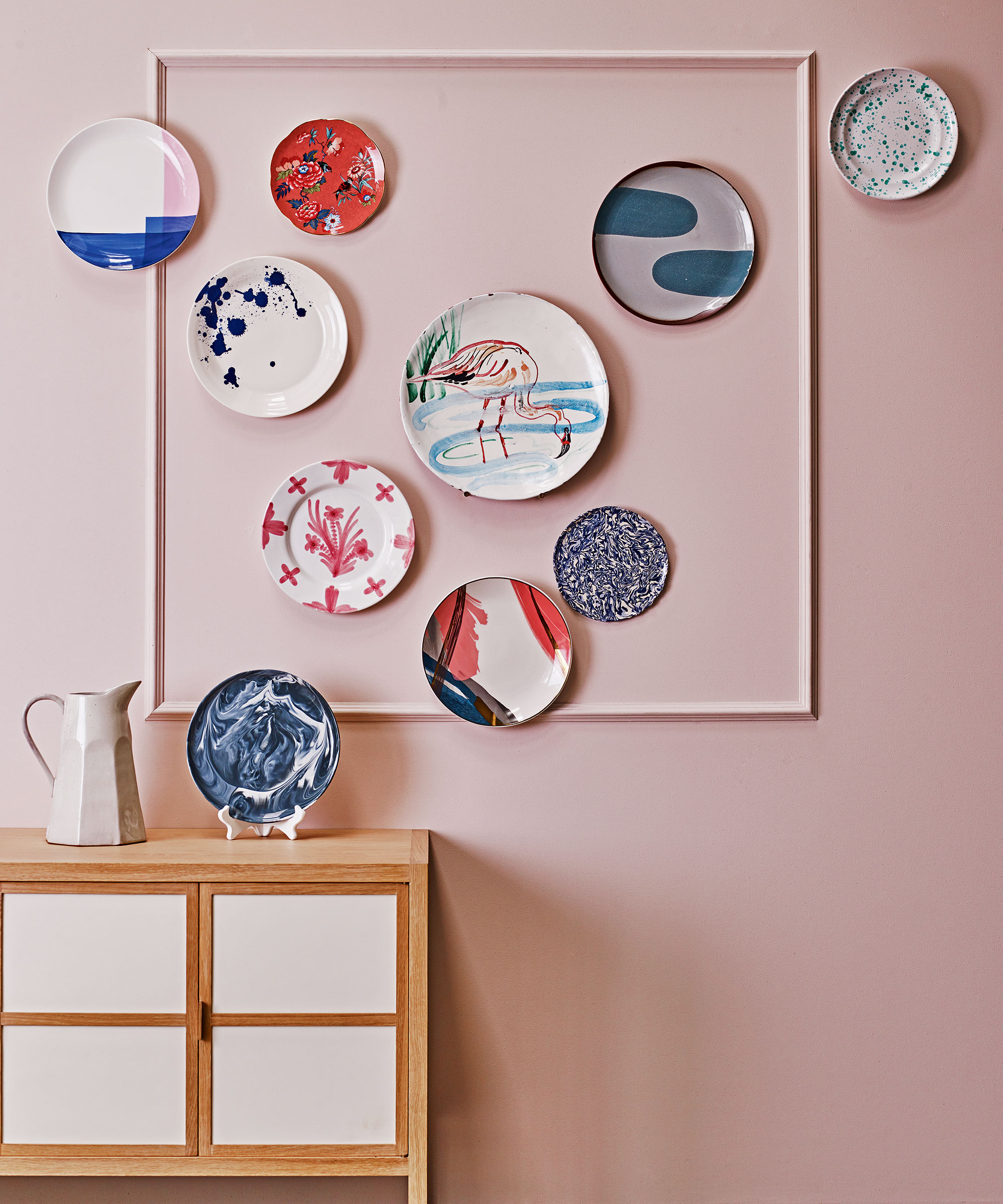
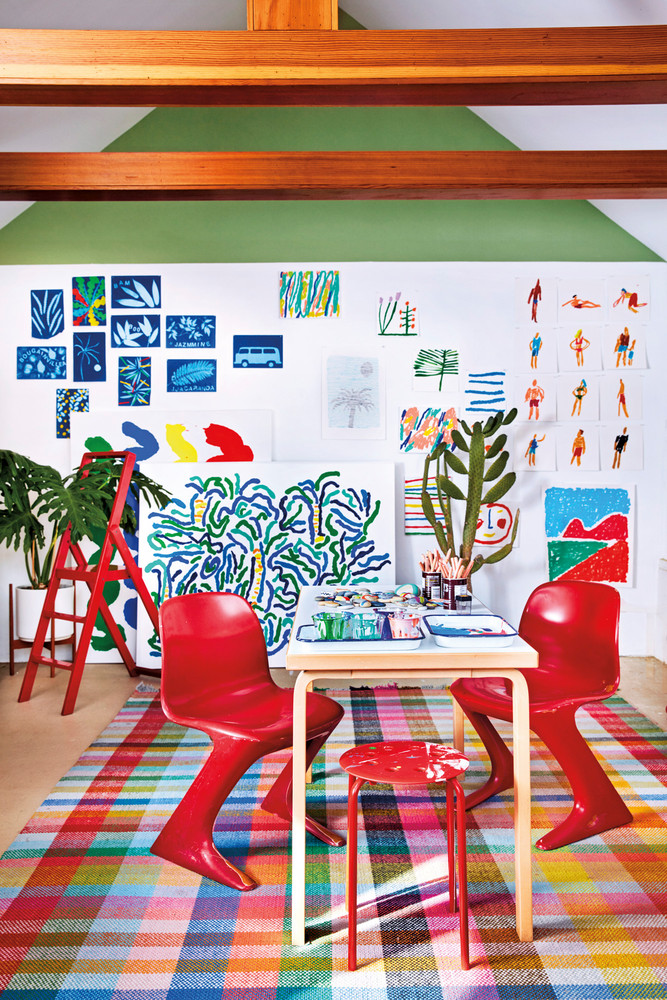
Incorporating mirrors can enhance the gallery wall, as art historian Alex Bass notes that mirrors make a space feel larger and add dynamism to the art. Bass also suggests leaving some pieces, especially canvases, unframed or mixing different frame styles to create visual interest and texture. For art and photography, an eclectic approach is encouraged, seeking out pieces from friends, Etsy, or personal photographs, rather than sticking to uniform sets. Mismatched frames are particularly effective for an eclectic aesthetic and can be found affordably at thrift stores.
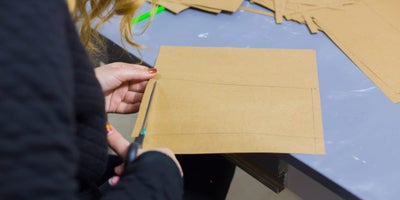
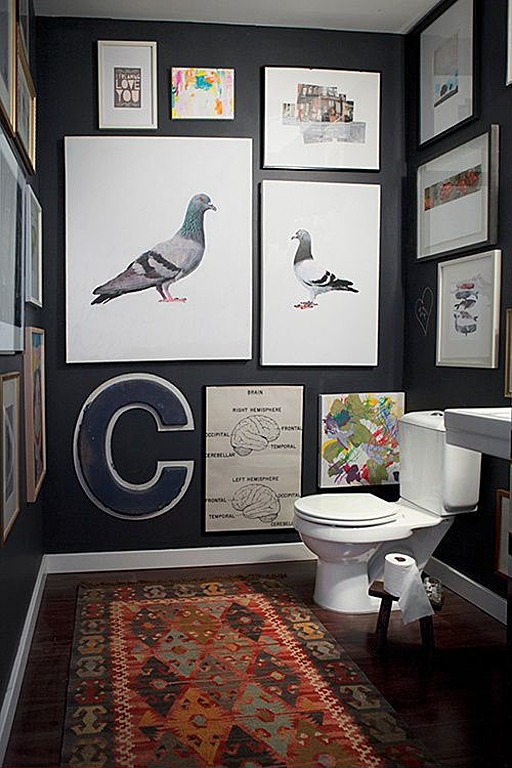
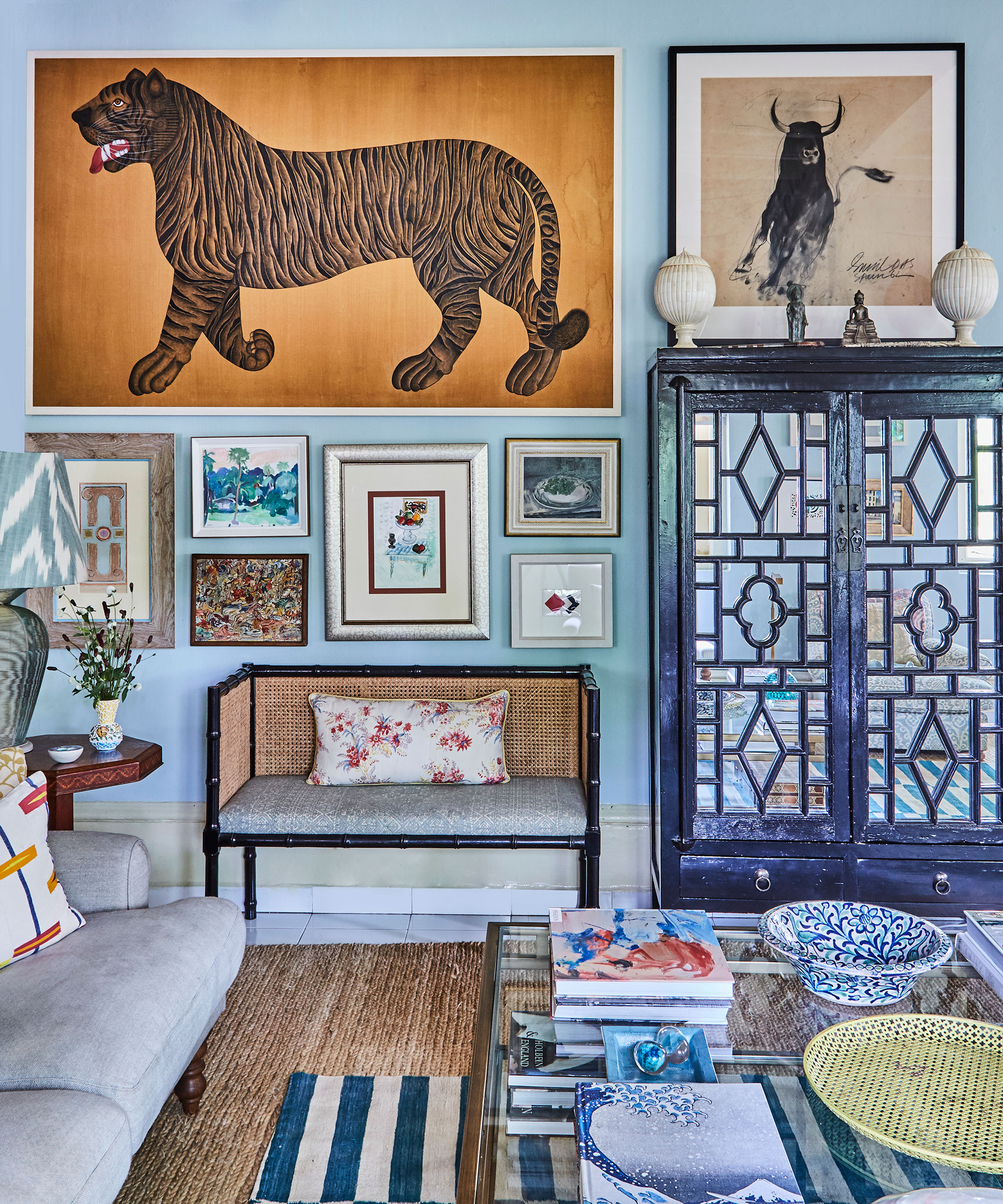
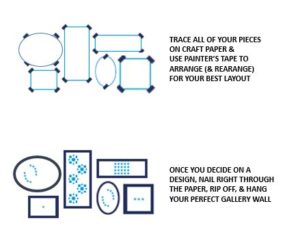
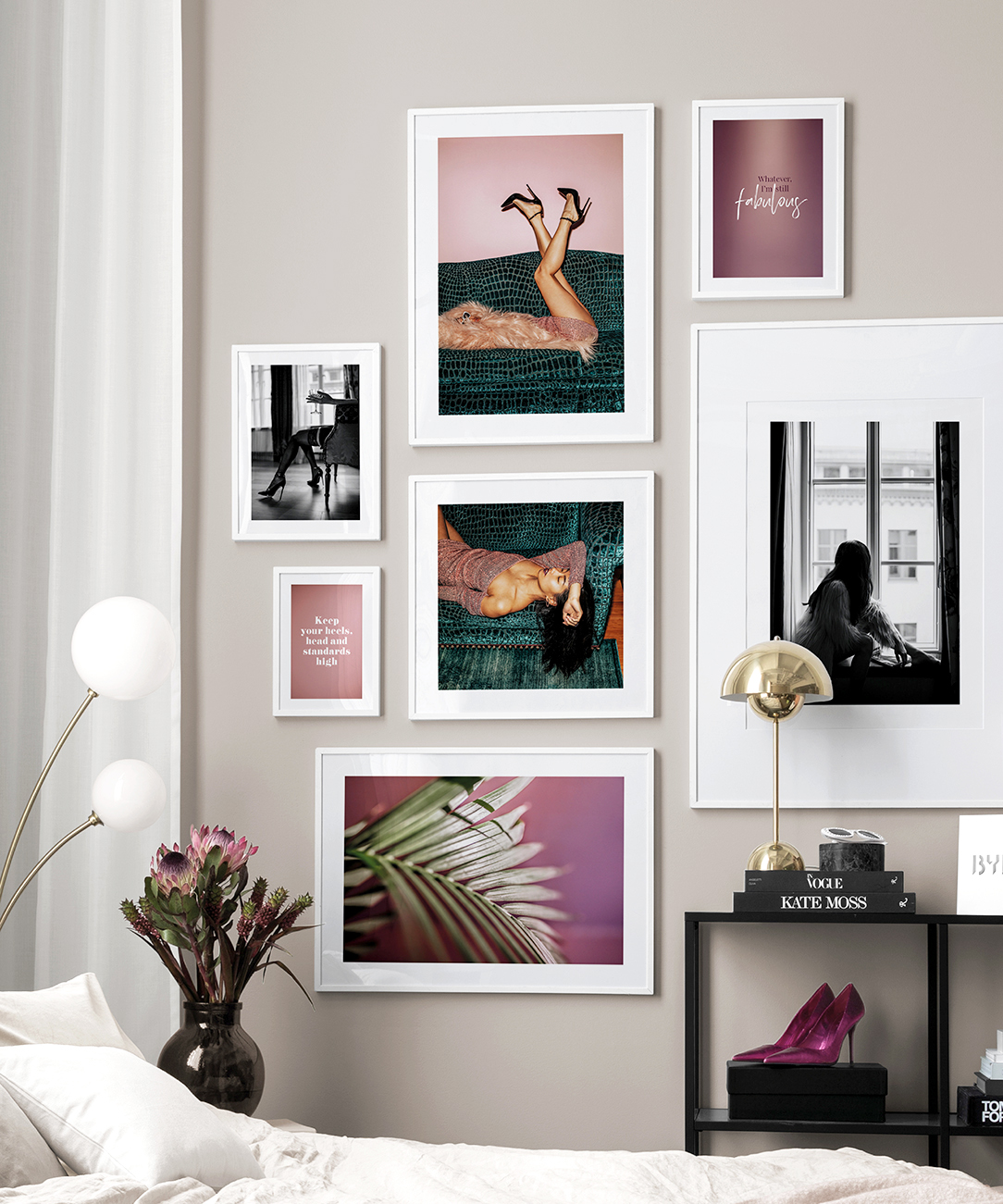
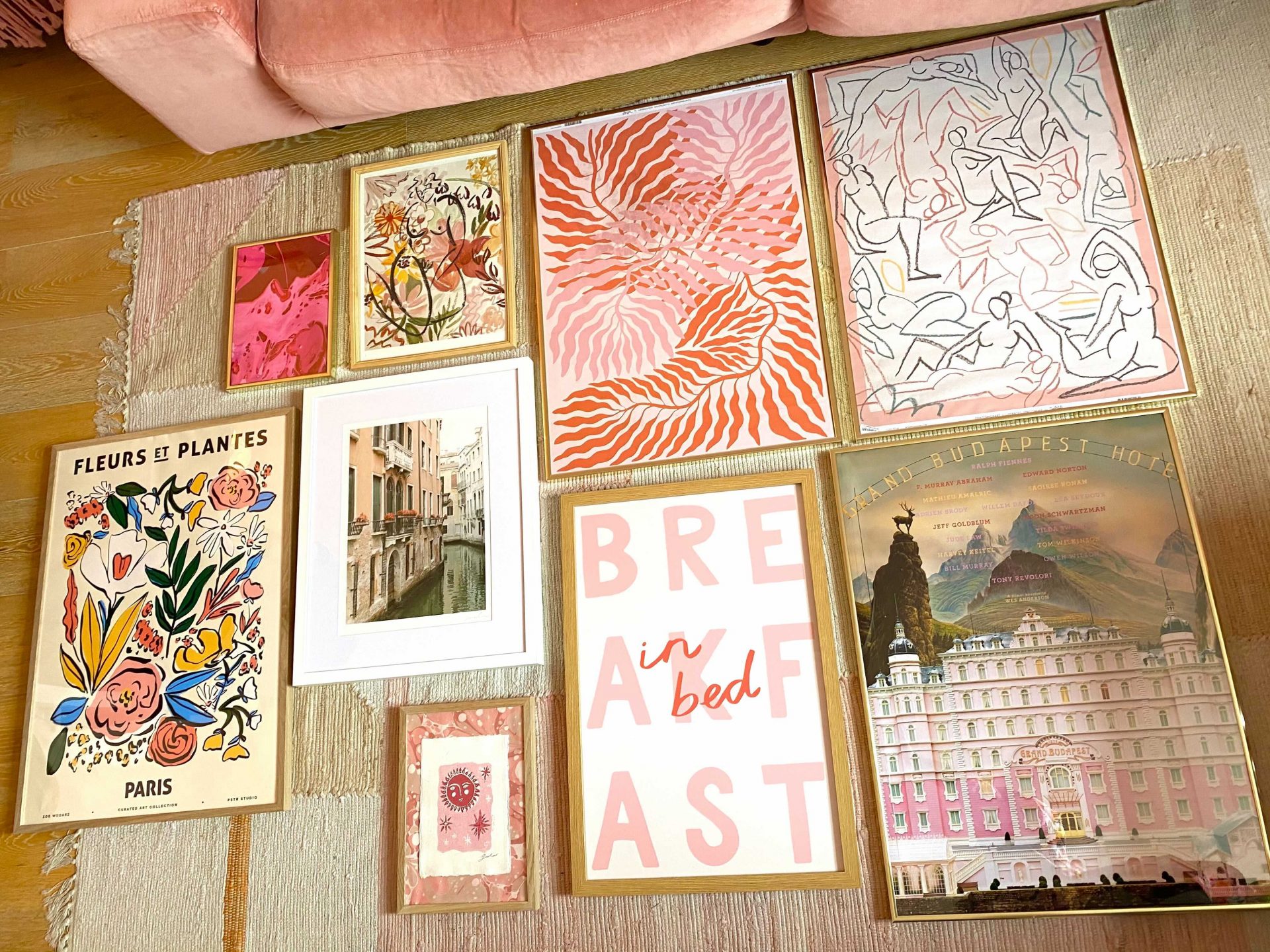
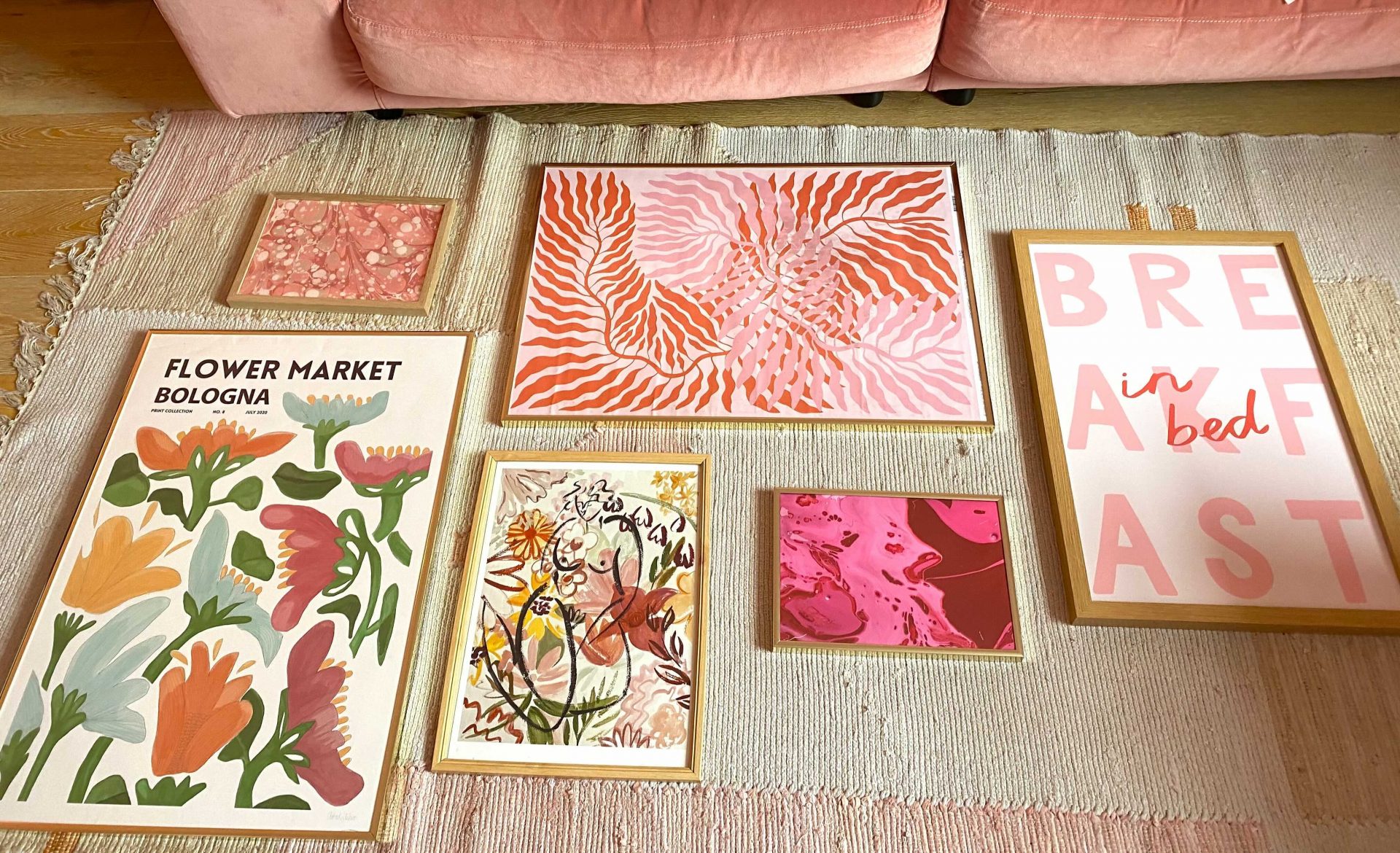
Symmetry and balance are key to a visually appealing gallery wall. Interior designer Lisa Modica stresses the importance of choosing complementary-sized pieces and arranging them symmetrically. When it comes to hanging, patience and planning are paramount. Modica recommends tracing frames onto paper, cutting them out, and arranging them on the wall with painter's tape to finalize the layout before hammering. The center of the entire grouping should ideally be about six feet from the floor. The largest piece should be placed in the center, with smaller pieces radiating outwards to maintain balance. Chris Alexakis, Director of Product & Design at Cabinet Select, highlights the importance of consistent spacing, recommending three to six inches between artworks to prevent a cramped or uneven look. Finally, leveling each frame is crucial for a polished appearance, and art gallery putty can secure frames in place, preventing shifting. The flexibility to swap or rotate abstract pieces periodically allows for refreshing the space with minimal effort.
#GalleryWall #HomeDecor #InteriorDesign #ArtCuration #FramingTips #SpacePlanning #EclecticStyle #DIYHomeDecor #WallArt #GalleryWall #HomeDecor #InteriorDesign #ArtCuration #FramingTips #SpacePlanning #EclecticStyle #DIYHomeDecor #WallArt
0 comment in total
 No comments yet
You may also like
to create a gallery art wall - Ideas & Advice

How to create an Instagram-worthy gallery wall: Interiors experts on framing and displaying your art
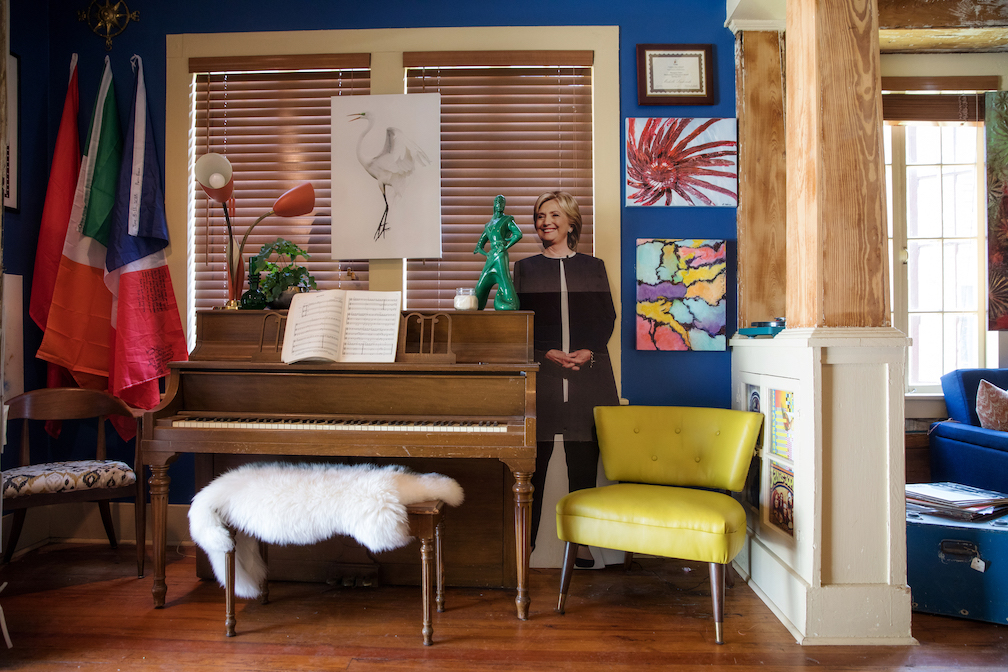
The key to building a great gallery wall is, well, thinking a little off-the-wall

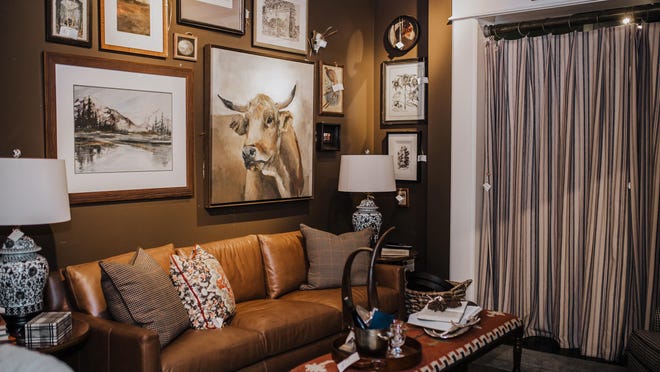
Style at Home: Creating the perfect gallery wall

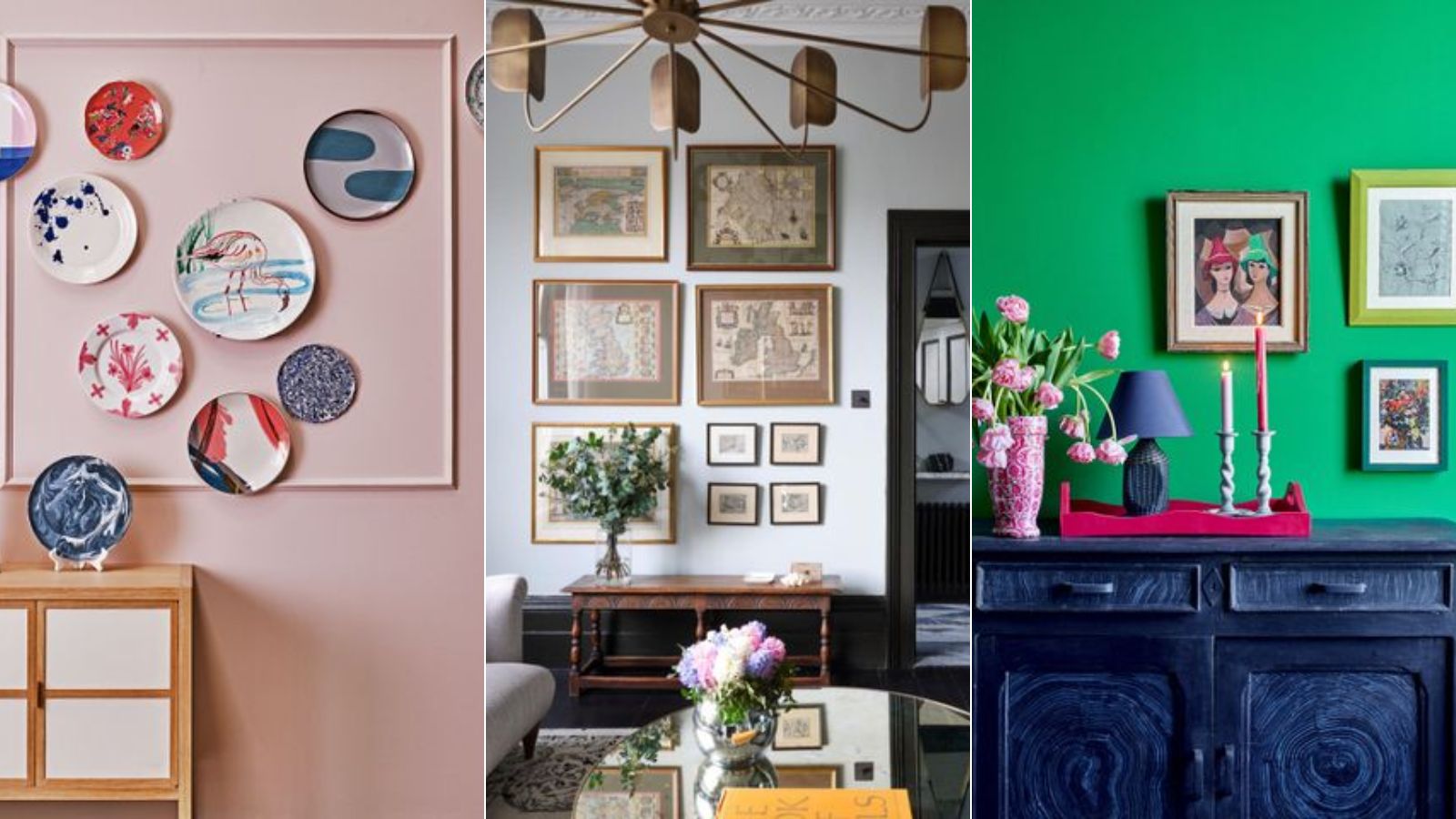
7 DIY tips for how to hang a gallery wall from experts

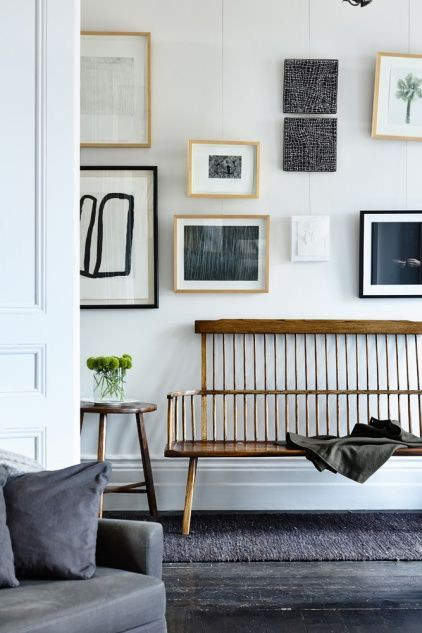
how to style a 3D gallery wall
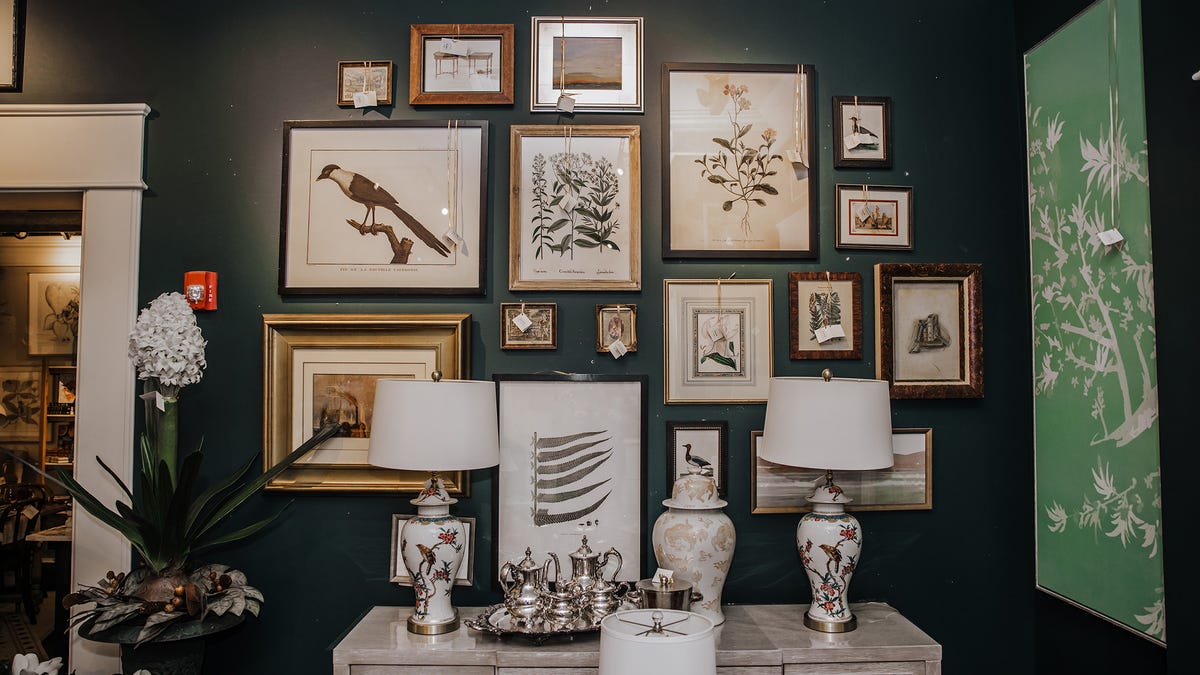
Style at Home: Creating the perfect gallery wall

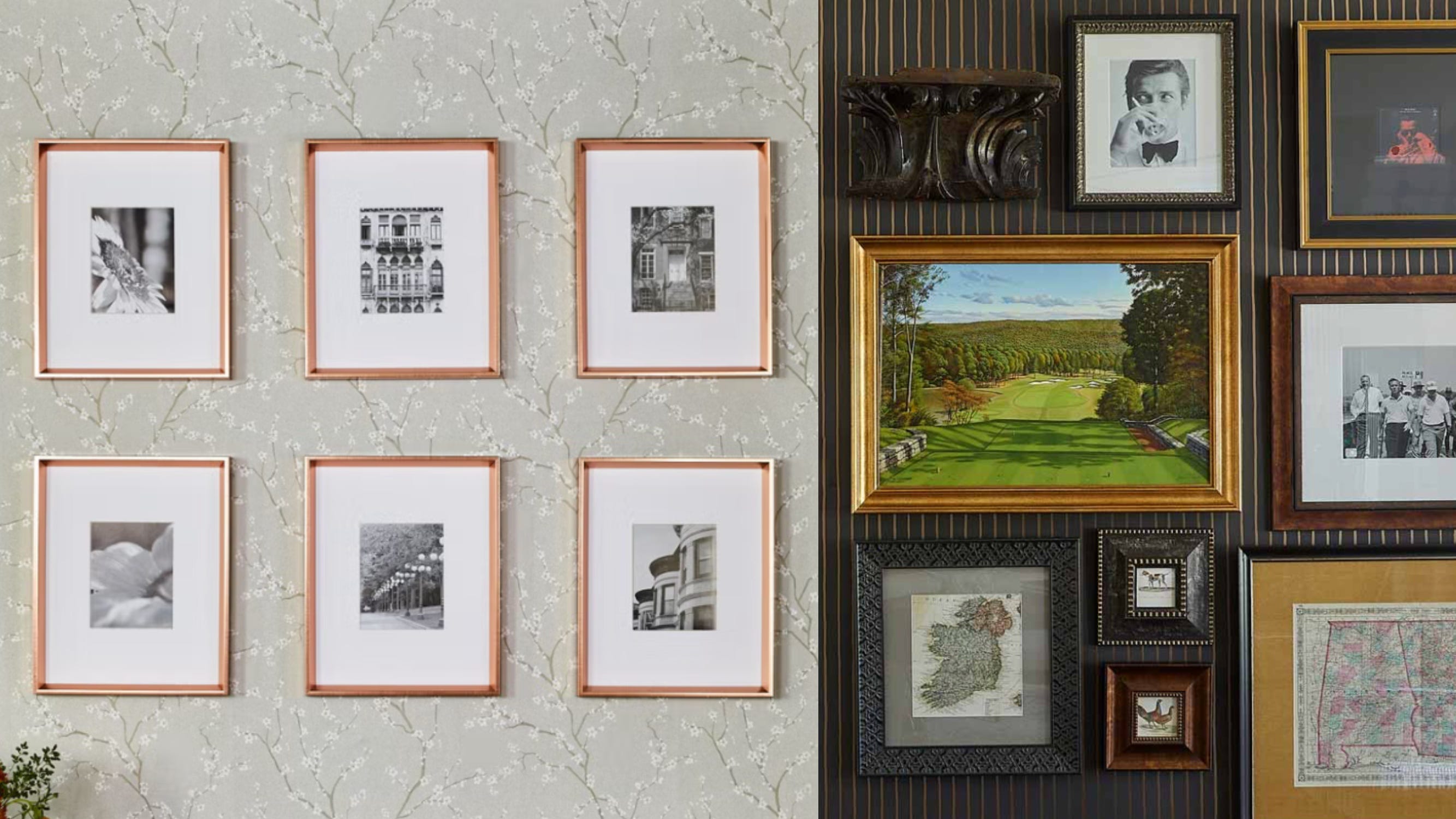
Matching or Mismatched Gallery Wall? Big-Time Designers Have a VERY SPECIFIC Preference

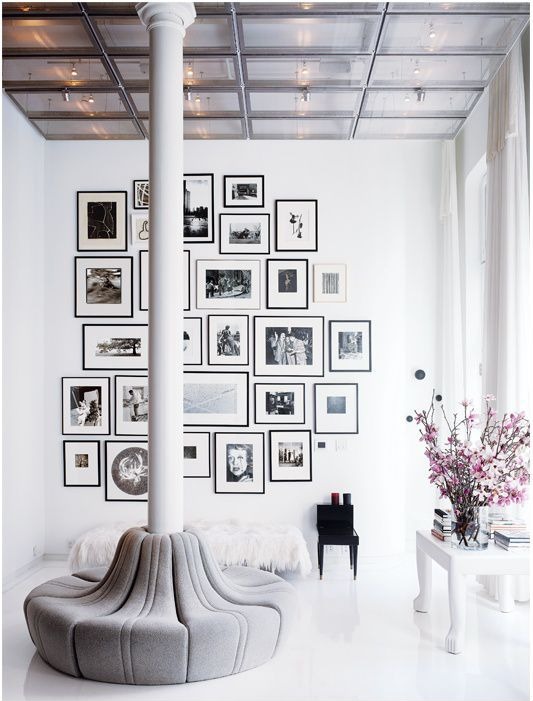
How to create a gallery wall in your home
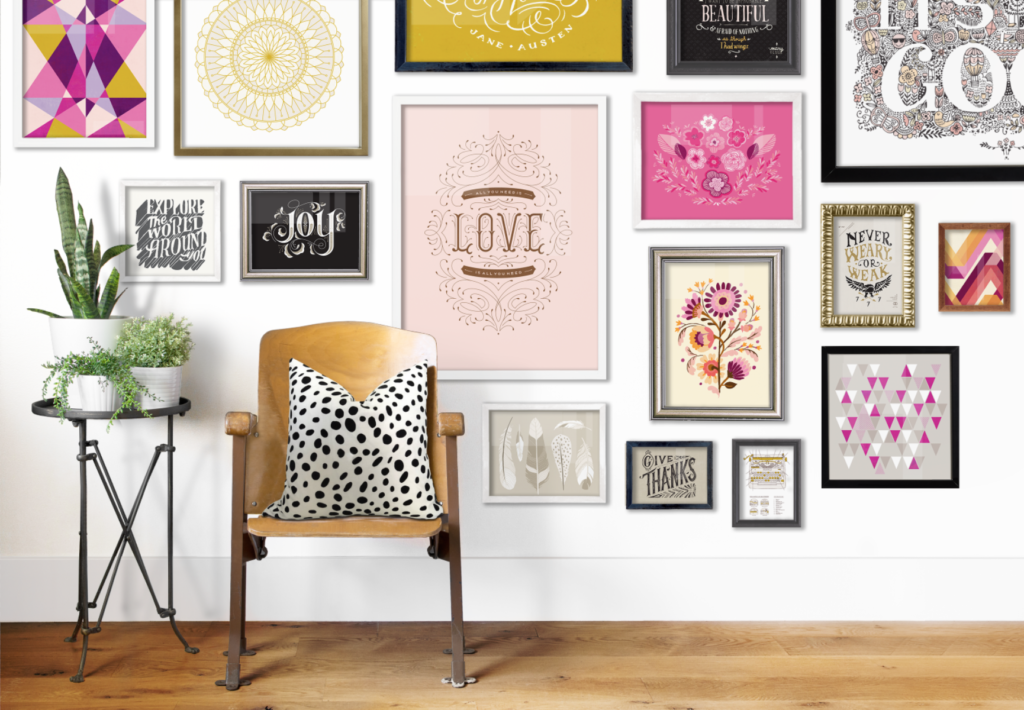
How to build a gallery wall for your home

How to Make a Gallery Wall Like an ELLE Decor Editor
Expert tips for creating a happy gallery wall without sacrificing style

Ask The Expert: How To Create A Gallery Wall


I'm an interior designer - how to create a gallery wall without it looking tacky - people always make the same mistakes

The Best Gallery Wall Ideas Right Now

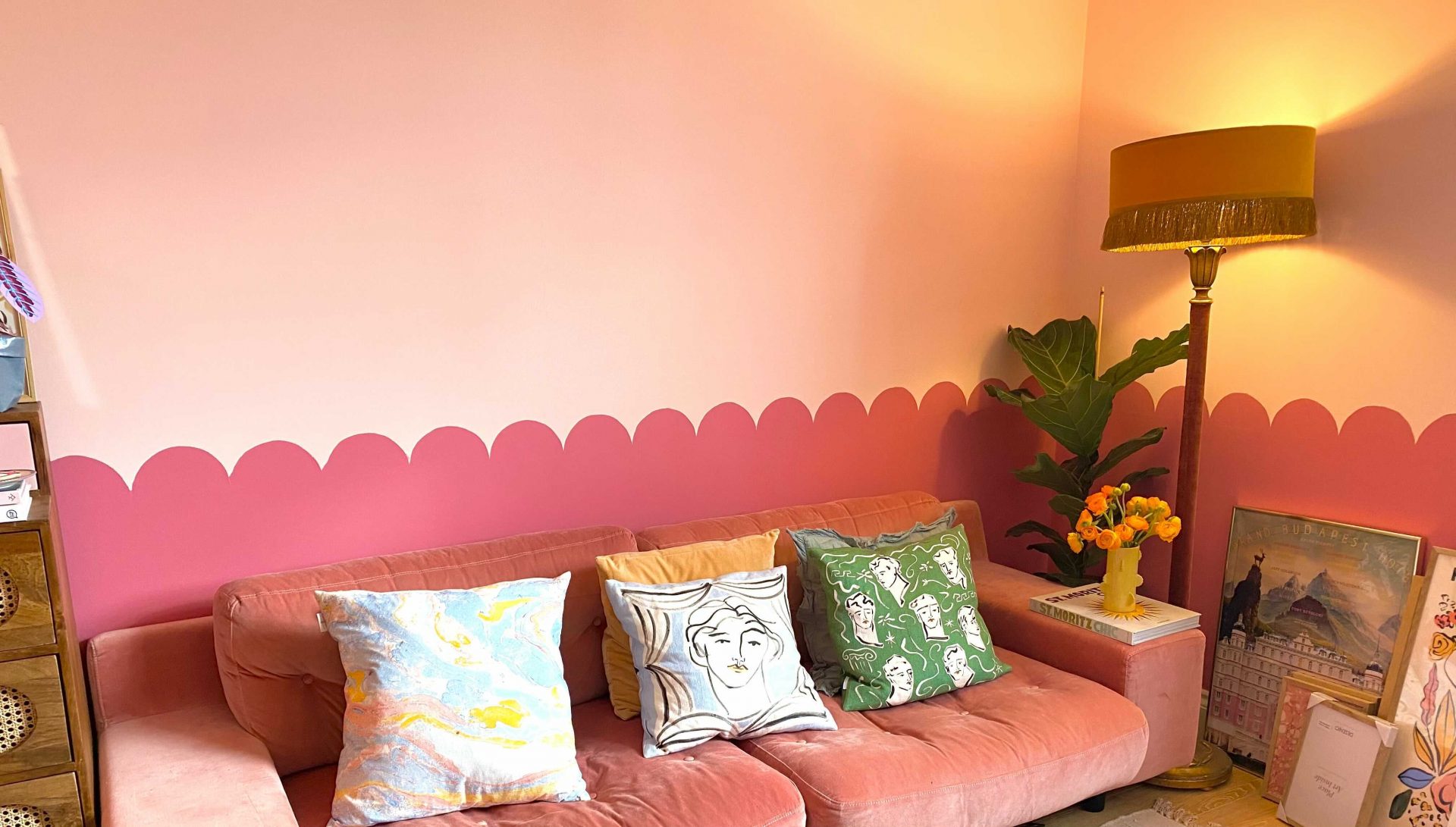
Big Trends Small Spaces: how to create a tonal gallery wall in 8 steps
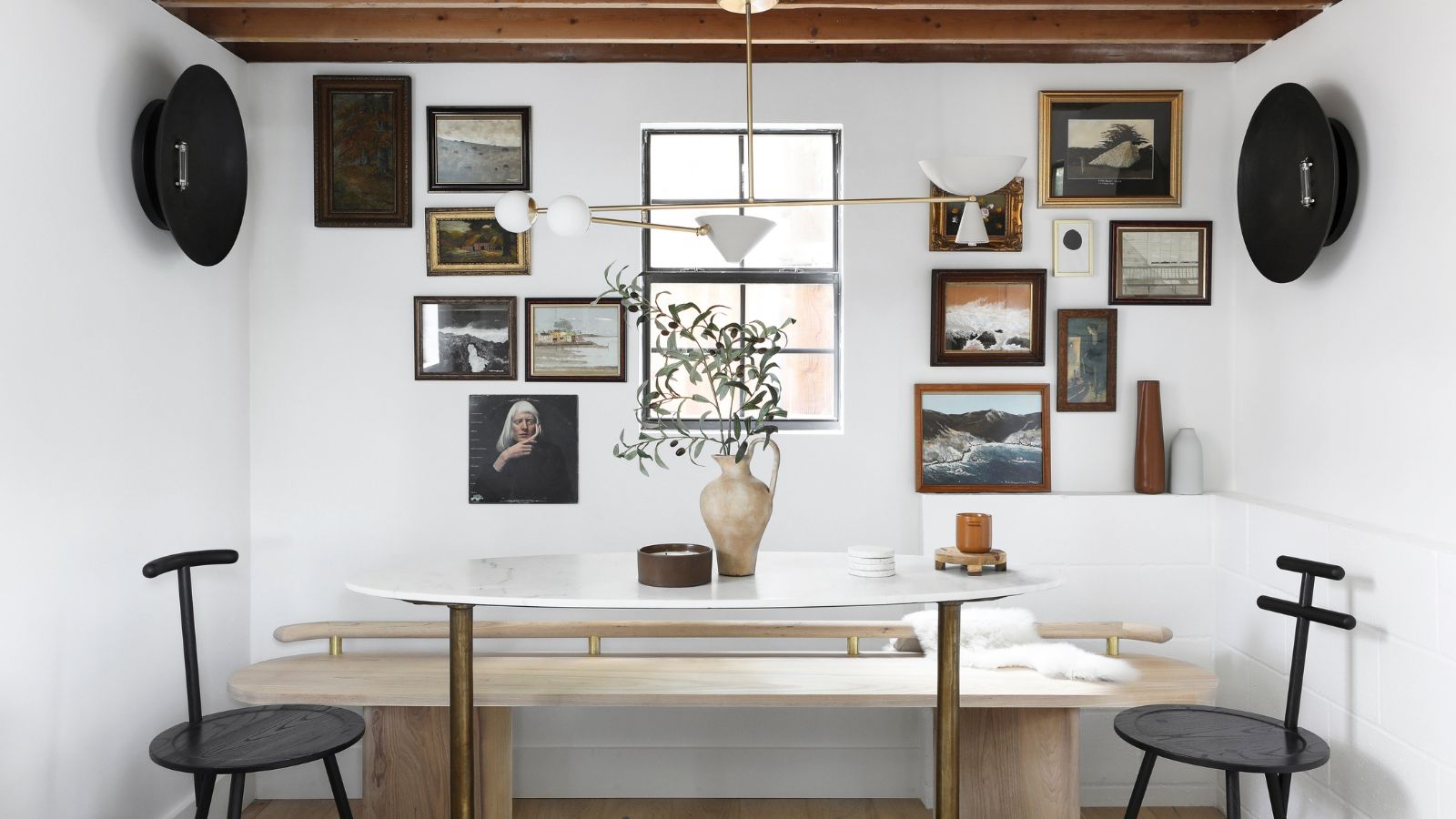
5 common gallery wall mistakes designers warn to always avoid – to create the chicest of displays
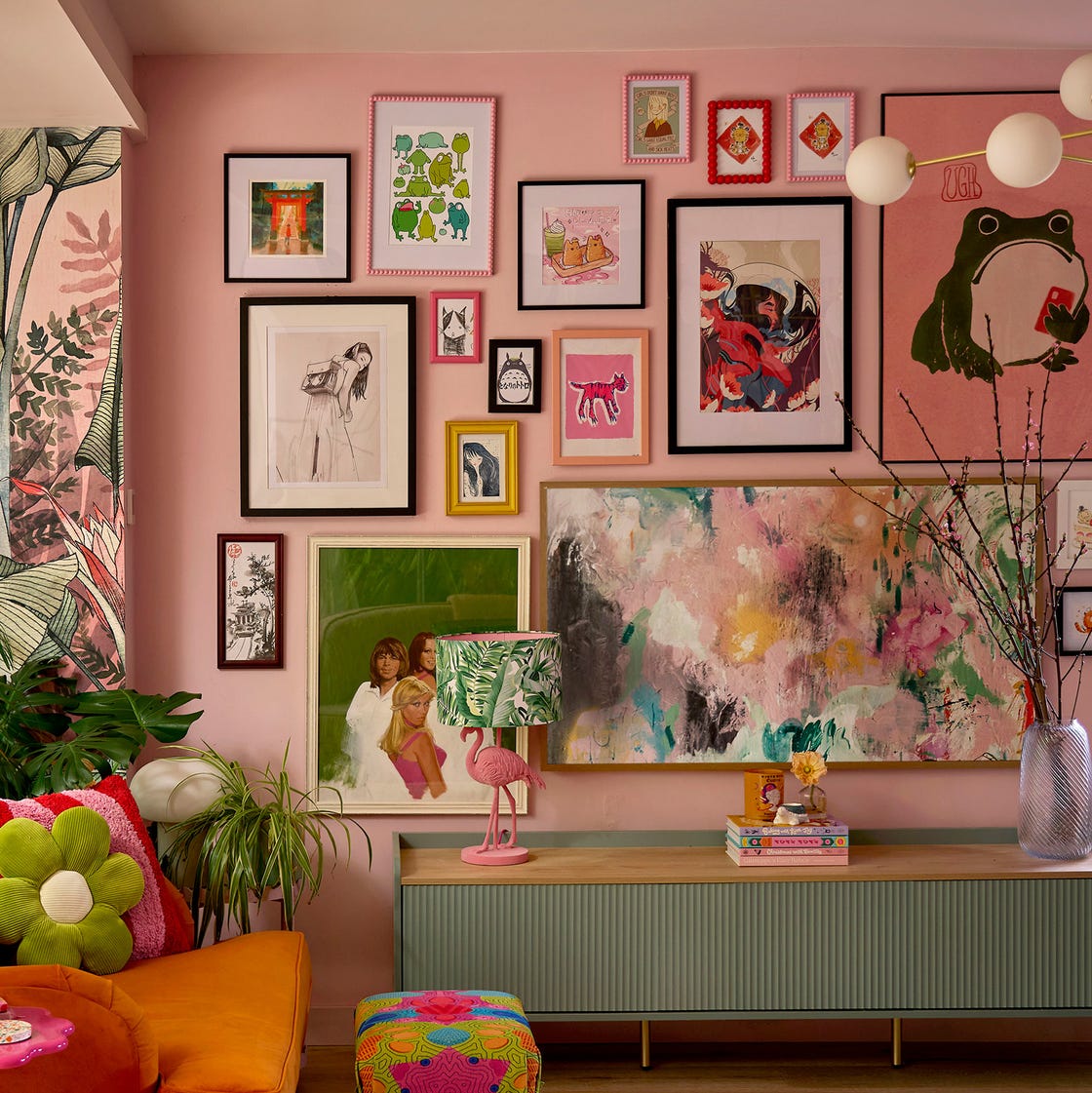
You're Styling Your Gallery Wall All Wrong—Here's How to Get It Right, According to Experts

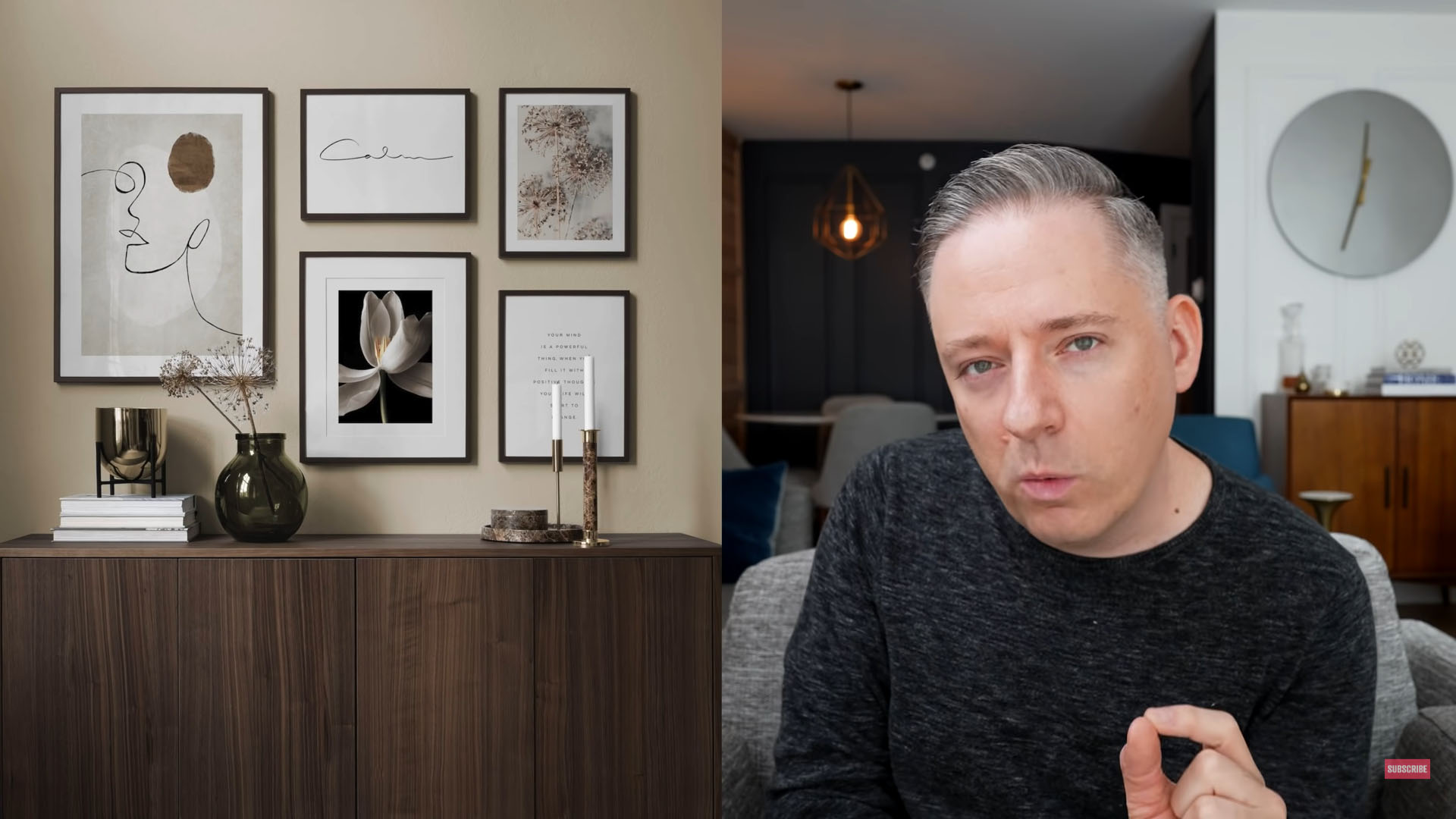
I'm an interior designer - how to create a gallery wall without it looking tacky - people always make the same mistakes

How to Create a Gorgeous Gallery Wall in Your Home