1/9
Uncovering the connection between ceiling height and emotional reactions in art galleries with editable 360-degree VR panoramic scenes
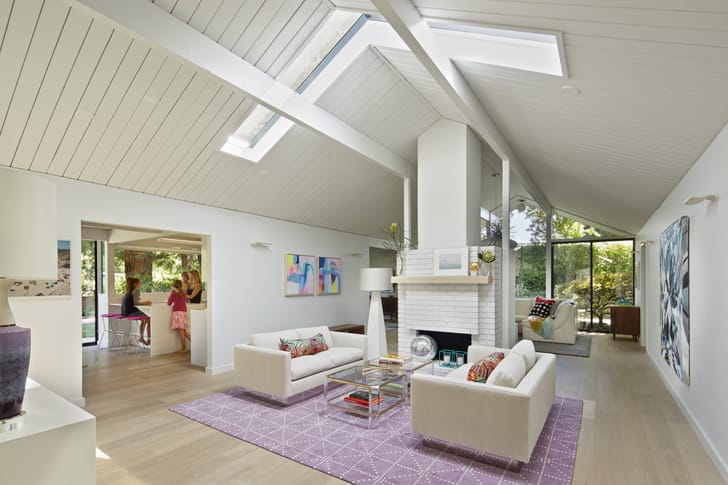
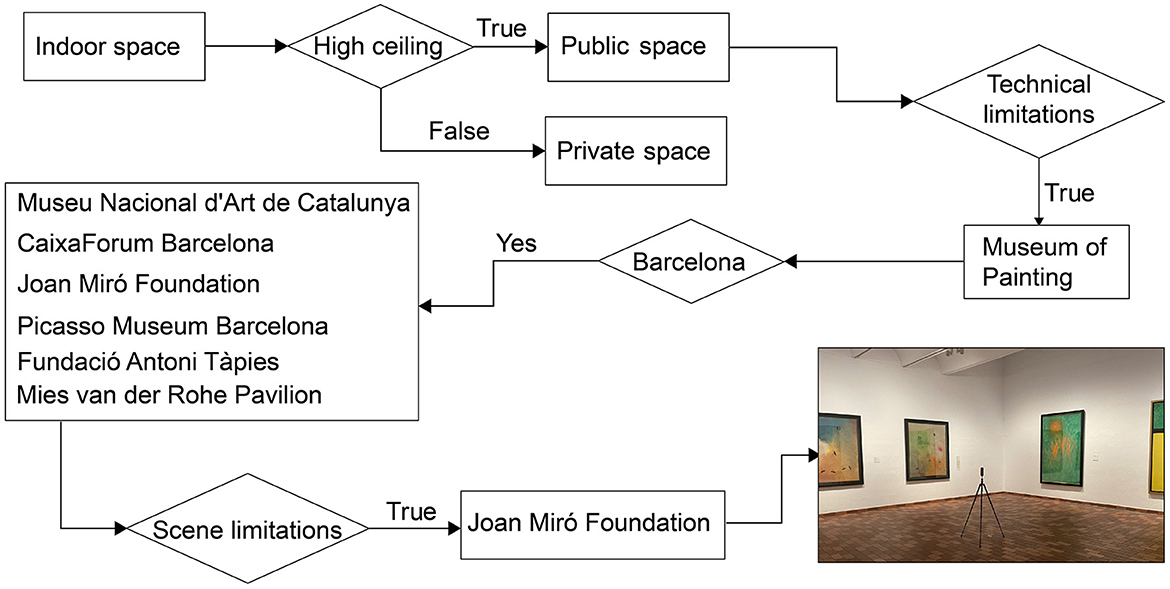
This study explores the complex relationship between ceiling height and emotional responses within art gallery settings, utilizing editable 360-degree VR panoramic scenes to provide a controlled yet realistic experimental environment. While prior research often broadly categorized the emotional impact of ceiling heights, this investigation delves into more specific emotional reactions.
The research methodology involved two main studies. Study 1 focused on absolute emotion ratings, where participants experienced virtual art galleries with varying ceiling heights and rated their emotional responses across Ekman's six basic emotions: fear, anger, joy, sadness, disgust, and surprise. Study 2 explored relative emotion ratings, where a 4.79-meter ceiling height served as a reference, and participants' emotional responses to other heights were compared against this baseline. This approach allowed for a more objective understanding of how emotional intensity shifted with changes in ceiling height. Additionally, Study 2 involved participants selecting a ceiling height that best resonated with a pre-assigned emotion, providing insights into the perceived emotional associations with different spatial dimensions.
The findings from Study 1 indicated that lower ceiling heights generally evoked higher levels of fear and anger, while higher ceiling heights were associated with increased joy. However, the impact on emotions like sadness, surprise, and disgust was more nuanced and varied across different ceiling heights. For instance, disgust was significantly higher at very low ceiling heights (2.26m and 2.96m) compared to the reference. Joy also demonstrated a non-linear relationship, with significant differences observed at both the lowest (2.26m) and highest (9.57m) ceiling heights, suggesting that extreme heights profoundly influence feelings of joy. The relative emotion analysis highlighted that specific emotions such as disgust and joy showed significant changes when compared to the reference height, while fear, anger, sadness, and surprise did not consistently follow a clear pattern across all ceiling heights.
Study 2 further supported these associations, with participants frequently linking lower ceiling heights (2.26m and 2.96m) to negative emotions like fear, anger, sadness, and disgust. A medium ceiling height of 4.79m was most commonly chosen for joy, reinforcing the idea of an optimal range for positive emotional experiences. Interestingly, the highest ceiling height (9.57m) generated mixed responses, being chosen for both fear and joy, indicating that extreme architectural scales can evoke complex and varied emotional reactions.
This research successfully demonstrated the efficacy of editable 360-degree VR panoramic scenes as a valuable tool for environmental psychology and architectural research, enabling the realistic simulation and manipulation of spatial dimensions to study human emotional responses. The use of Le Corbusier's Modulor system for selecting ceiling heights ensured an anthropocentric and architecturally relevant approach. The findings offer significant implications for architects and designers, providing a nuanced understanding of how ceiling heights can influence emotional ambiance in various architectural settings. This understanding can contribute to creating more empathetic and emotionally resonant spaces that enhance human well-being, moving beyond mere functionality to consider the profound emotional impact of design.
#CeilingHeight #VirtualReality #EmotionalResponse #ArtGalleries #EnvironmentalPsychology #ArchitecturalDesign #SpatialDimensions #ModulorSystem #ImmersiveExperience #CeilingHeight #VirtualReality #EmotionalResponse #ArtGalleries #EnvironmentalPsychology #ArchitecturalDesign #SpatialDimensions #ModulorSystem #ImmersiveExperience
0 comment in total
 No comments yet
You may also like
Beyond the Drawing Board: How Augmented Reality is Reshaping Architectural Design Review

The Power of Scale: How Proportions Shape Human Experience

Aztec Scenic Design Creates Custom 3D Printed Arabian-Inspired Ceiling and it’s Amazing!

How to Fake Taller Ceilings in Your Home (Even If They're Low), According to Designers

3D Wall Art Literally Adds Dimension to Your Space
The Psychology of High Ceilings and Creative Work Spaces
Ceilings can be turned into eye-popping attention-getters
Peek inside these artists’ amazing houses

Walk Through Buildings Before They Are Built

Every Wall is a Door
What the Rooms from 6 Famous Paintings Would Look Like Today

How to transform your home with art
The colours you paint your walls can impact your mood, and here’s the science to prove it


New Immersive Sauna + Art Experience by teamLab Will Put You in a ‘Sauna Trance’

Enhancing interior design and space planning via human–machine intelligent interaction for artistic cognition

The Insider: Designer Personalizes Own Prospect Heights Rental With Paint, Lighting, Music
Beyond Aesthetics: How Tech is Redefining Interior Design

I’m at the hot tub. I’m at the art installation. I’m at the combination hot tub-art installation


10 DIY Home Renovation Apps (Free)
7 Examples of How to Show Off Interiors in Your 3D Models, As Selected by Sketchfab