1/7
7 signs you need to replace your wooden deck – the red flags to look out for in your garden
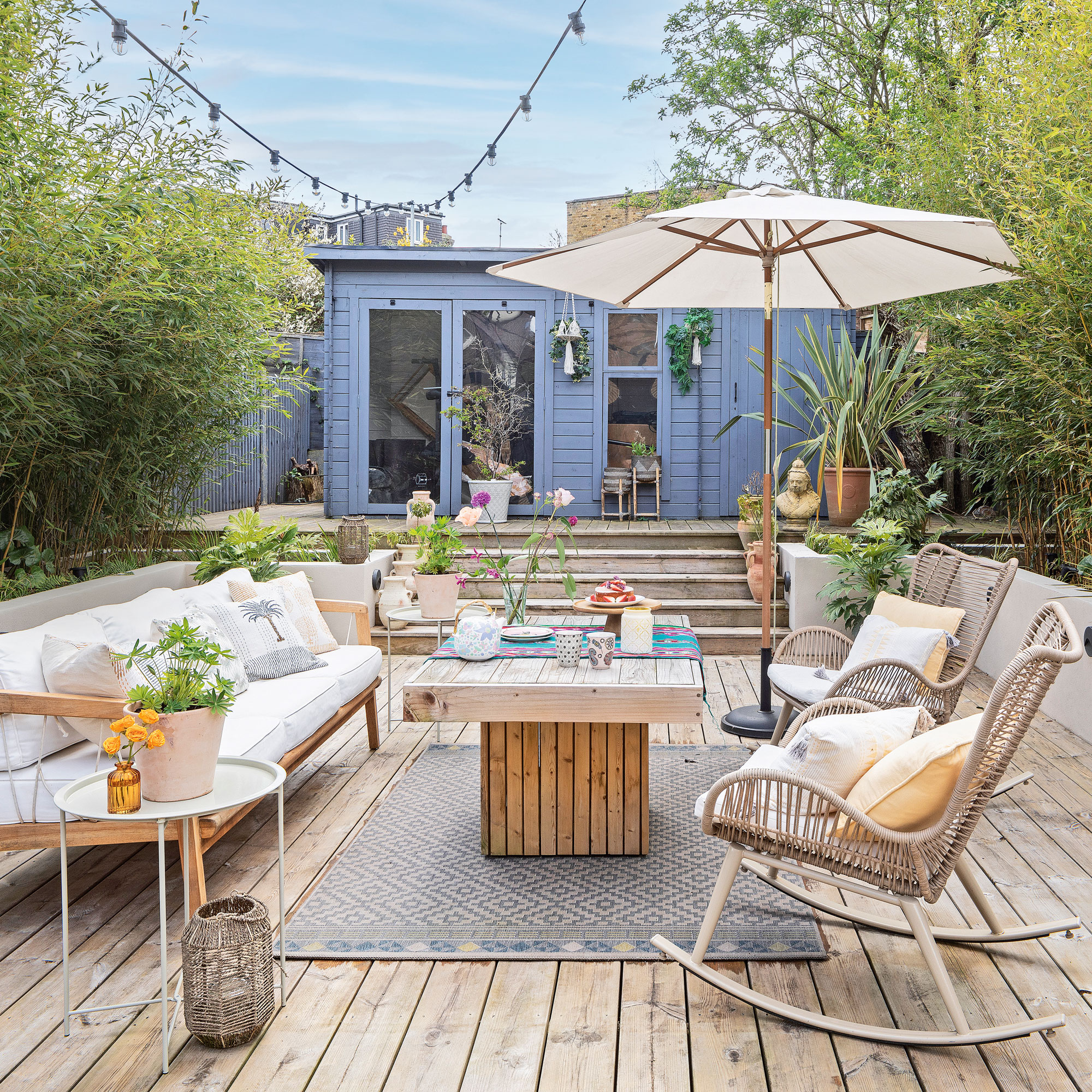
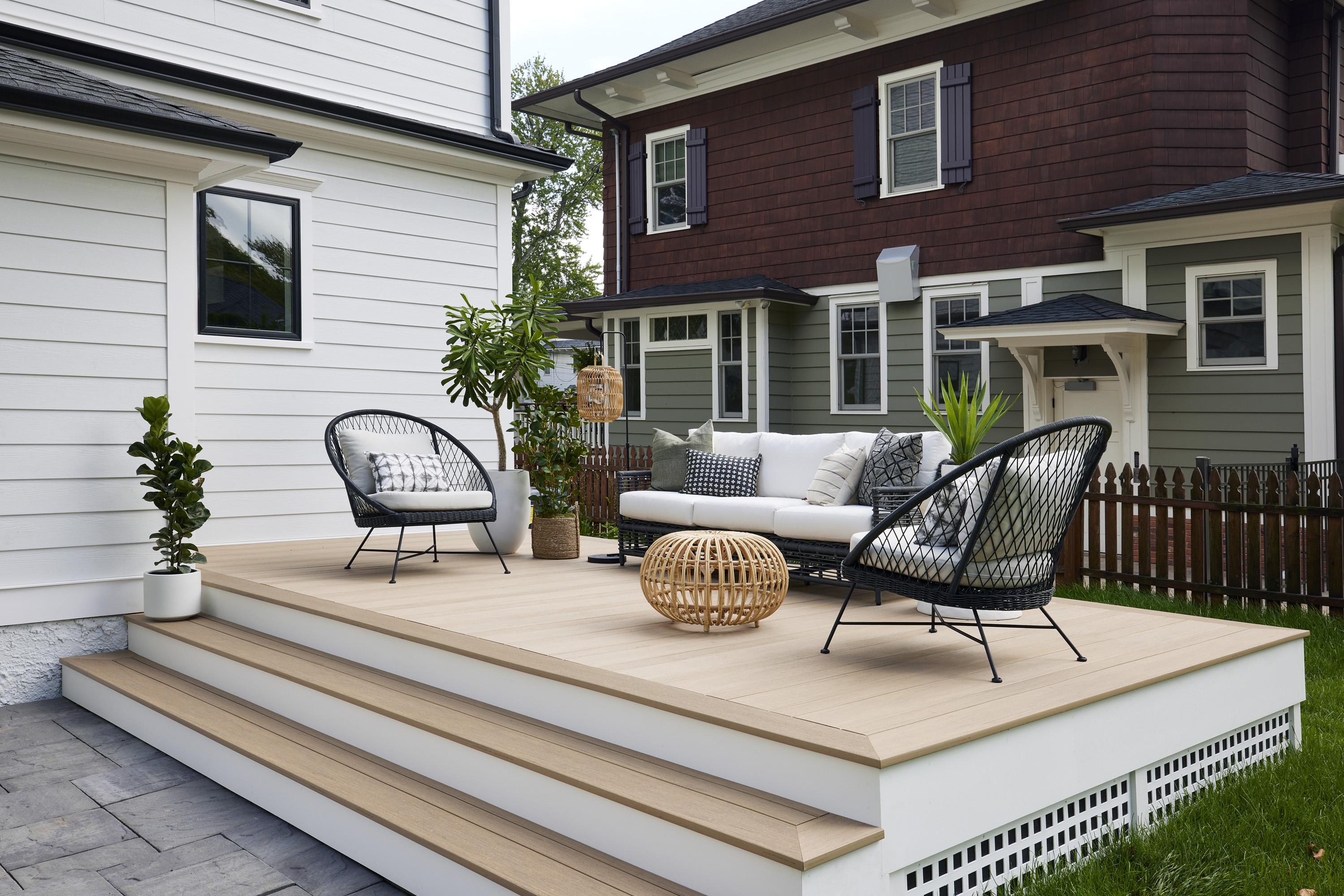
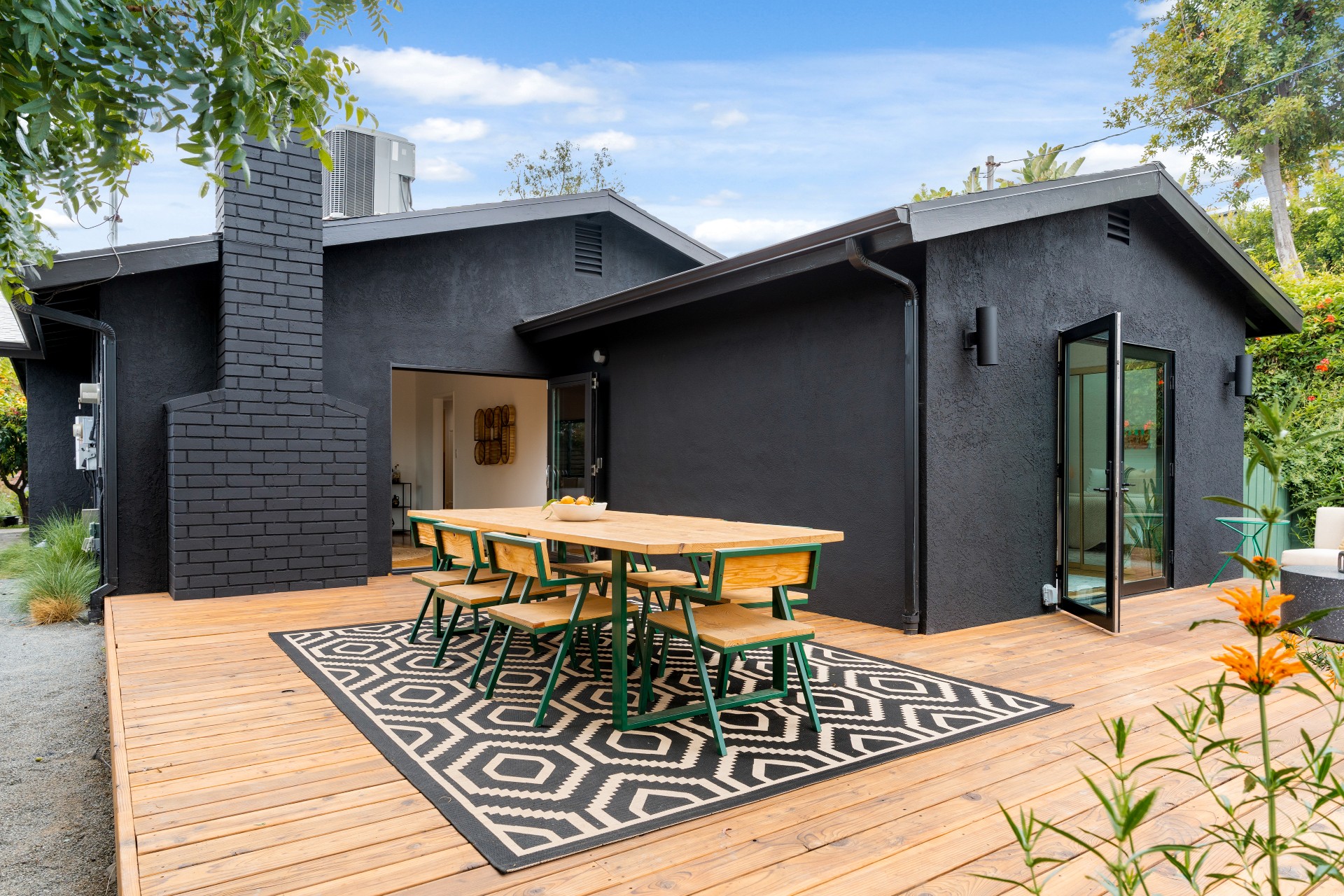
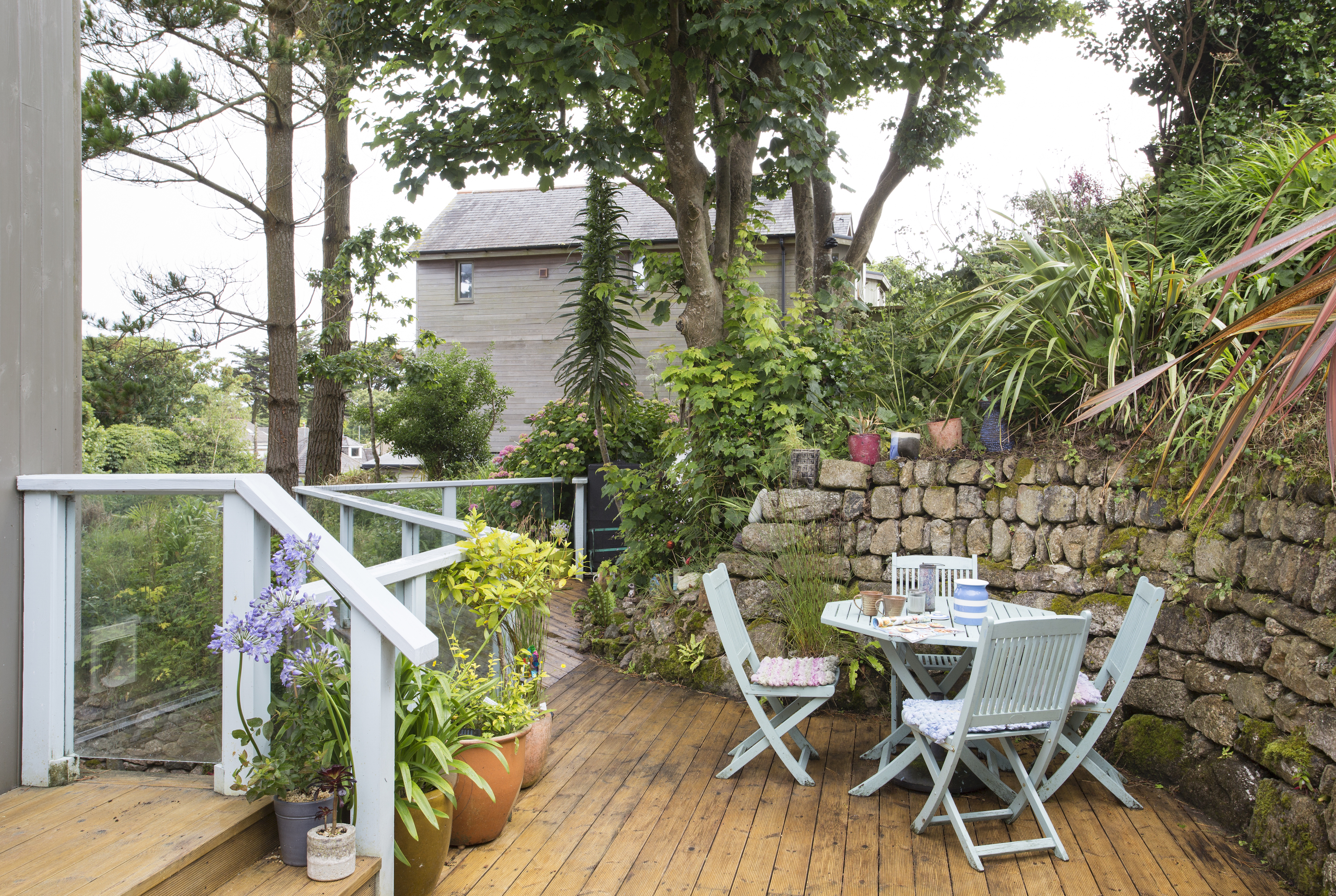
Wooden decks are a popular addition to gardens, providing a warm, aesthetically pleasing space for various outdoor activities, and can even increase a home's value by extending its living area. However, even well-maintained timber decks eventually reach a point where repairs are no longer sufficient, and replacement becomes necessary. This article identifies seven key indicators that a wooden deck needs to be replaced, emphasizing the importance of safety and functionality.
One of the most critical signs is wood rot, caused by fungi thriving in wet conditions, which compromises the timber's structural integrity. While surface mold can be cleaned, extensive rot, particularly within the subframe, is often irreparable, leading to sponginess and cracked boards. A simple test involves pushing a thumb or stick into suspicious areas; if it penetrates easily, rot is present. If the rot is widespread or affects structural components, a full replacement is safer than attempting repairs.
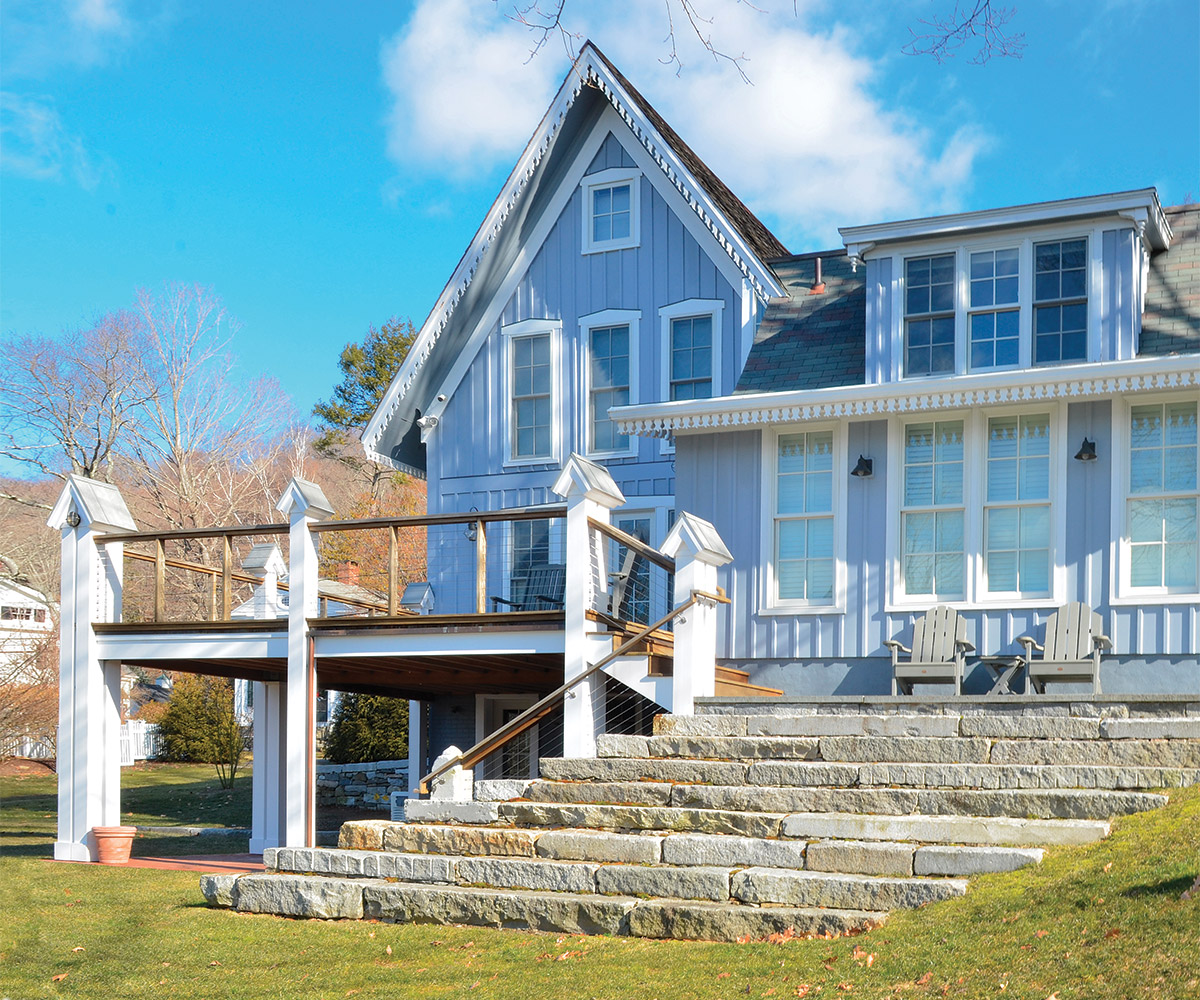
Loose or wobbly railings also signal a serious problem, especially if they are essential for safety. Railings can become unstable due to weather, wear, or improper installation. While minor issues might be fixable by reinforcing or reinstalling with stronger fixings, widespread looseness or separation, particularly when combined with rot or age, poses a significant injury risk and should not be ignored.
Cracked, splintered, or warped boards indicate a lack of maintenance or significant wear and tear. While some timber movement is normal, major damage creates trip hazards and splinters, detracting from the deck's appearance. If the deck surface is uneven or multiple sections are compromised, a full replacement is recommended.
Rusted or weak fixings, such as nails and screws, are another concern. These components are crucial for holding the deck together, and if they rust, loosen, or go missing, the deck can become unstable. Rusting fixings often suggest they are unsuitable for outdoor use and need replacement with corrosion-resistant materials like stainless steel. If the problem is widespread or the underlying wood is damaged, a complete overhaul might be necessary to prevent safety hazards.
Visible sagging is a clear indication of structural issues. A deck should feel solid, and any bounce or sag suggests insufficient support, poor quality lumber, or underlying wood rot. Shifting ground, especially if the deck was not built on level, compacted soil or lacks proper drainage, can also cause sagging. Sagging, particularly in raised decks, is a serious safety concern that typically requires replacement.
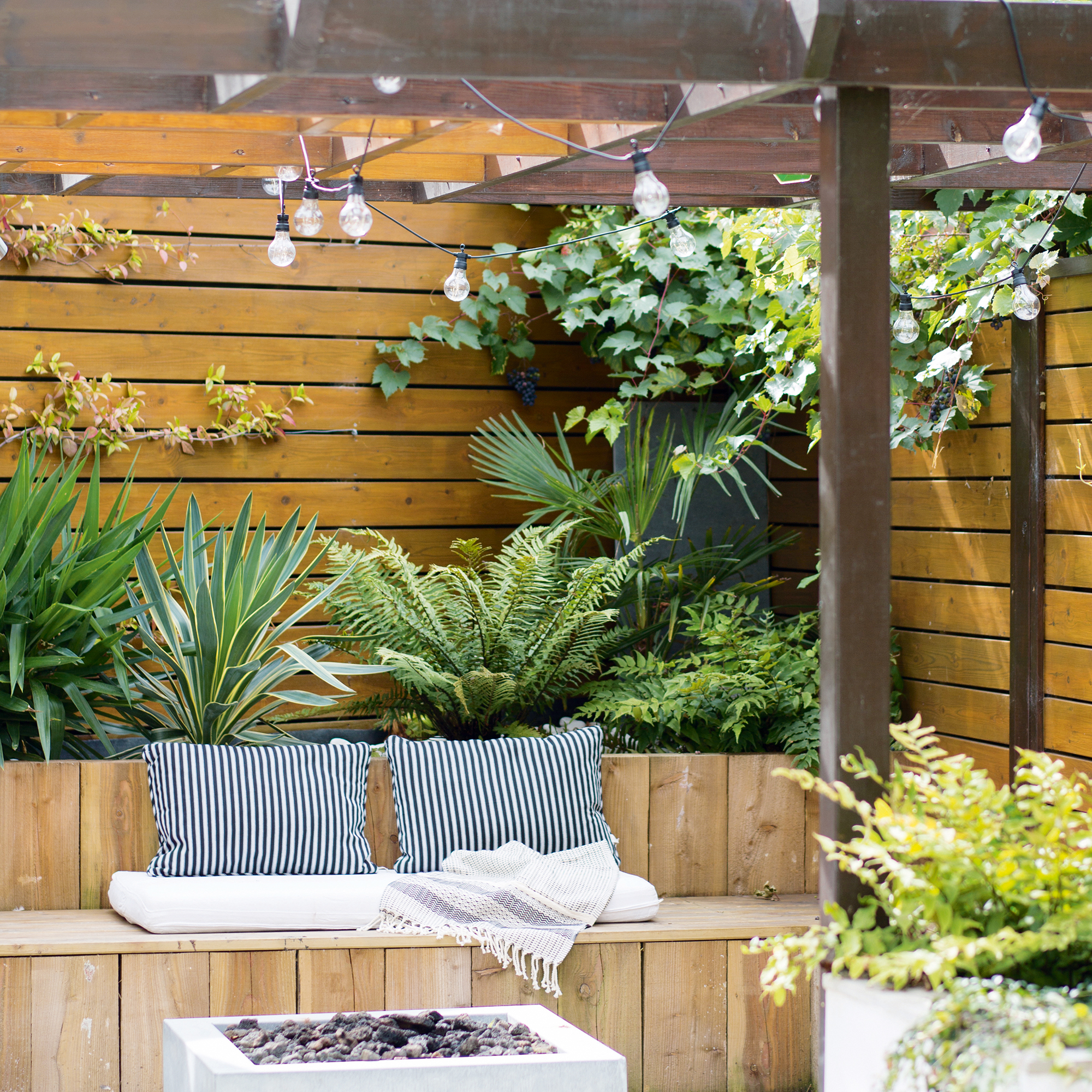
The deck no longer serving its purpose is a functional reason for replacement. As families grow or lifestyles change, the original deck design might become unsuitable. If extensive repairs are already needed, it can be an opportune time to redesign the deck to better suit current needs, incorporating new features like built-in seating or lighting. This allows for a more functional and aesthetically pleasing outdoor space that aligns with current preferences.
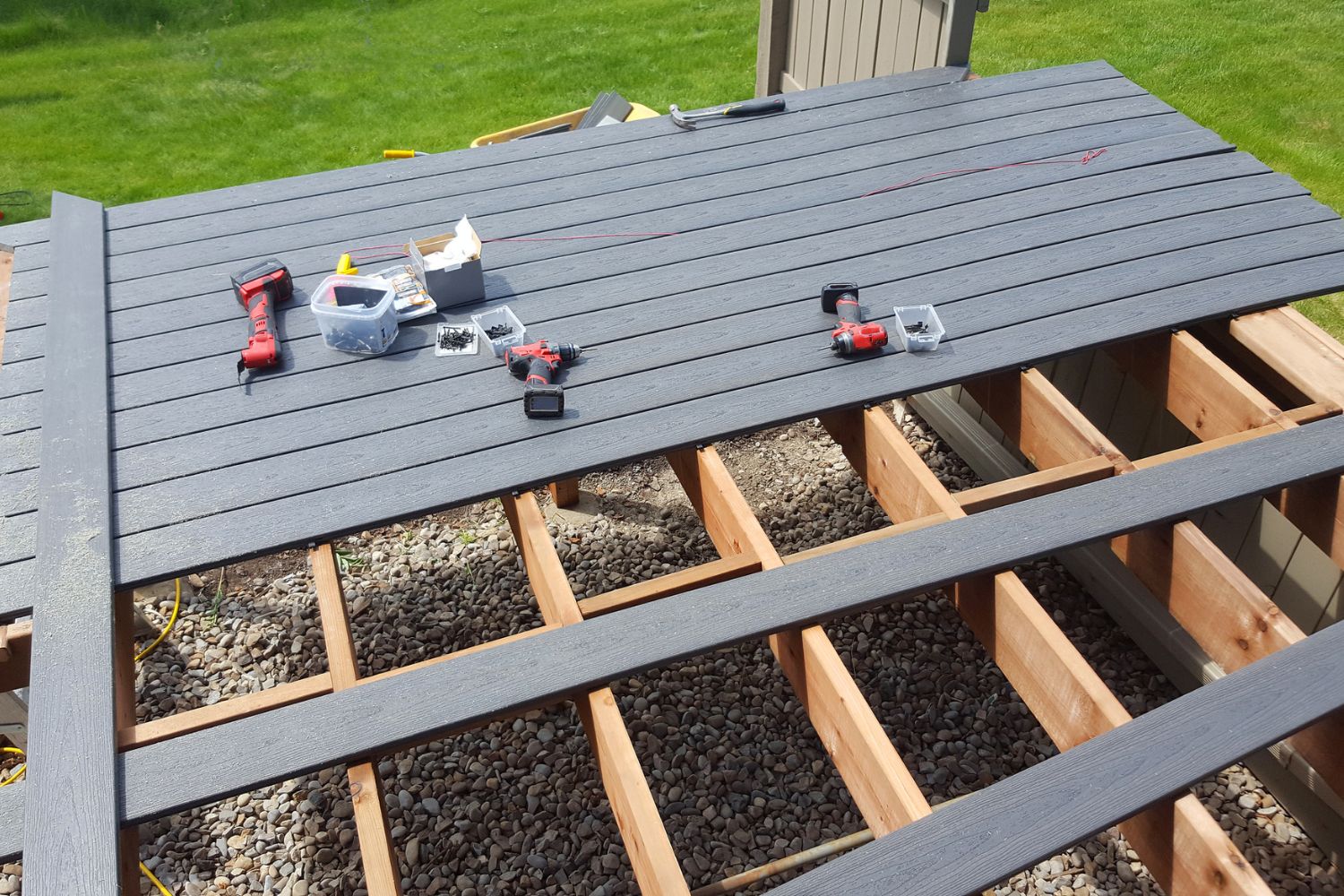
Finally, a deck simply reaching the end of its lifespan warrants replacement. Most wooden decks last 15 to 25 years. Older decks may not have benefited from modern waterproofing sealants or structural safety guidelines, making them more prone to failure. Replacing an aging deck before an accident occurs is a proactive measure. Modern materials like composite decking offer enhanced durability and reduced maintenance, providing a longer-lasting solution.
#DeckMaintenance #HomeImprovement #OutdoorLiving #WoodenDeck #DeckSafety #GardenDesign #CompositeDecking #DeckMaintenance #HomeImprovement #OutdoorLiving #WoodenDeck #DeckSafety #GardenDesign #CompositeDecking
0 Kommentare insgesamt
 Noch keine Kommentare
Das könnte Ihnen auch gefallen

4 Signs It’s Time to Replace Your Outdoor Furniture
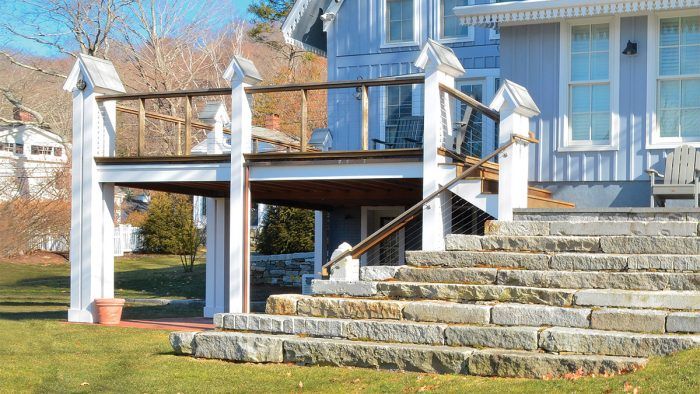
Rethinking the Deck

How to stain a deck – 3 easy steps to a fresh new look


Sleeping on Worn-Out Bedding? These 6 Signs Say It’s Time to Buy New, Fabric Pros Say

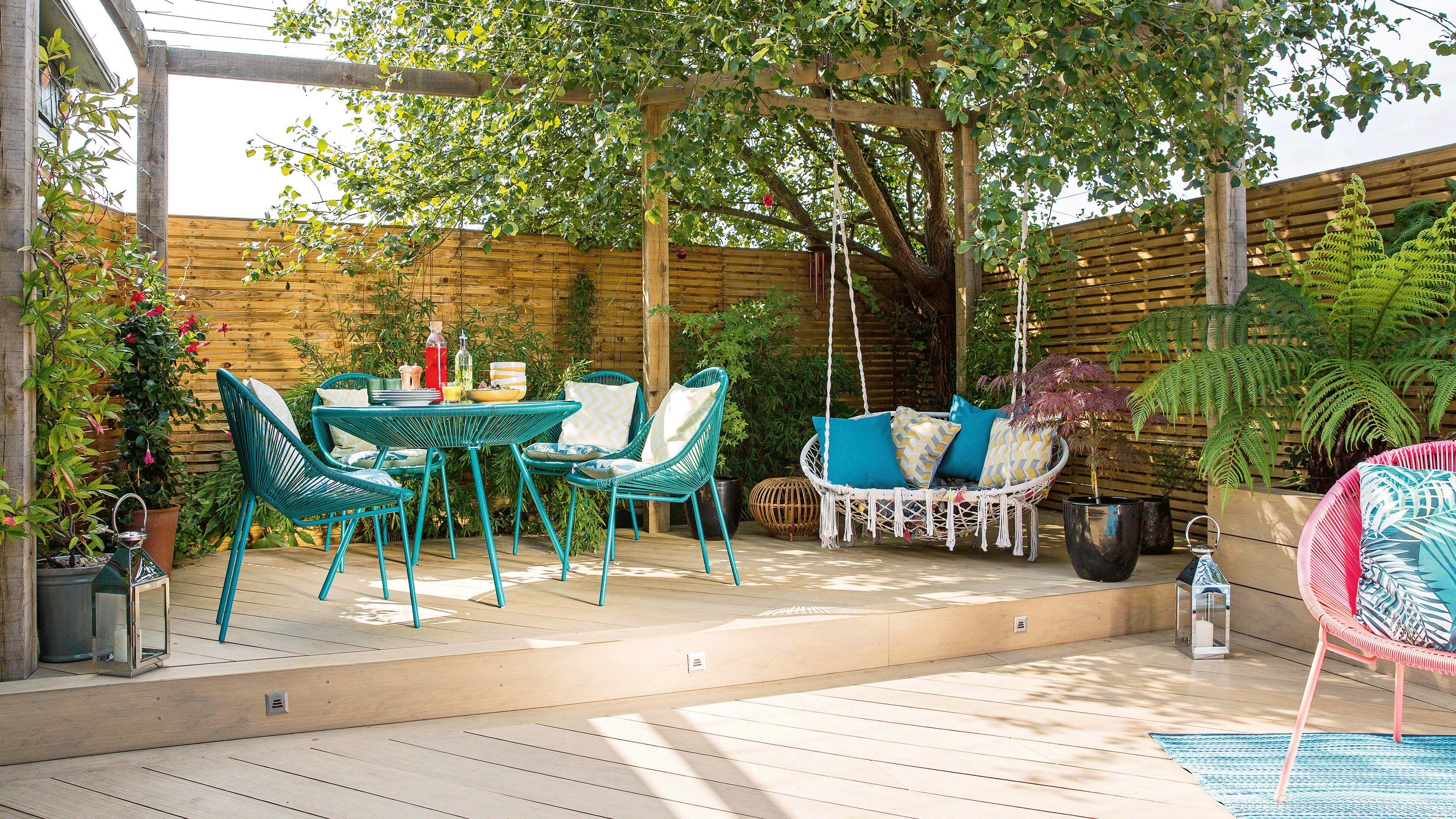
How to make your deck look expensive - 7 ways to turn a deck into your favourite area of the garden
Smart decking colour ideas - from pale patinas to dark and daring shades

How to Stain a Wood Deck: Instructions and Materials List

7 Wood Finishes That Are Making Your House Look Dated, According to Designers


How to Know When an Old Wood Floor Is Worth Restoring or Should Be Replaced
Here’s how to treat and maintain your wood deck and balcony

Handyman Hints: You need your deck's posts to pass inspection


Handyman Hints: Your deck's railings need to be to code
Is It Better to Repair or Replace a Damaged Deck? 4 Ways to Tell
Giving Your Deck a New Life Doesn’t Have to be a Chore Thanks to This Product
8 Deck Trends That Will Transform Your Backyard in 2025

7 Outdated Living Room Features That Designers Immediately Notice
Deck color ideas – how to choose the color to stain or paint your deck
18 Popular Deck Updates That Are Worth the Investment, According to Architectural Experts

How to Know When Your Roof Needs Replacing? A Roofing Expert Shares His Method