1/4
4 Signs It’s Time to Replace Your Outdoor Furniture
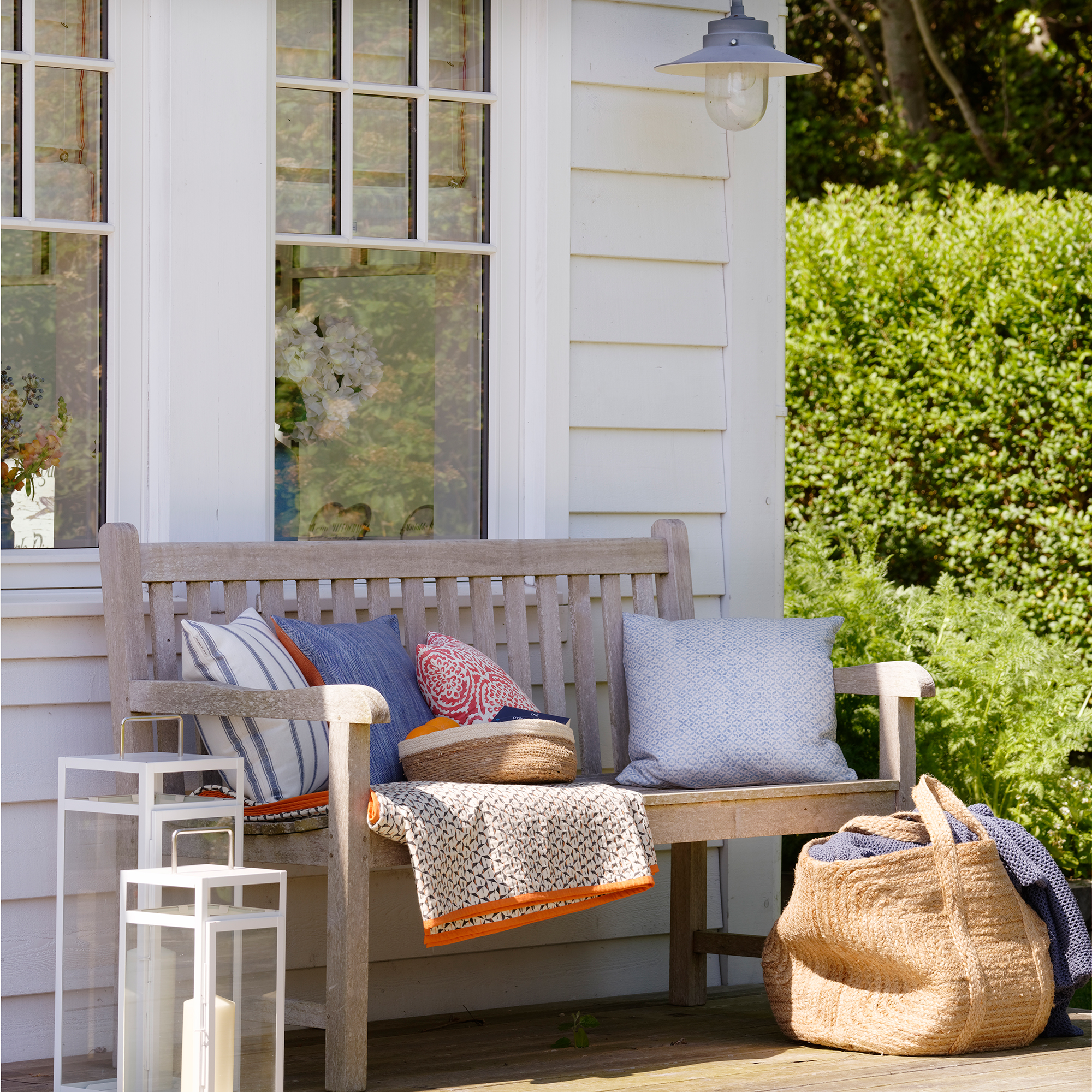
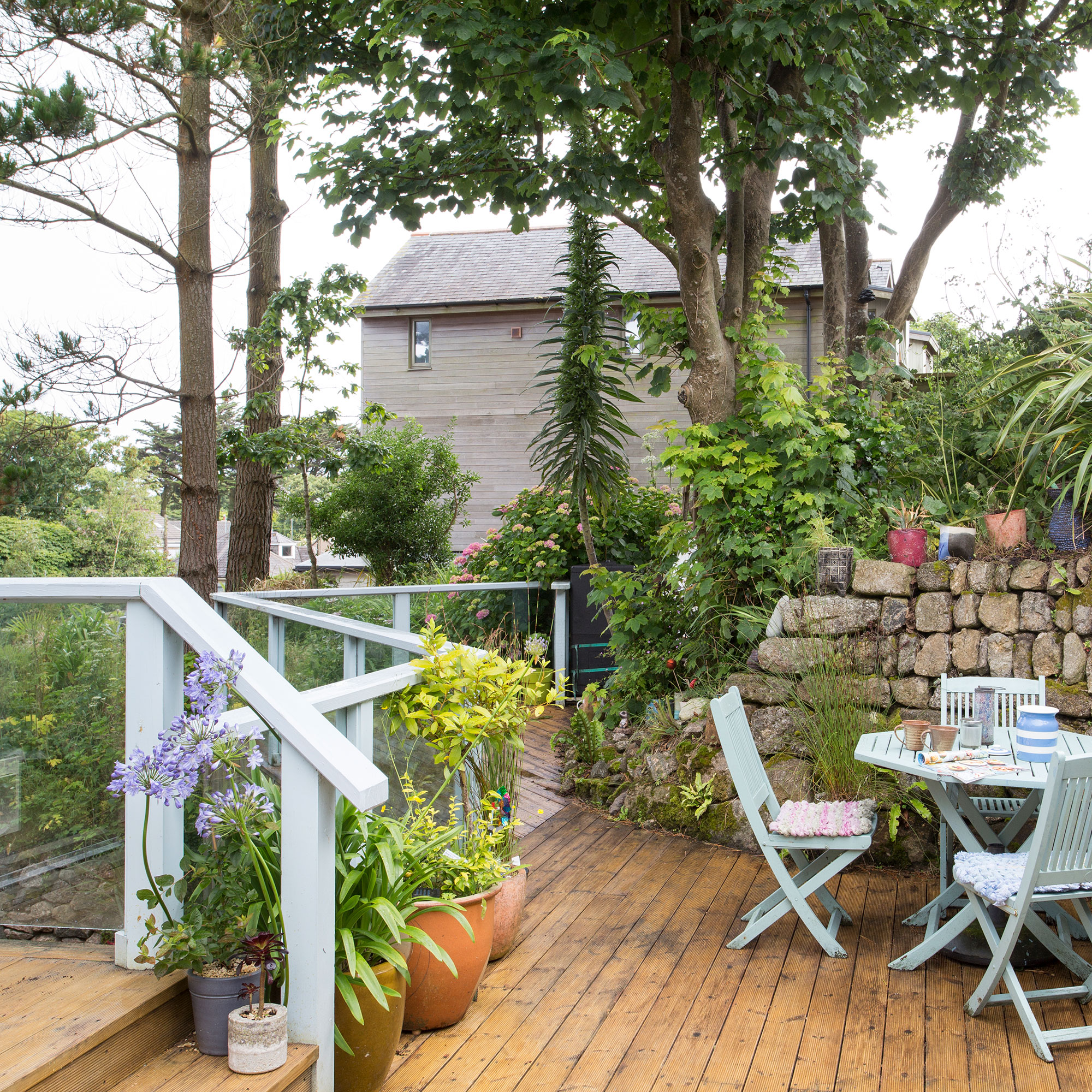
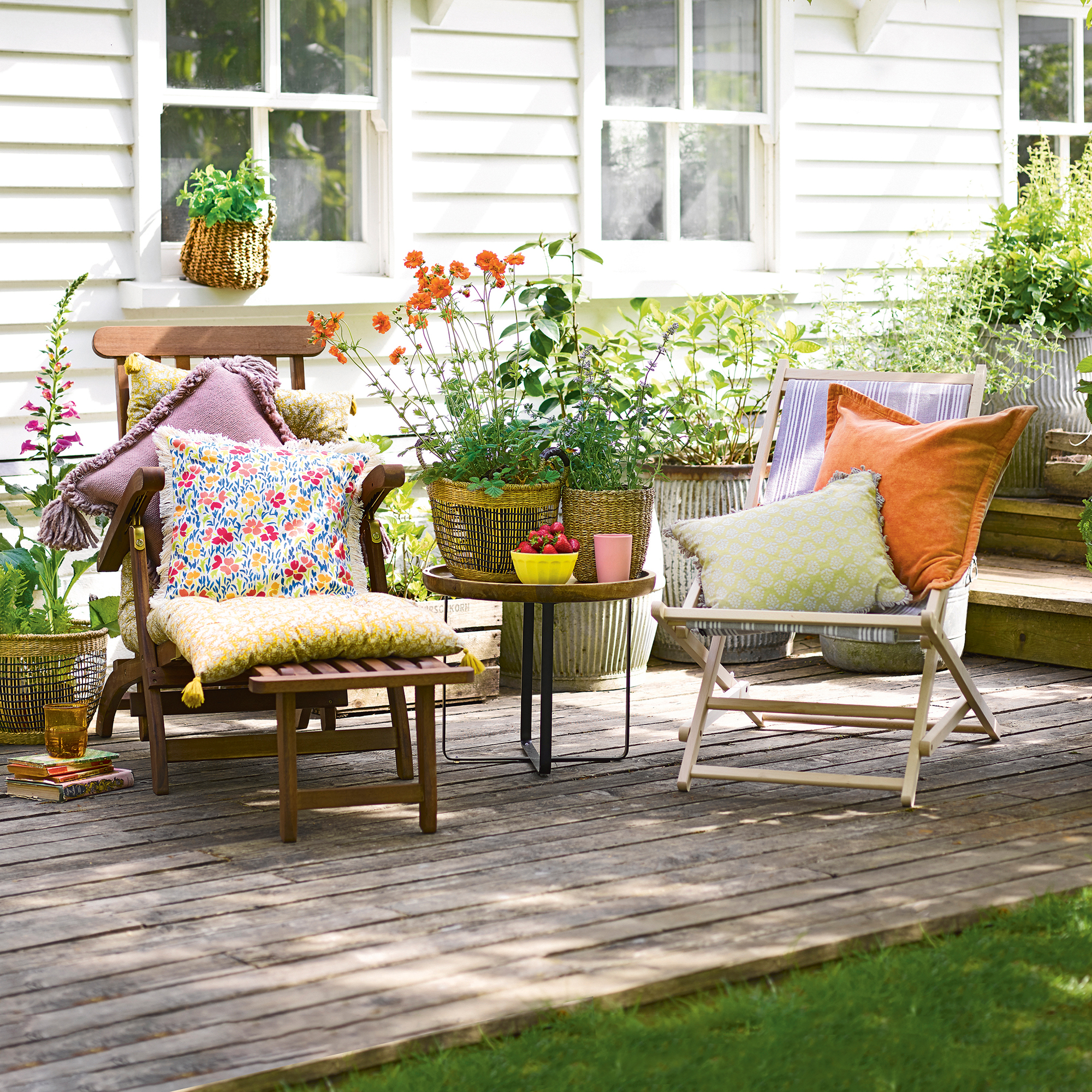
Outdoor furniture, like all possessions, has a lifespan, and recognizing when it's time for replacement is crucial for maintaining an inviting and safe outdoor space. Unlike indoor furniture, which often shows immediate signs of wear, outdoor pieces can subtly deteriorate, making assessment more challenging. Two interior designers, Patty Hampton of Refresh Your Space and Christina Kelley of Christina Kelley Interiors, offer guidance on identifying the key indicators that your outdoor furniture needs an upgrade.
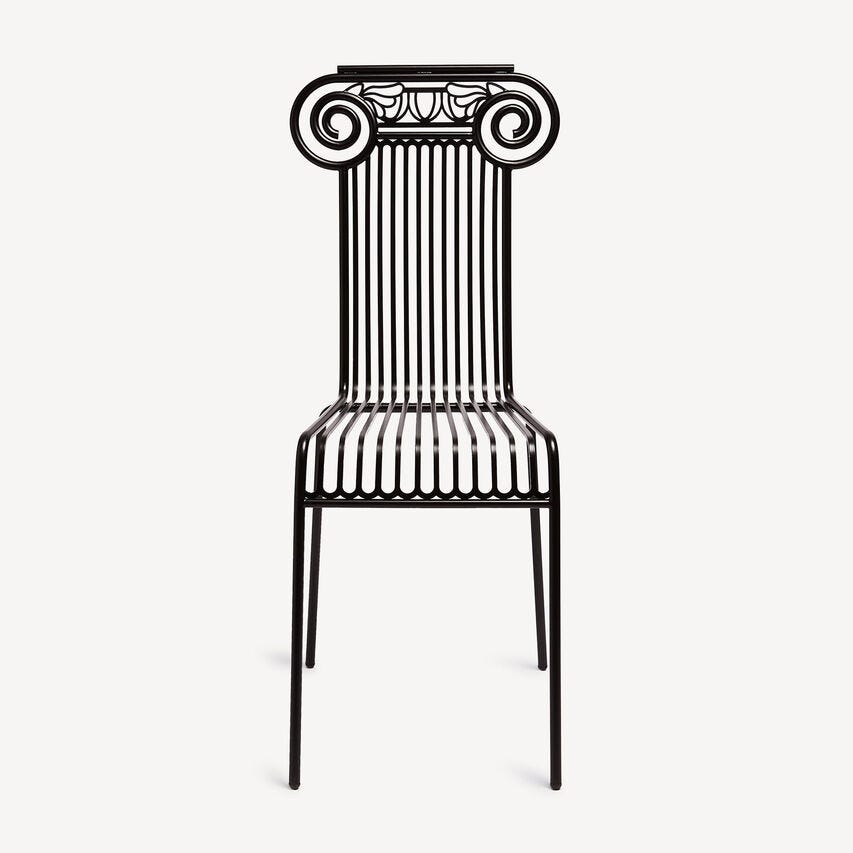
The first critical sign is the presence of rot or rust. A thorough inspection of the furniture's foundation is essential. If cleaning removes dirt and the framing remains solid, the furniture may still be salvageable. However, any signs of rust on metal components or wood rot indicate structural compromise and a need for replacement. These issues not only affect the aesthetic but also the safety and stability of the furniture.
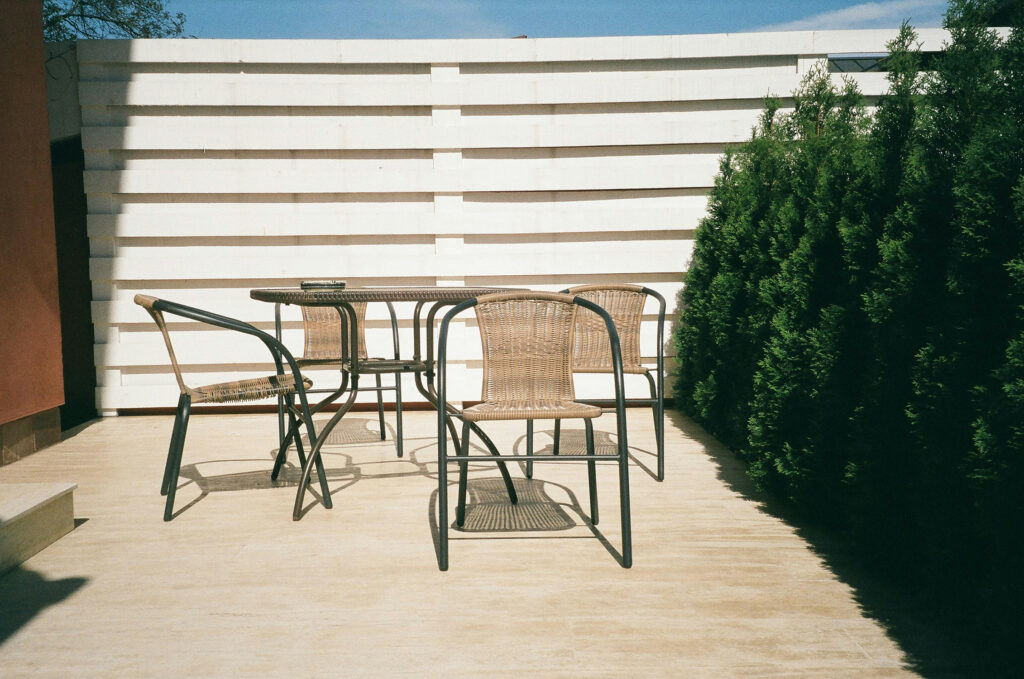
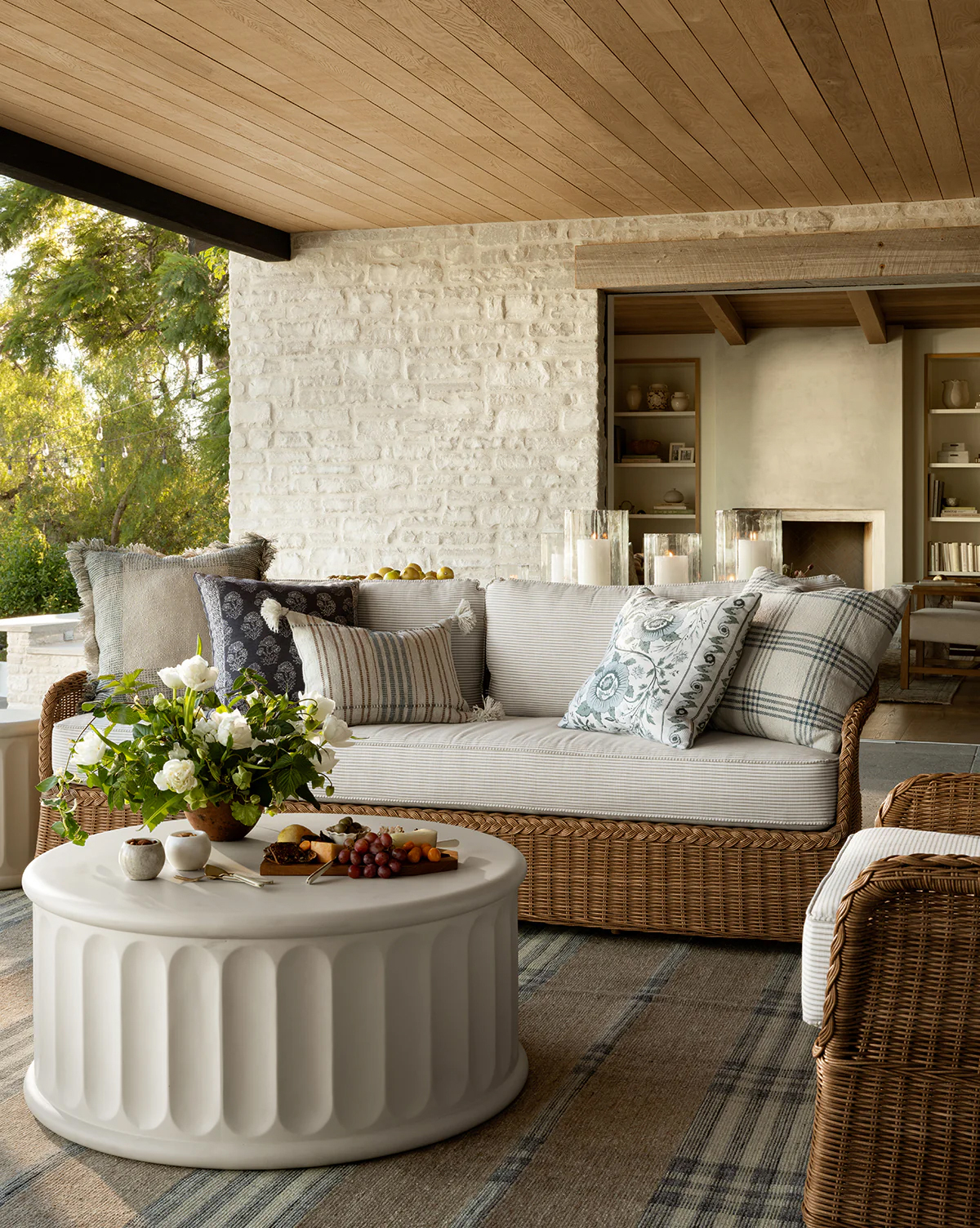
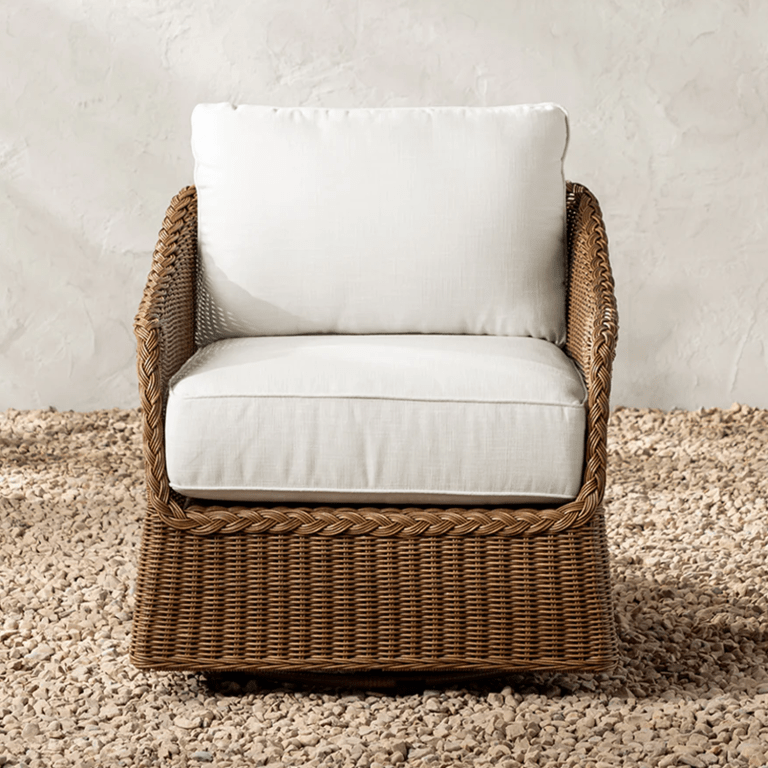
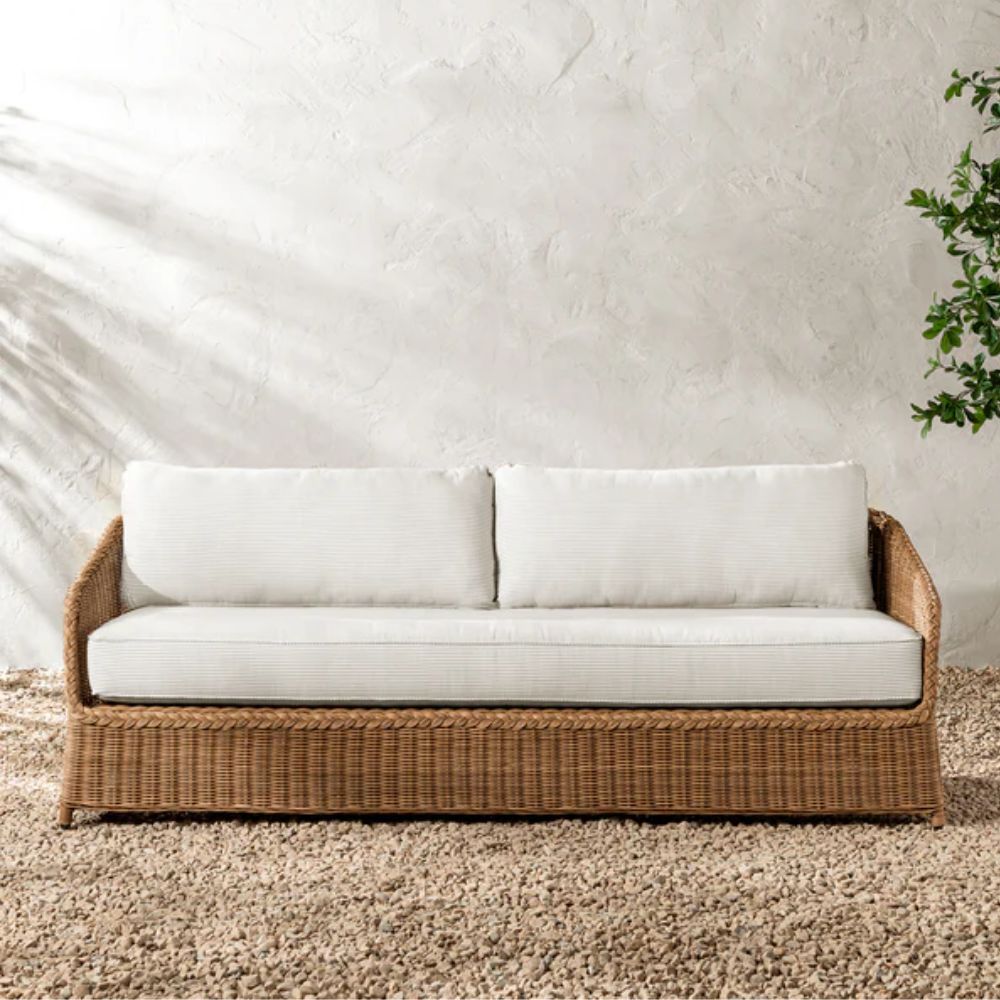
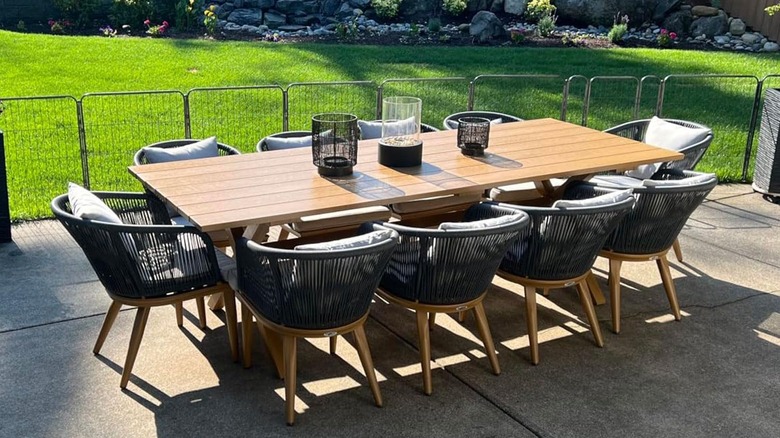
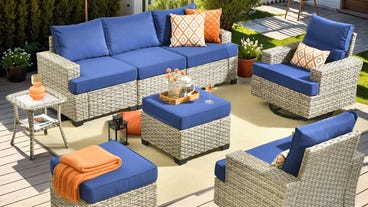
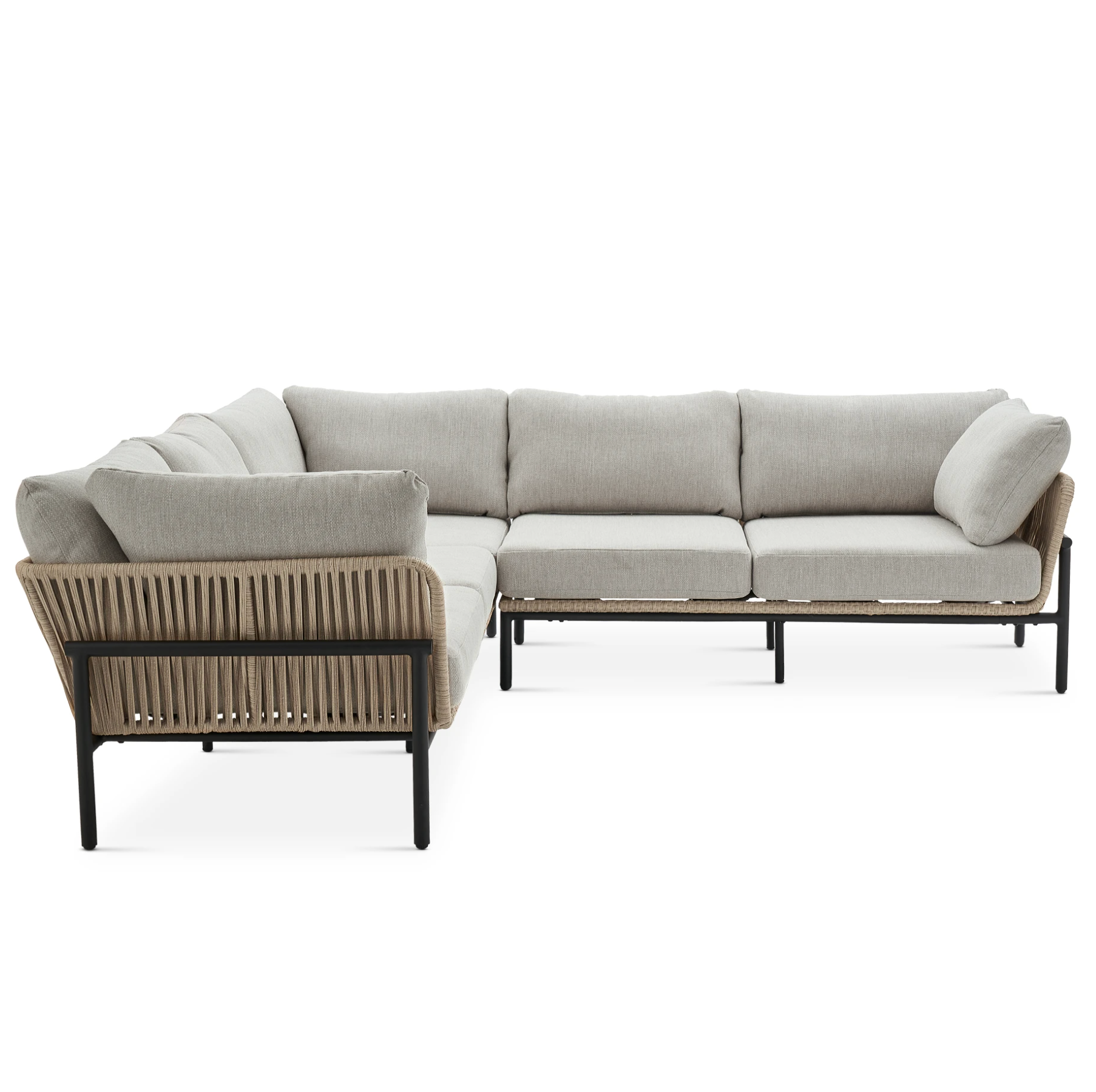
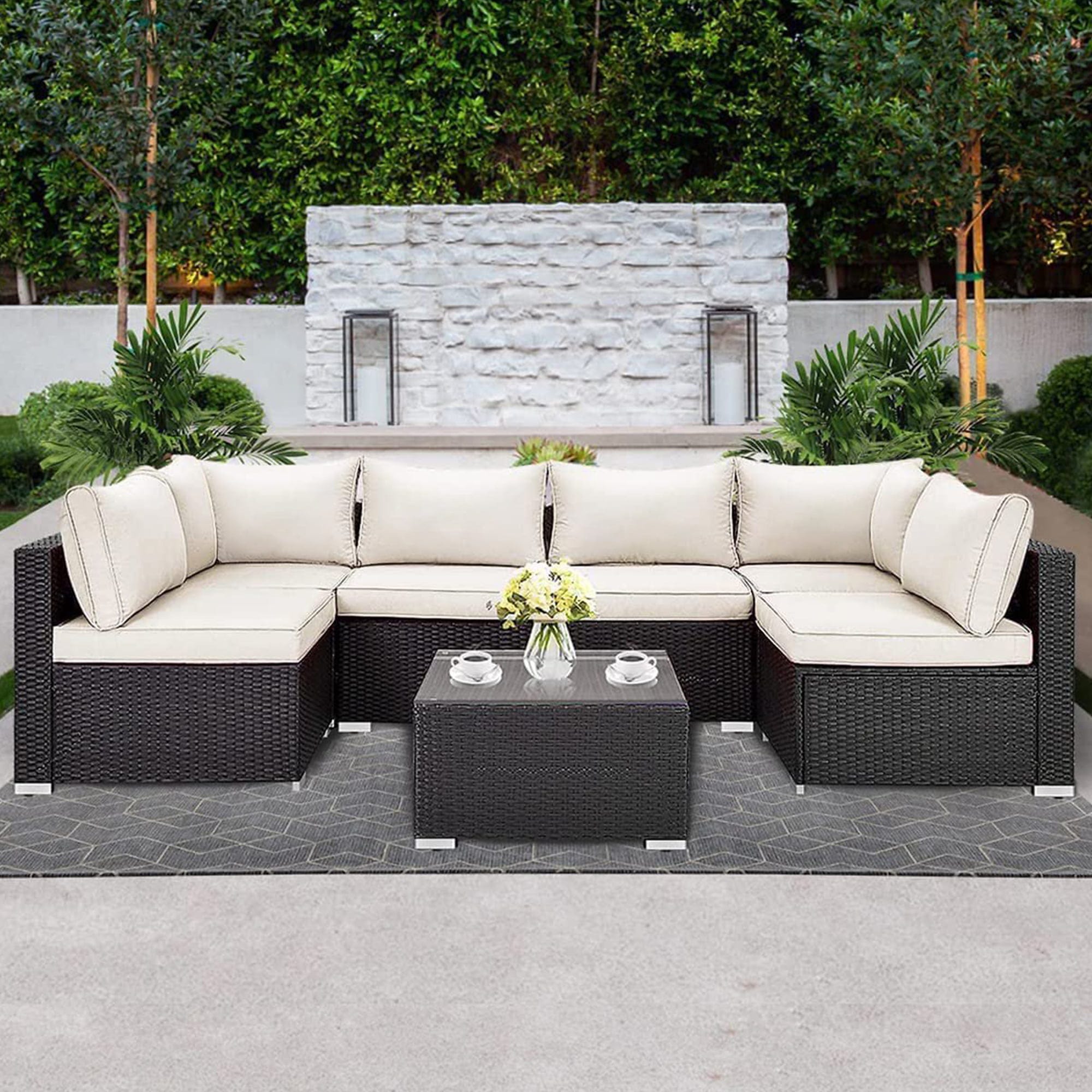
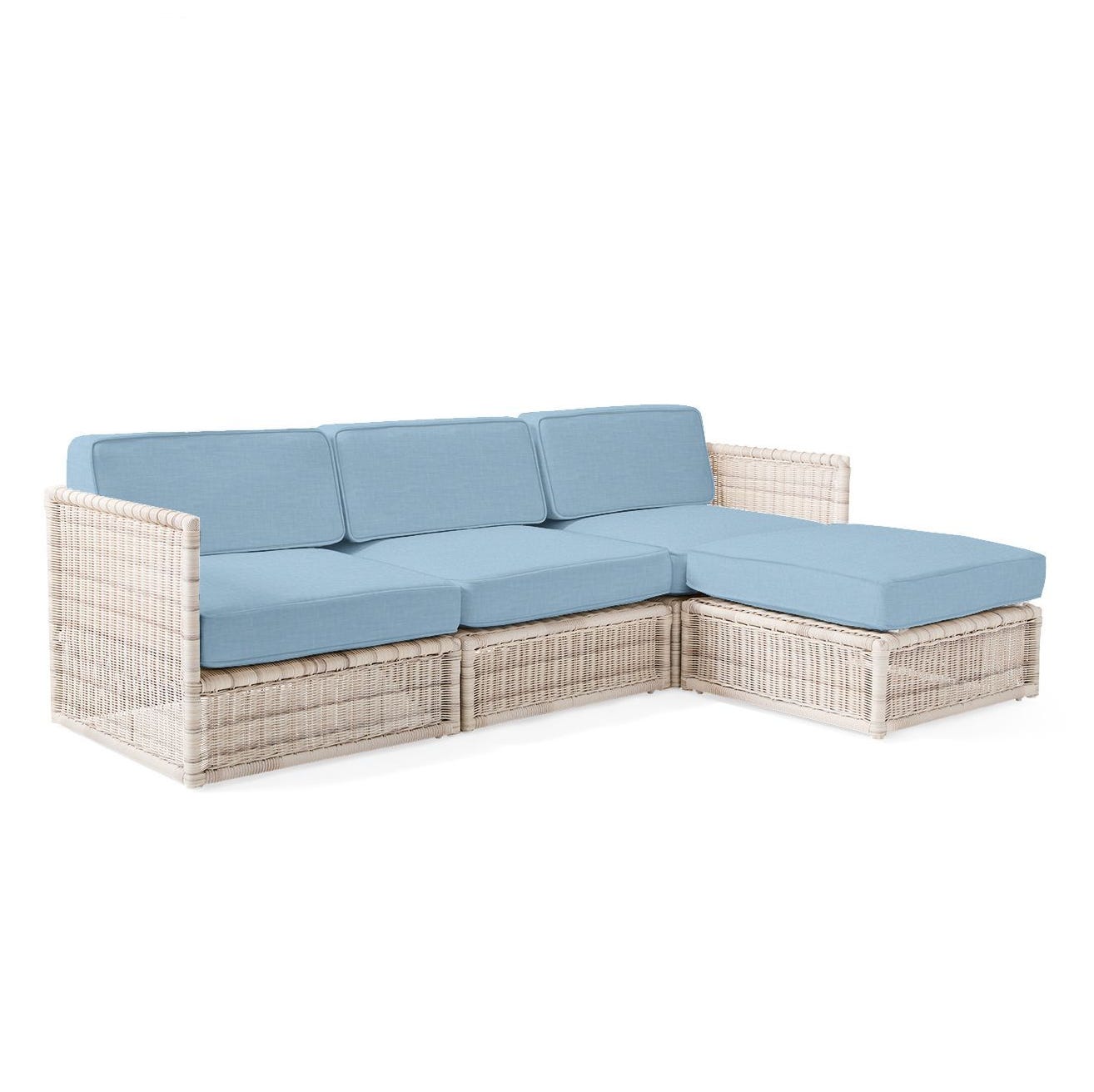
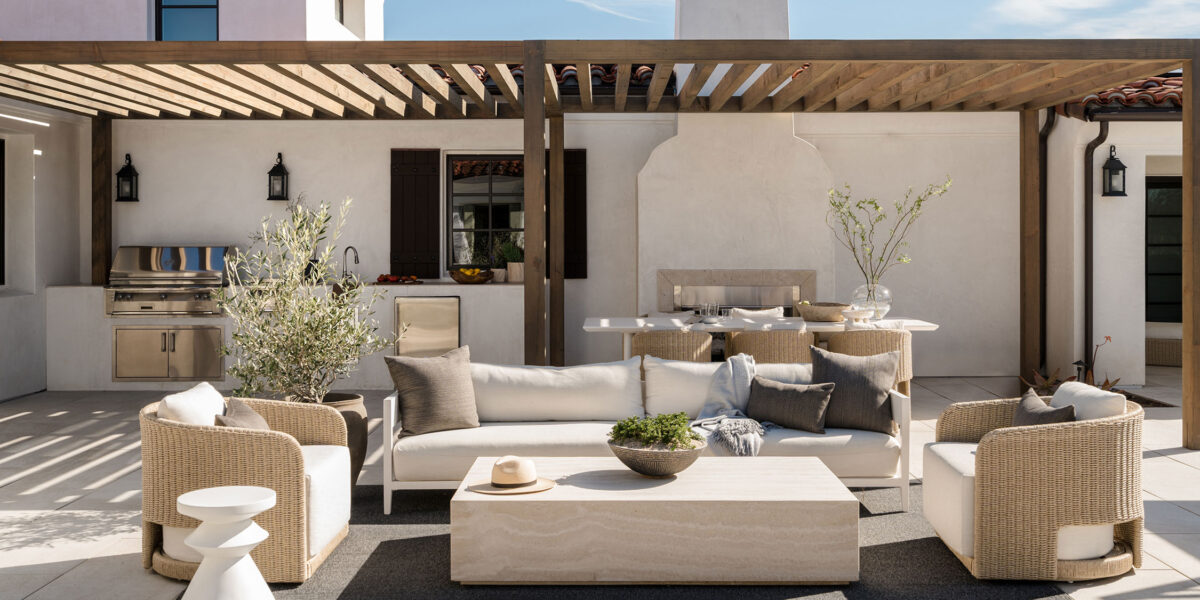
Secondly, issues with woven furniture, particularly natural wicker, signal replacement. While natural wicker offers a classic aesthetic, it is not durable against outdoor elements and quickly shows damage. Designers advise against using natural wicker outdoors and recommend replacing it with weather-resistant alternatives like high-density polyethylene (HDPE) resin wicker. Any unraveling or significant damage to woven pieces, regardless of material, suggests it's time for new furniture.
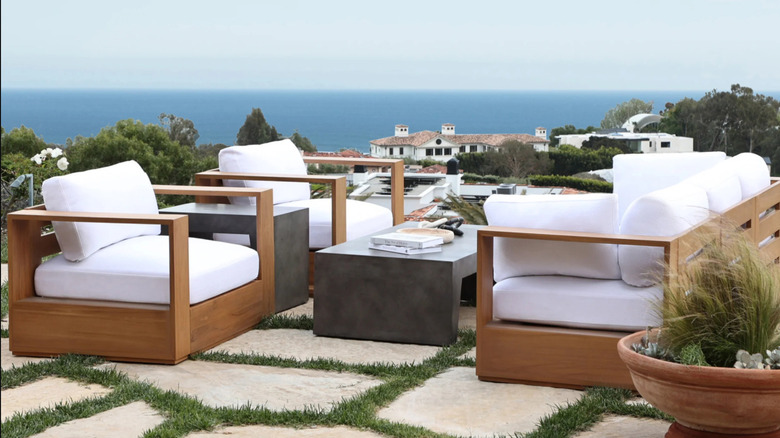
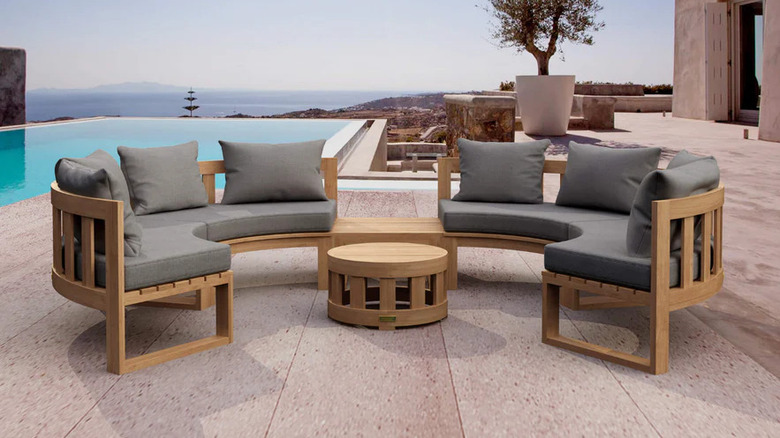
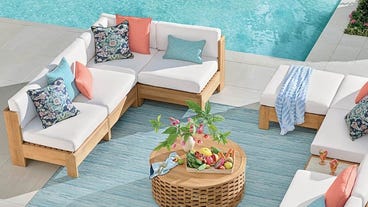
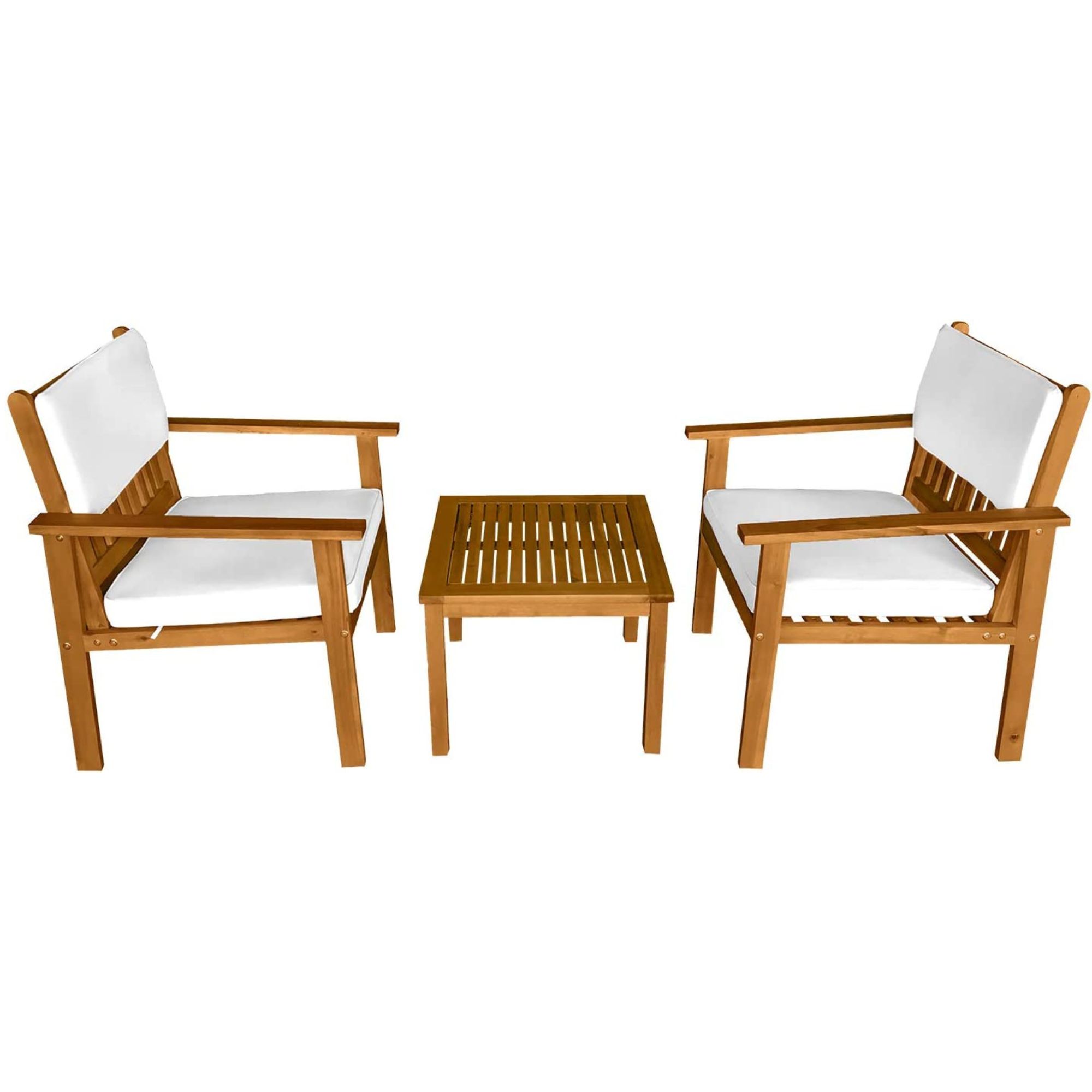
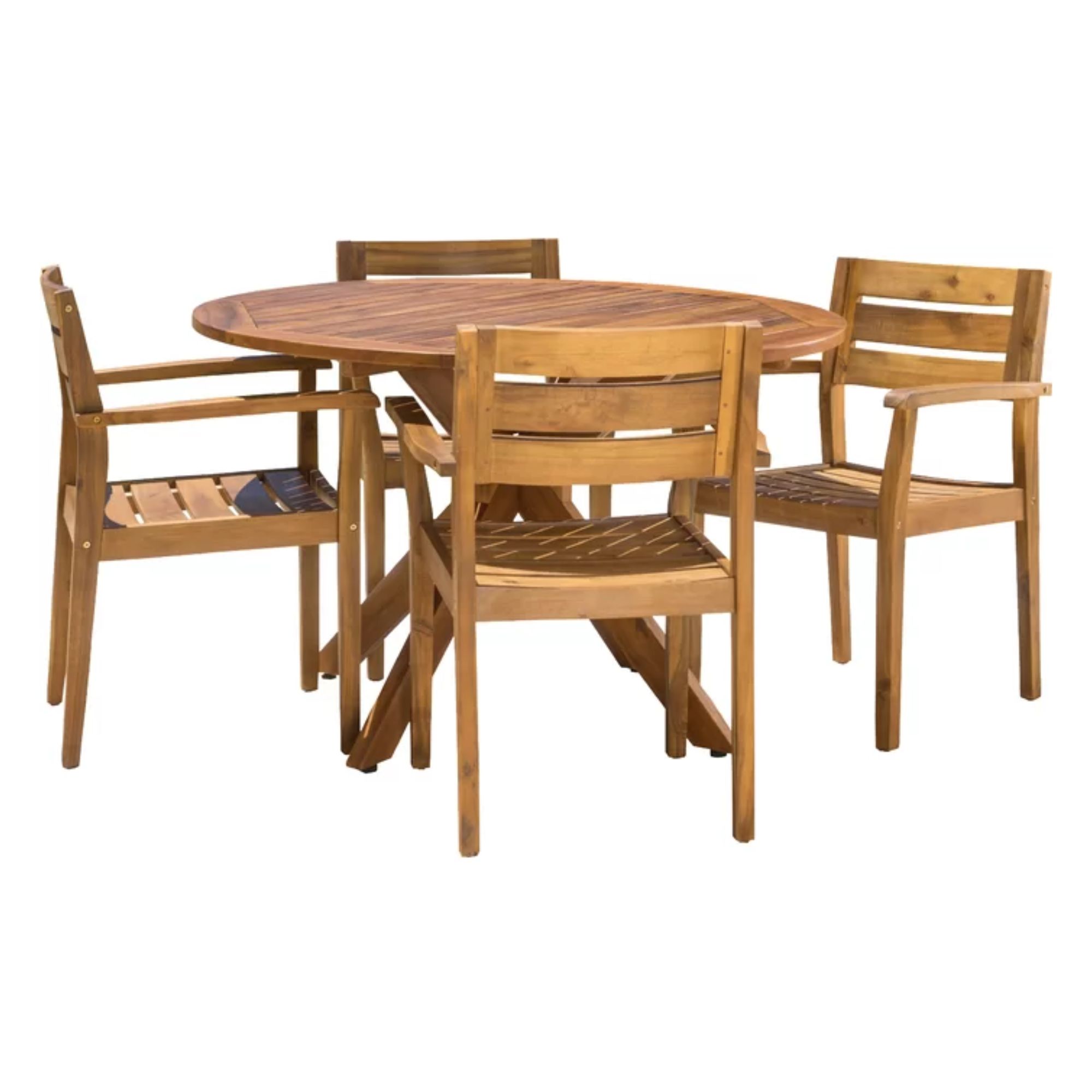
The third sign involves the quality of materials. Low-quality materials often lead to a shorter lifespan for outdoor furniture. For instance, PVC is discouraged due to its shiny, brittle nature, rapid fading, and negative environmental impact as it quickly ends up in landfills. HDPE resin is recommended as a superior alternative, offering a more natural appearance, better durability against sun and salt, and longevity. Teak wood is another favored material due to its resilience and the ability to restore its appearance through cleaning or staining. Furthermore, flimsy or thin upholstery that shows scratches or tears is a clear sign for replacement, especially considering outdoor dampness. Durable fabrics like Sunbrella, known for their UV and water resistance, are a better investment.
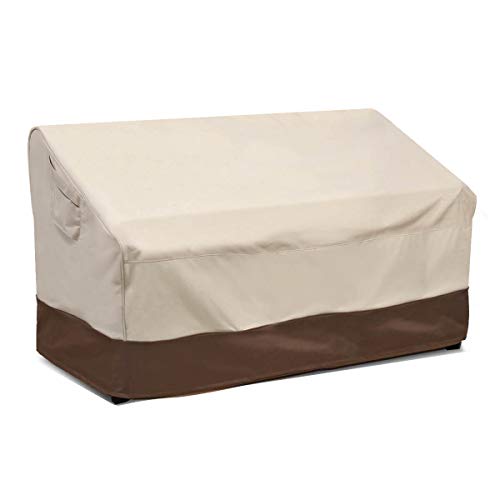
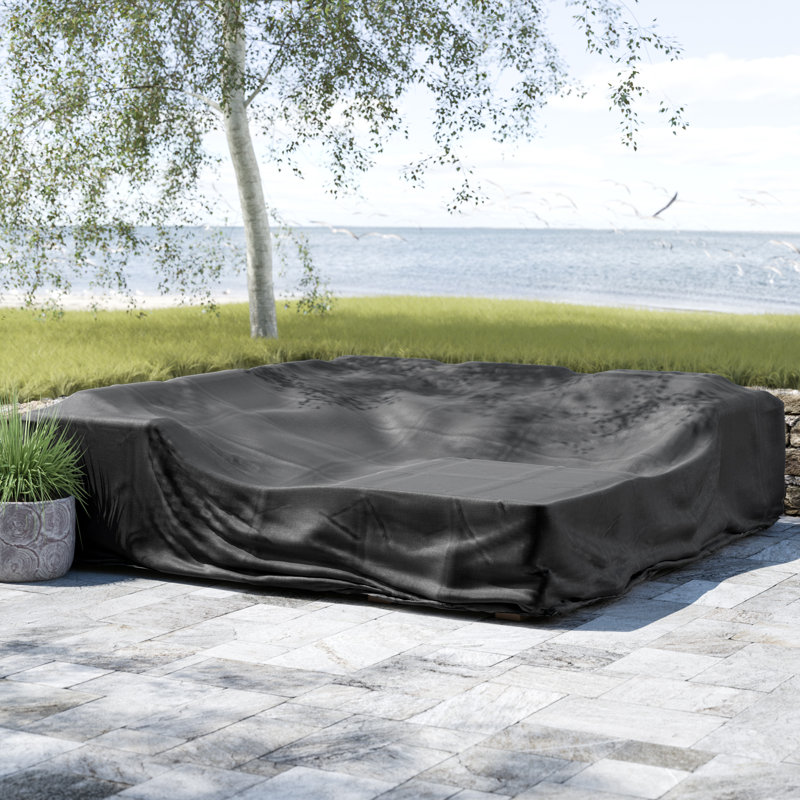
Finally, neglecting proper upkeep is a significant factor contributing to premature furniture deterioration. Designers emphasize the importance of using outdoor furniture covers, ideally secured to prevent water damage, and storing fabric items like pillows, cushions, and rugs indoors during the off-season to prevent mildew. Regular treatment with sealants or rust protectors is also crucial for maintaining the integrity of the furniture. A lack of consistent maintenance will inevitably shorten the furniture's lifespan and necessitate earlier replacement.
#OutdoorFurniture #FurnitureReplacement #PatioFurniture #OutdoorLiving #HomeDecor #DesignTips #WickerFurniture #MaterialQuality #FurnitureMaintenance #OutdoorFurniture #FurnitureReplacement #PatioFurniture #OutdoorLiving #HomeDecor #DesignTips #WickerFurniture #MaterialQuality #FurnitureMaintenance
0 comment in total
 No comments yet
You may also like
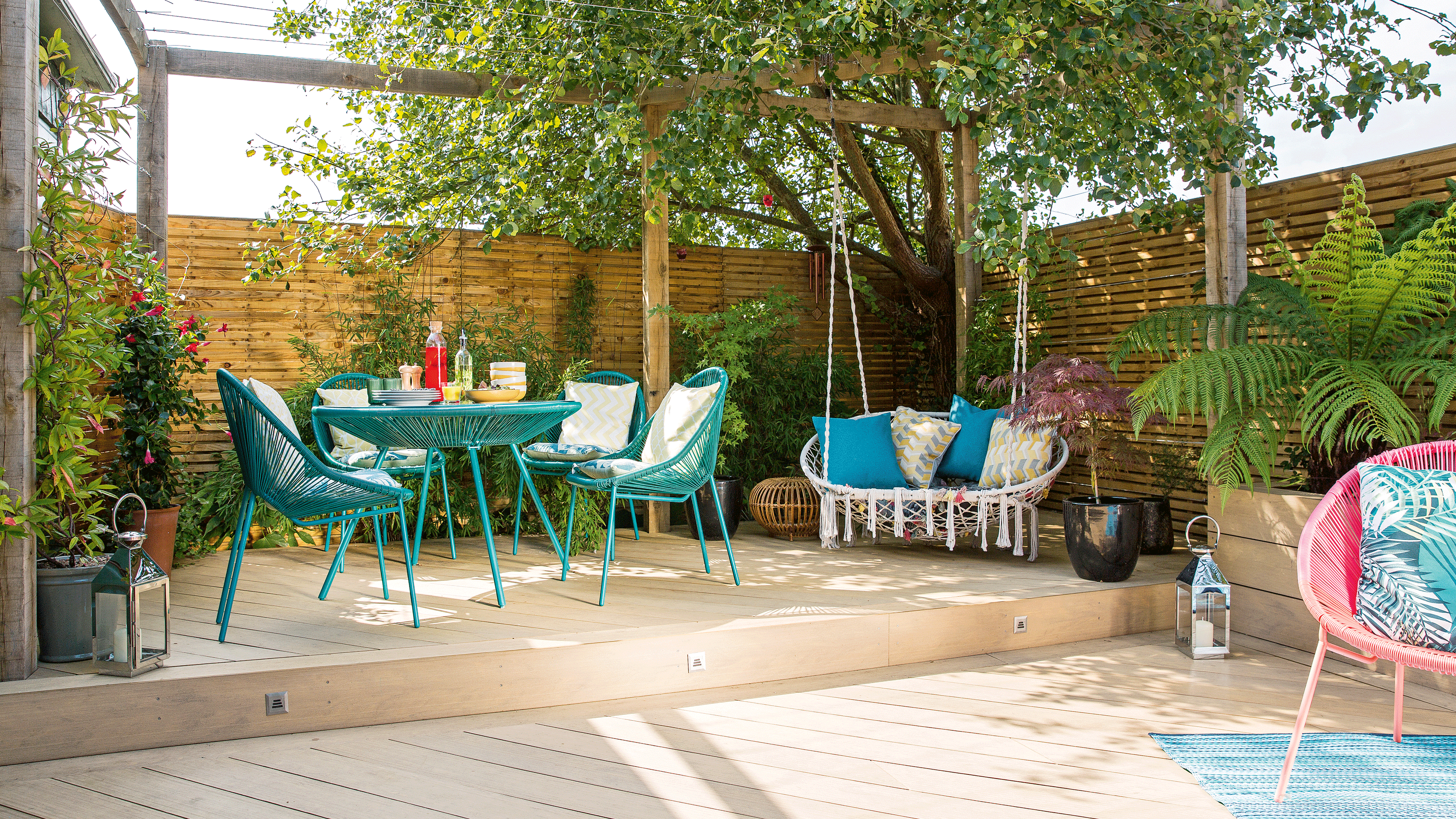
7 signs you need to replace your wooden deck – the red flags to look out for in your garden
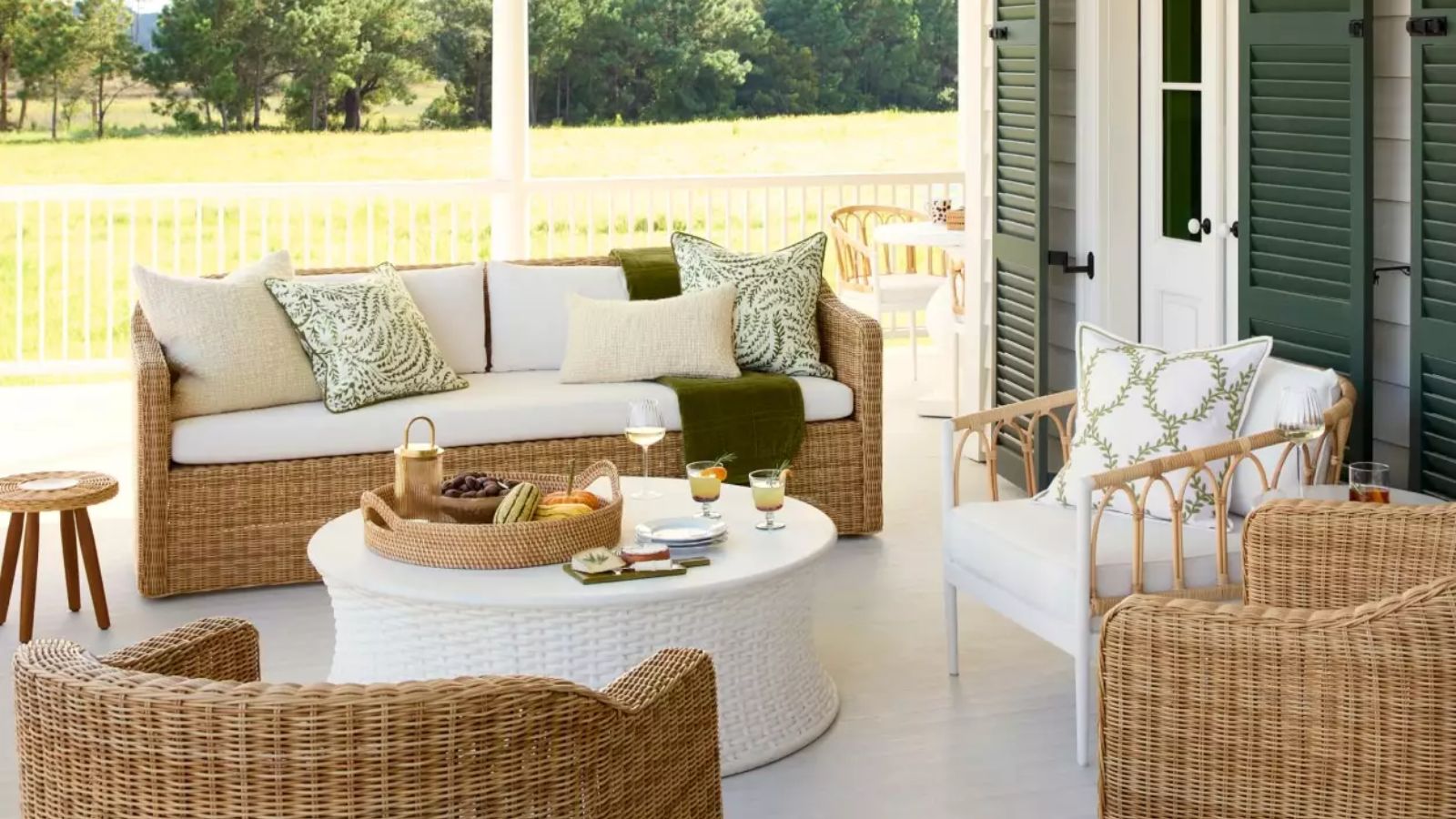
Best outdoor furniture: our top picks of where to shop

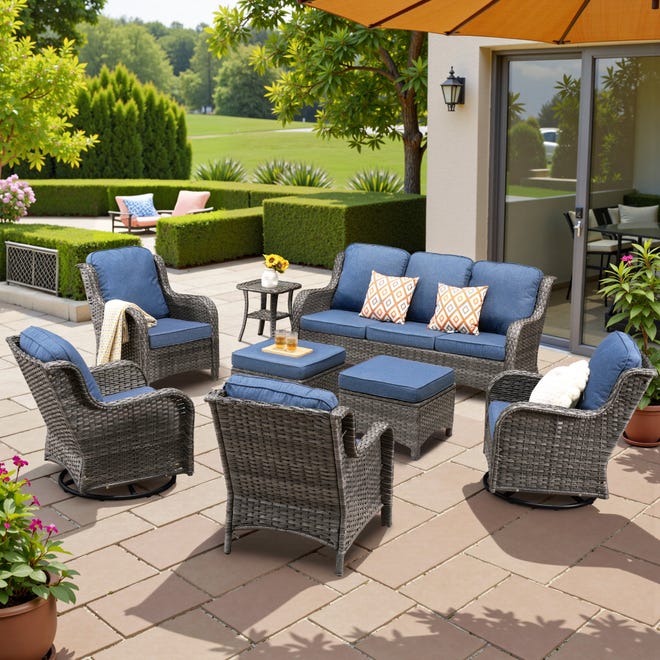
The 10 best retailers to buy outdoor furniture in 2025

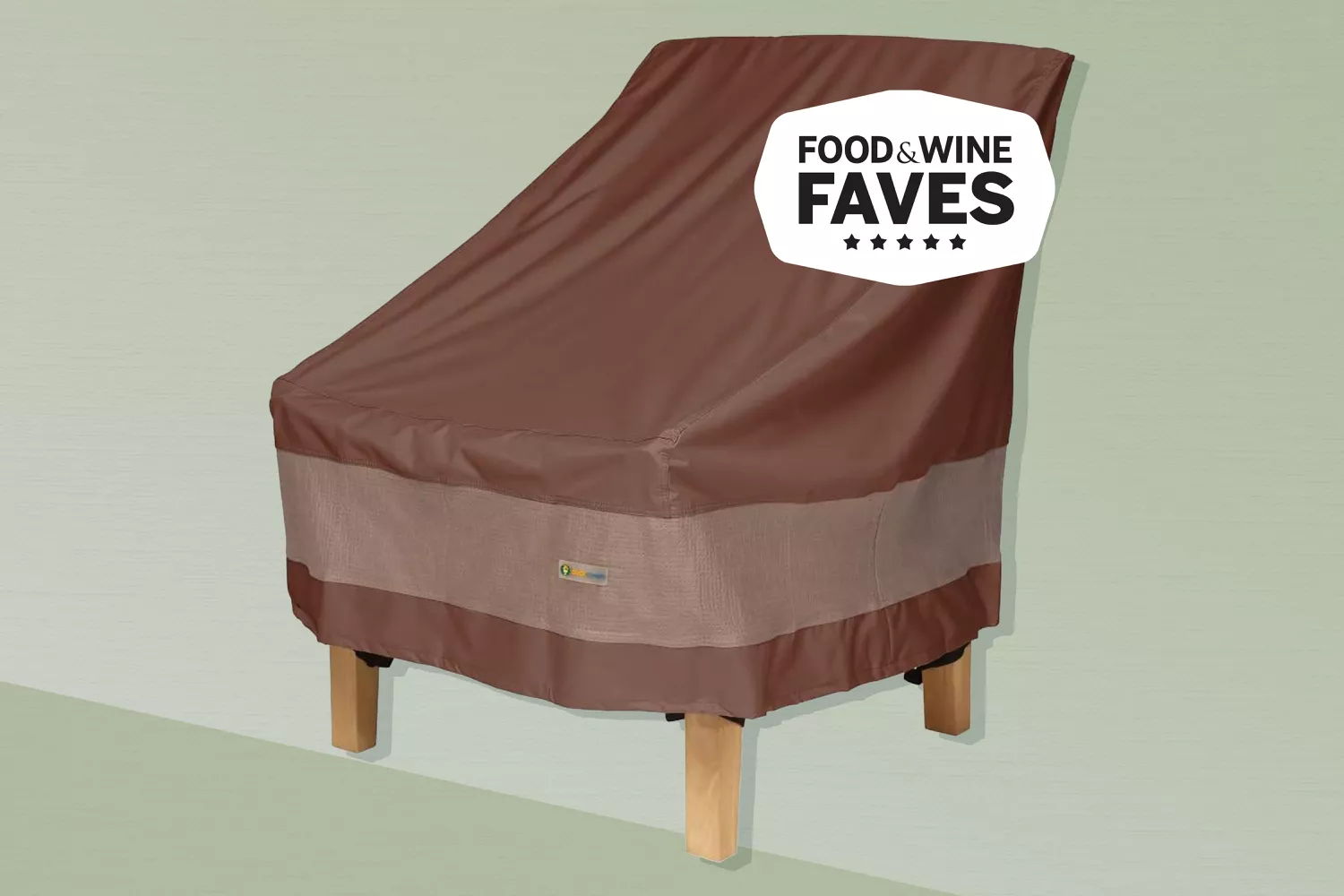
We Put 15 Outdoor Furniture Covers to the Test — These Are the 5 That Kept Our Tables and Chairs Looking Great

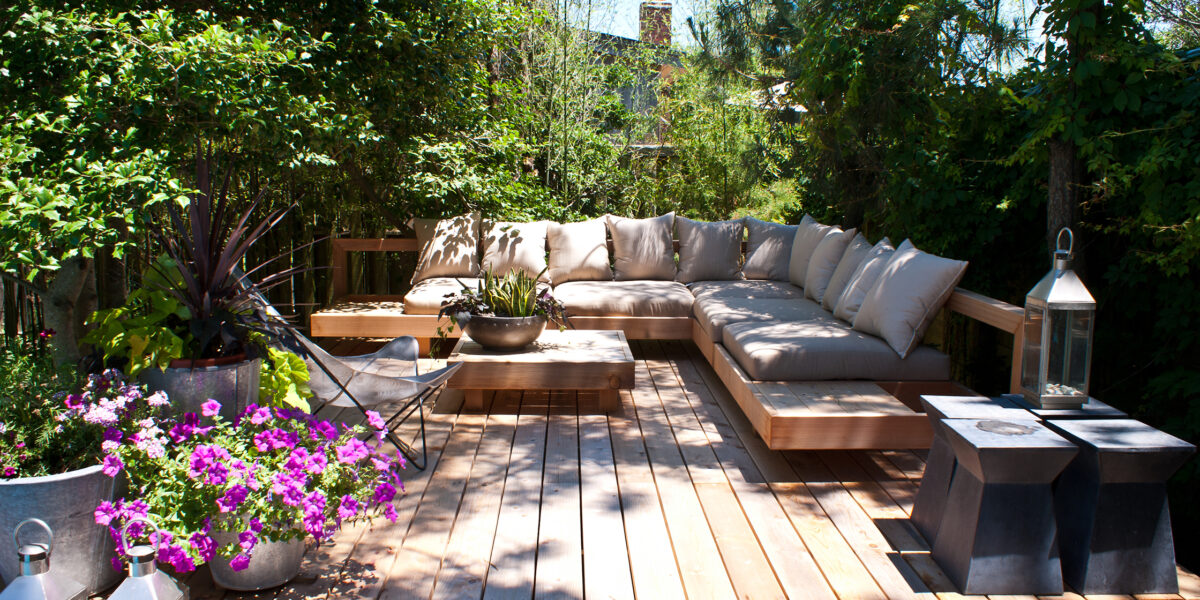
5 Mistakes Designers Want You to Stop Making with Your Outdoor Furniture
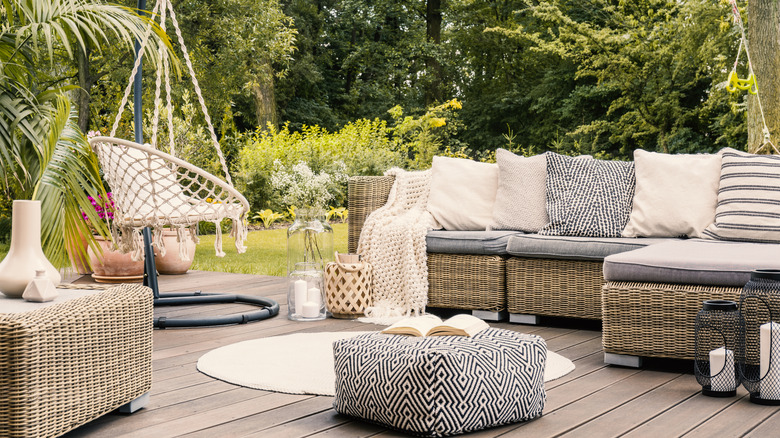
The Most Reliable Outdoor Furniture Brands, According To Reviews
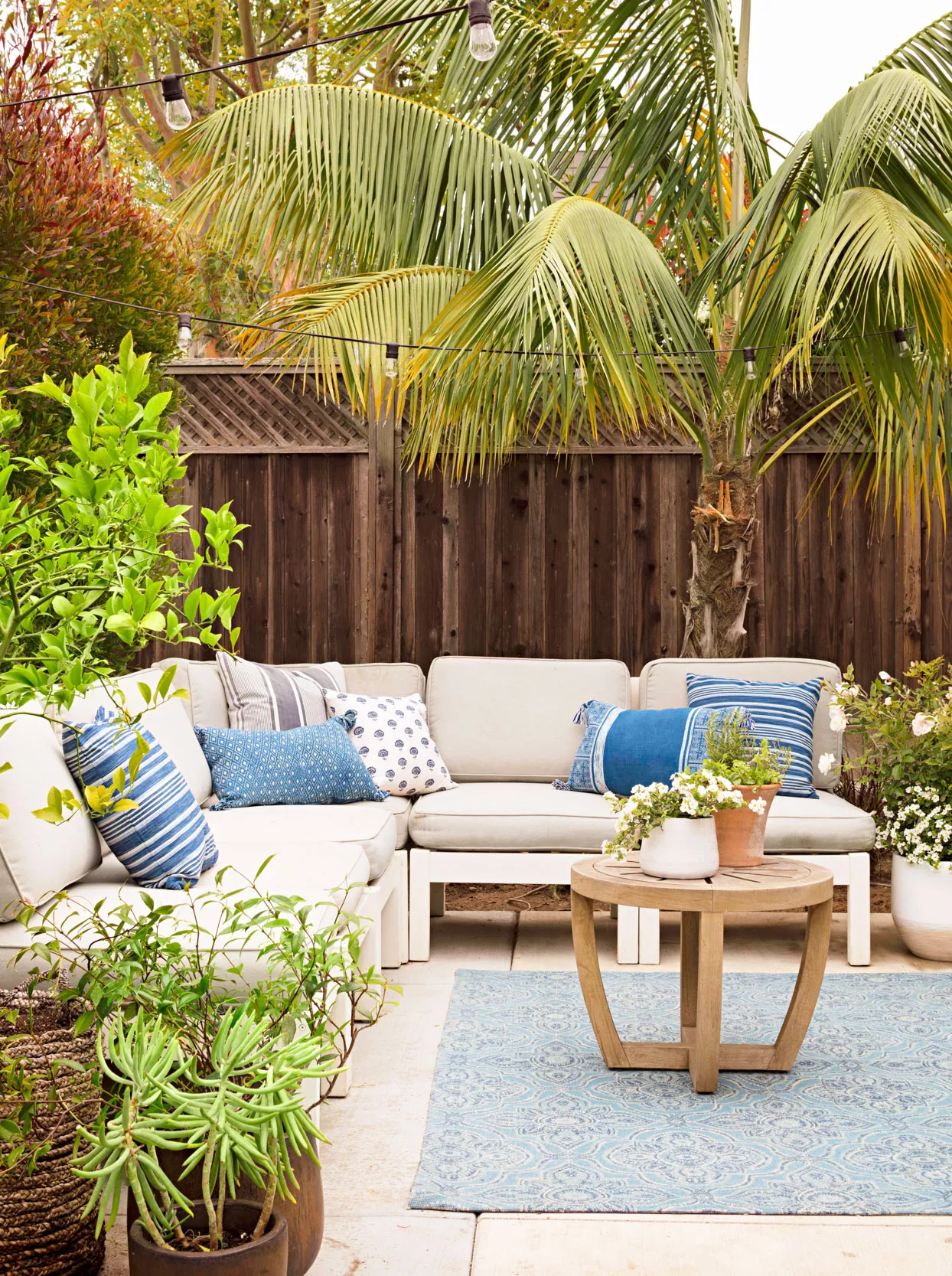
How to Properly Store and Winterize Outdoor Furniture

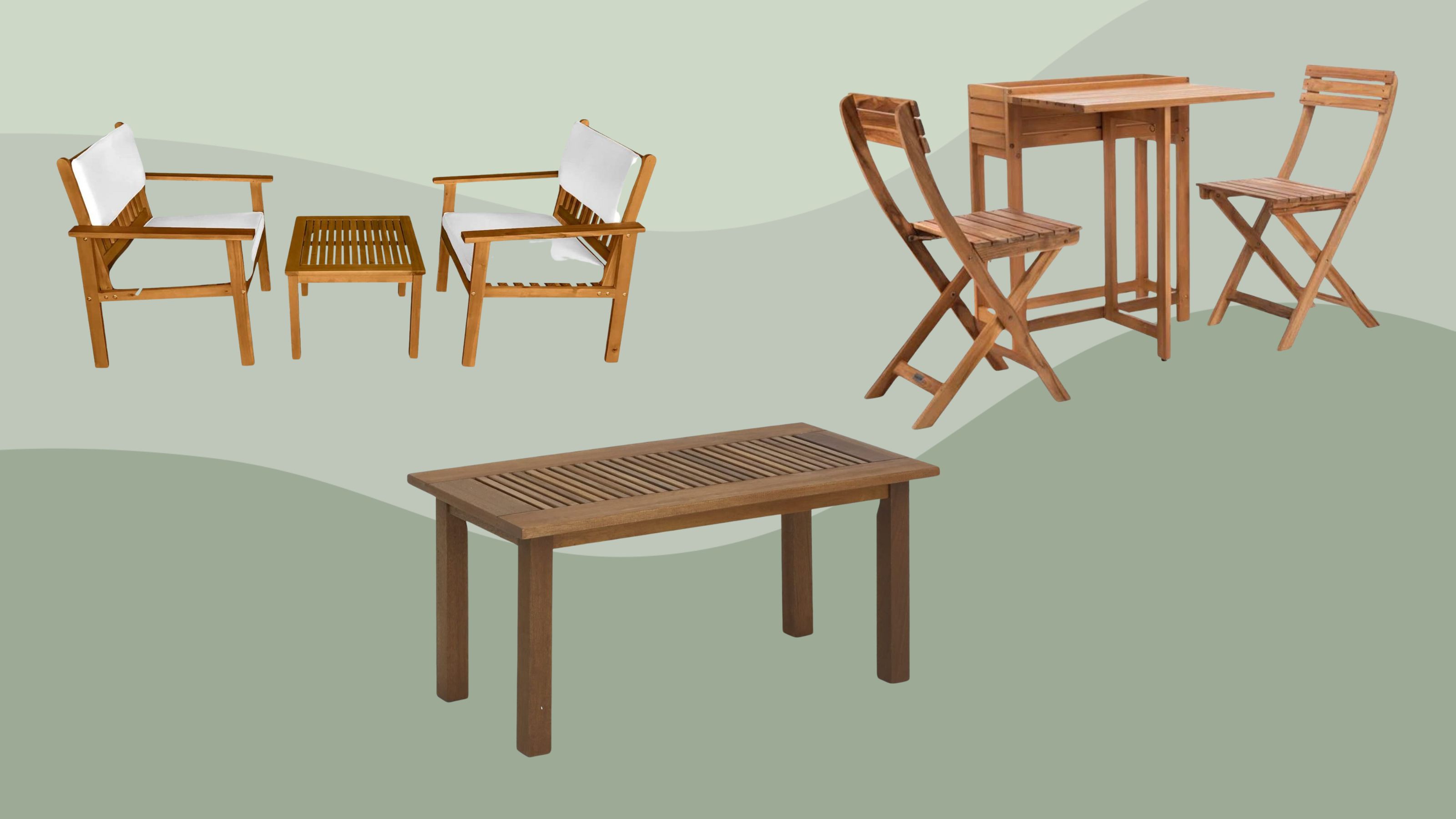
These are the best wooden outdoor furniture sets you can buy right now

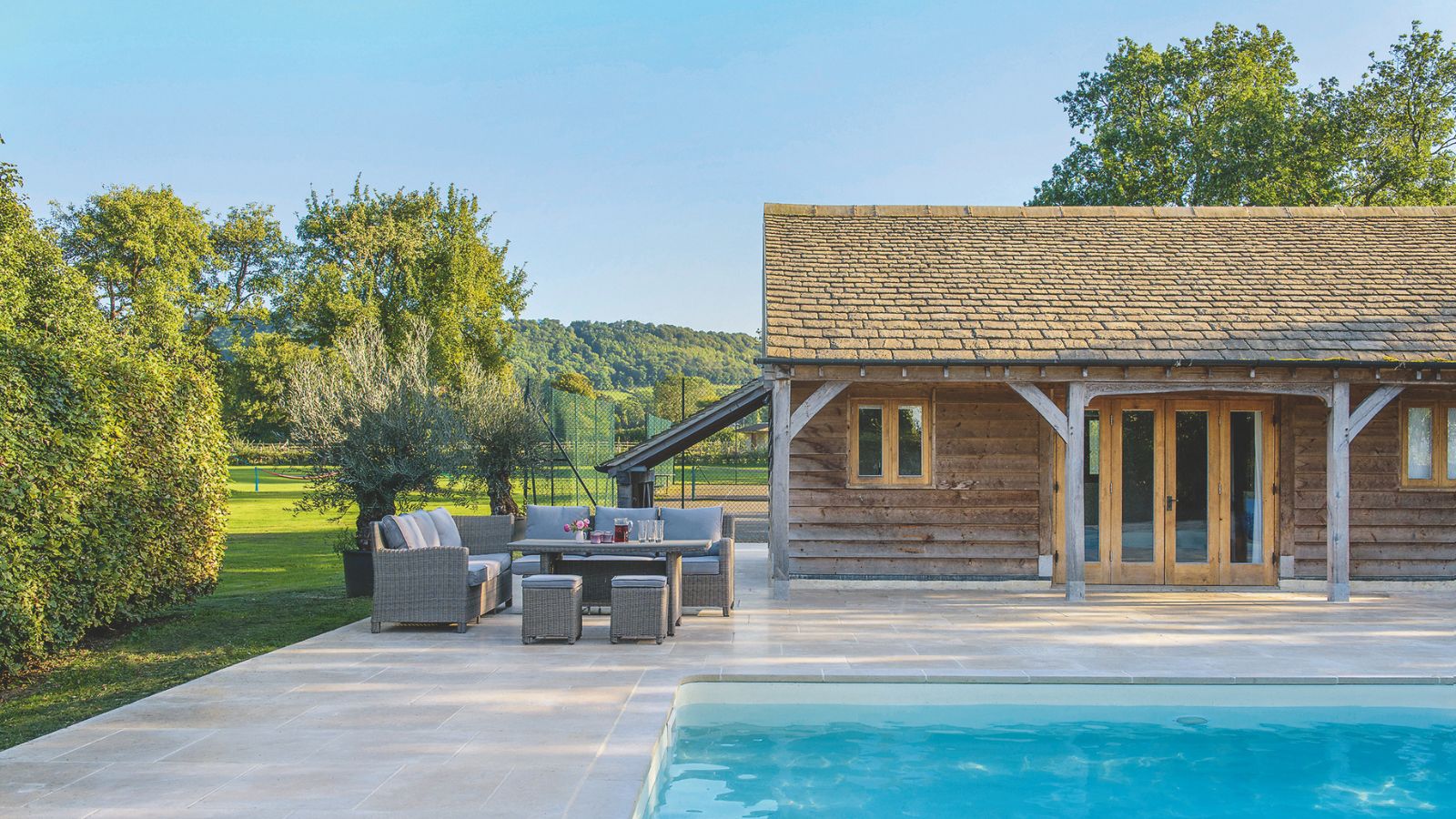
This is the one mistake that could make your patio furniture wear out twice as fast
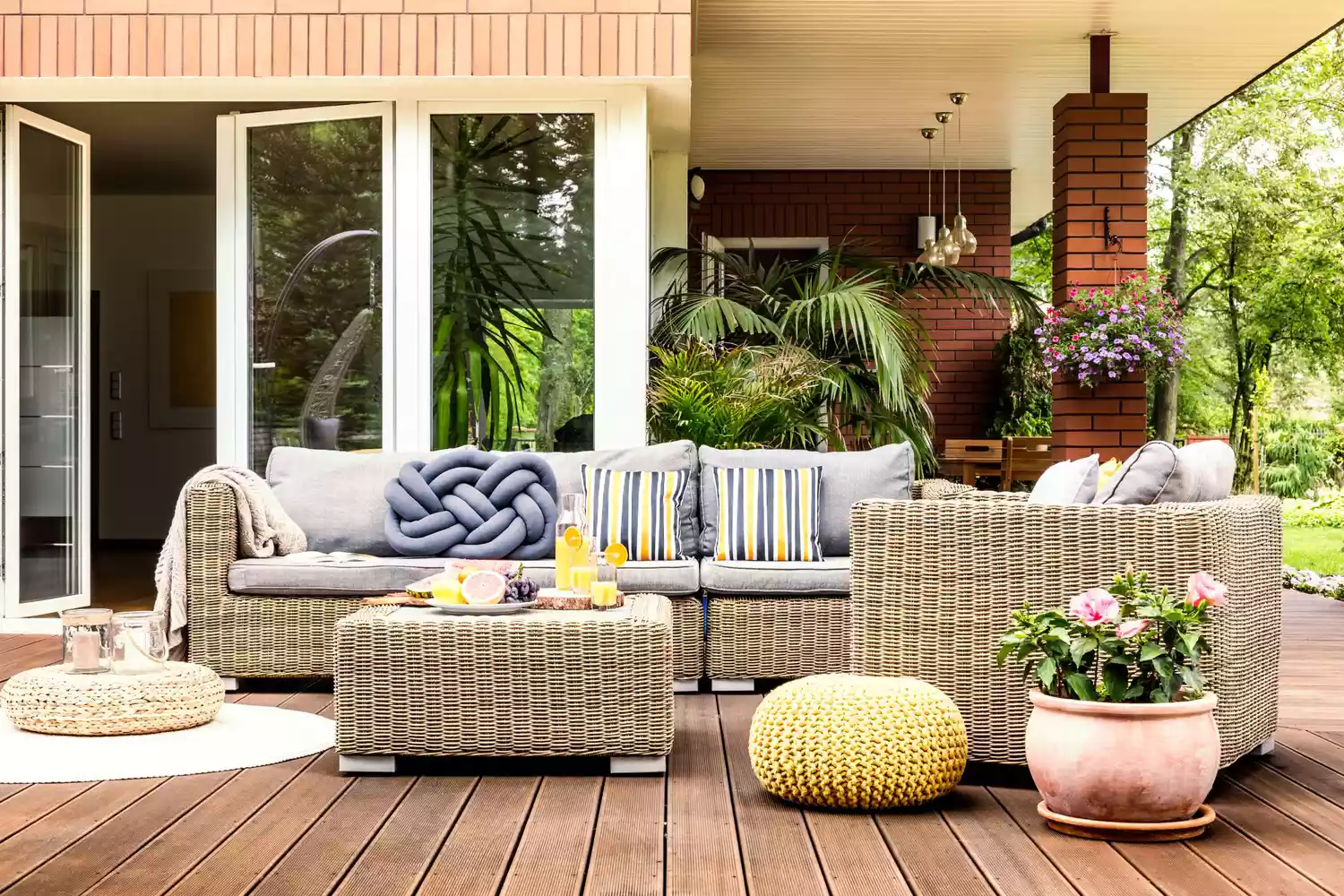
How to Clean and Care for Your Outdoor Furniture Throughout the Year


Your Outdoor Space DESERVES One of These Super-Cozy Sectionals

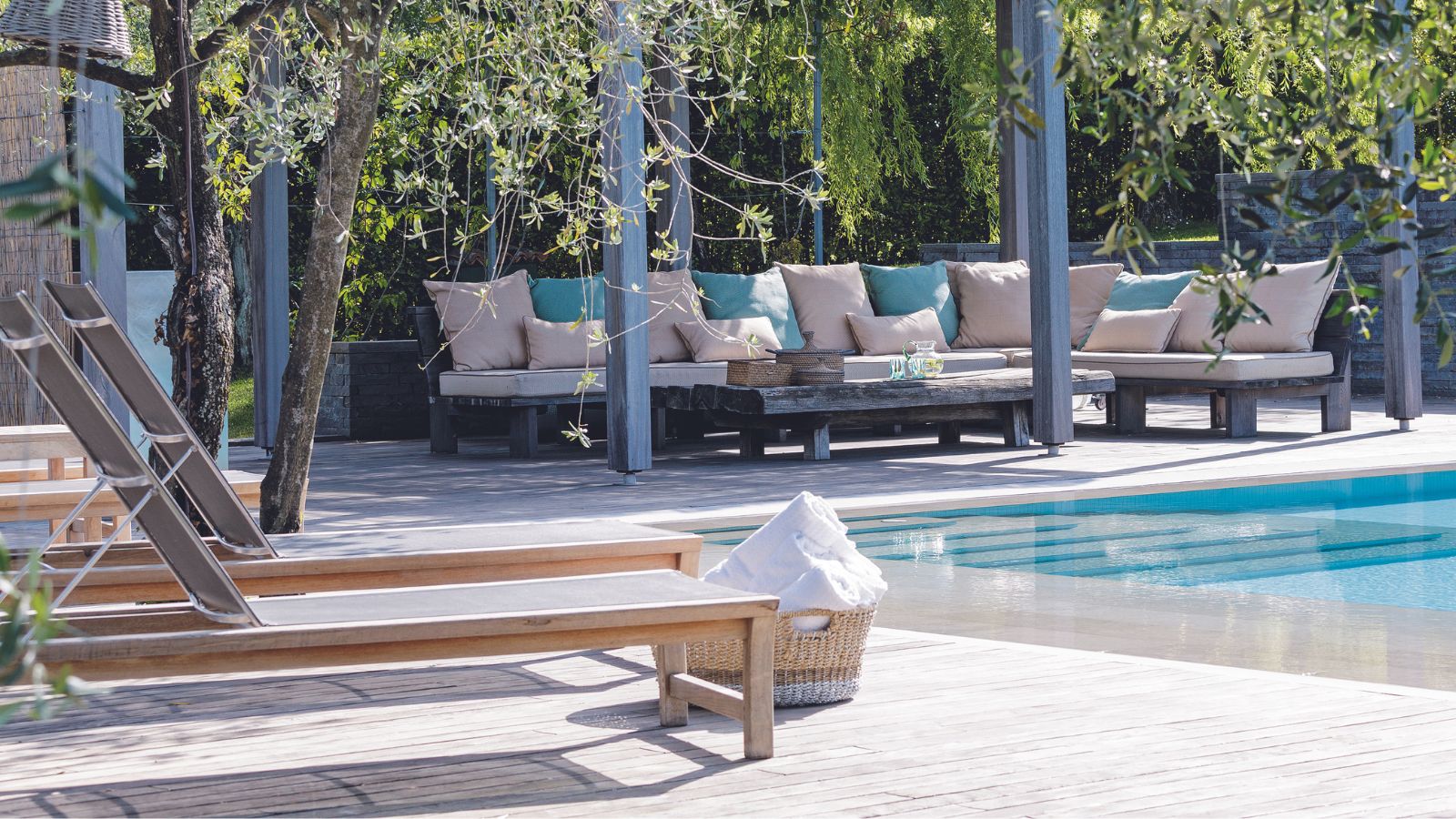
Best wooden outdoor furniture – expert picks and advice
The Weather's Finally Right—These Are The Outdoor Furniture Pieces Worth Putting Out Now
This Season's 14 Best Outdoor Furniture Finds
These 4 outdoor furniture colors are probably a bad idea, say experts – here's what to choose instead

8 best garden tables and chair sets for dining alfresco

The Latest and Greatest Outdoor Furniture

The 16 retailers we're shopping at to upgrade our outdoor furniture before summer ends

The Best Outdoor Couches You’ll Actually Want to Buy This Season


How to Know When Your Roof Needs Replacing? A Roofing Expert Shares His Method