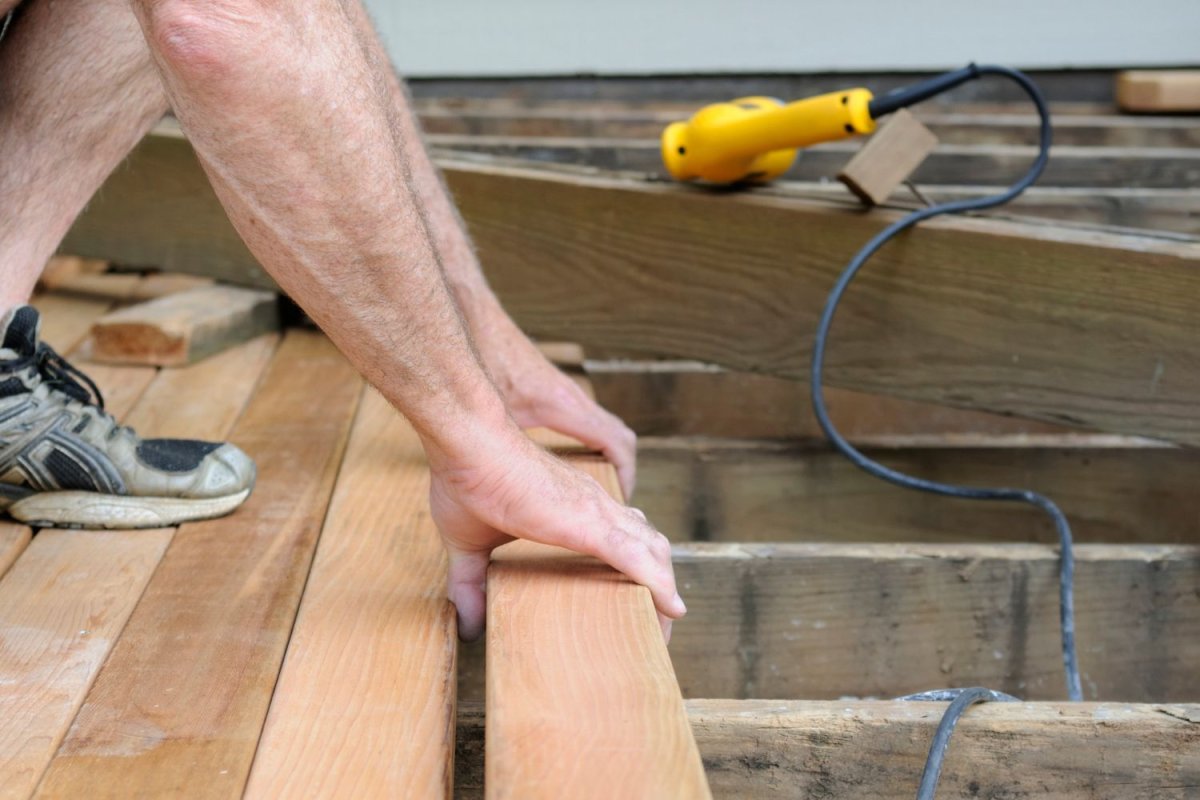
1/2
Is It Better to Repair or Replace a Damaged Deck? 4 Ways to Tell
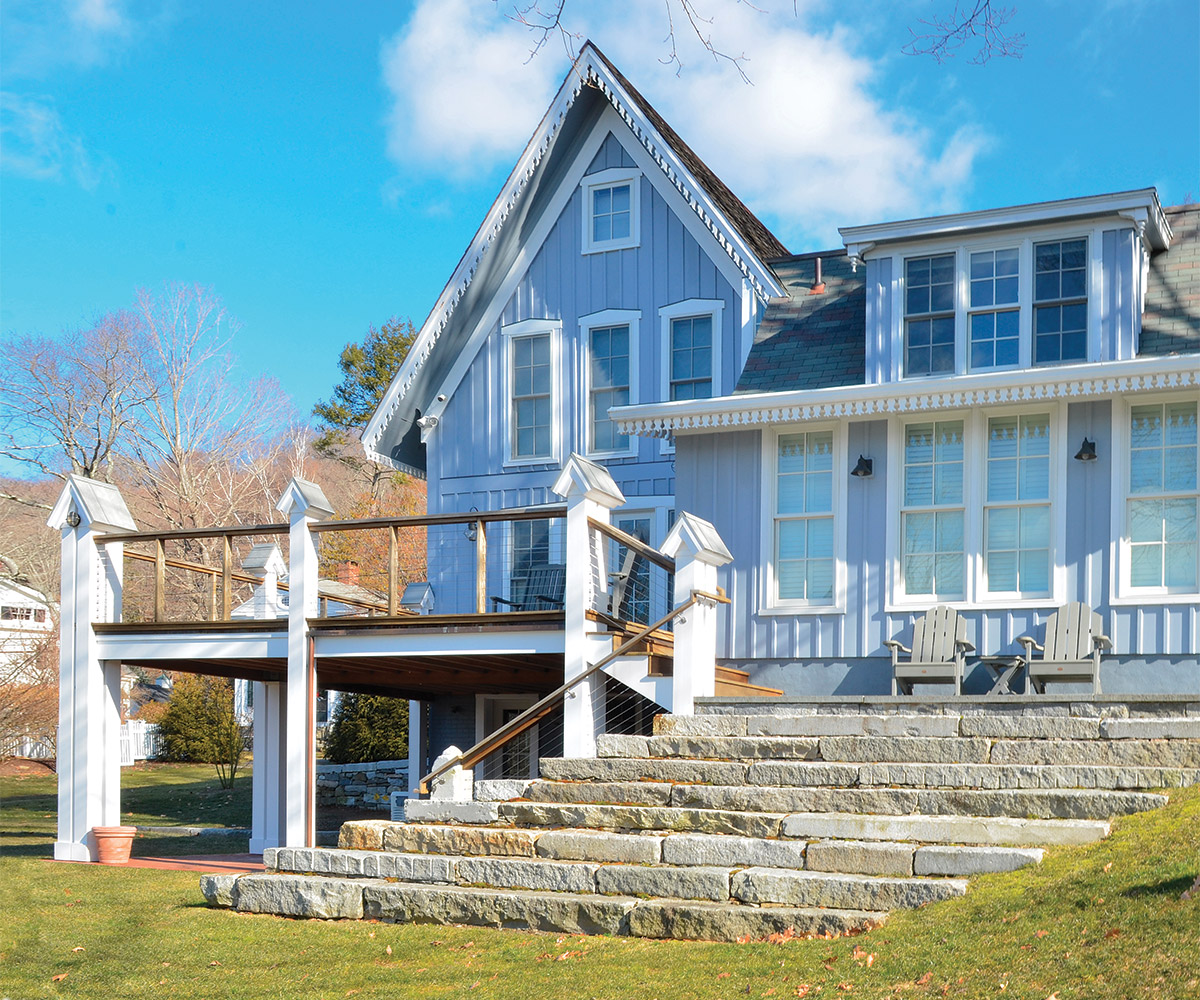
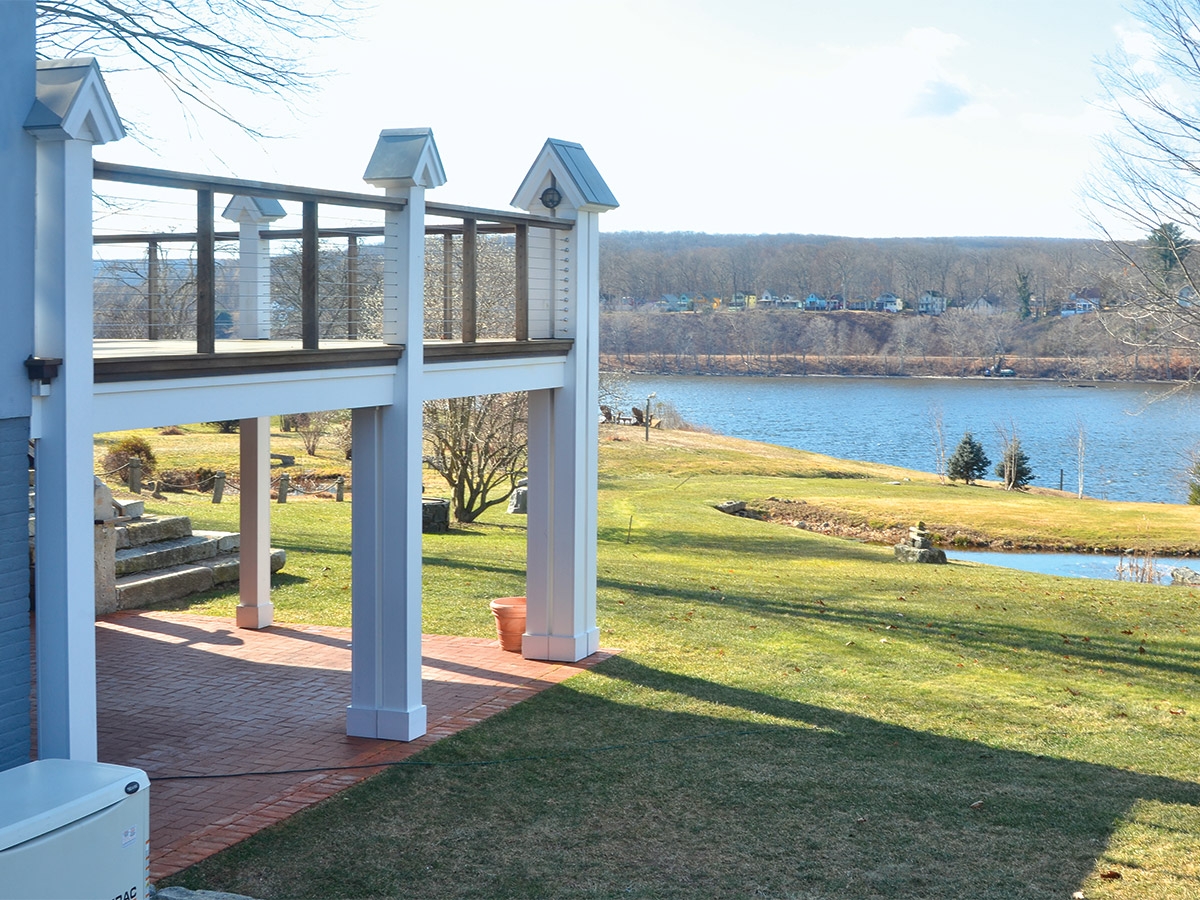
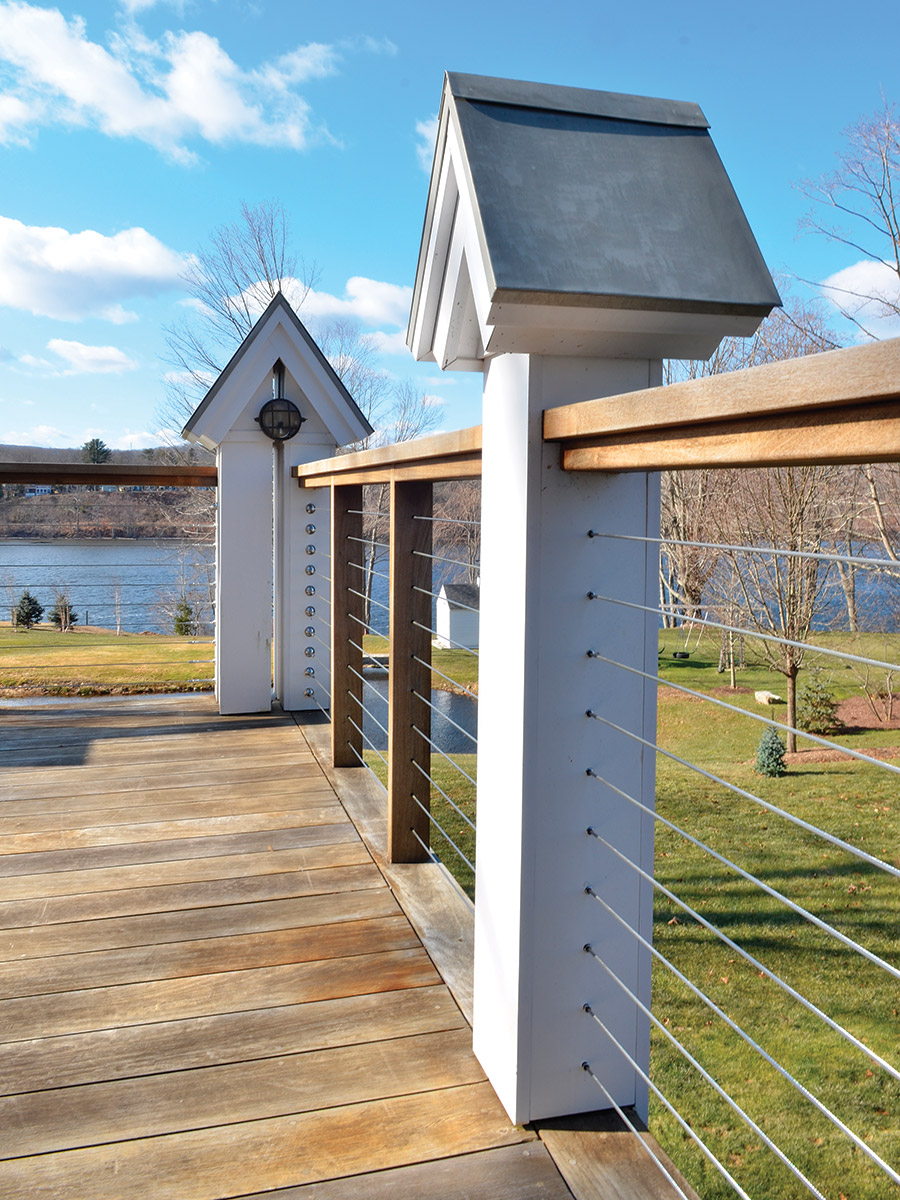
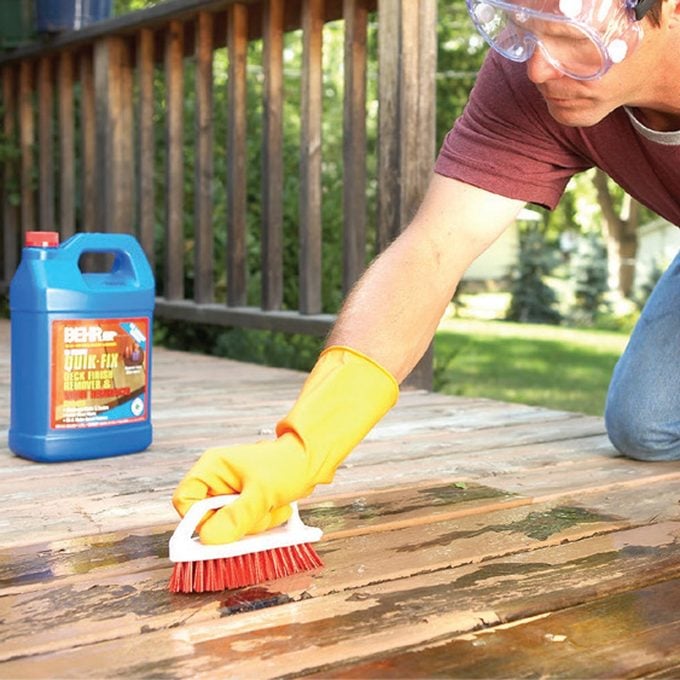
The decision to repair or replace a damaged deck hinges on various factors including its age, material, and the extent of wear and tear. While minor issues like creaky boards or surface-level damage might only necessitate repairs, more significant problems such as widespread rot or structural instability often point towards a full replacement. A general guideline suggests that if the cost of repairs exceeds half the cost of a new deck, replacement is likely the more economical and safer option.
Understanding the lifespan of different deck materials is crucial in this assessment. Traditional wood decks typically last between 10 to 15 years. Composite decking offers a longer lifespan, ranging from 20 to 25 years, while capped polymer decks can endure for up to 50 years. If a deck is nearing the end of its expected lifespan and exhibits extensive damage or rot across multiple areas, replacing it entirely is often the most prudent course of action. Conversely, if the deck is still relatively young and the damage is superficial, such as fading or splintering, targeted repairs or replacing individual boards might be sufficient.
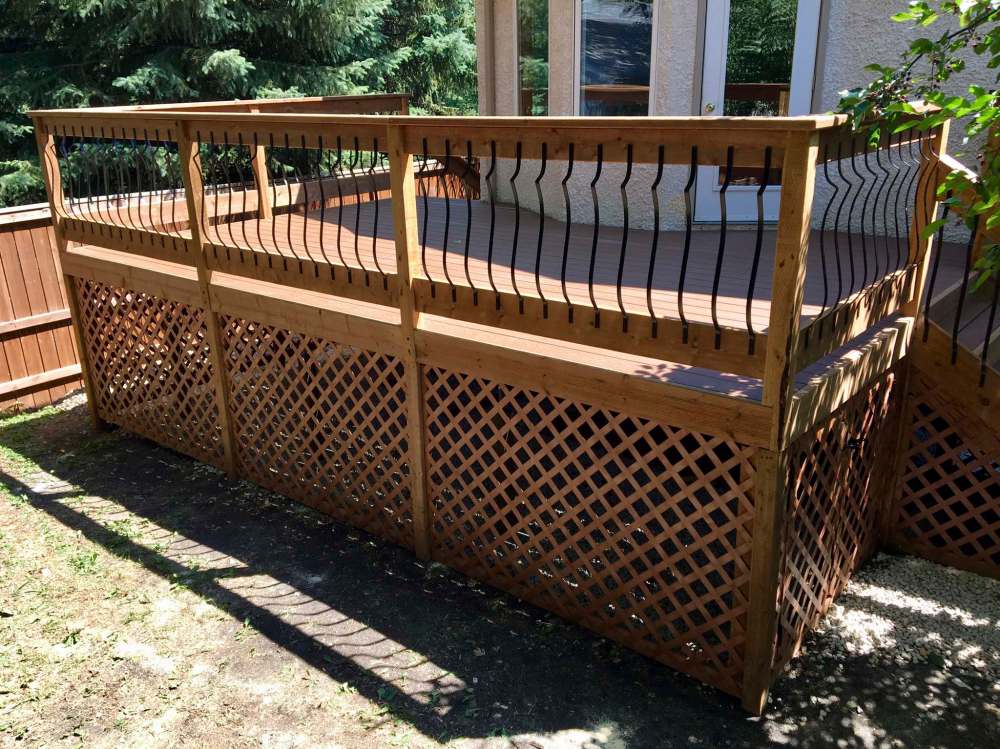
A thorough inspection of the deck's main components is essential to accurately gauge the damage. Key areas to scrutinize include the ledger board, which is the structural piece attaching the deck to the house. Significant rot or damage here can compromise the entire deck's stability and potentially lead to collapse, making replacement a strong consideration if the rot is extensive or has spread. The beams and joists beneath the deck also require careful examination, as they provide critical support and are susceptible to water damage. Early detection of issues in these areas can allow for professional repair, but widespread compromise often necessitates replacement. Other areas to inspect include fascia boards, posts, flashing, railings, and the deck surface. If multiple elements show substantial damage, the cumulative cost of repairs could rival or exceed the cost of building a new deck.
Wood rot is a particularly serious indicator of a deck's condition. While composite and capped polymer materials are resistant, even pressure-treated wood can succumb to moisture-induced rot. Rot often begins in horizontal beams and joints where moisture can accumulate or seep through screw holes. Fascia boards, while primarily cosmetic, are also prone to rot if water becomes trapped behind them. Signs of rot, such as soft, discolored timber or fungal growth, warrant immediate attention. Extensive wood rot in multiple locations is a clear sign that a full deck replacement is likely required.
Consulting with a professional deck installer is highly recommended when homeowners are uncertain about the best course of action. These experts can provide a detailed assessment of the deck's condition, offer estimates for both repair and replacement costs, and identify issues that an untrained eye might miss. They can also advise on solutions like deck resurfacing for cosmetic issues if the underlying structure remains sound. Ultimately, whether opting for repairs or a full replacement, engaging a professional ensures the work is done correctly, safely, and in compliance with structural standards, safeguarding the deck's longevity and the safety of its users.
#DeckRepair #DeckReplacement #HomeMaintenance #WoodRot #DeckLifespan #HomeImprovement #OutdoorLiving #StructuralIntegrity #DeckRepair #DeckReplacement #HomeMaintenance #WoodRot #DeckLifespan #HomeImprovement #OutdoorLiving #StructuralIntegrity
0 comment in total
 No comments yet
You may also like
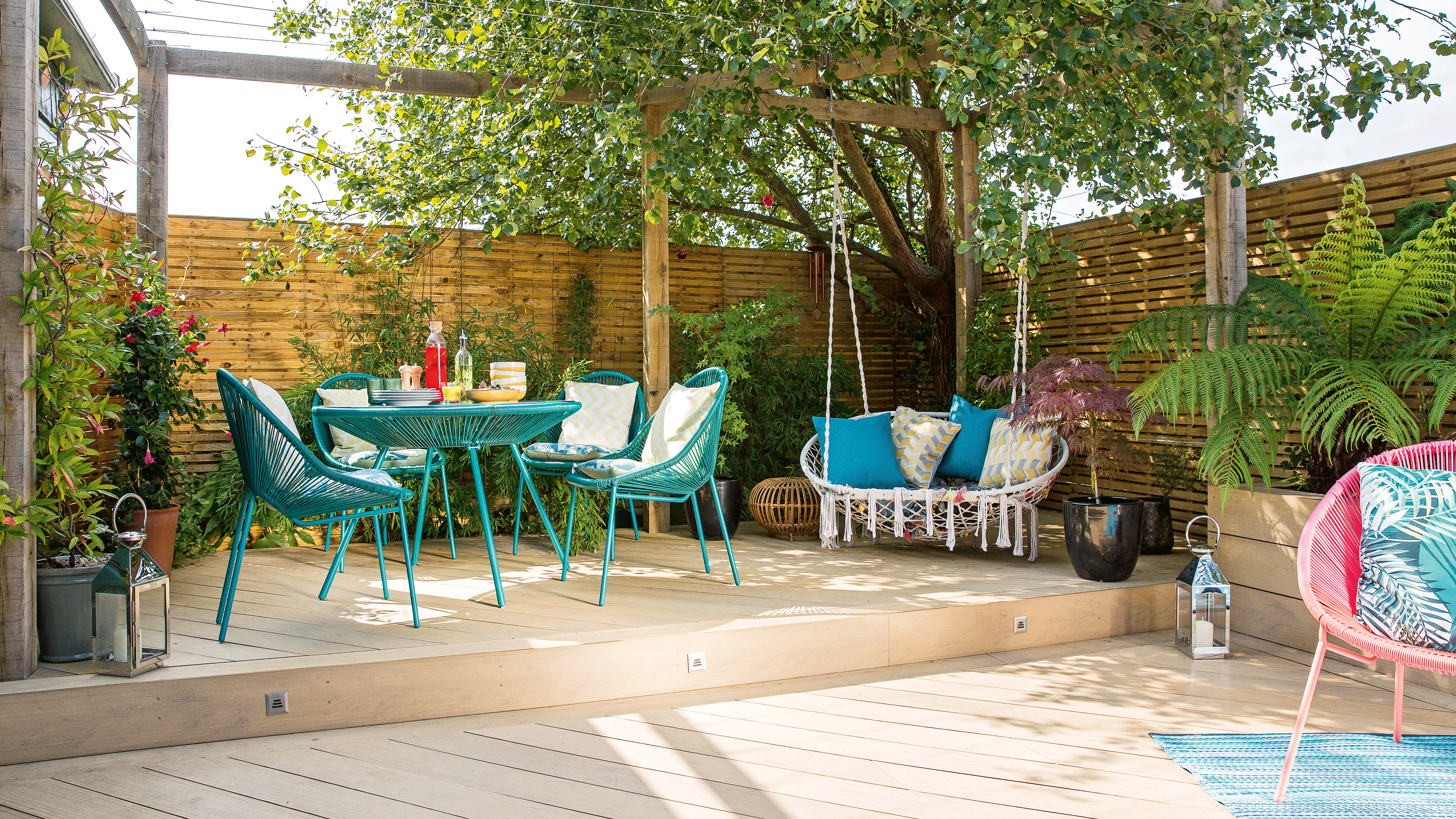
7 signs you need to replace your wooden deck – the red flags to look out for in your garden
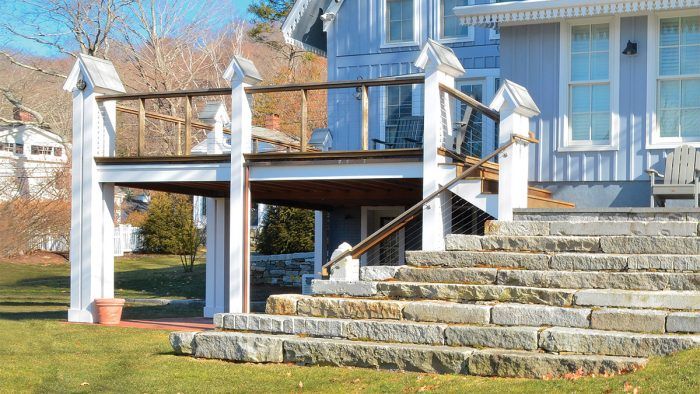
Rethinking the Deck

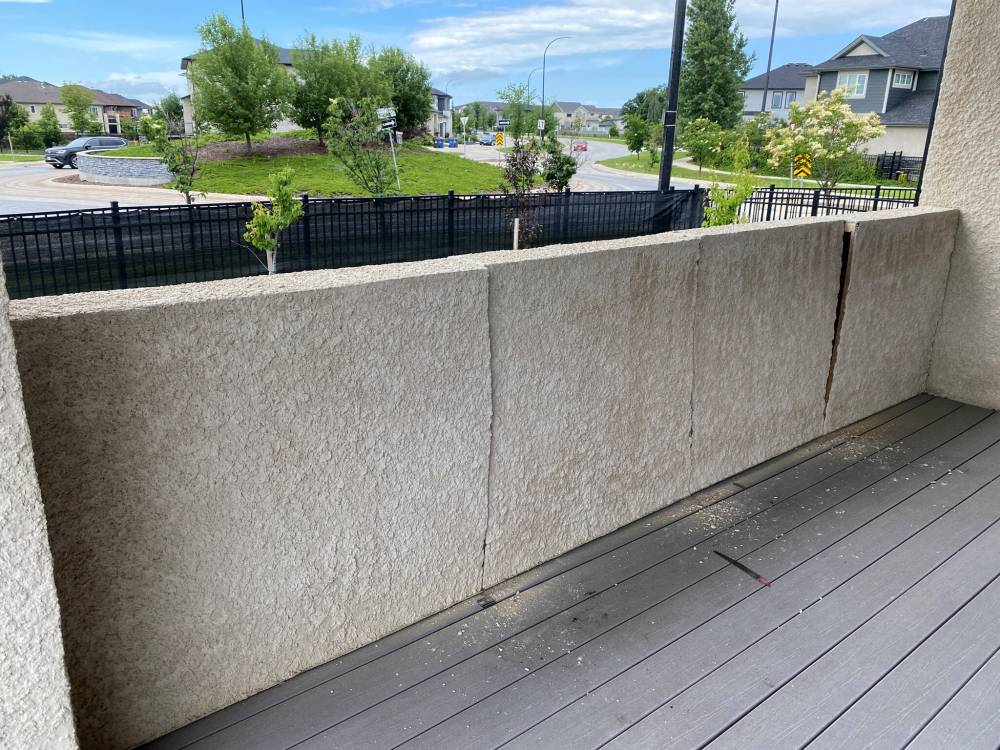
Jul 2022: You aren’t stuck with stucco


How to Know When an Old Wood Floor Is Worth Restoring or Should Be Replaced

7 things you should repair instead of replace in your home

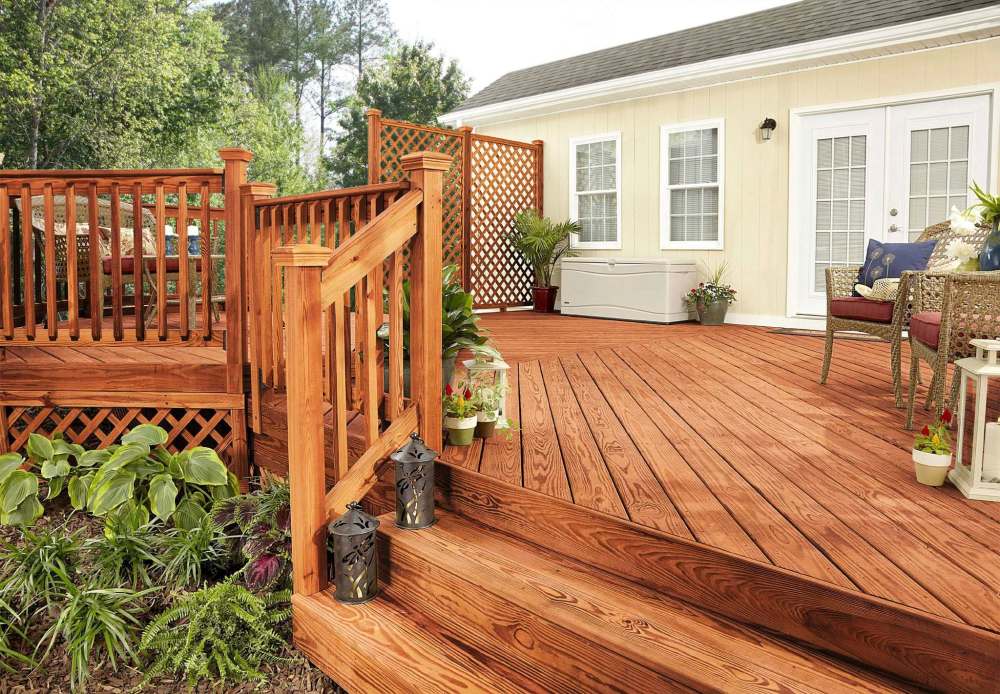
Oct 2018: Refinishing pressure-treated wood a losing battle
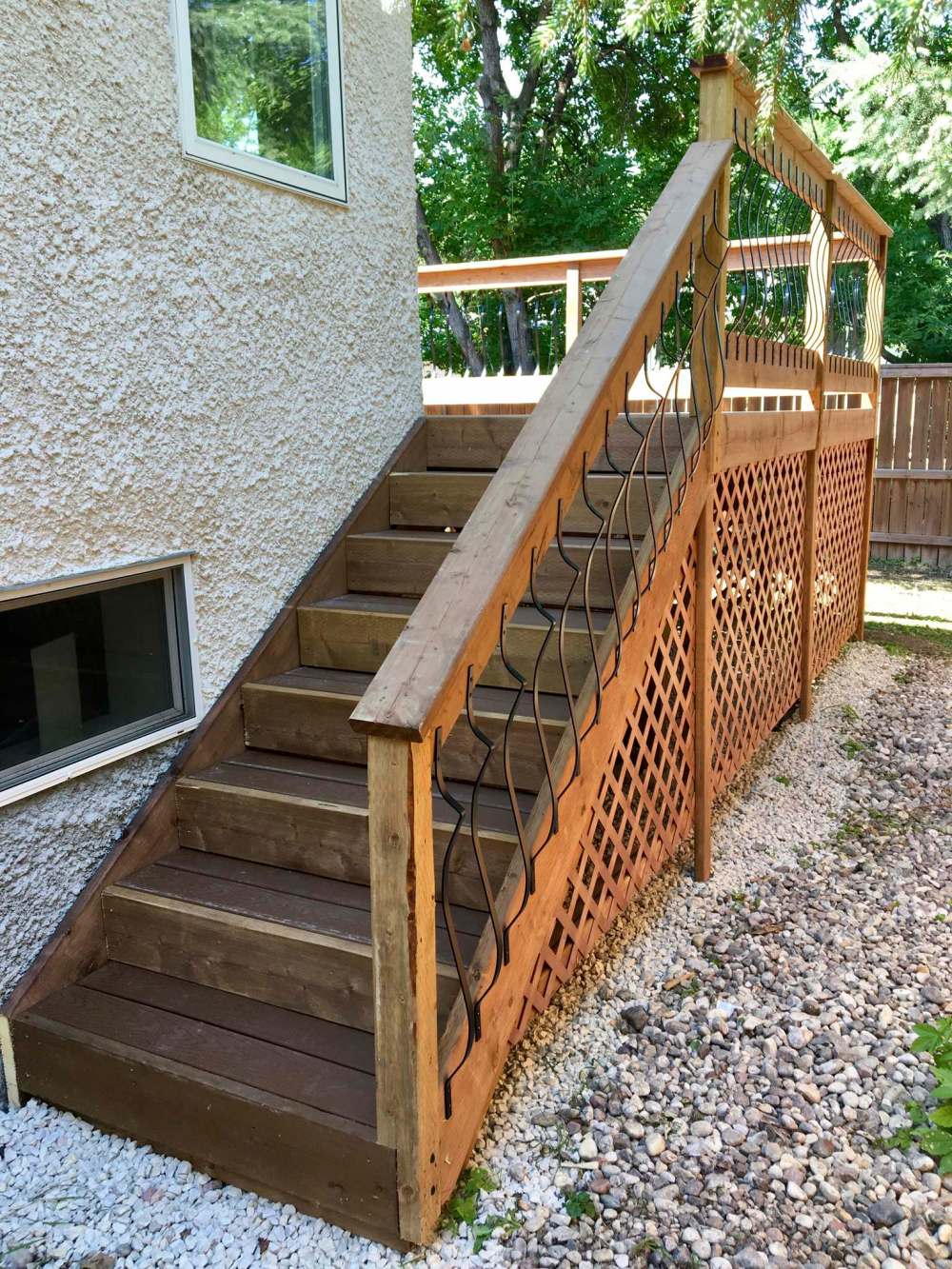
Jul 2018: Old meets new in backyard deck reno
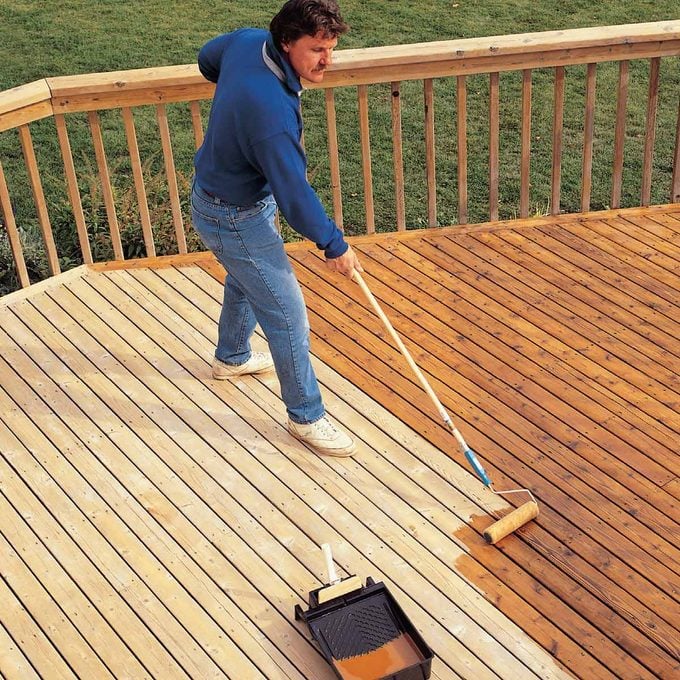
How to Choose the Best Deck Finish


How to stain a deck – 3 easy steps to a fresh new look

Renovate your home or buy a new one? Here's what experts suggest

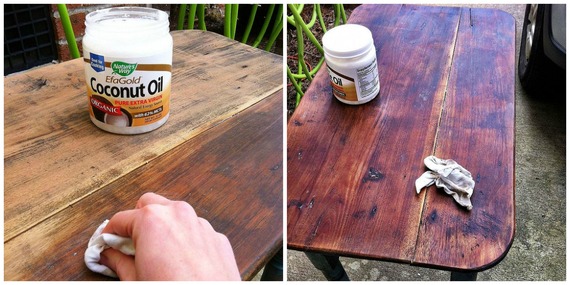
8 Tricks for Repairing and Restoring Wood Damage
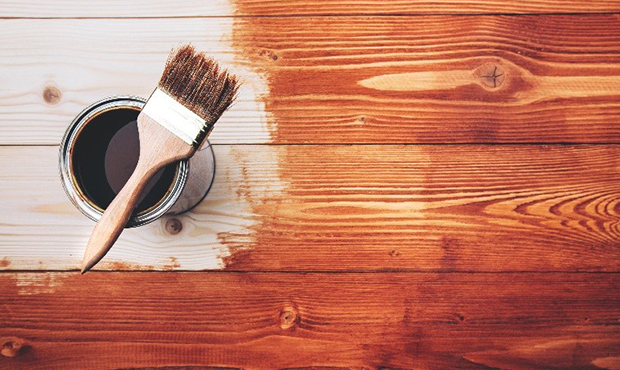
Here’s how to treat and maintain your wood deck and balcony

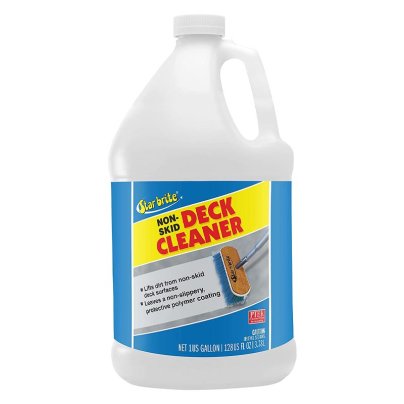
Giving Your Deck a New Life Doesn’t Have to be a Chore Thanks to This Product
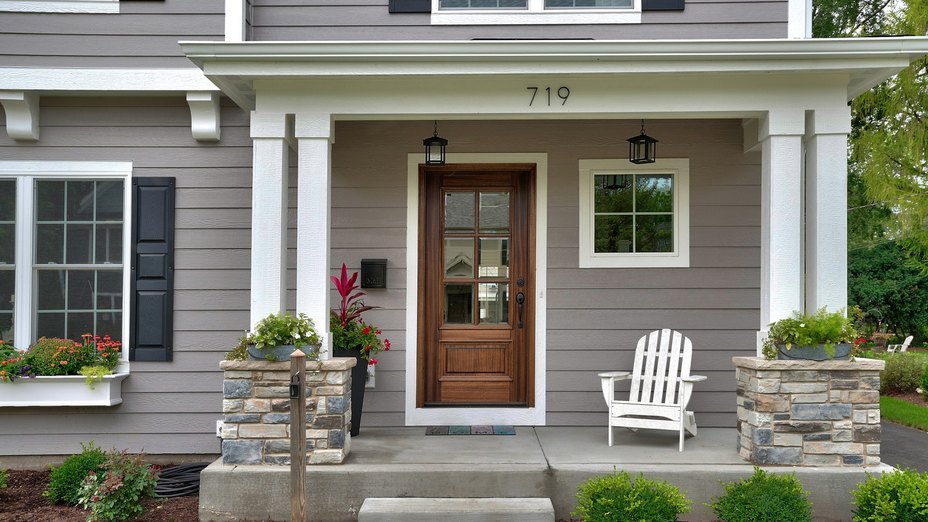
3 Experts Agreed: Siding Replacement Is Always Worth It—Here’s What You Need to Know
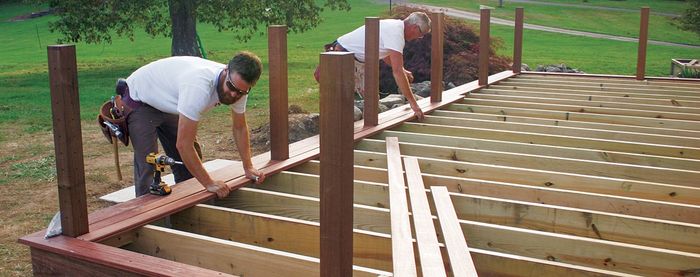
The Best Deck-Demo Tool