1/3
3 Experts Agreed: Siding Replacement Is Always Worth It—Here’s What You Need to Know
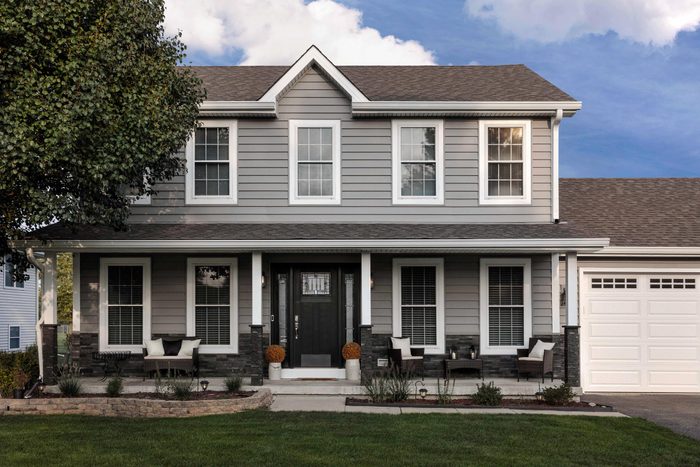
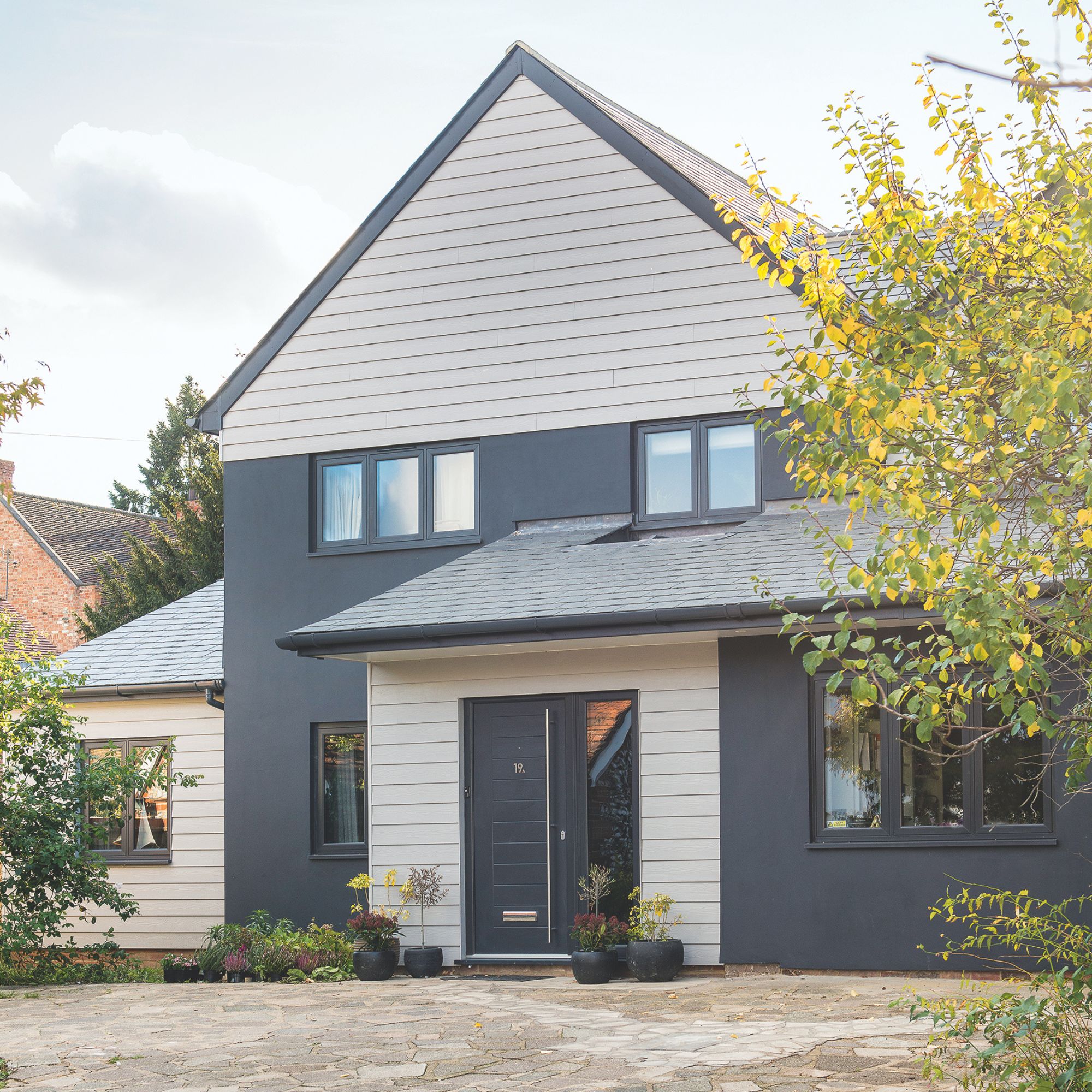
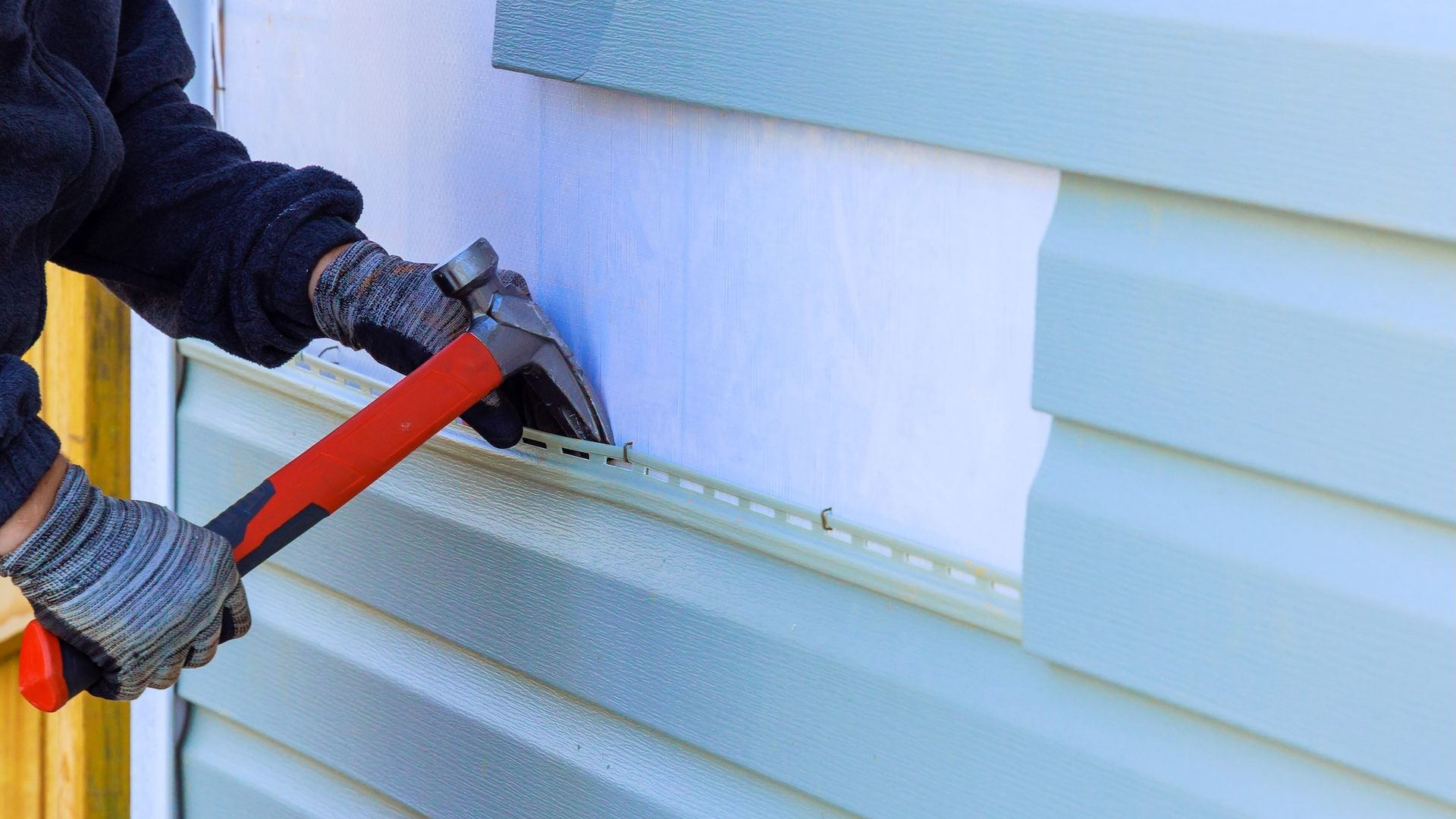
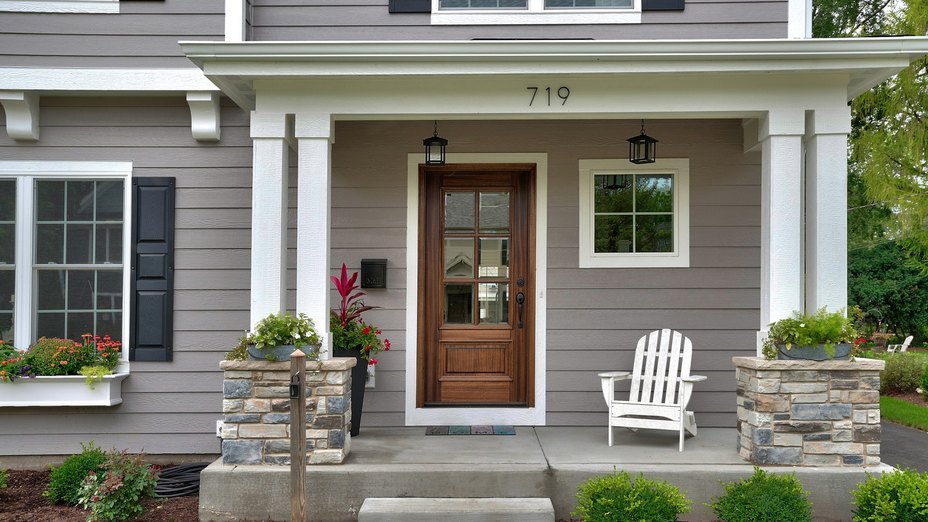
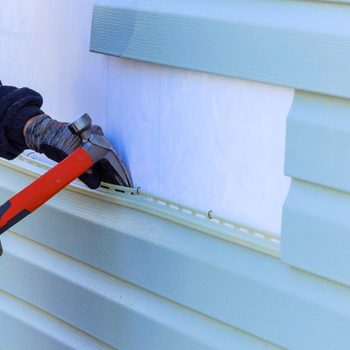
The article explores the significant benefits and high return on investment (ROI) associated with home siding replacement, drawing insights from three industry experts: Marc Setty, senior director of remodeling at James Hardie; Jon Wade, broker-owner at The Steamboat Group; and Ryan Fitzgerald, Realtor® and owner of Raleigh Realty. These experts unanimously agree that replacing siding is a worthwhile investment due to its aesthetic improvements, robust protection, enhanced energy efficiency, and long, low-maintenance lifespan.
Siding replacement is highlighted as one of the home renovation projects with the highest ROIs. The 2024 Cost vs. Value Report by the JLC Group indicates an impressive 153.2% ROI for manufactured stone veneer, 88.4% for replacement fiber-cement siding, and 80.2% for replacement vinyl siding. Another study by Today’s Homeowner with Danny Lipford, covering 70,000 homes across over 1,200 markets, found that fiber-cement siding offered a 92% recovered cost, and vinyl siding 91%.
The cost of siding replacement can vary significantly based on factors like home size, project complexity, local labor rates, and the chosen material. A rough estimate for a 2,000-square-foot home ranges from $8,000 to $36,000, or $4 to $18 per square foot. In contrast, exterior painting typically costs $1.50 to $4 per square foot. The longevity of new siding is another key advantage; materials like fiber cement can last 30 years or more with minimal maintenance, unlike paint that requires reapplication every five to ten years. The durability of siding also protects against fire, pests, and harsh weather conditions, though longevity is influenced by local climate.
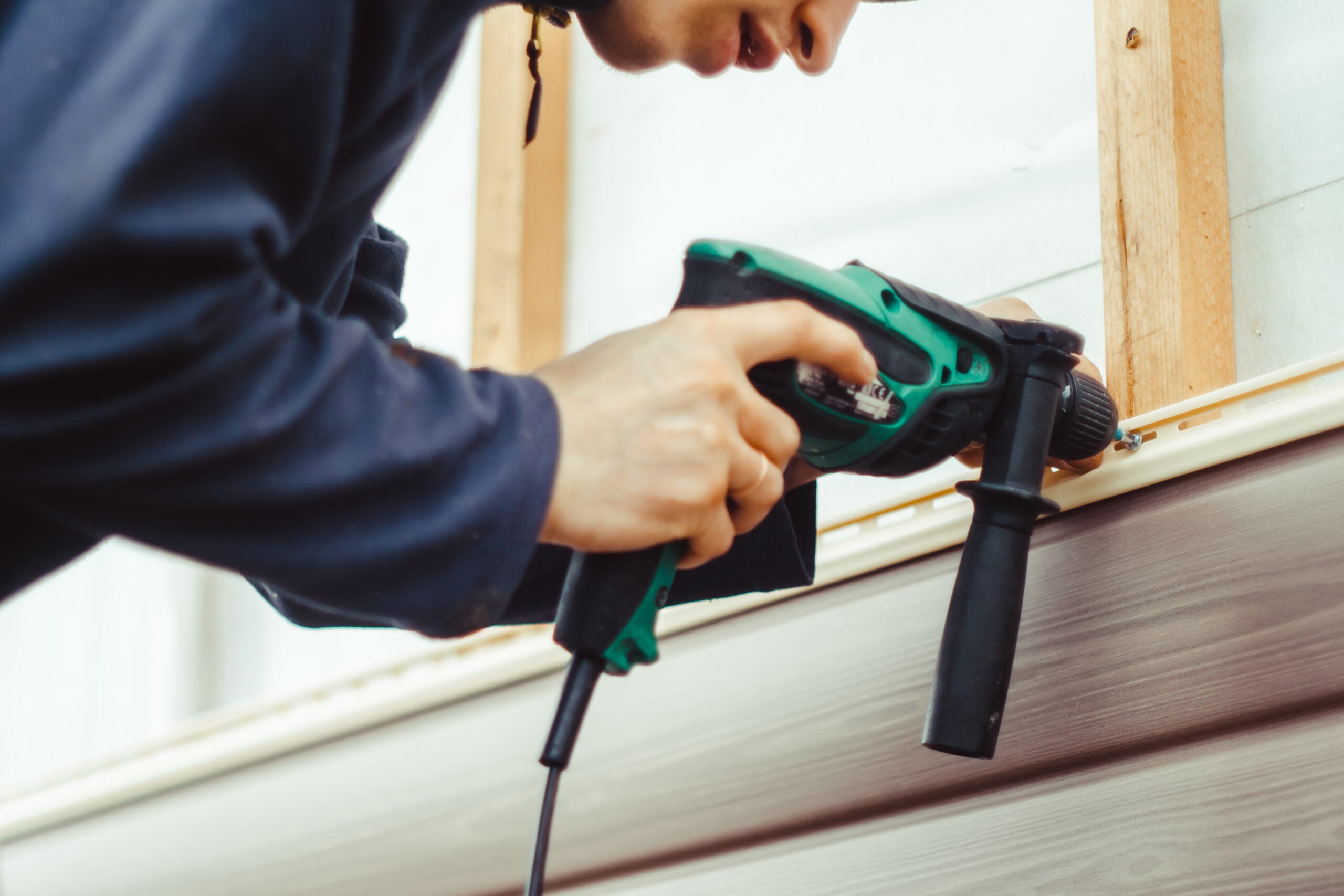
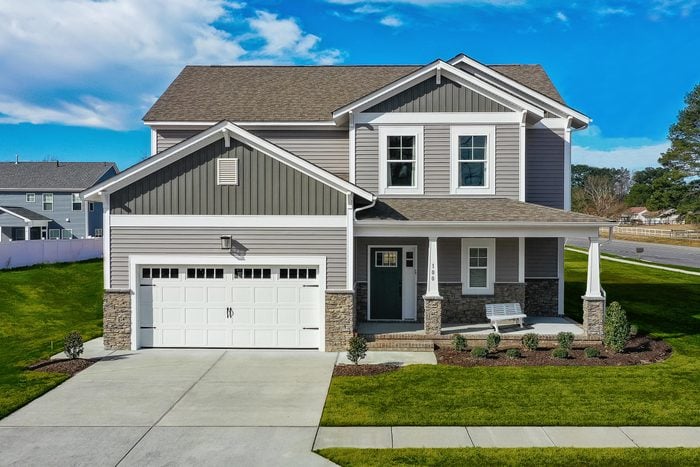
Various siding options are available, including vinyl, fiberglass, fiber cement, composite wood, natural wood, stucco, stone veneer, brick, brick veneer, and metal. Stucco, vinyl, fiber cement, and brick/brick veneer are the most common, with fiber cement gaining popularity for its durability and low maintenance. The installation timeline for a typical tear-off-and-replace project can range from a few days to two weeks, potentially extending due to unexpected repairs, adverse weather, or painting requirements.
Permits are generally necessary for significant physical changes to a home's interior or exterior, including siding replacement. While minor repairs might not always require a permit, it is advisable to consult a professional installer or the local municipality. Additionally, homes in HOAs or those with historical importance may require extra approvals. Beyond financial returns, replacing siding offers crucial protection from extreme weather and pests, and significantly improves energy efficiency through better insulation. The National Association of Home Builders (NAHB) emphasizes that high-quality siding helps maintain indoor temperatures and reduces heating and cooling costs. The U.S. Department of Energy suggests that upgrading to insulated siding can lead to energy savings of up to 20%.
#SidingReplacement #HomeRenovation #ReturnOnInvestment #CurbAppeal #EnergyEfficiency #HomeMaintenance #ConstructionCosts #RealEstateValue #SidingReplacement #HomeRenovation #ReturnOnInvestment #CurbAppeal #EnergyEfficiency #HomeMaintenance #ConstructionCosts #RealEstateValue
0 comment in total
 No comments yet
You may also like

7 signs you need to replace your wooden deck – the red flags to look out for in your garden
Remodeling
Should you live on-site when renovating a property? We weigh up the pros and cons

Three experts on the best ways to retrofit housing

Rogue builders quoted over £15k for a repair job that cost £185 to fix - my lessons learnt
5 things to know before cladding your home's exterior
Is It Better to Repair or Replace a Damaged Deck? 4 Ways to Tell

Can You Paint Vinyl Siding? Yes, Here's What You Need to Know


Replacing a roof – everything you need to know

Blog Section

Home Renovations That Can Make A Big Impact, According To Experts


Top 7 home renovations that can increase your property's value — and quality of life as you age

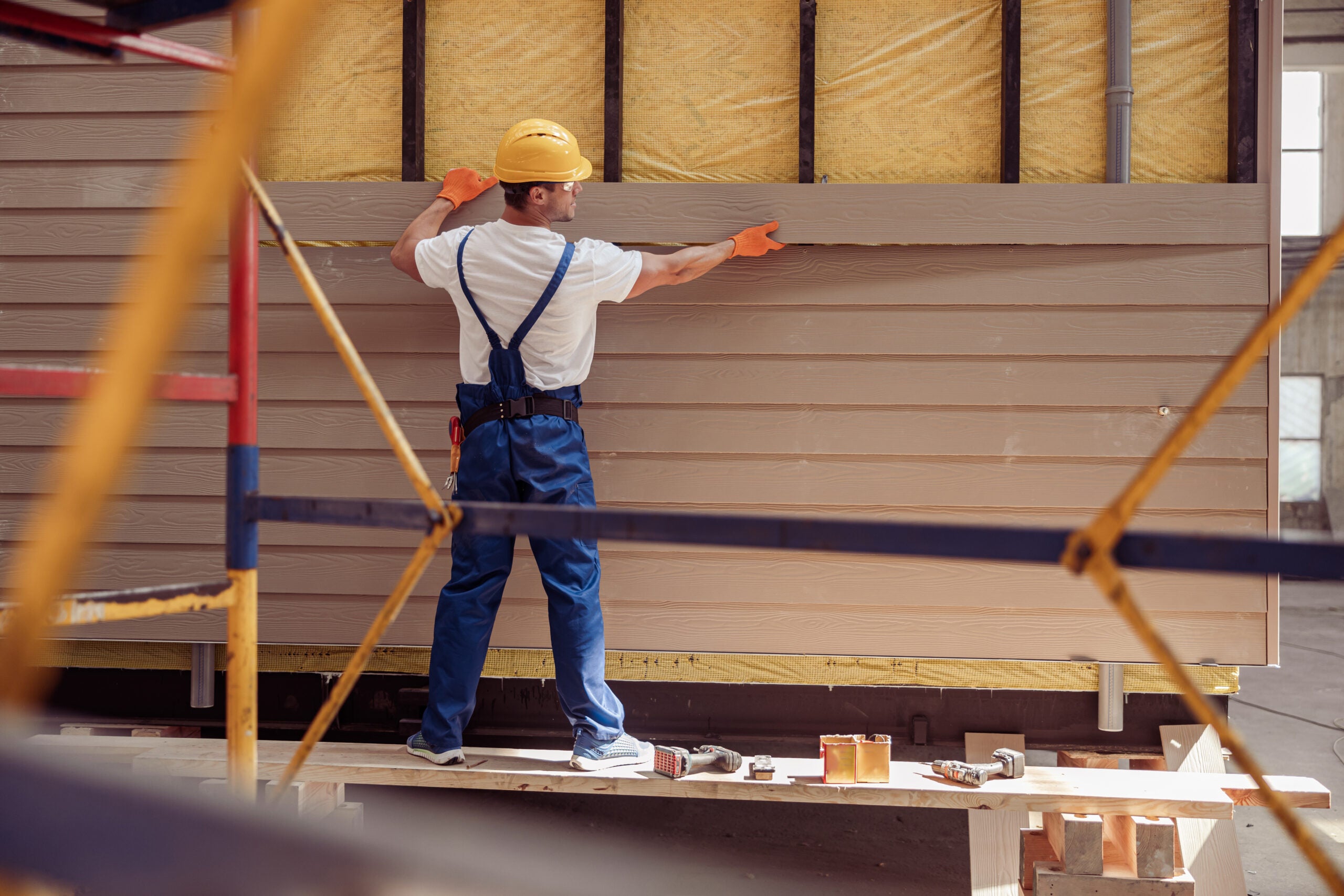
New Construction: What you need to know about siding your home
It Pays to Make These 5 Curb Appeal Updates

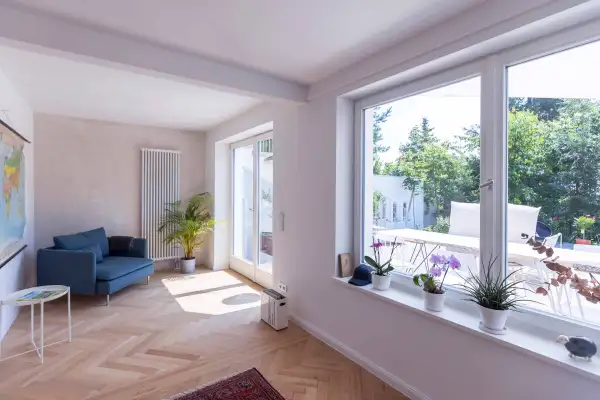
Do New Windows Really Increase Home Value?

Renovate your home or buy a new one? Here's what experts suggest

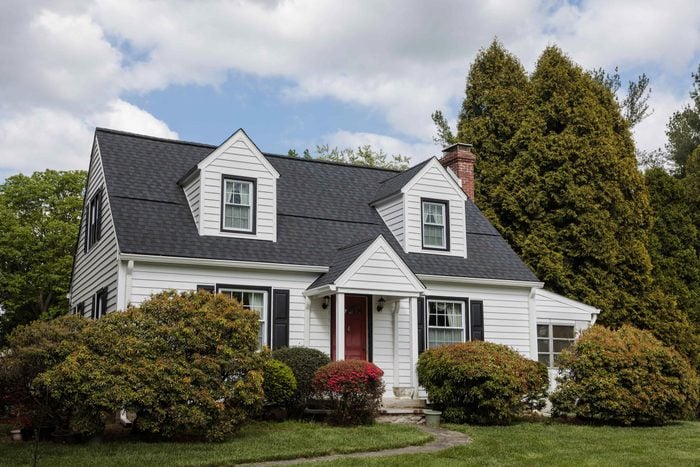
8 Vinyl Siding Colors That'll Never Go Out of Style

What Is the Cost to Replace Vinyl Siding in 2025?


How To Choose The Best Siding For Your Home

What I Learned Shopping for Replacement Windows