1/4
Rethinking the Deck
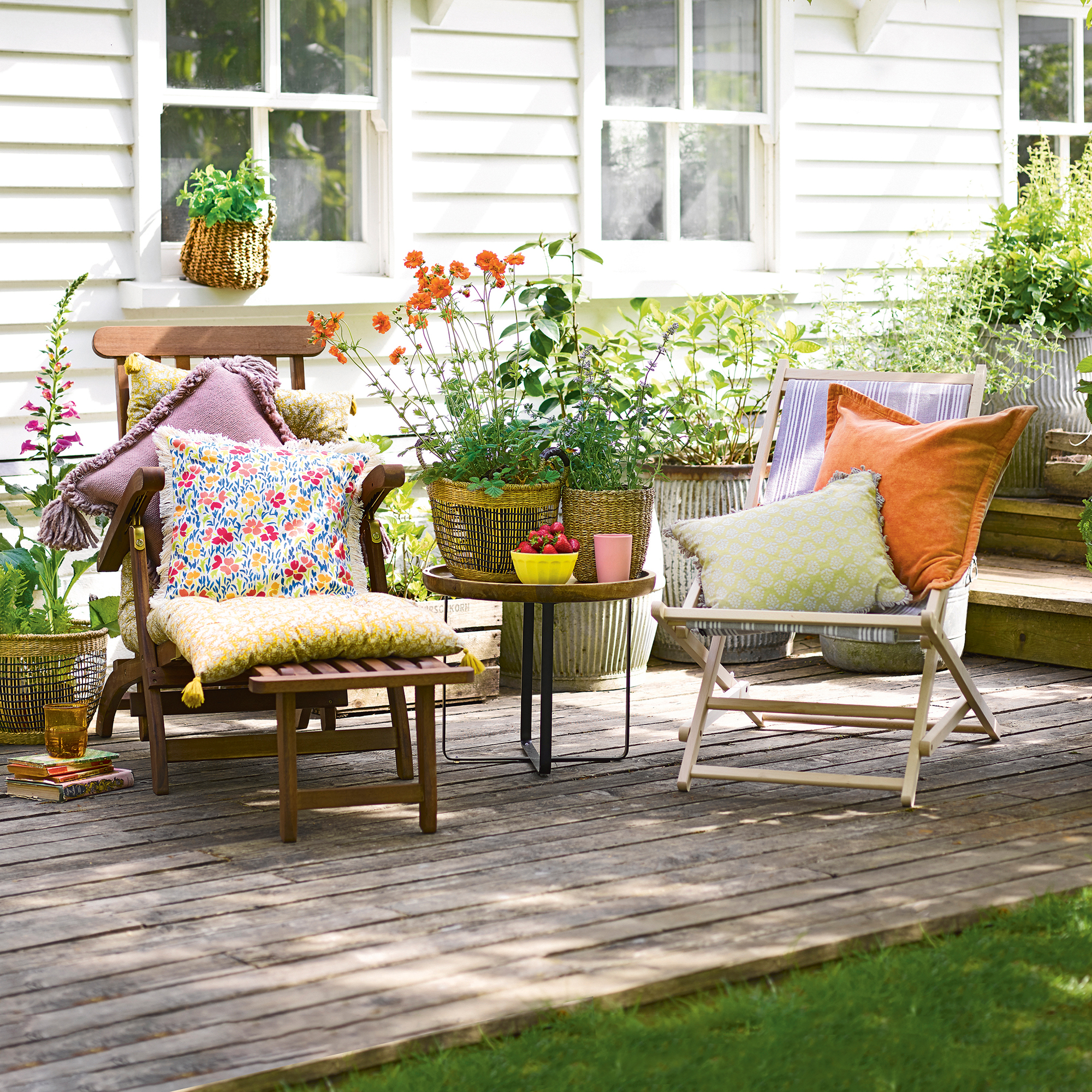
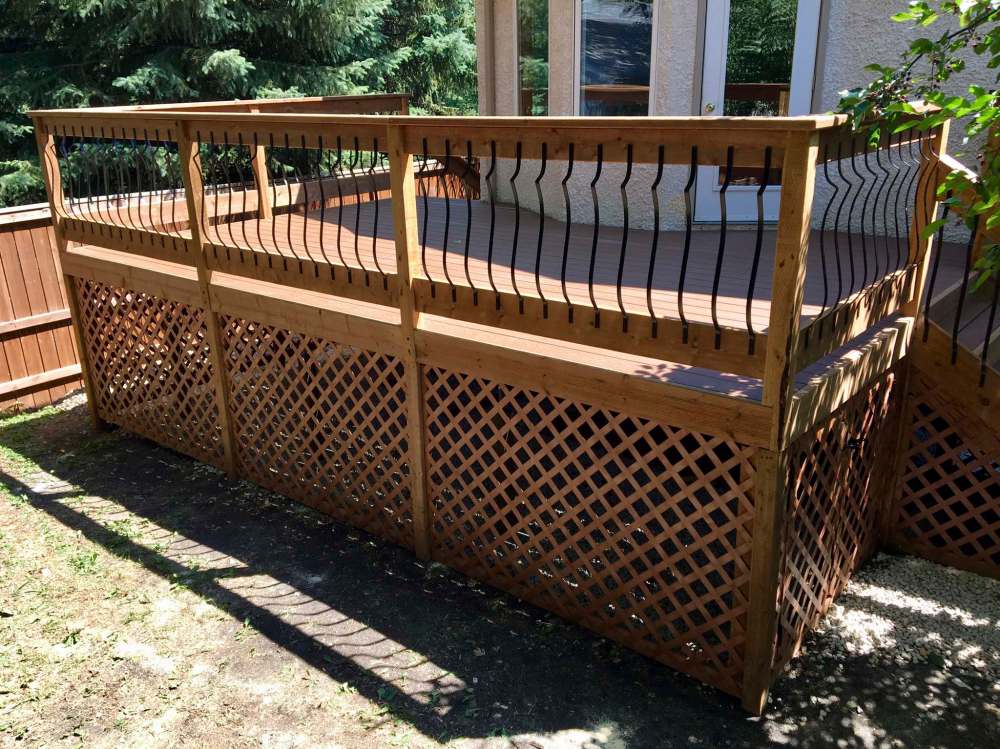
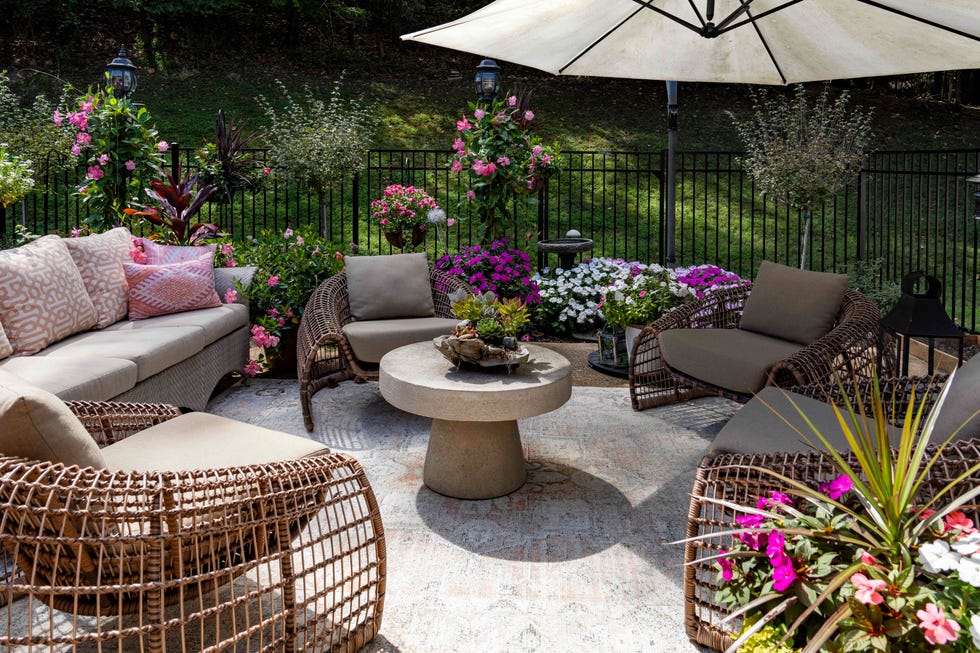
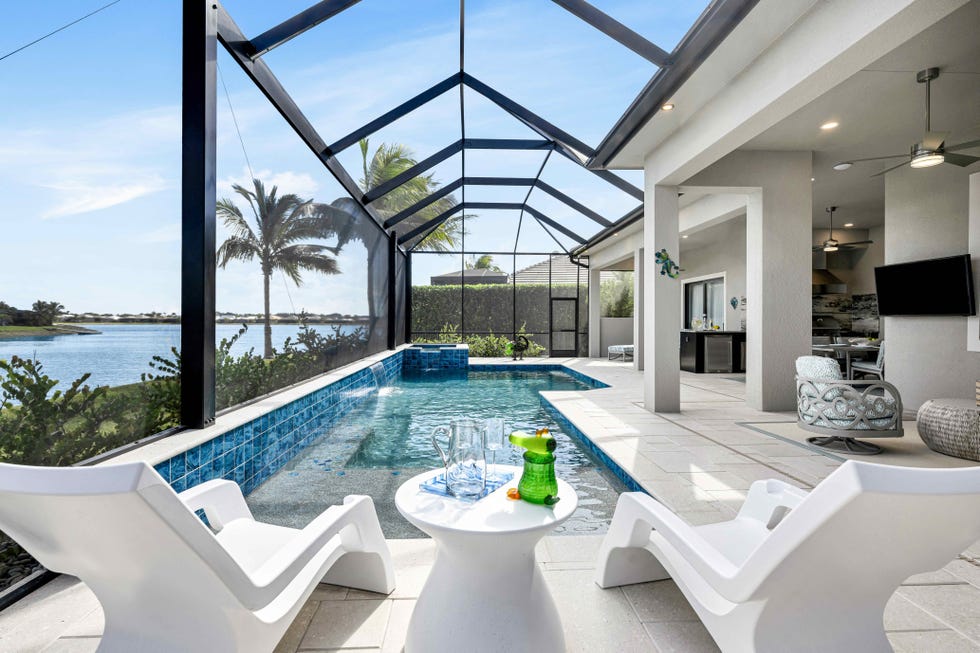
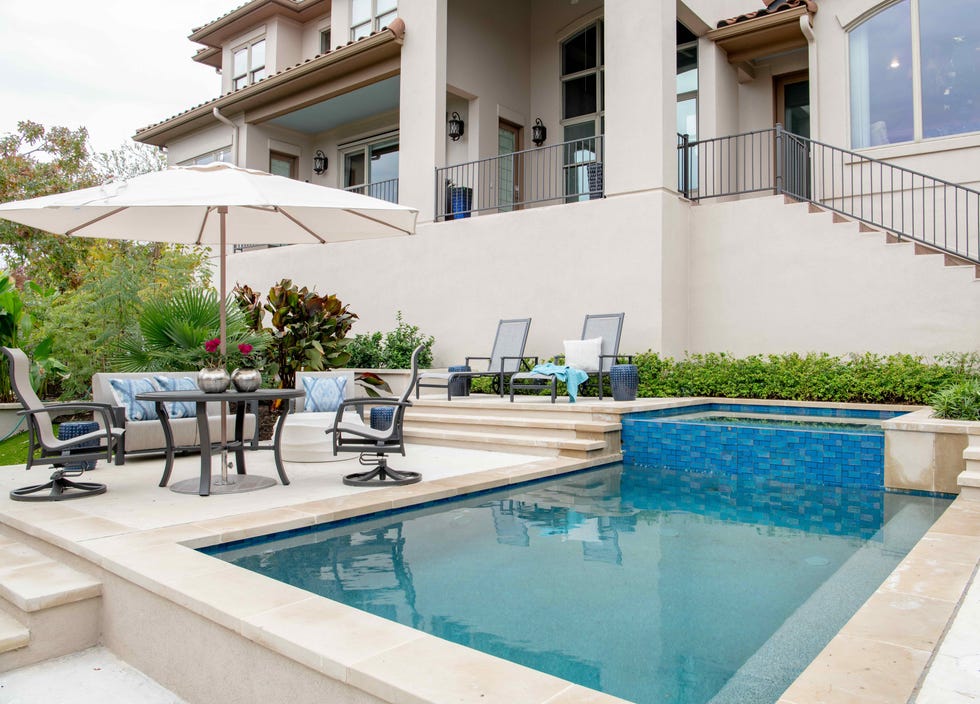
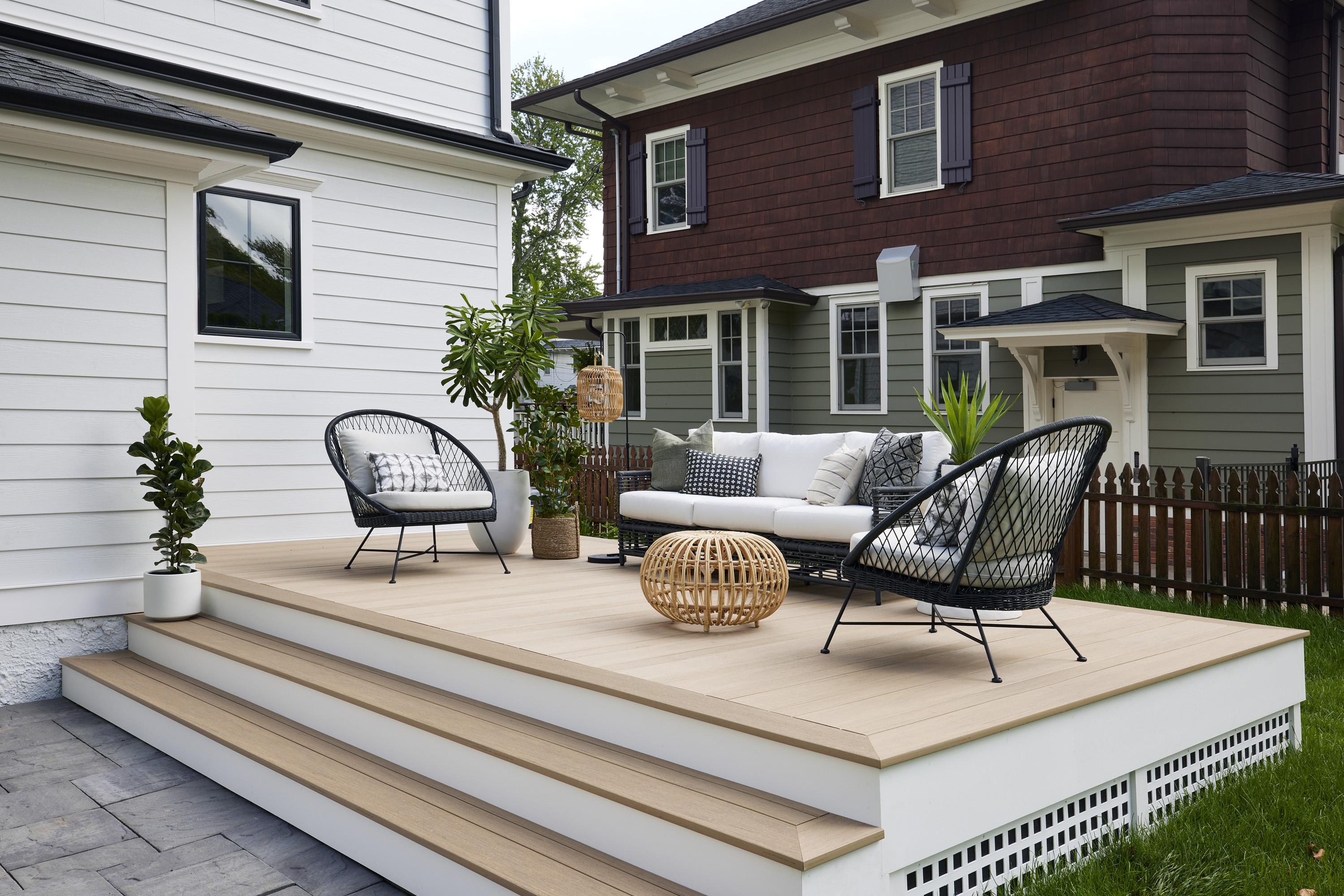
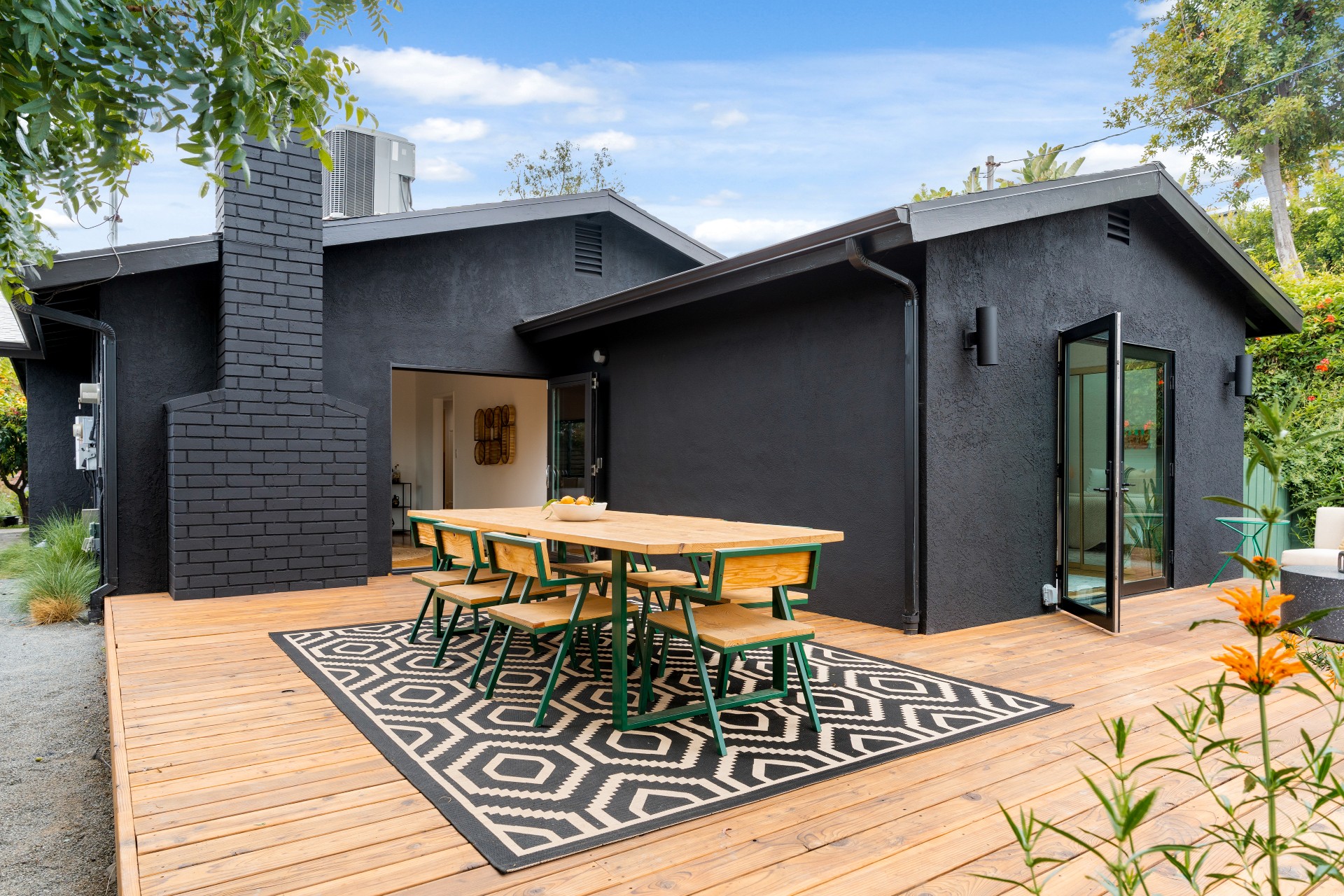
The COVID-19 pandemic significantly altered how individuals perceive and utilize their homes, leading to a re-evaluation of outdoor living spaces like decks. Historically, decks have been viewed as simple extensions for outdoor socialization, often characterized by basic construction and materials. However, prolonged periods spent at home have highlighted the potential for decks to function as versatile 'rooms' of the house, requiring a more deliberate and integrated design approach.
The evolution in perception stems from the realization that homes are used in multiple ways beyond just nighttime respite or weekend gatherings. This shift necessitates a departure from the traditional, often aesthetically and functionally limited, deck designs. While decks offer advantages such as being less expensive and quicker to build than interior finished spaces, and providing expanded livable areas in fair weather, poorly designed decks can detract from a home's aesthetic and value. The use of standard pressure-treated lumber, while affordable, can lead to issues like cracking, splintering, and warping, diminishing both comfort and safety. Conversely, premium materials like teak, ipe, or ironwood offer superior beauty and stability but come at a higher cost.
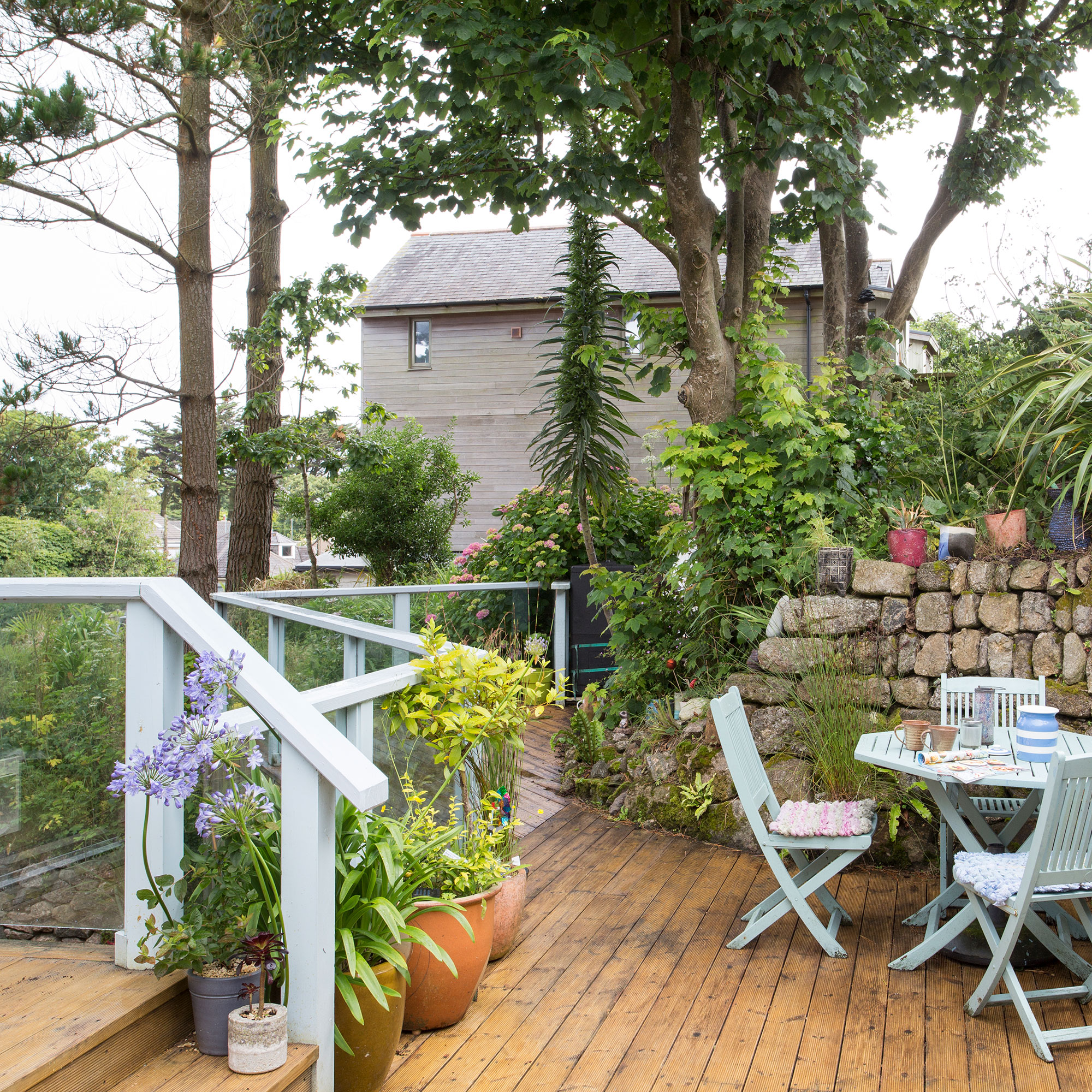
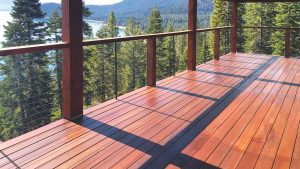
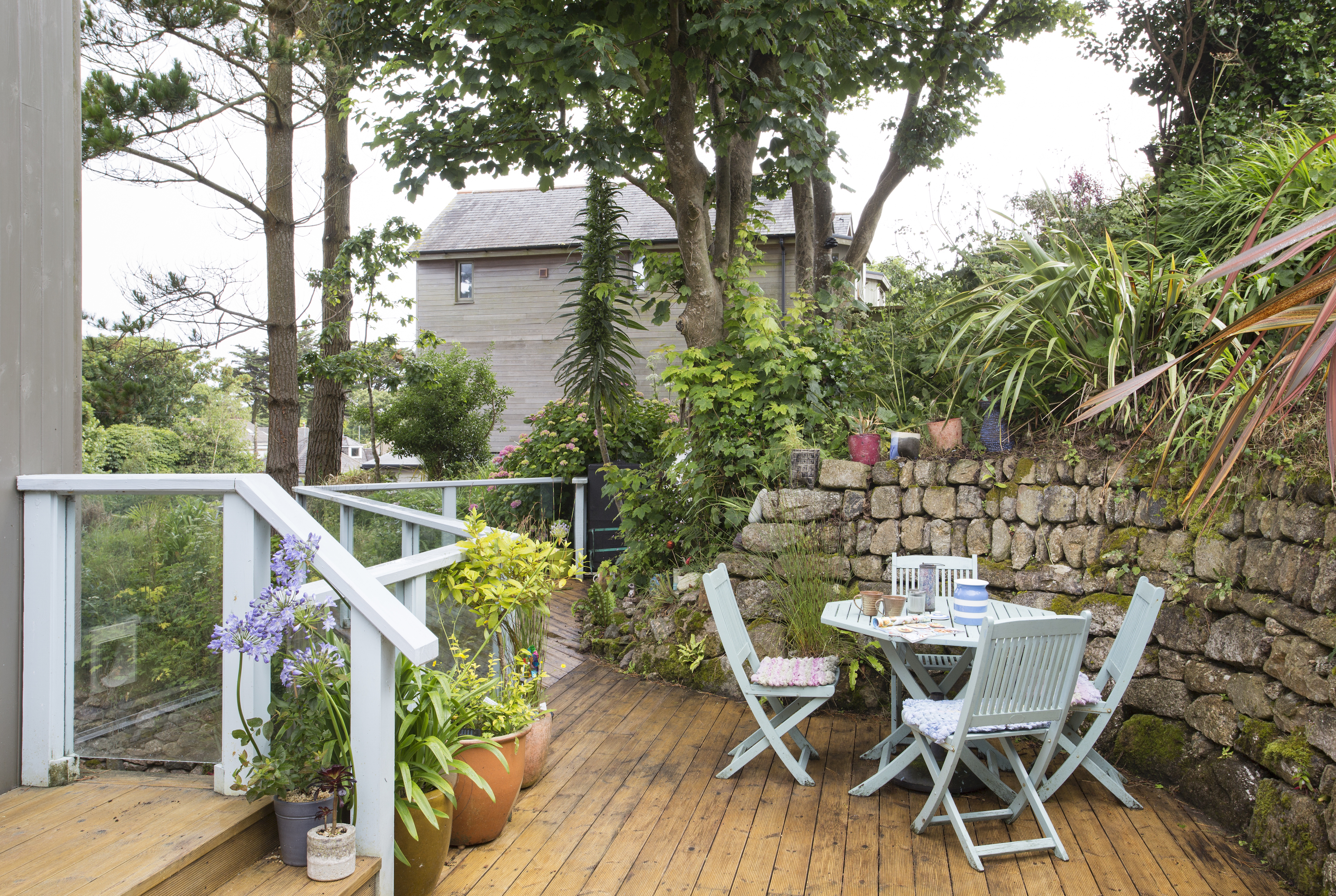
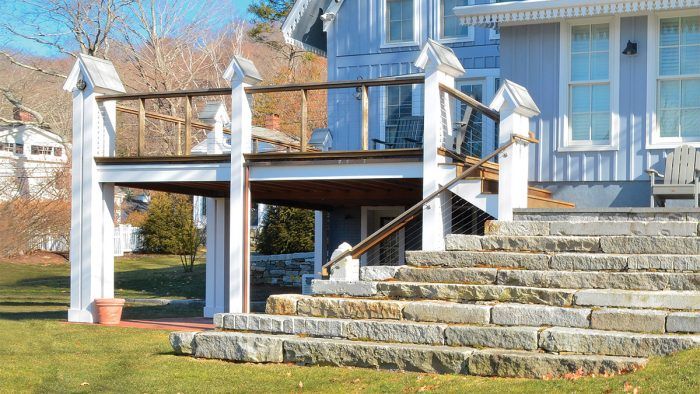
Designing a deck that responds to these new functional demands involves several key considerations. Firstly, the visual experience from the deck is crucial. If the view is desirable, cable or glass railings can maintain an unobstructed vista, and orienting stairs to descend in front of the view removes visual barriers entirely. For less appealing views or a need for privacy, solid walls or strategic plantings can provide enclosure. Secondly, the sun's path and its impact on the deck's usability throughout the day and year are important. Southern exposures, while pleasant in winter, can lead to overheating in summer, necessitating thoughtful consideration of overhangs. East and west orientations offer pleasant mornings or sunsets, but also periods of dimness. Northern exposures, while shady, can promote mold growth.
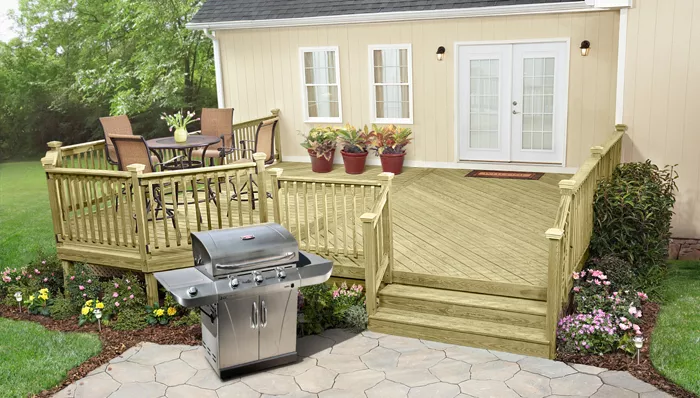
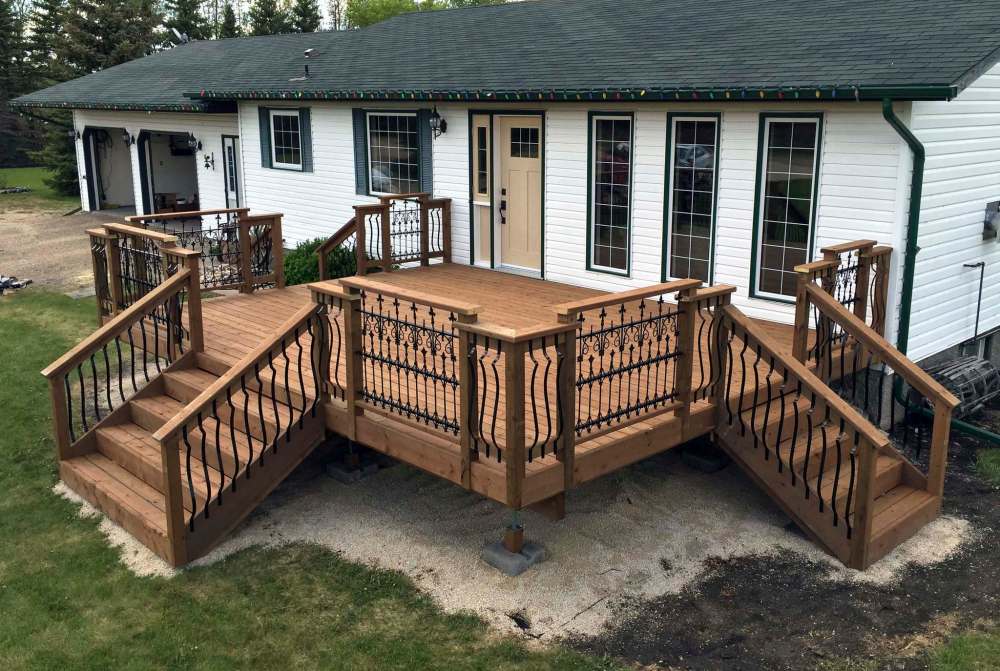
Thirdly, the visual integration of the deck with the home's interior matters. To avoid the disappointment of viewing an unusable deck during inclement weather, designs should aim to orient the deck's floor area away from primary interior views or lower the deck level to mitigate its visual presence. Steps, rather than just functional transitions, can be designed to open up space visually, especially when oriented in front of doors and windows, and a landing with steps to a lower-level deck can enhance the view from inside. Lower-set decks also integrate better with the surrounding landscape, providing a more natural transition to the yard.
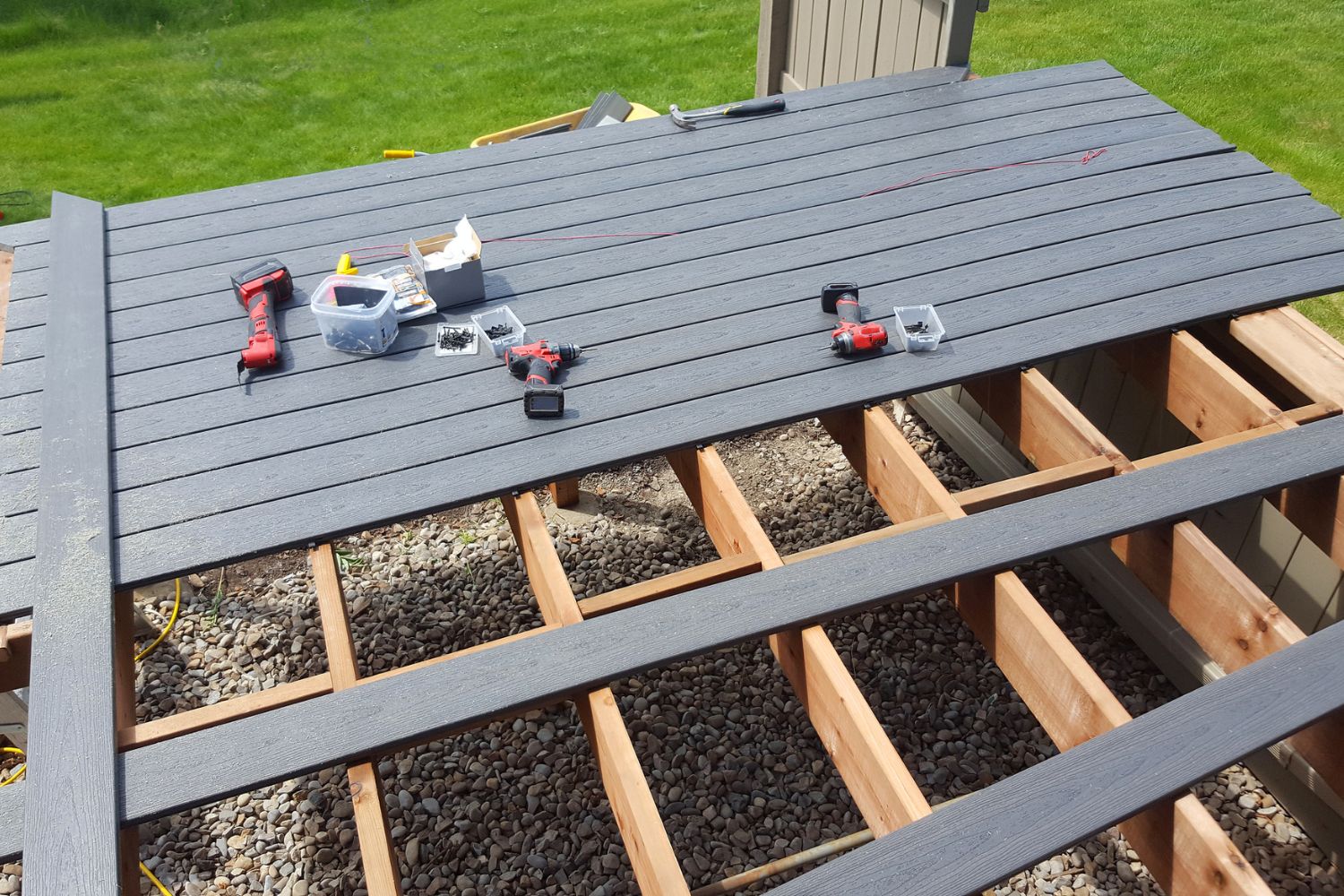
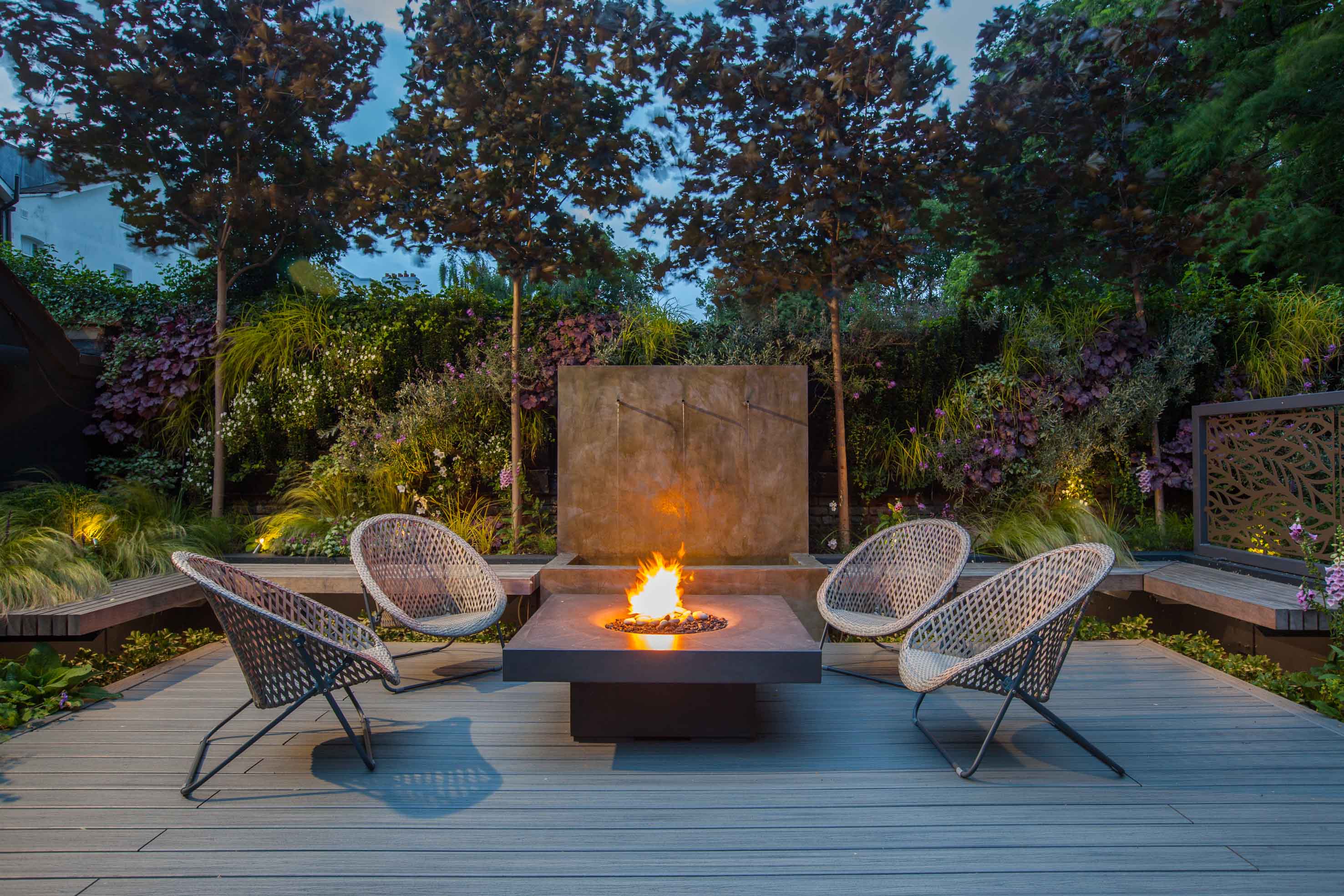
Fourthly, material choices for surfaces that will be touched or walked upon are significant. Upgrading from pressure-treated wood to denser woods, composites, or plastics for decking can provide a smoother, more comfortable experience, especially for bare feet. Handrails and wall tops, where tactile interaction is frequent, may also warrant the investment in softer, more refined materials to elevate the overall sensory experience. Lastly, the intended activities on the deck dictate its layout and features. Considerations include the size and placement of dining tables, the location of cooking areas like kitchens or barbecues, and provisions for working, such as shade, power outlets, and lighting. Integrating electricity for nighttime lighting, fans, or heaters extends the deck's usability. Fire features, such as UL-listed fire pits, or masonry terraces for traditional fires, can enhance the outdoor living experience, though safety considerations are paramount, especially with wooden decks. The increasing popularity of outdoor cooking suggests that robust outdoor kitchen setups should also influence deck design.
Ultimately, the pandemic has underscored the value of decks as integral spaces that connect residents with the outdoors. Thoughtful design, considering these possibilities, can transform decks from mere appendages into purposeful and visually rewarding extensions of the home, preventing future regrets and accommodating the evolving ways in which homes are lived in and enjoyed.
#DeckDesign #HomeImprovement #OutdoorLiving #ArchitecturalDesign #MaterialSelection #SunExposure #OutdoorKitchens #PostPandemicLiving #HomeIntegration #DeckDesign #HomeImprovement #OutdoorLiving #ArchitecturalDesign #MaterialSelection #SunExposure #OutdoorKitchens #PostPandemicLiving #HomeIntegration
0 comment in total
 No comments yet
You may also like

Giving Your Deck a New Life Doesn’t Have to be a Chore Thanks to This Product


12 Code-Compliant Post-to-Frame Connections for Deck Guards
Jul 2018: Old meets new in backyard deck reno


Deck Tiles

Creating the Perfect Deck and Landscape

Magic for the Masses: Standard Deck Construction on a Budget

The Best Deck-Demo Tool
Deck color ideas – how to choose the color to stain or paint your deck

7 signs you need to replace your wooden deck – the red flags to look out for in your garden

IN DEPTH EXTRA: Deck Accessories


In Depth: Deck Fasteners
19 Creative DIY Deck Plans and Design Ideas

Decks
A Deck Builder’s Tool Kit
In Depth: Deck Railings & Accessories
Oct 2016: A deck that blends old and new


In Depth Extra: Deck fasteners
31 Ways to Give Your Pool Deck a Makeover

Your Deck Is About to Be the Best Room in the House
Is It Better to Repair or Replace a Damaged Deck? 4 Ways to Tell