1/22
A Deck Builder’s Tool Kit
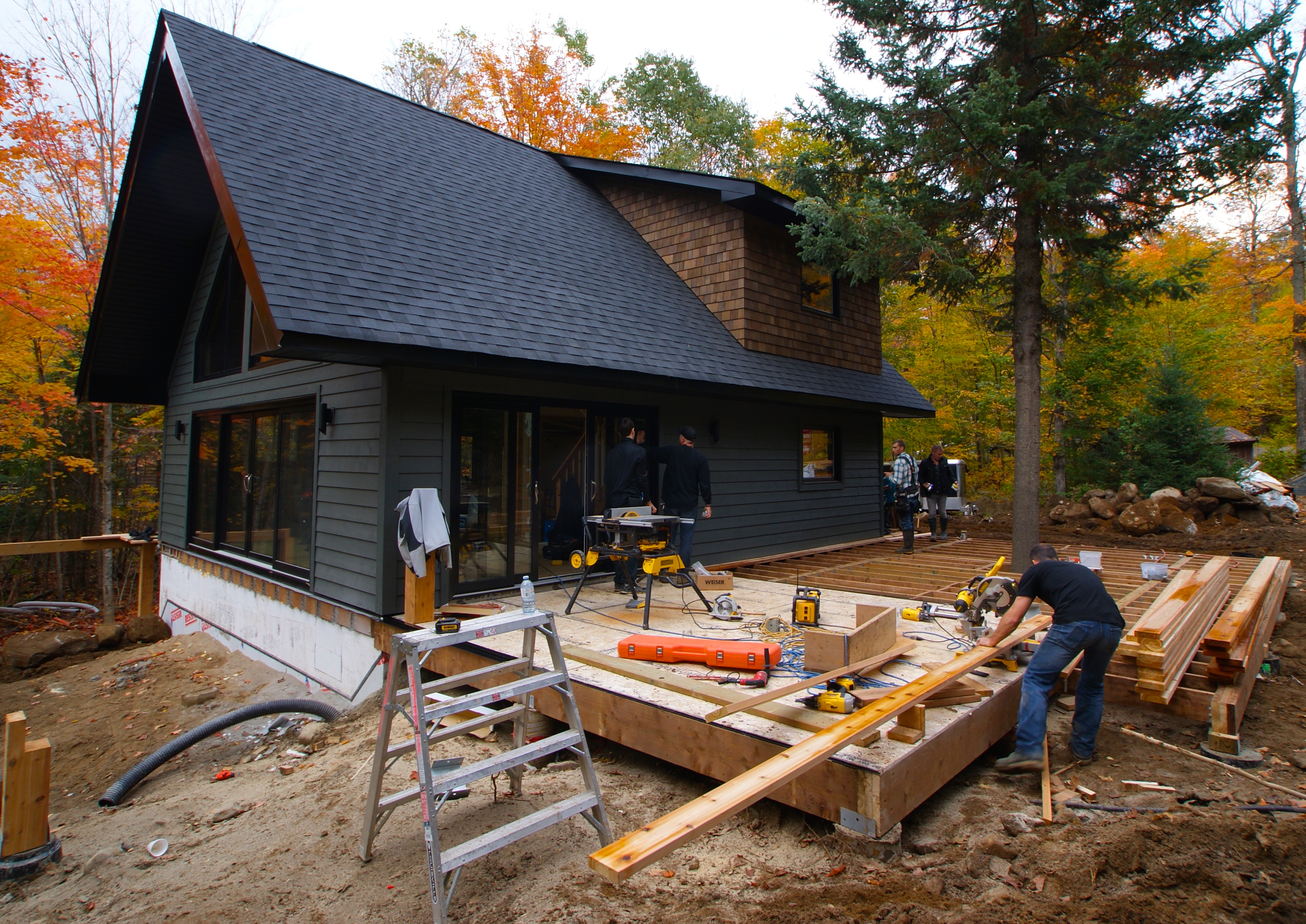
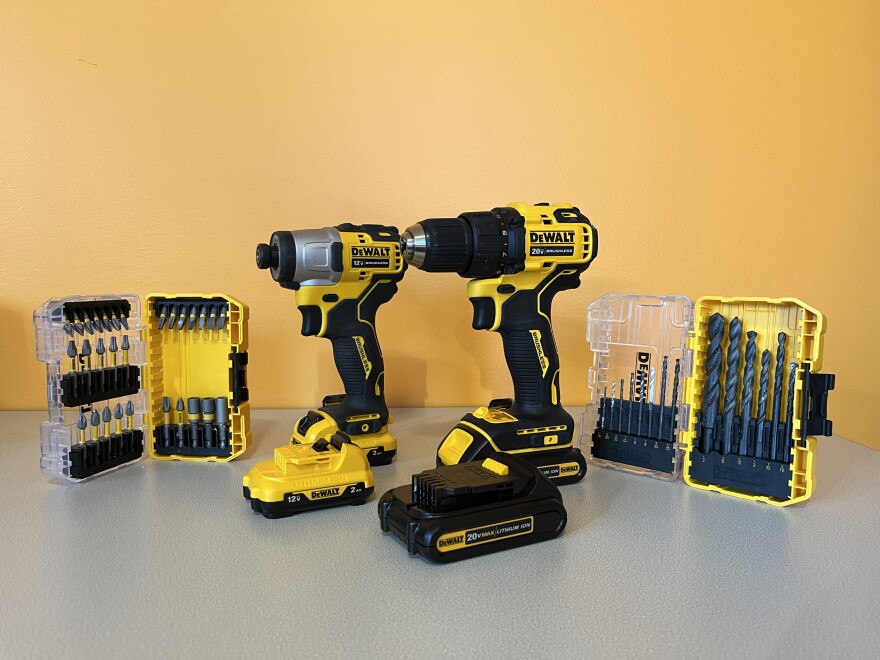
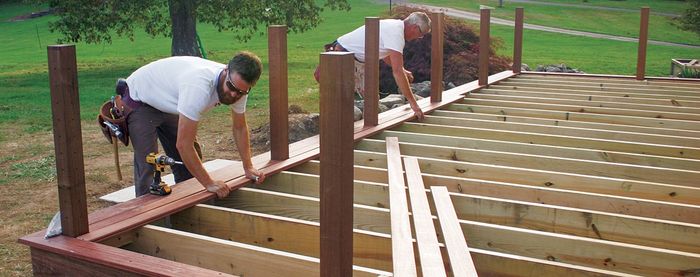
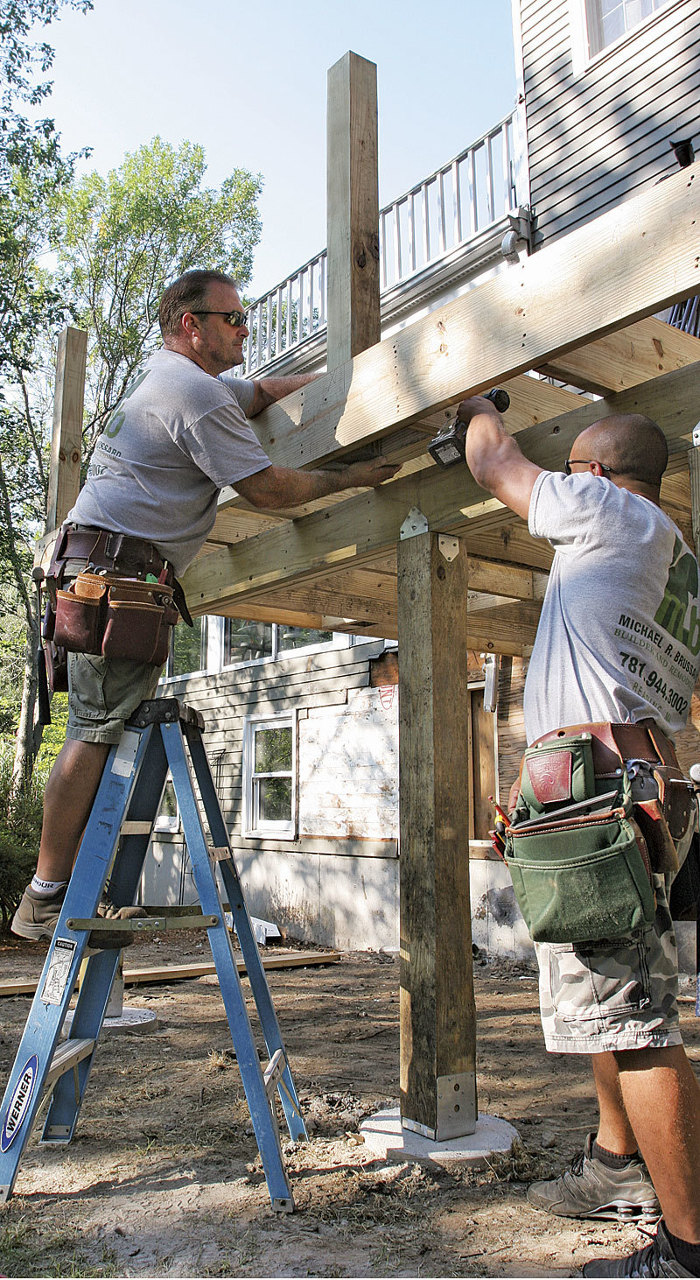
Building a deck has evolved significantly since the 1980s, transitioning from a simpler construction process requiring minimal specialized tools to a more complex endeavor that often necessitates a comprehensive array of equipment. This evolution reflects the increased sophistication of modern deck designs and materials. Contemporary deck contractors now often rely on a wide range of specialized tools to enhance efficiency and precision across all phases of deck construction, from demolition and framing to fastening and finishing.
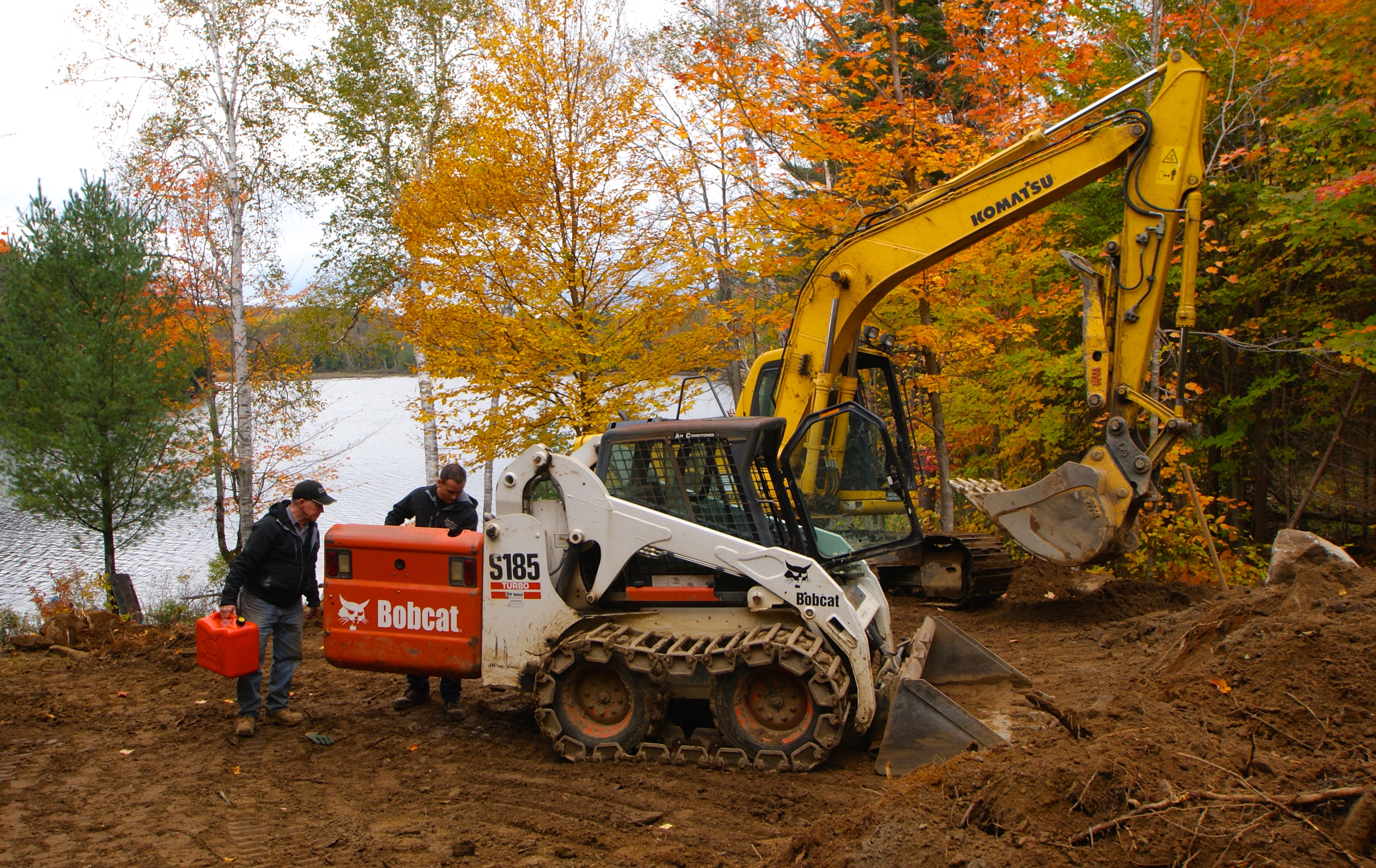
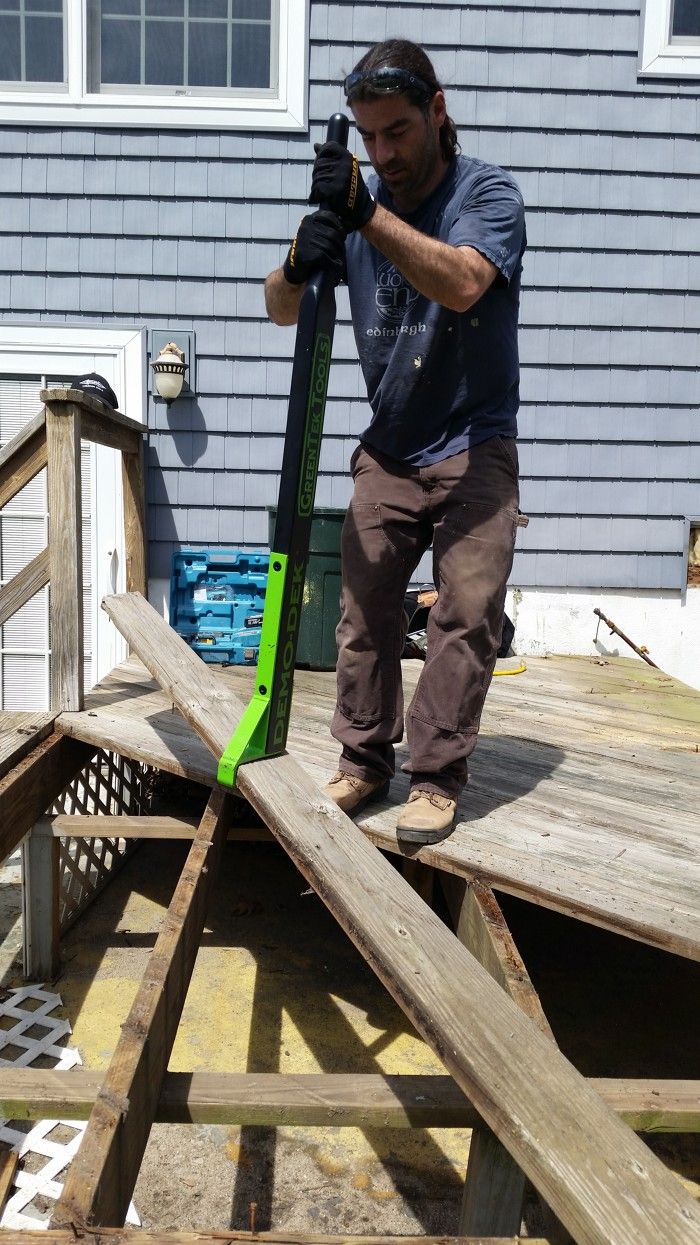
Demolition, for instance, benefits greatly from tools like the Duckbill Deck Wrecker and Nestorbars, which are designed to efficiently remove old decking. These tools utilize leverage to pry up even screwed-down boards, making the process faster and less labor-intensive, especially when existing framing needs to be preserved. For footing excavation, which is traditionally arduous, contractors are now renting compact utility loaders like the Toro Dingo TXL 2000, often equipped with augers, or even compact backhoes, significantly speeding up the digging of footing holes. This approach also extends to material handling, with contractors opting for large-capacity, stable carts like the Rubbermaid 7½-cu.-ft. Big Wheel Cart over traditional wheelbarrows for transporting concrete and hardware.
Precision and layout are critical in modern deck building. Green-light lasers, such as the DeWalt Green Rotary Tough Laser, have become indispensable for laying out footings and establishing elevations due to their superior visibility in daylight compared to red lasers. Despite their utility, stringlines remain relevant for their reliability and resistance to being knocked out of position. For marking cuts and fastener lines, professional builders prefer temporary white chalk or even baby powder over traditional blue or red chalk, as these alternatives wash away easily with the first rain, preventing stains.
Cutting larger timbers, common in deck framing, presents another area where specialized tools make a difference. While a standard 7¼-inch circular saw is inadequate for materials like 6x6s, professionals employ chainsaws for rough cuts or specialized beam saws. Options include the Prazi Beam Cutter, which converts a circular saw into a beam-cutting tool, and dedicated large-capacity circular saws like the Makita 16-5/16-inch Circular Saw or Skilsaw Sawsquatch, capable of cutting through thick lumber in fewer passes. Track saws, such as the Makita 6½-inch Plunge Cut Circular Saw and Festool HKC 55 Cordless Track Saw, are also widely used for precise trimming of deck boards, especially when creating picture-frame patterns or cutting boards to length.
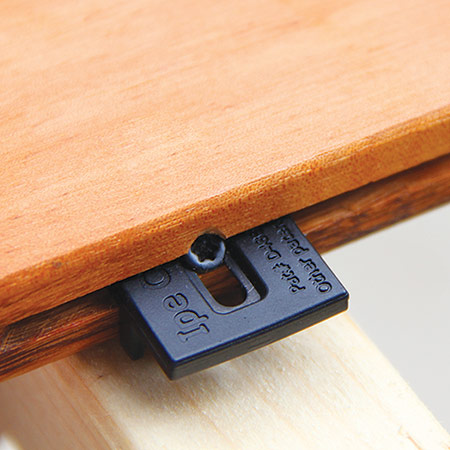
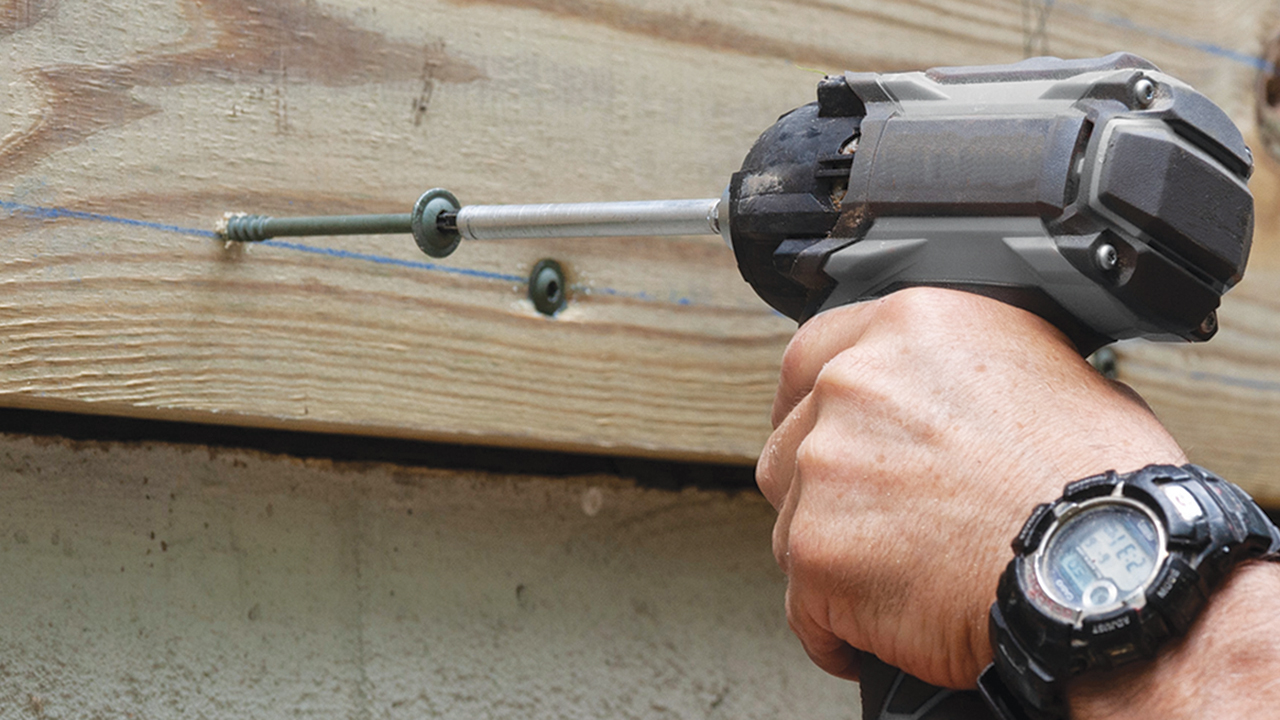
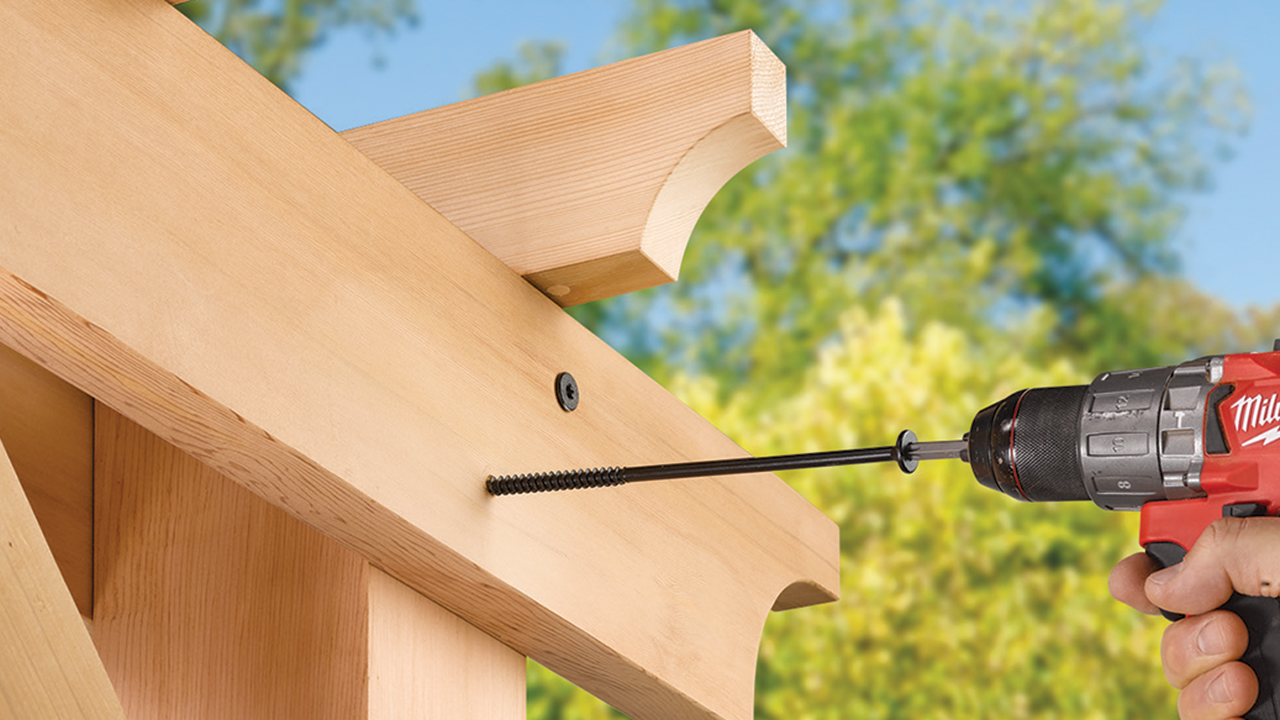
Fastening techniques have also seen advancements. Metal-connector nailers, like the Bostitch StrapShot Metal Connector Nailer, expedite the installation of joist hangers and other connectors. However, limitations in nail length for some models mean that framing nailers with interchangeable tips, such as the Bostitch F21PL, are preferred for their versatility. Aids like the FastCap Joist Clip simplify the process of holding hangers in place during fastening. For deck board installation, hidden fastener systems like the Camo system offer a clean finish while allowing for board replacement. Alternatively, screw guns with attachments that ensure consistent screw spacing, such as the Simpson StrongTie Quik Drive, enable efficient face screwing from an upright position. Straightening warped deck boards is made easier with tools like the Cepco Tool Company BoWrench, which mechanically locks boards into position for fastening.
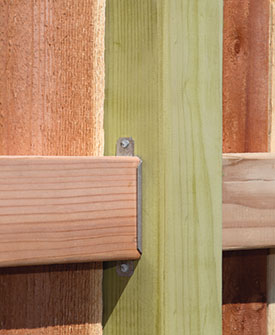
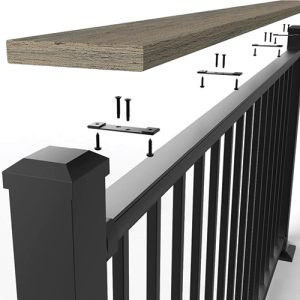
Beyond primary construction, specialized tools assist with intricate details and challenging conditions. Ratchet straps are employed to pull guardrail posts into alignment, ensuring tight joints before fastening. For working in confined spaces, particularly when installing manufactured railings, compact tools like the DeWalt ⅜-inch Right Angle Drill/Driver and flexible shaft bit extensions are essential. Lastly, for builders working in colder climates, portable solutions like pop-up tents with side panels, combined with catalytic propane heaters, create comfortable and productive work environments, demonstrating the adaptability of modern deck-building practices.
#DeckBuilding #ConstructionTools #DeckConstruction #HomeImprovement #SpecializedTools #DeckFraming #FasteningSystems #DemolitionTools #FootingExcavation #DeckBuilding #ConstructionTools #DeckConstruction #HomeImprovement #SpecializedTools #DeckFraming #FasteningSystems #DemolitionTools #FootingExcavation
0 comment in total
 No comments yet
You may also like
In Depth Extra: Deck fasteners


Magic for the Masses: Standard Deck Construction on a Budget

Home improvement tools for the handy person in your life

Product Picks: Decks, Railings & More

Creating the Perfect Deck and Landscape
Giving Your Deck a New Life Doesn’t Have to be a Chore Thanks to This Product

Decks
Master Craftsman: Randy Steyert on Decking Out the Hamptons

In Depth: Deck Railings & Accessories
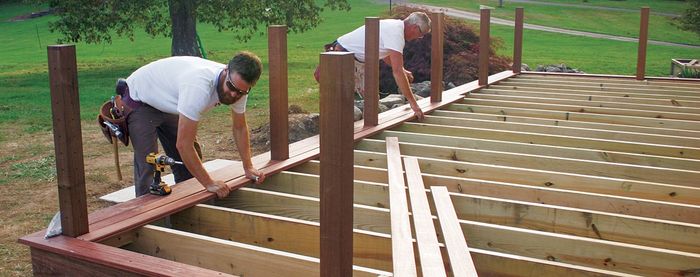
The Best Deck-Demo Tool
The Best Deck Stains of 2026


wood and stone shape mushroom-like tables in batten and kamp x henry d'ath collaboration
IN DEPTH EXTRA: Deck Accessories
7 signs you need to replace your wooden deck – the red flags to look out for in your garden
Designed & Made's integrated approach to custom woodworking projects

Best Deck Paints and Stains for 2025

In Depth: Deck Fasteners

Rethinking the Deck
Tool Test: Cordless Planers

Deck Framing: Connectors and Hardware