1/20
Tool Test: Cordless Planers
This article presents a comprehensive review and test of various cordless planers available in the market, focusing on their utility in woodworking and carpentry tasks. The author, a professional carpenter, highlights the advantages of cordless power planers over traditional hand planes, particularly their quick and effortless stock removal and the ease of replacing disposable blades, which minimizes downtime due to blade damage from job site hazards. The tested models include offerings from Bosch, Makita, DeWalt, Metabo HPT, Ryobi, and Milwaukee.
All standard models evaluated share common features such as 3 1⁄4-inch-wide disposable carbide blades, bevel grooves for easing edges, and small kickstands to protect the cutter head. Additionally, two smaller cordless models from Bosch and Milwaukee, designed for finish carpentry, were also included in the evaluation. The article specifies that all listed model numbers and prices correspond to the tool-only versions, though some manufacturers provide kits that include batteries and chargers.
The versatility of these power planers is emphasized, ranging from precise tasks like fitting inset cabinet doors to heavy-duty applications such as significant stock removal, straightening bowed framing, and flattening wide hardwood slabs. They are also suitable for common finish-carpentry jobs, including trimming full-size doors, shaving extension jambs, and planing to scribed lines for tight-fitting built-ins and cabinets on irregular walls. The performance evaluation considered this broad spectrum of applications.
Blade characteristics are discussed, noting that all planers utilize double-edged carbide blades that perform well across various wood types. Blade changes are simplified by reversing the blades to expose a new edge. Bosch planers are noted for their unique counterbalanced cutter heads that accommodate a single blade, streamlining blade changes and ensuring alignment. For working with older stock that might contain embedded nails, DeWalt, Metabo HPT, and Makita offer more economical, resharpenable high-speed steel blades as an alternative to carbide.
Key features for a superior tool are identified, including the ability to eject chips from both sides for user convenience and clear visibility. While Metabo HPT, Makita, and DeWalt models only offer right-side chip ejection, others, including the smaller planers, allow for selection between right and left. Ryobi is commended for including a dust bag with its planer, a feature often missing in other larger models. Fences, crucial for straight and square-edged passes, are generally included with larger planers, with Makita being an exception requiring separate purchase. The Milwaukee’s fence is highlighted as superior due to its size and bevel-cutting capability. The fences on Metabo HPT and Ryobi are noted as being smaller but can be improved with an auxiliary wooden fence.
For raw power in surfacing rough hardwood, the Makita and Metabo HPT models with brushed motors are recommended. The Milwaukee and Bosch planers are praised for general carpentry and finish work, offering a balance of construction quality, user-friendly blade changes, and adaptability for both heavy and precise tasks. The Milwaukee is slightly preferred for its adjustable bevel fence and convenient chip ejection lever. The smaller 12V planers from Milwaukee and Bosch are recognized as valuable additions for trim carpenters, ideal for one-handed operation in confined spaces, precise work on moldings and cabinet boxes, and tapering narrow stock for doors and windows.
The testing methodology involved evaluating performance on end and edge grain, various hard and softwoods (fir, oak, walnut, veneer plywood), and the quality of rabbet cuts. All planers performed effectively on different wood types when using fresh blades and appropriate feed rates. The ability to create rabbets is consistent across all models due to the blade extension across the sole. Specific recommendations for each tested planer highlight their unique strengths, such as the Milwaukee’s large bevel-adjustable fence, the Ryobi’s value, the Bosch’s innovative single-blade system and safety features, the DeWalt’s ruggedness and onboard blade storage, the Makita’s powerful smooth cuts, the Metabo HPT’s power and included fence, and the smaller Milwaukee and Bosch models’ suitability for fine finish work and dust control. The article concludes by listing the author and photographers involved in the product review.
#CordlessPlaners #PowerTools #ToolTest #Woodworking #FinishCarpentry #HomeImprovement #CarpentryTools #BladeChange #DustCollection #CordlessPlaners #PowerTools #ToolTest #Woodworking #FinishCarpentry #HomeImprovement #CarpentryTools #BladeChange #DustCollection
0 comment in total
 No comments yet
You may also like
6-in. Random-Orbit Sanders

Cordless Random-Orbit Sanders
Realize Your DIY Potential by Learning How to Use These Essential Tools in 2025


The Best Stud Finders


The Best Stud Finders of 2025

8 Best Stud Finders

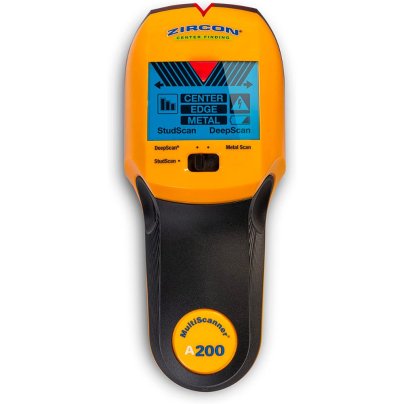
The Best Stud Finders of 2025, Tested and Reviewed
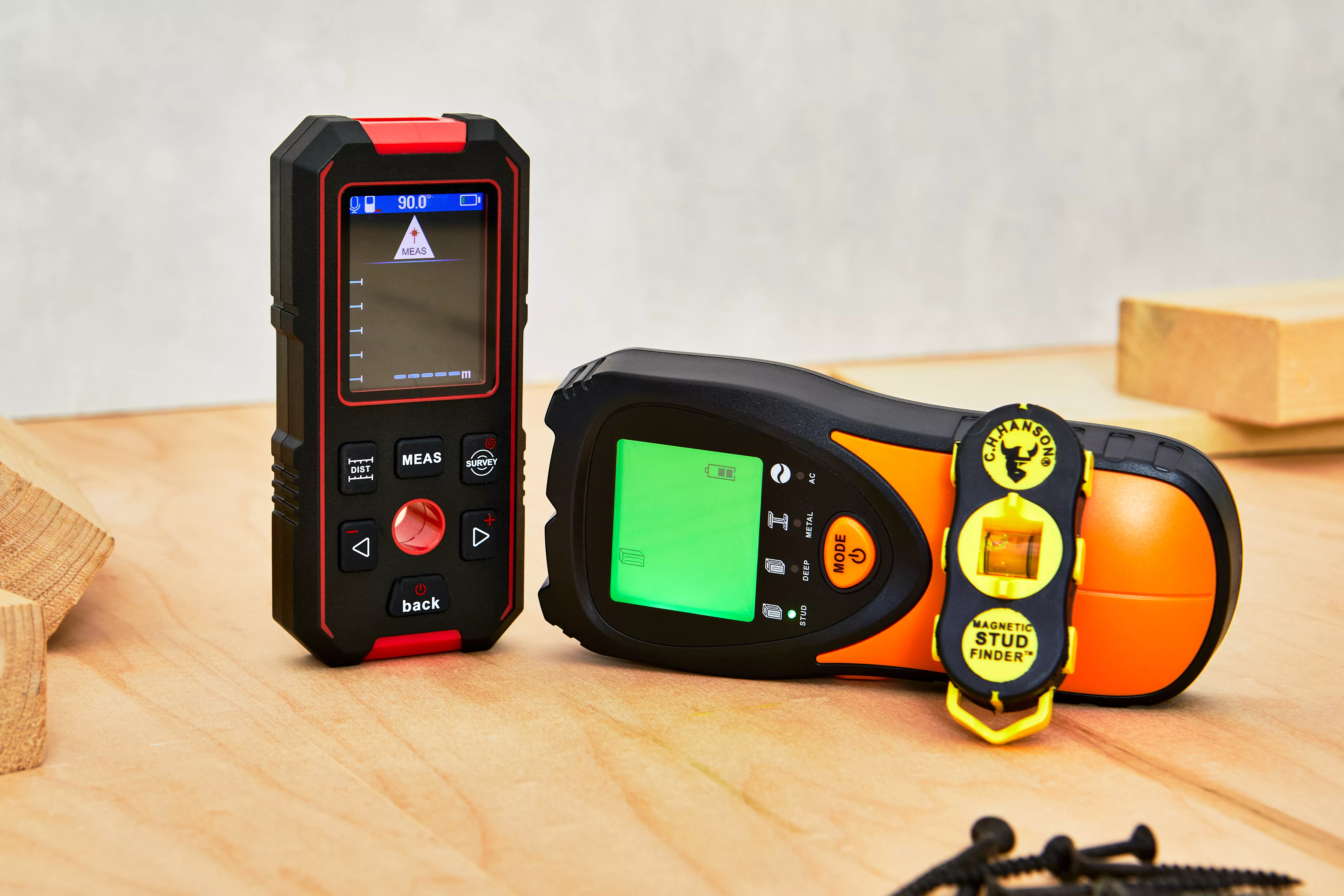
The 5 Best Stud Finders for Your Home DIY Projects

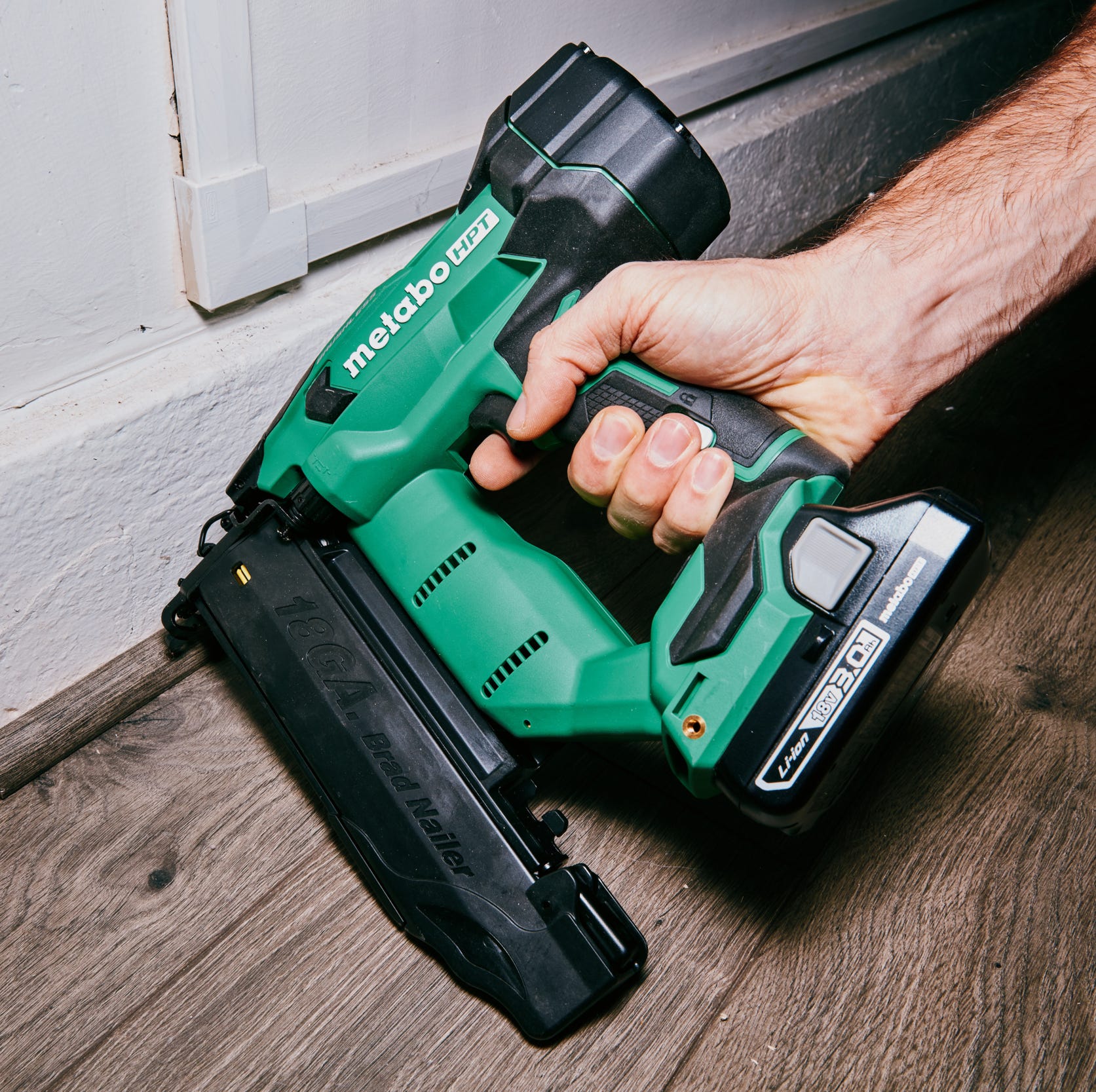
These are The Best Cordless Nail Guns For Every Kind of DIY Home Improvement Project

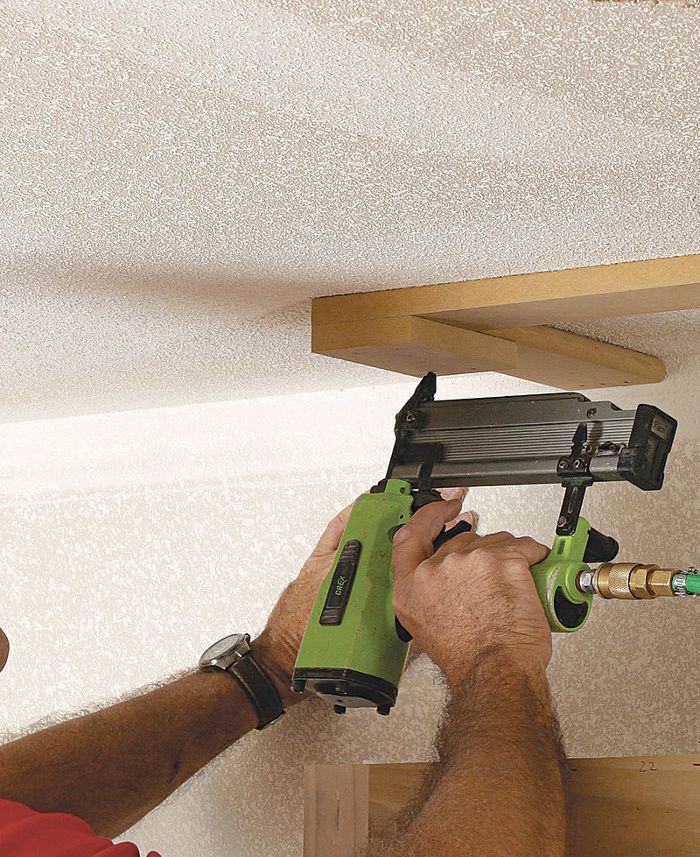
Tool Test: 18-Gauge Brad Nailers
Can a $12 Stud Finder Outperform a $100 Pick? We Put Them Both to the Test.
These 10 Best Cordless Brad Nailers Are Worthy Additions to Your Shop in 2025
The DeWalt DCD999 Is One of the Most Powerful Cordless Drills We’ve Tested