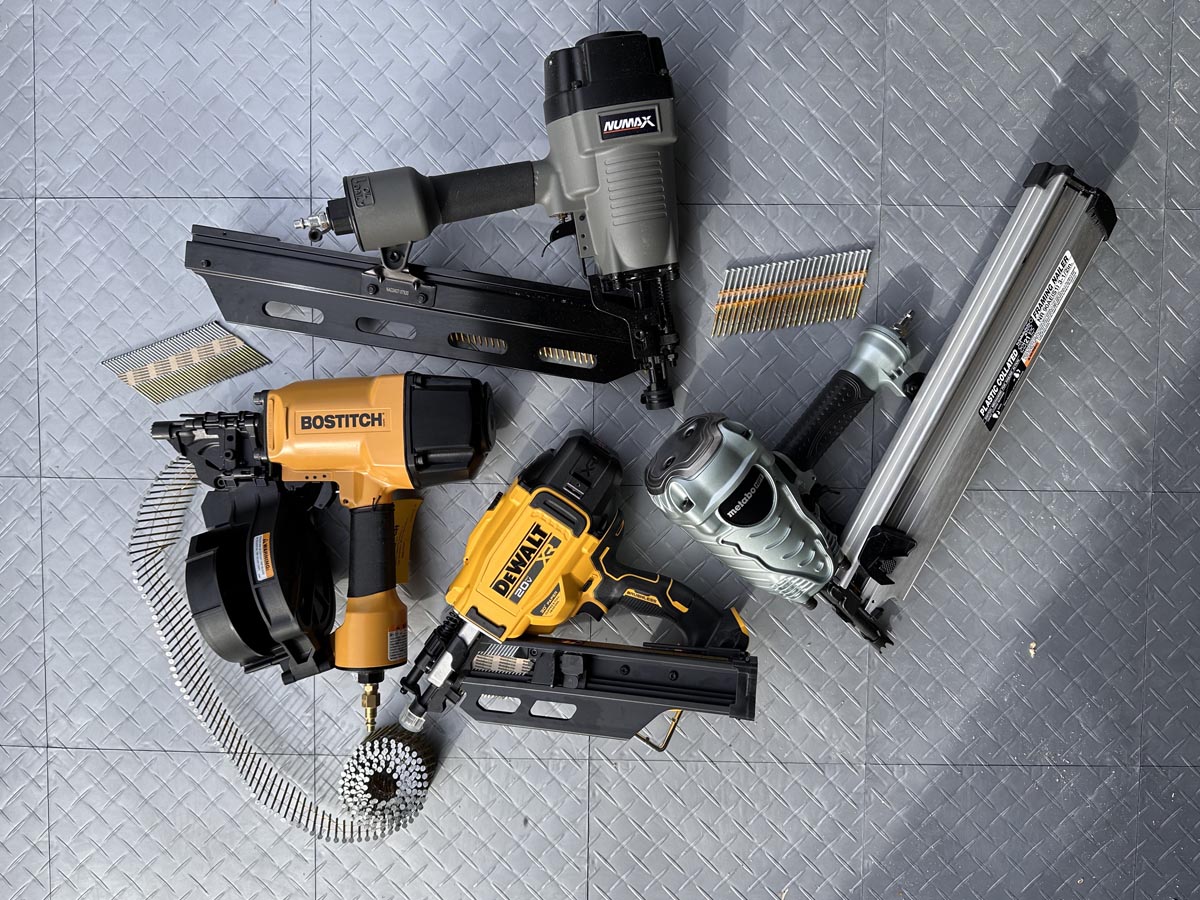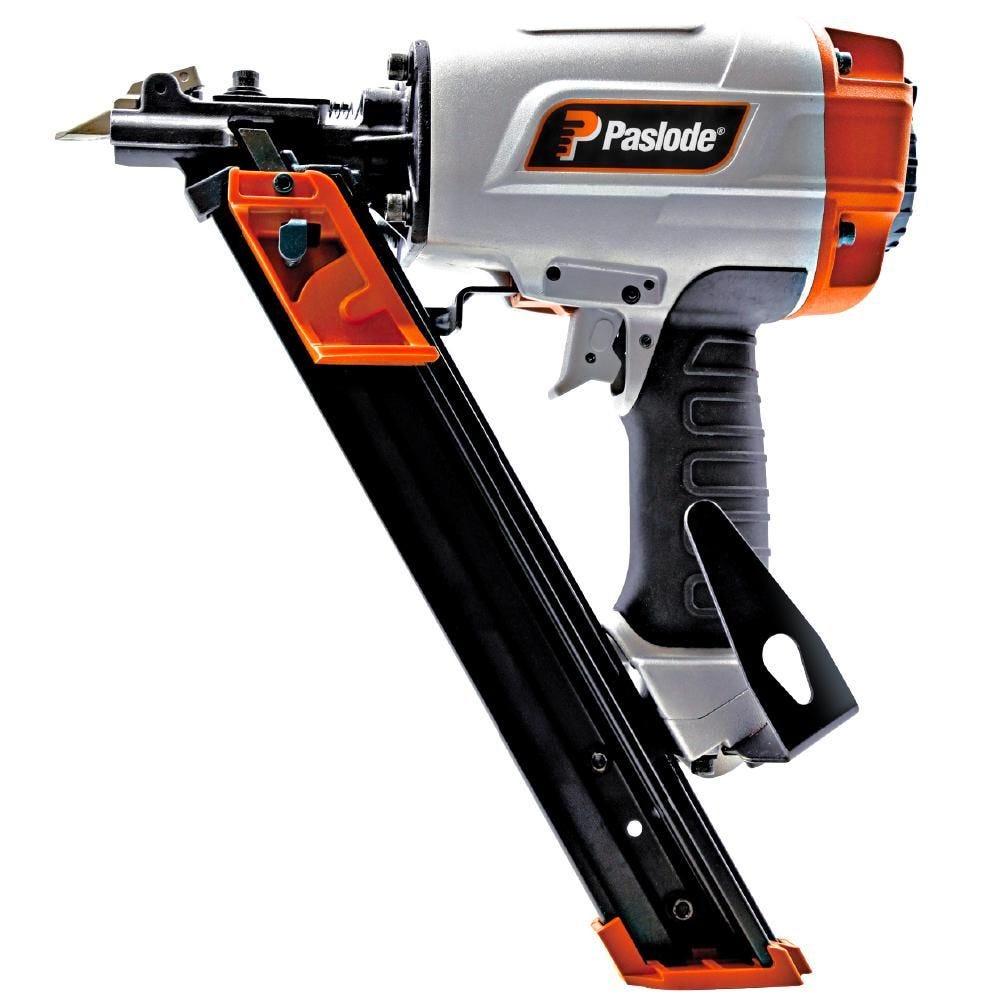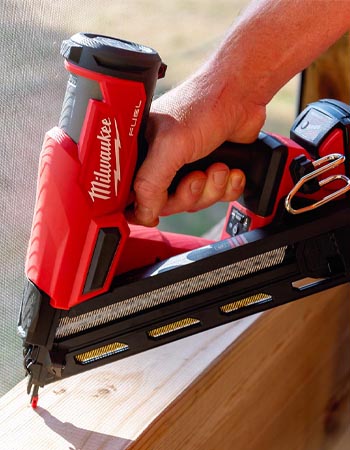
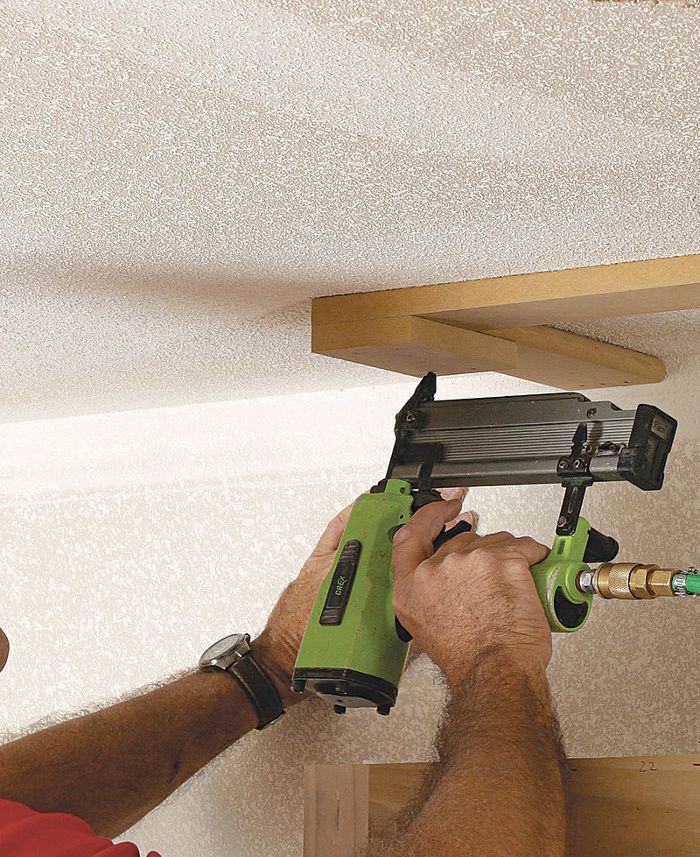
Tool Test: 18-Gauge Brad Nailers
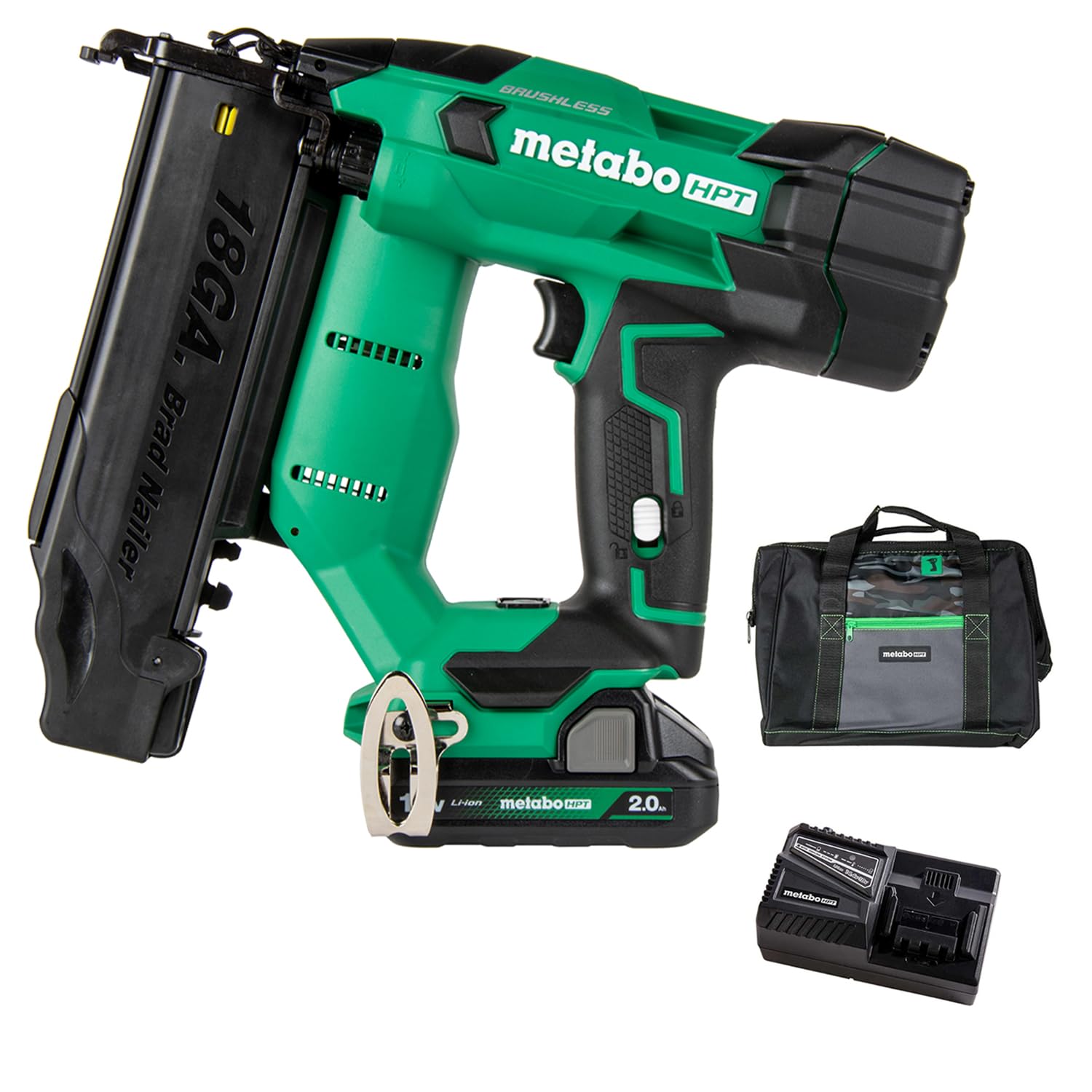
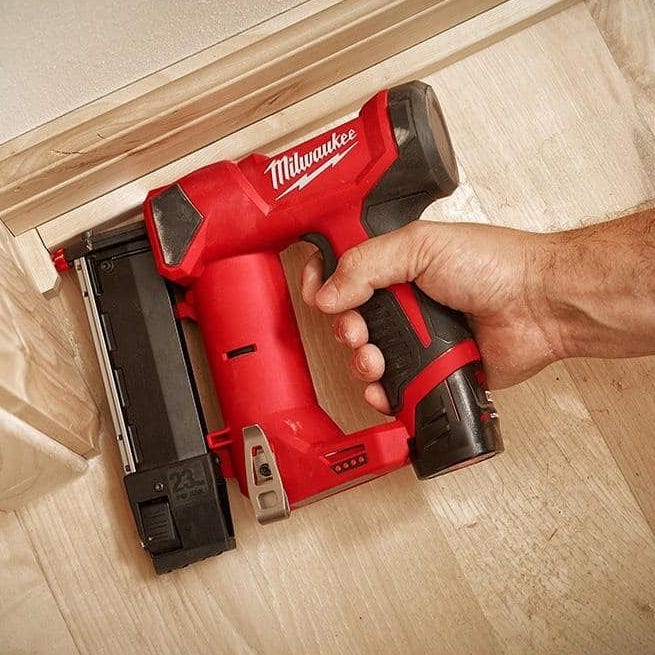
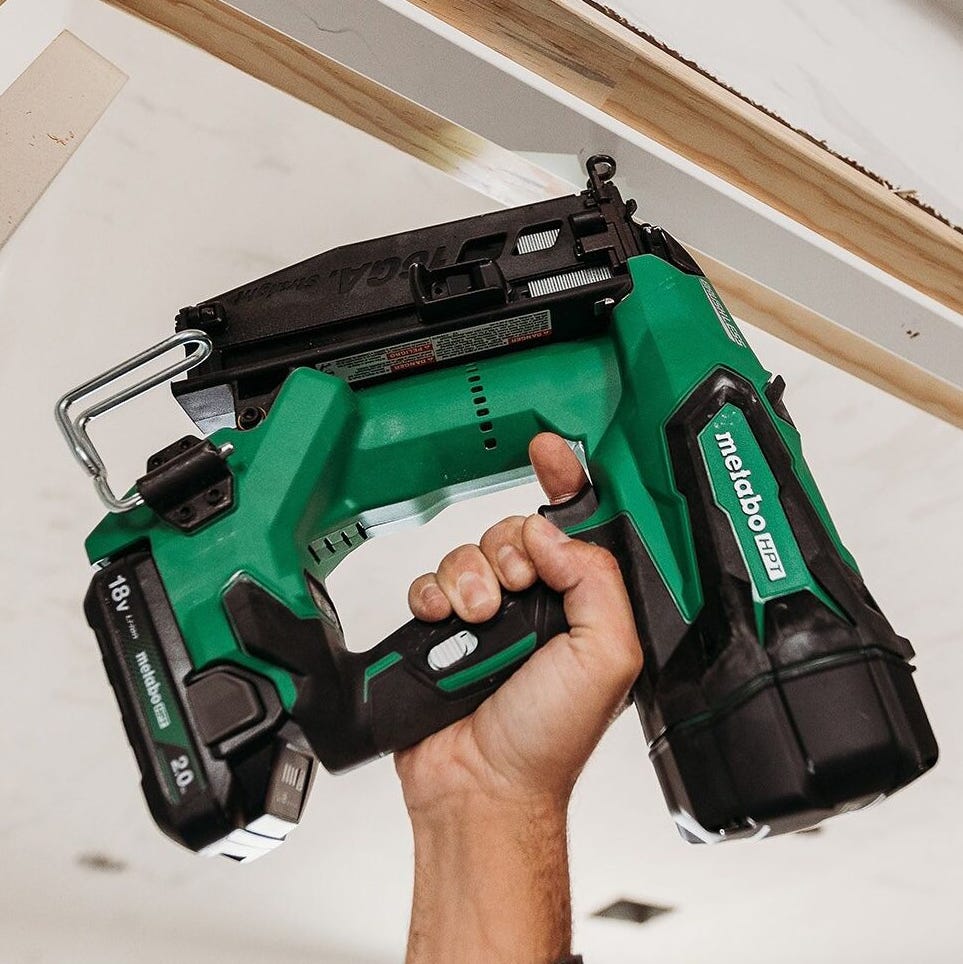
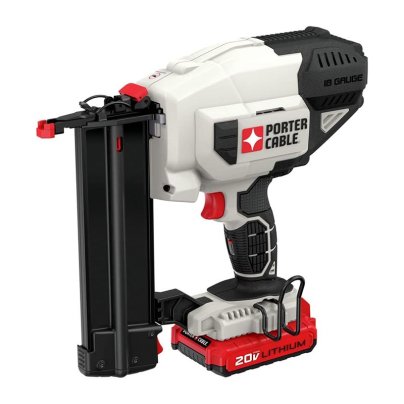
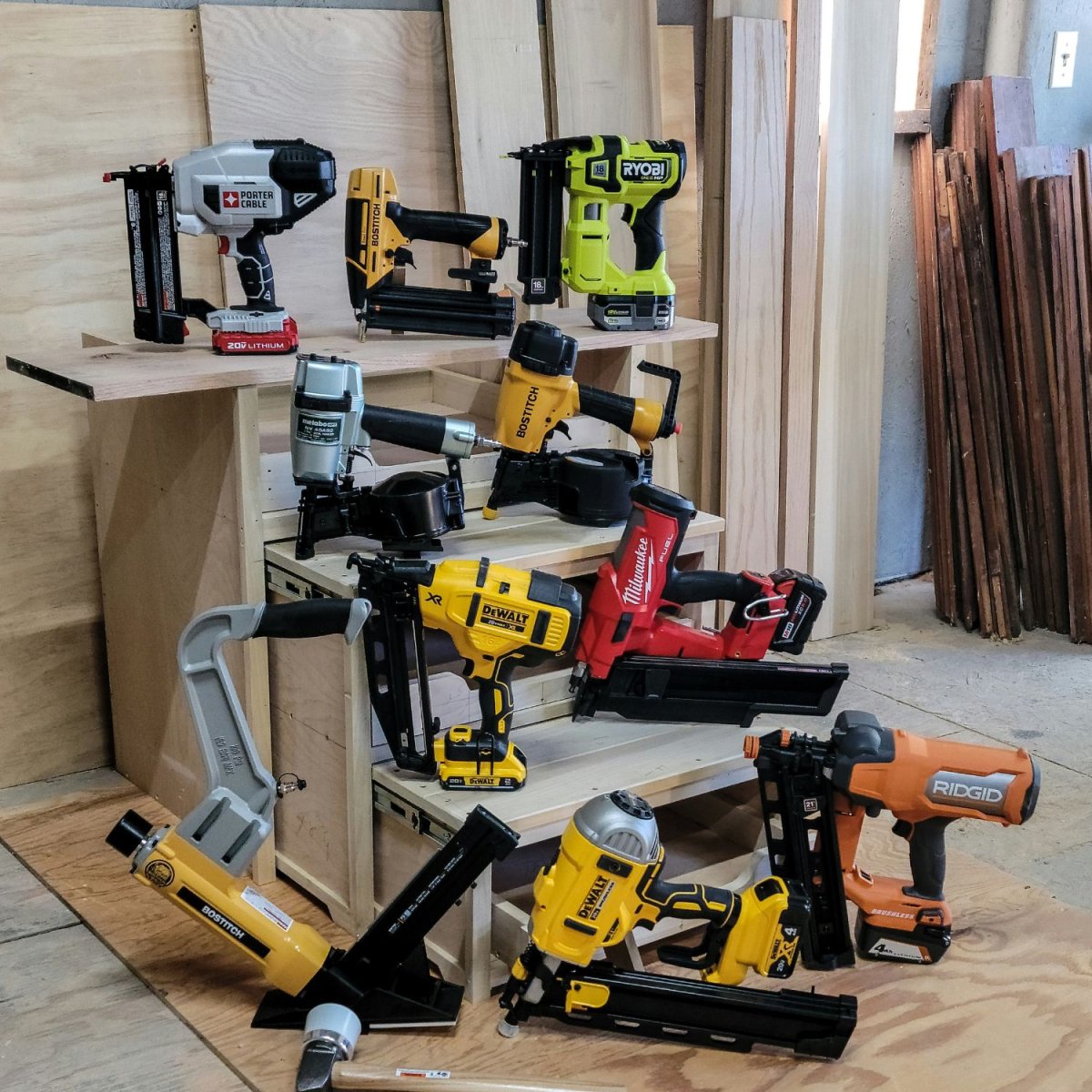
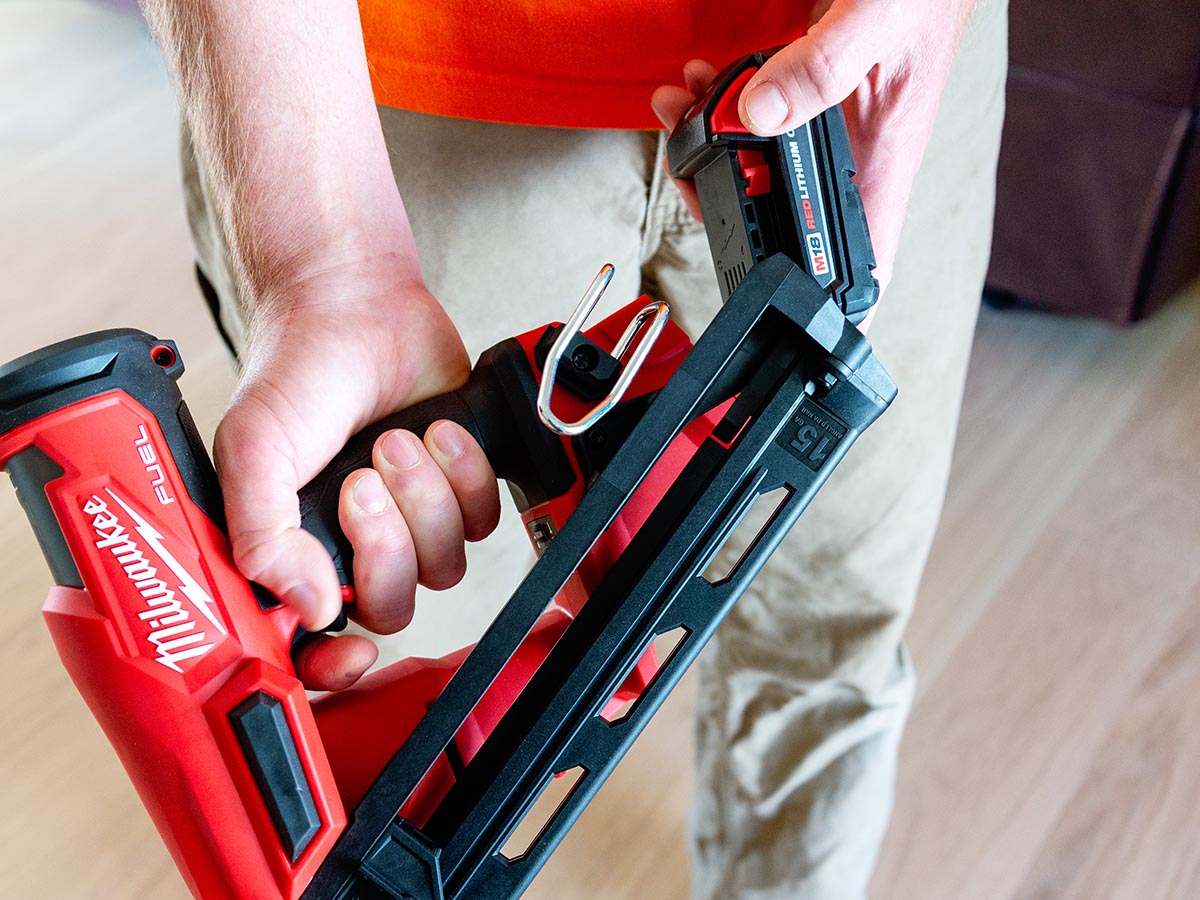
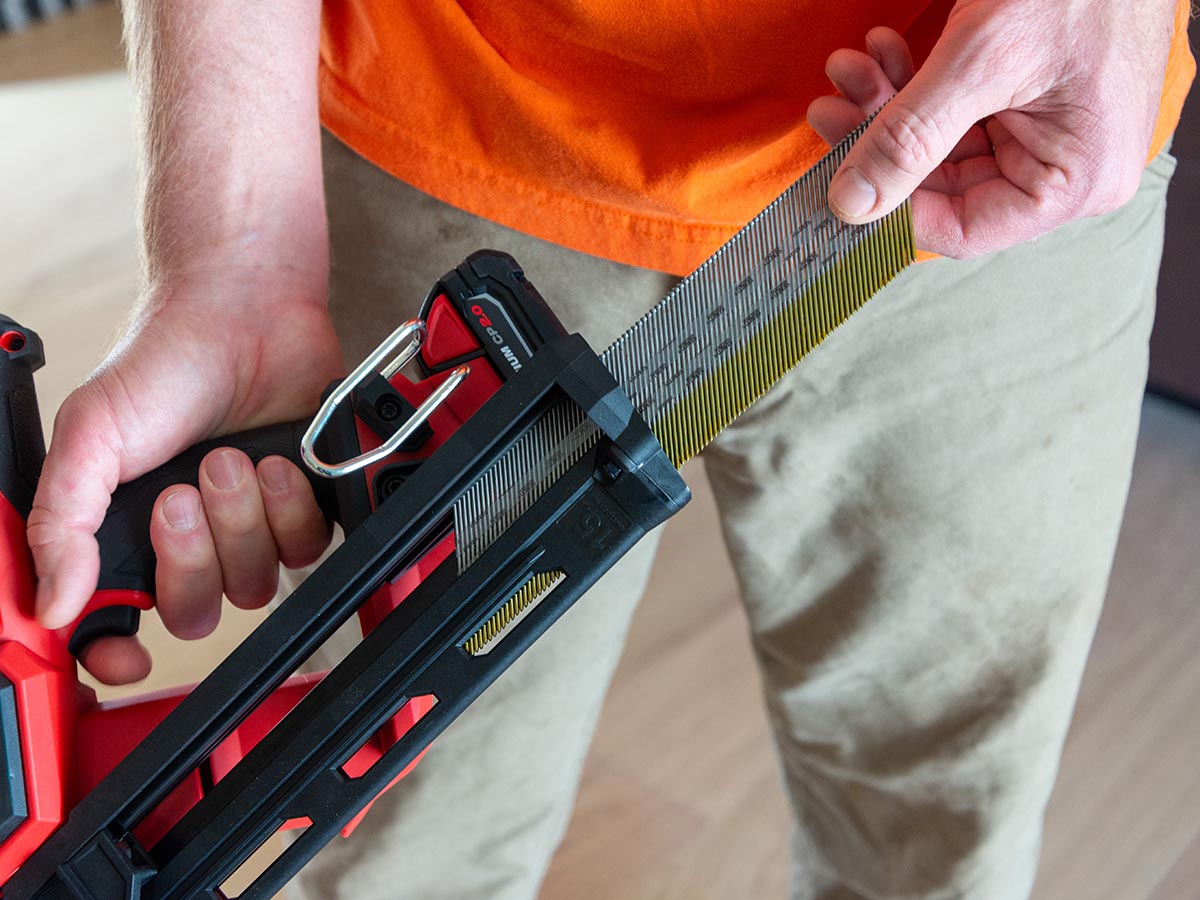
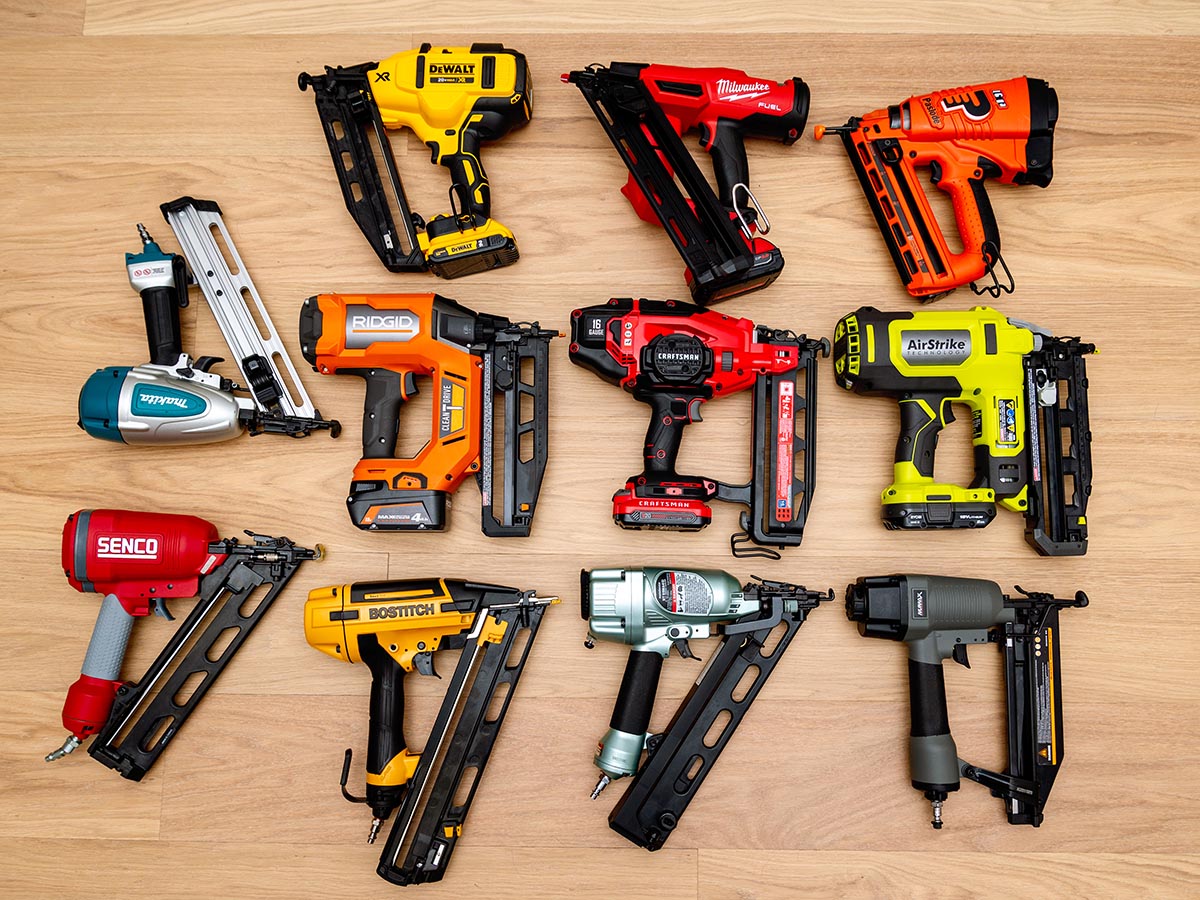
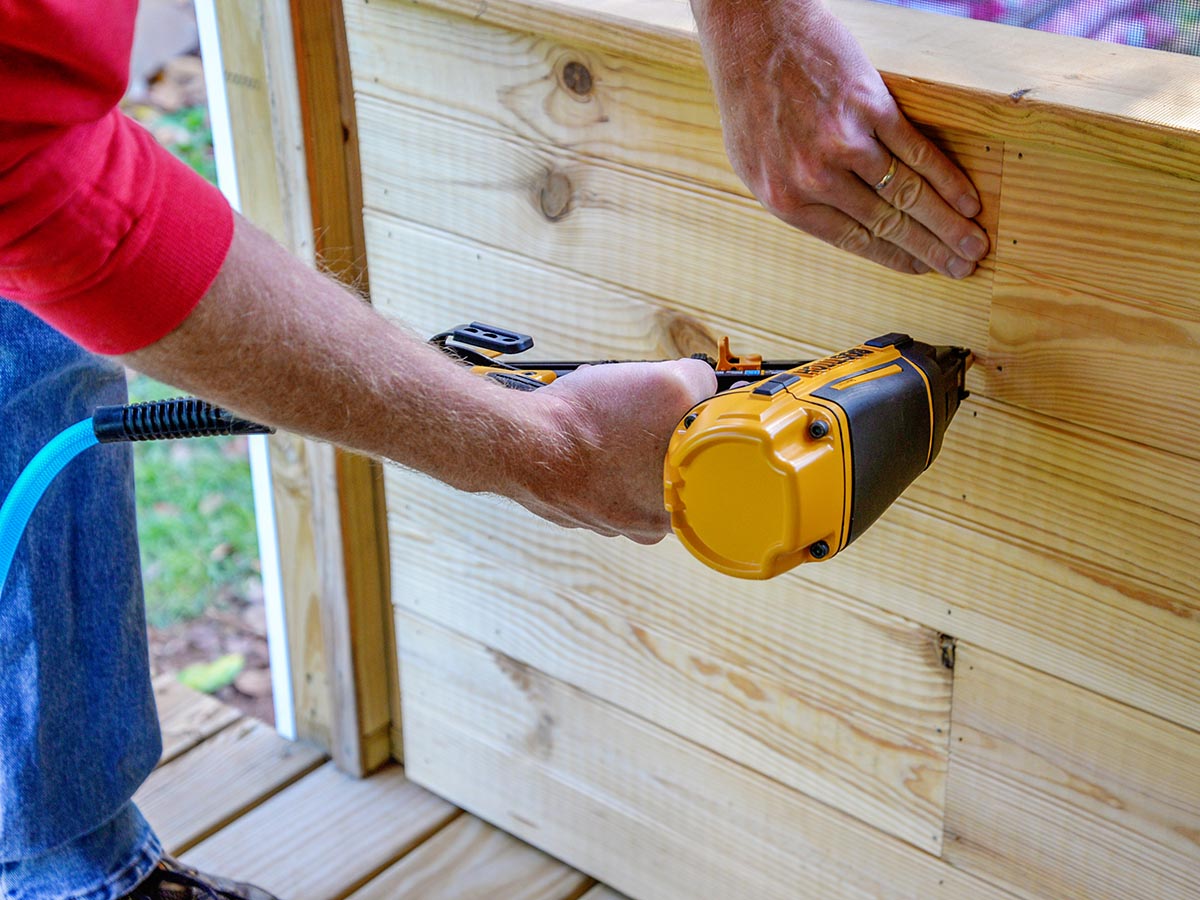
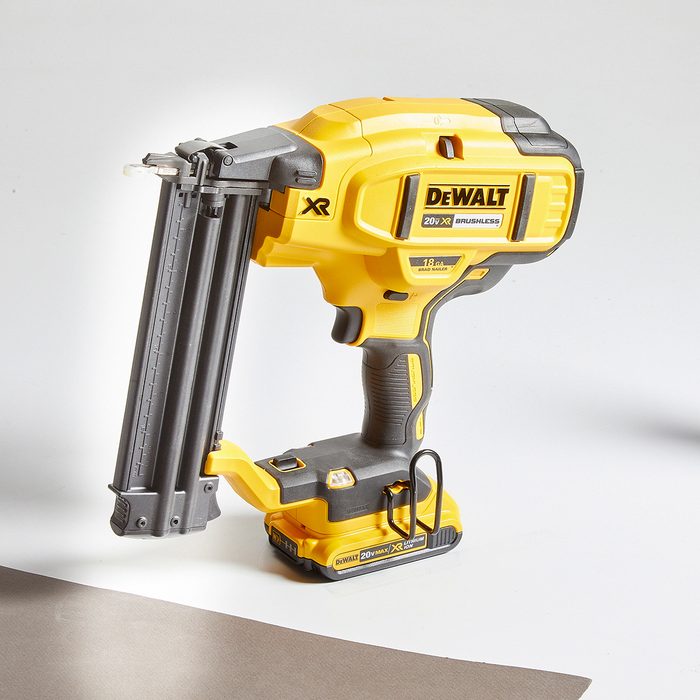
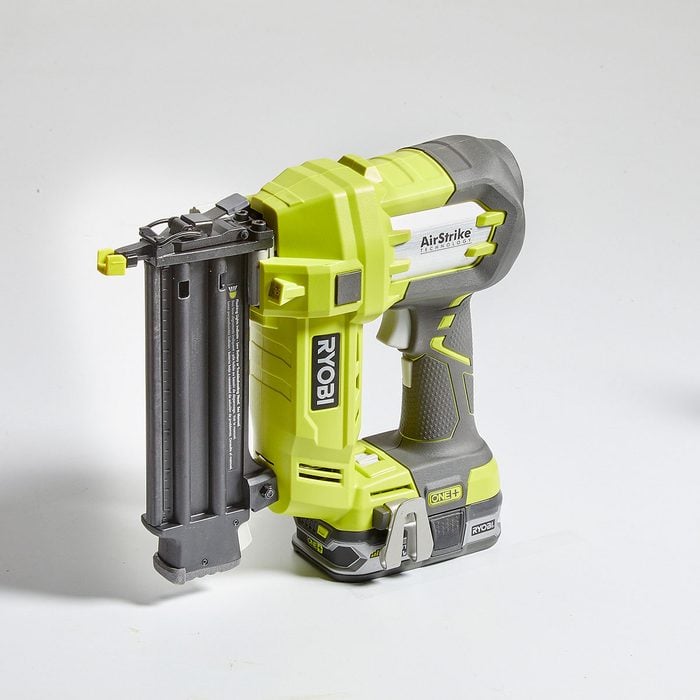
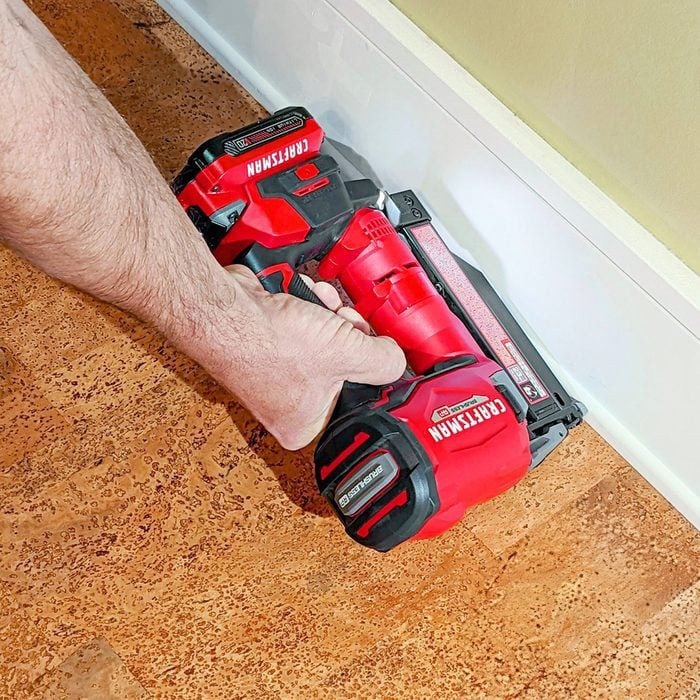
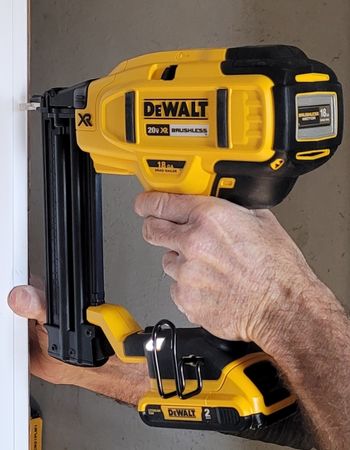
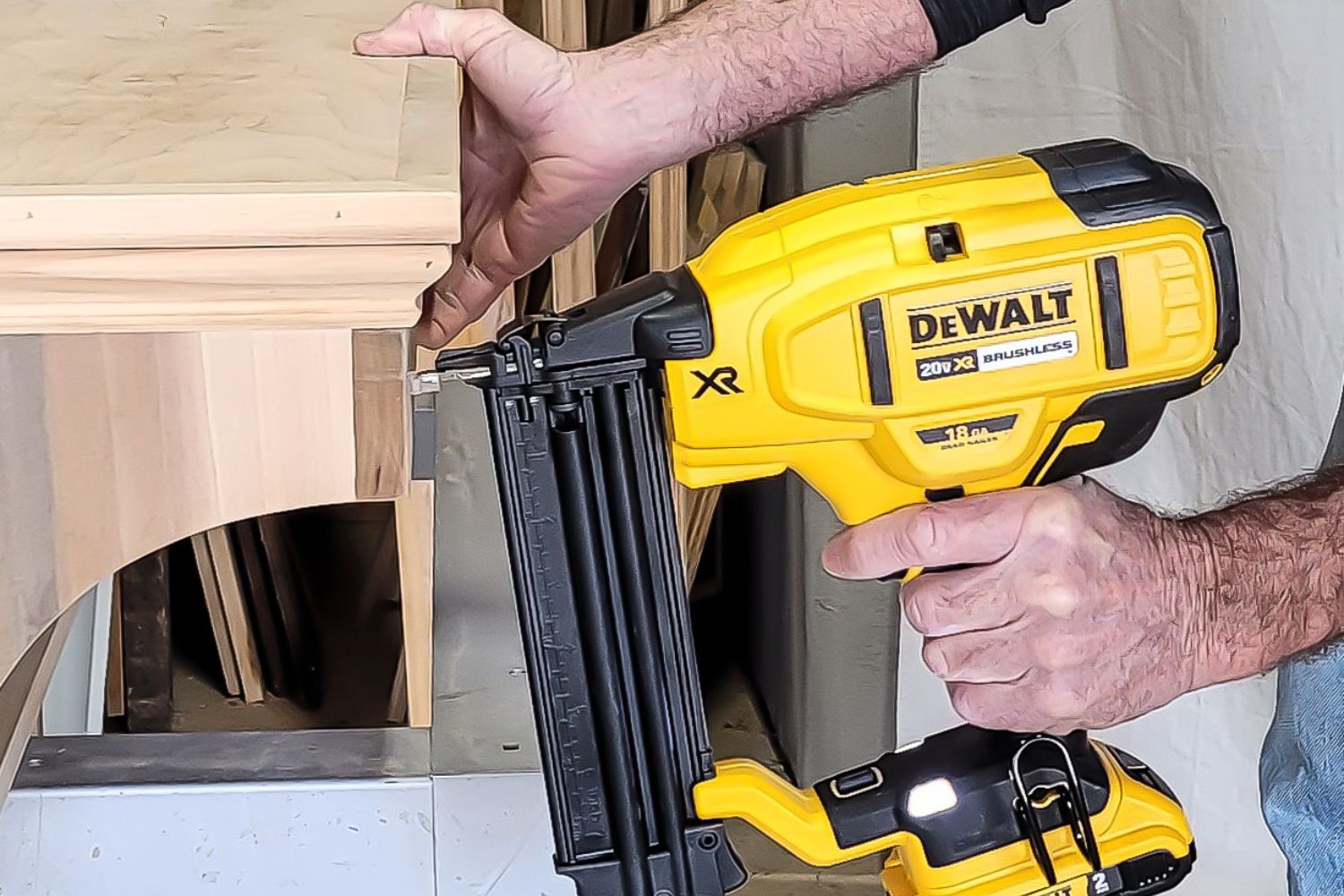
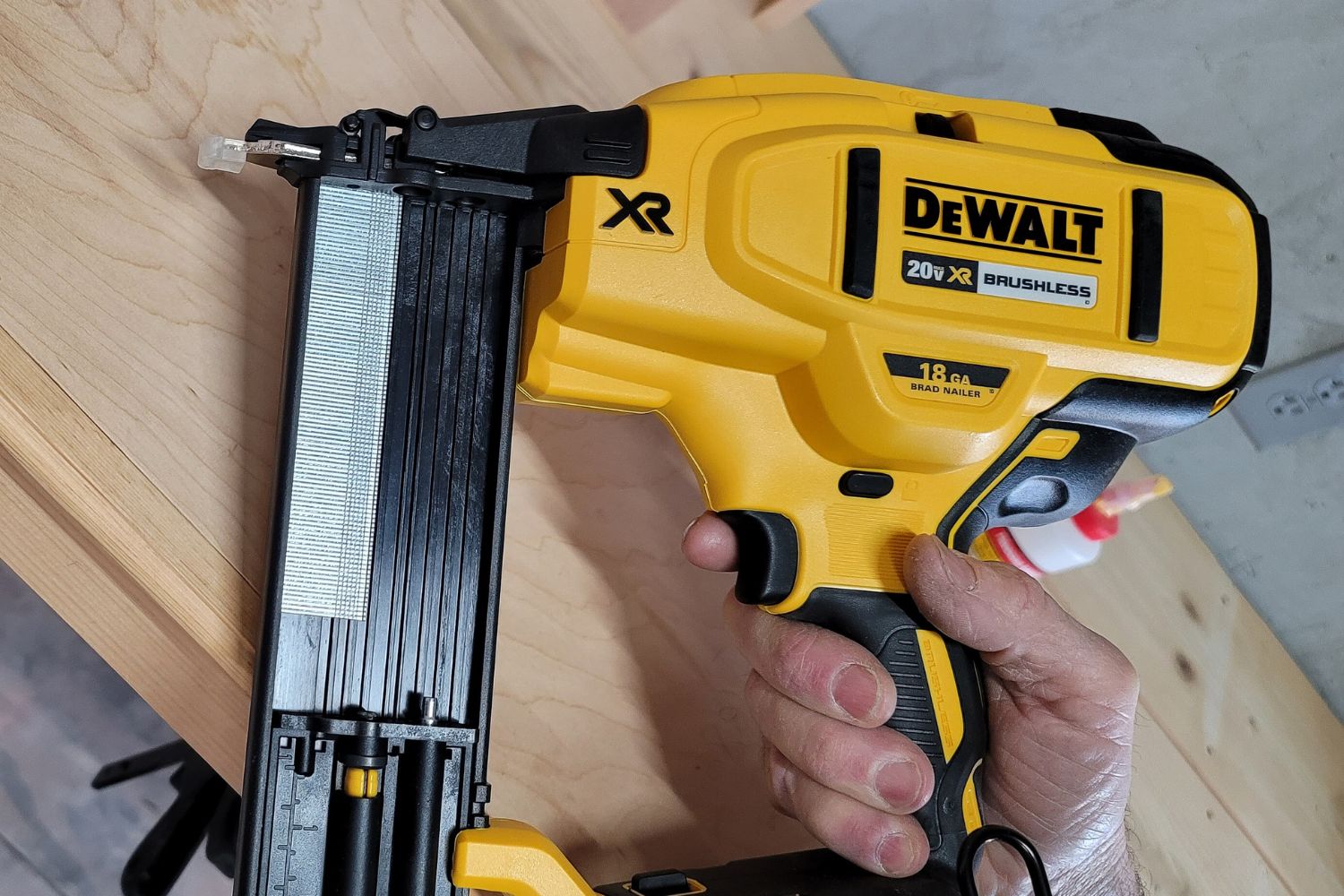
This article evaluates 14 different 18-gauge brad nailers capable of shooting 2-inch nails, emphasizing their increased versatility for finish carpentry tasks. Historically, new carpenters were often advised to acquire 15-gauge or 16-gauge finish nailers as their primary tool. However, with advancements enabling 18-gauge models to accommodate 2-inch nails, these smaller and more cost-effective brad nailers have emerged as a highly practical all-around option for various trim applications. Beyond their enhanced versatility, 18-gauge nailers are preferred for their ability to create significantly smaller holes compared to their 15-gauge and 16-gauge counterparts. This characteristic is particularly advantageous for stain-grade work, as it minimizes visible damage and reduces the effort required for subsequent finishing, often garnering appreciation from painters. The author, a finish carpenter, conducted daily, real-world testing of these 14 nailers. The testing involved using the tools for typical 18-gauge nailer jobs, such as installing door and window casing, baseboard, and cabinet crown molding. For structured testing, nailers were loaded with 2-inch and 1 5/8-inch nails and fired into salvaged, old-growth fir offcuts. To assess power, 2-inch nails were driven into blocks constructed from three layers of 3/4-inch Baltic-birch plywood. The comprehensive testing period revealed strong performance across all models, with no reported jams, indicating a high level of overall quality within the tested group of tools. Modern 18-gauge brad nailers incorporate several features that were uncommon a decade ago. Many models now include rear exhaust systems, or in their absence, rotating top-mounted exhausts, which allow users to redirect the expelled air away from their face and prevent the disturbance of dust. A common and practical addition is the belt hook, enabling carpenters to temporarily hang the tool from a tool belt or ladder, freeing both hands for positioning work. Quick-release noses are also prevalent, facilitating tool-free and rapid clearing of nail jams. All tested nailers are equipped with depth-of-drive adjustment mechanisms, designed to minimize hole size. These adjustments generally performed effectively, with some becoming smoother and easier to operate with continued use. All the evaluated nailers feature side-loading magazines, which are constructed from either composite plastic or metal. The author noted that both material types have proven durable in his personal experience with various nailers over time.
#ToolTest #BradNailers #FinishCarpentry #ConstructionTools #HomeImprovement #PowerTools #Carpentry #Woodworking #ToolTest #BradNailers #FinishCarpentry #ConstructionTools #HomeImprovement #PowerTools #Carpentry #Woodworking
0 comment in total
 No comments yet
You may also like
These are The Best Cordless Nail Guns For Every Kind of DIY Home Improvement Project

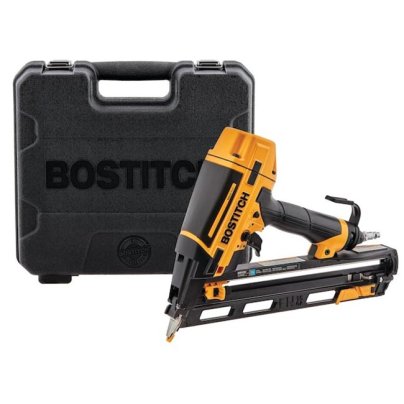
We Put the Best Finish Nailers Through Hands-On Testing—Here Are Our 8 Top Picks

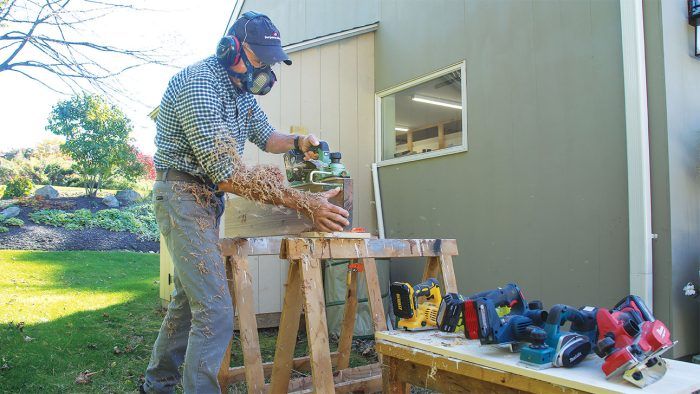
Tool Test: Cordless Planers


Hot-Dipped Galvanized Coarse Thread Concrete Nail
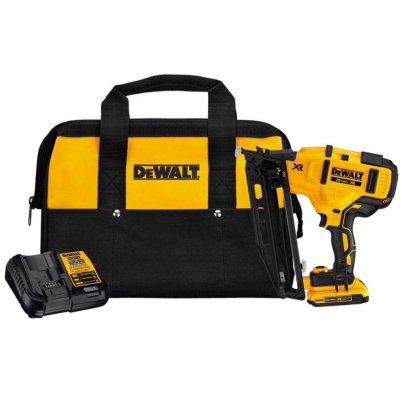
Ready, Aim, Fire: The Best Nail Guns of 2025

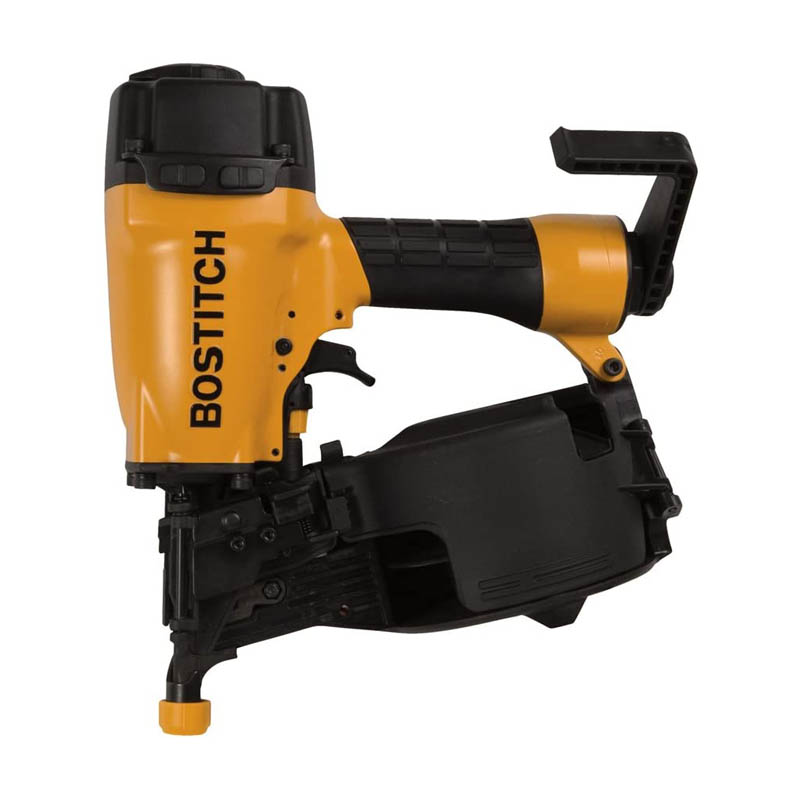
The Best Siding Nailers
Nails


Roofing Nails
After Firing Hundreds of Nails, Our Favorite Nail Gun for Fencing Outperformed All Others
CN-H601Z Metal-Connector Nailer Review
The 5 Best Hammers of 2025 | Reviews by Wirecutter


The Best Stud Finders

Paslode’s F150S-PP Is the Most Refined Nail Gun Yet
These 10 Best Cordless Brad Nailers Are Worthy Additions to Your Shop in 2025

Can a $12 Stud Finder Outperform a $100 Pick? We Put Them Both to the Test.
We Tested 3 Door Hinge Jigs—This One Worked Best
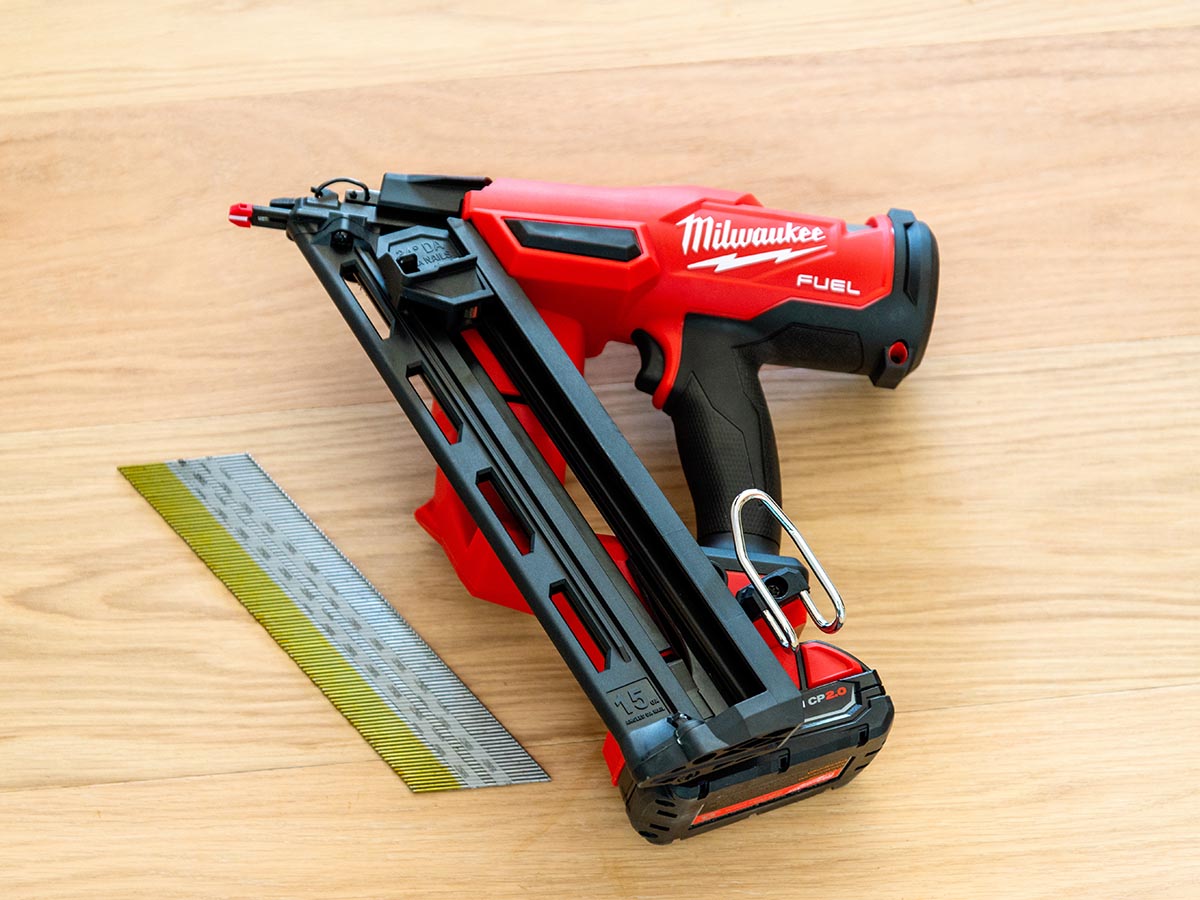
Milwaukee 15-Gauge Finish Nailer: A Hands-On Review
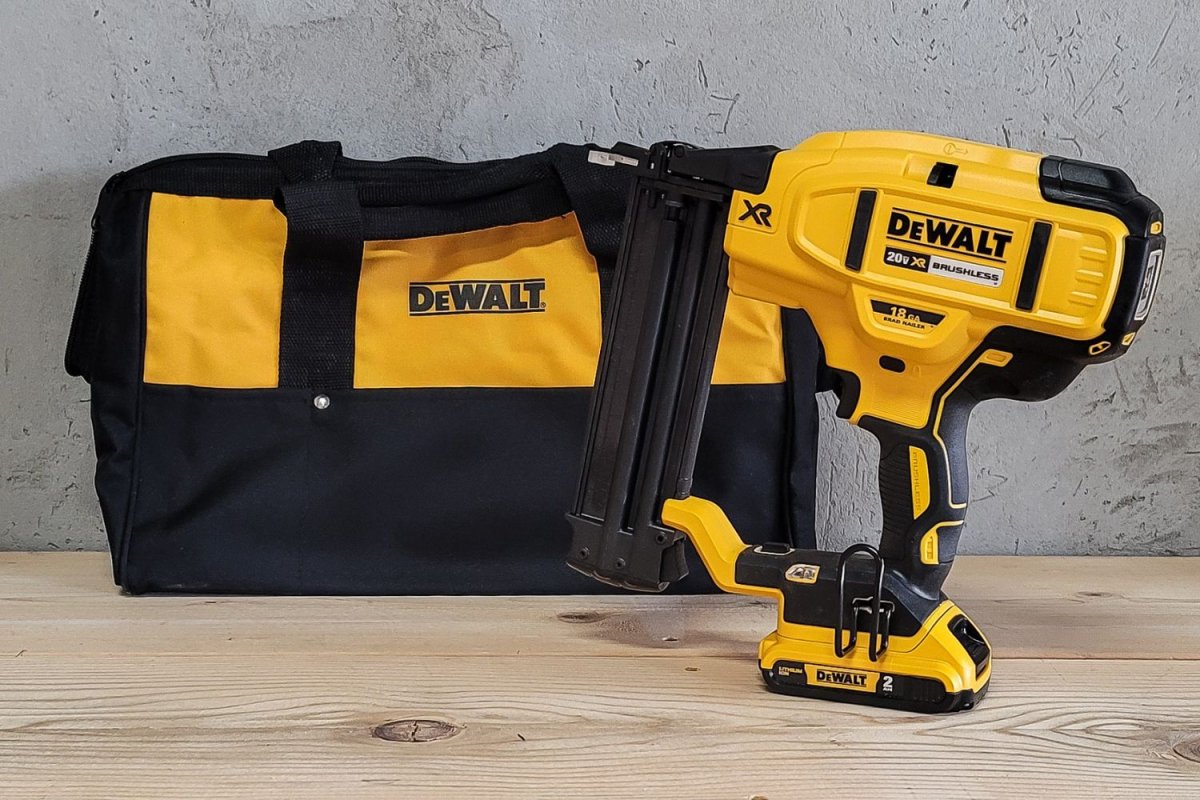
DeWalt Cordless Brad Nailer Tested & Reviewed: How Good Is the Popular Trim Tool?
6-in. Random-Orbit Sanders

Fence Nails | Fence Staples