1/11
Smart decking colour ideas - from pale patinas to dark and daring shades
Revitalizing outdoor decking areas for spring and summer offers an opportune moment for homeowners to elevate their exterior aesthetics beyond simple cleaning. This article explores a variety of decking color ideas, ranging from natural timber tones to bold, modern hues, emphasizing the importance of maintenance and preparation for longevity and visual appeal. Woodcare expert Jimmy Englezos from Ronseal highlights that annual maintenance, including assessing wood condition and existing coatings, is crucial for preserving decking.
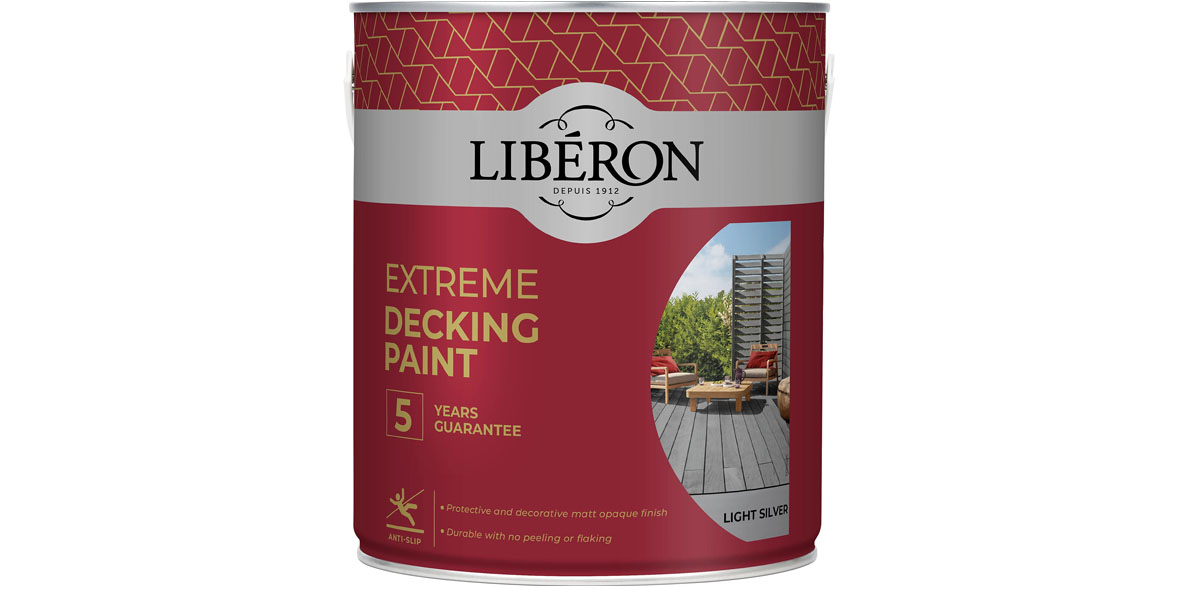
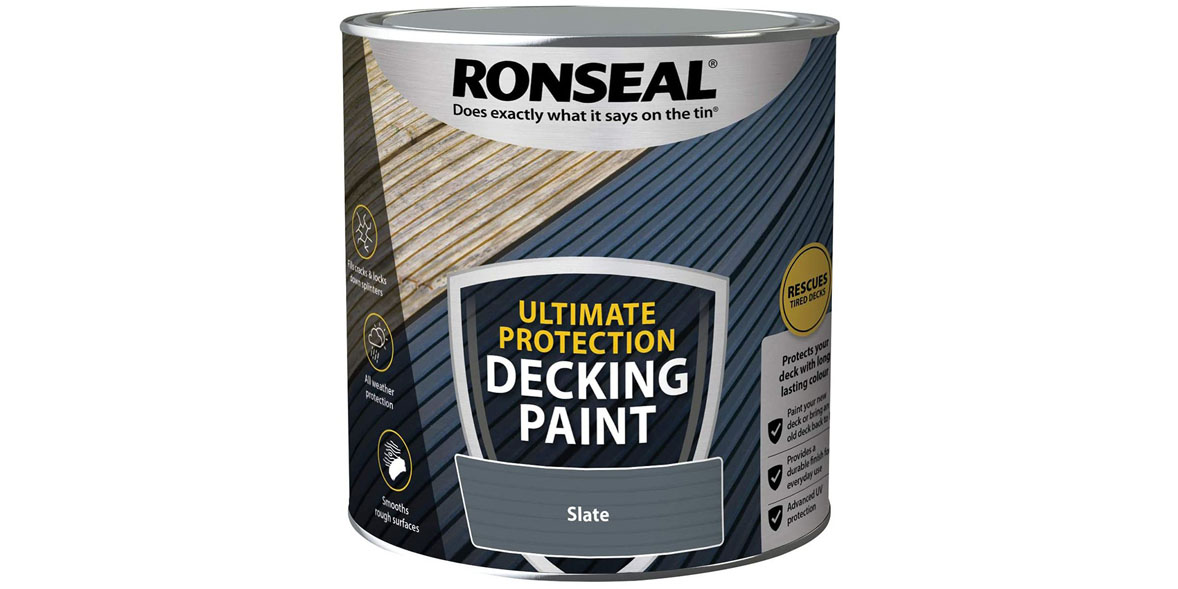
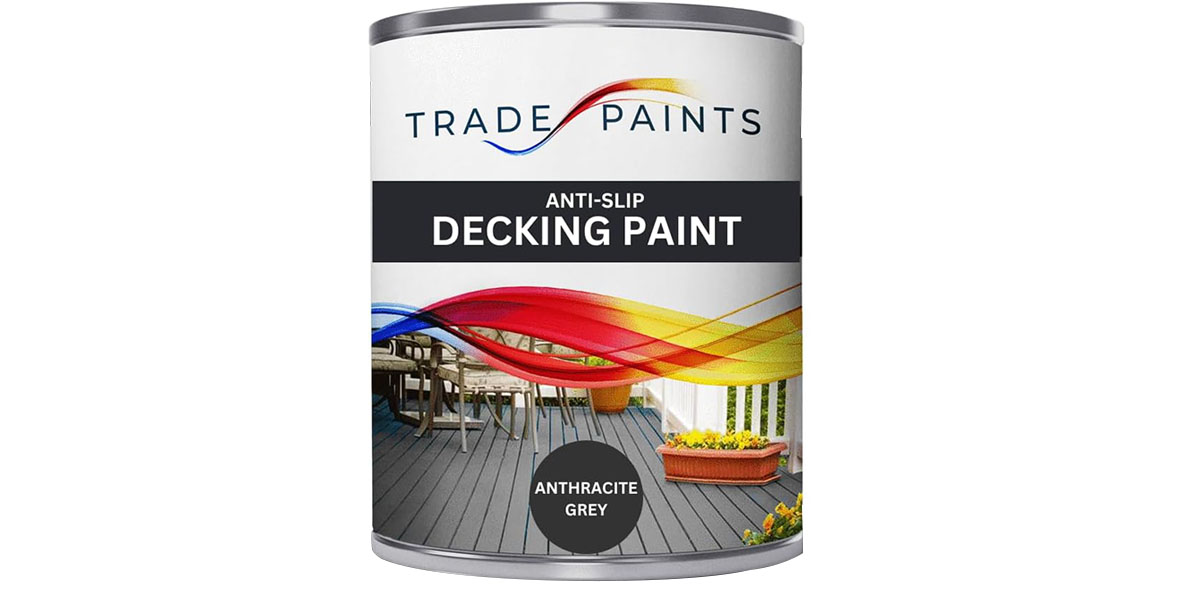
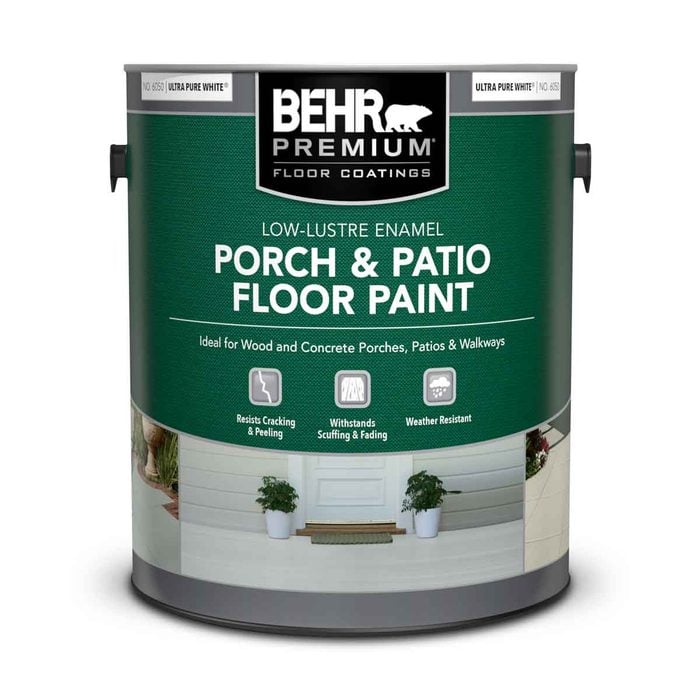
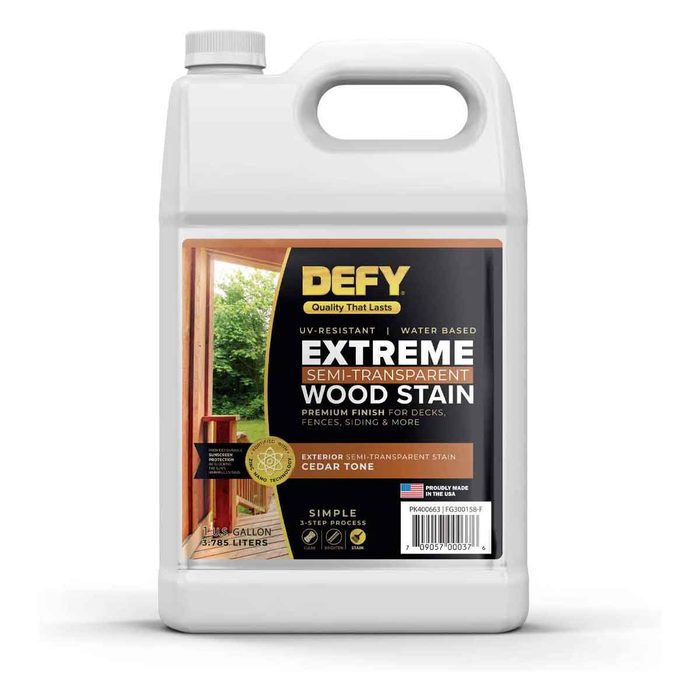
The methods for changing decking color include oils, wood stains, and specialized decking paints. Oils are recommended for newer decking to accentuate natural wood grain, while stains provide protection for slightly older surfaces. Decking paints are ideal for weathered or older decking, effectively covering damage and offering strong color coverage. Regardless of the chosen method, thorough preparation is critical to ensure the durability and appearance of the applied finish. This includes cleaning the surface and repairing any damage before applying new treatments.
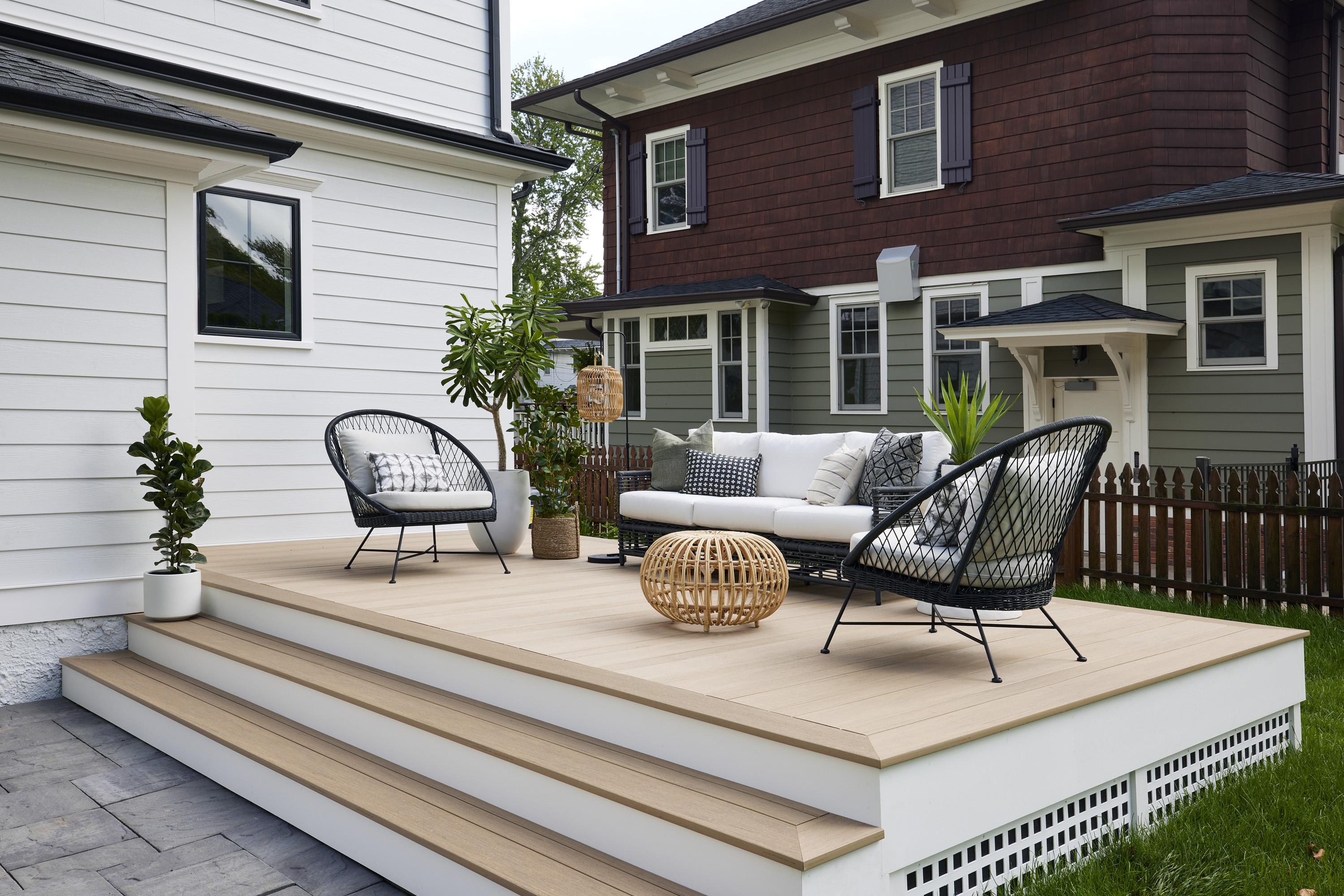
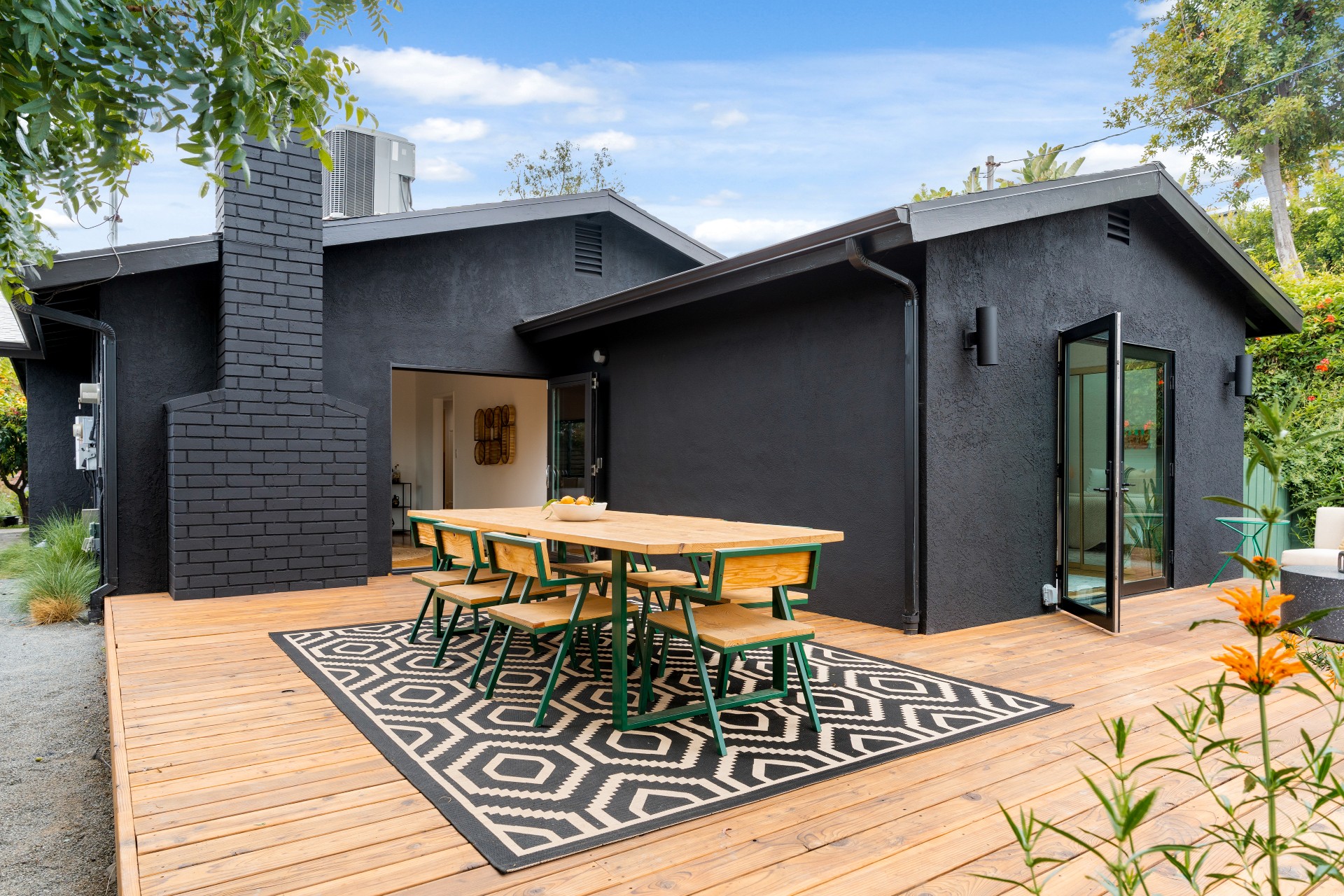
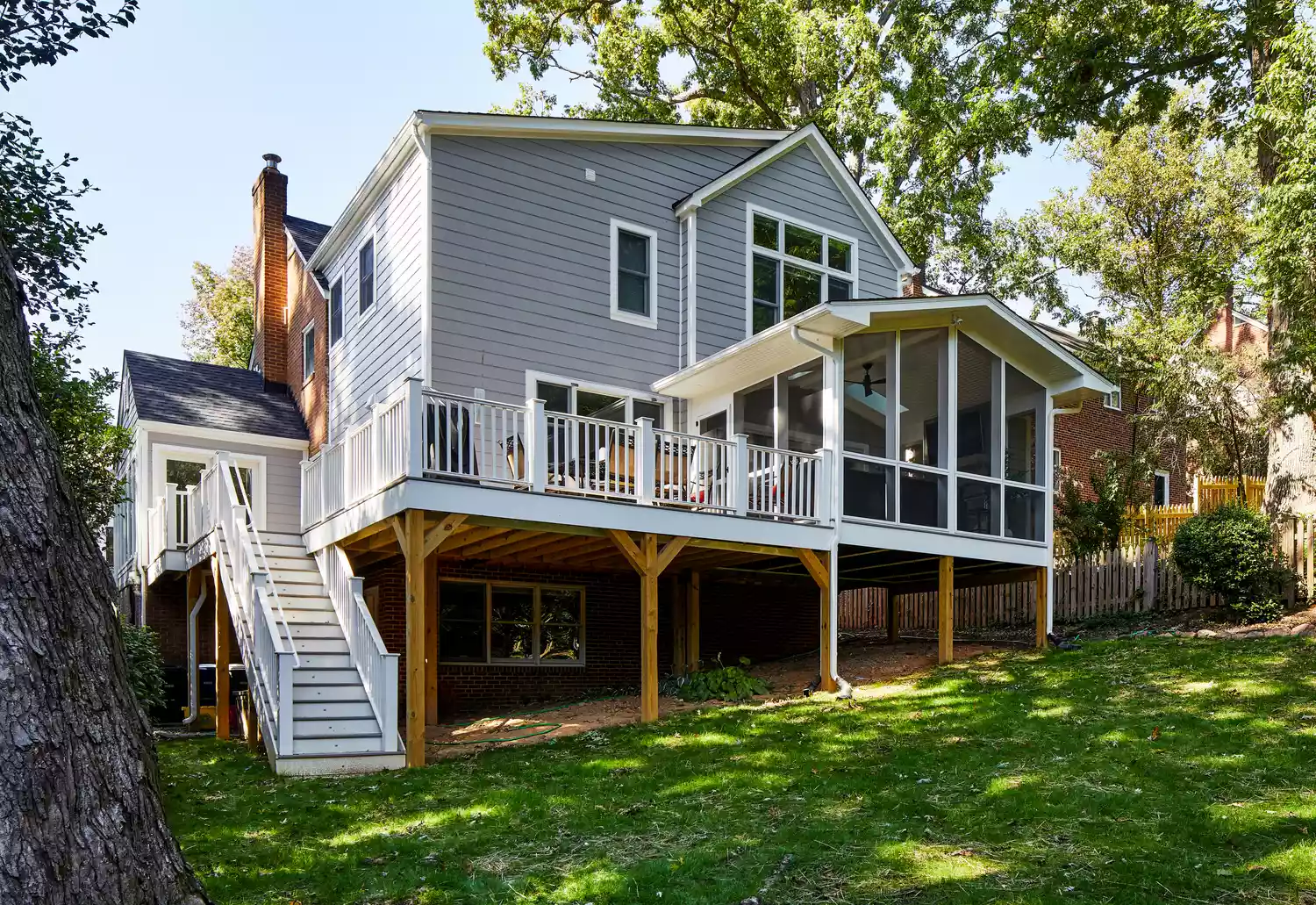
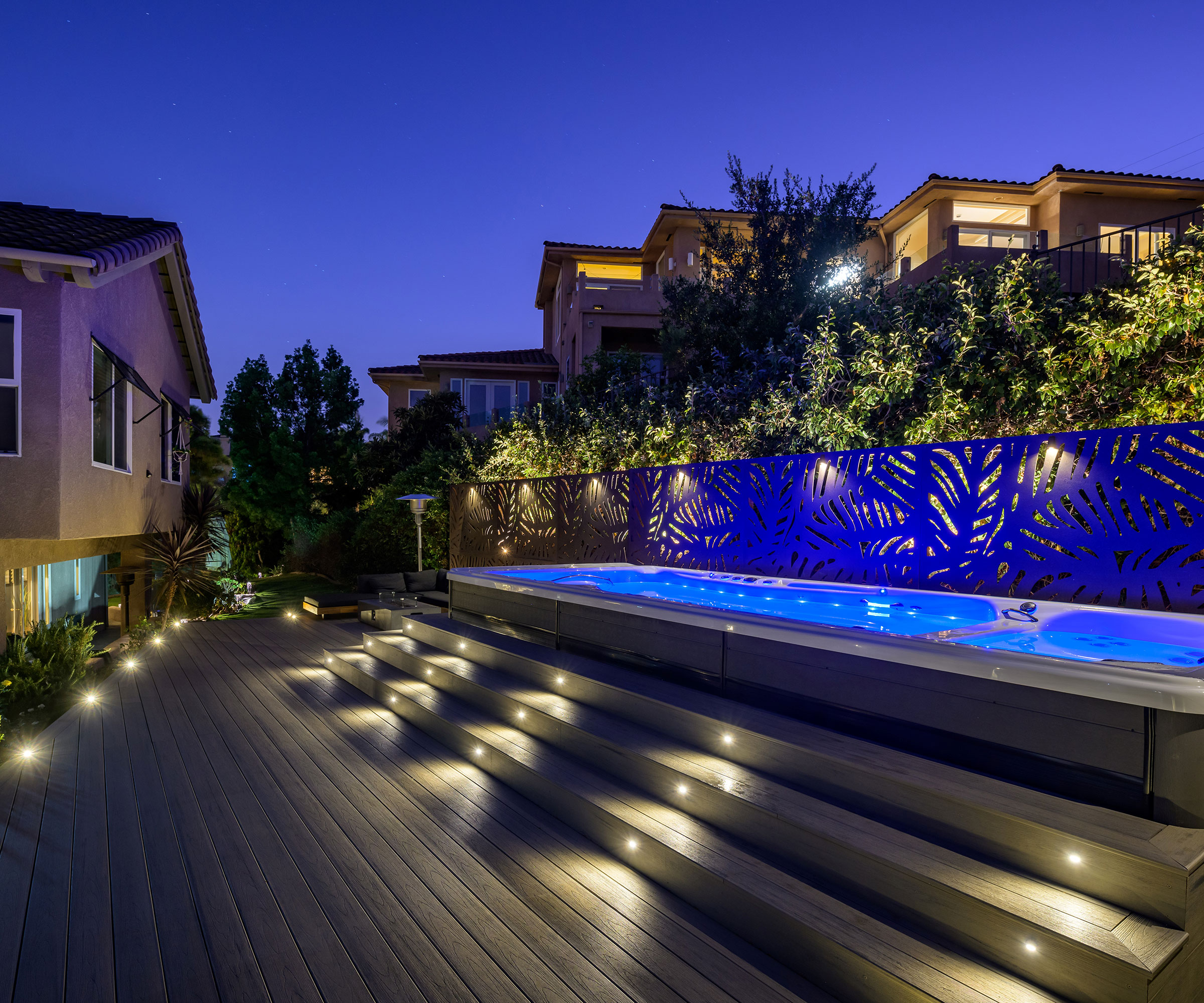
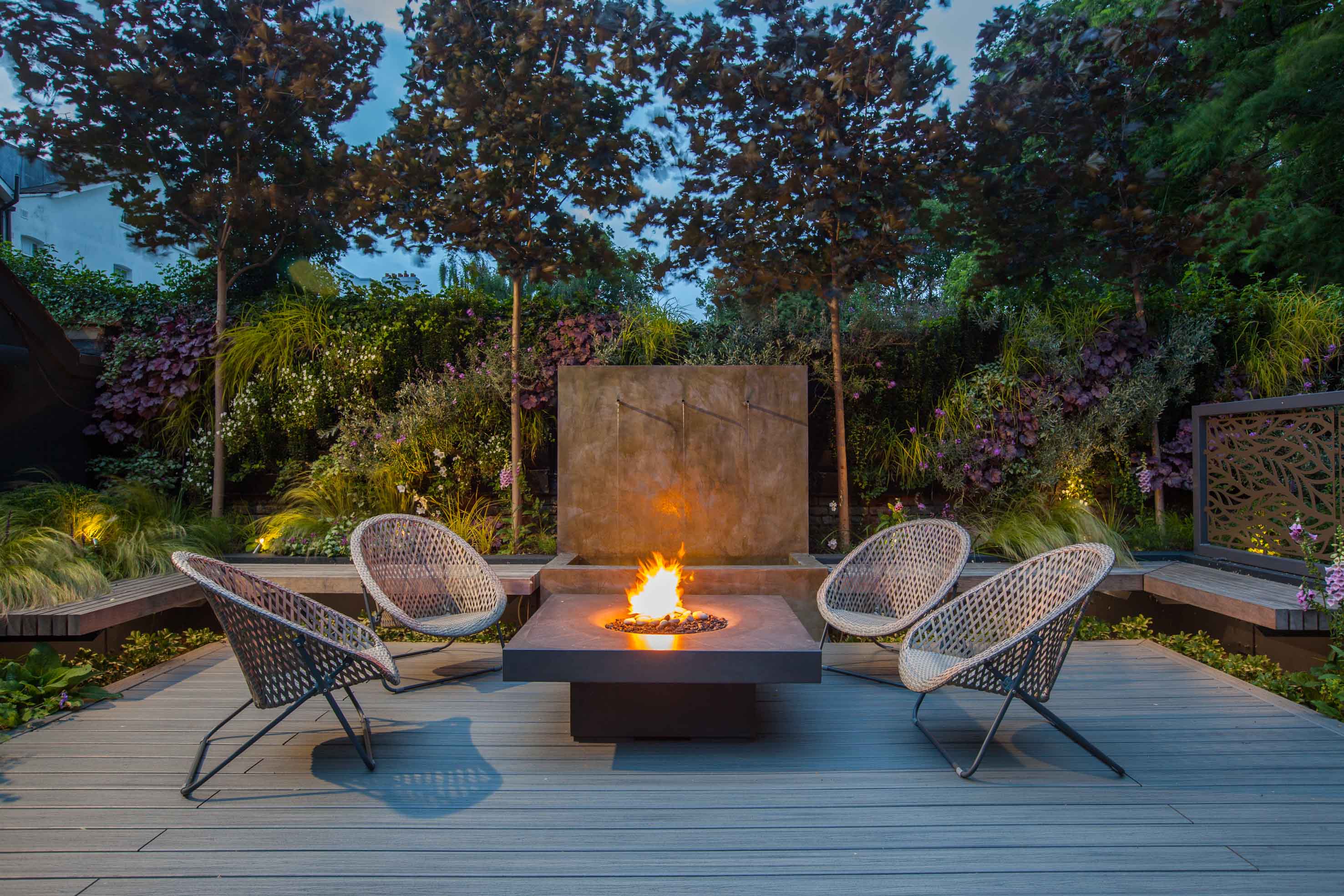
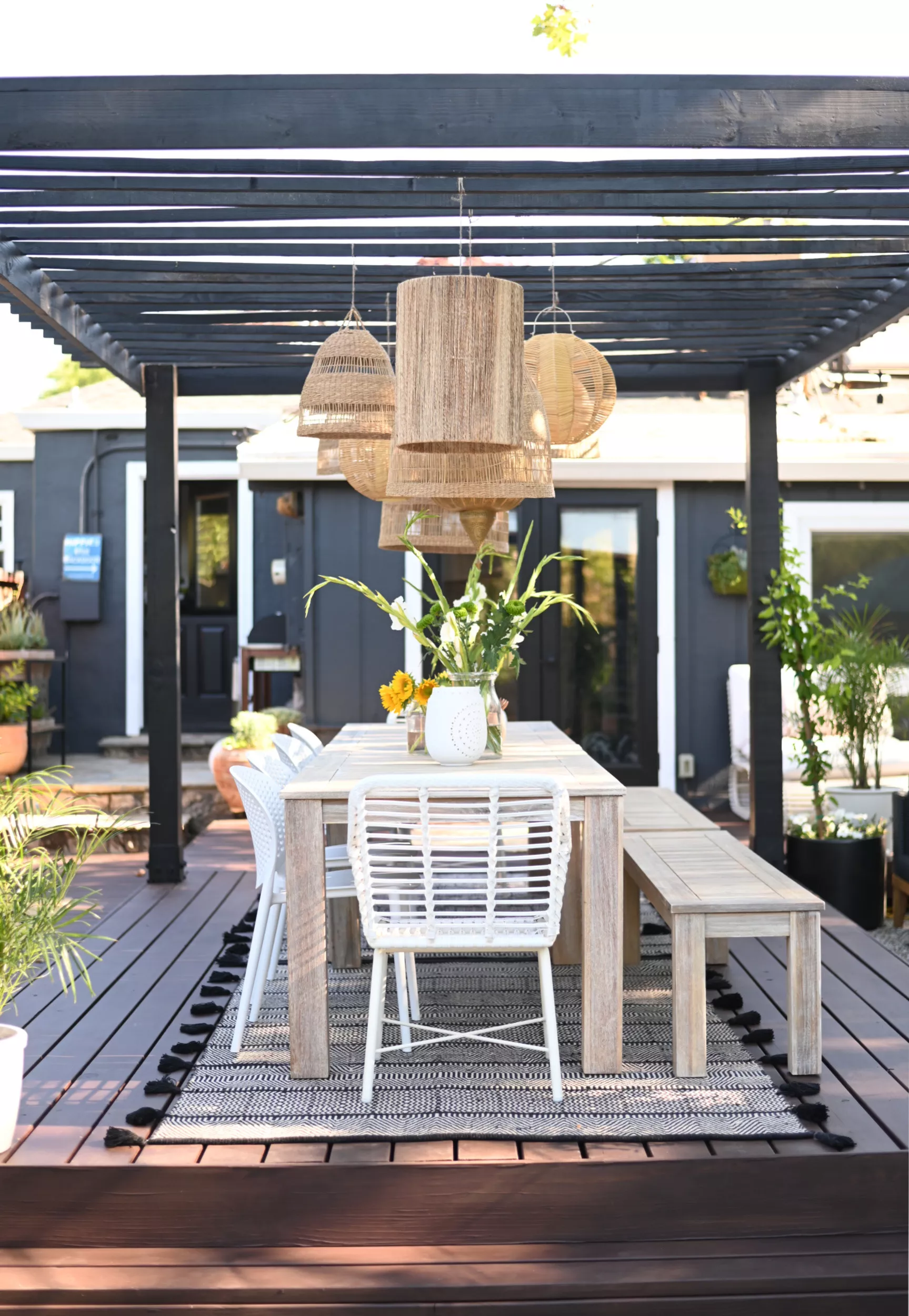
The article presents ten distinct decking color ideas to inspire homeowners. Dark, rich tones like deep browns can create a striking contrast with surrounding walls and furniture, making the deck a focal point. Charcoal grey offers a modern, serene look, especially effective in highlighting green foliage and creating a dense, forest-like ambiance. Alternatively, enhancing the natural feel of wood can be achieved with darker oils or stains that enrich the grain and patina. For those who appreciate the natural timber, subtle wood stains in shades like white birch can enhance the existing tone without making it appear too yellow or orange, although testing on scrap timber is advised.
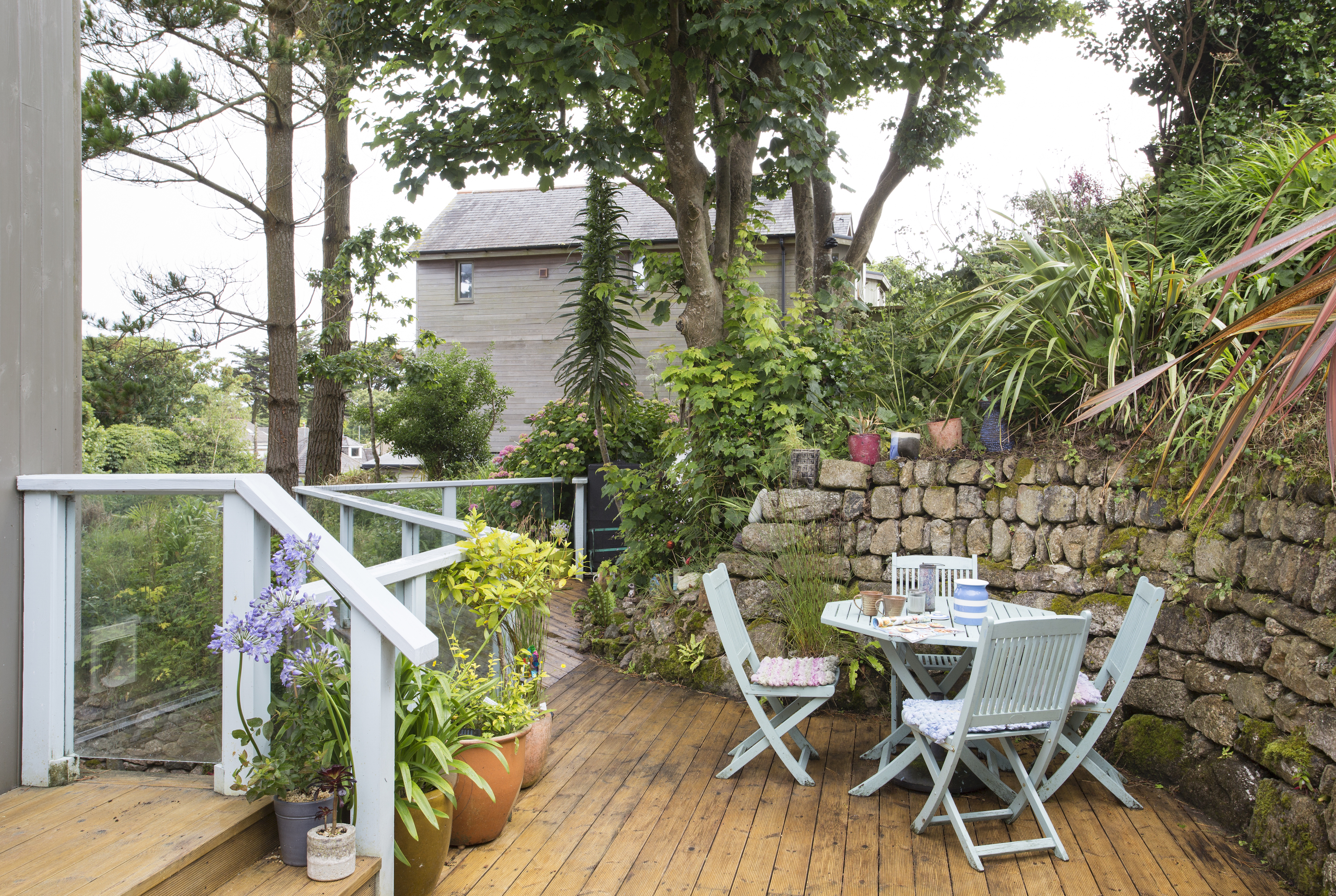
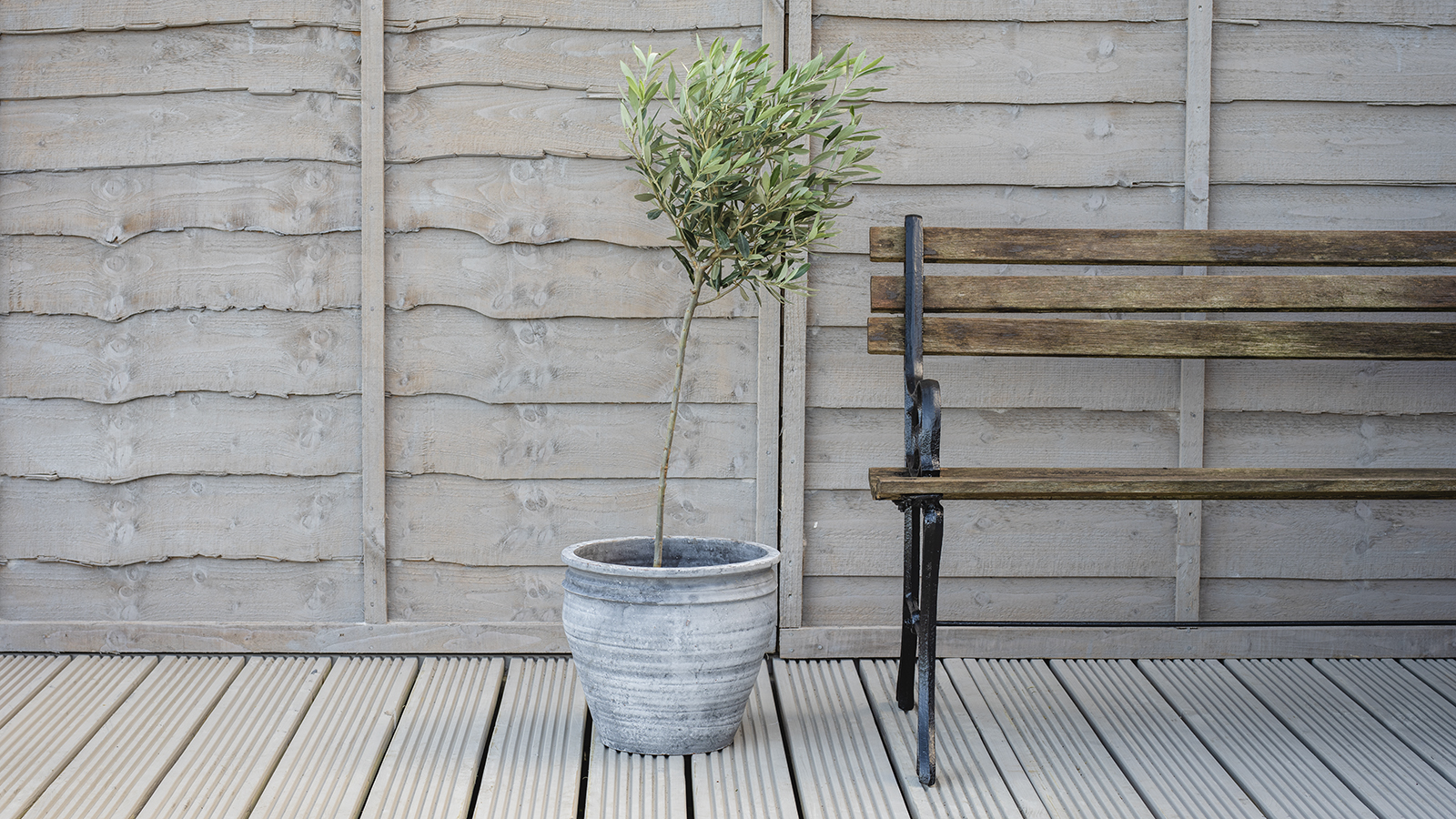
Whitewash stains and paints provide a cool, calm effect, suitable for transforming outdoor spaces into designed rooms, though practicality regarding children and pets should be considered. Natural wood tones, protected by decking oil, offer a timeless appeal and enhance the wood’s inherent beauty. Bold colors, such as blue, can be used to create vibrant outdoor spaces, particularly when coordinated with other garden elements like sheds or summerhouses. Soft grey provides a cool, contemporary backdrop that complements white or neutral garden furniture and allows brighter colors to stand out. Incorporating colorful seating or planting against natural timber decking creates an elegant contrast.
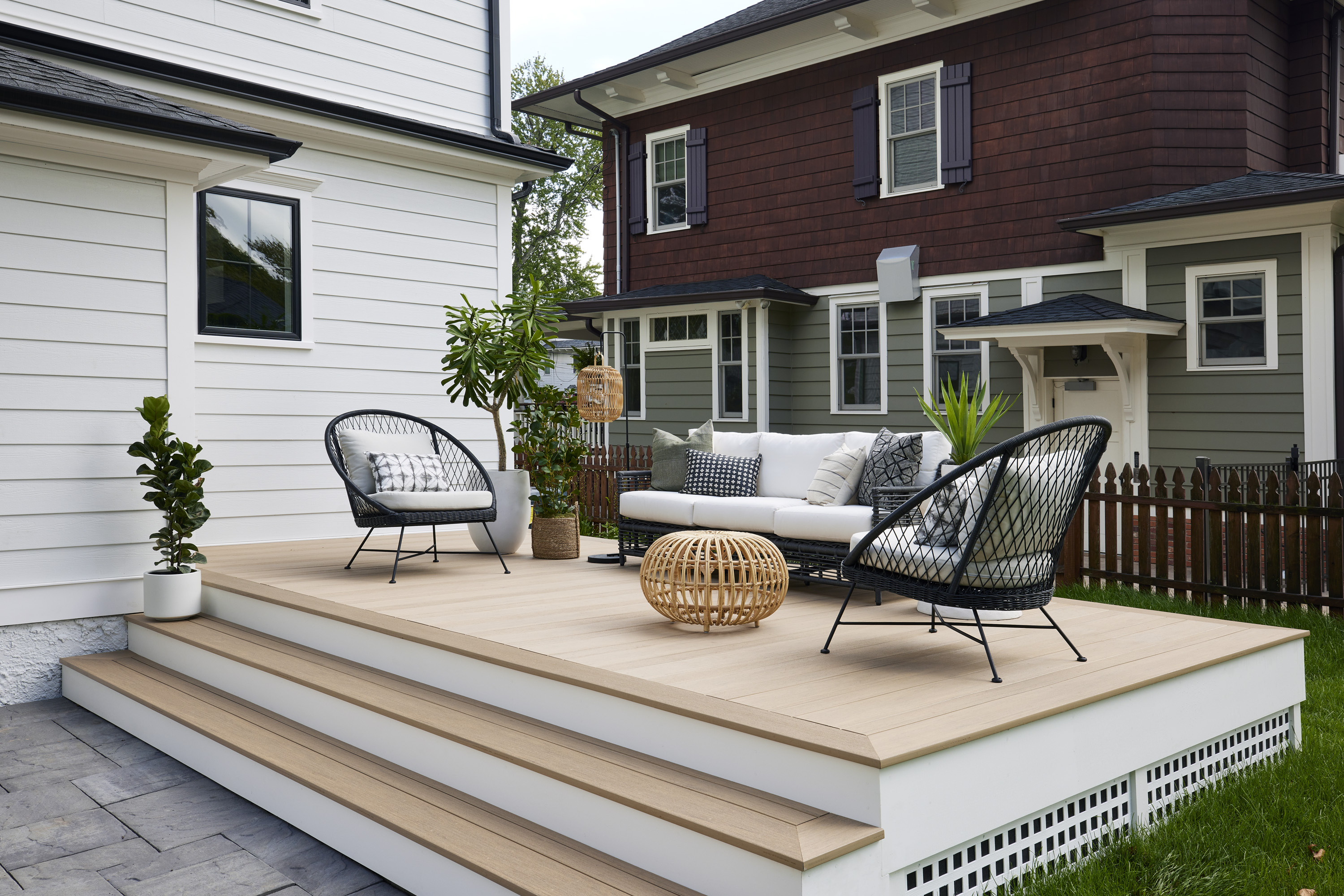
A monochrome effect with white decking and black fences, paired with matching furnishings, offers a restful yet eye-catching scheme that makes greenery pop. For composite decking, choosing wood tones is recommended for longevity, as its color is permanent and less prone to dating.
The best decking color depends on the home’s exterior, existing garden colors, style preferences, light conditions, and practicality. Dark colors like Black Ash or Urban Slate create a contemporary feel, while pale shades maximize light in smaller spaces. Practicality dictates choosing natural shades to disguise marks in busy areas. Decking paint is best for older, weathered decks, while stains offer all-season coverage, and oil preserves natural wood grain. Dark grey is a popular modern choice, making green plants stand out, but its suitability depends on adjacent structures. Ultimately, natural timber tones and greige options are gaining popularity for their timeless appeal.
#DeckingColourIdeas #OutdoorLiving #GardenDesign #HomeImprovement #ExteriorDecor #WoodCare #DIYProjects #GardenLandscaping #ColourTrends #DeckingColourIdeas #OutdoorLiving #GardenDesign #HomeImprovement #ExteriorDecor #WoodCare #DIYProjects #GardenLandscaping #ColourTrends
0 comment in total
 No comments yet
You may also like
Deck color ideas – how to choose the color to stain or paint your deck

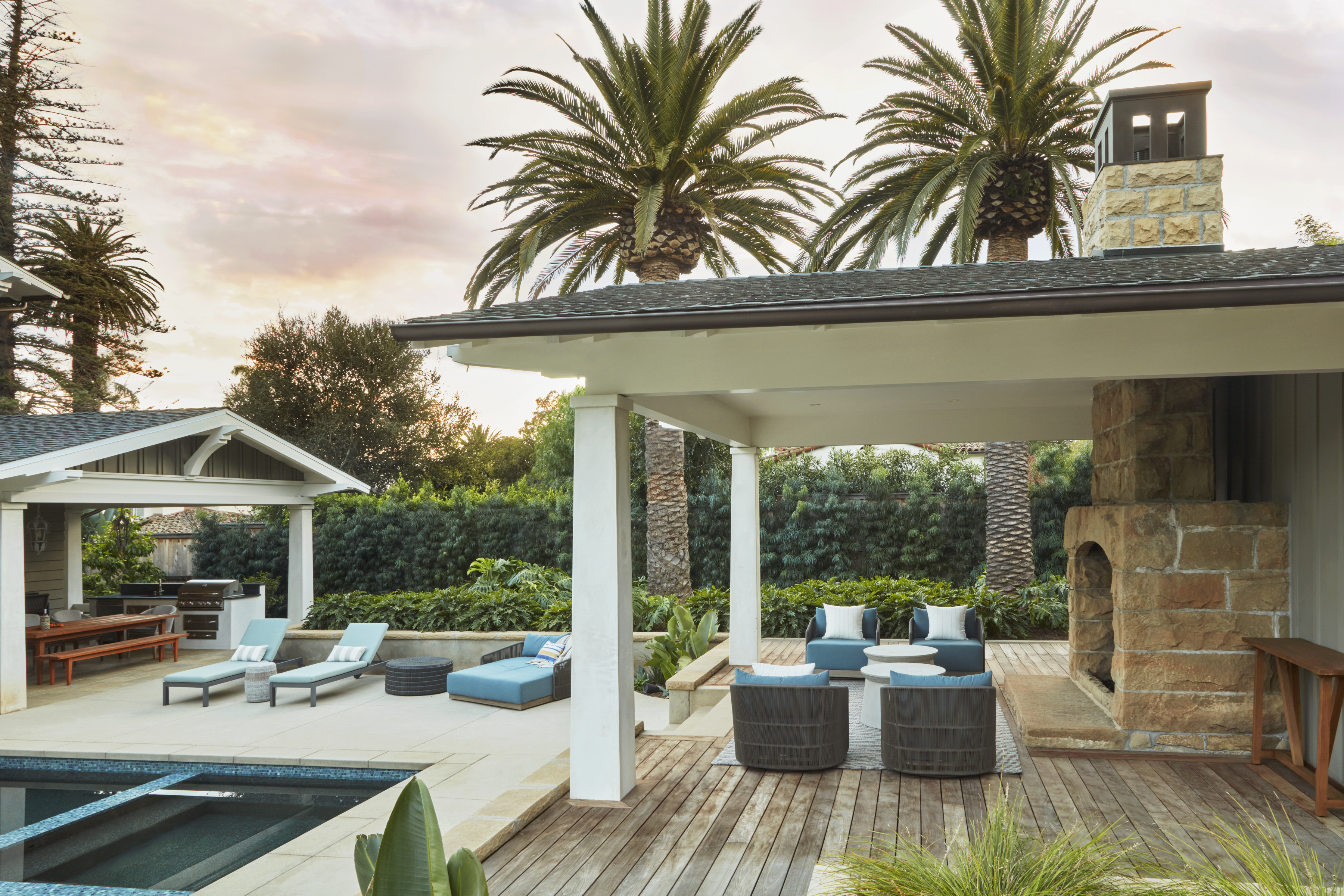
Deck ideas – 16 stylish looks to take your backyard to the next level
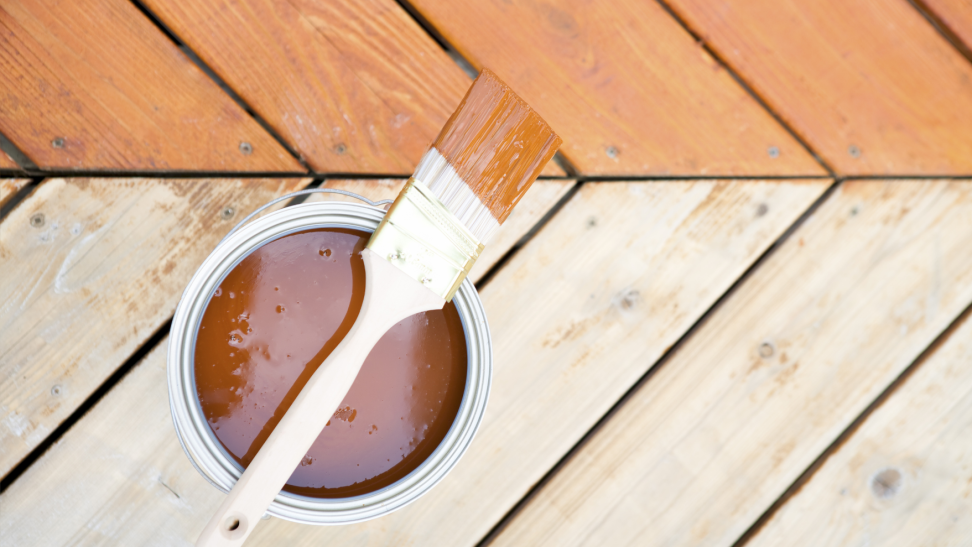
The Best Deck Stains of 2025

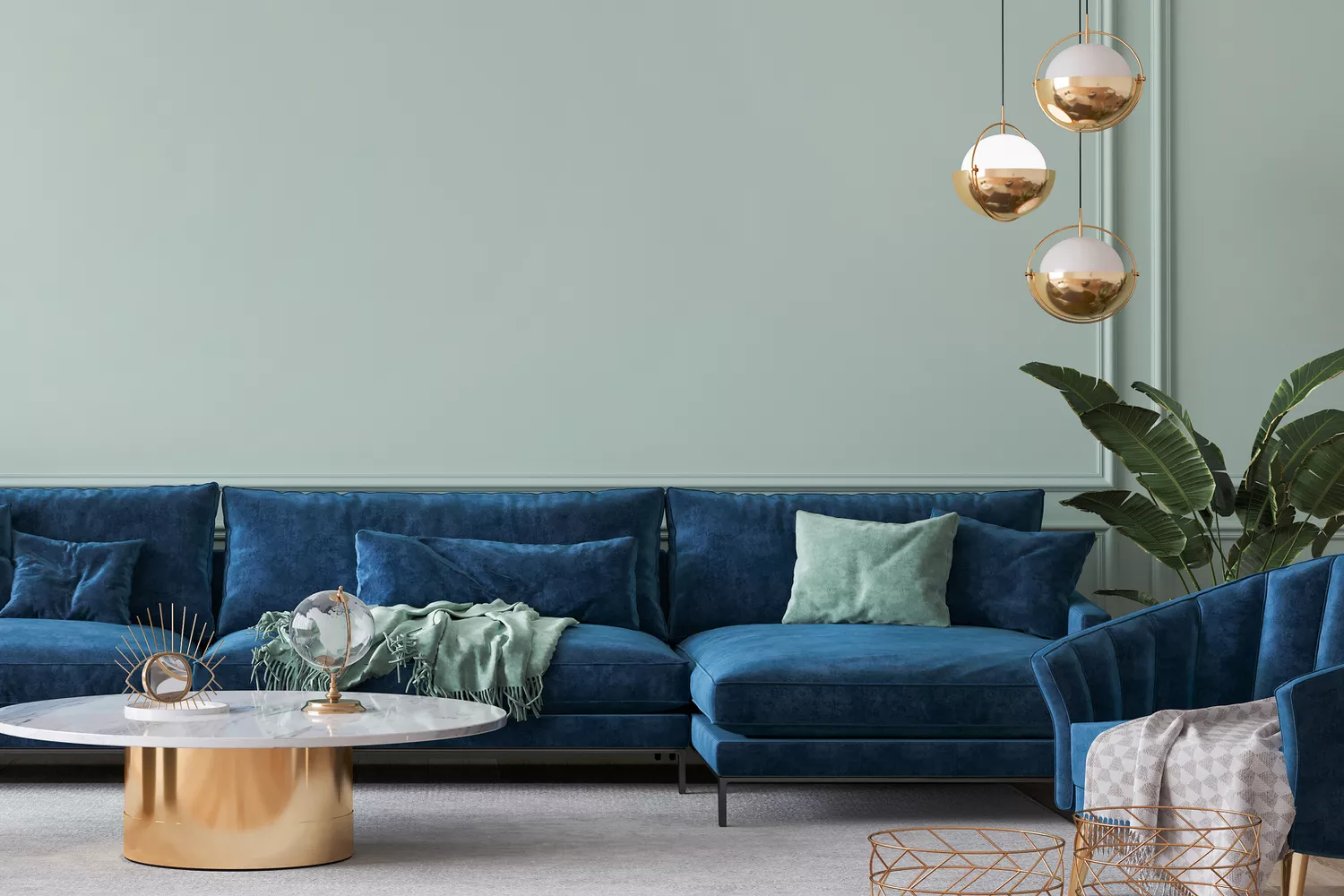
7 Color Combos That ALWAYS Look Good Together, According to Designers

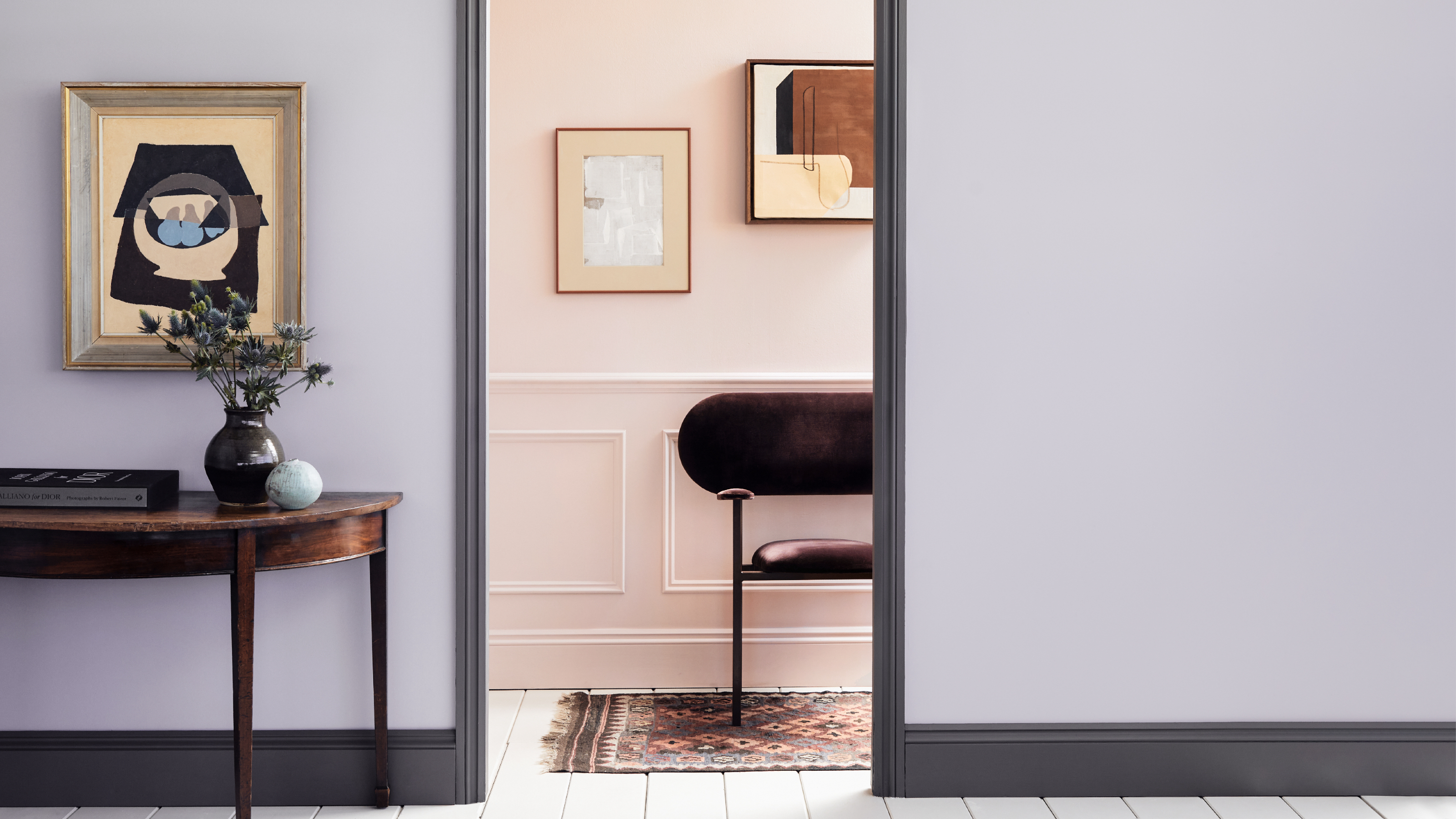
10 skirting board colour ideas – from sunshine yellow to jet black to freshen up tired schemes
Colors That Go With Blue — 16 Pairings Designers Depend on for Bold, Breezy, and Perfectly Balanced Palettes

Take a Leap into Bold Color with These Decorating Ideas

These 20 Rooms Use a Red Color Palette in All the Right Ways

12 Colors That Go With Green I'm Seeing Interior Designers Use All the Time Right Now
The Top Deck Colors for Summer 2024, According to Experts
Your Deck Is About to Be the Best Room in the House

What Colors Go With Red? 10 Colors That Hold Their Own Alongside This Fiery Hue
10 Pro-Approved House and Deck Color Combinations That Always Work

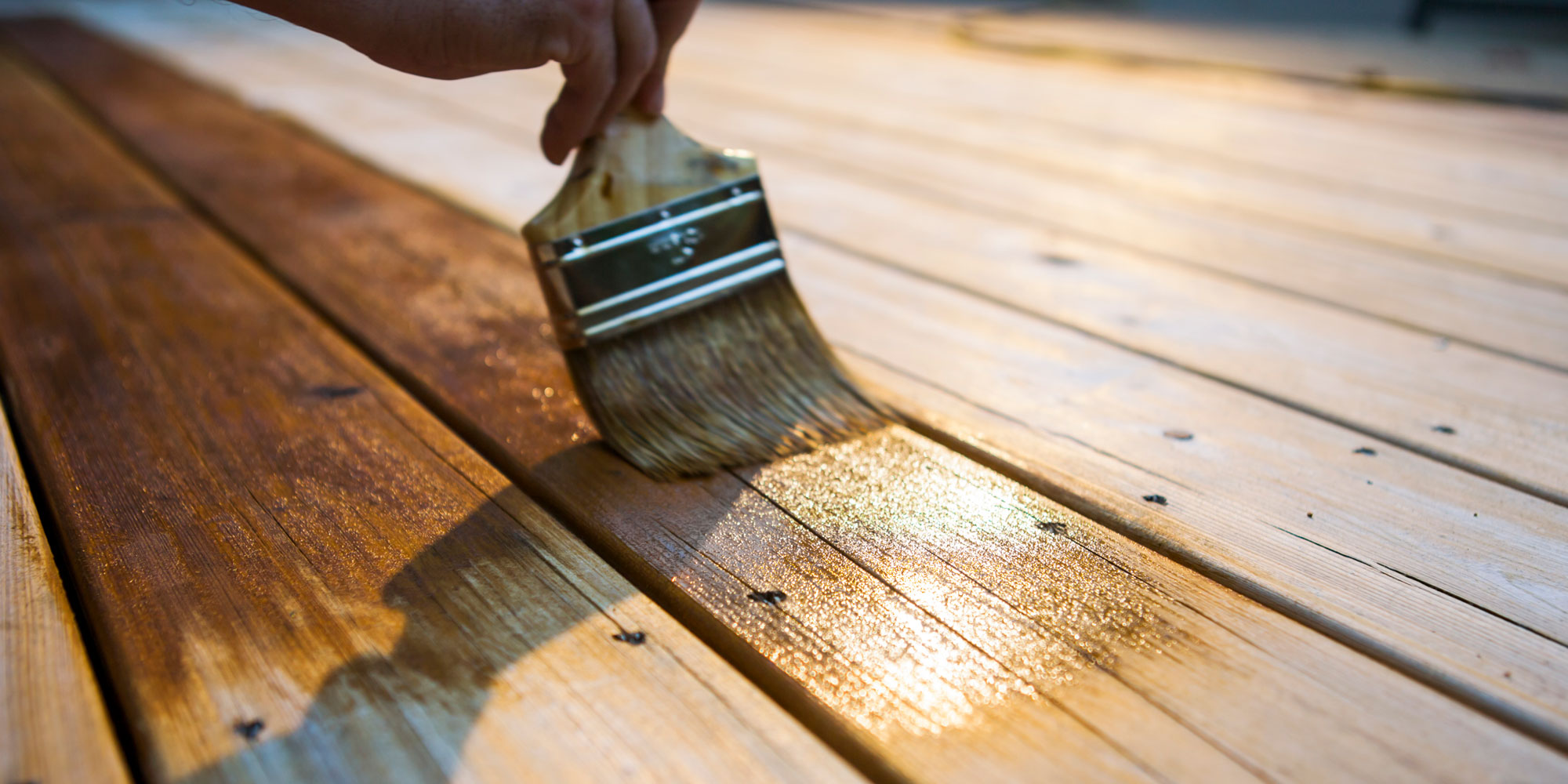
Best decking paint and decking stain
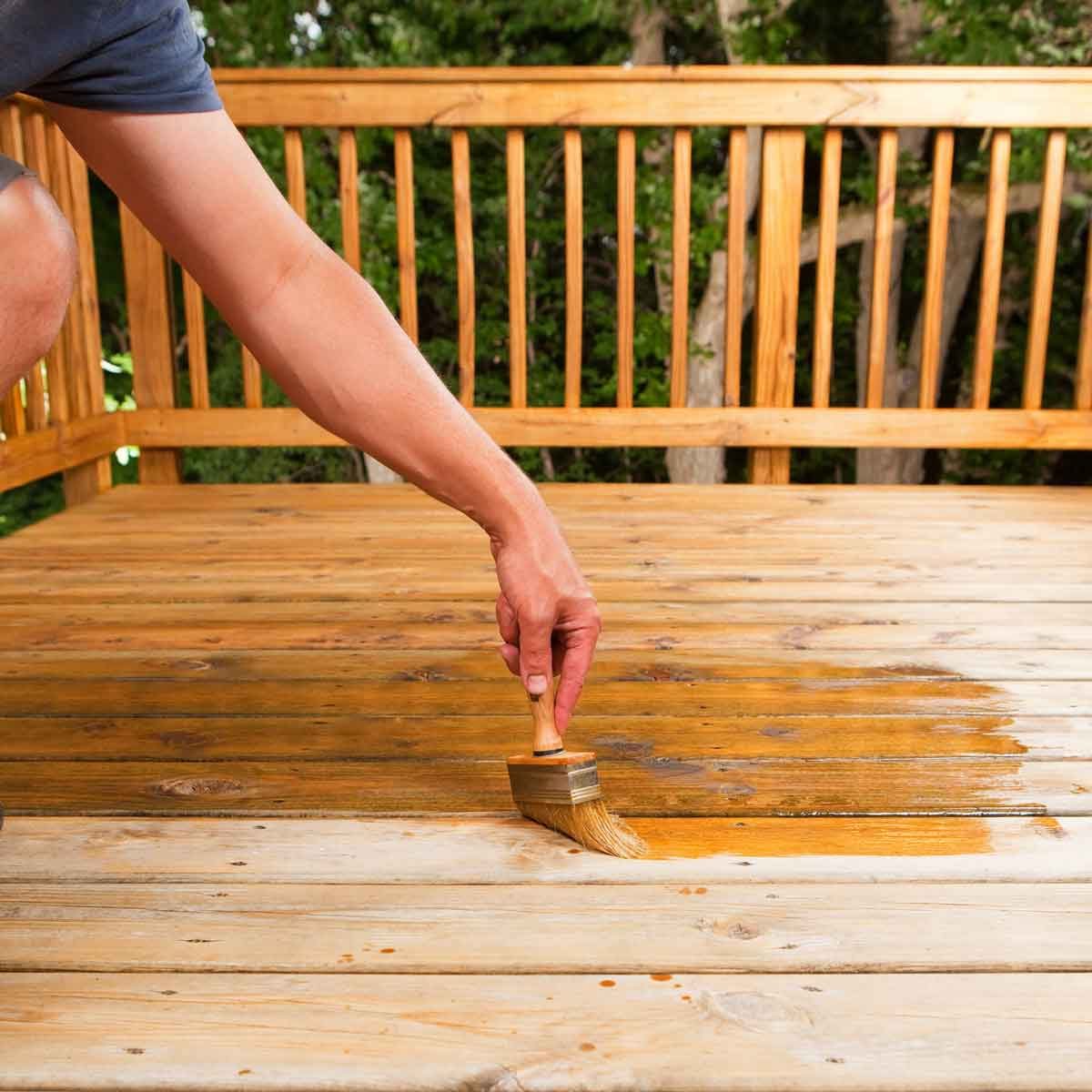
Best Deck Paints and Stains for 2025

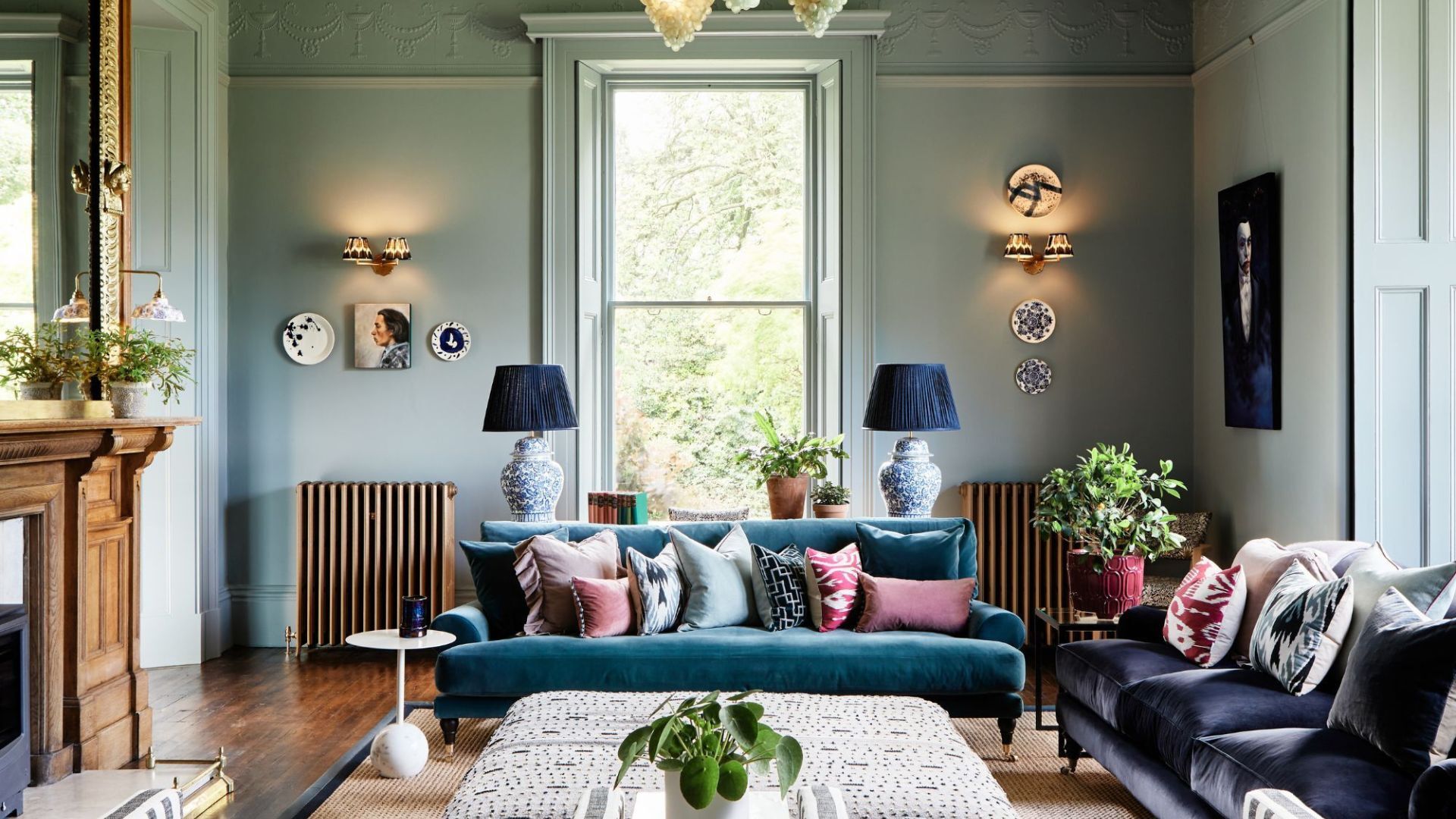
6 key colors to decorate with in May 2025, according to interior design and color experts in the know

6 Failsafe Color Combinations That Designers Always Fall Back on – 'They're so Reliable!'
Should woodwork be lighter or darker than walls? The rules colour experts use to choose the perfect colour
Here's How to Decorate With Green So It Actually Looks Chic
5 Secrets To Picking Paint Colors Like A Designer