1/15
The Best Deck Stains of 2025
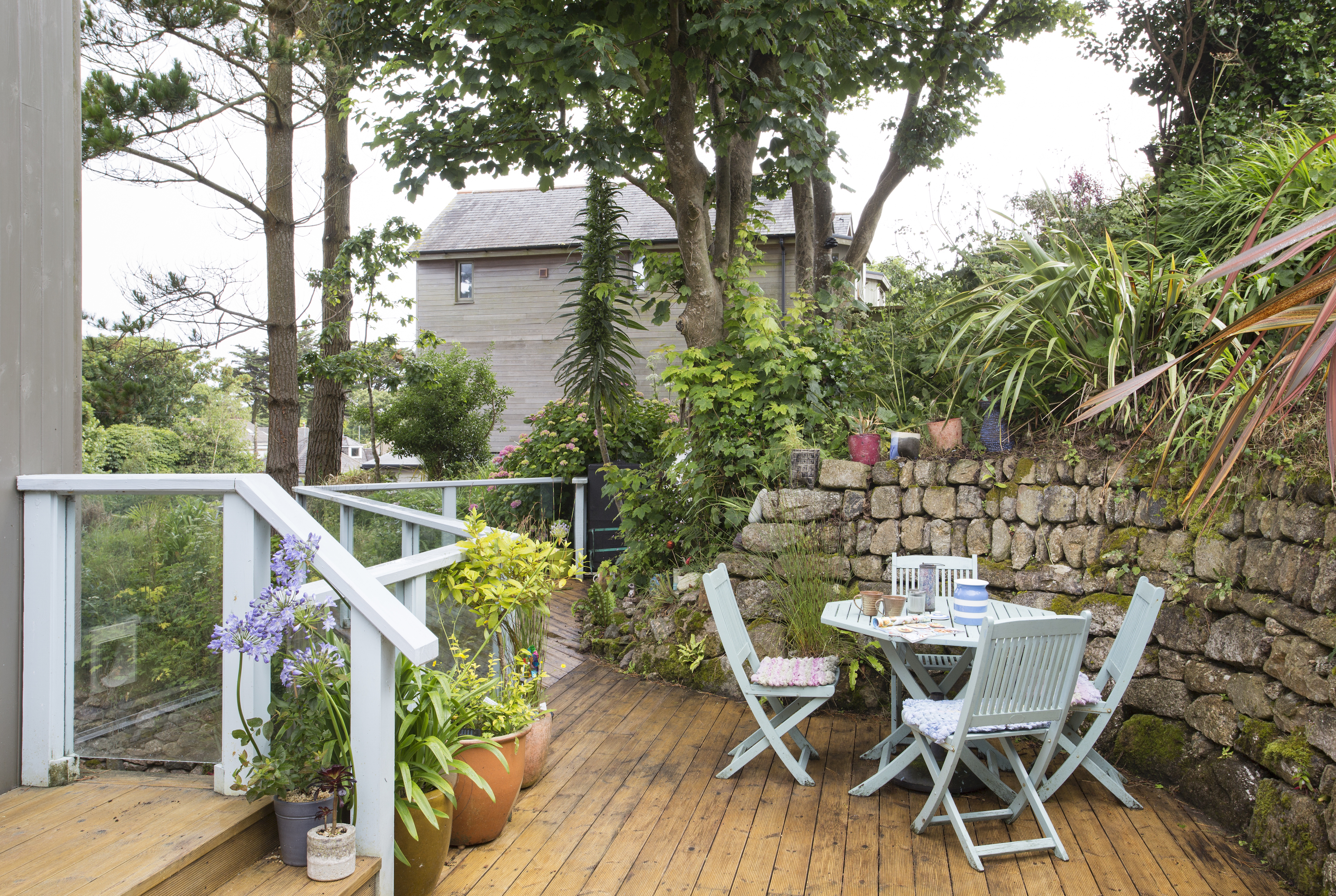
Protecting a wooden deck from the elements is crucial for its longevity and appearance, as it is constantly exposed to UV rays, moisture from rain, snow, and ice, and fluctuating temperatures. A high-quality deck stain acts as a protective barrier, preventing warping, cracking, and the growth of mold and mildew. Homeowners face choices between oil-based and water-based stains, various colors and transparencies, and different application methods, all of which depend on the deck's material, local climate, and aesthetic preferences.
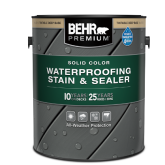
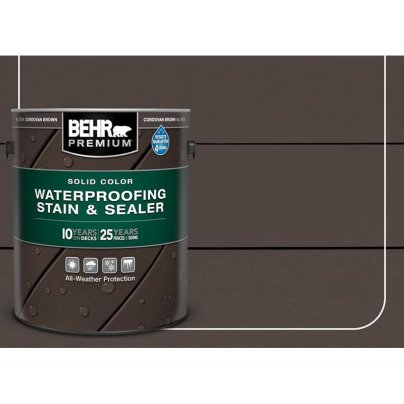
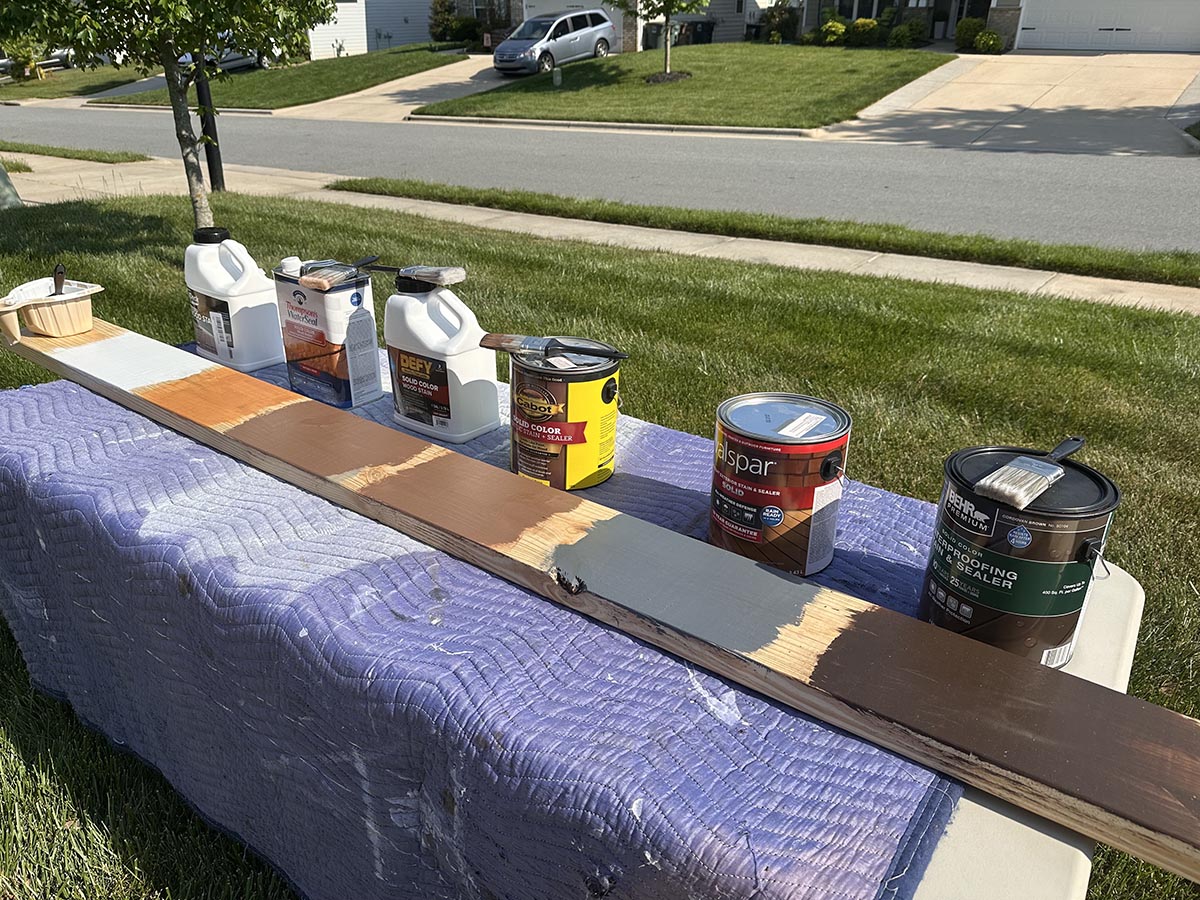
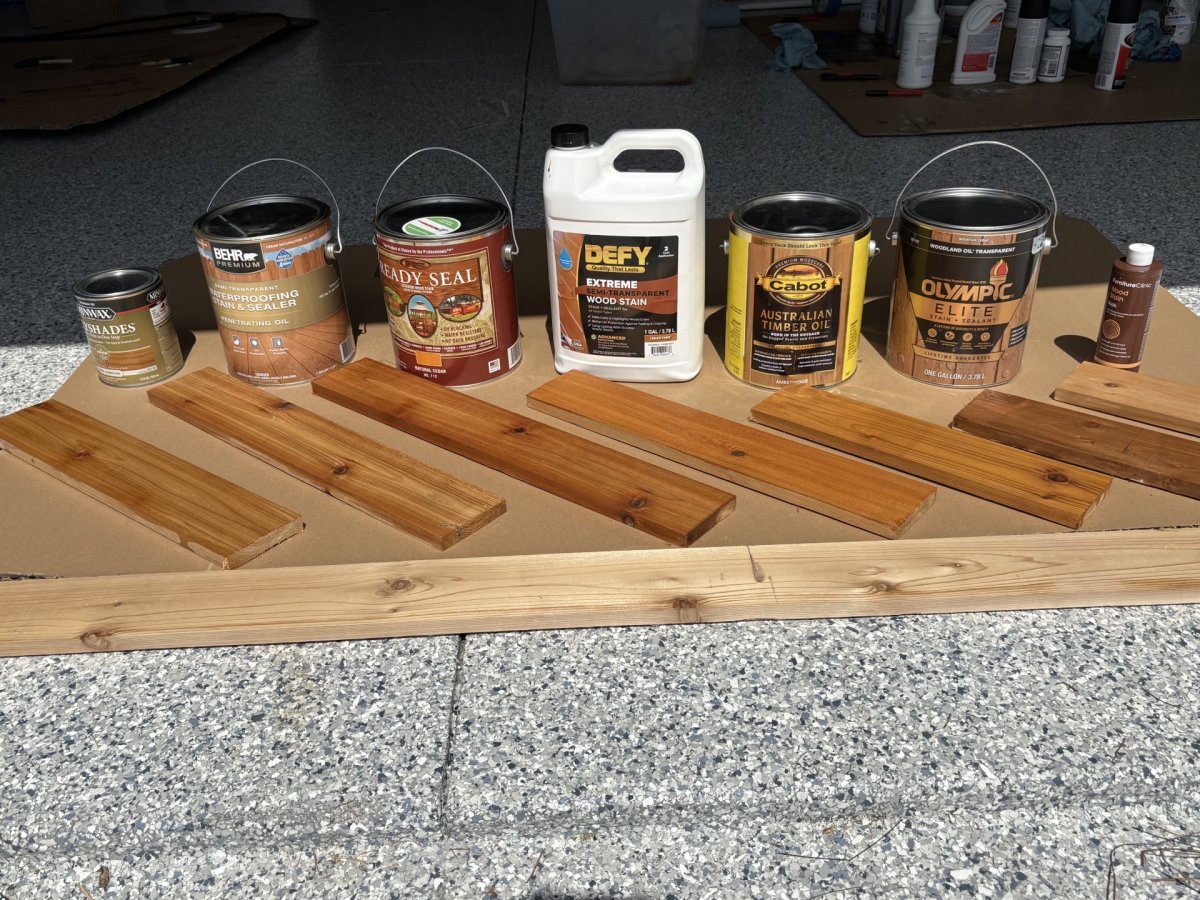
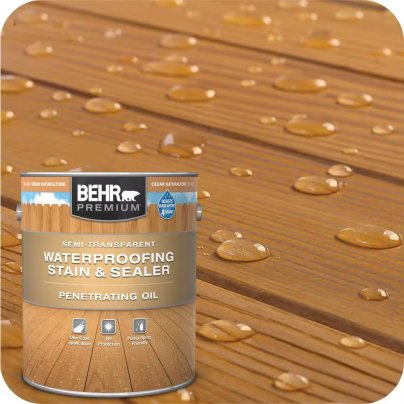
This guide evaluates top deck stains, with Cabot Australian Timber Oil emerging as the top pick due to its deep penetration and long-lasting protection against UV and moisture, making it suitable for 2-3 years of wear. It utilizes a blend of linseed oil, tung oil, and long-oil alkyd to resist mildew and UV damage. While it offers transparent to semi-transparent options that highlight wood grain, precise application is necessary to avoid dark spots or tackiness. Behr Premium Solid Color Waterproofing Stain & Sealer is another highly-rated option, particularly by Consumer Reports, for its robust, thick protective layer and quick drying time, though it may chip after 2-3 years and requires thorough removal before reapplication.
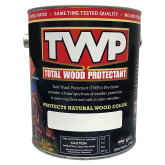
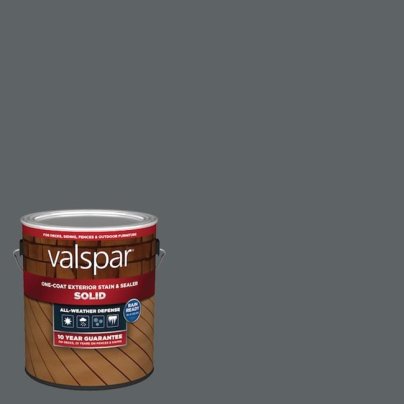
TWP 100 Pro Series, an oil-based semi-transparent stain, is praised by professionals for its beautiful finish and 2-3 year longevity. However, its high VOC content restricts its sale in certain states, and it is not widely available in major retail chains. Cutek Extreme, though expensive, provides exceptional oil-based protection, deeply penetrating wood fibers and offering superior moisture and UV resistance. It also supports a wide range of color customization options. Valspar One-Coat Solid Stain & Sealer, a water-based acrylic, offers a lustrous finish and strong protection, comparable to Behr in performance and price, though it might chip or flake after a couple of years.
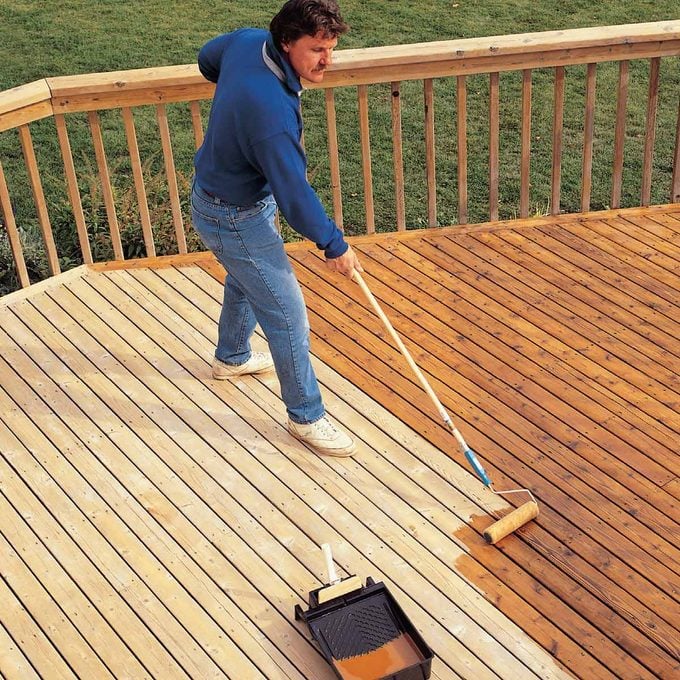
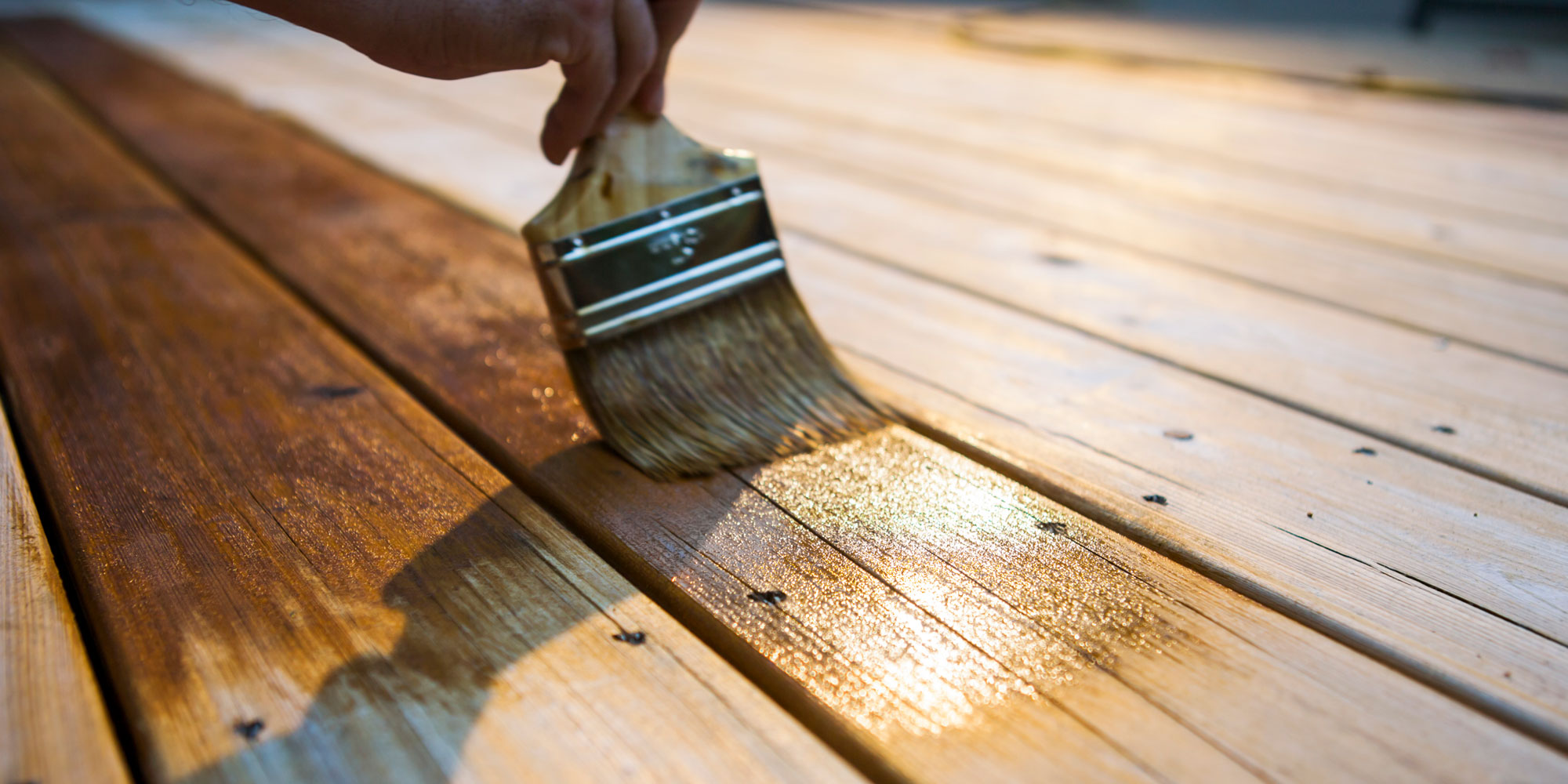
Understanding the fundamental difference between stain and paint is important; paint forms an opaque surface barrier that can peel, while stain soaks into the wood, allowing the grain to show and degrading rather than chipping. Deck stains are vital for protecting wood from UV damage, which breaks down lignin and causes greying and splintering, and from moisture, which leads to expansion, shrinking, and fungal growth. Darker stains offer better UV protection due to higher pigment absorption. Oil-based stains offer deeper penetration and longer-lasting protection but are harder to clean, while water-based stains are easier to clean and dry faster but require more frequent reapplication. The ideal time to stain a deck is in spring or early fall, within a temperature range of 50°F to 80°F and moderate humidity, ensuring at least 48 hours of dry weather post-application. The choice of stain also depends on the wood type; softwoods like pine, cedar, and fir benefit from semi-transparent or solid stains, while hardwoods such as ipe, mahogany, and teak require oil-based stains that penetrate their tighter grain without pooling.
#DeckStain #HomeImprovement #OutdoorMaintenance #WoodProtection #DIYHome #OilBasedStain #WaterBasedStain #UVProtection #HomeAndGarden #DeckStain #HomeImprovement #OutdoorMaintenance #WoodProtection #DIYHome #OilBasedStain #WaterBasedStain #UVProtection #HomeAndGarden
0 comment in total
 No comments yet
You may also like
Best Deck Paints and Stains for 2025

Here Are 2025's 8 Best Floor Stain Colors To Choose From
The Best Cabinet Paint of 2025
The Top Deck Colors for Summer 2024, According to Experts

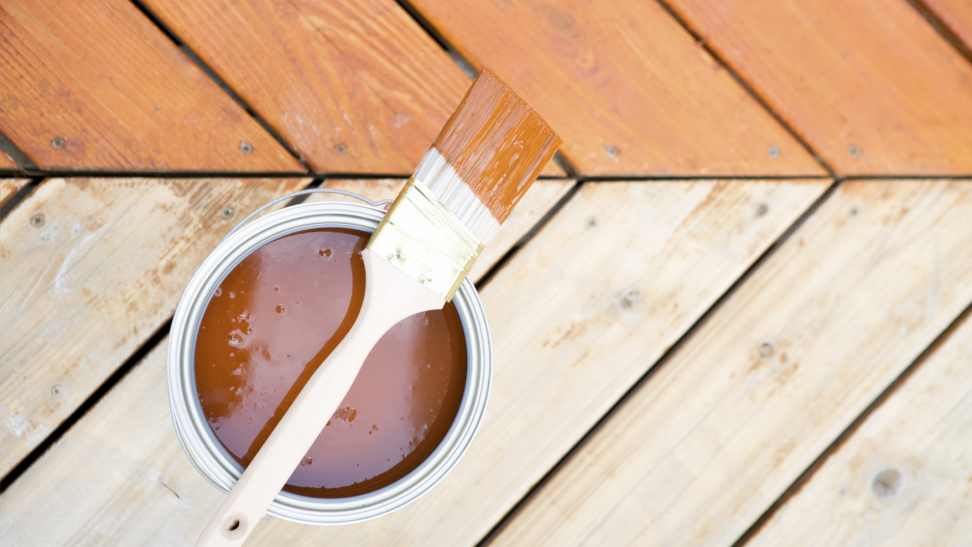
The Best Deck Stains of 2026
The Best Furniture Paint of 2025
How to Choose the Best Deck Finish
Best Wood Stain Colors For Interior And Exterior Surfaces
Best decking paint and decking stain
The 5 Best Deck Stains to Protect and Revive Your Deck

10 Most Popular Exterior Paint Colors for 2025
Top Stone Trends in 2025: Color Revival

The Hottest Stain Colors for Your Deck in 2023
Deck color ideas – how to choose the color to stain or paint your deck


The #1 Paint Color Trend of 2025, According to Designers


Colors of The Year – get to know every shade revealed by leading paint brands for 2025
The Best Solid Deck Stains to Protect and Revitalize, Tested

The Best Stains for Cedar Decks, Siding, Fences, and More
We're Over White-Washed Woods: See the Colors of the Year from 4 Major Stain Companies
Best Composite Decking of 2025