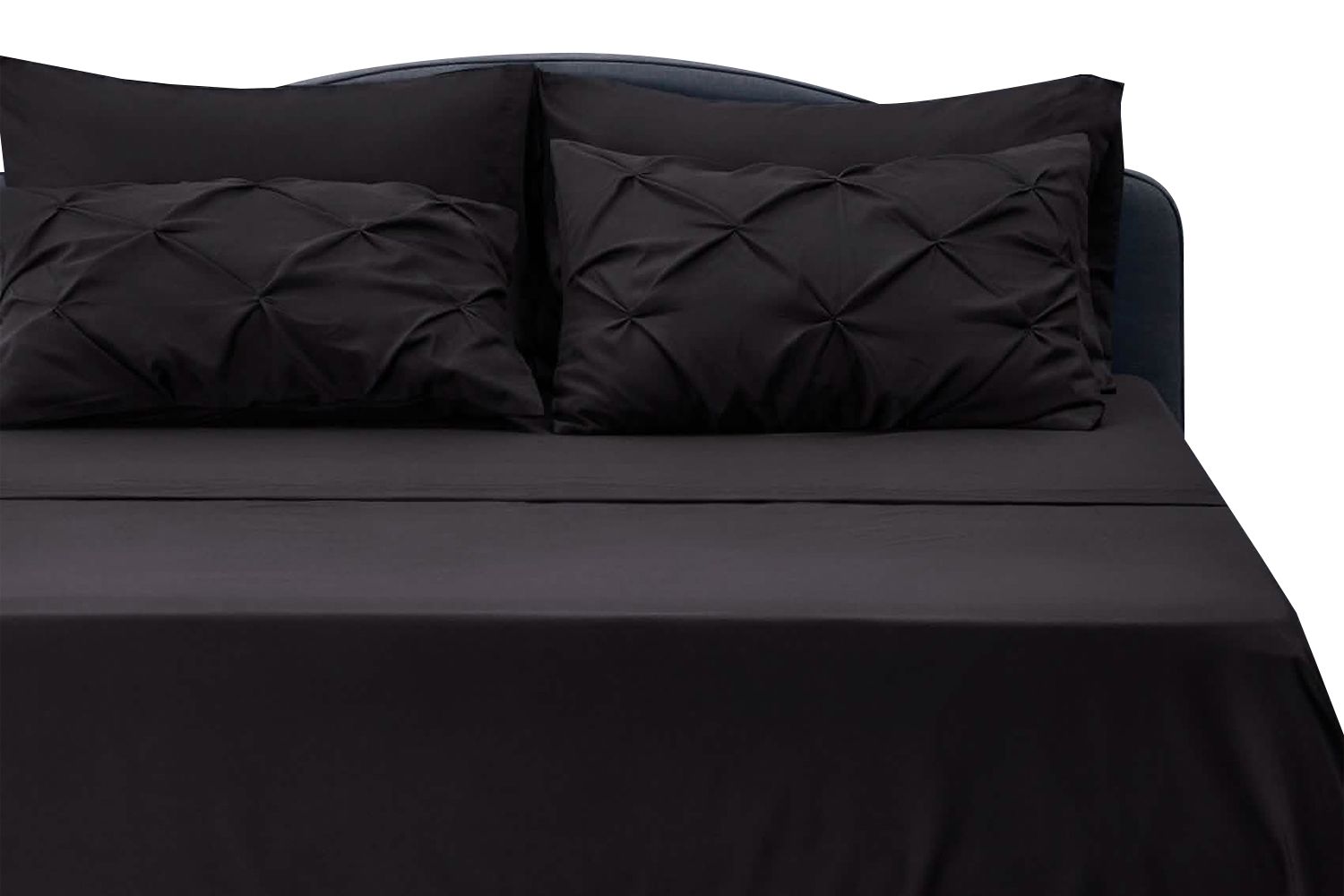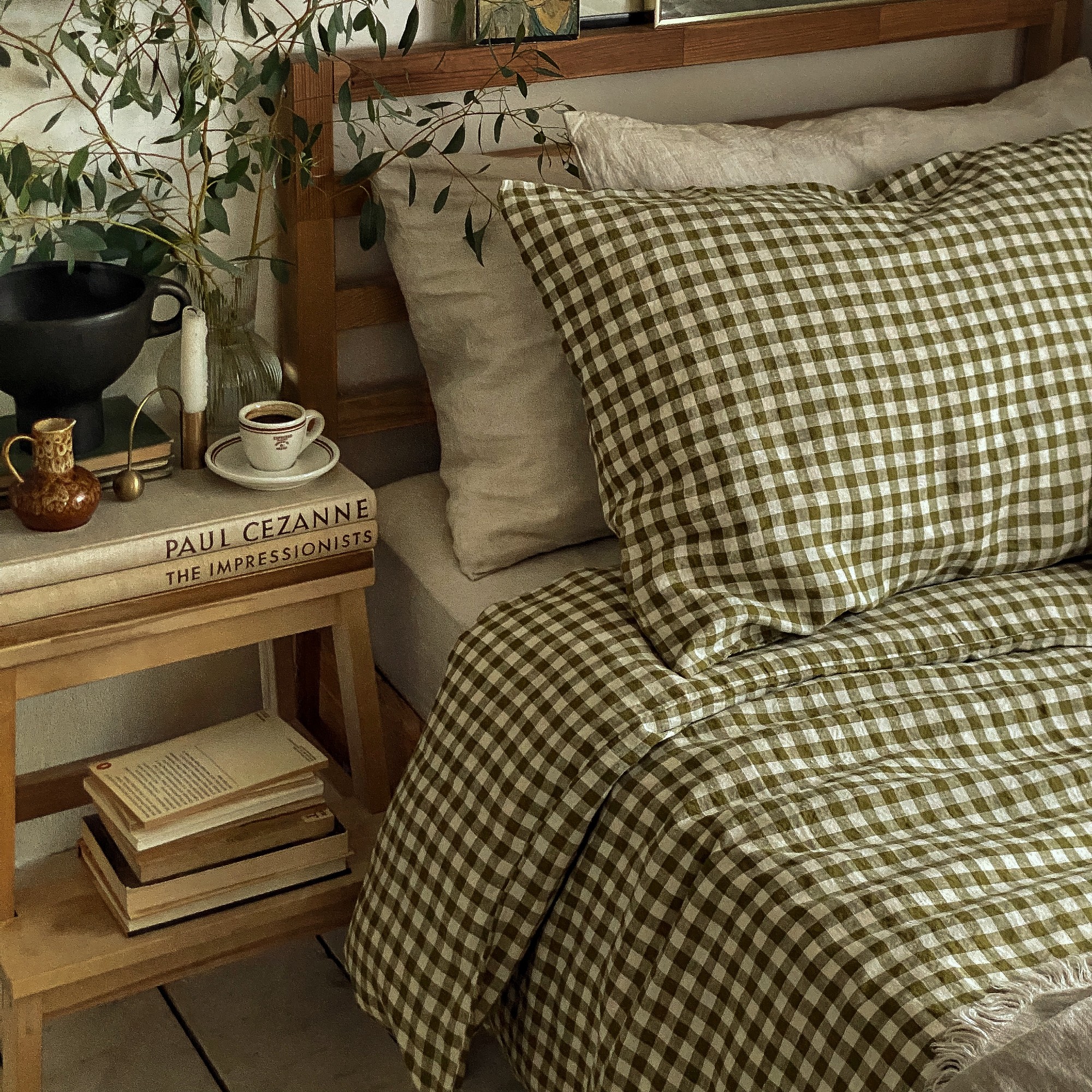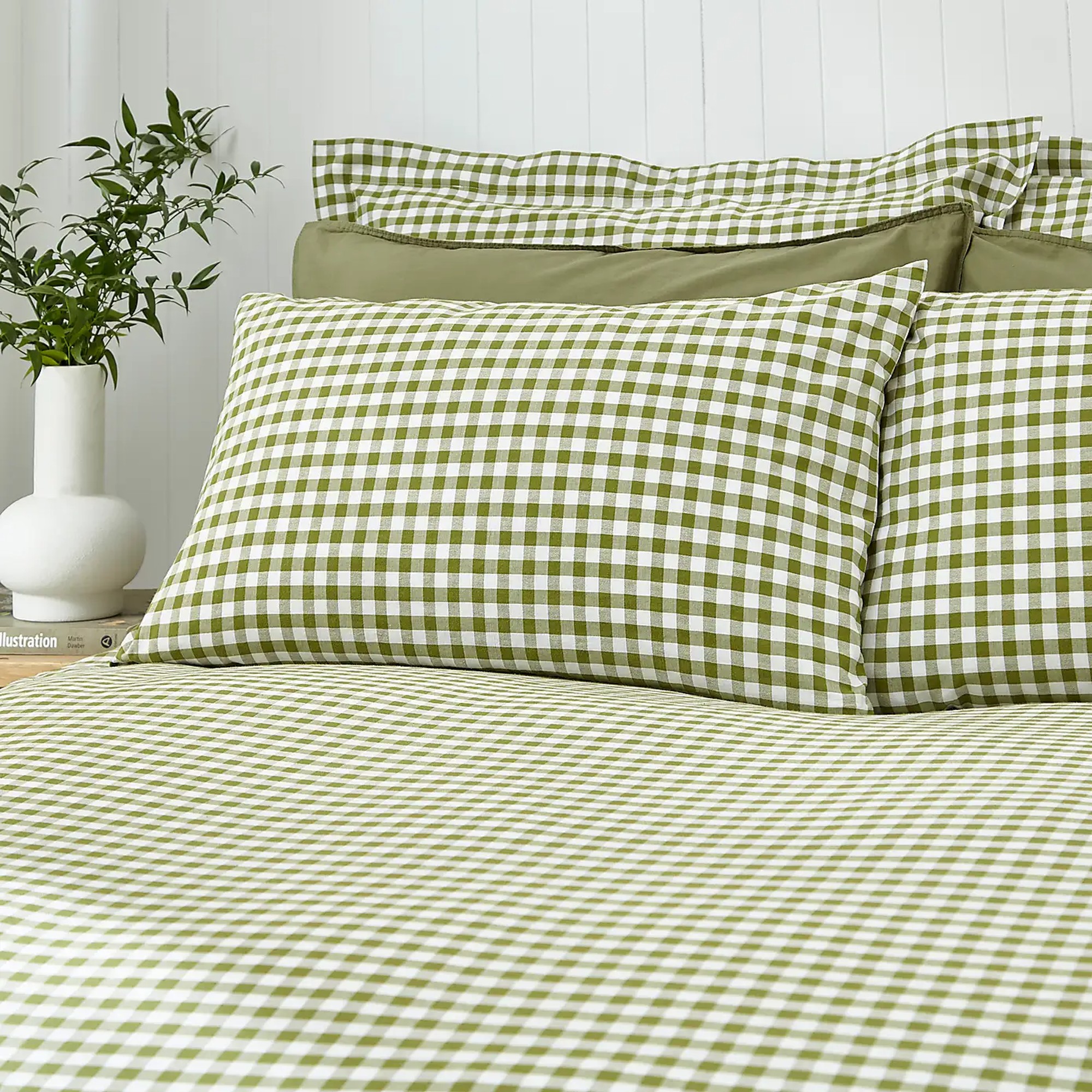
Sleeping on Worn-Out Bedding? These 6 Signs Say It’s Time to Buy New, Fabric Pros Say
The quality of bedding significantly impacts sleep quality and overall comfort. Experts note that many individuals tend to overlook the signs indicating a need for bedding replacement. This article outlines six key indicators that suggest bedding is due for an upgrade and provides tips to extend its lifespan.
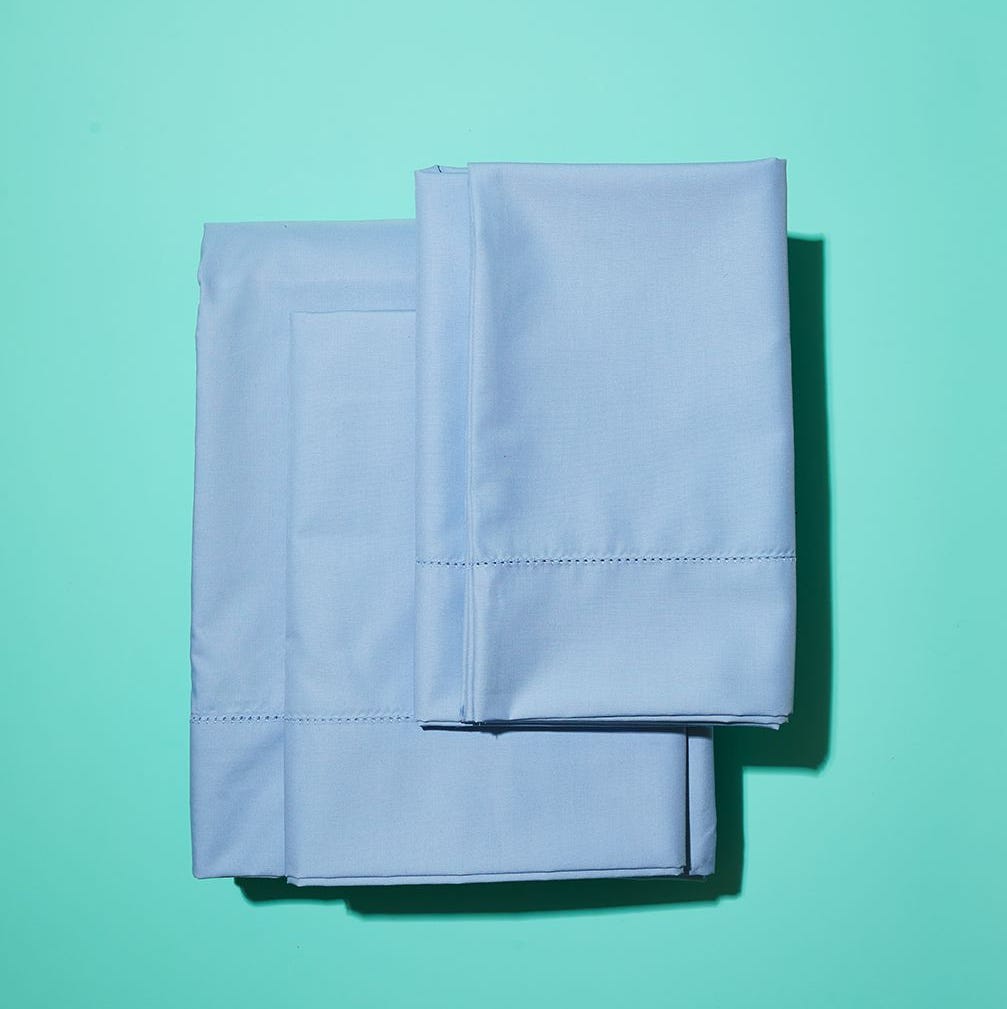
One primary sign is visible wear and tear, such as thinning fabric, fraying seams, or holes. While minor damage can sometimes be repaired, extensive wear or the fabric becoming sheer signals that replacement is necessary. Pilling, caused by the wear of lower-quality fibers, also creates an uncomfortable surface and is an indicator for new bedding.
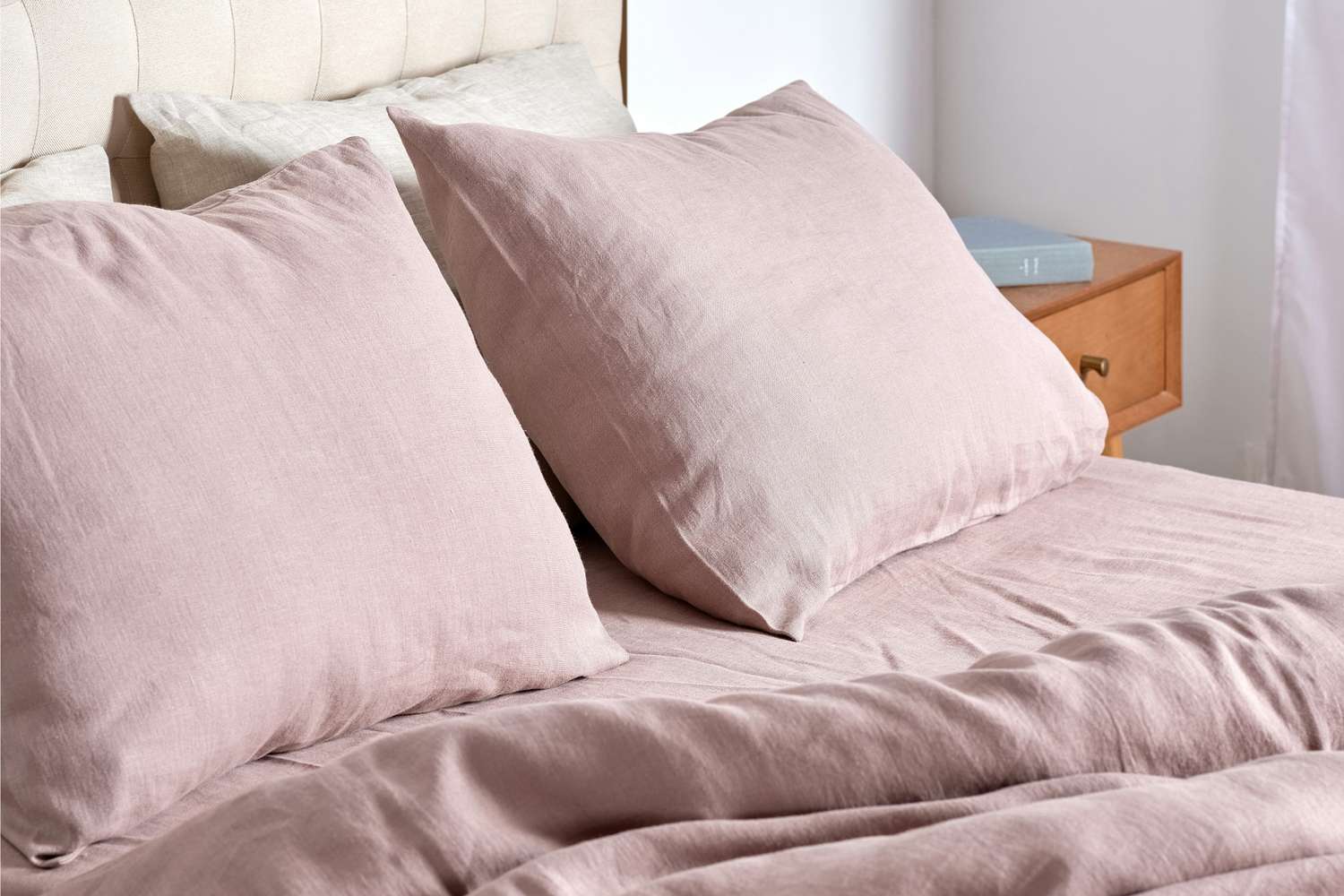
Another sign is a change in fabric texture. Sheets and pillowcases may become rough or stiff over time, even after washing, due to repeated laundering and harsh detergents. This is particularly noticeable in high-friction areas like pillowcases.
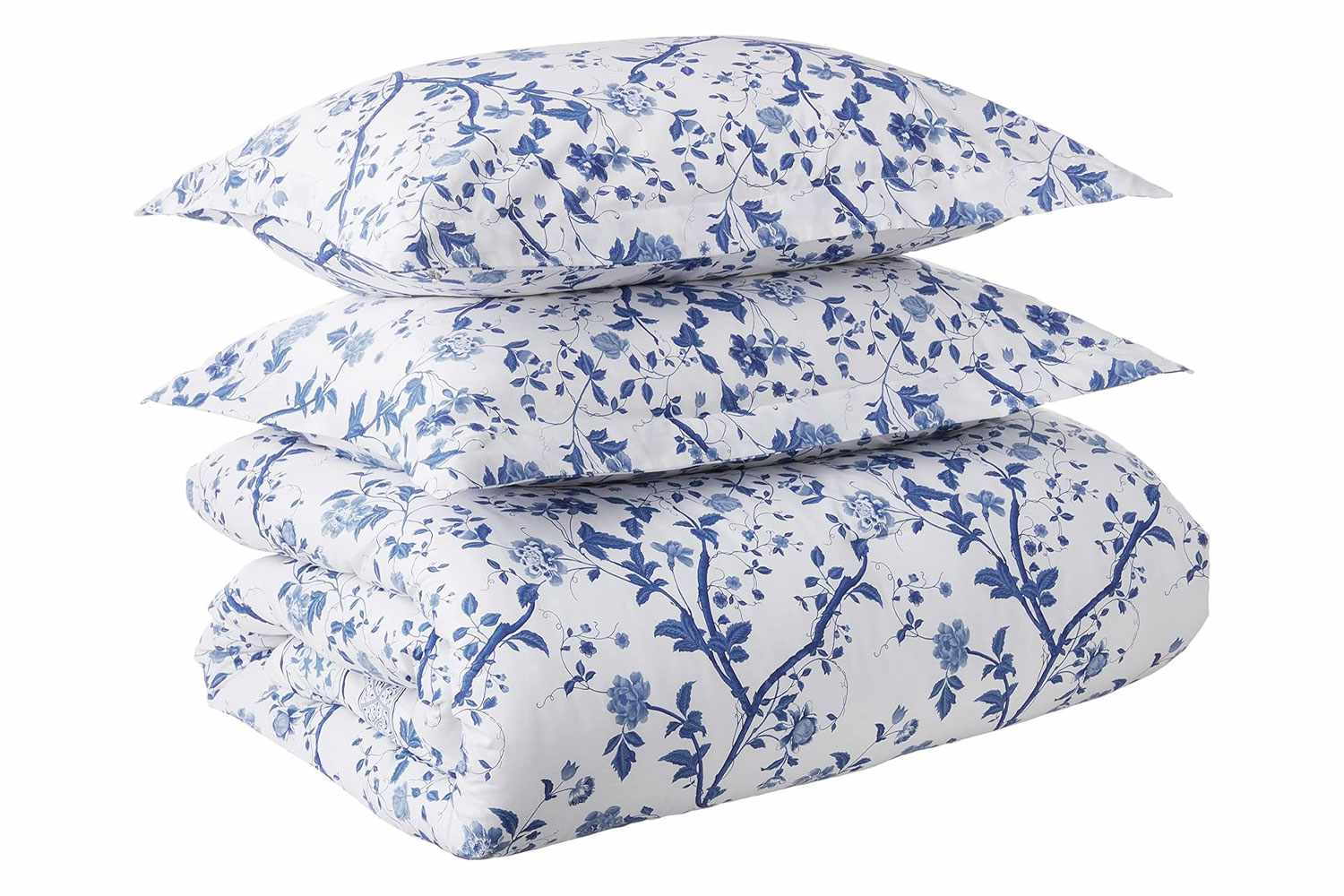
For comforters and duvets, unevenness, lumpiness, or flatness are clear signs for an upgrade. These items typically need replacement every three to five years, as they can lose their loft and accumulate allergens over time, despite less frequent washing compared to sheets.
Persistent stains and odors after washing also indicate that bedding needs to be replaced. Body oils and sweat can accumulate in bedding, and if smells or stains remain post-wash, it suggests the fabric has absorbed too much and can no longer be adequately cleaned. Immediate stain treatment and line drying can help, but eventually, new bedding will be required.
Lingering dust, even after cleaning, which causes itchy eyes or nose, can be a subtle sign. While mattress and pillow protectors and fresh sheets can help, persistent discomfort might mean it’s time to replace pillows or even the mattress itself.
Finally, a lumpy or unsupportive pillow that causes discomfort or soreness during sleep is a strong indicator for replacement. Pillows should generally be replaced every one to two years to maintain their shape and support.
To prolong the life of bedding, consistent and gentle care is essential. This includes washing bedding gently with cool or warm water and mild detergent, avoiding bleach and fabric softeners that can break down fibers. Rotating between two to three sets of sheets can minimize wear on any single set. Proper drying is also crucial; bedding should be fully dried on low heat or line-dried to prevent mildew and fabric damage. Lastly, using mattress and pillow protectors can shield against sweat, oils, and dust mites, thereby preserving the mattress and pillows and reducing allergens.
#BeddingCare #HomeMaintenance #SleepQuality #FabricLongevity #InteriorDesign #HomeProducts #BeddingCare #HomeMaintenance #SleepQuality #FabricLongevity #InteriorDesign #HomeProducts
0 comment in total
 No comments yet
You may also like

Experts share how to tell if a bed is good quality


Evidence That Your Home Needs Throw Pillows


This 1980s Bedding Trend Is Coming Back—Here’s How to Make It Feel Modern


6 Things You Should Always Do Before Shopping for Furniture, Designers Say
Best Bedding Brands of 2025

Hey, You, It's Time to Upgrade Your Nightstand

4 Bedroom Eyesores You Should Swap Out Immediately, Designers Say

The Best Comforter Sets For An Effortless And Cost-Effective Bedroom Update
The Best Bedding to Improve Your Sleep
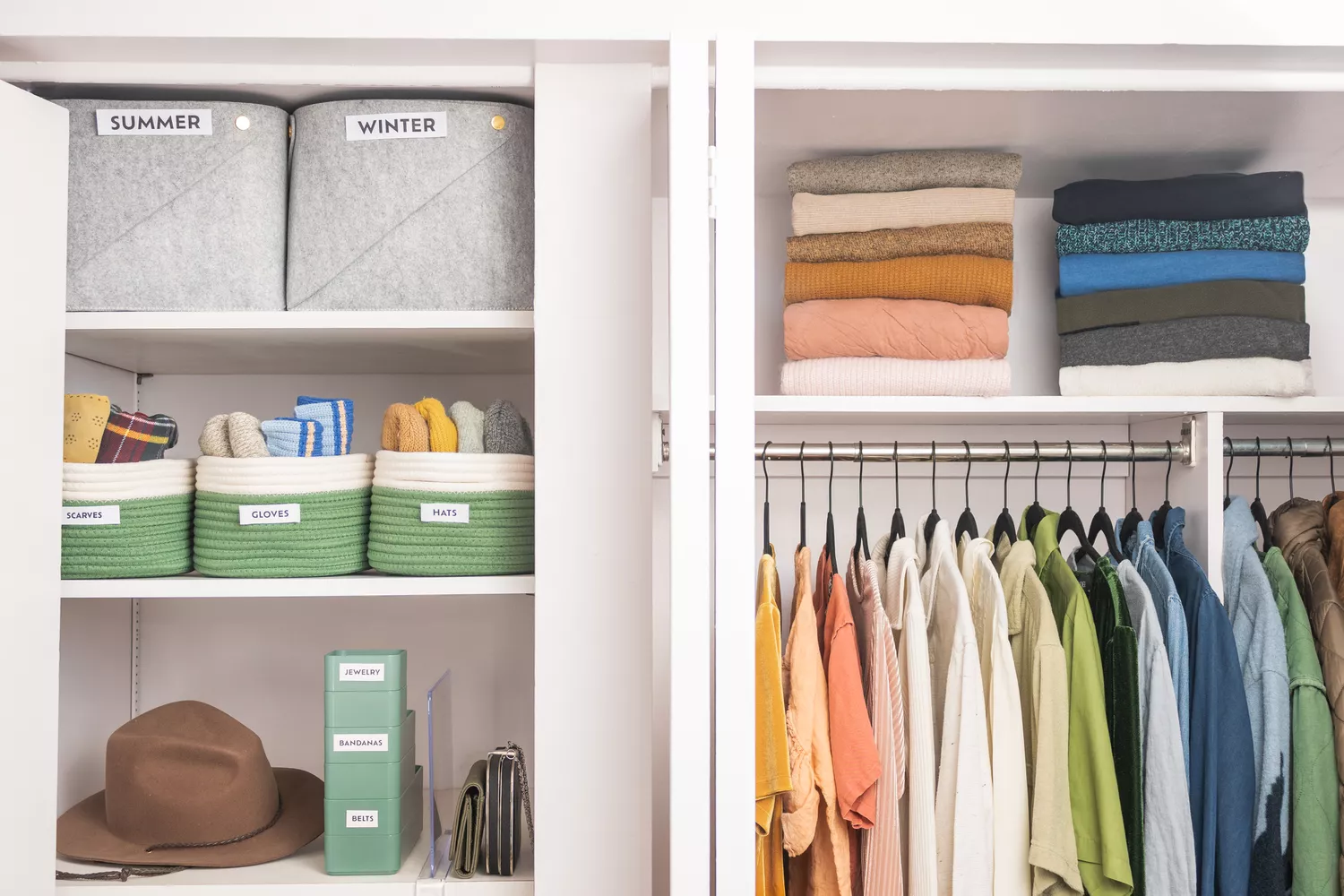
6 Signs It’s Time to Reorganize Your Closet, According to Pro Organizers

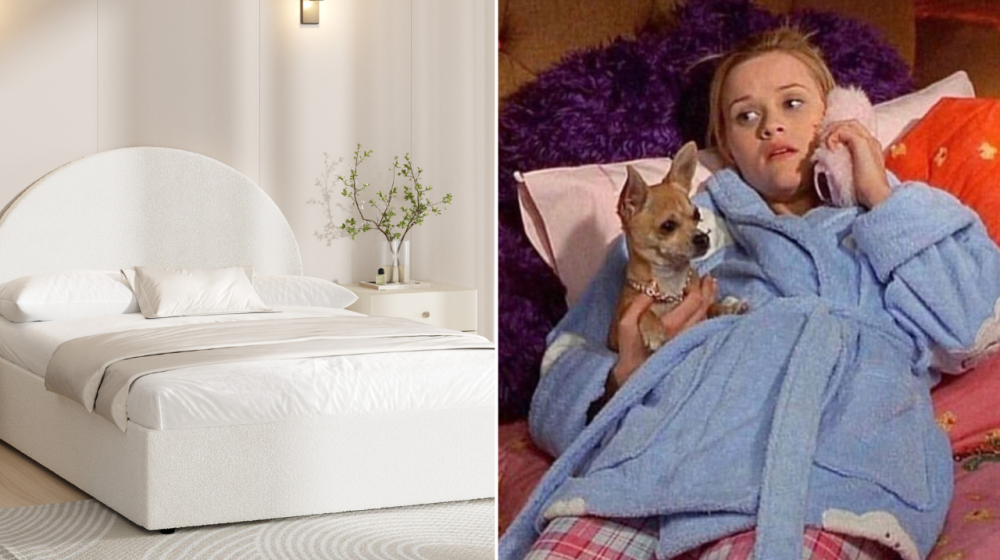
10 Of The Best Bed Frames You Can Buy Right Now If Your Old One Is Squeaky AF

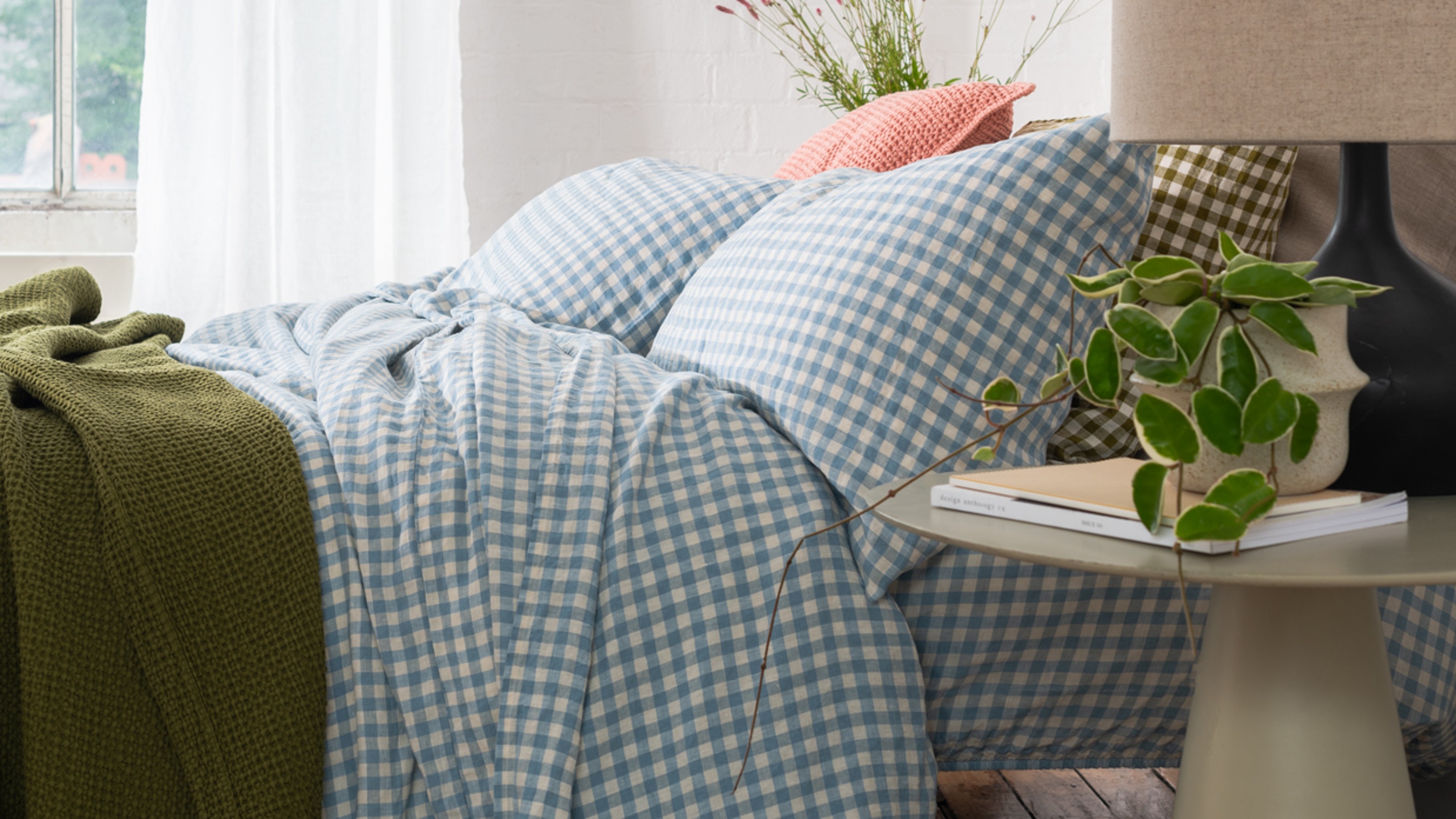
Gingham bedding is the must-have of the year that’s both timeless and on trend – here are 6 affordable sets to shop now
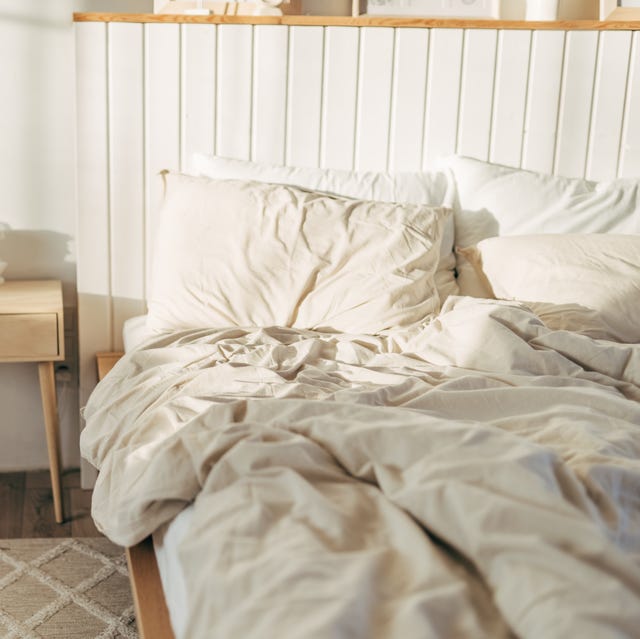
This ONE Everyday Feature Cheapens the Look of Your Bedroom


Everything You Need to Know Before Buying a Sleep Number Mattress


A Buyer's Guide to Beds

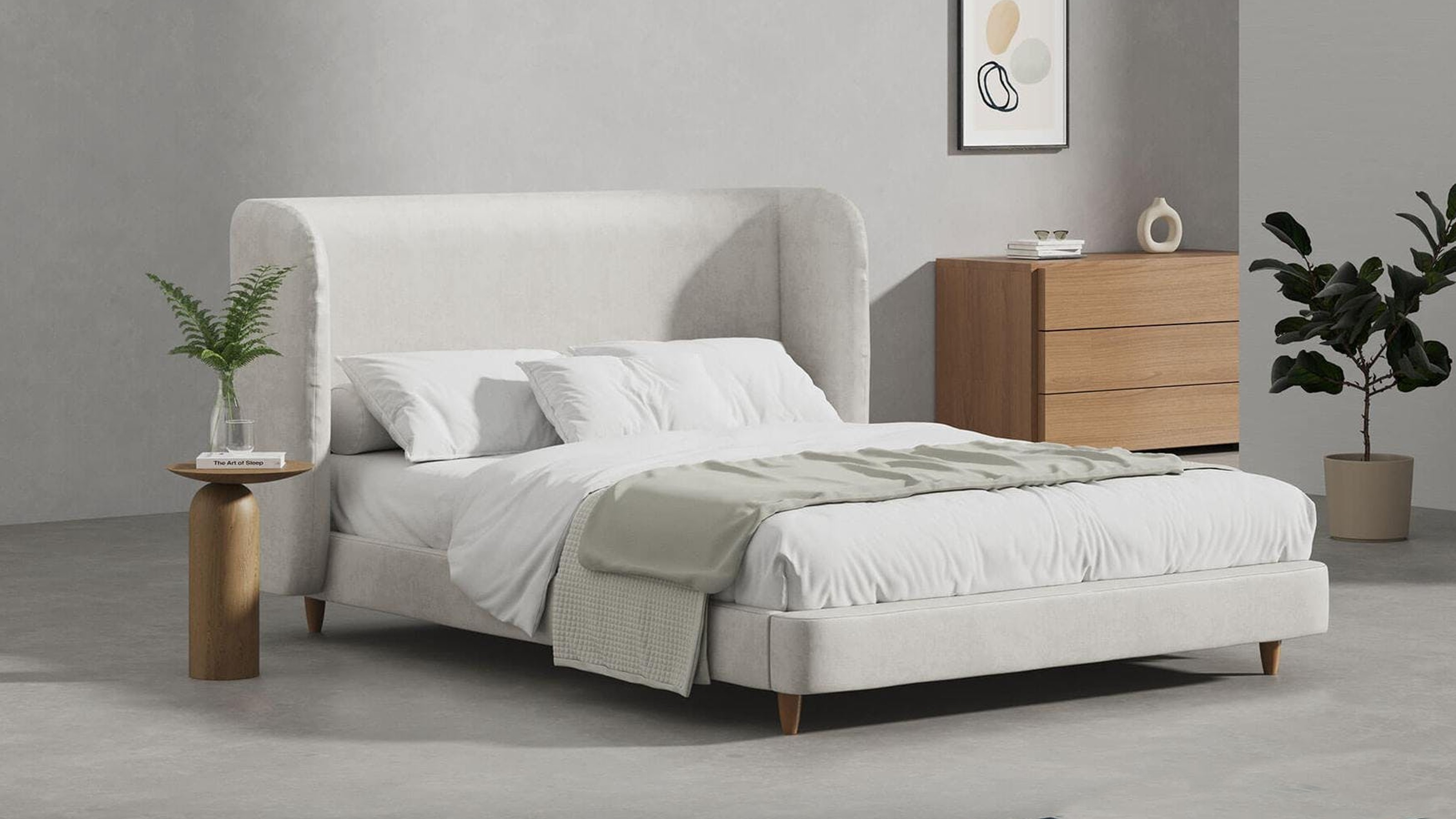
6 best beds for your bedroom makeover


6 warning signs it is time to quickly reorganize your closet and make stressful mornings easy to navigate again

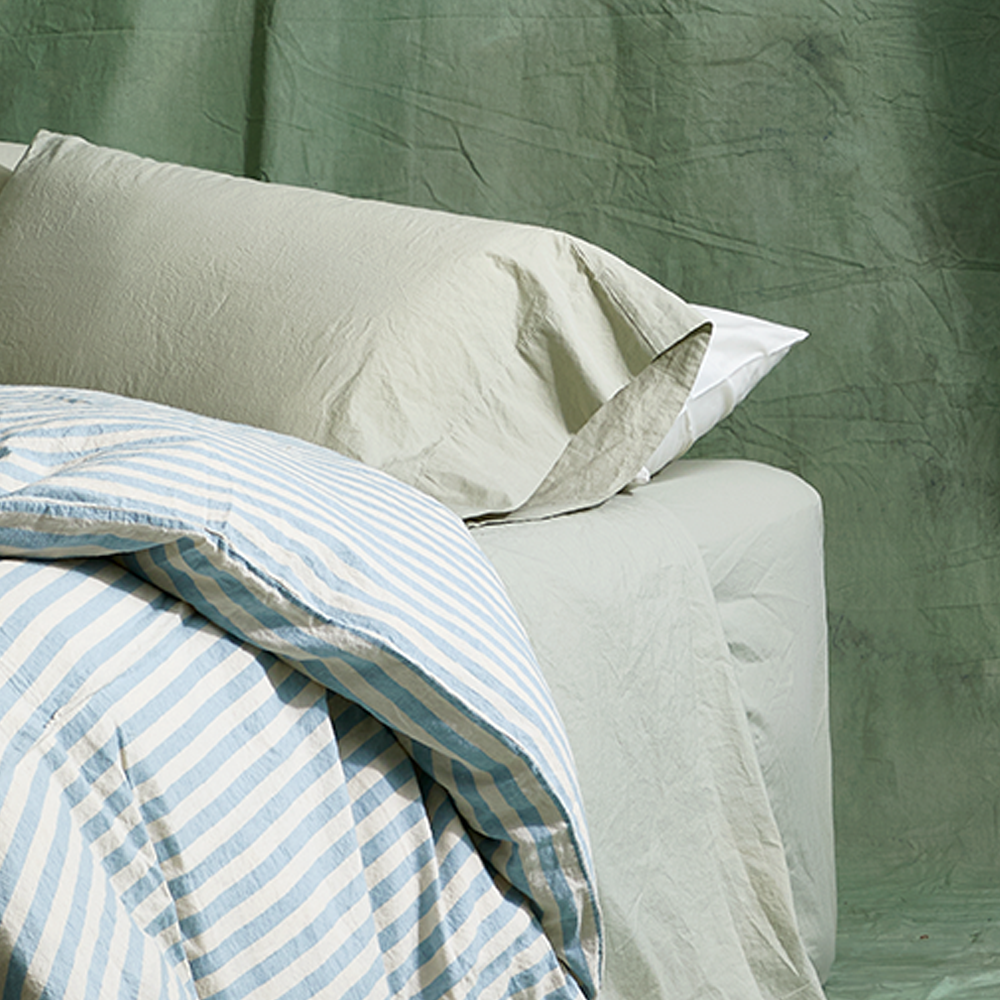
Top-Tested Bedding for Your Most Comfortable Sleep Ever


4 Signs It’s Time to Replace Your Outdoor Furniture
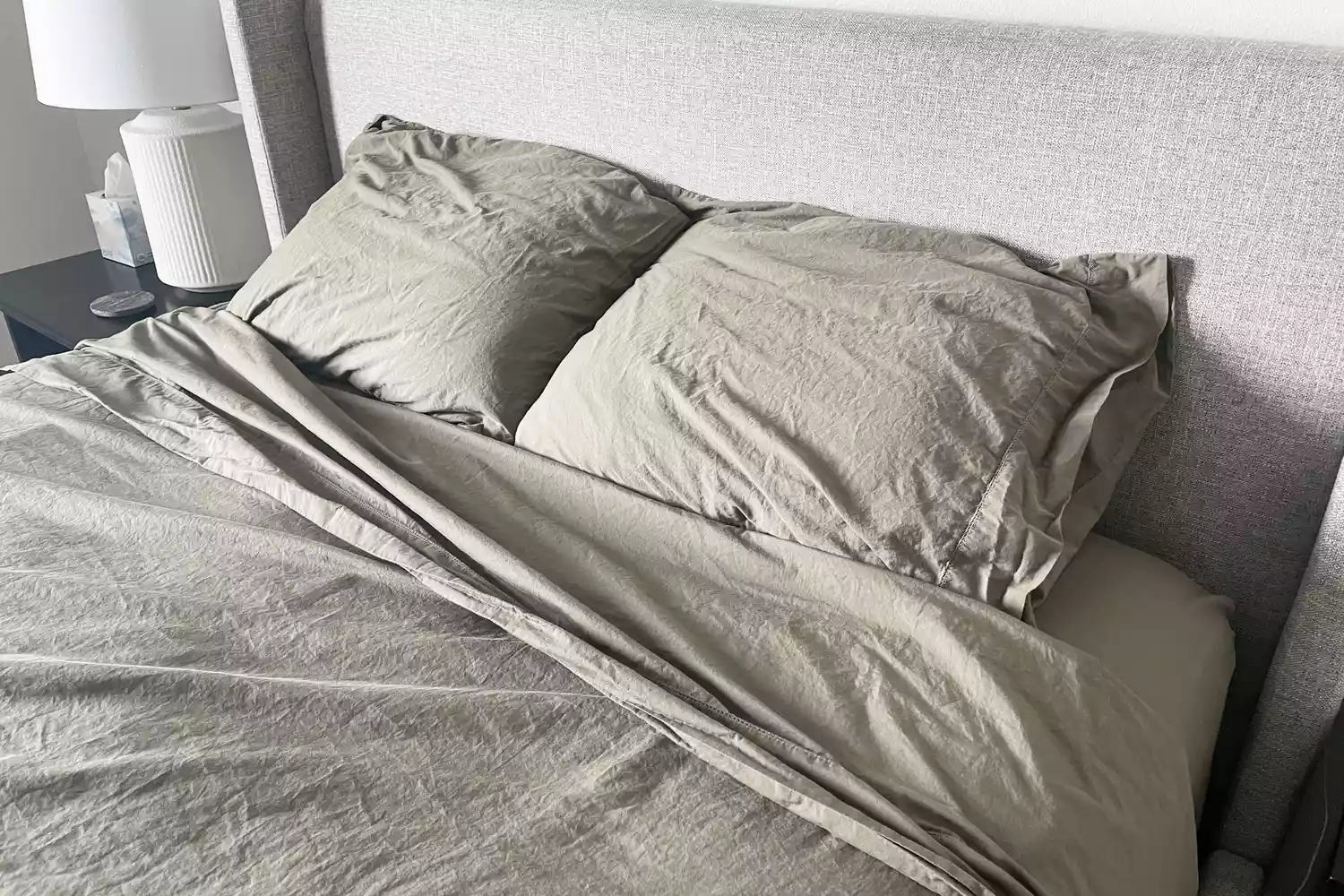
We Tested Plenty of Percale Sheets to Find the Ones You Should Put on Your Bed ASAP