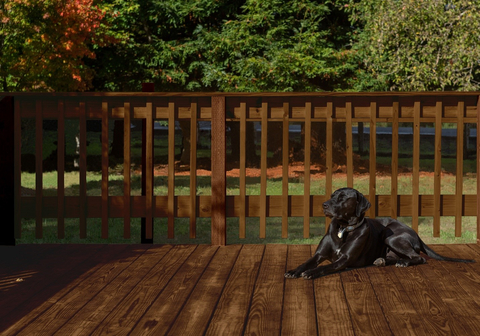
How to stain a deck – 3 easy steps to a fresh new look
Staining a deck is an important annual maintenance task for homeowners looking to protect and enhance their outdoor living spaces. A well-maintained deck not only offers a valuable area for seating, entertaining, and relaxation but also contributes significantly to the overall aesthetic of a home's exterior. This process, while potentially laborious, is crucial for prolonging the life of the wood and ensuring enjoyable summer months for outdoor activities. The maintenance frequency largely depends on factors such as weather exposure, the type of wood used, and the quality of the stain applied, but typically, decks should be treated every one to two years, or at the first signs of wear.
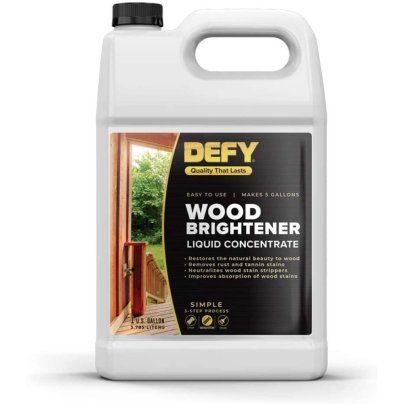
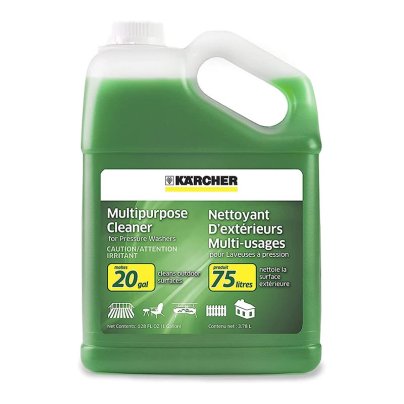
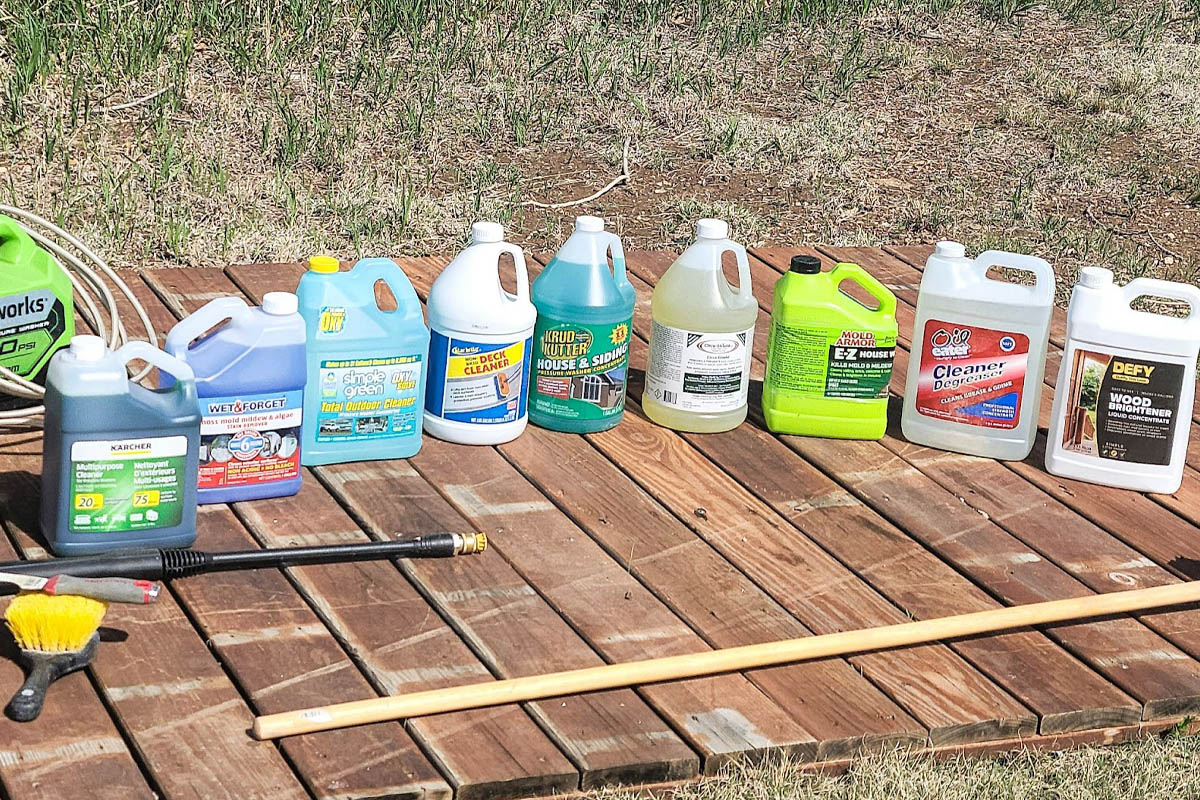
Before initiating the staining process, thorough preparation of the deck is essential. For existing decks, this involves cleaning off any accumulation of algae, moss, and dirt using a stiff brush. Garden designer Tamsin Kelly suggests employing a cutlery knife or putty knife to dislodge debris from between the boards. Following this, a specialist deck cleaner should be applied according to the manufacturer's instructions, with some products requiring pre-wetting and others a post-application rinse. After cleaning, the deck should be lightly rinsed with a pressure washer or hose and allowed to dry completely for the recommended duration. For decks that have been previously stained, painted, or varnished, it is imperative to strip them back to bare wood and lightly sand the surface to ensure proper adhesion of the new stain.
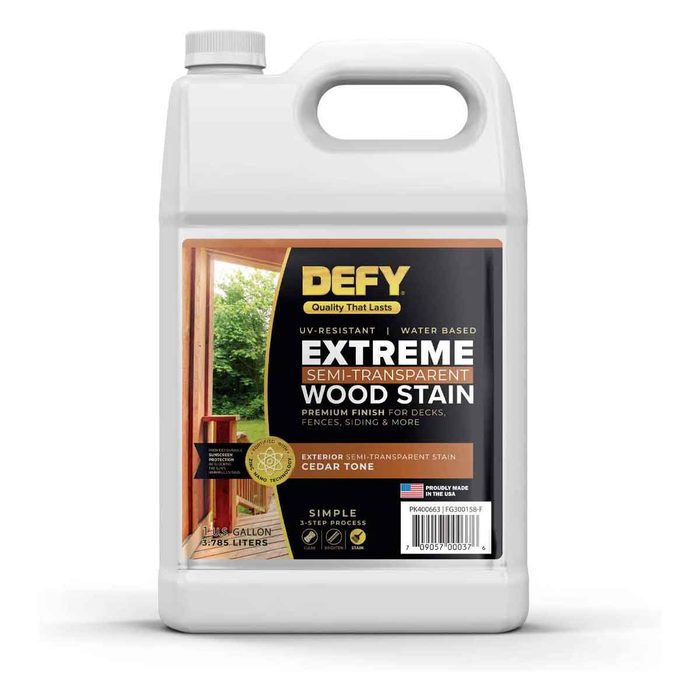
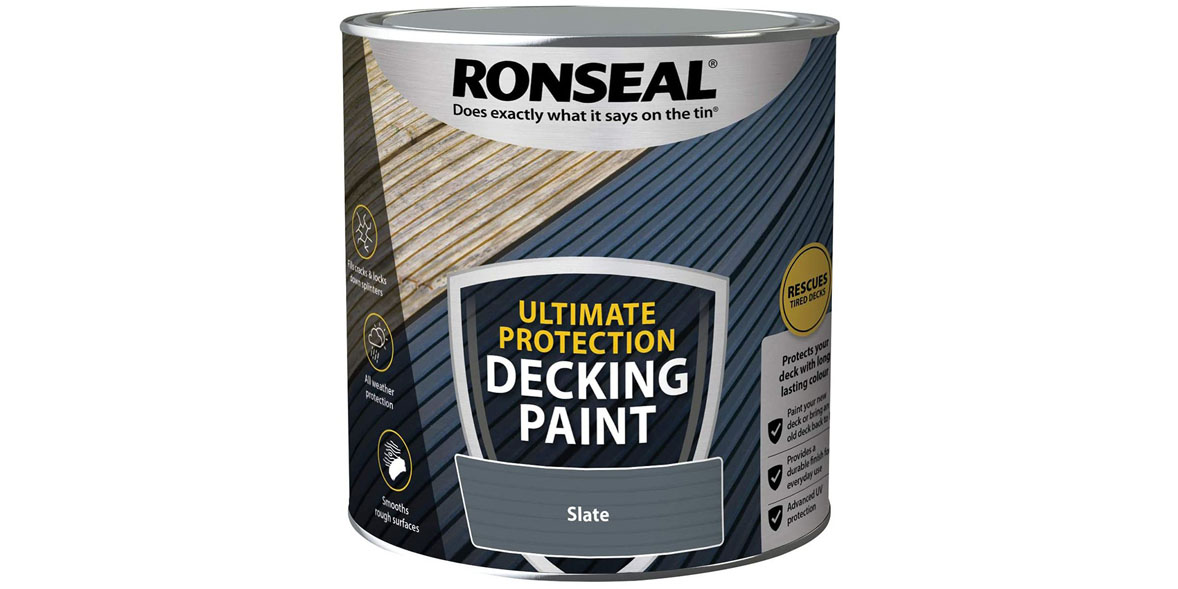
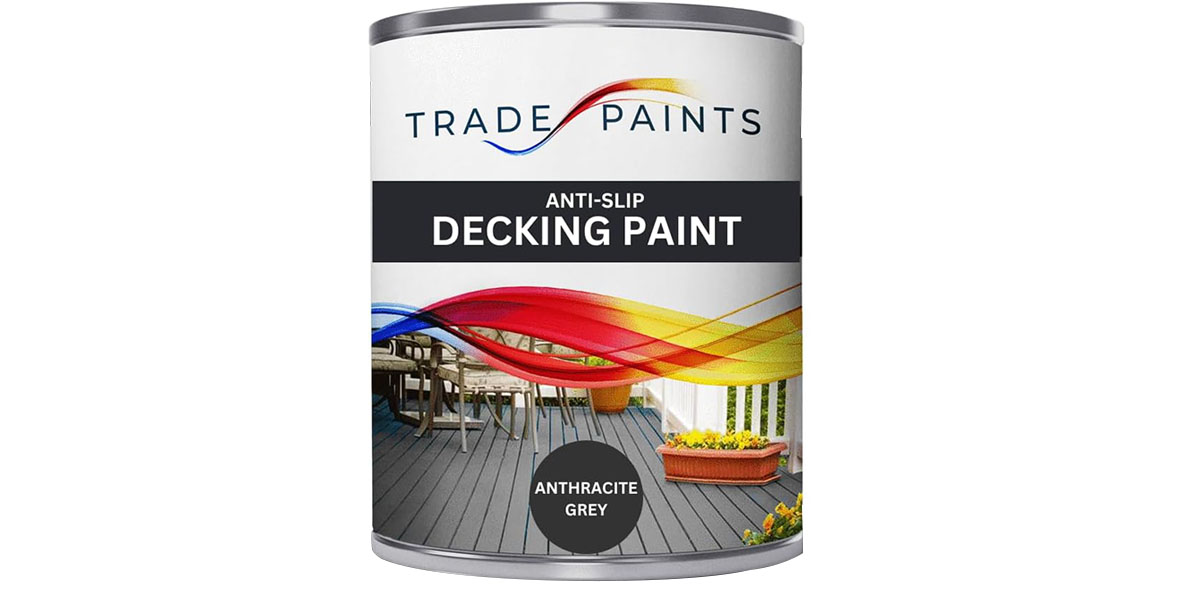
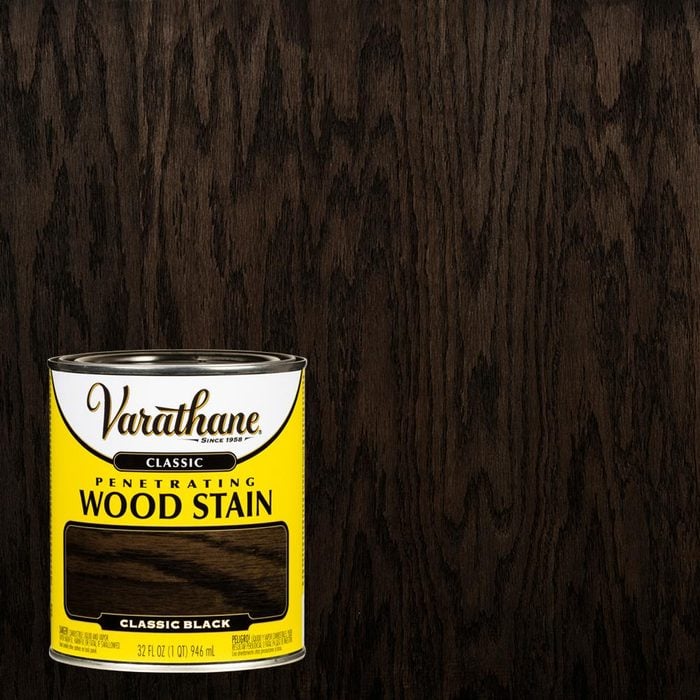
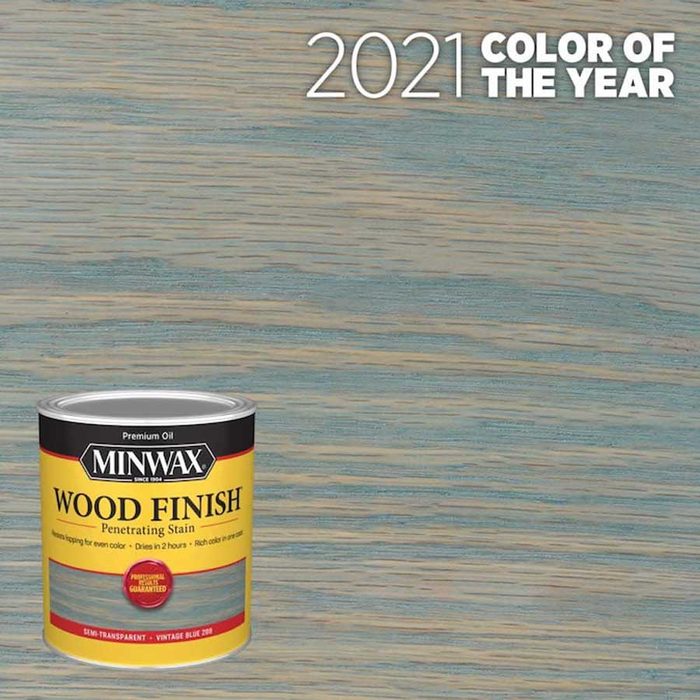
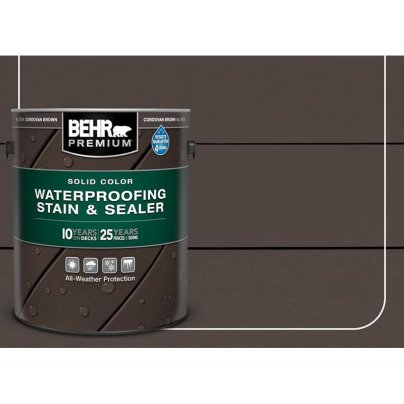
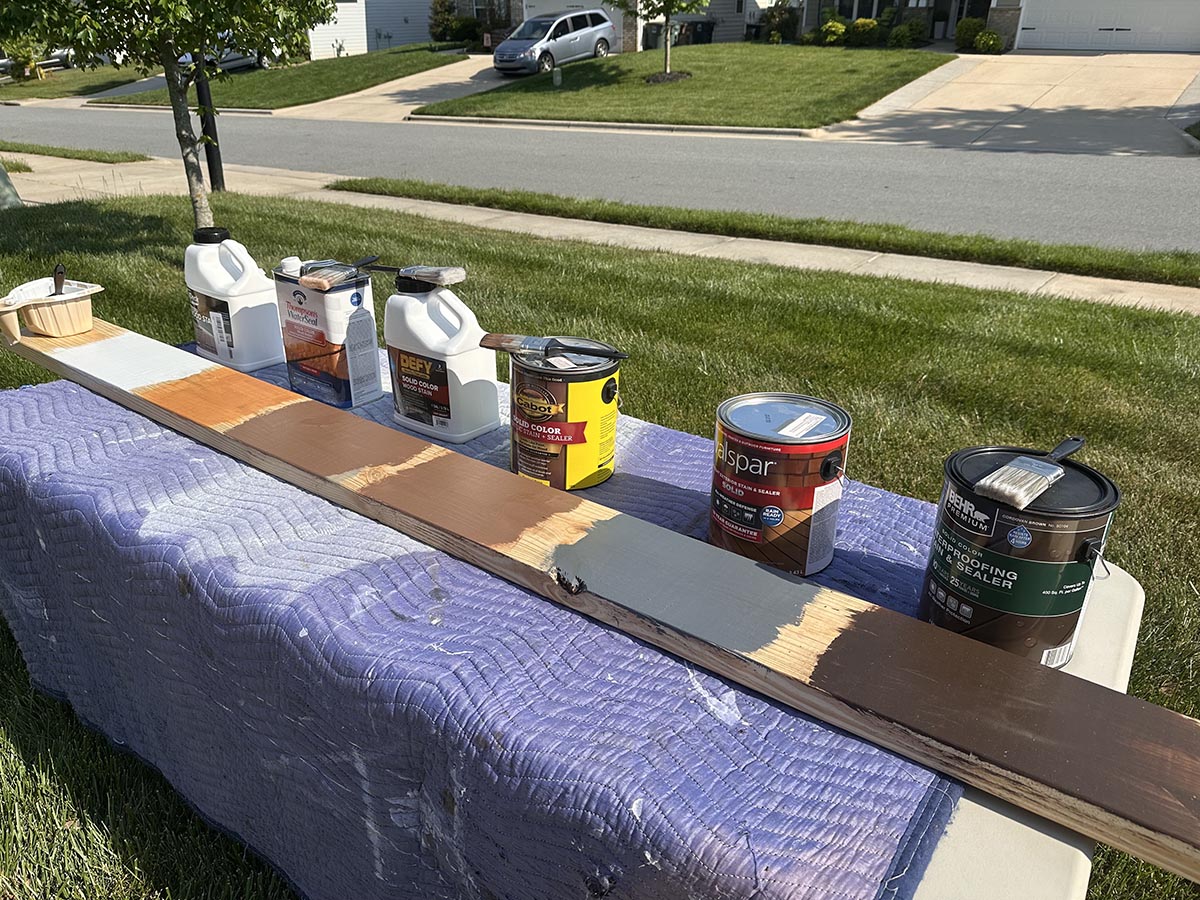
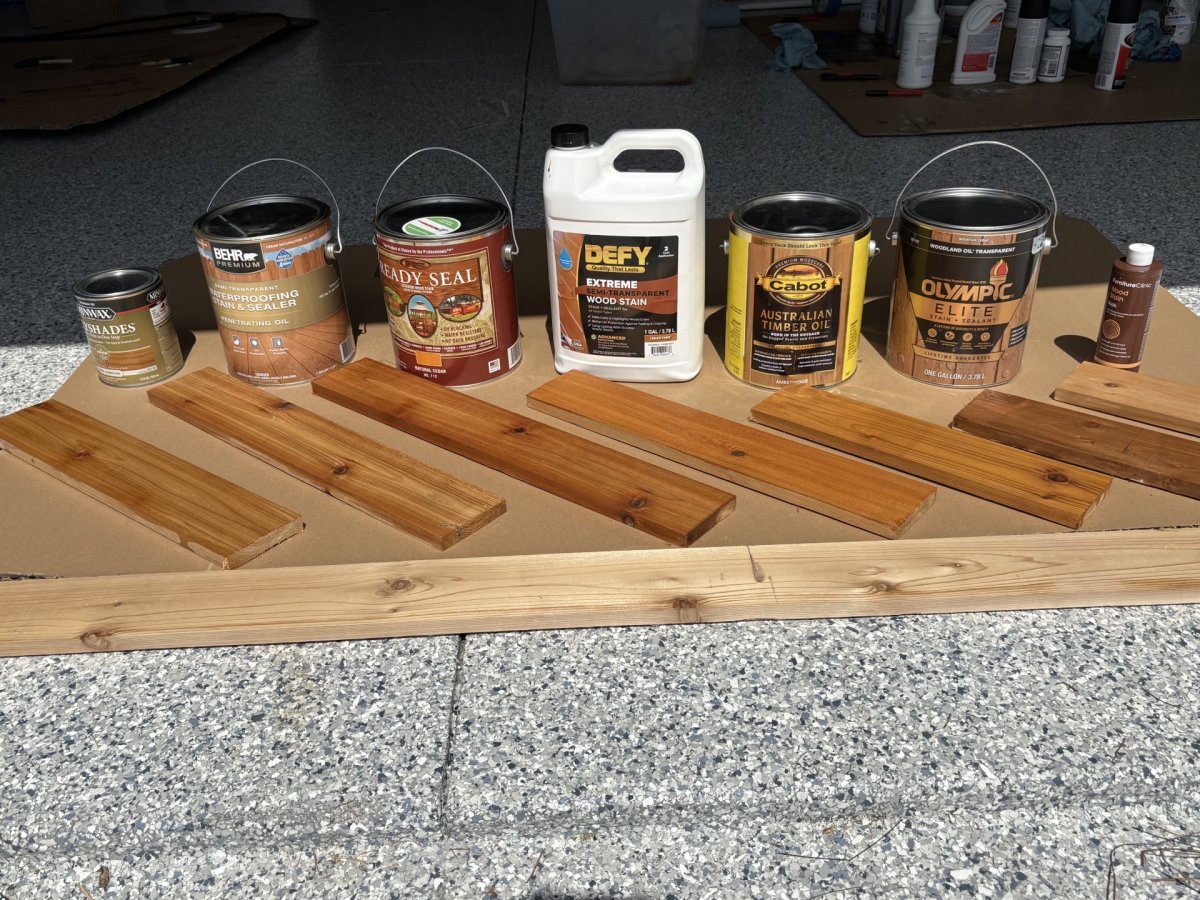
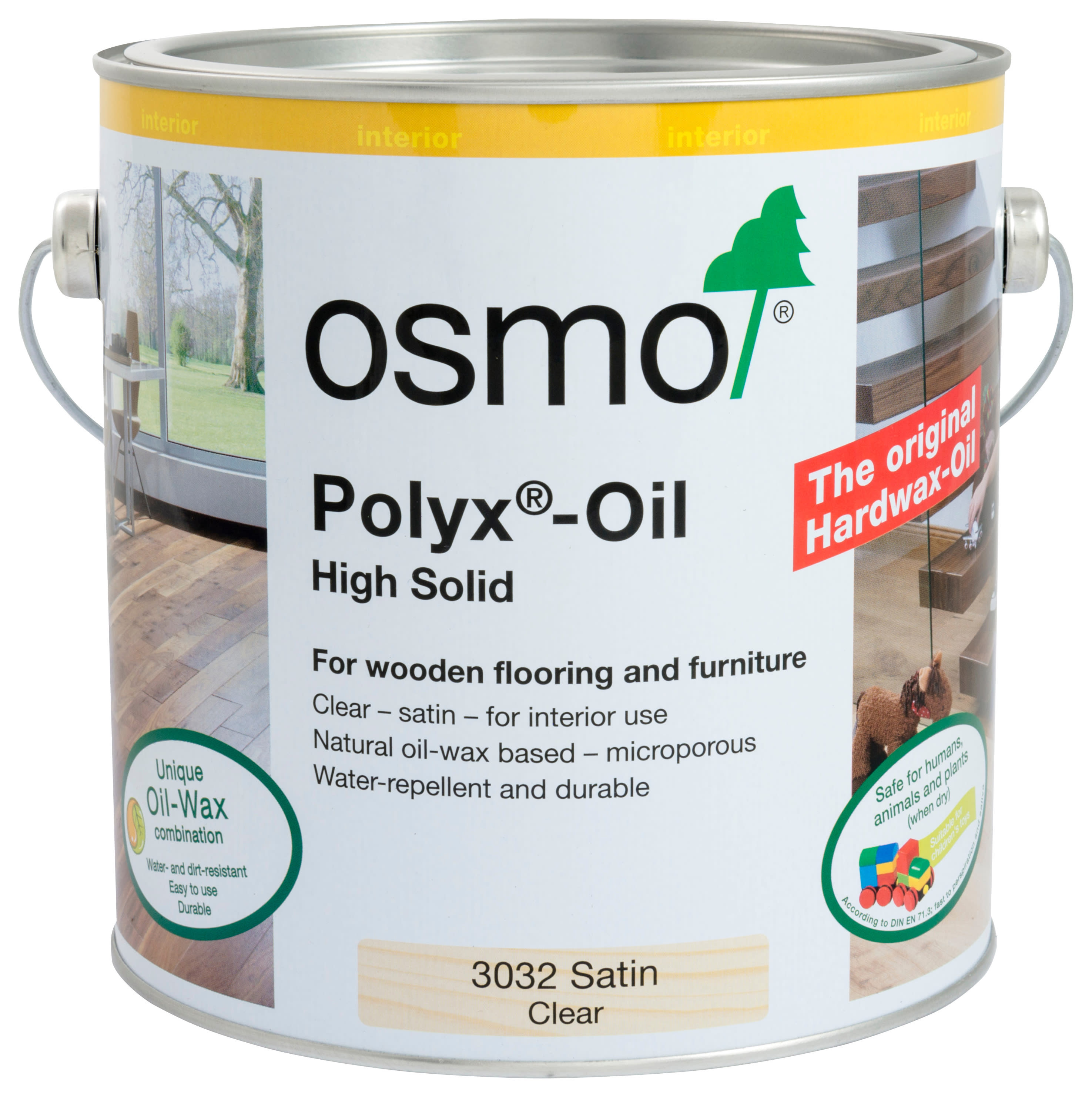
Selecting the right wood stain is a critical step in achieving professional-quality results and long-lasting protection. Caroline Thornborough, co-founder of Thorndown Paints, emphasizes that wood stain penetrates the timber more effectively than paint and creates a robust protective coating. When choosing a stain, it's important to consider drying times, as these can vary significantly based on the product's quality, with oil-based products generally requiring longer drying periods. Brands like Sherwin-Williams offer ranges such as SuperDeck, designed for both new and old decks, aiming to deliver professional outcomes. Alternatively, for those who prefer to highlight the natural wood color while extending its lifespan, products like Osmo decking oil are recommended.
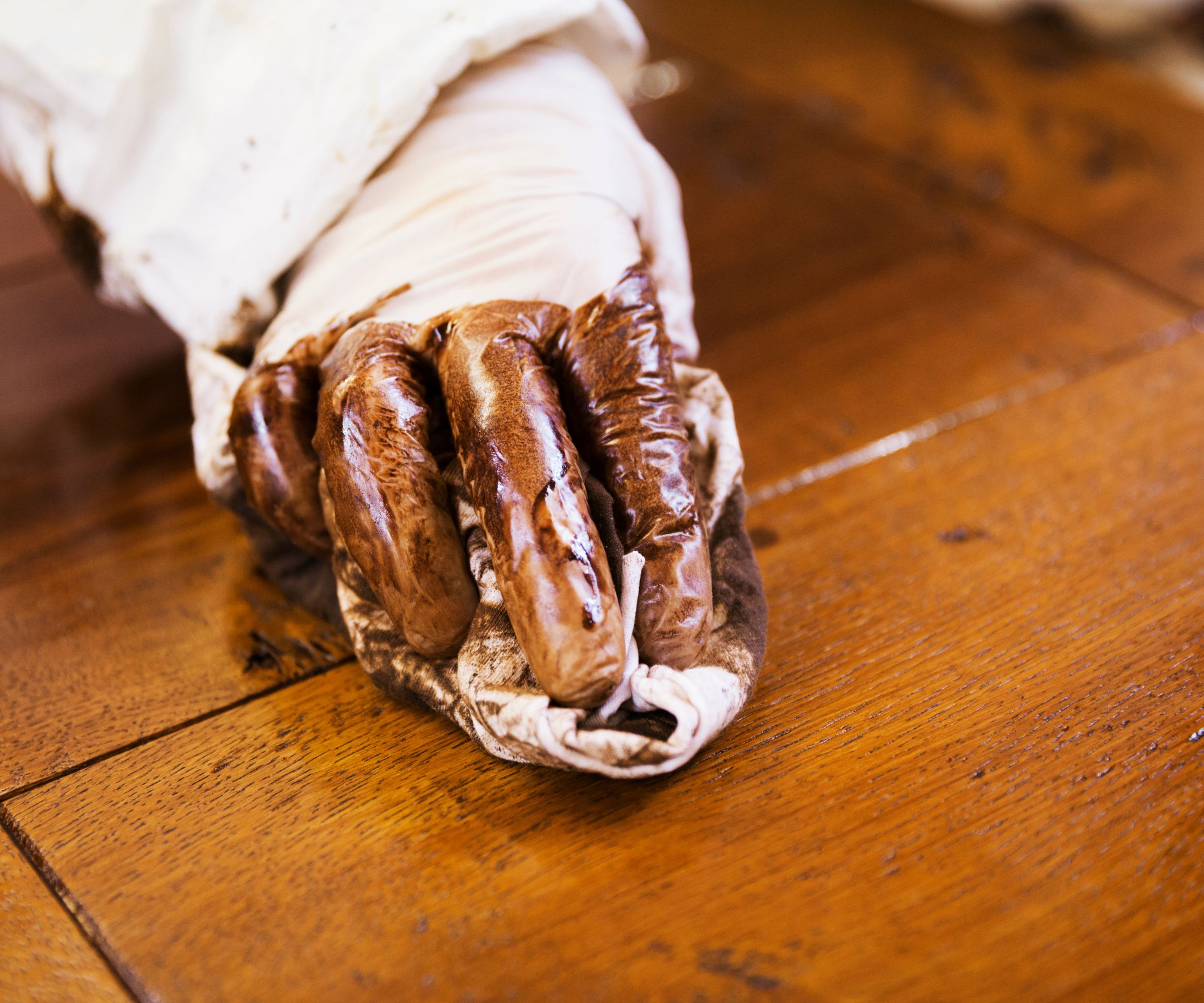

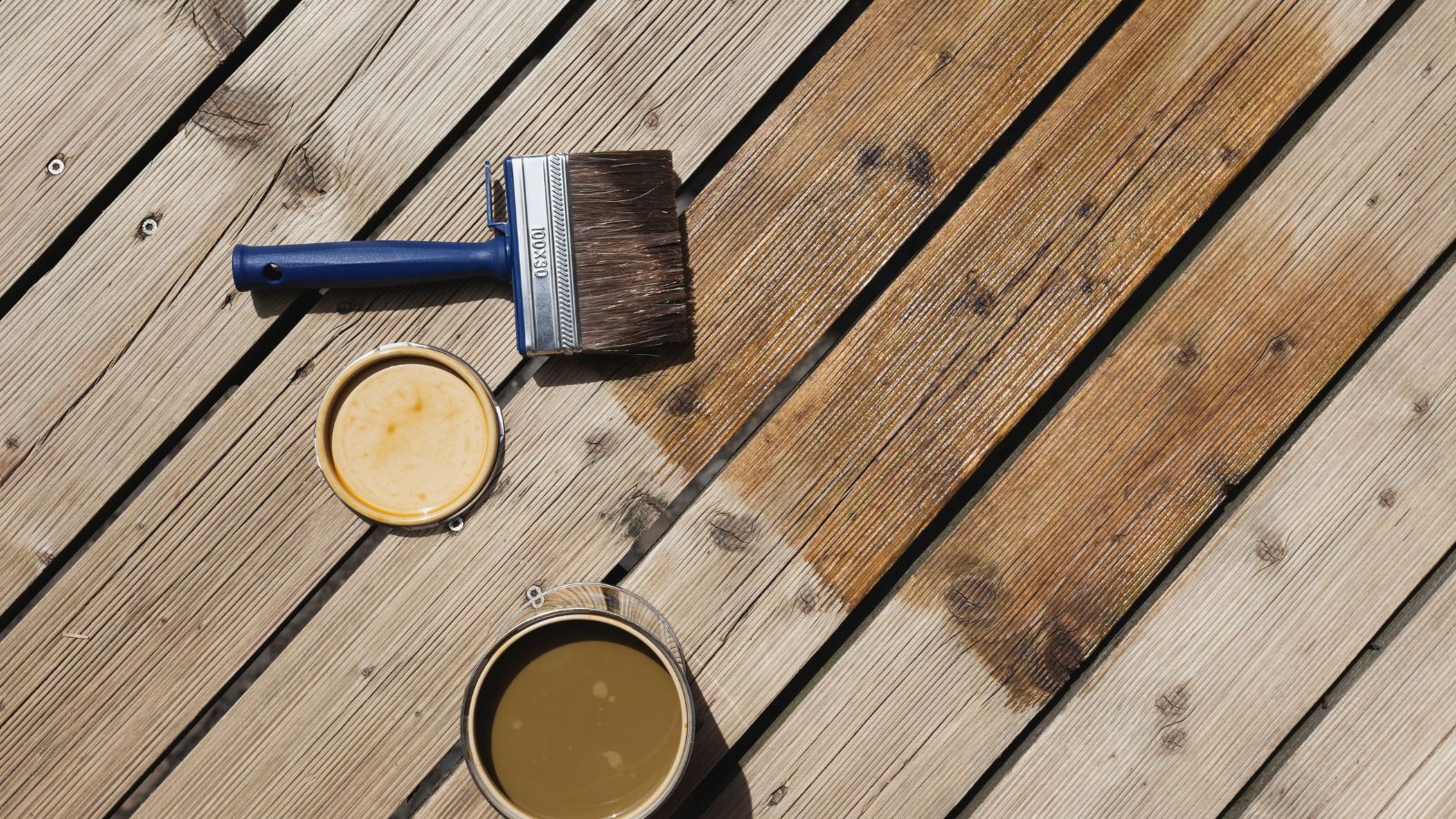
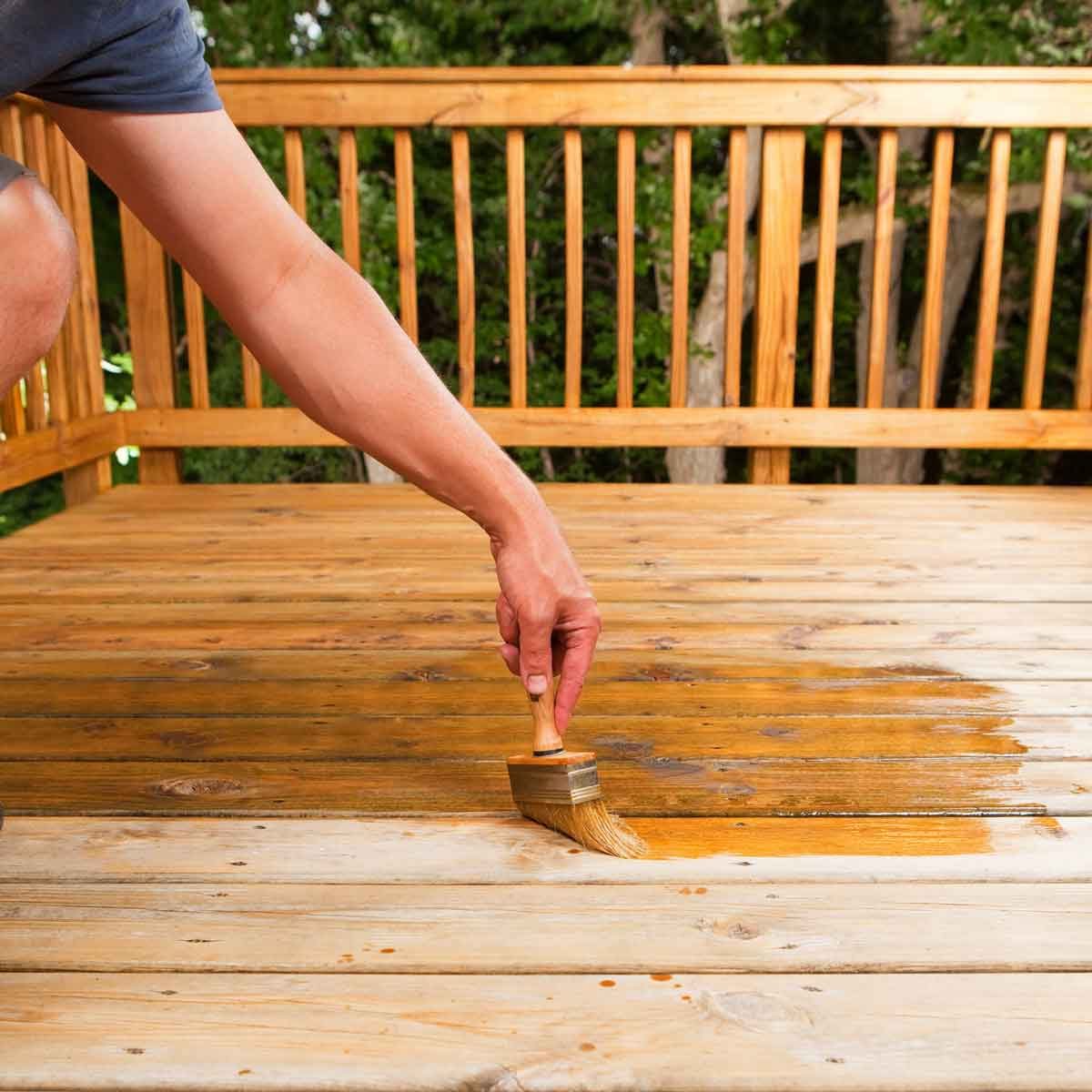
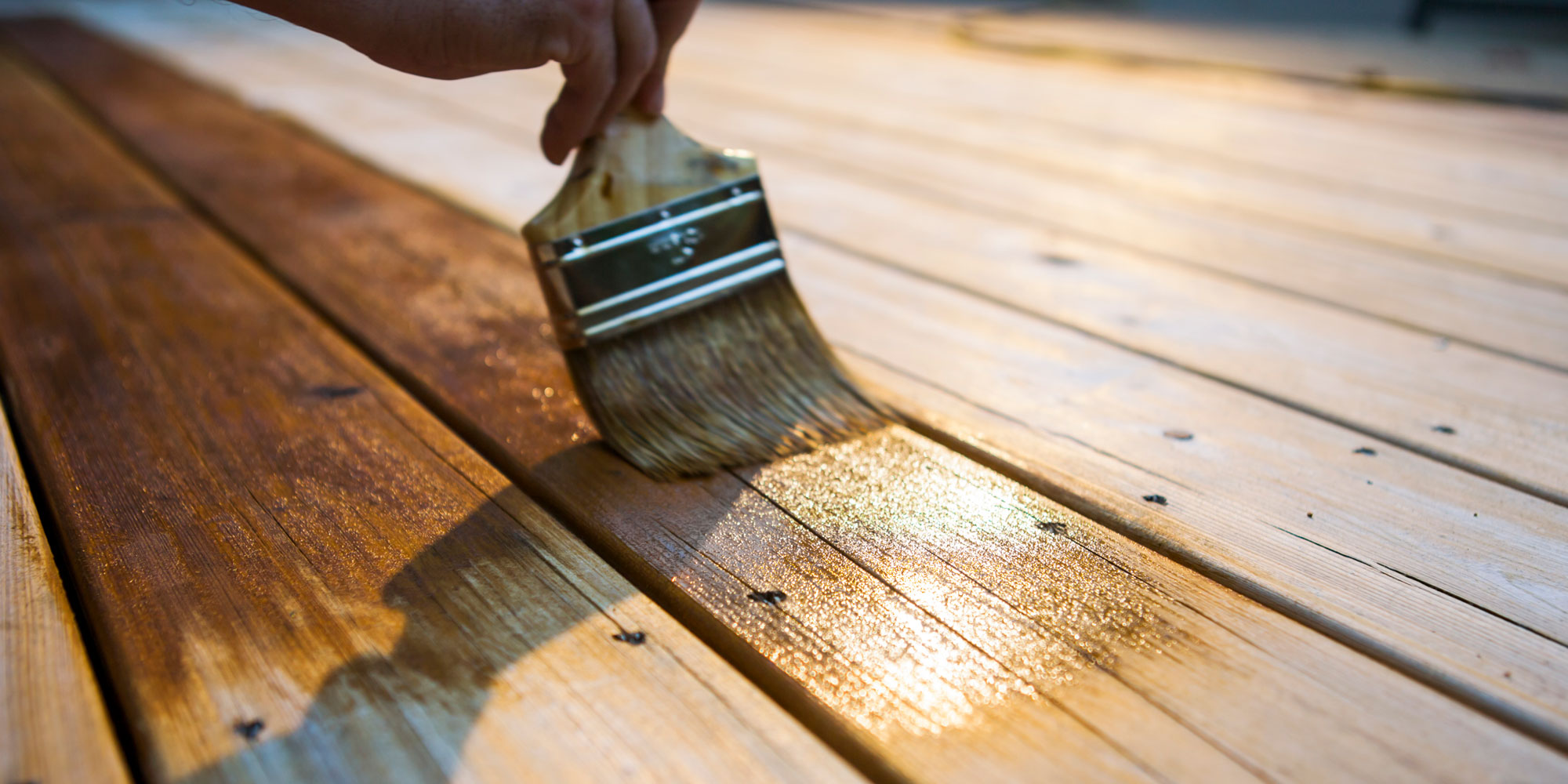
Applying the wood stain correctly ensures an even finish and optimal protection. Before application, the stain should be thoroughly stirred to ensure consistent mixing. The application process should commence at the highest points of the deck, such as handrails, to prevent drips from marring already stained lower surfaces. Following the handrails, vertical elements like balustrades should be treated, and finally, the deck boards themselves. For larger deck areas, using a paint pad or roller can significantly expedite the process, allowing for the staining of three or four boards at a time. To maximize durability and longevity, applying two coats of deck stain is advisable, as this practice helps the stain last longer and provides enhanced protection against the elements. Adhering to these steps ensures a refreshed, protected, and visually appealing outdoor space.
#DeckMaintenance #OutdoorLiving #HomeImprovement #WoodStaining #GardenDesign #DIYProjects #ExteriorHome #DeckCare #TimberProtection #DeckMaintenance #OutdoorLiving #HomeImprovement #WoodStaining #GardenDesign #DIYProjects #ExteriorHome #DeckCare #TimberProtection
0 comment in total
 No comments yet
You may also like

Deck color ideas – how to choose the color to stain or paint your deck
The Best Deck Stains of 2026

The 7 Best Deck Paints You Can Get, Tested and Reviewed

The best way to stain wood – 4 time-saving tips from the experts
Best Deck Paints and Stains for 2025

Best Wood Stain Colors For Interior And Exterior Surfaces
The 5 Best Deck Stains to Protect and Revive Your Deck


31 Ways to Give Your Pool Deck a Makeover

Best decking paint and decking stain
How to Stain Wood Like a Pro—and Get It Right the First Time
The Best Stains for Cedar Decks, Siding, Fences, and More

Wood Stain | Exterior Wood Stain & Paints

How to Stain a Wood Deck: Instructions and Materials List
The Best Solid Deck Stains to Protect and Revitalize, Tested
Giving Your Deck a New Life Doesn’t Have to be a Chore Thanks to This Product
Here Are 2025's 8 Best Floor Stain Colors To Choose From
The Best Deck Stains of 2025
Smart decking colour ideas - from pale patinas to dark and daring shades


Garden Furniture Paint & Stain

The Hottest Stain Colors for Your Deck in 2023