1/9
How to layer materials and add texture to your home decor

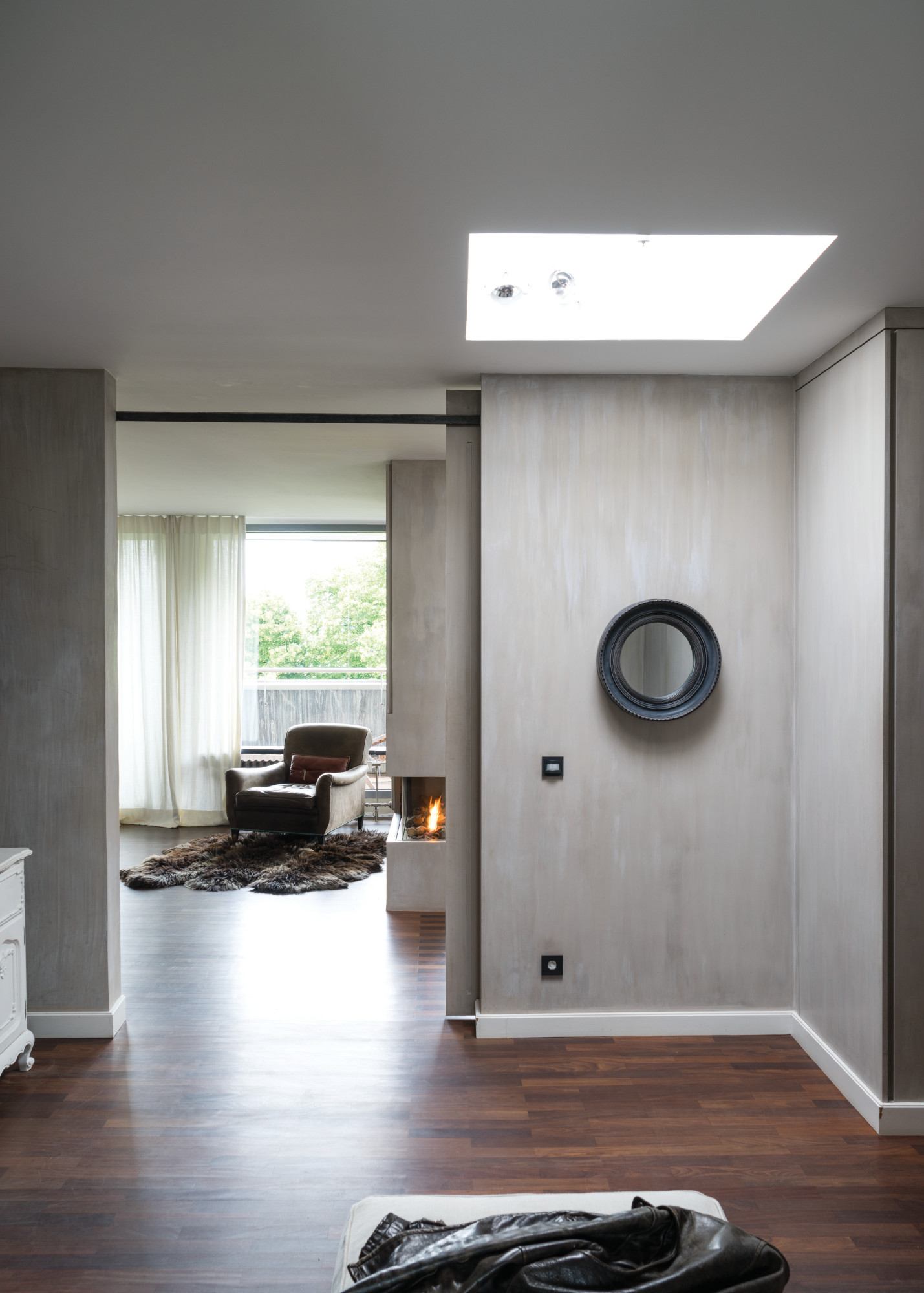
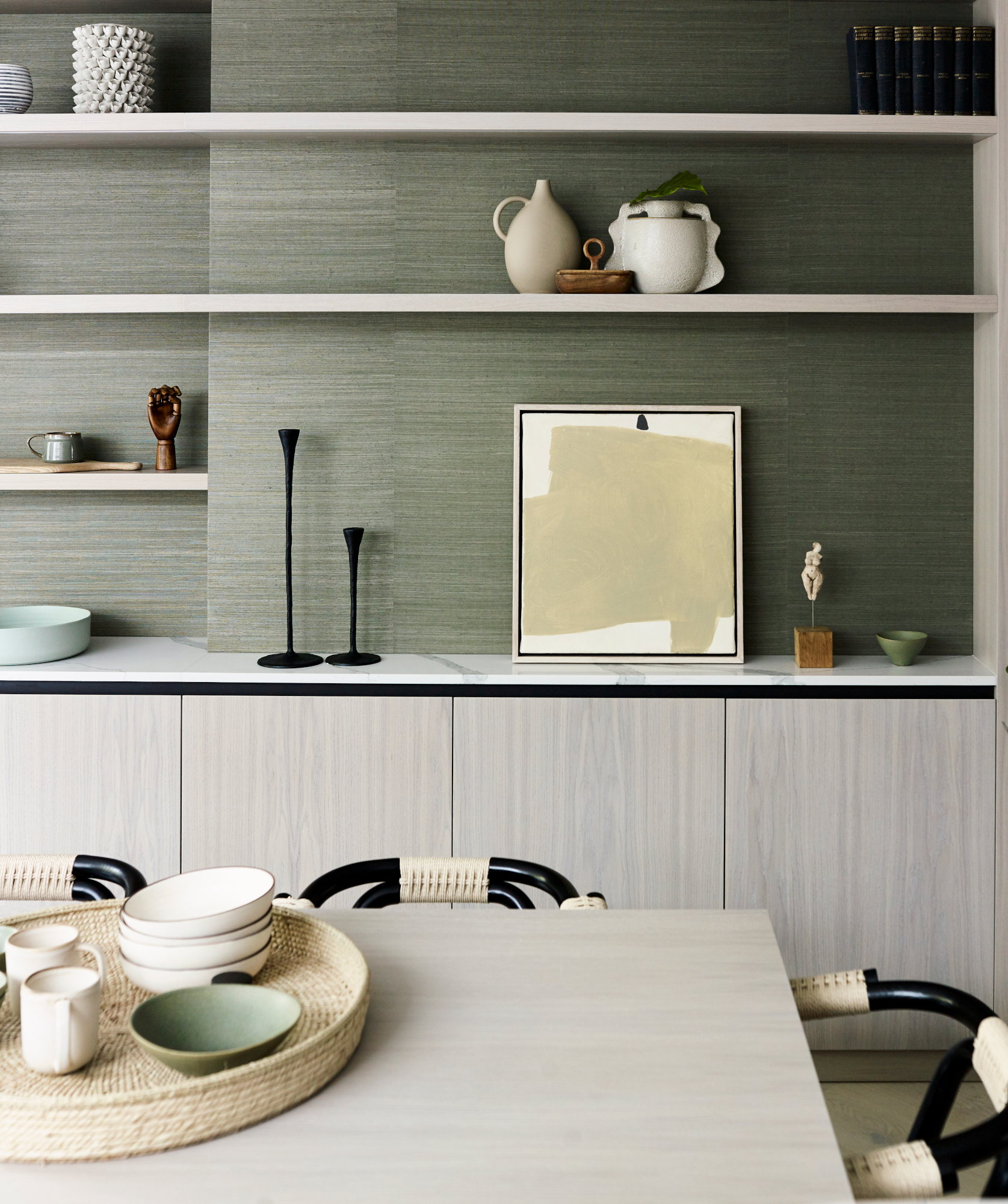
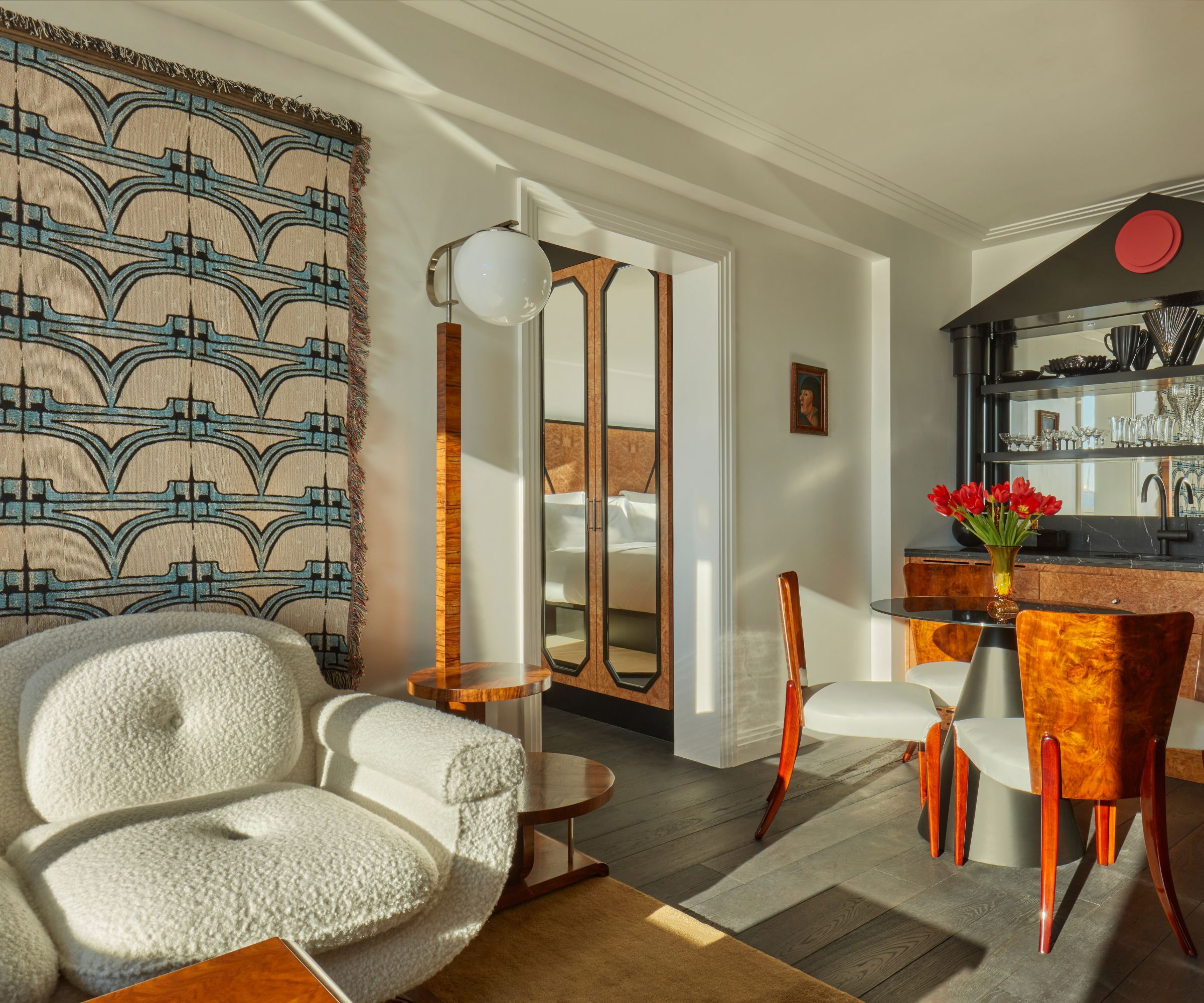
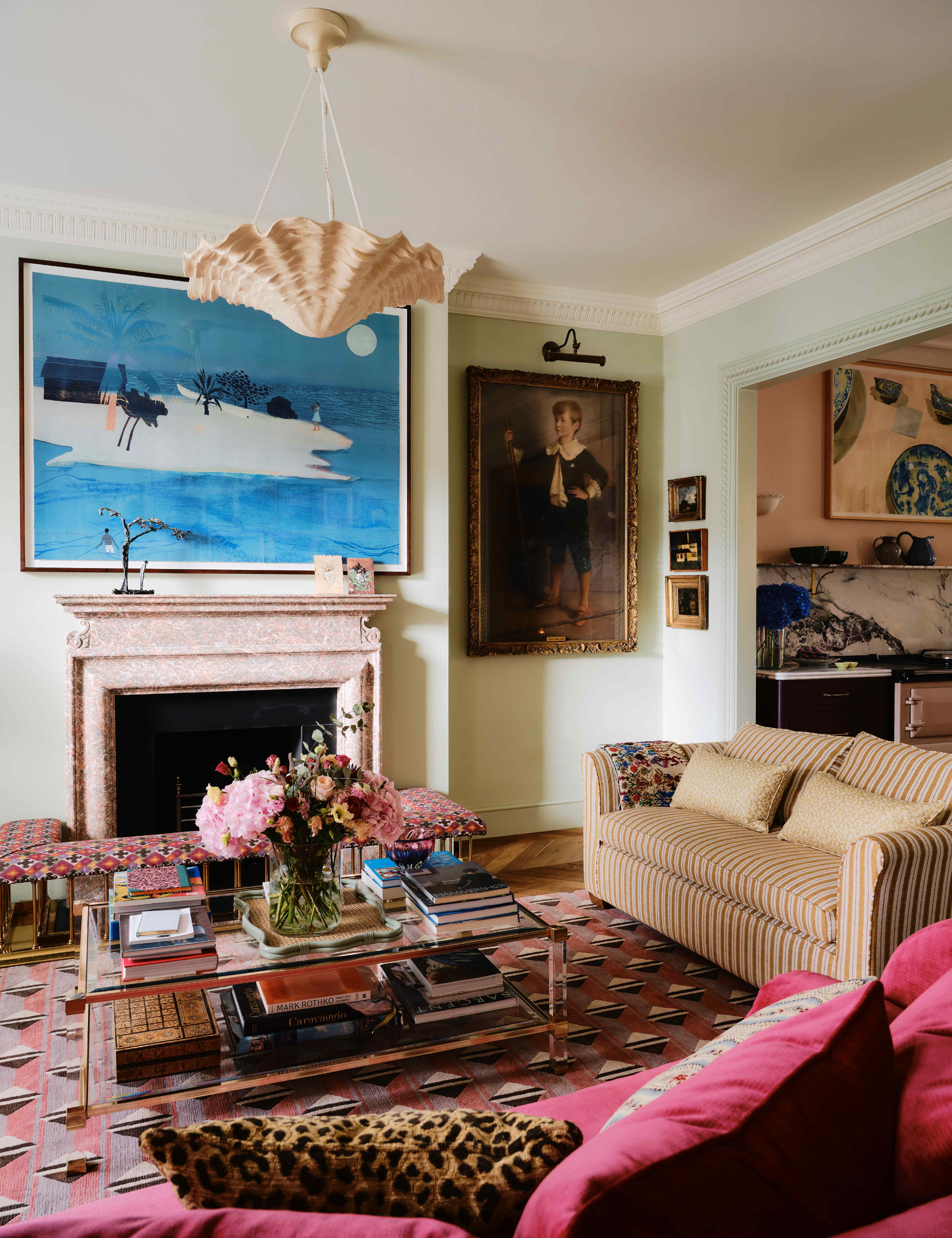
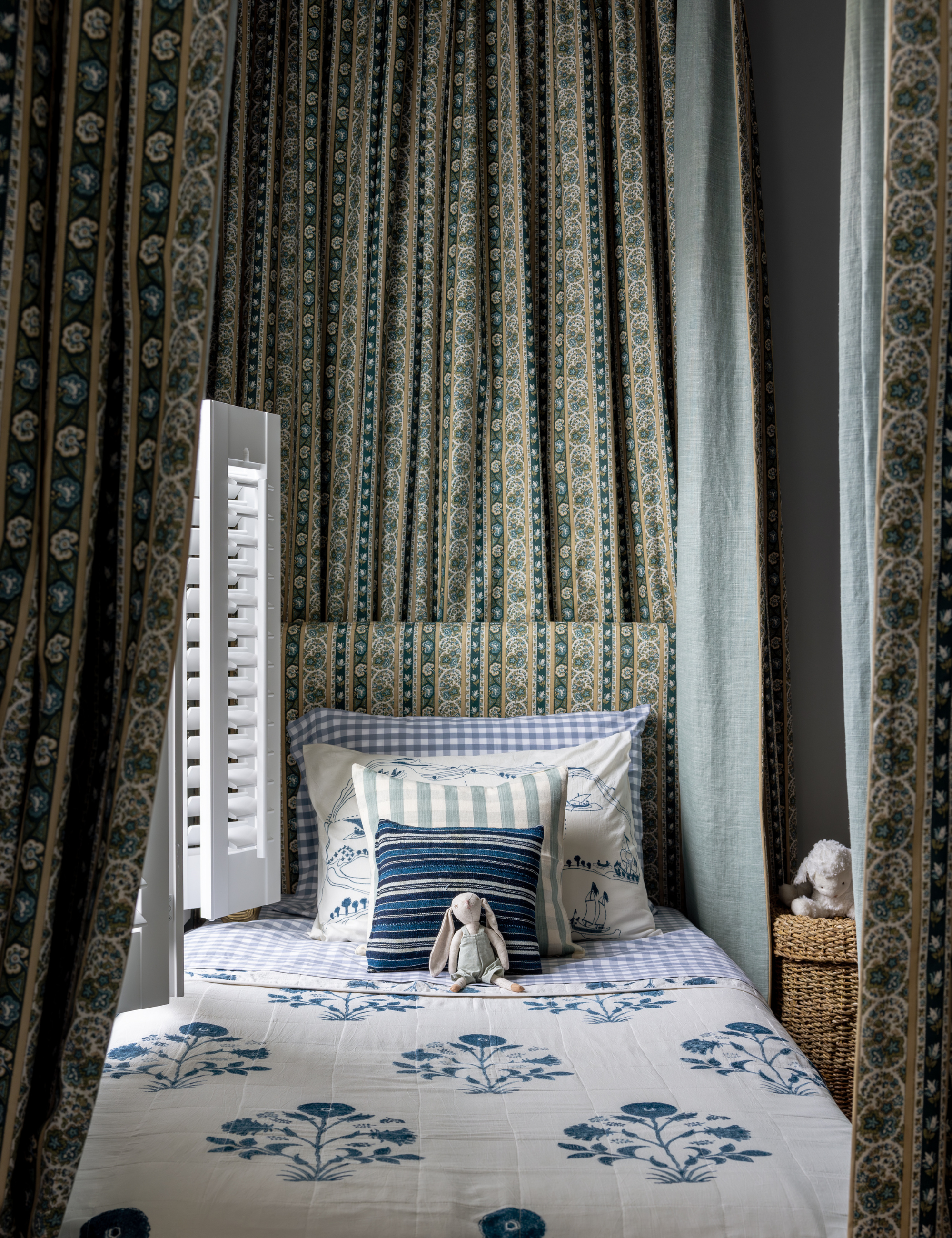
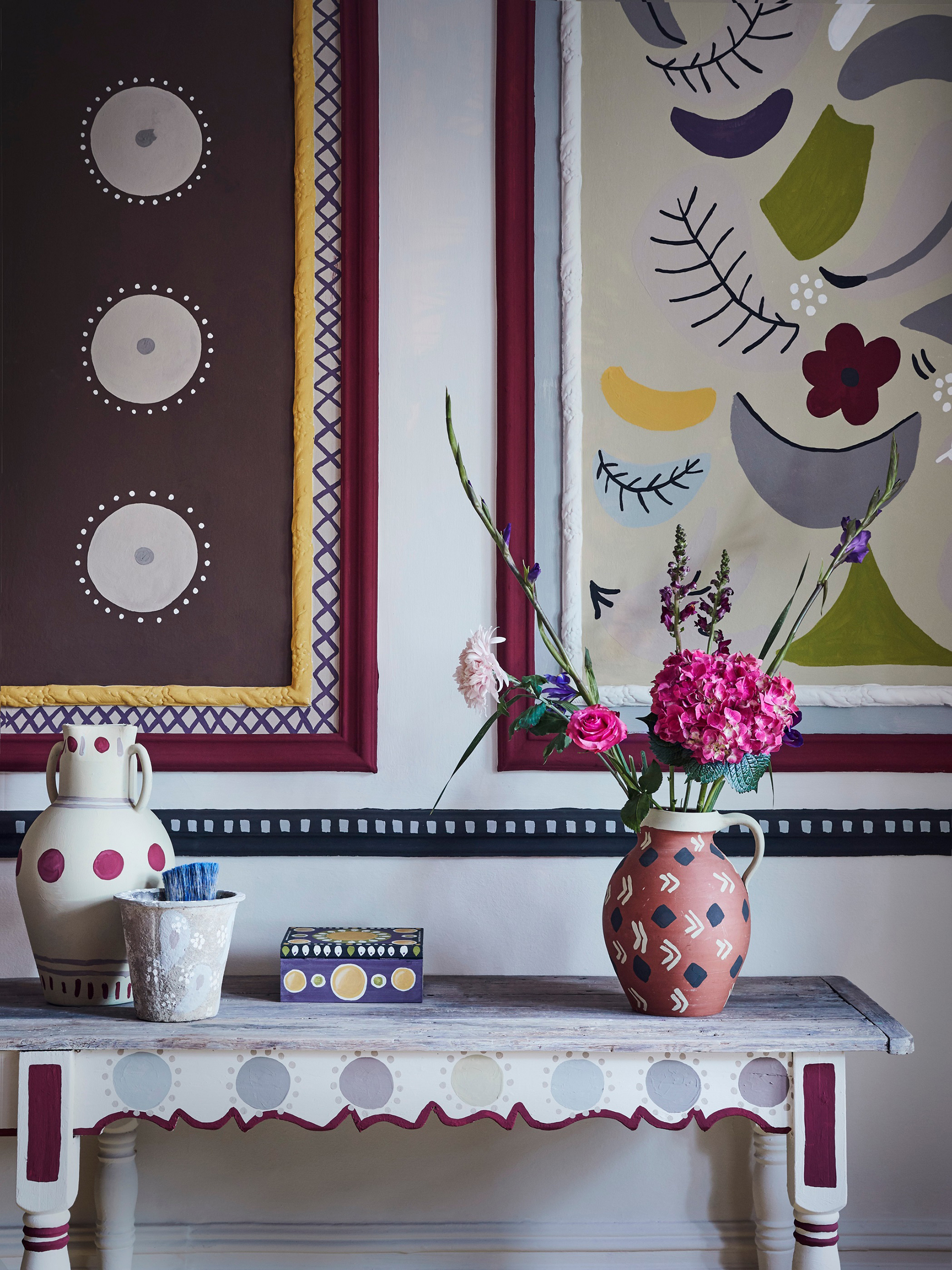
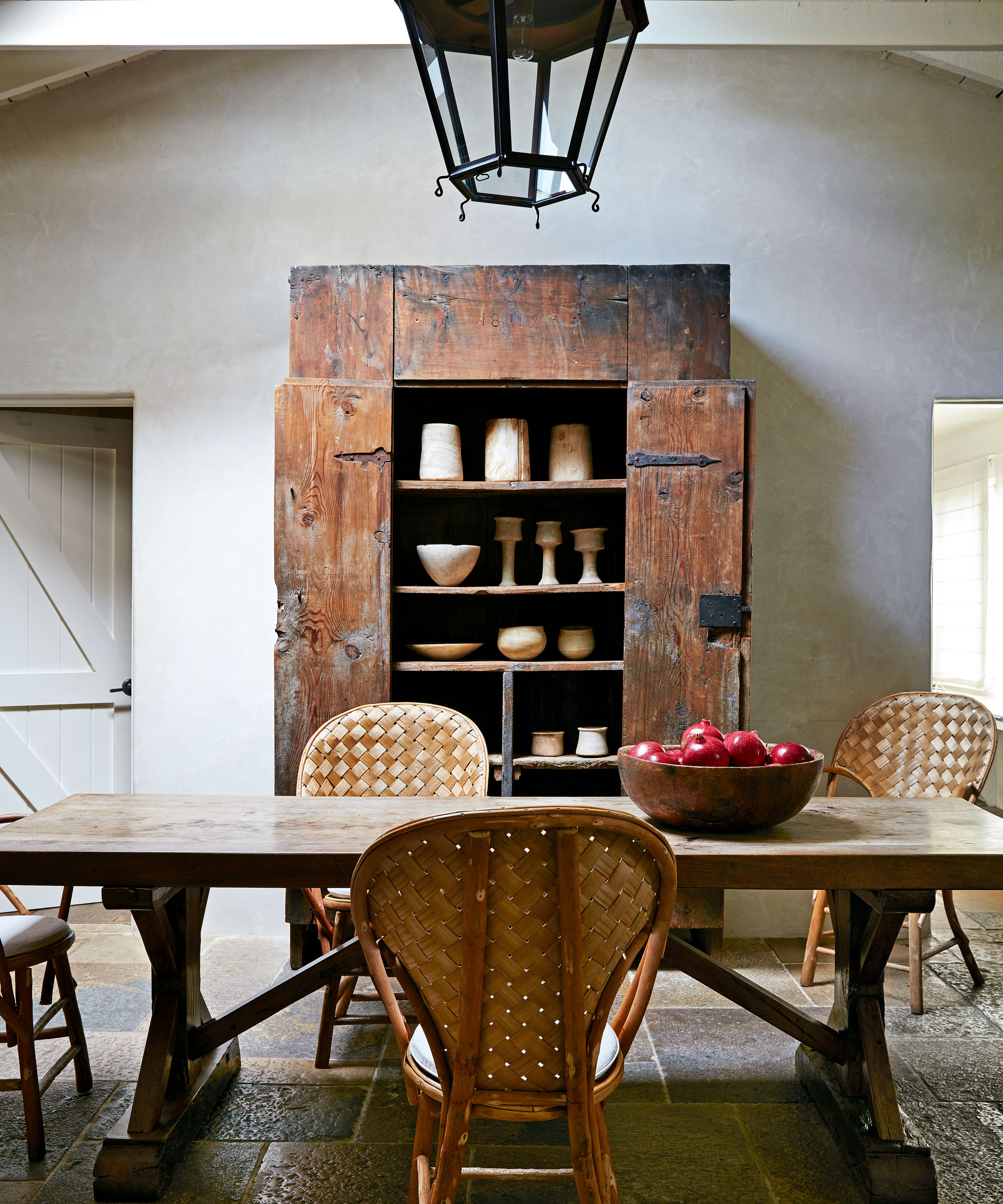
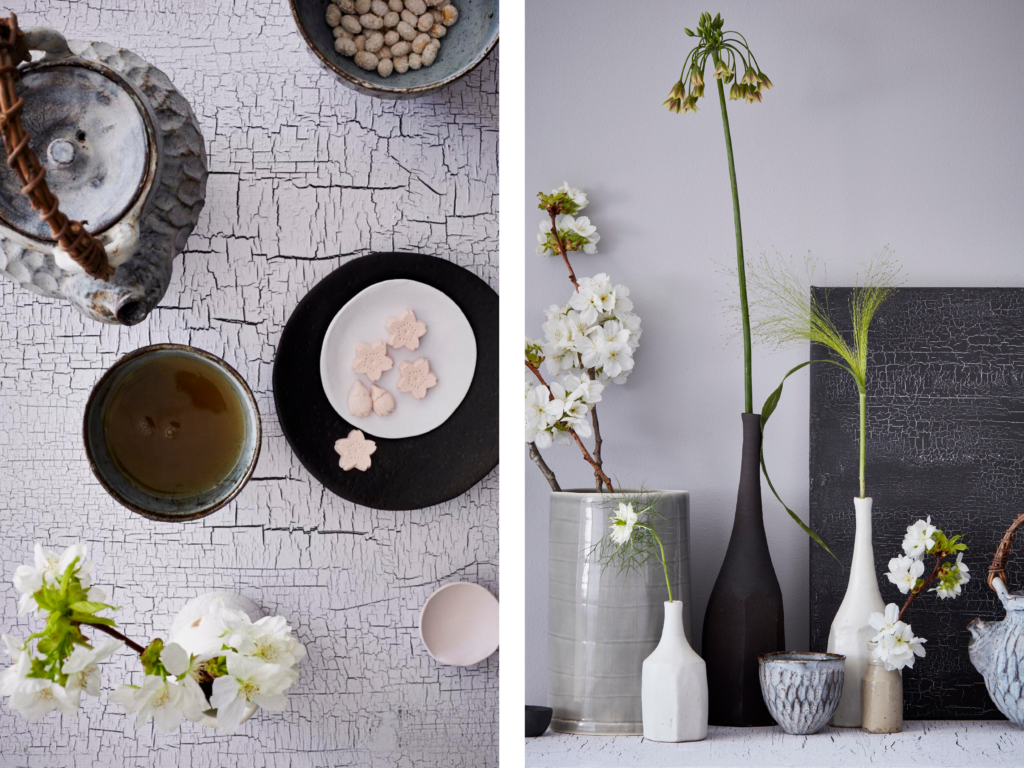
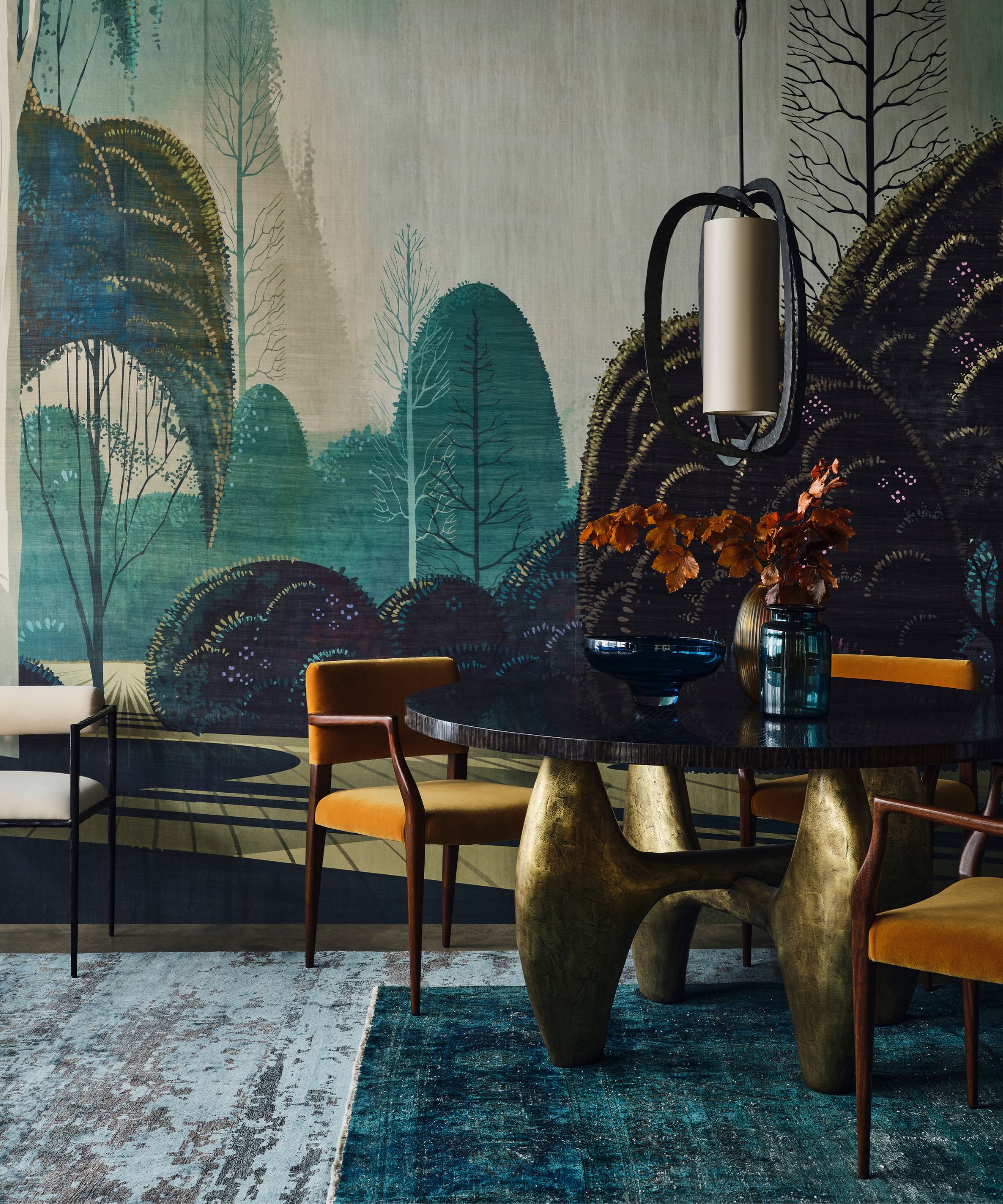
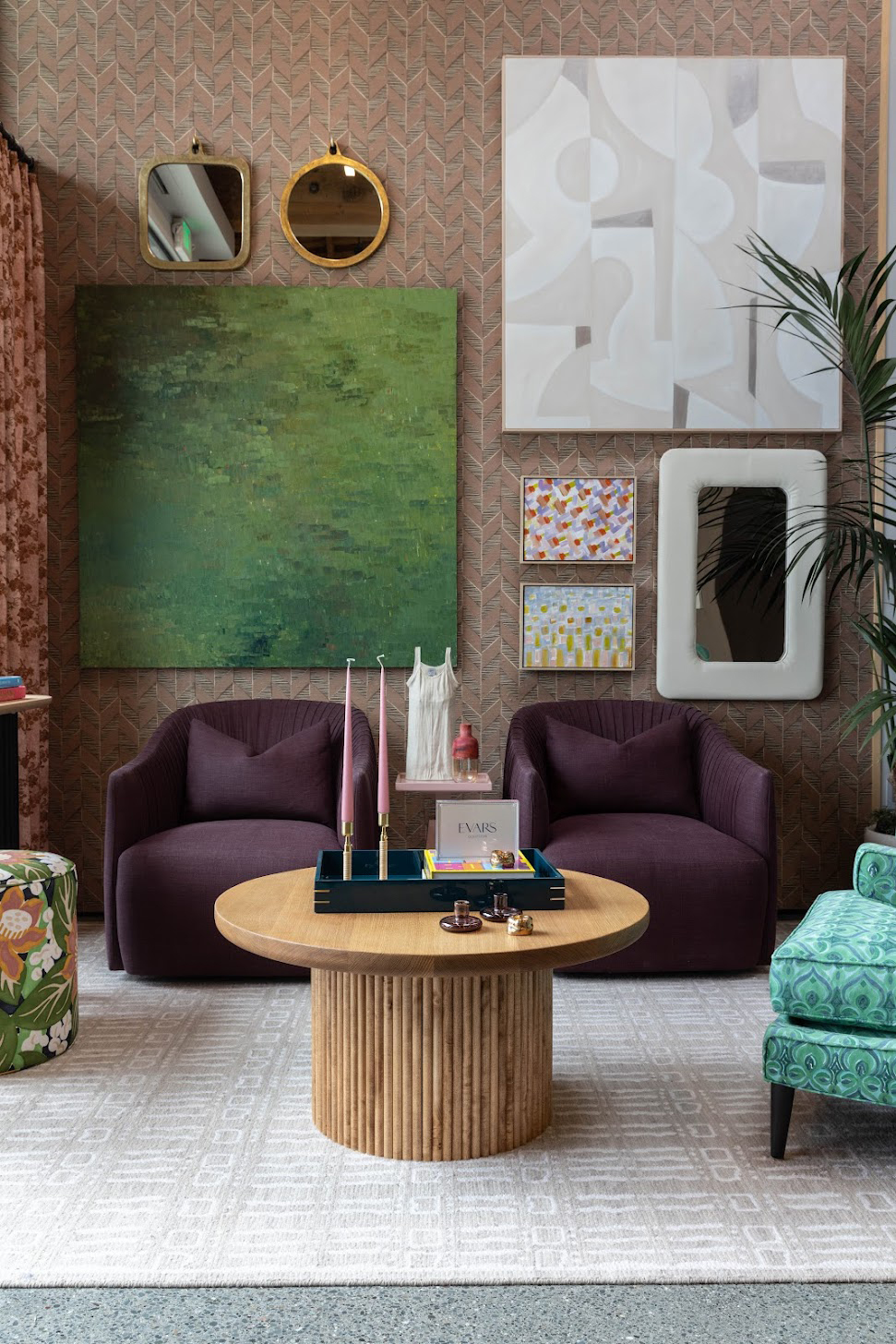
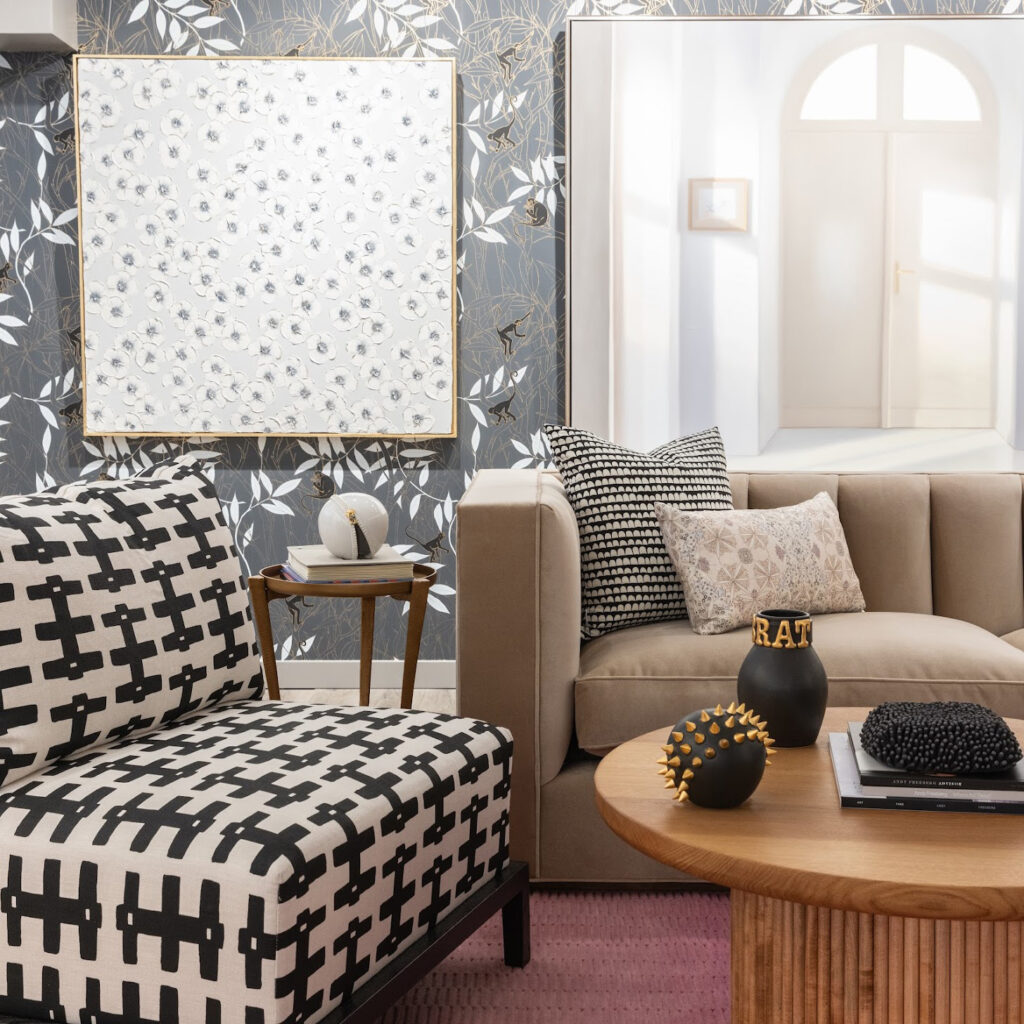
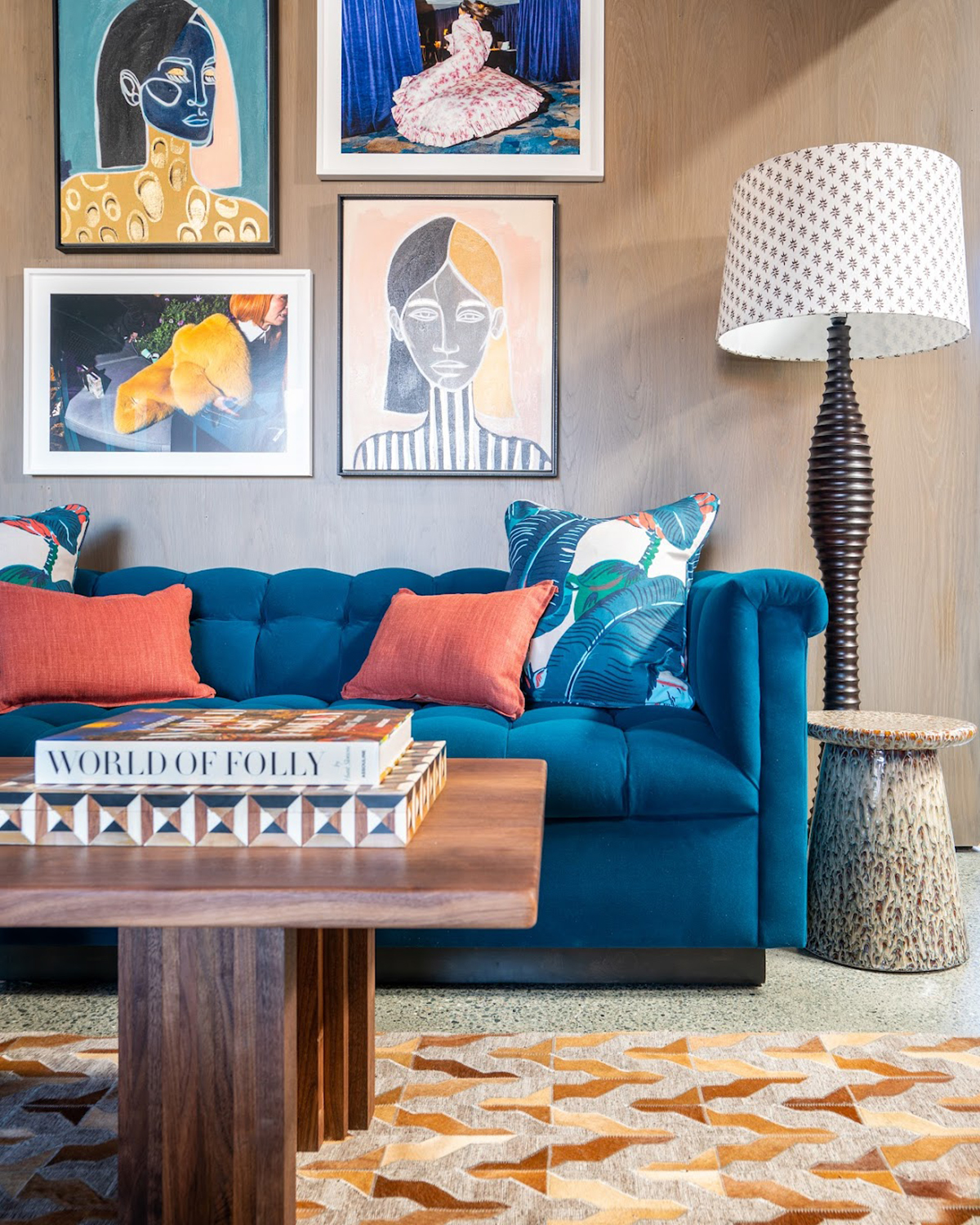
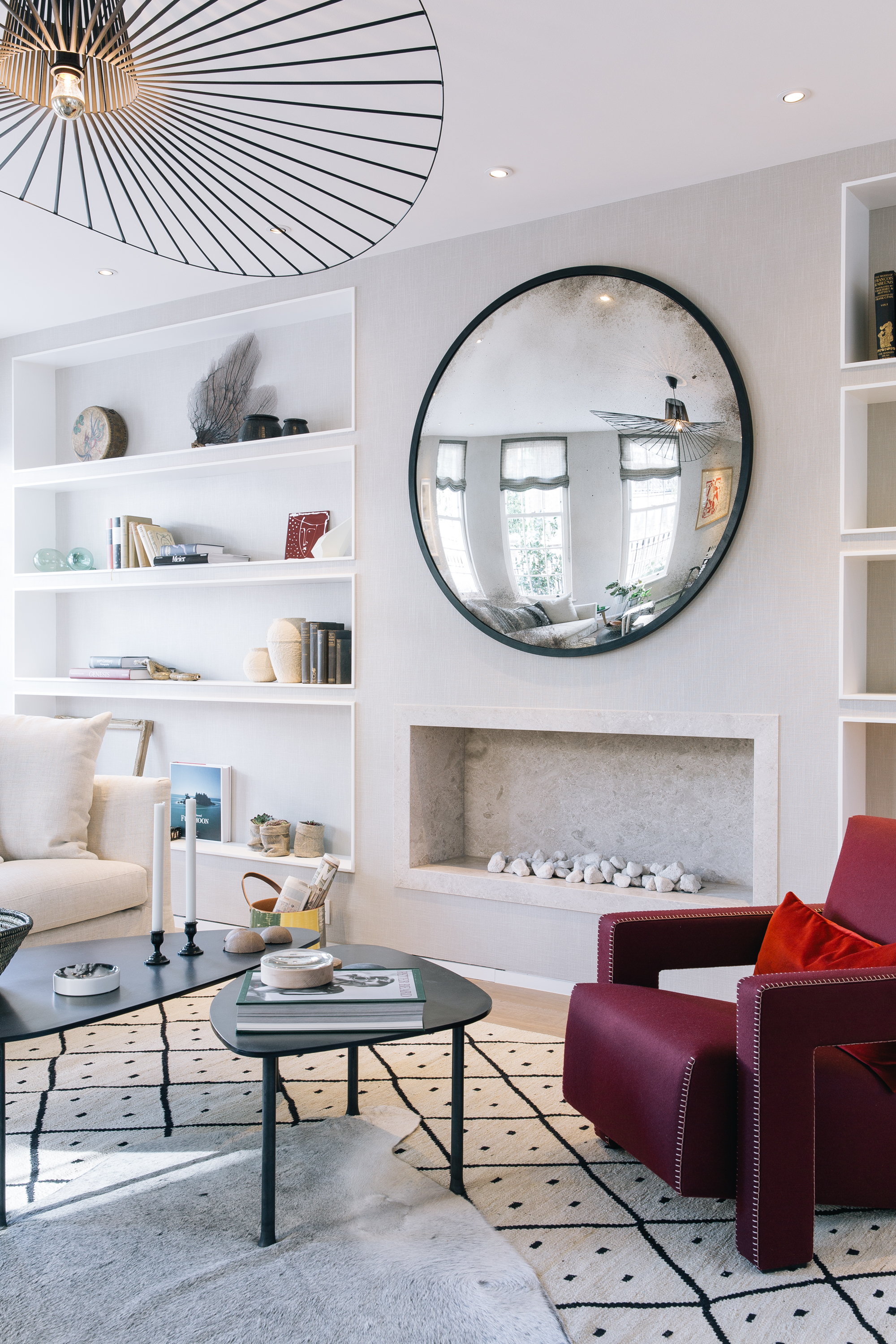
Texture is an essential yet often overlooked element in interior design, crucial for adding depth, weight, and interest to a space. It contributes to making a room feel warm and inviting, going beyond mere colors and tones. Achieving effective texture involves strategic layering, starting with a dominant element that defines the mood, then accenting it with contrasting flashes. This approach creates character and visual depth.
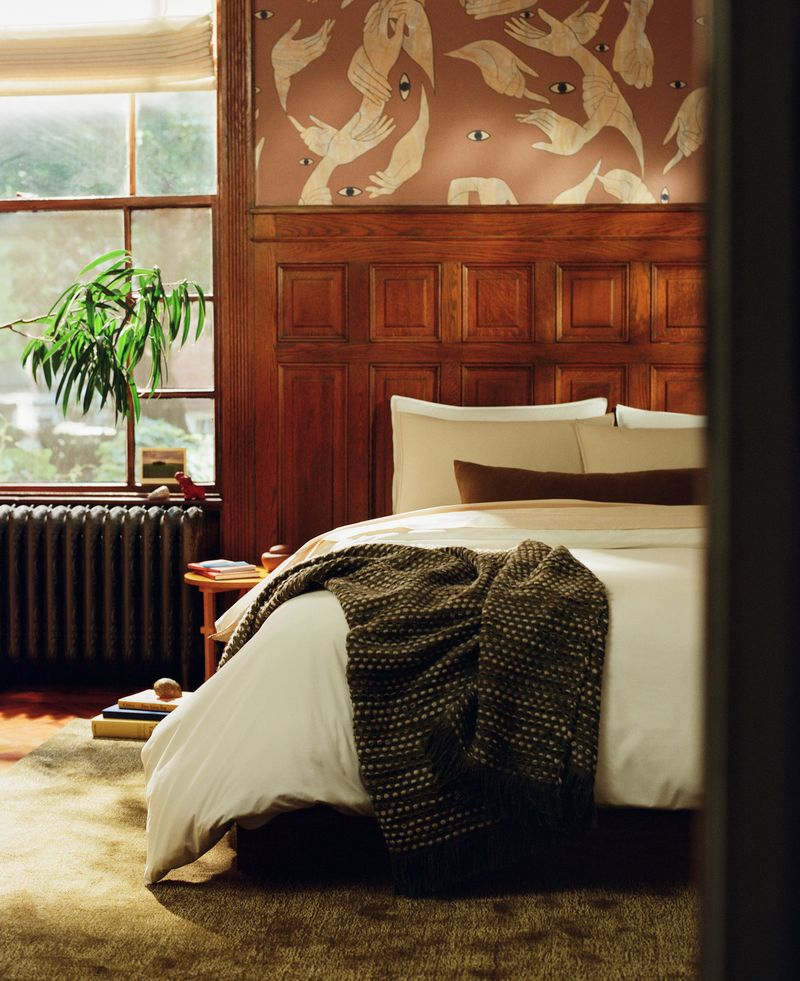
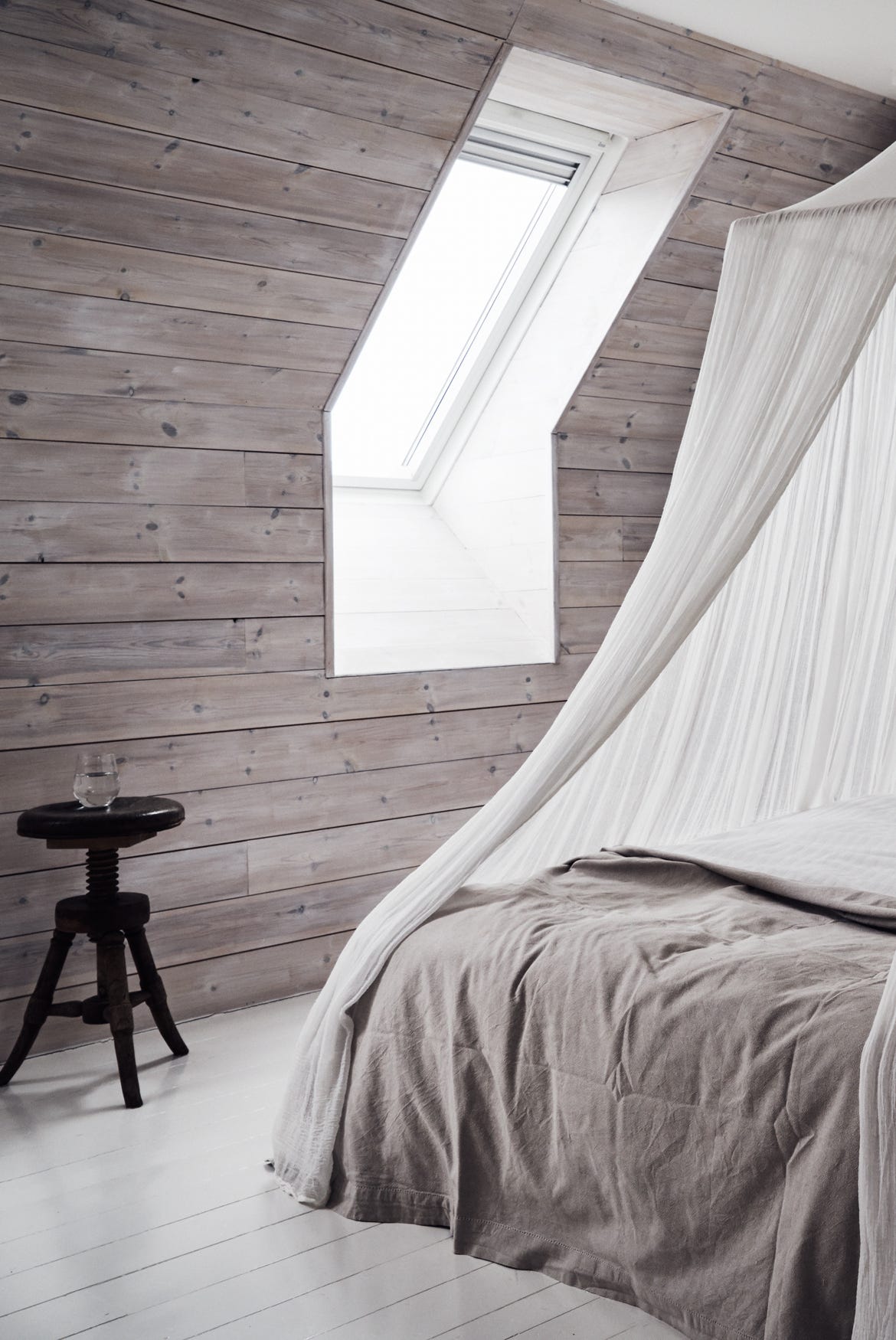
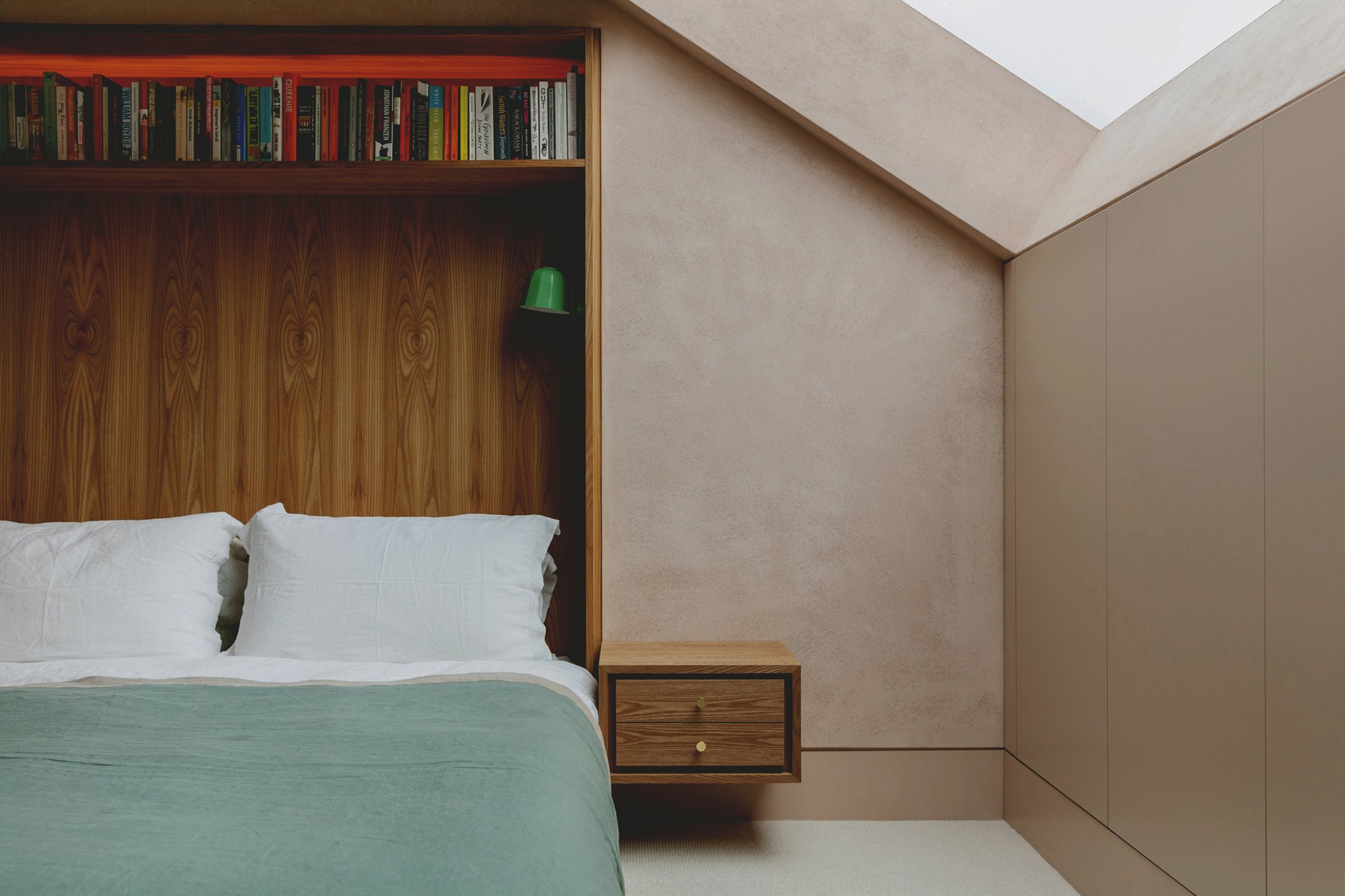
In bedrooms, comfort is paramount. A tailored bedhead, such as upholstered options from Heatherley Design or Mexsii, serves as an excellent starting point. This can be complemented by a rug that echoes the bedhead's pattern or palette, along with beautiful linen. Incorporating decorative pillows, like those from Kip & Co, adds a statement, while timber tones or a fabric pendant light can introduce softness. To prevent an overwhelming sense of coziness, it is important to contrast soft elements with hard surfaces, such as cabinetry, timber bulkheads, or industrial bedside lamps.
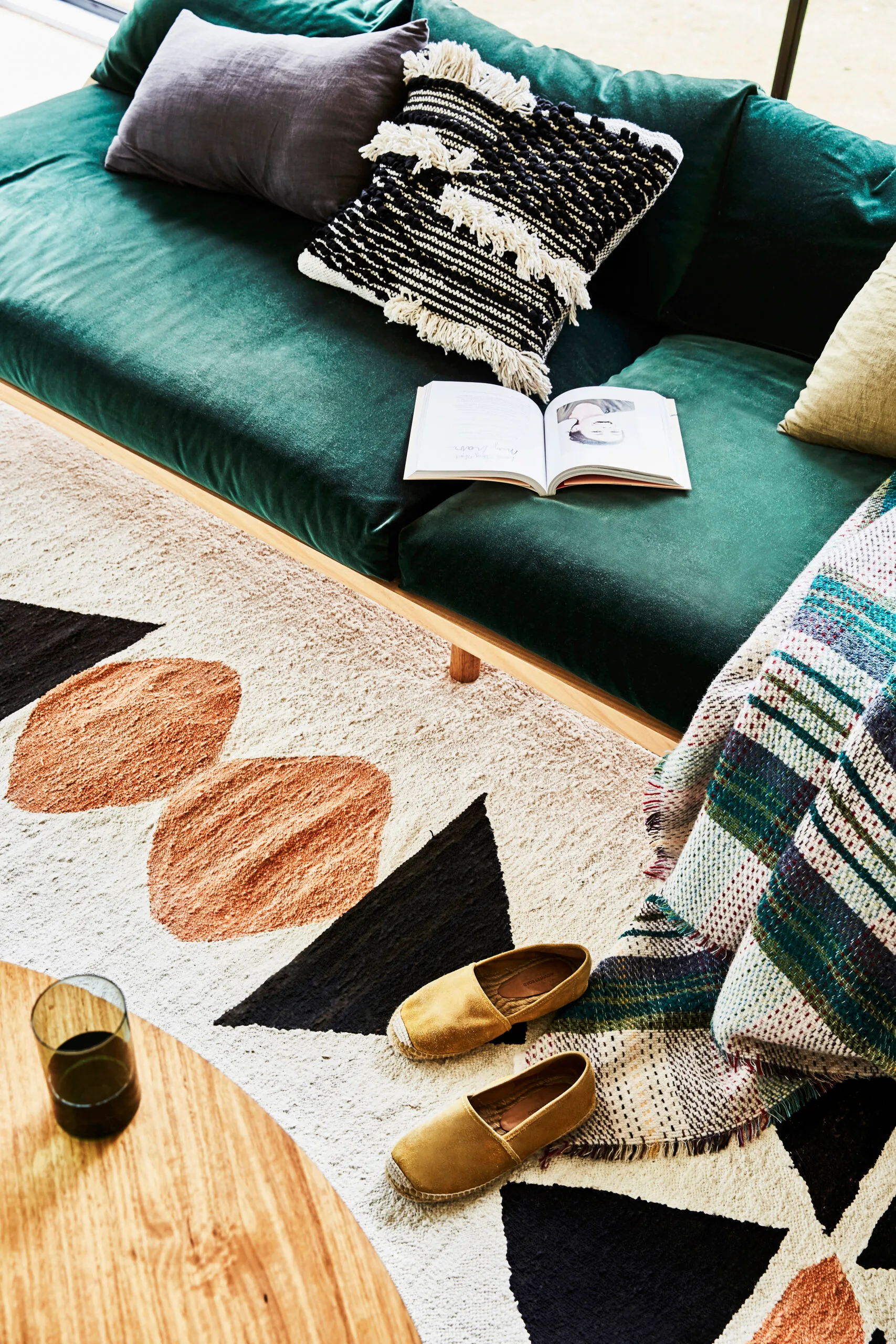
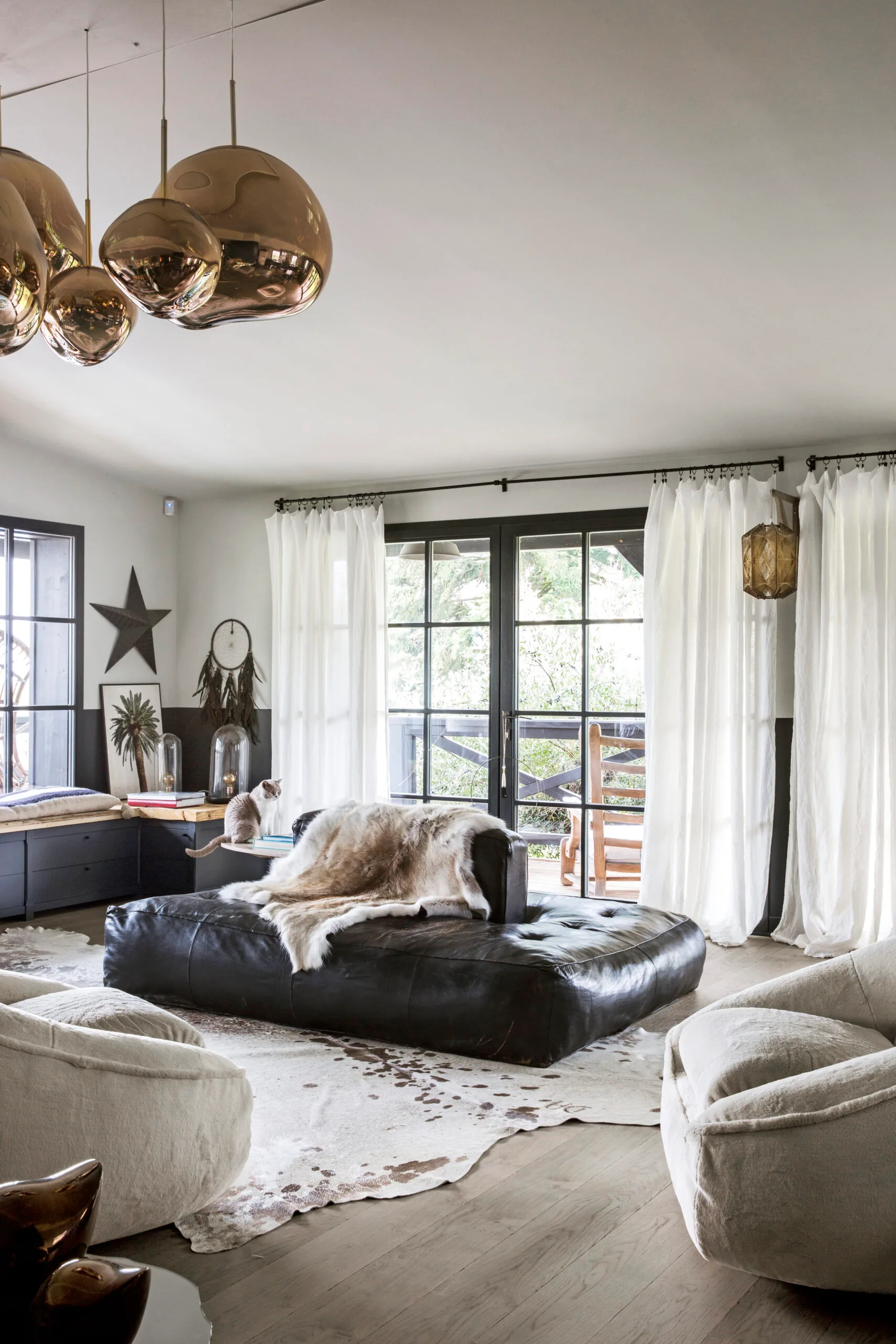
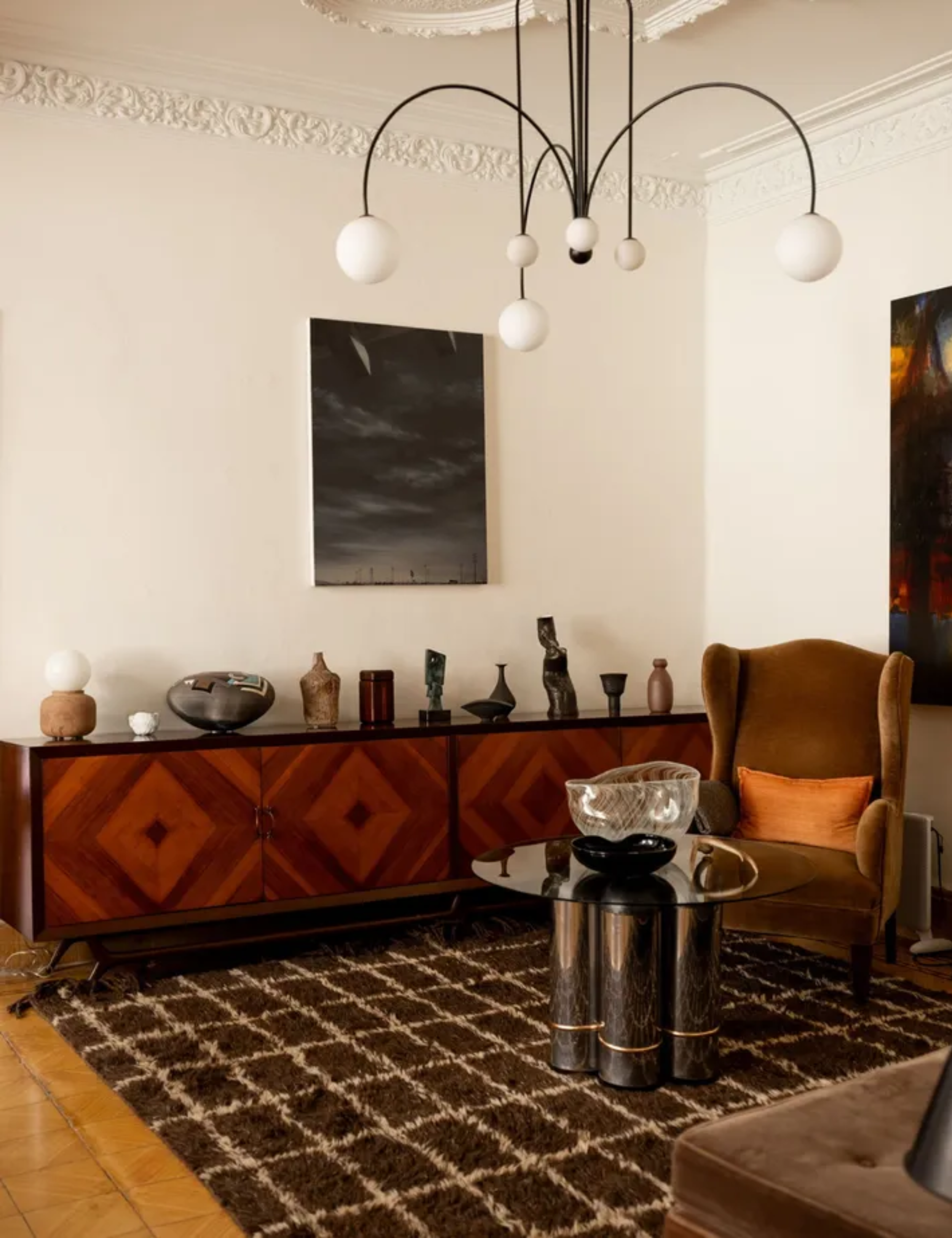
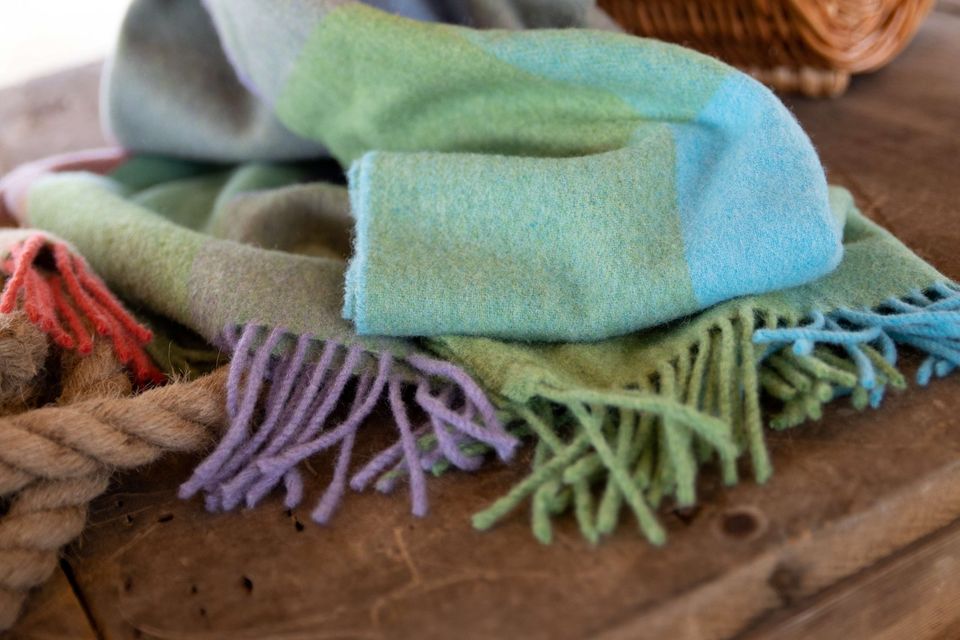
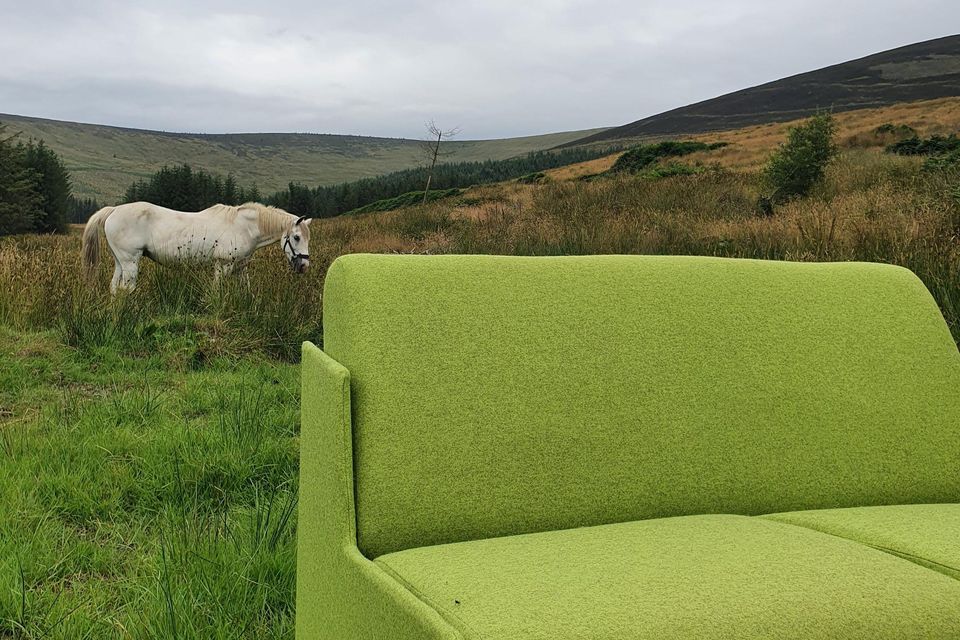
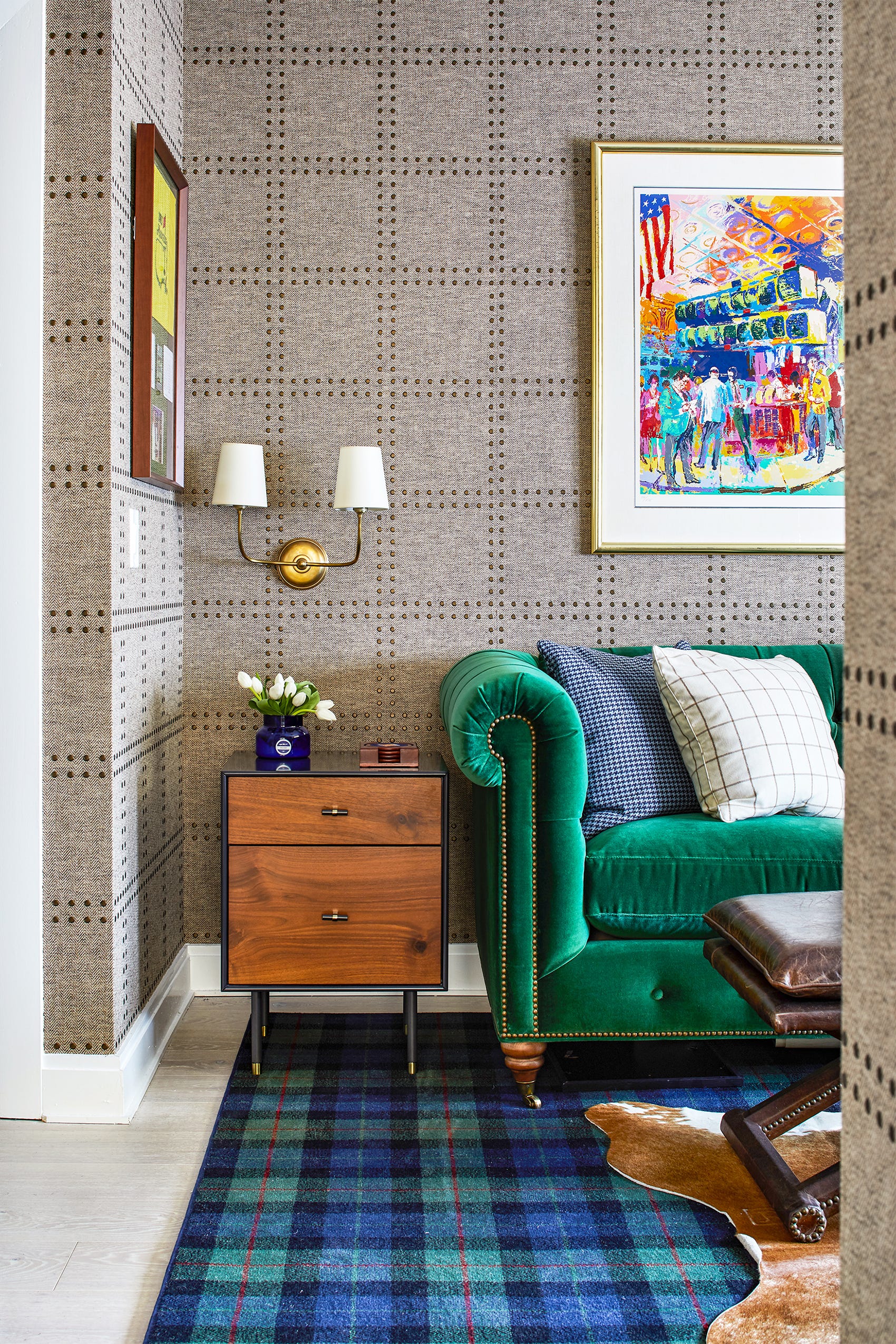
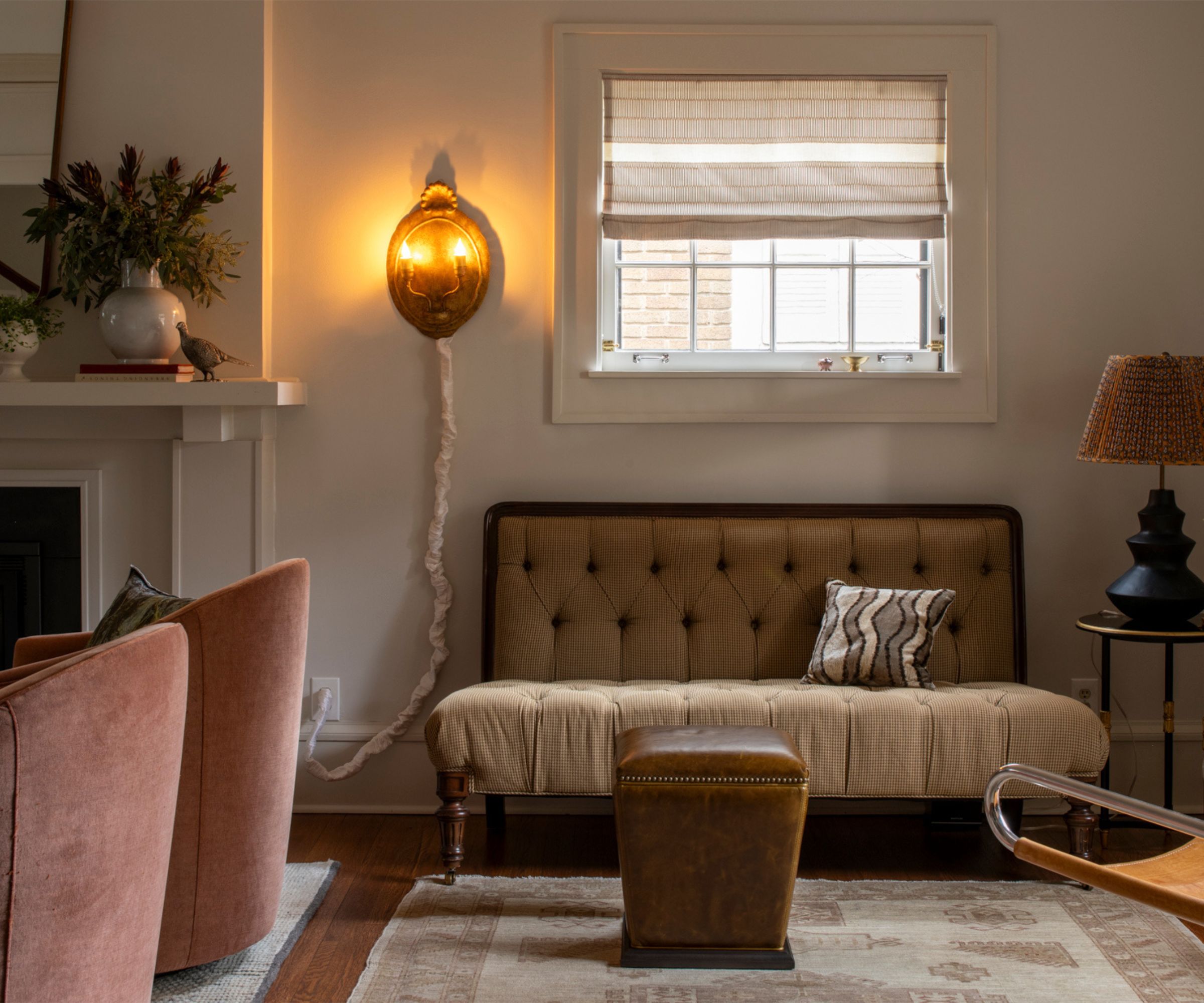
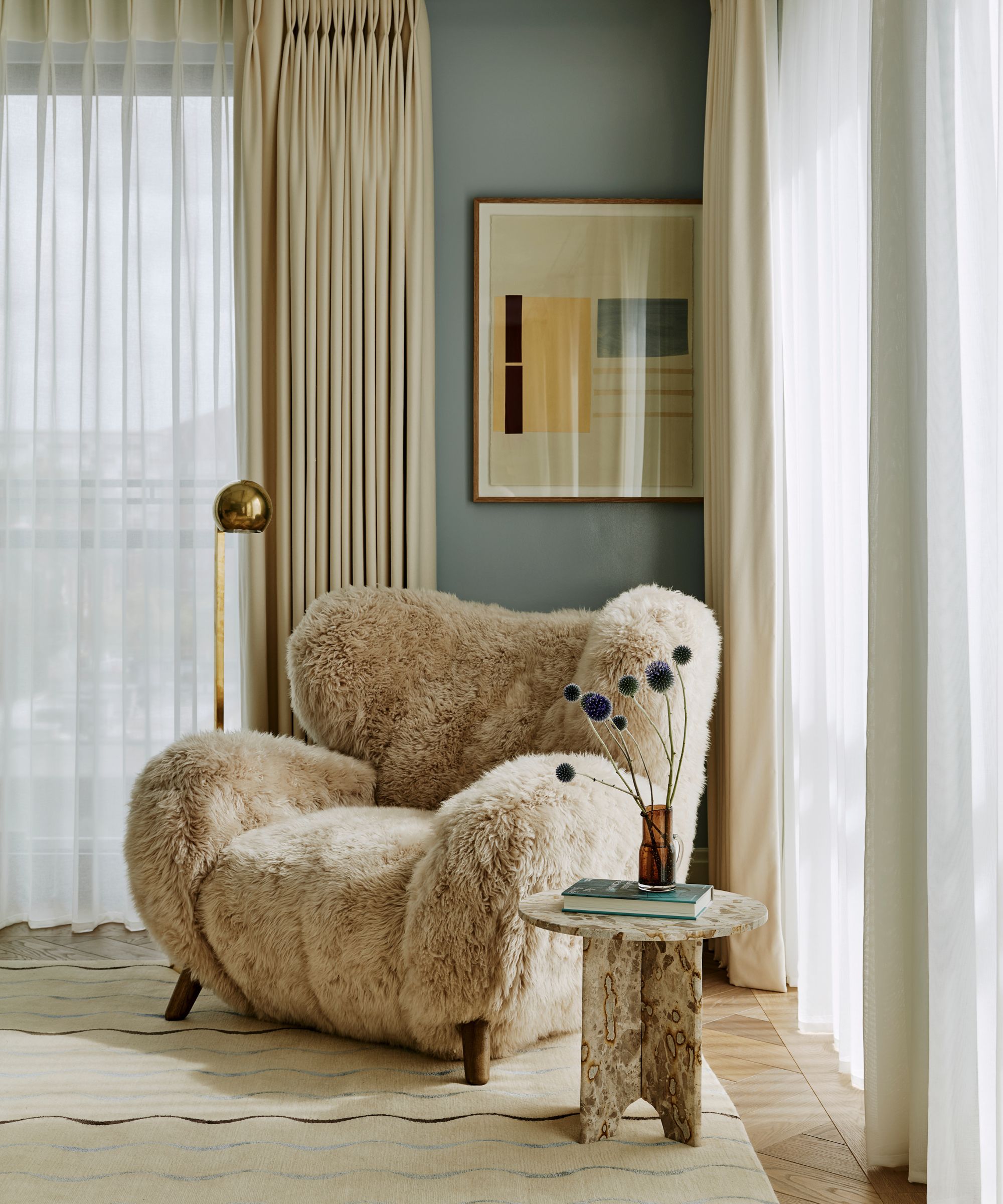
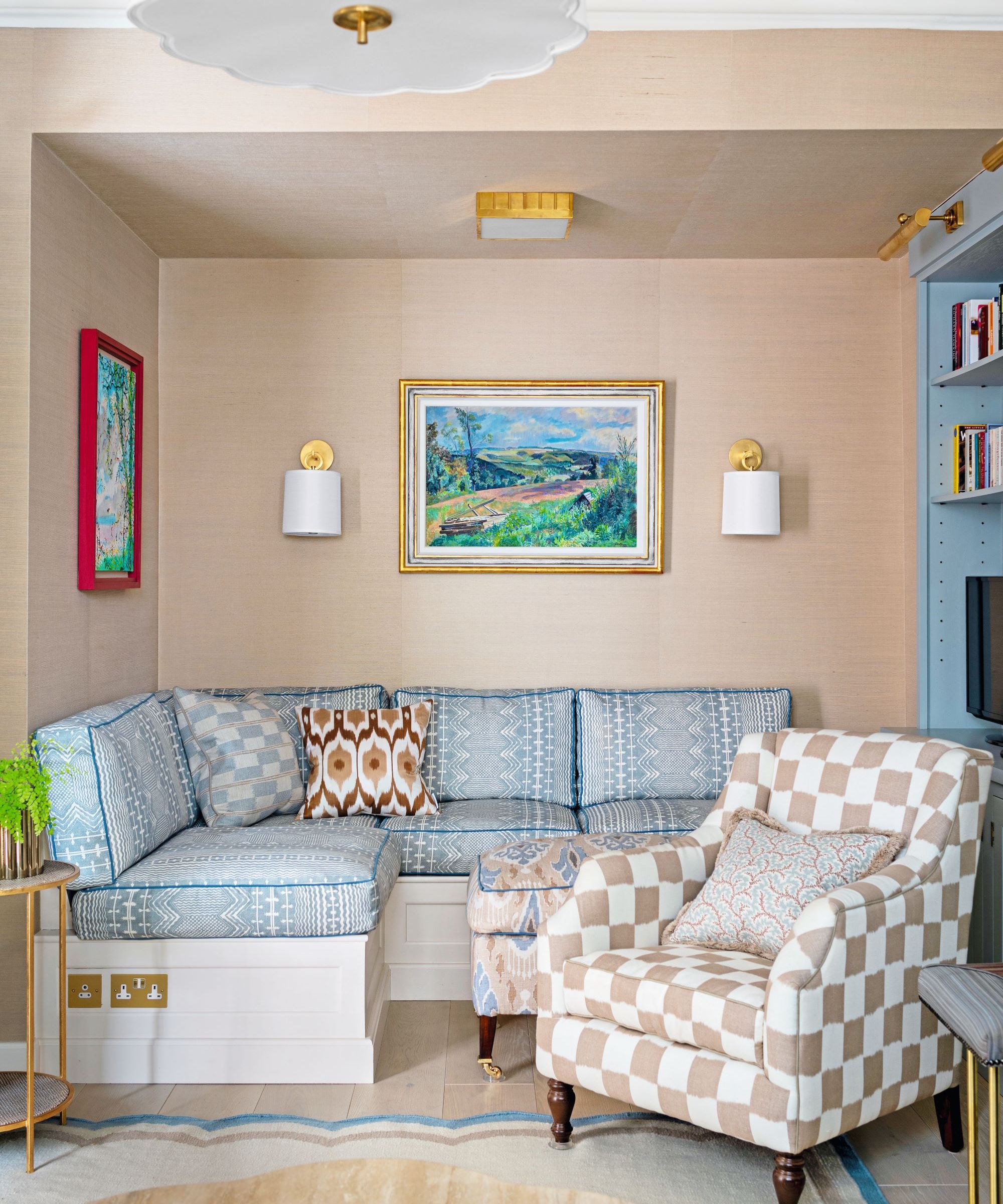
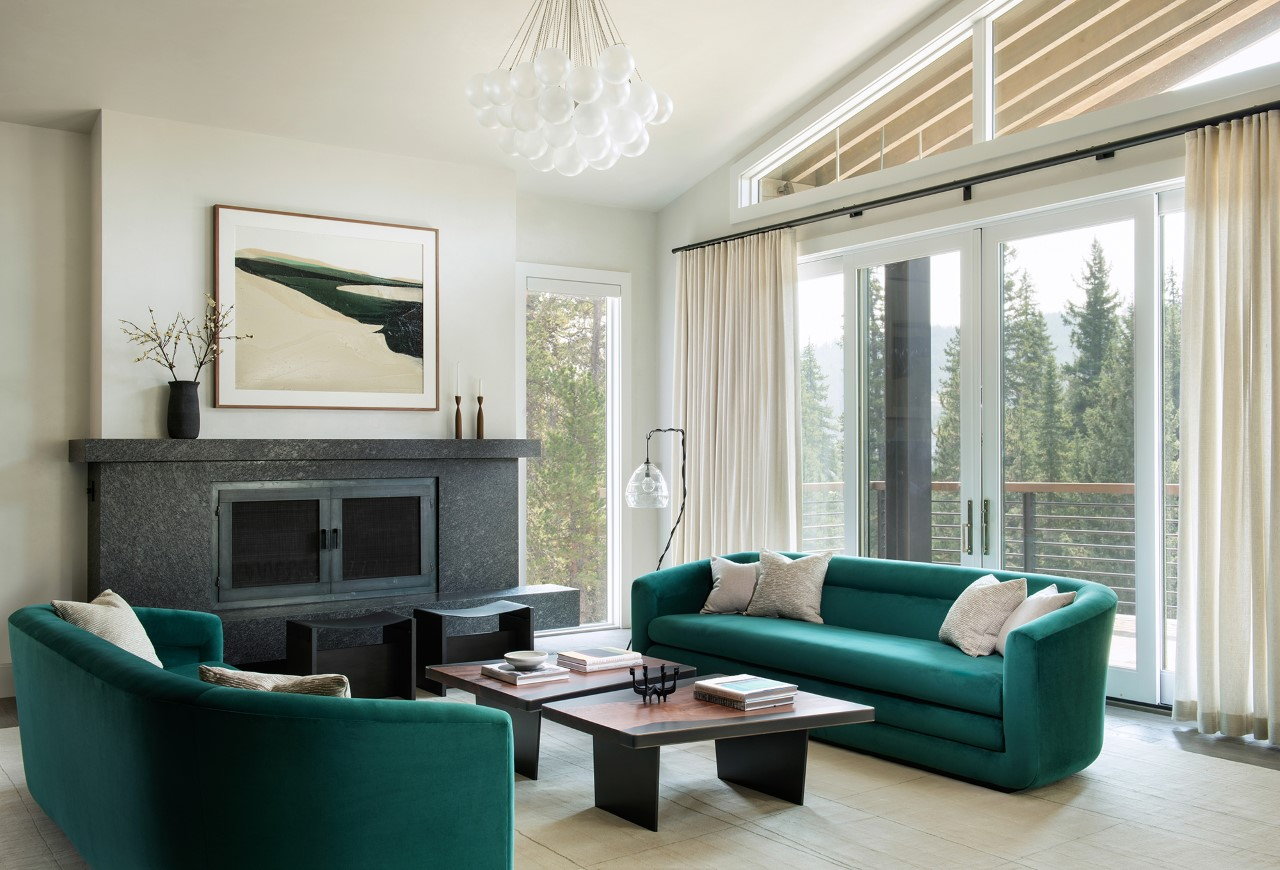

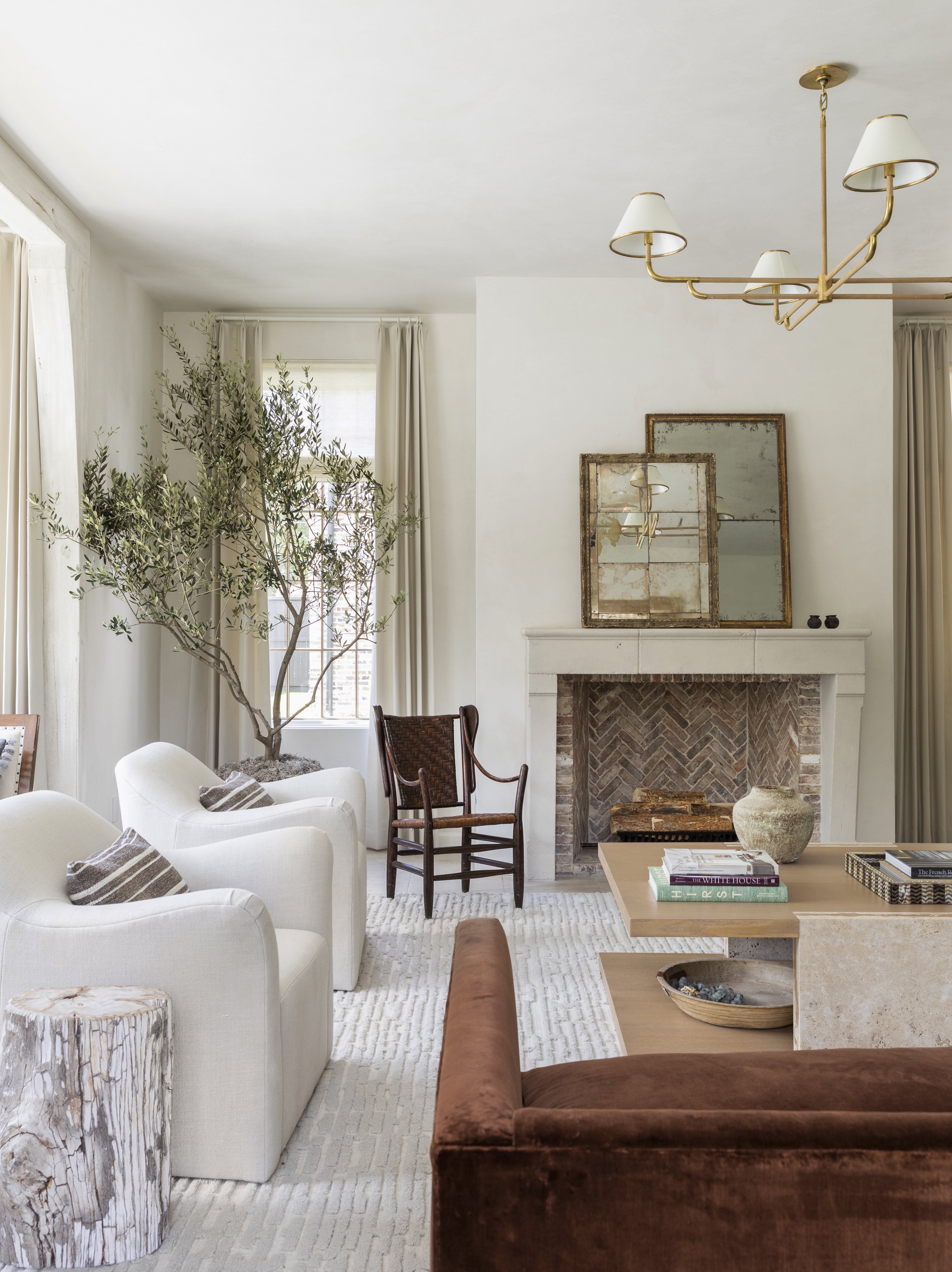
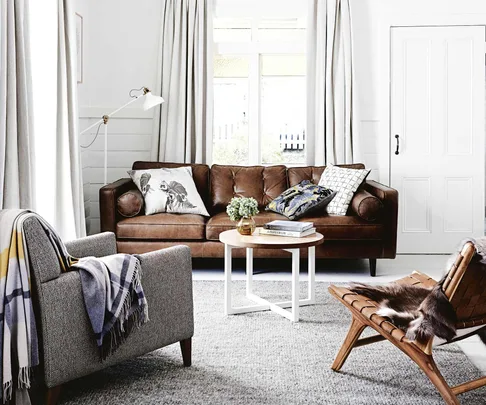
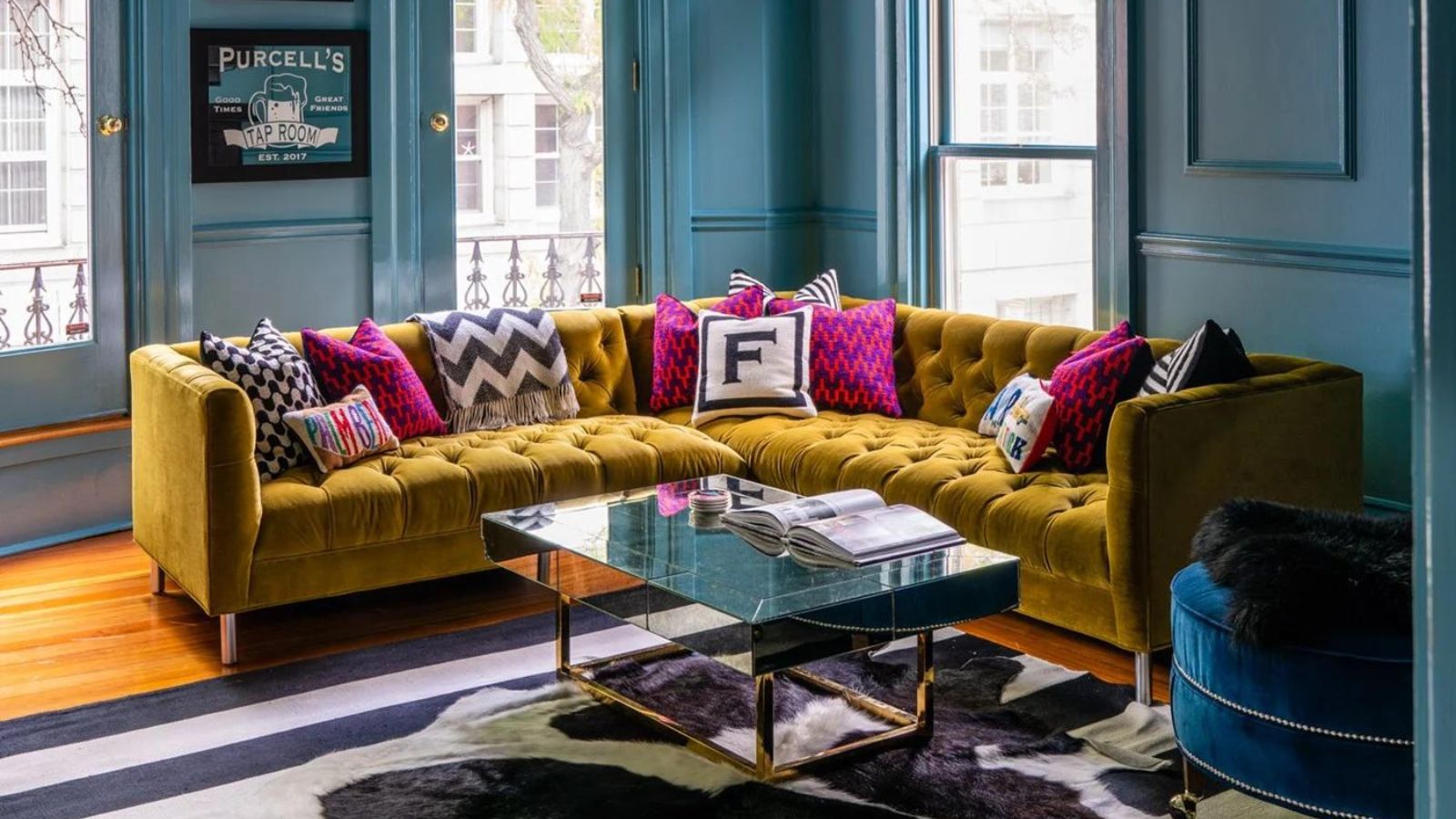
For living areas, a fabric or velvet lounge provides a good foundation for texture. Leather lounges can be enhanced with tactile blankets from brands like Sage And Clare, and soft throws work well with any type of lounge. A sheepskin can beautifully complement a fabric couch. A variety of cushions and throws are beneficial for layering, but the application of texture should extend further. Layered rugs on hard floors offer both visual interest and textural contrast. Additionally, incorporating different tones of timber, ensuring consistent finishes and tonal bases, can further enrich the space.
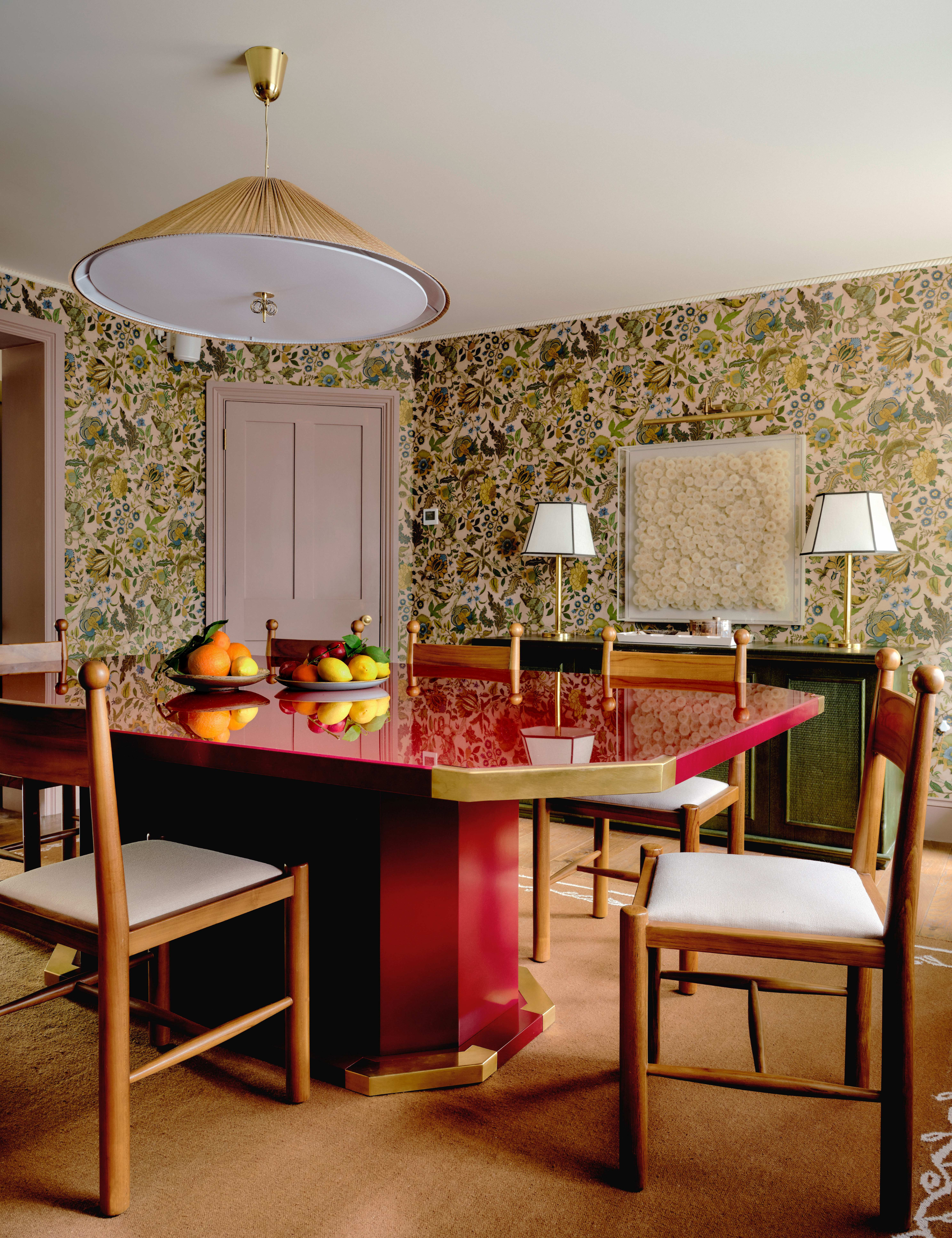
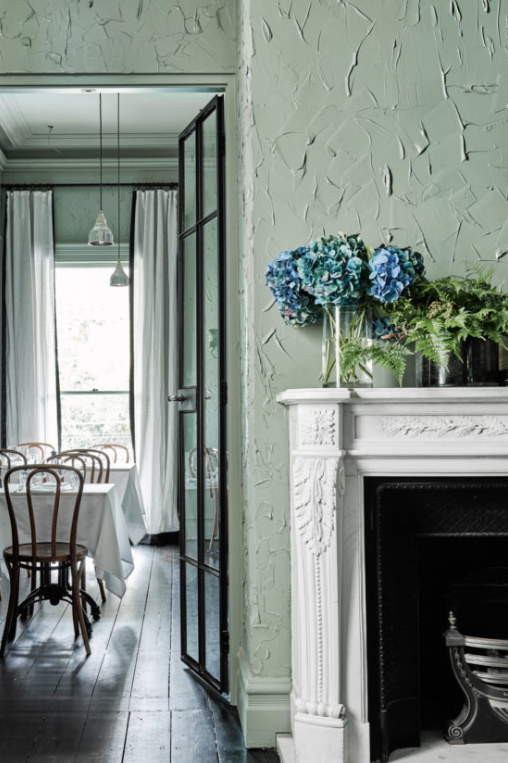
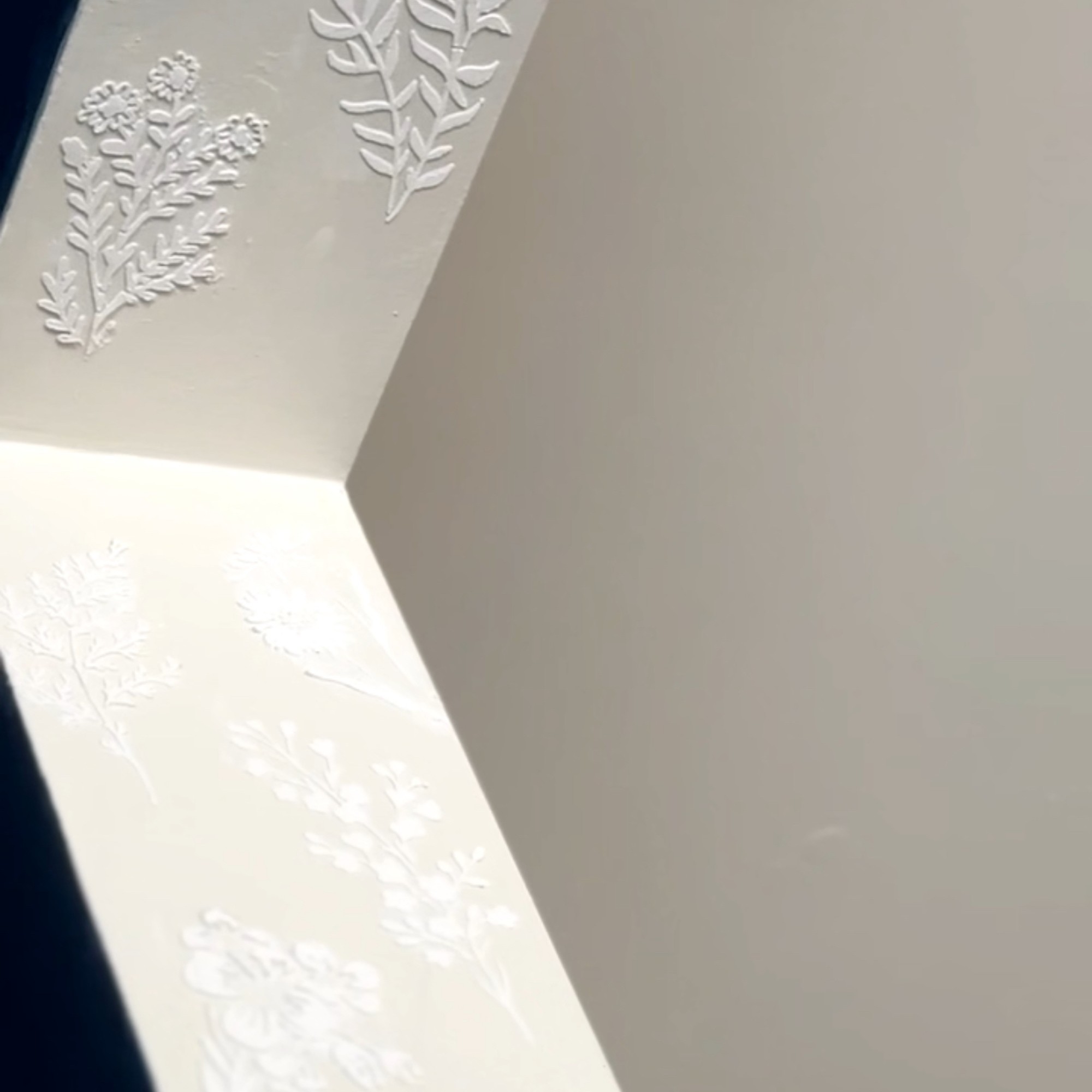
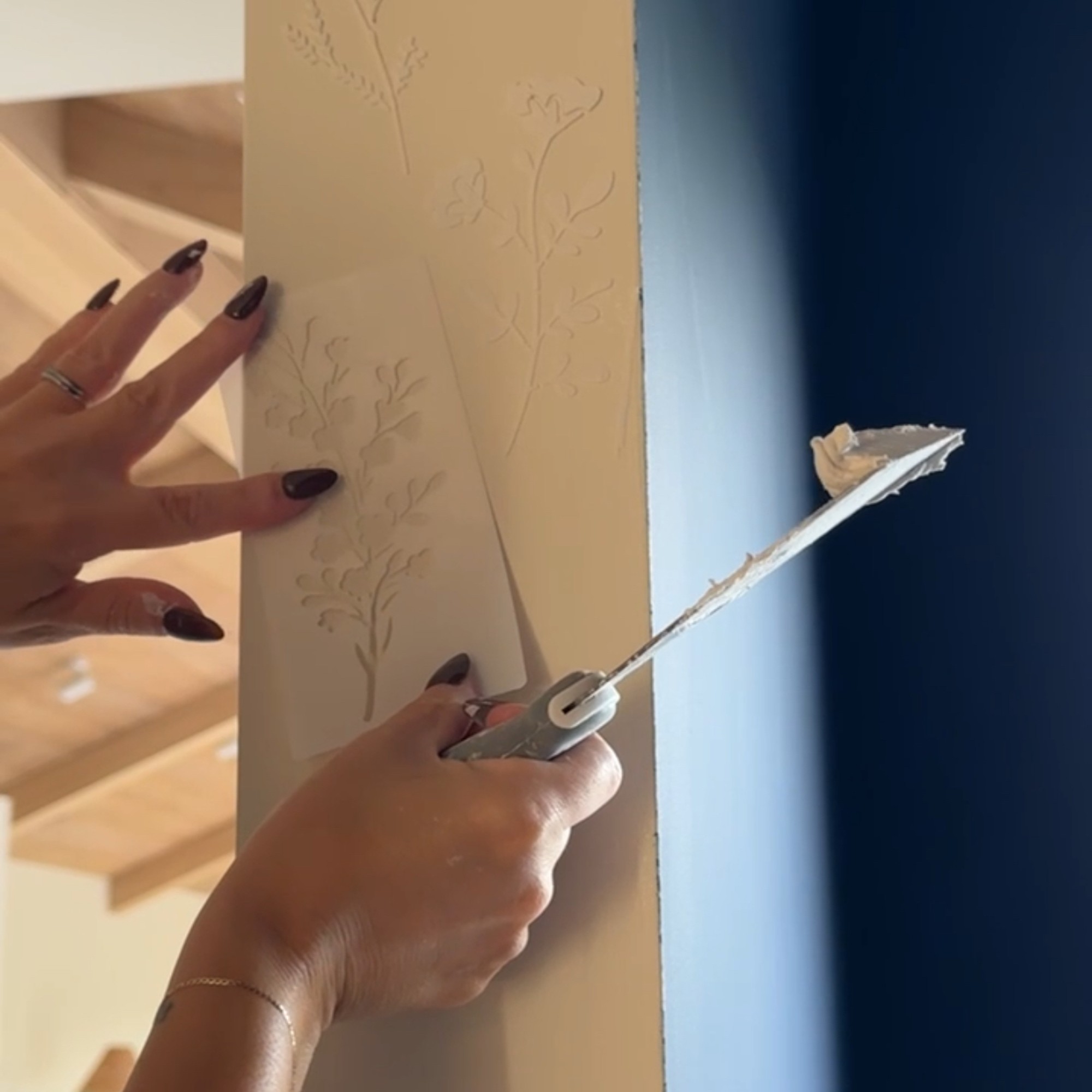
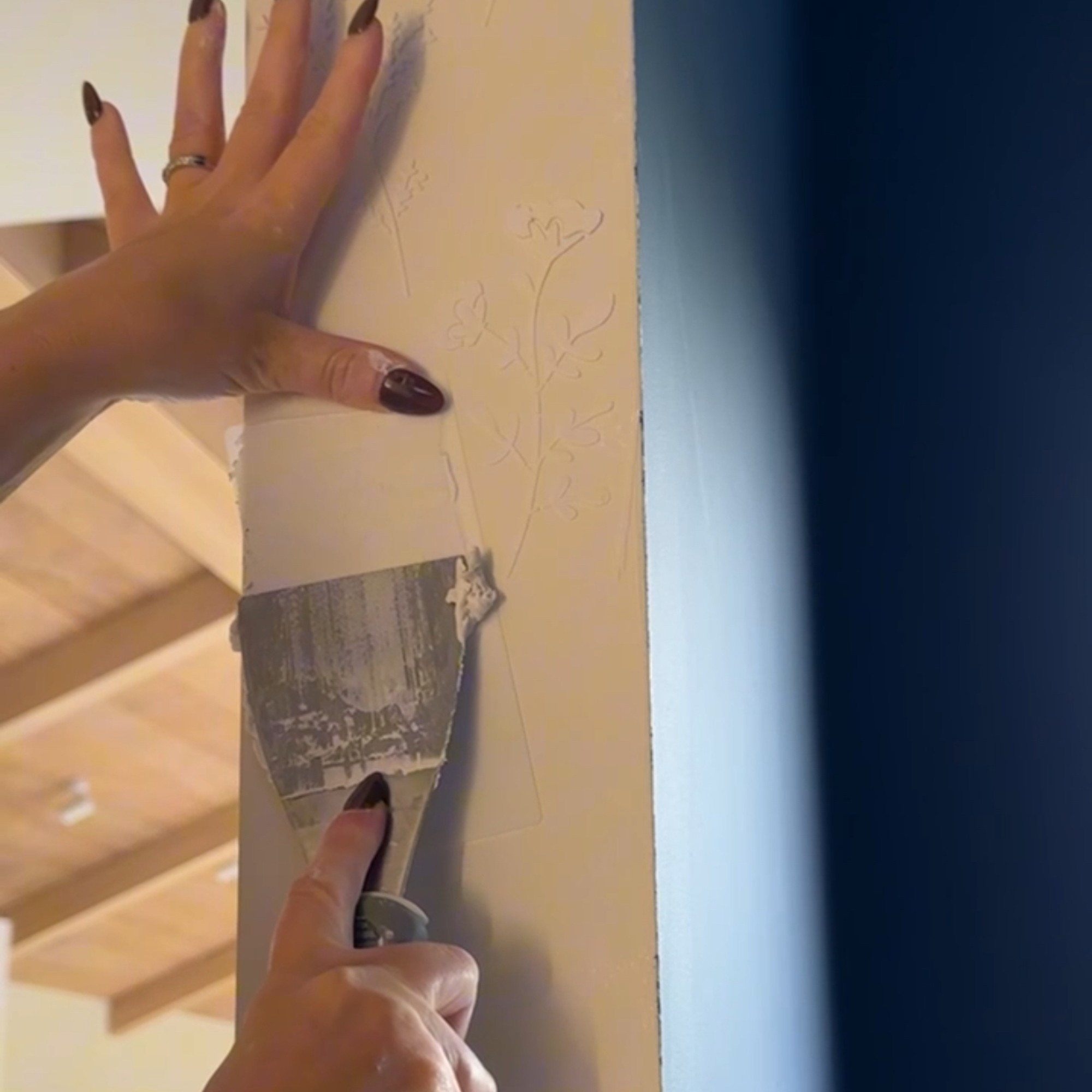
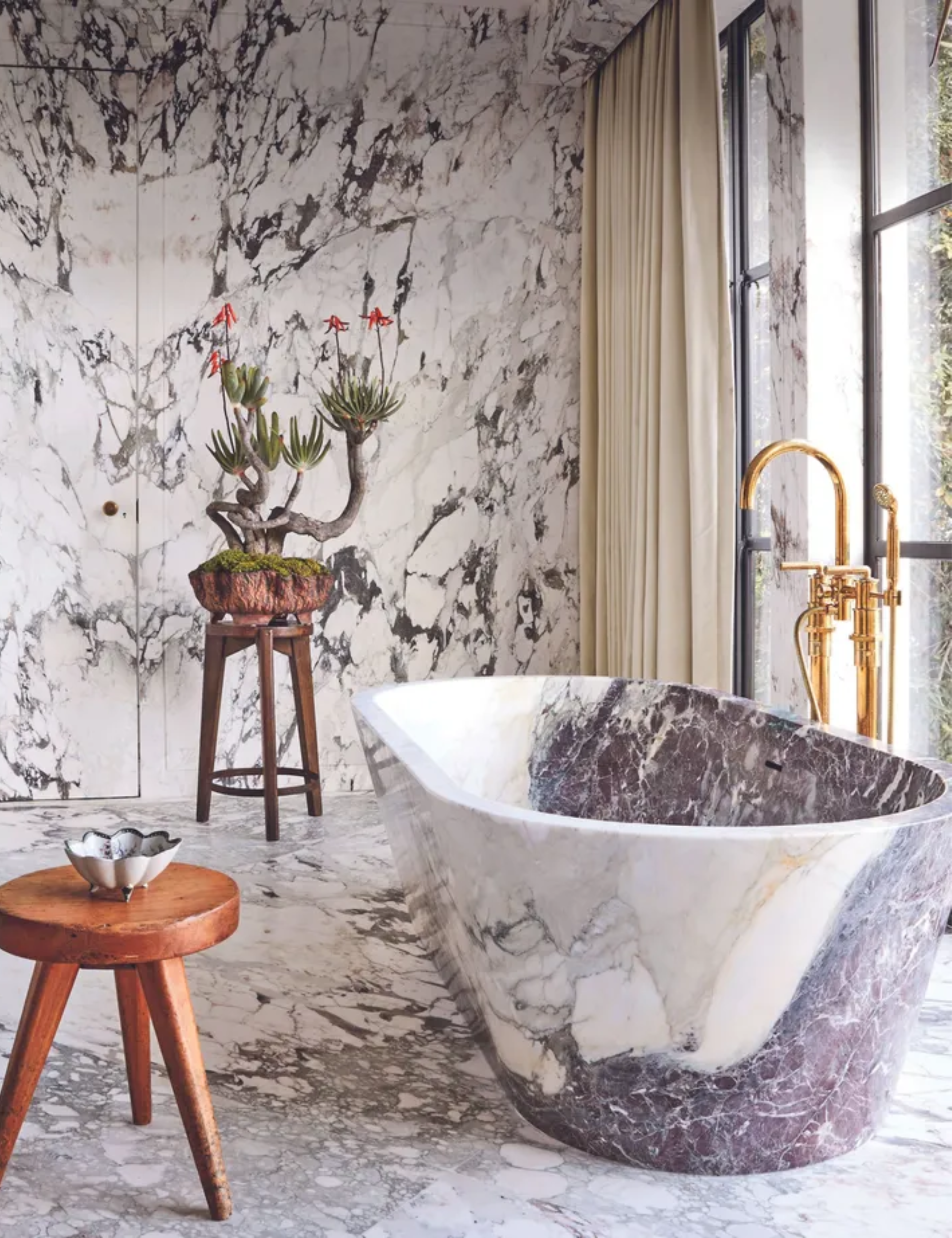
Textured wallpaper, ranging from seagrass to paintable varieties, can subtly elevate a room, even with minimal changes. Greenery acts as a bridge between hard and soft finishes, completing the layered look. In bathrooms, where floor-to-ceiling tiles are common, selecting natural stone options like honed Carrara marble or limestone can introduce a soft finish, contributing to a cozy atmosphere. Greenery, timber elements, and fluffy towels are essential additions to enhance the textural experience in bathrooms.
For kitchens, the principle of balance and layering remains key. In an all-white kitchen, varying shades of white create depth. For dark and glossy kitchens, matte finishes can soften harshness and reduce excessive reflection. A mirrored splashback that reflects an outdoor view introduces an additional dynamic element. Even everyday items like cookbooks can contribute to the kitchen's texture, making the space feel more personal and inviting.
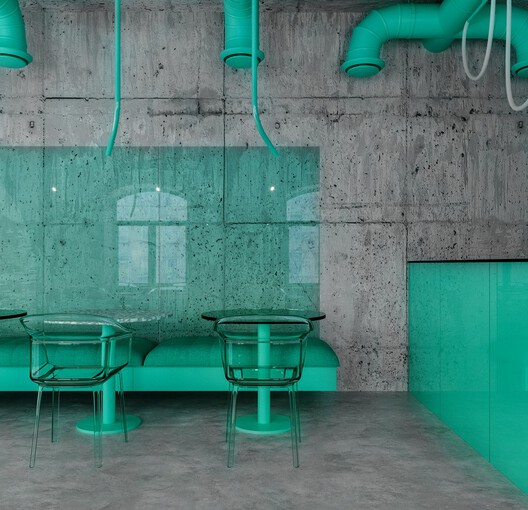
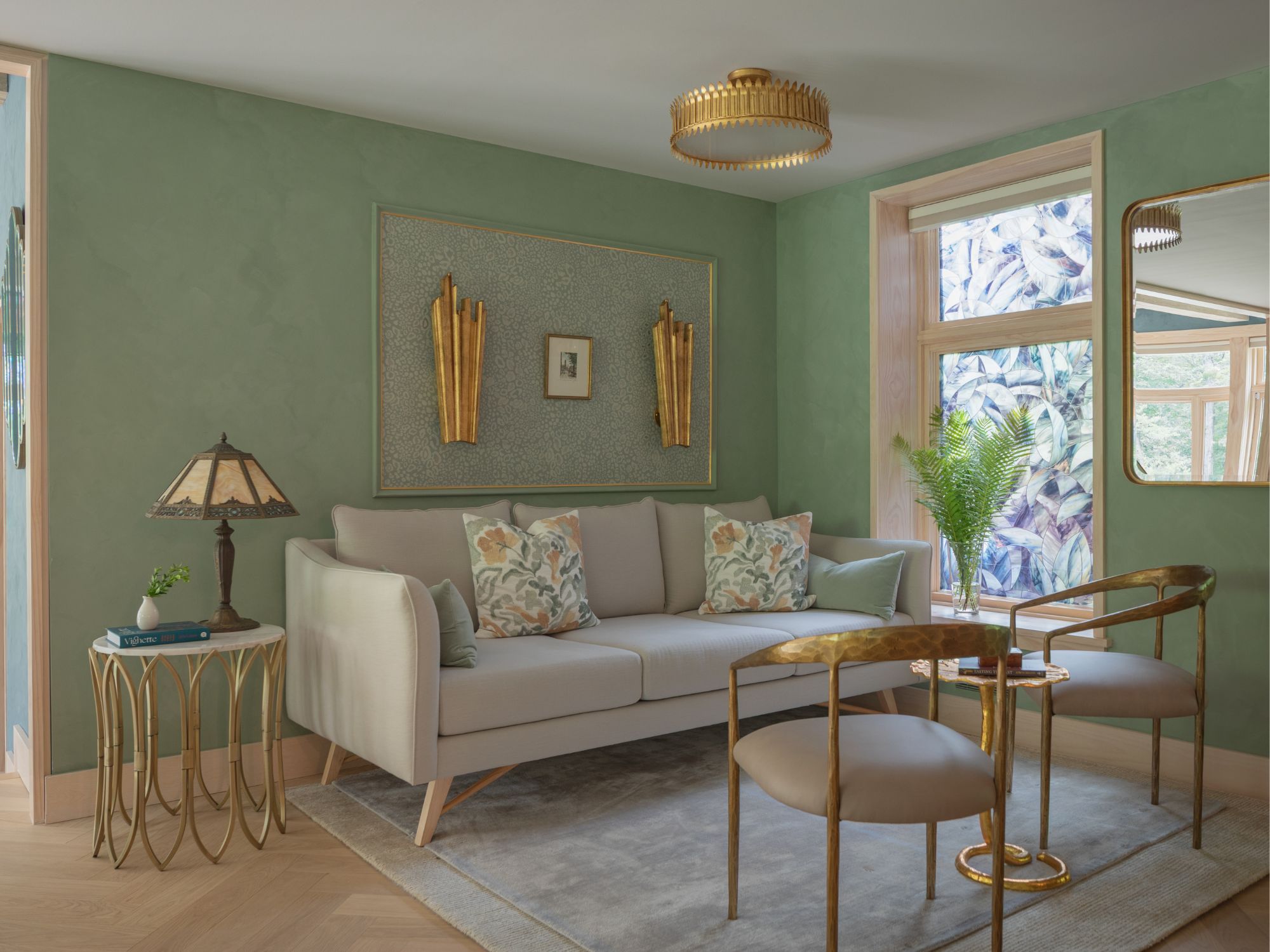
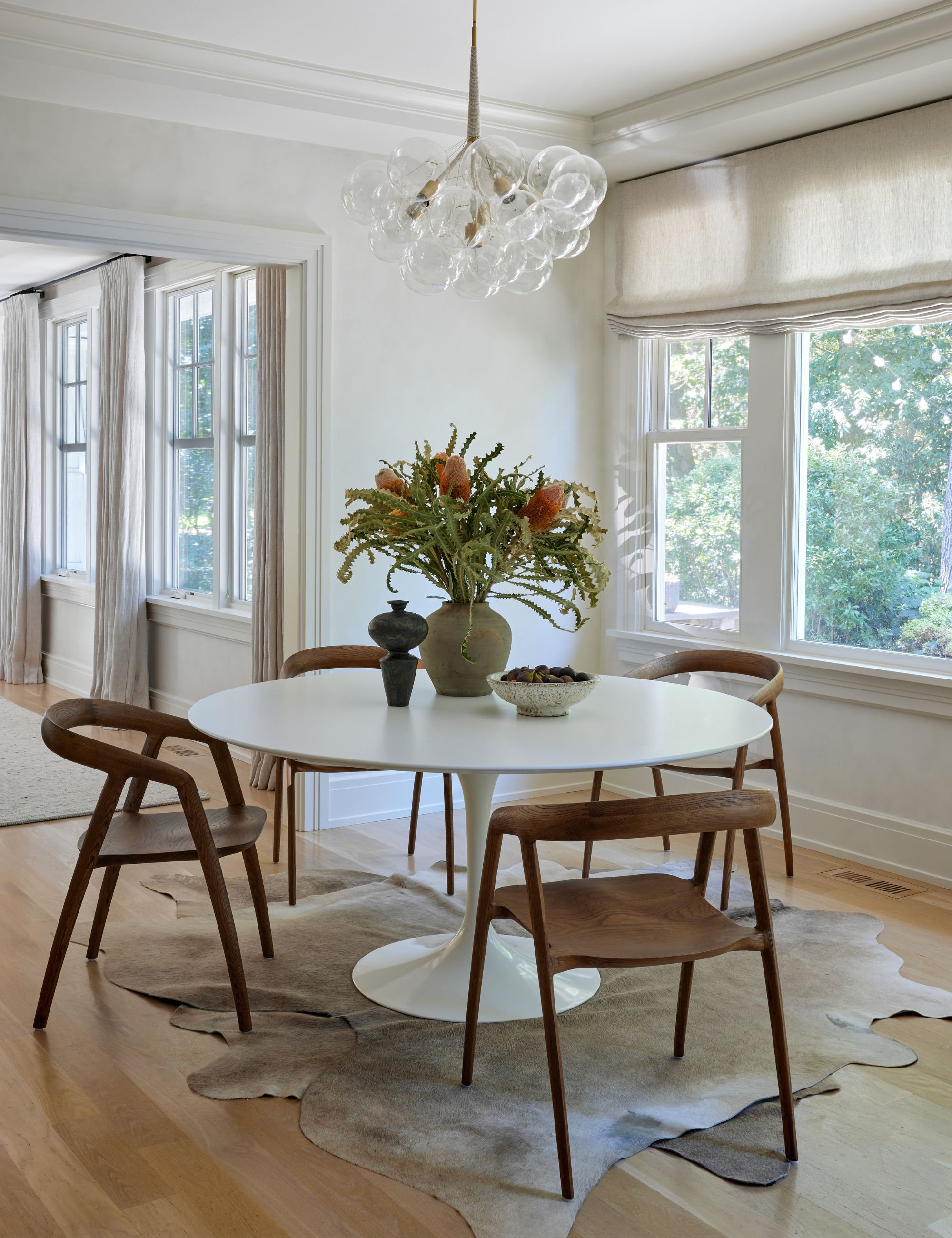
Ultimately, successful texture layering relies on variety, balance, and contrast. Contrasting surfaces work together to build character. The intended use of each space should guide material choices; hard surfaces are practical for high-cleaning areas like kitchens and bathrooms, while soft, cozy textures are ideal for bedrooms and living spaces. Examples of items that can introduce texture include French Flax Linen Throws for warmth and breathability, Luxury Velvet Round Cushions for opulence, Rattan Pots for a coastal touch, Laclies Floor Rugs for comfort and pattern, and Faux Fur Cushions for a luxurious and soft feel.
#HomeDecor #InteriorDesign #LayeringMaterials #TexturalDesign #BedroomDecor #LivingRoomDesign #BathroomDecor #KitchenDesign #SoftFurnishings #HomeDecor #InteriorDesign #LayeringMaterials #TexturalDesign #BedroomDecor #LivingRoomDesign #BathroomDecor #KitchenDesign #SoftFurnishings
0 comment in total
 No comments yet
You may also like
9 ways to add texture to your home
The Best Wall Texture Ideas for Adding Depth to Any Room
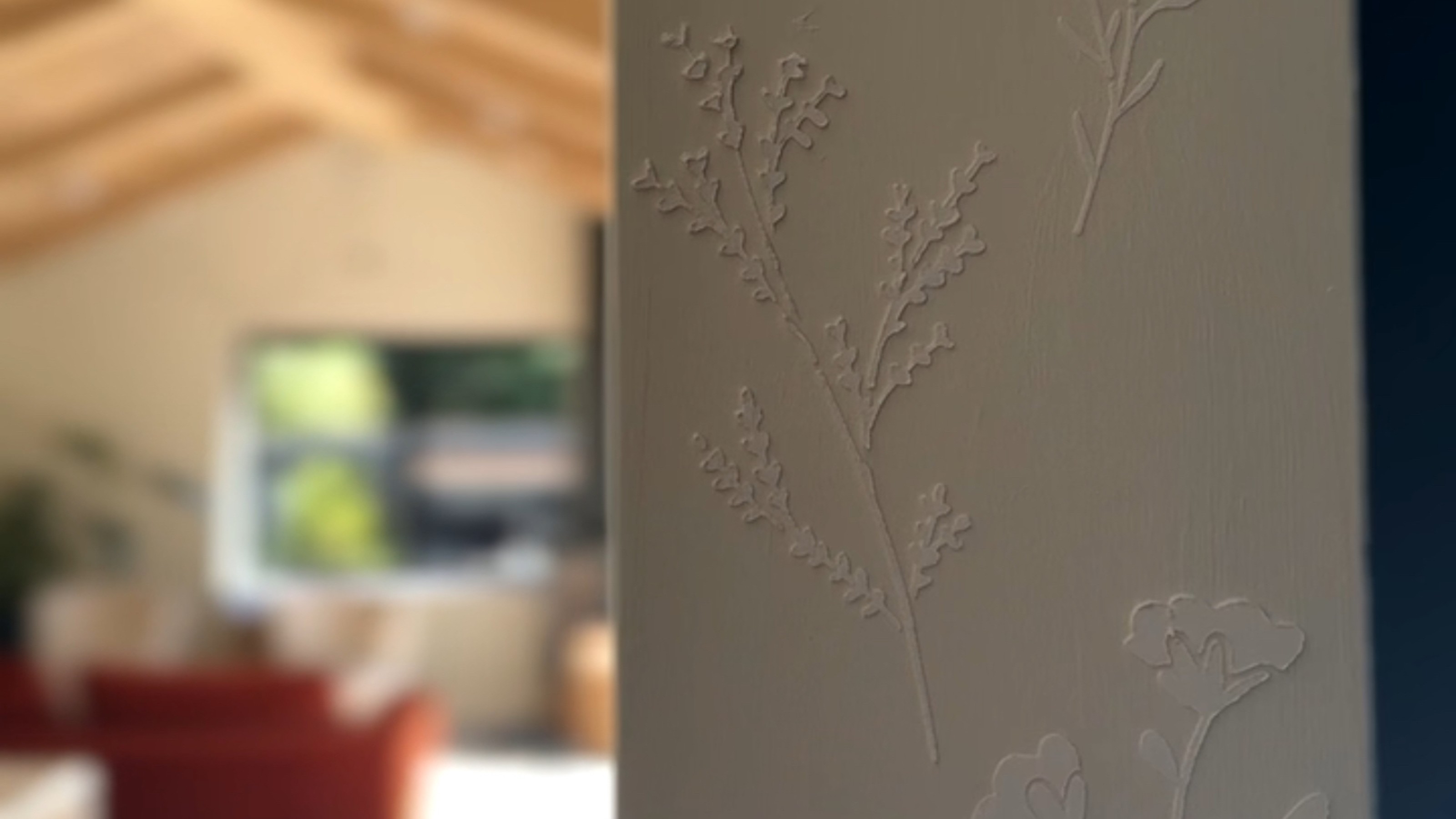
3D stencilling is trending on TikTok and Instagram
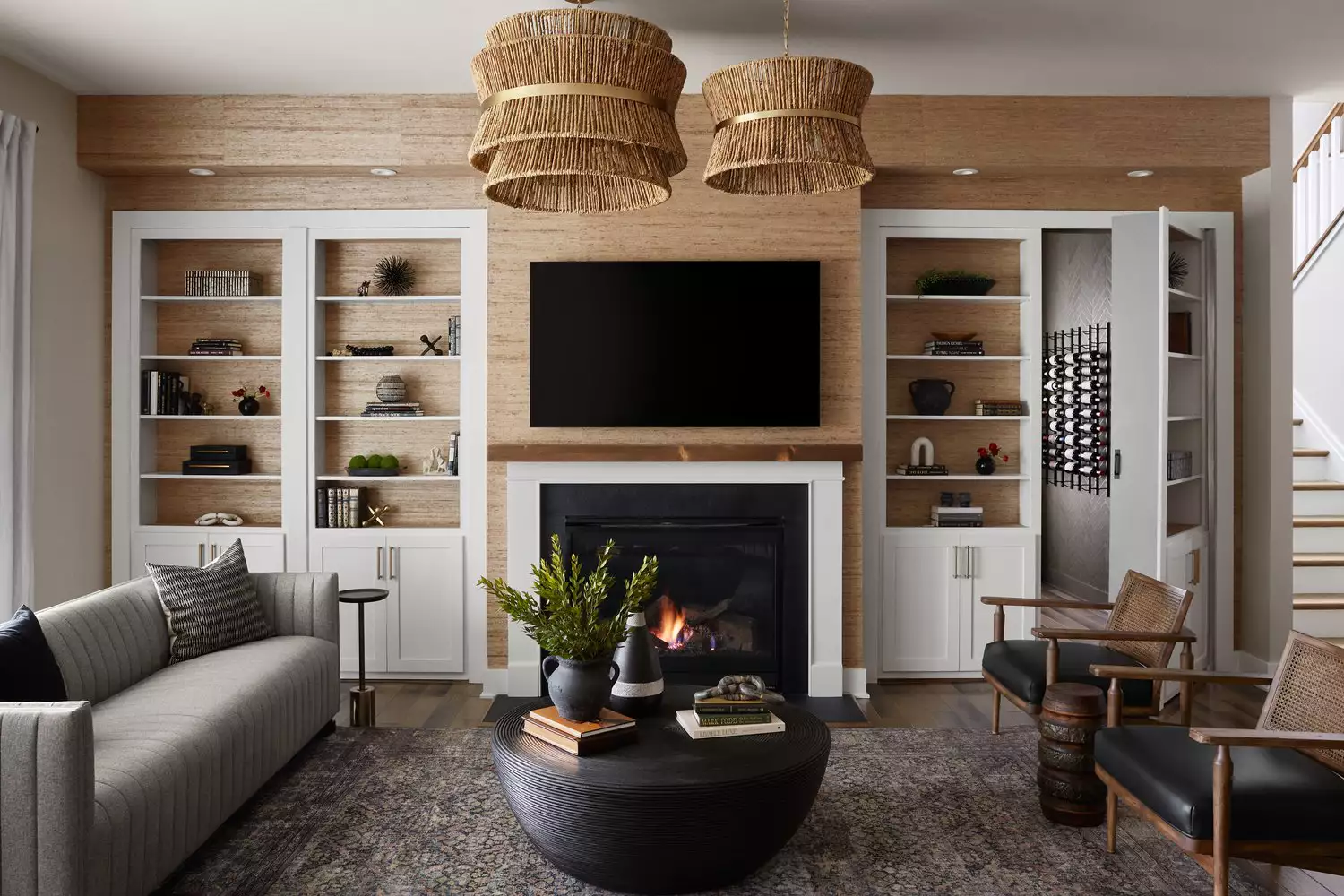
The One Design Feature You're Overlooking That Can Instantly Elevate Any Room

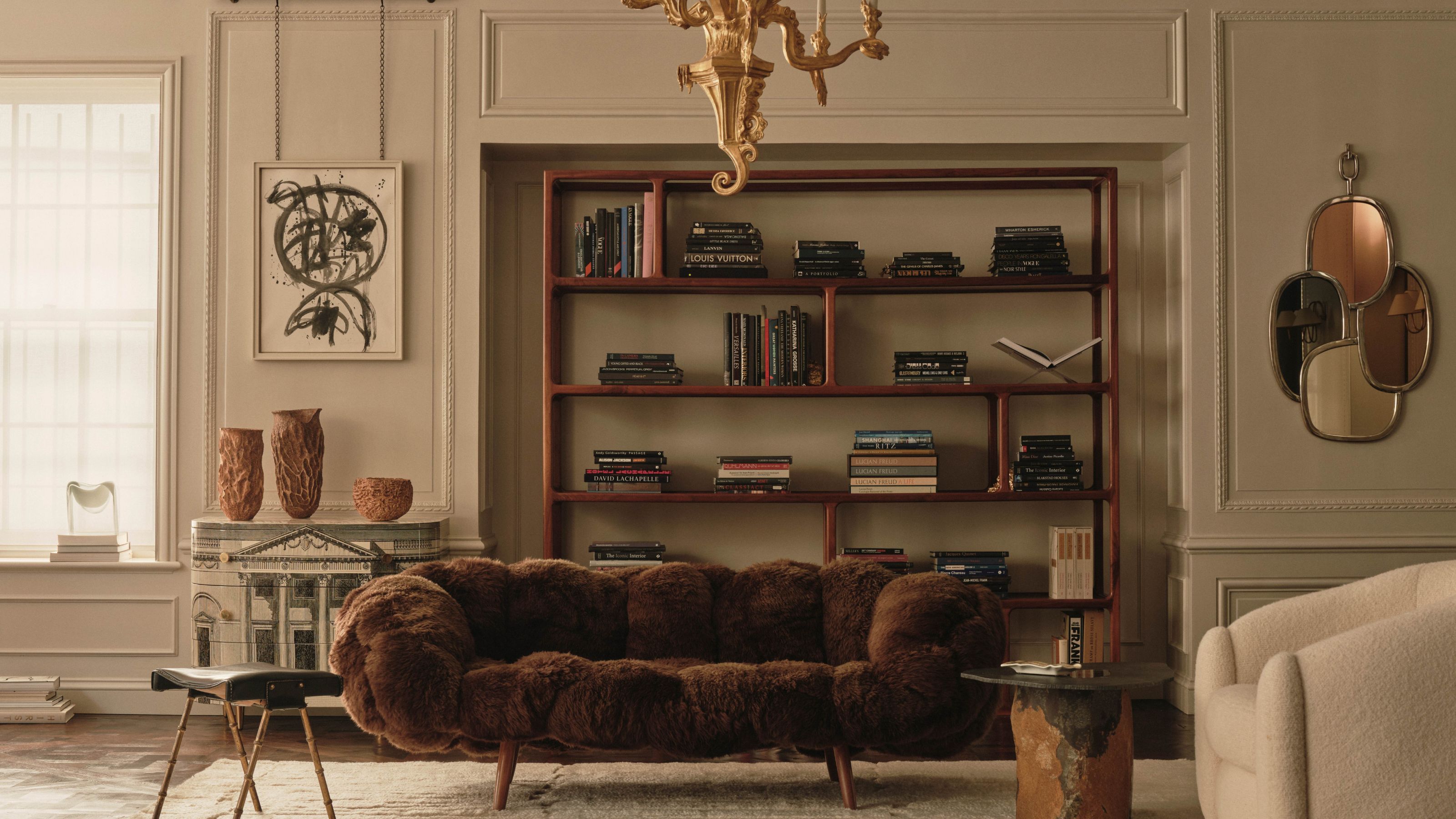
The Power of Texture in Interior Design – 6 Ways Designers Use It to Shape the Look (and Feel) of Every Room

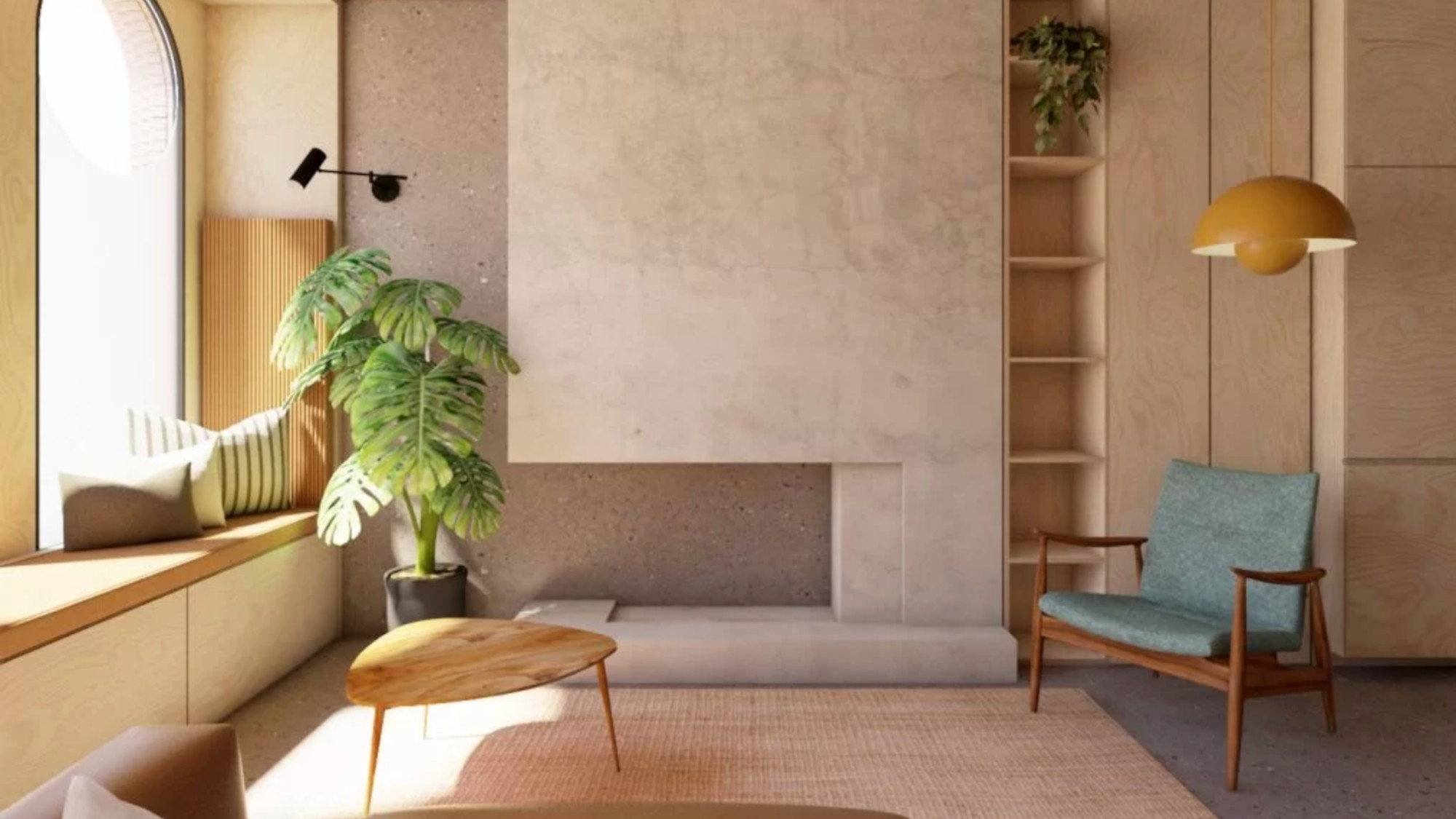
How to add texture to your walls - a beginner's guide to the many beautiful plaster finishes

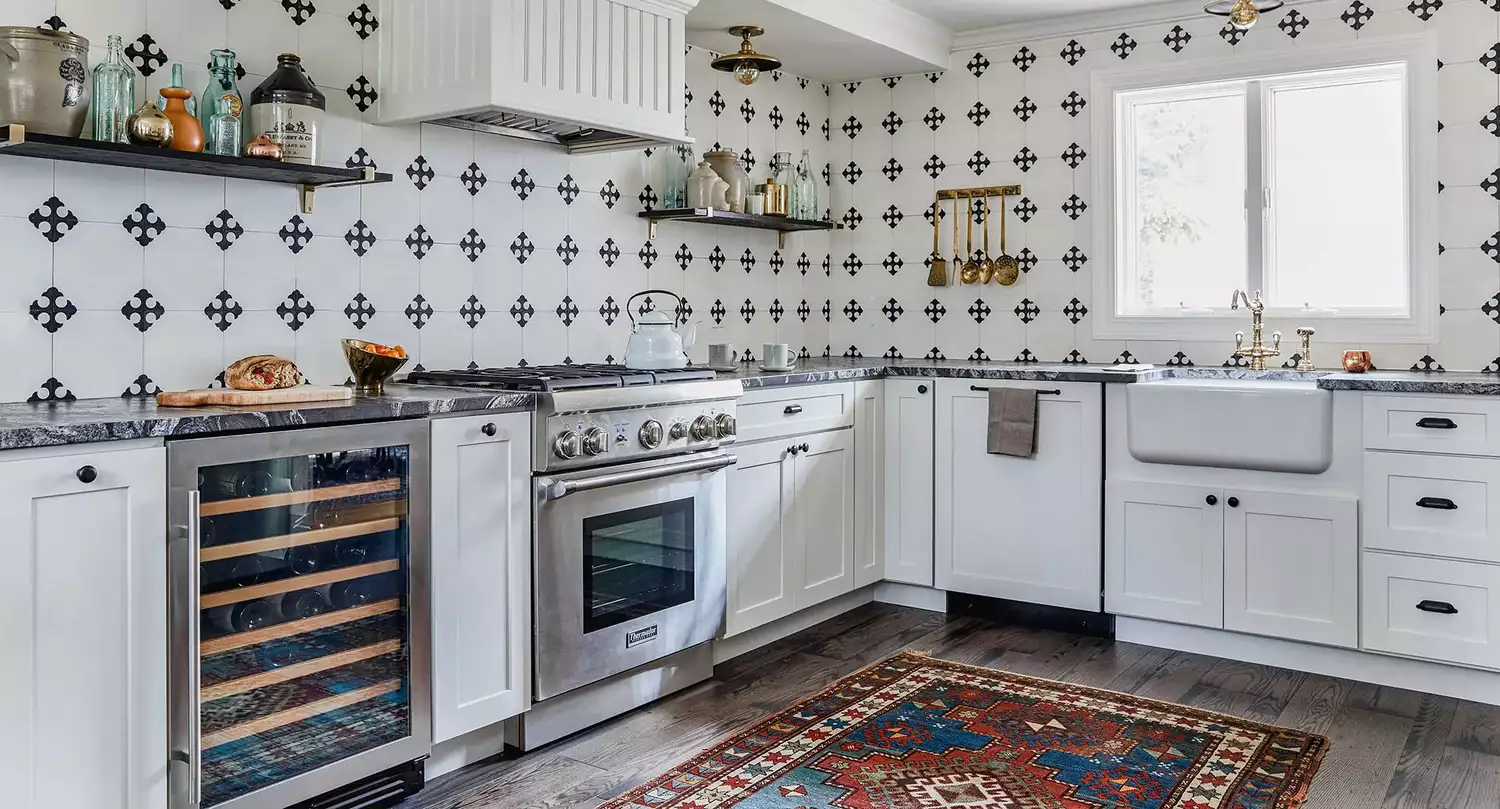
7 Golden Rules for Mixing and Matching Patterns That Designers Swear By
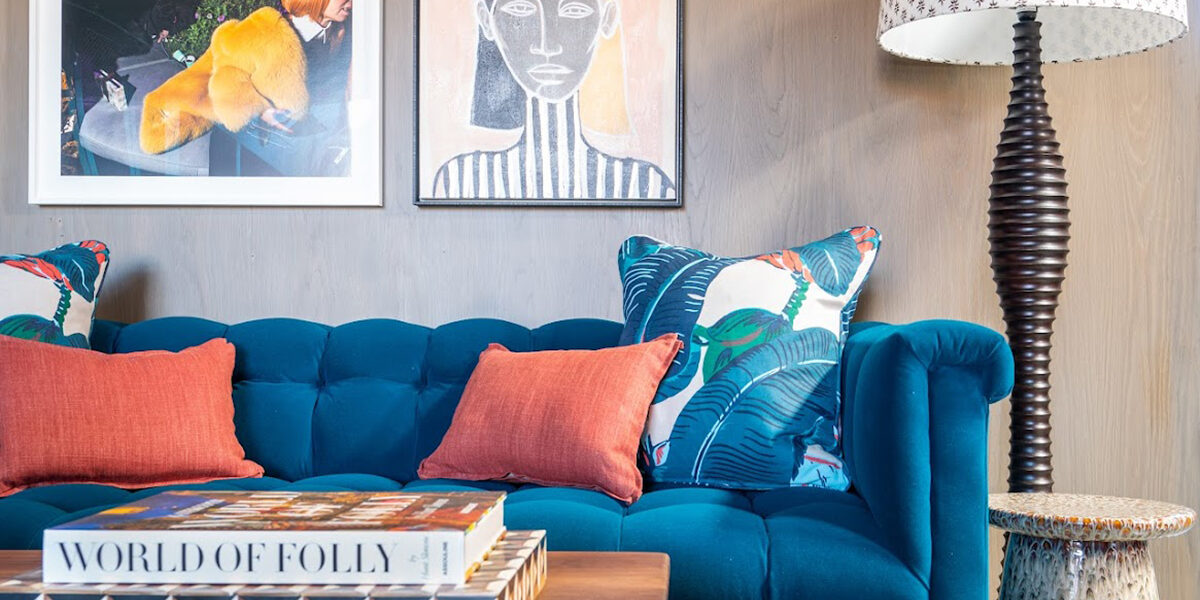
The 8 Dos and Don’ts of Mixing Patterns in Your Home
Is your home feeling lifeless? 5 layering hacks to make the interiors warm and inviting | Hindustan Times

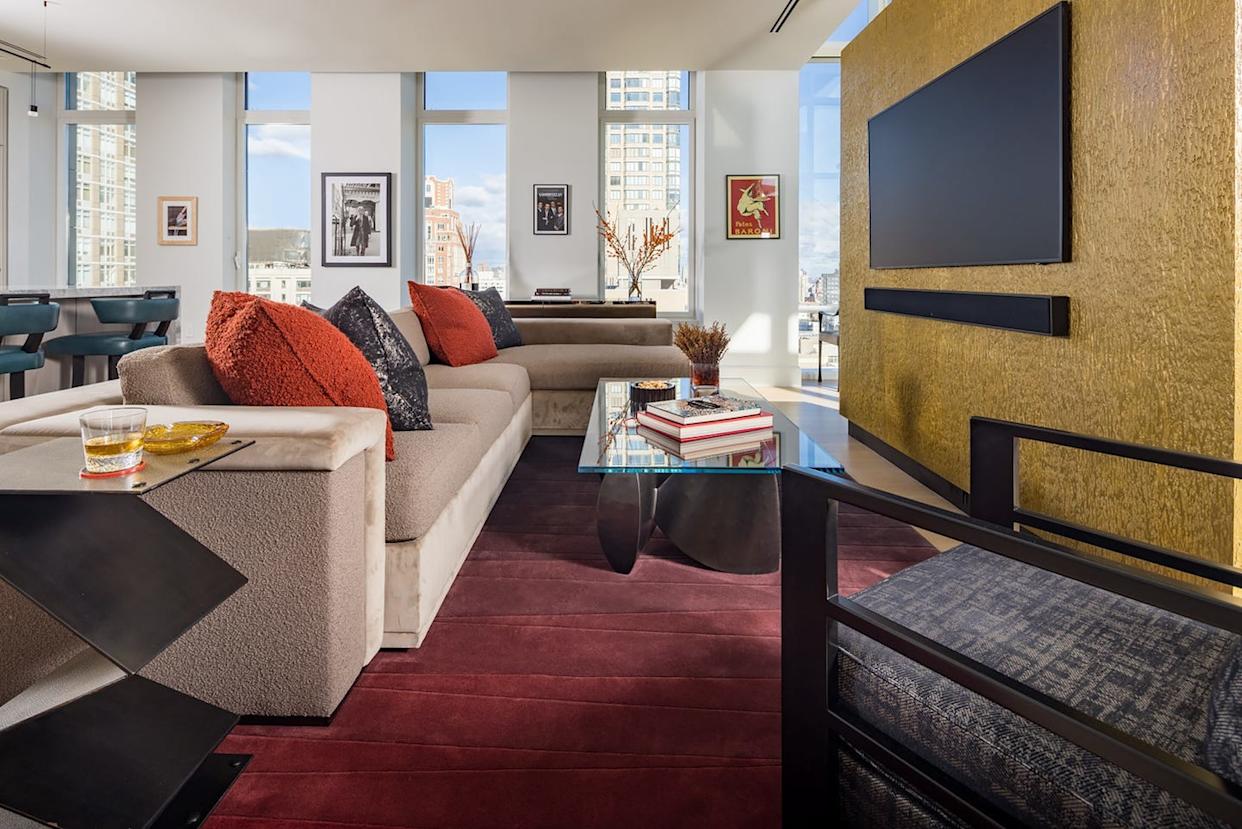
Designers Say You Might Be Mixing Textures in Your Home All Wrong

Why Designers Always Start, But Never End, With Layering – 10 Ways They Build Depth Into Every Room
12 easy changes you can make to your living room to instantly elevate how it looks and feels
Interior Design Tips: The Dos and Don’ts of Layering

How to Combine Colors and Textures in Interior Decor

10 ways to use textured paint in your home
Discover The Art of Layering Rugs Like an Interior Designer
How to use woven fabrics to add texture to your interior space
Designer tricks for a cozy, layered look this fall
This is how to layer rugs, according to interior designers
5 Ways to Elevate Your Living Room