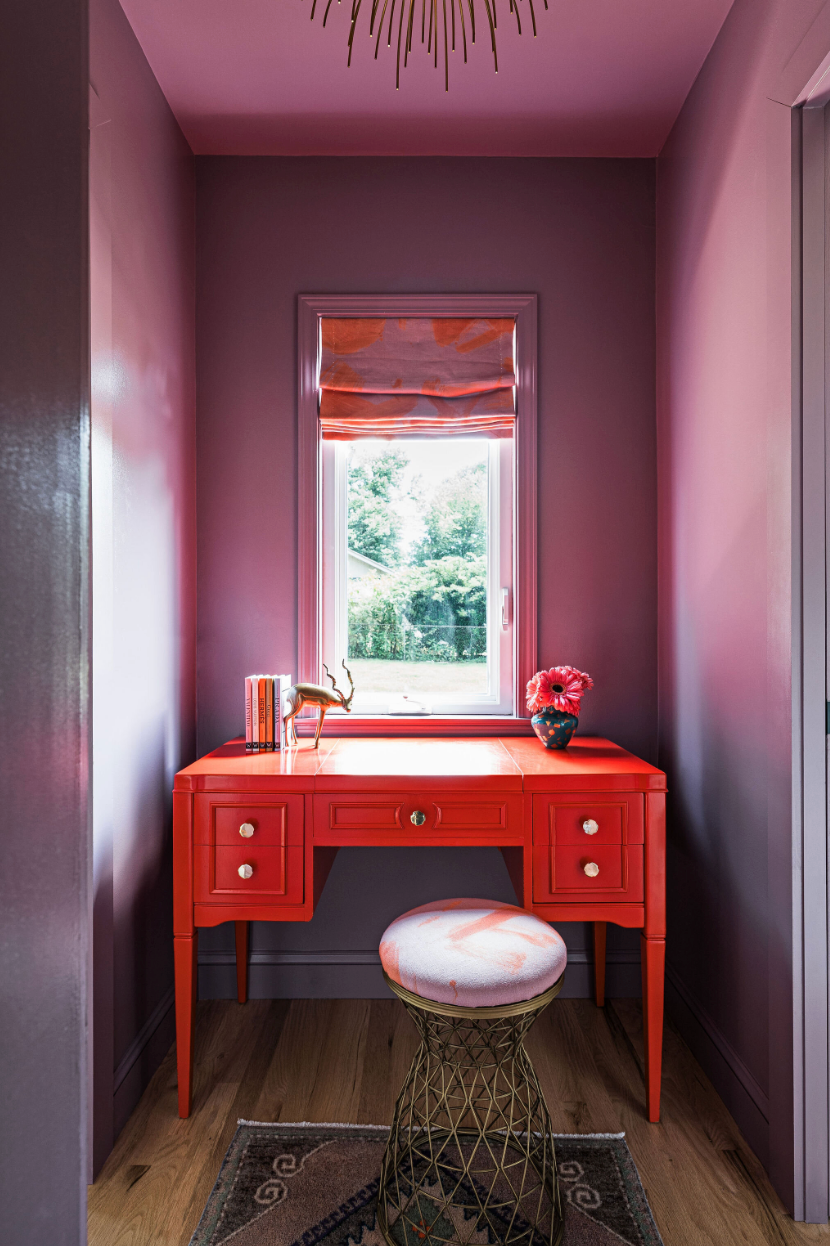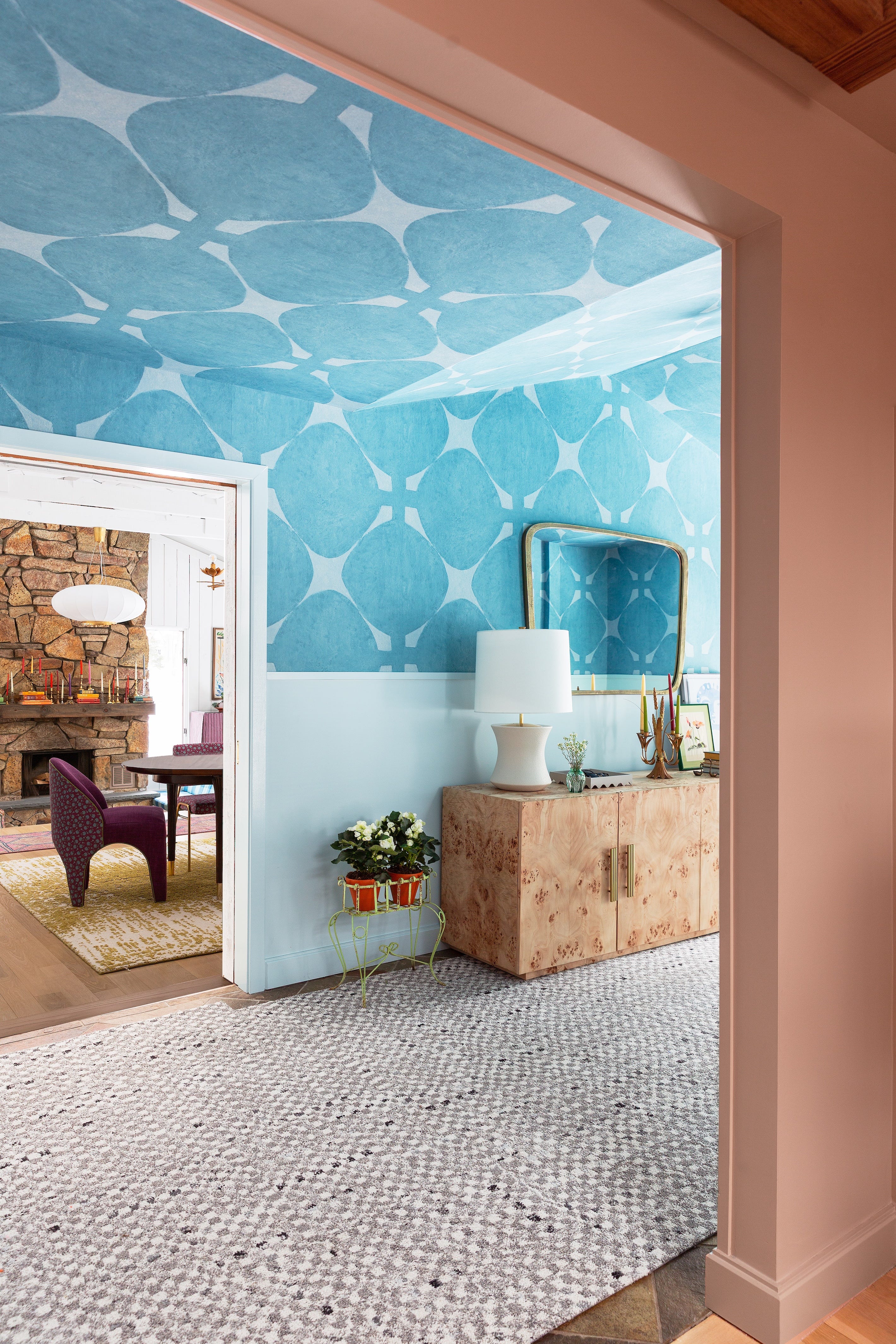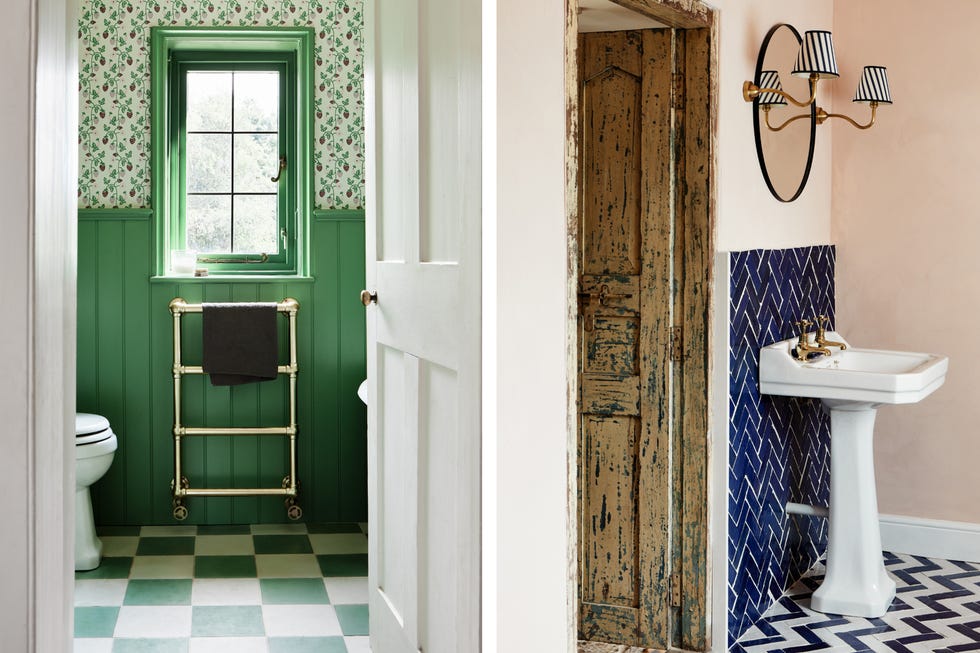
Designers Say You Might Be Mixing Textures in Your Home All Wrong
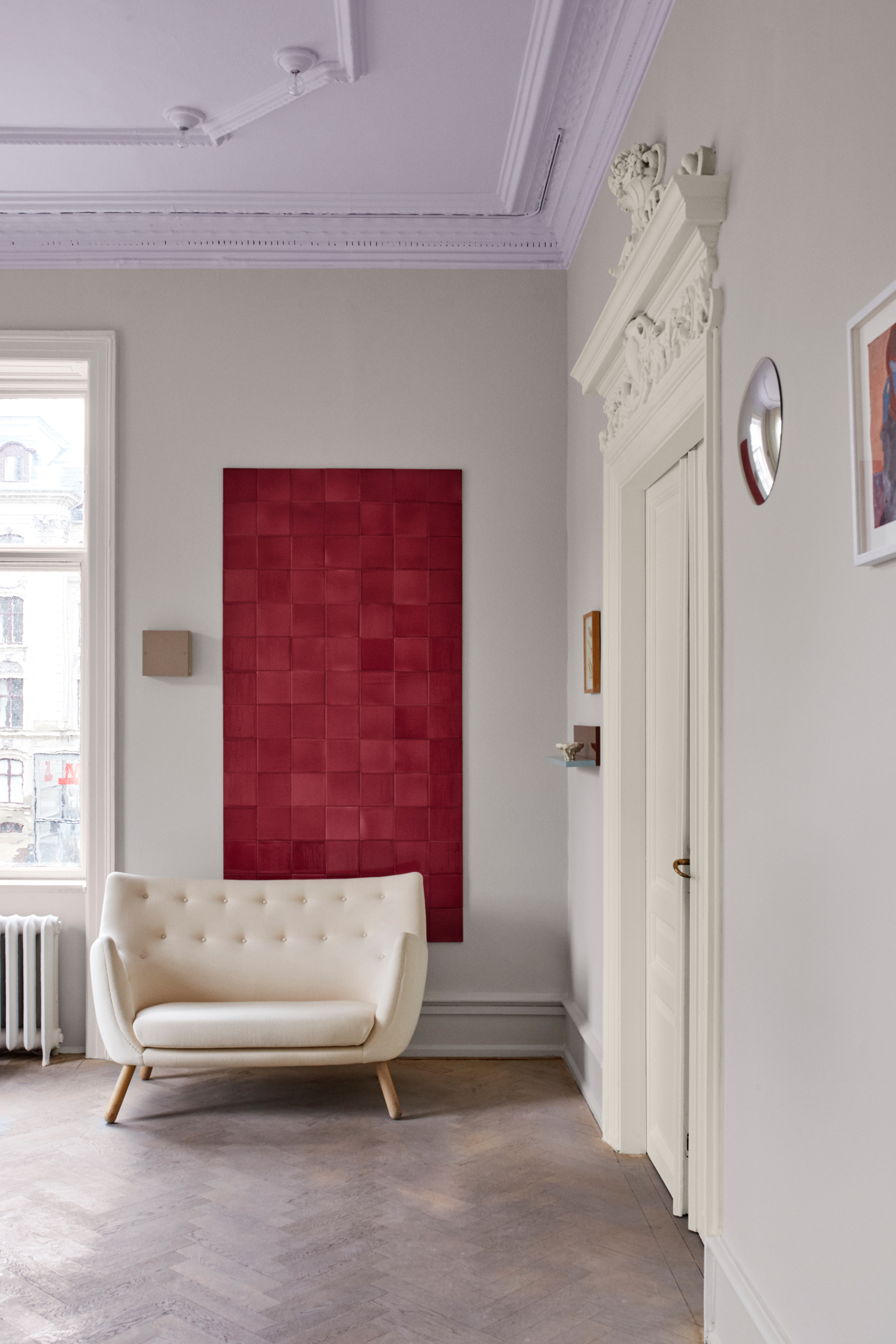
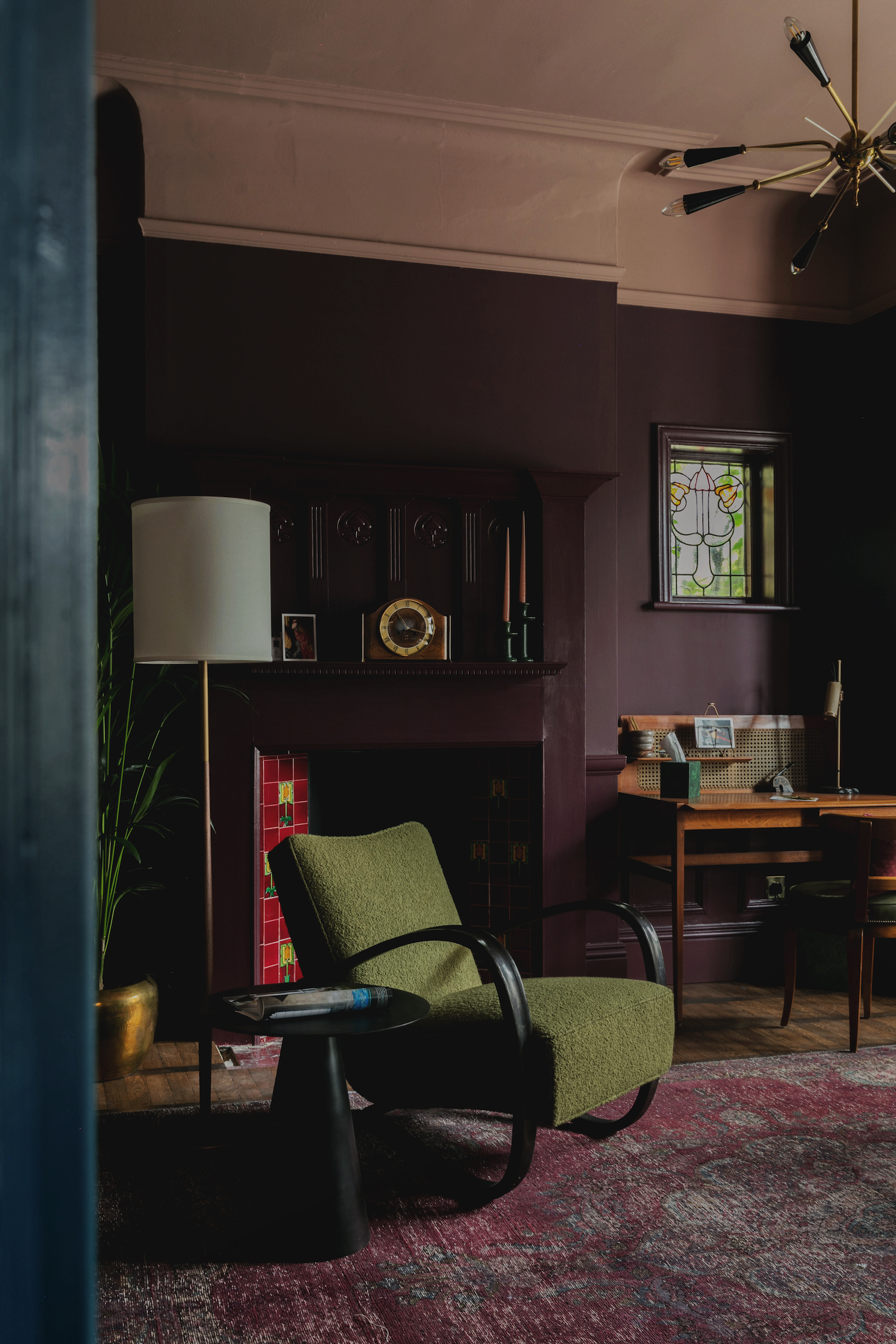
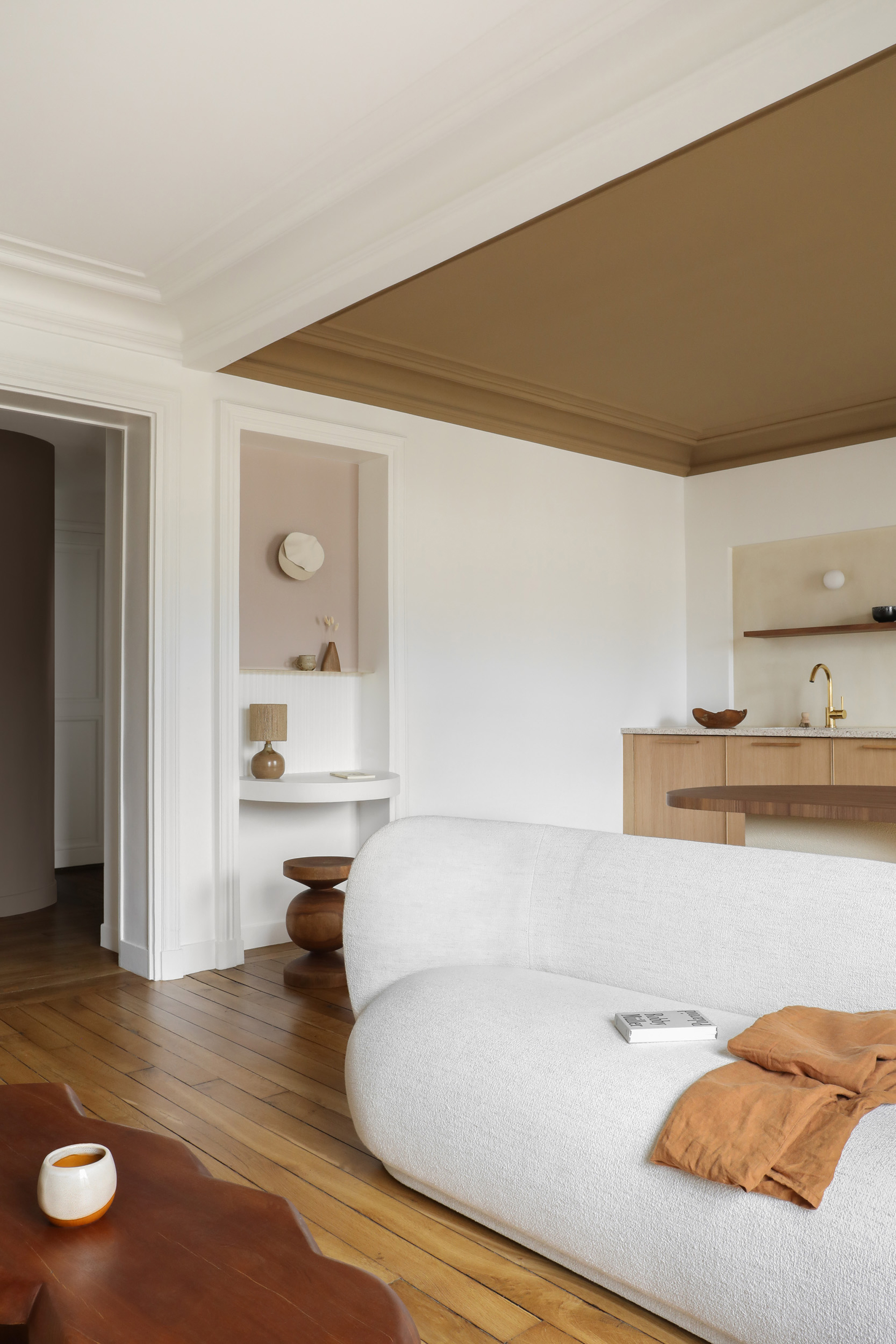
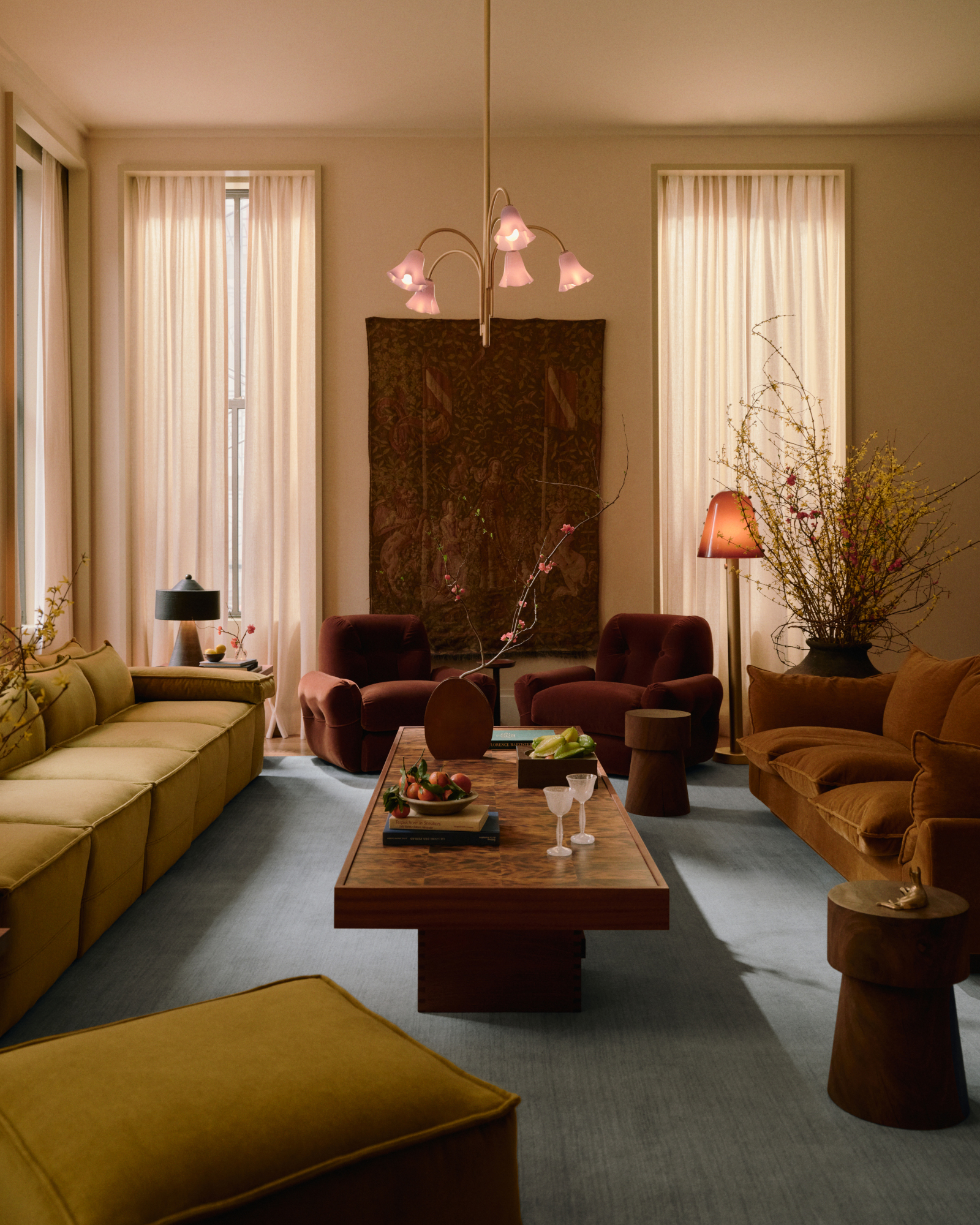
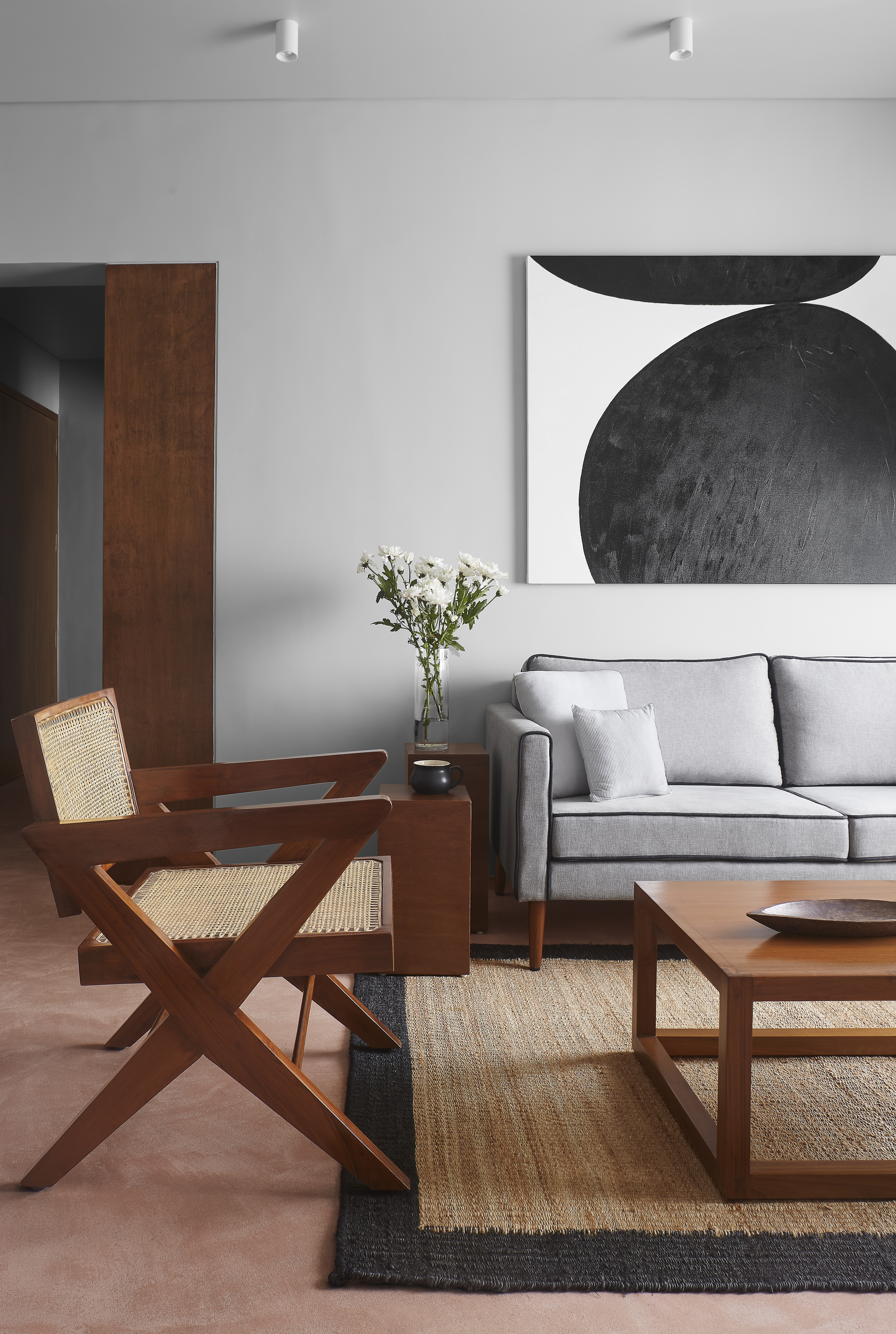
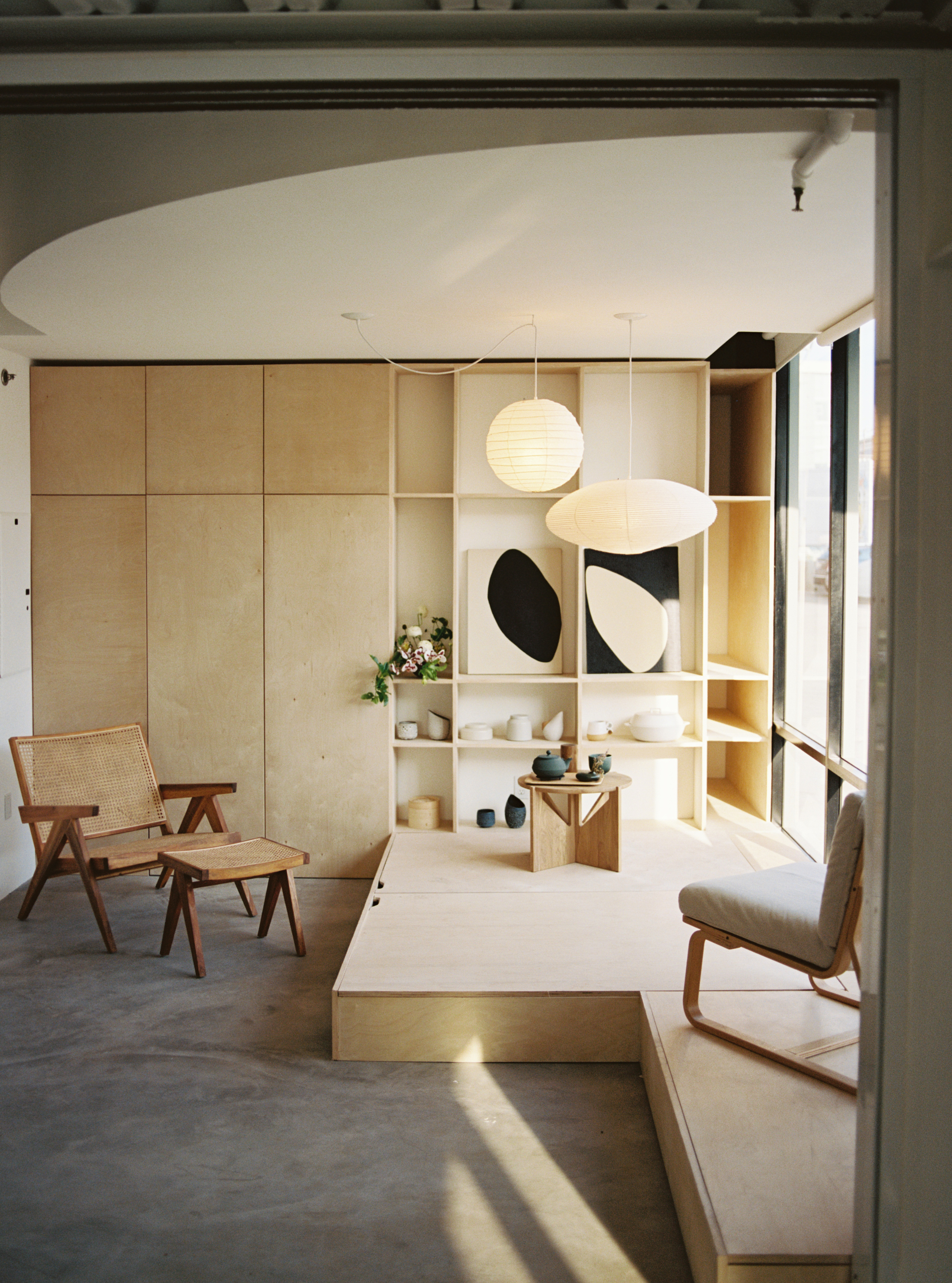
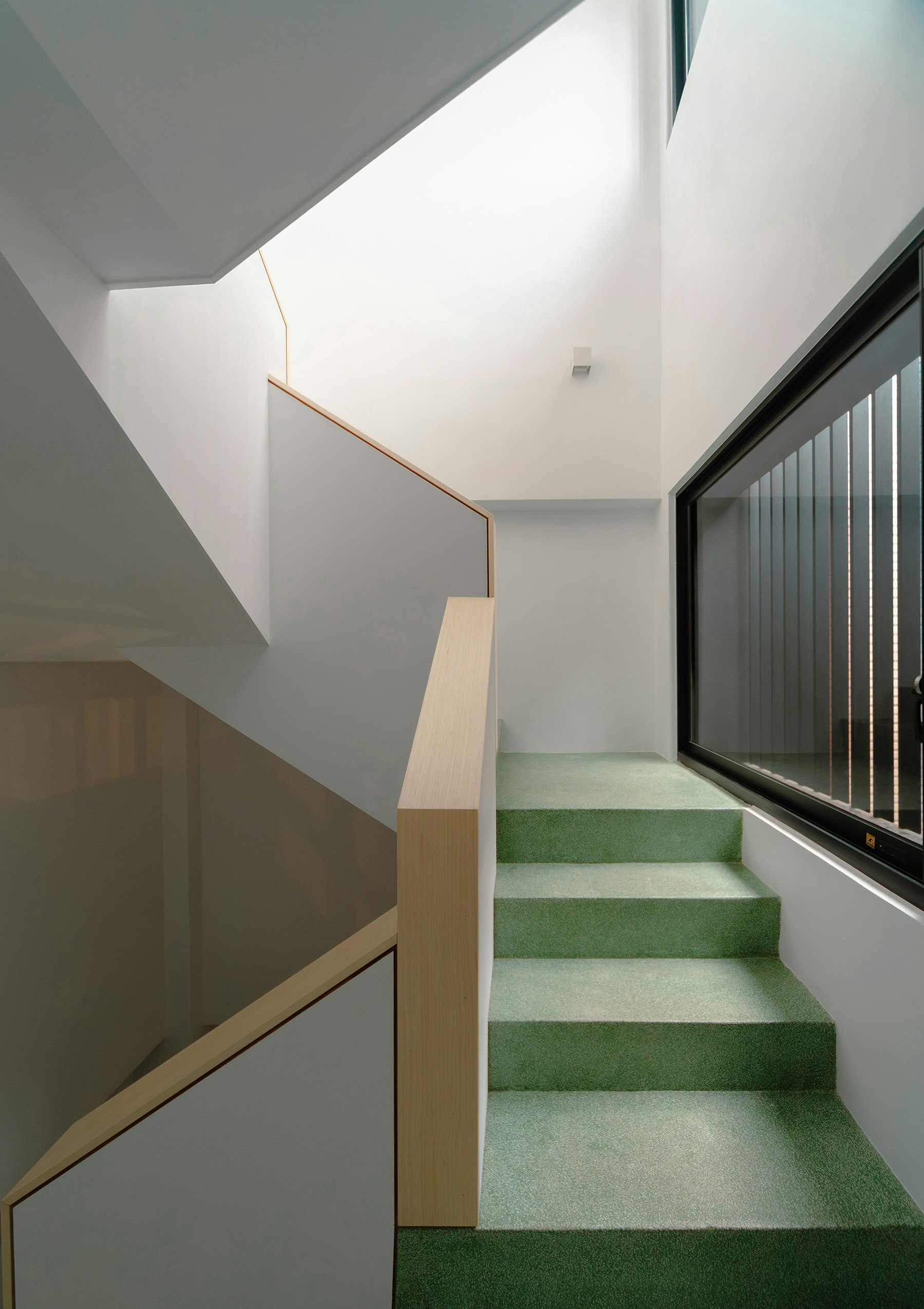
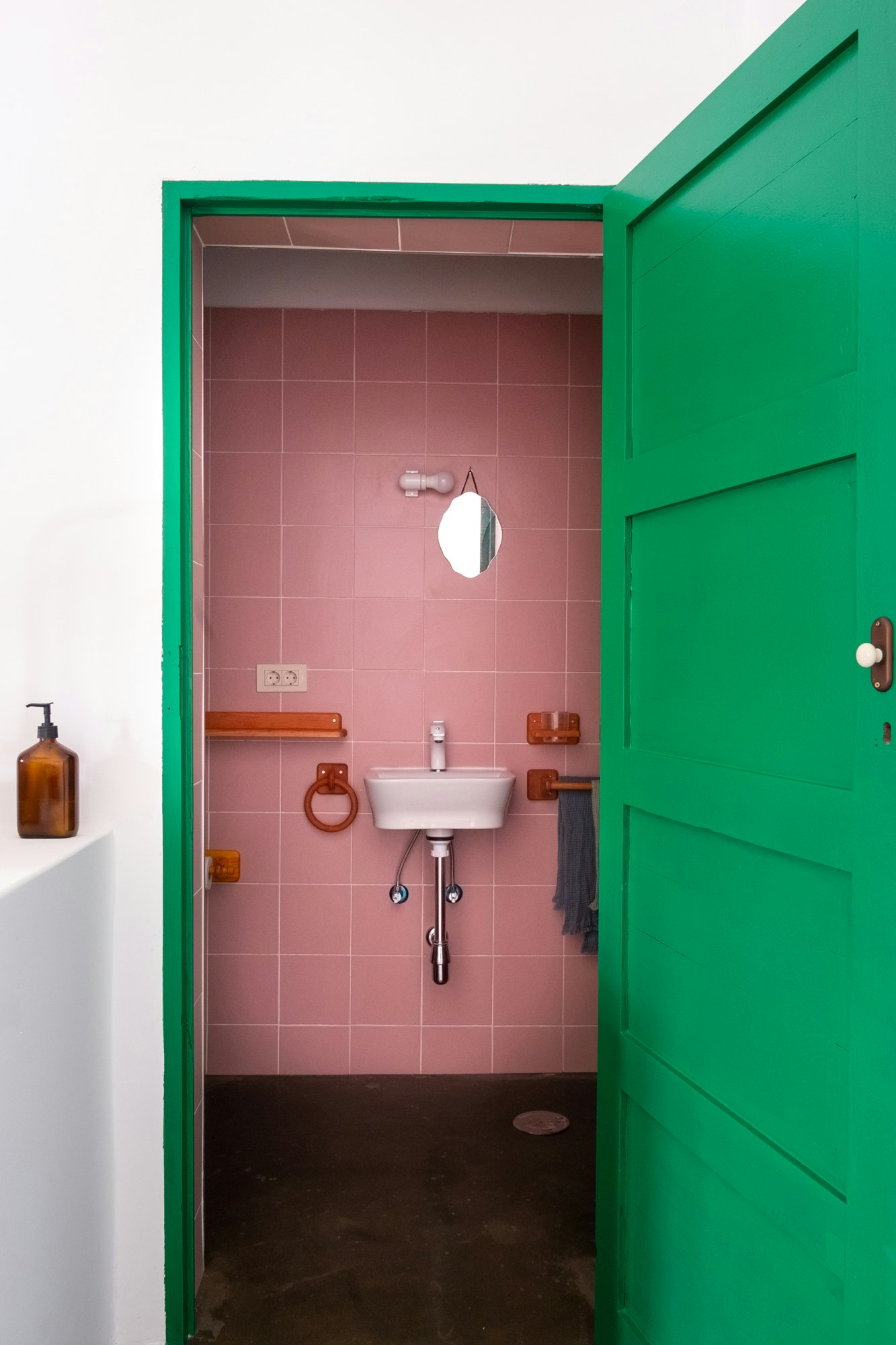
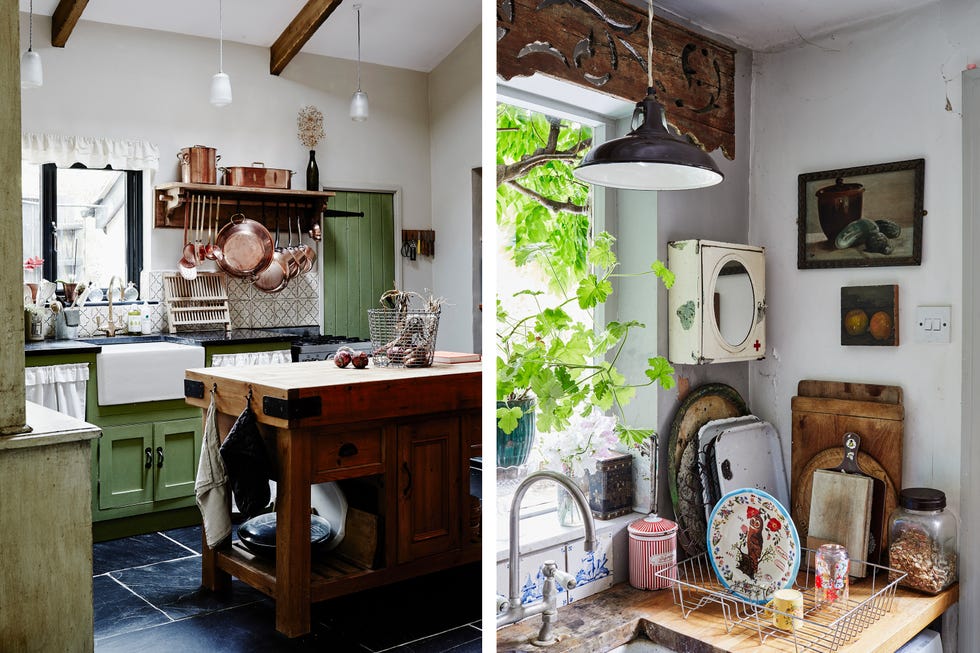
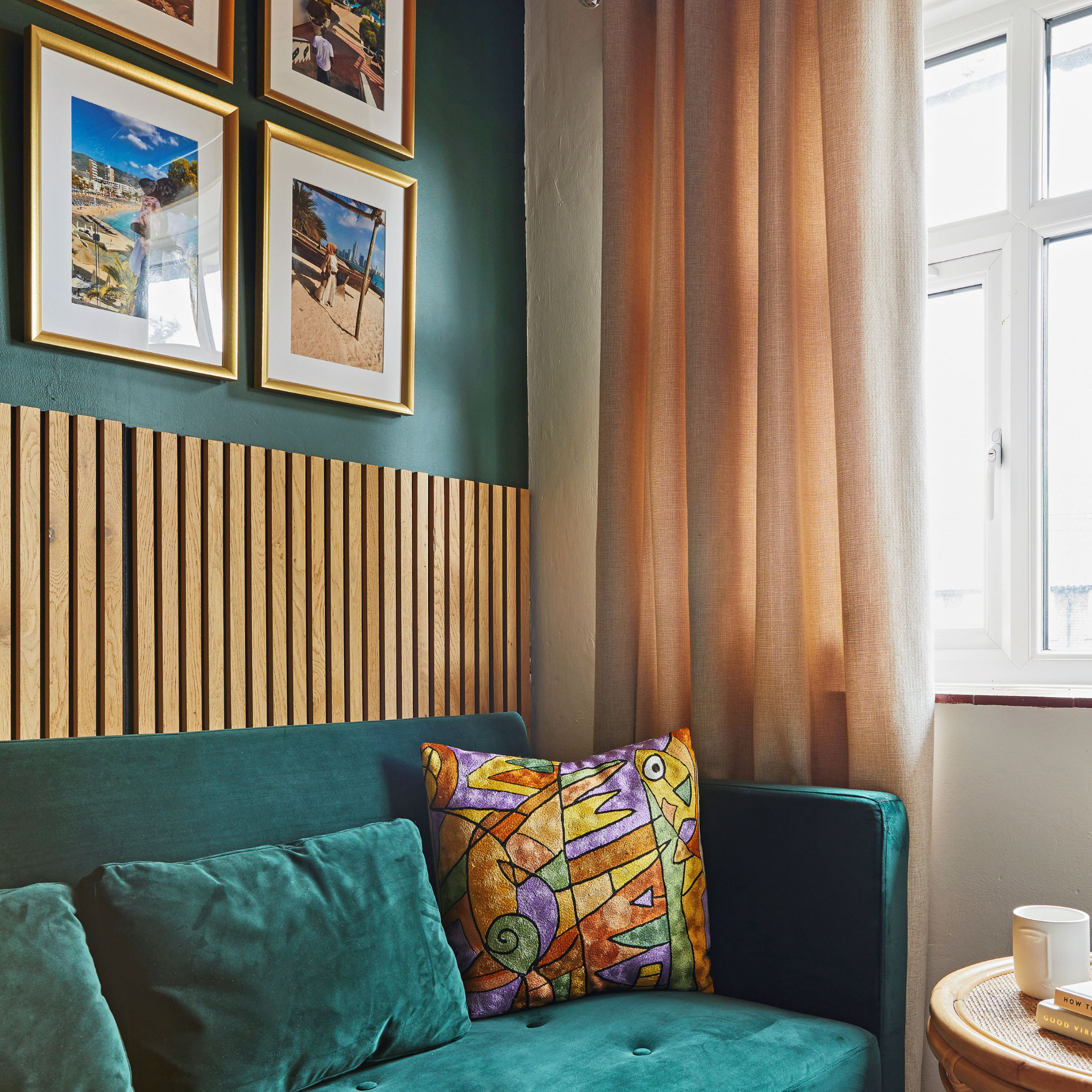
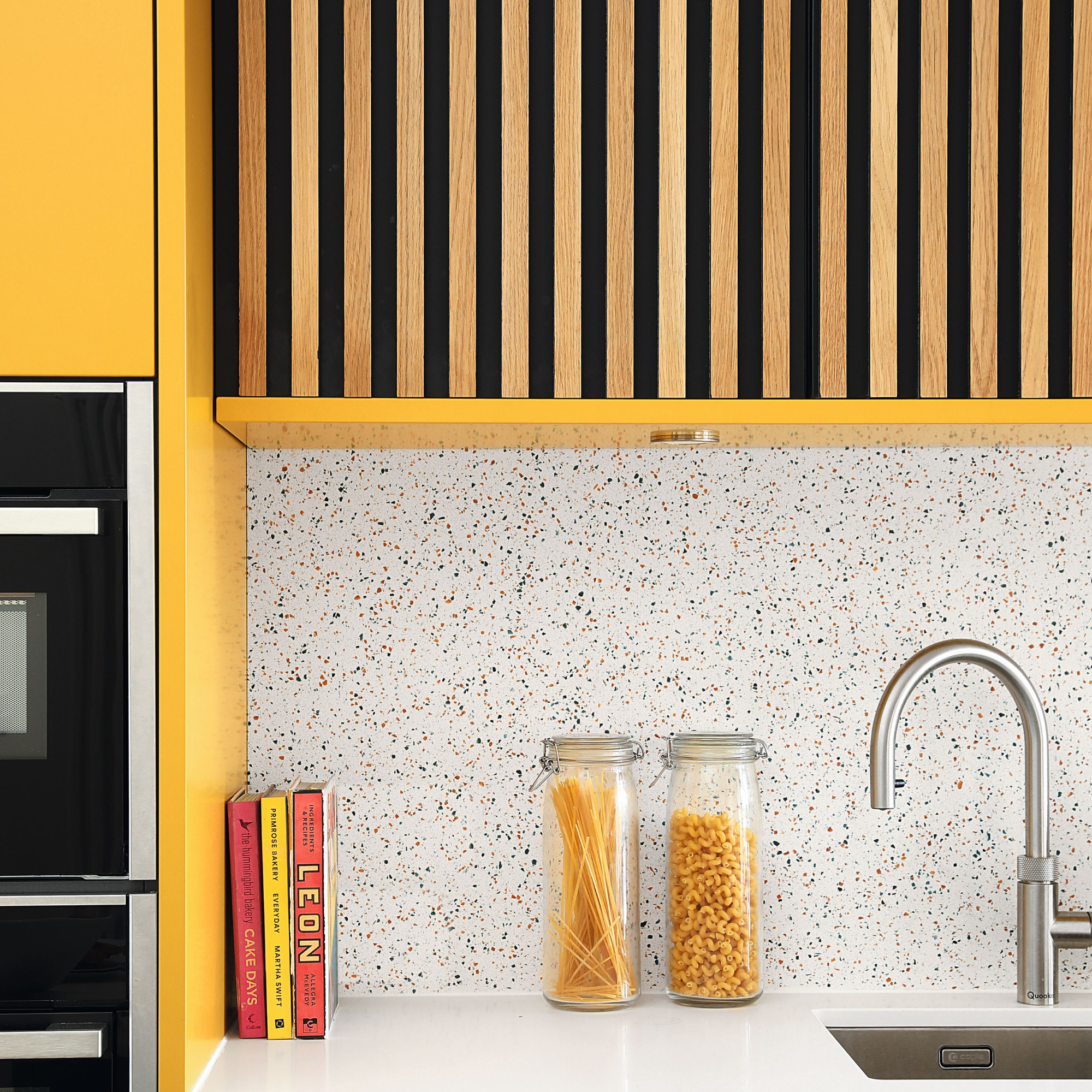
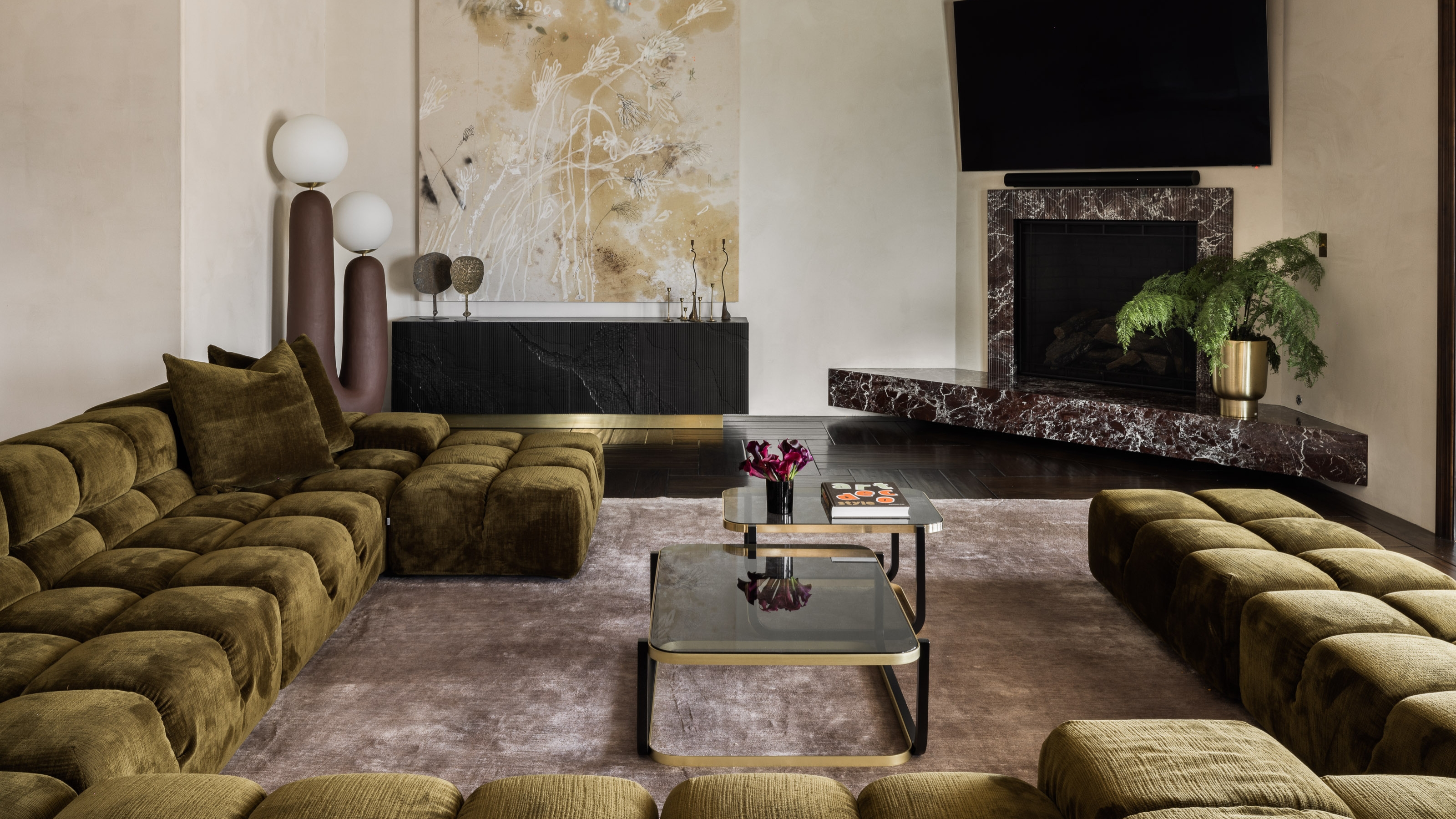
Achieving a well-designed and inviting home interior extends beyond paint colors and furniture arrangements; the strategic incorporation of textures is paramount to preventing a room from appearing flat. Interior designers emphasize that a rich variety of textures and textiles injects dimension, depth, and warmth into any space. This tactile engagement, they argue, is crucial for stimulating the senses, transforming a room from merely visually appealing to one that evokes an instinctive desire to touch and explore.
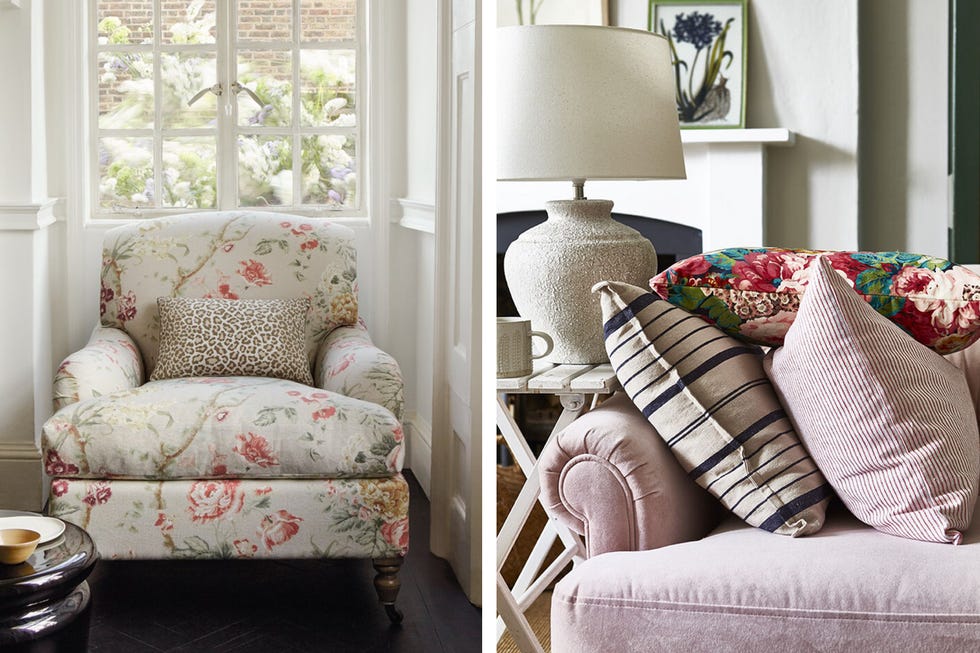
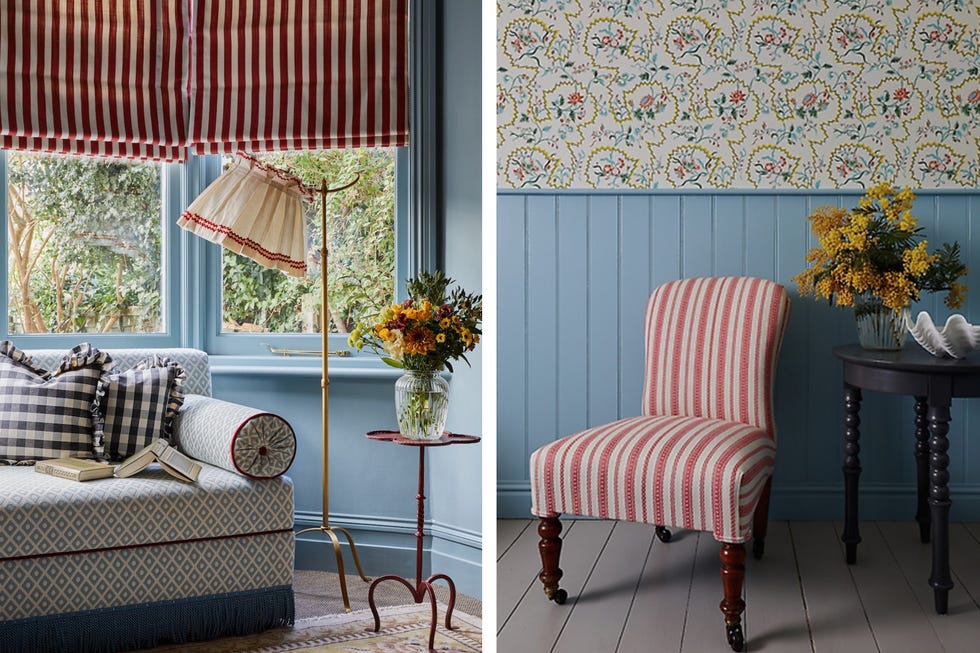
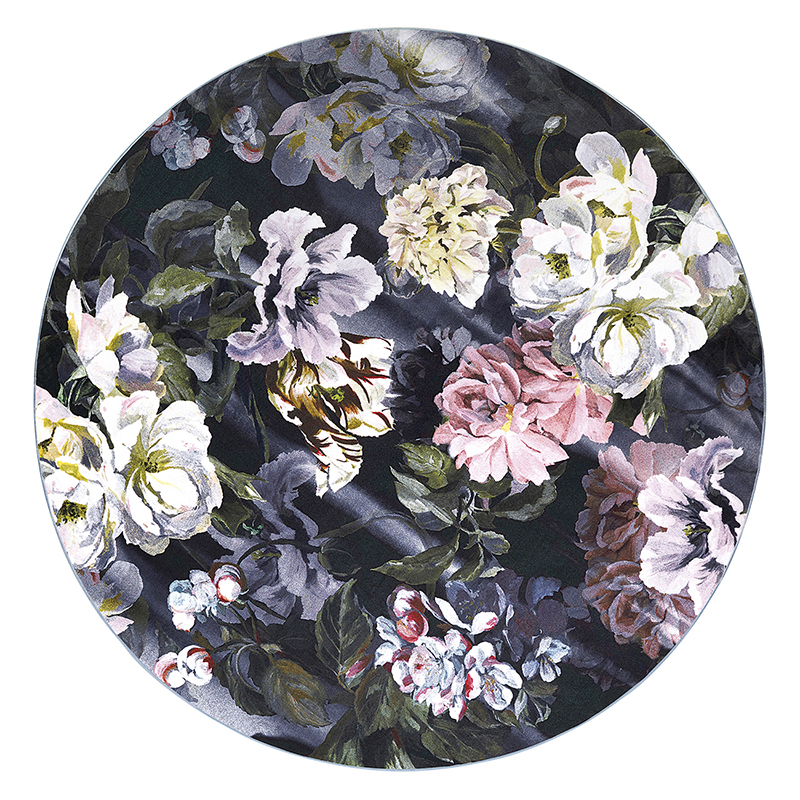
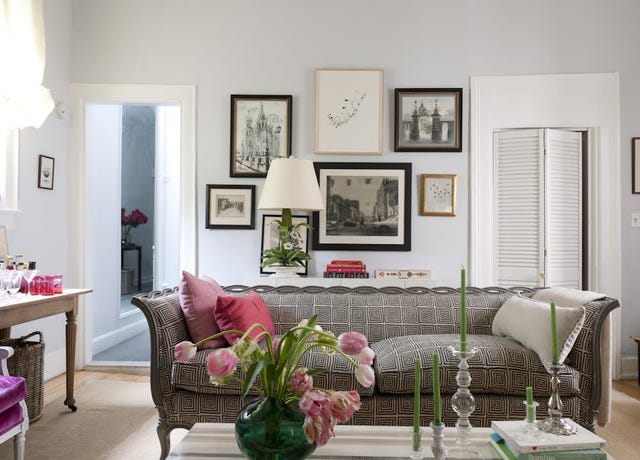
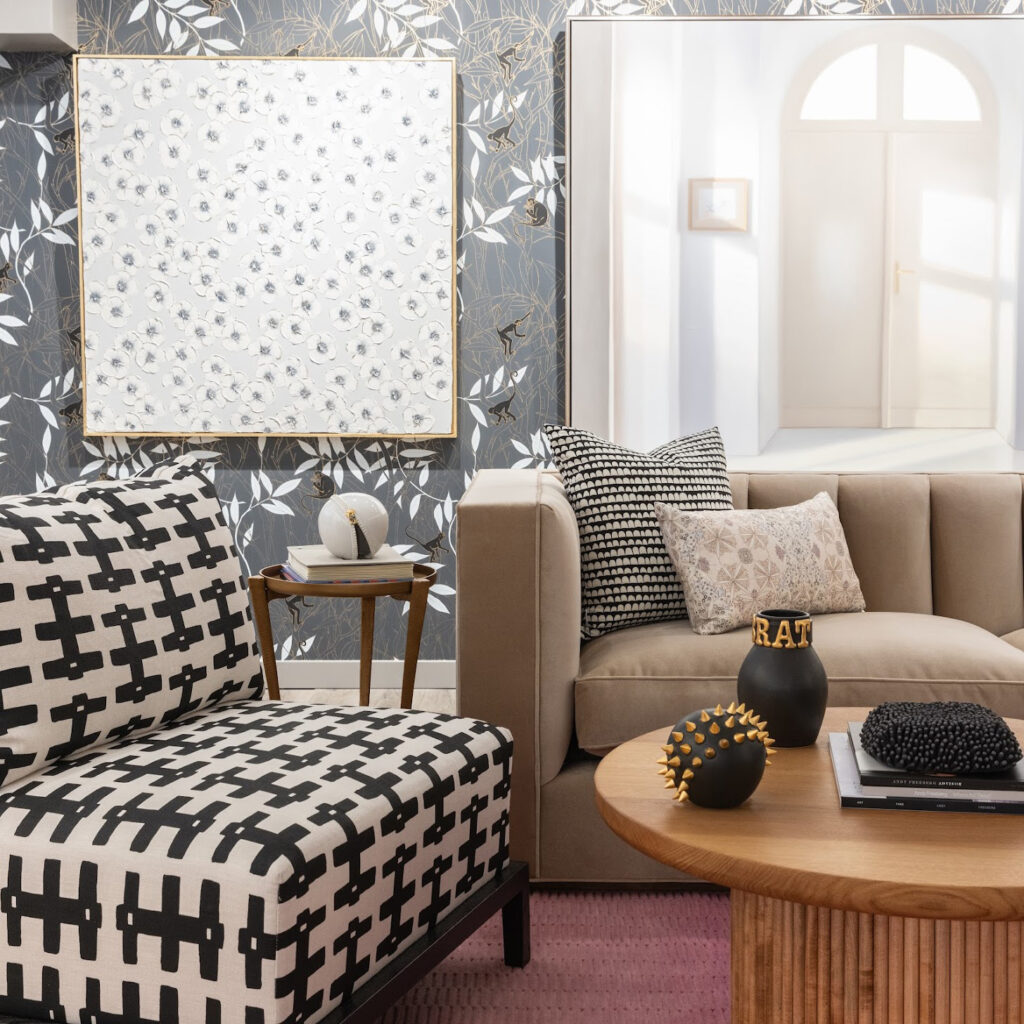
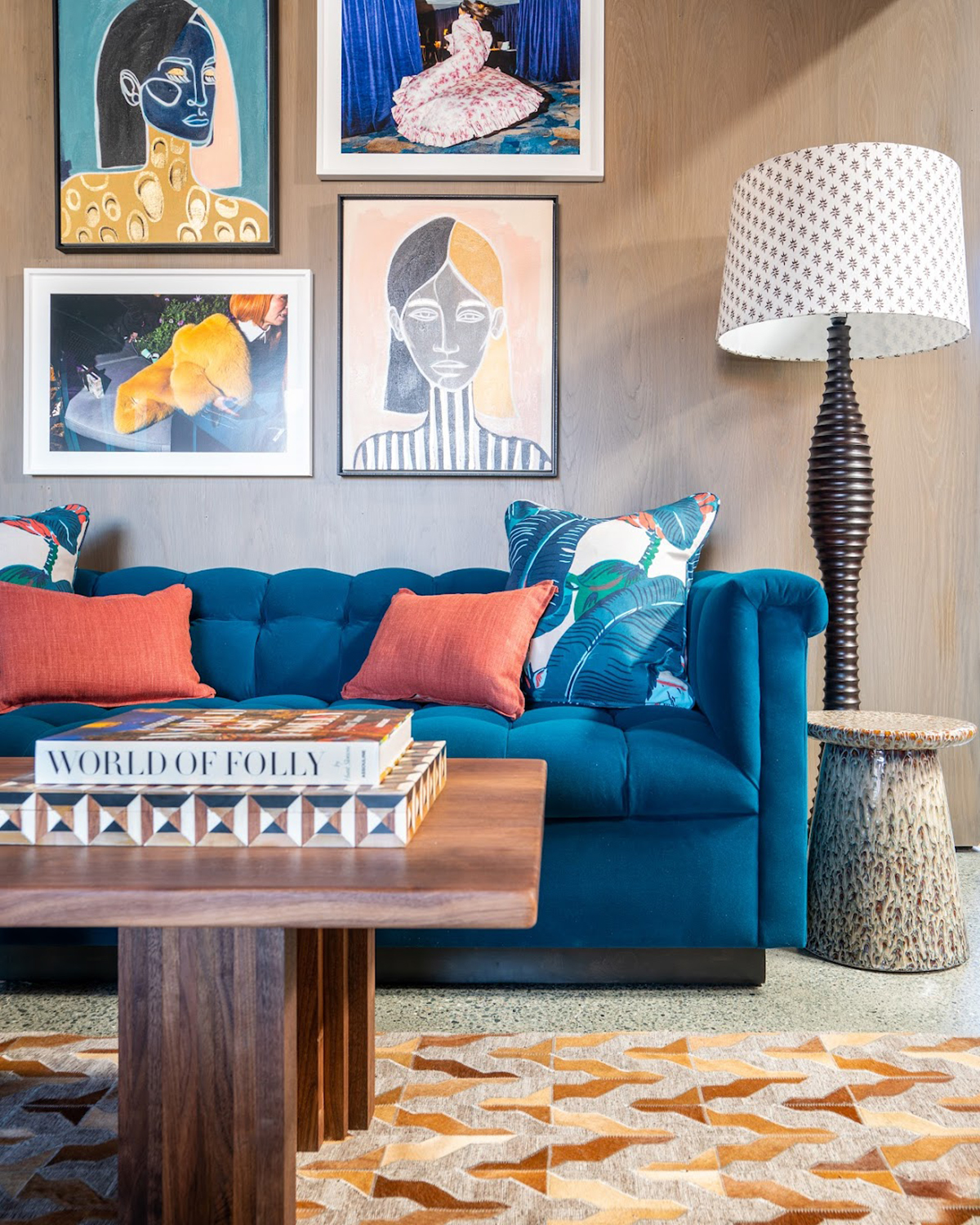
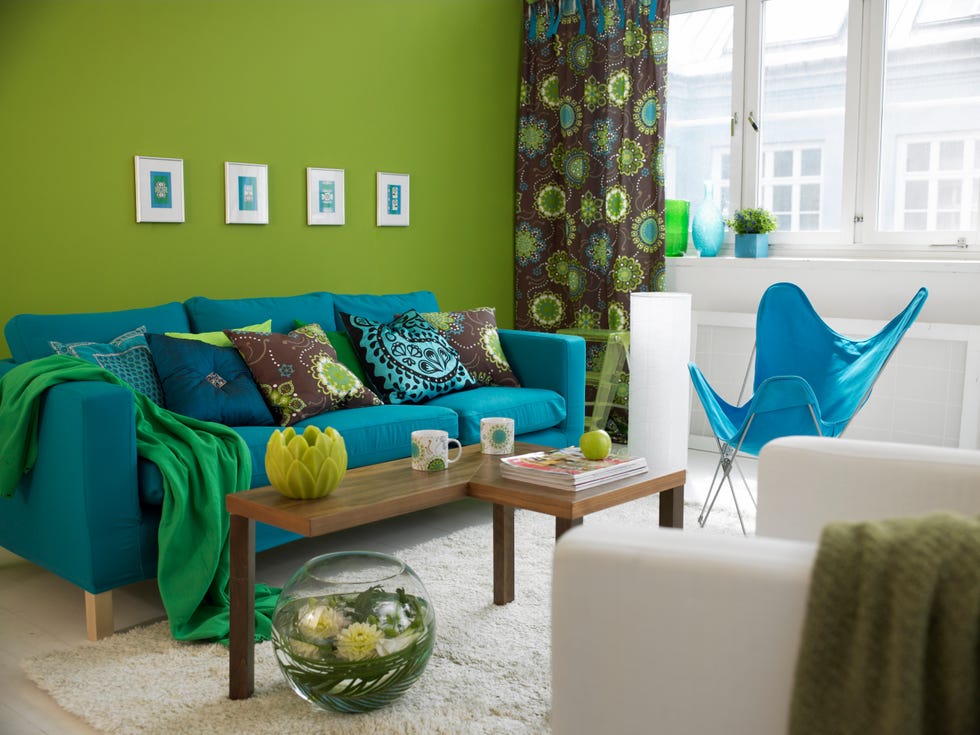
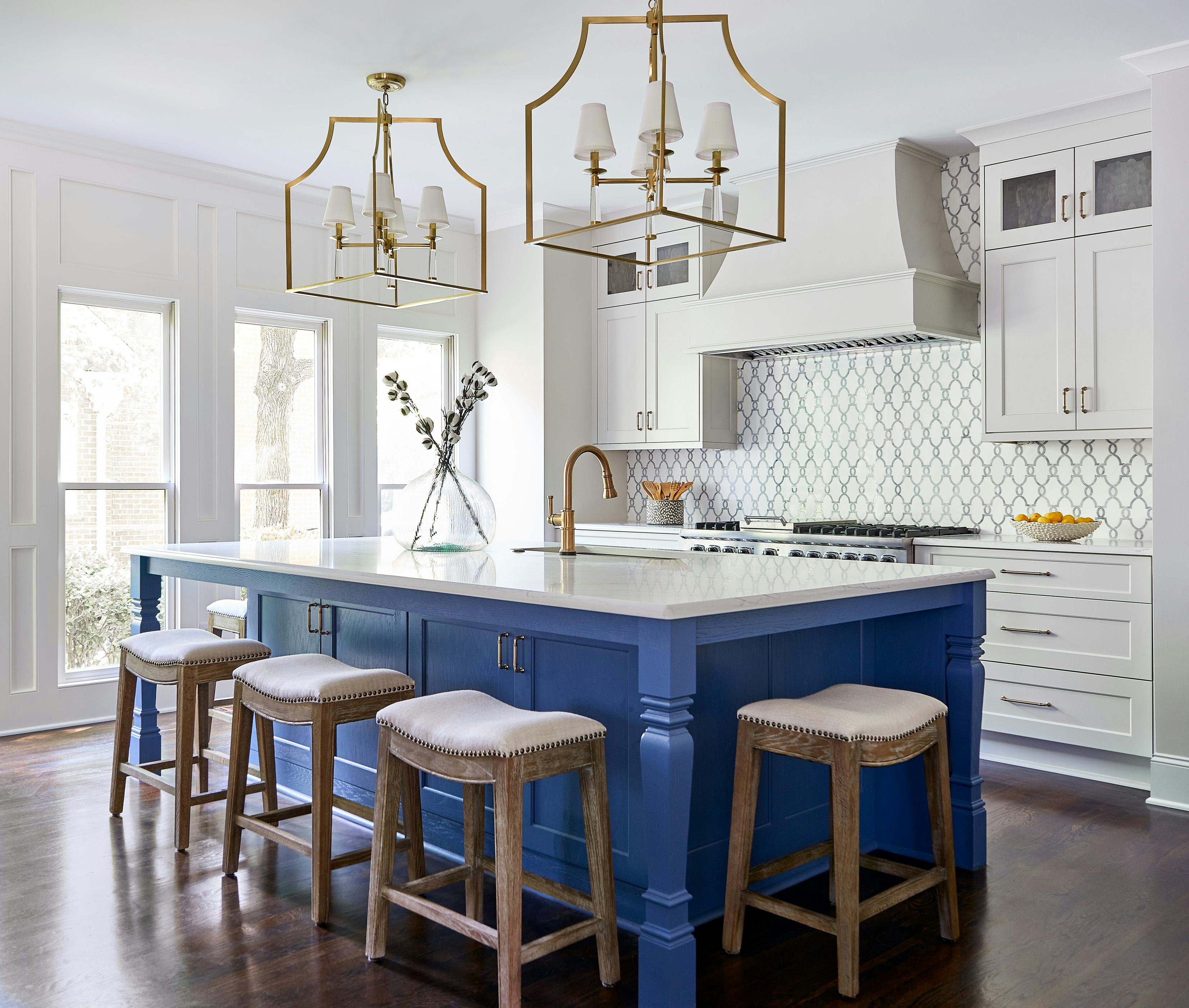
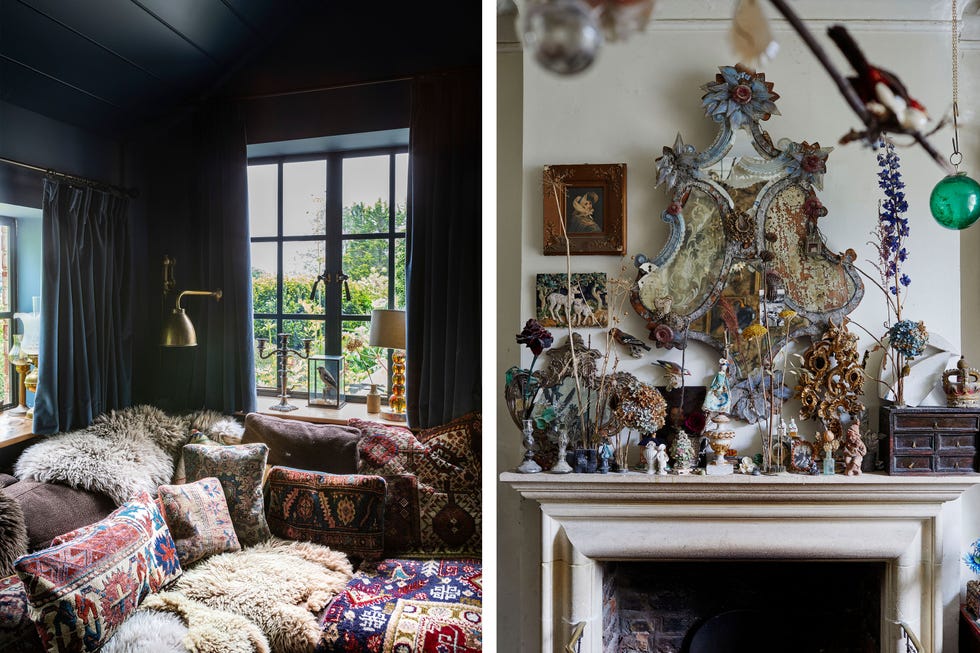
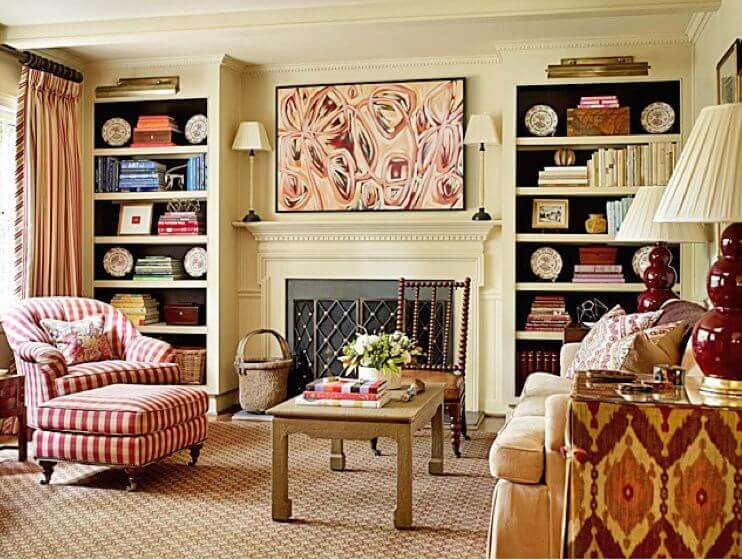
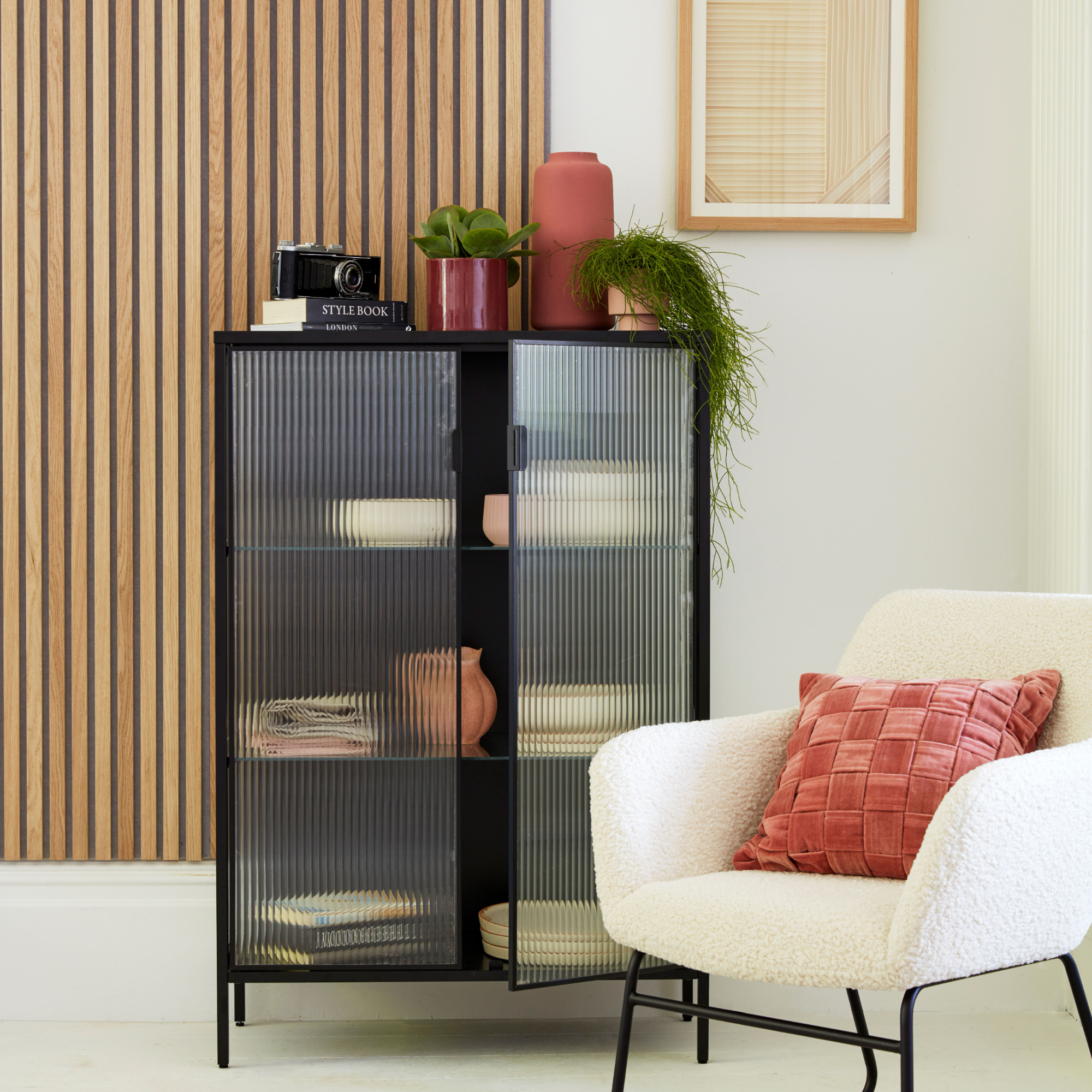
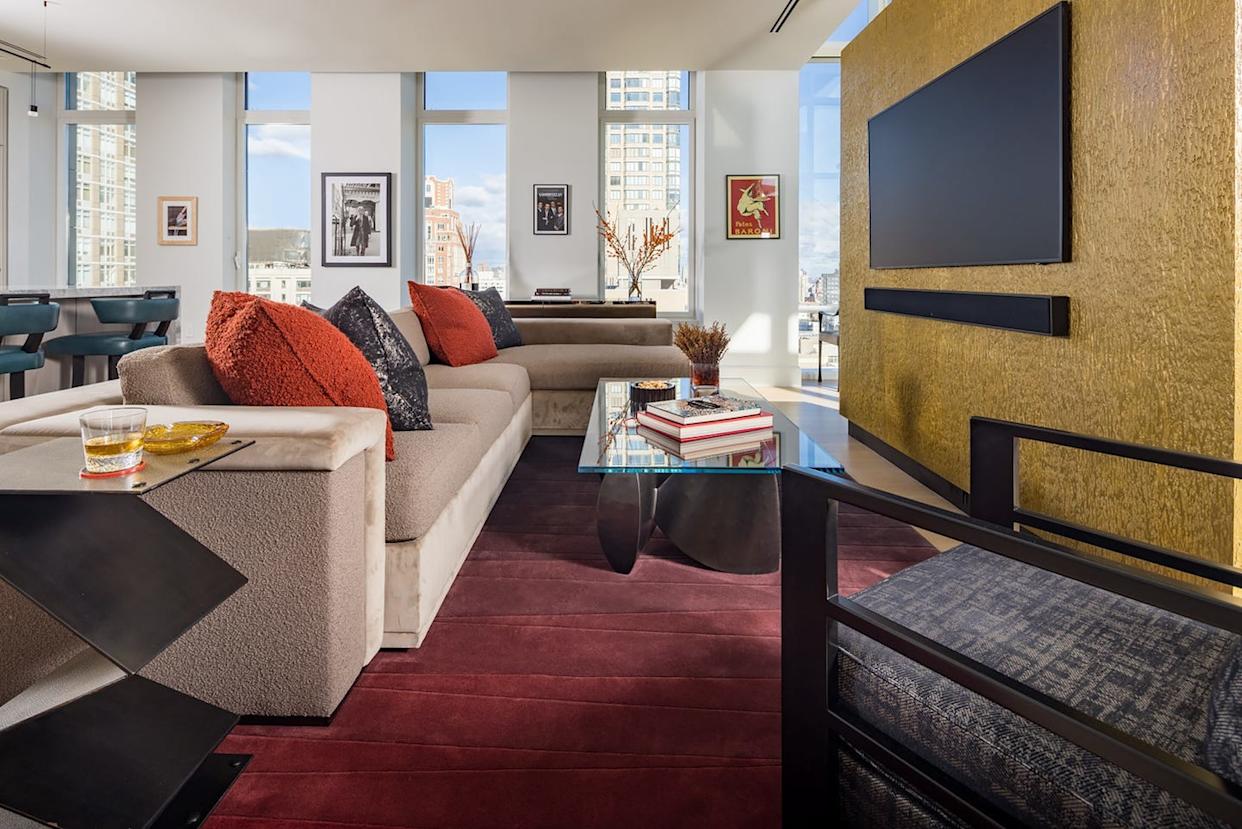
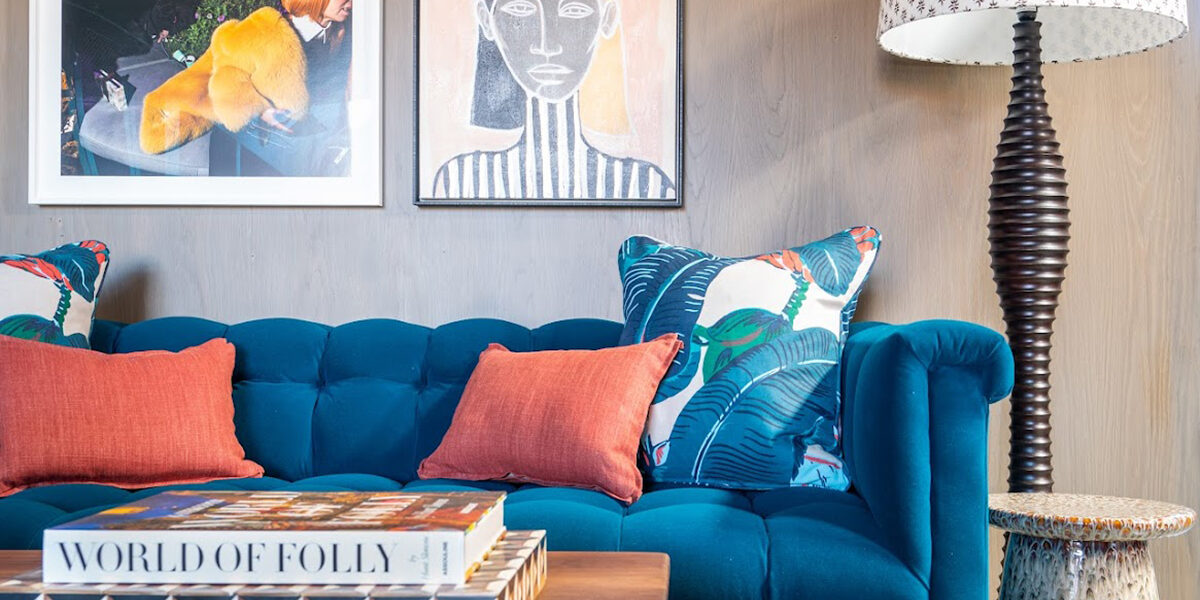
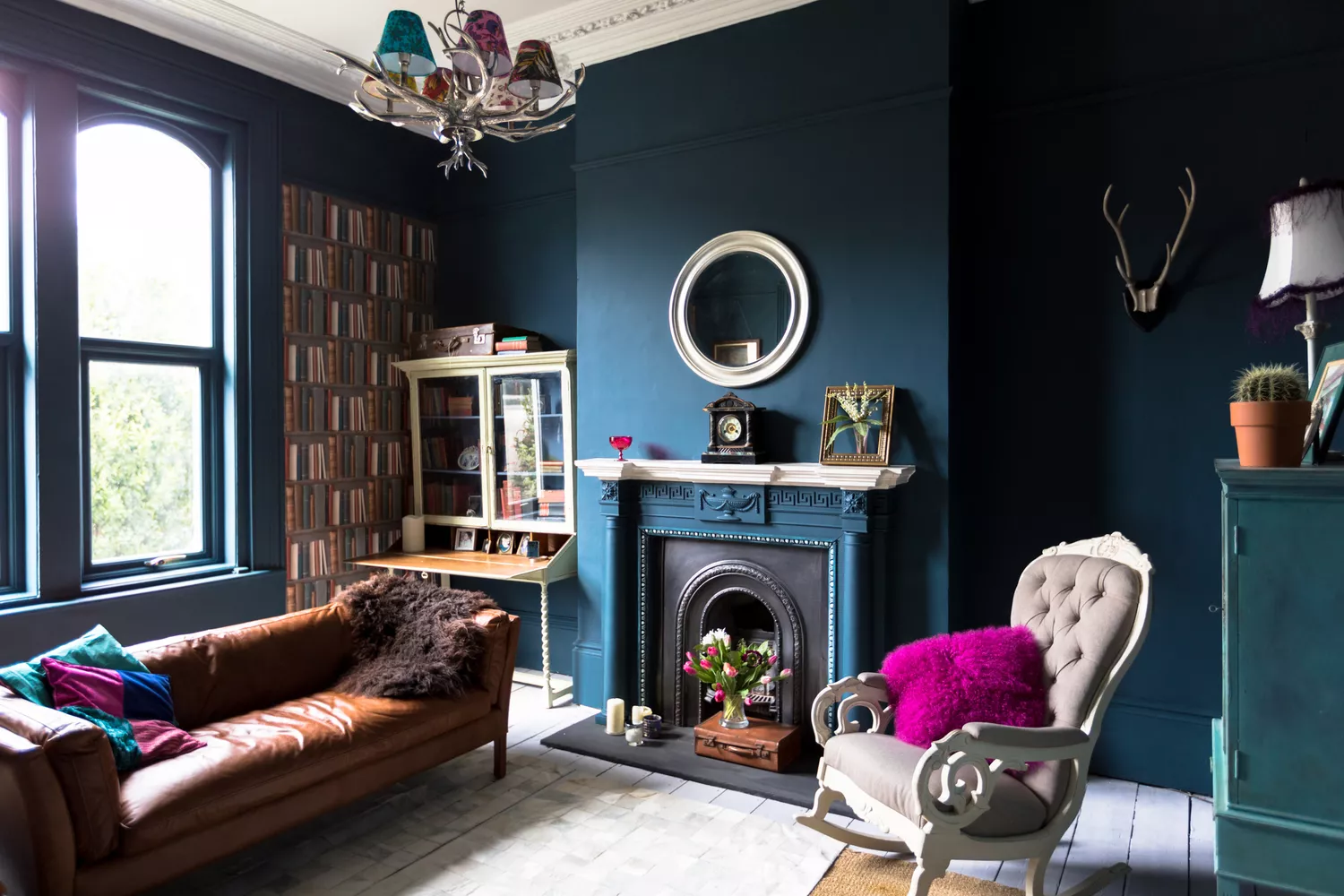
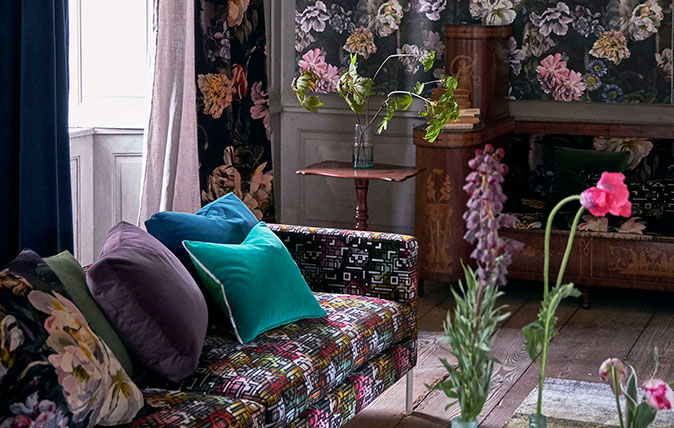
While the prospect of integrating diverse elements into a single area can seem daunting, designers advocate for a straightforward approach centered on the principle of "opposites attract." This means consciously pairing contrasting textures to create a dynamic and harmonious environment. For instance, combining the softness of mohair with the subtle sheen of sateen or the nubby weave of tweed on throw pillows introduces a compelling visual and tactile dialogue within a room. This thoughtful juxtaposition ensures that different materials complement rather than compete, adding richness and complexity.
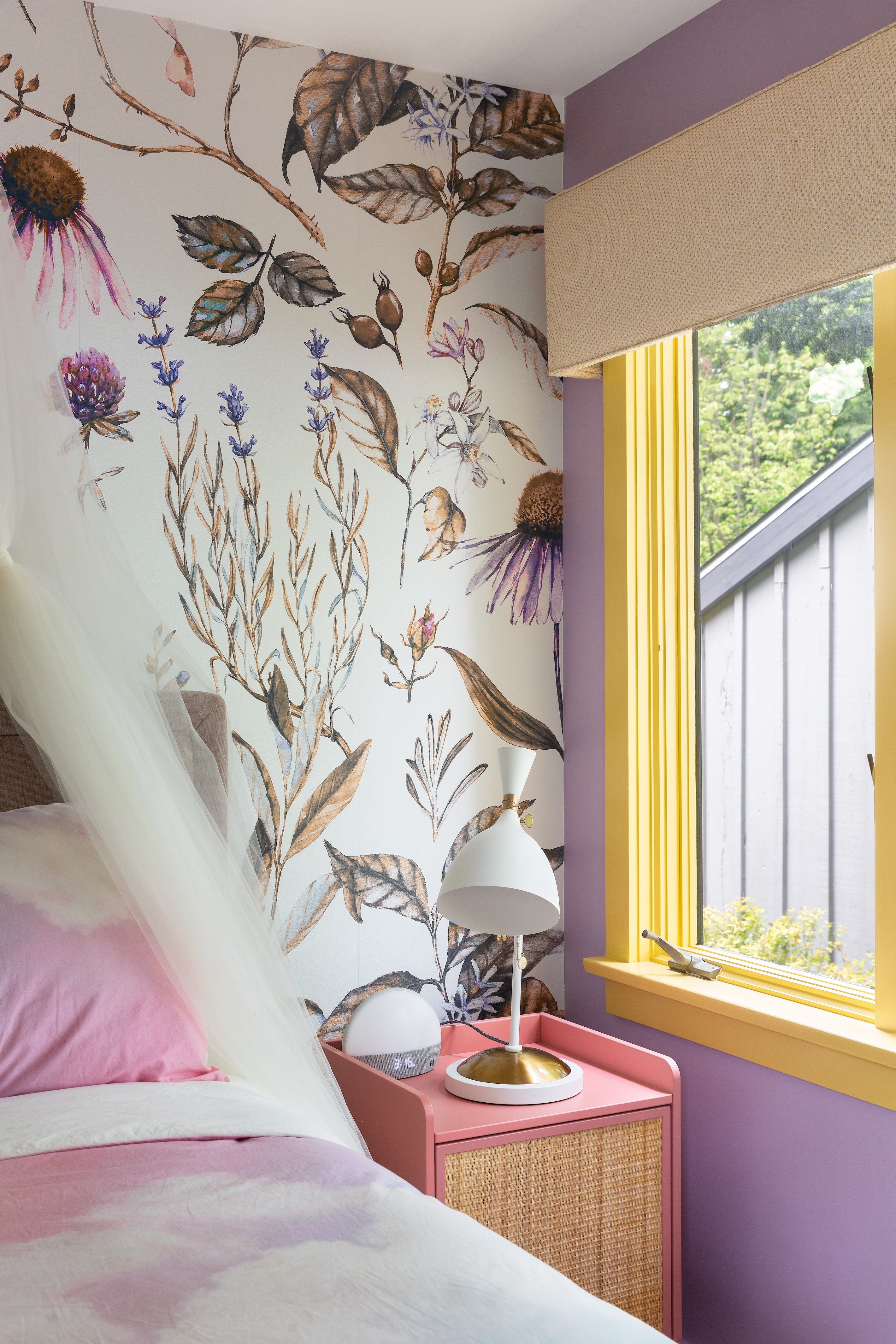
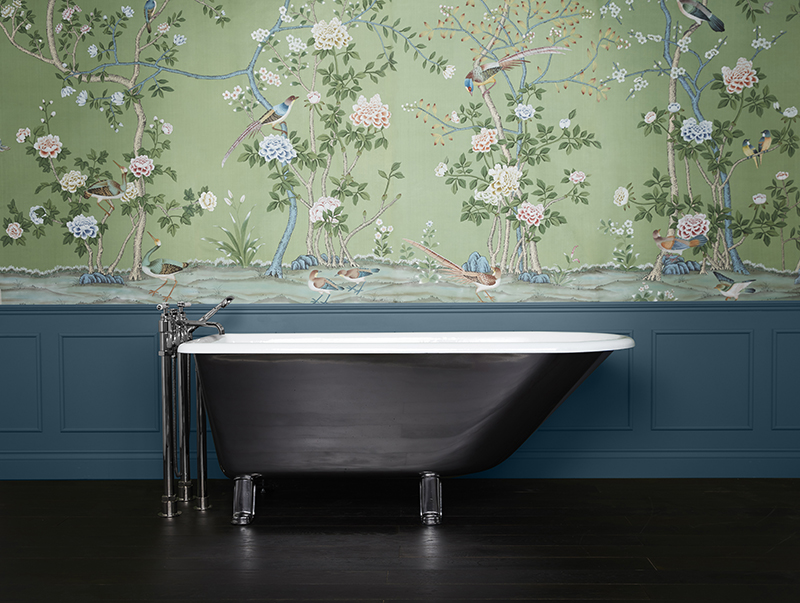
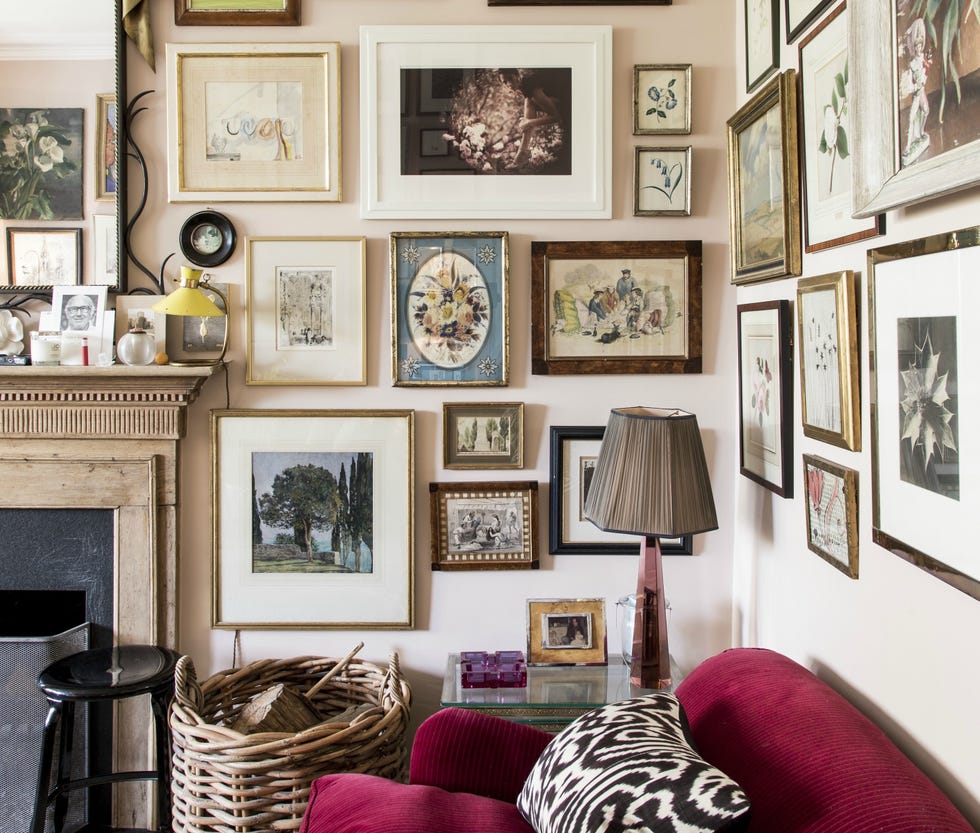
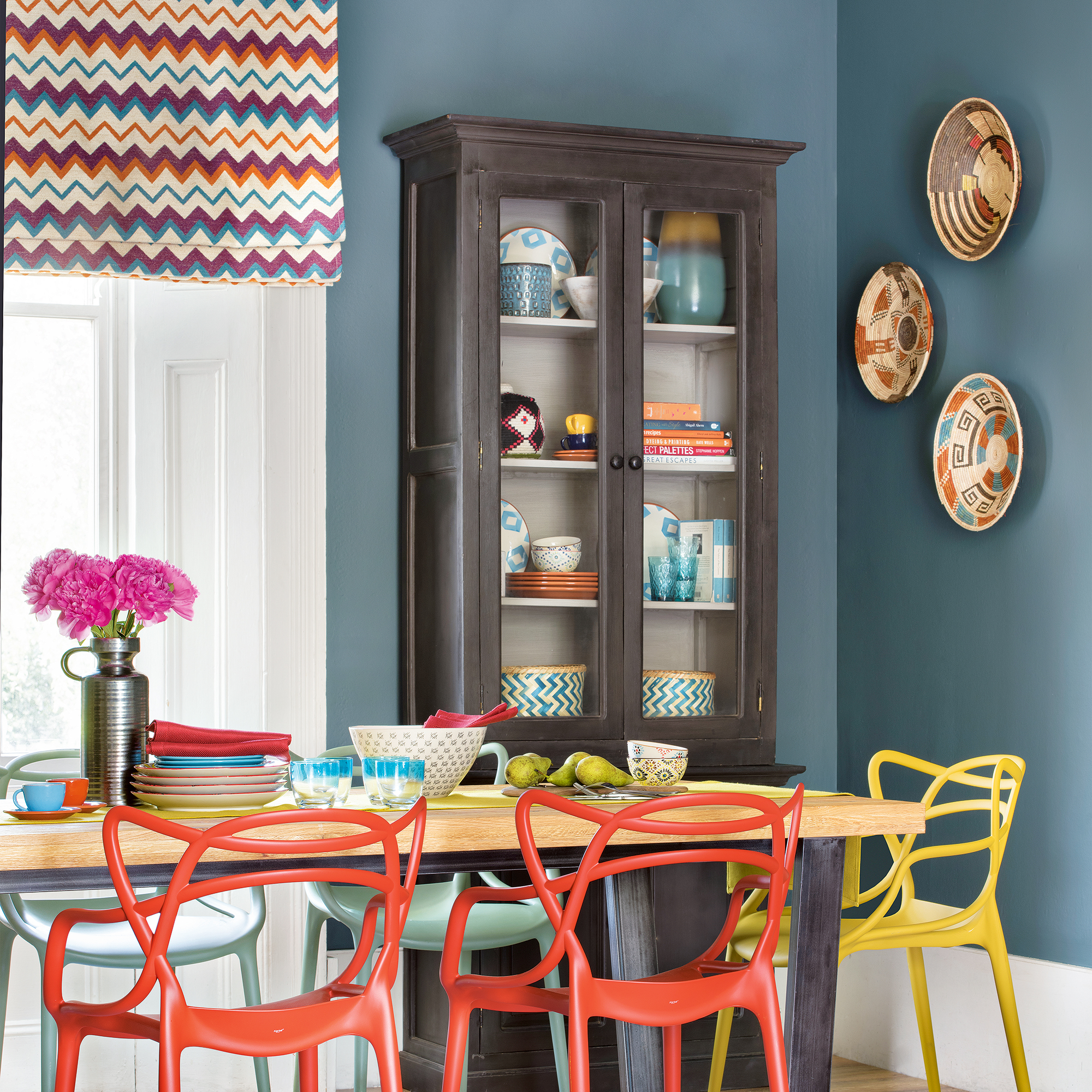
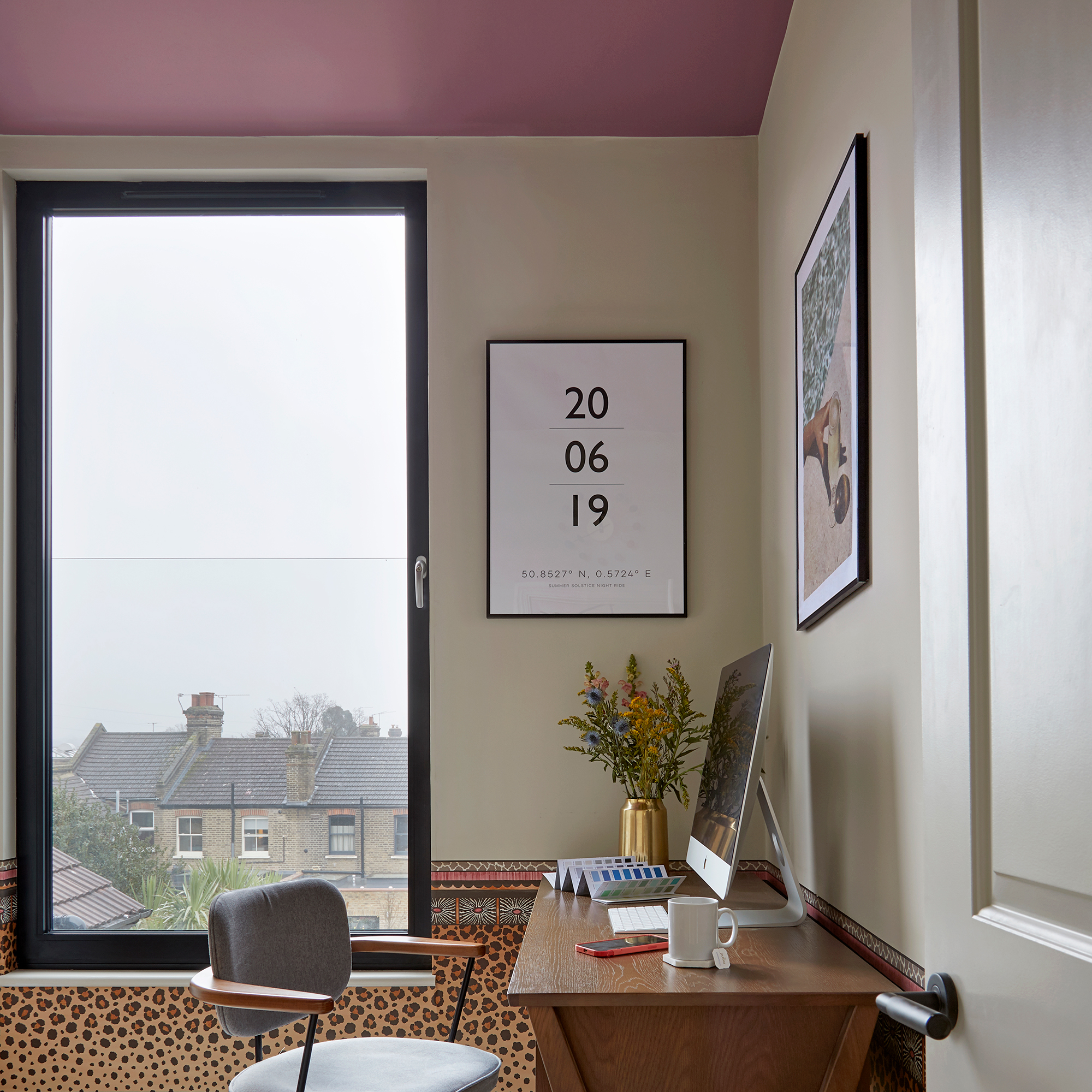
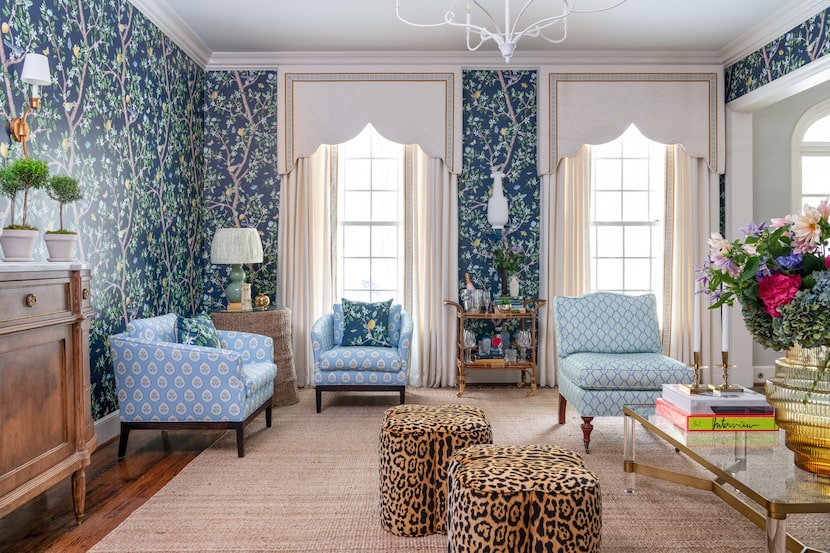
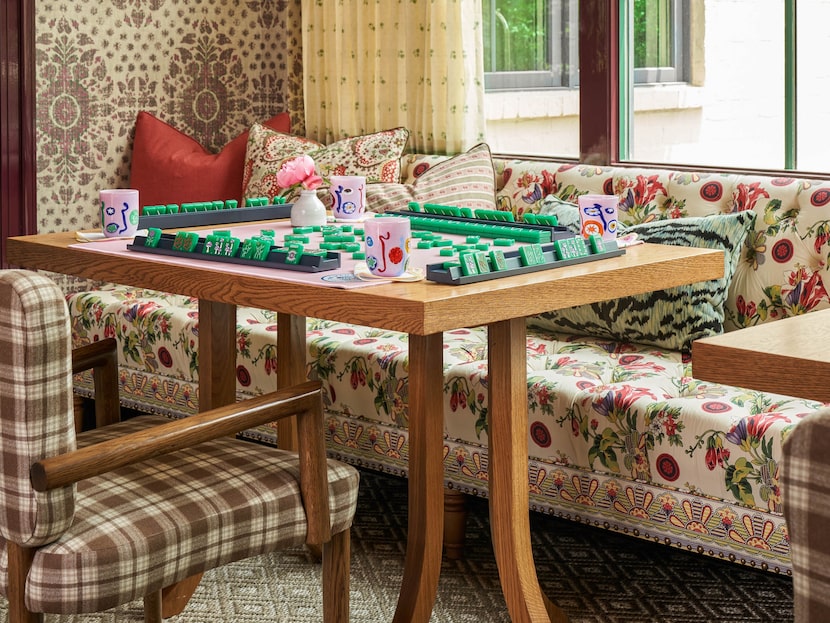
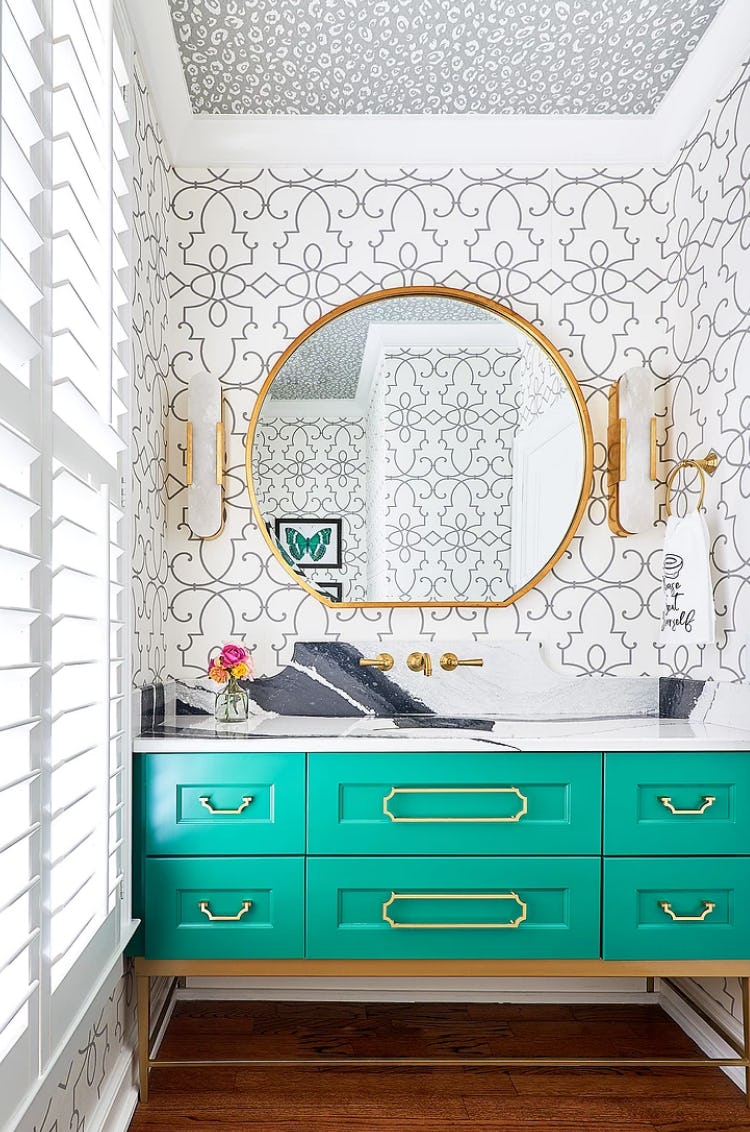
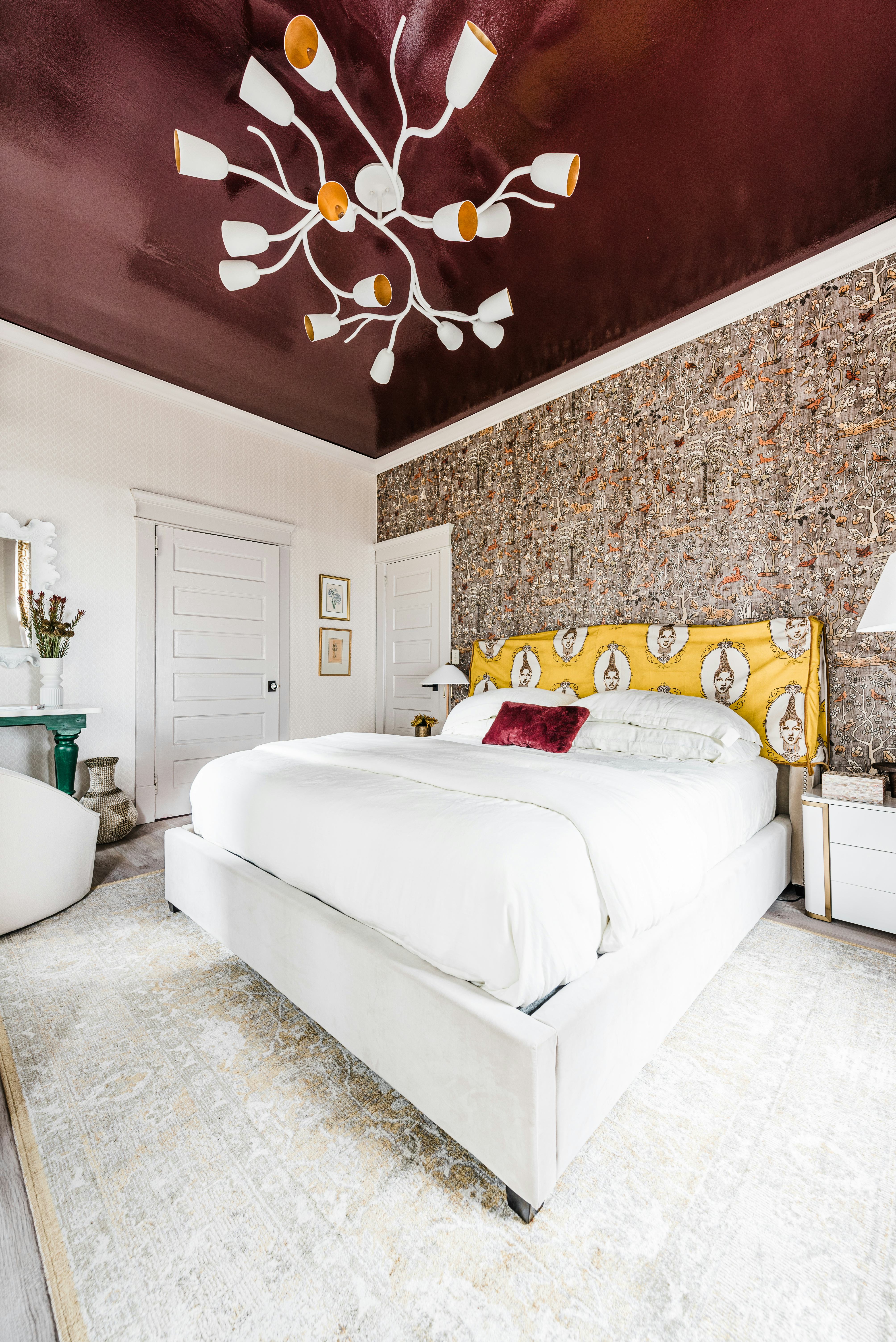
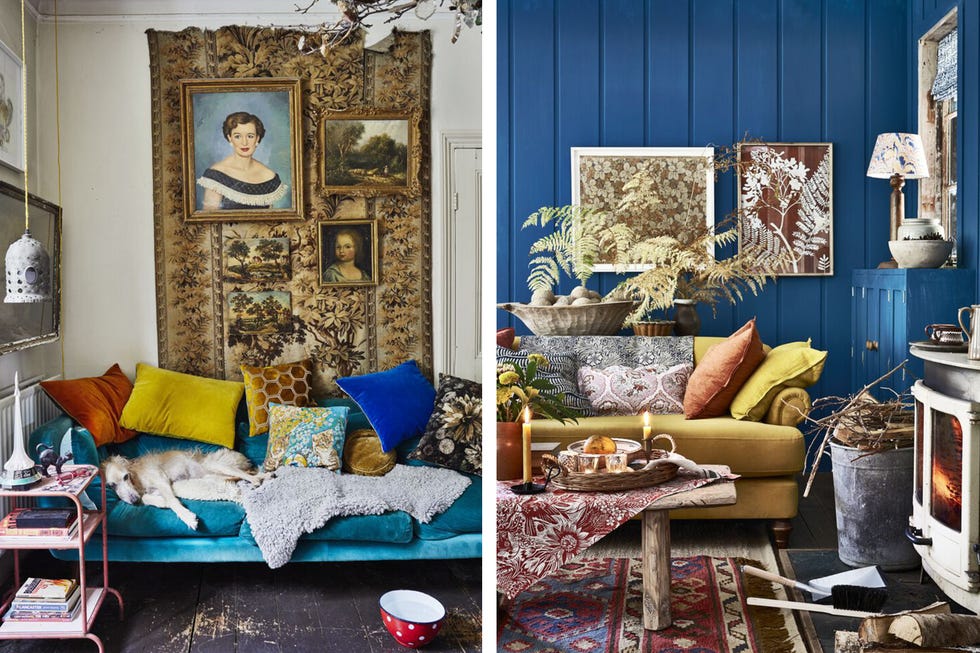
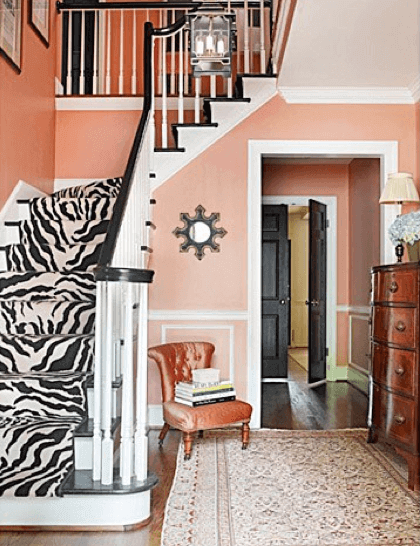
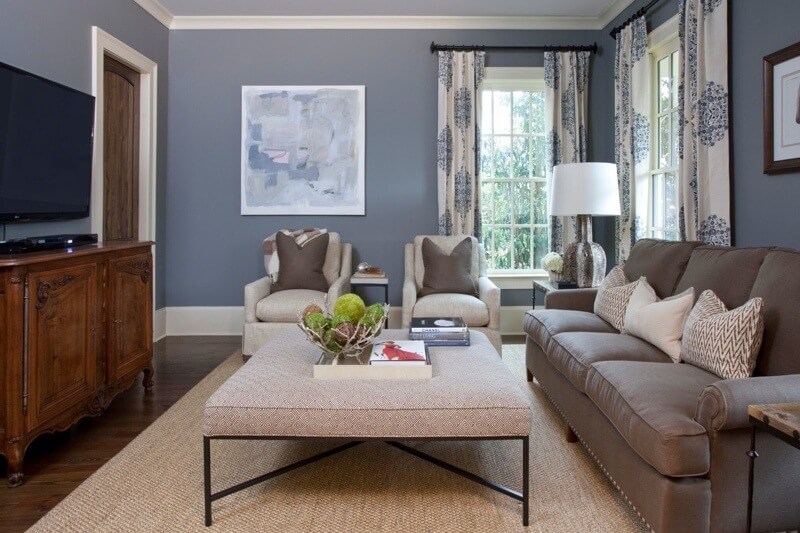
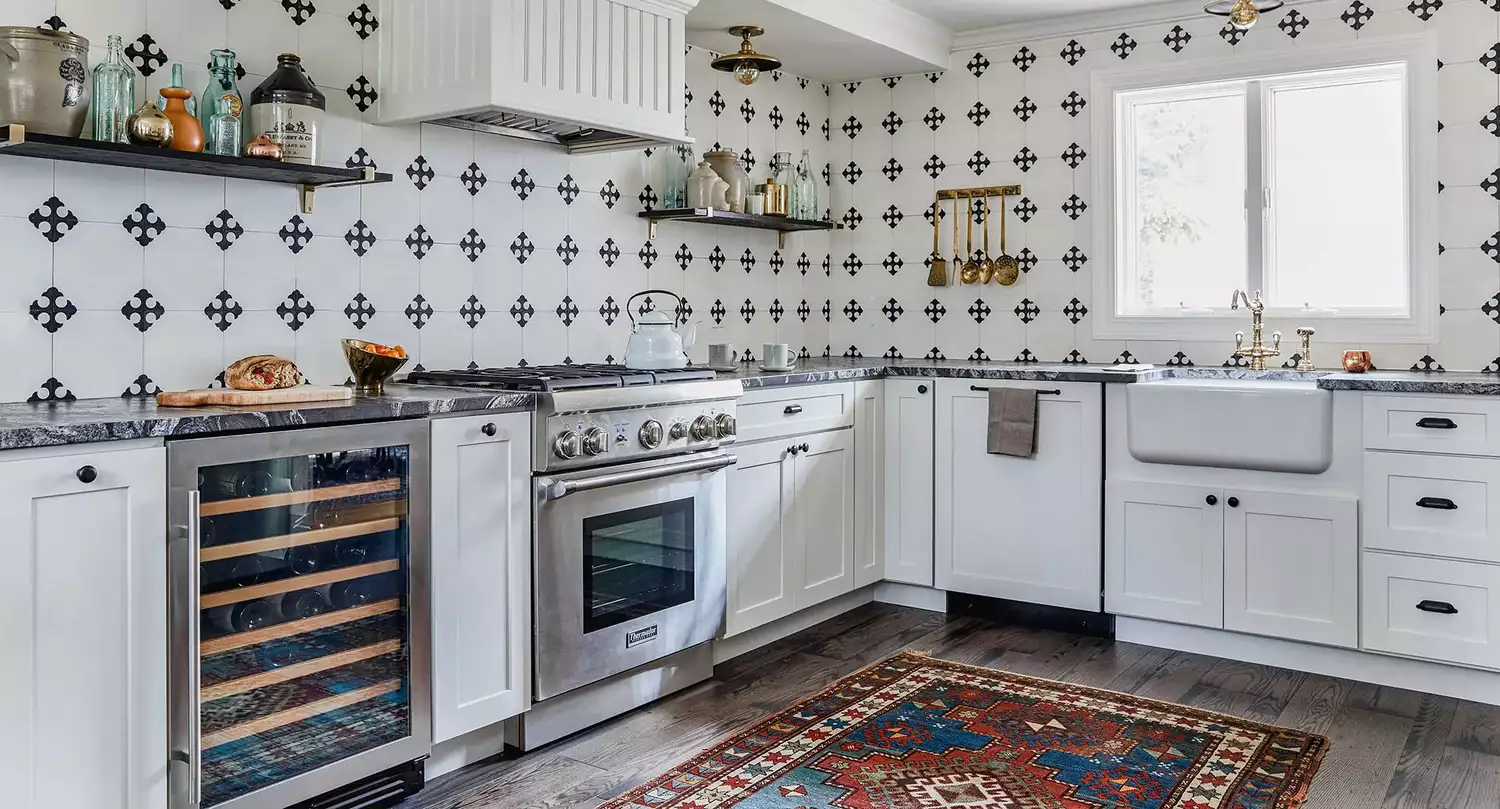
Beyond solid textures, the mixing of patterns also benefits from the "opposites attract" rule. Designers recommend balancing a bold, large-scale motif with a more delicate pattern, such as a subtle animal print, to achieve visual interest and equilibrium. Scale is another critical factor when working with patterns. To avoid visual clutter and promote harmony, it is advised to vary the scale of prints within a space. This involves starting with a prominent, large-scale pattern and progressively layering in medium and smaller-scale fabrics or wallpapers. When incorporating numerous patterns, it is practical to reserve large-scale prints for smaller items like throw pillows or ottomans, while larger furniture pieces can be upholstered in petite repeats to prevent them from feeling overwhelming.
For those new to texture and pattern mixing, a conservative starting point is recommended. Introducing decorative tapes or trims on pillows, furniture, or draperies is an excellent way to achieve a curated and custom aesthetic without feeling overwhelmed. This small-scale integration allows for experimentation and gradual development of confidence in blending different elements.
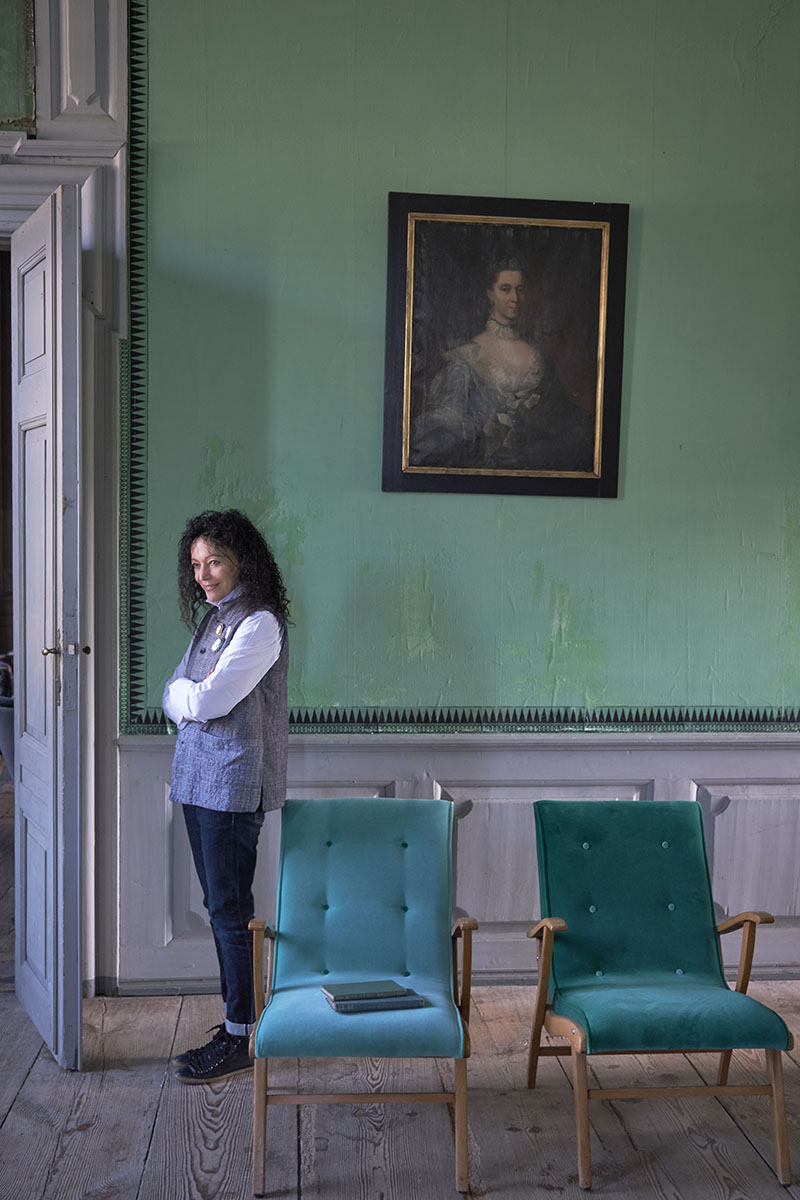
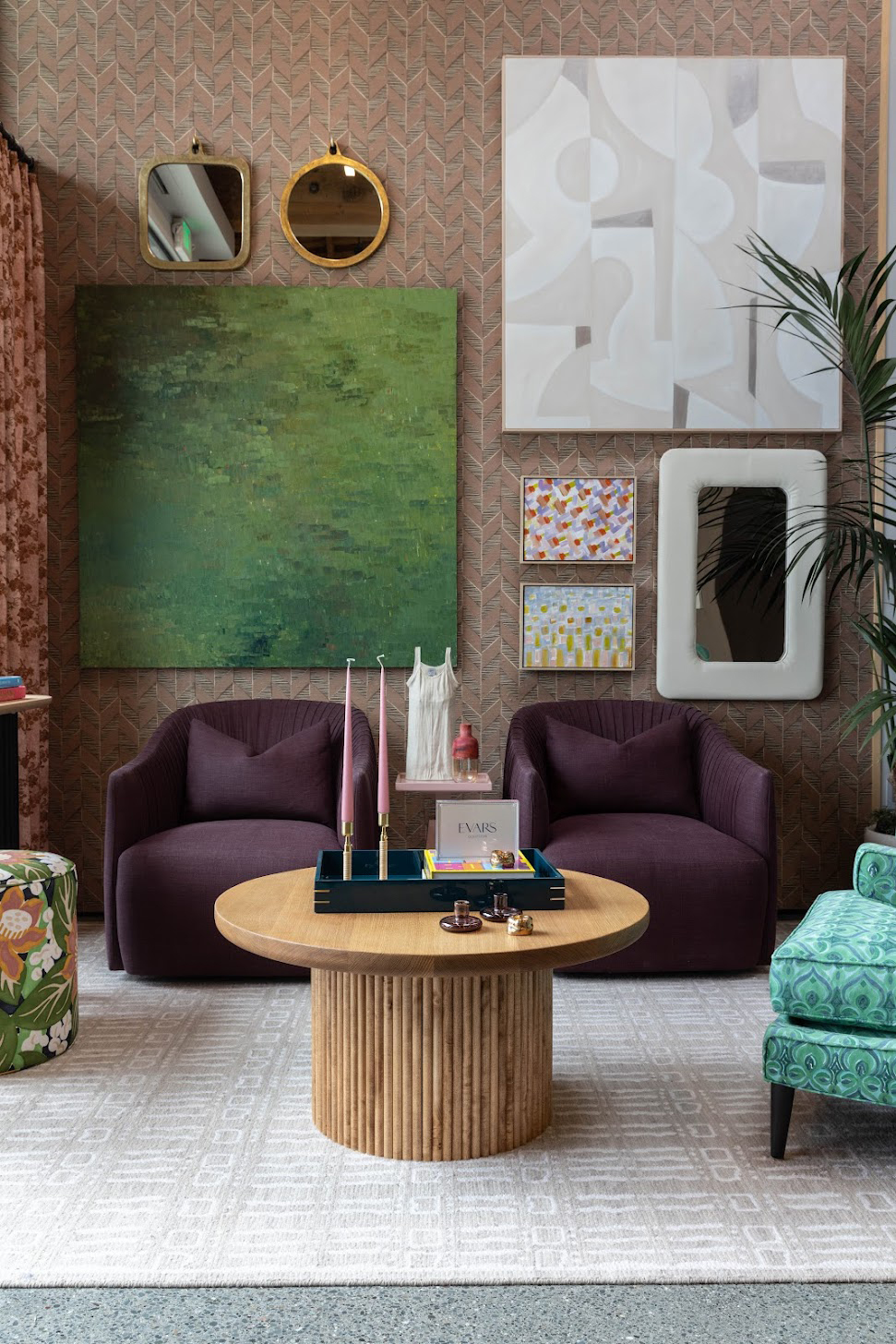
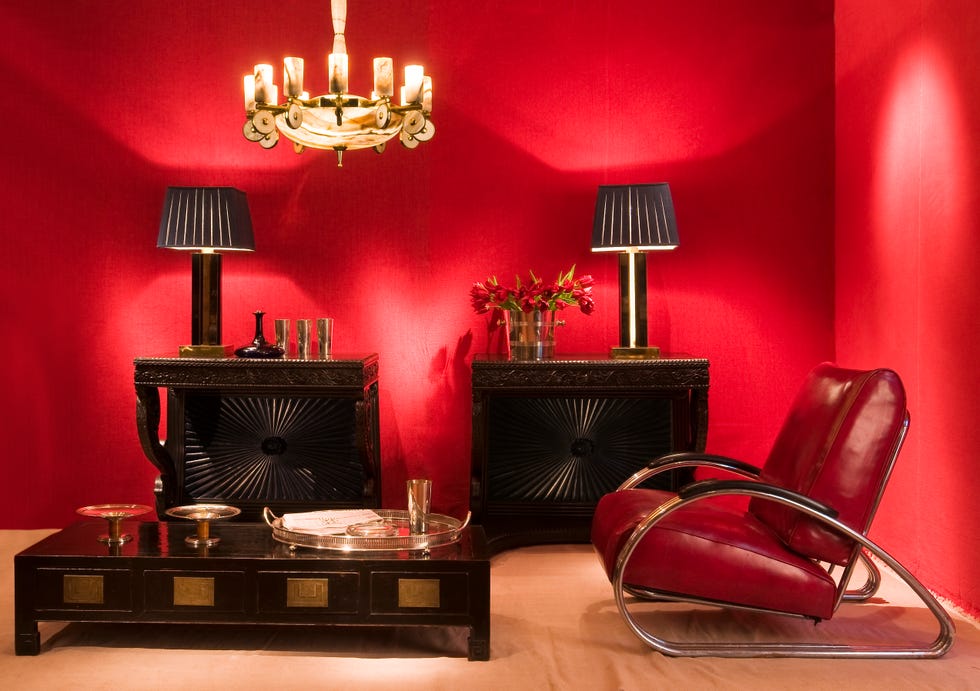
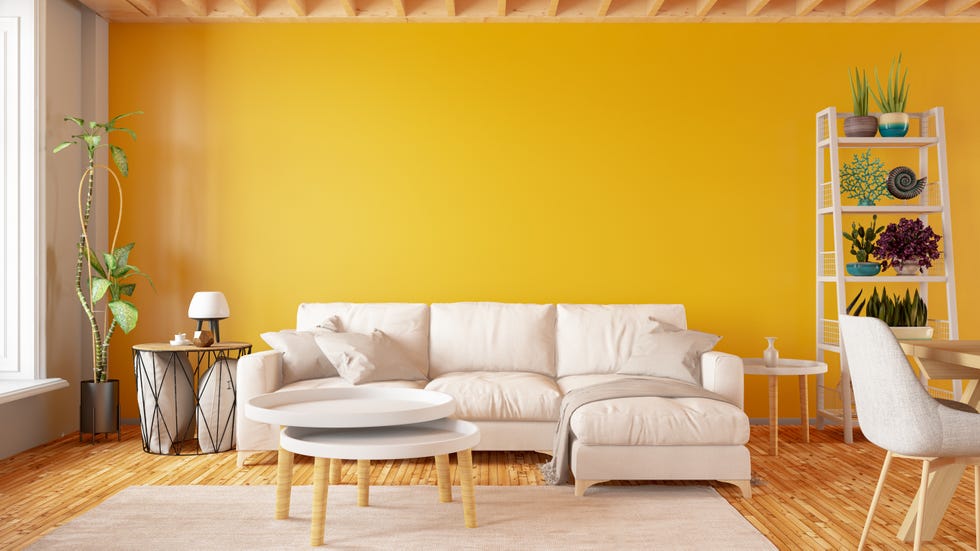
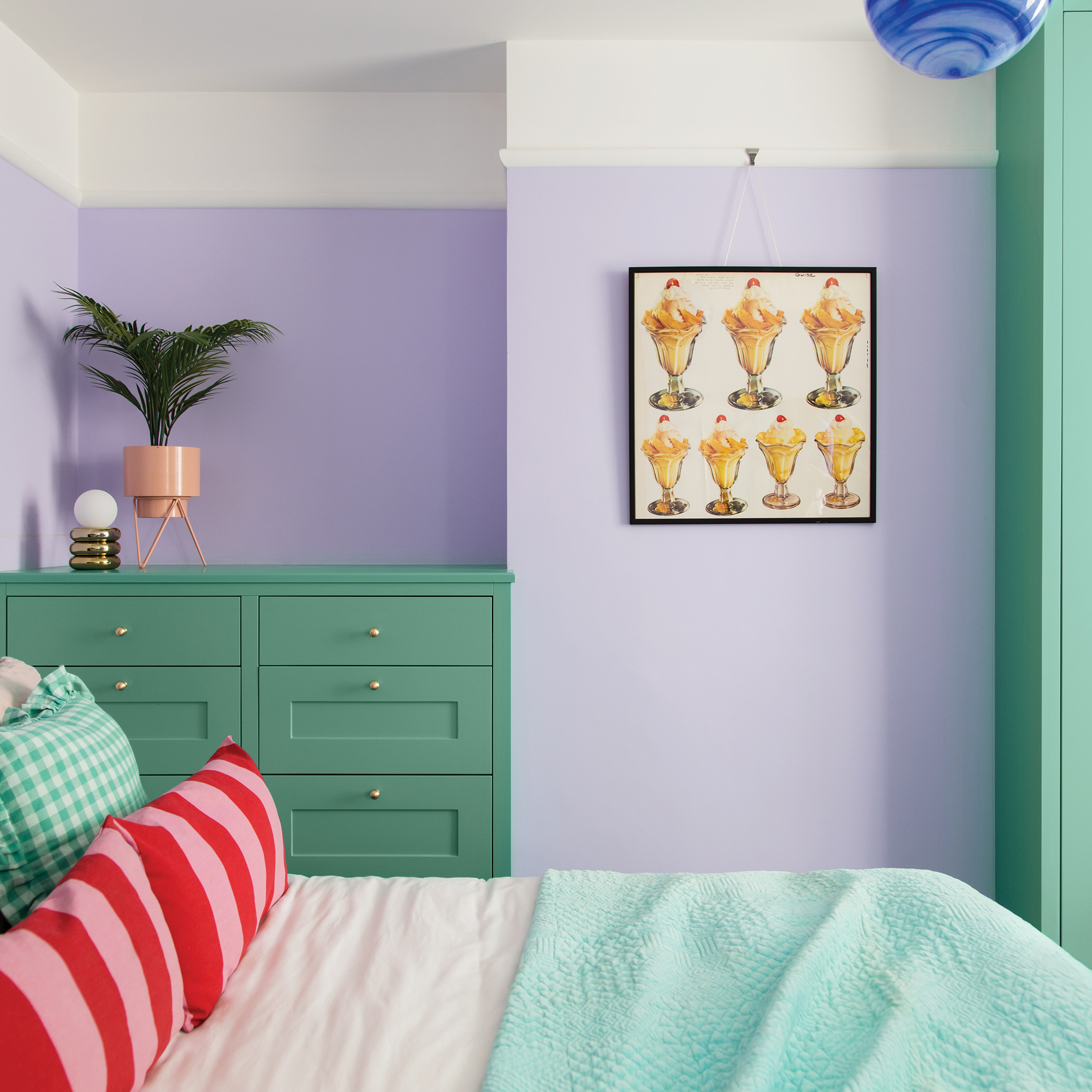
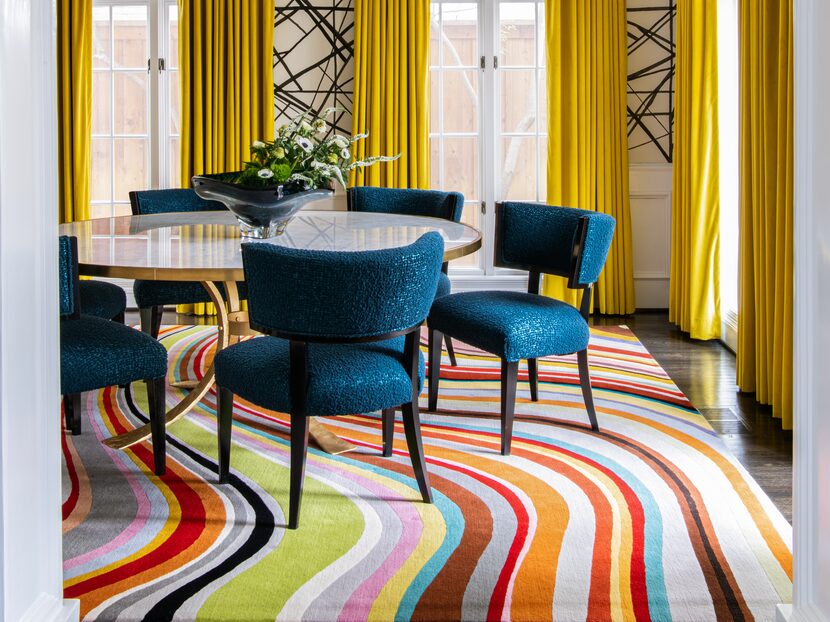
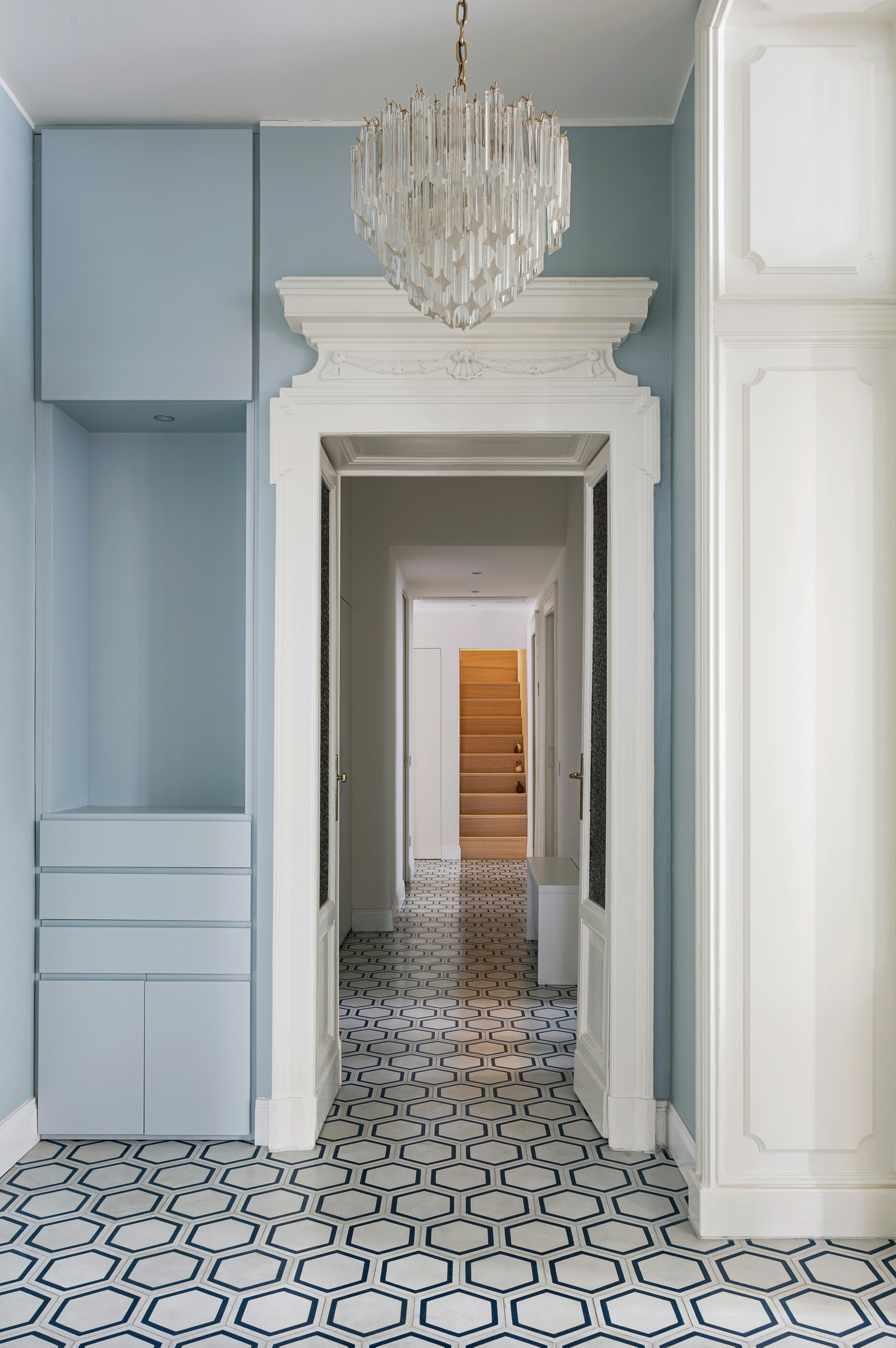
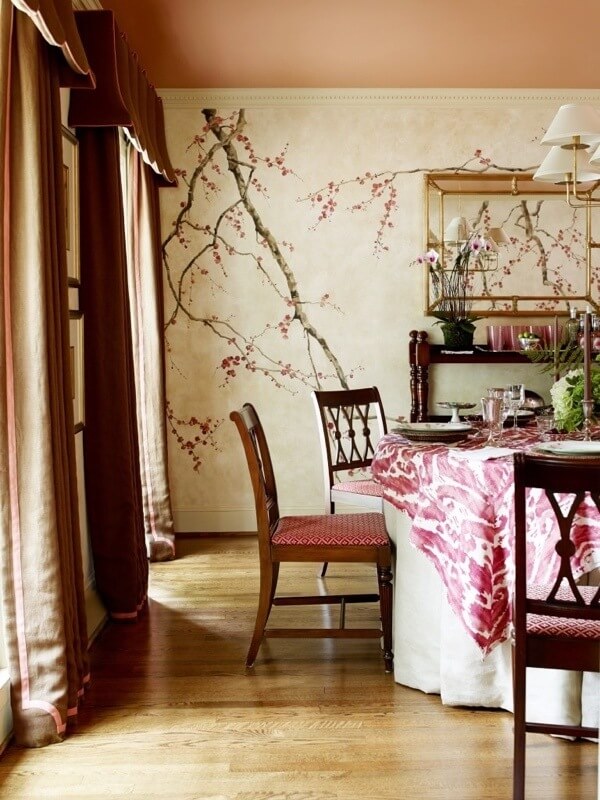
Despite the emphasis on contrast for tactile solids and patterns, the color palette often serves as the unifying element. The key is to maintain balance, ensuring that every texture contributes to the overall cohesion of the room without clashing. Many designers prefer to integrate patterns using complementary colors, while others opt for a carefully curated monochromatic or limited color scheme across various textures. This approach not only prevents discord but also highlights the individual nuances of each material, contributing to the room's depth and visual appeal. Ultimately, mixing textures is likened to "feeding the eyes," creating a layered, intentional, and lived-in feel that makes a room truly inviting on a sensory level.
#homeDecor #interiorDesign #textureMixing #designTips #homeStyling #patternPlay #textileDesign #homeRenovation #homeDecor #interiorDesign #textureMixing #designTips #homeStyling #patternPlay #textileDesign #homeRenovation
0 comment in total
 No comments yet
You may also like
4 Times Designers Say You Definitely Shouldn't Paint Your Walls and Ceiling in the Same Color

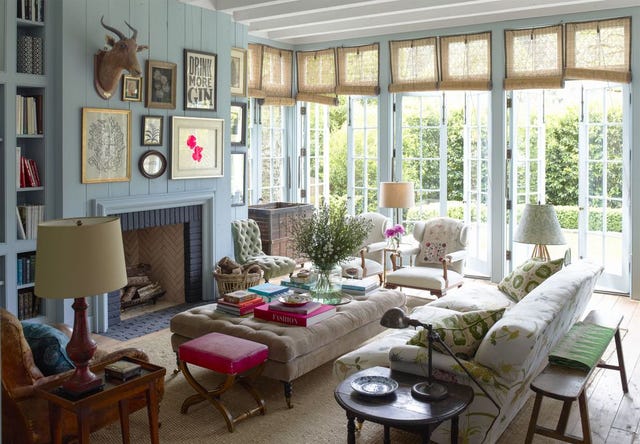
Here's How to Pull Off an Eclectic Decorating Style

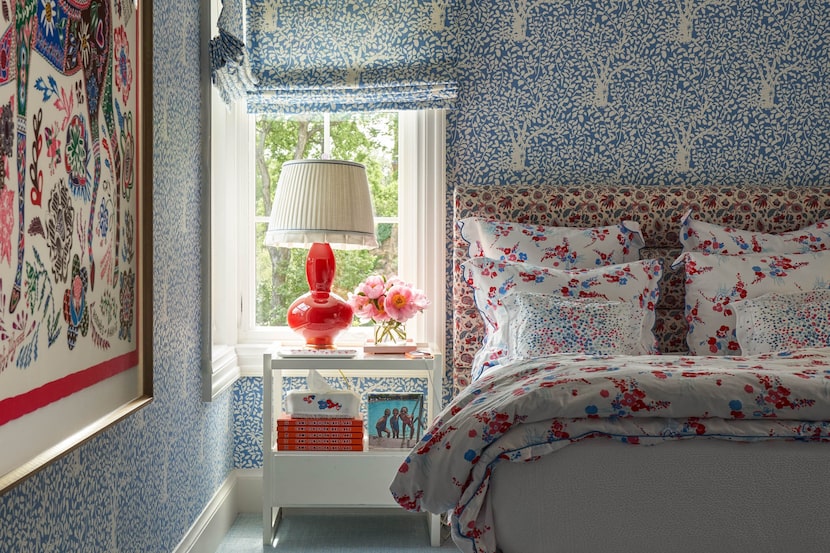
Pattern play: These 15 rooms by Dallas designers will inspire mixing and matching
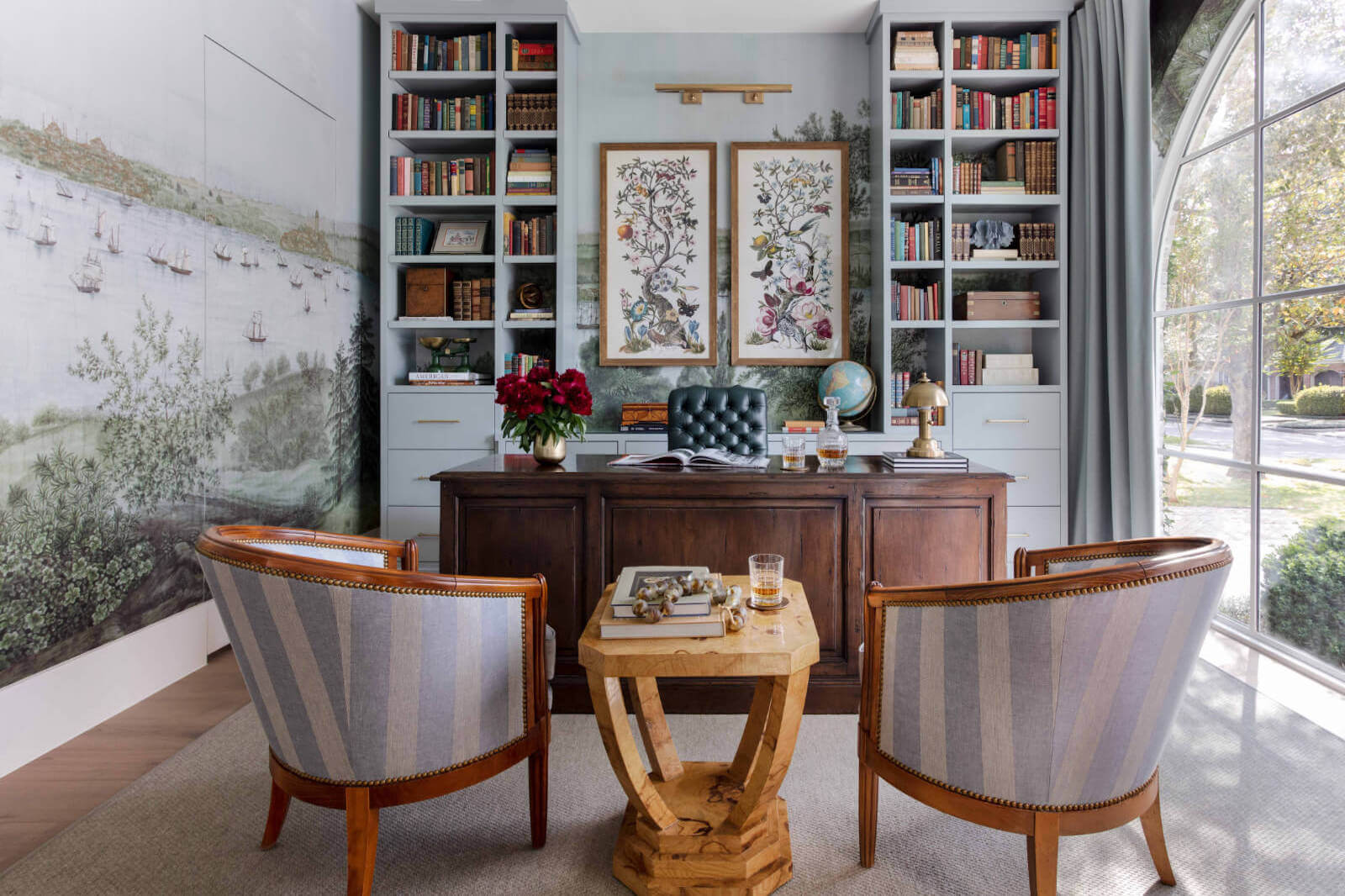
Interior Design Tips: The Dos and Don’ts of Layering

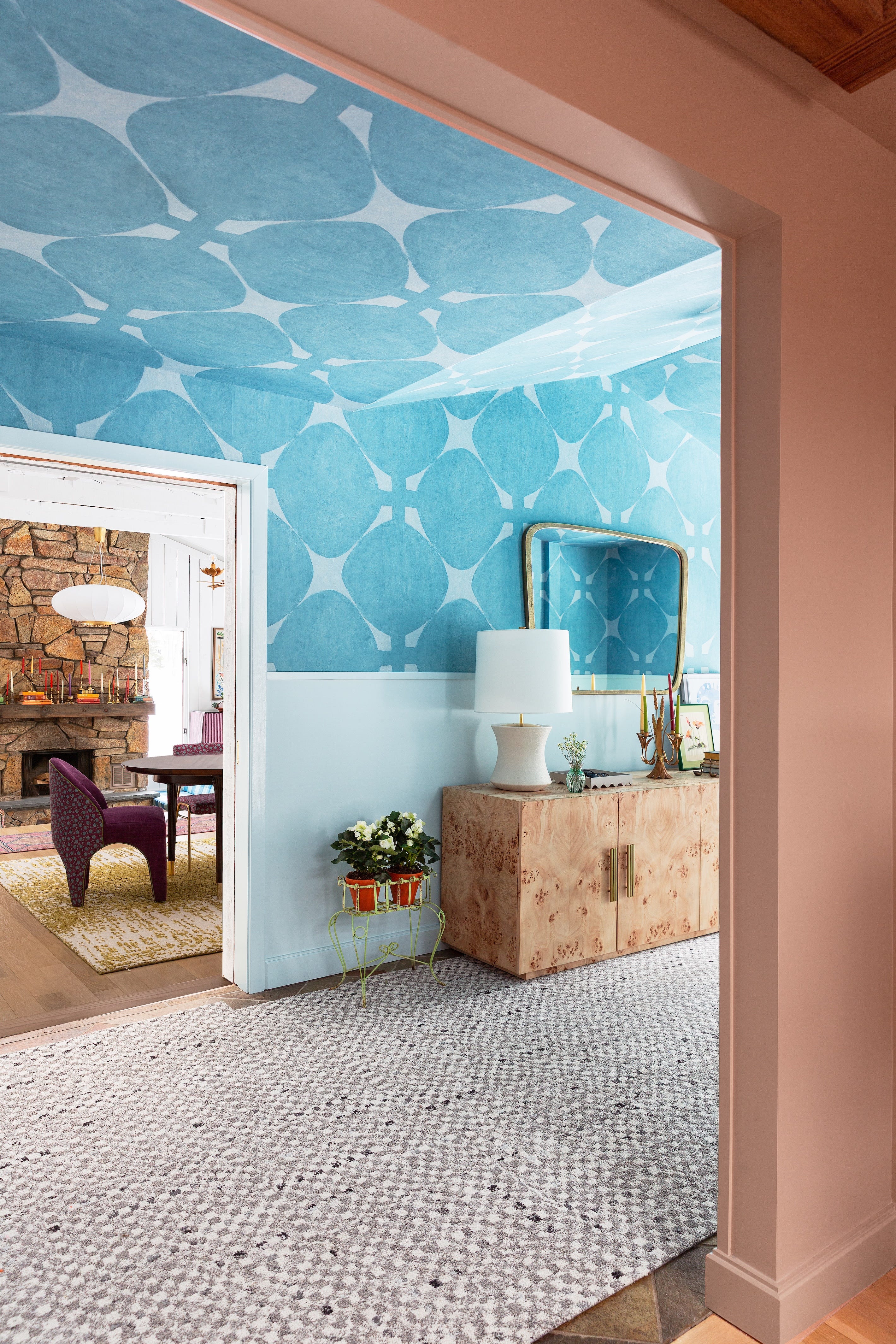
Designers Say These Unusual Paint Color Combos Will Transform Your Home

The 8 Dos and Don’ts of Mixing Patterns in Your Home
5 Paint Mistakes Your Realtor Wishes You Wouldn't Make
A case for clutter: Design tips for creating a busy and eclectic home
How to use clashing patterns in your home, according to design experts
7 Paint Colors Designers Wish They Never Used (and What You Should Use Instead)

Oh, so It's This Nature-Inspired Color Rule That's the Reason Your Home's Scheme Doesn't Feel Like It's Working
The ONLY Advice You Need to Mix Patterns Like a Pro!
7 Golden Rules for Mixing and Matching Patterns That Designers Swear By

These Paint Colors Bring Hostility to Your Home, According to Experts
These Unusual Paint Colors May Not Be An Obvious Choice, But Designers Can’t Get Enough
'Potential buyers may see it as a DIY job gone wrong' – this popular interior trend may be devaluing your home
How to combine colour, pattern and texture without making a complete mess of things
Interior design experts reveal the colour rules you should be breaking
Dress Up Your Space With Contrasting Colors

This Common Styling Mistake Is Quietly Making Your Couch Look Bad, a Designer Says