7 Golden Rules for Mixing and Matching Patterns That Designers Swear By
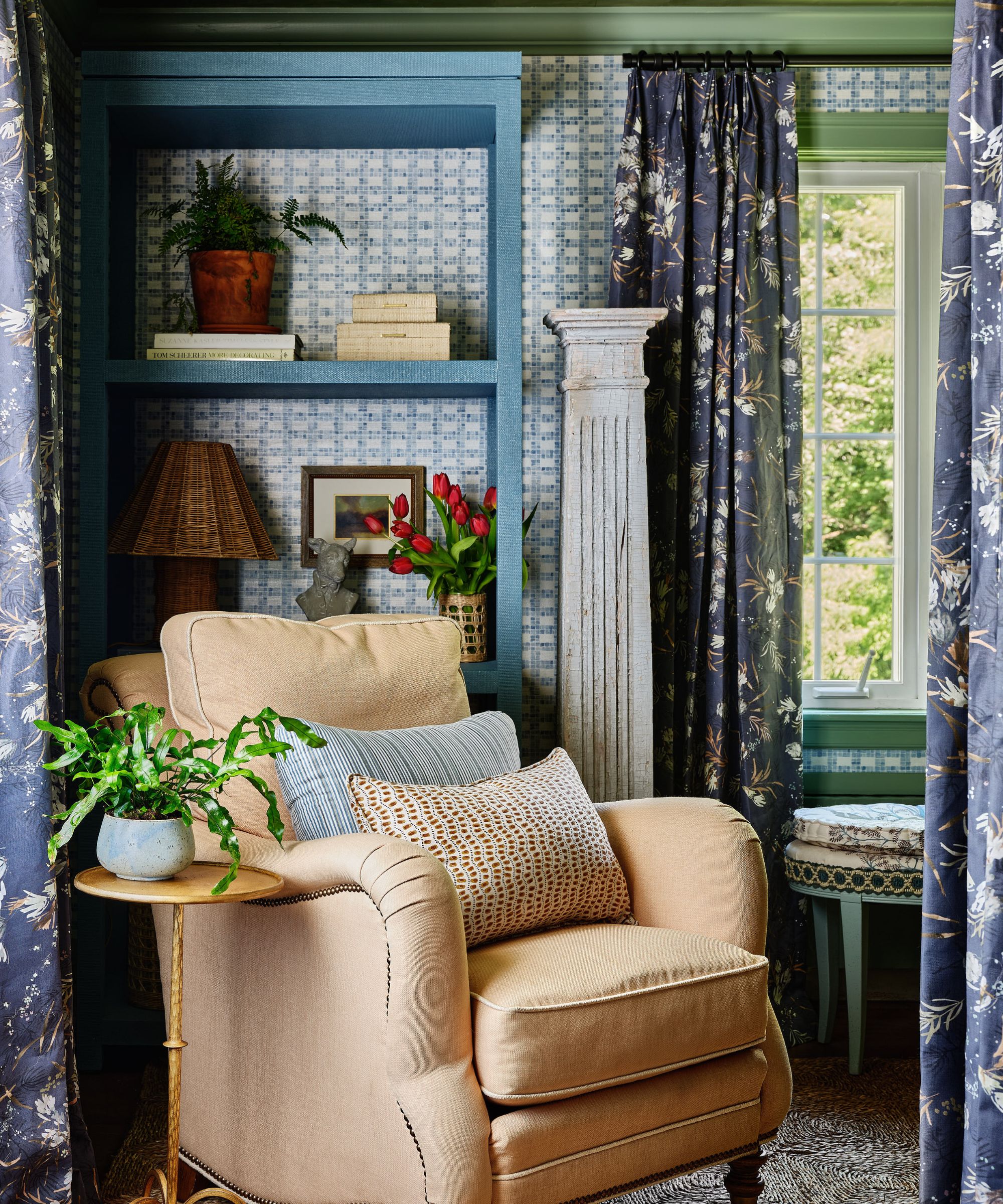
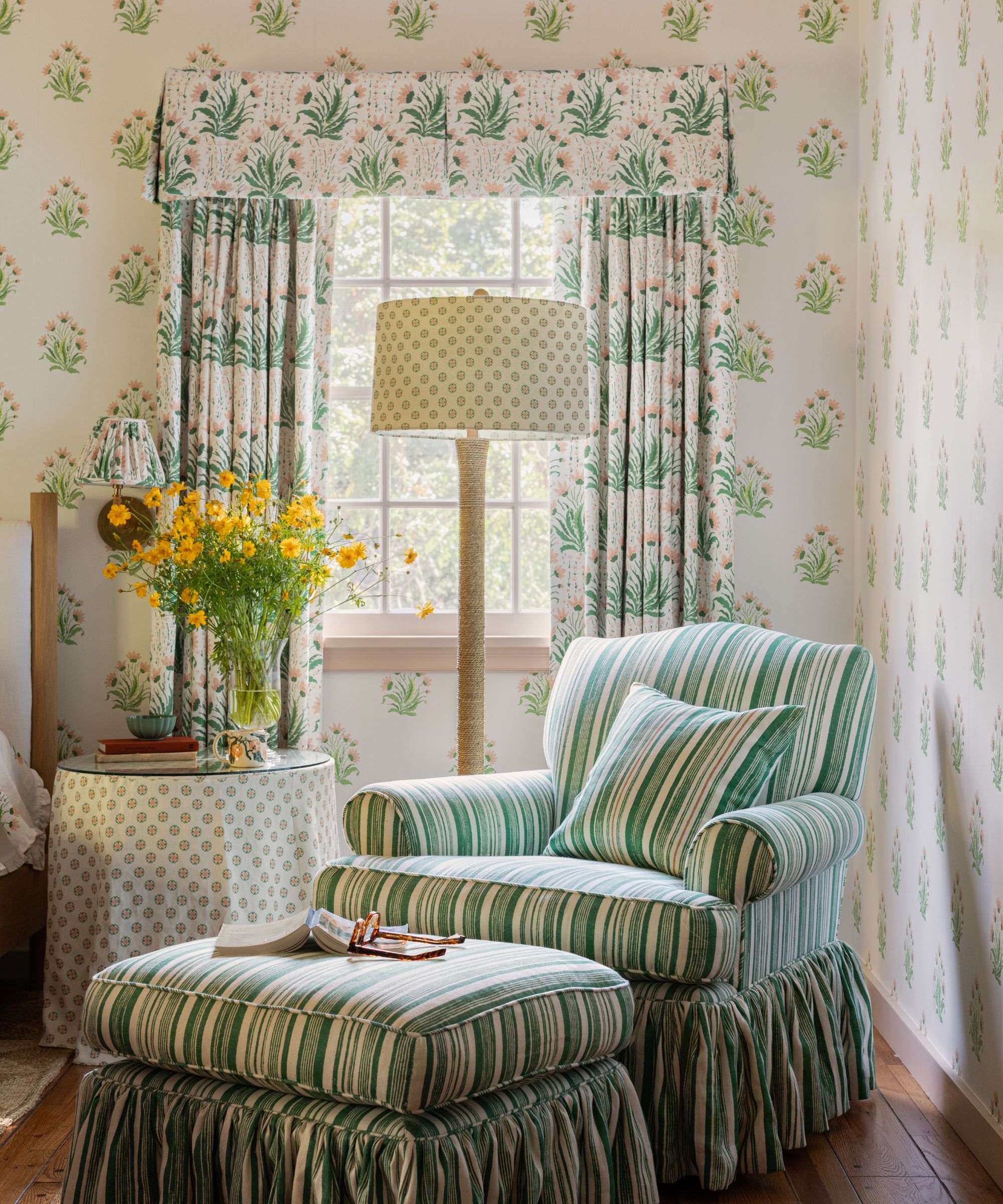
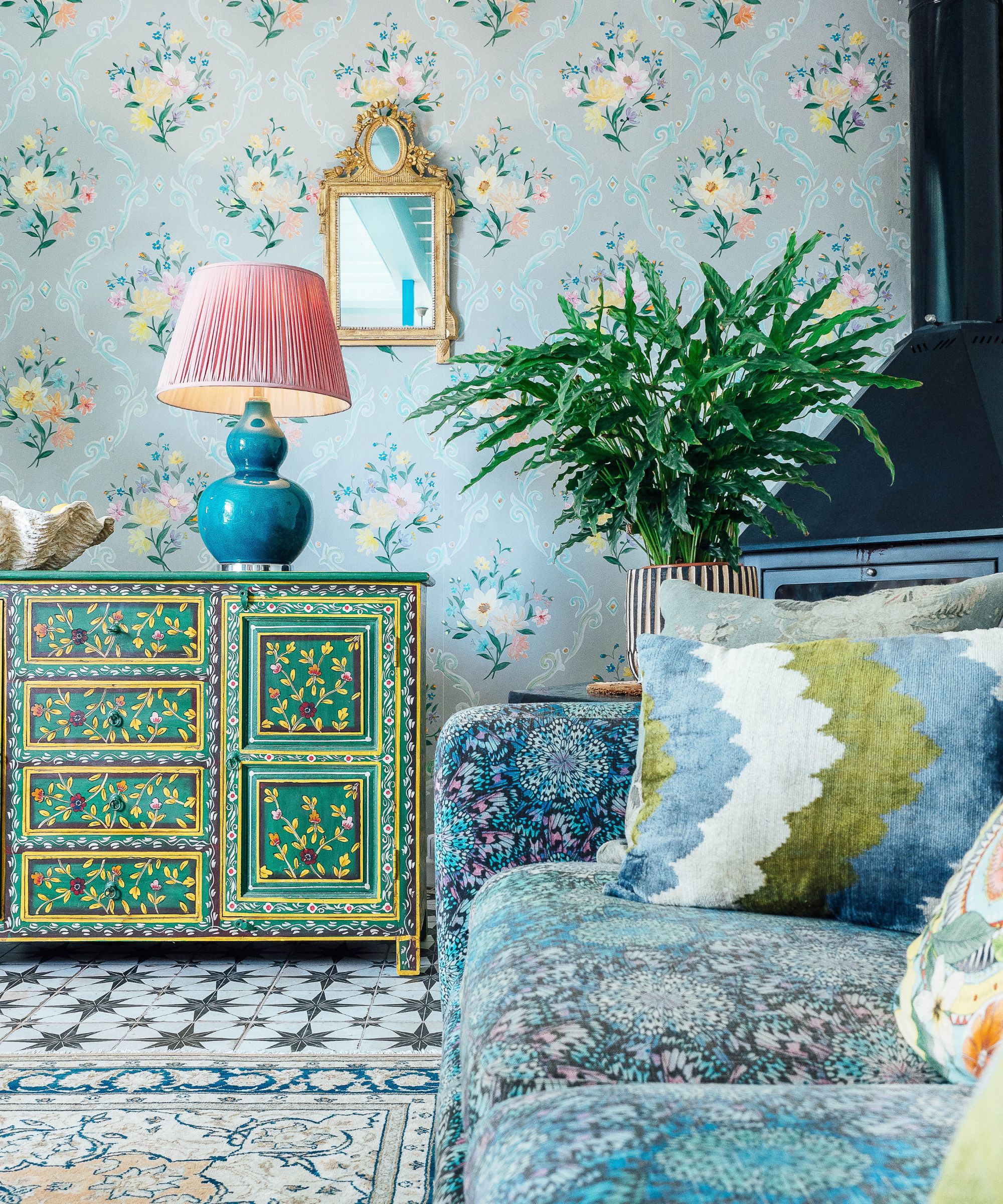
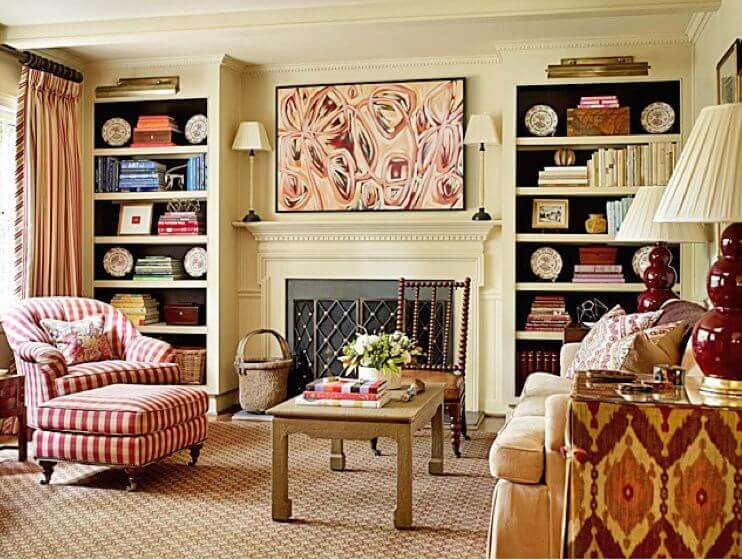
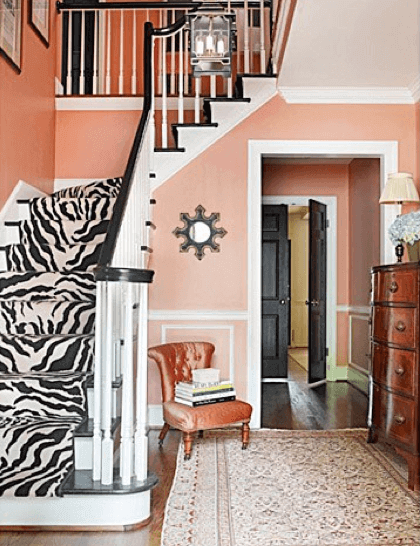
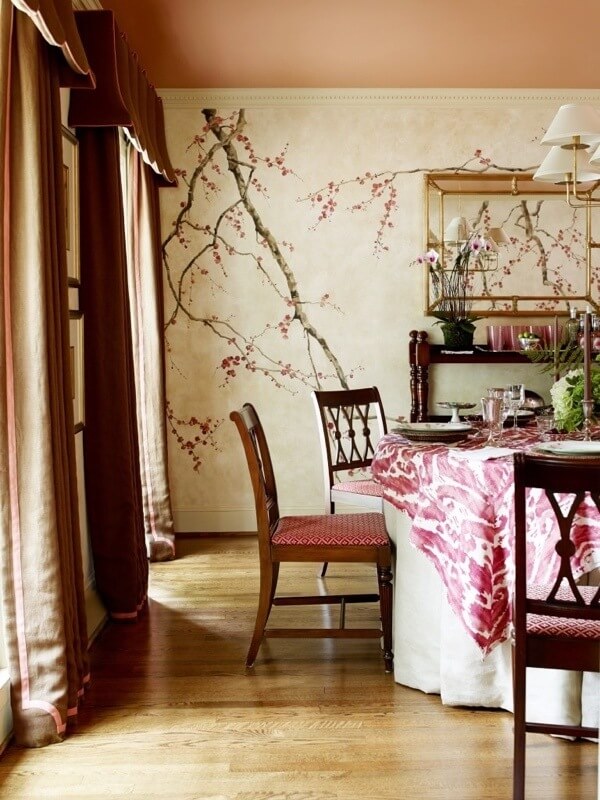
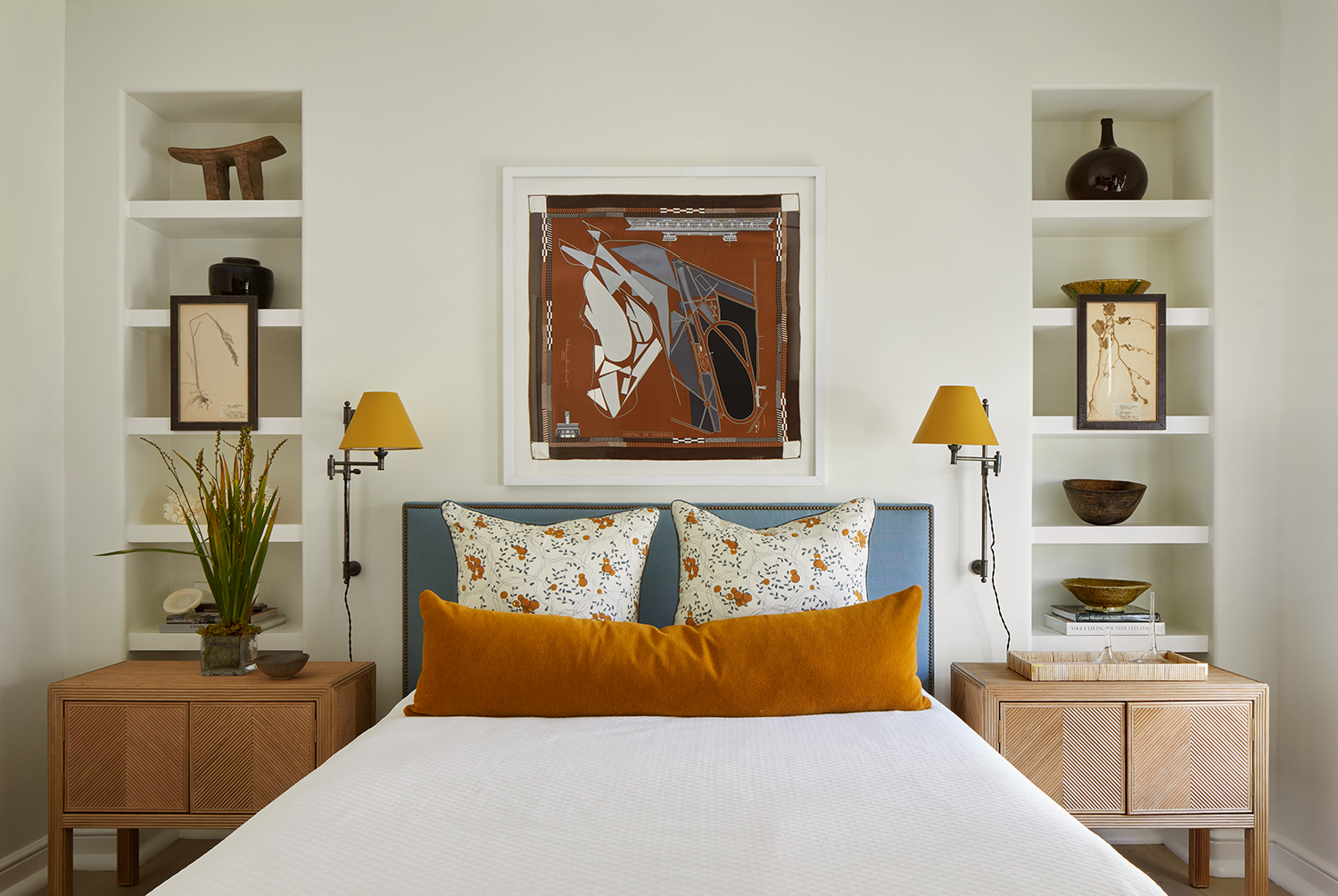
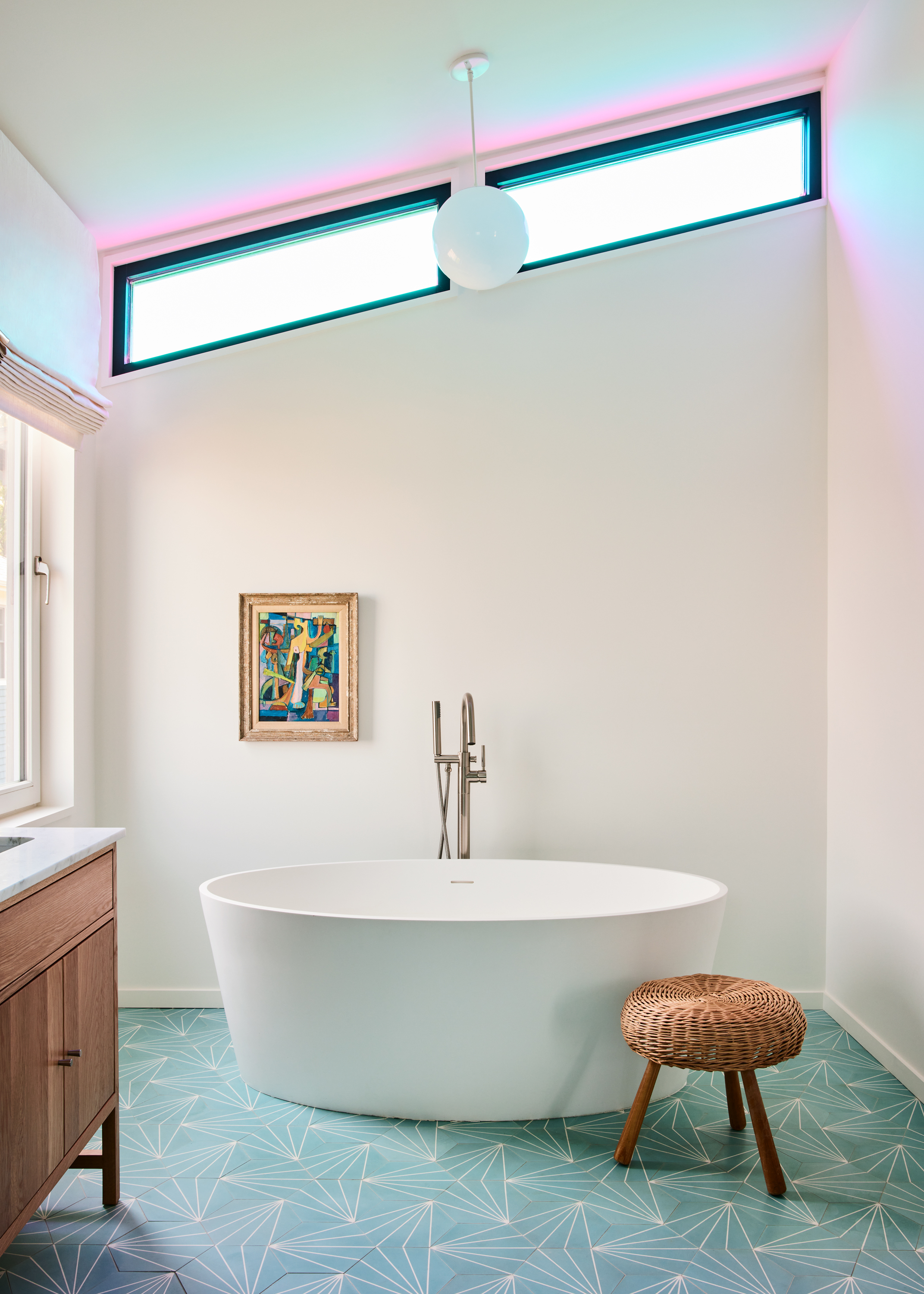
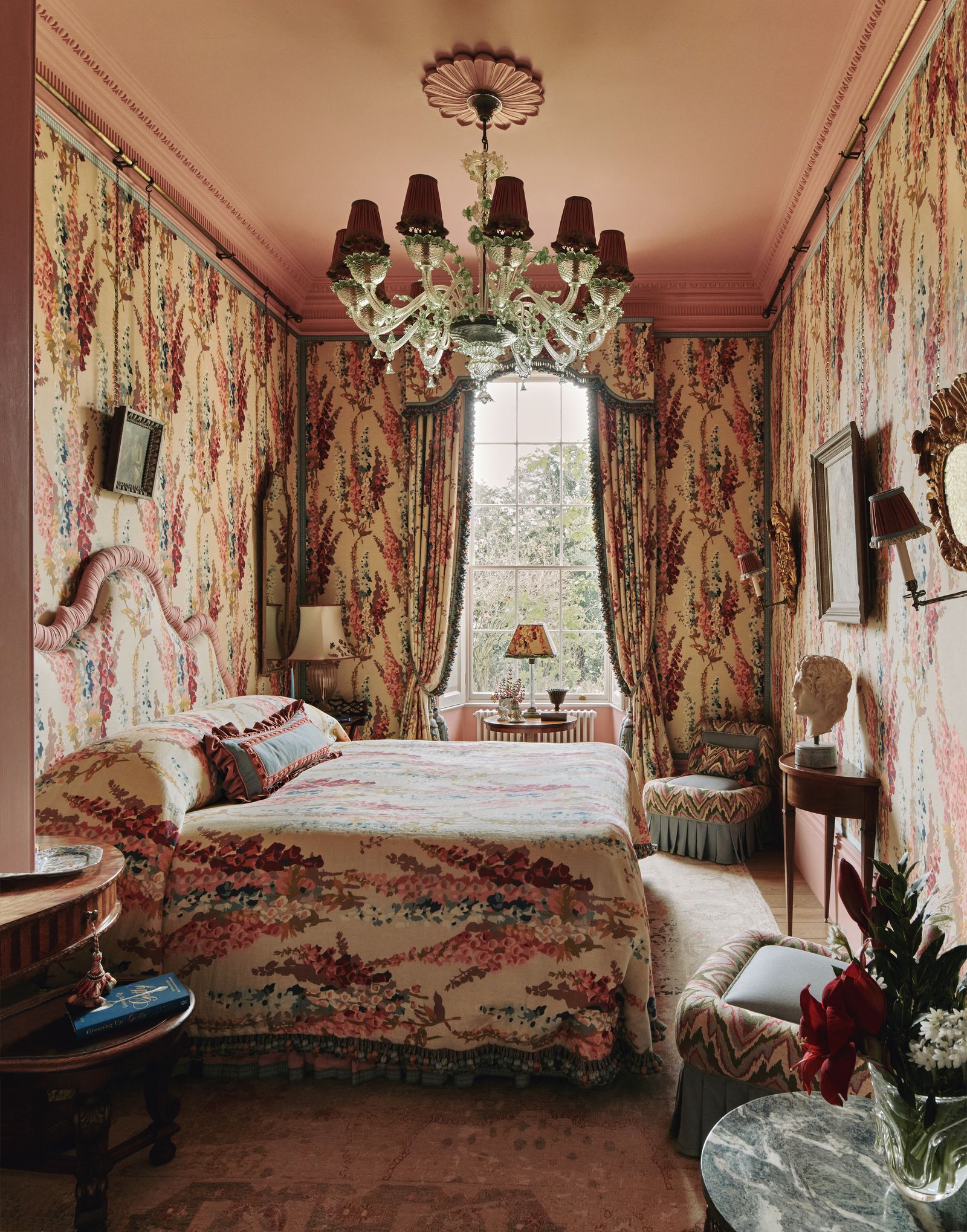
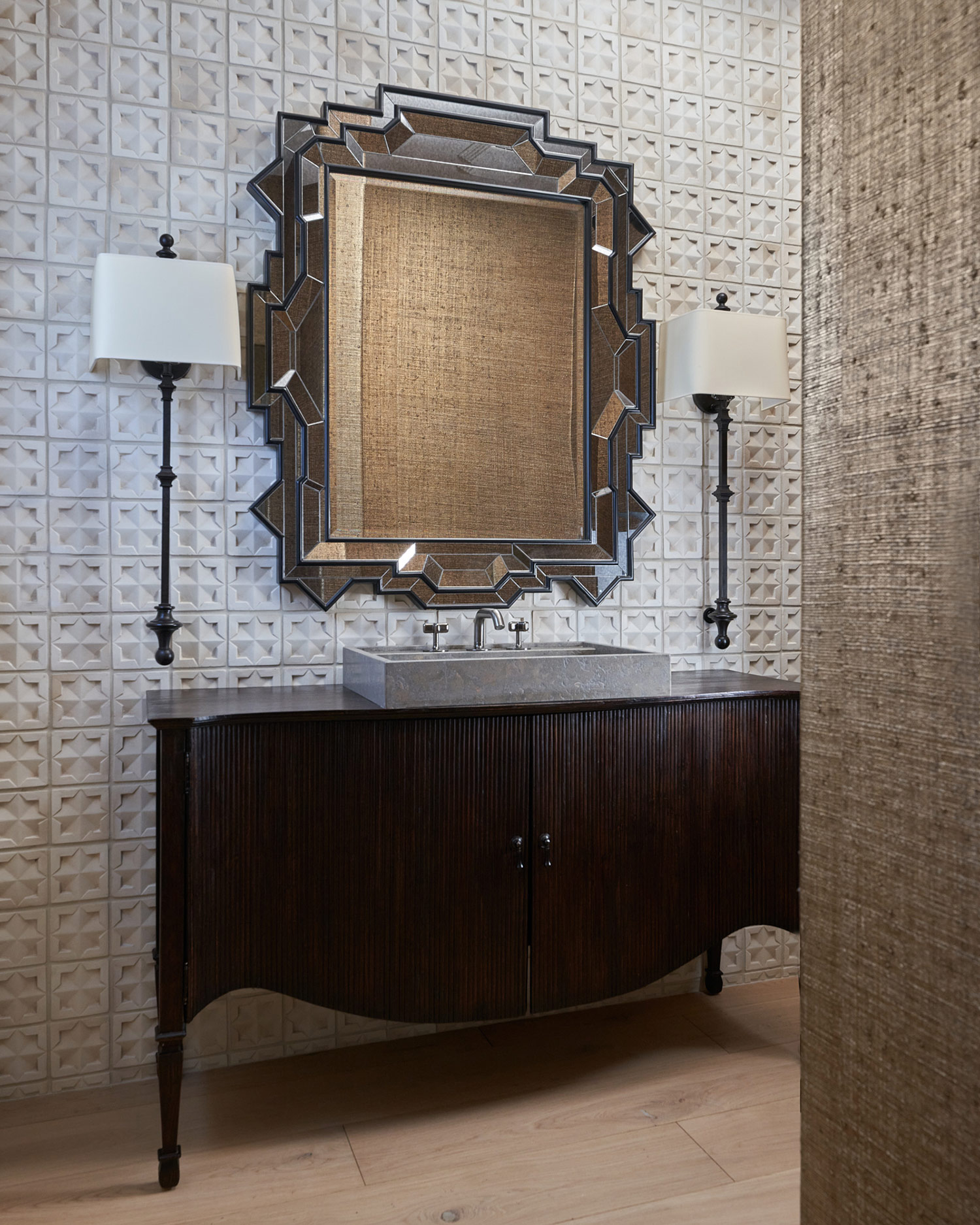
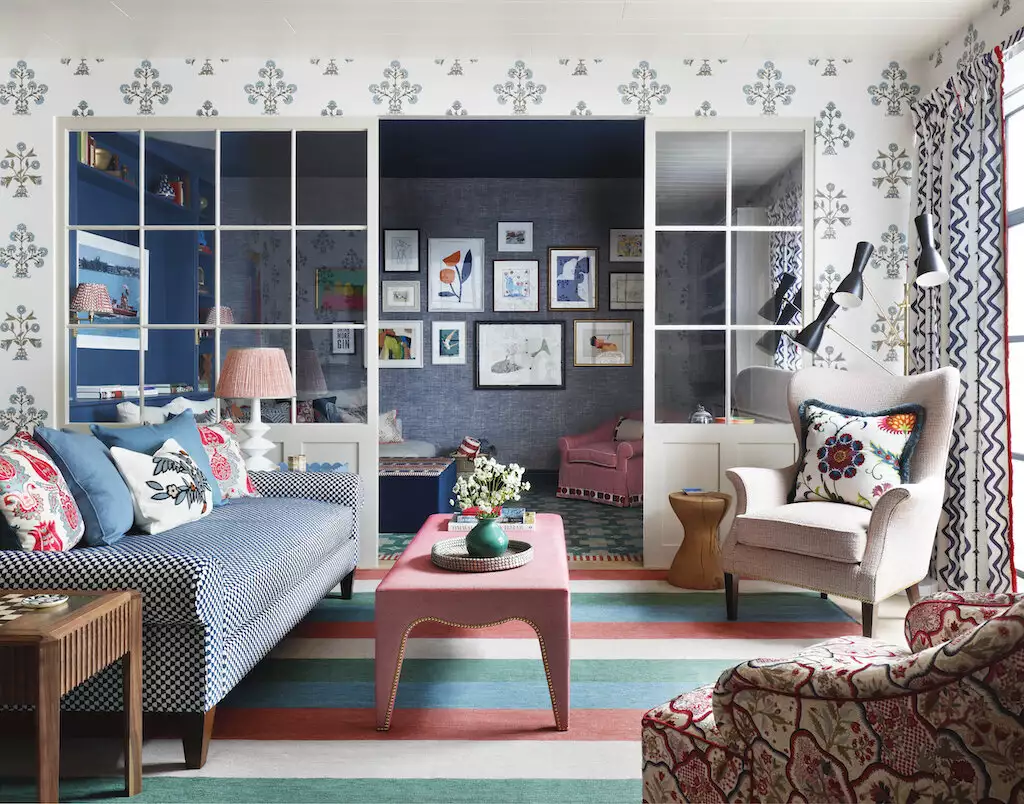
Successfully mixing and matching patterns and textures in home decor often appears to be an exclusive skill of professional designers. However, with strategic approaches, anyone can master this art. Several key principles guide effective pattern and texture integration, ensuring a sophisticated and stylish outcome rather than a chaotic one. These principles encompass considerations of scale, material weight, existing fabric knowledge, material compatibility, the rule of threes, preliminary testing, and the strategic inclusion of natural elements like leather, wood, and glass.
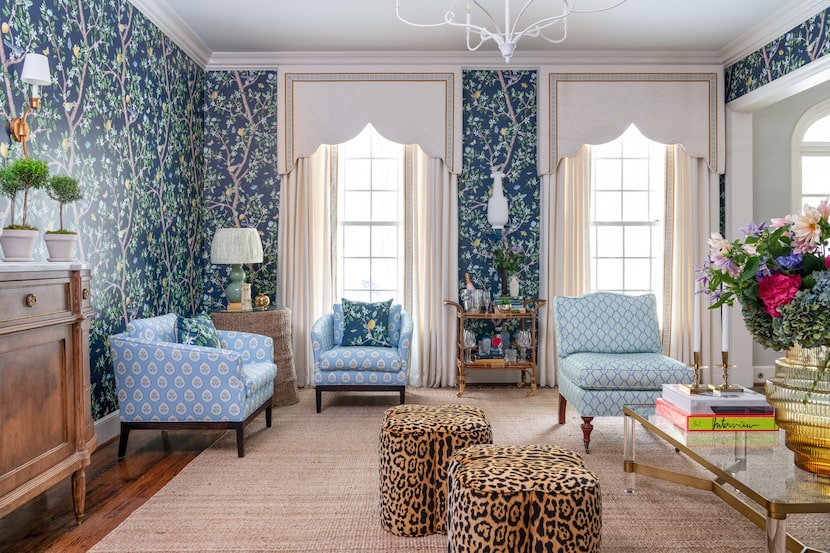
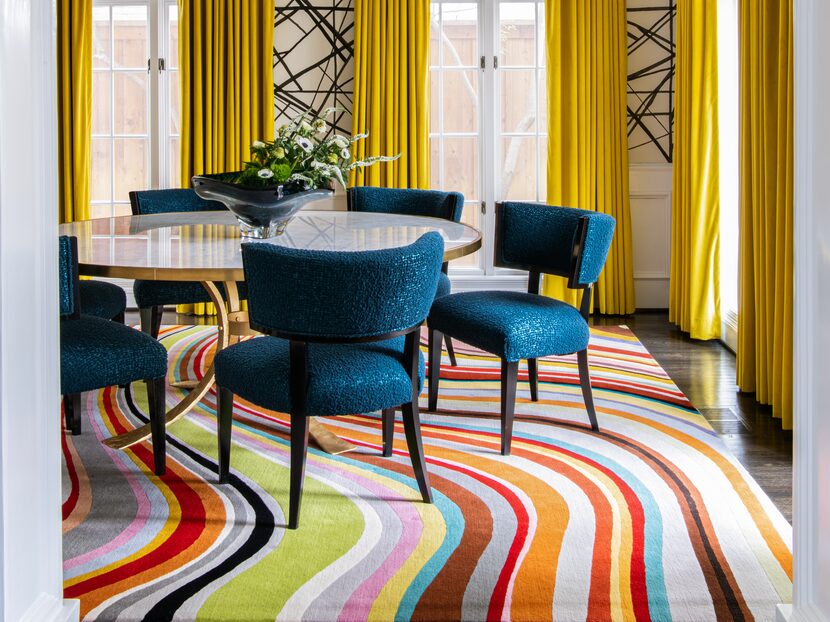
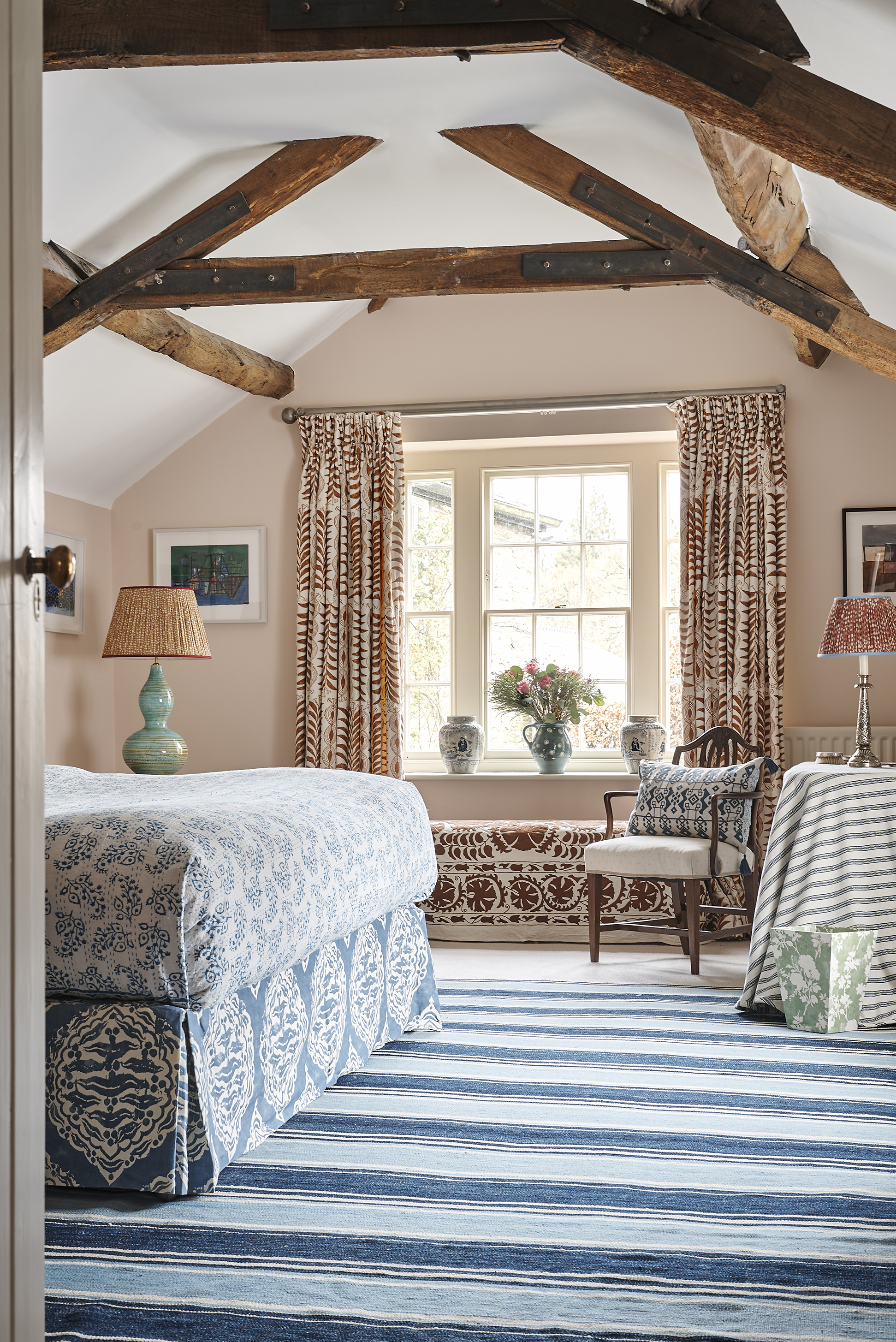
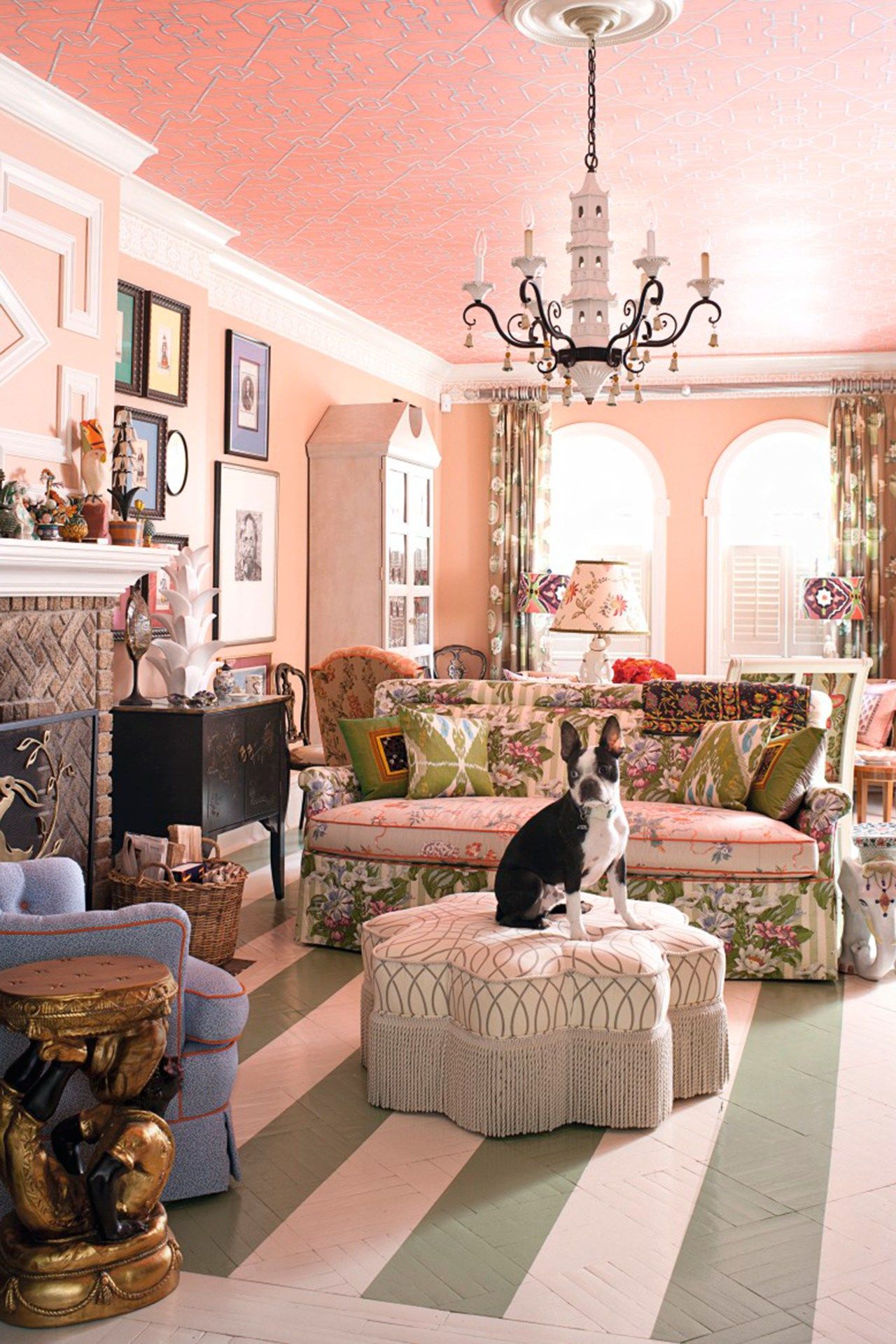
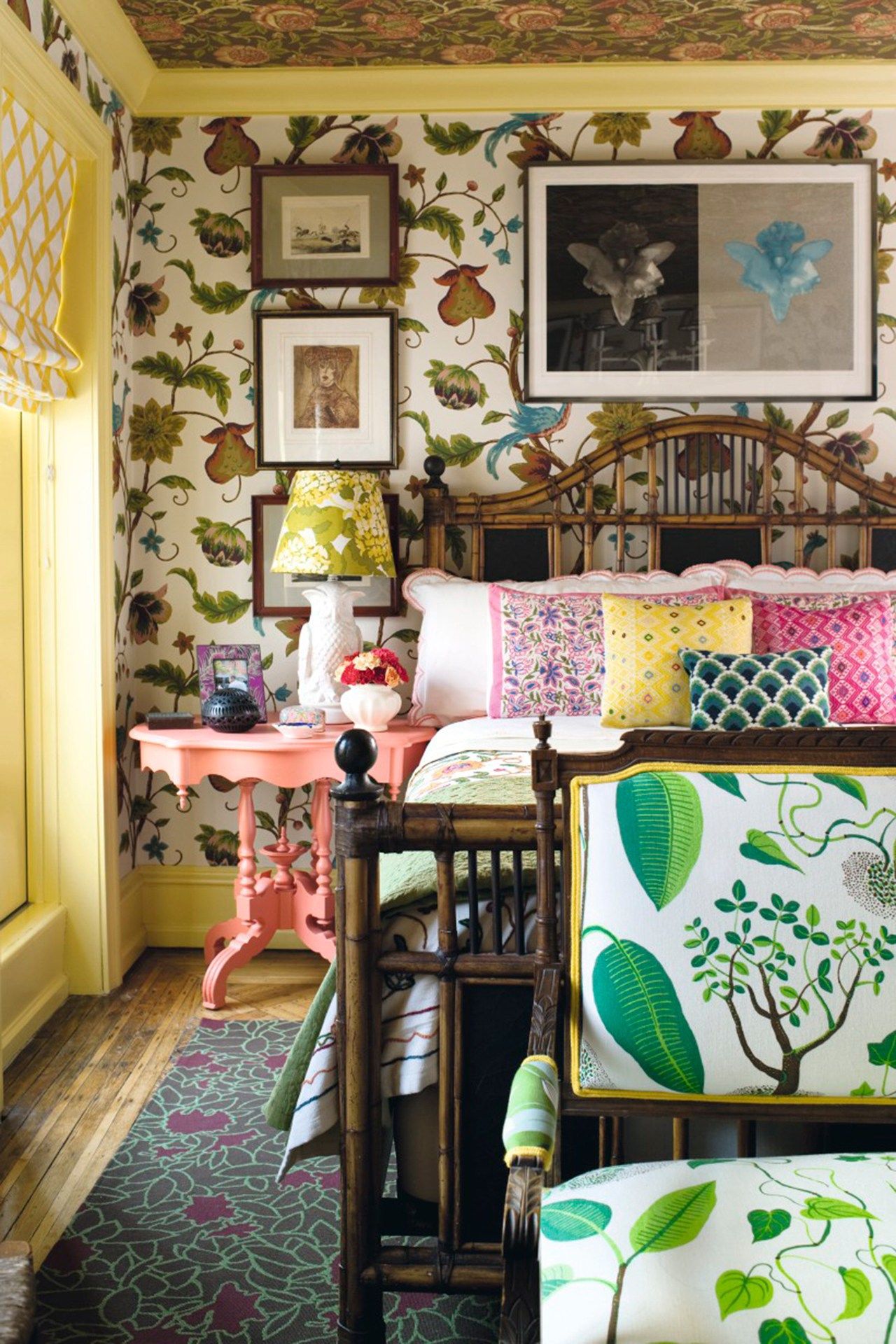
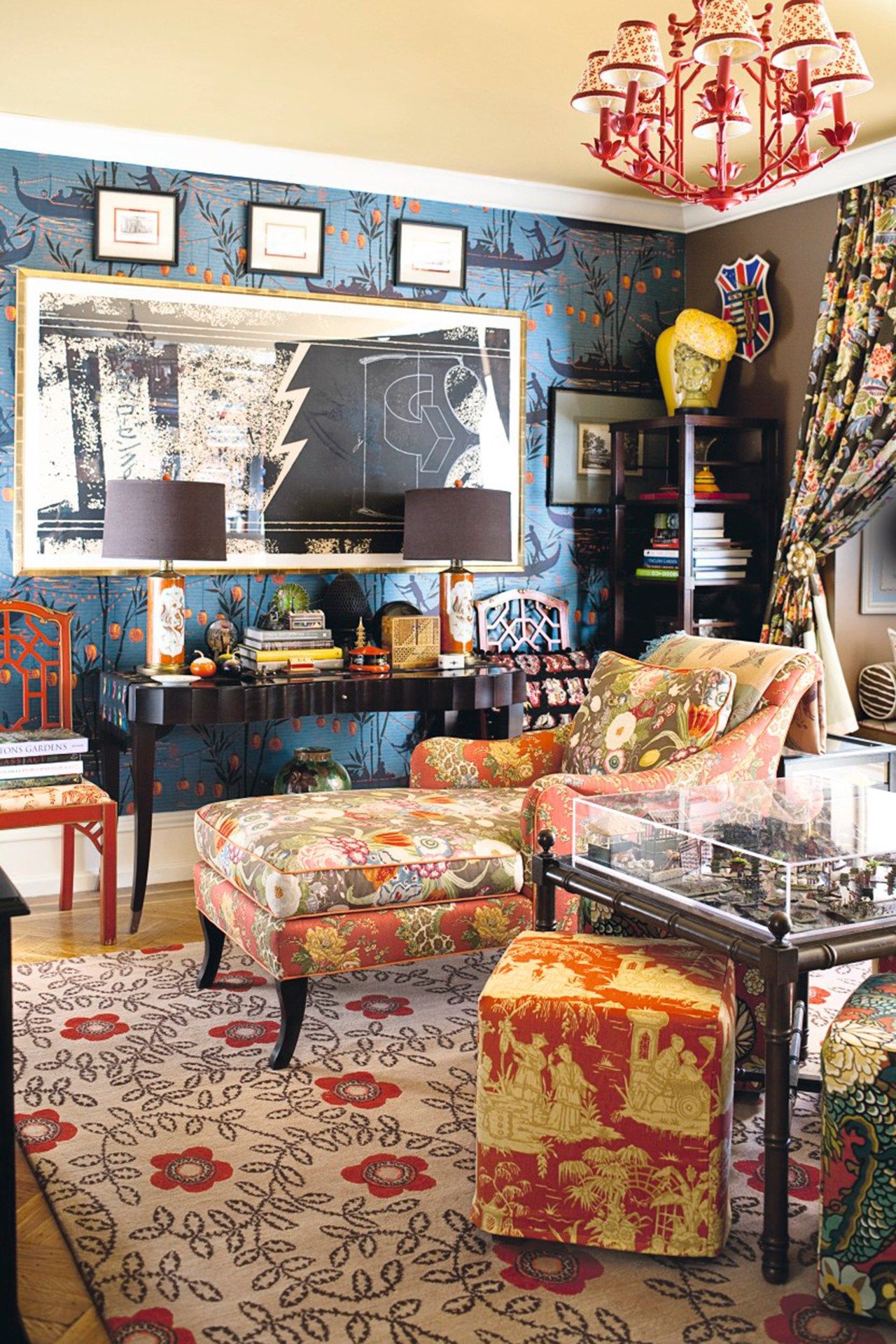
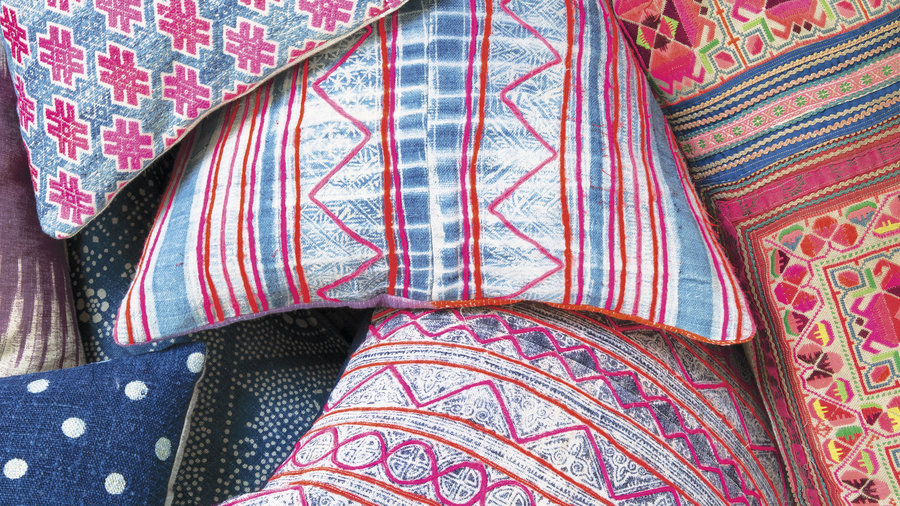
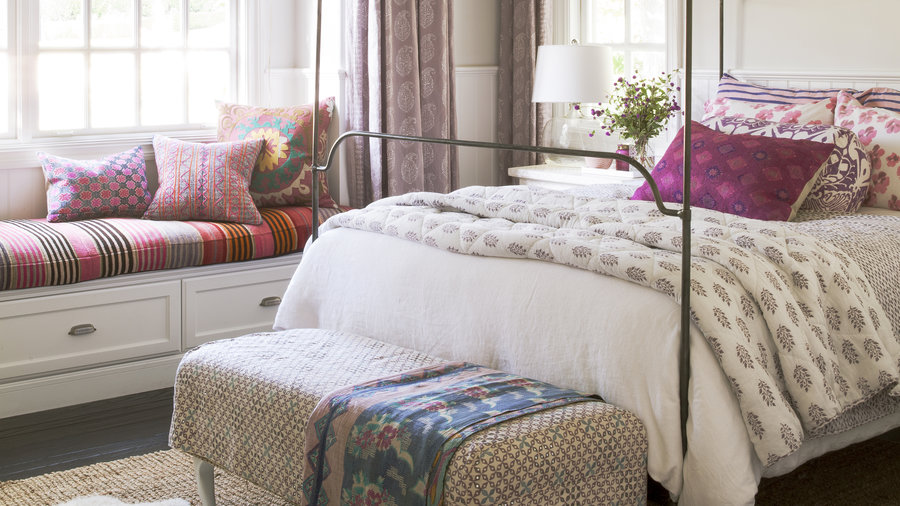
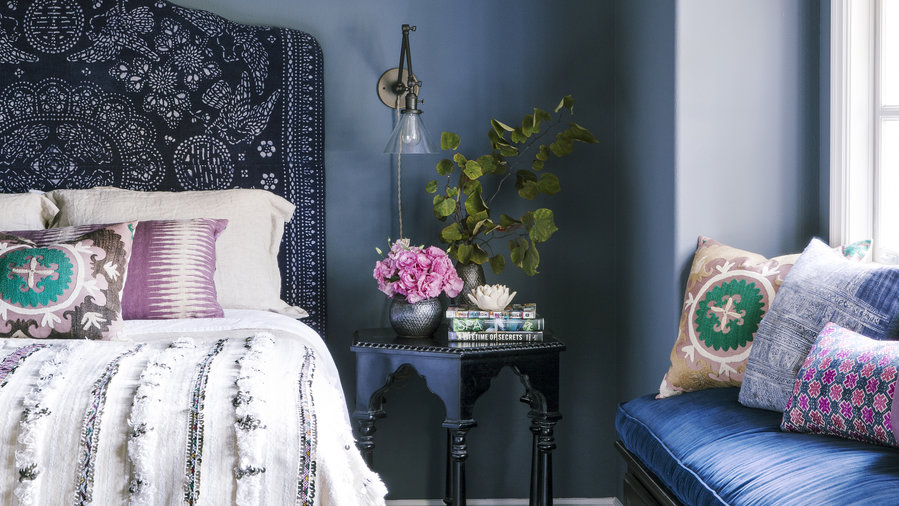
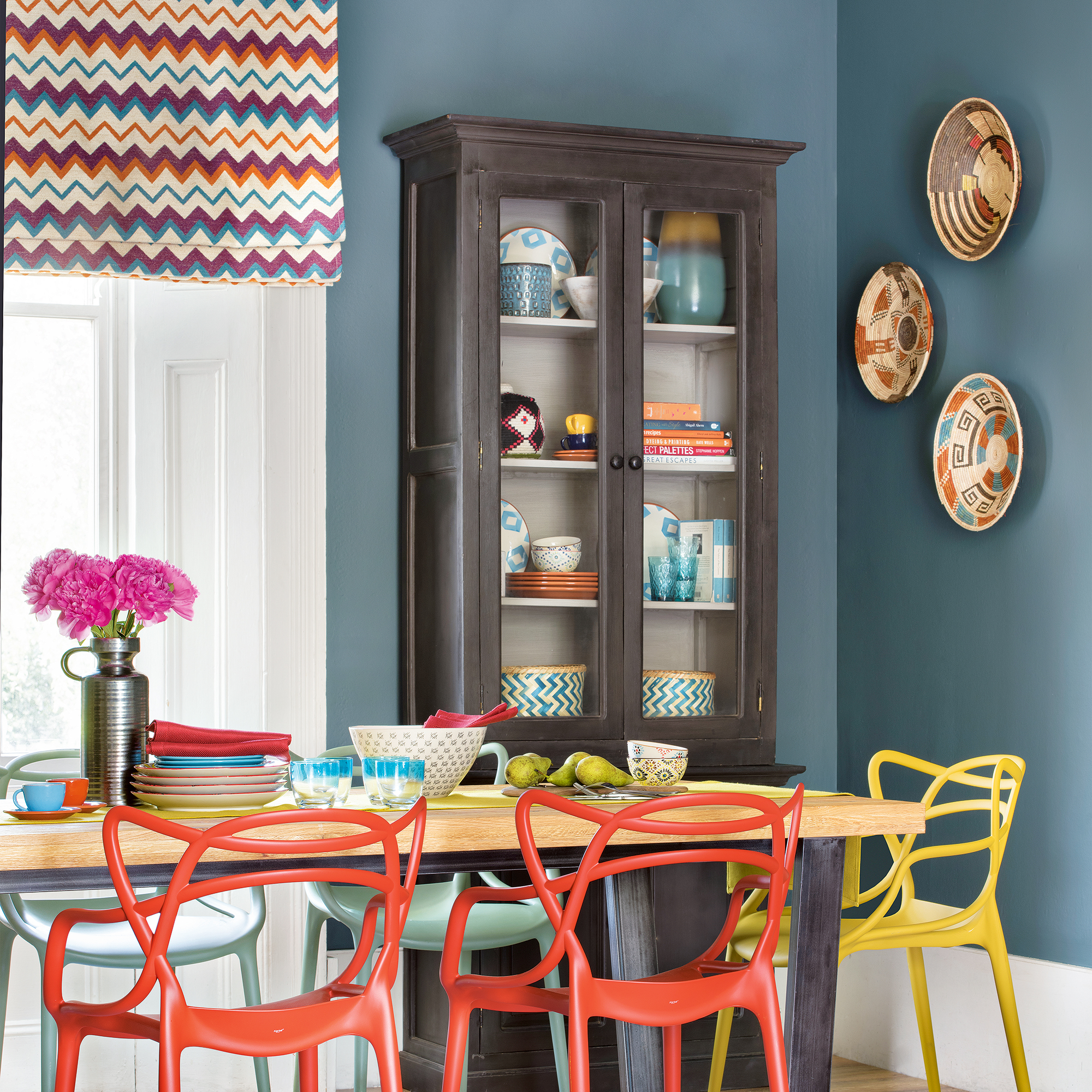
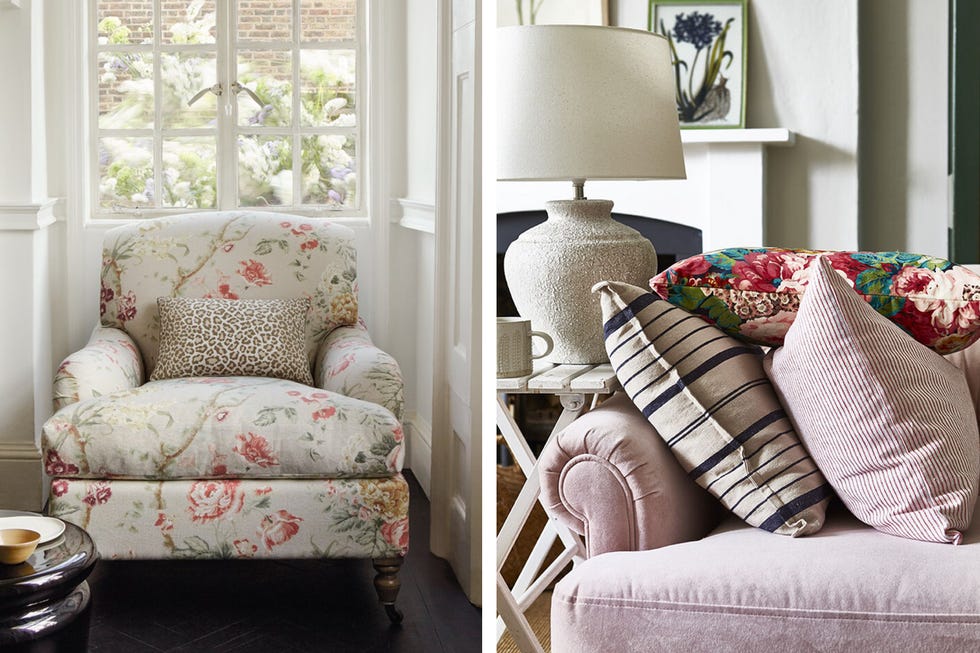
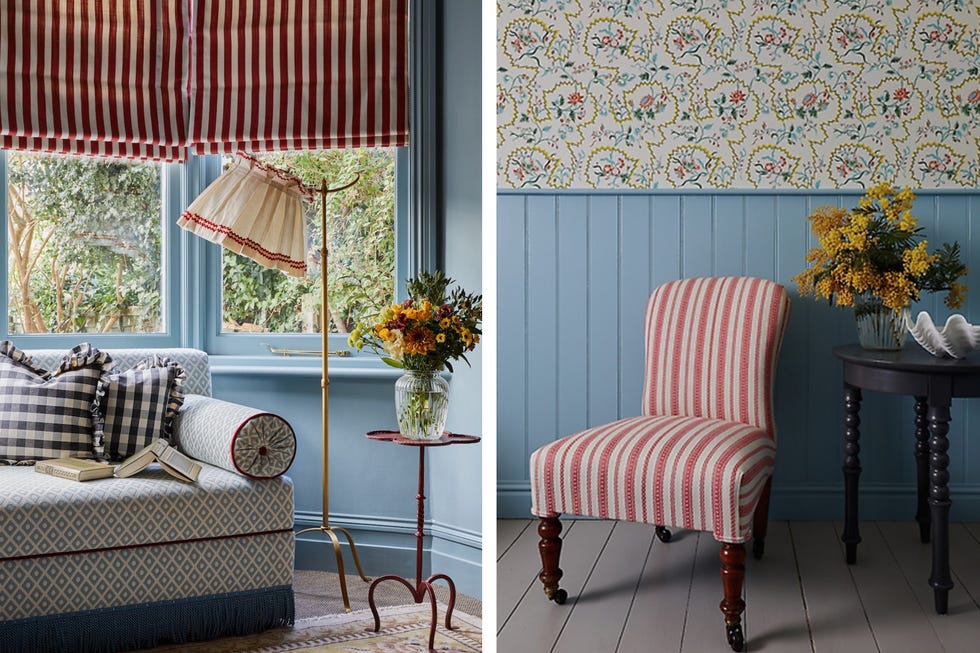
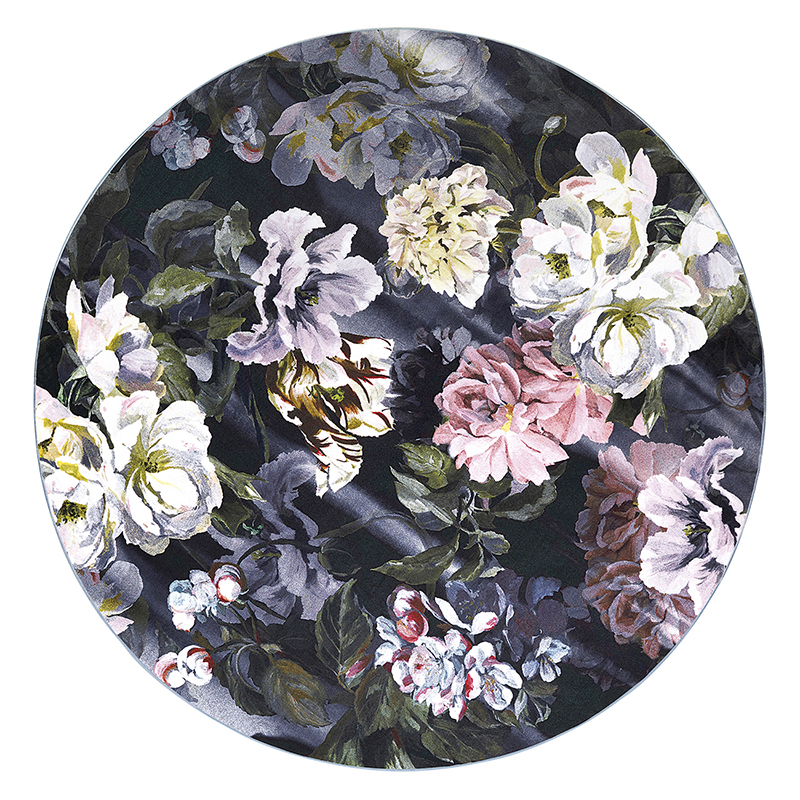
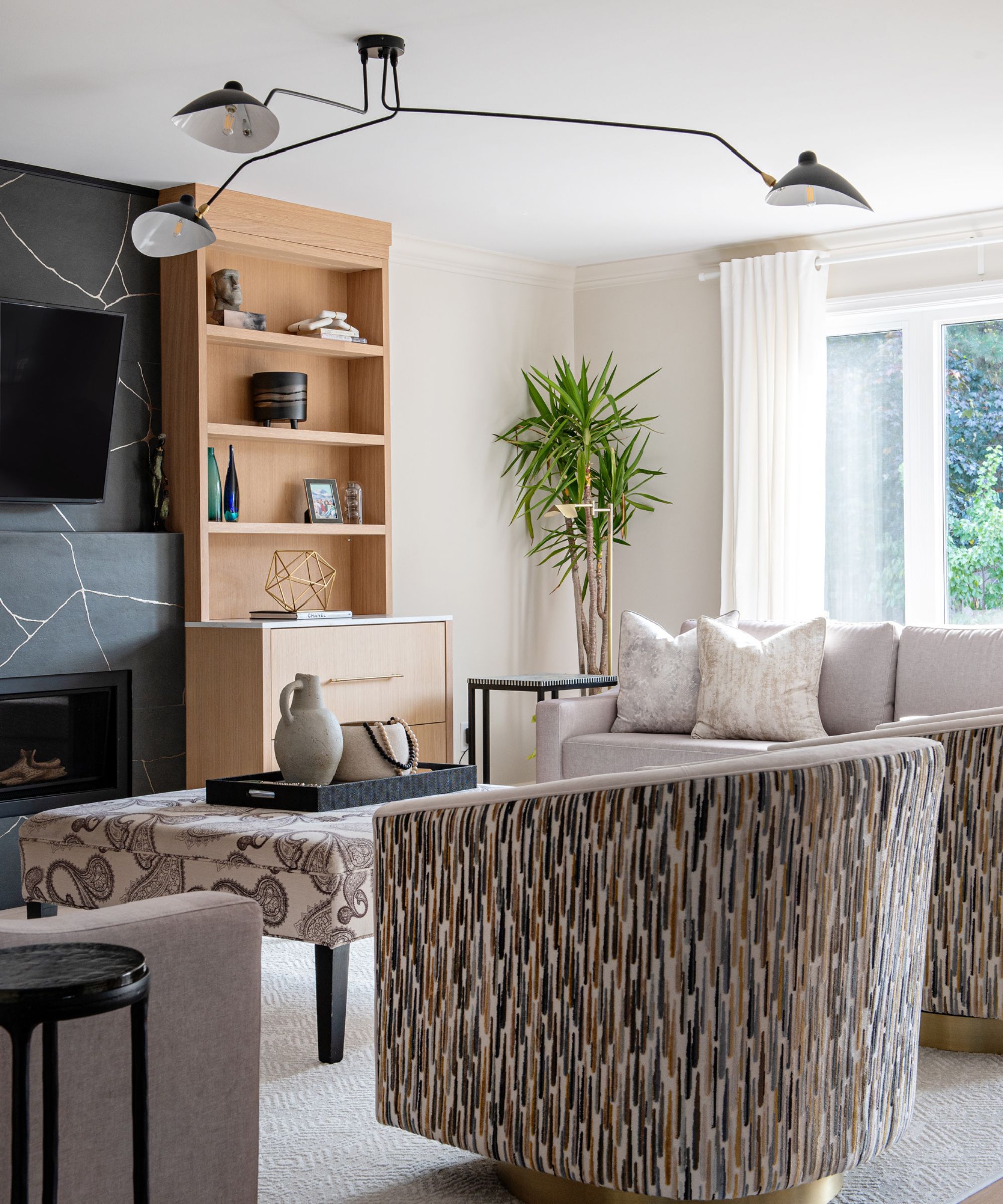
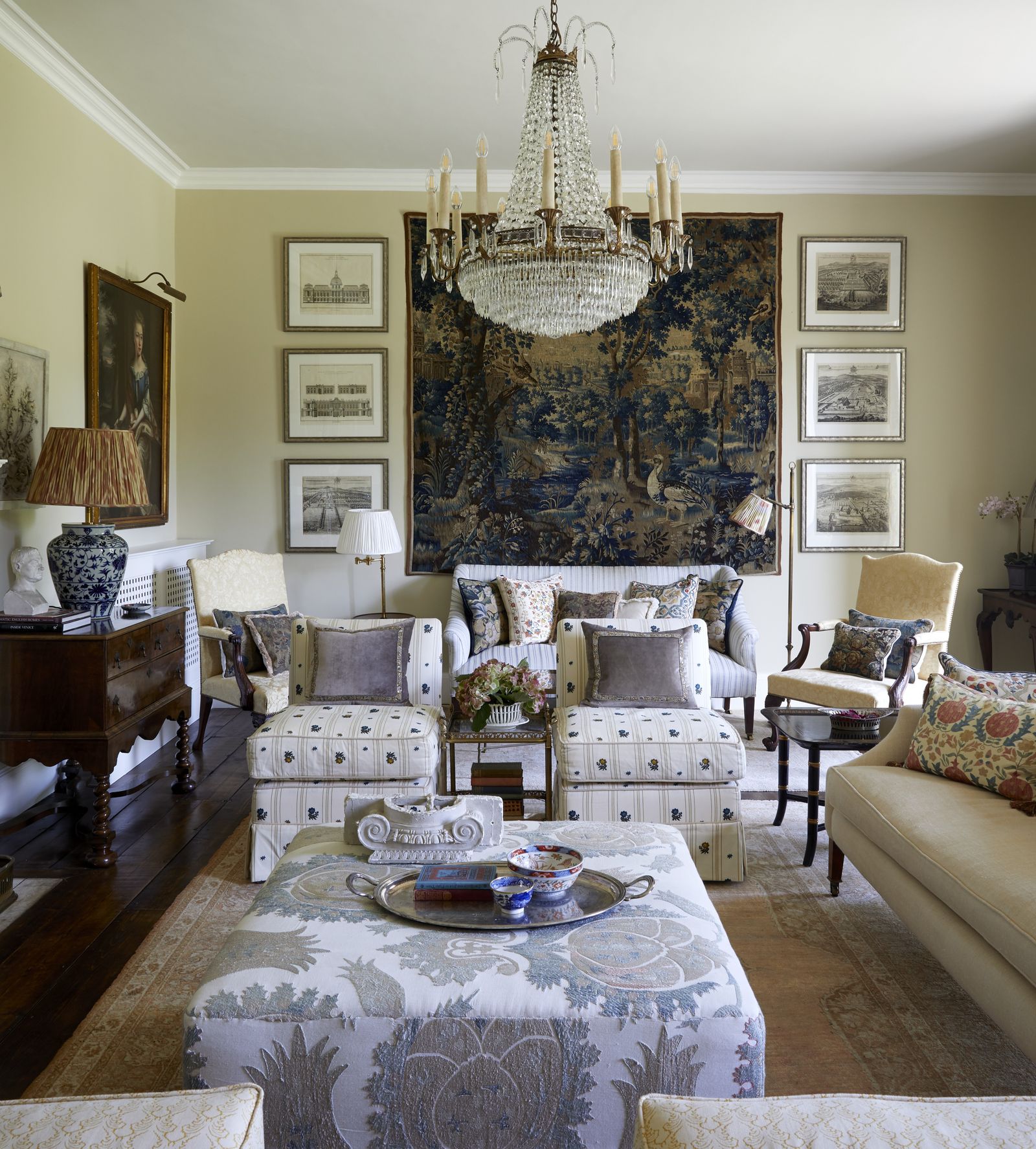
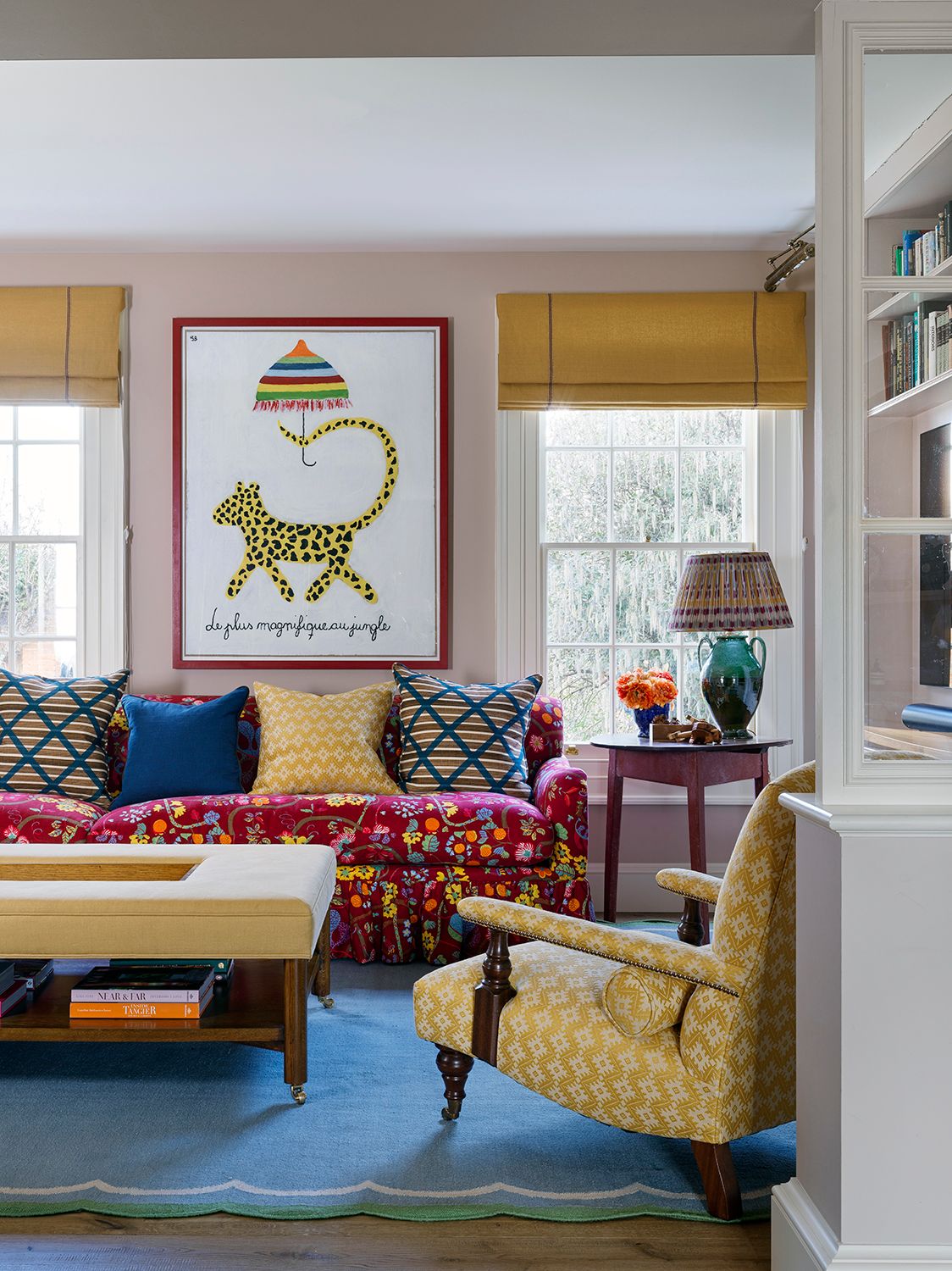
One crucial aspect is paying attention to scale. When combining patterns, it is acceptable to use two similar patterns, such as florals, provided they differ significantly in size. A large floral pattern can complement a small one, preventing visual competition and creating harmony. Similarly, the weight of materials is vital when interchanging textures. Material thickness influences a room's mood and feel. Designers suggest considering the home's location and architectural style. For instance, a coastal-style home benefits from lightweight, natural-looking materials, small-scale motifs, and elements like grasscloth and jute, which collectively evoke a specific atmosphere even without a defined color palette.
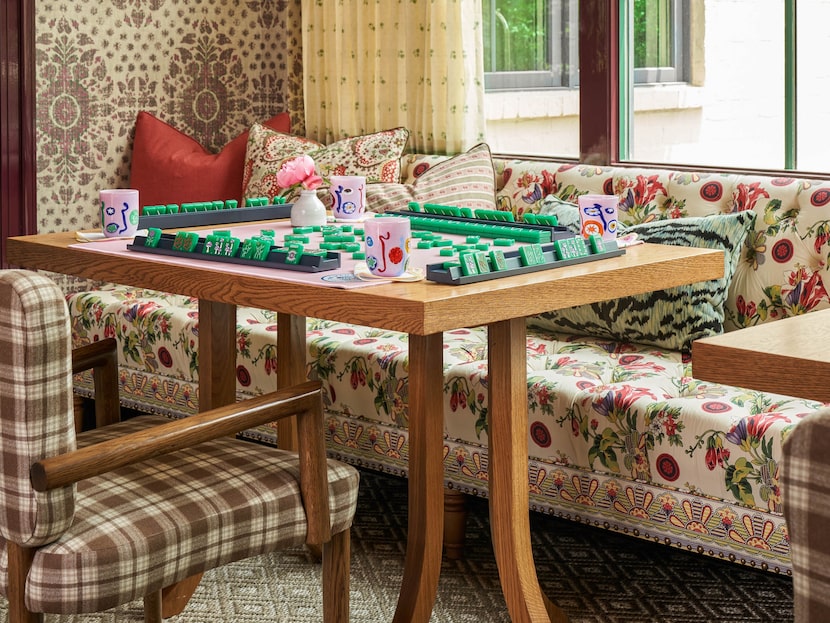
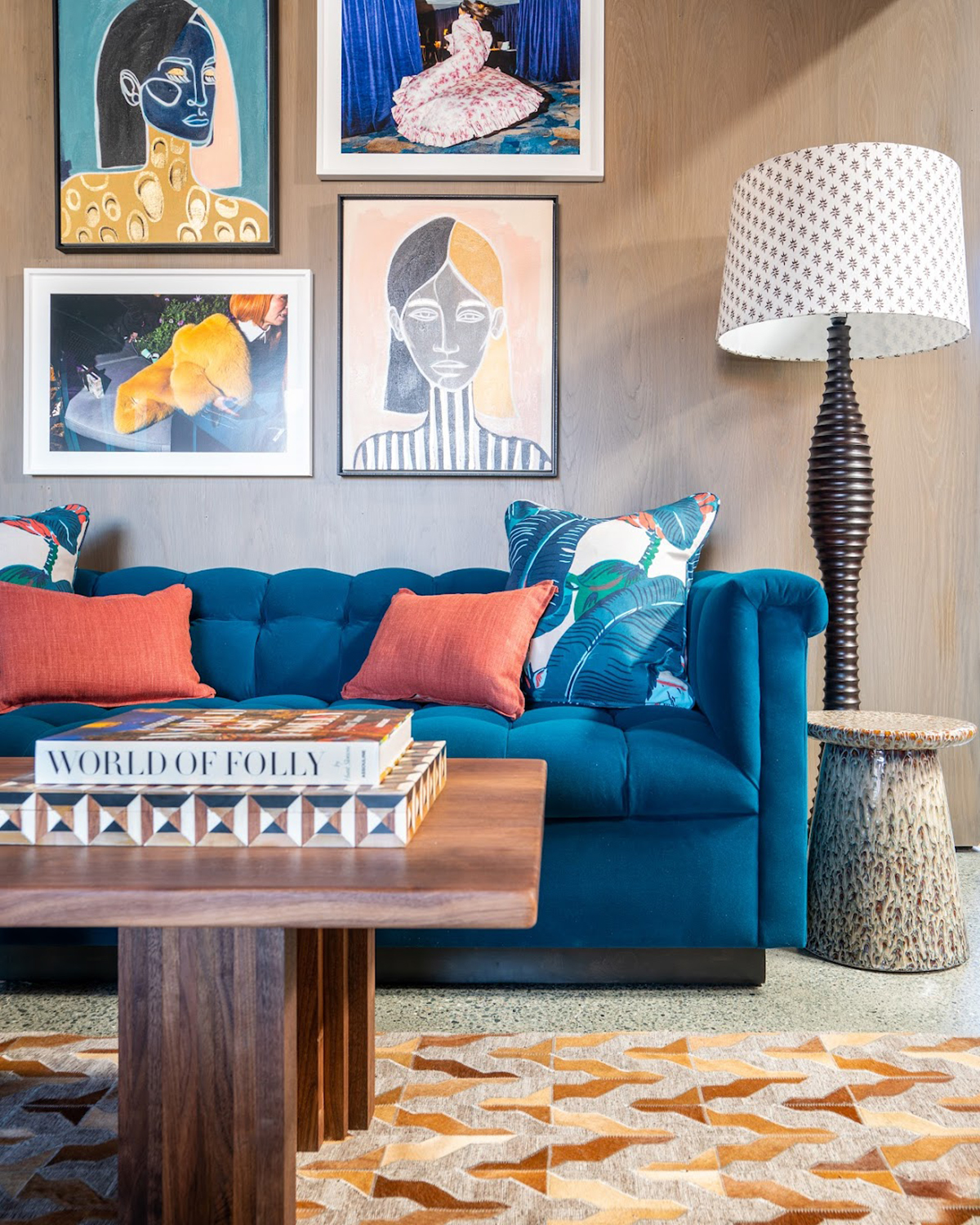
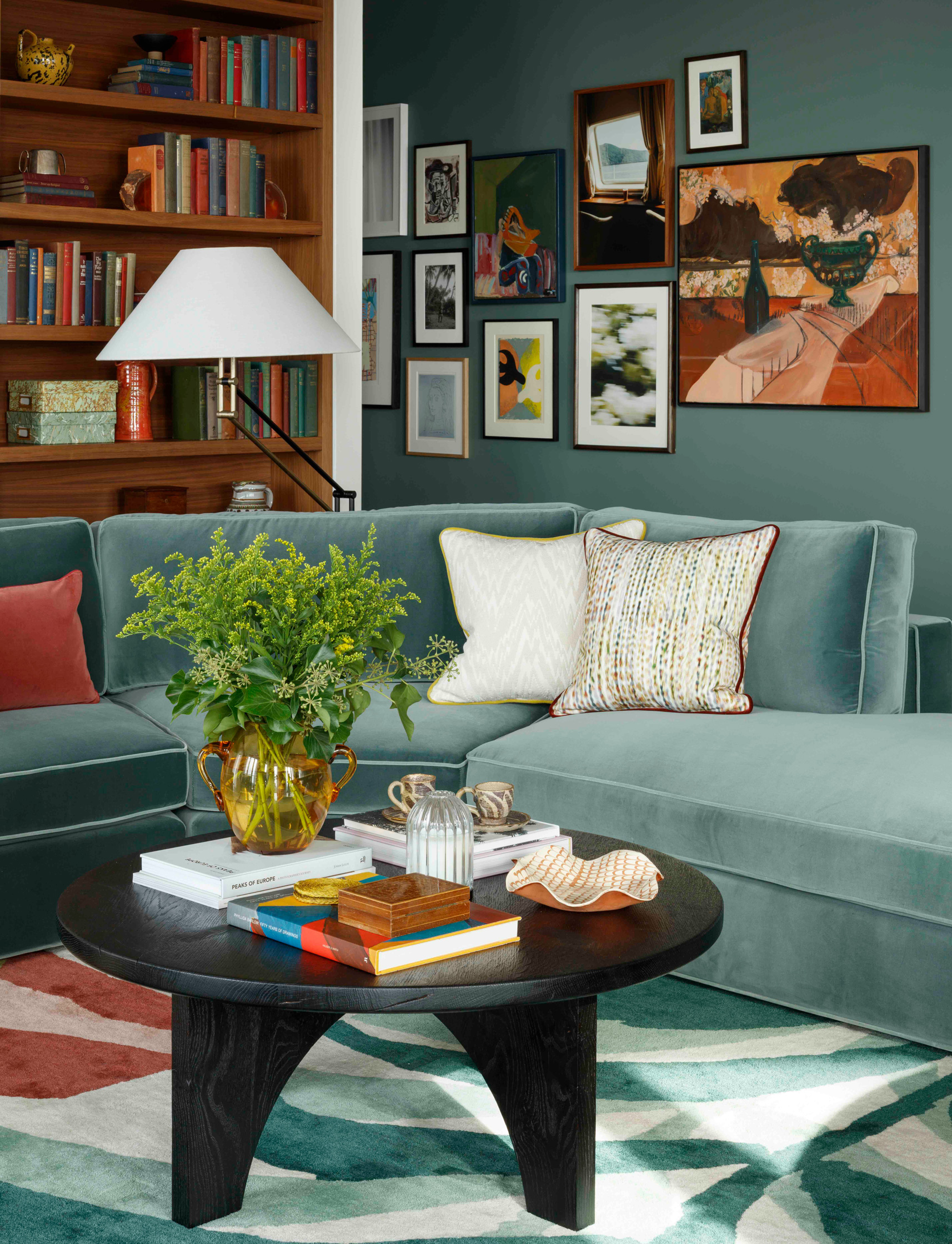
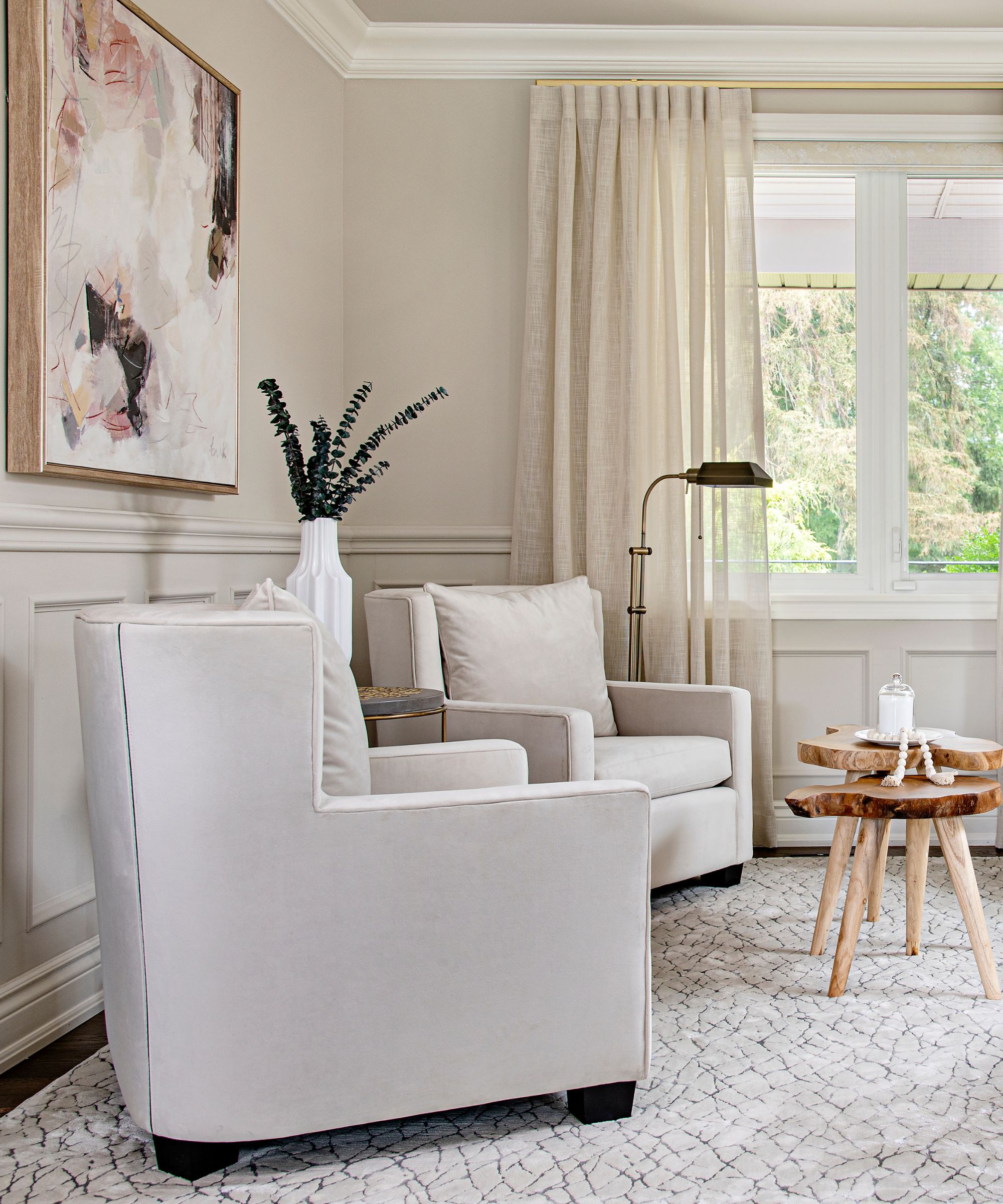
Leveraging one's inherent understanding of fabrics, similar to how one selects clothing, can also shape a room's mood. Different fabrics inherently convey various feelings: linen suggests a casual, airy vibe; silk and wool offer a more tailored and sophisticated feel; and knits provide warmth and coziness. By consciously choosing materials based on these inherent qualities, individuals can dictate the emotional resonance of a space. However, not all materials are compatible. Some materials, like velvet, tend to attract everything, making it unsuitable for pairing with fuzzy blankets or chenille. Conversely, leather’s coolness can beautifully contrast with the warmth of a soft blanket, creating a comfortable and inviting combination.
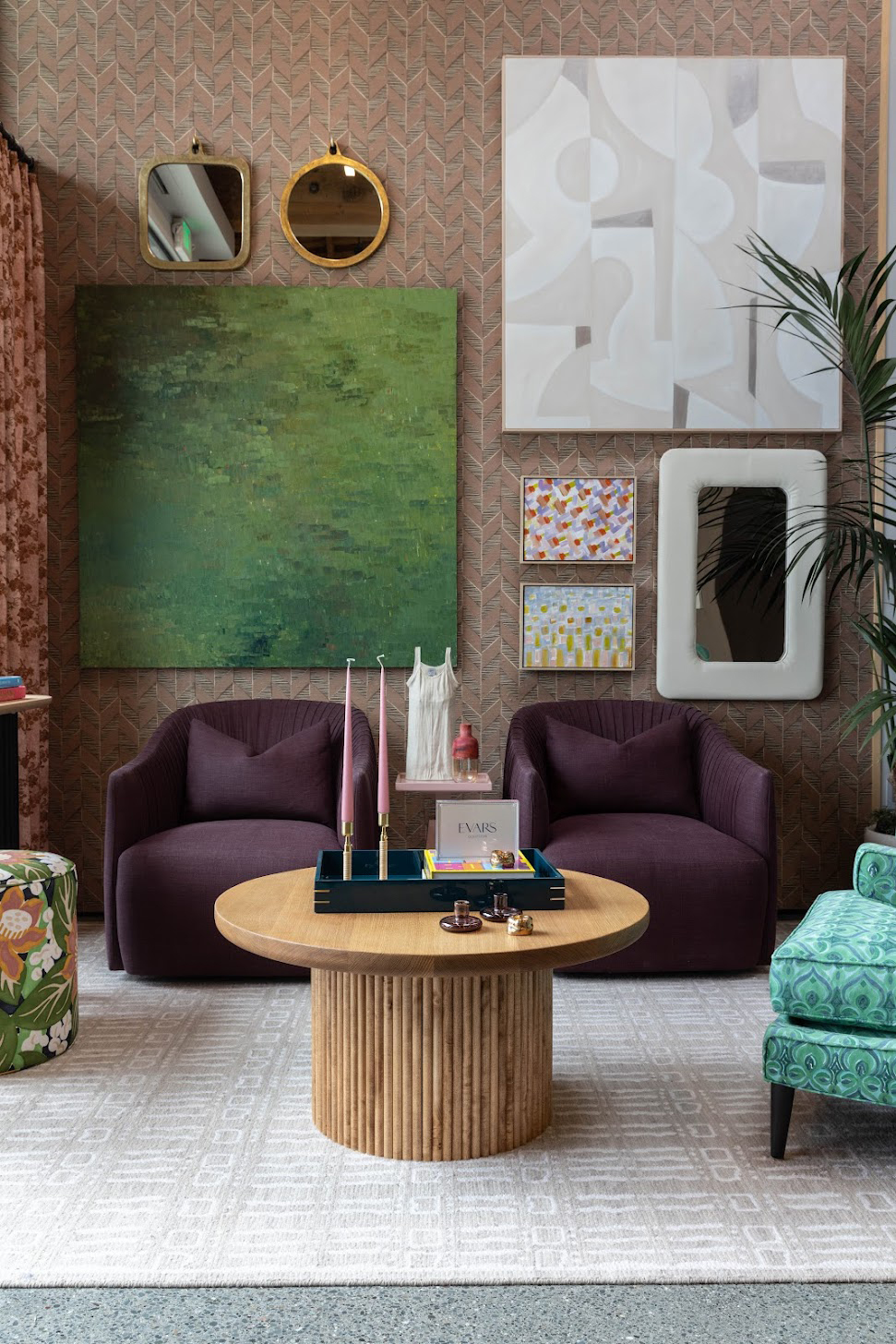
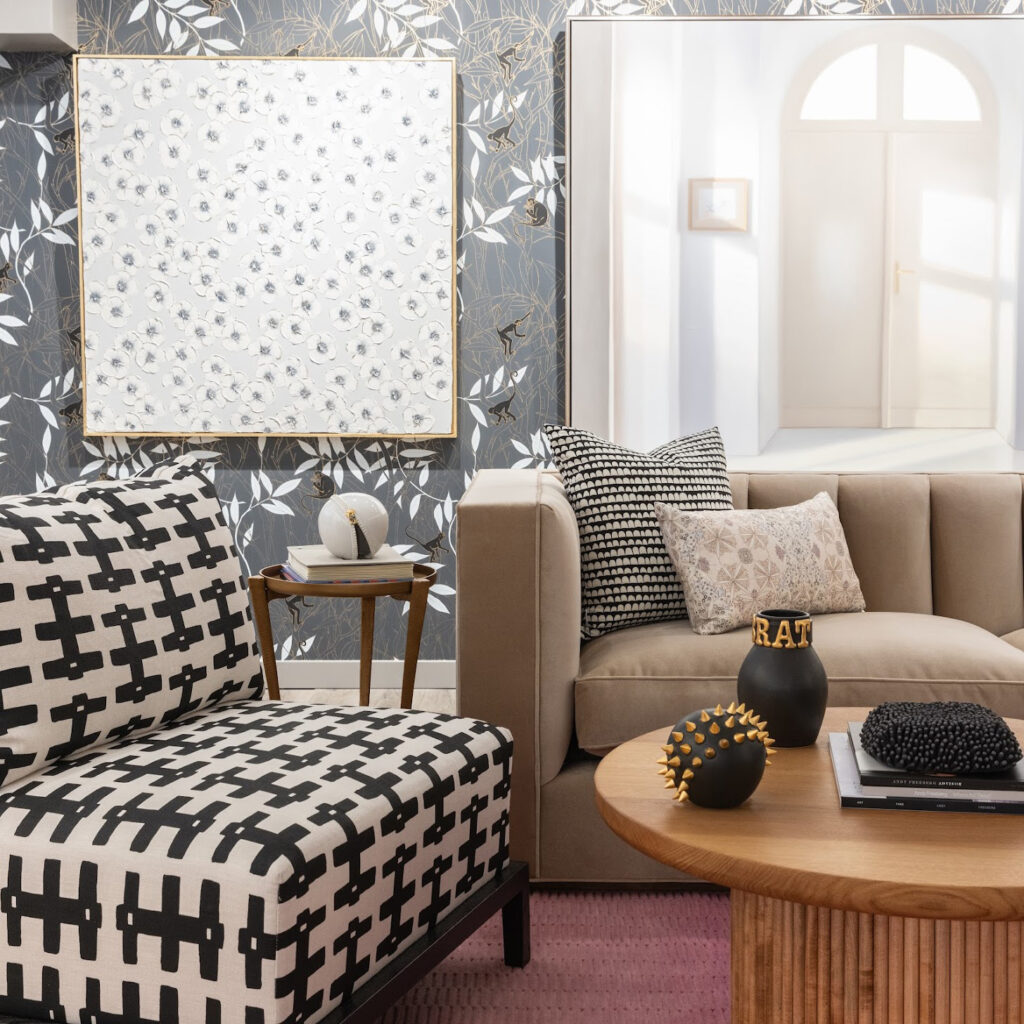
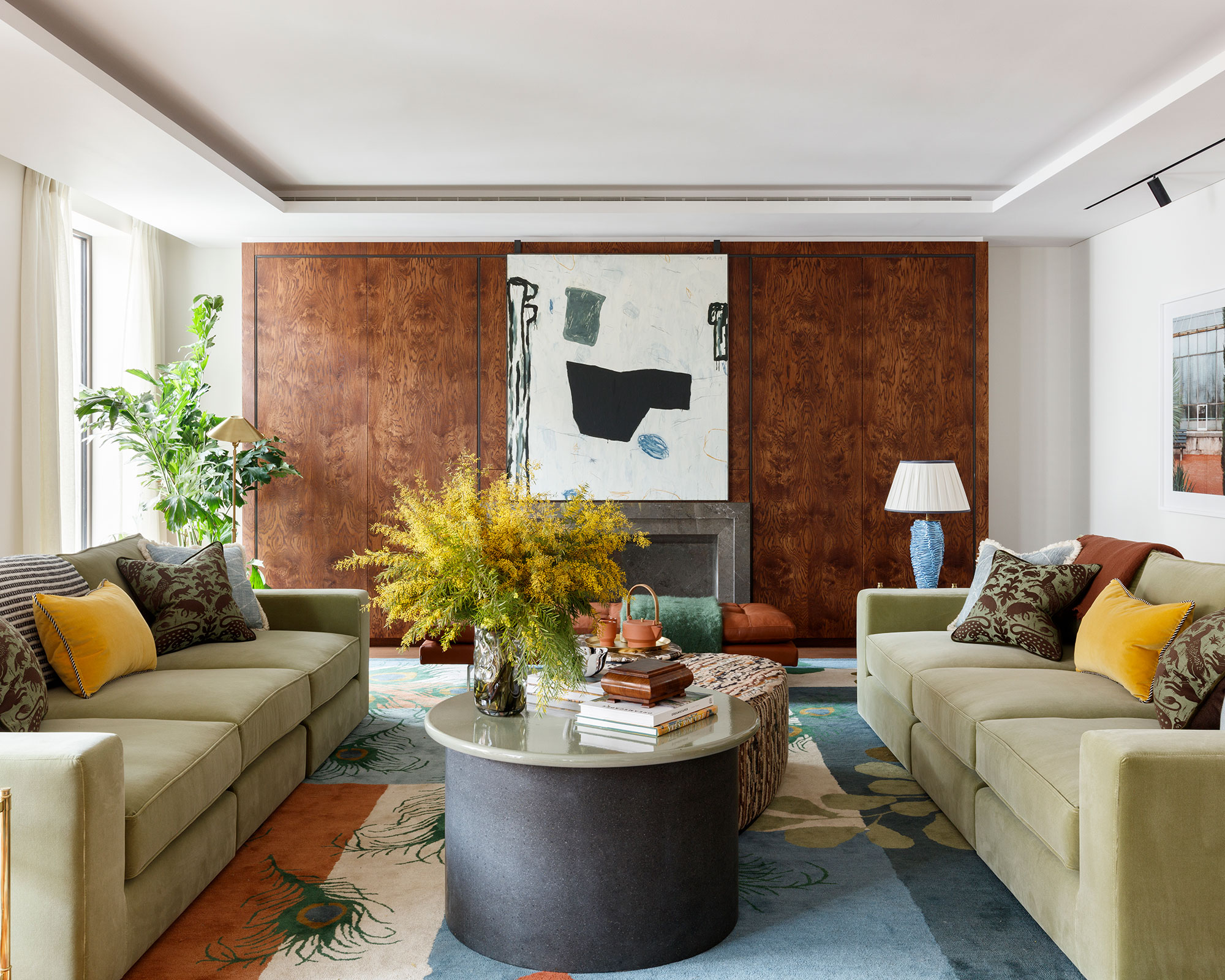
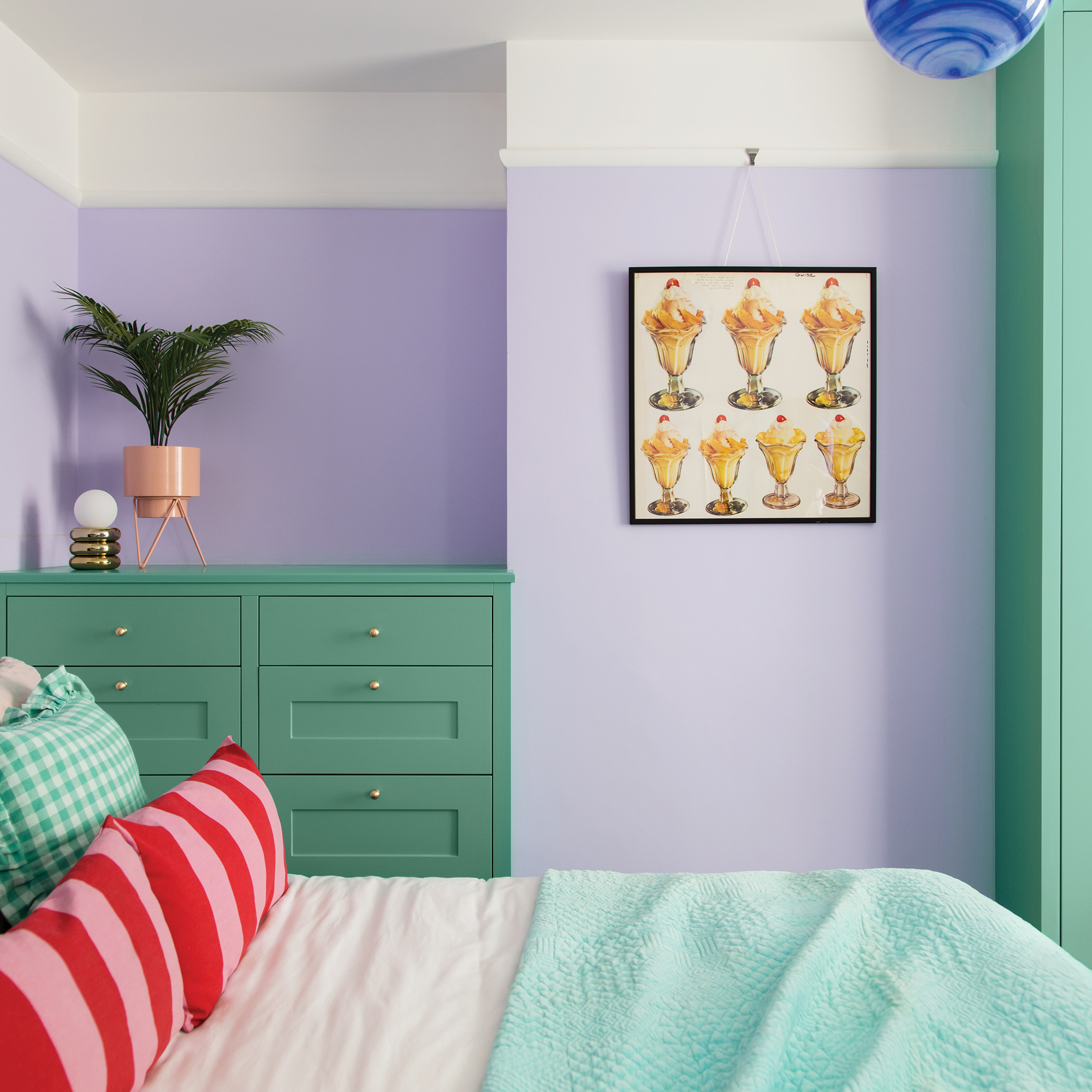
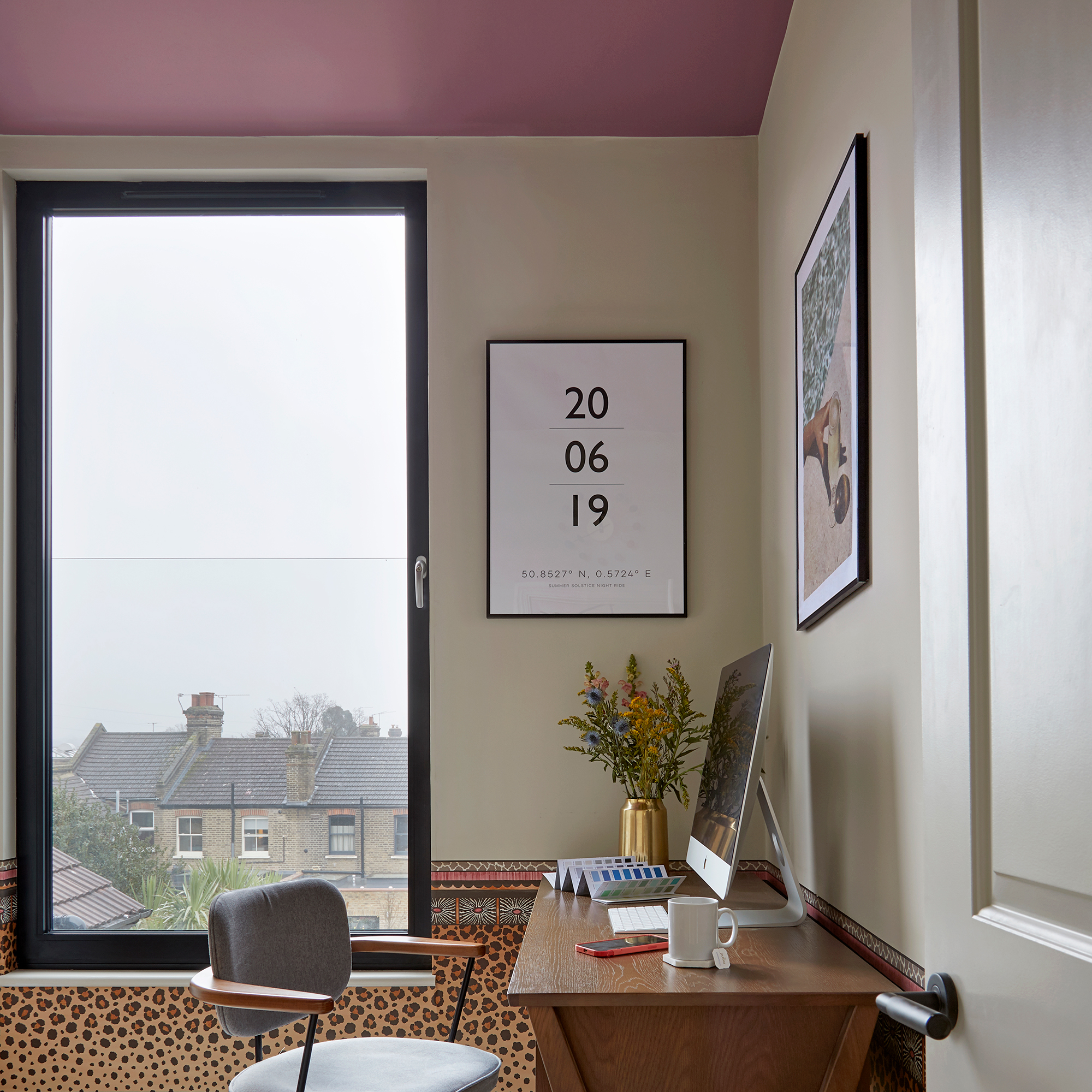
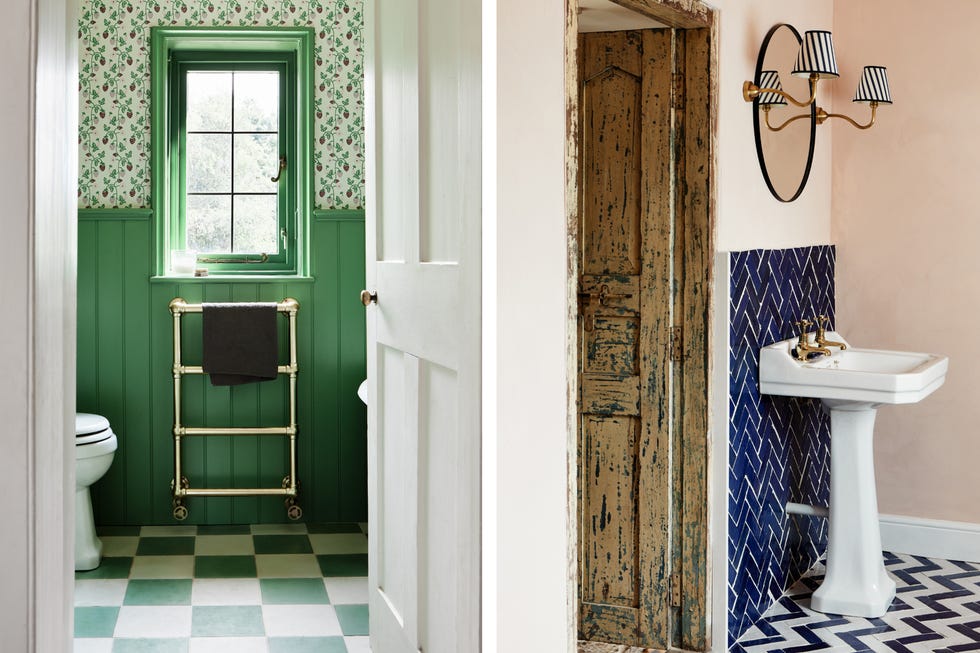
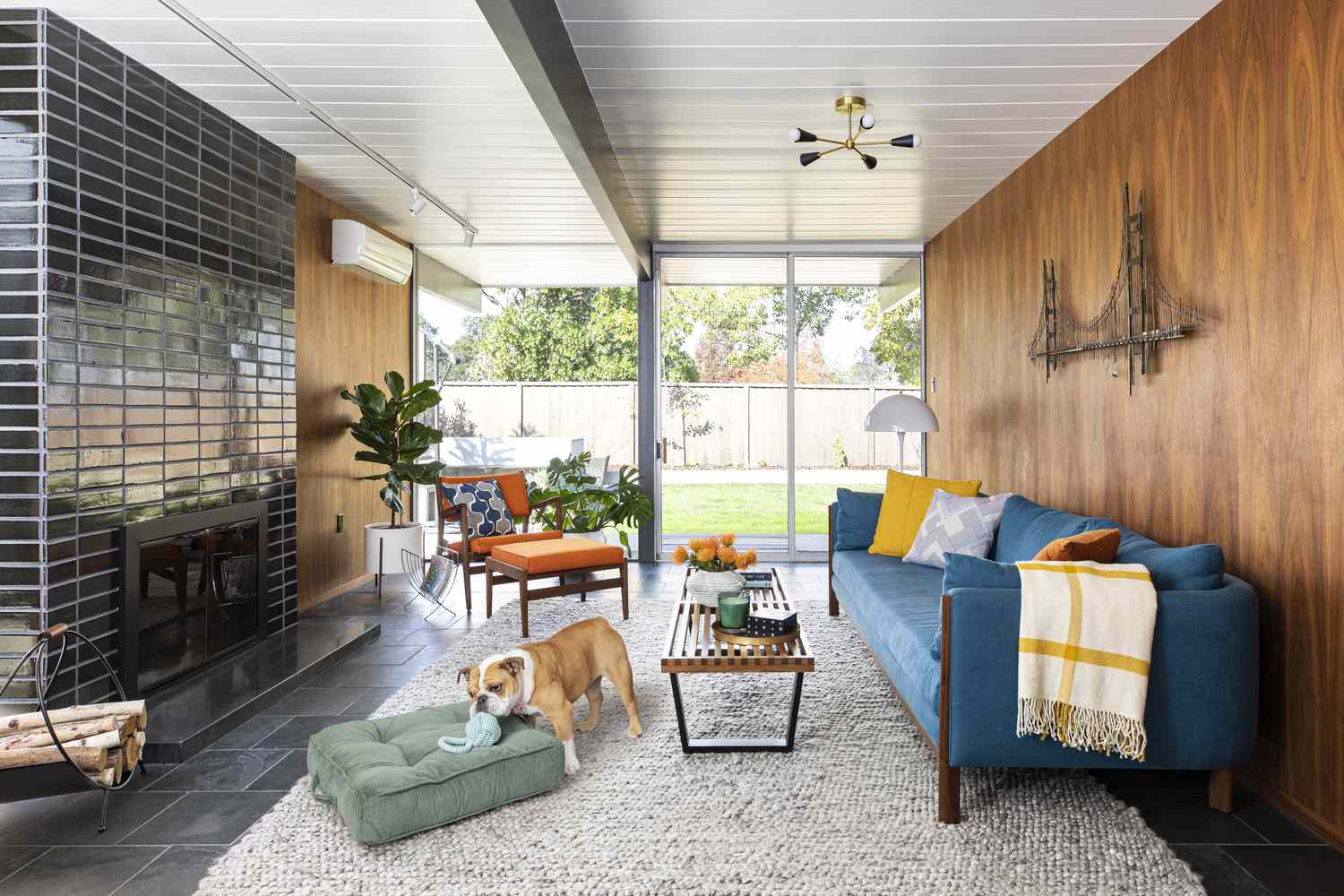
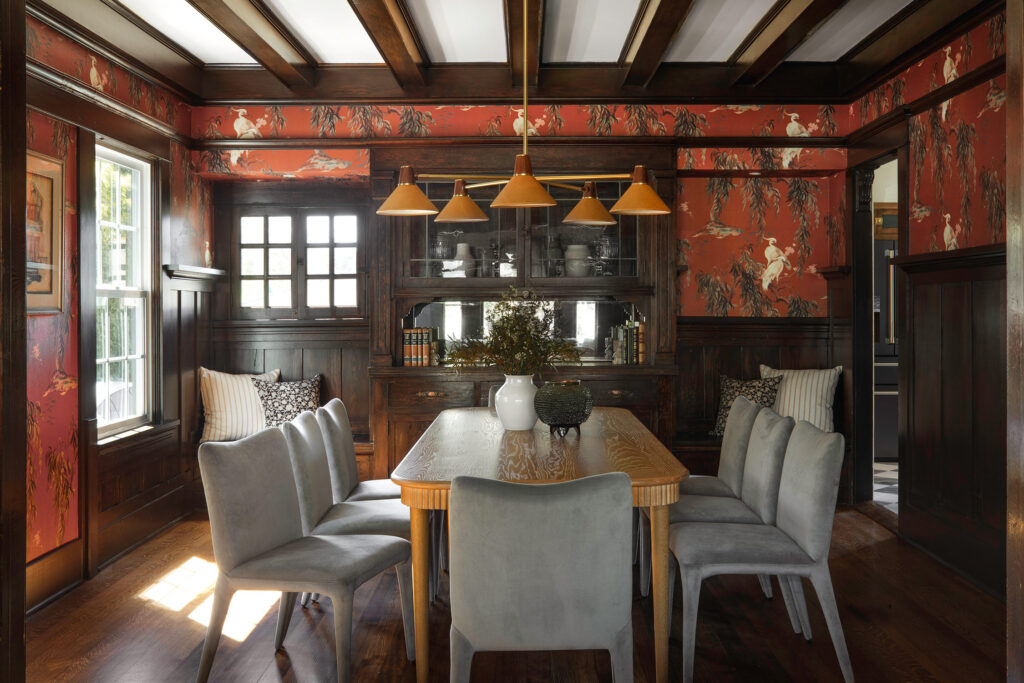
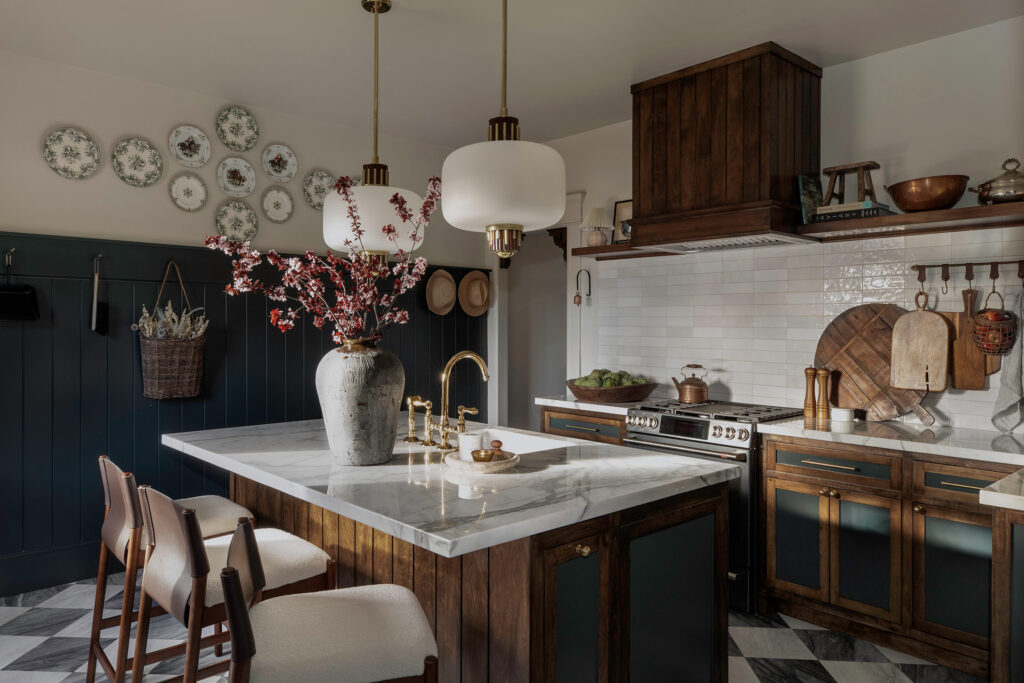
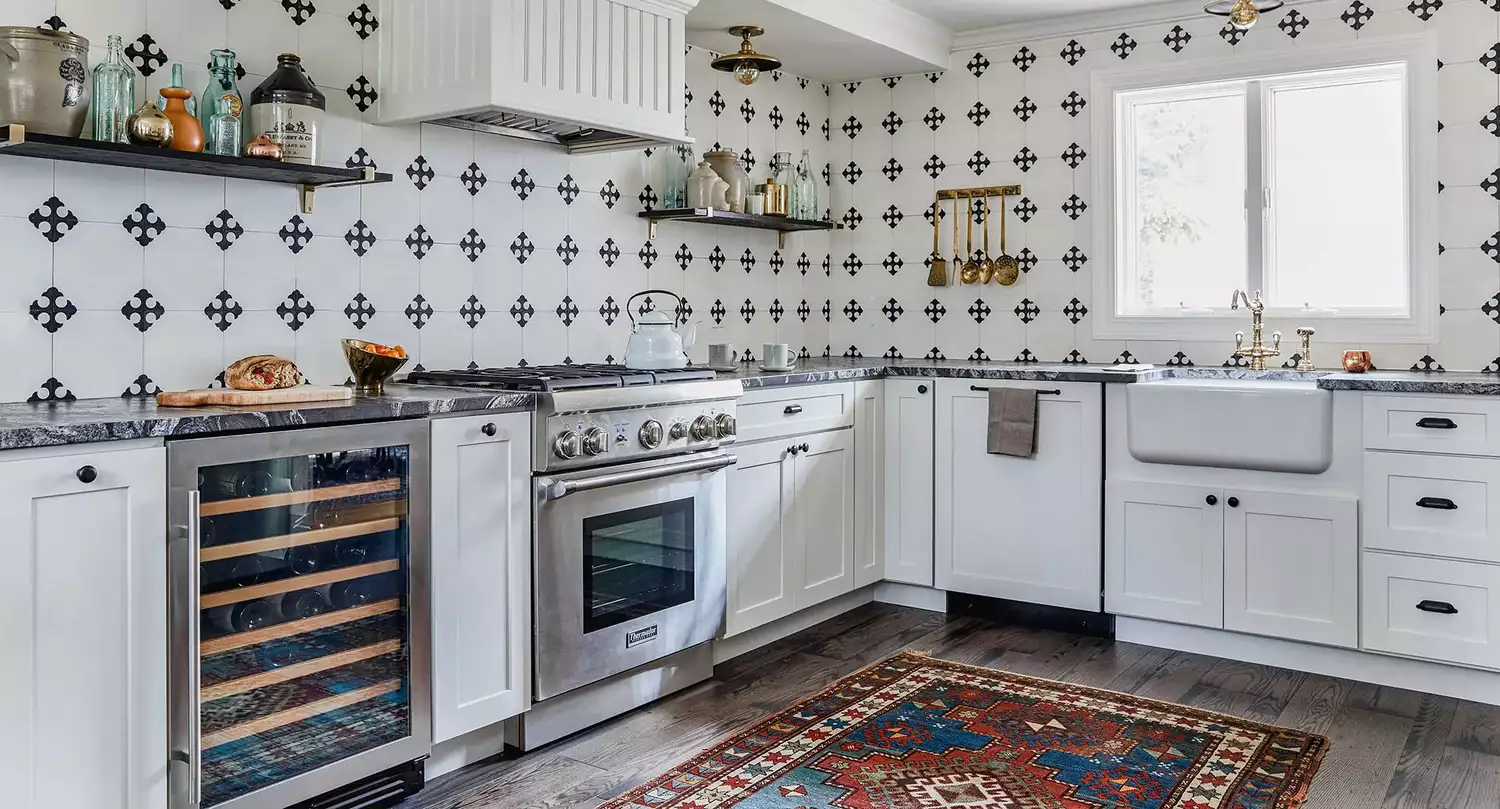
The design principle of 'power in threes' extends to textural arrangements. This involves combining an organic pattern (e.g., floral), a geometric pattern, and a solid color to create a balanced and visually interesting ensemble. Before committing to any pattern or texture combination, conducting a test run is highly recommended. This involves deciding on a color palette first, then sourcing patterns within that palette or complementary tonal ranges. A consistent color scheme facilitates a cohesive pattern-on-pattern look. Laying out fabric samples to observe their interaction can help identify matches and clashes. Finally, incorporating natural materials such as leather, wood, and glass is essential. Leather is a versatile and durable natural textile available in various grains and colors, adding comfort and longevity. Wood, in its natural form, offers unparalleled versatility and can be integrated through furniture, frames, or lamps. Glass introduces a subtle sparkle and lightness, completing the textured landscape of a thoughtfully designed space.
#HomeDecor #InteriorDesign #PatternMixing #TextureMixing #DesignTips #DecoratingPrinciples #MaterialSelection #HomeStyling #HomeDecor #InteriorDesign #PatternMixing #TextureMixing #DesignTips #DecoratingPrinciples #MaterialSelection #HomeStyling
0 comment in total
 No comments yet
You may also like
Pattern clashing is the tricky trend we are loving – 10 rules designers always follow to ensure it works

Mixing patterns and prints in interior design – a 12-step masterclass
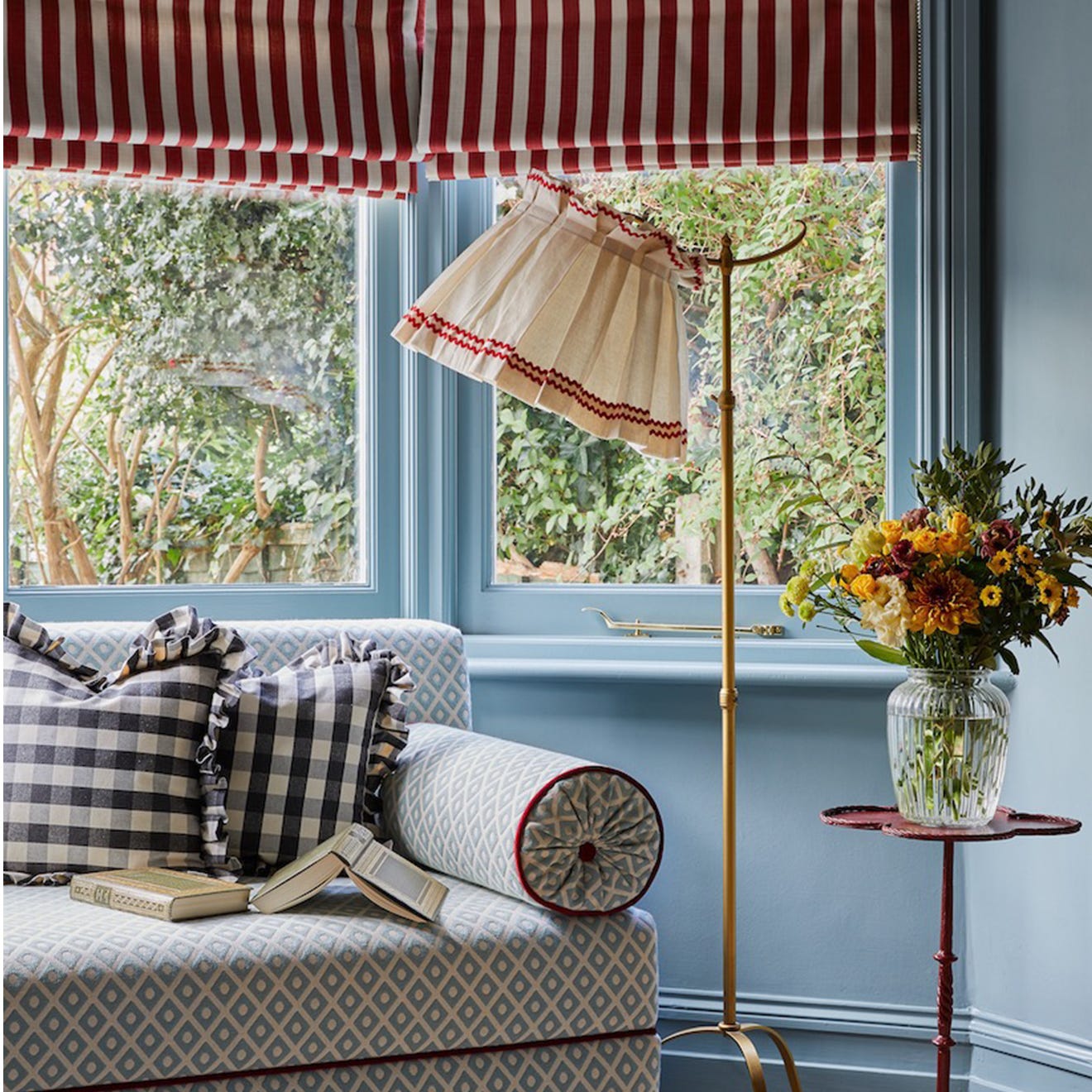
How to use clashing patterns in your home, according to design experts
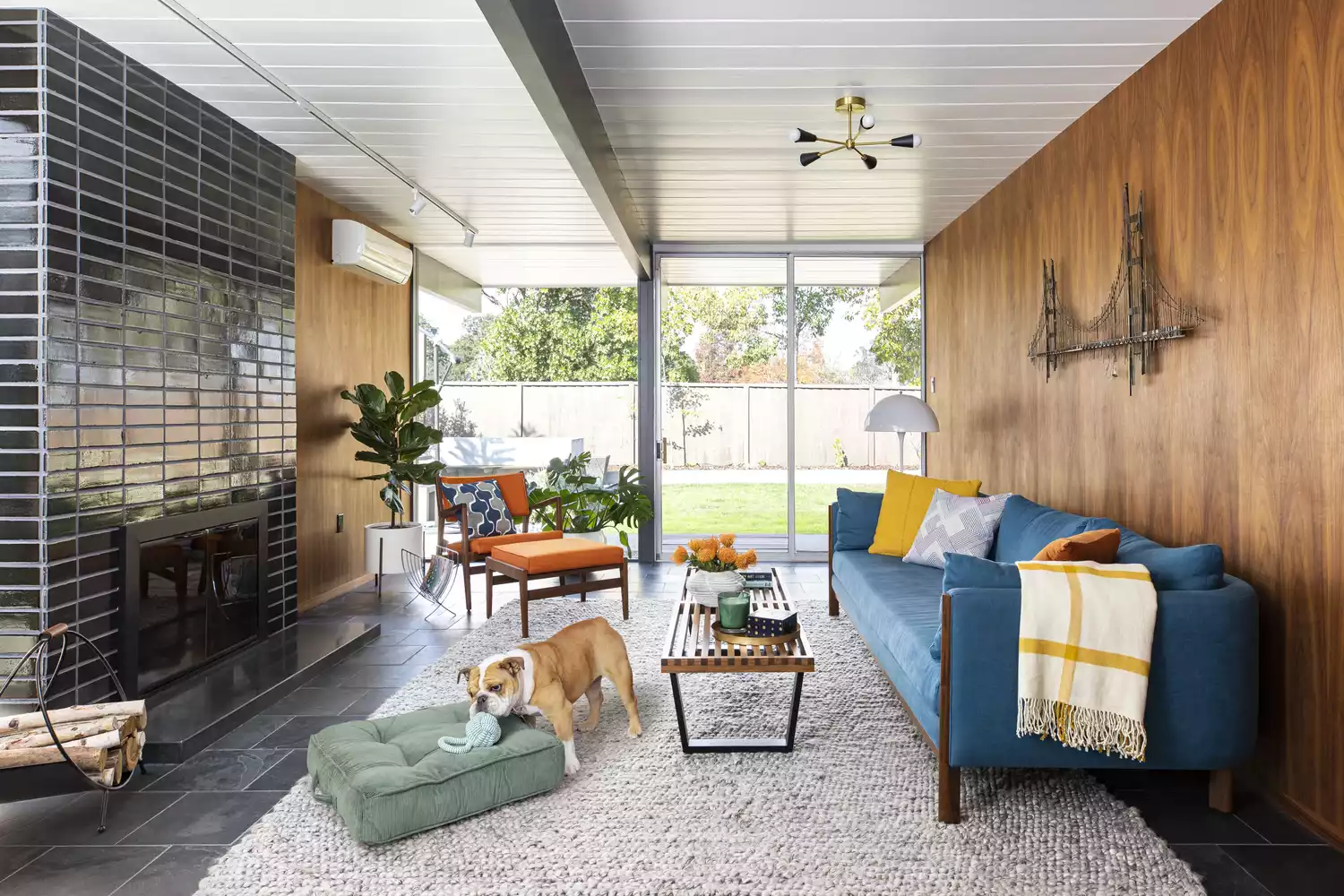
6 Genius Rules for Decorating Your Living Room That Designers Swear By

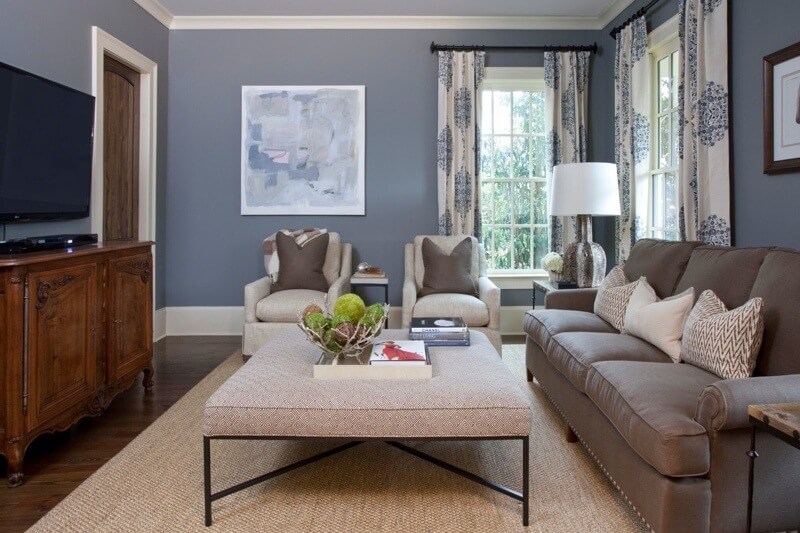
The ONLY Advice You Need to Mix Patterns Like a Pro!


A masterclass in mixing pattern
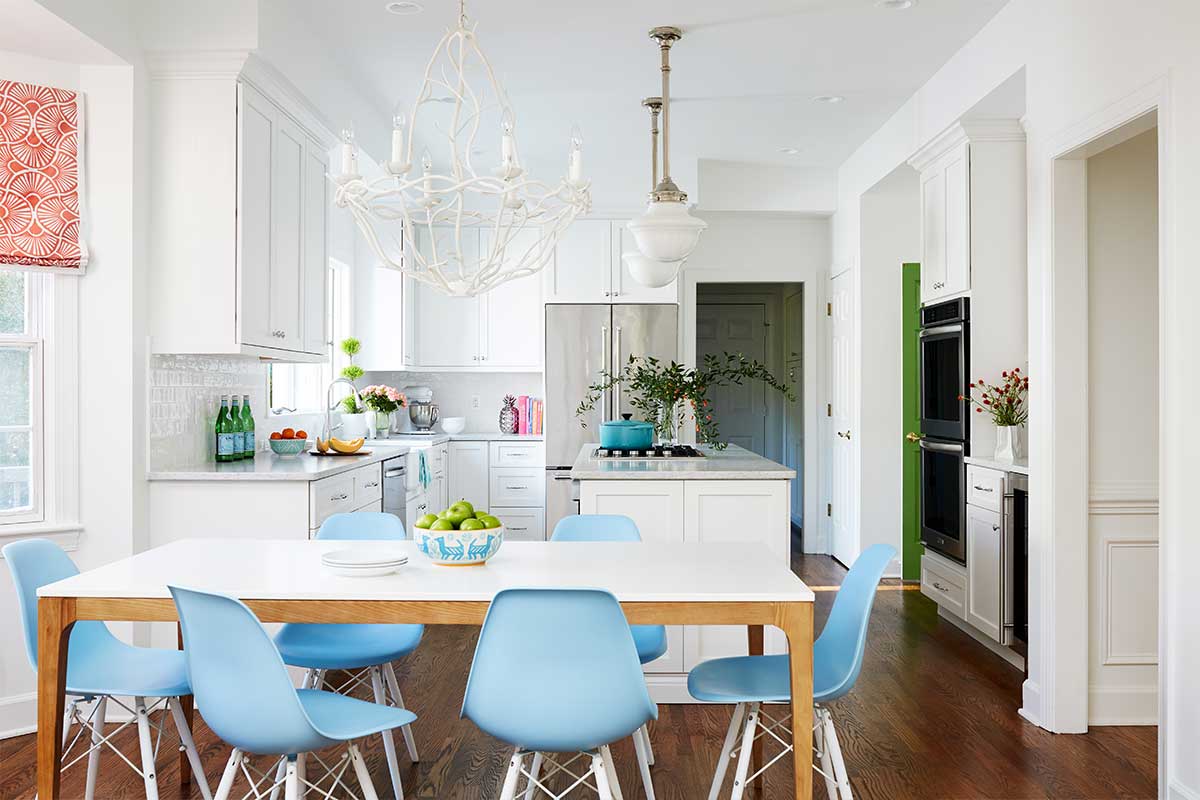
How to Layer Patterns and Colors in Kitchen Designs
10 rules to achieve balance in interior design - the secret style sauce which brings schemes together

Pattern play: These 15 rooms by Dallas designers will inspire mixing and matching
5 Secrets To Picking Paint Colors Like A Designer
How to combine colour, pattern and texture without making a complete mess of things
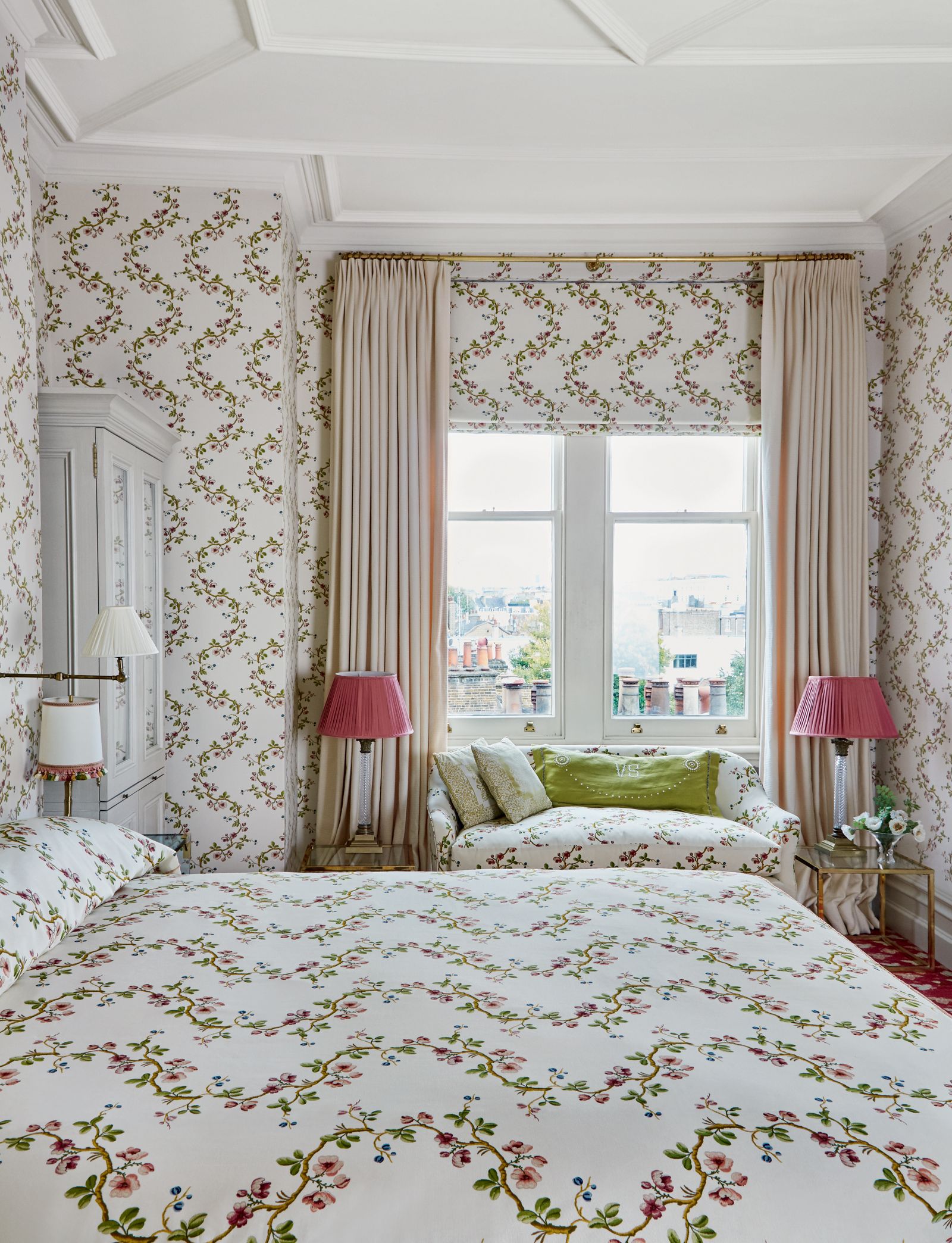
The return of the matchy matchy pattern look, and how to do it right
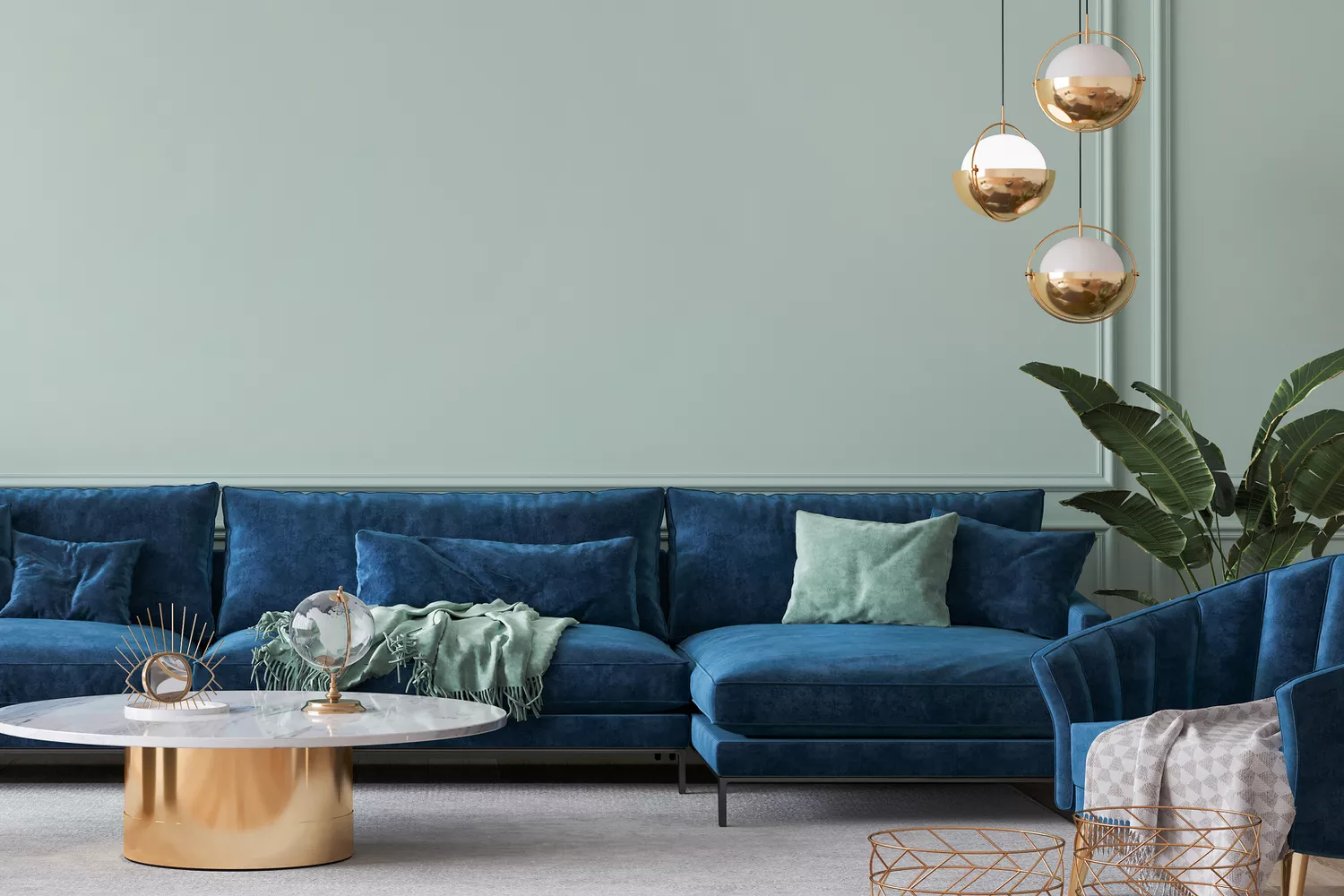
7 Color Combos That ALWAYS Look Good Together, According to Designers

9 Ways to Decorate with Patterns
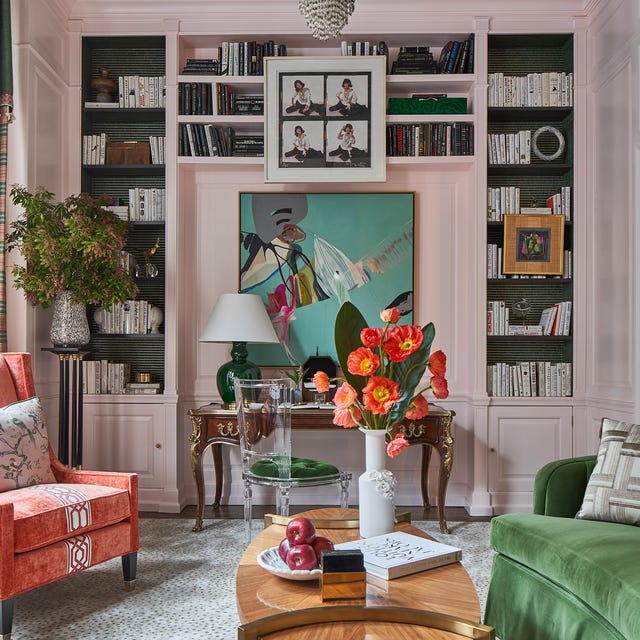
An A-List Designer’s Secrets To Picking Perfect Paint Colors

This Is the Correct Way to Mix Design Eras and Styles
The 8 Dos and Don’ts of Mixing Patterns in Your Home
Interior design experts reveal the colour rules you should be breaking
9 transitional style decorating rules – the ultimate checklist to channel the perfect old-meets-new look
Floral Patterns Are Trending This Summer—How to Mix and Match Them Like a Designer