1/6
Here's How to Pull Off an Eclectic Decorating Style
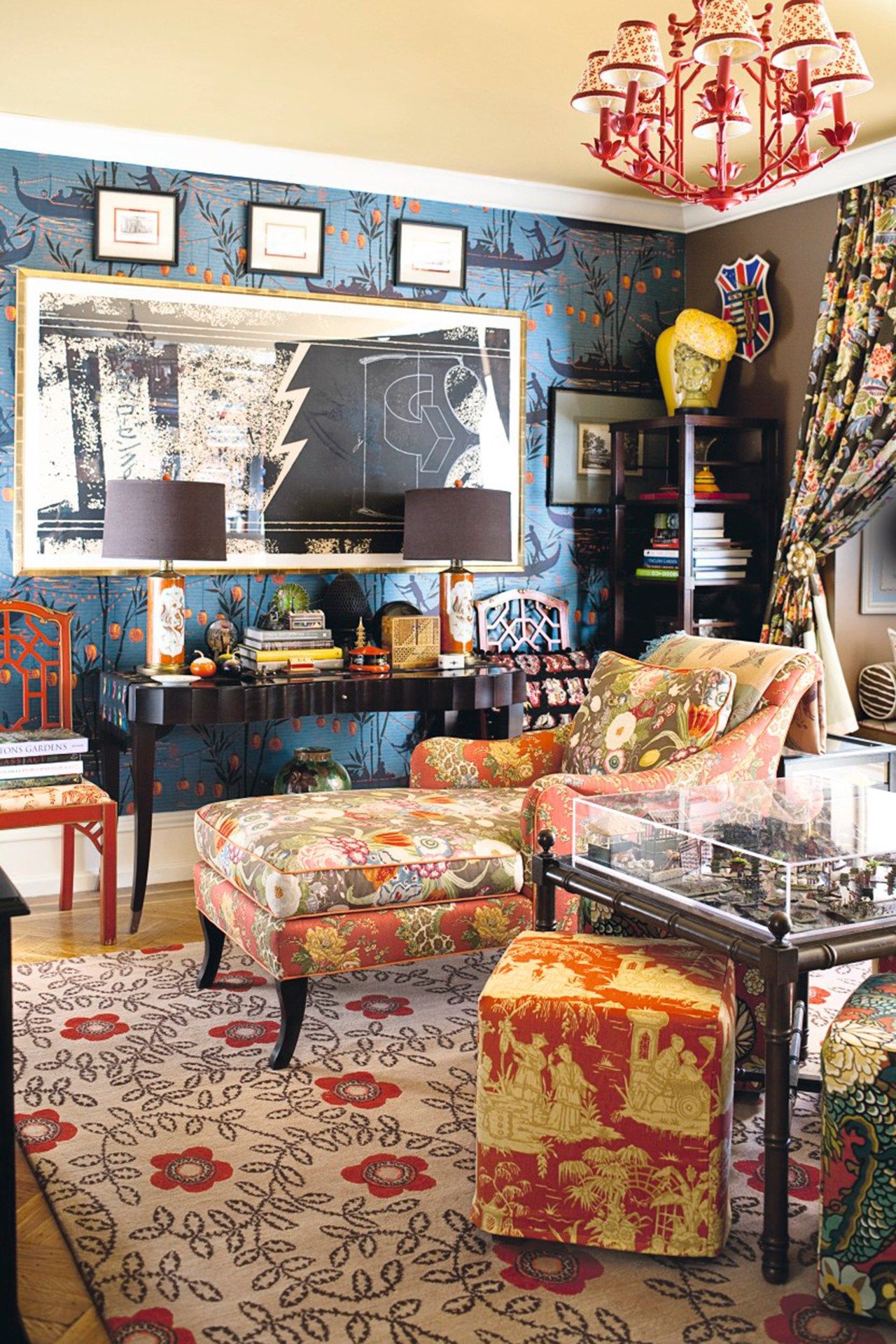
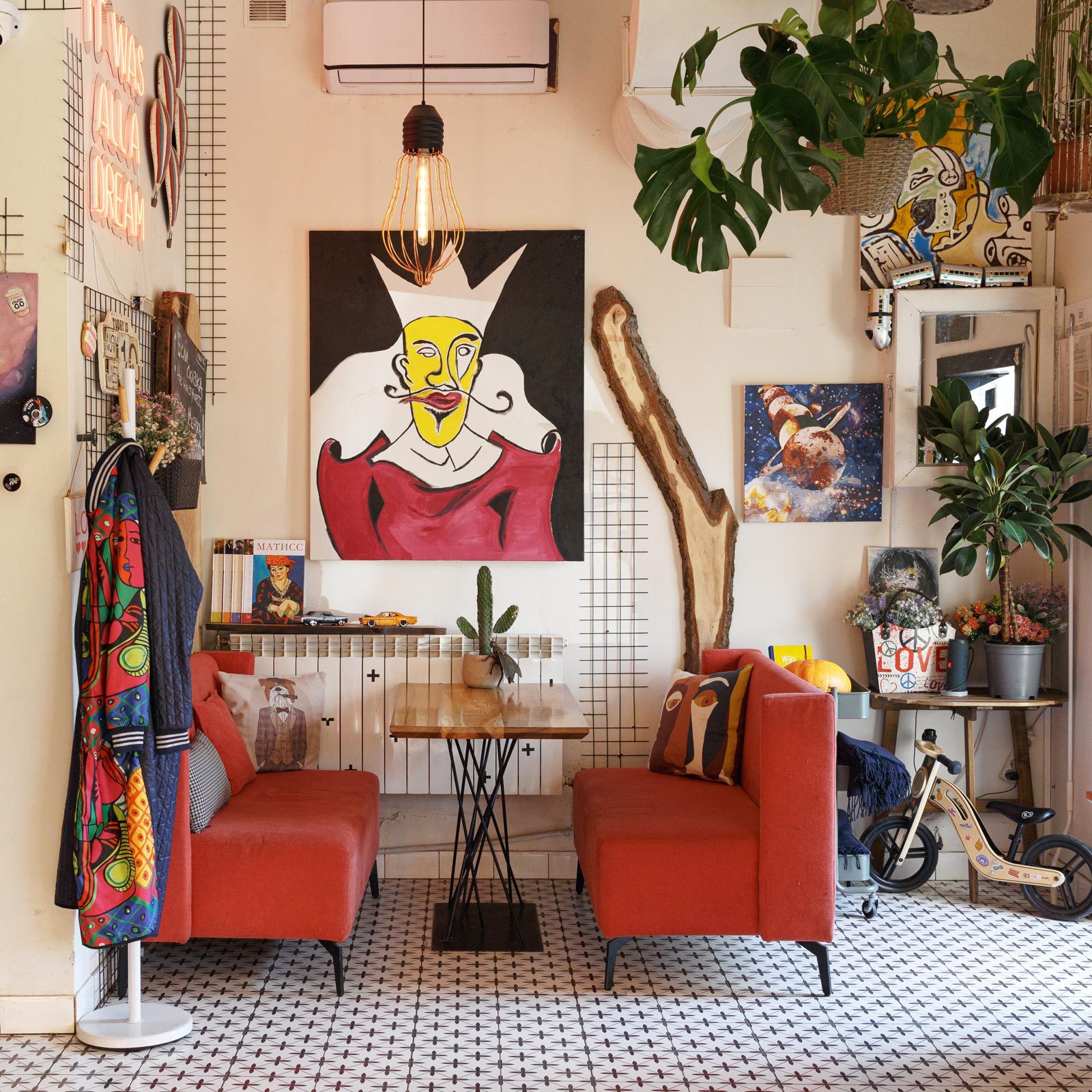
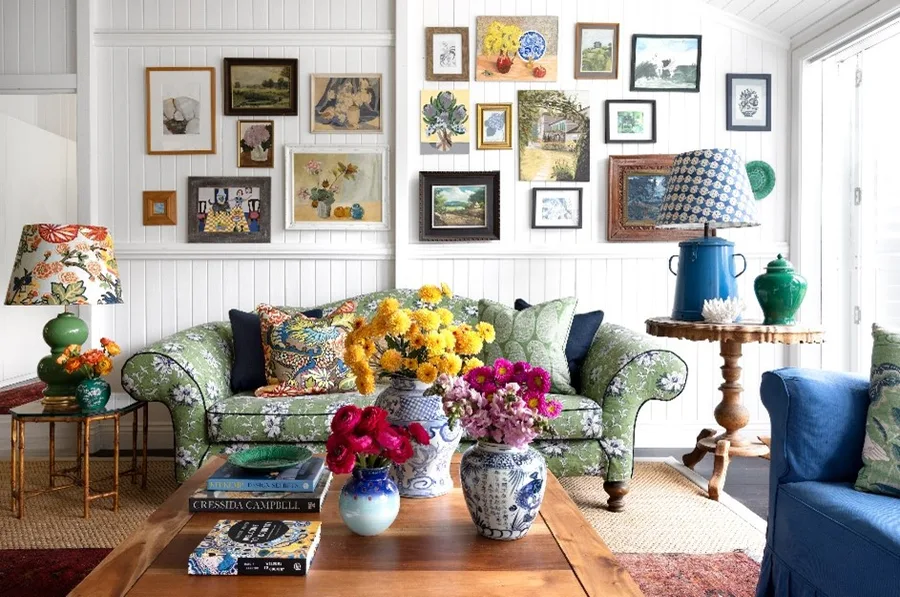
Achieving an eclectic decorating style in a home can be a nuanced process, requiring a careful balance to avoid a cluttered or disjointed appearance. This aesthetic thrives on mixing various textures, periods, and styles while maintaining a cohesive and livable environment. Design experts, including interior designer Jennifer Adams, author of 'Love Coming Home', interior designer Rita Konig, and mid-century modern furniture company Joybird, offer valuable insights into the do's and don'ts of eclectic decor.
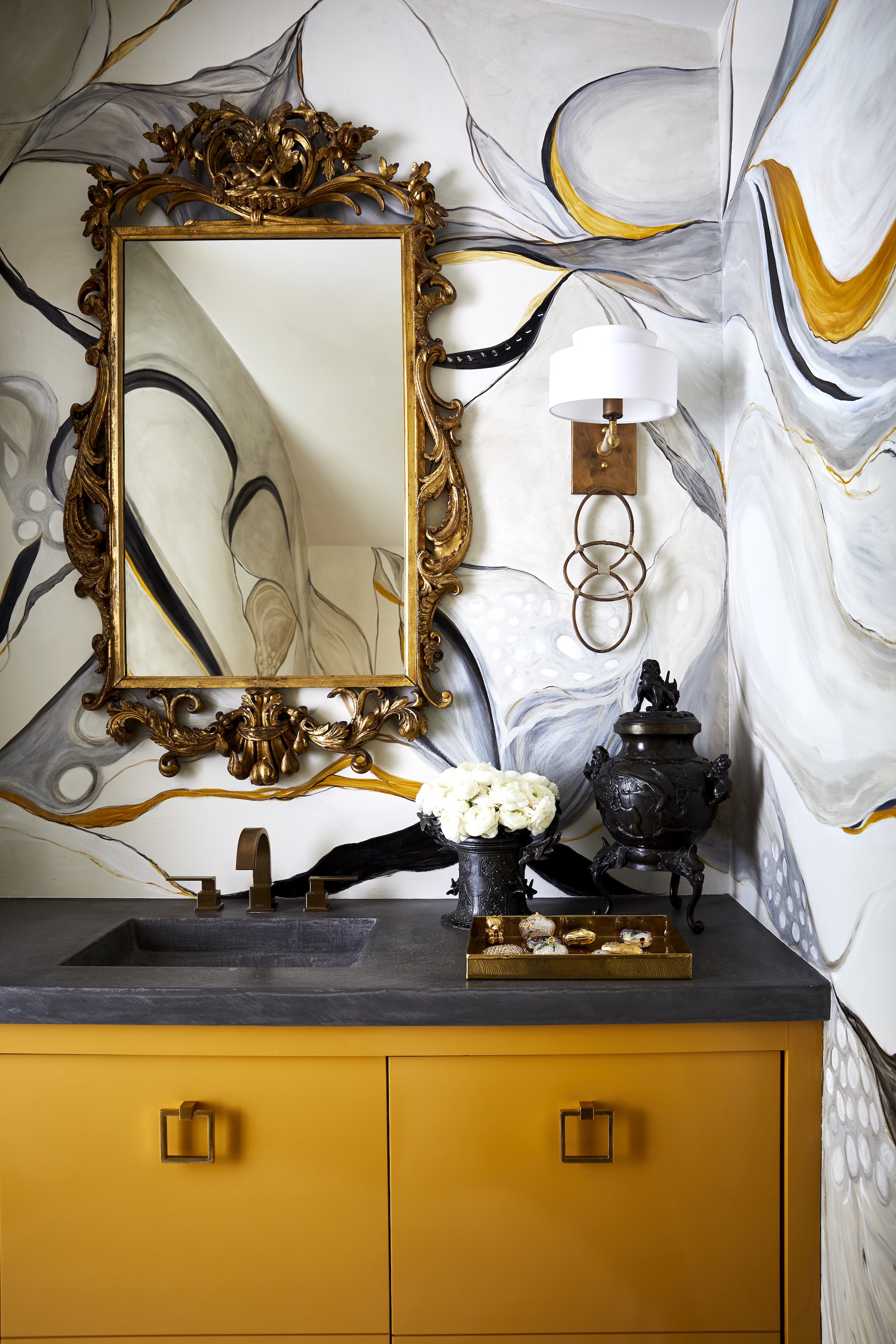
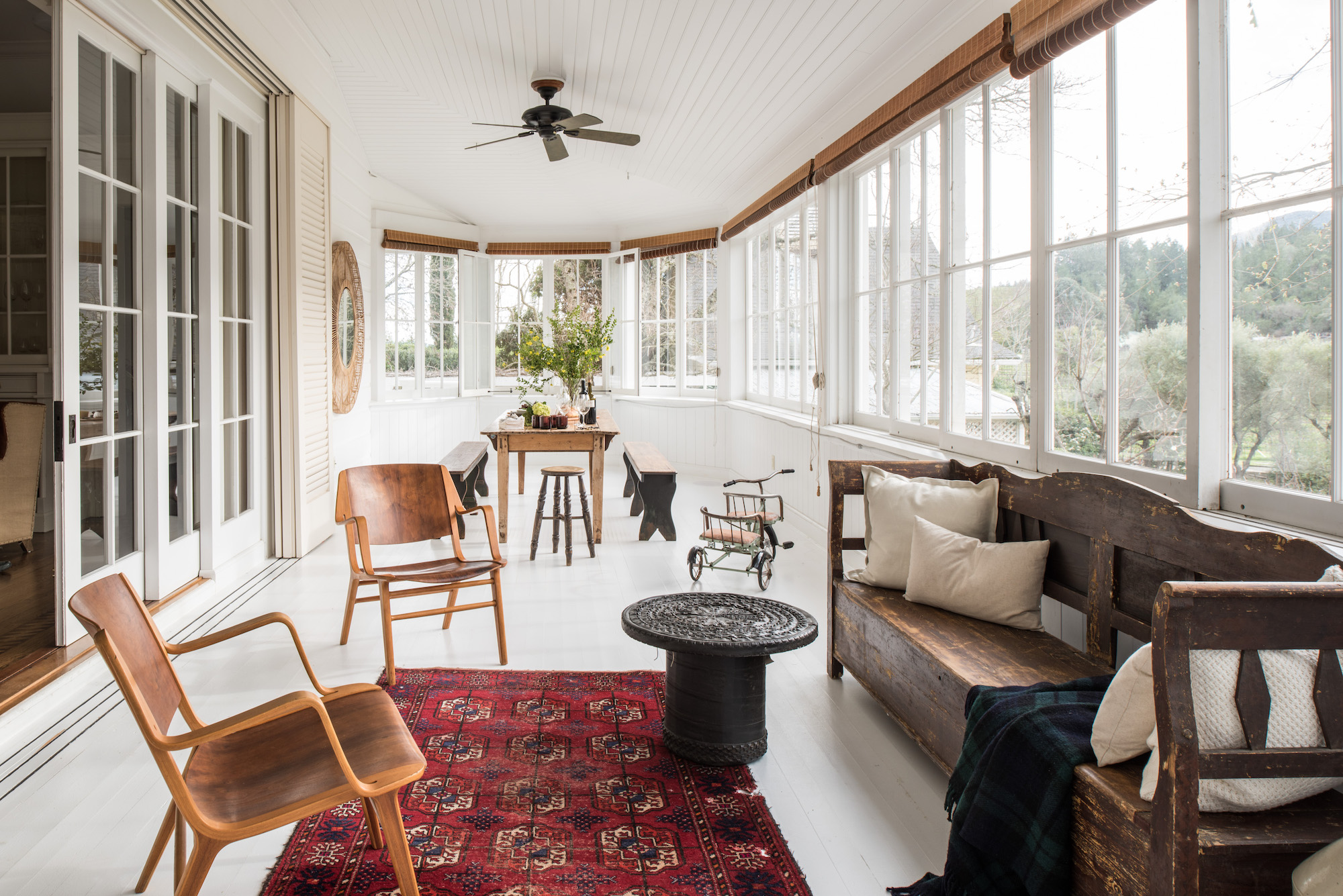
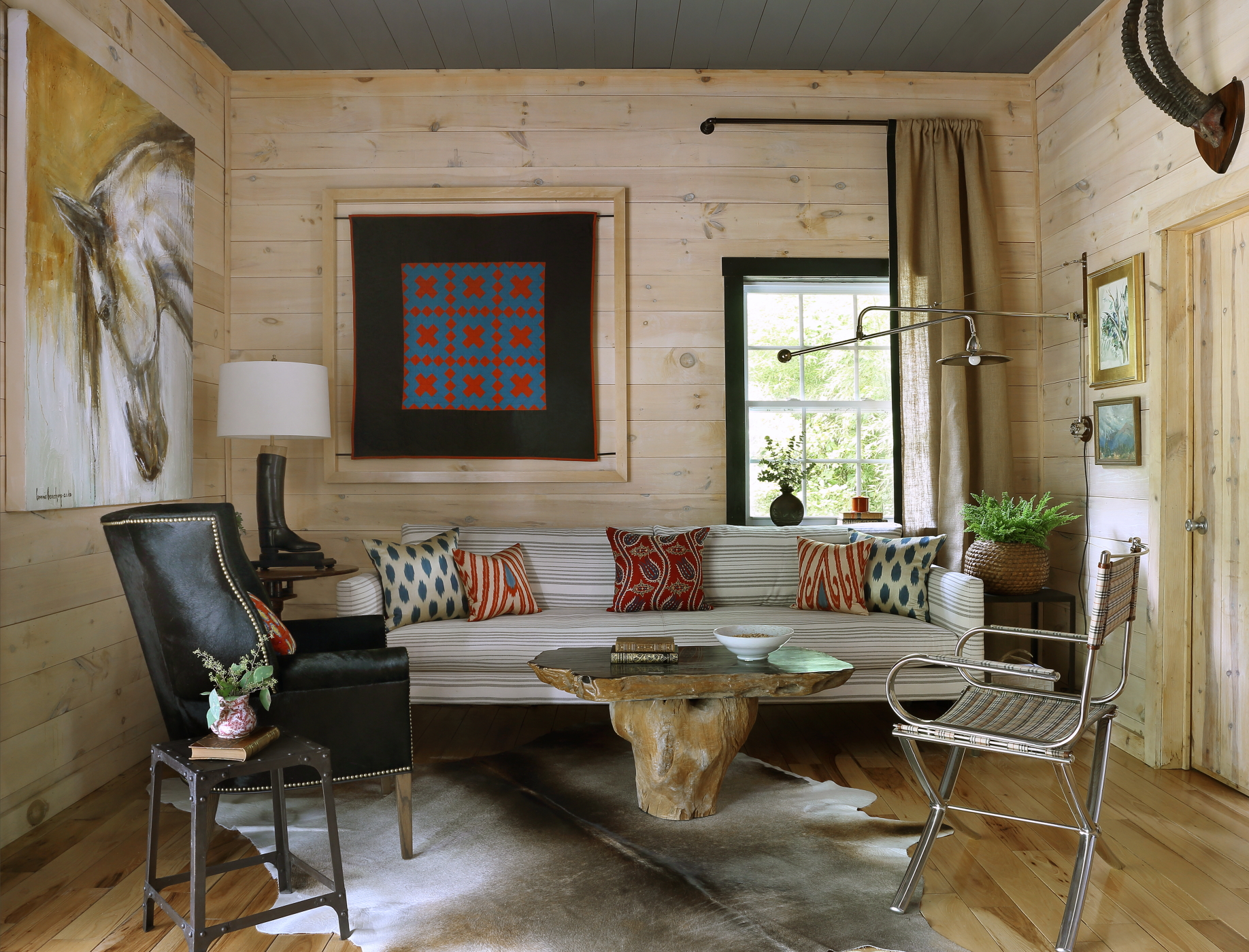
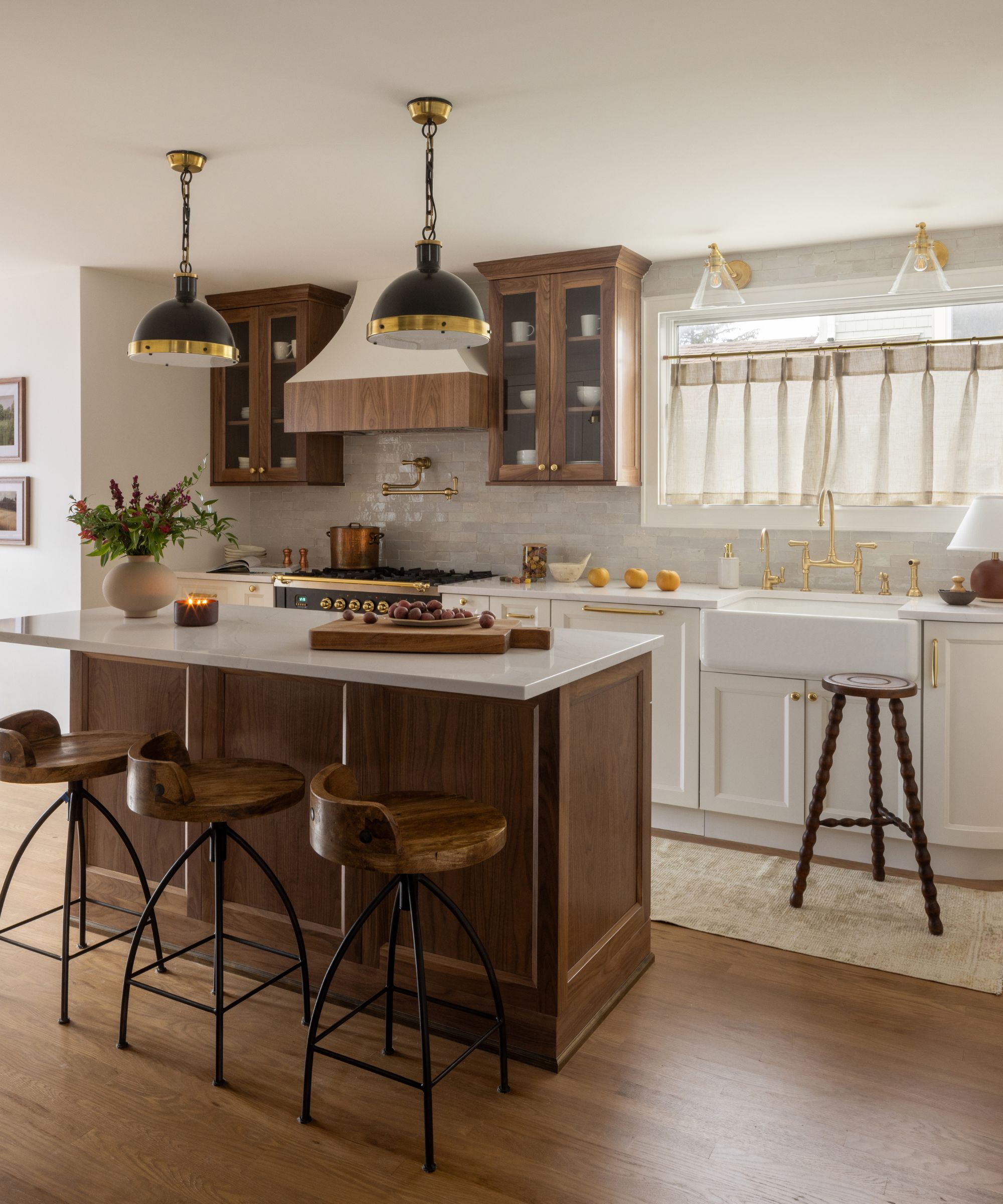
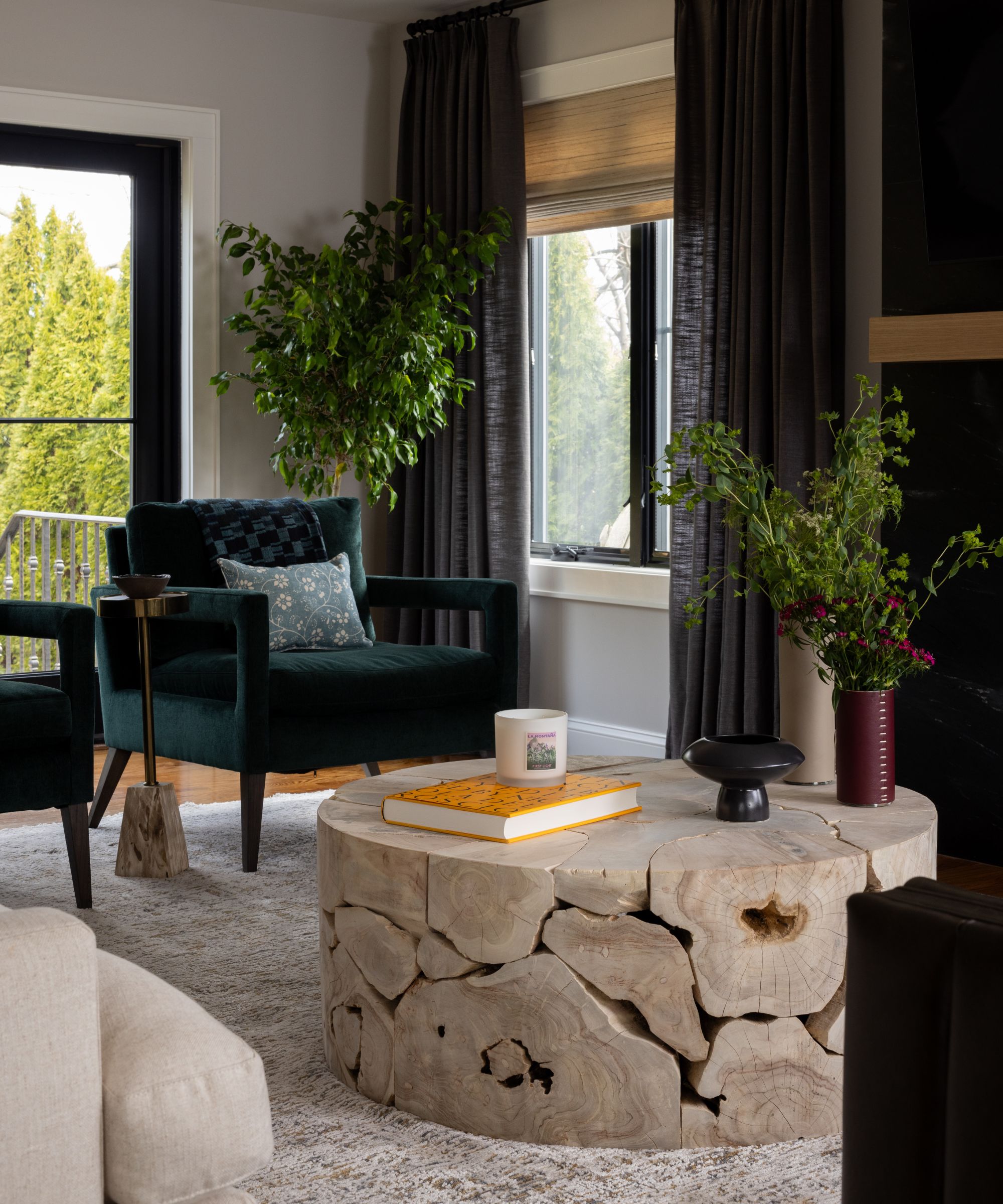
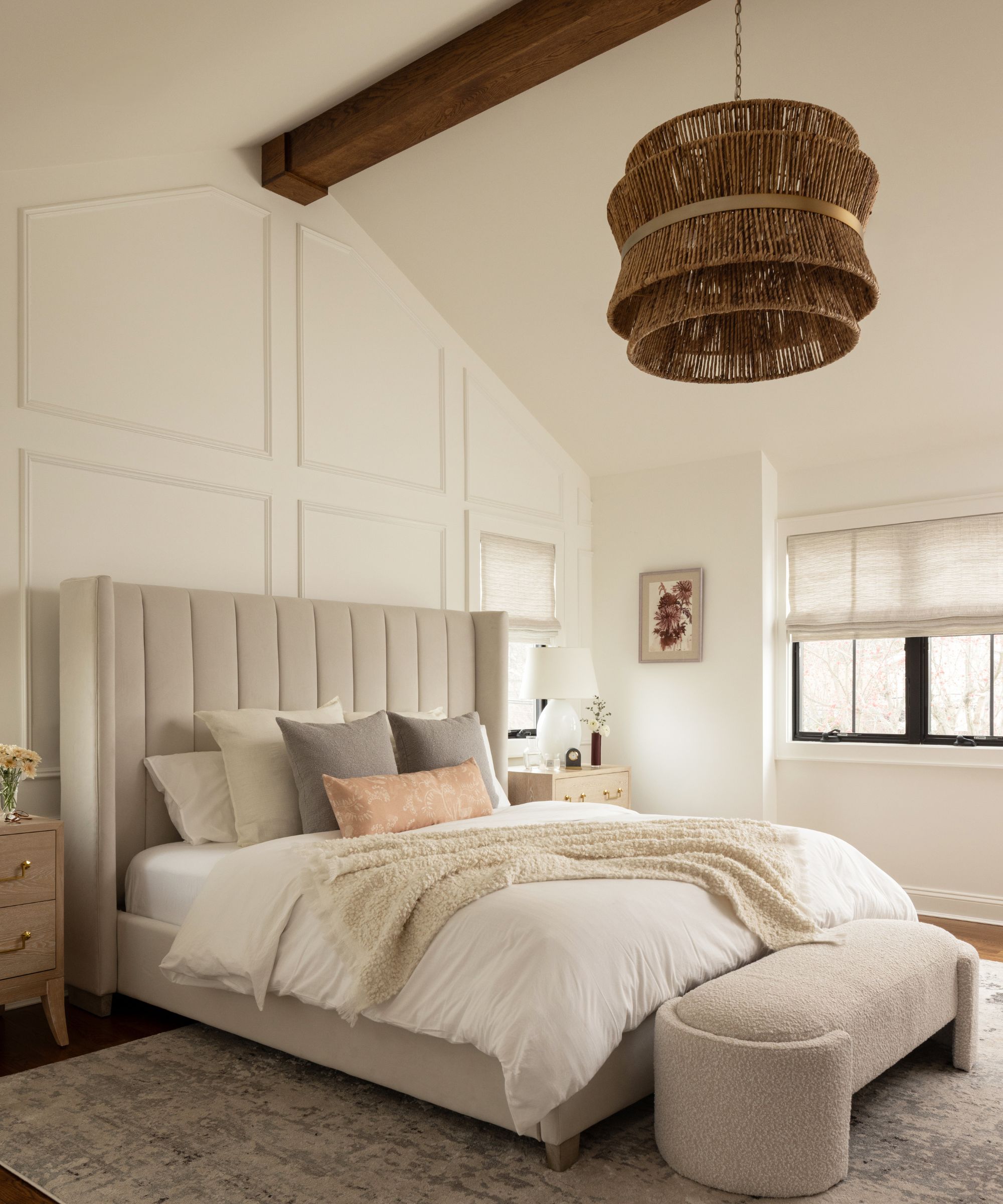
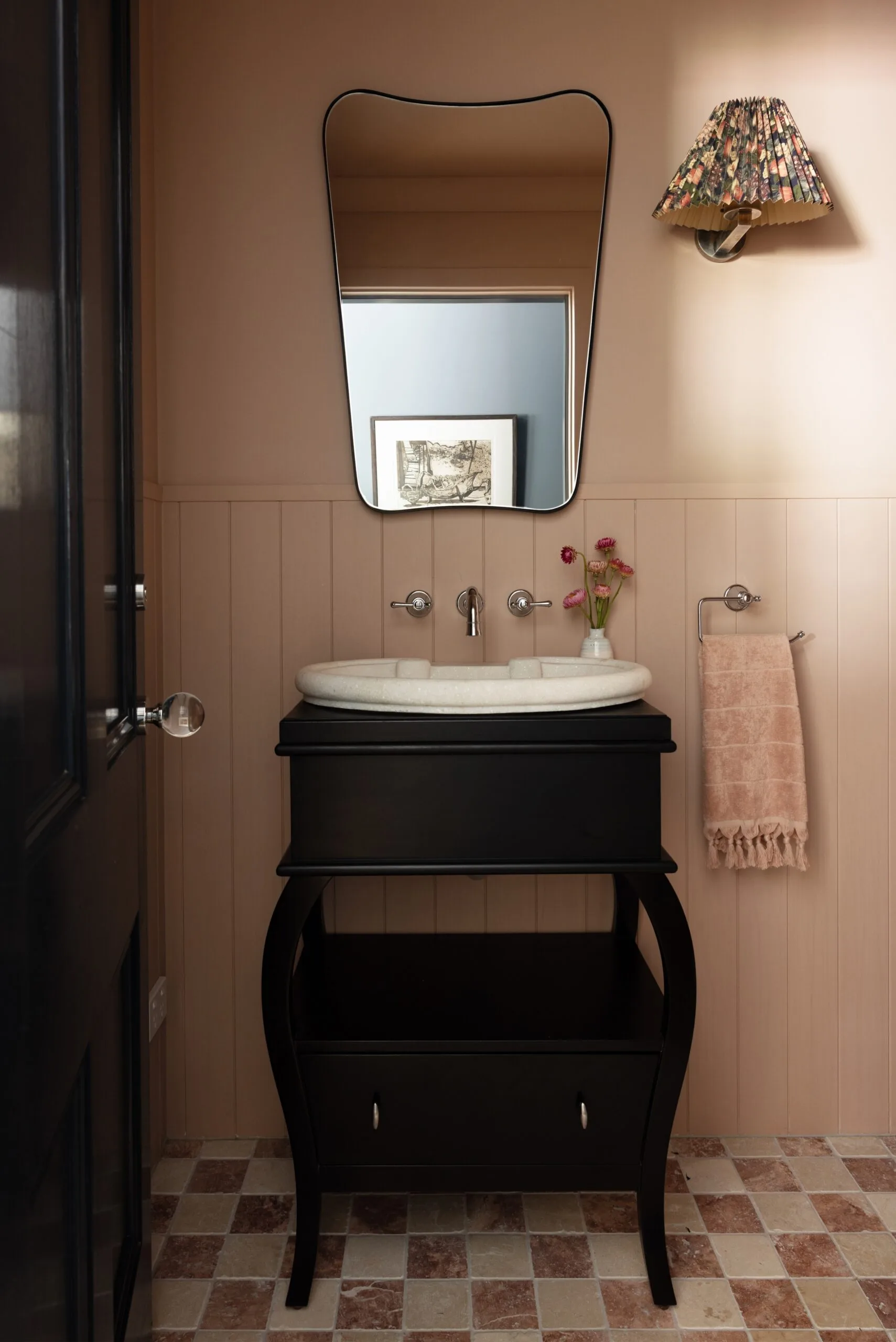
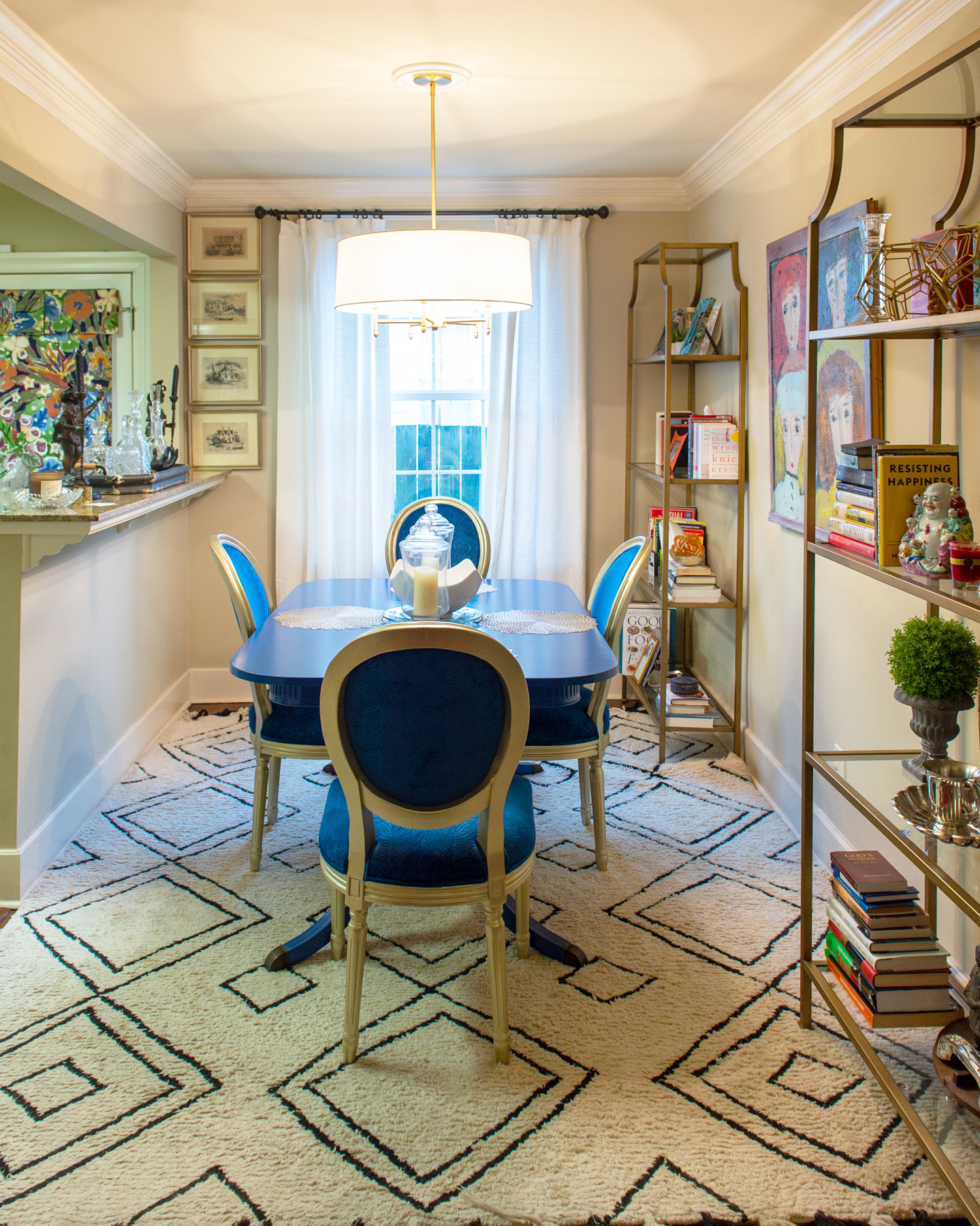
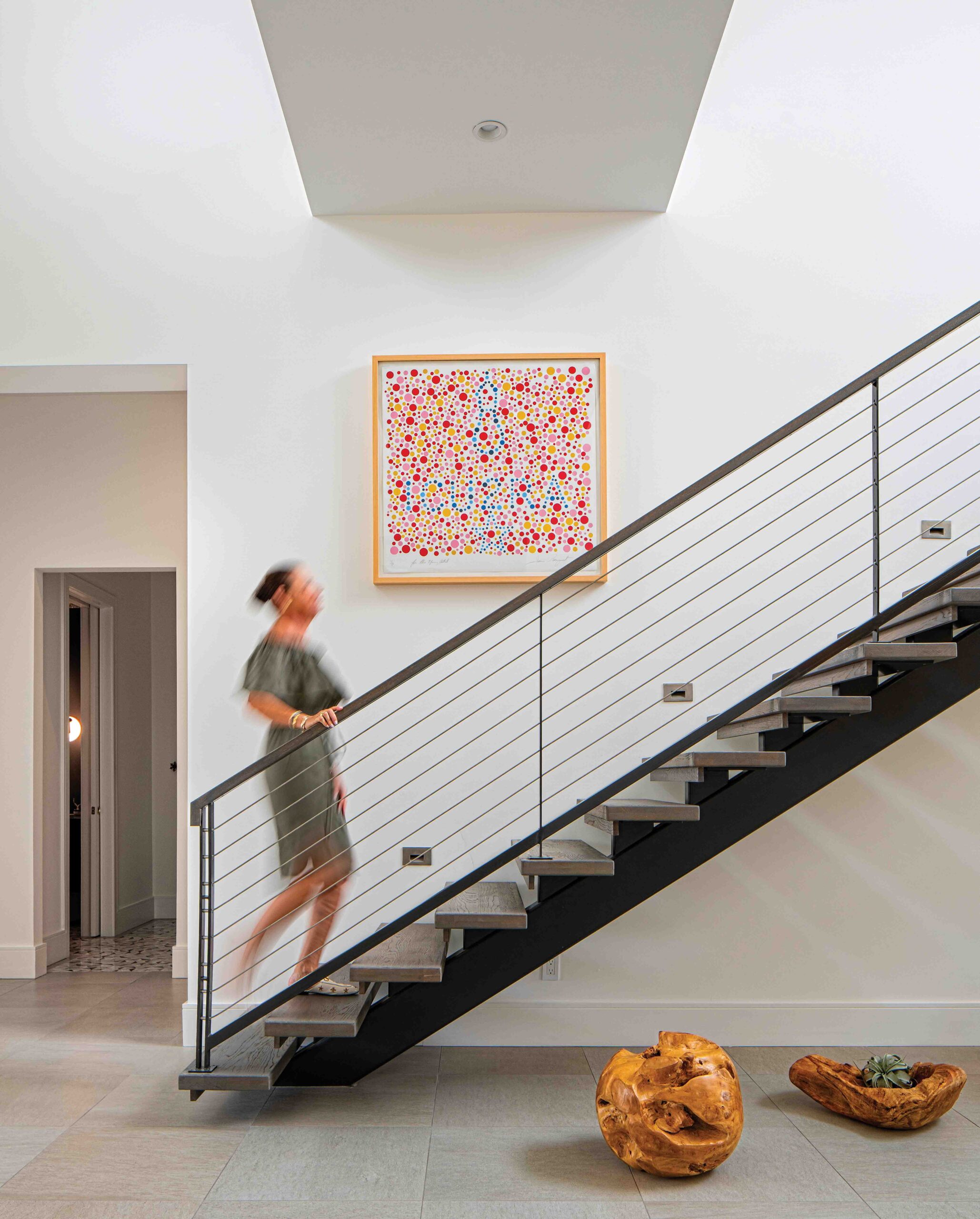
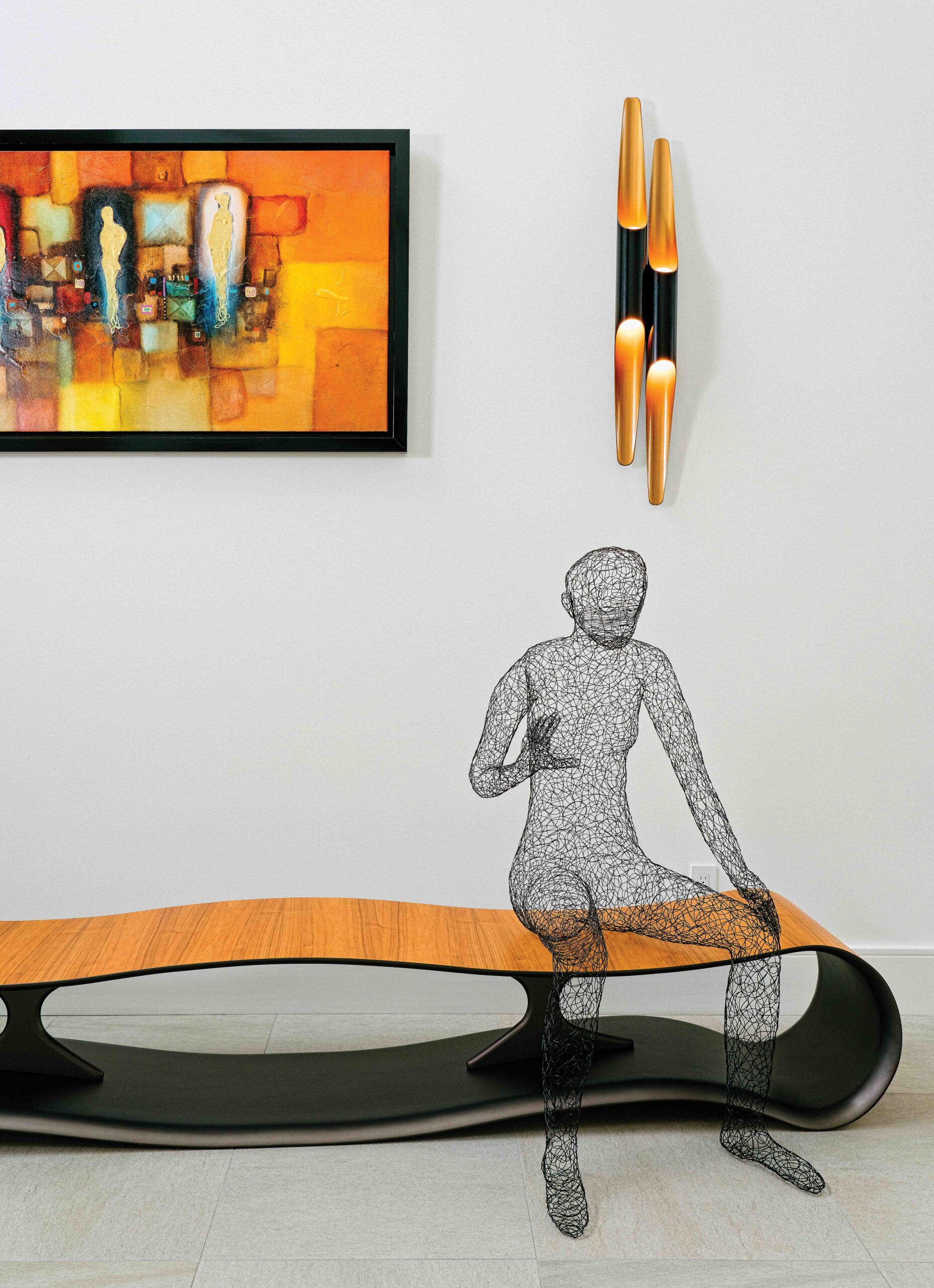
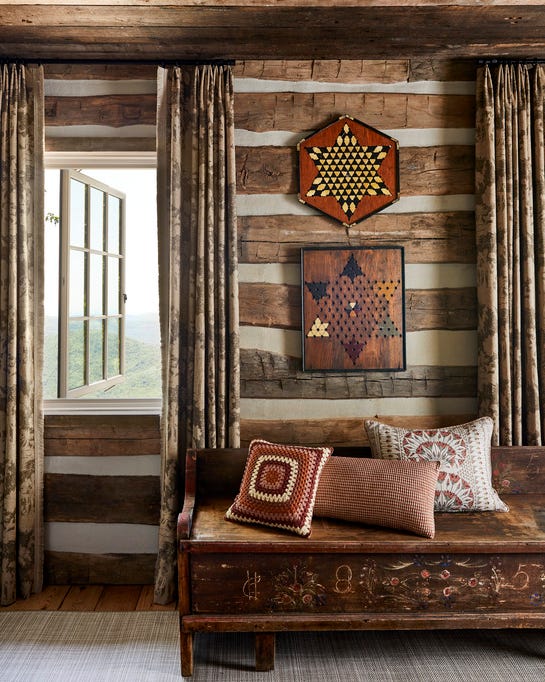
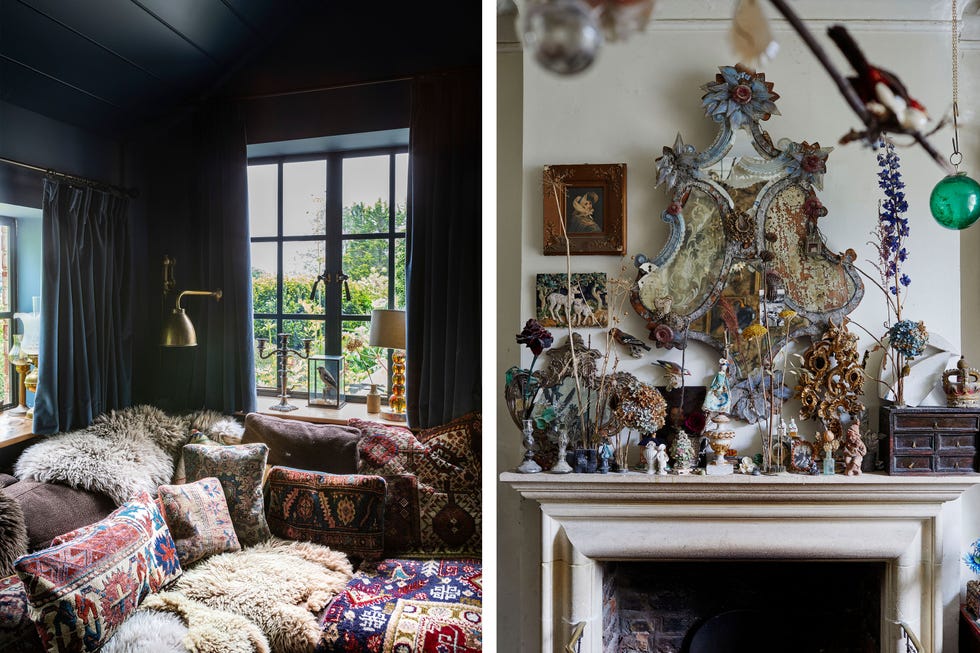
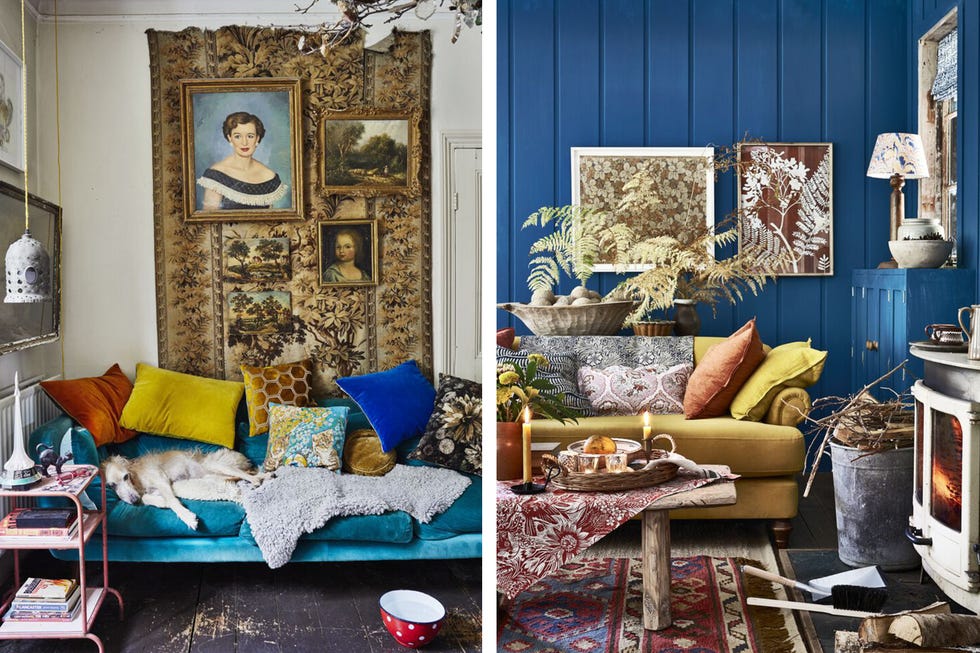
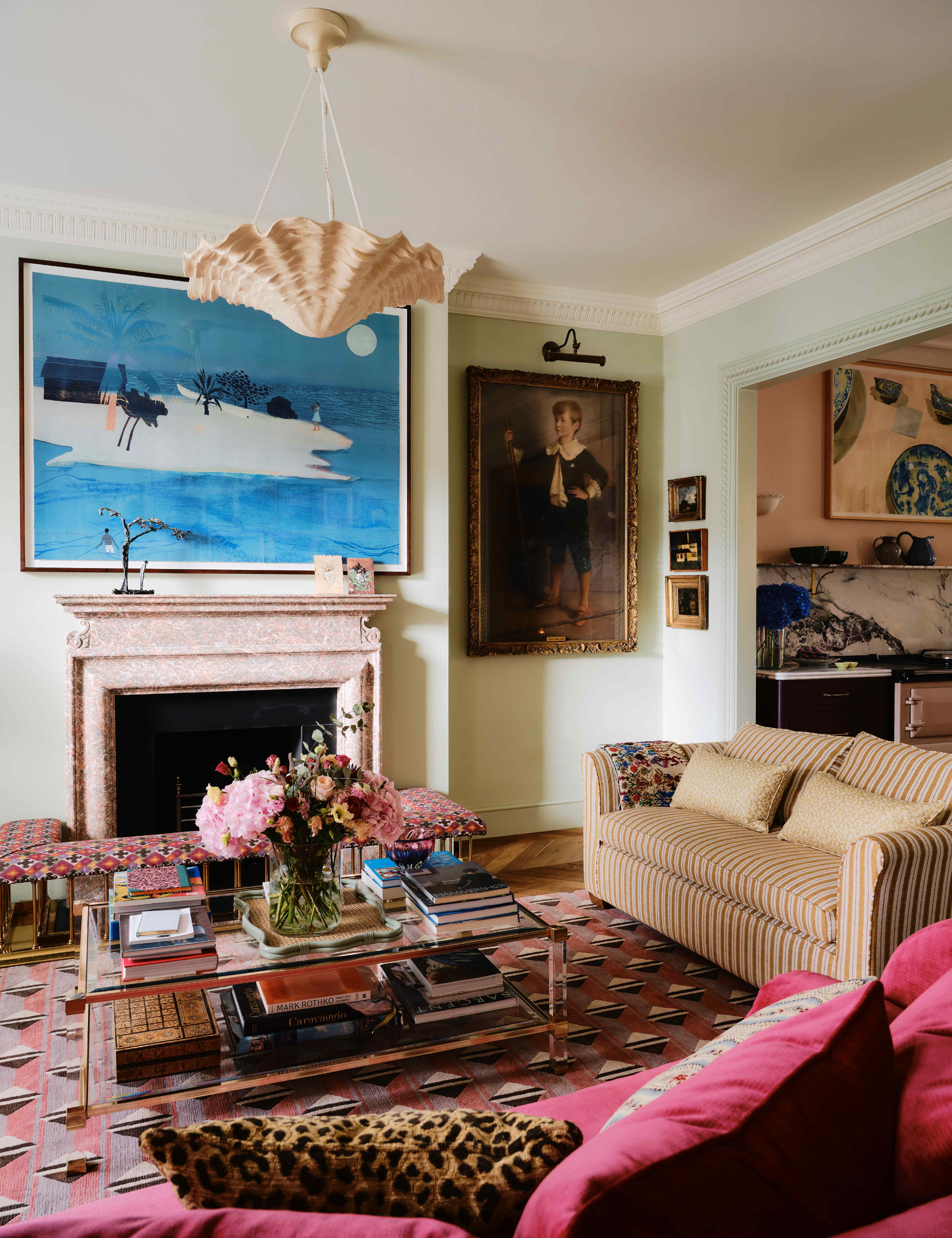
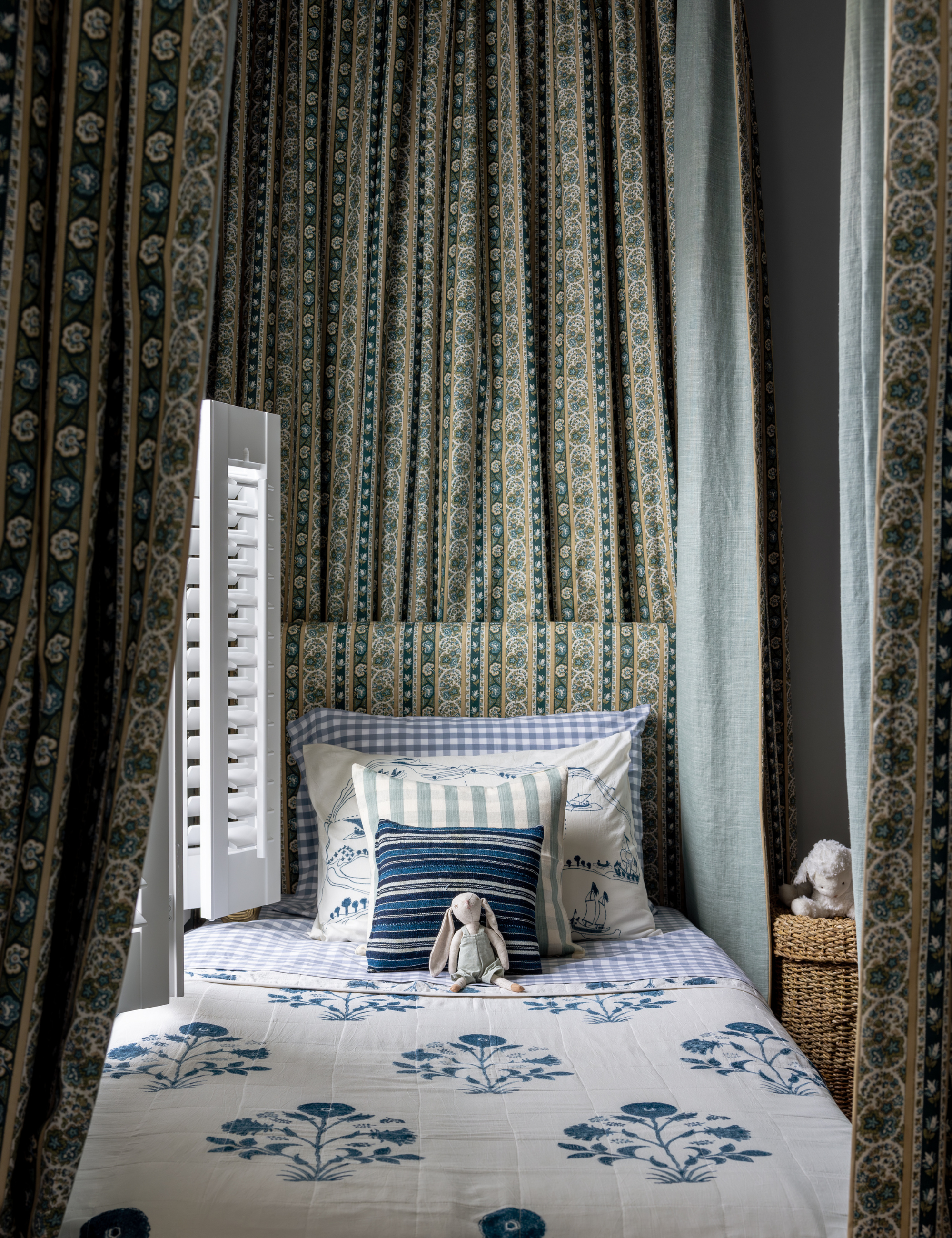
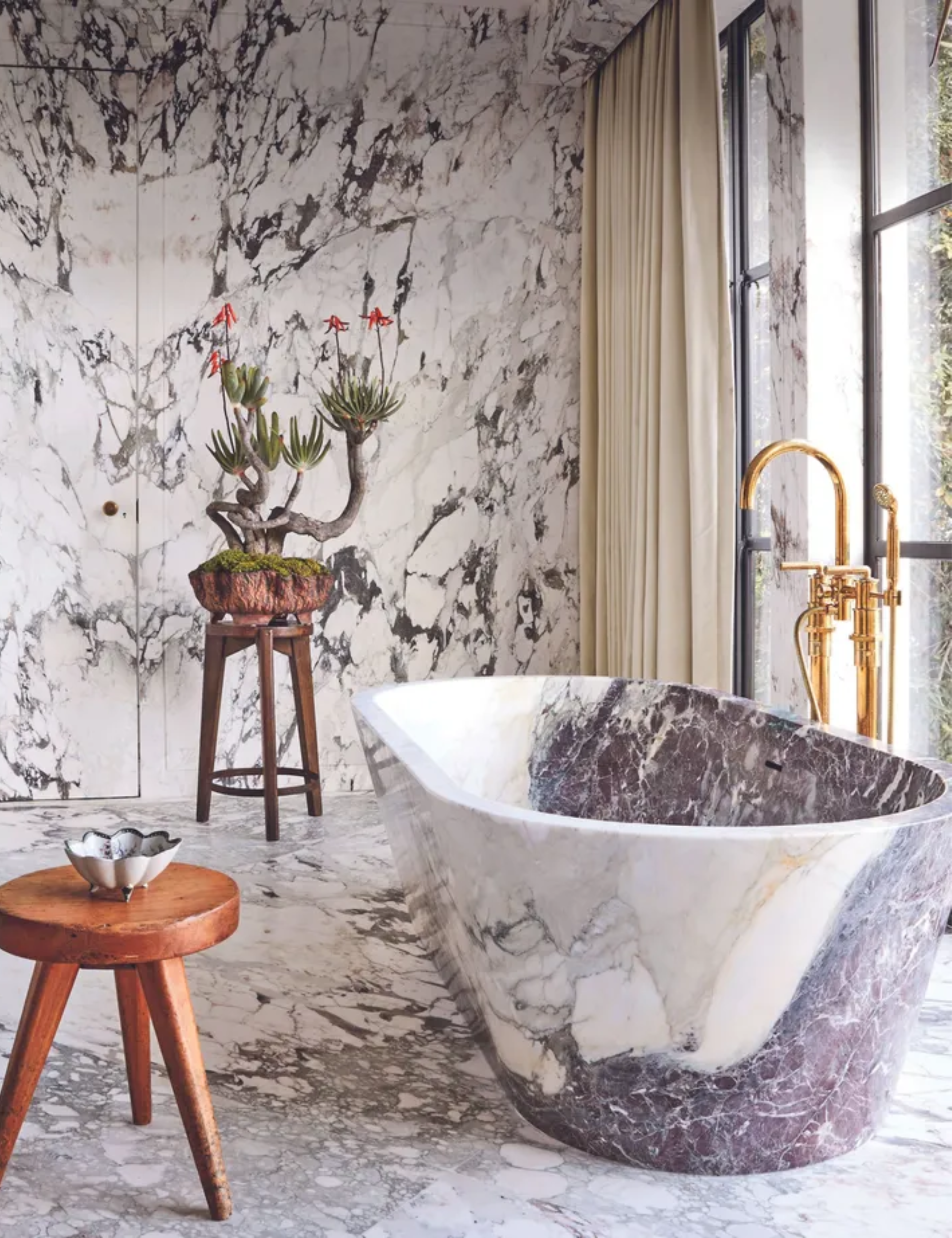
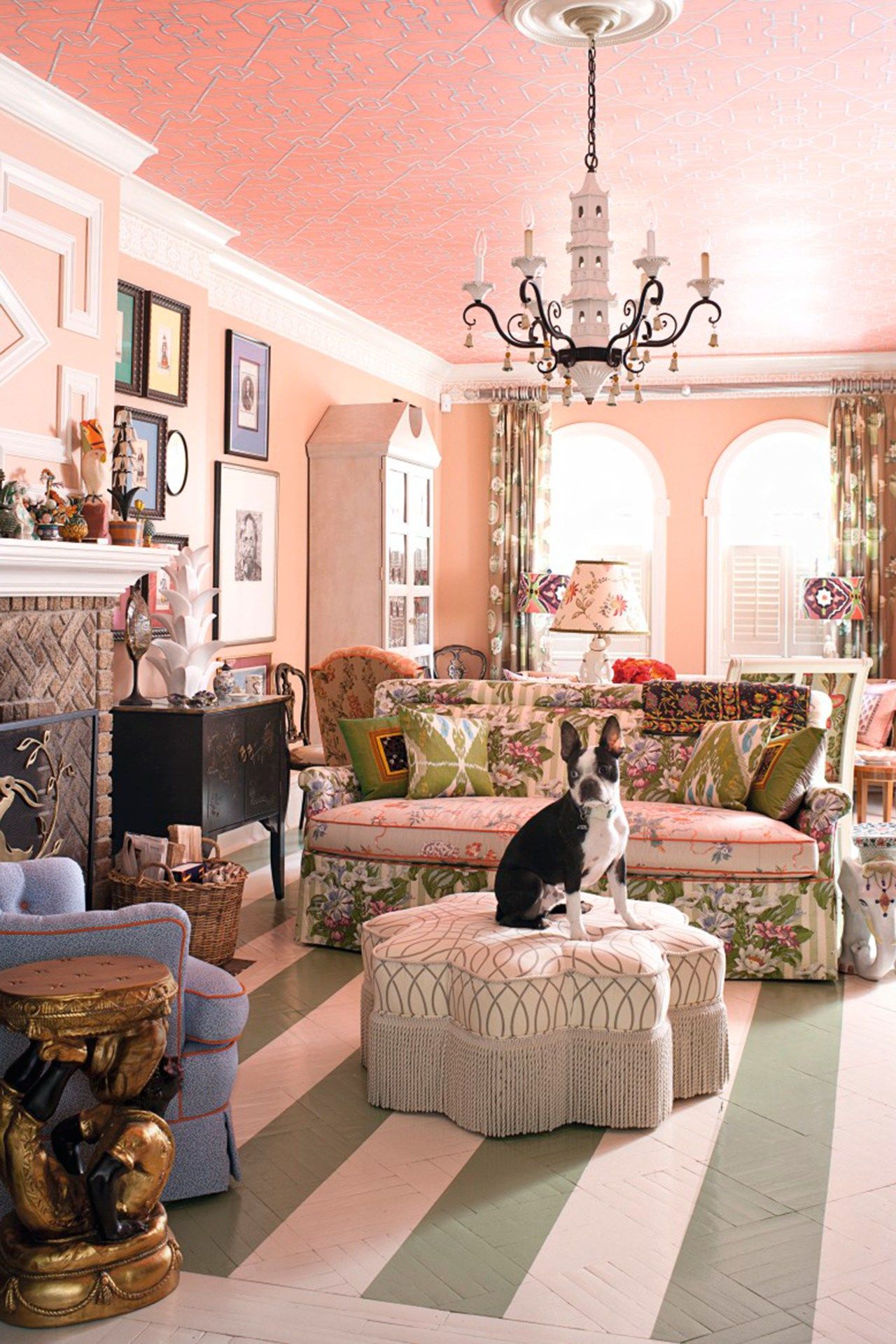
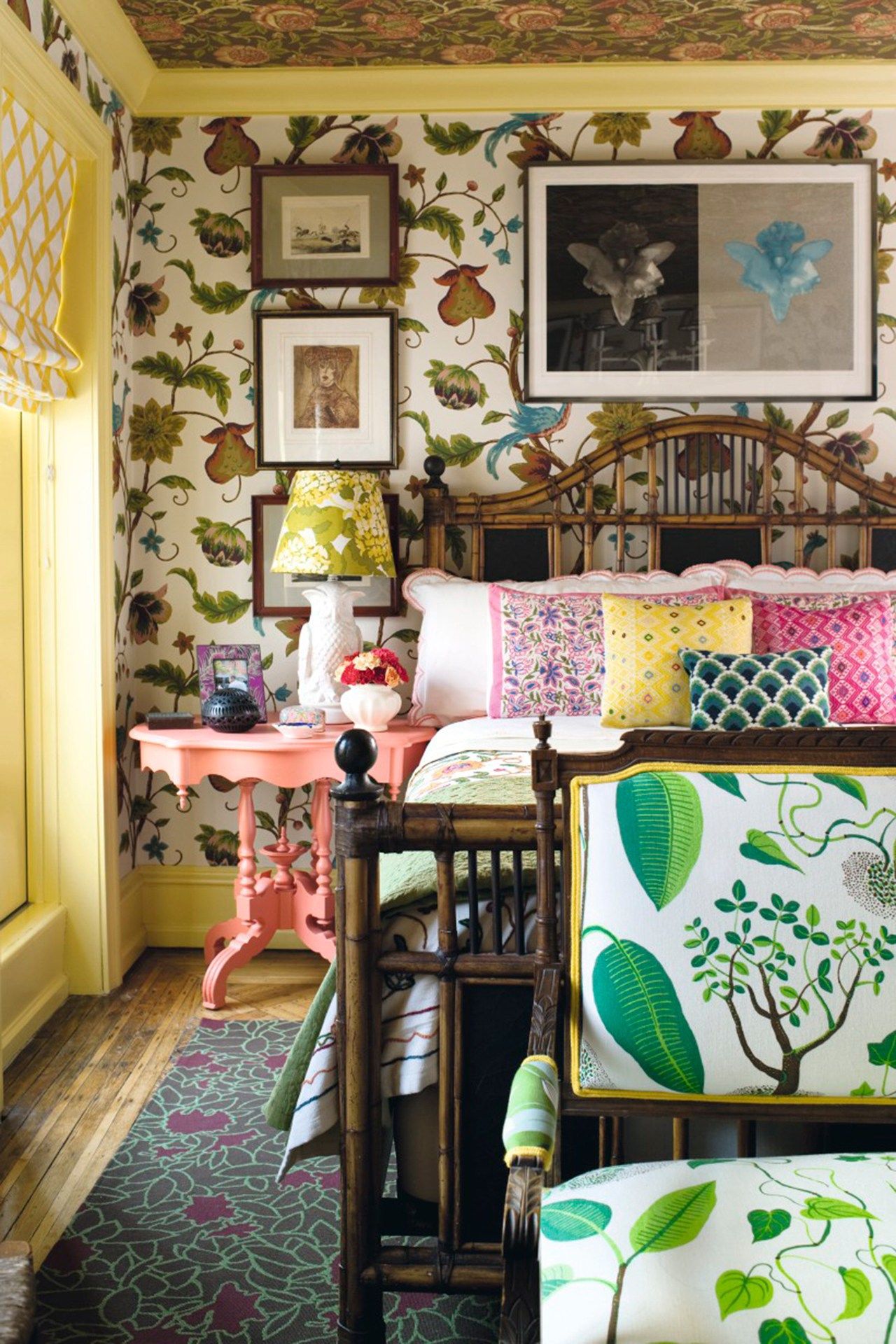
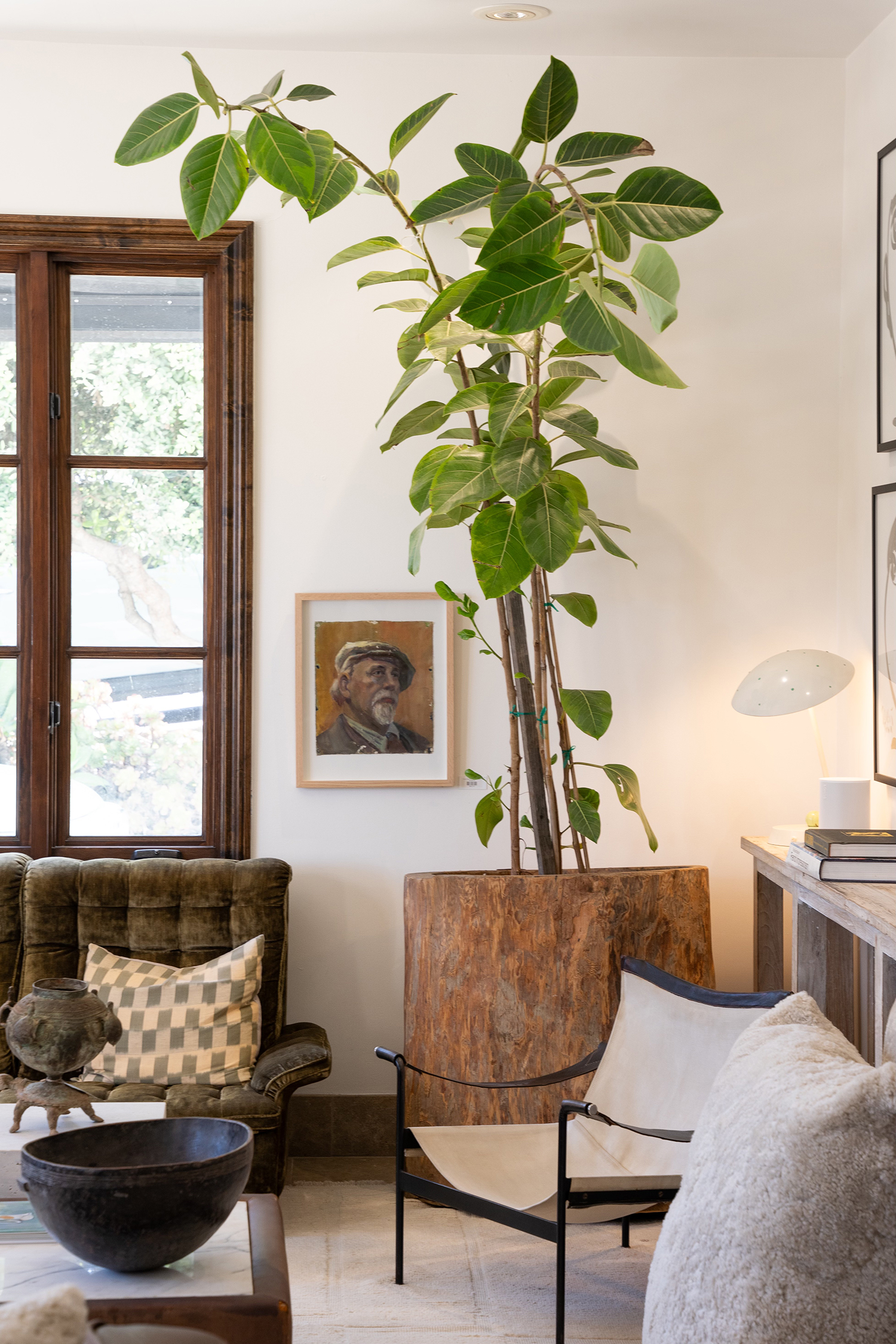
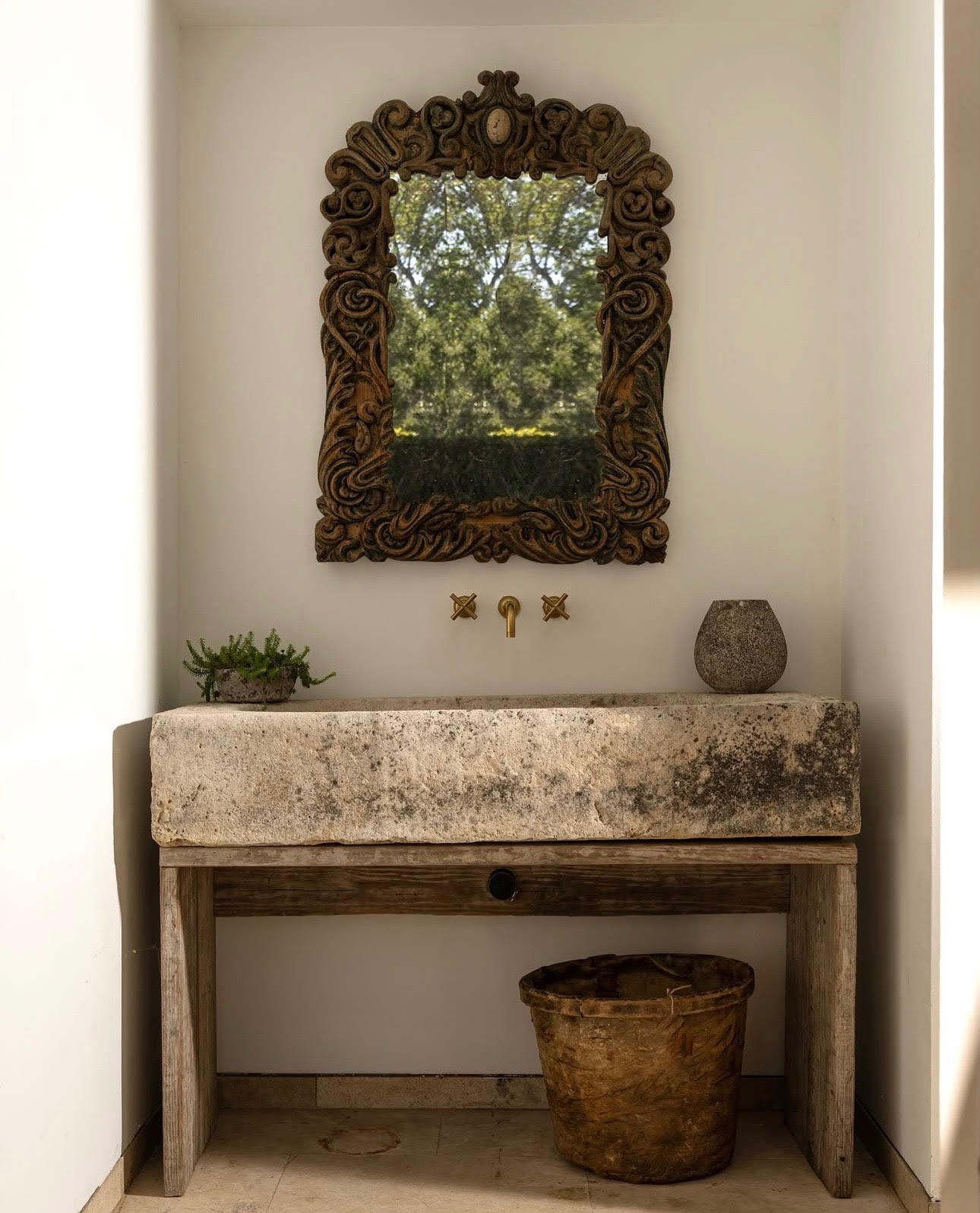
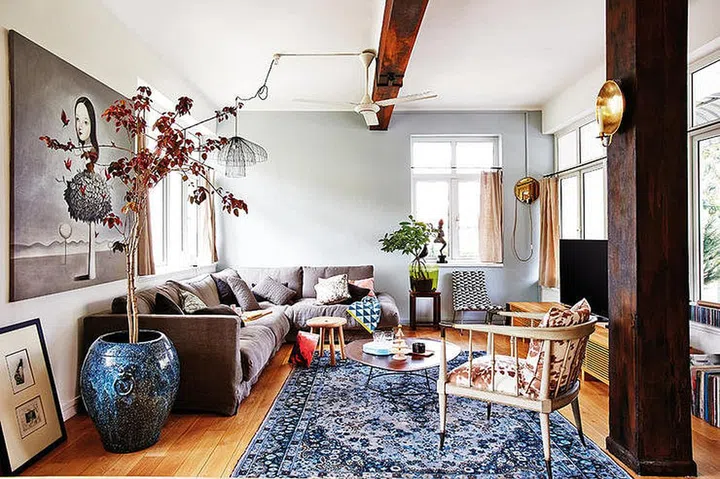
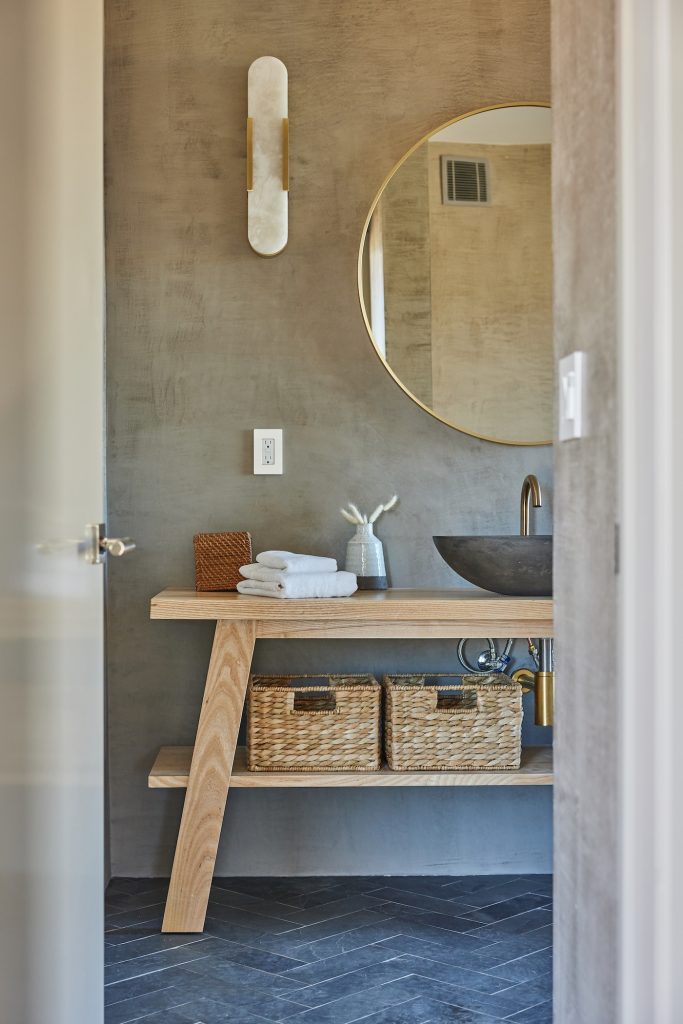
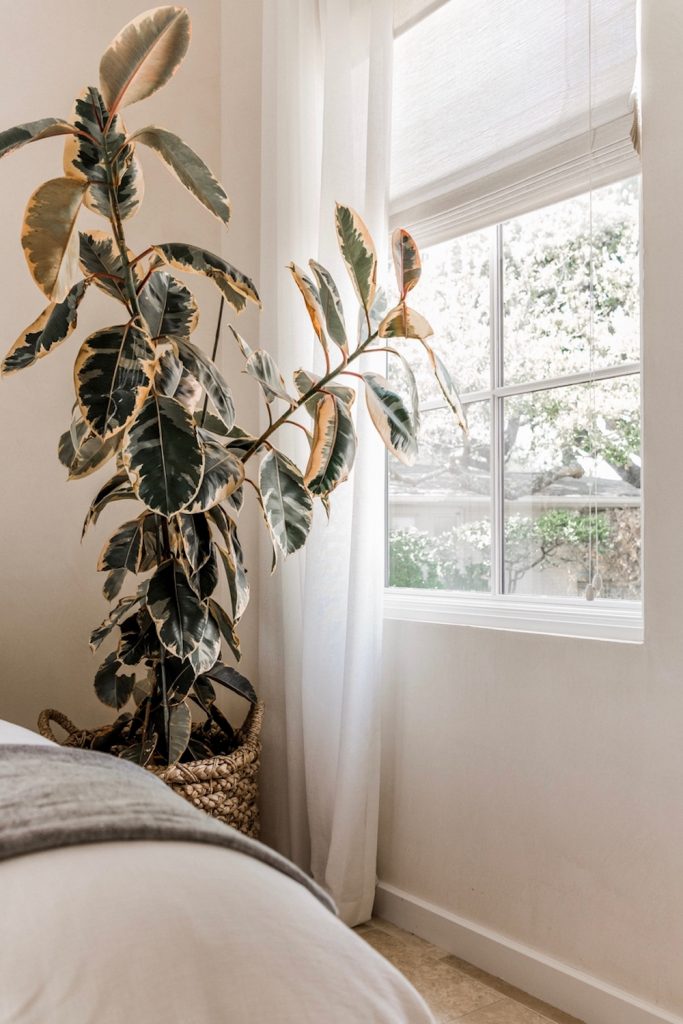
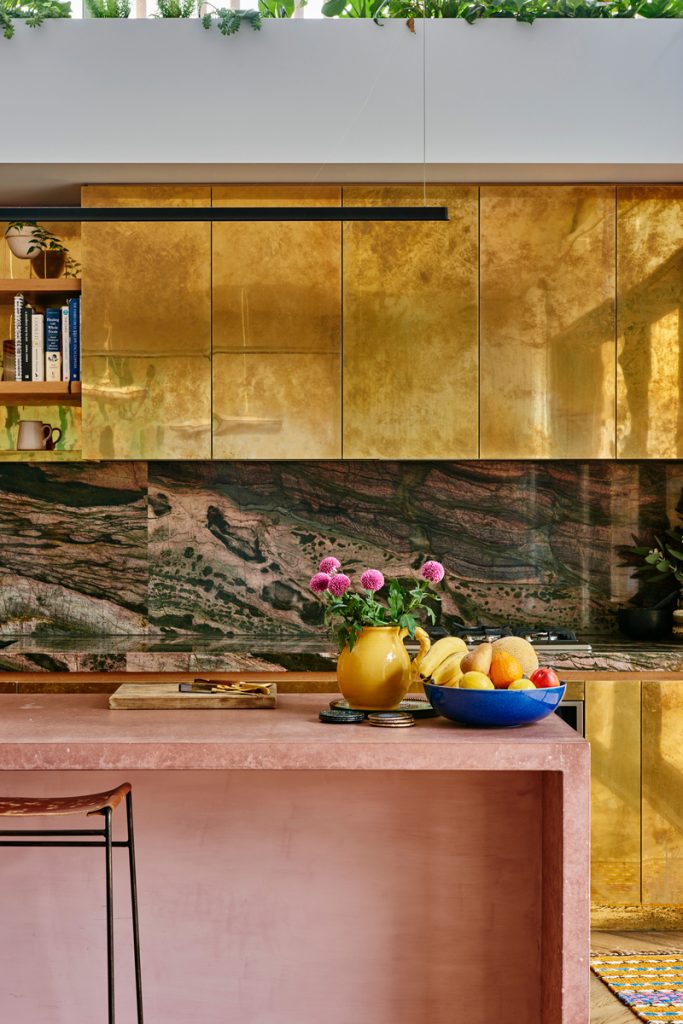
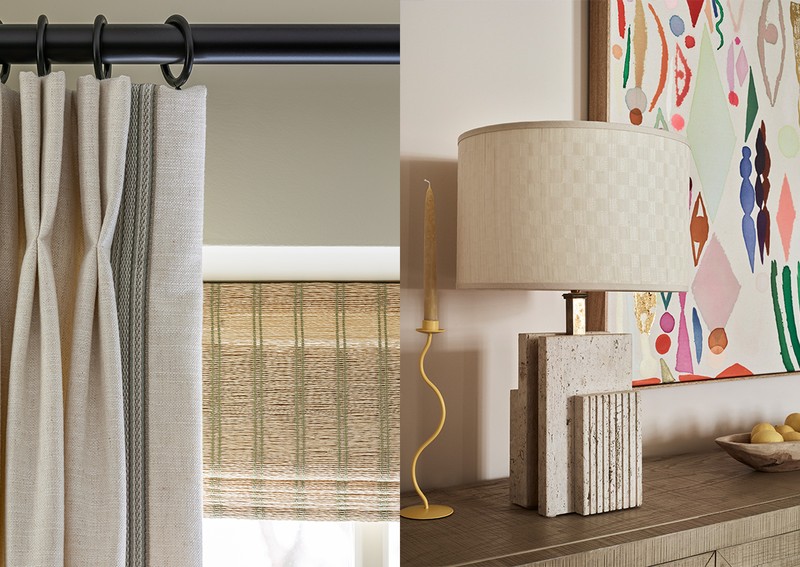
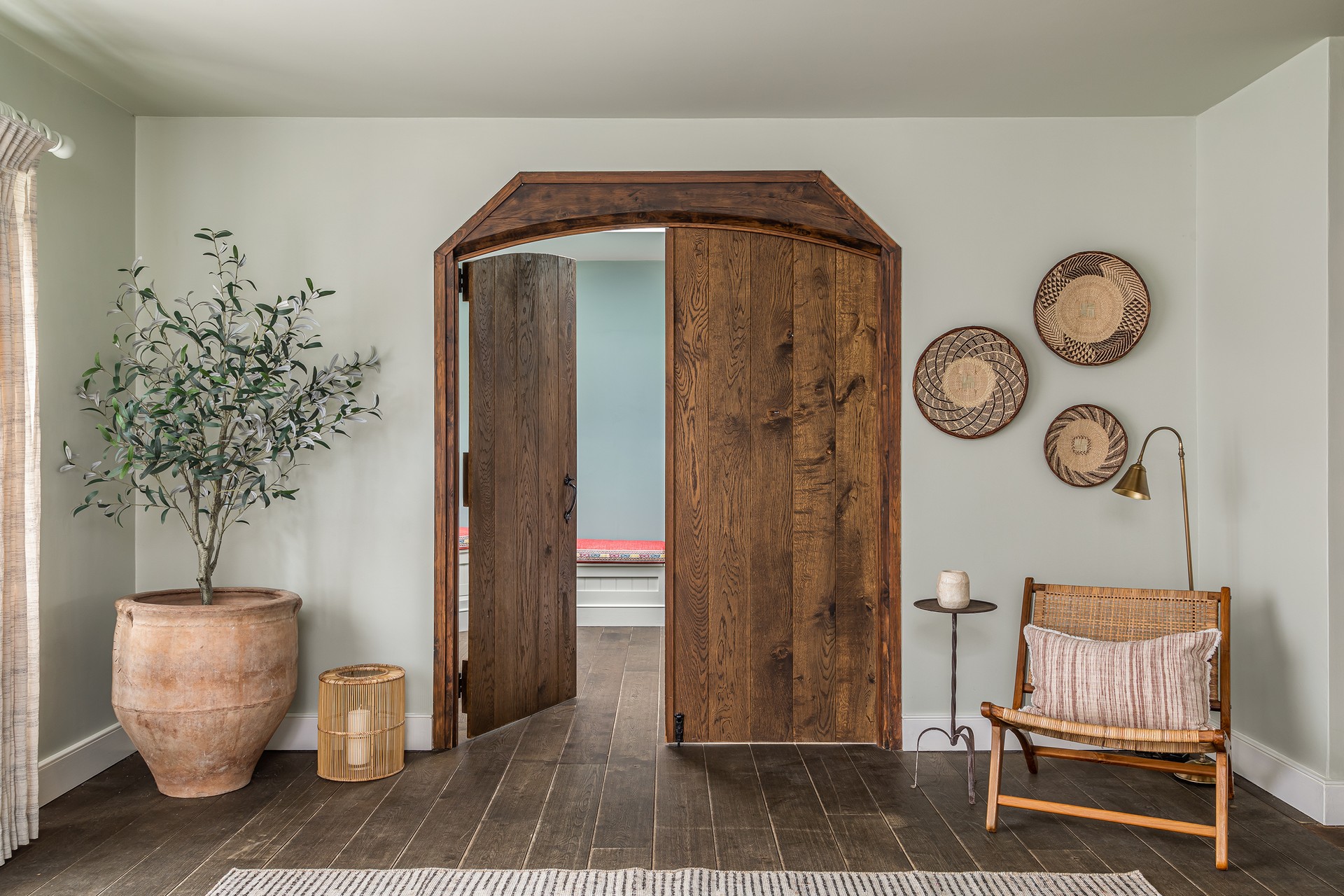
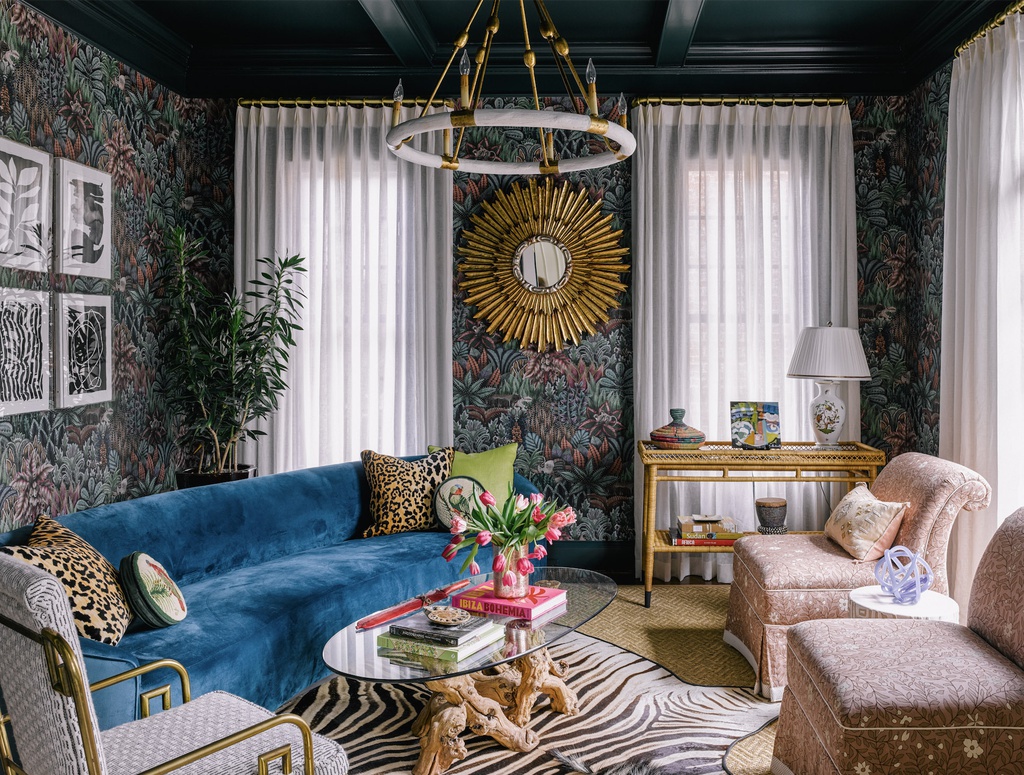
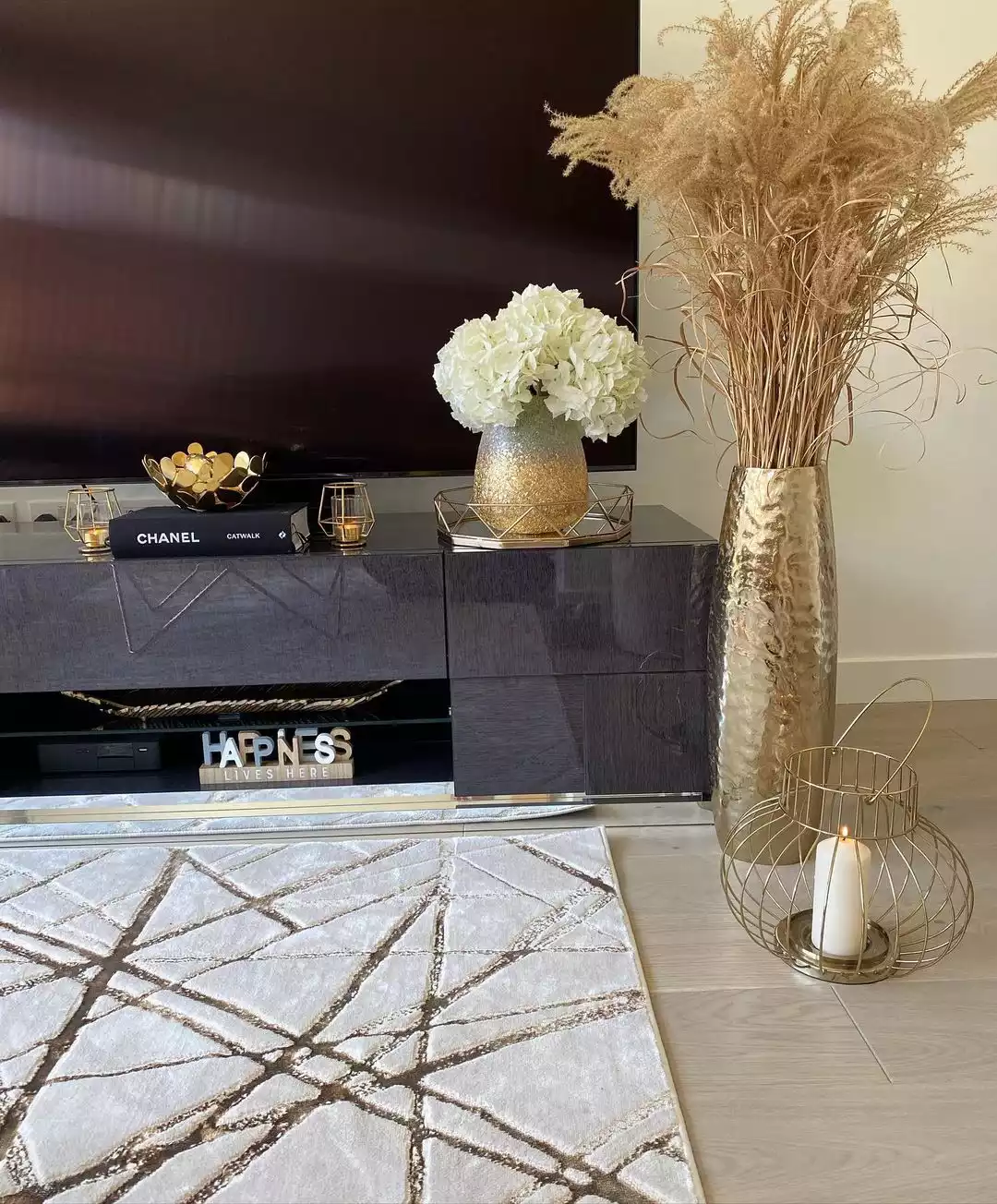
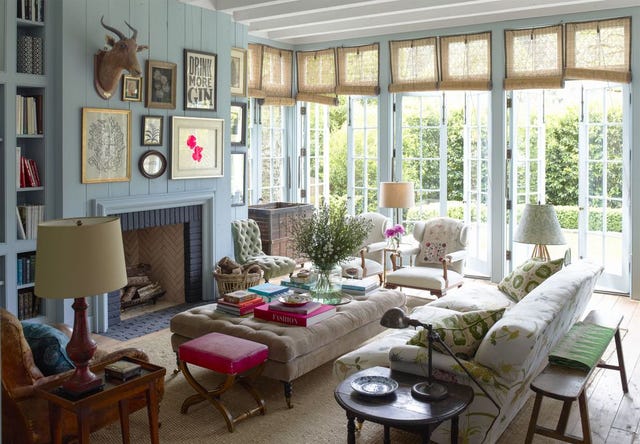
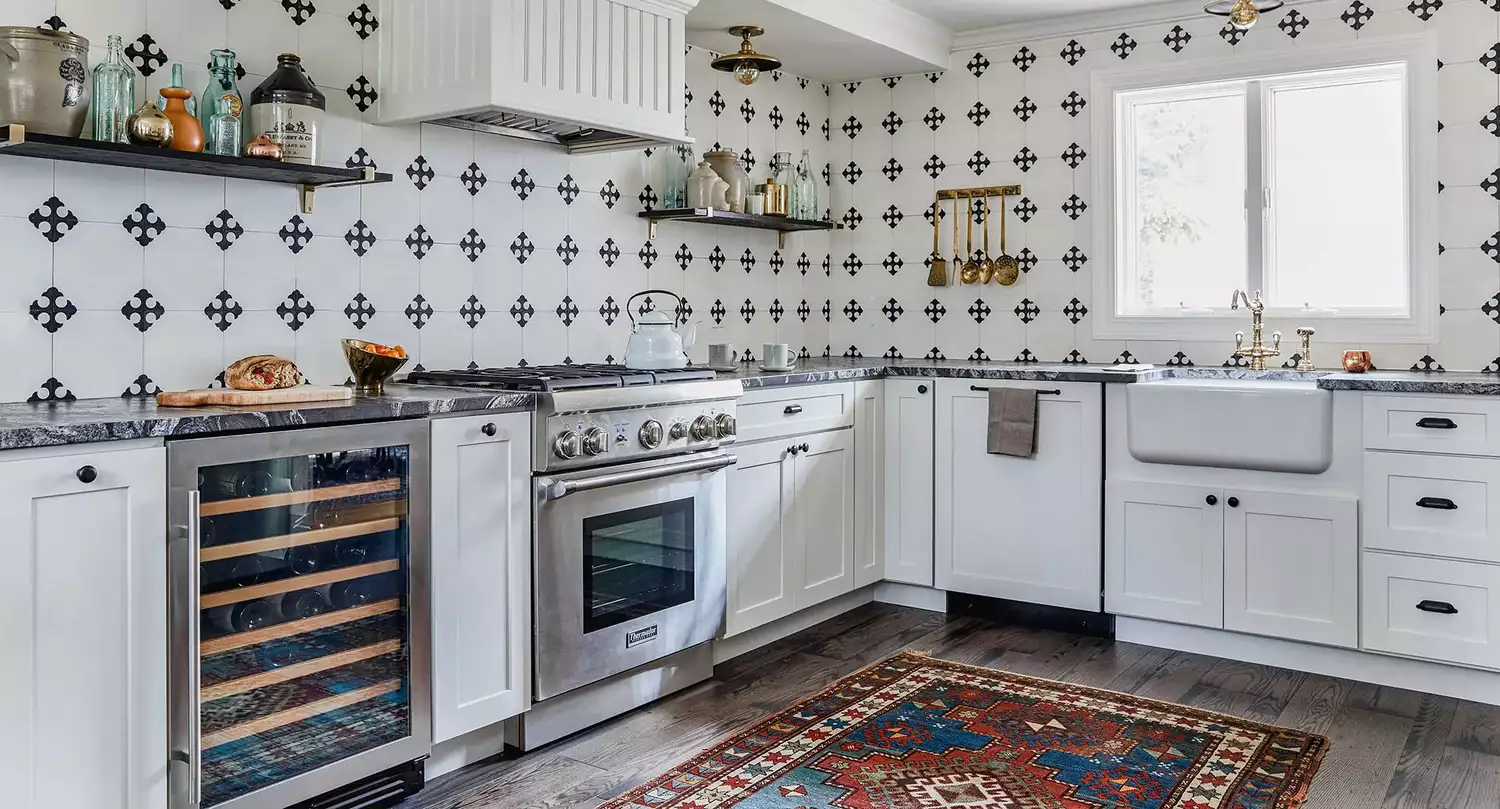
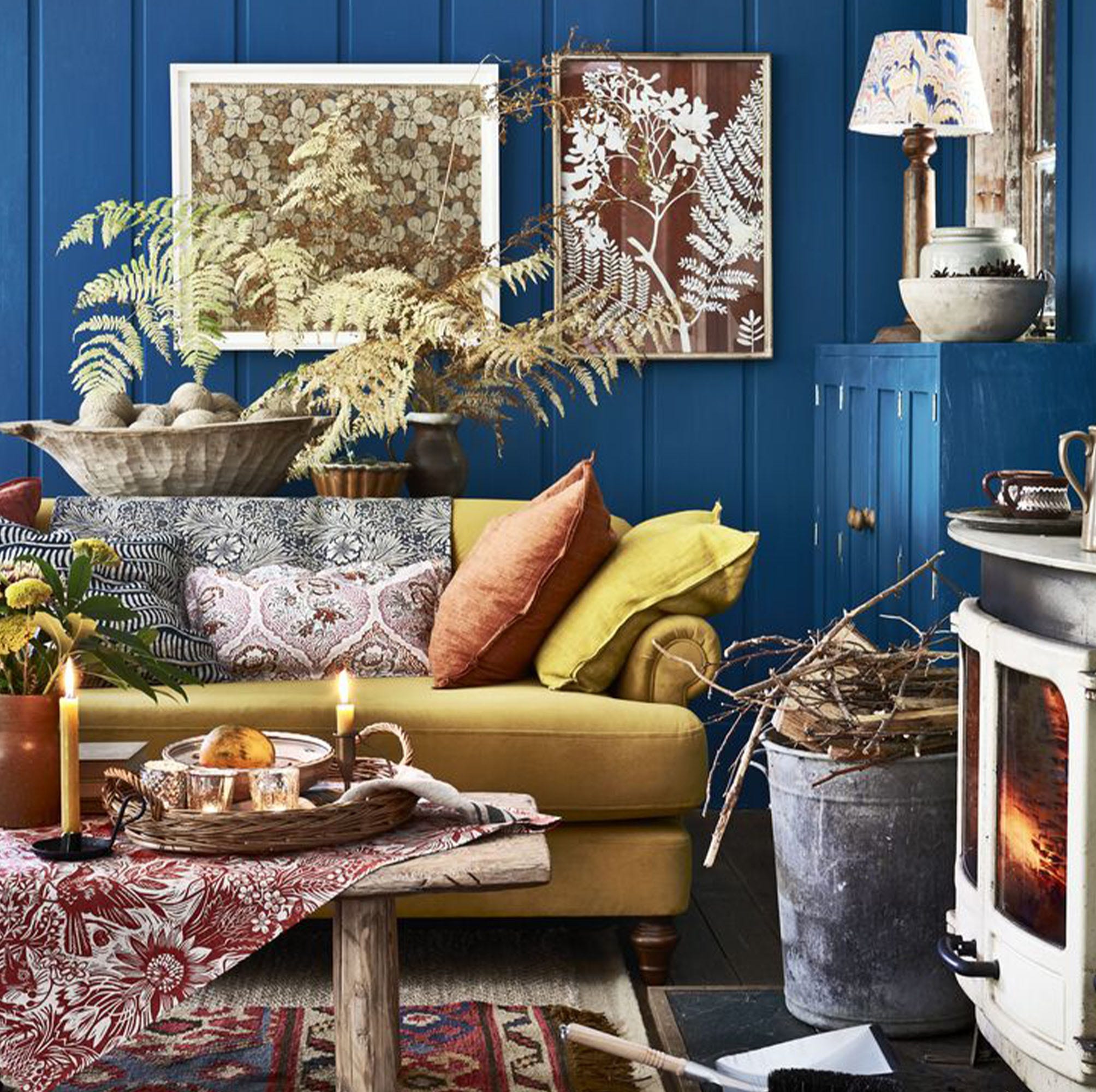
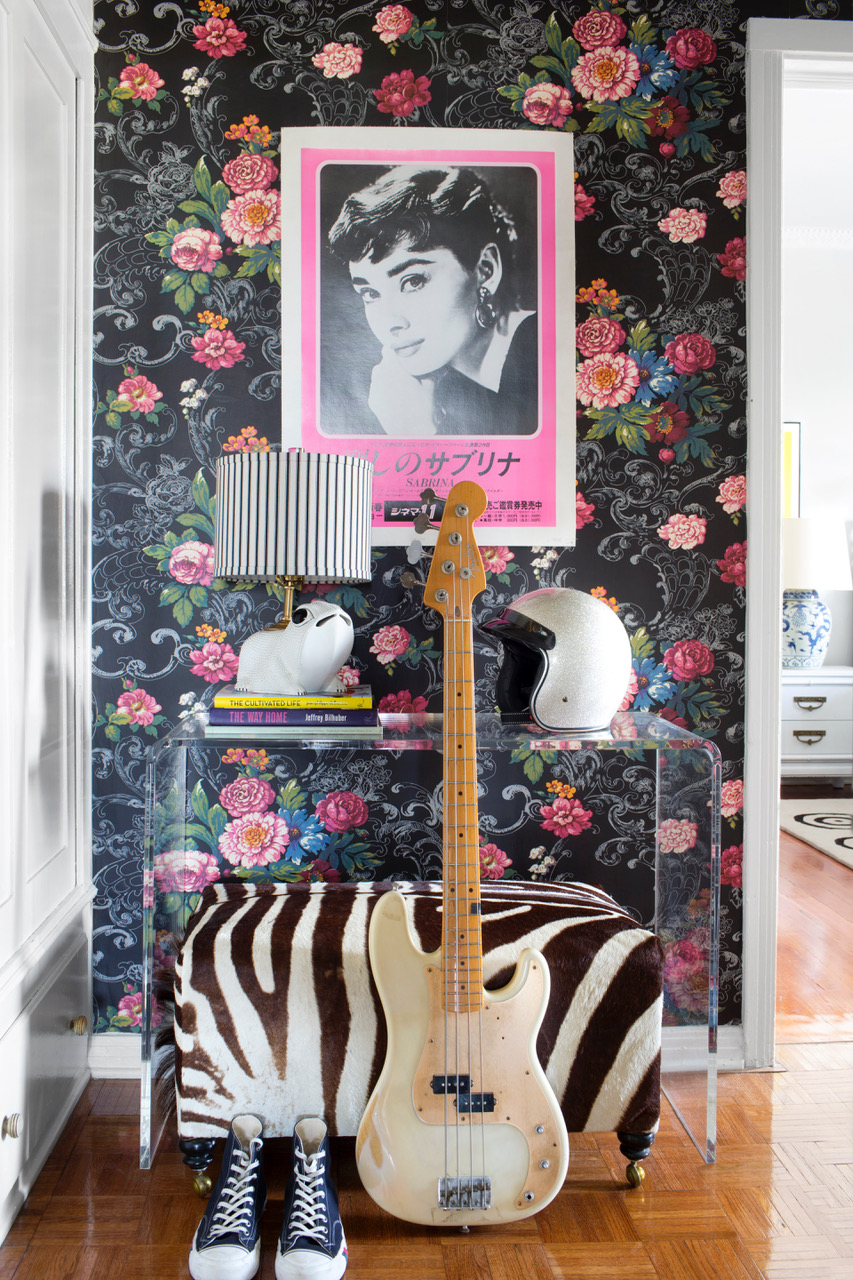
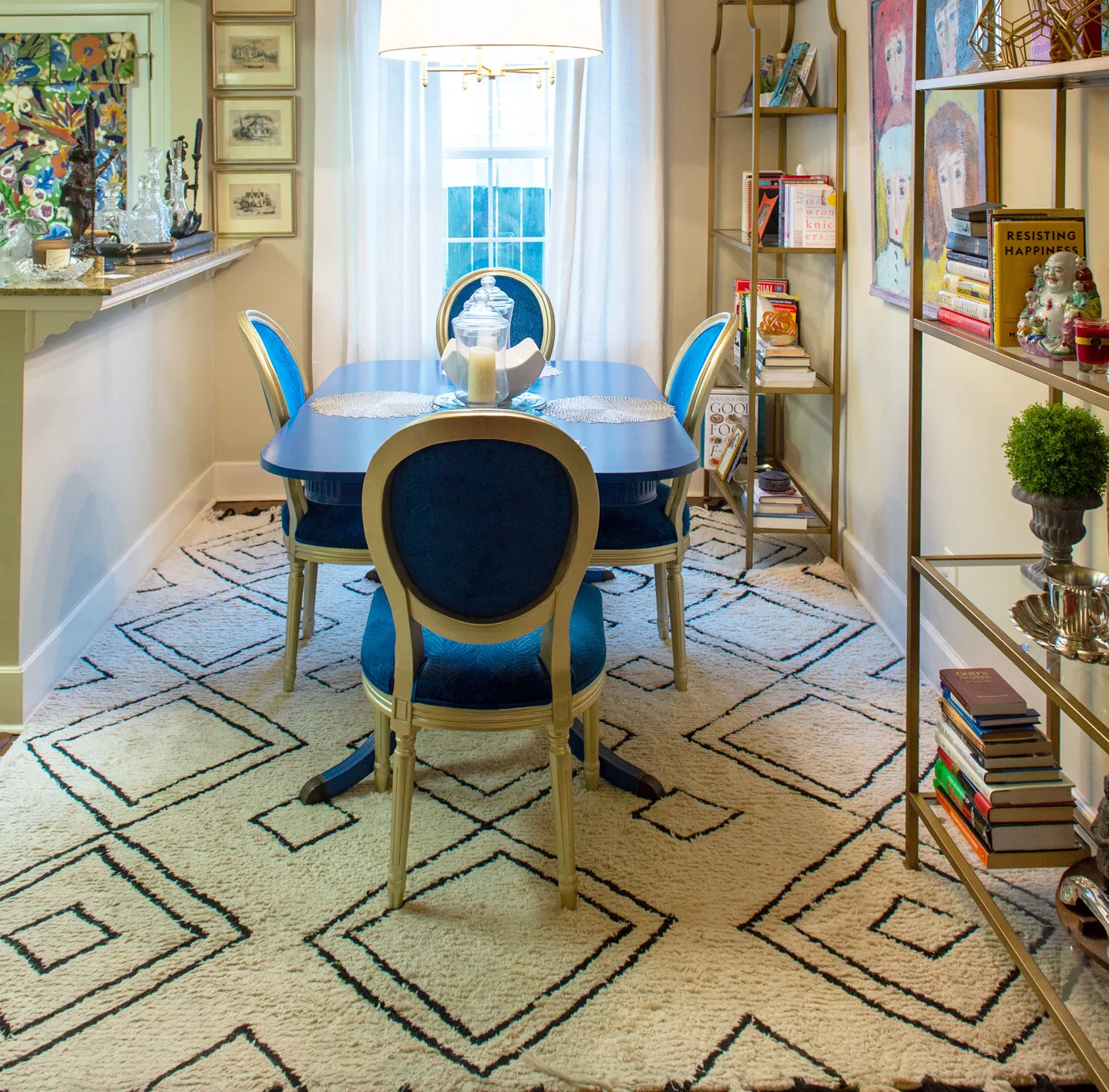
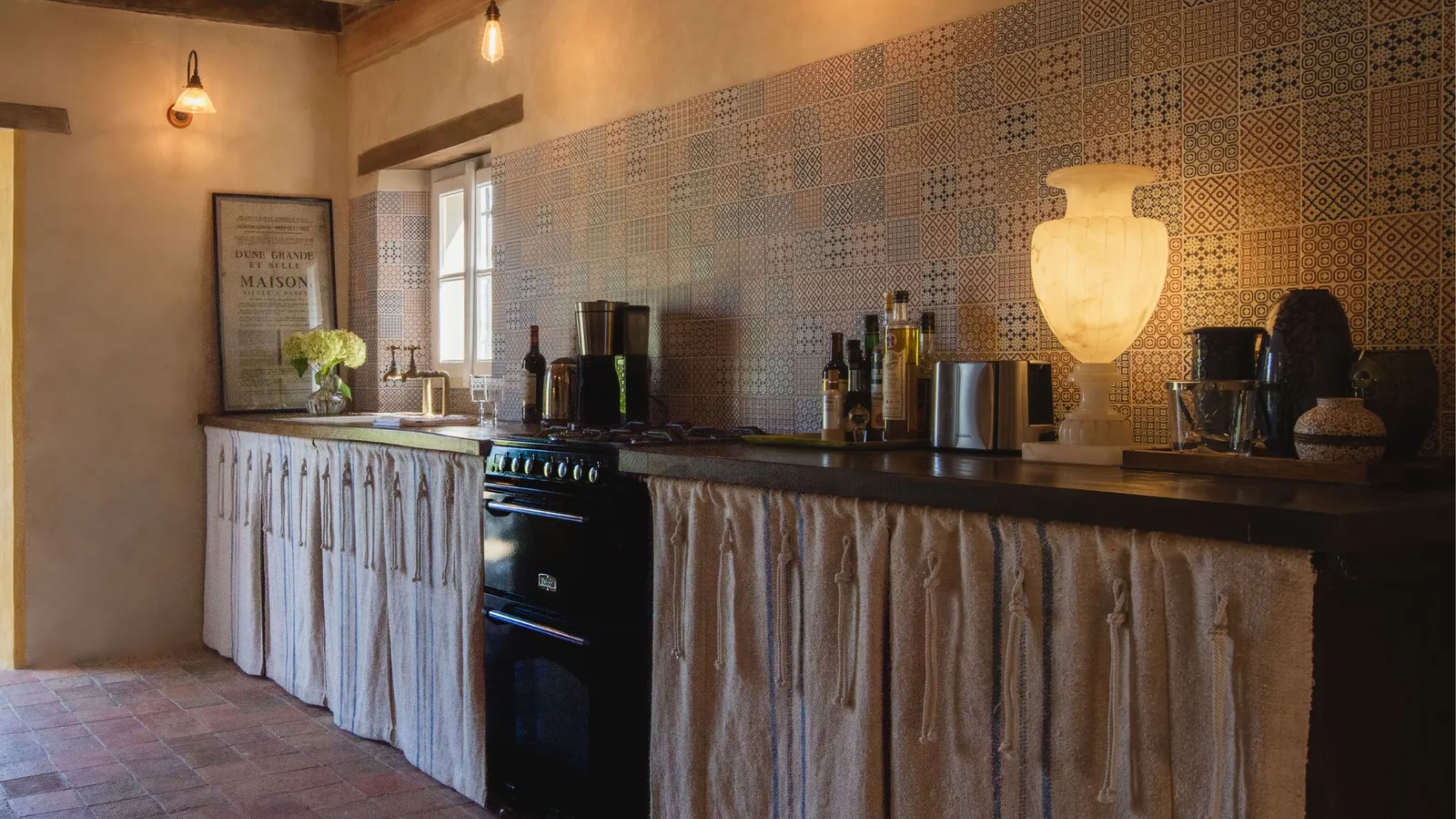
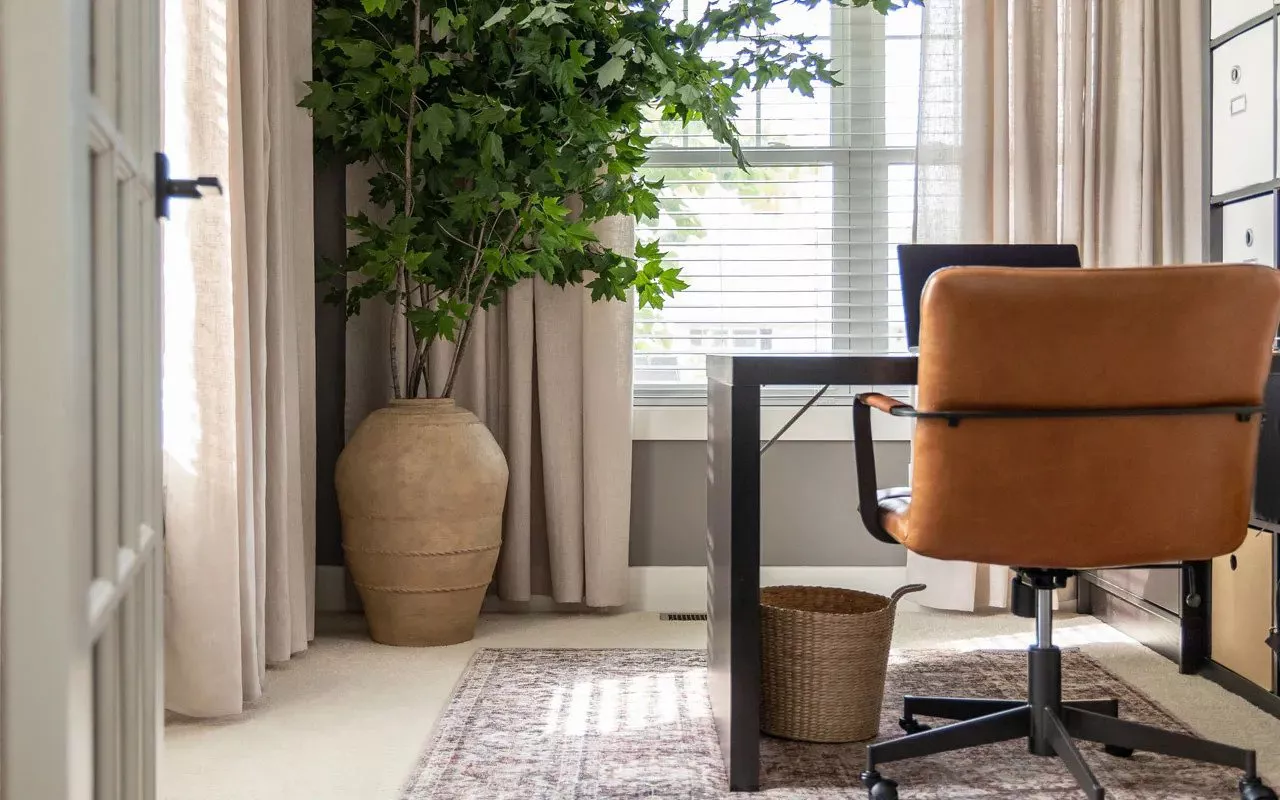
One fundamental principle of eclectic design is the judicious mixing of textures. Introducing a variety of rough and smooth elements can add depth and visual interest, particularly when working with a simple color palette. Examples include shaggy rugs, nubby fabrics on furniture, rough wooden pieces, and smooth metallic finishes. While a diverse range of textures is encouraged, it is also important to repeat certain textures at least three times throughout a space to foster a sense of cohesion and prevent the room from feeling random.
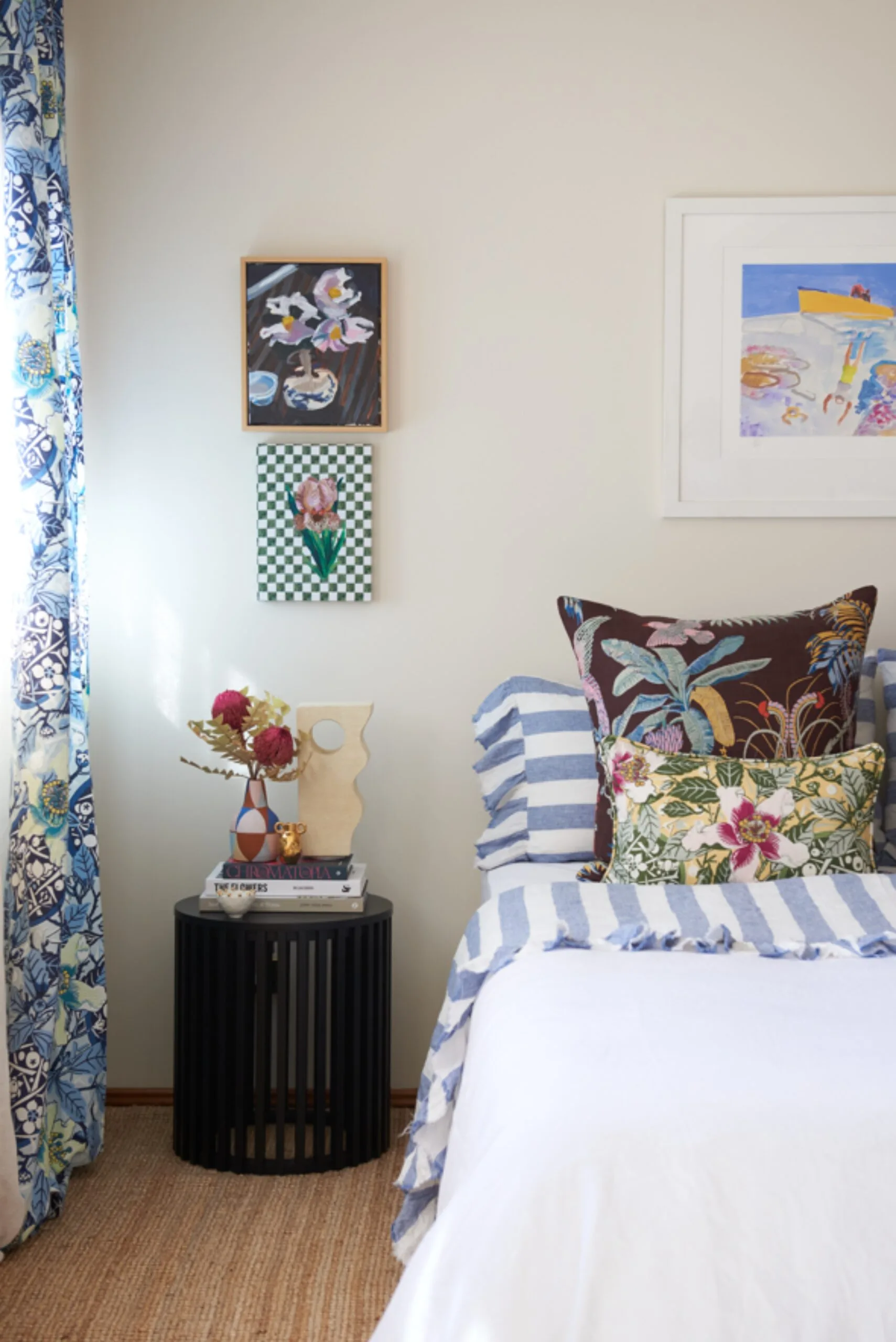
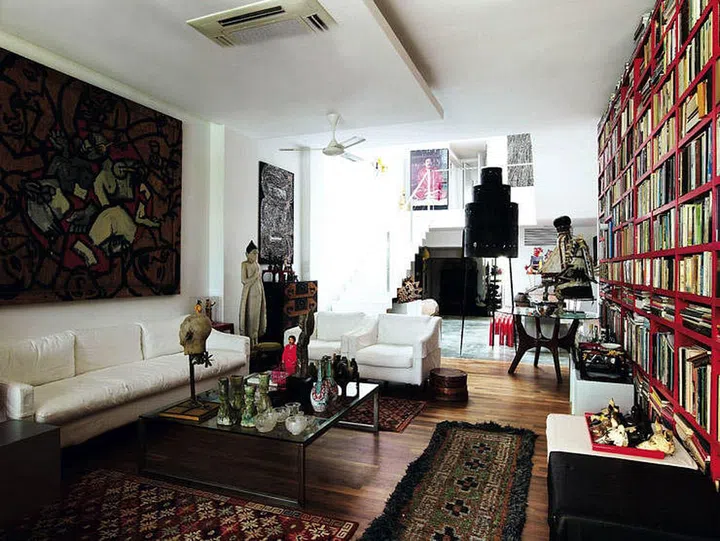
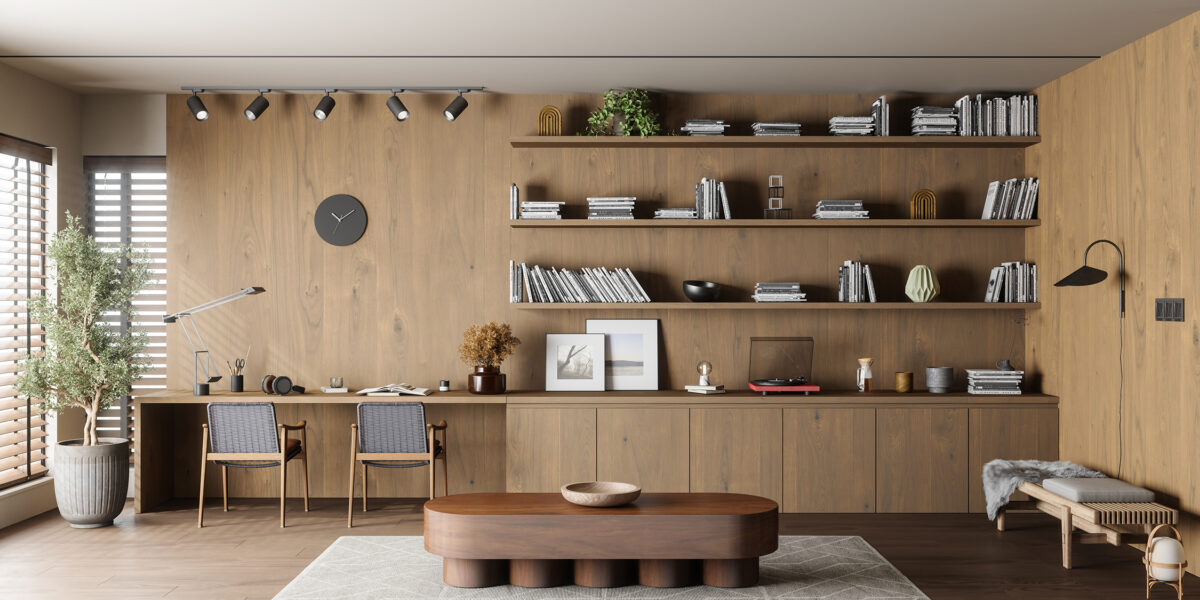
Considering negative space is another critical aspect of successful eclectic decorating. In a style that inherently involves many items, providing visual "resting spots" for the eye is essential. This can be achieved by leaving certain areas on shelves and tables empty or by thoughtfully arranging artwork to create interesting shapes on the walls. The emphasis is not solely on what is displayed but also on what is intentionally left out to allow individual pieces to stand out and prevent visual overload. Furthermore, designers advise against displaying an entire collection at once; instead, rotating a curated selection of favorite pieces seasonally can keep the environment fresh and full of character.
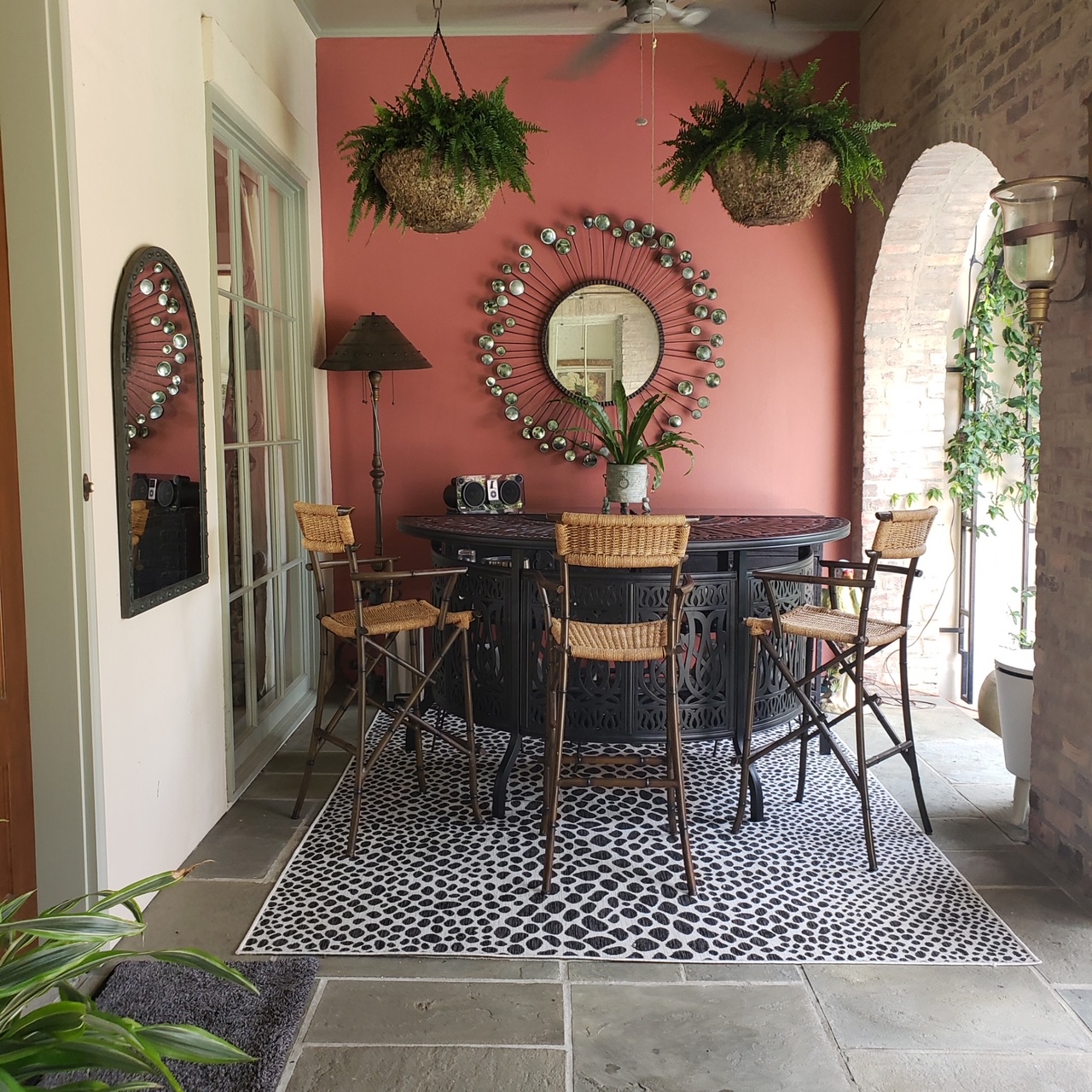

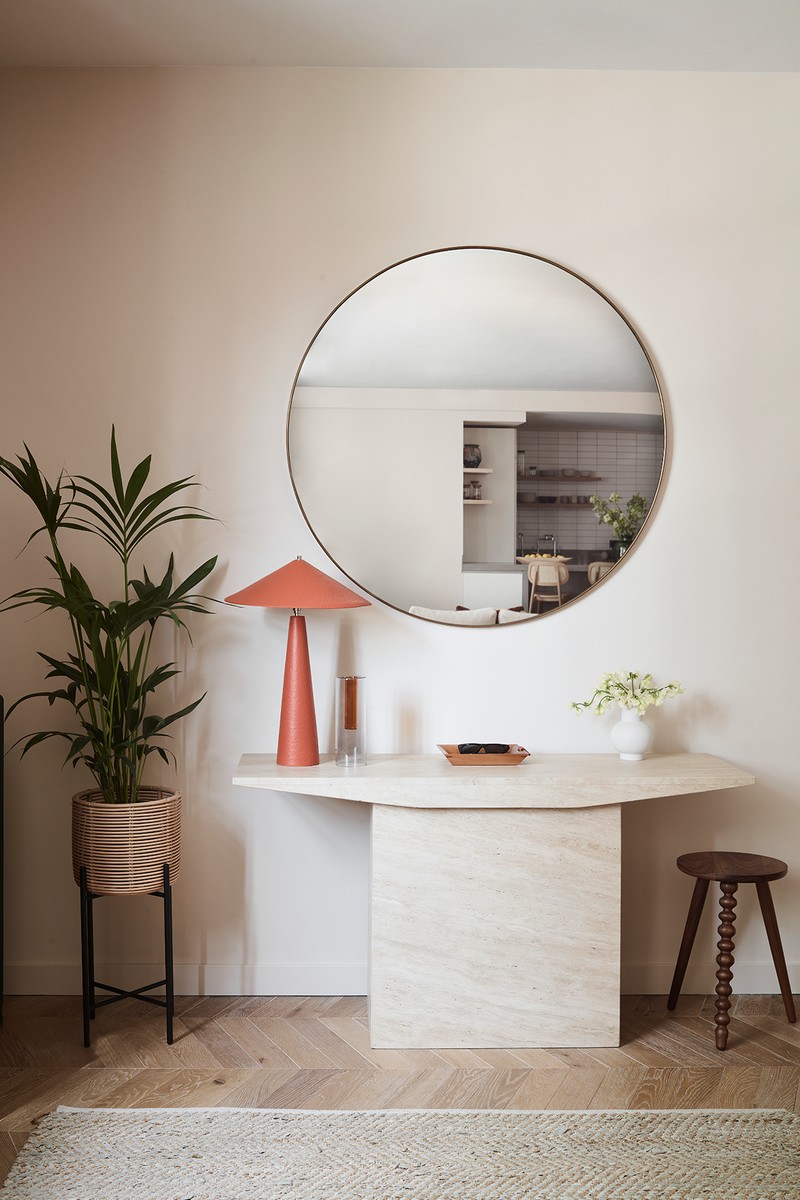
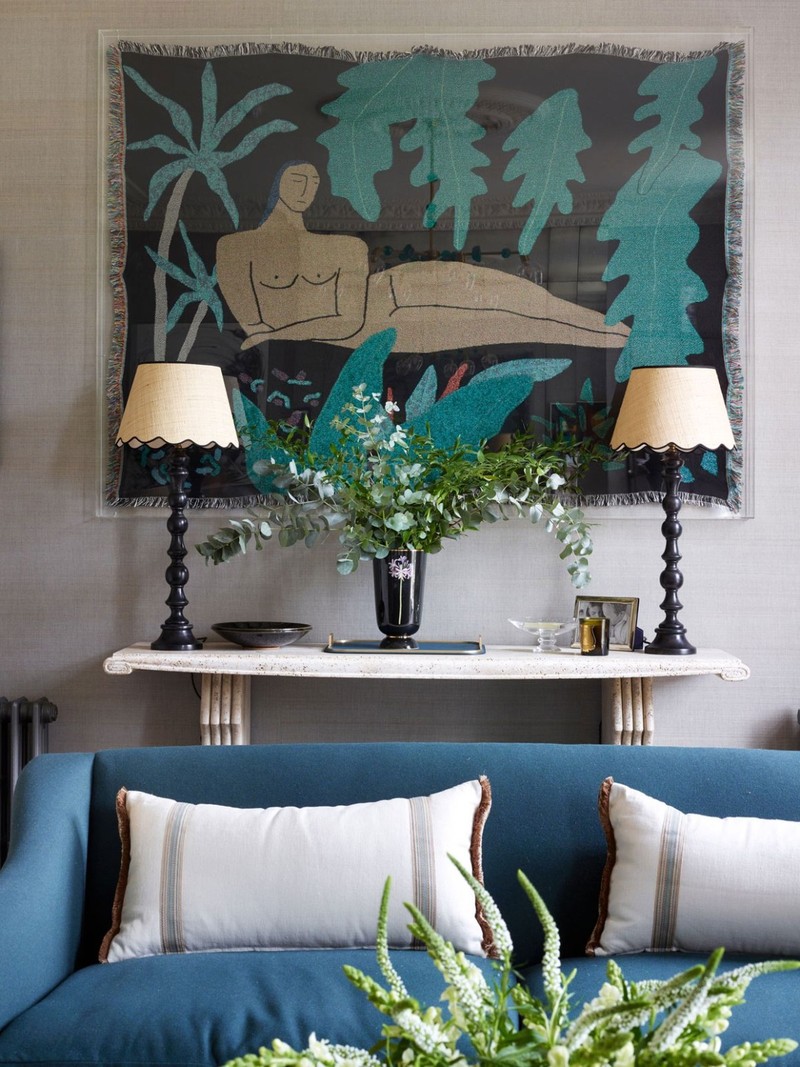
Layout and focal points are paramount. Before acquiring decor, establishing a functional furniture arrangement is crucial to ensure comfort and usability. The furniture layout often dictates the room's overall feel more than colors or fabrics. Even with a diverse collection of items, an eclectic room should possess a clear focal point, such as an accent wall, a fireplace, or a distinctive decorative object, to anchor the design and prevent it from appearing chaotic.
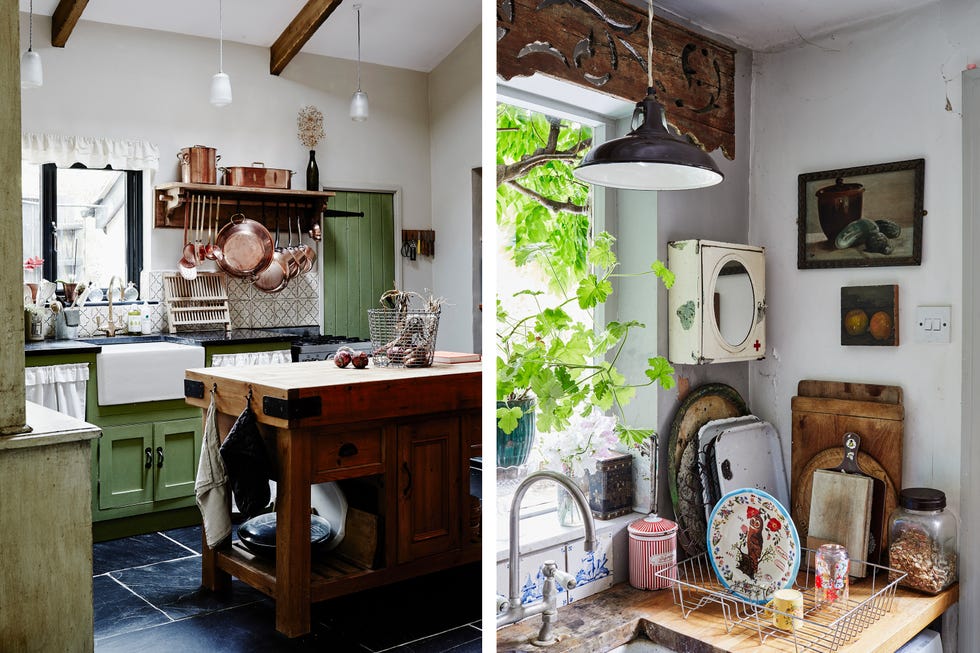
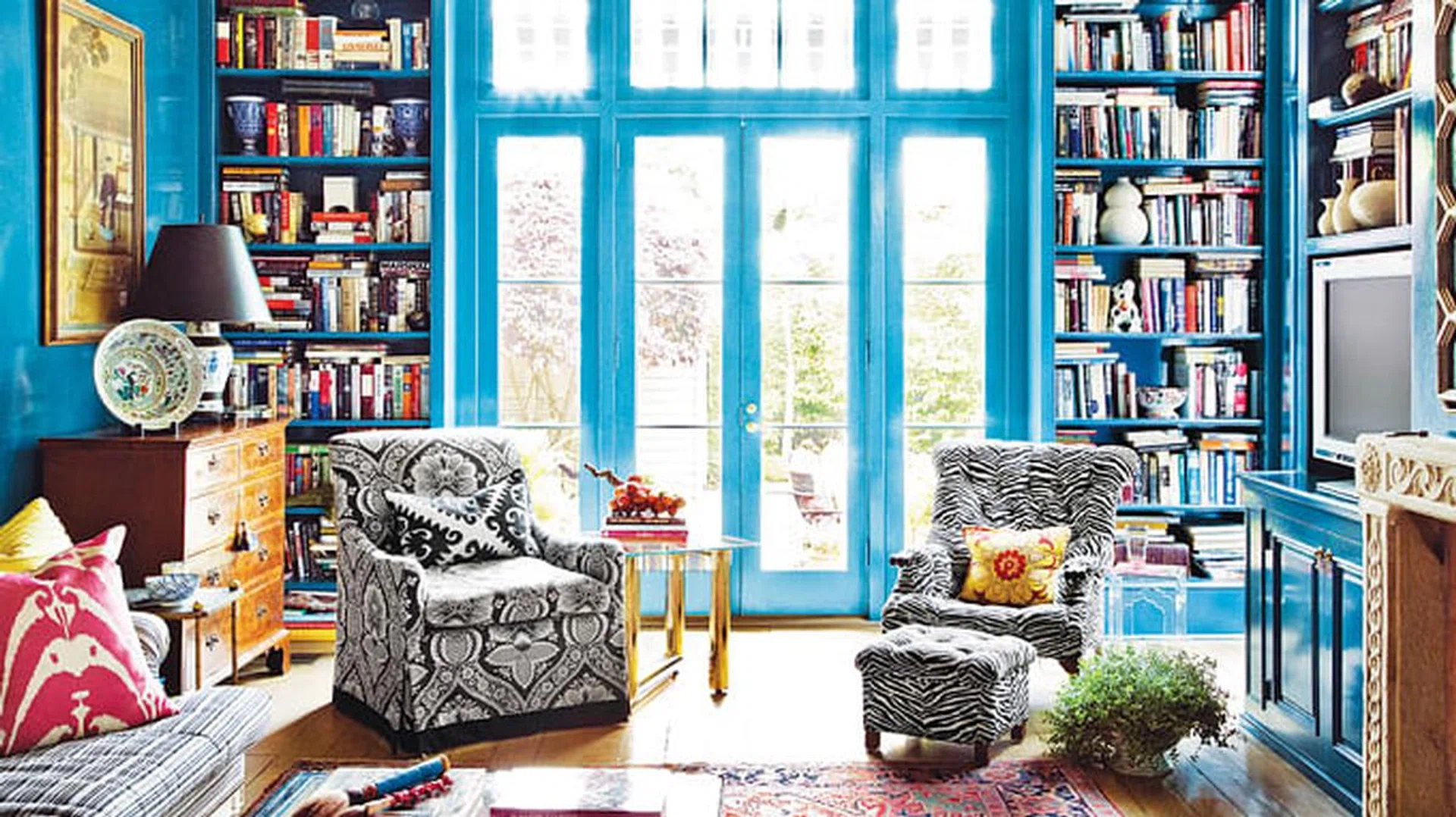
Utility should also guide decoration choices, ensuring that the room remains functional and inviting. Incorporating practical yet aesthetically pleasing elements like baskets, bookshelves, and drinks trays can contribute to a cozy, lived-in atmosphere. Consistency across different rooms within the home is vital; an abrupt shift in style between spaces can create a disjointed feeling. Therefore, eclecticism should be a commitment reflected throughout the entire house to ensure a harmonious flow.
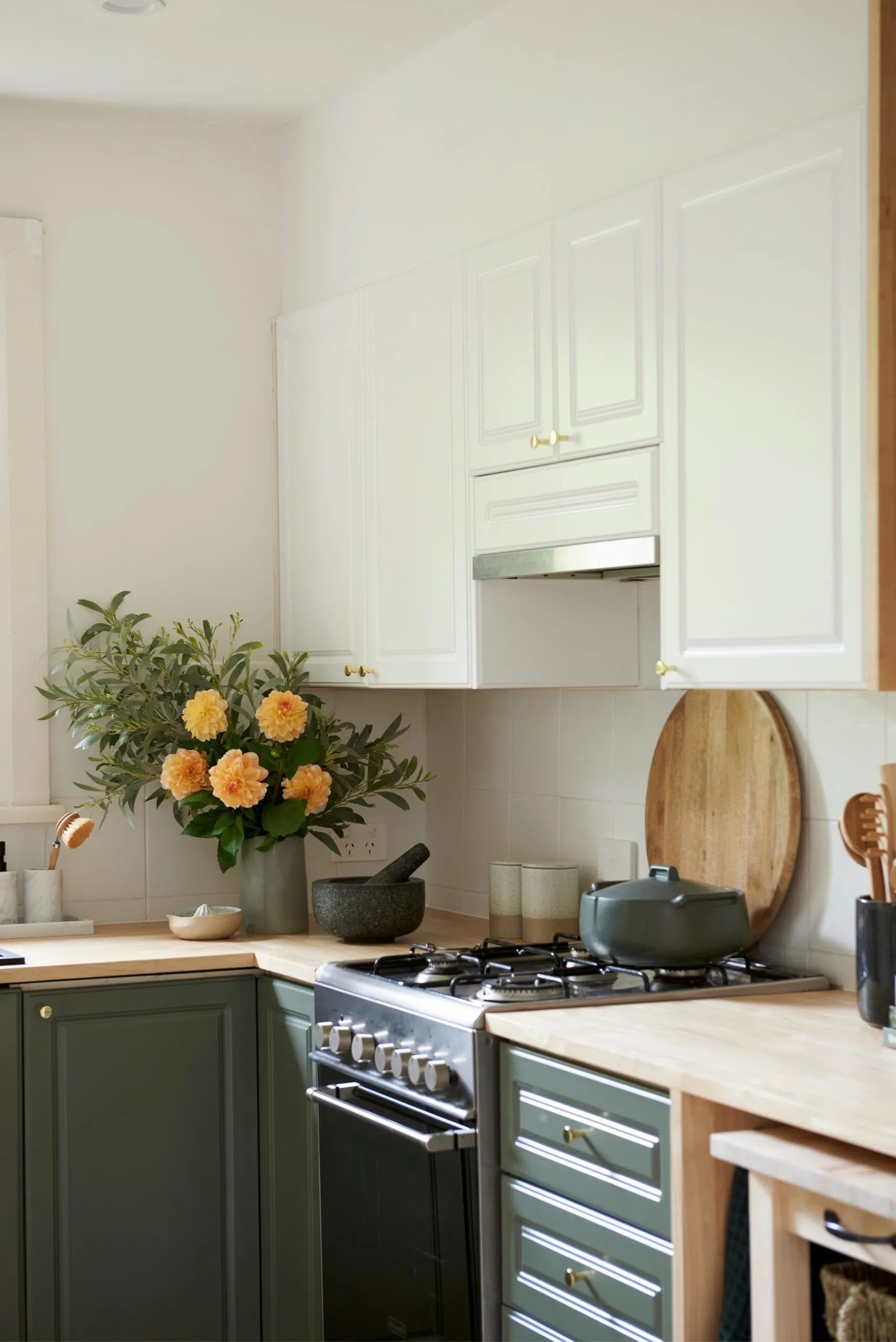
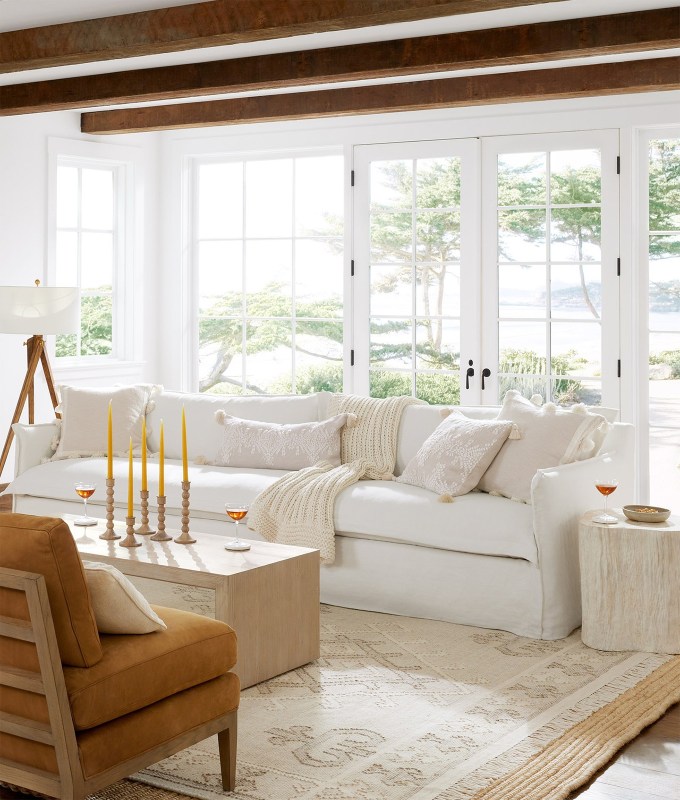
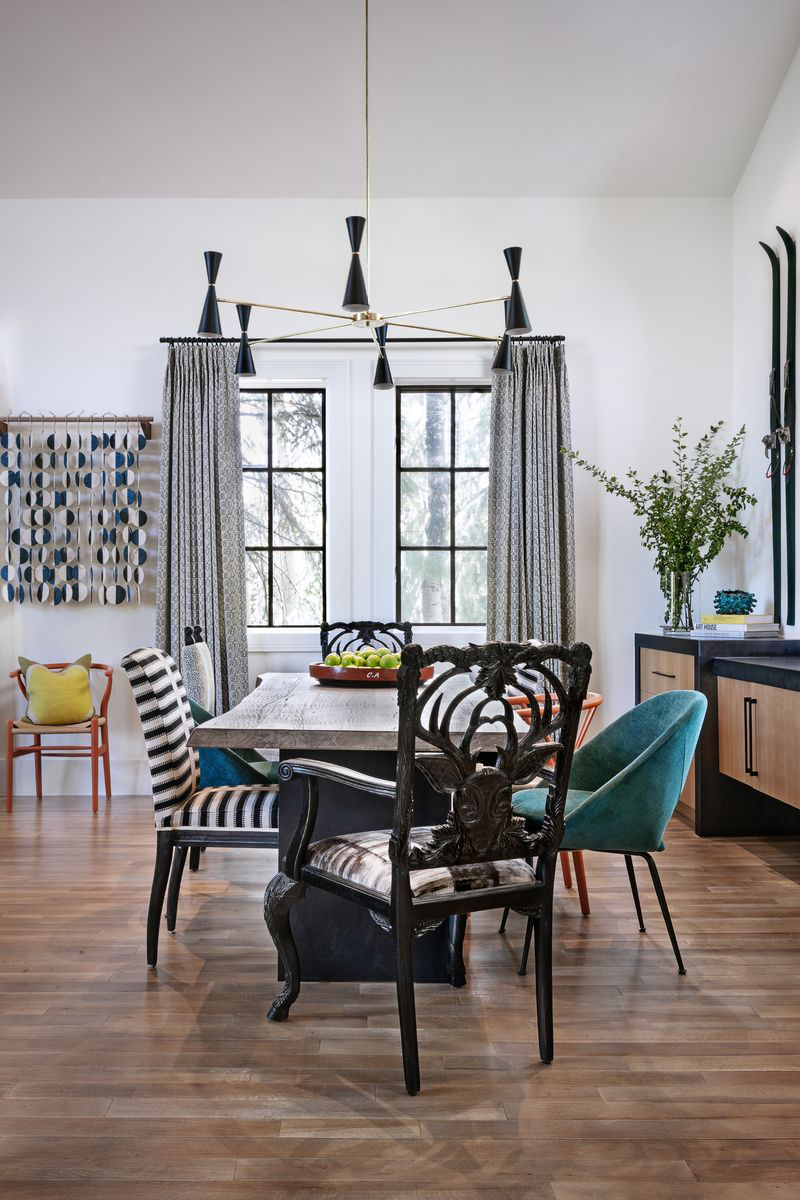
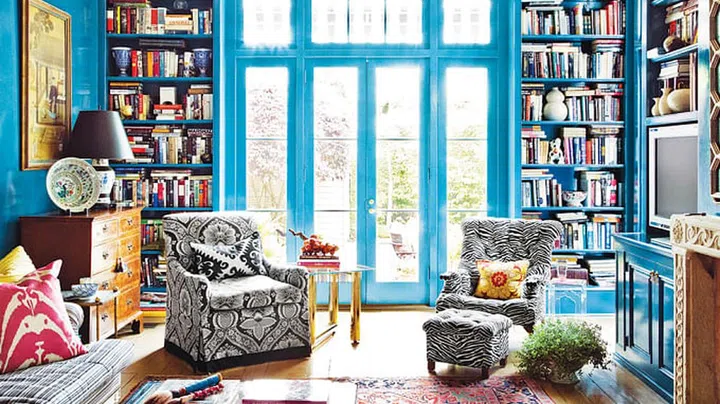
Color plays a unifying role in an eclectic scheme. Selecting one go-to color, such as an olive green or an off-white, and consistently incorporating it throughout the design can tie disparate elements together. When choosing colors, it is recommended to paint samples onto boards and observe them in isolation rather than directly on the wall, as adjacent hues can distort perceptions. Finally, balance in scale and symmetry is crucial. Despite the varied nature of eclectic decor, similar lines and thoughtful arrangements create harmony. It is imperative to remember that eclectic does not equate to an "anything goes" approach; there is a fine line between a layered, collected look and one that is busy and distracting. Limiting the number of contrasting styles in a single room prevents randomness. Moreover, designers suggest living with new eclectic additions for a while before making immediate changes, as initial strong impressions, like a bright paint color, often recede into the background once the space is fully furnished.
#EclecticStyle #HomeDecor #InteriorDesign #TextureMixing #FocalPoint #ColorPalette #SpacePlanning #DesignTips #HomeStyling #EclecticStyle #HomeDecor #InteriorDesign #TextureMixing #FocalPoint #ColorPalette #SpacePlanning #DesignTips #HomeStyling
0 comment in total
 No comments yet
You may also like
Eclectic style – top designers on 11 ways to create a layered decor look full of personality

Home Design: Modern Eclectic

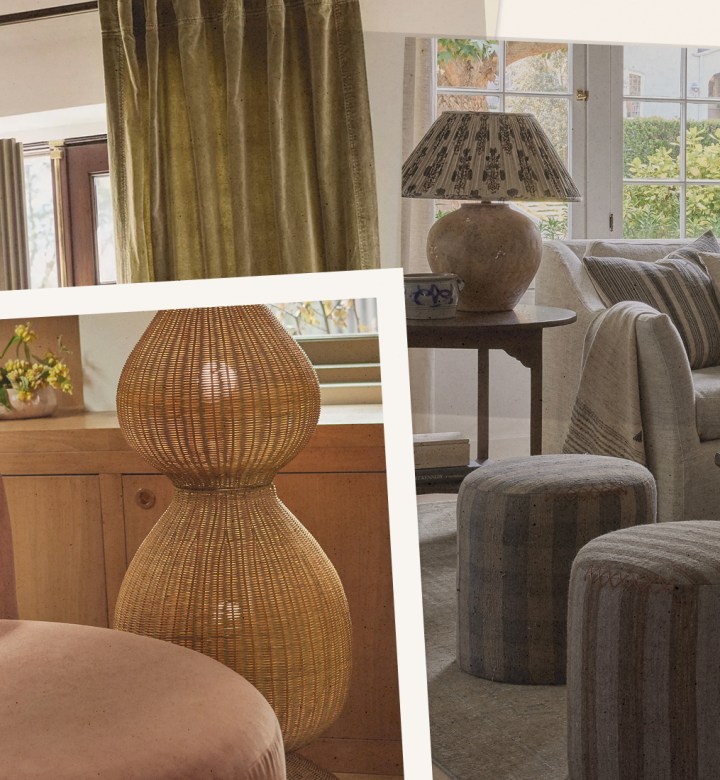
The 5 Rules of Decorating a Living Room in 2025 (Don’t Worry—They’ll Still Hold Up in 2030)

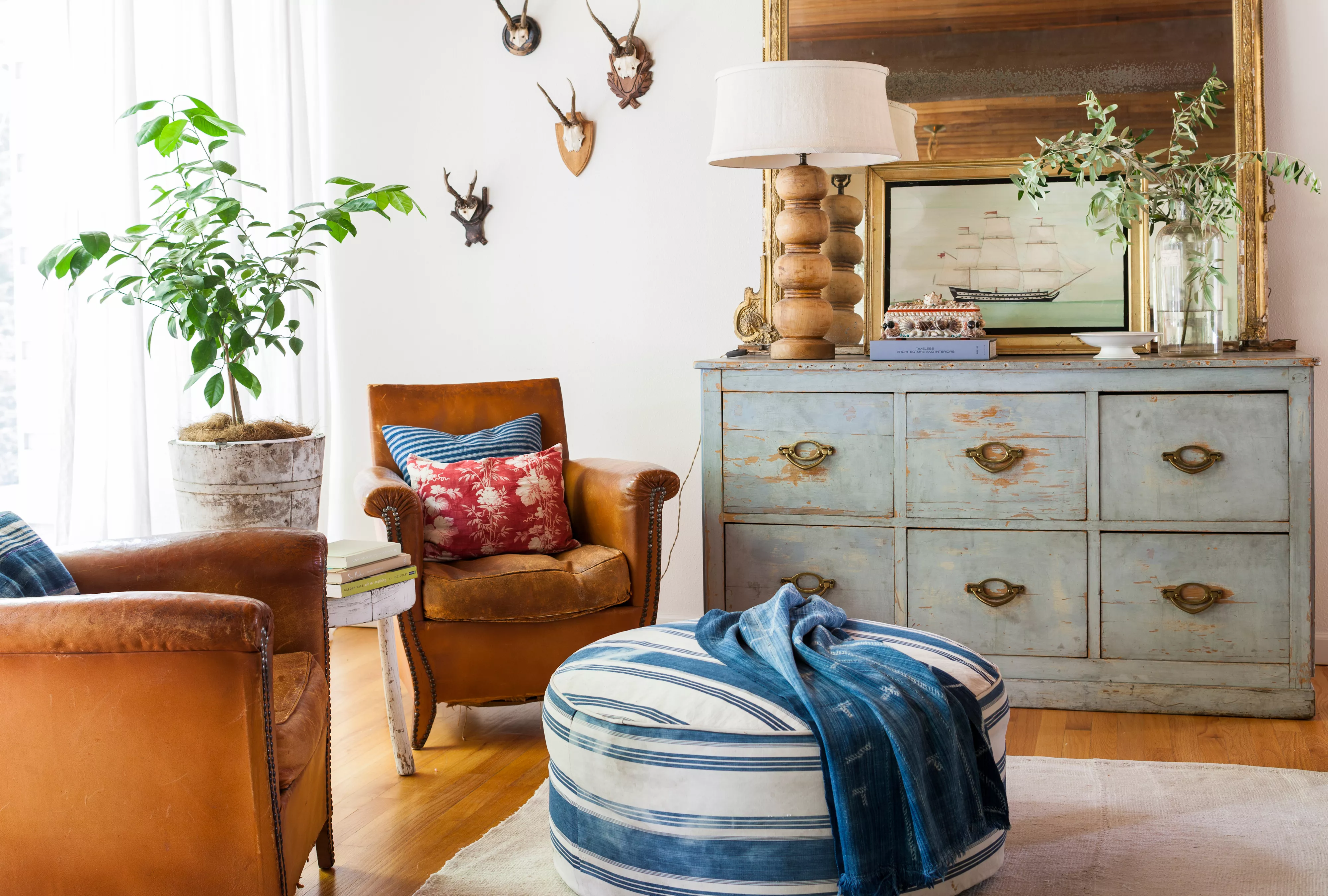
7 Decor Pieces Designers Ditch for a Cleaner, More Cohesive Look

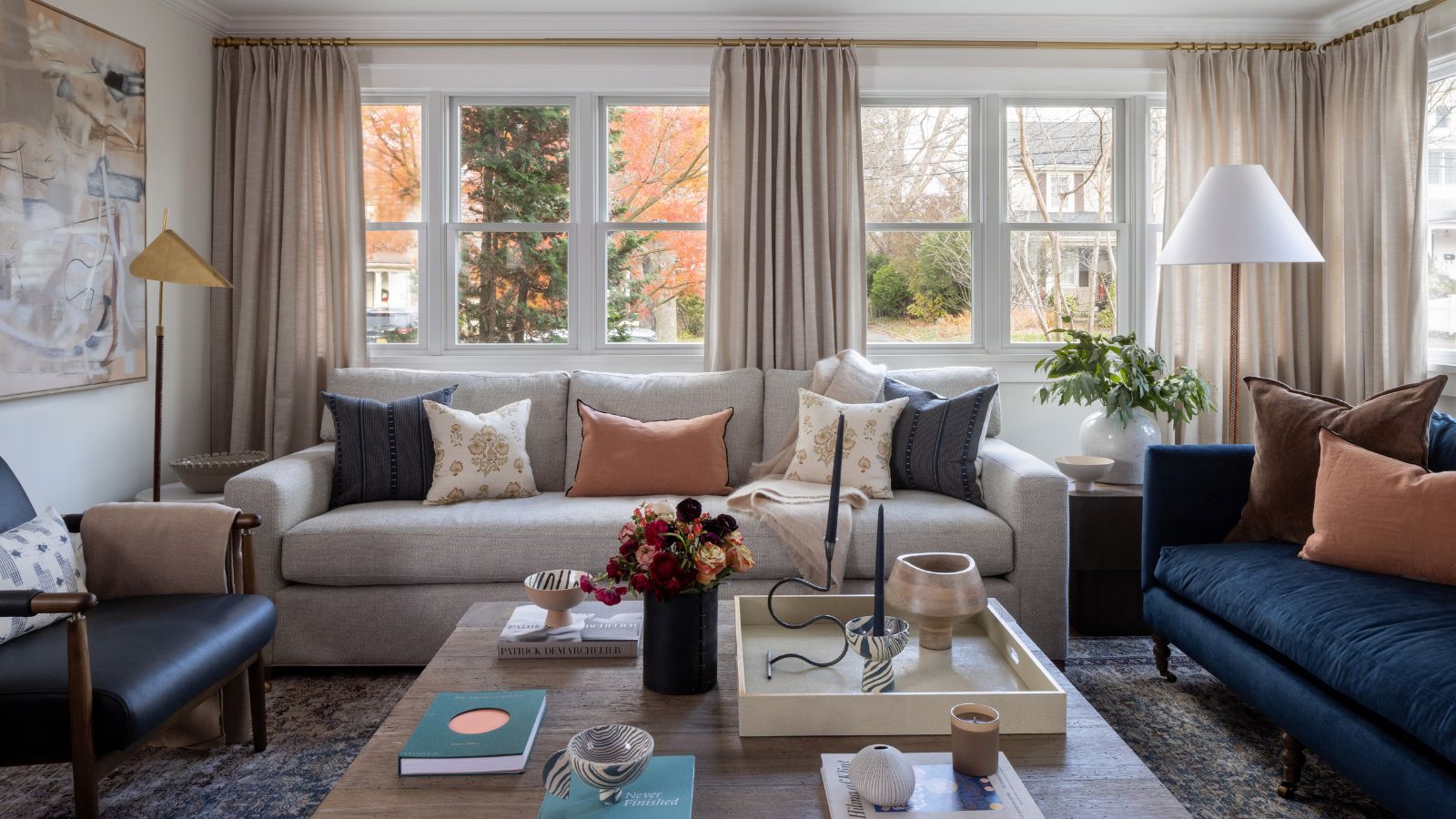
5 simple tips to create eclectic interiors that still feel luxurious – from an interior designer who's perfected the balance

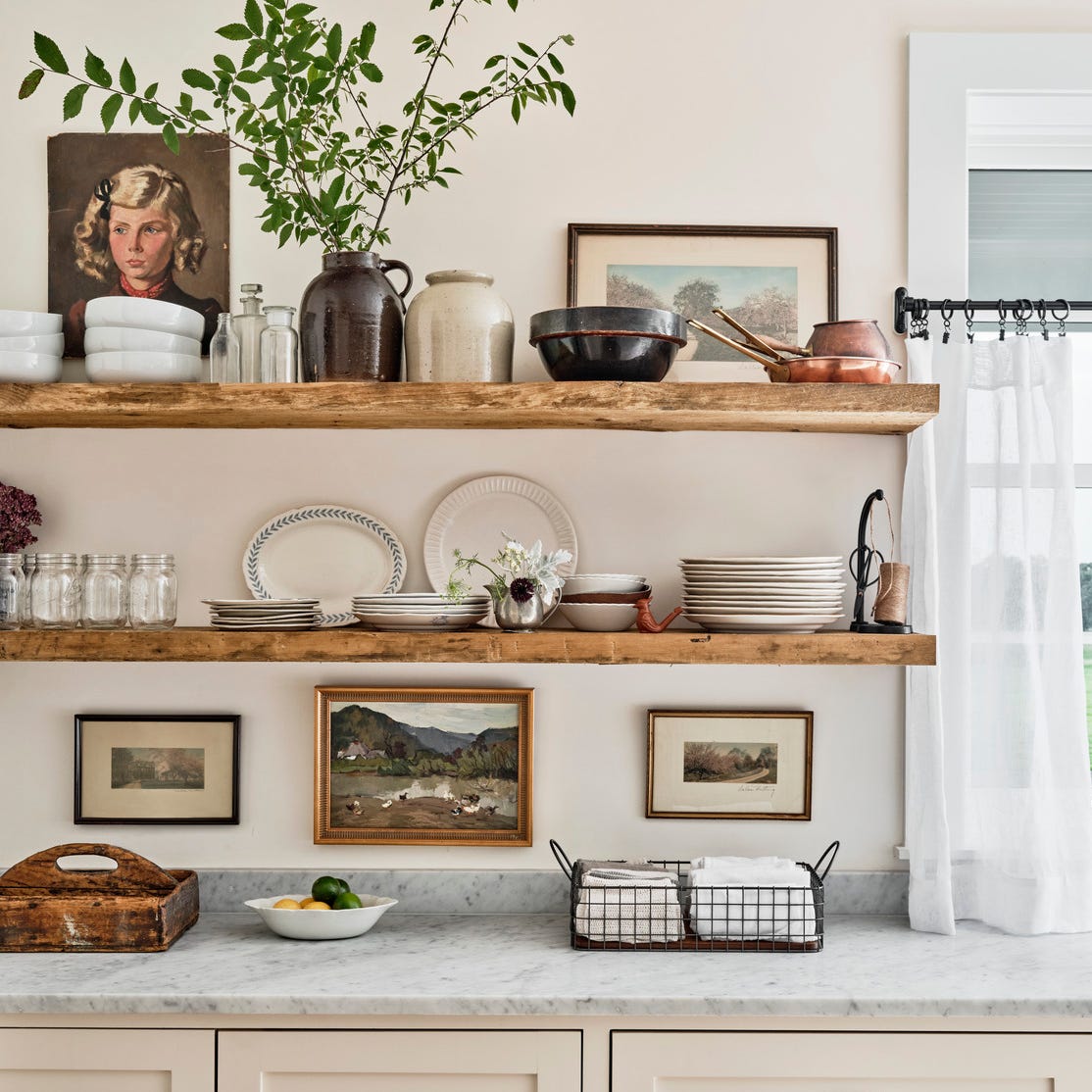
Make Any Room Look Camera-Ready with These Easy Tricks from Stylists
Eclectic Interior Design: Understanding the Key Elements

The 10 Biggest Interior Design No Nos According to Decorators

Why eclectic style is the design trend we’re embracing in 2025

How to Decorate an Eclectic-Style Kitchen That Oozes Personality But Still Has Style


A masterclass in mixing pattern
How To Add More Character & Interest To Your Home
7 Golden Rules for Mixing and Matching Patterns That Designers Swear By
A case for clutter: Design tips for creating a busy and eclectic home
The 5 Design Rules That Are Meant to Be Broken—and What to Do Instead
Don’t Know Your Design Style? These Are the 5 Most Popular Ones
Go-to tips for finding harmony in eclectic home design
Why Designers Always Start, But Never End, With Layering – 10 Ways They Build Depth Into Every Room
6 homes that showcase maximalism at its best
This Decor Trend Adds Instant Sophistication to Your Home — How to Get the Look