1/6
How To Add More Character & Interest To Your Home
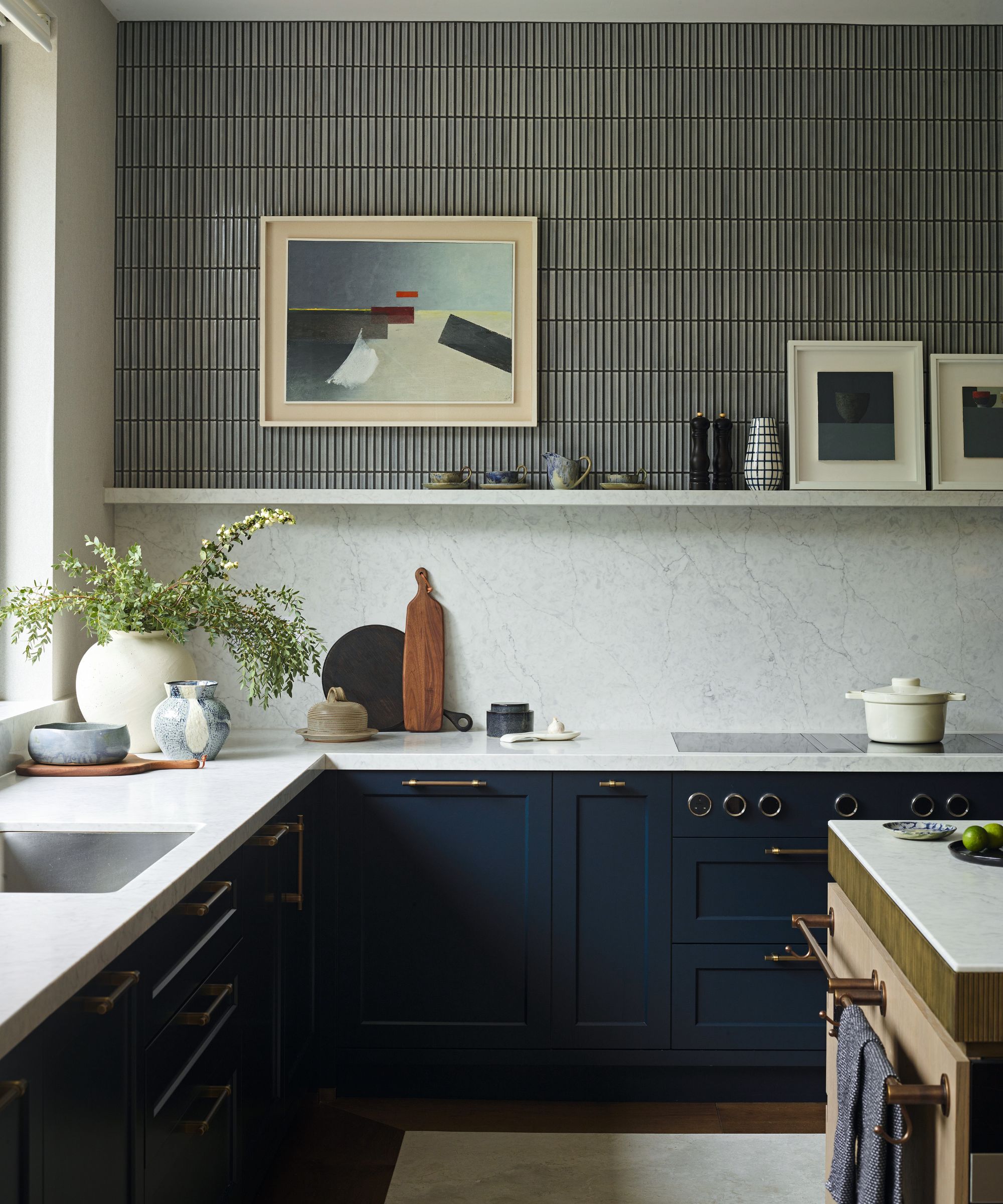
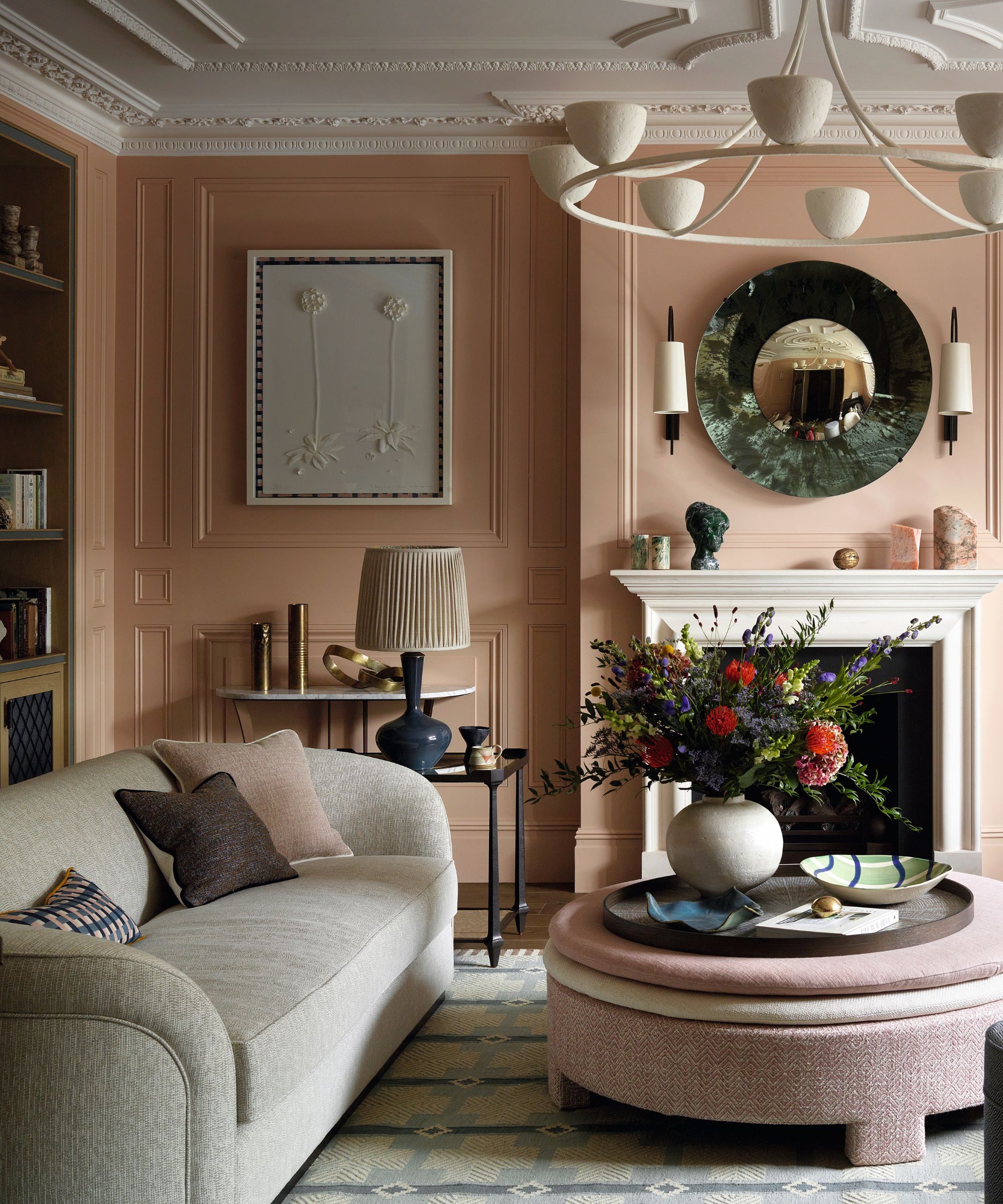
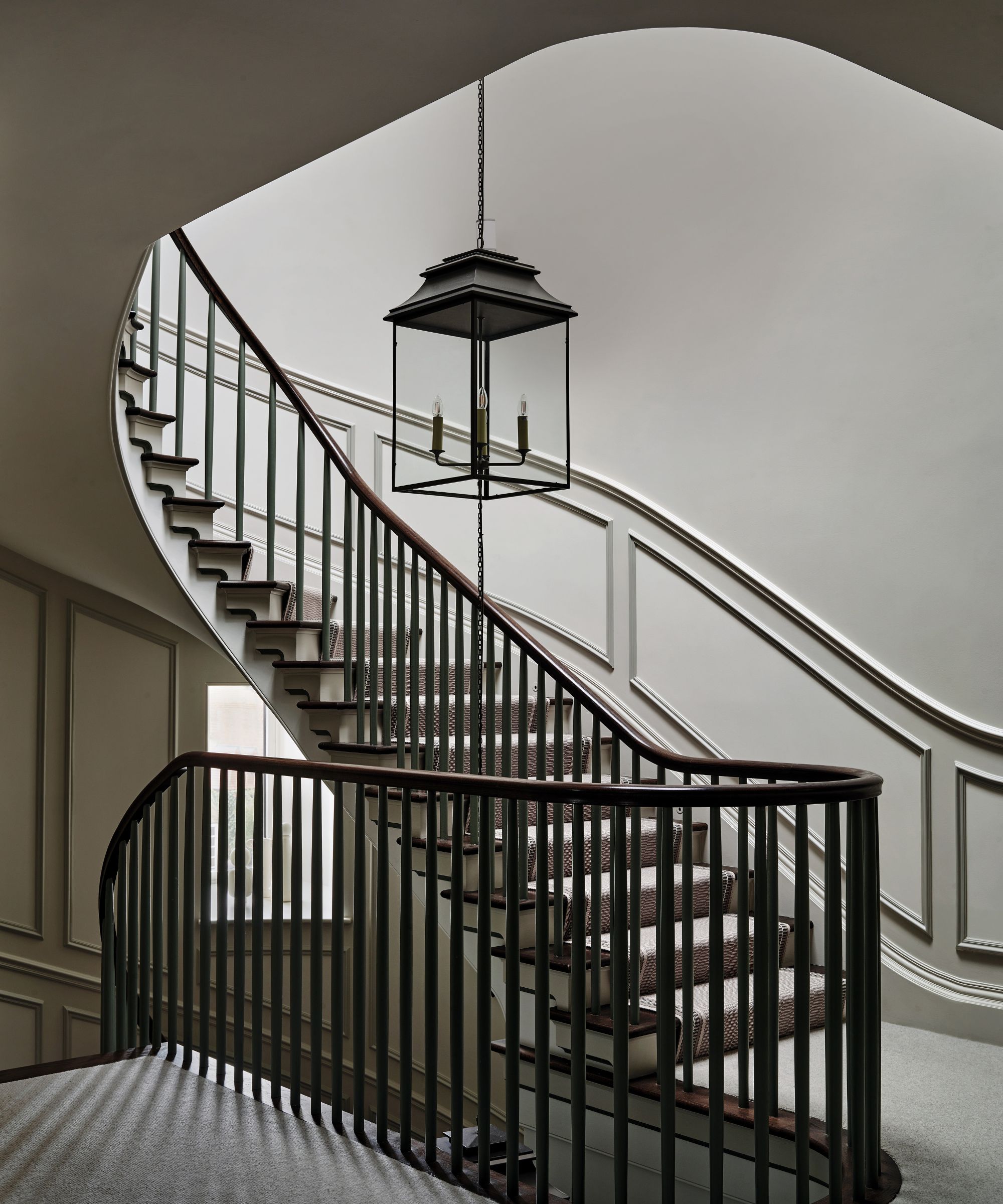
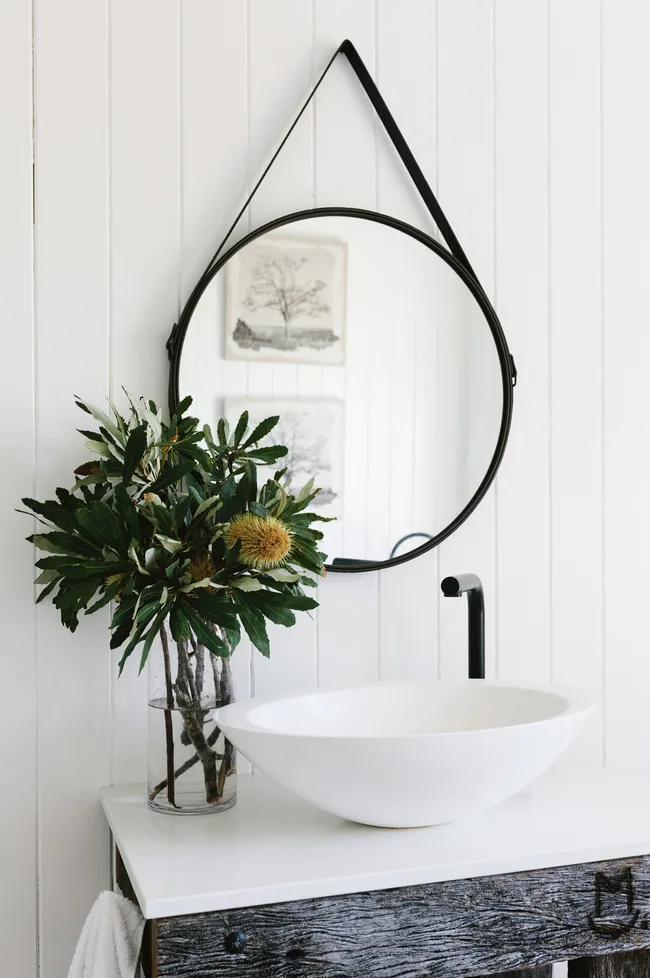
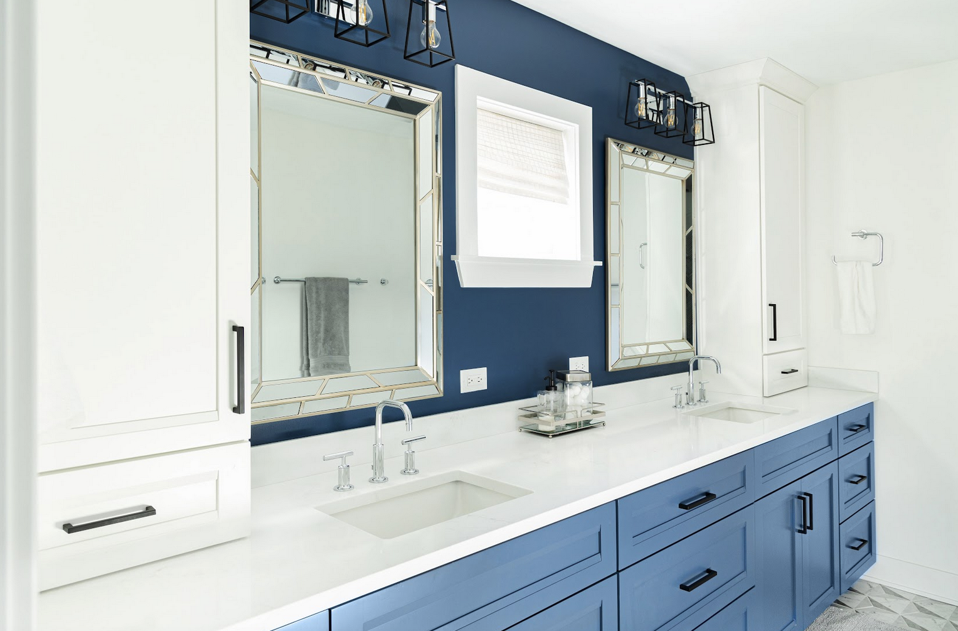
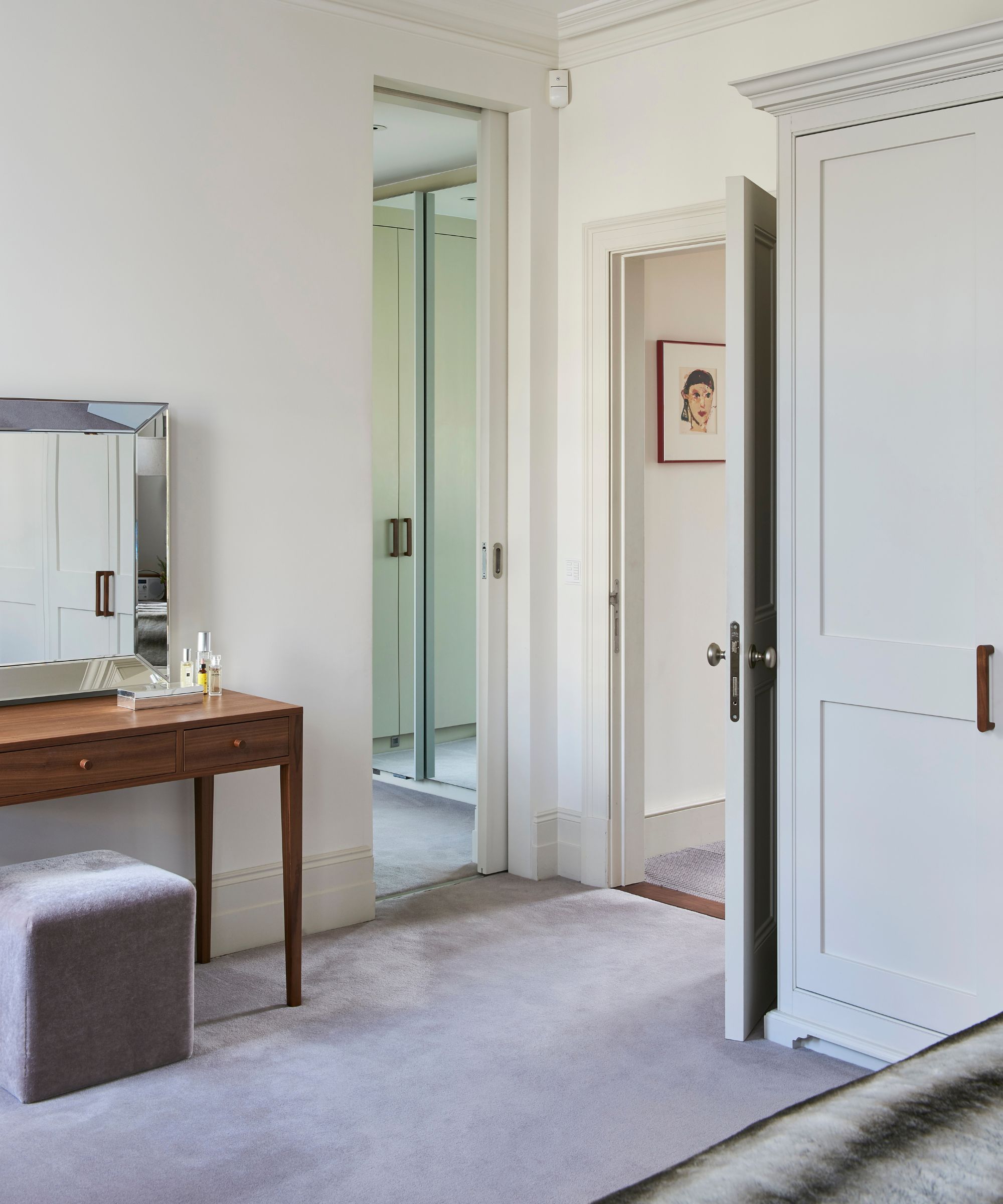
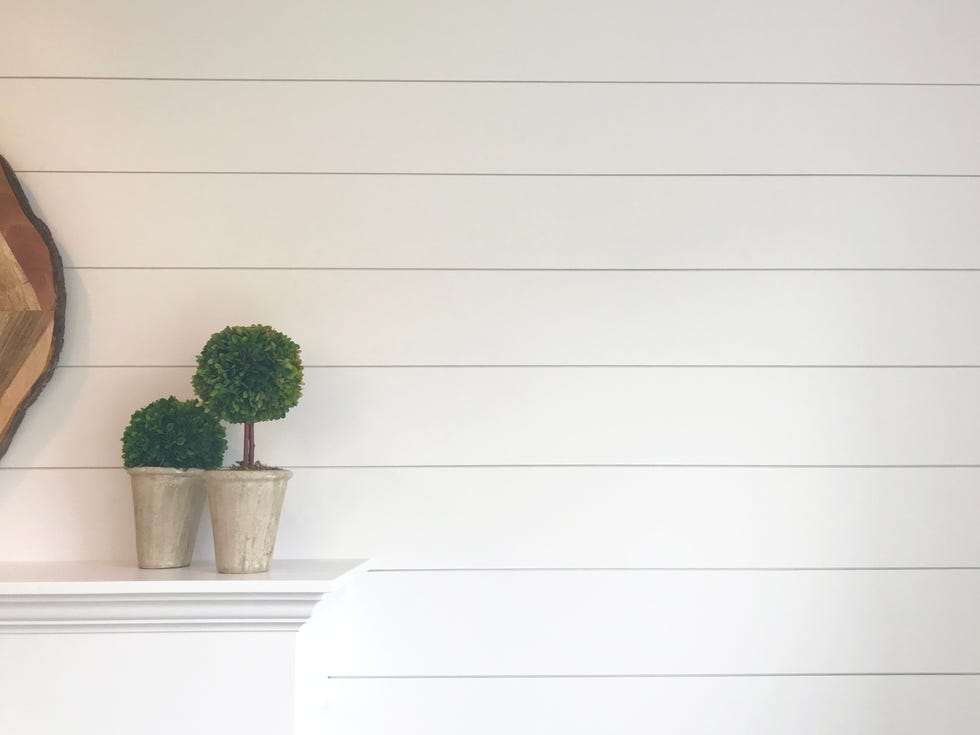
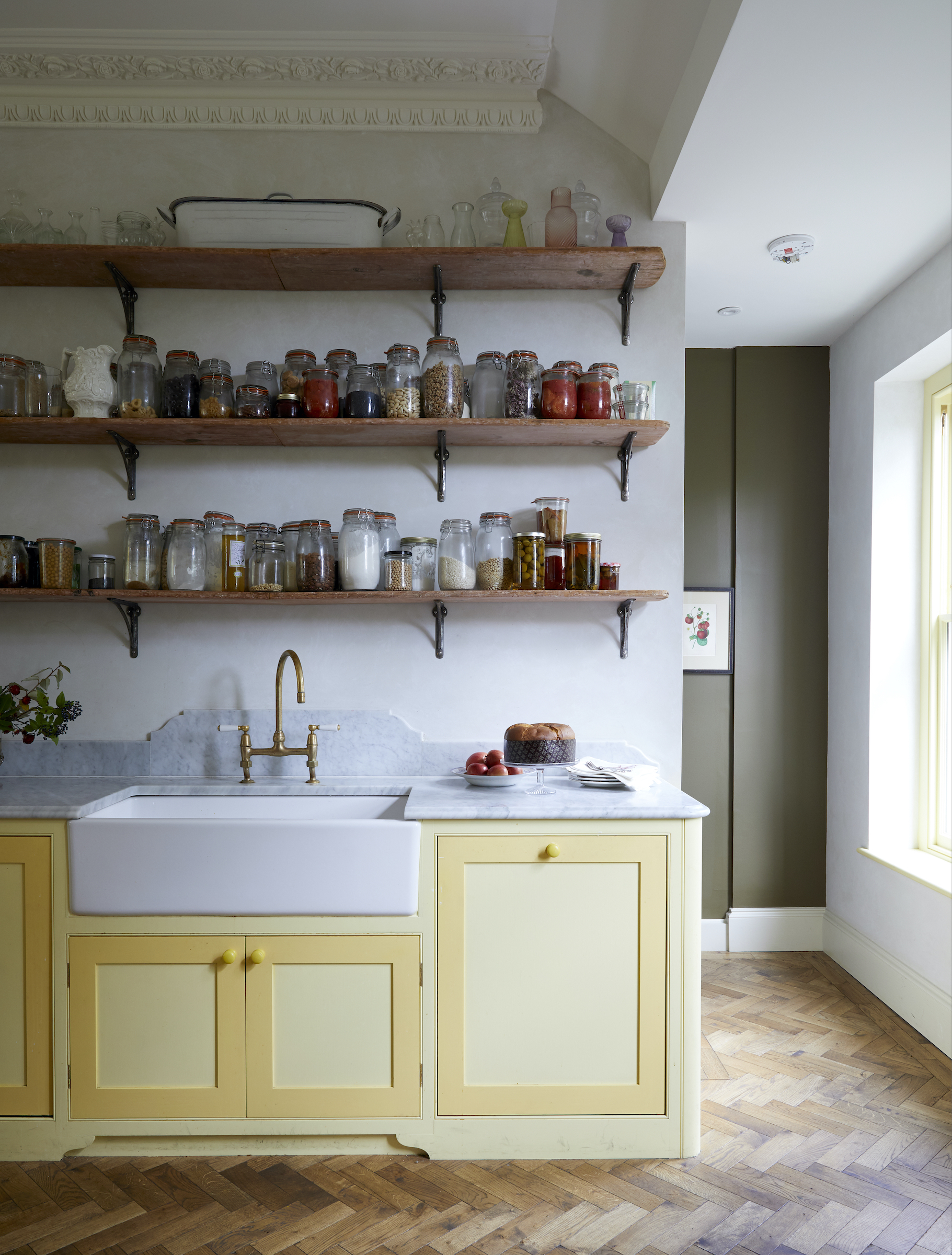
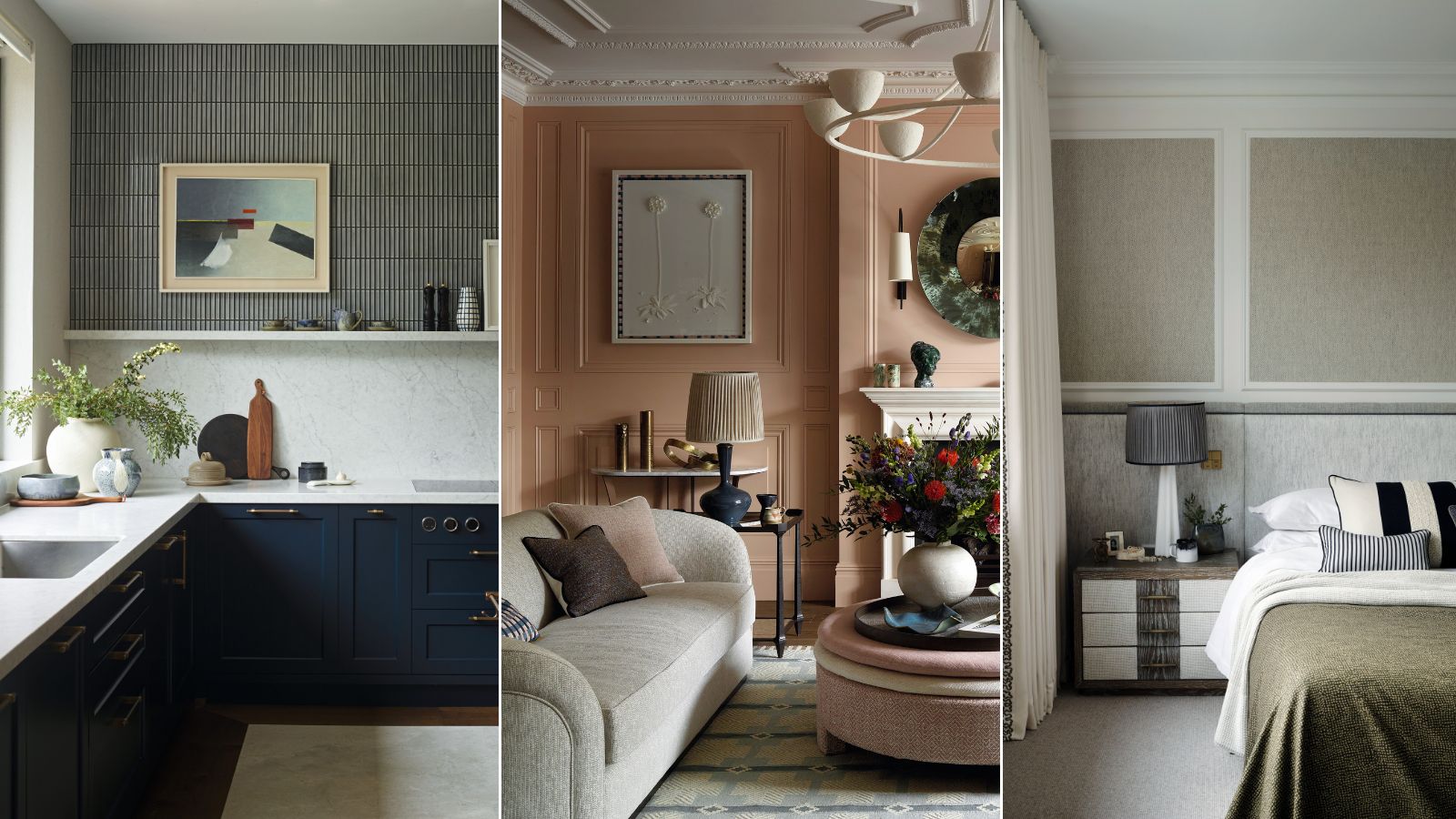
This article explores various strategies for infusing personality and interest into a home, particularly focusing on properties that may lack inherent character, such as newer or more contemporary builds. Two interior designers, Alice Leigh and Emma Sims Hilditch, offer their expert advice on transforming spaces into unique and inviting environments. The initial recommendation is to consider the architectural foundation of the space. If a room possesses period features, these can be highlighted or a minimalist approach can be adopted to emphasize existing character. For homes lacking such details, the designers suggest integrating architectural elements like applied mouldings to create panelled effects, adding ceiling roses and cornices to enhance grandeur, or incorporating pediments above doors where appropriate. It is crucial, however, to ensure that these additions align with the home's original architectural style; for modern homes, character can be introduced through contrasting colours, textured wall coverings like grass paper or brick slips, which feel more contextually appropriate.
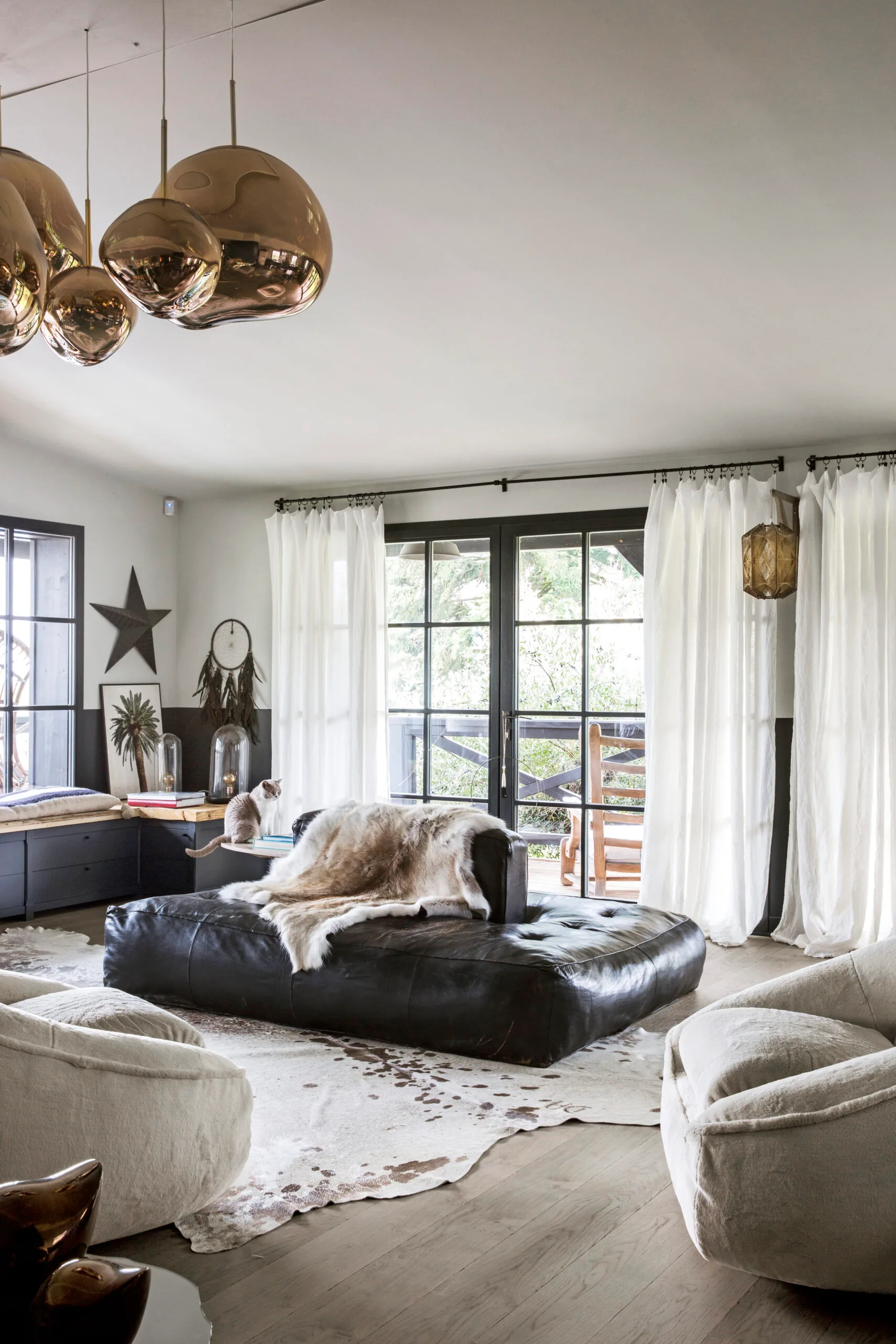
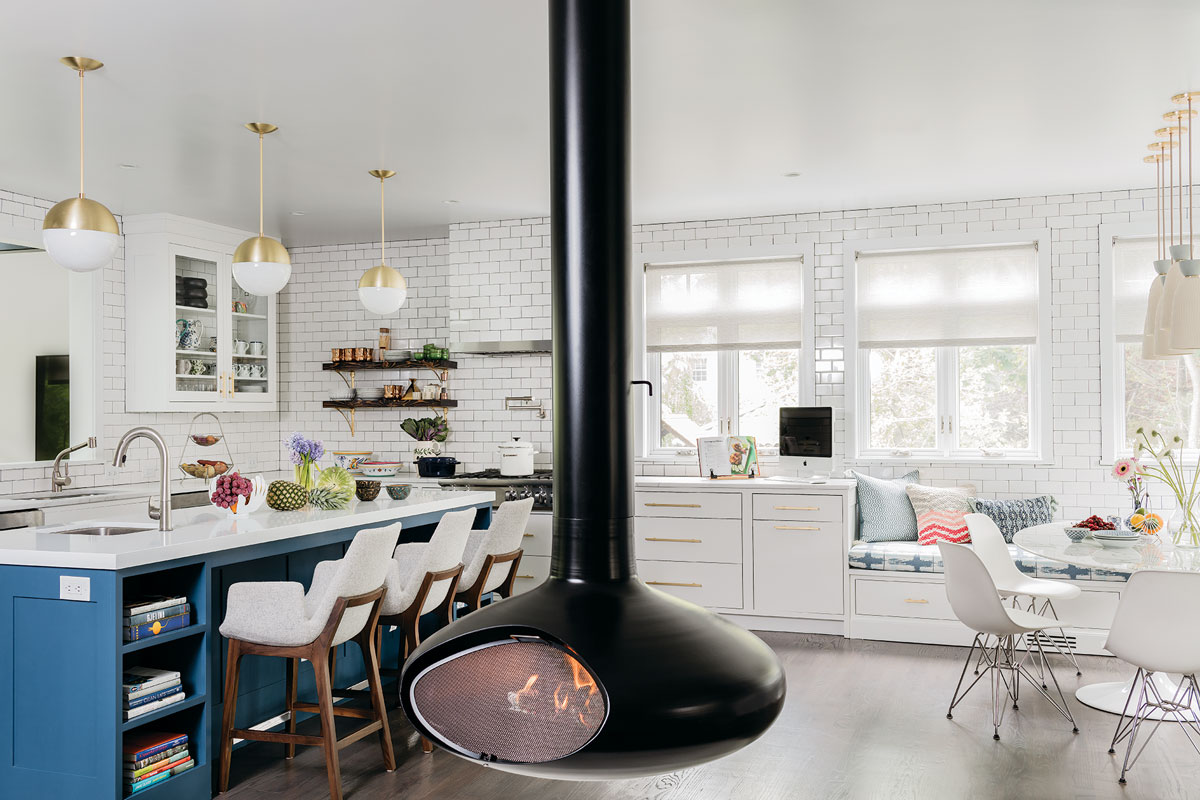
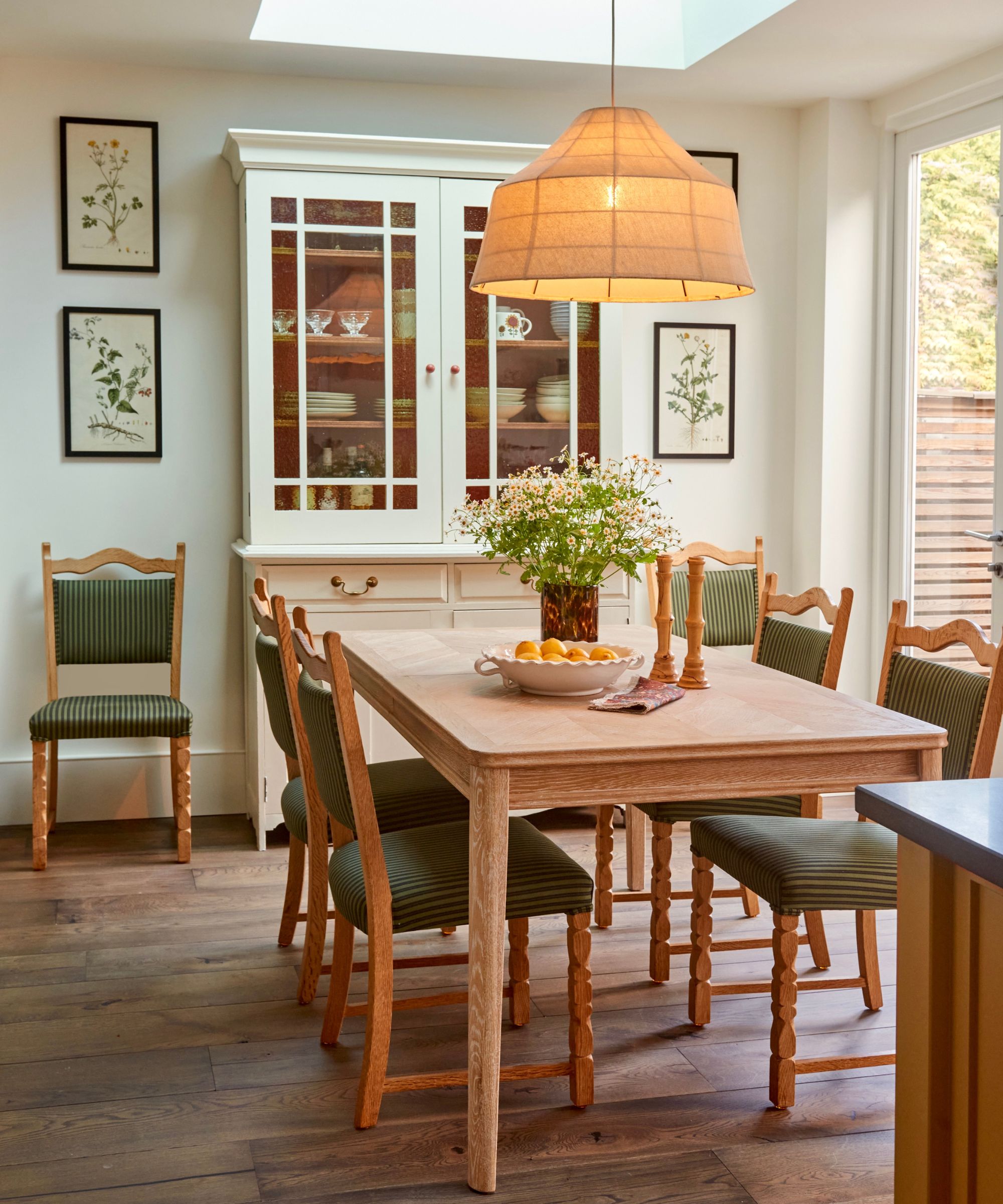
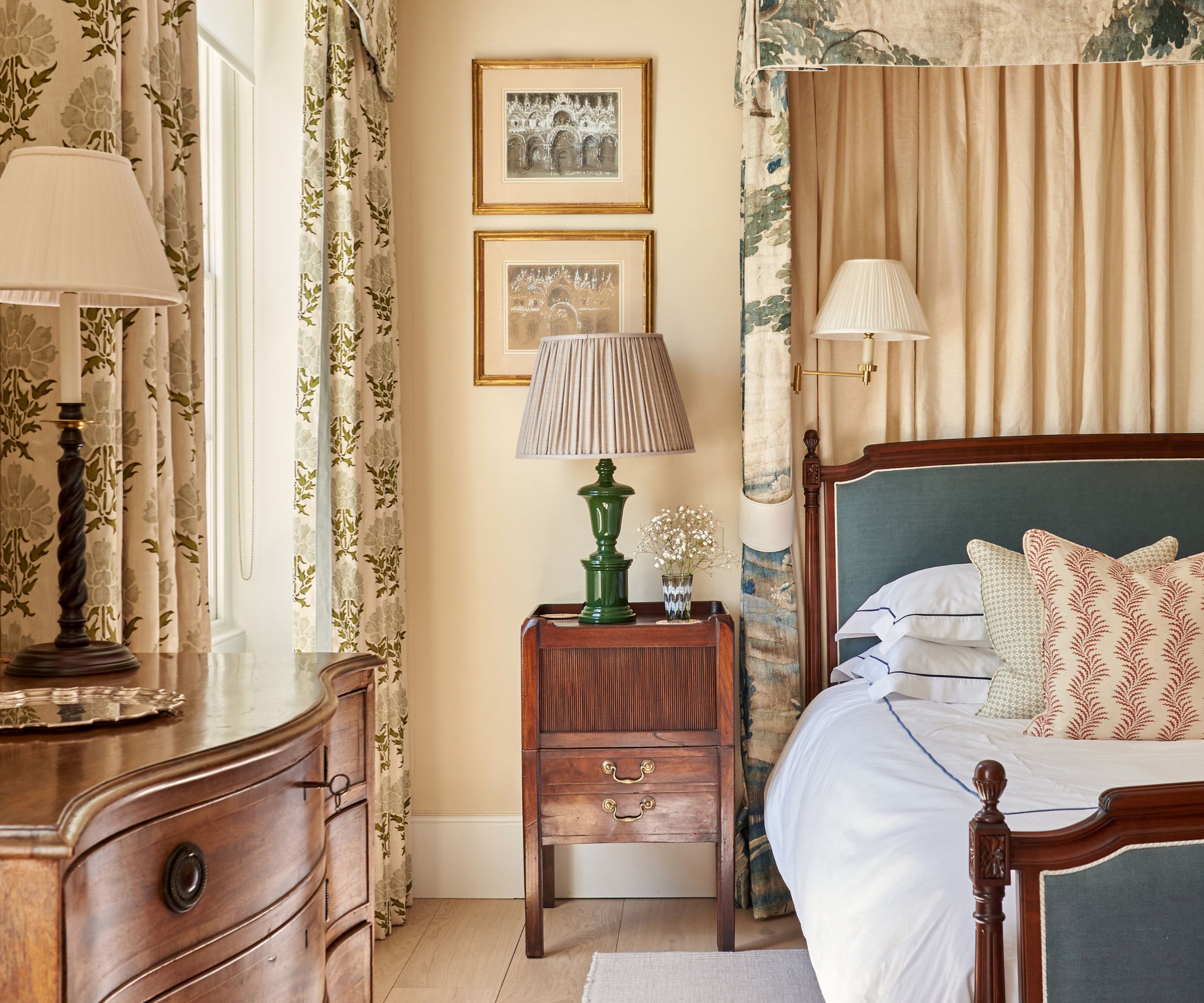
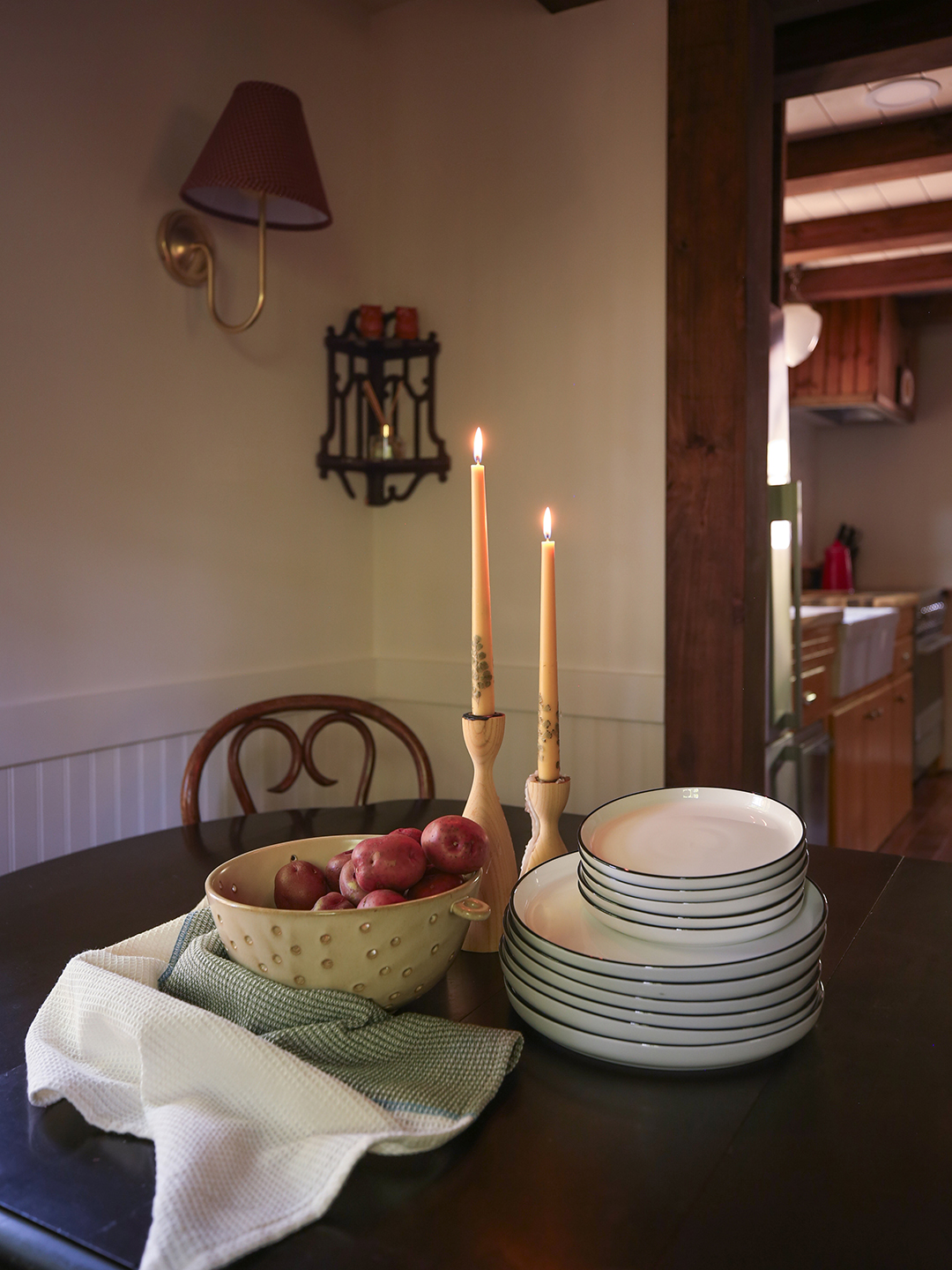
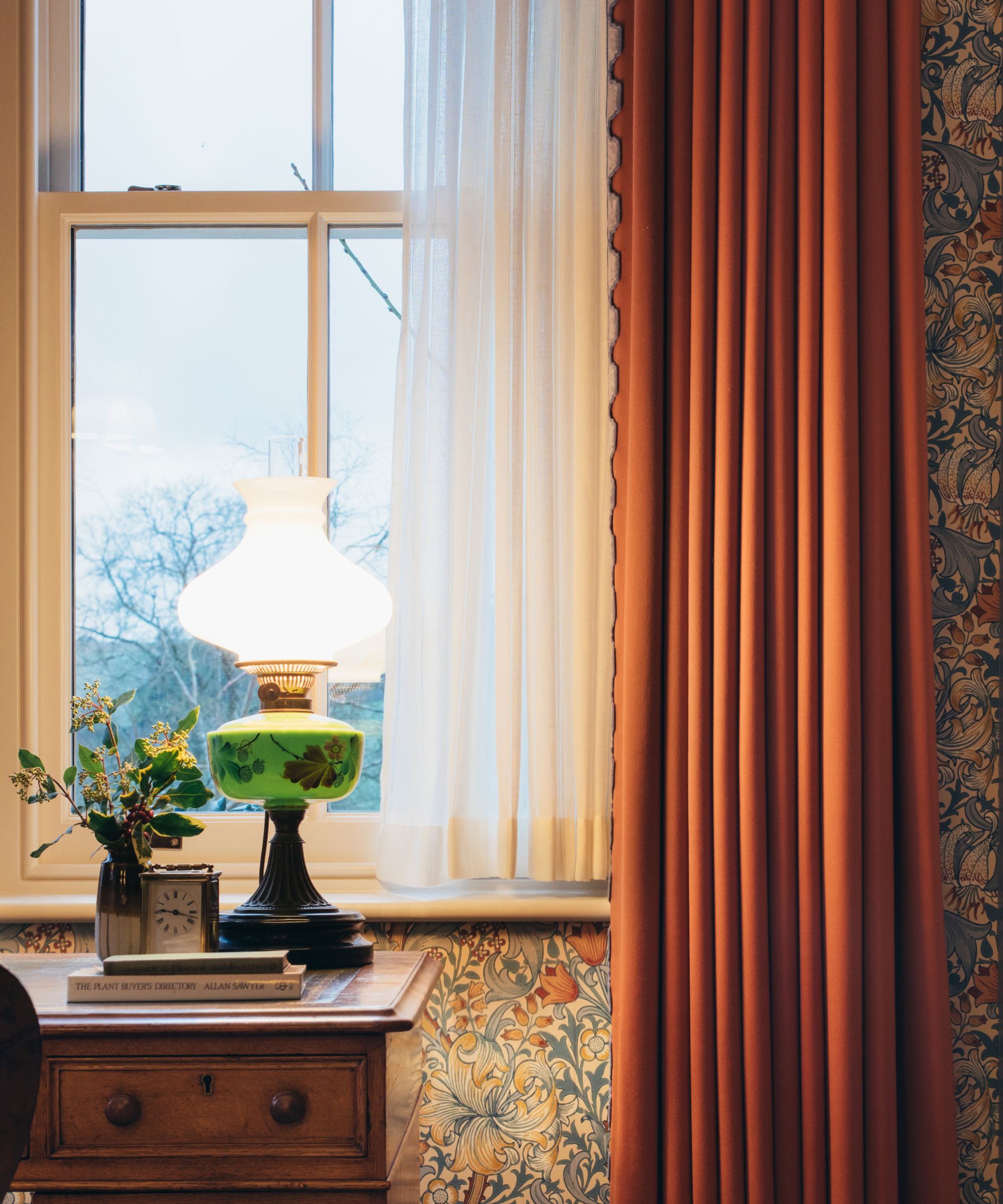
Lighting is identified as a critical element for adding character and creating atmosphere. A well-planned lighting scheme should incorporate multiple layers and levels, utilizing floor lamps, table lamps, wall lights, and pendants. The integration of 5-amp circuits for main living area lamps and the use of dimmers are recommended for greater control and ambiance. Cordless rechargeable lamps are highlighted for their versatility, especially in areas without accessible plug sockets or for outdoor use. Spotlights are best reserved for functional areas like kitchens and bathrooms. Additionally, positioning spotlights diagonally in front of windows can illuminate curtains, and using uplights and downlights can accentuate architectural features such as fireplaces and archways.
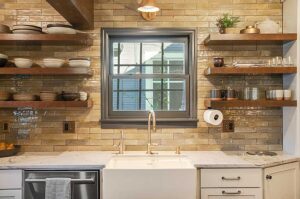
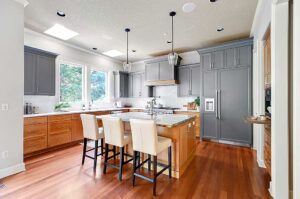
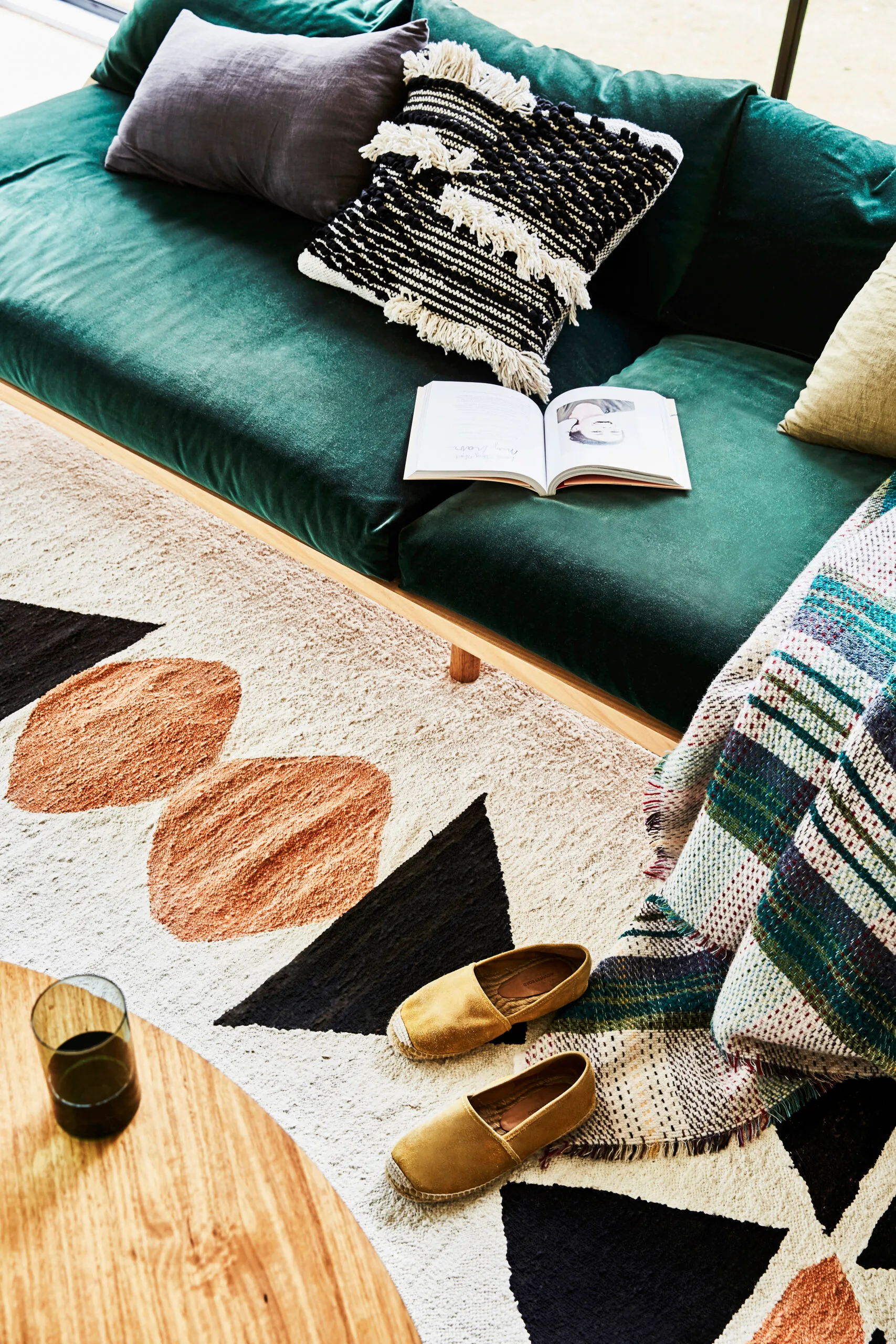
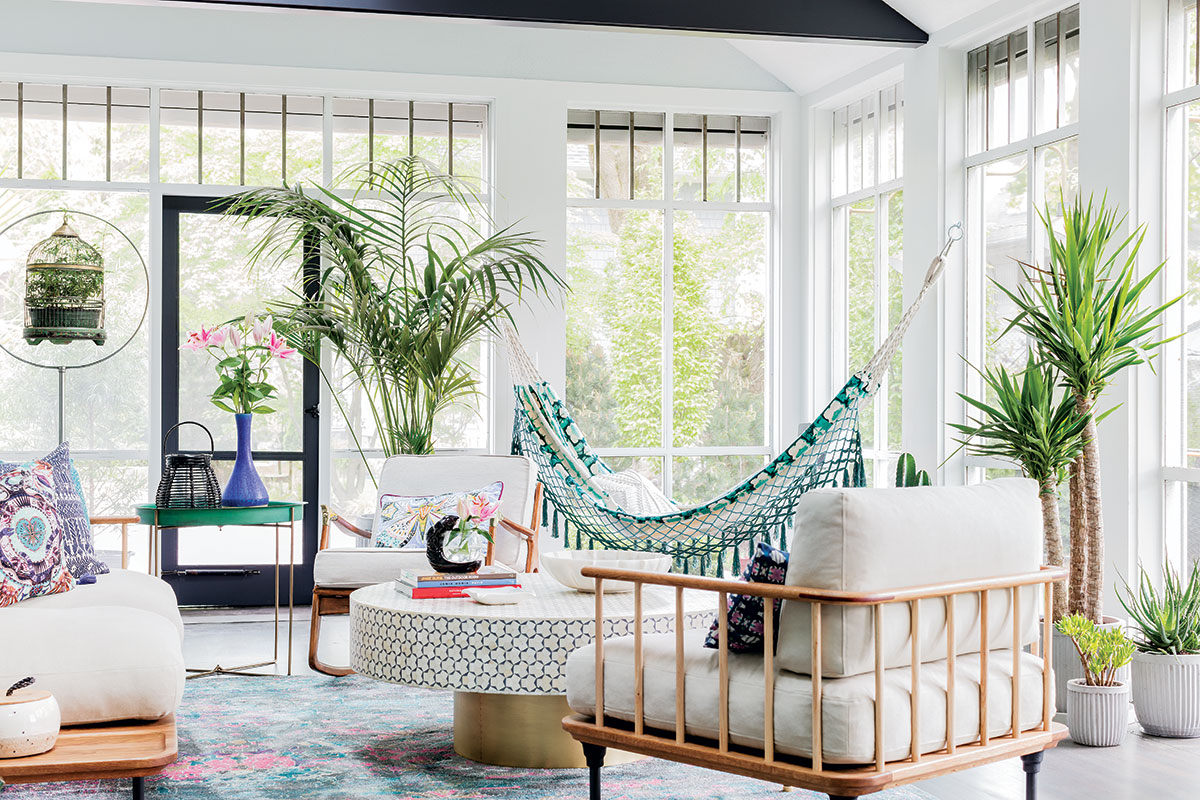
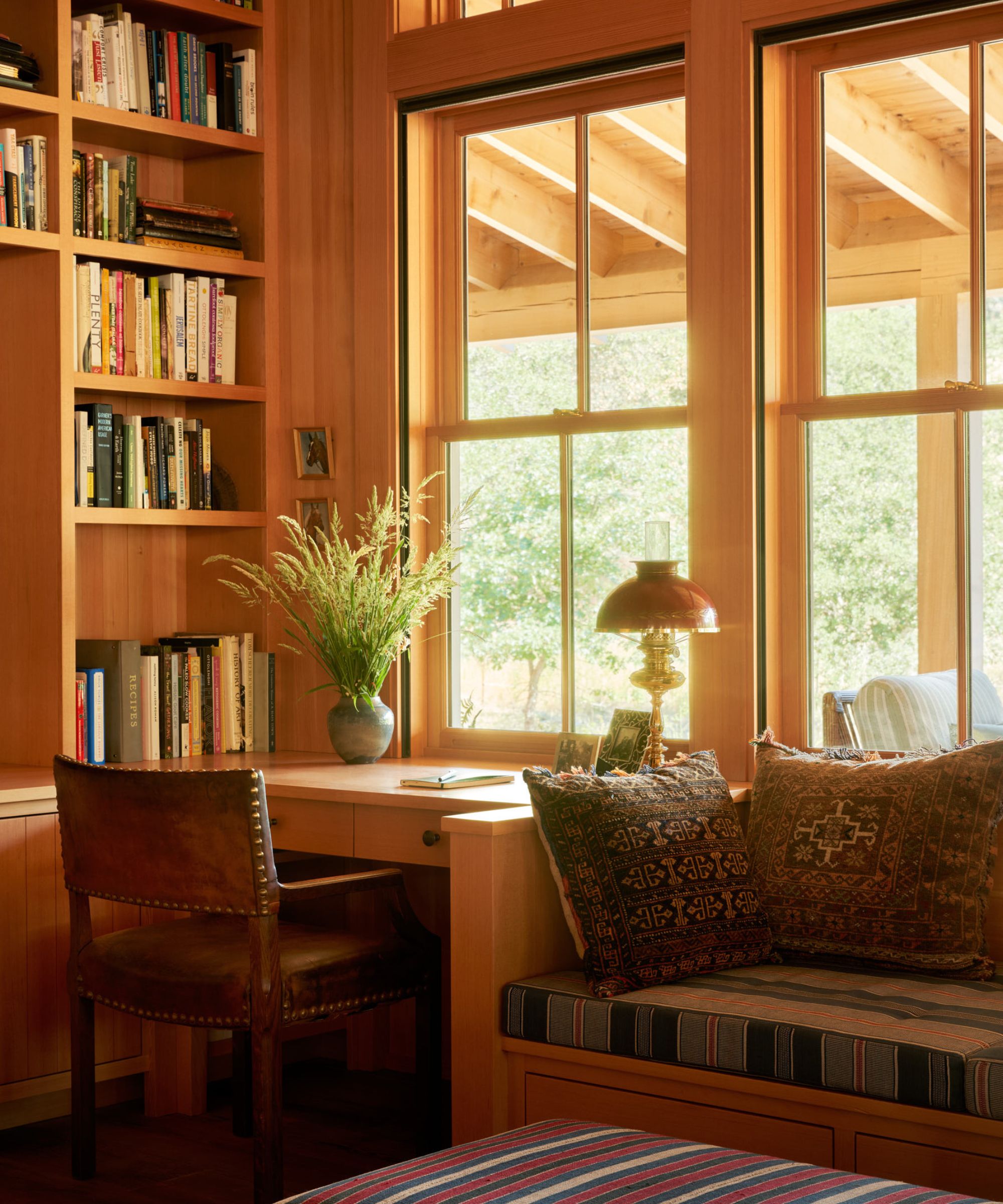
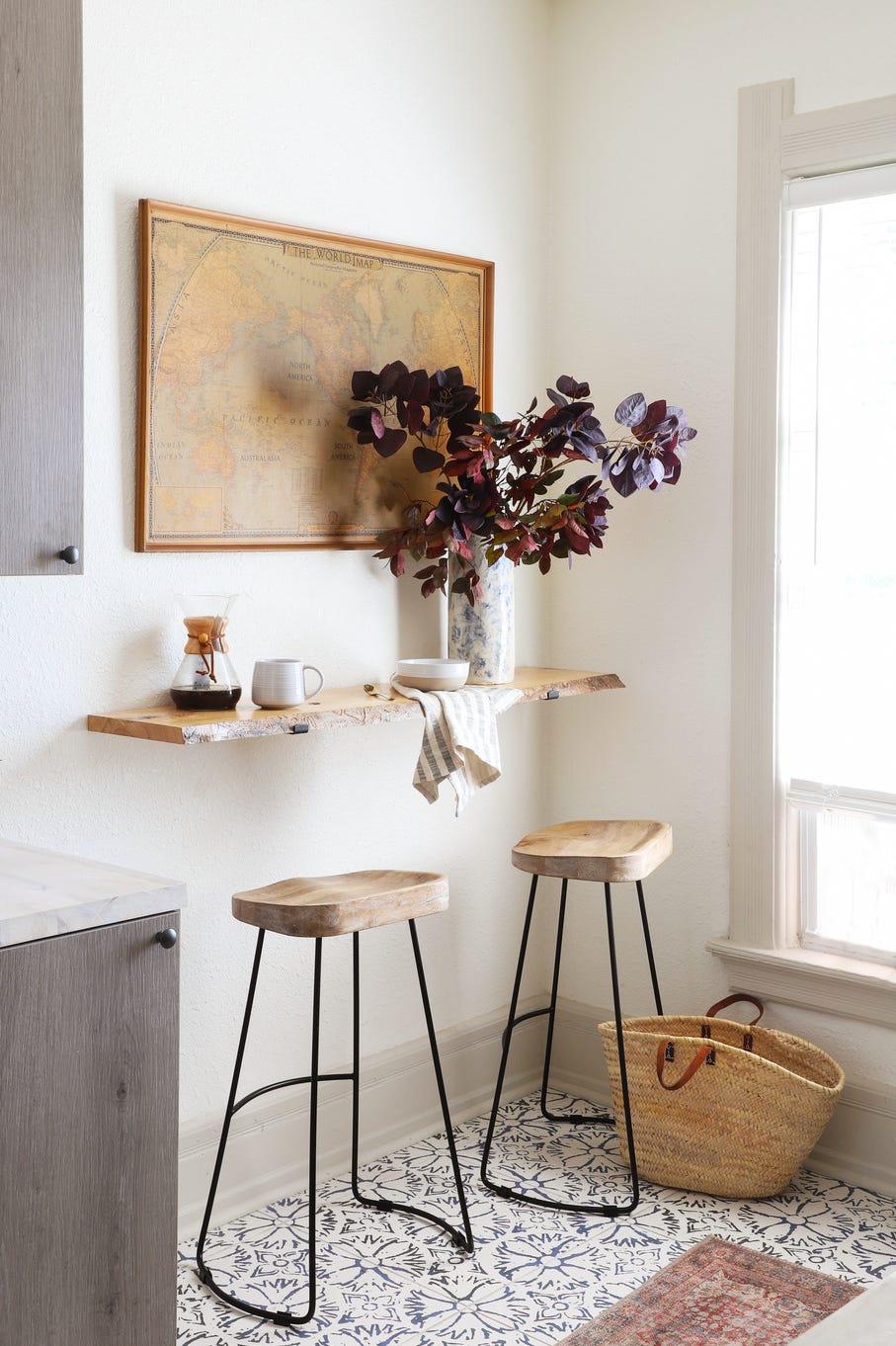
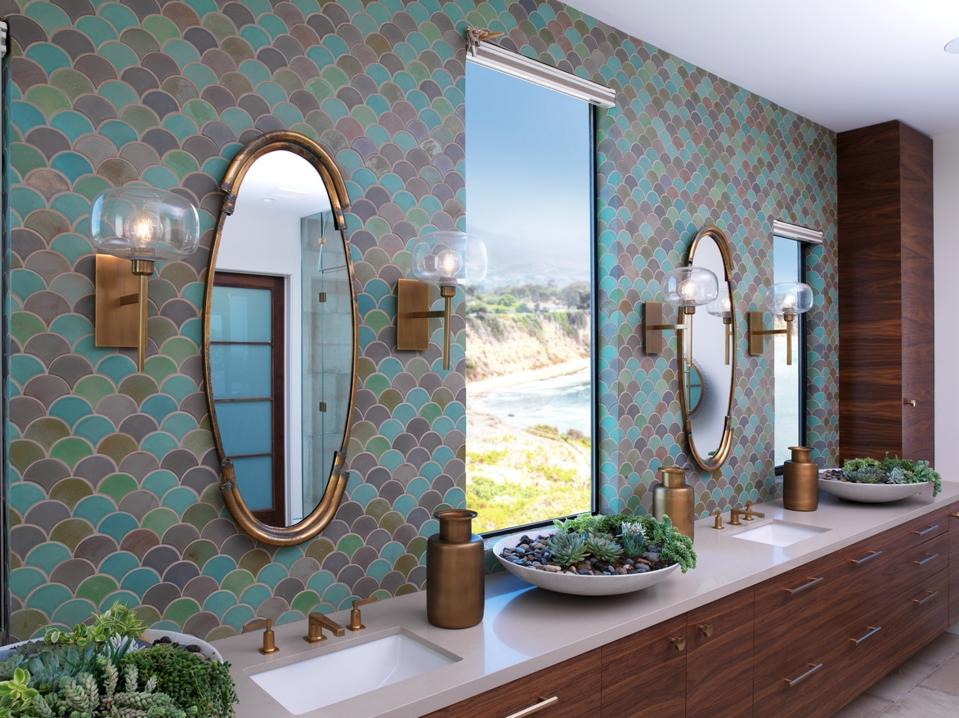
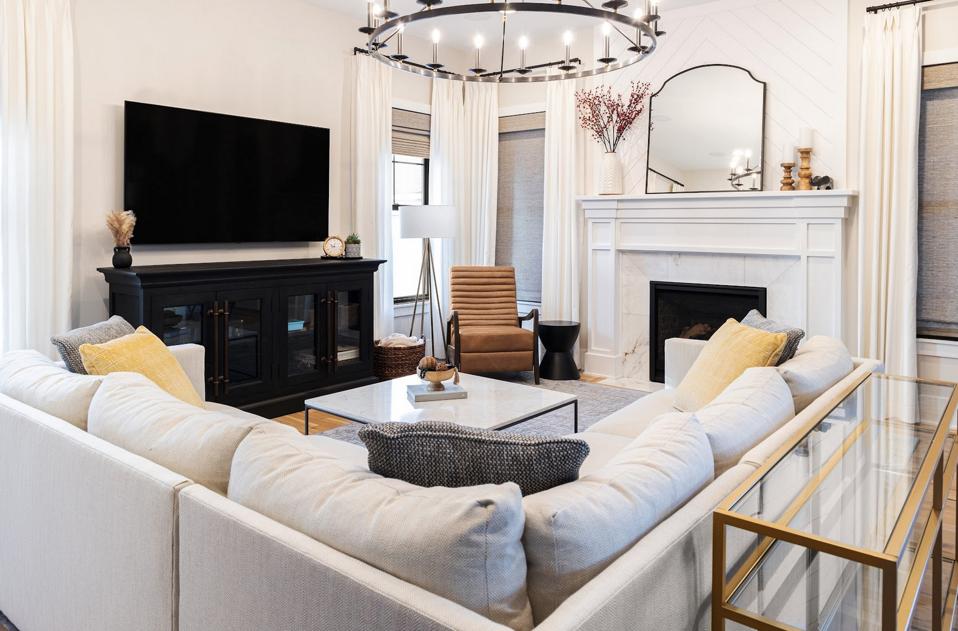
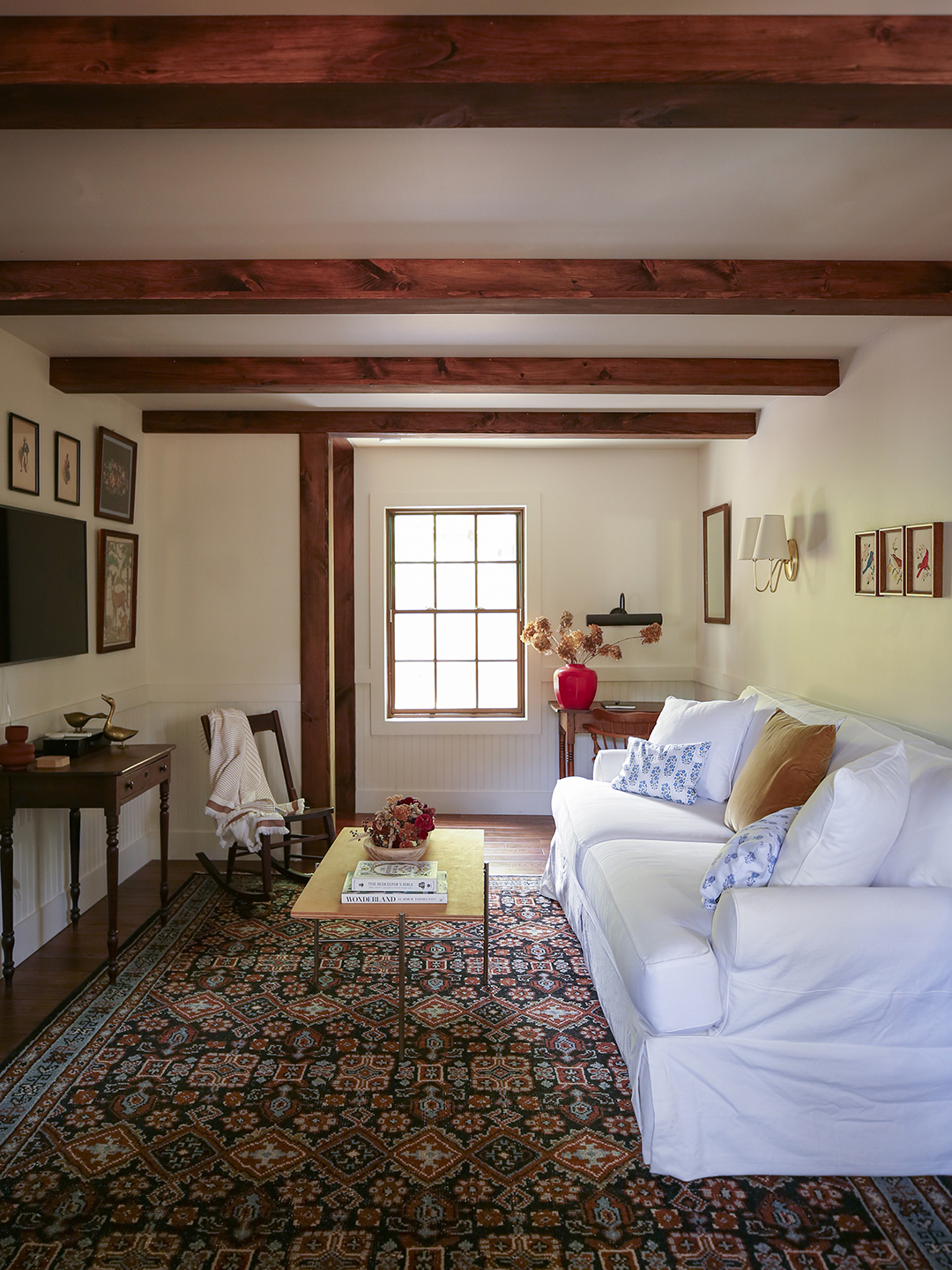
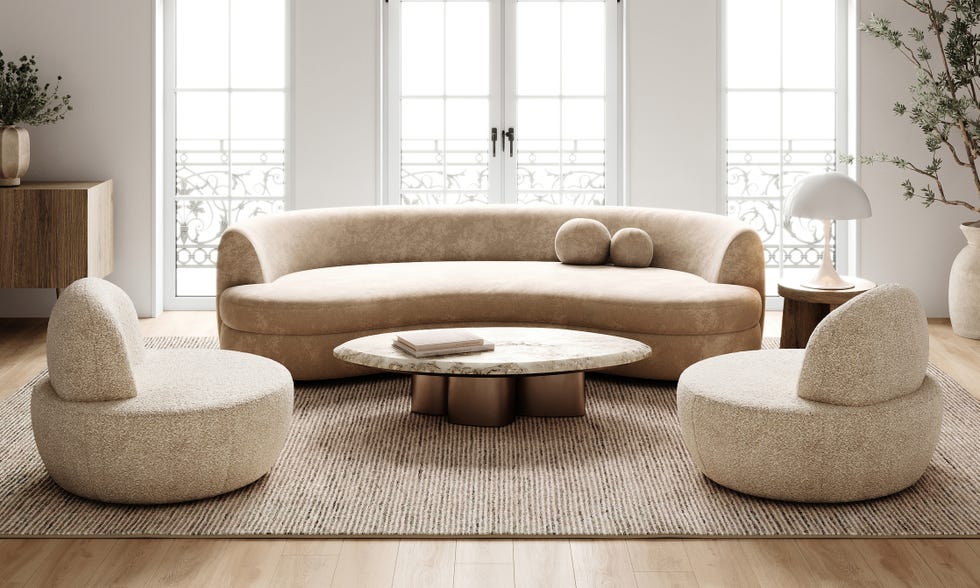
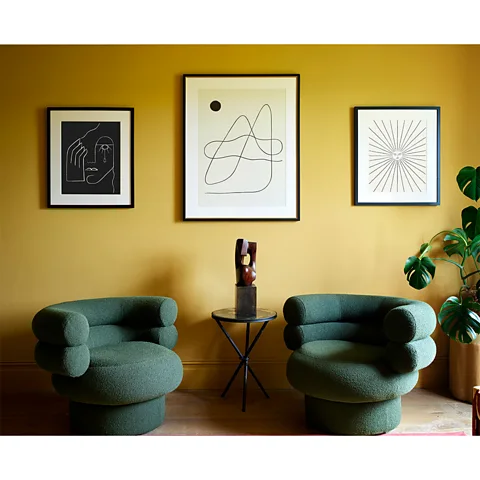
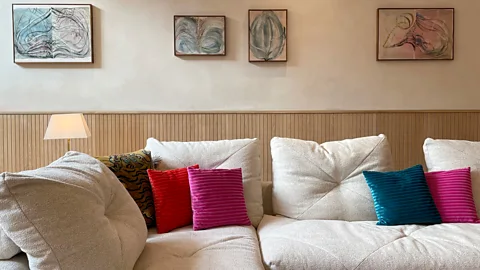
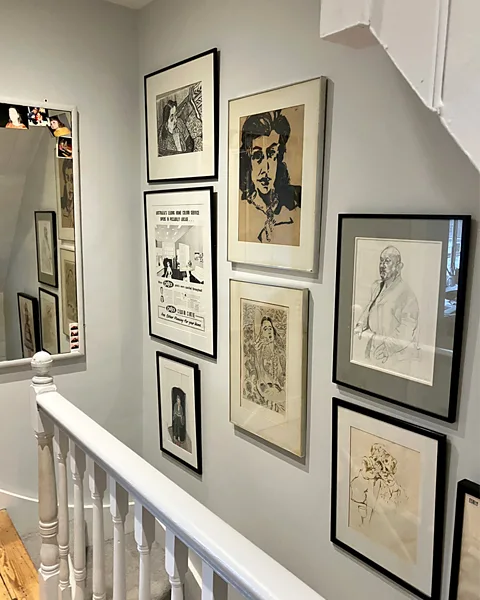
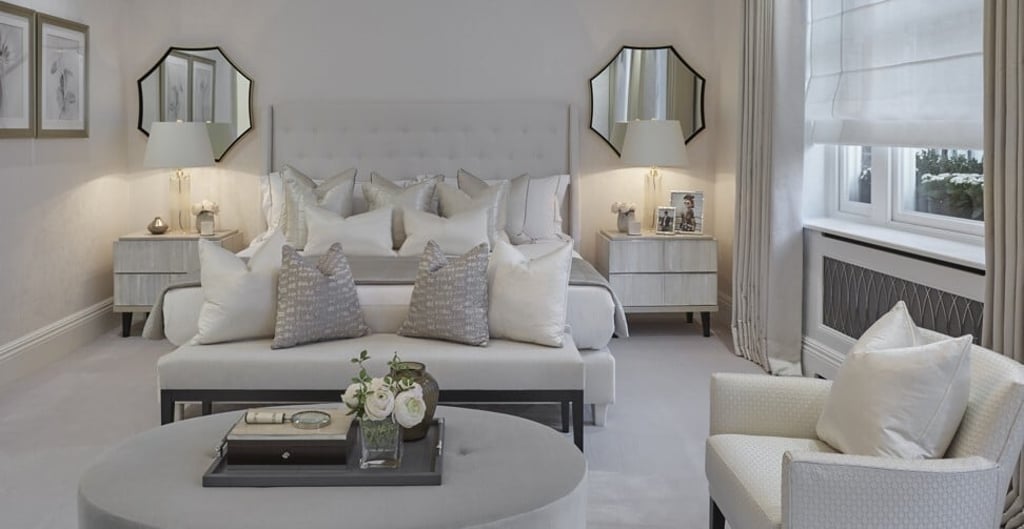
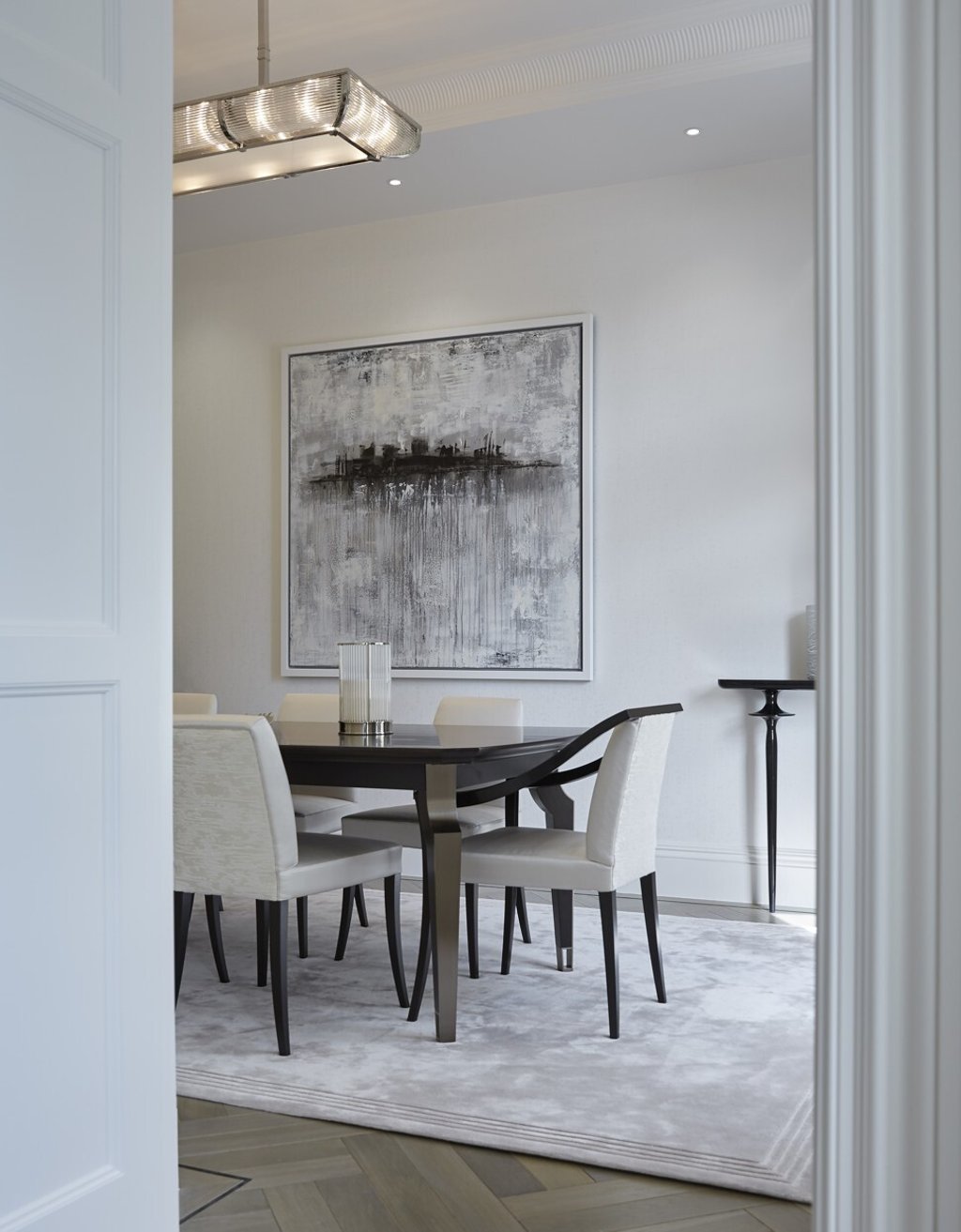
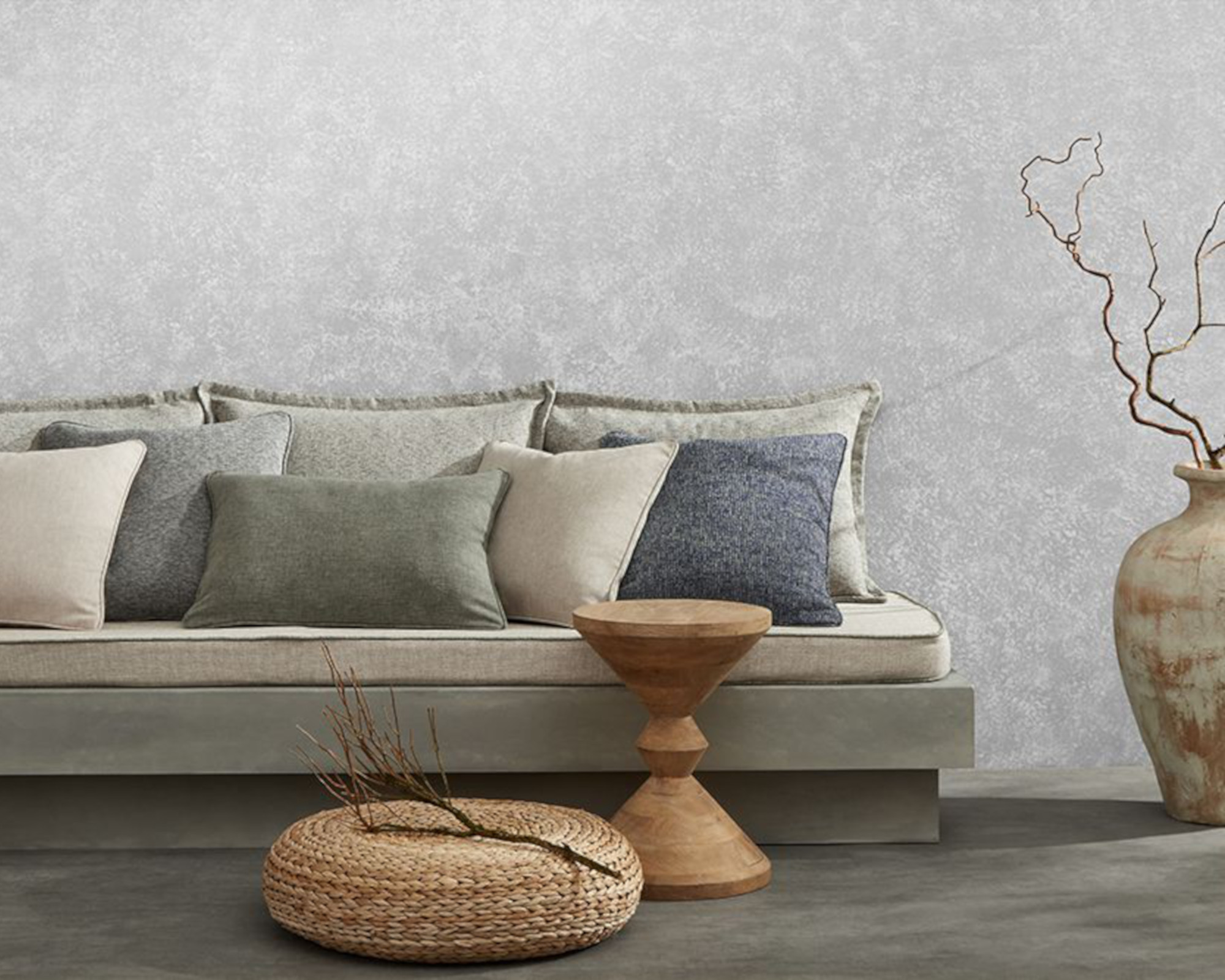
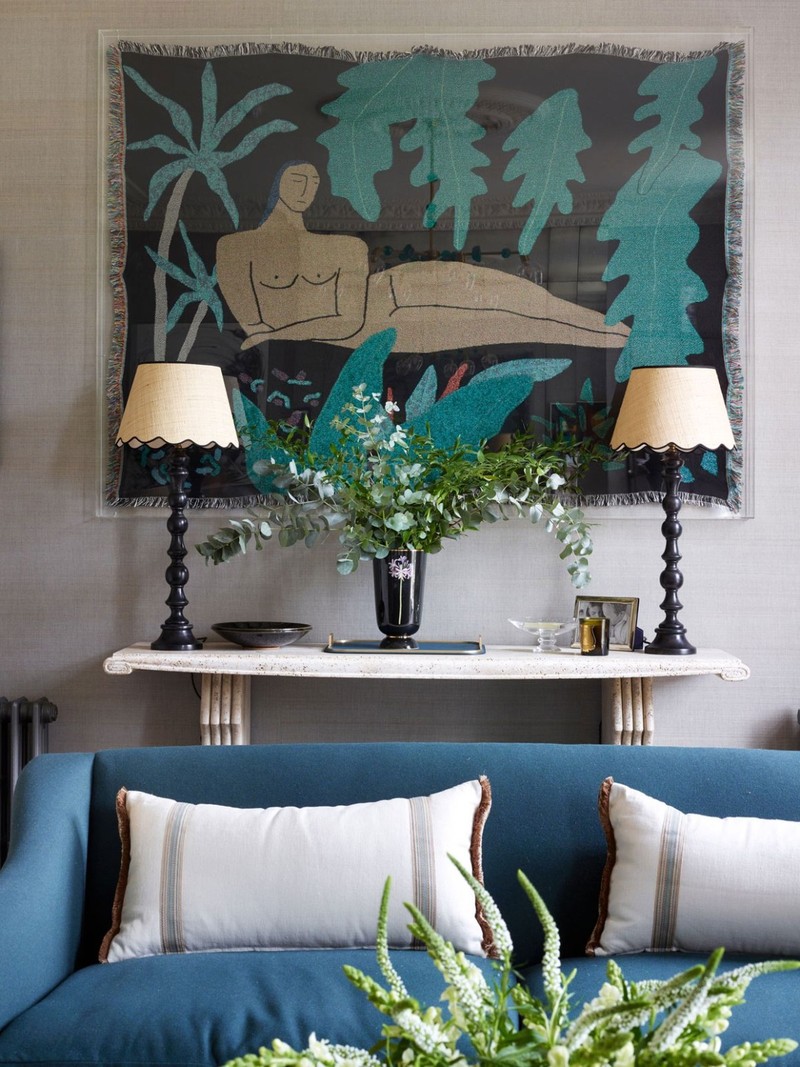
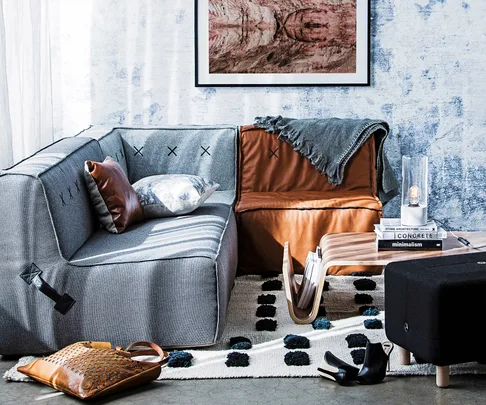
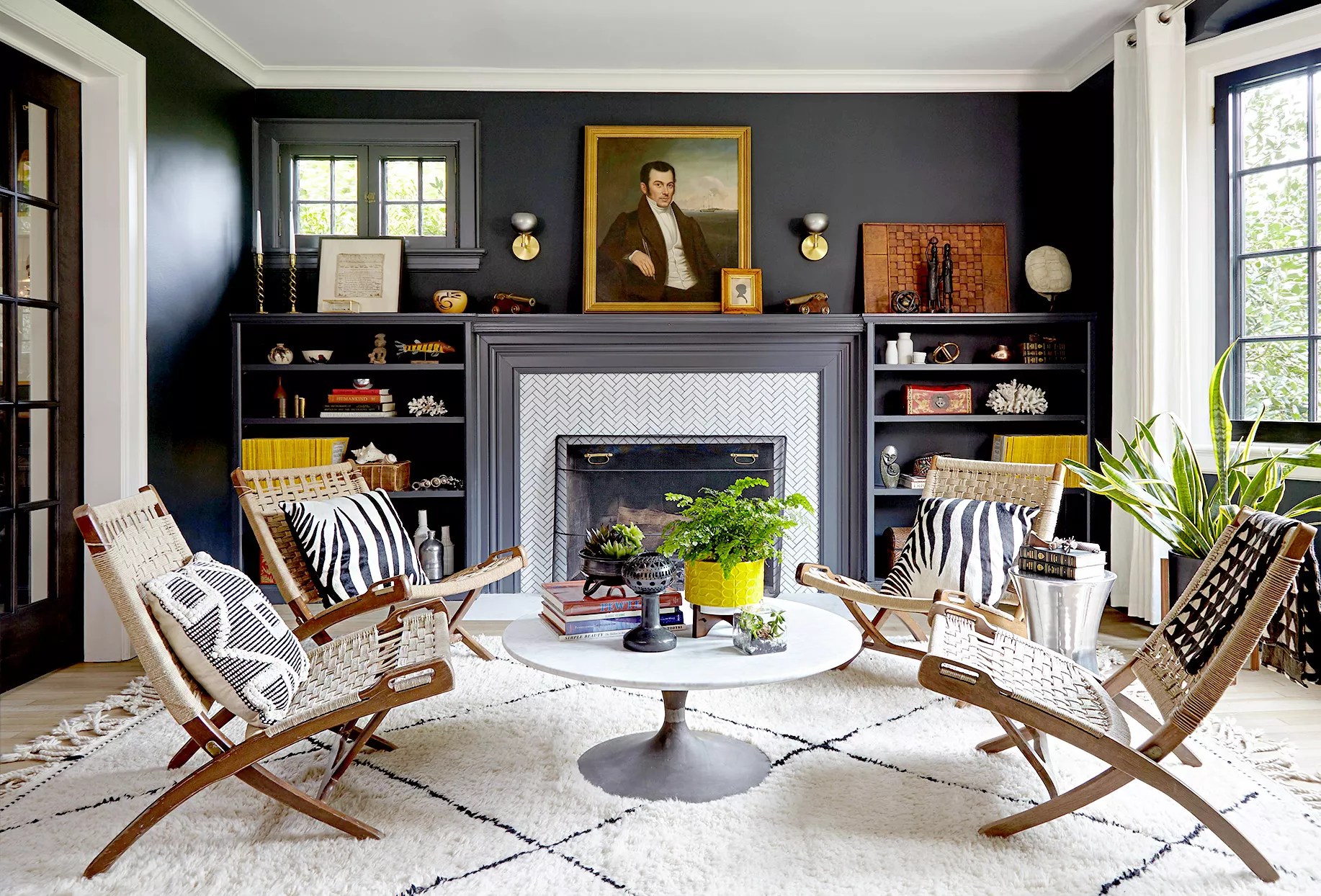
Creating focal points is another key aspect of adding interest. While natural focal points often include fireplaces or garden views, a statement piece of furniture can also serve this purpose. For spaces without obvious focal points, built-in joinery, such as shelves and cabinetry, can add significant character. These can be further enhanced with contrasting paint colours or by creating a faux fireplace. Contrasting ceiling beams can draw the eye upwards, making a room feel more expansive. Artwork, whether a gallery wall or a single bold piece, is also an effective way to establish a focal point. The article stresses the importance of incorporating diverse textures to enrich a space. By layering different textures within the same colour palette, such as velvet against linen and wool, a room gains depth. Mixing materials like lacquer, antique wood, and stone creates balanced and considered contrasts. Textured wall hangings contribute to a cozy feel and offer a three-dimensional quality. Soft textures like wool carpets, rugs, knitted cushions, and natural materials like leather and brass also contribute to personality. Even paint finishes, such as rendered plaster with a lime wash, can create a softer, more textural effect.

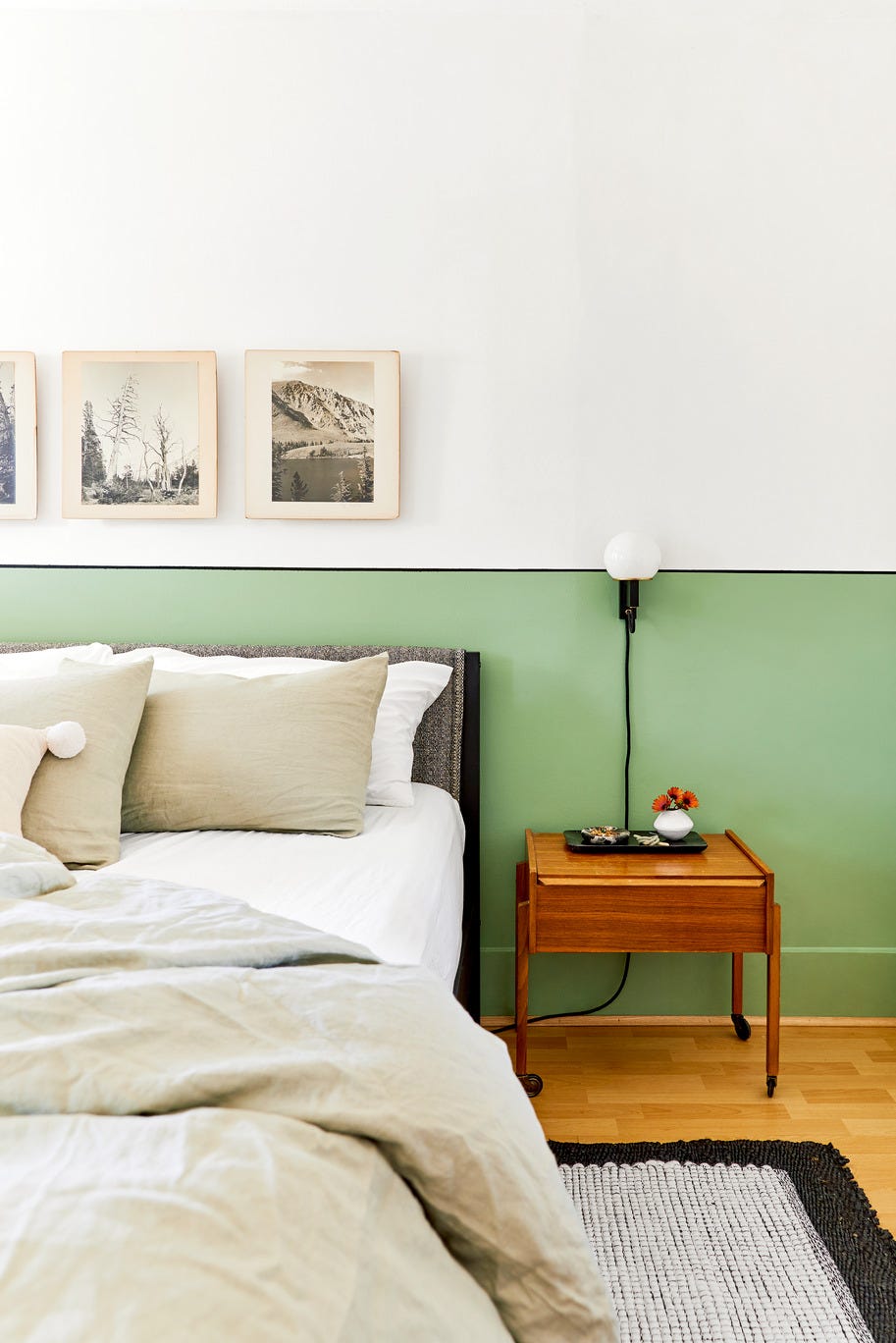
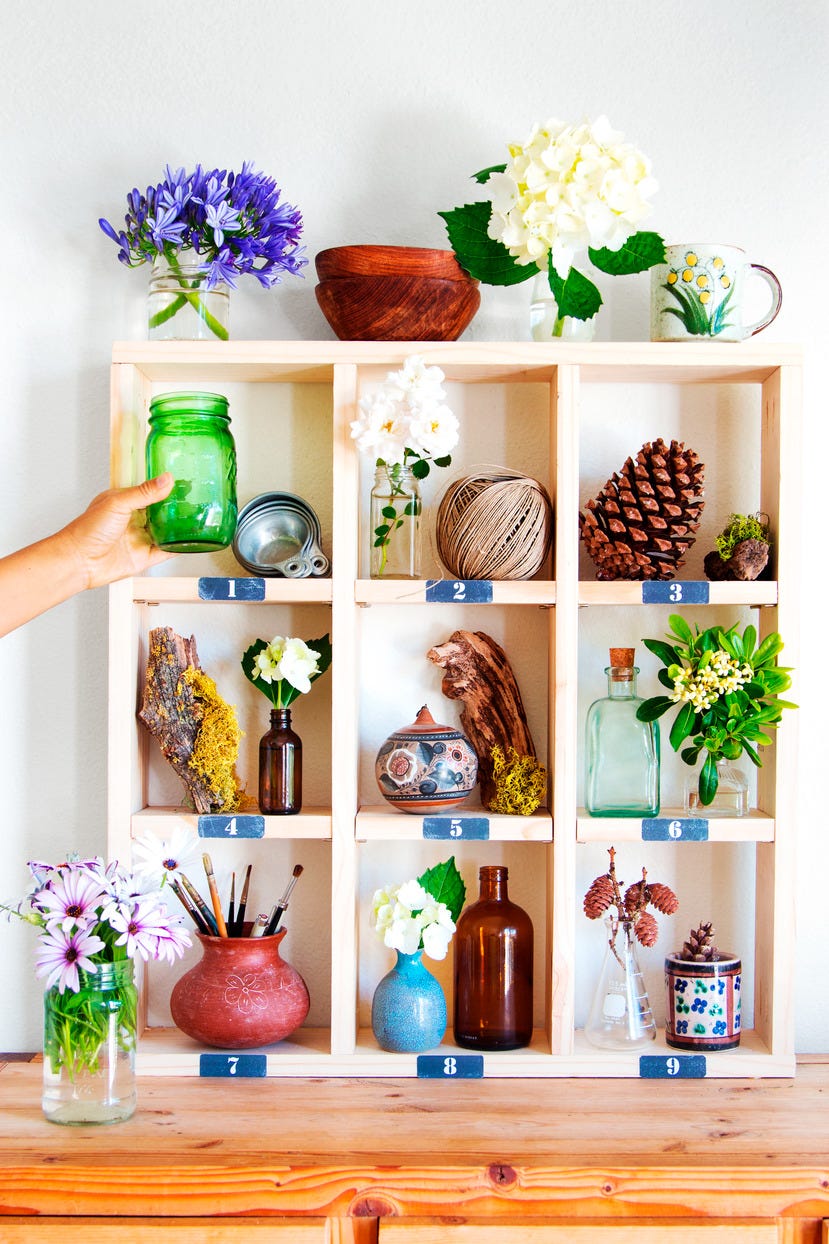
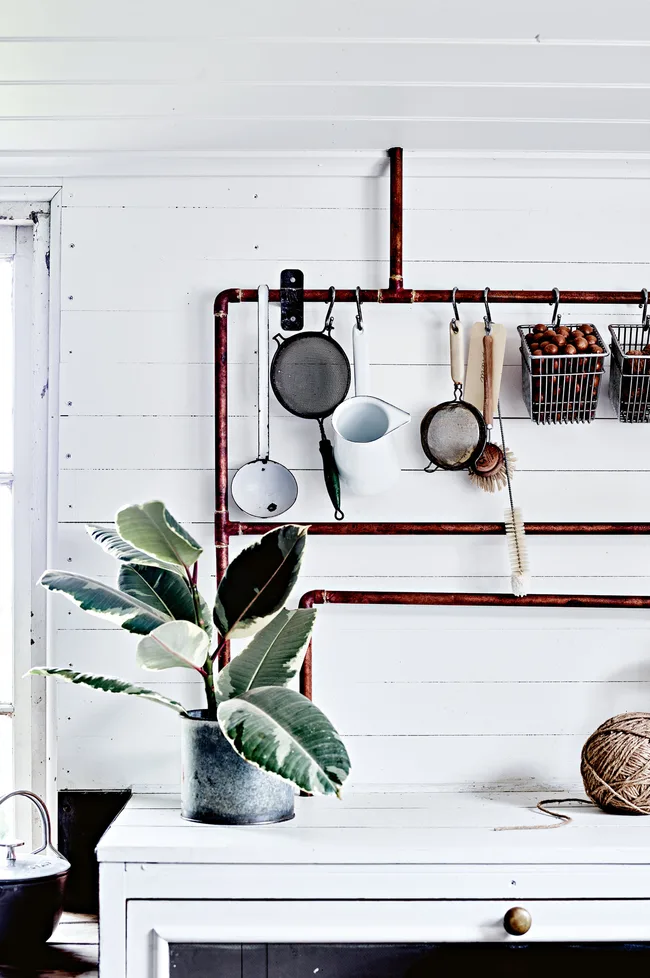
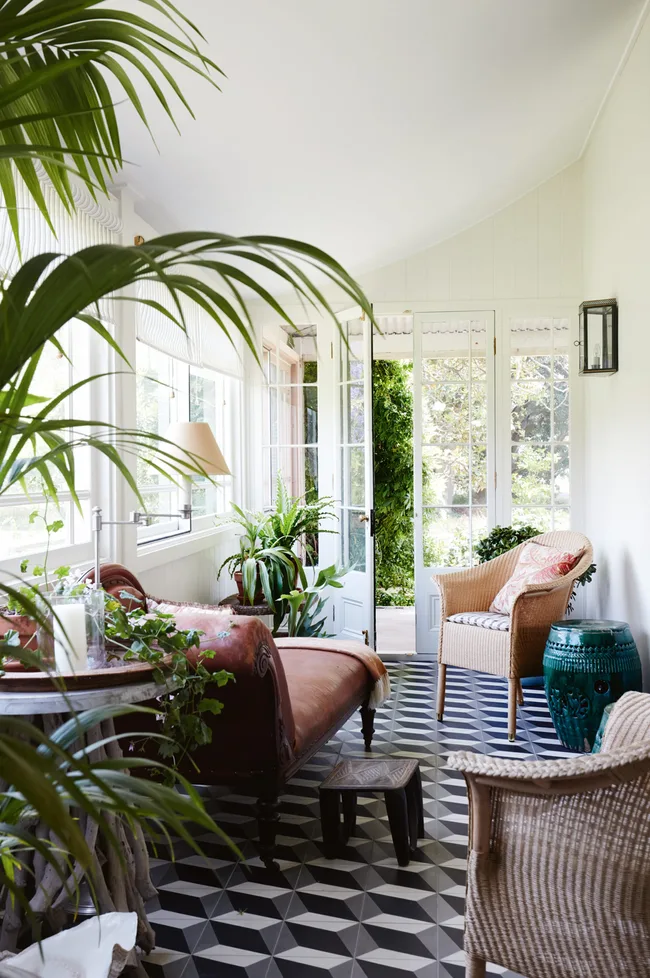
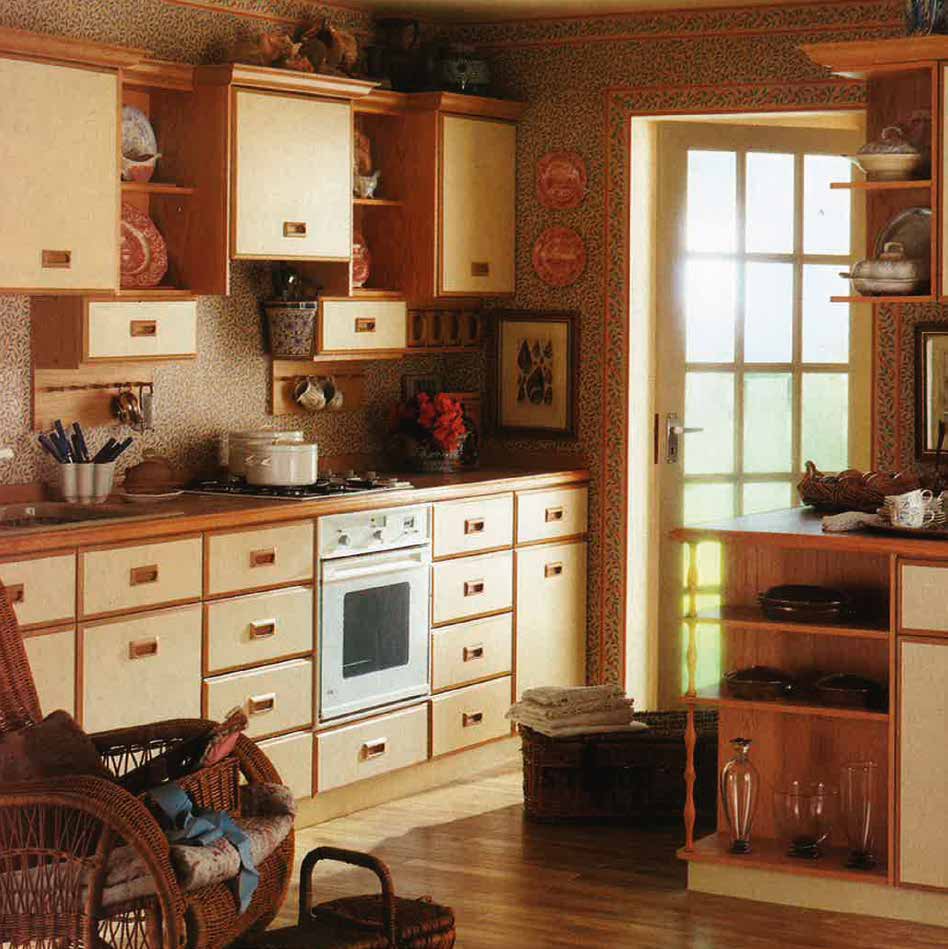
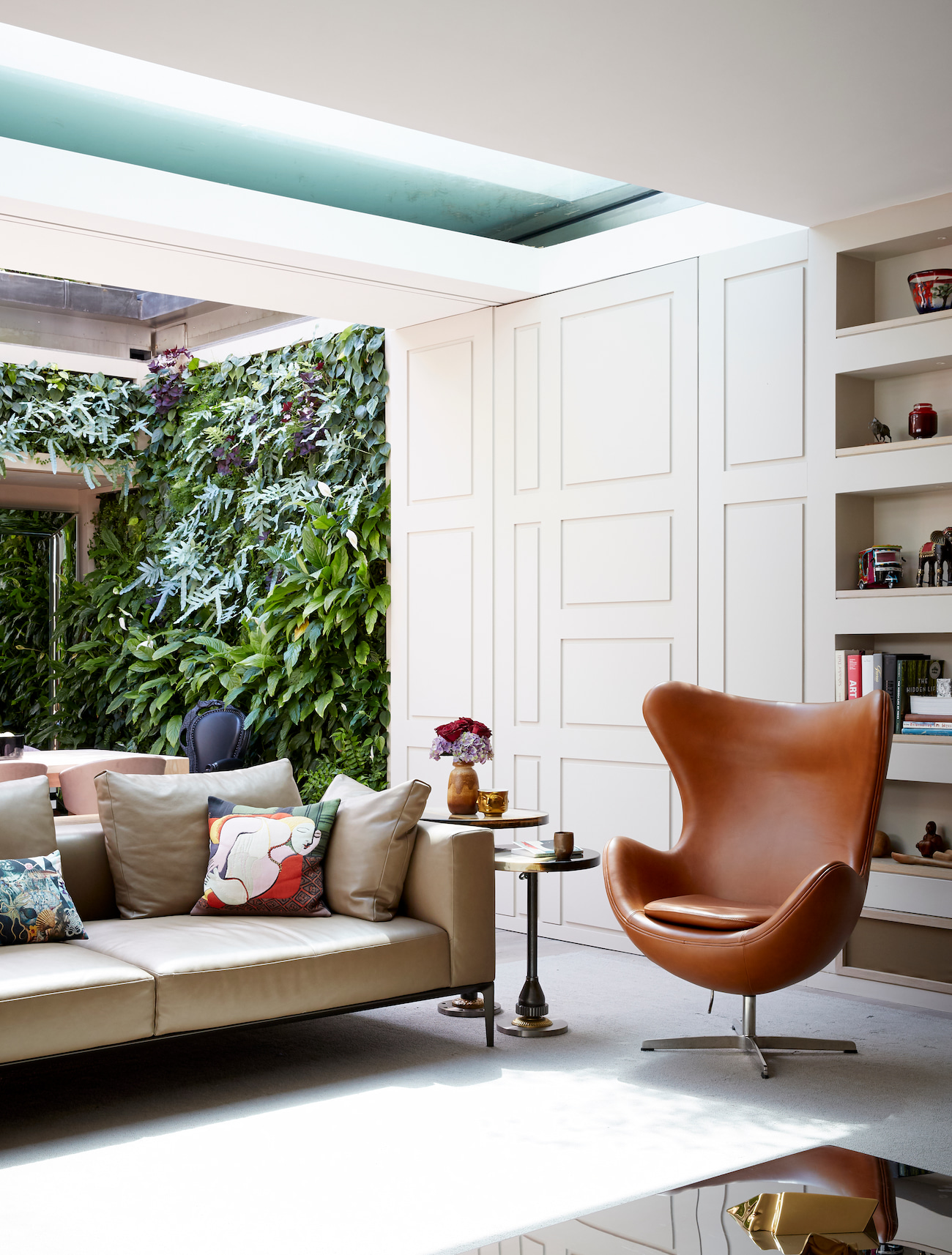
Clever use of colour, such as painting ceilings in dark hues or using fabric on walls, can significantly impact a room's atmosphere. The concept of cohesive spaces is emphasized, ensuring a common thread runs throughout the home. This involves establishing a principal colour palette and then layering it with textures and accent colours, particularly important in open-plan living where individual spaces need identity while maintaining overall unity. Repeating colour schemes, materials, or fabric details helps link spaces seamlessly. Flooring choices should be functional and aesthetic, with stone for entrance halls, timber for reception rooms, carpets for bedrooms, and durable porcelain for high-traffic areas. Rugs are presented as versatile elements for adding character, defining zones, and introducing decorative elements. Finally, the article advocates for the integration of natural elements, such as indoor plants and natural materials like timber, stone, and wool, to promote wellbeing and purify air. Artwork, both existing collections and new acquisitions, along with decorative objects, books, and family photos, are crucial for personalizing a space. The inclusion of vintage or antique furniture is highly recommended for adding depth and authenticity, encouraging a balance of old and new pieces that reflect personal taste and history.
#InteriorDesign #HomeCharacter #DecoratingTips #ArchitecturalDetails #LightingDesign #FocalPoints #TextureMixing #ColourPalette #VintageFurniture #InteriorDesign #HomeCharacter #DecoratingTips #ArchitecturalDetails #LightingDesign #FocalPoints #TextureMixing #ColourPalette #VintageFurniture
0 comment in total
 No comments yet
You may also like
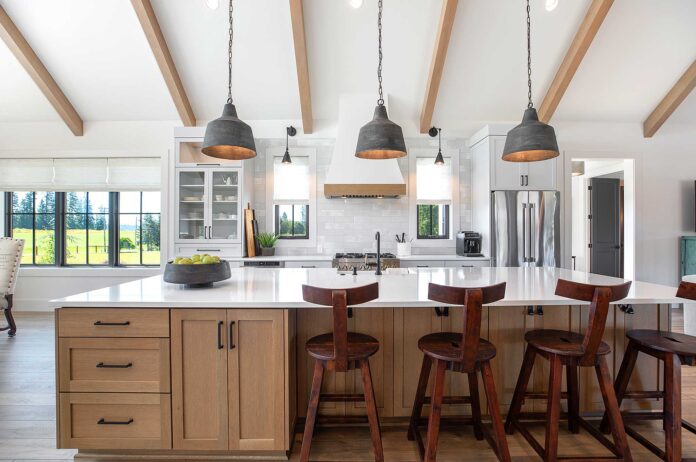
Add Personality to your Home this Year
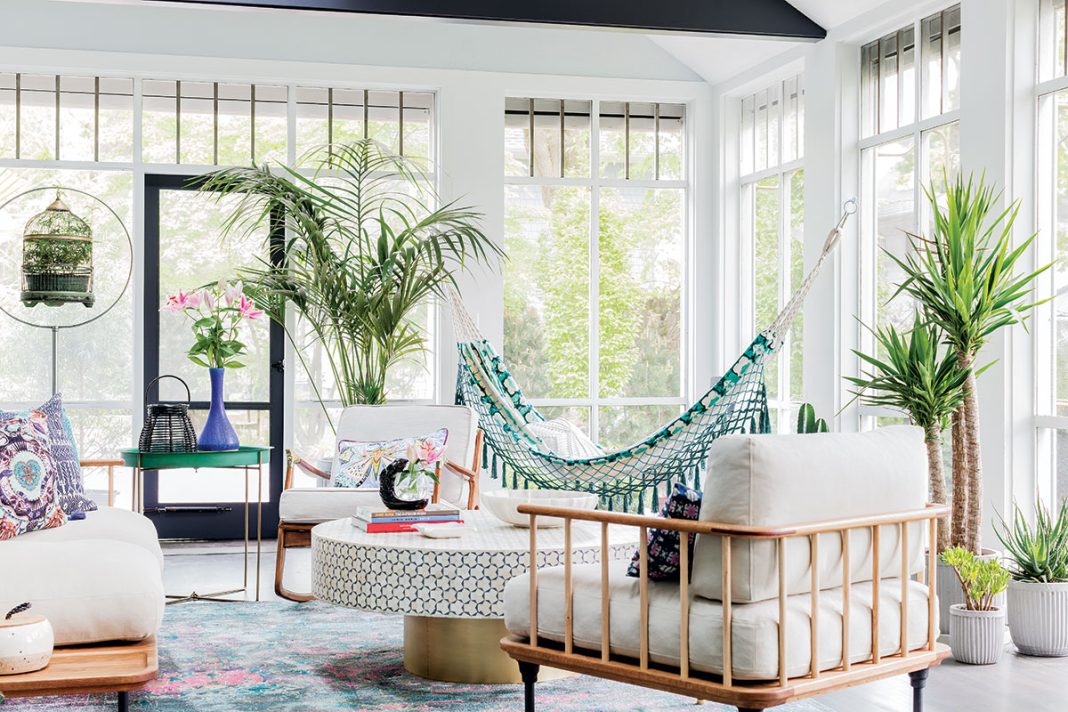
Creative, Captivating Use of Color Helps This Home Redesign Shine

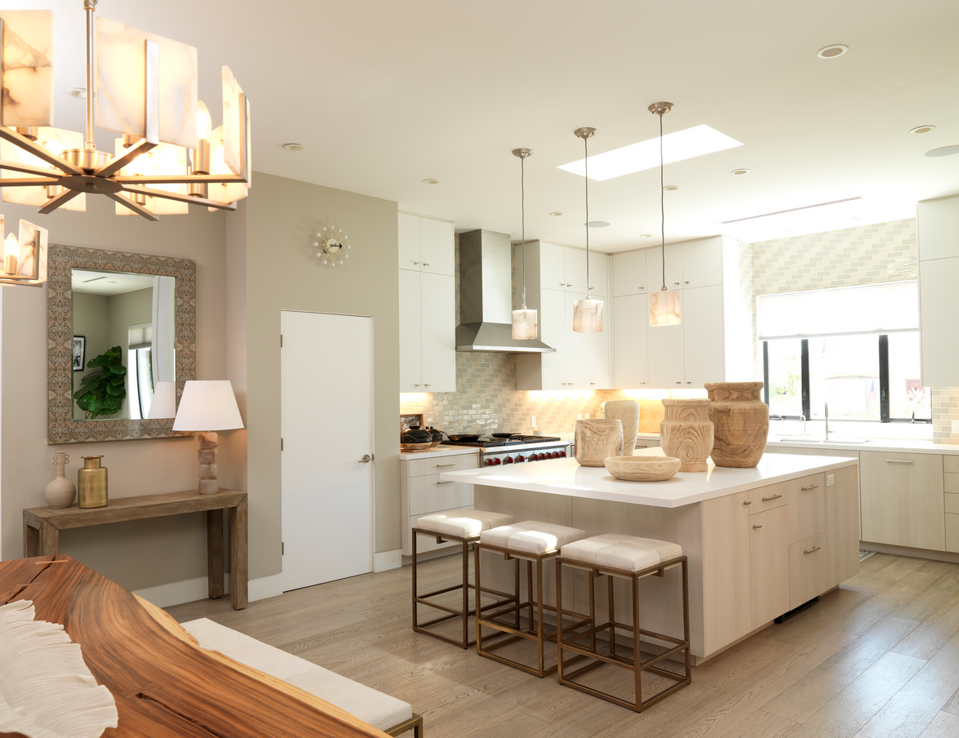
These Task, Accent, And Ambient Lighting Tips Can Transform Your Home

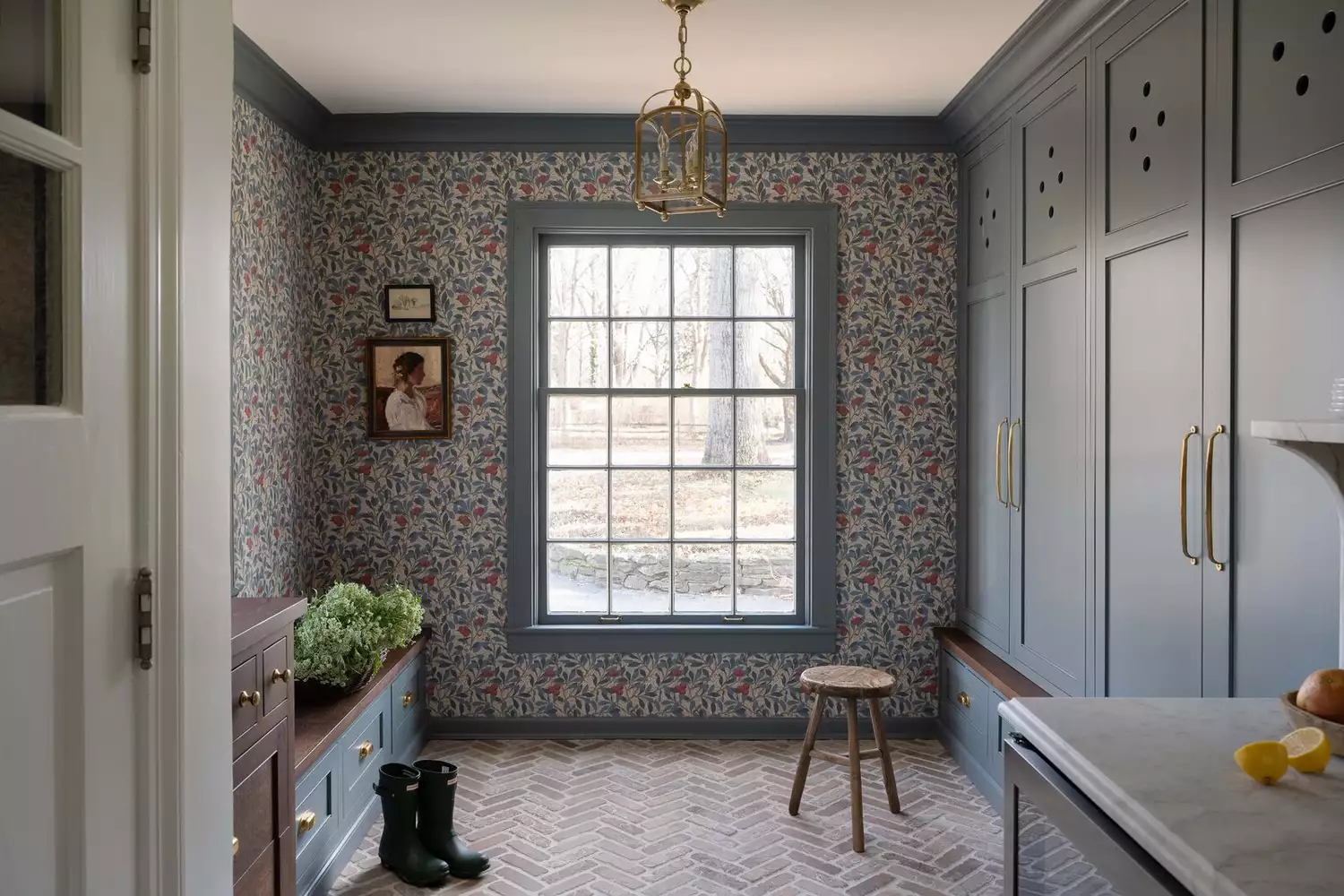
6 Ways to Modernize Your Home While Keeping Its Character, According to Designers

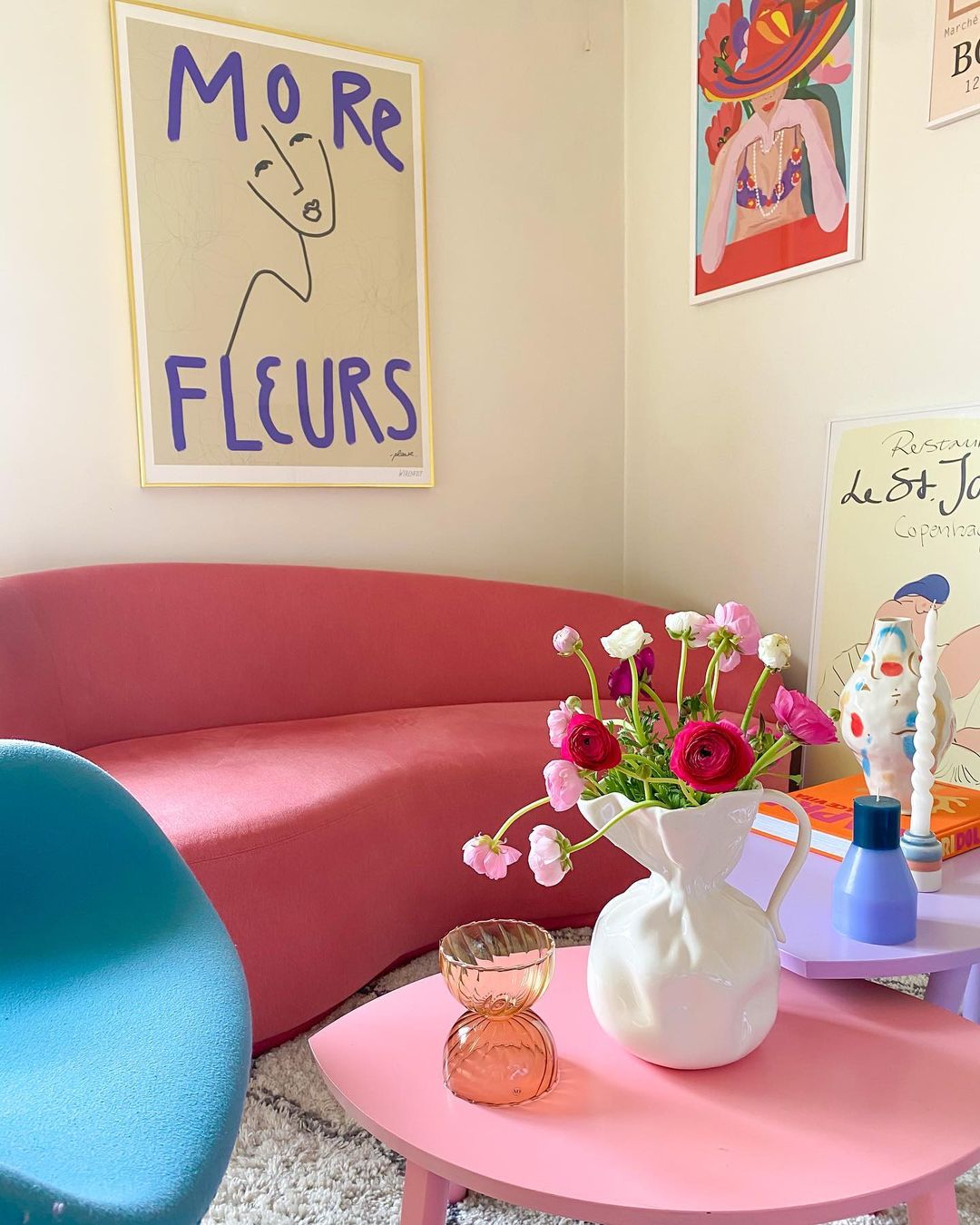
5 Little Touches That Will Add Personality to Any Home

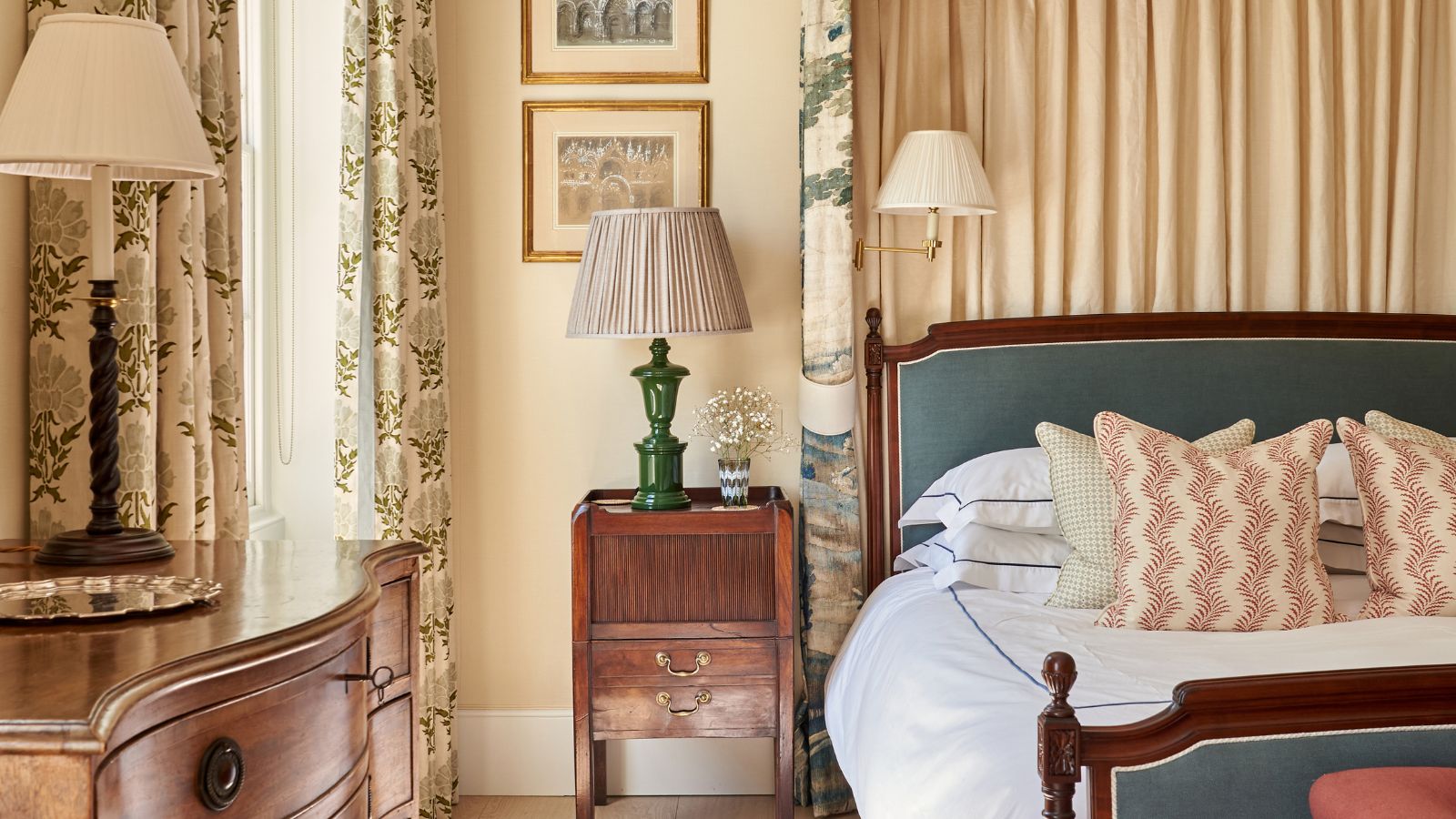
Decorating with vintage – 7 of the best ways to bring character into the home

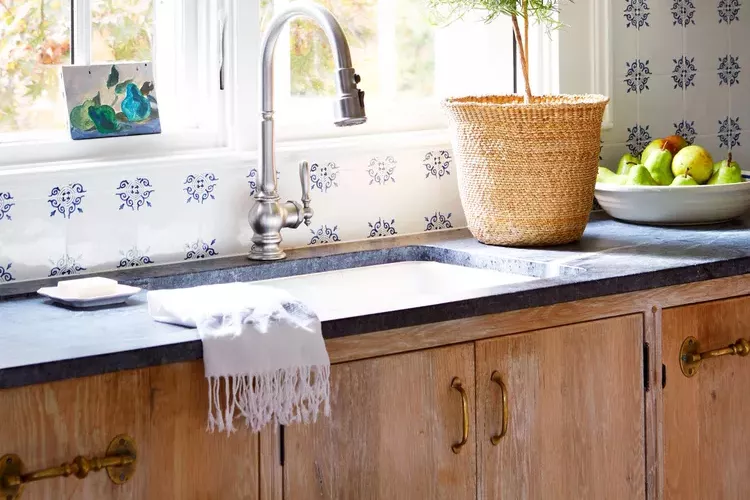
The One Detail Every Home Needs For Instant Character
How to transform your home with art
How can you give a new build home character? This London home is a lesson in how to make new look period
COLOR! How to Add to Your Home
This Cozy Cottage Was Once a Crumbling Garage—Now, It’s Filled With Fairy-Tale Details

Top design tips to make your home look bigger

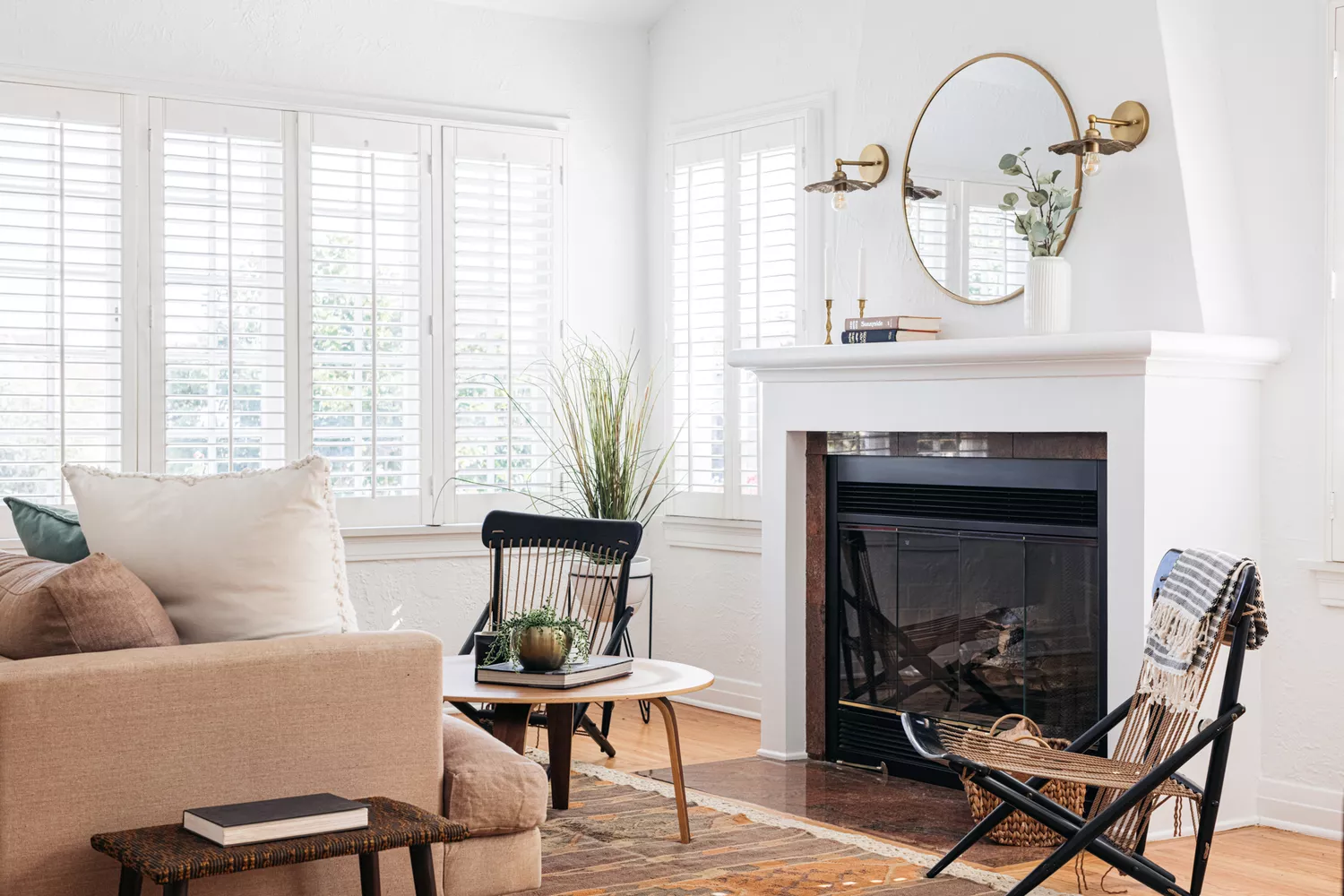
8 Genius Upgrades to Bring Charm and Character to Any Builder-Grade Home
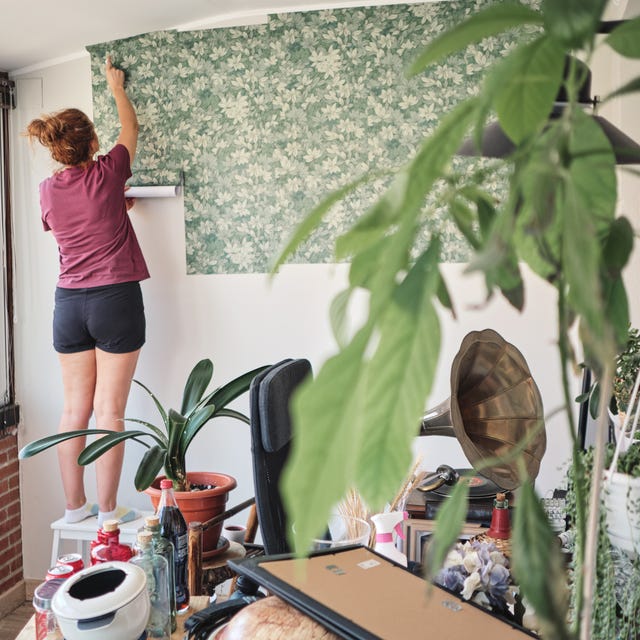
DIY Decor Ideas That Add Personality and Charm to Every Room

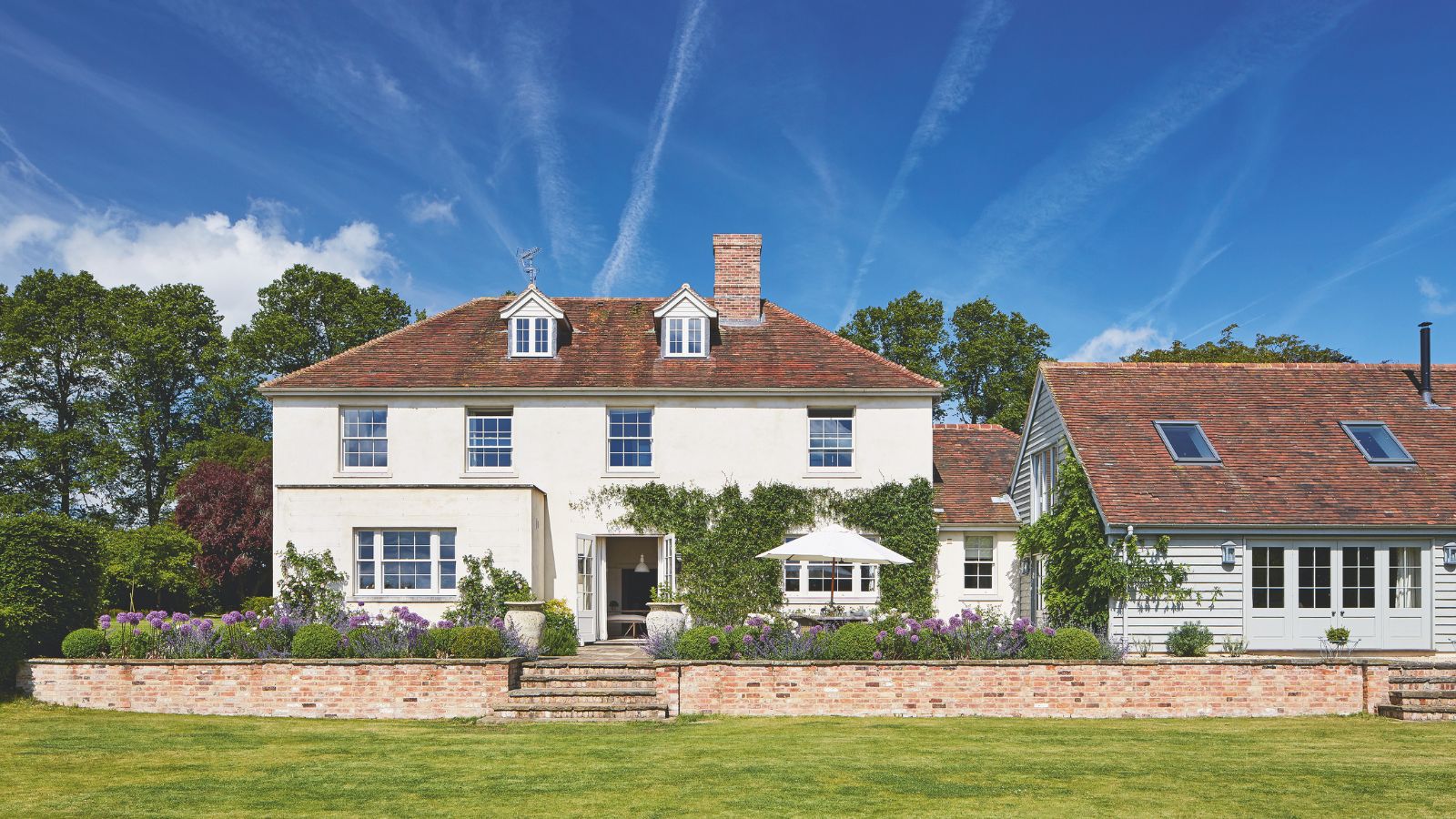
6 things you should look past when viewing a property, according to real estate experts and interior designers
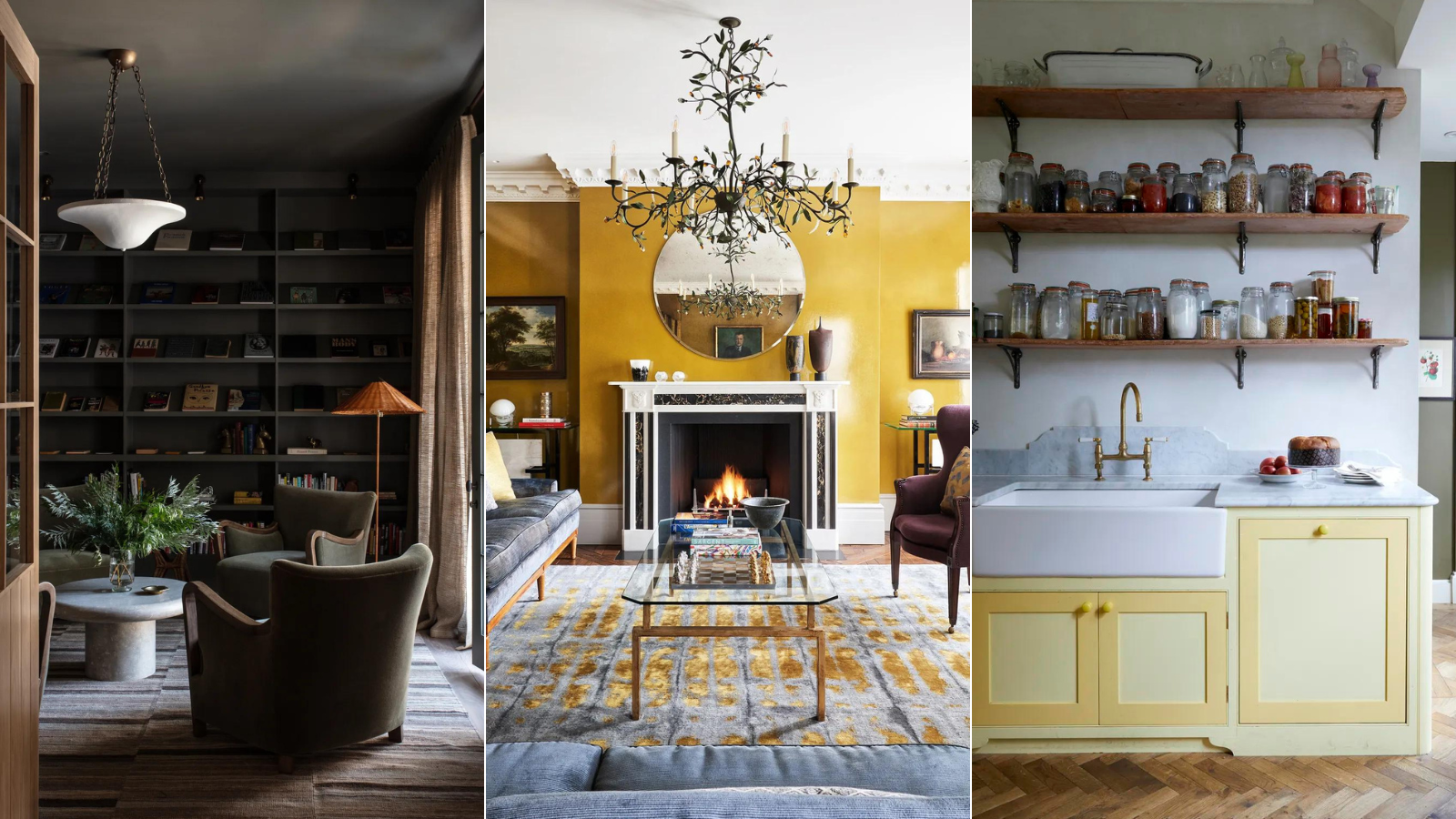
7 DIY projects that will elevate your home
9 ways to add texture to your home

8 easy updates that will make an old home look new
These Trendy Home Additions Will Look "Dated" in 2026, According to Designers

Renovating a Home? Here's How to Modernize Without Losing Character