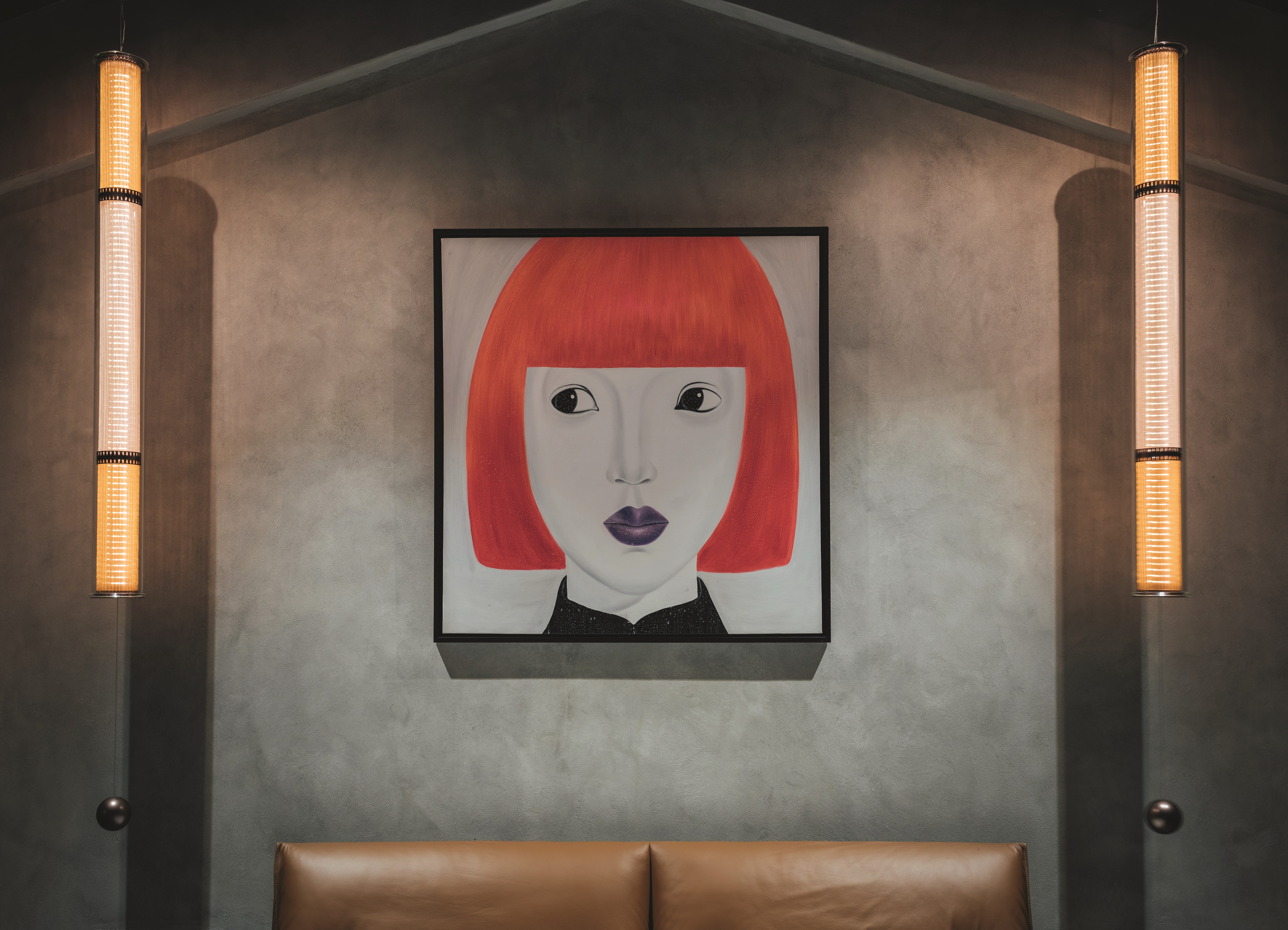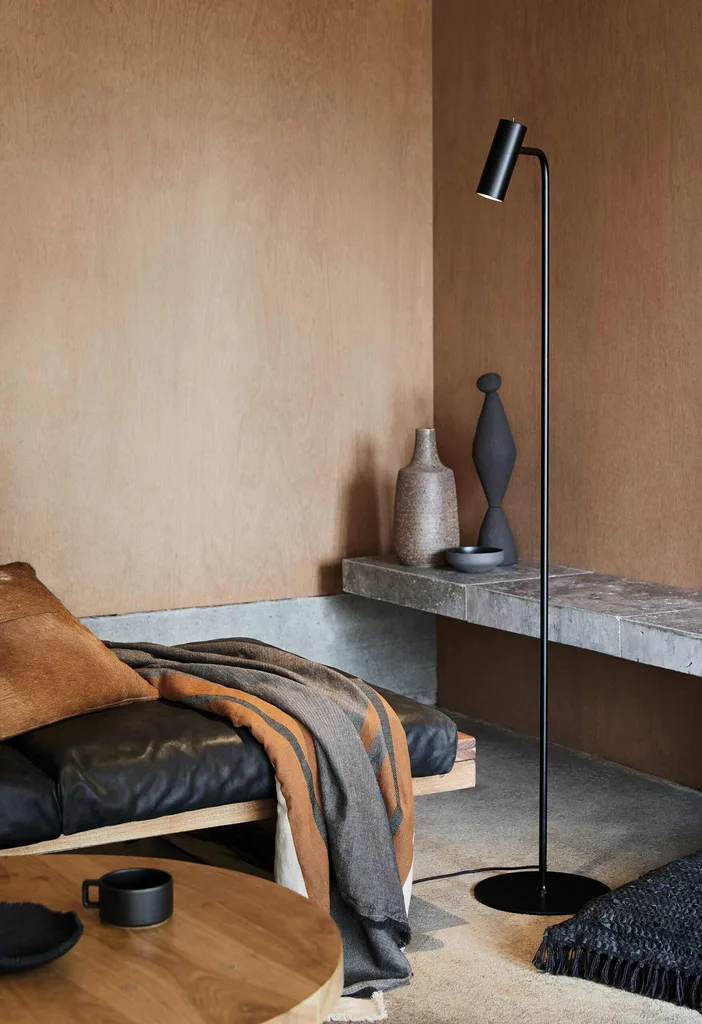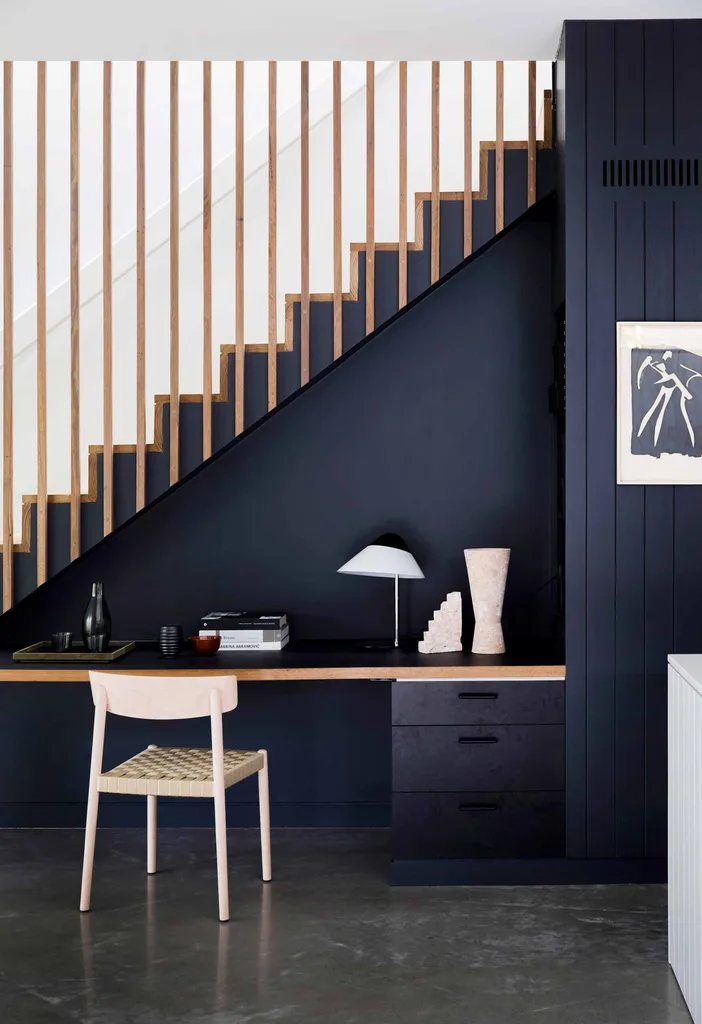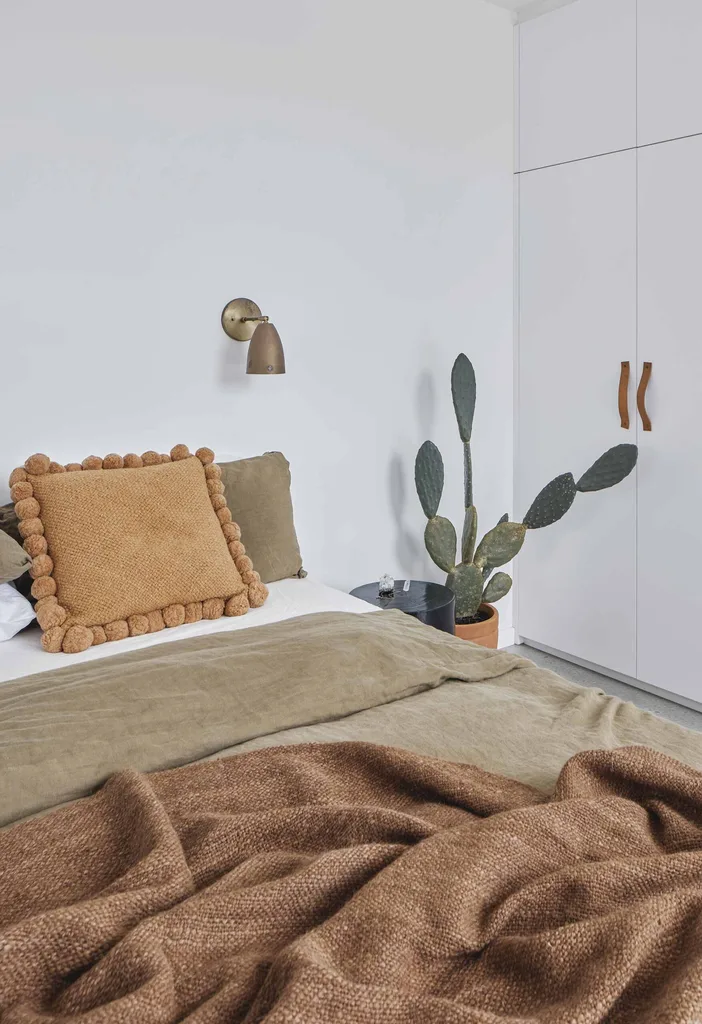
1/18
These Task, Accent, And Ambient Lighting Tips Can Transform Your Home
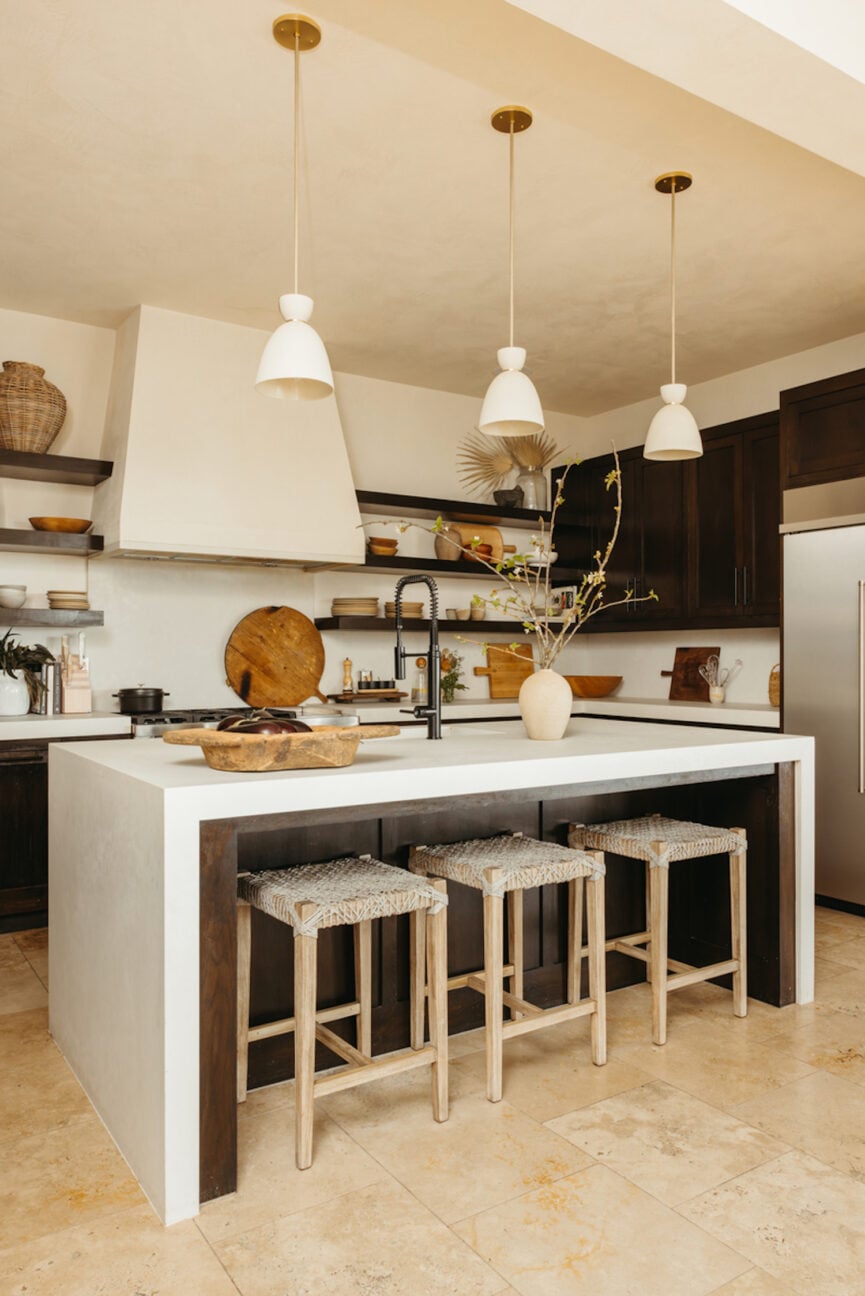
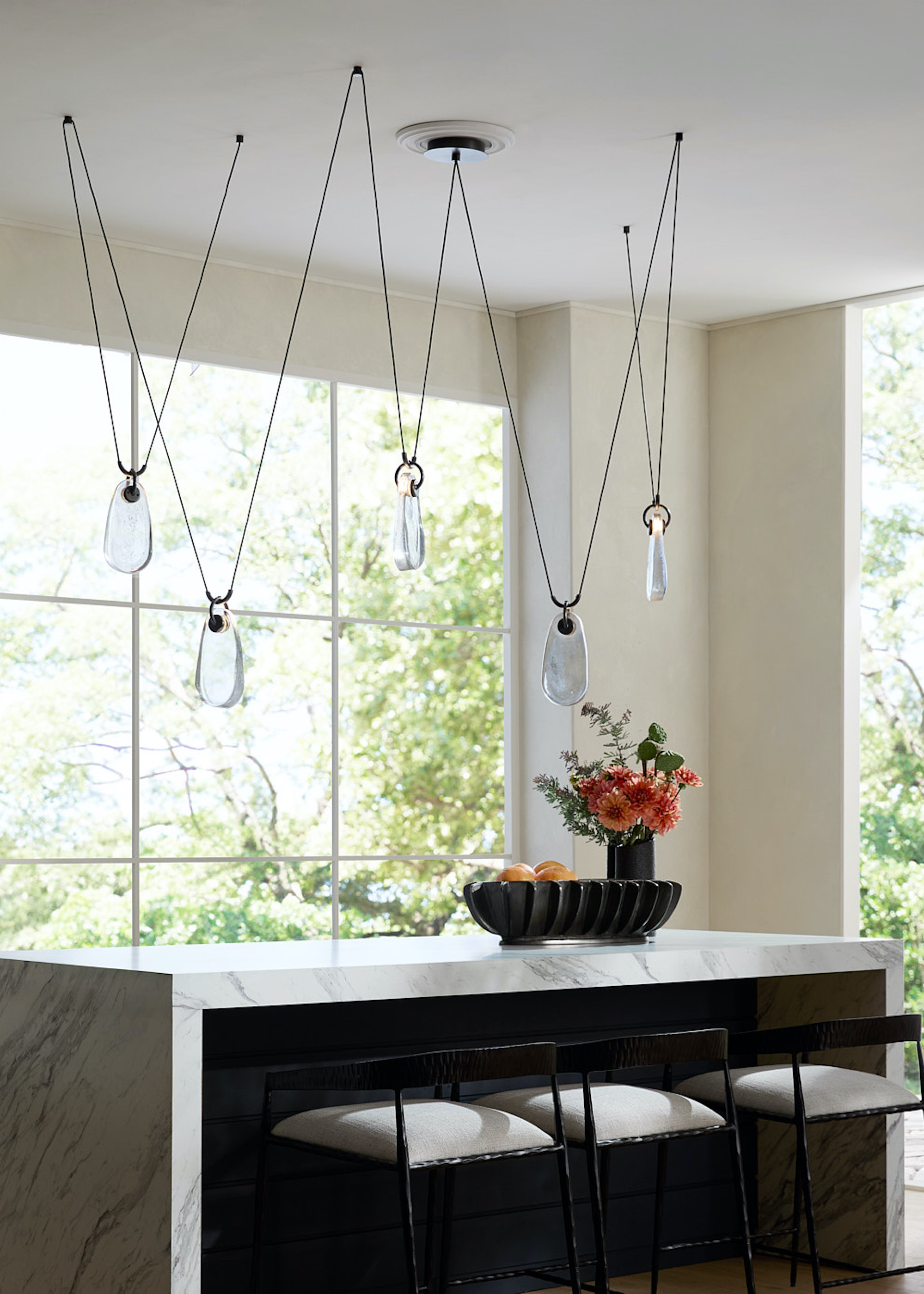
Effective lighting design is a critical, yet often overlooked, element in home aesthetics and functionality. Interior designers Jamie Young, founder of Jamie Young Co., and Vy Truong of Very Handsome Studio, emphasize that intentional lighting can significantly impact a home’s spaciousness, highlight architectural and design features, and influence mood and well-being. Poor lighting, conversely, can detract from a room's intended design. The importance of lighting extends beyond mere illumination; it plays a psychological role, with specific light temperatures and directions influencing energy levels, focus, and feelings of intimacy or calmness.
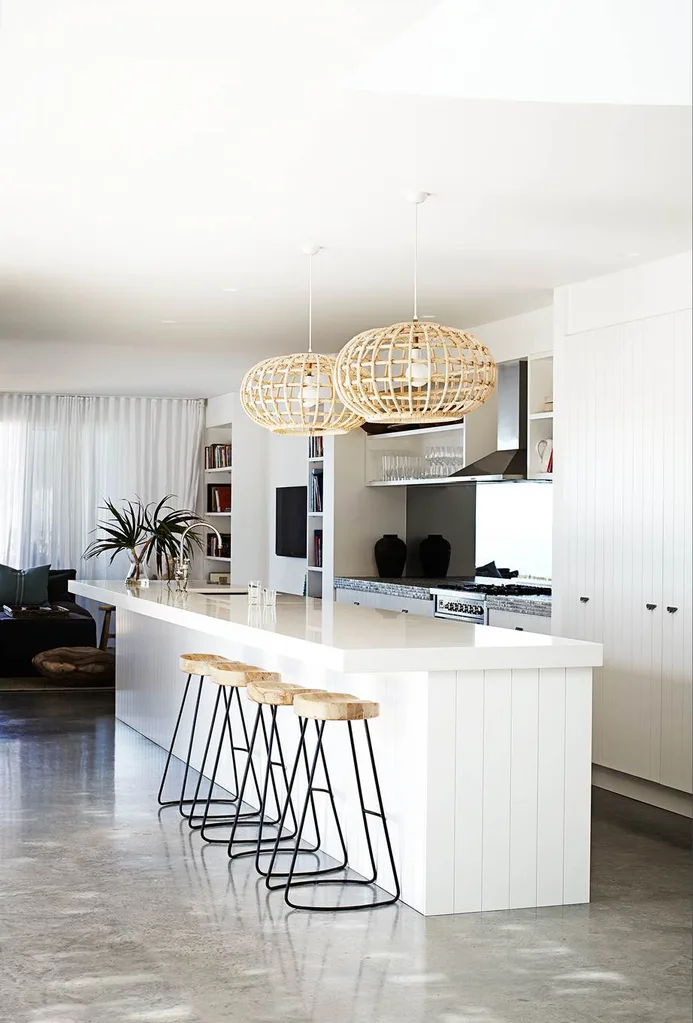
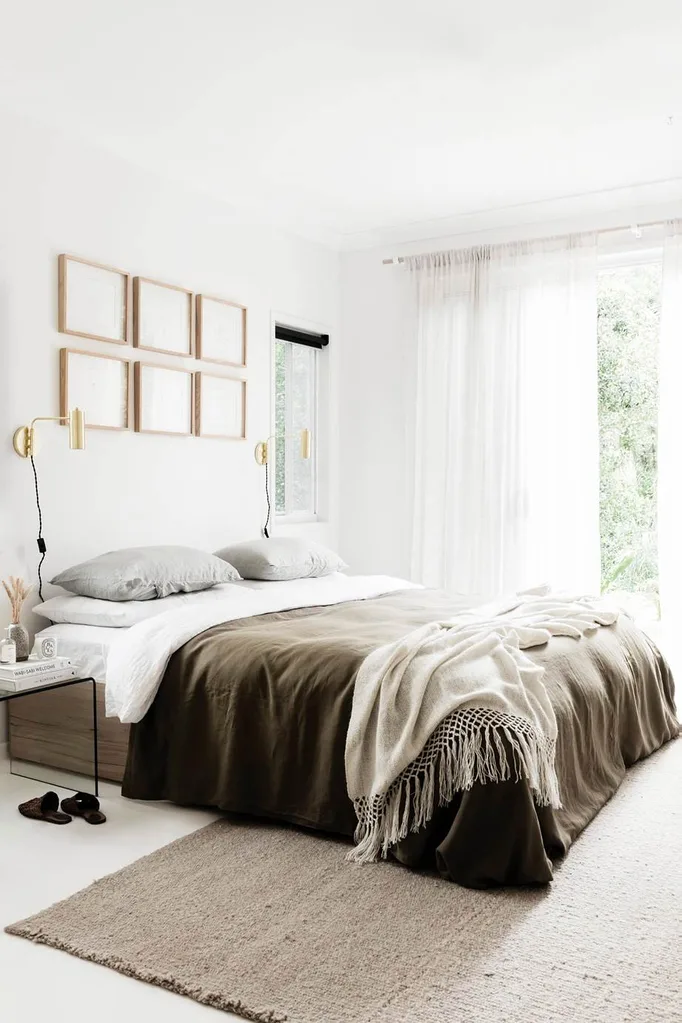
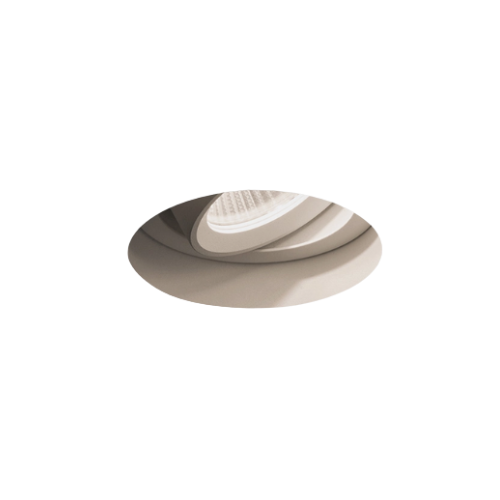
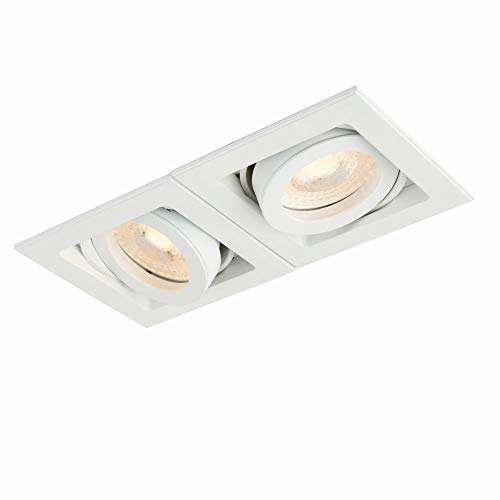
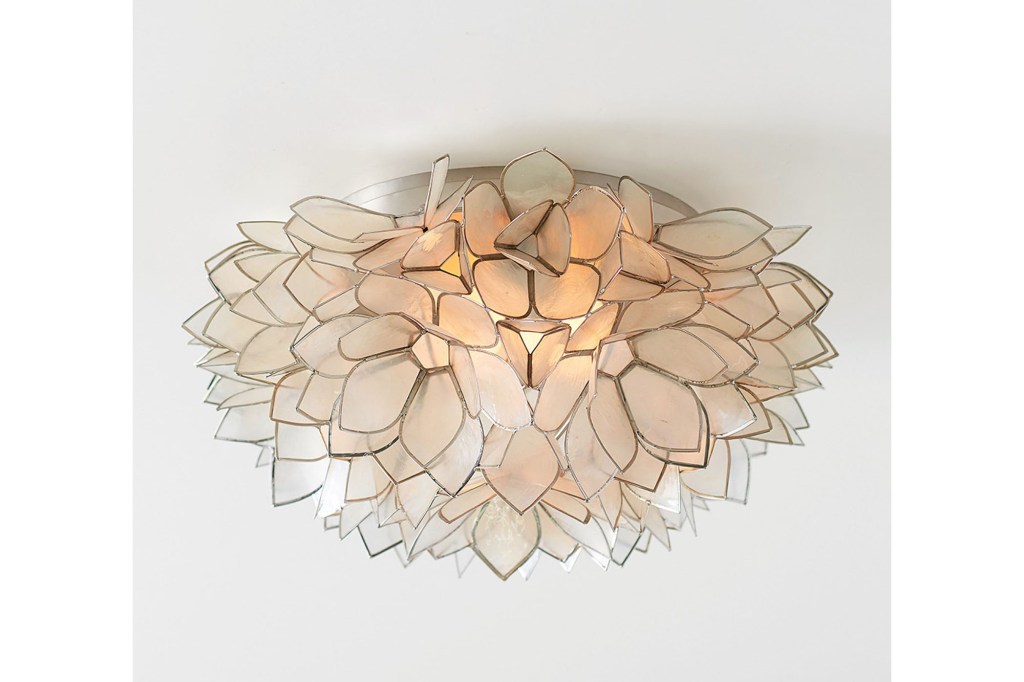
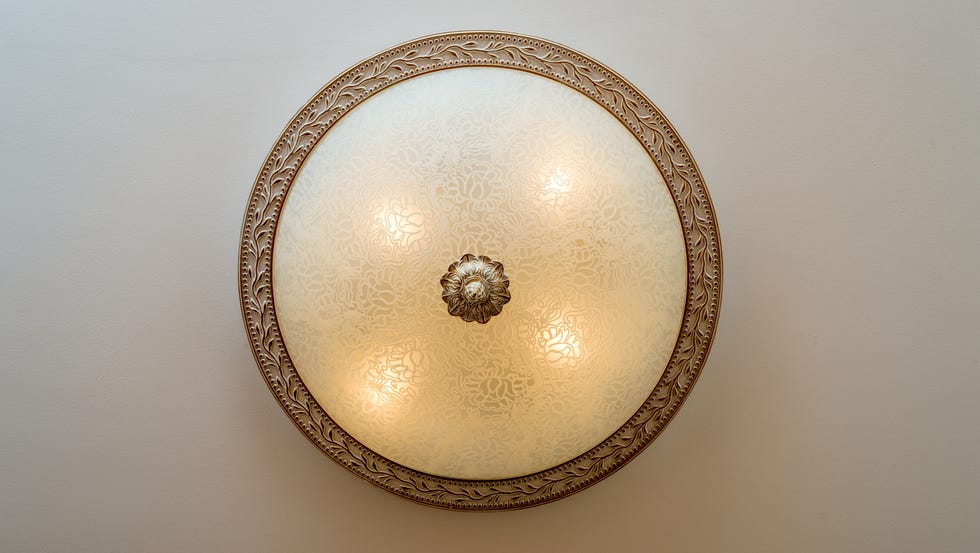
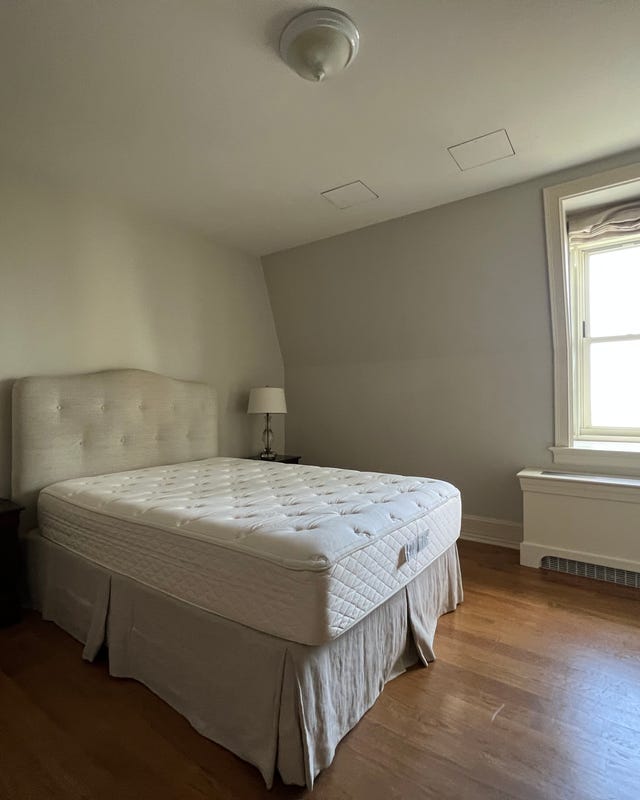
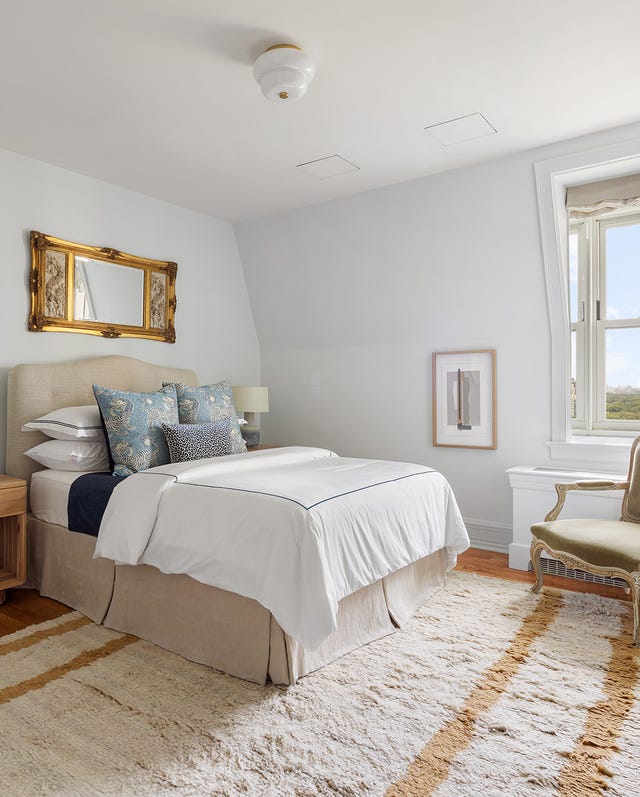
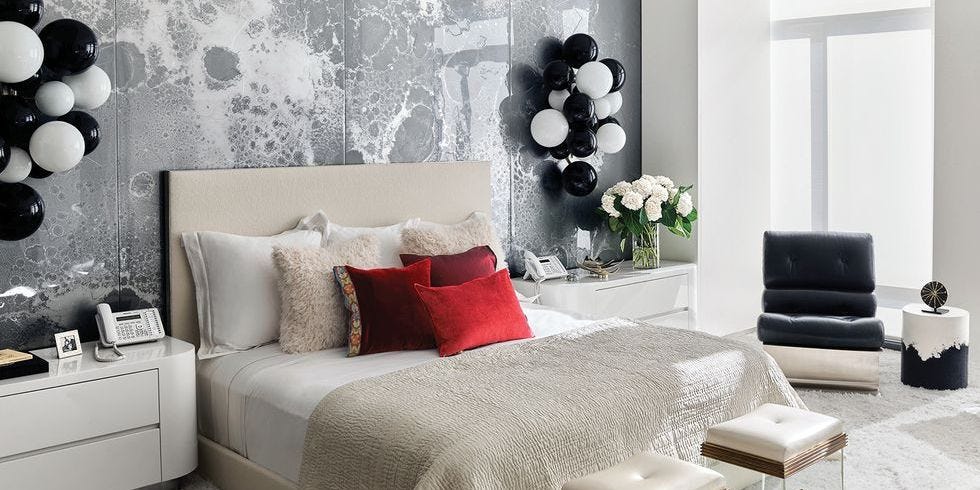
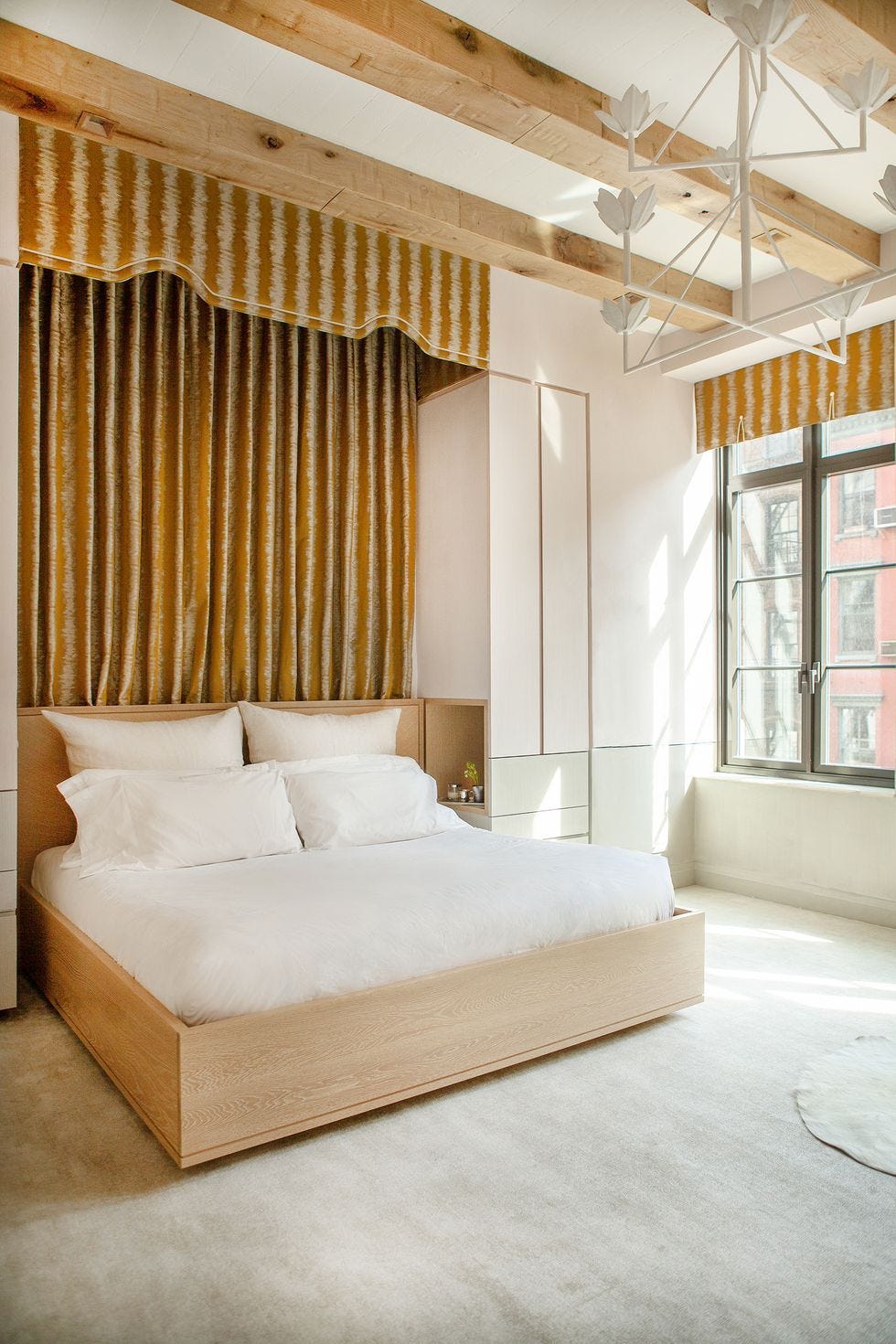
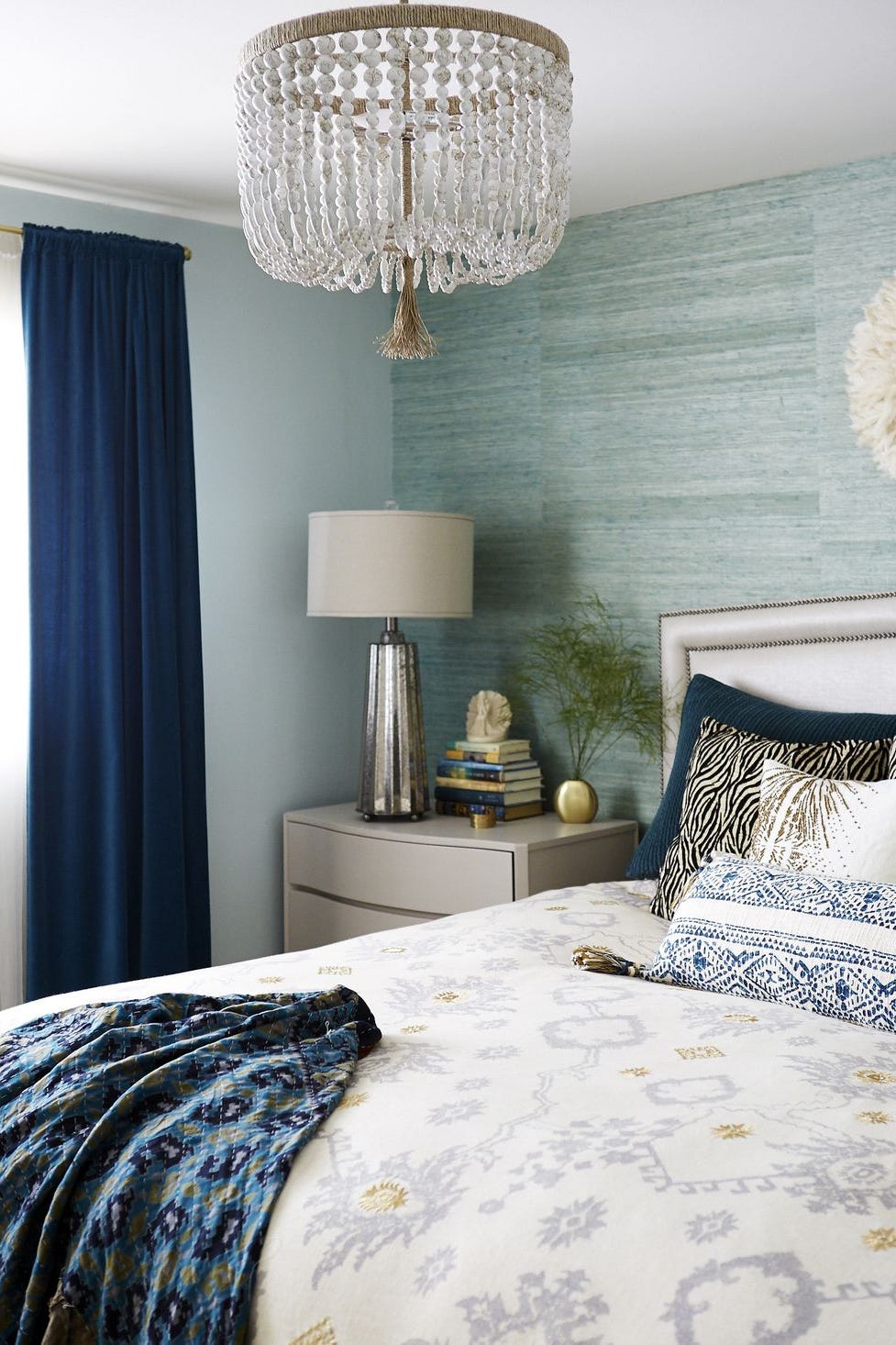
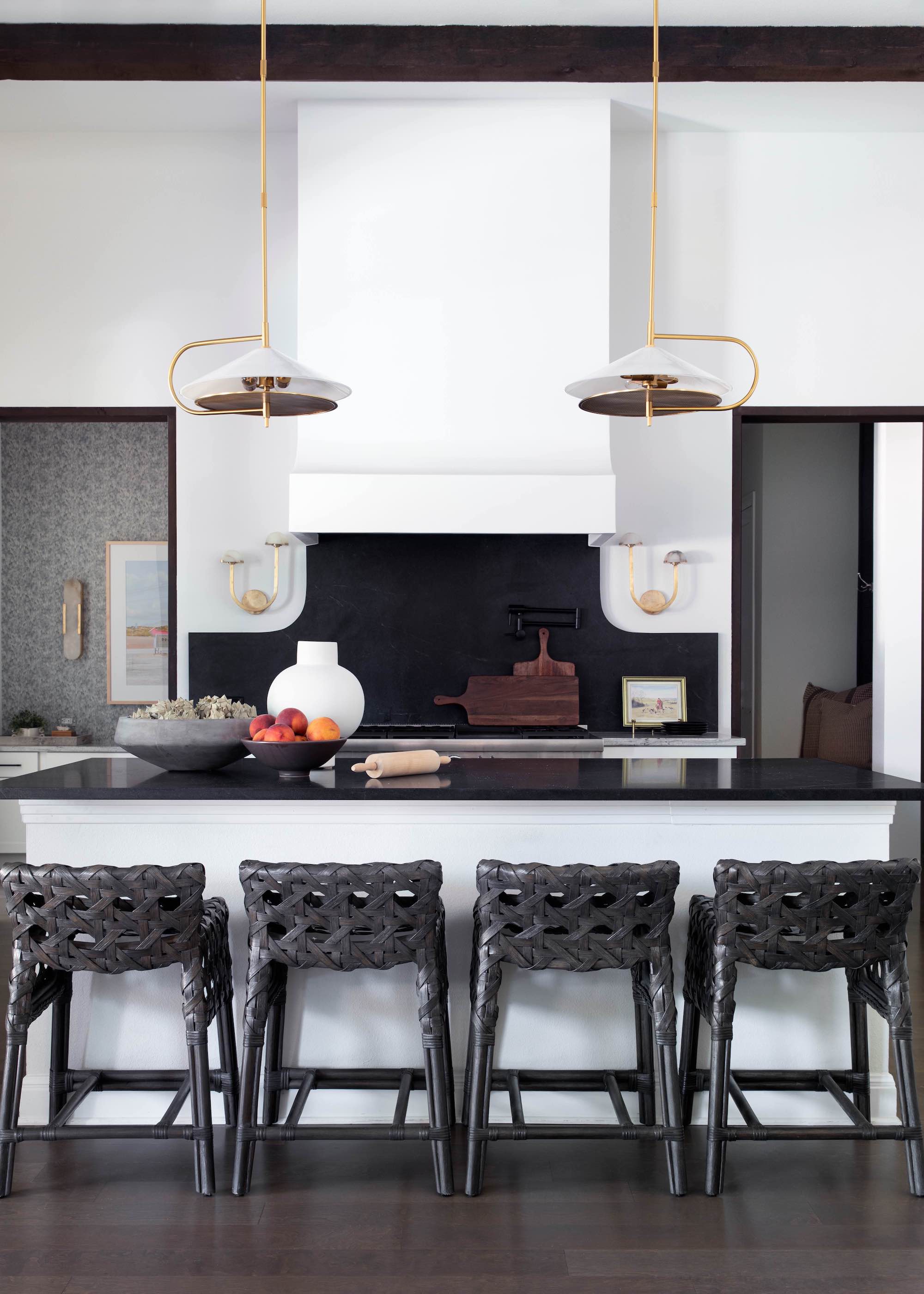
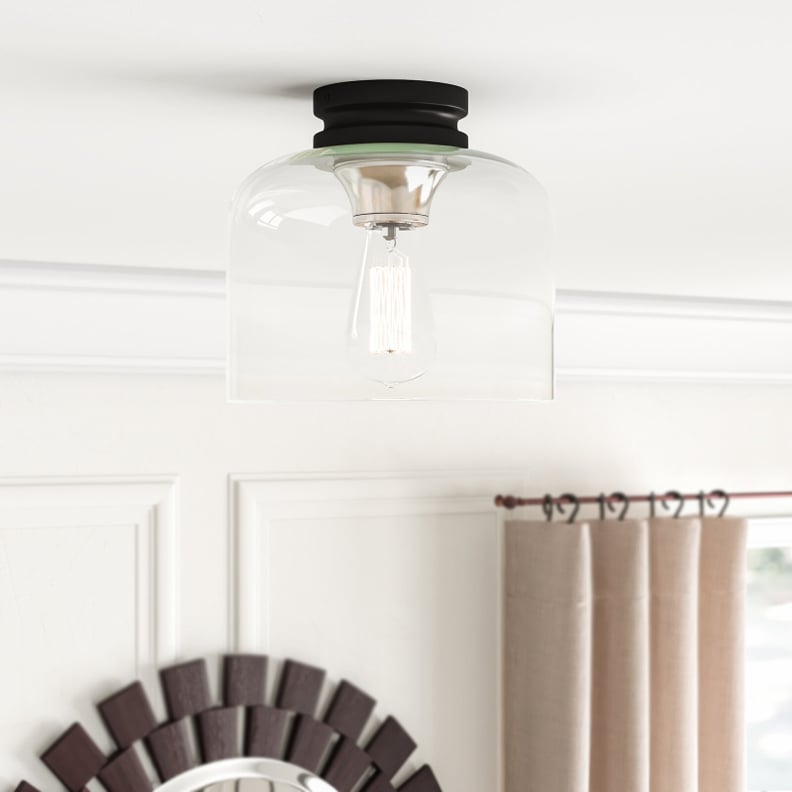
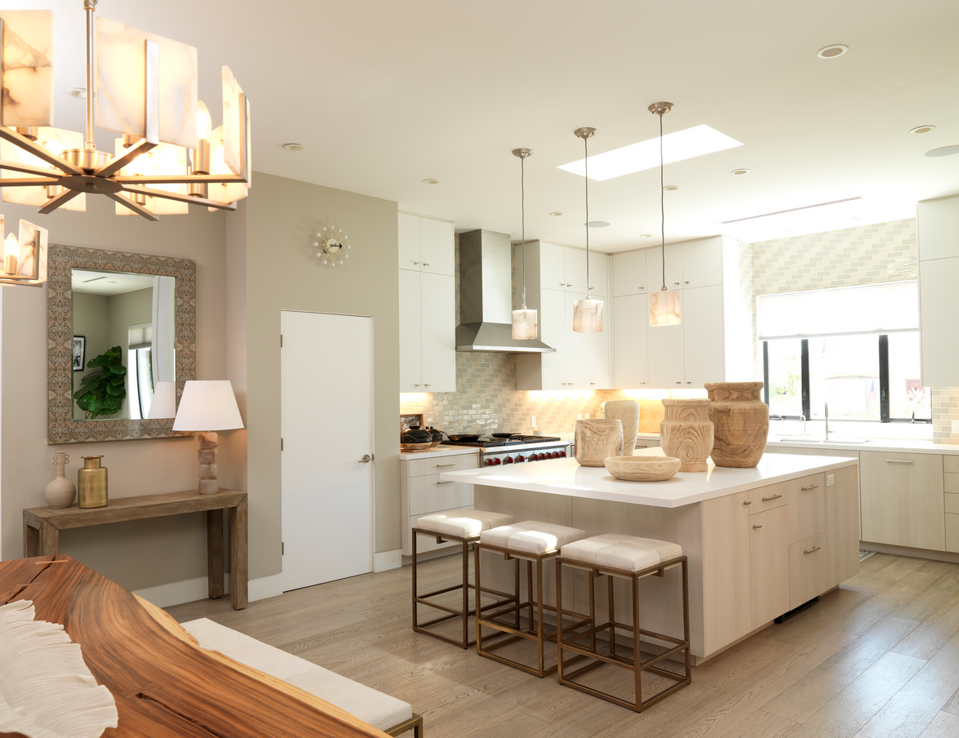
Heather Mastrangeli, principal designer at Innovatus Design, advocates for a layered lighting approach, combining ceiling lights with portable lamps and accent lighting to eliminate distracting shadows and enhance ambiance. She highlights common lighting errors in kitchens, such as overhead fixtures that cast shadows on countertops, and suggests solutions like recessed or wafer lights positioned optimally, along with diffused LED strip undercabinet lighting. In primary suites, she recommends bedside switches for convenience and specific ceiling light designs that either expose decorative bulbs or conceal them behind shades.
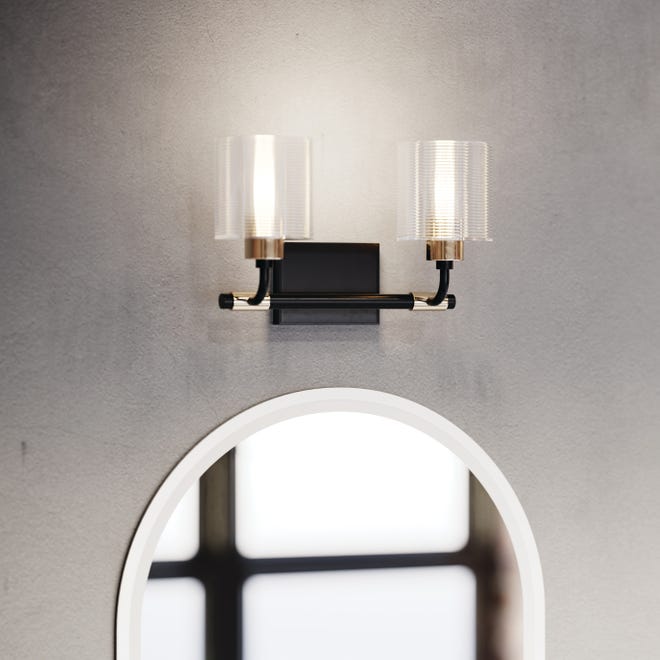
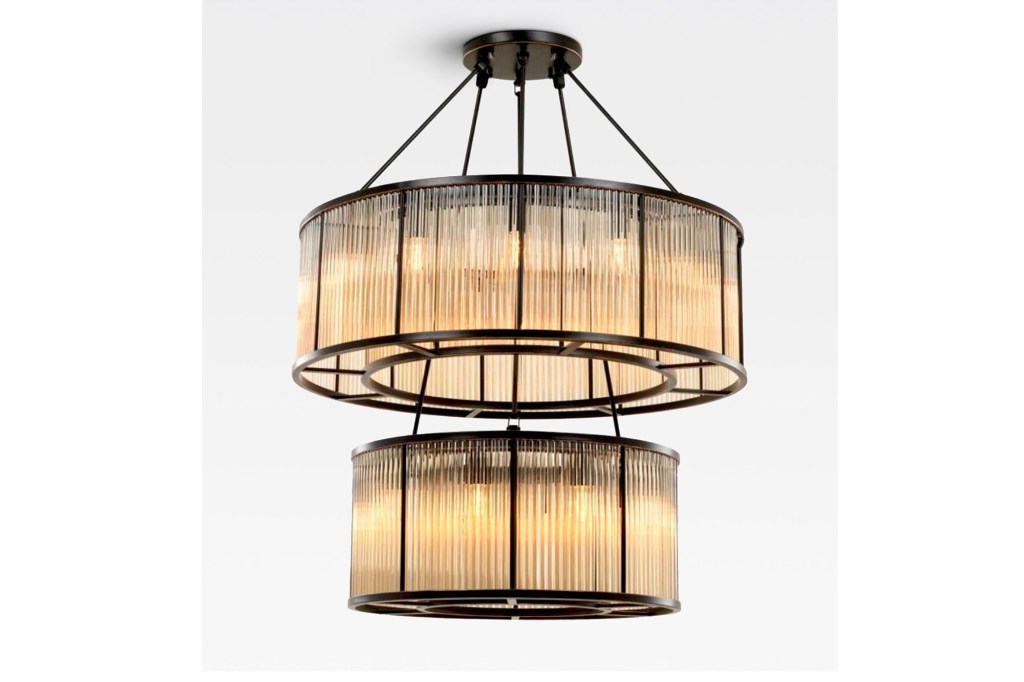
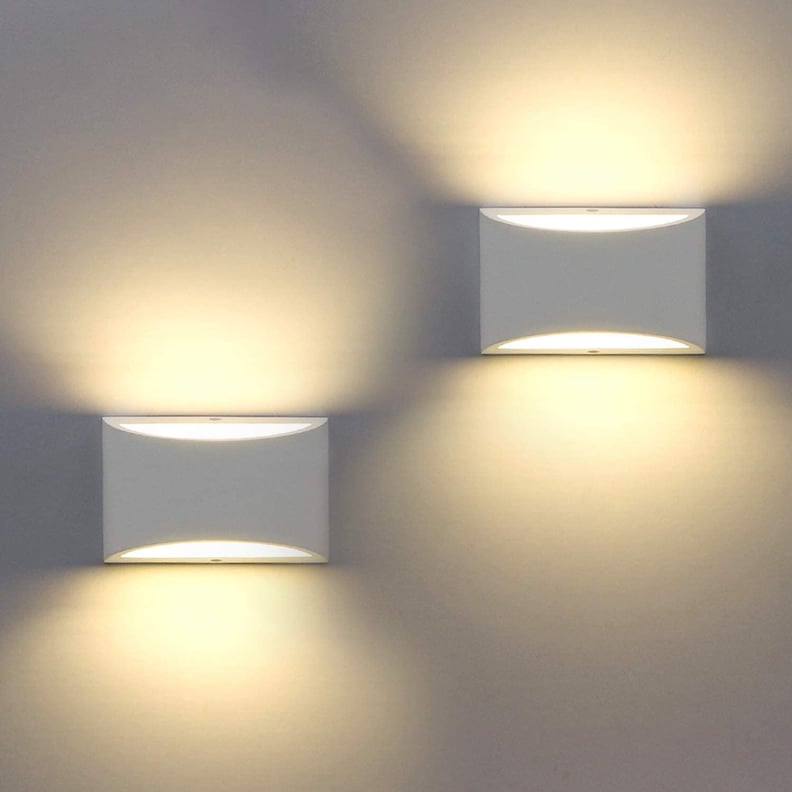
For bathrooms, Mastrangeli suggests adapting lighting to the room's color scheme and personal routines, advocating for sconces on either side of mirrors for makeup or shaving, complemented by overhead lights. She also notes the value of accent lighting to showcase features like wallpaper or unique textures. Beyond individual rooms, she points out the often-neglected staircase, where a statement light paired with sconces on separate dimmer switches can provide both style and practical, soft illumination for nighttime navigation.
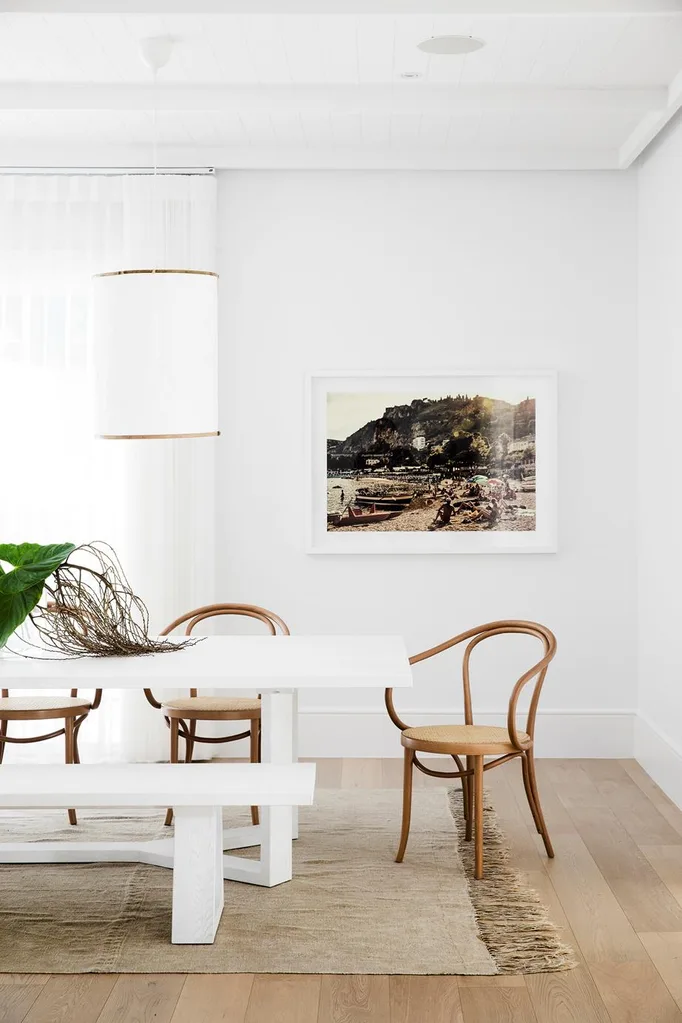
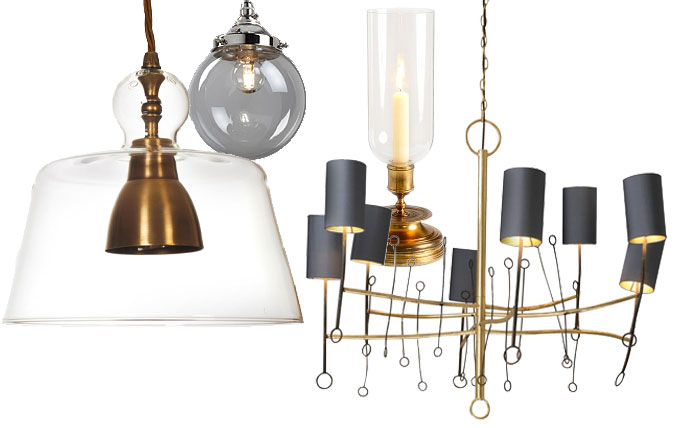
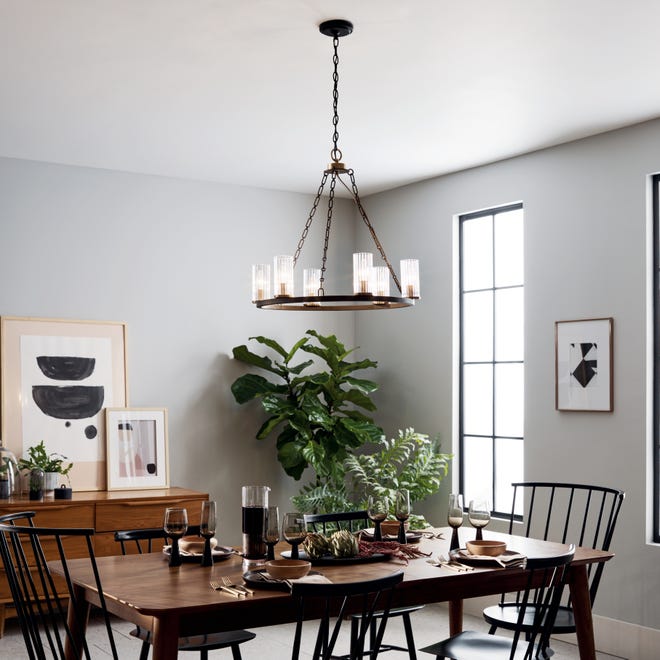
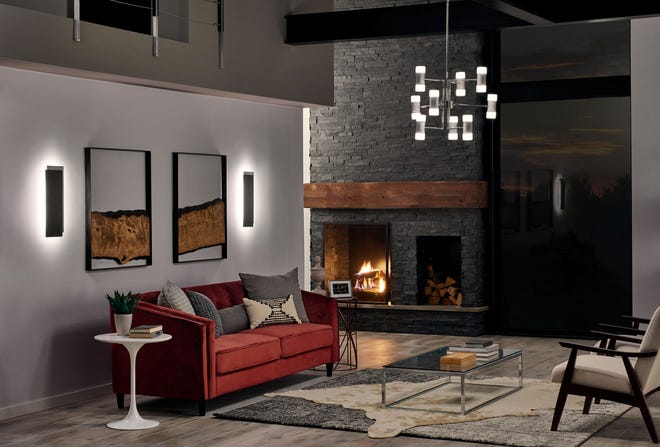
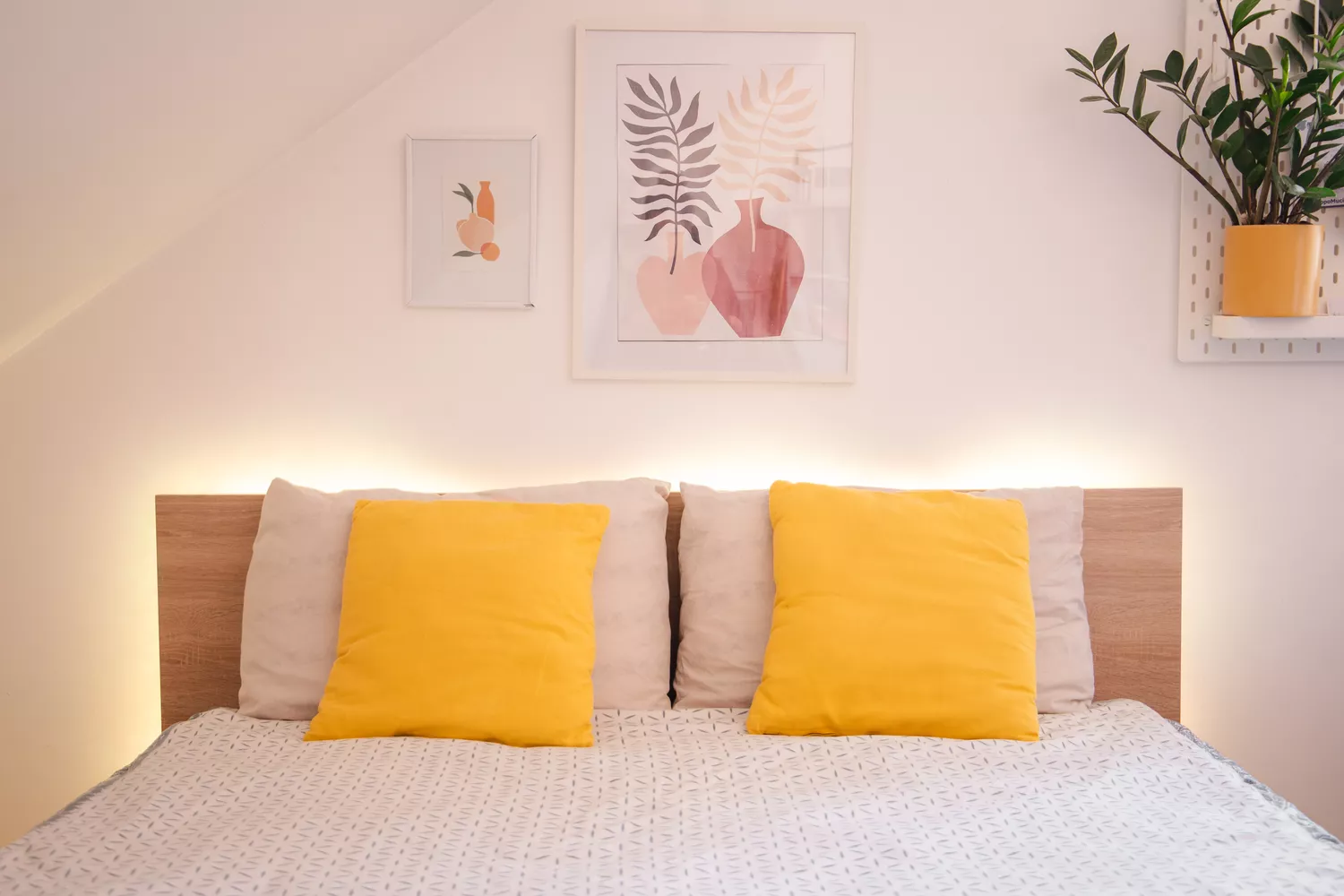
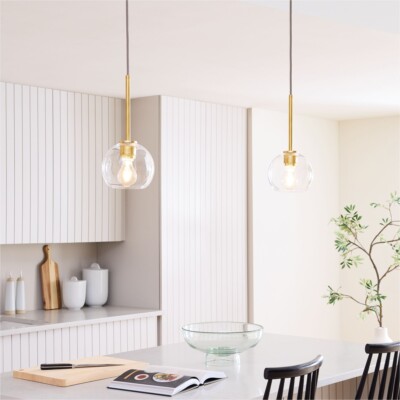
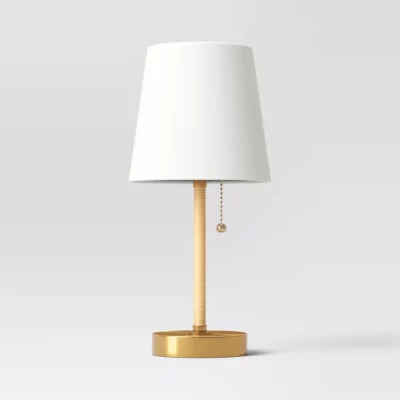
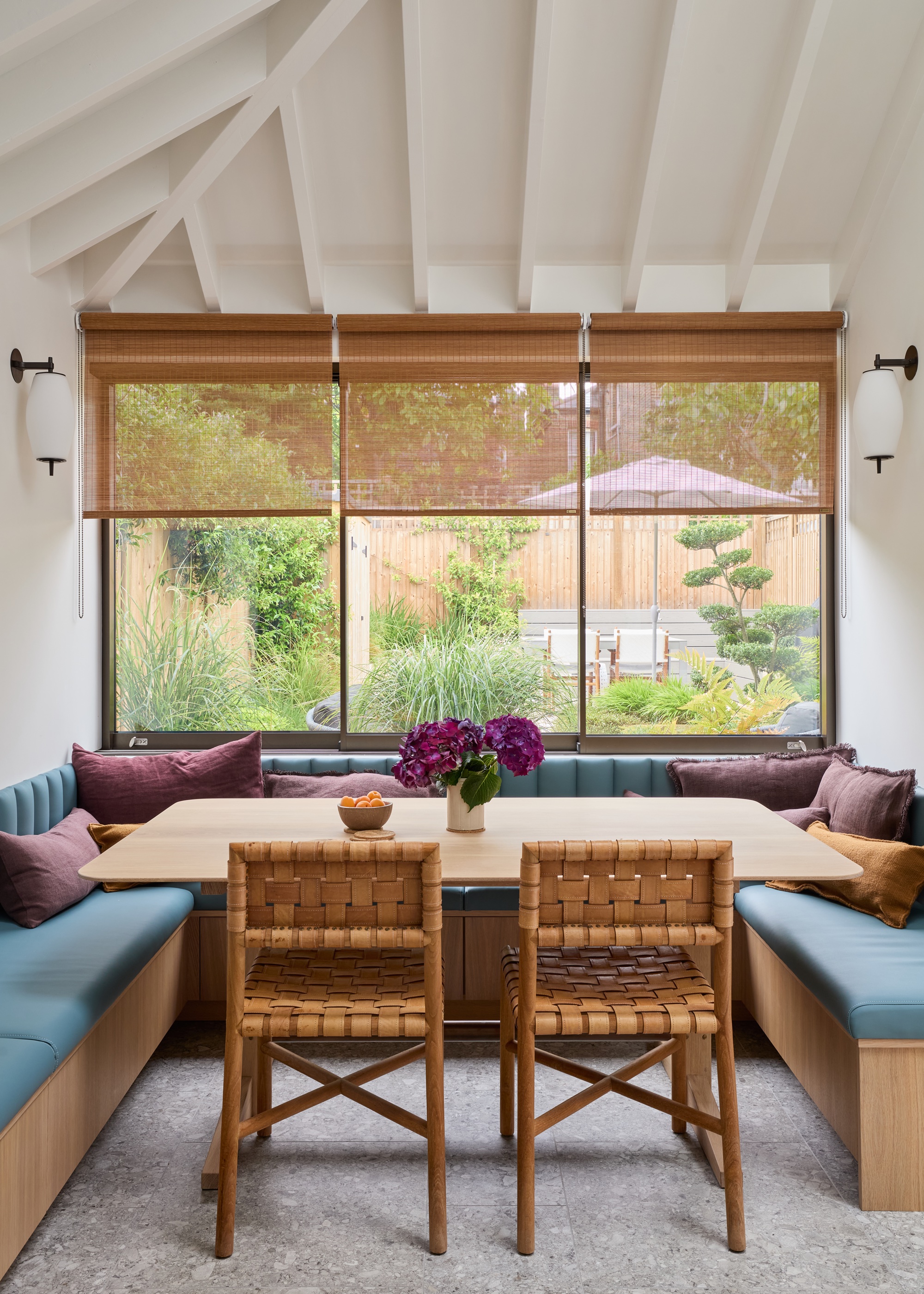
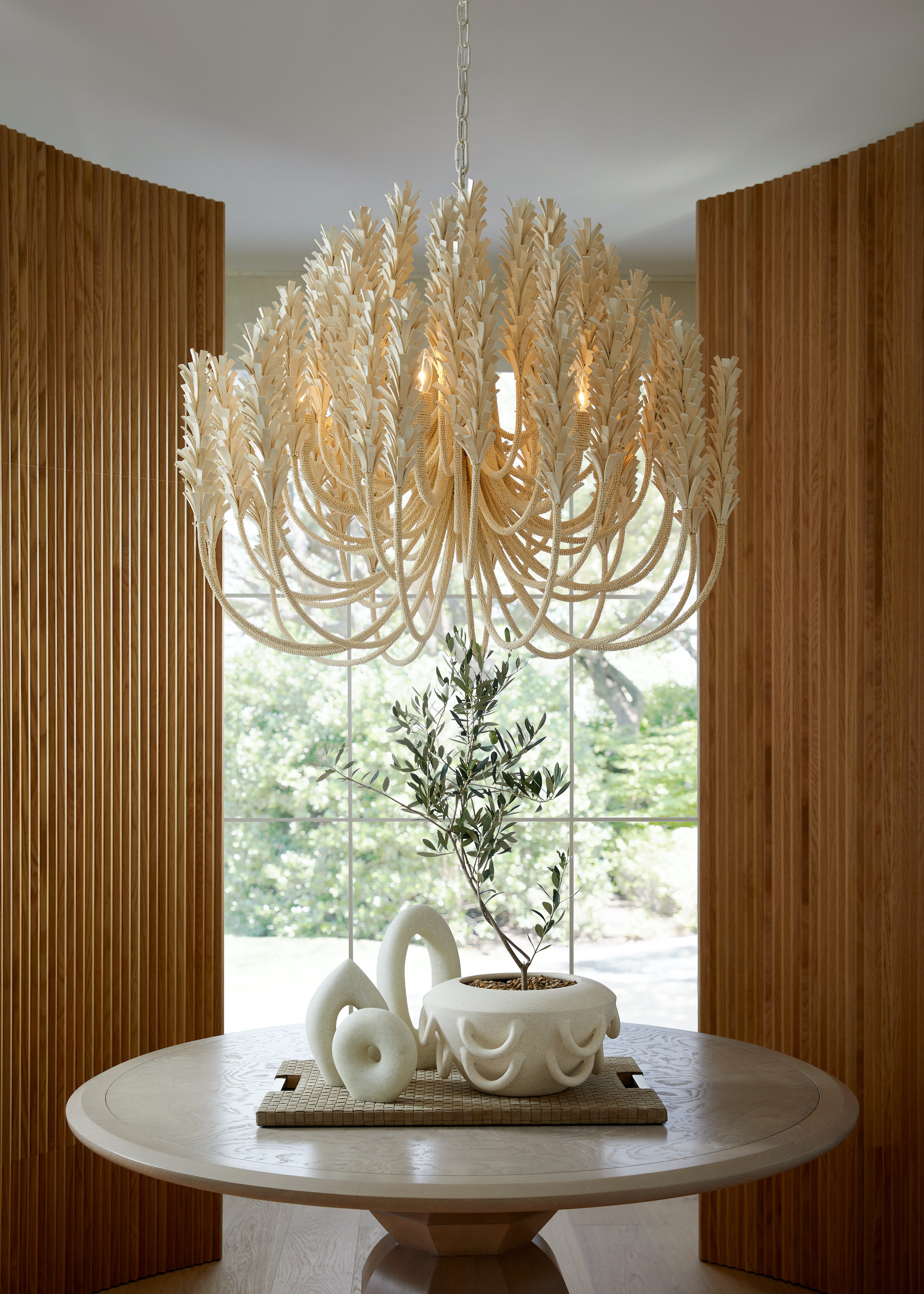
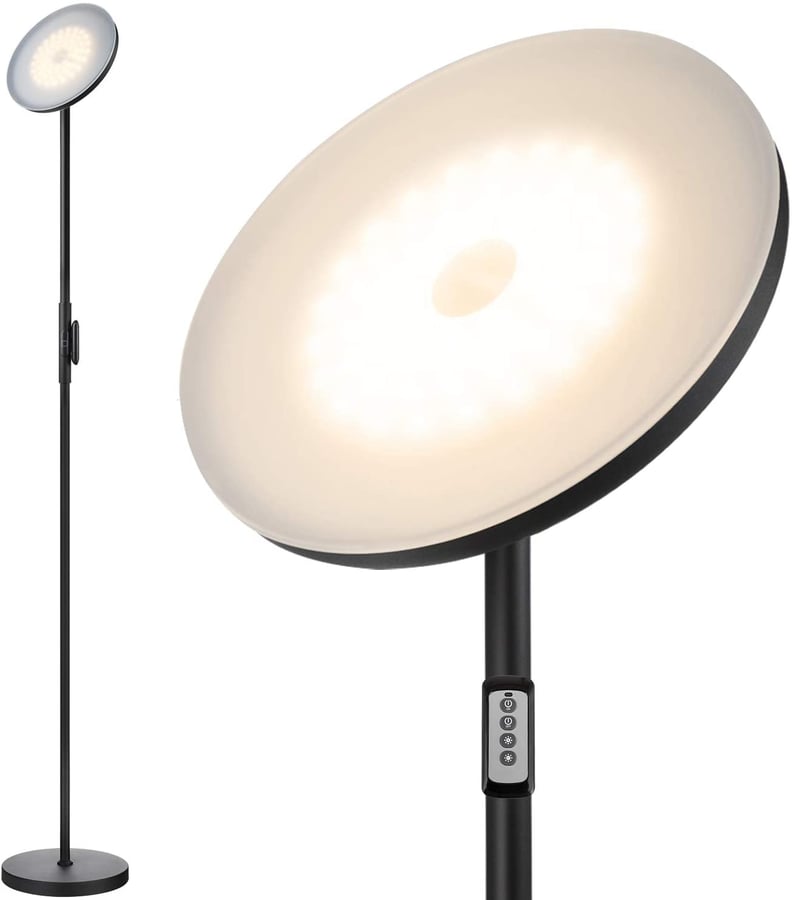
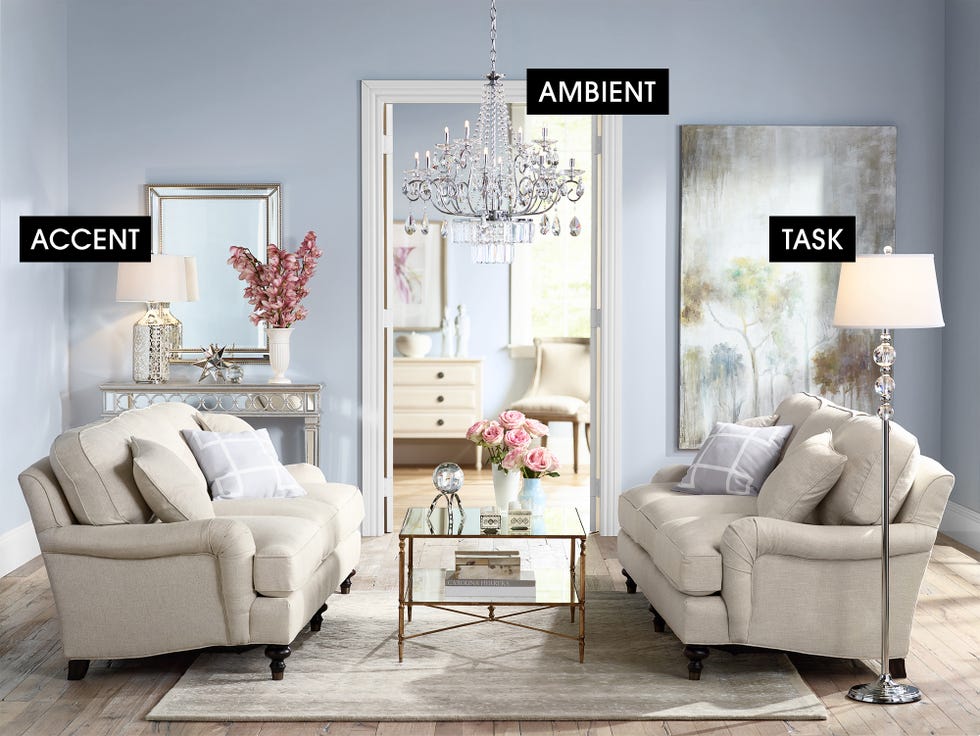
Functional lighting is categorized into three main types: task, ambient, and accent lighting. Task lighting provides bright, focused illumination for specific activities like cooking or working, typically using white light. Ambient lighting creates a mood, often using warmer, lower-temperature lights (yellow and orange hues) to foster intimacy and connection. Accent lighting draws attention to specific architectural details or decorative elements, frequently implemented as hidden LED strips. Truong also introduces a fourth category, decorative lighting, which serves primarily aesthetic purposes, filling empty spaces or highlighting surfaces without providing substantial functional light.
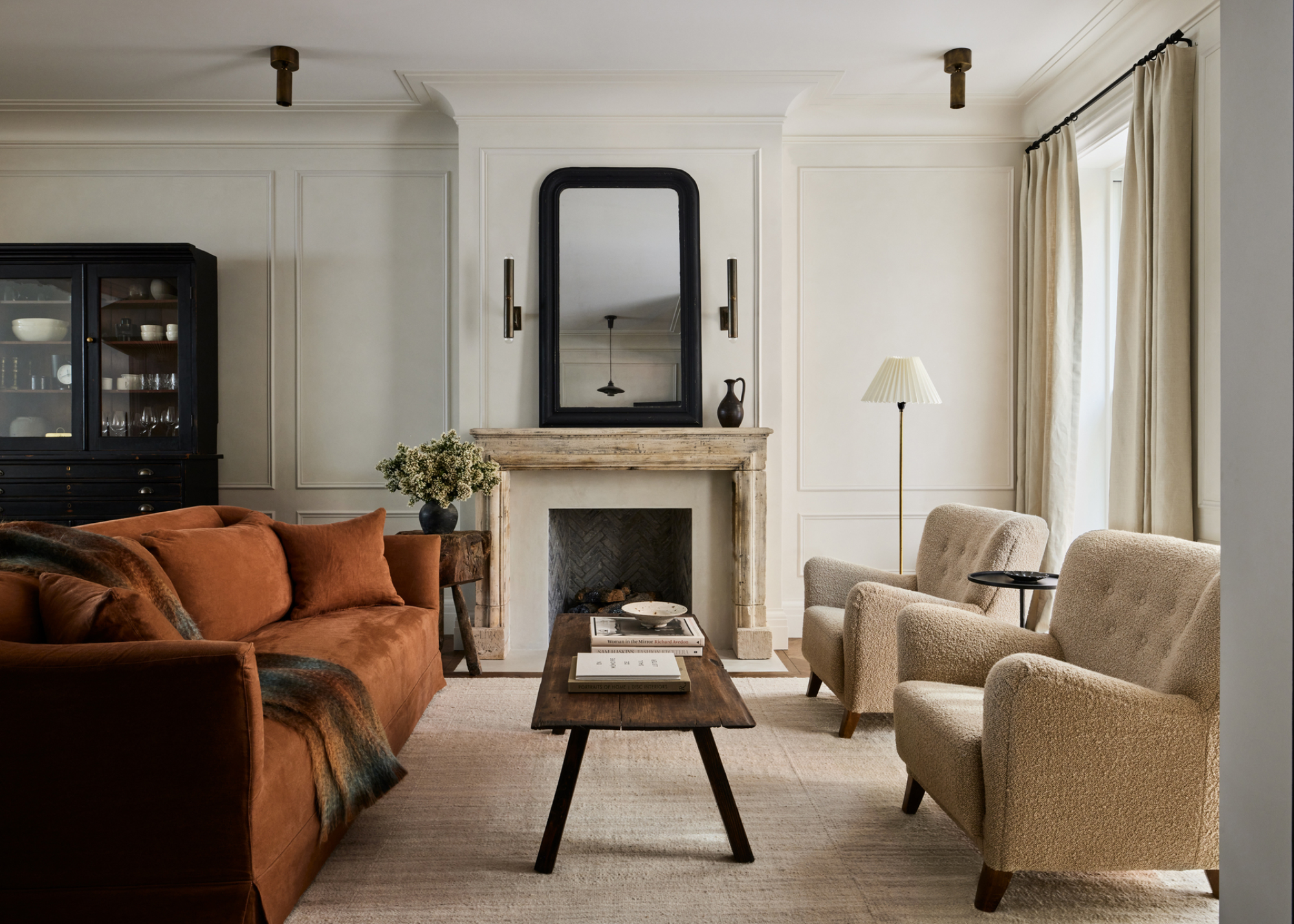
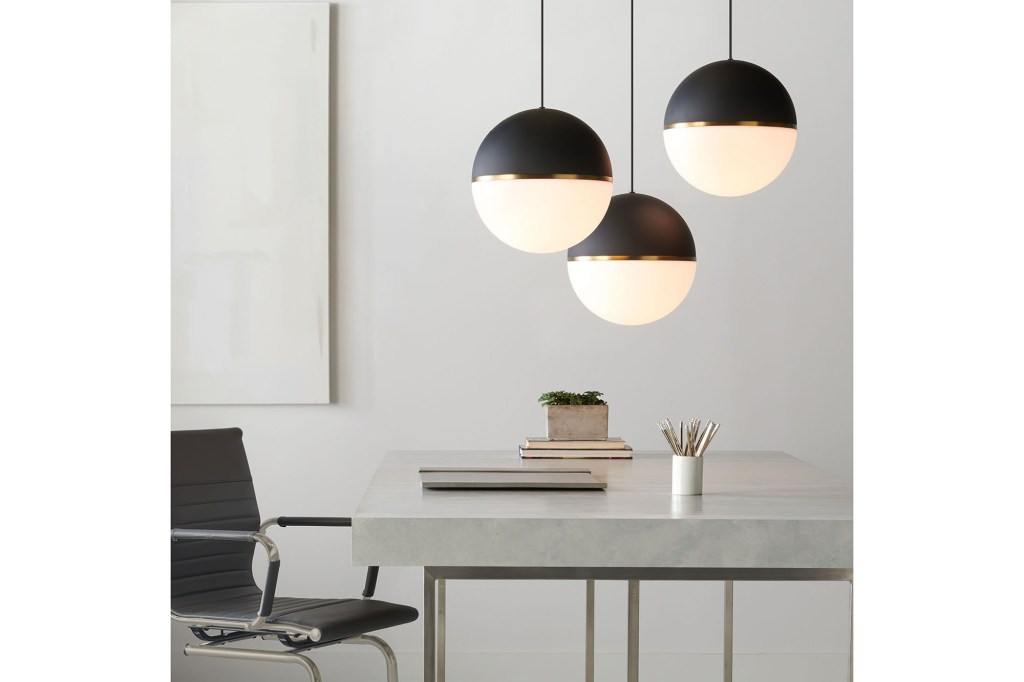
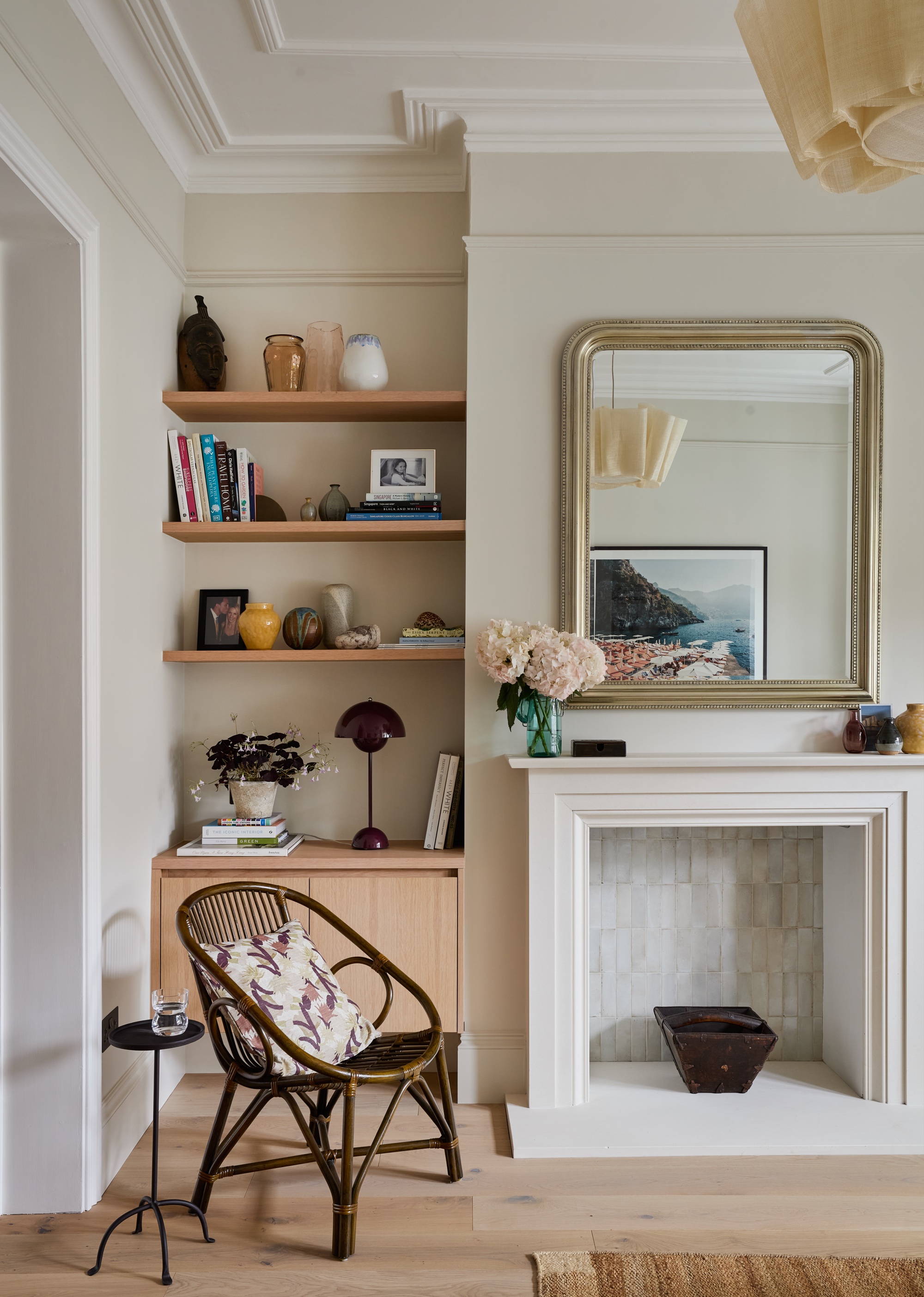
For homeowners, experimenting with these lighting types can redefine a space. Truong recommends turning off overhead lights and utilizing lower pendants and decorative lamps in living rooms to alter the mood. She also proposes the “rule of thirds,” dividing a room into ceiling, central, and floor zones, suggesting that the central zone is often under-lit and can be enhanced with strategic lighting. Diversifying lighting sources, rather than relying on a single type, is crucial. Nadia Watts, an interior designer, advises considering natural light sources first, positioning furniture to maximize them, and ensuring light fixtures are appropriately scaled to the room. She also suggests using mirrors to reflect light and create an illusion of space, and employing LED strips for subtle illumination along stairs or behind furniture. The material and color temperature of light fixtures are also vital, with warm lights fostering coziness and cooler lights promoting energy. Stephanie Brown, another interior designer, recommends avoiding standard bath-bar lighting in favor of more unique vanity lighting options, such as sconces or pendant lights, to achieve a more upscale and functional bathroom aesthetic.
#HomeLighting #InteriorDesign #LightingDesign #TaskLighting #AccentLighting #AmbientLighting #HomeDecor #RoomFunctionality #MoodLighting #HomeLighting #InteriorDesign #LightingDesign #TaskLighting #AccentLighting #AmbientLighting #HomeDecor #RoomFunctionality #MoodLighting
0 comment in total
 No comments yet
You may also like
An interior designer’s guide to lighting your home

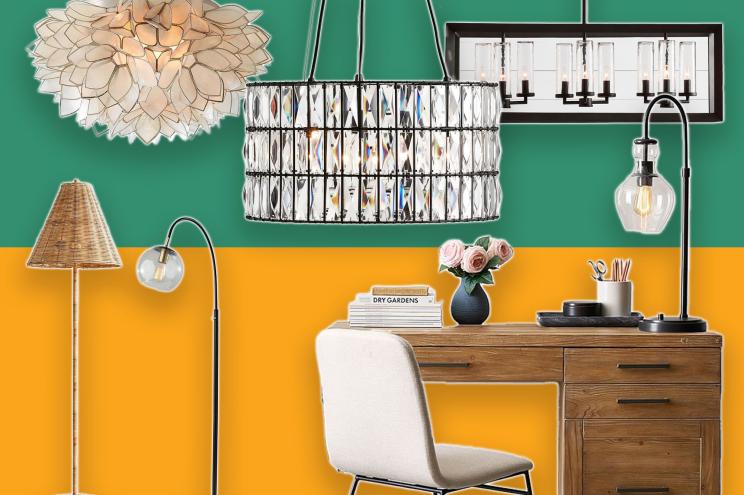
The 18 best places to buy light fixtures, with expert recommendations
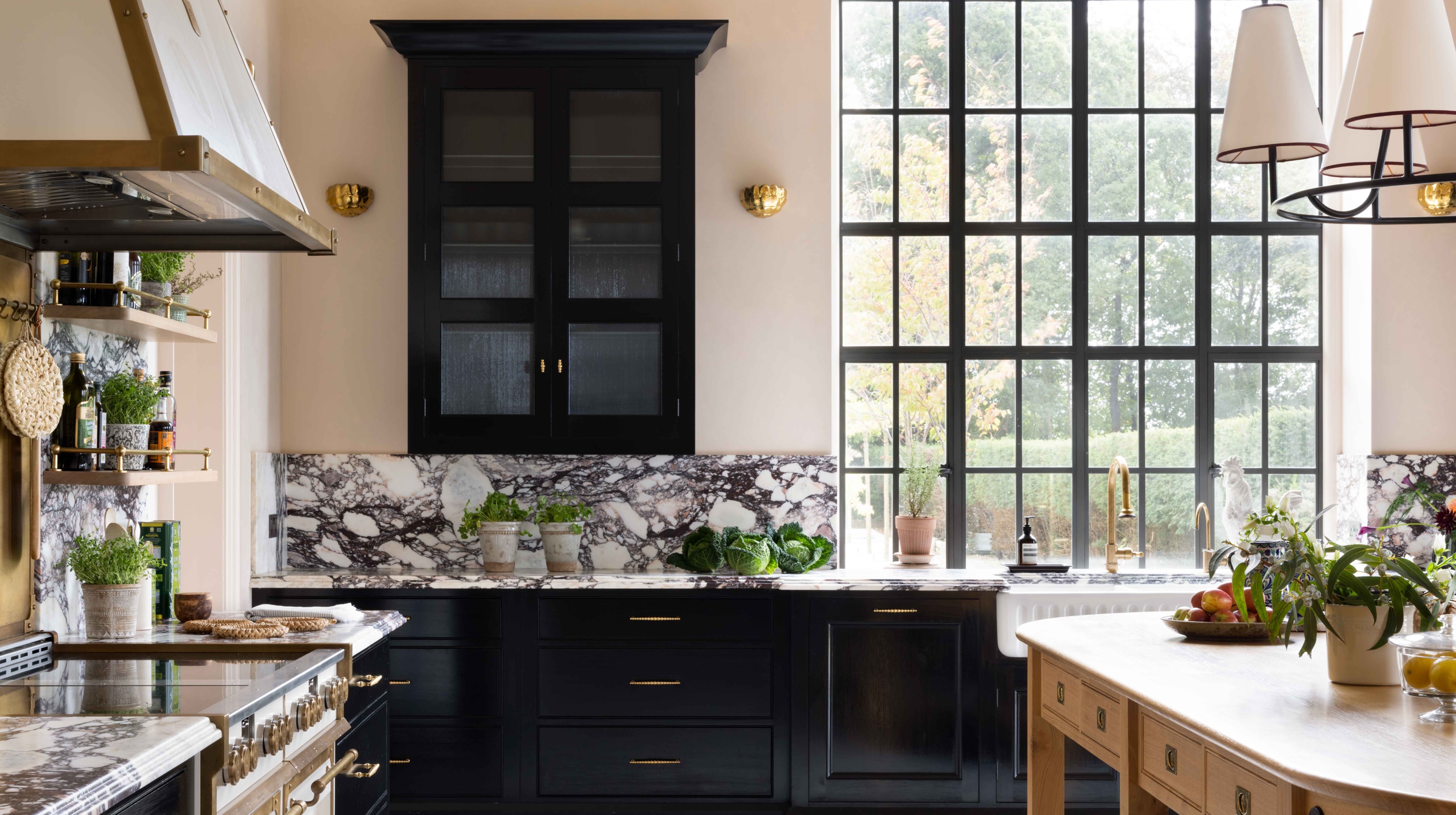
10 Habits Interior Designers and Architects Want You to Adopt in Your 2026 Renovations

Pulling the plug on dated light fixtures is a great home update. Here's how to choose new ones
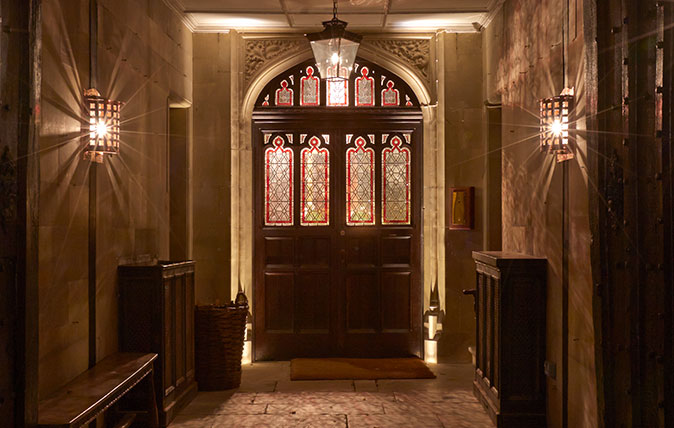
Get your home's lighting just right: Seven questions answered
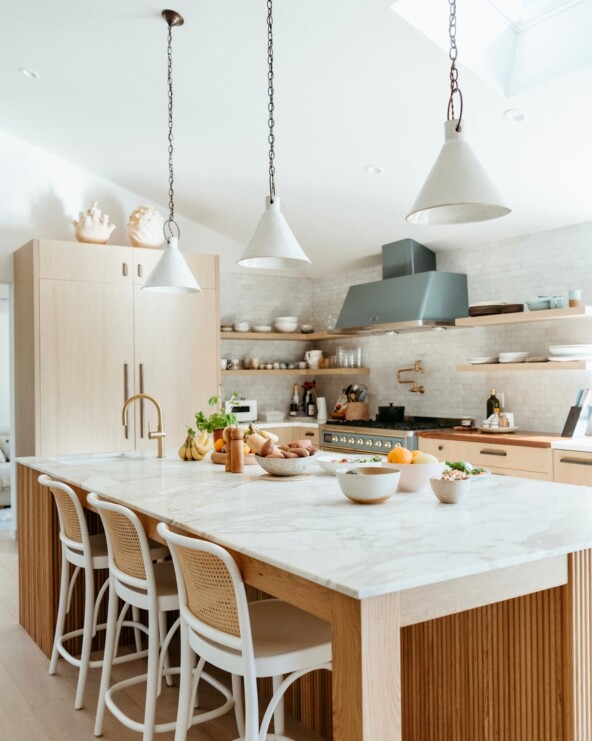
Lighting Is the Easiest Way to Transform A Room—15 Ideas to Inspire

The 3 Types Of Lighting Every Room Needs

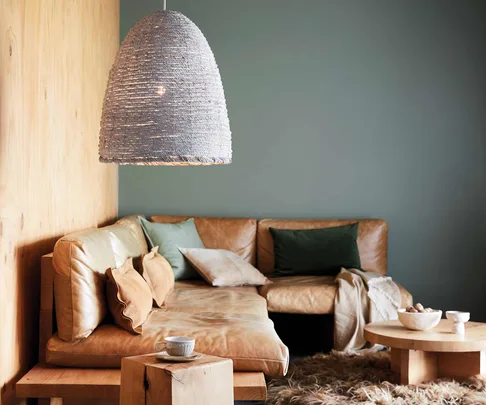
How to nail your ambient lighting and 27 of our top picks
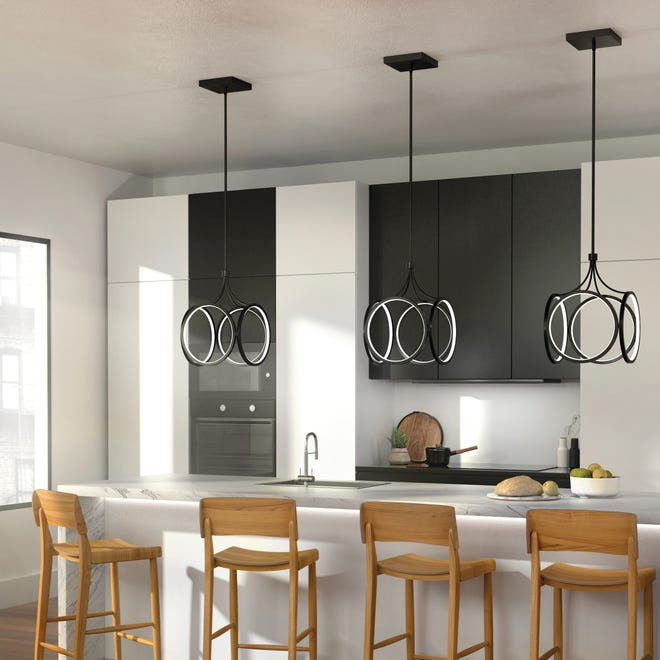
Homestyle: Lighting the way
5 Easy, Designer-Approved Lighting Hacks to Brighten Up Your Home

Chic Lighting Fixtures - Lighting To Redecorate Your Rooms

10 Lighting Trends That Will Take Over Homes in 2026 — The Bright Ideas Shaping the Year Ahead
What Is Ambient Light? Here's How to Use It in Your Home
Your "Boob Lights" Are Cheapening the Look of Your Home—Here's How Designers Fix Them

Even If You Don’t Buy Anything, These 26 Products Are Great Inspo For Anyone Who Wants To Take Their Interior Design To The Next Level
11 Light Fixtures That Will Brighten Up Your Space — and Your Mood
5 Types of Lighting Designers Would Never Use —They're Harsh and Unflattering and Here's Why
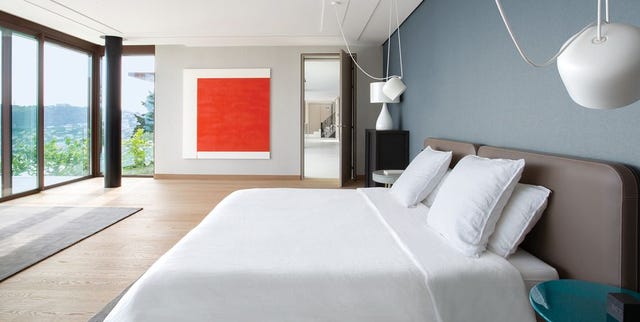
These Lighting Ideas Will Transform Your Bedroom
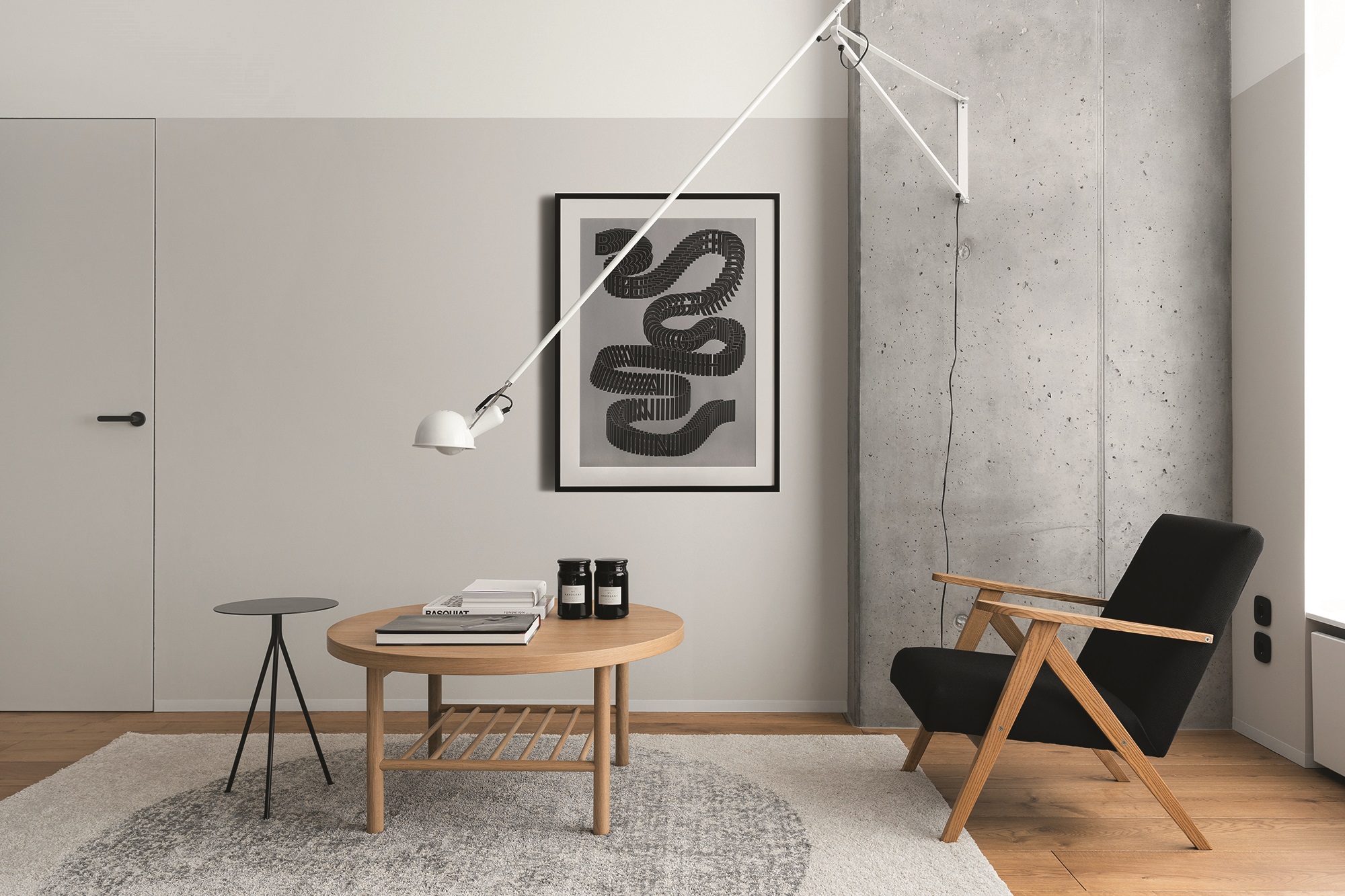
How do I make my home's lighting more modern? 10 creative ideas from inspiring designers
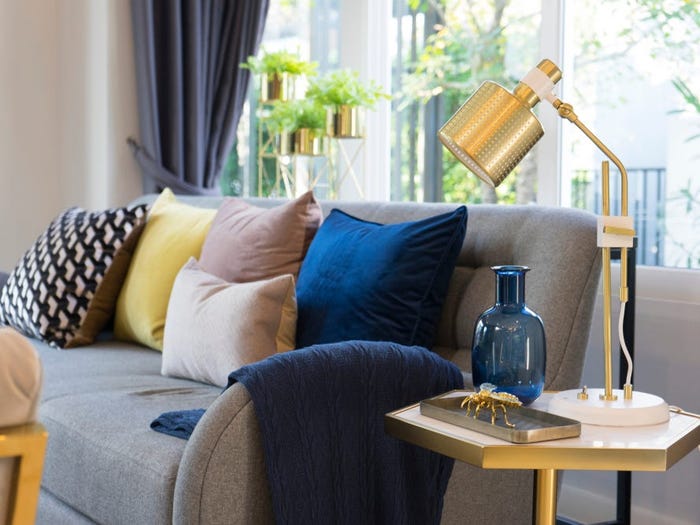
I'm an interior decorator. Here are 7 easy ways I'm upgrading my home decor this year.