1/11
10 Lighting Trends That Will Take Over Homes in 2026 — The Bright Ideas Shaping the Year Ahead
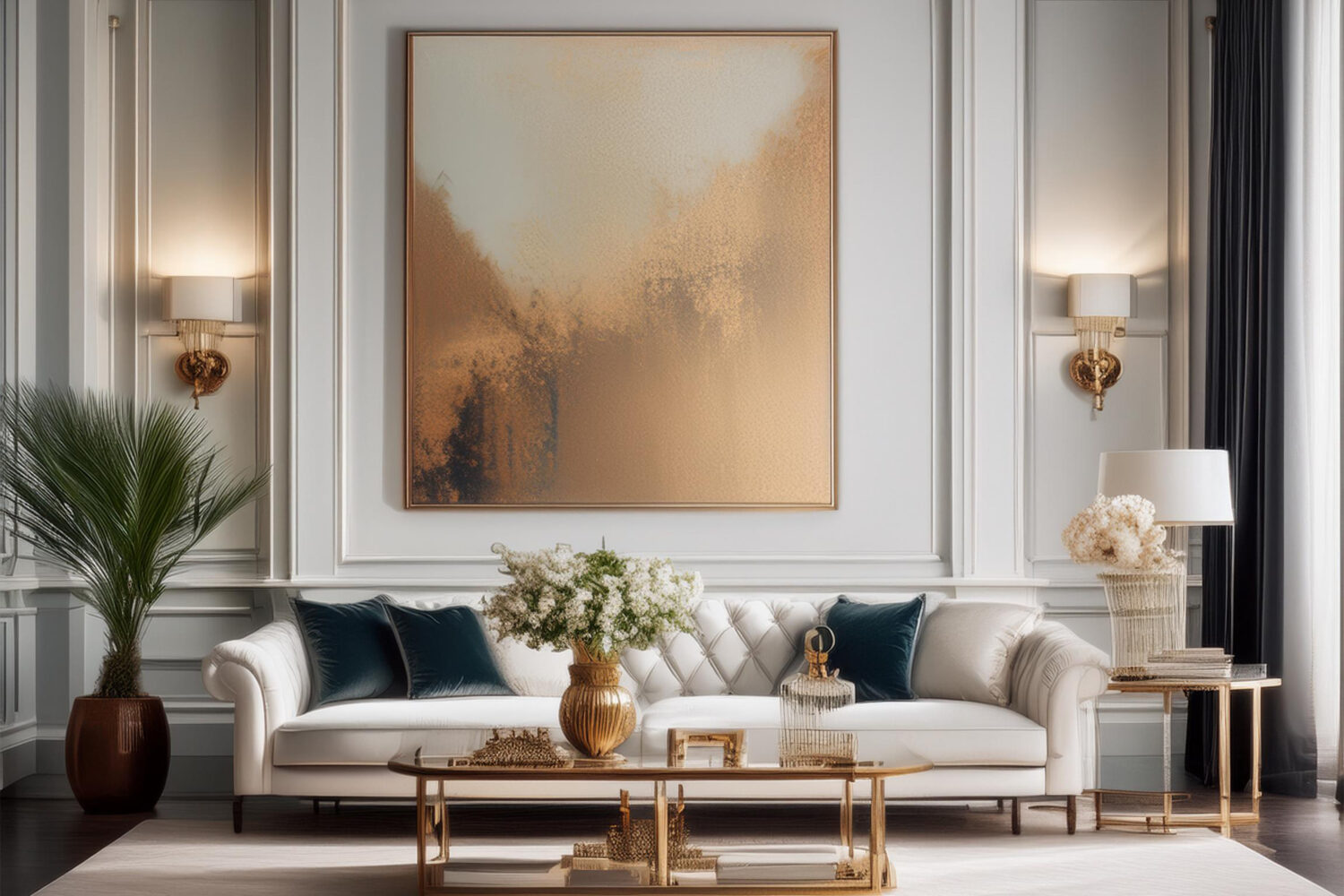
As 2026 approaches, the role of lighting in home design extends beyond mere functionality, becoming a crucial element for setting mood, introducing color, and weaving decorative narratives. Effective lighting schemes are built on a foundation of layered ambient, task, and accent lighting, which allows for creative exploration of fittings' form, finish, and overall impact. This article delves into the top ten lighting trends predicted to dominate home interiors in 2026, drawing insights from new product launches and industry experts.
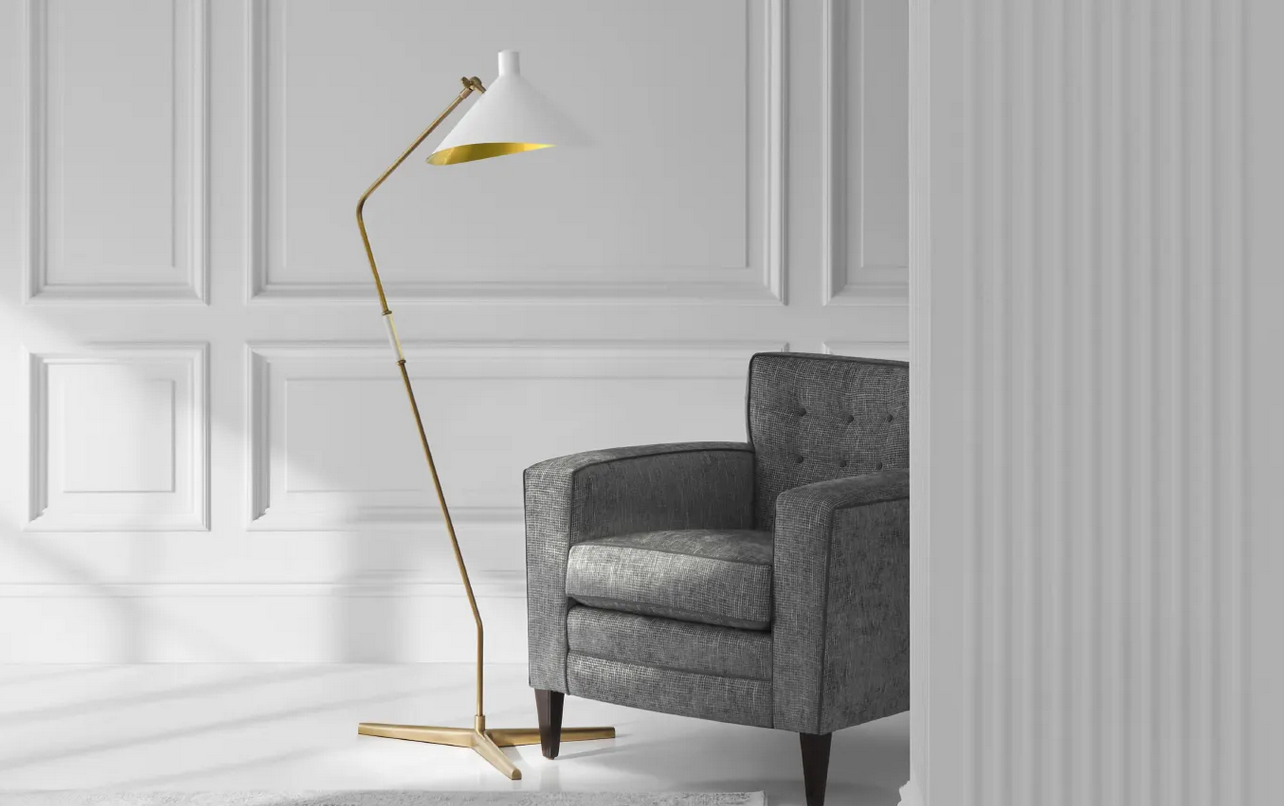
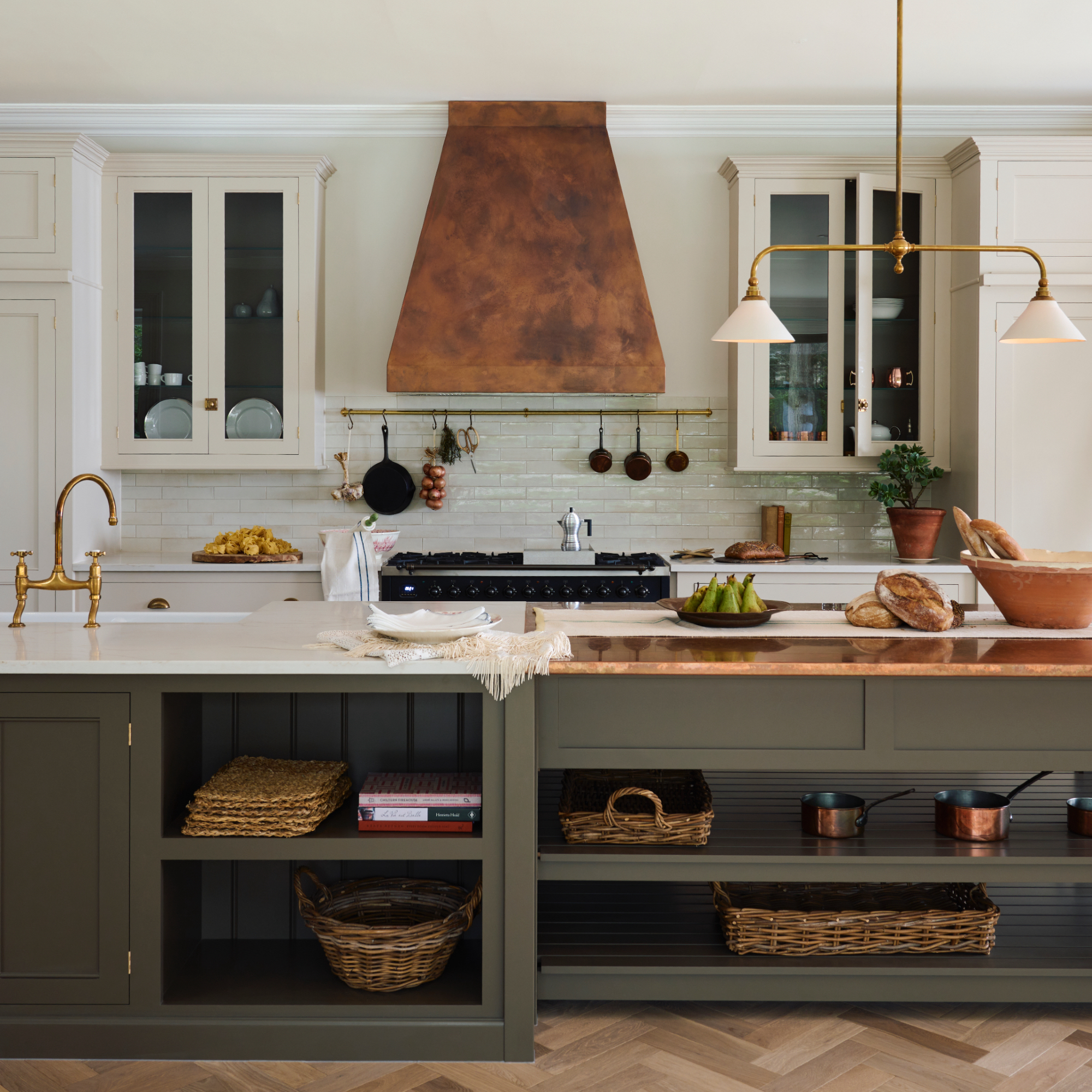
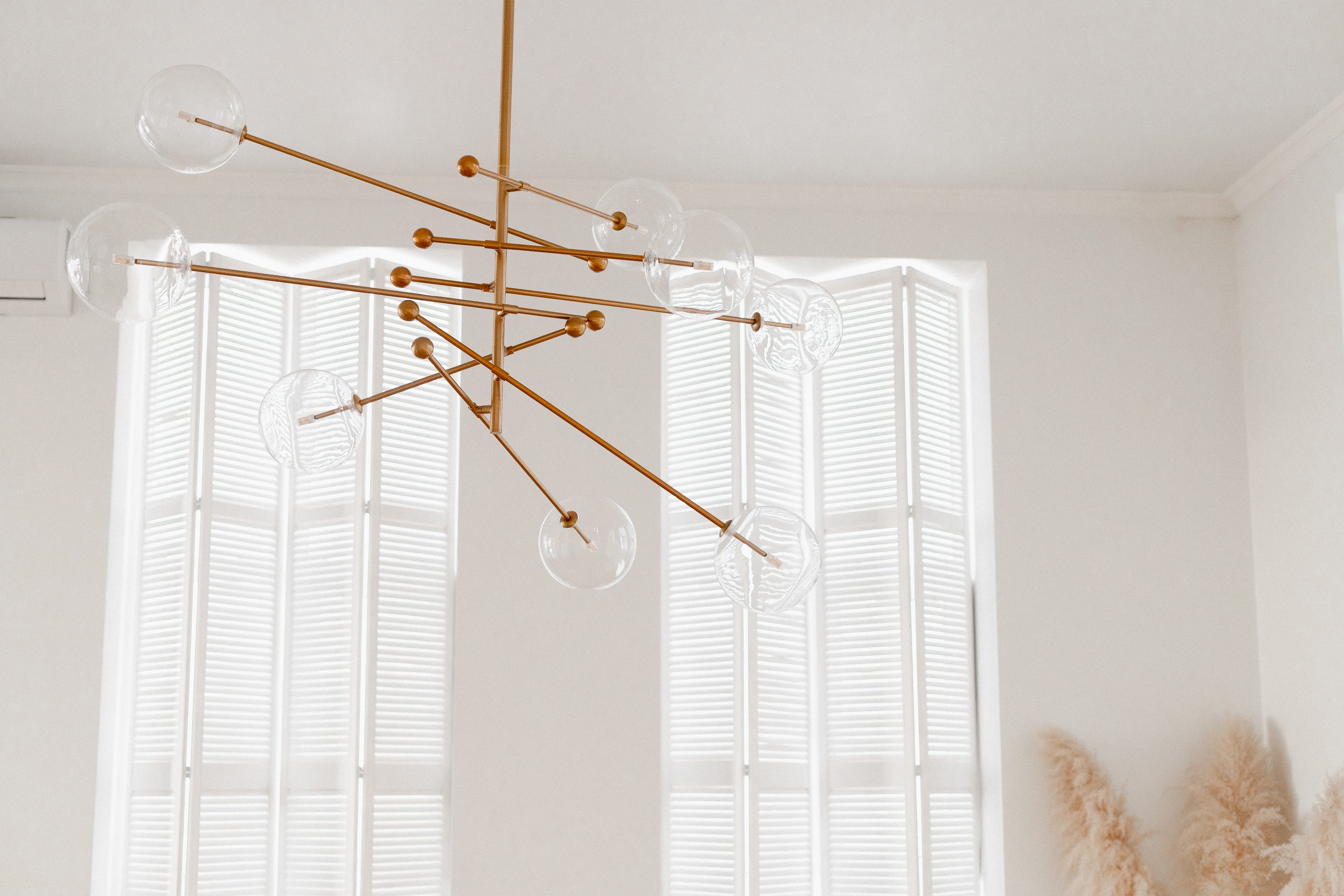
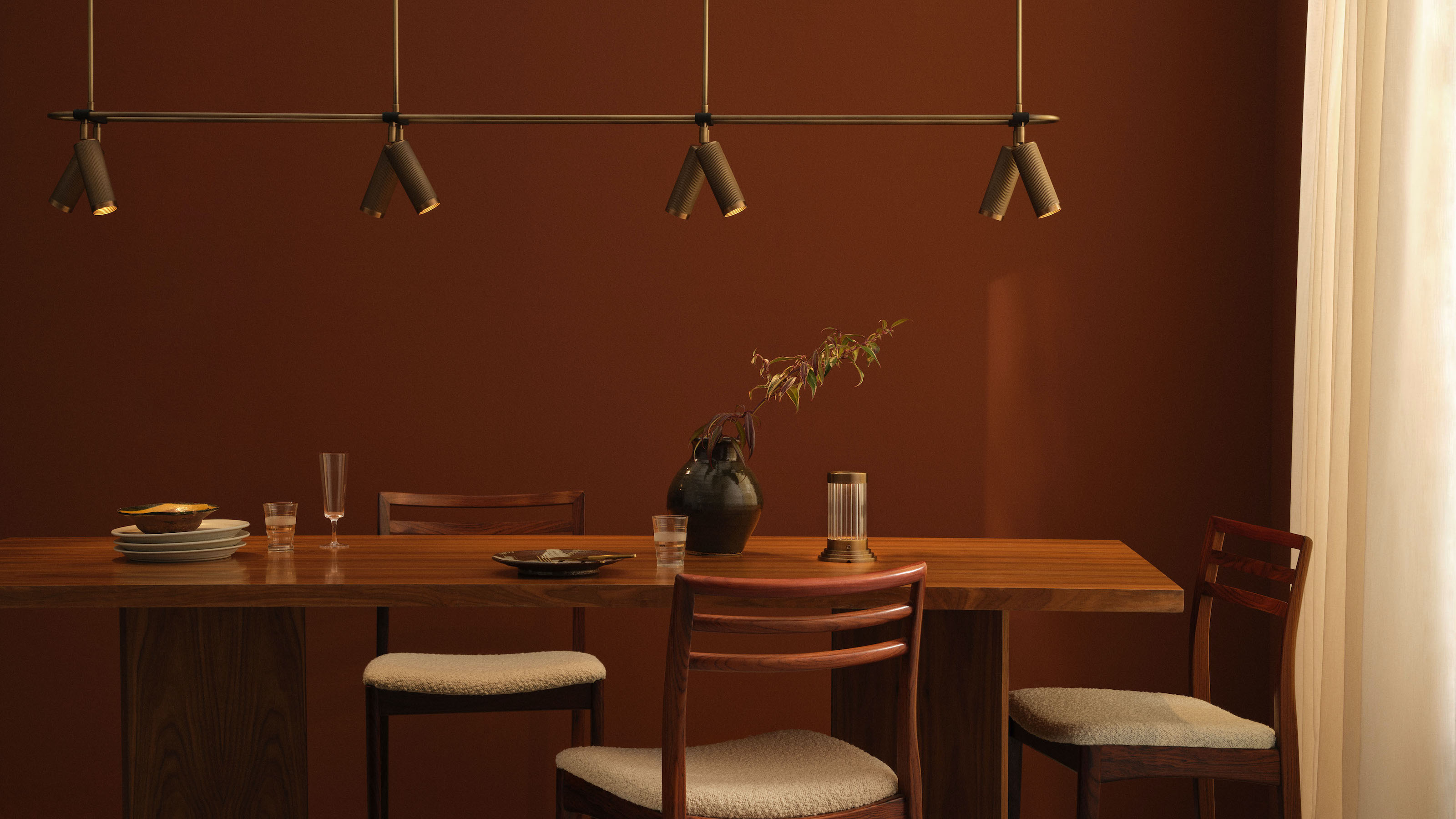
One significant trend is the rise of flexible fittings, which offer unprecedented freedom to adjust and sculpt light. These modular systems, exemplified by Workshop/APD’s Melt Series, allow for customization in width, height, and layout, making them adaptable to diverse spaces and architectural challenges. Kayli Rowsell, Design Manager at Arteriors, highlights how these adaptable fittings empower designers and clients to personalize installations and sculpt with light, particularly beneficial in open and multifunctional homes.
Another prominent trend is multiplicity, where lighting collections offer a complete family of products—chandeliers, wall lights, pendants, floor lamps, and flush mounts—sharing a cohesive design DNA. This approach simplifies decision-making, ensures consistency across different lighting scenarios, and fosters calm and cohesion in open-concept living. Kayli notes that a unified design language connects rooms seamlessly without repetition, allowing for effortless layering and building rhythm throughout a space. This trend also aligns with sustainability efforts by enabling manufacturers to reuse materials and components, reducing waste.
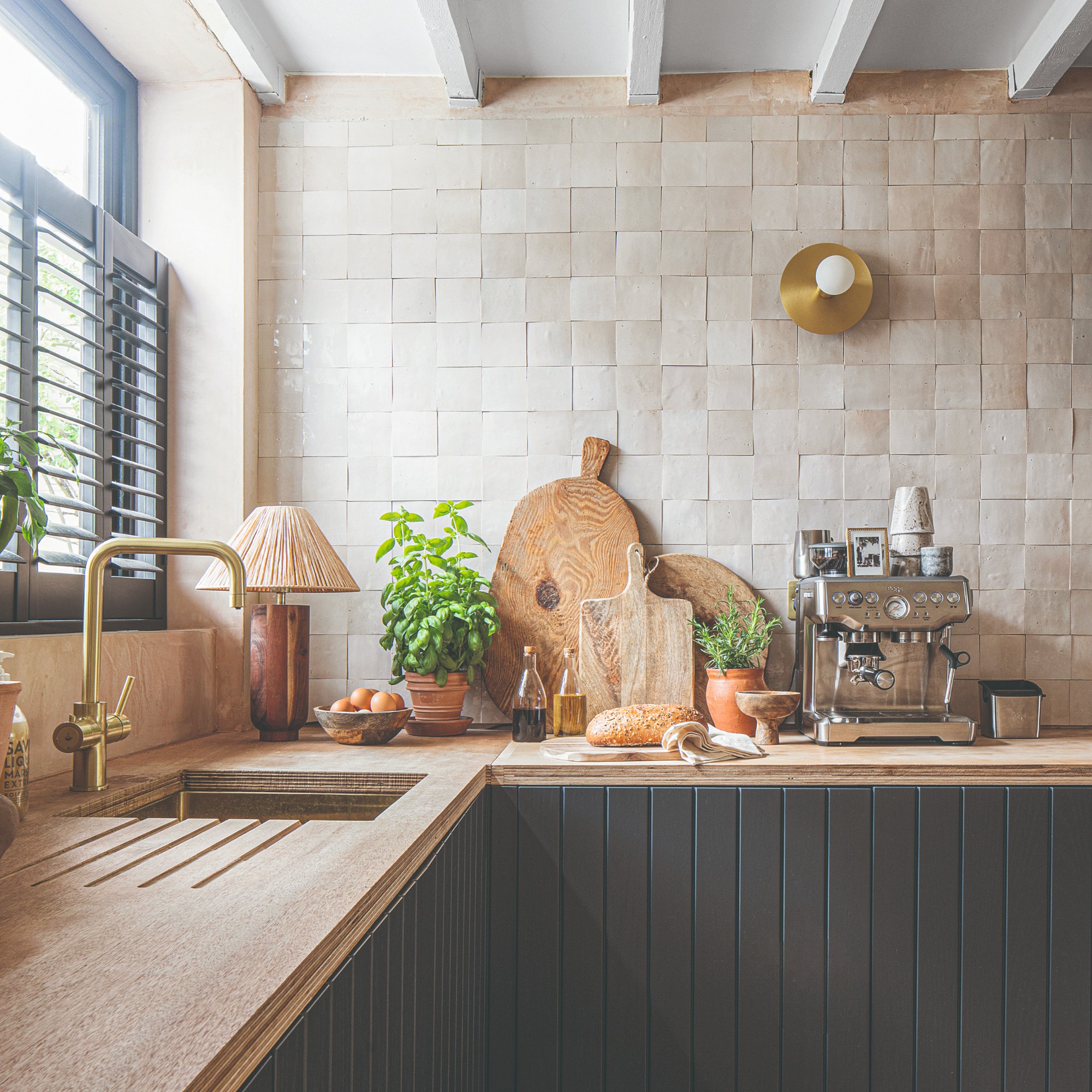
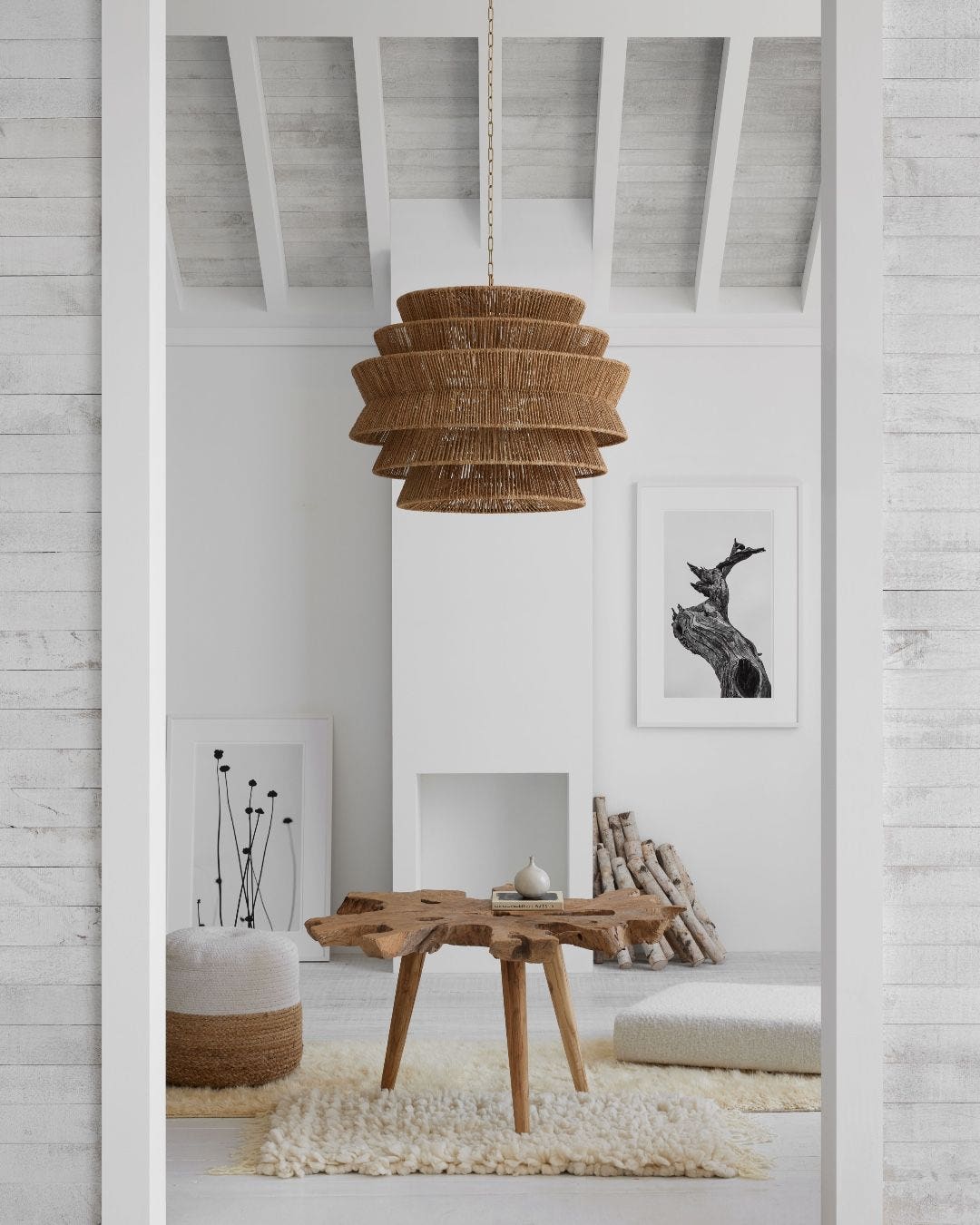
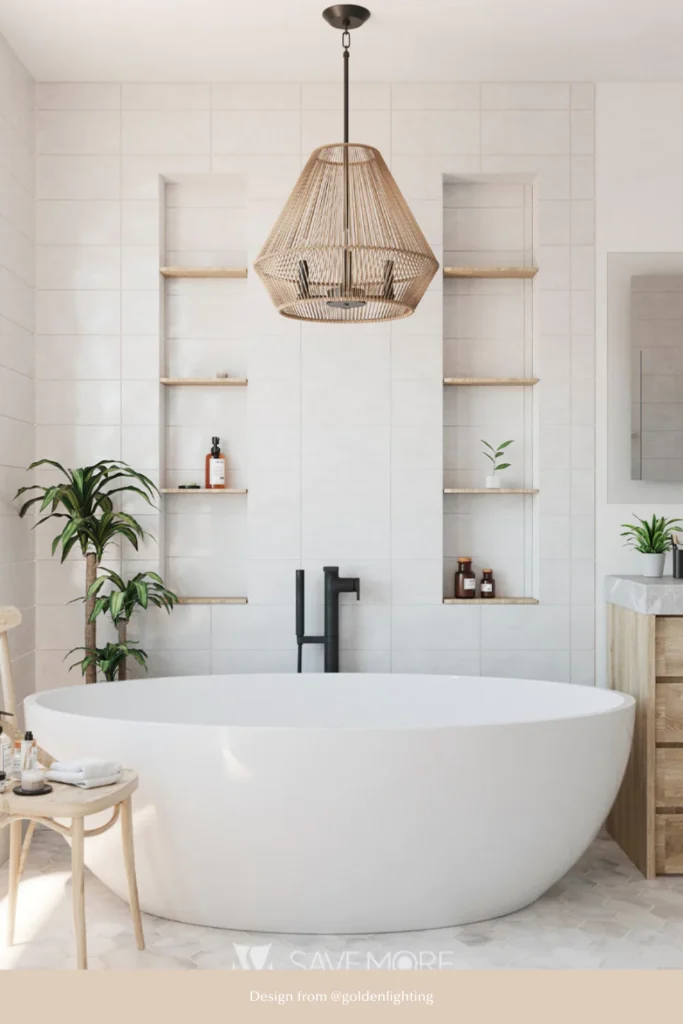
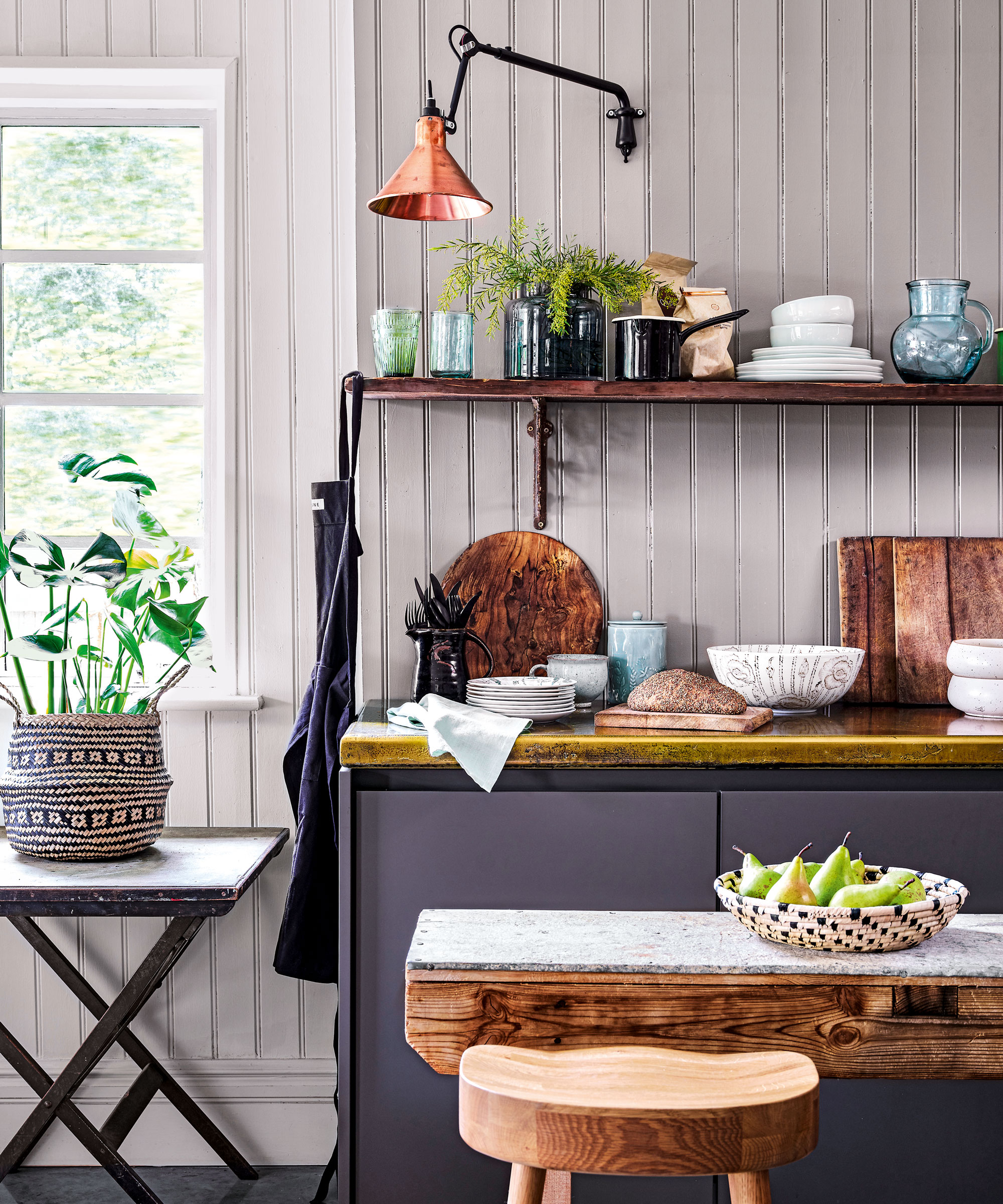
Mixed materials are also making a strong statement, with brands combining diverse elements like stone composites, metal mesh, leather tassels, and faux shagreen. This trend elevates lighting to an art form, adding depth and personality to interiors. Contardi, Crudo Designs, and Apparatus Studio are pioneers in this area, demonstrating how contrasting textures soften light and transform fixtures into artistic objects. Arteriors’ Malta flush mount collection, featuring stone composite lighting, introduces unexpected weight and texture, moving away from traditional delicate, glass-focused designs.
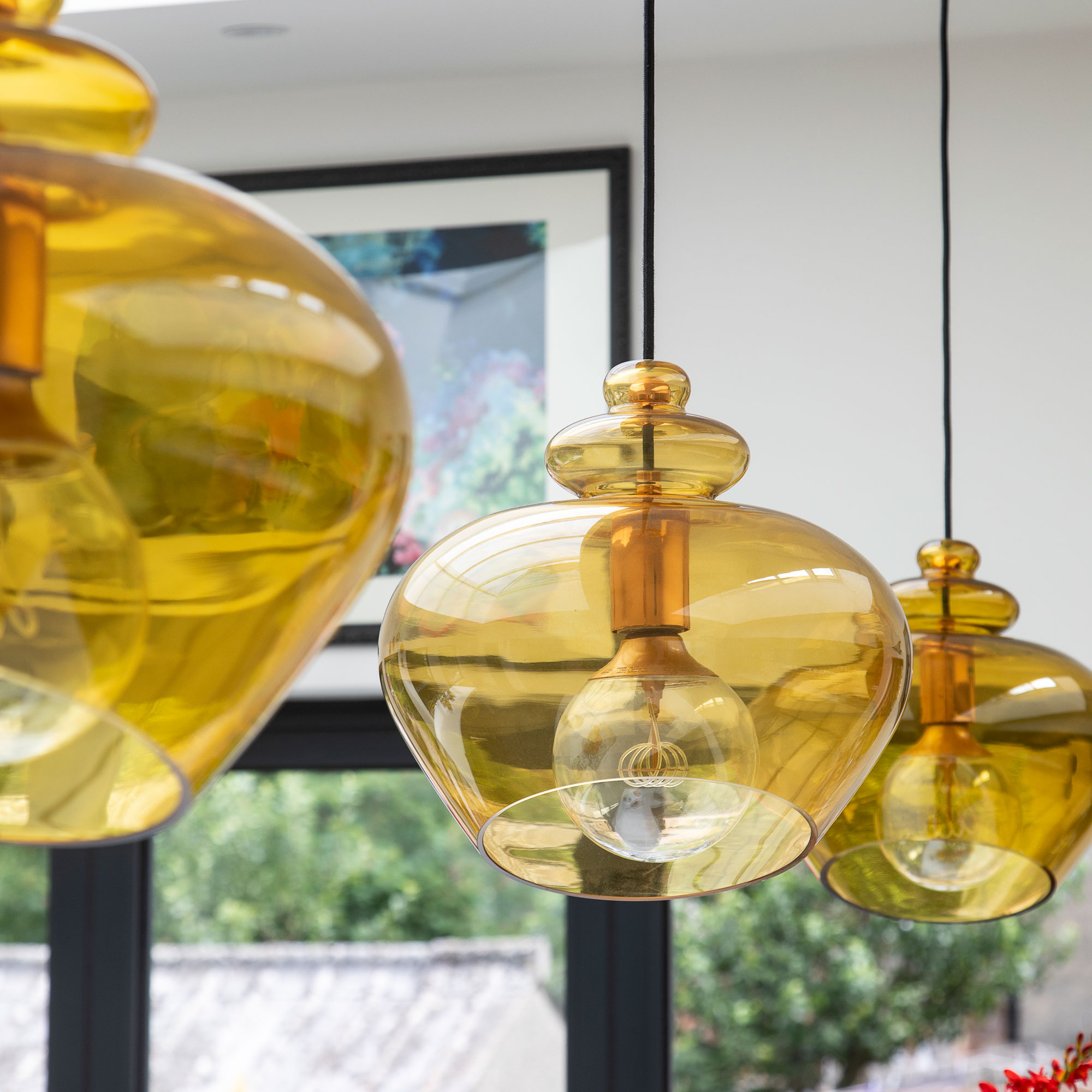
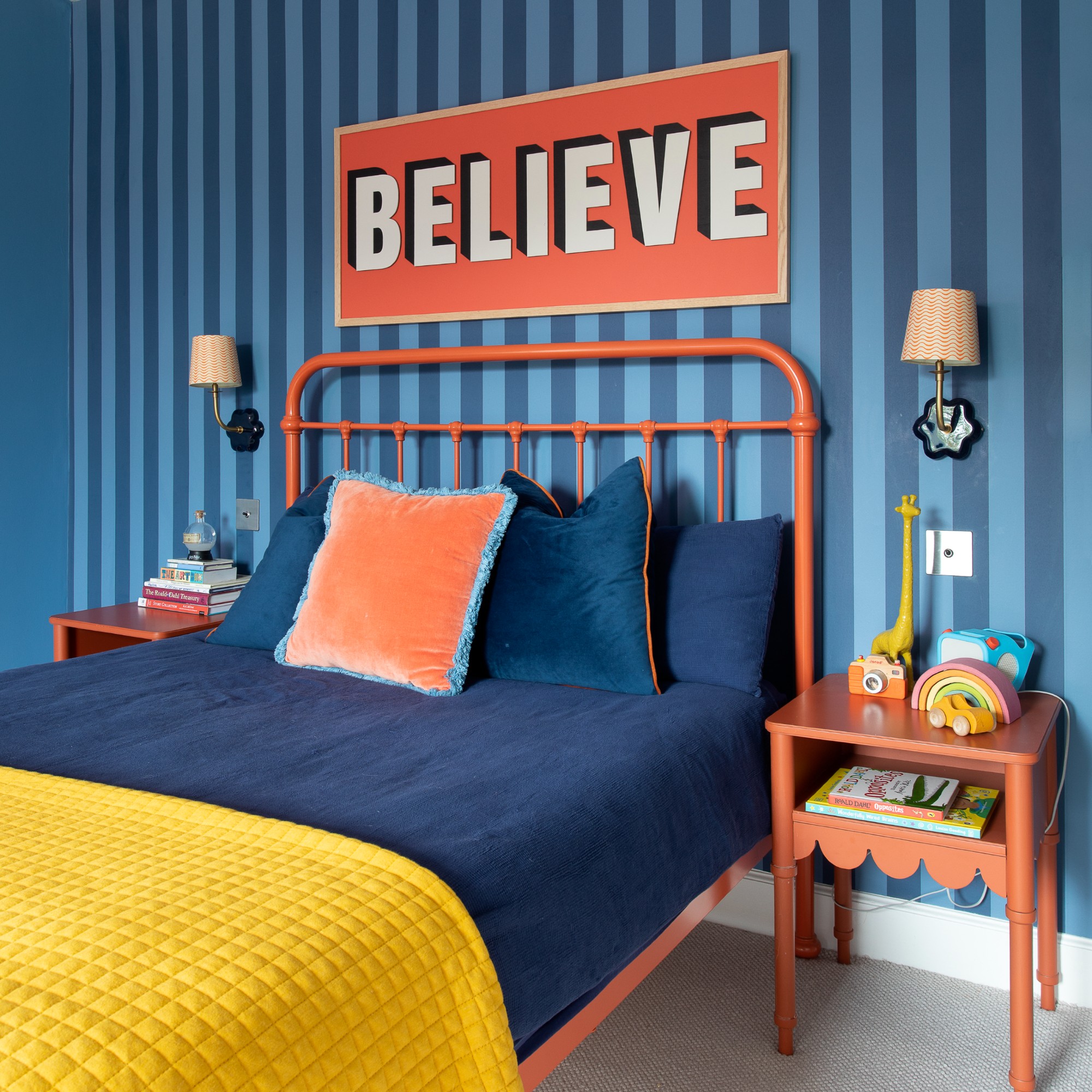
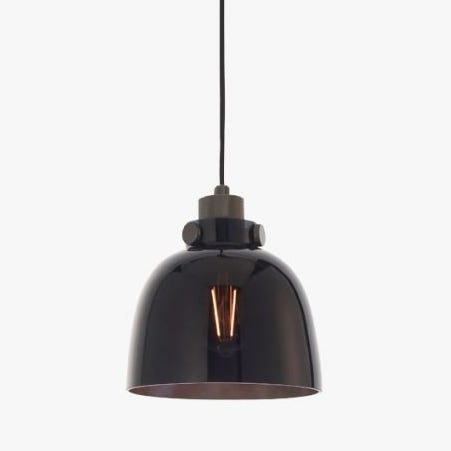
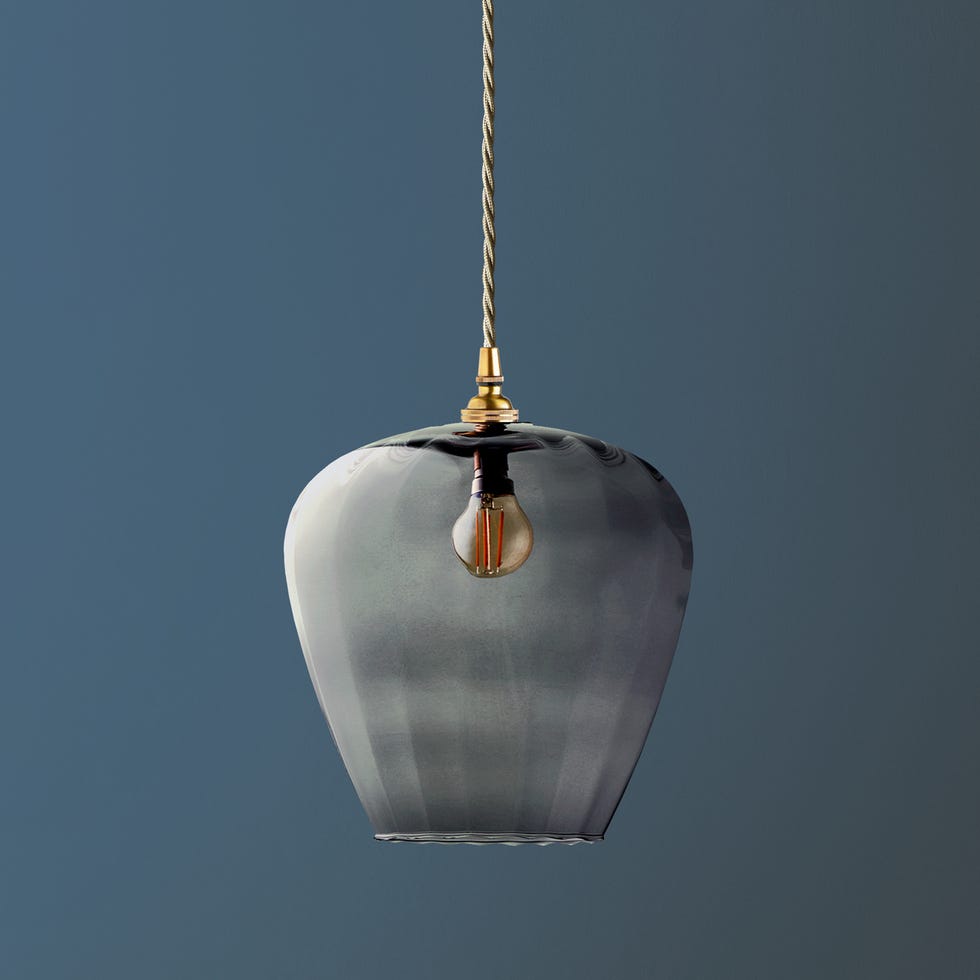
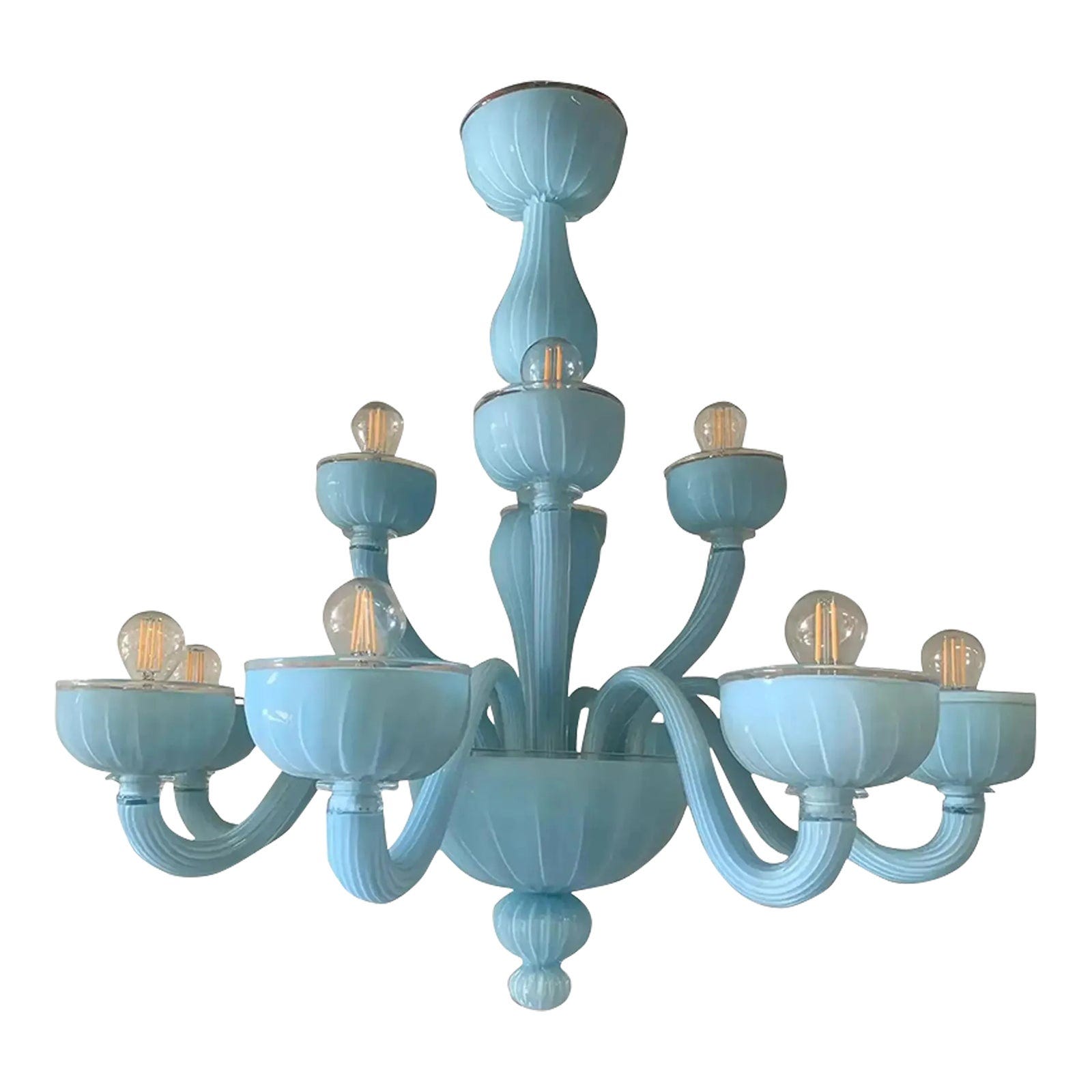
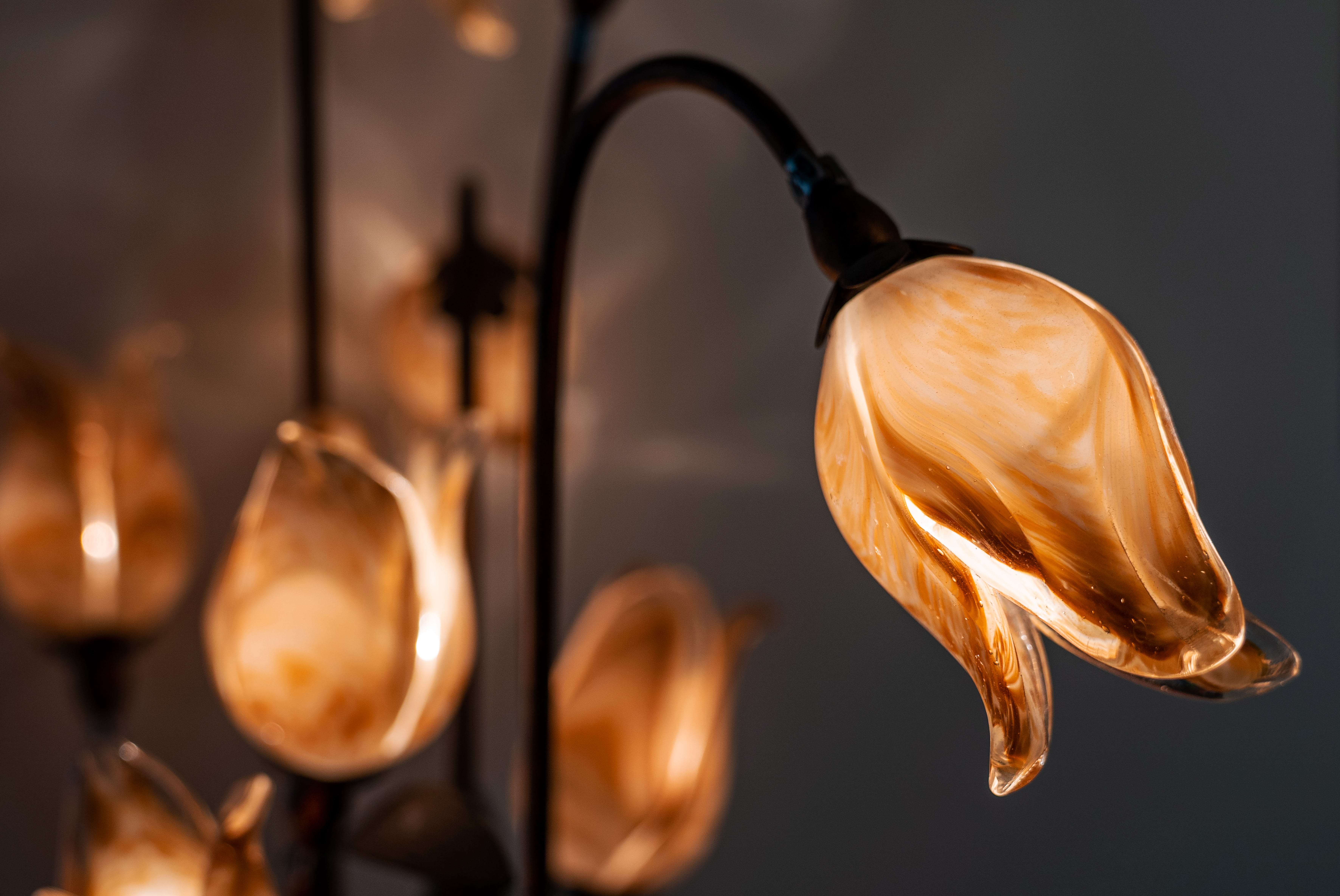
Color dosing is injecting personality into homes, with boldly tinted glass, enamel, and resin light fixtures becoming central to color schemes. Brands like Curiousa are leading with vibrant bathroom ranges in sherbet pinks, minty greens, and amber tones, which not only serve as modern glass art but also bathe rooms in dreamy color. Esther Patterson, founder of Curiousa, explains that colorful lighting can dramatically alter a room’s ambiance, offering options for warm, cozy feels with yellows and oranges, or fresh vibes with blues and greens.
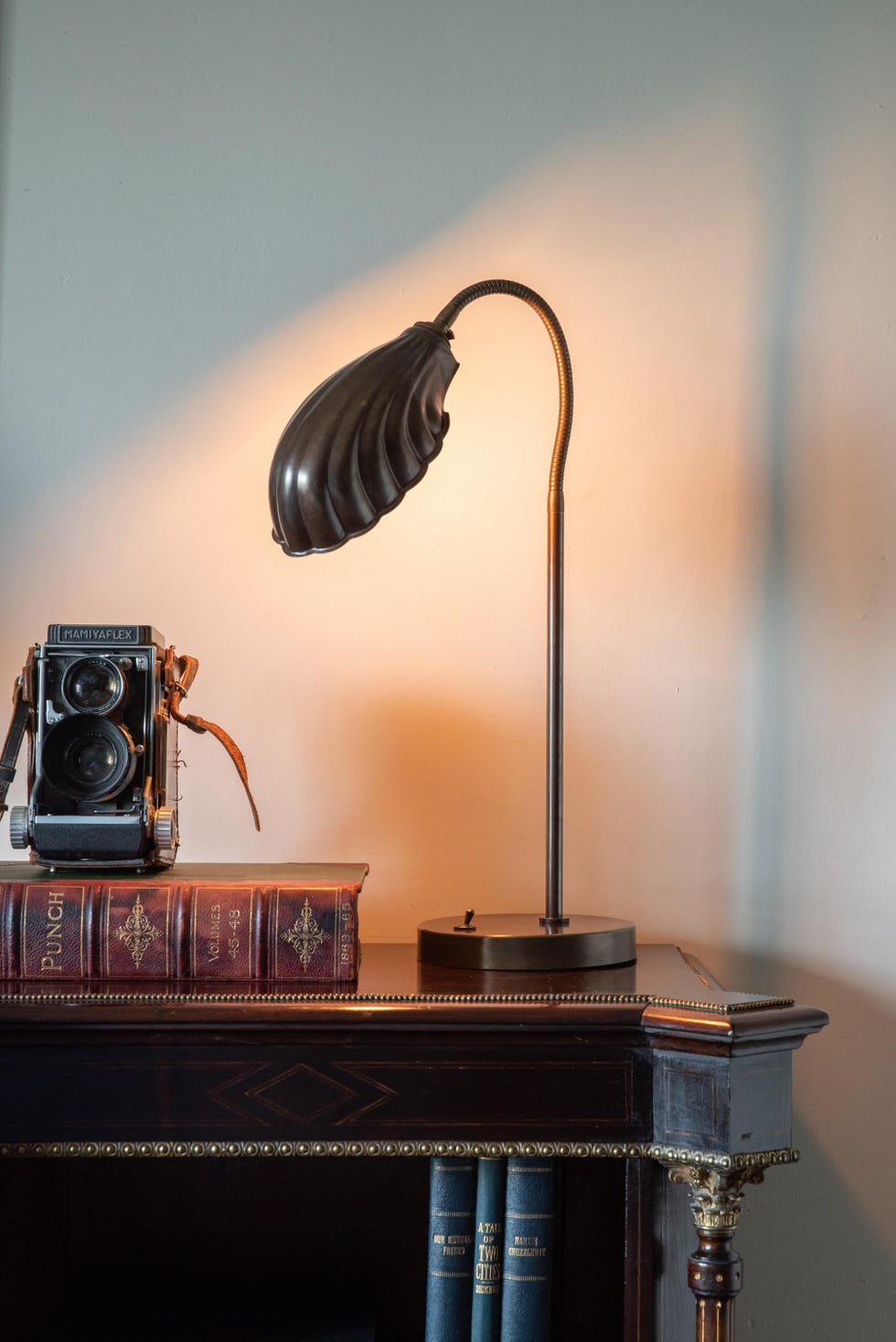
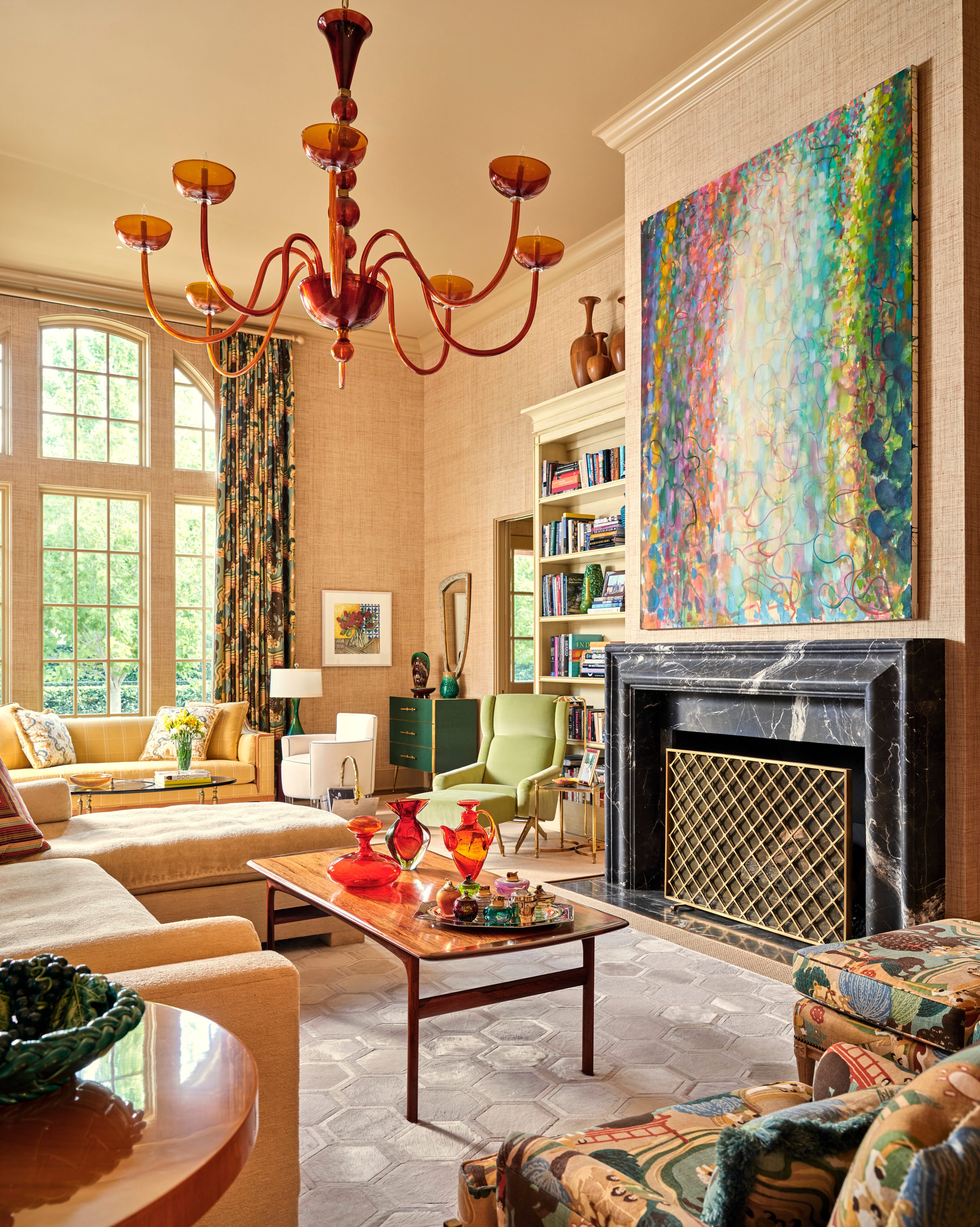
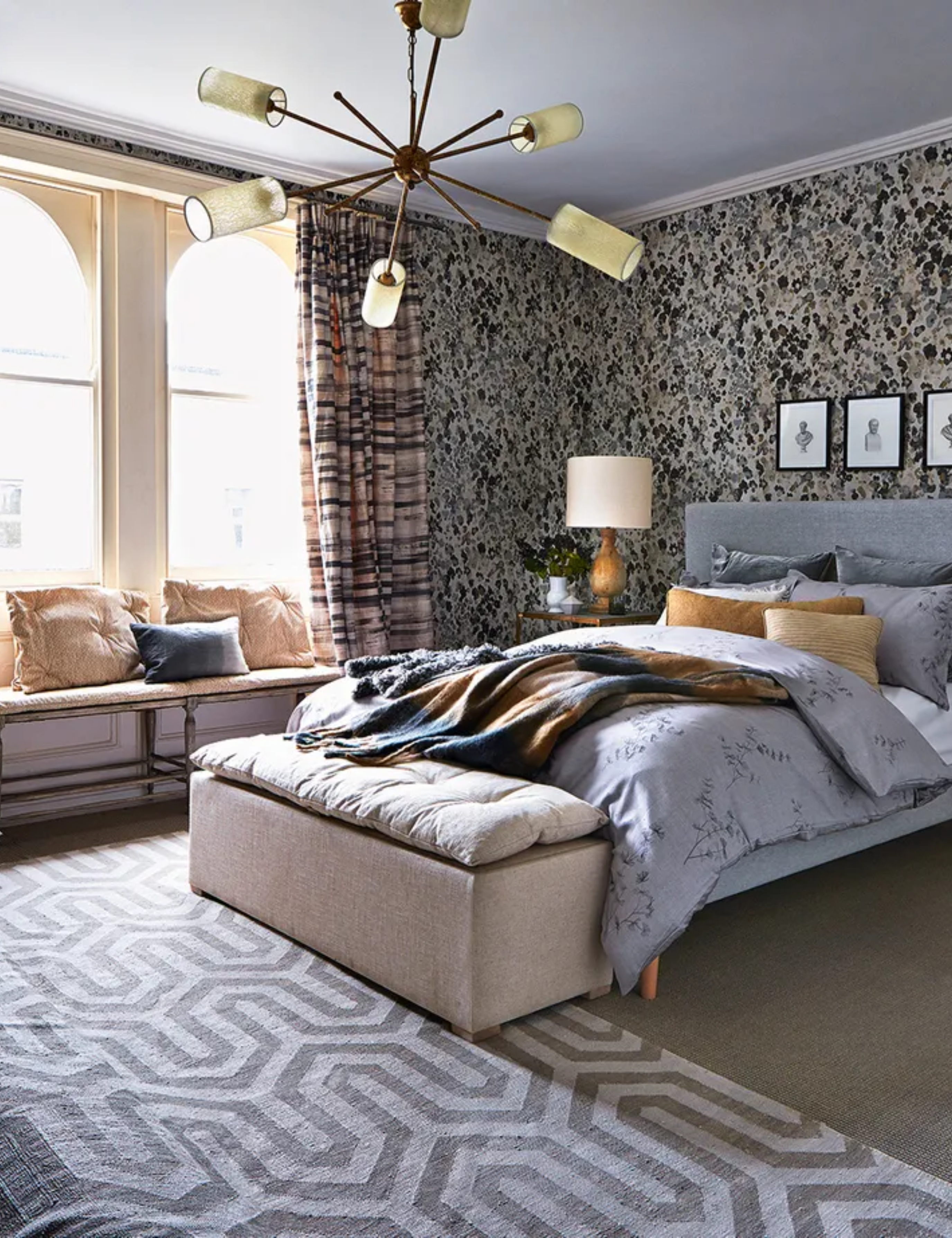
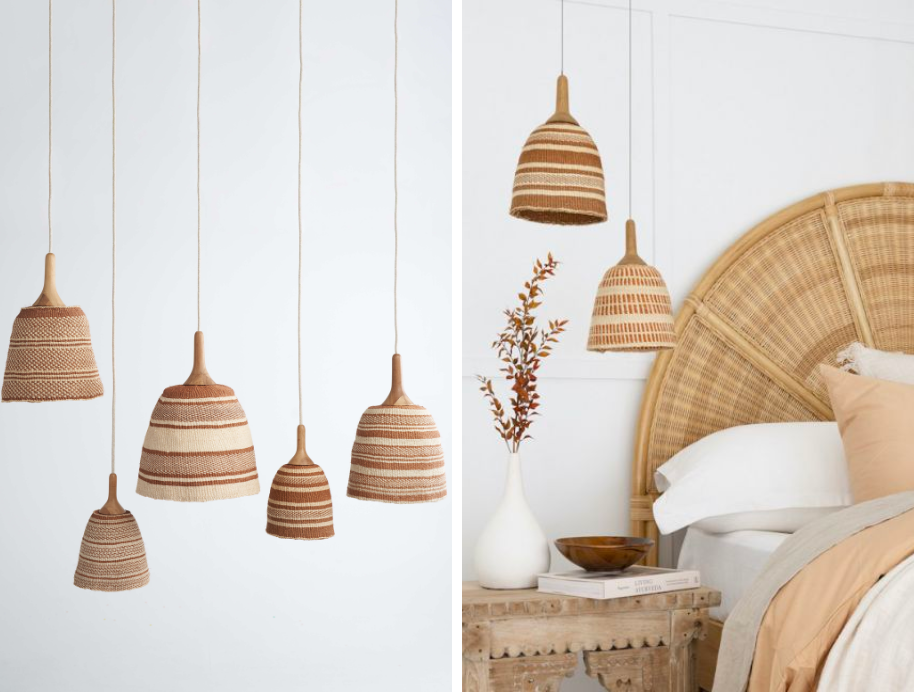
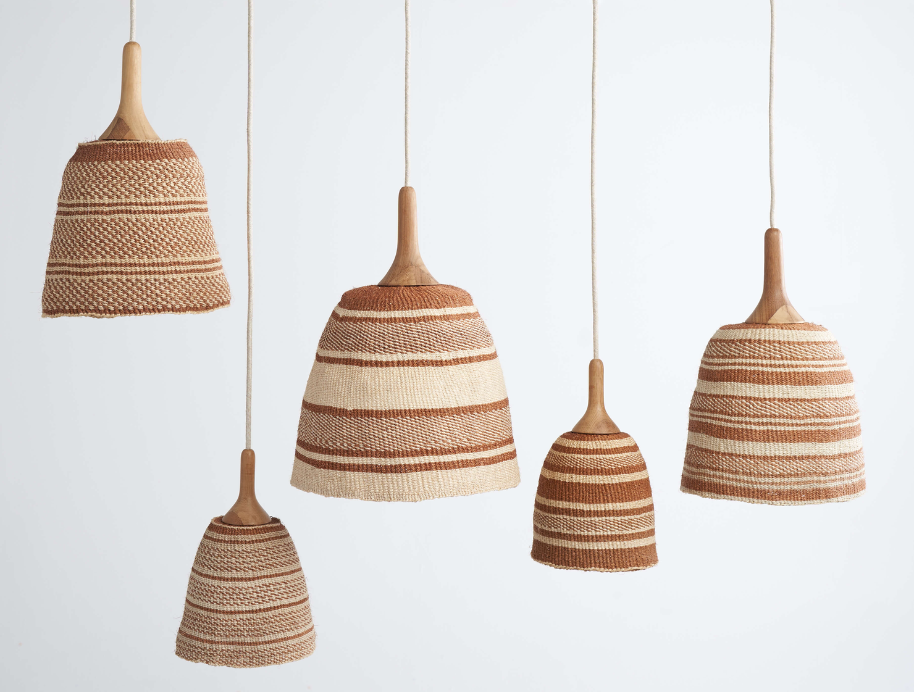
Craftsmanship is being celebrated through artisanal lighting, where artistry and illumination merge. Designers such as Lee Broom, Tom Raffield, and Inglis Hall are creating hand-finished, material-led pieces that embody authenticity and tactile luxury. This trend signifies a renewed appreciation for enduring, personal designs that can become future heirlooms. Supersize style is also gaining momentum, with elongated chandeliers, dramatic pendant clusters, and sculptural floor lamps commanding attention without overwhelming. Rachel Morrison, principal designer at Morrison Interiors, emphasizes that these generous fittings act as sculptural focal points, bringing drama and balancing scale.
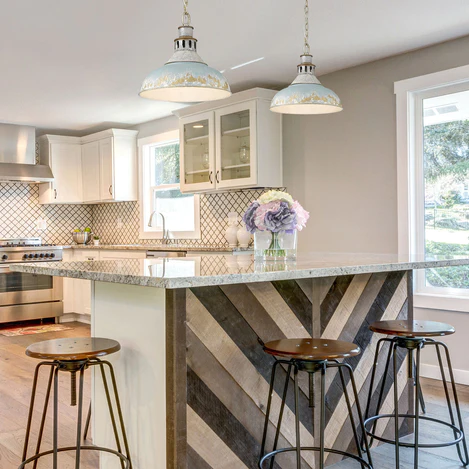
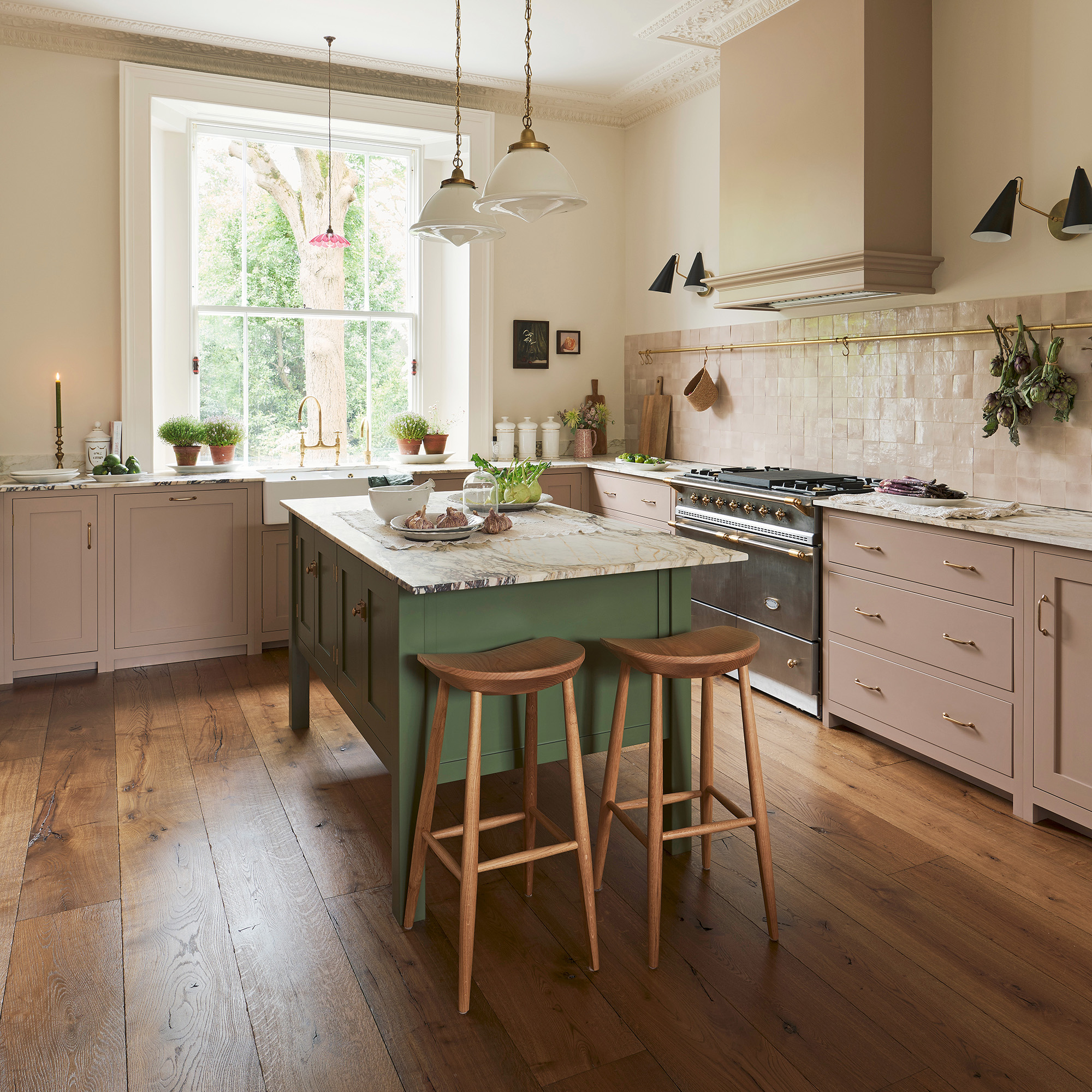
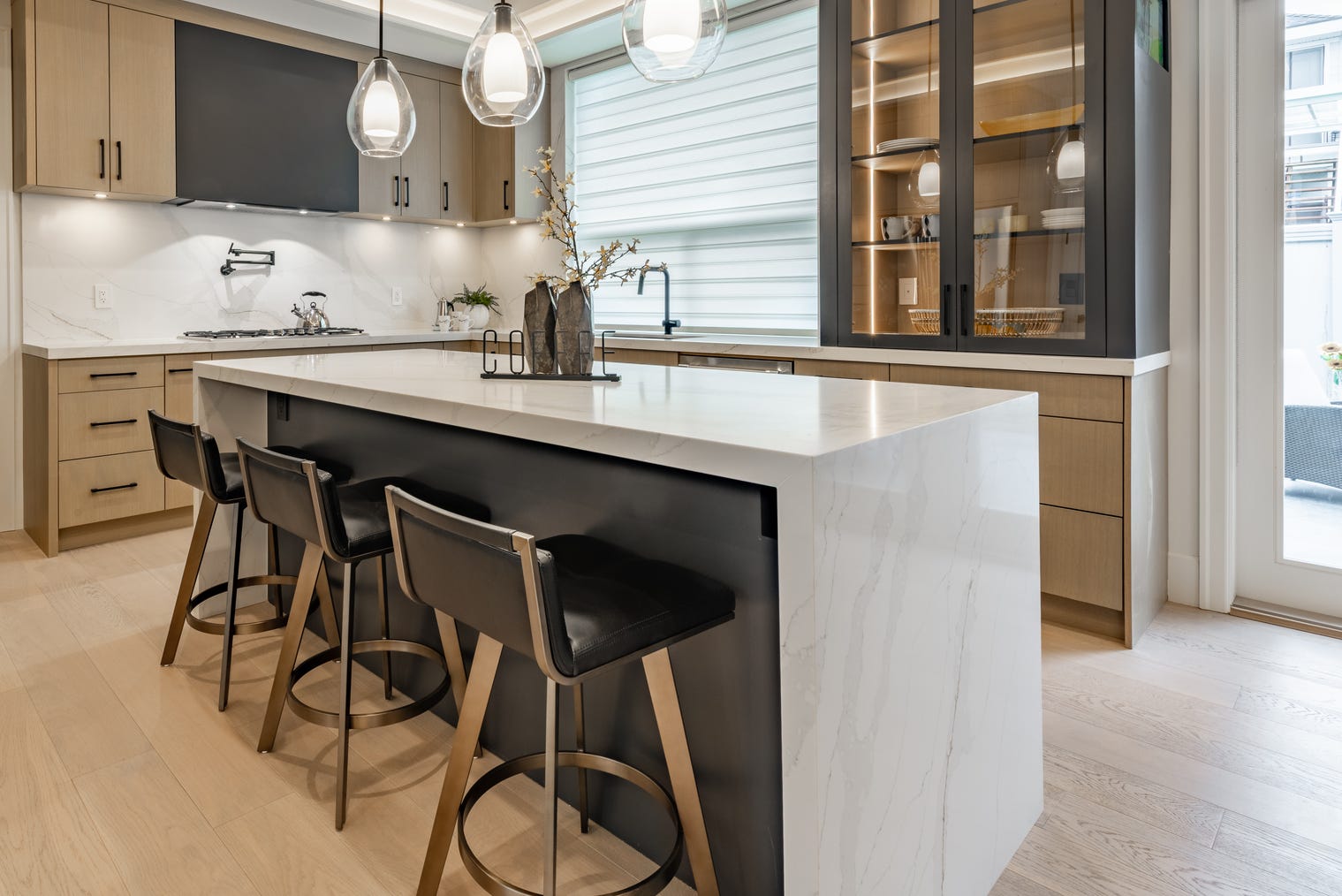
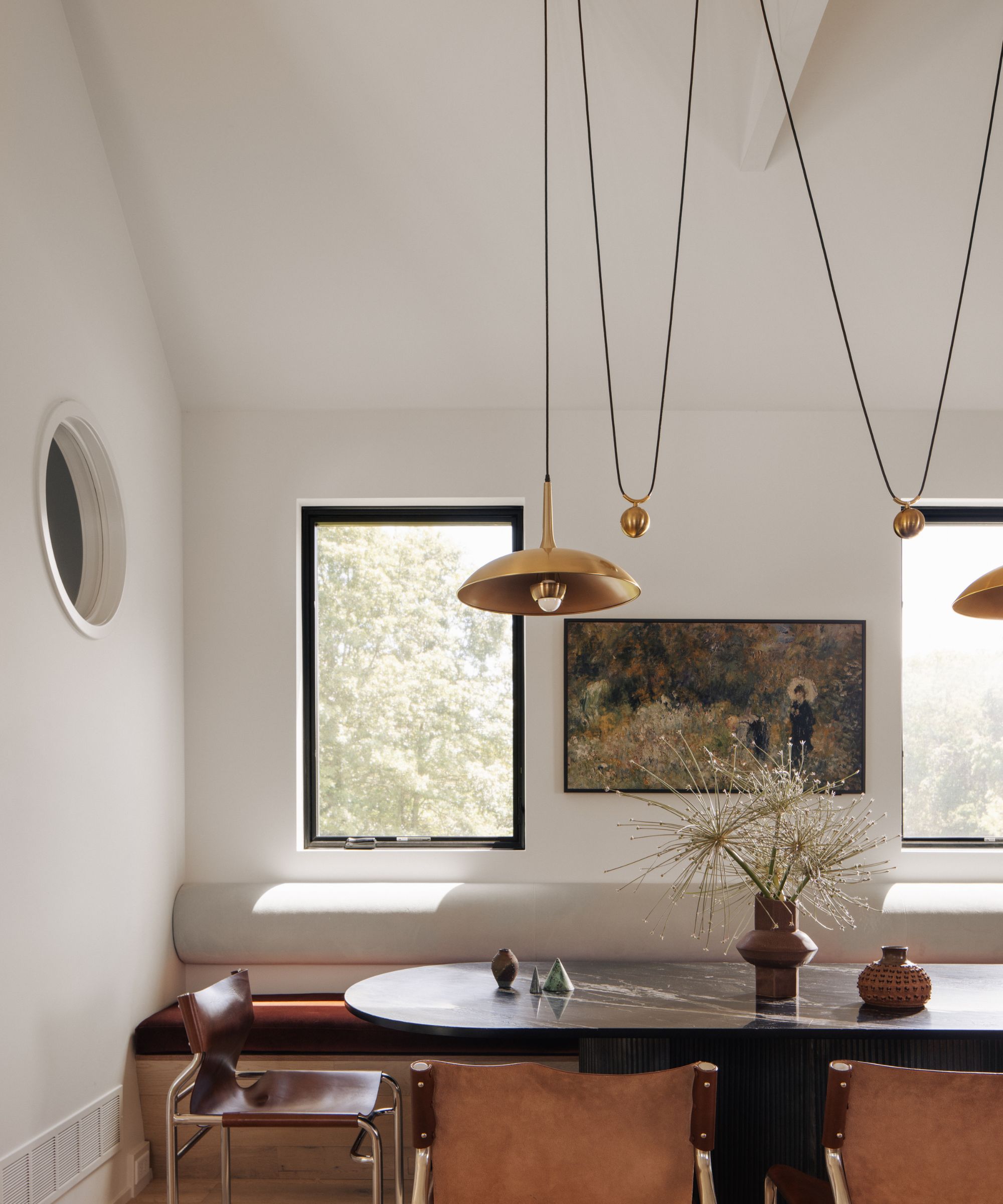
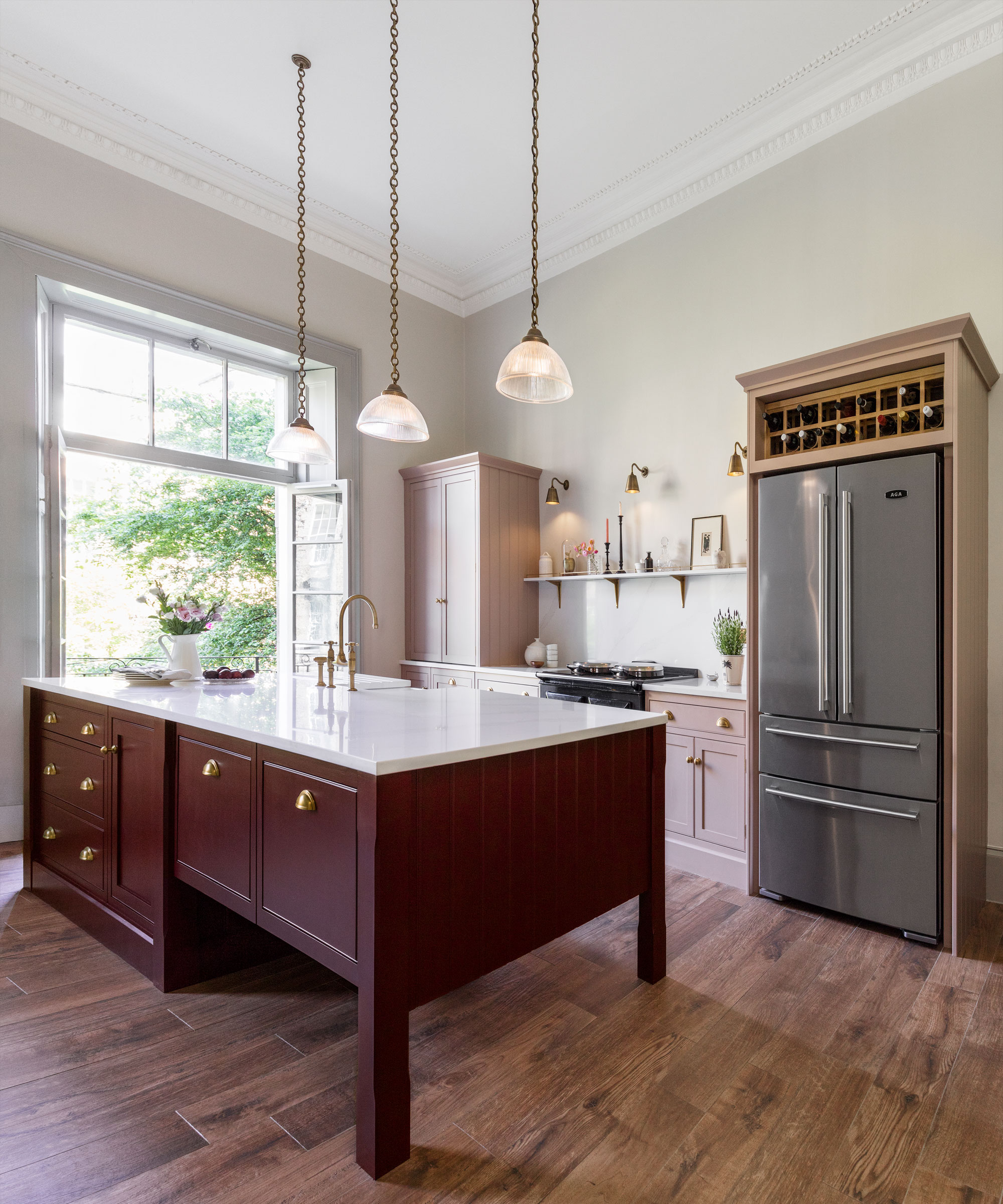
Sculptural installations are transforming kitchen lighting into art, moving beyond predictable pendant arrangements. Interior designers are suspending lights at unexpected angles or clustering them to create dynamic and personalized spaces. Benjamin Johnston’s use of Wren globe lights scattered across a ceiling exemplifies how creative placement can infuse whimsy and alter a room’s mood. Conscious illumination, or sustainable lighting, is prioritizing provenance, purpose, and emotional resonance. Designers are using recycled materials and preserving traditional craftsmanship to create planet-friendly designs with a story, such as Studio Gräfling’s Light as a Rock, made from granite offcuts, and J. Adams & Co.’s Luna light, featuring recycled Capiz shell.
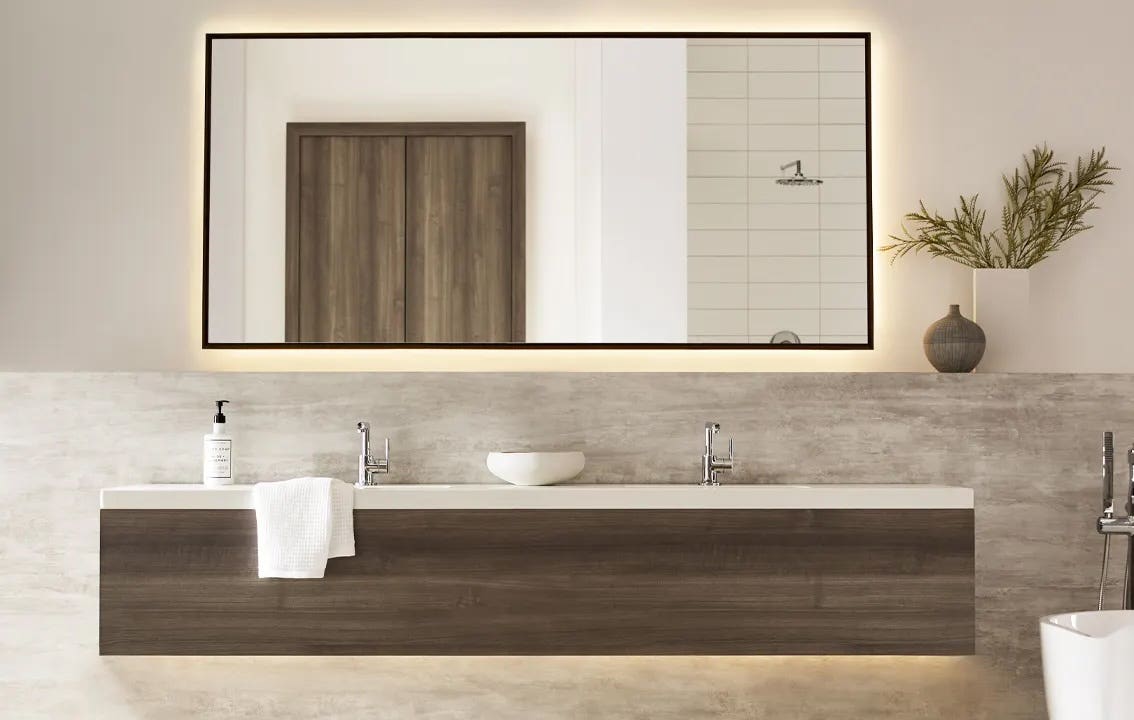
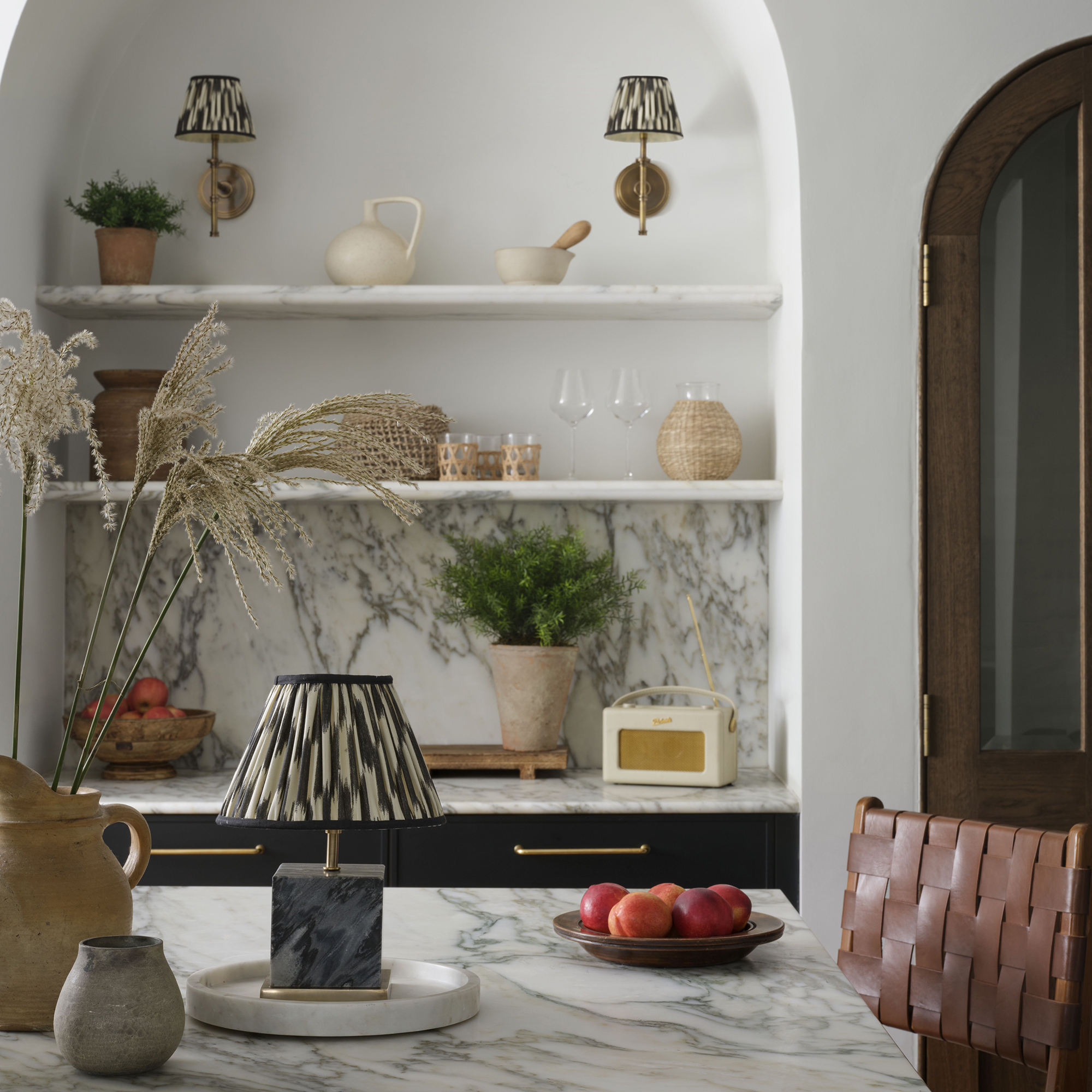
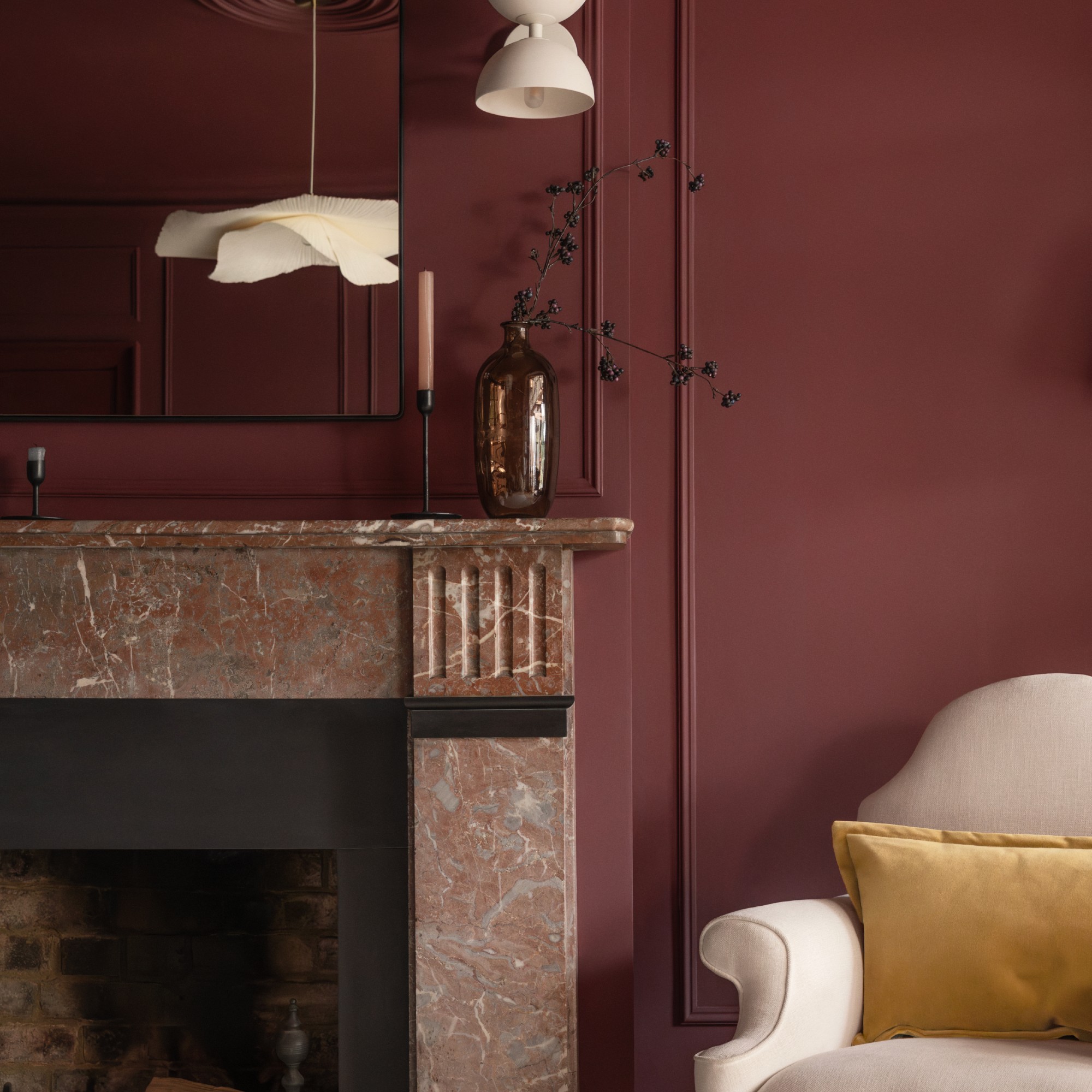
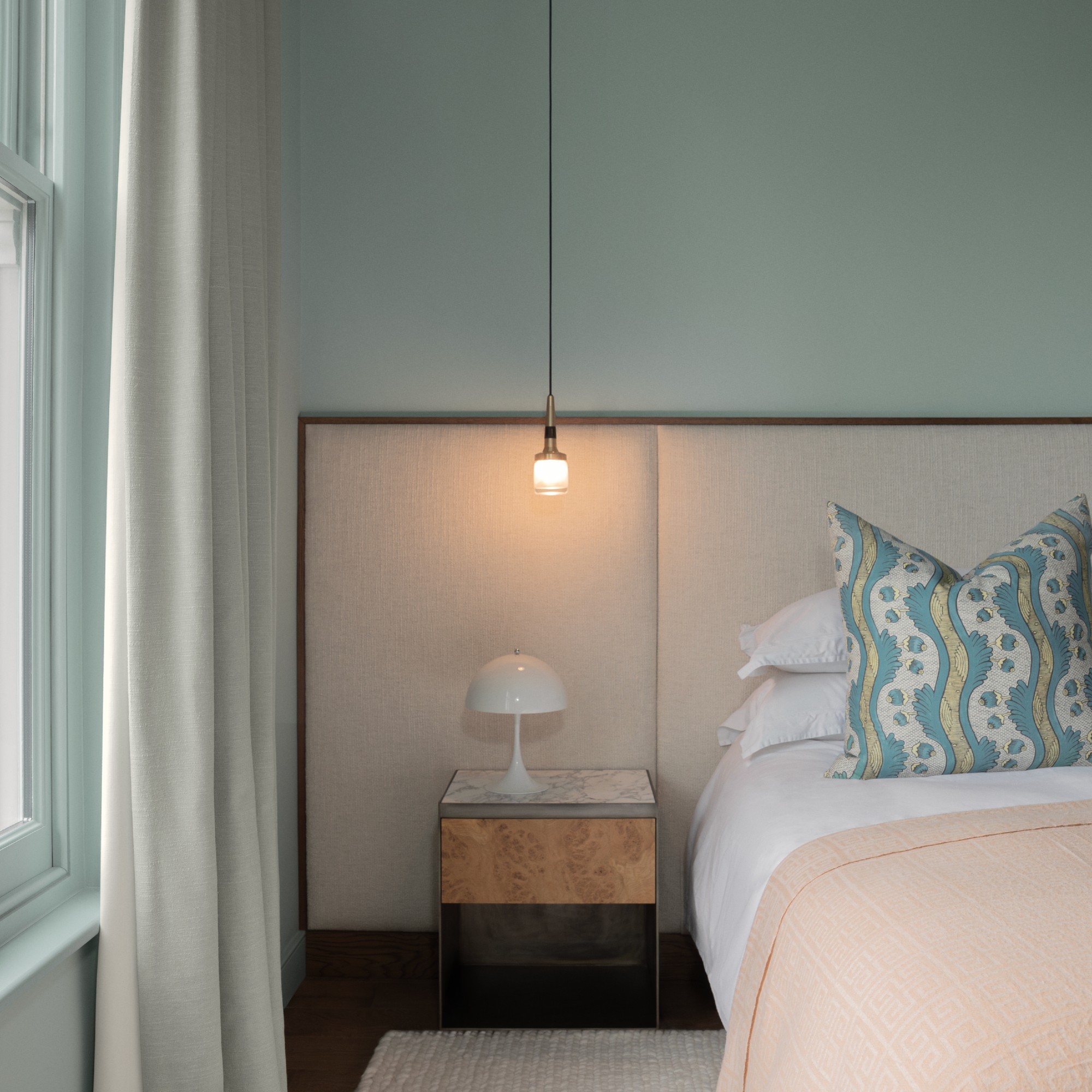
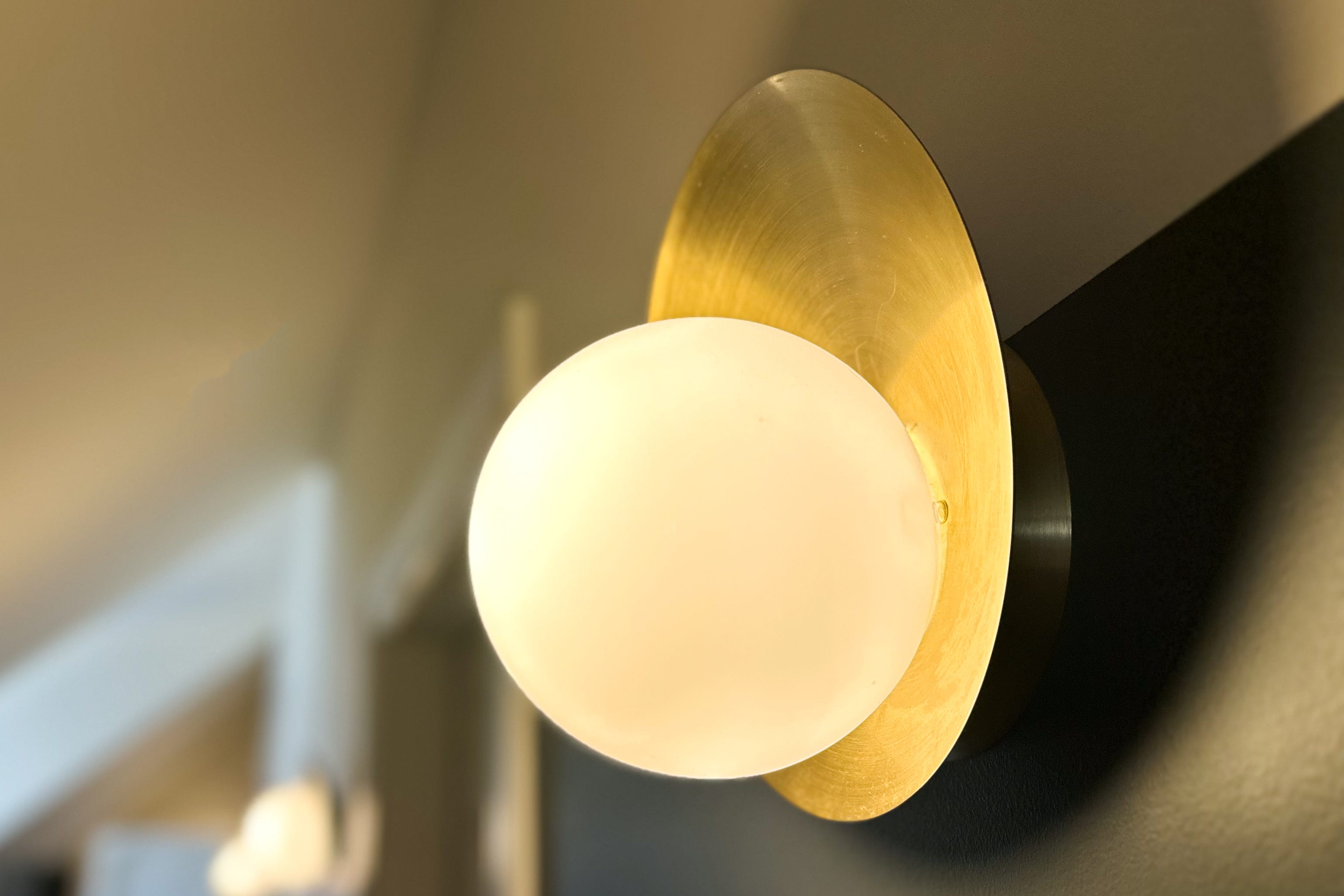
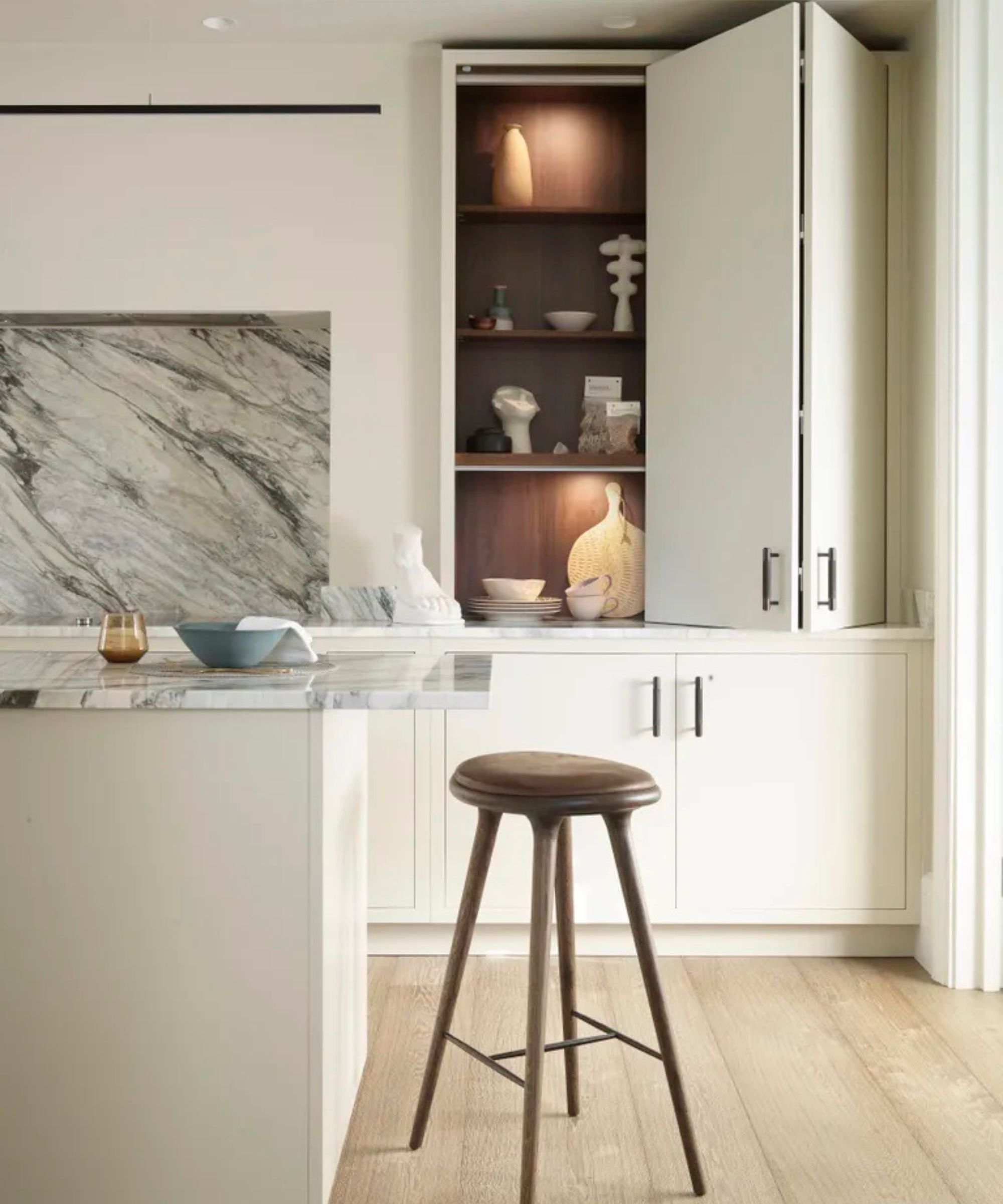
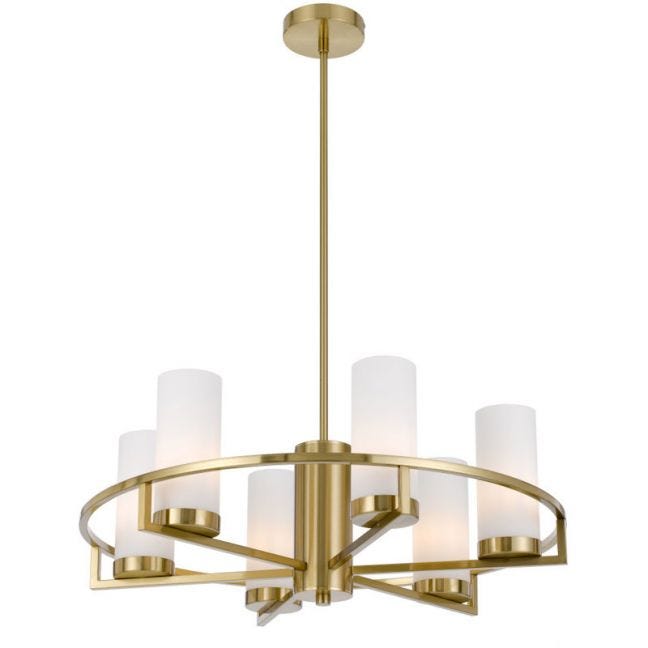
Fluid forms are replacing rigid geometry with curves, waves, and organic silhouettes, fostering warmth and comfort. Holly Hunt’s Dune Hanging Light, designed by Alain Ellouz, embodies this trend with its alabaster and leather construction that captures emotional movement and softness. Finally, quiet lighting, influenced by the quiet luxury trend, focuses on soft, diffused light without glare. Materials like frosted glass, alabaster, and linen shades, along with hidden LEDs, create cocooning and calm atmospheres. Susie Pfeiffer, founder of Pfeiffer Design, highlights the shift towards enhancing rooms with discreet, atmospheric lighting that brings calm balance and quiet luxury.
#LightingTrends #HomeDesign #InteriorLighting #FlexibleFittings #MultiplicityLighting #MixedMaterials #ColorDosing #Craftsmanship #SculpturalInstallations #ConsciousIllumination #FluidForms #QuietLighting #LightingTrends #HomeDesign #InteriorLighting #FlexibleFittings #MultiplicityLighting #MixedMaterials #ColorDosing #Craftsmanship #SculpturalInstallations #ConsciousIllumination #FluidForms #QuietLighting
0 comment in total
 No comments yet
You may also like
These 6 lighting trends are set to be big in 2026
Light up your home with these top lighting trends for 2024

2026 Home Design Trends to Watch
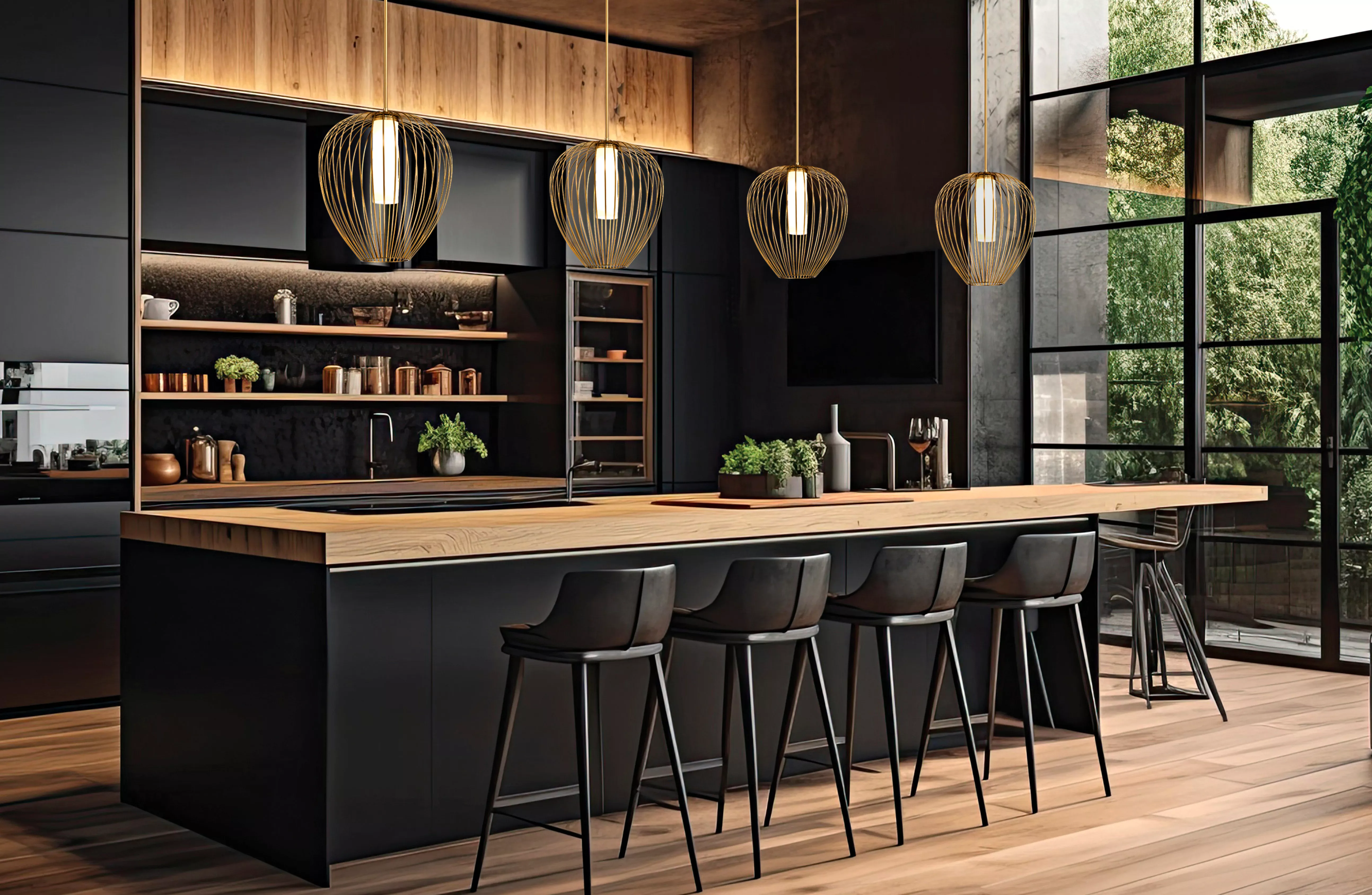
13 Lighting Trends to Brighten Your Home in 2024

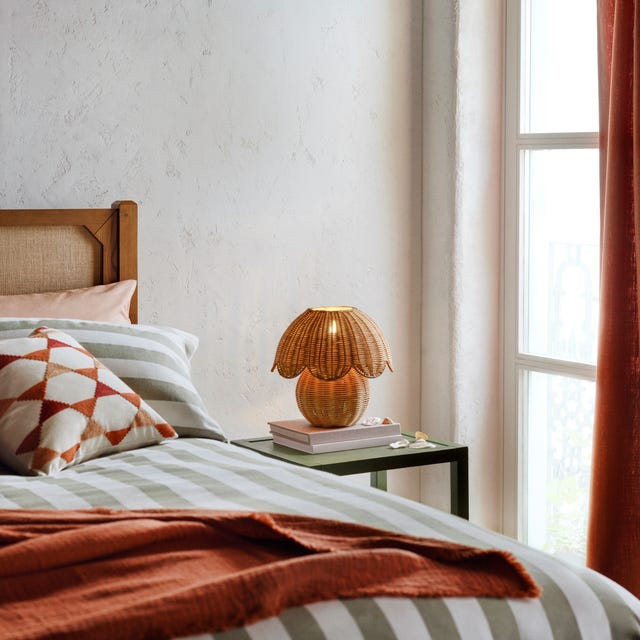
2025 lighting trends: 10 bright ideas to transform your home

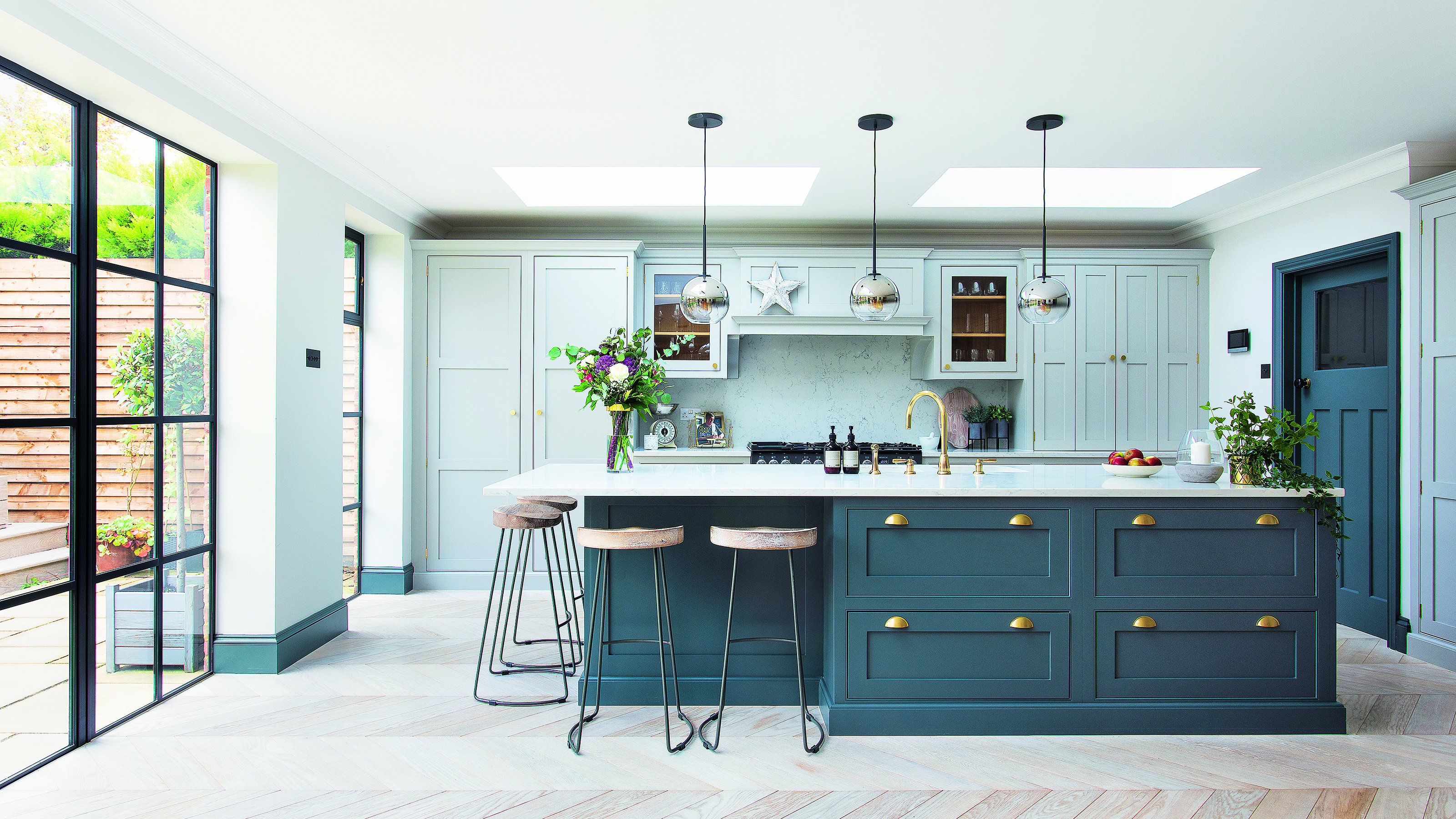
The 6 kitchen lighting trends set to shine in 2025
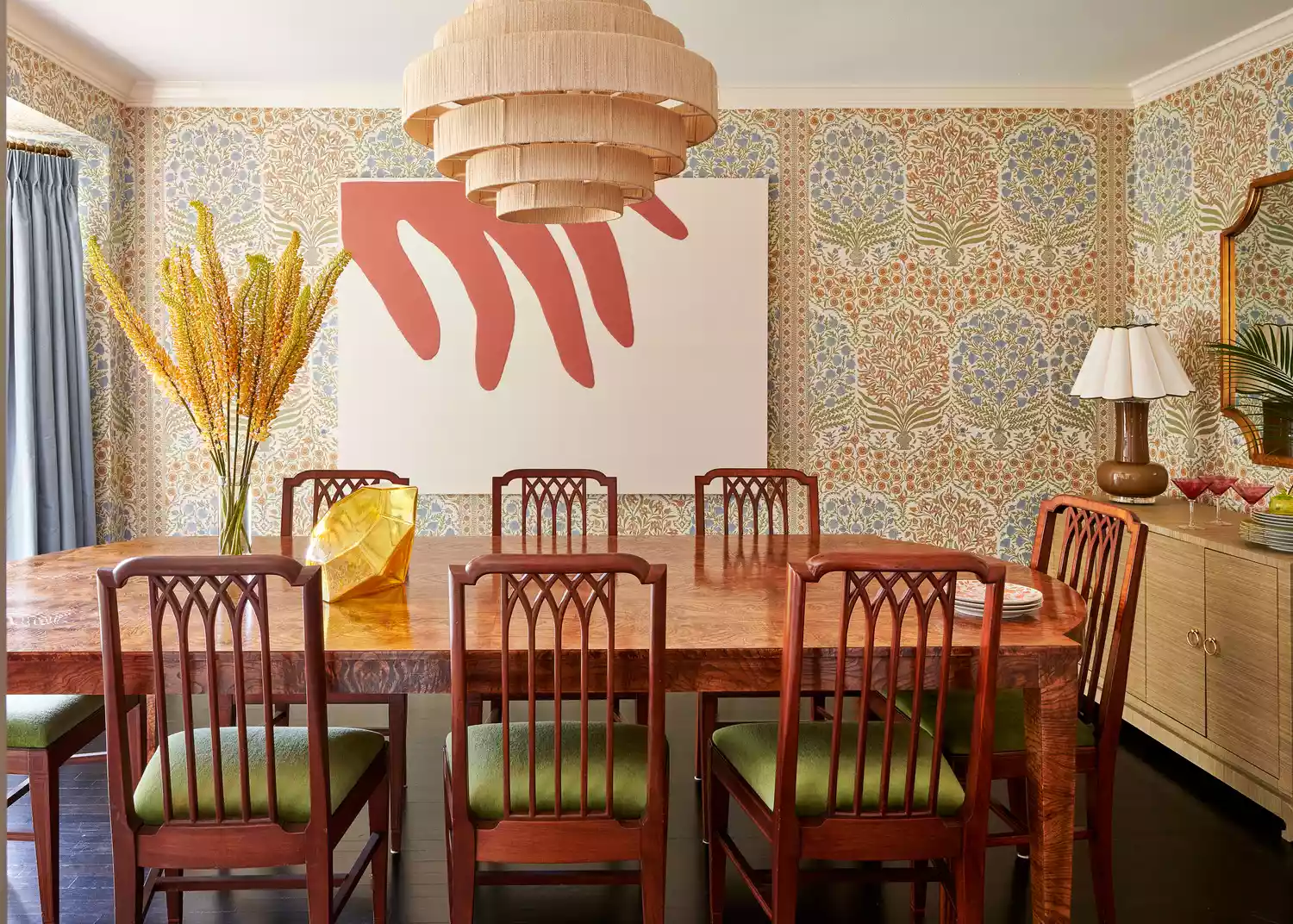
7 Home Lighting Trends You'll See Everywhere In 2025
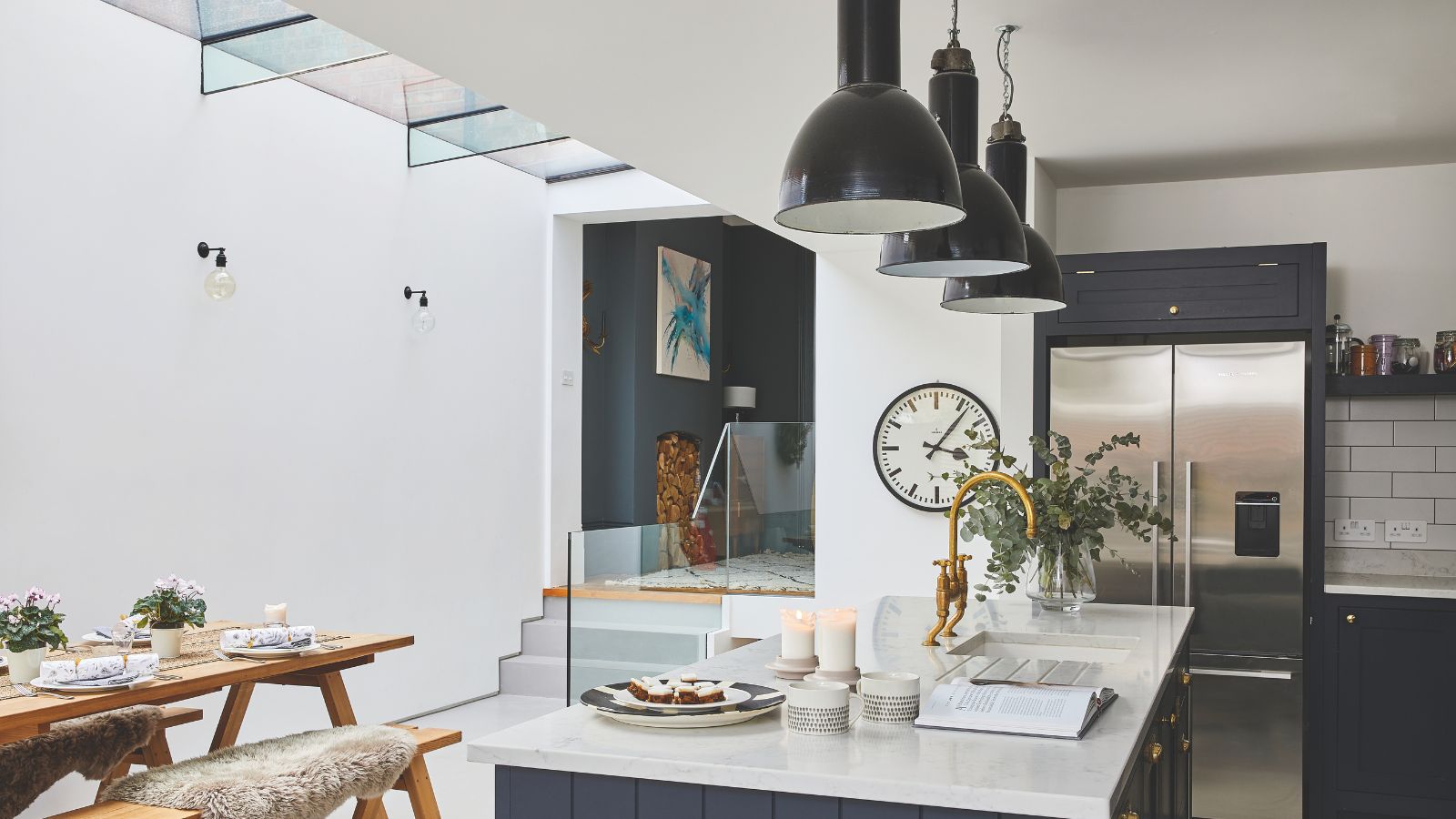
Designers agree: these 7 dated lighting trends are officially on the outs for 2026

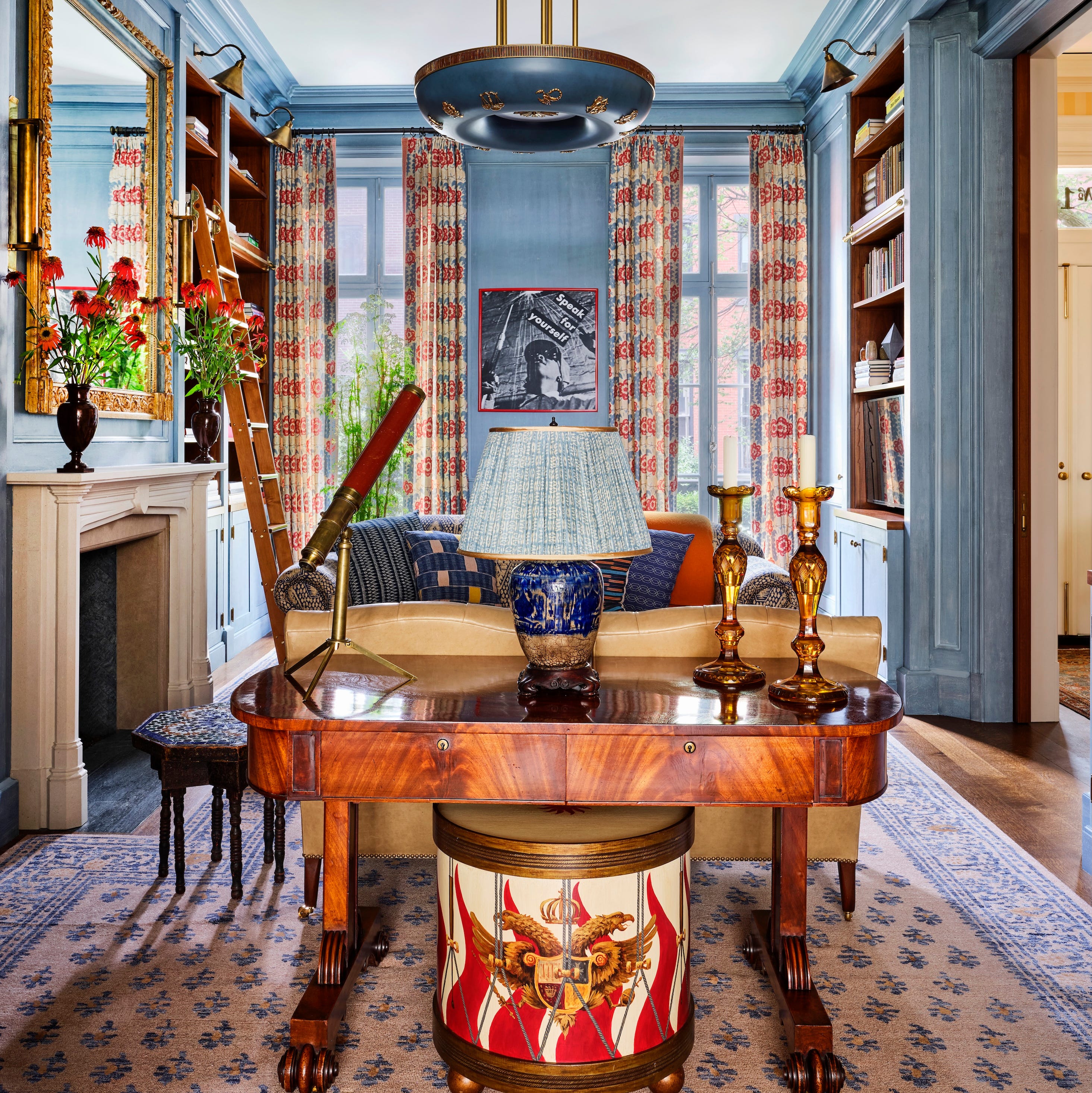
These Lighting Trends Will Be Everywhere in 2026, According to Designers

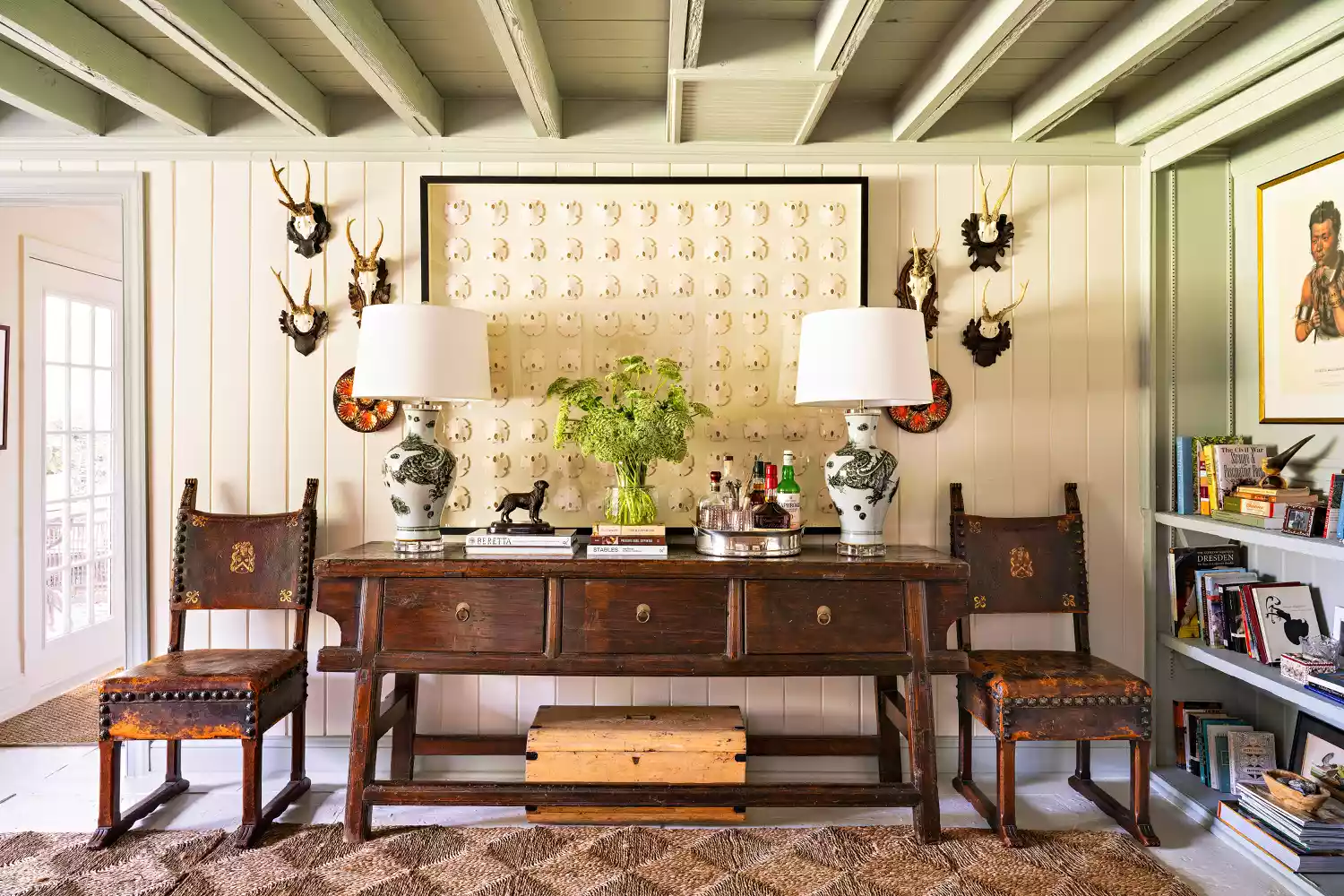
6 Lighting Trends That Will Transform Your Space In 2026
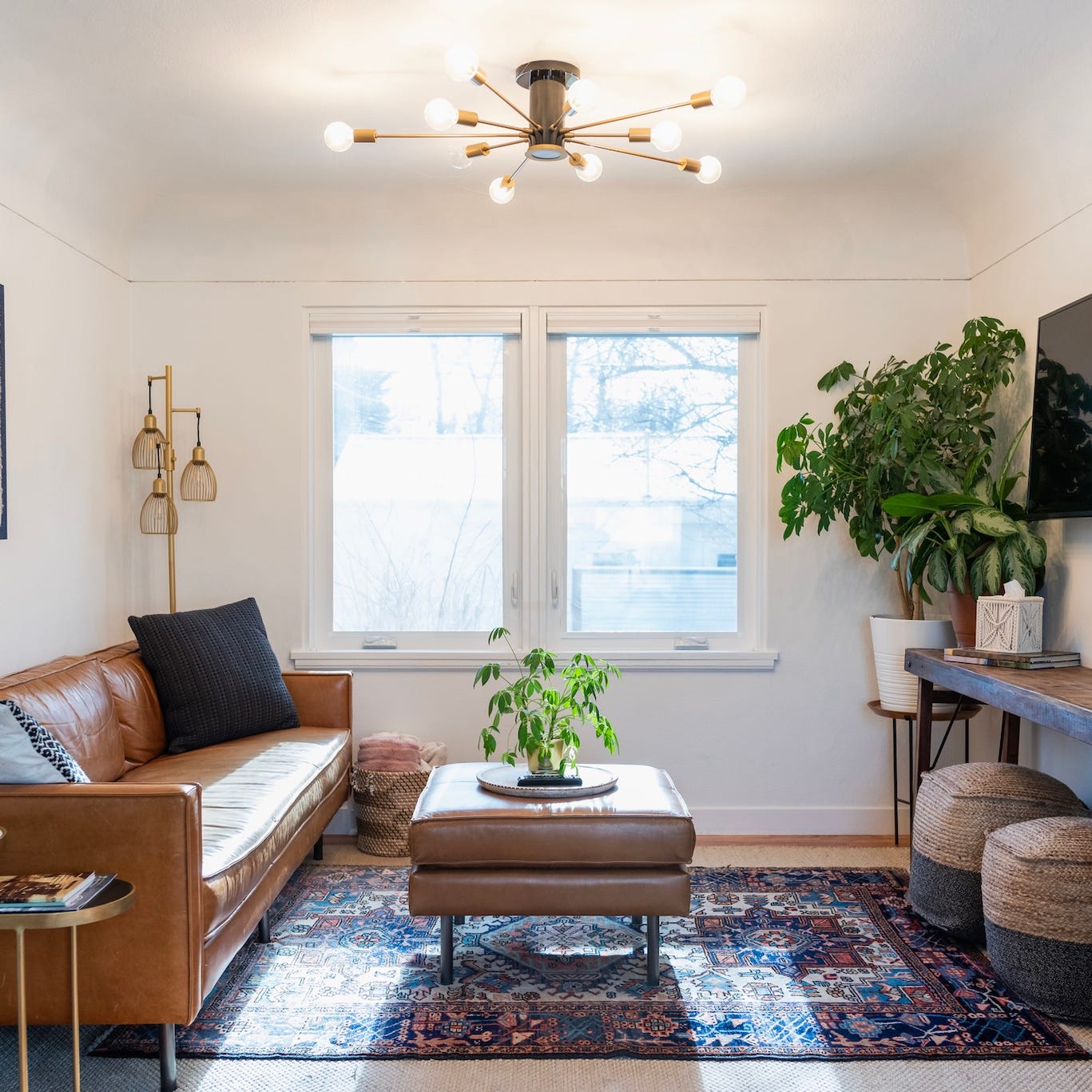
Designers Say These Vintage Lighting Trends Will Be Everywhere in 2026

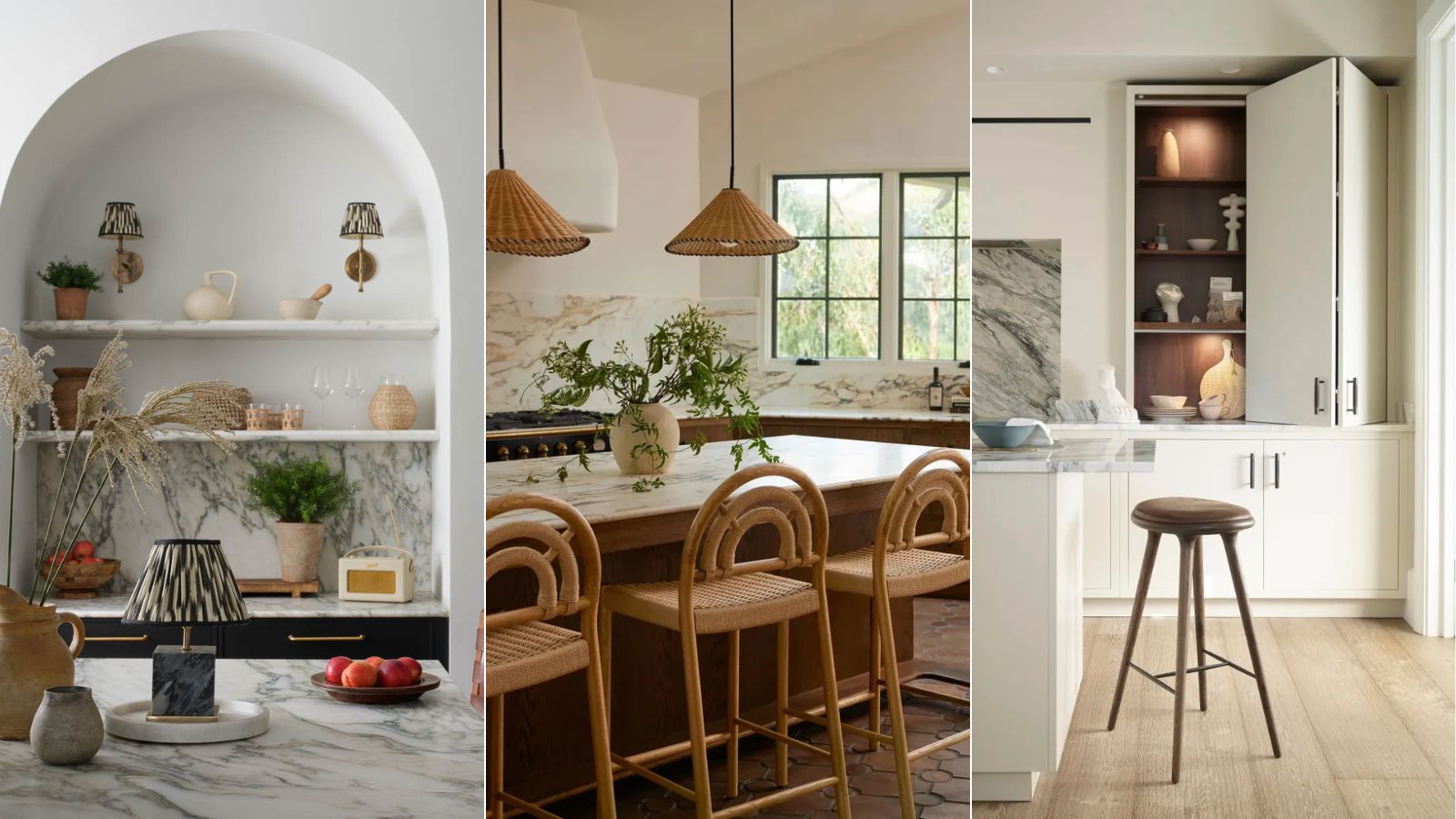
10 kitchen lighting trends interior designers are loving in 2025
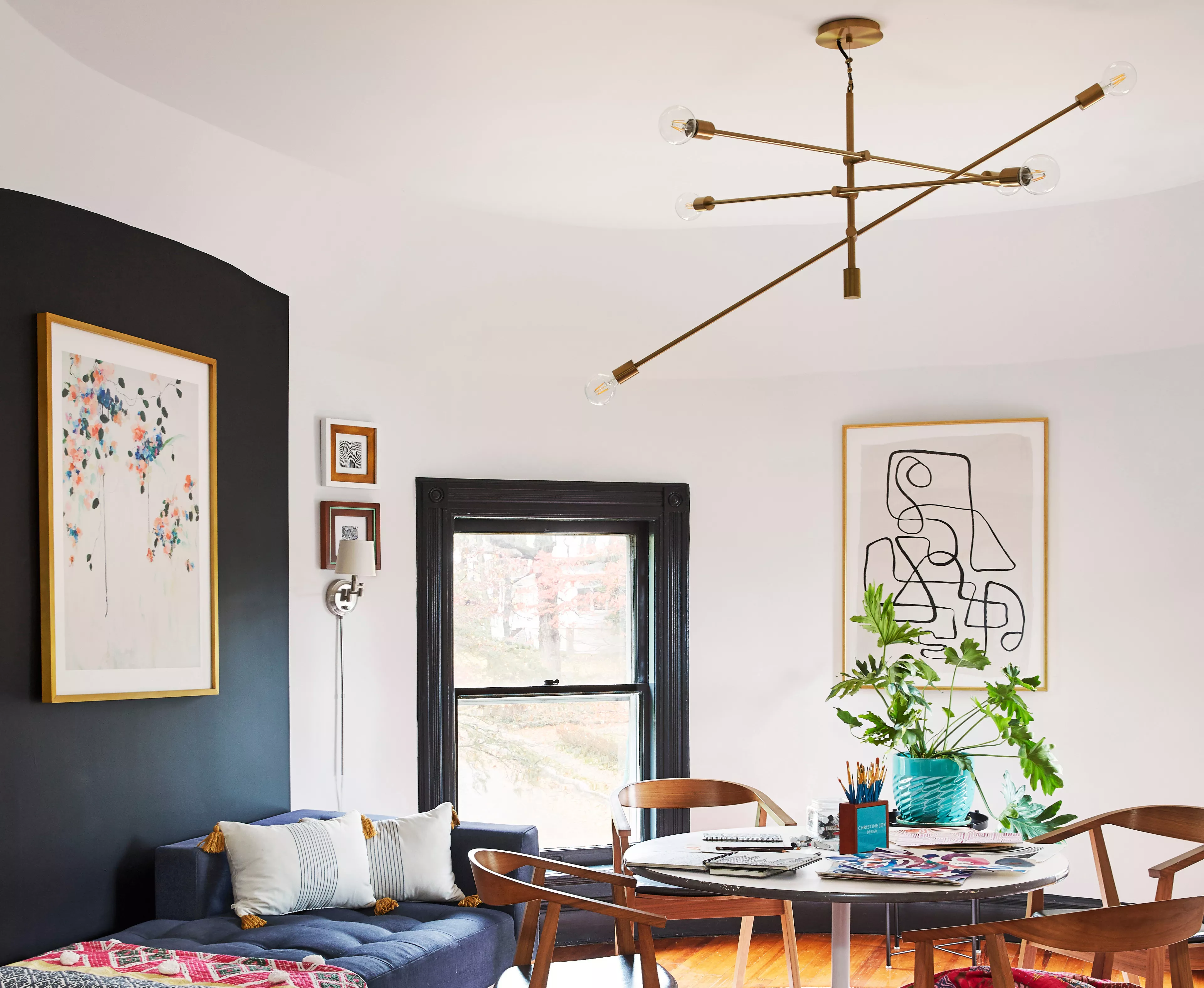
Experts Say These 6 Lighting Trends Will Be Illuminating Homes in 2025
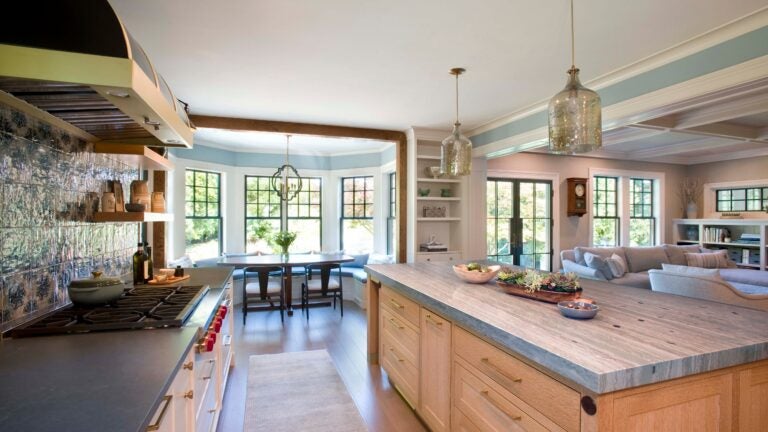
Ask the remodeler: 10 home trends we’ll continue to see in 2026 renovations

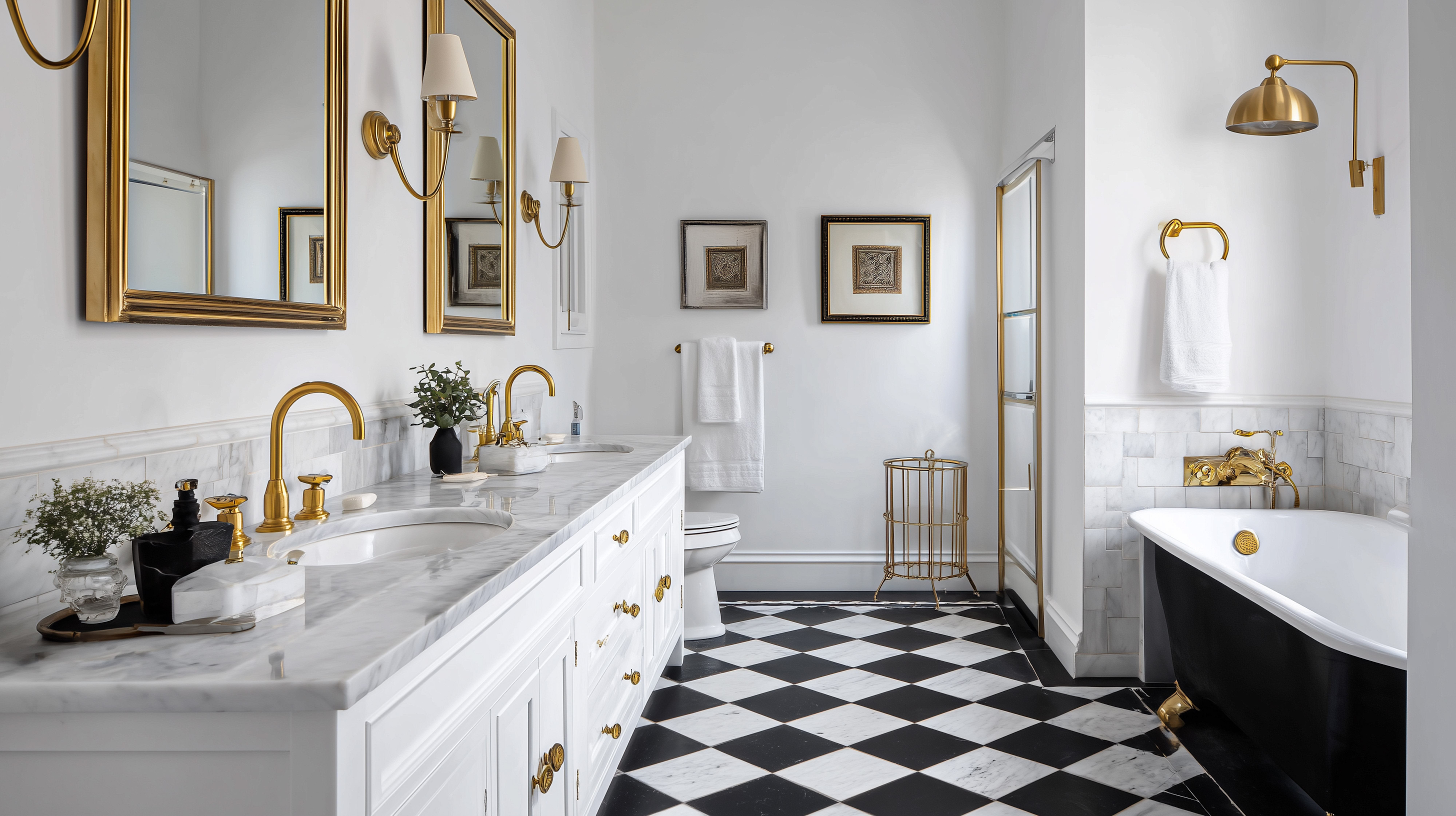
Stand Out with 2026 Home Trends
Top Lighting Trends for 2024
7 Lighting Trends That Will Elevate Your Home Design In 2025

The colour trends 2026 that will define our homes next year

Designers Agree: These 15 Home Trends Are Officially Out in 2026

Revisiting home lighting trends for 2025