1/10
10 kitchen lighting trends interior designers are loving in 2025
Lighting plays a pivotal role in kitchen design, not just for functionality but also for aesthetics. As kitchens increasingly become the central hub of a home, kitchen lighting trends for 2025 emphasize bold, layered designs that combine various styles, aesthetics, and materials to suit diverse schemes. Experts highlight ten key trends that will shape kitchen lighting this year.
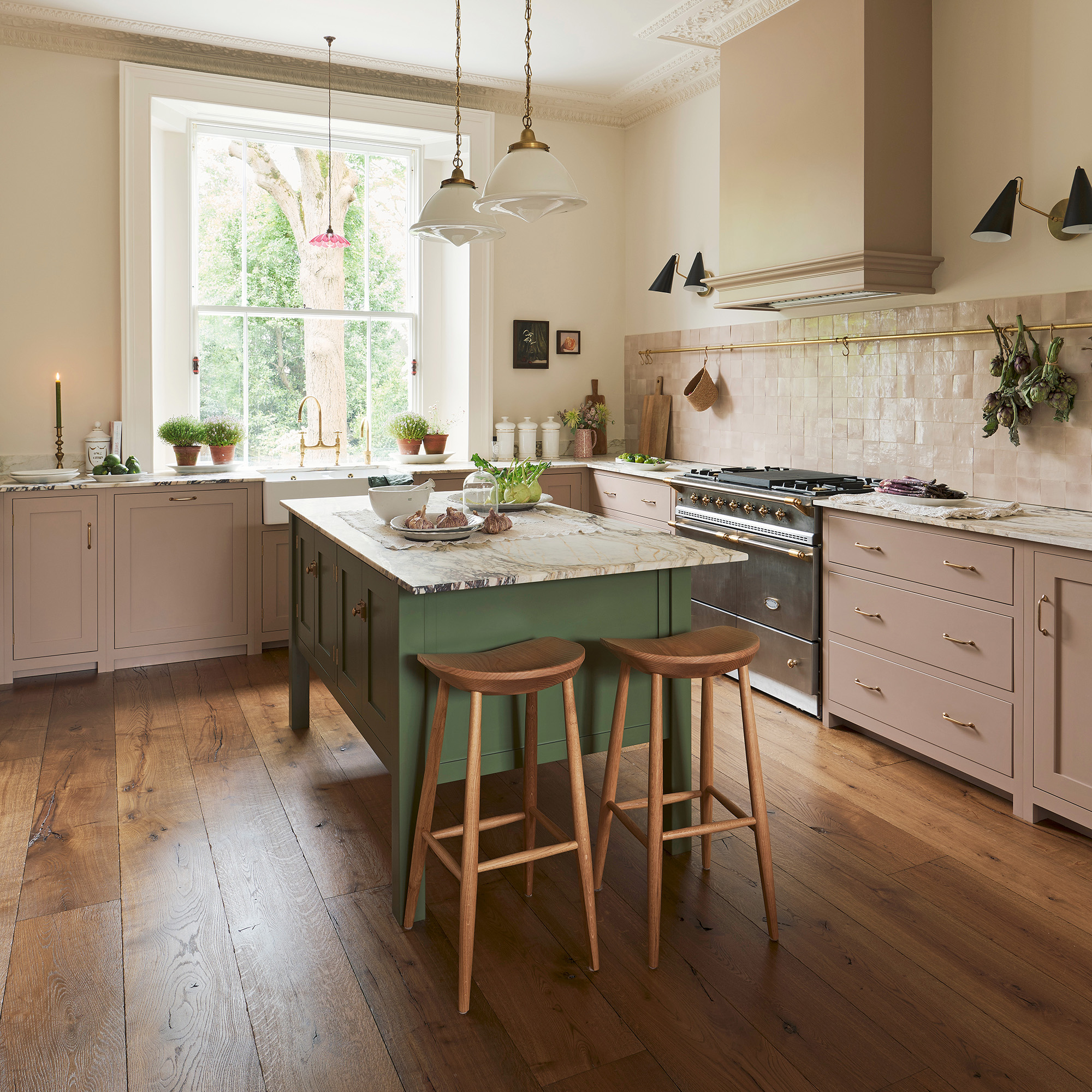
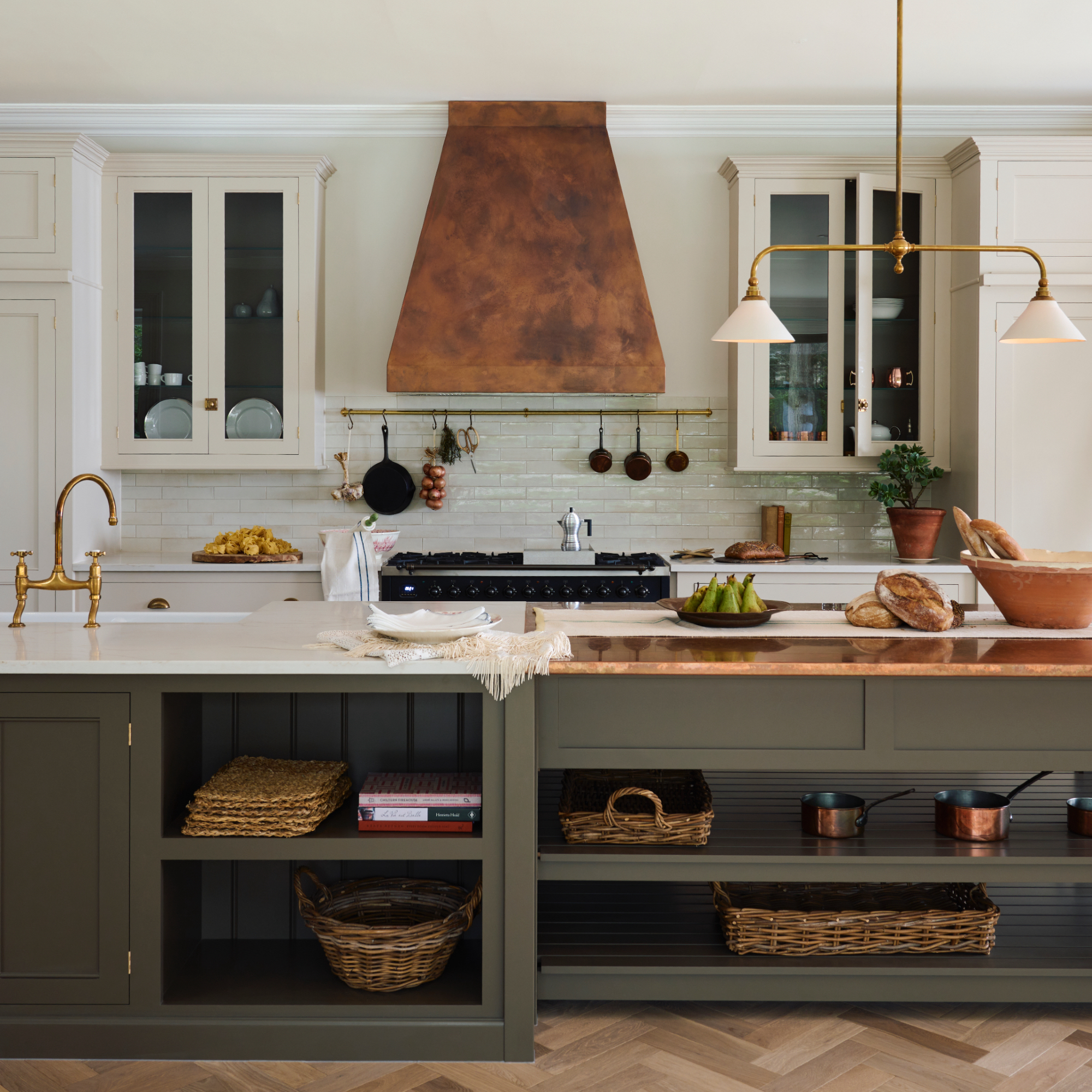
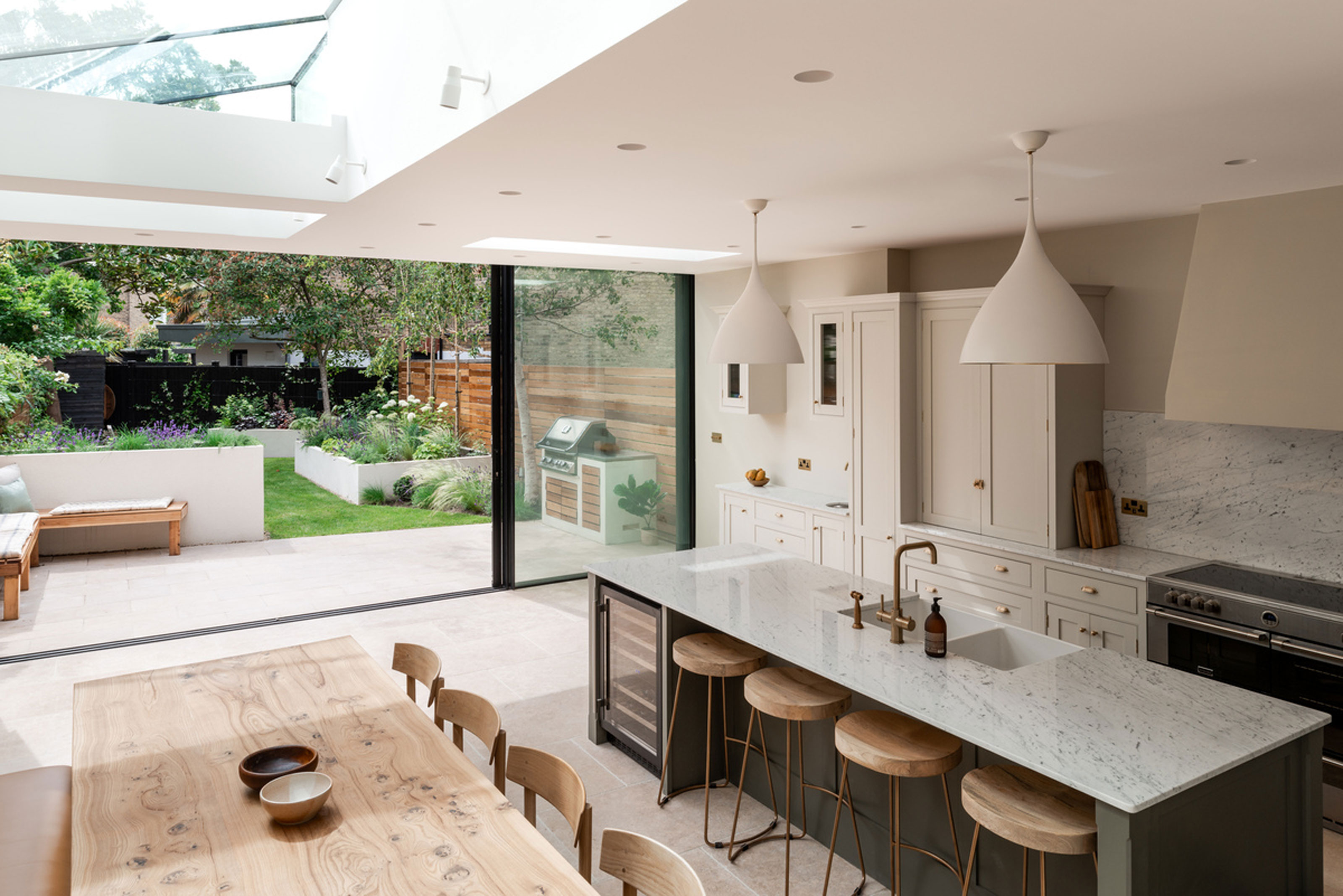
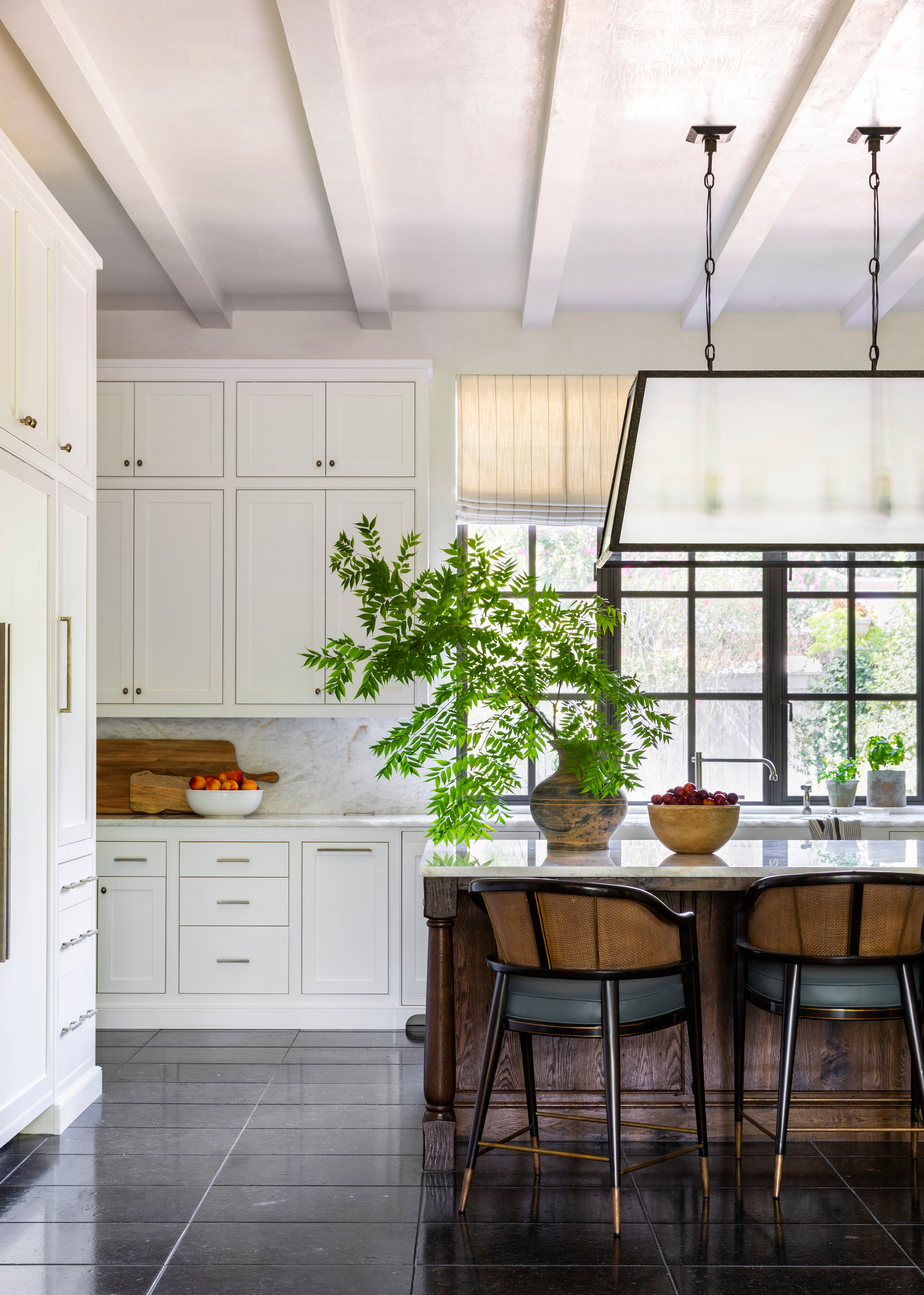
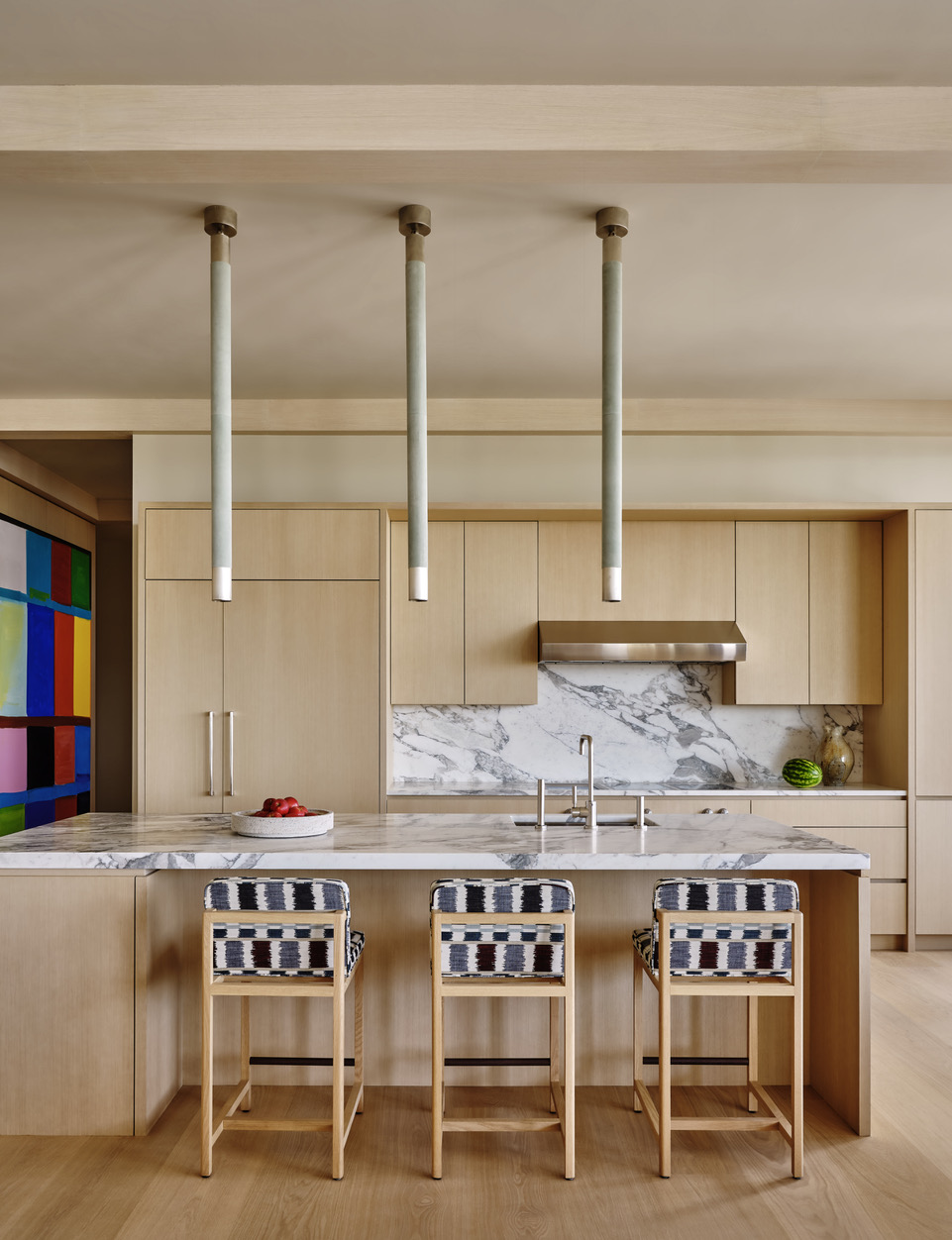
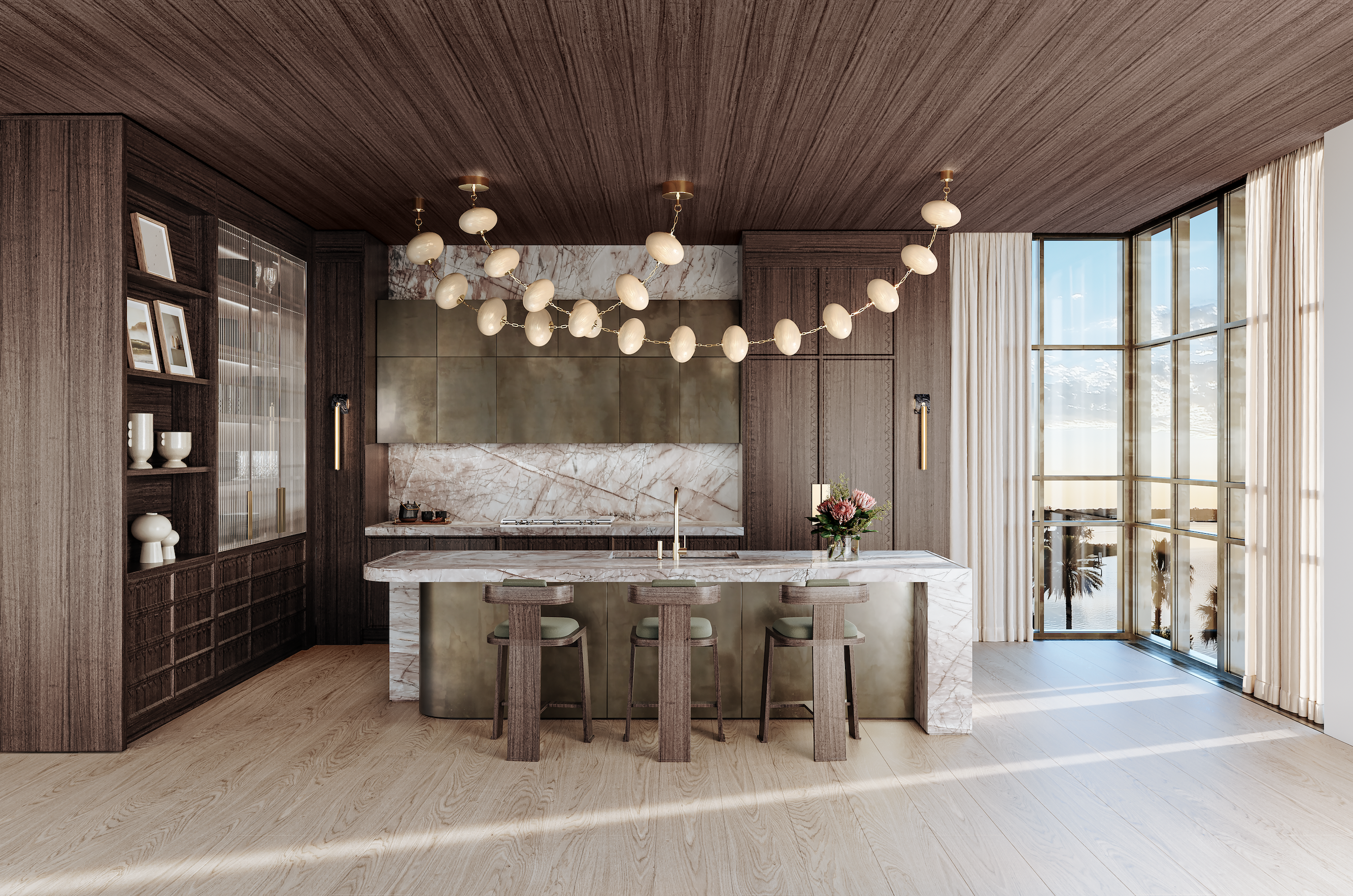
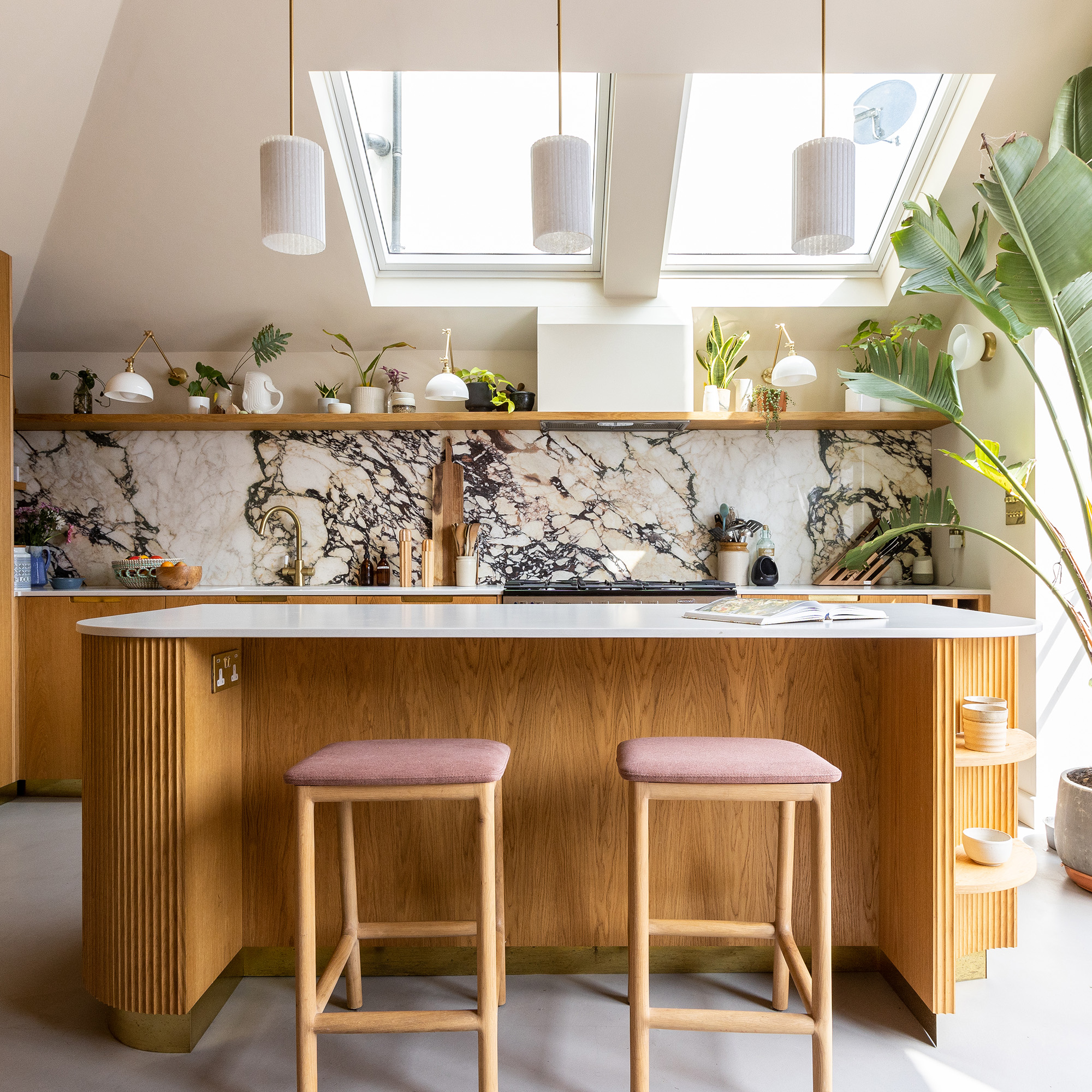
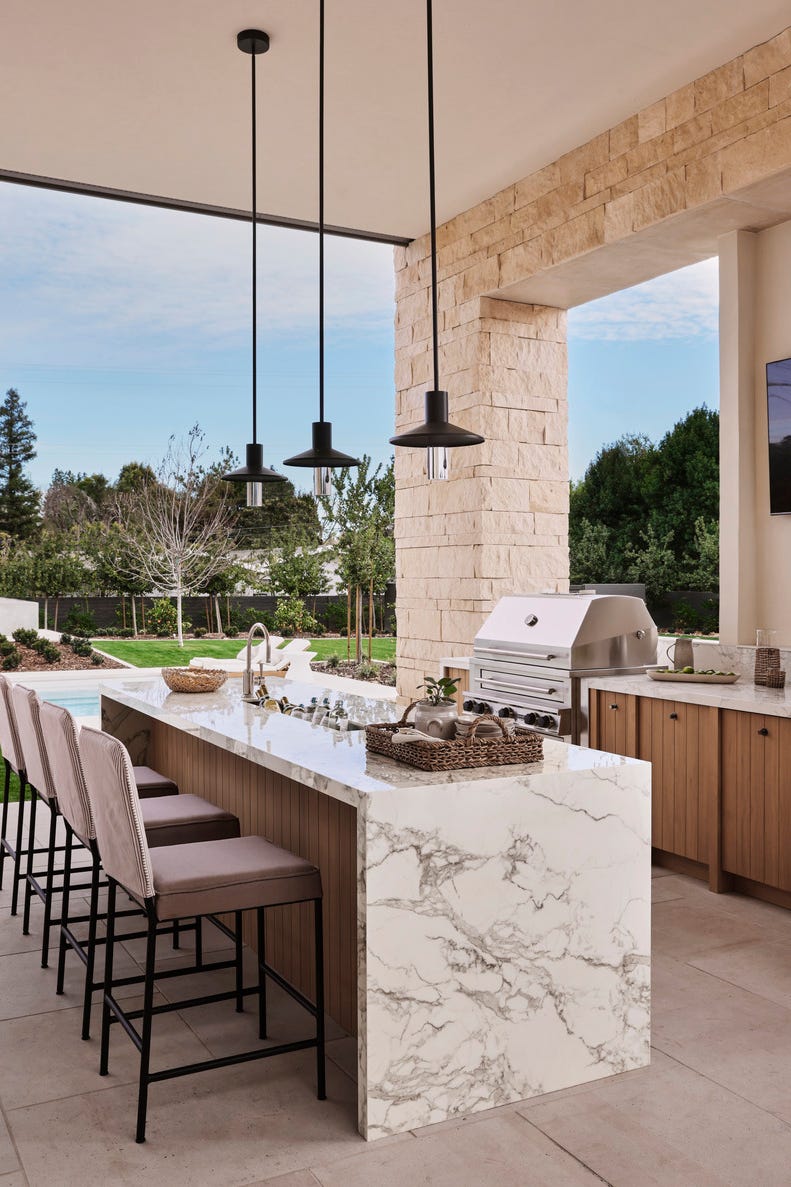
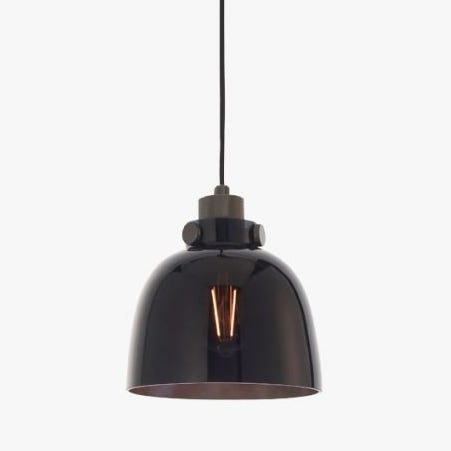
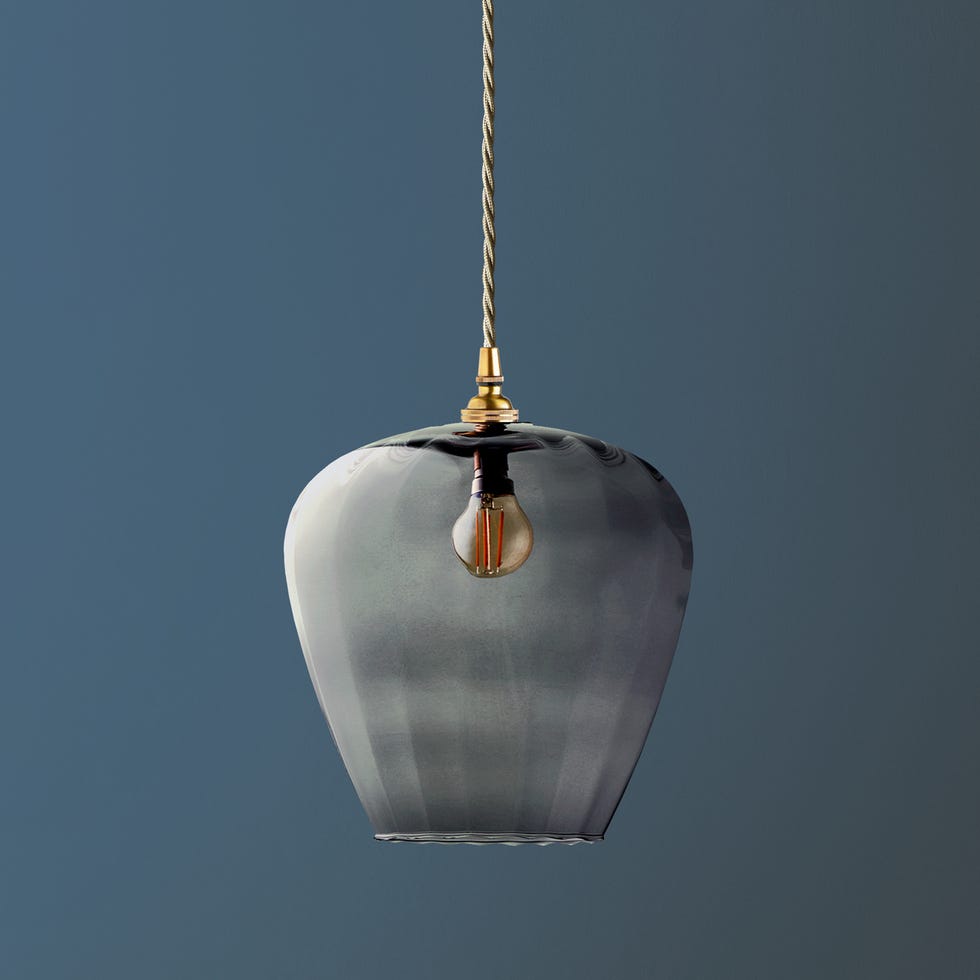
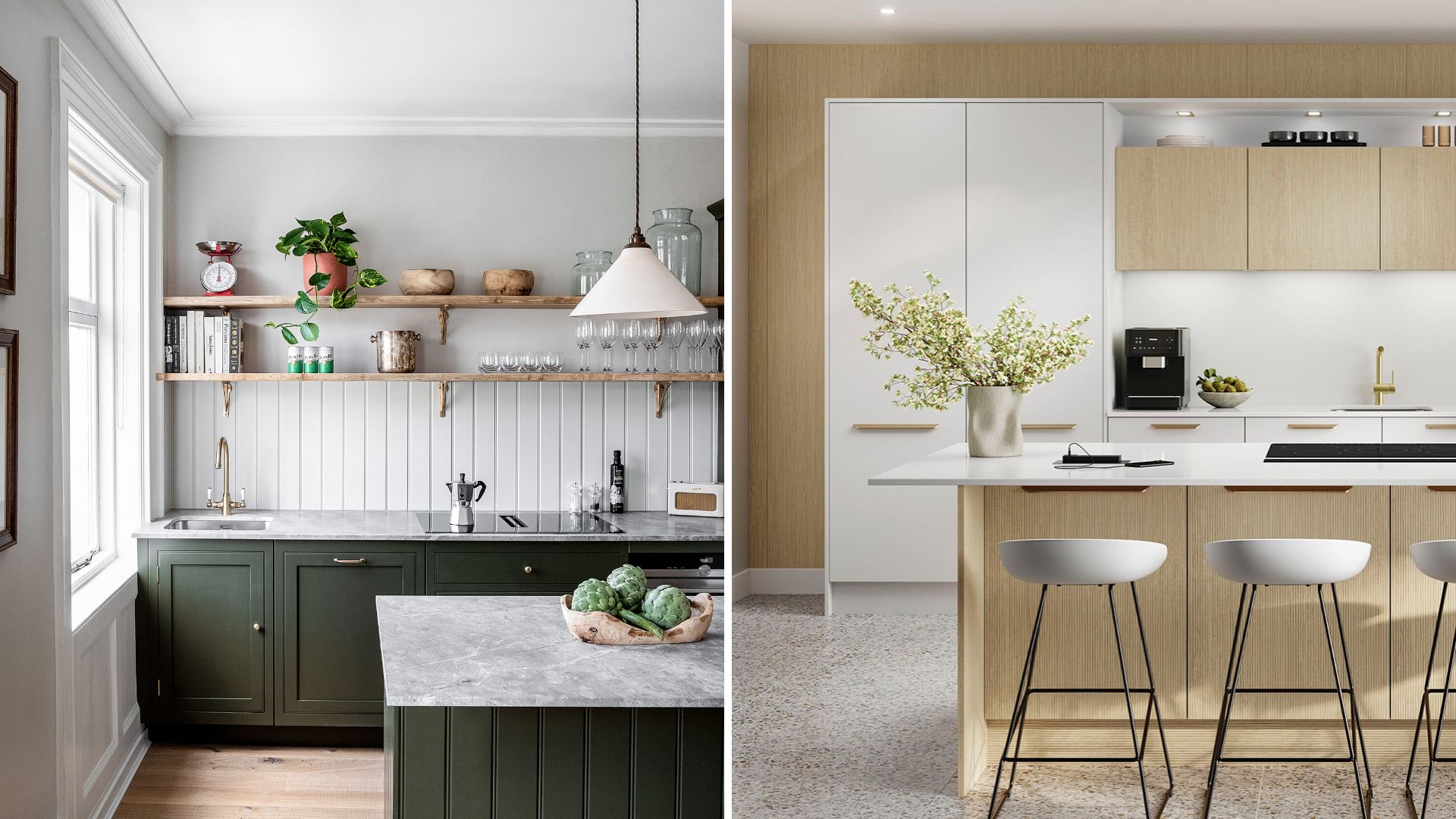
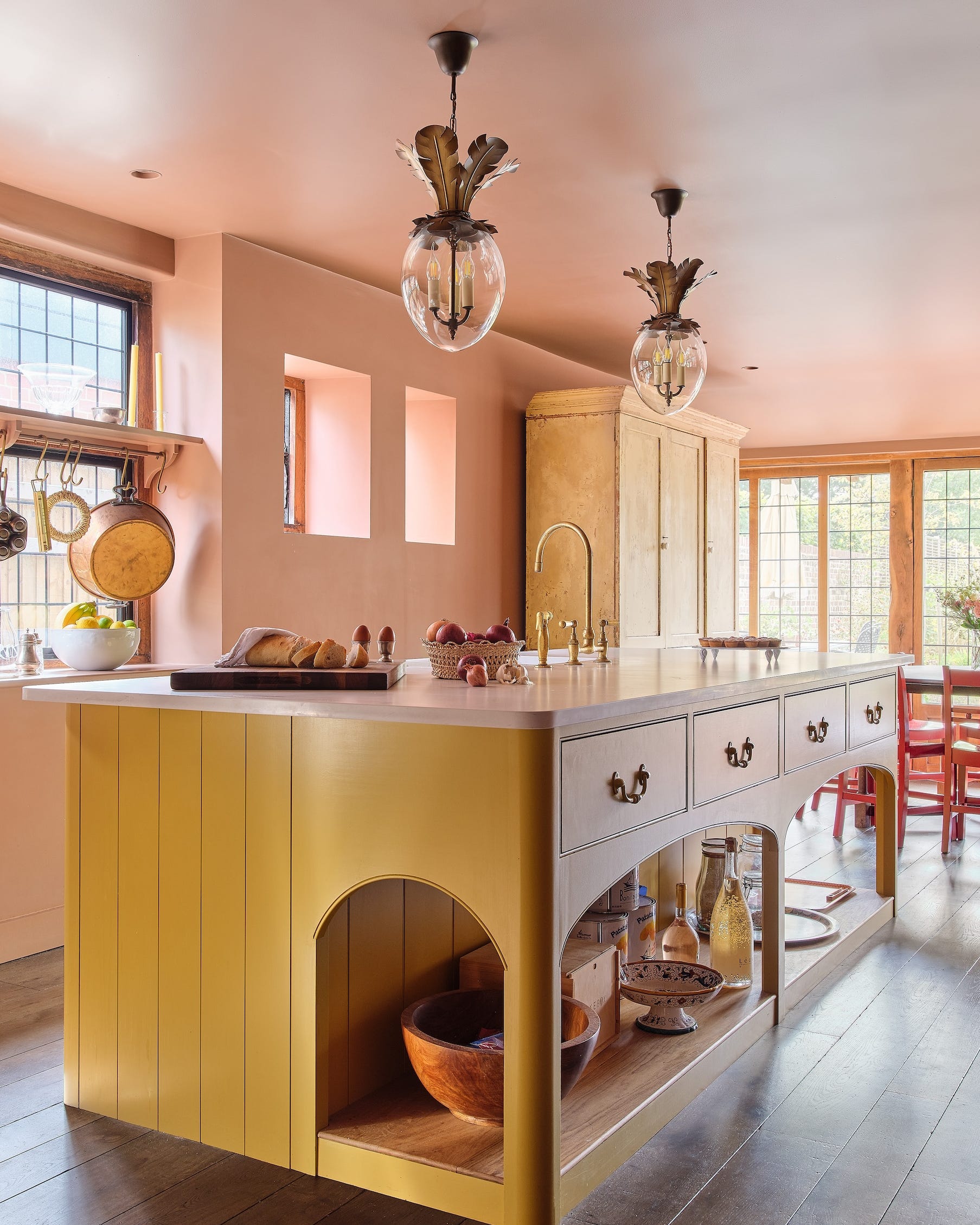
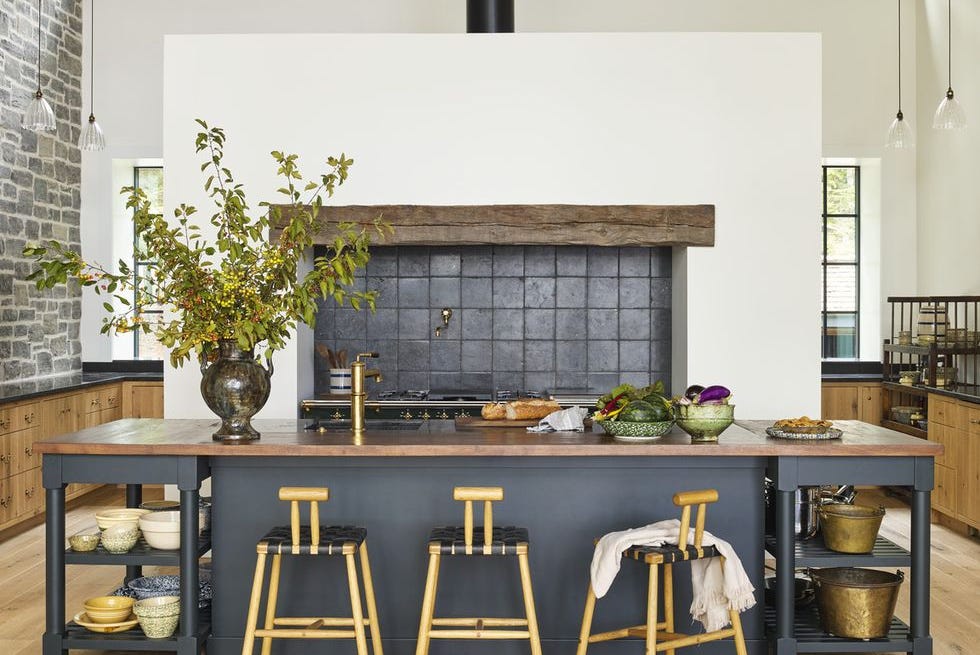
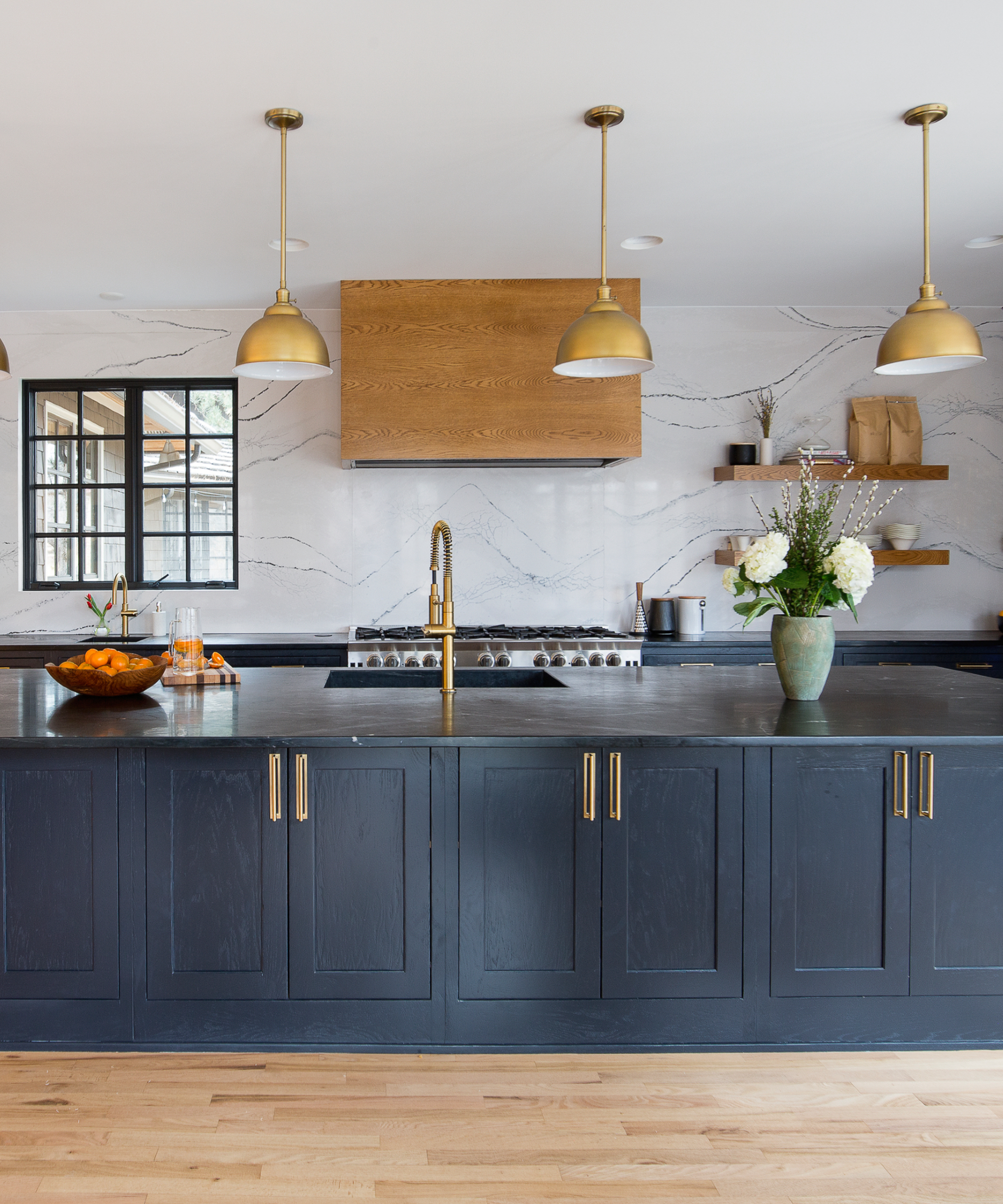
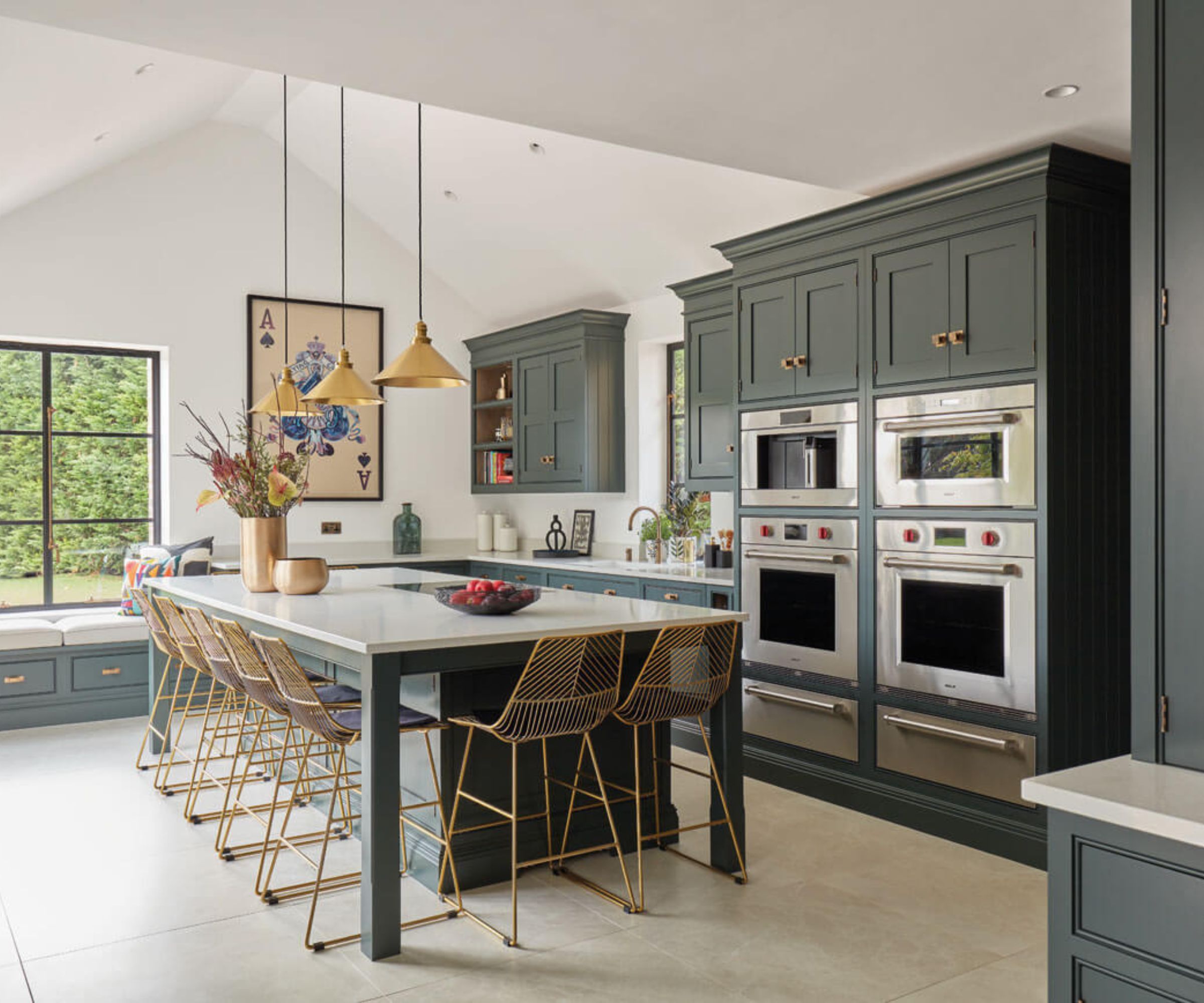
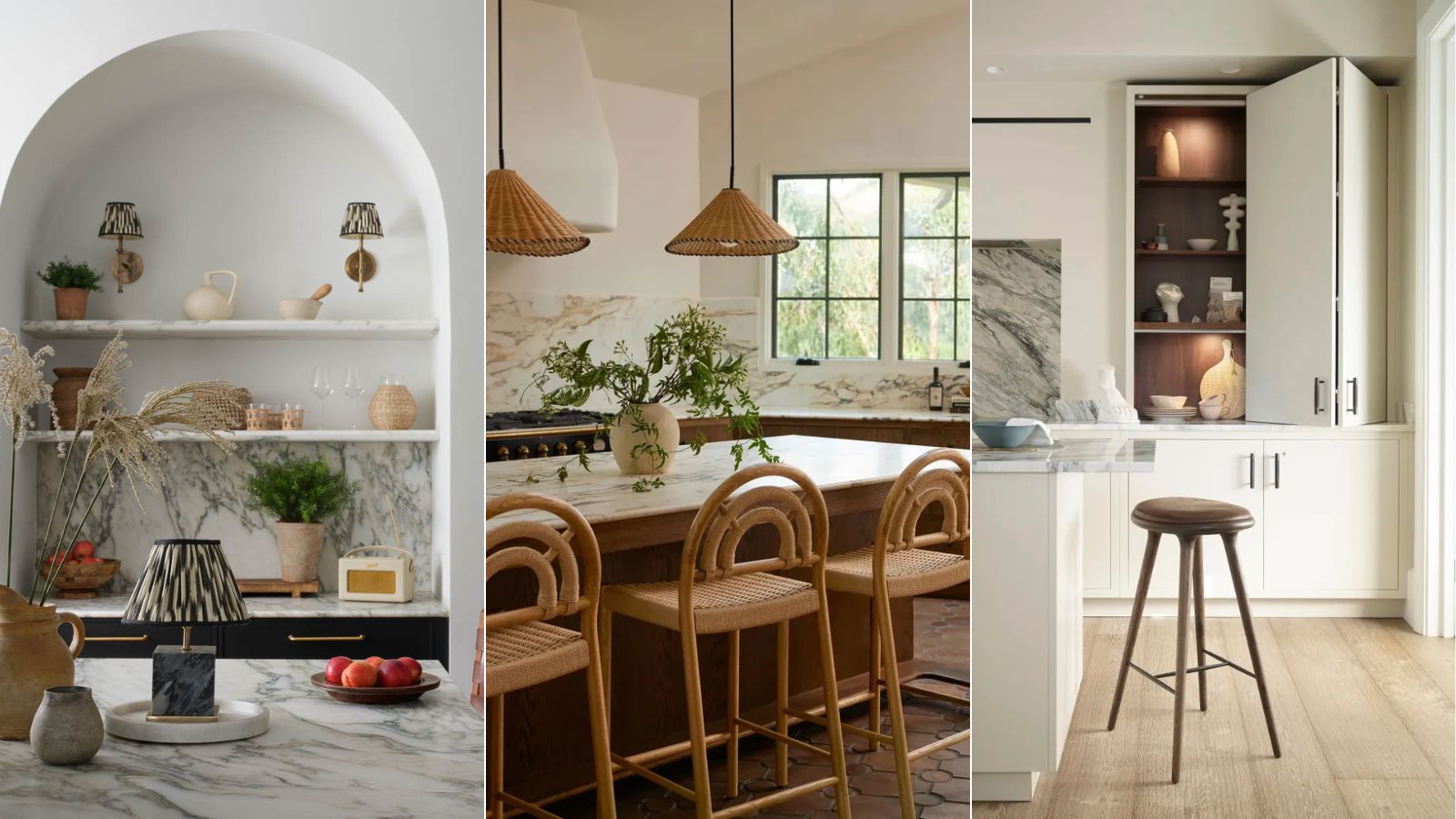
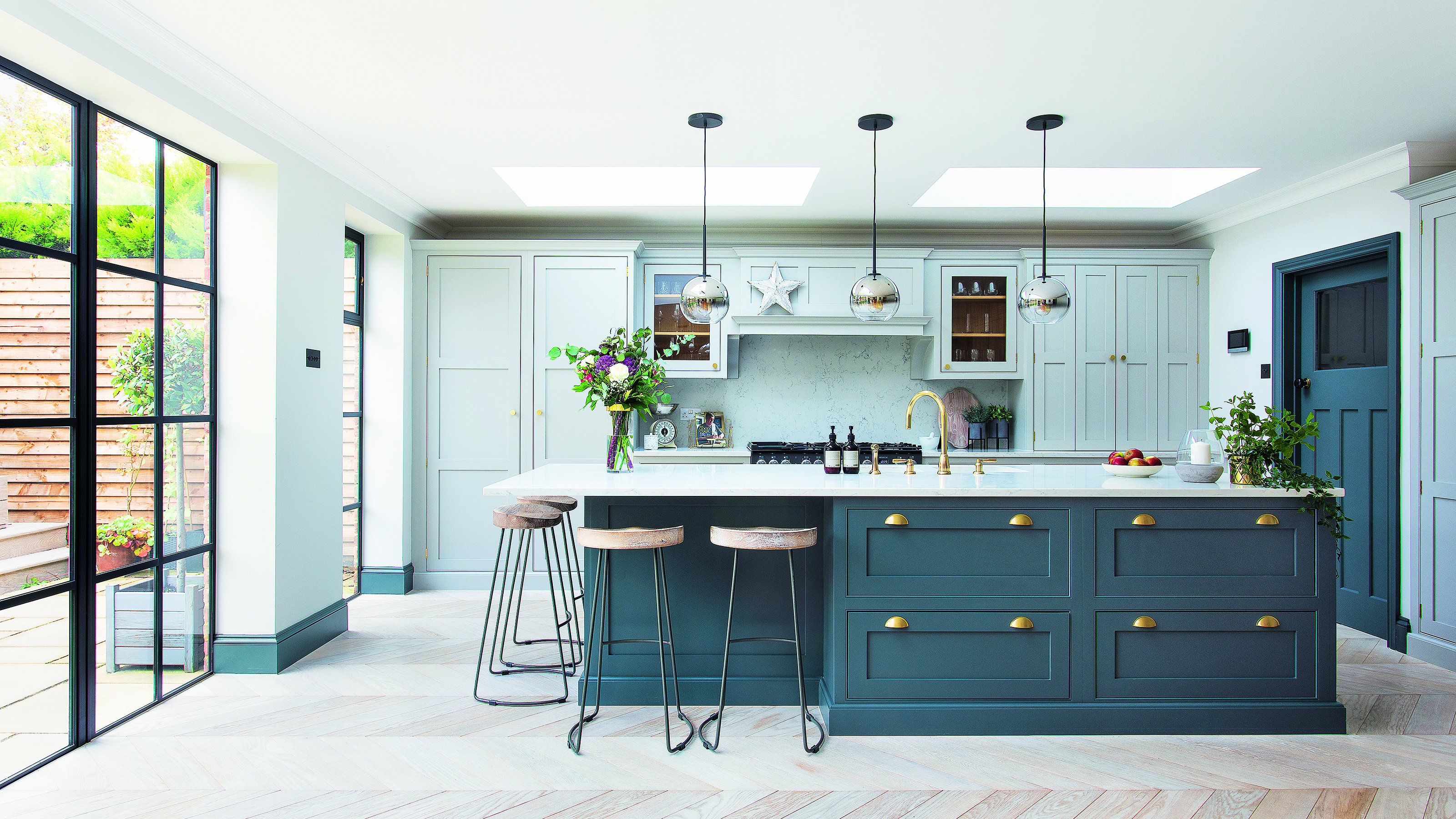
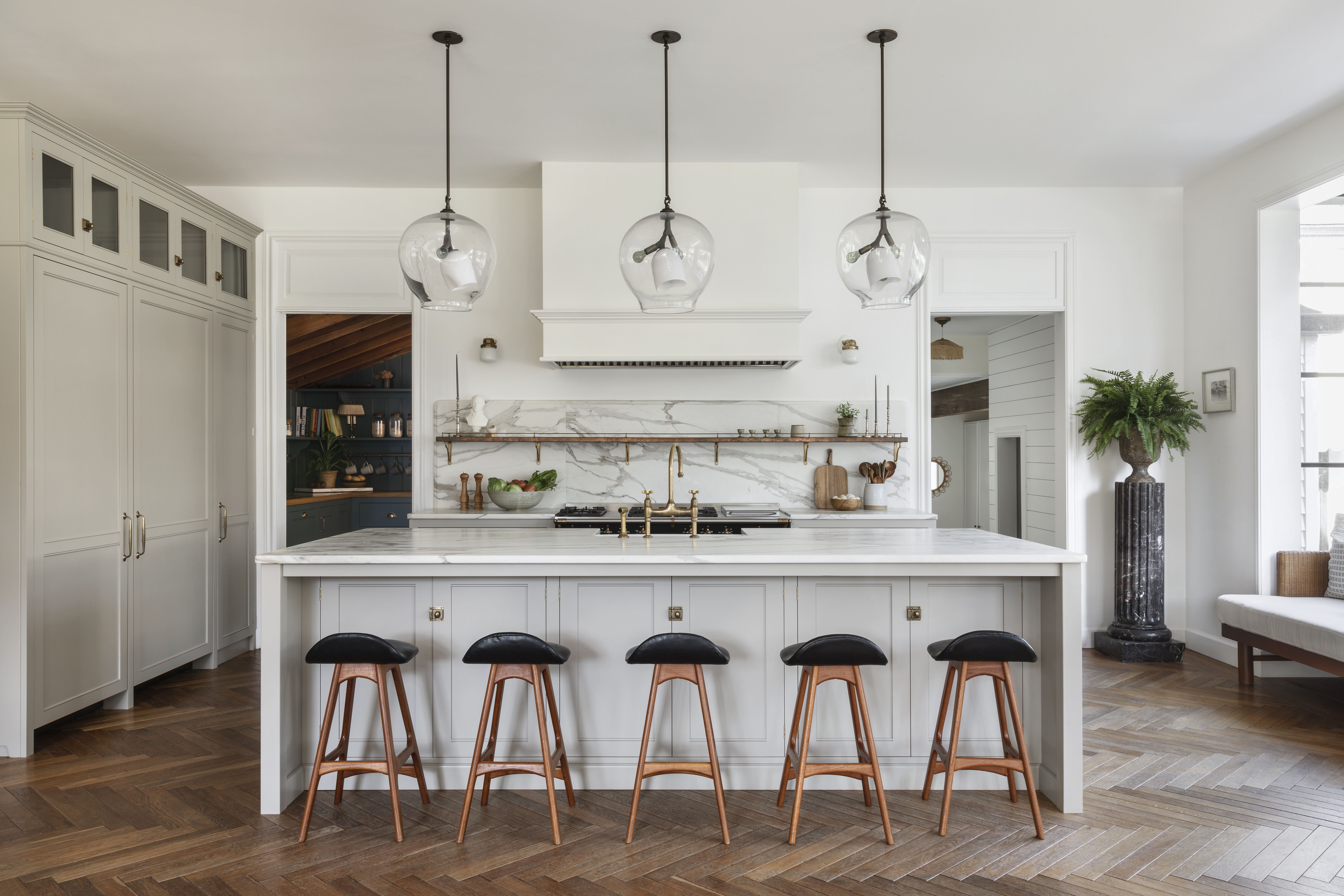
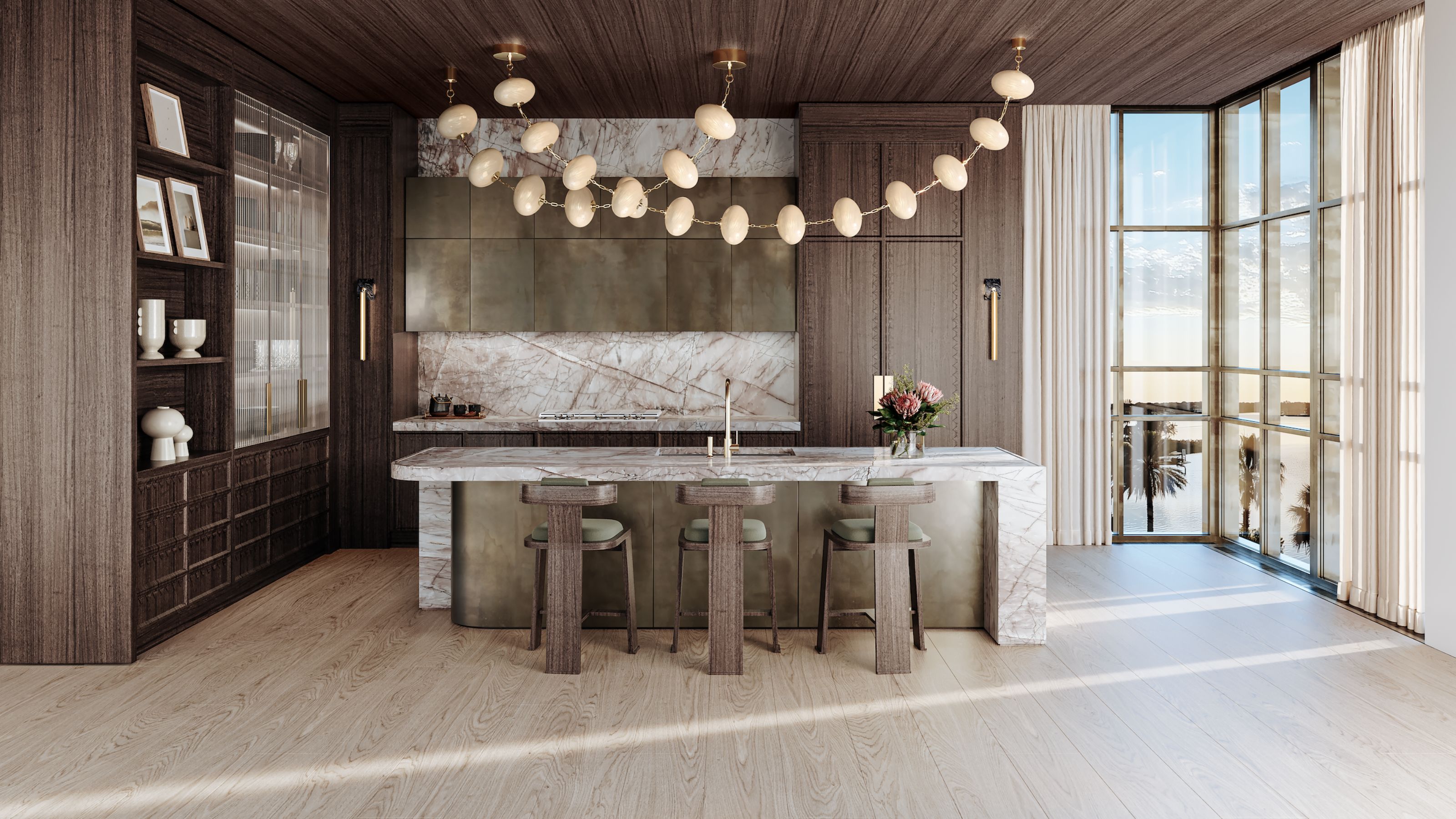
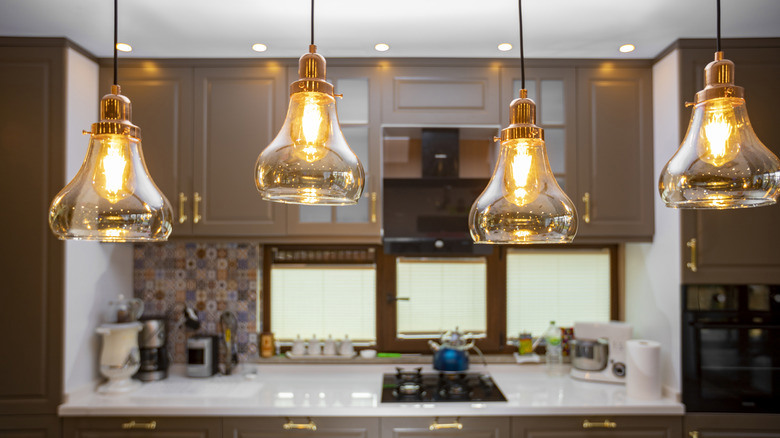
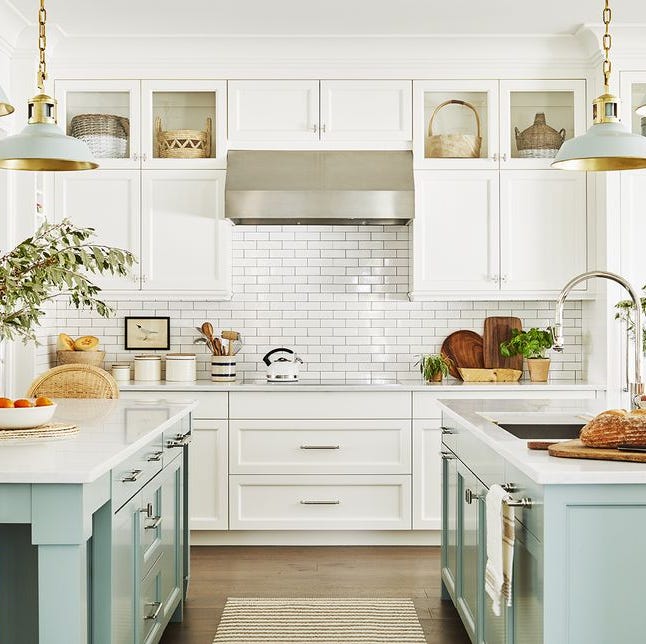
One prominent trend is the use of decorative and statement pendant lights. These fixtures, often suspended above kitchen islands or breakfast nooks, act as sculptural centerpieces. They should reflect the kitchen's style, whether modern, industrial, or traditional, and be hung at an optimal height of 30-36 inches above the island to provide sufficient light without obstructing views. For larger islands, multiple pendants or multi-light fixtures create a cohesive look.
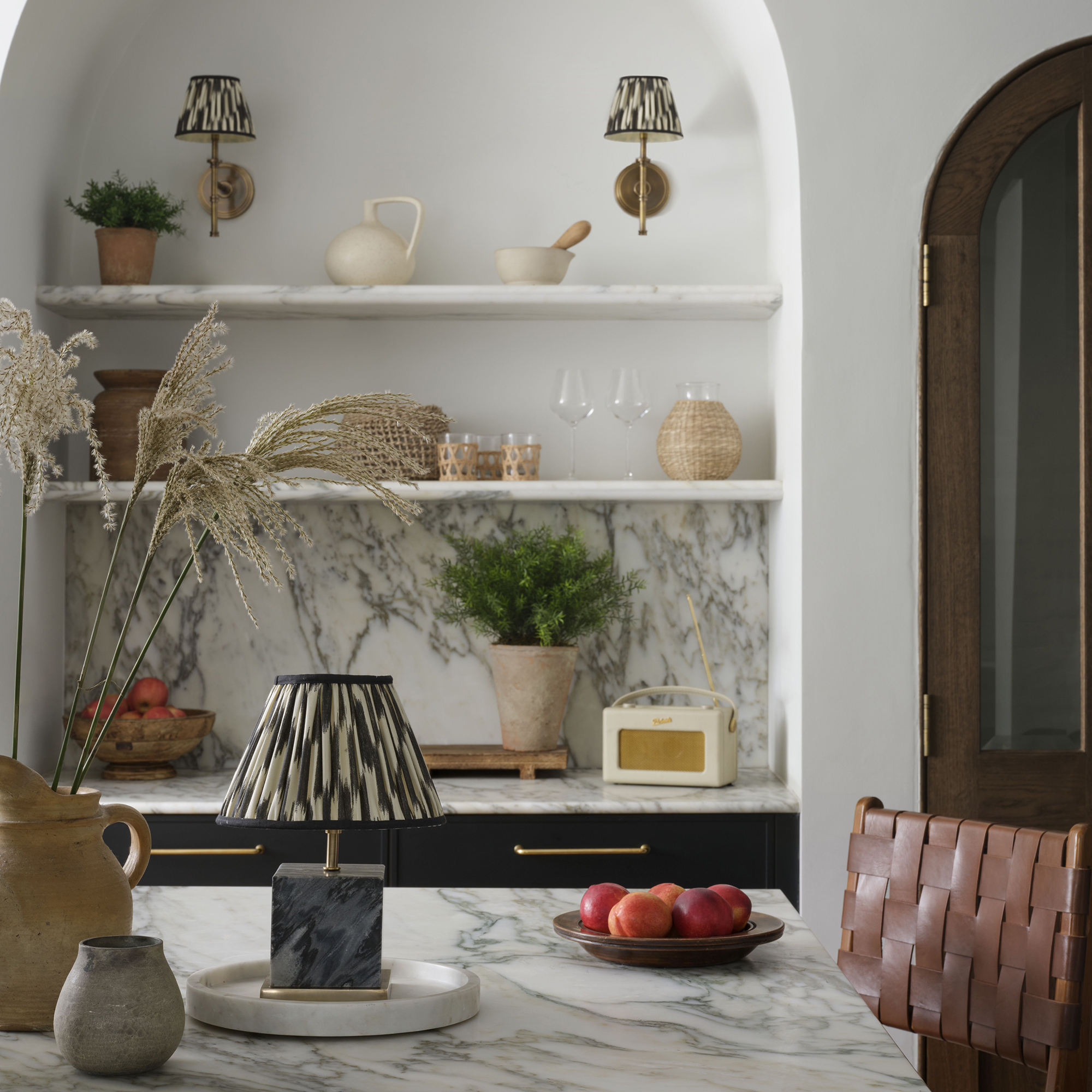
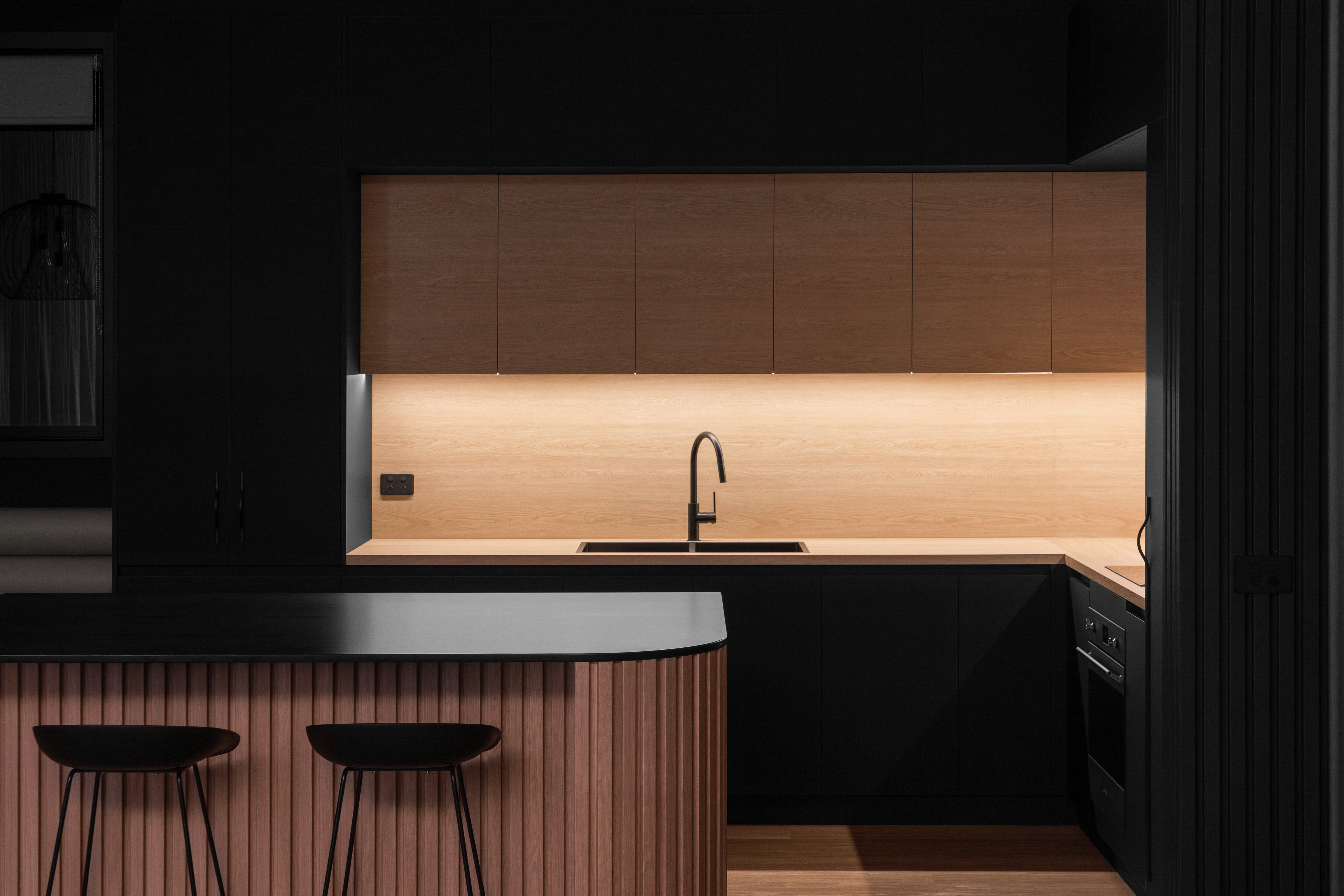
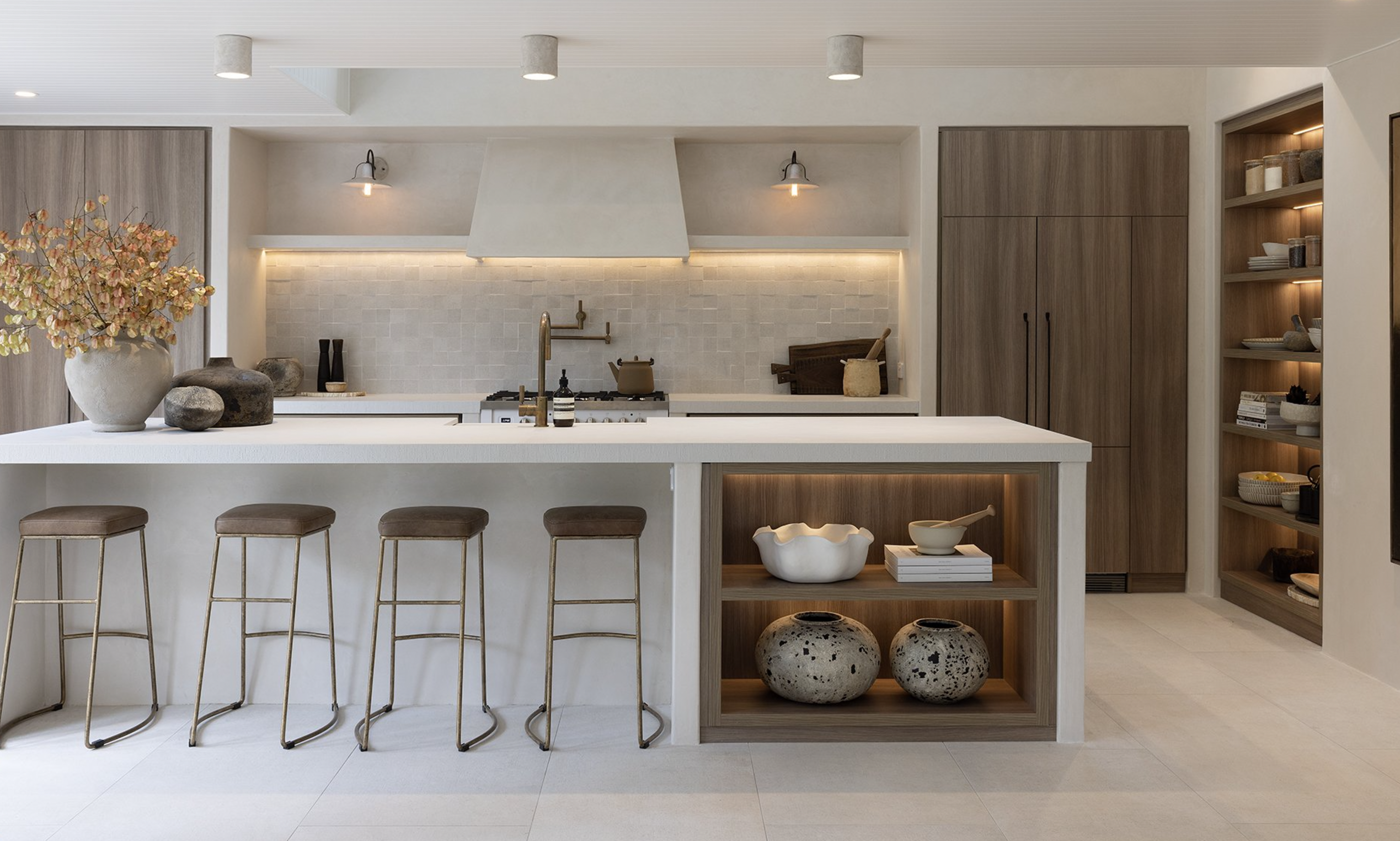
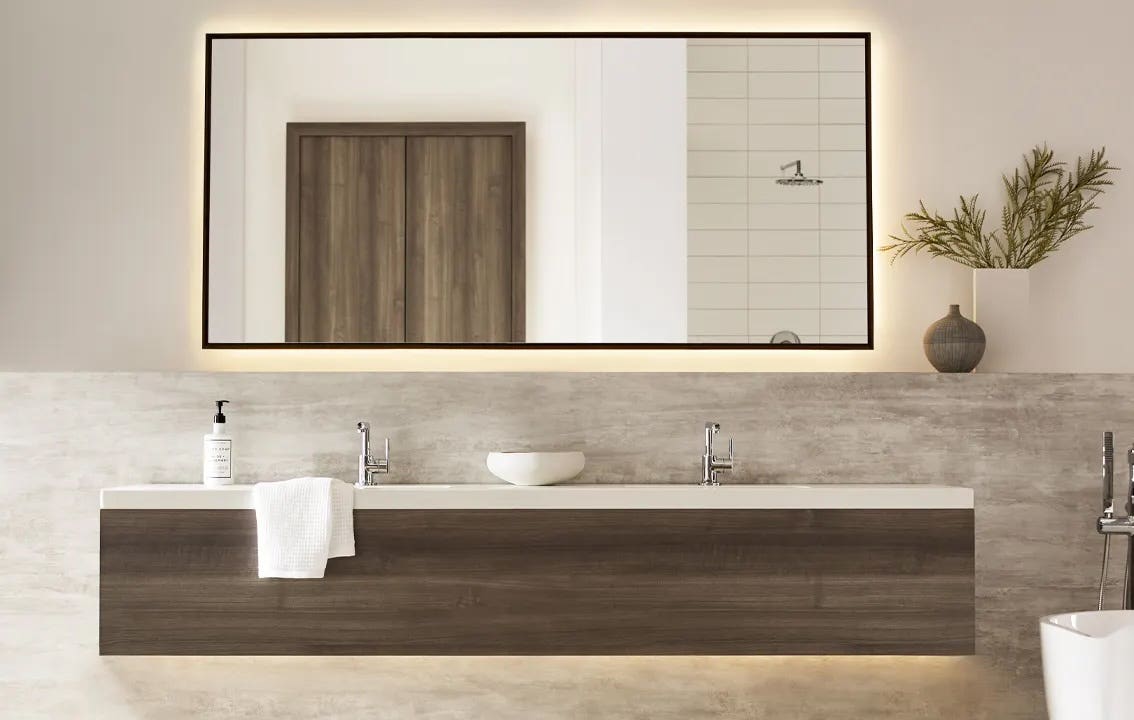
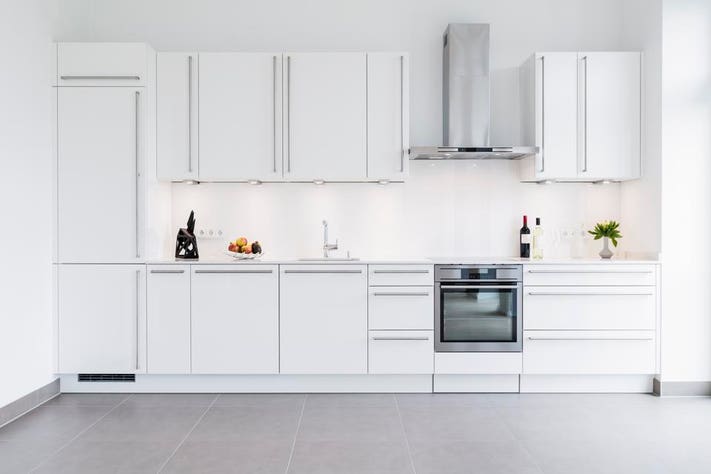
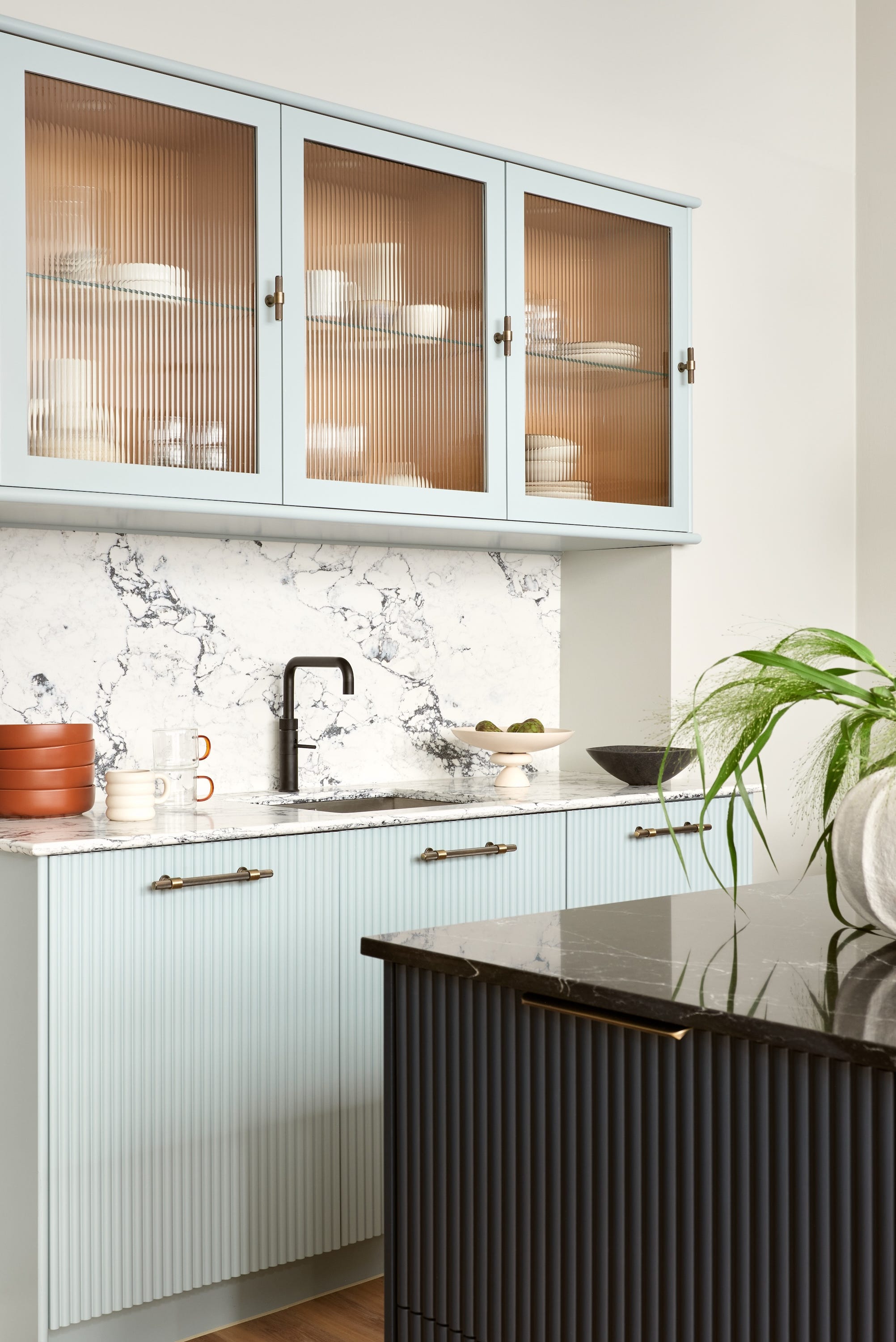
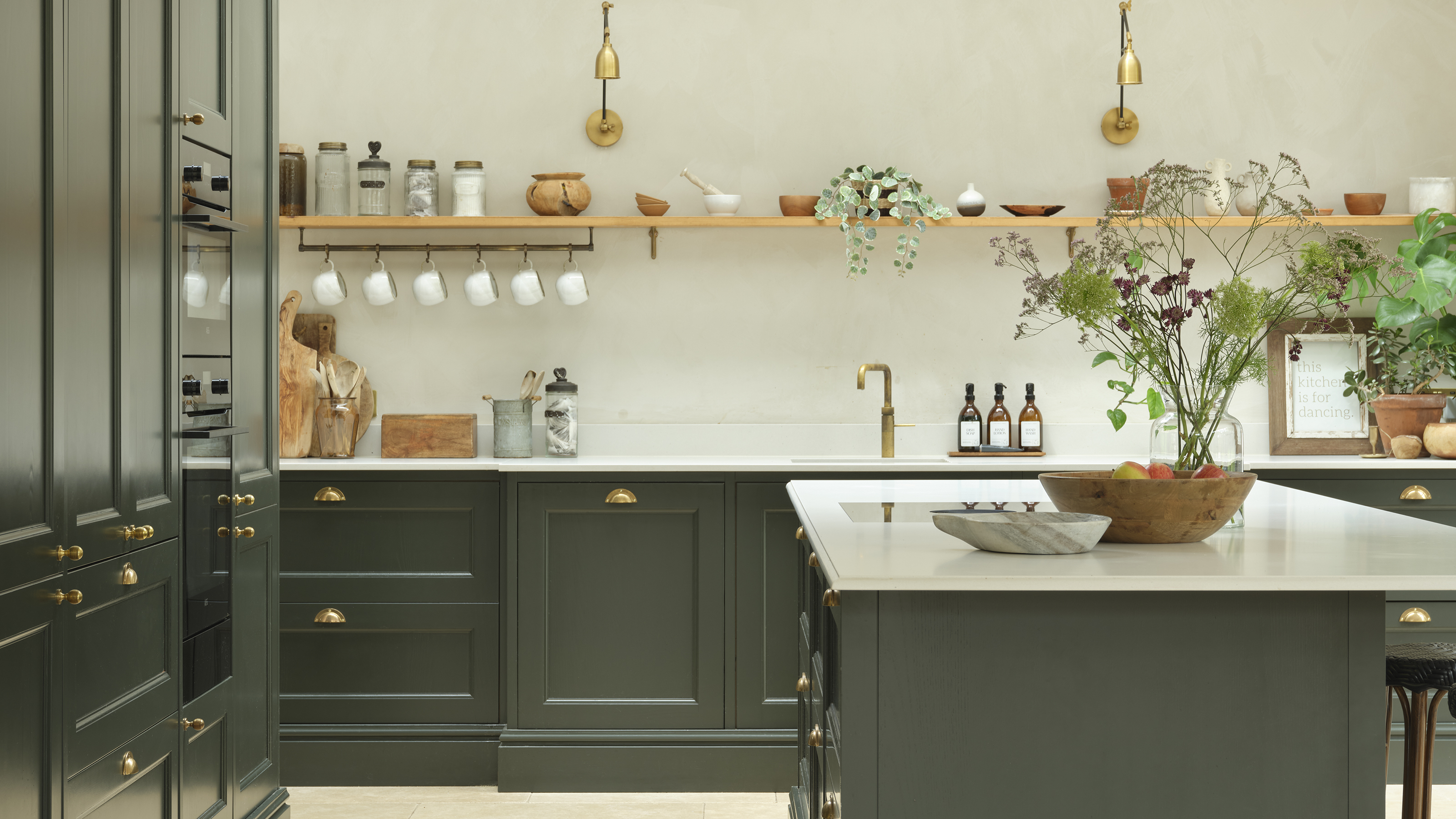
Secondary light sources, particularly under-cabinet and shelf lights, are gaining popularity for both practical illumination and mood creation. LED technology has allowed for sophisticated, thin strips of LEDs to be hidden along the underside of cabinets or around architectural features. This approach offers focused lighting for countertop prep spaces, which overhead lighting might miss, and can also be decorative. Integrated lighting for open shelving can showcase items, enhancing both functionality and visual appeal, with warm white lighting recommended for a cozy atmosphere.
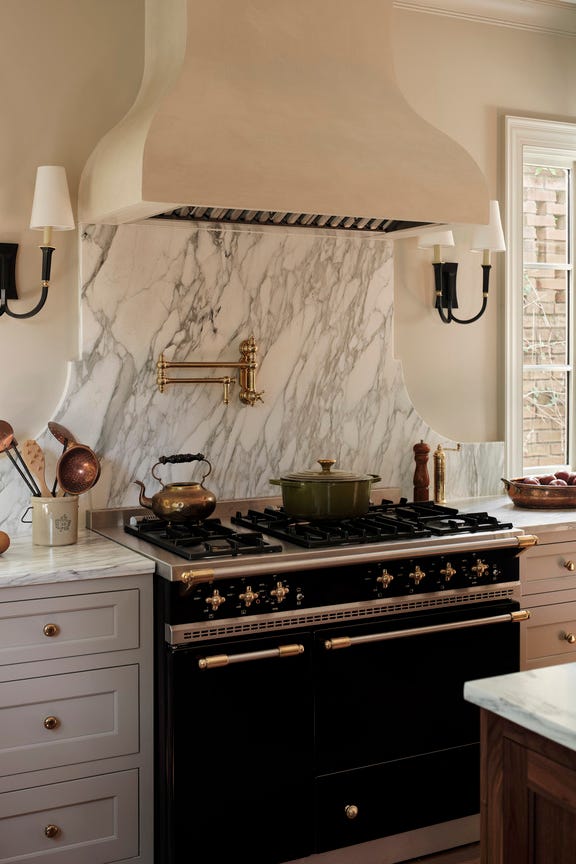
Layered kitchen lighting, combining task, ambient, and accent lighting, is a major trend. Task lighting illuminates key work areas like countertops and sinks using under-cabinet LED strips or recessed downlights. Ambient lighting, provided by ceiling fixtures or wall sconces, fills the room with a soft, even glow. Accent lighting then highlights architectural features or decorative elements, creating a warm and inviting atmosphere.
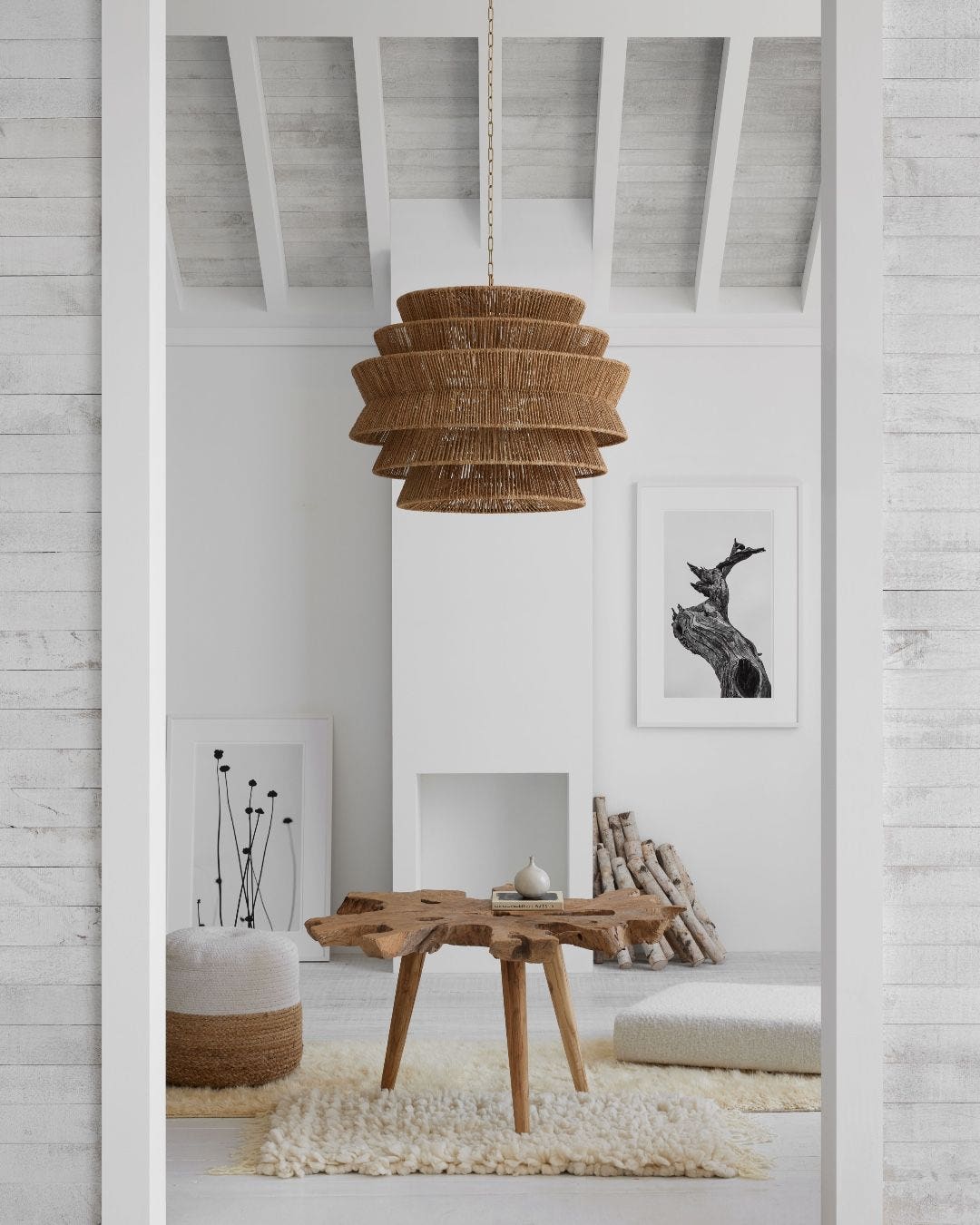
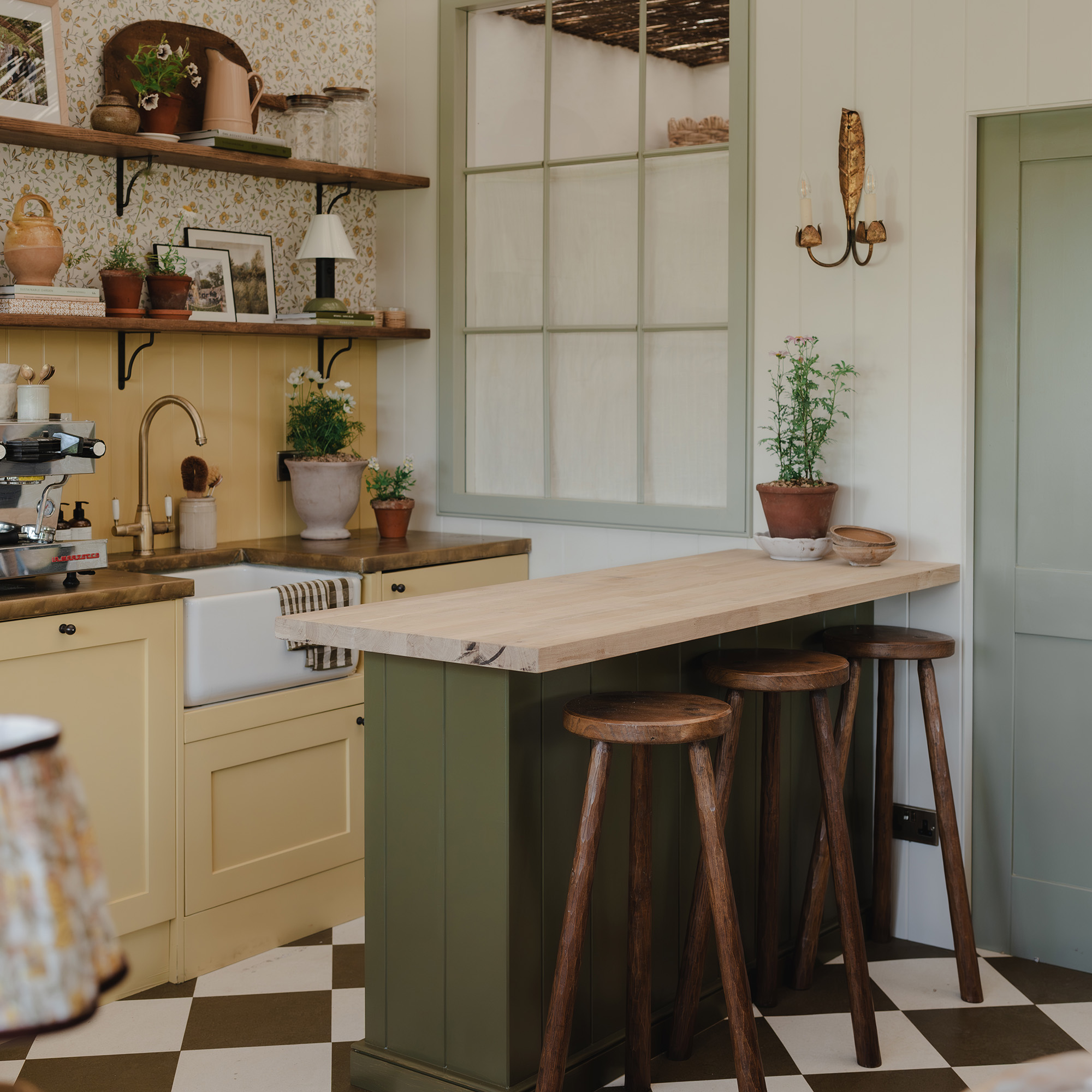
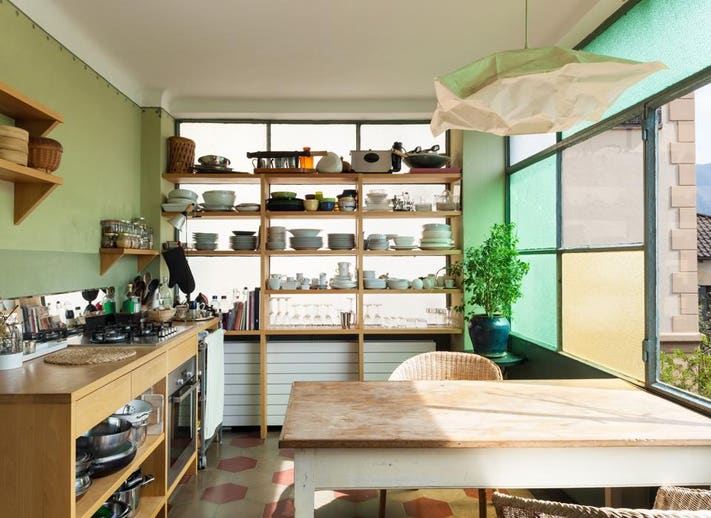
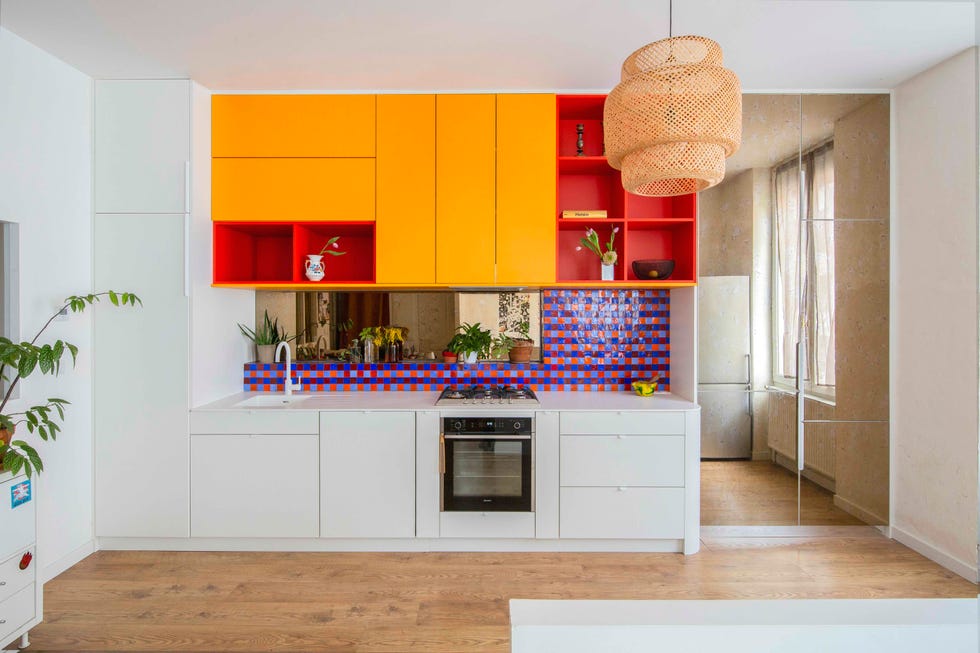
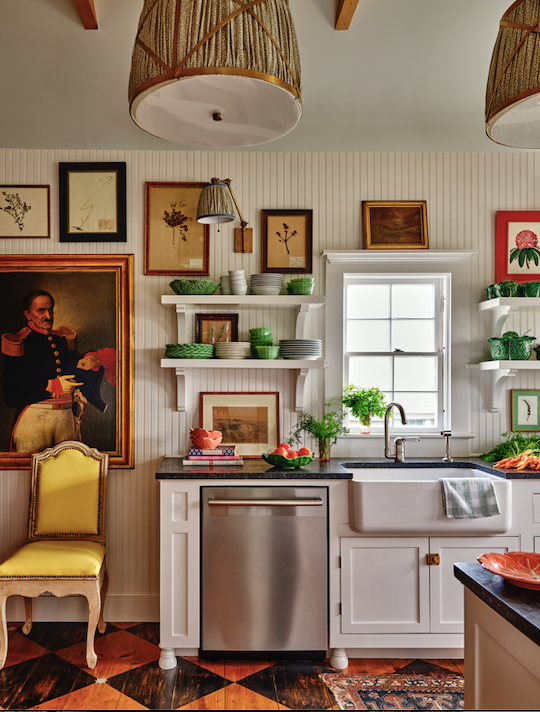
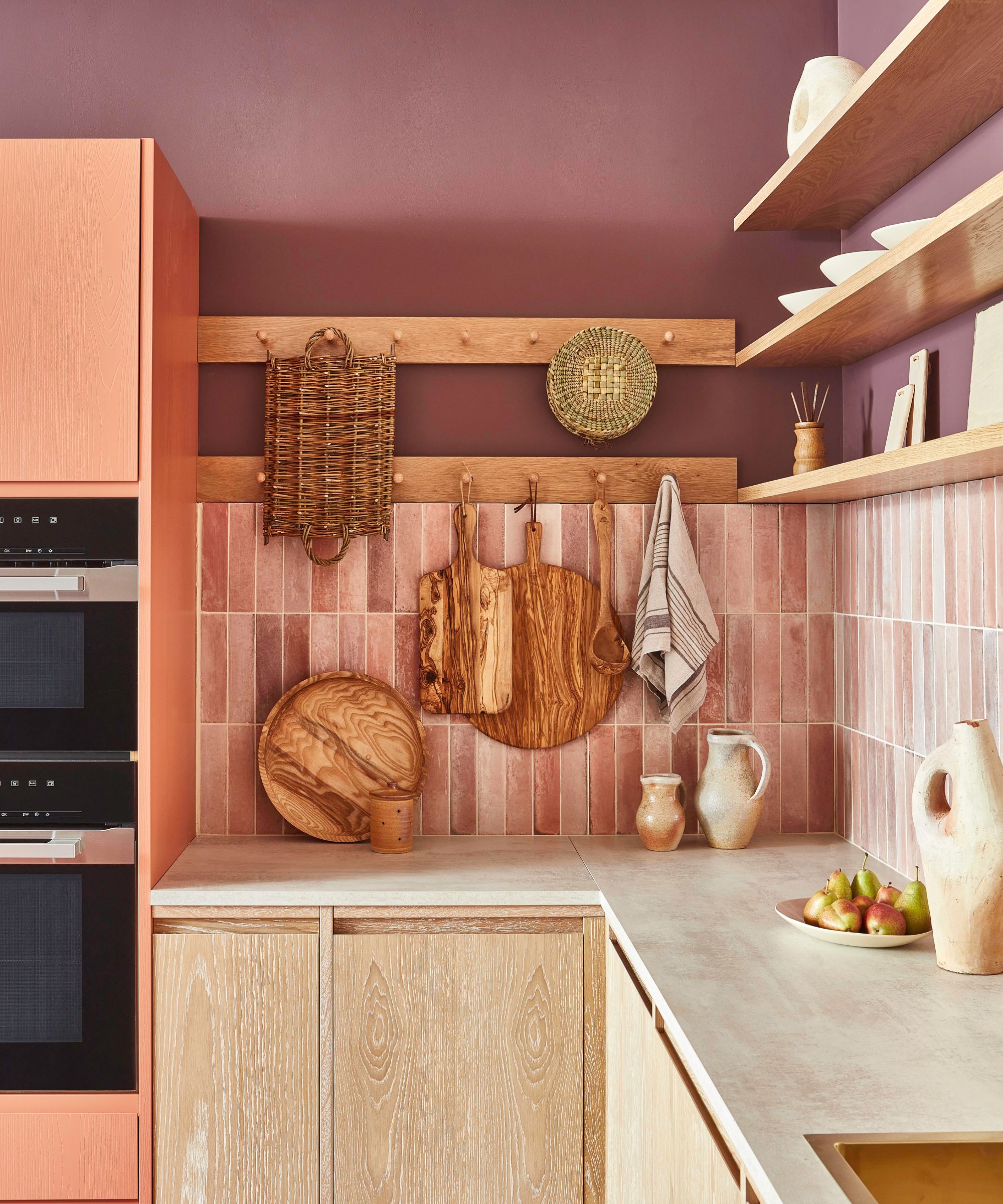
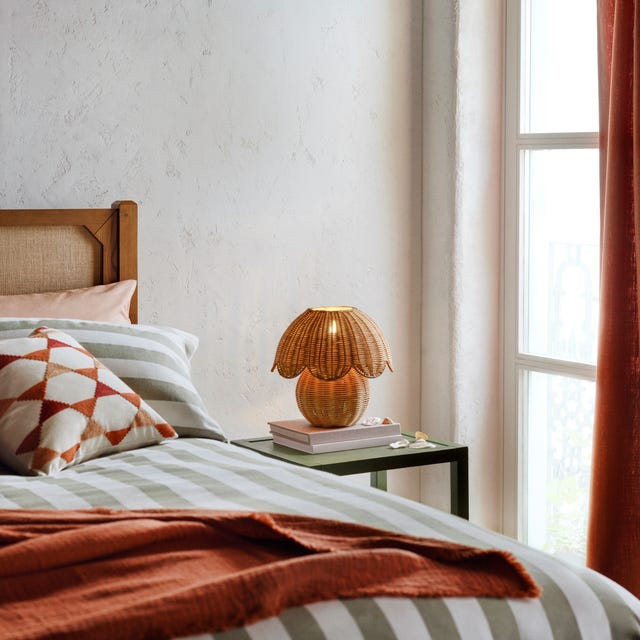
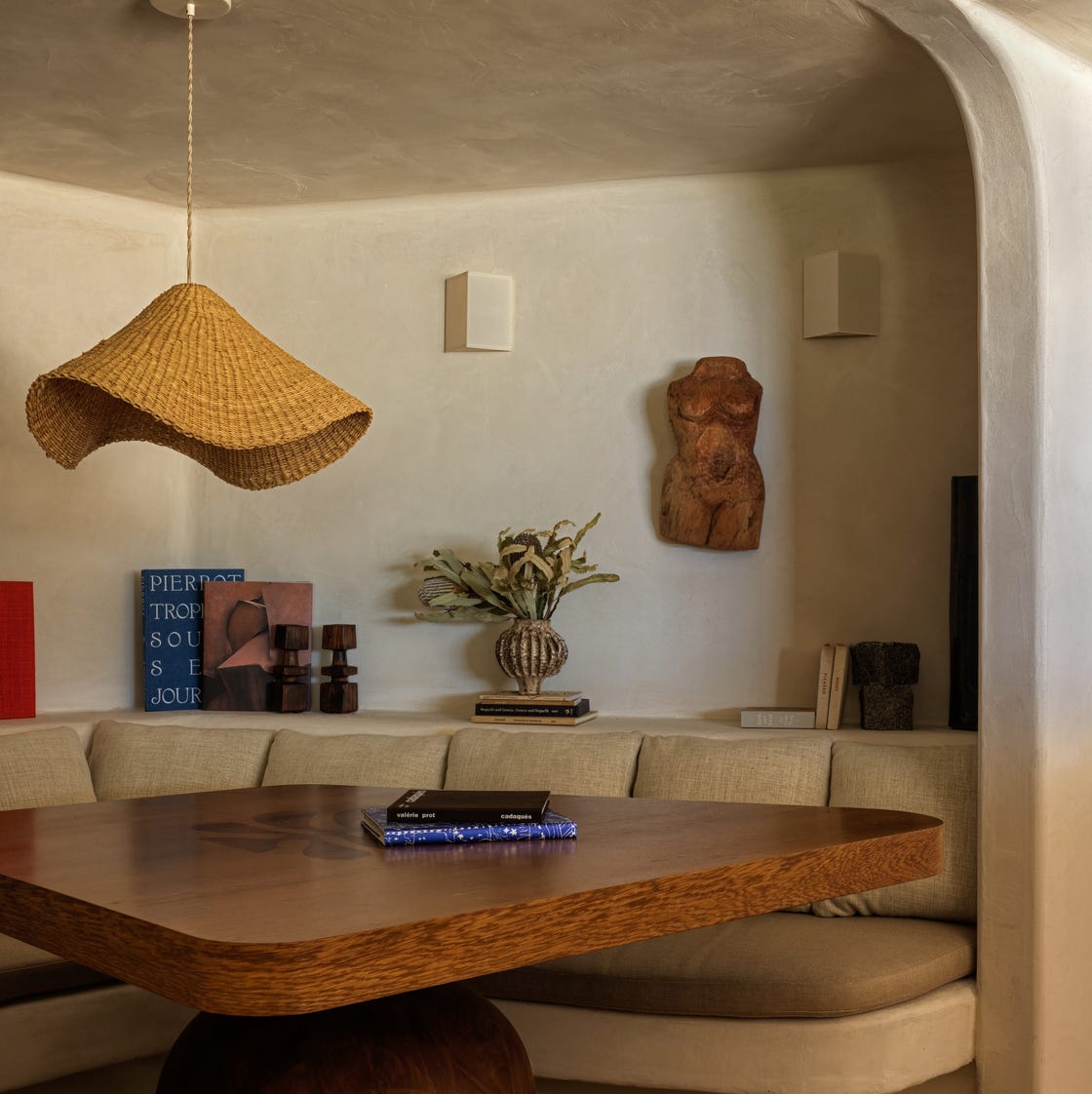
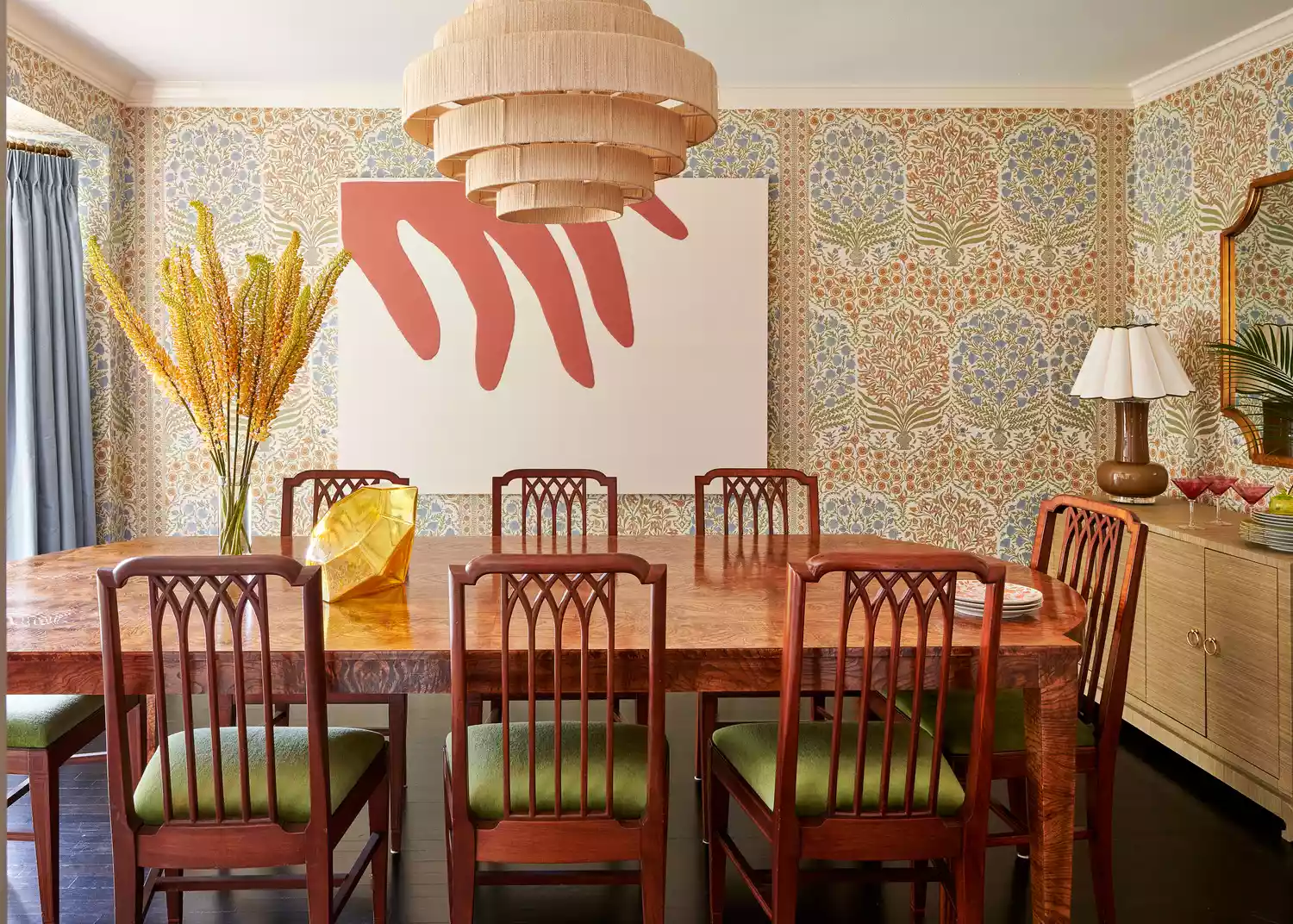
There's a strong shift towards natural materials and forms, moving away from cold, sleek surfaces. Organic, earthy materials such as rattan, wood, and linen shades bring a softer, more natural feel, aligning with sustainable design principles. These materials add warmth and texture and pair well with neutral or bold earthy color palettes. Unique finishes, exploring new textures and pigments, are also emerging. Sculptural mango wood, for instance, offers a playful update to pendant aesthetics, especially over islands, lending itself to curved forms that cast a gentle, calming light.
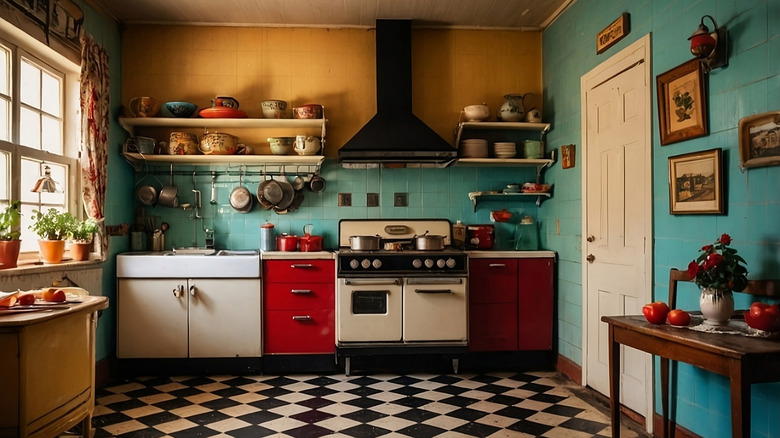
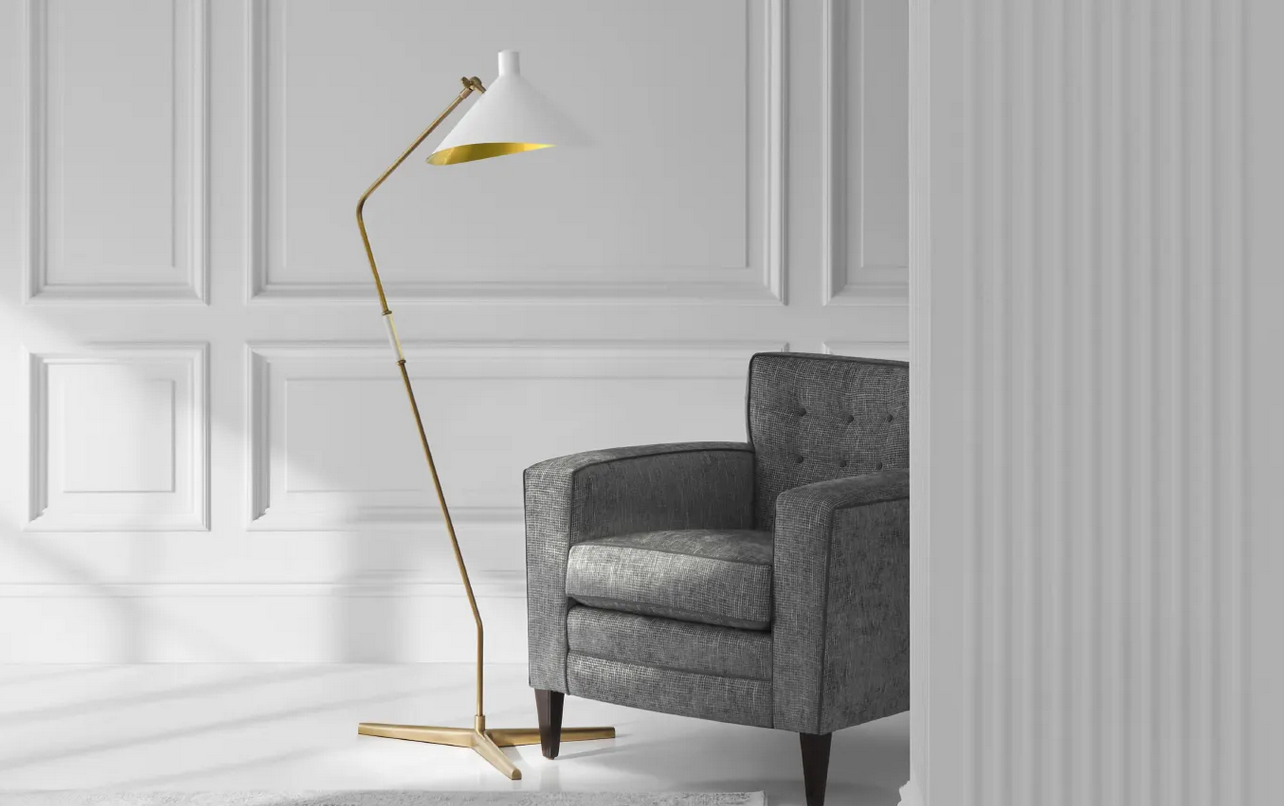
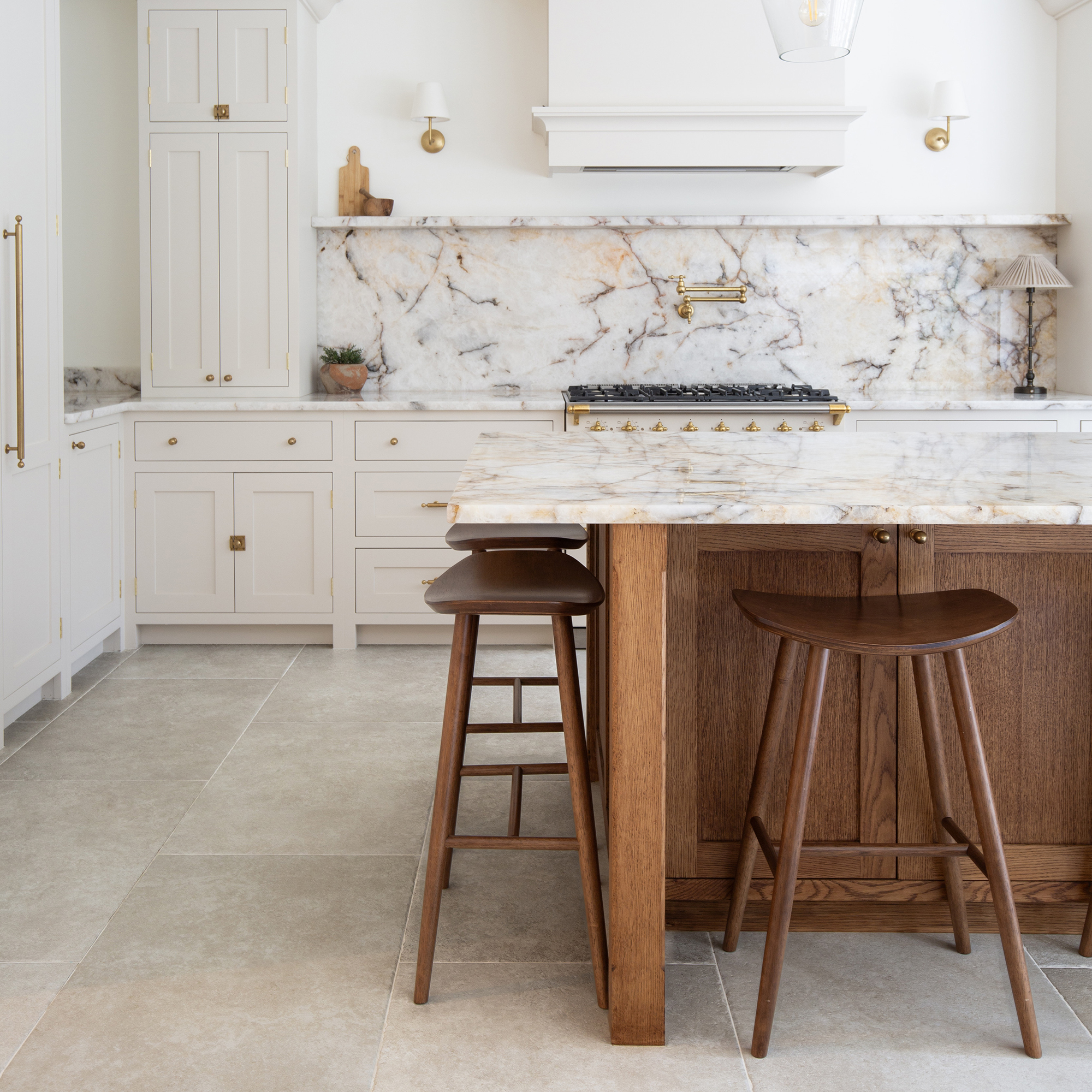
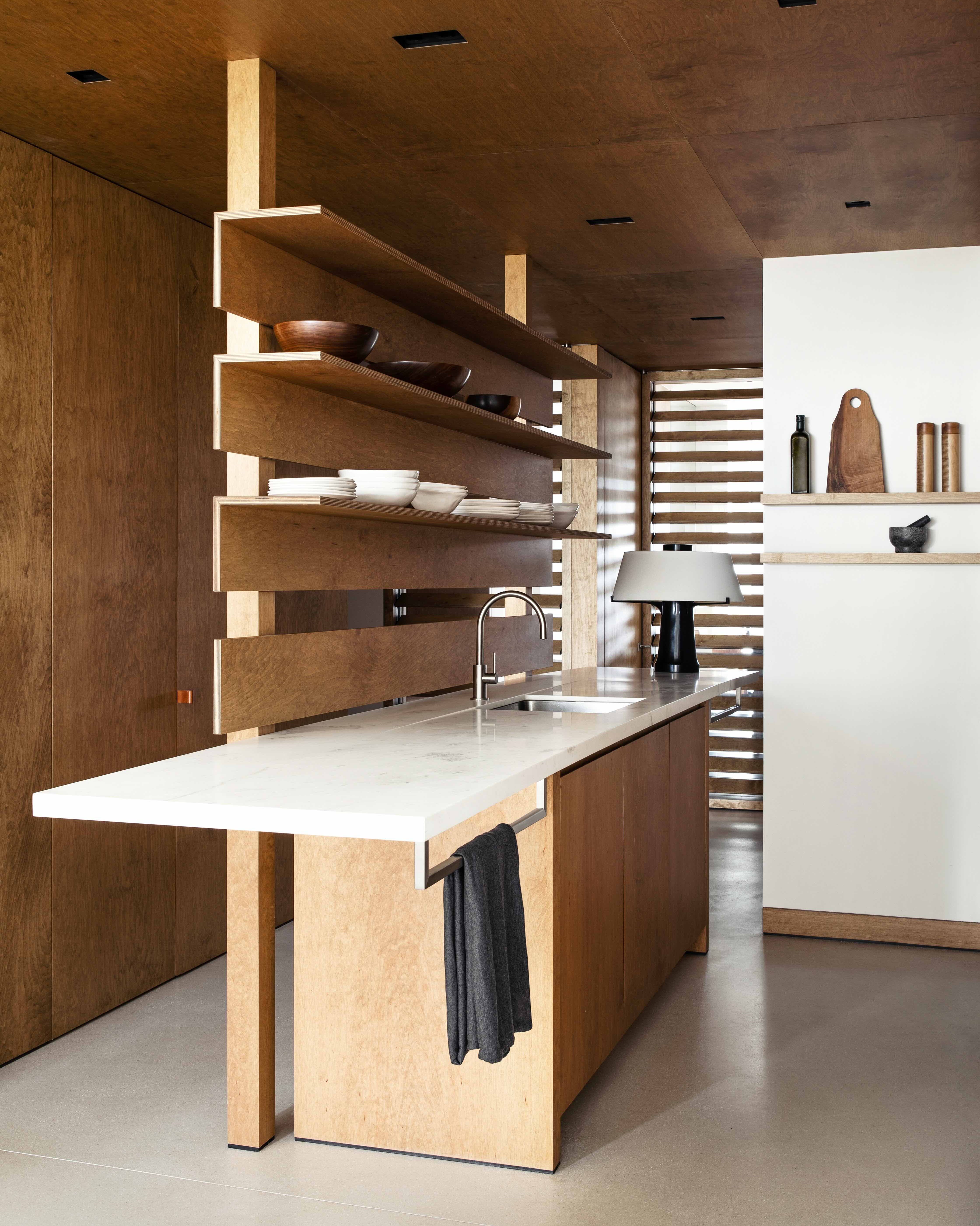
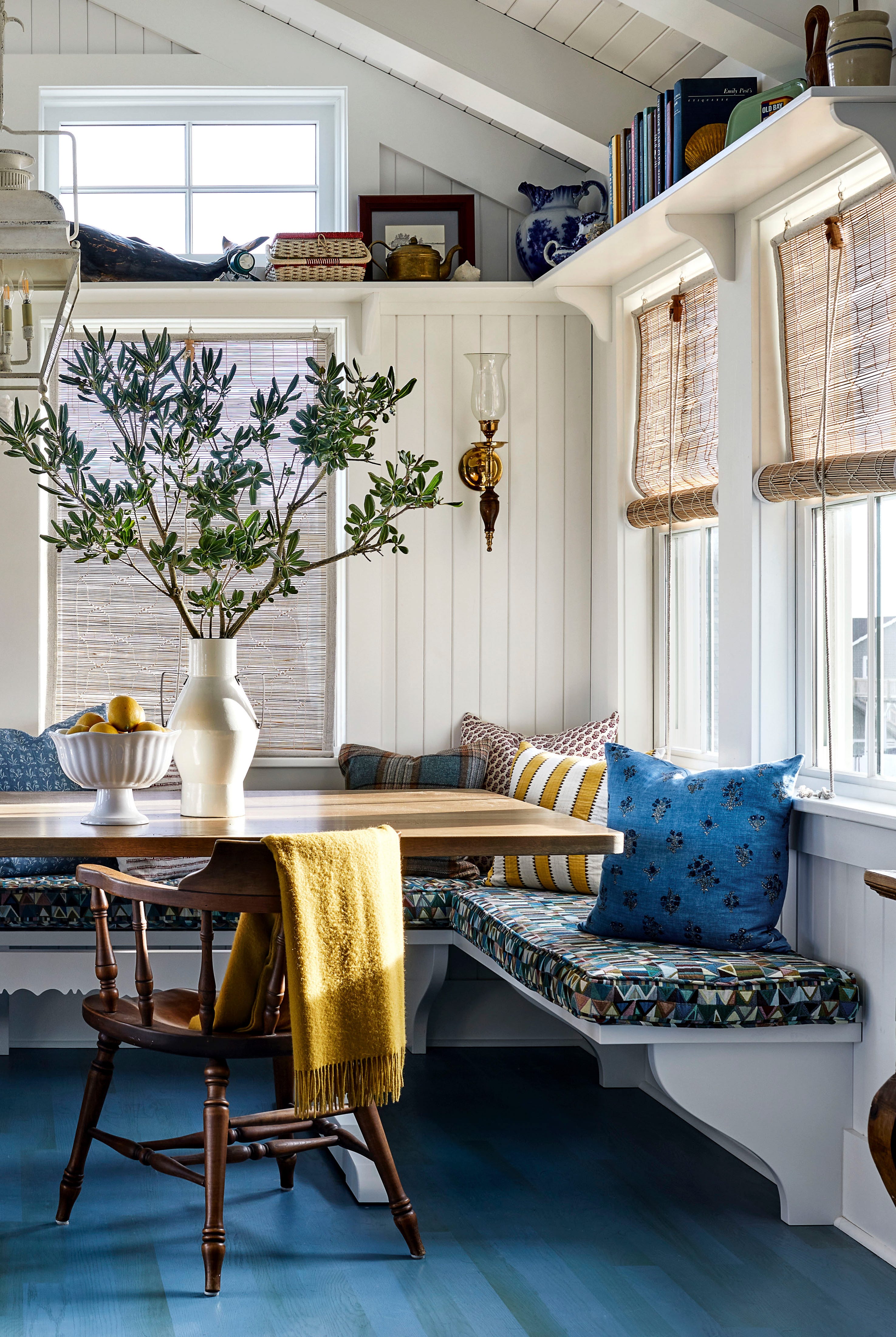
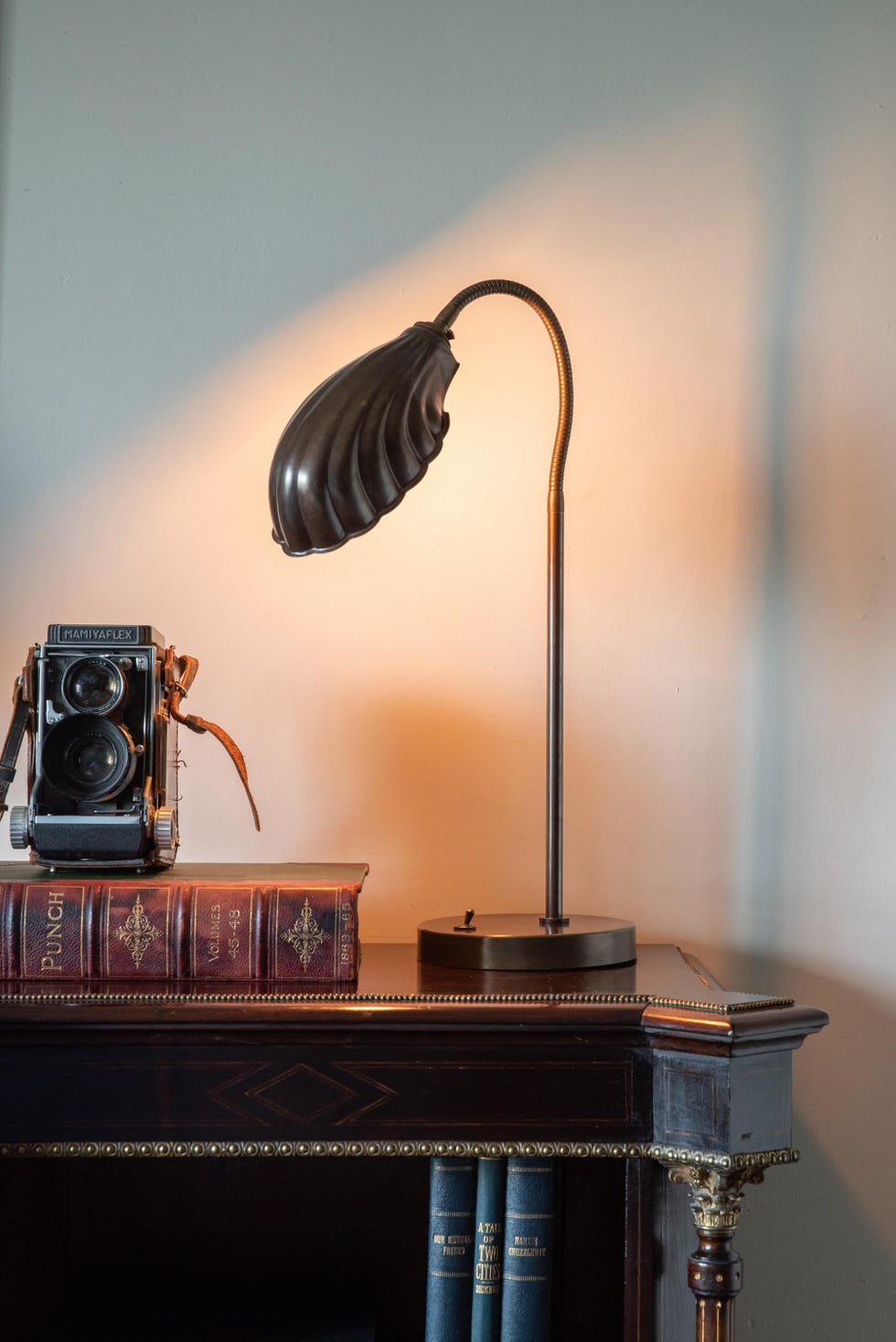
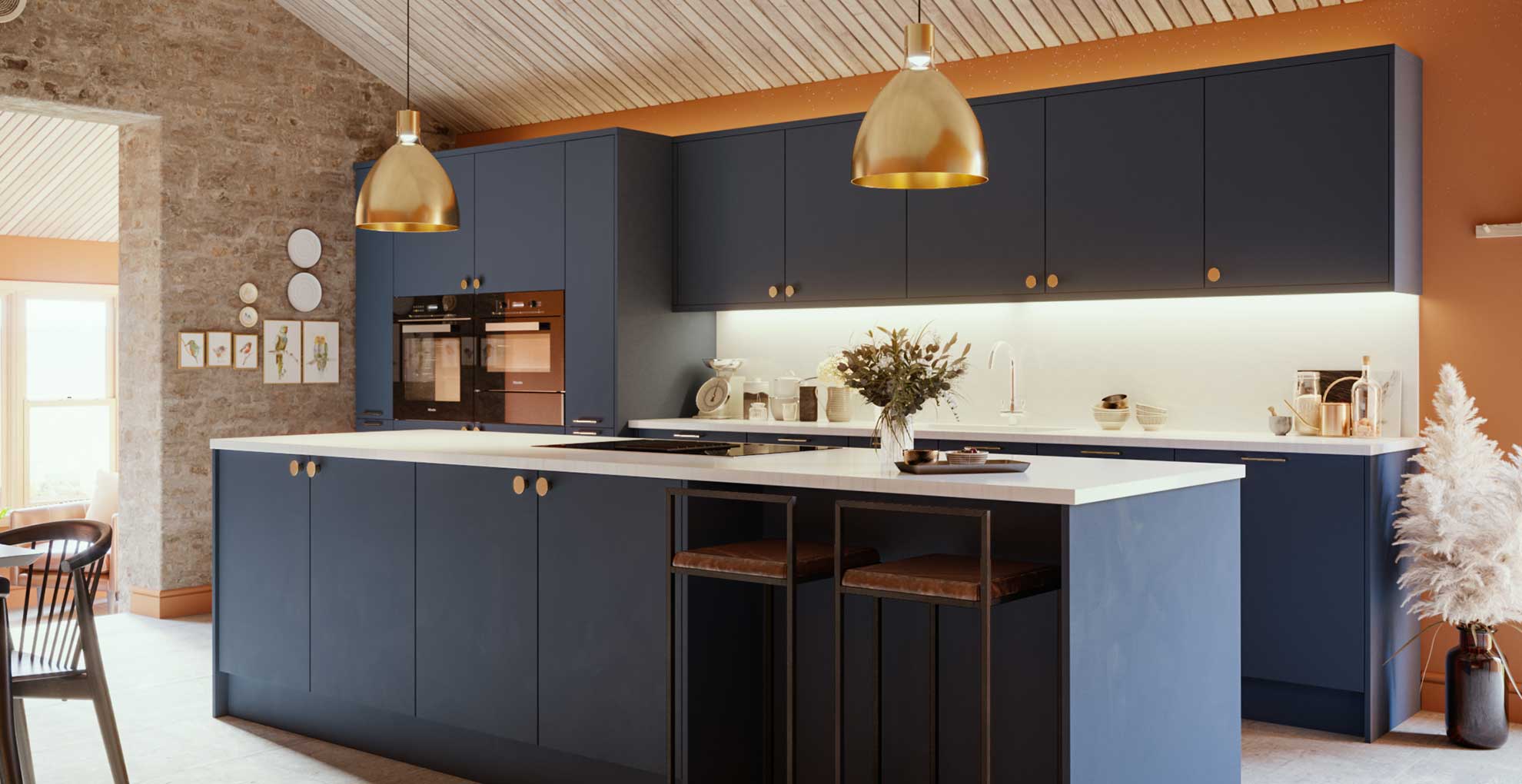
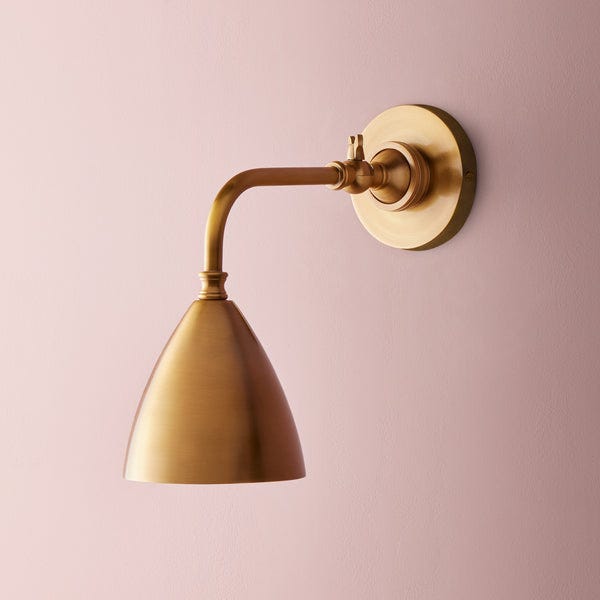
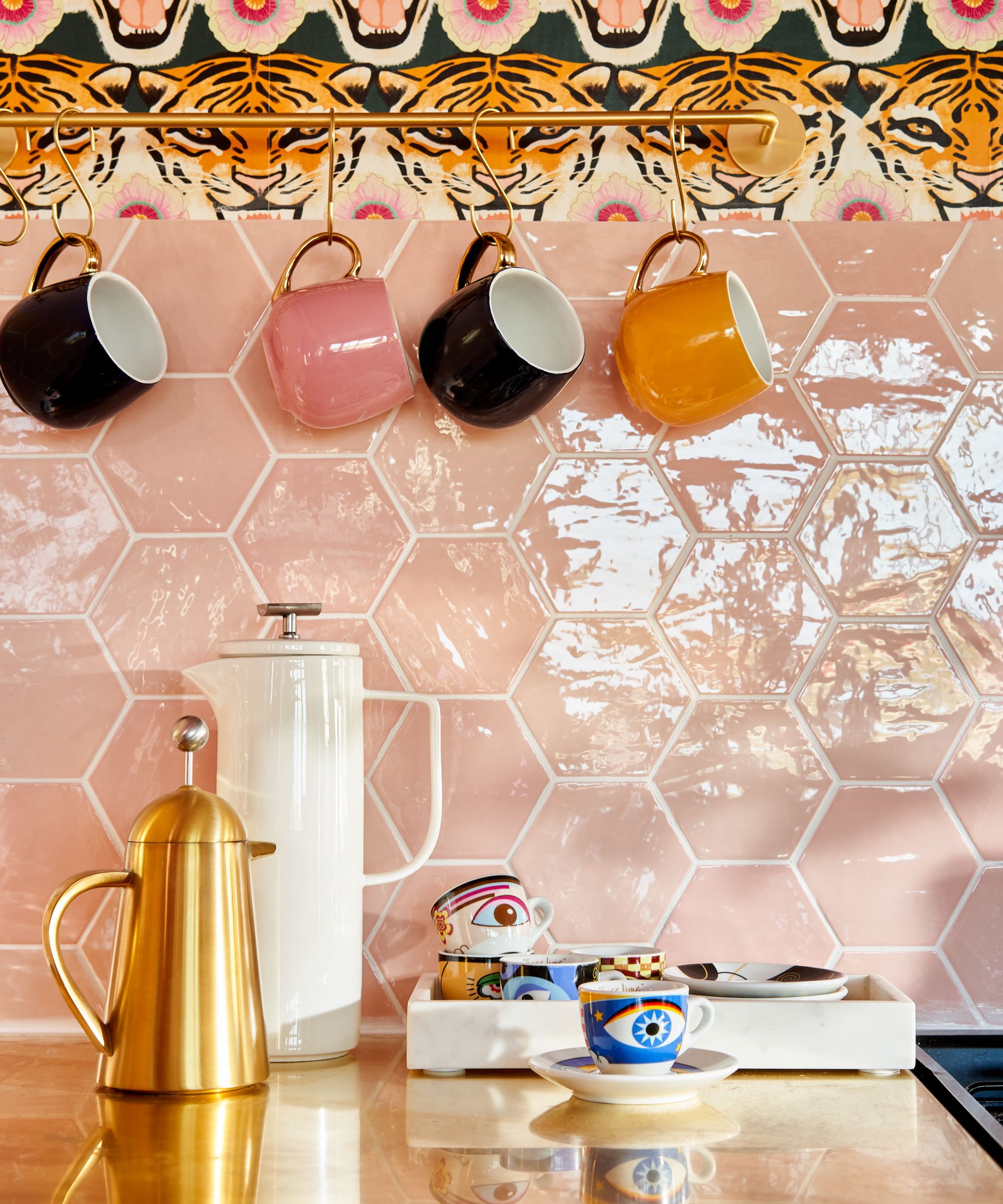
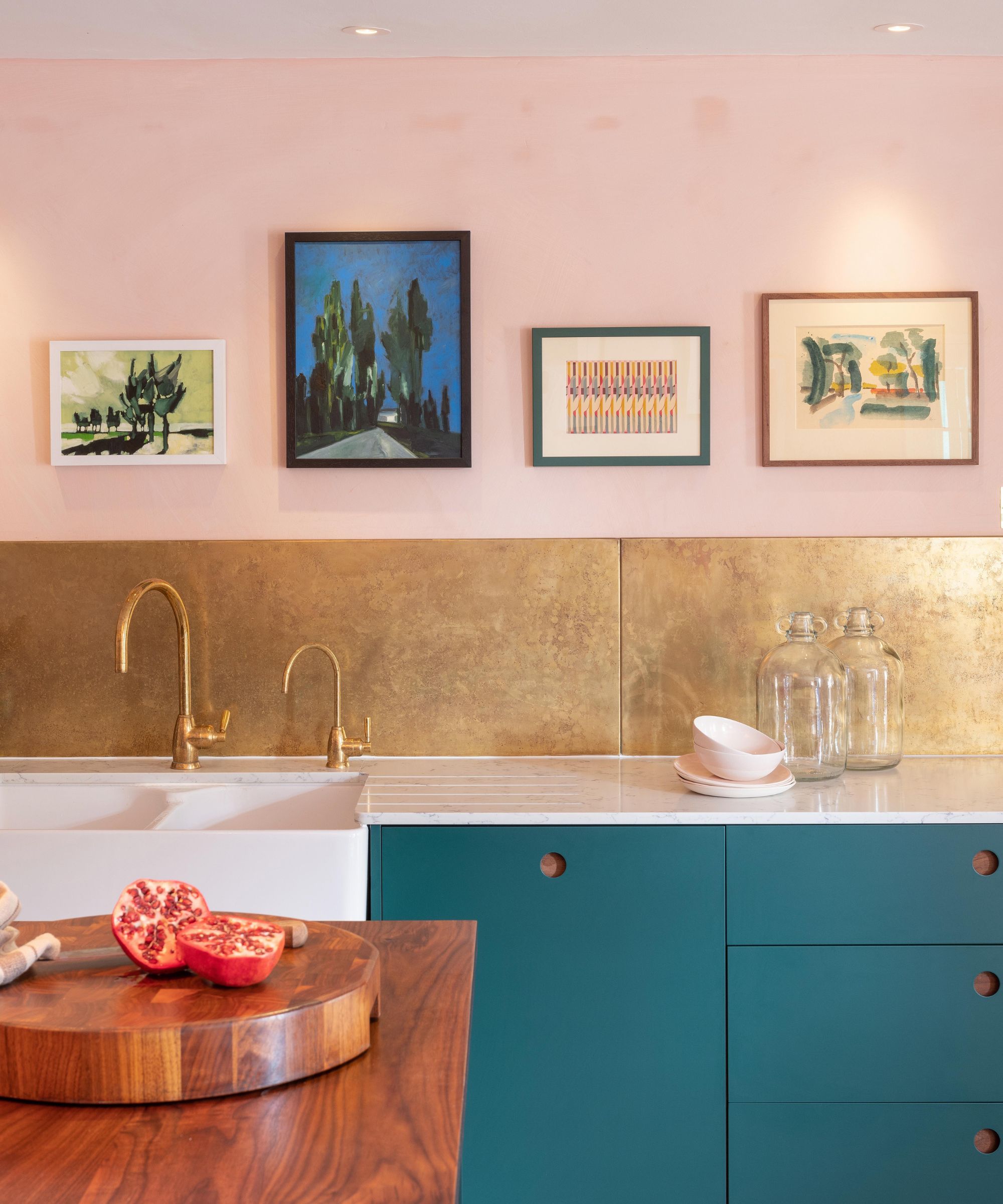
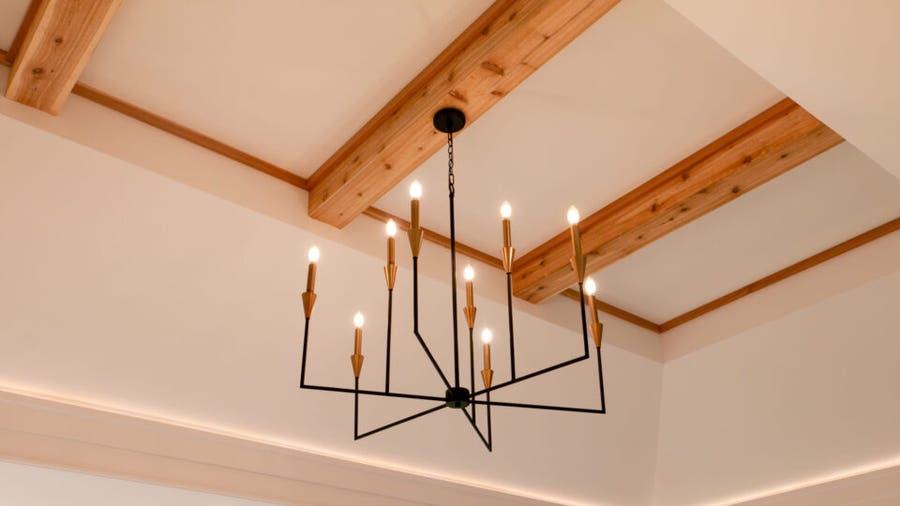
Kitchen lamps are making a comeback, adding warmth and a decorative twist to functional spaces. They are ideal for creating cozy nooks or softer lighting during evening meals and can be styled on kitchen islands or open shelving. Metallic lighting designs, particularly textured metal in rich bronze or brass, contribute intrigue and luxury, casting warm hues and adapting to various interior design styles, from vintage to industrial.
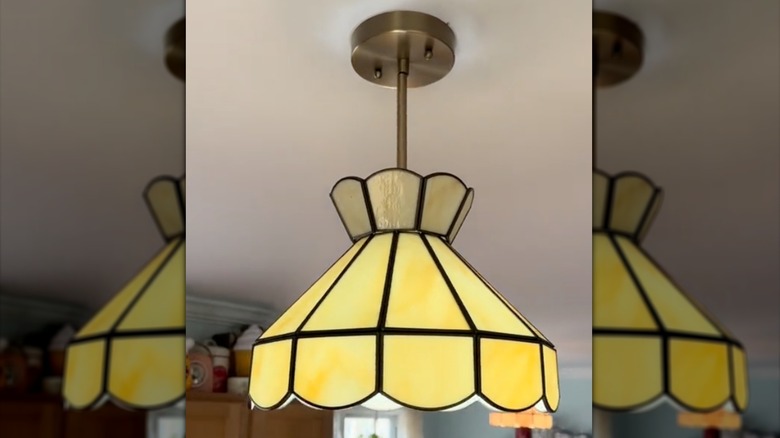
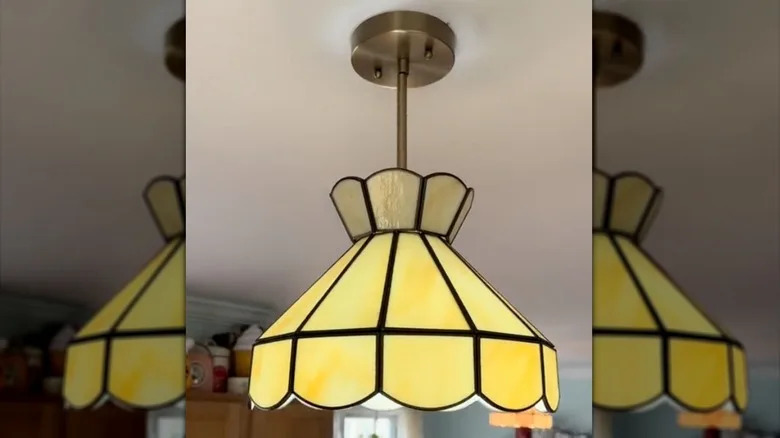
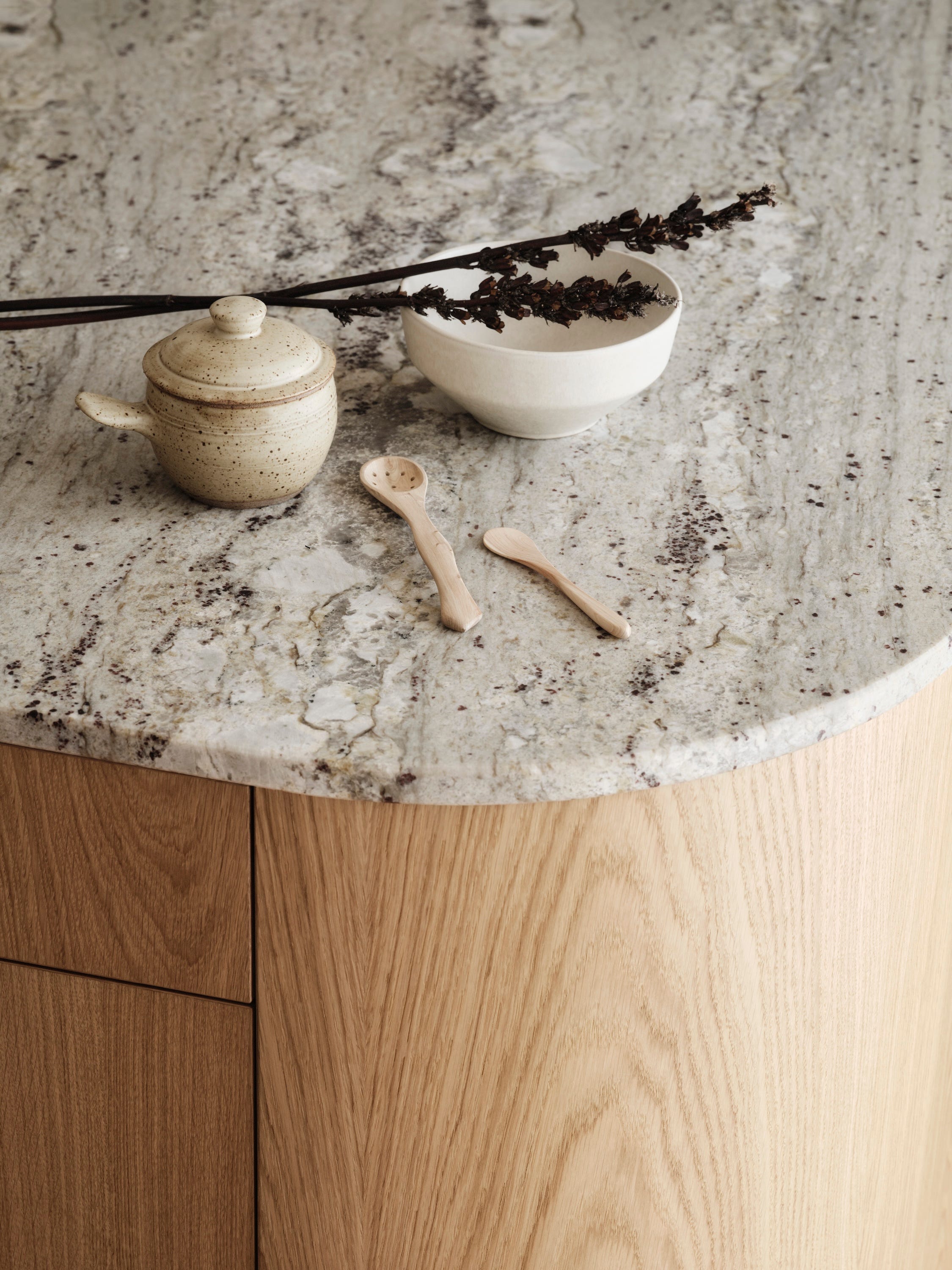
Travertine, a popular material in furniture, is also finding its way into kitchen lighting. Its neutral tones and irregular texture soften sharp lines and catch the eye, pairing effortlessly with exposed wood beams and earthy color schemes. Antique and vintage fixtures are increasingly used to bring character and history to kitchens, promoting sustainable decor. Aged brasses and patina bronze finishes add a theatrical, vintage glamour, creating timeless designs.
Finally, designers are embracing creations crafted from a mix of materials. This trend involves experimenting with both newer high-tech materials and ancestral ones, including softer materials like rattan and fabric, and harder ones such as steel, ceramic, resin, aluminum, and marble, for exciting and unique lighting designs in the kitchen.
Overall, the most popular kitchen lighting involves a mix of practical spotlights, wall lights, and decorative pendants, ceiling, and table lights, tailored to the size and specific use of different kitchen zones. The trend is towards smaller, more dedicated lighting that serves a purpose, rather than large-scale chandeliers. Color-wise, grounded, earthy tones and natural materials are in style, along with an increasing confidence in using color to enhance the overall design scheme. Recessed lights remain functional, particularly over countertops, but are best integrated with other lighting options to create a layered and characterful kitchen space.
#KitchenLightingTrends #InteriorDesign #PendantLights #UnderCabinetLighting #LayeredLighting #NaturalMaterials #MetallicFinishes #TravertineDecor #VintageFixtures #KitchenLightingTrends #InteriorDesign #PendantLights #UnderCabinetLighting #LayeredLighting #NaturalMaterials #MetallicFinishes #TravertineDecor #VintageFixtures
0 comment in total
 No comments yet
You may also like
The 6 kitchen lighting trends set to shine in 2025
10 kitchen trends we're seeing everywhere in 2025 - create a stylish cooking space with the latest styles
2025 lighting trends: 10 bright ideas to transform your home

Interior Designers Say These Lighting Trends Will Be Everywhere in 2025
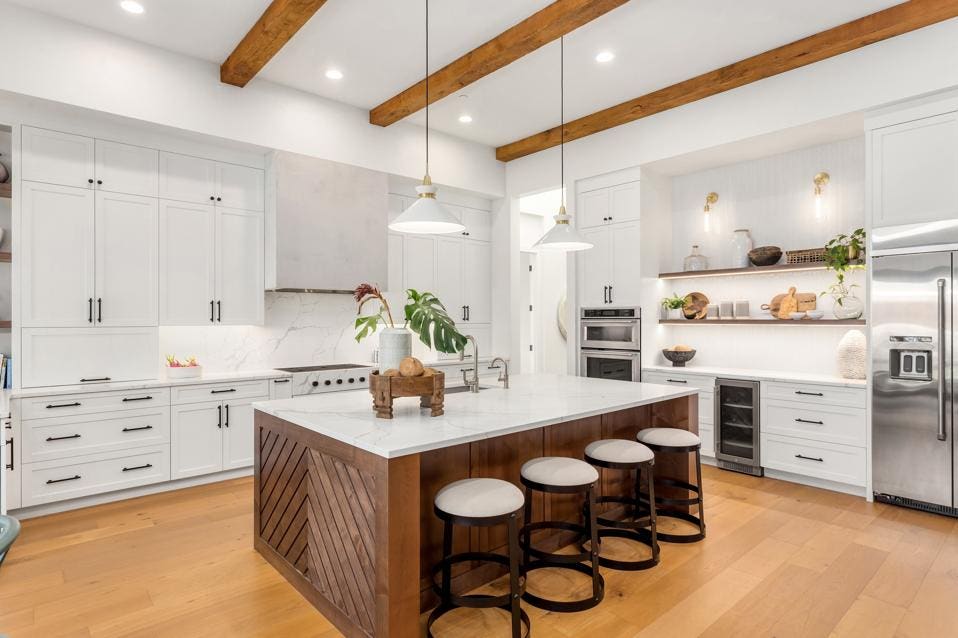
5 Kitchen Lighting Trends to Consider for 2024 — These Choices Will Make Your Design Feel Elevated

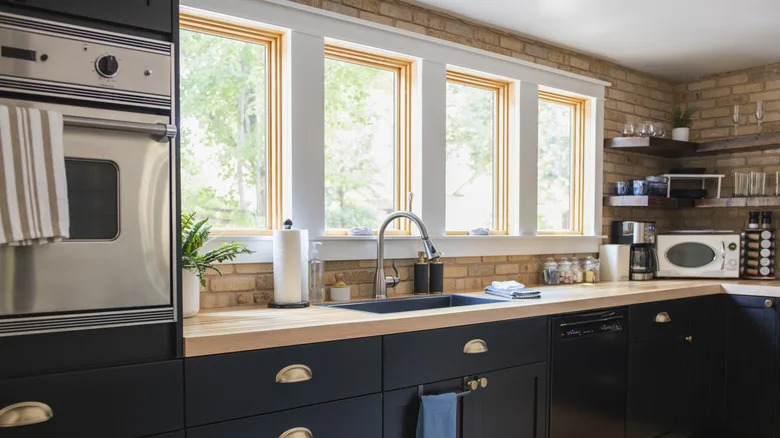
10 Kitchen Design Trends Going Out Of Style In 2025

The Kitchen Glass Lighting Trend That's Primed To Dazzle In 2025

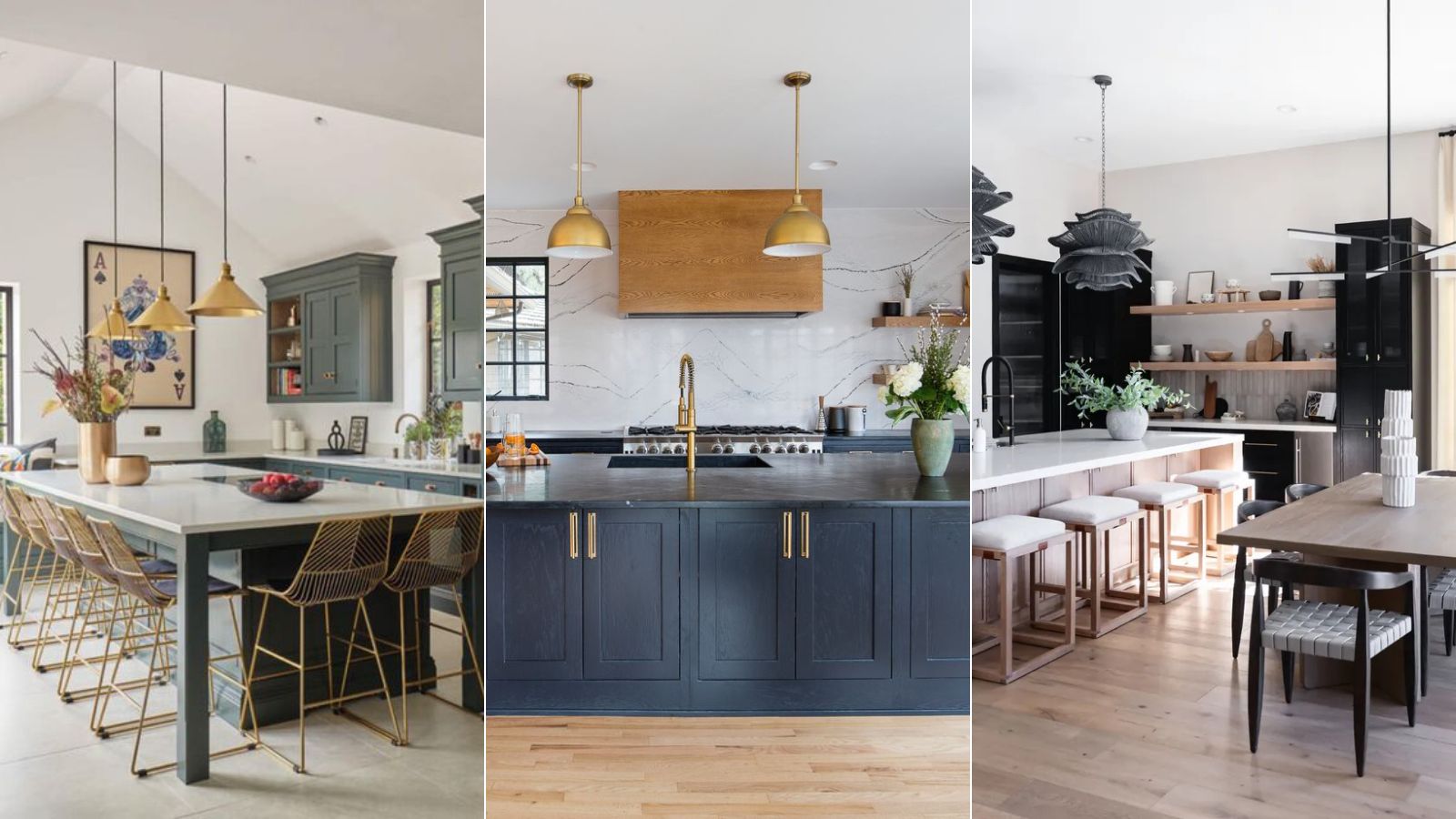
9 kitchen layout trends to have on your radar for 2025, according to designers
22 Kitchen Lighting Ideas That Feel Right for 2025 Projects — To Illuminate Islands, Cabinets, Countertops, and More
The Kitchen Glass Lighting Trend That's Primed To Dazzle In 2025
Kitchen Trends 2025: standout designs and colours inspiring home improvement projects

The 5 kitchen trends designers say will be huge in 2025

The Old-School Lighting Trend That Will Brighten Up Your Kitchen In 2025

The big kitchen trends of 2025 explained by top designers

20 kitchen design trends you'll see everywhere in 2025, according to experts

8 Decorating Trends Designers Wish Would Go Away in 2025

7 Lighting Trends That Will Elevate Your Home Design In 2025

20 Kitchen Design Trends You’ll See Everywhere in 2025, According to Experts
8 Kitchen Trends Designers Predict Will Be Everywhere in 2025

7 Home Lighting Trends You'll See Everywhere In 2025