Interior Design Tips: The Dos and Don’ts of Layering
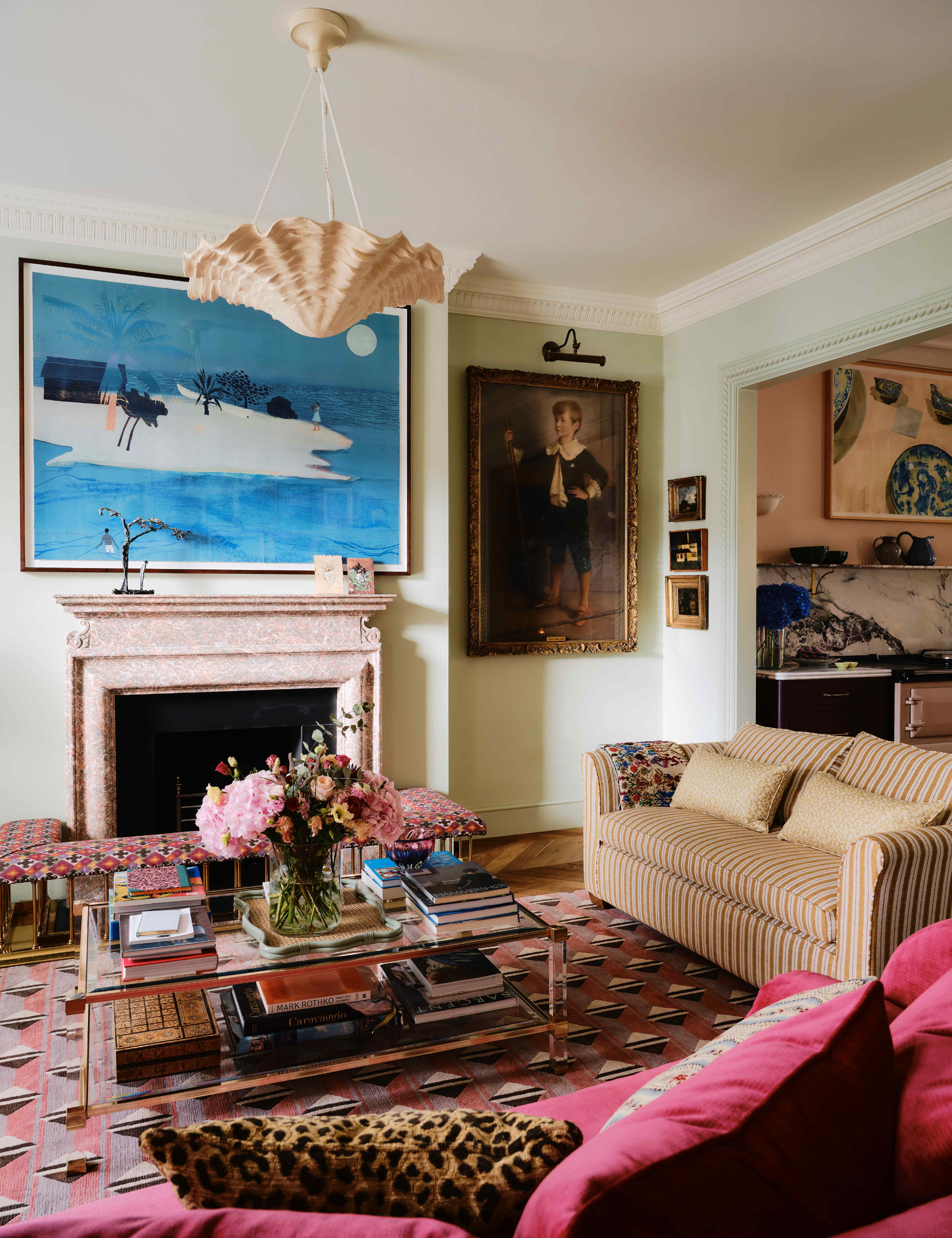
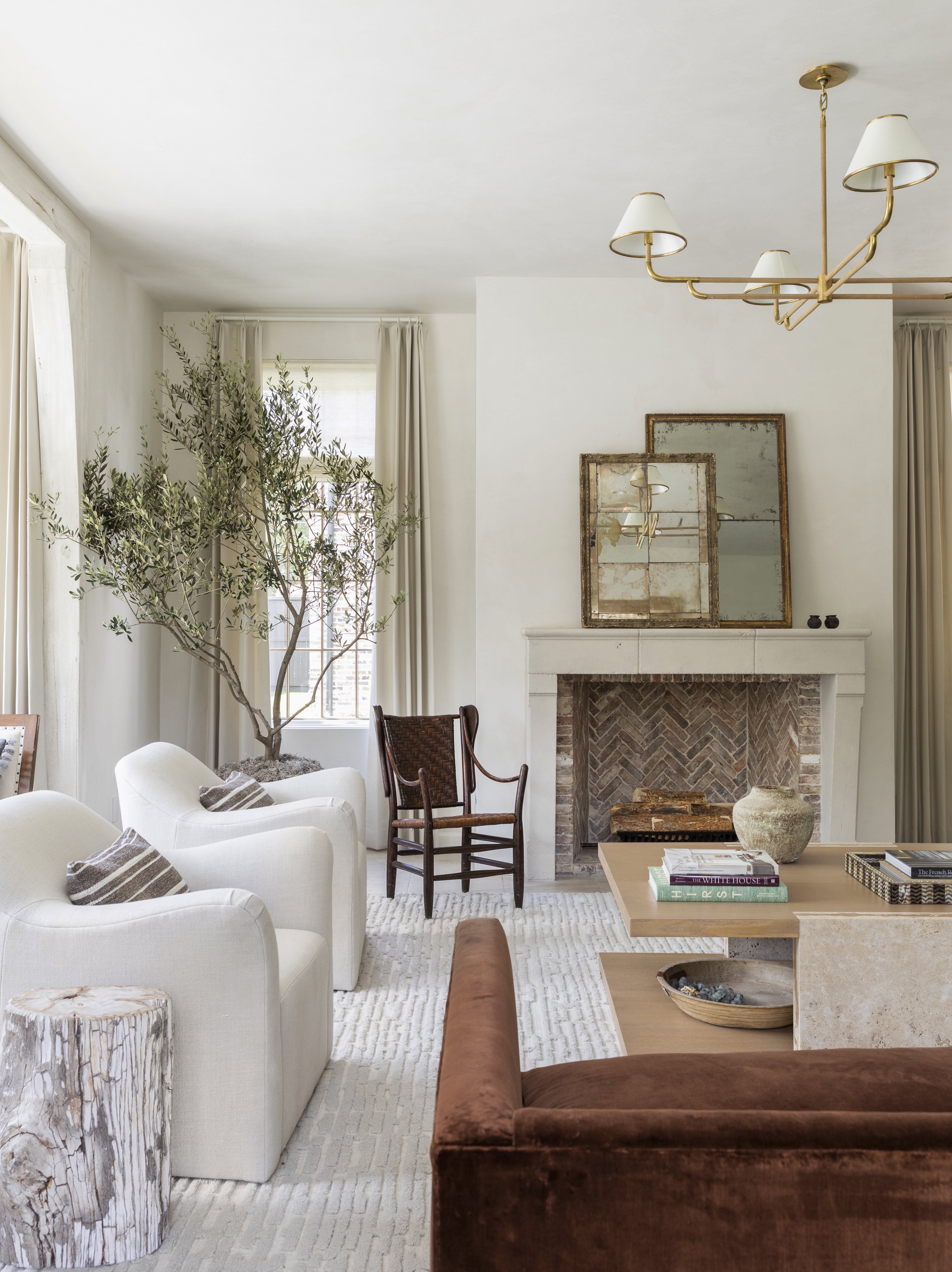
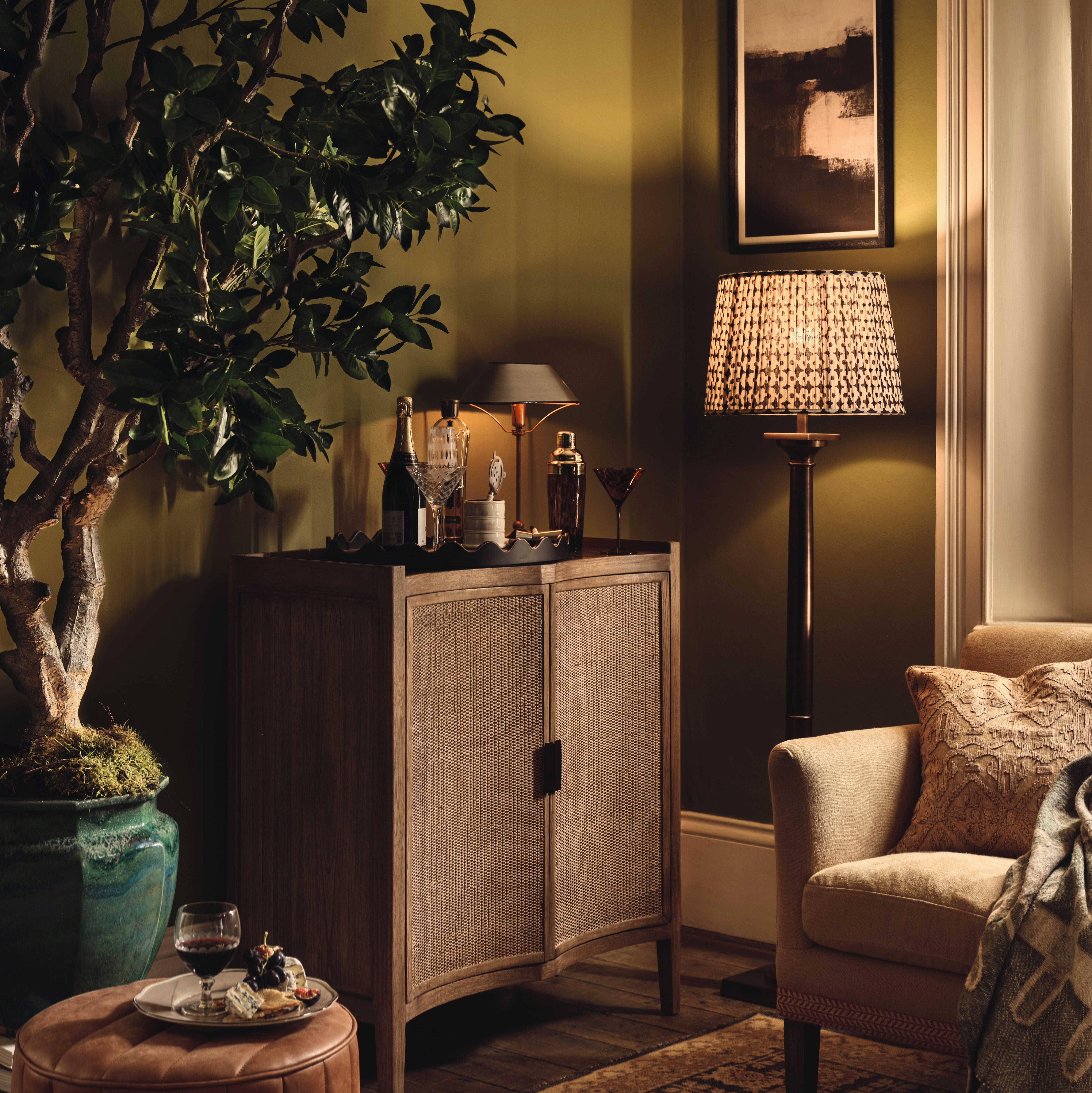
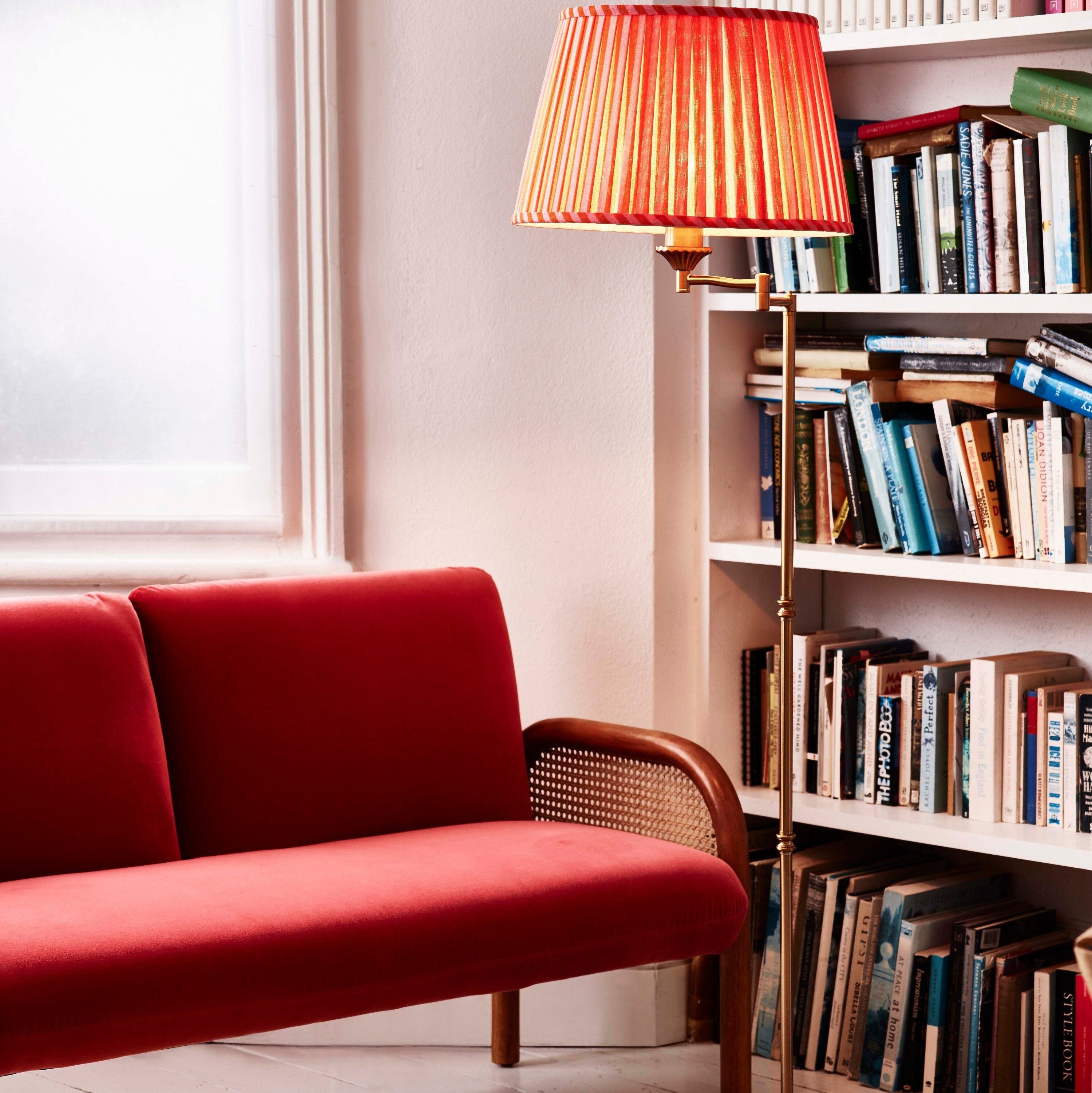
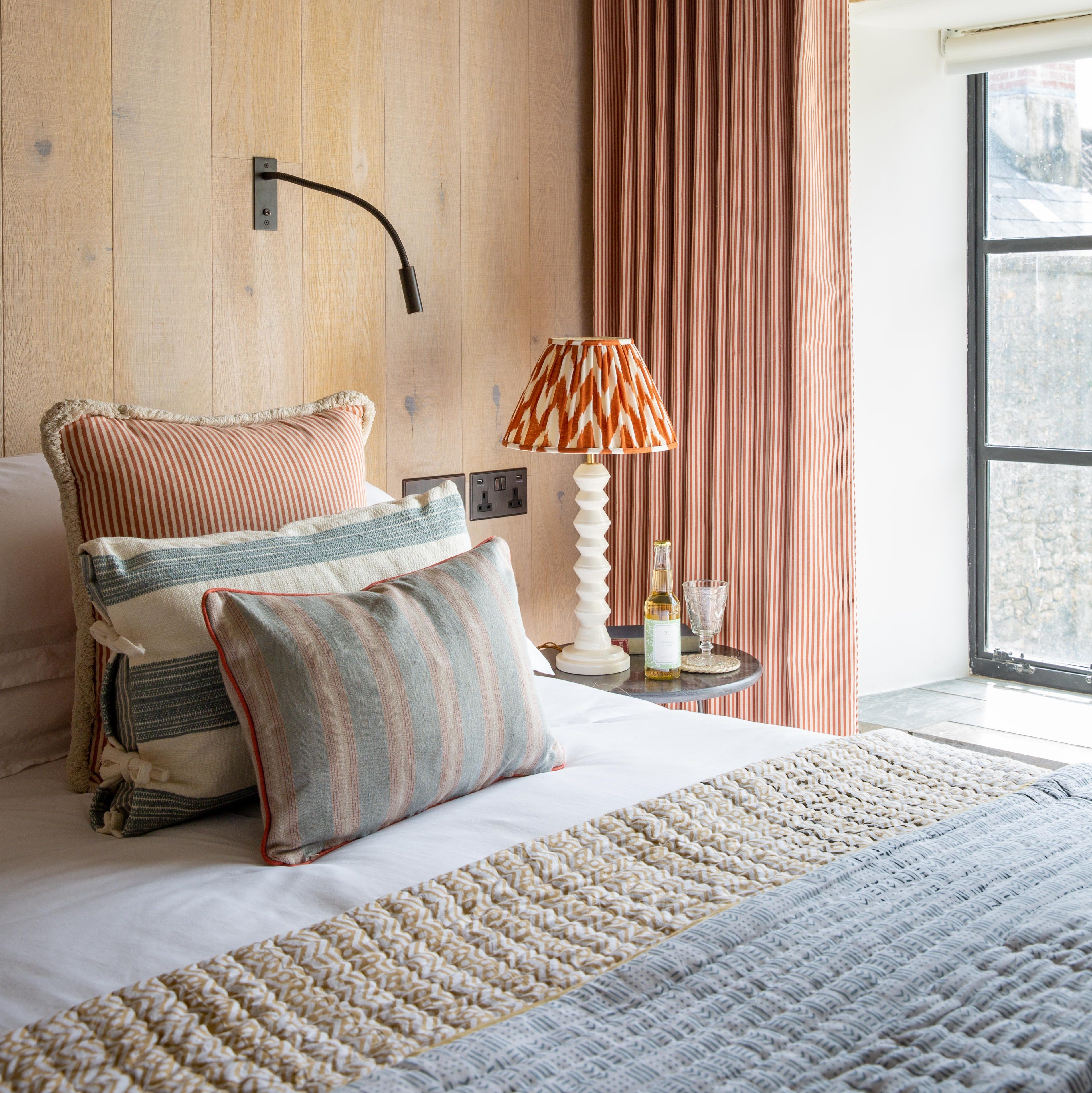
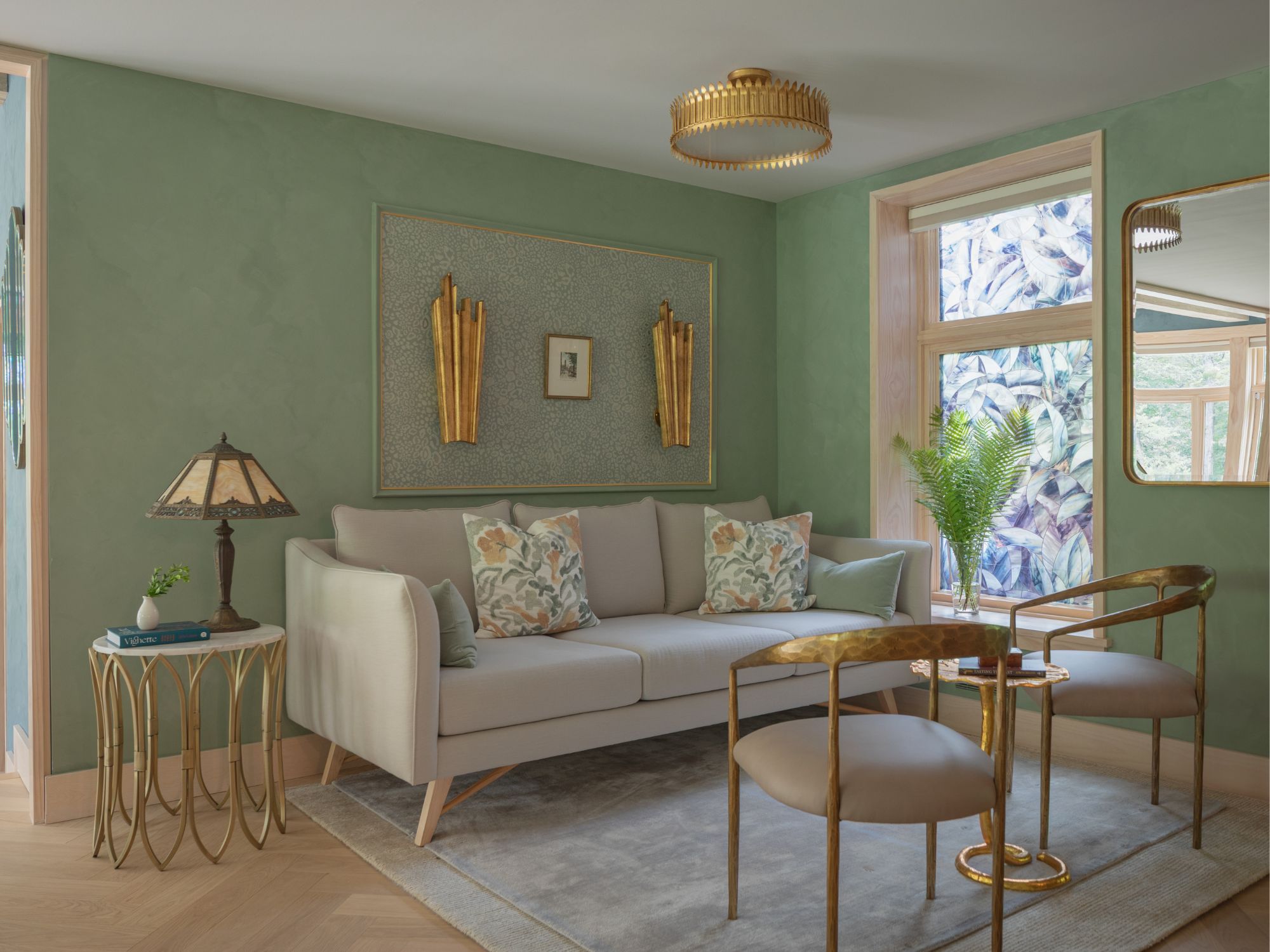
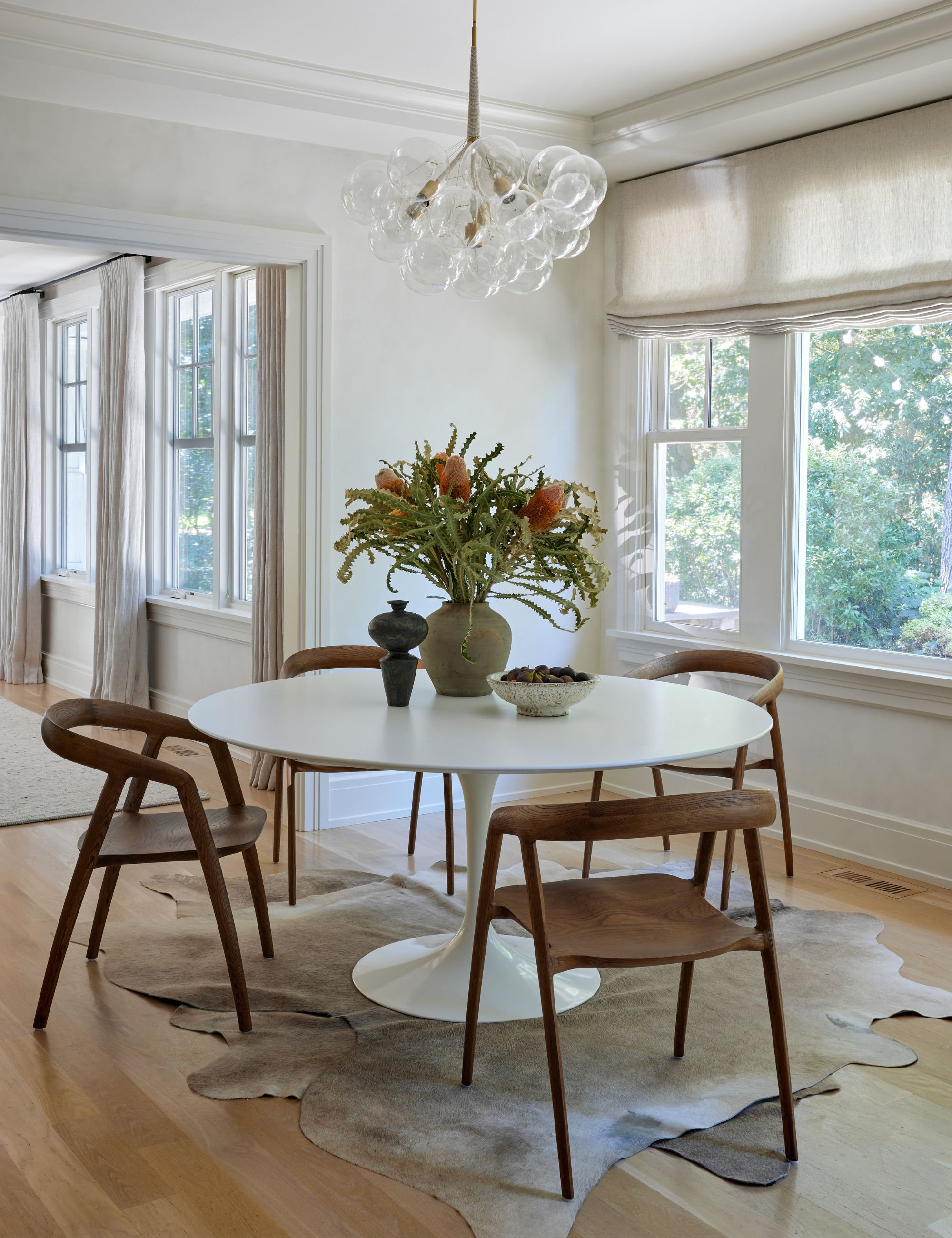
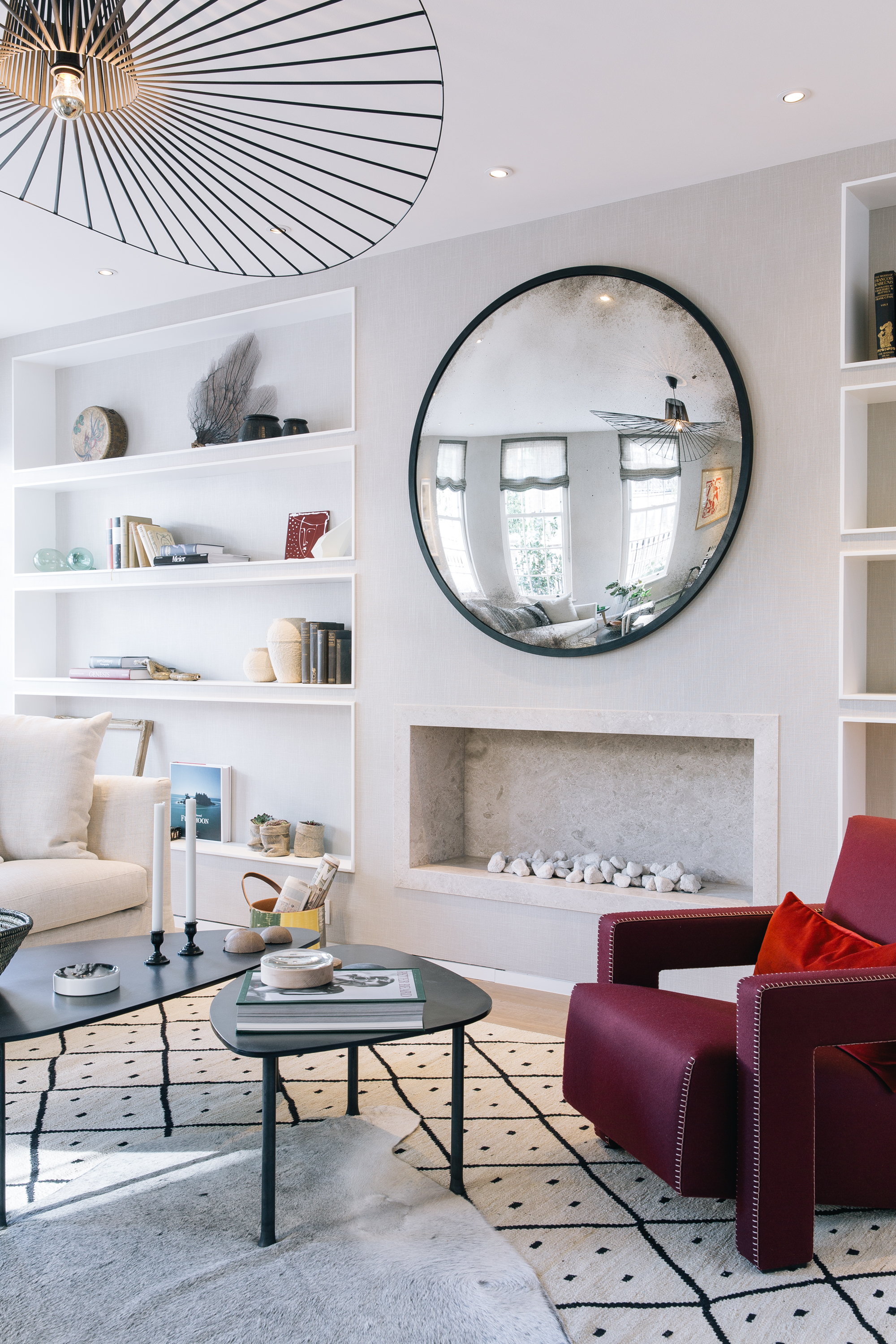
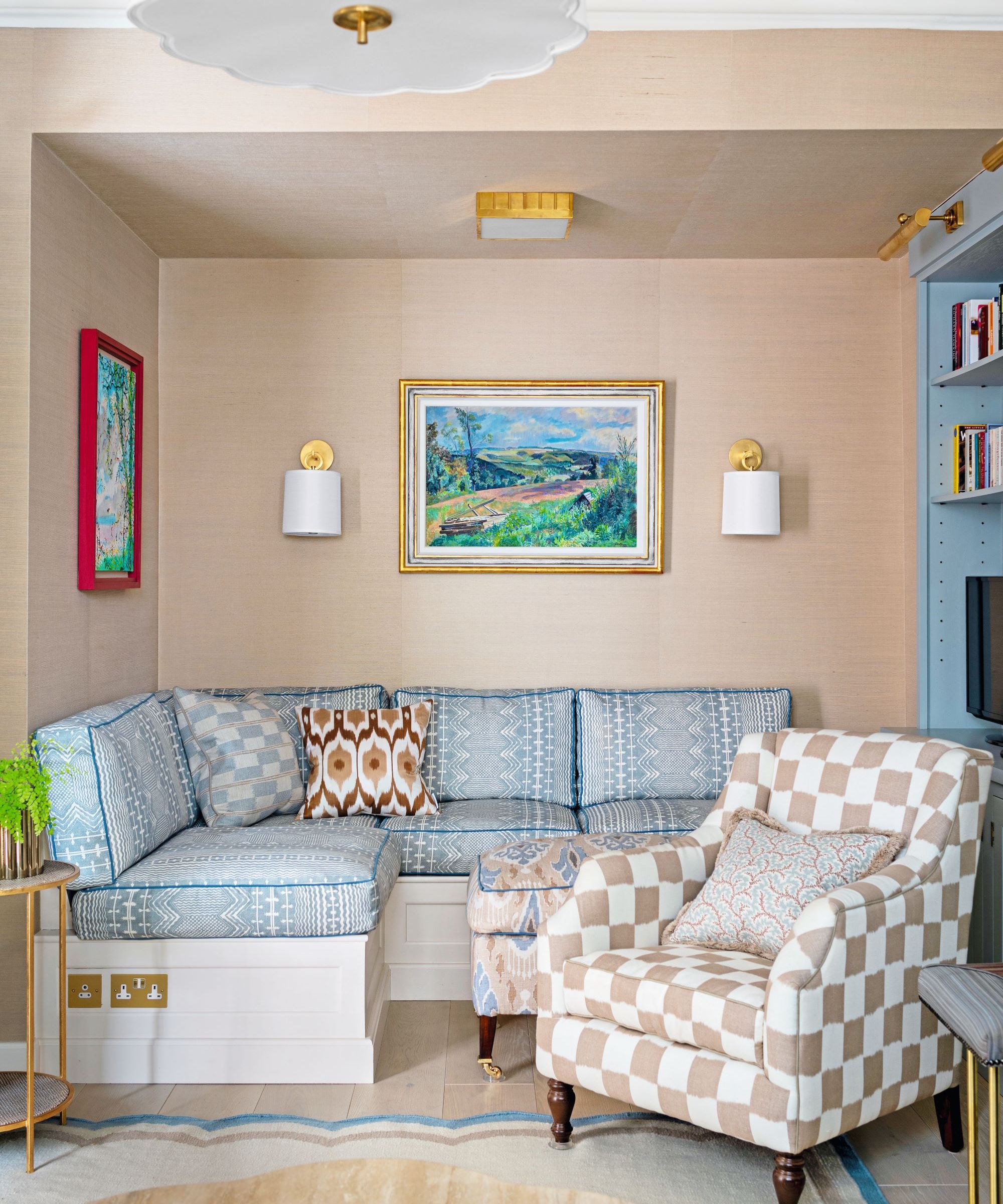
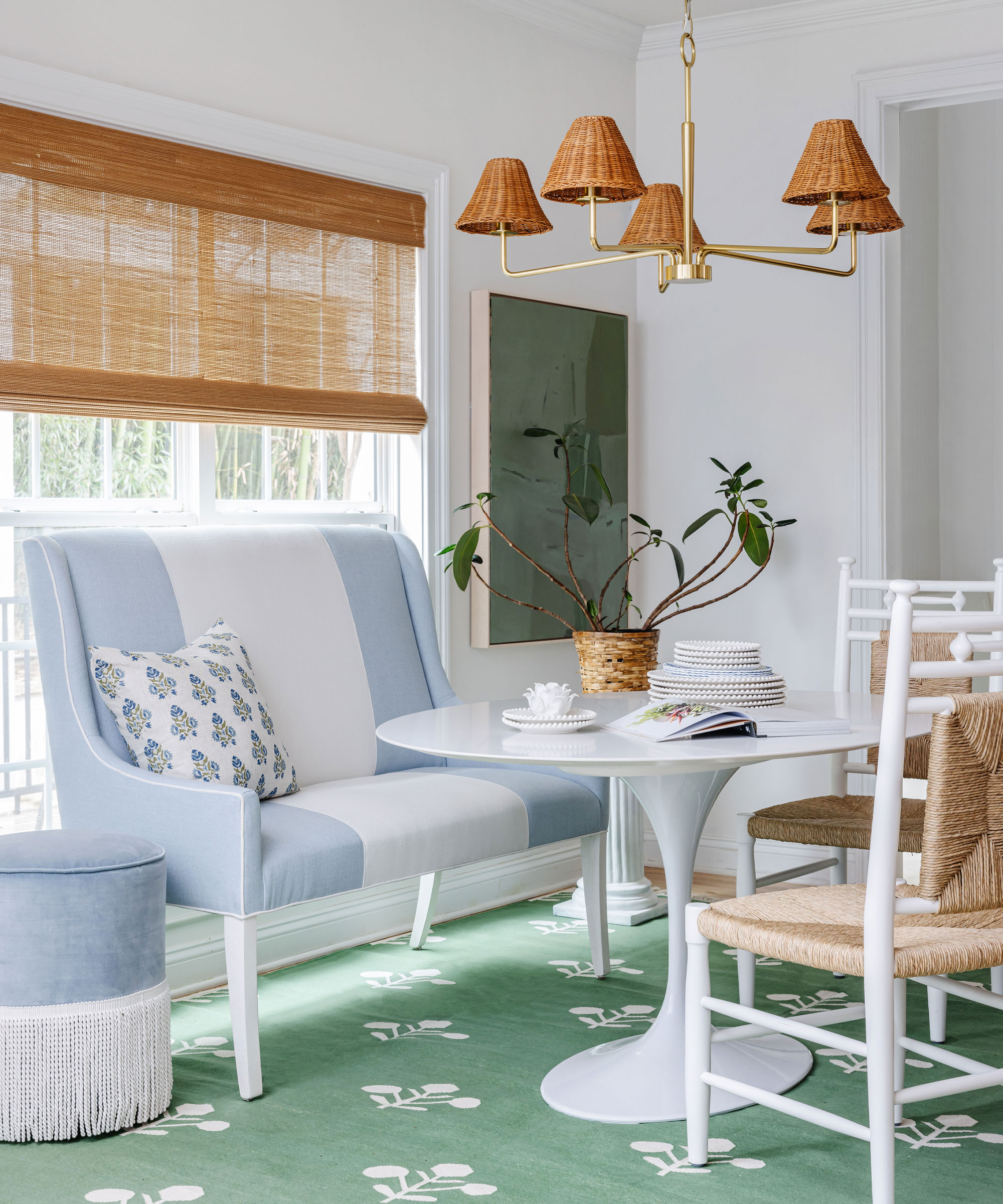
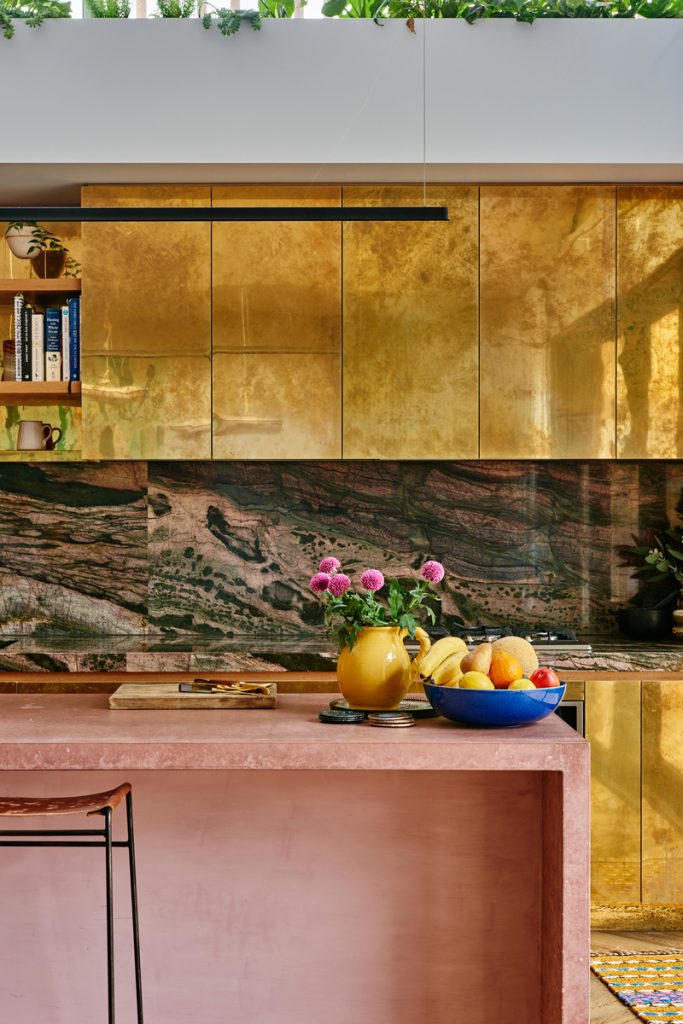
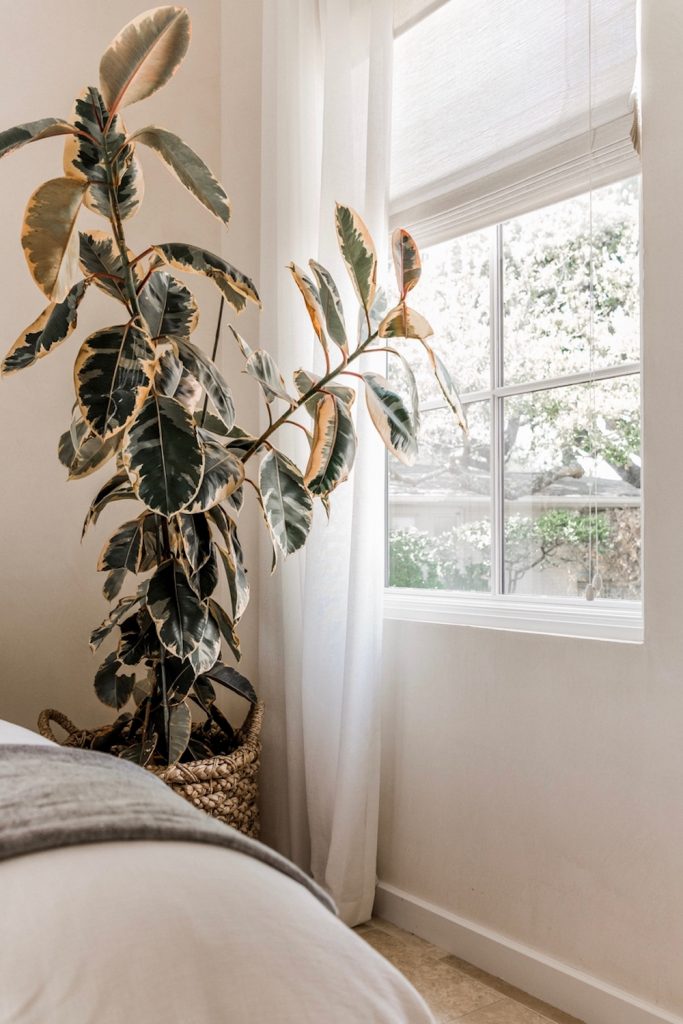
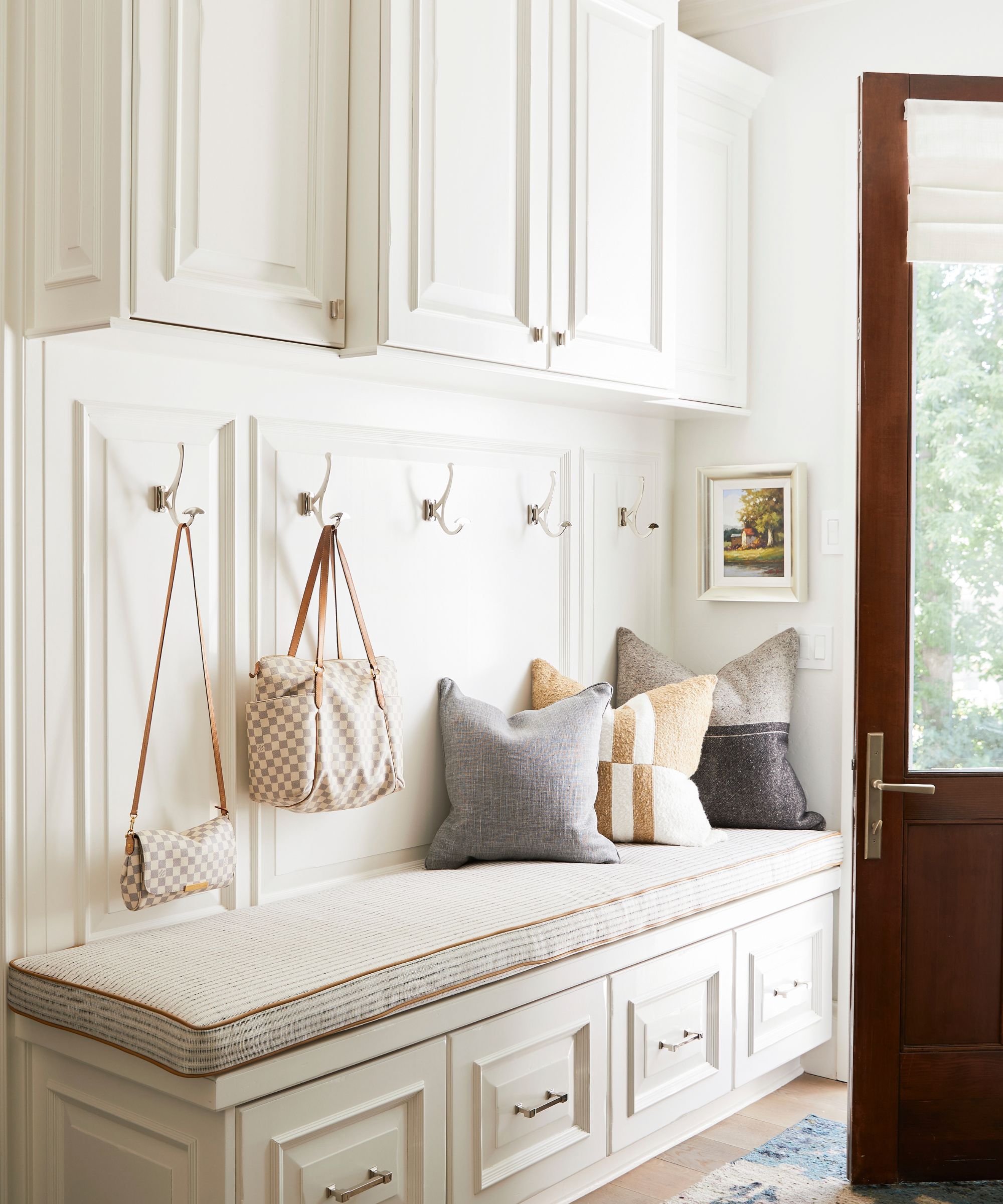
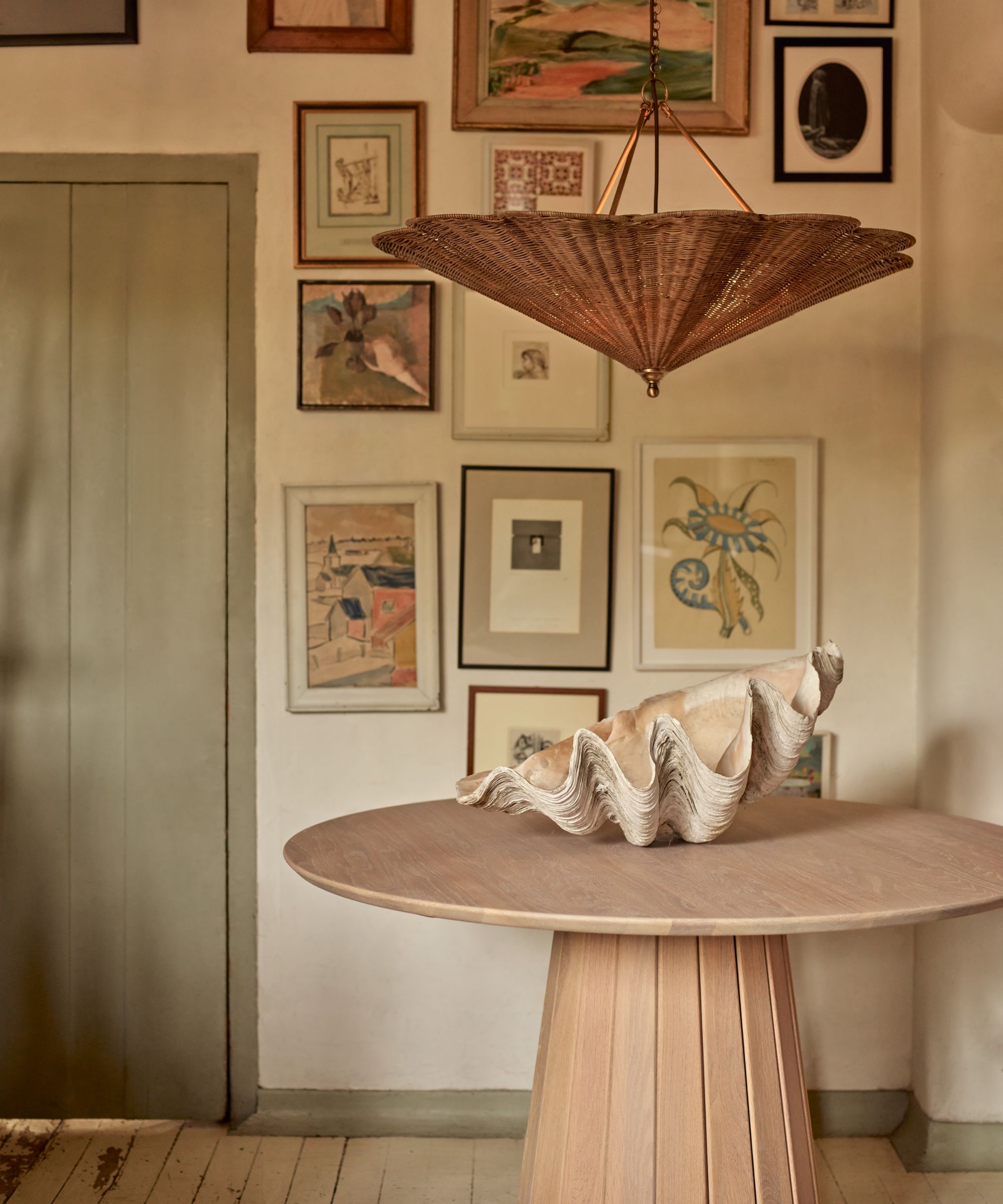
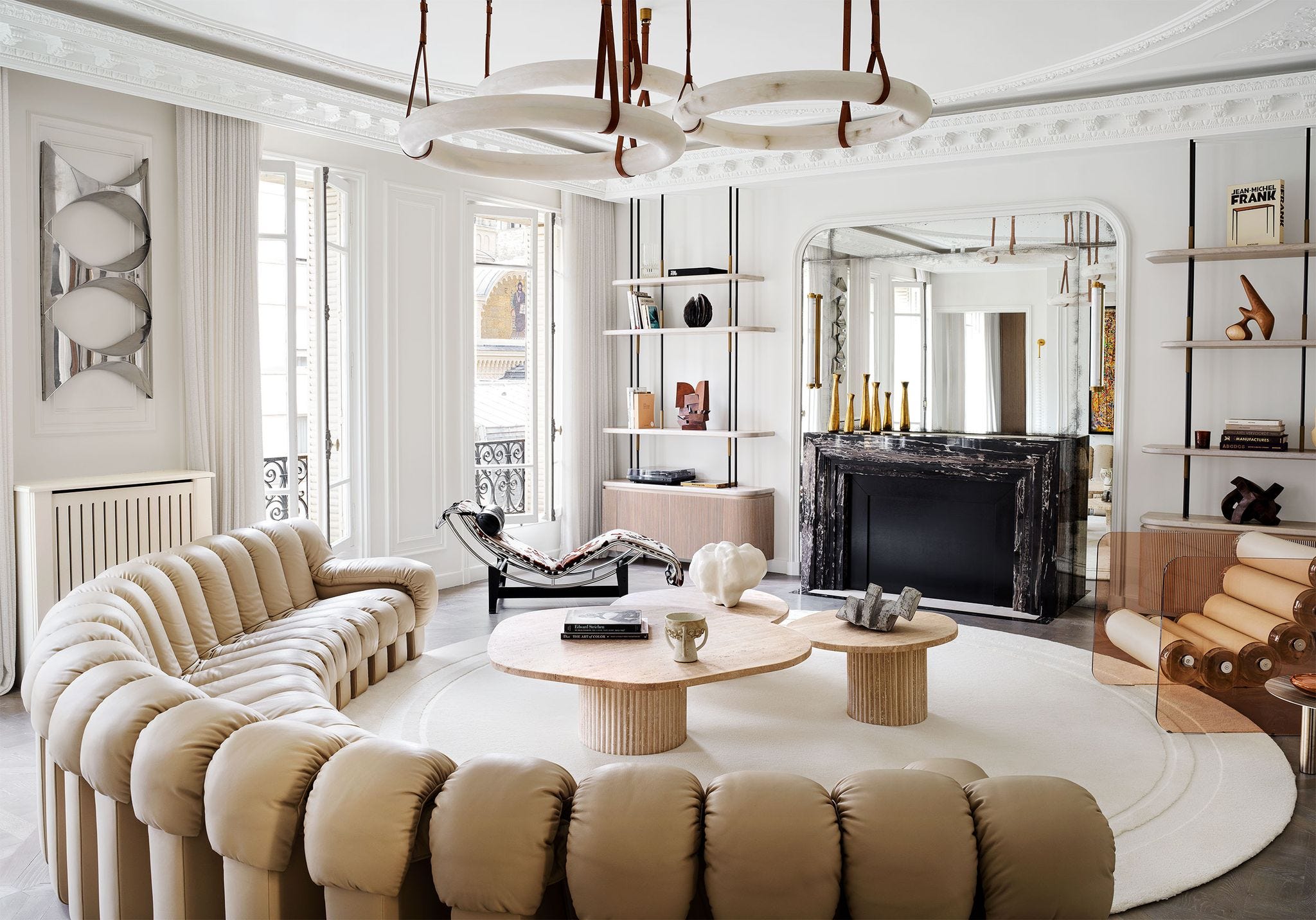
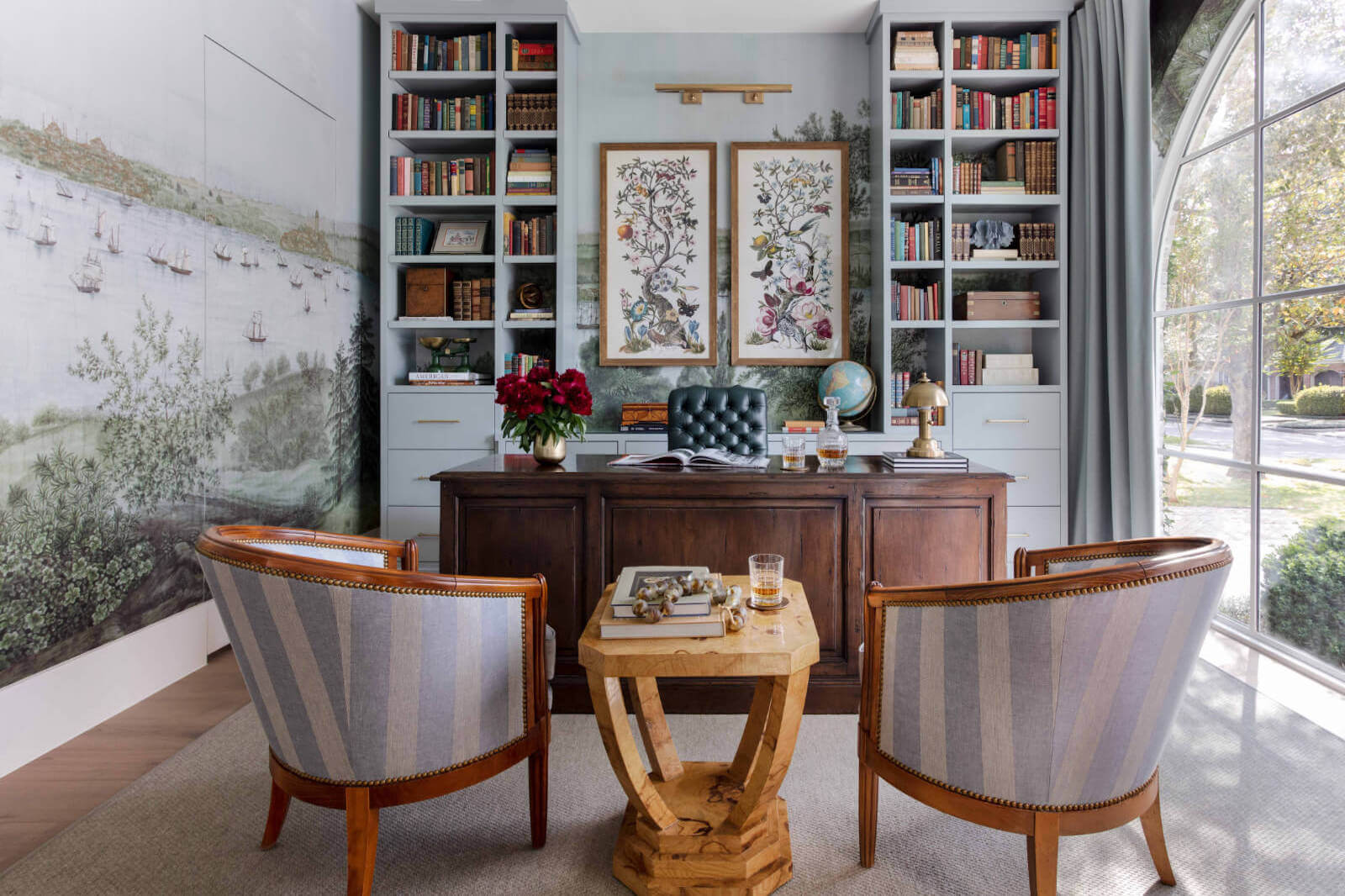
Layering is a classic and continuously evolving interior design technique that adds depth and interest to living spaces by mixing and matching various elements. This approach, recognized as an interior design trend, involves thoughtfully combining patterns, textures, and styles to create a cohesive yet captivating environment. The process of layering requires intentionality and patience, as it involves collecting and curating pieces over time rather than attempting to furnish a space all at once. Interior designers emphasize that a well-layered space feels "collected, found, and inspired," rather than instantly decorated.
To effectively layer, it is advisable to add elements one at a time, much like a painter builds a composition stroke by stroke. This method helps to gauge the impact of each addition and prevents overdoing it, ensuring that the design remains balanced and aesthetically pleasing. Experimenting with existing items before introducing new patterns or textures allows for a gradual and controlled development of the room's character. This incremental approach minimizes the risk of overwhelming the space with too many competing elements.
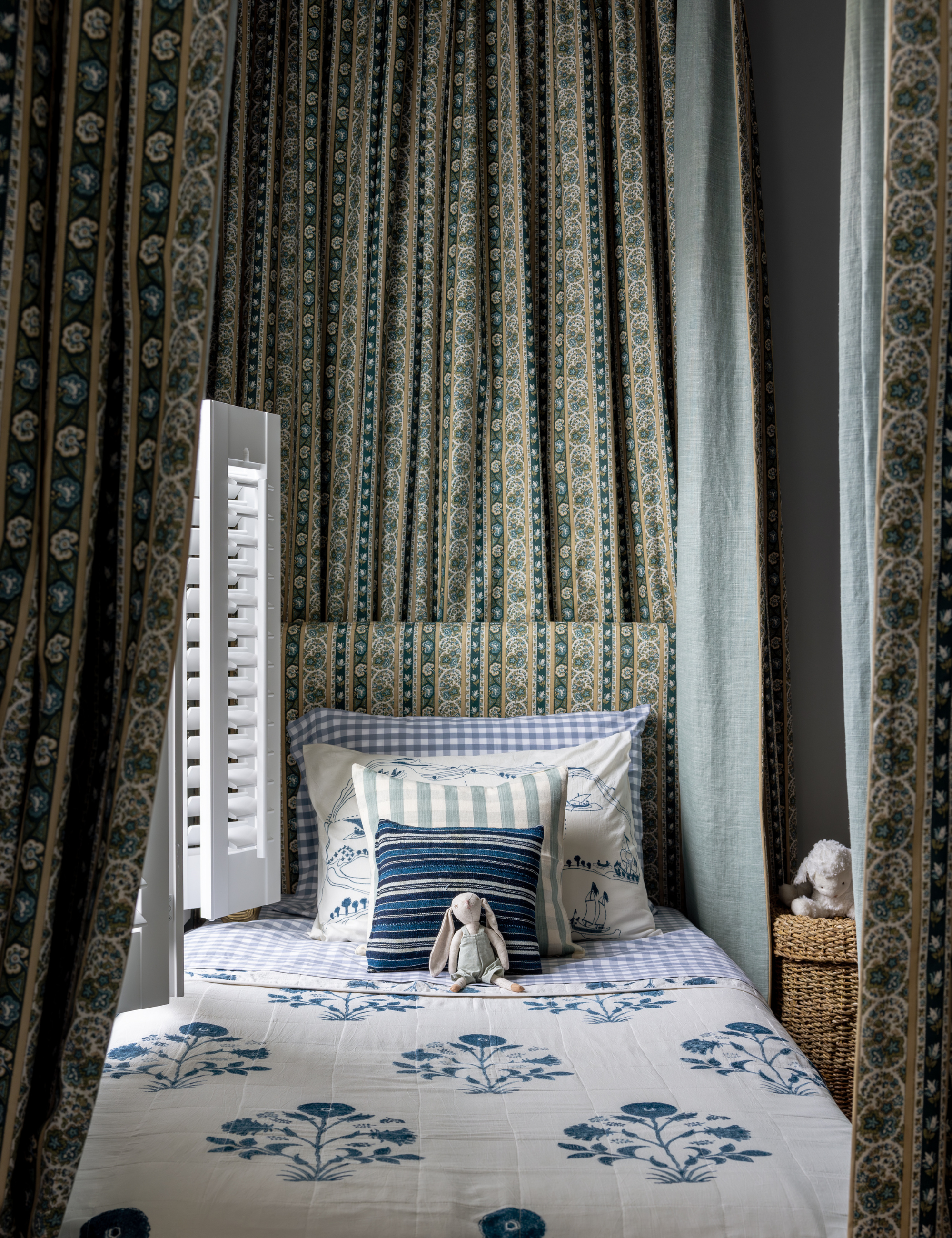
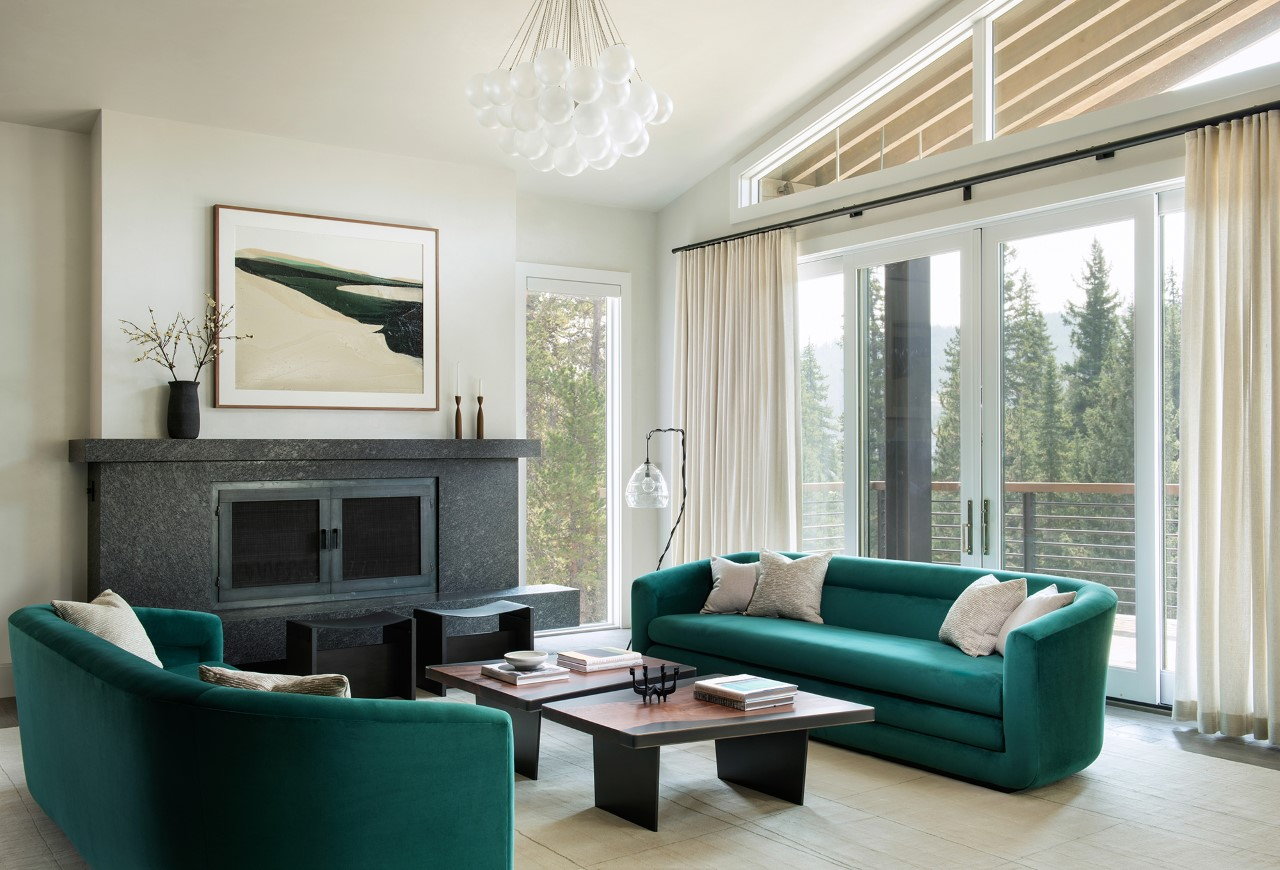

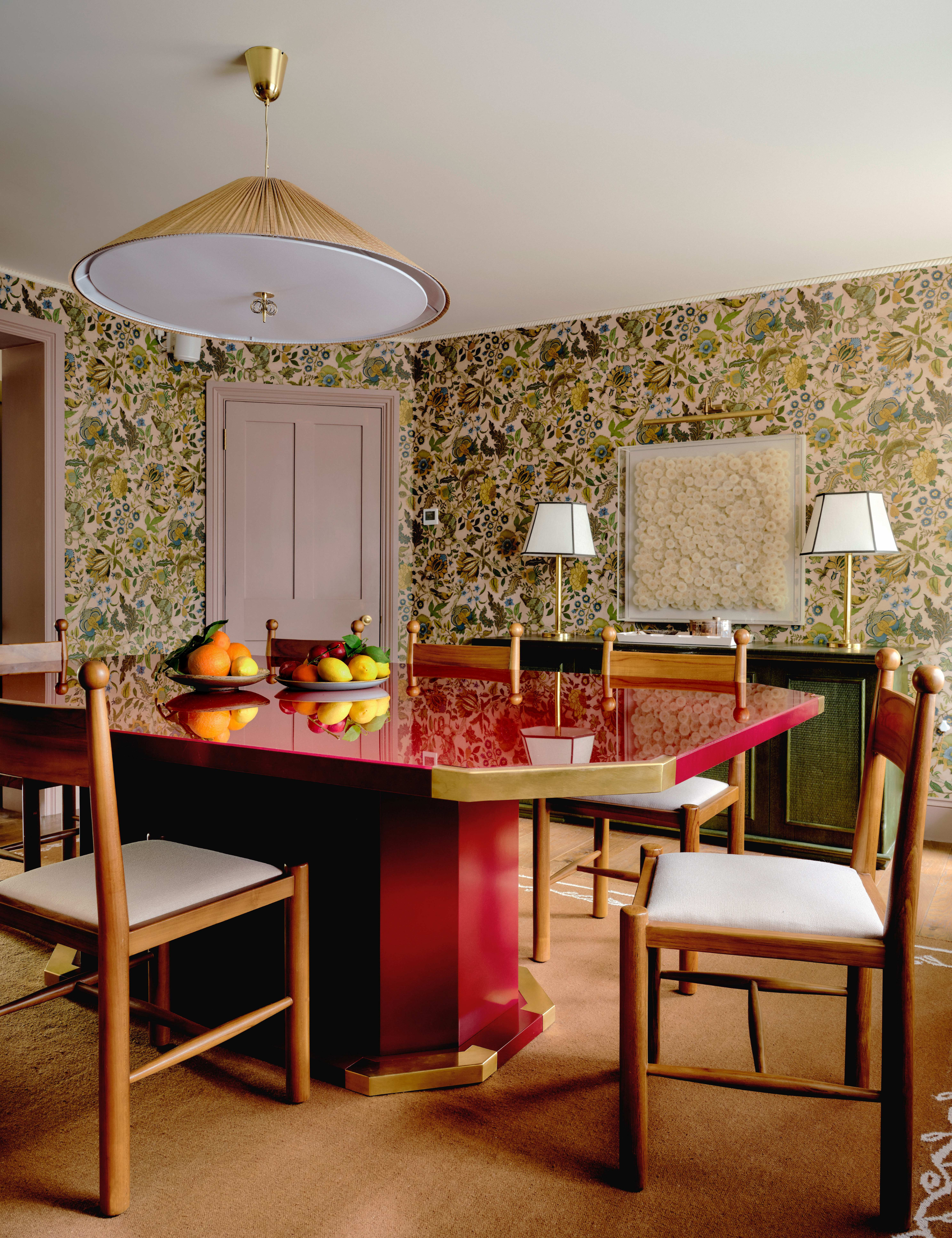
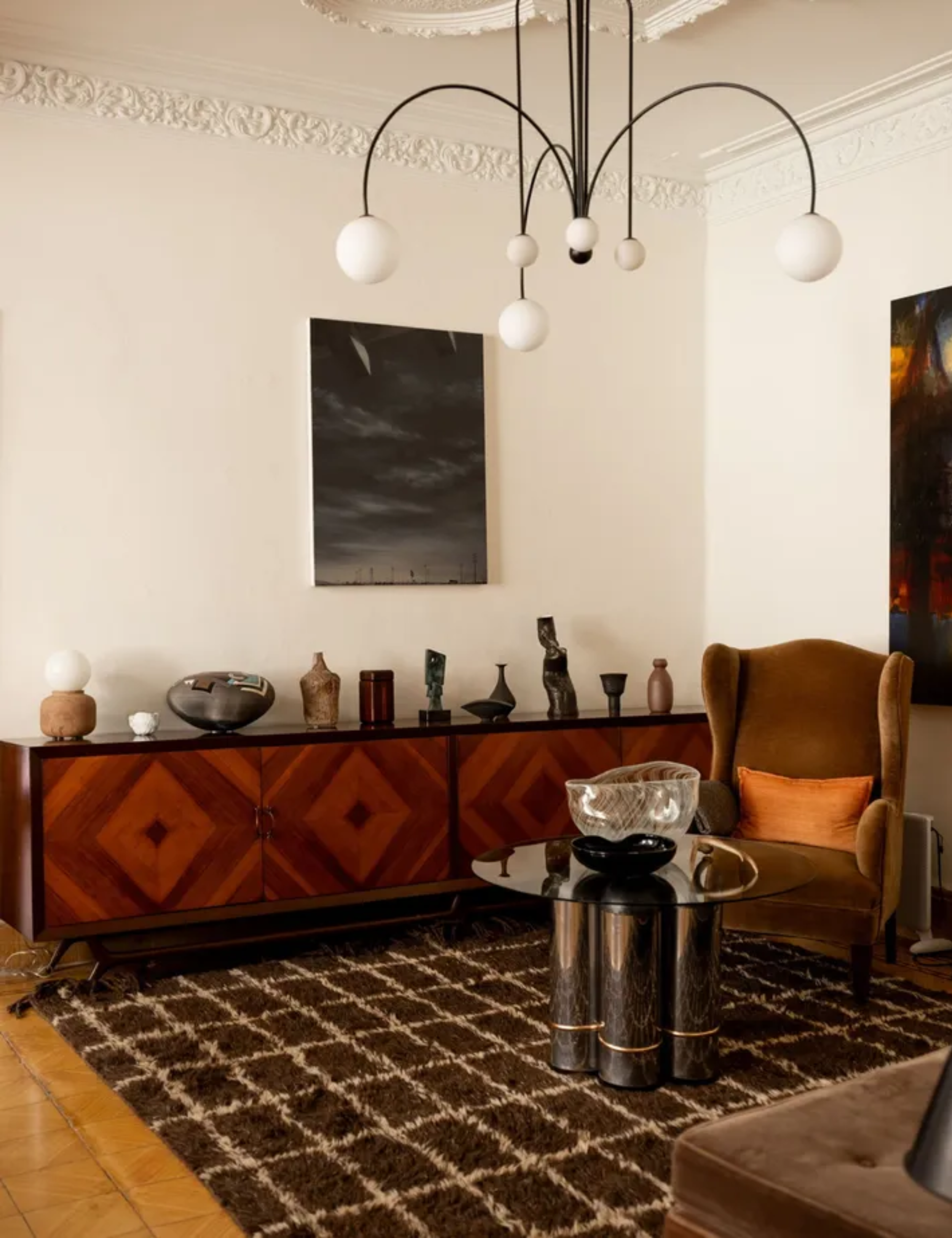
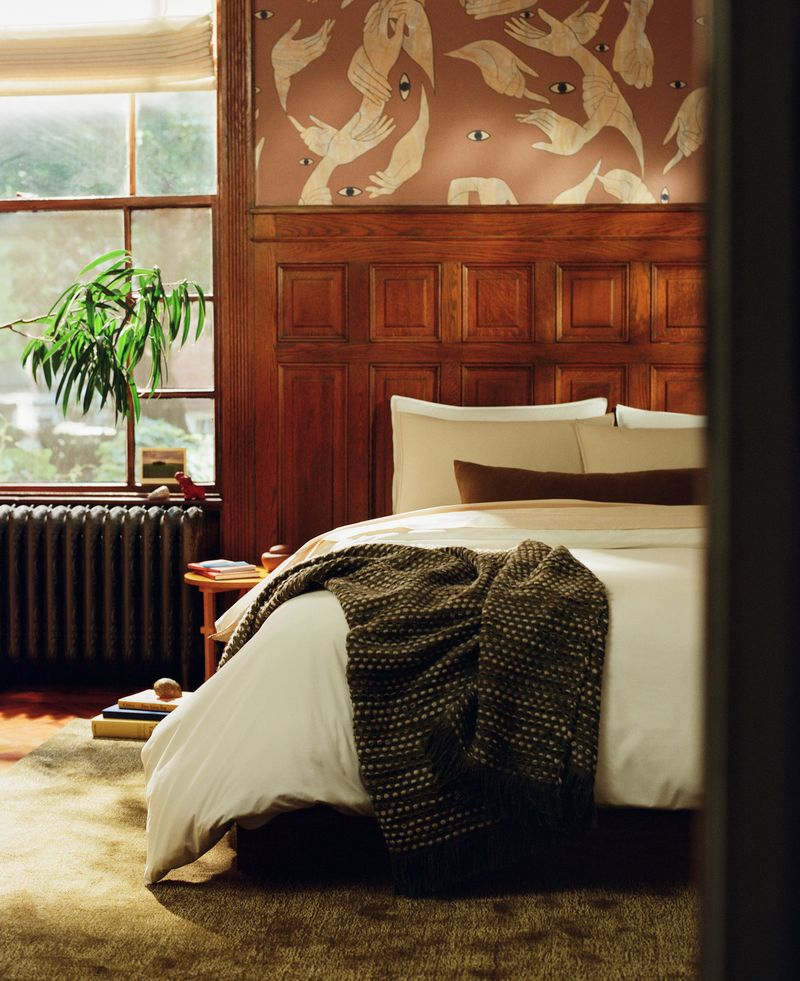
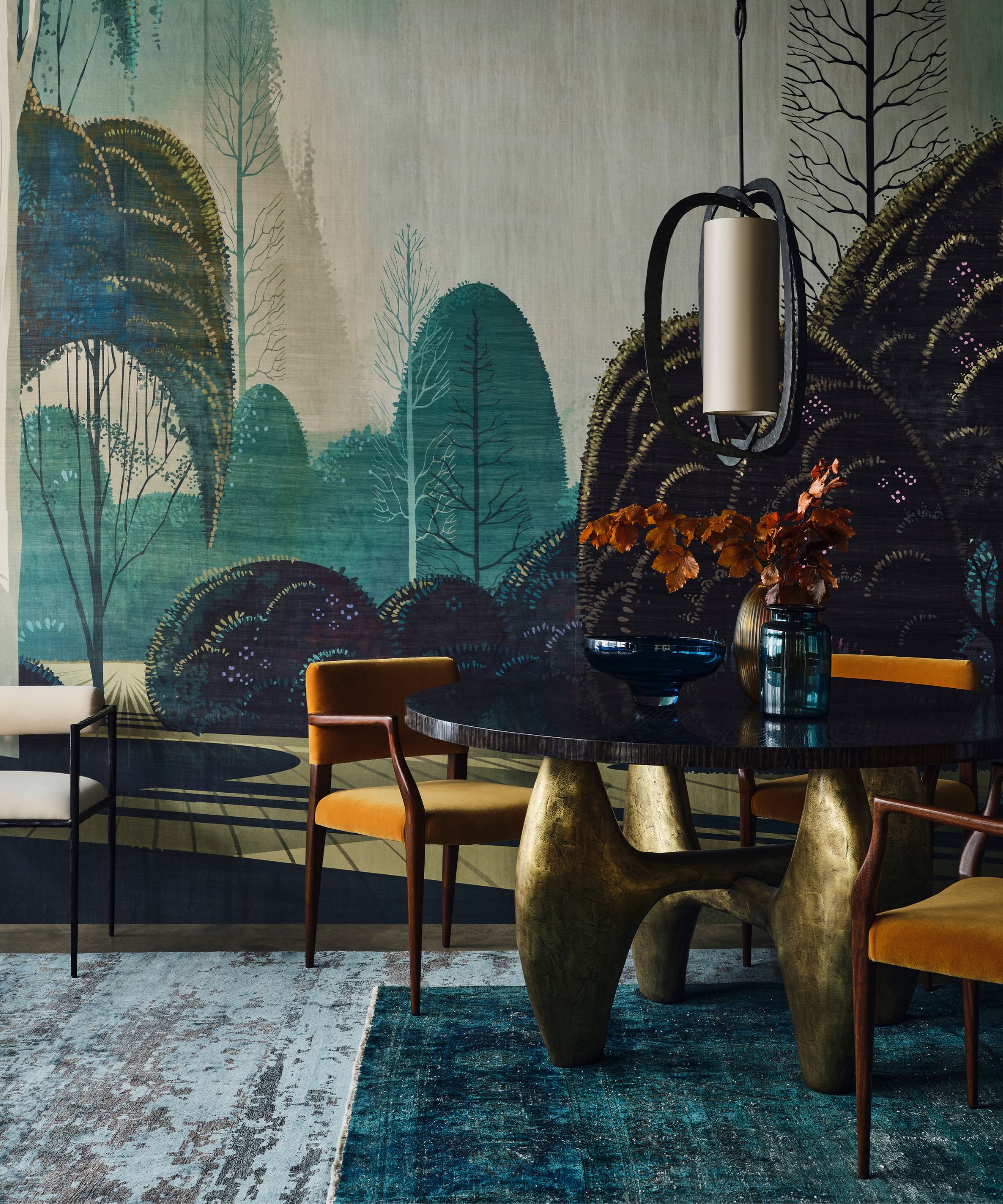
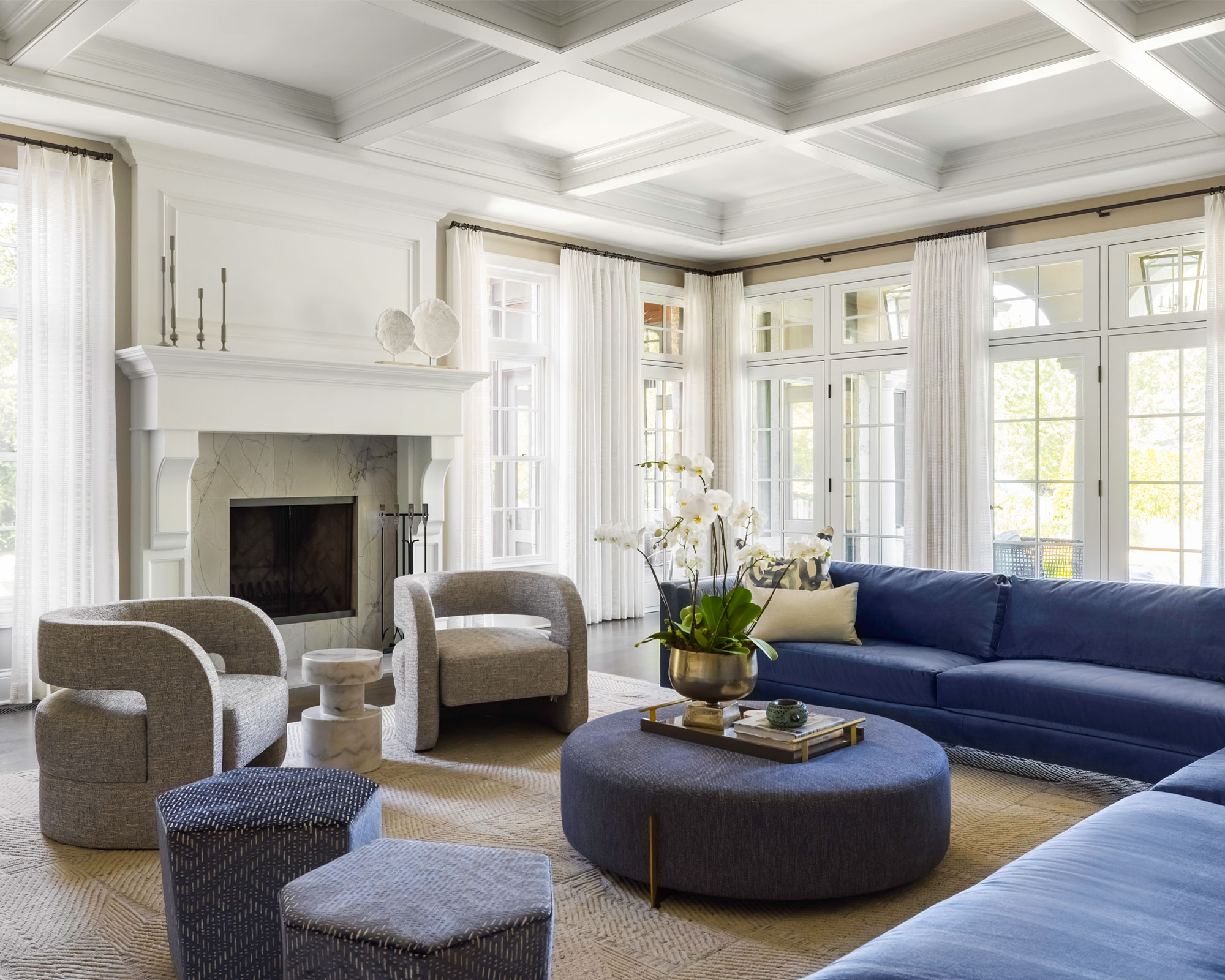
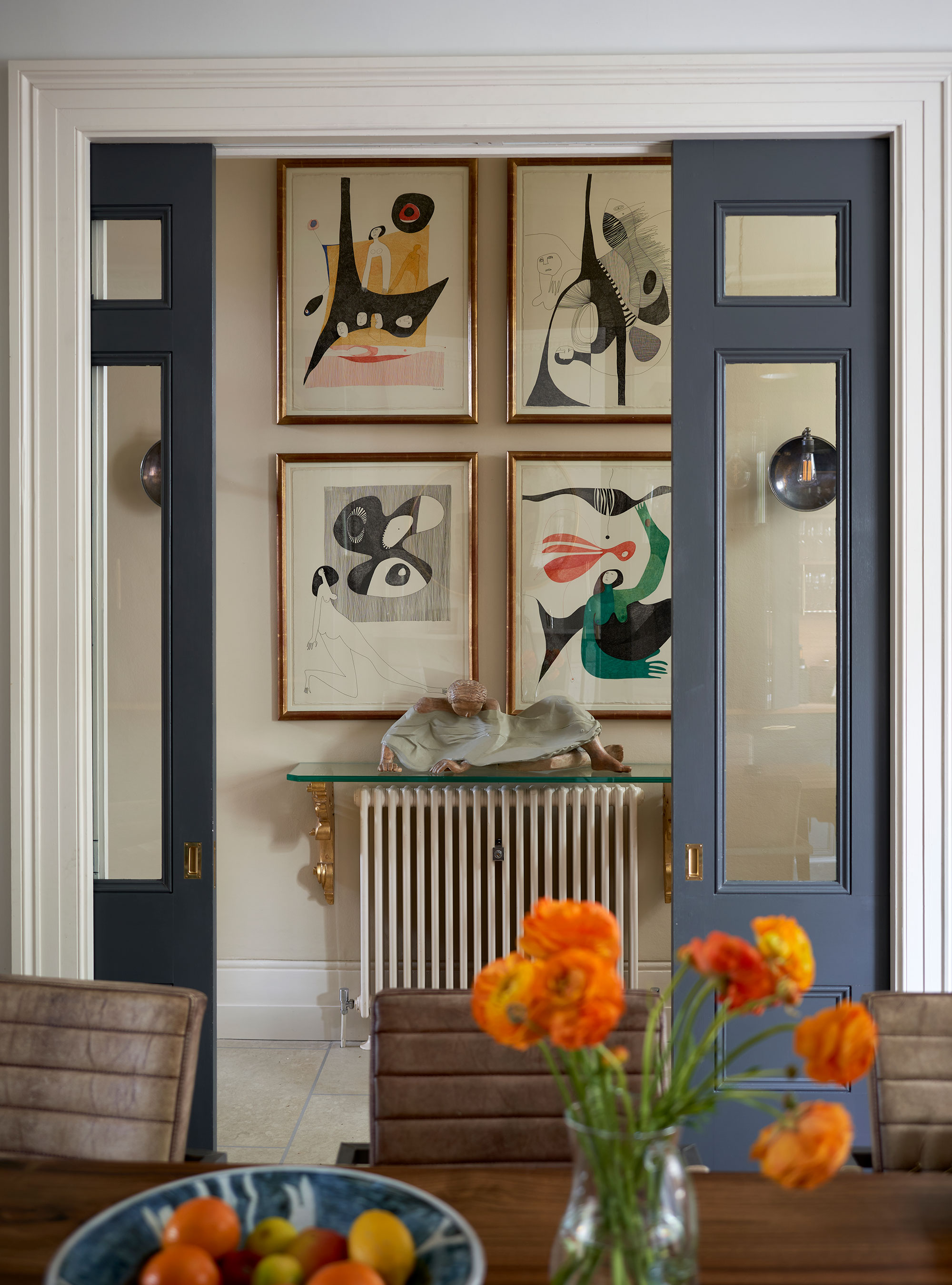
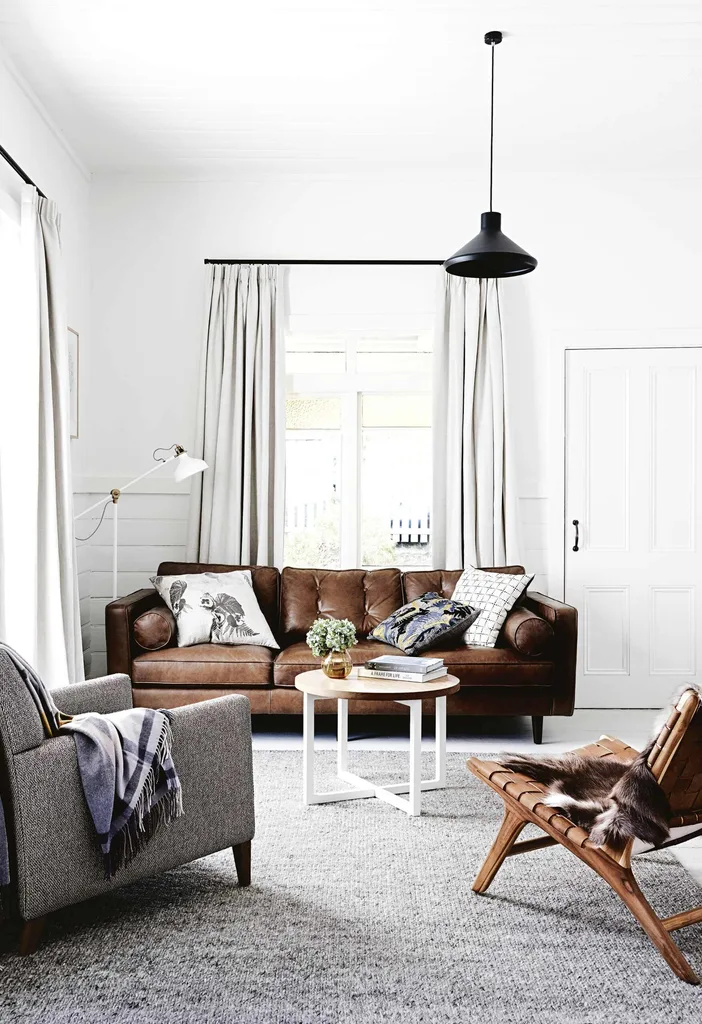
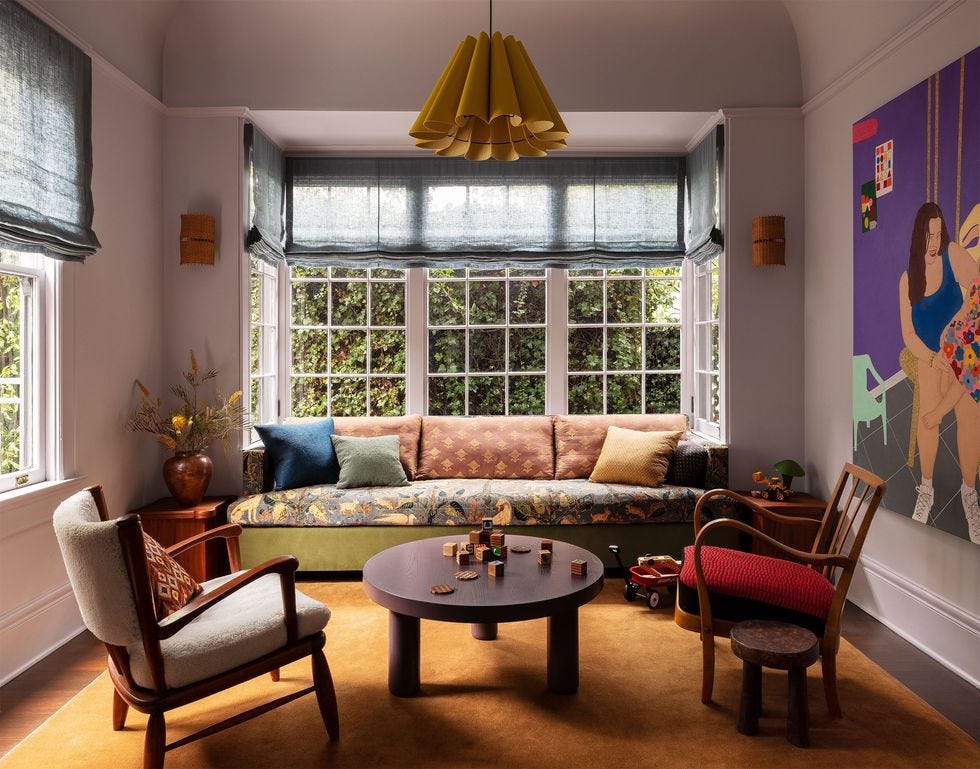
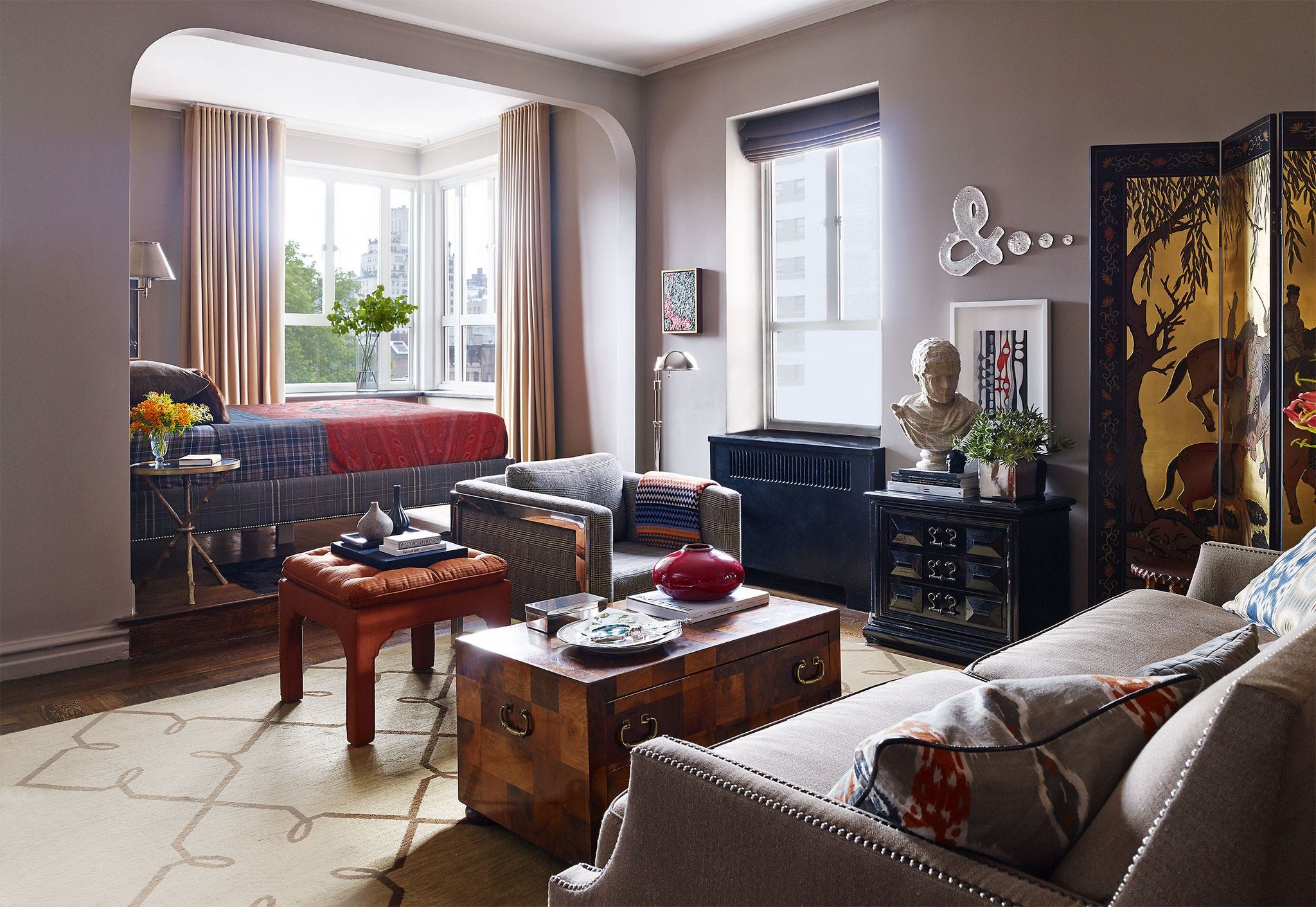
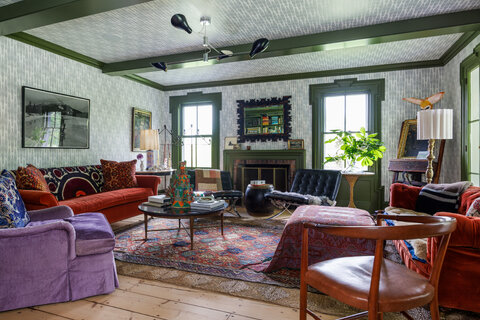
A key principle in successful layering is the strategic use of contrast. Opposing elements, such as bright walls against dark trim or contemporary light fixtures above vintage furniture, can create compelling visual interest. This contrast extends to patterns, where combining large-scale designs with small-scale ones can add dynamic interplay. Furthermore, contrasting textures and undertones, such as warm and cool palettes, or plush textiles against sleek surfaces, contribute to a rich and varied sensory experience. The objective is to achieve a "feast for the eyes" where diverse components harmonize to form a unified aesthetic.
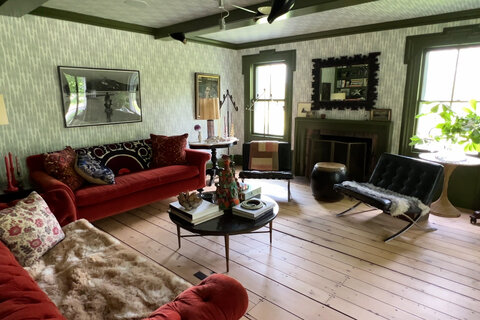
Designers encourage exploring less obvious combinations and drawing inspiration from a variety of sources, including antique stores, showrooms, and digital platforms like Pinterest. The most impactful layered designs often emerge from unexpected pairings that, when thoughtfully integrated, imbue a space with a unique and lived-in feel. This encourages a creative and adventurous spirit in design choices, moving beyond conventional matches.
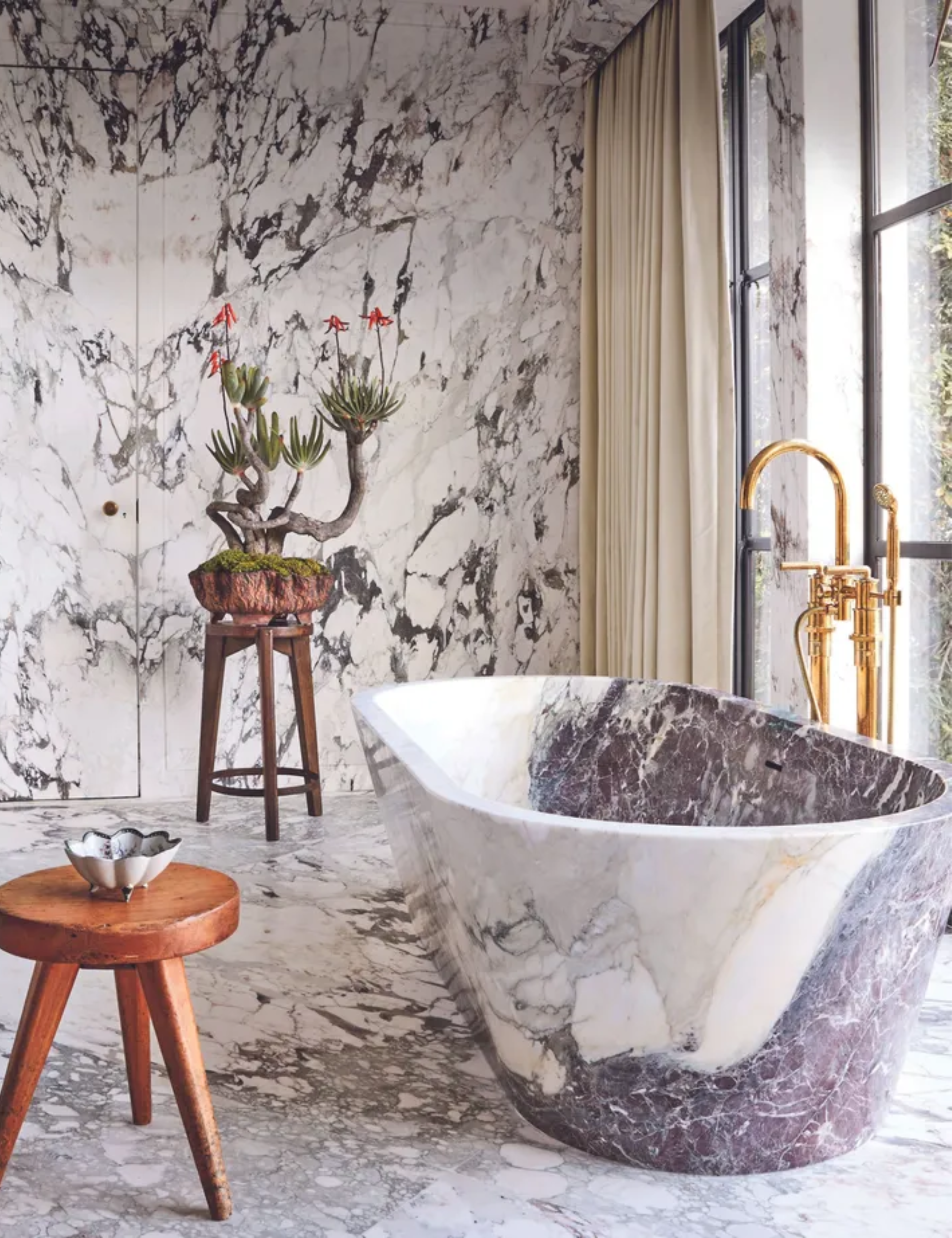
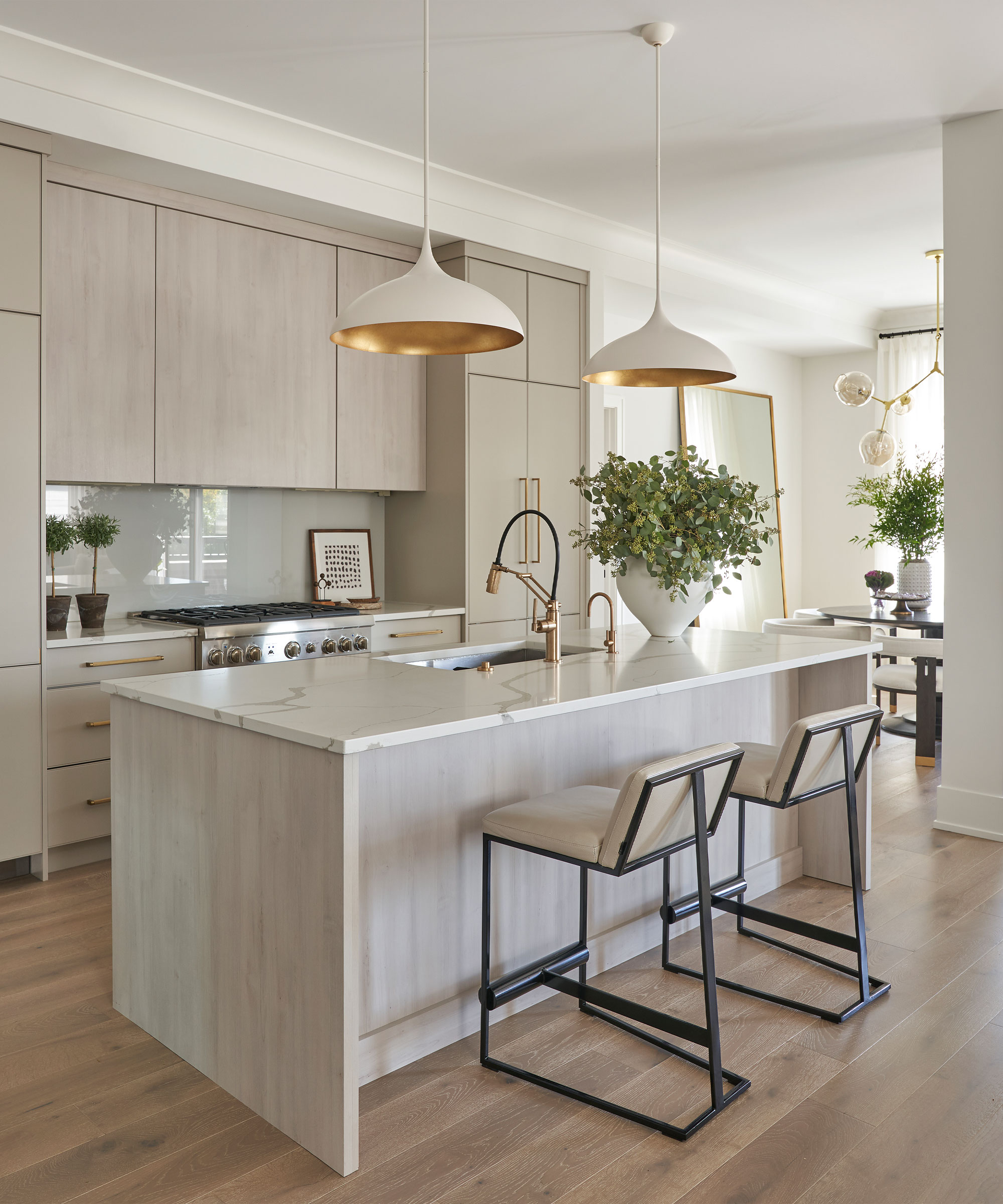
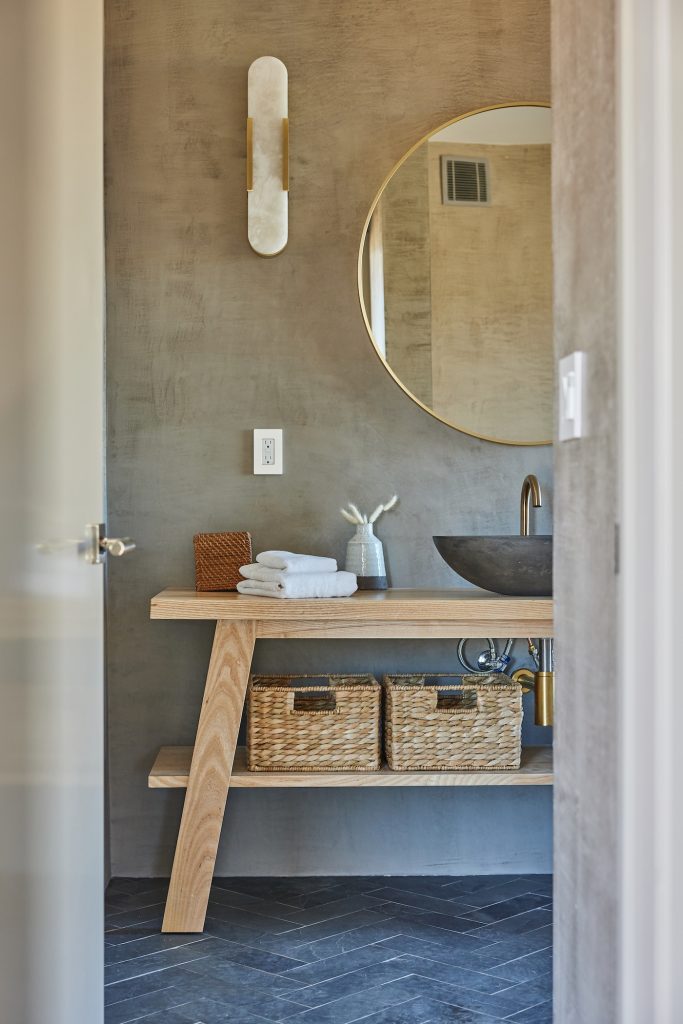
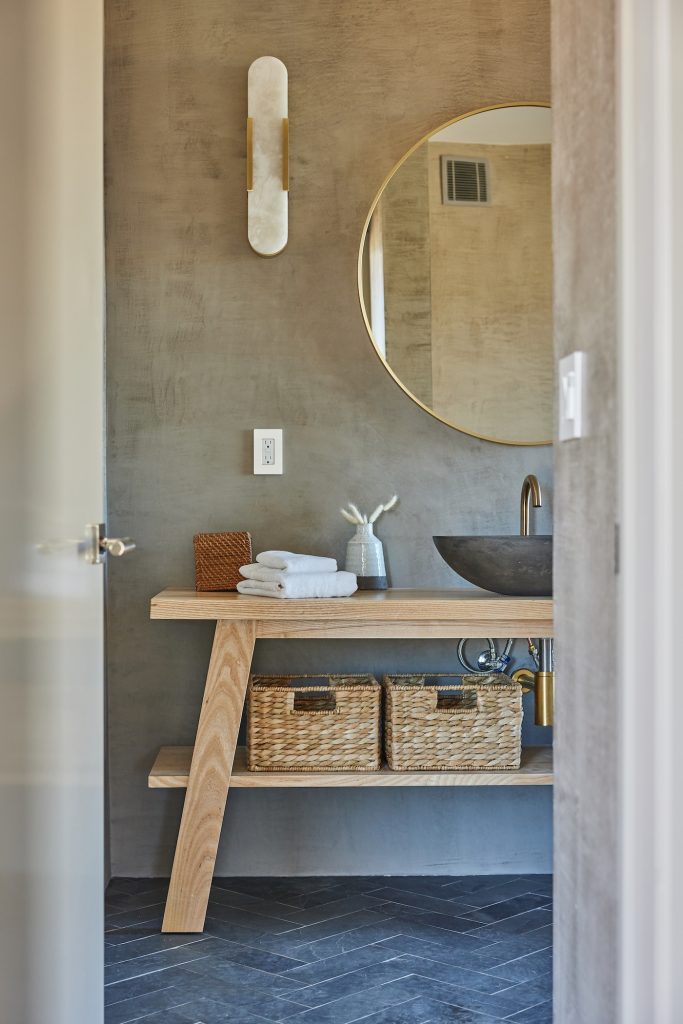
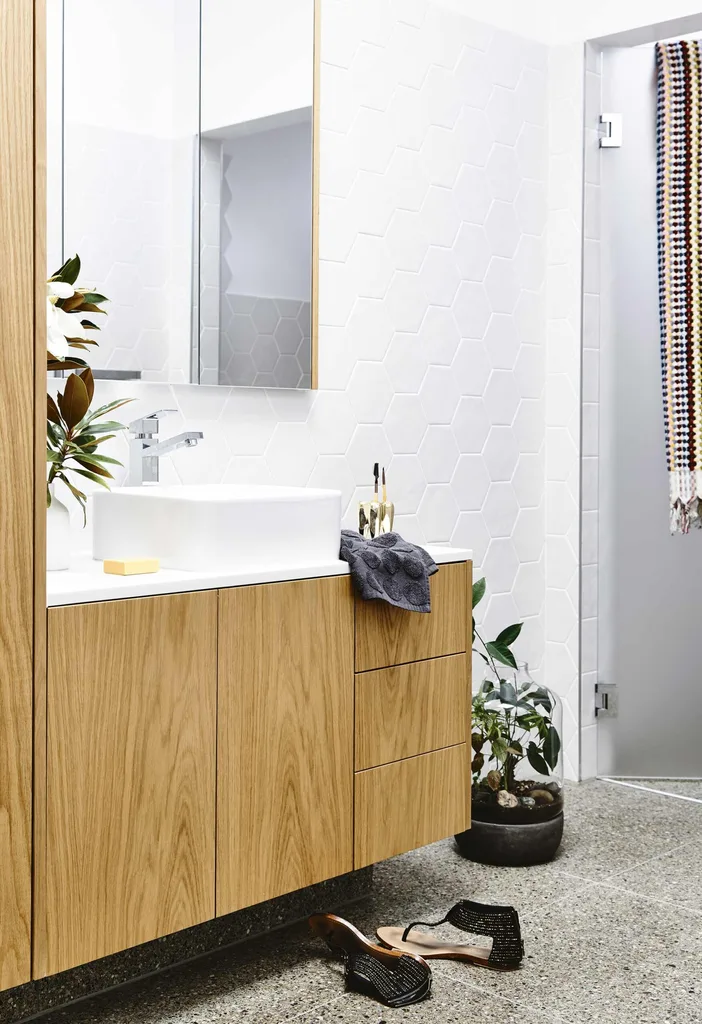
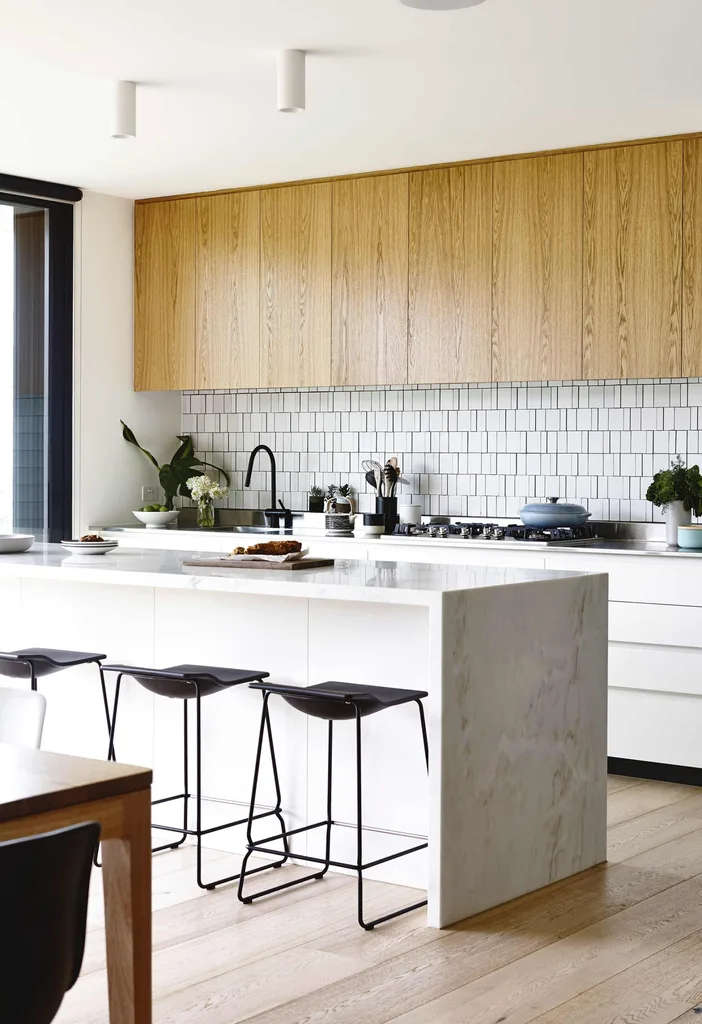
However, it is also important to recognize that layering is not suitable for every room. Certain spaces, such as bathrooms, laundry rooms, and workout areas, generally benefit from a simpler, more minimalist approach. In these functional spaces, an excessive amount of layering can lead to clutter and detract from their utility. Conversely, most other rooms in a home—including living rooms, dining rooms, kitchens, bedrooms, offices, and hallways—are ideal candidates for incorporating layered designs, allowing for varied expressions of personal style and thematic cohesion within the home.
#InteriorDesign #HomeDecor #LayeringTechniques #DesignTrends #TexturalDesign #PatternMixing #HomeStyling #DesignTips #InteriorDesign #HomeDecor #LayeringTechniques #DesignTrends #TexturalDesign #PatternMixing #HomeStyling #DesignTips
0 comment in total
 No comments yet
You may also like
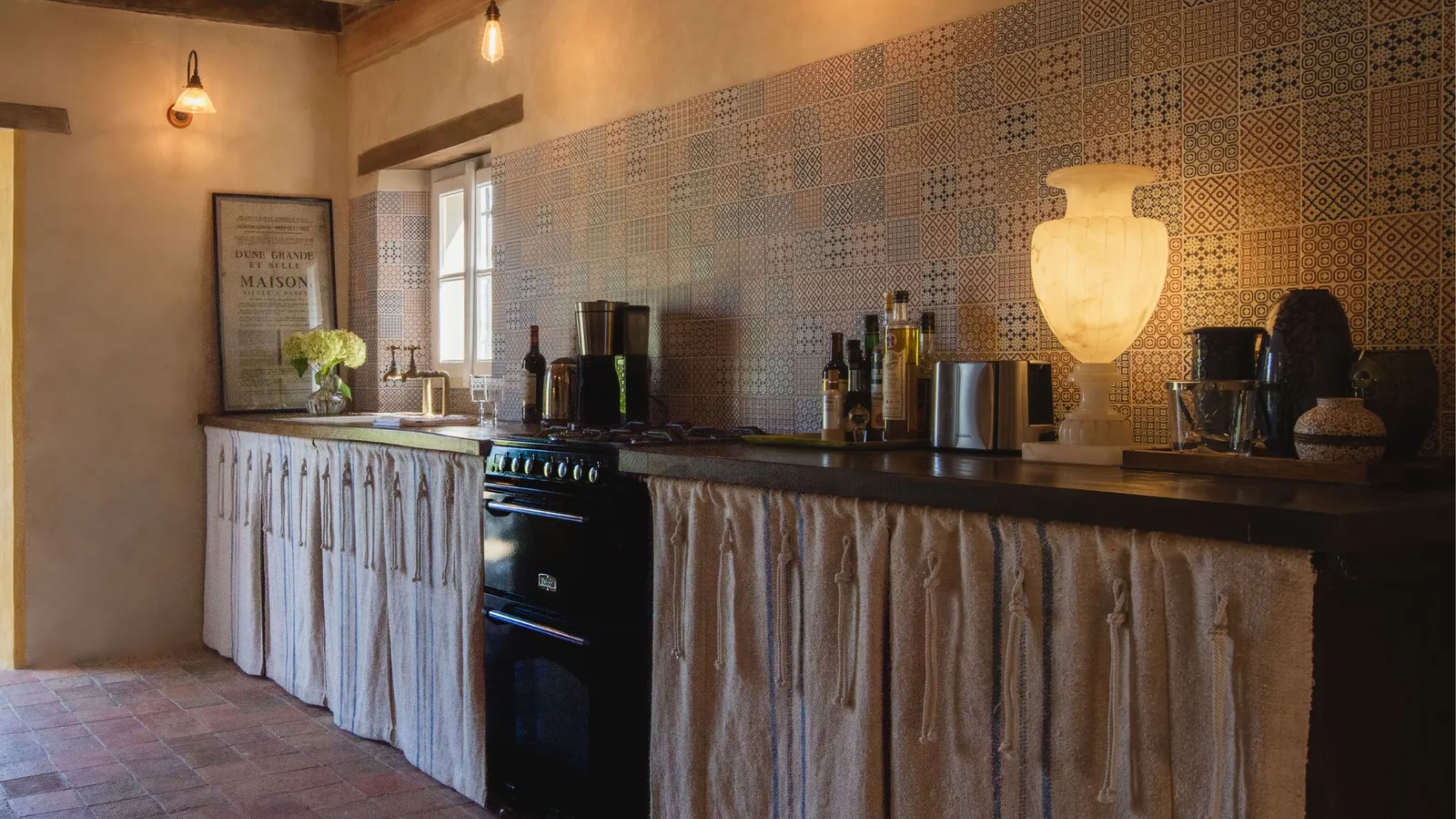
Why Designers Always Start, But Never End, With Layering – 10 Ways They Build Depth Into Every Room

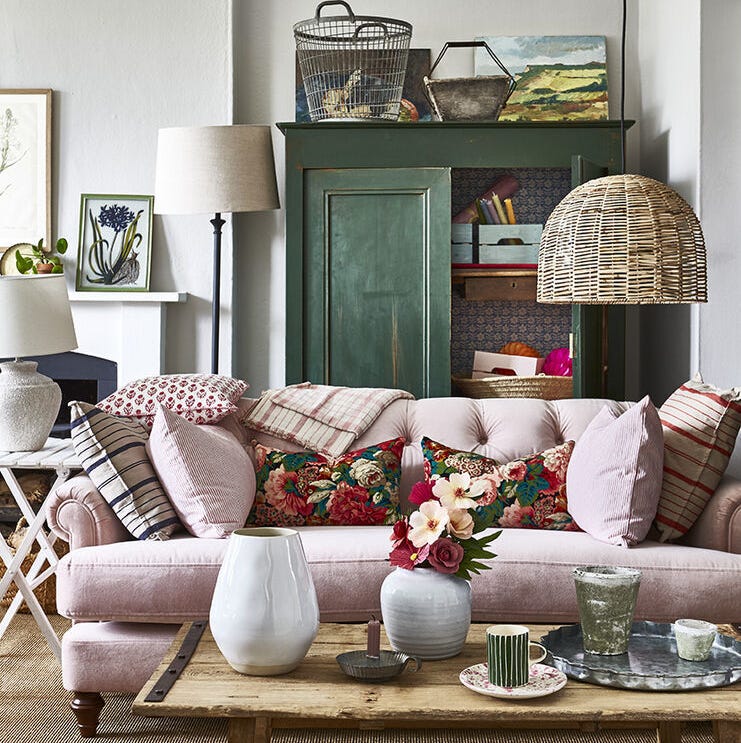
‘Lamp layering’ is the secret trick designers use to elevate their interiors
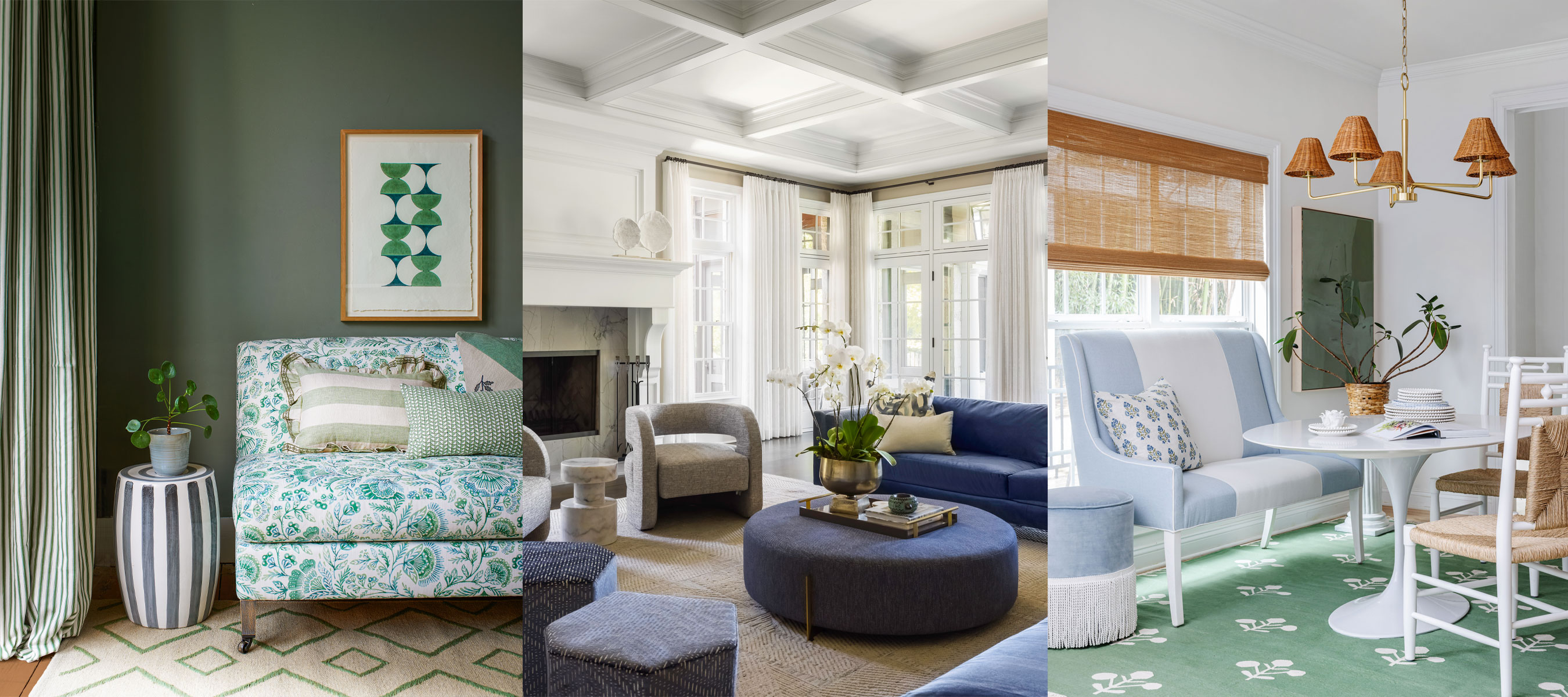
How to create repetition in interior design – 7 ideas for decorating success
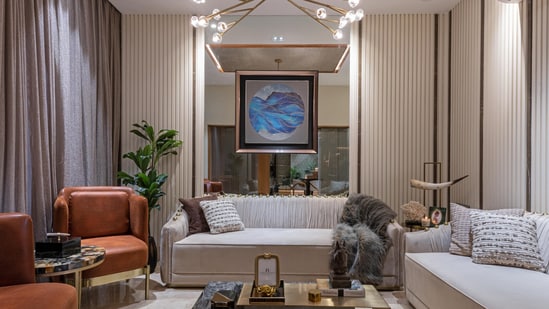
Why layering is the new minimalism in interior design: Experts give tips on how to ace the trend | Hindustan Times

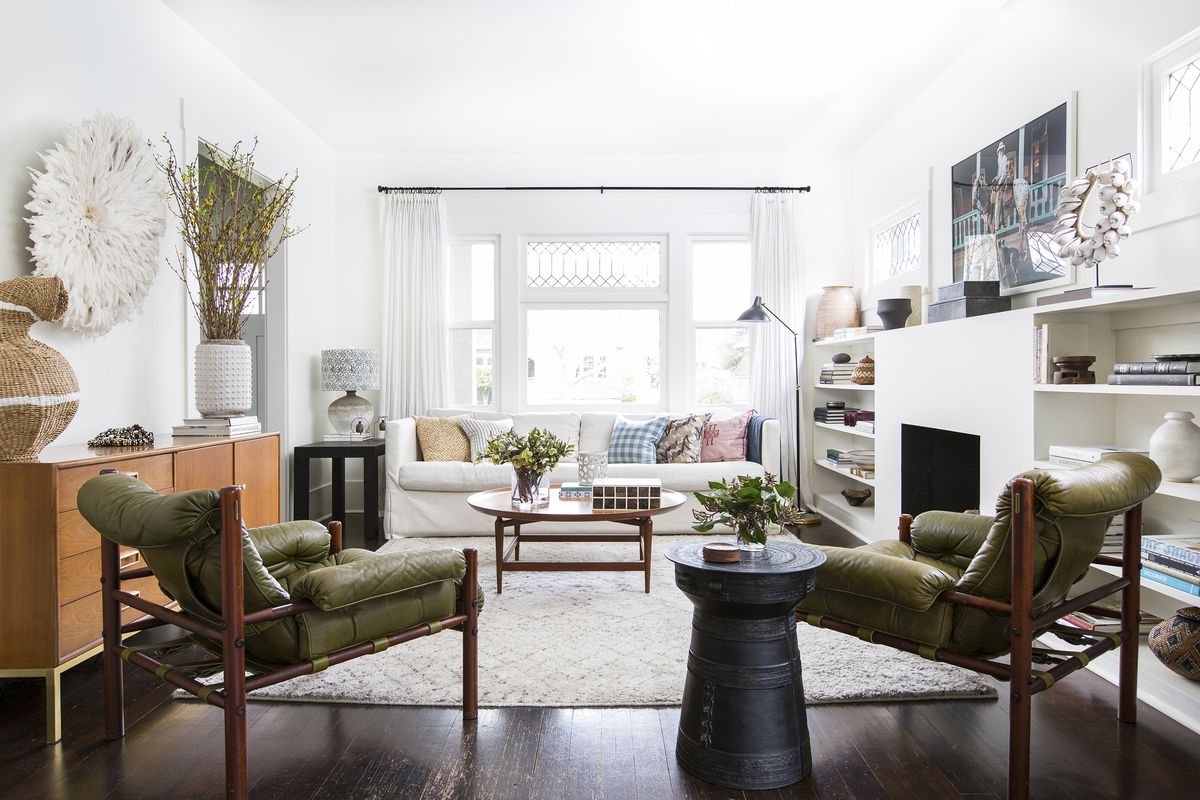
How to design the perfect living room
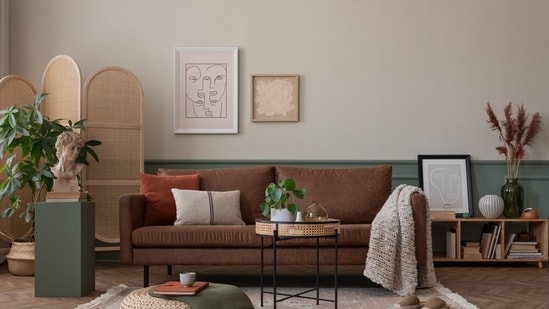
Is your home feeling lifeless? 5 layering hacks to make the interiors warm and inviting | Hindustan Times
The One Design Feature You're Overlooking That Will Instantly Elevate Any Room
What makes an entryway look cheap? 6 mistakes to immediately switch out in 2025
12 easy changes you can make to your living room to instantly elevate how it looks and feels

7 Things That Always Make Your Living Room Look Empty, According to Designers

How to Layer Rugs (Published 2023)
How to layer materials and add texture to your home decor

Designers Say They’d Never Do These 9 Things at Home

Discover The Art of Layering Rugs Like an Interior Designer
From the Wrong Rug Size to Too-Short Curtains, Interior Designers Share Their Biggest Pet Peeves

These Are the Decor Ideas Designers Can’t Get Enough Of (and We’re Obsessed With!)

The Power of Texture in Interior Design – 6 Ways Designers Use It to Shape the Look (and Feel) of Every Room
This is how to layer rugs, according to interior designers
The 10 Biggest Interior Design No Nos According to Decorators
The Verdict Is In: Refined Layering Will Be Everywhere in 2026