1/6
This is how to layer rugs, according to interior designers
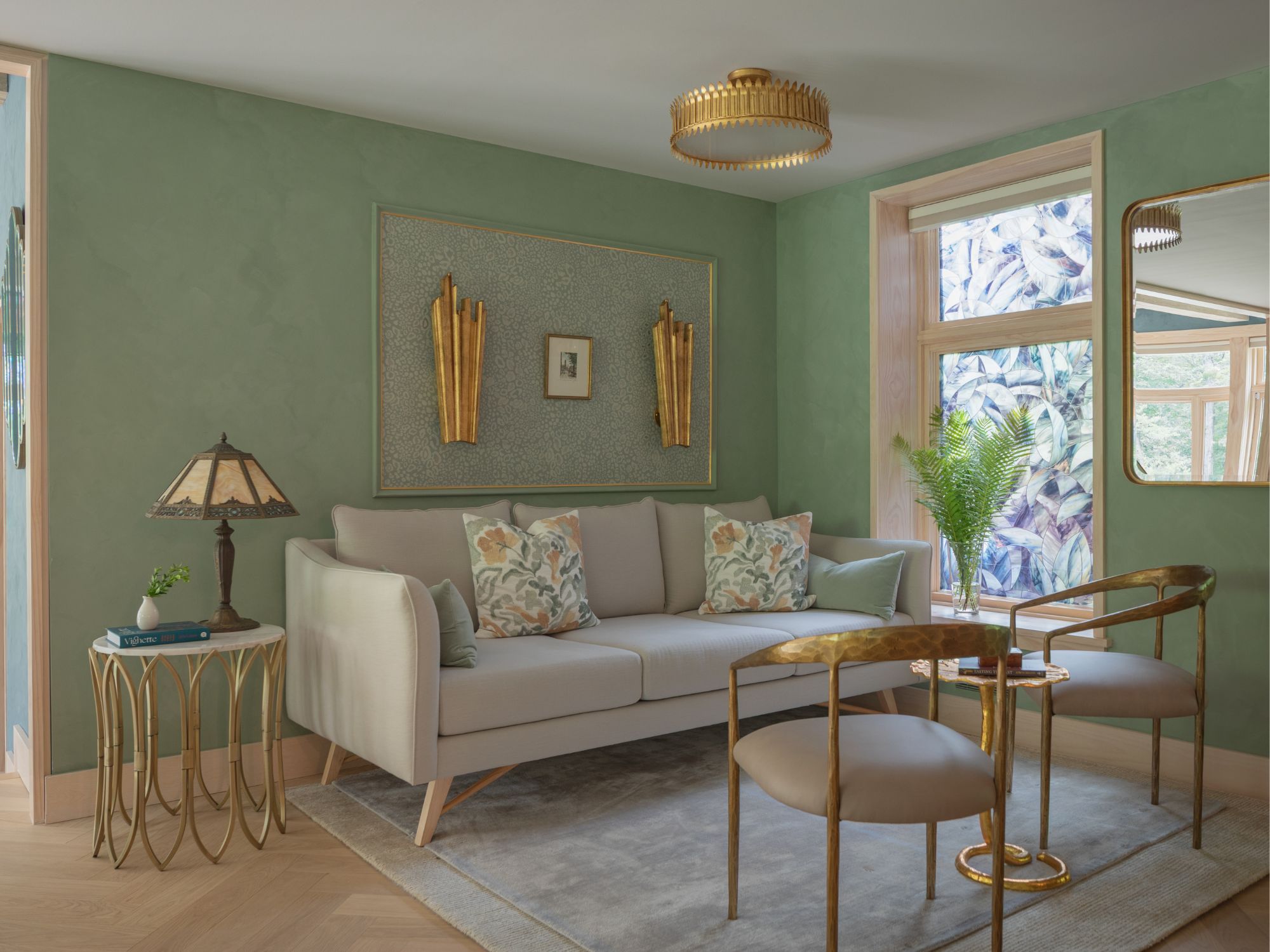
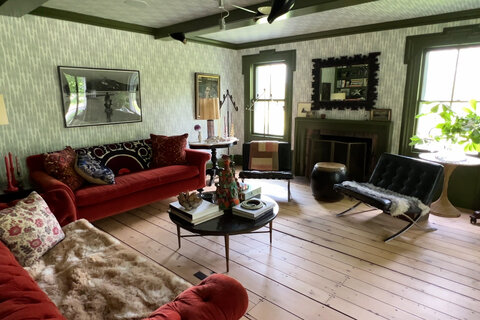
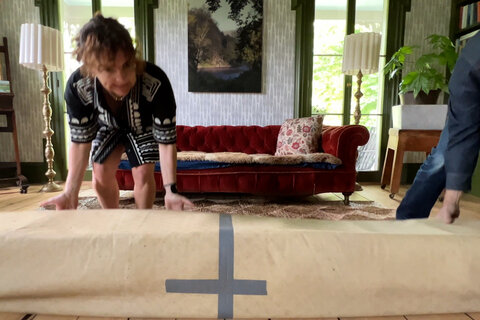
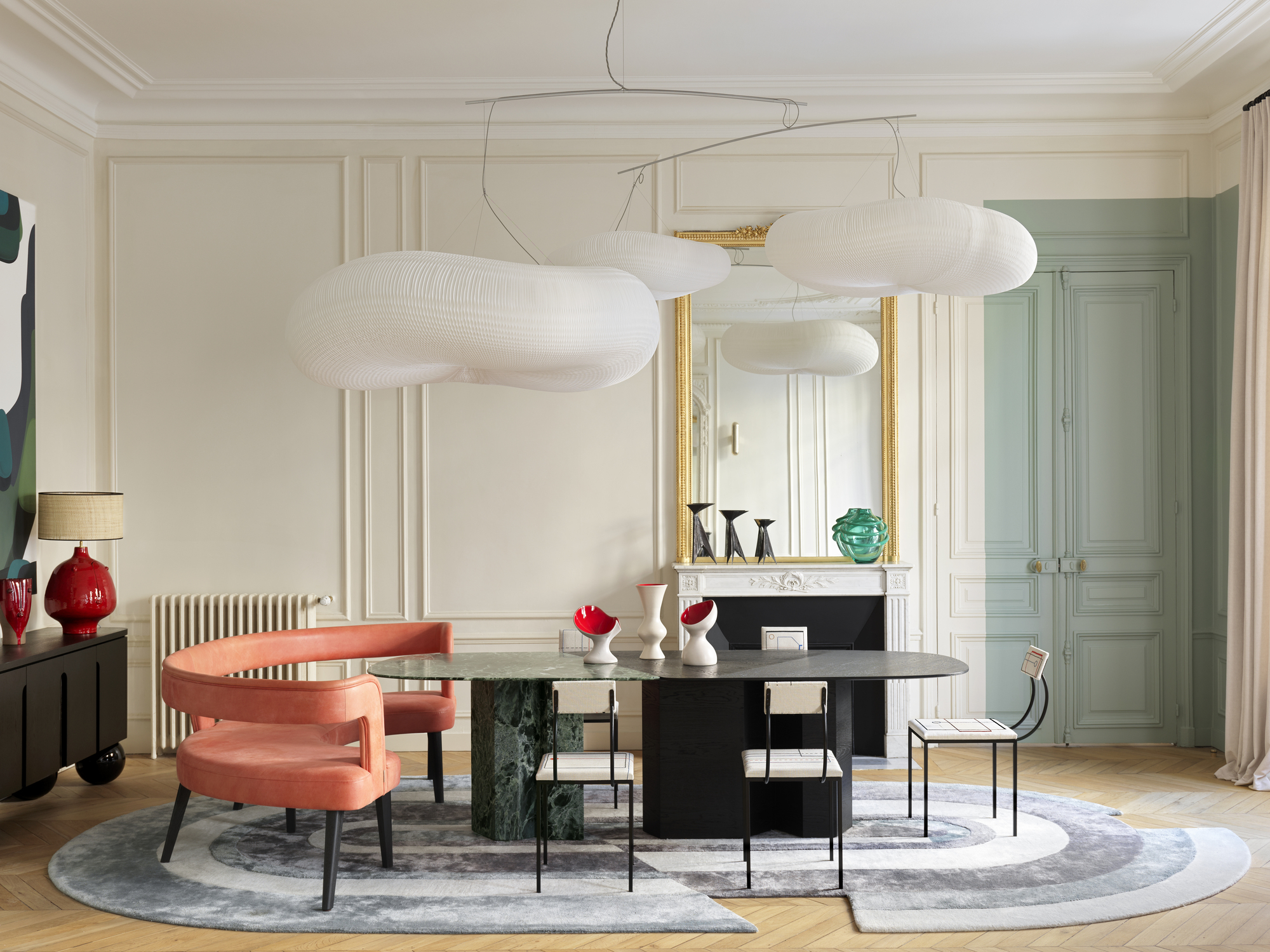
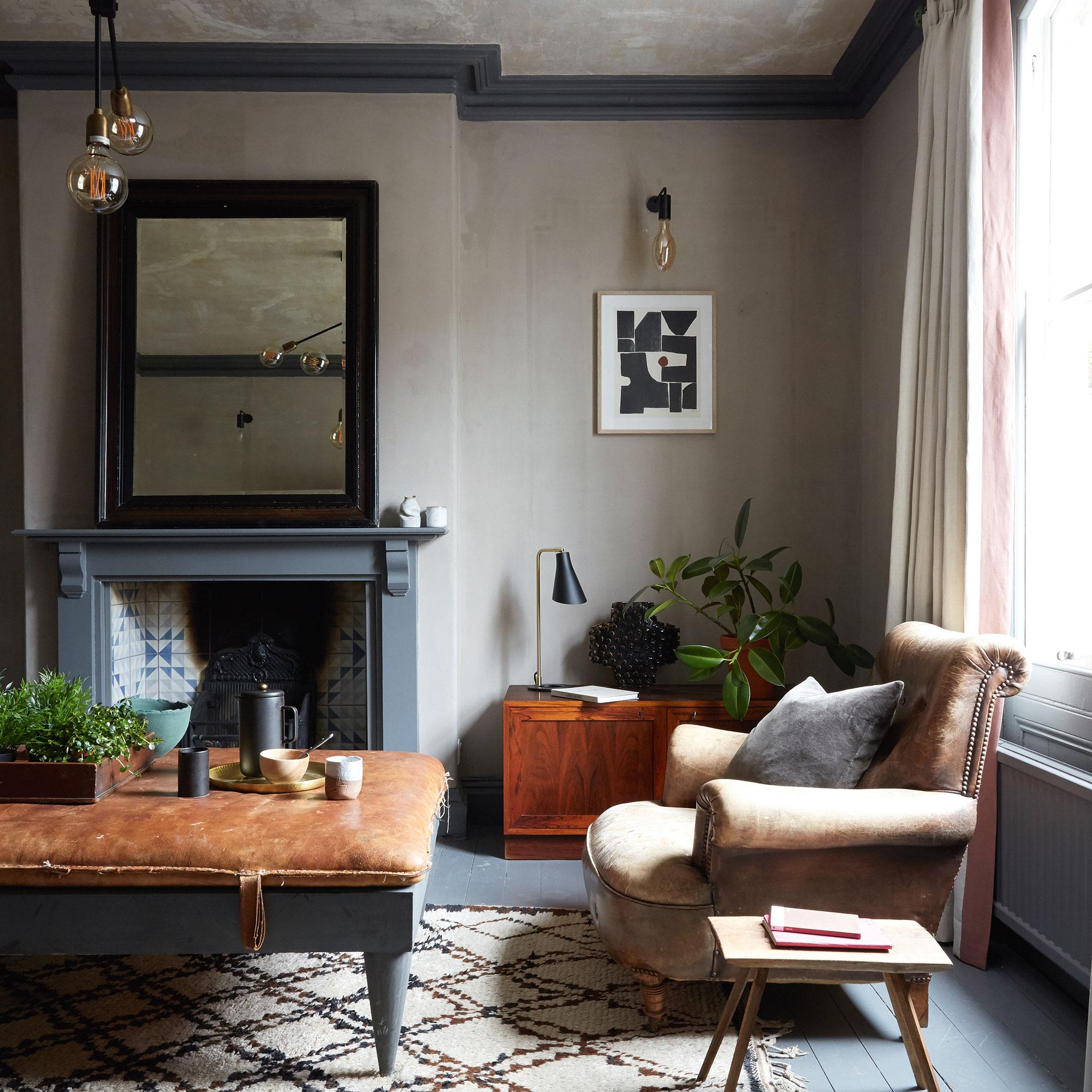
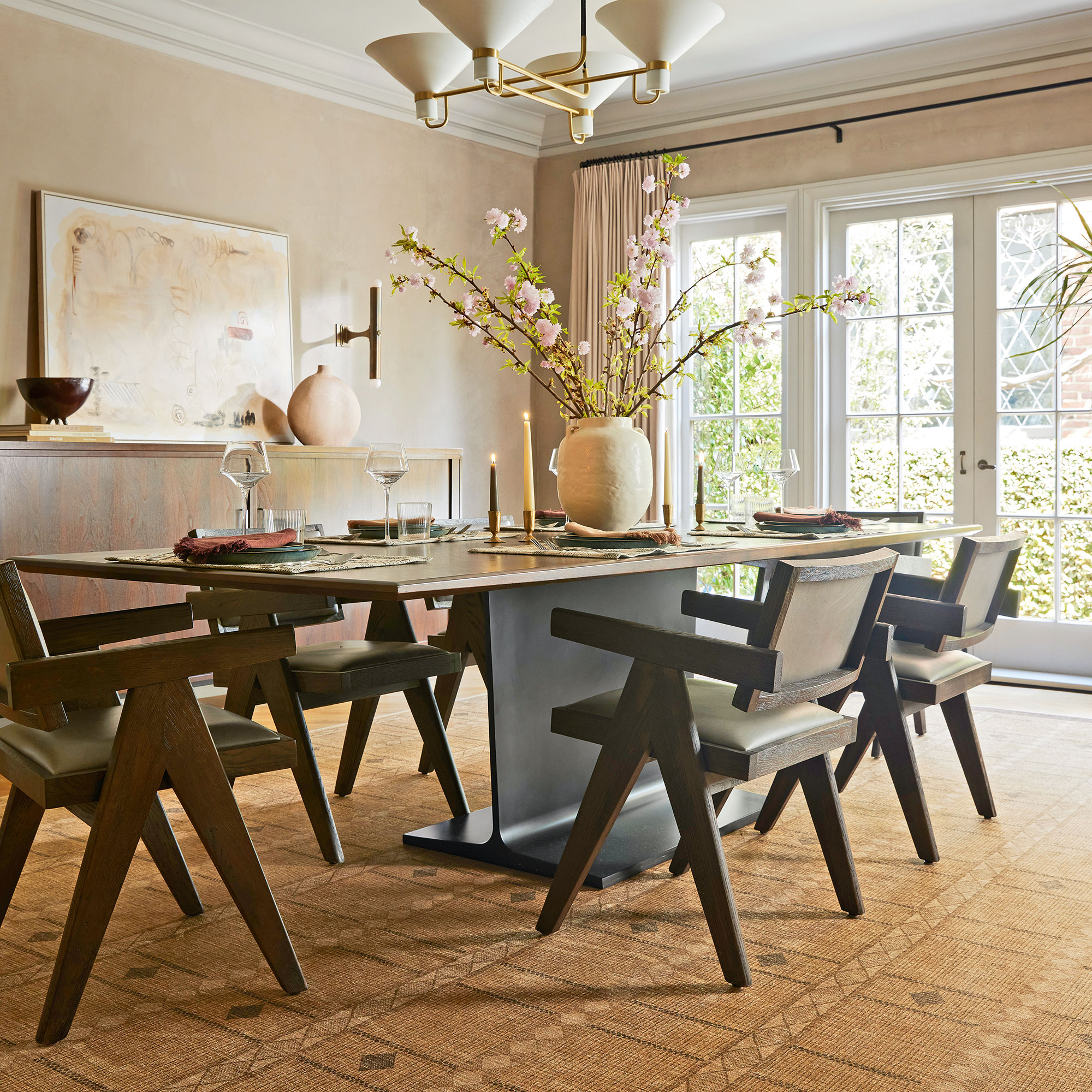
Rugs can introduce visual interest, texture, and warmth to a space, and layering them can enhance a room's decorative appeal. Interior designers employ this technique in both large and small areas, combining various patterns, plain designs, and rug fibers to achieve stylish outcomes. Mastering the art of layering rugs can transform a room, making it feel richer, cozier, and more characterful by adding depth, texture, and dimension.
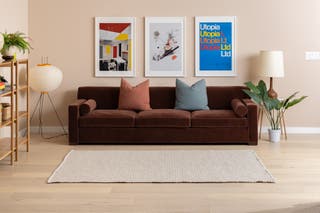
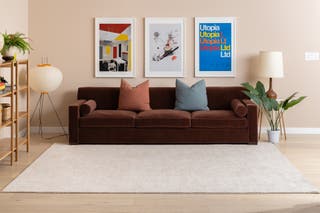
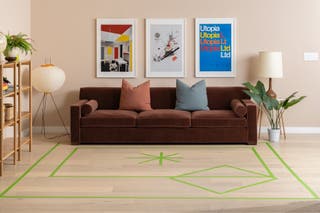
When considering how many rugs to layer, two is the traditional number, but three can be used if the space permits and does not appear too busy. It is important to avoid creating a trip hazard by ensuring the rug combination is not excessively high. The size of the rugs is crucial; the top rug should complement, not overpower, the base rug. A general guideline is to leave approximately 12 to 18 inches of the base rug visible to maintain a balanced aesthetic.
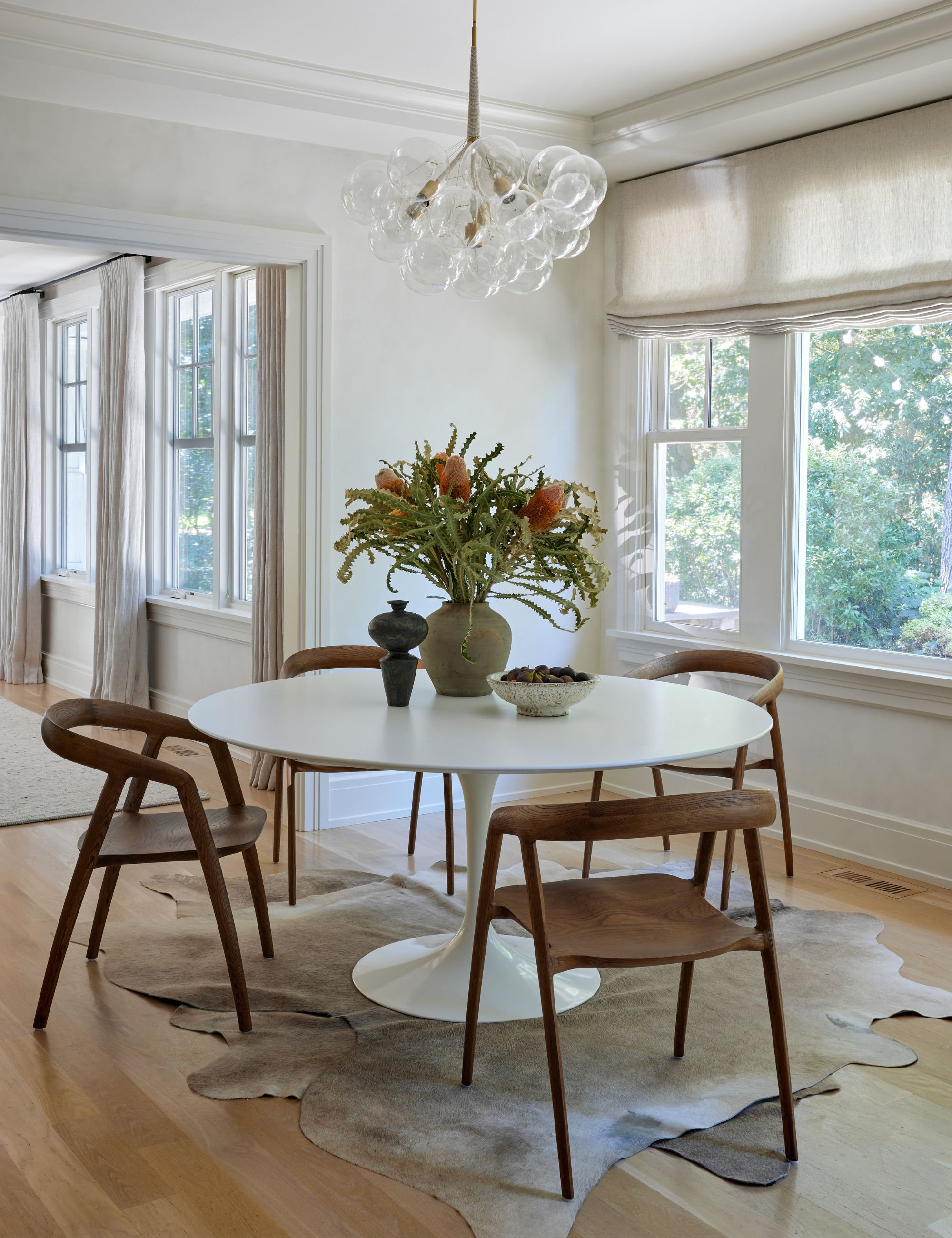
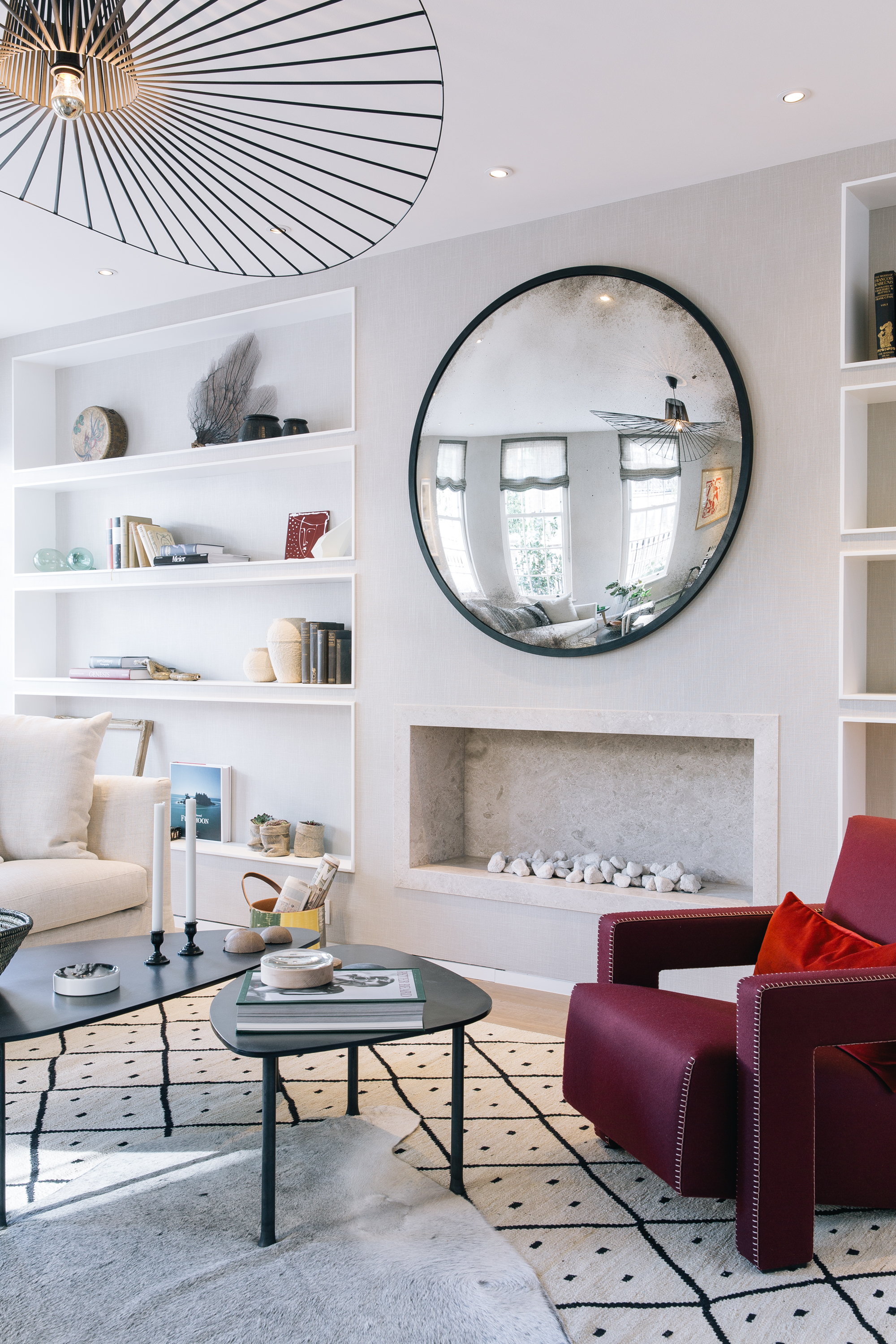
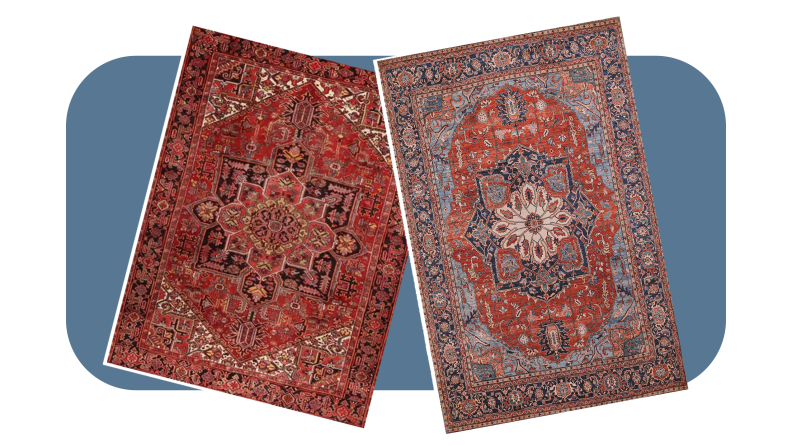
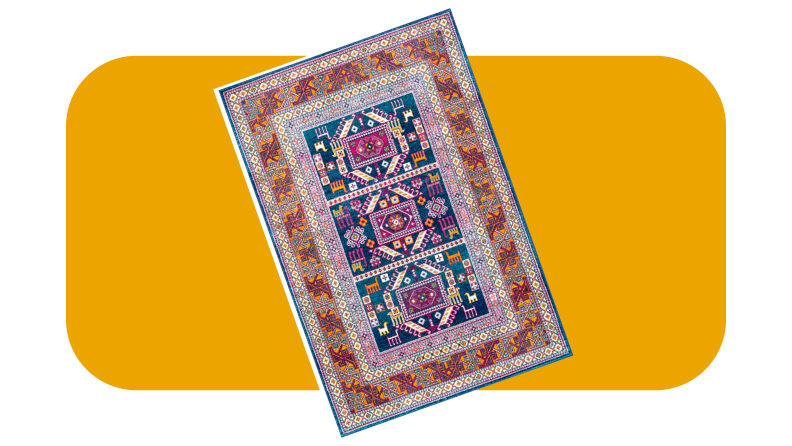
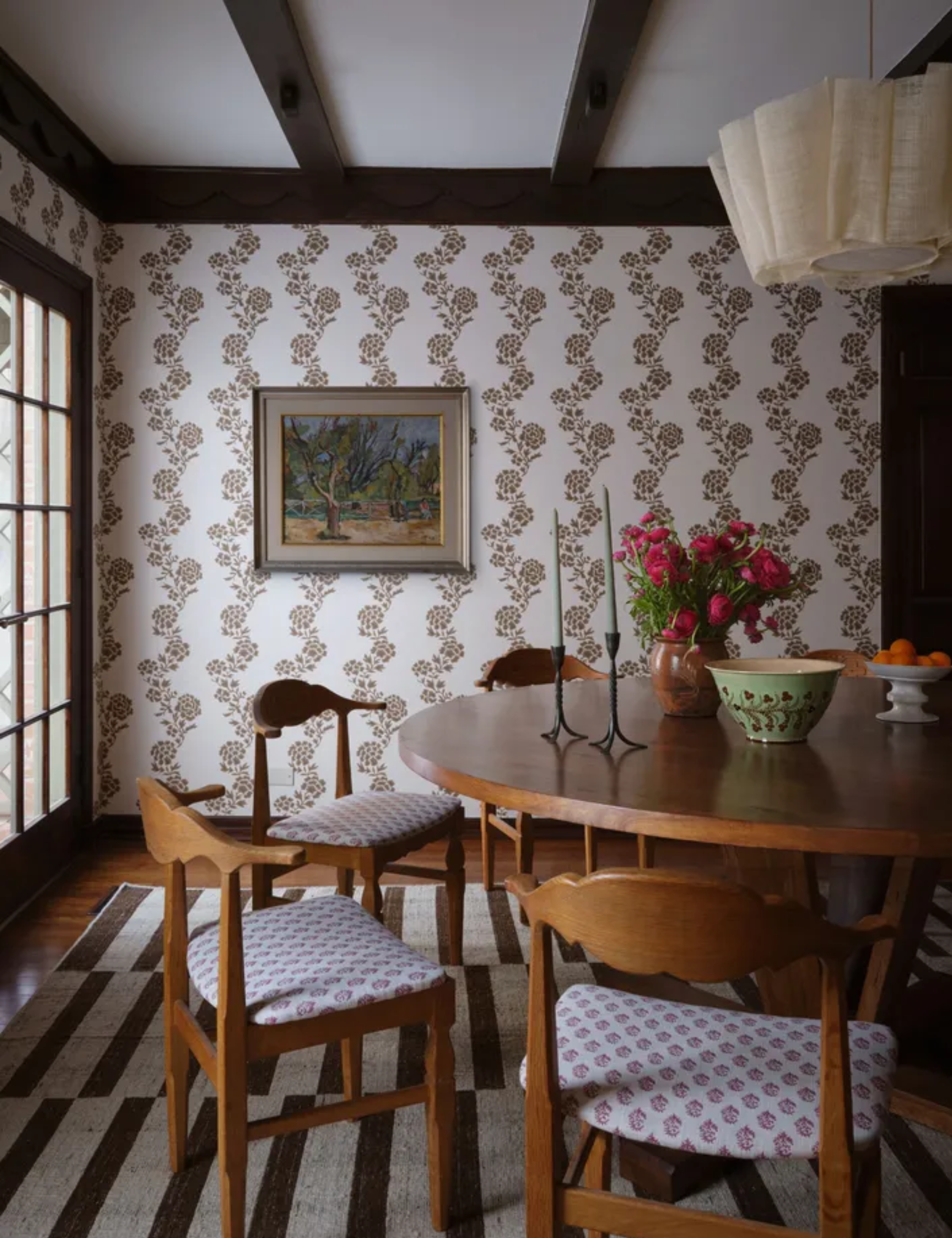
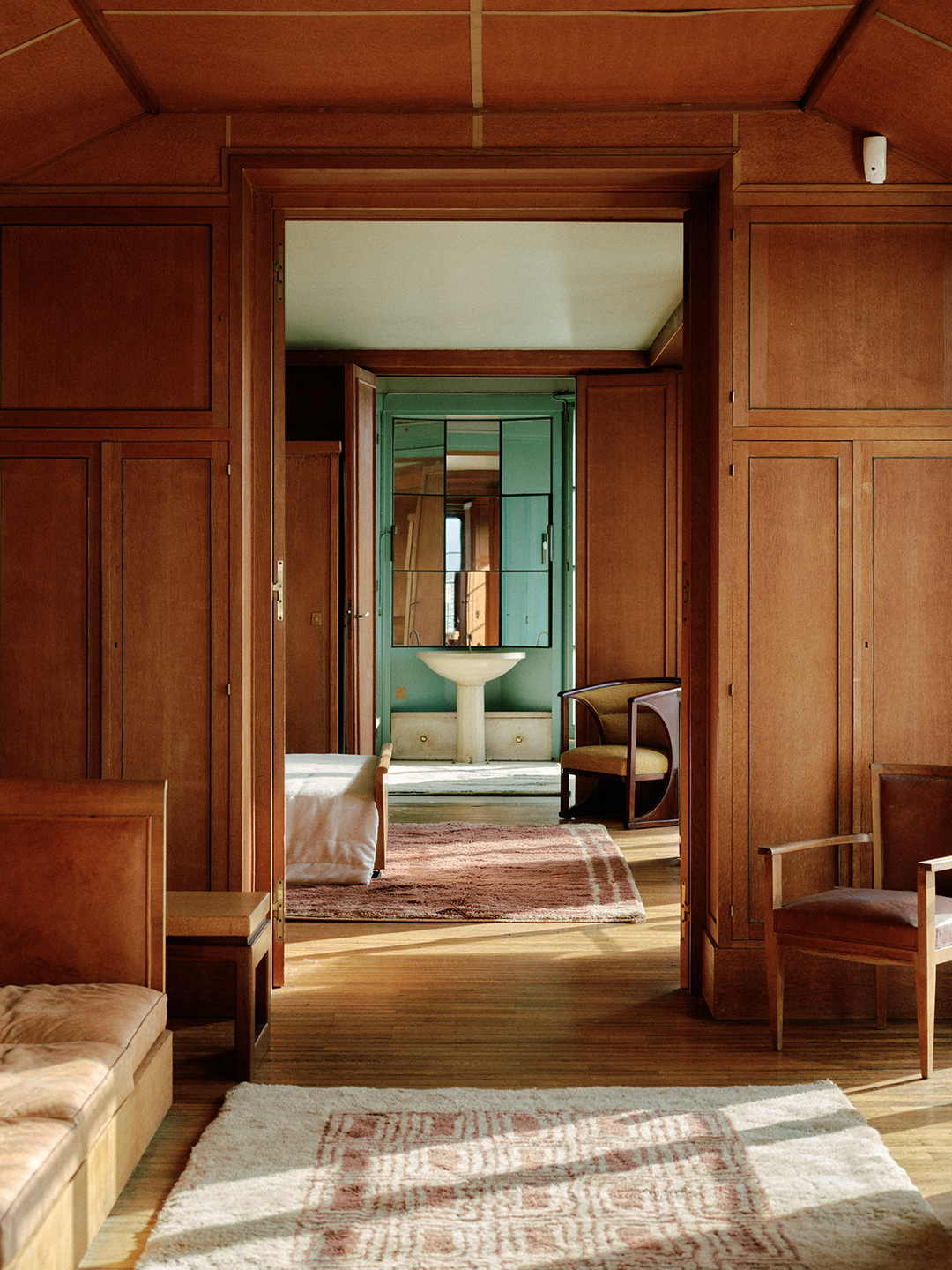
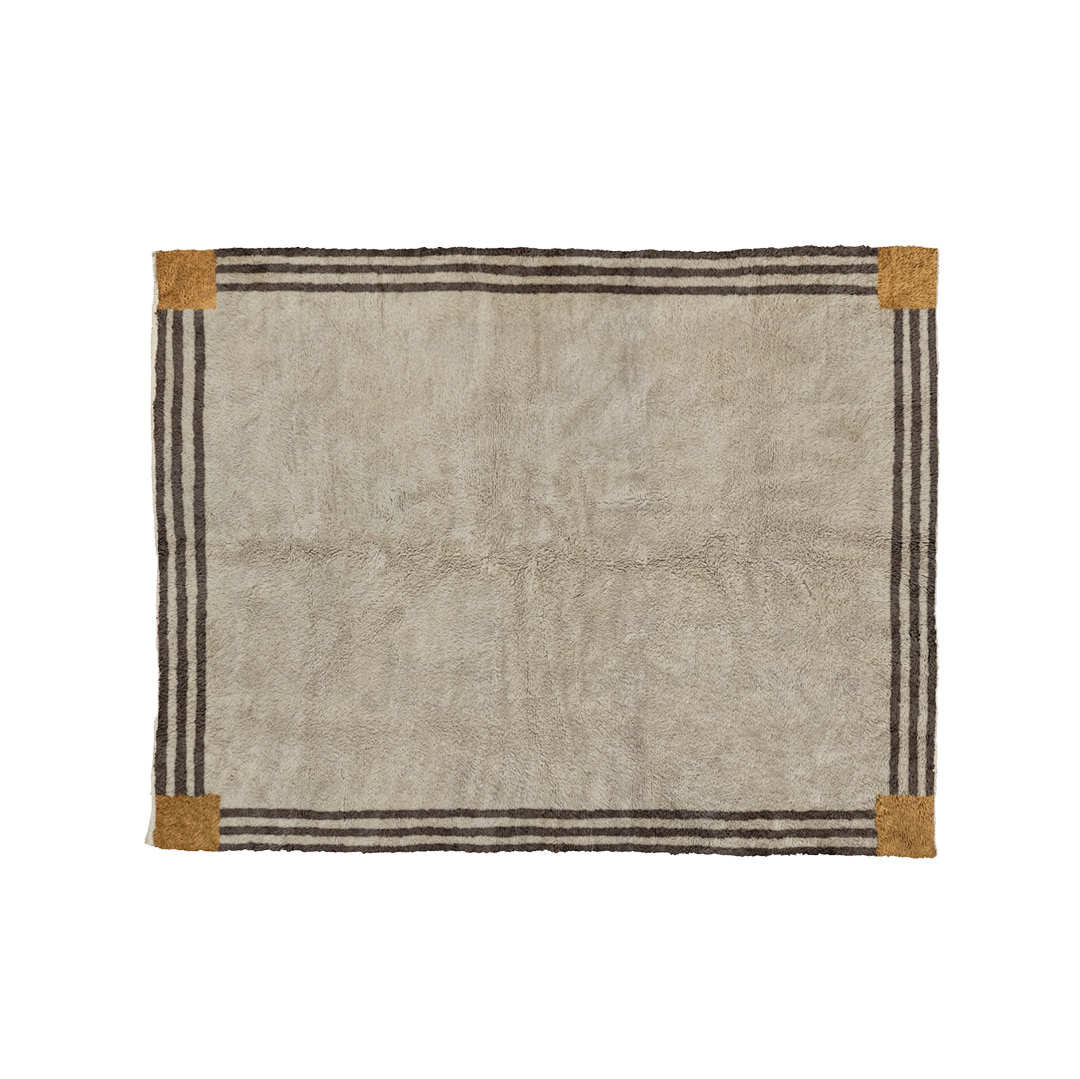
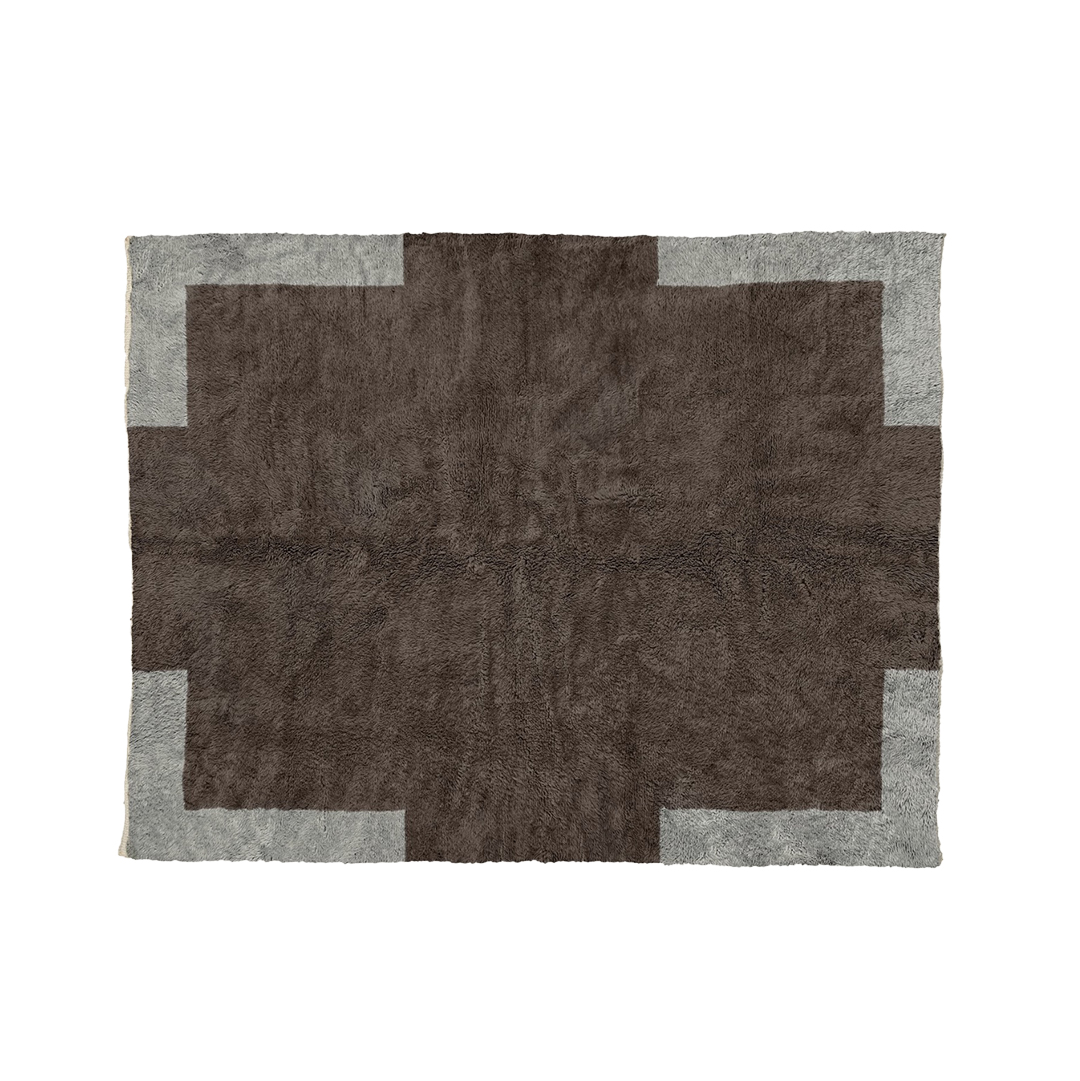
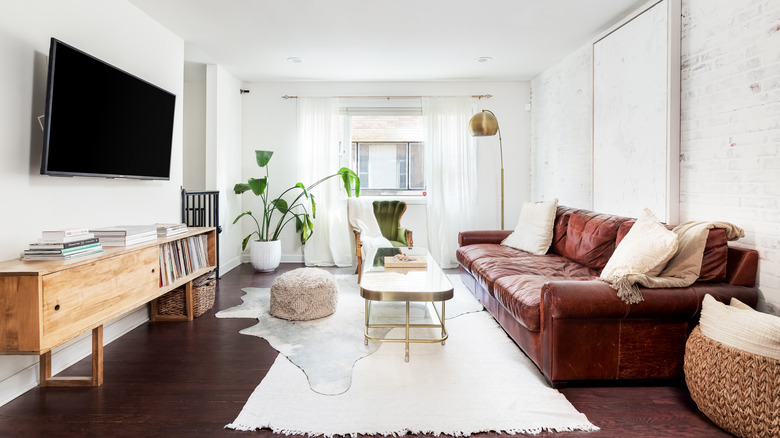
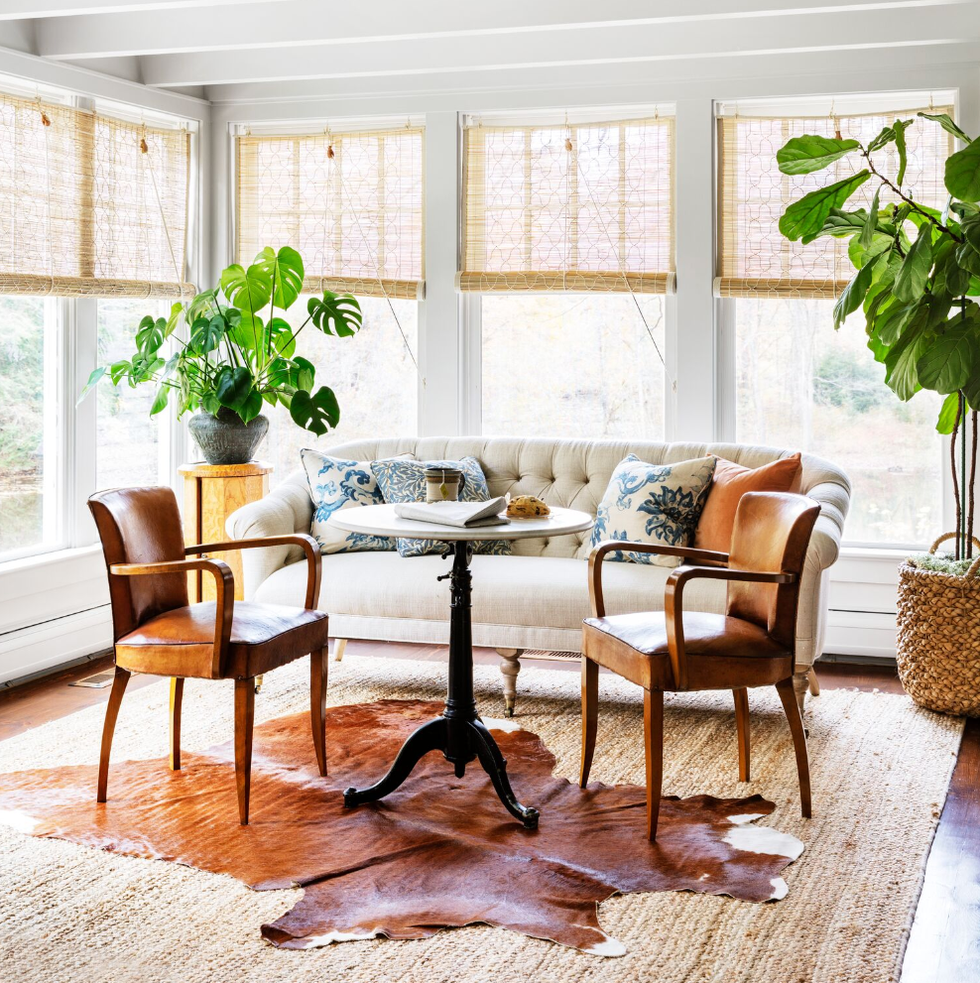
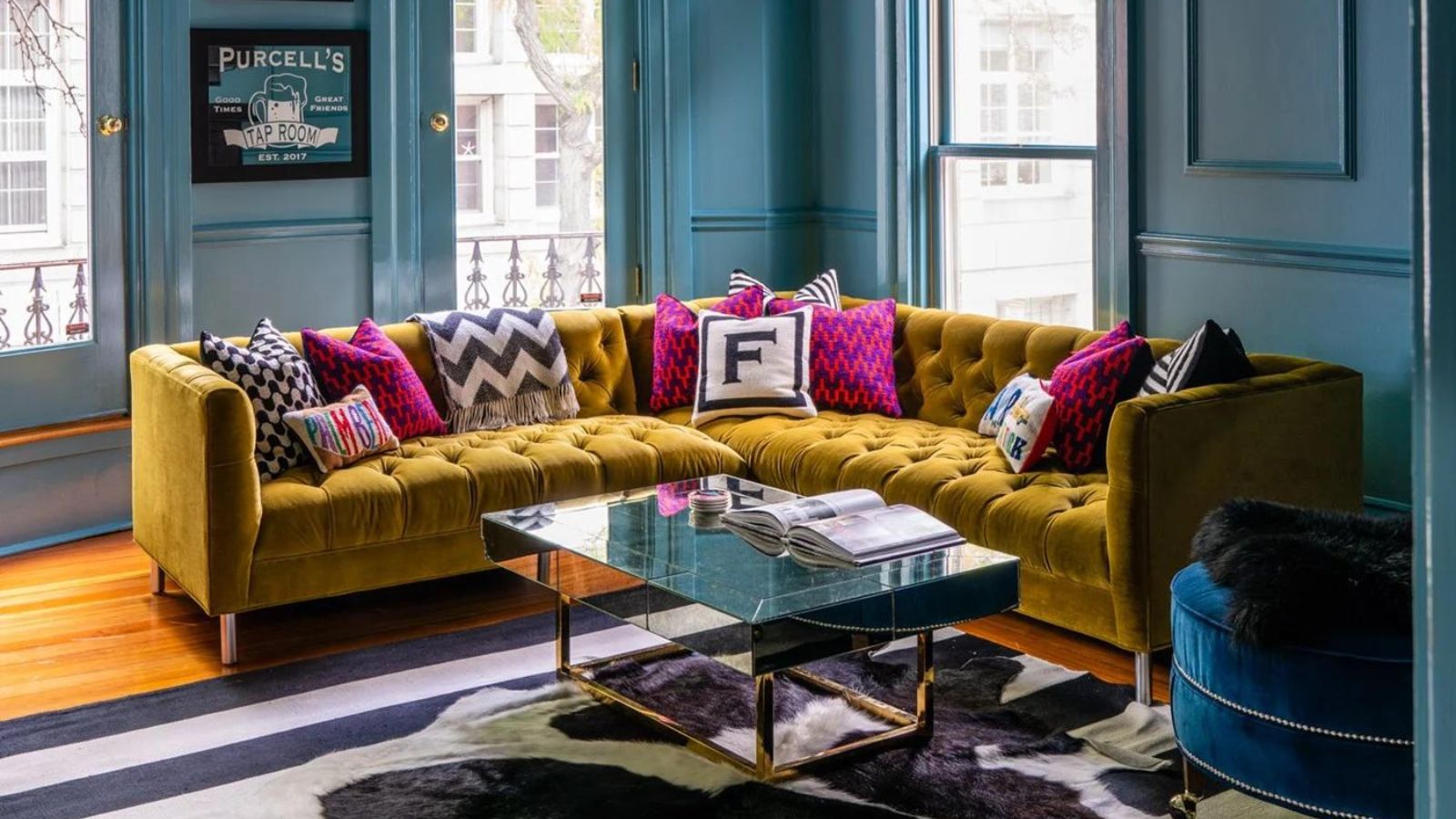
The selection of colors, patterns, and materials for layered rugs requires careful thought. One approach is to use a neutral base rug and add a vibrant top rug, while bolder designs can involve combining complementary colors for a visual surprise. Mixing motifs, such as a geometric pattern with a floral or organic design, can create a layered narrative. Alternatively, pairing a patterned statement rug with a plain rug allows the design to stand out, or placing a solid-colored rug over a subtle pattern can serve as an anchor for the eye. Textural contrast is also key, for example, combining a soft sheepskin with a rustic jute rug.
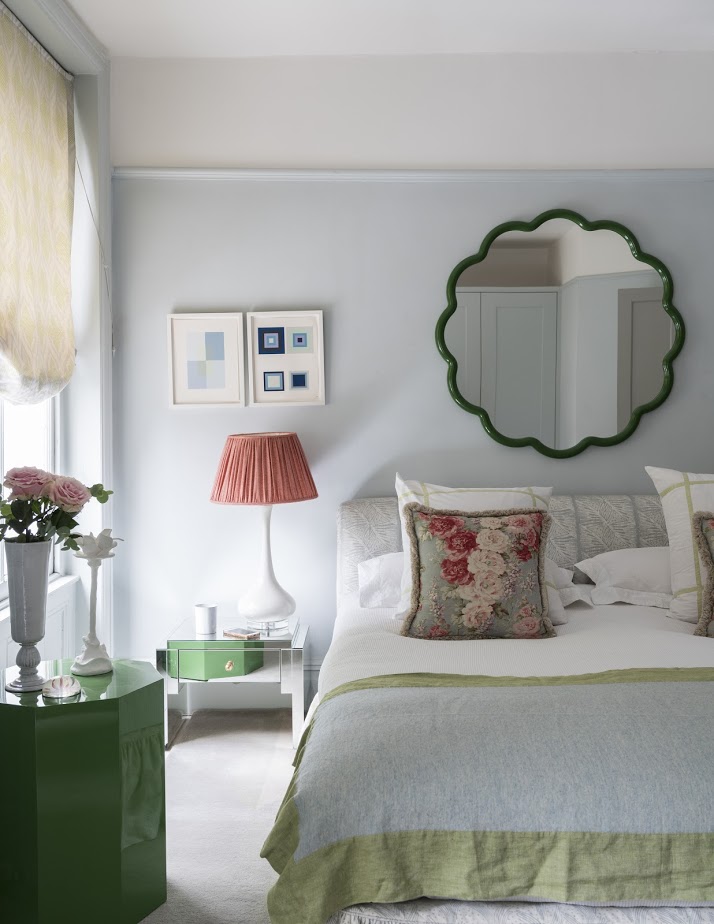
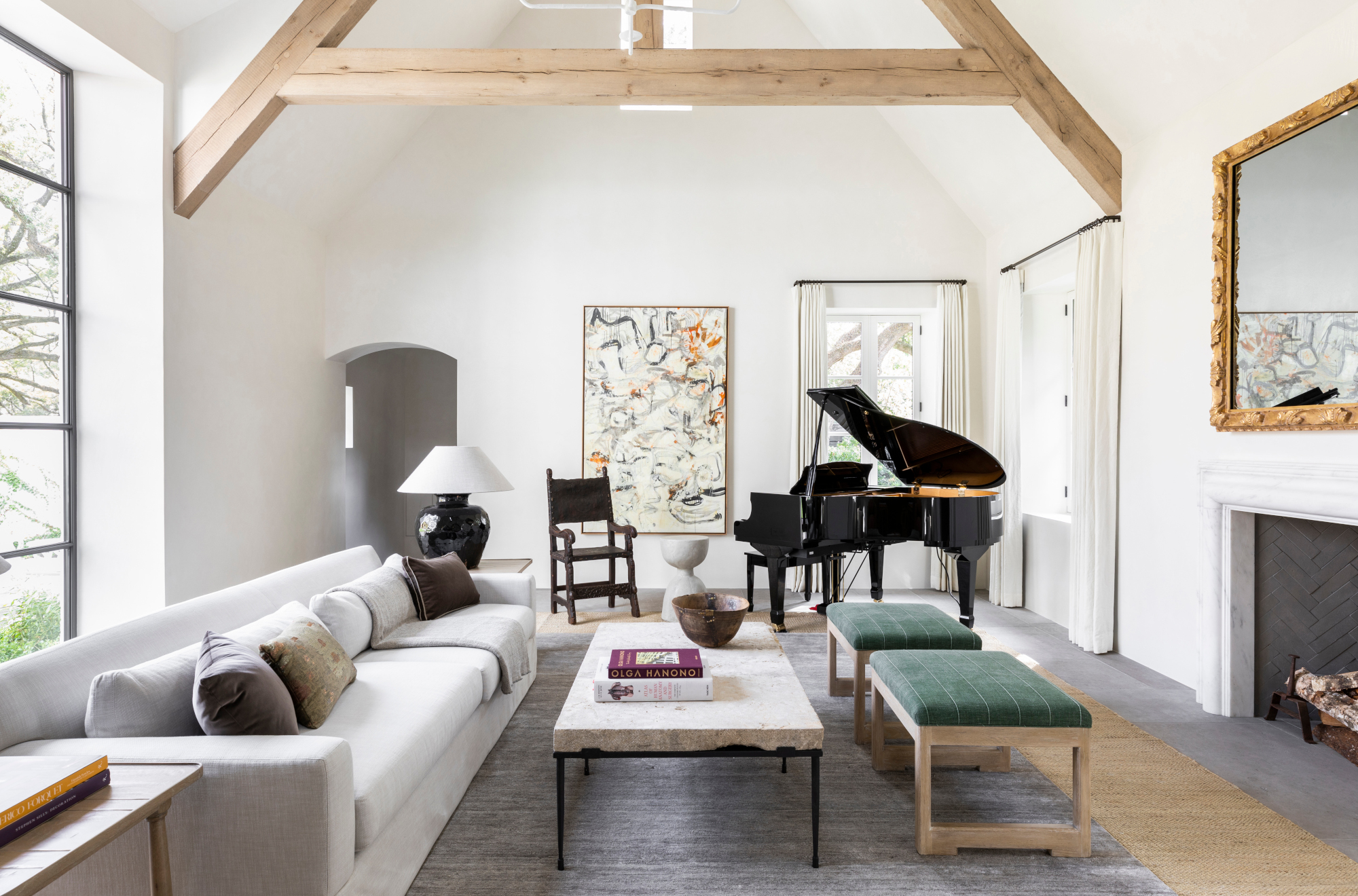
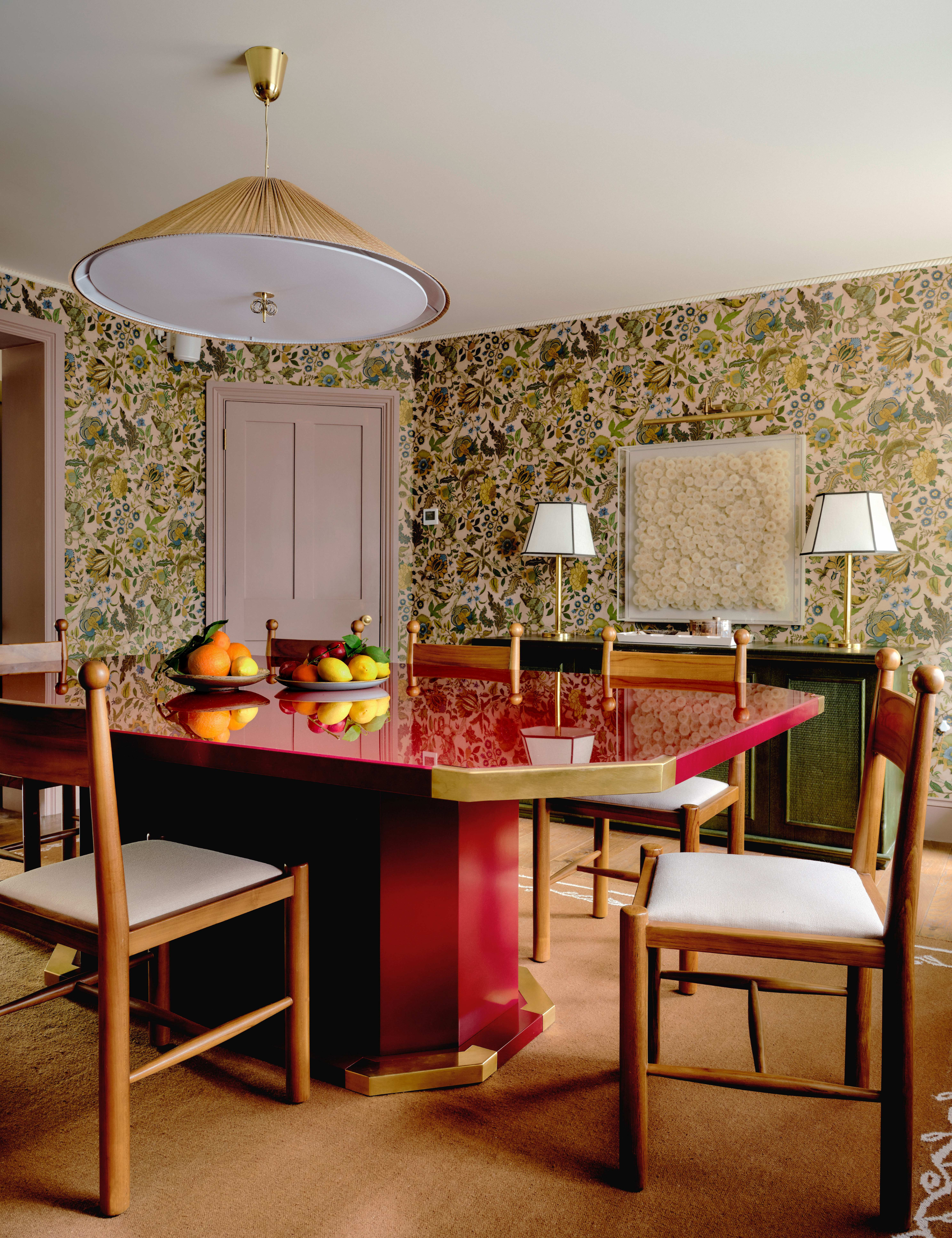
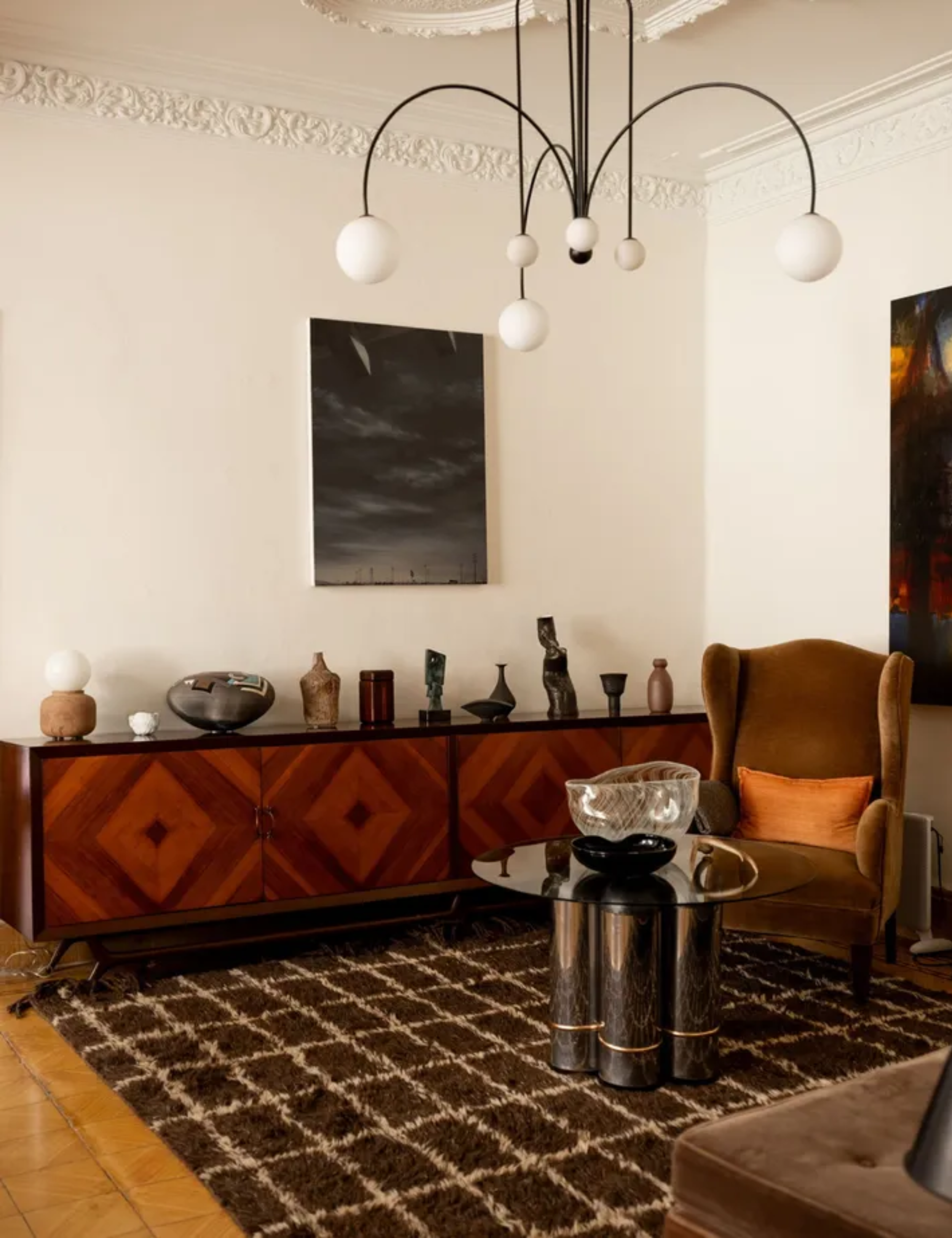
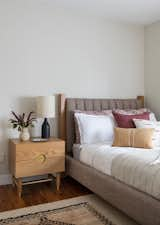
Laylah Holmes, founder of Holmes Bespoke, suggests choosing rugs with a common thread, such as color, motif, or fiber, to create a harmonious layered effect. Alternatively, contrasting elements like a striped rug with a decorative design and a plain jute rug can add personality and character to a space. When considering placement, living rooms are ideal for layered rugs as they can define seating areas, particularly in open-plan layouts. In bedrooms, layering rugs provides a plush surface underfoot, enhancing comfort. For dining areas, layered rugs can protect the main floor while adding style.
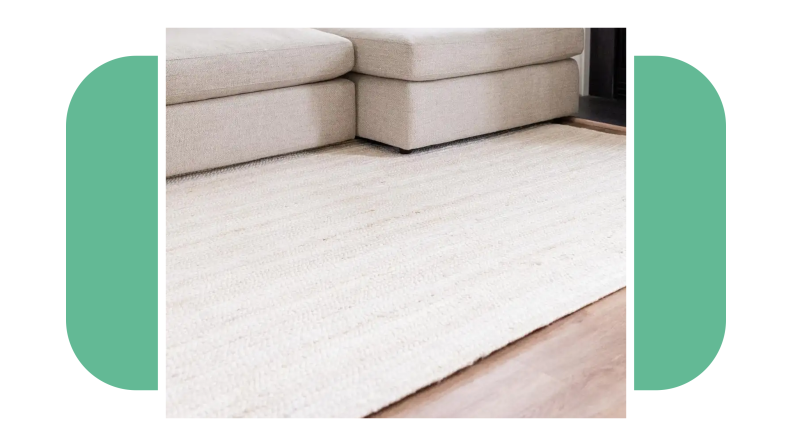
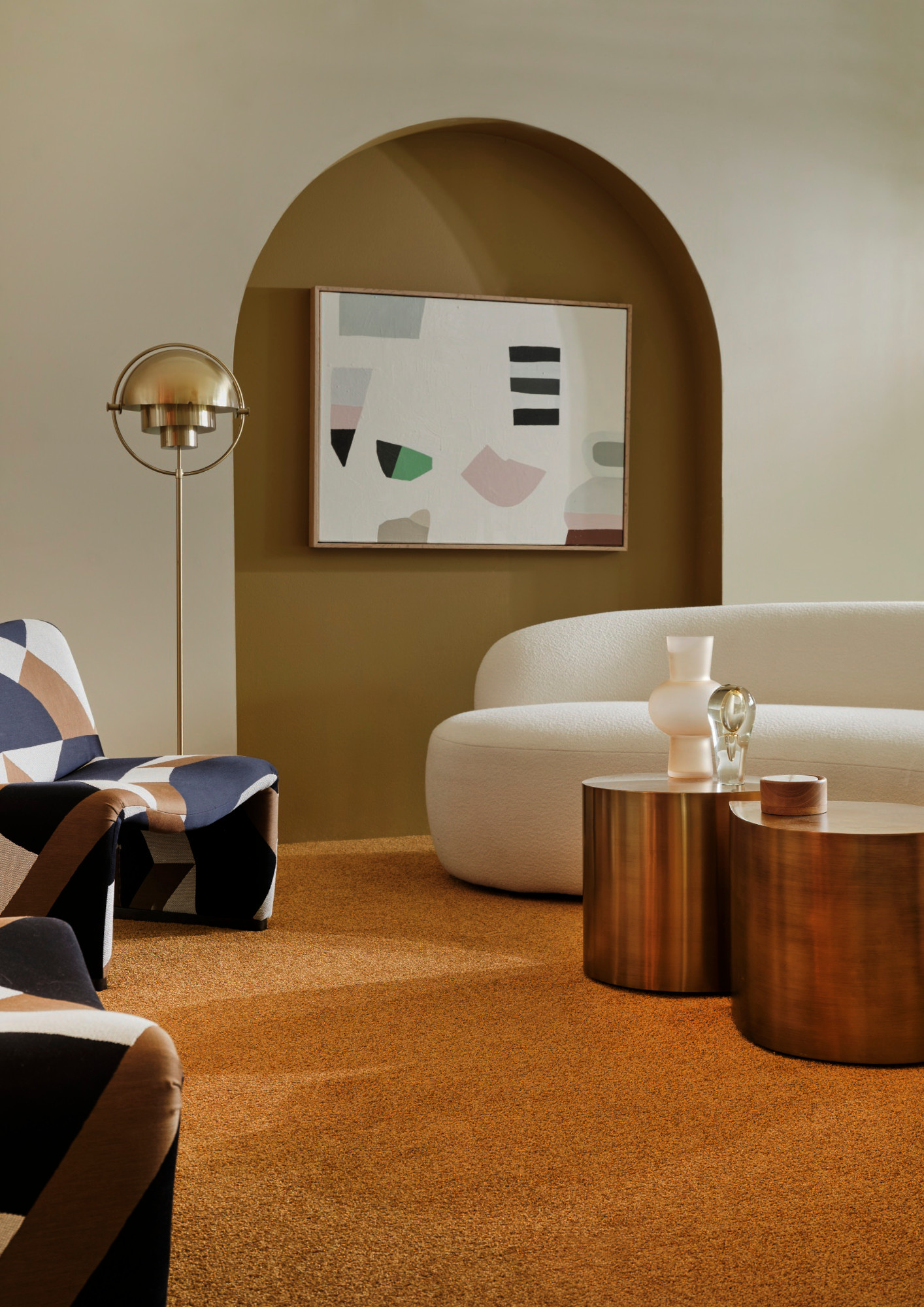
Layering rugs is not limited to hard floors; rugs can also be layered on carpet. Jute is a versatile and low-maintenance option that works well over fitted carpets, especially when combined with a softer textural rug on top. To ensure safety and longevity, using rug pads is recommended to prevent slipping, whether using a single rug or layered combinations. Regular cleaning and maintenance are essential to keep rugs in good condition and prolong their lifespan. Staying informed about current rug trends can help in incorporating fashionable designs with classic favorites.
#RugLayering #InteriorDesign #HomeDecor #Texture #ColorPalette #PatternMixing #AreaRugs #LivingRoomDesign #BedroomDecor #RugLayering #InteriorDesign #HomeDecor #Texture #ColorPalette #PatternMixing #AreaRugs #LivingRoomDesign #BedroomDecor
0 comment in total
 No comments yet
You may also like
Discover The Art of Layering Rugs Like an Interior Designer

How to layer materials and add texture to your home decor

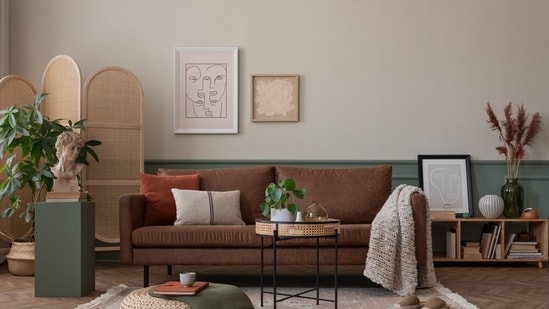
Is your home feeling lifeless? 5 layering hacks to make the interiors warm and inviting | Hindustan Times

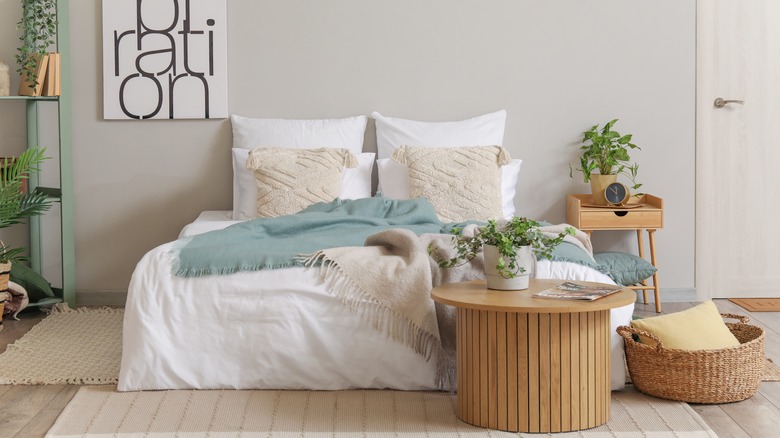
HGTV Star Leanne Ford's Expert Tips For Layering Rugs Like A Pro
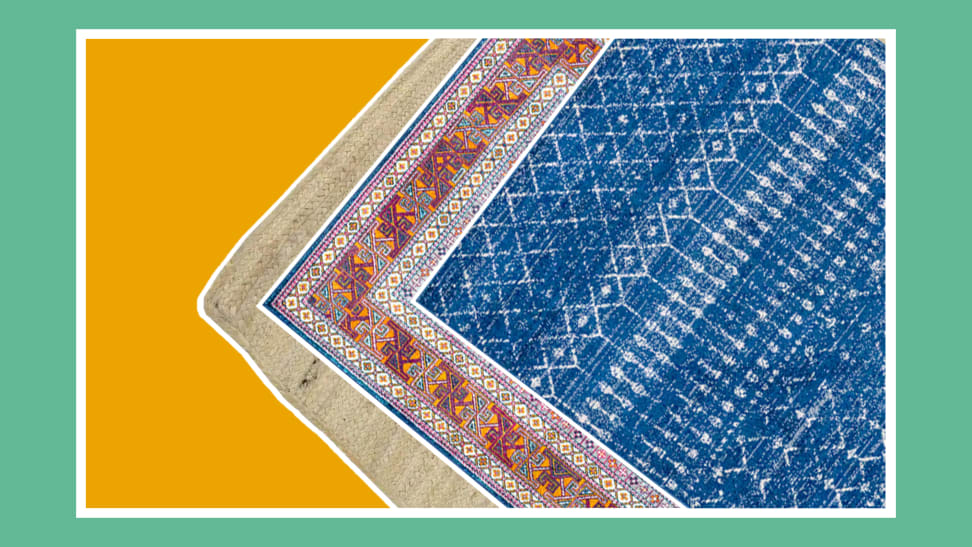
4 expert design tips for layering rugs the right way

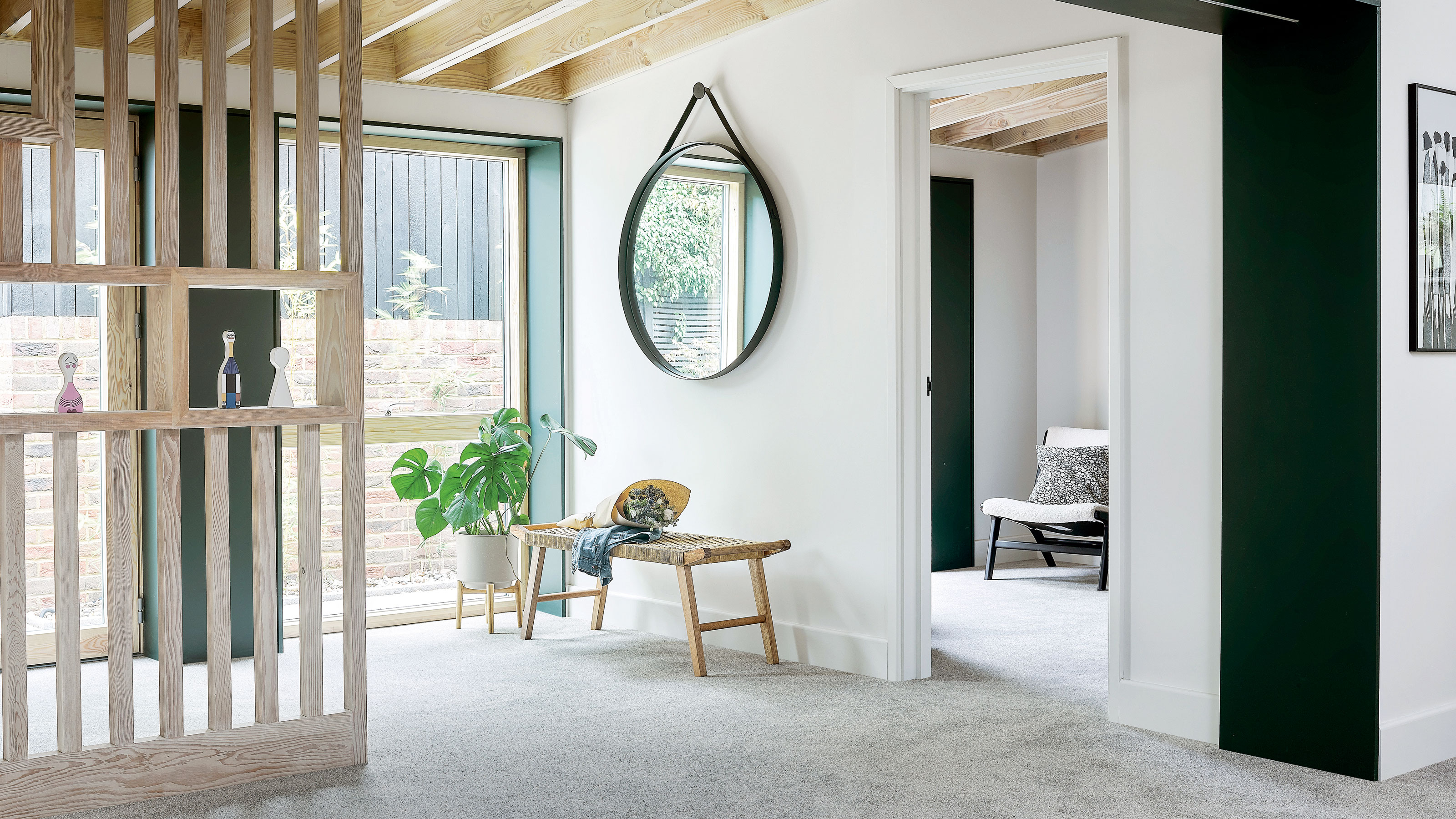
Three design experts share their secrets for finding a new rug and carpet
How to Decorate a Living Room From Start to Finish, According to Interior Designers

Found: A Creative New Way to Utilize Rugs
How to Layer Rugs (Published 2023)
Should All of Your Furniture Legs Be on the Rug? Designers Say There's a Right Answer

Is carpet out of style? Designers share how they’re using it now – and what to try instead
The Big Mistake Most People Make With Their Living Room Rugs

How to Layer Rugs to Add Style to a Space, According to Design Pros

5 Ways Designers Use Scale to Make Rooms Feel Right
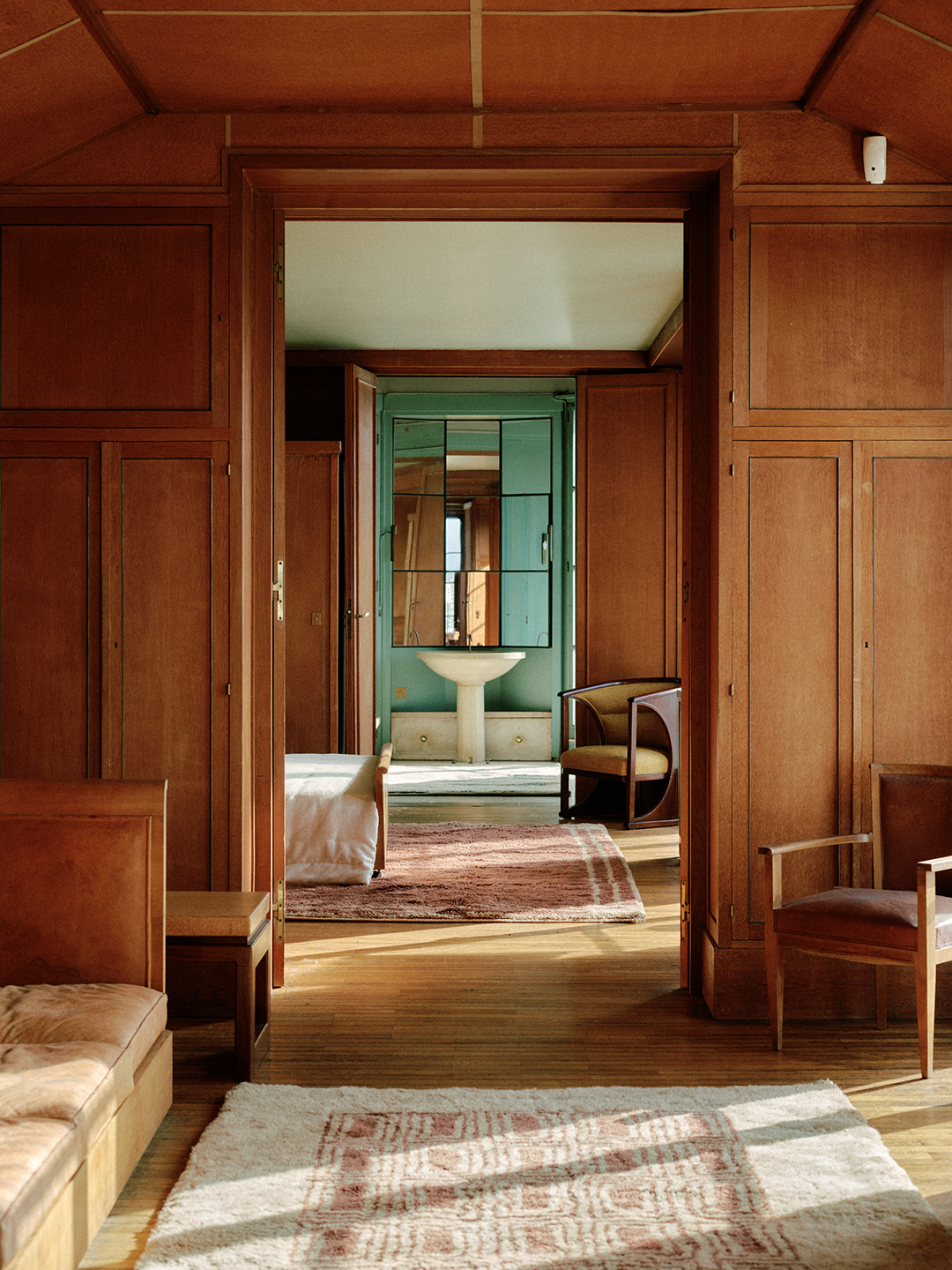
The Edgy Detail We’re Spotting on the Best New Rugs Makes Them Borderline Art


How Much Should You Spend on an Area Rug?

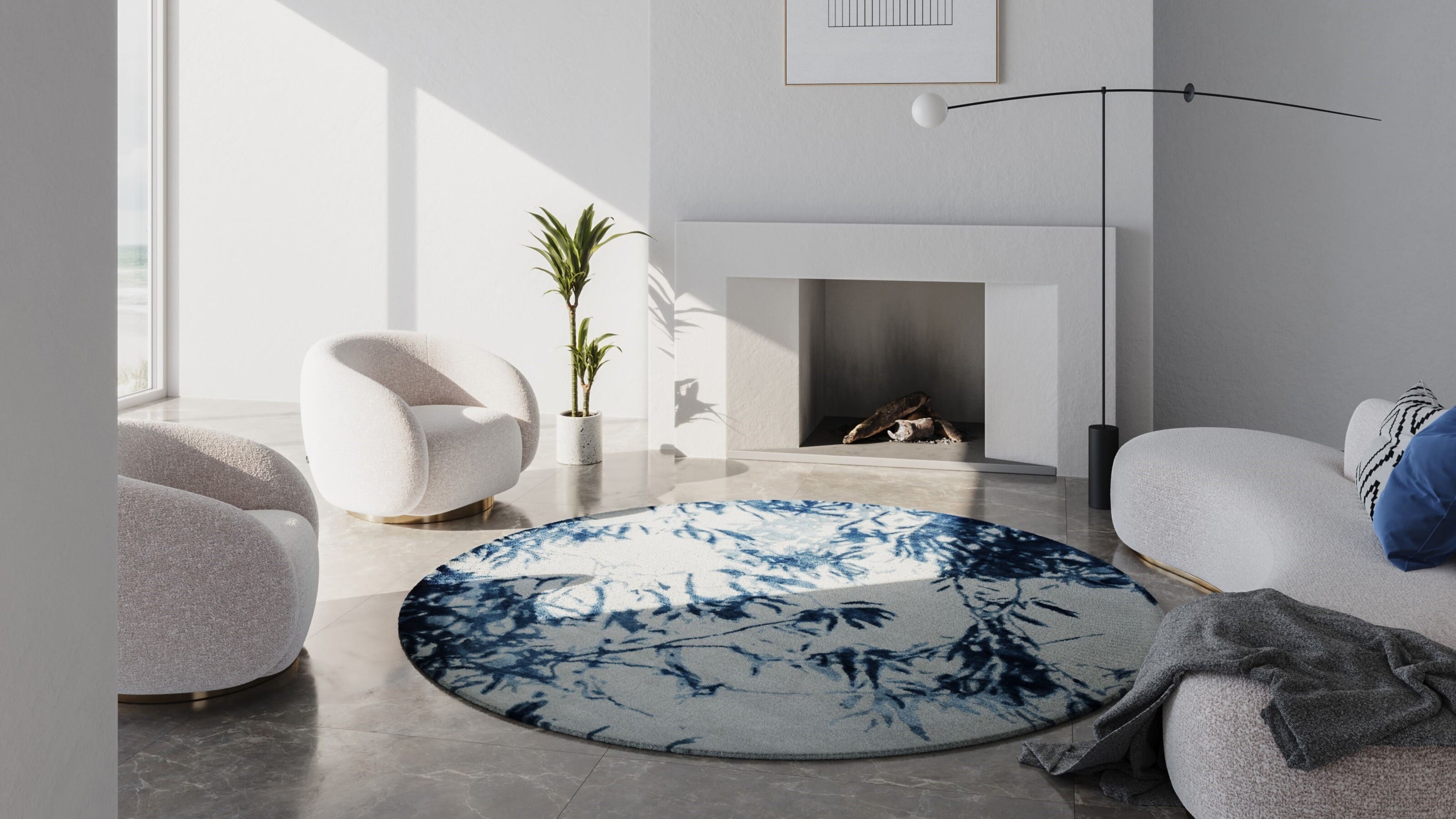
'They're not for every room' – designers say they'll never use a round rug in these 5 spaces, and neither should you

Room Feel Snug? It Might Be Your Rug. | Reviews by Wirecutter
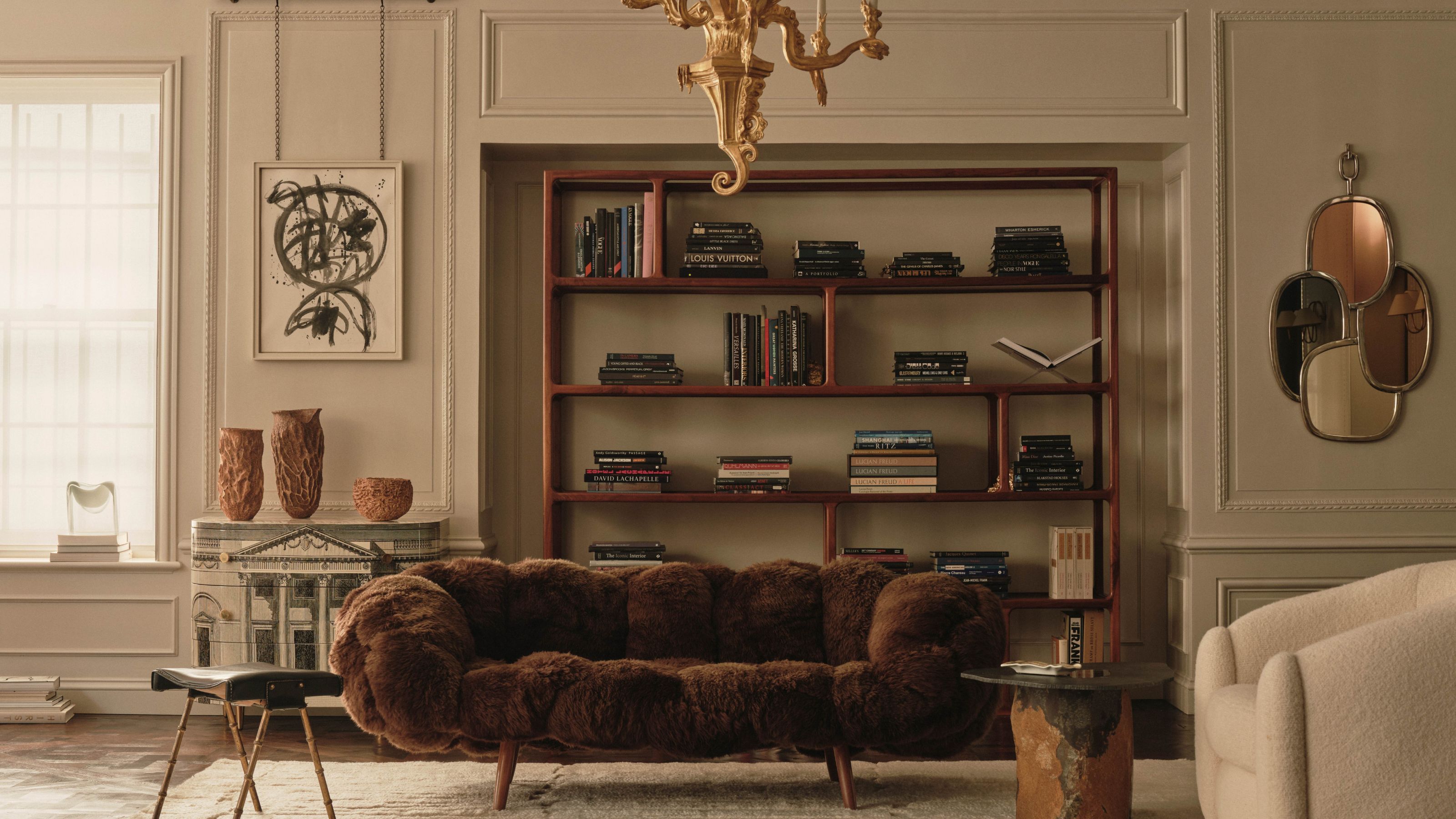
The Power of Texture in Interior Design – 6 Ways Designers Use It to Shape the Look (and Feel) of Every Room
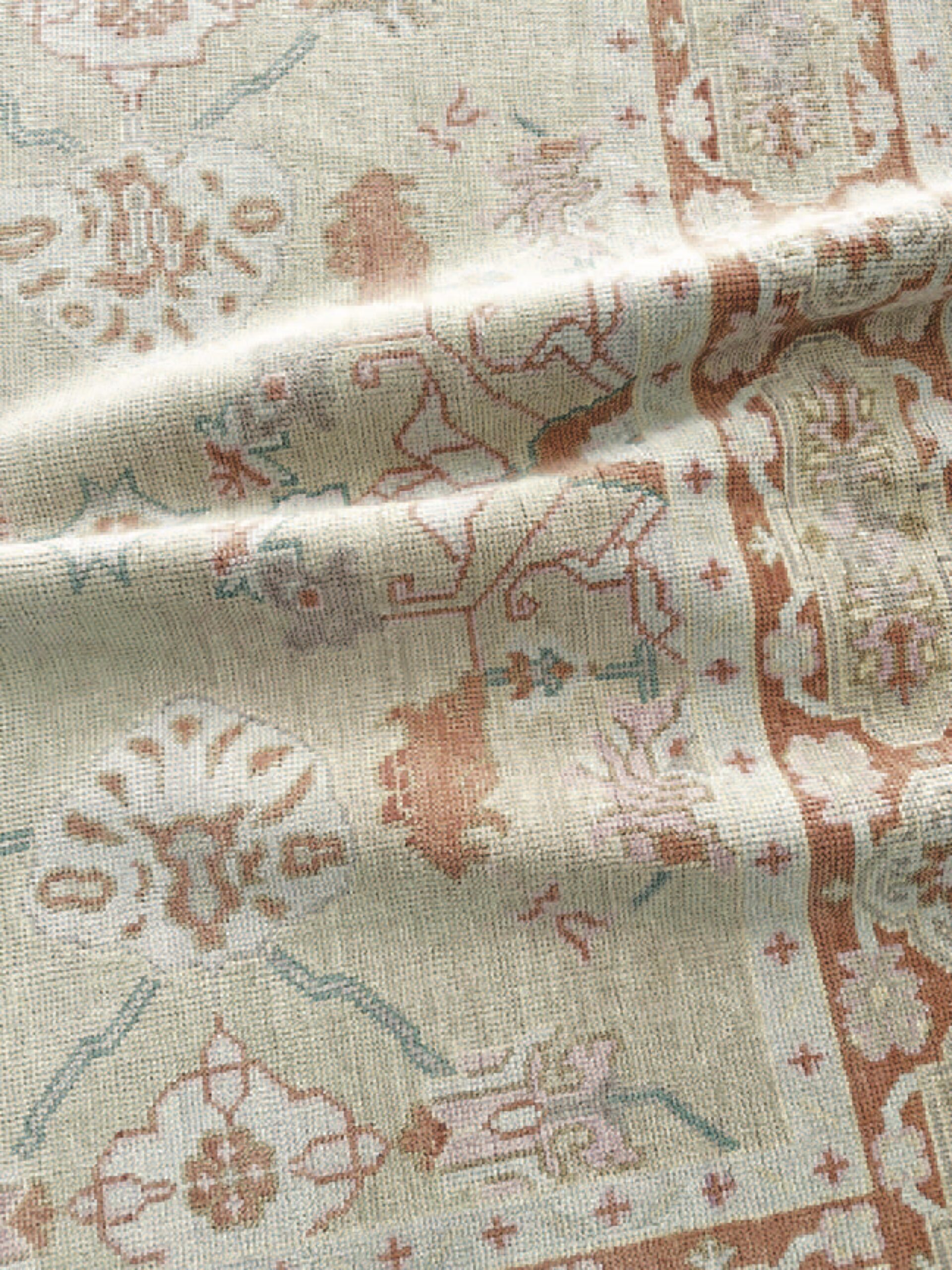
DFW Textile Sourcing Shares Their Top Five Tips For Choosing the Best Rug — From Lifestyle to Vintage Versus New