DFW Textile Sourcing Shares Their Top Five Tips For Choosing the Best Rug — From Lifestyle to Vintage Versus New
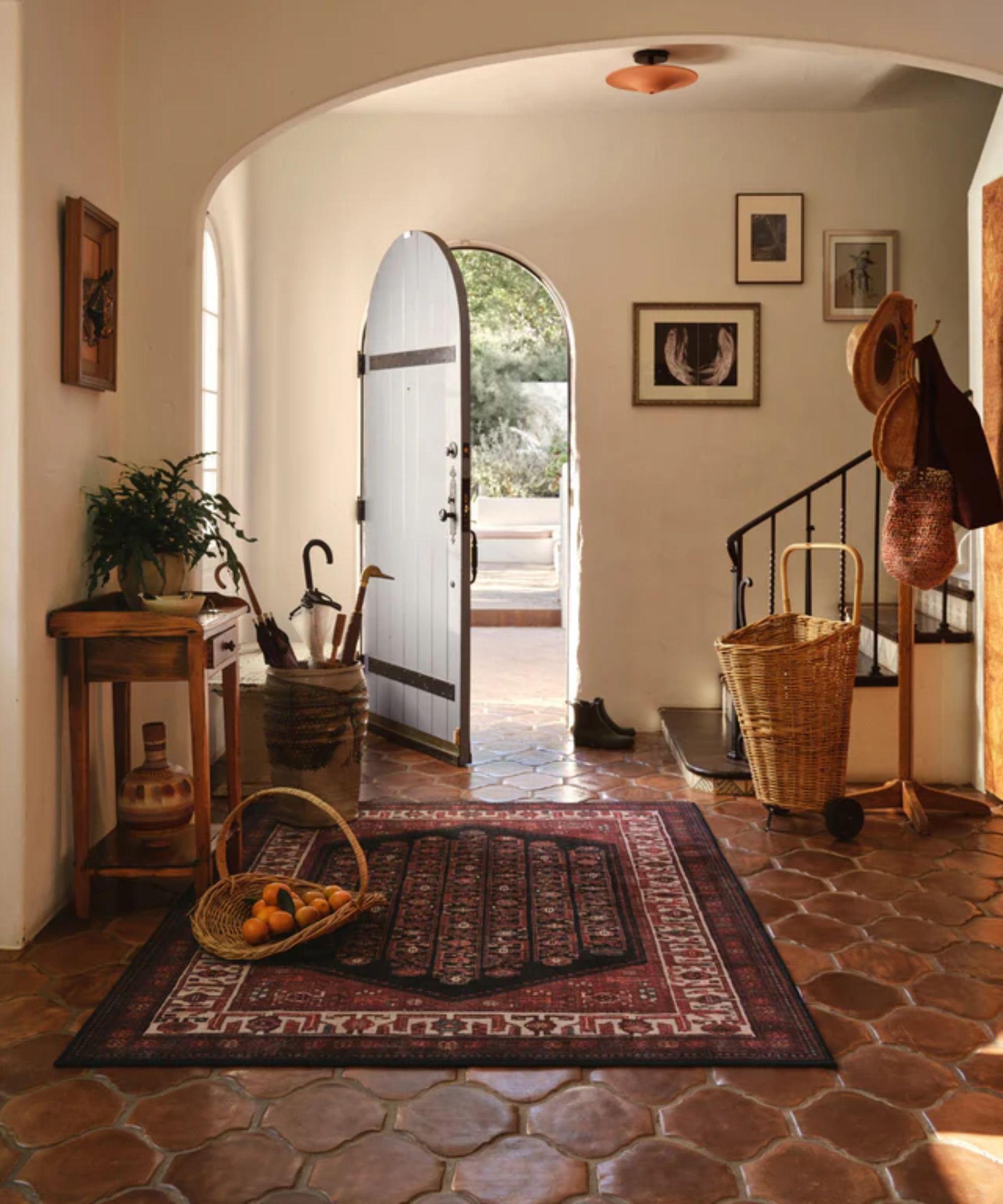
As the fall season approaches, many individuals seek to refresh their living spaces. A significant and impactful way to achieve this transformation is by updating or introducing a new rug into a room. The process of selecting the ideal rug, however, can often be a complex decision given the multitude of options available. DFW Textile Sourcing, a Dallas-based company founded by entrepreneur Sydney Harrell, specializes in providing high-quality, safe, attractive, ethically produced, and customizable rugs. Harrell, drawing from her extensive experience in the textile industry, offers five key recommendations to guide consumers in choosing the perfect rug to revitalize their homes.
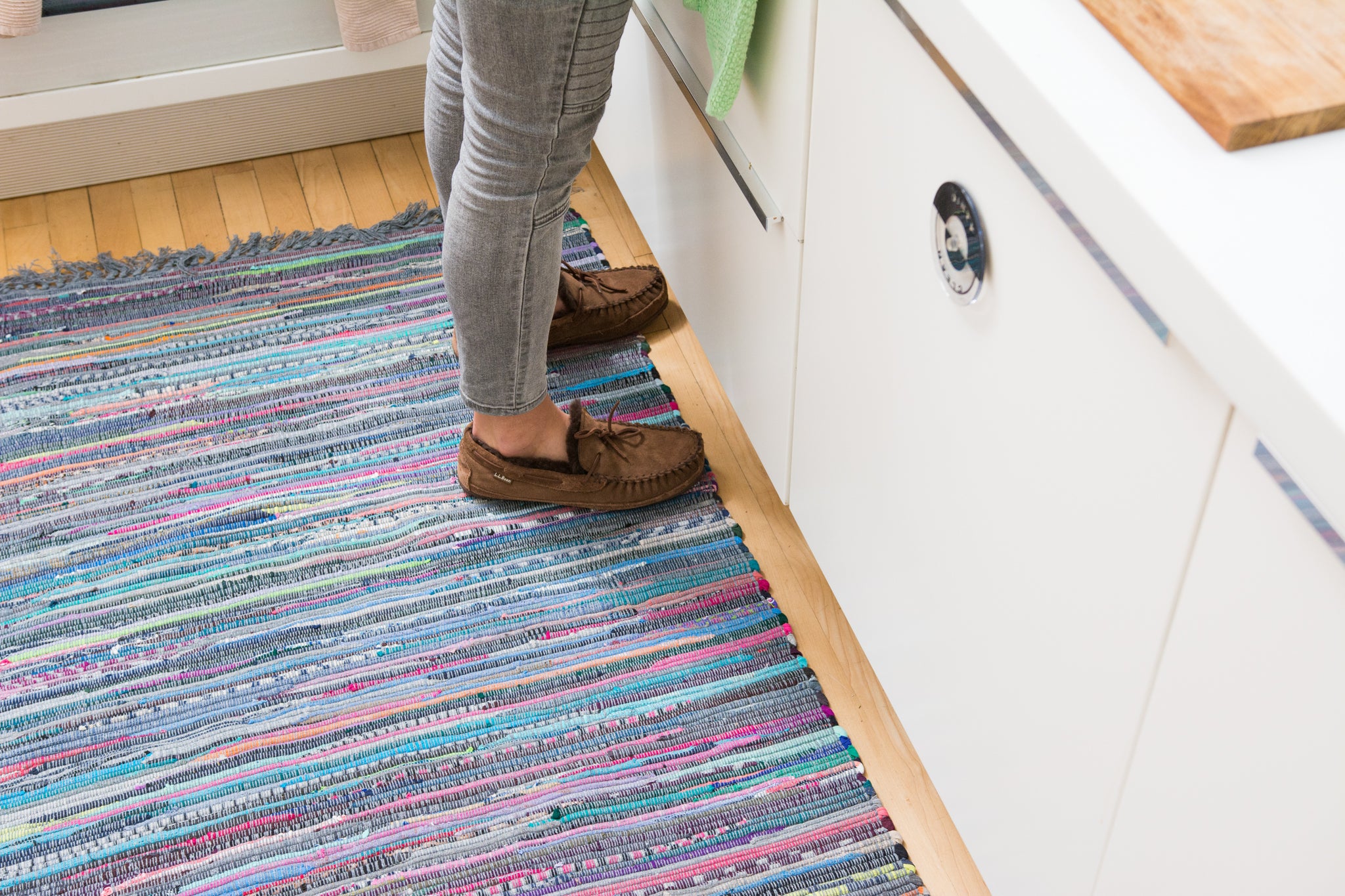
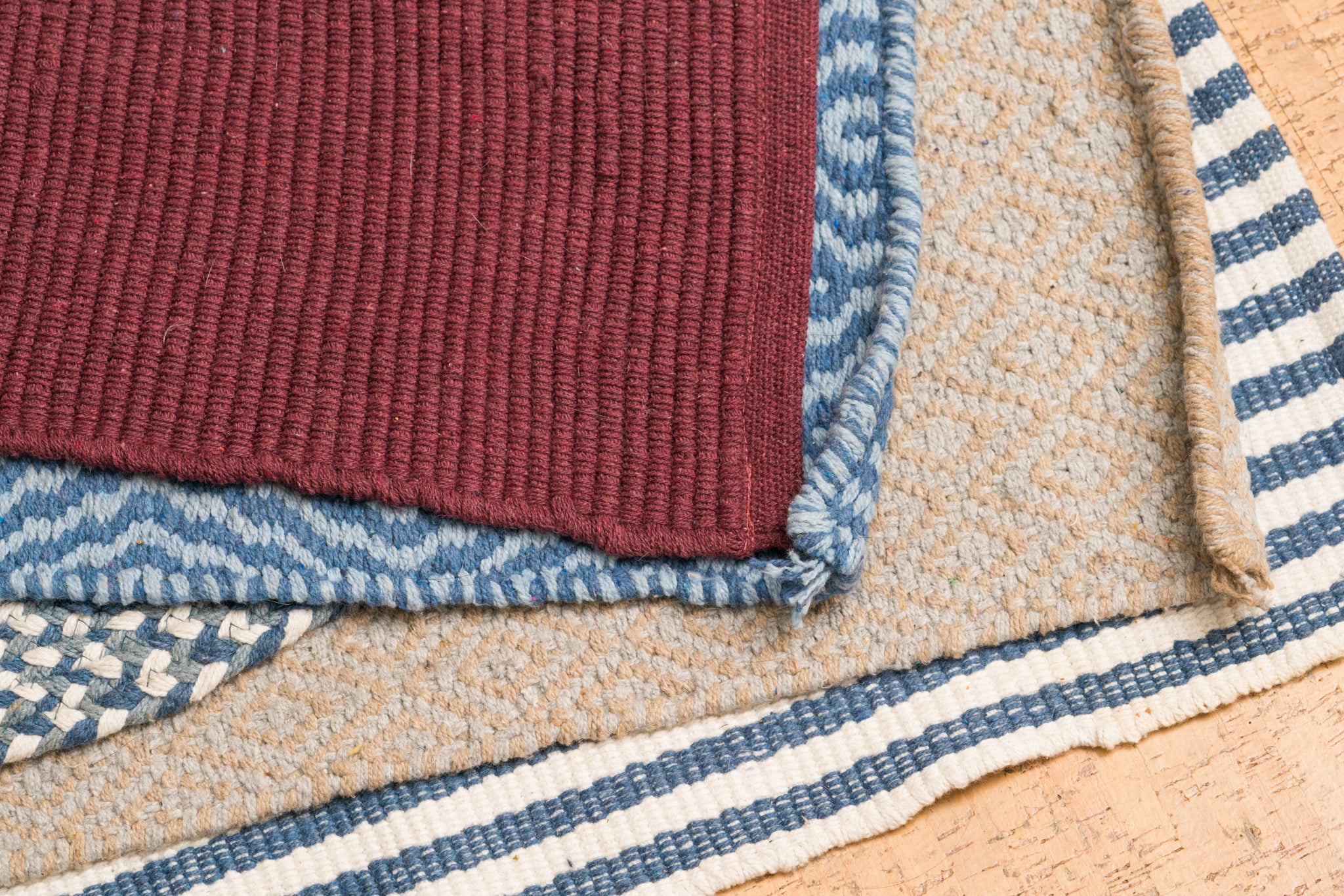
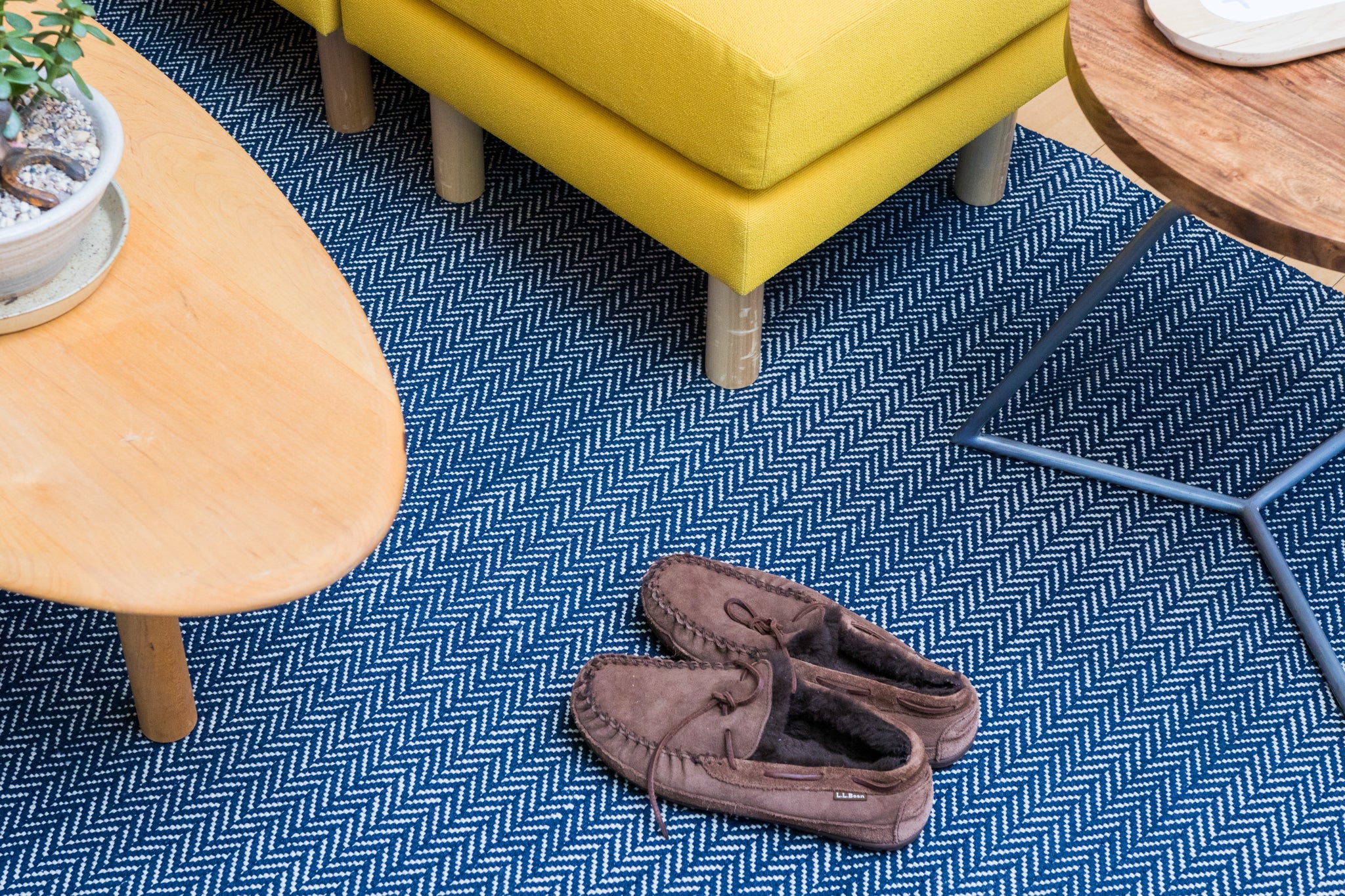
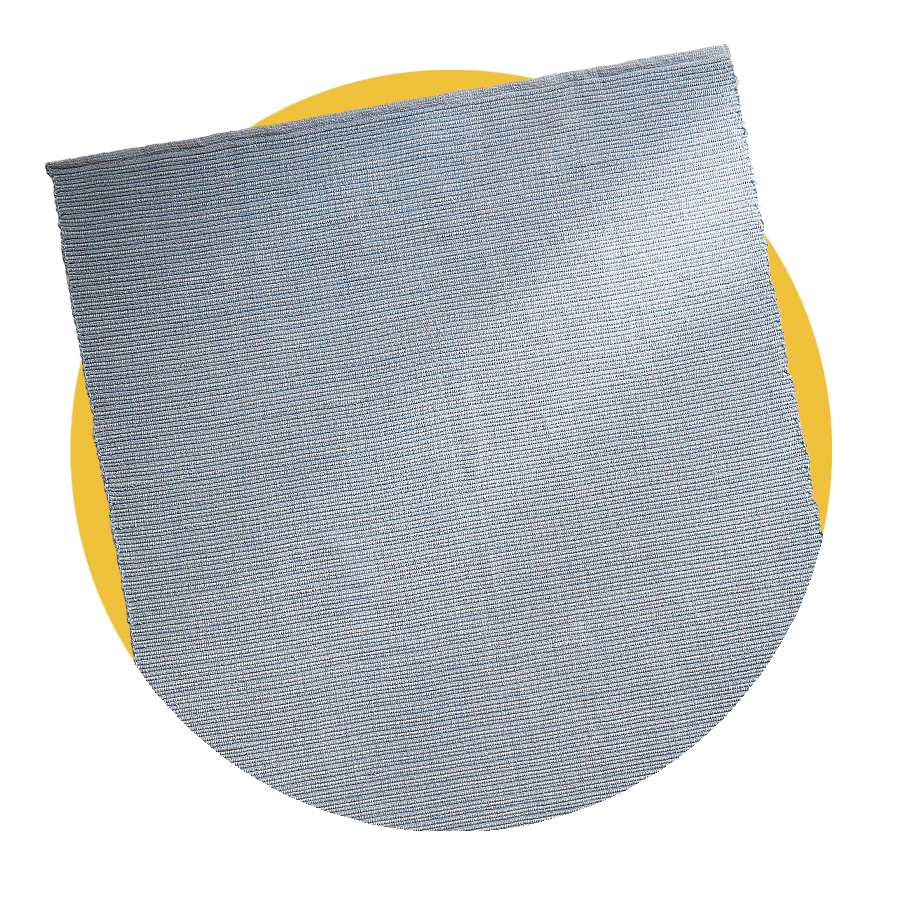
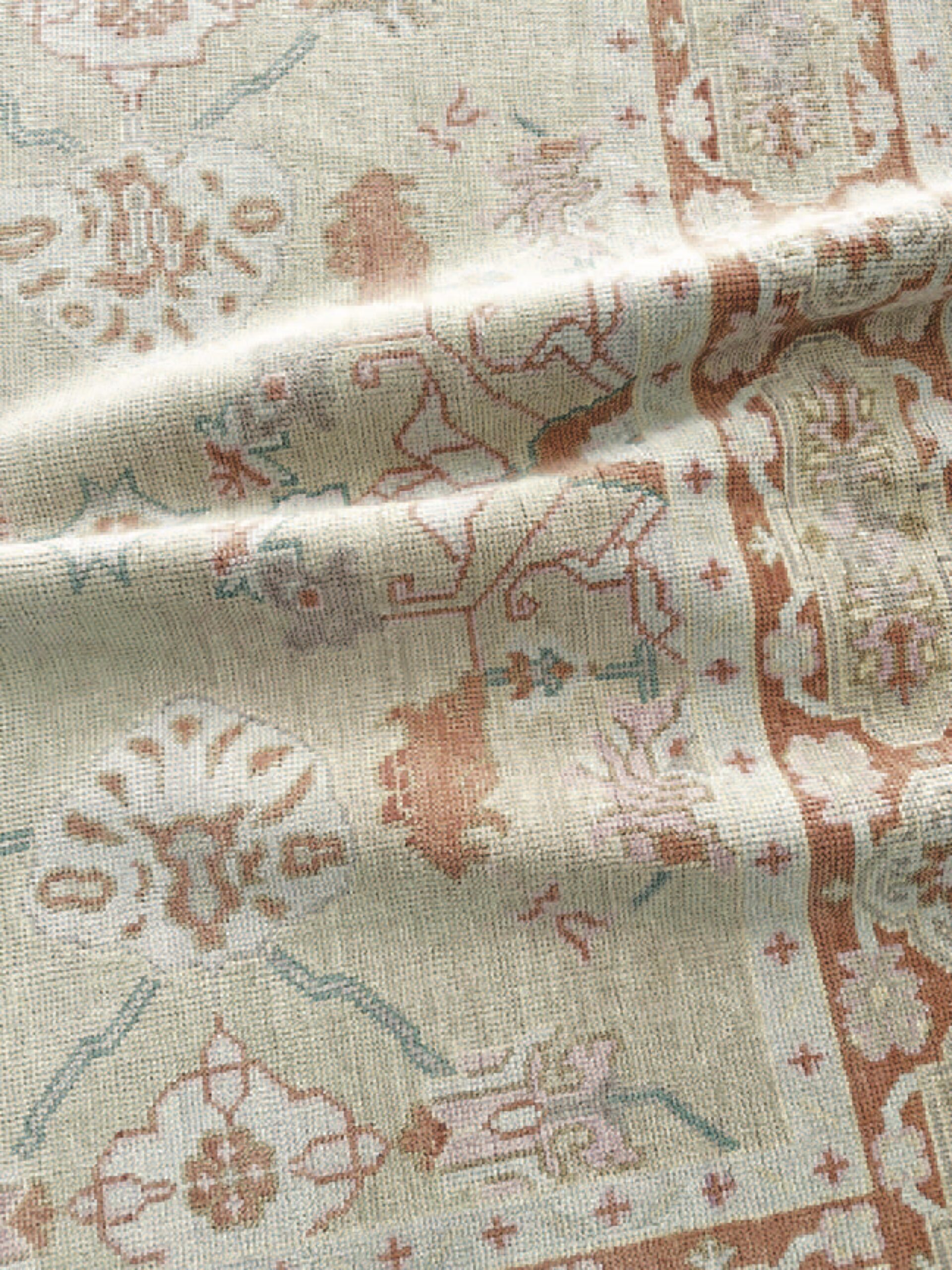
First, Harrell emphasizes the importance of considering one's lifestyle, particularly for households with children or pets. In such cases, she advises opting for stain-resistant natural materials like wool Modern Oushaks or cotton dhurries over synthetic alternatives. While the initial investment for natural fibers may be higher, their durability and resistance to spills lead to long-term savings by reducing the need for frequent replacements.
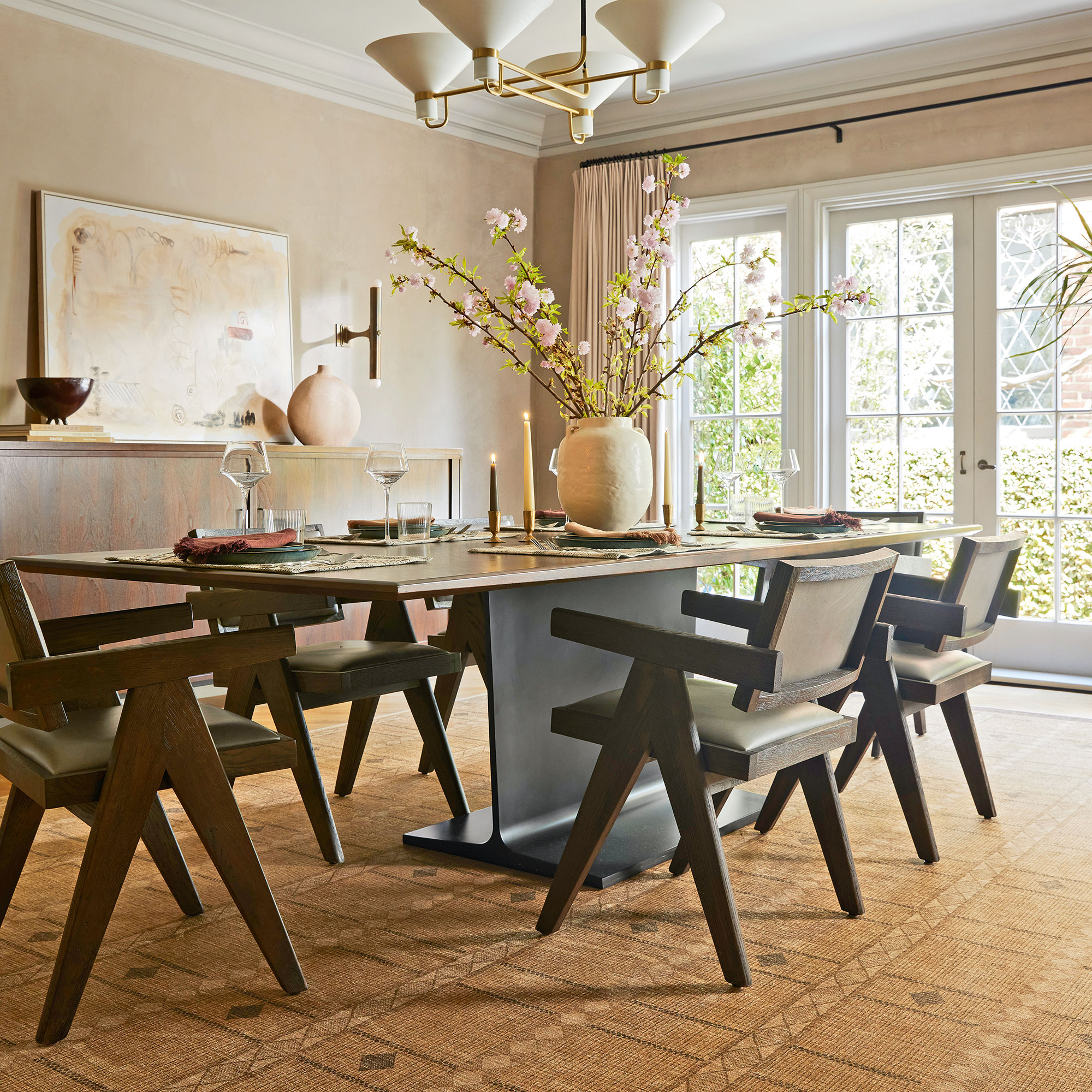
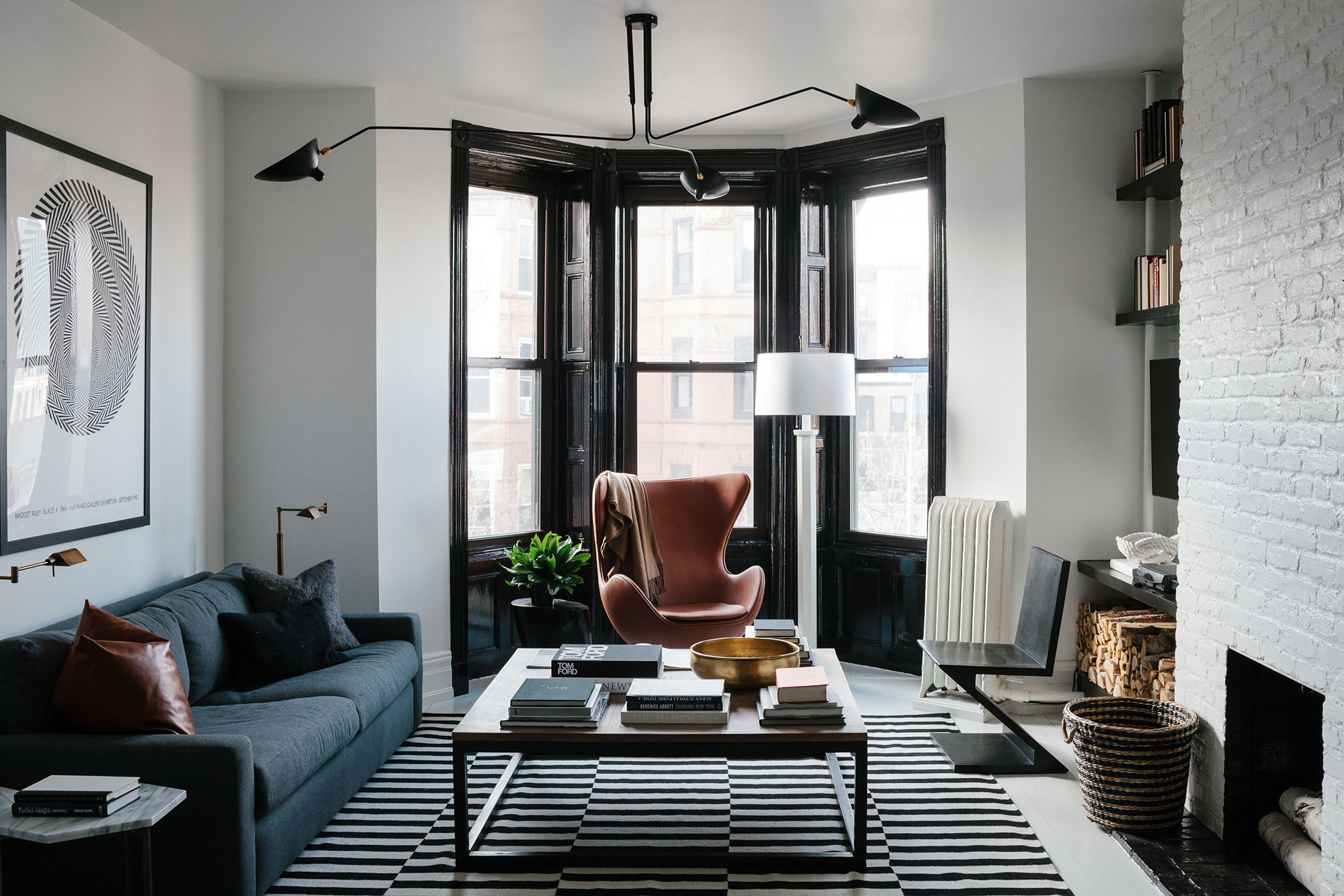
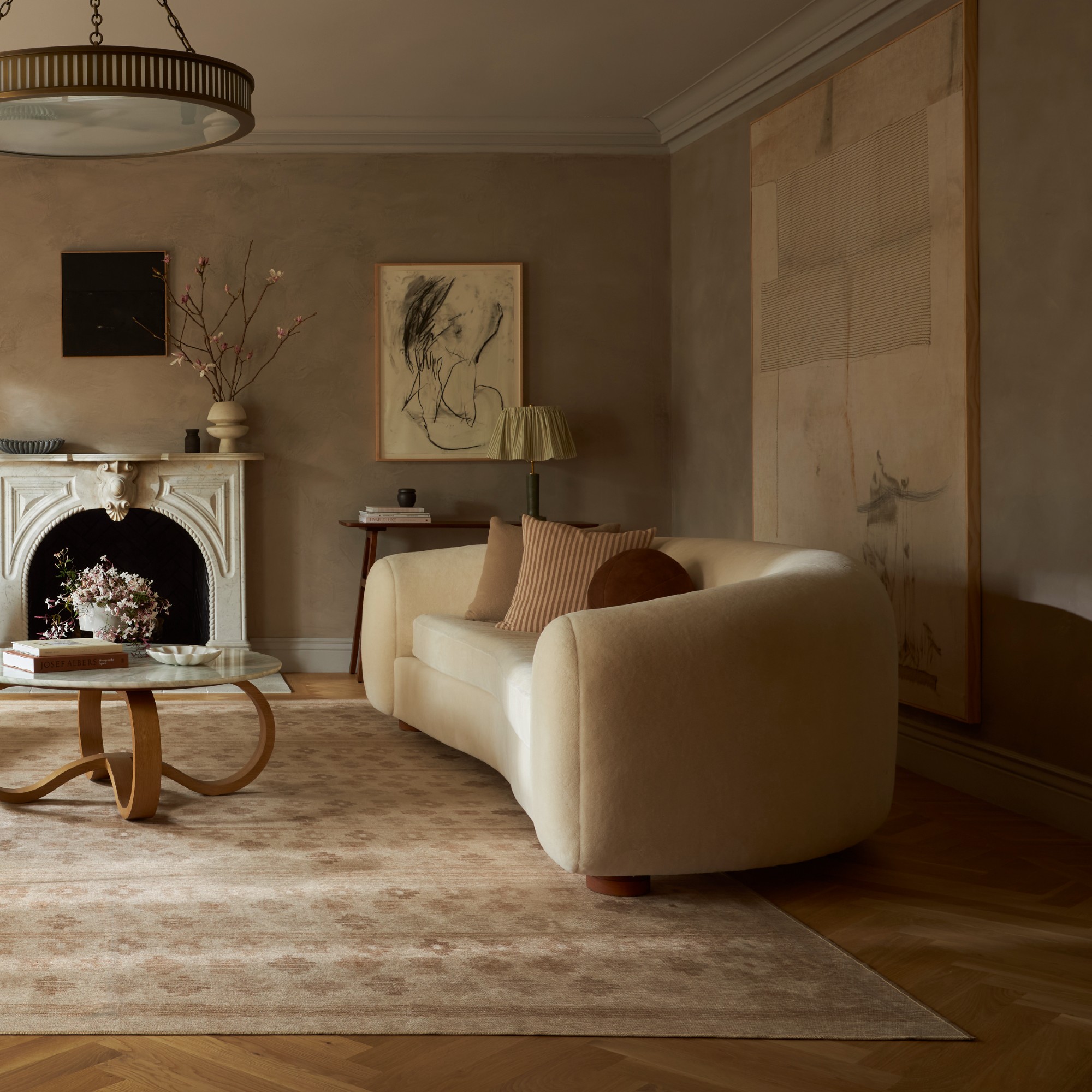
Second, Harrell highlights that budget constraints should not dictate rug size. It is crucial to accurately measure the space and then explore rug options that fit within the financial plan, rather than purchasing a smaller, more expensive rug. A common design flaw, according to Harrell, is the use of a small rug in a large room, which can create an unbalanced and aesthetically displeasing effect.
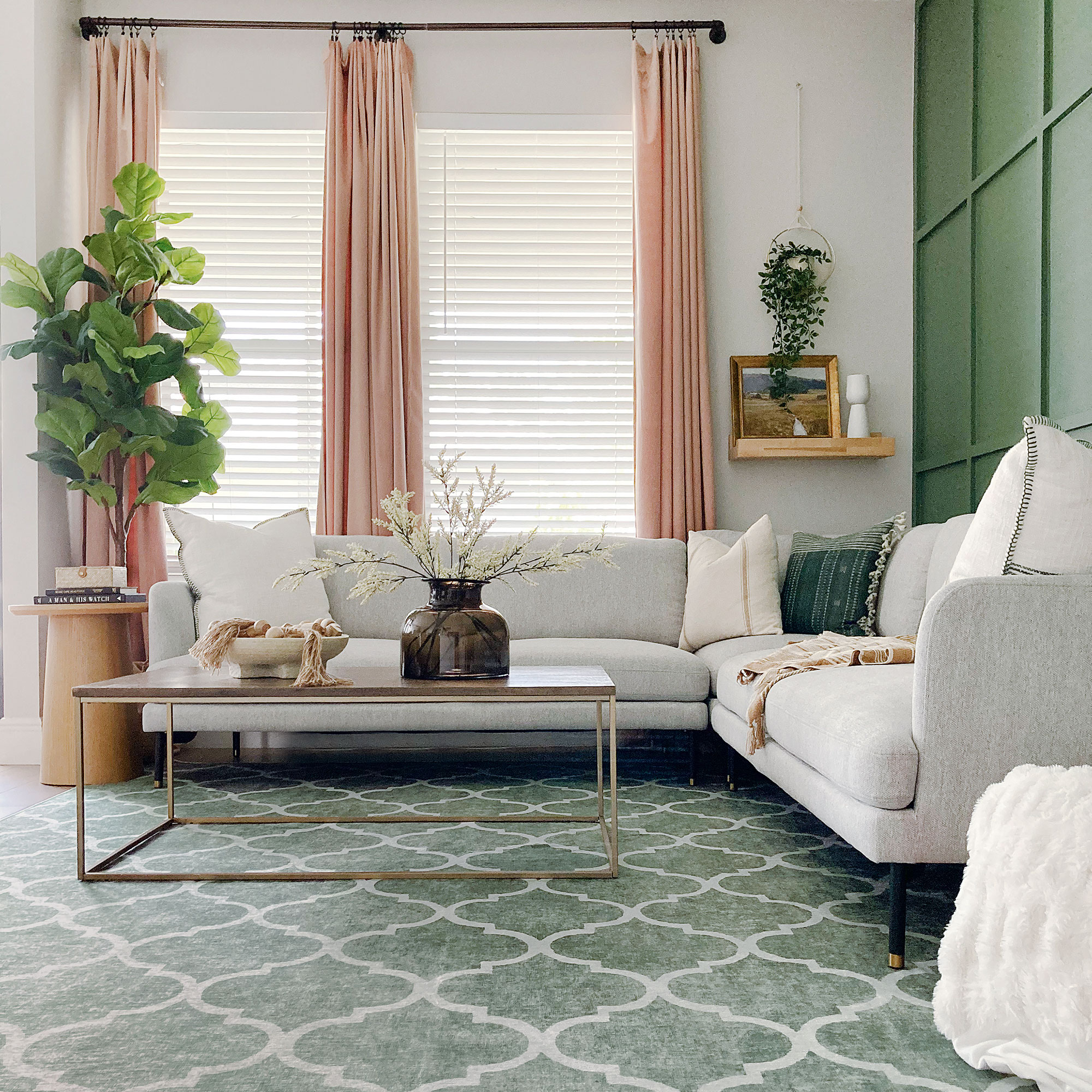
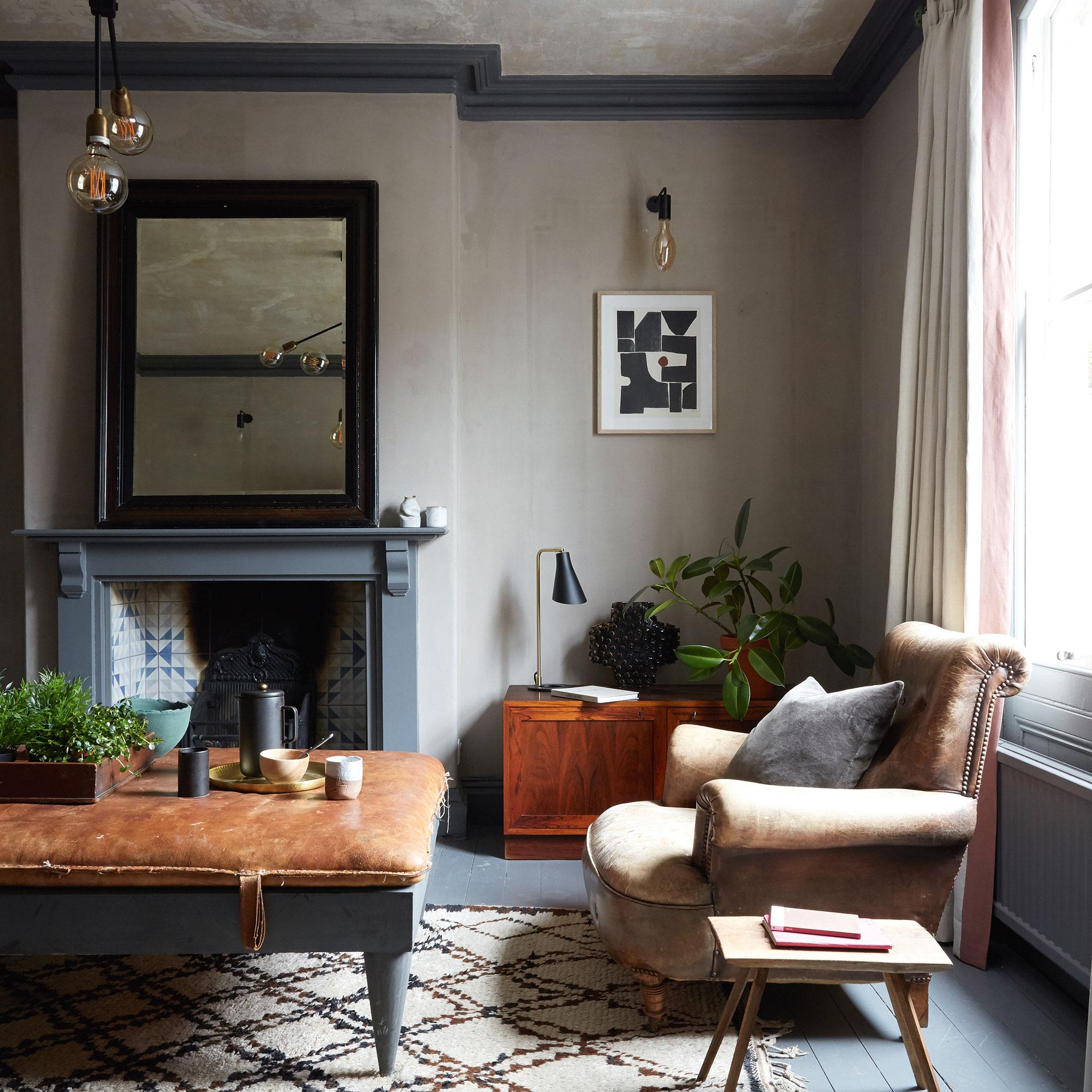
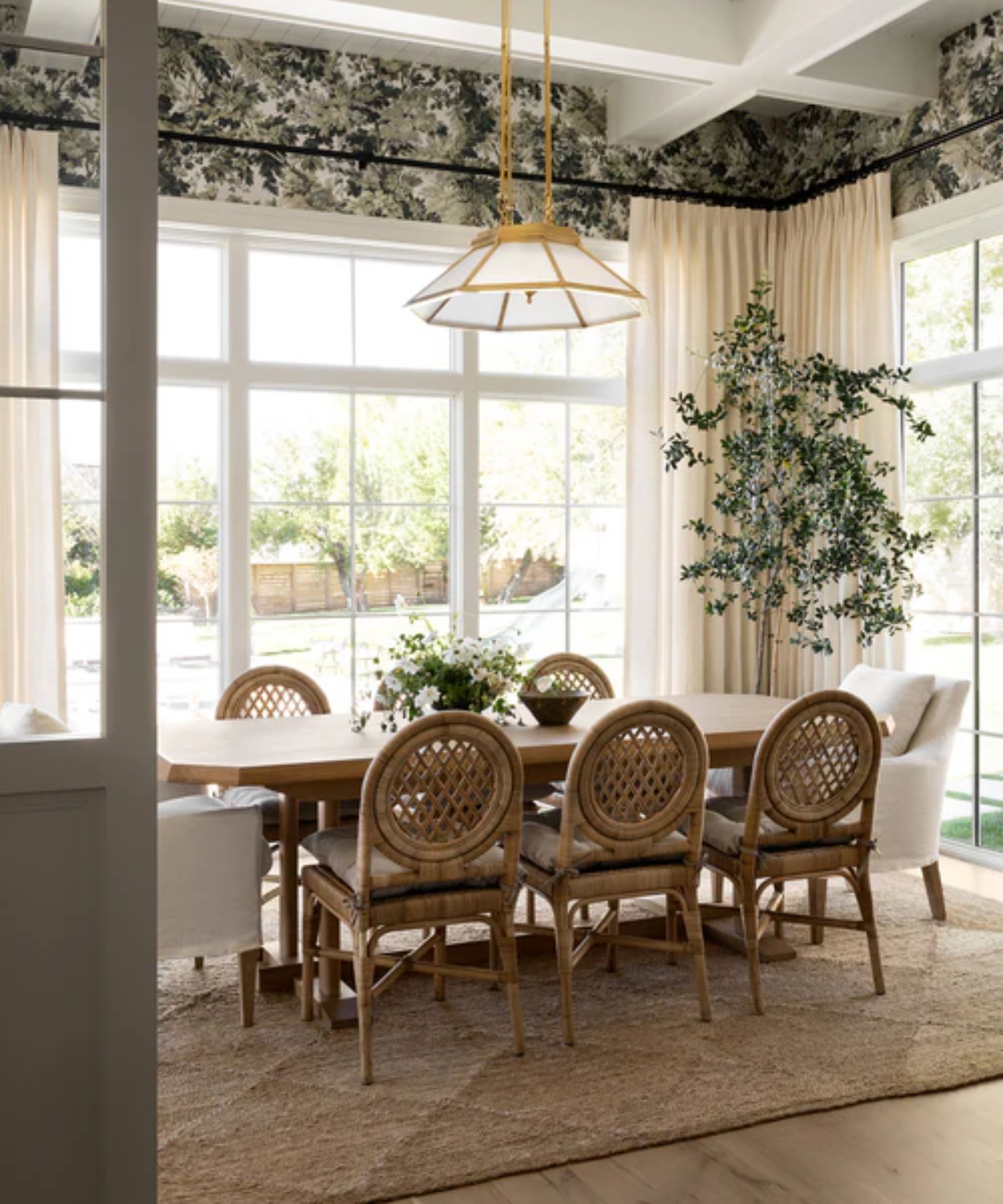
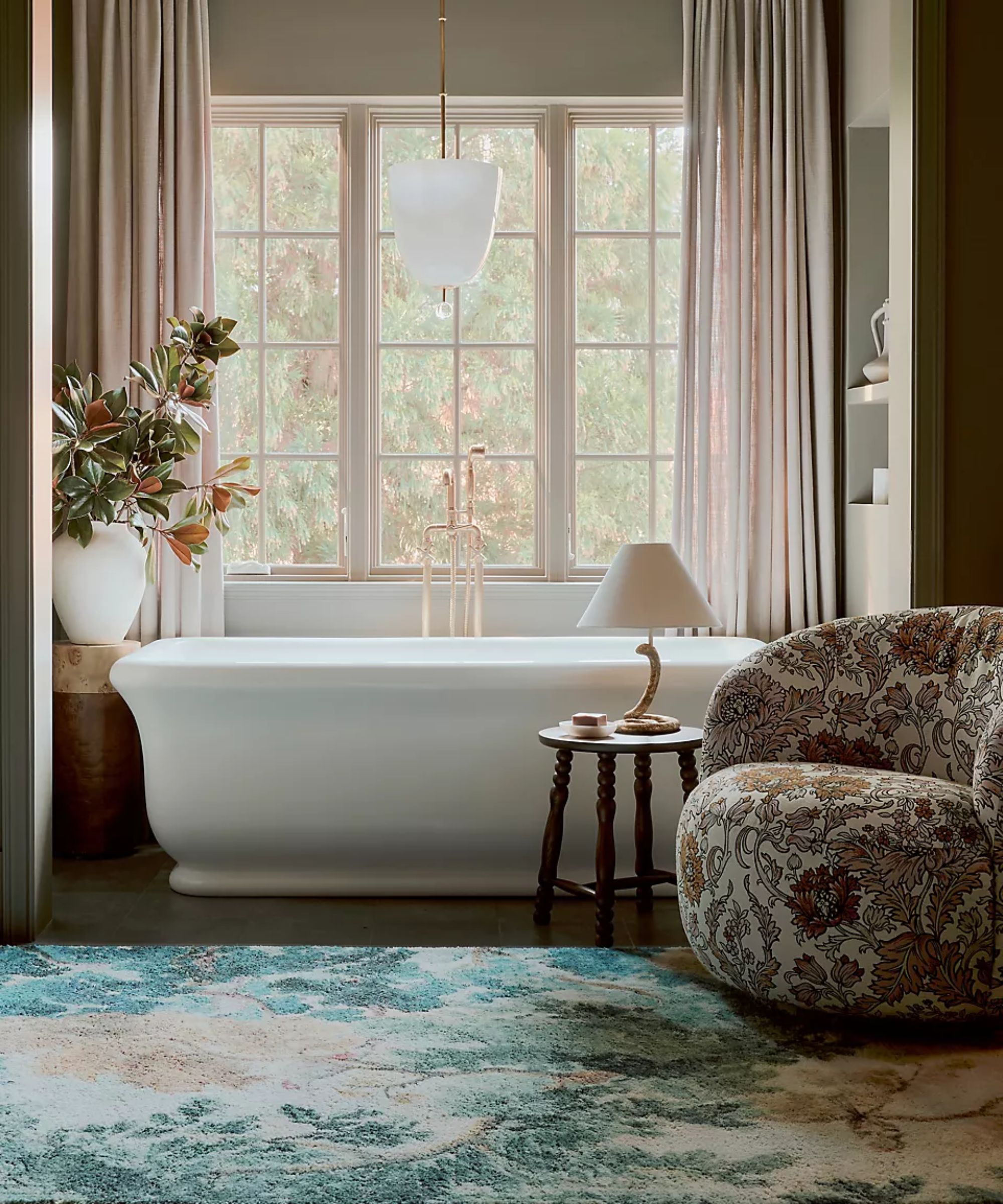
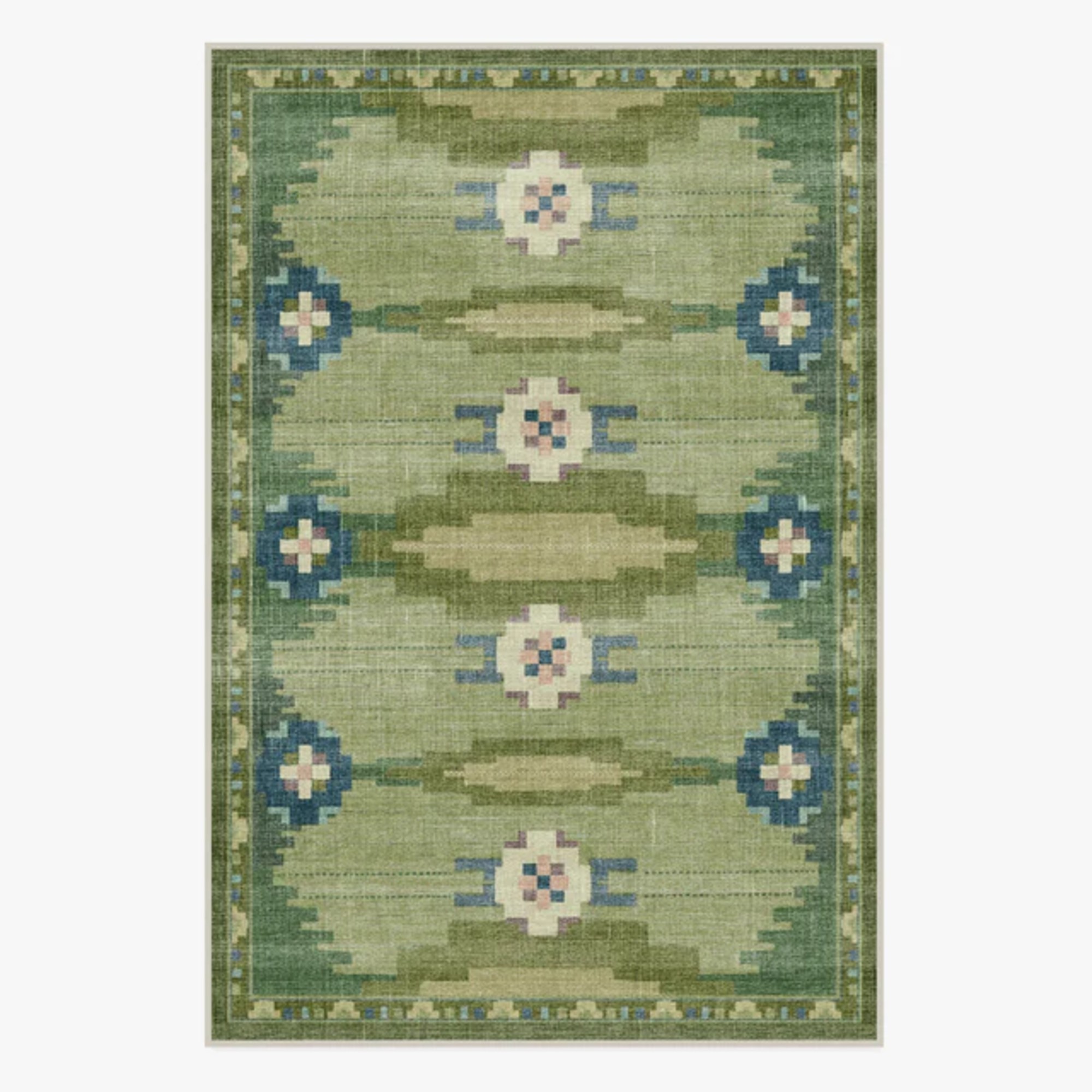
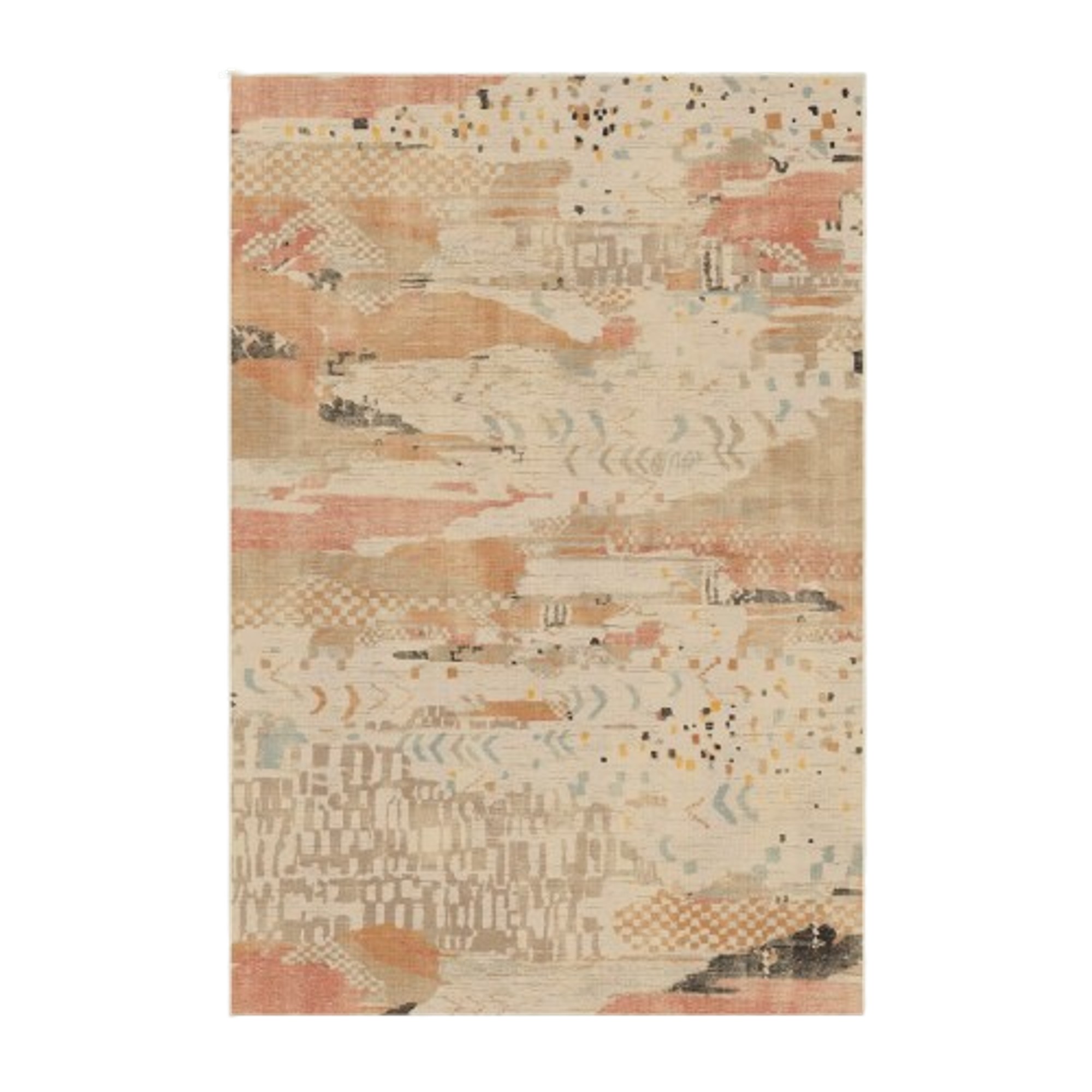
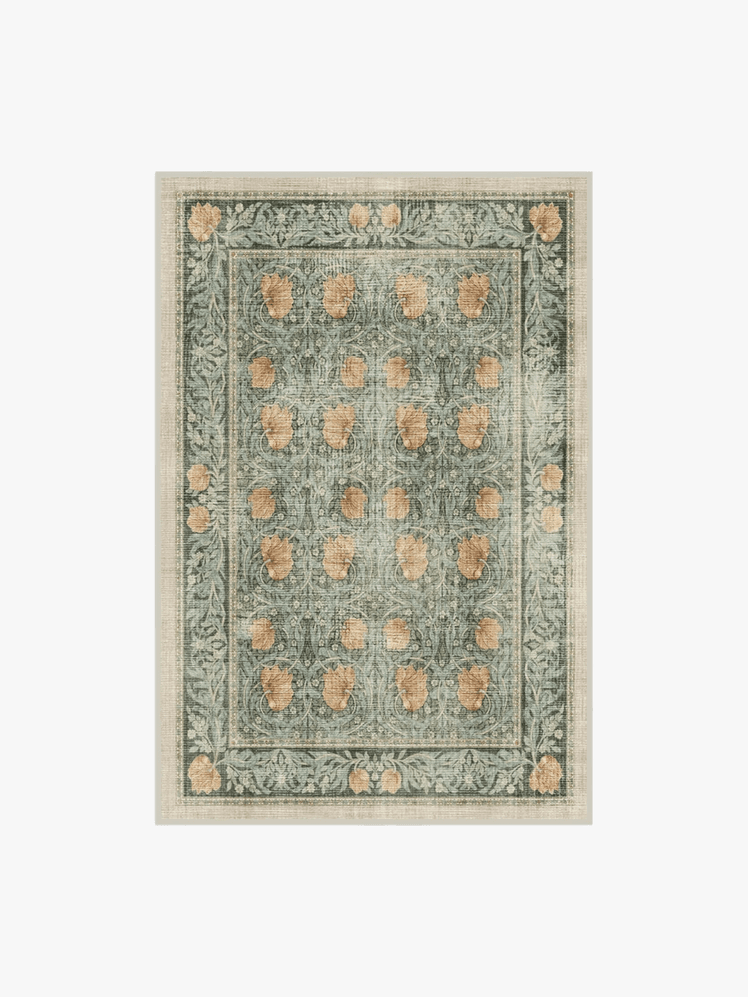
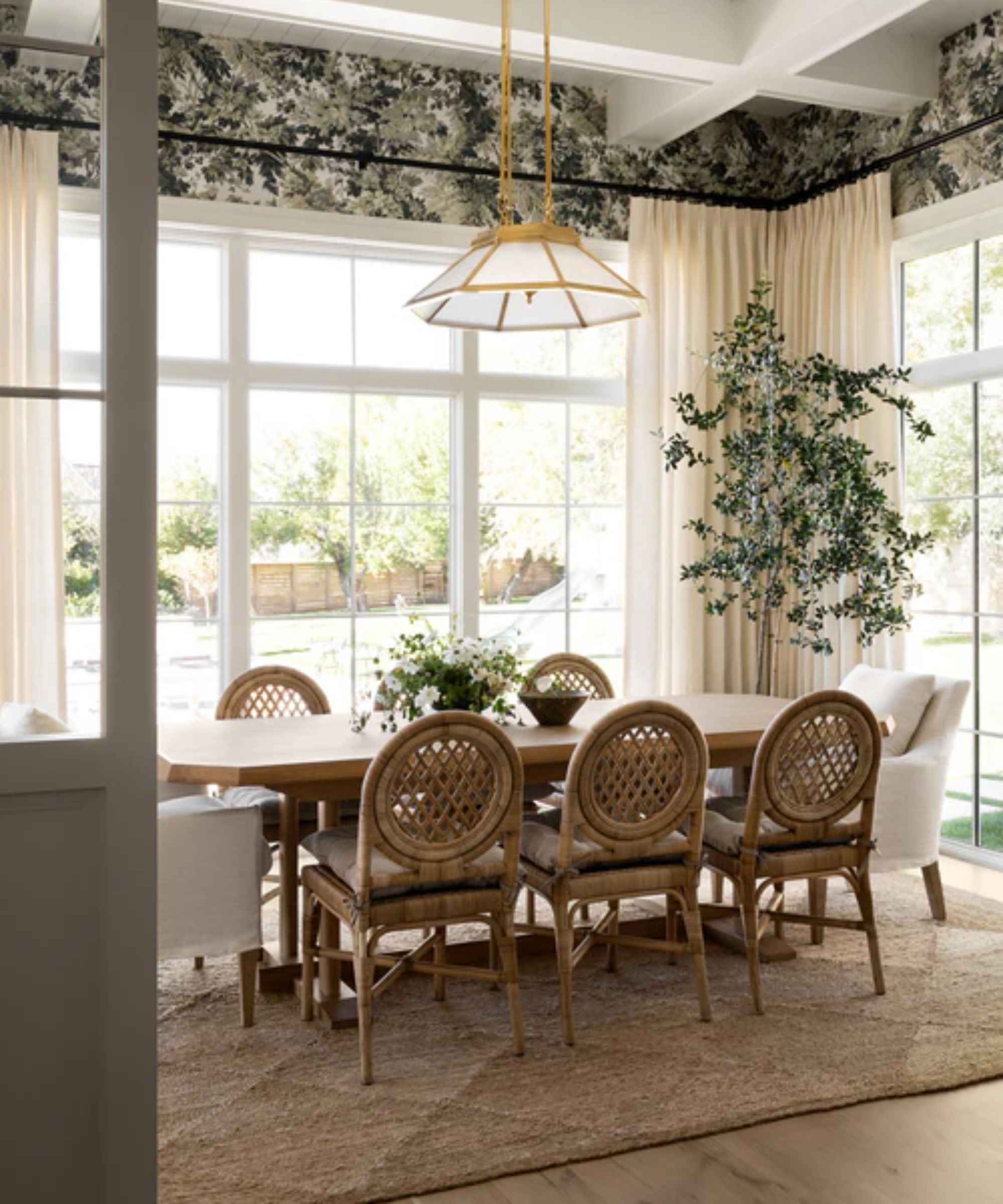
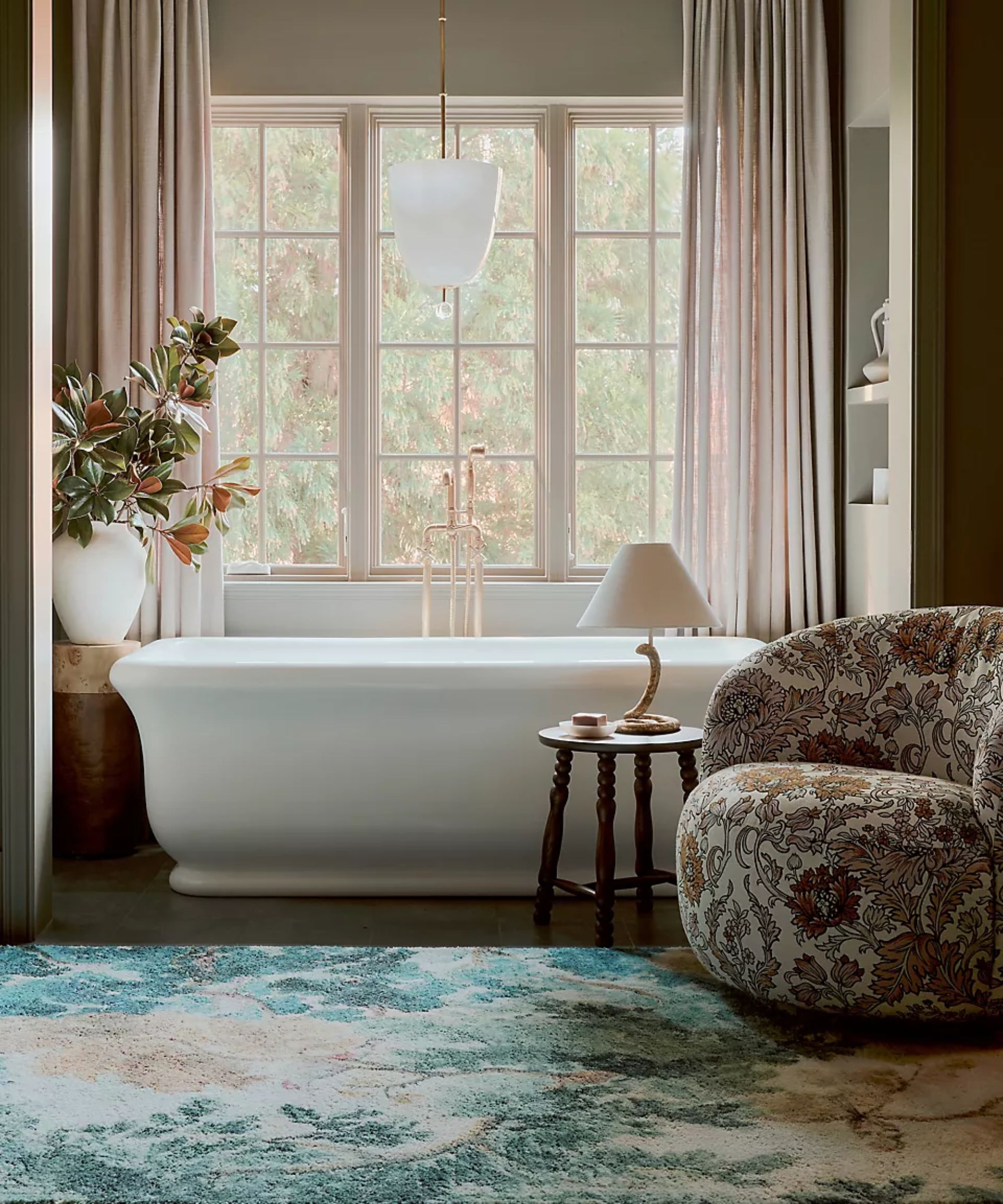
Third, achieving visual harmony through pattern balancing is another critical tip. If a room features upholstery, curtains, or wallpaper with prominent patterns, a rug with a subtler or smaller pattern is recommended to prevent visual clutter. Conversely, a large-scale rug pattern can effectively serve as a focal point and introduce visual interest in a room furnished with solid-colored or minimalist pieces.
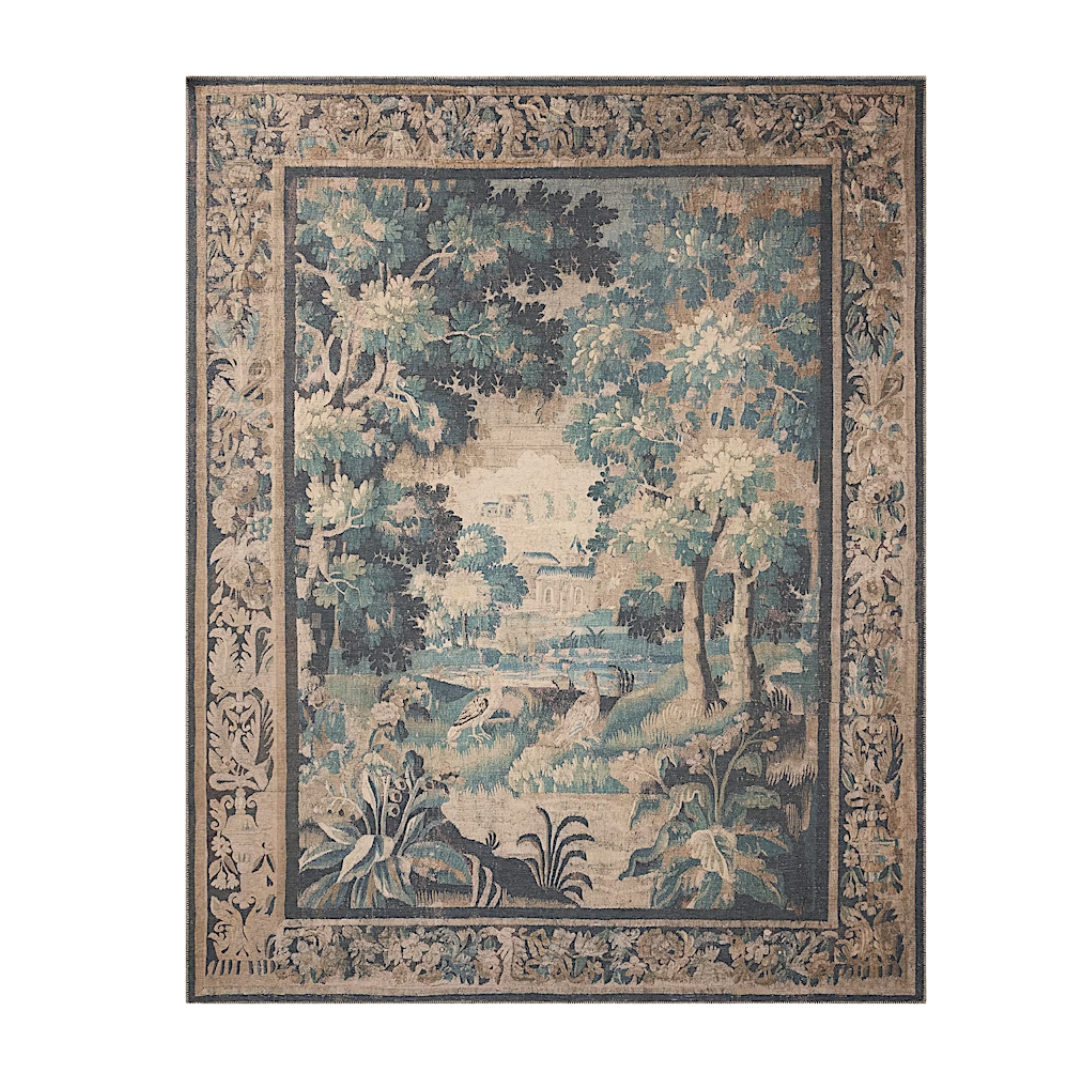
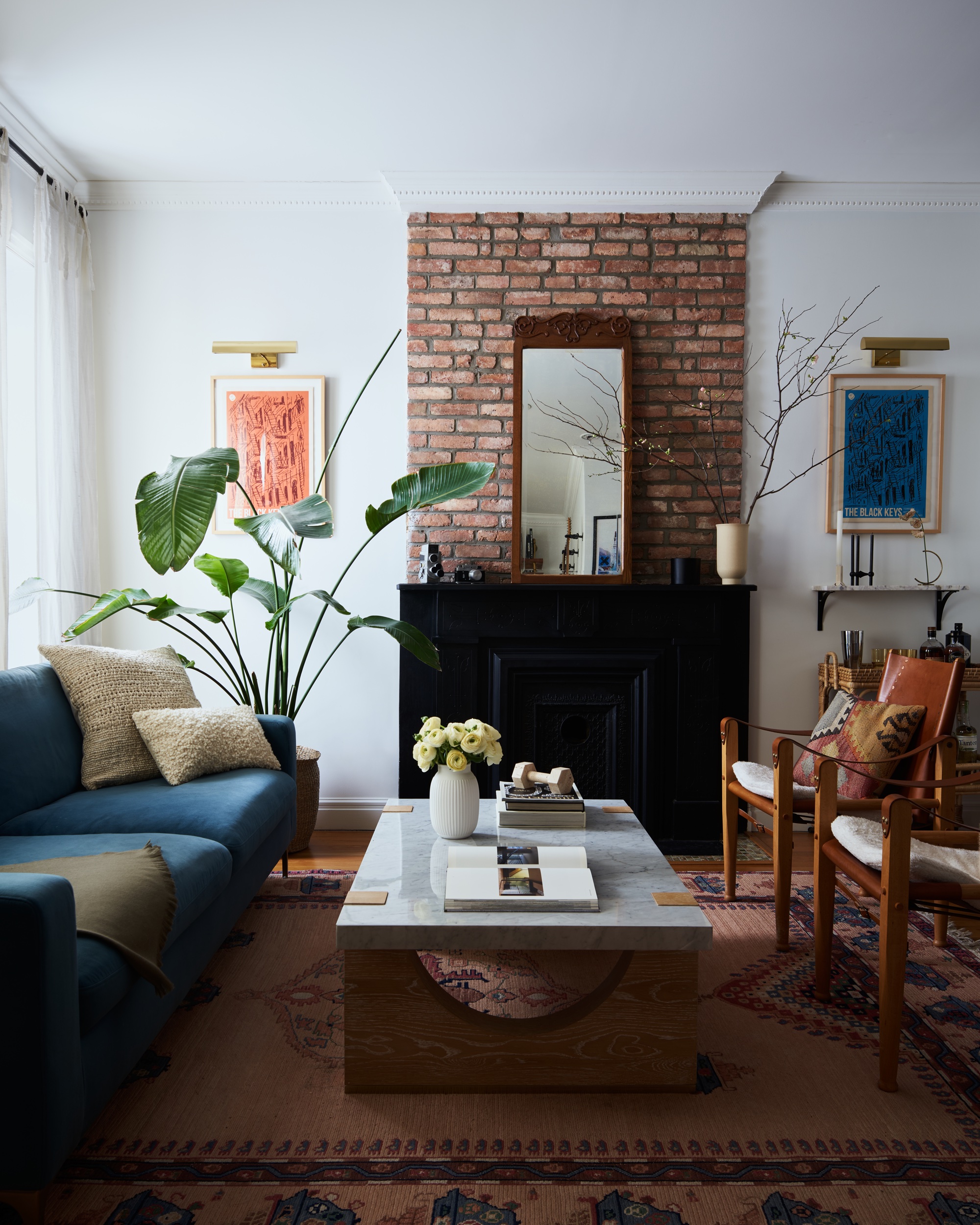
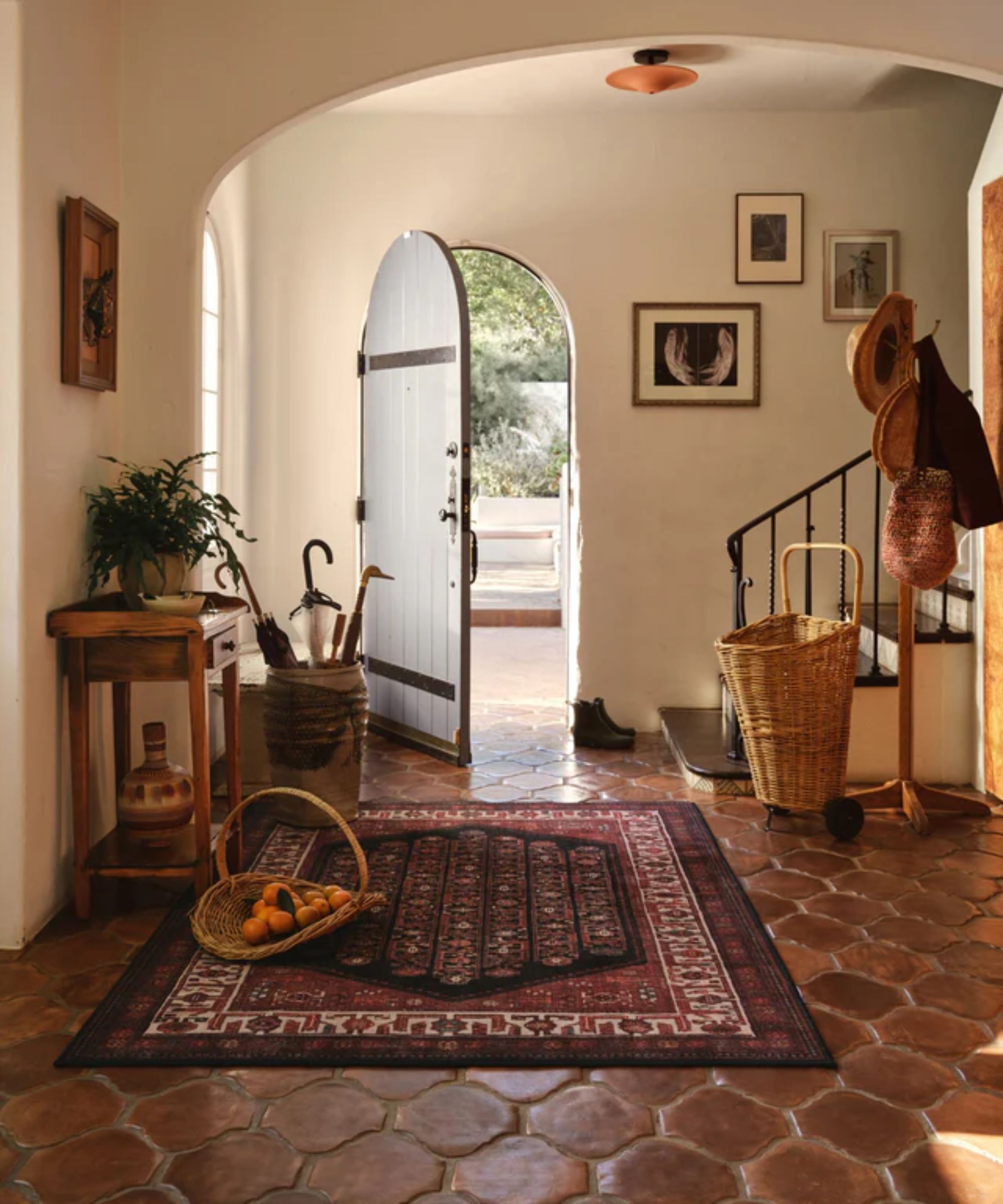
Fourth, the choice between vintage and new rugs involves various considerations. Vintage rugs are known for their ability to imbue a room with character and a sense of history. In contrast, new rugs offer a broader selection of styles, sizes, and opportunities for customization. Harrell suggests that the decision should align with the desired aesthetic and narrative for the space. She also proposes Modern Oushaks as an excellent compromise, as they capture the warmth of traditional vintage patterns while allowing for custom colorways and sizes.
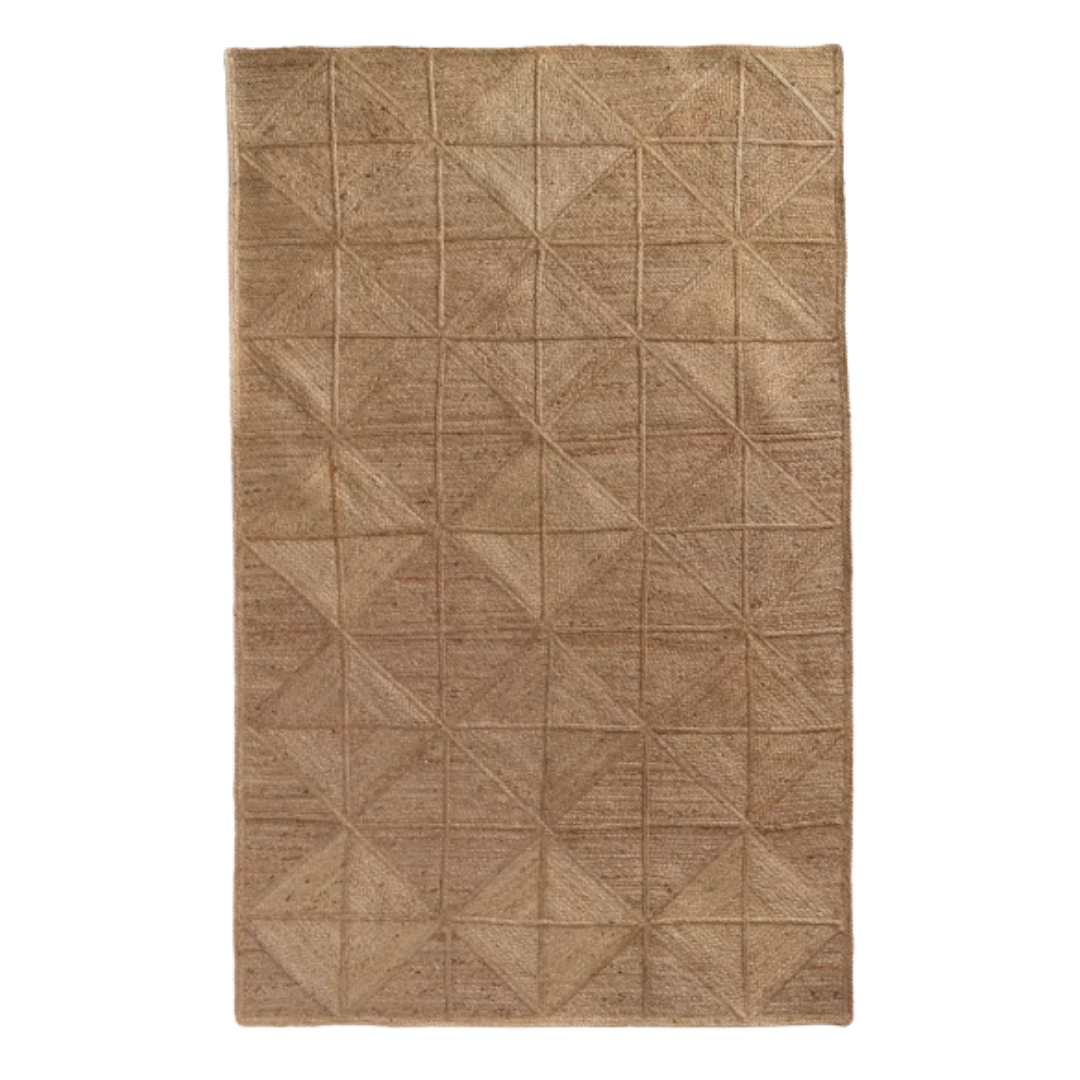
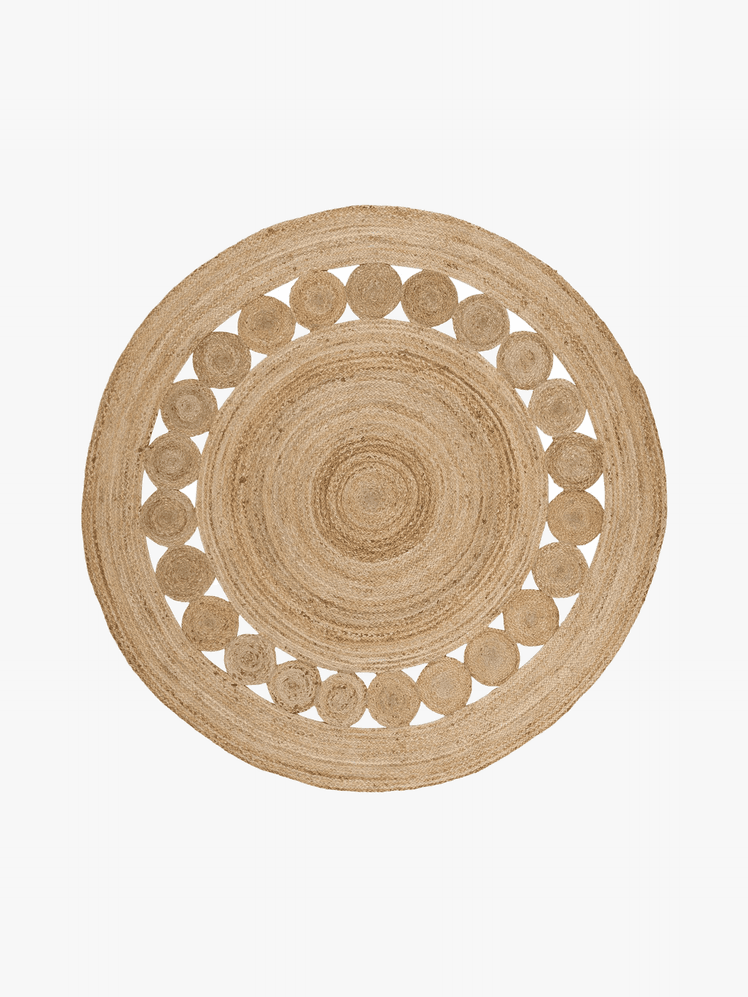
Finally, Harrell advocates for the technique of layering rugs, comparing it to fall fashion. This approach creates a cozy and textured look. The process typically involves starting with a neutral, flat base rug, such as jute or sisal, and then layering a smaller, patterned rug on top to achieve a dynamic visual effect. A practical guideline for layering is to ensure the top rug is approximately 12 to 18 inches shorter than the base rug on all sides, contributing to a well-proportioned and inviting atmosphere.
#HomeDesign #RugSelection #InteriorDecor #TextileSourcing #LifestyleConsiderations #VintageRugs #NewRugs #PatternBalancing #LayeringRugs #HomeDesign #RugSelection #InteriorDecor #TextileSourcing #LifestyleConsiderations #VintageRugs #NewRugs #PatternBalancing #LayeringRugs
0 comment in total
 No comments yet
You may also like
Step On It — The 12 Best Rugs Are the Style Zeitgeist (Underfoot)

Three design experts share their secrets for finding a new rug and carpet
20 Best Places to Buy Rugs for Every Room

Shopping Guide: Area Rugs (Published 2016)


Our Favorite Rugs For Every Room
5 rug colors to avoid – the hues designers think you should veer away from on floors, plus how to make them work

Smart shopper: carpet buying tips

How to buy rugs for homes with lots of paws and foot traffic
How to Pick the Perfect Rug for Your Space

Home decor tips to choose perfect rug for your room's centerpiece | Hindustan Times

10 best wool rugs that look as good as they feel

The Best Rugs on Amazon Will Tie the Whole Room Together

Tips for Choosing the Best Carpets and Rugs


How Much Should You Spend on an Area Rug?
The Best Places to Buy Area Rugs, From Ferm Living to Cozey
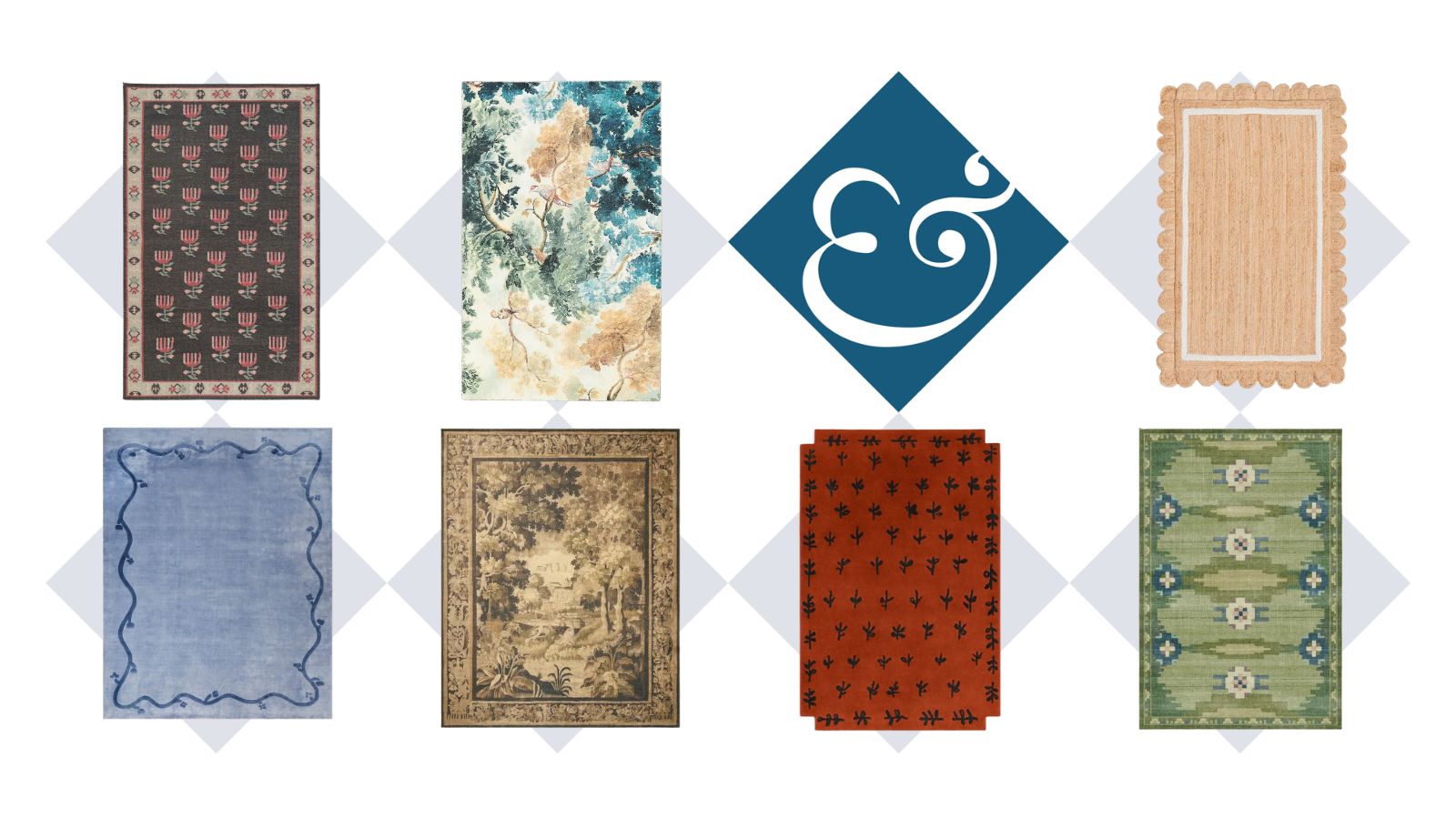
These are the 15 best rugs to shop right now from Wayfair, Ruggable, Lulu & Georgia, and more
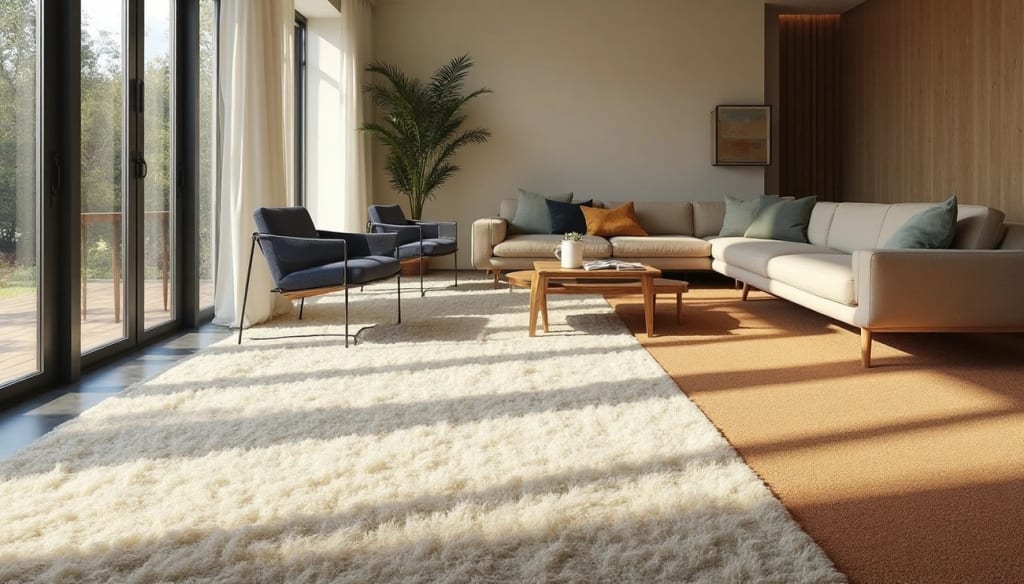
How to Choose the Perfect Carpet: Expert Guide to 2025 Trends

The 15 Very Best Area Rugs
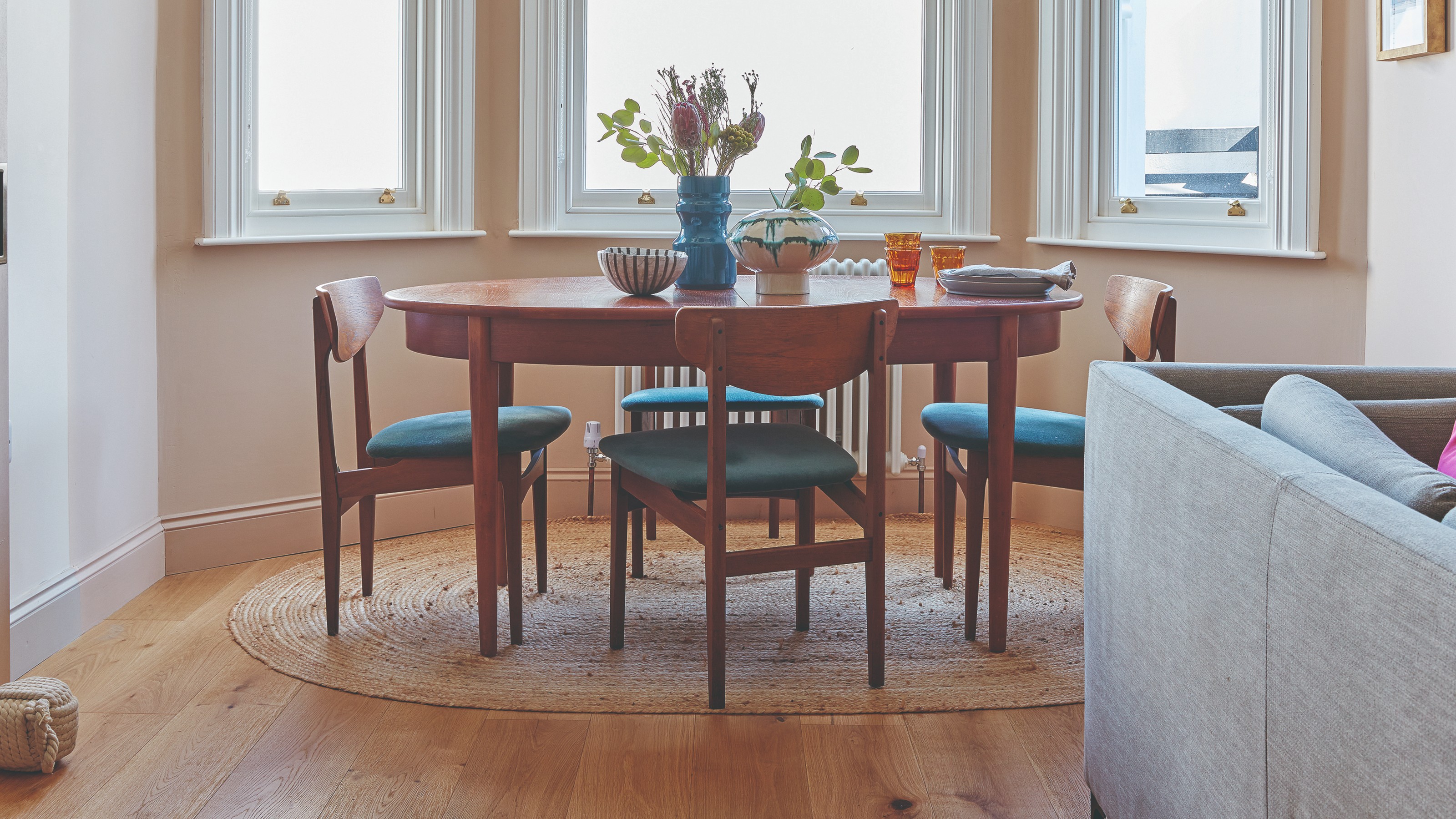
I look at rugs day in, day out as a Room Decor Editor – these are the 9 best places to buy a rug I always go back to

Rug FAQ: What’s the Best Rug Material?