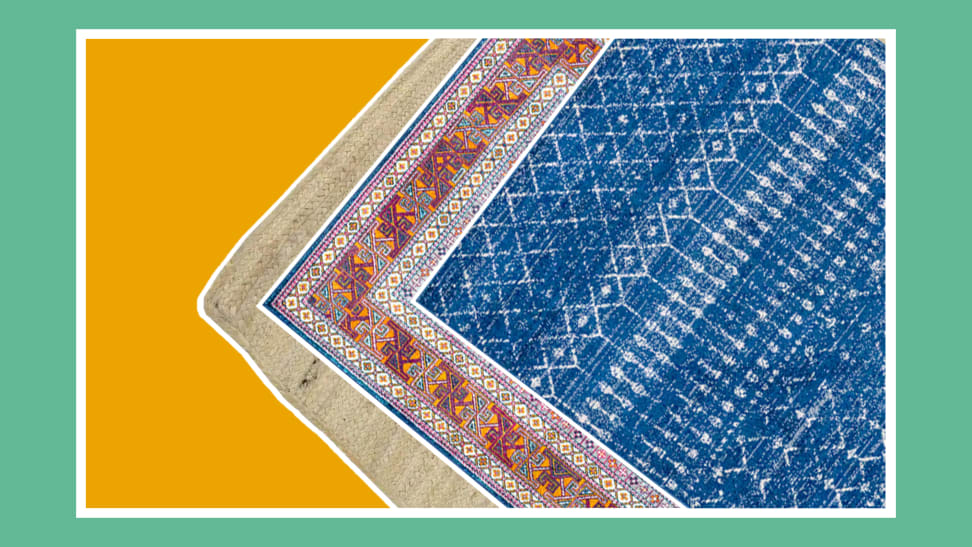
1/6
4 expert design tips for layering rugs the right way
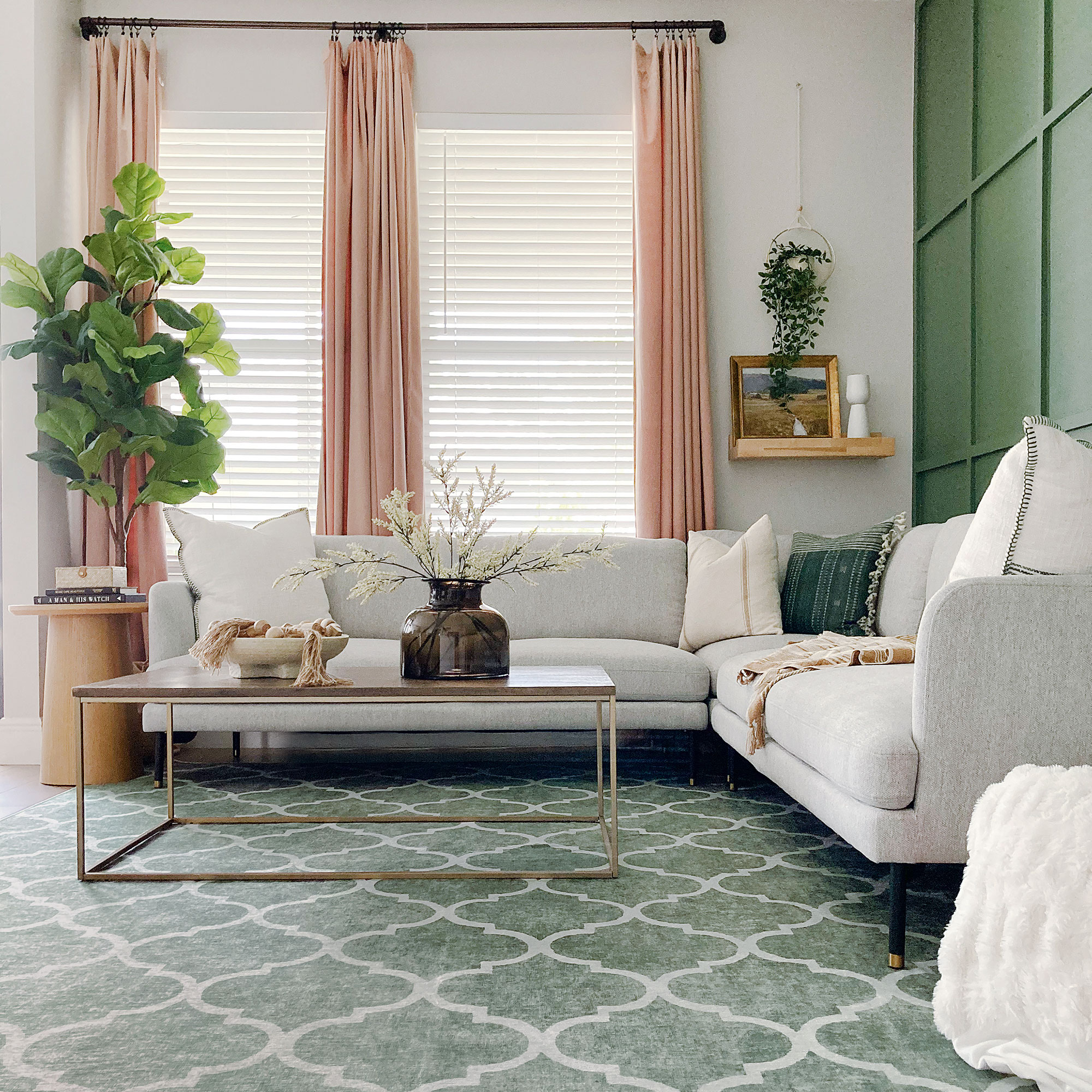
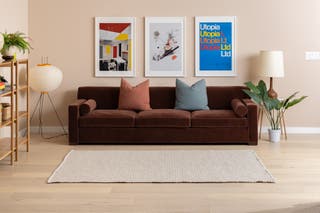
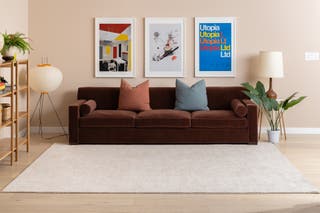
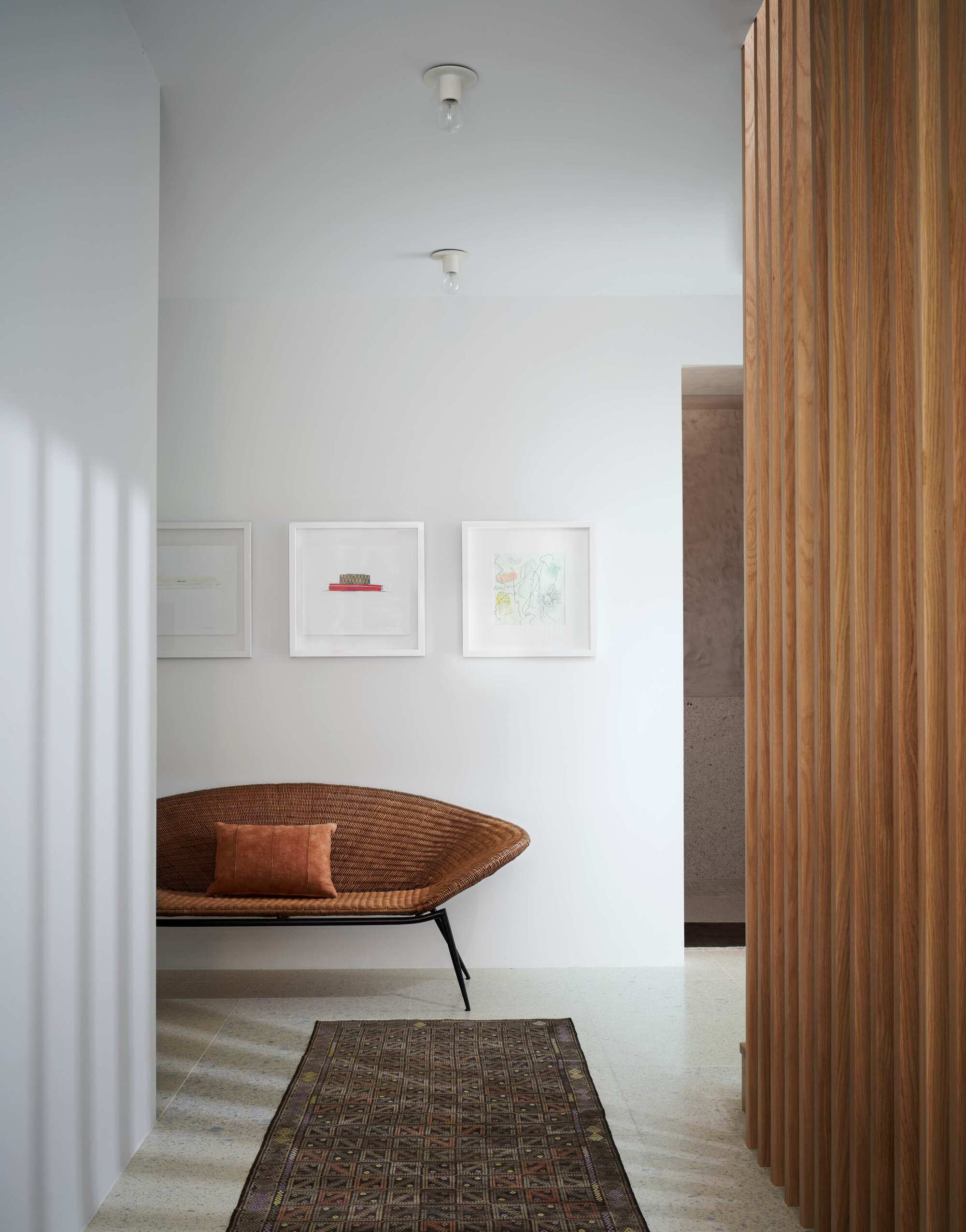
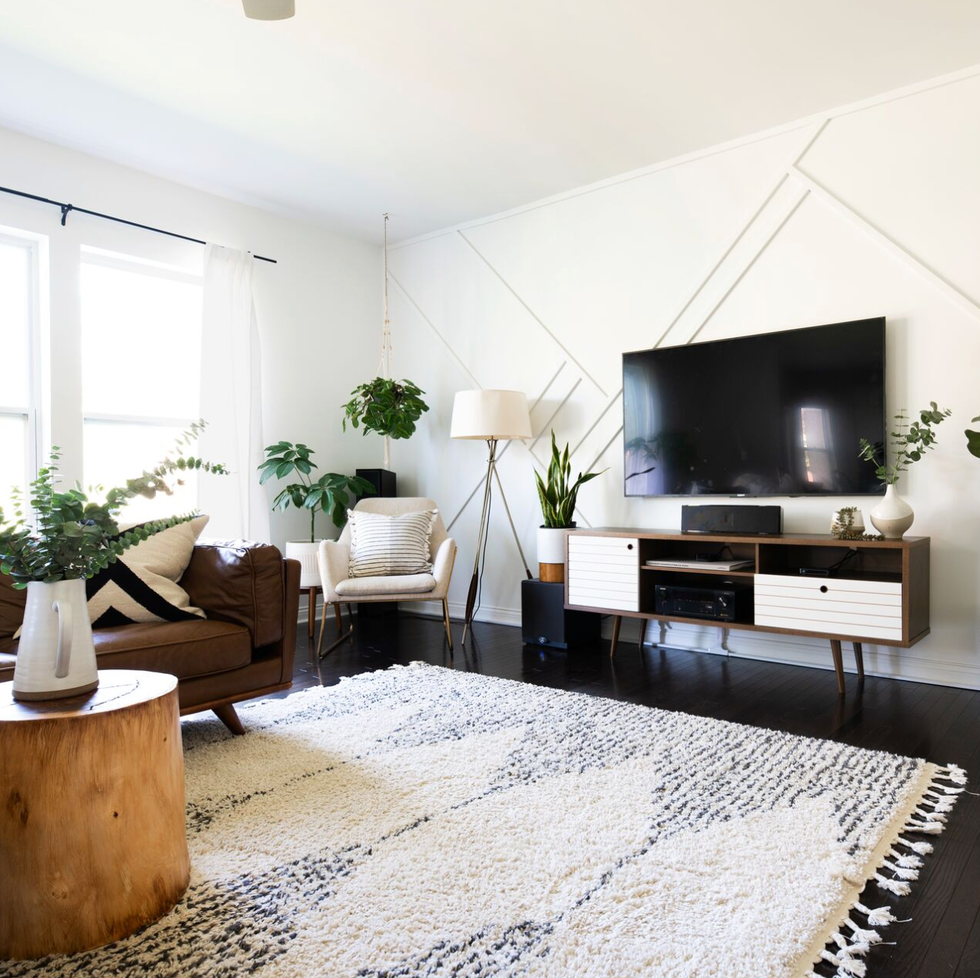
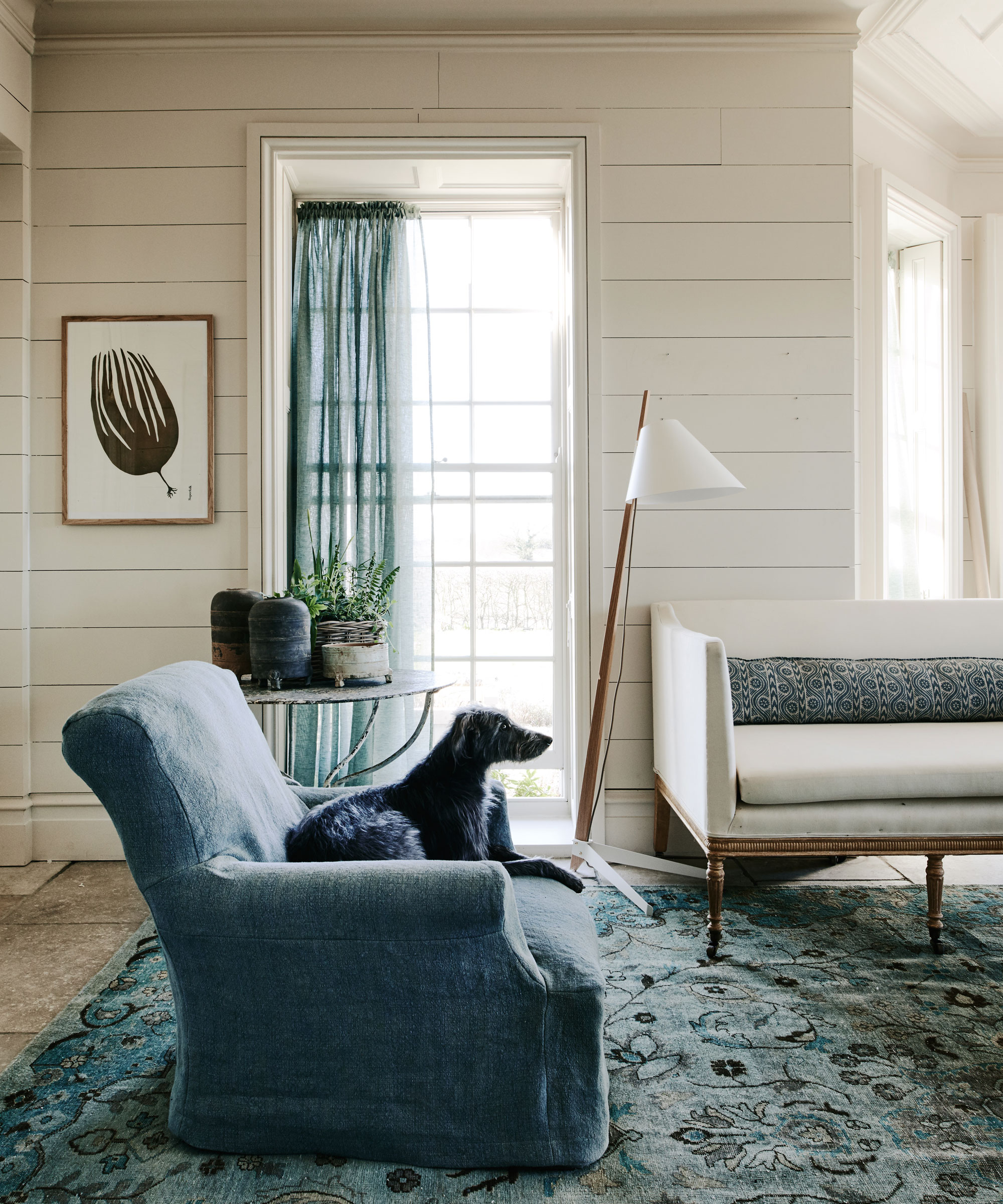
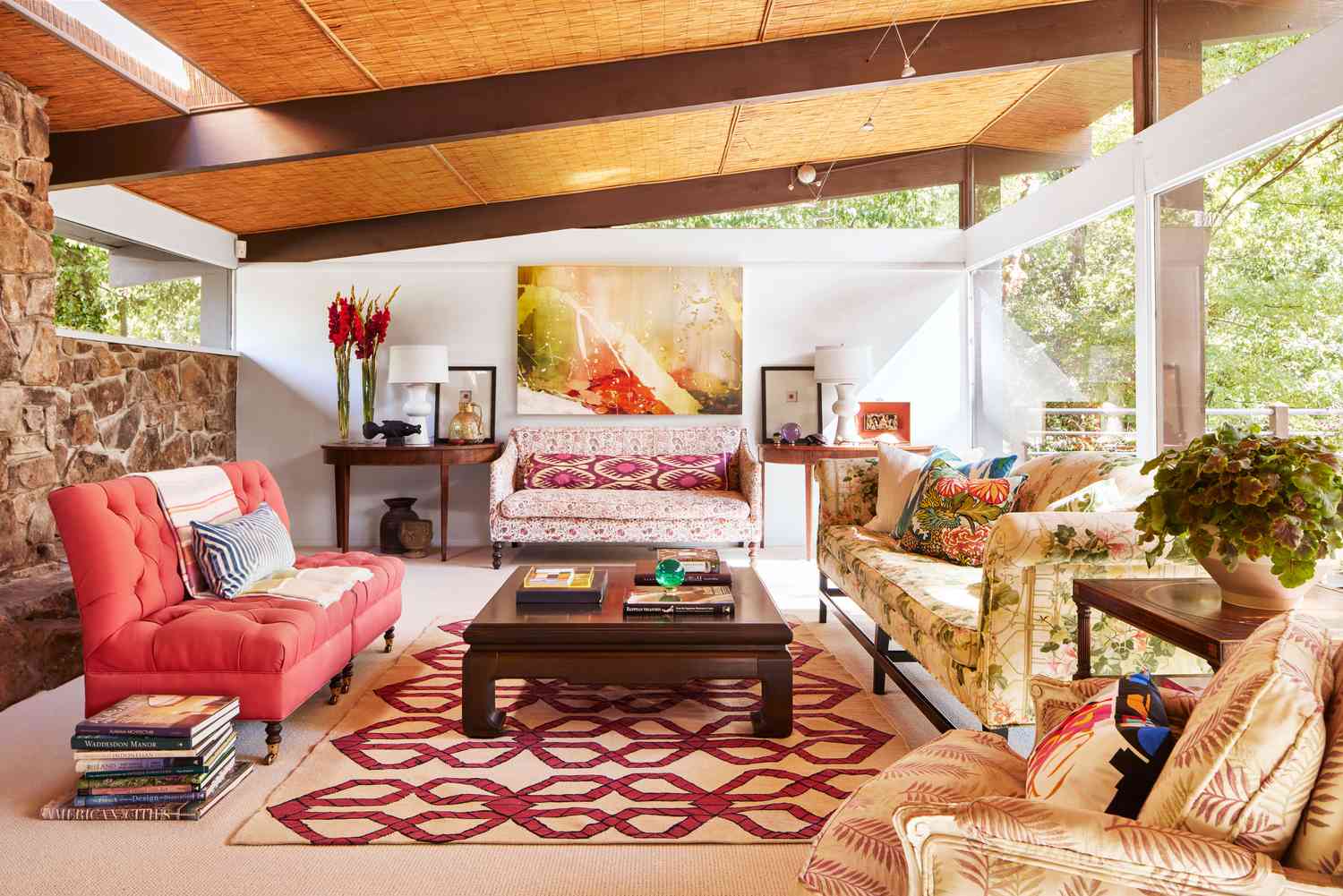
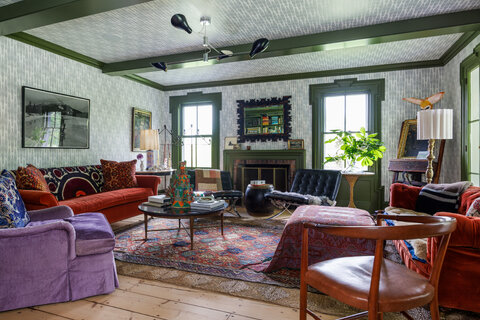
Layering rugs is an effective and stylish method to enhance the aesthetic appeal of any room. This design technique, though centuries old, offers a contemporary feel, allowing for the addition of color, texture, and personality to a space. Samantha Gann, director of marketing at Rugs.com, emphasizes the transformative power of layering a larger rug with a smaller one.
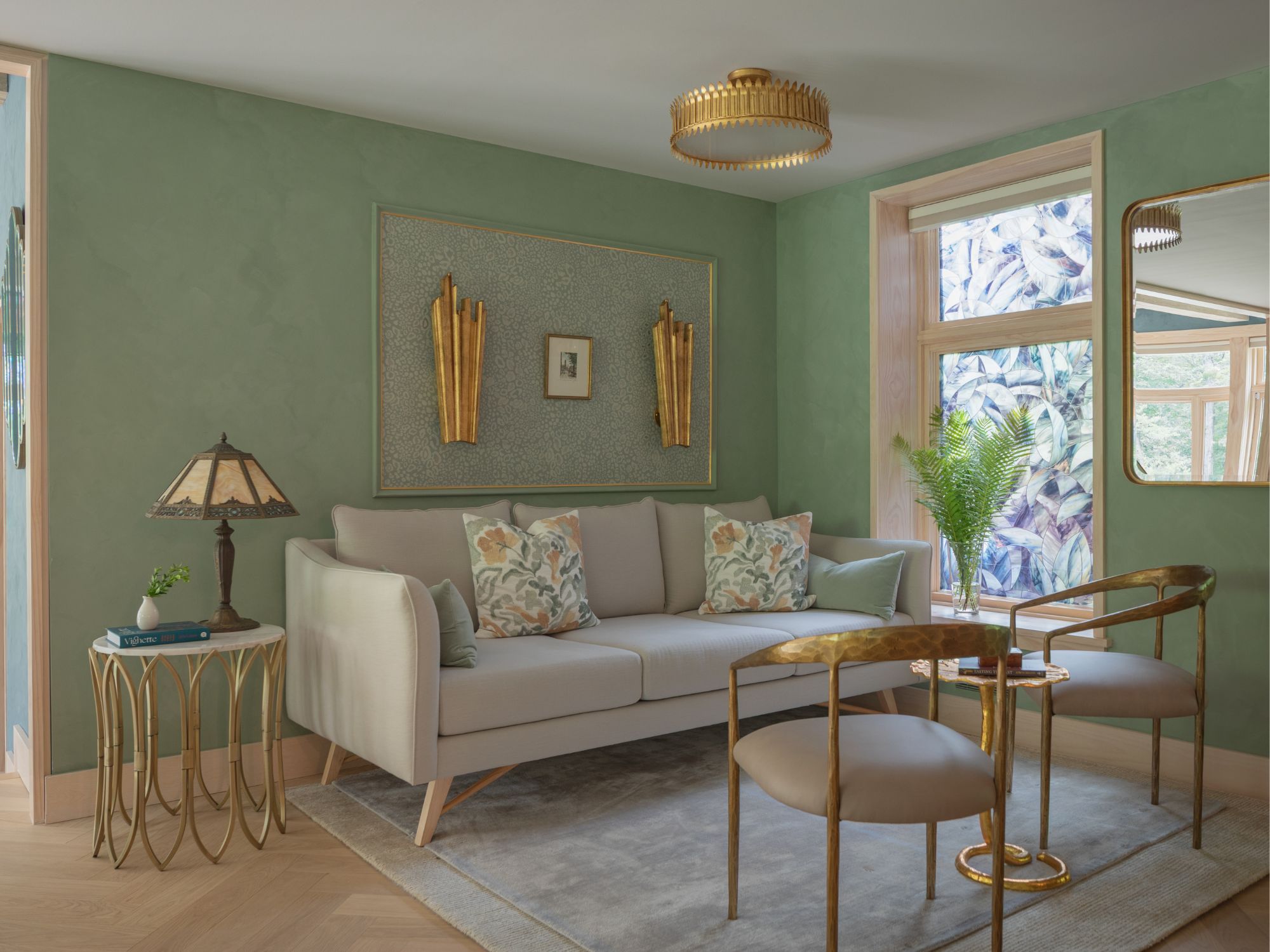
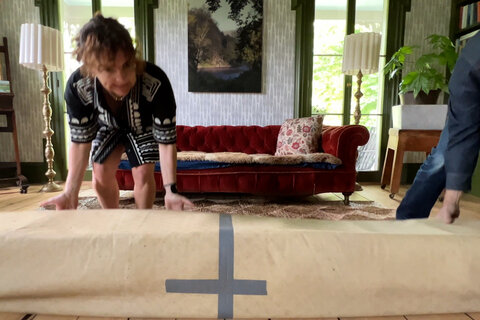
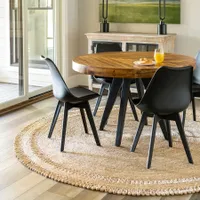
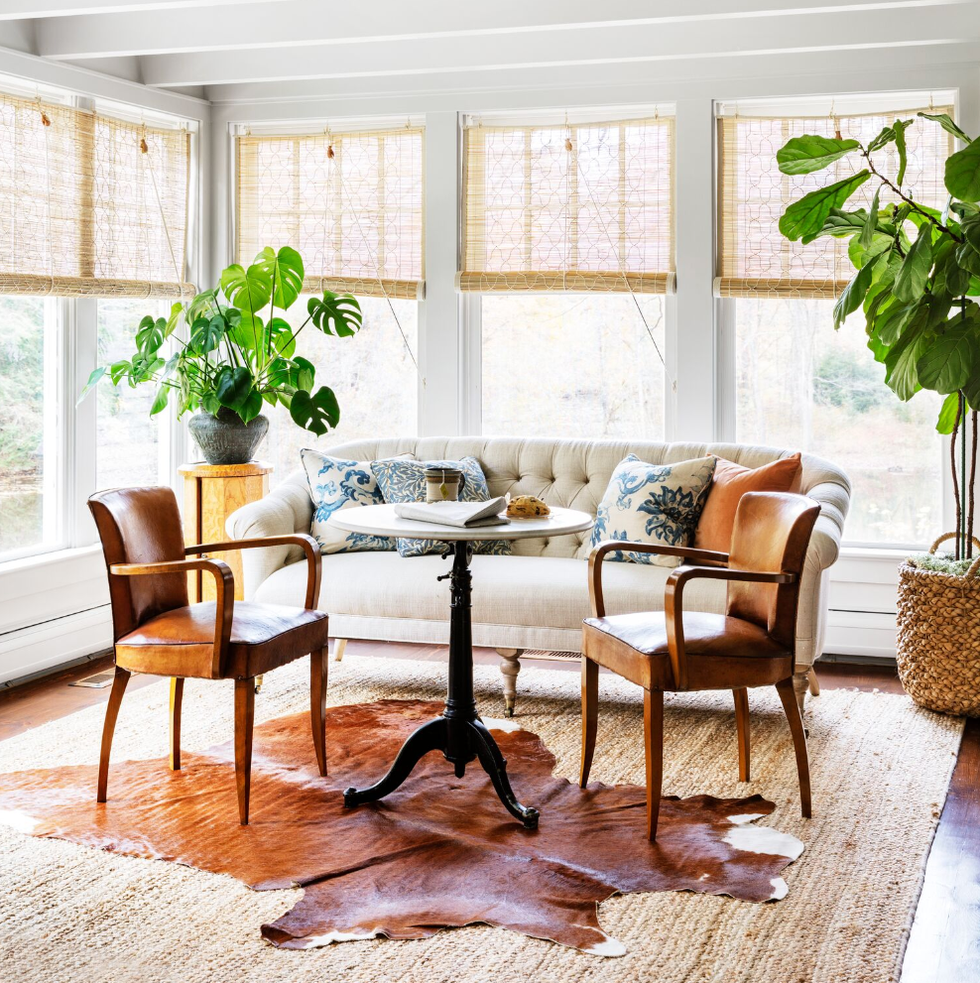
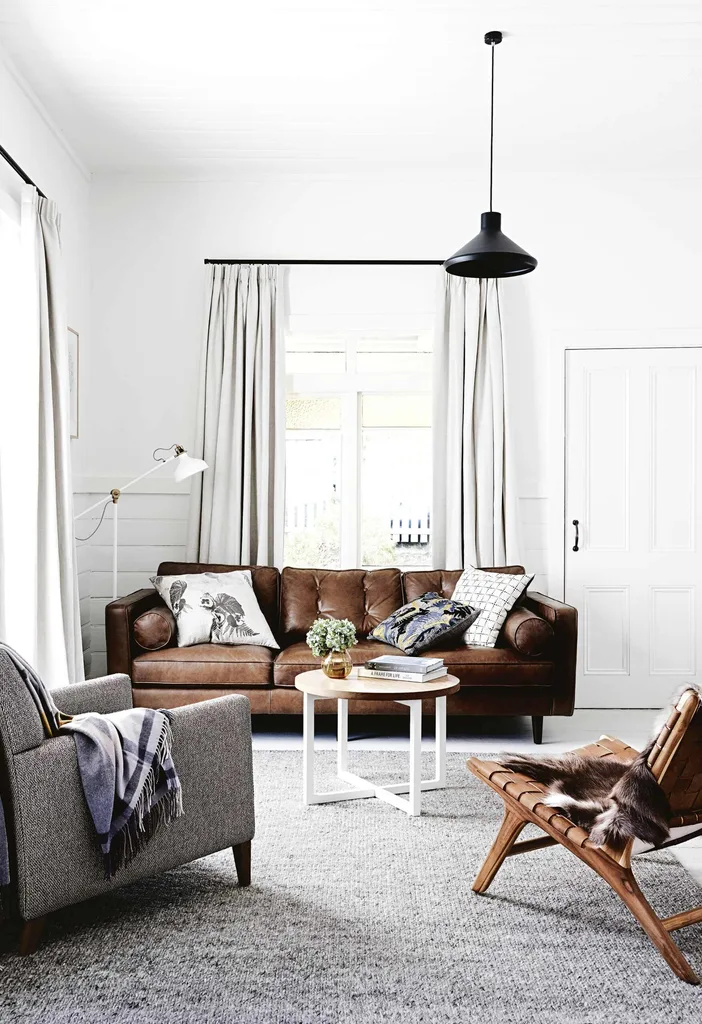
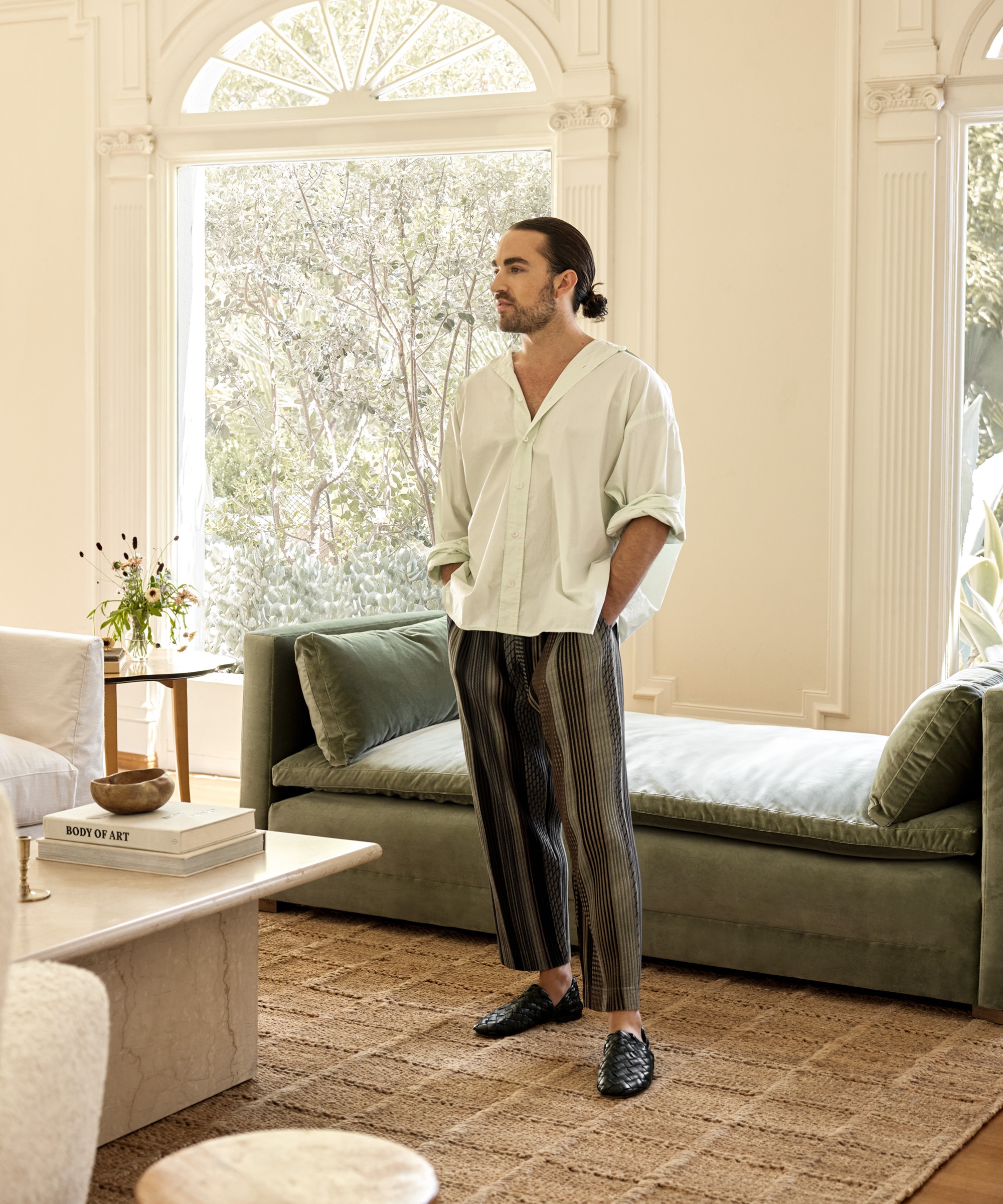
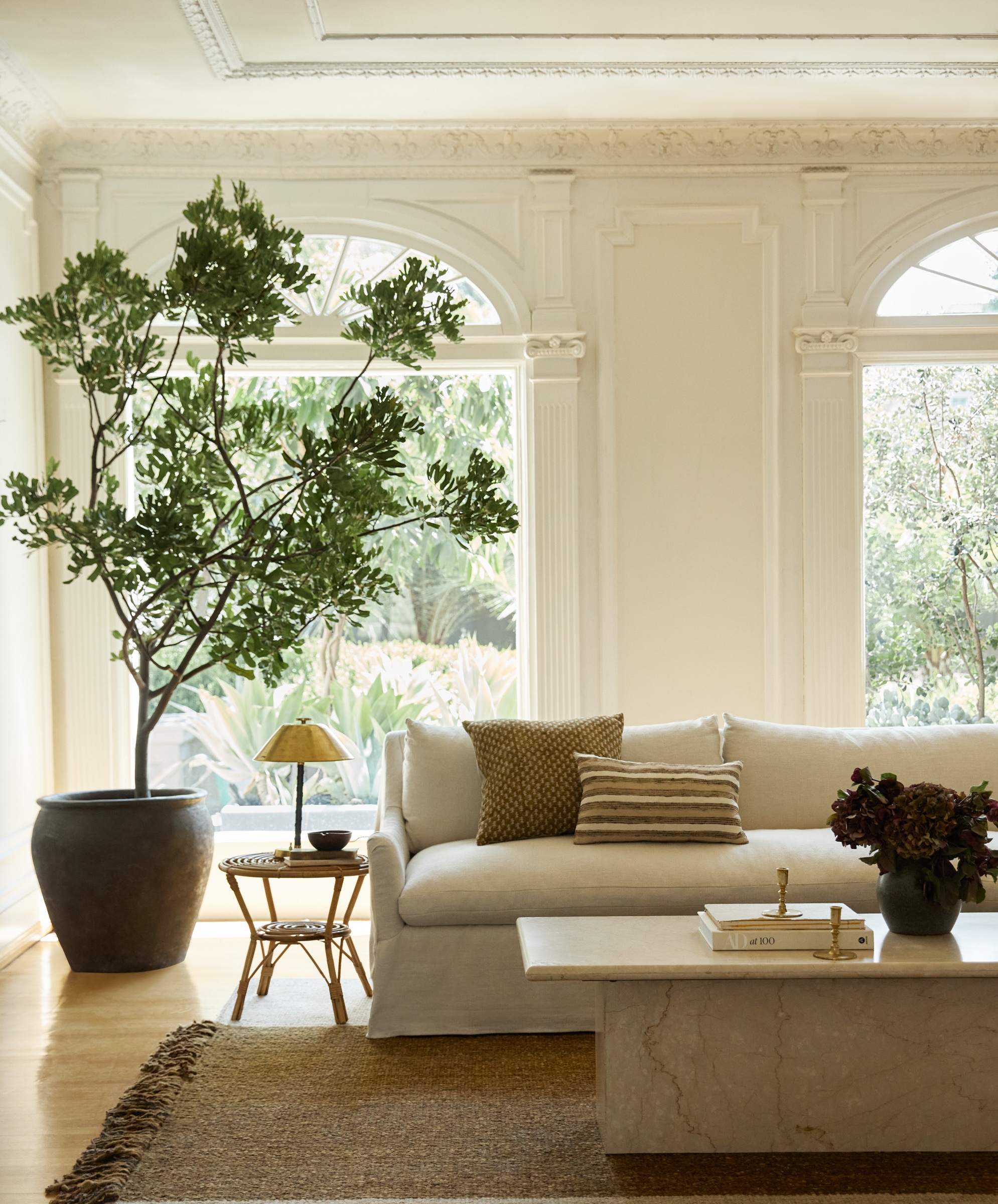
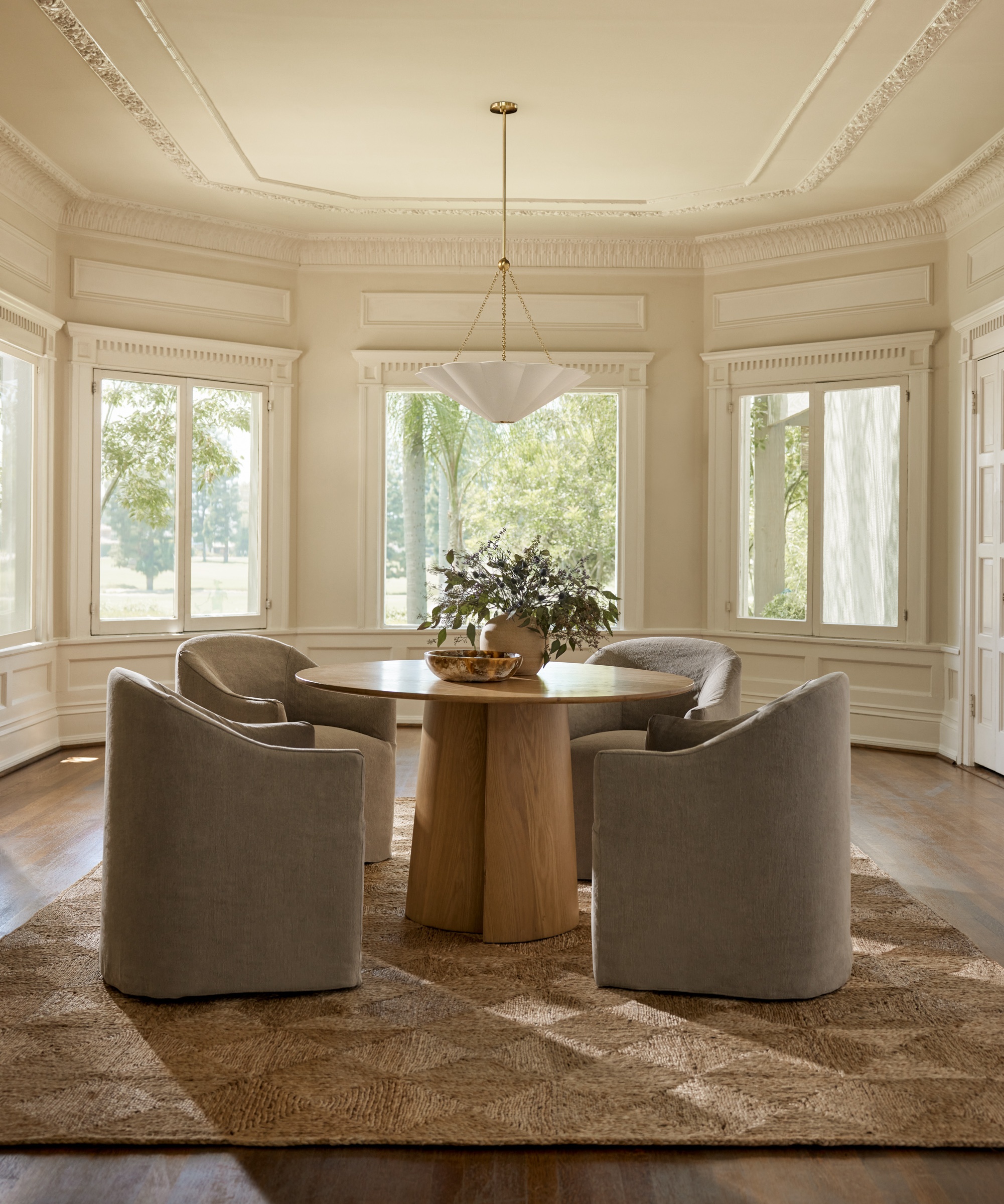
The process typically begins by selecting a neutral-colored rug as the base. This approach is favored by interior designers and DIY enthusiasts because it offers a cost-effective way to achieve a desired look, particularly when incorporating expensive vintage or antique rugs. For instance, a large, affordable base rug can be paired with a smaller, more costly rug to achieve a high-end appearance. Jute rugs are recommended as an ideal neutral base due to their versatility in complementing various patterns and their suitability for both formal and casual settings. Their natural material and dirt-resistant properties also make them practical for high-traffic areas.
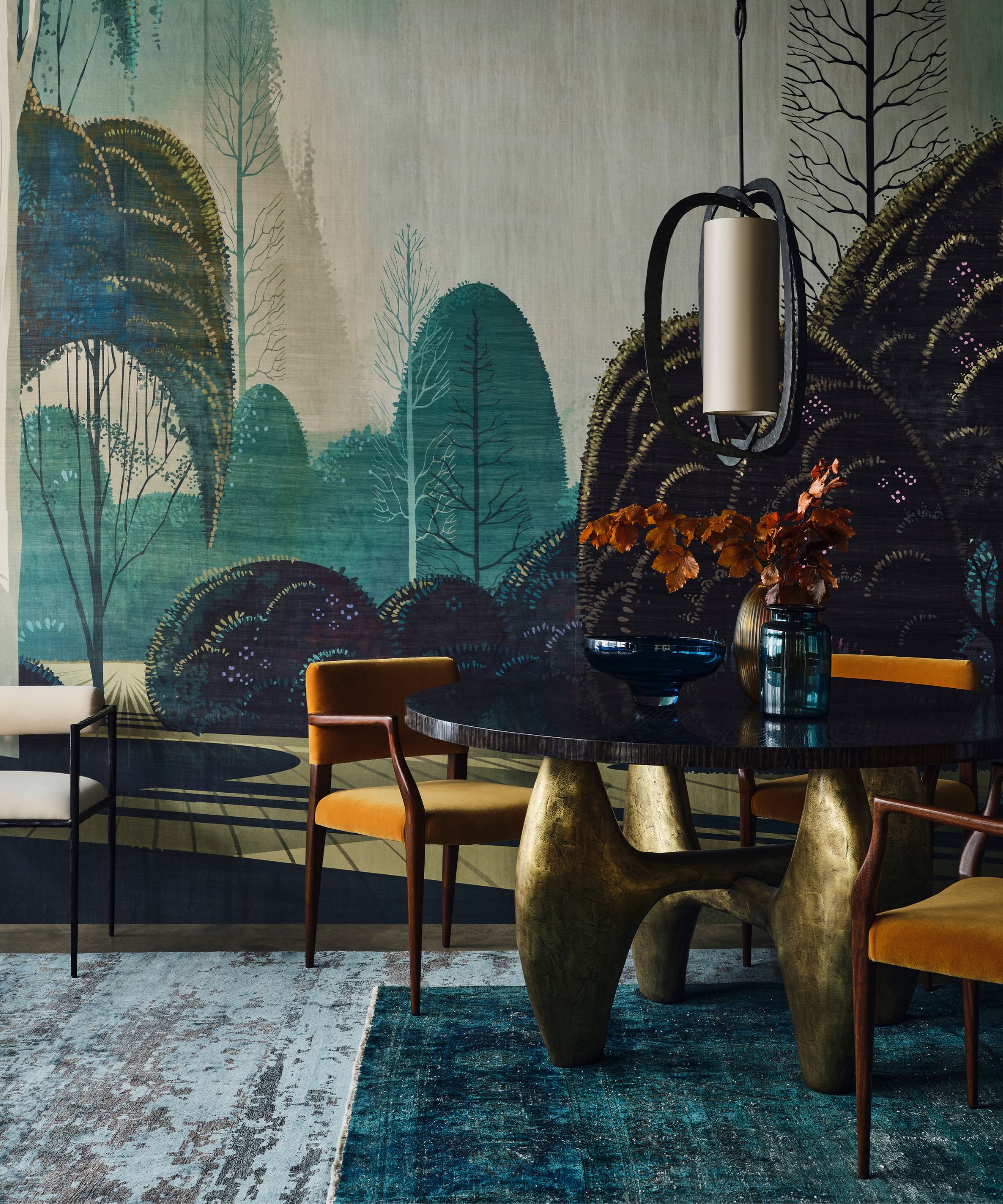
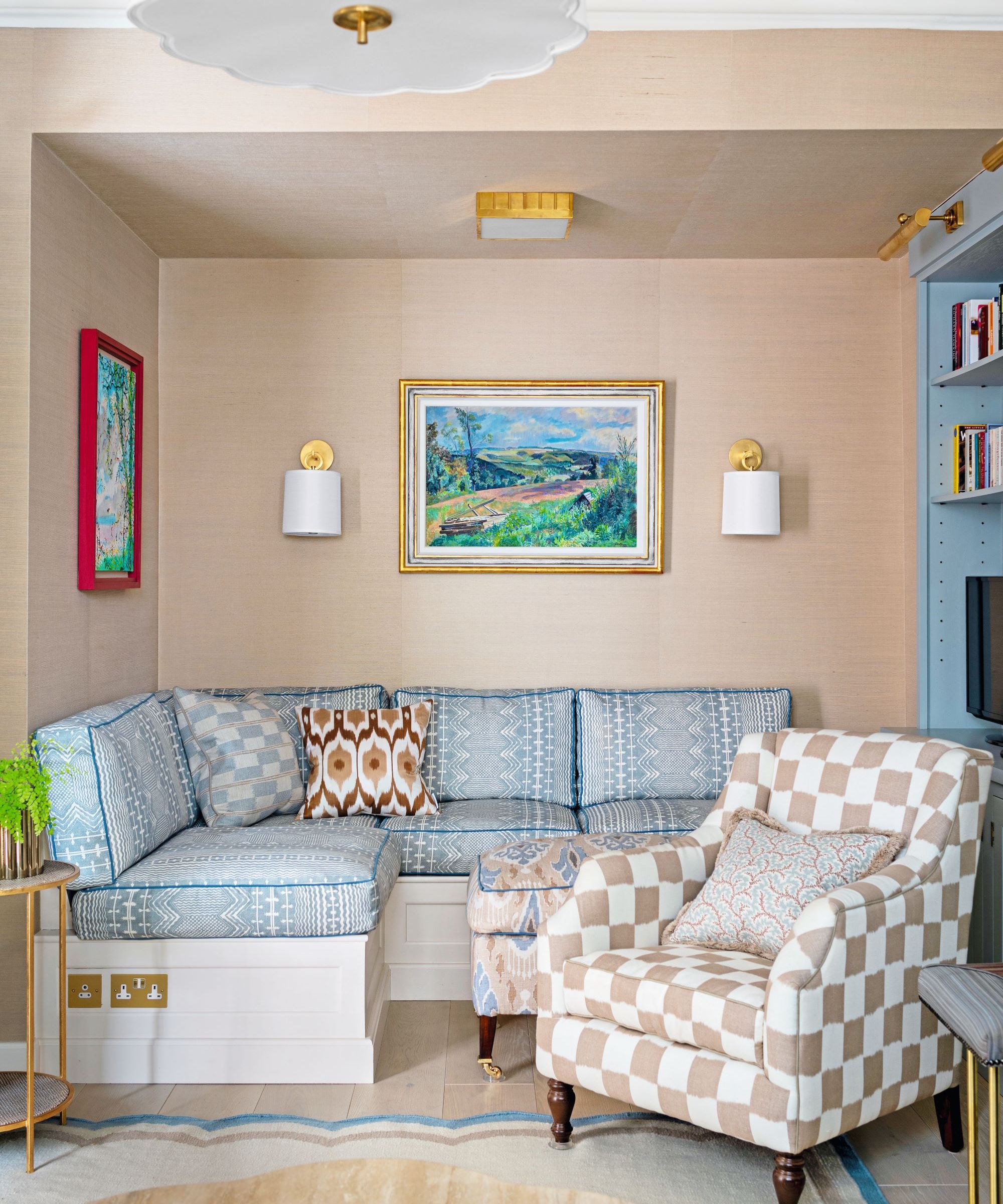
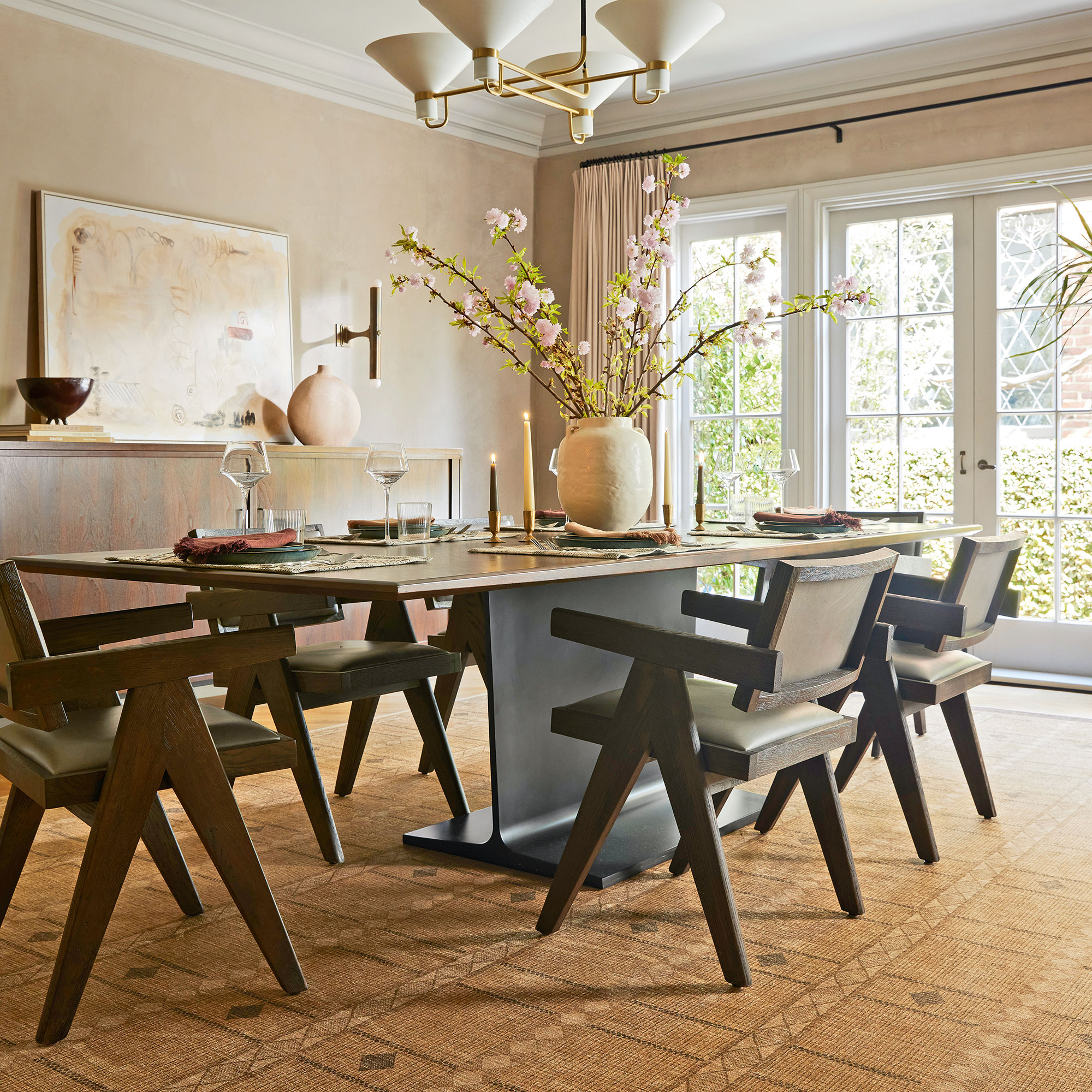
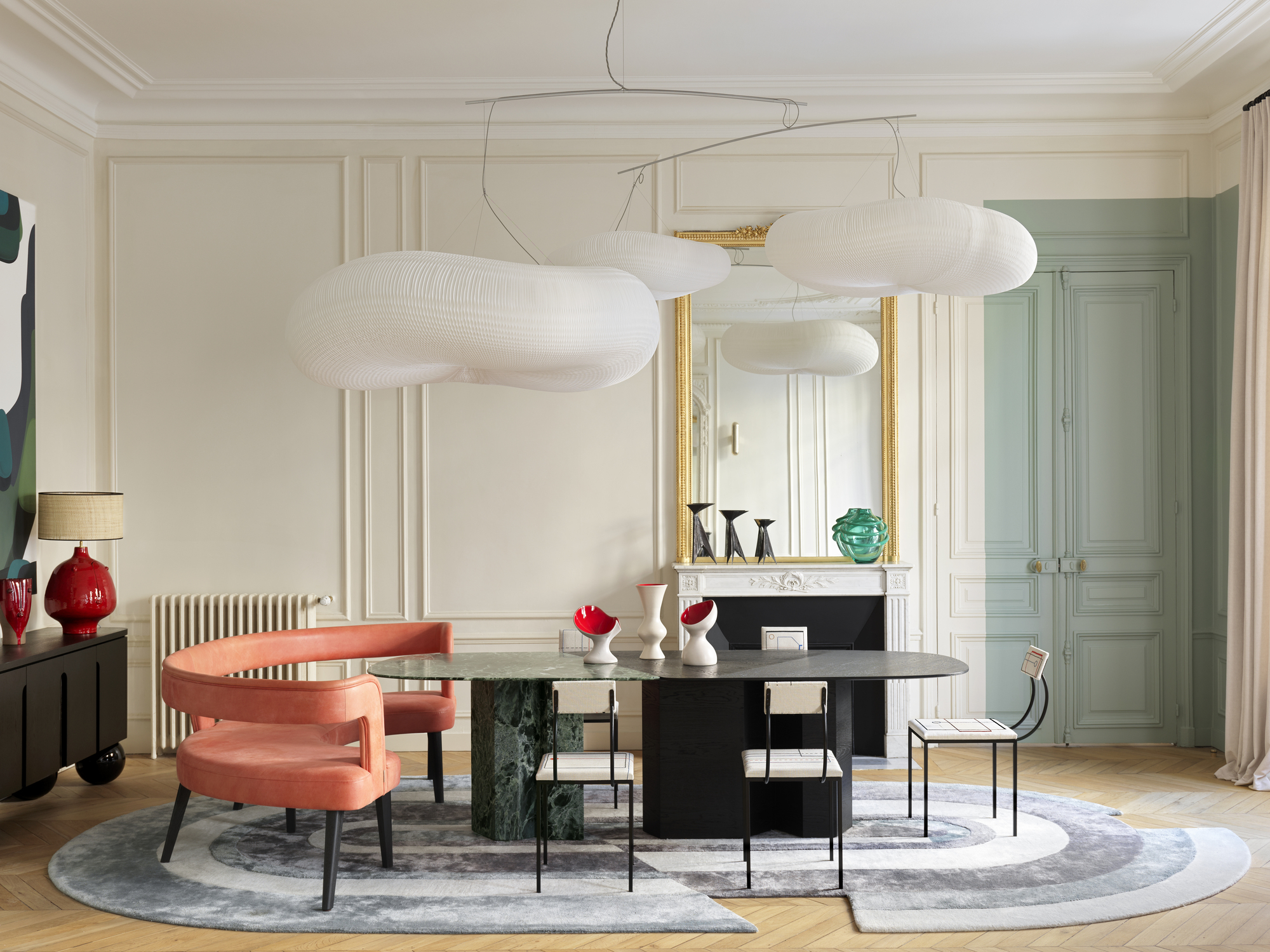
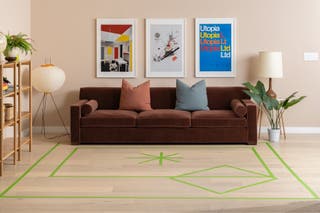
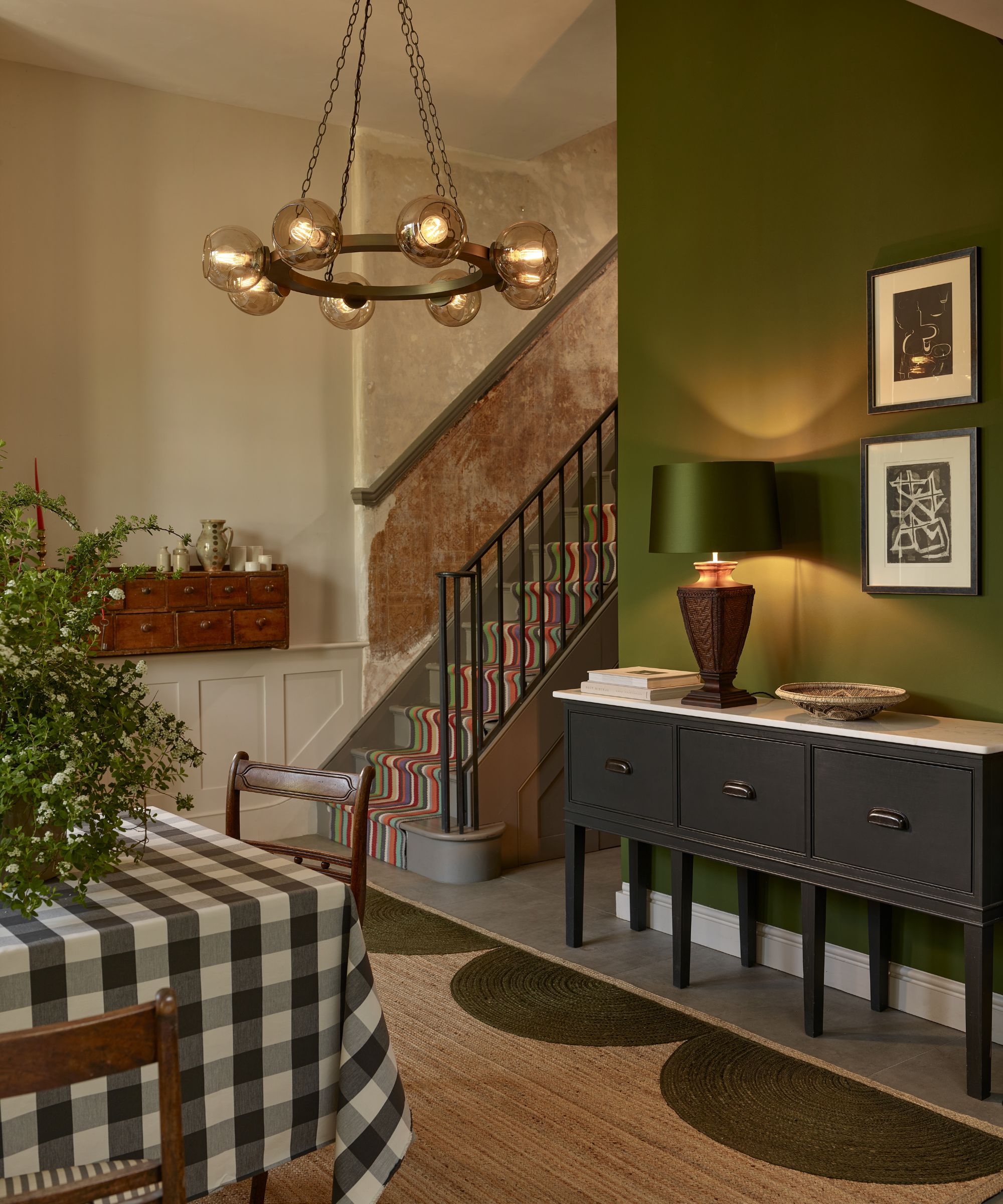
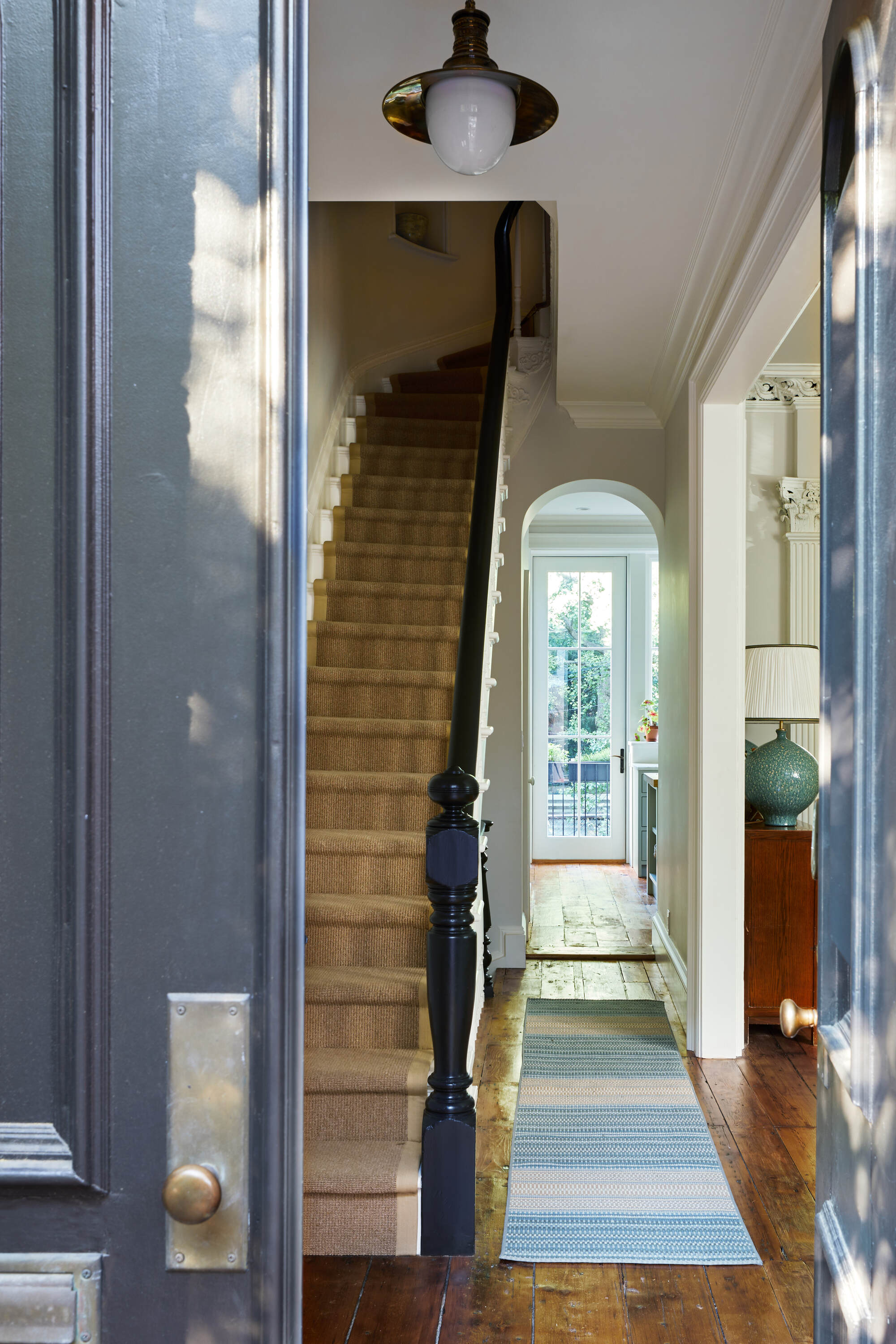
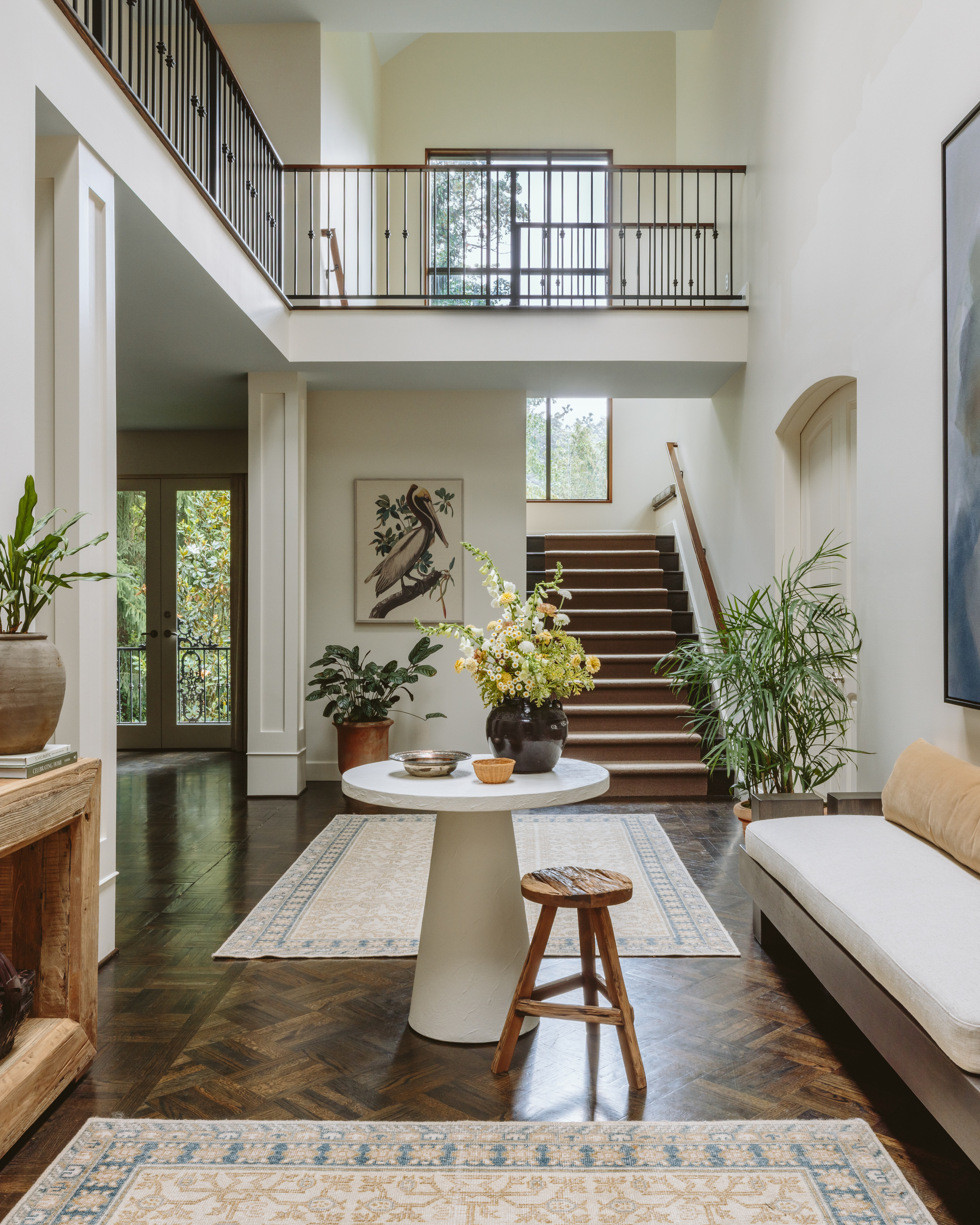
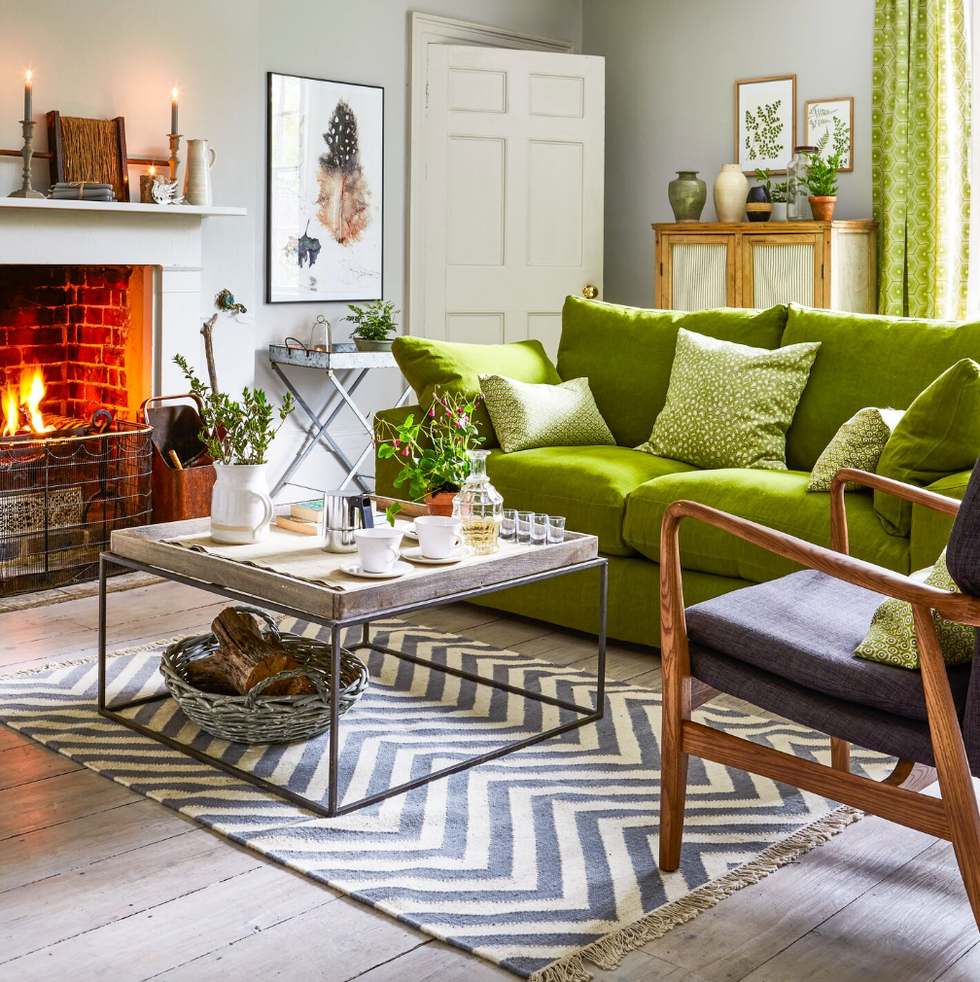
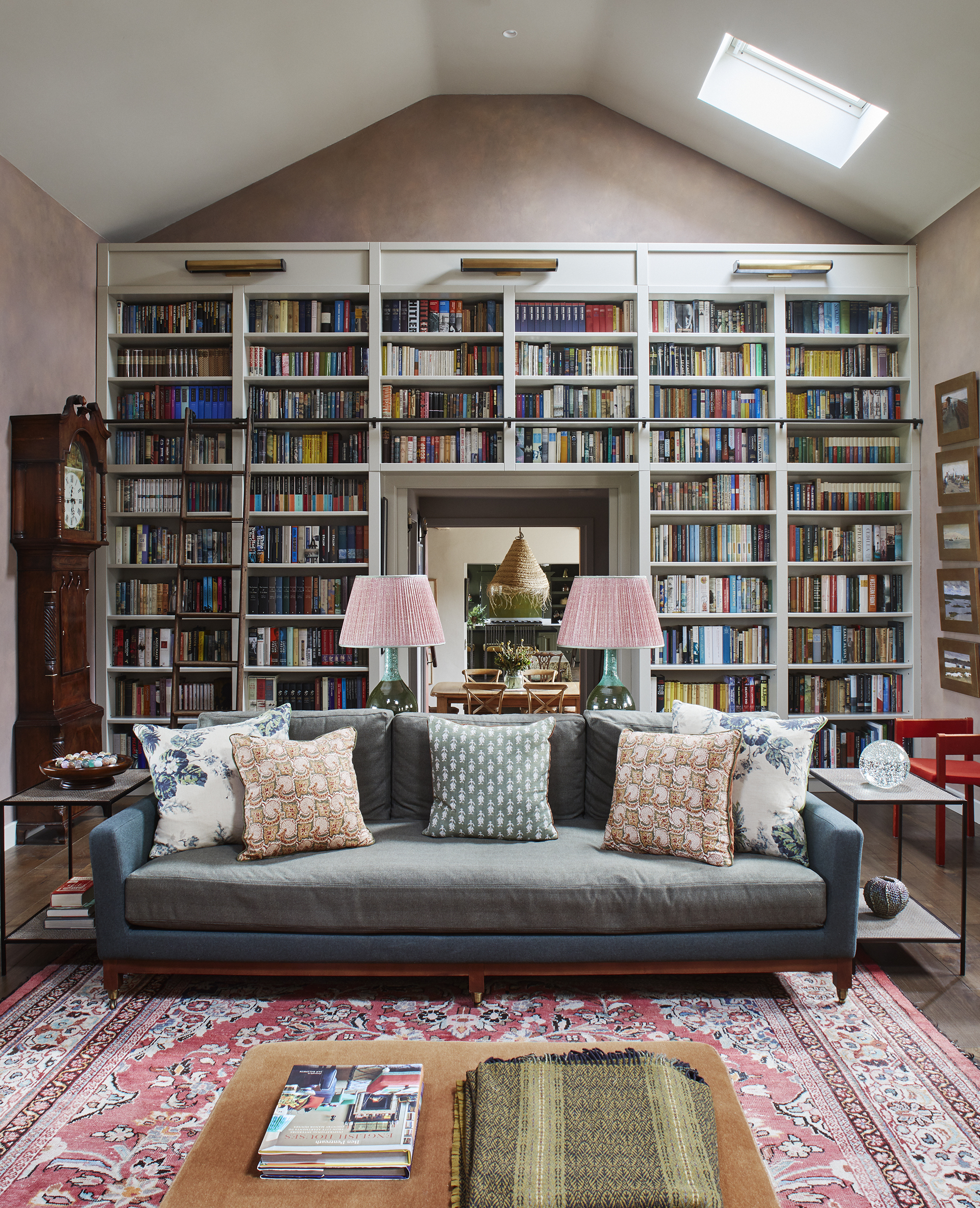
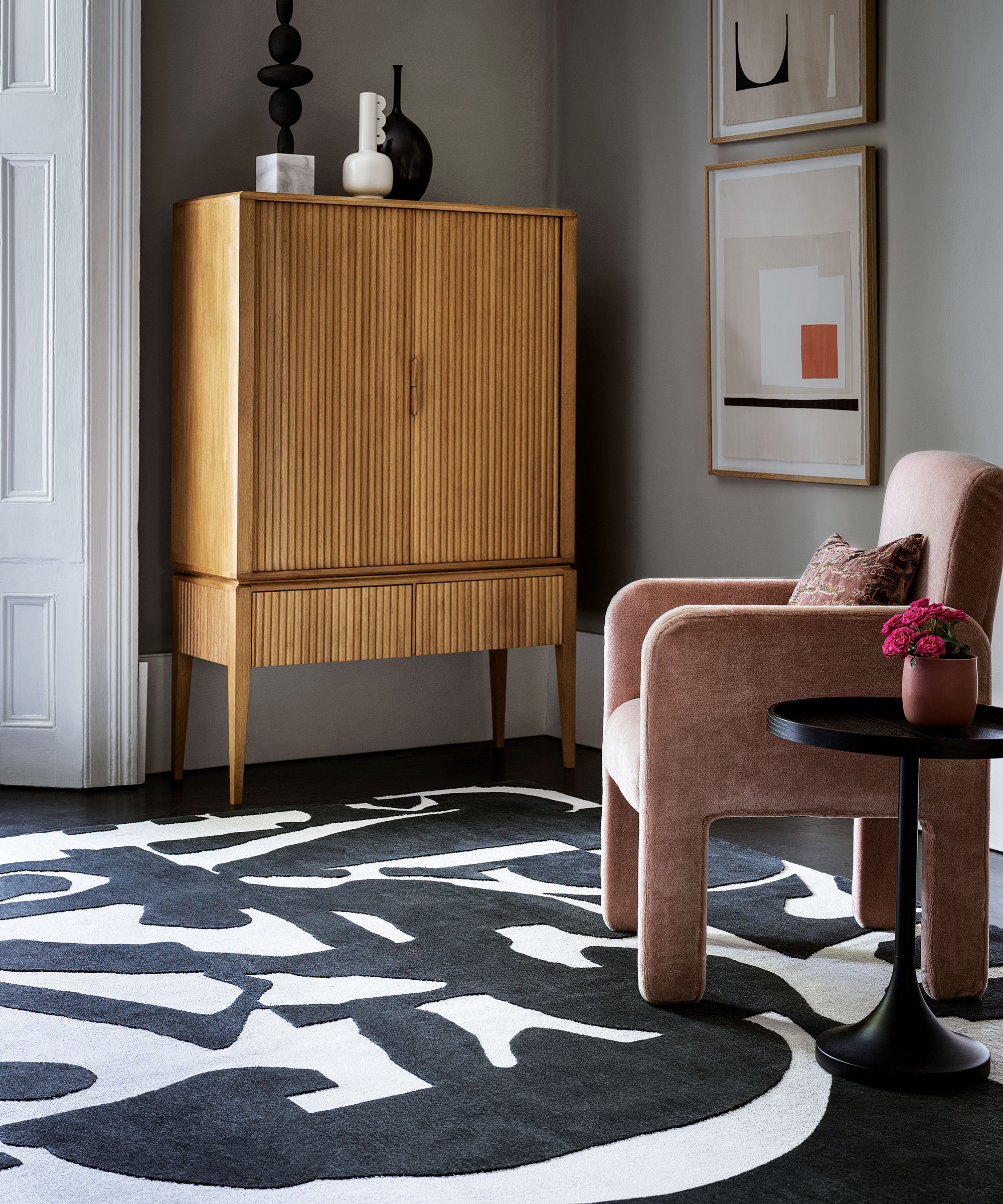
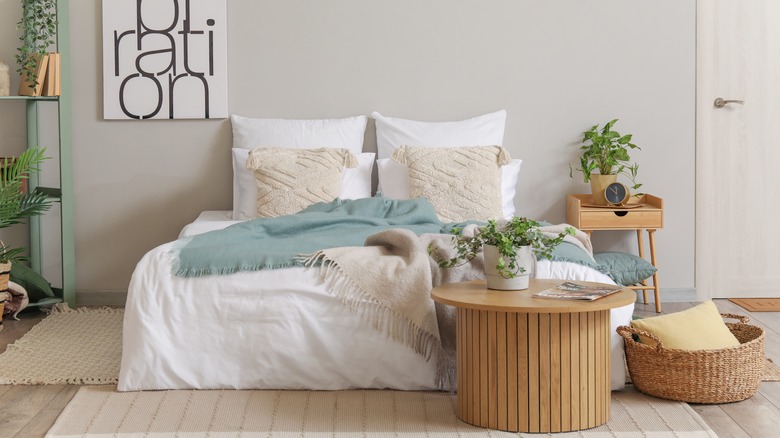
Choosing the correct rug sizes is crucial for successful layering, ensuring that each rug is prominently displayed without creating a cluttered effect. While there are no strict rules, the optimal combination often depends on the room's size and furniture arrangement. A common suggestion for larger spaces involves using a 9x12-foot rug as the base, layered with a 5x7-foot rug. For bedrooms, 8x10-foot rugs are recommended for queen beds and 9x12-foot for king beds, with a runner placed beside the bed for comfort. When rugs are similar in size, layering them at an angle can add visual interest. Mixing different styles in coordinating colors can create a sense of a space that has evolved over time. Experimenting with shapes, such as placing an oval rug over a rectangular one, can introduce depth. Combinations like two similar vintage Persian rugs can achieve a bohemian design.
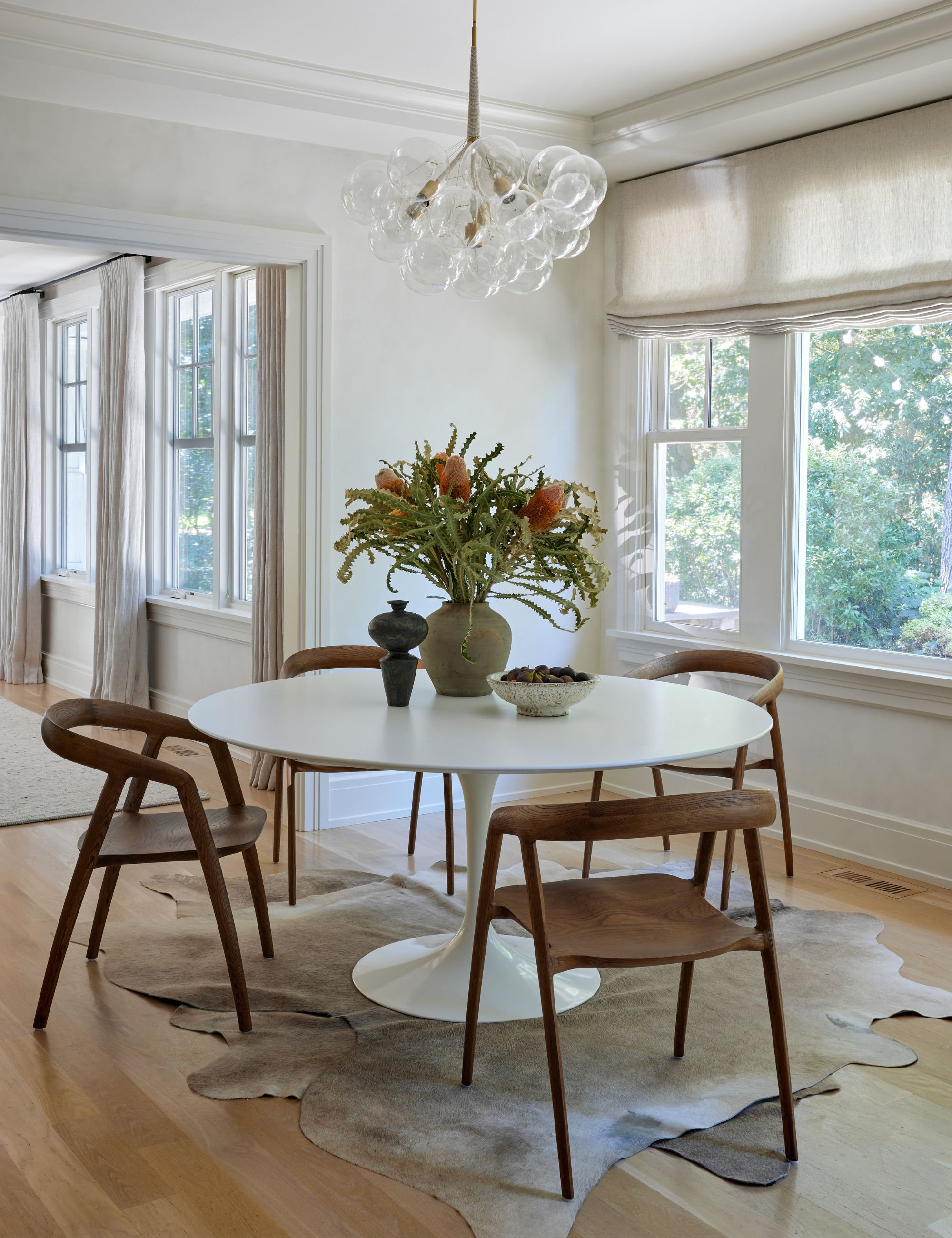
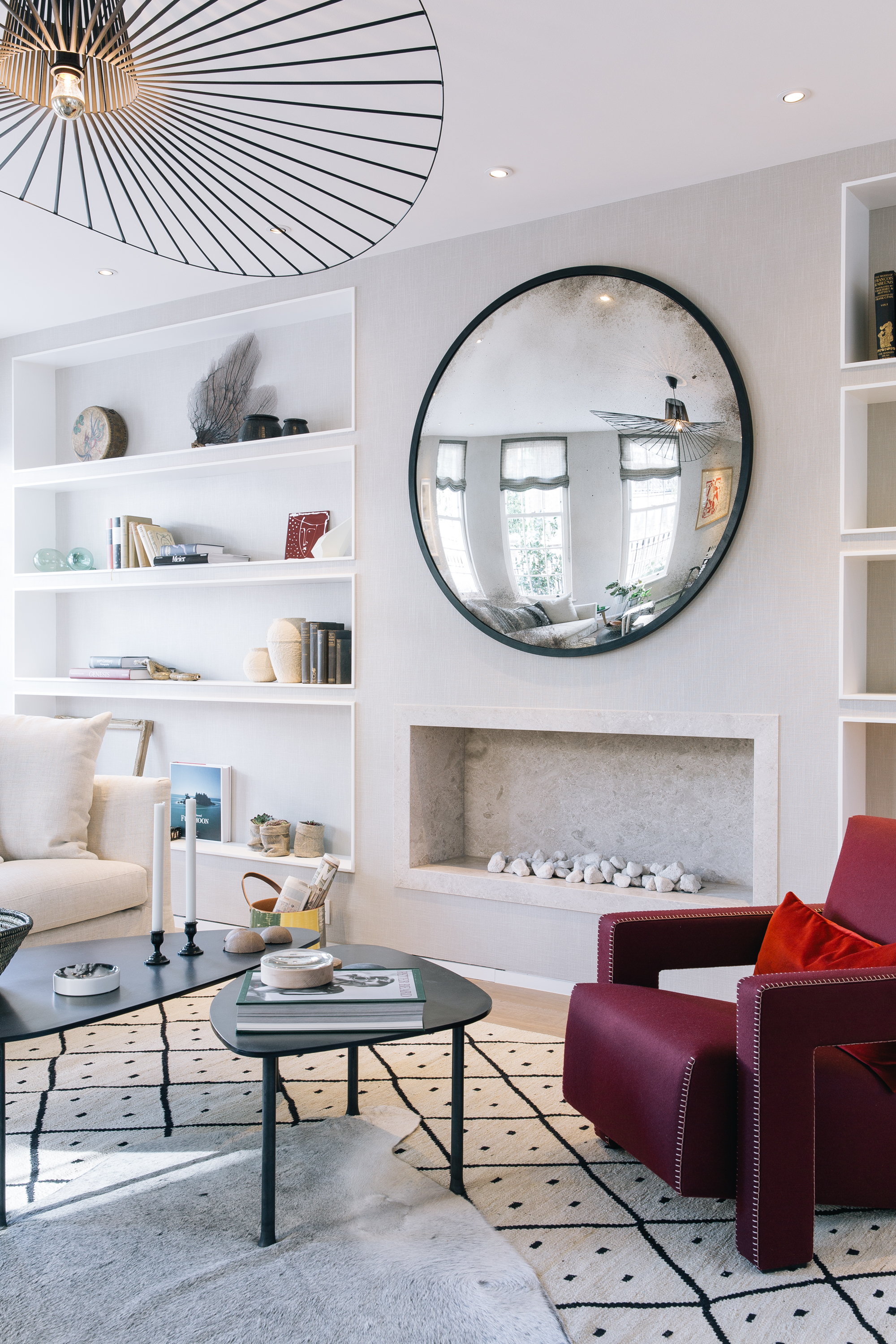
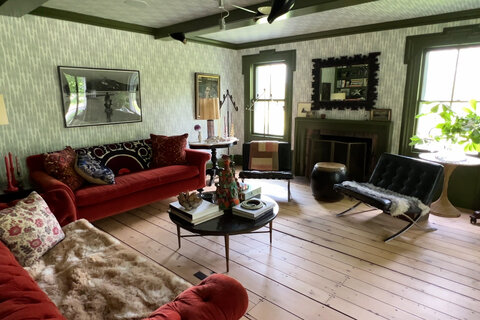
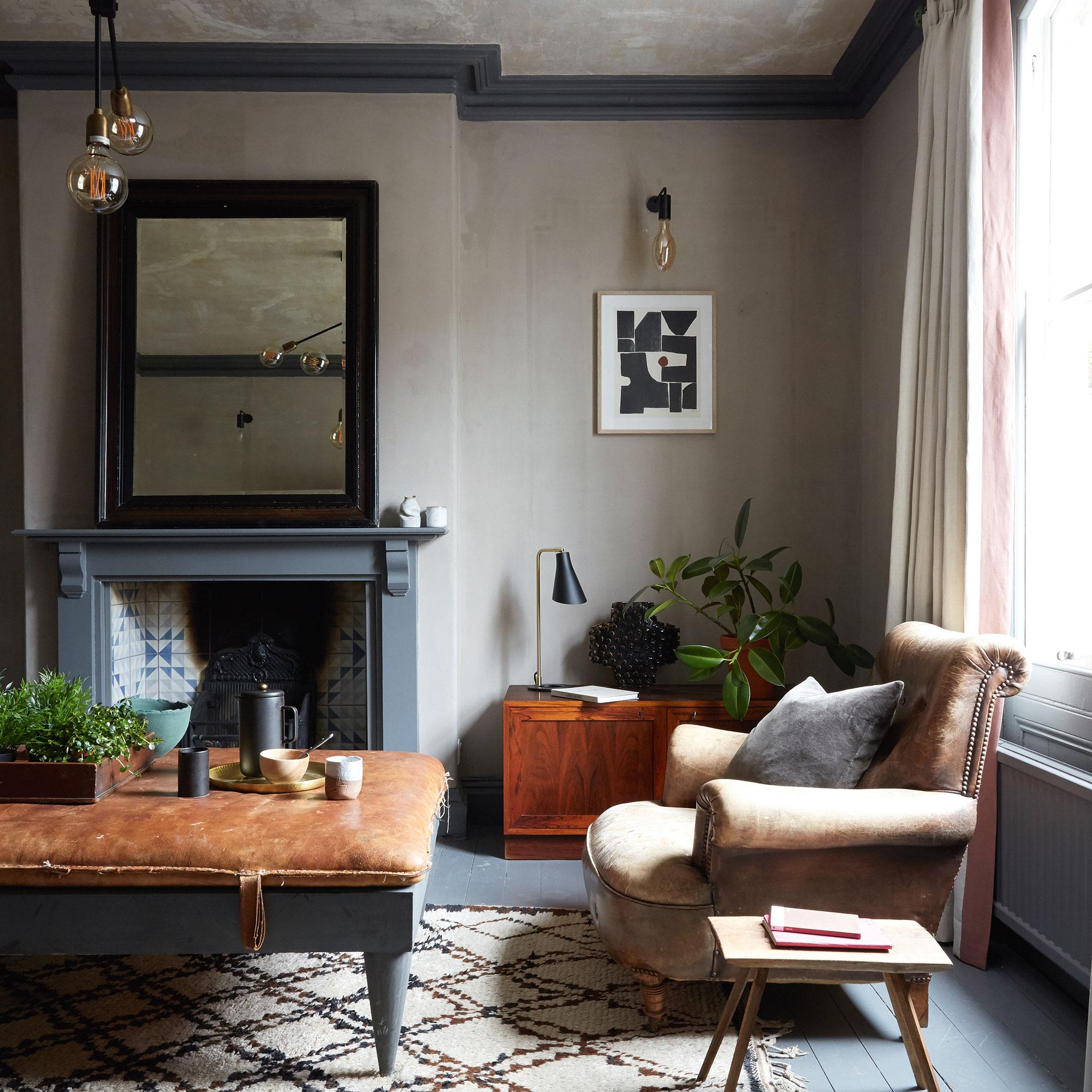
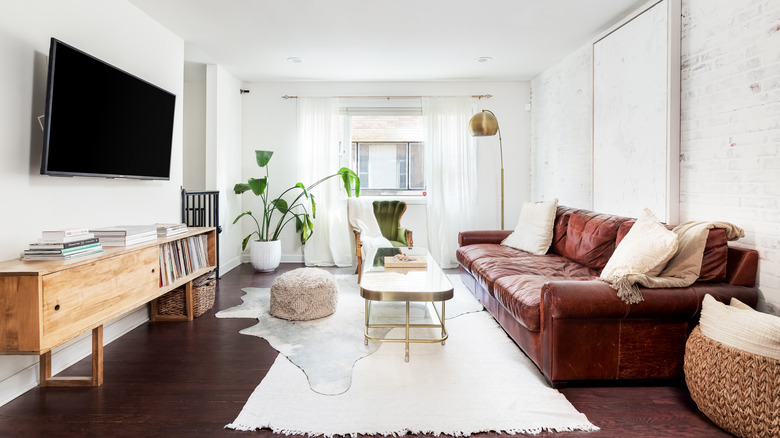
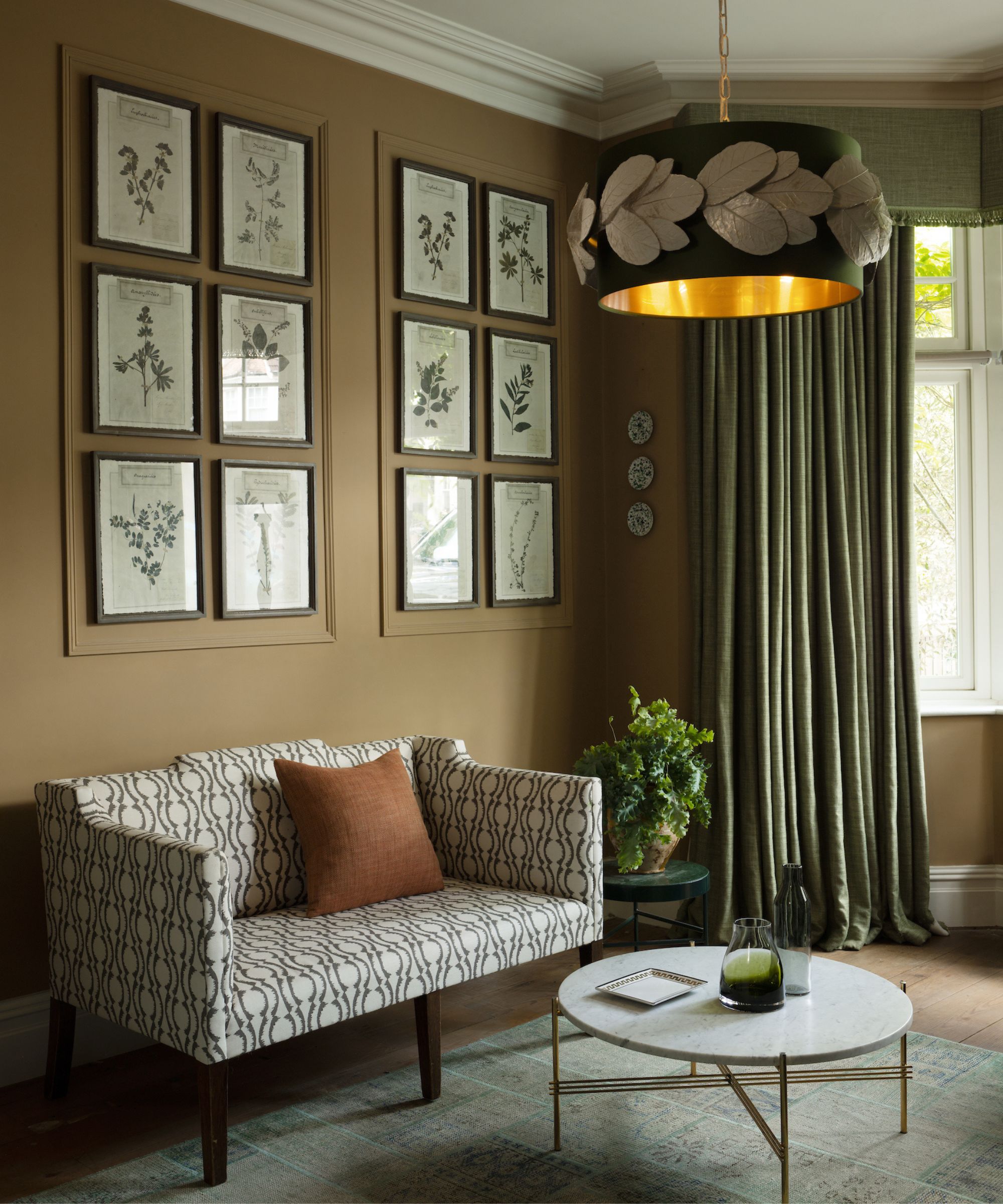
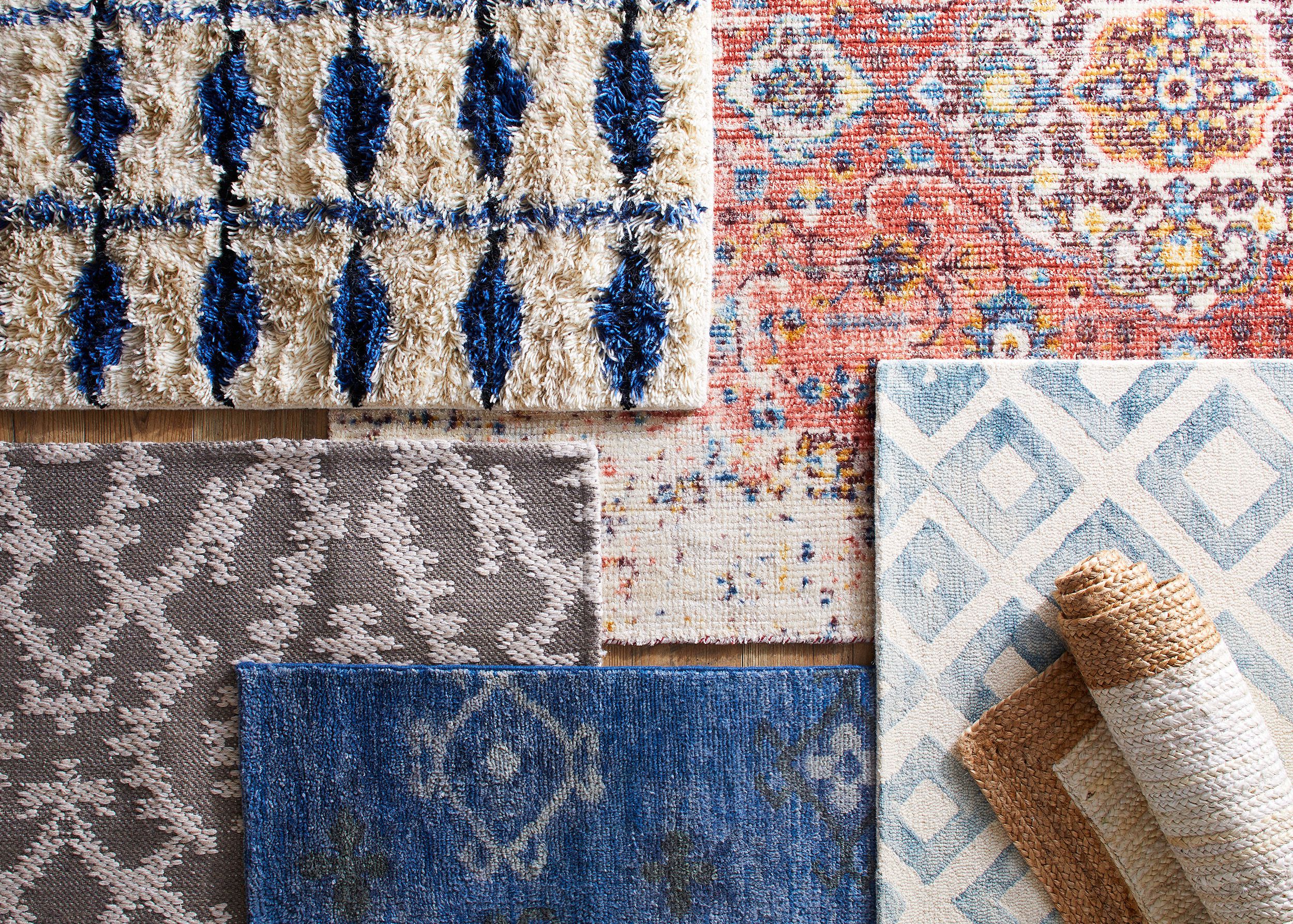
Incorporating prints and patterns is another tip to add character to a room. Once a base rug is chosen, there is creative freedom to select top rugs with diverse styles, colors, or prints. Bold combinations, such as a heavily printed Persian rug layered with a striped rug, or colorful Moroccan rugs paired with simple black and white prints, can make a significant impact. Other suggestions include pairing a tribal rug with an Oriental rug, or a jute rug with a flat weave cotton Chindi rug for a Coastal Grandmother aesthetic. Mixing natural textures like jute with high-end Persian rugs, or Moroccan rugs with unexpected cowhide or zebra prints, can create elevated and sophisticated looks. Animal print rugs are noted for their ability to complement any style.
Finally, the importance of a rug pad cannot be overstated. Even with multiple layers, a non-slip rug pad underneath the base rug is essential to prevent slipping and maintain the rug's position. While additional pads are not necessary for every layer, removable rug tape can secure top rugs if needed. This layering technique extends to outdoor spaces as well, using waterproof or water-resistant outdoor rugs with neutral color schemes to prevent mildew. Washable outdoor rugs offer convenience for cleaning. Layering outdoor rugs with doormats at front entrances provides a simple way to update seasonal or holiday decor, especially when starting with a neutral base like black and white or jute to allow for vibrant top layers.
#RugLayering #HomeDecor #InteriorDesignTips #NeutralBaseRug #PatternMixing #OutdoorRugs #RugPads #HomeStyling #RugLayering #HomeDecor #InteriorDesignTips #NeutralBaseRug #PatternMixing #OutdoorRugs #RugPads #HomeStyling
0 comment in total
 No comments yet
You may also like
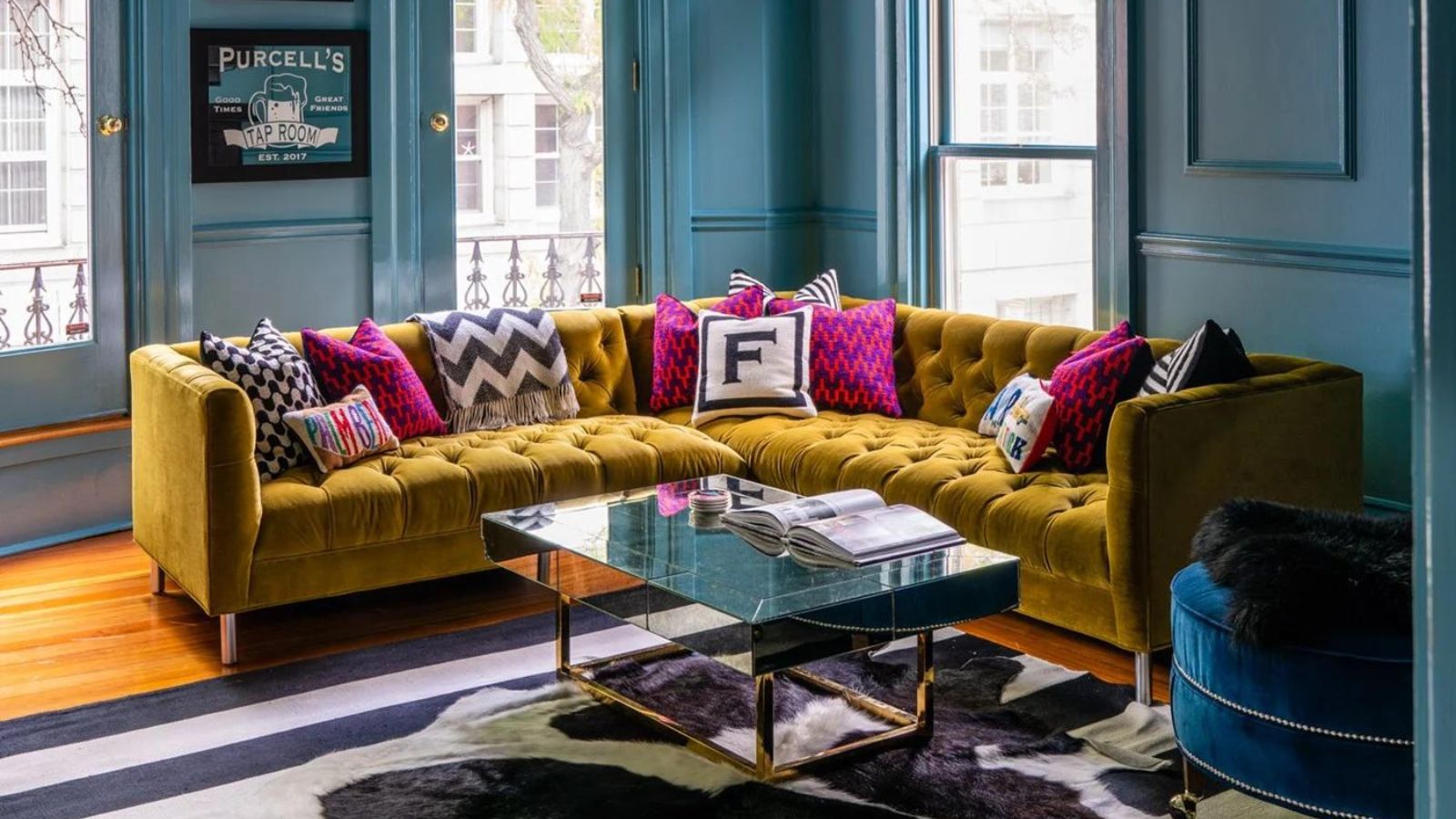
This is how to layer rugs, according to interior designers


How Much Should You Spend on an Area Rug?

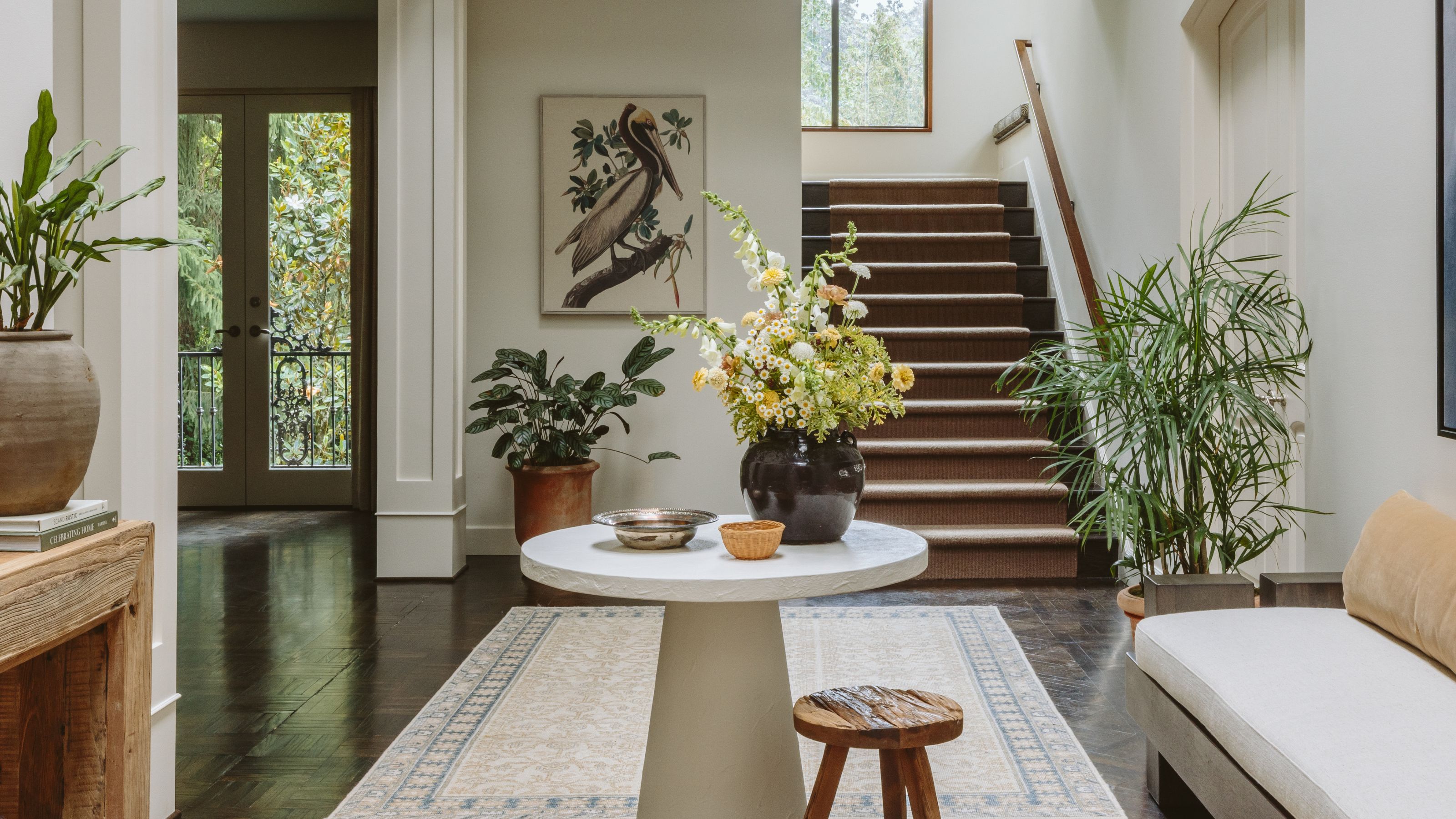
9 Entryway Rug Ideas That Prove How You Use One Can Make or Break Your Space

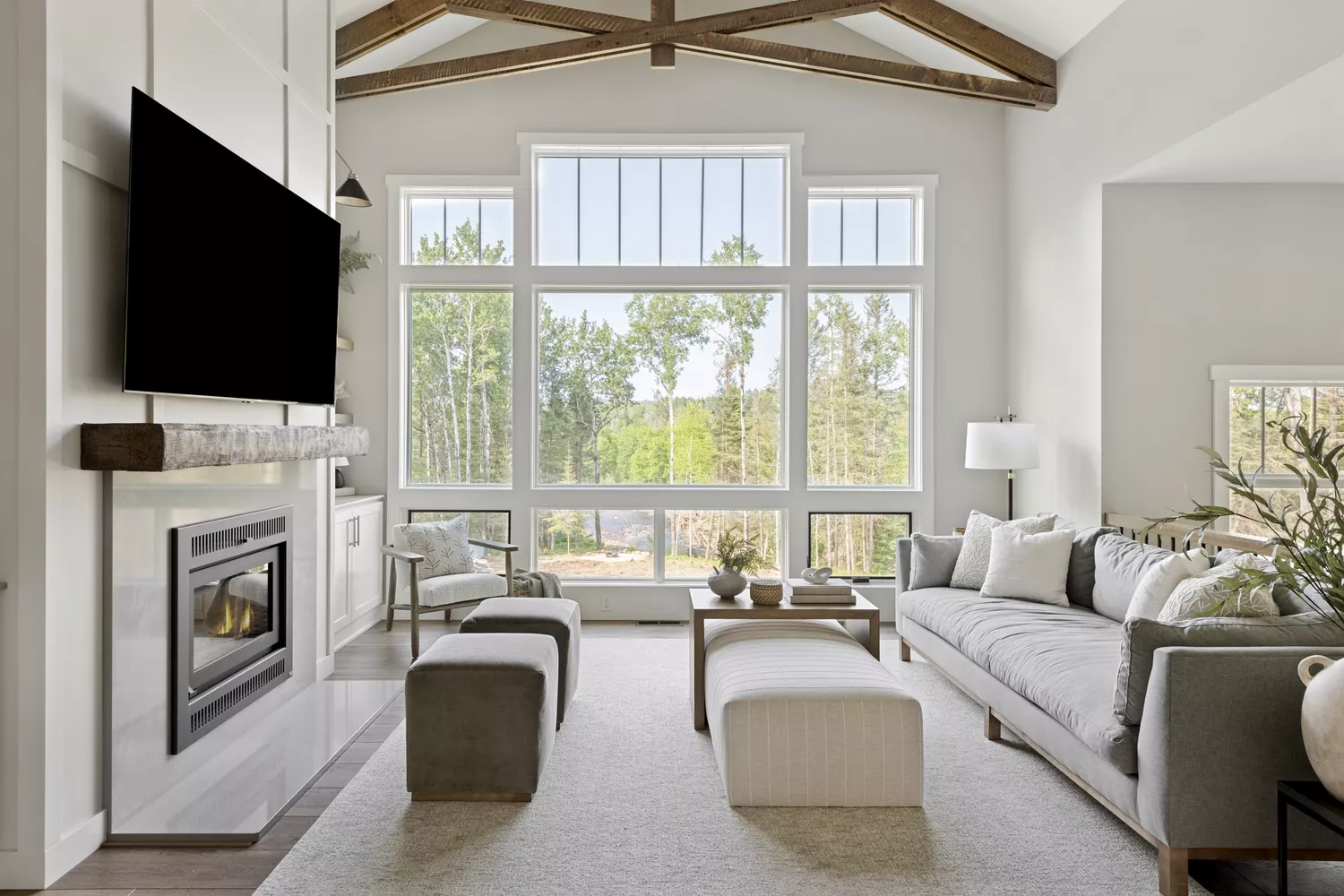
Should All of Your Furniture Legs Be on the Rug? Designers Say There's a Right Answer

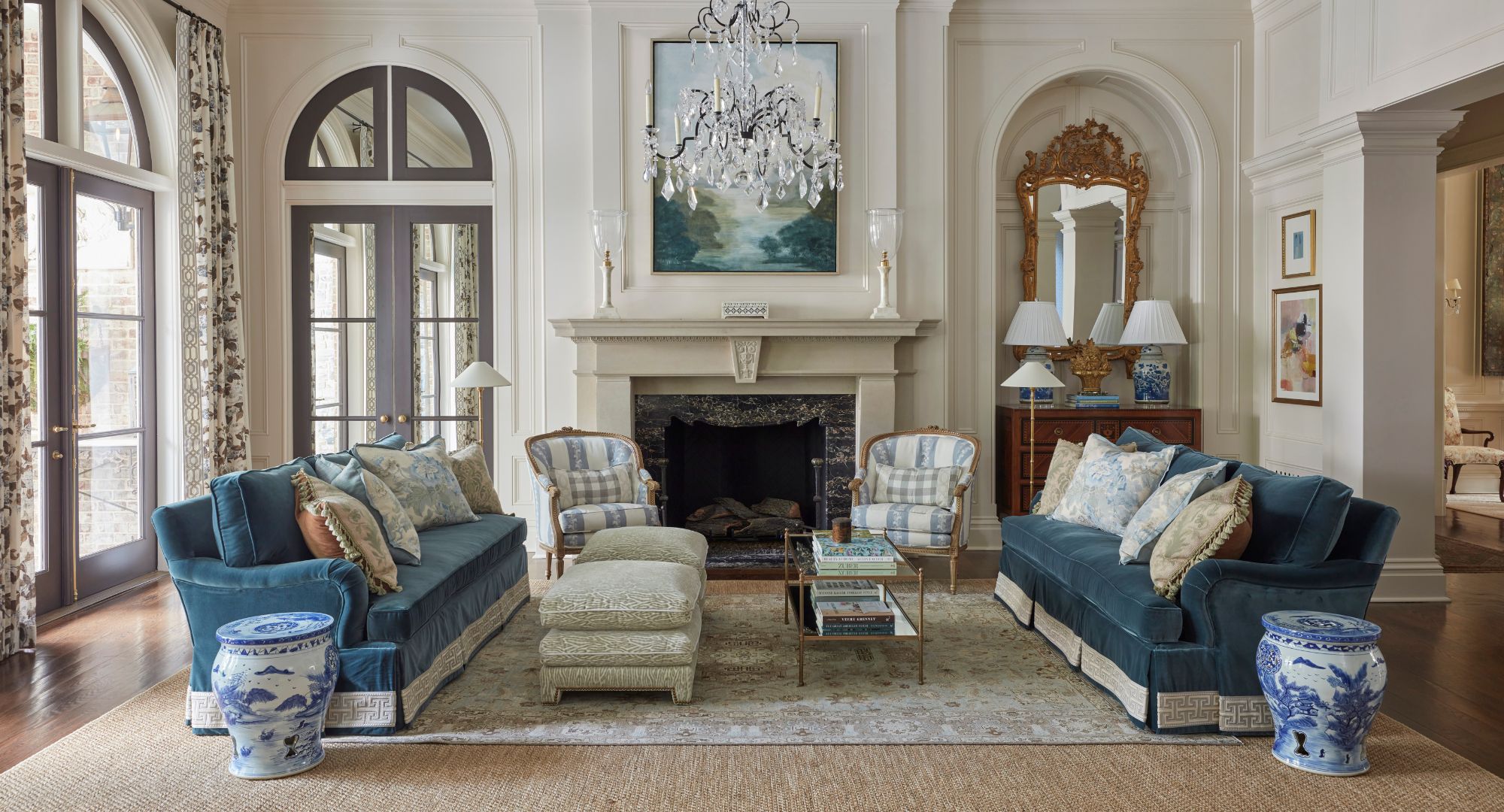
Discover The Art of Layering Rugs Like an Interior Designer
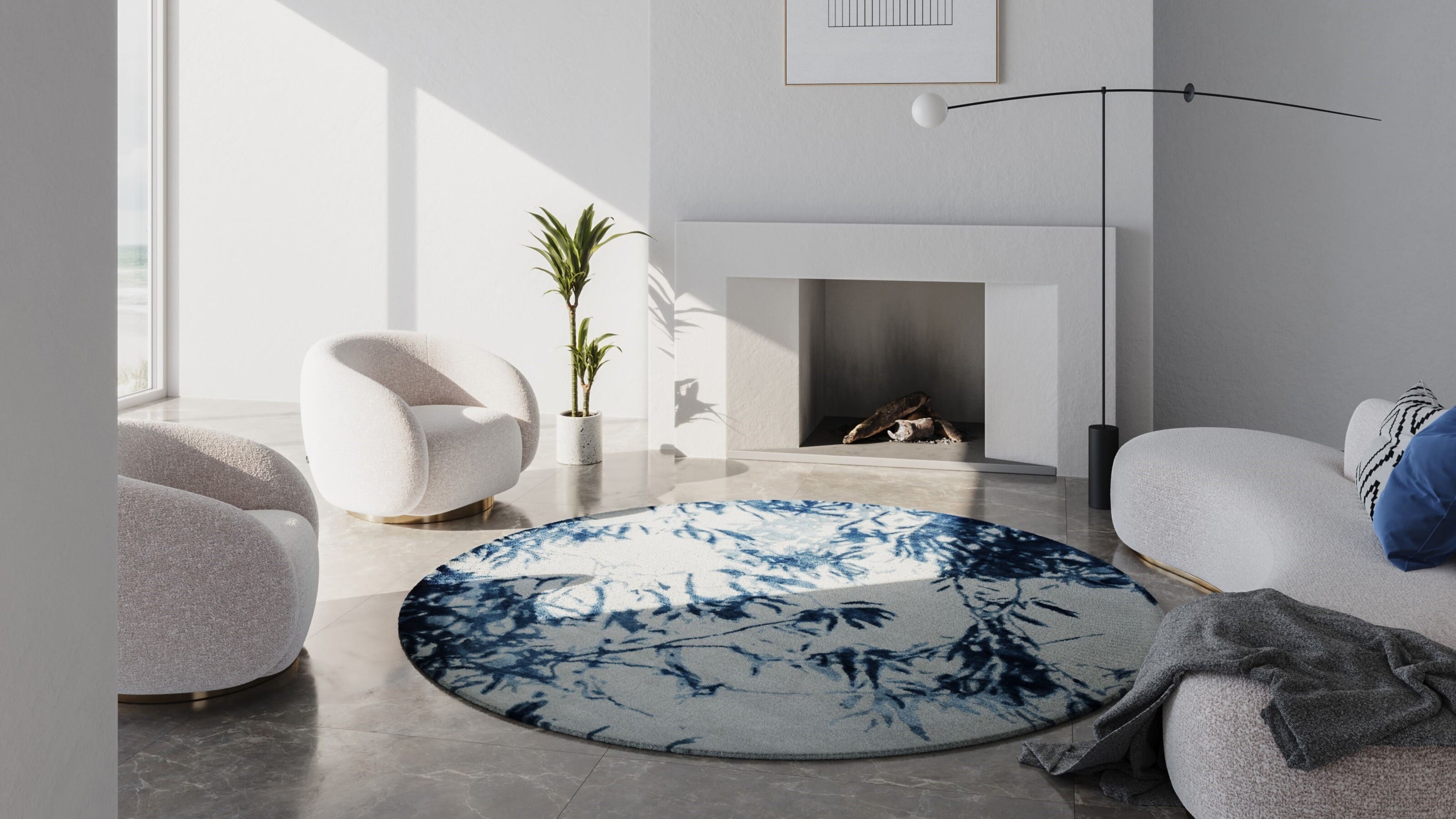
'They're not for every room' – designers say they'll never use a round rug in these 5 spaces, and neither should you
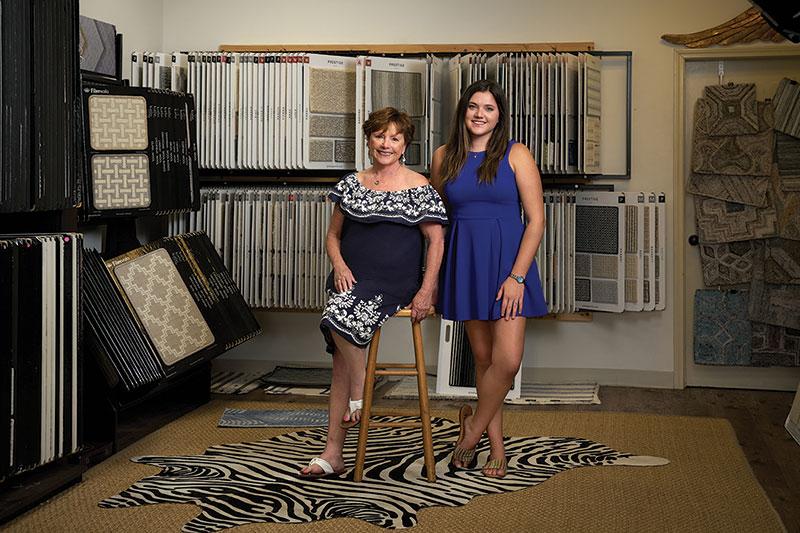
Tips for Choosing the Best Carpets and Rugs

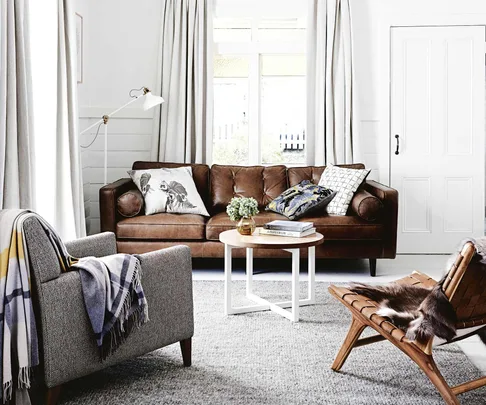
How to layer materials and add texture to your home decor

How to Layer Rugs (Published 2023)
HGTV Star Leanne Ford's Expert Tips For Layering Rugs Like A Pro
How to Pick the Perfect Rug for Your Space
This is the single biggest rug mistake you can make, says Jake Arnold – and what to do instead
How to Layer Rugs to Add Style to a Space, According to Design Pros


Room Feel Snug? It Might Be Your Rug. | Reviews by Wirecutter
The Big Mistake Most People Make With Their Living Room Rugs

8 Expert Tips for Styling Surfaces in Every Room

Three design experts share their secrets for finding a new rug and carpet
How to layer lighting – expert tips to create the perfect soft yet practical scheme for every room
The ideal area rug sizes for a living room – 5 expert rules to follow
5 Living Room Rug Mistakes You’re Probably Making—And How To Fix Them, According To Designers