1/13
The Power of Texture in Interior Design – 6 Ways Designers Use It to Shape the Look (and Feel) of Every Room
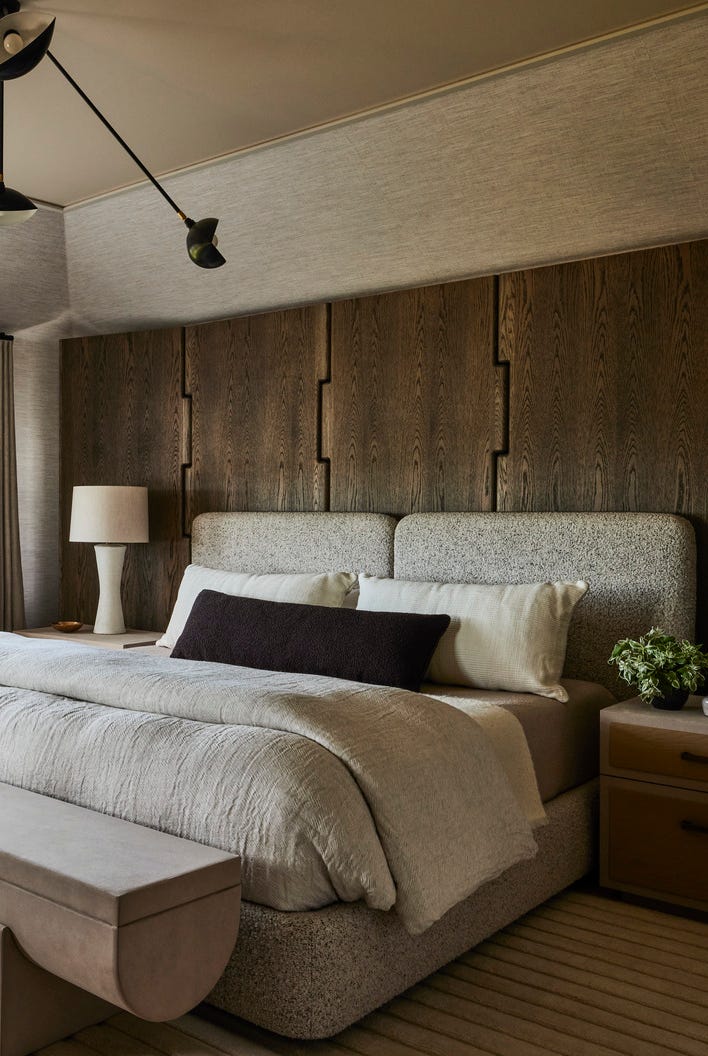
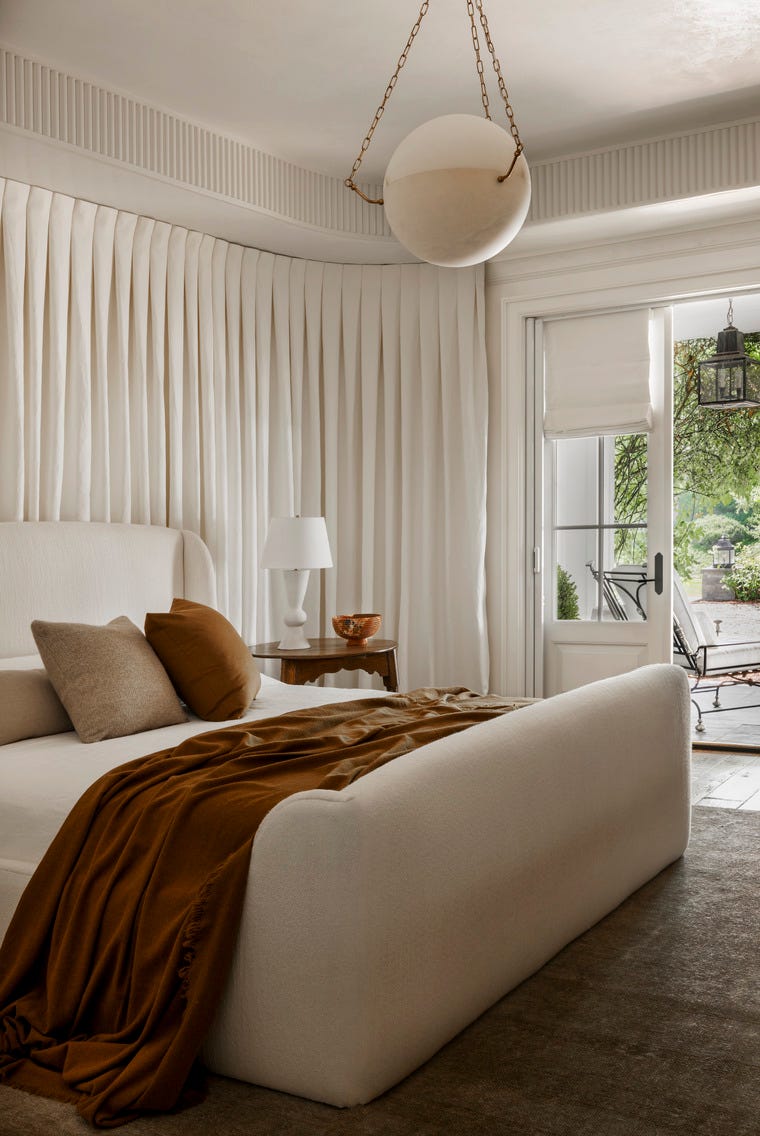
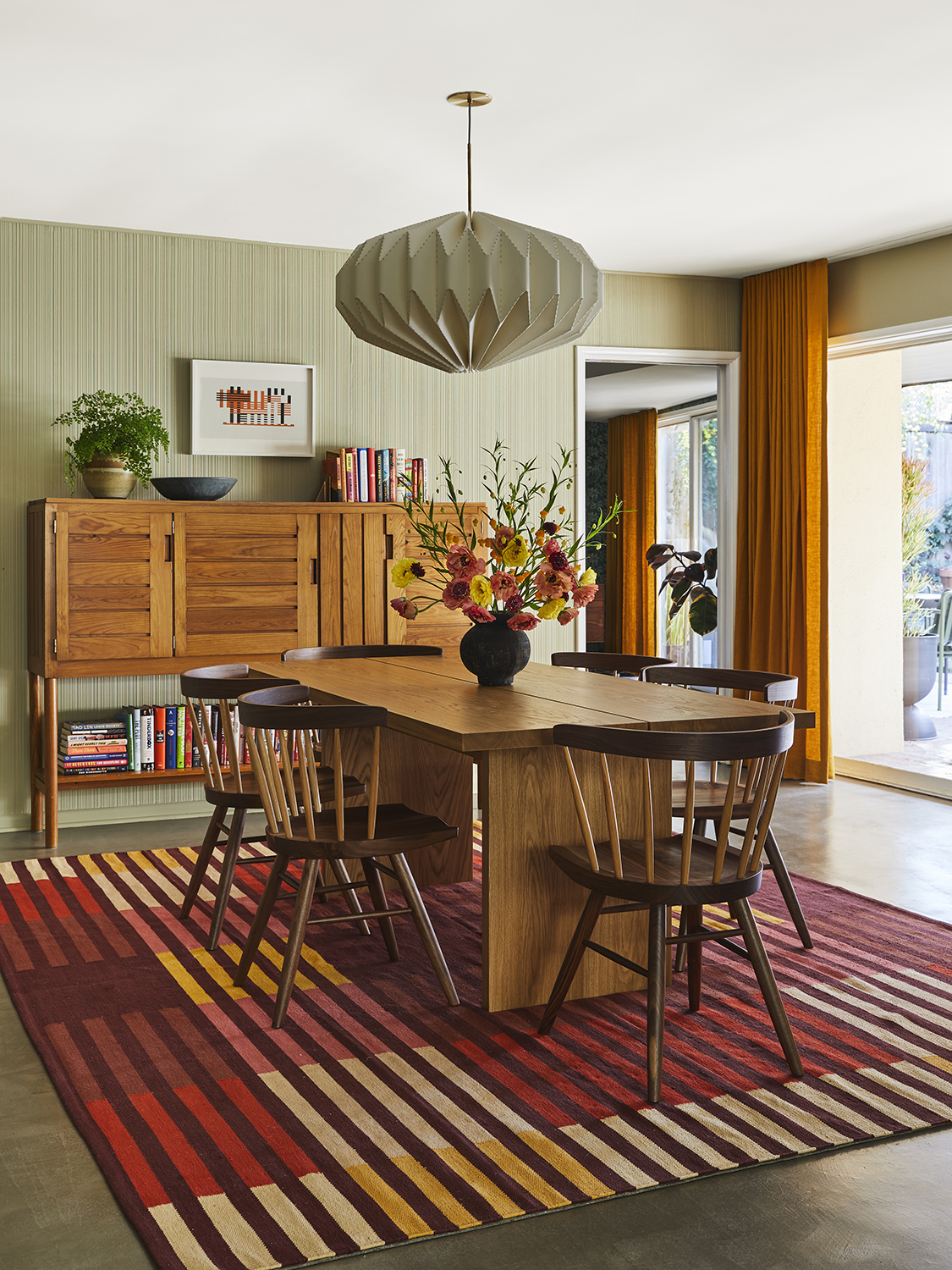
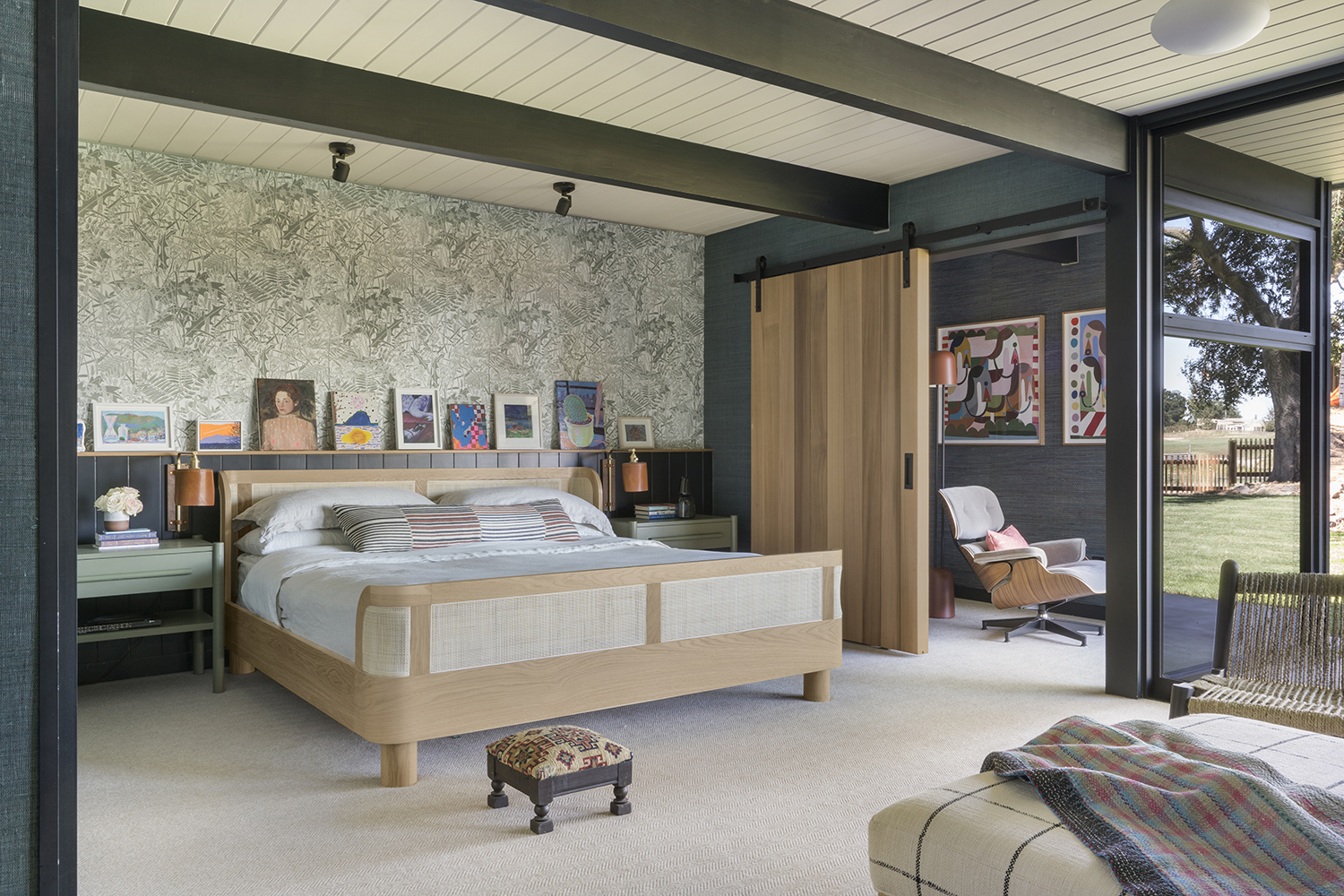
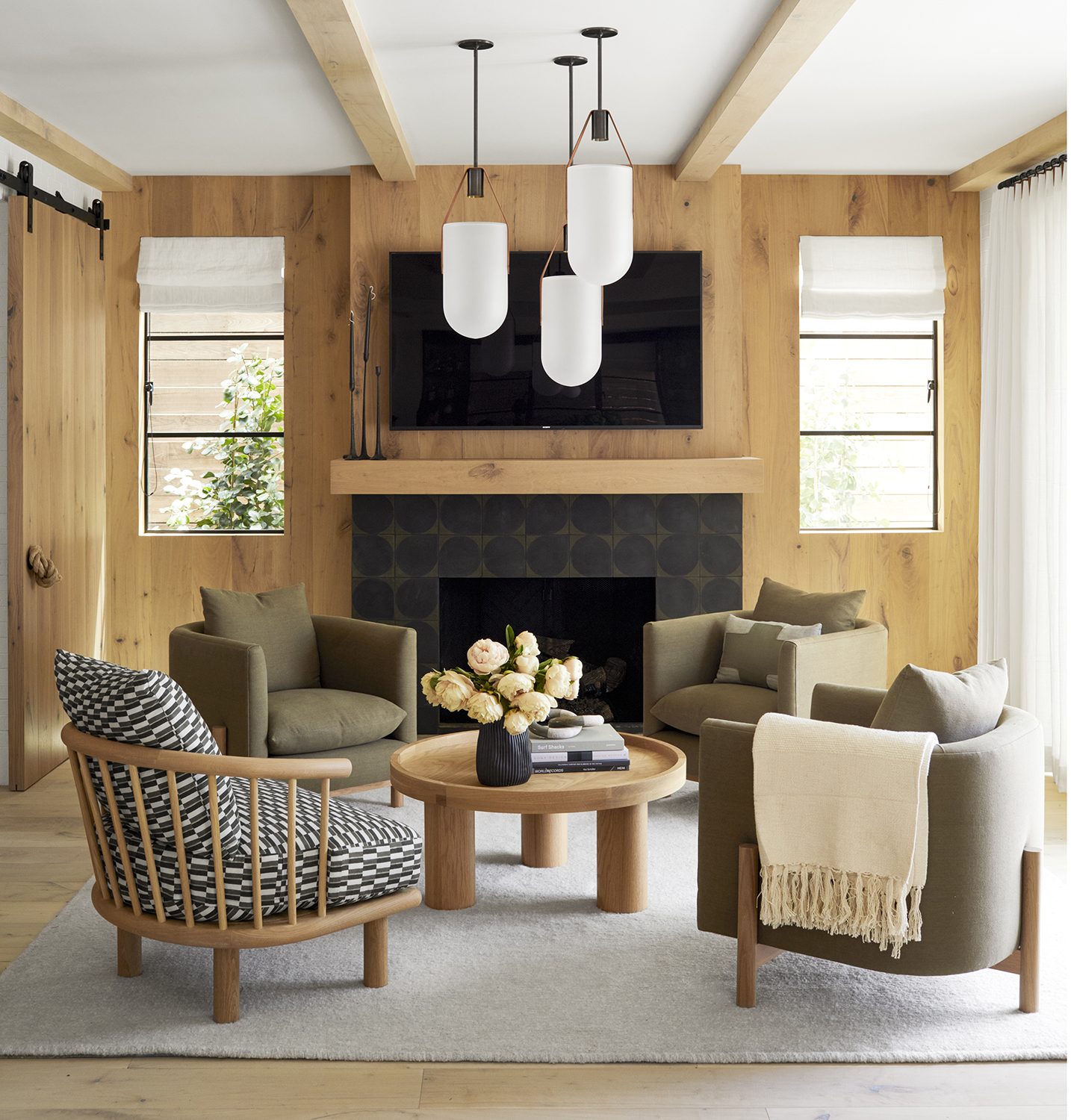
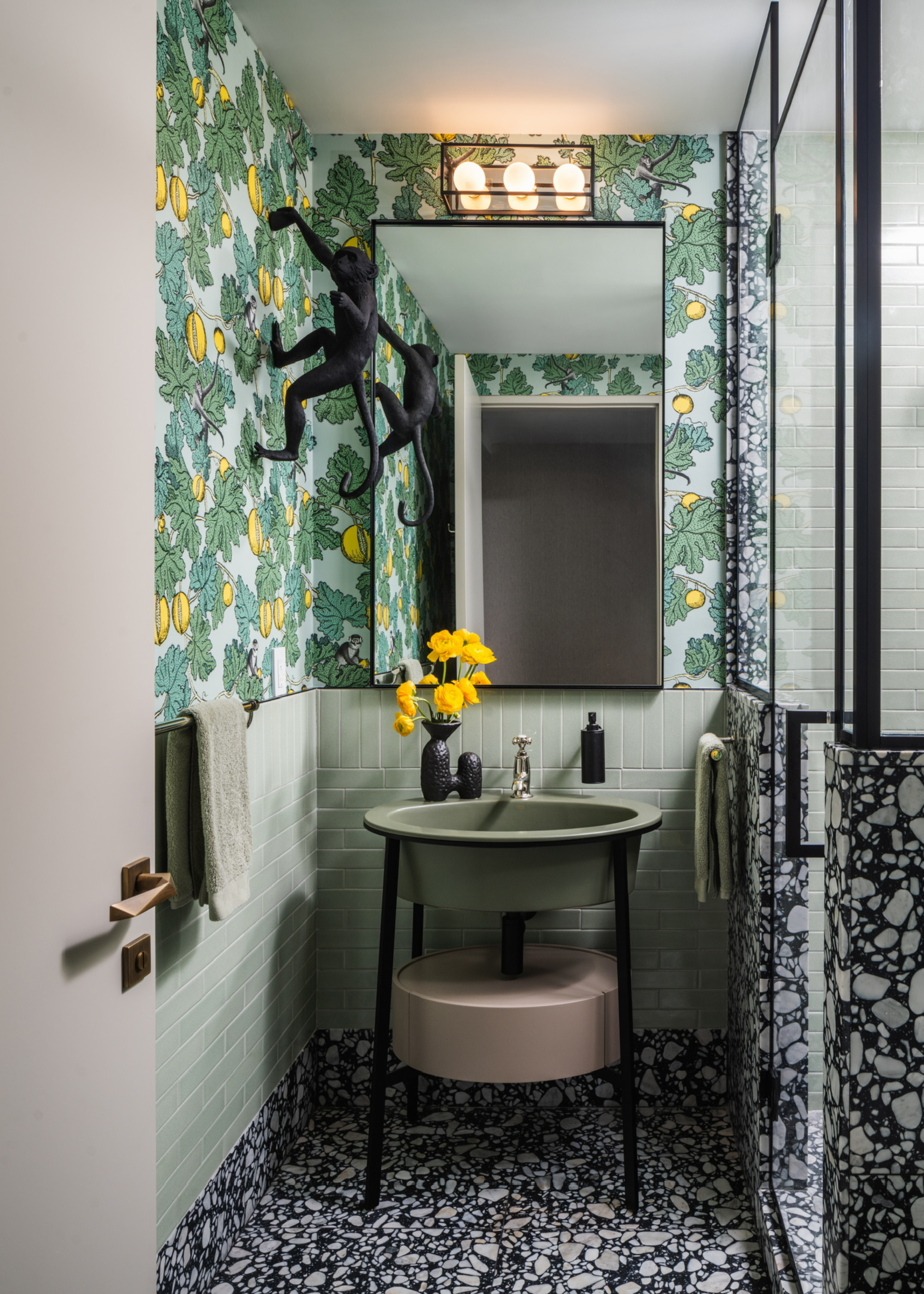
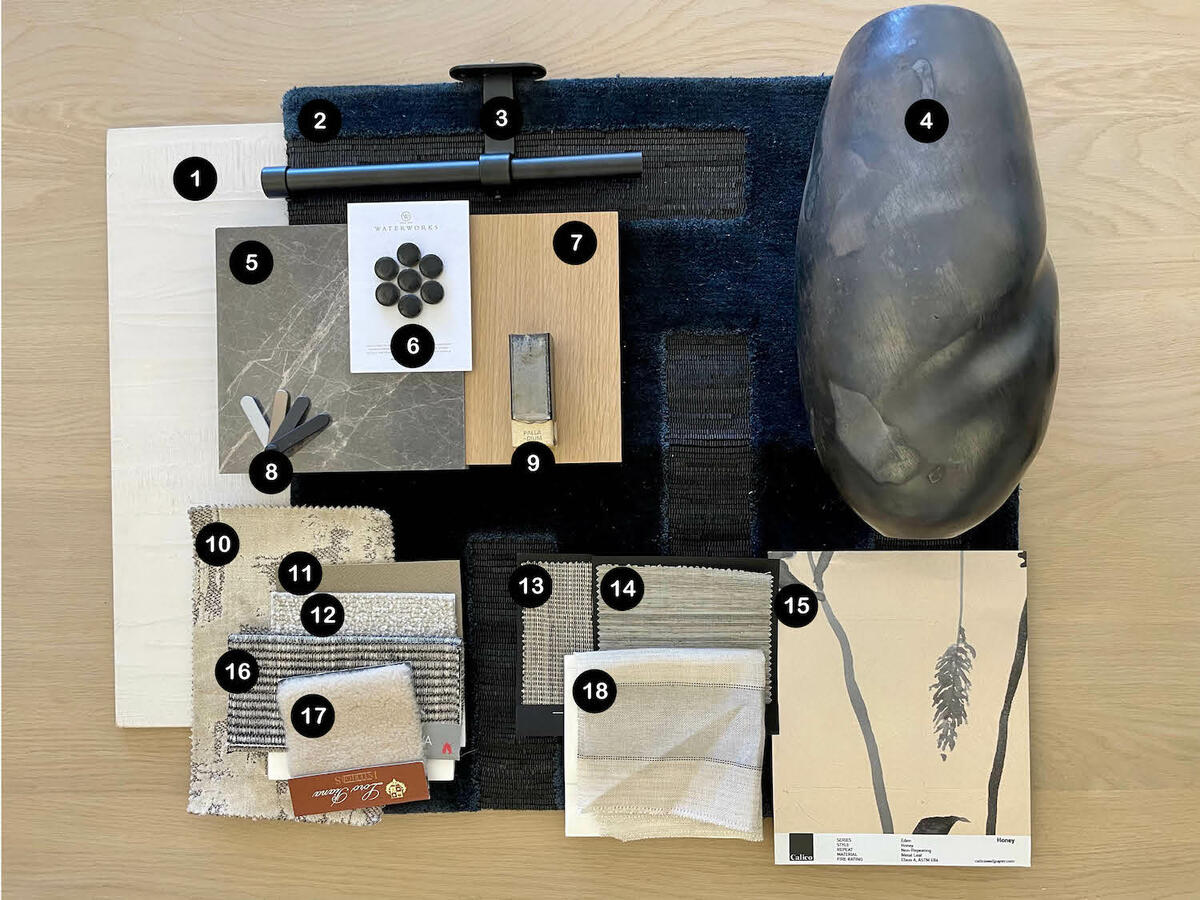
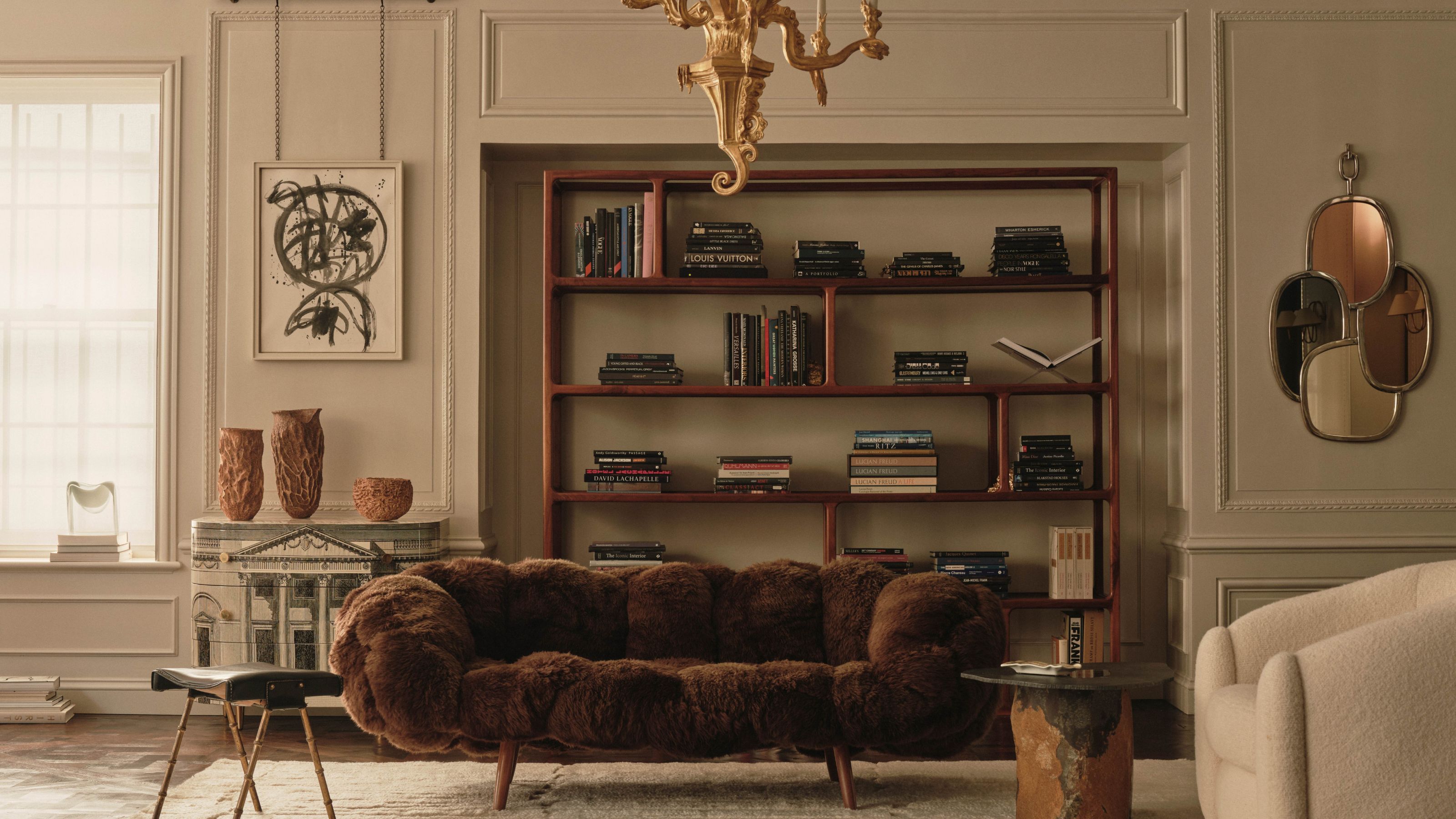
As interior design trends for 2026 lean towards quieter color palettes, the significance of texture in creating depth and visual interest becomes paramount. Texture, as defined by Madelynn Hudson, founder of M.H. Interiors, is the sensory language of a room, making a space tactile, dimensional, and emotionally engaging. It encompasses various elements such as the grain of wood, the softness of mohair, the coolness of stone, or the subtle irregularities in linen. Unlike a fleeting trend, texture is a fundamental condition for any well-designed space, preventing neutral rooms from appearing sterile and instead making them inviting, regardless of the season. Layering diverse materials is crucial to achieving a rich, characterful, and well-designed environment, impacting both the visual and tactile experience of a room.
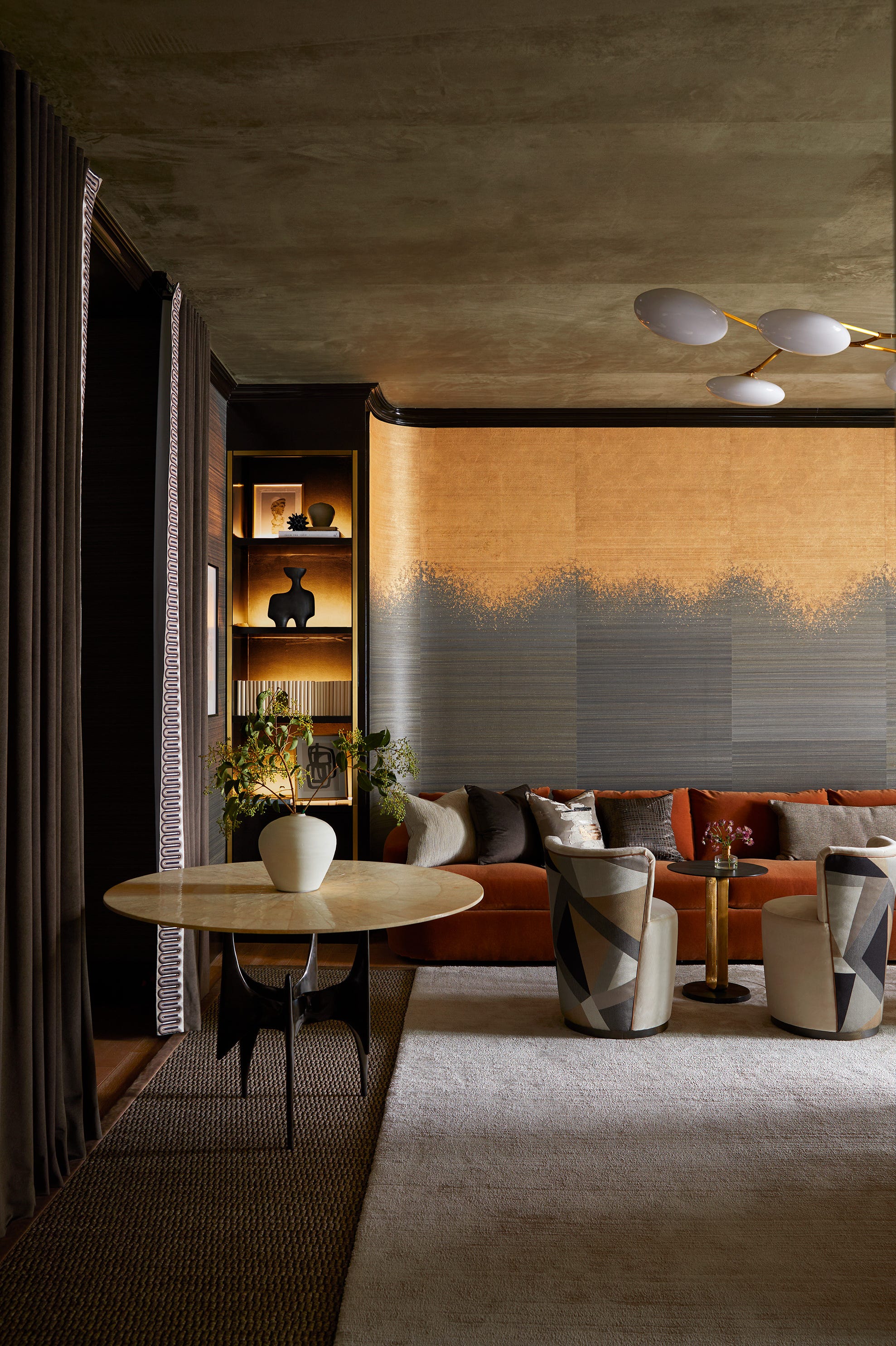
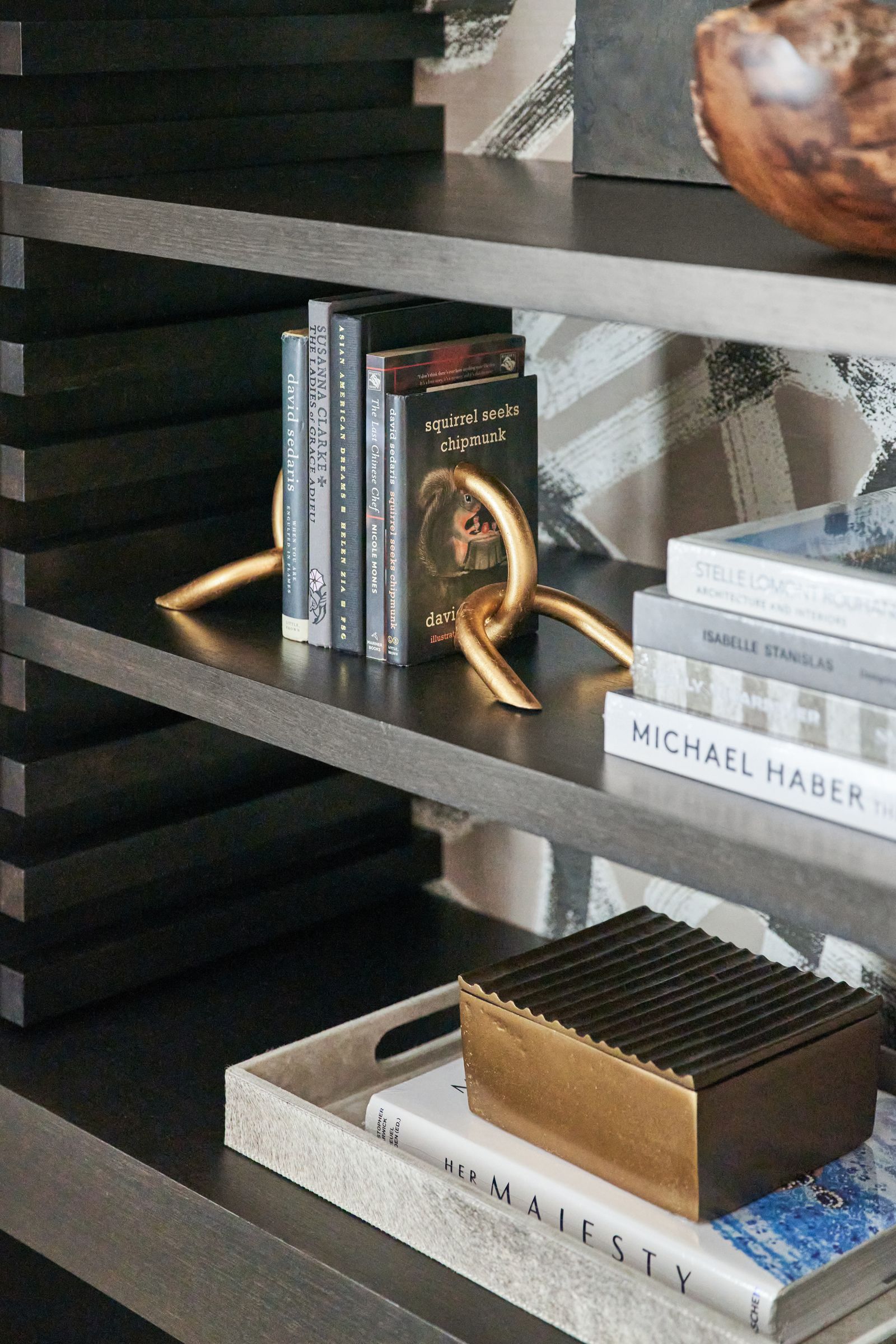
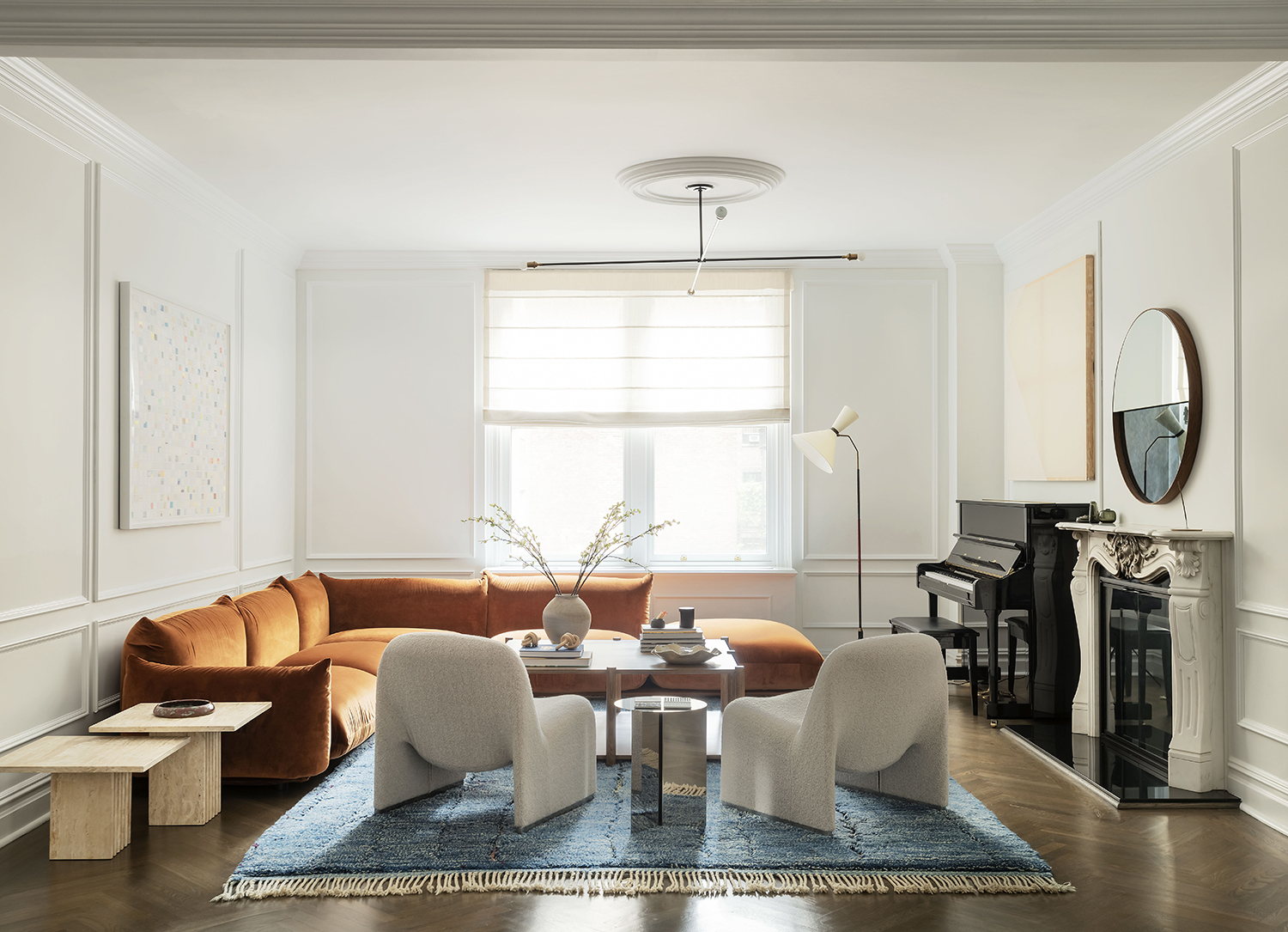
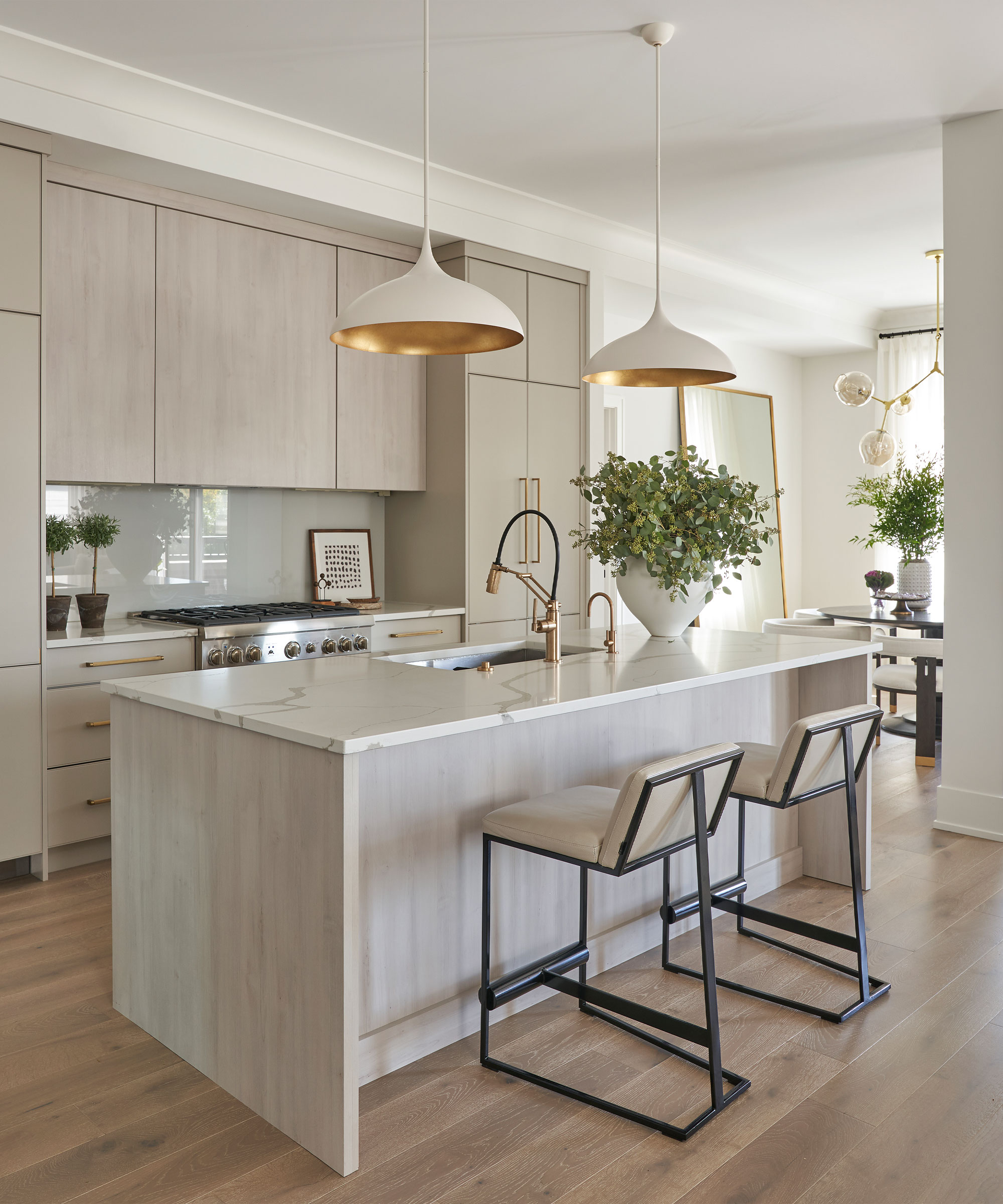
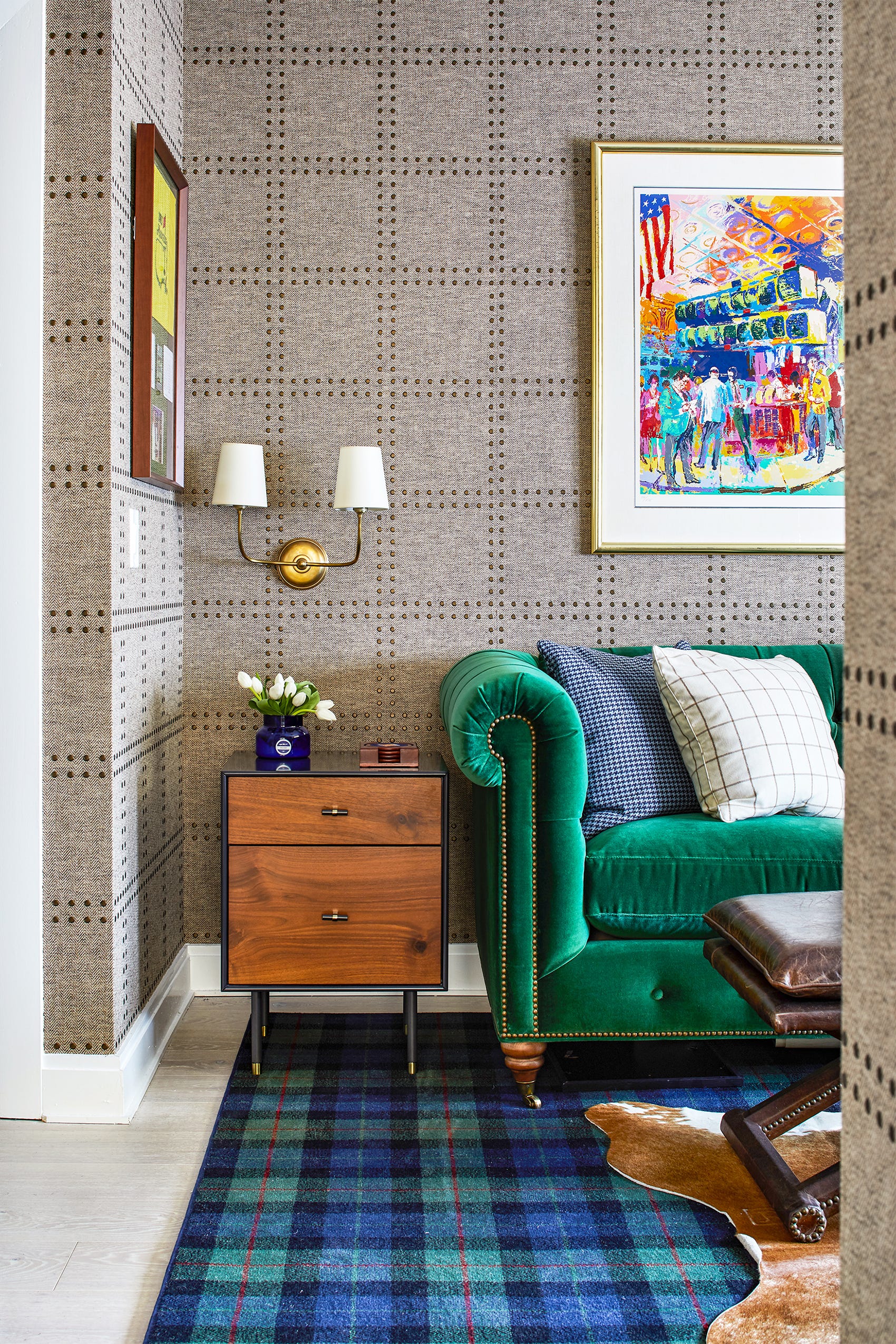
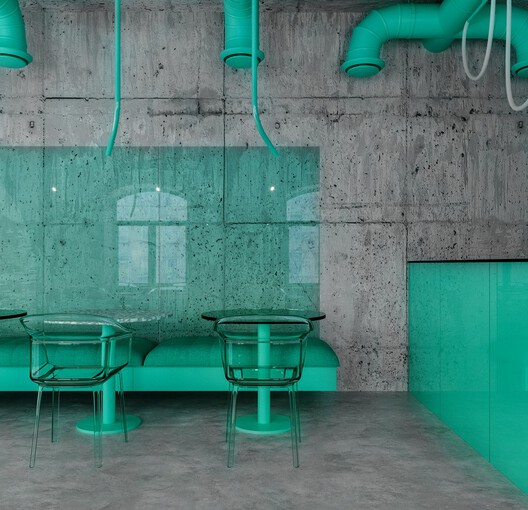
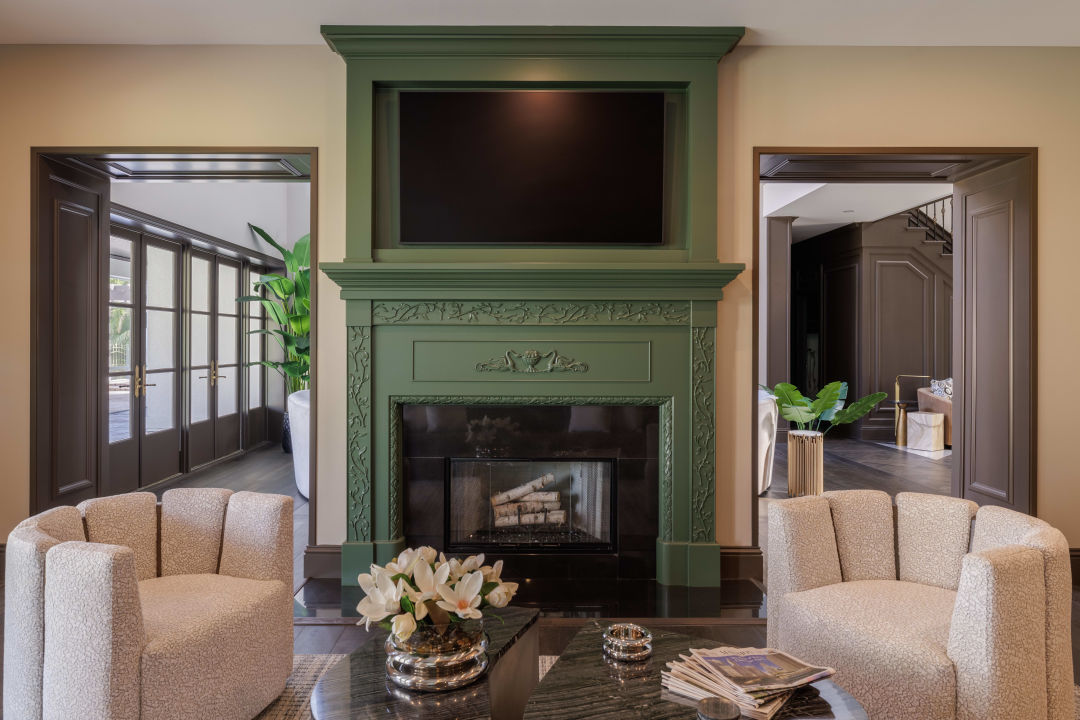
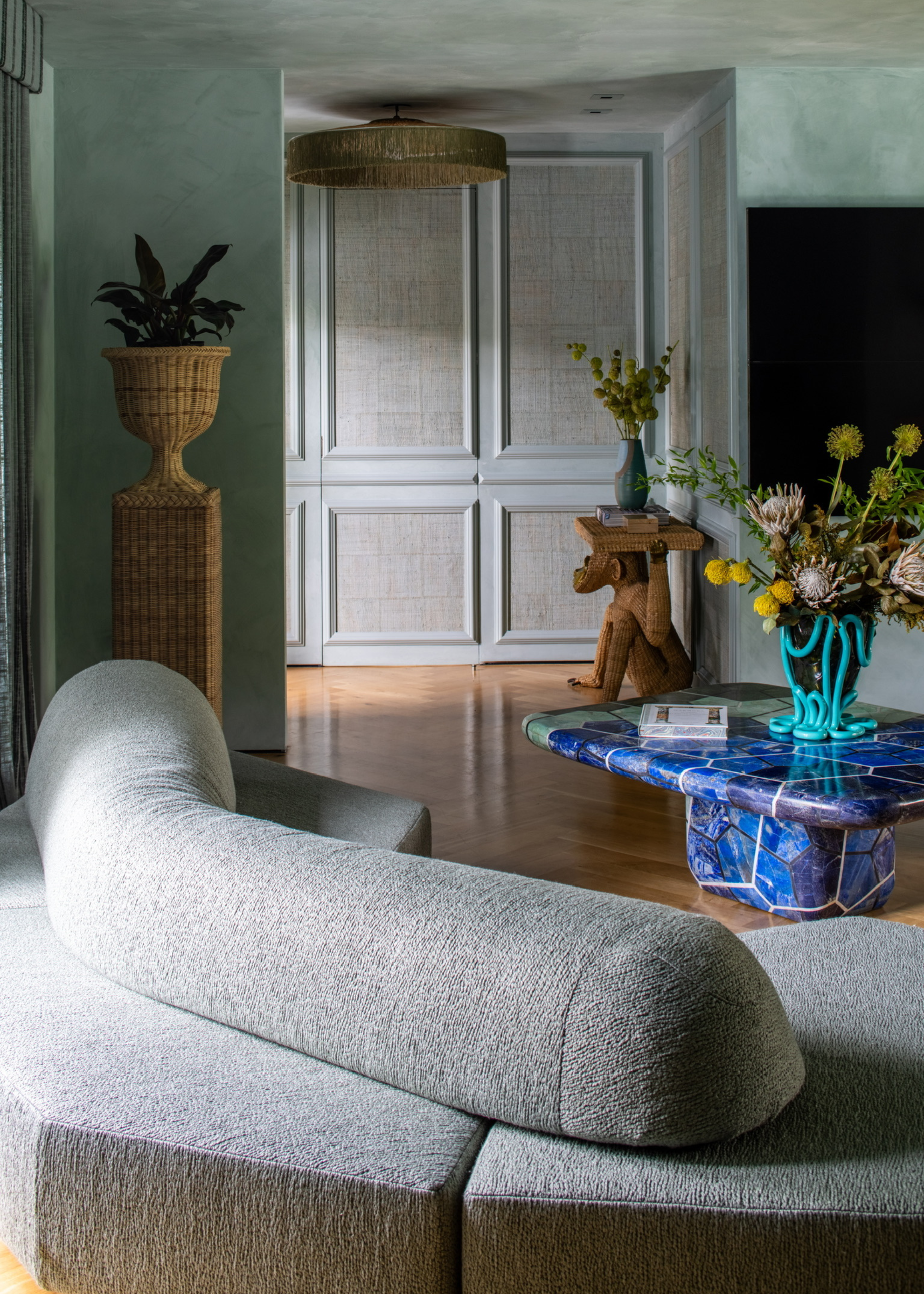
Designers employ texture in nuanced ways that often go unnoticed but significantly contribute to a room's overall feel. One key method is juxtaposing different levels of sheen. For instance, pairing a lacquered surface with handwoven wool or textured plaster creates a compelling contrast. Joy Lynskey, founder of Jewel Toned Interiors, suggests experimenting with varying reflectivities, like a leathered countertop alongside smoky glass shelves, or incorporating textiles with both matte and metallic threads. This interplay of matte, satin, and gloss finishes instantly adds dimension.

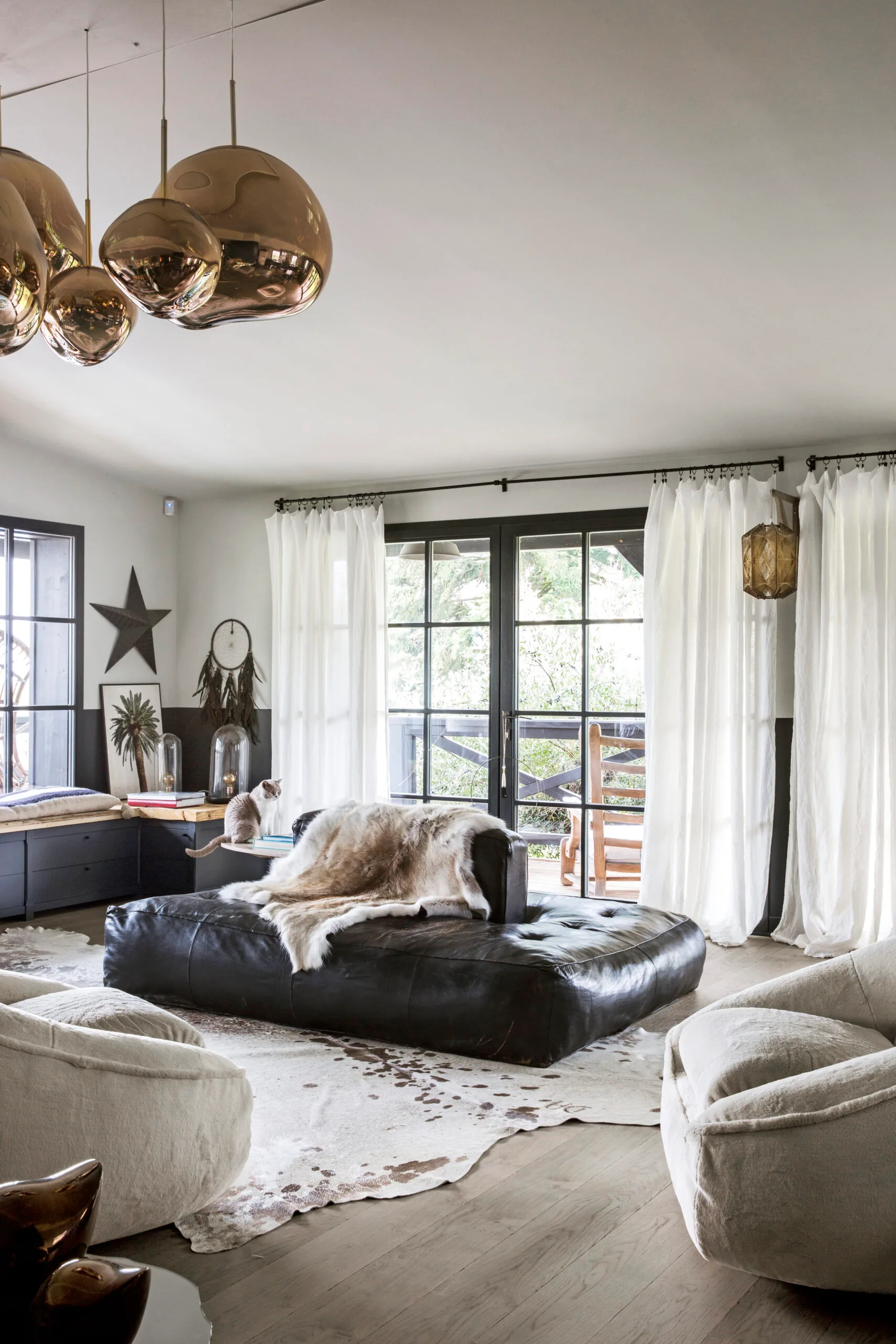
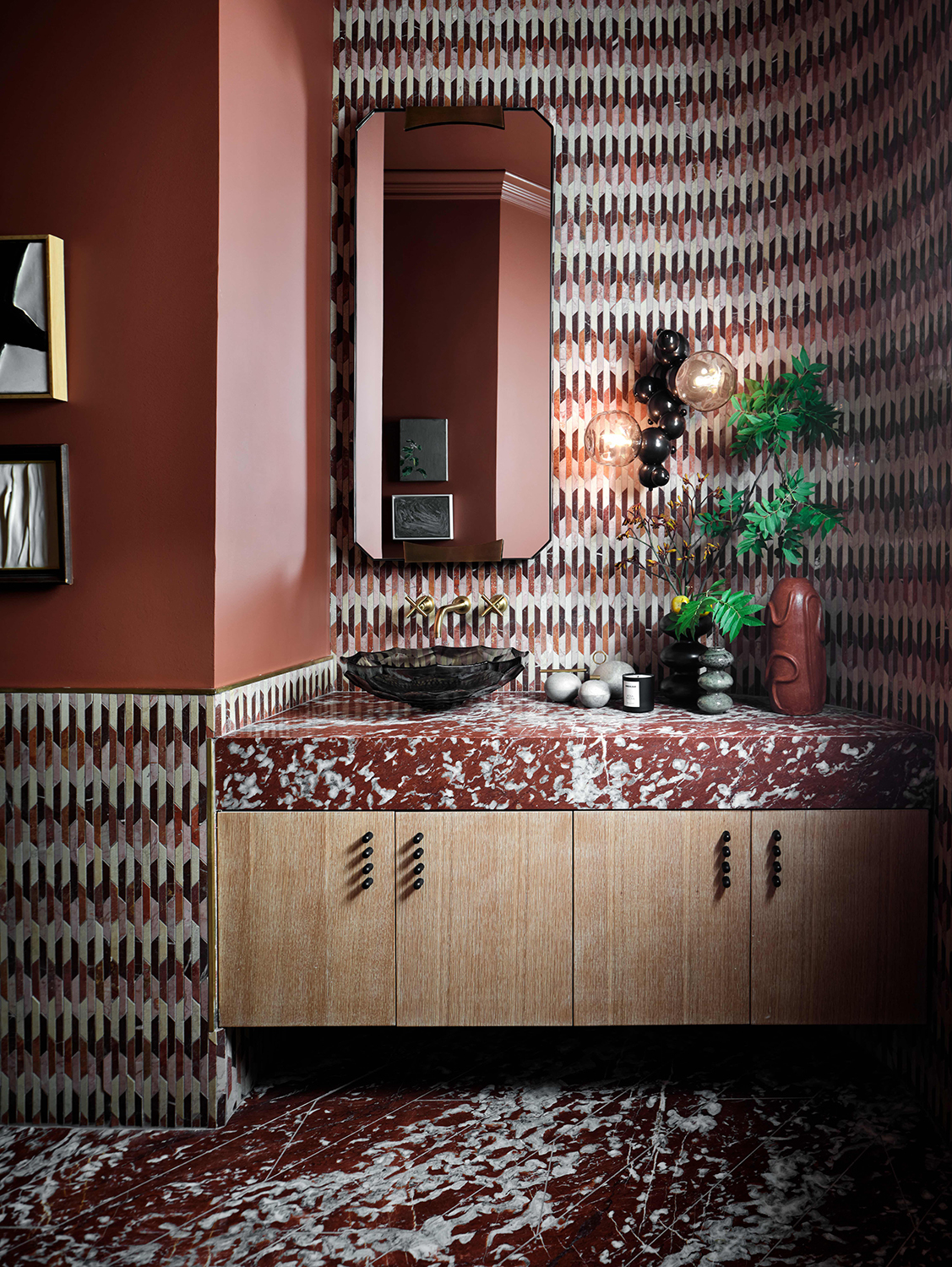
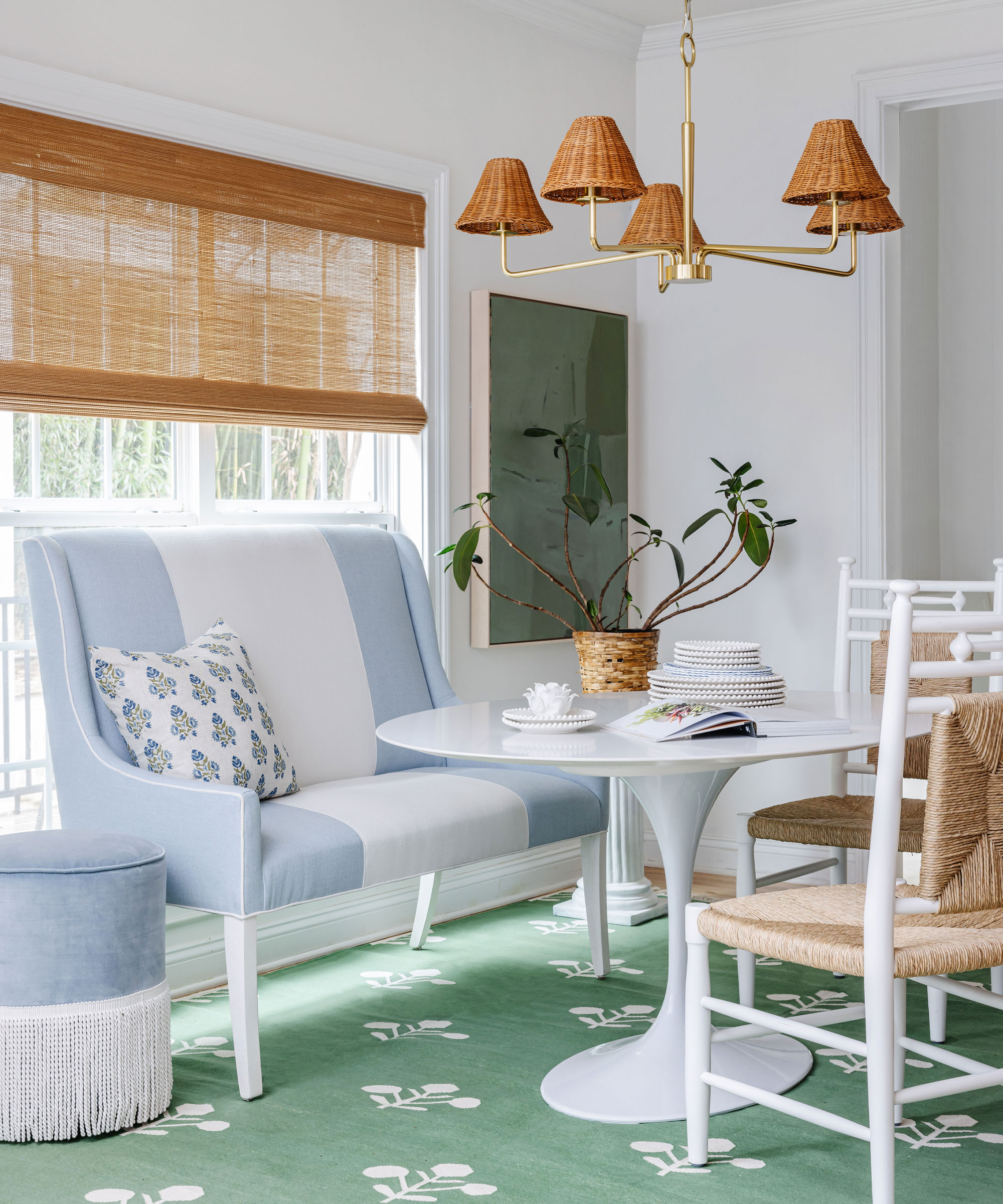
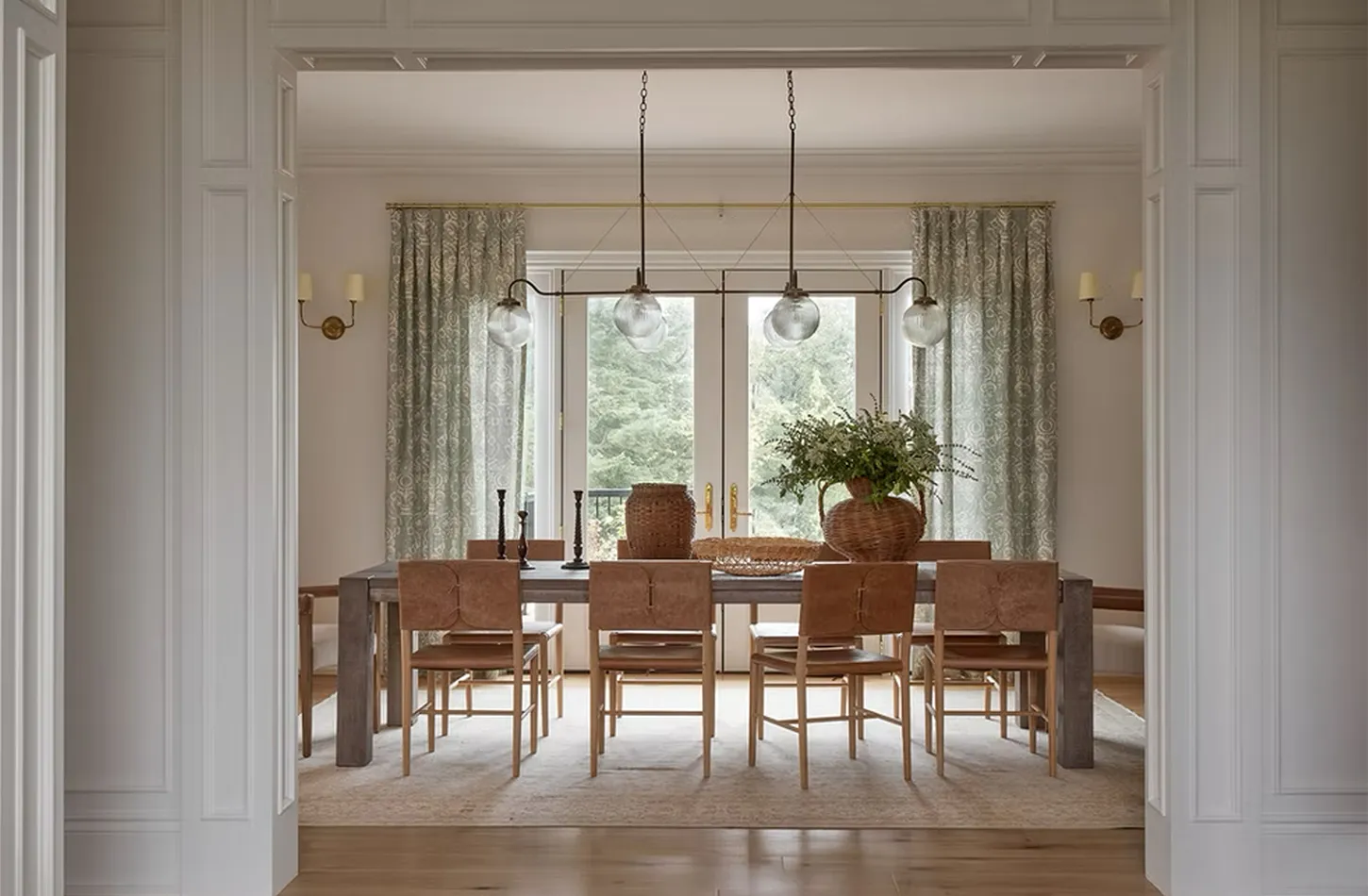
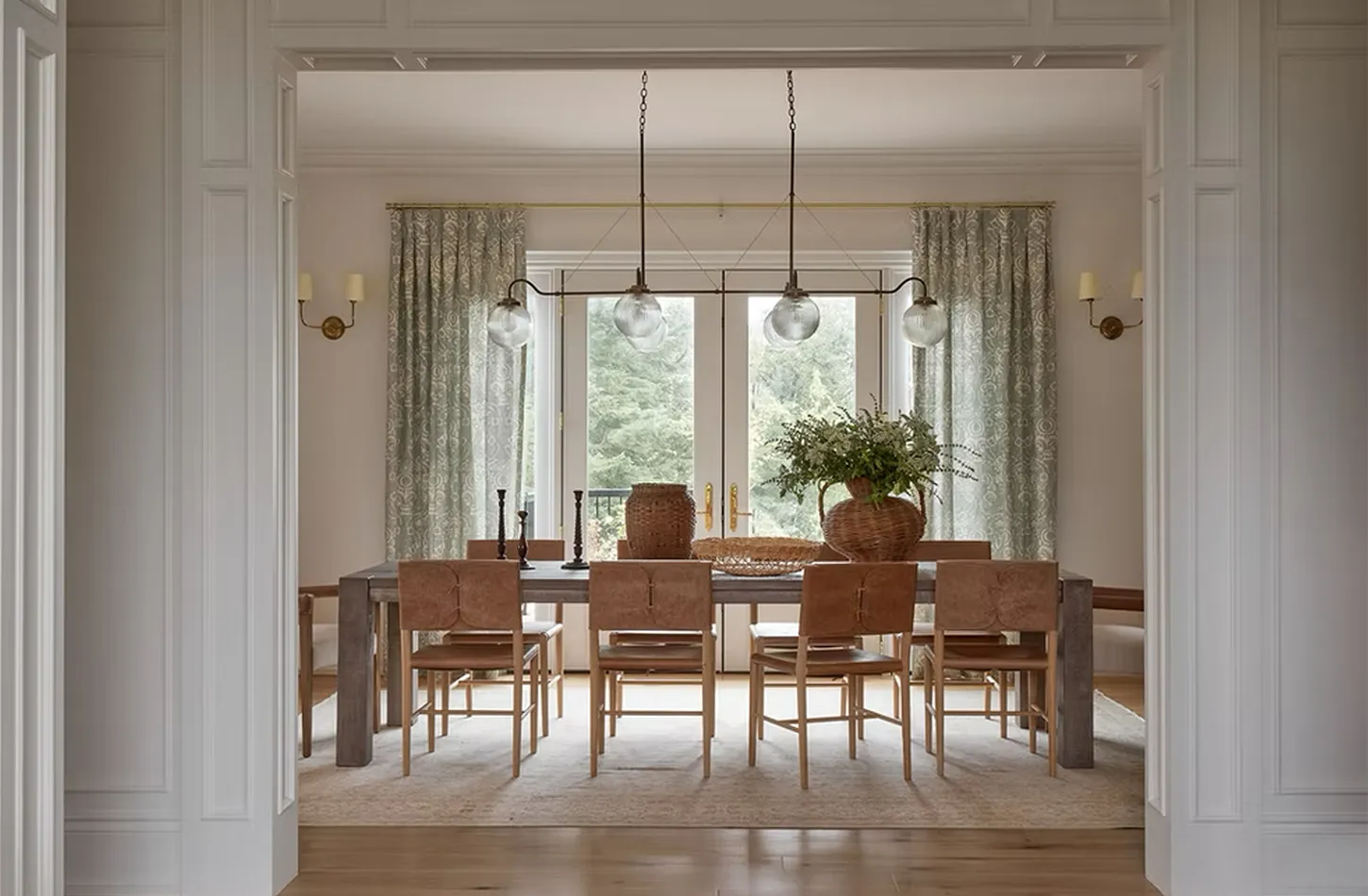
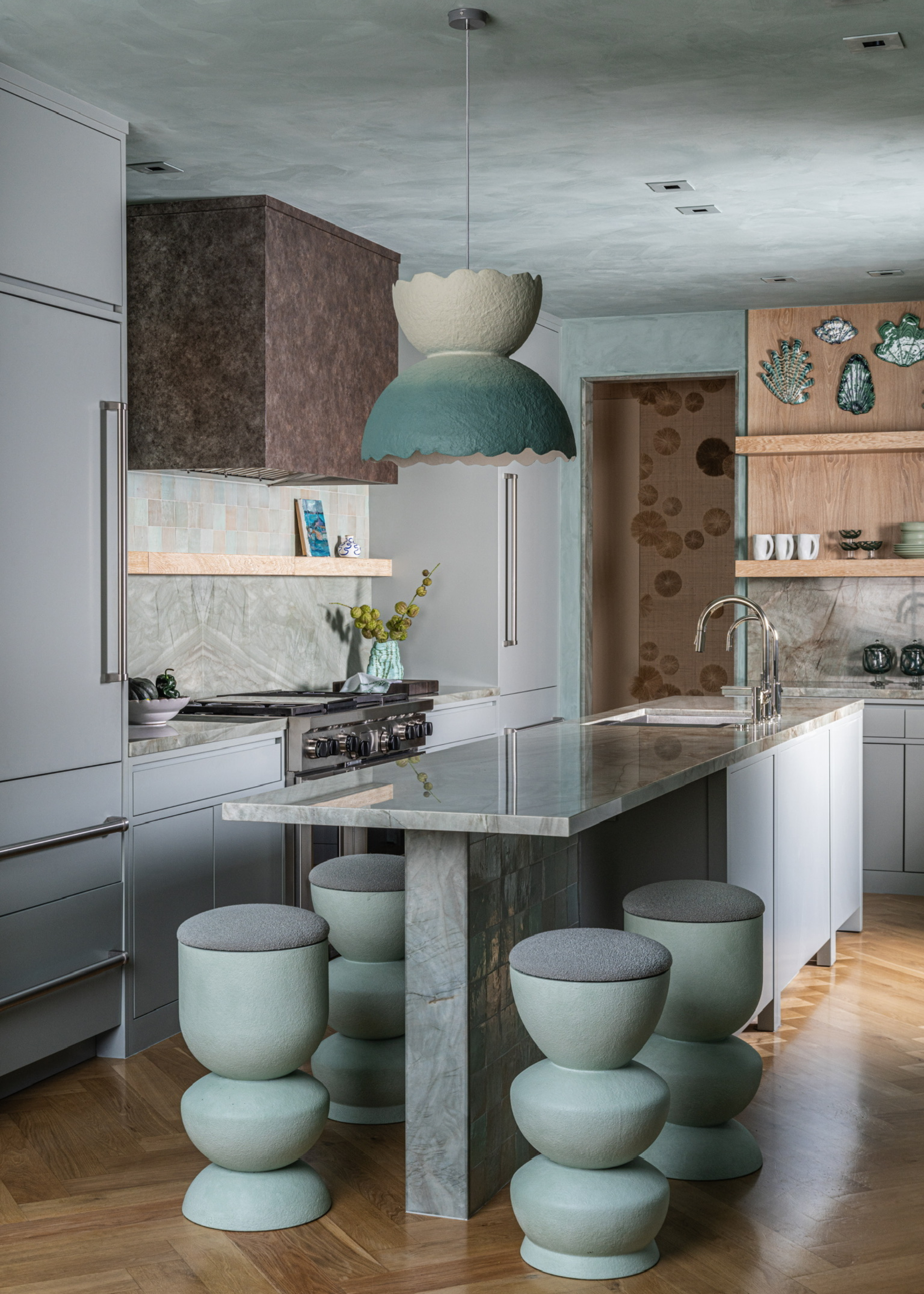

Another technique involves integrating handcrafted accents. Handcrafted objects introduce unique textures through their inherent inconsistencies in surface, edge, or finish, which manufactured pieces cannot replicate. These subtle imperfections prevent a room from feeling overly produced, adding soul and irregularity. Madelynn Hudson highlights ceramics, carved wood, or textured artwork as examples. Cara Shahbandi of Stanton Home Design recommends using handmade lamps, particularly those with uneven glass bubble textures or metals, to recalibrate spaces dominated by sleeker elements.
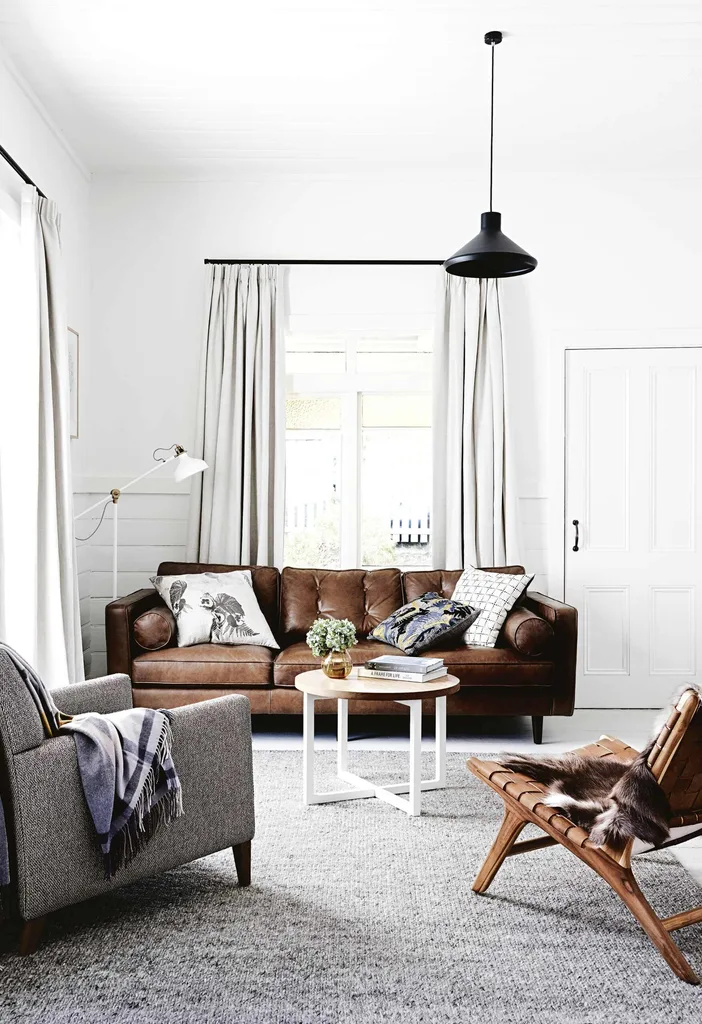
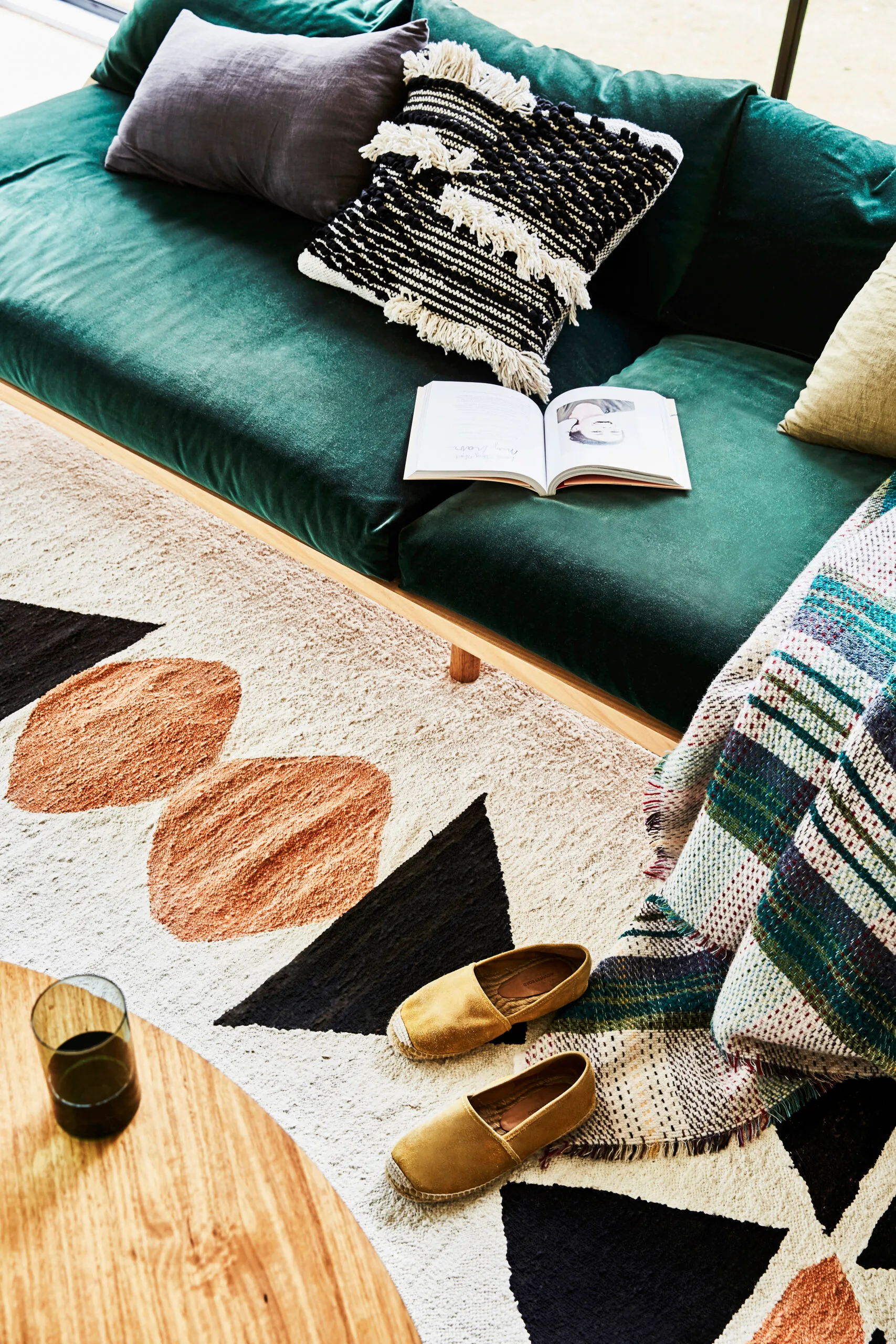
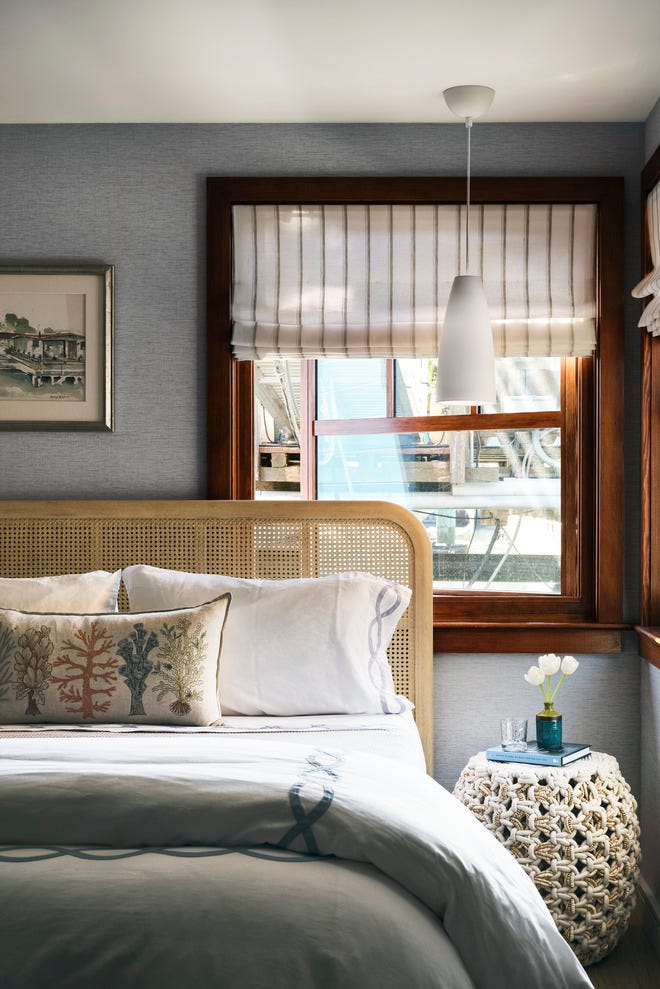
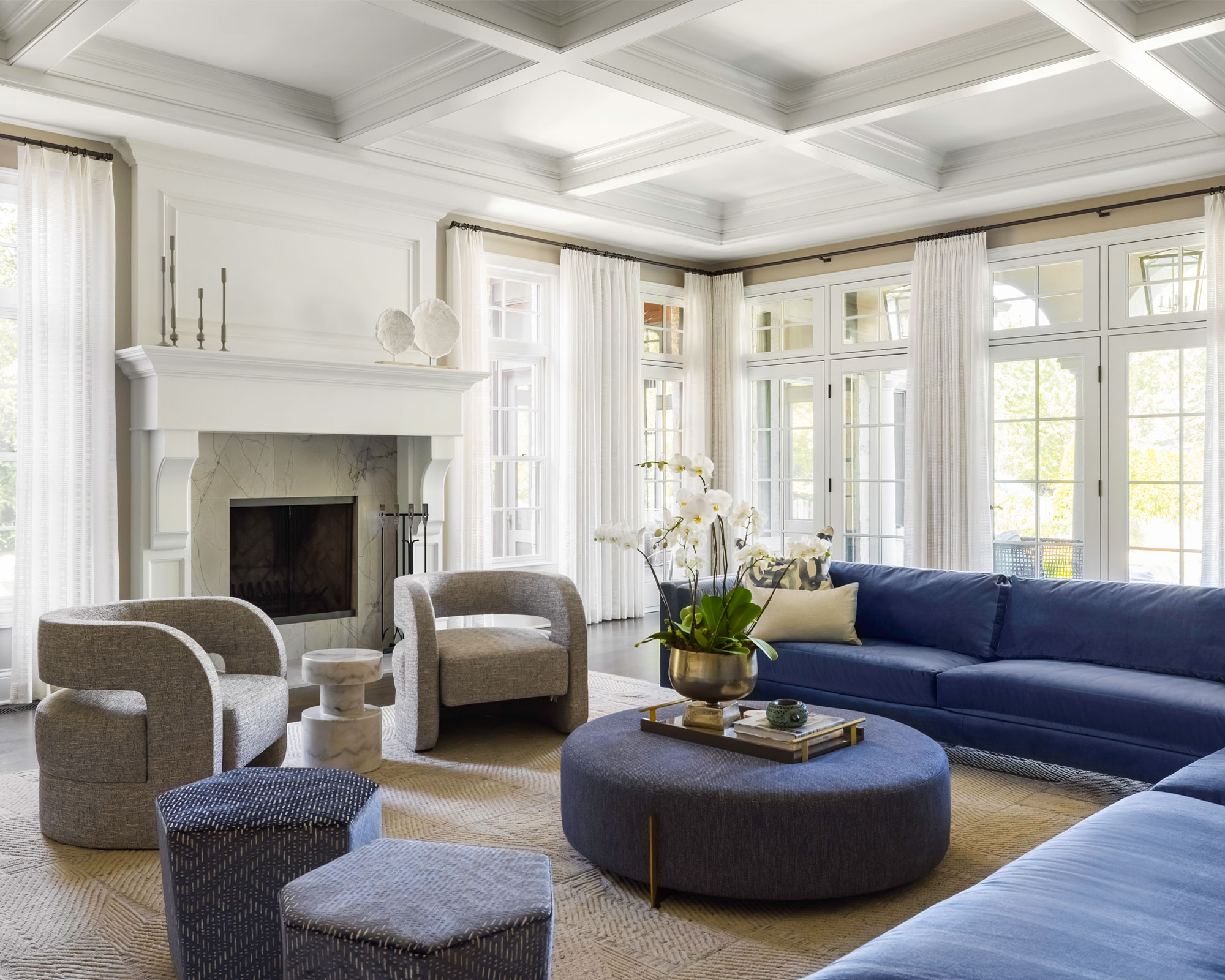
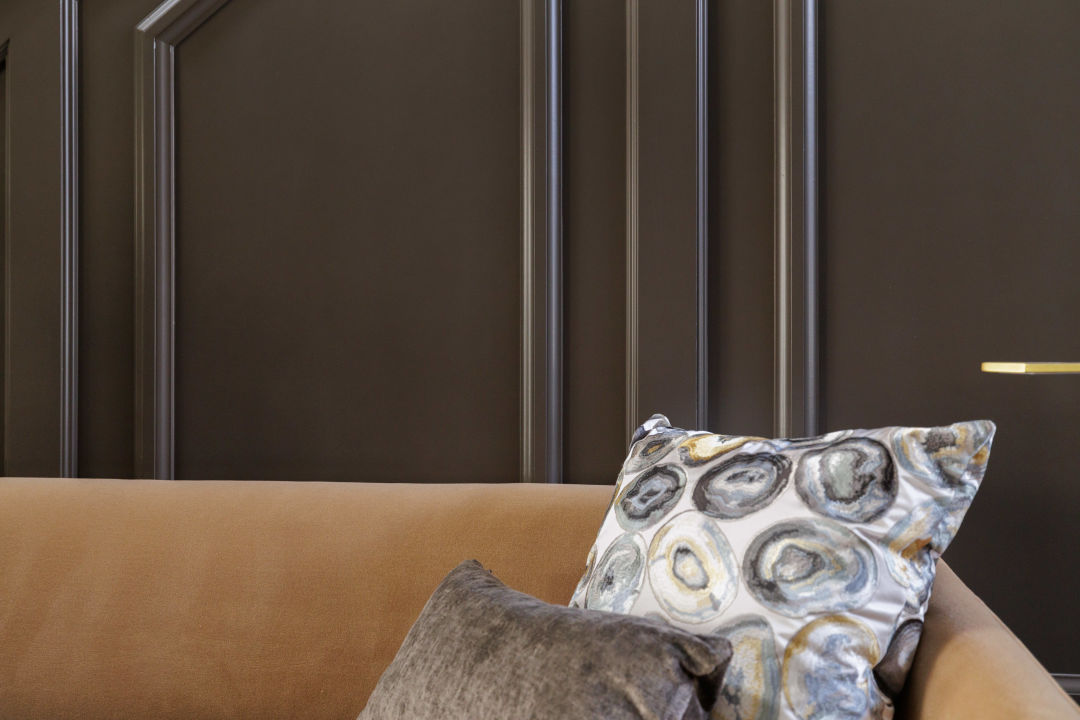
Textile layering is also vital, extending beyond mere single material use. Employing a variety of textiles, from window treatments to soft furnishings, creates a broader textural range. Layered window treatments, combining sheers with heavier drapes, introduce both lightness and structure. Cheryl Stauffer of Crimson Design Group suggests layering pillows with different textures—smooth, woven, or tasseled—to add subtle variation. Dan Mazzarini notes that this approach also facilitates seasonal shifts, with cotton rugs, pillows, and throws in biophilic tones offering a cocoon-like feel. Even a single contrasting textile, like a chunky boucle throw blanket, can significantly reset a room's balance.
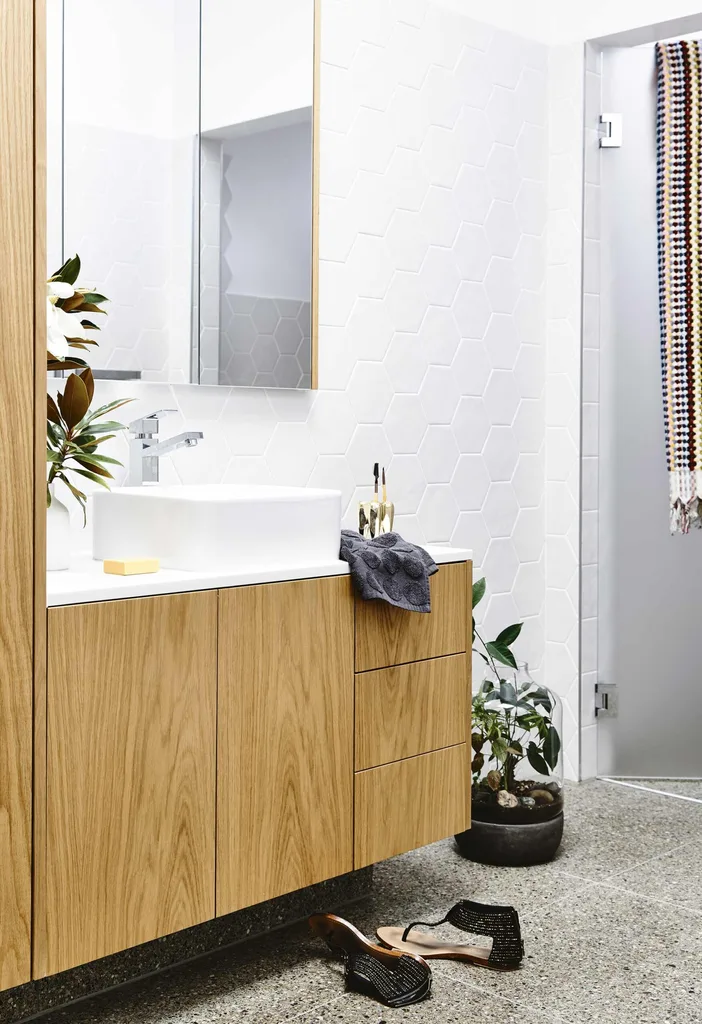
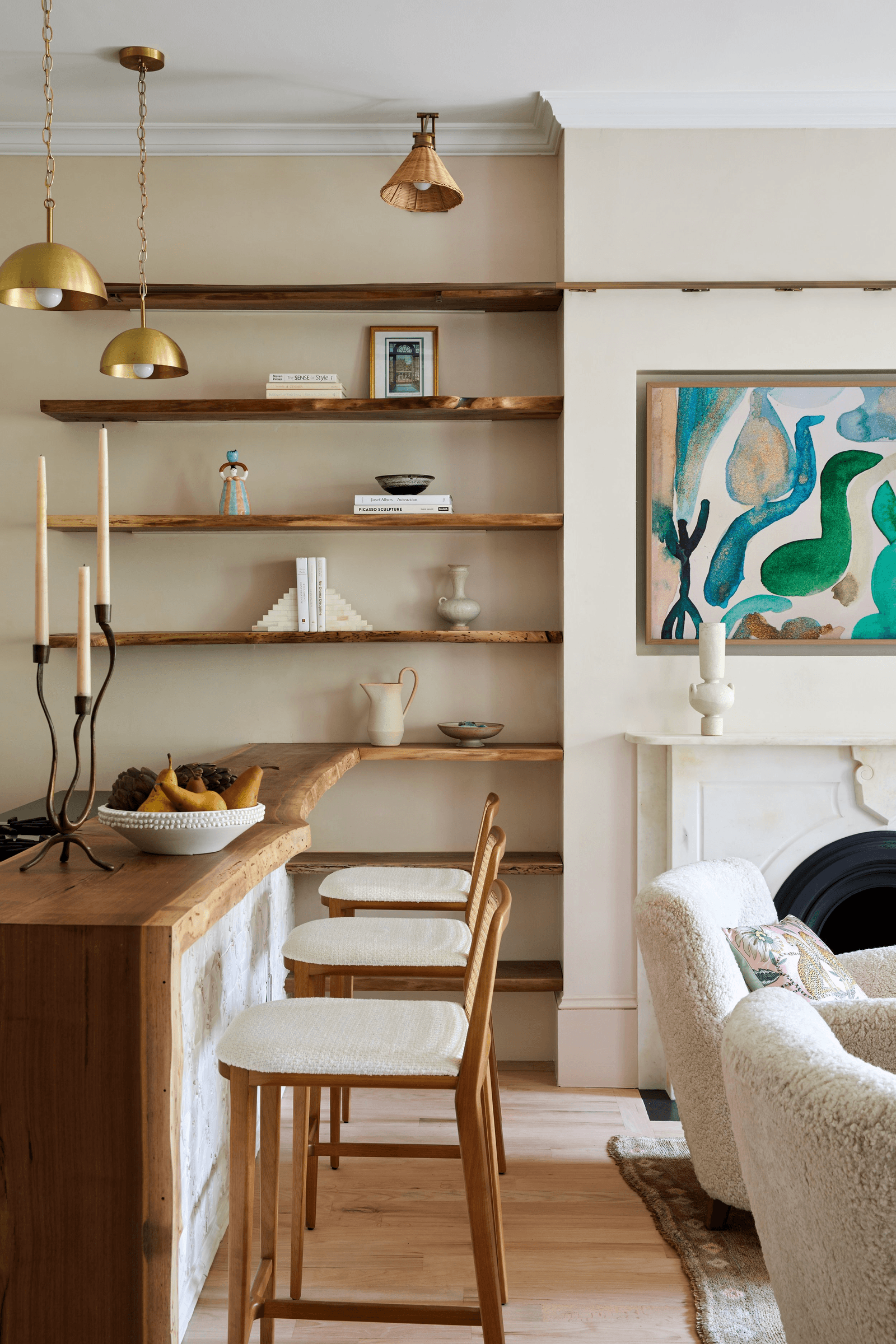
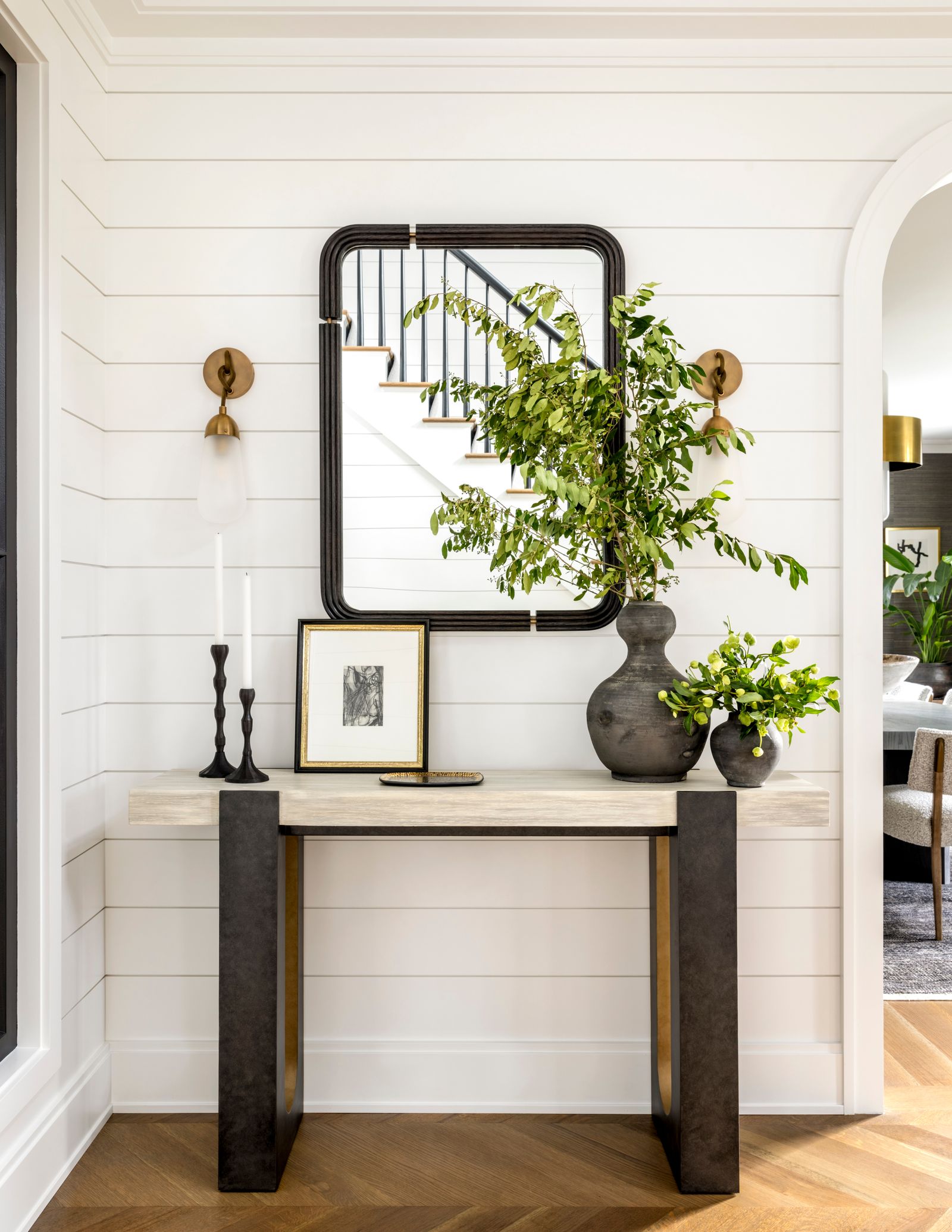
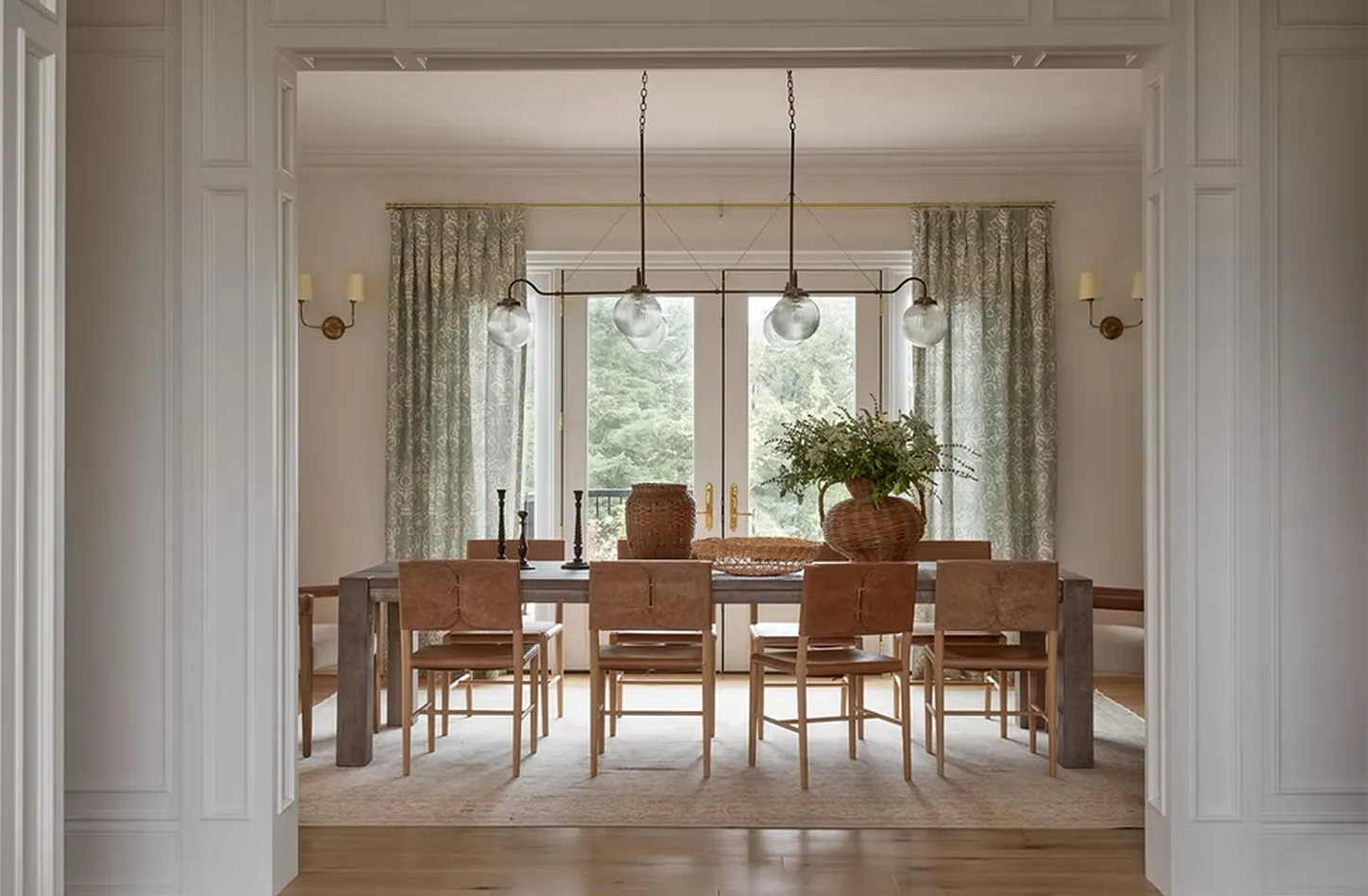
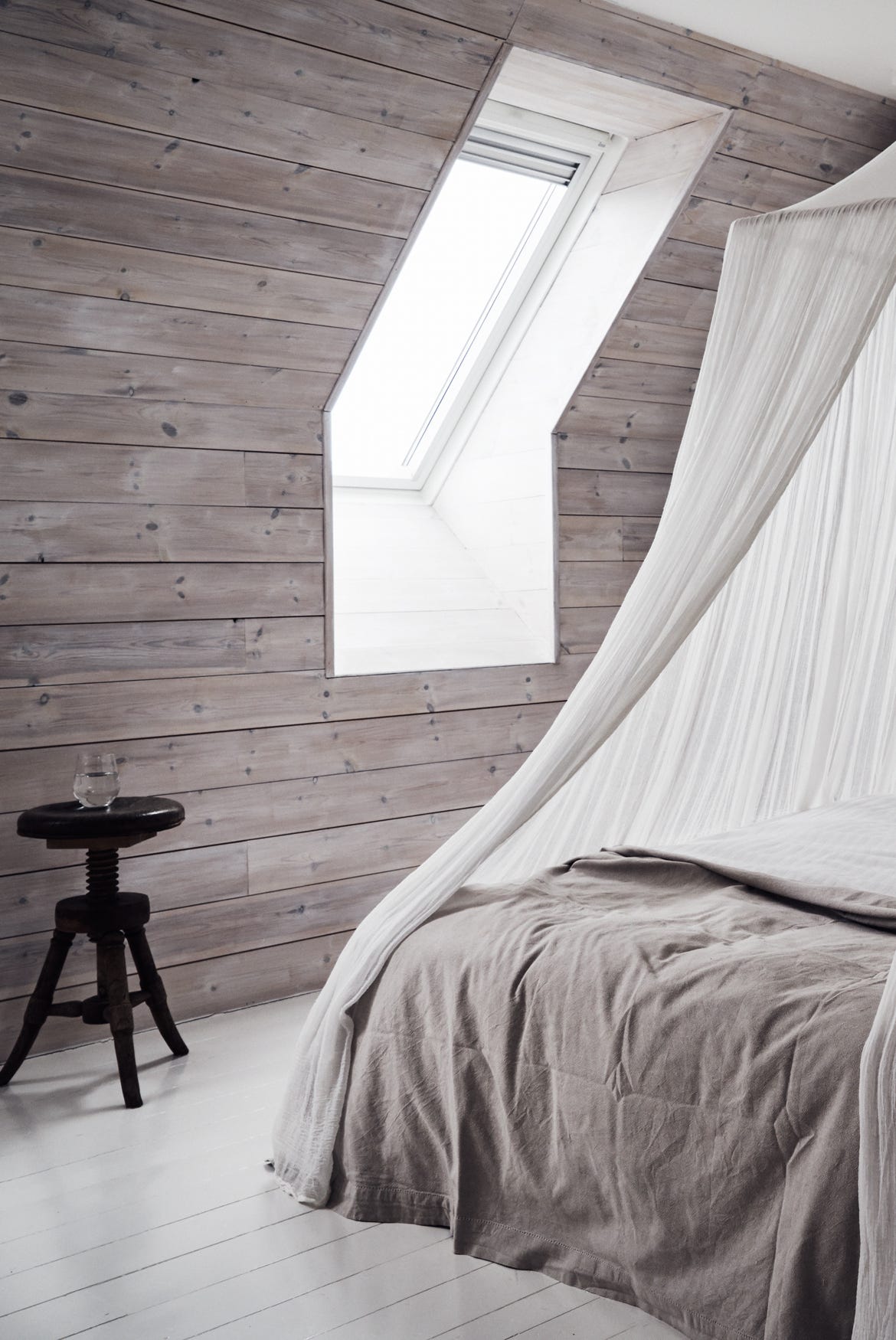
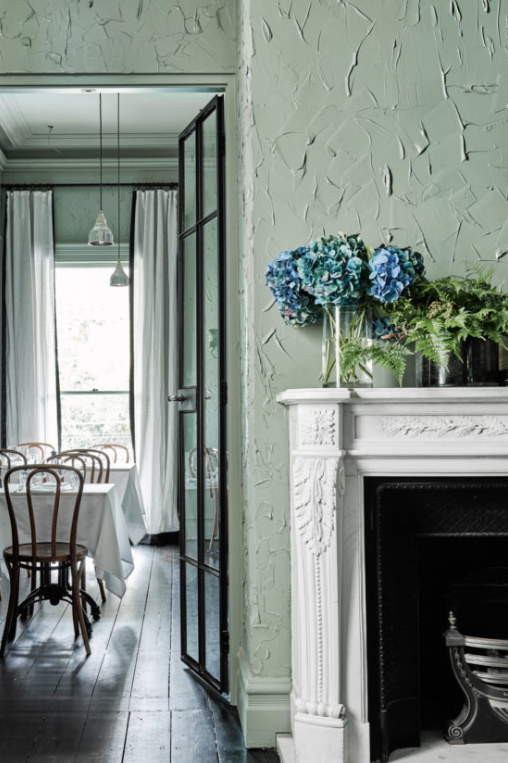
Artisanal wall finishes, such as limewash and Venetian plaster, offer a powerful way to incorporate texture at an architectural level. These hand-applied finishes introduce surface variation that interacts dynamically with light throughout the day, adding depth and subtle sophistication. Joy Lynskey emphasizes that these finishes create micro-movement that manufactured materials cannot achieve. Favoring natural materials like stone, wood, and clay is another effective strategy. While smooth, natural materials like marble still possess inherent visual movement through veining and fluting. Jen Baxter of Baxter Hill Interiors uses natural stone and tile to bring quiet drama, suggesting marble trays, stone lamps, or ribbed vases. Dan Mazzarini points to natural textures like seagrass wallpaper and teak furniture to soften rooms and add organic details, often referencing an outdoorsy aesthetic. However, the effectiveness of natural materials still relies on contrast and interaction with other elements.
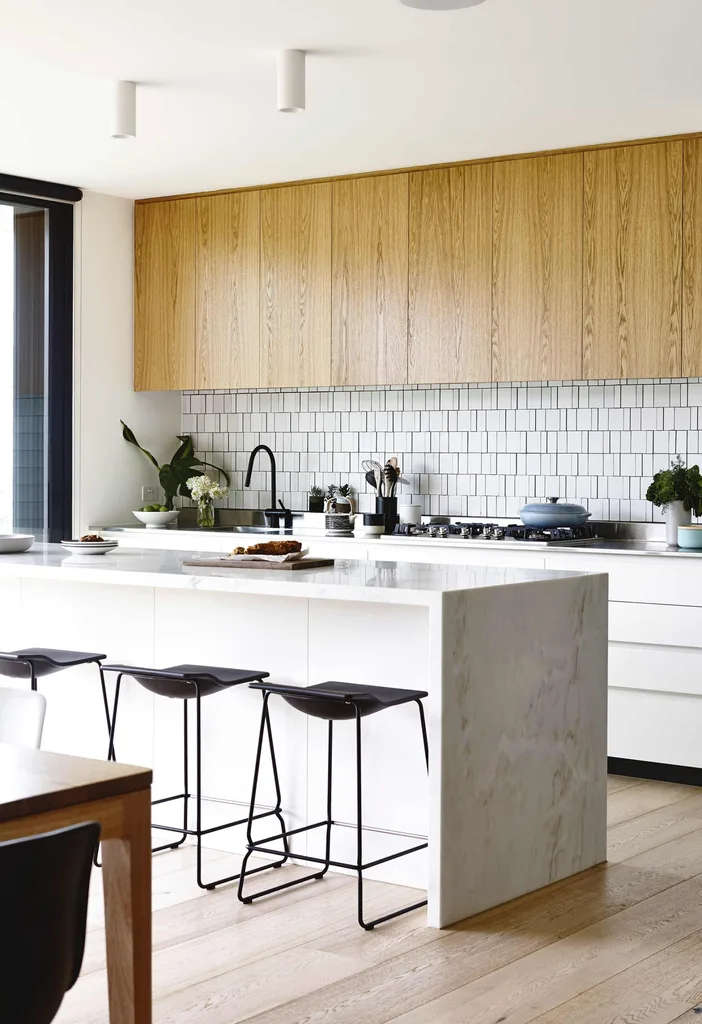

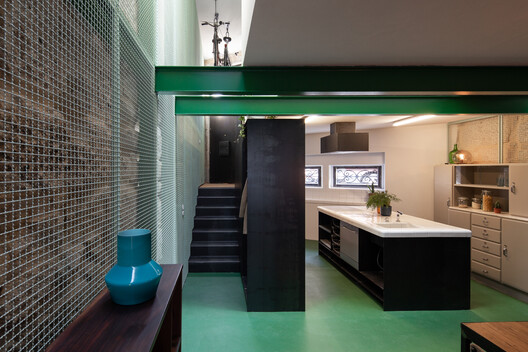
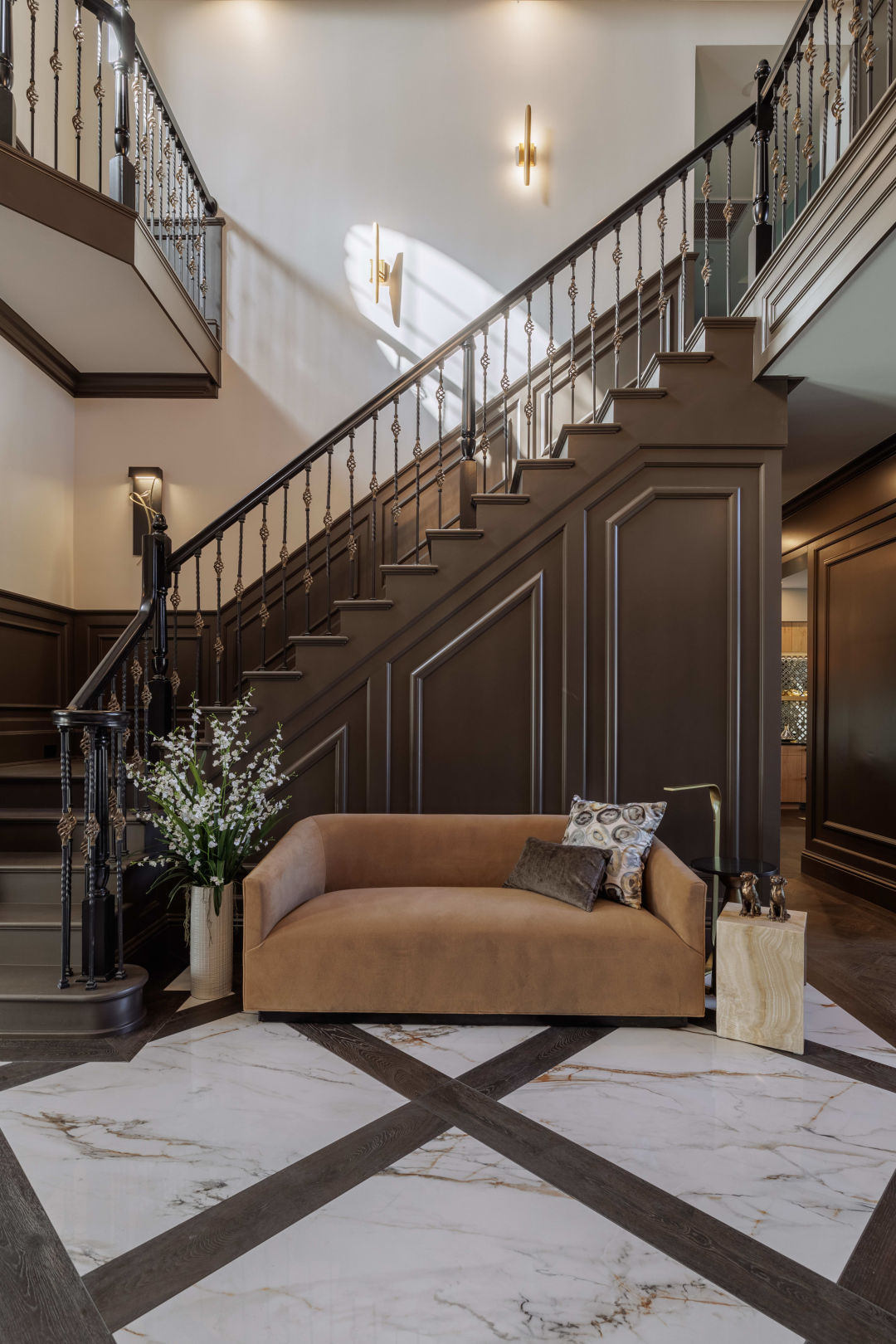
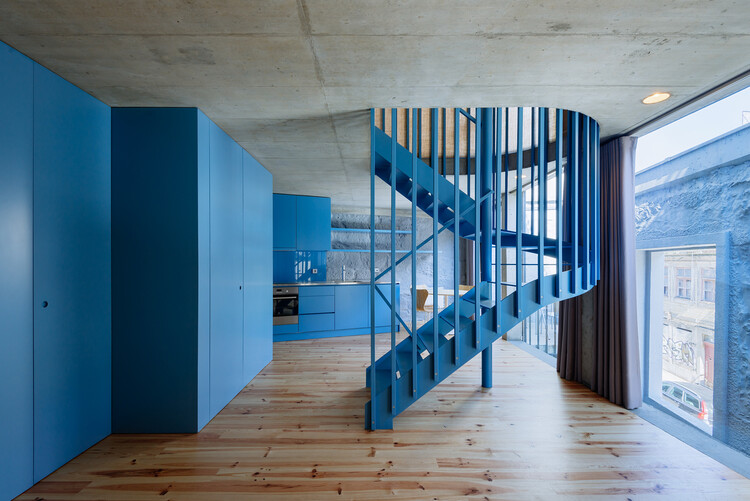
Finally, designers opt for unexpected placements of texture. Beyond obvious items like throw blankets and accent chairs, texture can be introduced in less conventional areas, such as under a stair, within a recessed ceiling, or on a kitchen island. Joy Lynskey notes that these surprising placements draw the eye and create moments of discovery, yielding an outsized visual impact without necessarily requiring major renovations. Even small applications of plaster, wood slatting, or specialty paint in these areas can fundamentally shift a room's ambiance. Ultimately, texture's power lies in its range of materials, finishes, tones, and scale, making a space not just visually appealing but genuinely engaging and memorable.
#InteriorDesign #HomeDecor #Texture #DesignPrinciples #MaterialLayering #HandcraftedAccents #TextileLayering #WallFinishes #NaturalMaterials #InteriorDesign #HomeDecor #Texture #DesignPrinciples #MaterialLayering #HandcraftedAccents #TextileLayering #WallFinishes #NaturalMaterials
0 comment in total
 No comments yet
You may also like
How to layer materials and add texture to your home decor

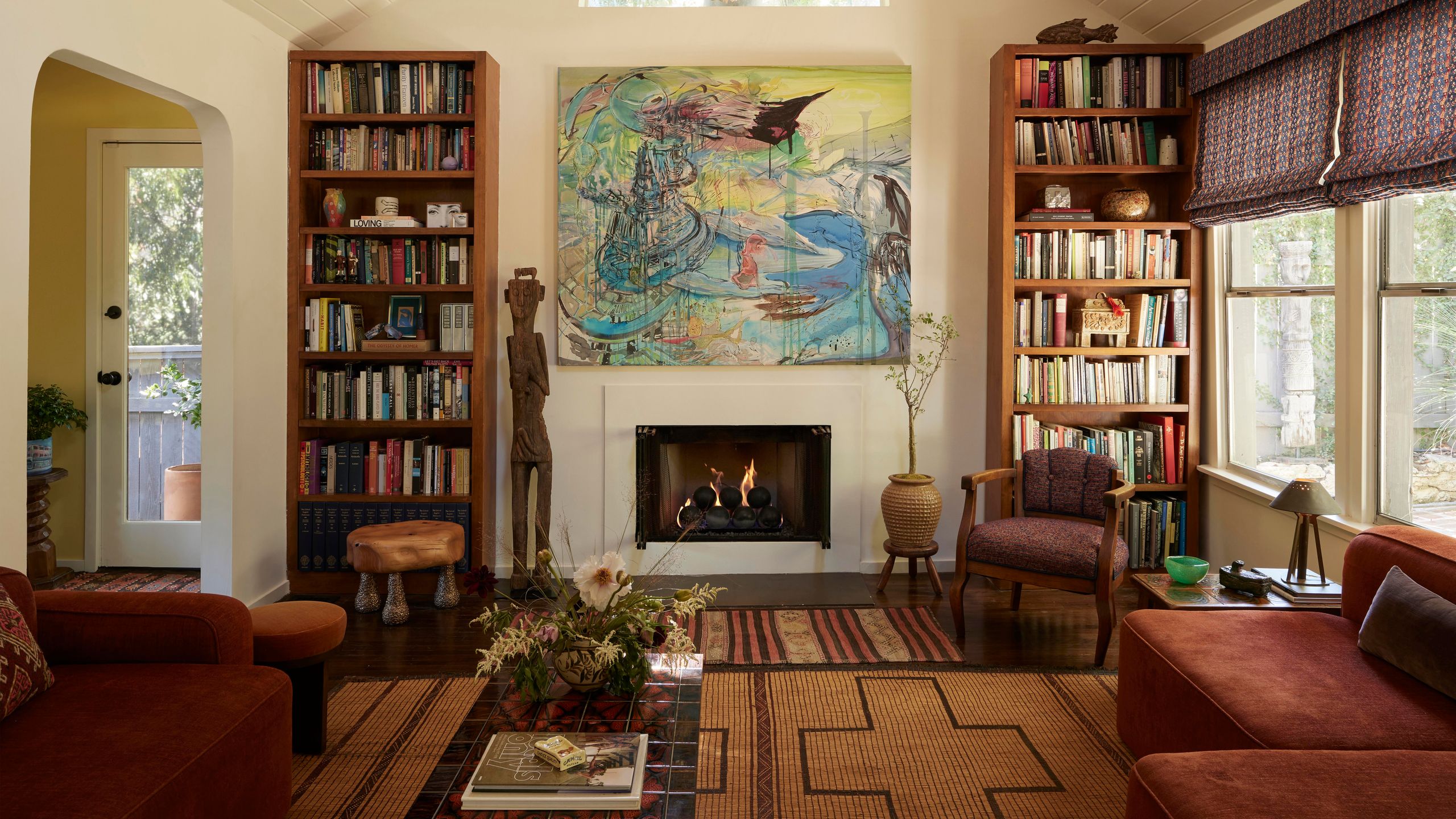
8 Expert Tips for Styling Surfaces in Every Room

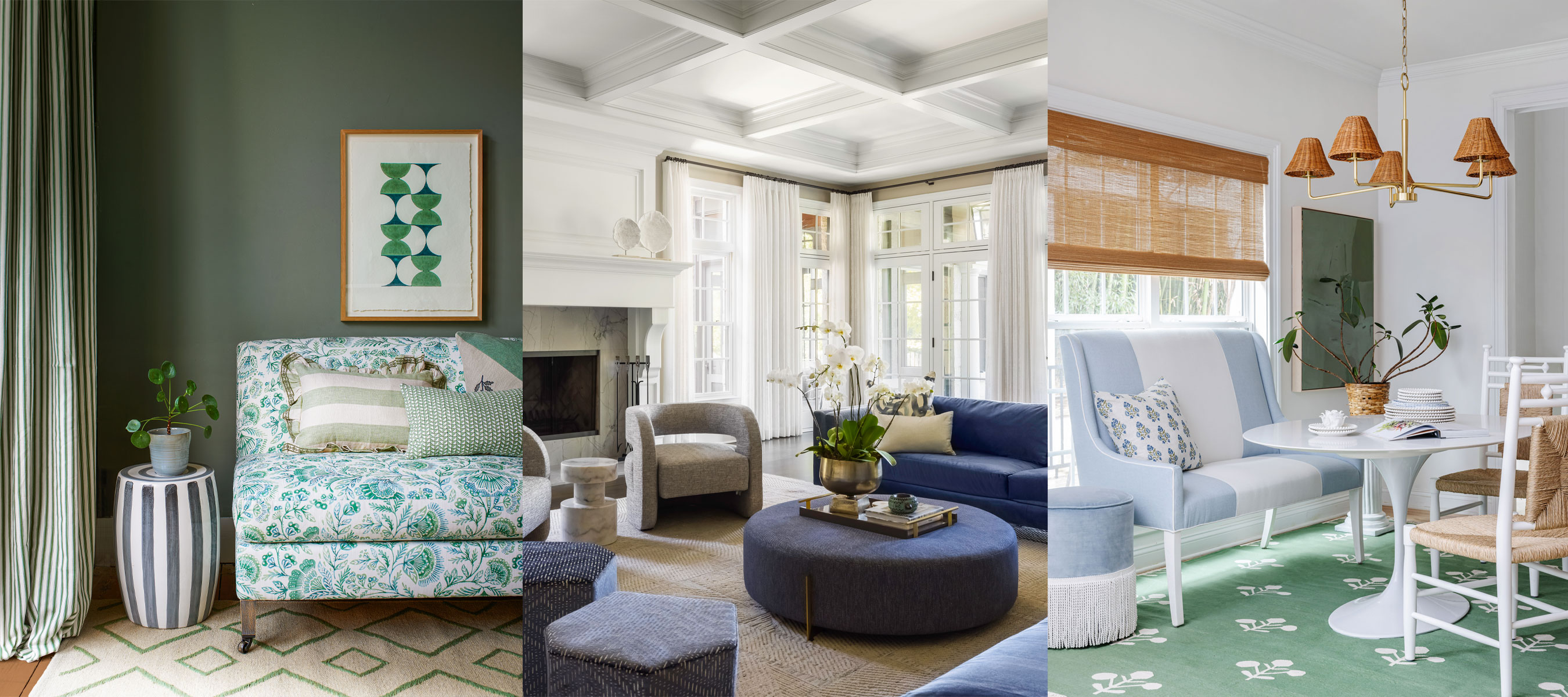
How to create repetition in interior design – 7 ideas for decorating success
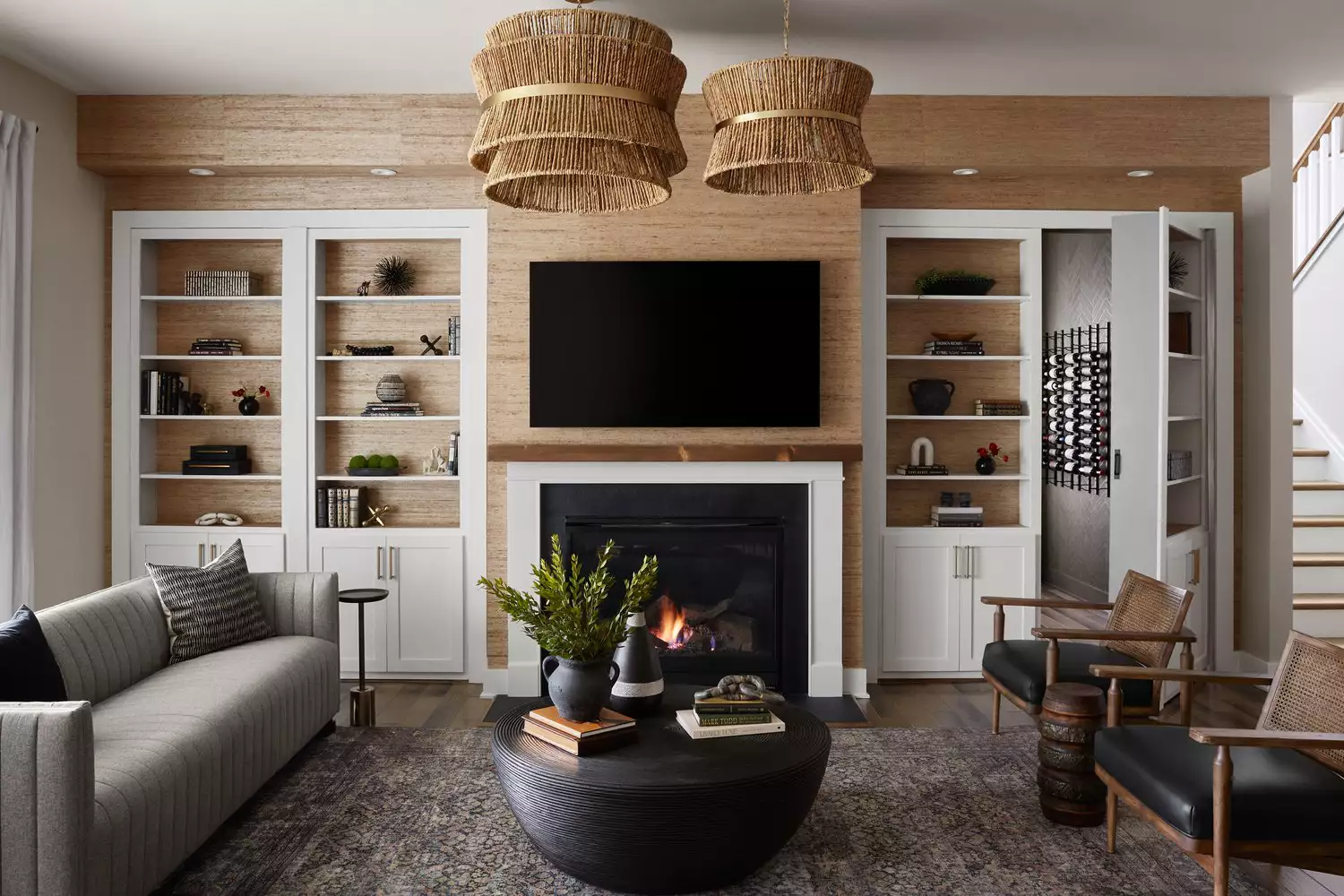
The One Design Feature You're Overlooking That Will Instantly Elevate Any Room
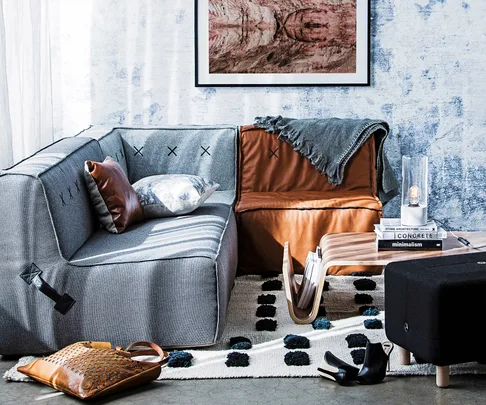
9 ways to add texture to your home
The Best Tips From Designers on Decorating the Bedroom of Your Dreams

Interior Design Tips: The Dos and Don’ts of Layering

These Are the Home Design Trends You Need to Know About in 2025
Is your home feeling lifeless? 5 layering hacks to make the interiors warm and inviting | Hindustan Times

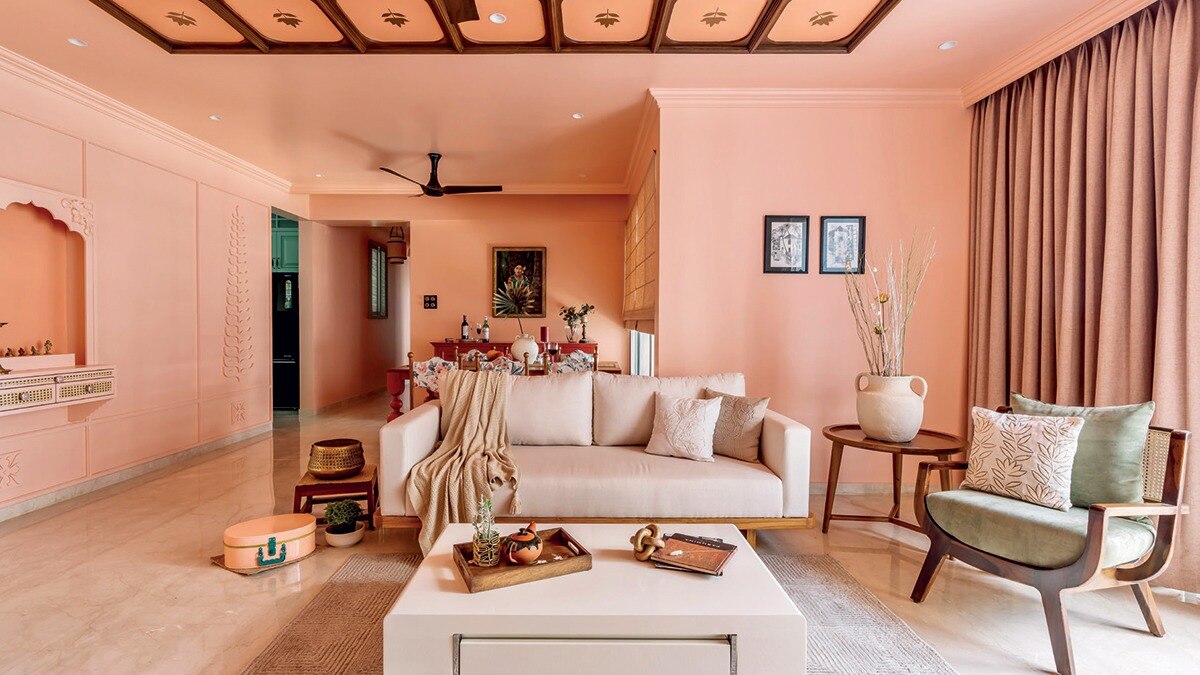
Interiors | A tale through textures
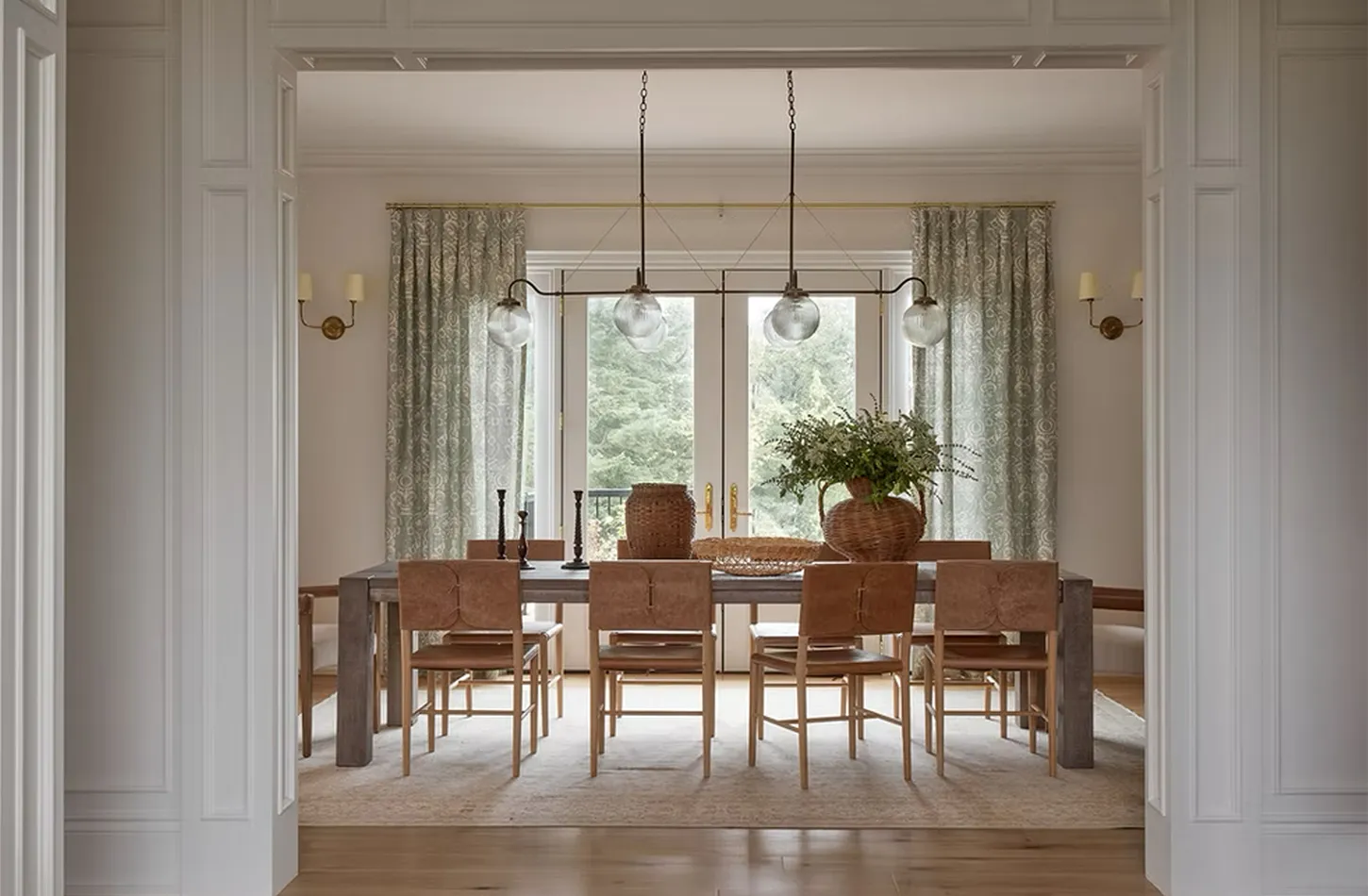
6 Underrated Designer Secrets That Instantly Make Any Room Look Better
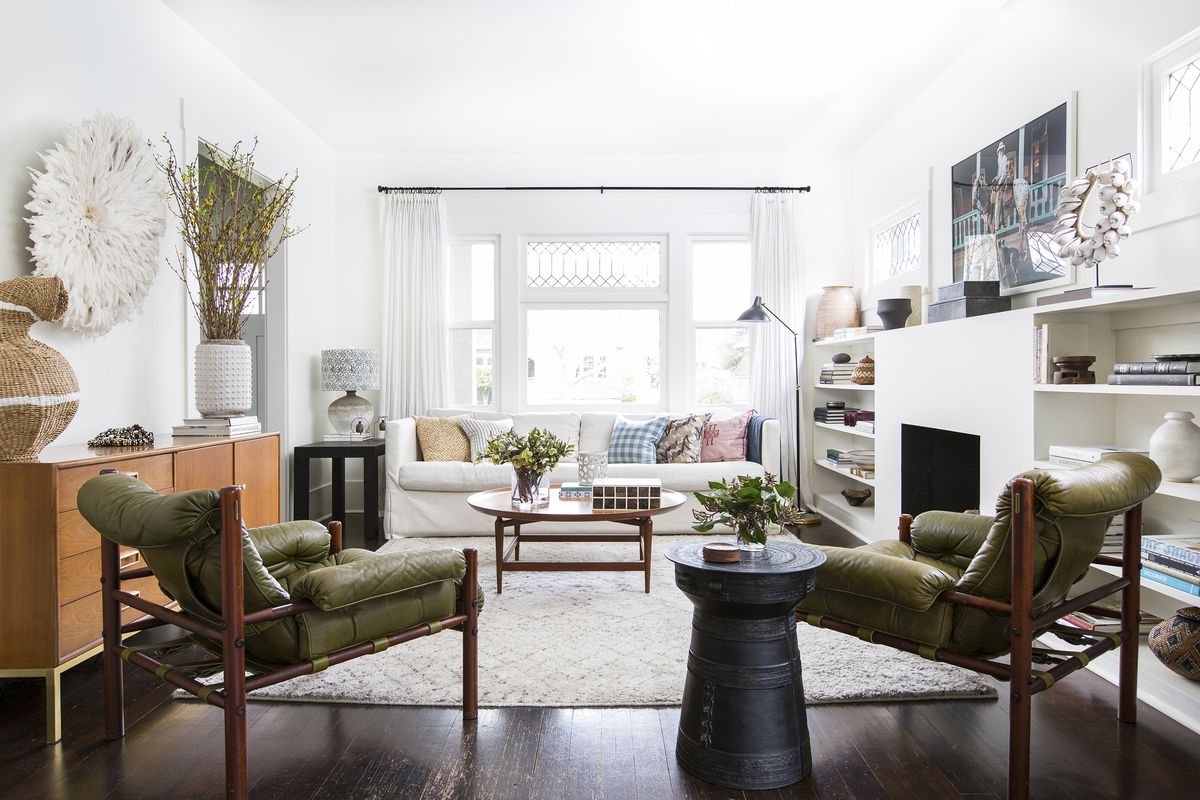
How to design the perfect living room
From Flat to Fabulous: Why Texture is the Future of Interior Design

Rhythm in interior design - 11 ways to use this clever technique for rooms that look professionally done

The Best Wall Texture Ideas for Adding Depth to Any Room
I Asked Interior Designers: 'How Do You Ensure a Room Isn't Boring?' These Are Their 5 Top Tips
This At-Home Lounge Is Equal Parts Elevated and Family Friendly
13 ways repetition in interior design can be used to create calmingly sophisticated rooms
How to Combine Colors and Textures in Interior Decor

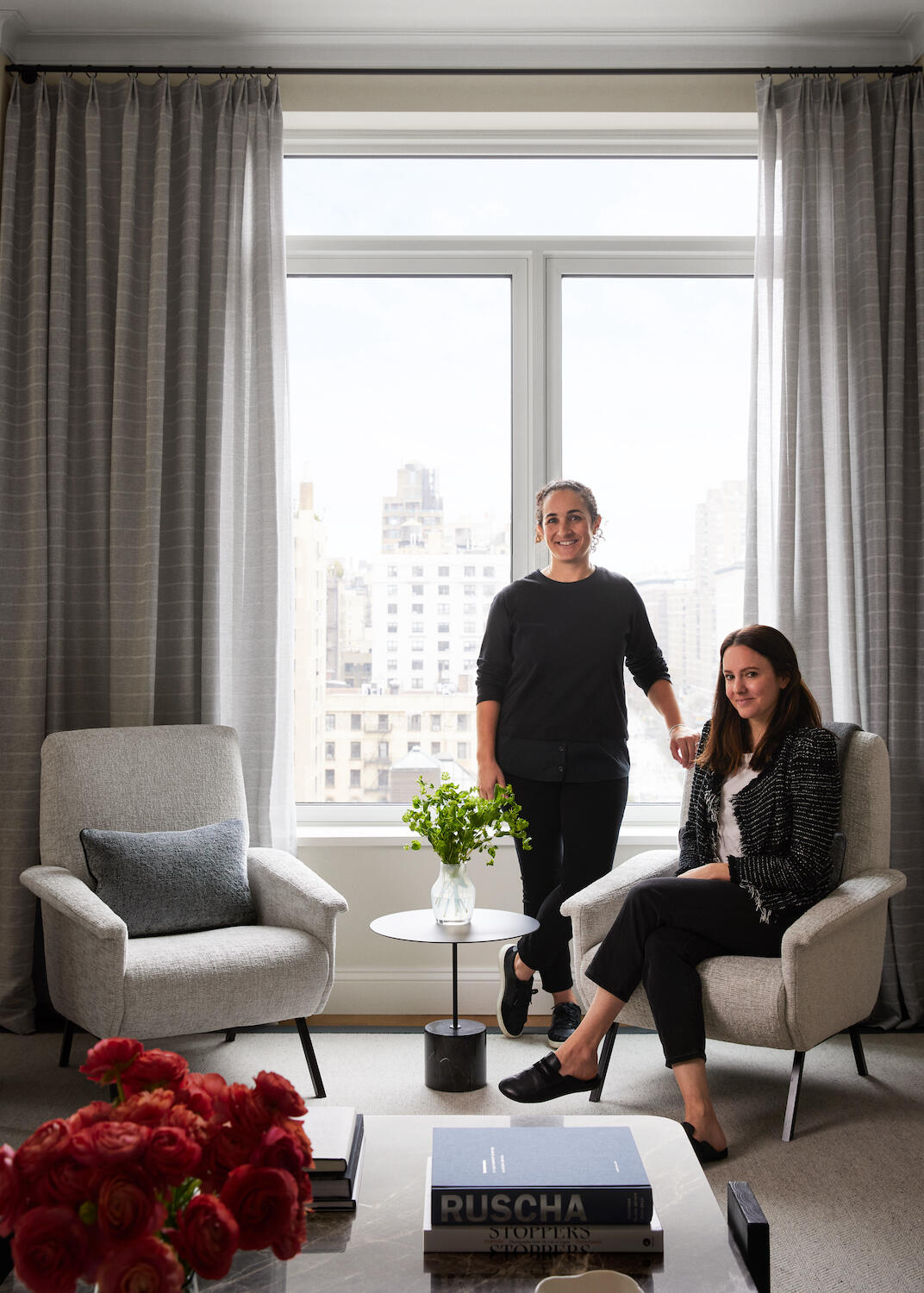
Studio AK’s touchable selection of polished marble, cut velvet and silk cashmere