1/7
How to create repetition in interior design – 7 ideas for decorating success

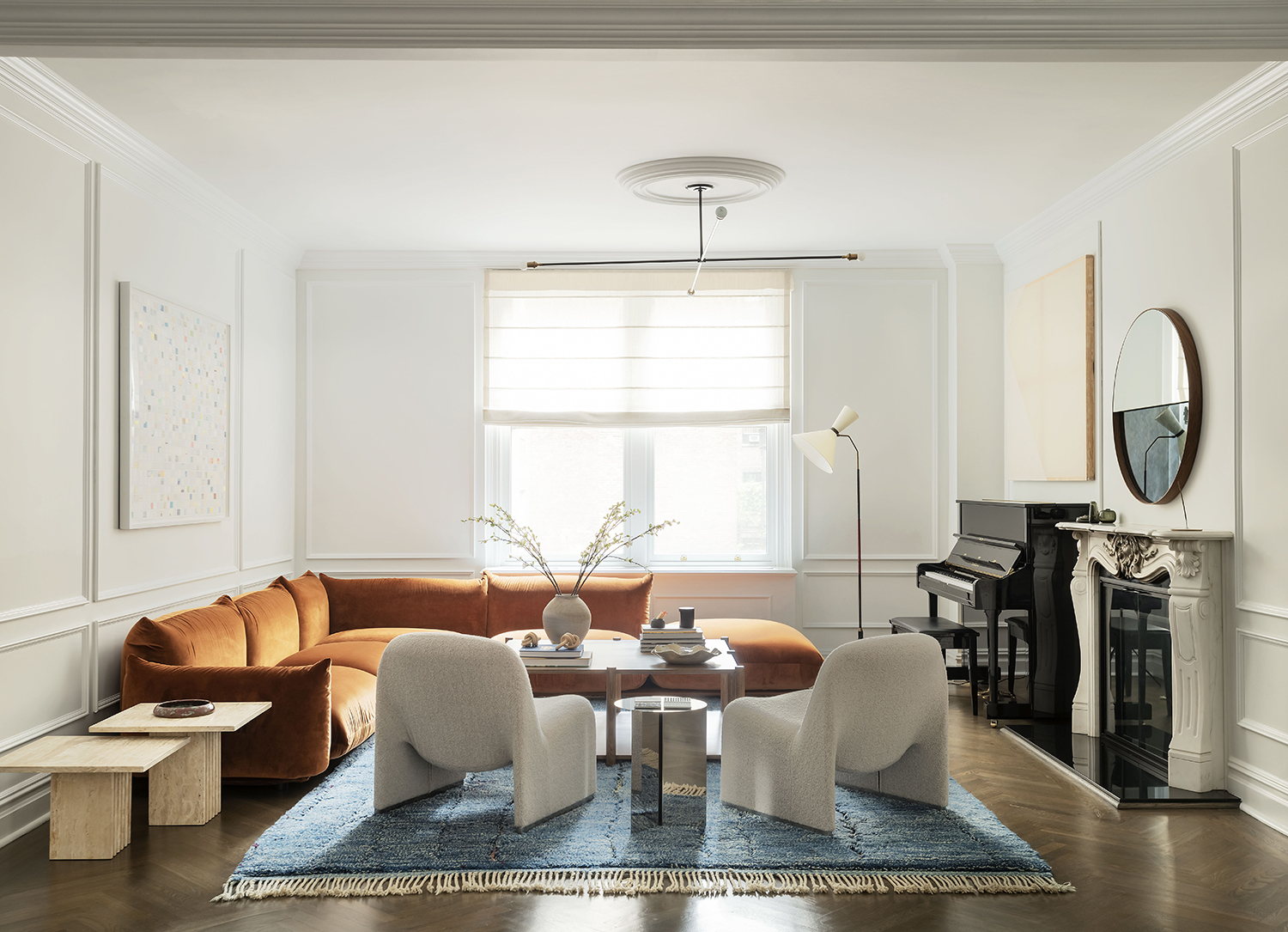
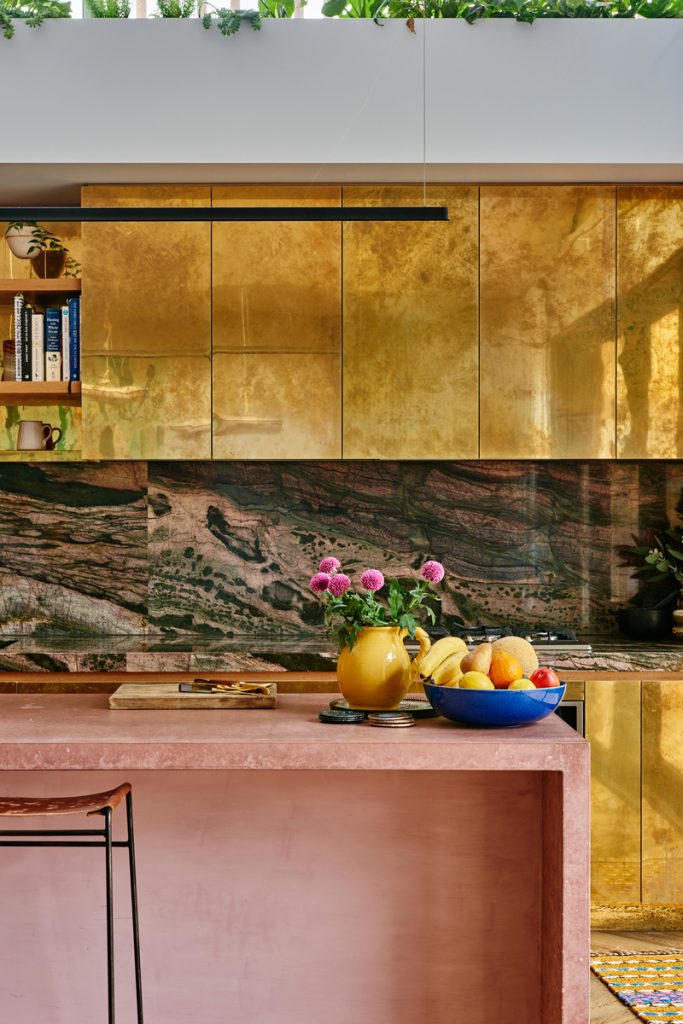
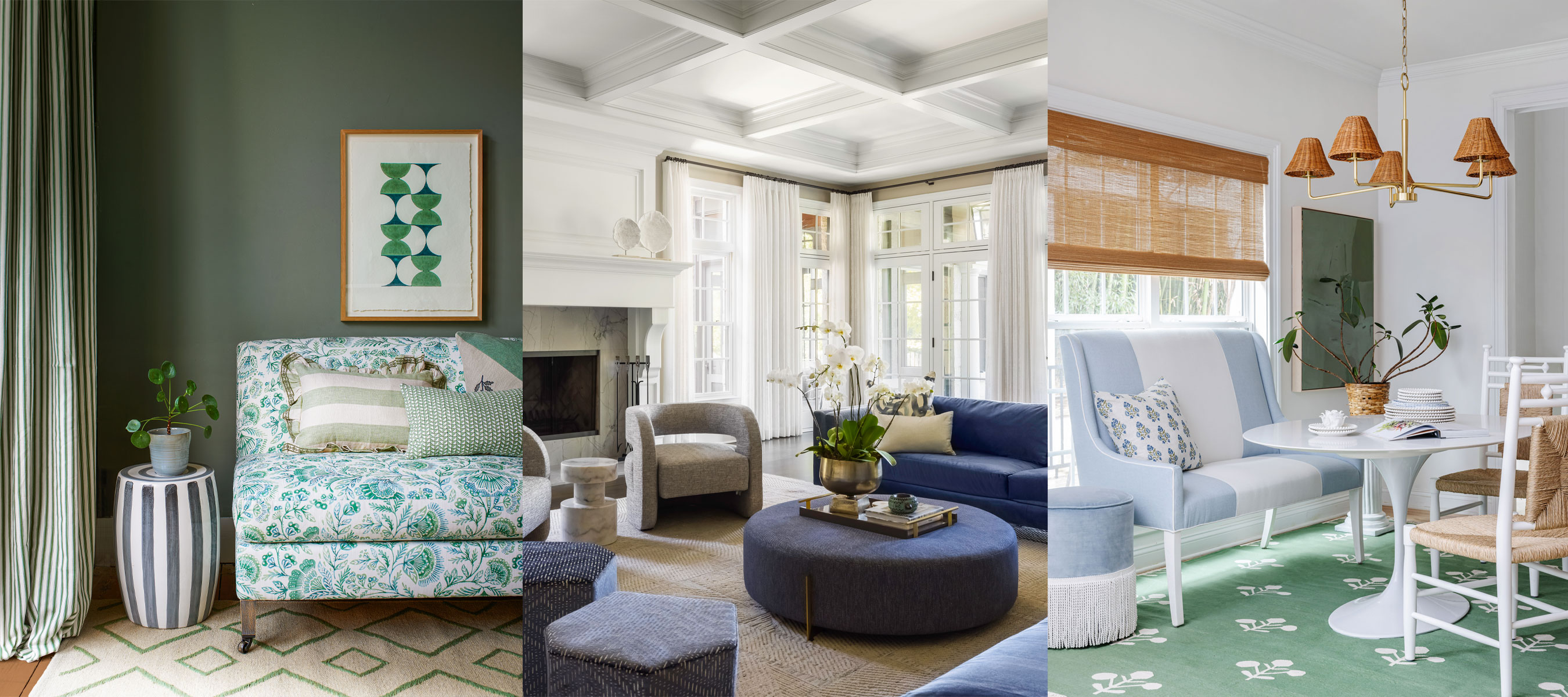
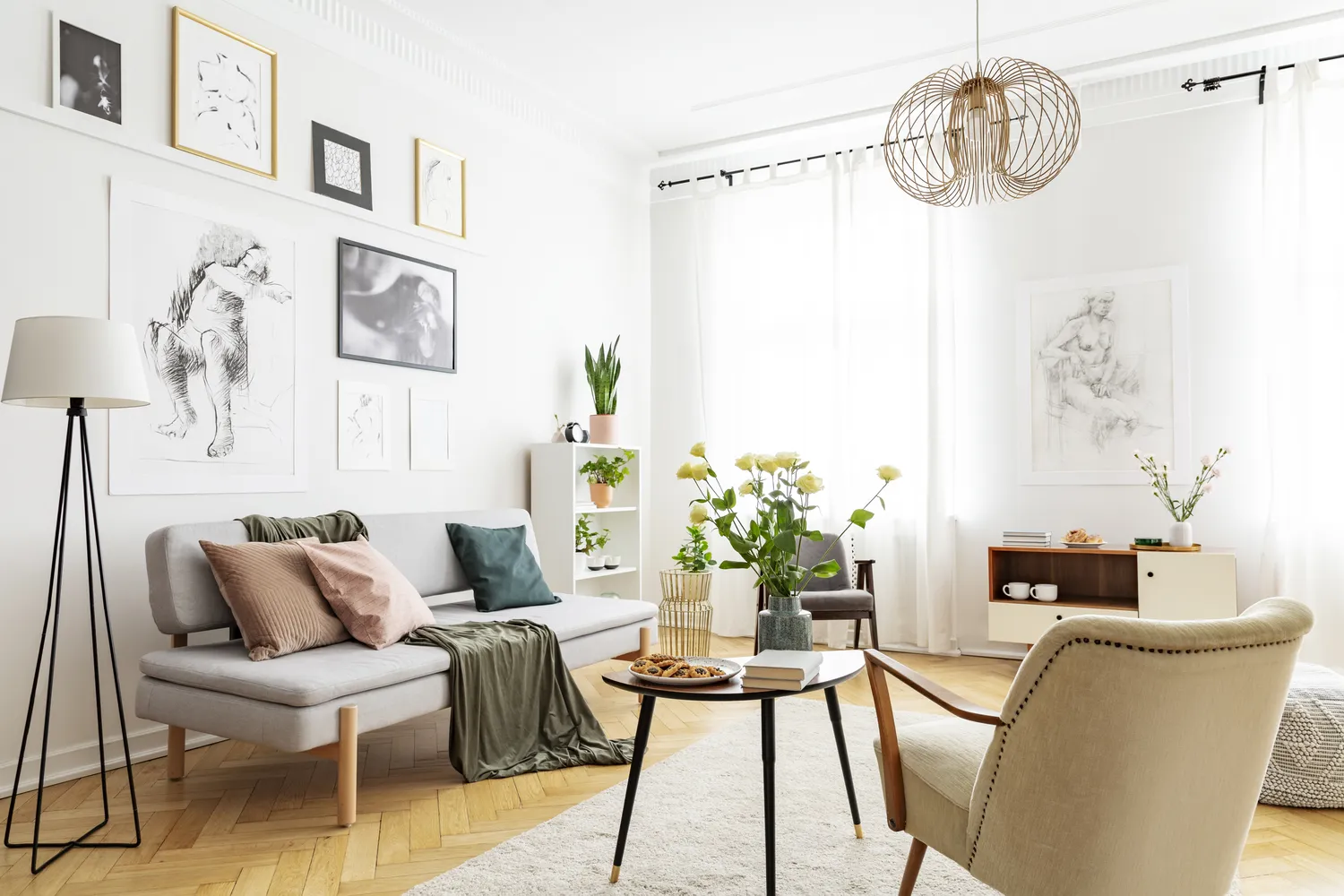
The article explores the principle of repetition in interior design, emphasizing its role in creating cohesive, balanced, and harmonious spaces. Repetition is not about matching every element but rather about creating subtle connections through recurring colors, textures, patterns, and features across lighting, furniture, and architectural elements. This design principle works in conjunction with other concepts like symmetry and rhythm to guide the eye through a room and the entire home.
Bethany Prince, an associate interior designer at SHH, explains that repetition establishes a sense of rhythm and consistency within an interior. This rhythm can manifest through various visual elements such as color, pattern, shapes, and textures, helping to define hierarchy within a space. The article provides seven foundational ideas for incorporating repetition effectively into home decor.
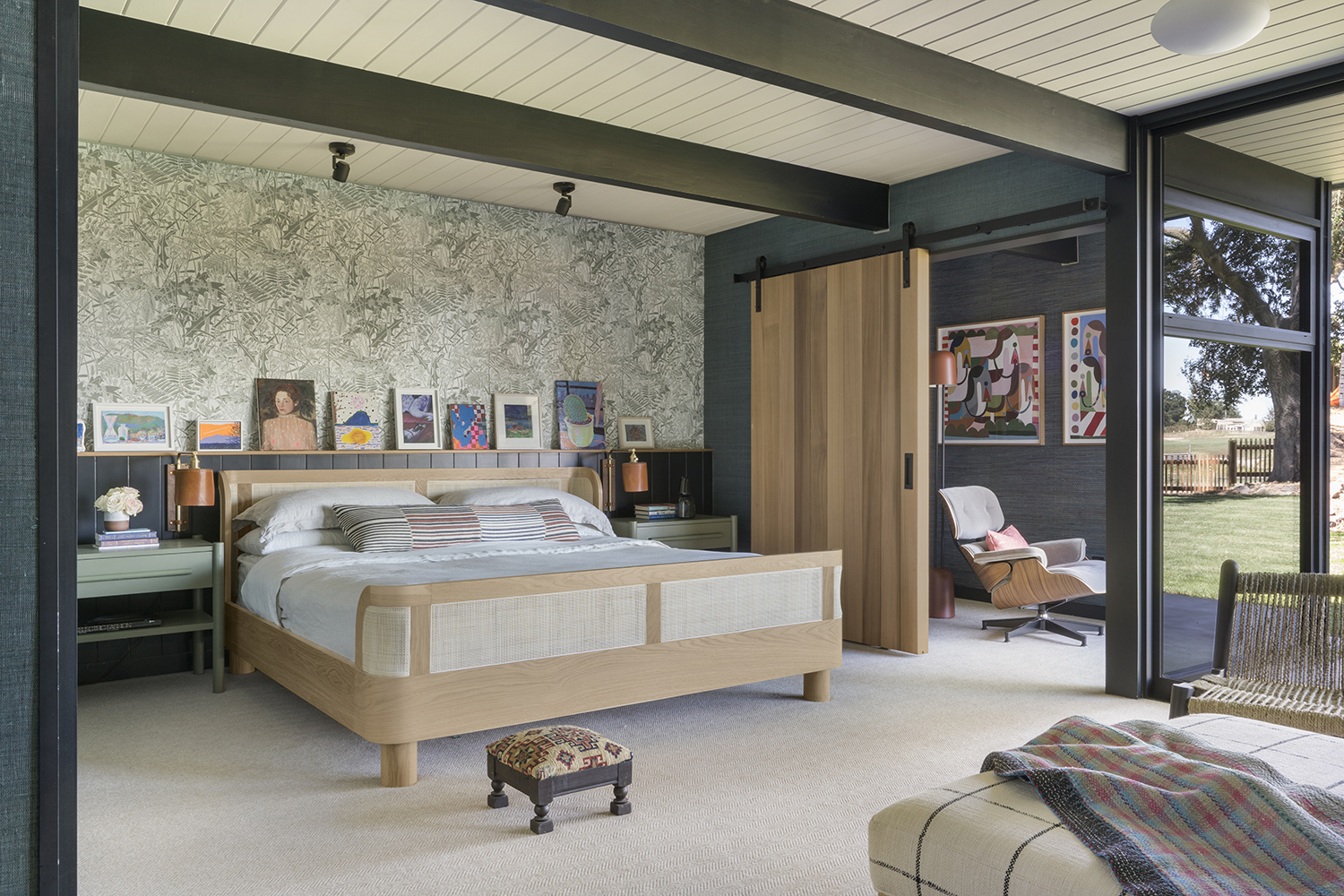
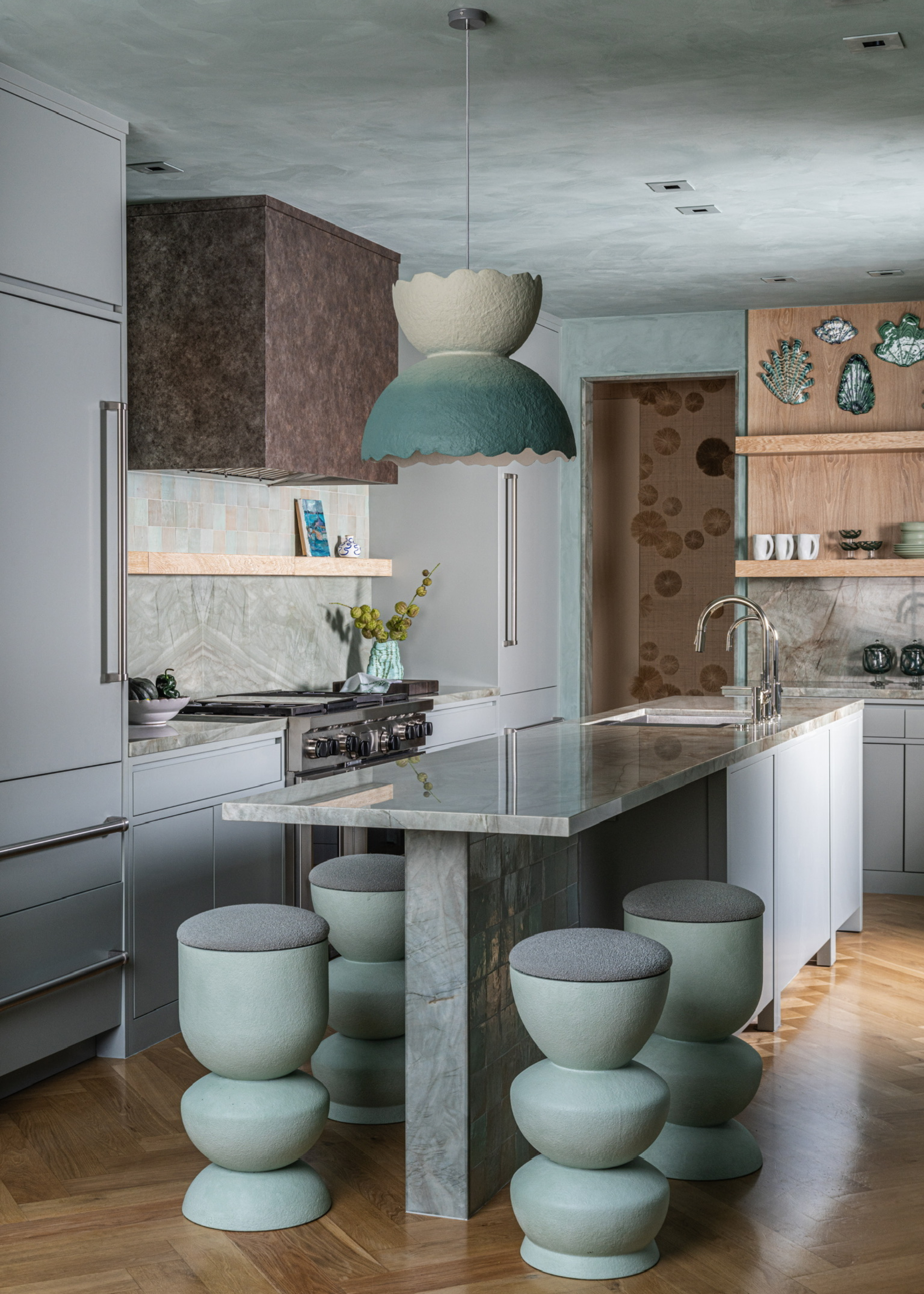
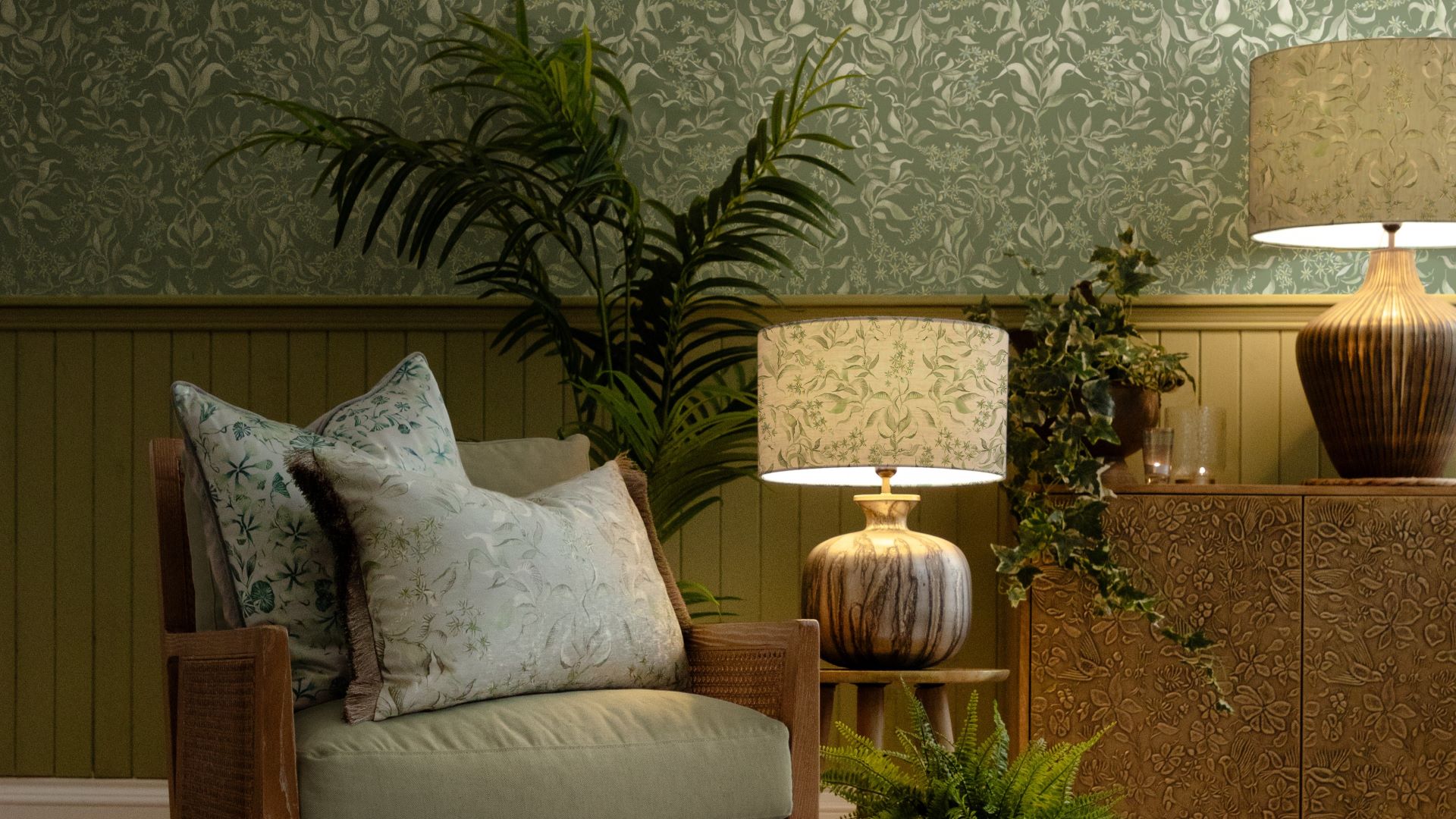
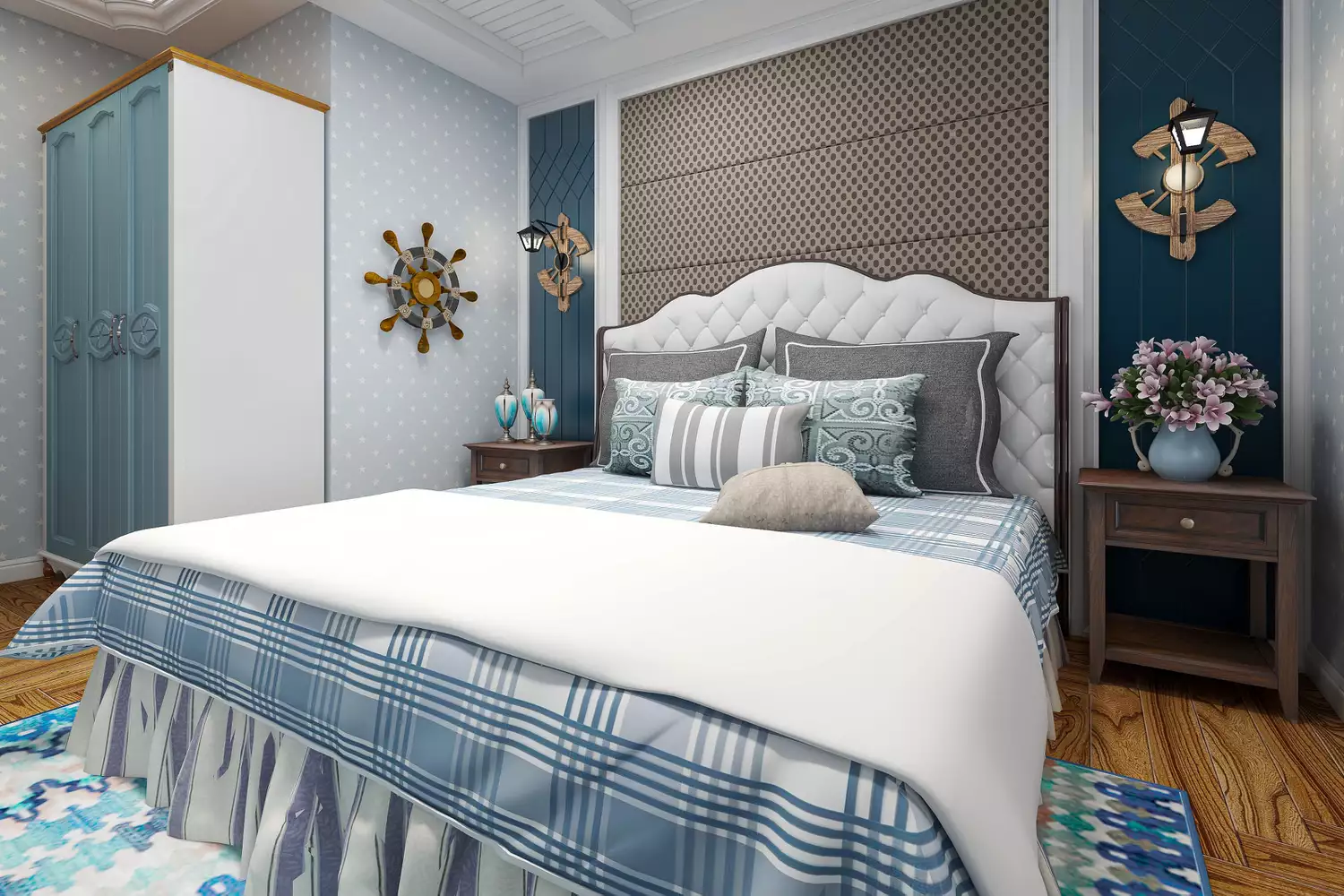
Firstly, considering the color scheme is crucial. Repeating a key color, or using similar tonal shades, across adjacent rooms or throughout a single space creates a visual narrative and unifies different design schemes. Andy Greenall, creative director at Paint & Paper Library, highlights how color combinations can add drama and intrigue, whether through graduating neutral shades that flow seamlessly between rooms or impactful tonal schemes created by pairing deep hues with pale ones.
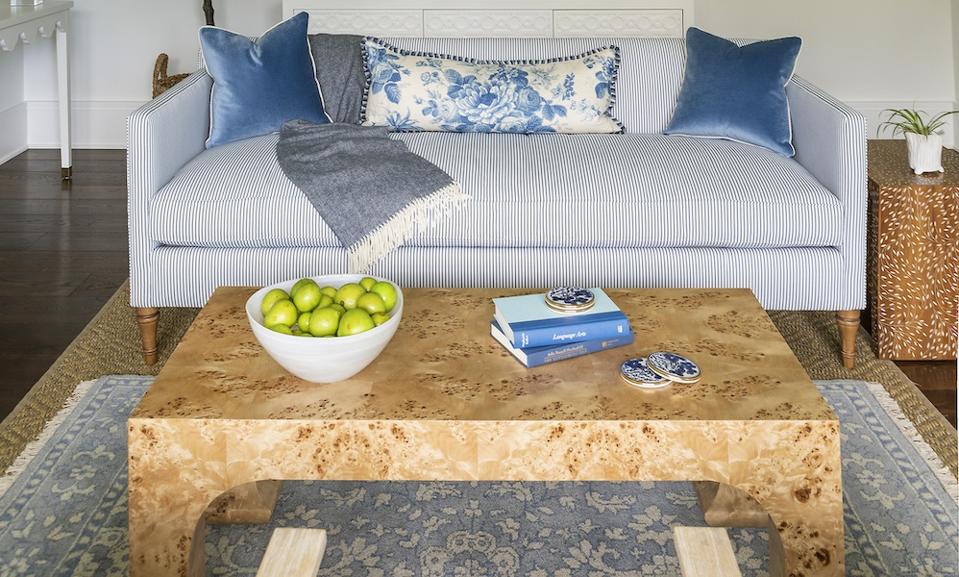
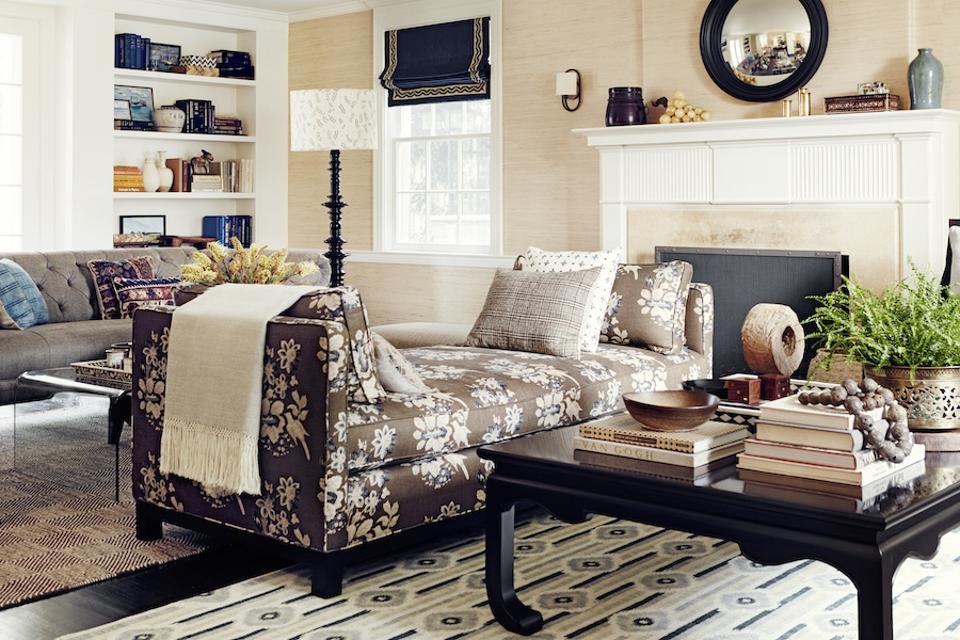
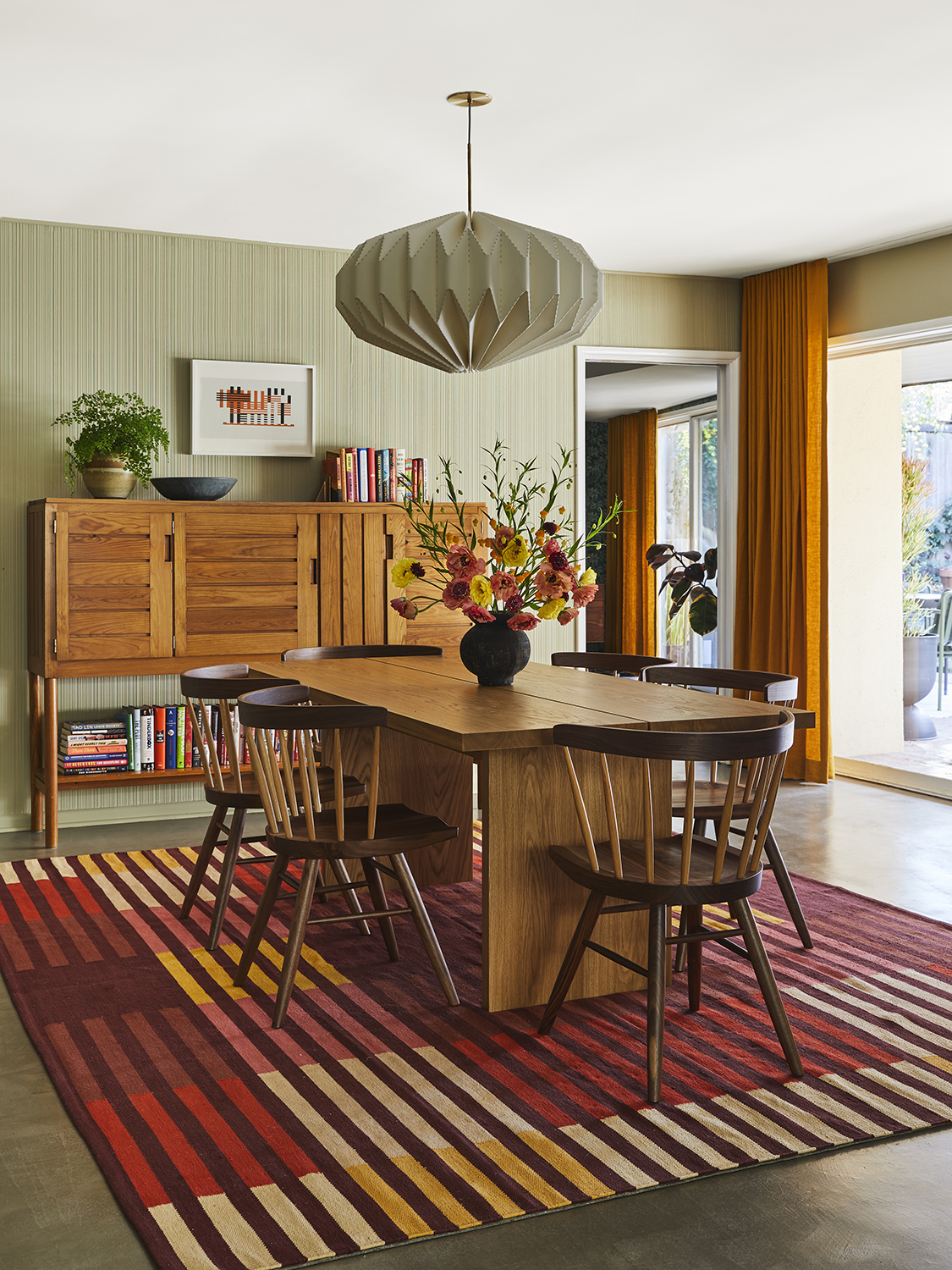
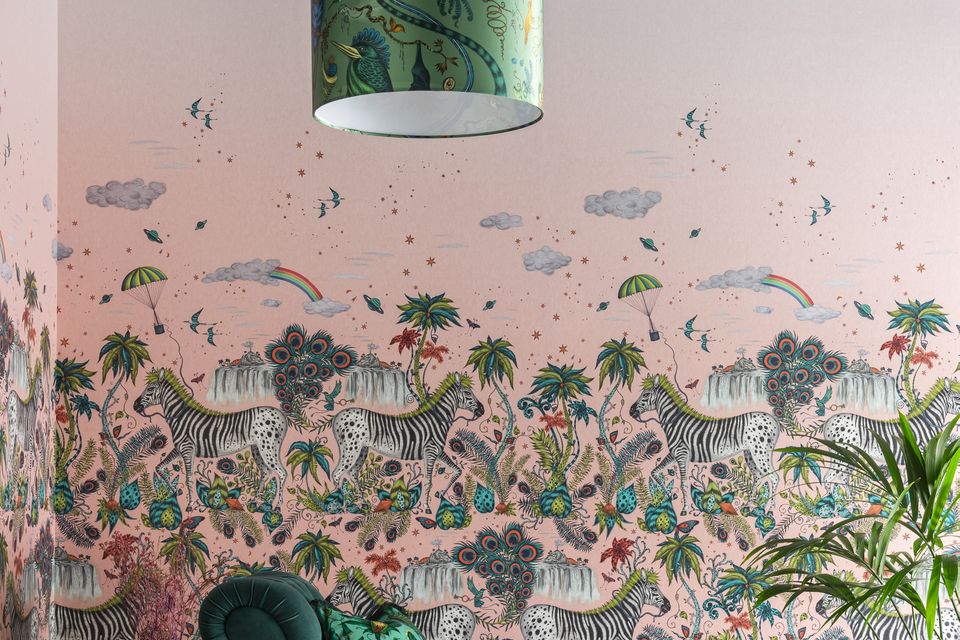
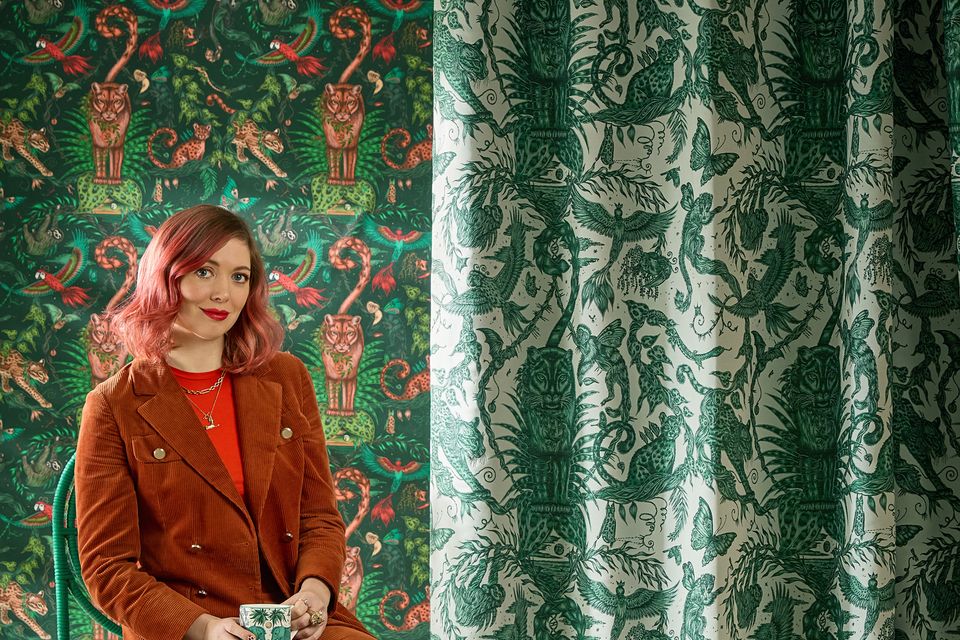
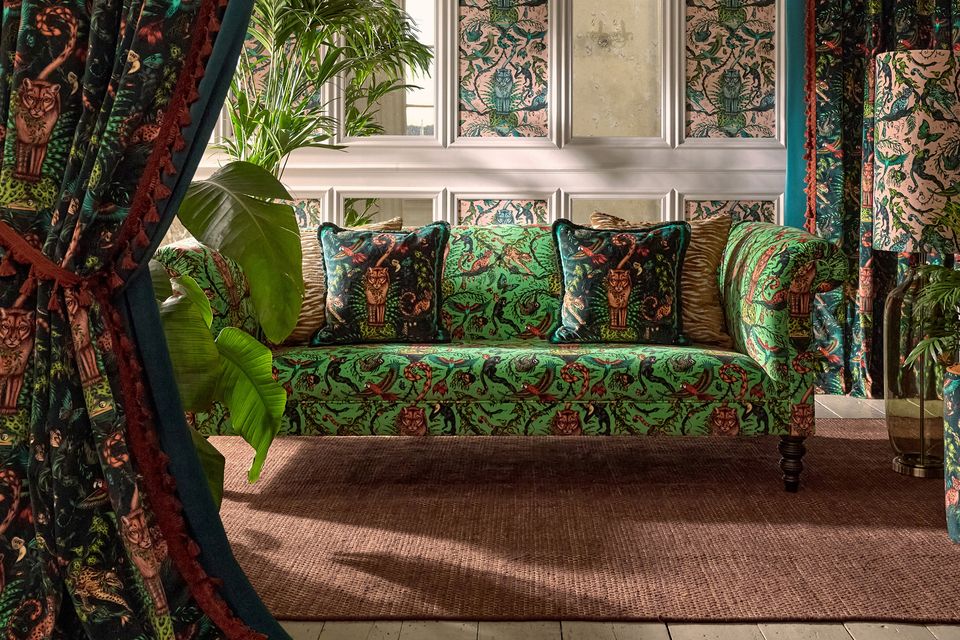
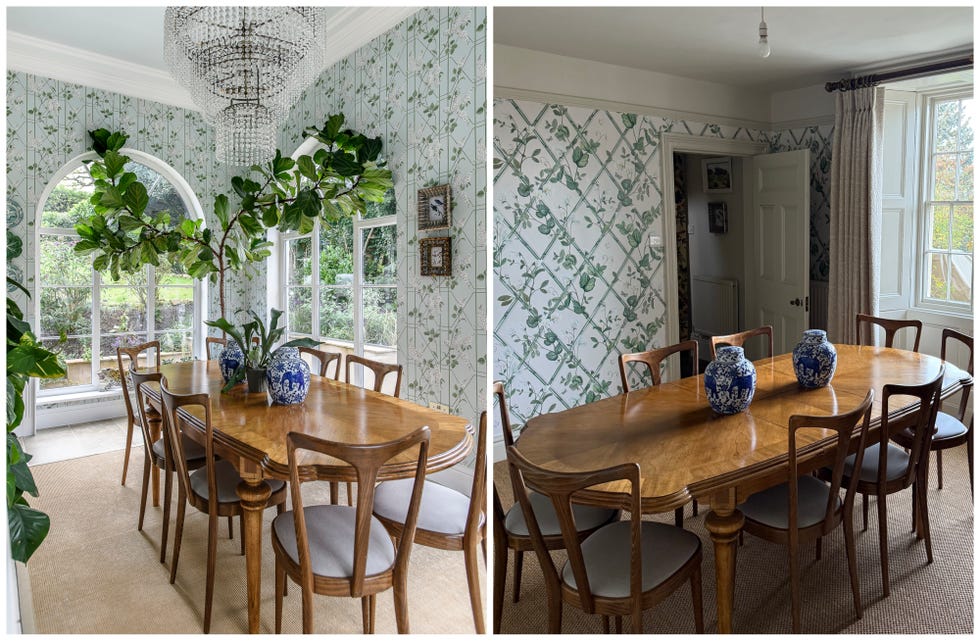
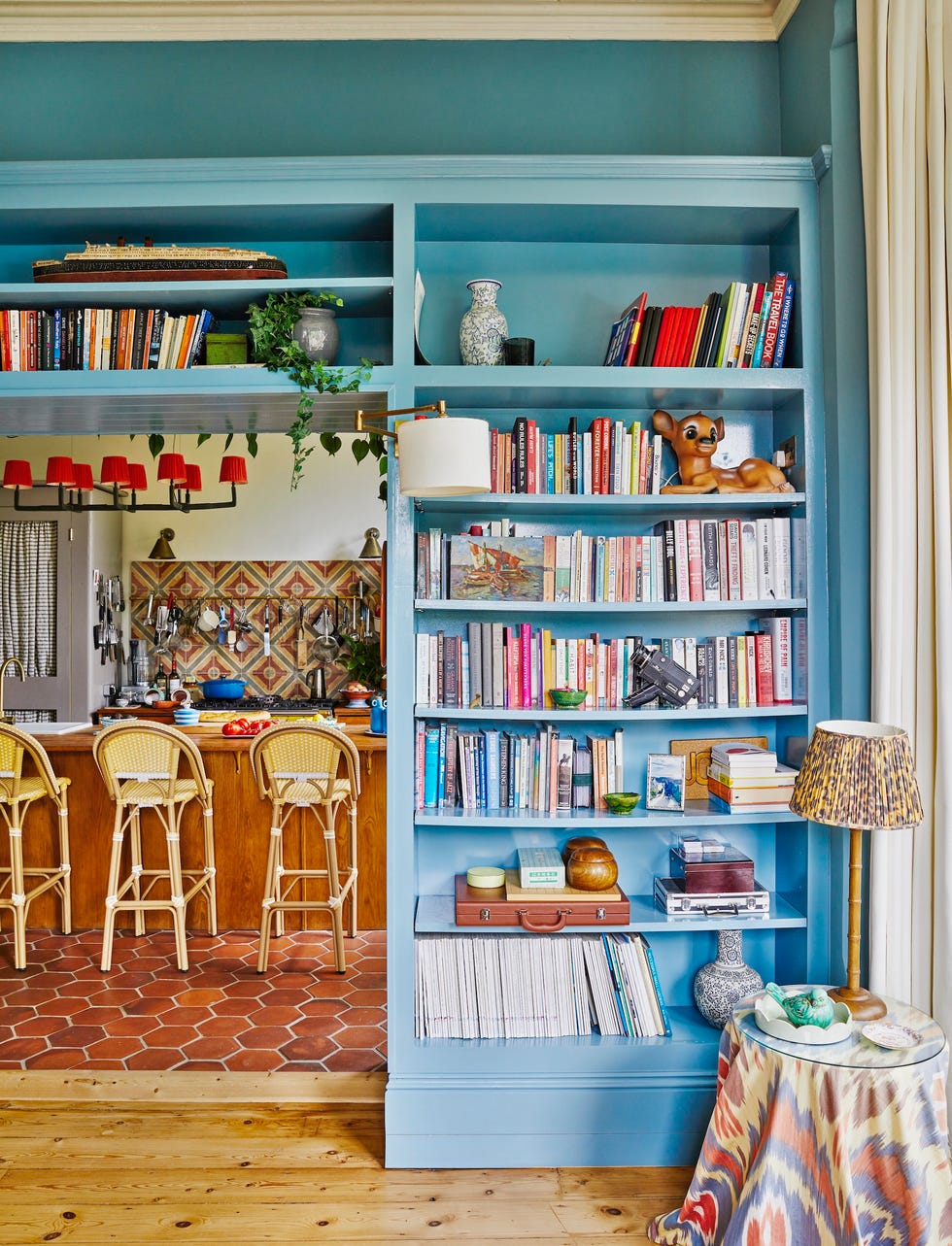
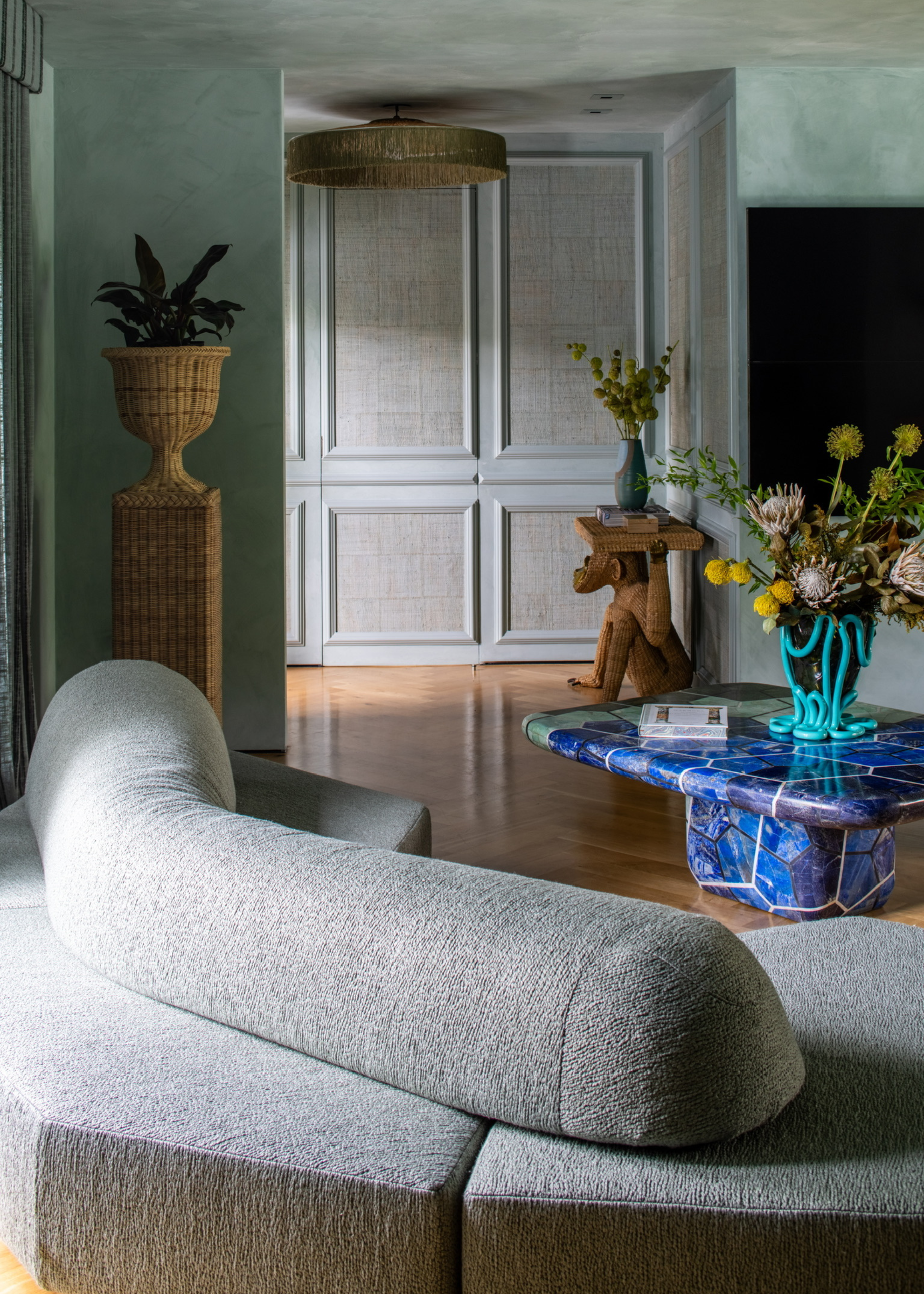
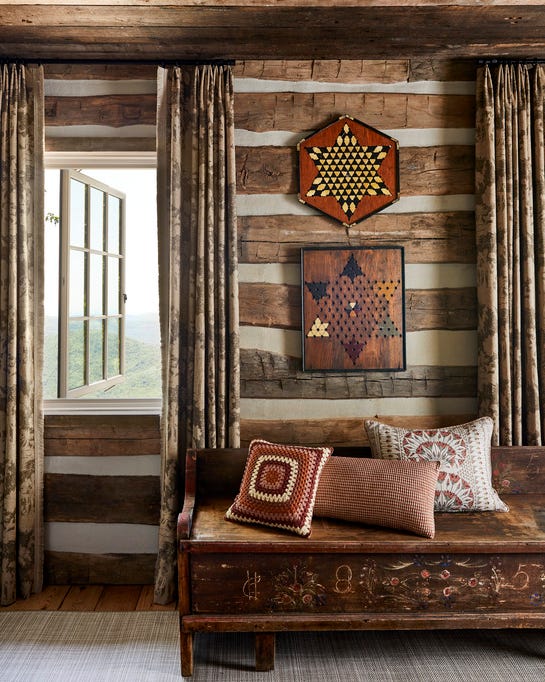
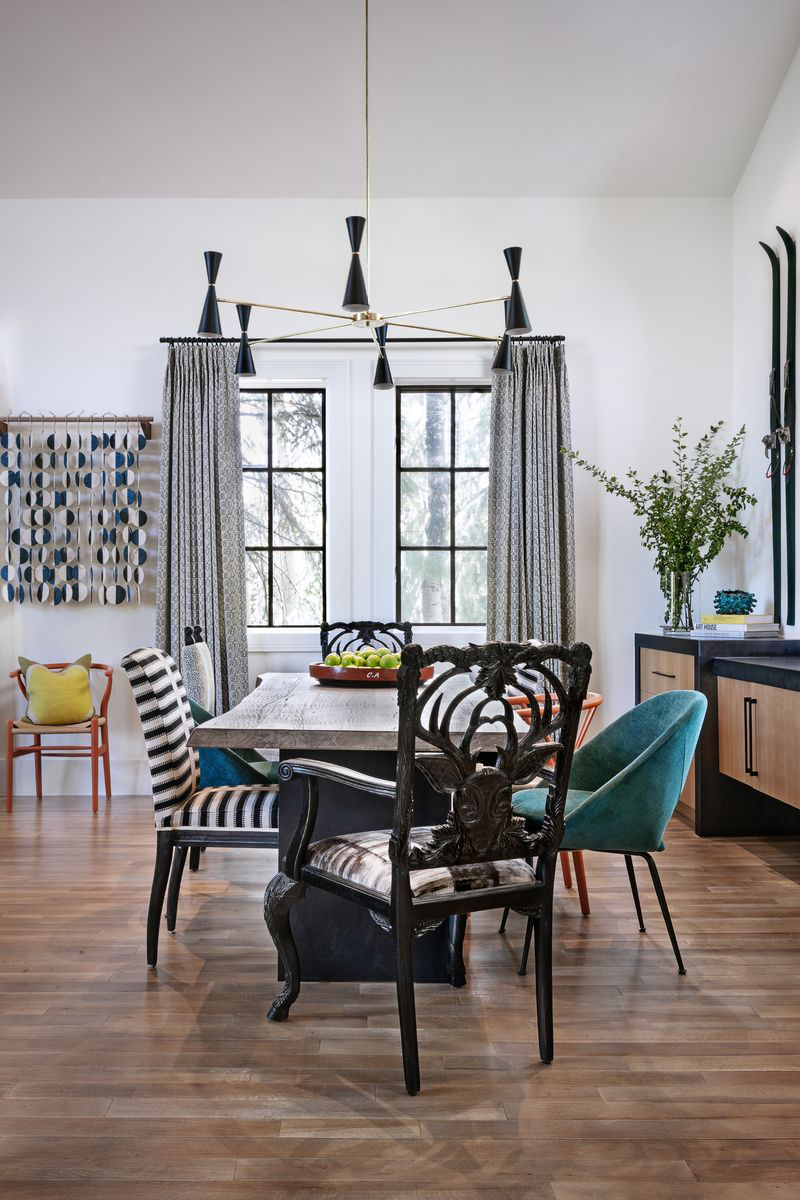
Secondly, repeating key textures and materials adds depth and interest without overwhelming a space. Cathrine Dal, founder of Cat Dal Interiors, notes that using the same texture or pattern in different ways helps to maintain harmony, especially in open-plan areas. An example cited is a Bohemian-inspired dining room where a blue and green palette, combined with woven wicker elements, fuses contrasting elements while retaining cohesion. This can also involve extending a favorite pattern across curtains, cushions, and other soft furnishings.
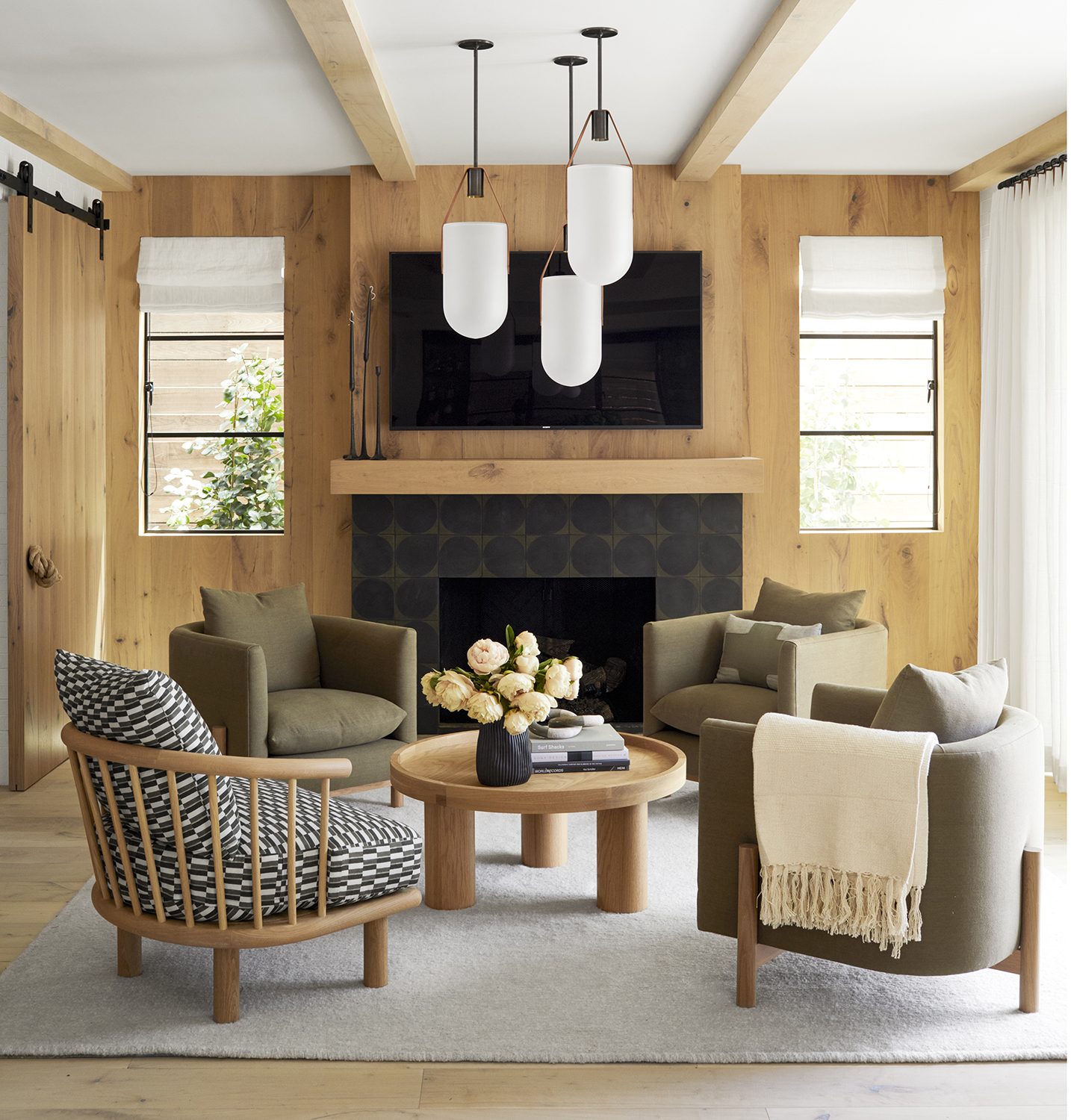
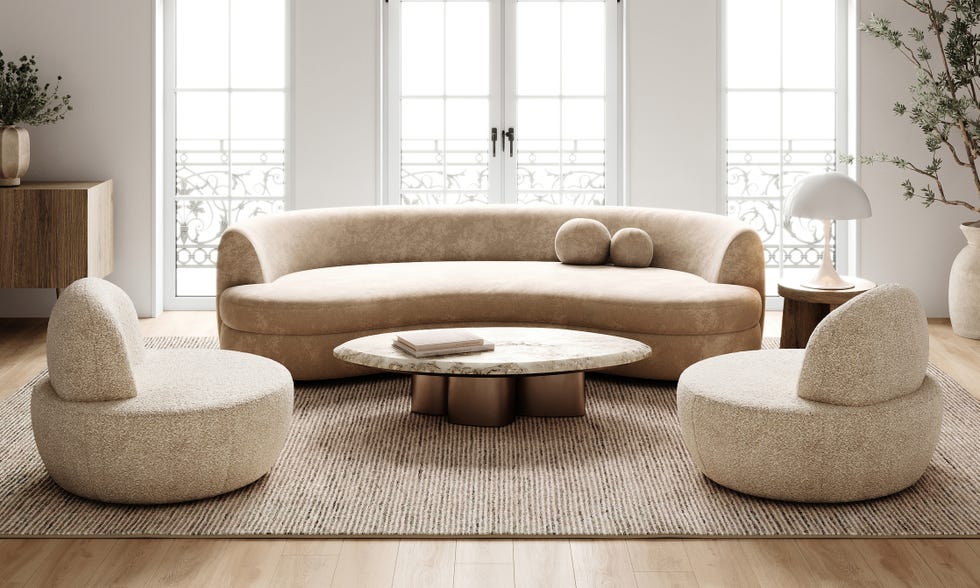
Thirdly, the rules of symmetry are explored as a powerful tool for repetition. British interior designer Kit Kemp MBE emphasizes that composition is as important as color or texture, with balance and symmetry being key to harmony. Symmetrical layouts can make small spaces feel larger and contribute to a calm, organized environment. Combining repetition with symmetry leads to a truly harmonious design.
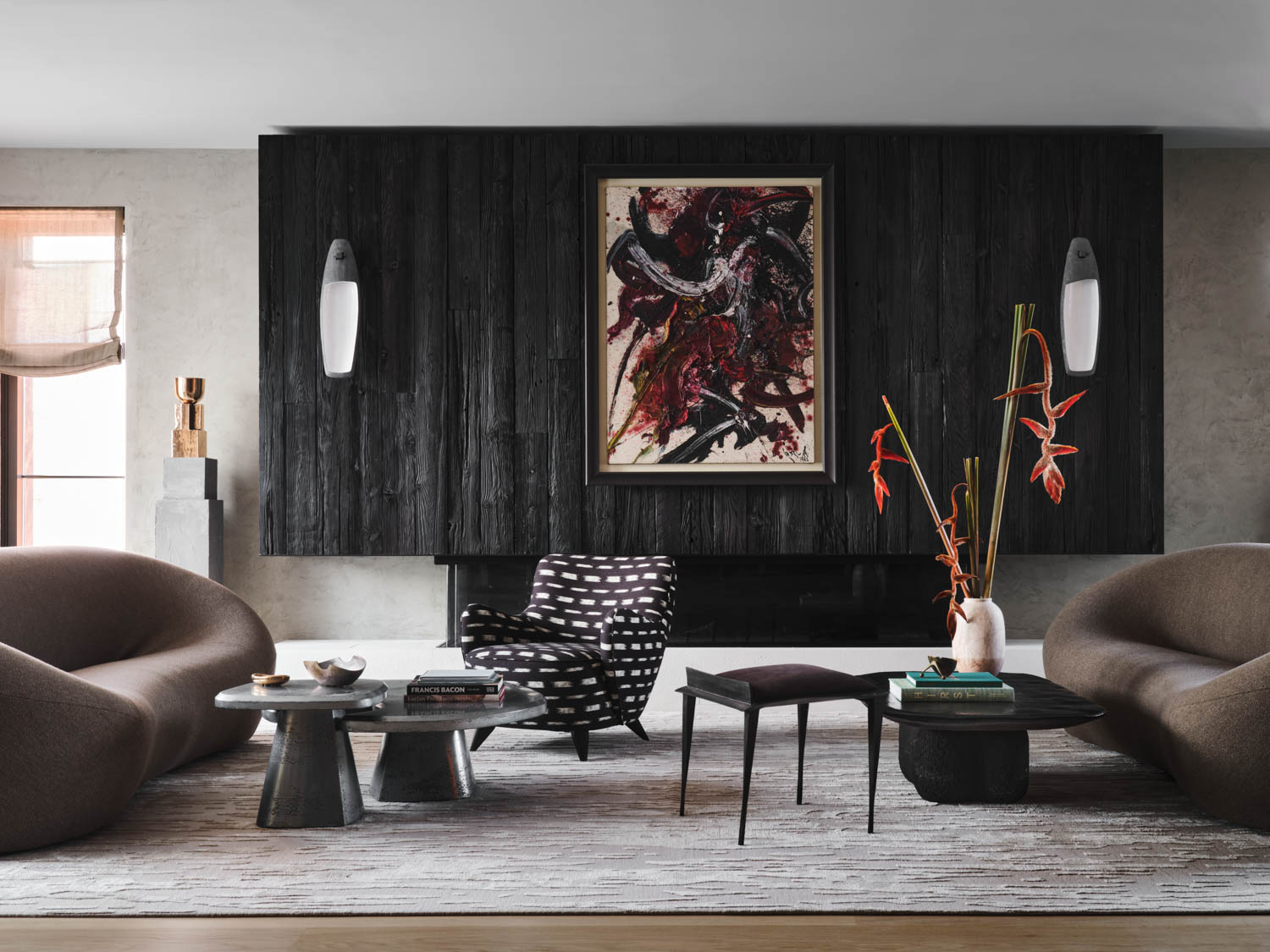
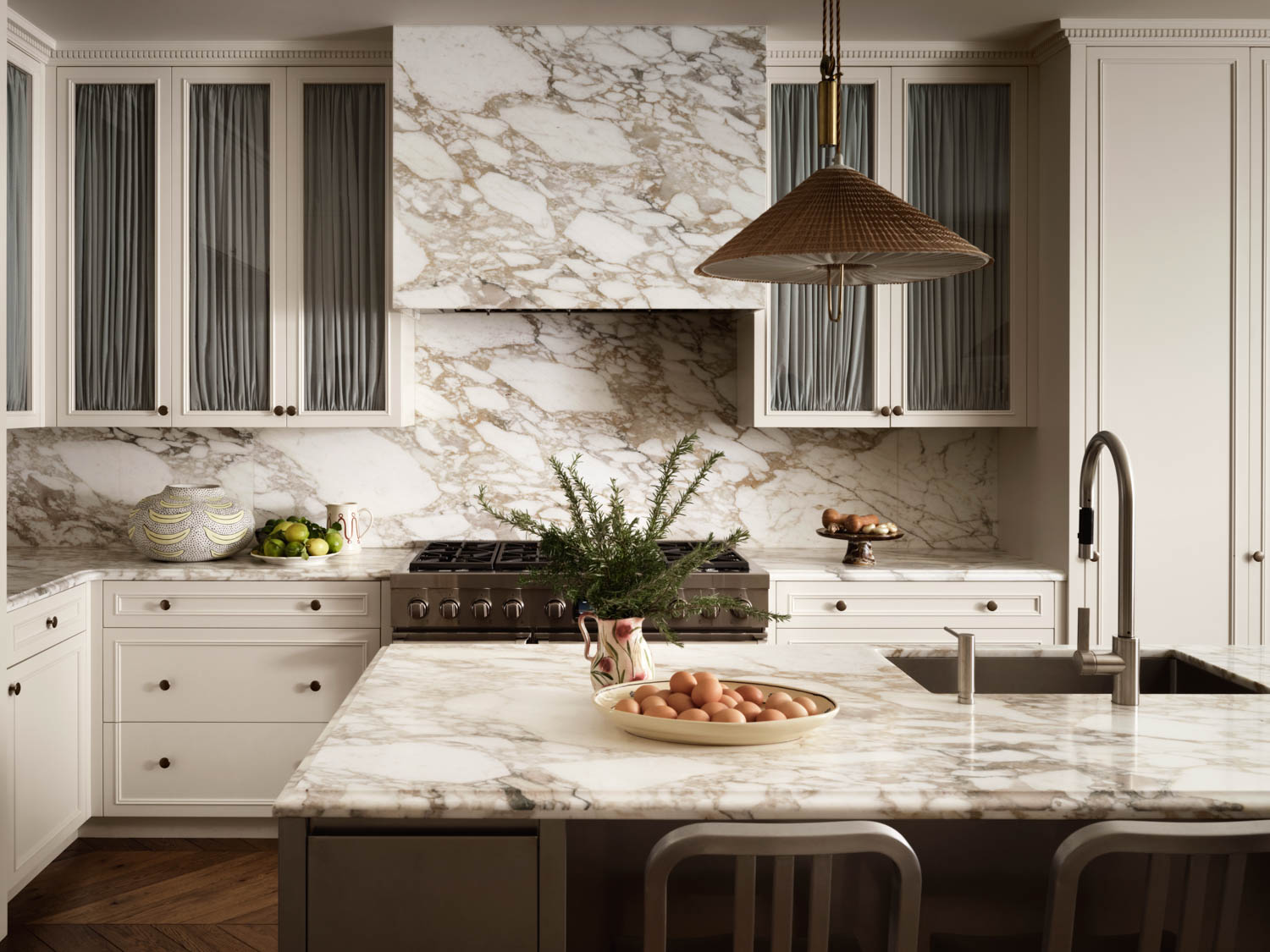
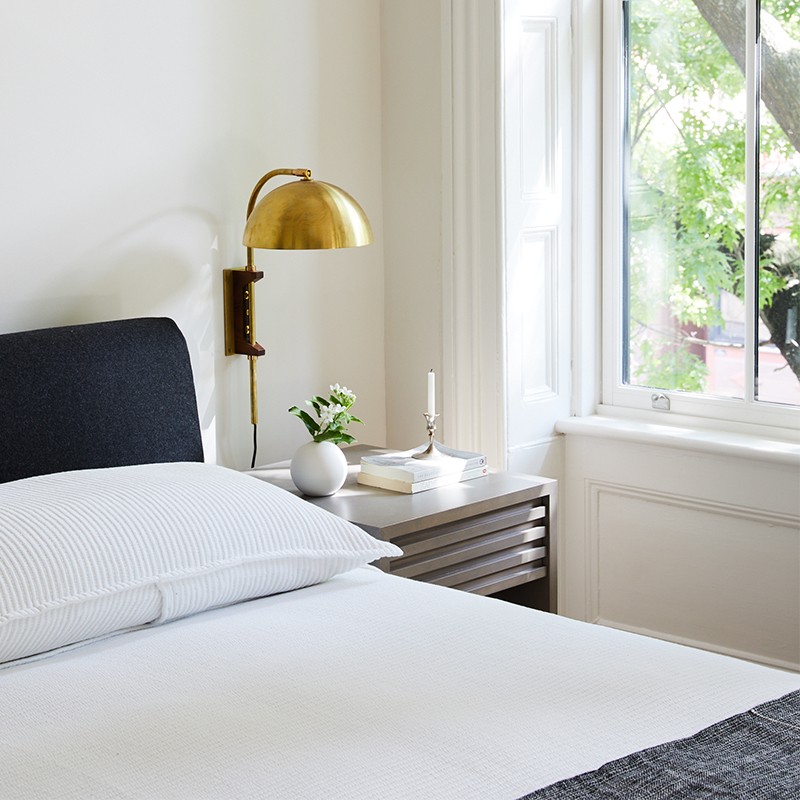
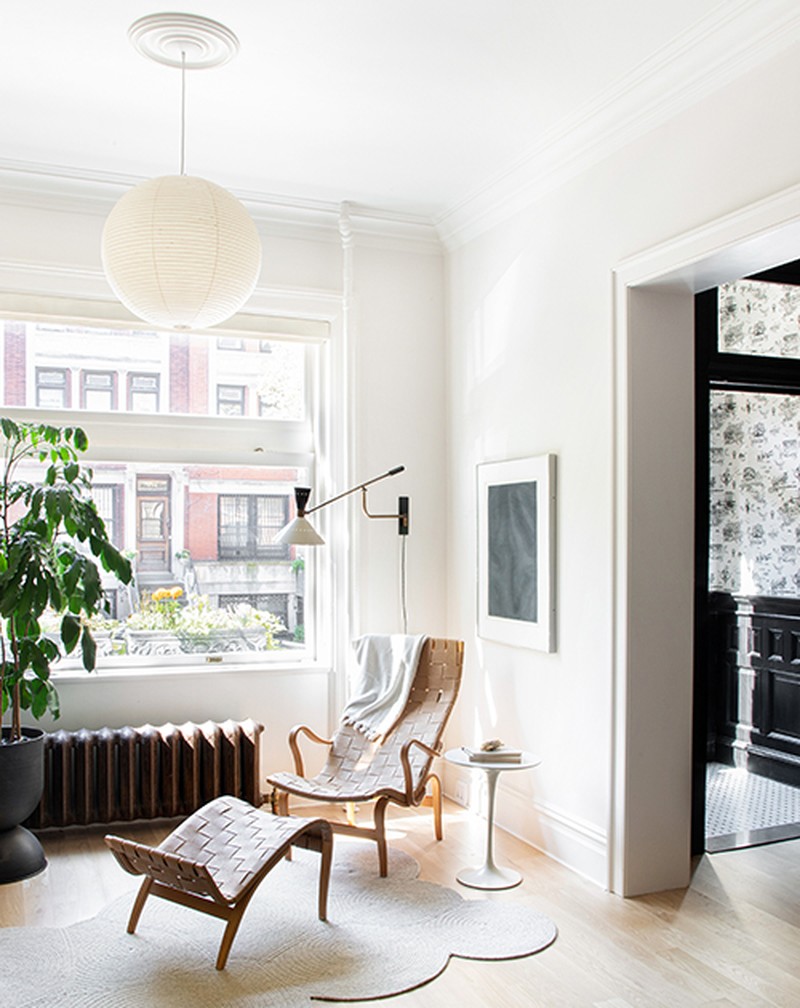
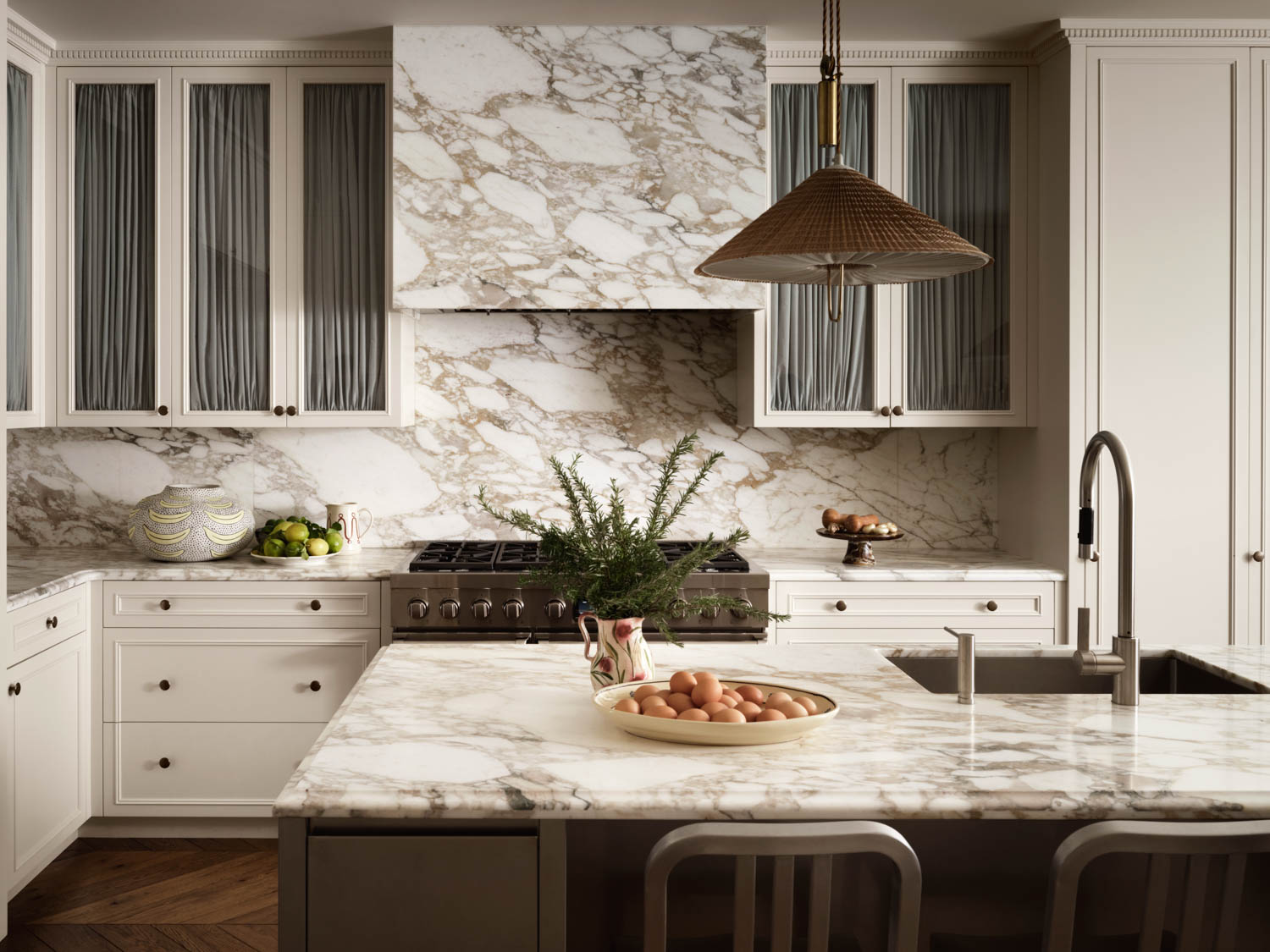
Fourthly, repetition can be achieved through consistent lighting and furniture choices. While not every piece needs to match, a shared color palette, similar upholstery styles, or coordinating lighting fixtures (e.g., matching pendants, wall, and floor lamps from the same collection) can create elegant connections throughout a space. For those who prefer less uniformity, subtle links through similar colors, finishes, and materials are recommended.
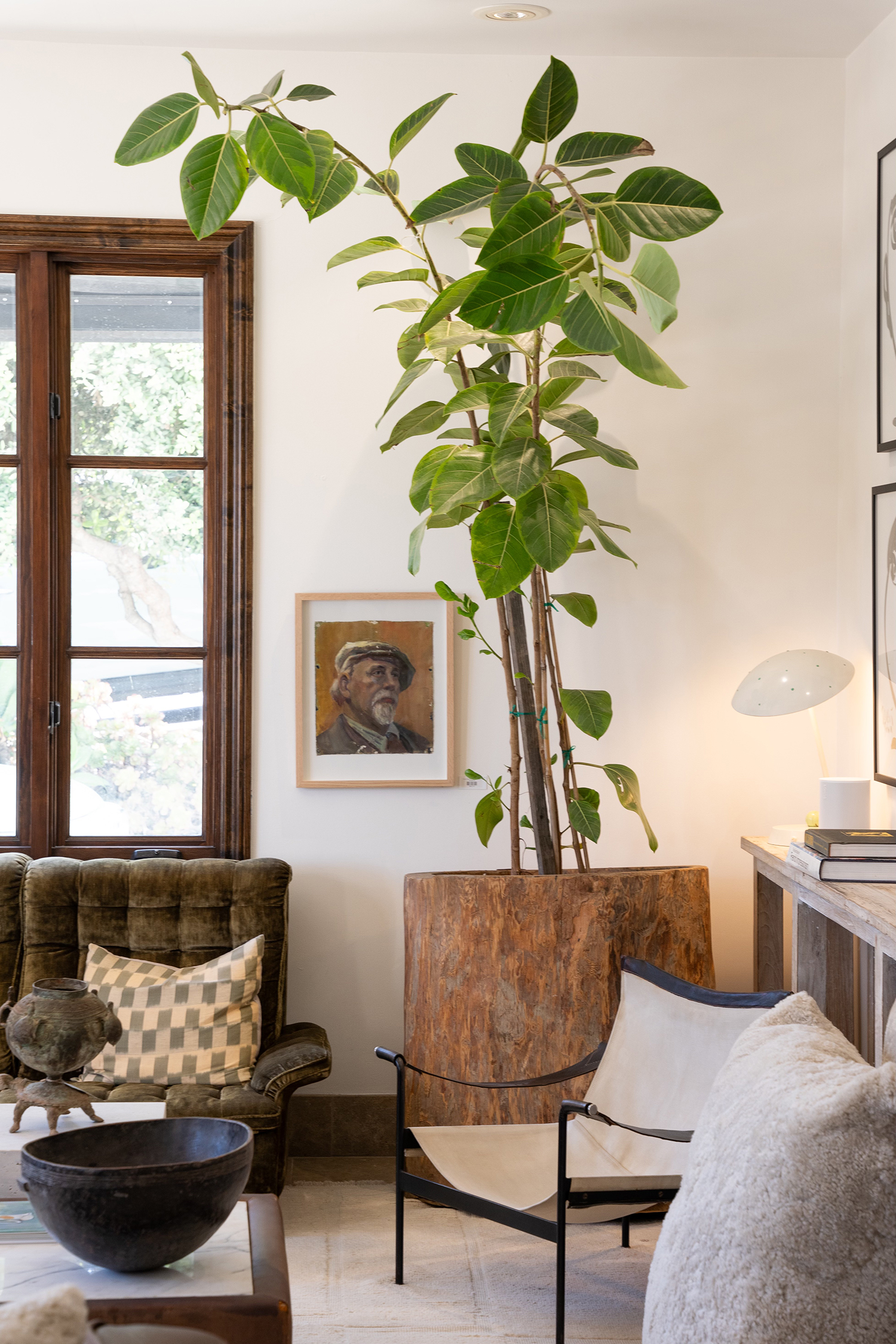
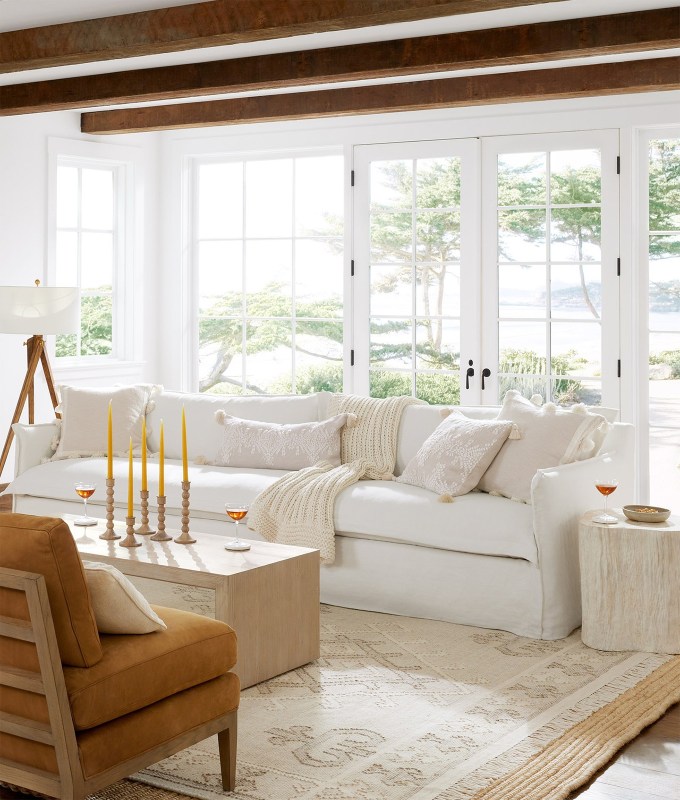
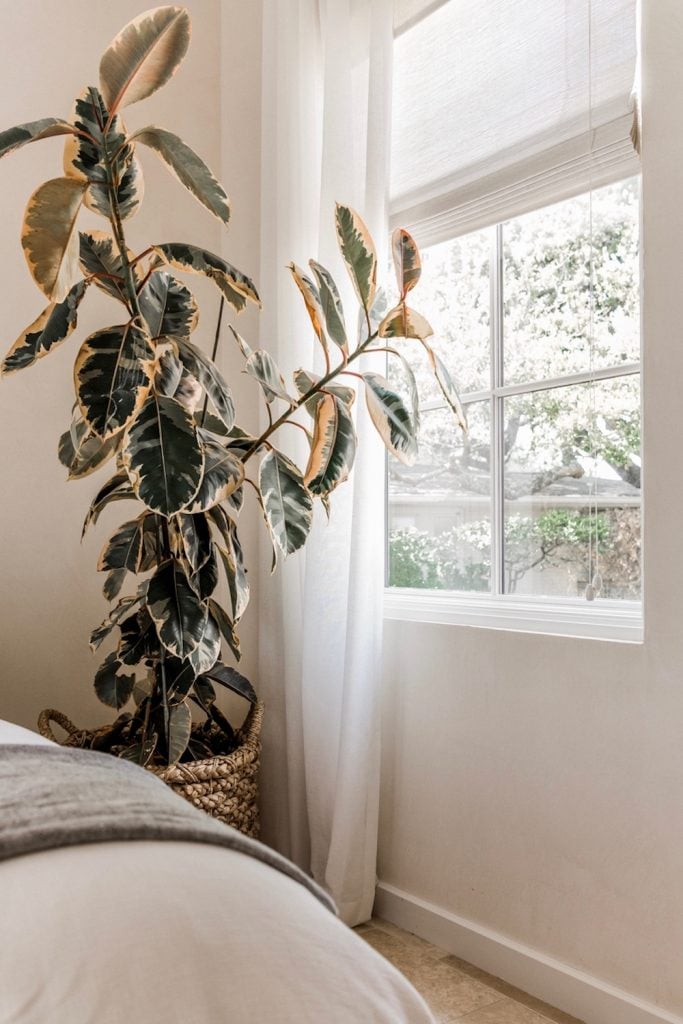
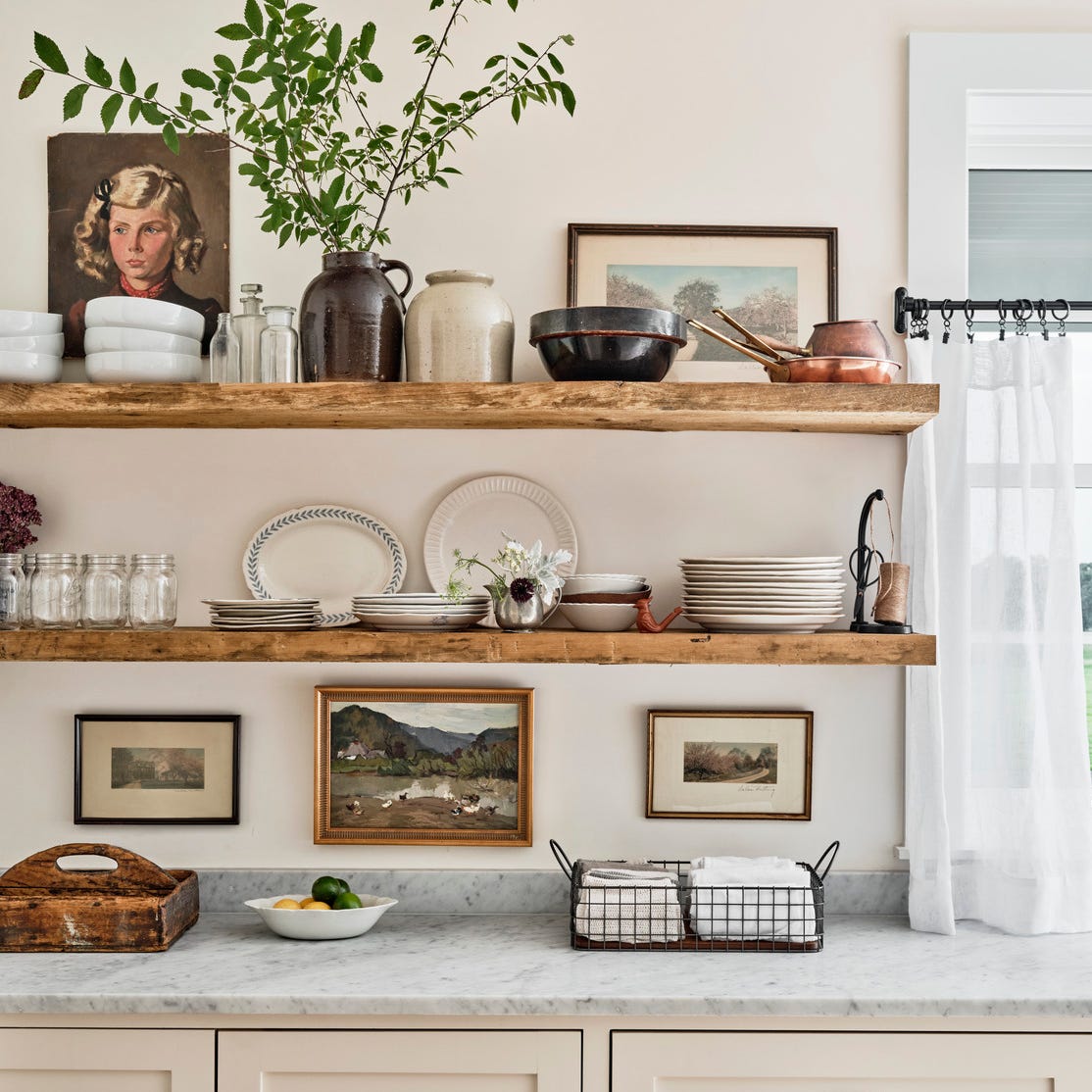
Fifthly, creative use of accessories is highlighted. Decorative items like vases, ornaments, books, and artwork are essential for tying a scheme together. Jen Dallas, a California-based interior designer, suggests using a recurring color from a throw or pillows in artwork or a vase to refresh a room and create visual links.
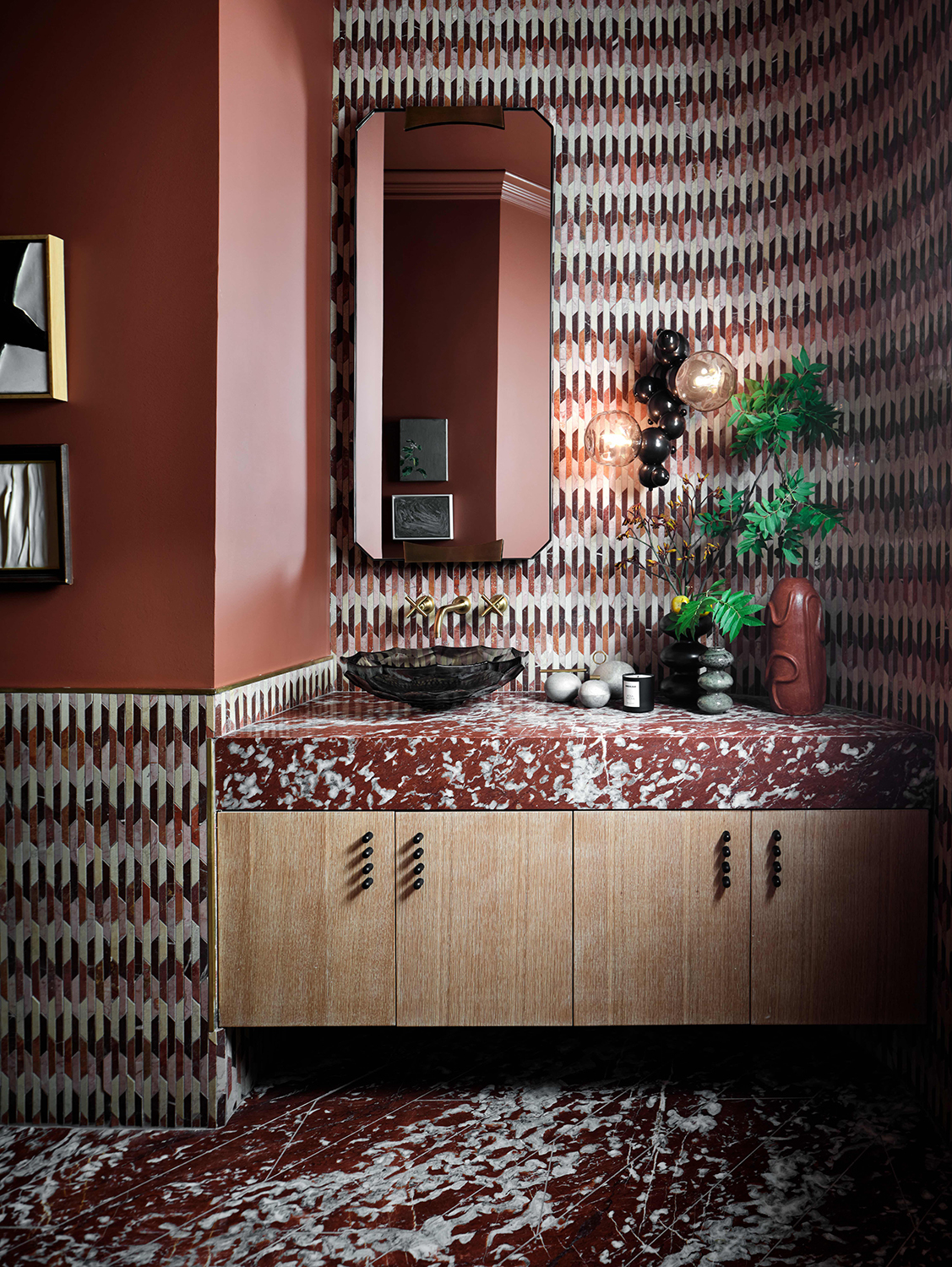
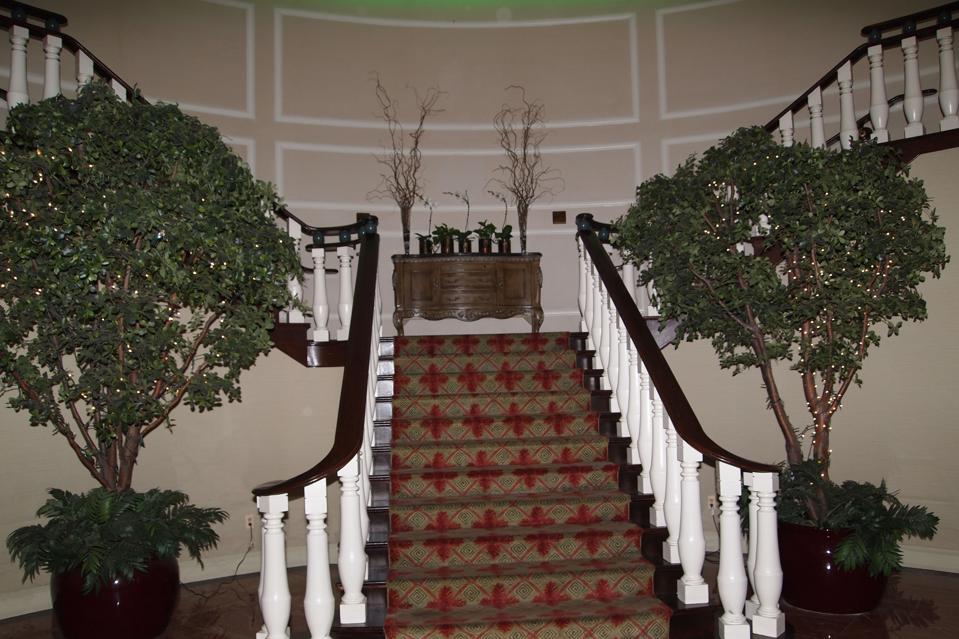
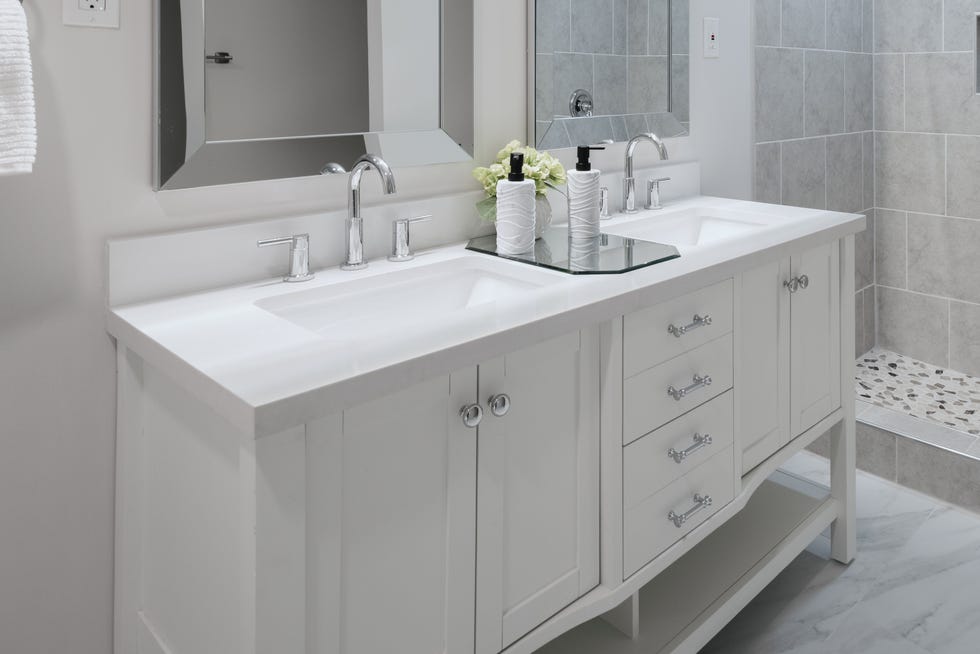
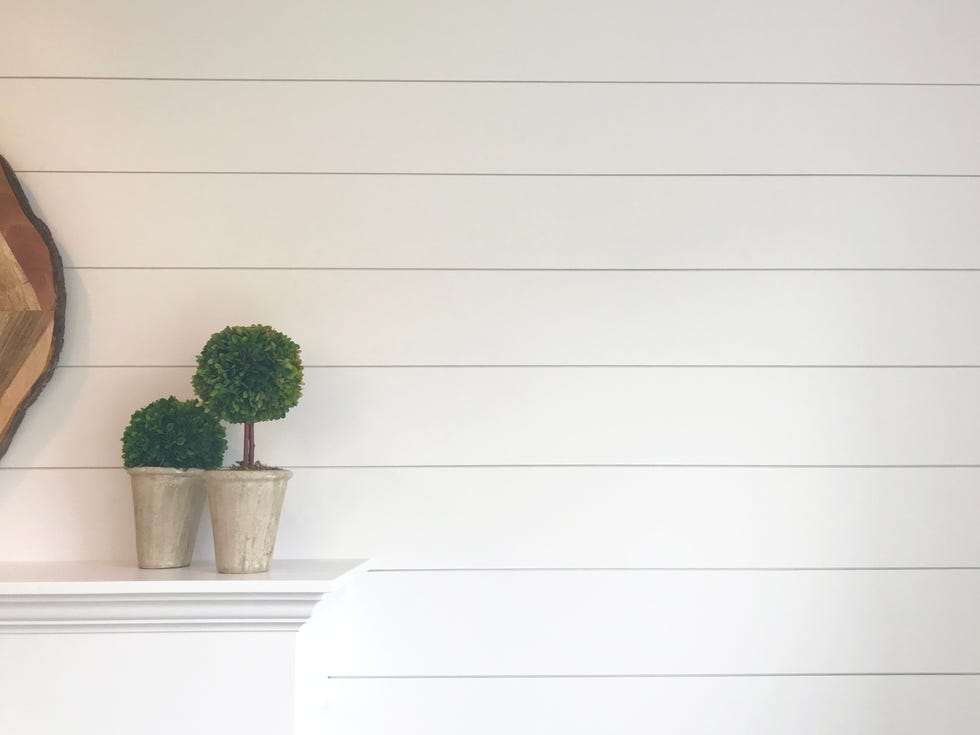
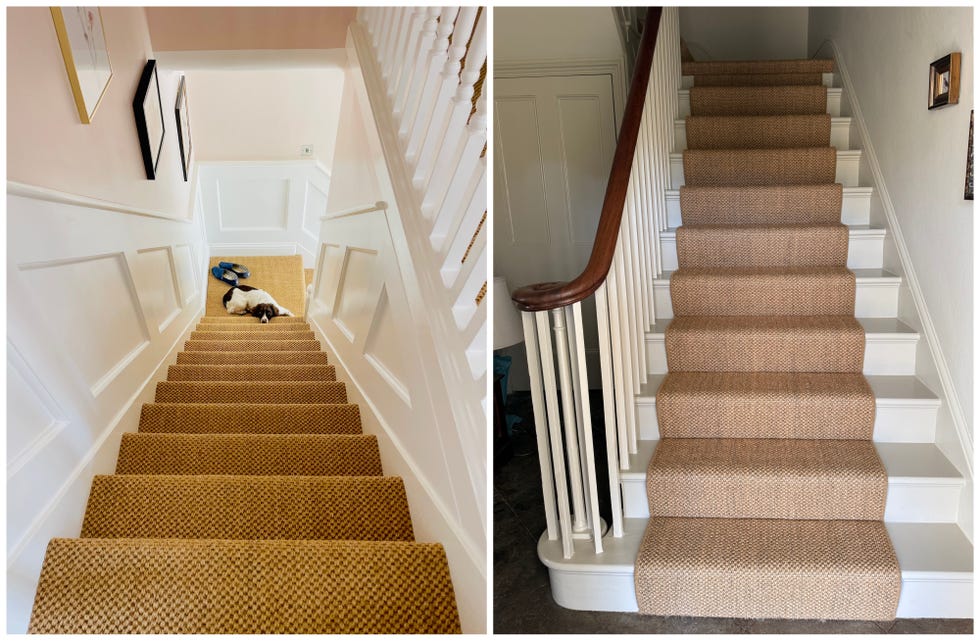
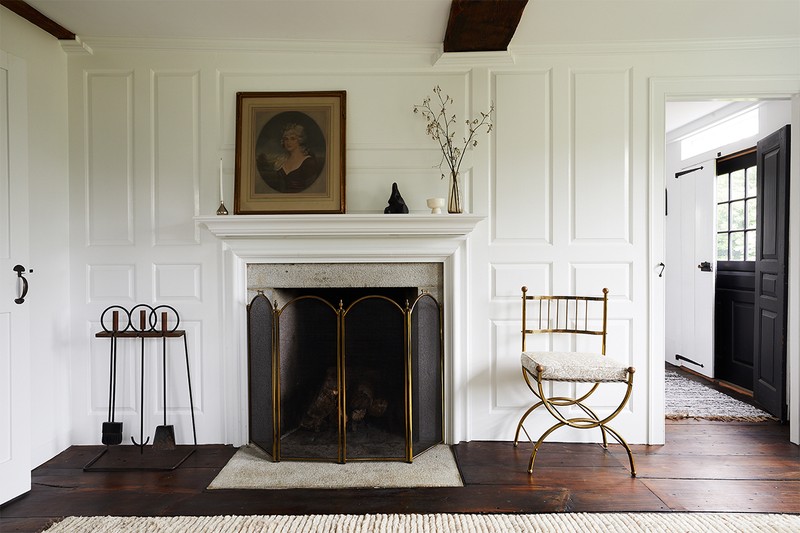
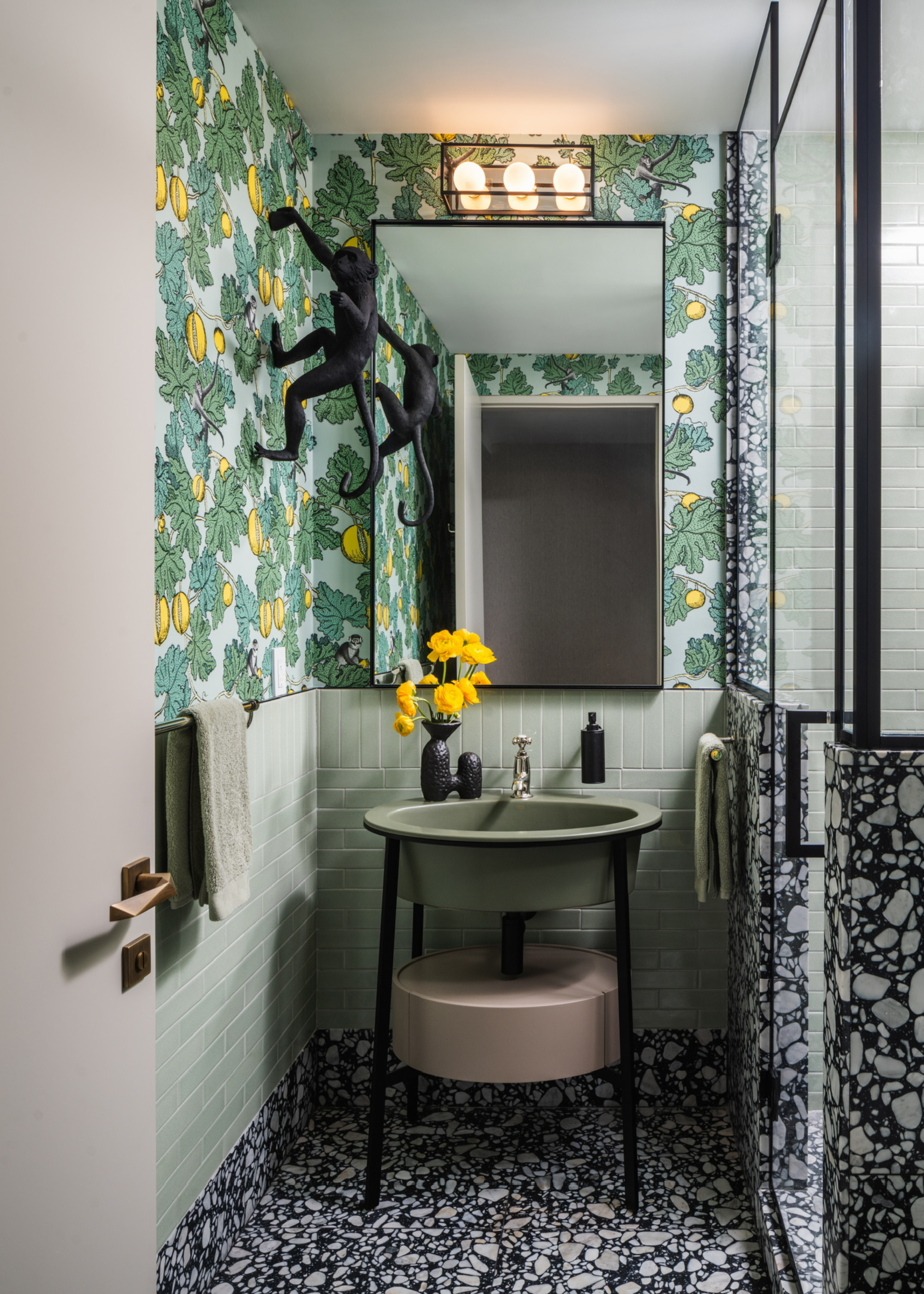
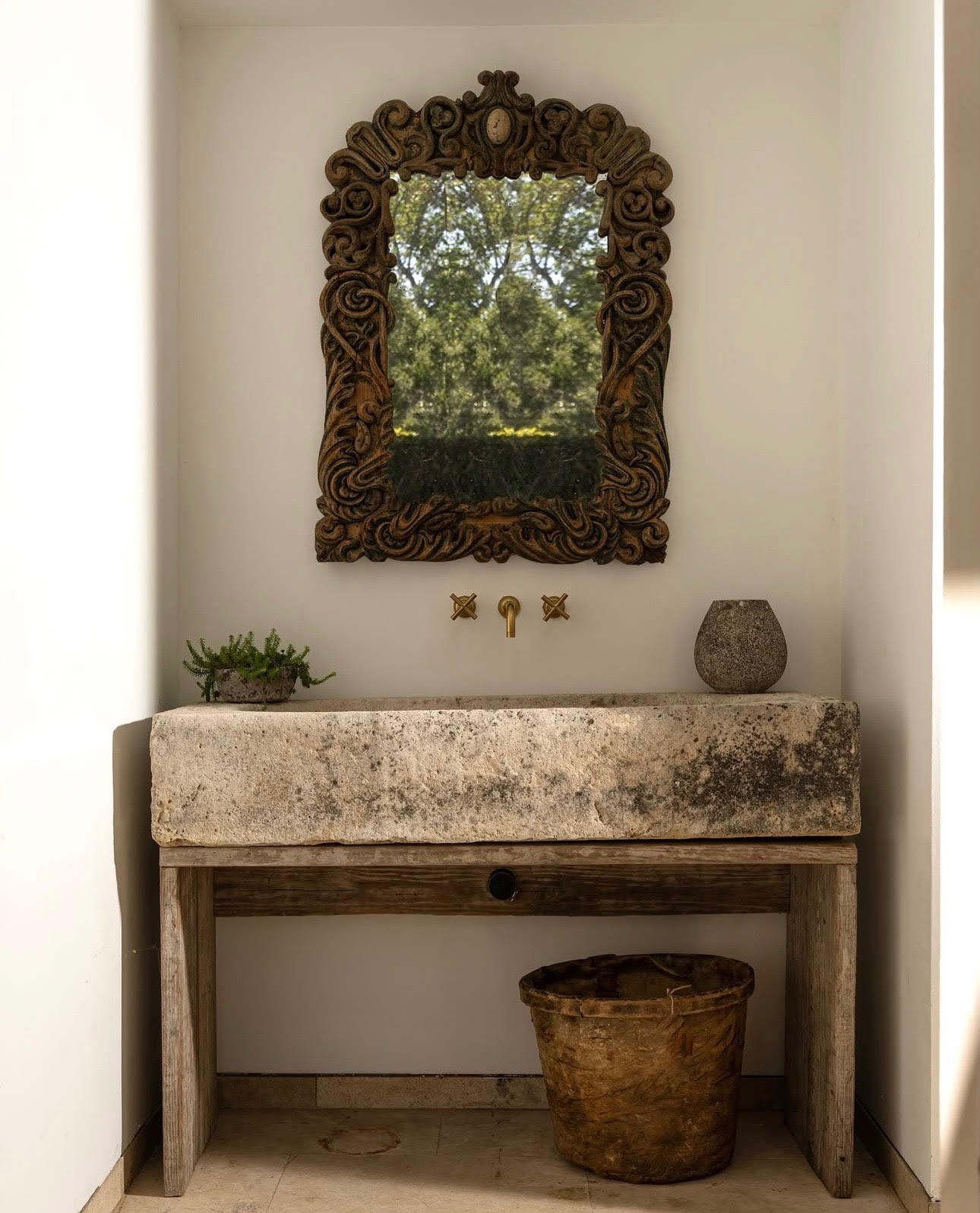
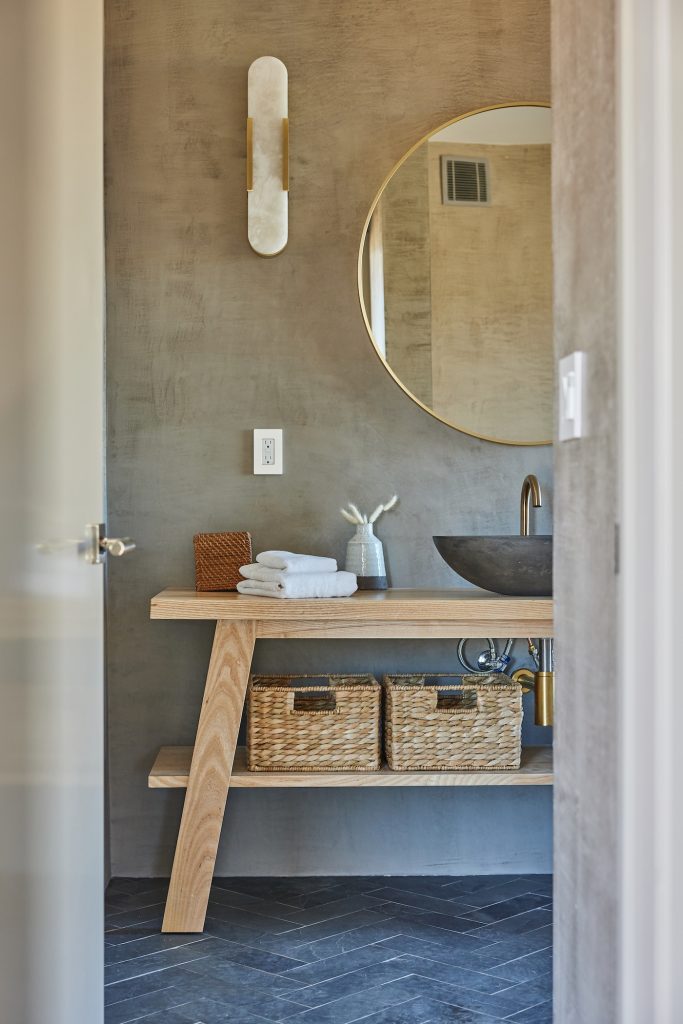
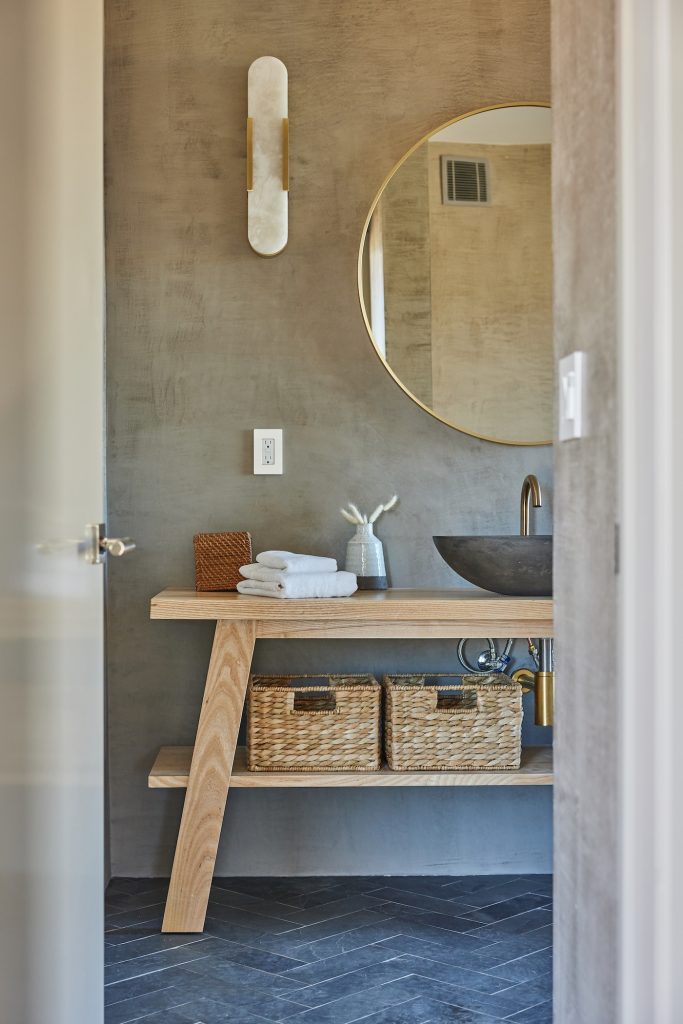
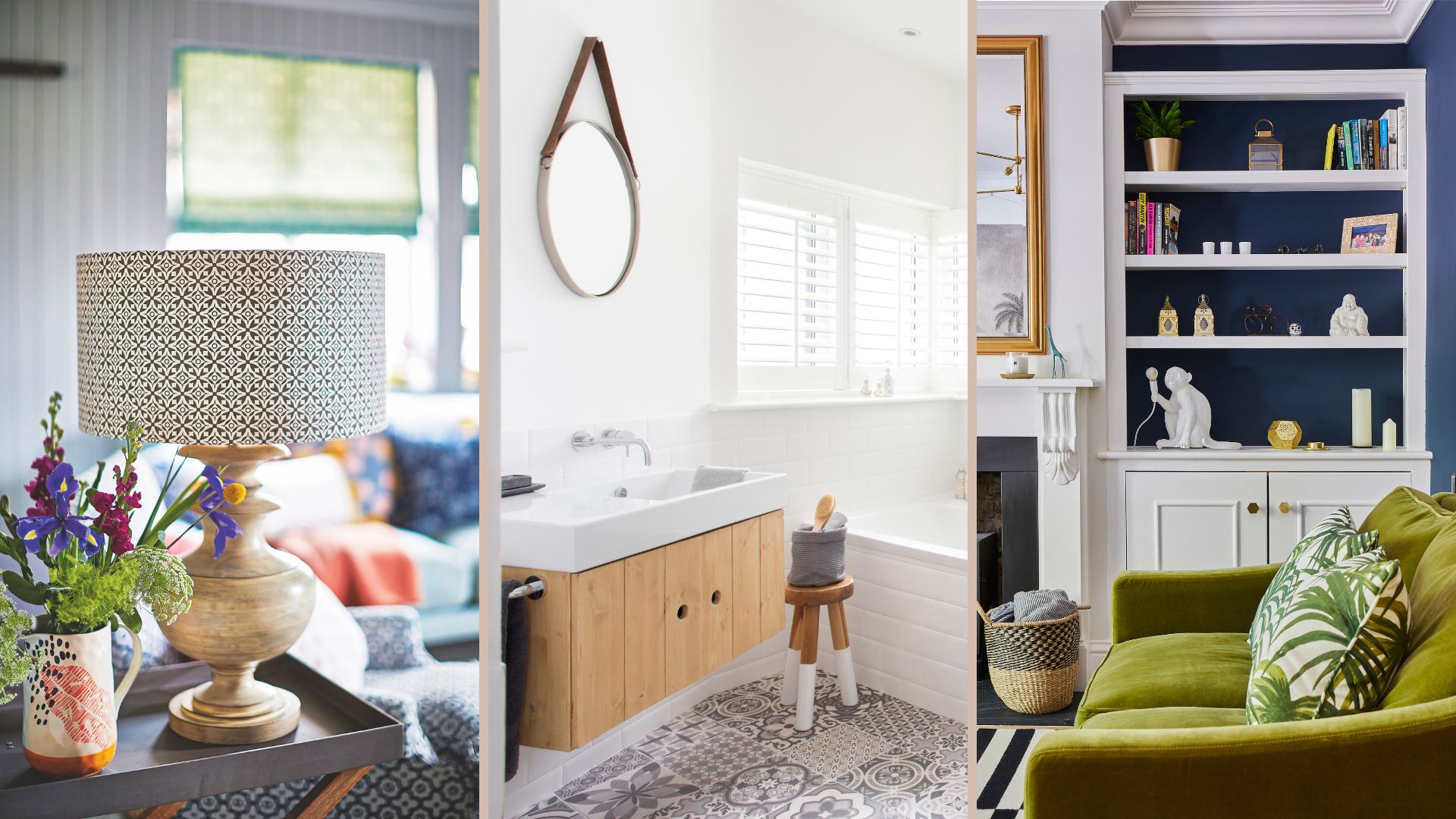
Sixthly, architectural features such as beamed ceilings, columns, or alcoves naturally offer opportunities for repetition. Highlighting these elements through painted paneling or integrating them into the overall design, as seen in a rustic bathroom with complementary organic elements, enhances the inherent repetition. Alison Wilkinson, an interior designer, advises leveraging these features, for instance, by enlivening stairs with vibrant paint or a runner.
Finally, assessing the overall rhythm of the space is vital. Jen Dallas states that repetition is the easiest way to create rhythm and movement in interiors, connecting various elements into a unified design. The process of achieving the right flow and balance may involve experimentation, with adjustments to color or arrangement until the space feels genuinely connected and reflects personal style, balancing consistency with thoughtful contrasts for visual interest.
#InteriorDesign #Repetition #HomeDecor #DesignPrinciples #ColorScheme #TextureAndMaterial #Symmetry #FurnitureArrangement #LightingDesign #DecorativeAccessories #ArchitecturalFeatures #RoomRhythm #InteriorDesign #Repetition #HomeDecor #DesignPrinciples #ColorScheme #TextureAndMaterial #Symmetry #FurnitureArrangement #LightingDesign #DecorativeAccessories #ArchitecturalFeatures #RoomRhythm
0 comment in total
 No comments yet
You may also like
13 ways repetition in interior design can be used to create calmingly sophisticated rooms

Interiors: In praise of pattern
I Asked Interior Designers: 'How Do You Ensure a Room Isn't Boring?' These Are Their 5 Top Tips
10 Ways to Decorate Your Home Like an Interior Designer

Interior Designers Share Their Best Traditional Design Tips

These Trendy Home Additions Will Look "Dated" in 2026, According to Designers

7 Decor Pieces Designers Ditch for a Cleaner, More Cohesive Look

Pinterest trends: 7 of the biggest interior trends inspiring home decor right now

How This Designer Fashions Interiors To Stand The Test Of Time

7 Reasons Your Home Looks Dated, According to Designers
Make Any Room Look Camera-Ready with These Easy Tricks from Stylists
From the Wrong Rug Size to Too-Short Curtains, Interior Designers Share Their Biggest Pet Peeves

How to Tell if a Home Trend Is Just a Fad or Here to Stay, According to Designers

Copy-And-Paste Interiors: Repeating A Look Isn’t Lazy — It’s Clever
The 5 Design Rules That Are Meant to Be Broken—and What to Do Instead
The 10 Biggest Interior Design No Nos According to Decorators
Rhythm in interior design - 11 ways to use this clever technique for rooms that look professionally done
19 Tips From A Top Interior Designer

The 5 Rules of Decorating a Living Room in 2025 (Don’t Worry—They’ll Still Hold Up in 2030)

5 Tacky Home Decor Items That Instantly Make a Home Look Bad, According to Designers