How to Tell if a Home Trend Is Just a Fad or Here to Stay, According to Designers
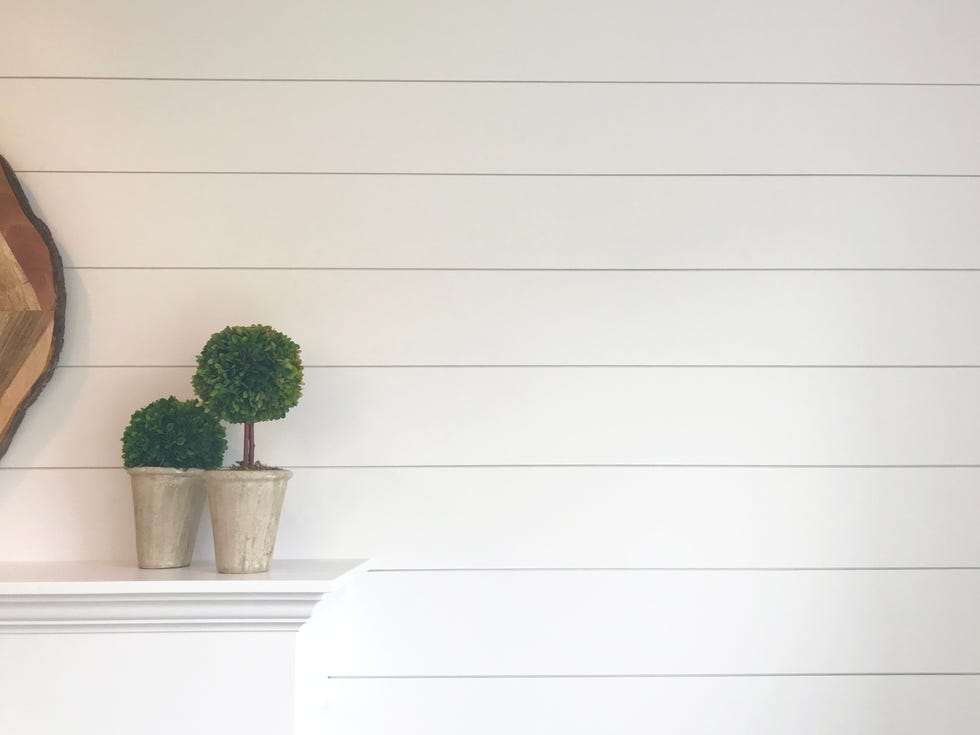
The rapid pace of home decor trends, often fueled by platforms like TikTok, makes it challenging for homeowners to discern between fleeting fads and enduring styles. This article, drawing on insights from interior designers, offers guidance on identifying timeless home trends that will maintain their appeal over time, helping consumers make informed decisions about their decor investments. The modern farmhouse style, once ubiquitous, serves as a prime example of a trend that quickly saturated the market and is now often associated with regret among those who heavily invested in it.
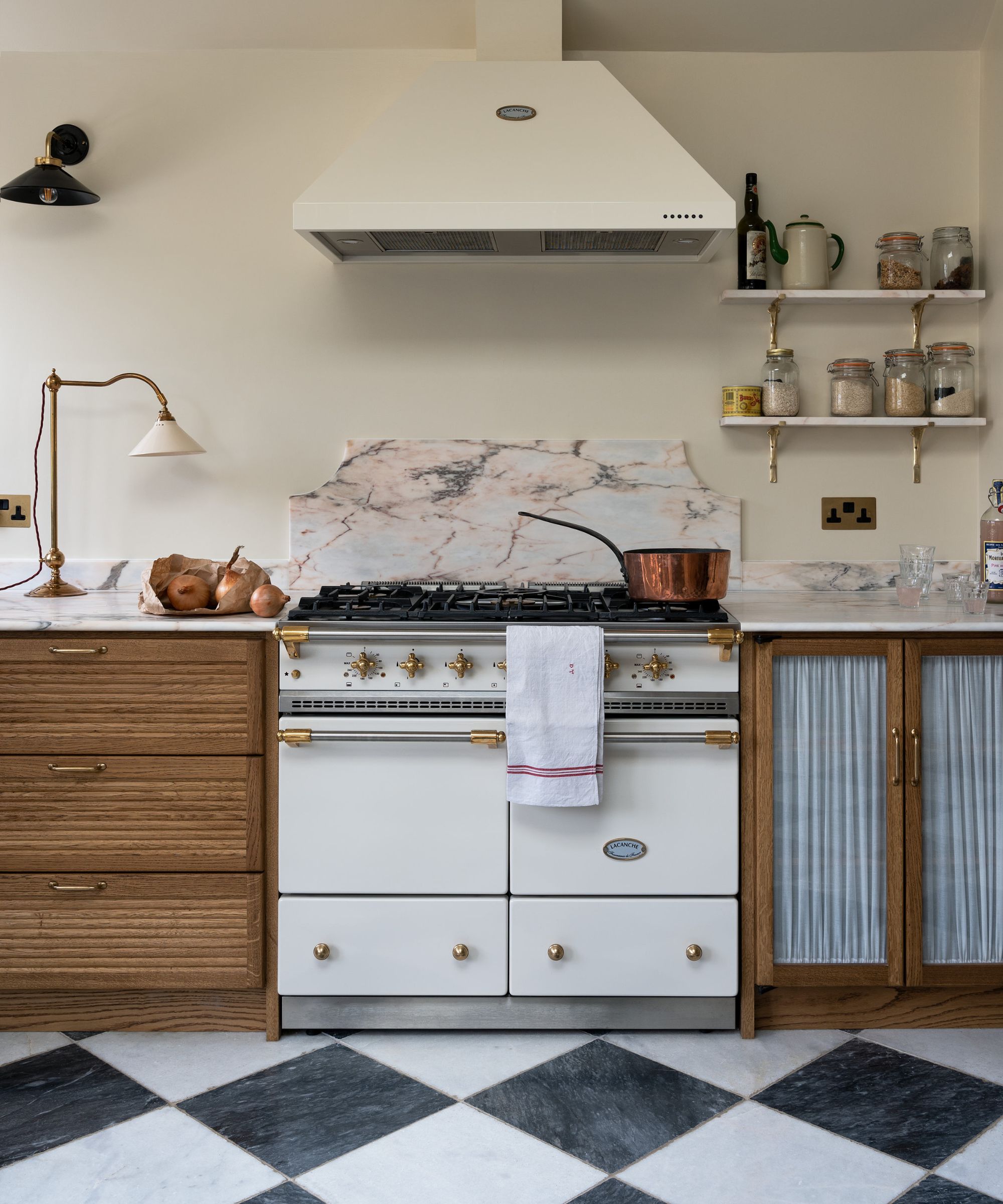
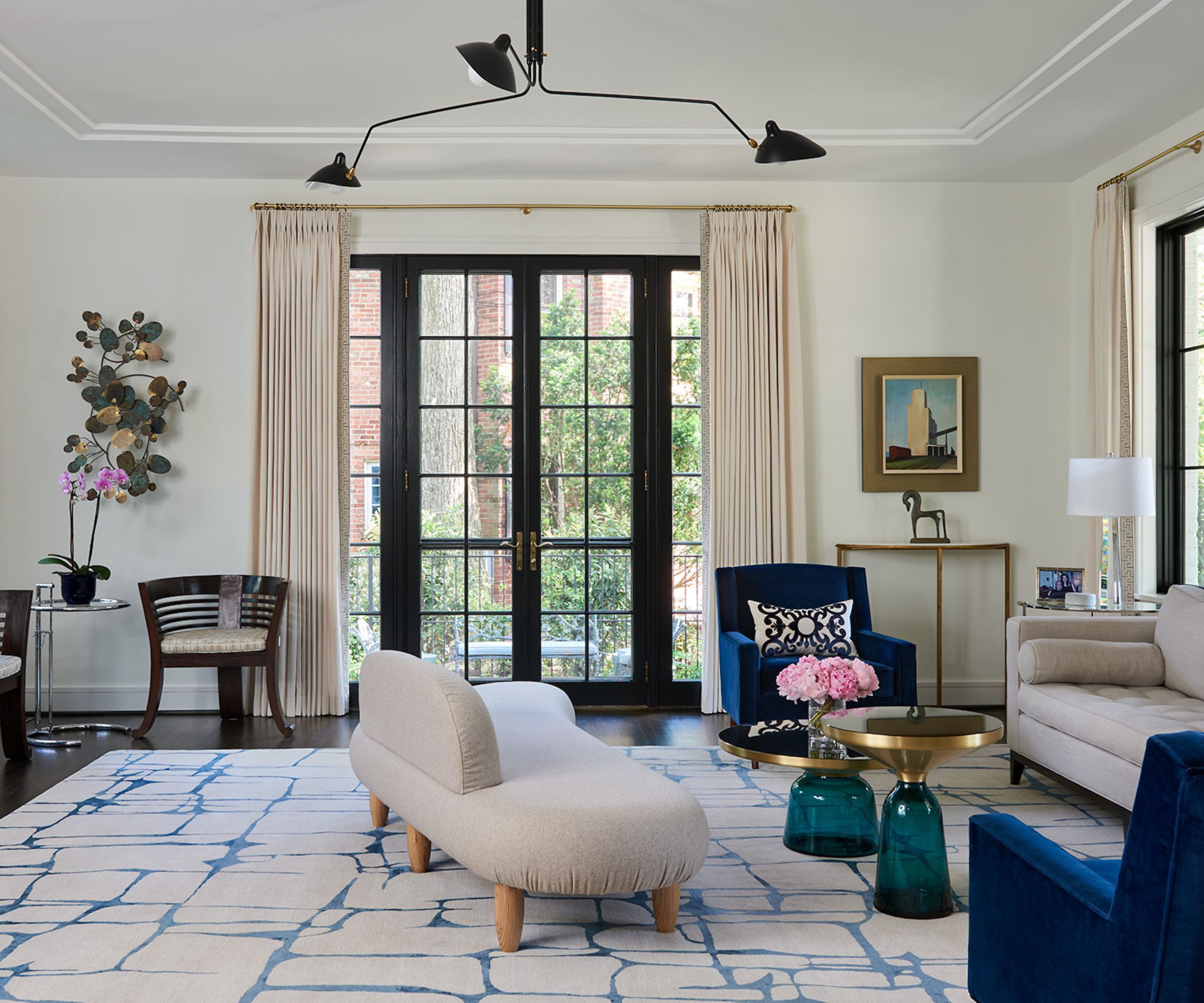
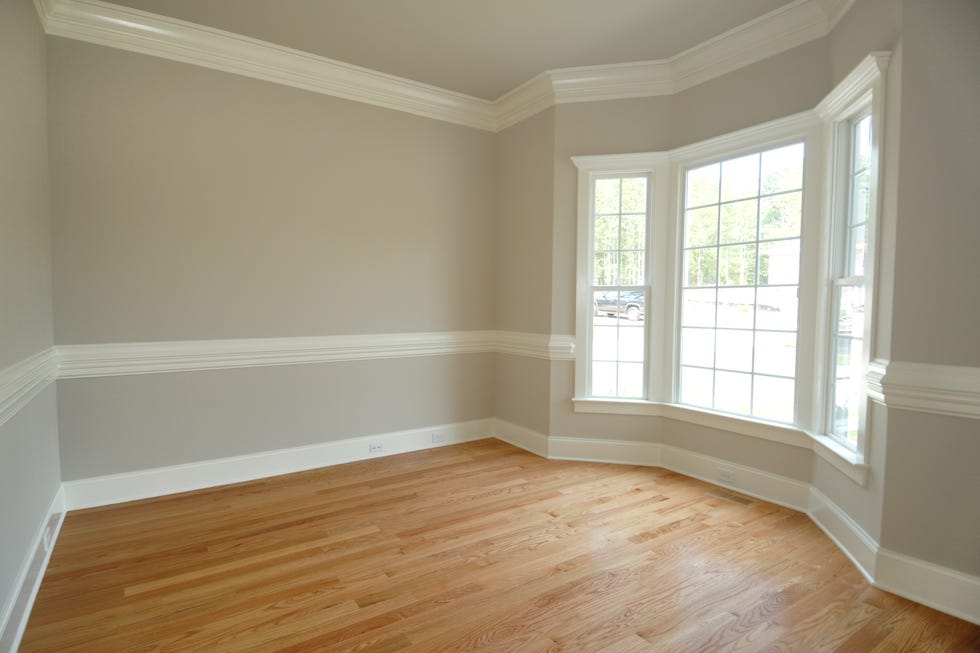
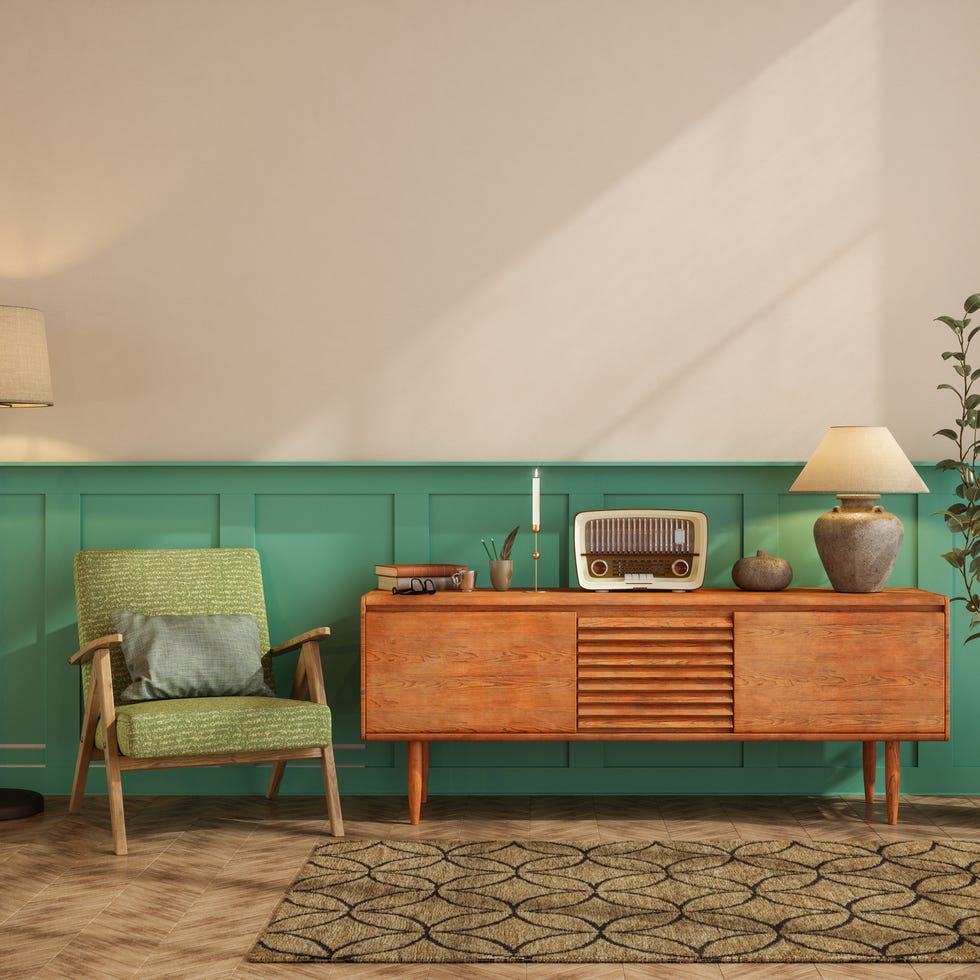
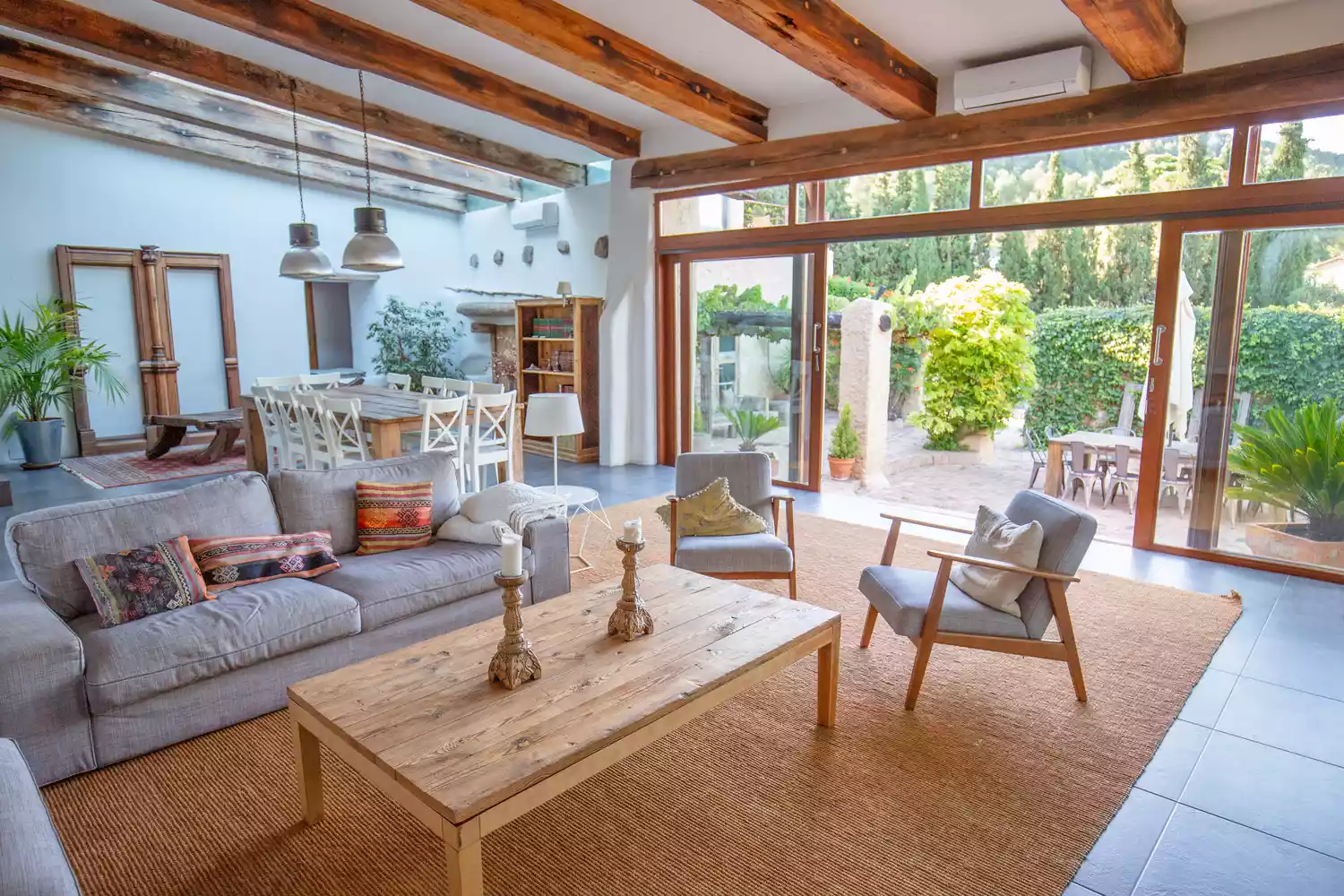
One key indicator of a timeless trend is its historical roots. Designers Lauren Lerner and Laura Tribbett emphasize that enduring styles, such as classical architecture, mid-century modern design, or traditional elements like hardwood flooring, have a consistent presence across various eras. These trends often feature versatile aesthetics, clean lines, neutral colors, and quality materials. Tribbett cites the stonework of Versailles as an example of a historically rooted element that has been reinterpreted over centuries, yet retains its classic appeal. Conversely, trends that appear suddenly and are highly specific to the current moment are more likely to be temporary.
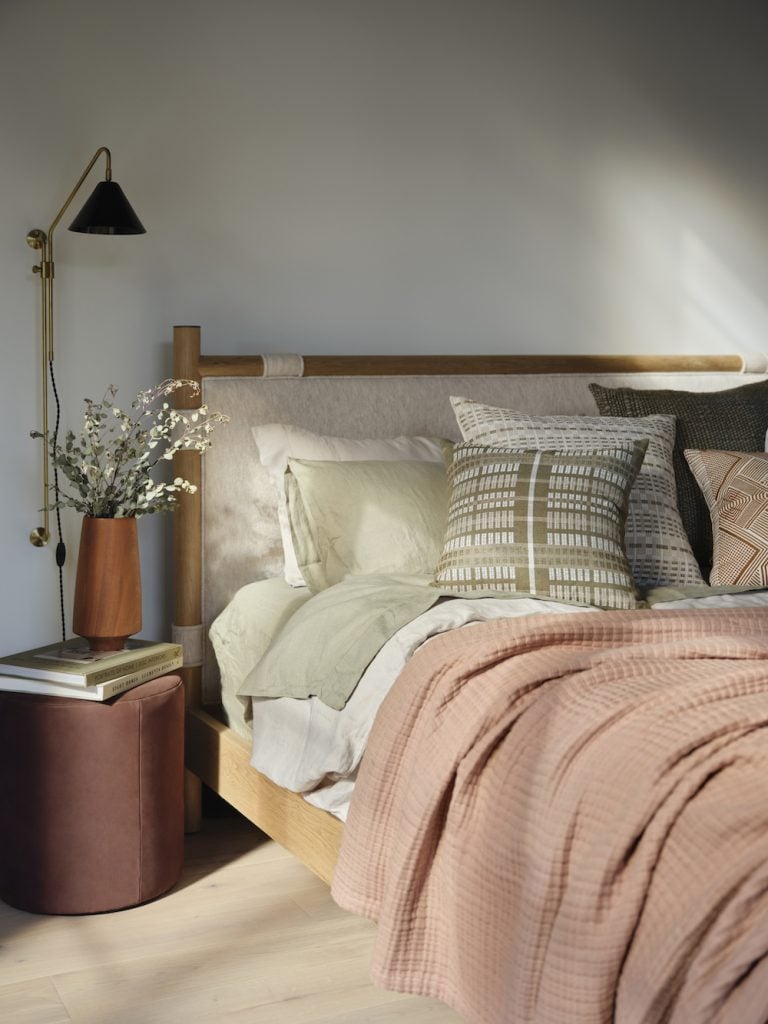
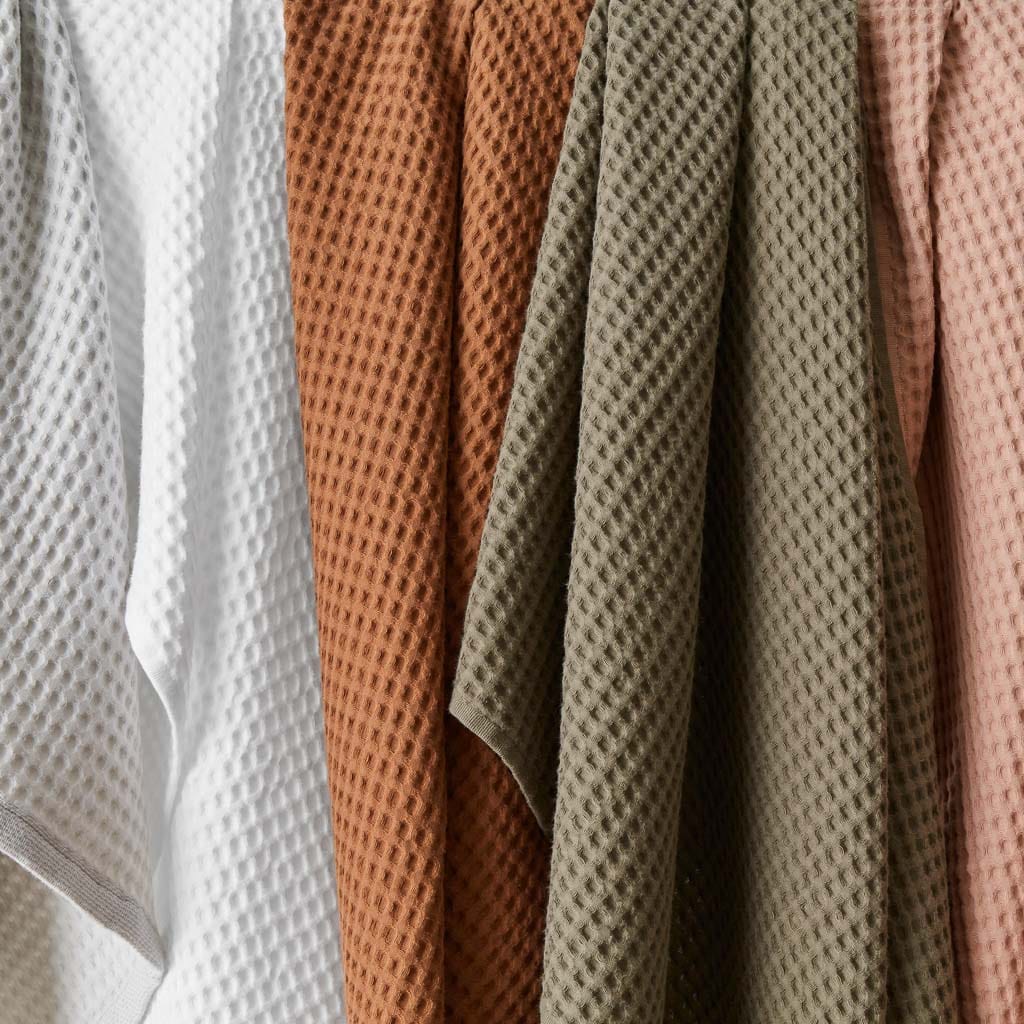
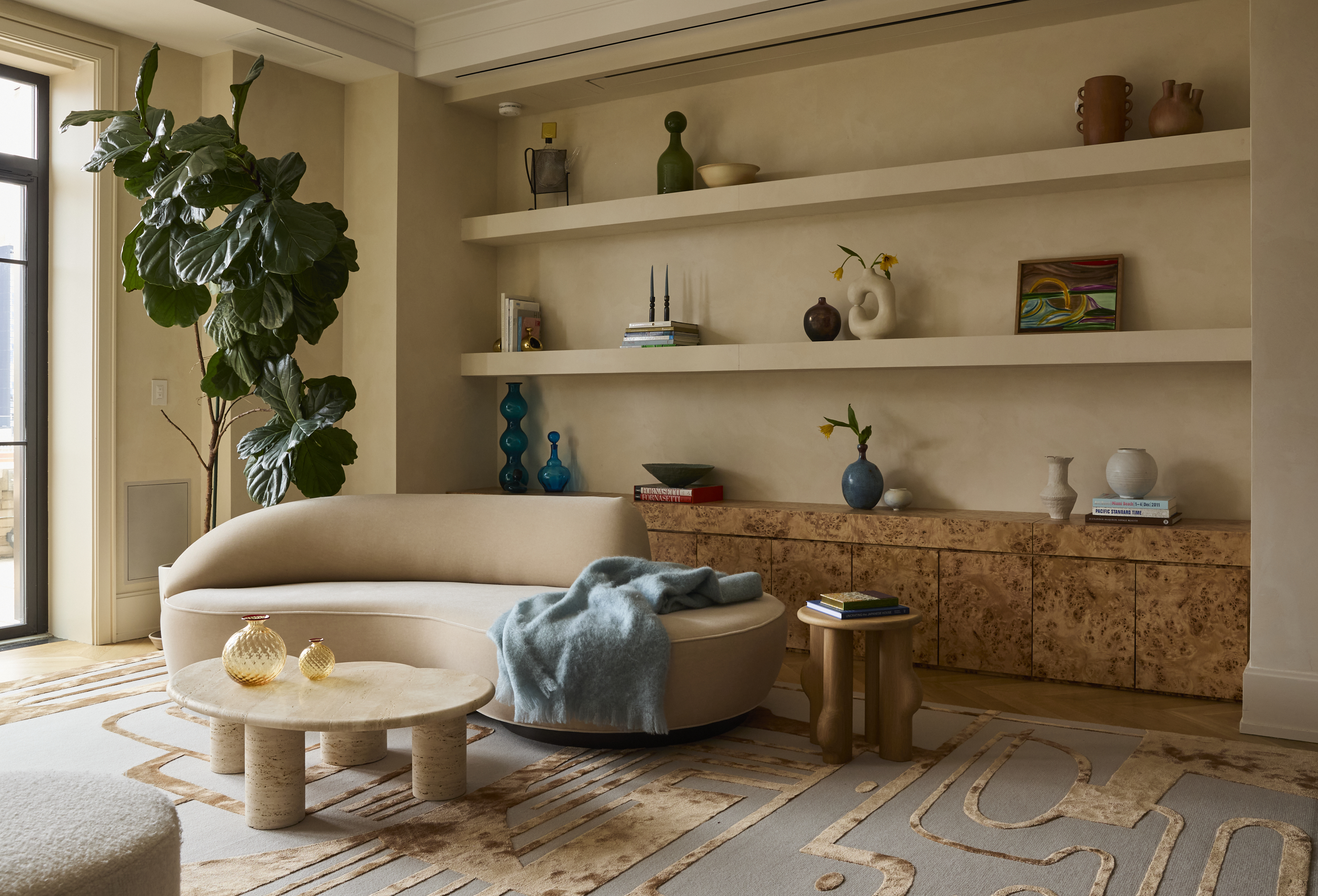
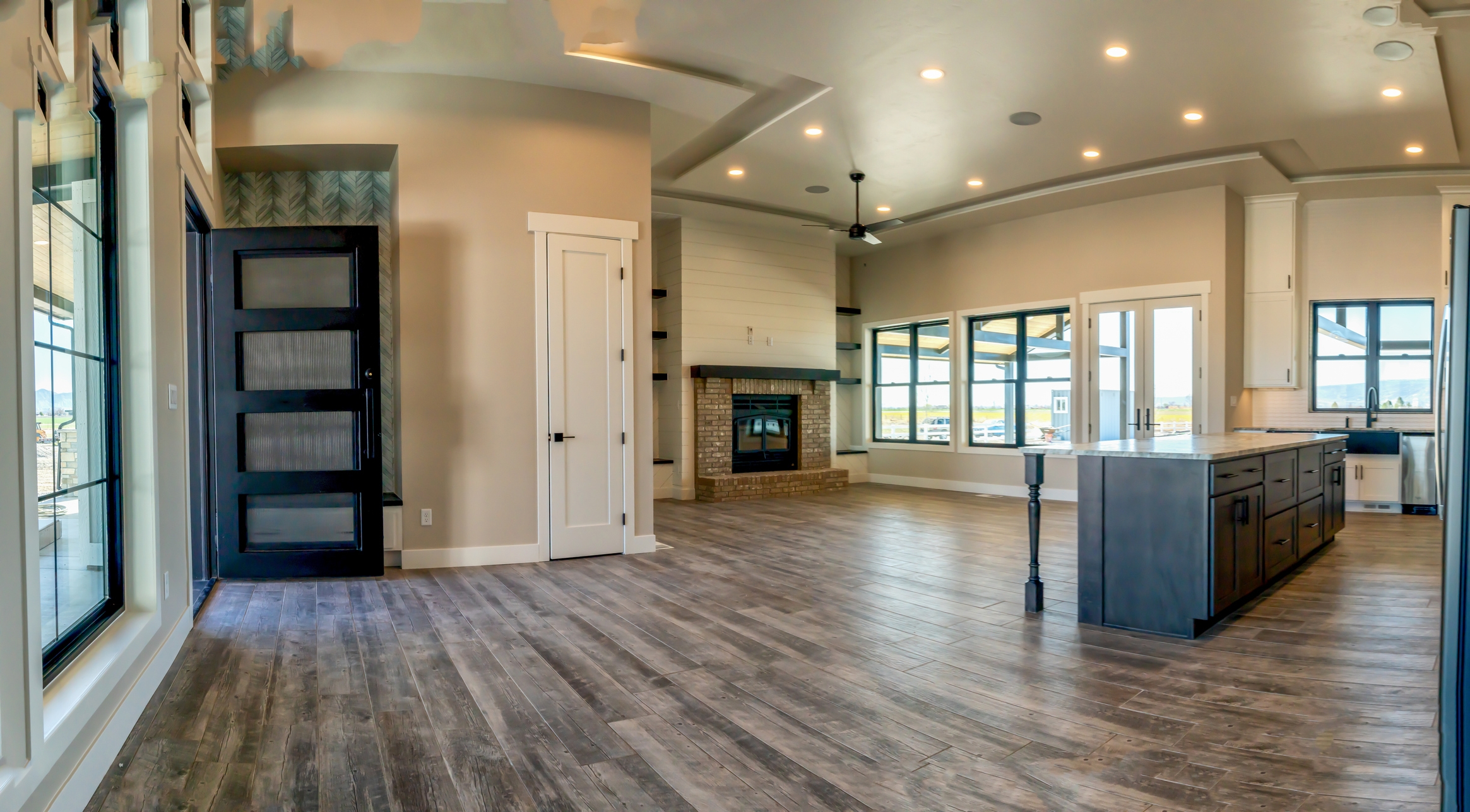
Functionality is another crucial aspect in determining a trend's longevity. Trends that offer practical benefits, like open kitchen designs, tend to endure. In contrast, purely aesthetic trends, such as specific trendy colors, often have a short lifespan. Francesca Grace highlights earth tones as an example of a functional color palette that provides warmth, tranquility, and a connection to nature, making them timeless and adaptable across diverse design styles, from rustic to minimalist. If a trend lacks a discernible practical purpose beyond its visual appeal, it may be a passing fad.
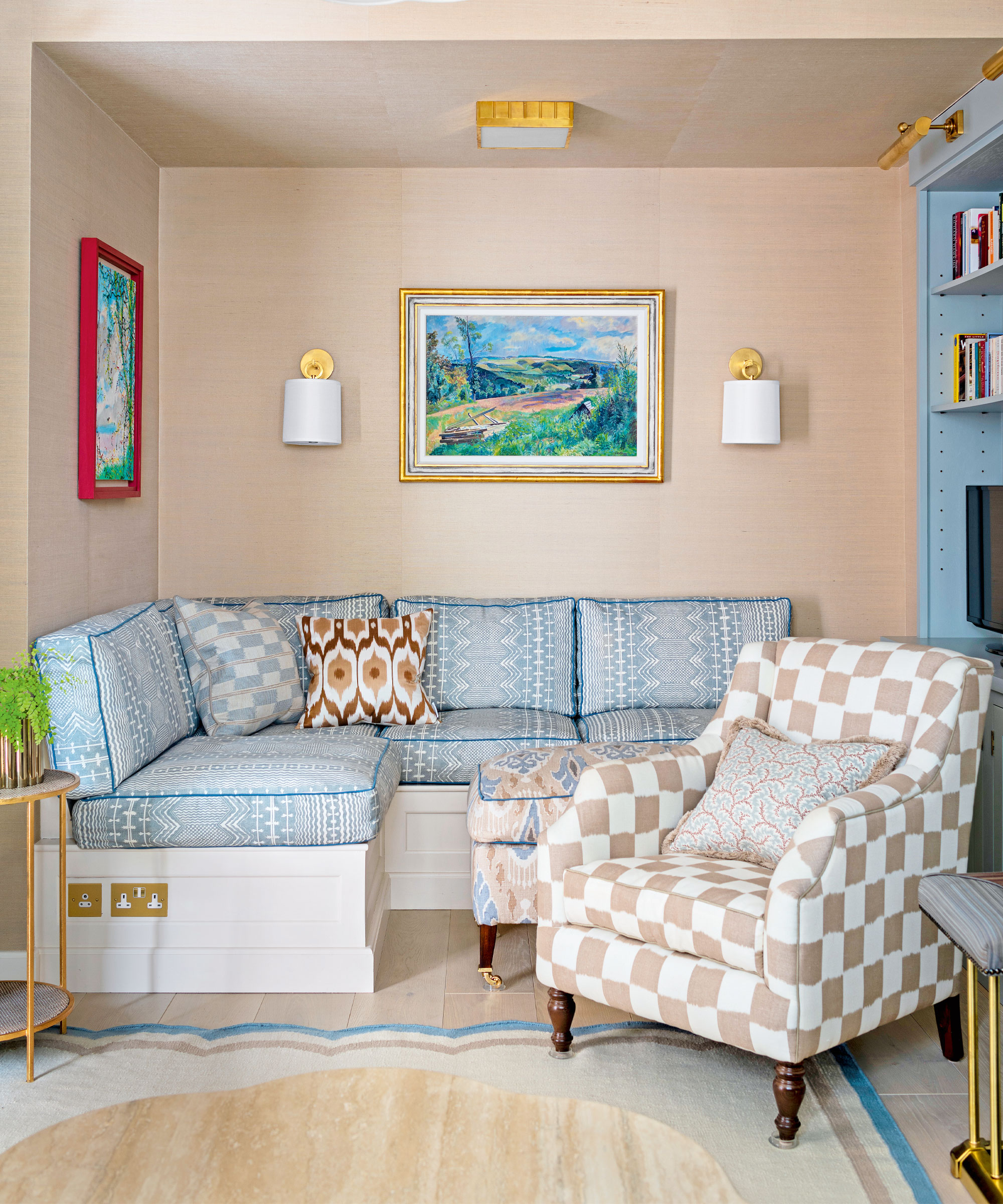
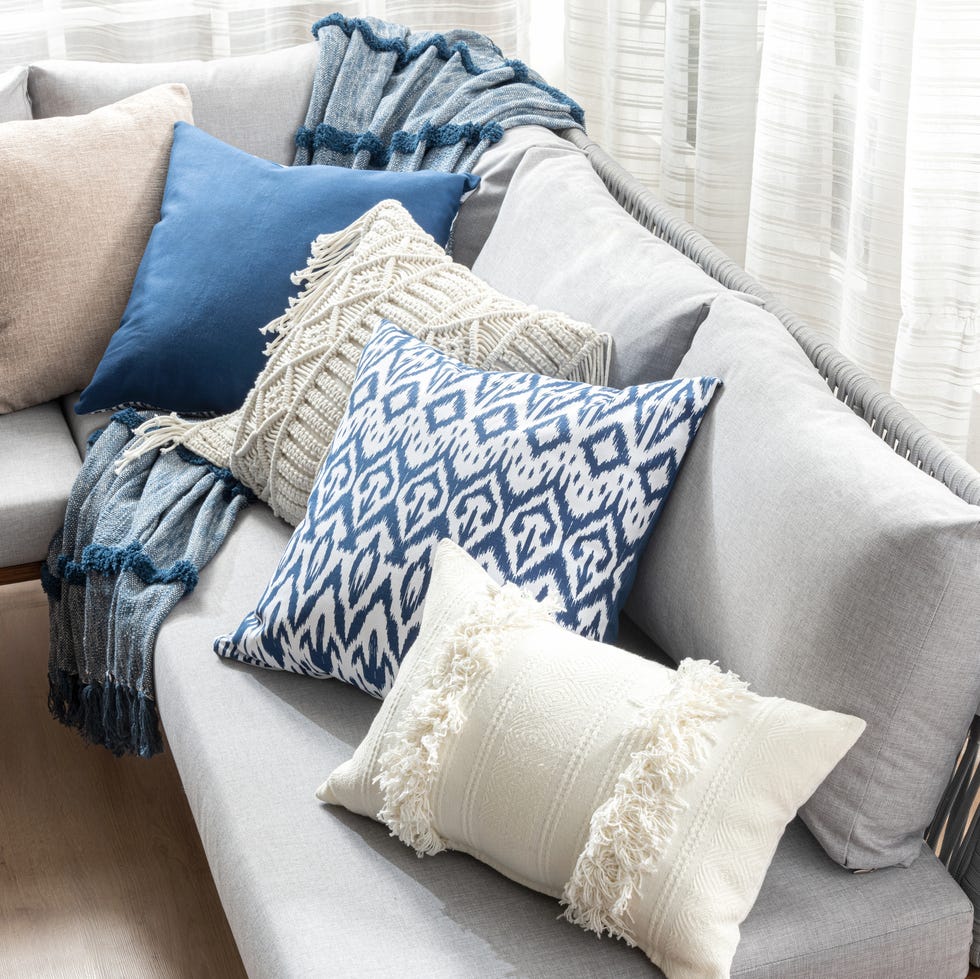
Over-saturation across various product categories can also signal a fleeting trend. Tribbett observes that when a home decor pattern, like checkerboard tile, extends beyond interiors into fashion, tech accessories, and everyday items, it indicates widespread, but potentially short-lived, popularity. In such cases, incorporating the trend through smaller, easily changeable accents like pillows or picture frames is a more practical approach than investing in large, expensive items.
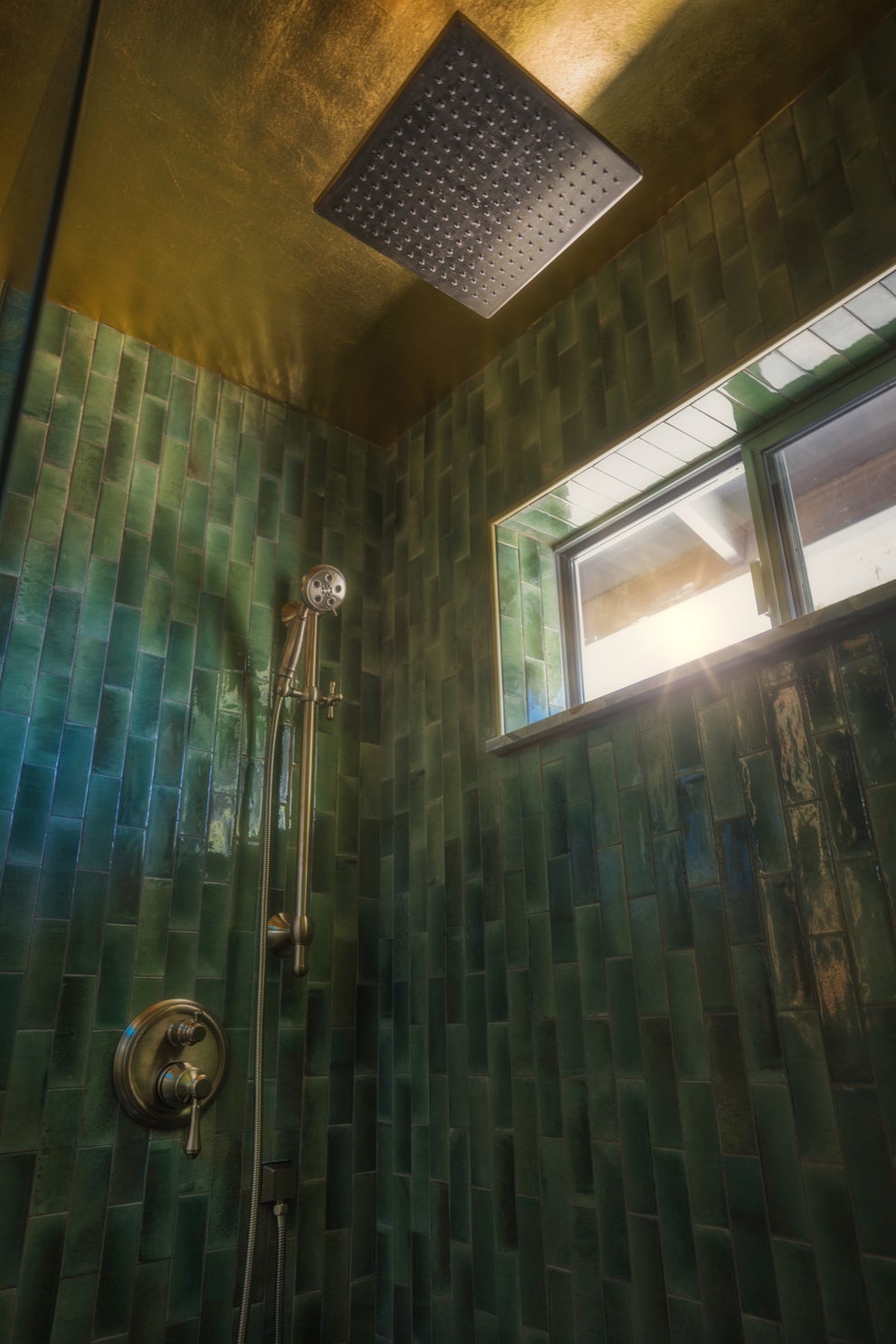
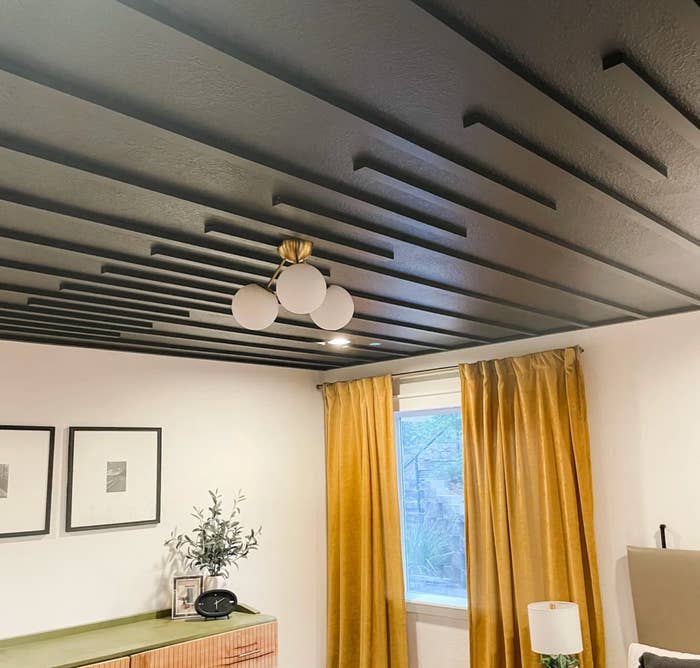
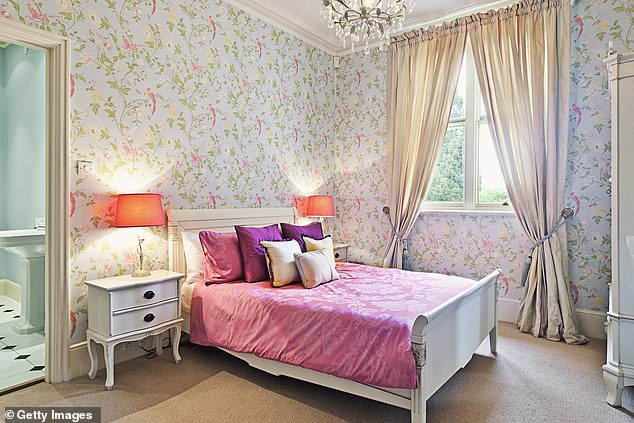
Even seemingly timeless elements, like wallpaper, can have trendy interpretations. While wallpaper itself has historical significance, specific patterns or applications can become dated. Molly Borman Heymont notes that while wallpaper has a long history, certain styles, like wallpaper on the ceiling, were once trendy and have now become mainstream. Homeowners should consider whether a particular wallpaper pattern will truly resonate with them for the long term, especially if it's a significant investment. Ultimately, designers advise that for expensive or difficult-to-replace items like paint, traditional wallpaper, or large furniture pieces, a strong personal connection to the trend is essential to avoid quick regret and the need for frequent remodels. The article encourages homeowners to prioritize personal intuition and ensure that any chosen trend genuinely reflects their style and harmonizes with their living space.
#HomeTrends #InteriorDesign #TimelessDecor #FleetingFads #DesignTips #HomeDecorating #RenovationAdvice #DesignLongevity #HomeTrends #InteriorDesign #TimelessDecor #FleetingFads #DesignTips #HomeDecorating #RenovationAdvice #DesignLongevity
0 comment in total
 No comments yet
You may also like
Should you follow interior design trends? Do they create a stylish home or one that will date fast?
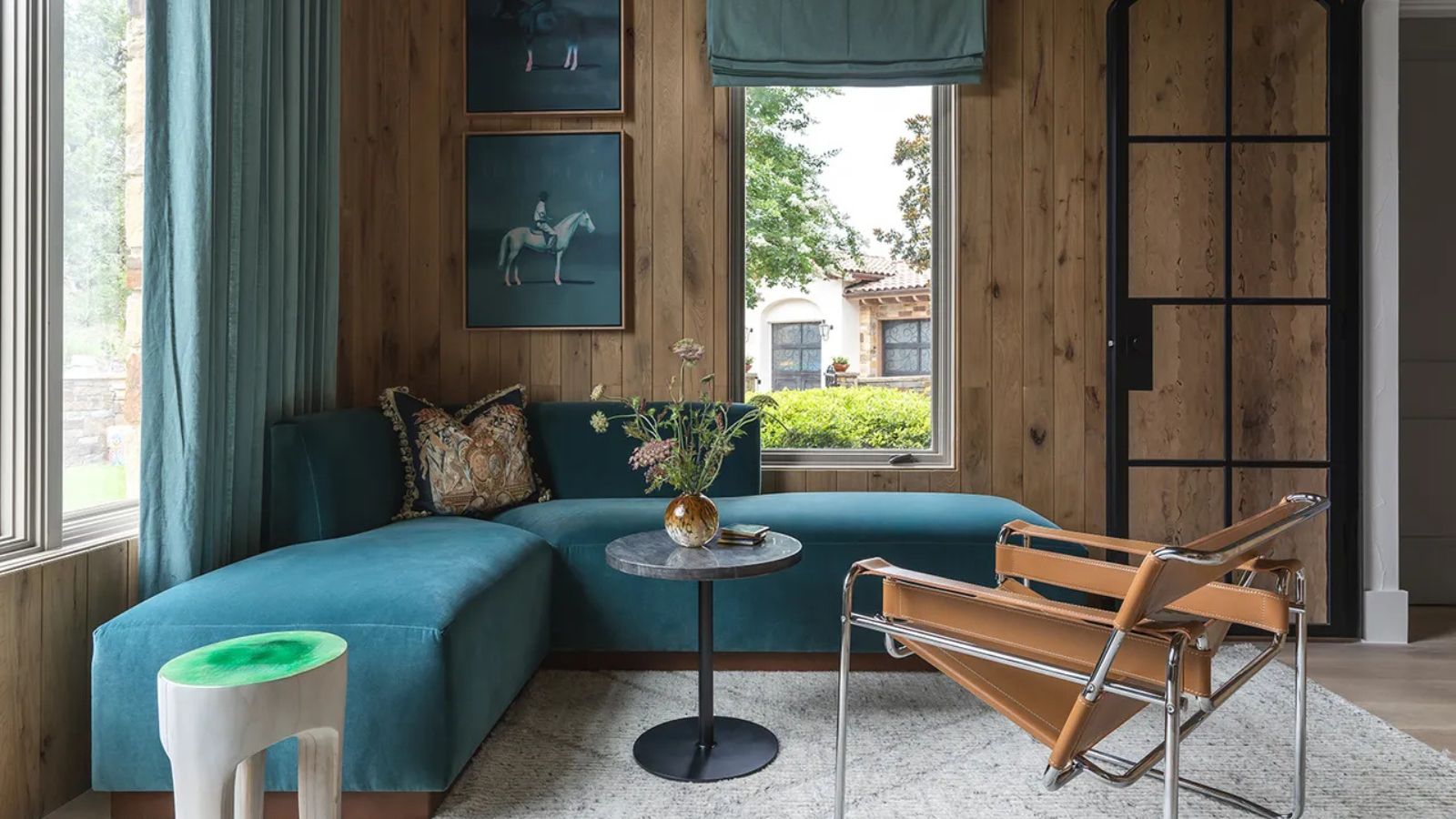
5 trends that look good right now but interior designers warn they won't last
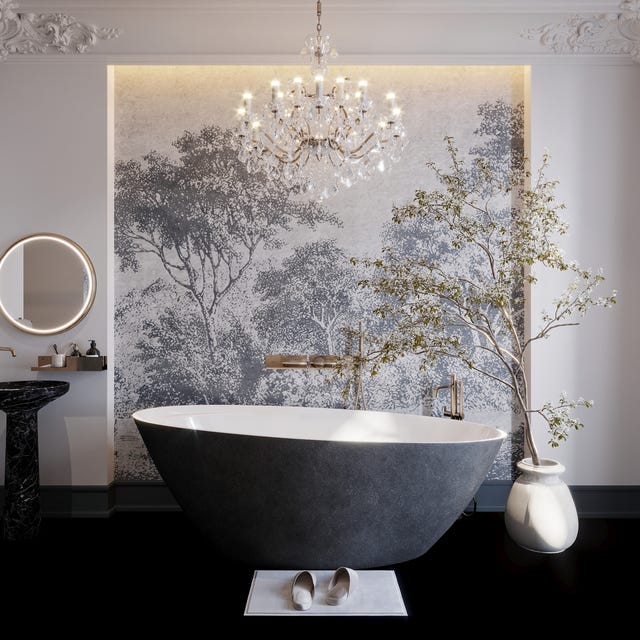
These Trendy Home Additions Will Look "Dated" in 2026, According to Designers

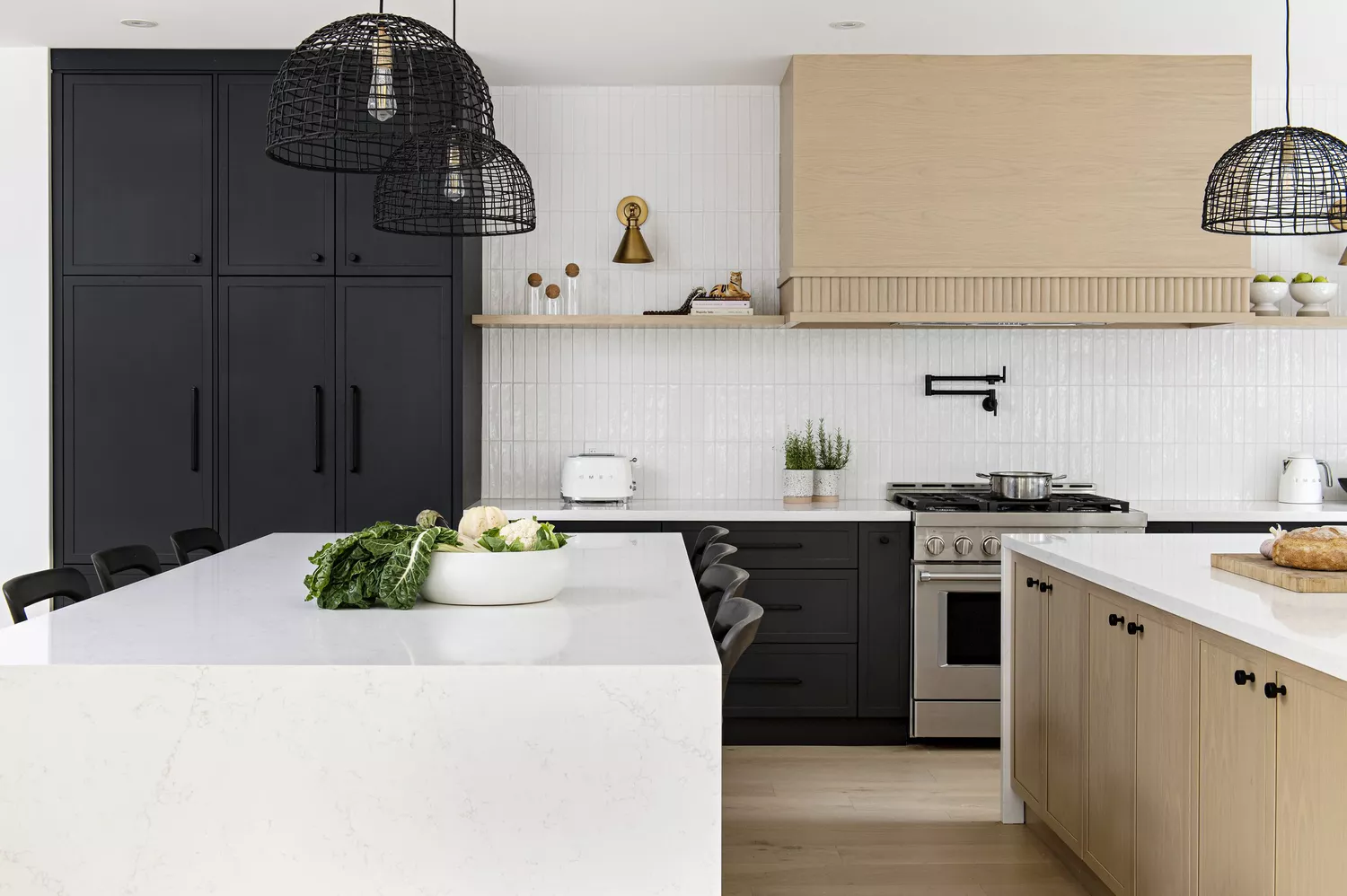
The Both/And Trend Is Here to Stay, Designers Say—and You Might Already Be Doing It
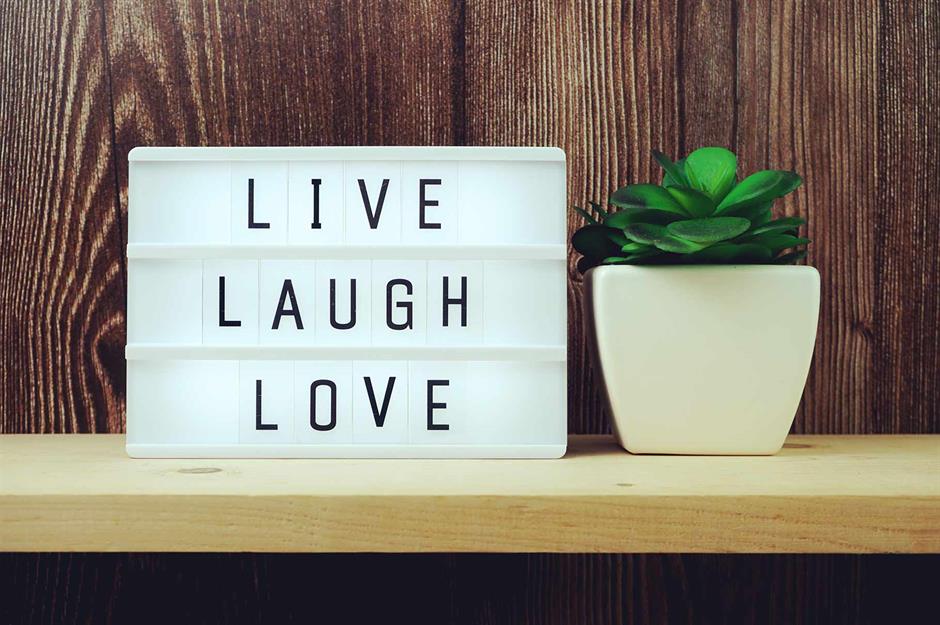
30 of the worst modern home trends that WILL go out of fashion | loveproperty.com

The #1 Home Trend You Should Avoid, According to Designers

9 Home Décor Trends on Their Way Out in 2025, According to Interior Designers
8 Decorating Trends Designers Wish Would Go Away in 2025

9 Popular Home Trends Interior Designers Say Won't Age Well
3 "Timeless" Trends Designers Say Are Out—and Making Homes Look Dated in 2026

8 Tacky Home Trends That Designers Say Are TRAGICALLY Dead
Tell Us Which Modern Home Design Trends Will Be Outdated In A Few Years
These Micro Trends Look Good Online—But Designers Say You'll Regret Them

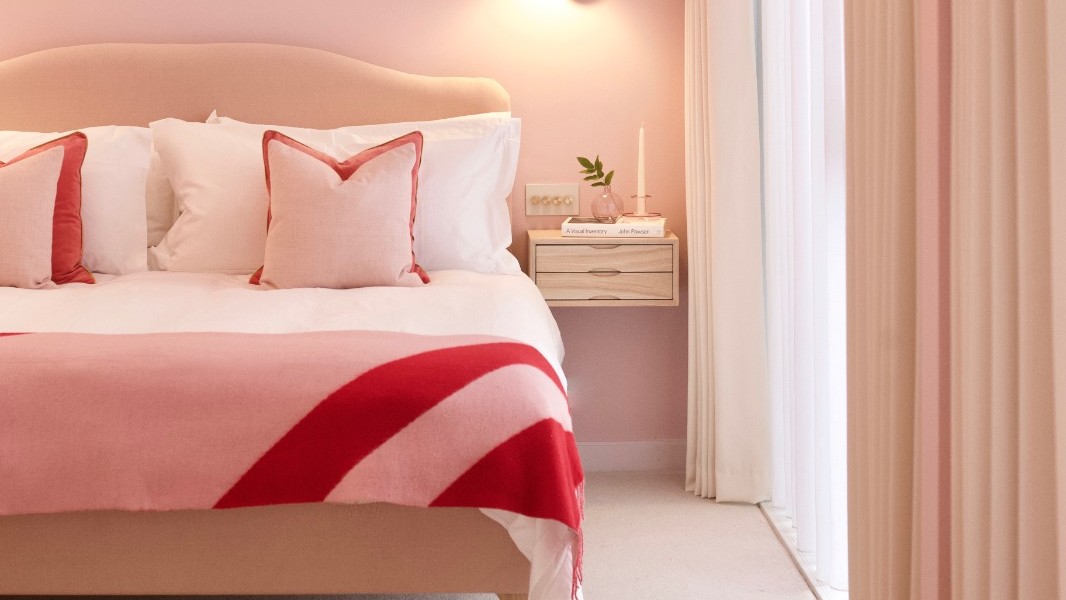
These are the interior trends to leave behind in 2023, according to experts
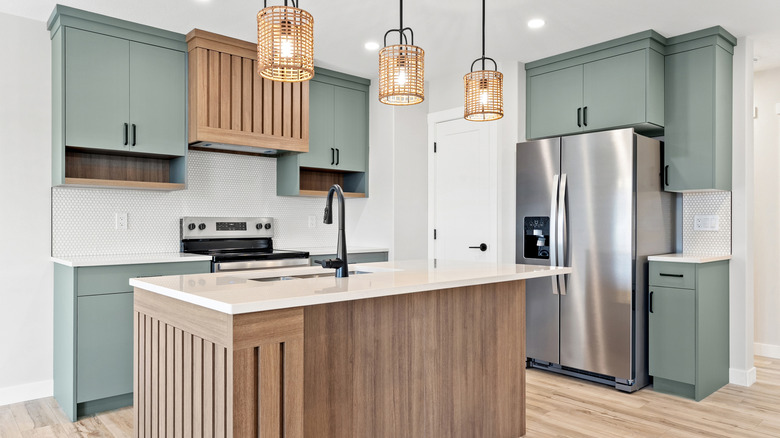
We Asked Kitchen Remodel Experts What Trends Are Actually Timeless

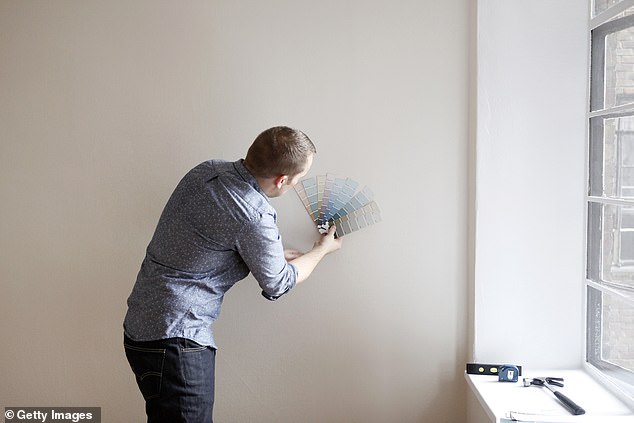
Expert reveals the interior design trends that will make your home look dated
People Are Exposing The Home Decor Trends That'll "Completely Fade Out" Sooner Than You'd Think

The Fall Home Trends Designers Say Will Be Huge
The unexpected 'microtrends' that designers say are actually timeless
Tracking home decor trends that are on the way out