1/5
These Paint Colors Bring Hostility to Your Home, According to Experts
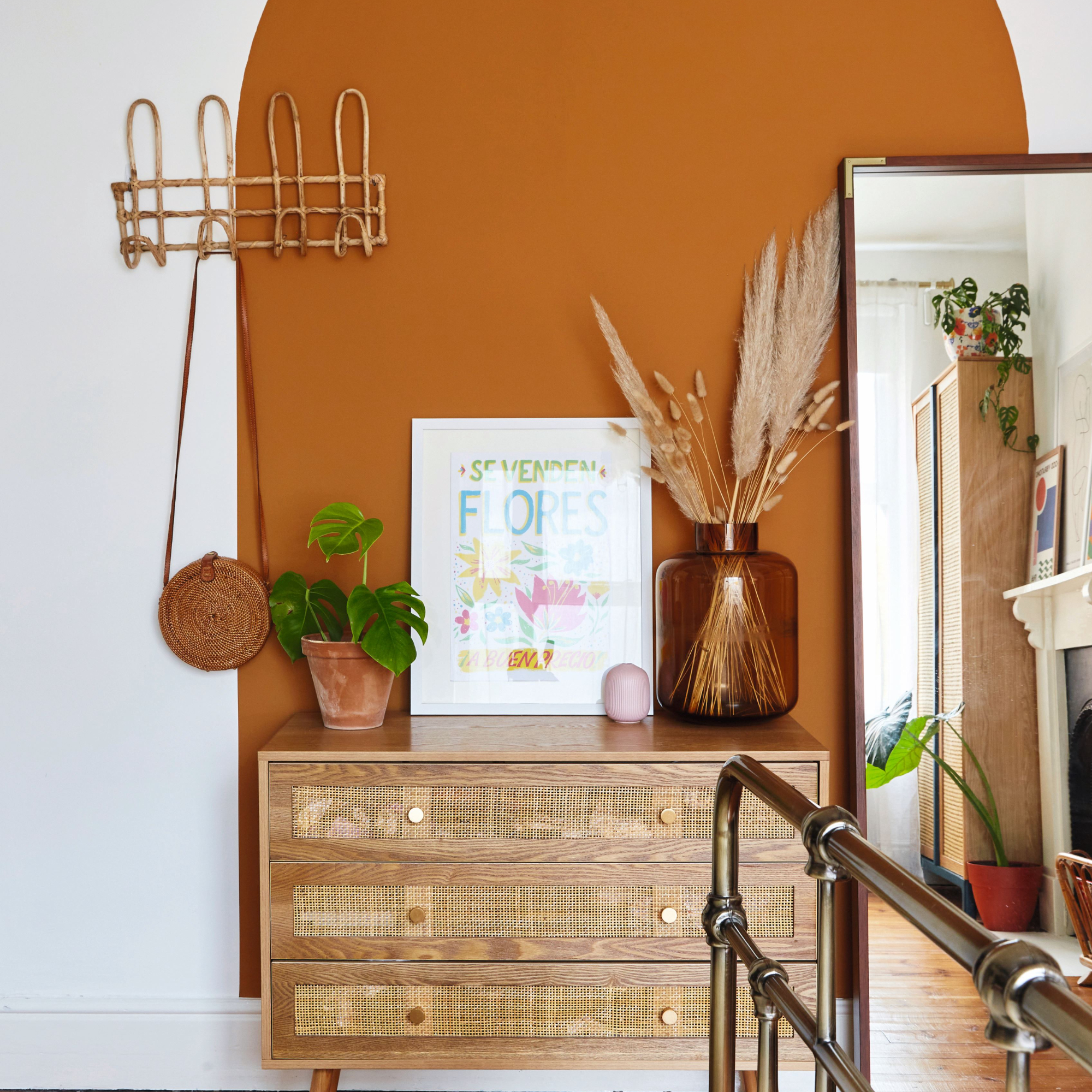
The home, often envisioned as a sanctuary, can inadvertently become a source of stress through its color palette. This phenomenon is explored through neuroaesthetics, a field that merges psychology and design. Experts emphasize that color significantly influences our emotional and physiological responses, often before conscious recognition. Tracee Murphy, principal designer at Trade Mark Interiors, highlights that color sets the daily tone for how we live and feel, eliciting immediate bodily responses. Eryn Oruncak, founder of Elan Design, further explains that the colors in a home interact directly with the mind and nervous system, impacting sleep, emotional balance, focus, and social connections. A thoughtfully chosen room can become a "command central," supporting energy management, motivation, and emotional equilibrium, as every hue subtly signals whether it's time to rest, reflect, or engage.
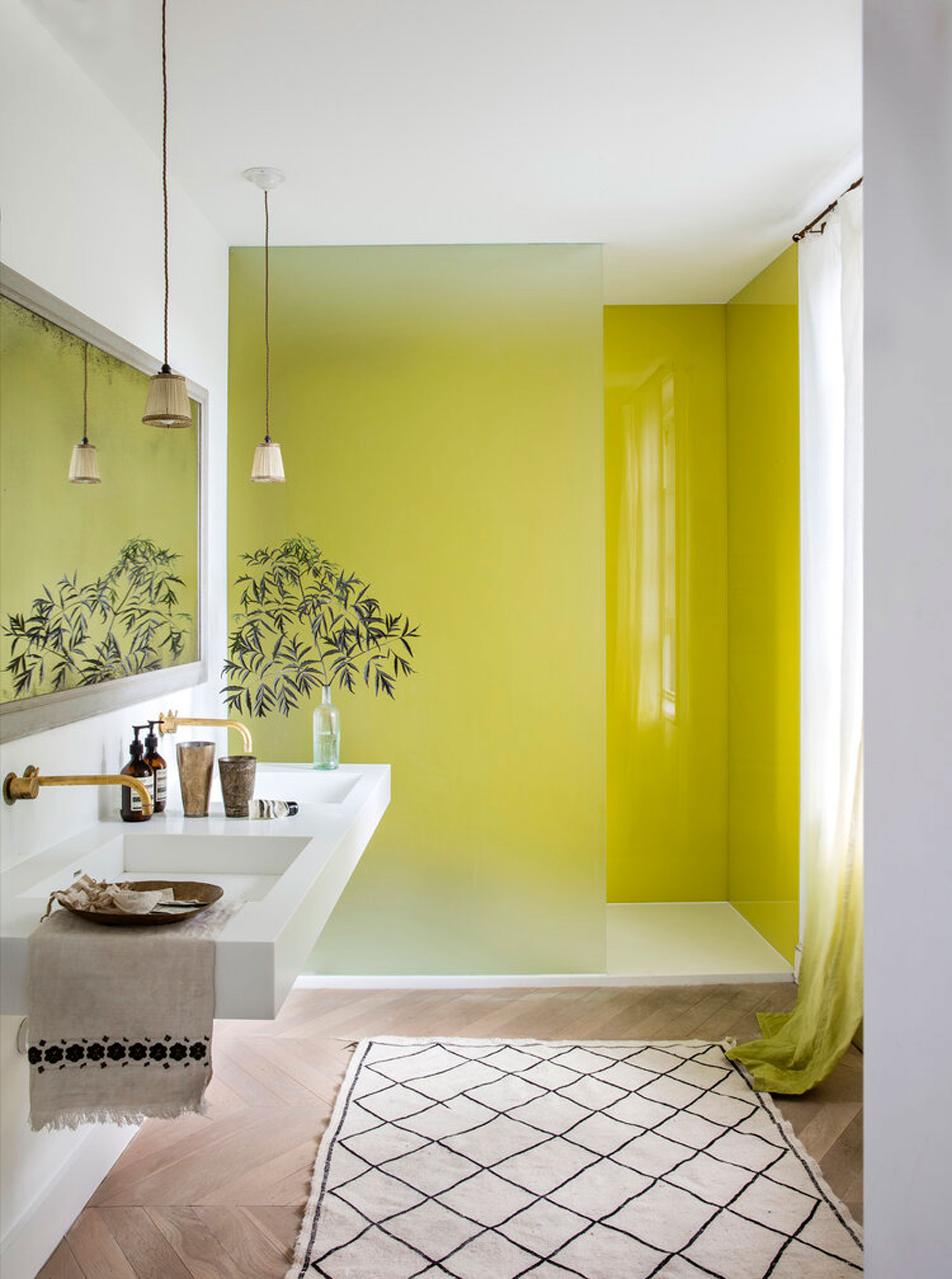
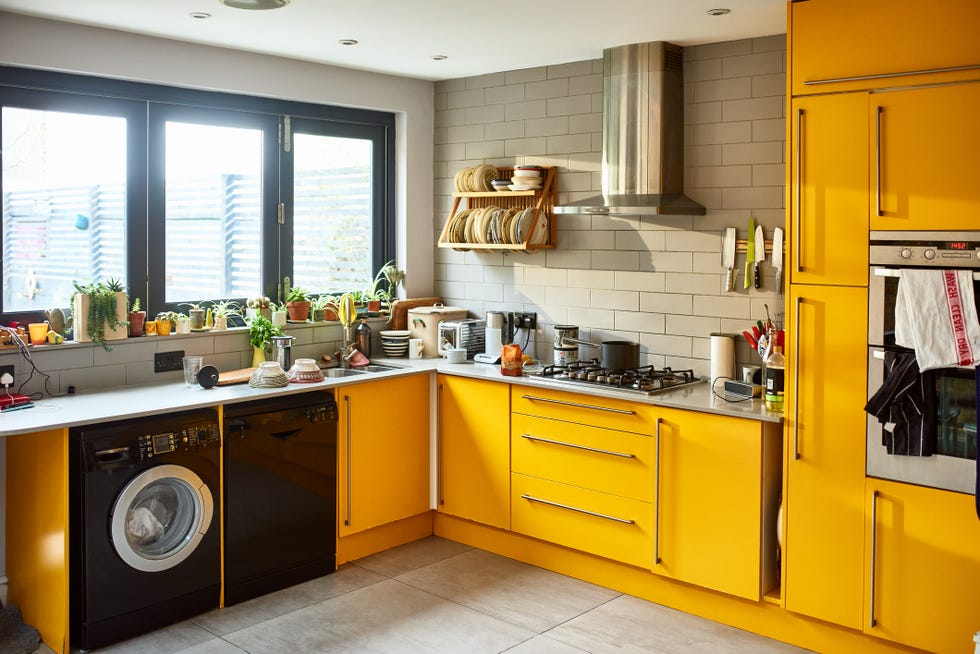
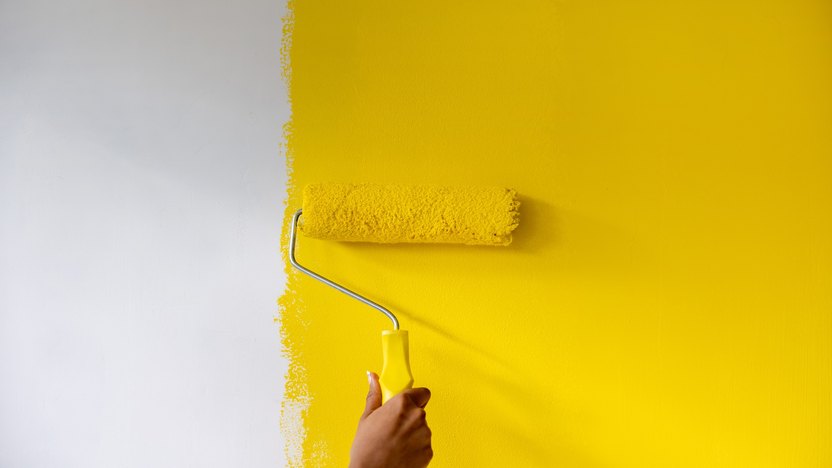
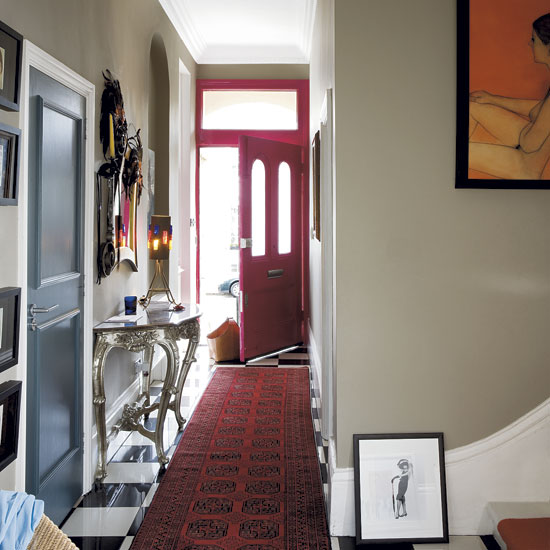
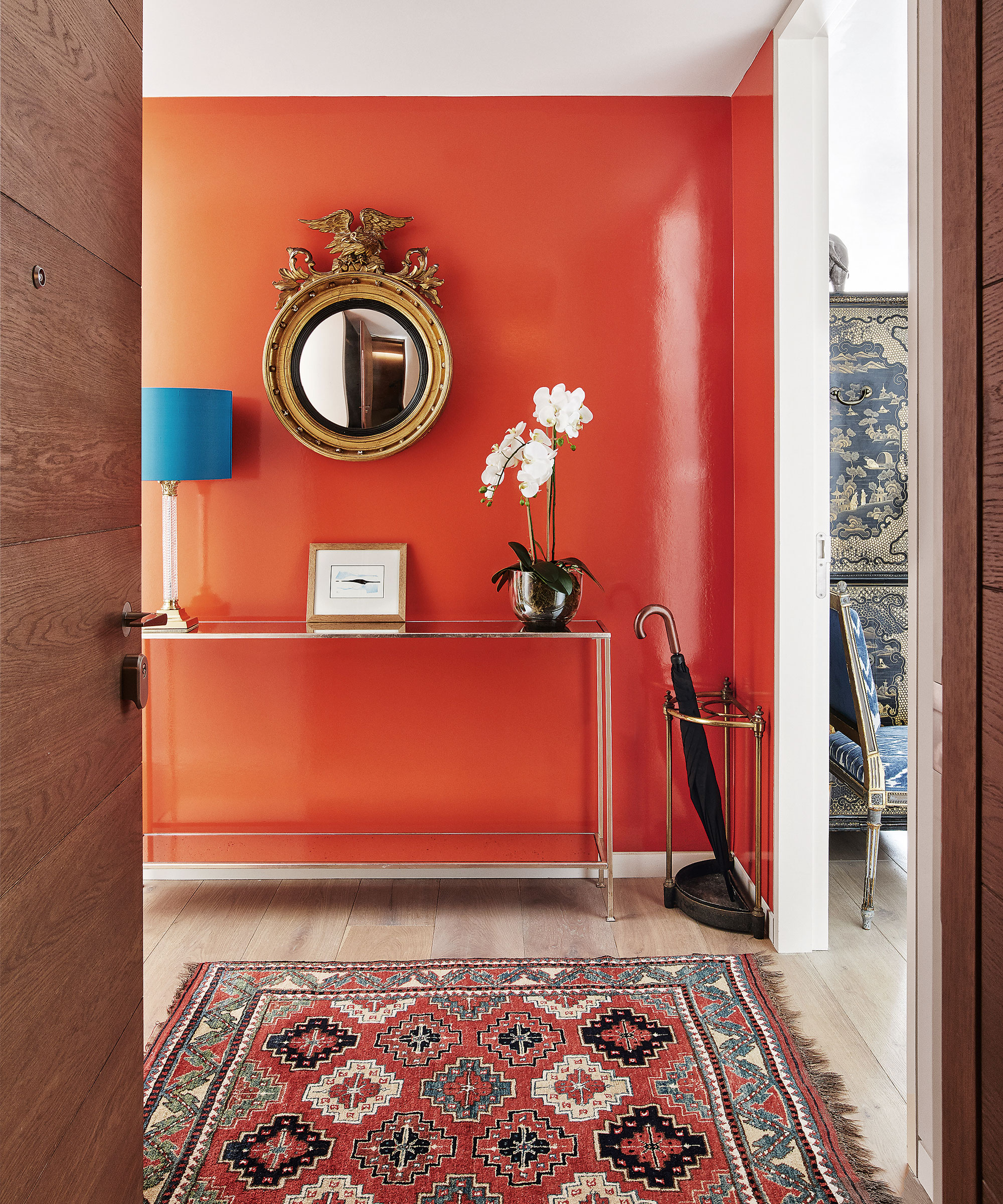
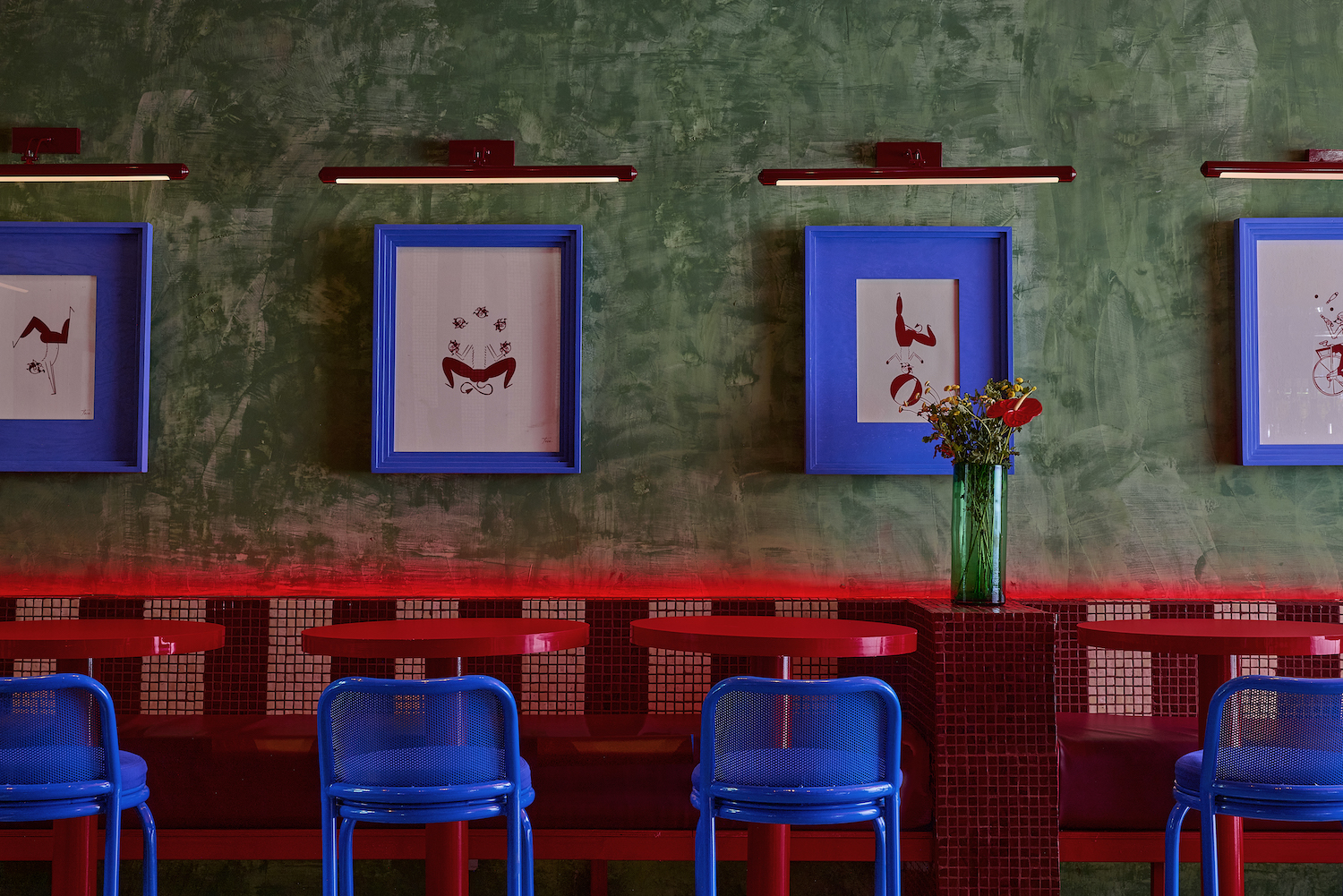
Several types of color palettes are identified as potentially hostile or stress-inducing. High-saturation neon colors, for instance, are problematic because the more saturated a color, the stronger the emotional response it elicits, according to design psychologist Sarah Seung-McFarland. While suitable for certain aesthetic themes like '80s nostalgia, neon colors overstimulate the senses and elevate stress, making relaxation difficult. Oruncak notes that such bright, overly stimulating colors can disrupt a person's ability to feel joy and hinder rest and recovery, especially warm, bold hues like electric yellows or reds. Even stark black-and-white pairings can energize the mind rather than calm it.
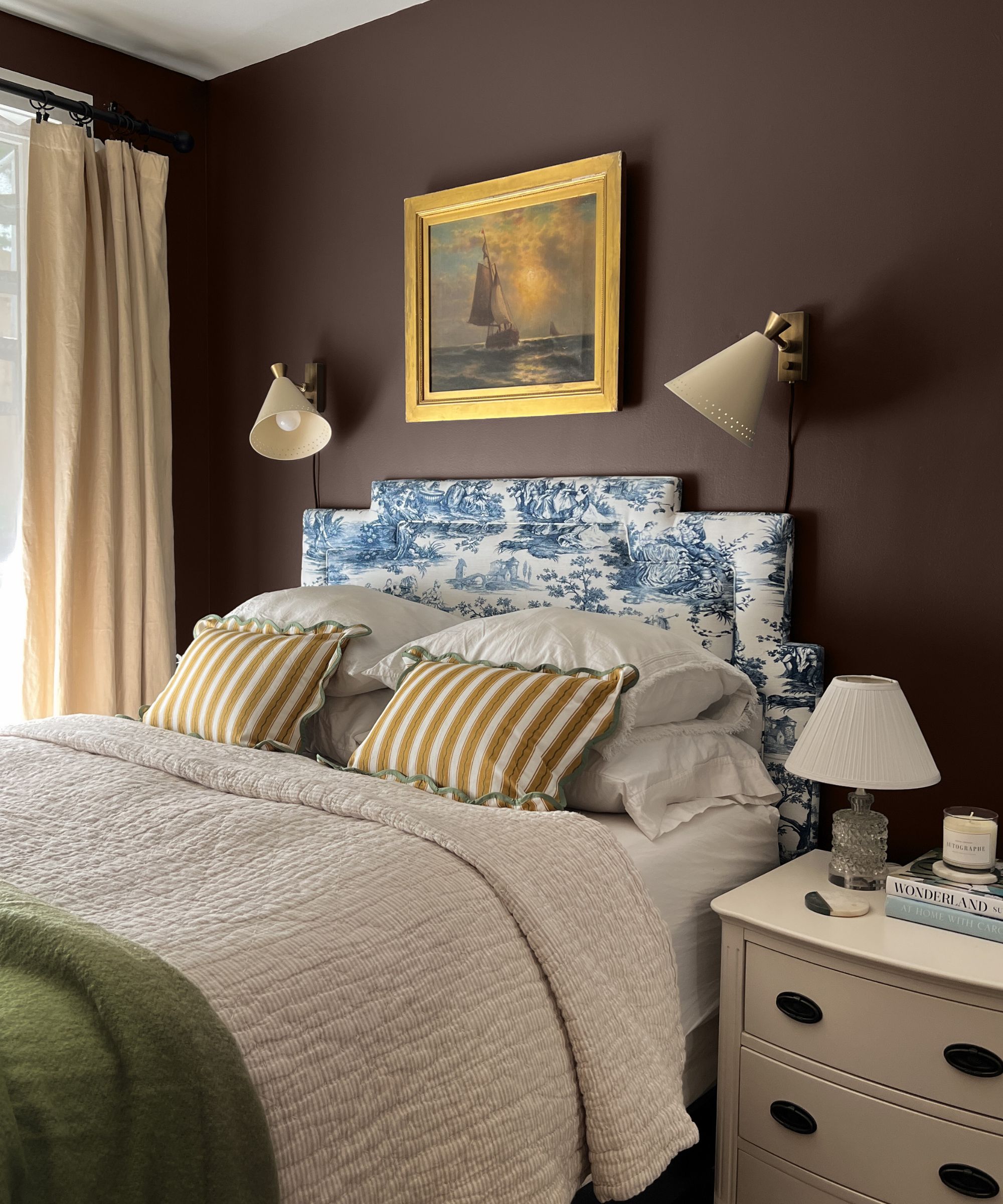
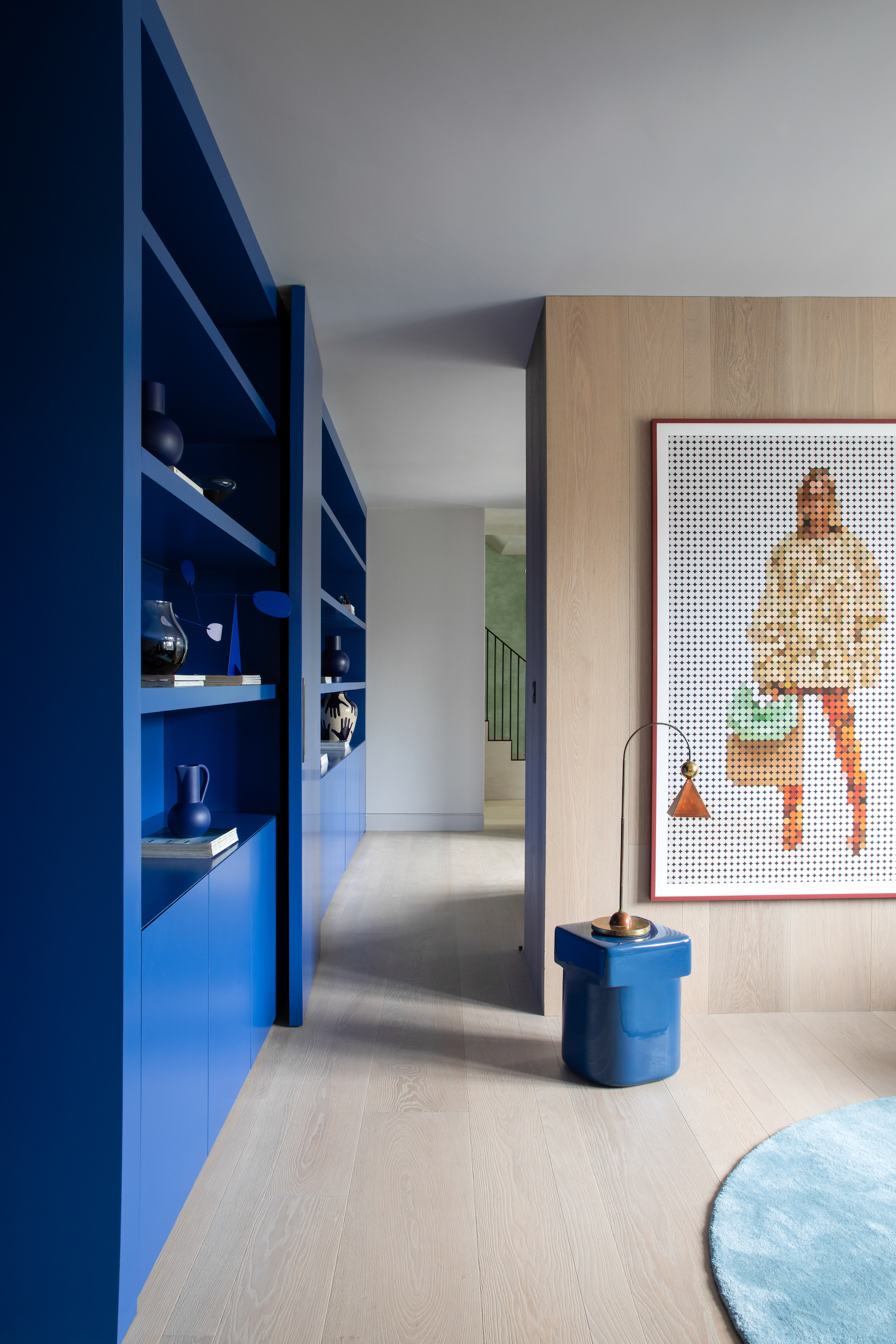
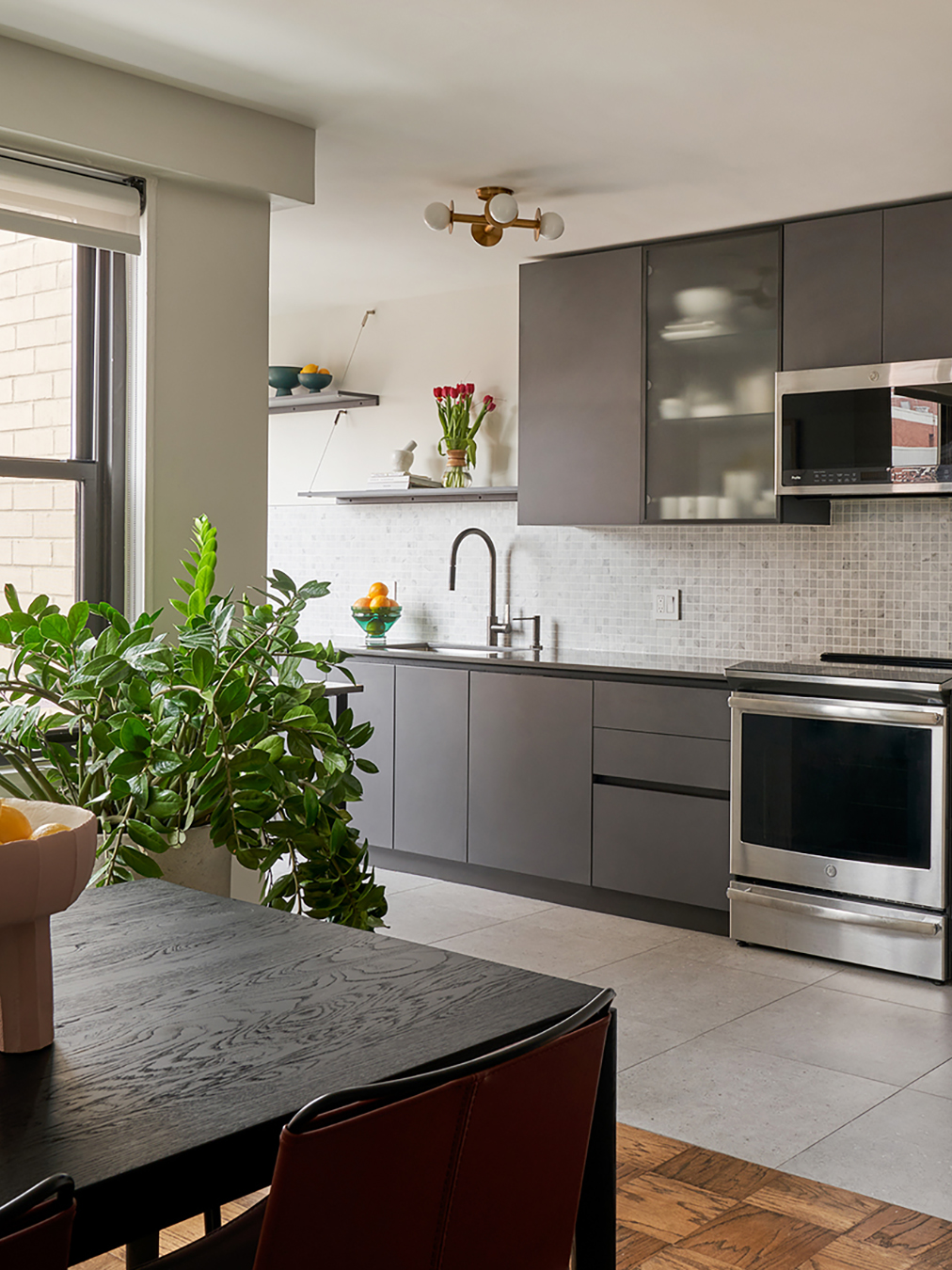
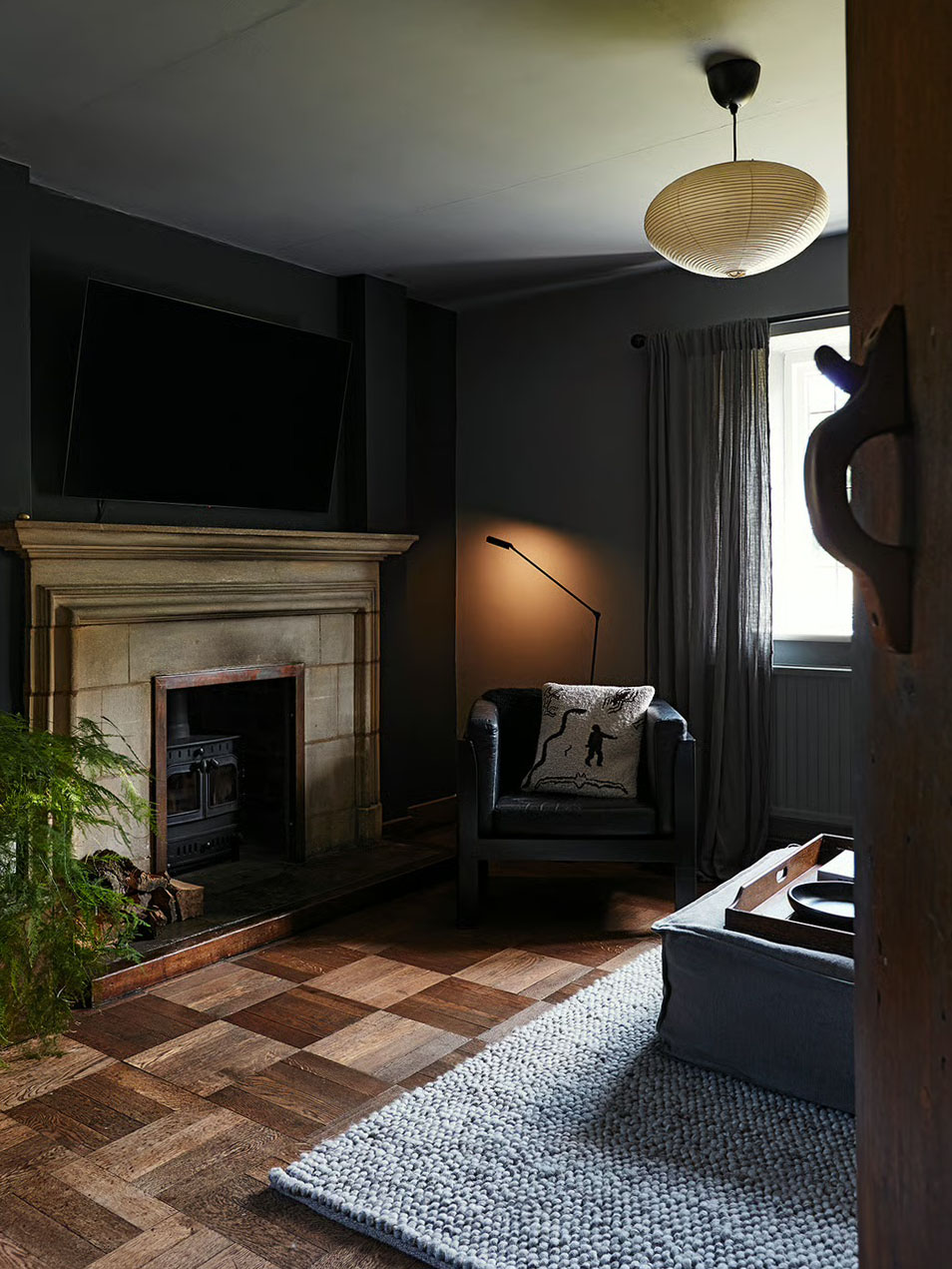
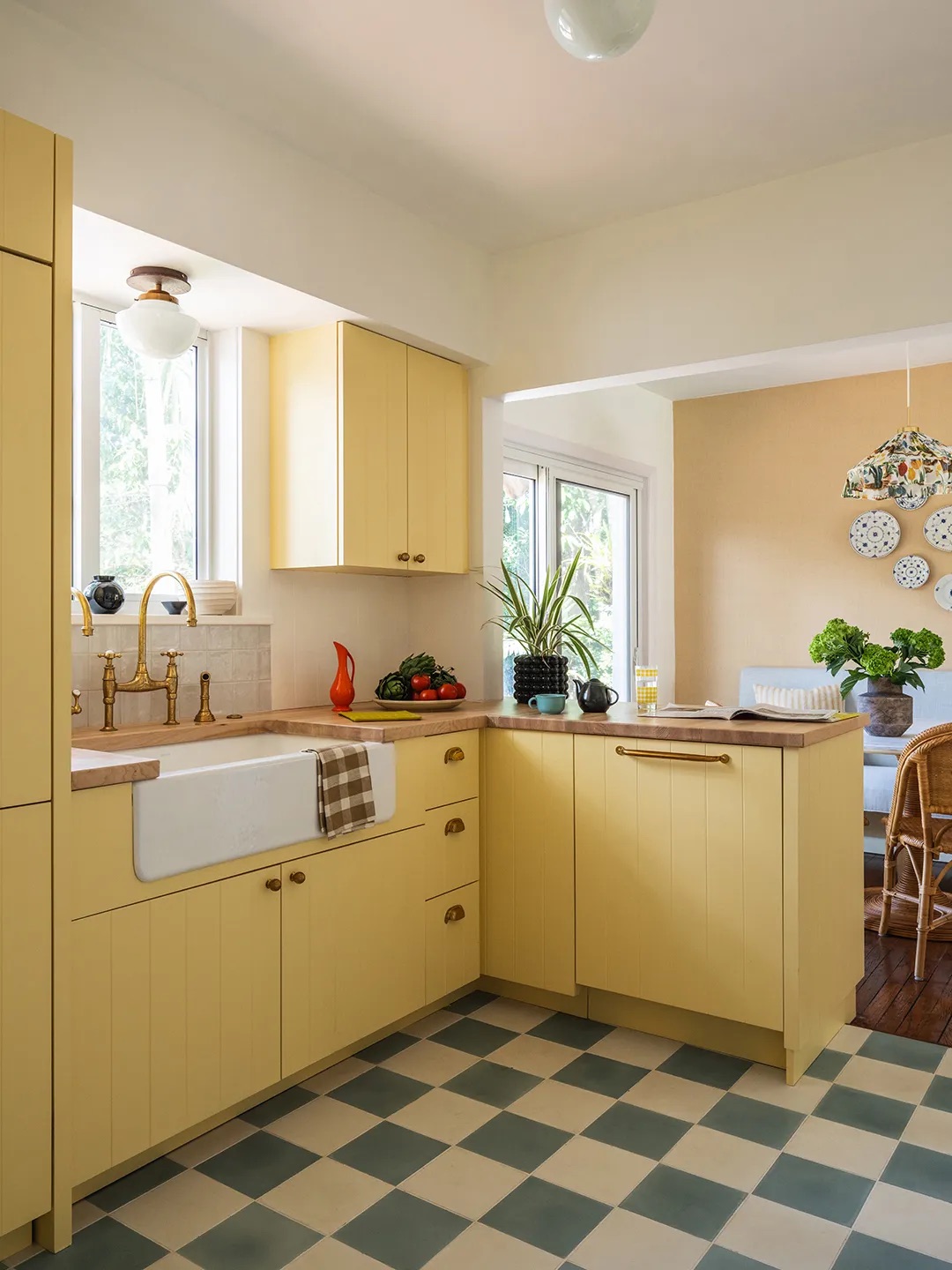
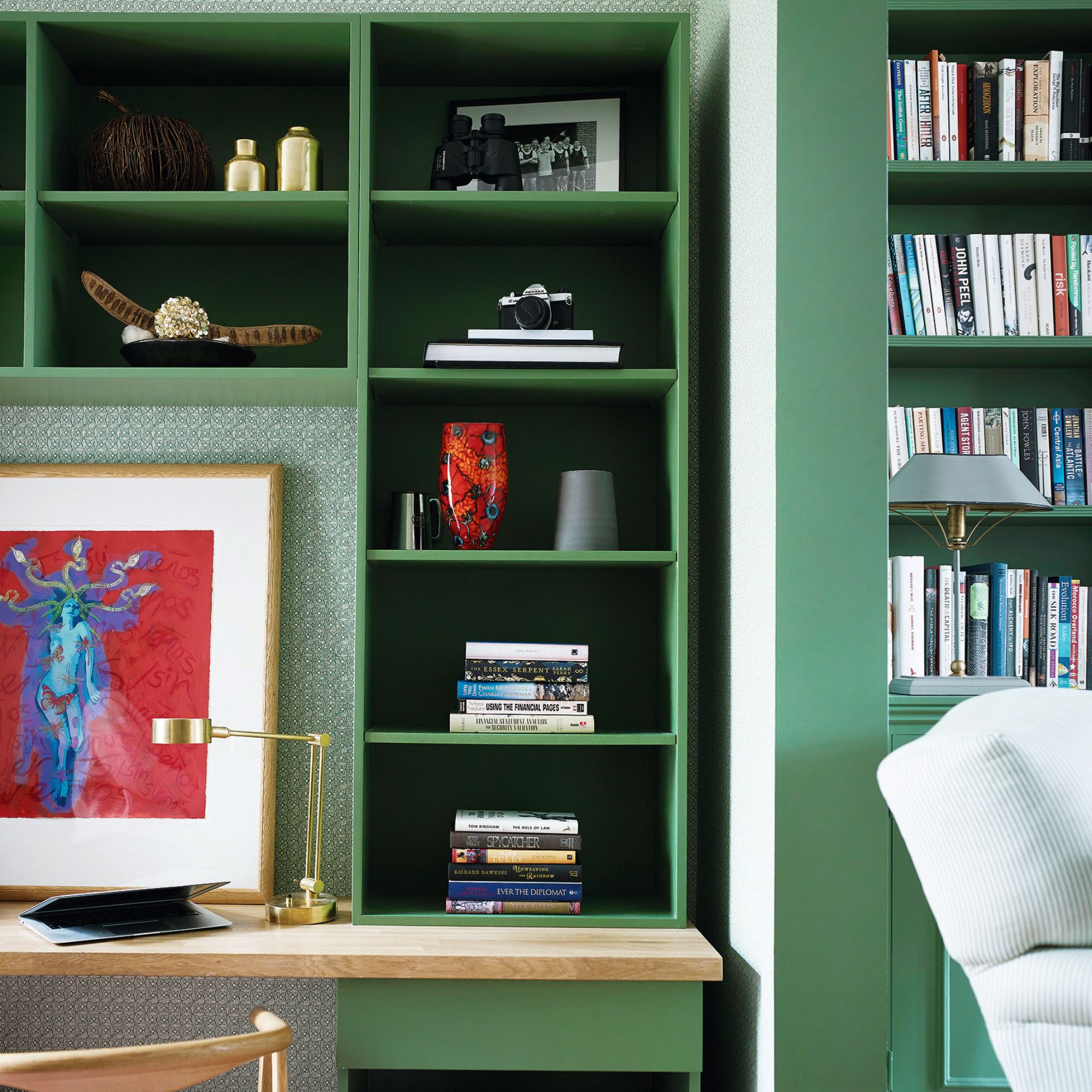
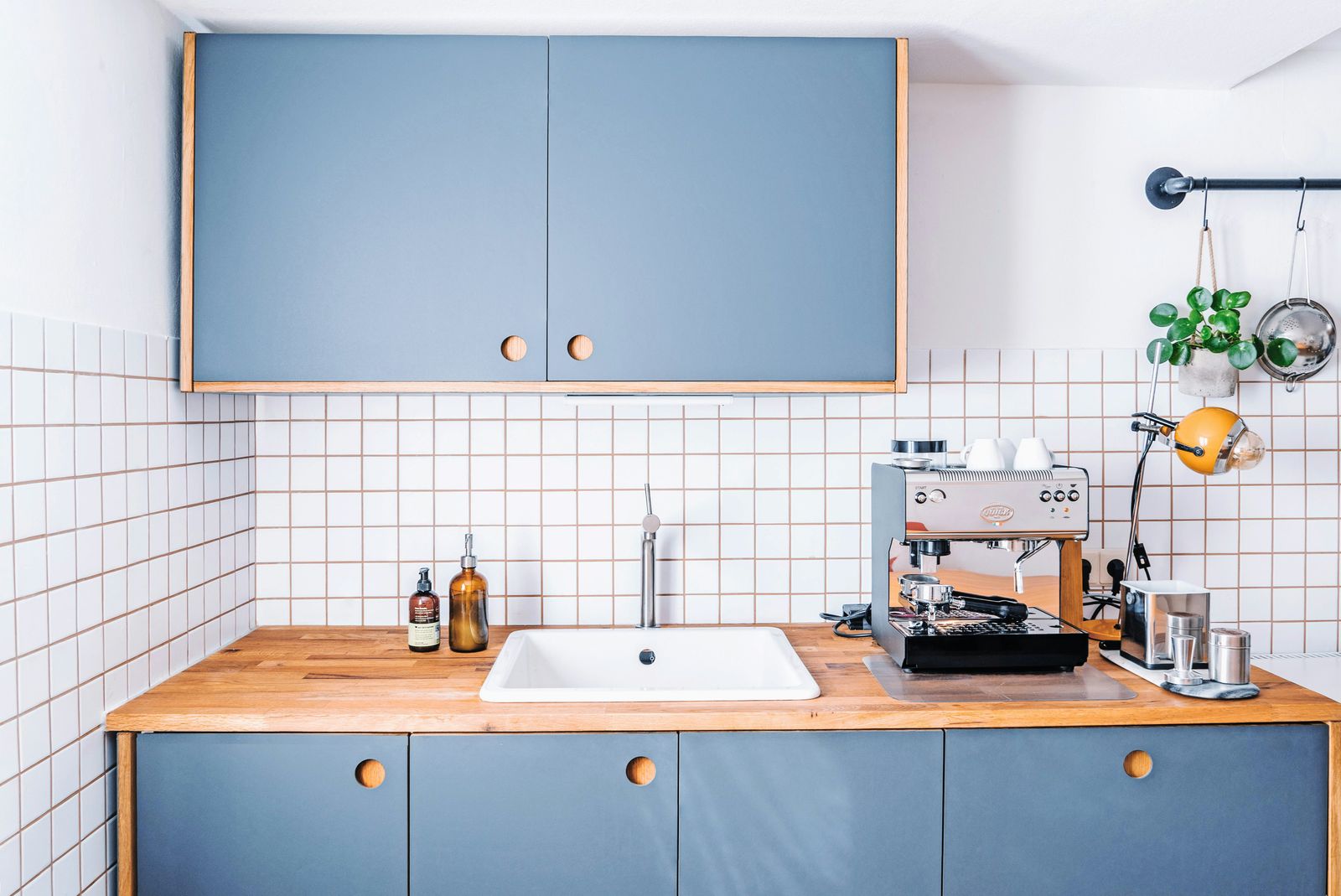
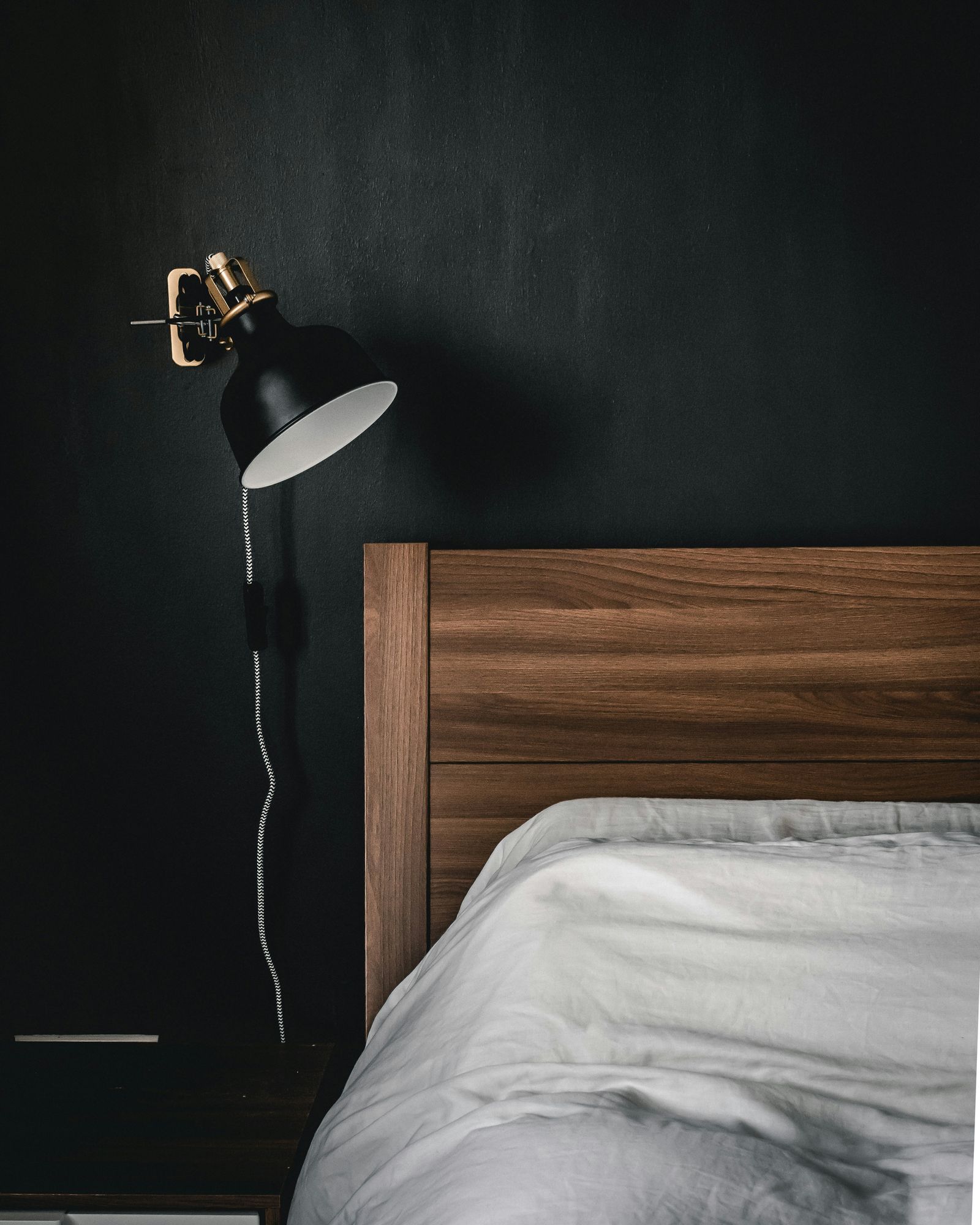
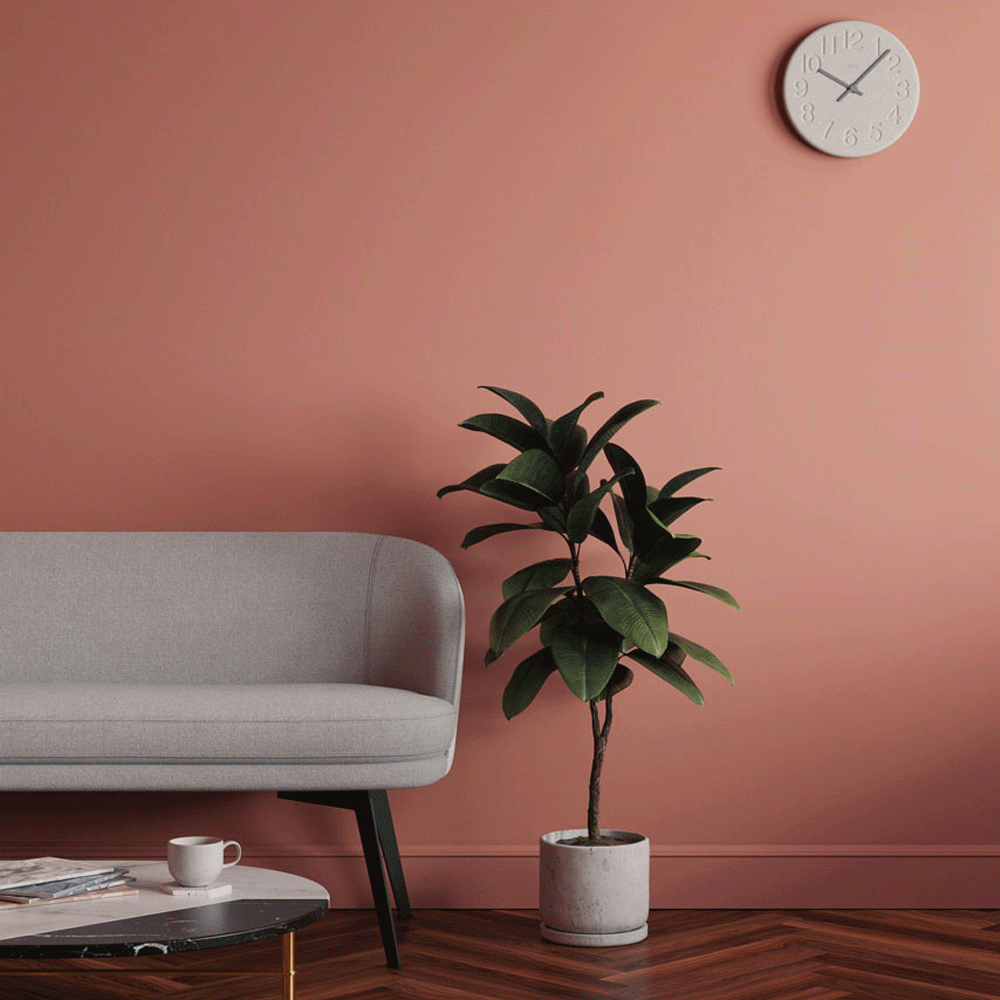
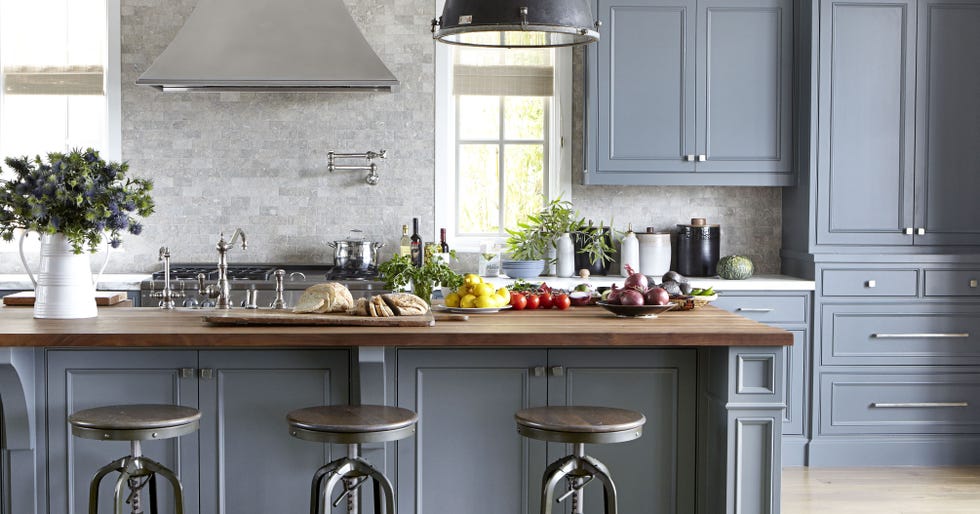
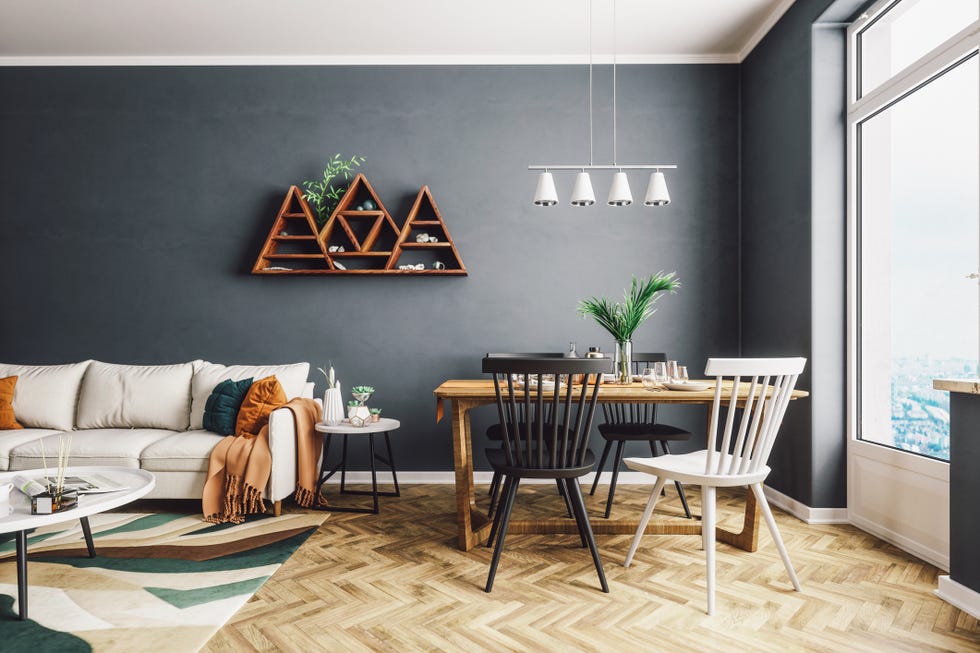
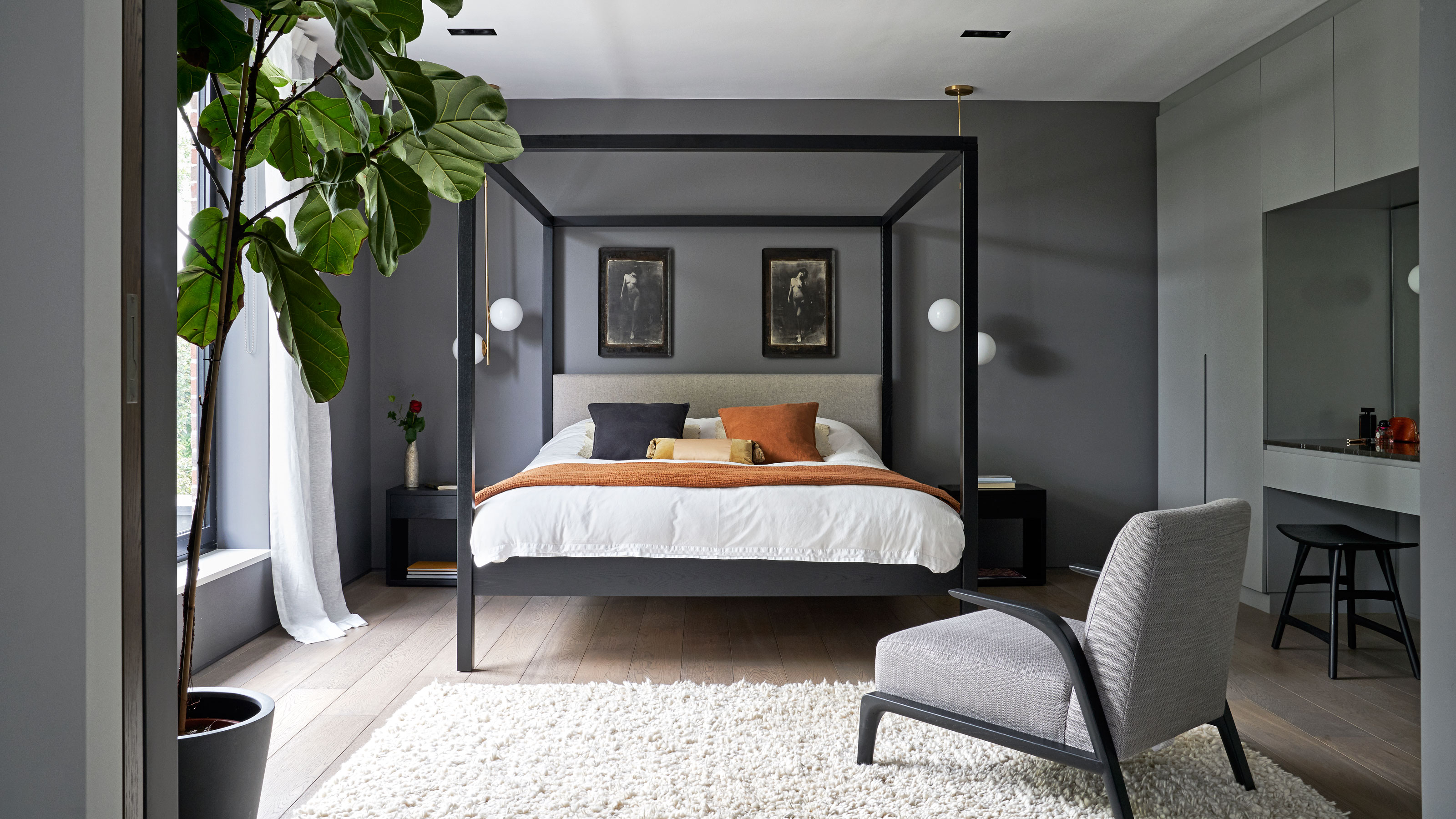
Another common pitfall is the overuse of any single color, even those generally considered calming. Large expanses of color, or "color drenching," can overwhelm the nervous system, keeping it in a heightened state of alert. This applies even to white, which can appear sterile rather than soothing when used excessively without variation. Monochromatic schemes, if the hue is too intense, can also become overwhelming, drawing attention and energy instead of allowing the mind to unwind. The key is to achieve balance in color pairing, preventing a room from feeling either flat or overly stimulating.
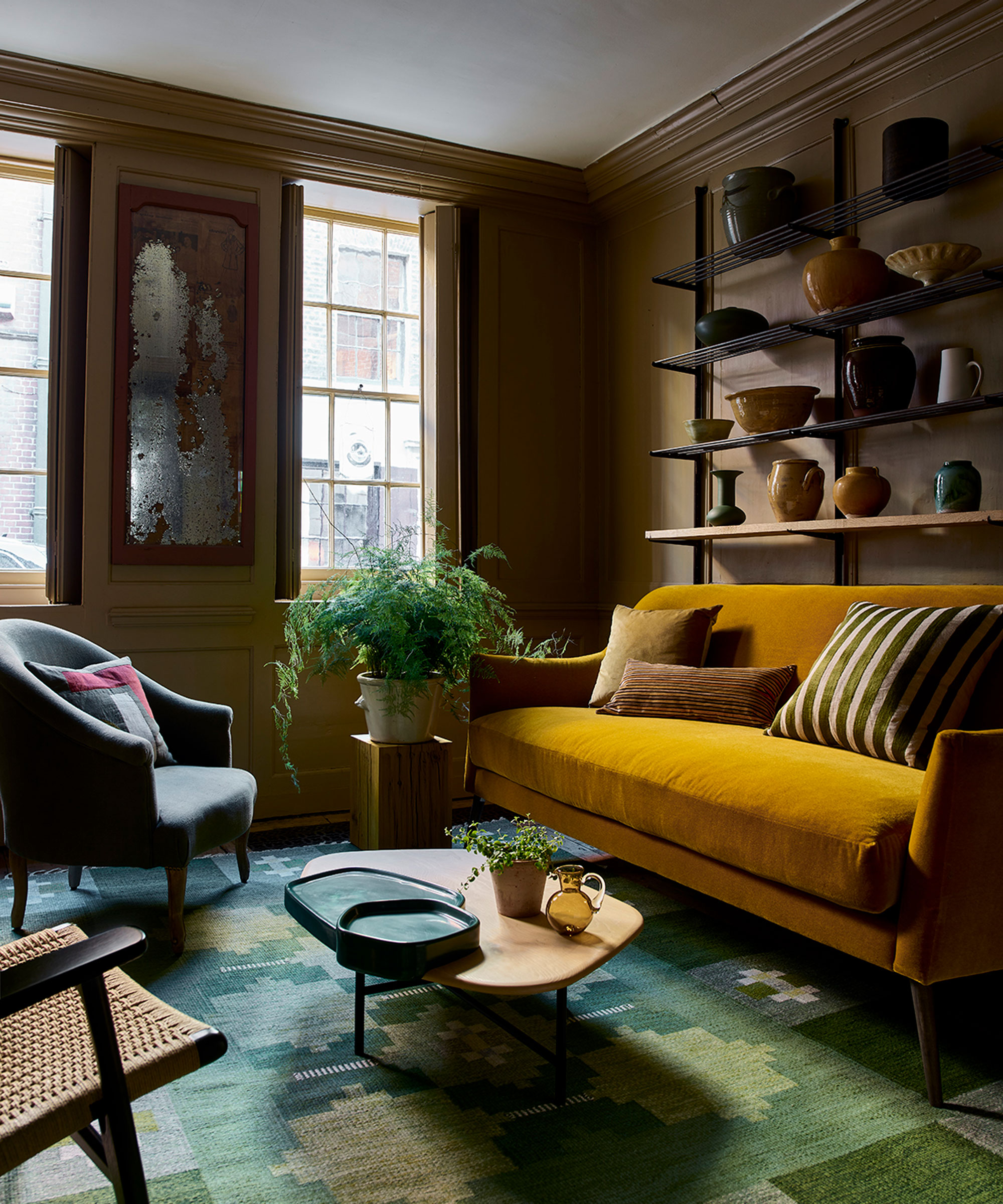
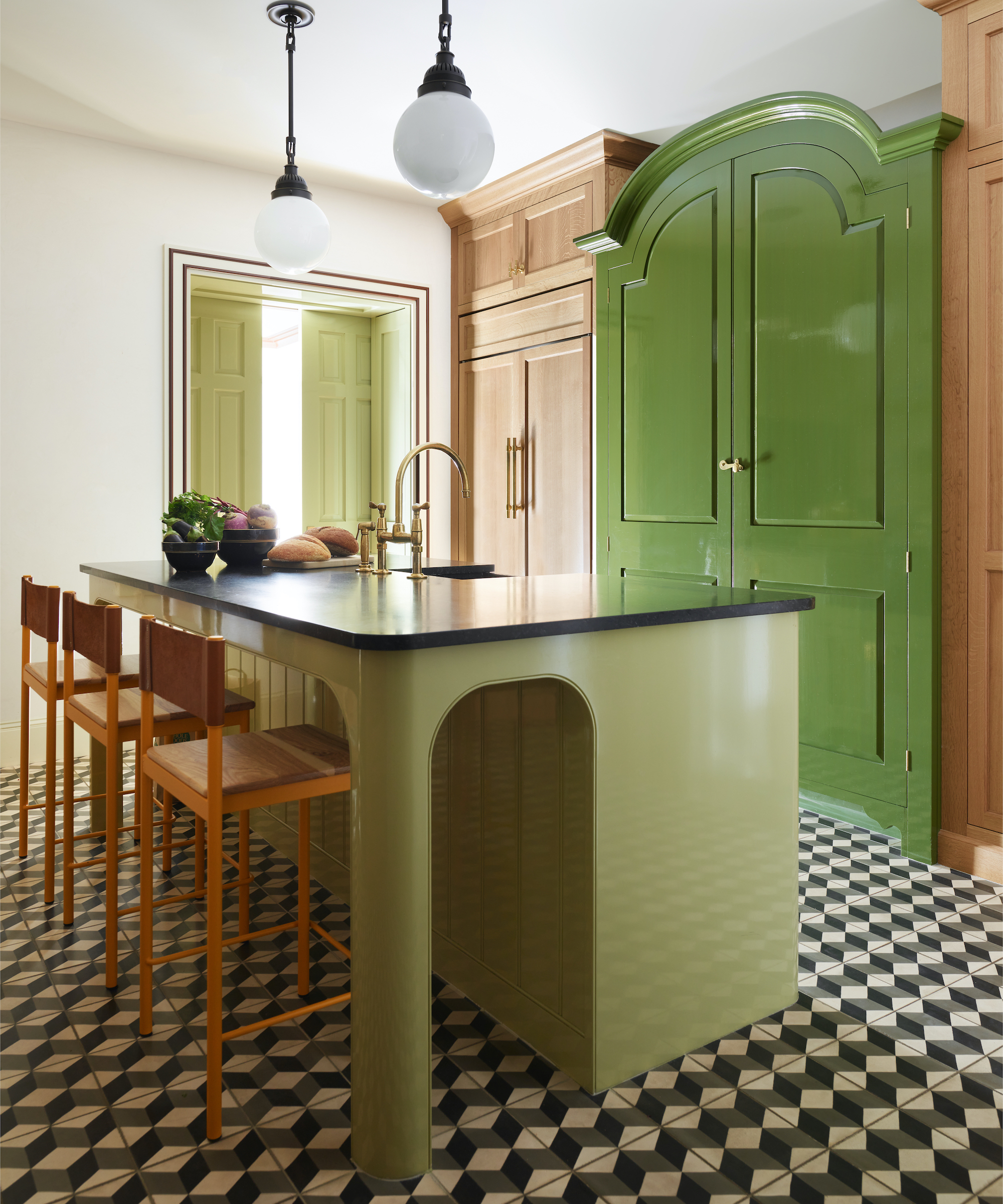
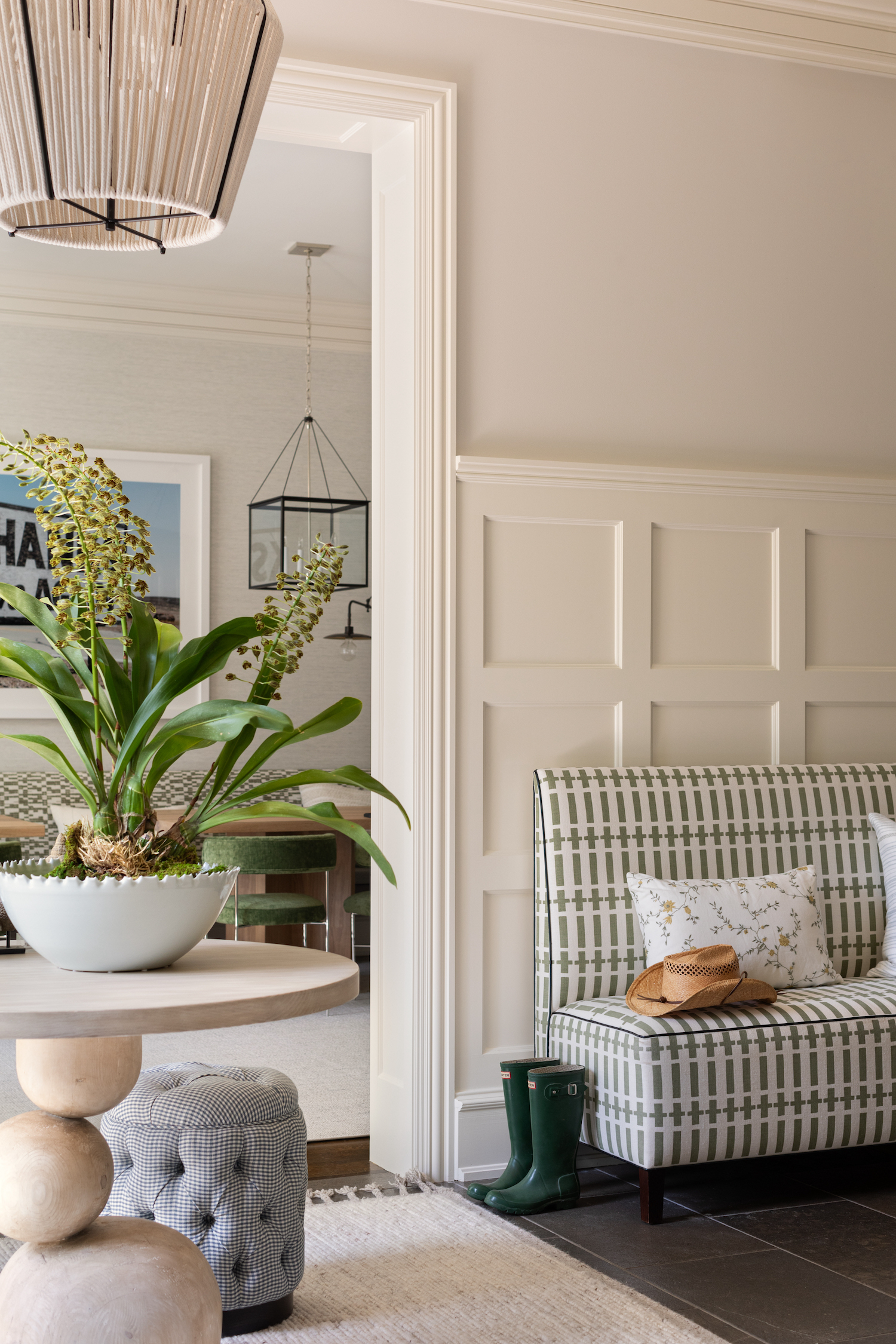
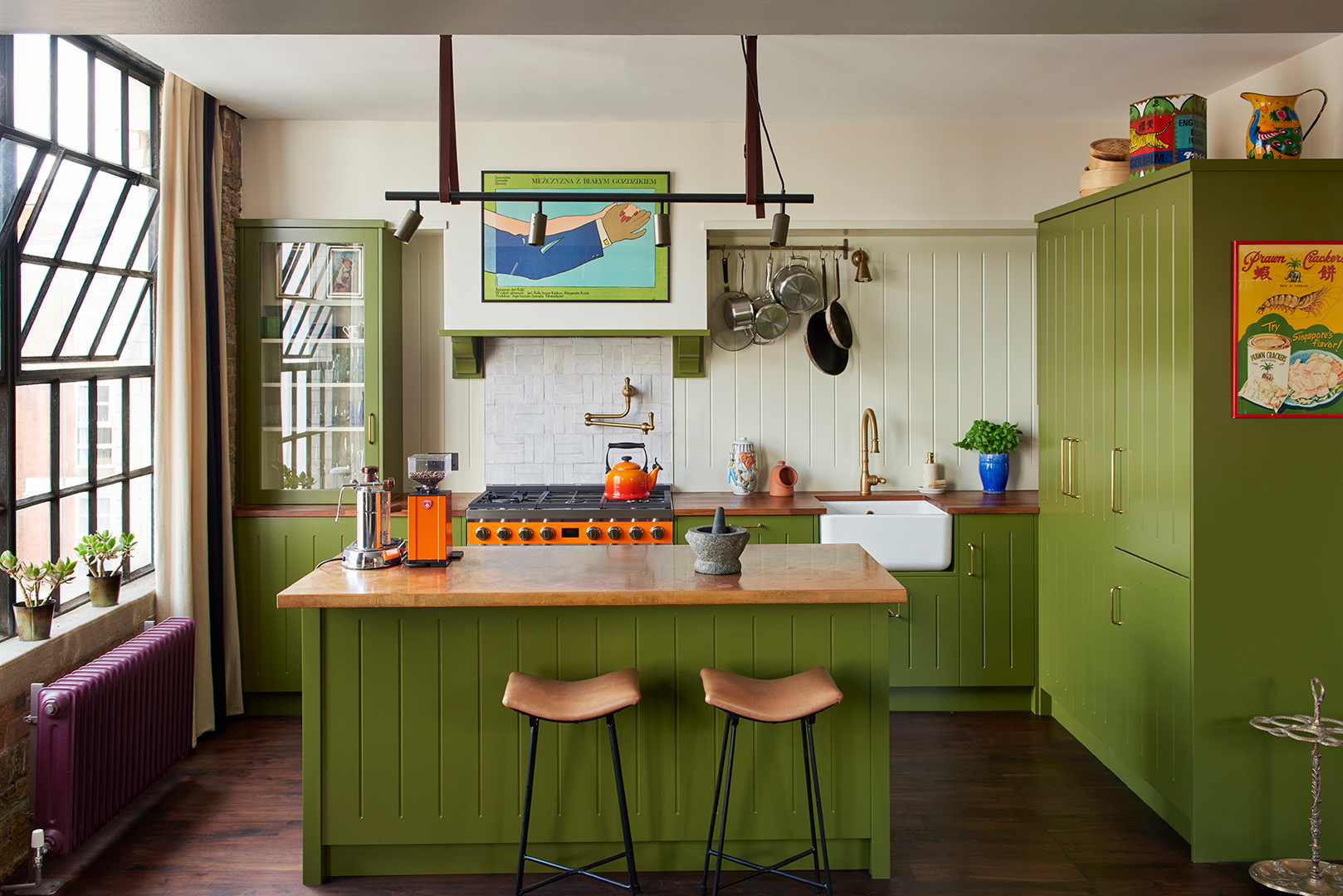
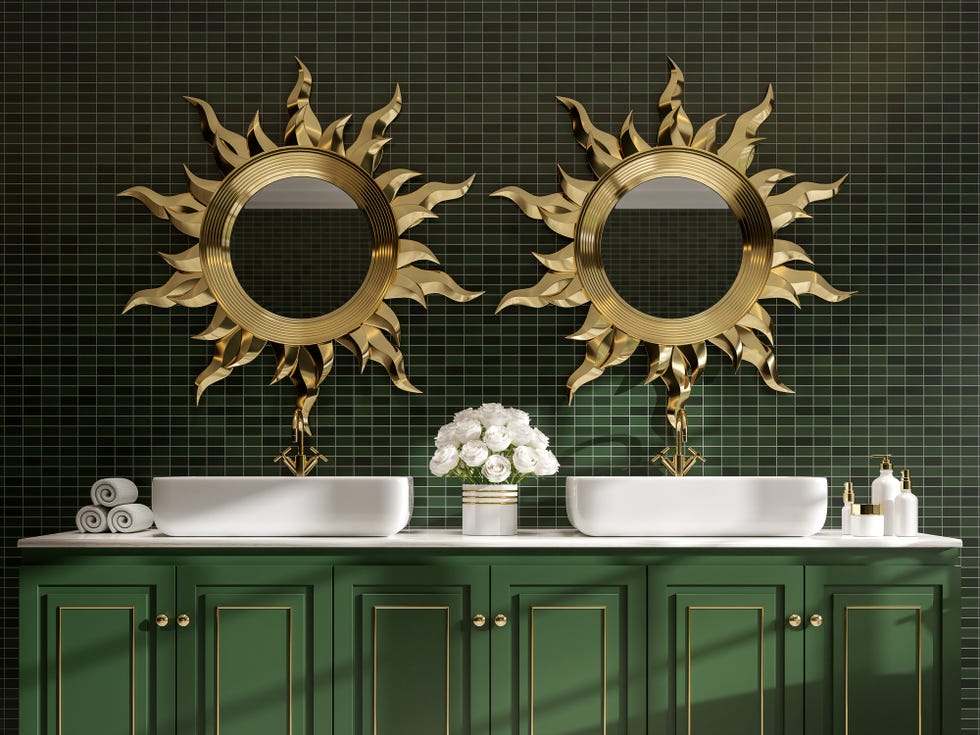
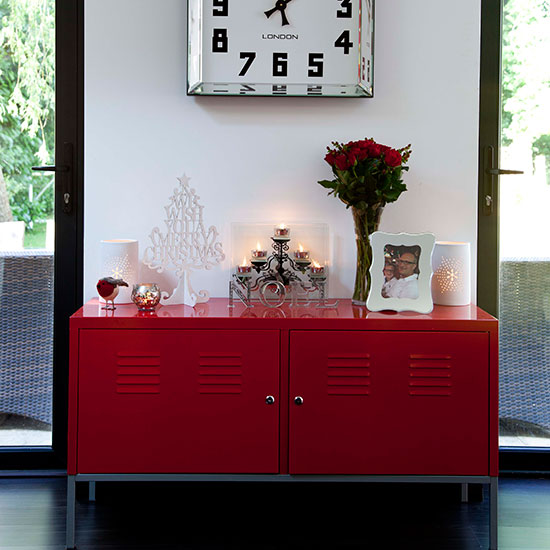
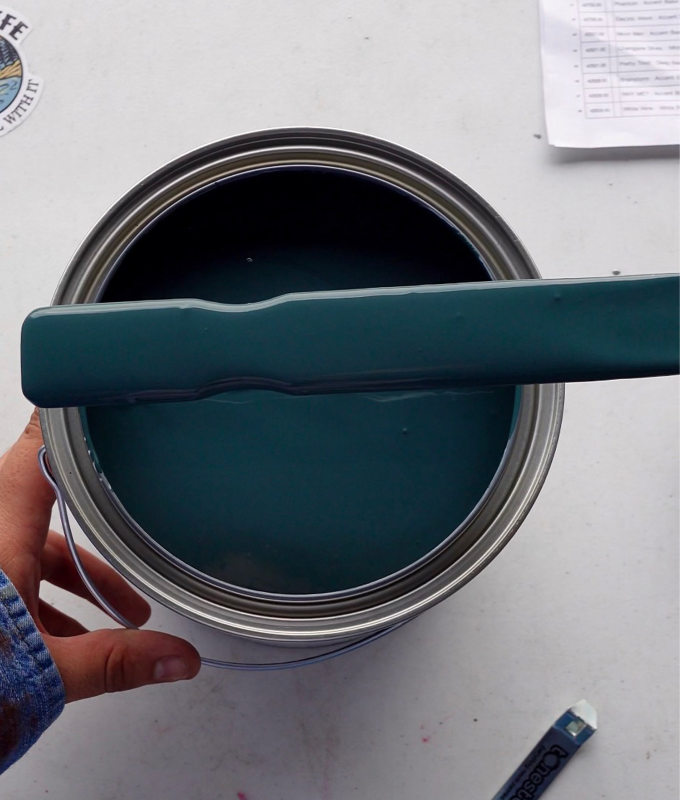
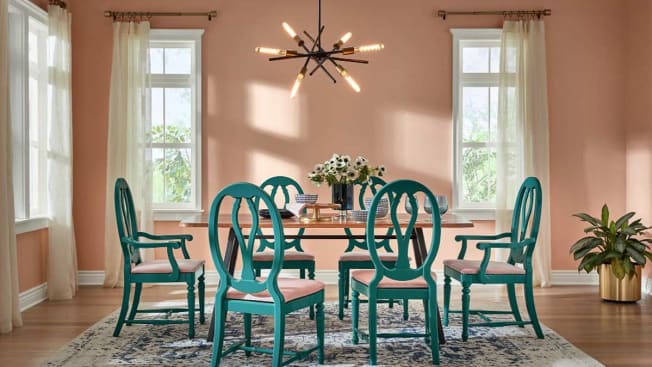
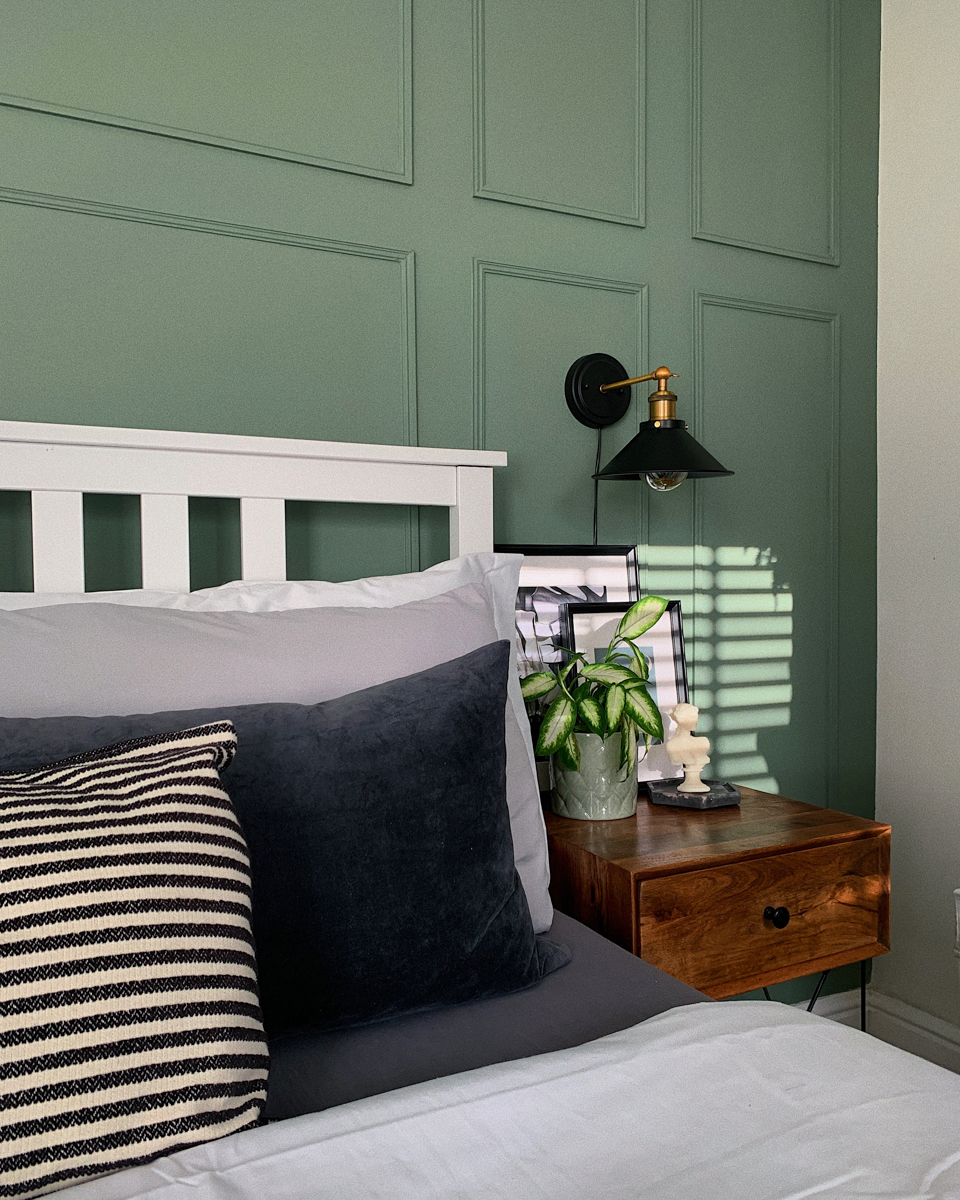
Stress-inducing color pairings, particularly analogous colors (those next to each other on the color wheel) used simultaneously, can also create discomfort. While colors like green and teal might be relaxing individually, their combination can feel dissonant or incomplete without a neutral or contrasting element to ground them, leading to a gentle tension. Oruncak advises against pairing high-saturation complementary colors (opposite on the color wheel), suggesting that combinations like bold red and green should generally be avoided outside specific contexts like Christmas. Harmony is achieved by toning down shades and selecting colors with similar undertones or lightness levels, ensuring visual unity and preventing elements from competing for attention.
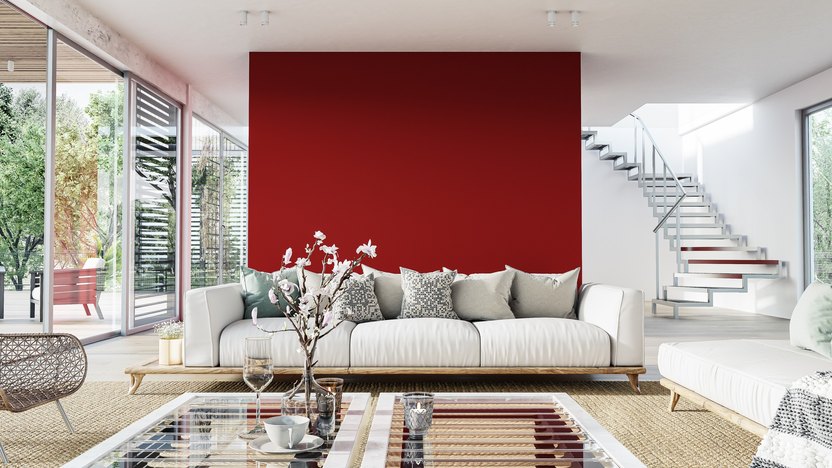
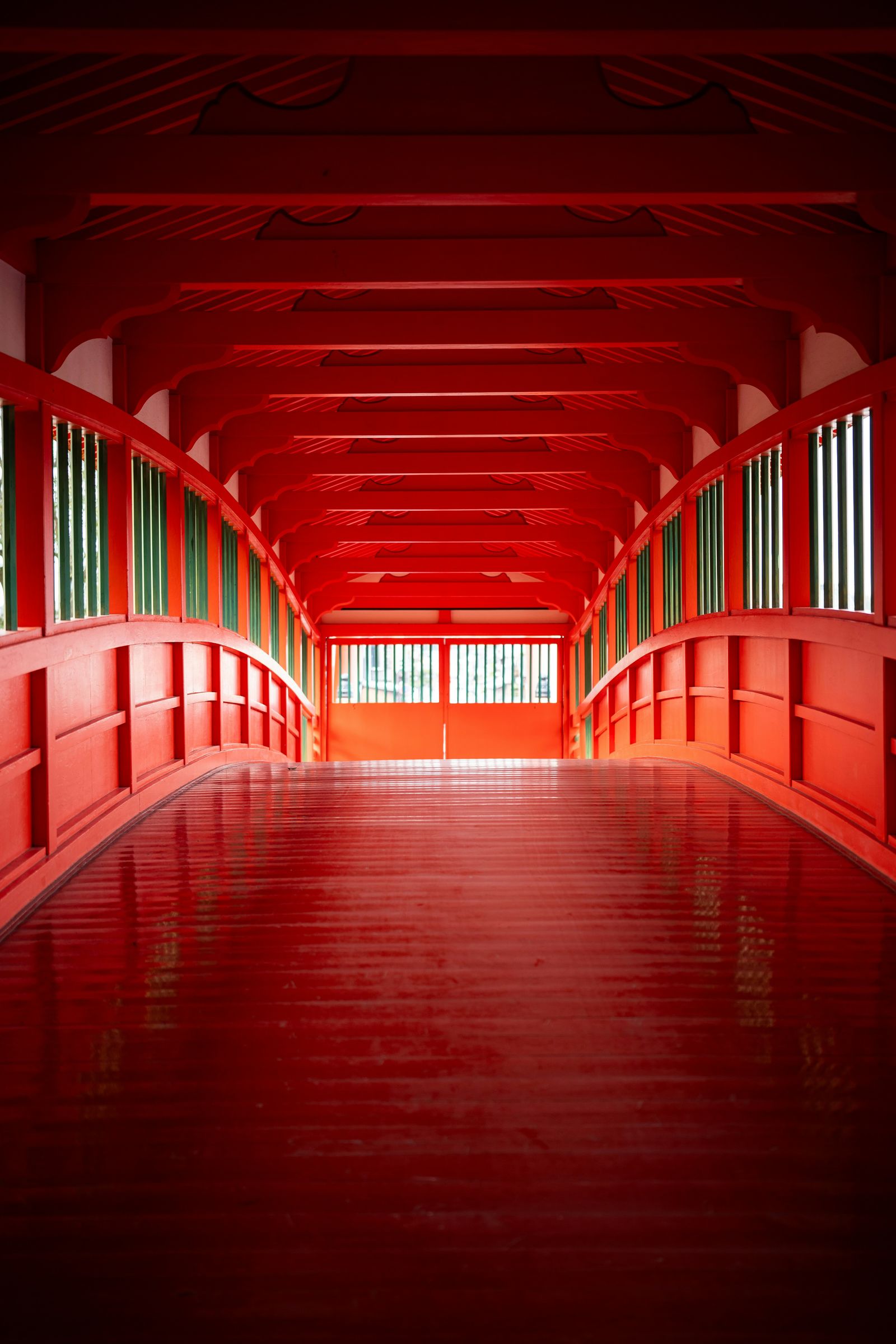
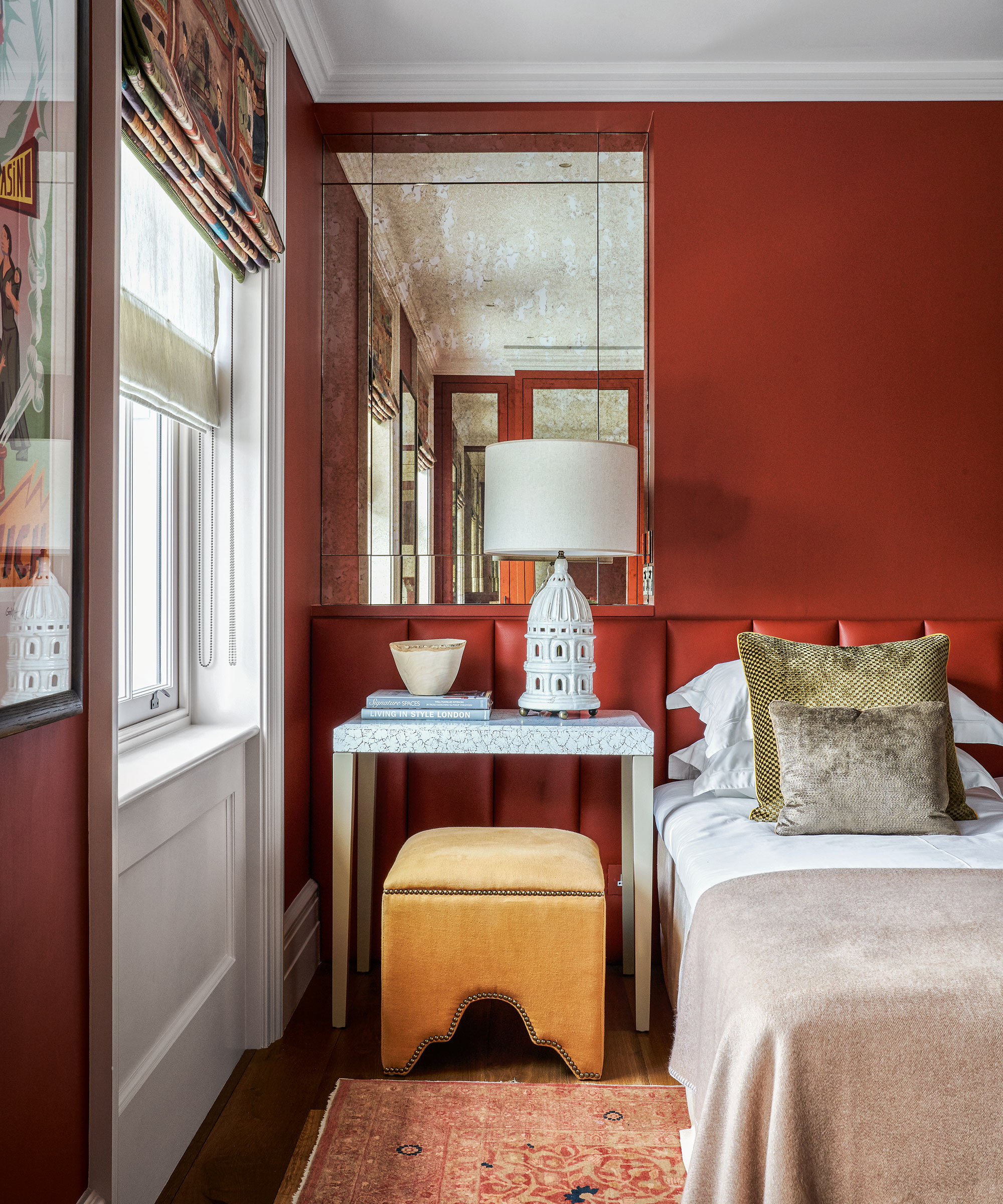
Despite these guidelines, no single color is inherently "evil" or universally stressful. The impact of a color largely depends on its intensity, how it's distributed, and its interaction with other colors in a space. Even high-frequency colors like red, which conveys passion and strength, can be beneficial in small accents to provide energy without overstimulation. Ultimately, color perception is highly subjective, influenced by cultural associations and personal history. What one person finds joyful, another might find anxiety-inducing due to past experiences. Therefore, while expert advice offers valuable insights, the most important factor is an individual's personal response and comfort within their own home environment.
#ColorPsychology #InteriorDesign #HomeDecor #Neuroaesthetics #PaintColors #StressReduction #DesignTips #ColorPalette #EmotionalWellbeing #ColorPsychology #InteriorDesign #HomeDecor #Neuroaesthetics #PaintColors #StressReduction #DesignTips #ColorPalette #EmotionalWellbeing
0 comment in total
 No comments yet
You may also like
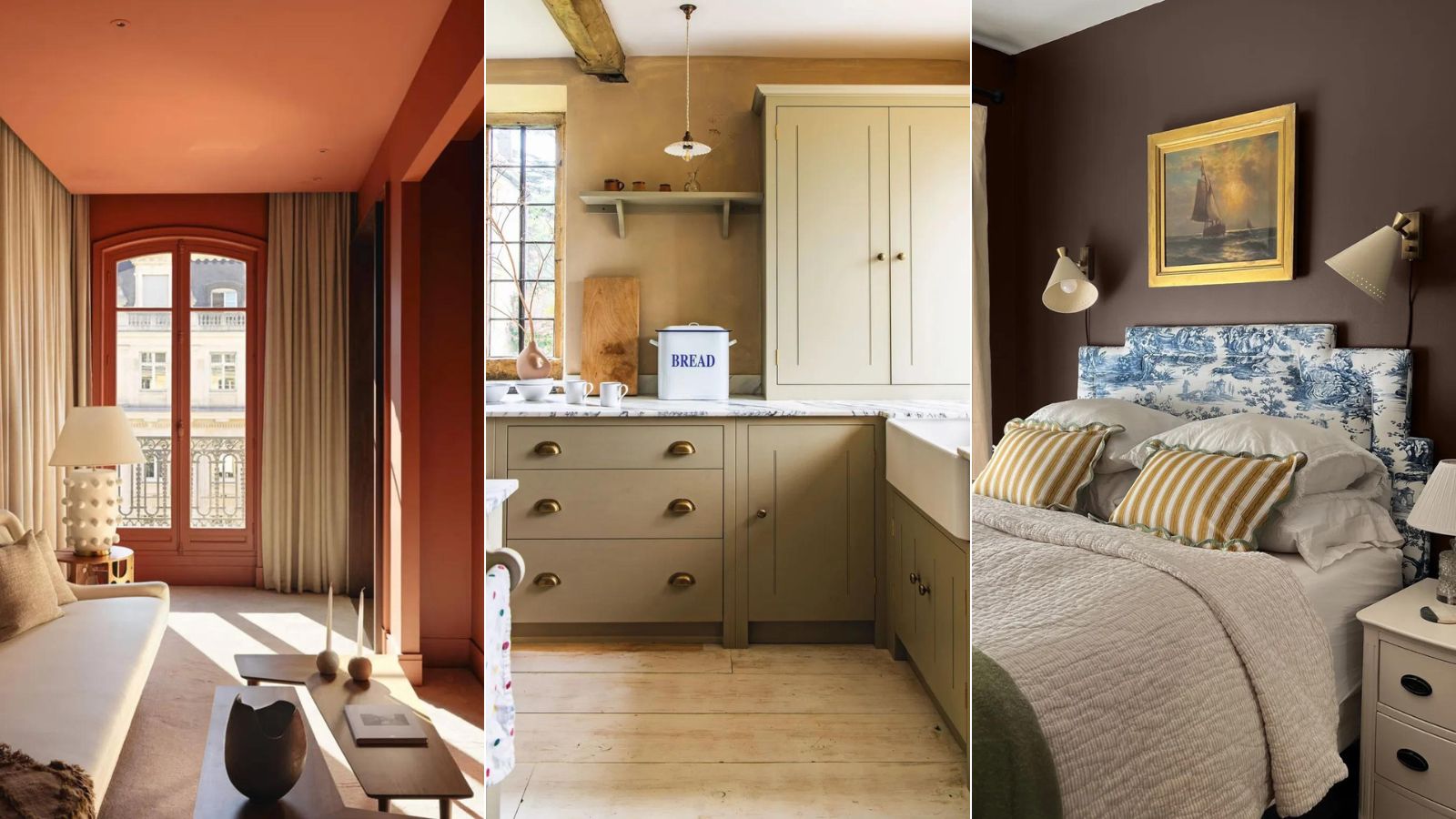
5 'ugly colors' that I'll be decorating with in 2024 – these undesirable colors will trend this year

8 Surprising Colors That Will Decrease Your Home's Value, According to Experts

You should never paint your hallway this colour, according to colour psychologists
8 Paint Colors That Promote Wellness at Home
7 'Unhappy' Colors That Color Psychology Experts Would Never Paint Their Walls

Real Estate Experts Reveal the Paint Colors That Decrease Your Home Value—and Tricks for Finding the Perfect Hue
The Hottest Paint Color Nobody Saw Coming: How ‘Storms in Paris’ Is Taking Over Homes Everywhere
A Color Psychologist Says This Is the Most Relaxing Paint Color

This Popular Kitchen Color Can Actually Hurt a Home’s Sale Price

Popular Paint Colors That Are Decreasing Your Home's Value, According to Experts

Hottest Interior Paint Colors of 2020
What are the worst colors to paint a room? The shades experts say you should never use
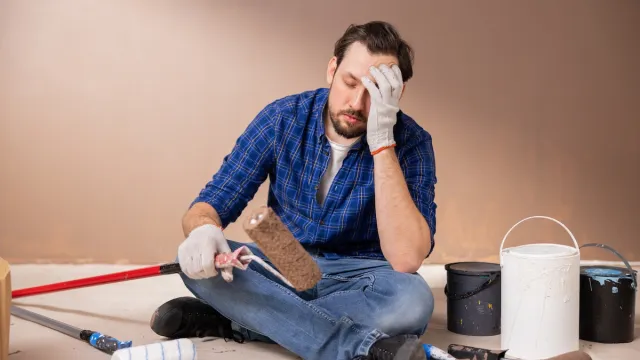
The 10 Worst Paint Colors for Your Home, Experts Say

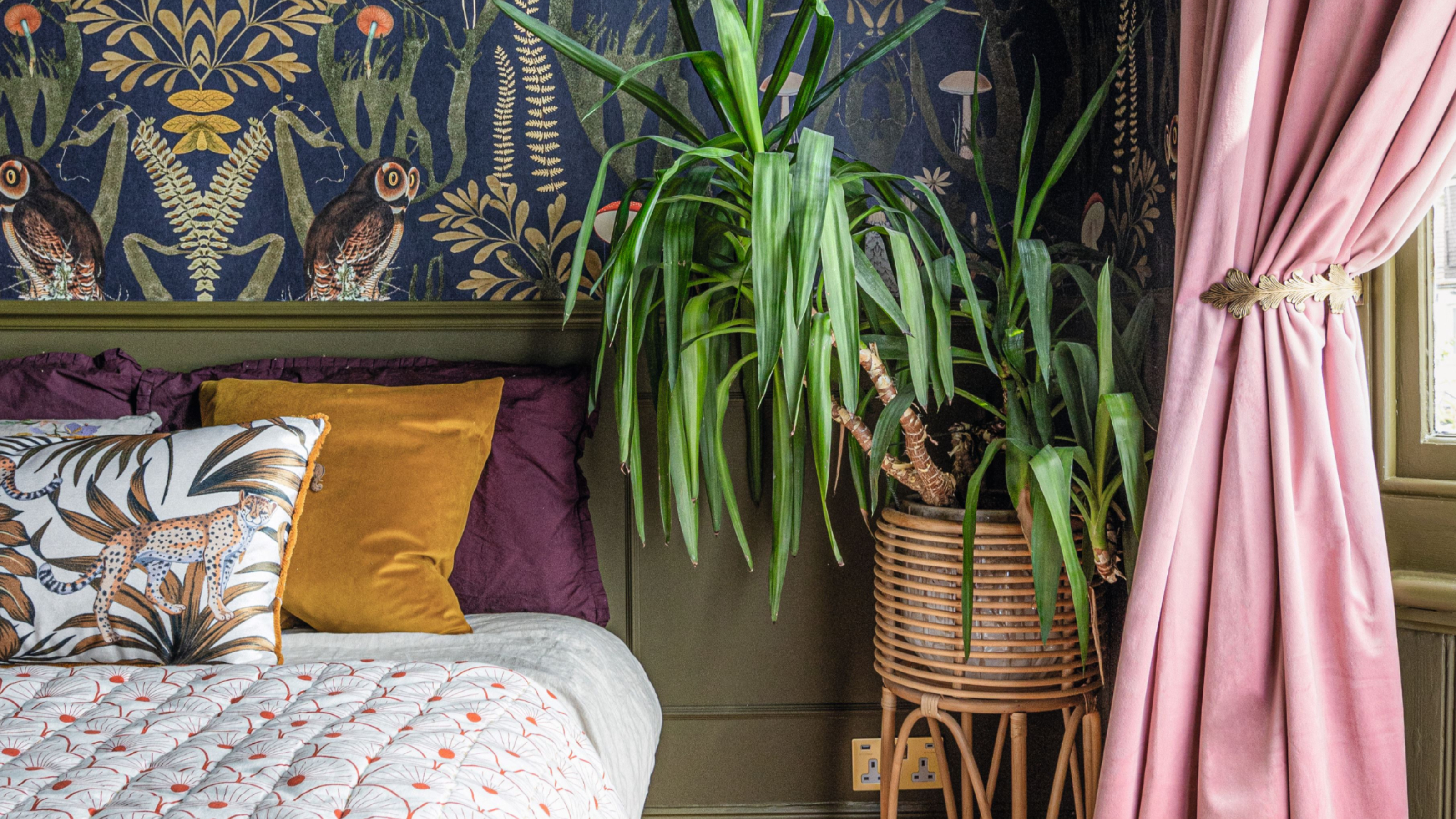
'It's so effective at making your home work harder' – the latest paint trend endorsed by colour gurus
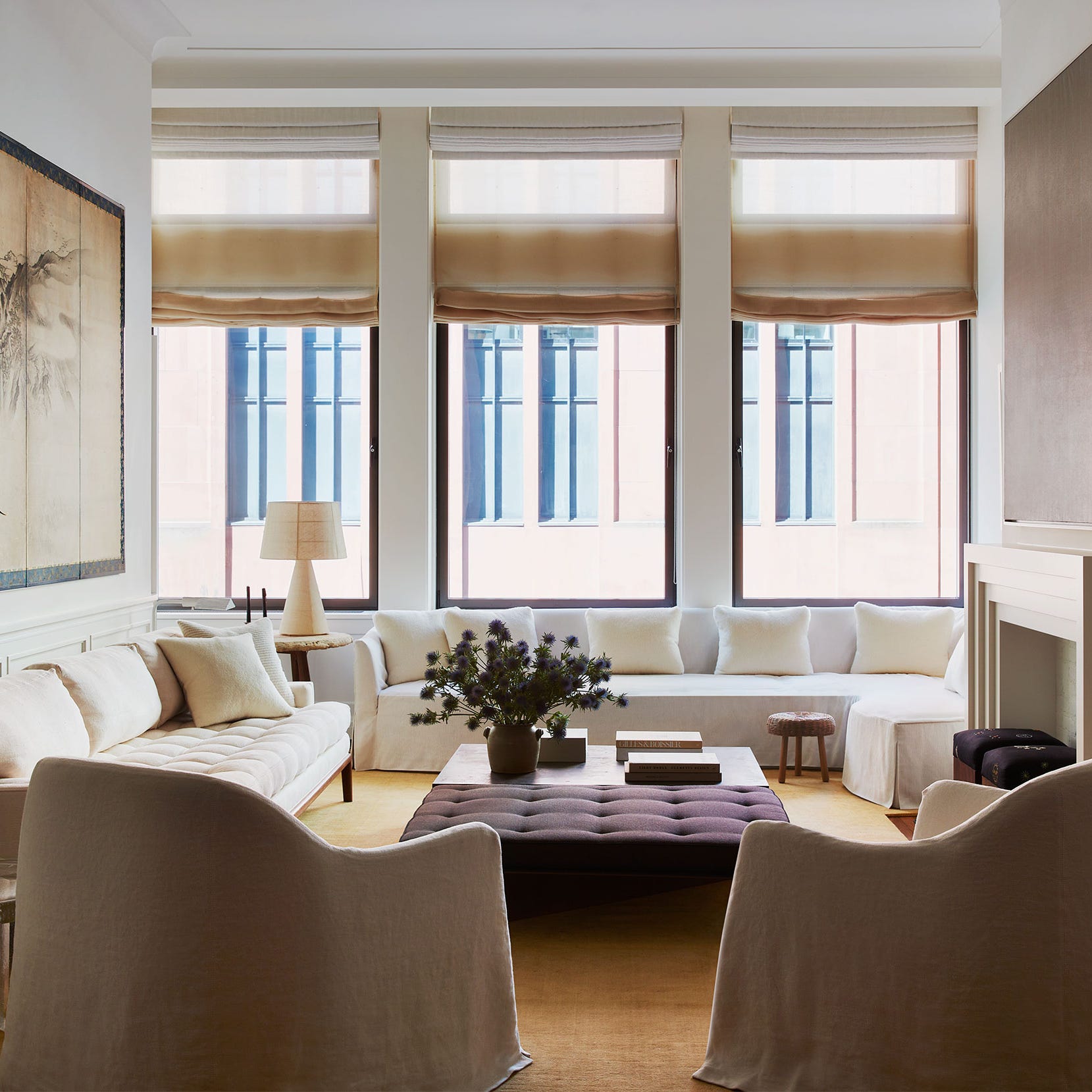
20 Calming Paint Colors That Will Change the Way You Live
How paint colour in your home can affect your mood
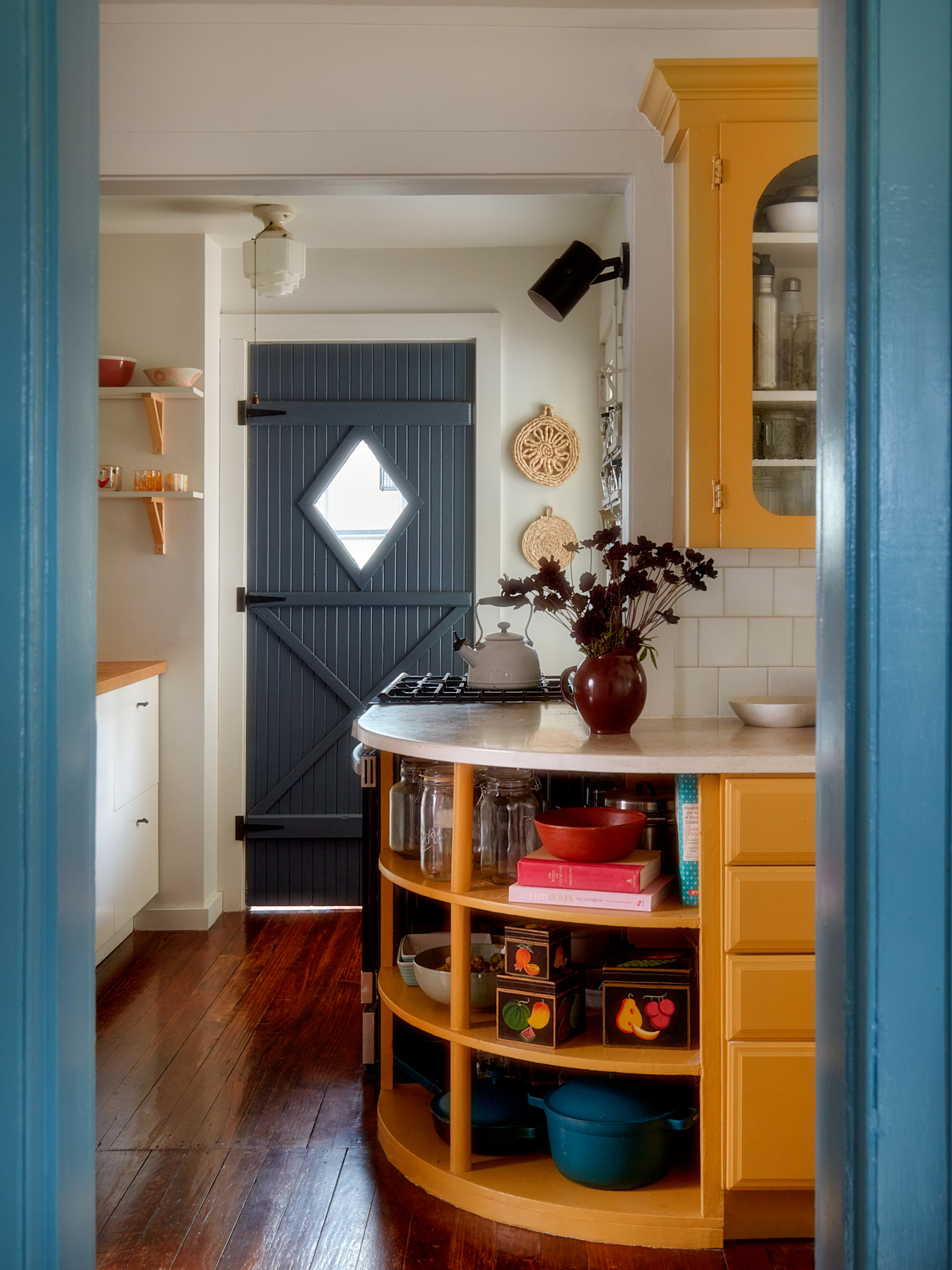
This Cheery Kitchen Color Could Hurt Your Home Value
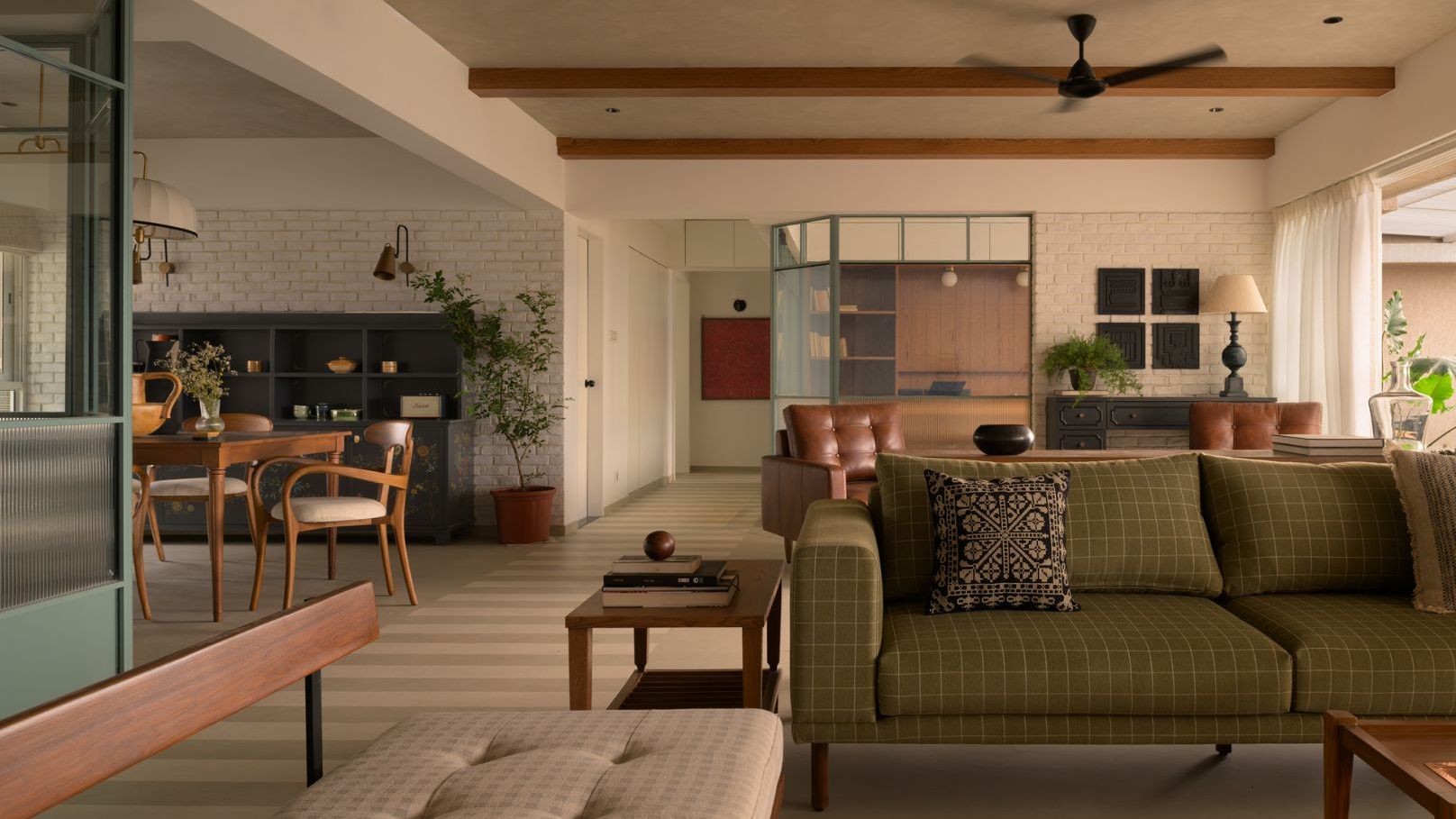
Are these 7 unlucky colours messing with your home's Vastu?

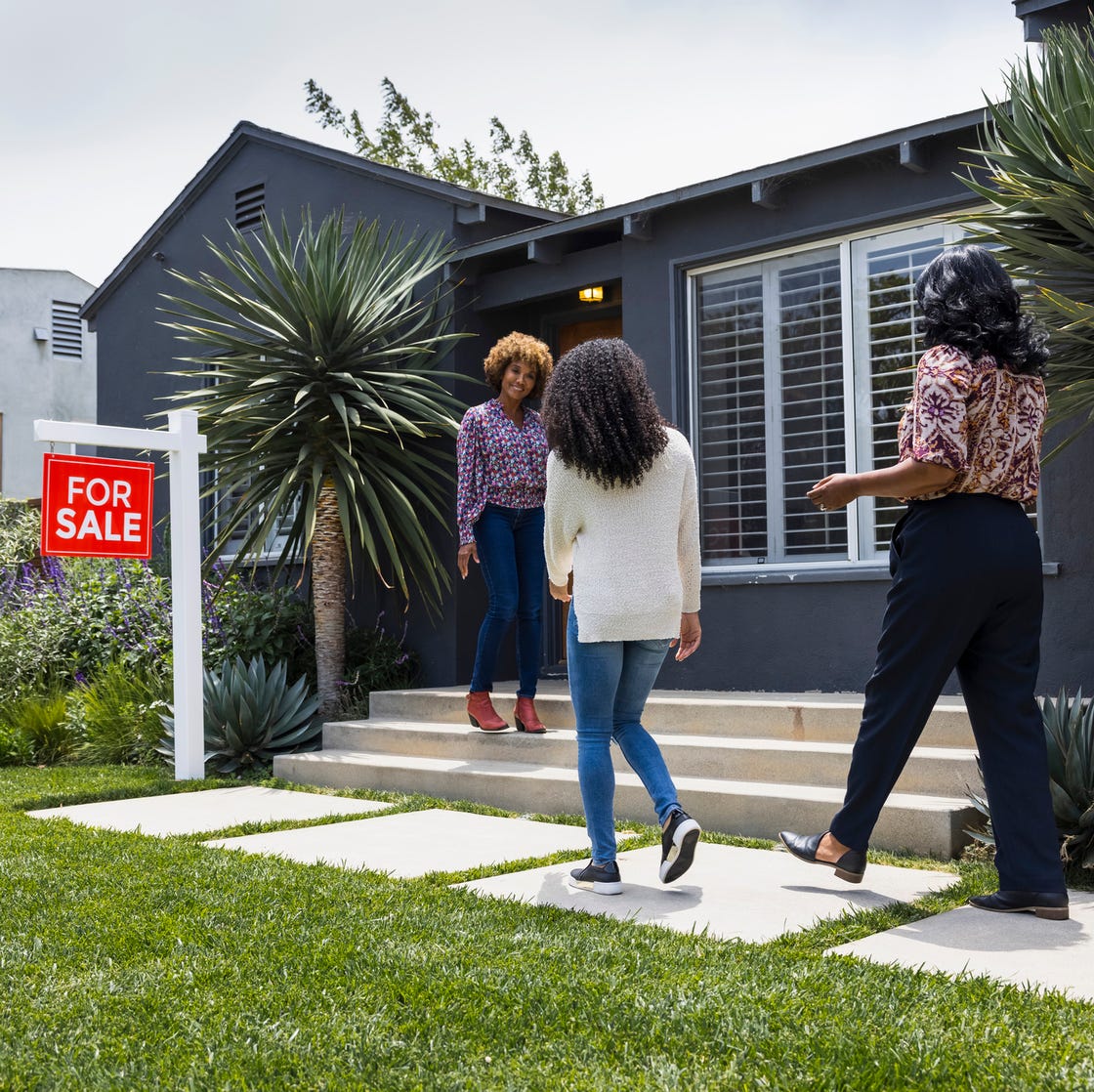
6 Paint Colors That Will Make Your House Sell for More Money

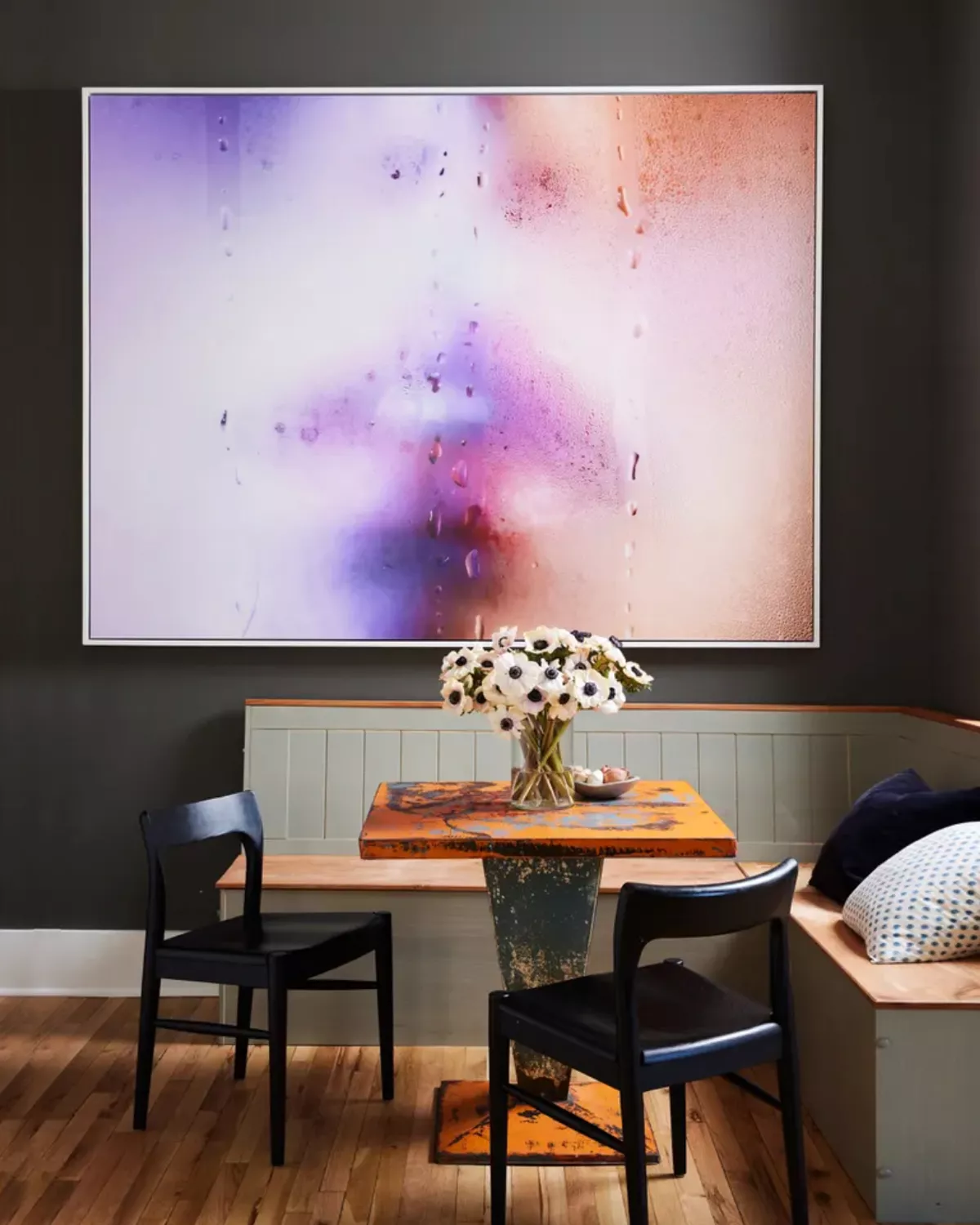
This Paint Color Can Actually Increase Your Home's Value, According to Zillow