1/5
Real Estate Experts Reveal the Paint Colors That Decrease Your Home Value—and Tricks for Finding the Perfect Hue
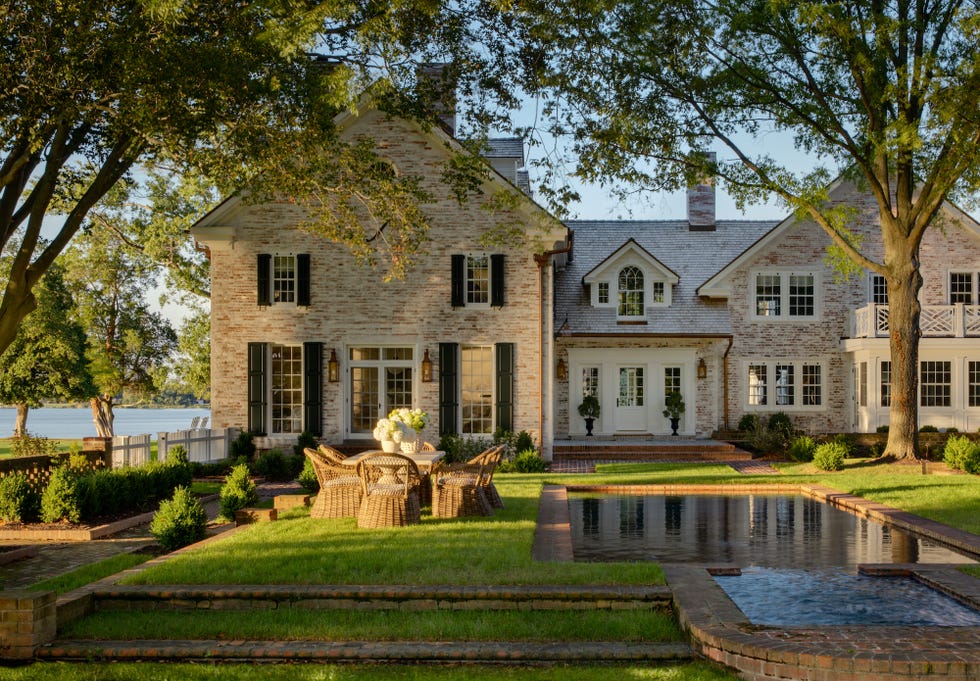
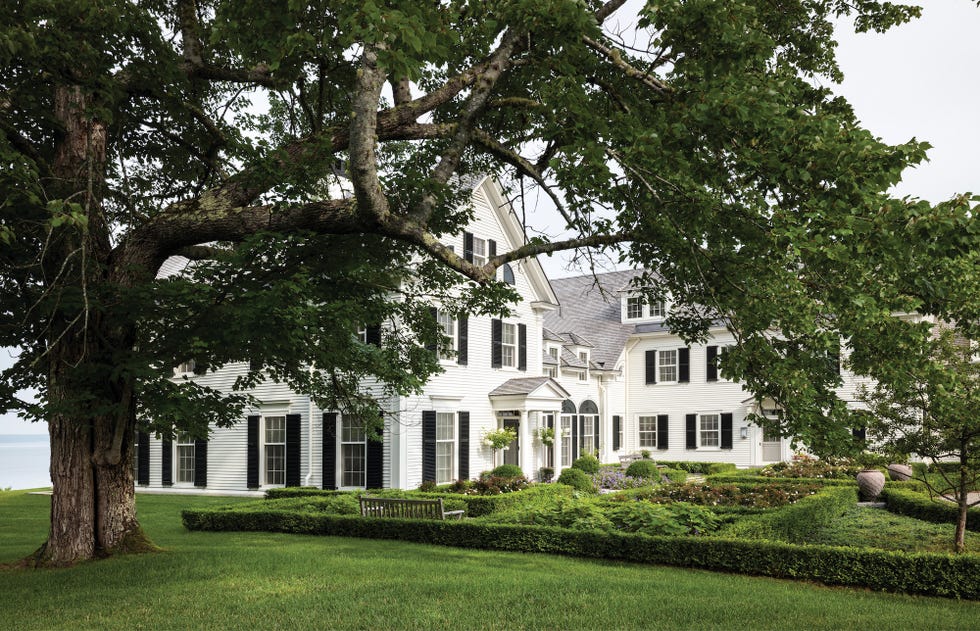
The article discusses the significant impact of paint colors on a home's value, particularly when preparing a property for sale. Real estate experts warn that while a fresh coat of paint can revitalize a home and boost its appeal, selecting the wrong colors can deter potential buyers and decrease market value. A recent paint color report from Fixr highlights 2024 trends, with real estate agents concurring that neutral tones are generally the safest and most effective choice for attracting a broad range of buyers.
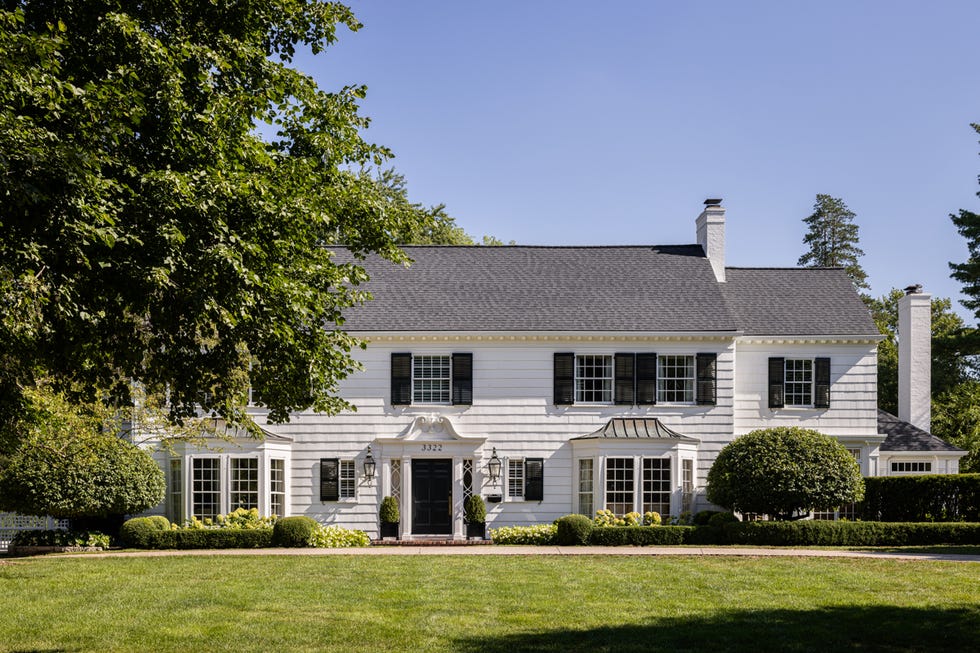
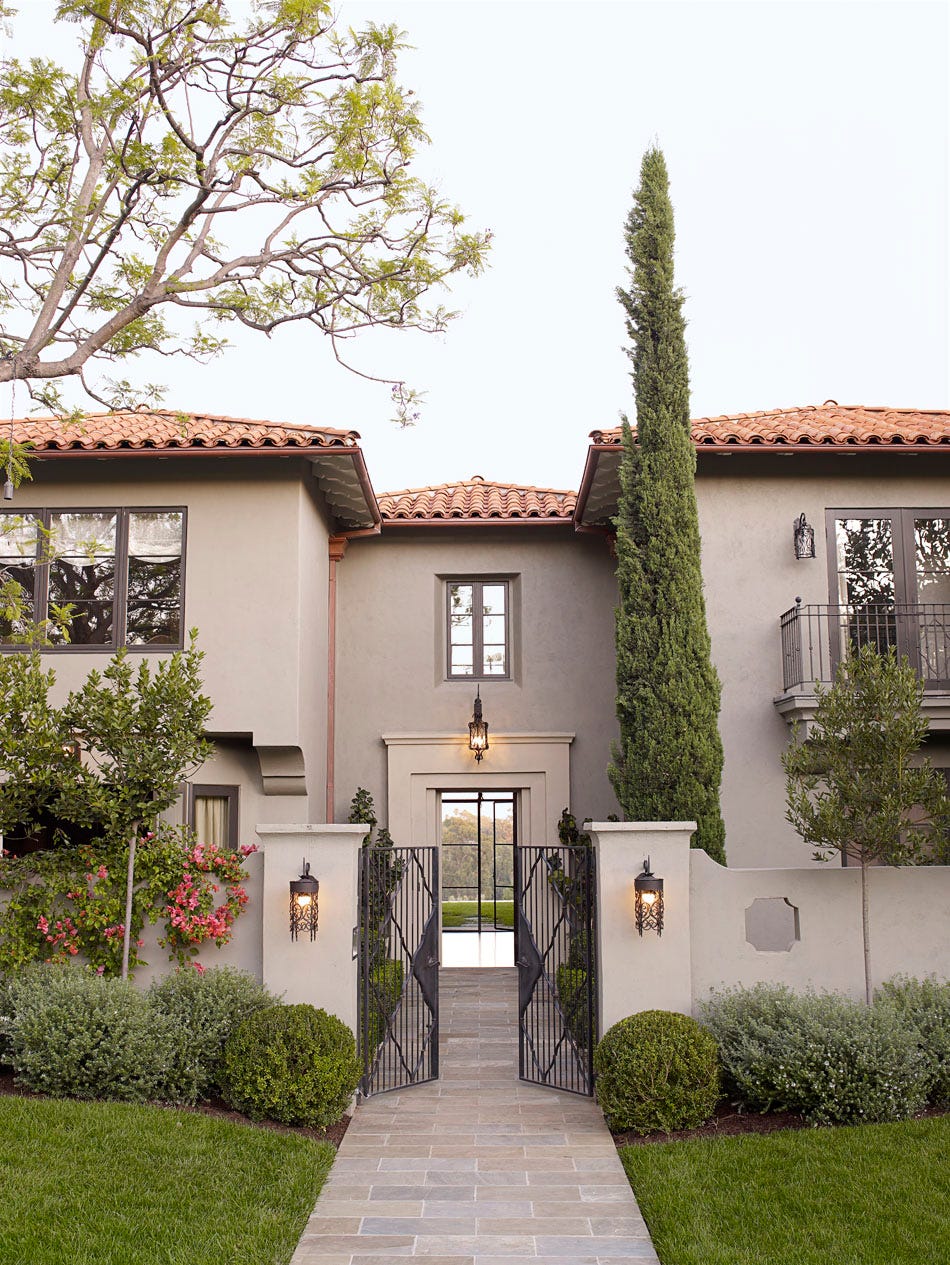
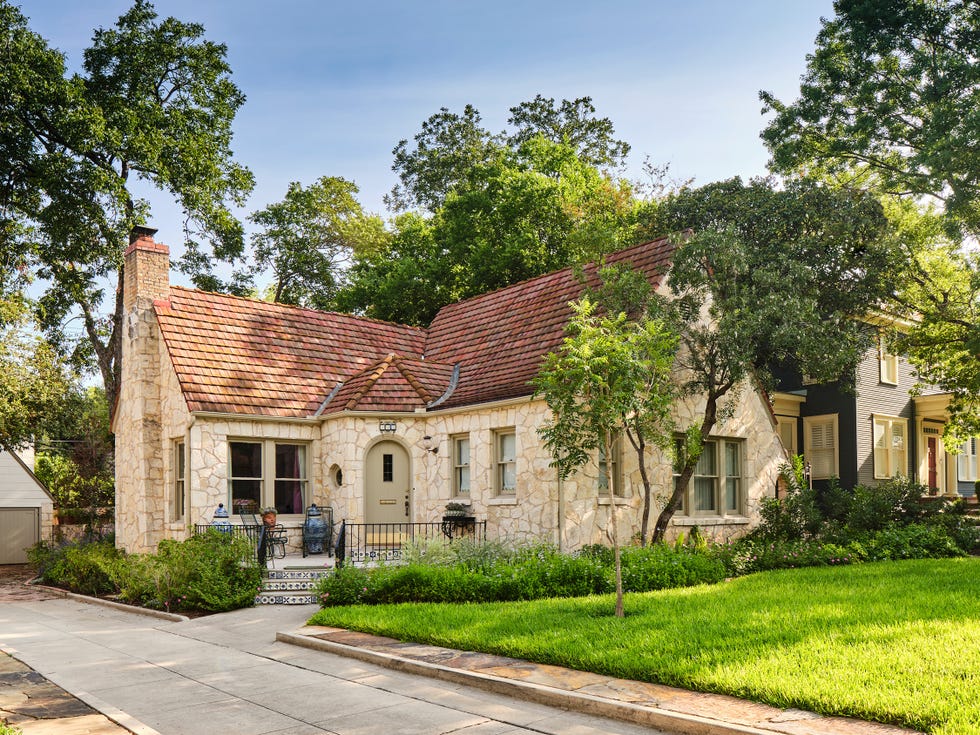
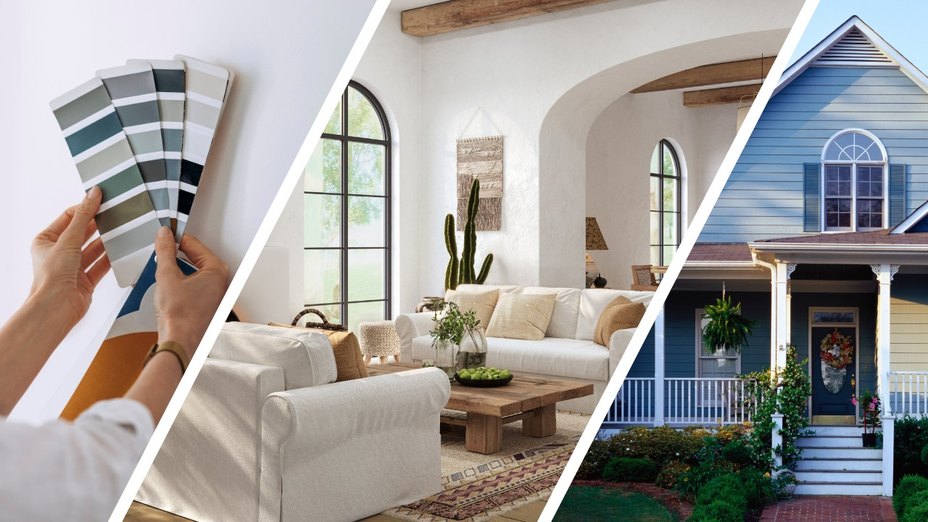
The cost of painting a home varies depending on whether it's an interior or exterior job. Exterior painting, which enhances curb appeal, can range from $1,000 to $6,000, influenced by factors such as paint quality, home size, and the number of stories. Interior painting is typically less expensive, averaging around $3.50 per square foot, or approximately $2,000 for an entire job, including primer. Homeowners often save on labor costs by painting interiors themselves, incurring expenses primarily for equipment and paint.
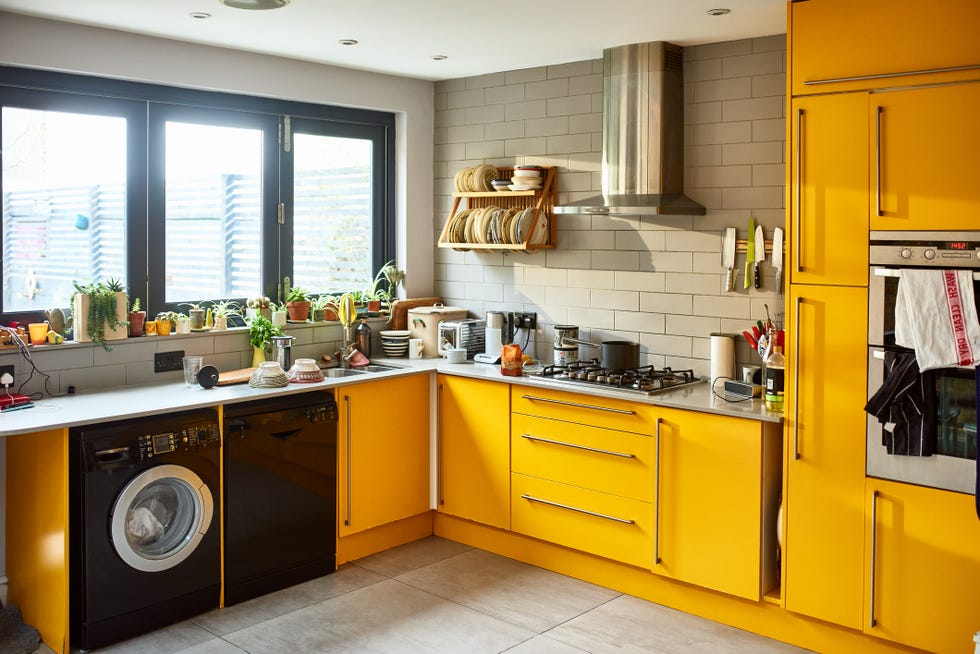
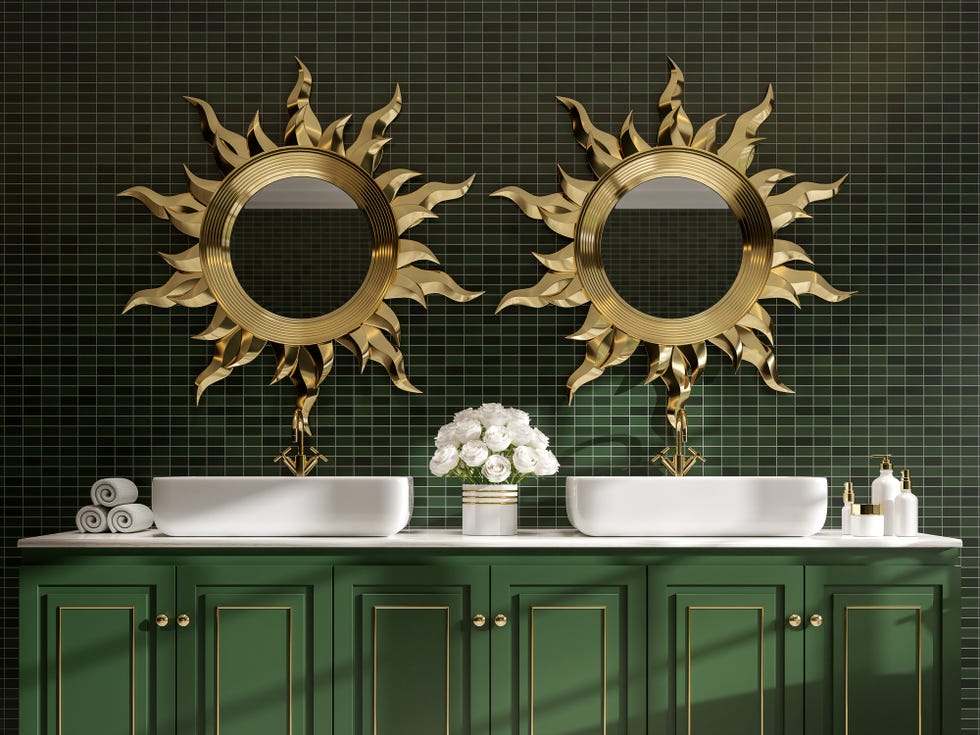
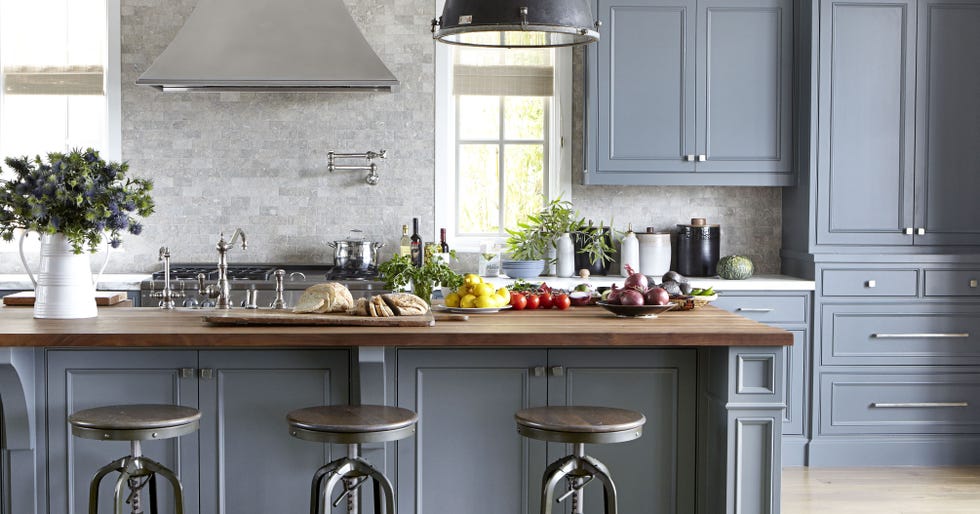
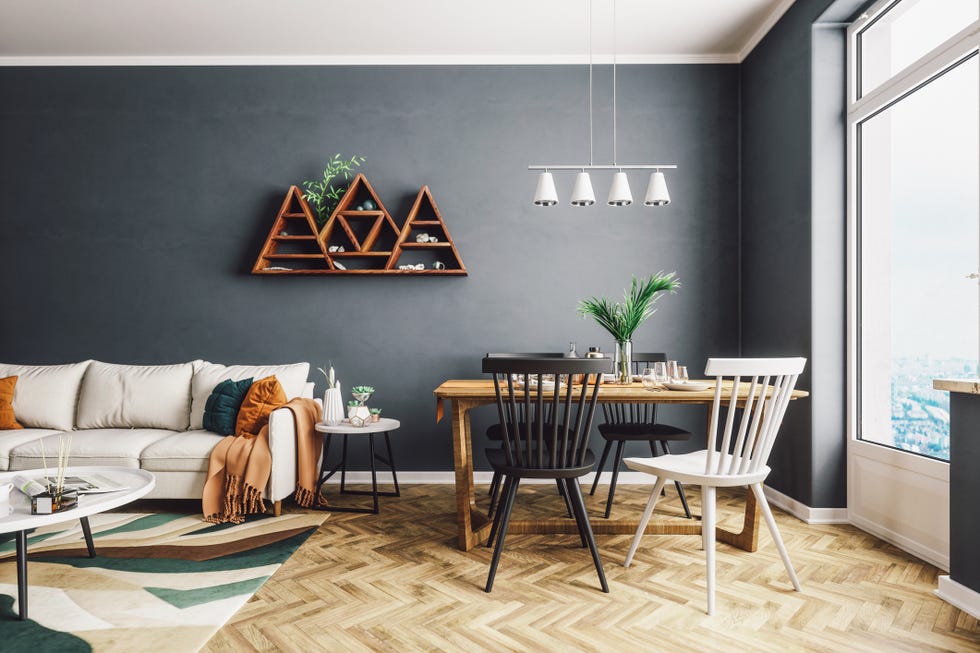
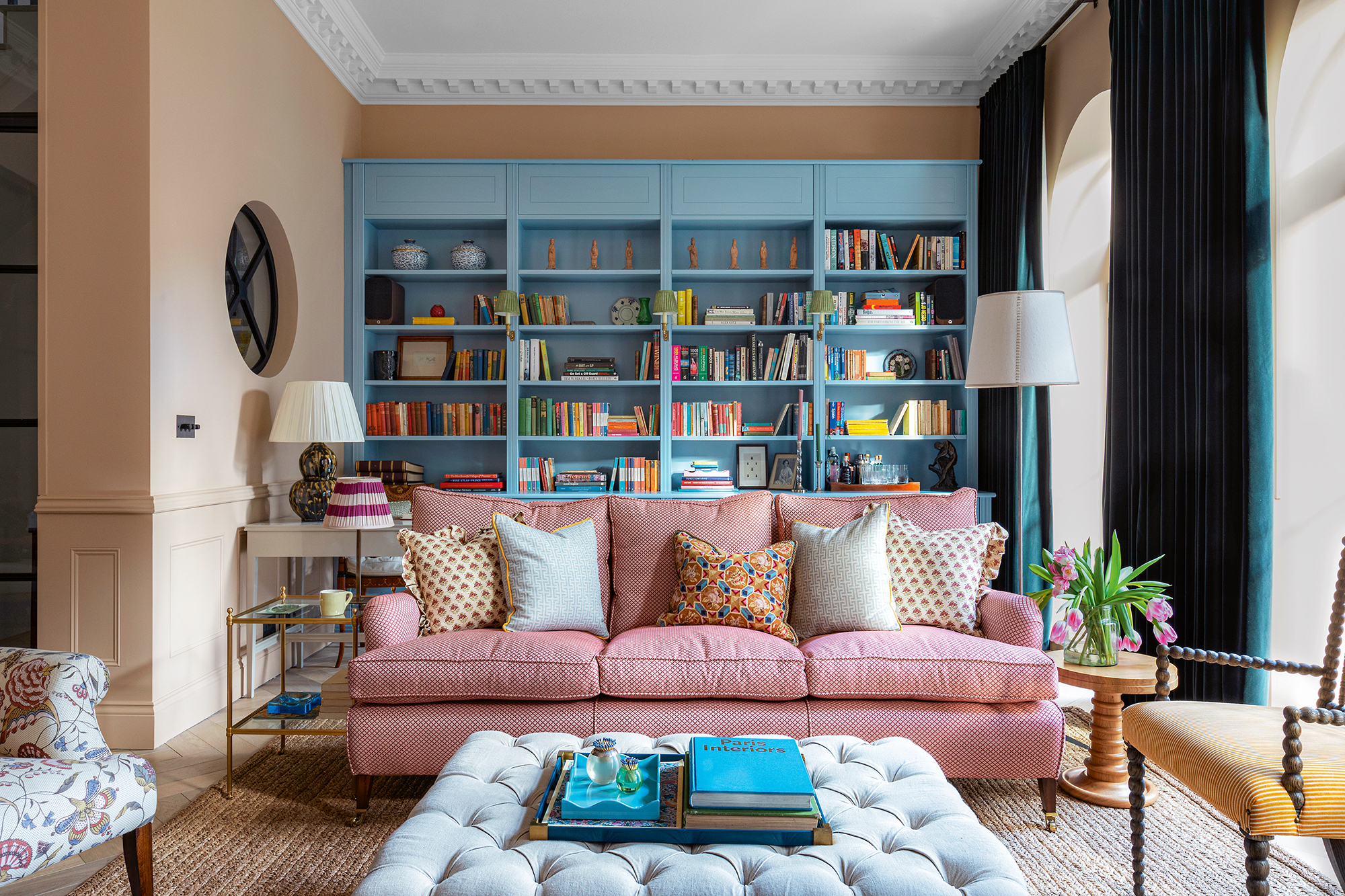
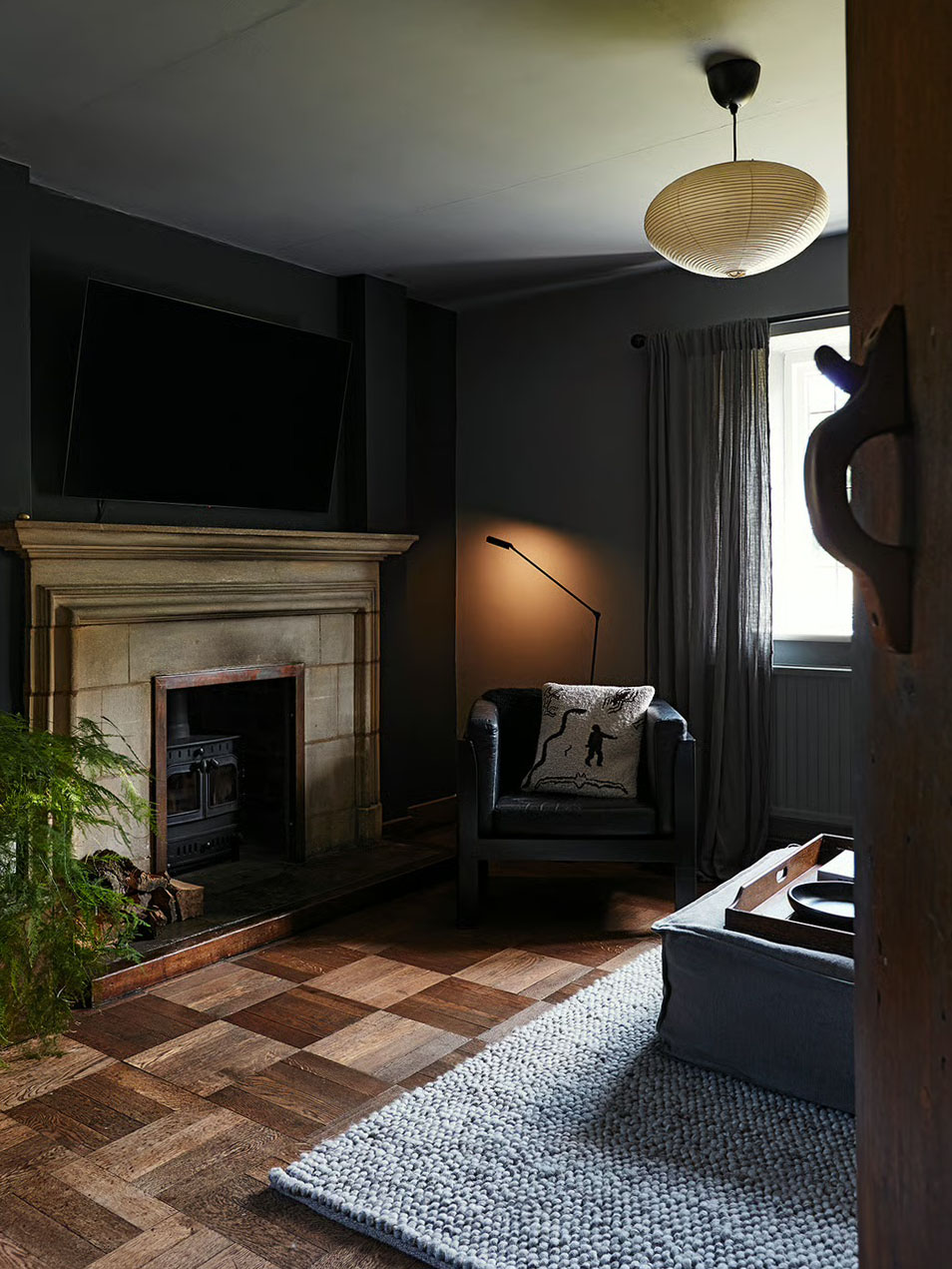
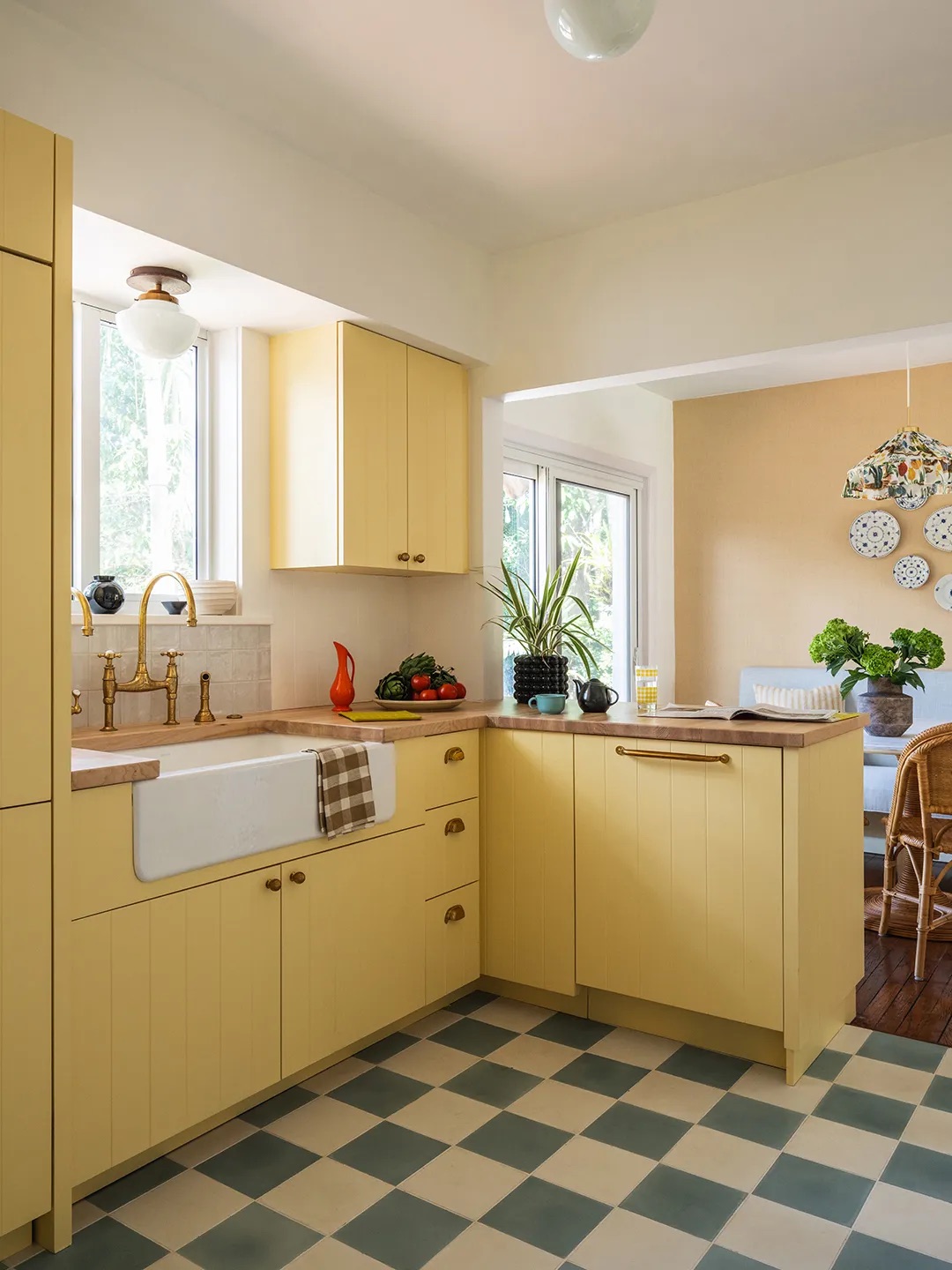
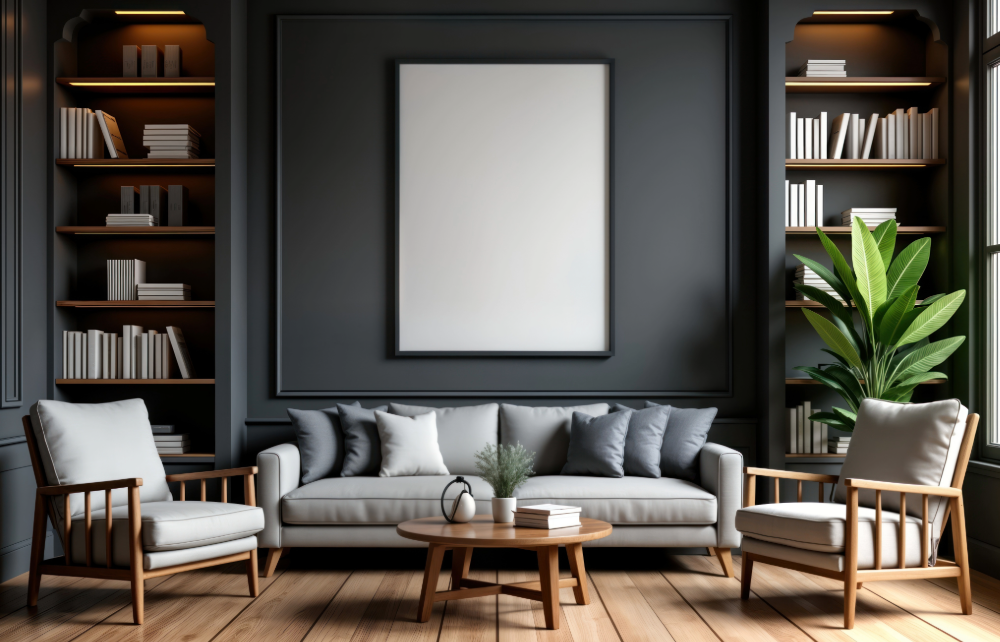
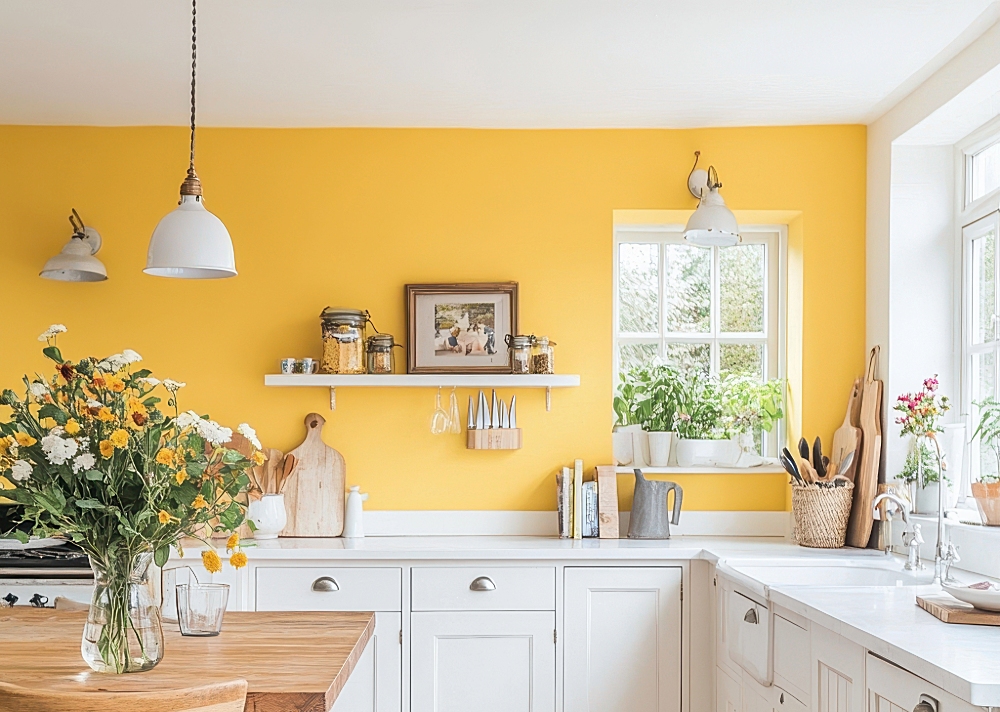
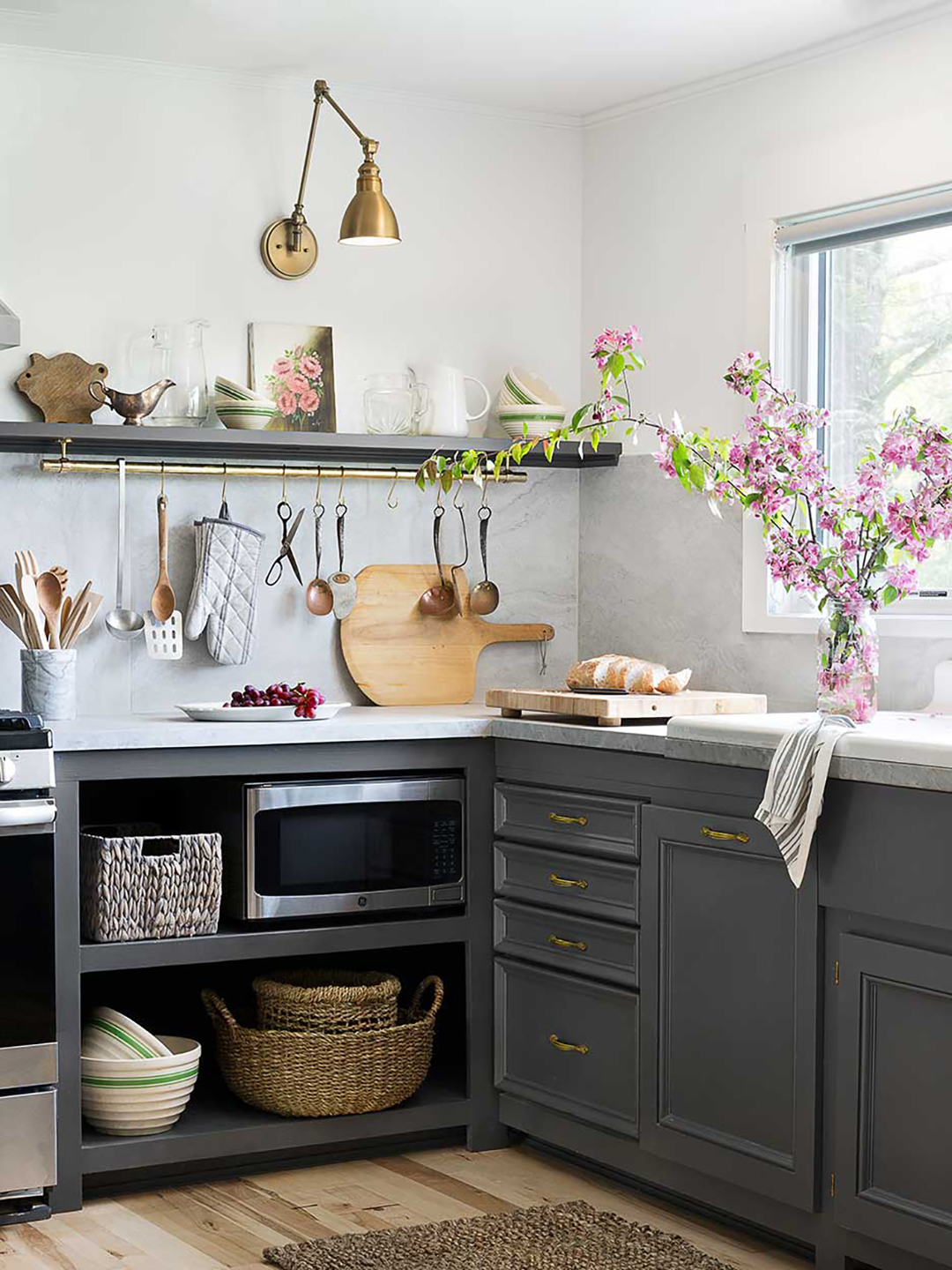
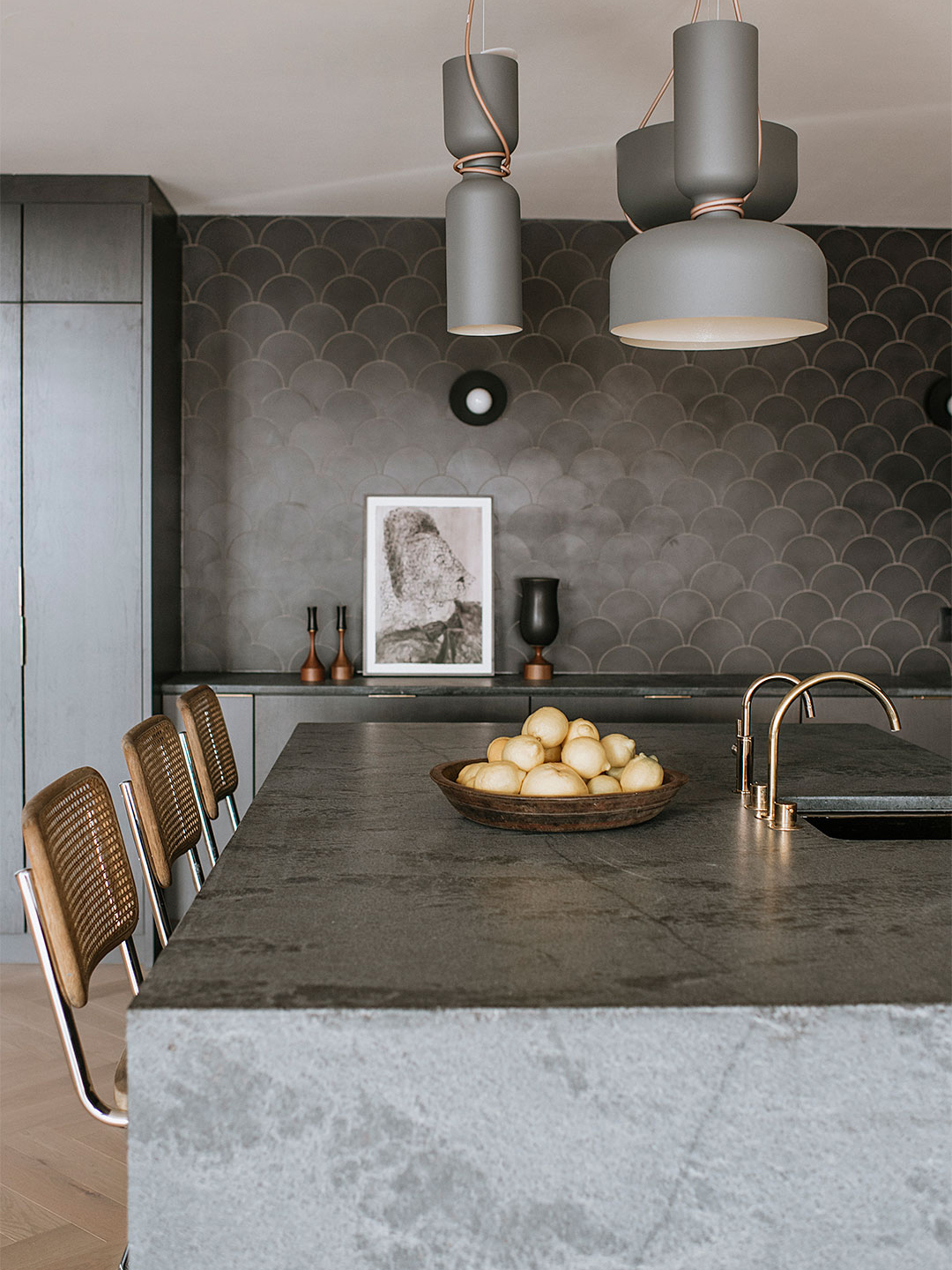
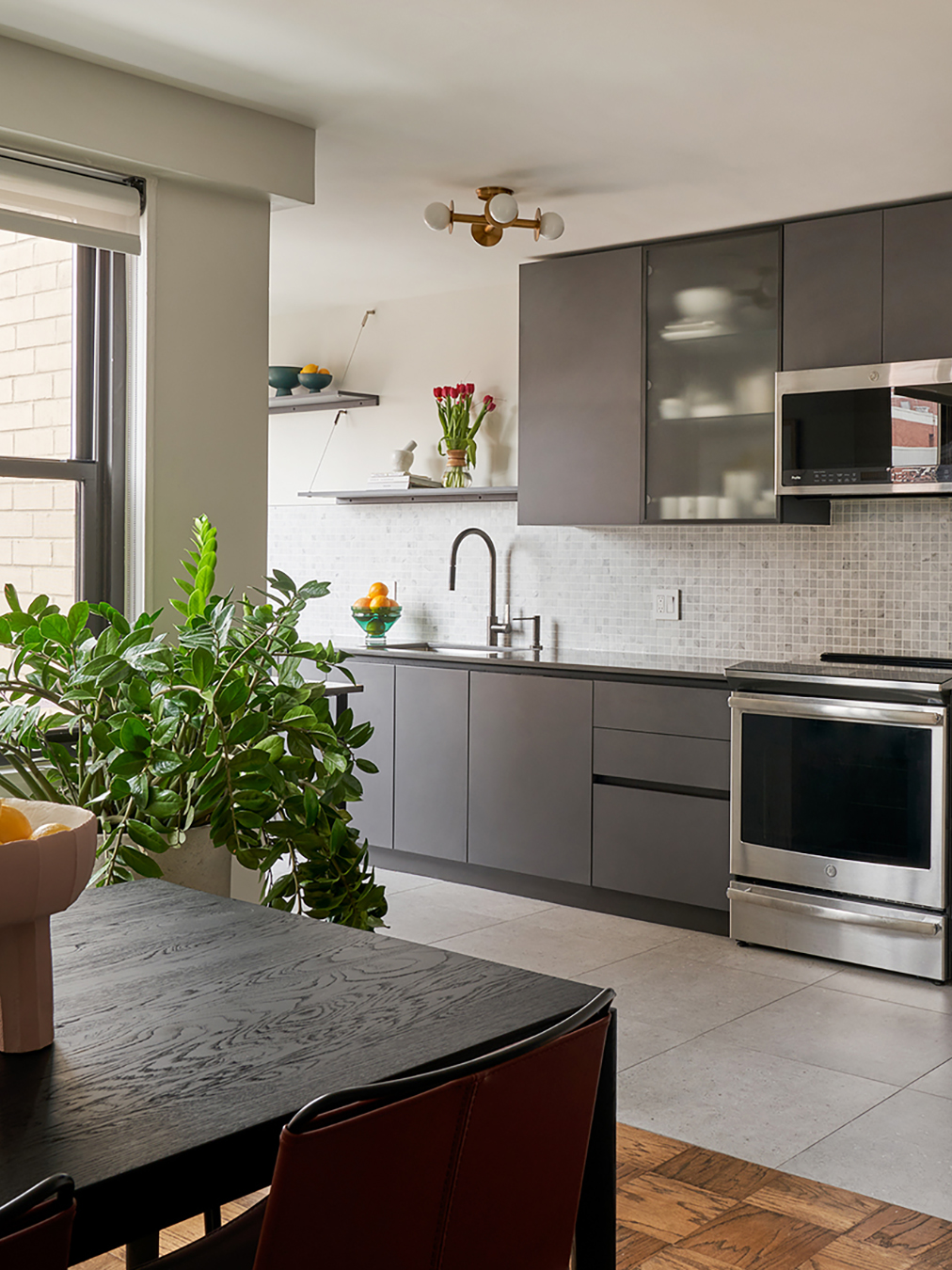
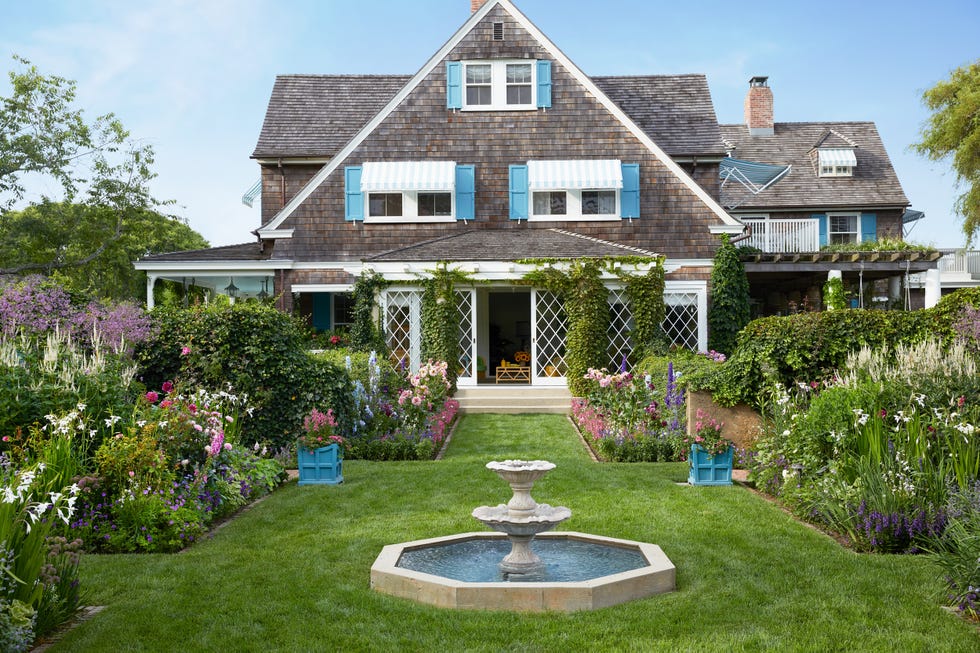
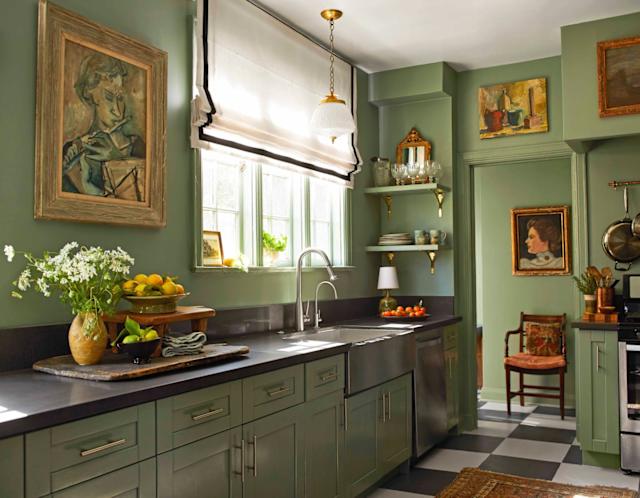
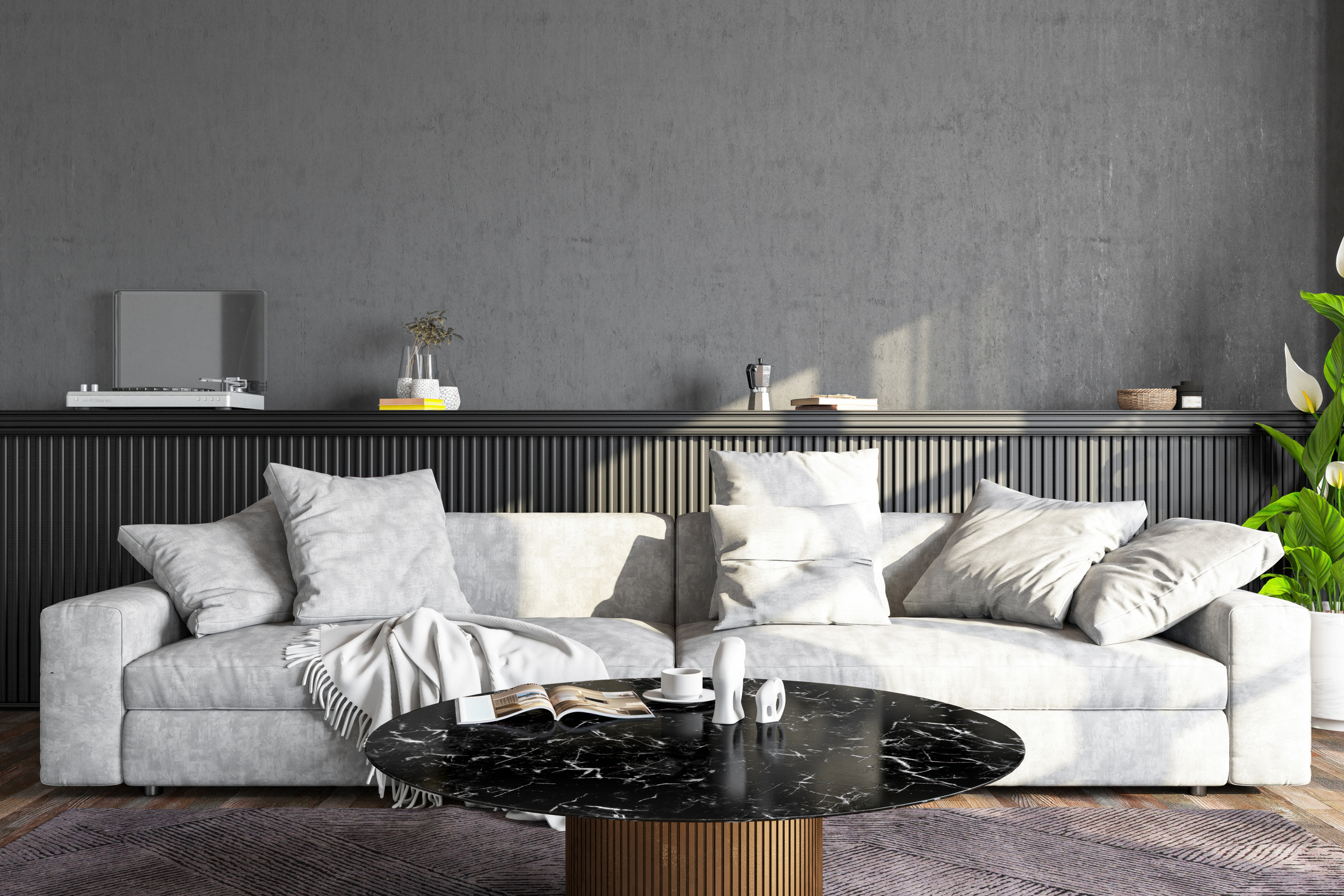
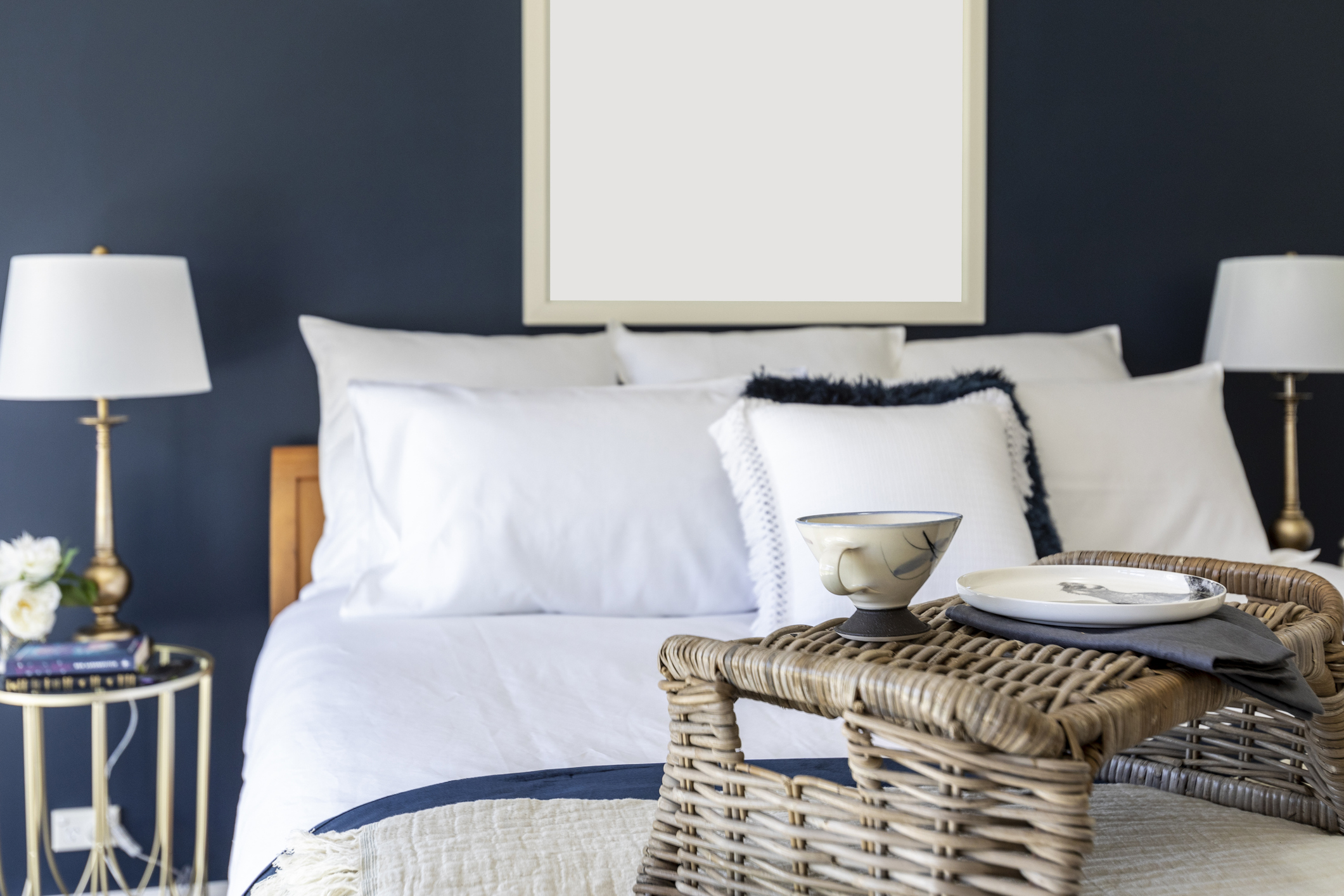
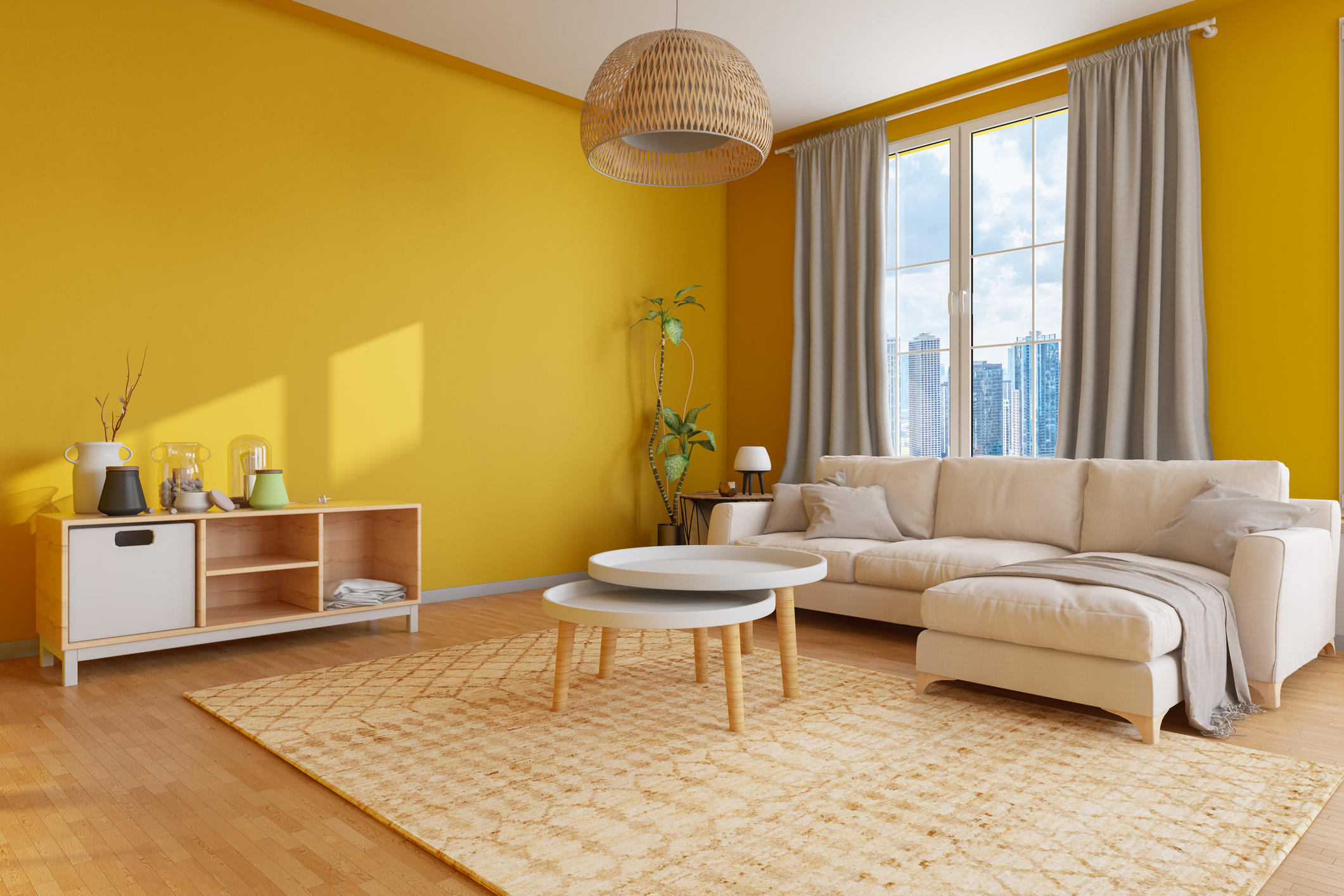
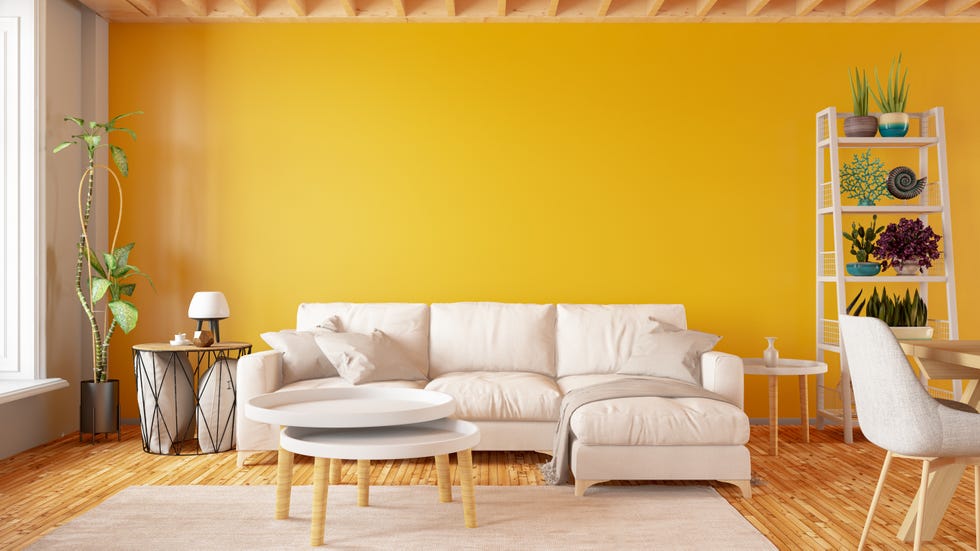
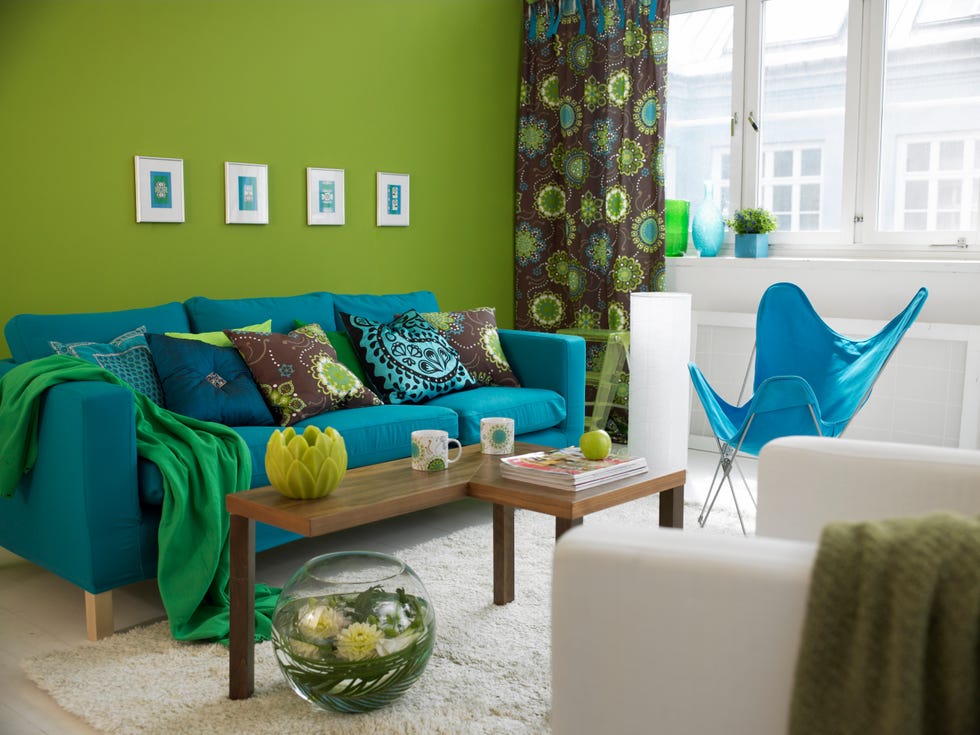
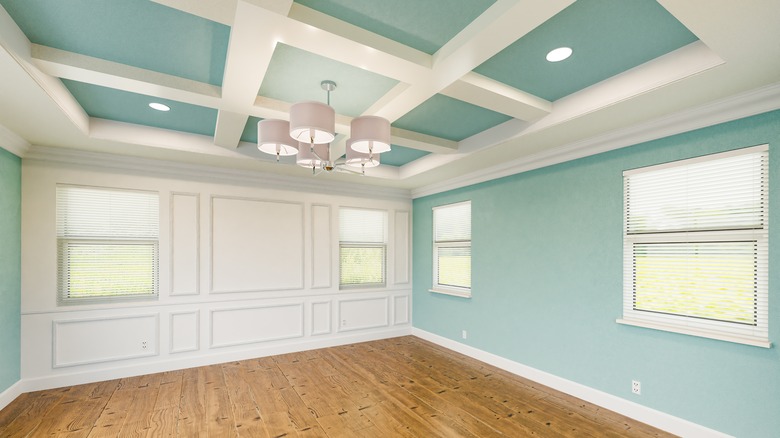
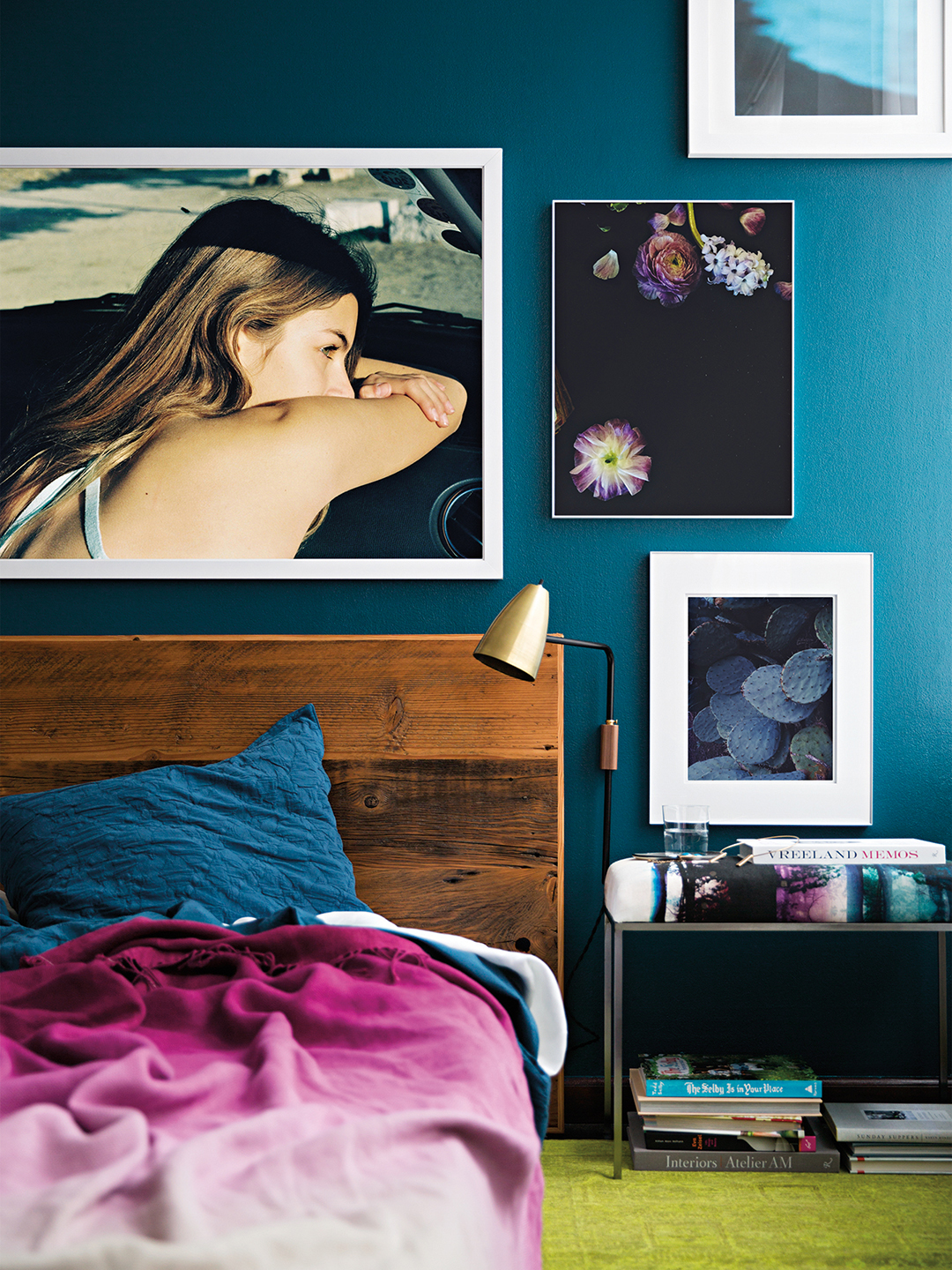
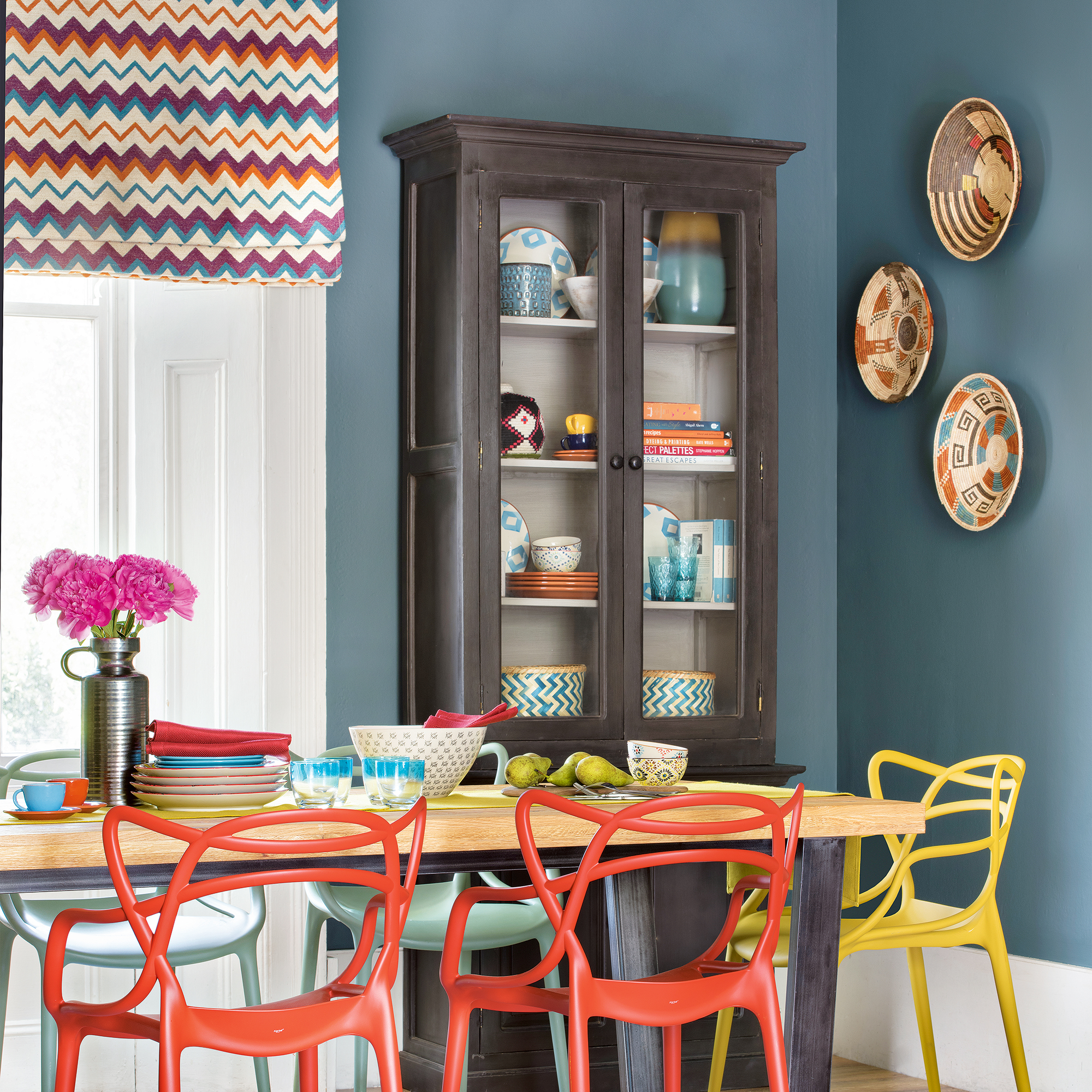
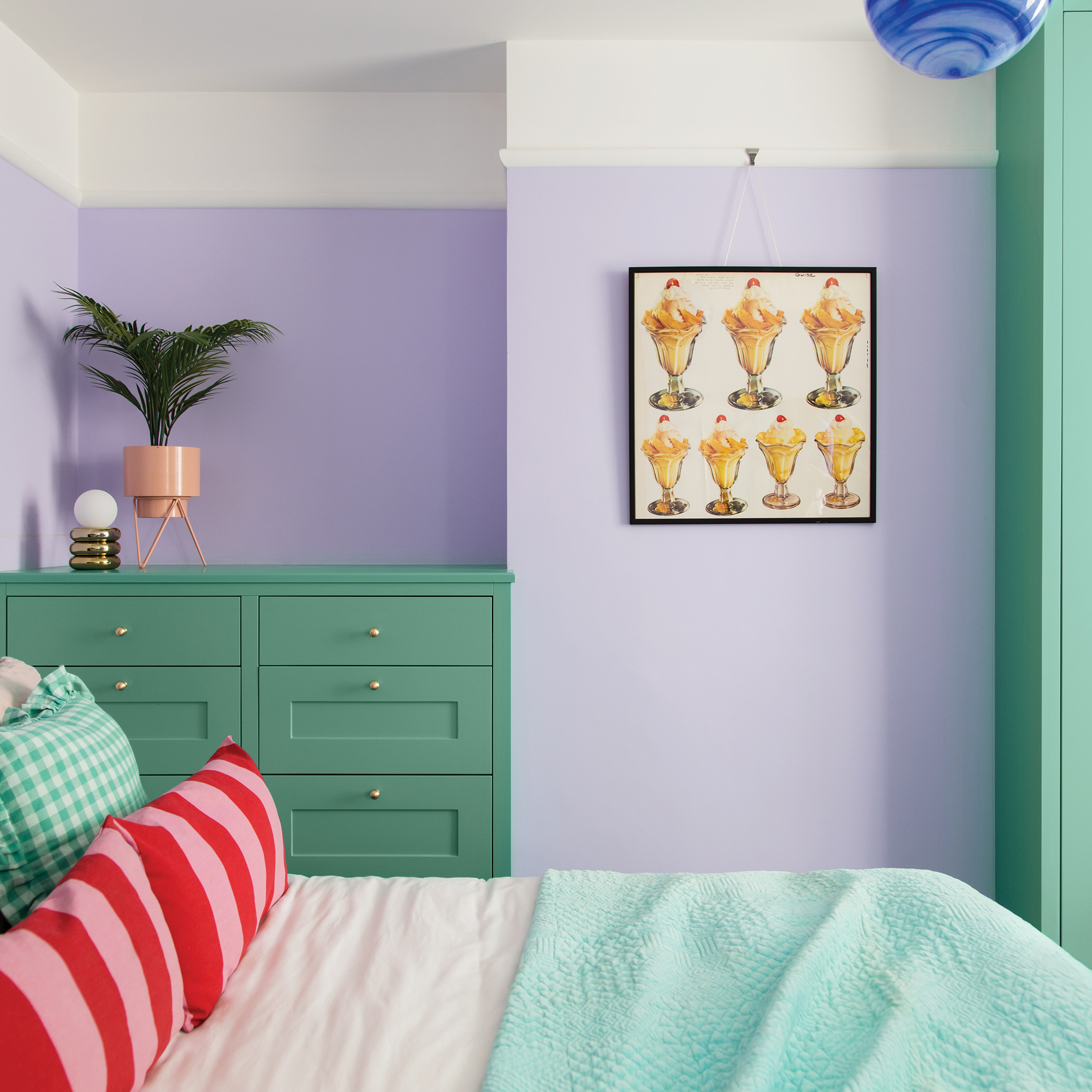
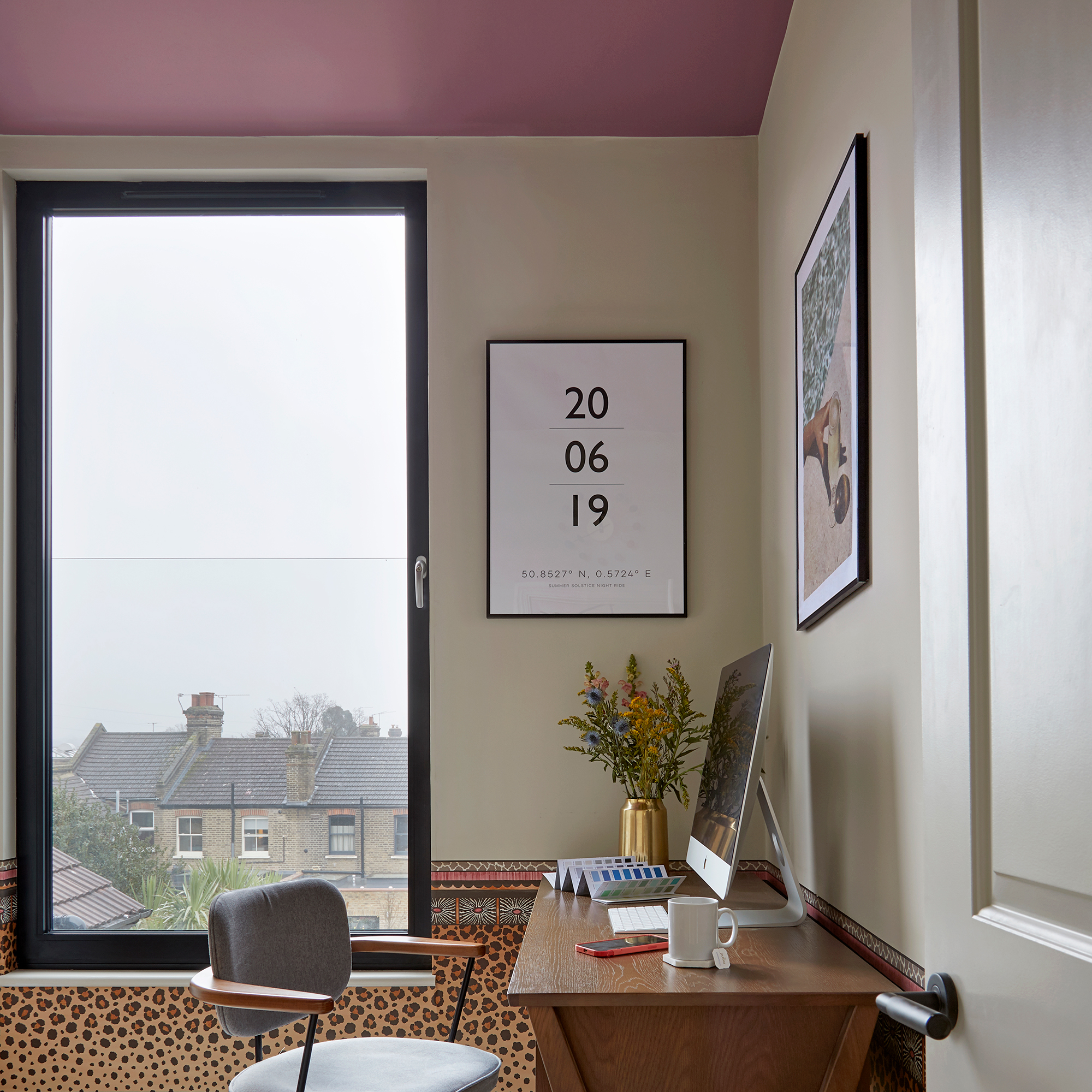
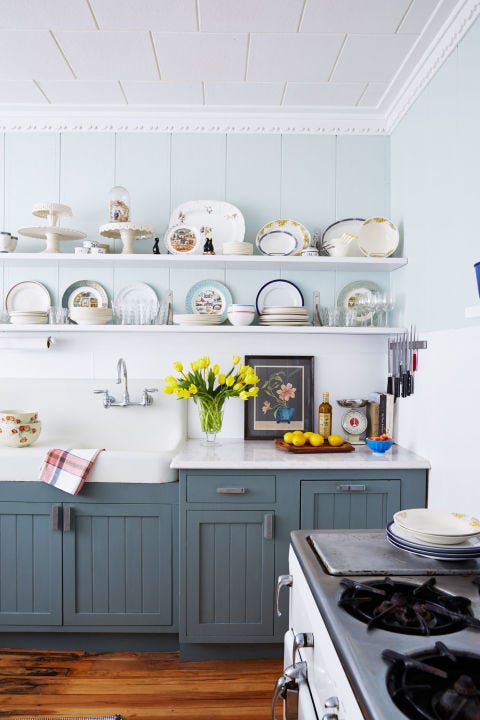
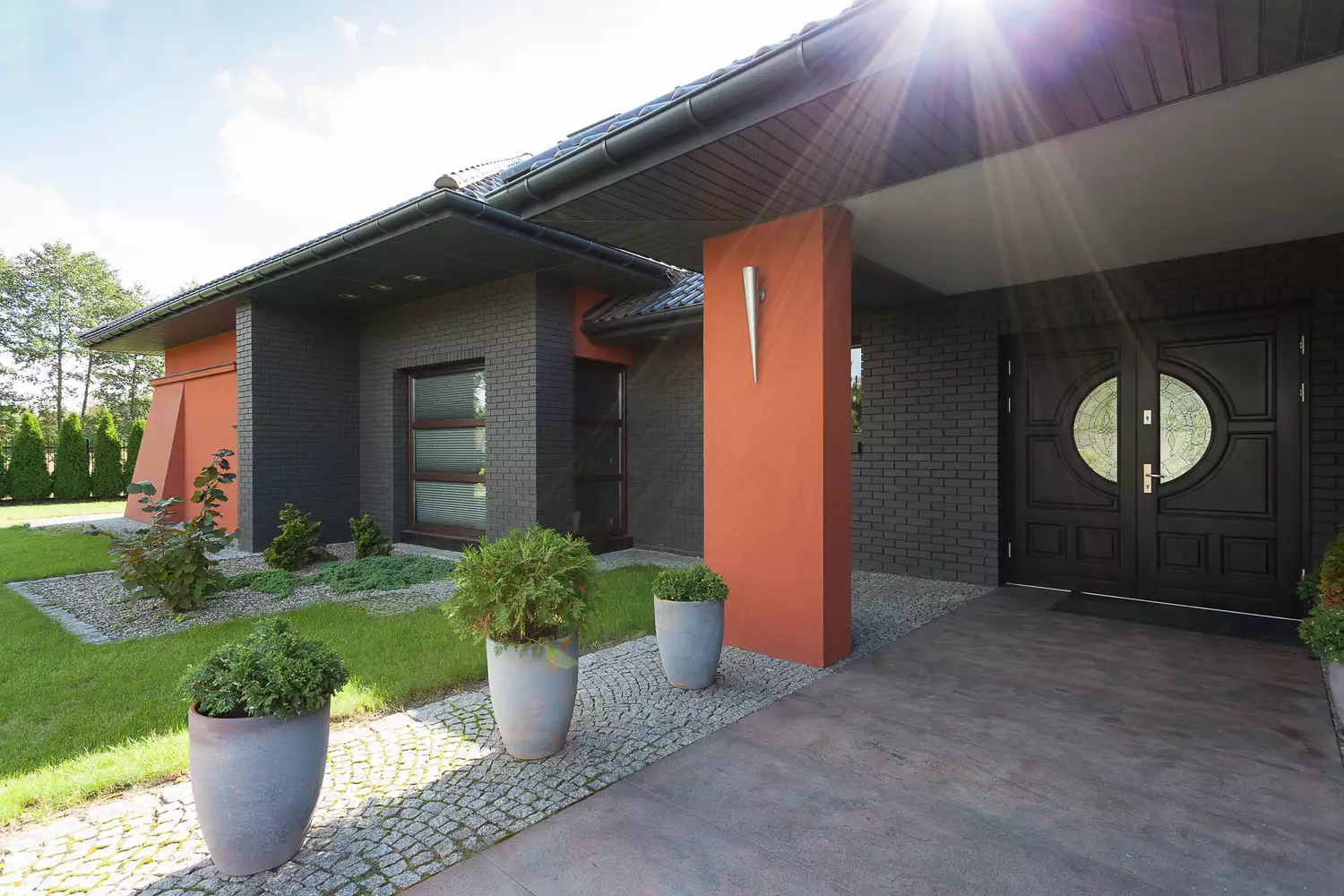
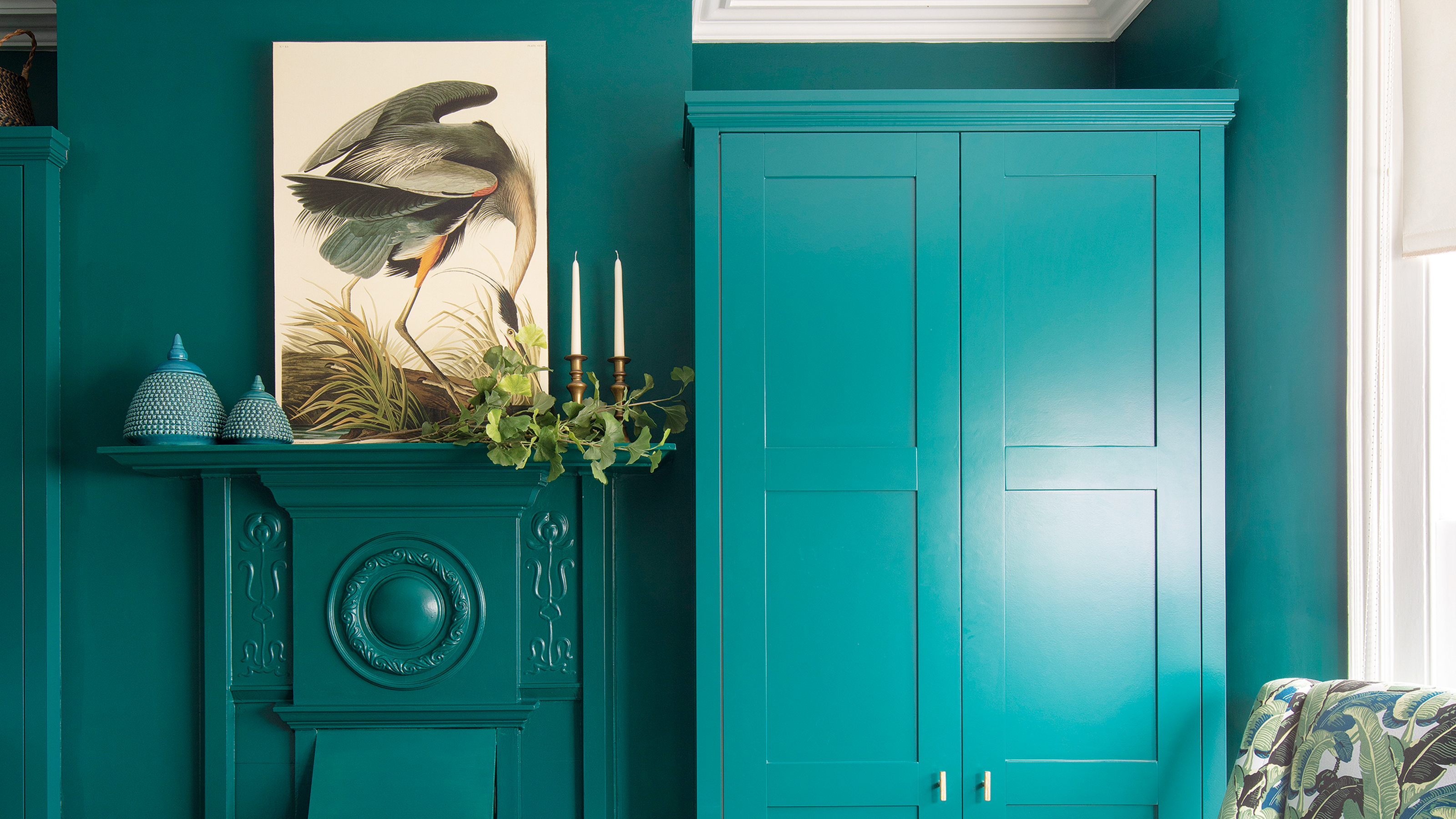
While some homeowners have embraced bold colors in recent years, influenced by trends popularized by figures like Joanna Gaines, experts strongly advise against them when selling. Bold colors, such as eye-popping yellows, moody charcoals, or even coastal teal, can be polarizing and prevent buyers from envisioning themselves living in the space. Jenny Lenz, managing director of Dolly Lenz Real Estate, emphasizes that buyers often disregard homes with striking colors online before even a physical visit, advocating for timeless neutrals to ensure a faster and more profitable sale.
Jonathan Yarton, a listing agent with the Yarton Group, reinforces this advice, suggesting that homeowners should consider the aesthetic of their neighborhood and avoid making their property an outlier with unconventional color choices. Santiago Arana of The Agency notes that white and other neutral tones consistently prove most impactful for sales, as they appeal to a wider audience and allow prospective buyers to visualize their future in the home more easily.
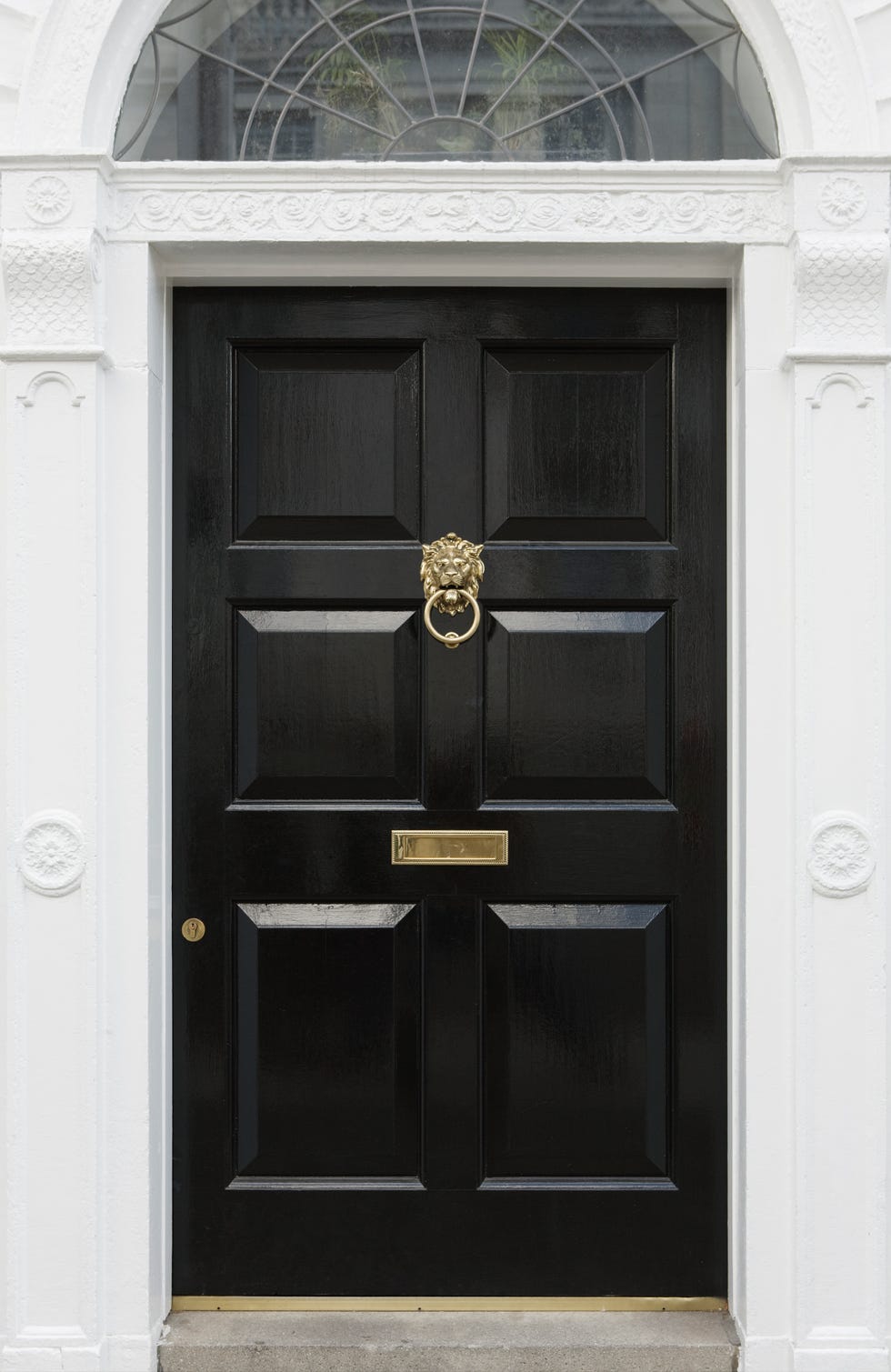
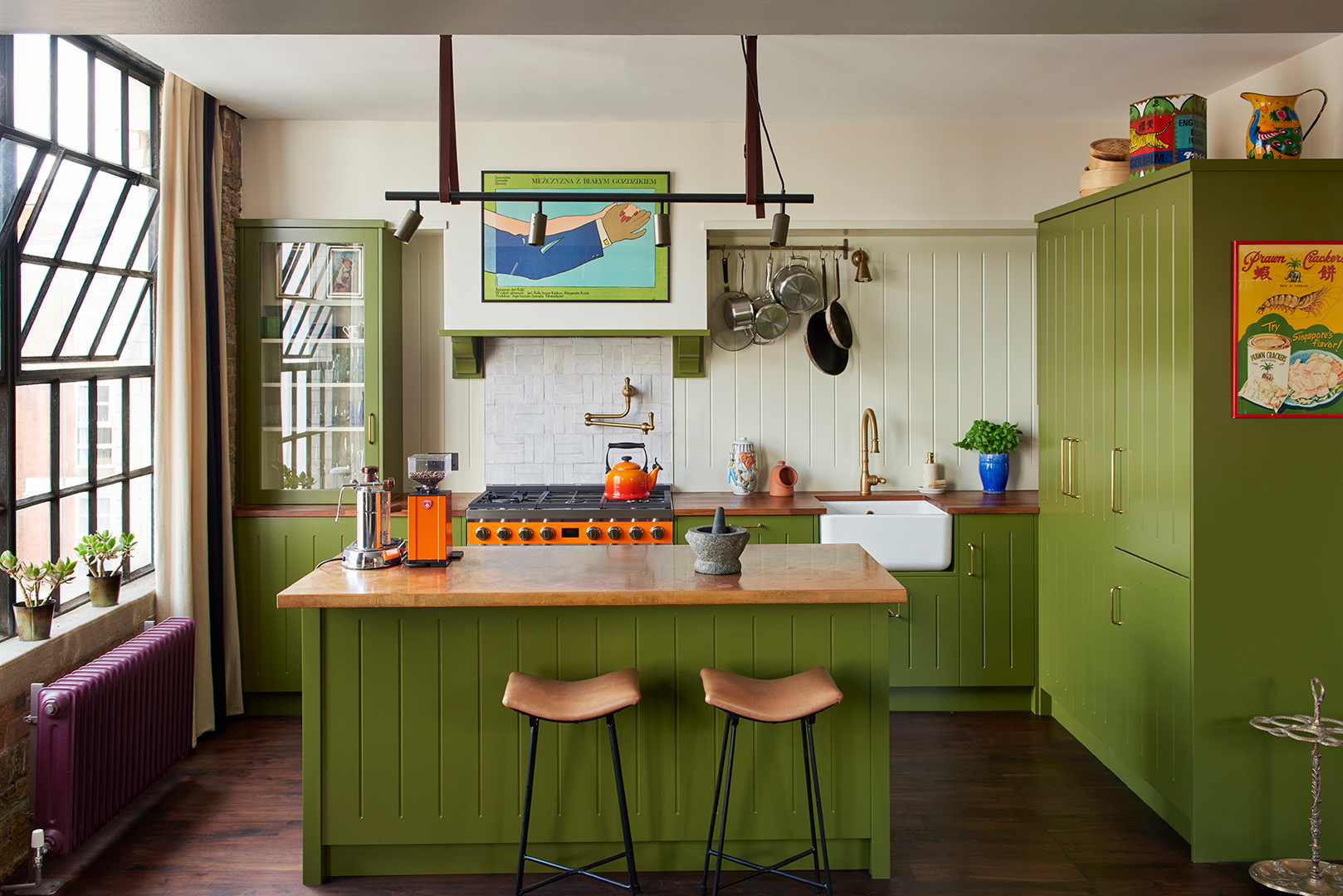
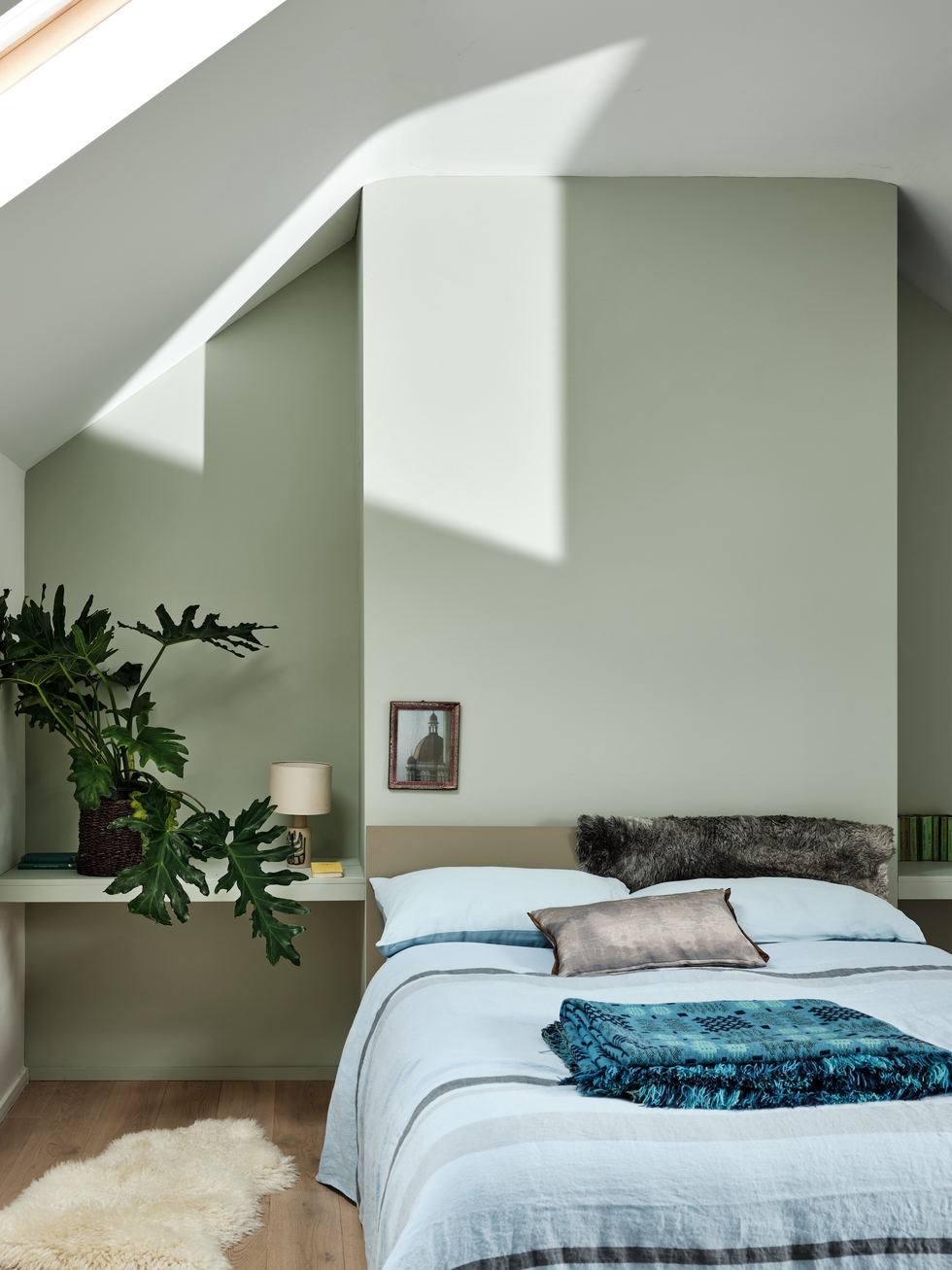
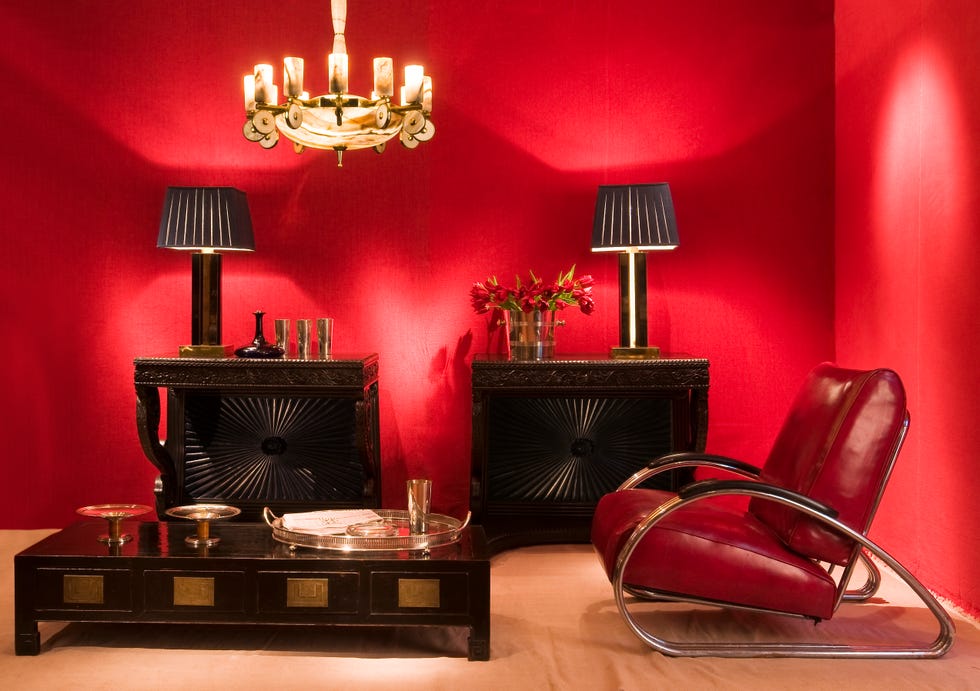
The Fixr report specifically identifies certain colors as turnoffs for homebuyers. Red, for instance, was deemed undesirable by 59% of interior designers polled, due to its strong and potentially unappealing nature. Lime green received a thumbs down from 53% of designers, described as a "garish color" that can overwhelm a space. Other colors to avoid include bright yellow (40%), mustard yellow (19%), pink (10%), turquoise (9%), and black (4%), as they can create a negative first impression and prompt buyers to anticipate additional repainting costs.
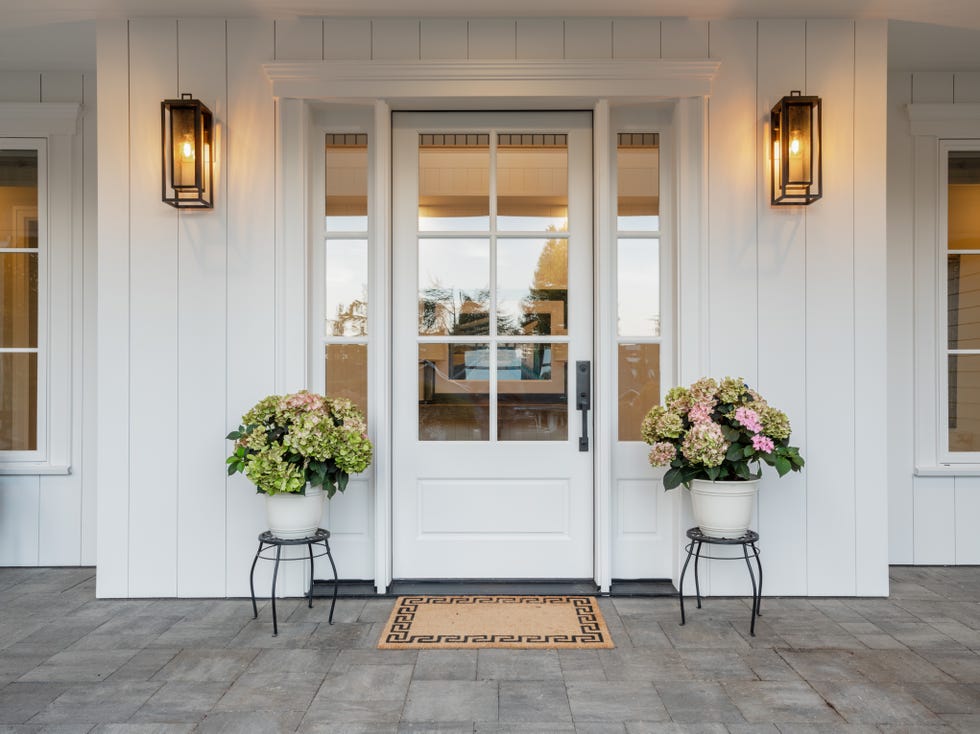
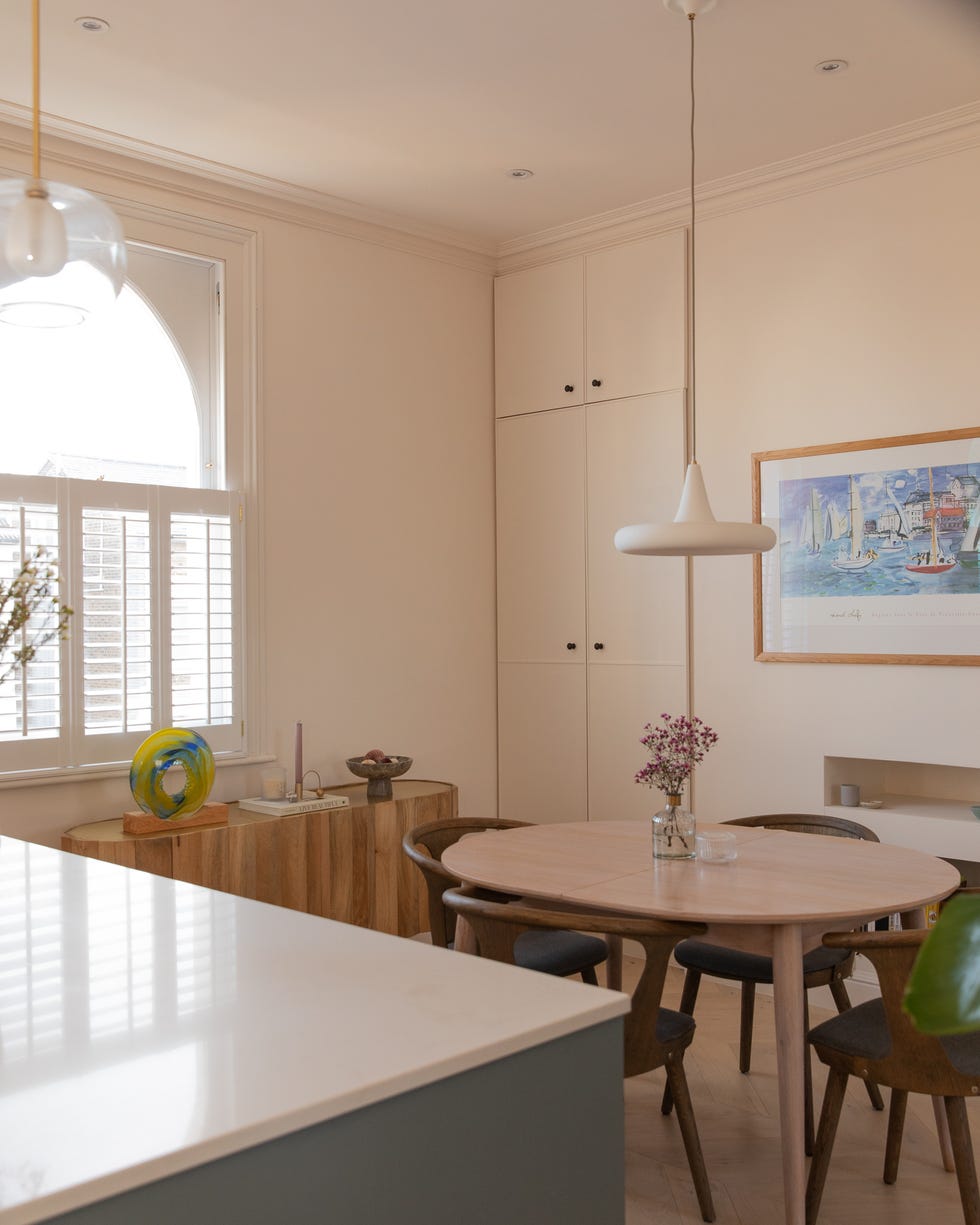
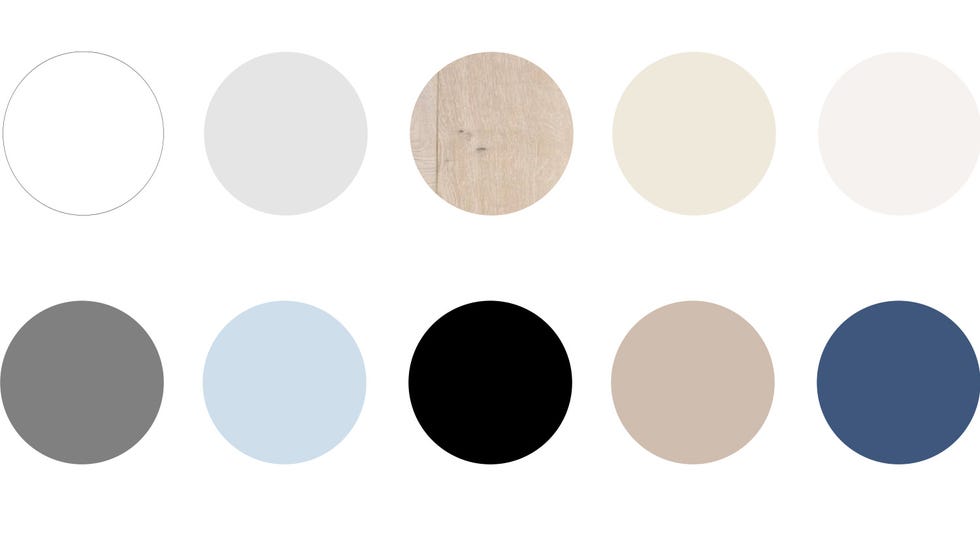
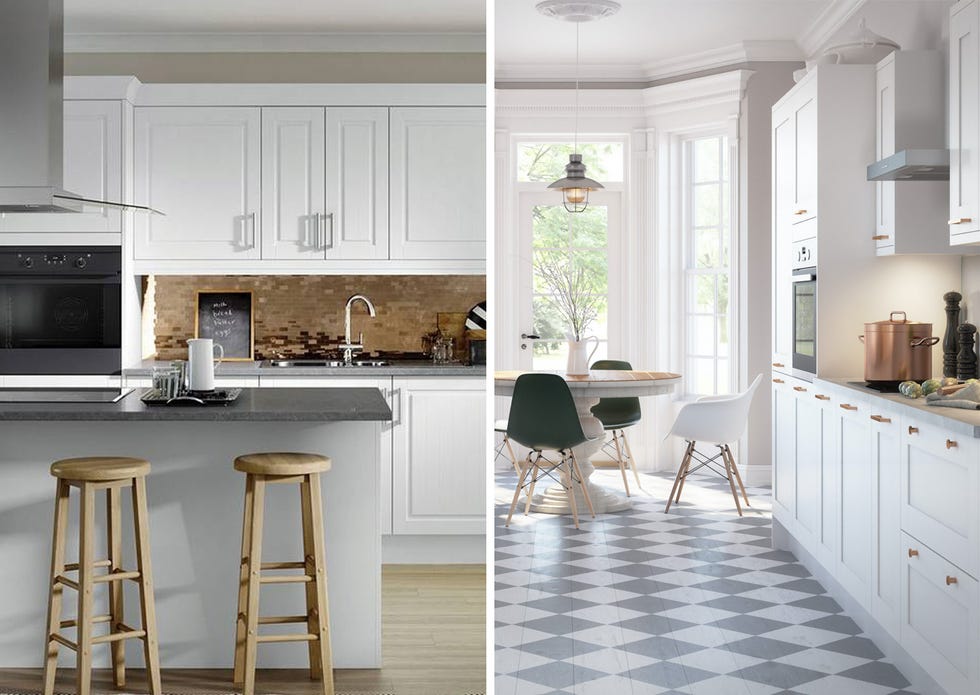
Staging a home strategically is crucial to prevent what real estate stager Karen Otto terms "price eroding." Buyers tend to overestimate the cost and effort required to neutralize or repaint a home with undesirable colors, thereby reducing their offer. Mike Fabbri of The Agency New York explains that bold colors lead to an added expense and time commitment for buyers, negatively impacting their offer price. The recommended solution is to present neutral, move-in-ready spaces with warm and inviting colors like whites, creams, and lighter beiges. These timeless shades are clean-lined, attractive, and adaptable to various design styles, helping buyers to overcome objections and more readily make an offer. Cara Ameer, an agent in California and Florida, concludes that drab or cold paint colors contribute to lower selling prices by diminishing a property's overall curb appeal, reiterating the importance of neutral palettes for successful home sales.
#HomeImprovement #PaintColors #RealEstate #HomeSelling #HomeValue #InteriorDesign #CurbAppeal #NeutralColors #ColorTrends #HomeImprovement #PaintColors #RealEstate #HomeSelling #HomeValue #InteriorDesign #CurbAppeal #NeutralColors #ColorTrends
0 comment in total
 No comments yet
You may also like
8 Surprising Colors That Will Decrease Your Home's Value, According to Experts

New Zillow Research Says These Paint Colors Can Help Sell Your Home

Here's What Colorists Want You to Know About Picking House Paint

Move Over, White Kitchens—This Surprising Paint Color Will Increase Your Home’s Sale Price, New Zillow Report Says

6 Paint Colors That Will Make Your House Sell for More Money

7 Paint Colours That Could Help You Sell Your Home For More
This Surprising Bedroom Paint Color Could Add $1,815 to Your Home’s Value


10 Painting Tips The Stars Of HGTV's Unsellable Houses Swear By
Real estate agents reveal which room colors sell a house the fastest – for the highest price

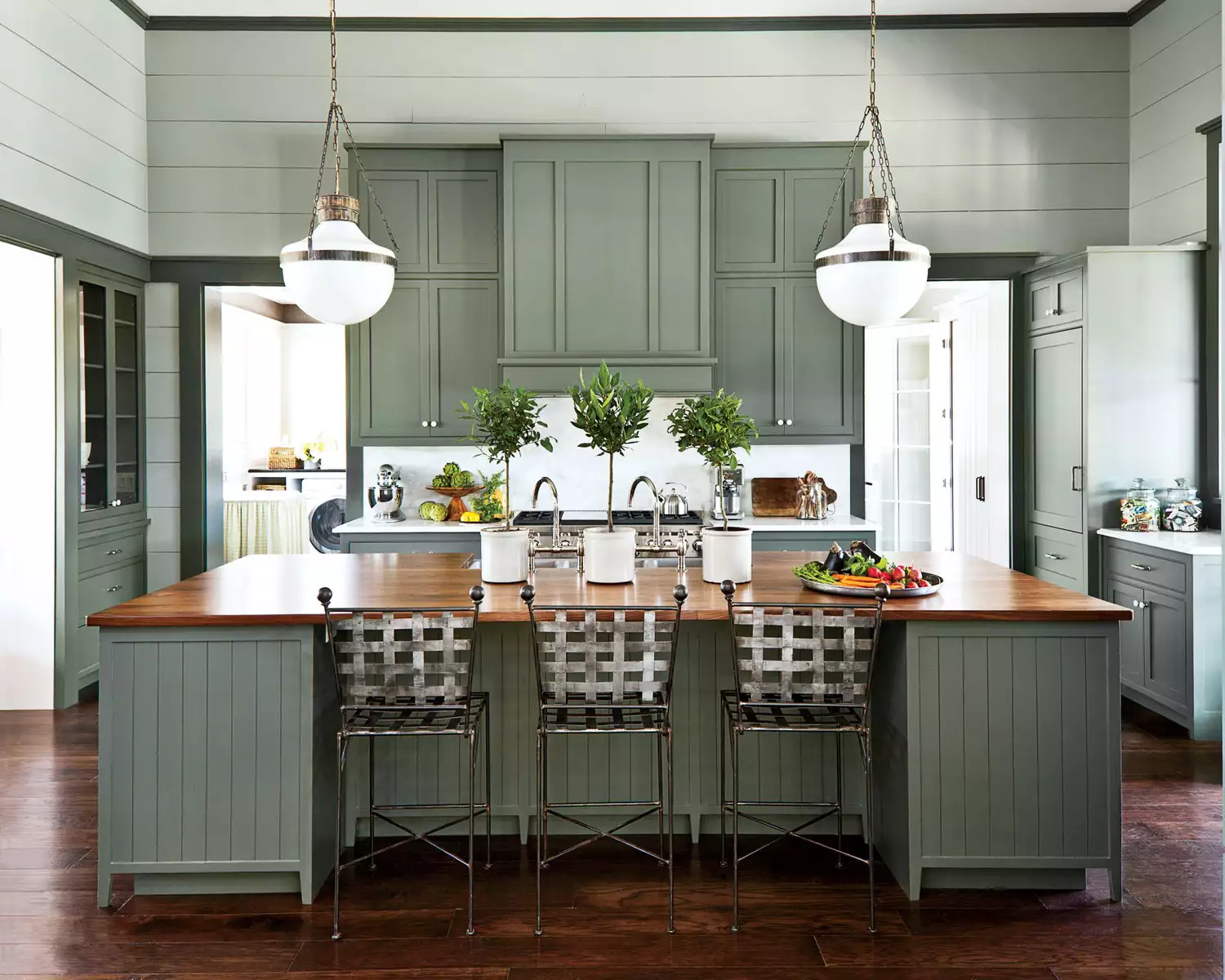
The Paint Colors That Might Be Making—Or Breaking—Your Home's Value, According To Zillow
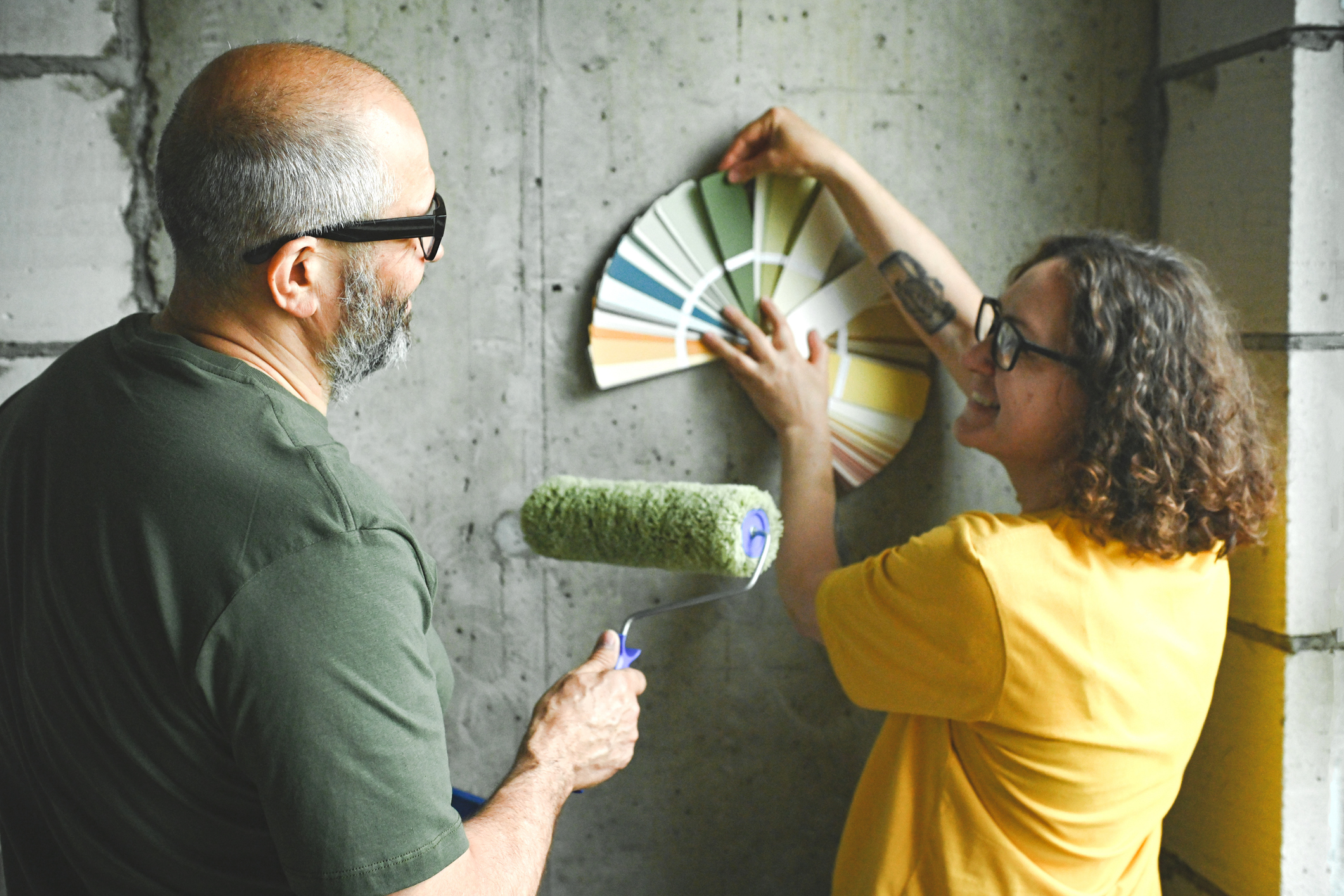
These Dark Interior Colors Can Sell Your House for More Money, According to Zillow
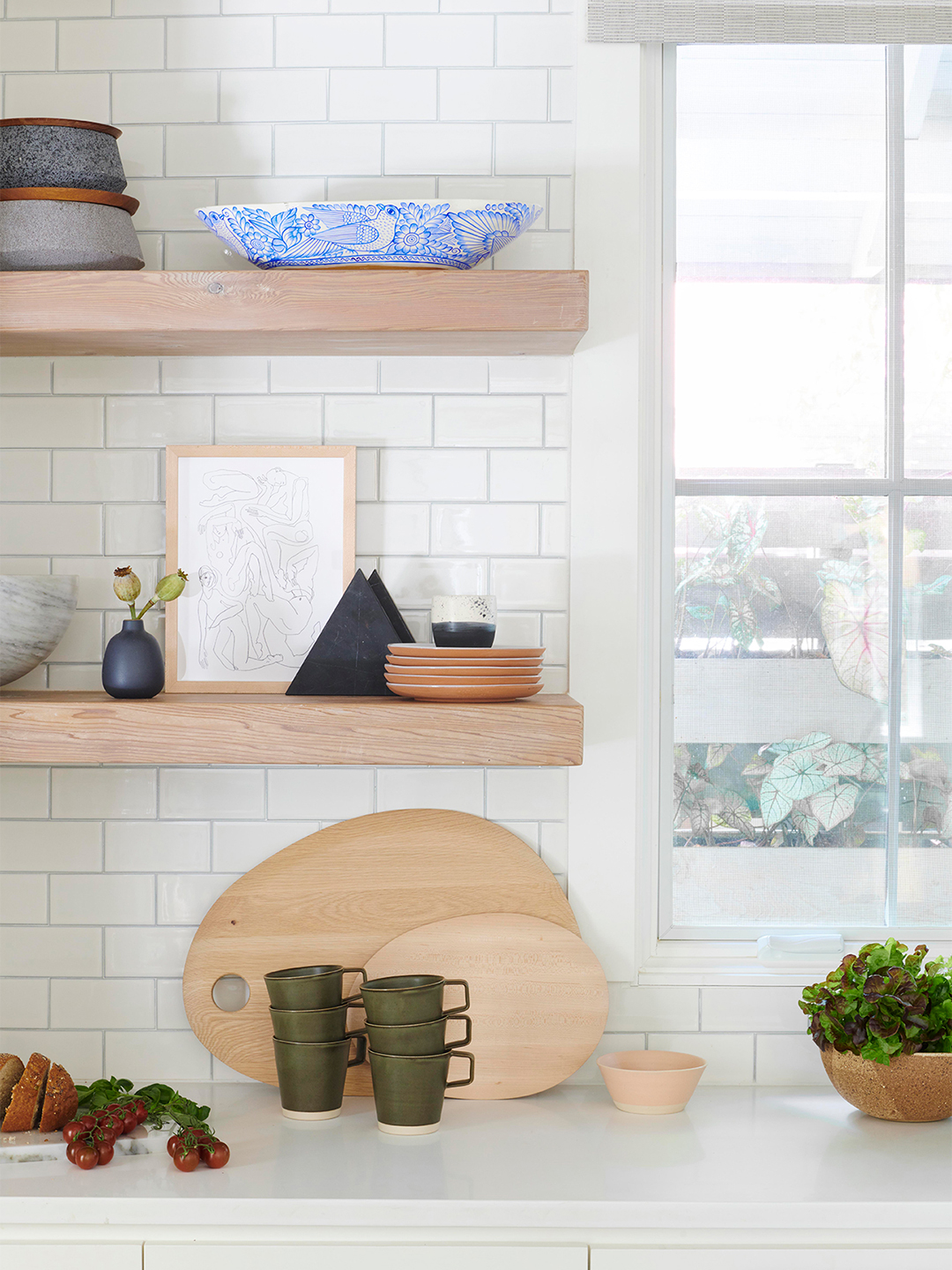
This Kitchen Color Might Be Trending, But It Could Hurt Your Resale Value
Popular Paint Colors That Are Decreasing Your Home's Value, According to Experts
This Popular Kitchen Color Can Actually Hurt a Home’s Sale Price

These Paint Colors Bring Hostility to Your Home, According to Experts

Interior design experts reveal the colour rules you should be breaking
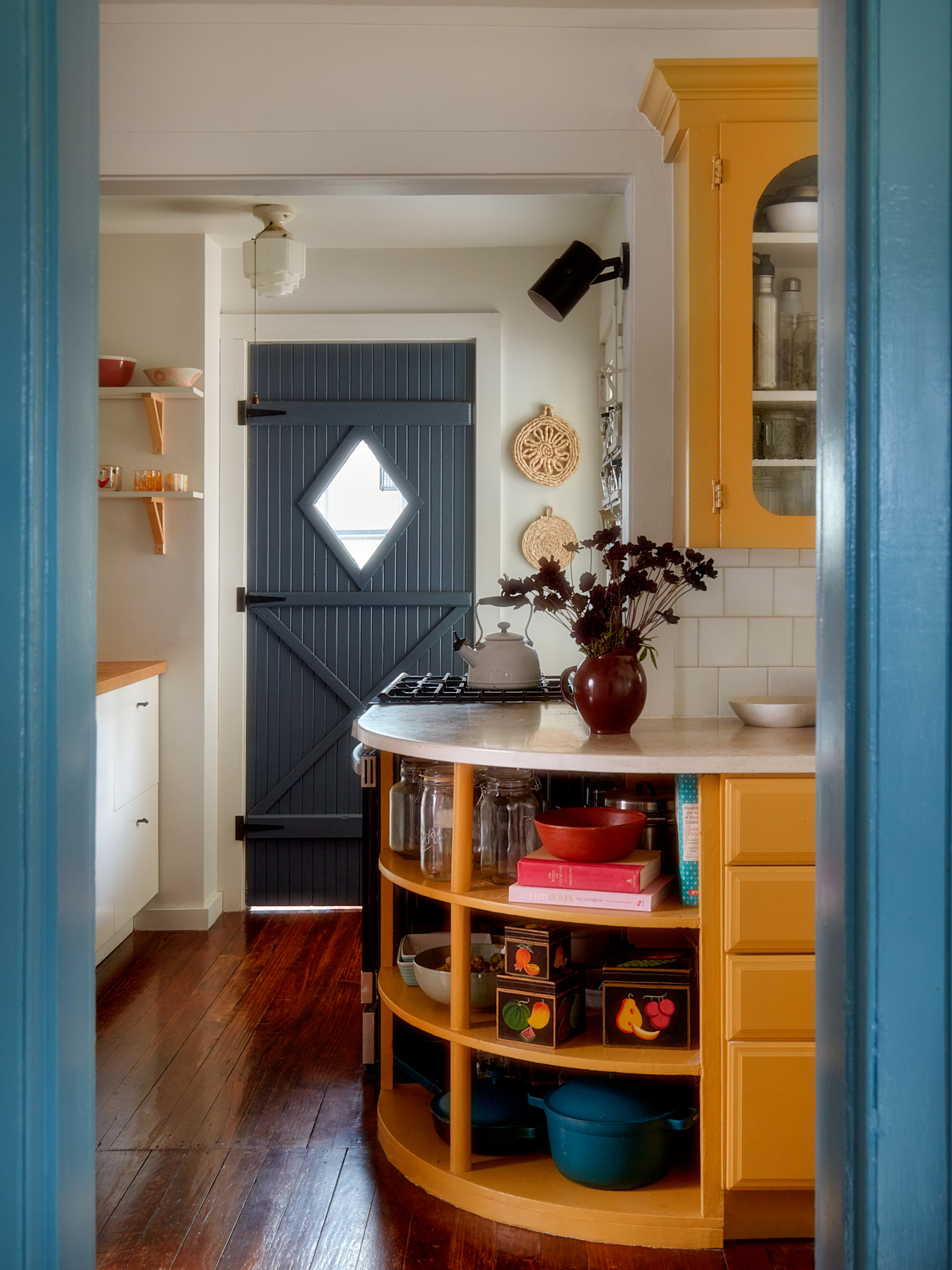
This Cheery Kitchen Color Could Hurt Your Home Value

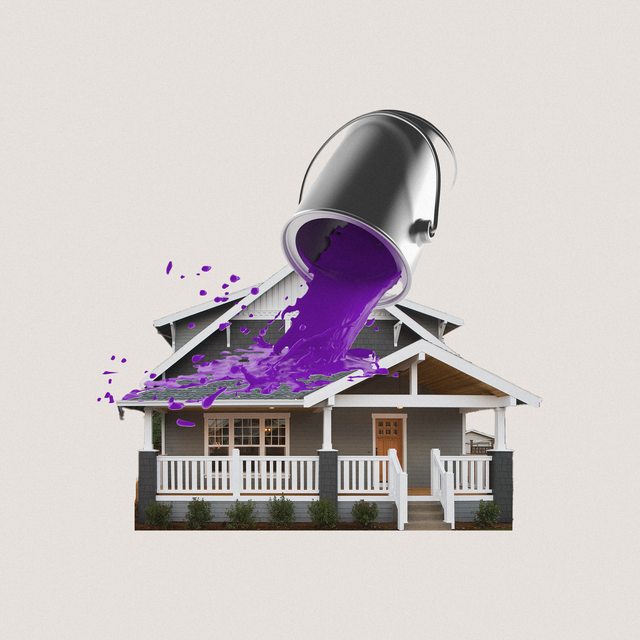
Designers Say These 5 Paint Colors Can Dramatically BOOST Your Resale Value
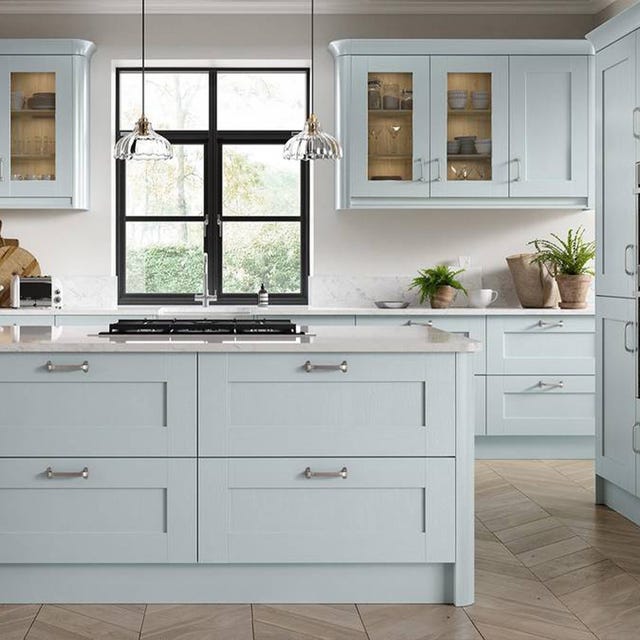
10 kitchen colours that can help you sell your home quickly
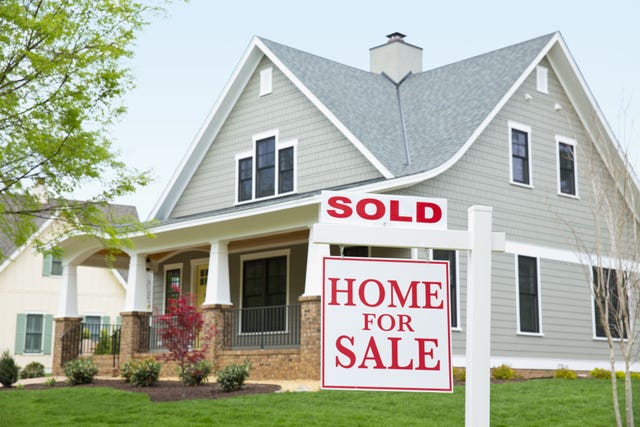
If You Want to Increase the Value of Your Home, Paint Your Kitchen This Color