1/19
The Best Wall Texture Ideas for Adding Depth to Any Room
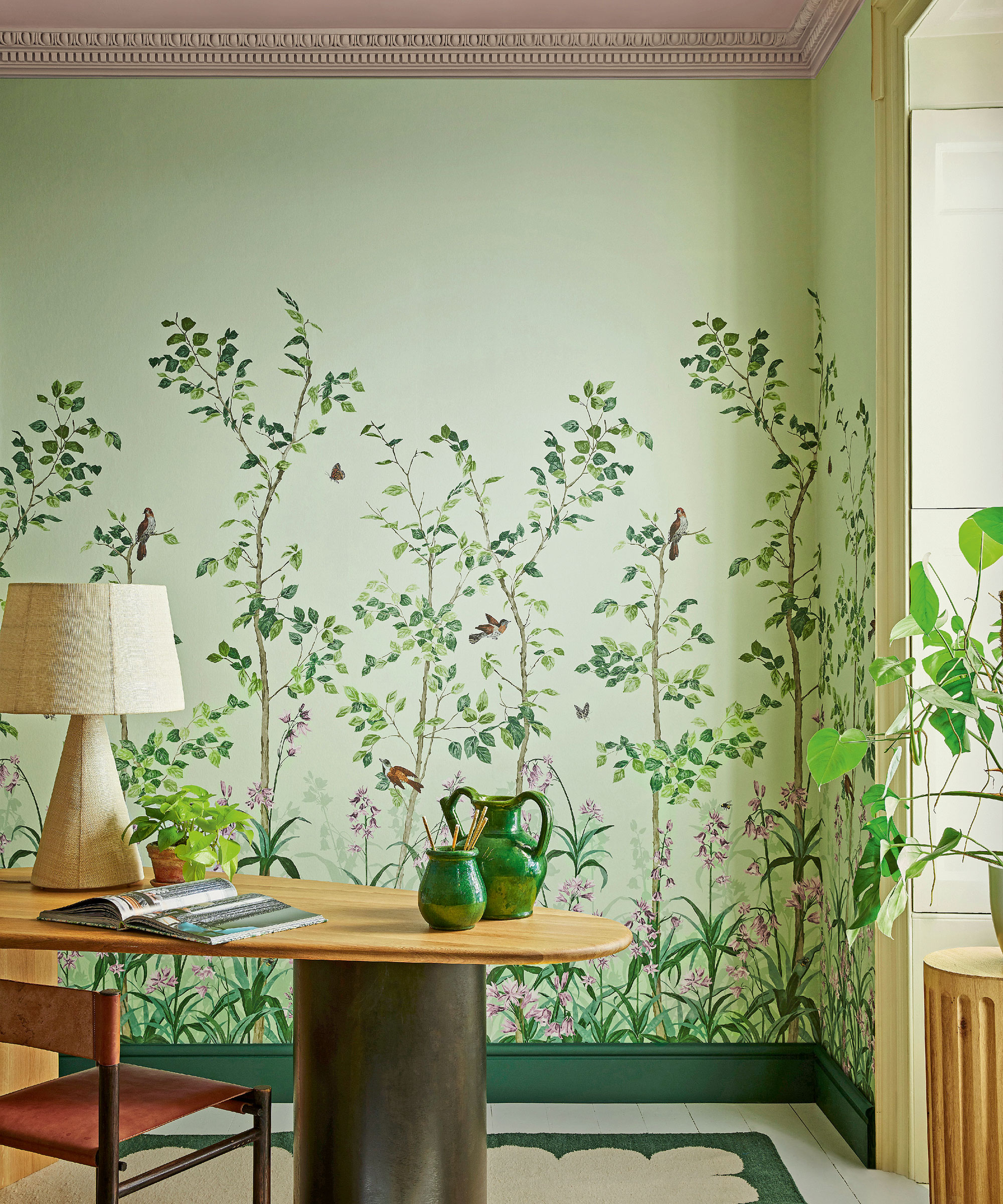
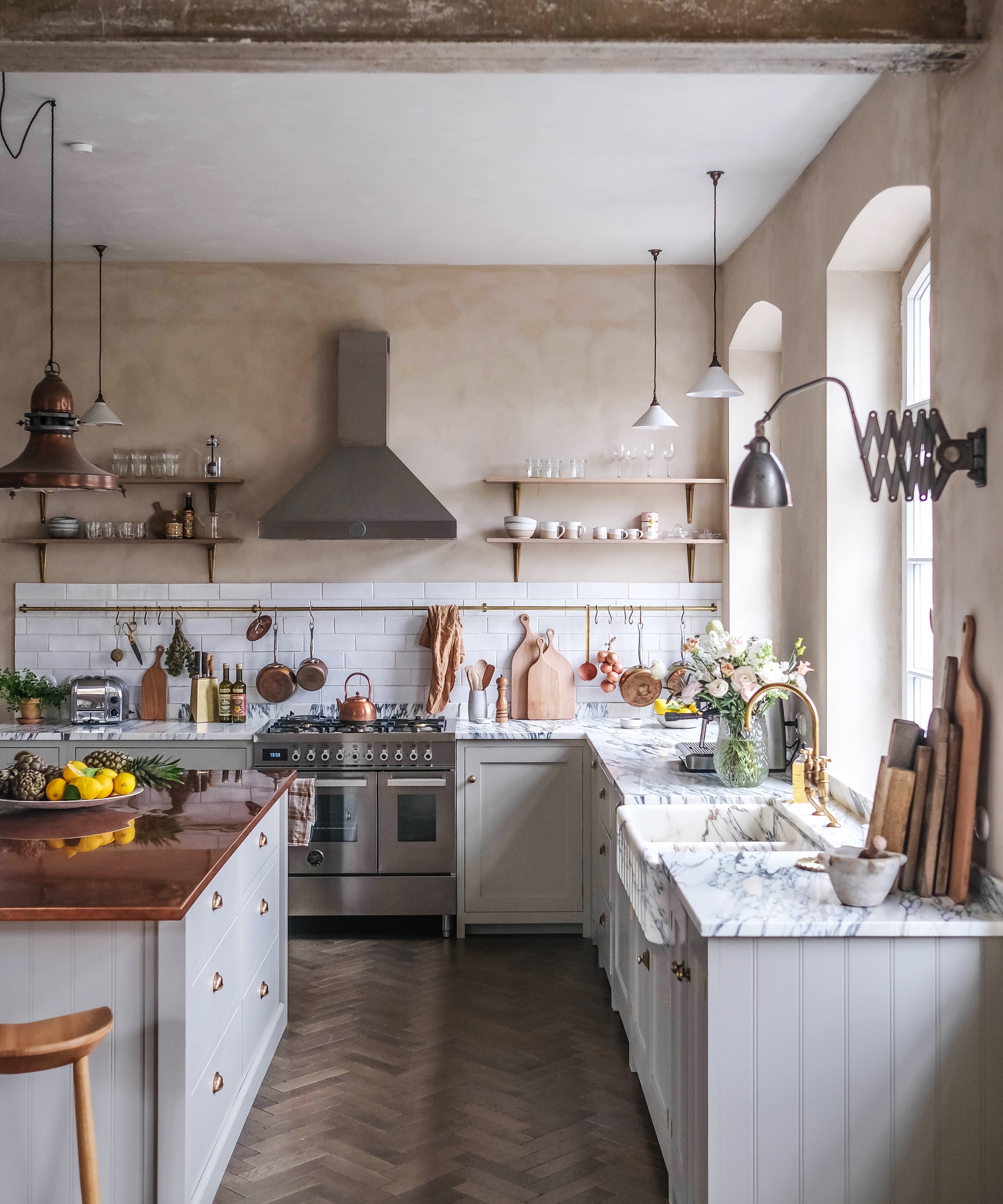
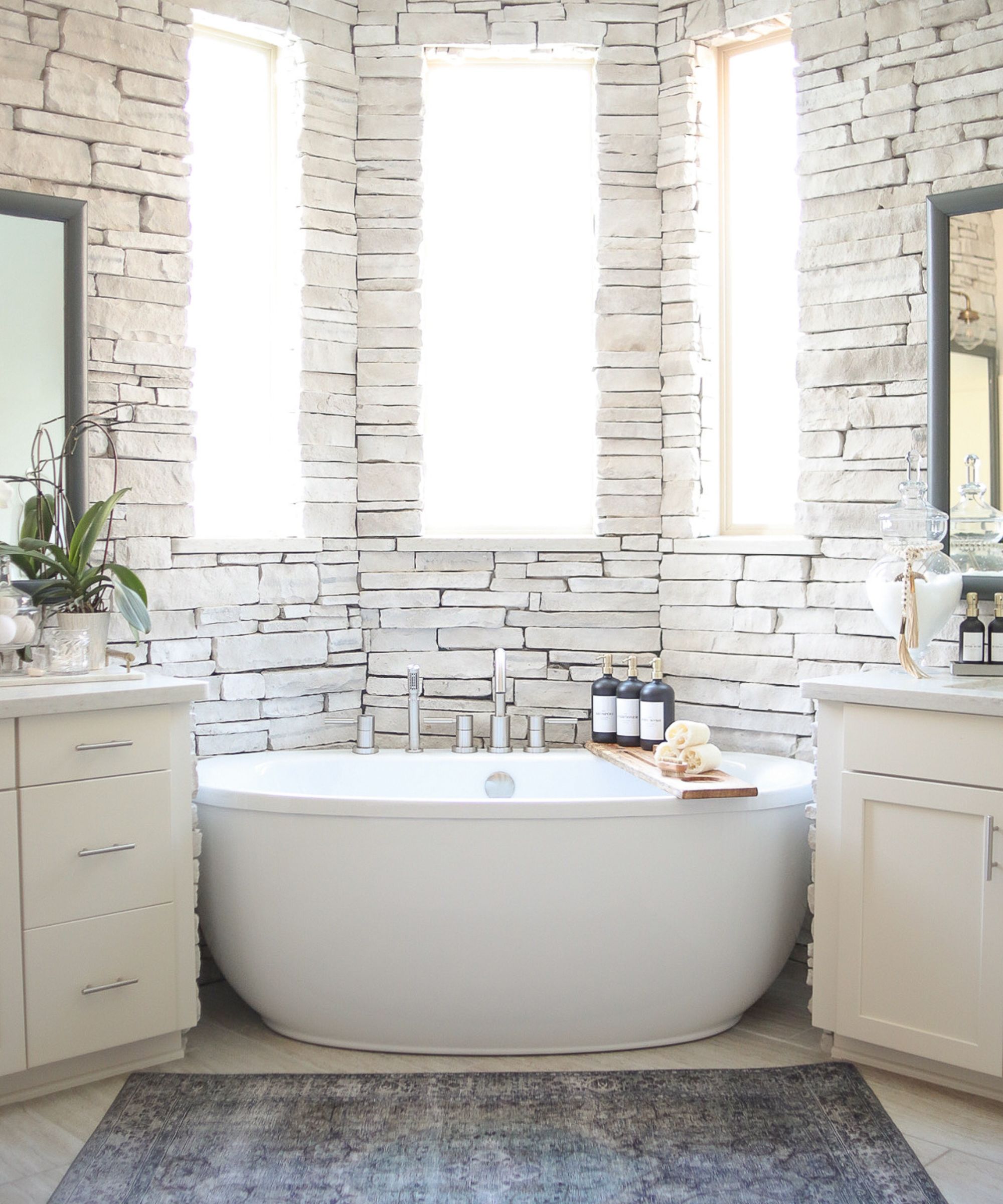
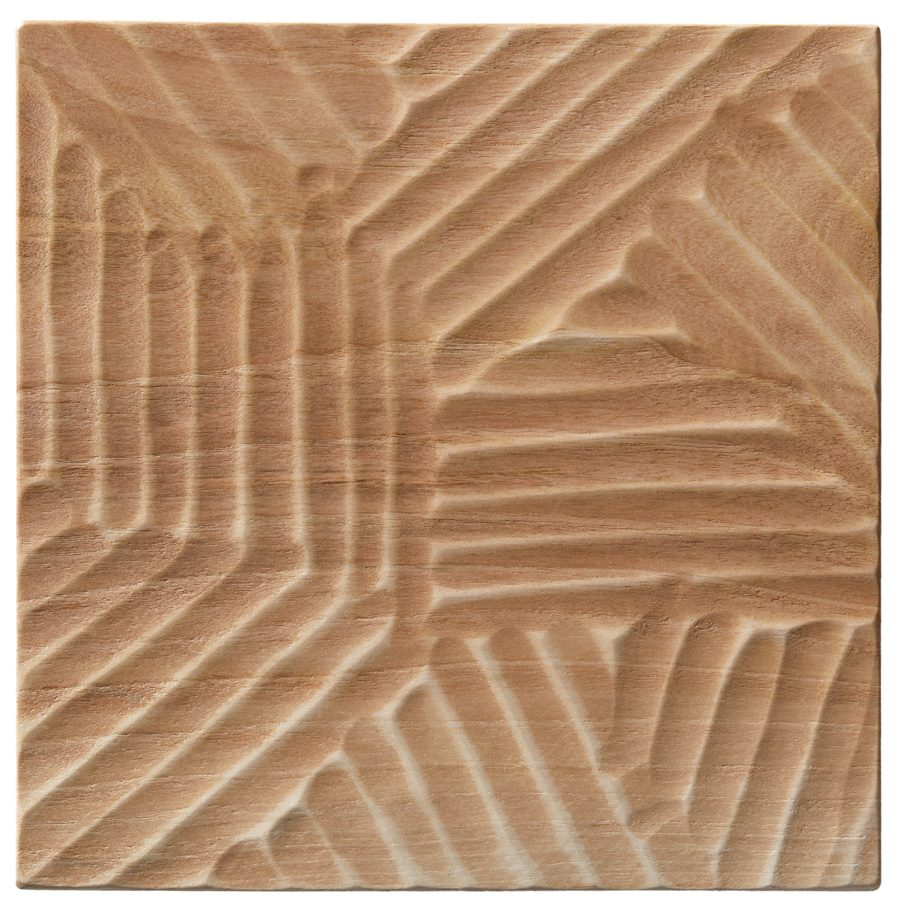
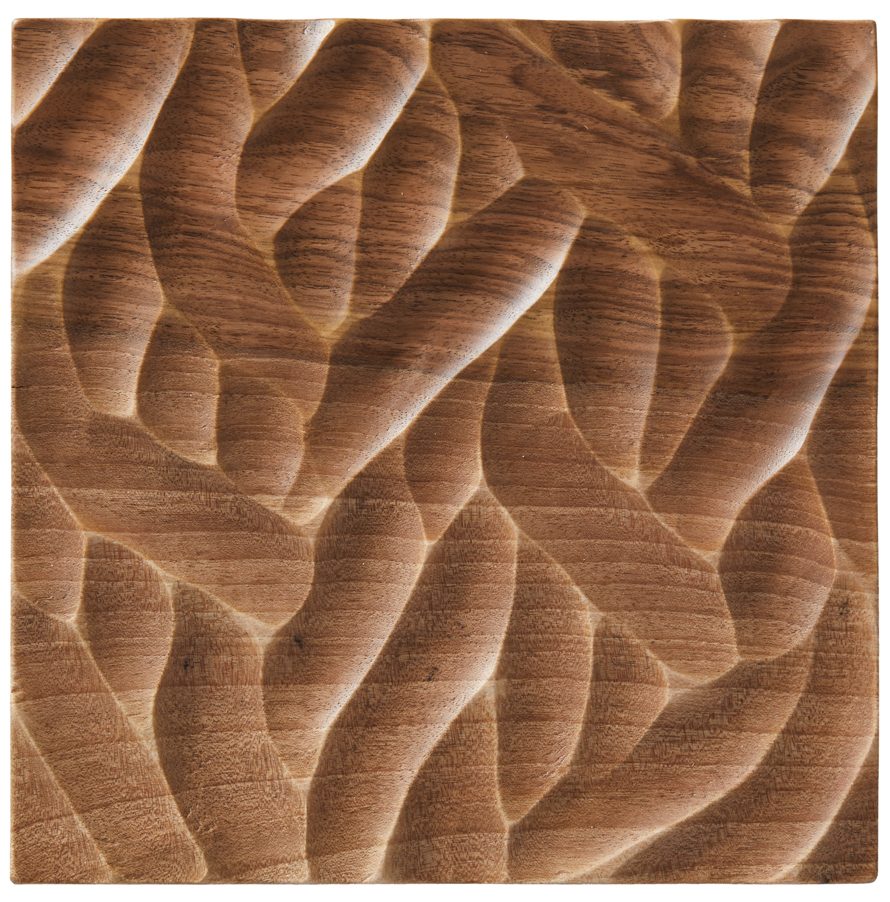
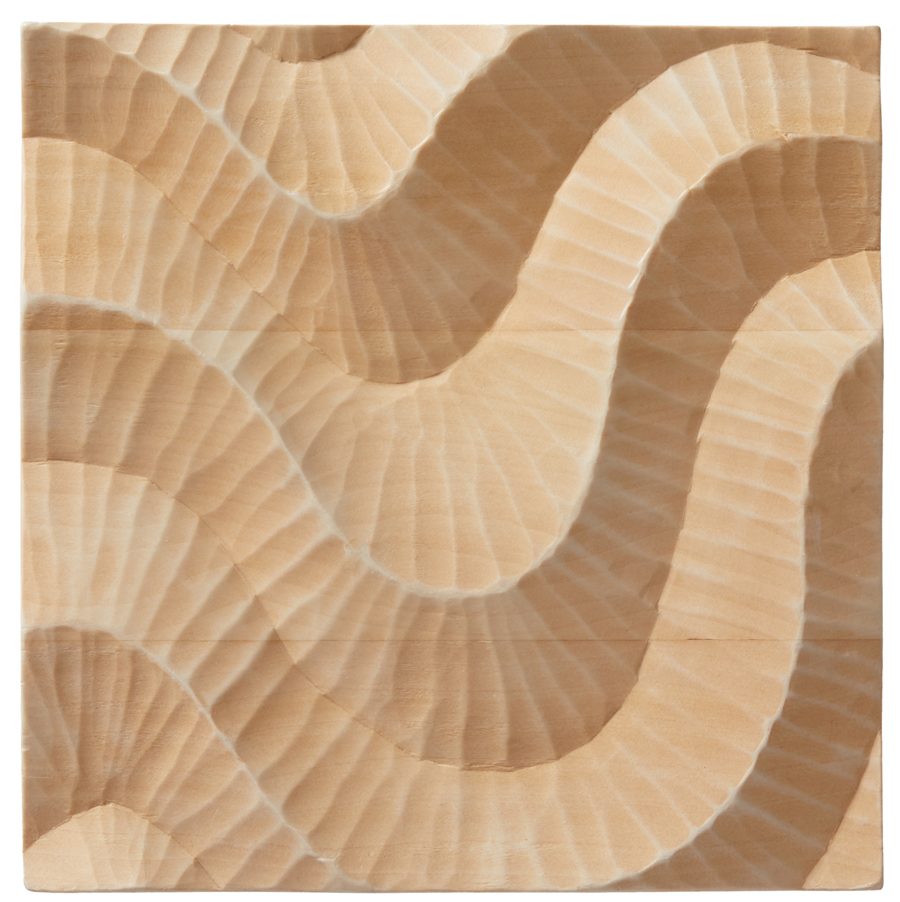
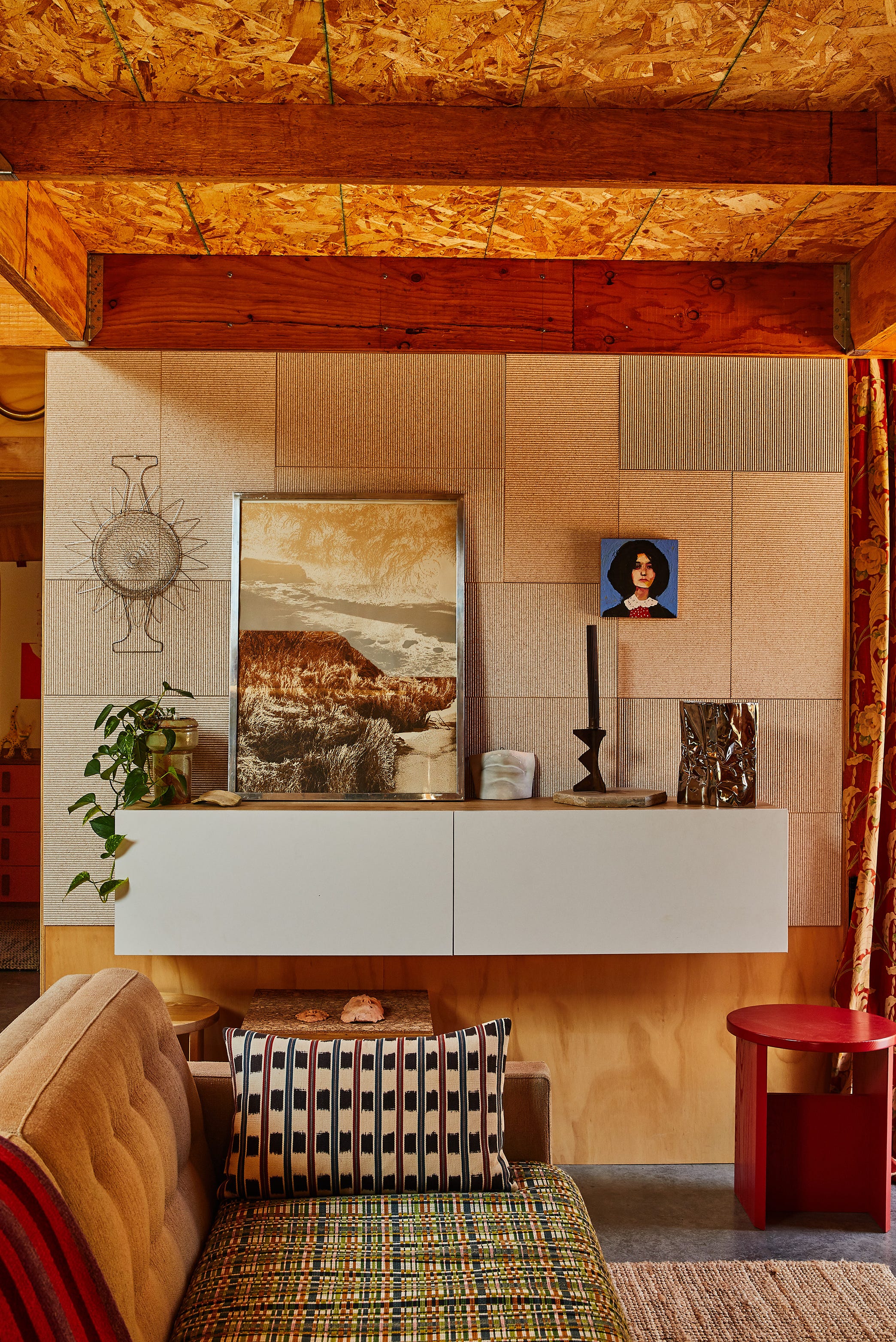
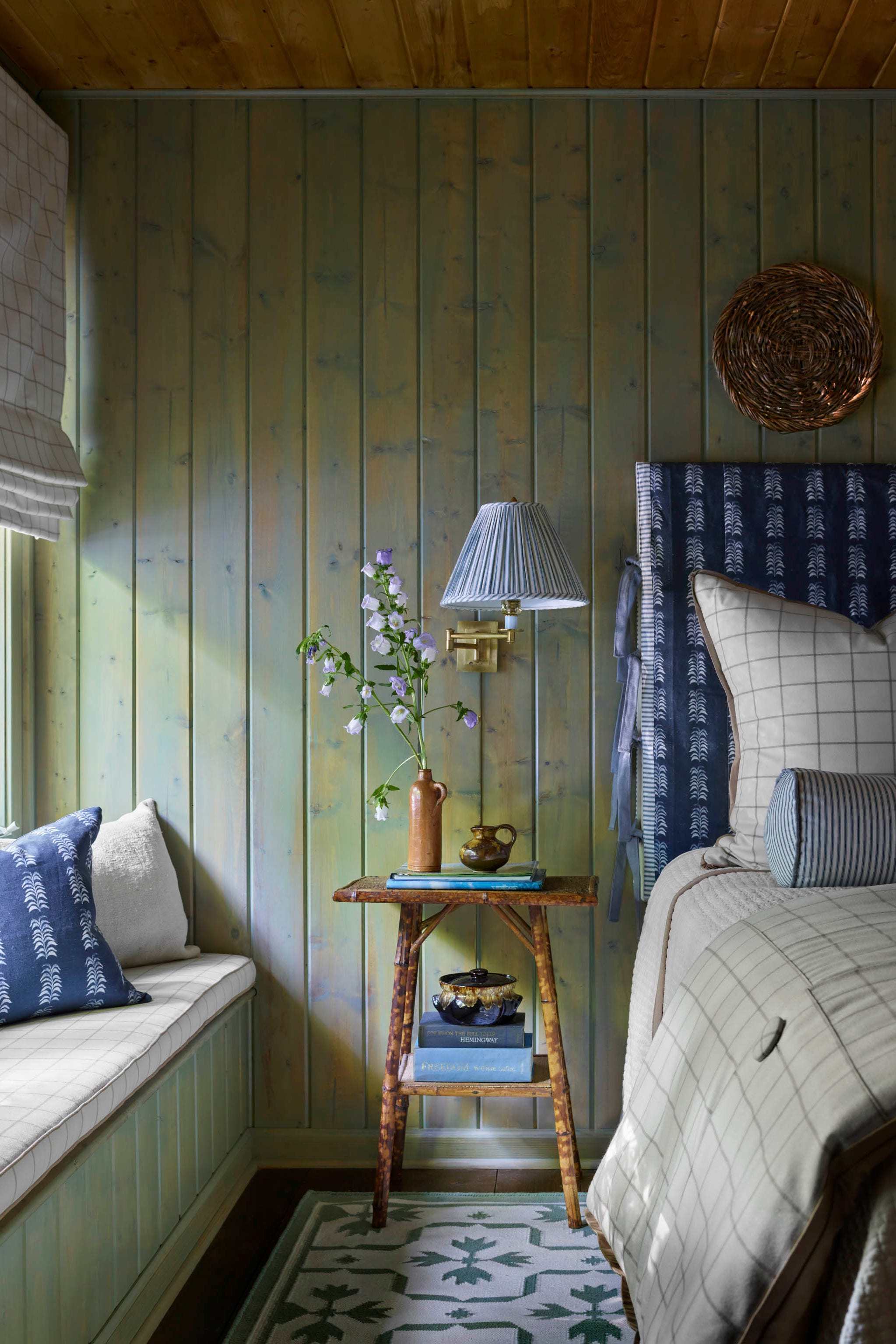
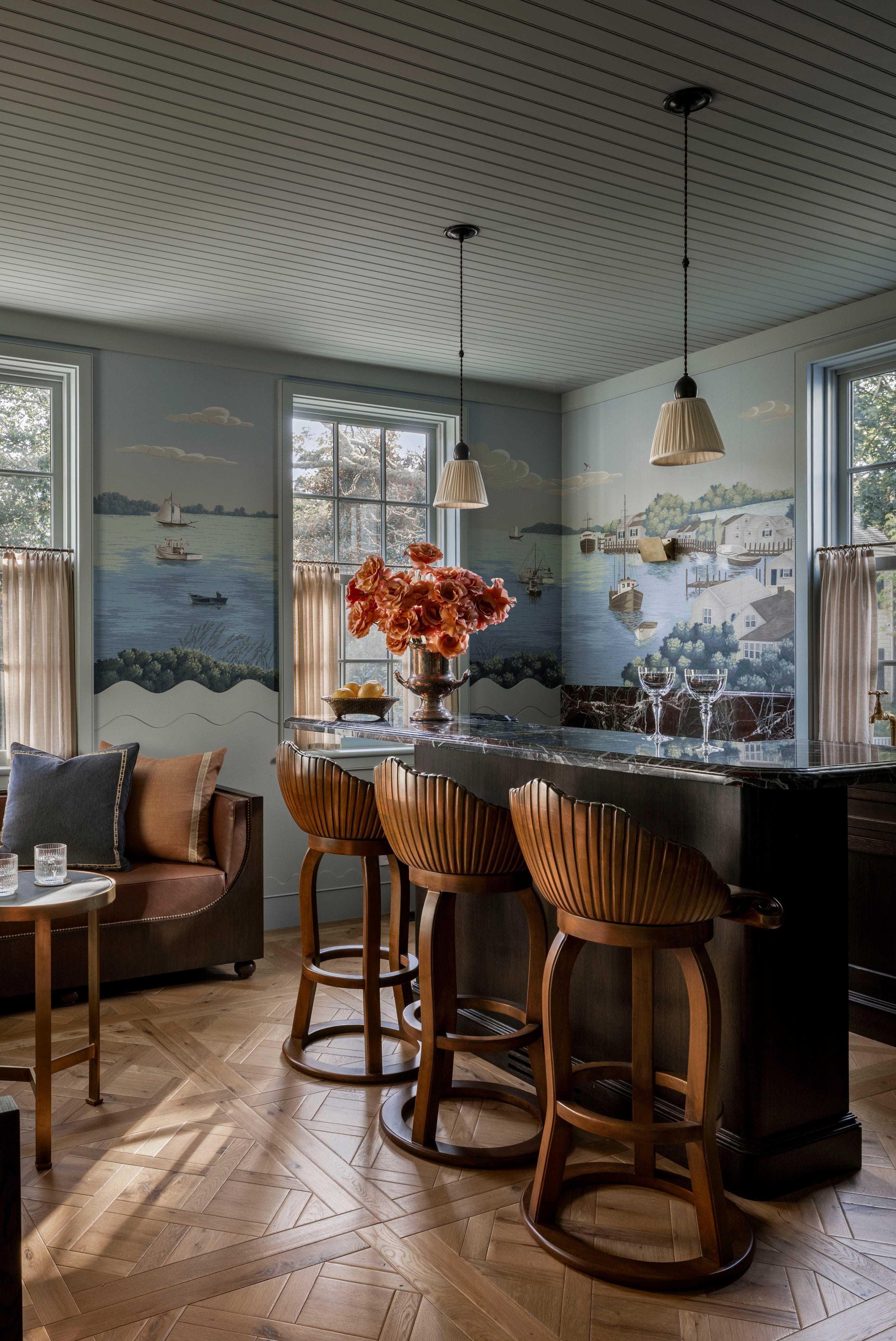
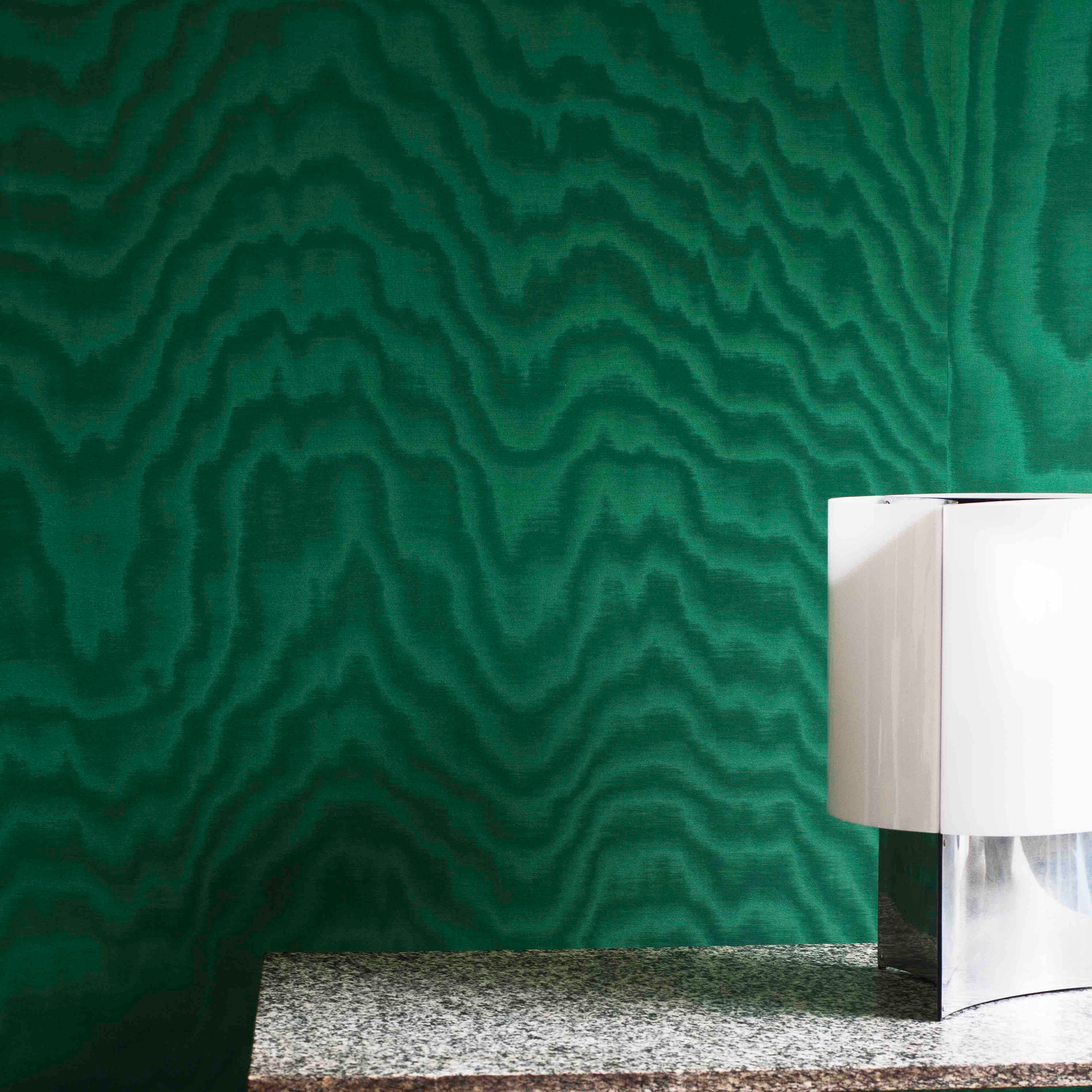
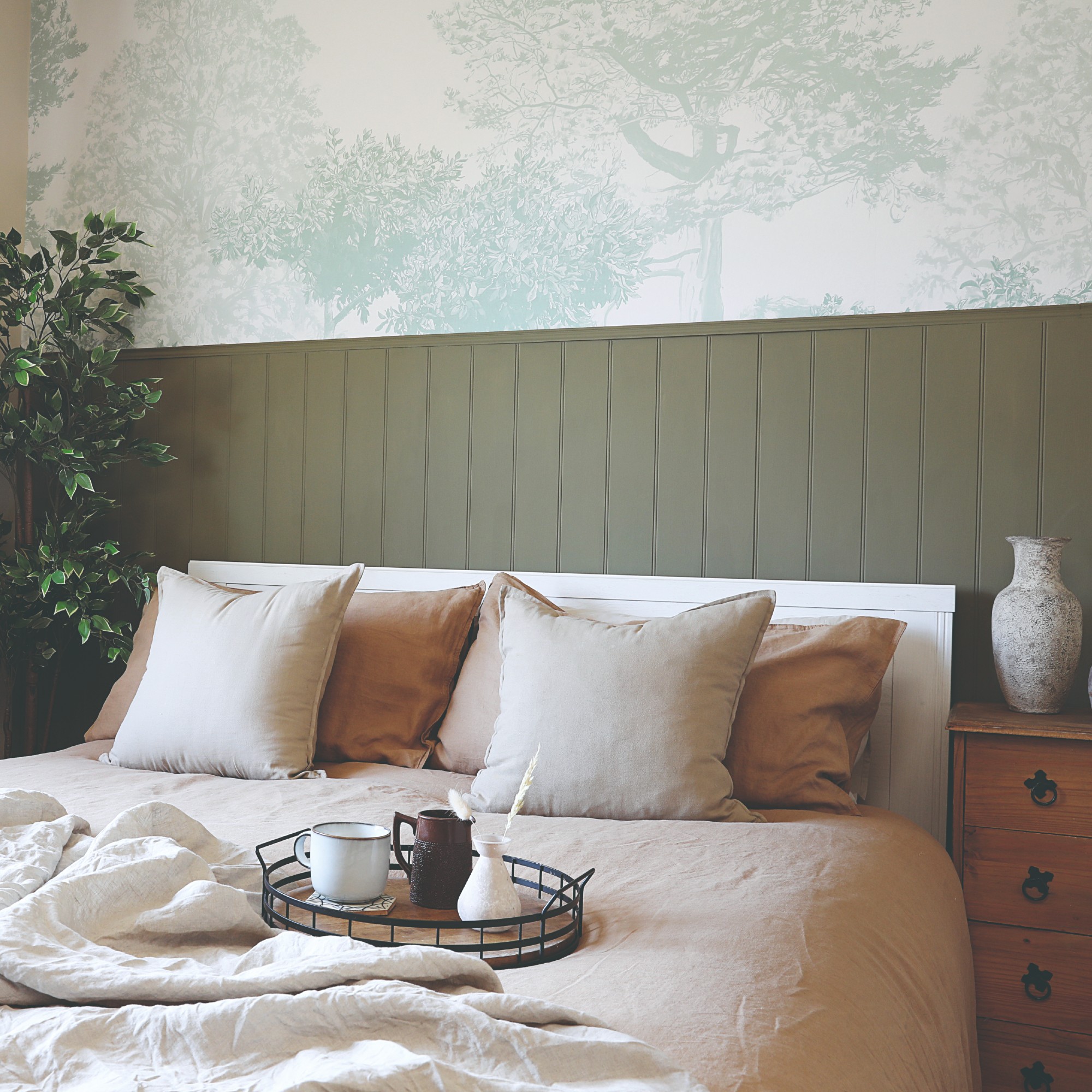
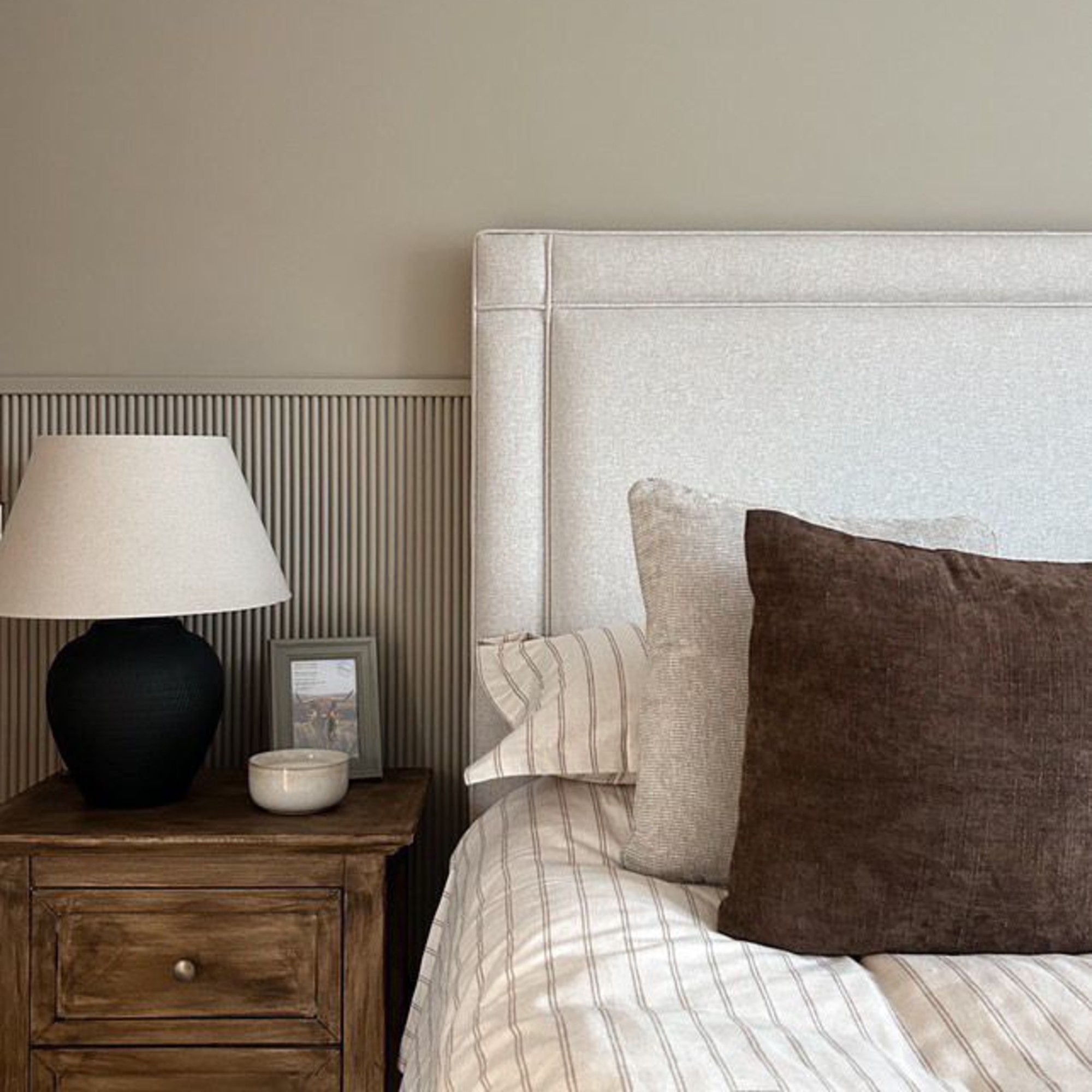
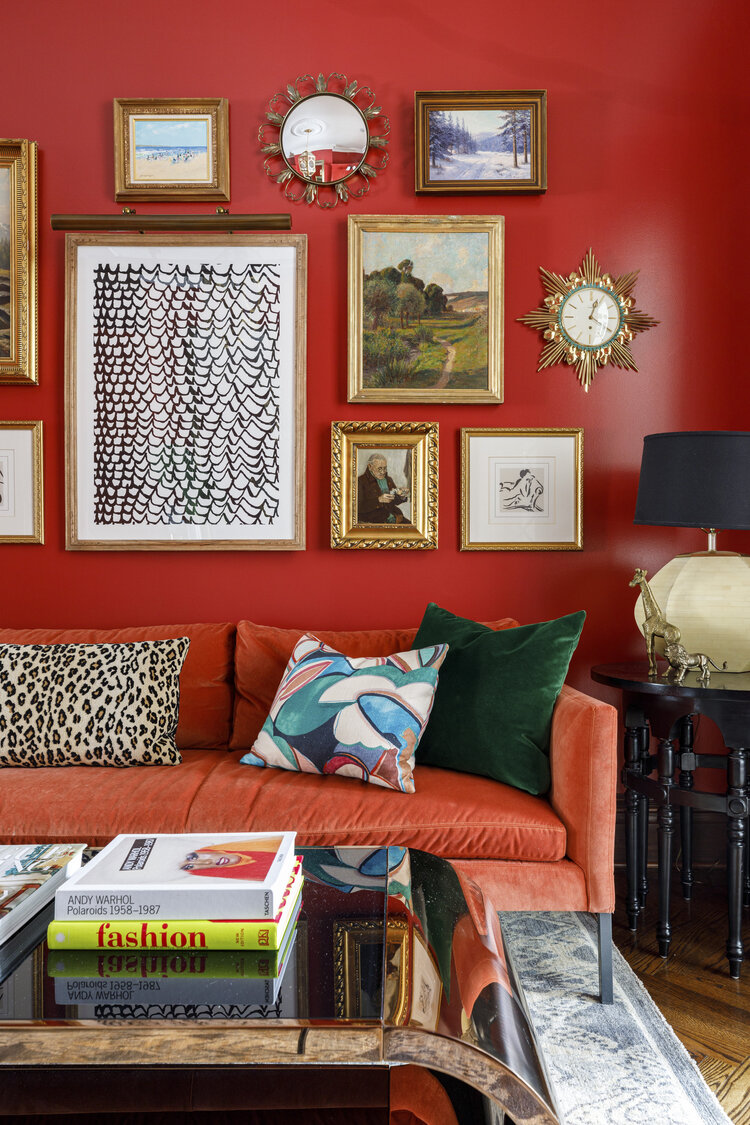
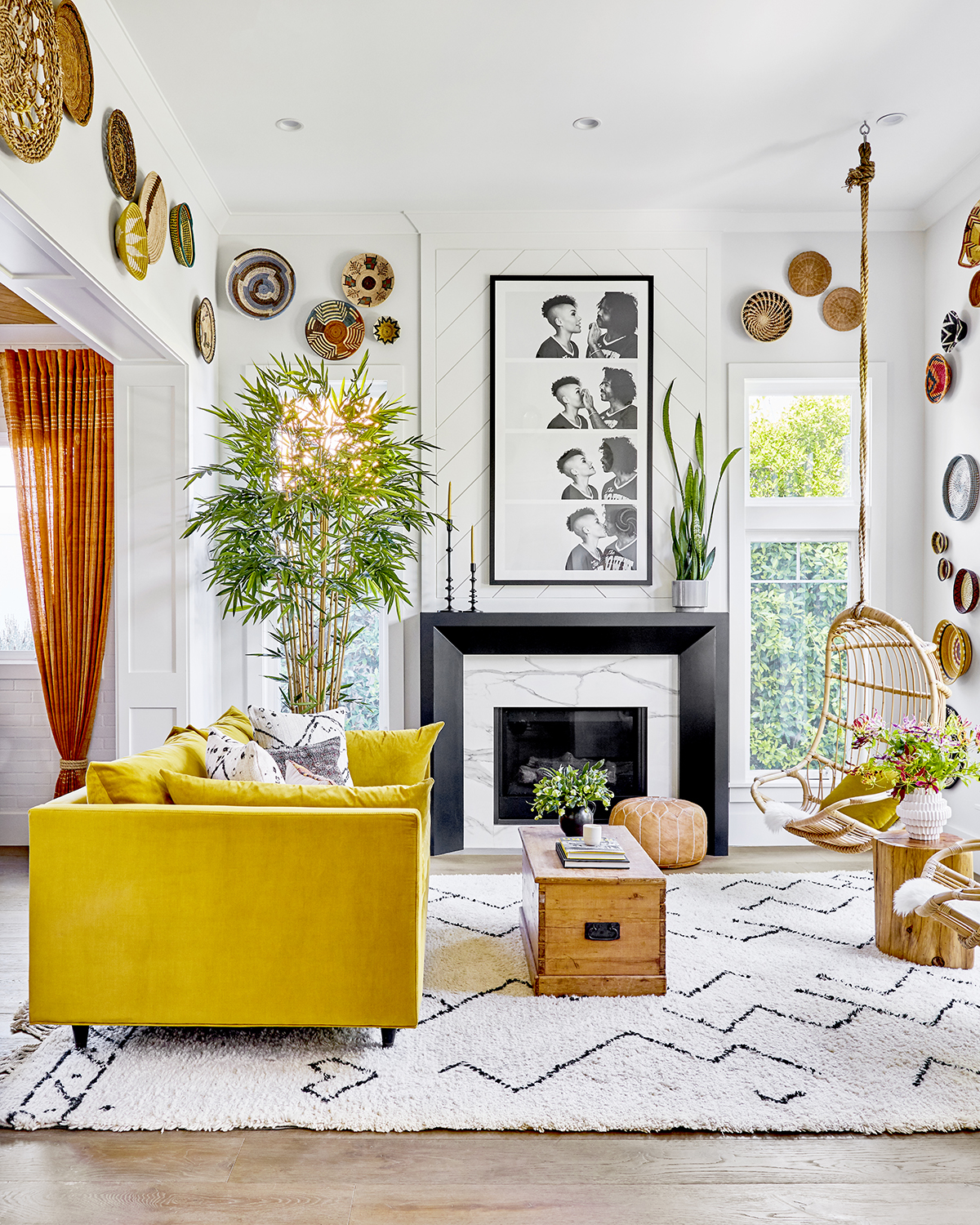
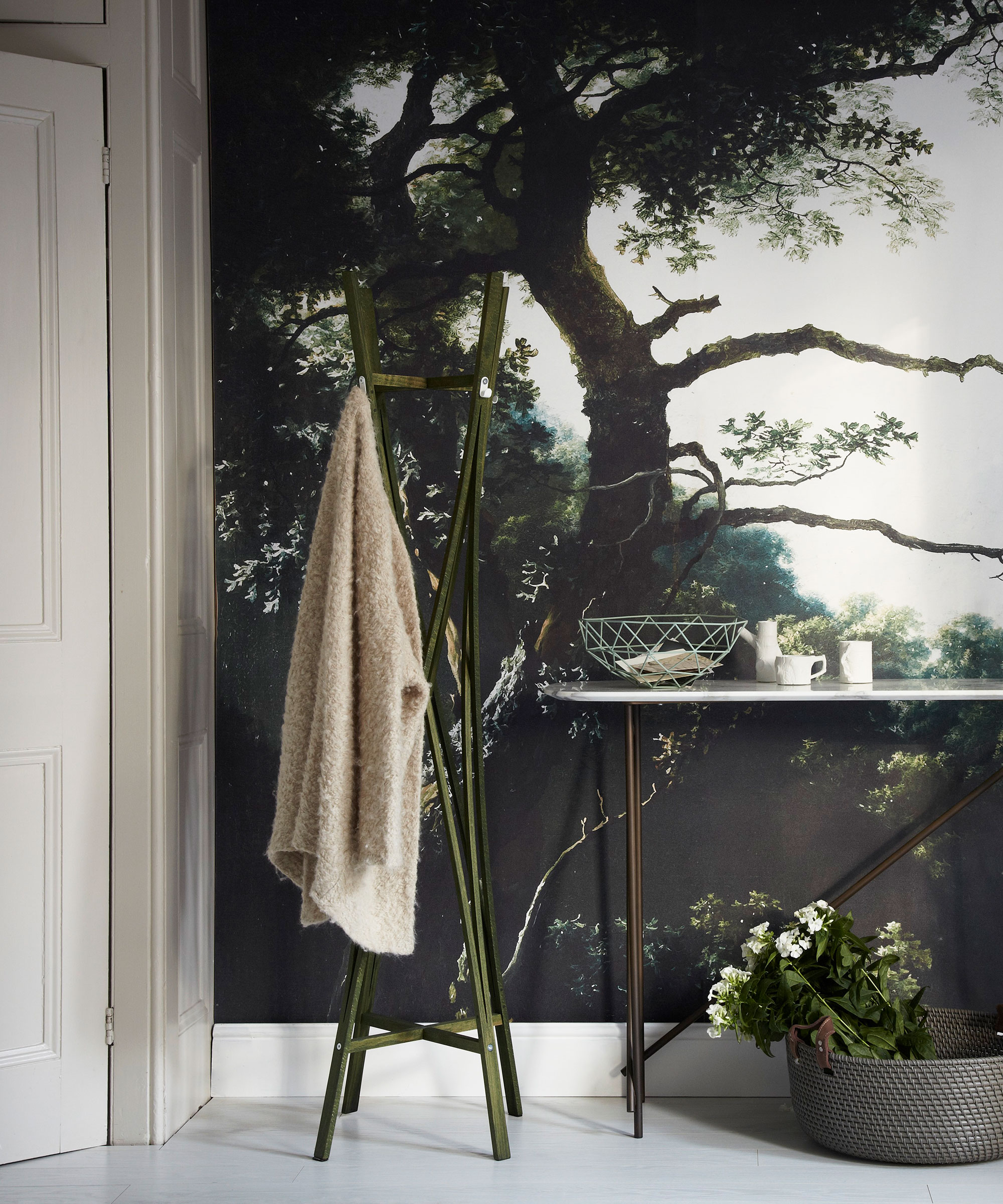
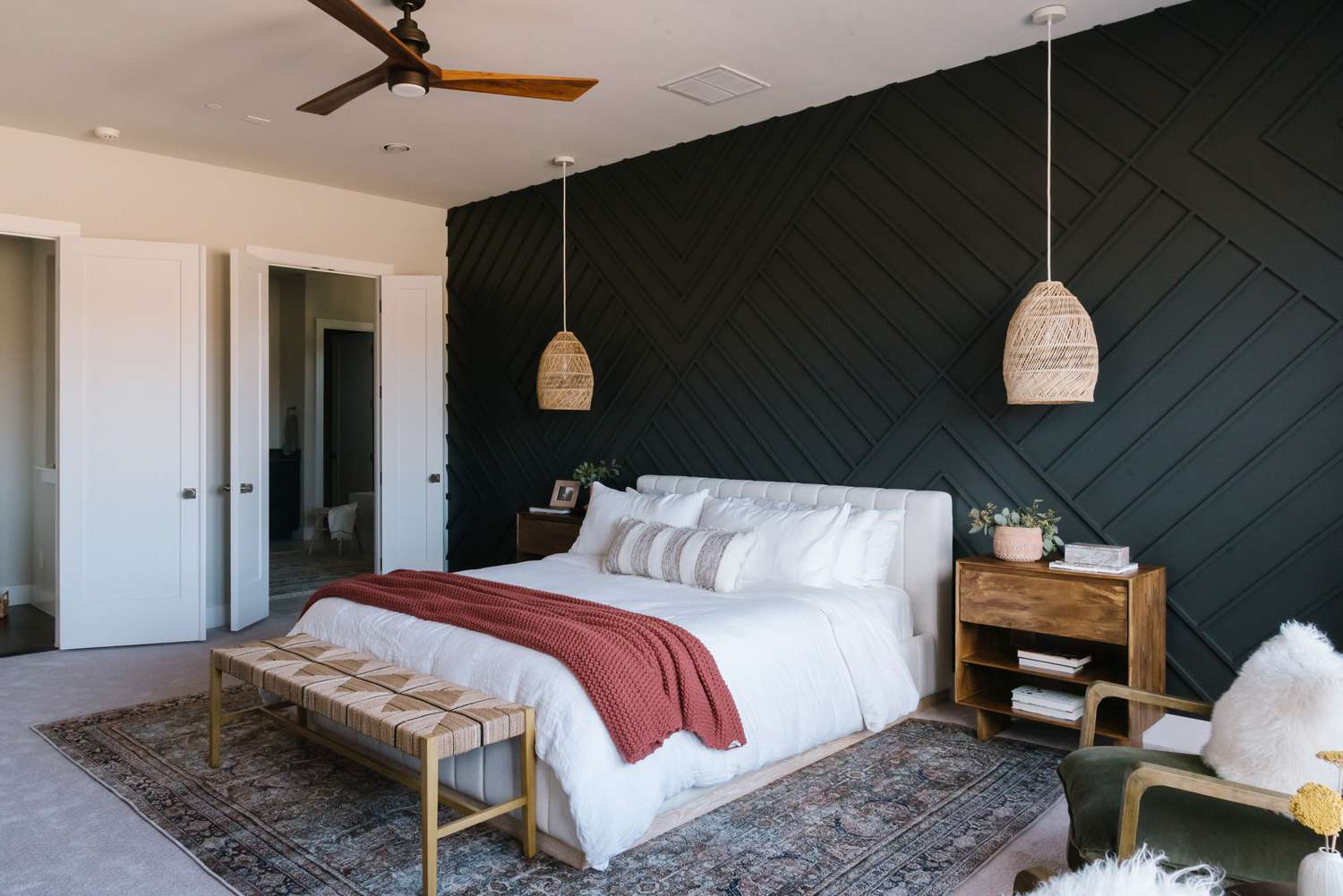
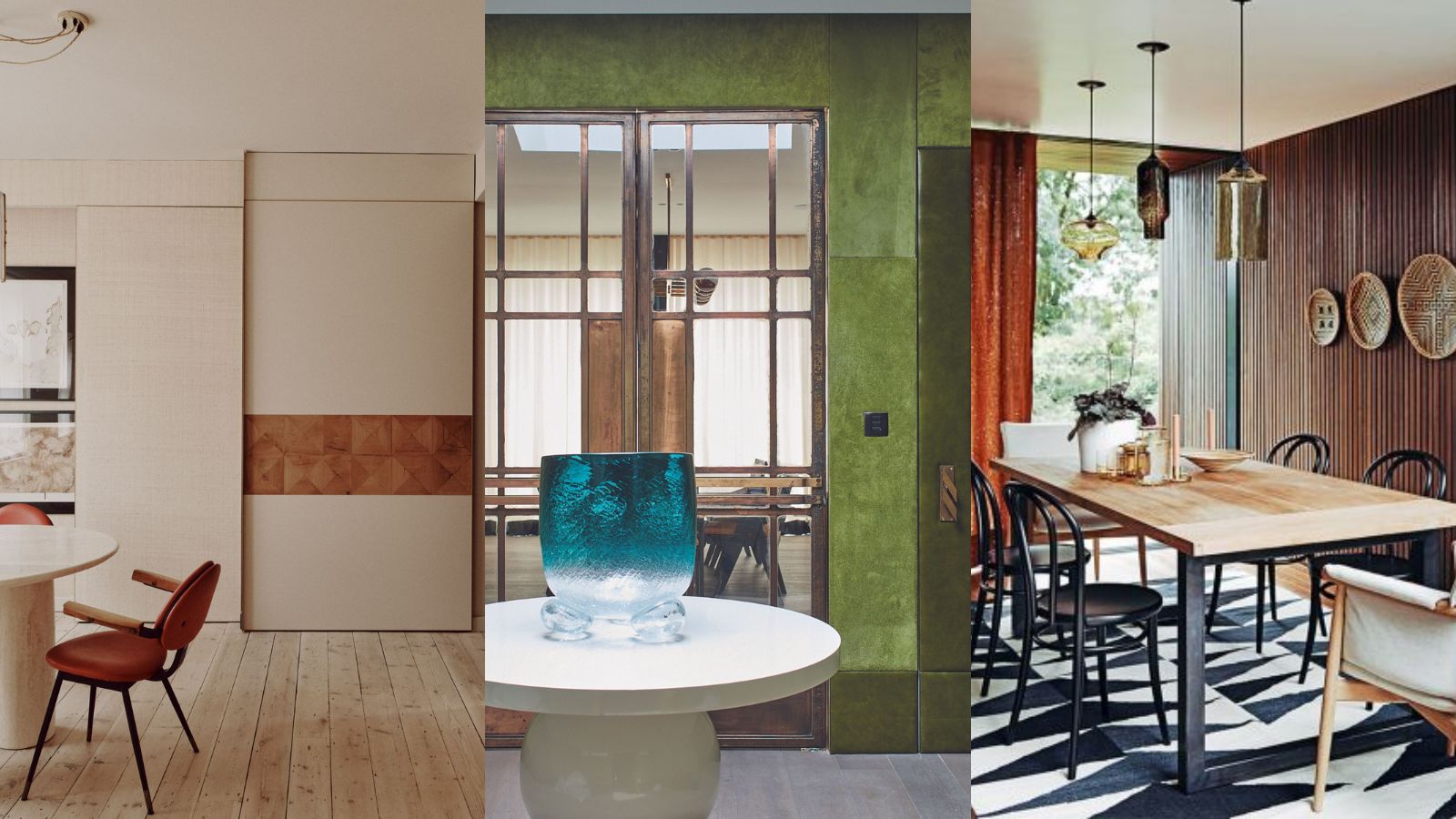
While color is frequently the initial consideration when a home appears dull or flat, texture offers an equally, if not more, effective method for enhancing a room's vibrancy. Introducing texture to a space not only adds depth and dimension but also provides benefits that even color-averse decorators can appreciate. This approach extends beyond merely incorporating throws, rugs, and fabrics. By dressing walls with natural materials such as marble and wood, or utilizing paints and wallpapers that create perceived texture effects, a room can be instantly revitalized without occupying additional surface space.
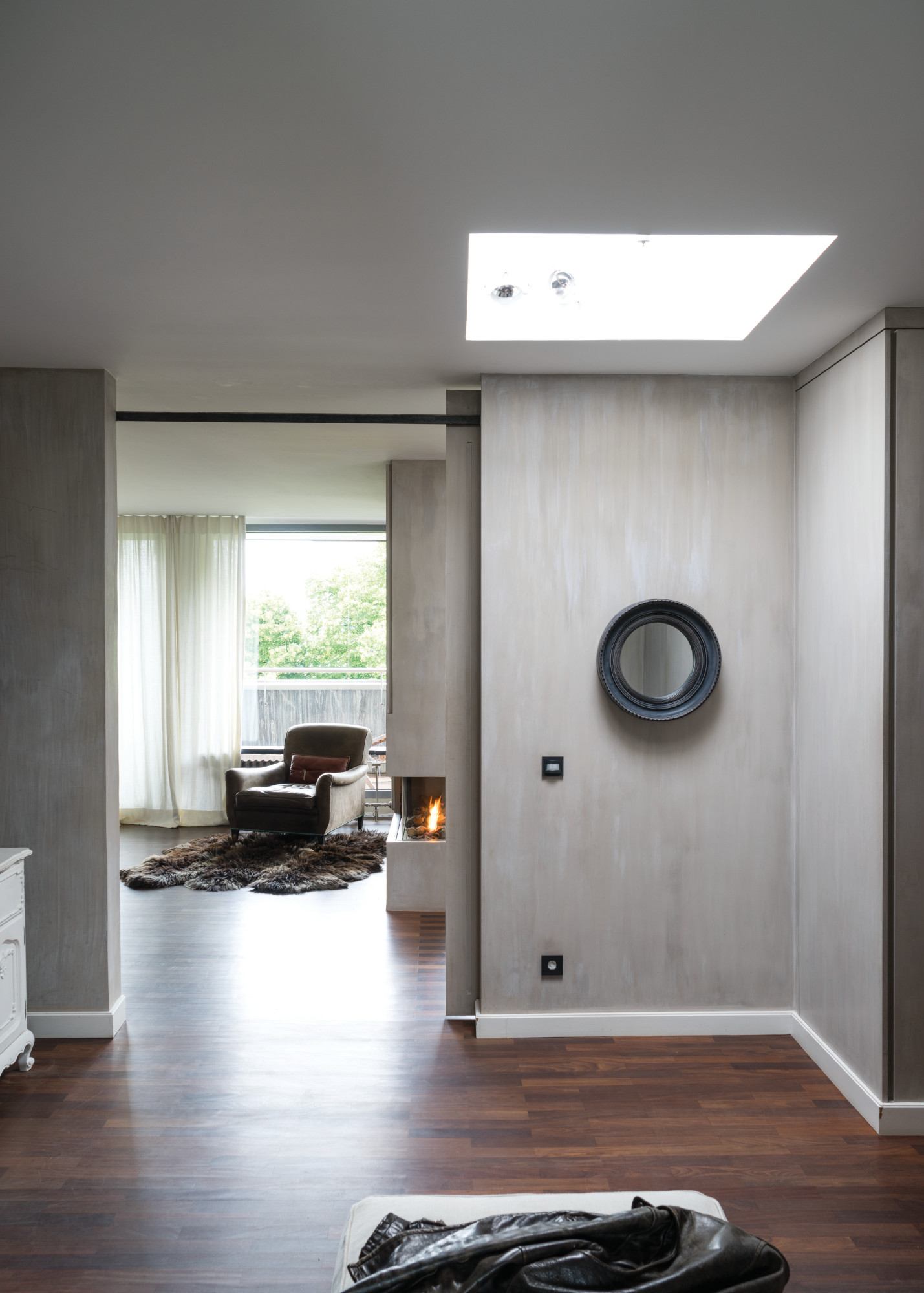
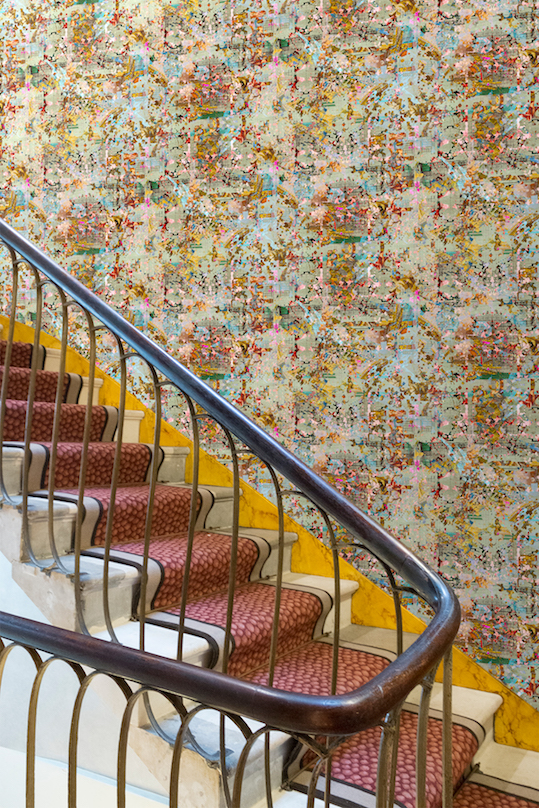
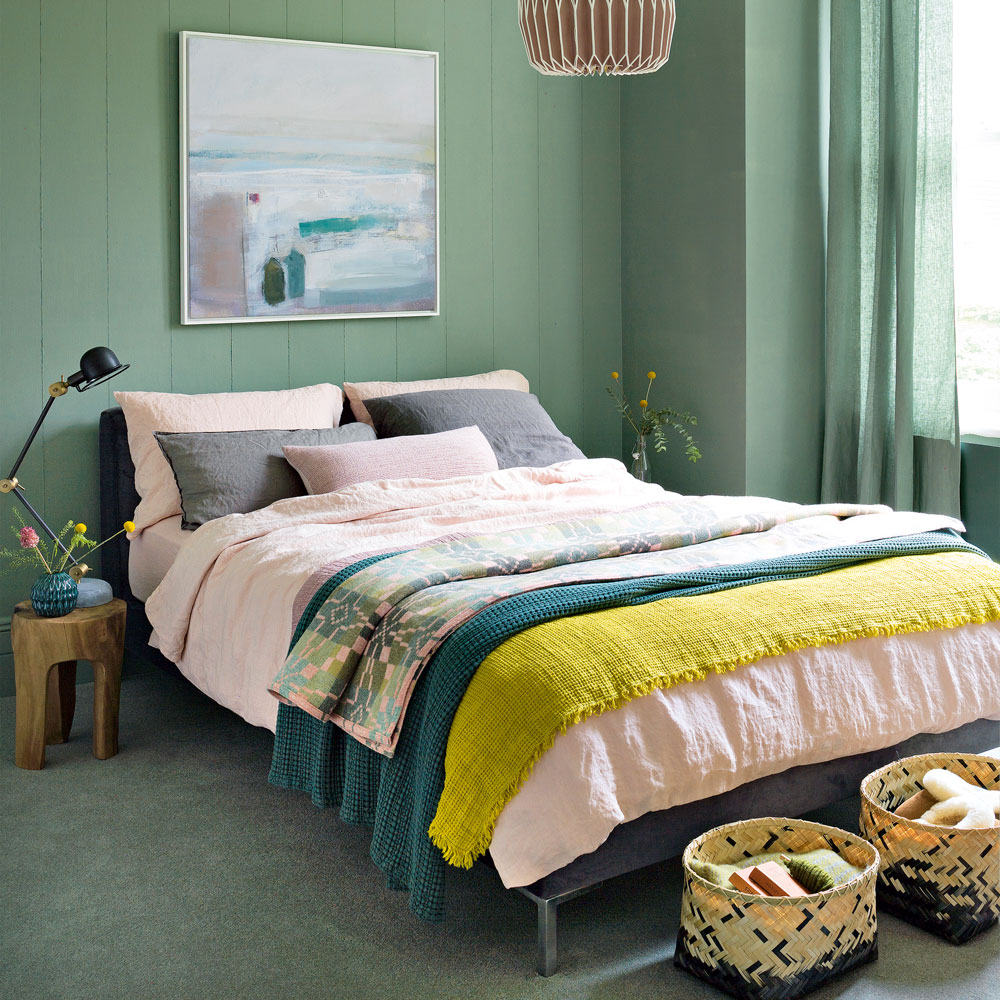
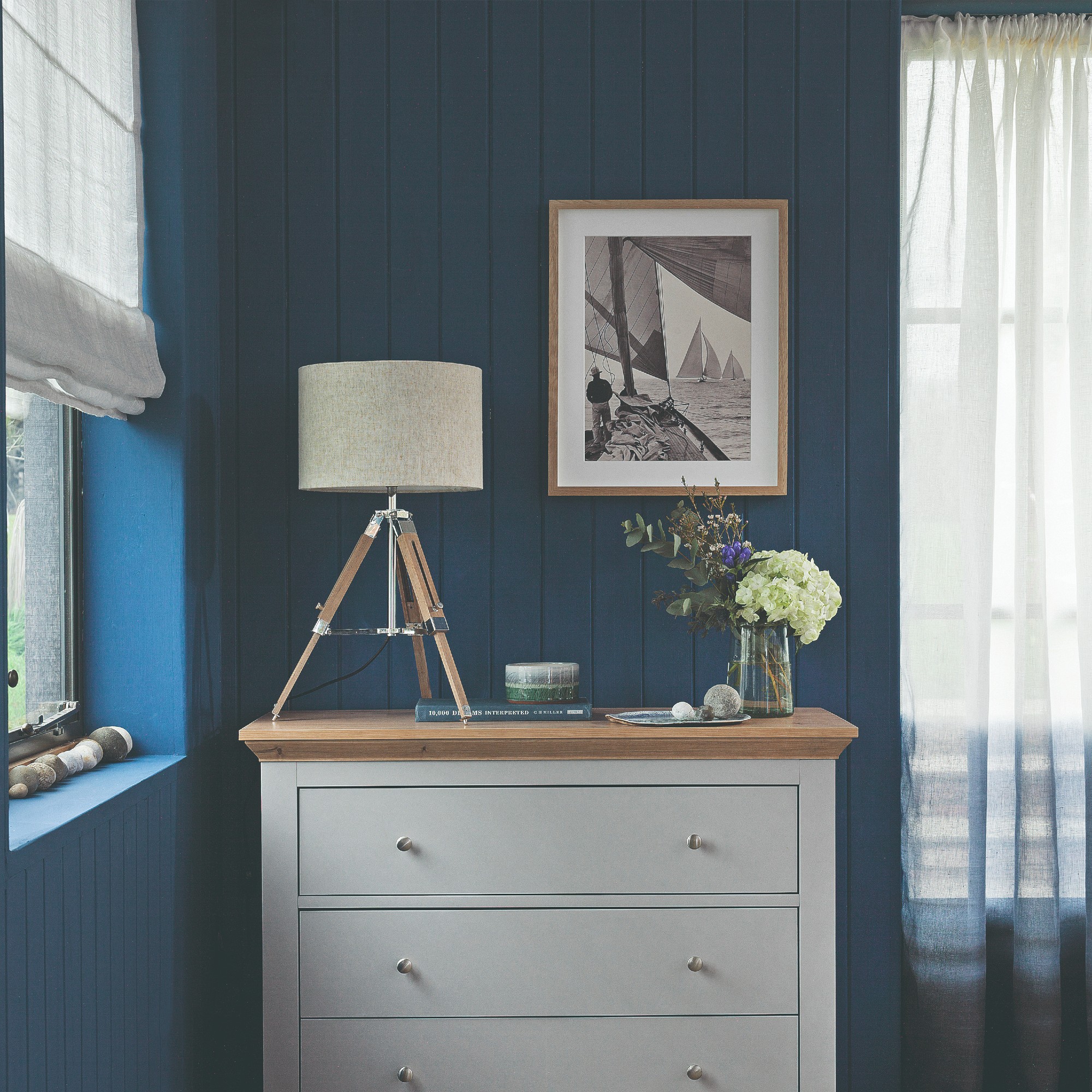
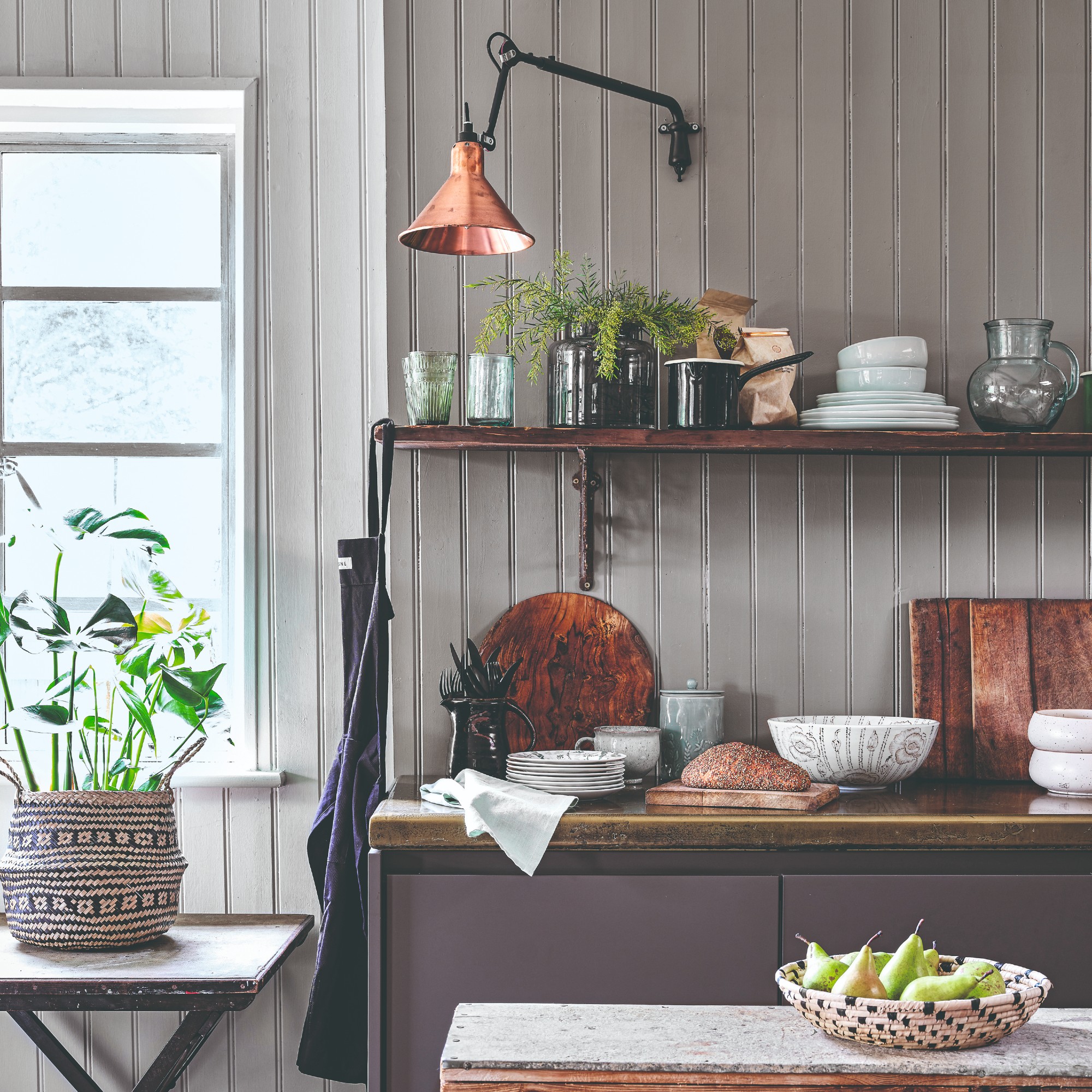
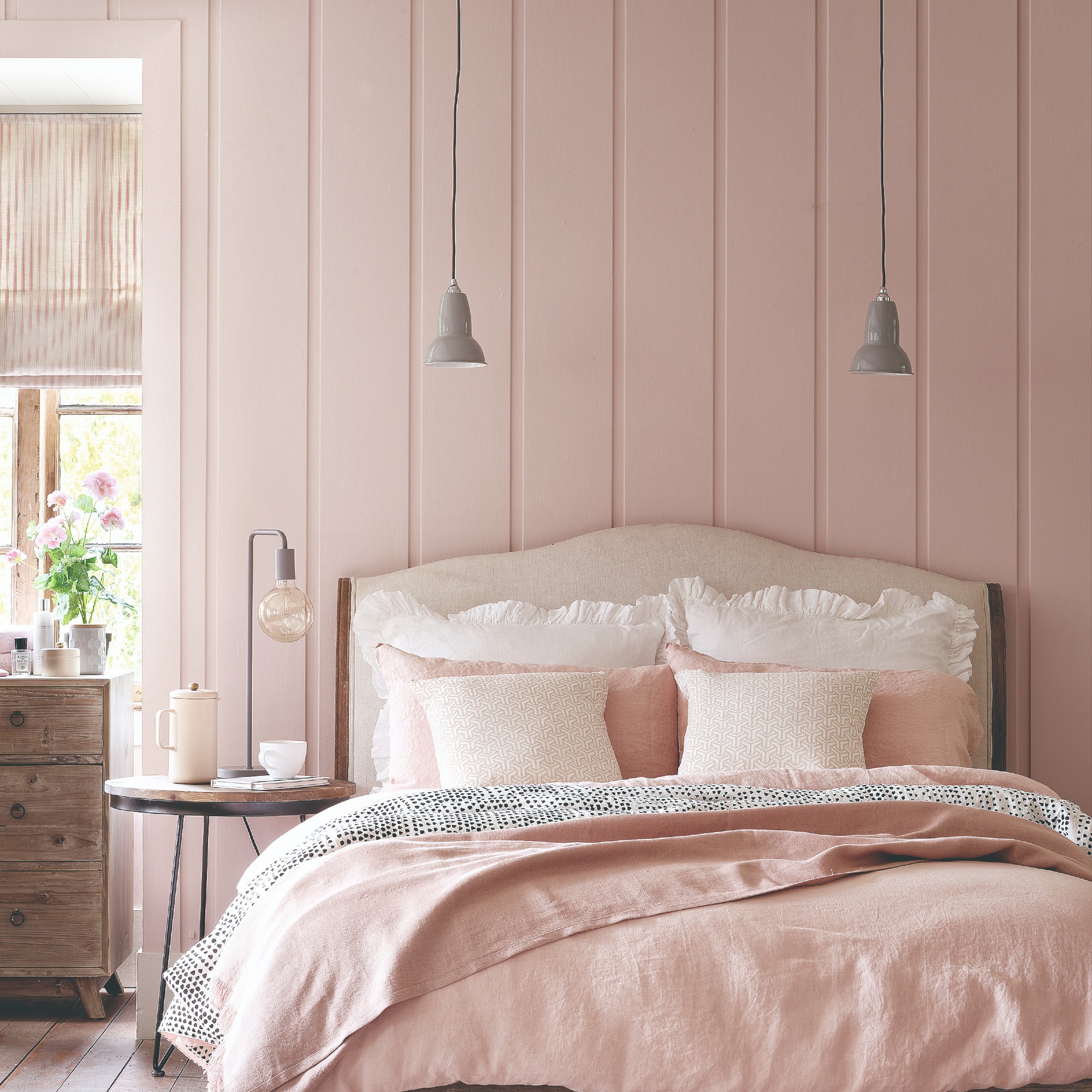
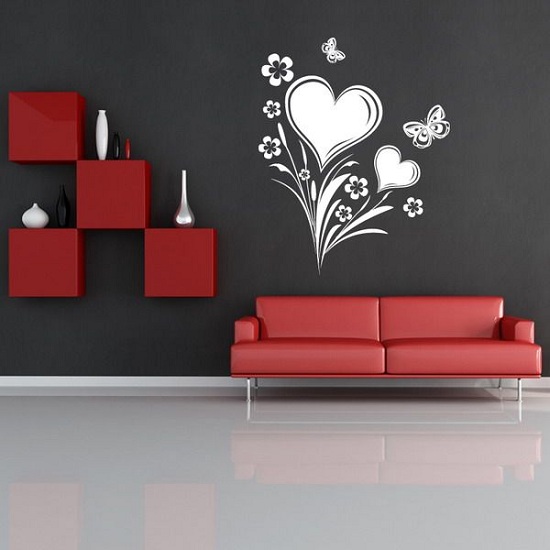
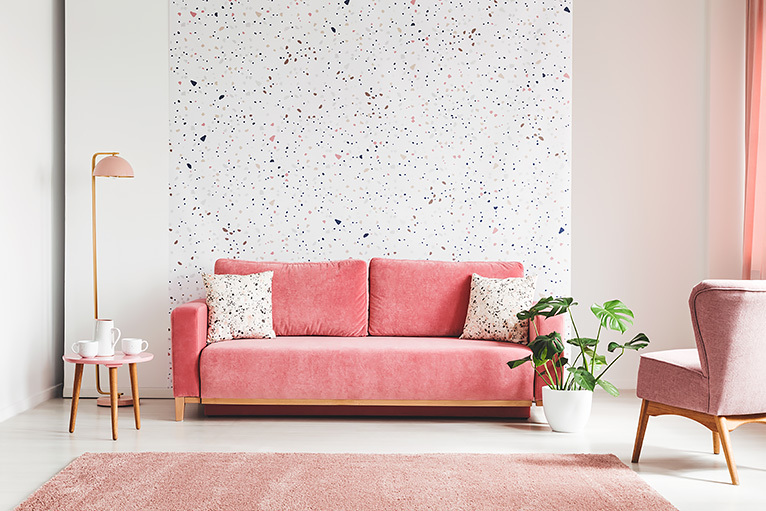
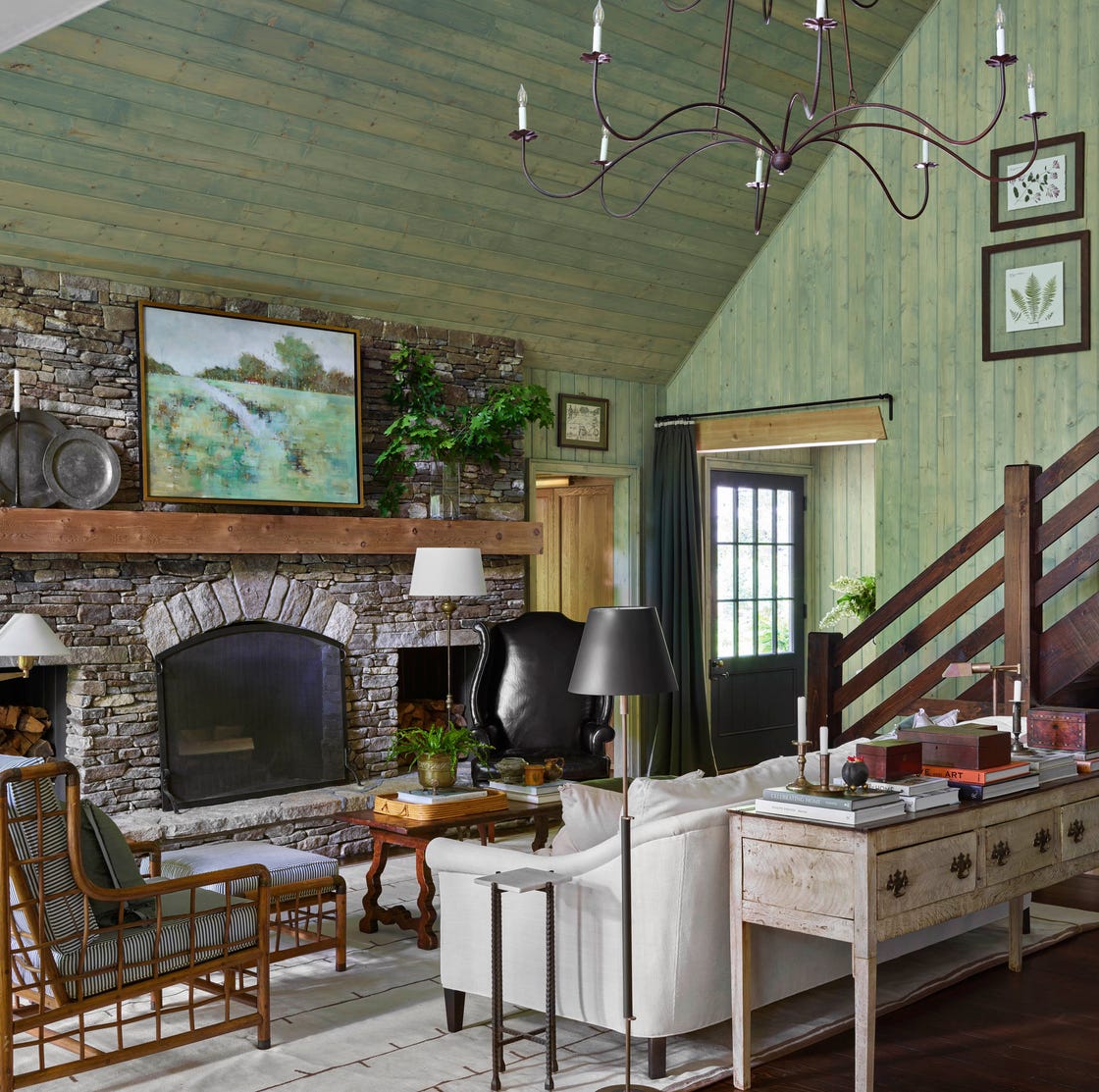
There are numerous creative ways to achieve wall texture. One method involves using optical illusions, such as a printed wallpaper with pearlized ink dots that mimic nailheads, as seen in a sitting room designed by Cameron Ruppert Interiors. Another option is whitewashing wood panels; if existing paneled walls need brightening, diluting paint with water and applying it with a brush, then wiping and repeating, can achieve the desired lighter shade. For a unique three-dimensional effect, paint can be applied with a flat plaster paddle instead of a roller or brush, transforming a wall into a work of art, as exemplified by a light mossy green wall in a Studio Flack design.
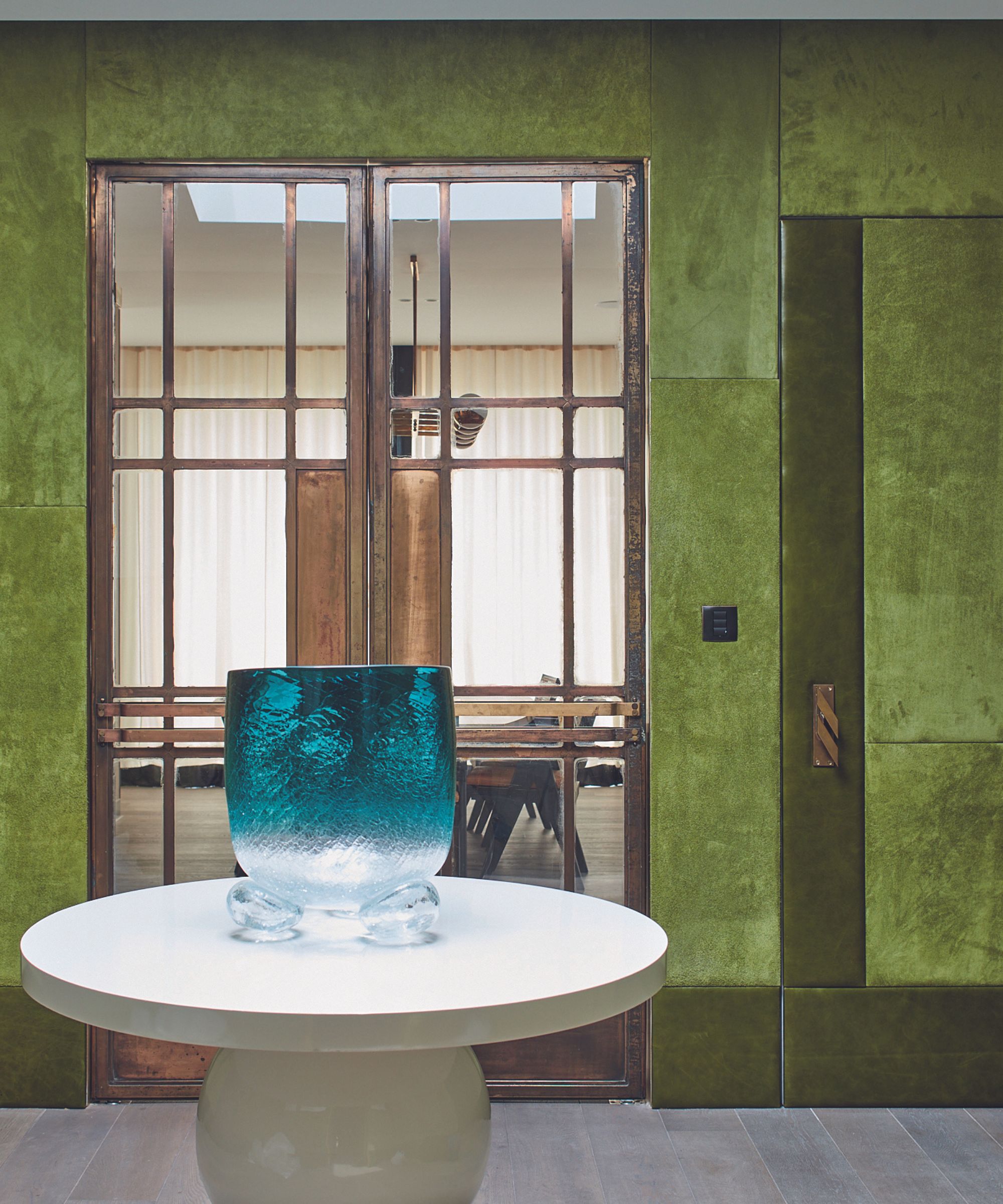
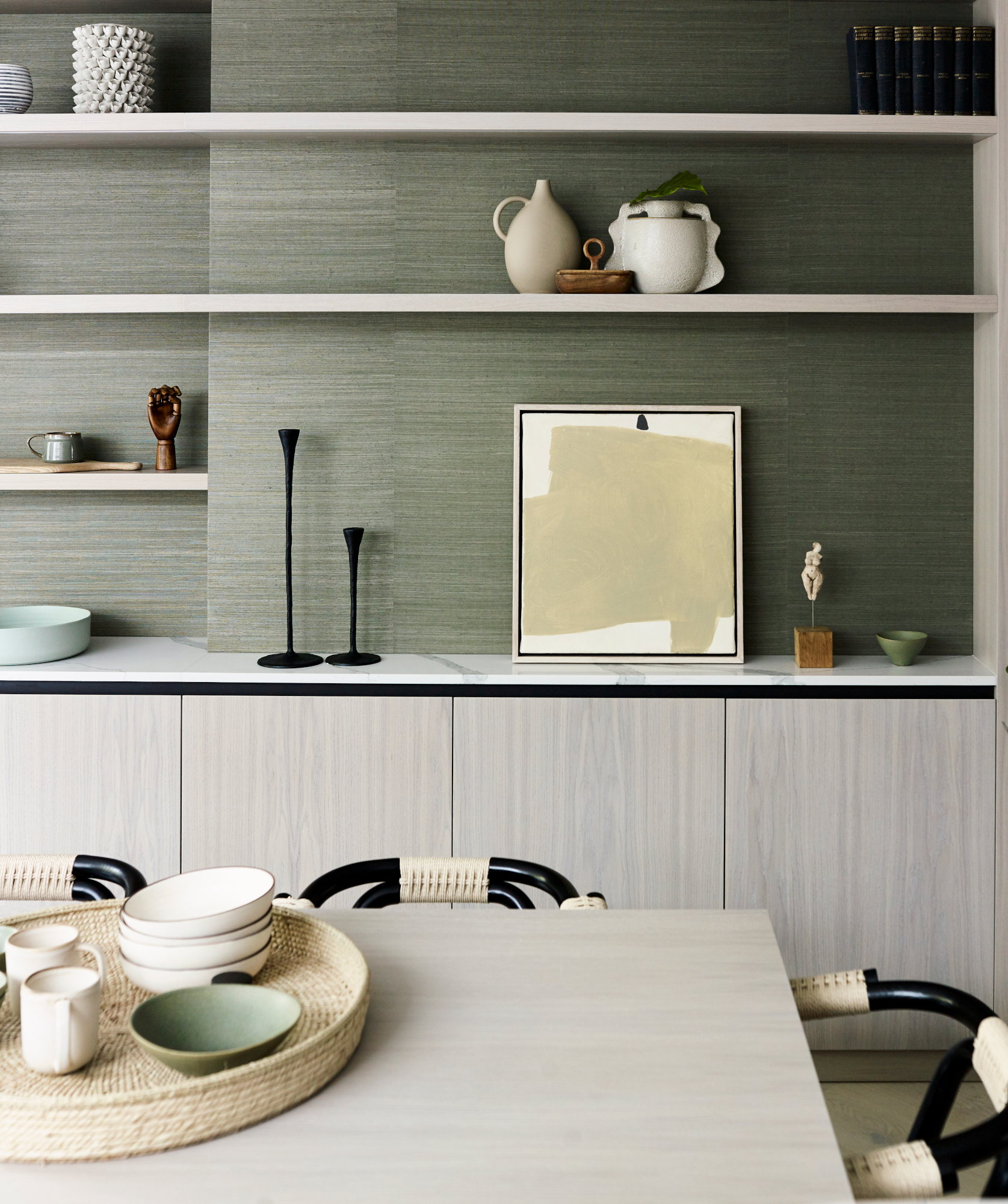
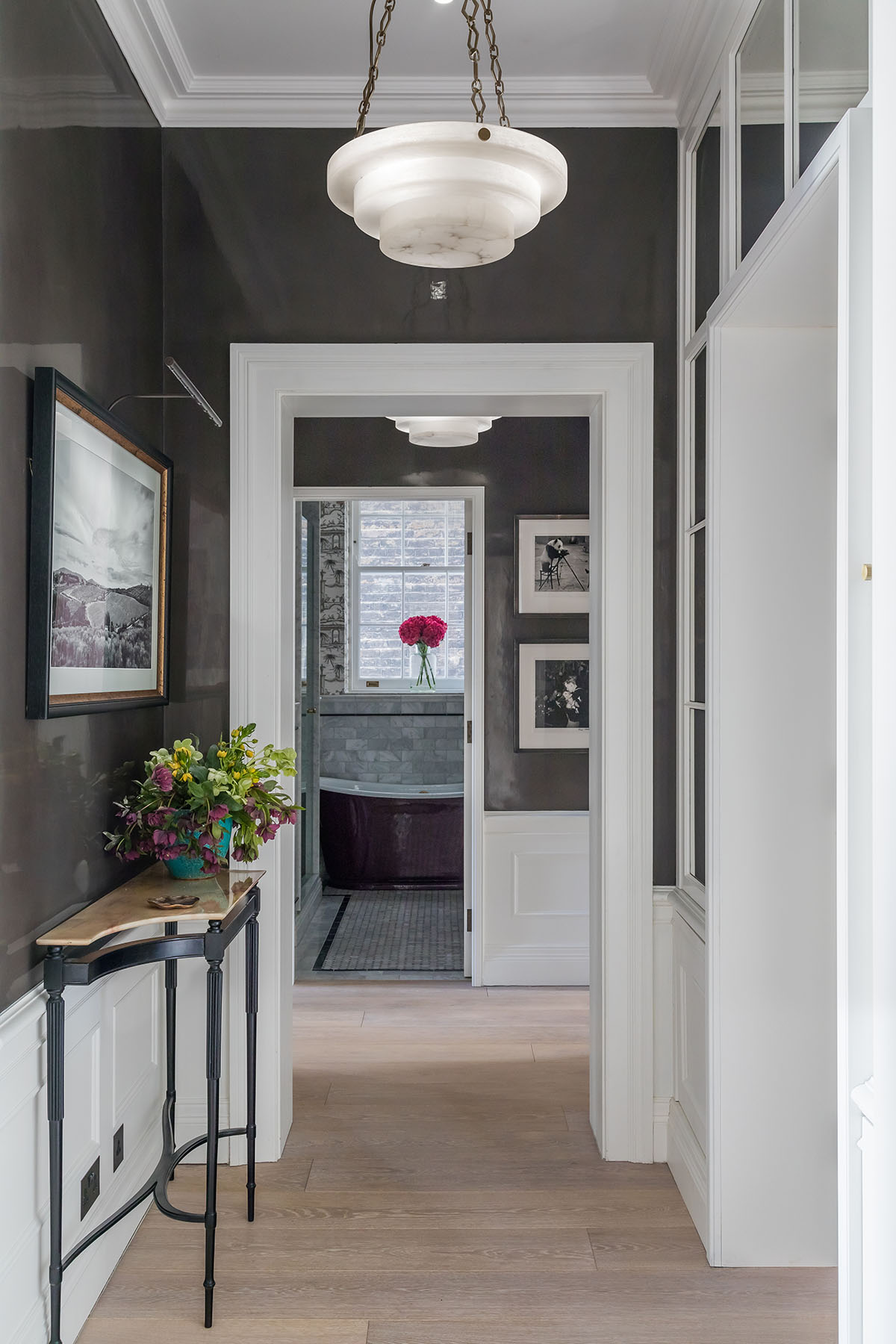
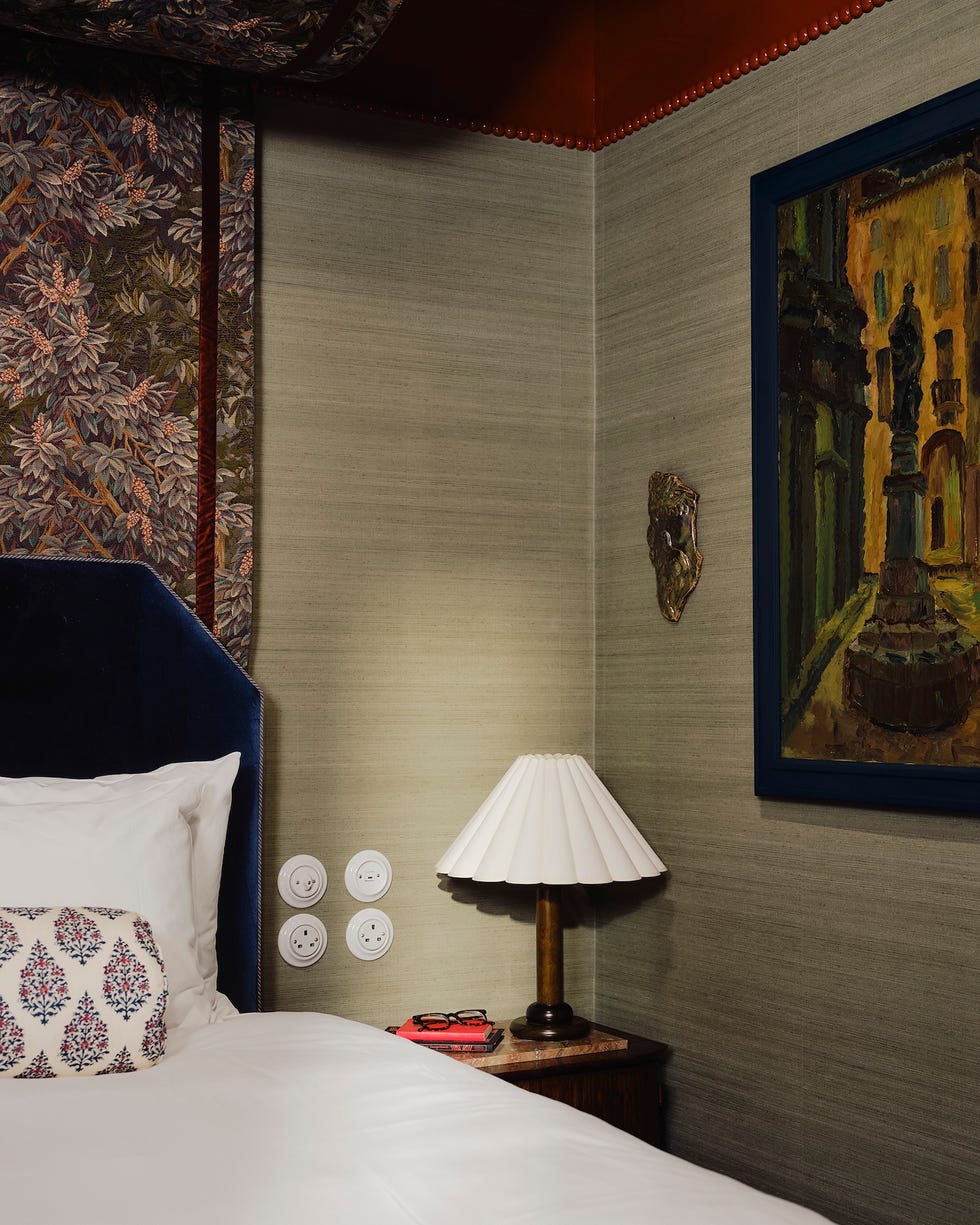
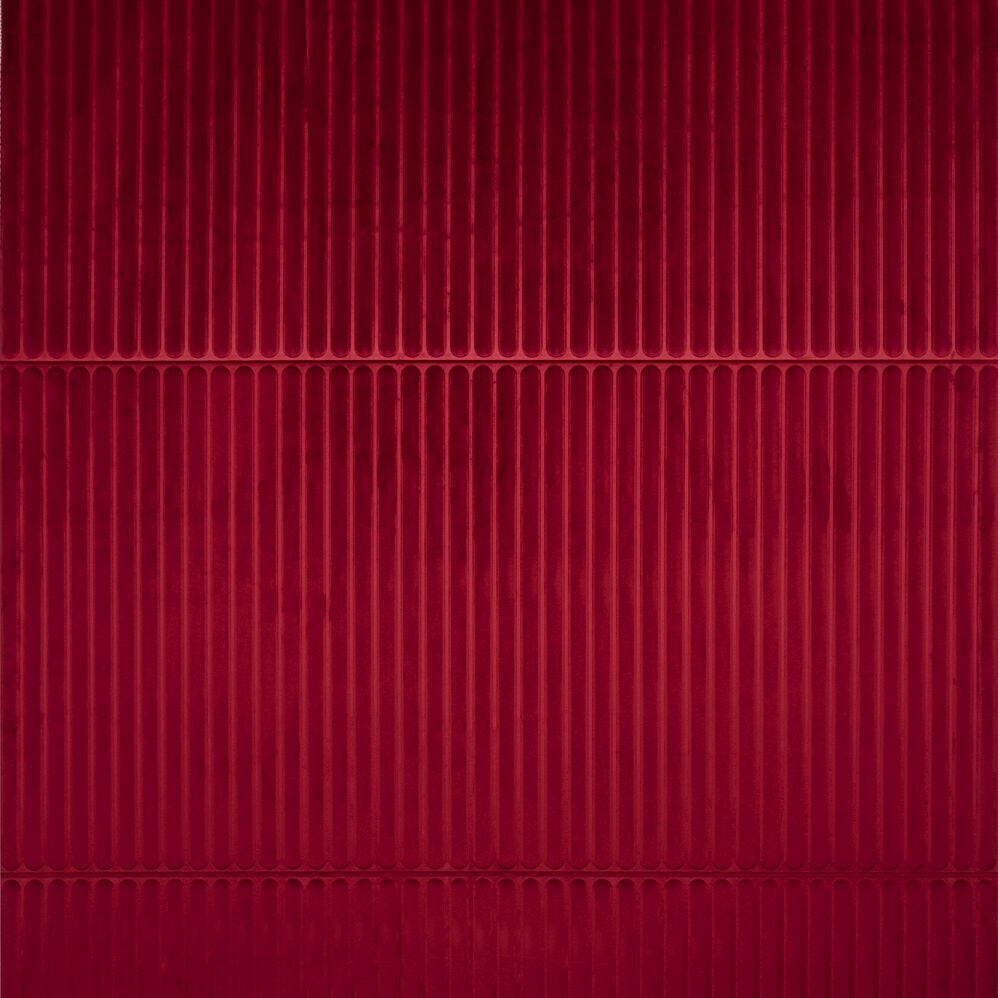
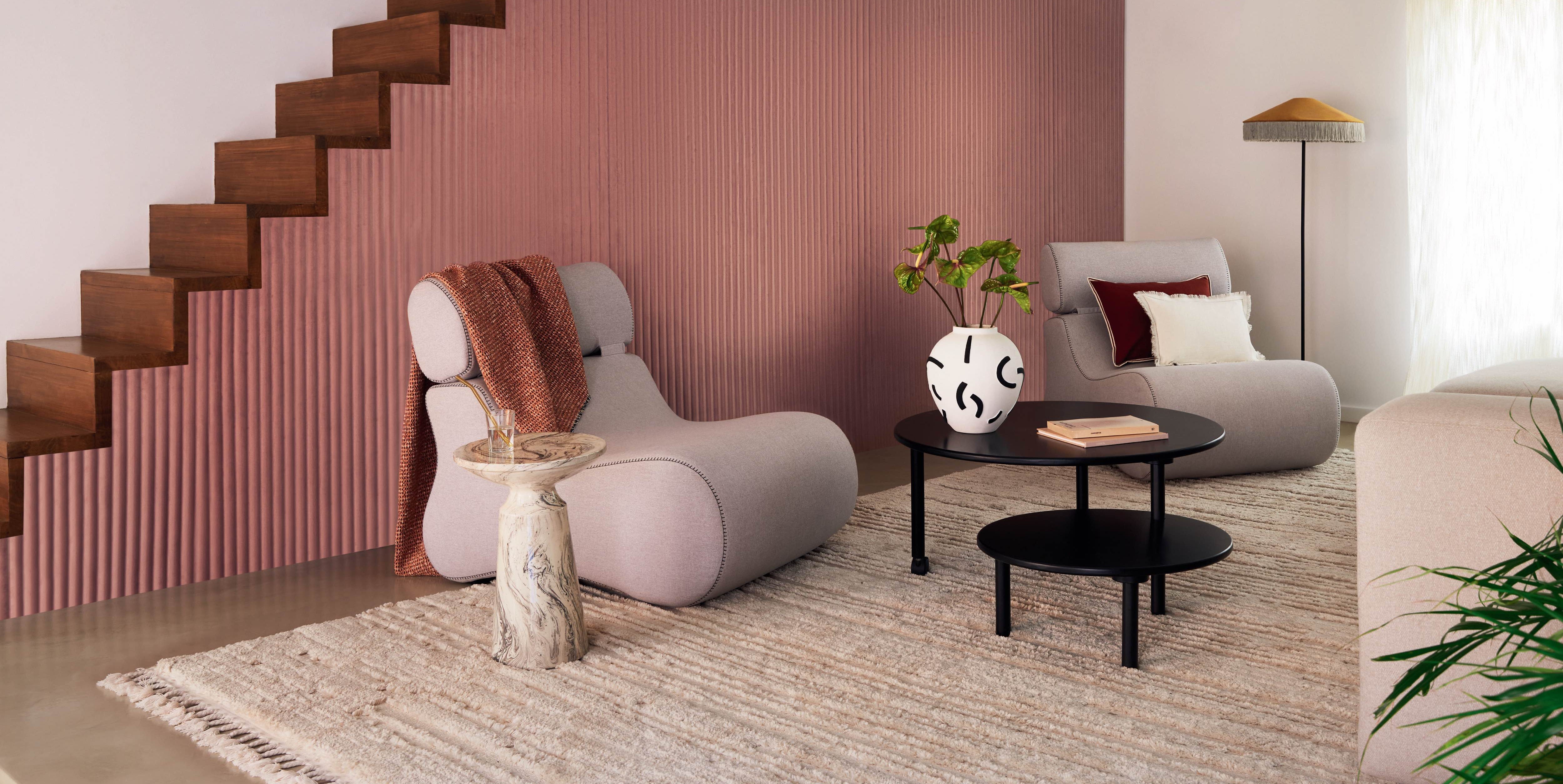
Grasscloth wallpaper is a versatile choice, offering both printed and neutral options. A block-printed grasscloth, like the Lee Jofa selection in a California sunroom by Heather Hilliard, adds rich, dimensional texture, while a neutral grasscloth, made from natural fibers, provides warmth and more texture than other wallpaper types. Lacquered paint, with its glossy finish, can make a room feel larger by reflecting light, similar to a mirror. For enhanced comfort and sound dampening, walls can be padded with velvet, especially when installed over cotton batting, creating a luxurious and acoustically favorable environment.
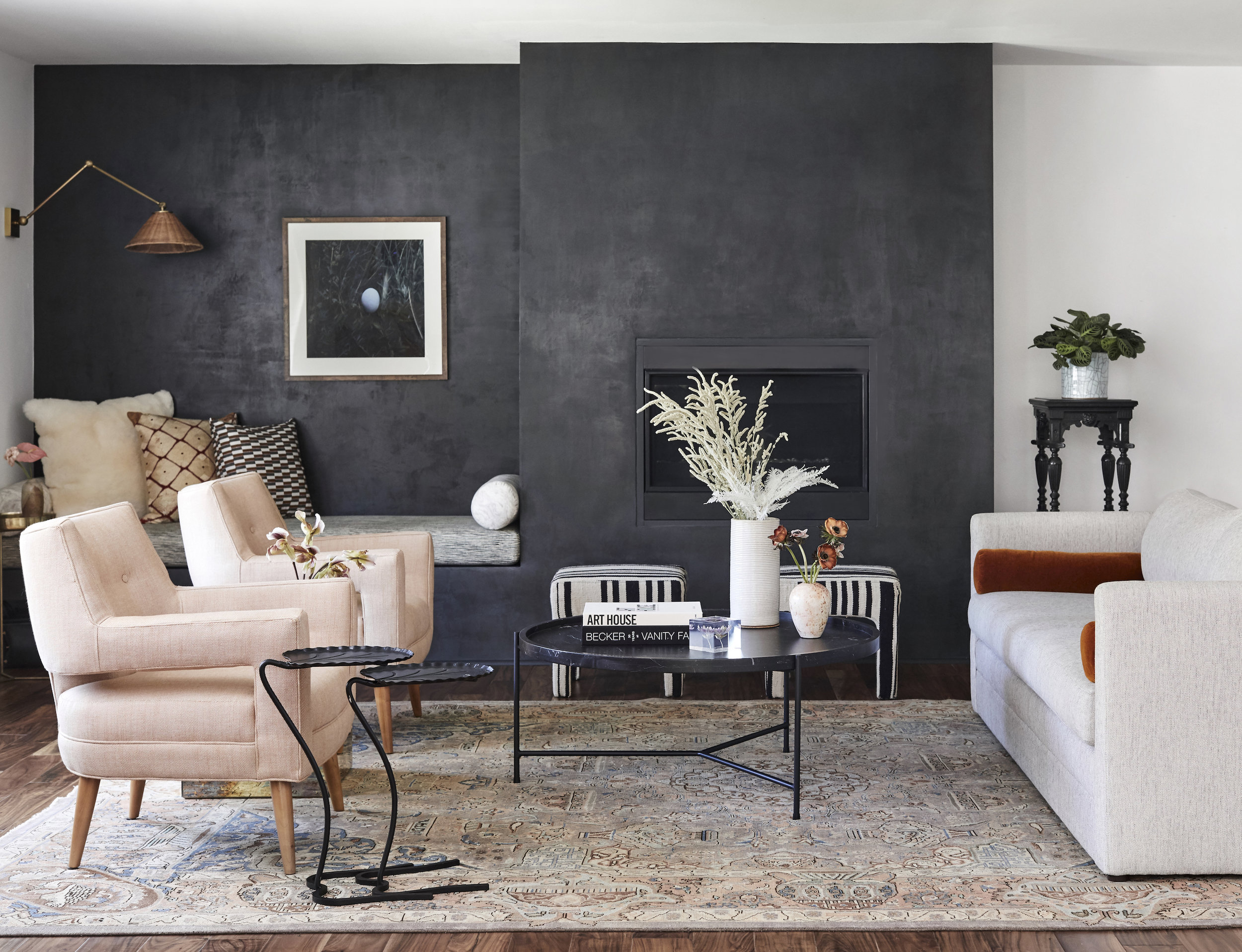
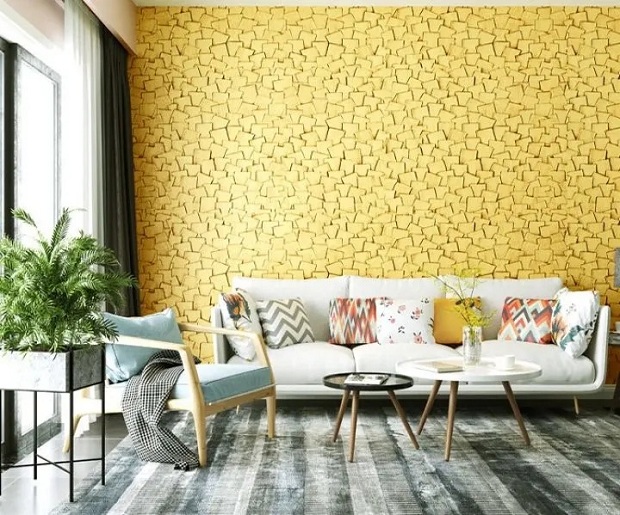
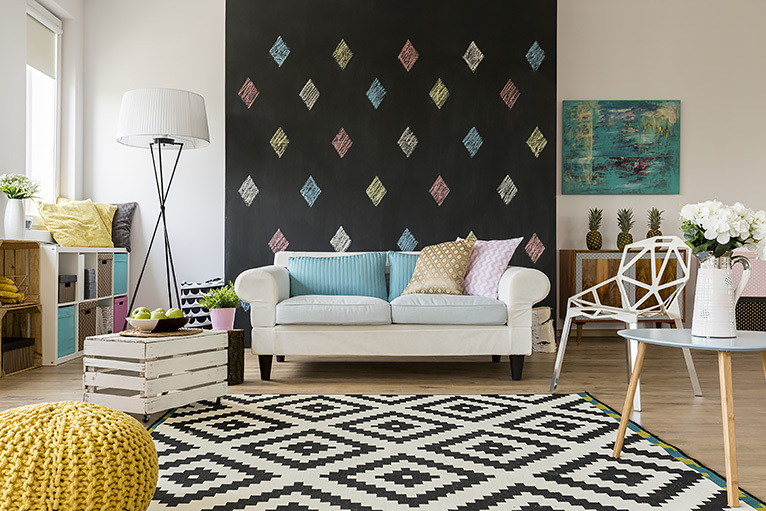
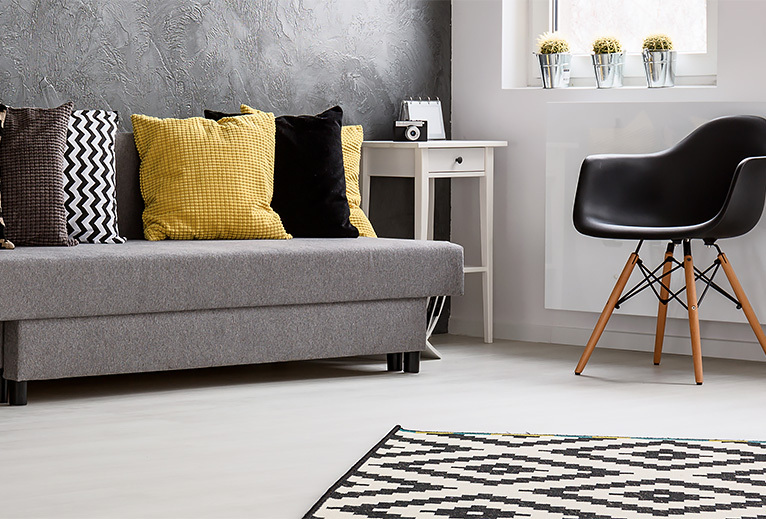
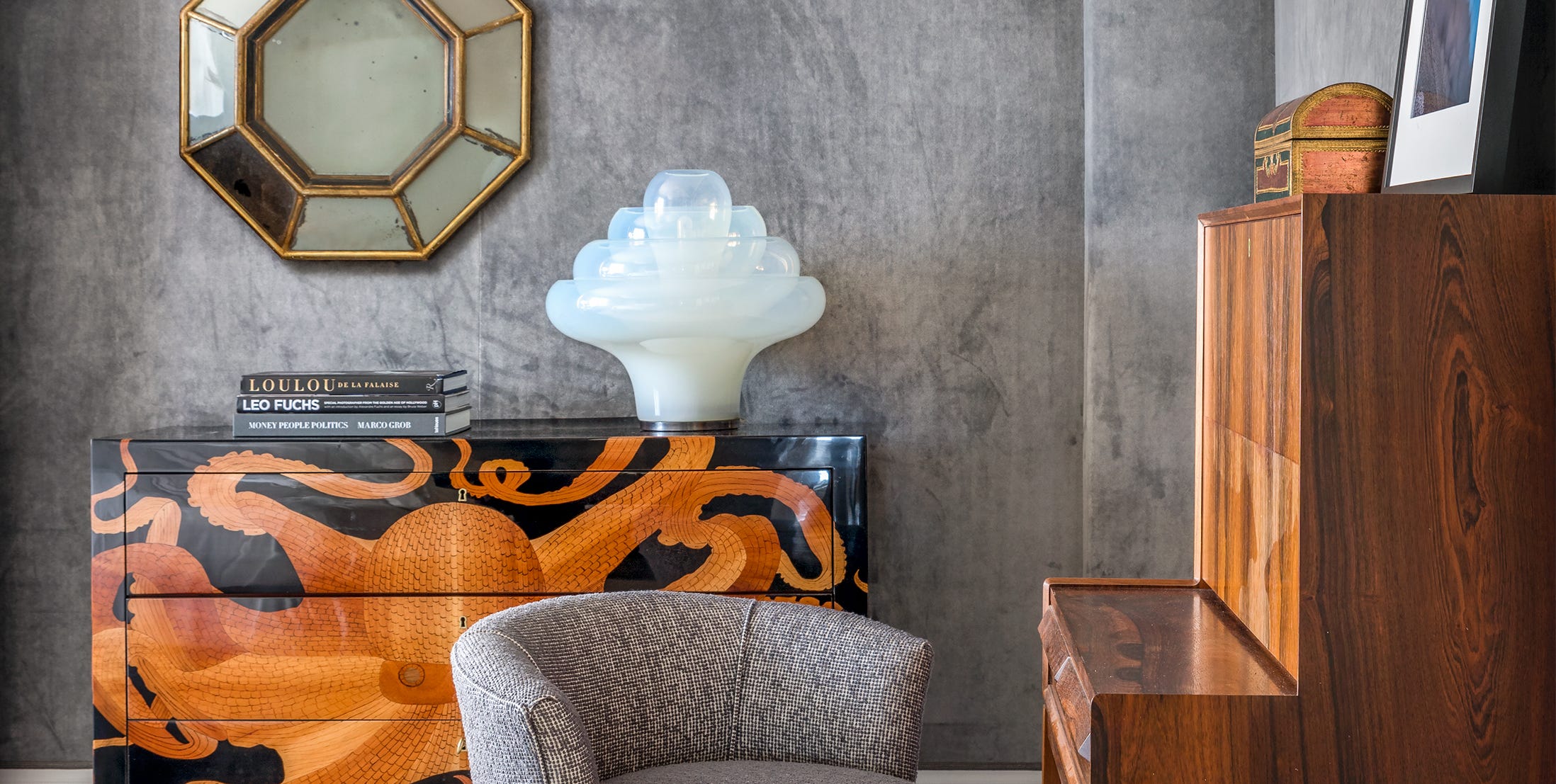
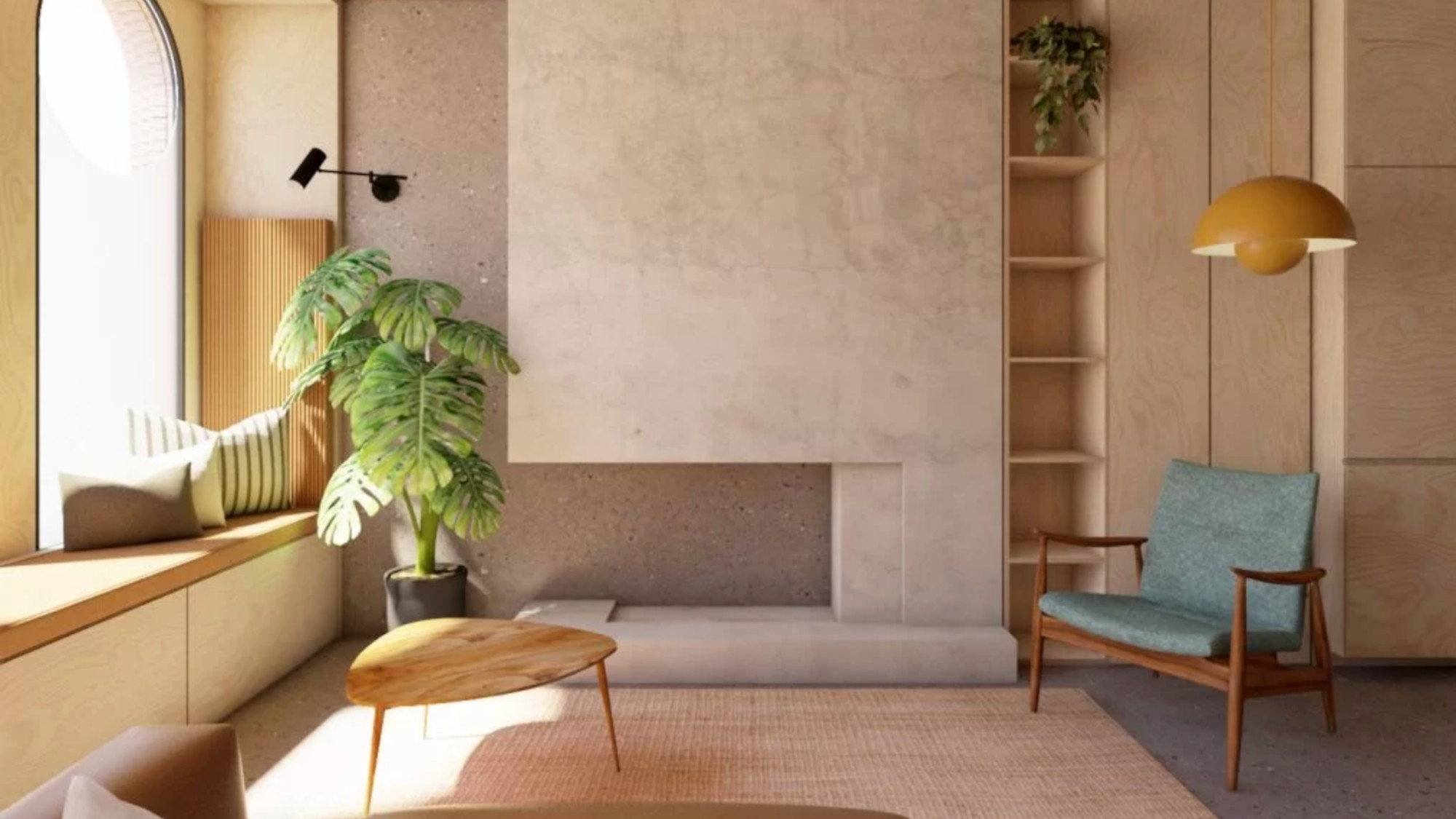
Mirrored walls not only enlarge a room visually but also offer an interesting backdrop for artwork, particularly antiqued mirrors which exude a glamorous feel. Faux animal skin wallpapers, such as a Ralph Lauren faux crocodile wallpaper used by designer Tom Stringer, introduce texture and a striking element to clean, classic spaces. Beyond traditional wall coverings, neutral tiles can be used outside bathrooms and kitchens, lined up on a wall in clay hues to add dimension. Concrete effect paint offers an edgy, matte texture, especially in darker tones, providing a subtle yet bold aesthetic.
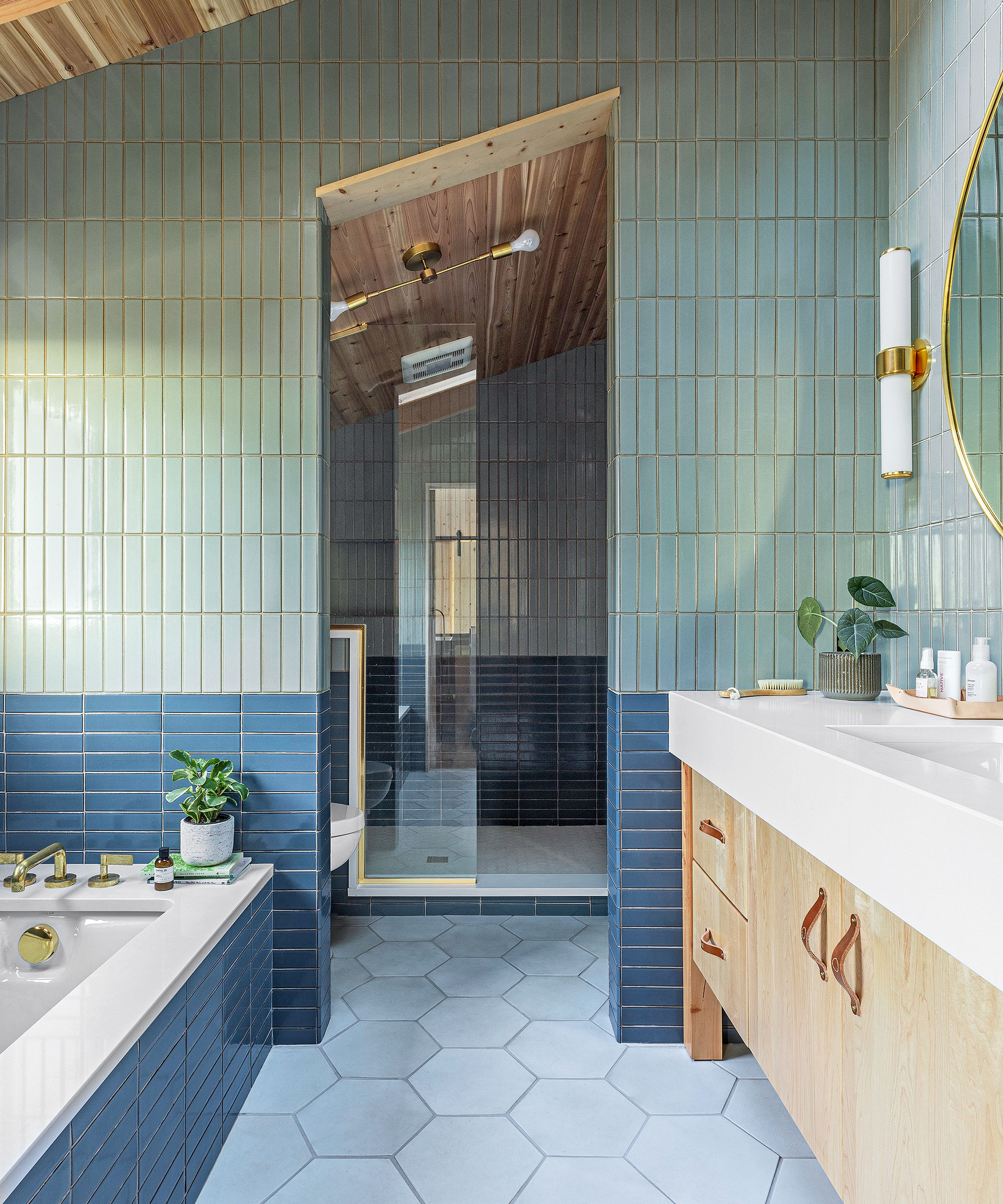
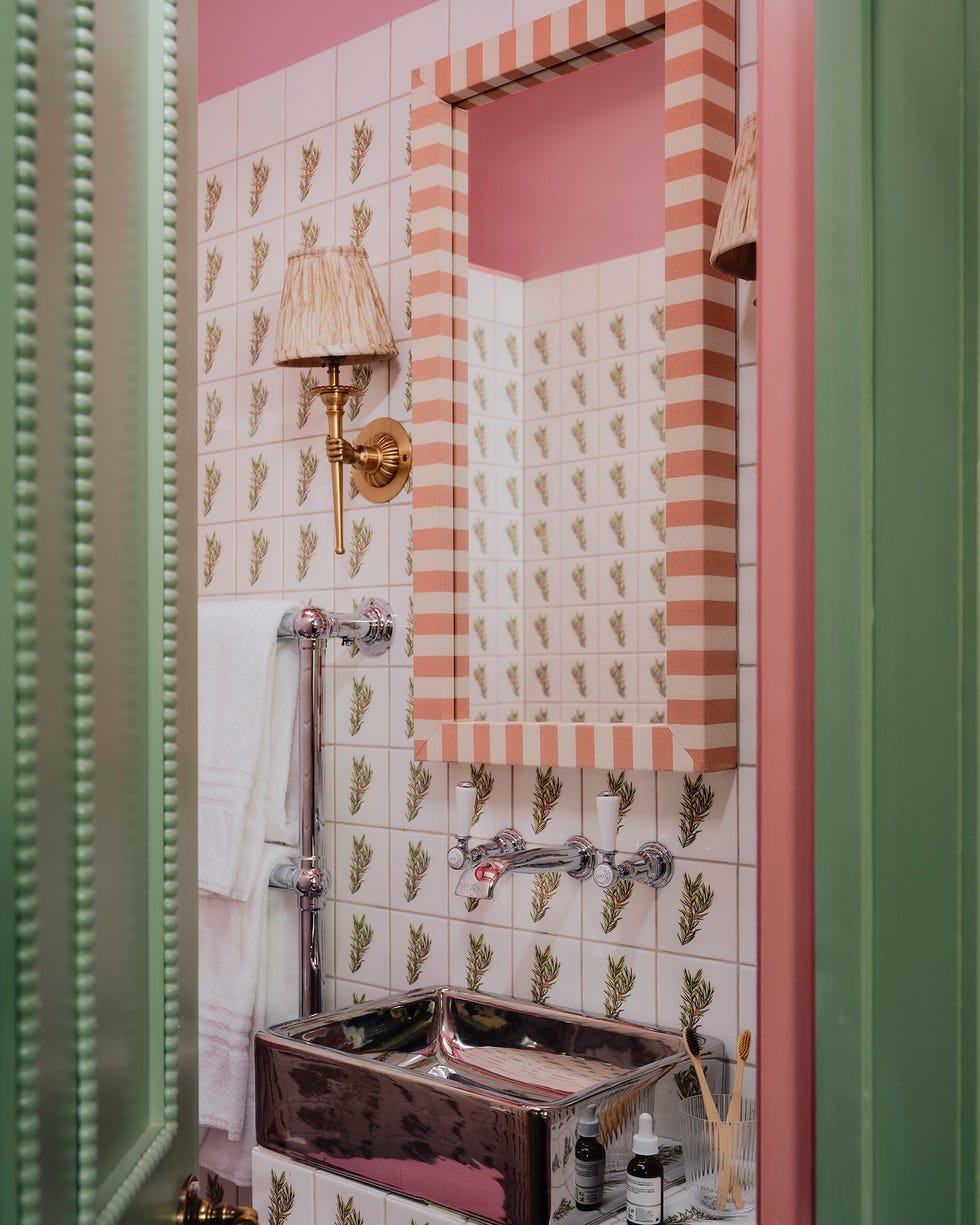
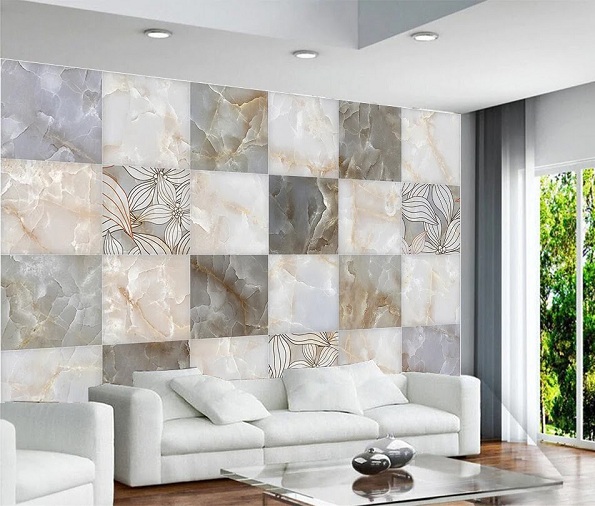
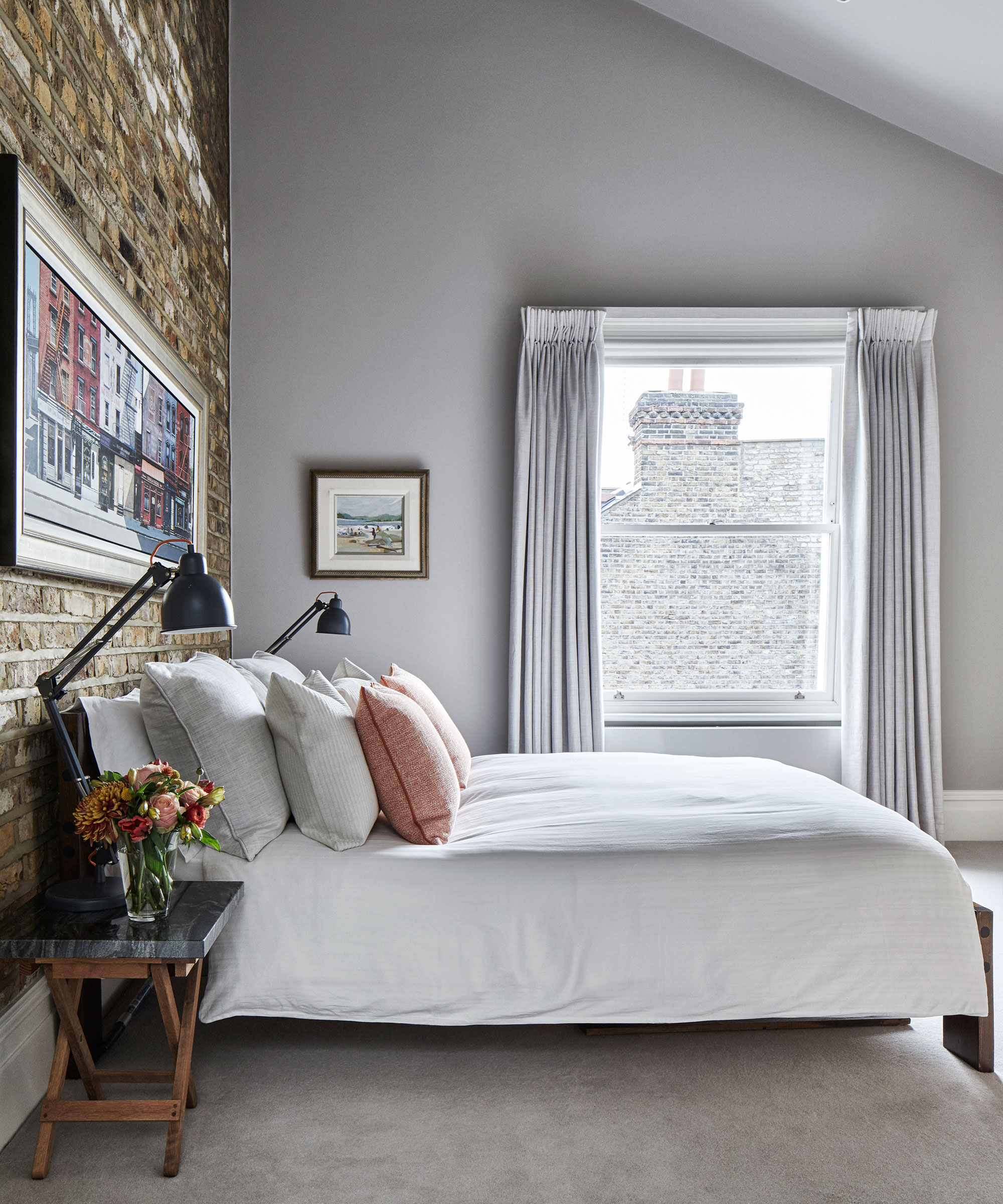
Embracing existing architectural elements, such as exposed brick, can create a lived-in feel. For those who find the industrial look too stark, adding splashes of paint or a wallpaper accent, combined with upholstered pieces, can introduce warmth. Large marble slabs can be incorporated into a wall to make a sophisticated statement, offering a formal yet textured aesthetic. Color-blocking with tiles can be achieved by tiling only half a wall, creating a unique transition from floor to wall, particularly effective with hexagonal patterns.
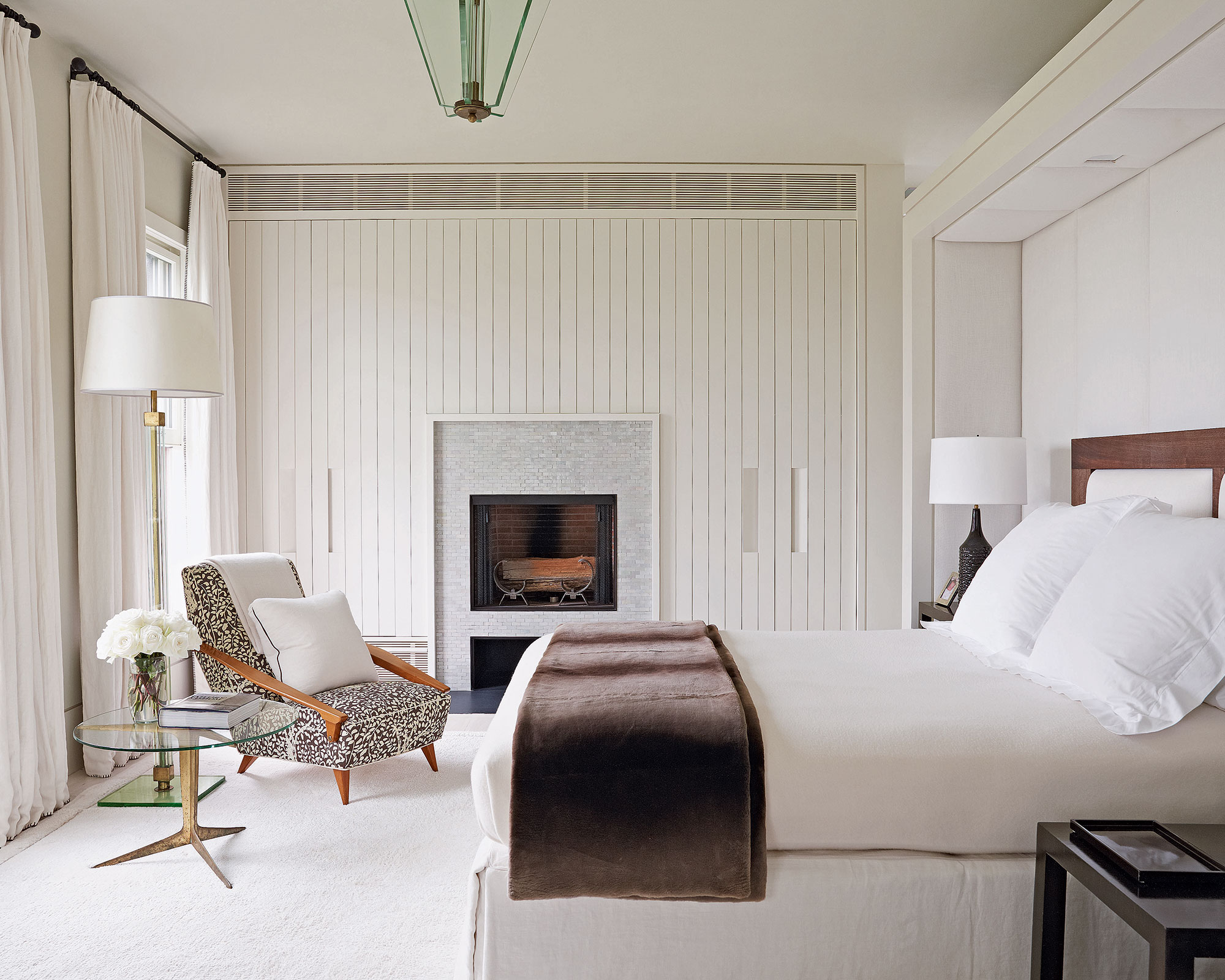
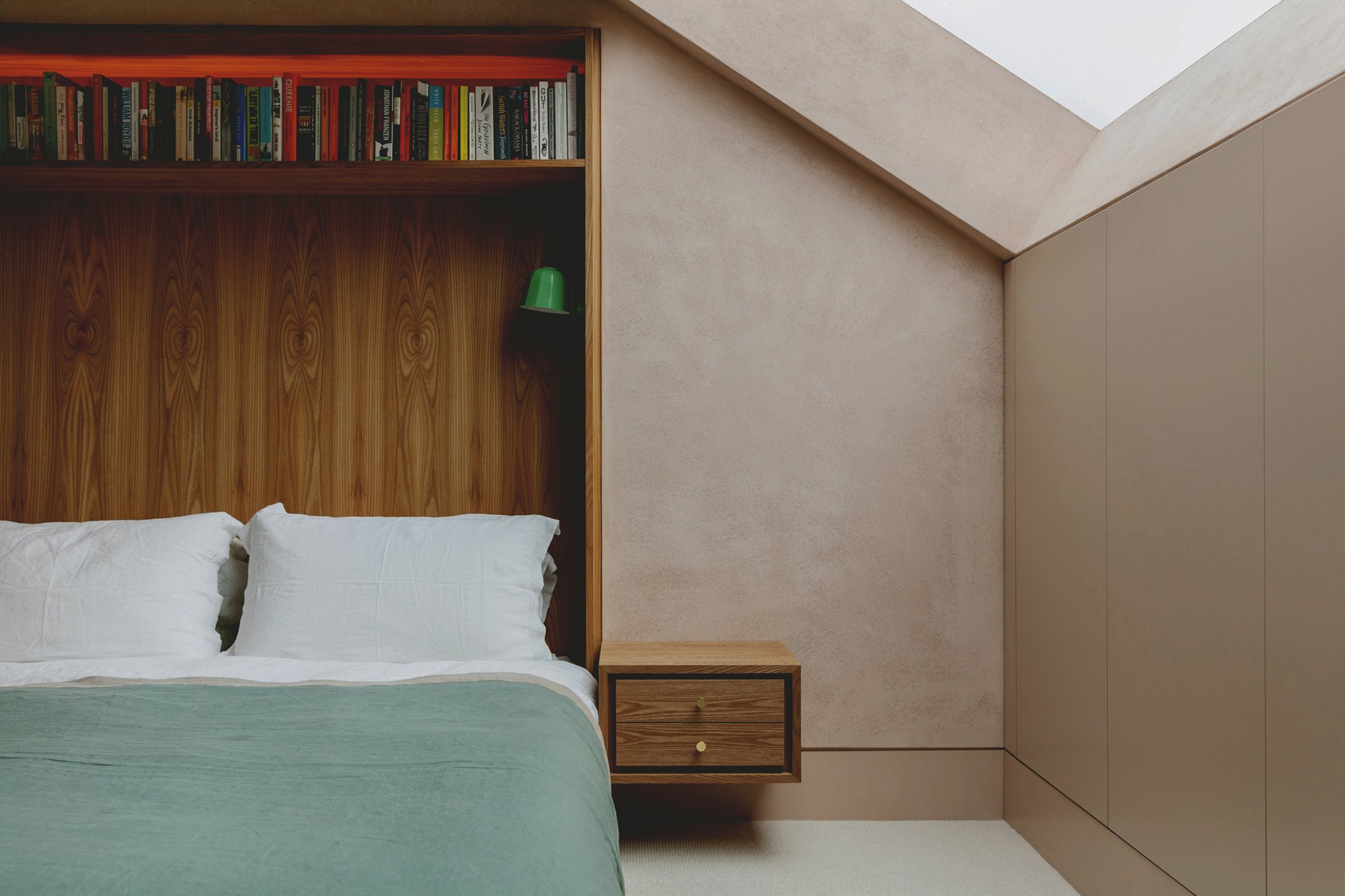
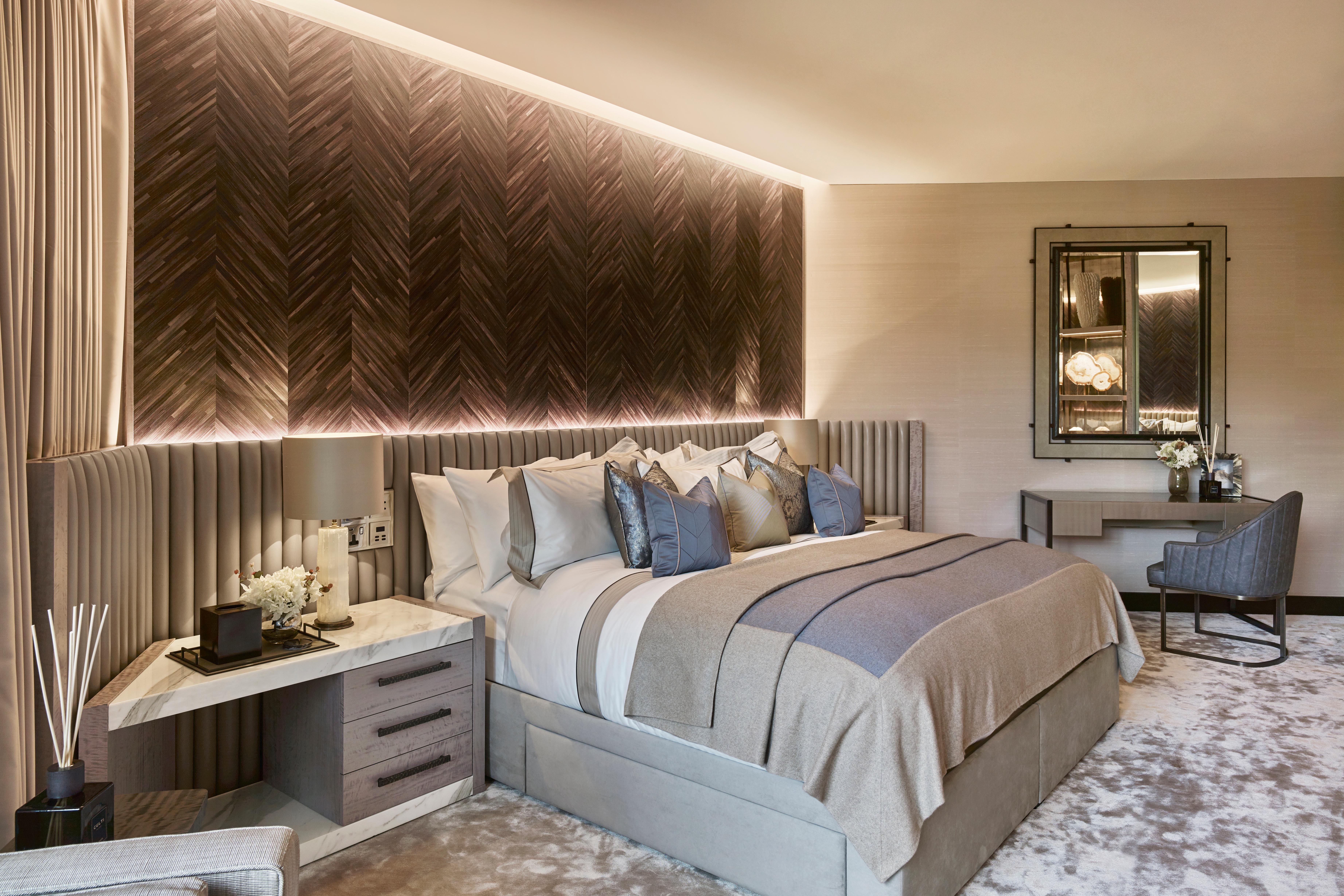
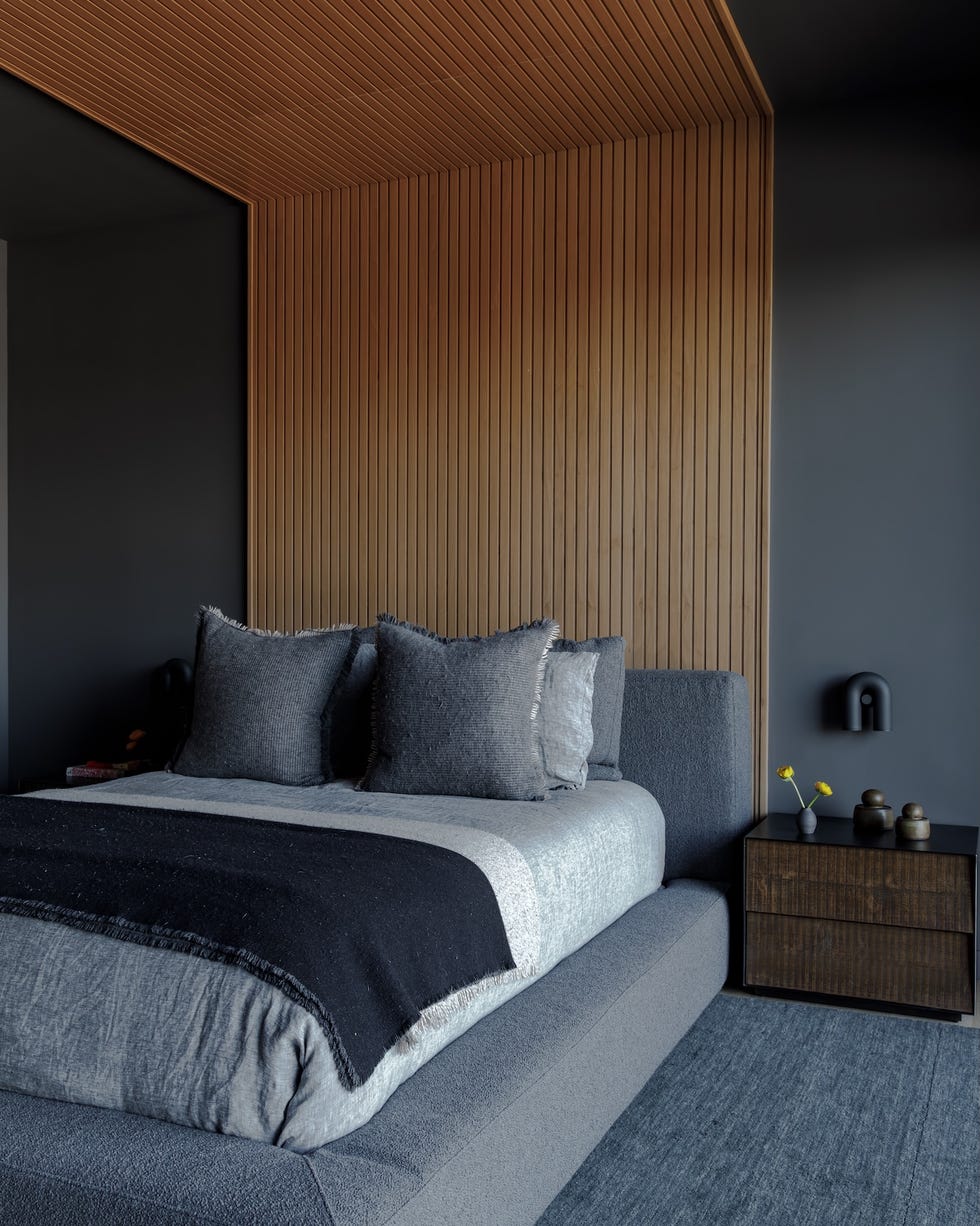
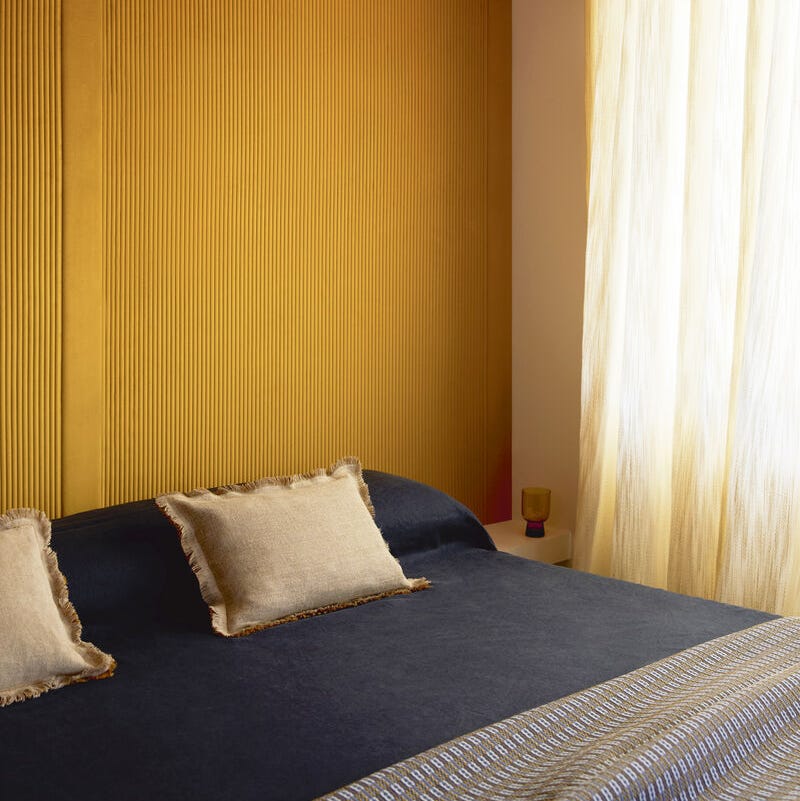
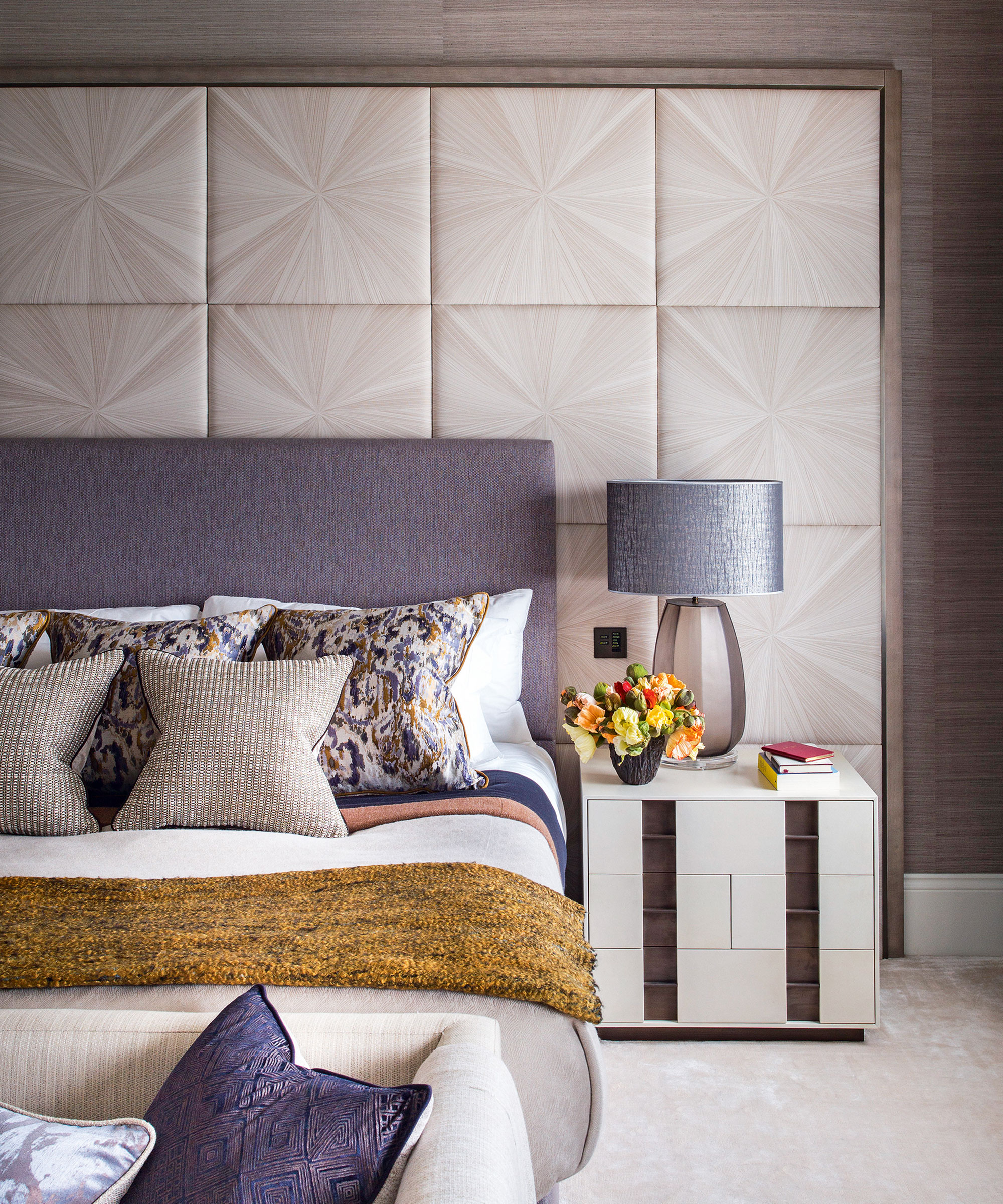
For a soft, dreamy ambiance in a bedroom, upholstering walls is an option. Instead of covering the entire wall, contrasting fabric with materials like wood or concrete can add visual interest. Finally, layering multiple textures, such as color-blocked wood panels with tiles, can create an intriguing three-dimensional look. To maintain harmony, it is advisable to stick to neutral tones when employing multiple layers, preventing a chaotic appearance.
#WallTexture #HomeRenovation #InteriorDesign #RoomDecor #DesignInspiration #Wallpaper #PaintEffects #NaturalMaterials #SpaceEnhancement #WallTexture #HomeRenovation #InteriorDesign #RoomDecor #DesignInspiration #Wallpaper #PaintEffects #NaturalMaterials #SpaceEnhancement
0 comment in total
 No comments yet
You may also like
Textured wall ideas – 13 surfaces you'll want to reach out and touch

How to add texture to your walls - a beginner's guide to the many beautiful plaster finishes

The fabric effect: 8 of the best textural wallcoverings

20 Innovative Bedroom Wall Decor Ideas Beyond Paint

How to texture a wall – 5 expert methods for intriguing wall textures
Forget painting your walls grey, it’s time to sparkle
We Asked Designers If Accent Walls Make Your Home Look Tacky—and They Didn’t Hold Back

Is your home feeling lifeless? 5 layering hacks to make the interiors warm and inviting | Hindustan Times

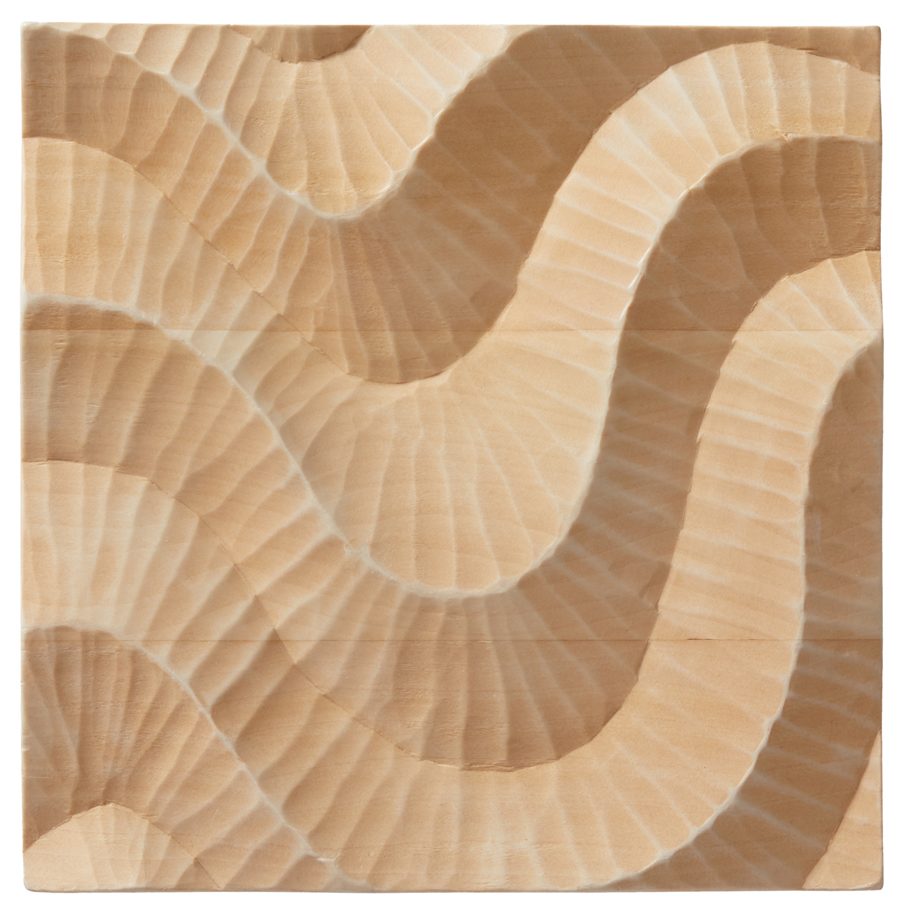
Textured walls: New season wallcoverings are going 3D |
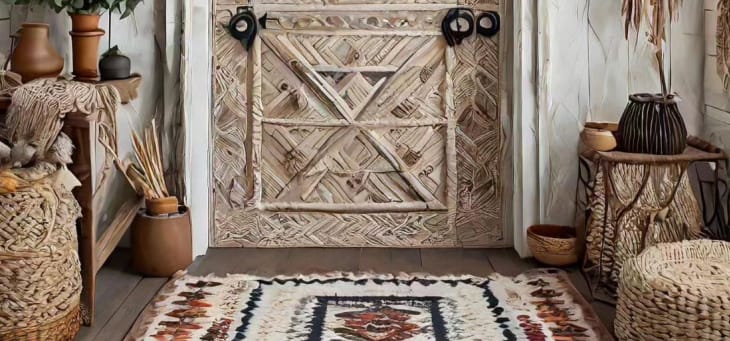
5 Textured Wall Paint Designs: Hallway extravaganza
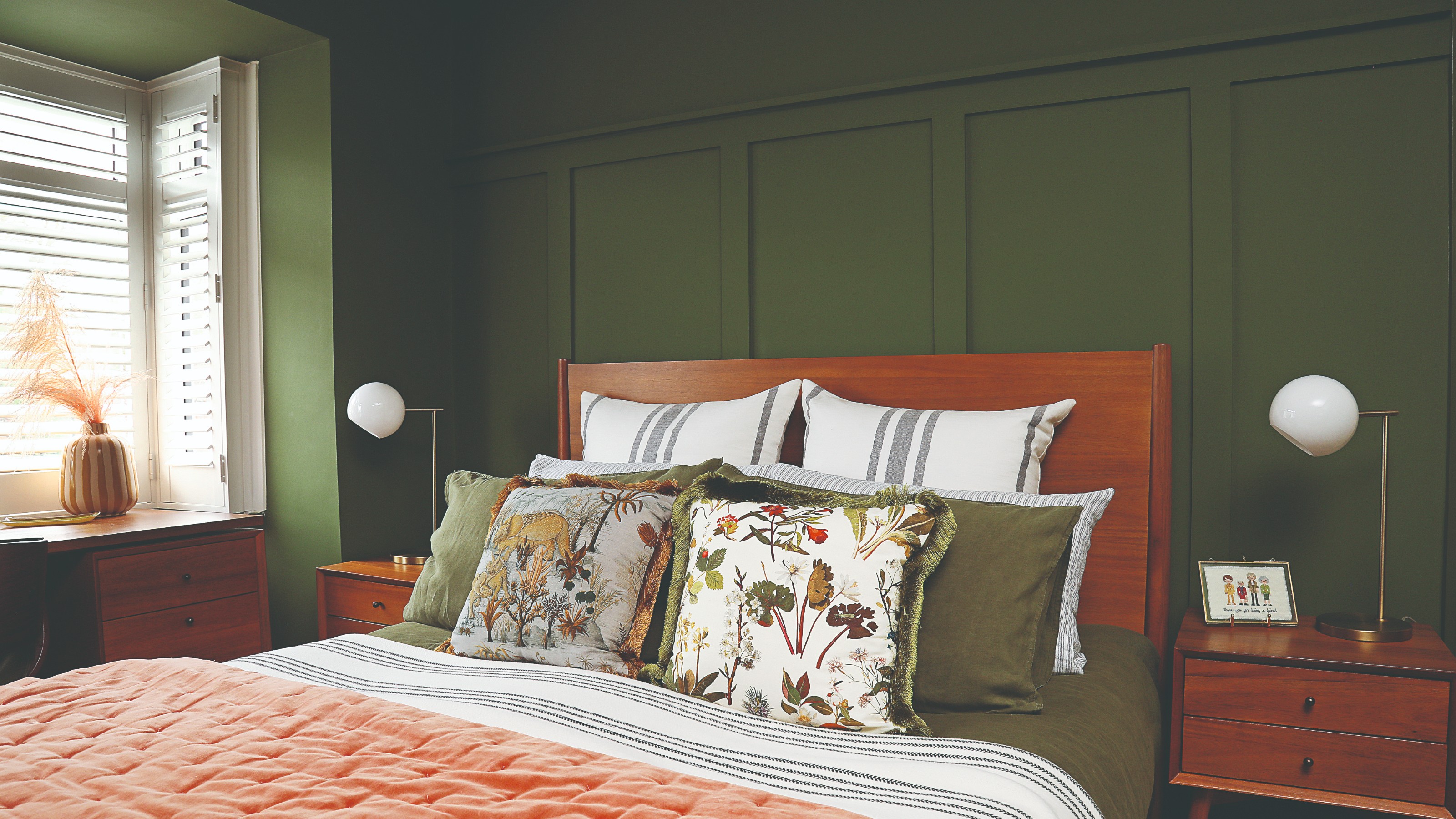
Bedroom wall panelling ideas – 13 ways to bring texture and interest to your bedroom walls
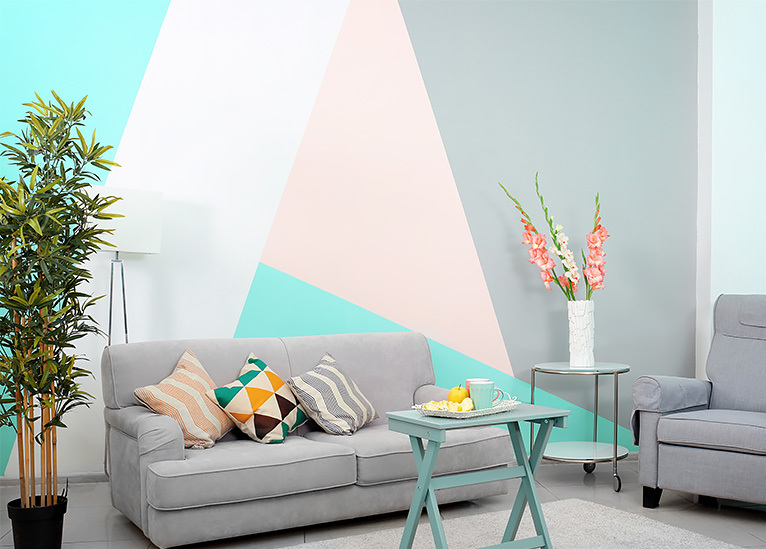
Feature Wall Designs, Wallpaper and Paint Ideas
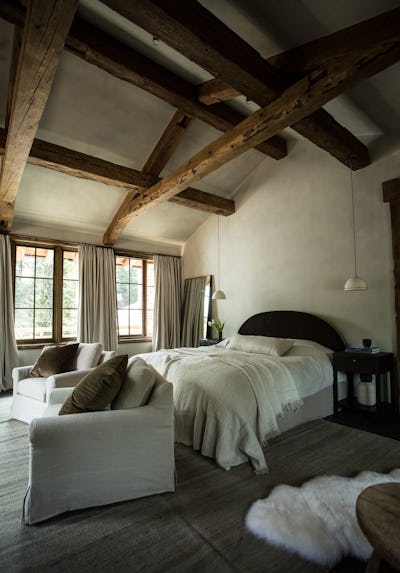
Textured Walls Are The Latest Interiors Trend For Adding Warmth To Your Space
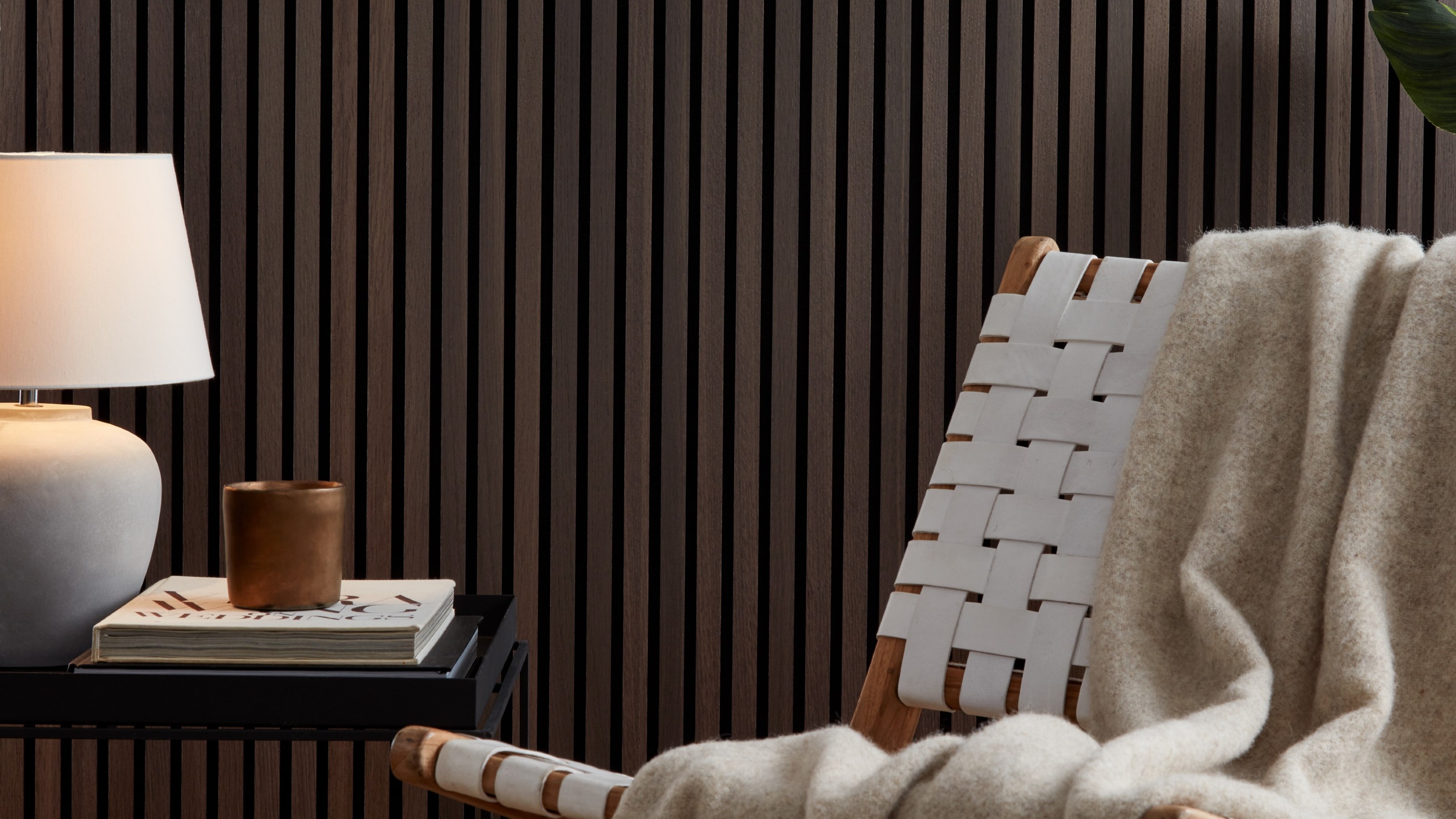
28 wall panelling ideas to add depth and character to any room in your home
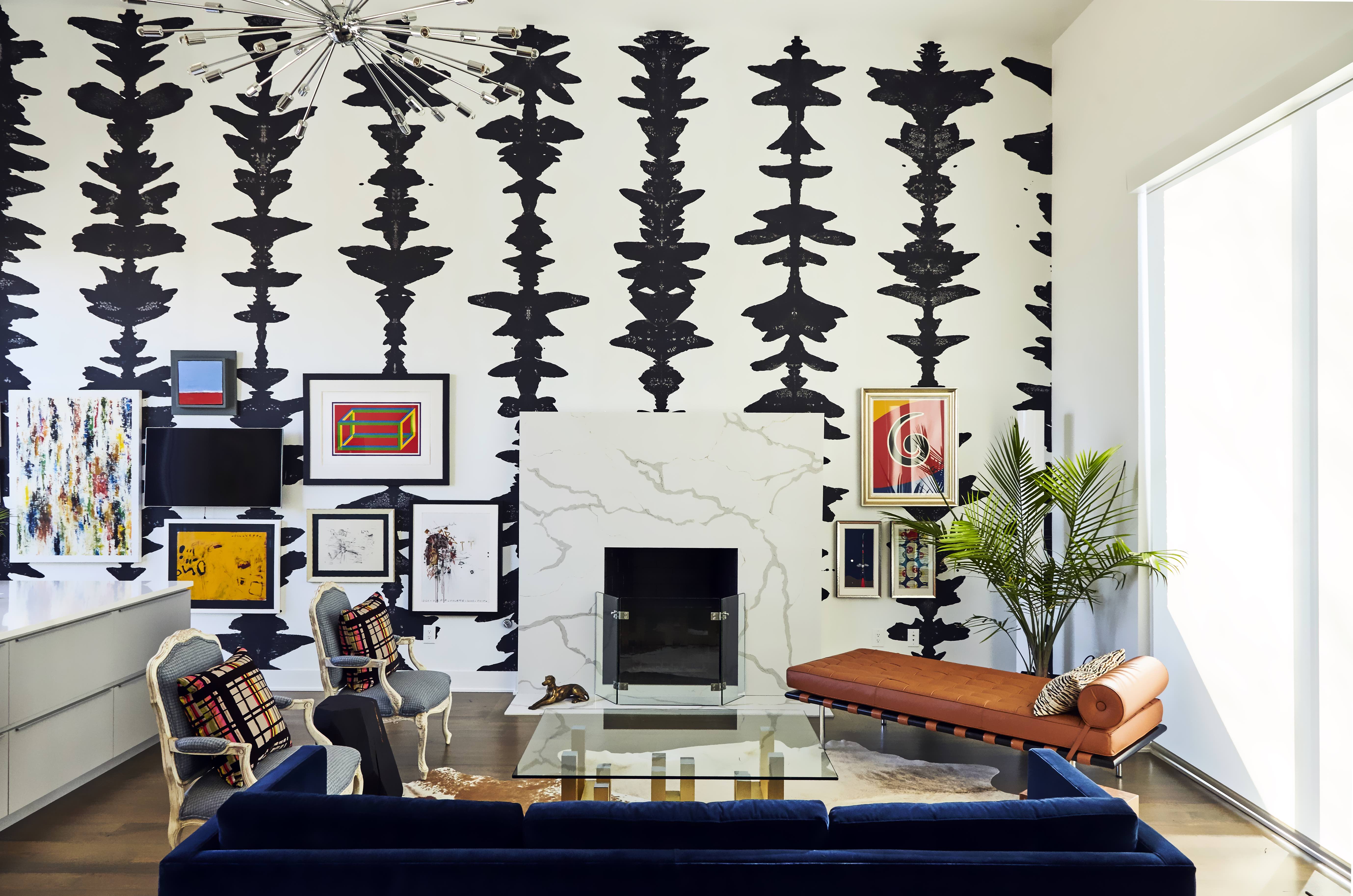
10 living room wall decor ideas – interior designers on how to instantly elevate your decor
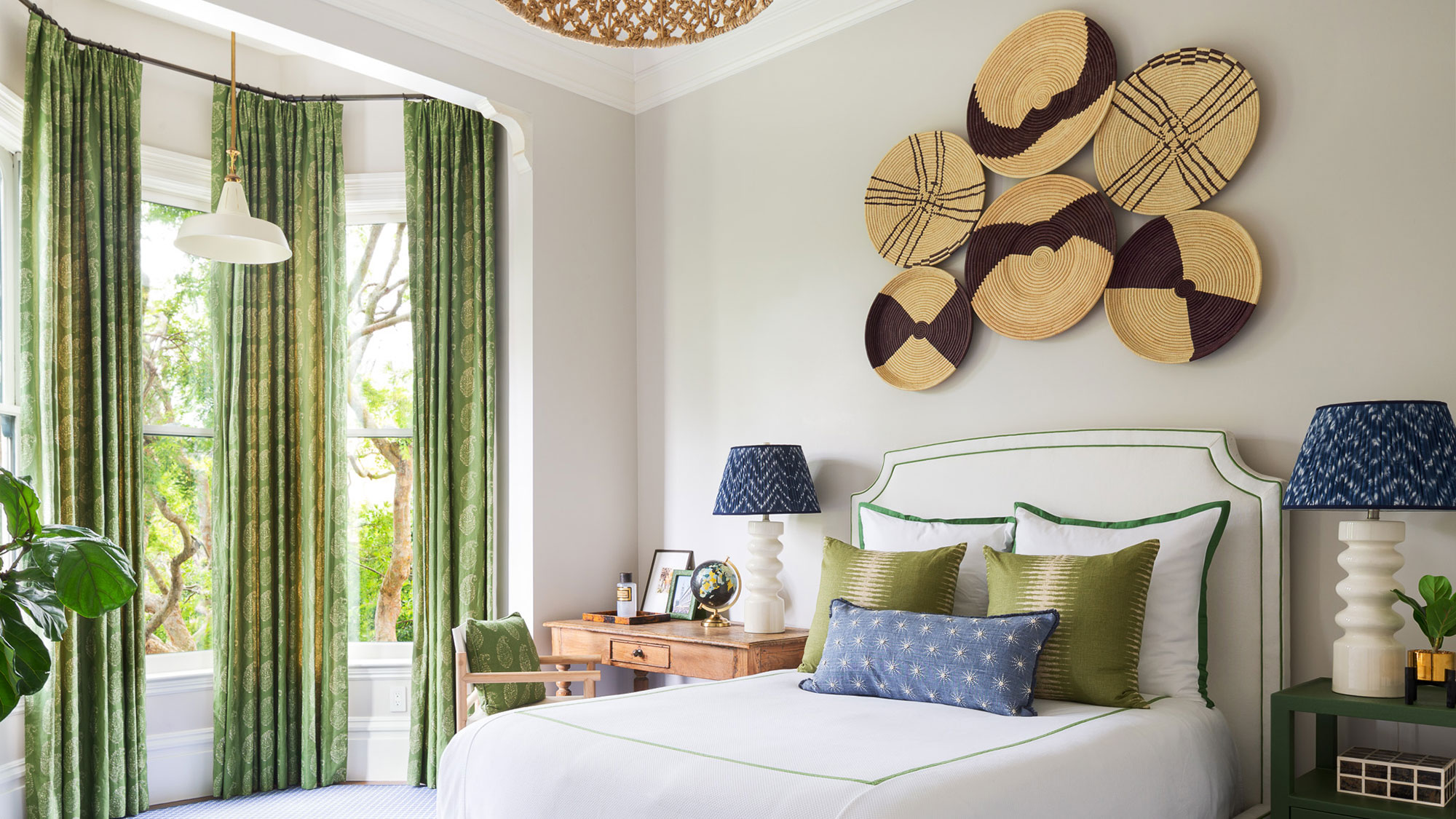
Bedroom accent wall ideas – 10 ways to create a feature wall
Step Aside, Paint: These Are the 10 Most Creative Wall Treatments We Saw This Year
Designers Are Ditching "Flat Painted Walls" for THIS Unexpected Trend

15 Inspiring Wall Designs for Hall with Pictures in 2023
15 Board and Batten Accent Walls That Will Instantly Add Texture to Any Room