1/10
Why Designers Always Start, But Never End, With Layering – 10 Ways They Build Depth Into Every Room
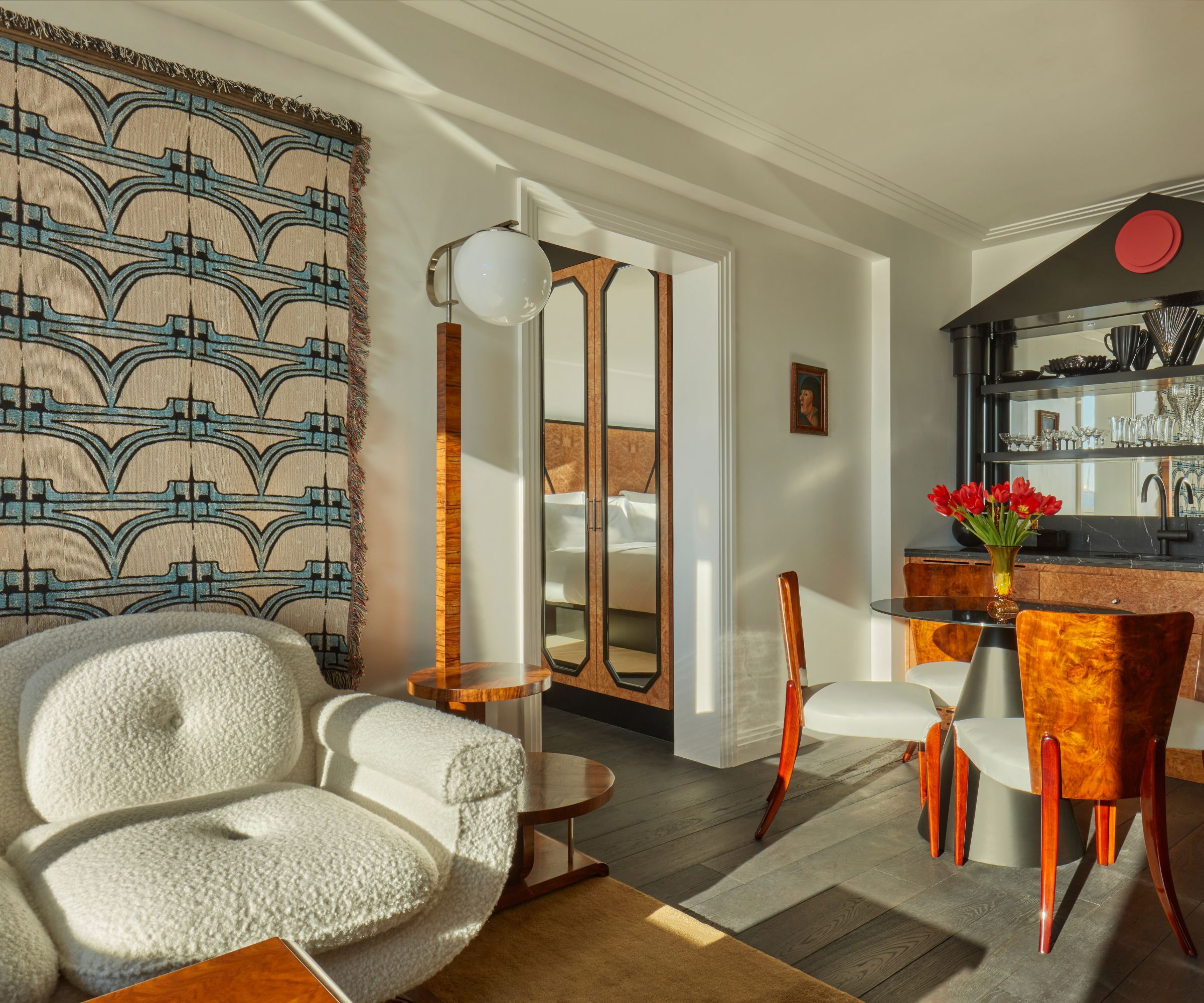
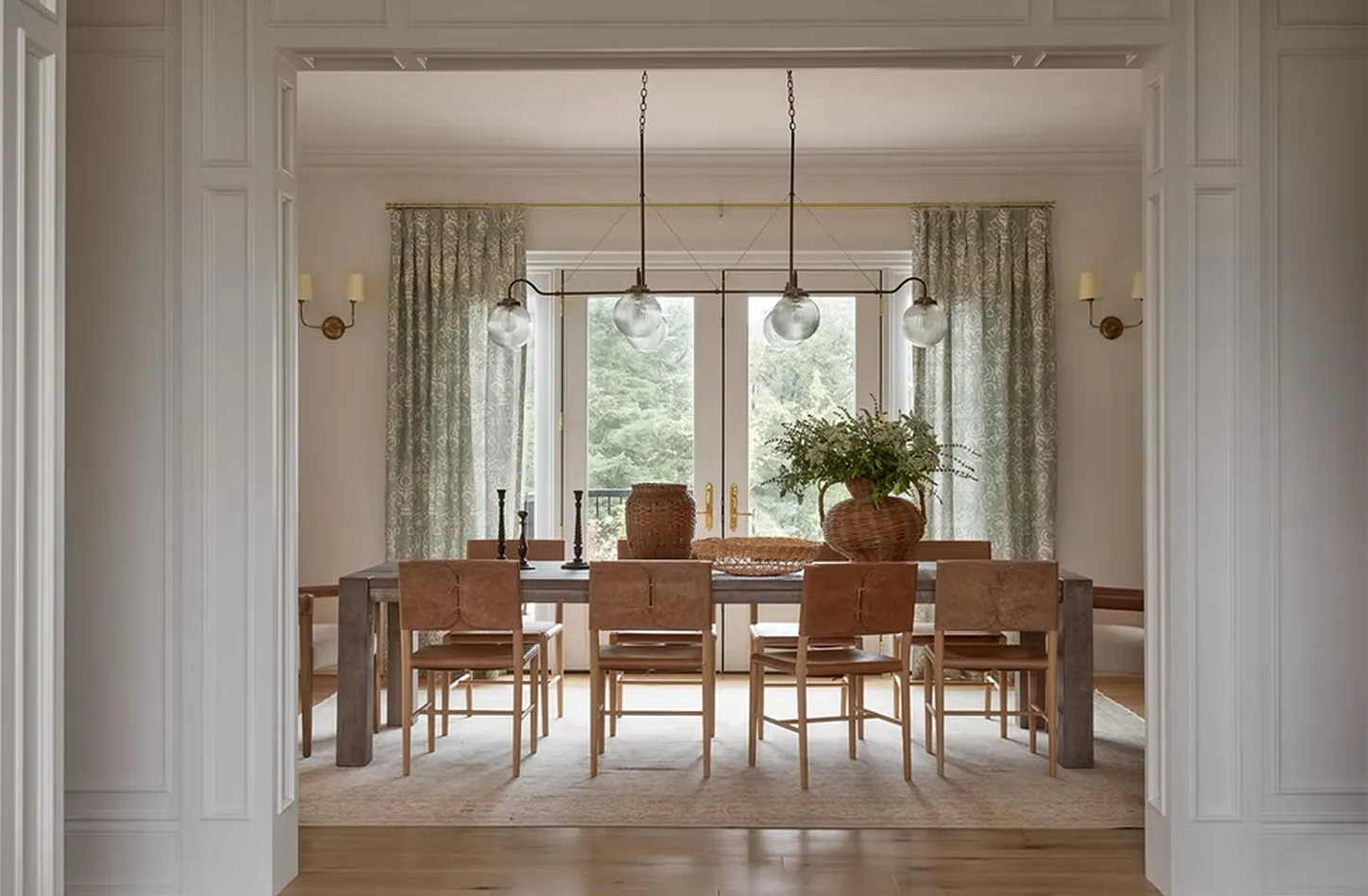
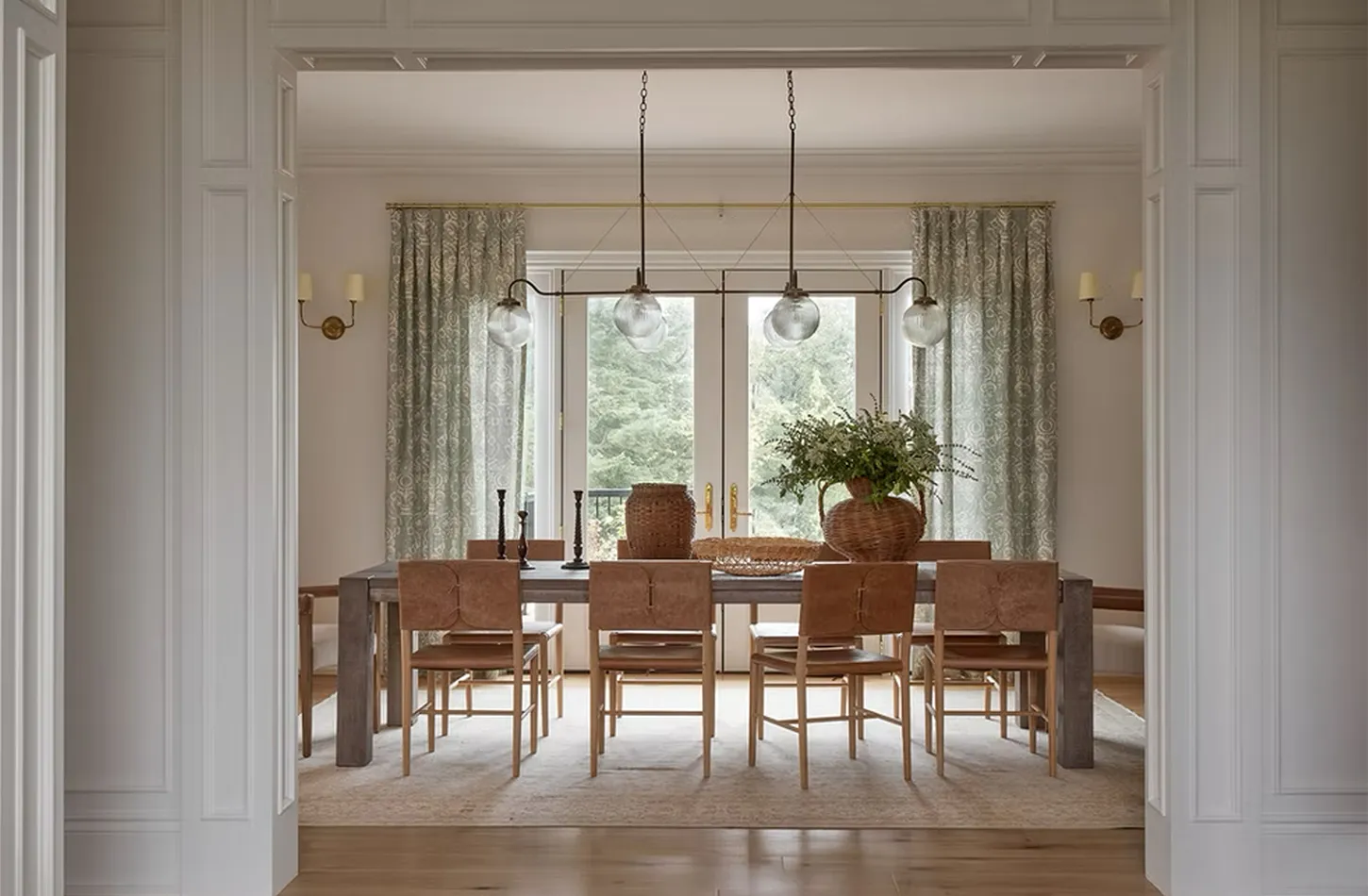
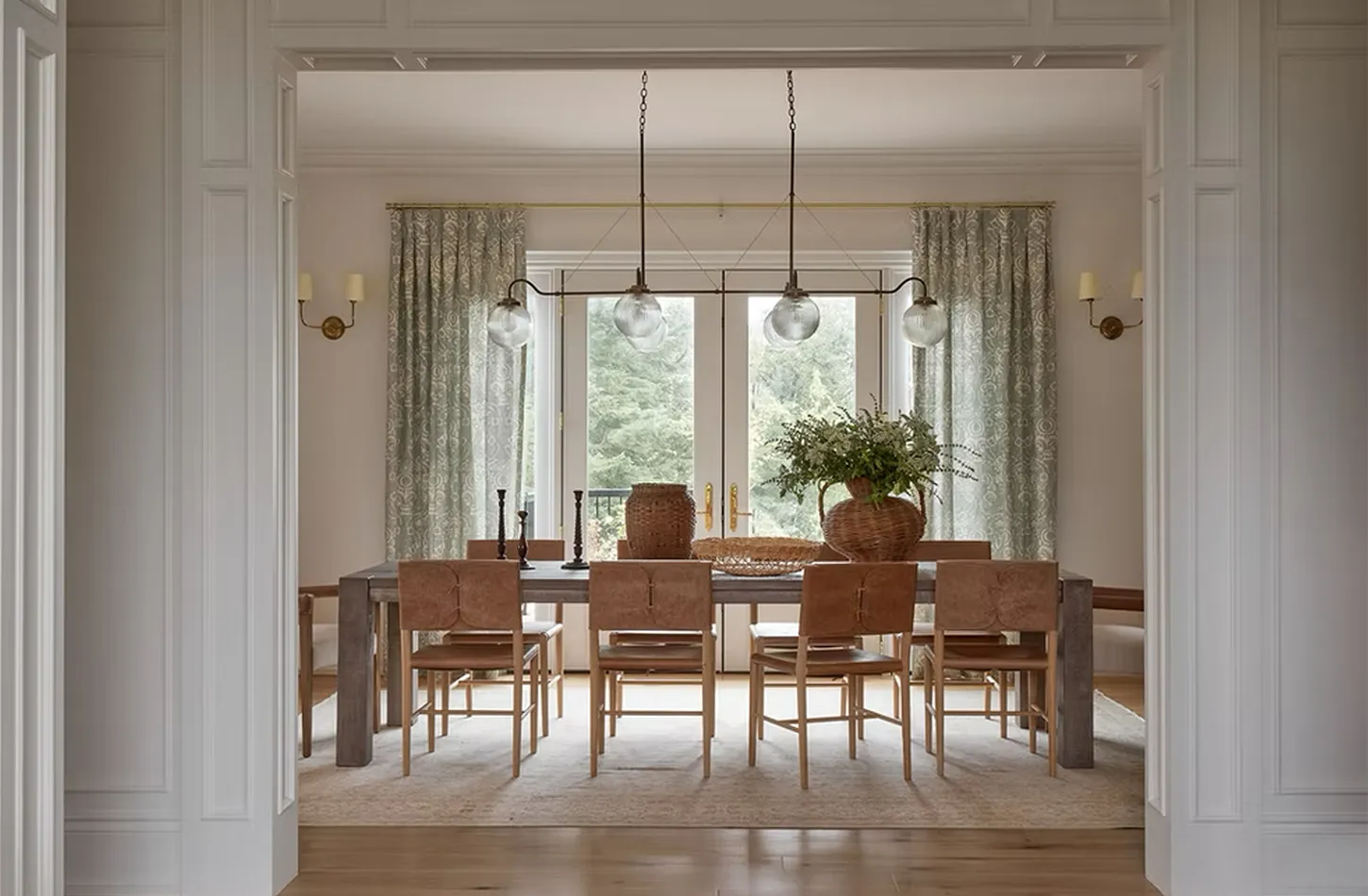
Layering is a fundamental interior design principle that goes beyond simply adding more items to a space; it is about creating depth, authenticity, and a sense of inhabitation. This approach prevents a room from feeling merely 'finished' and instead makes it feel lived-in and reflective of its occupants. While it can be as straightforward as a throw on a bed, layering encompasses a comprehensive strategy involving various elements to achieve a sophisticated and cohesive interior.
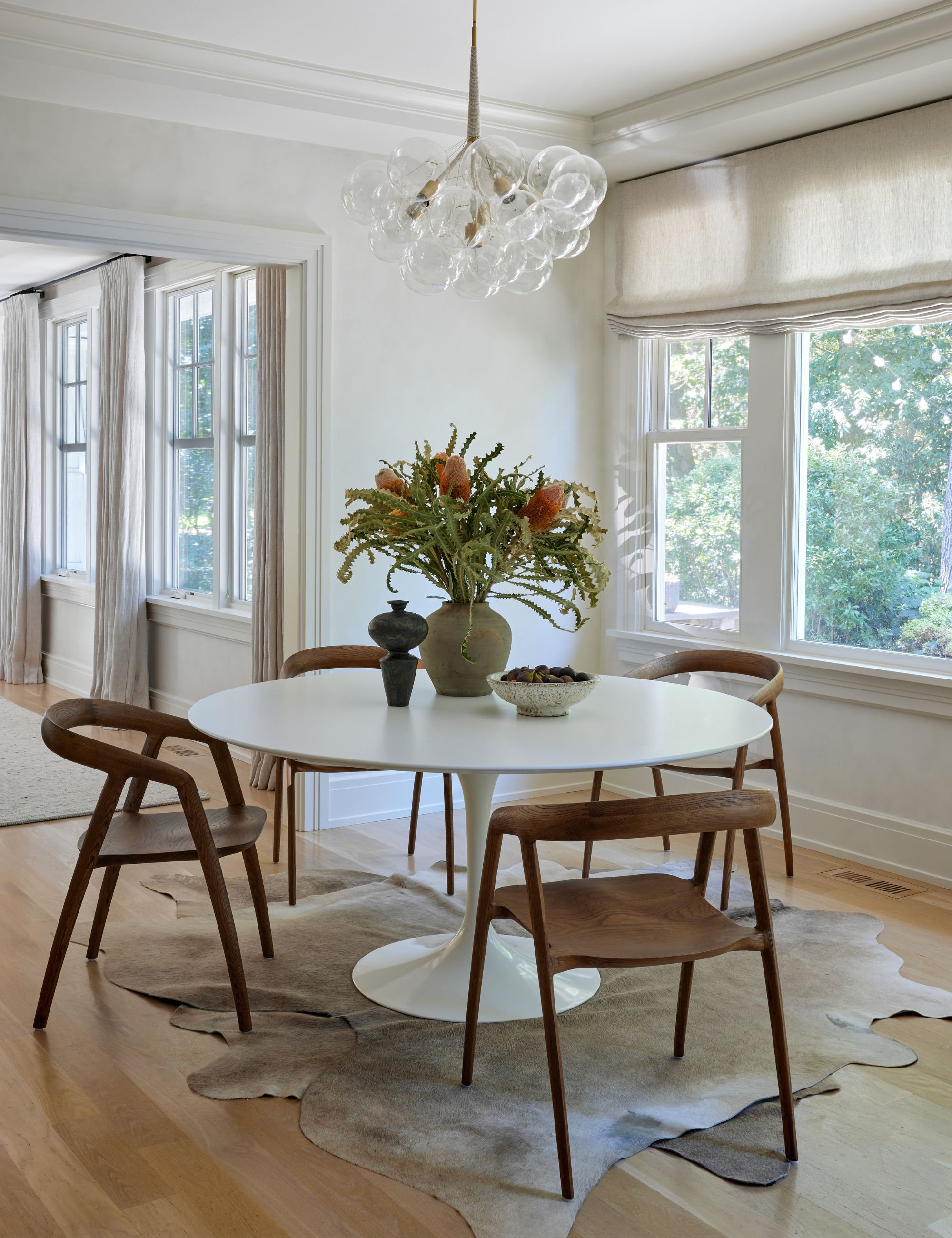
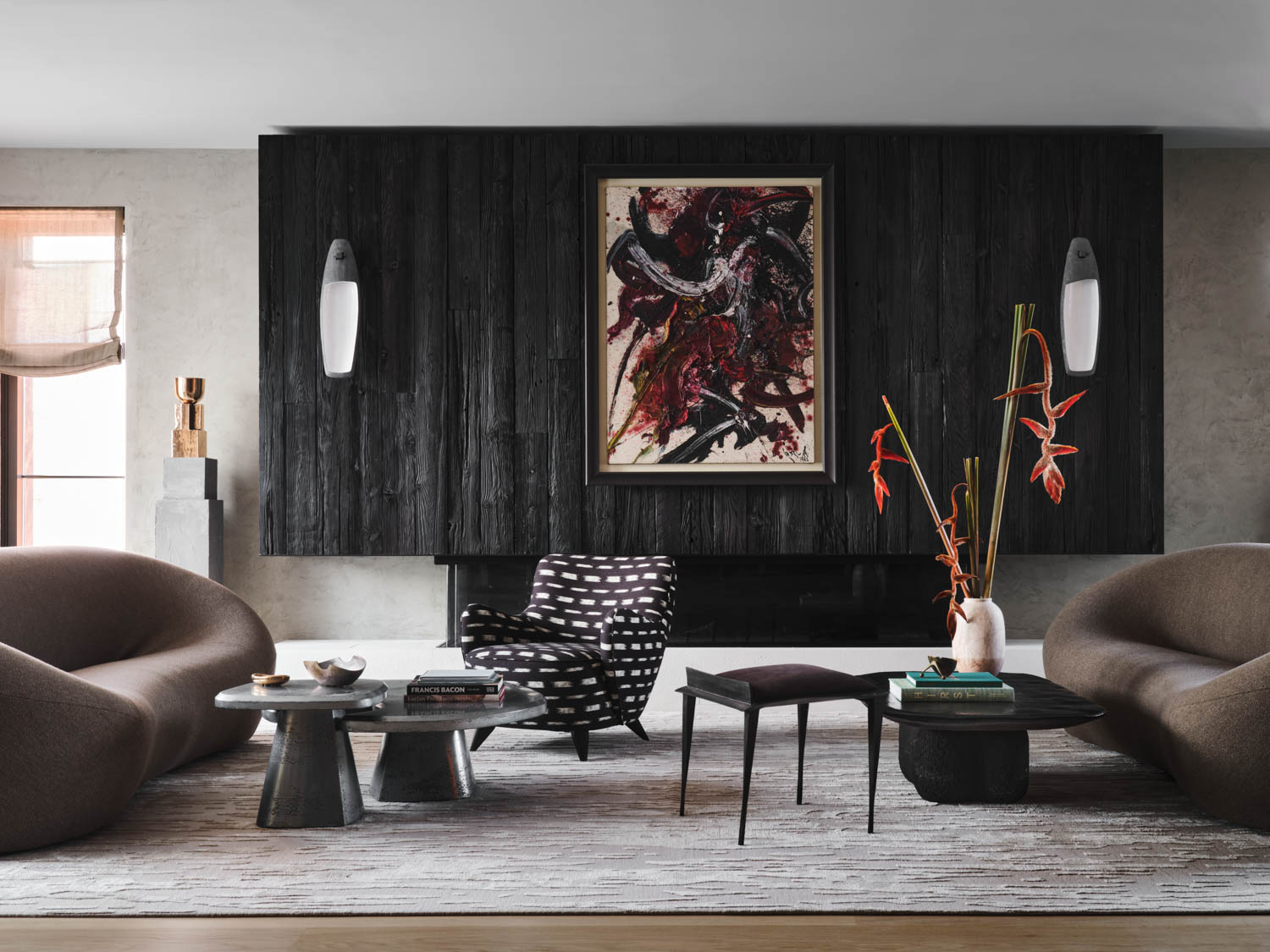
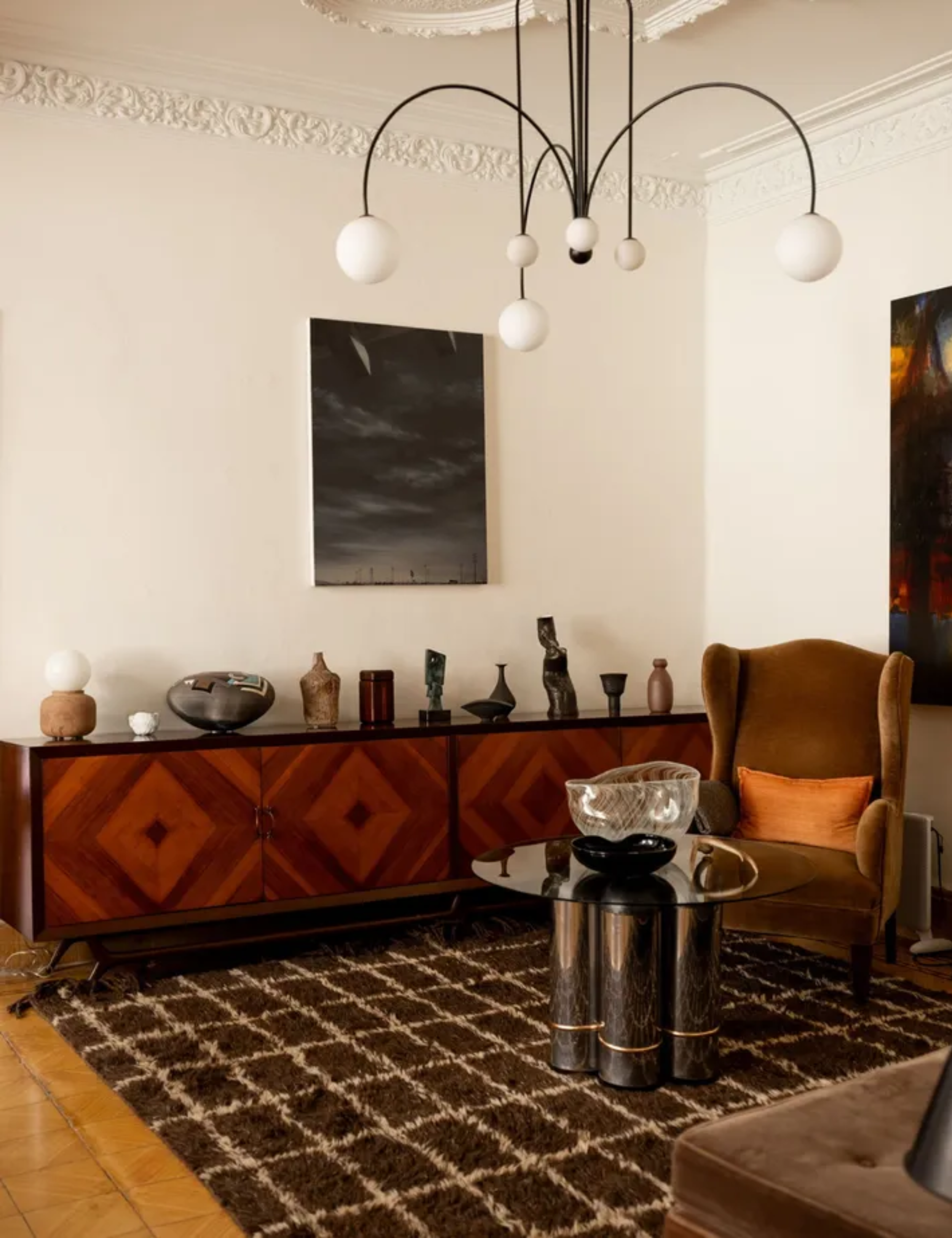
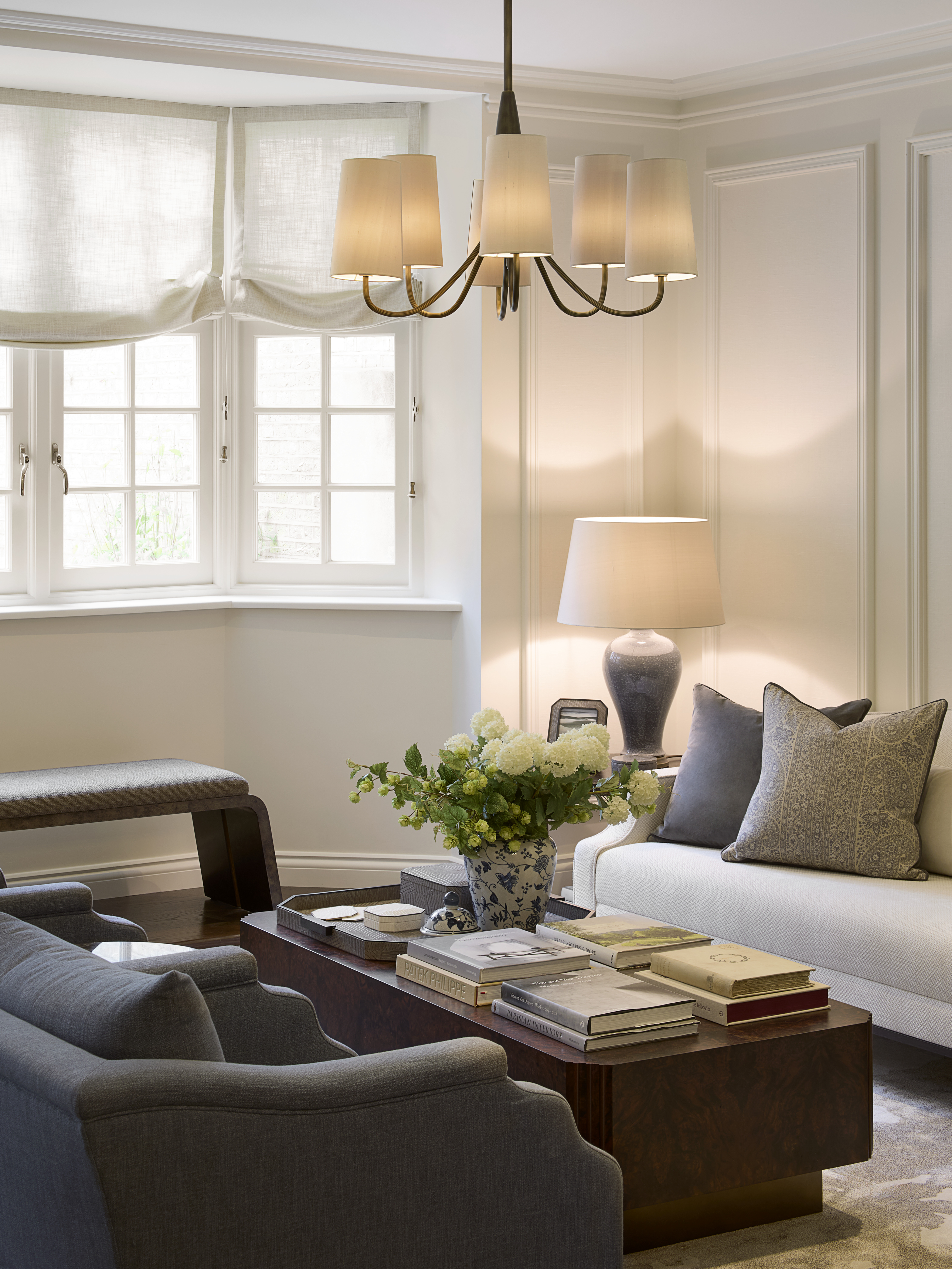
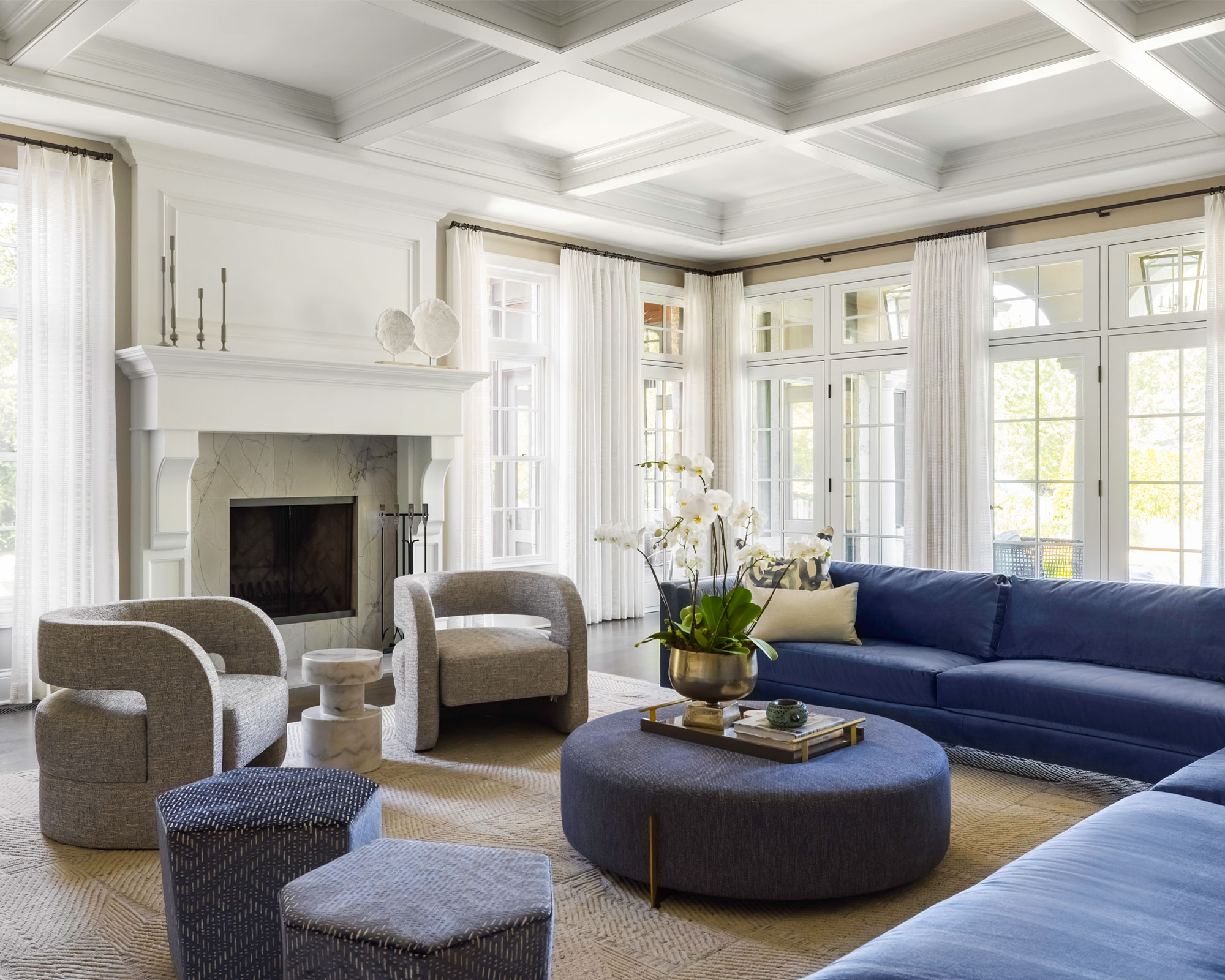
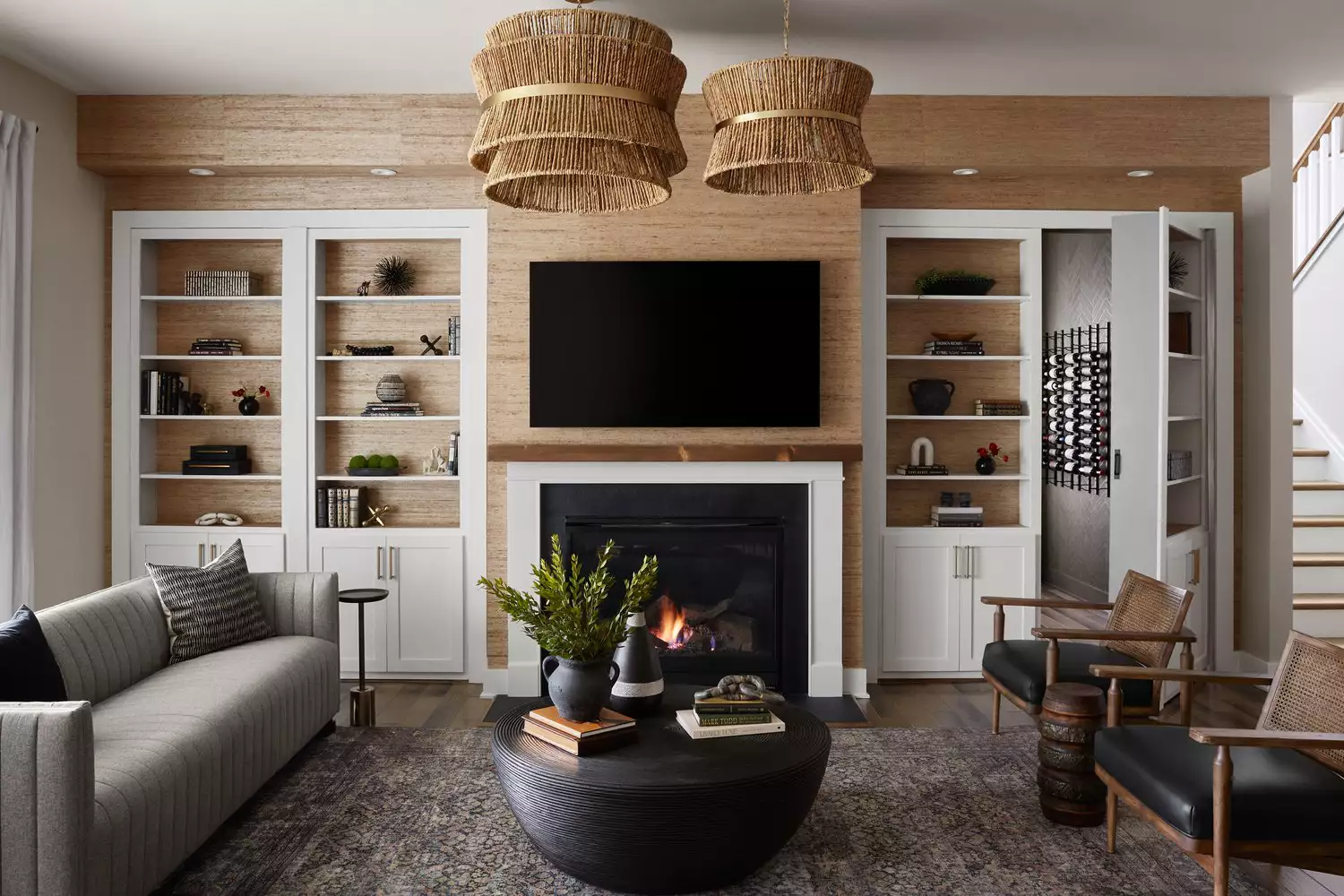
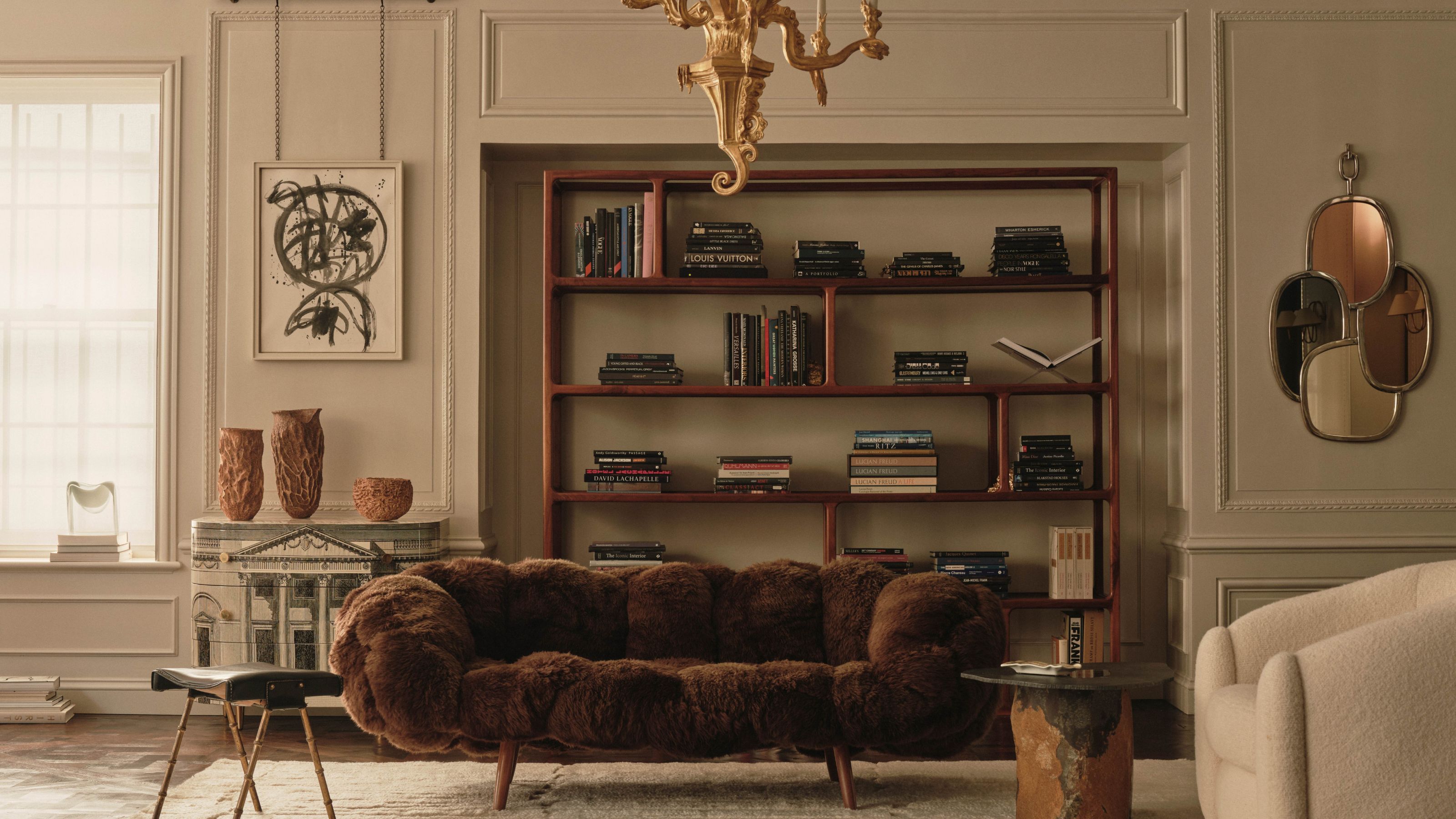
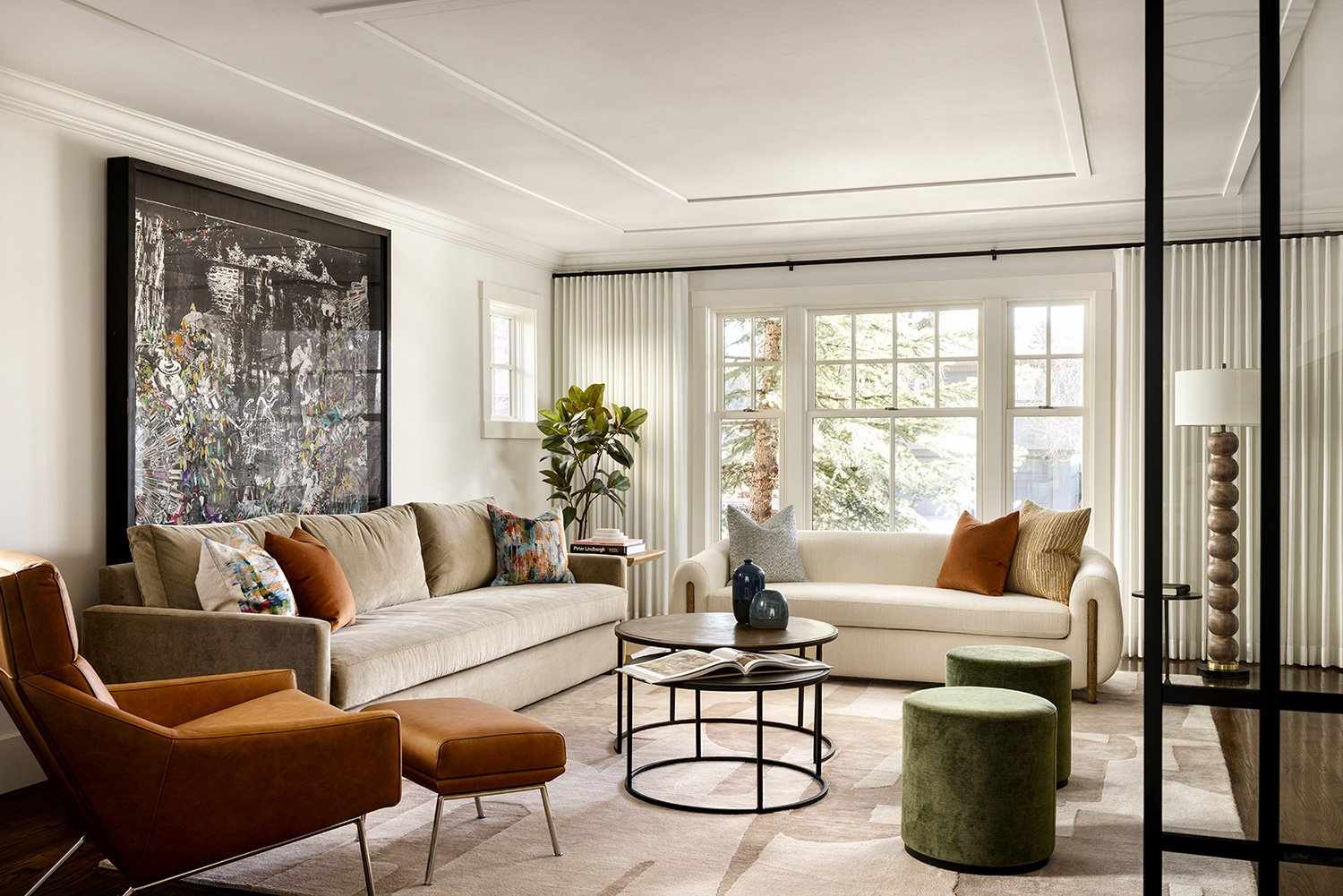
According to Sarah Hart, owner and principal designer at Sarah Hart Interior Design, layering is the art of combining contrasting textures, shapes, materials, and scales to create intentional, collected, and visually dynamic rooms. Without effective layering, a space, especially in luxury homes, can lack depth and a quiet richness, appearing flat. She illustrates this by suggesting that if a living room features an oversized, plush sofa, introducing lighter, more architectural chairs provides a necessary counterpoint, preventing the room from feeling heavy. Hart emphasizes that layering is crucial for balance, rhythm, and sophistication, distinguishing a 'decorated' room from one that is genuinely 'designed' and effortless.
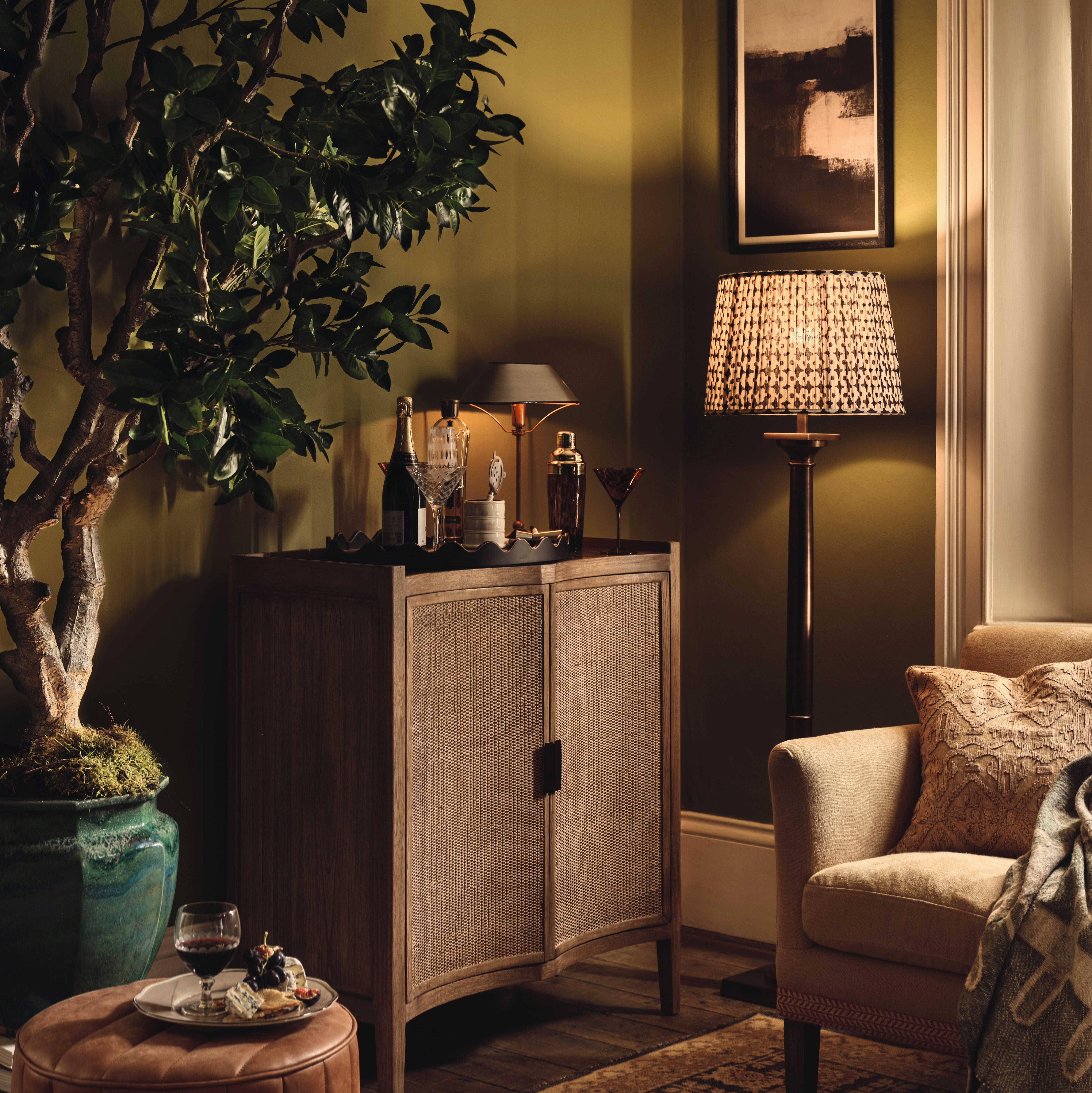
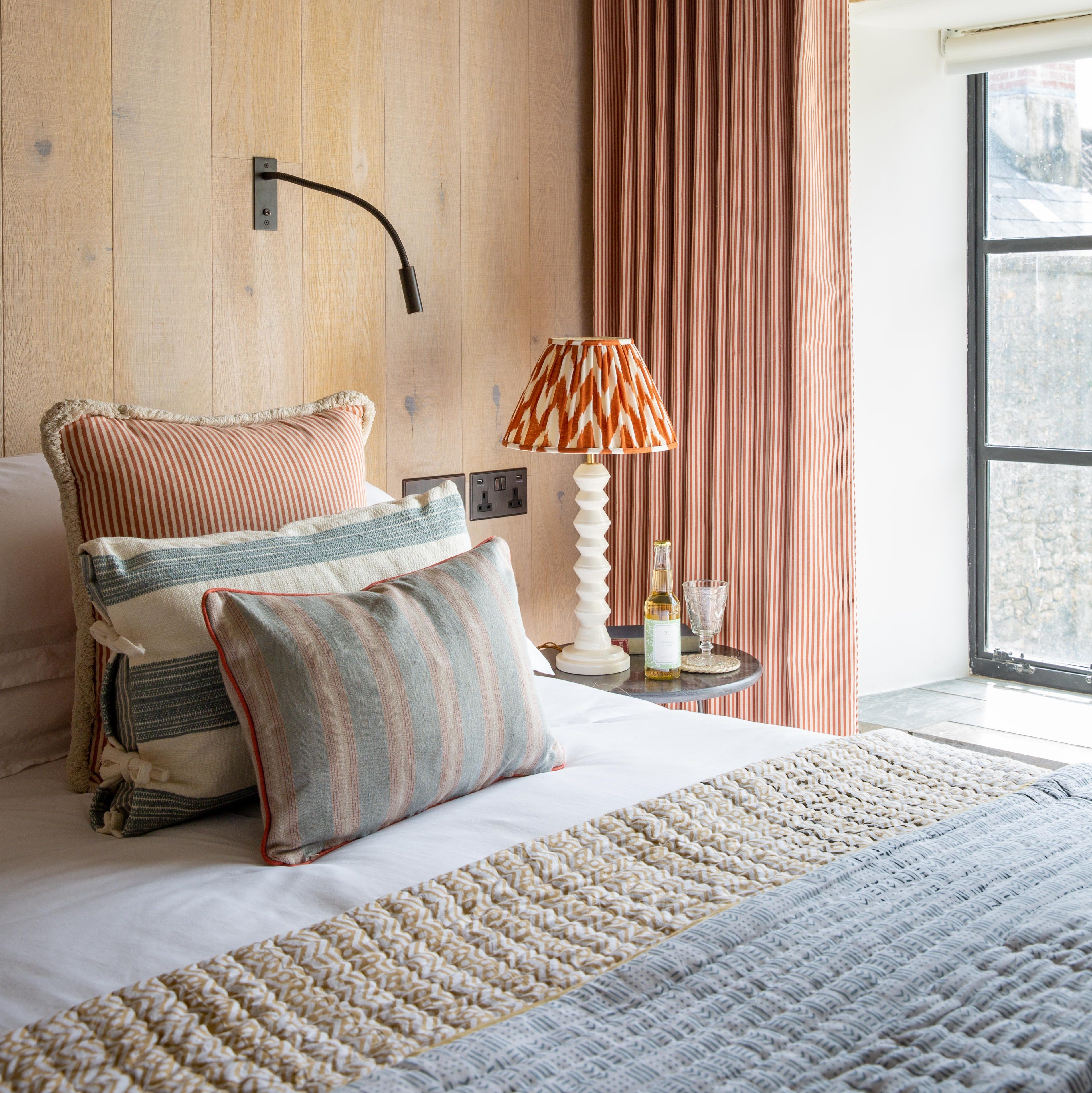
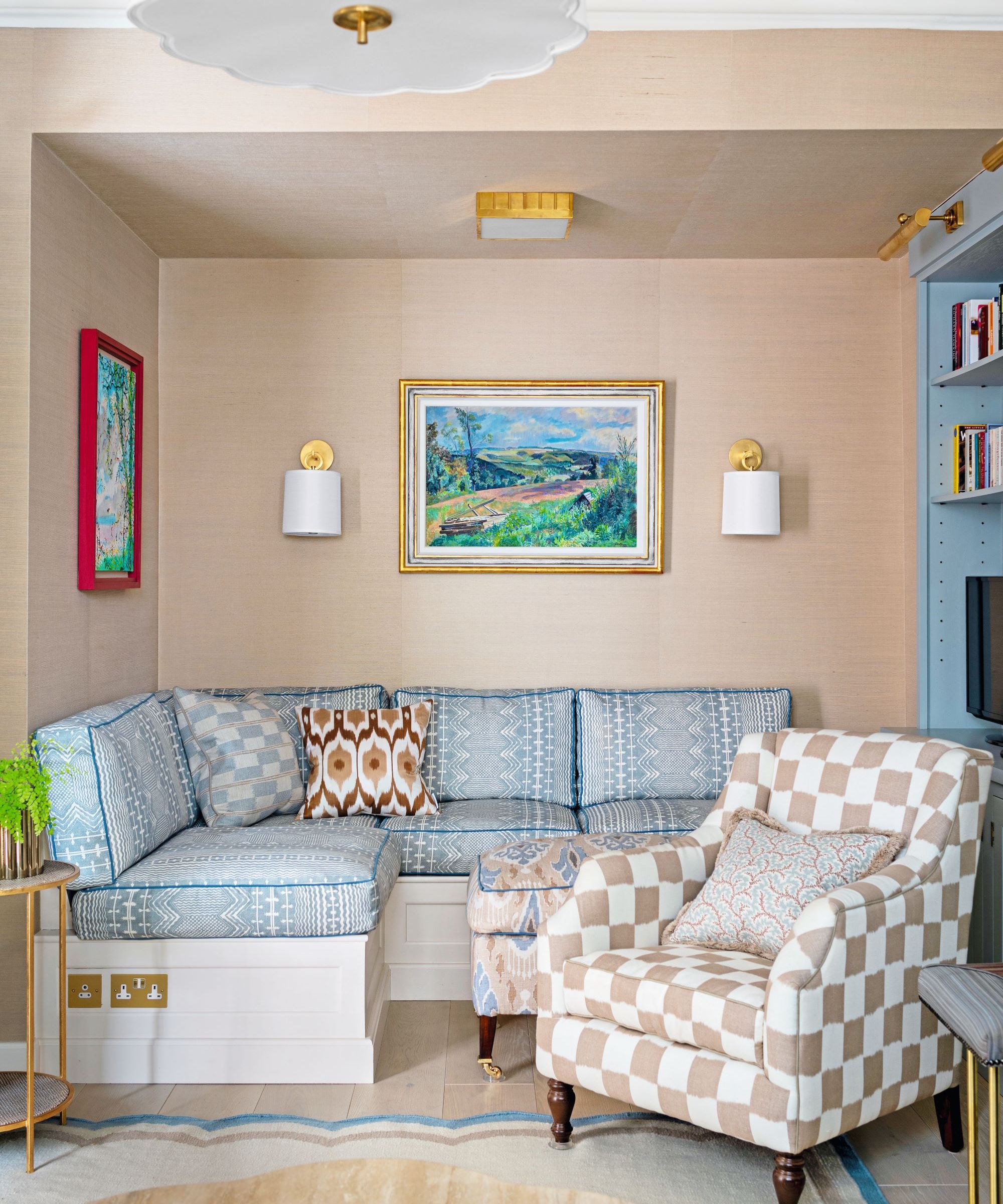
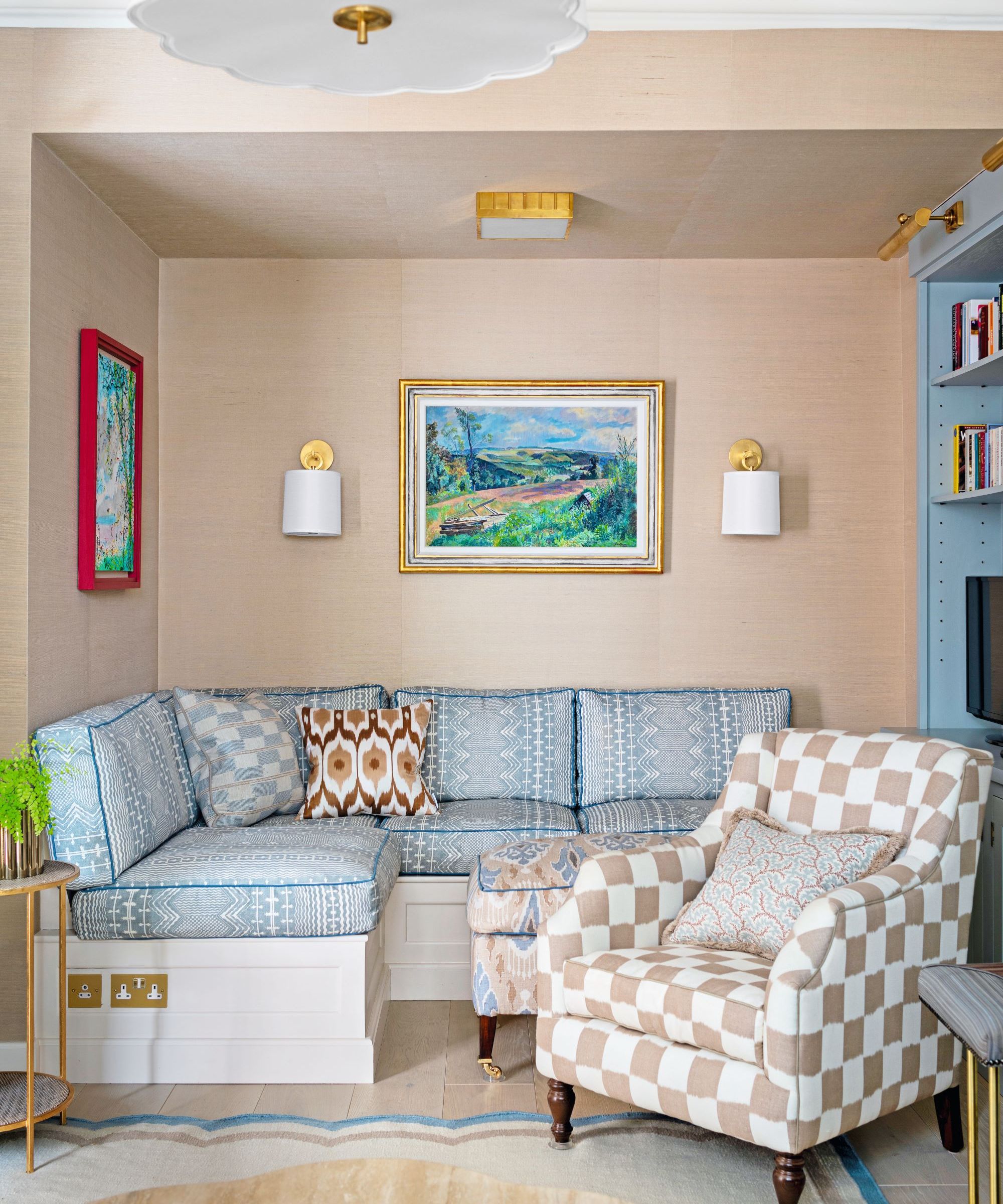
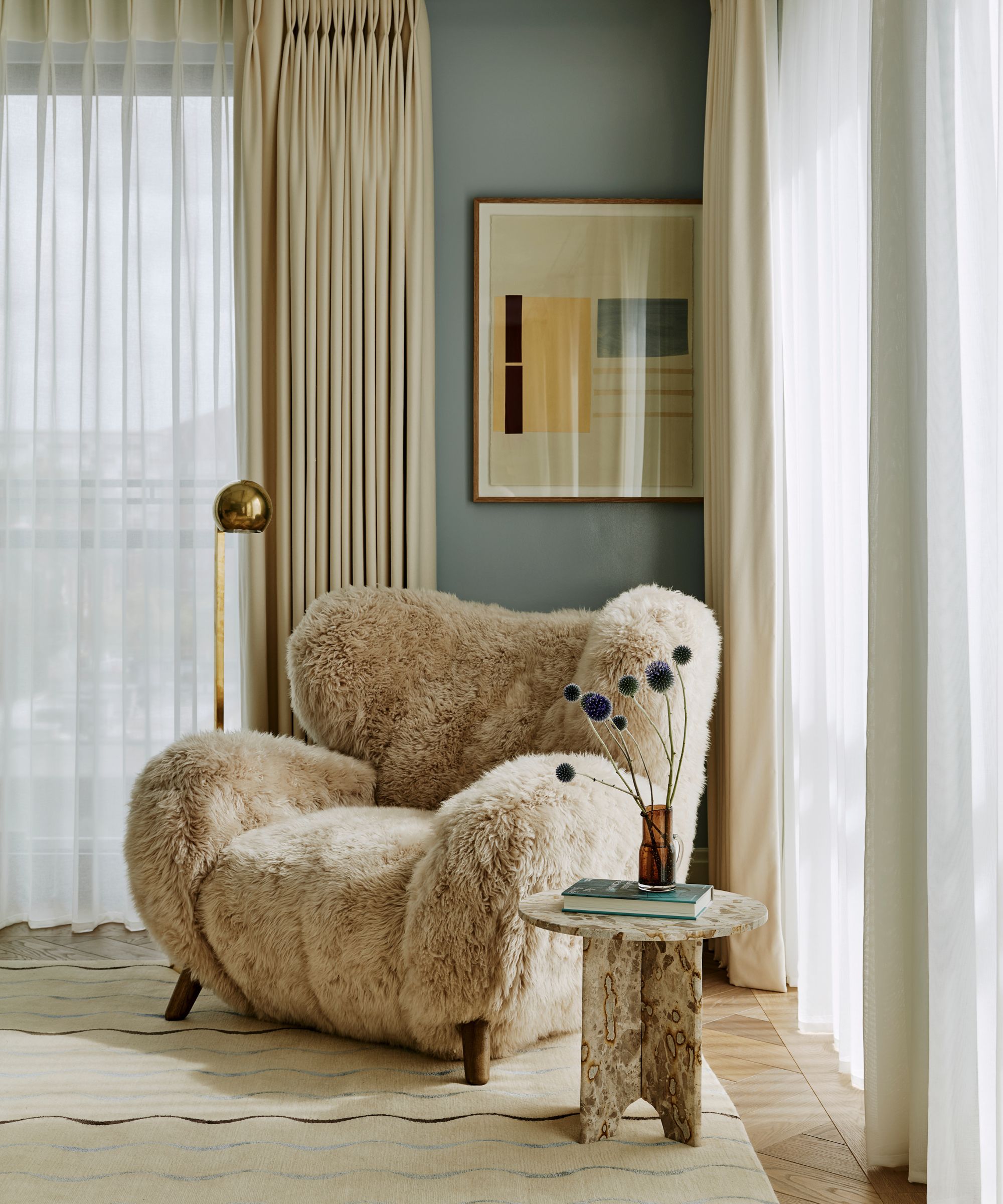
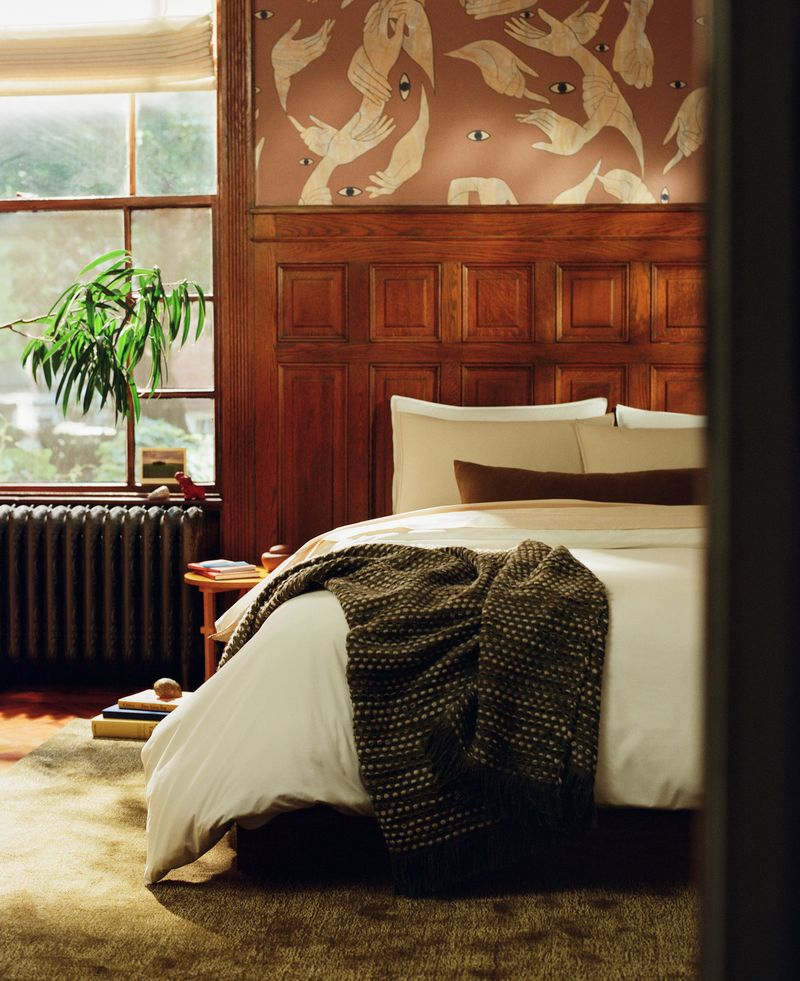
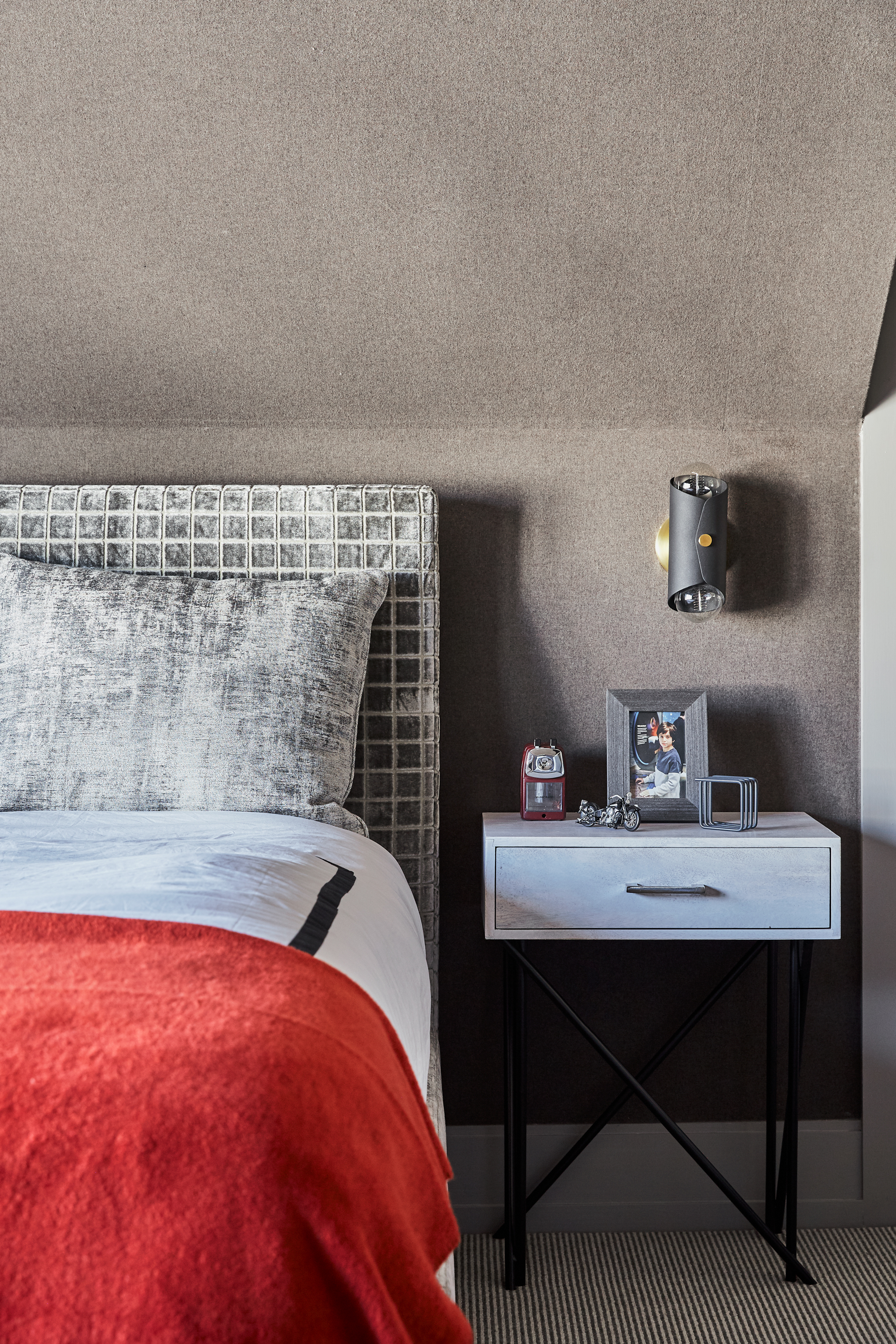
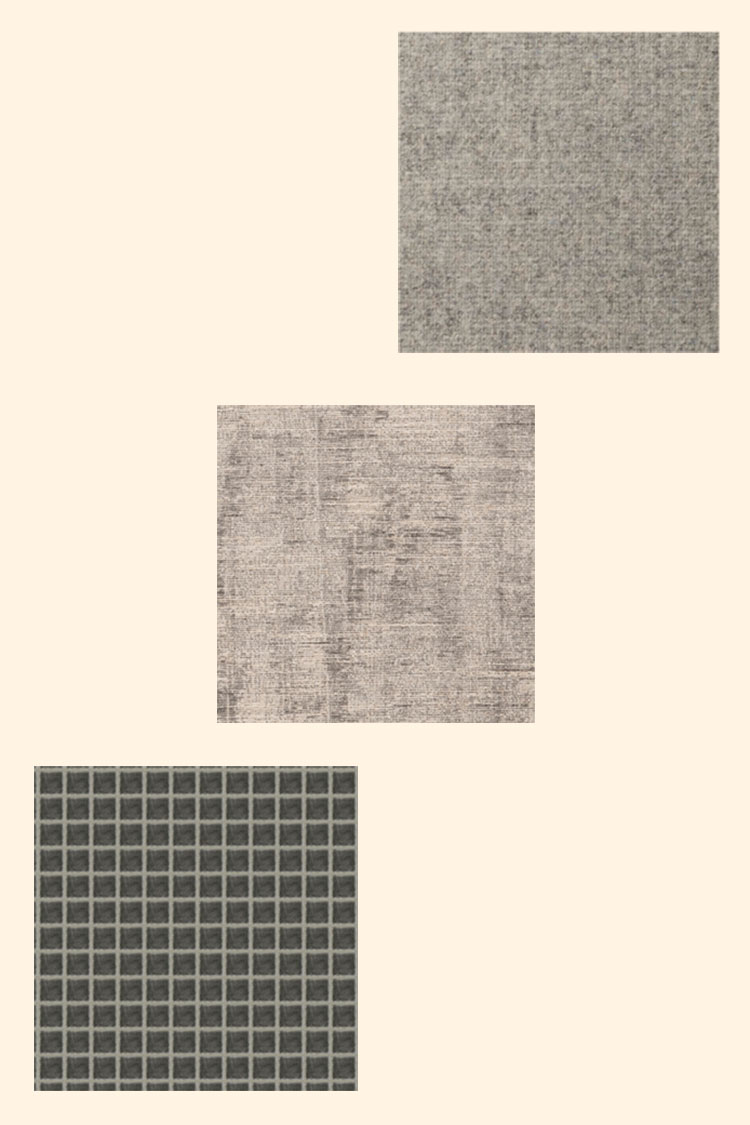
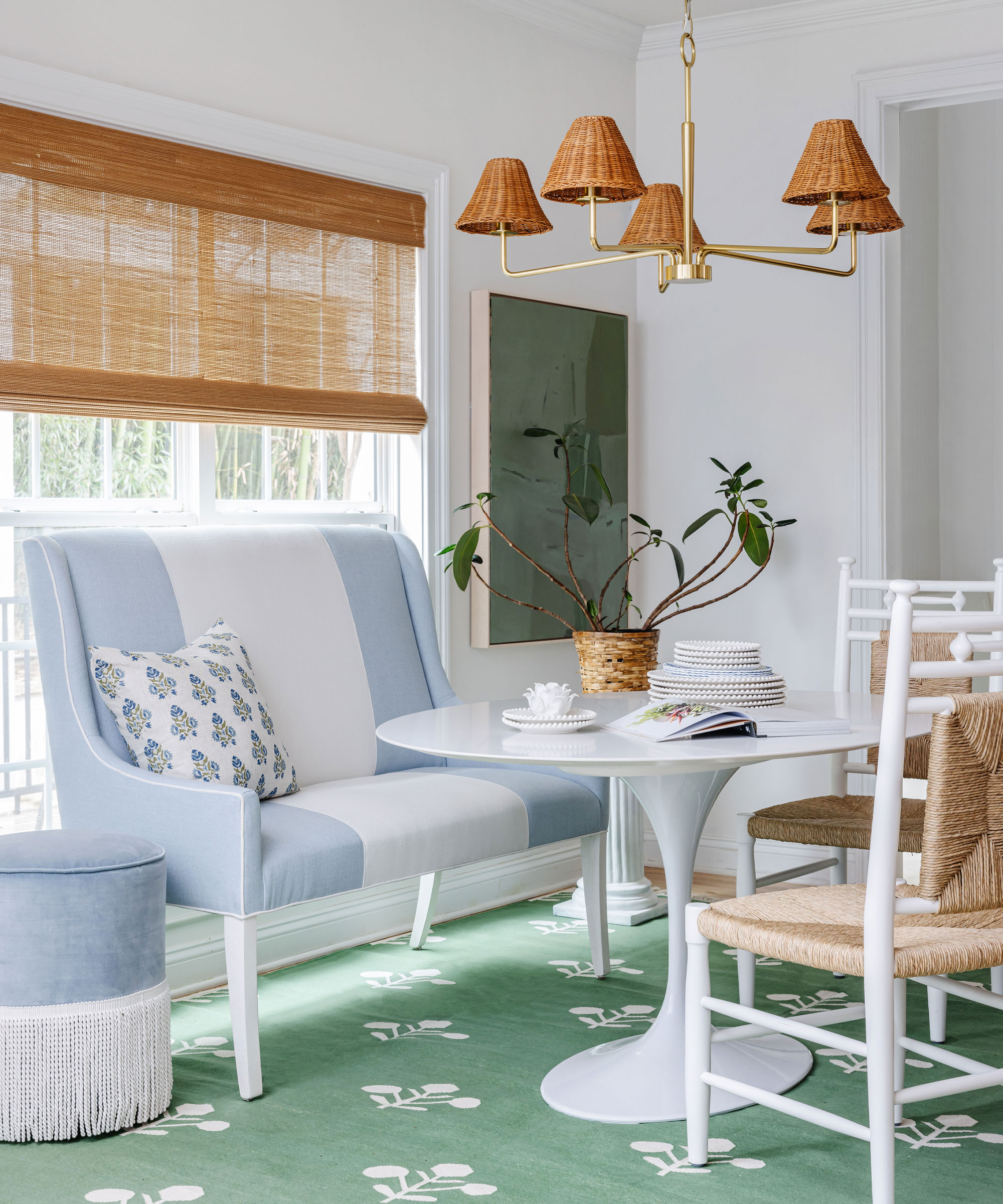
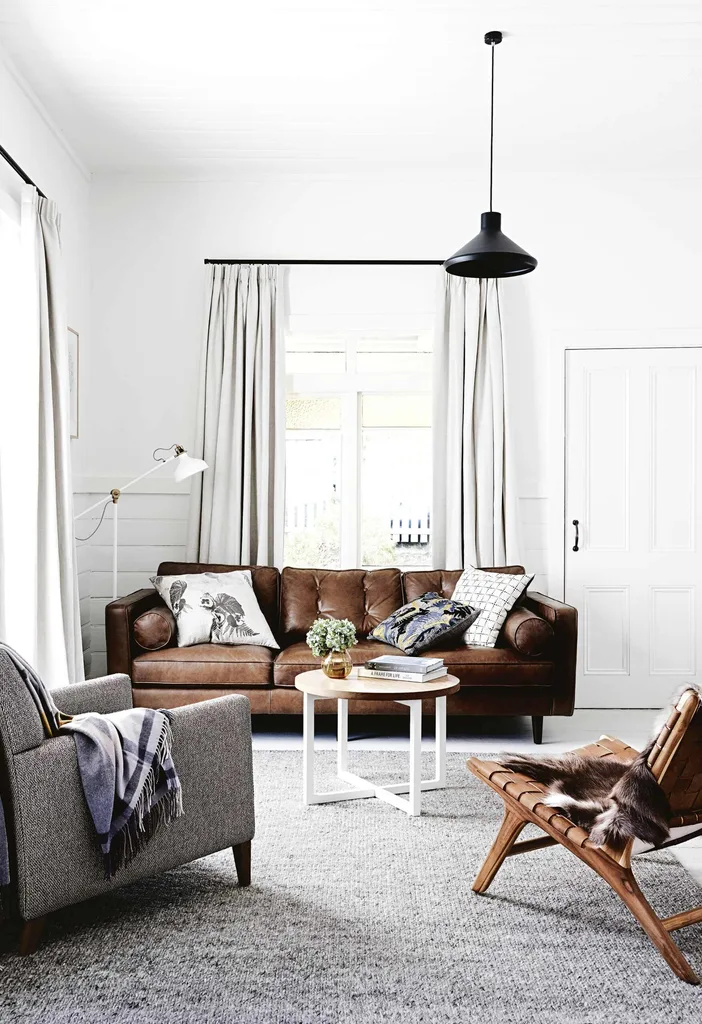
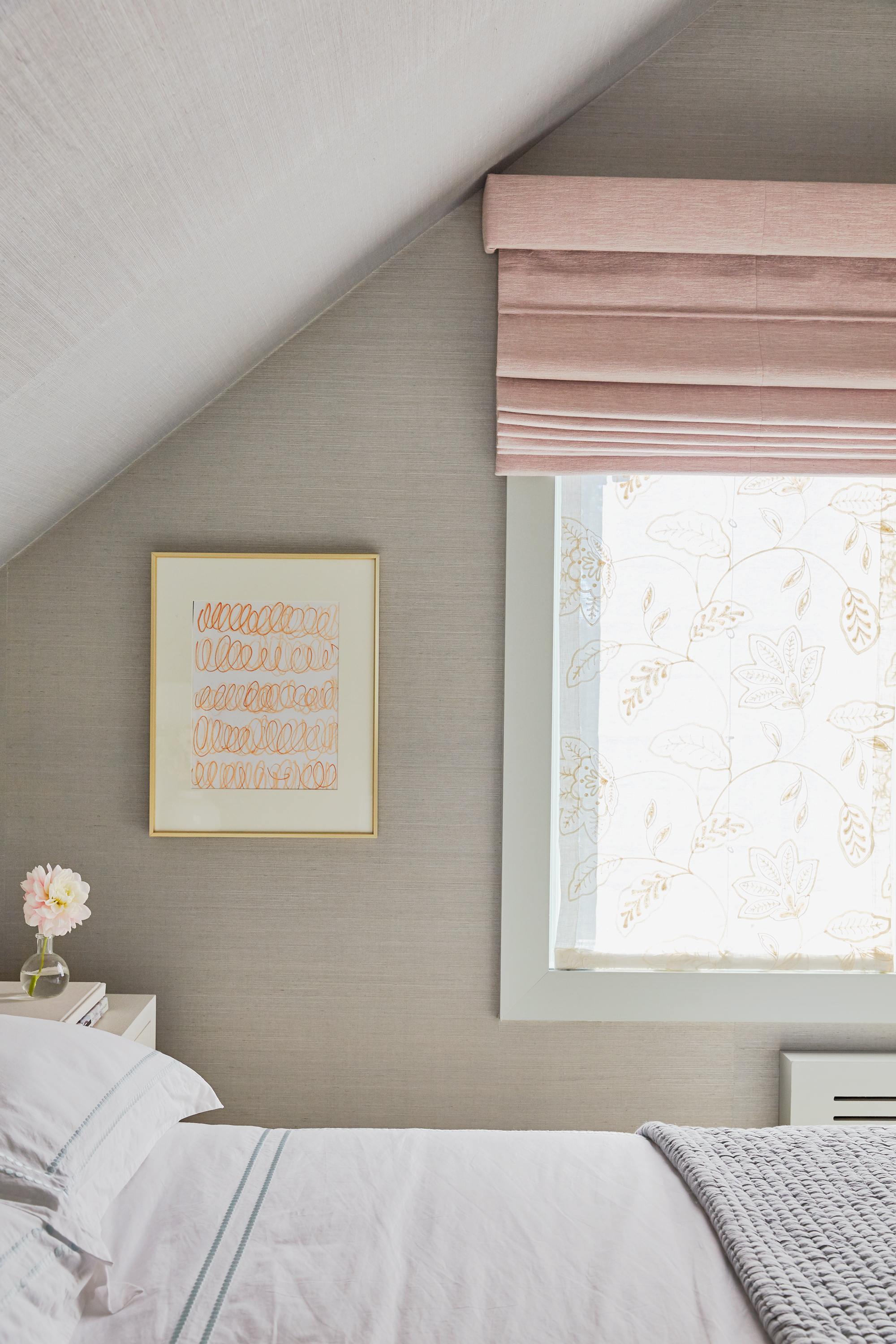
Designers employ ten key strategies to achieve effective layering. The first involves establishing a strong 'base' with elements like rugs, wall colors, or architectural features that set the overall tone. Madelynn Hudson of M.H. Interiors highlights that this grounding layer is non-negotiable and dictates subsequent design choices. The second strategy focuses on 'softening hard edges' using textiles. Lauren Carlucci of Lauren Carlucci Studio explains that textiles, including pillows, quilts, blankets, and curtains, temper architectural lines, add warmth, and prevent a room from feeling severe. This involves thinking beyond single fabric pieces and layering different textures like wool over sisal rugs or mixing linen, wool, and cotton within the same room.
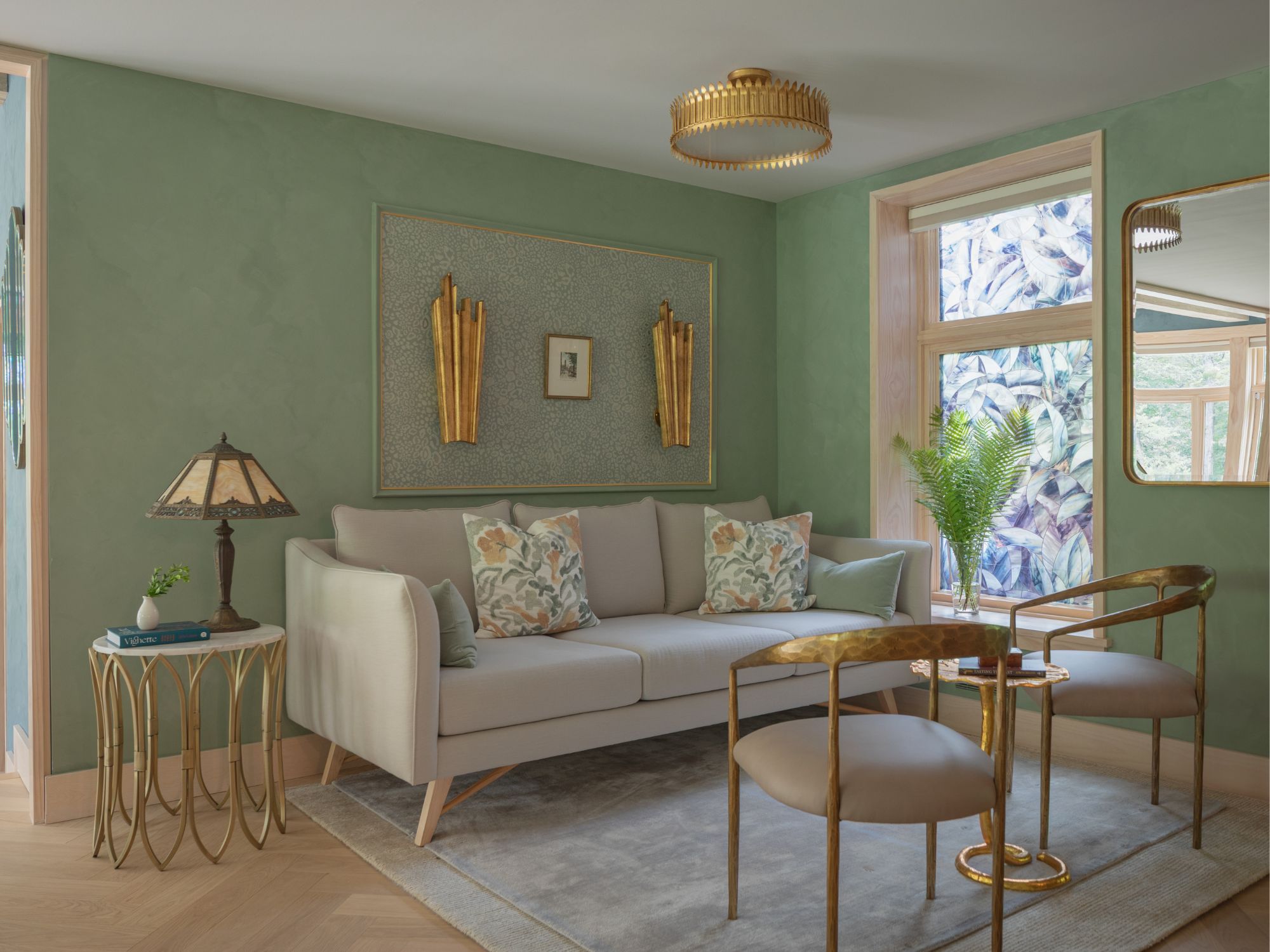
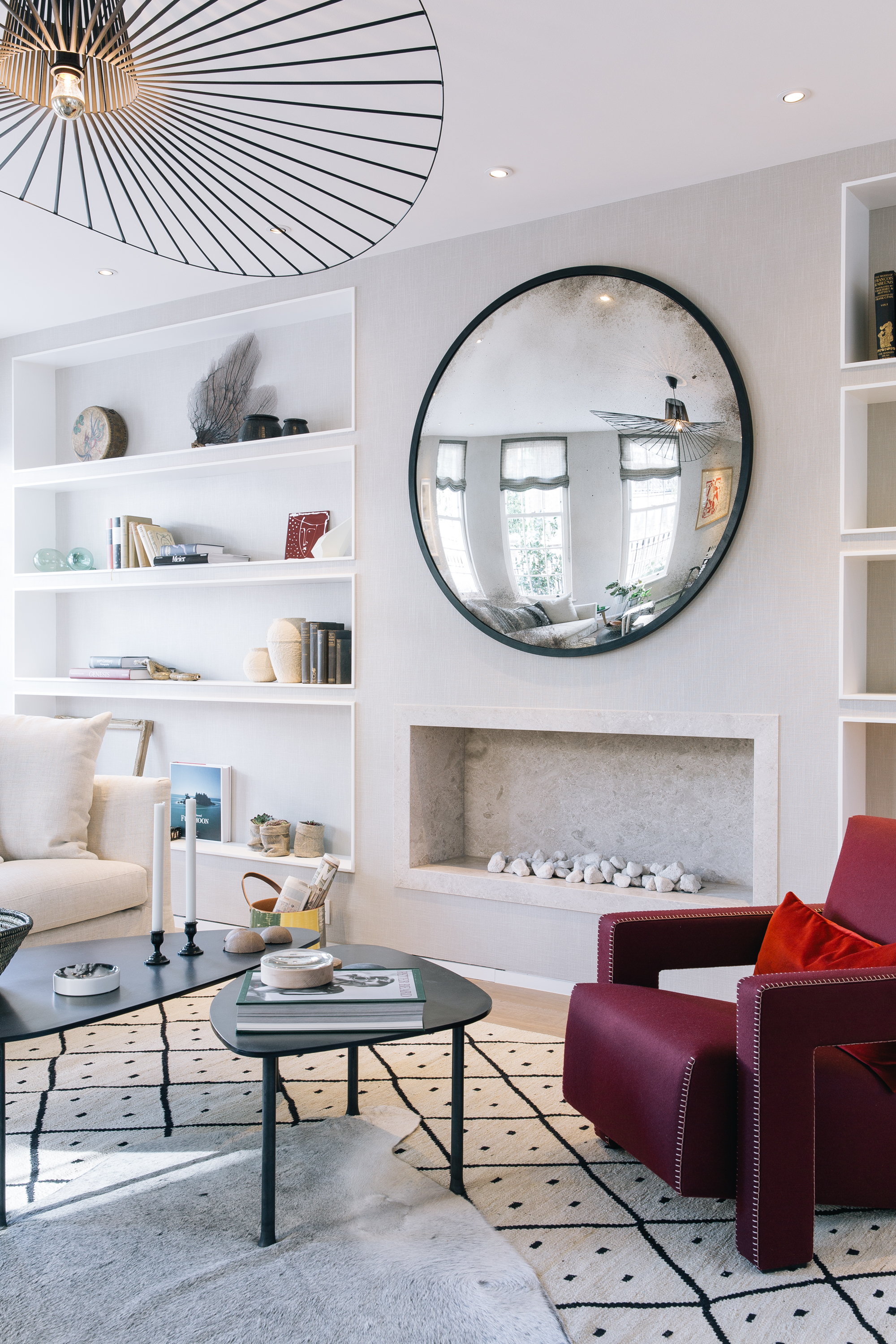
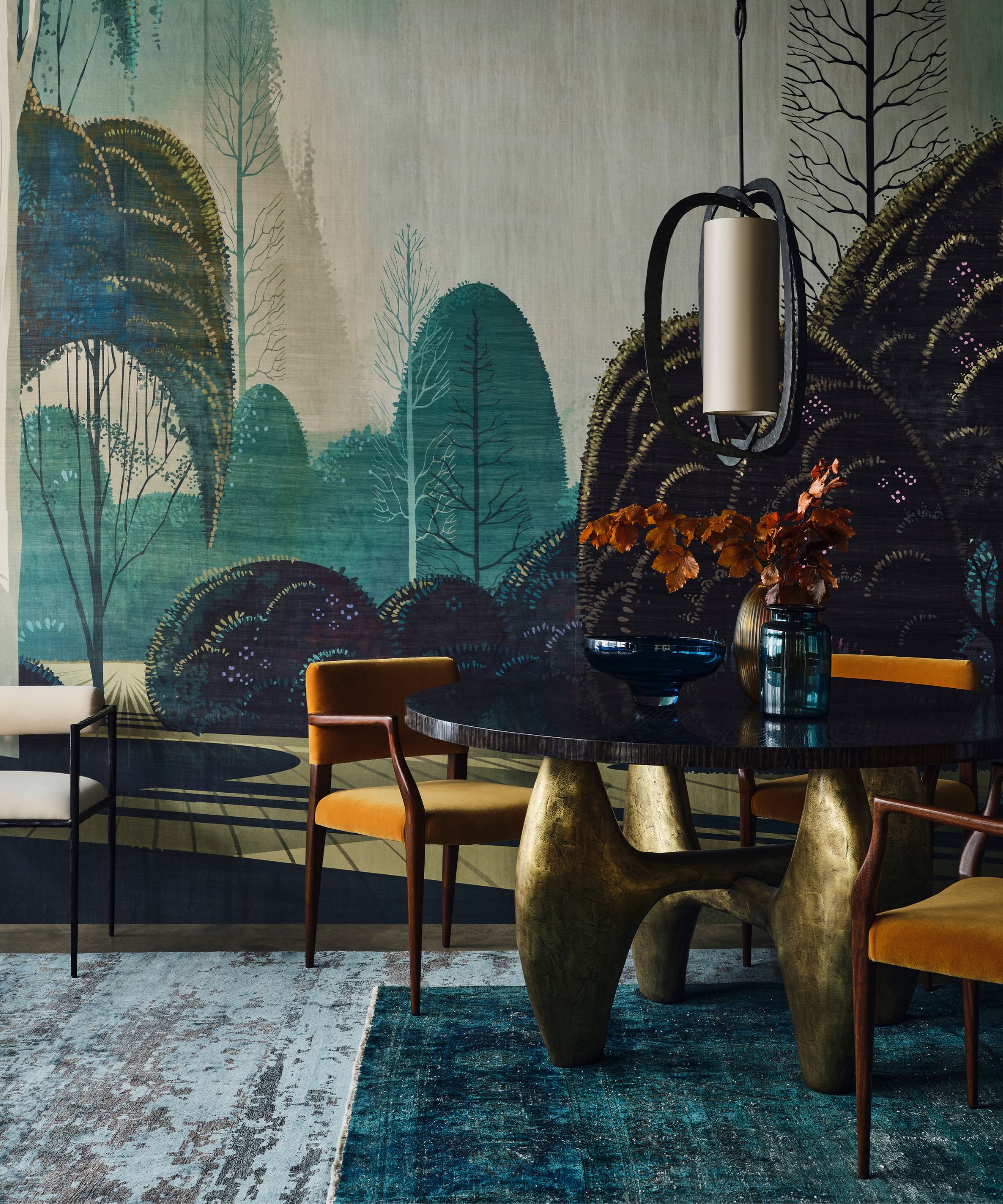
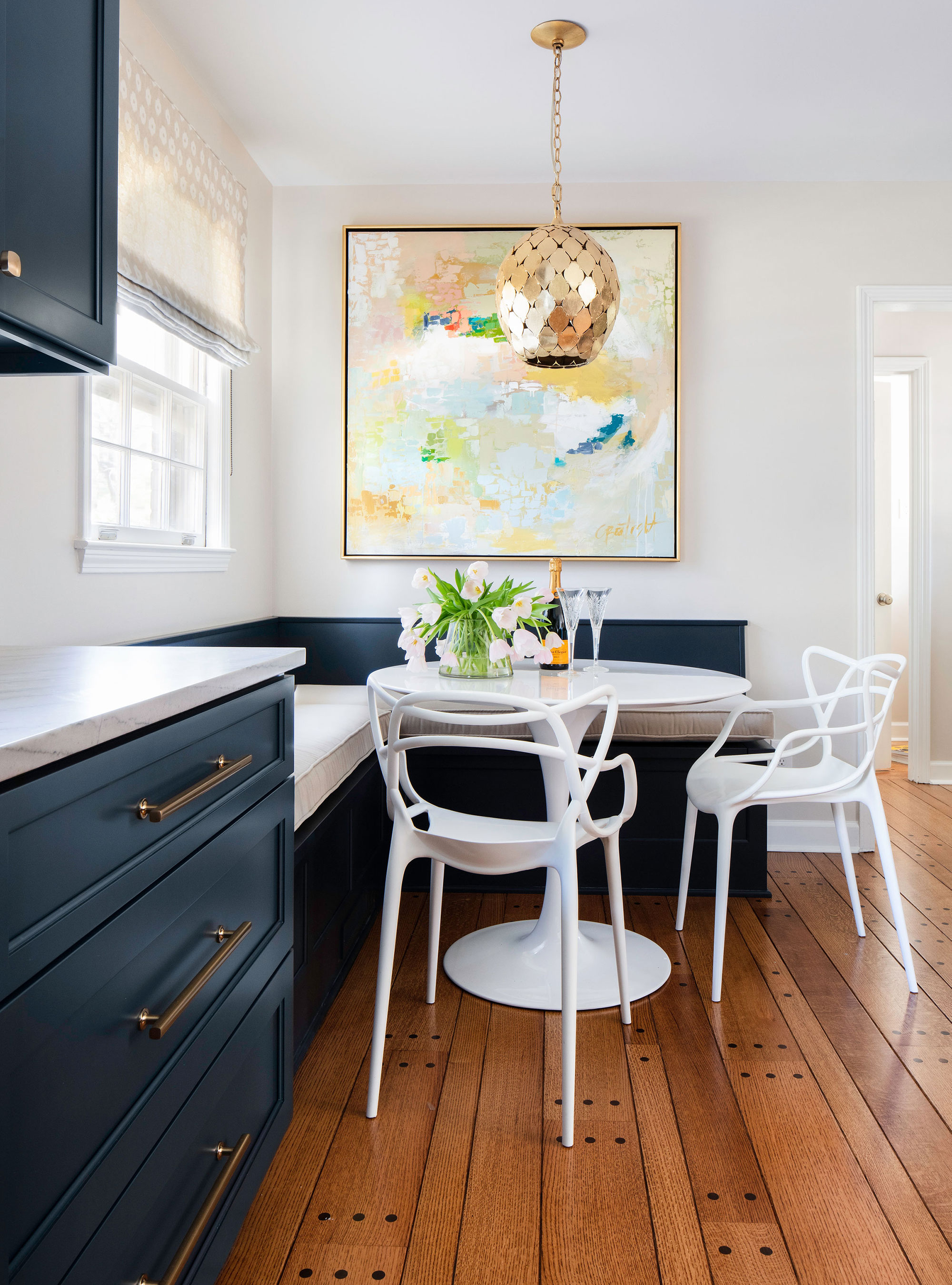
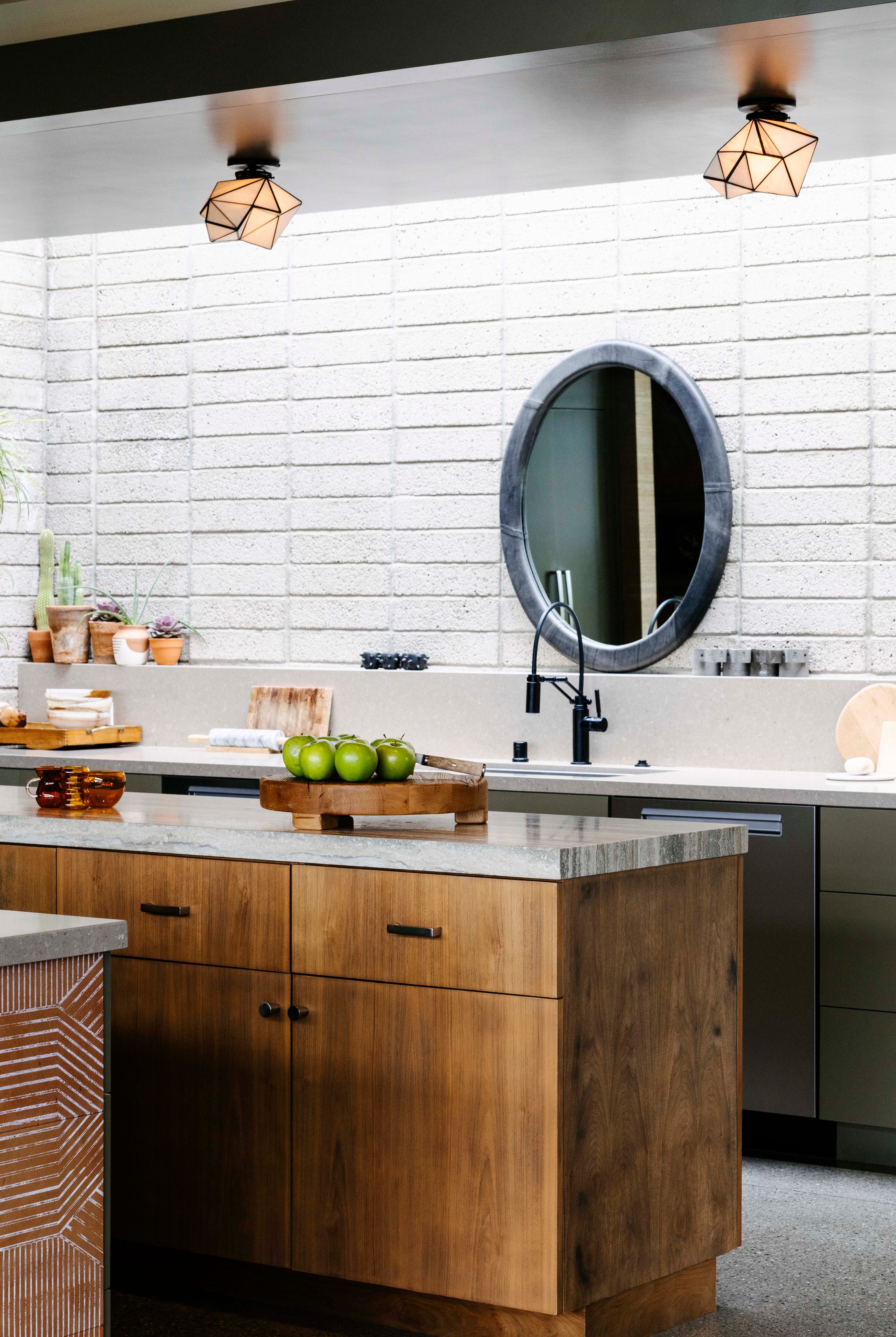
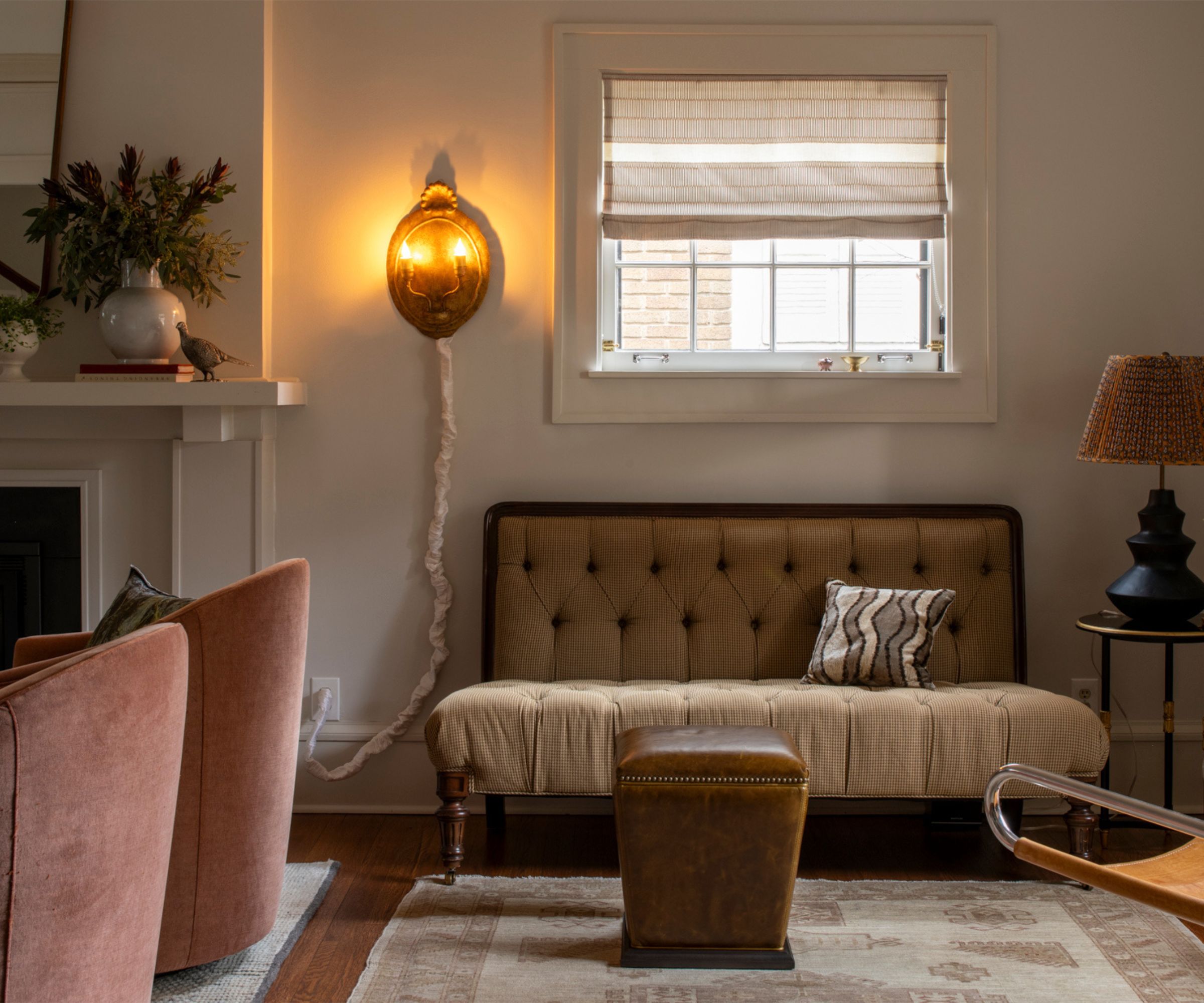
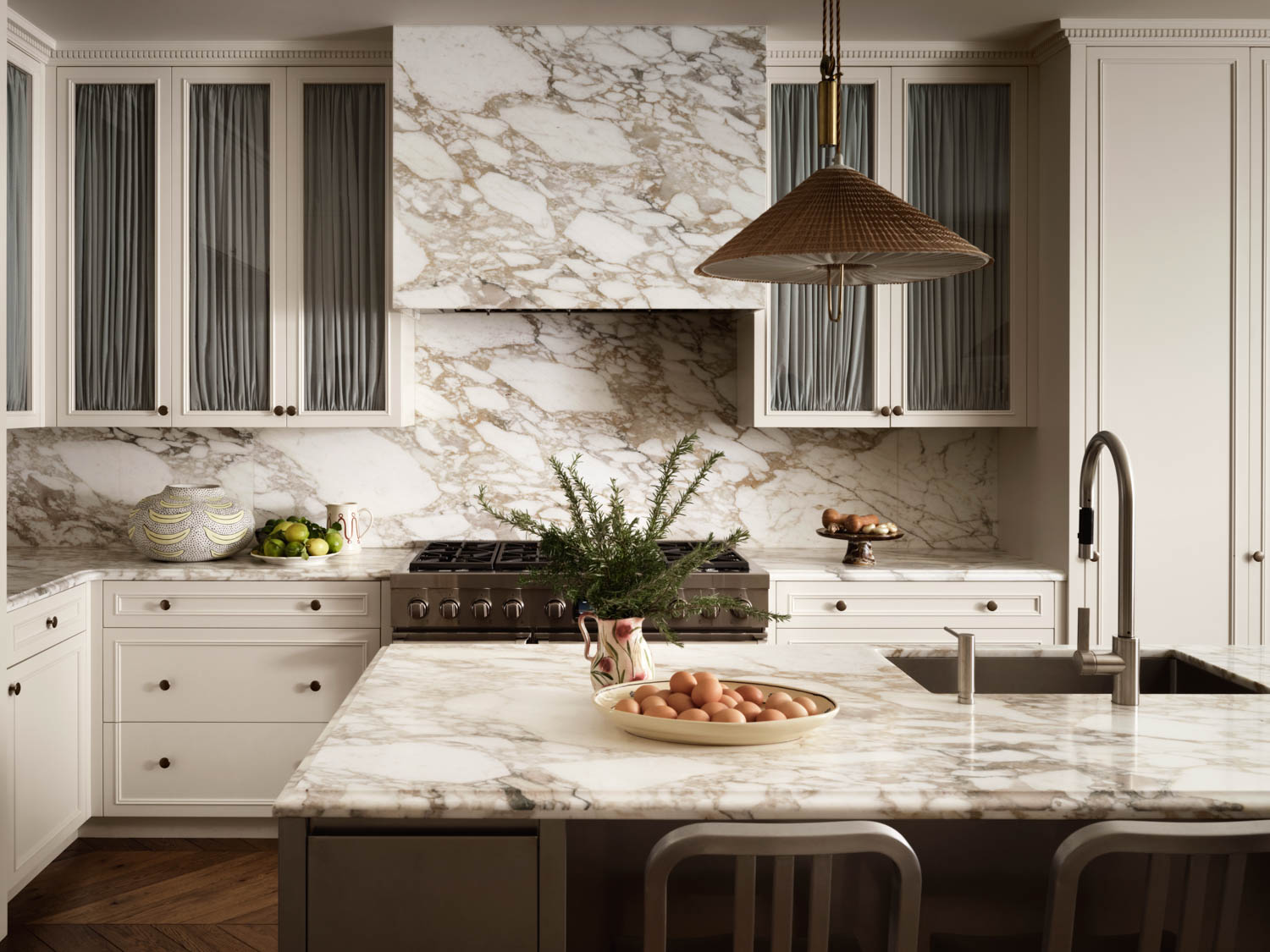
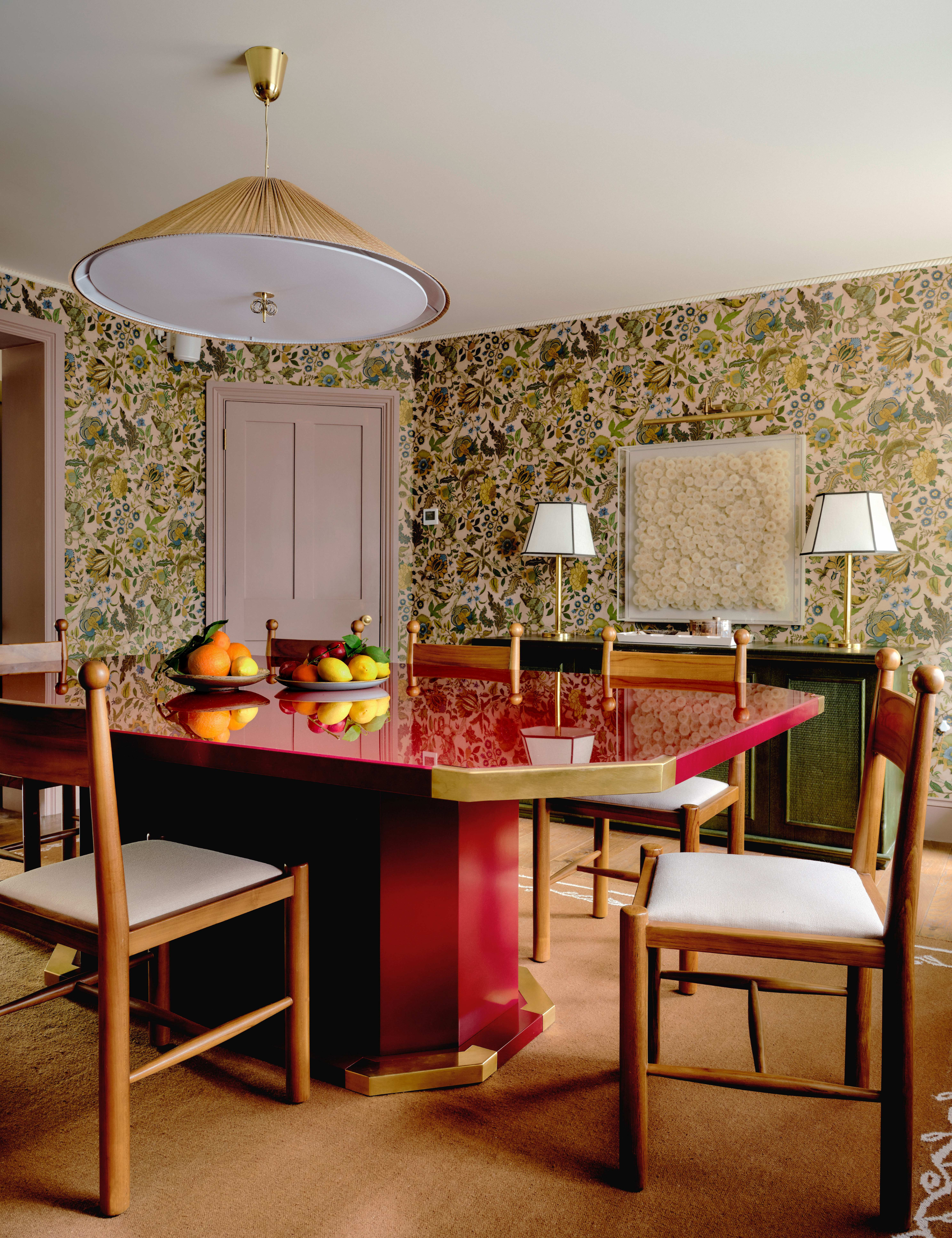
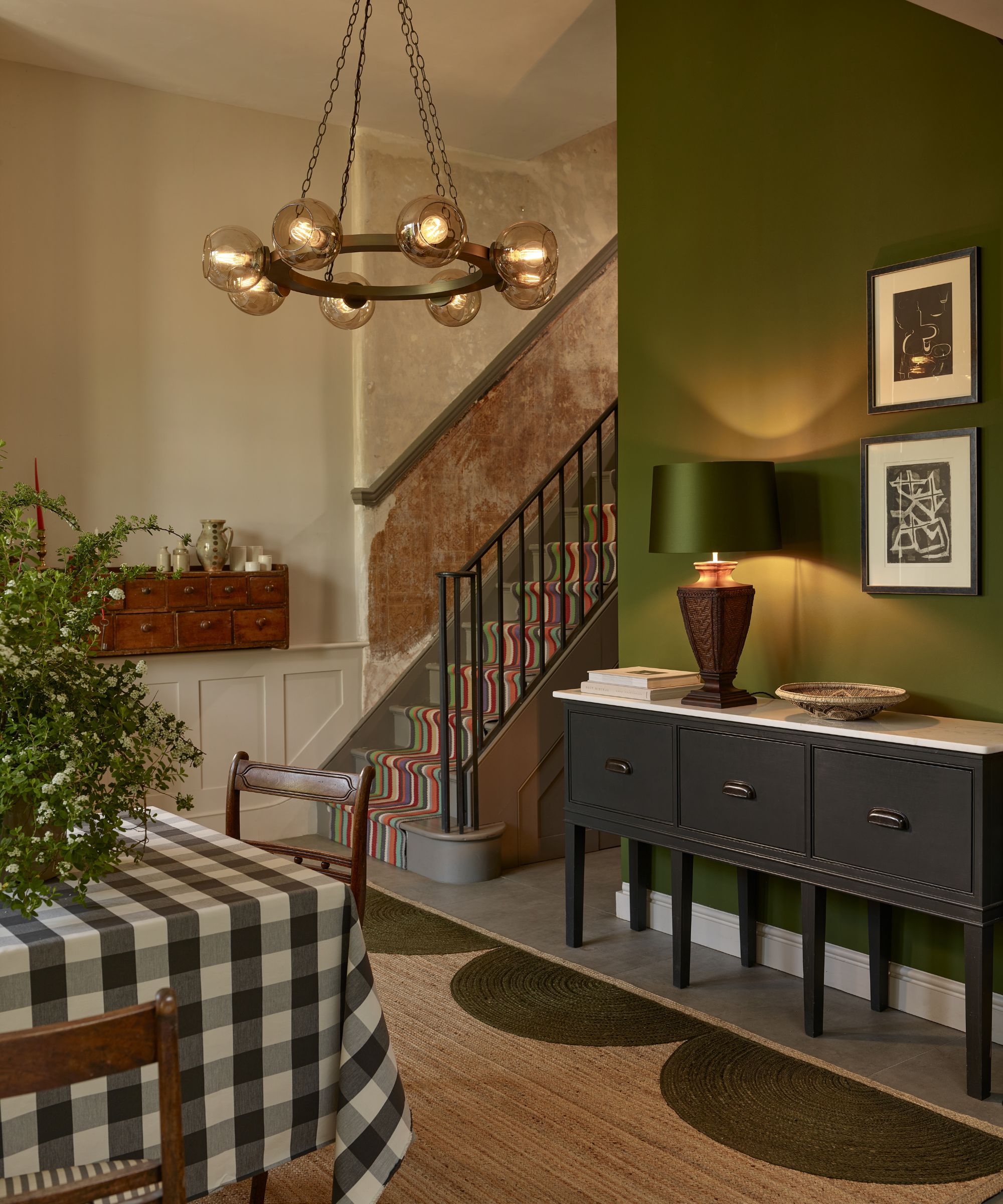
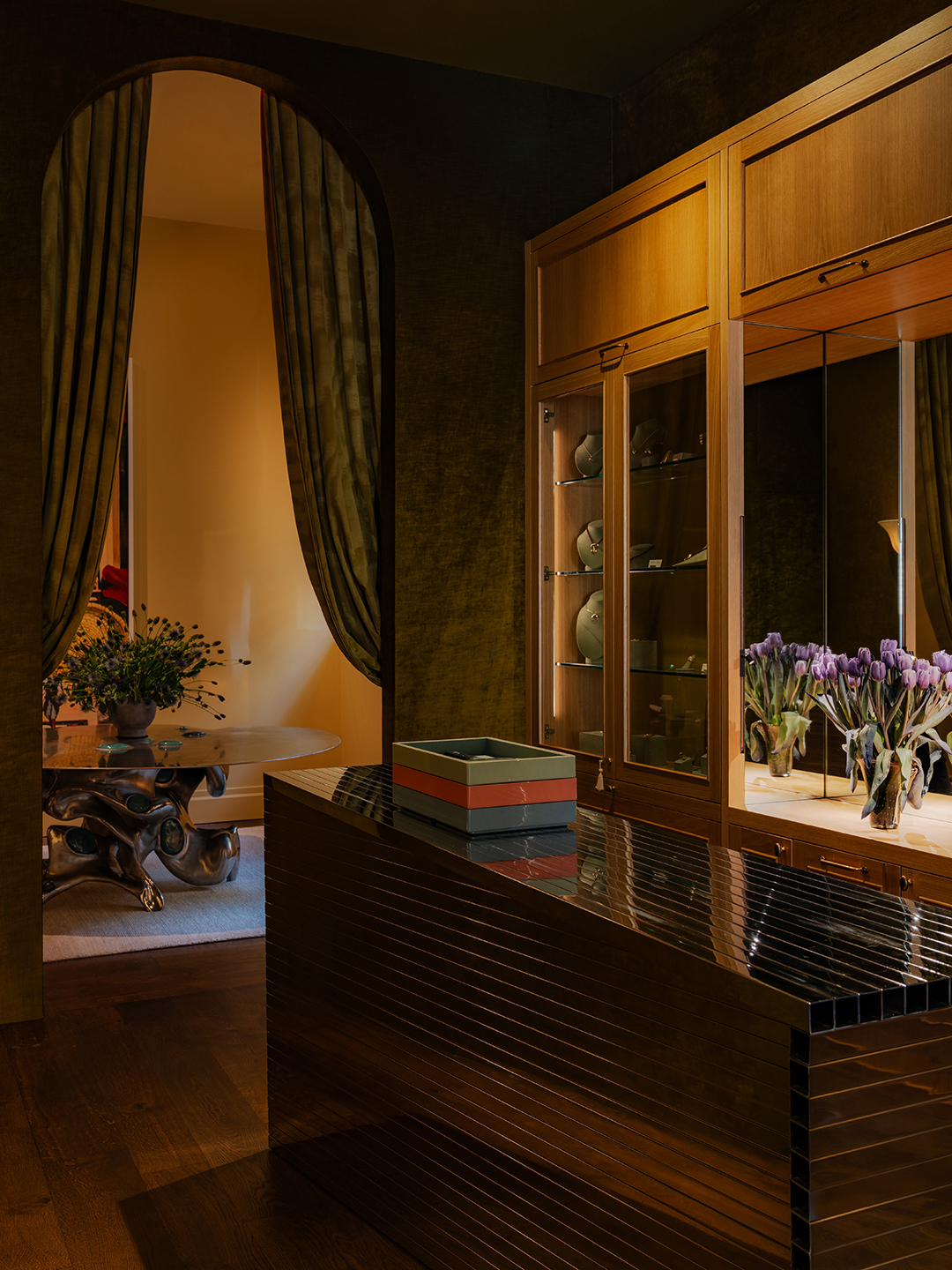
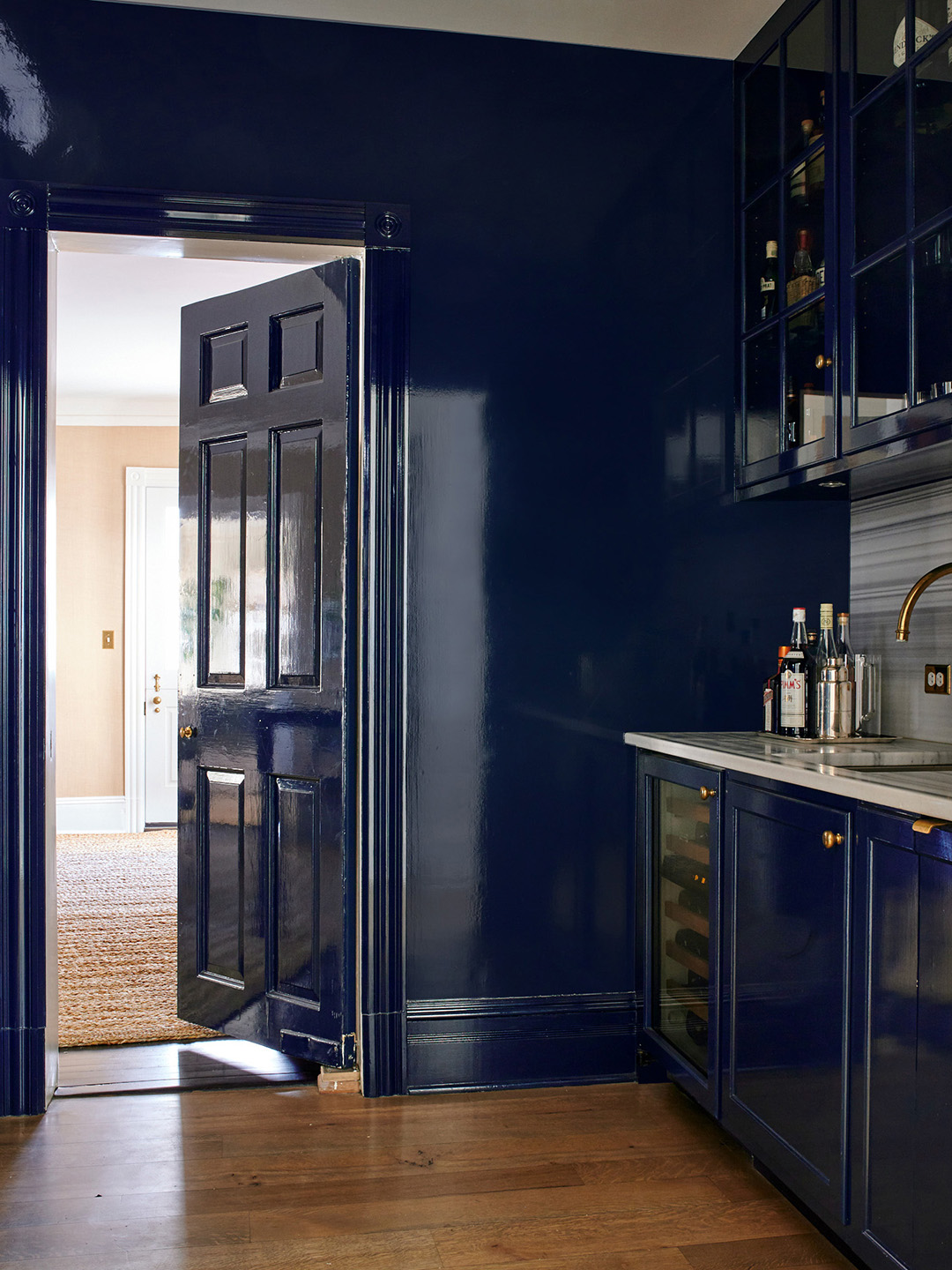
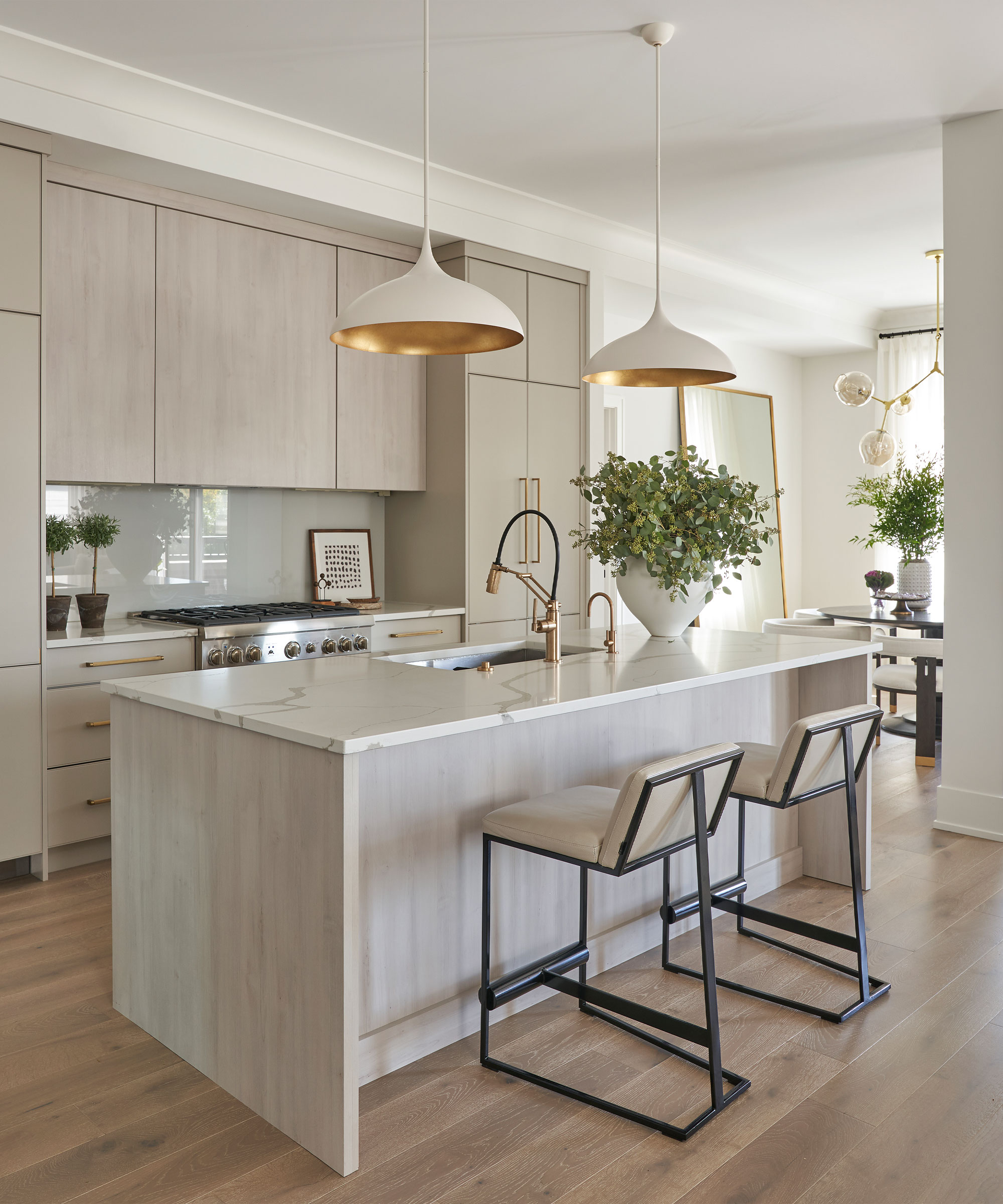
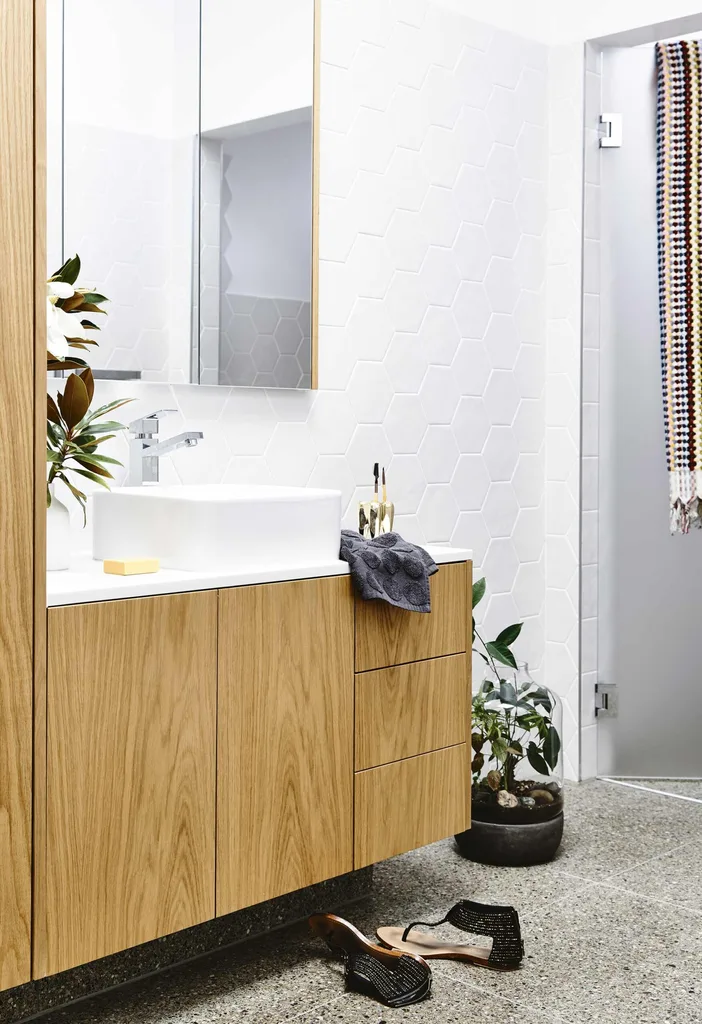
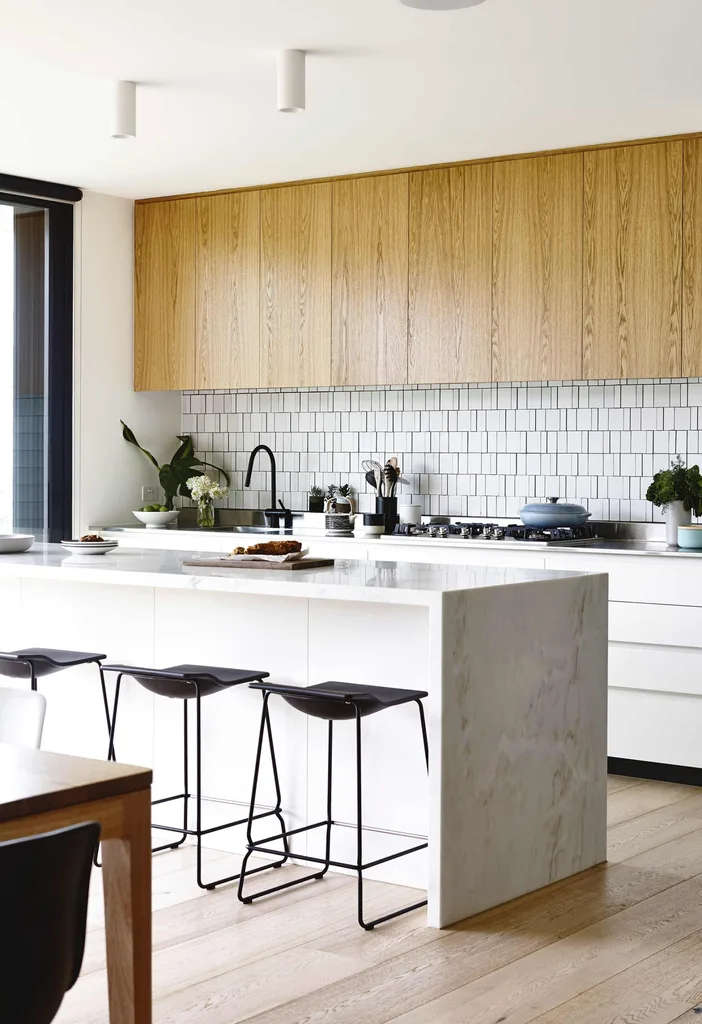
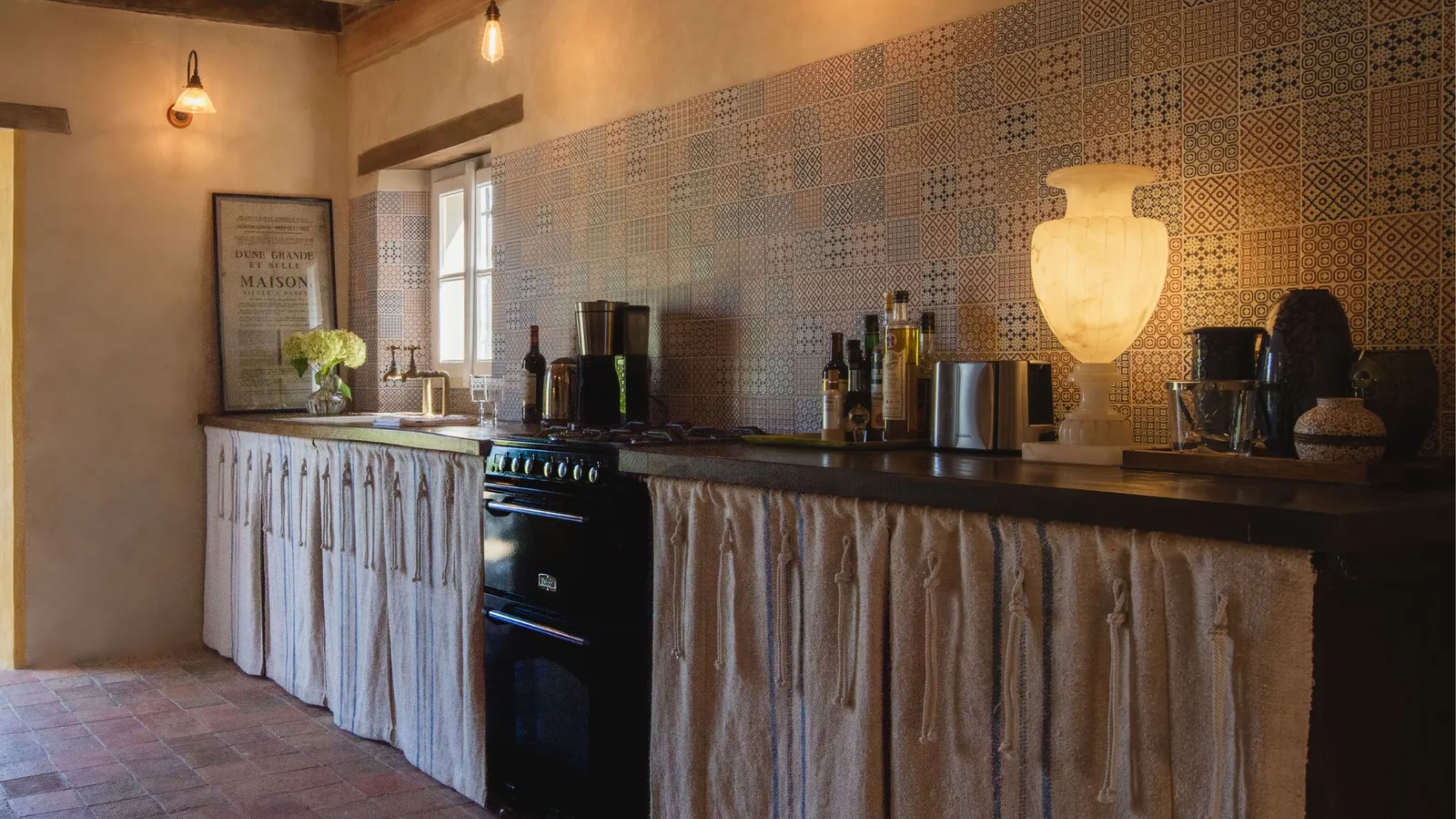
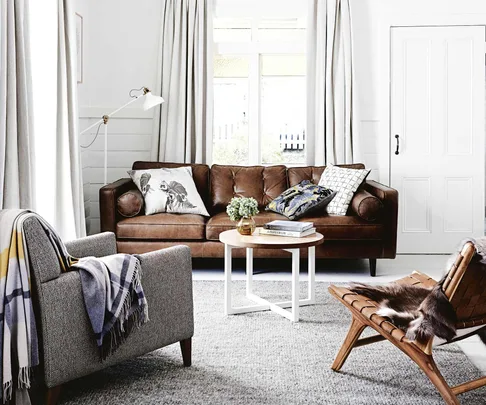
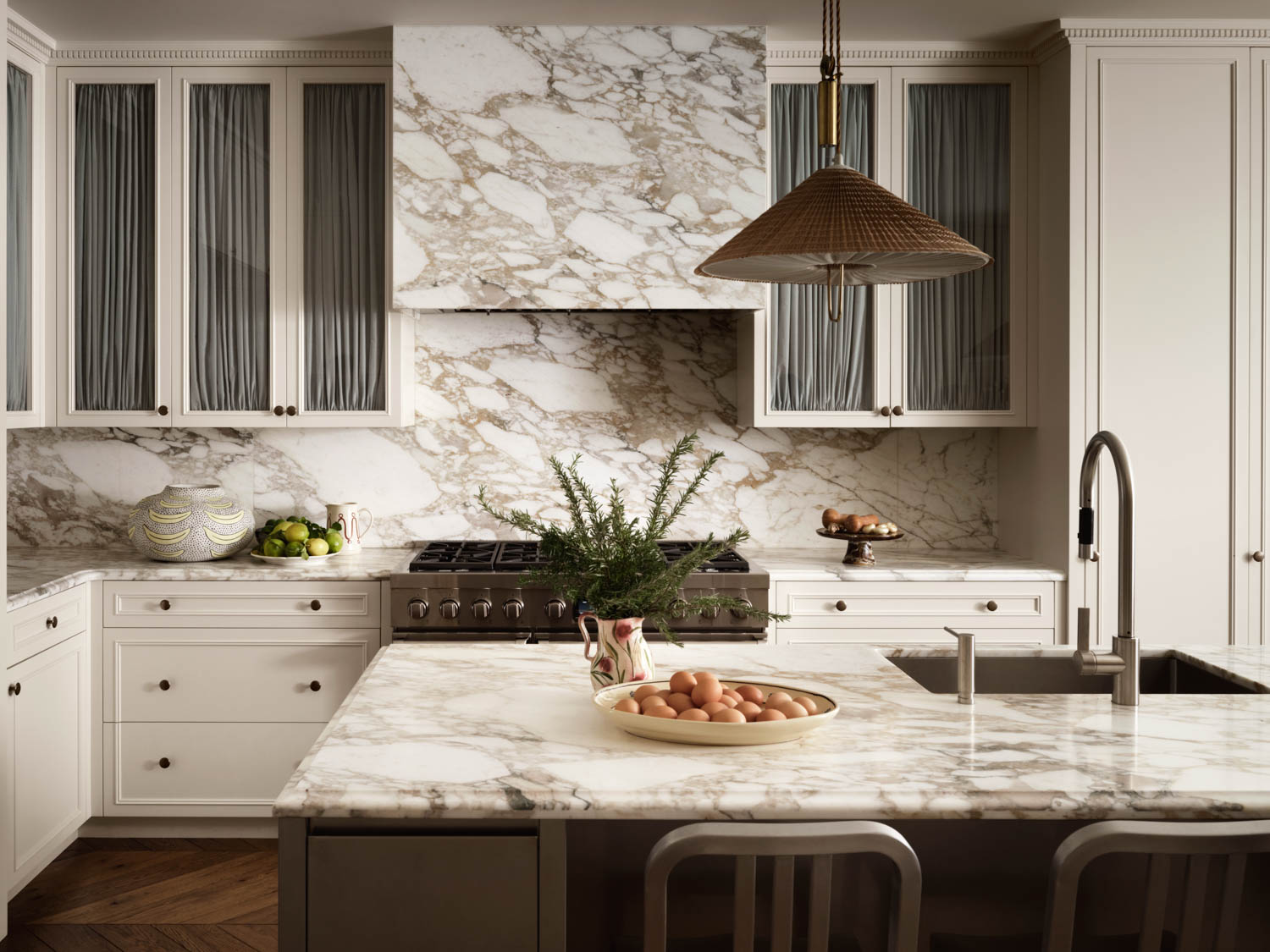
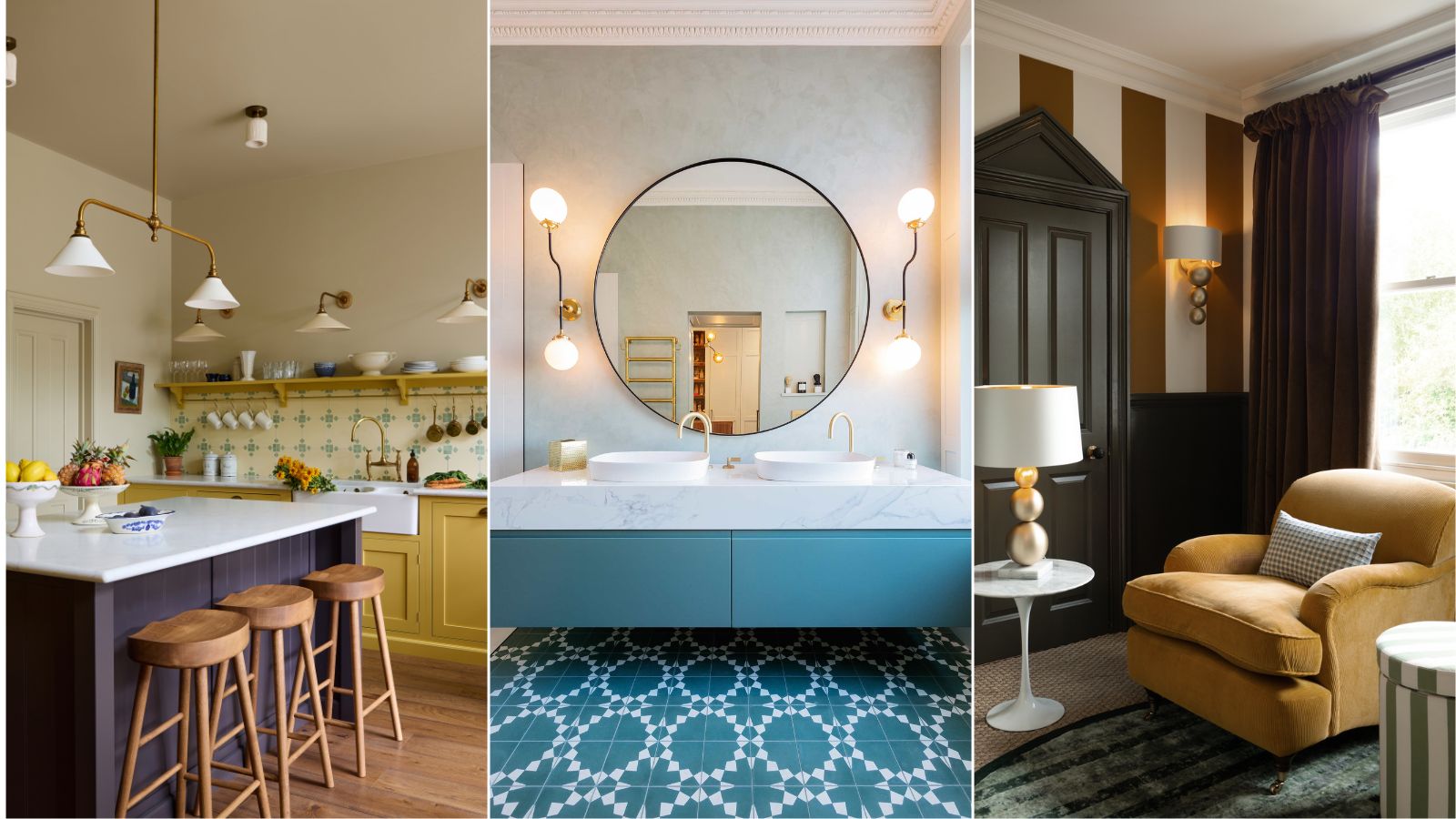
The third method is 'layering materials, not just objects,' by combining elements like stone, metal, wood, glass, and textiles. Madelynn Hudson notes that balancing warm and cool materials creates tension and visual interest, proving particularly effective in bathrooms and kitchens where textile use is limited. Jess Weeth of Weeth Home suggests complementary combinations such as antique brass with iron or unlacquered brass with polished nickel. The fourth strategy involves 'differentiating the lighting.' Layered lighting, including sconces, lamps, and art lighting, provides range and warmth, moving beyond basic ceiling fixtures to highlight specific features and walls. Jess Weeth cautions against relying solely on rows of recessed lights, advocating for targeted illumination of key pieces.
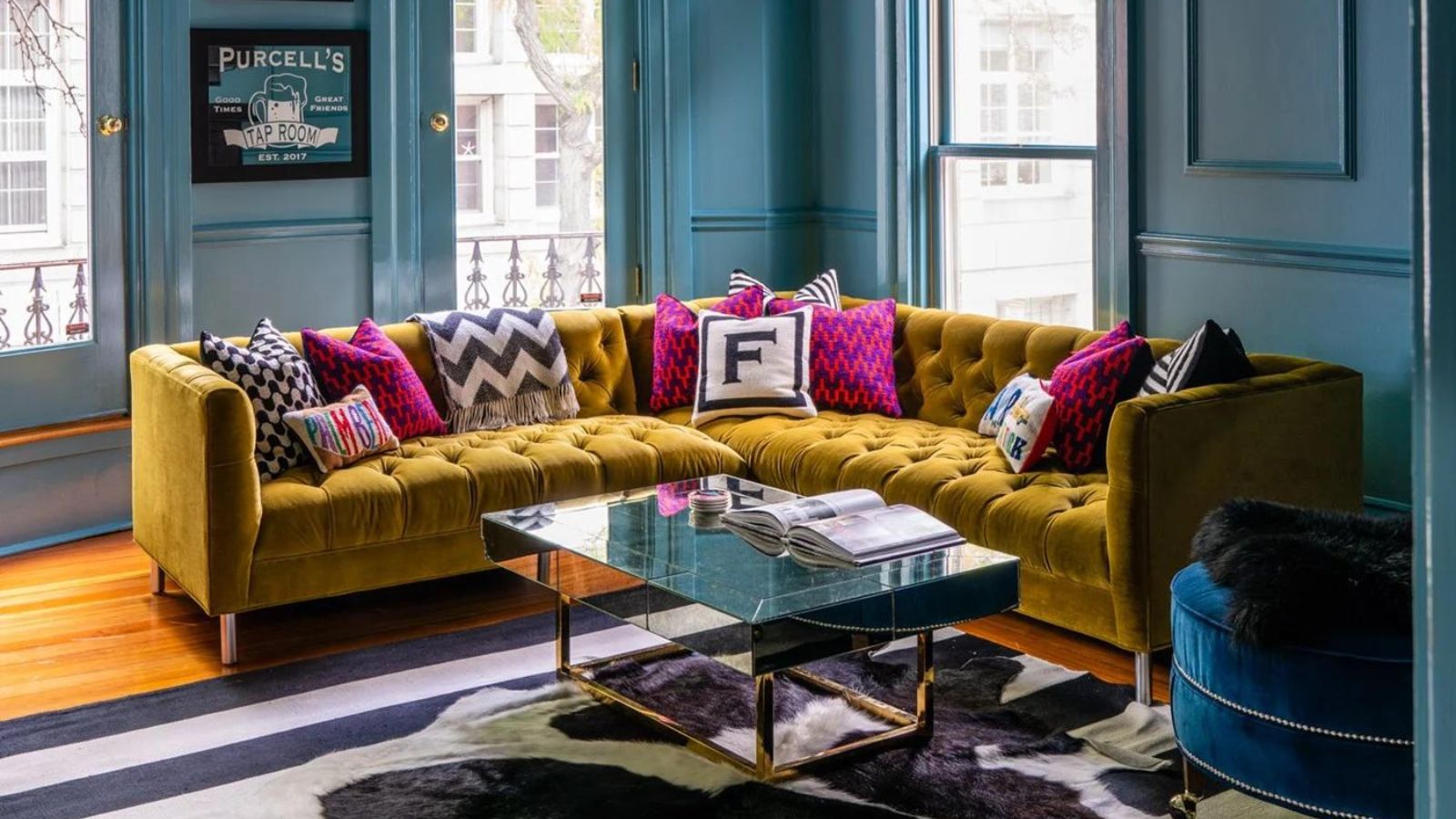
The fifth approach, 'playing with shape and scale,' involves mixing silhouettes—curvy forms with linear ones, or slender pieces with weightier ones—to create visual movement and prevent a room from feeling static, as advised by Madelynn Hudson. Cheryl Stauffer of Crimson Design Group suggests placing larger pieces first and then adding smaller items, erring on the side of less to avoid clutter. The sixth strategy, 'mixing high with low,' combines luxury pieces with more accessible ones to create an interesting and less precious aesthetic, as articulated by Dan Mazzarini of Mazzarini & Co. This makes the room feel sophisticated without a prohibitive price tag.
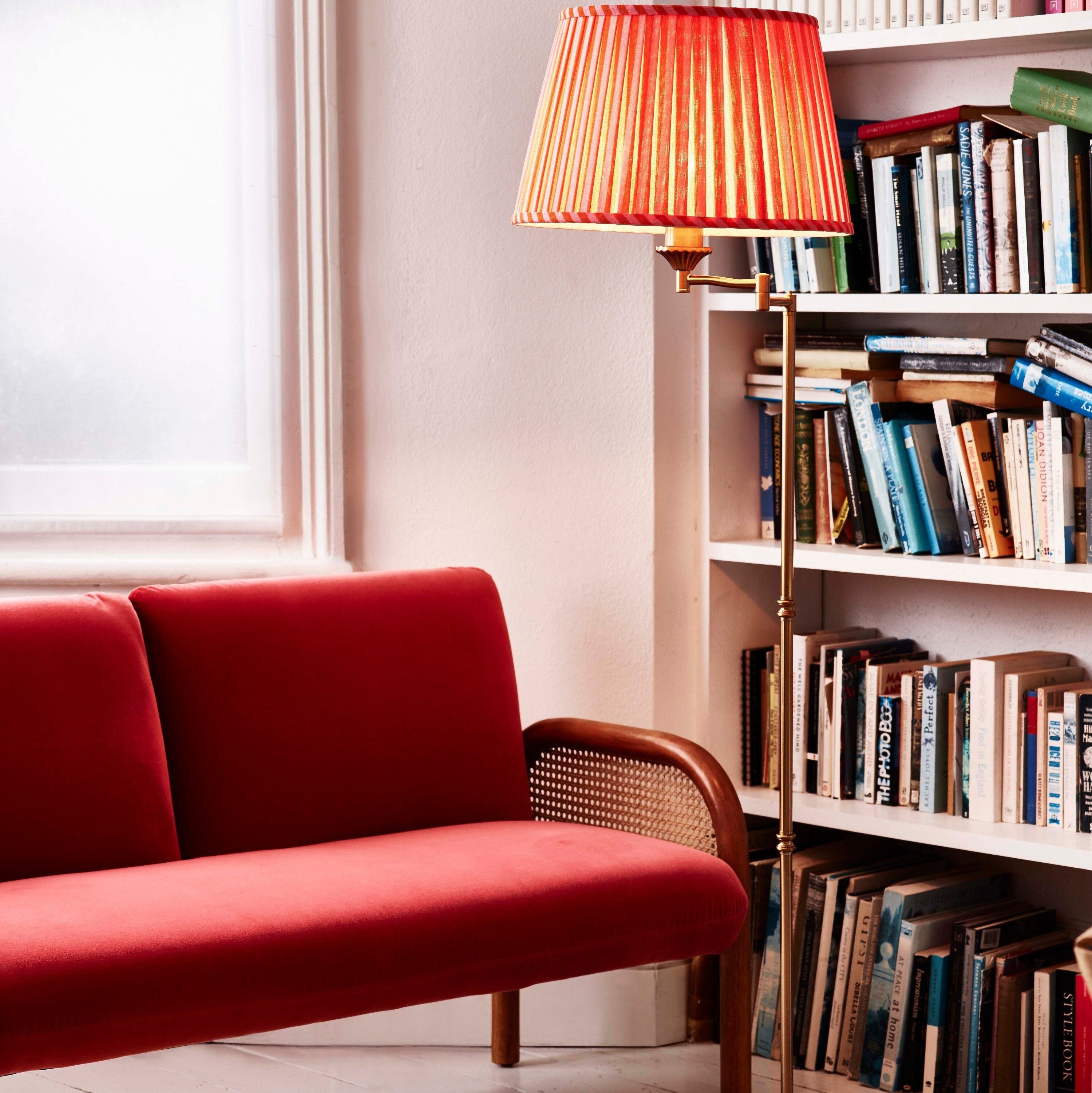
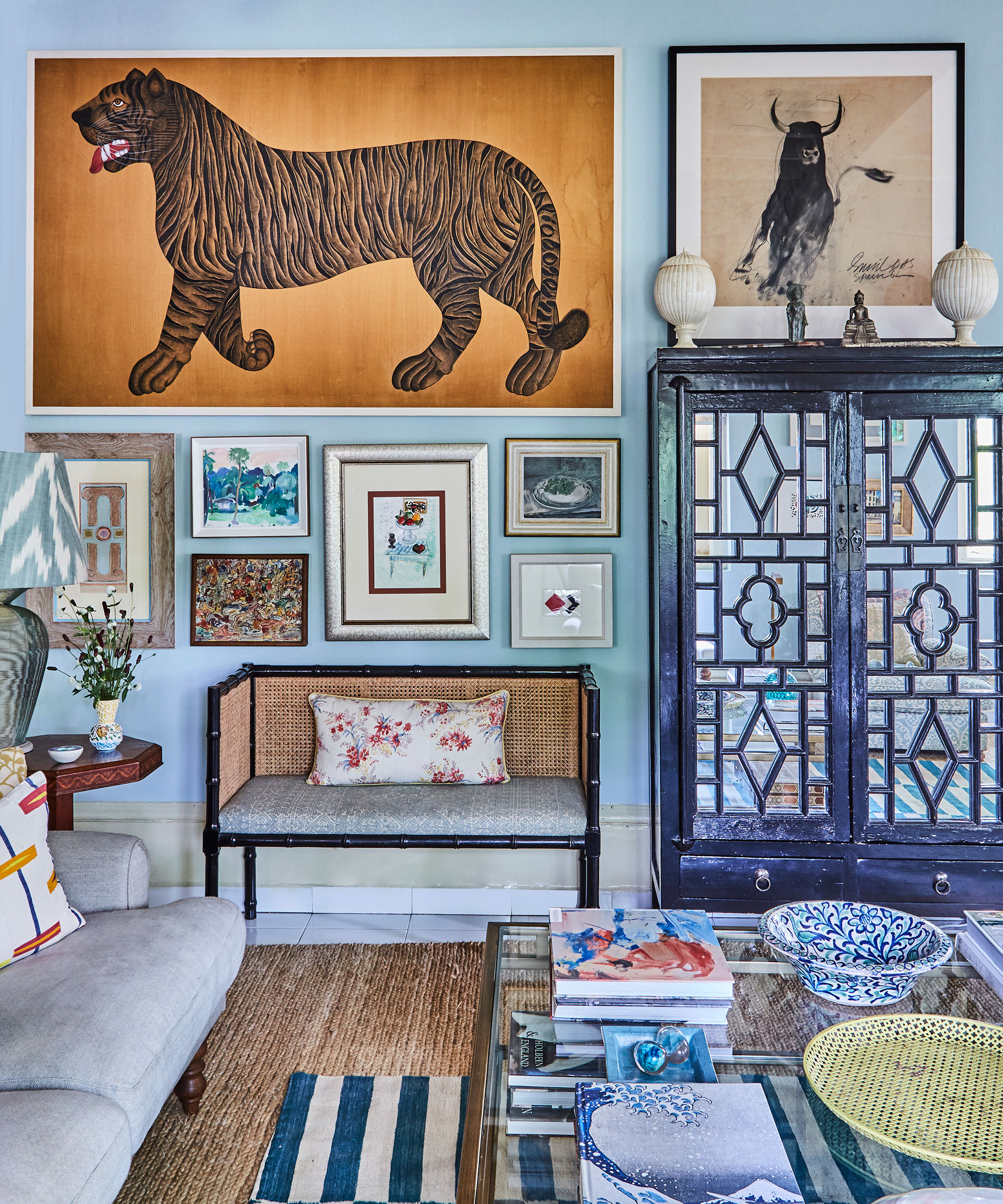
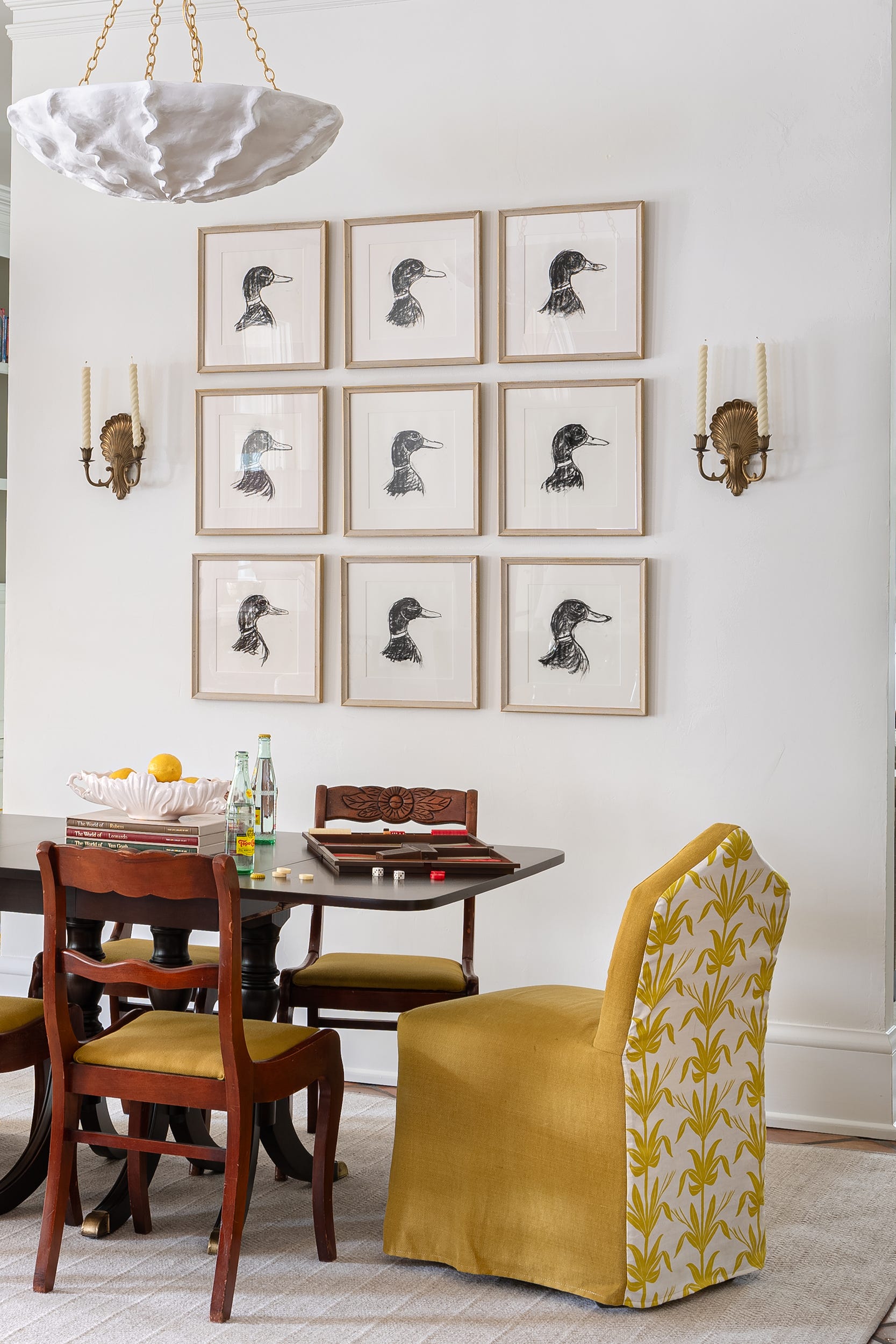
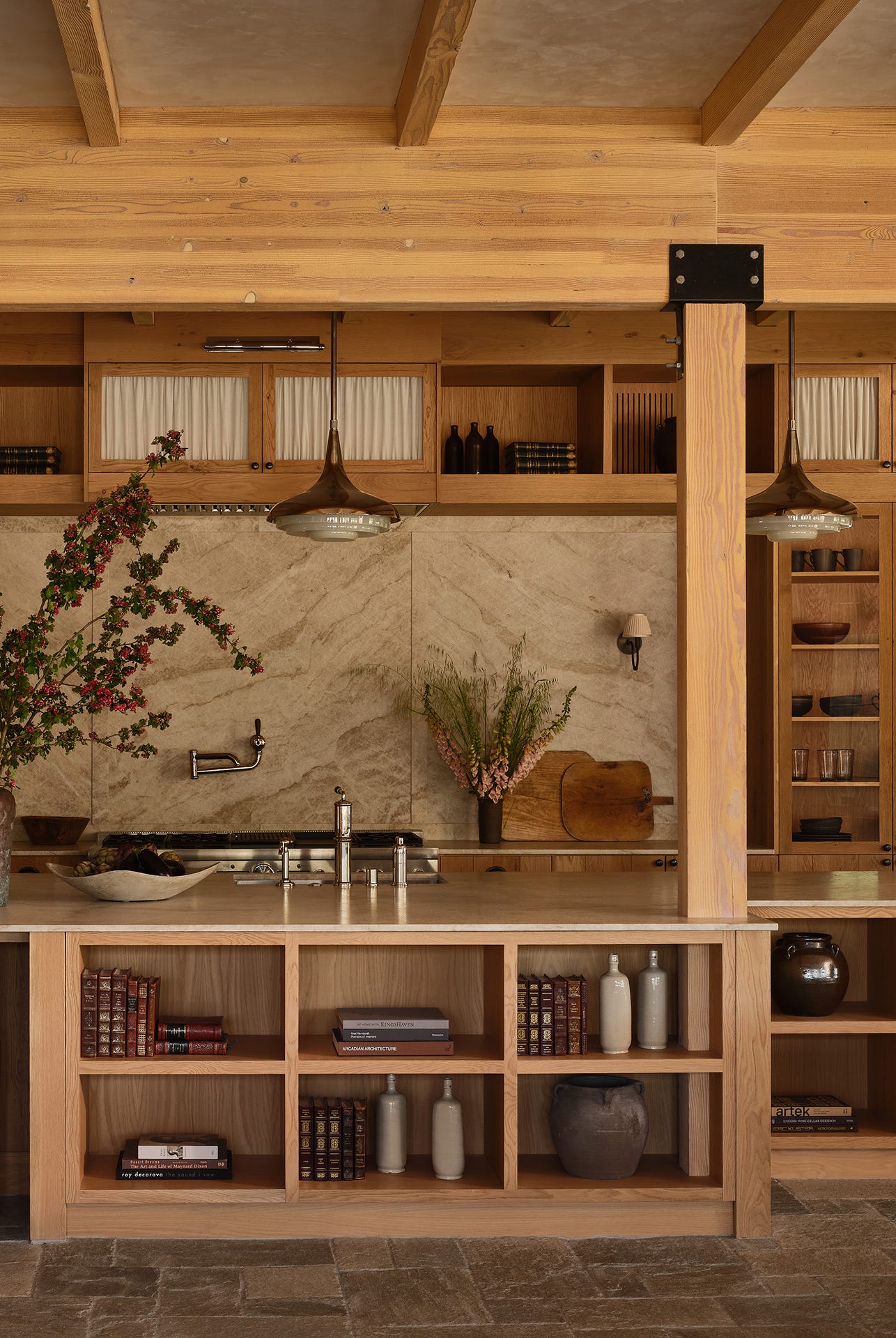
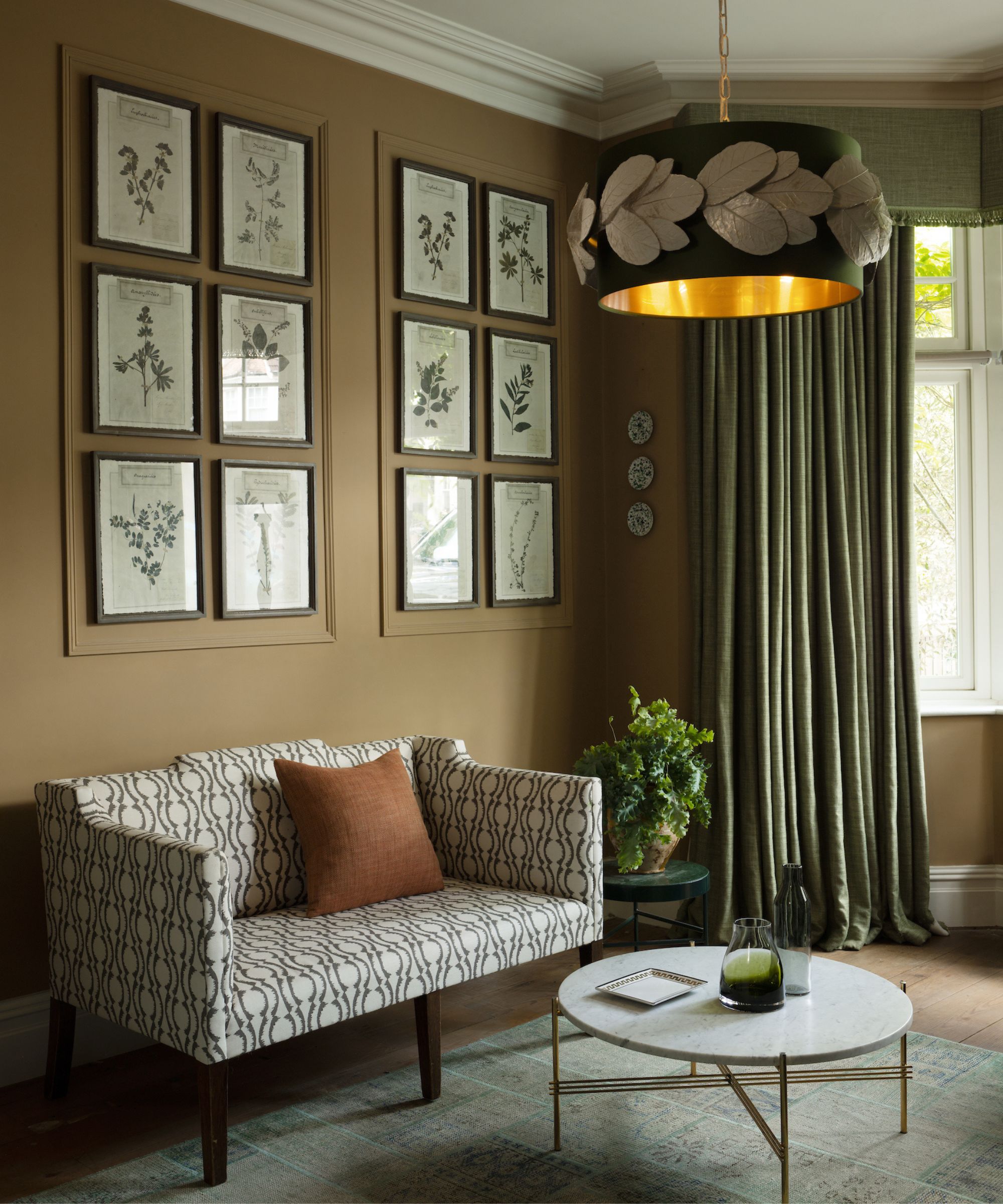
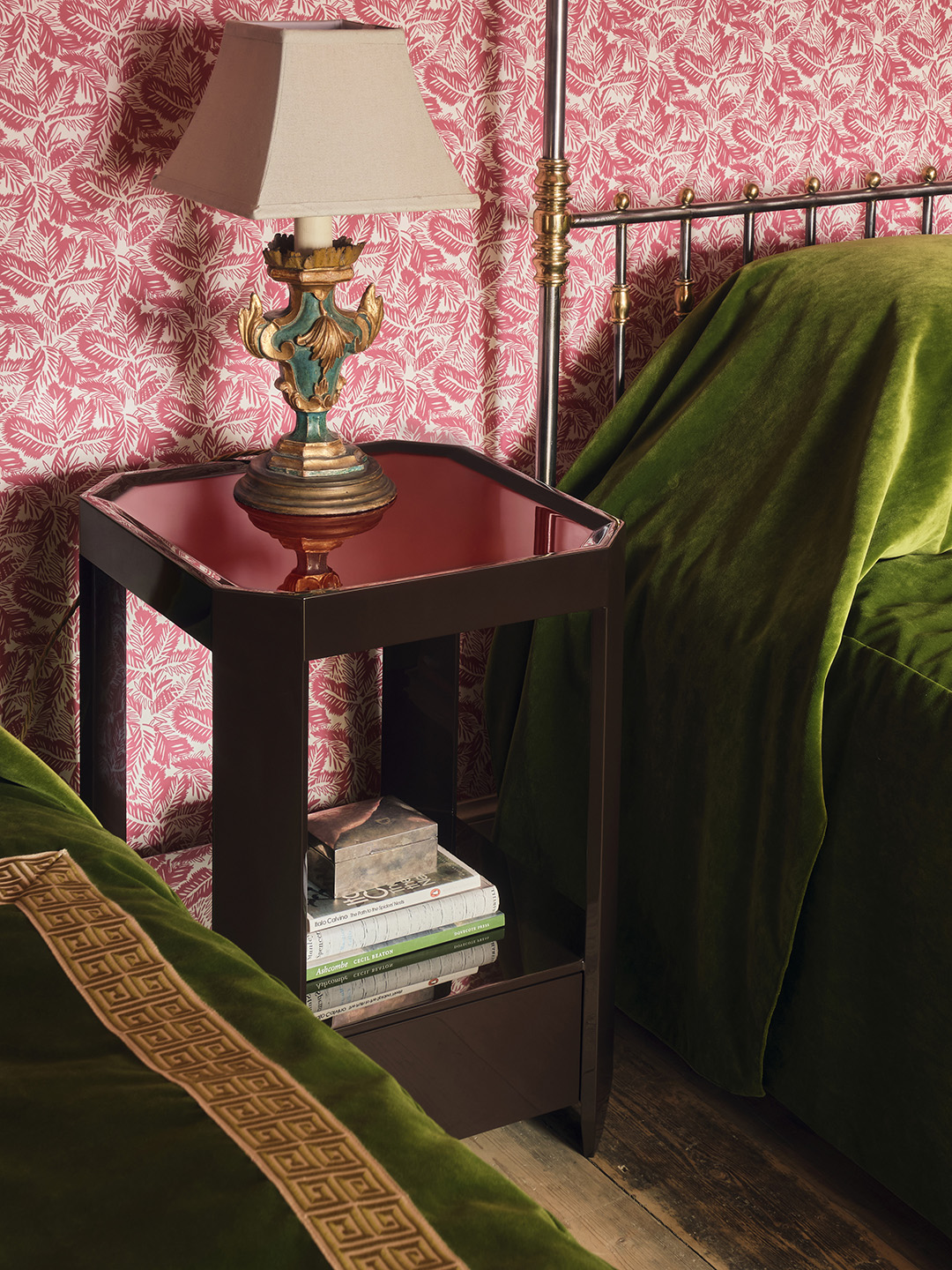
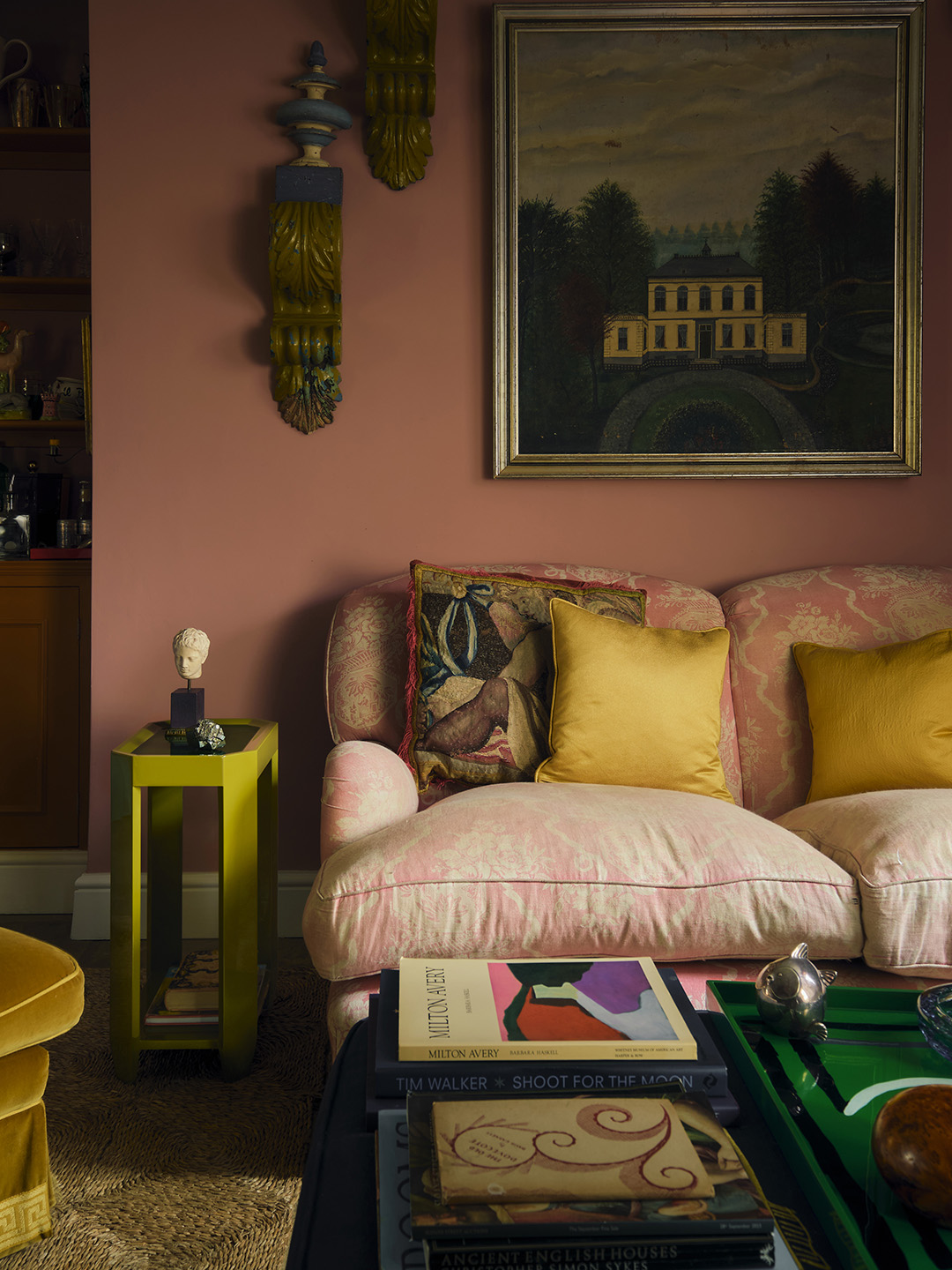
The seventh method is 'balancing old with new,' which involves pairing vintage items with contemporary ones. Lauren Carlucci notes that this creates patina, relevance, and a sense of history, preventing spaces from feeling stale. Jess Weeth agrees that mixing periods and styles makes a room more special. The eighth strategy, 'leveraging literature,' uses books as a layering tool across surfaces, as demonstrated by Cheryl Stauffer. Books, varying in color and size, contribute to the visual narrative. The ninth technique, 'using pleats and skirts,' incorporates furniture with built-in volume and softness, like skirted vanity chairs or box-pleated sofa skirts, adding a specific mood and offering an accessible way to refresh existing pieces, according to Jess Weeth. Finally, the tenth and most personal layer is 'making it personal.' Madelynn Hudson emphasizes that incorporating art, ceramics, books, and collected objects, often acquired over time, adds emotional weight and makes the space uniquely 'yours.'
Ultimately, layering is an ongoing process that allows a room to evolve through contrast and thoughtful decisions, rather than a single, immediate transformation. It is about building meaning piece by piece, creating a truly lived-in and authentic home.
#InteriorDesign #Layering #HomeDecor #DesignPrinciples #Texture #LightingDesign #MaterialContrast #VintageModernMix #PersonalStyle #InteriorDesign #Layering #HomeDecor #DesignPrinciples #Texture #LightingDesign #MaterialContrast #VintageModernMix #PersonalStyle
0 comment in total
 No comments yet
You may also like
‘Lamp layering’ is the secret trick designers use to elevate their interiors
10 things designers do to make rooms look bigger – strategies for success from the experts
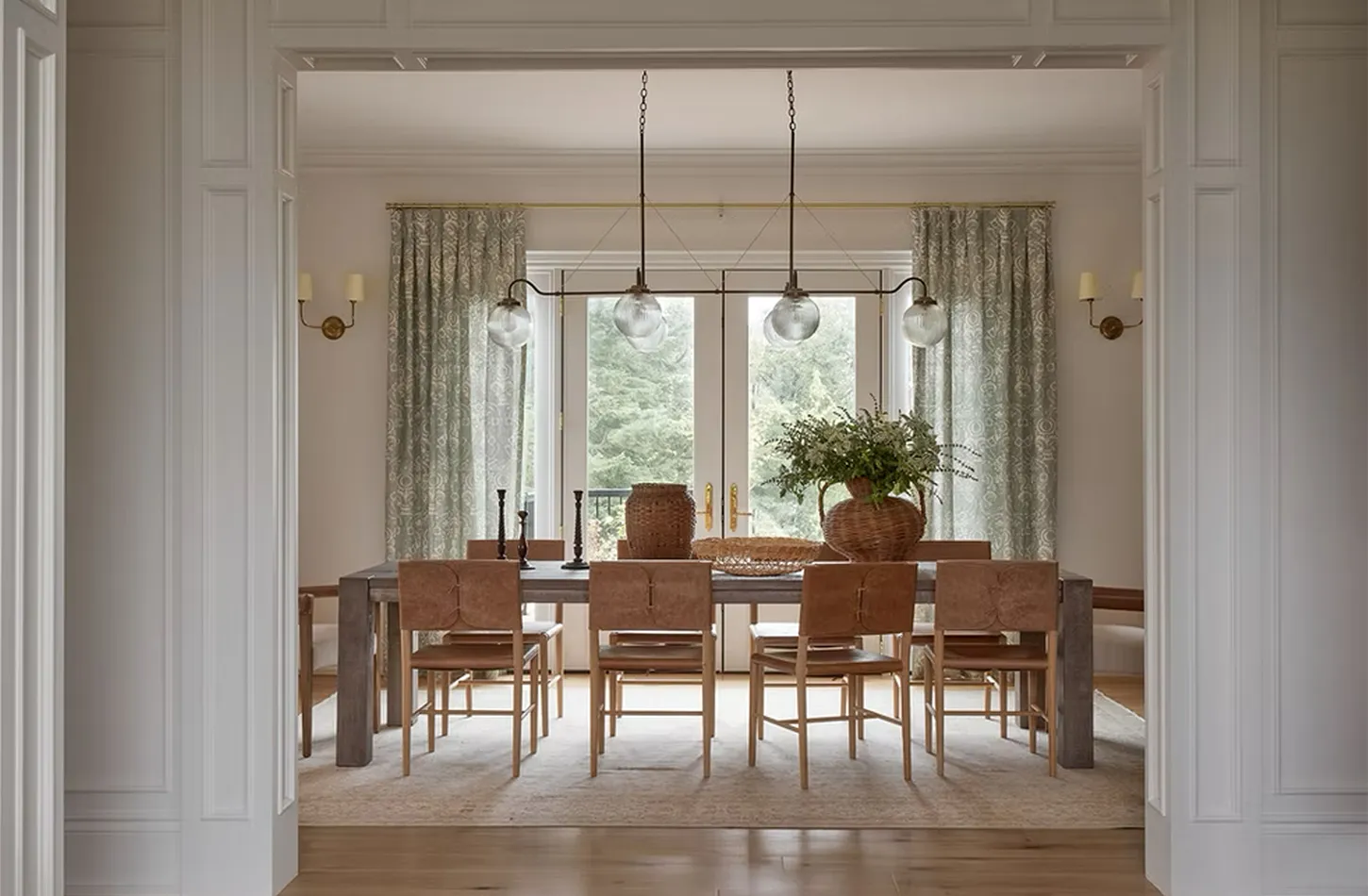
6 Underrated Designer Secrets That Instantly Make Any Room Look Better
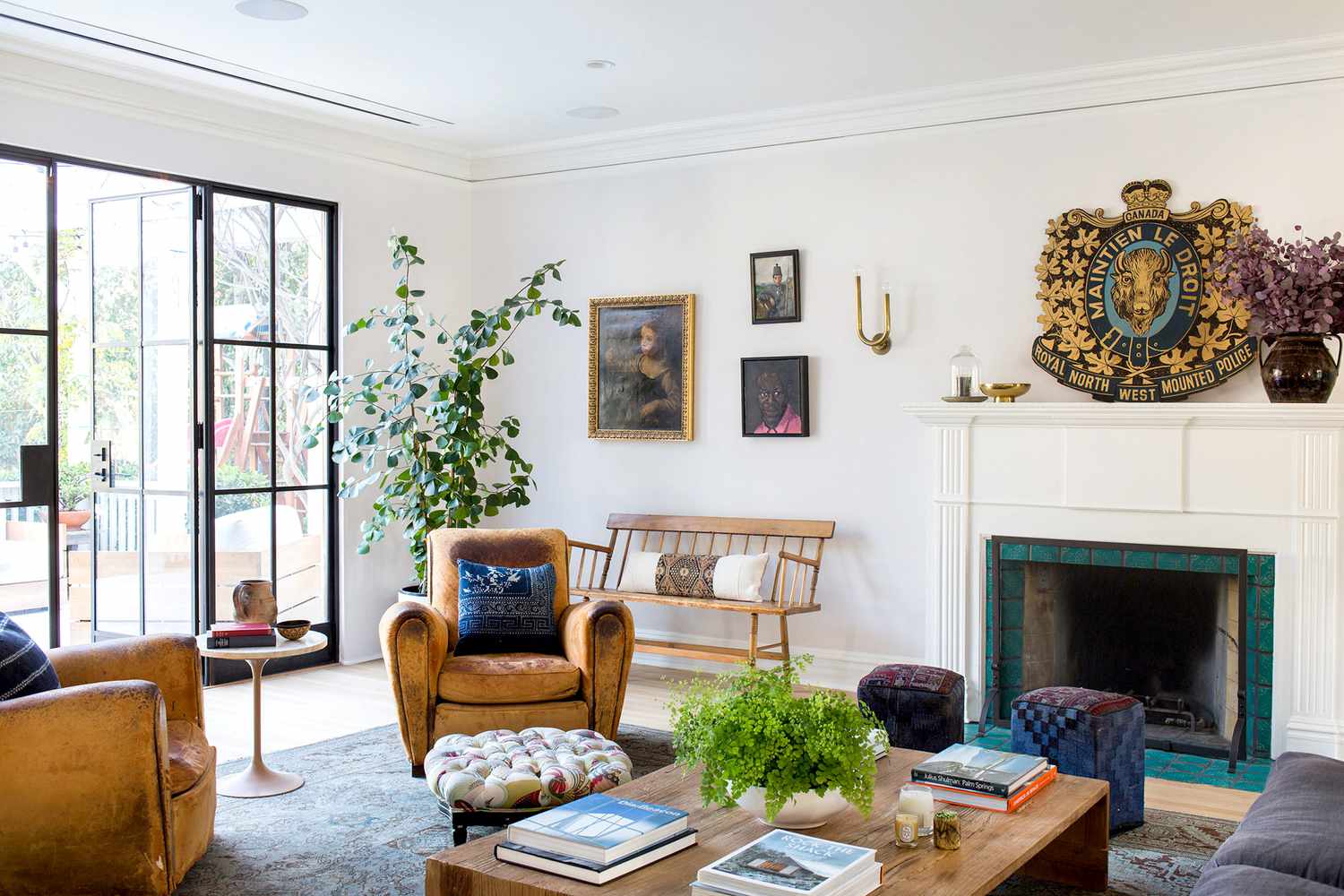
How to Decorate a Living Room From Start to Finish, According to Interior Designers

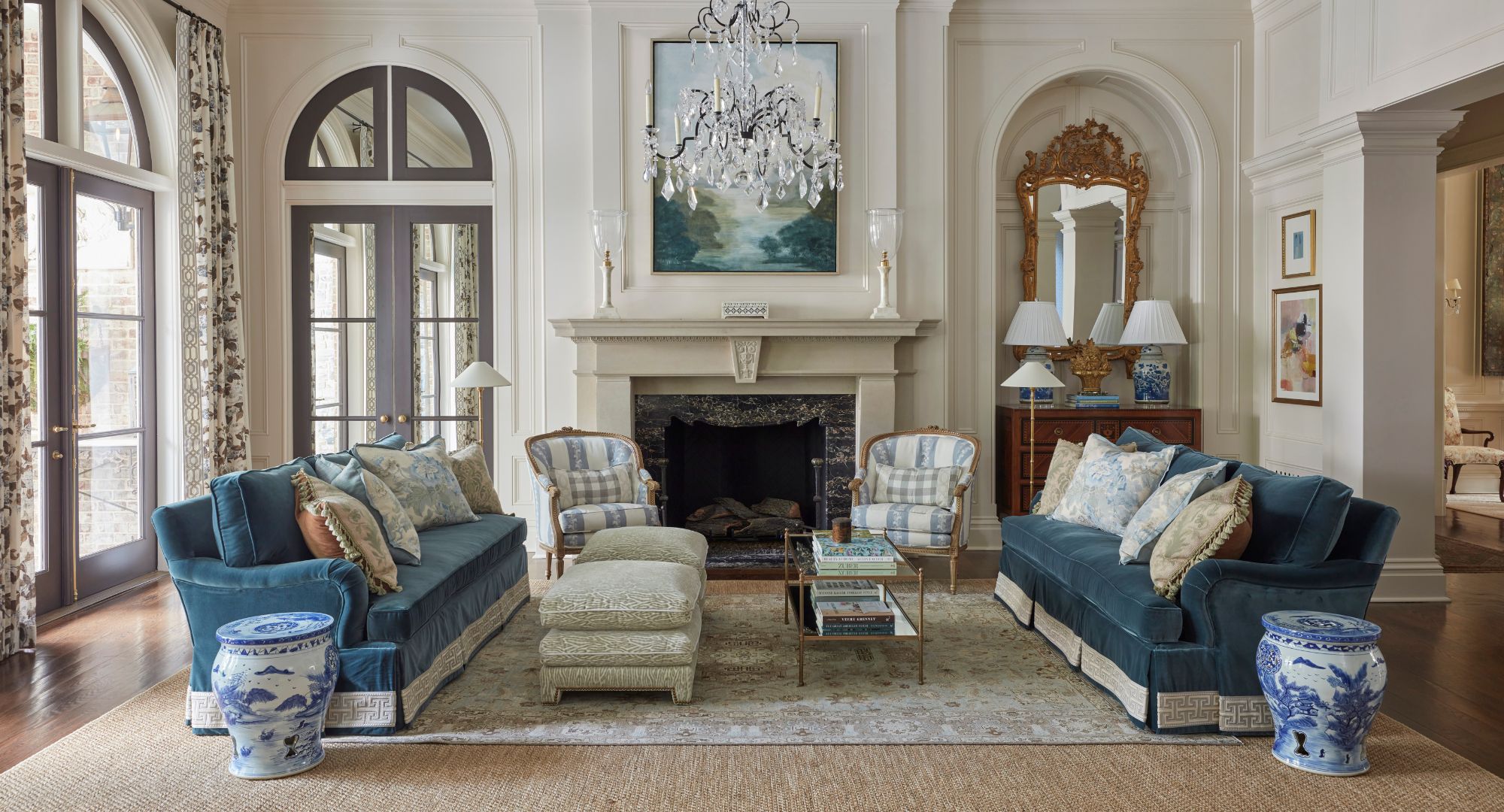
Discover The Art of Layering Rugs Like an Interior Designer

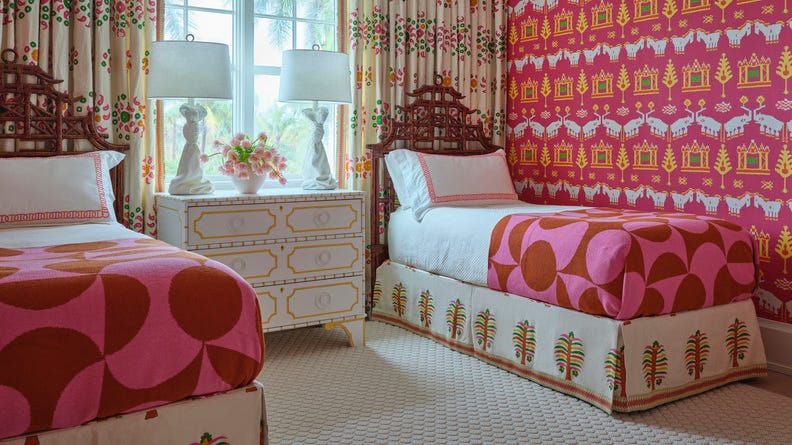
Design Insiders Reveal Their SECRETS to Decorating Your Home Like a Pro

The One Design Feature You're Overlooking That Will Instantly Elevate Any Room
Designers Are Taking Lacquer Way Beyond Trays and Dressers | domino

Is your home feeling lifeless? 5 layering hacks to make the interiors warm and inviting | Hindustan Times

Why layering is the new minimalism in interior design: Experts give tips on how to ace the trend | Hindustan Times
The Power of Texture in Interior Design – 6 Ways Designers Use It to Shape the Look (and Feel) of Every Room
How to create repetition in interior design – 7 ideas for decorating success
Interior Design Tips: The Dos and Don’ts of Layering

Designer tricks for a cozy, layered look this fall
How One Designer Layers Prints and Textures to Lush Effect

How to layer materials and add texture to your home decor

This is how to layer rugs, according to interior designers
How This Designer Fashions Interiors To Stand The Test Of Time

How to layer lighting – expert tips to create the perfect soft yet practical scheme for every room
5 Styling Tricks Designers Always Use to Make Any Room Look Instantly Finished