1/11
10 ways to use textured paint in your home
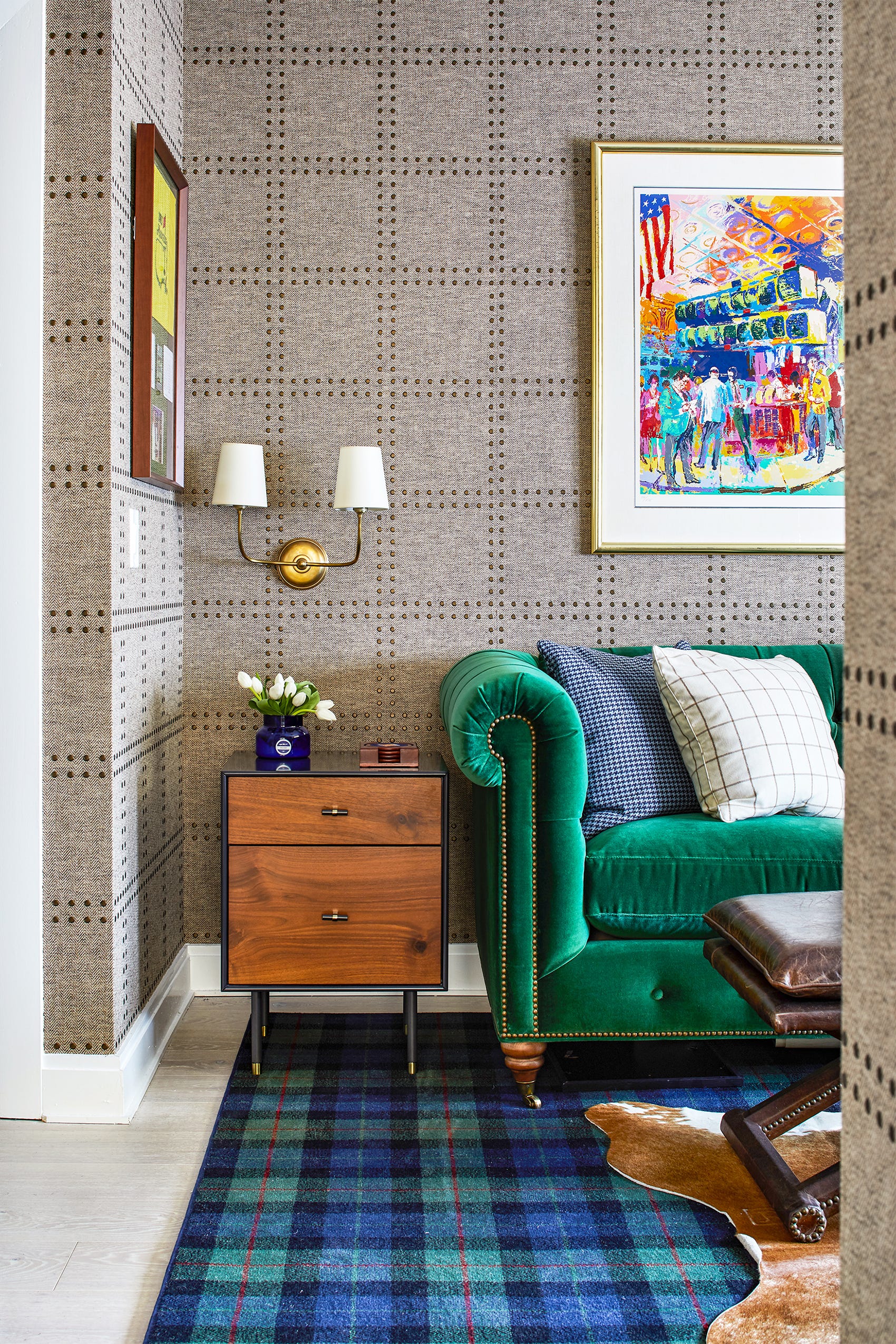
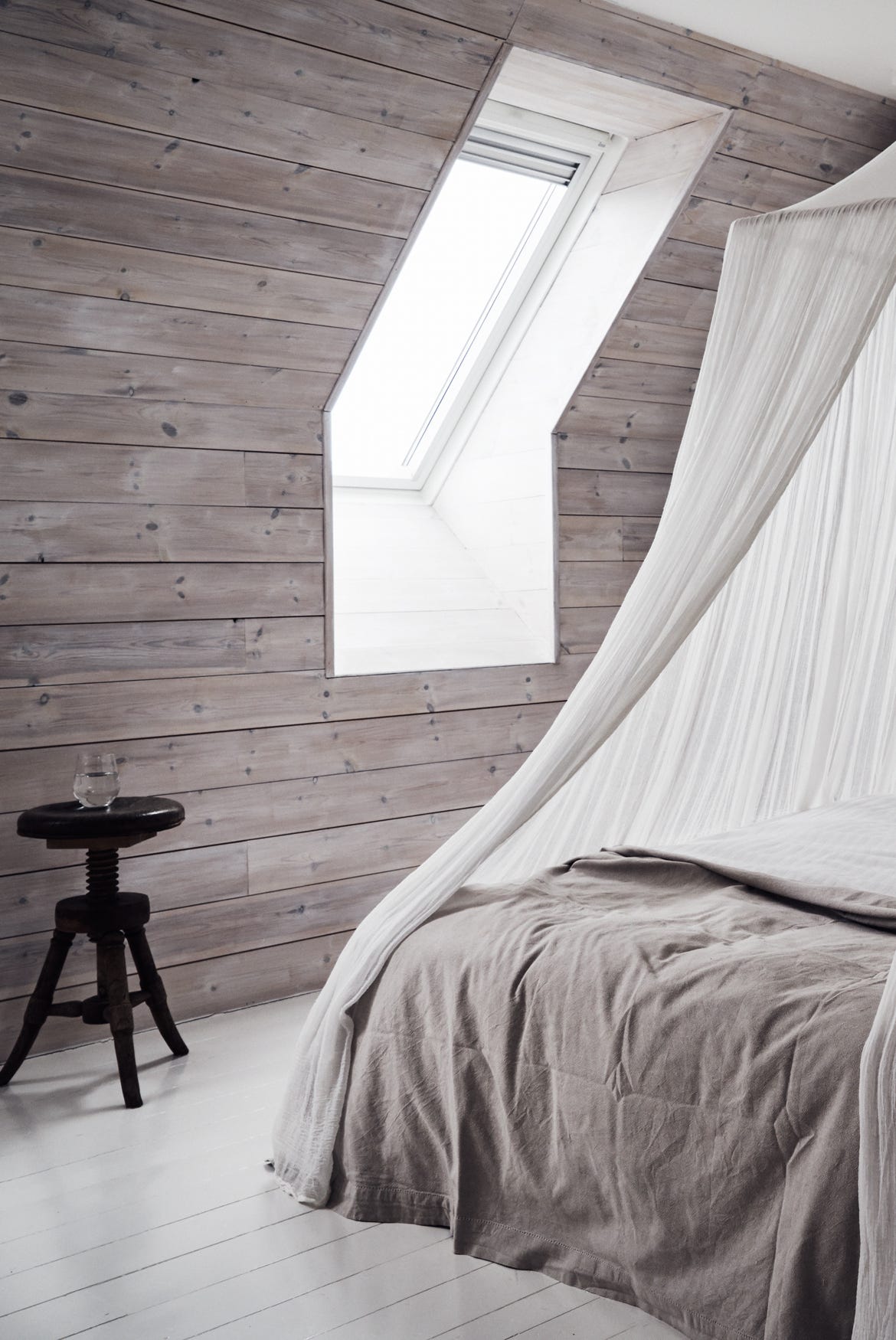
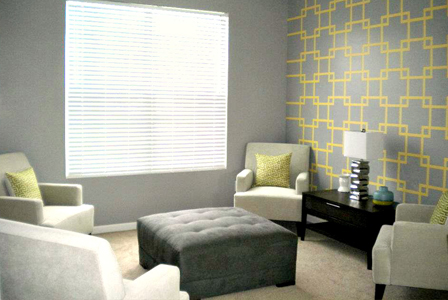
Textured paint offers a versatile solution for enhancing interior spaces, whether concealing surface imperfections or introducing unique aesthetic elements. While traditionally used to mask damage in areas where re-plastering or drywalling isn't feasible, modern applications extend to creating diverse visual and tactile effects. This type of paint can mimic various materials, from plaster and concrete to suede and metallic finishes, transforming flat surfaces into impactful focal points.
The application of textured paint allows for a wide range of aesthetic choices, from glitter effects for bedrooms to industrial metallic looks and luxurious suede finishes. The color palettes available are equally broad, encompassing dramatic dark tones, reflective sheens, and vibrant shades. When considering its use, it's important to determine if the goal is to create a feature wall, such as on a chimney breast, alcove, or built-in closet. Successful application often requires a confident DIY approach, and for complex projects, professional help is recommended.
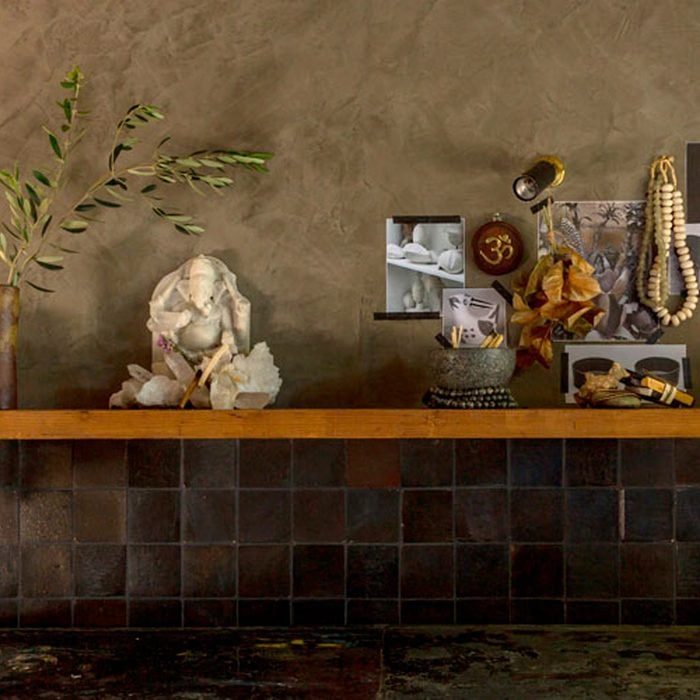
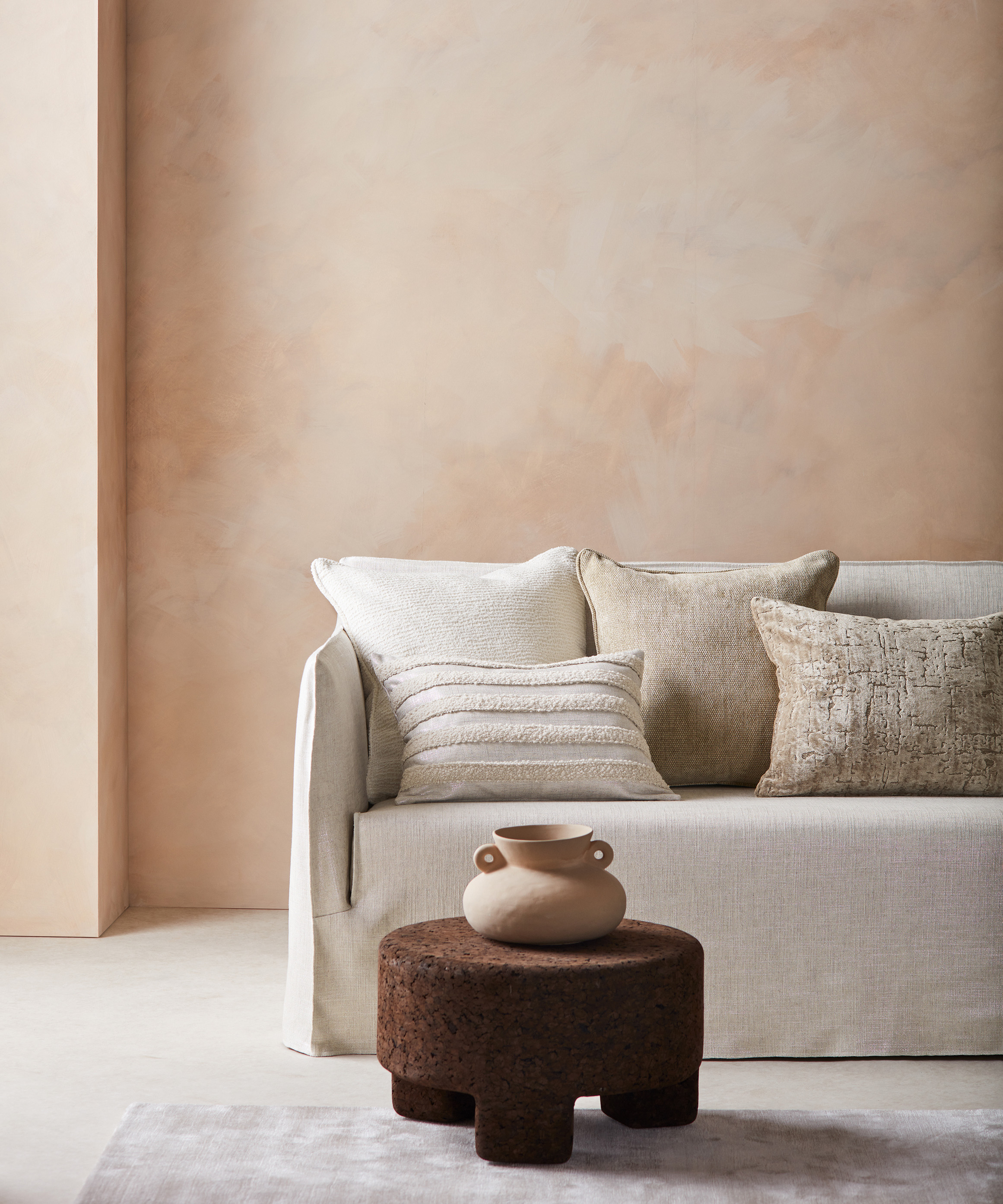
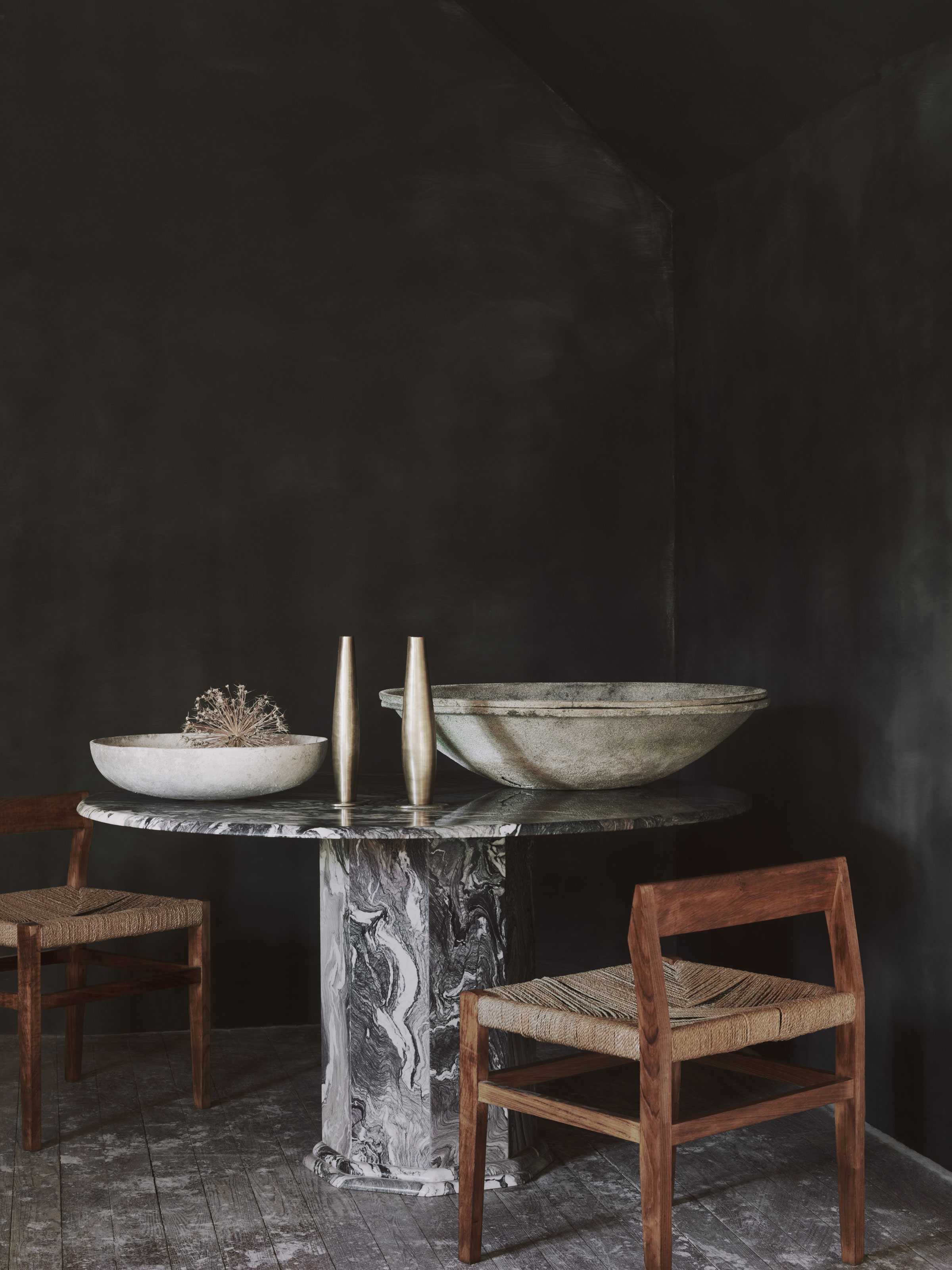
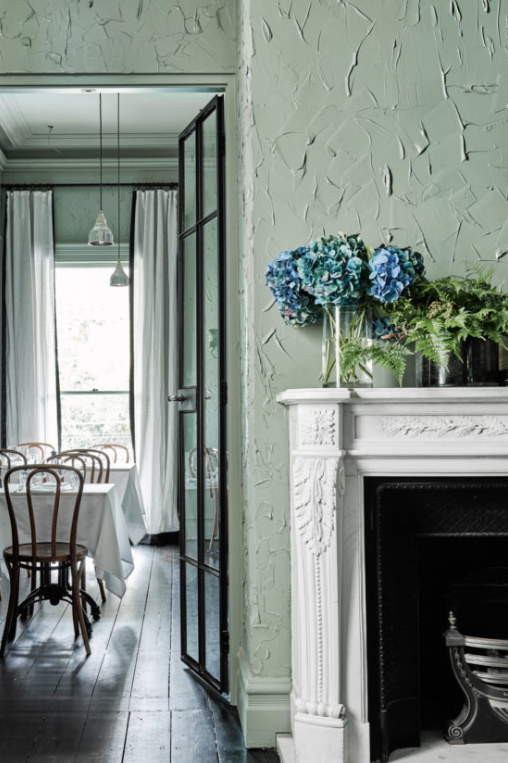
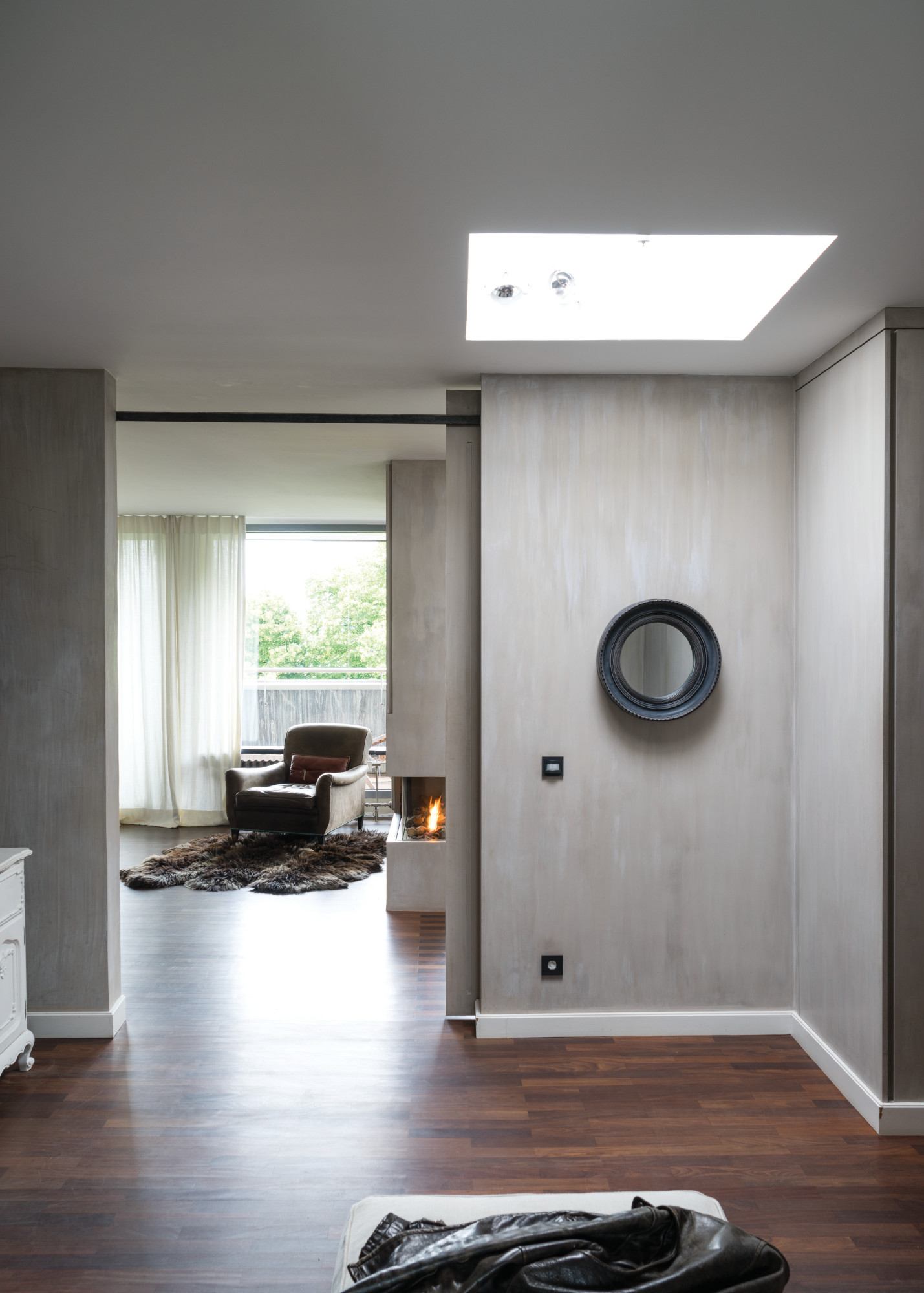

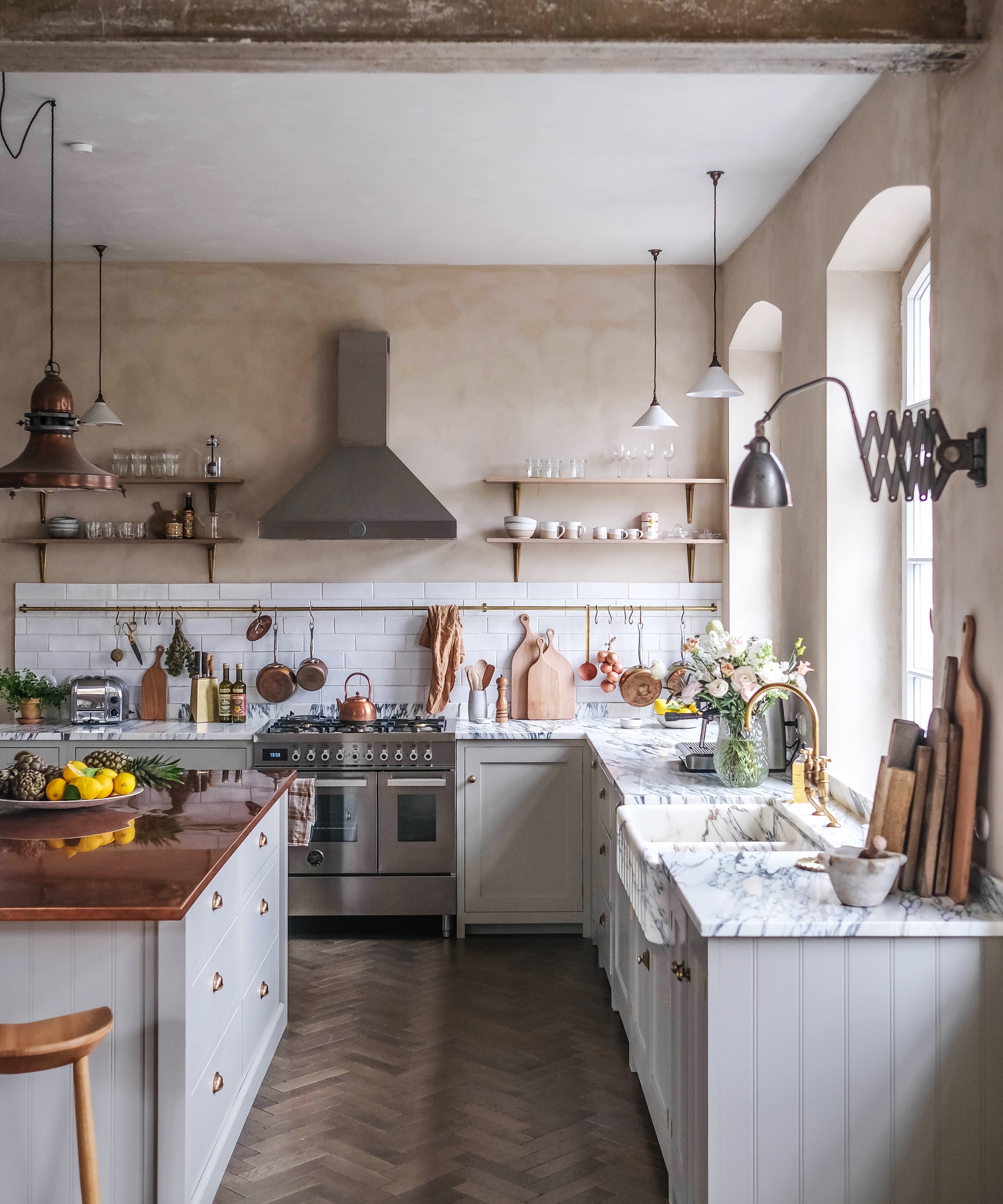
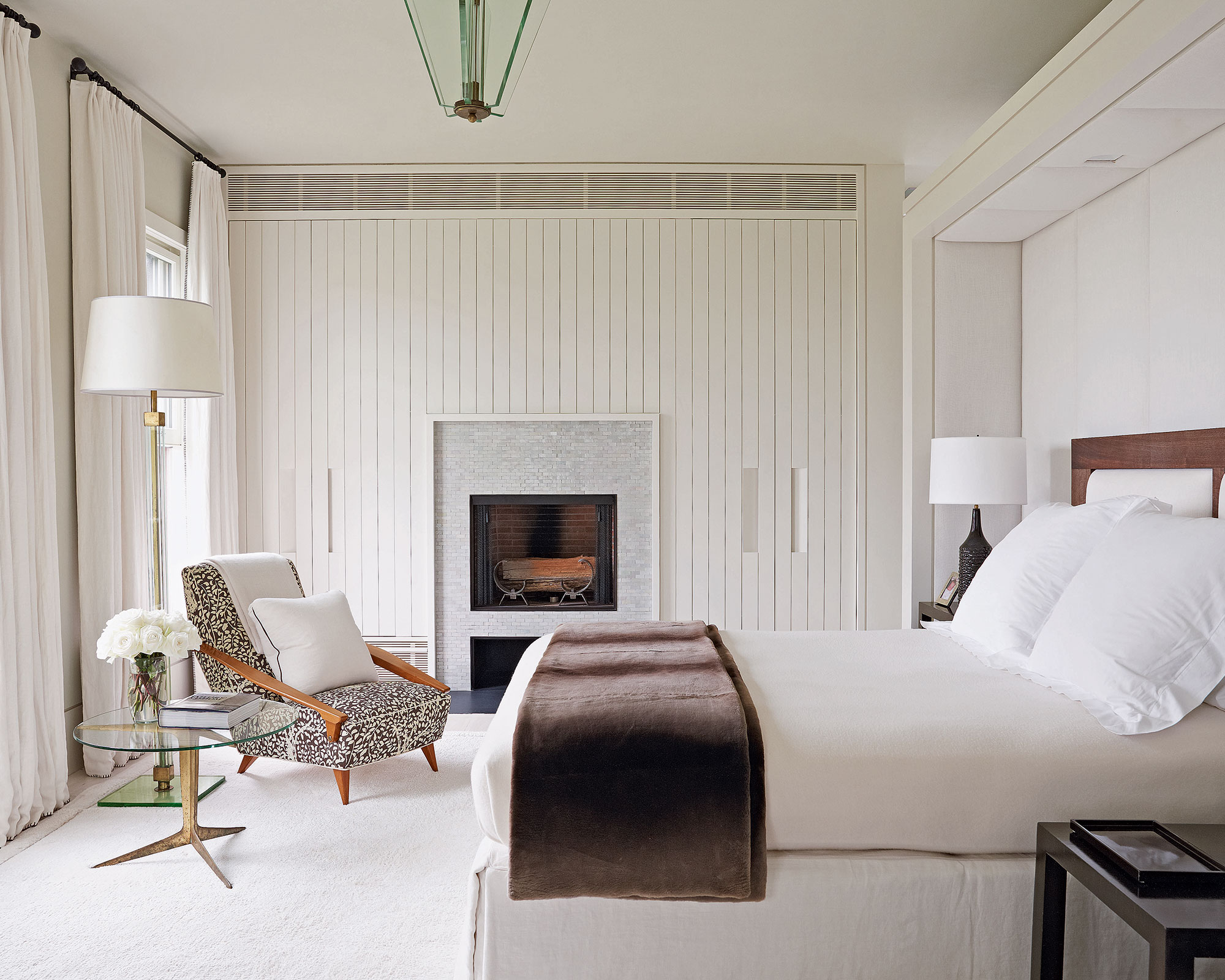
Contrary to the common association with heavily textured surfaces like 'popcorn ceilings,' contemporary textured paint can also refer to subtler finishes that add elegance without overt roughness. There are numerous ways to integrate textured paint into a home design. For instance, chalk paint can transform old wooden furniture or walls, providing a stony, organic feel ideal for a clean, Hamptons-inspired look. Creating a plastered effect on walls can evoke luxury and rustic charm, blending seamlessly with existing room colors for a calming yet interesting atmosphere.
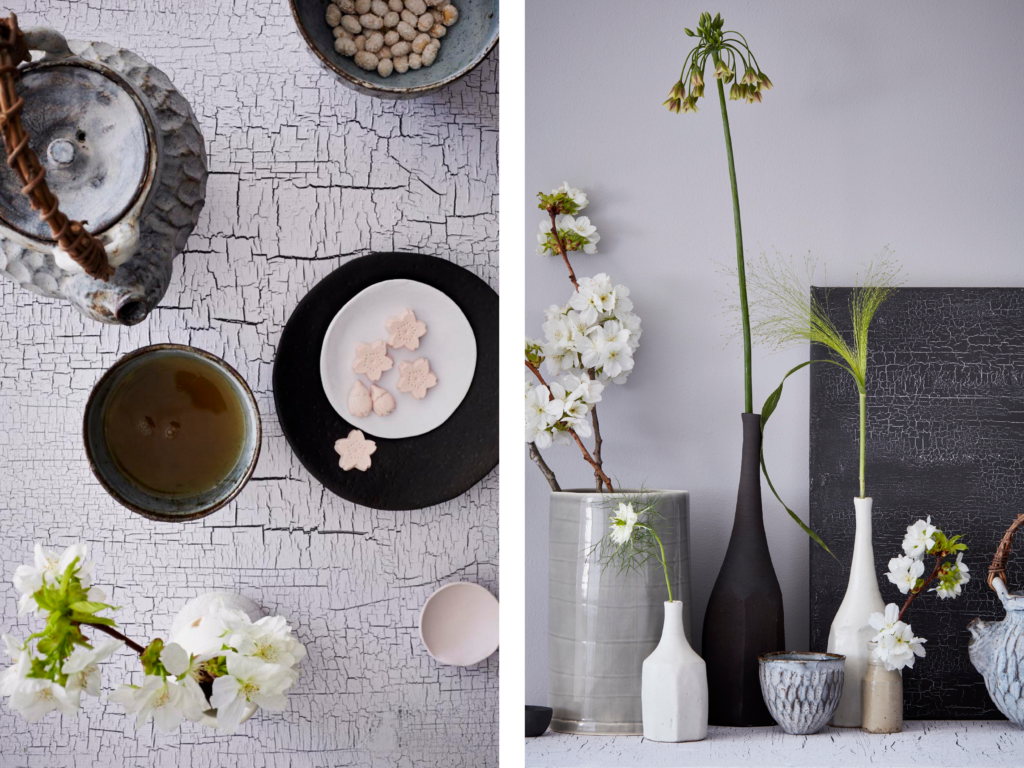
Crackleglaze paint offers a method to give modern furniture a weathered, distressed appearance, adding character and an aged aesthetic. Sponging techniques with textured paint can create unique patterned effects on walls or ceilings, by applying a darker shade over a lighter base with a natural sea sponge. Colorwashing, a technique involving watered-down paint applied in a crosshatch pattern, produces a soft, cloudy look suitable for bedrooms, children’s rooms, or bathrooms.
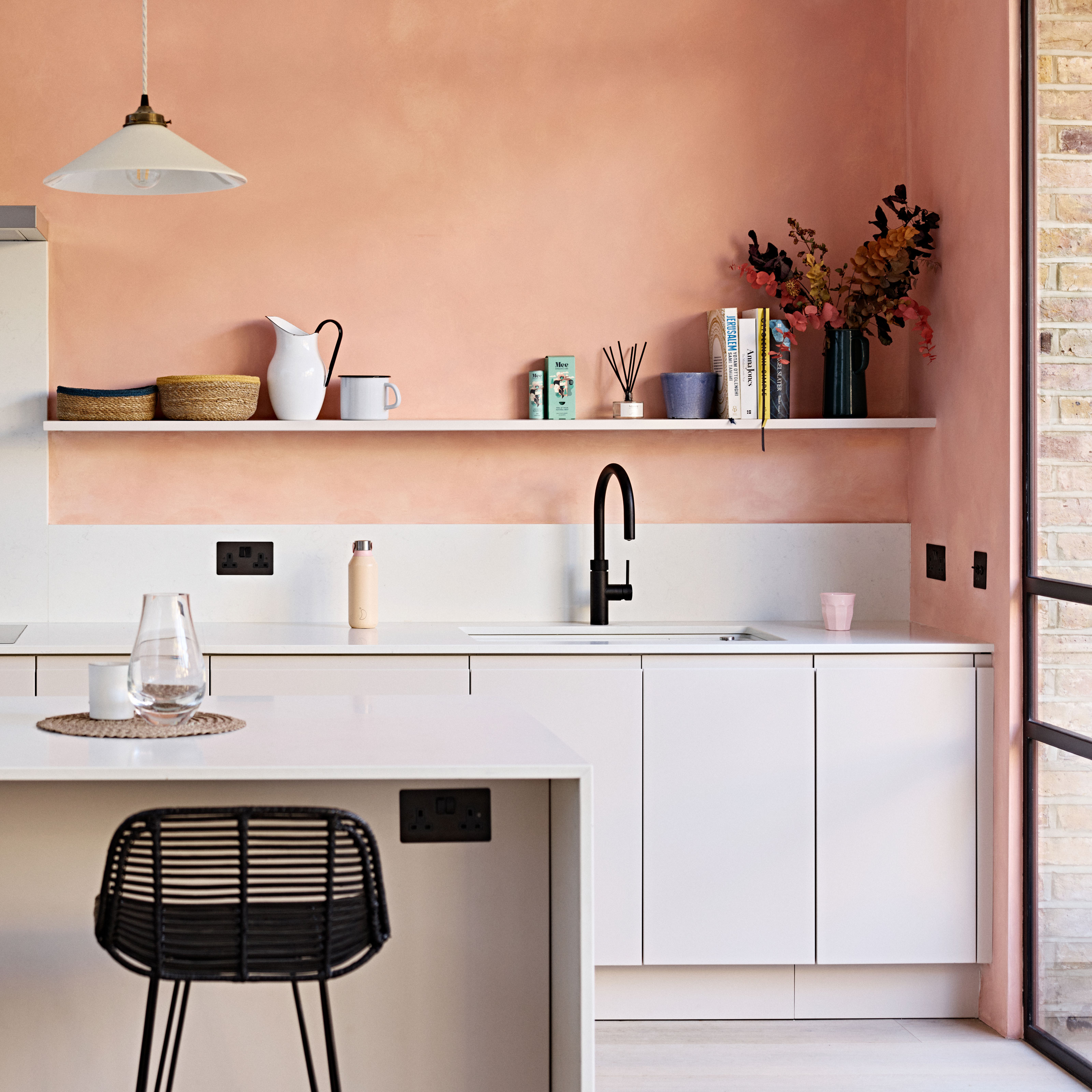
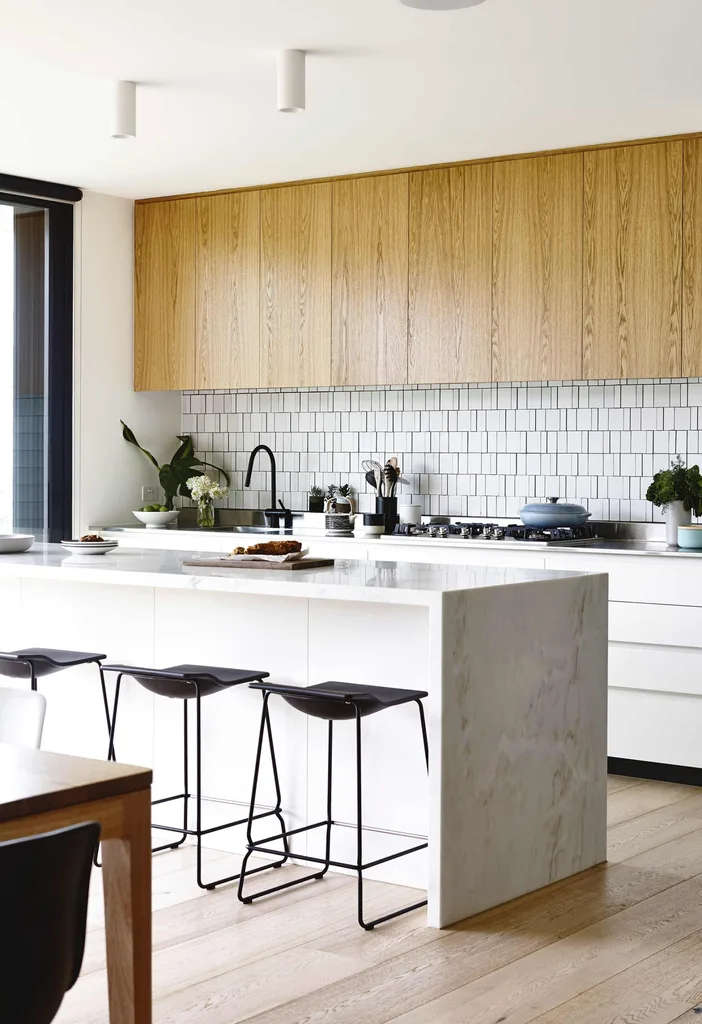
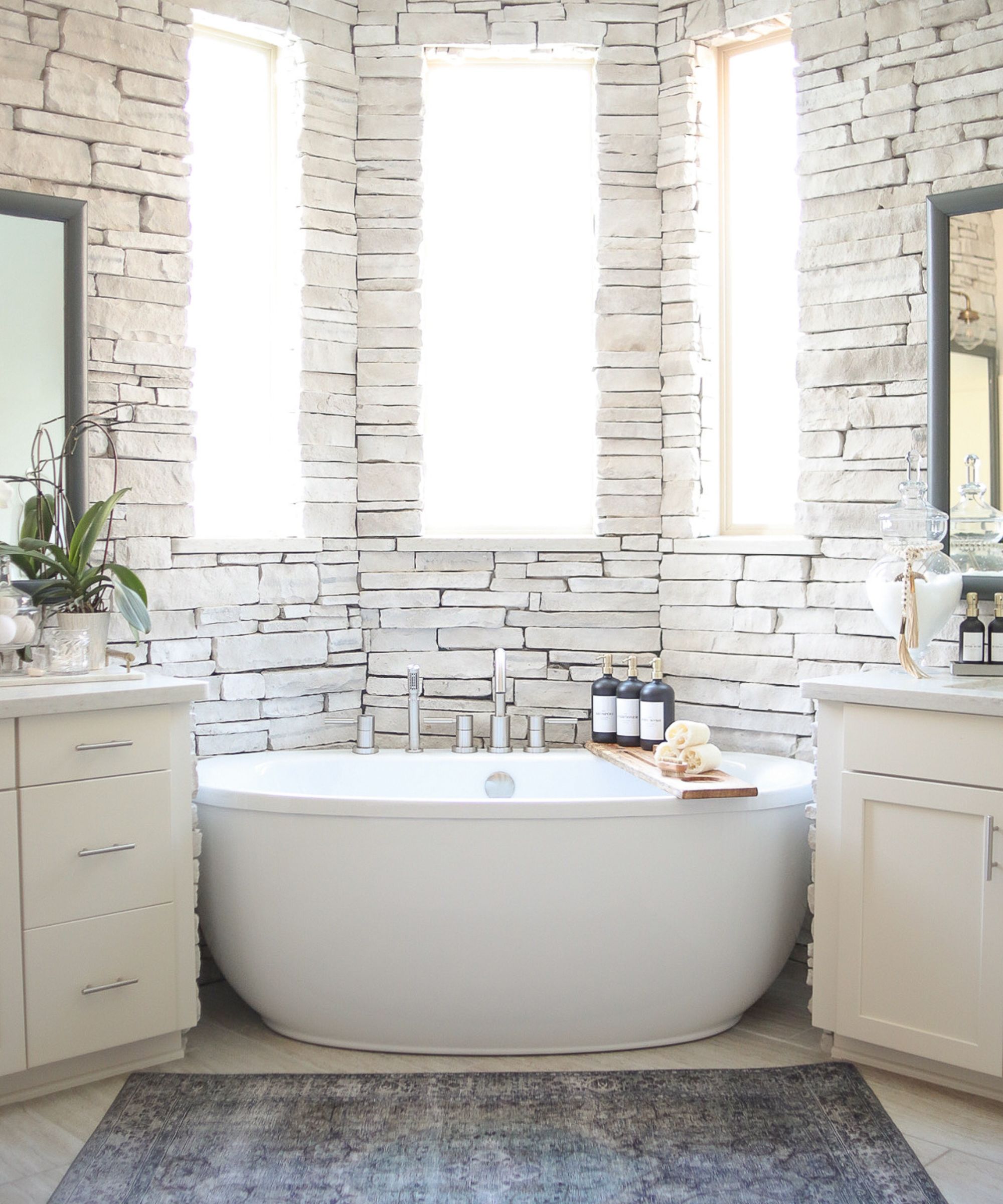
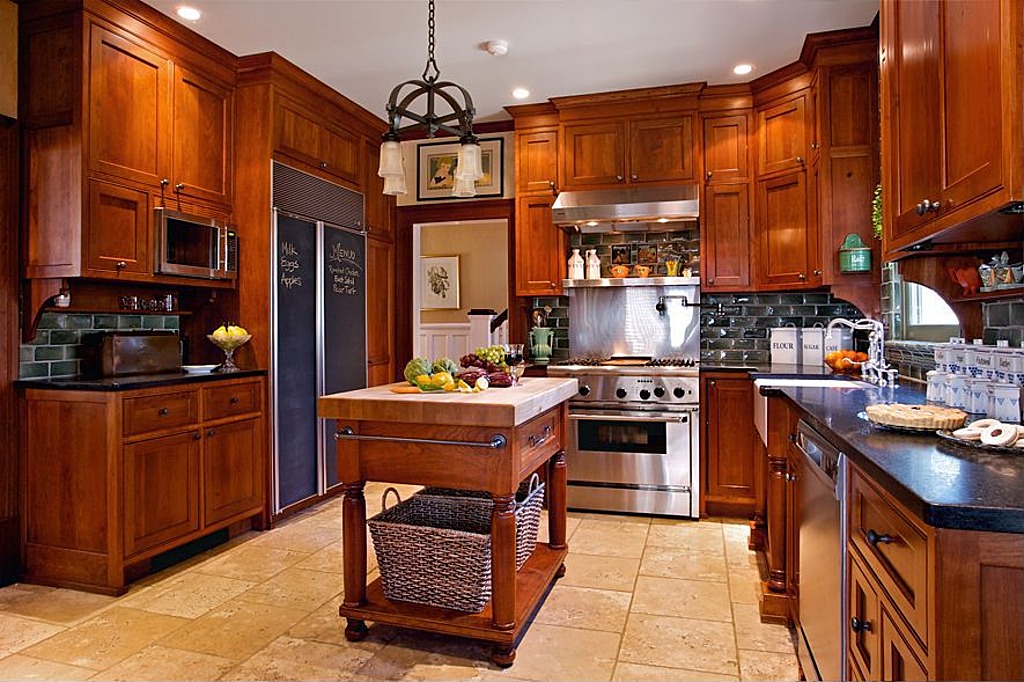
For a rustic or country feel, clay and plaster-based paints provide a gritty, authentic texture on both smooth and uneven walls. In shower rooms or powder rooms, a waterproof concrete overlay mix can create a cool, urban aesthetic, serving as an alternative to traditional tiles. Textured paint can also be used for backsplashes in kitchens, offering an eye-catching feature that avoids the common issue of discolored grouting, though a light texture is crucial for easy cleaning.
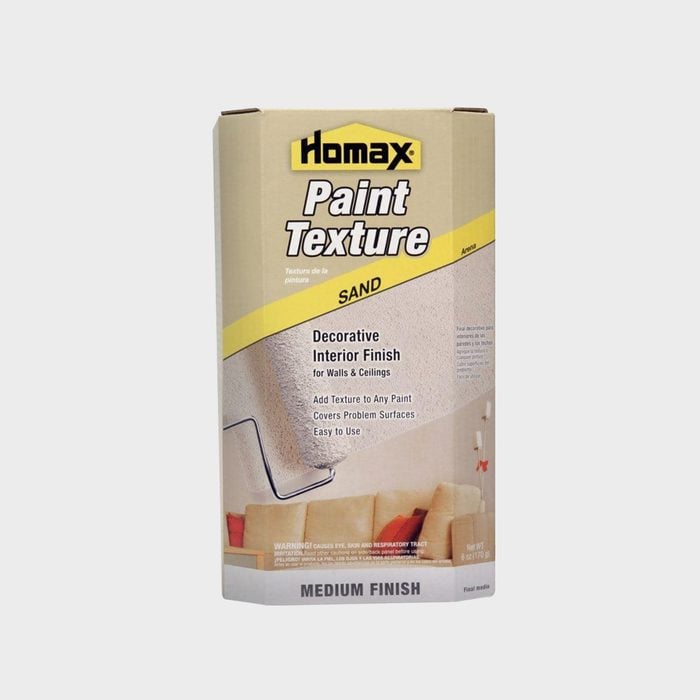
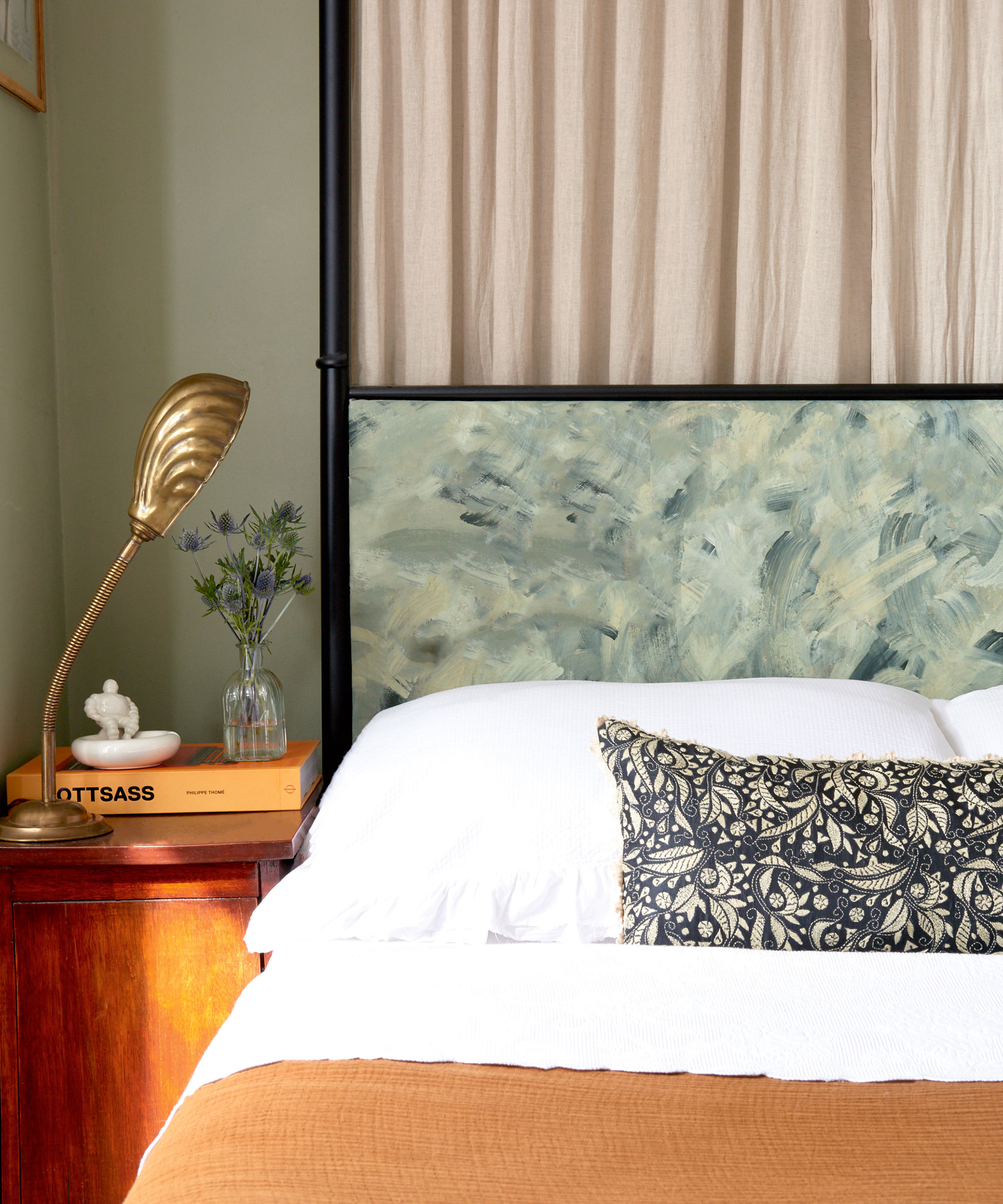
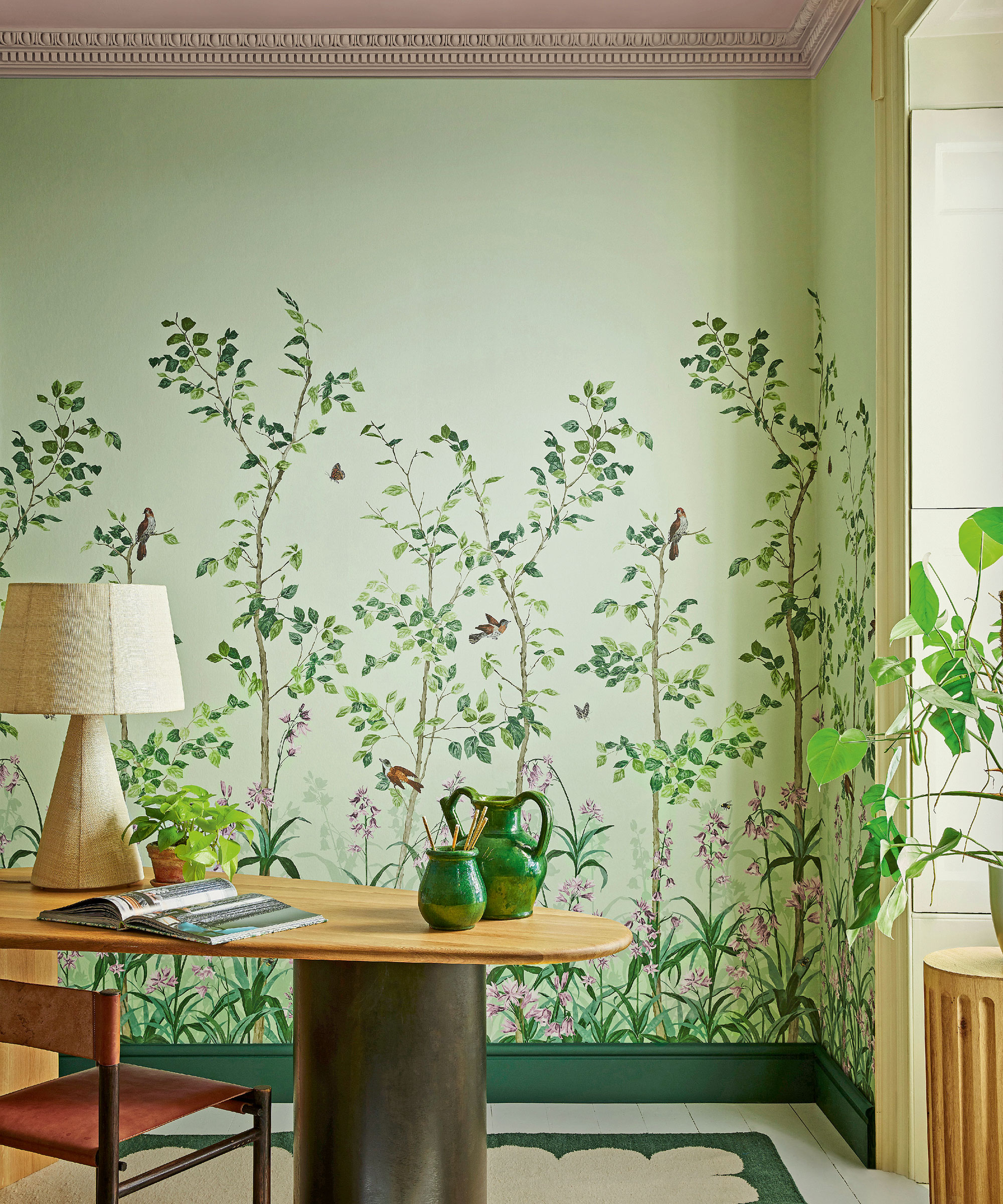
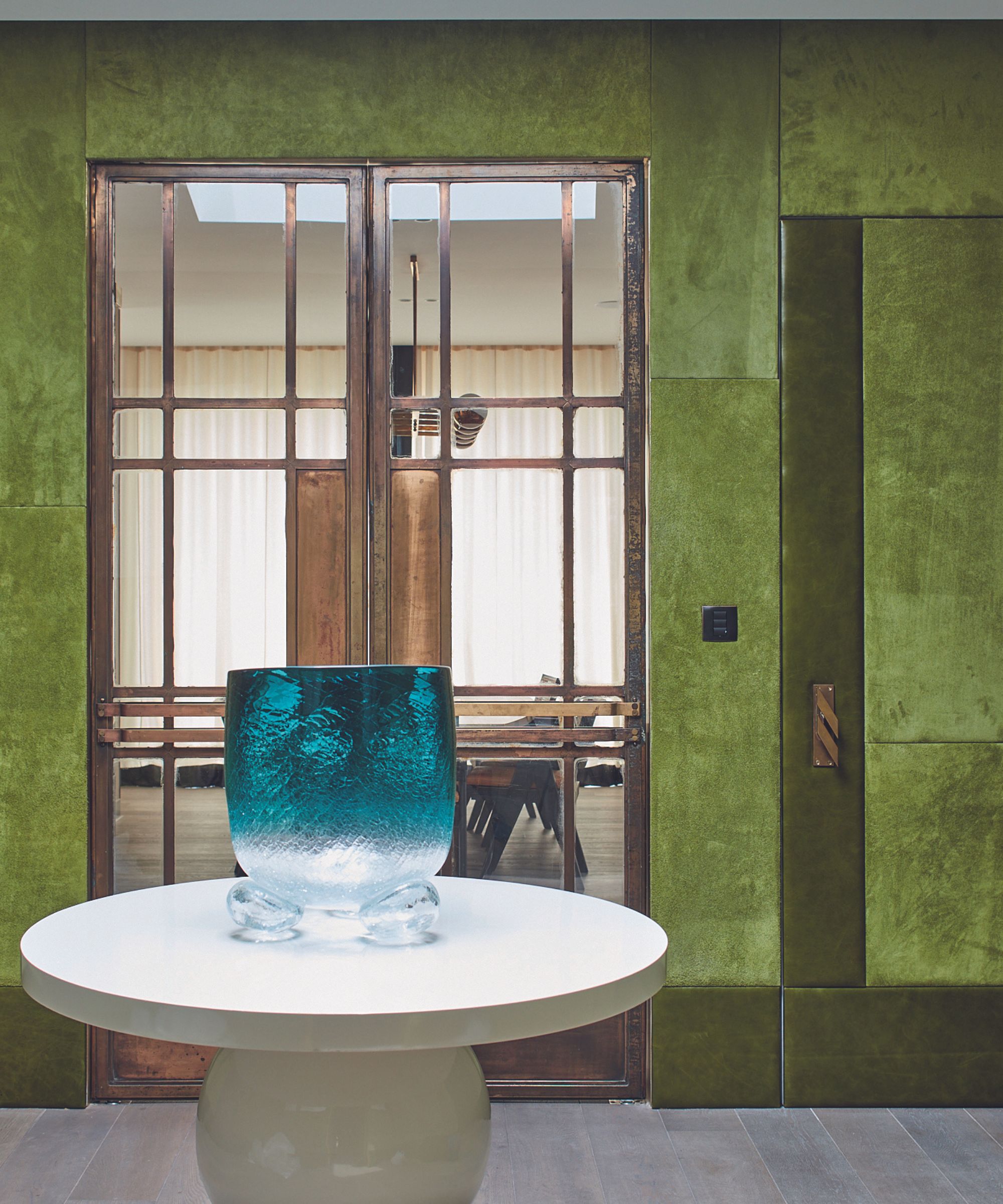
To introduce glamor without significant expense, metallic or glitter paints can be applied to accent walls behind headboards or console tables. For a cozy and inviting atmosphere, suede paint in shades like tan, beige, or leather can create a velvety finish in living rooms, dining rooms, or dens. Textured paints come in various forms, including standard emulsions with added additives, direct wall applications, and ready-made options, all designed to add depth and dimension to surfaces. They are particularly beneficial for older properties, as they can conceal or even celebrate existing imperfections like holes and cracks.
Applying textured paint requires careful planning and preparation. A trial run on a test patch is advisable to ensure the desired texture, finish, and color. Following manufacturer instructions and having all necessary tools readily available are key. Working in small sections and completing the project in one go is recommended, as textured paint typically dries quickly, making seamless transitions difficult if left unfinished. The primary advantages of textured paint include adding visual depth, interest, and effectively camouflaging surface blemishes. While it may require more time, research, and specialized tools compared to standard paint, the resulting distinctive and impressive finish makes it a worthwhile endeavor for homeowners seeking to elevate their interior design.
#TexturedPaint #InteriorDesign #HomeDecoration #PaintFinishes #DIYProjects #WallTreatments #FurnitureUpcycling #HomeImprovement #DecorativePaint #TexturedPaint #InteriorDesign #HomeDecoration #PaintFinishes #DIYProjects #WallTreatments #FurnitureUpcycling #HomeImprovement #DecorativePaint
0 comment in total
 No comments yet
You may also like
9 ways to add texture to your home

The Best Wall Texture Ideas for Adding Depth to Any Room
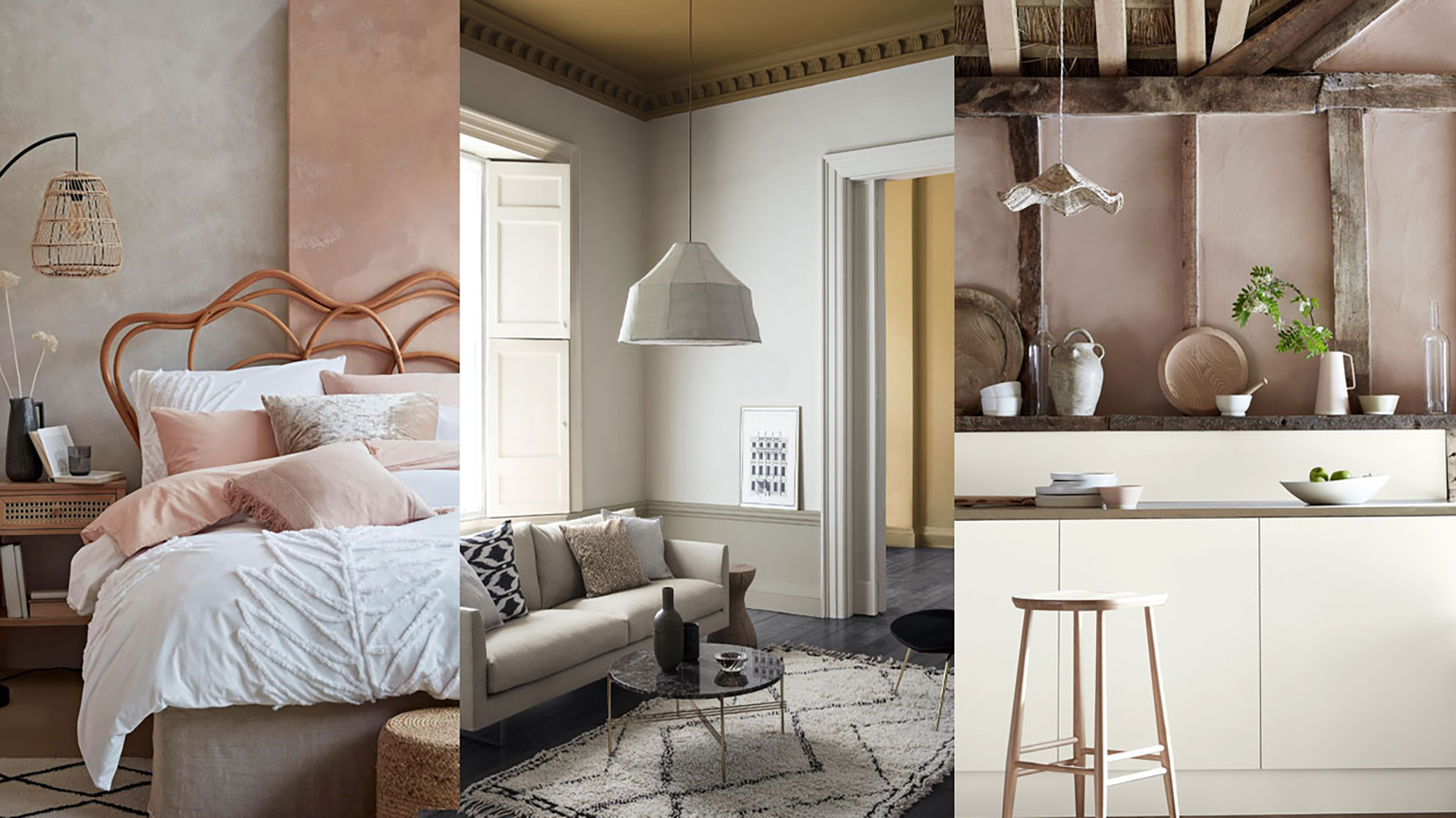
Paint finishes – a guide for every room
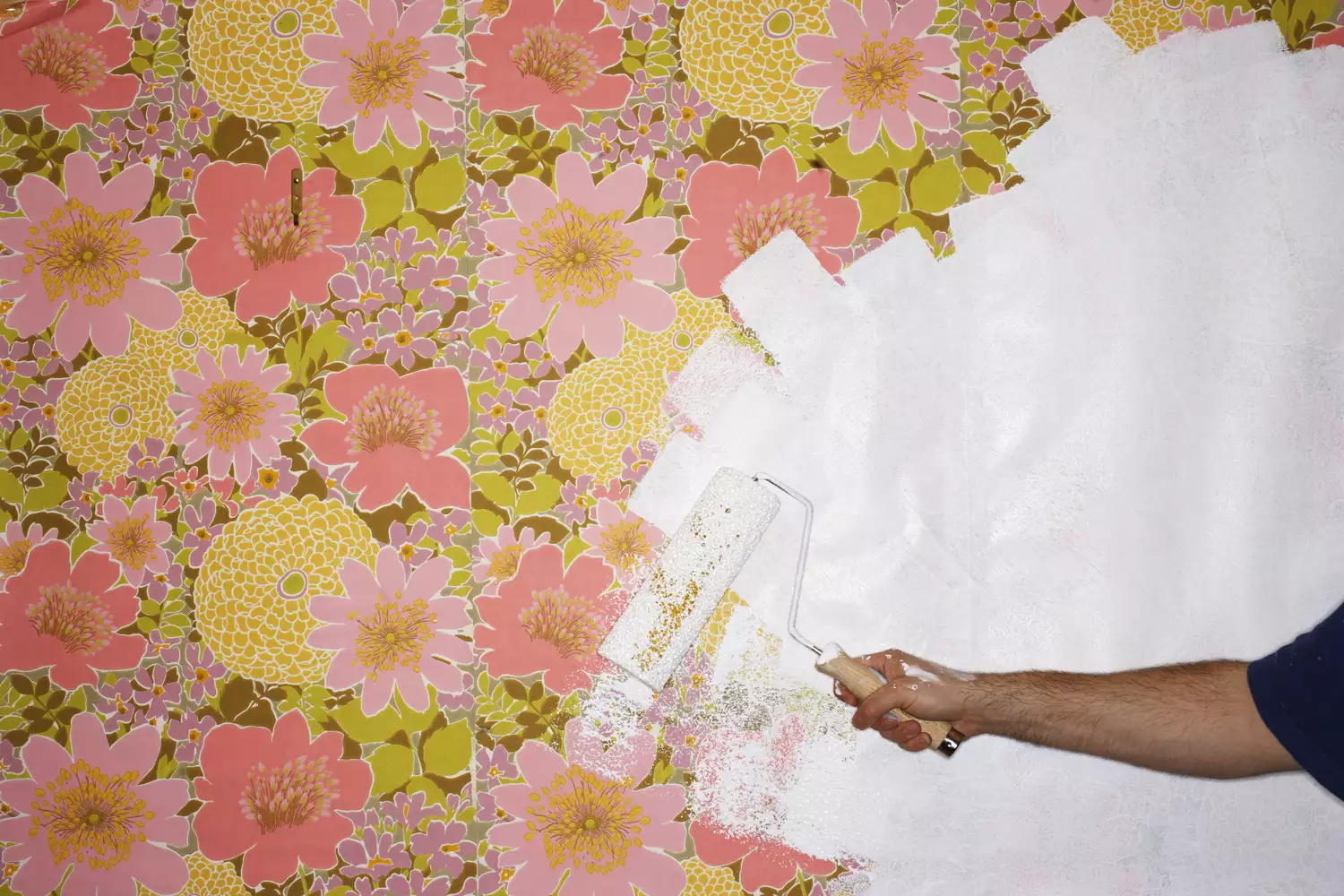
Can You Paint Over Wallpaper Without Removing It? Experts Weigh In
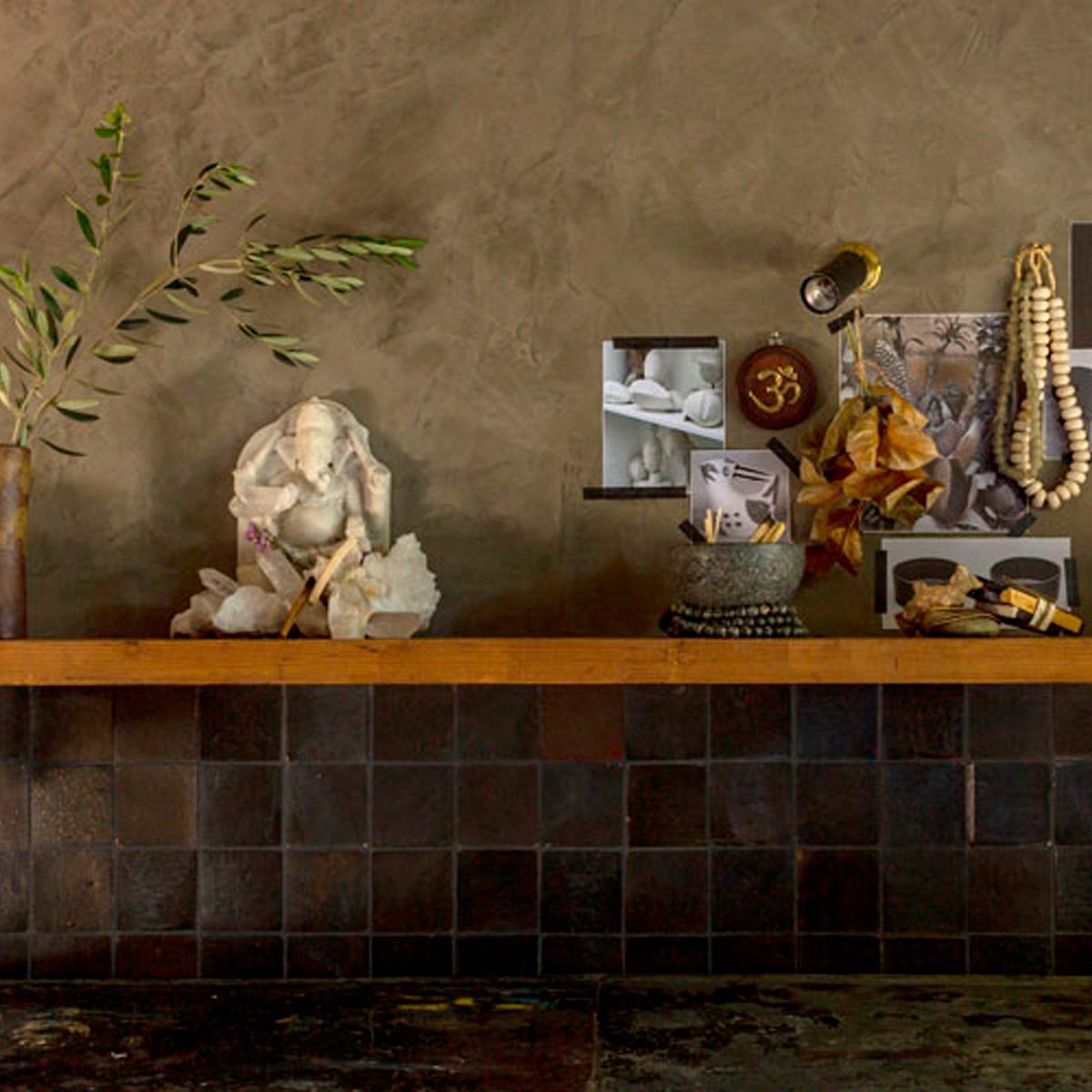
7 Best Interior Texture Paints

Update your home with these paint tips!

5 Painting Mistakes That Are Actually Ruining Your Projects, According to Reno Pros

What are the best paint techniques for walls? 11 inventive effects that go beyond basic

Limewash paint ideas – 10 ways to use this trending wall finish to bring texture to your home
What To Know About Textured Paint
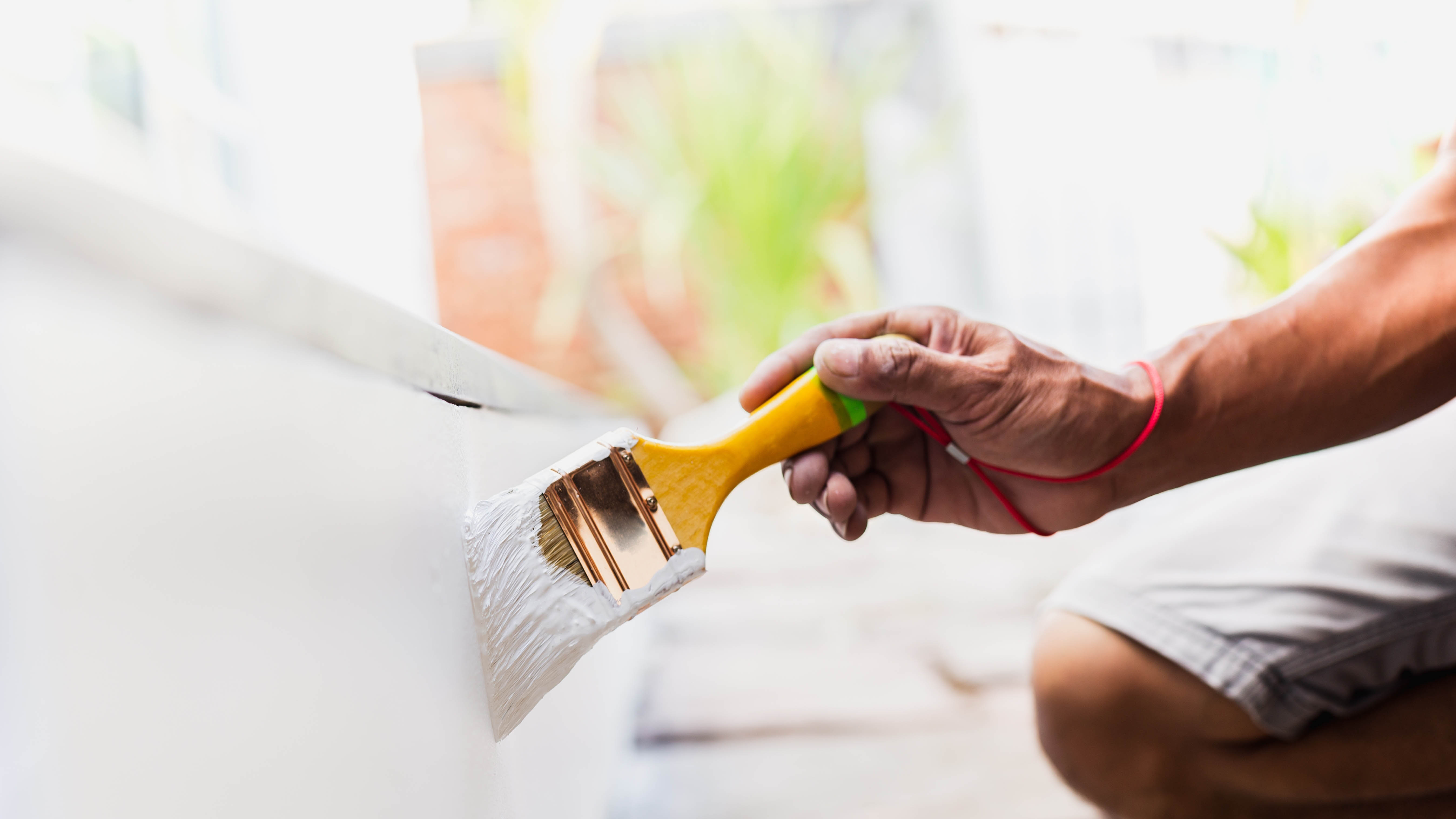
Decorating expert reveals this is the best time of year to paint your home

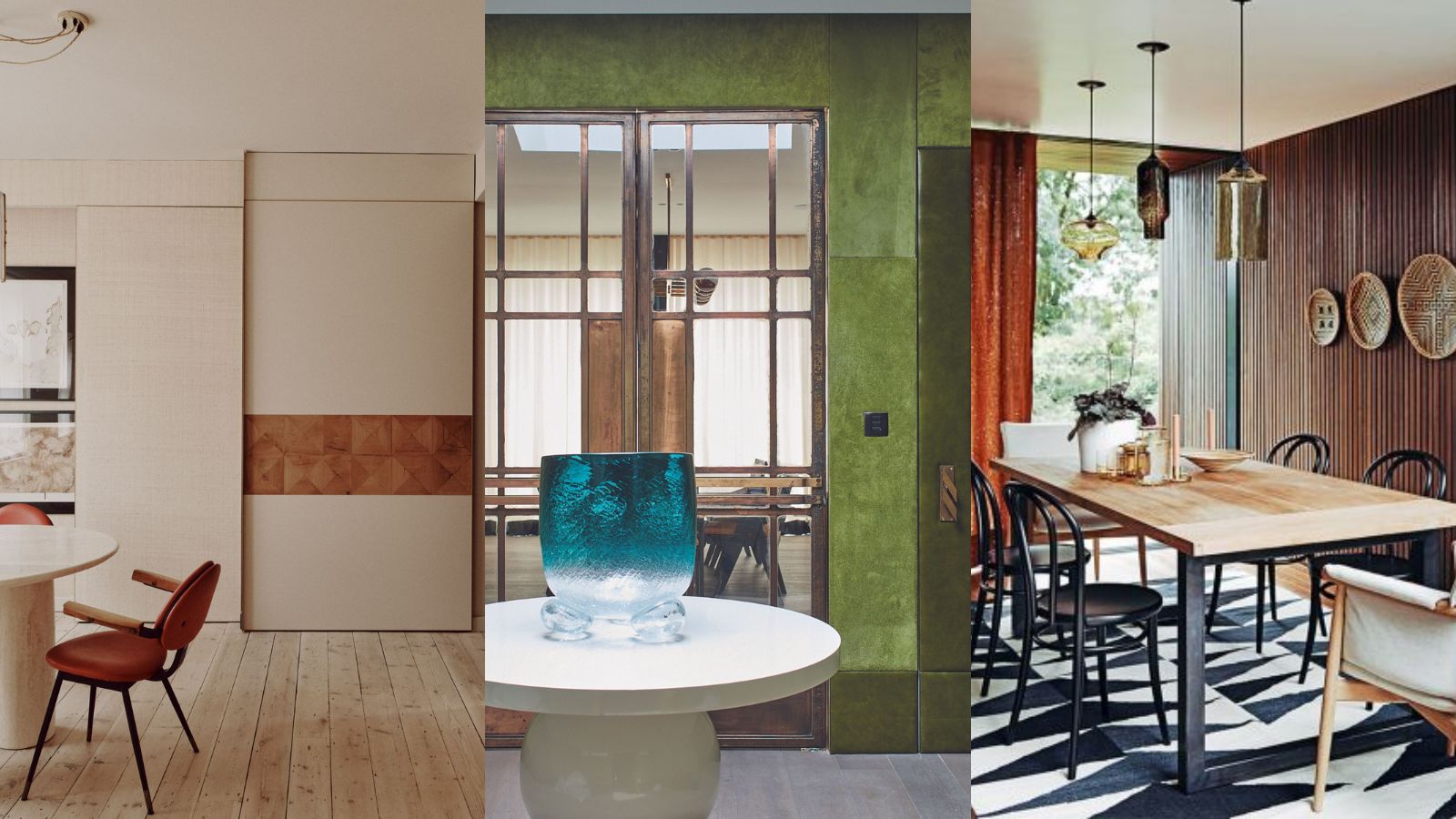
Textured wall ideas – 13 surfaces you'll want to reach out and touch
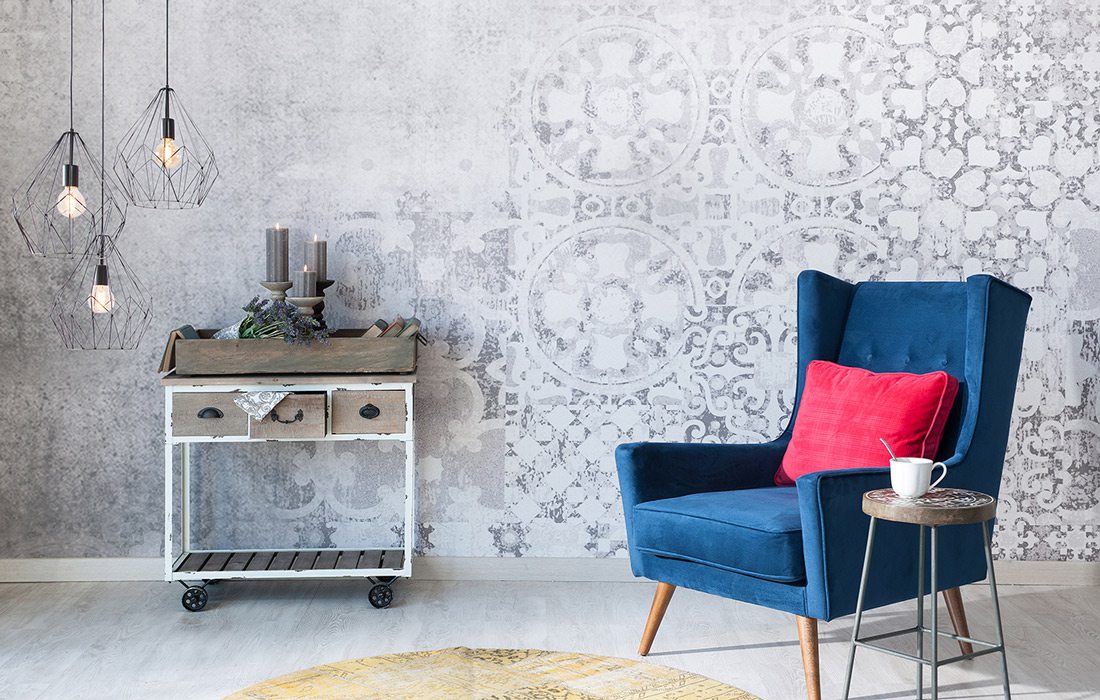
How to Use Textured Wallpaper in Your Home
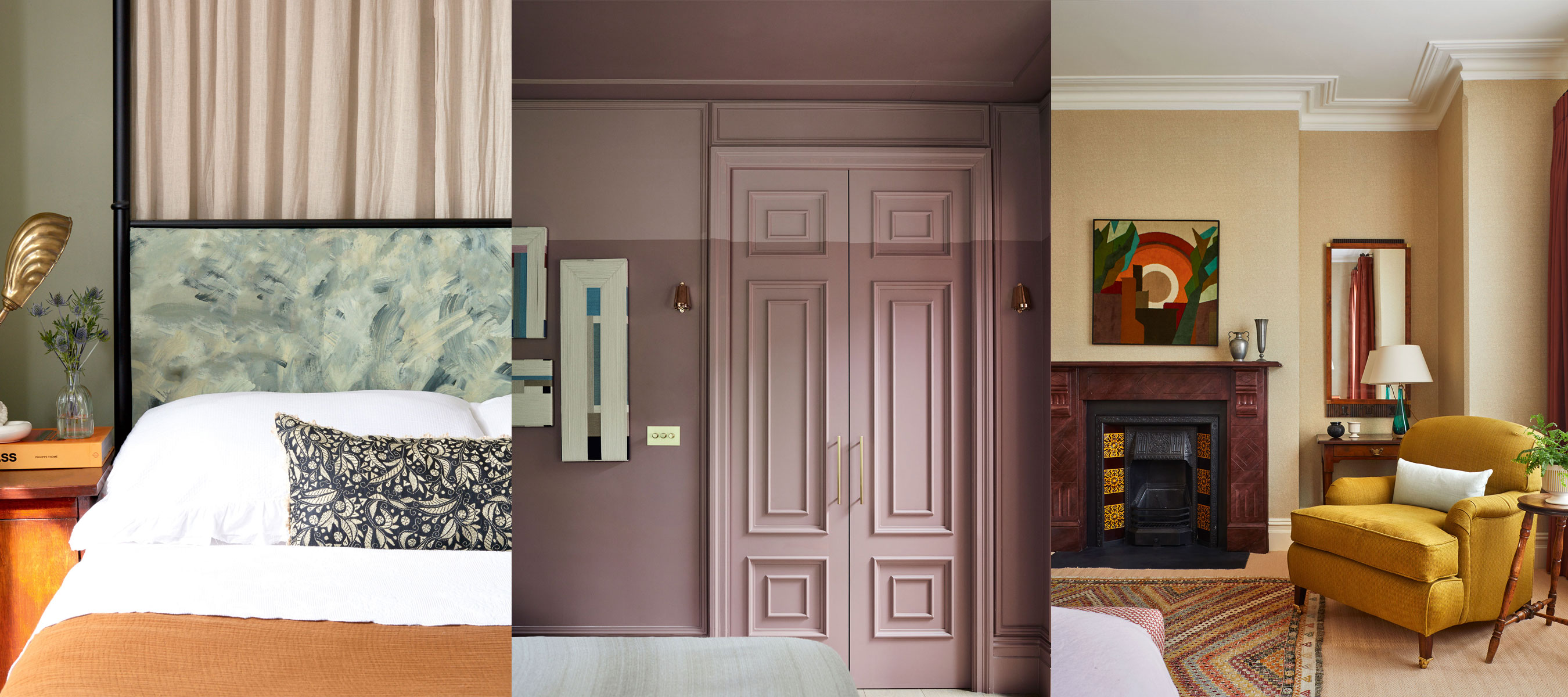
Paint tricks – 10 painting tips and techniques loved by the experts
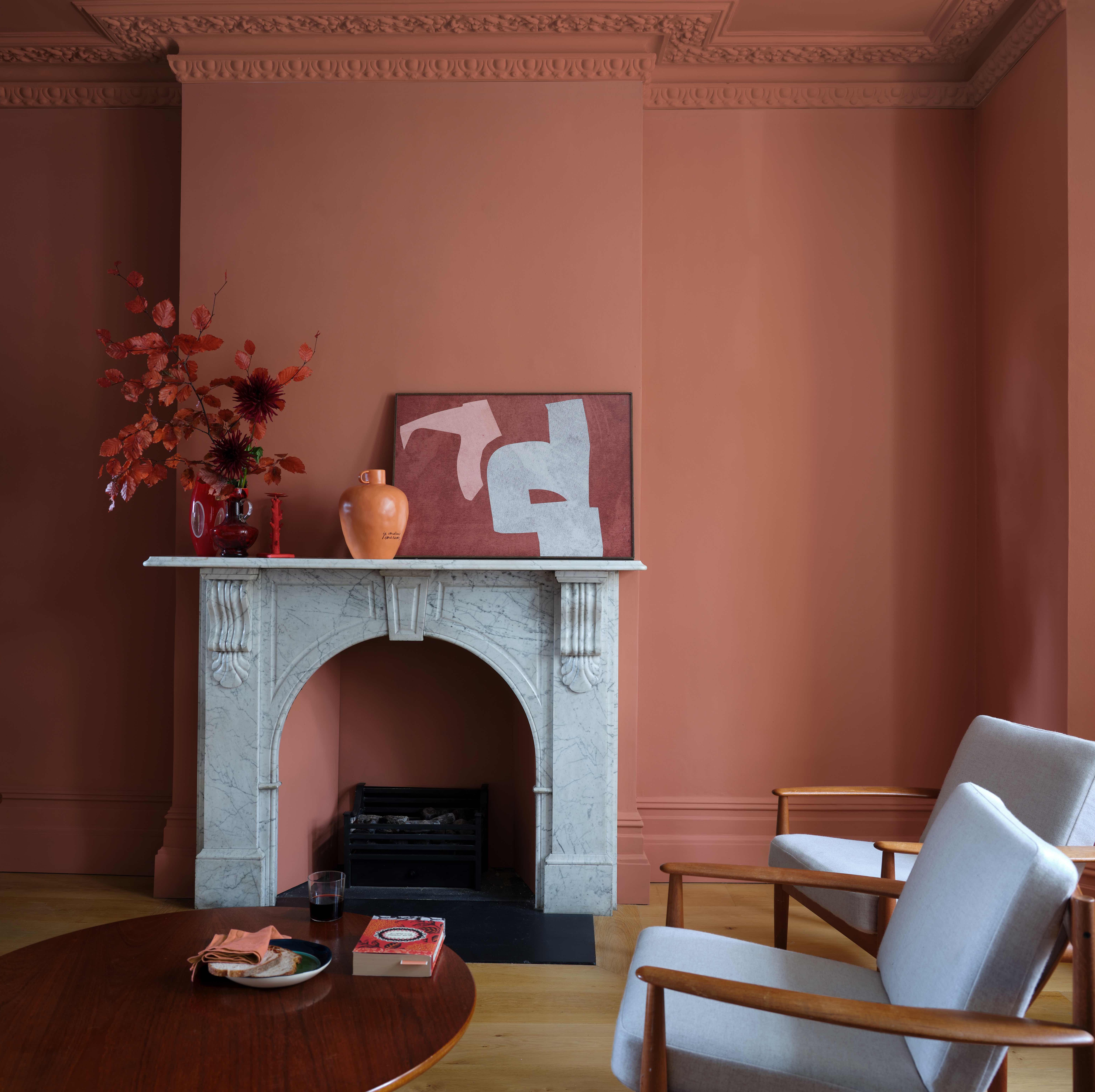
6 great ways to use colour drenching in your home
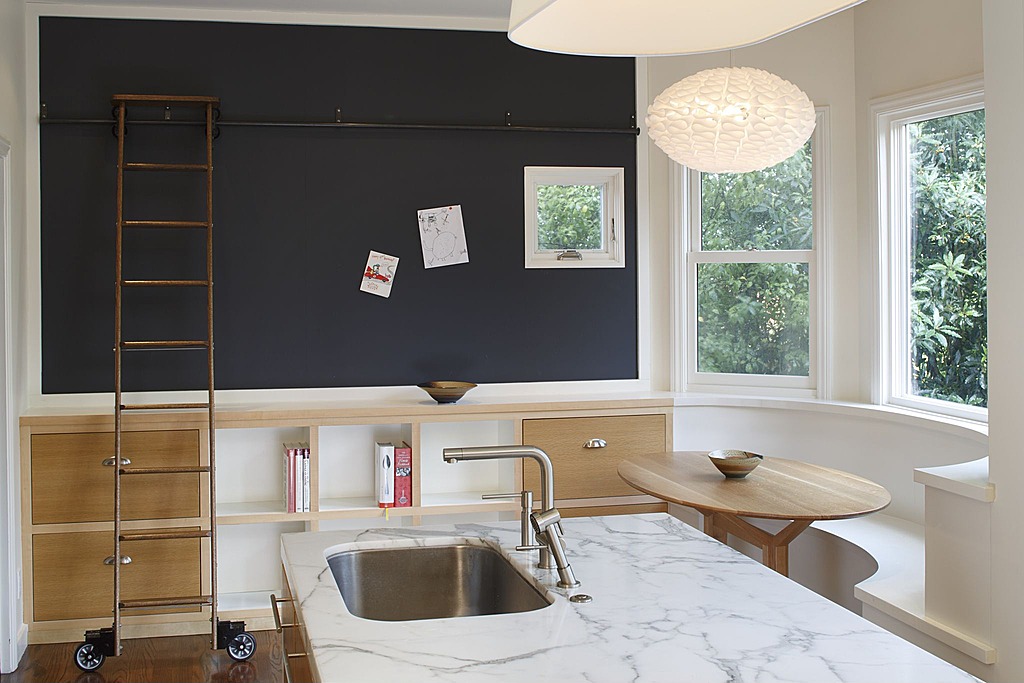
6 ways to add chalkboard paint to the home
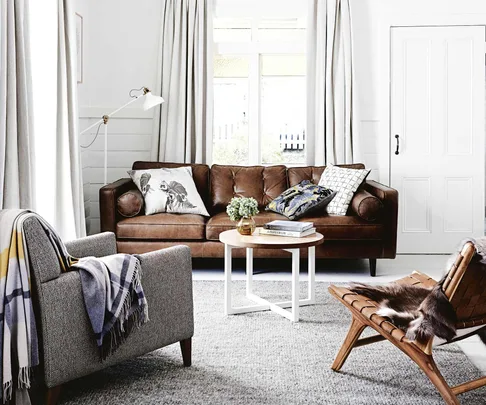
How to layer materials and add texture to your home decor
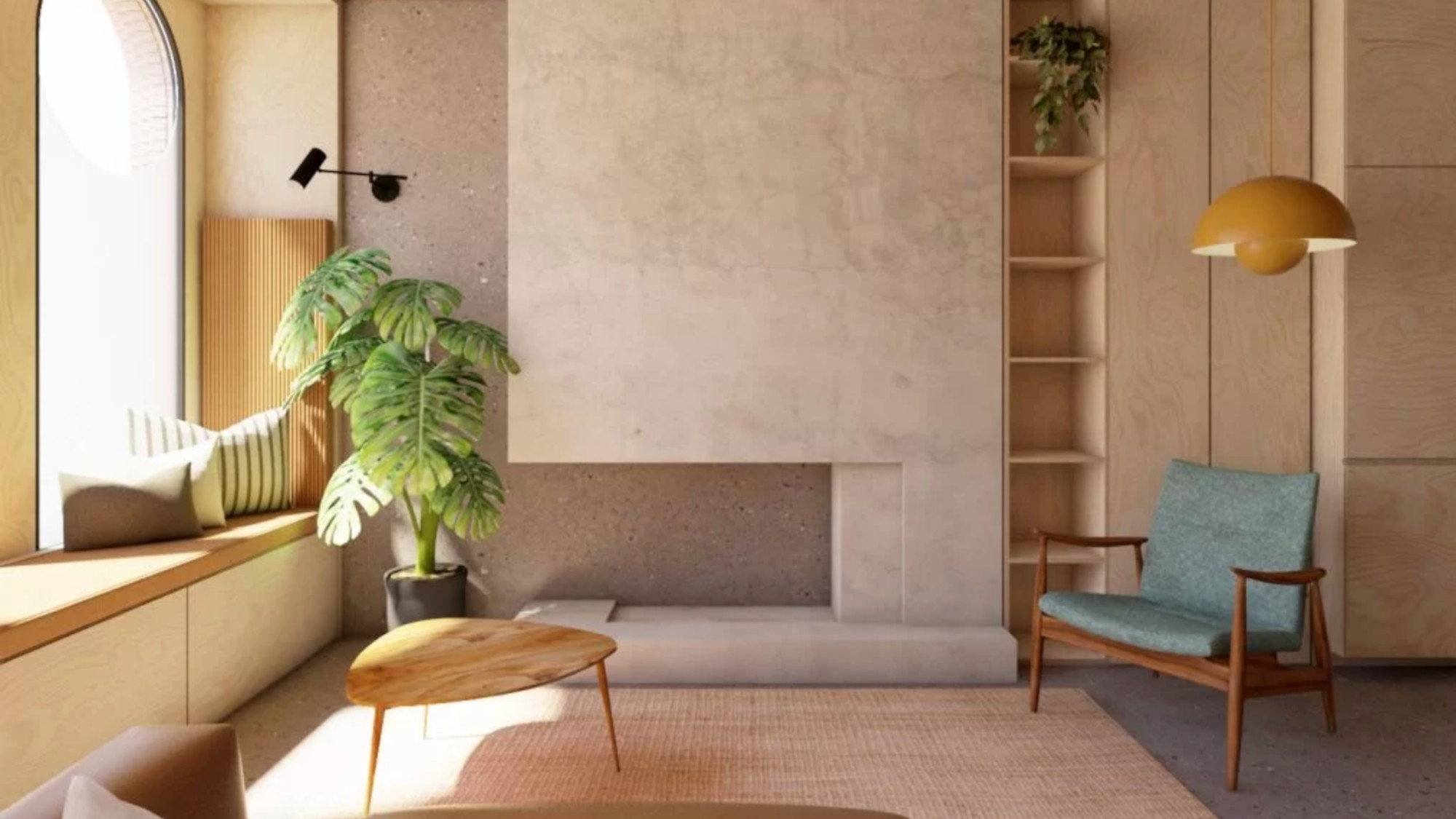
How to add texture to your walls - a beginner's guide to the many beautiful plaster finishes
How to texture a wall – 5 expert methods for intriguing wall textures
How to choose the right type of paint when decorating a room