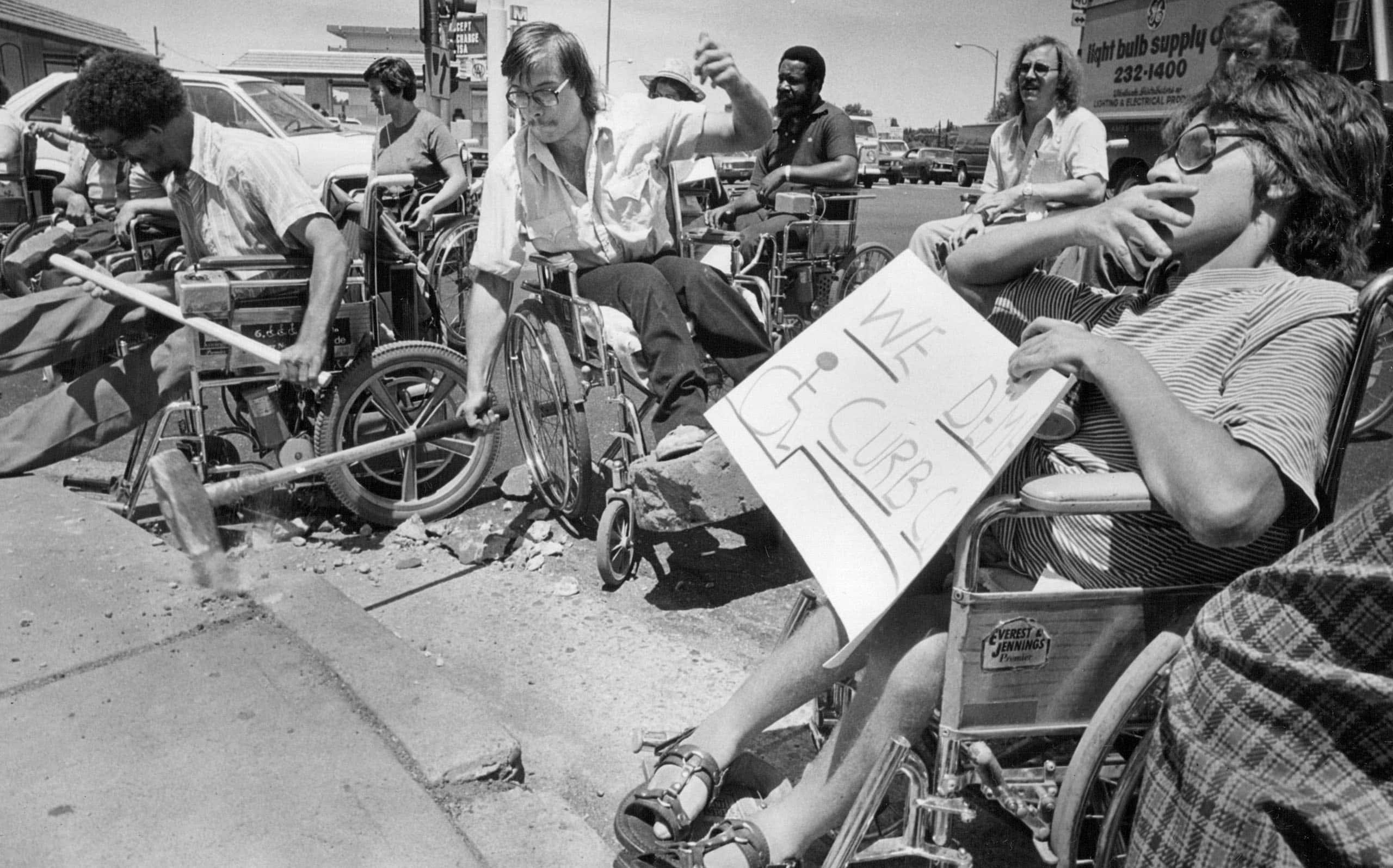
Interview with Richard Duncan about Universal Design
The article explores the concepts of "universal design" and "Better Living Design" (BLD) in residential architecture, featuring an interview with Richard Duncan, Executive Director of the RL Mace Universal Design Institute and co-founder of the Better Living Design Institute. Duncan clarifies that while universal design is a broad concept applicable to various environments, BLD focuses specifically on residential new construction, remodeling, and products, aiming to make homes suitable for individuals across all ages, abilities, and life stages.
Duncan explains that a key motivation for developing the BLD brand was to overcome misconceptions associated with universal design, which many consumers and industry professionals mistakenly equate with specialized accessibility features like ramps and wheelchair lifts. He emphasizes that BLD homes, in contrast, integrate features that are aesthetically pleasing and offer convenience and ease of use to a wide audience without looking overtly "accessible." The result is a home that functions well for everyone and maintains market appeal, offering long-term value.
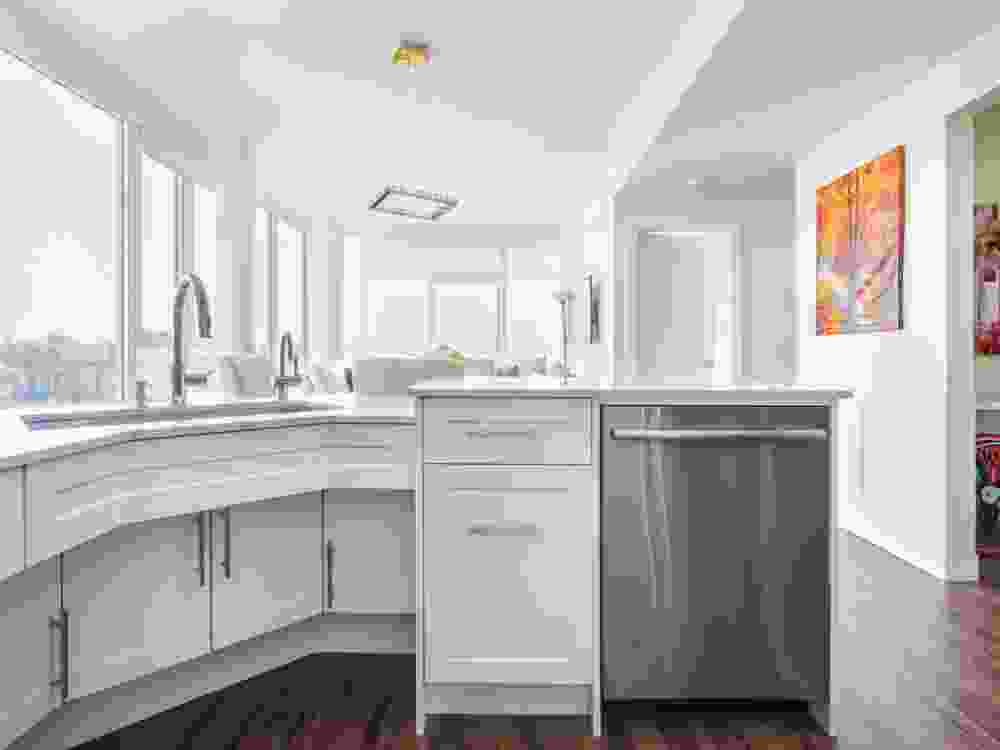
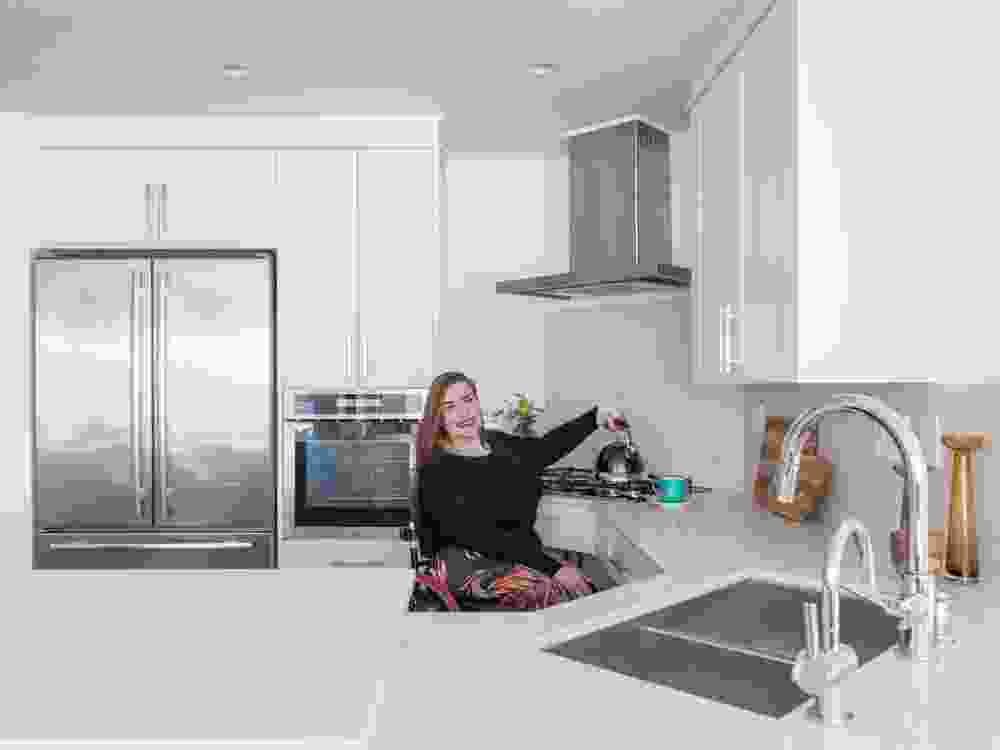
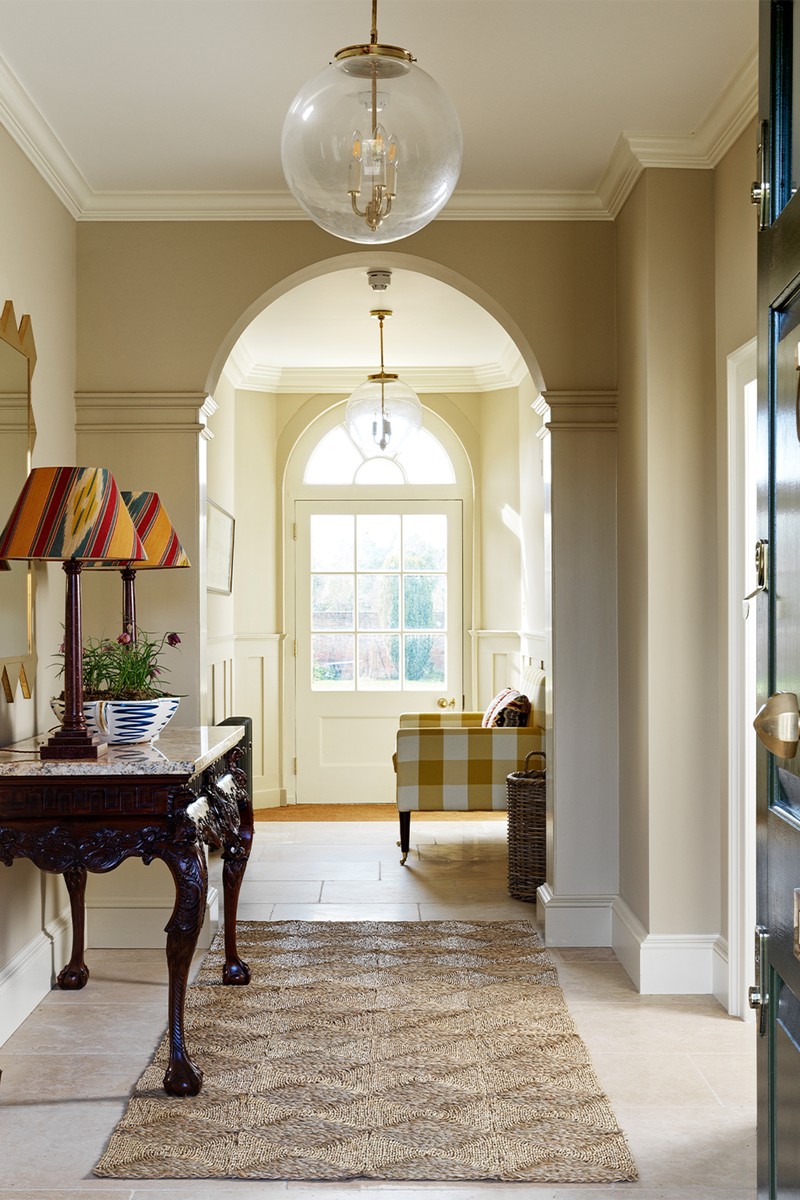
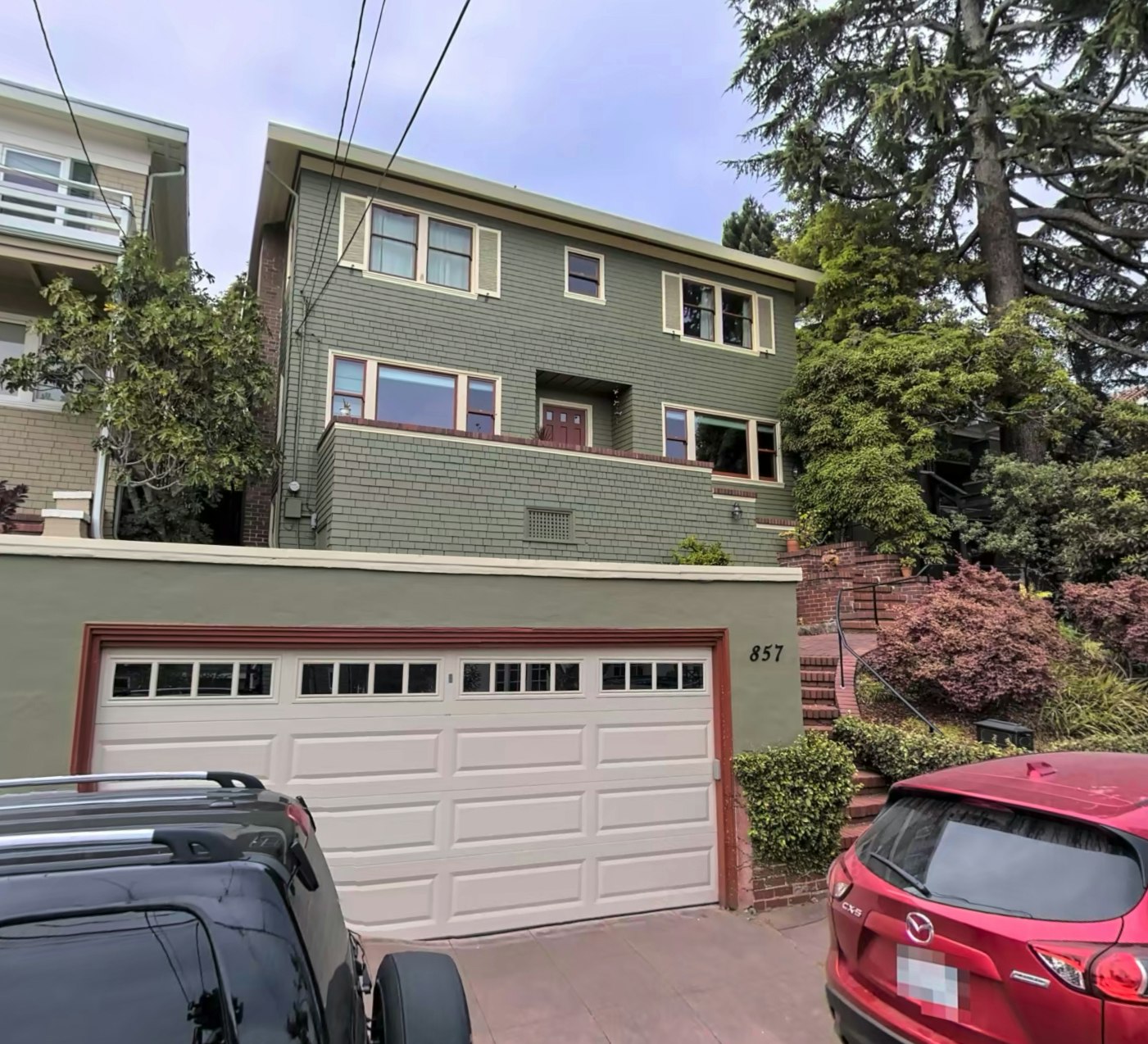
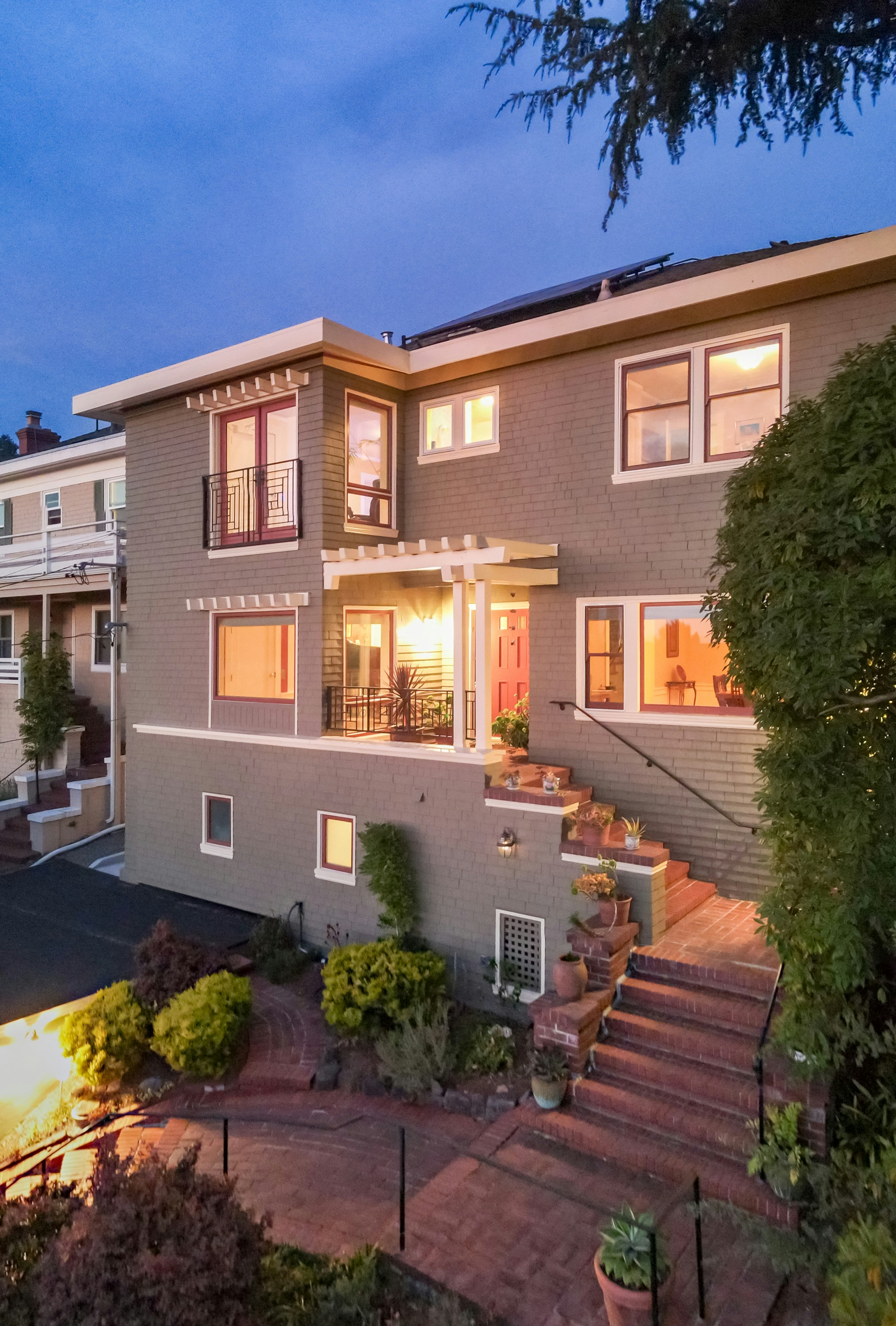
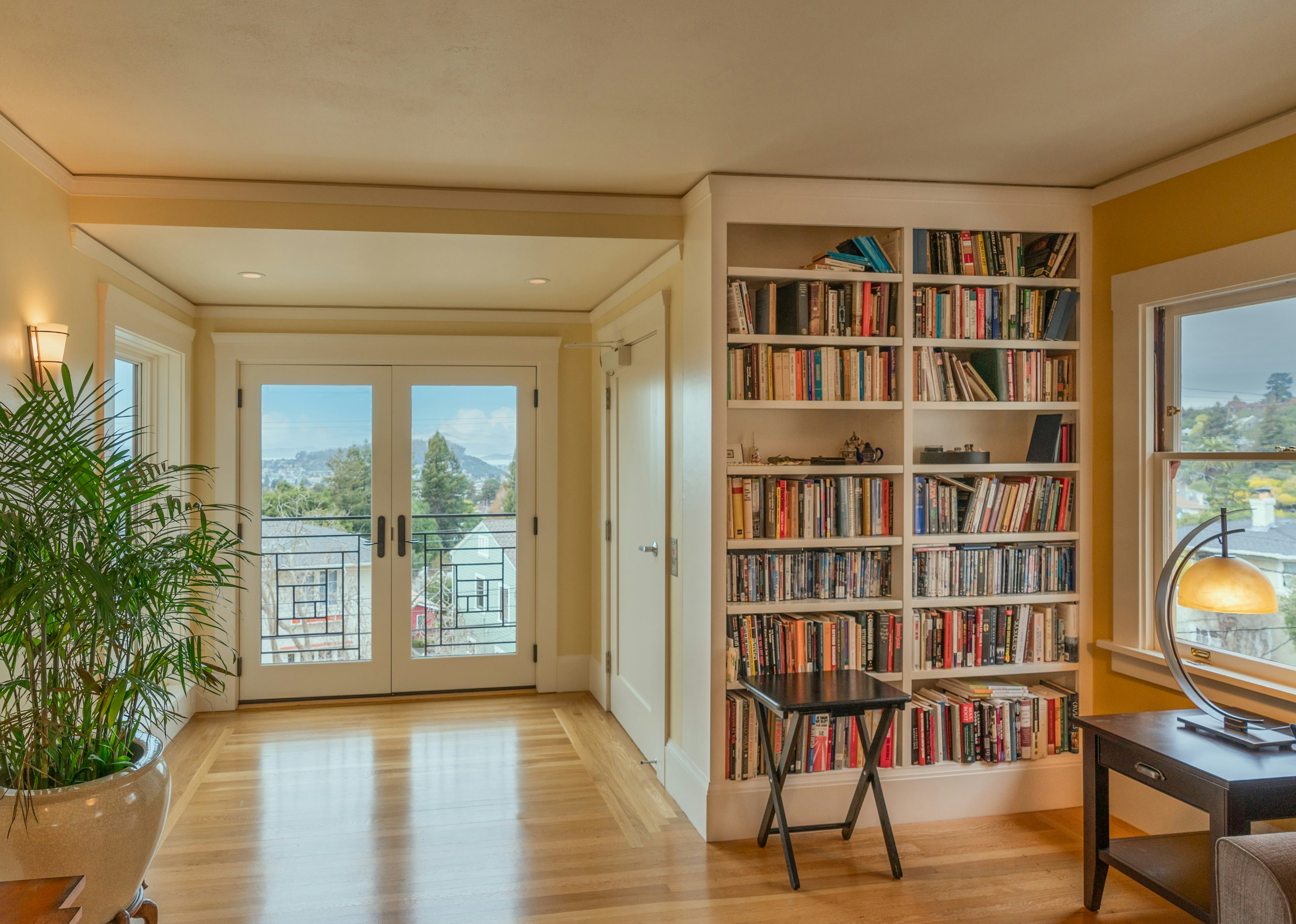
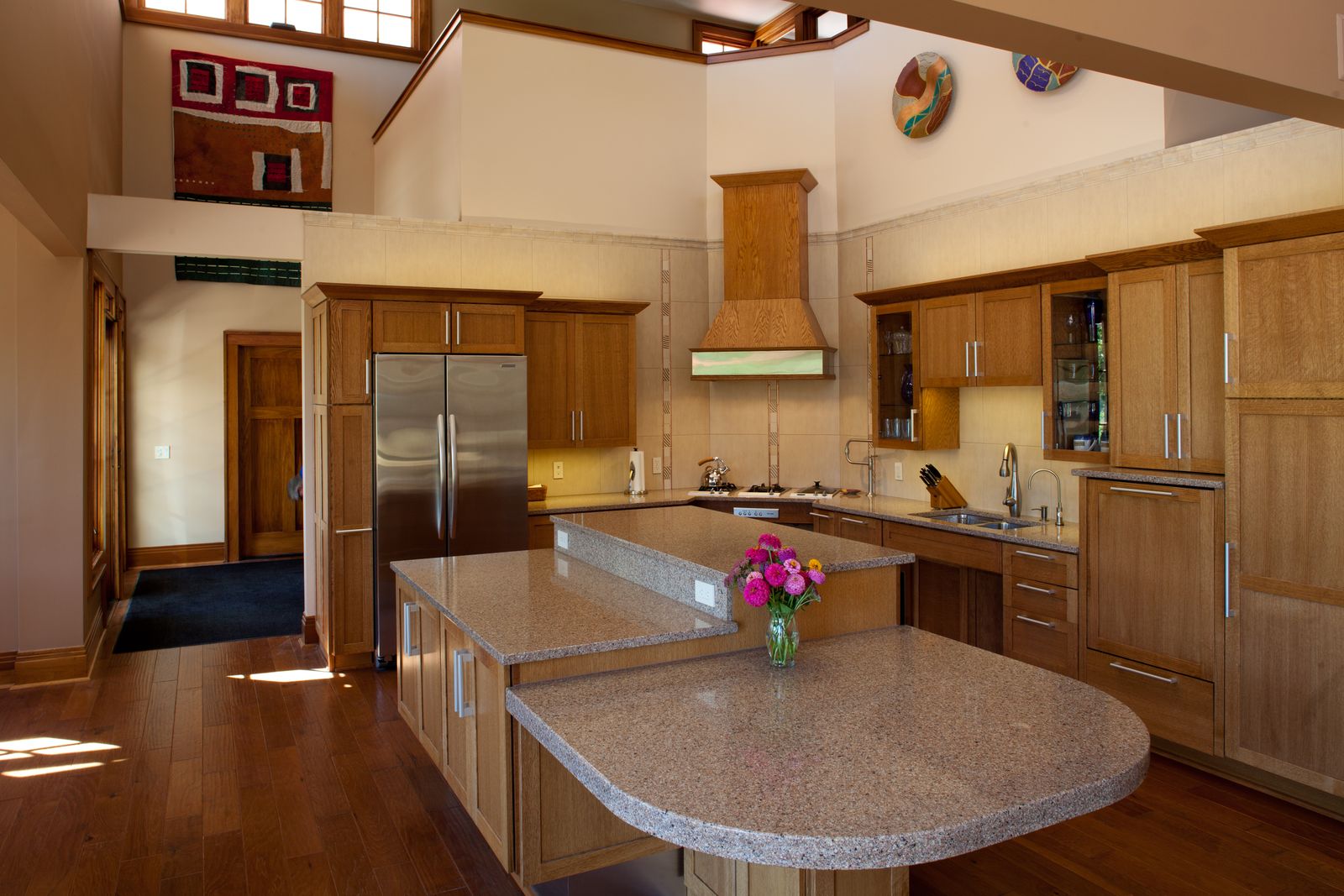
The discussion then delves into the practical elements of a BLD home. While there isn't a rigid, one-size-fits-all approach, common characteristics include a conventional exterior appearance that blends with neighborhood aesthetics. Essential features often involve at least one step-free entrance, which can be through the front, back, side door, or garage, benefiting not only older individuals but also parents with strollers. Inside, an open-plan layout, especially on the first floor, is ideal for easy movement, complemented by wider hallways (at least 42 inches) and doorways (34 inches wide). Furthermore, key functional areas like a bedroom, kitchen, and bathroom should be accessible on a level without stairs. Kitchens are designed with easily reachable storage and varied work surface heights to accommodate different users, and electrical outlets and wall switches are positioned for easy access, with provisions for integrating smart home technology for various controls.
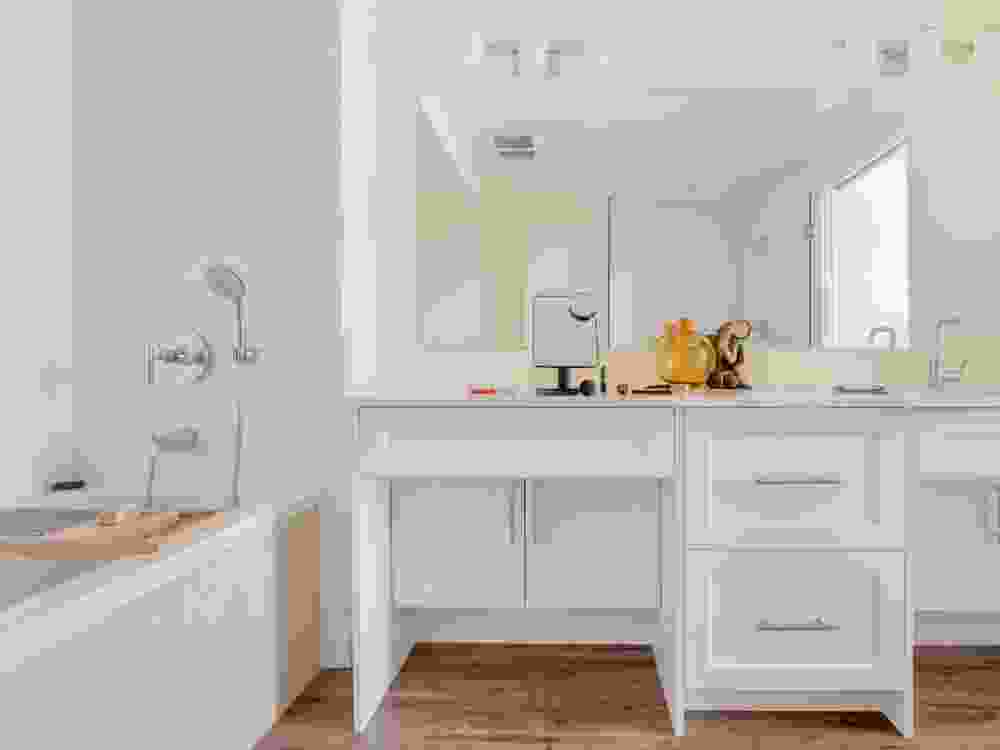
Duncan highlights specific elements he wishes architects, designers, and builders would adopt more widely, such as curb-less showers, which are both functional and visually appealing. He advocates for creative solutions for step-free home access, including covered porches that are level with the first floor. Conversely, he urges the industry to avoid designing bathrooms that are difficult to adapt for long-term needs, suggesting thoughtful placement of fixtures and strategic blocking behind walls for future grab bar installation. These structural considerations are crucial for enhancing a home's flexibility over time.
Addressing the demographic shift towards an aging population, Duncan stresses the need for the housing sector to prepare for an increasing number of older adults. He encourages new home buyers and remodeling clients to demand BLD features, which will drive industry adoption. He also calls for remodelers, builders, architects, and interior designers to become educated and certified in BLD principles and to market these homes by emphasizing their inherent ease of use, convenience, and long-term value, rather than focusing on stigmatized "accessible" aspects. This includes explaining subtle features, such as wall blocking for grab bars or strategically placed toilets that allow for future space customization. Ultimately, the widespread adoption of BLD aims to provide more "aging in place" options, reducing the stress and cost associated with home modifications later in life, and allowing individuals to remain in their homes and communities more comfortably and safely.
#UniversalDesign #BetterLivingDesign #AgingInPlace #ResidentialArchitecture #HomeRemodeling #Accessibility #InclusiveDesign #HomeDesign #RichardDuncan #UniversalDesign #BetterLivingDesign #AgingInPlace #ResidentialArchitecture #HomeRemodeling #Accessibility #InclusiveDesign #HomeDesign #RichardDuncan
0 comment in total
 No comments yet
You may also like

Design Guru Henry Holland Talks Style, Inspiration & More
Design Talk With Maria MacVeigh At Design Week Dublin

Meet Grania Murray | Interior Designer
Q&A: Interior Designer Monica Duncan

Universal Design Studio: the practice quietly shaping the way we live, work, shop and eat


Architecture and design features and interviews | CLADglobal.com - Embracing nature

Watch Every Talk From the AD PRO Global Design Summit

“The Future Is Here”: A Design Conversation With Kanye West
Universal design hits home for all

Design Bloggers Talk at Darien Library About Their Hit Video Series
Jason Holley and Paul Gulati of Universal Design Studio Rethink Design

Universal Design: Why Americans Need Home Design That Welcomes Everyone
DESIGNER Q&A - Emily Dunn

2 Interiors Designers Talk Style, Inspiration & The Concept Of ‘Future Heritage’
A Cool Furniture Designer Talks Style, Inspiration & More

The new elegance of cities. The evolution of inclusive design

Design Talk With Róisín Lafferty At Design Week Dublin
Erick Mikiten Has a Vision for the House You’ll Grow Old In

Cuff Studio's Common Ground furniture and lighting collection unites "femininity with some testosterone"

Q&A: Unison's Founders on Marimekko, Design, and the Future of Fabric